Modular Furniture For Small Spaces
Modular Furniture For Small Spaces
-
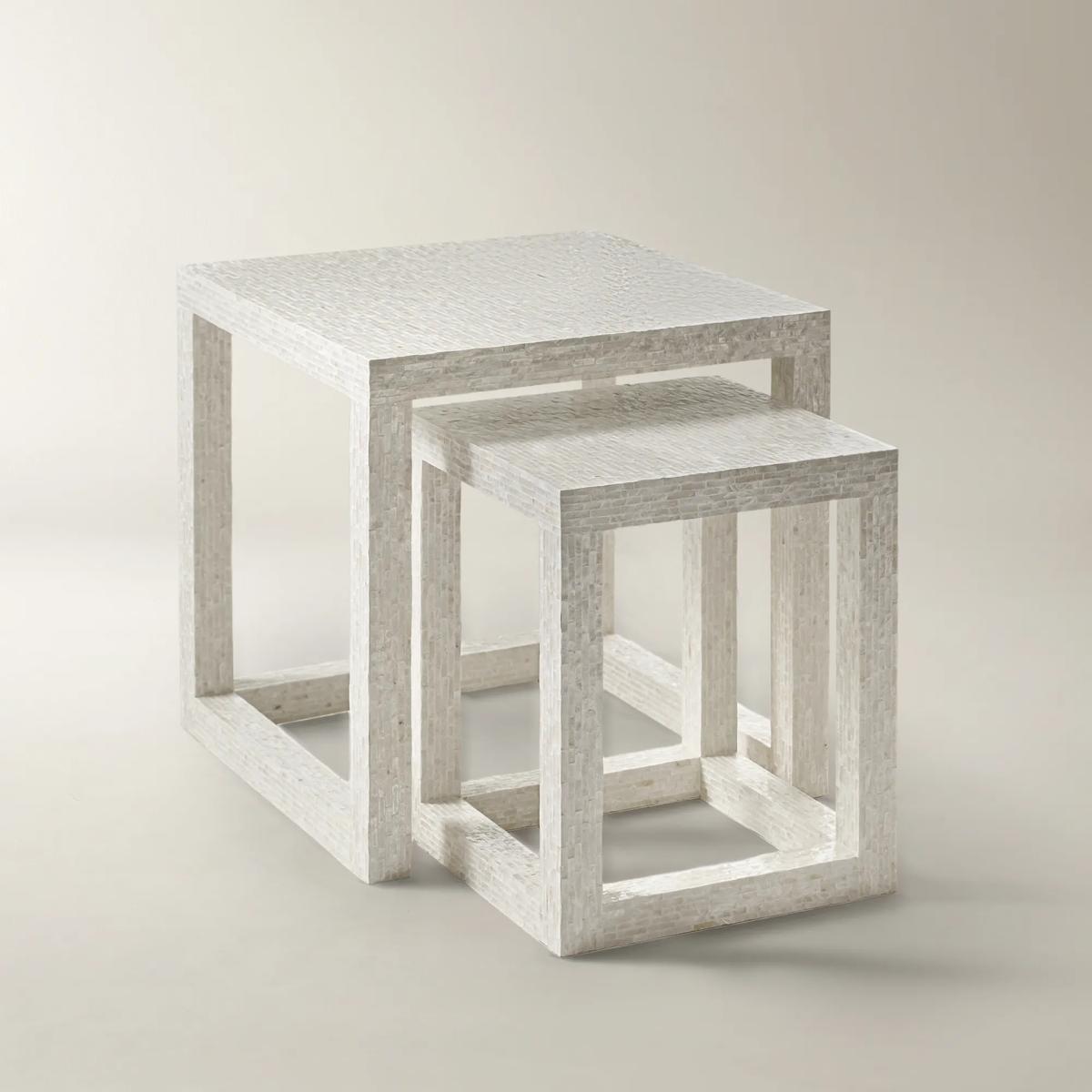 Ivori Square White Nesting Accent Table Set Of 2 (16.5"-23.75")$599
A handcrafted white nesting table featuring radiant mother-of-pearl inlay for a unique, iridescent accent.
Add To Cart -
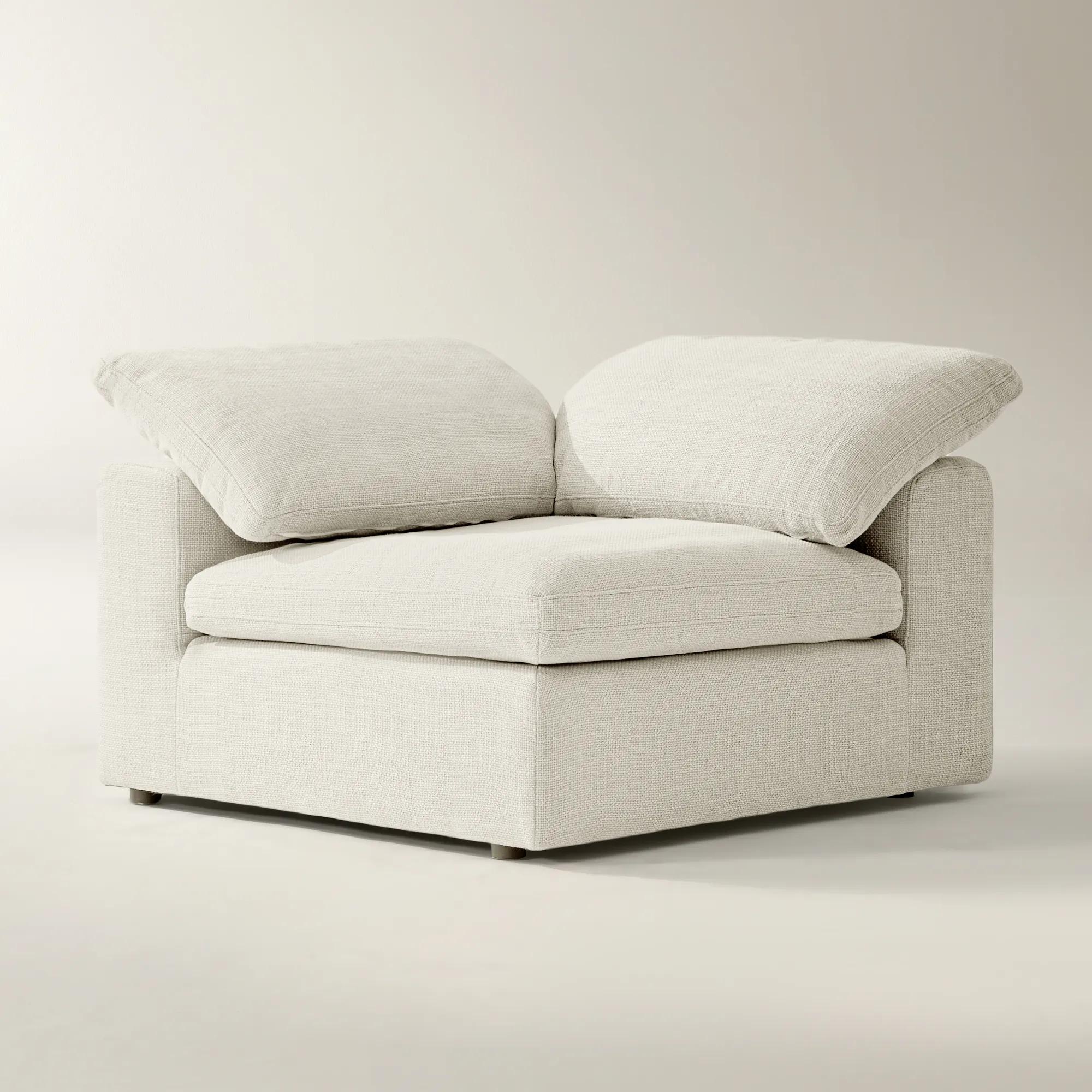
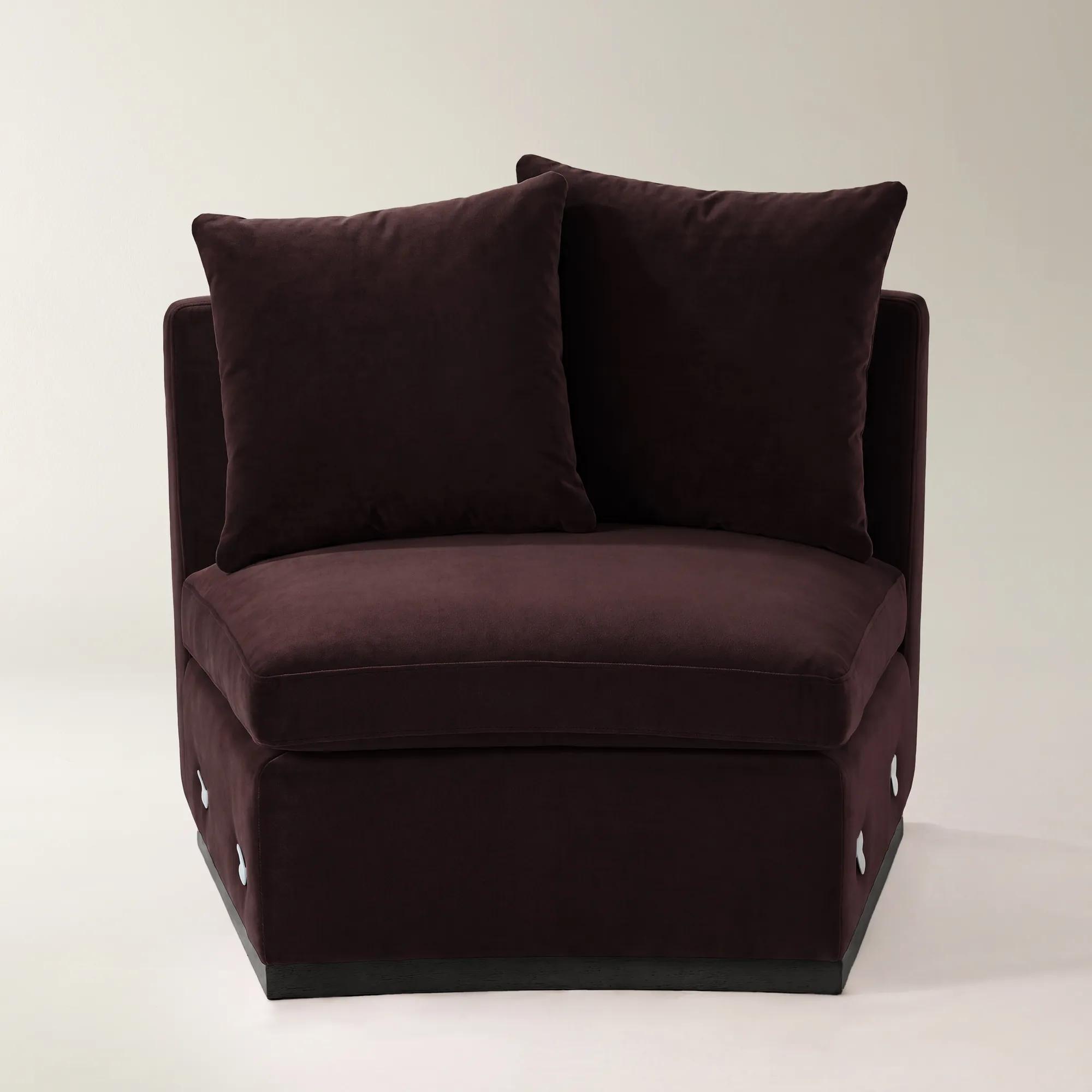
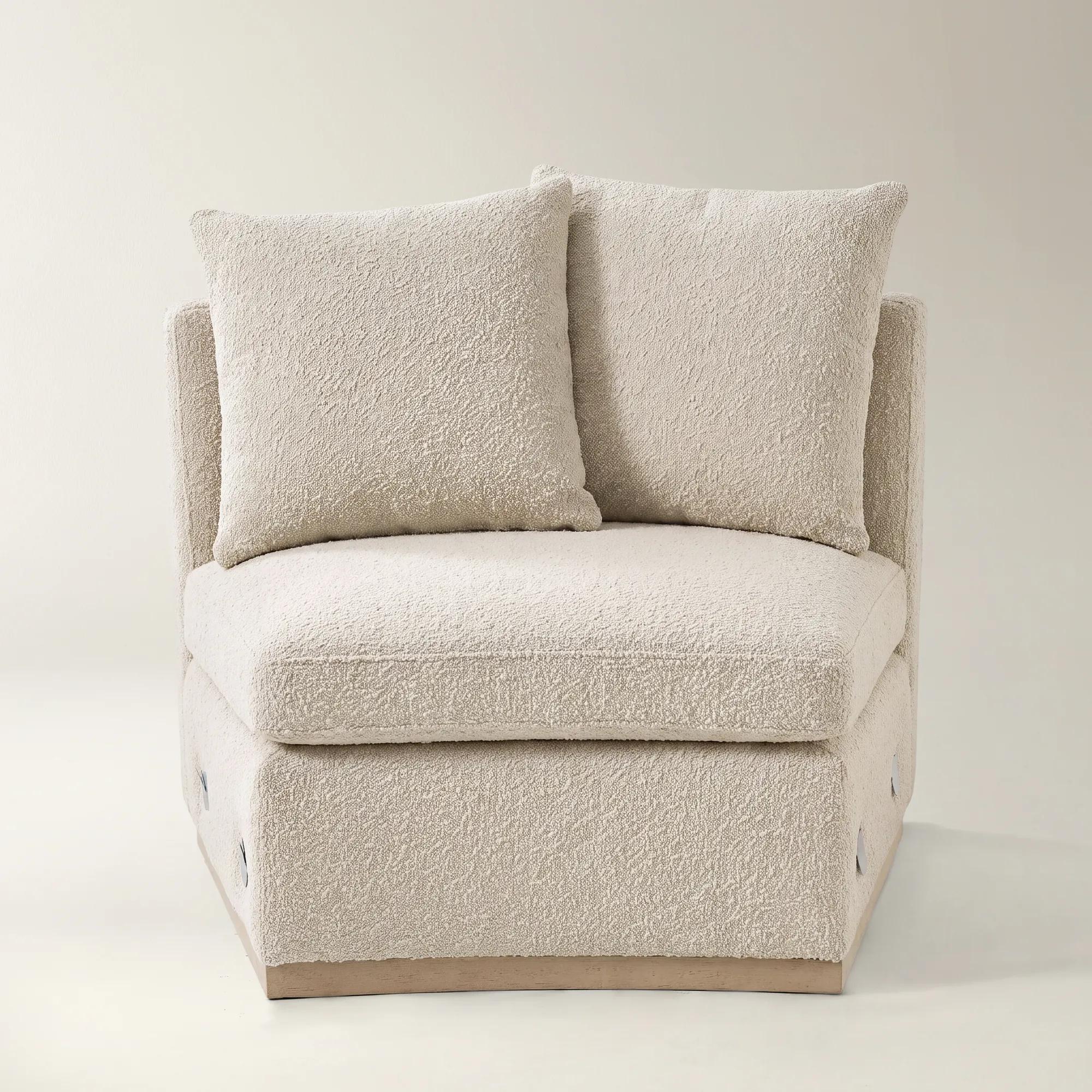
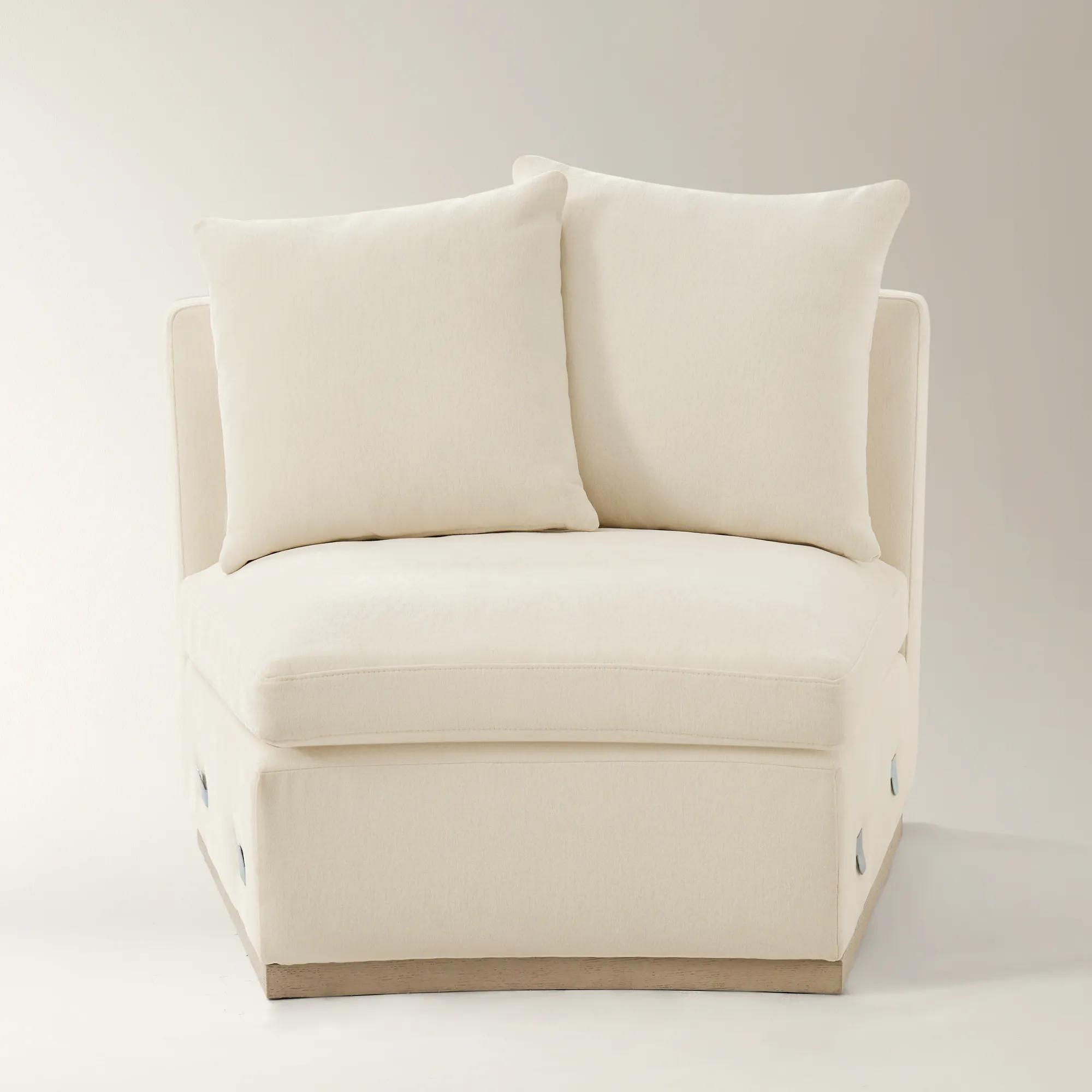
.jpg?w=1200&h=1200) Milo Ivory Performance Fabric Corner Chair$949
Milo Ivory Performance Fabric Corner Chair$949A modular sectional in beige textured polyester with plush feather cushions and power reclining footrests for ultimate comfort.
Add To Cart -
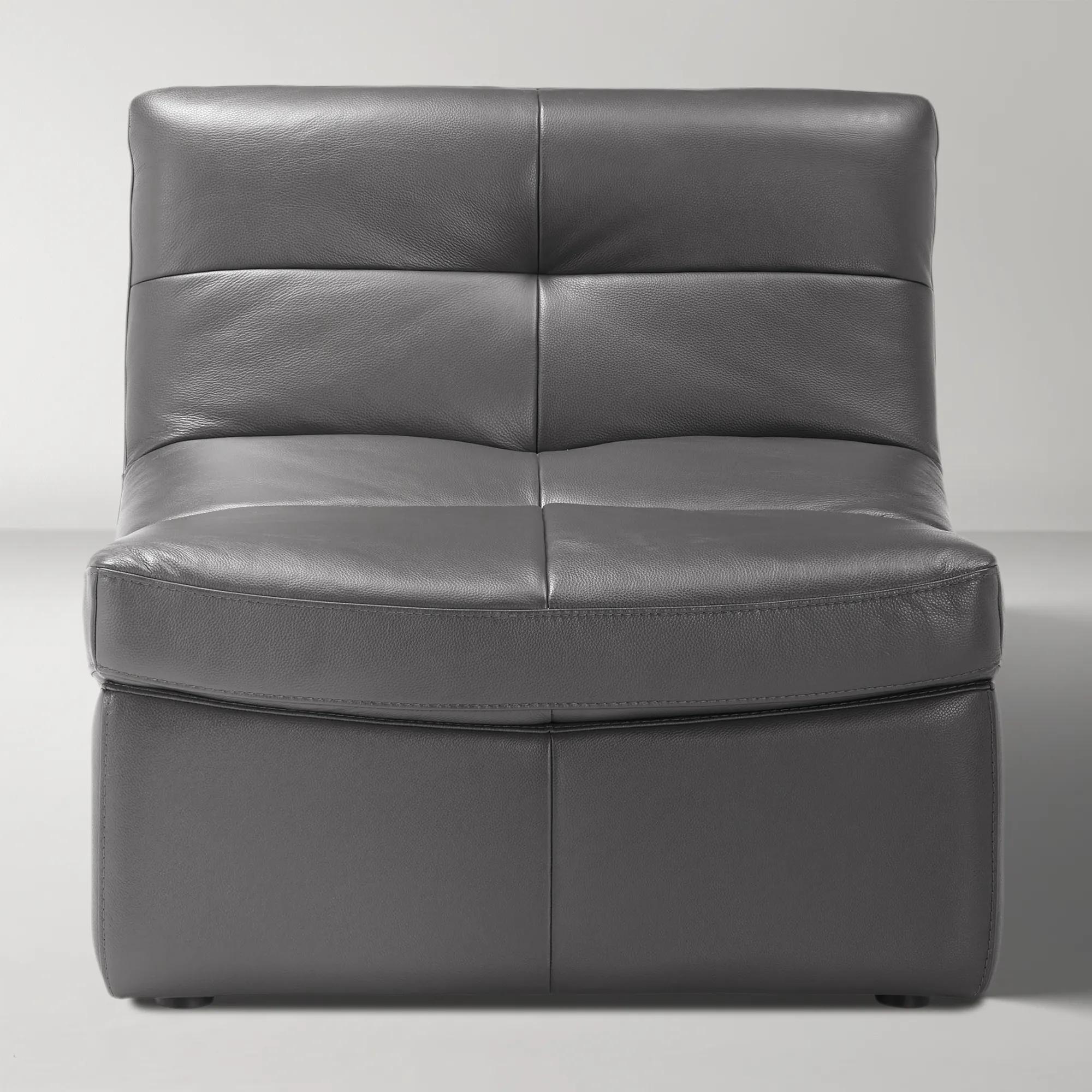
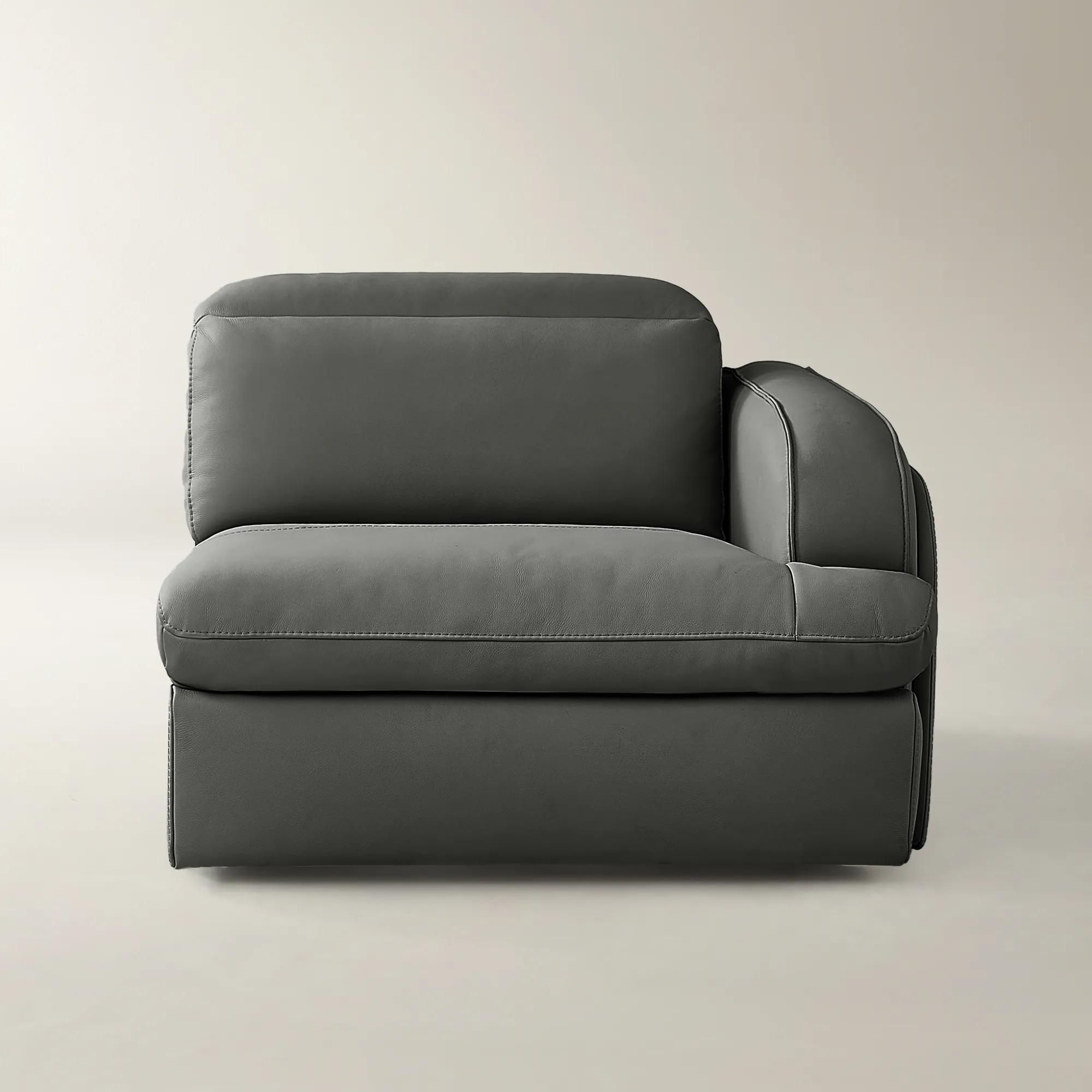
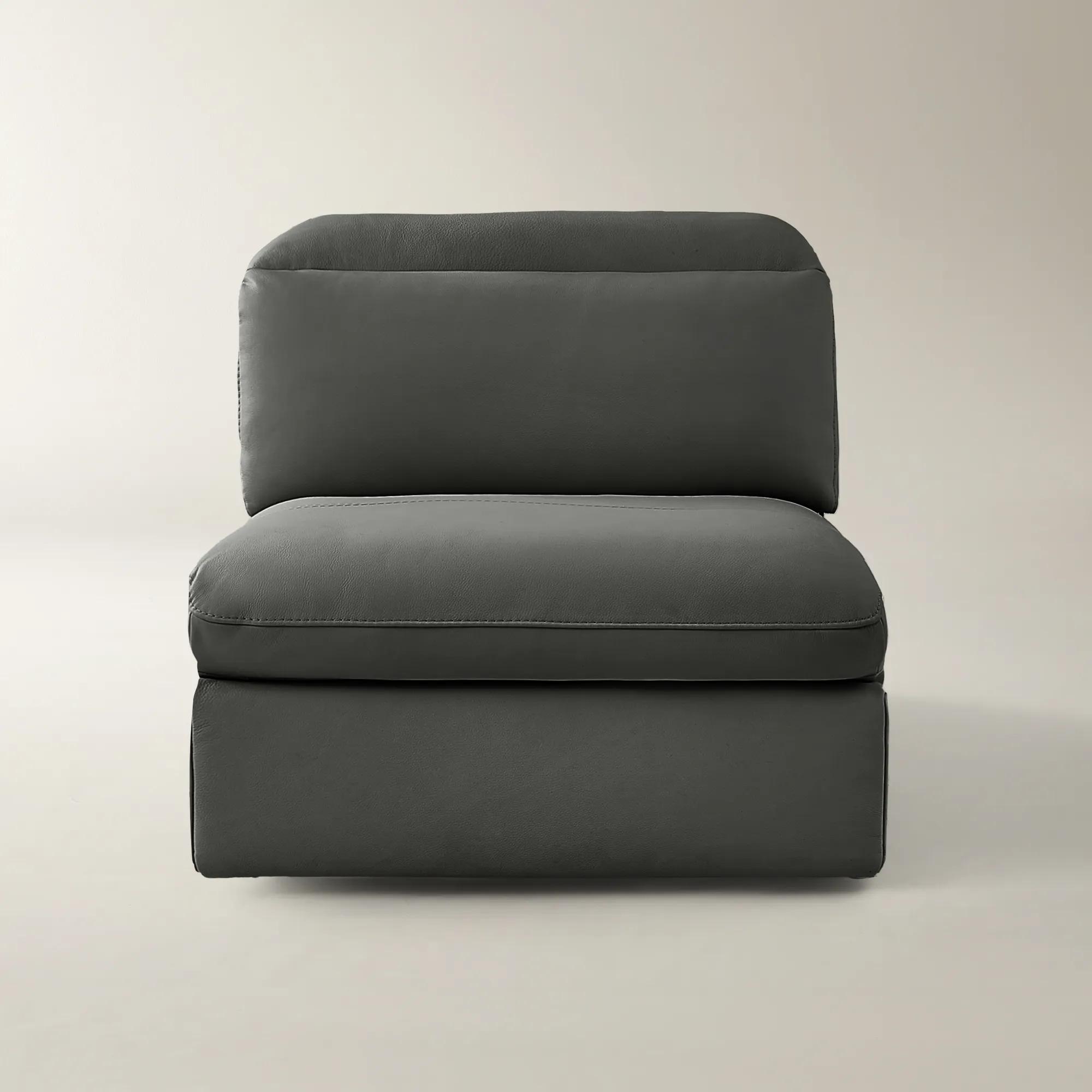
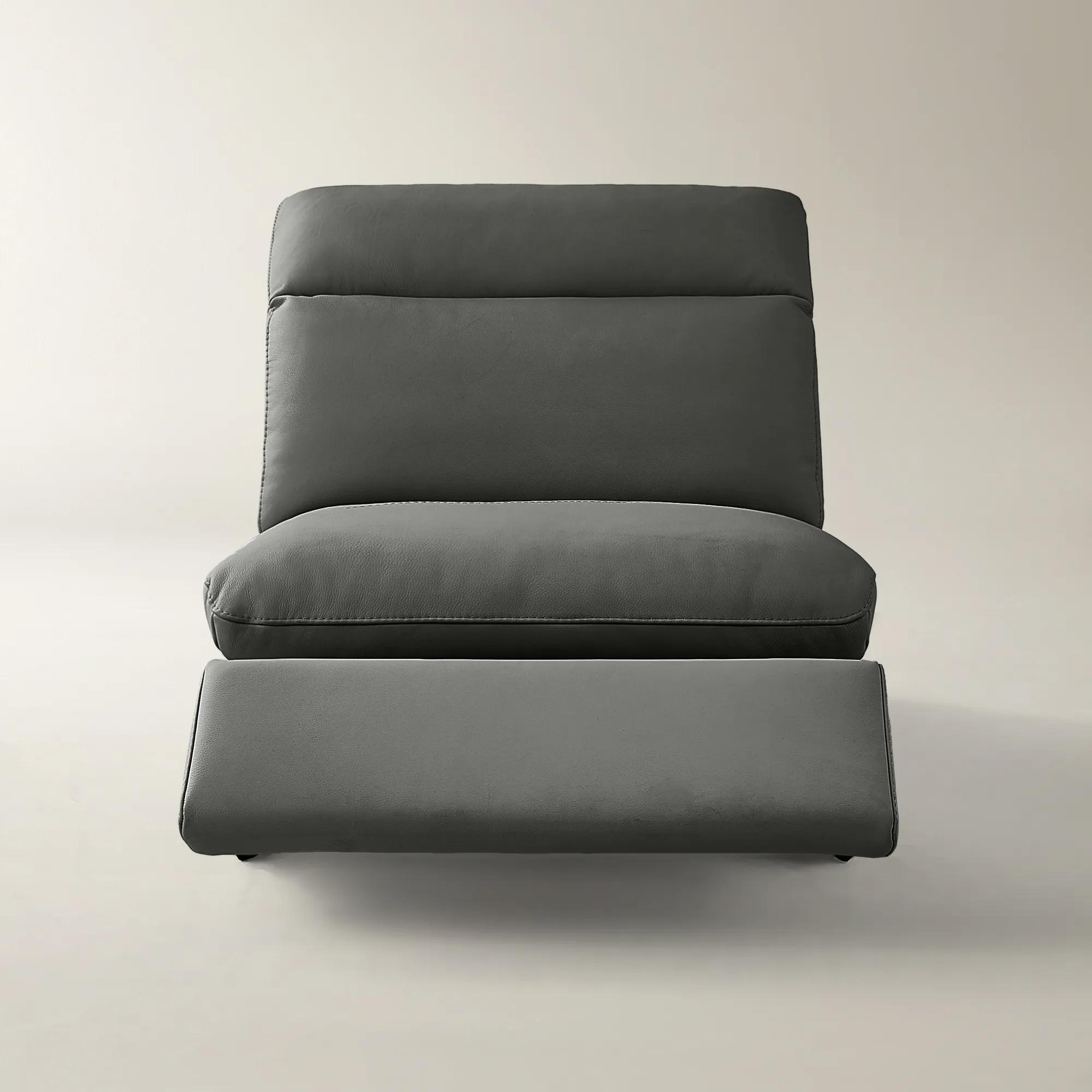
.jpg?w=1200&h=1200) Convo Charcoal Leather Armless Chair$1199
Convo Charcoal Leather Armless Chair$1199A modular sectional with kiln-dried hardwood frame and charcoal semi-aniline leather upholstery for modern versatility.
Add To Cart -
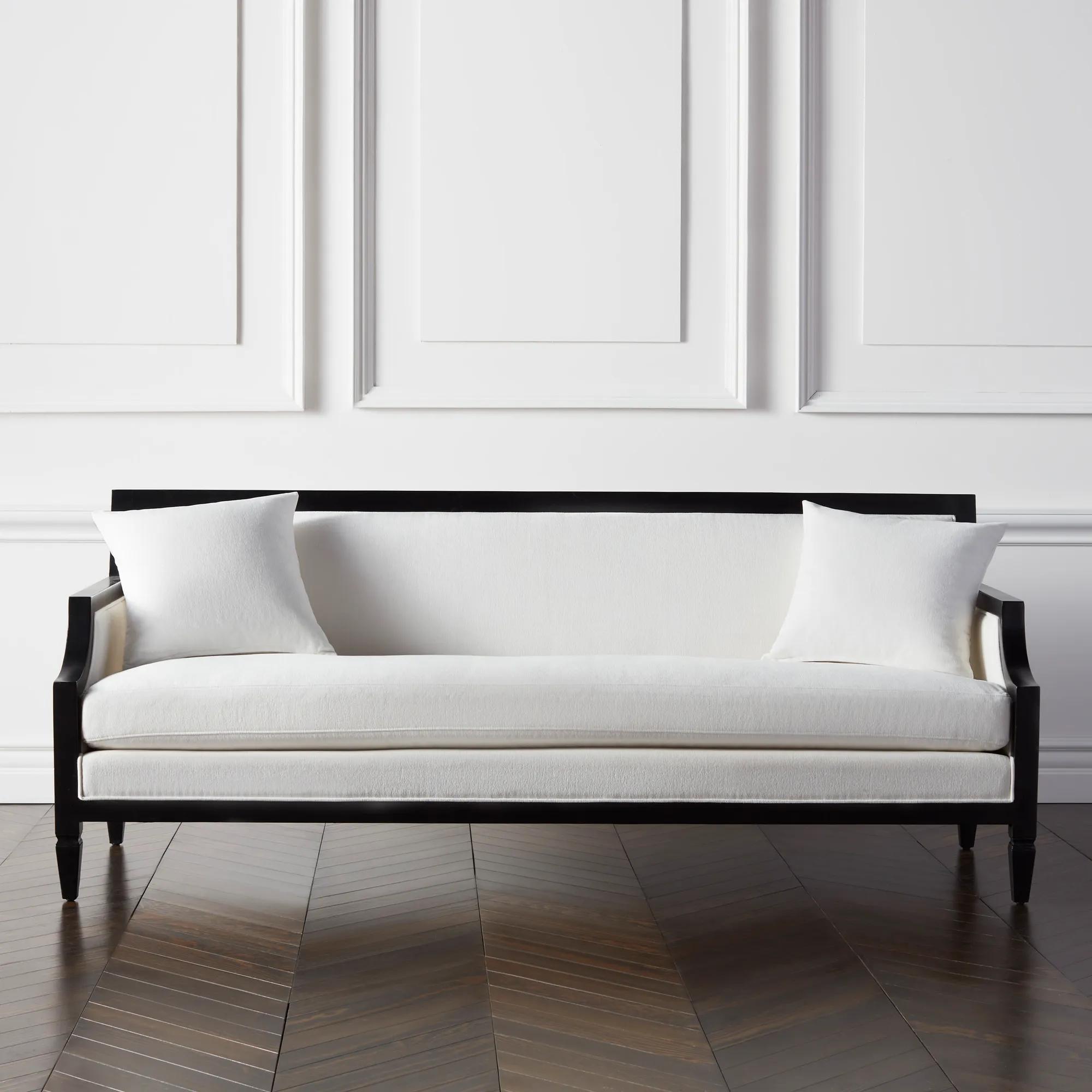
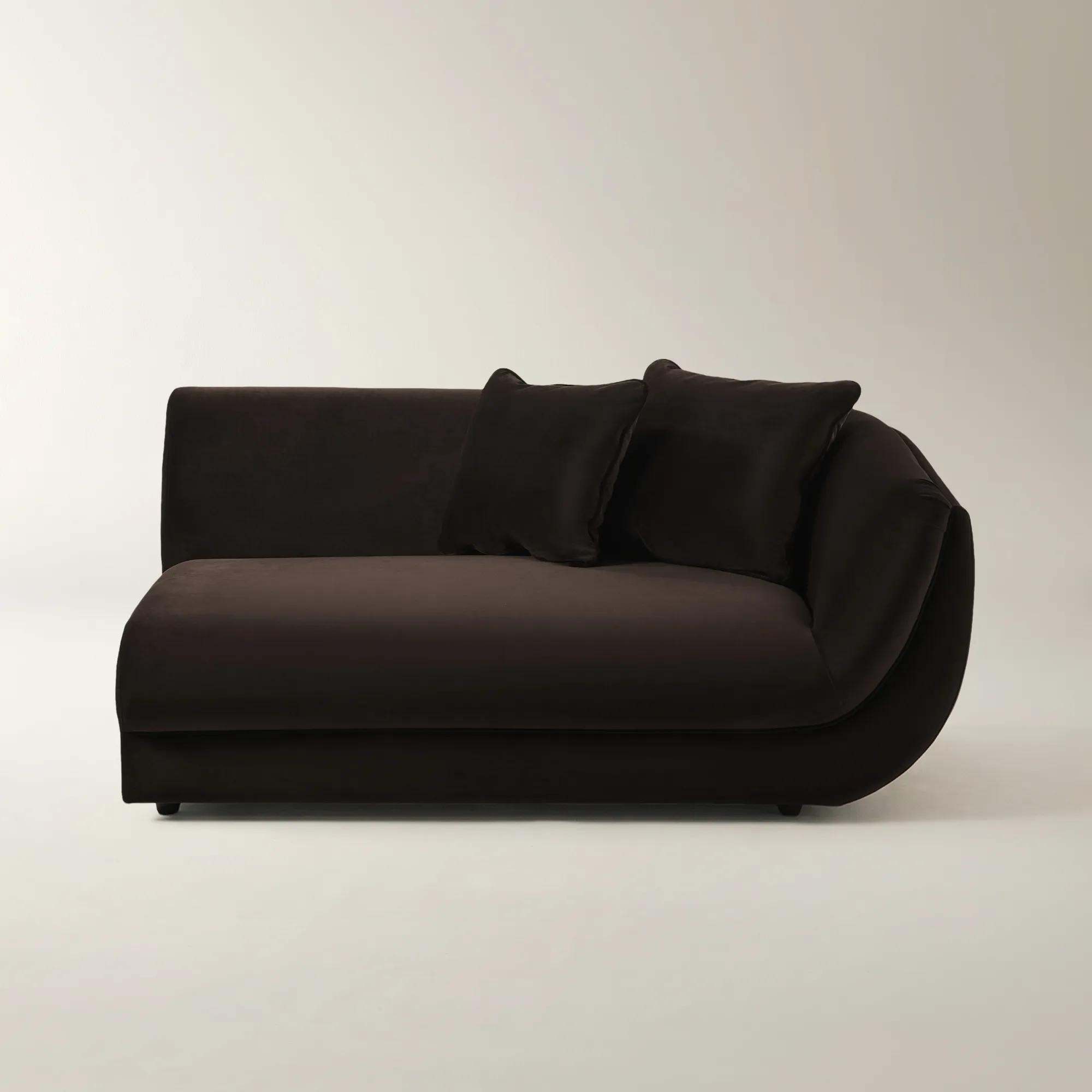
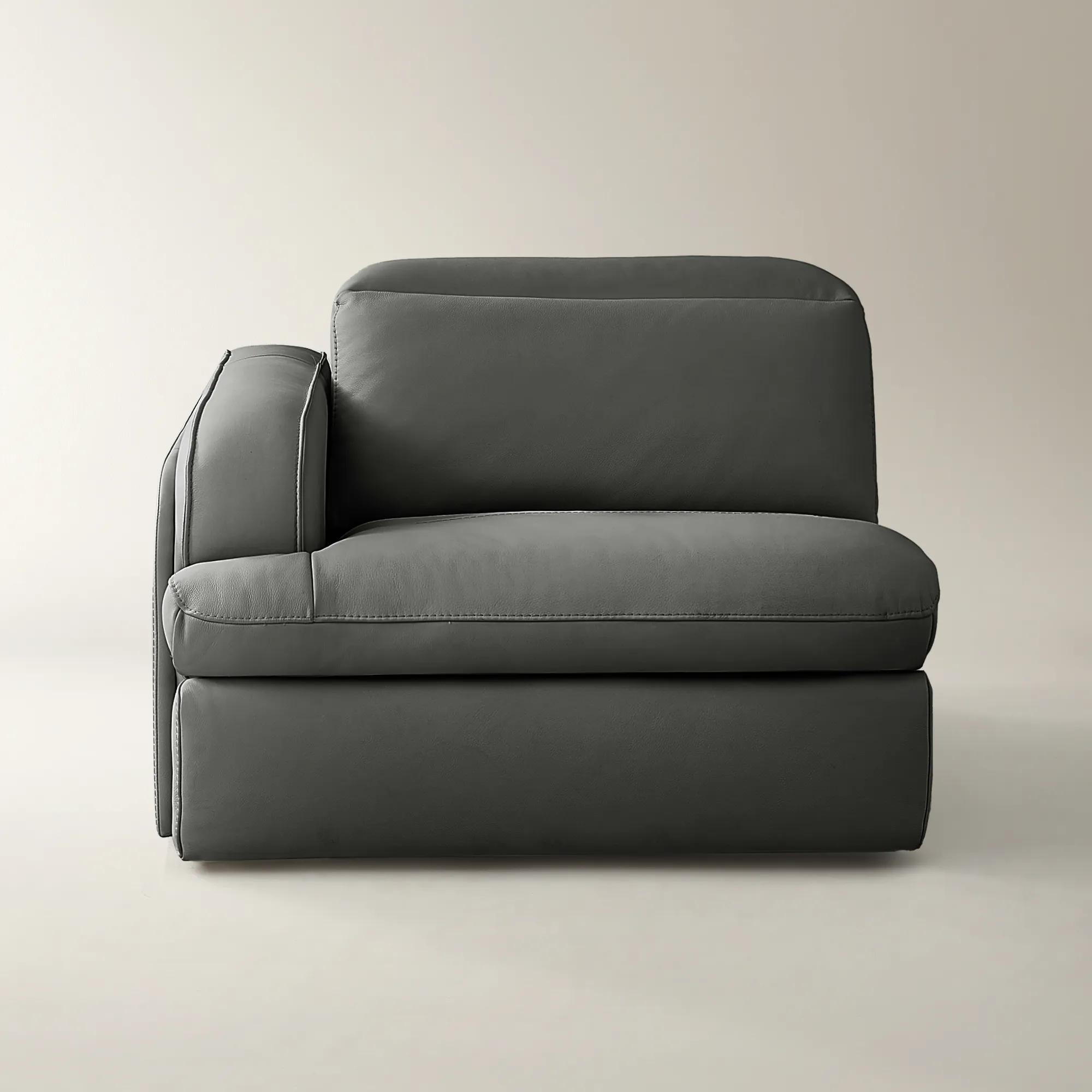
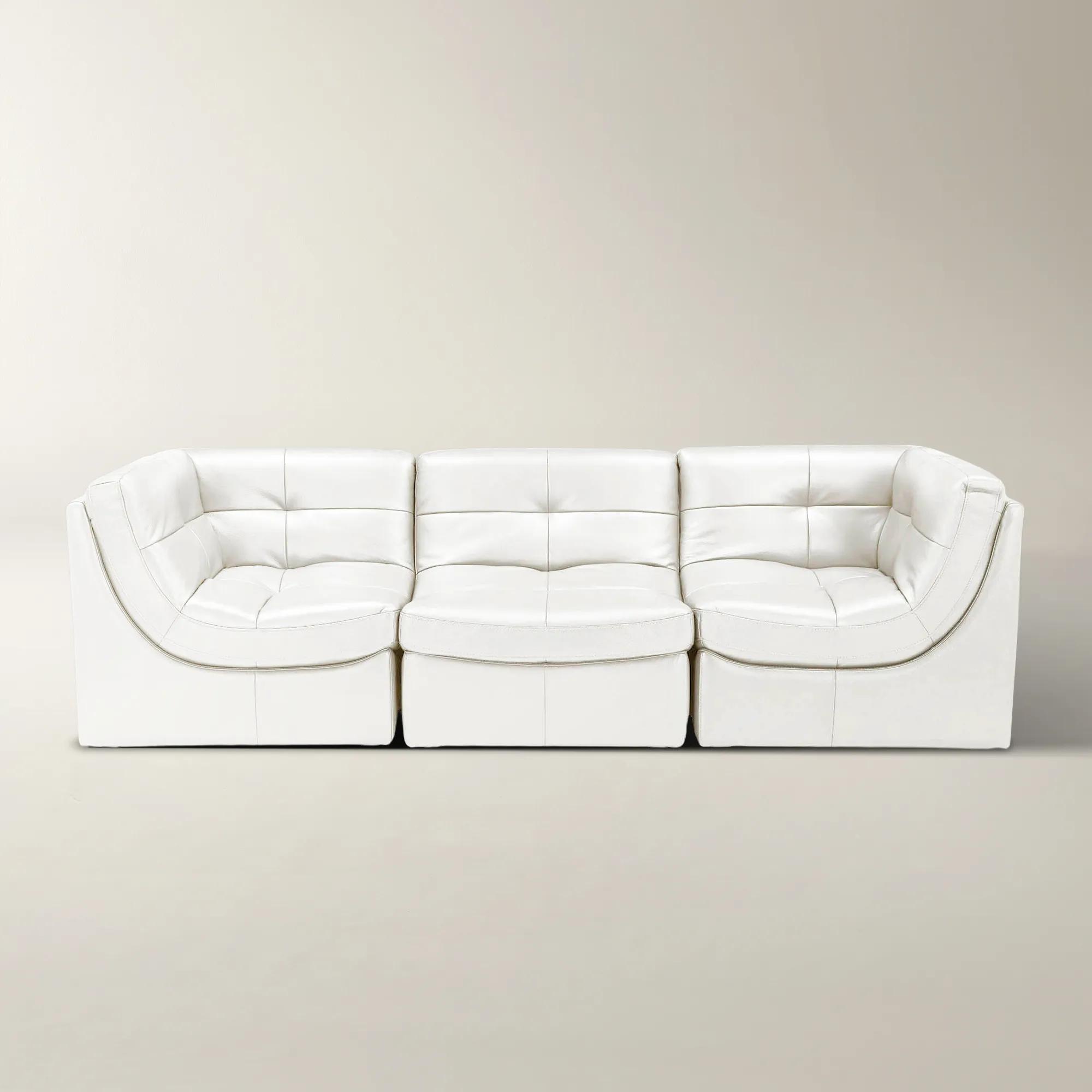 Convo 3-Piece White Leather Sectional Sofa$3999
A modular charcoal leather sofa with kiln-dried hardwood frame and blind-tufted, semi-aniline upholstery.
Add To Cart -
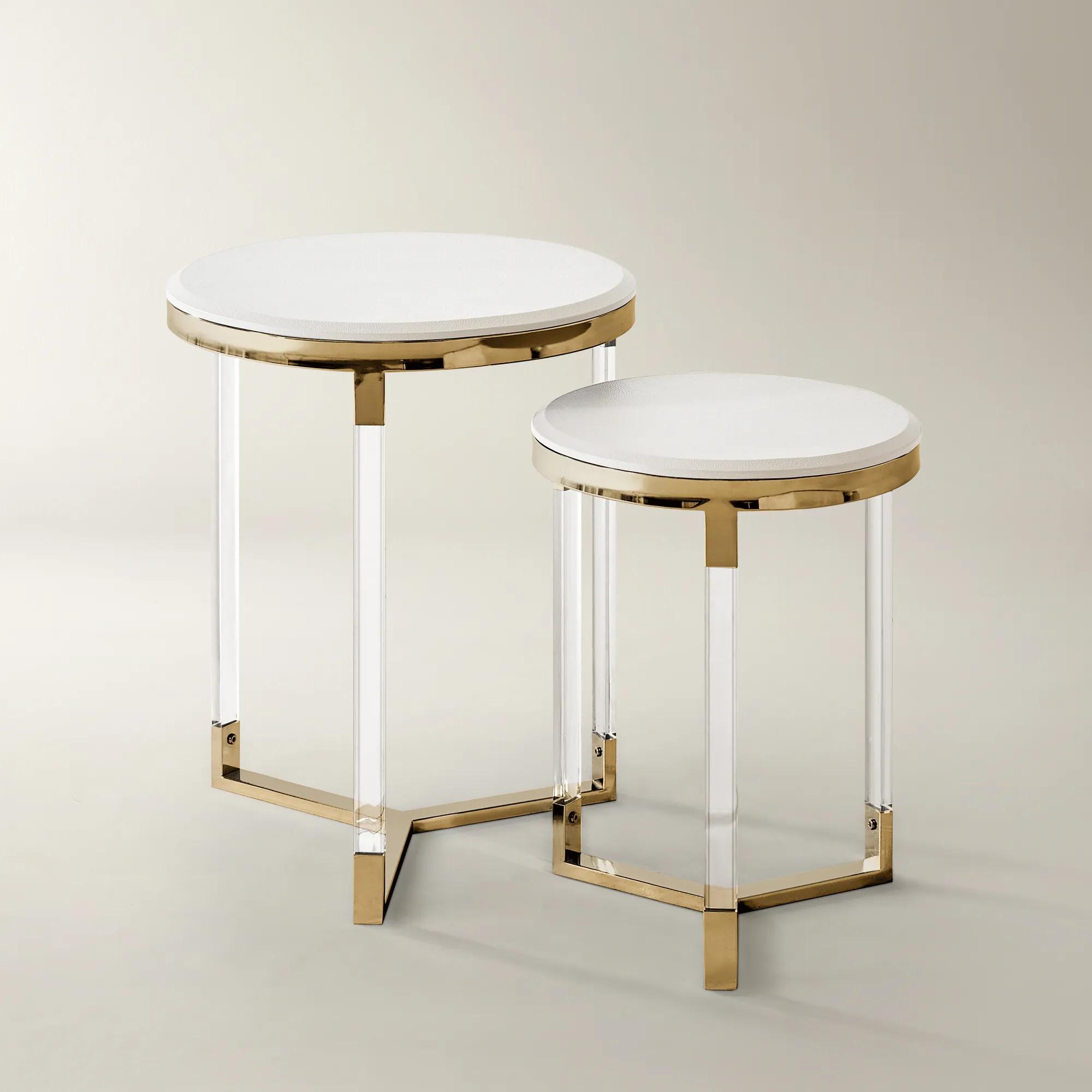
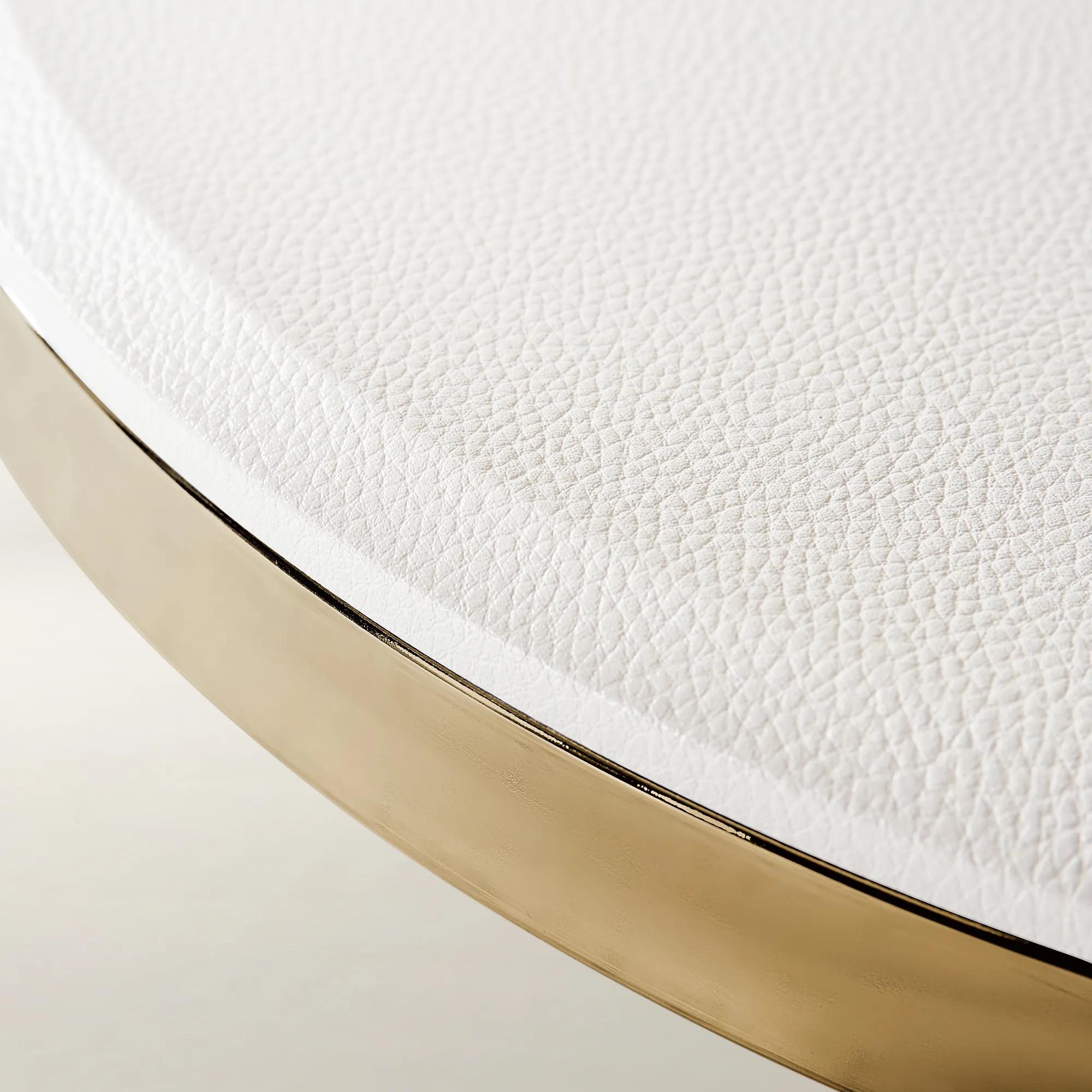 Murano Round White Accent Table With Faux Leather Top Set Of 2 (14.5"-18.5")$399
A set of two accent tables featuring mixed woods, faux leather tops, and acrylic legs with metallic finishes.
Add To Cart -
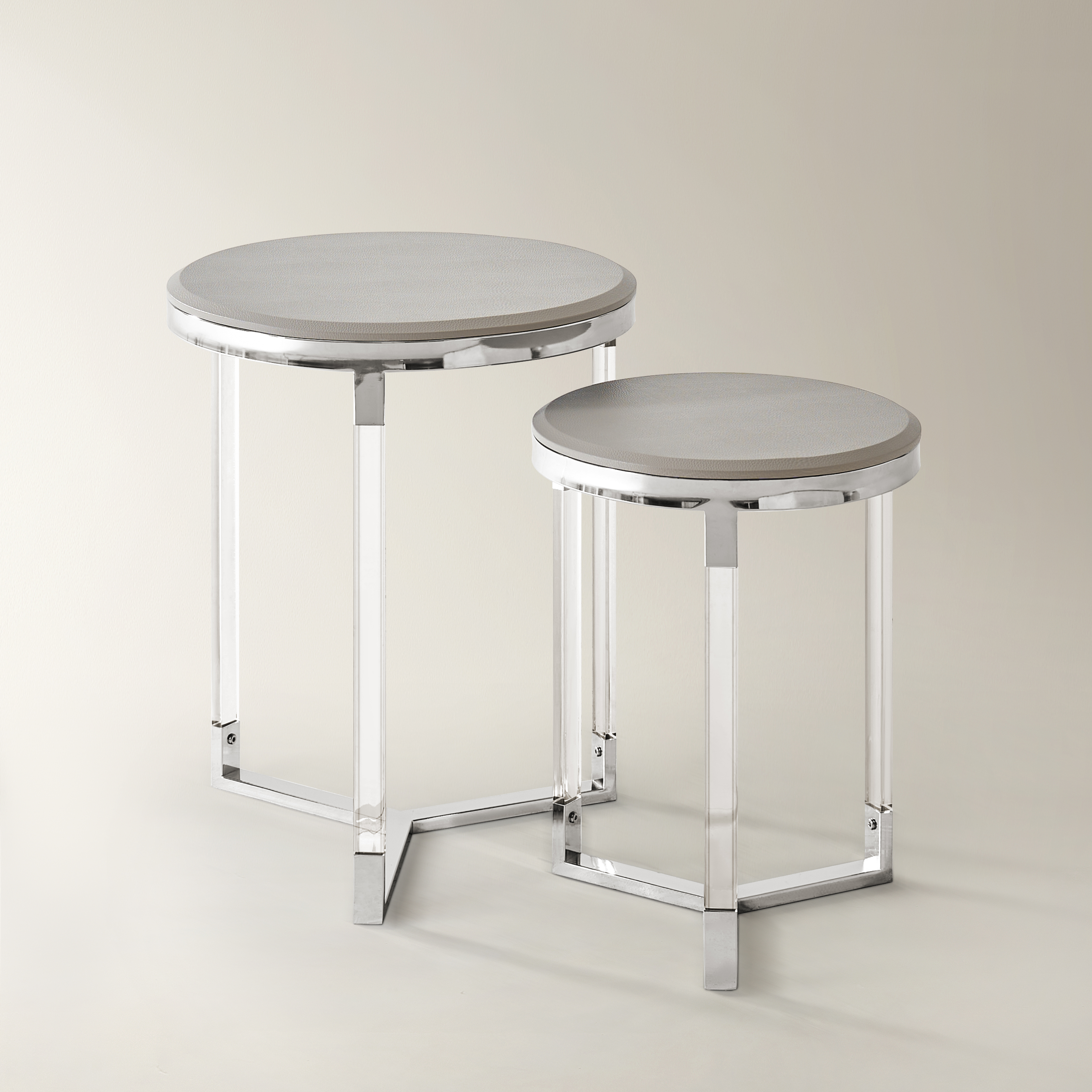
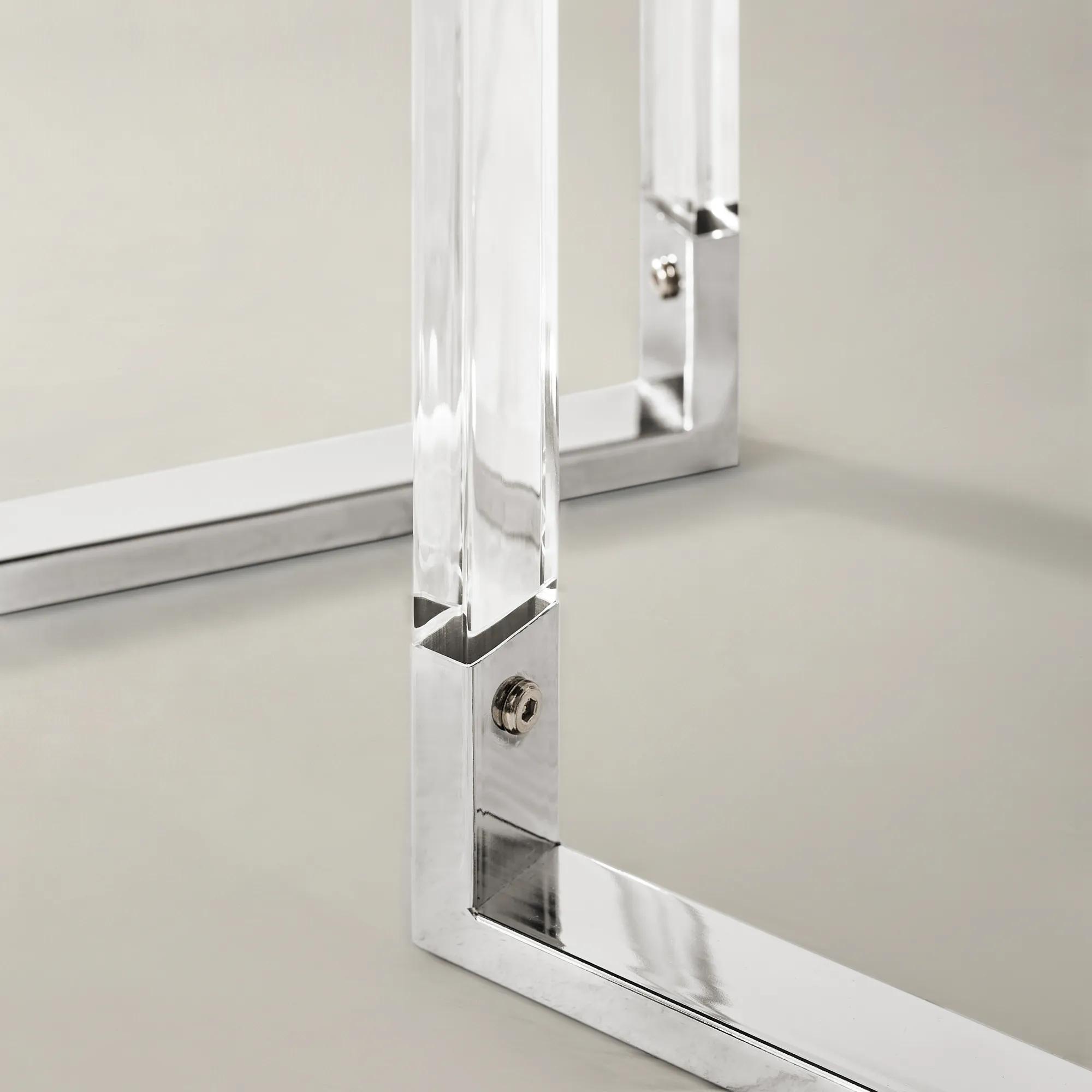 Murano Round Grey Accent Table With Faux Leather Top Set Of 2 (14.5"-18.5")$399
A bold set of two accent tables featuring mixed woods, acrylic legs, and faux leather tops.
Add To Cart -
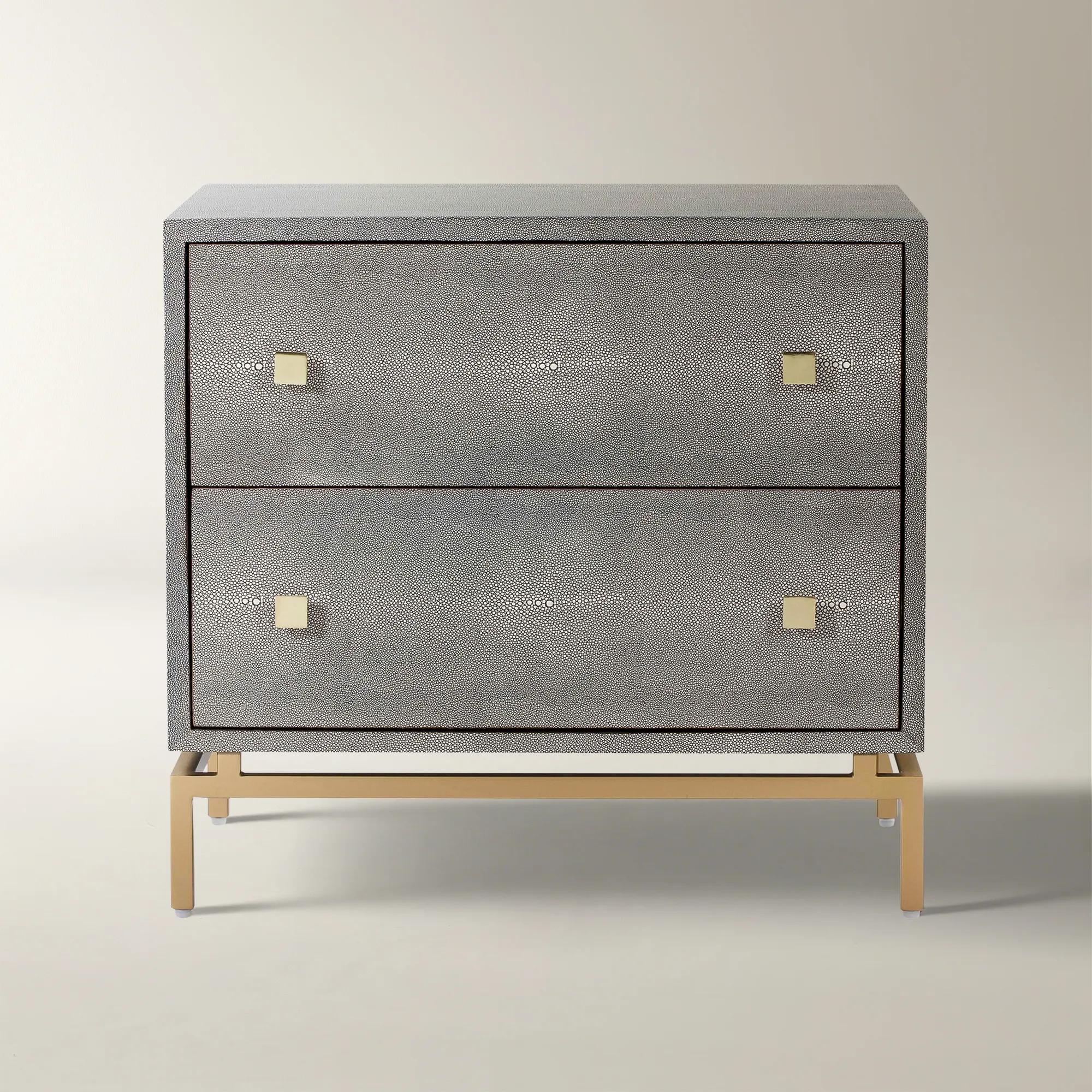
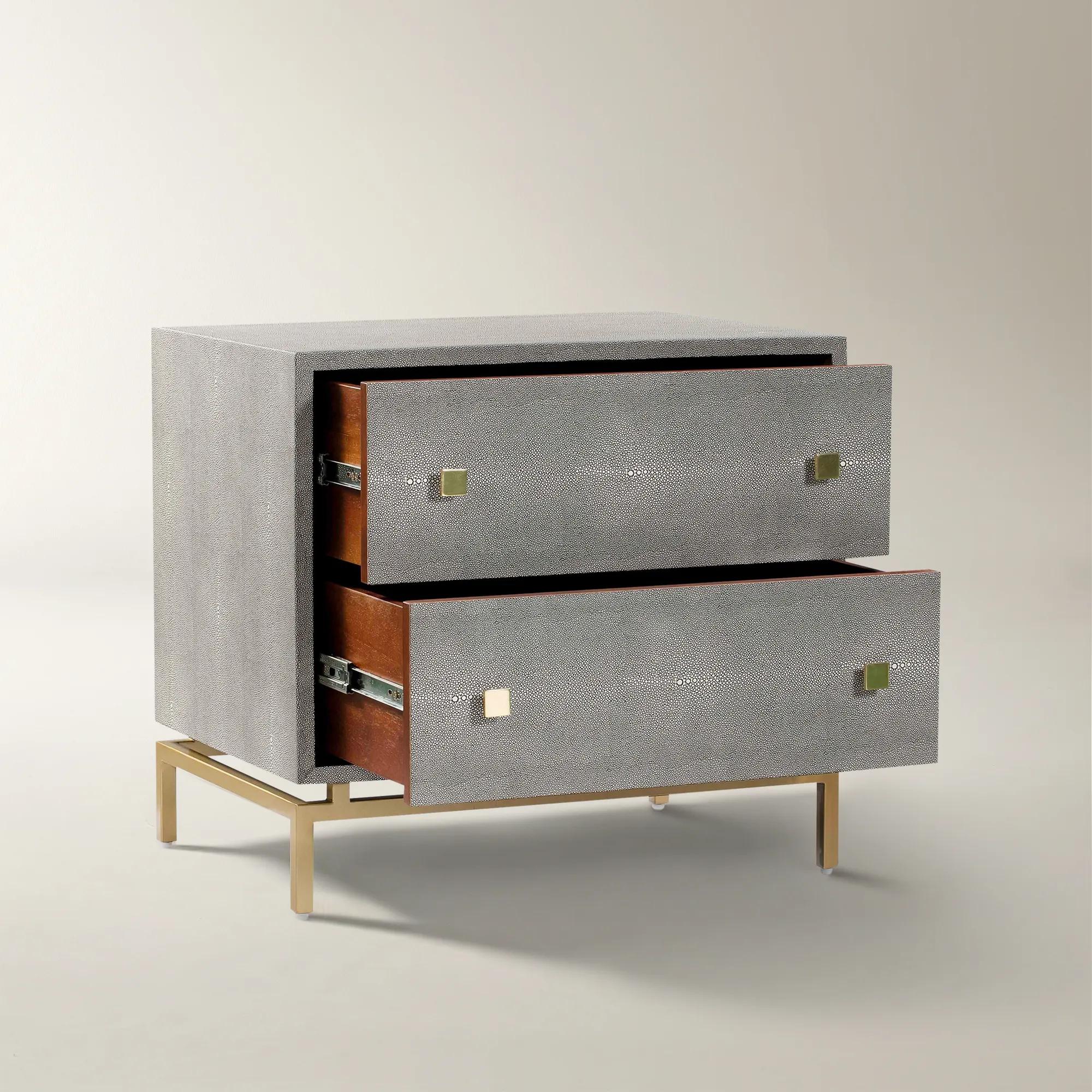 Misha Grey Shagreen 2-Drawer Nightstand (25")$749
A modern nightstand featuring faux shagreen texture, brass-finished base, and two cherry wood-lined drawers.
Add To Cart -
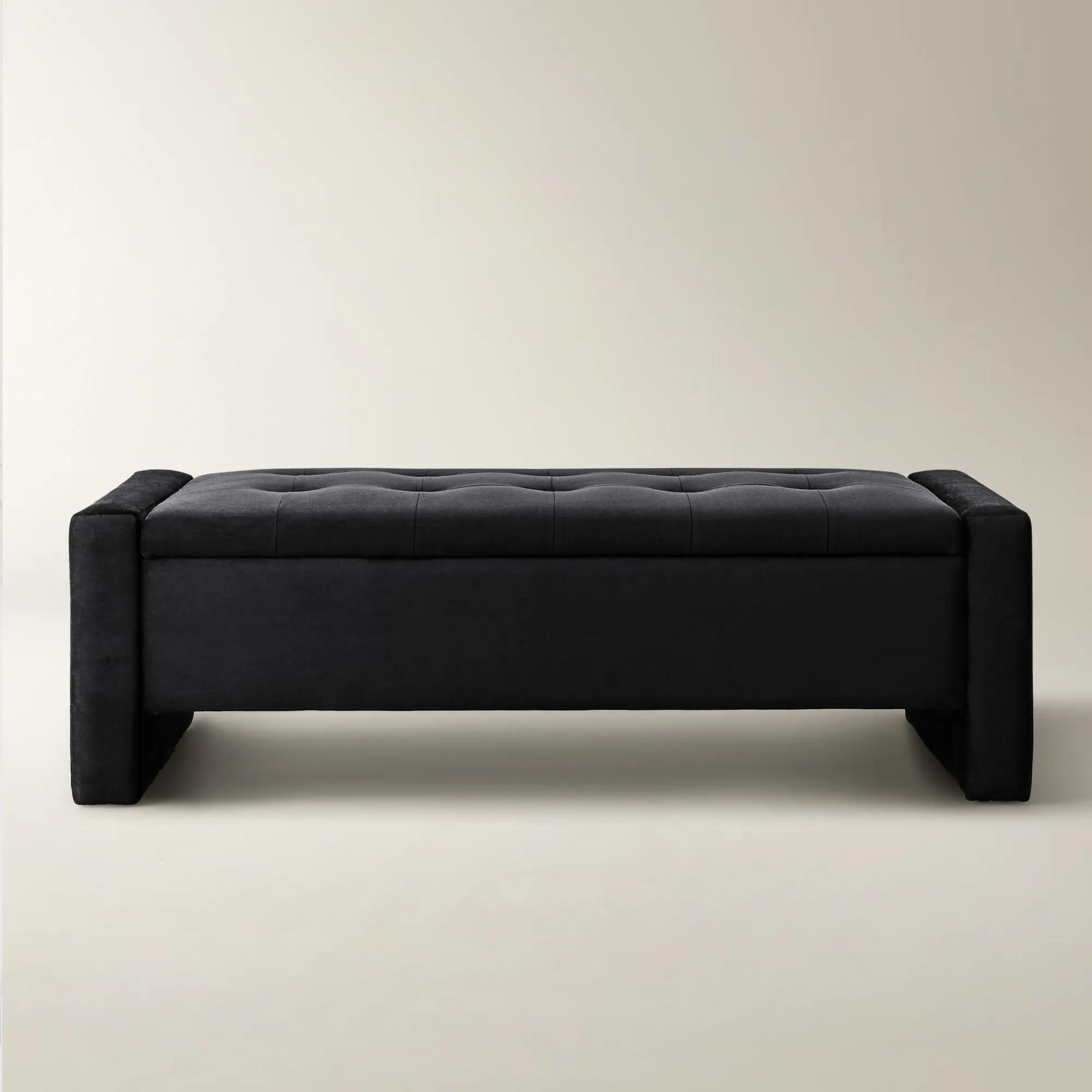
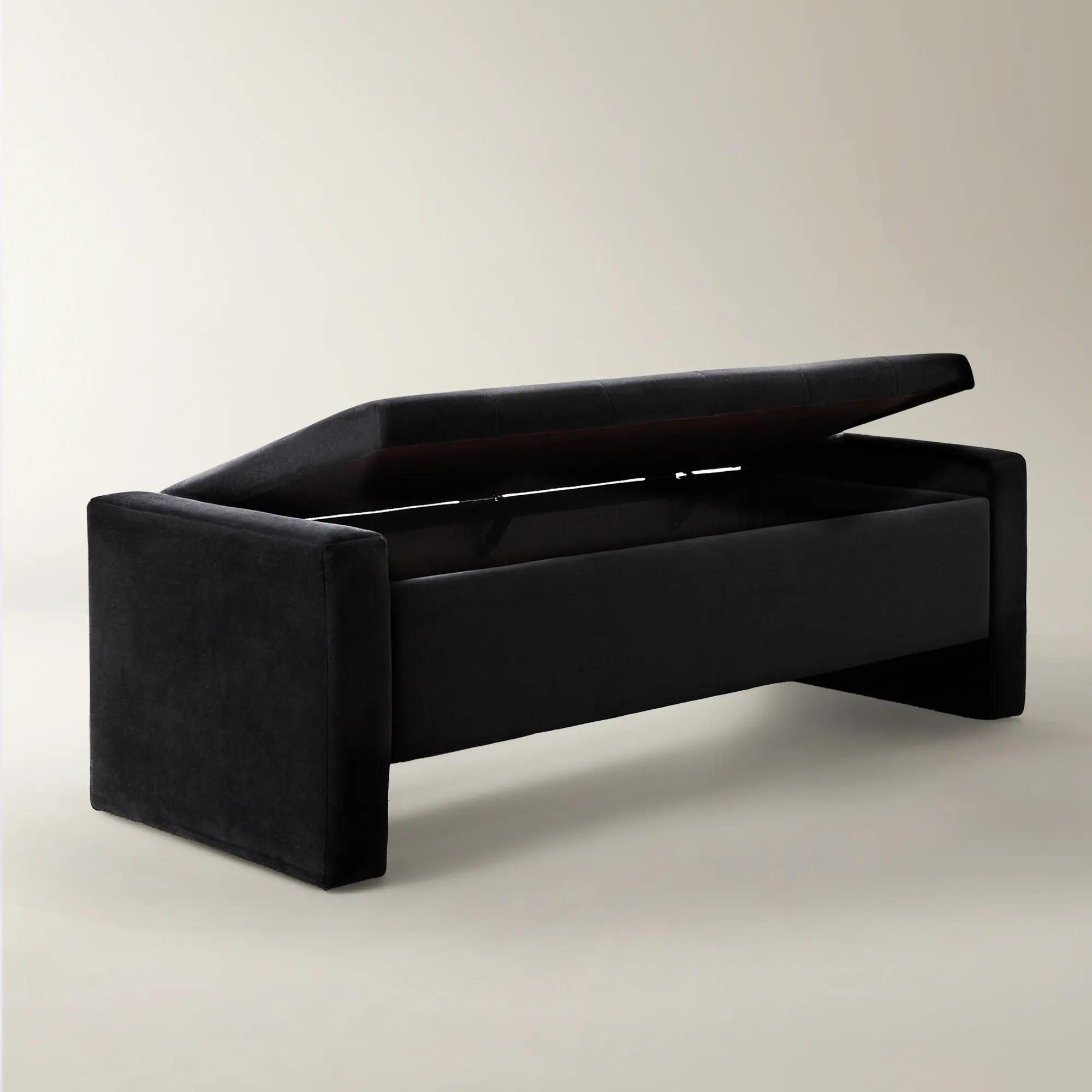 Maeve Storage Bench$849
A modern velvet-upholstered bench with hidden storage, kiln-dried hardwood frame, and soft-closing glides.
Add To Cart -
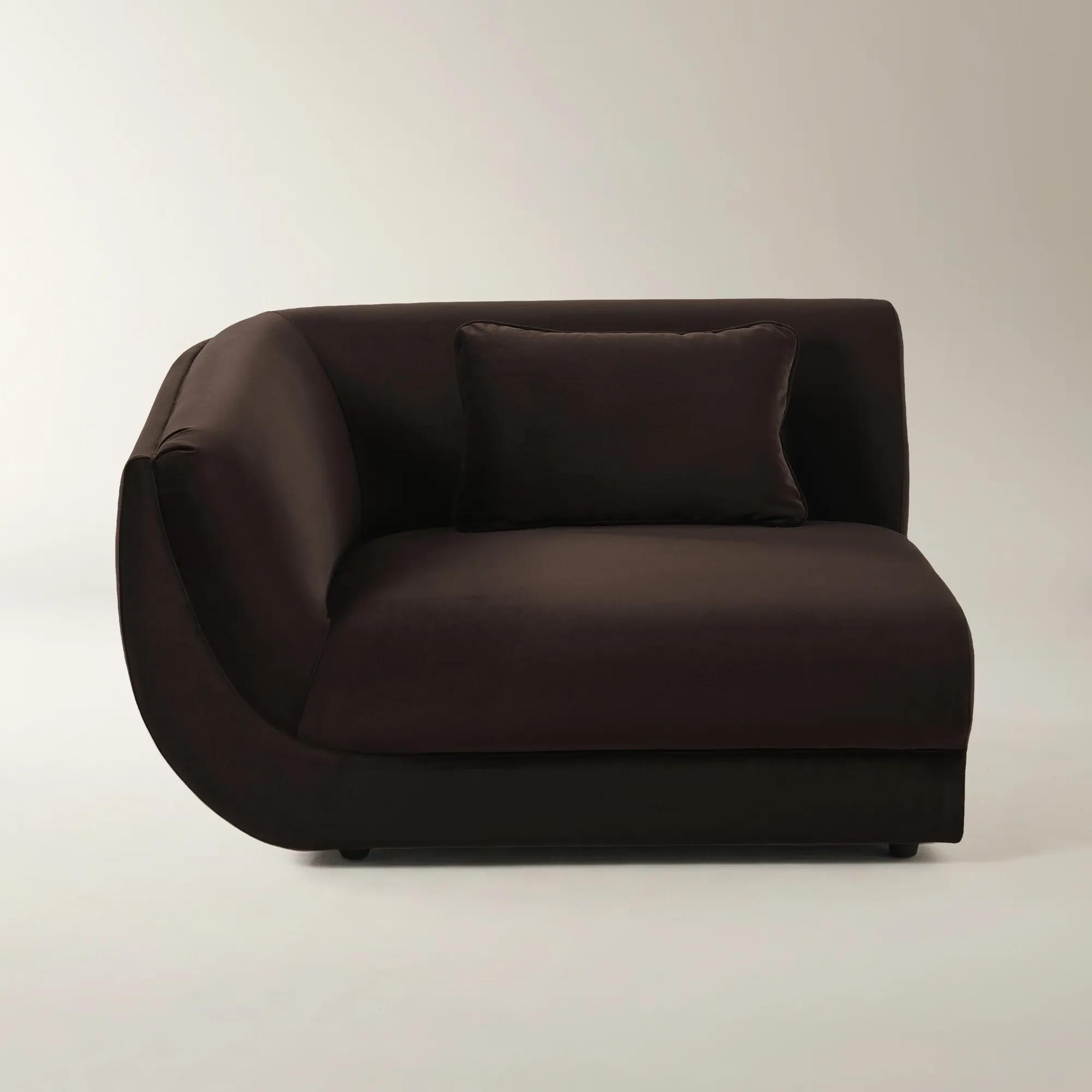
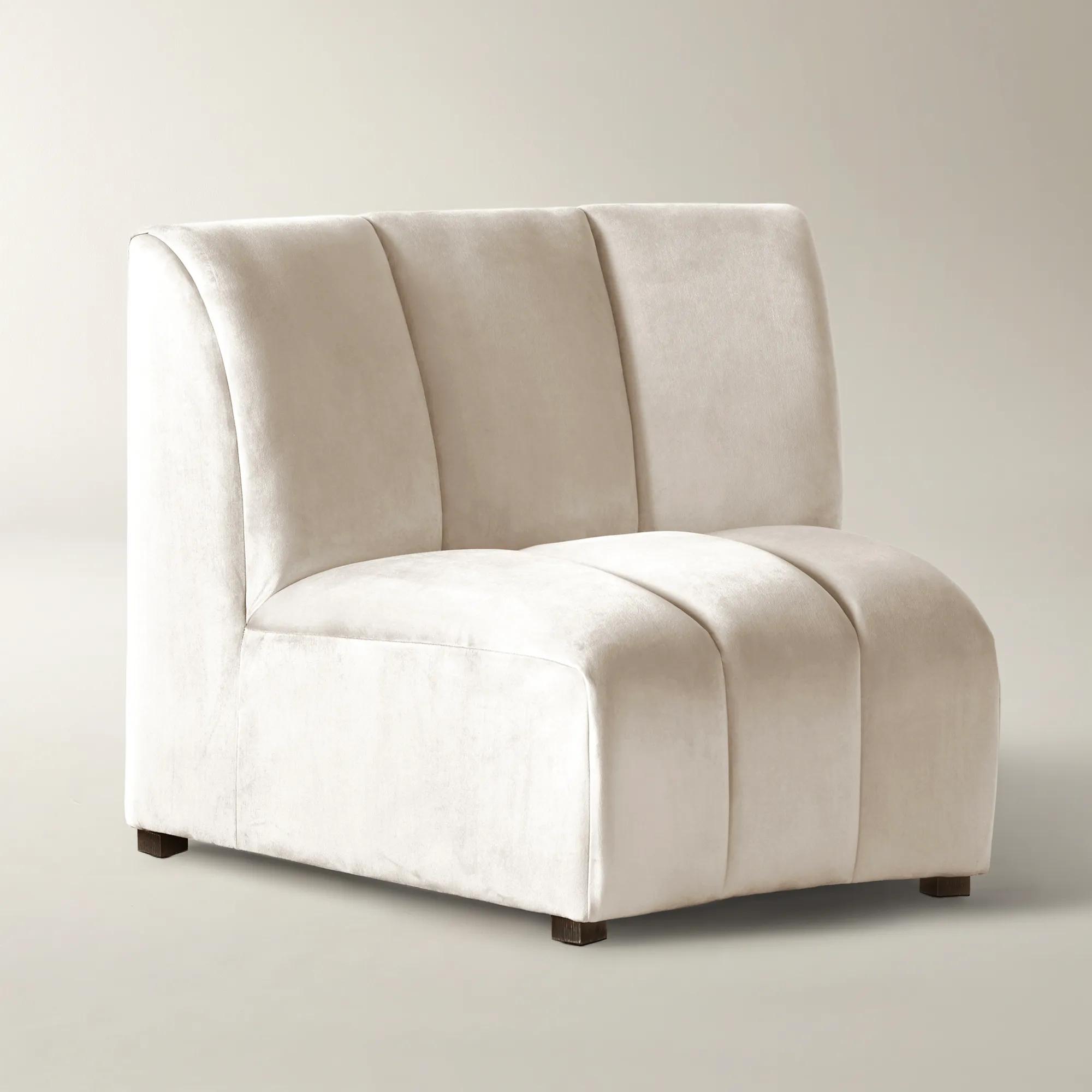 Jayce Channel-Tufted Ivory Velvet Armless Chair$949
A modern armless chair in water-repellent, stain-resistant Velvet Ivory with deep channel tufting and plush padding.
Add To Cart

Modular Furniture For Small Spaces
Modular furniture for small spaces transforms compact interiors into curated showcases of style and ingenuity. Each piece is an invitation to reimagine what’s possible, shaping rooms with sculptural silhouettes and versatile design that adapts to your every whim. Whether you’re designing a jewel-box apartment or a chic city loft, these modular marvels offer the freedom to compose, layer, and reinvent your space with ease. Elevate every square foot with statement-making forms that promise both artistry and adaptability, turning even the most intimate corners into bold expressions of your personal aesthetic.
Modular furniture for small spaces is built around separate components that can be arranged in different configurations, helping a compact room feel composed rather than crowded. Depending on the design, those components may connect side by side, combine into a larger arrangement, or stack within a compatible system. The appeal is both practical and expressive: a seating layout can follow the architecture of an apartment, shelving can frame a narrow wall, and a living area can feel generous without surrendering its sense of drama. Unlike a fixed sofa or one-piece storage unit, modular furniture offers choices within the dimensions and connection requirements of its particular collection. Modular sofas, compact sectional seating, configurable shelving, and sectional storage systems are especially relevant to studios, condos, smaller living rooms, and rooms that serve more than one purpose. A pair of seating modules might create an intimate conversation area, while a compatible corner section can turn that same arrangement into an inviting place to stretch out. Some ottoman modules can function as footrests or additional seating when designed for those uses; a stable tray may also provide a surface for a book or refreshments. Nesting tables offer a complementary space-saving approach, separating when guests arrive and tucking together afterward, although not every nesting design is modular. These distinctions matter because flexibility should suit the way a room is actually lived in. For someone furnishing a first apartment, separate components can make an unconventional floor plan easier to navigate. For a household downsizing, they offer a way to preserve comfortable seating and display space in a more edited footprint. For a renter who moves regularly, a reconfigurable arrangement may adapt more gracefully than a single oversized piece, provided each component fits the next home. Throughout, the visual effect can remain richly layered: sculptural silhouettes, tactile upholstery, and considered proportions give a small interior presence without relying on sheer size.
Scale determines how beautifully that flexibility works. The most useful measurements include not only the room’s length and width, but also the usable wall space, doorway clearance, elevator dimensions, and tight turns along the delivery route. Individual modules may be easier to maneuver than a large assembled frame, but their packaged dimensions still deserve attention. Within the room, account for the full footprint of a configuration, including arms, corner sections, projecting feet, and any reclining or opening mechanisms. A shallow seating profile can preserve circulation in a narrow living room, while deeper cushions may better suit someone who prefers lounging; neither is inherently better without considering comfort and available space. A corner arrangement can define a lounge area in a studio, but it should not interrupt the path between the entrance and the kitchen. Similarly, a chaise positioned beside a balcony door may look elegant in a floor plan yet become an obstacle in daily use. Where space permits, a main walkway of about 36 inches is a useful planning target, with more clearance where accessibility needs require it. Between a sofa and coffee table, approximately 14 to 18 inches often balances reach with legroom, though individual needs and furniture shapes vary. Visible legs and open bases can reveal more floor, creating an airier impression, while substantial upholstered forms can give a compact room a deliberate, enveloping mood. Configurable shelving draws attention upward, bringing books, ceramics, and framed photographs into a vertical composition rather than spreading storage across the floor. Taller units should be secured as directed by the manufacturer, and neither shelves nor storage modules should be stacked unless specifically designed for it. For rooms that need pieces with more than one role, multifunctional furniture for small spaces offers a related approach to balancing seating, storage, and surface space. Modular design changes the arrangement; multifunctional design changes what a piece can do. When those qualities overlap, a small room gains flexibility without losing its distinct character.
Materials and construction shape the experience long after the arrangement is settled. Upholstery brings much of a seating system’s personality: velvet lends depth and a light-catching richness, textured weaves introduce dimension, and smoother fabrics create a more tailored outline. In close quarters, where a sofa may host everything from quiet reading to frequent entertaining, fabric selection deserves as much attention as color. Performance fabrics can offer stain resistance or other useful properties, but those benefits vary by textile and do not make upholstery impervious to spills, abrasion, or pet claws. Removable cushion covers are not necessarily machine washable, so the care label should always determine cleaning methods. Regular vacuuming with an appropriate upholstery attachment helps remove dust and grit, while prompt blotting rather than rubbing can limit the spread of a spill. Velvet may require gentle brushing or other fabric-specific care to maintain its pile. Cushion construction also influences everyday comfort: firmer foam can offer a more structured sit, while softer fills may create a relaxed silhouette and require regular fluffing. For modular seating, frame construction, suspension, and secure connectors contribute to stability; components should be joined and repositioned according to their instructions rather than dragged while connected. Compatibility is equally important. Similar-looking sections are not automatically interchangeable, and expanding a layout requires matching the system’s dimensions and connection method. With shelving and storage, consider shelf load limits, the weight of what will be displayed, and whether doors or drawers have enough room to open. Wood and veneered surfaces bring warmth and grain to a compact setting, while glass and polished metal can introduce a gleaming counterpoint; each finish calls for appropriate cleaners and protection from scratches, moisture, or heat. Coasters, felt pads, and manufacturer-approved care products help preserve those details. The strongest small-space arrangements unite that everyday care with a clear aesthetic intention: a sumptuous seat beside a slender table, a rhythmic wall of shelving, or an ottoman that completes a seating composition without crowding it. Thoughtfully chosen modular furniture gives a smaller home room to evolve while keeping comfort, artistry, and personal expression at the center.
FAQs
Modular furniture is designed with adaptability and flexibility in mind, allowing you to customize your layout as your needs evolve. Each piece can be rearranged, added, or removed to create different seating, storage, or work configurations, making it perfect for maximizing function and style in compact living environments.
With sculptural silhouettes, luxurious materials, and dramatic finishes, modular furniture brings both artistry and sophistication to small spaces. These pieces are crafted to stand out, transforming limited square footage into a statement of personal style and expressive design.
Modular furniture is an inspired choice for city dwellers, students, newlyweds, and anyone who values versatility and creative expression. It’s also perfect for those who love to frequently refresh their interiors or need their space to serve multiple purposes, such as entertaining, working, or relaxing.
Absolutely. Modular furniture makes a thoughtful and memorable gift for housewarmings, weddings, graduations, or new beginnings. Its transformative nature offers recipients the freedom to personalize and adapt their space, making it both a practical and luxurious gesture.
To achieve a cohesive look, select modular pieces in complementary colors, textures, and finishes. Layer in bold accents, plush textiles, and gleaming accessories to unify the space. Let each piece serve as both a functional element and a work of art, reflecting your unique vision and elevating the atmosphere of your home.