Modern Tables For Small Spaces
Modern Tables For Small Spaces
-
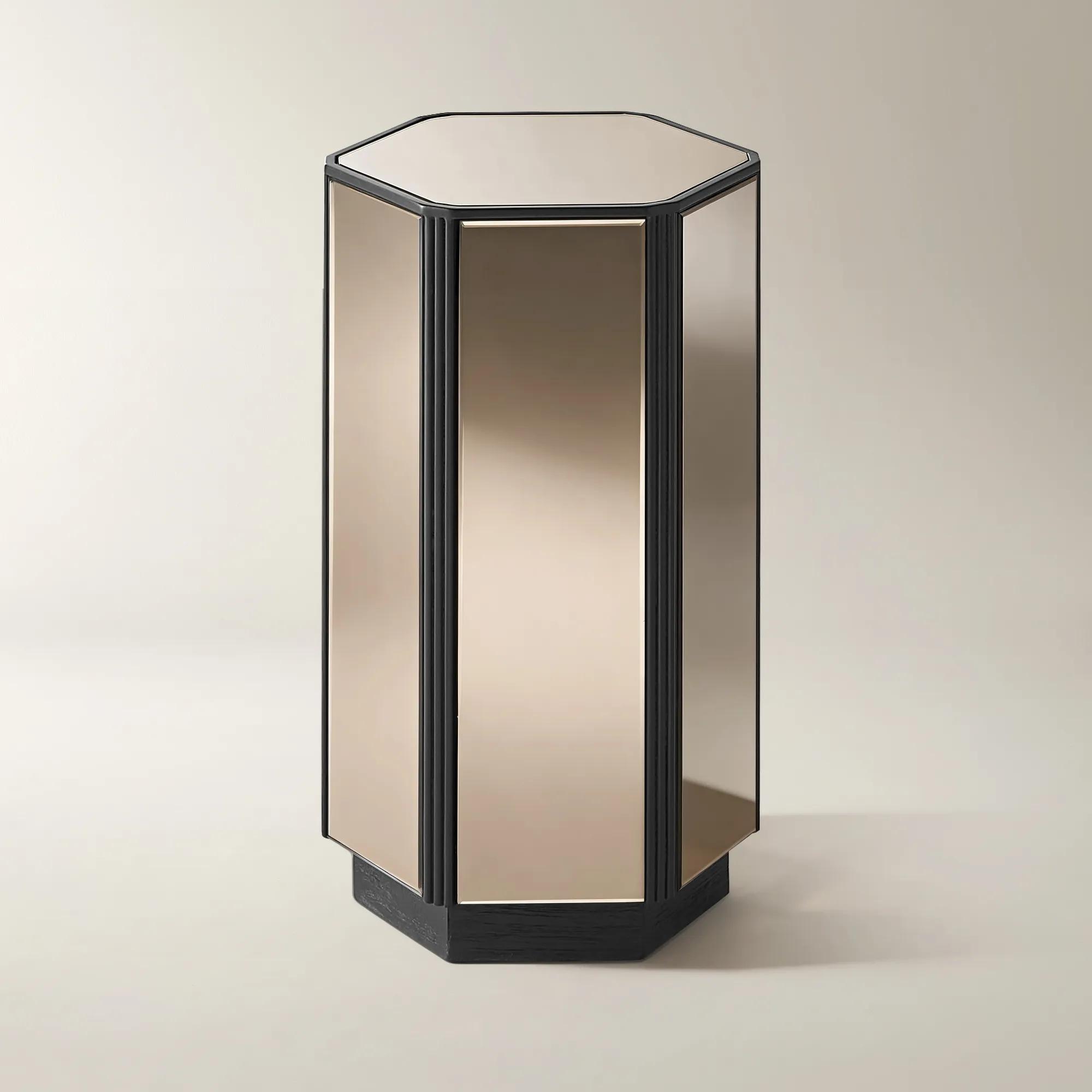 Glimmer Bronze Mirrored End Table (12")$399
A sculptural end table featuring bronze mirror panels and a black oak base for modern elegance.
Add To Cart -
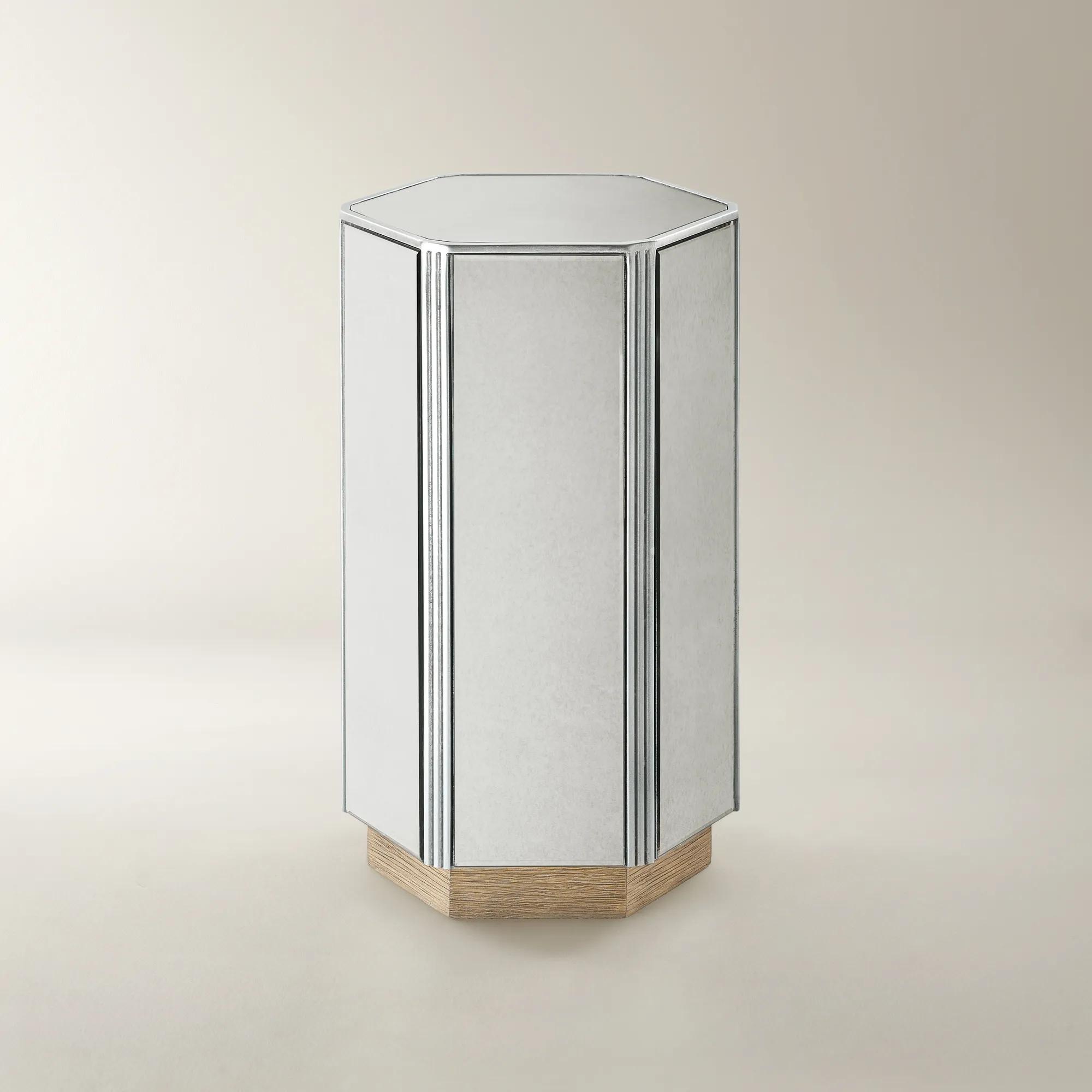 Glimmer Silver Mirrored End Table (12")$399
A chic side table featuring an antique silver mirror top and warm oak veneer base with handcrafted details.
Add To Cart -
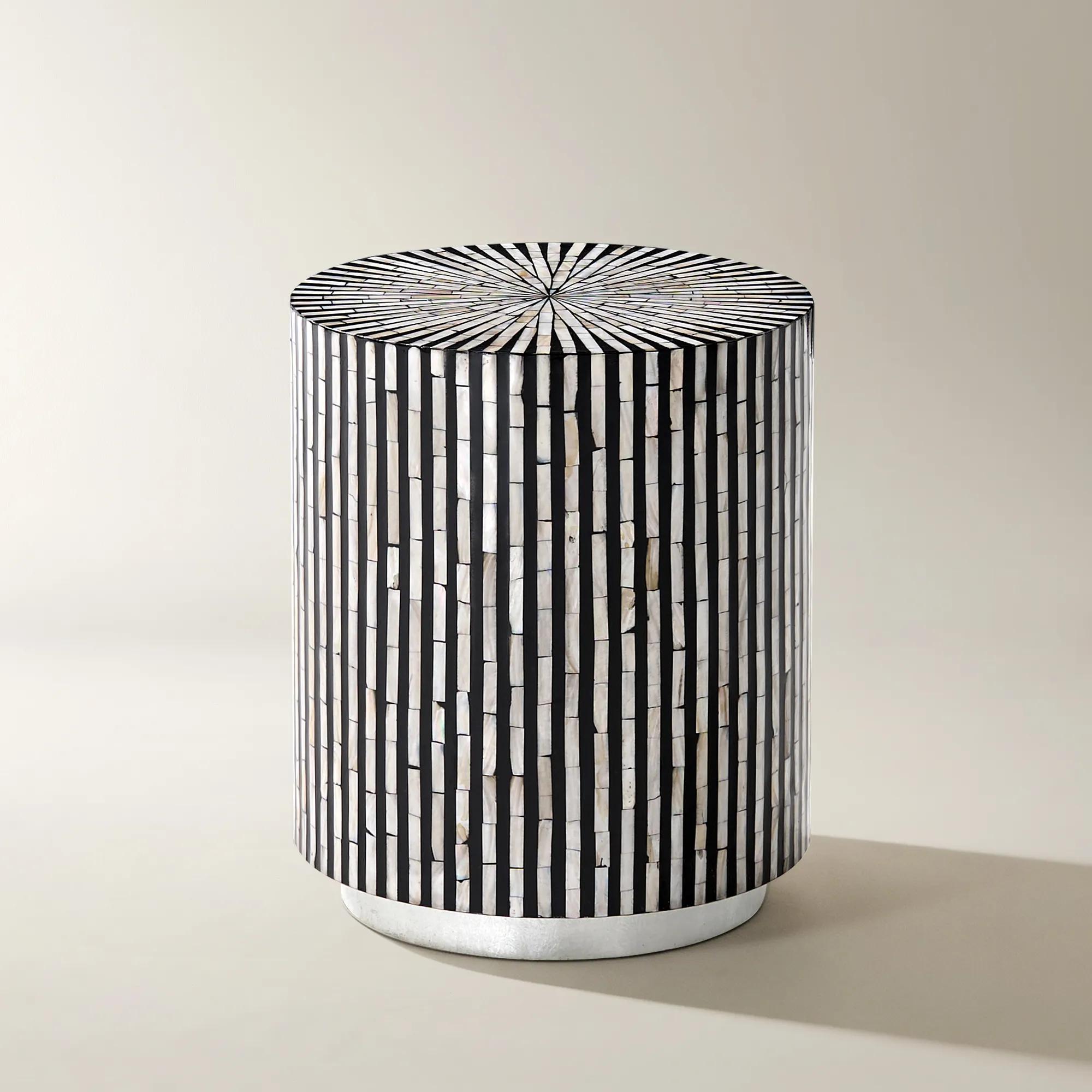
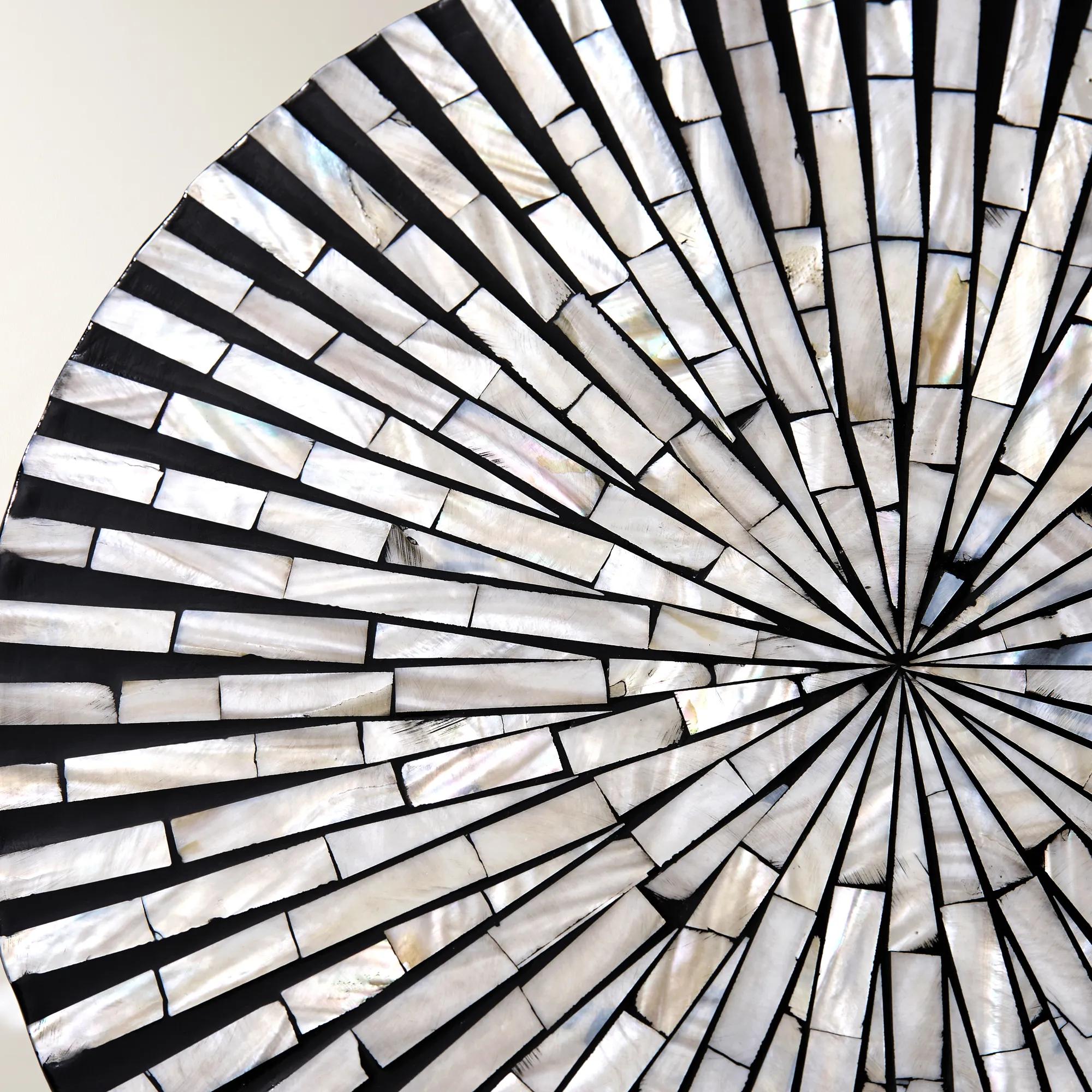 Marina Round Mosaic Black End Table (13.75")$299
A sculptural black end table featuring hand-applied mother-of-pearl mosaic and a silver leaf–accented base.
Add To Cart -
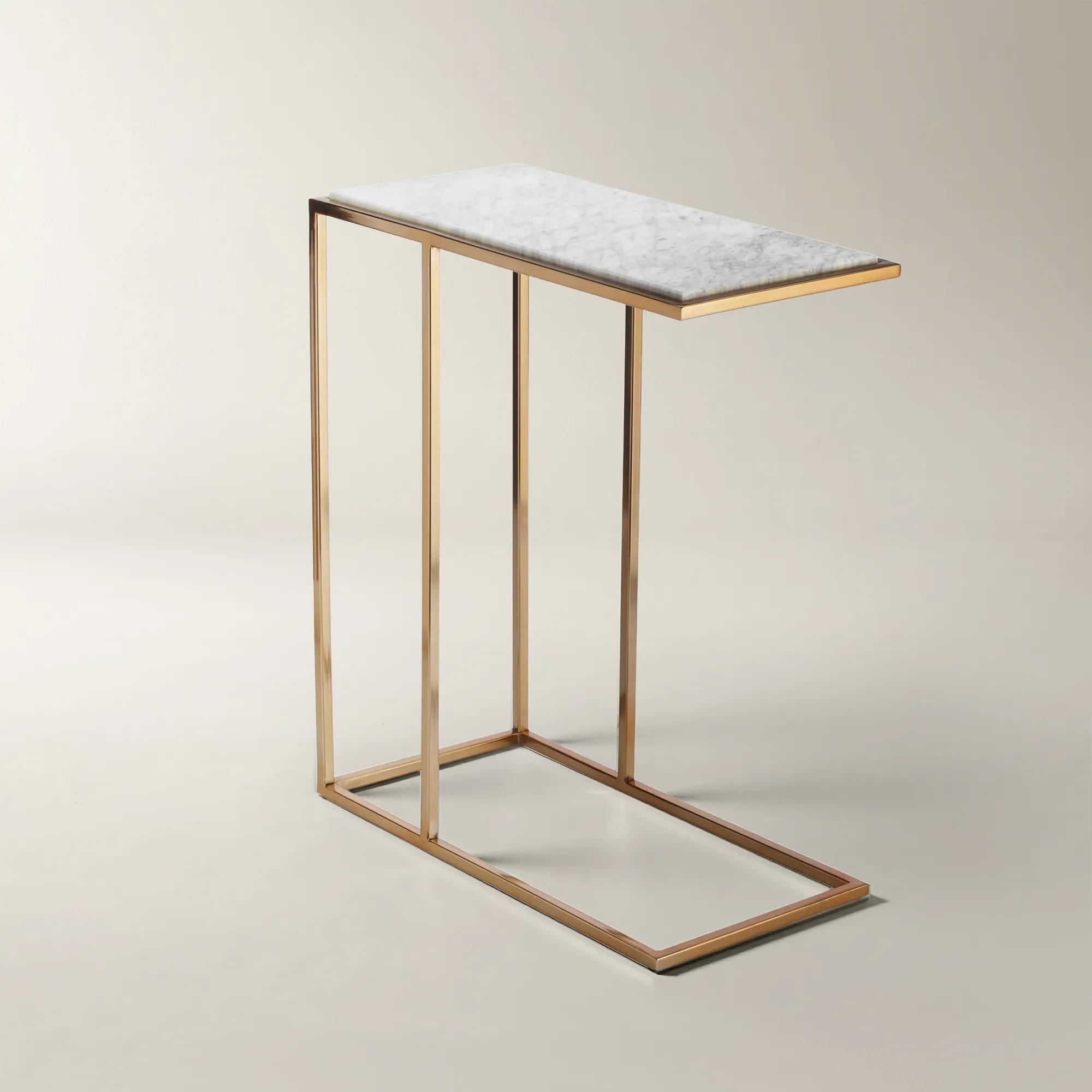
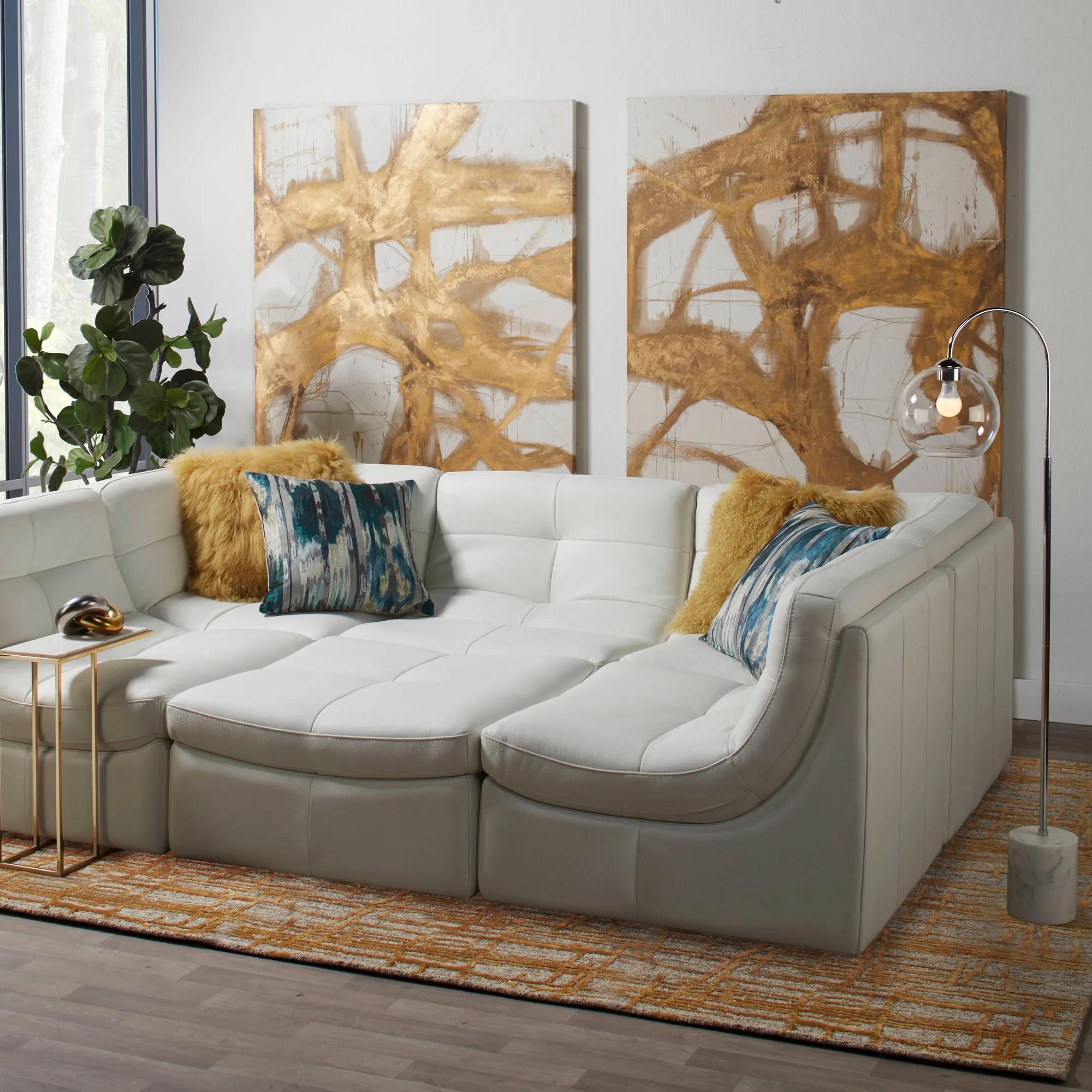 Lawton Rectangular Gold Stainless steel Accent Table With Marble Top (19.75")$259
A space-saving table featuring a white marble top and gold-finished stainless steel base.
Add To Cart -
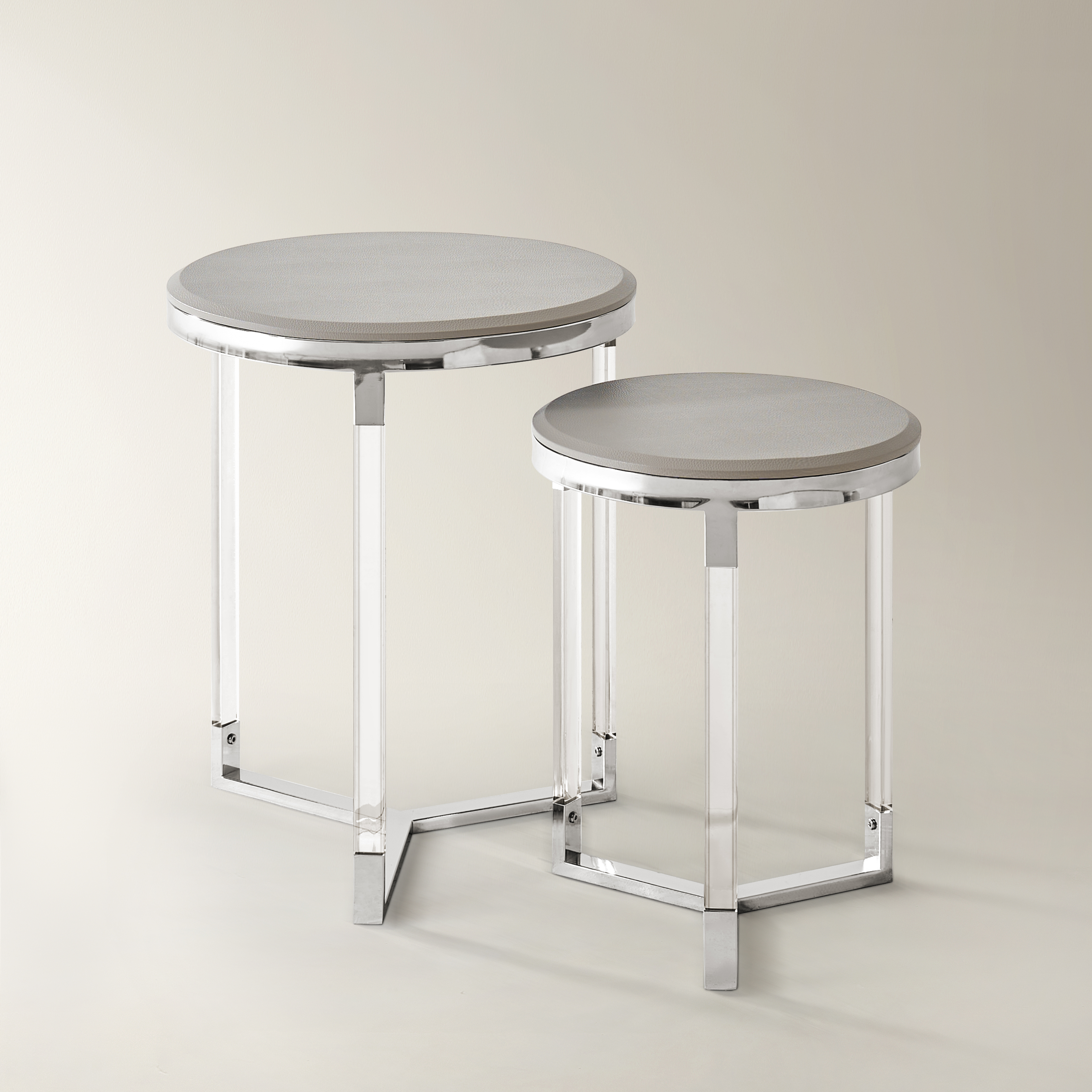
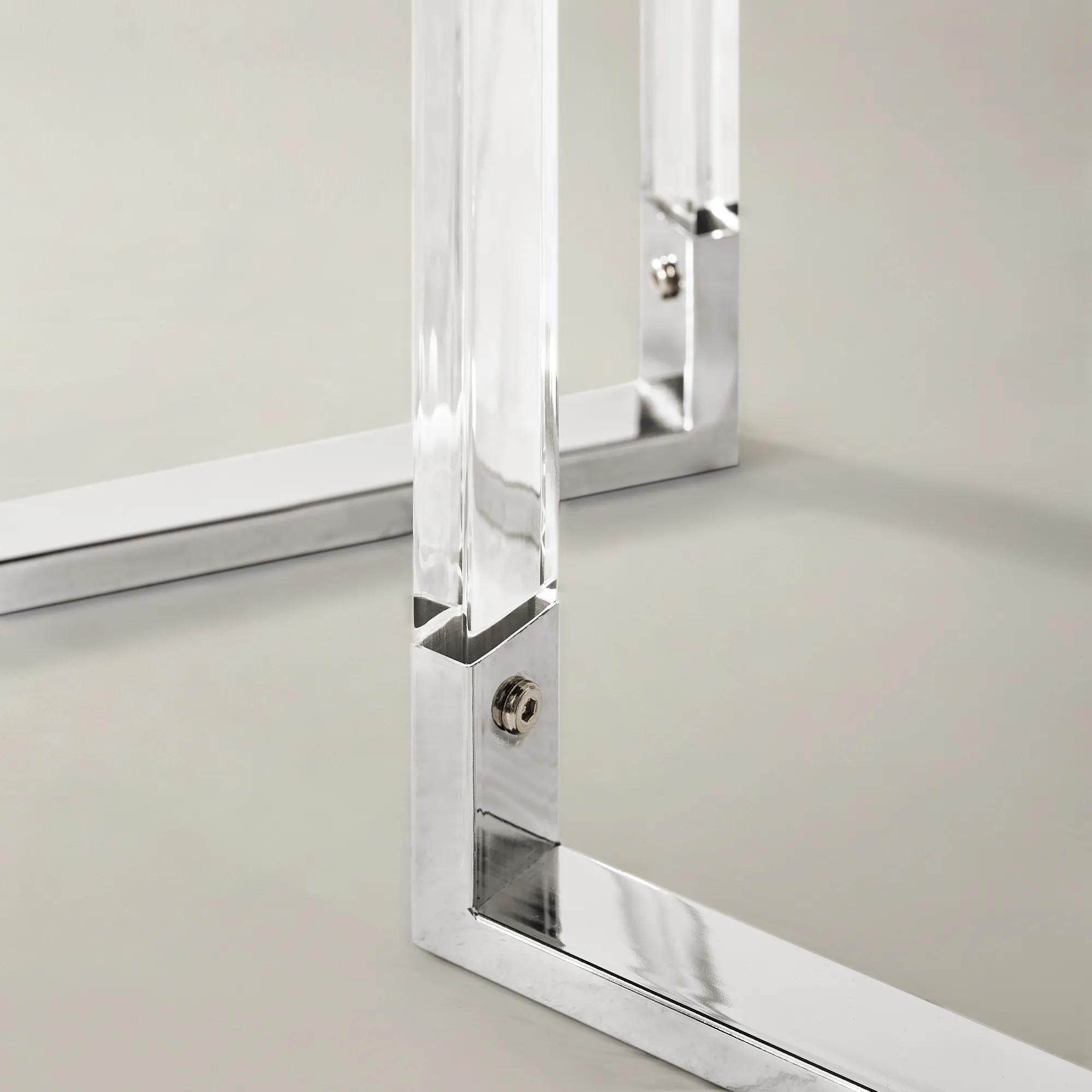 Murano Round Grey Accent Table With Faux Leather Top Set Of 2 (14.5"-18.5")$399
A bold set of two accent tables featuring mixed woods, acrylic legs, and faux leather tops.
Add To Cart -
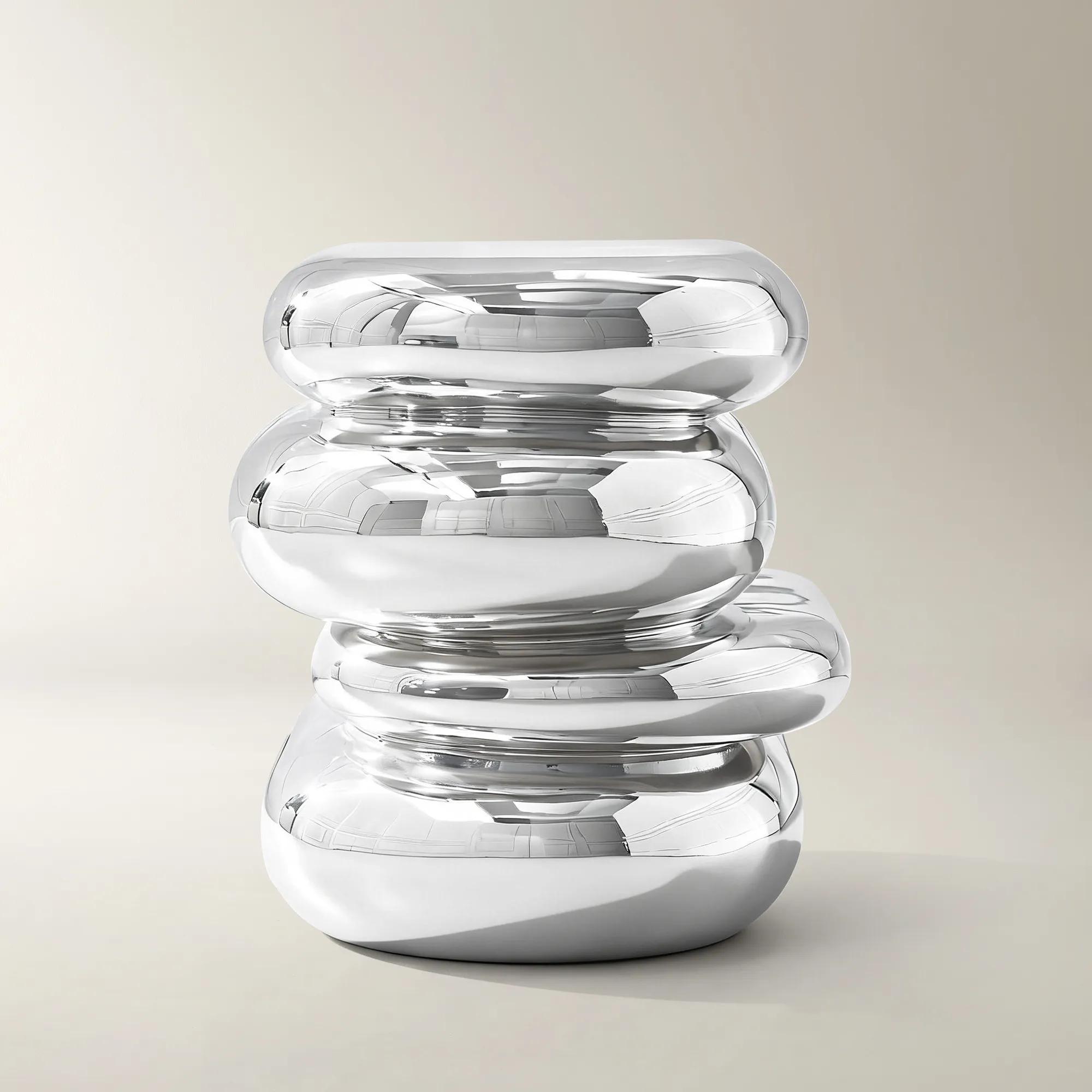 Forma Stacked Chrome Side Table (19.9")$699
A sculptural accent table crafted from seamless fiberglass with a reflective chrome finish and rounded tiers.
Add To Cart -
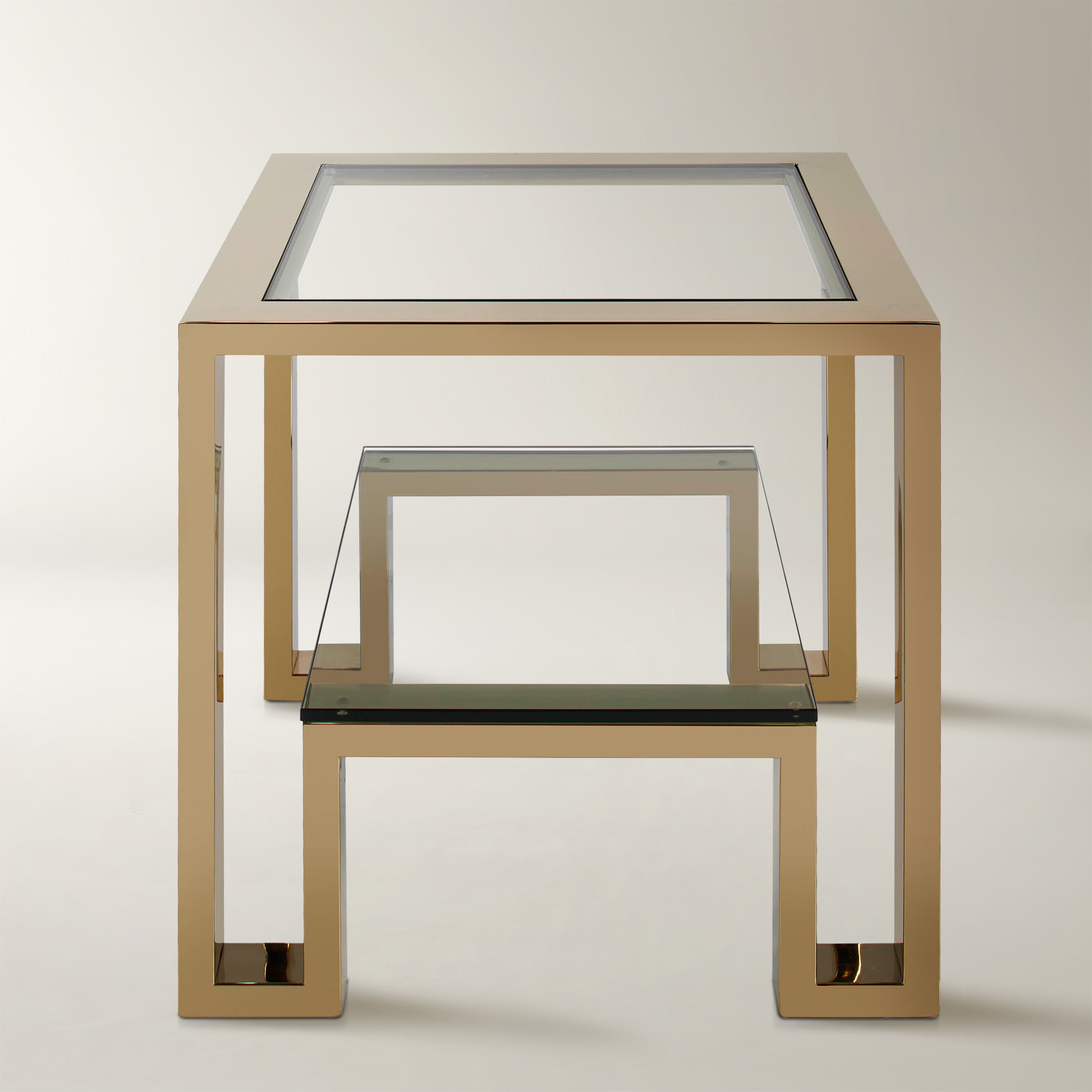 Duplicity Square Gold Stainless Steel End Table With Glass Top (24")$749
A modern end table crafted from stainless steel and tempered glass with a floating bottom shelf.
Add To Cart -
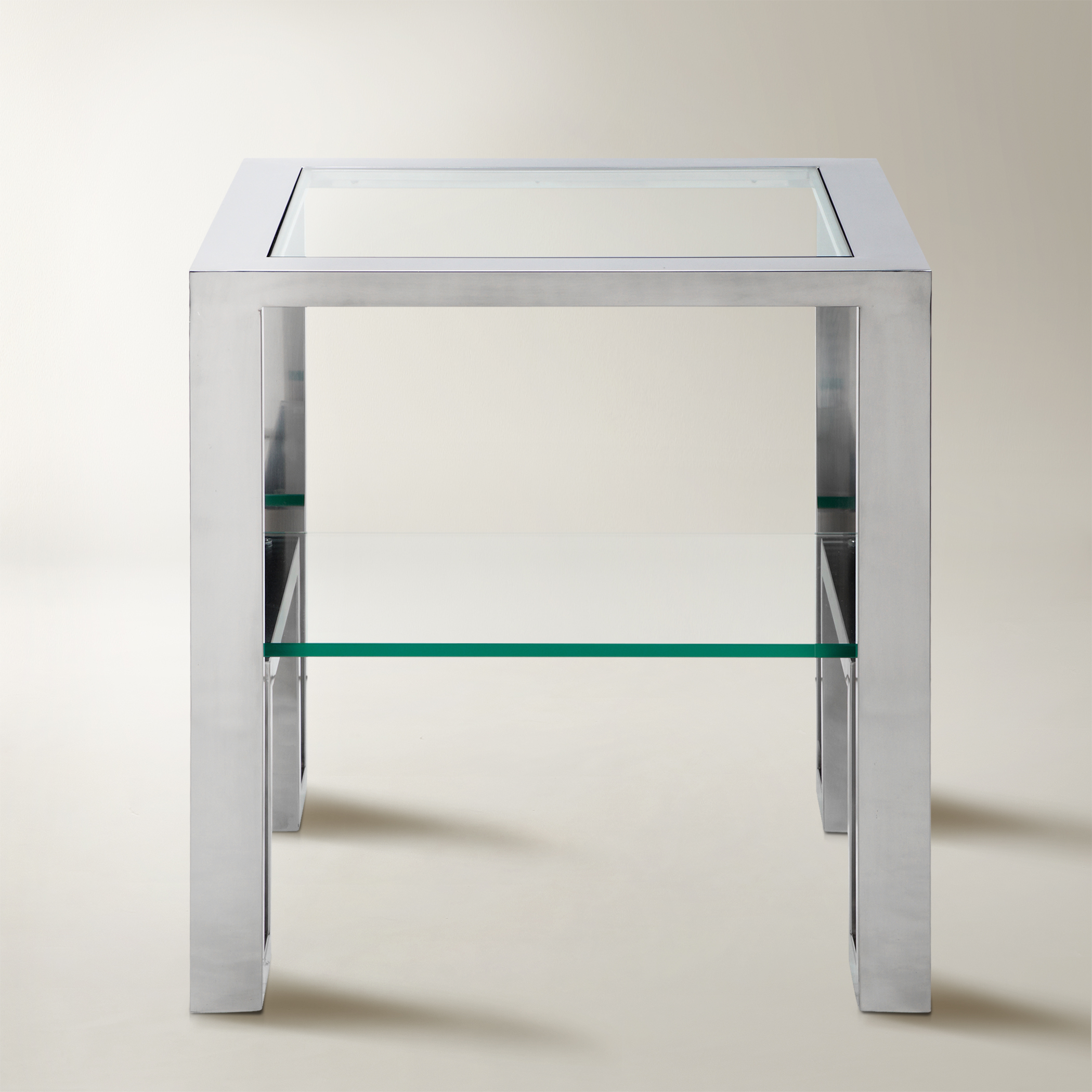
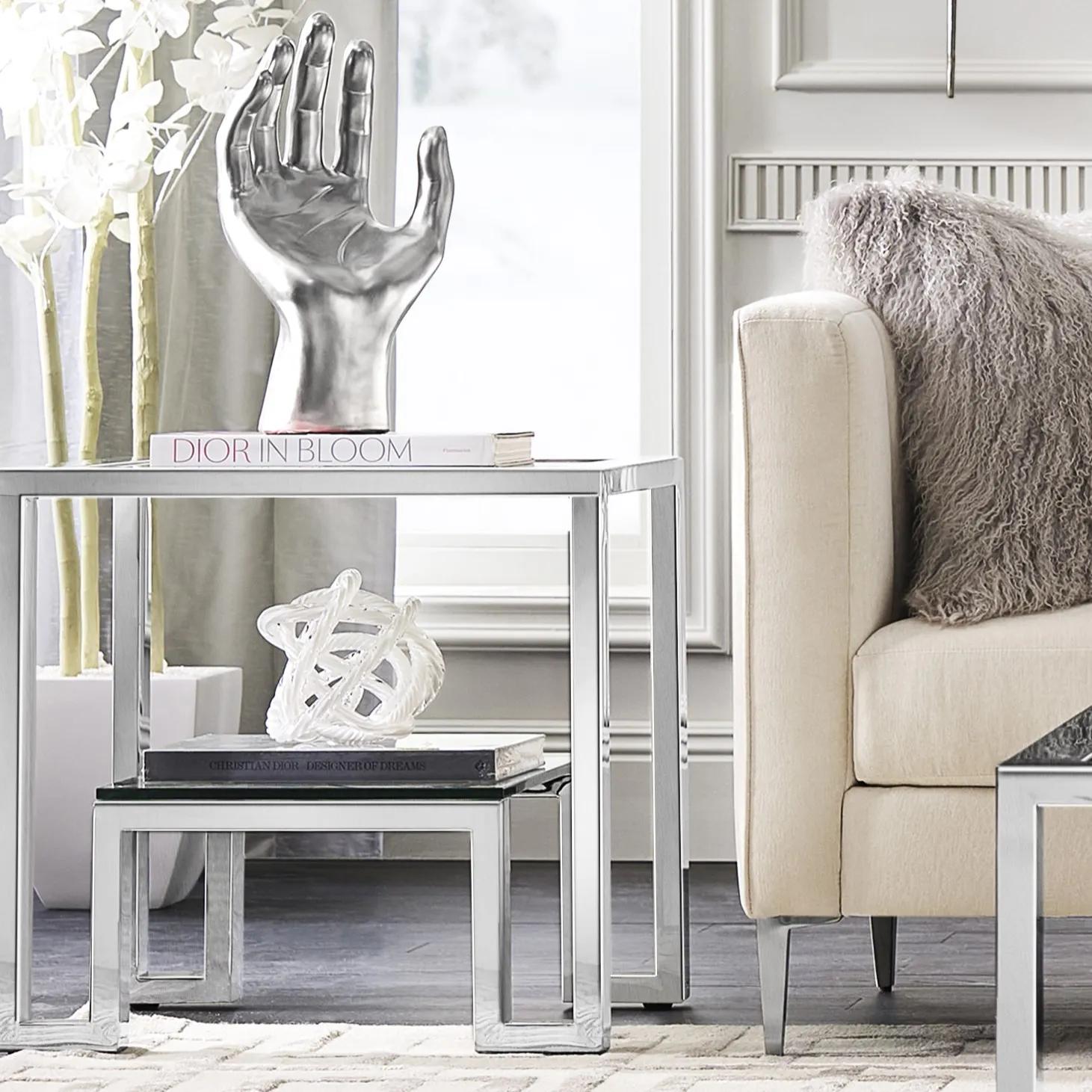 Duplicity Square Silver Stainless Steel End Table With Glass Top (24")$749
A modern end table featuring a stainless steel frame, tempered glass top, and floating bottom shelf.
Add To Cart -
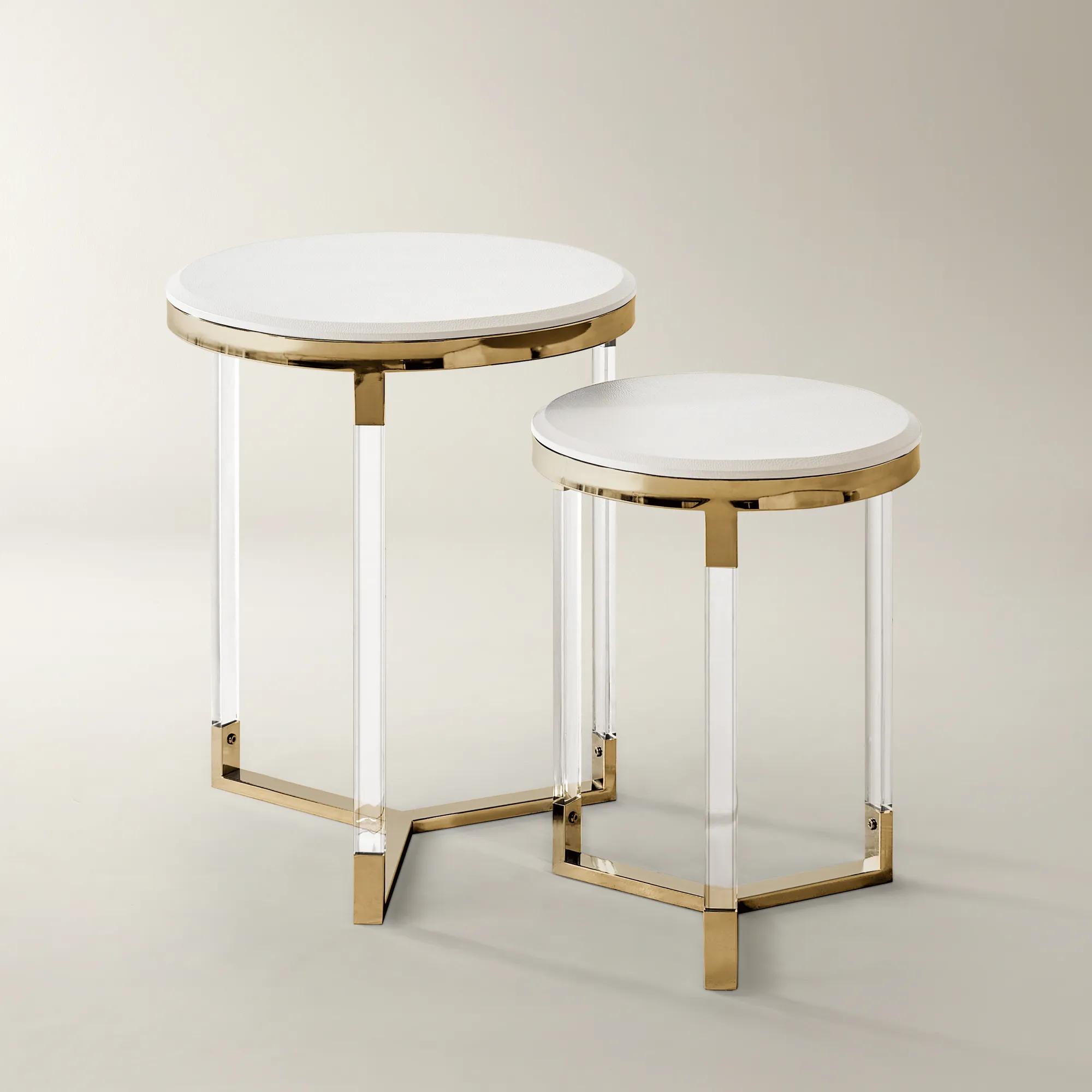
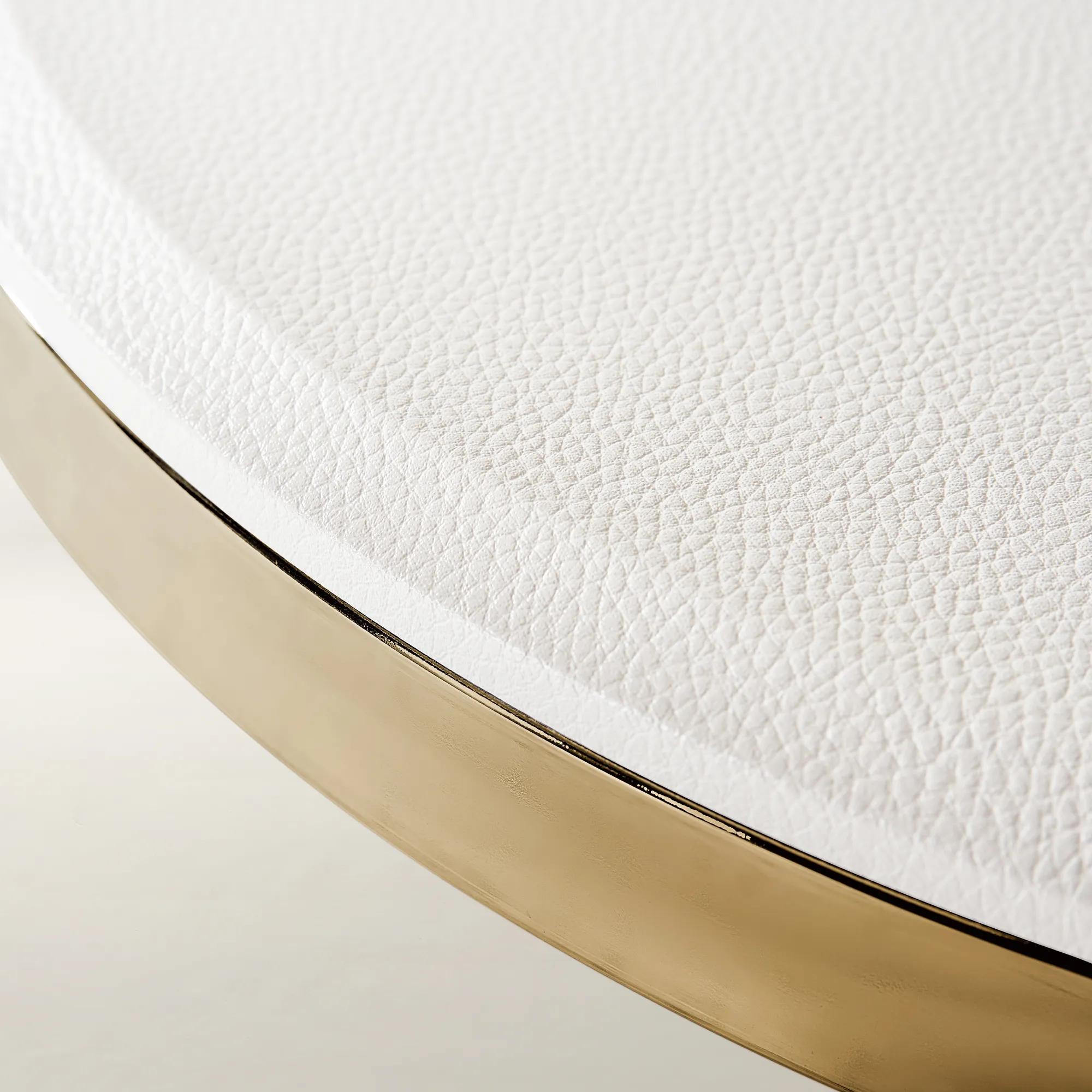 Murano Round White Accent Table With Faux Leather Top Set Of 2 (14.5"-18.5")$399
A set of two accent tables featuring mixed woods, faux leather tops, and acrylic legs with metallic finishes.
Add To Cart -
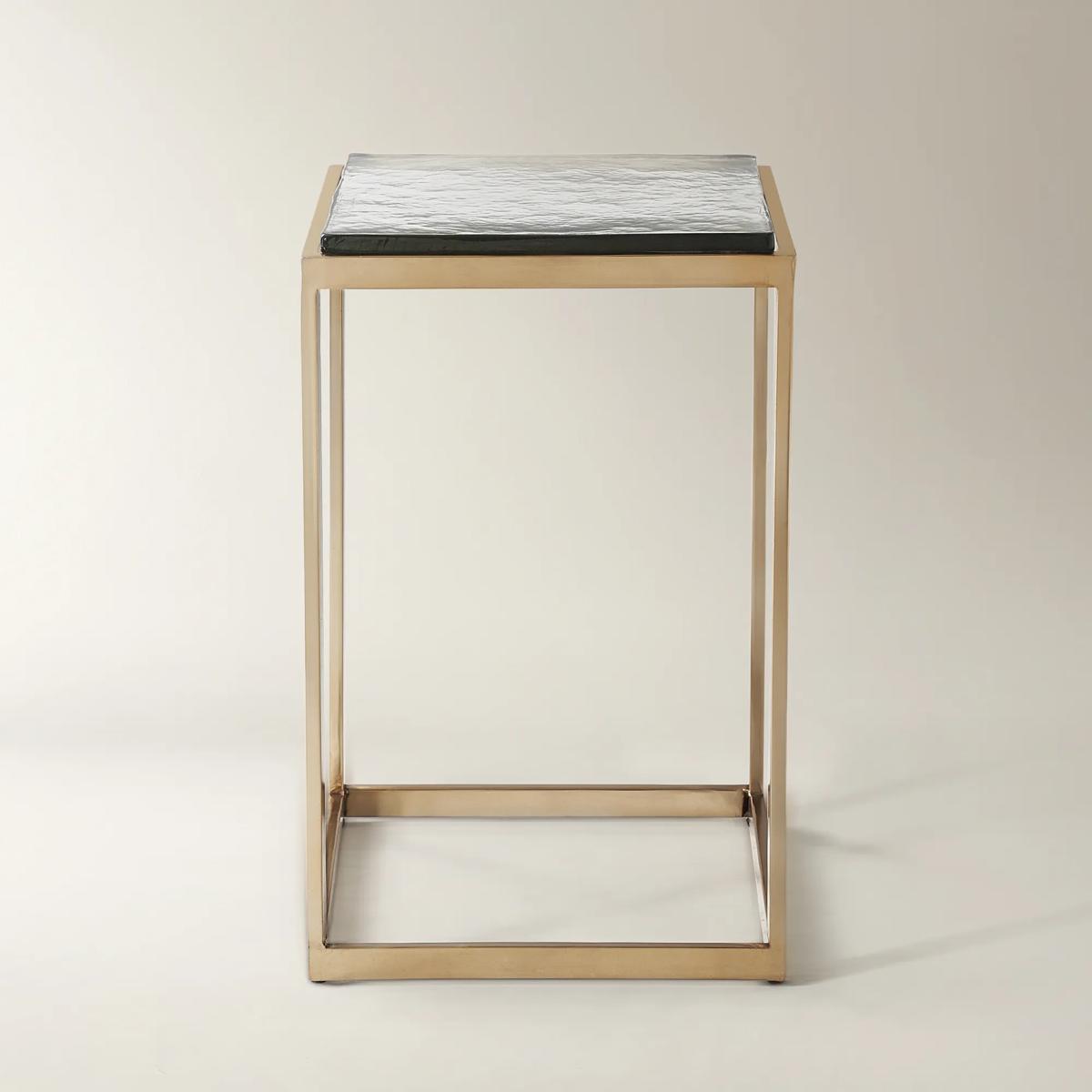
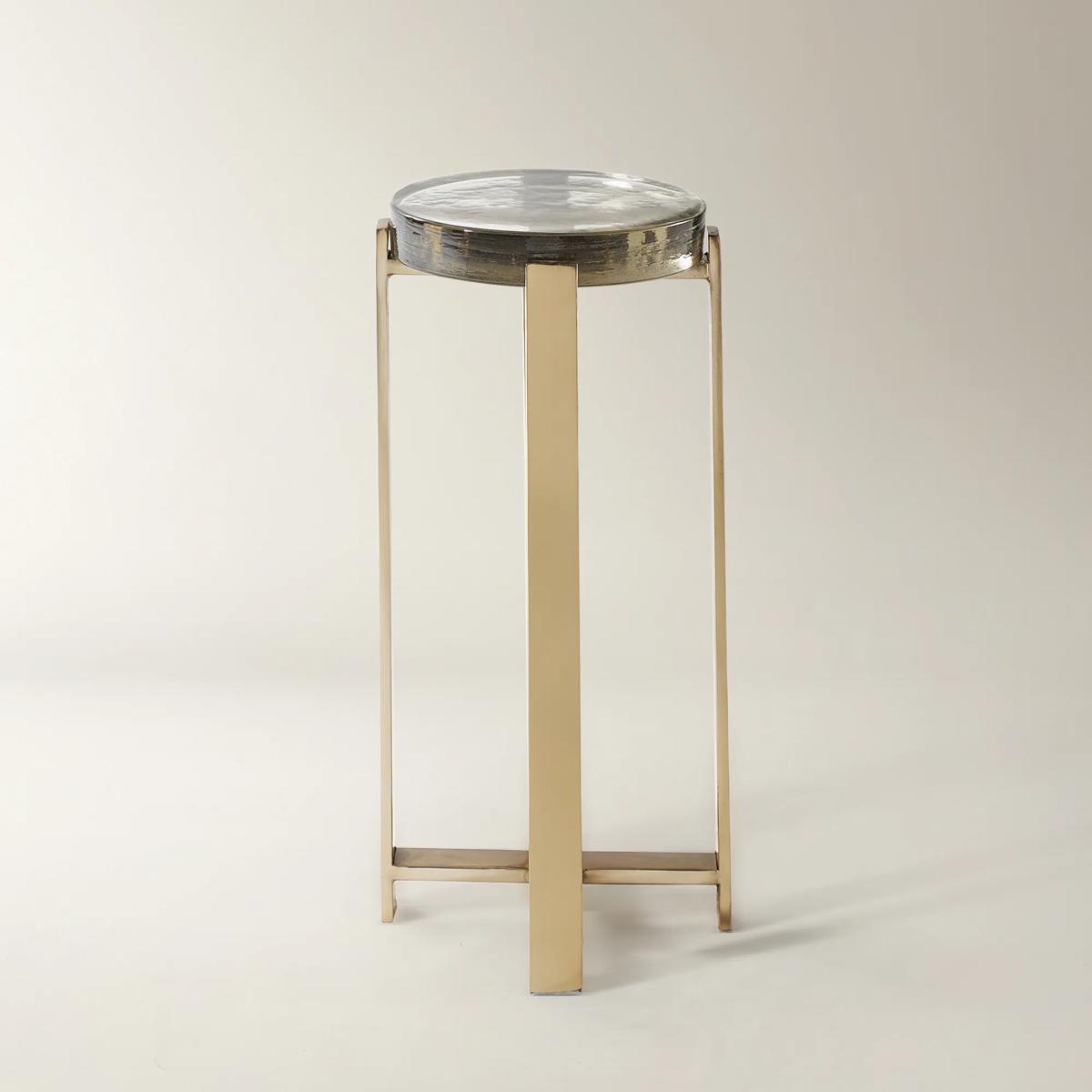
 Lyra Square Brass Metal Side Table With Glass Top (13.8")$239
A sculptural side table featuring a thick cast glass top and a lustrous brass-finished metal base.
Add To Cart -
 Thalia Glossy Black Side Table Set Of 2 (8"-12.5")$599
A sculptural duo of glossy black fiberglass tables with fluid lines and mirror-like lacquered finish.
Add To Cart -
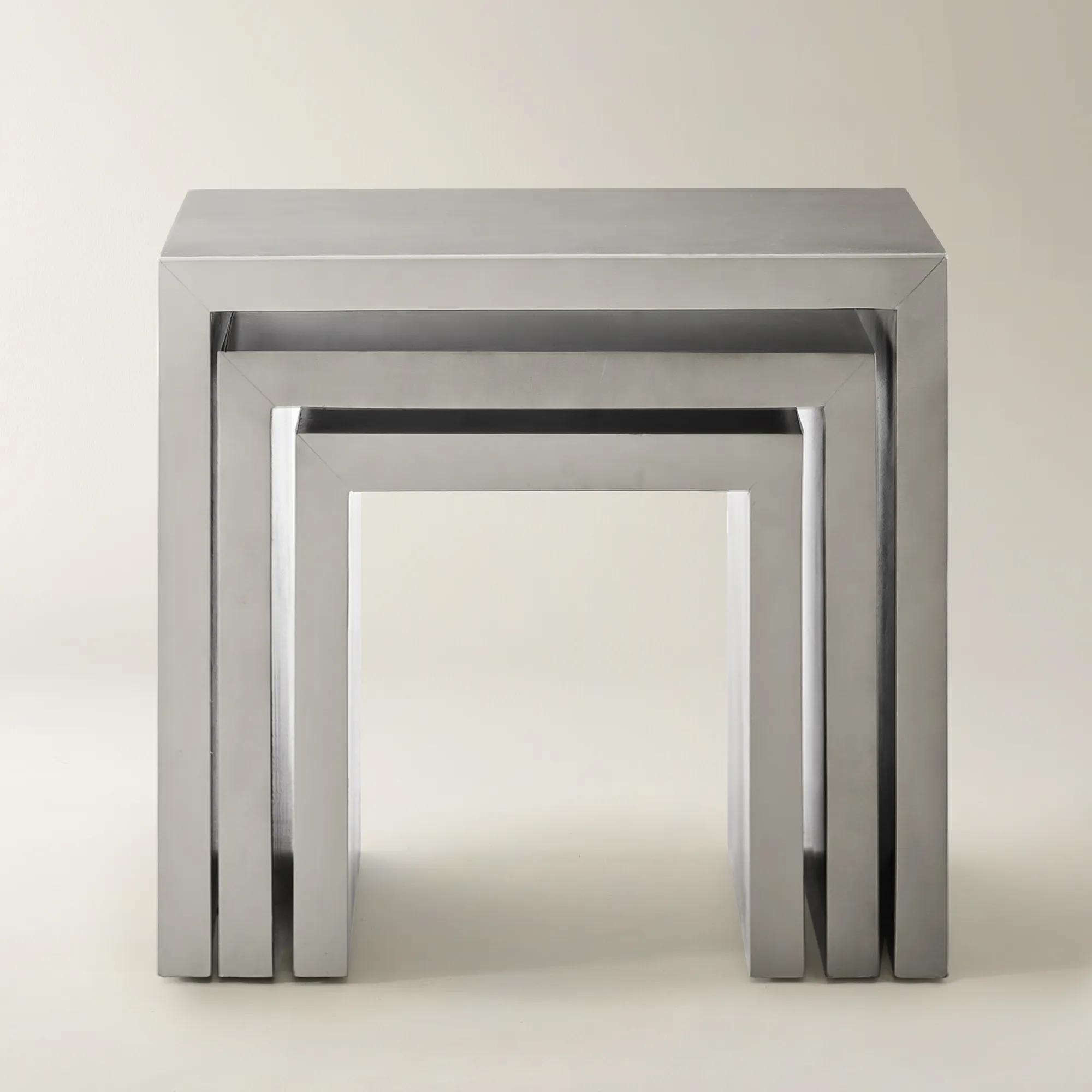
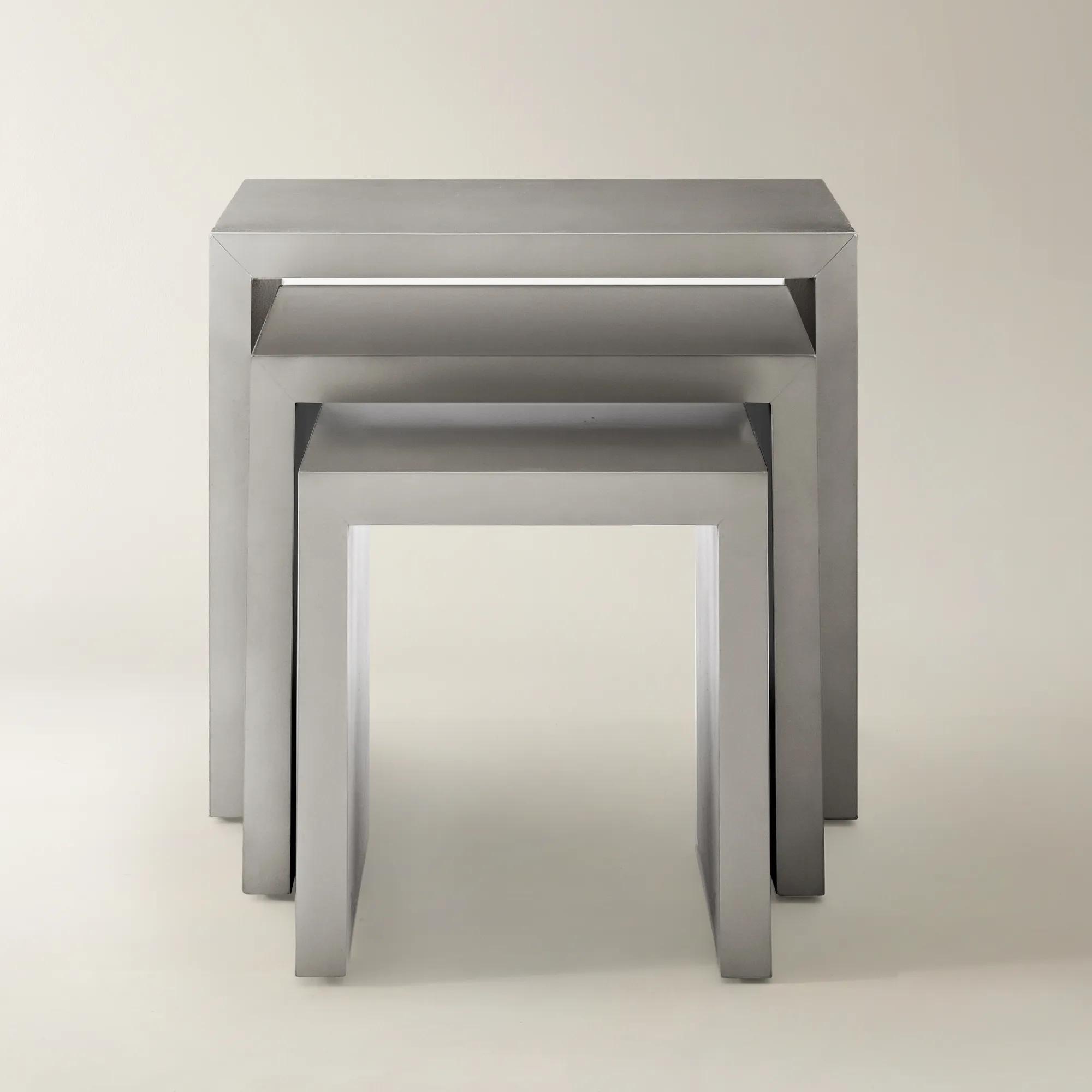 Astair Silver Nesting Accent Table Set Of 3 (16.25"-25.5")$349
A trio of engineered wood nesting tables with a sleek silver metallic finish and minimalist block silhouette.
Add To Cart -
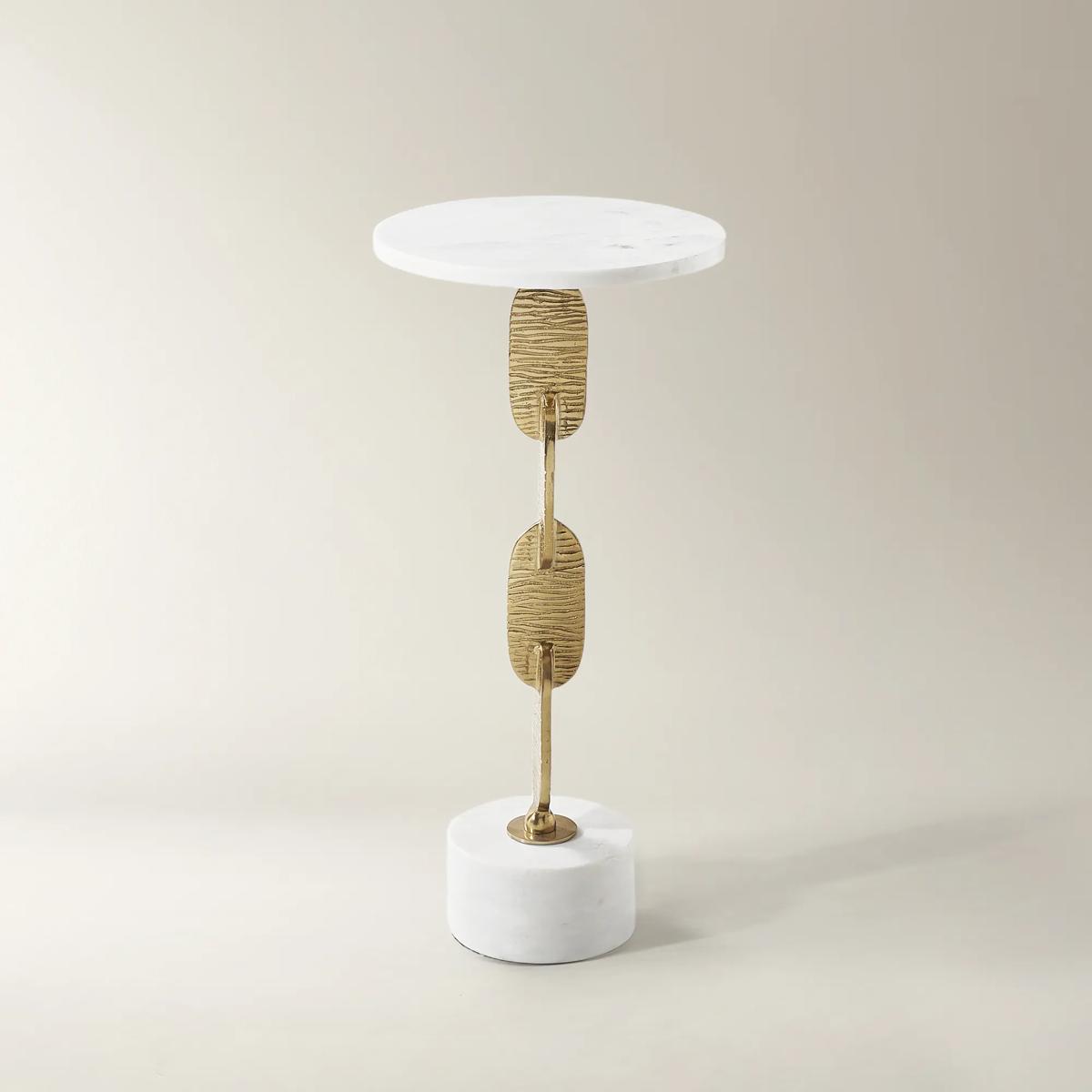
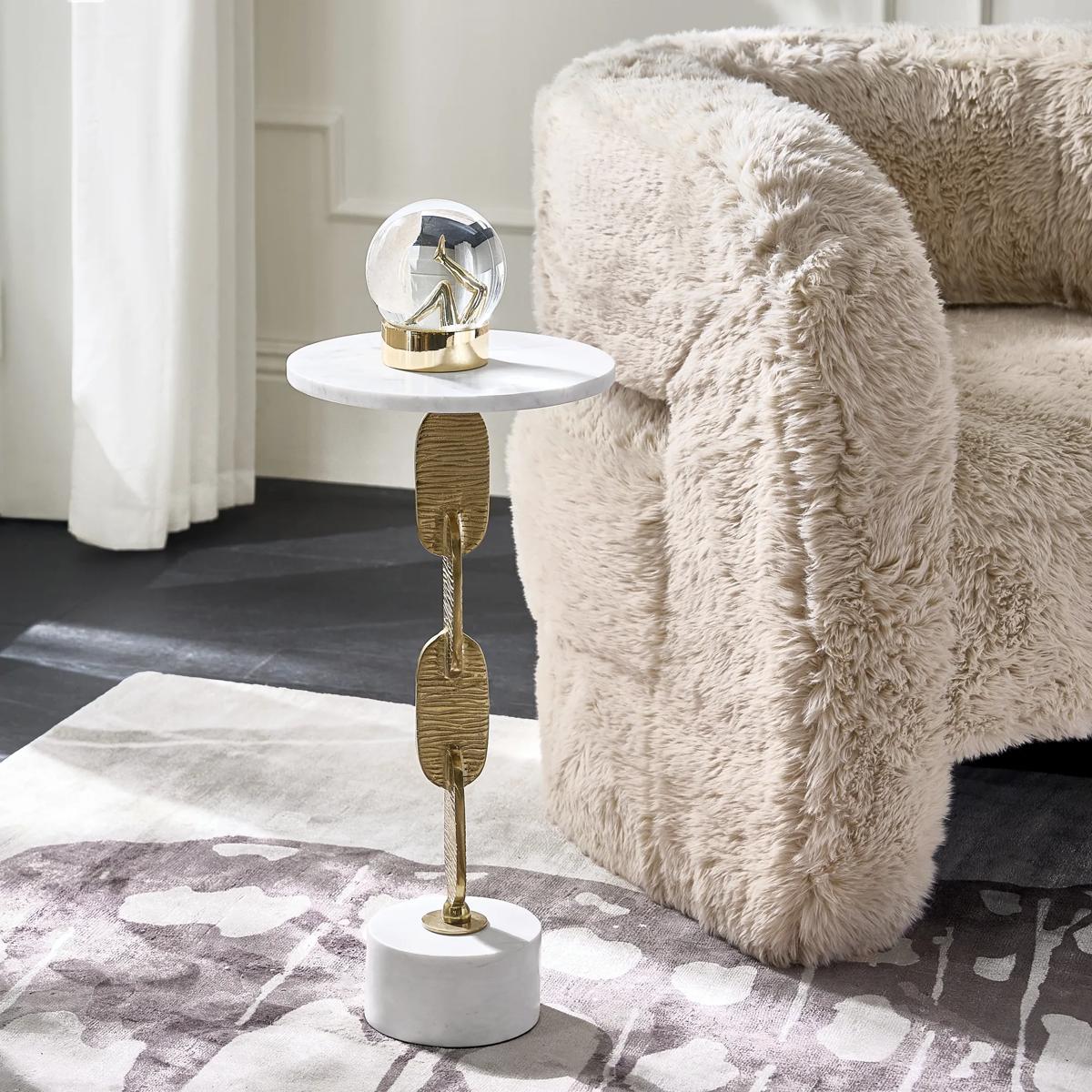 Luna Round White Marble Side Table (11.25")$199
A sculptural side table featuring a genuine white marble top and an open gold-finished metal frame.
Add To Cart -
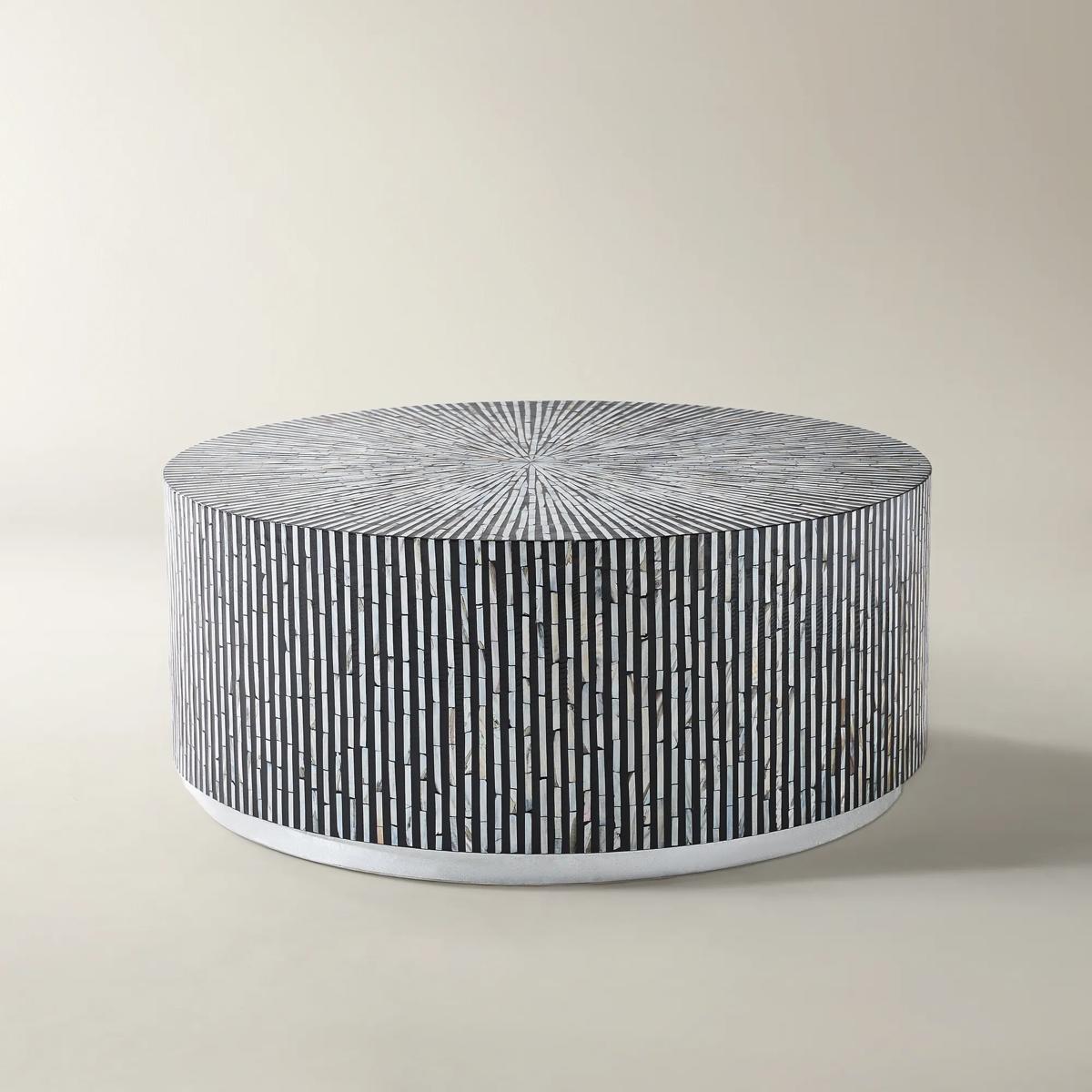
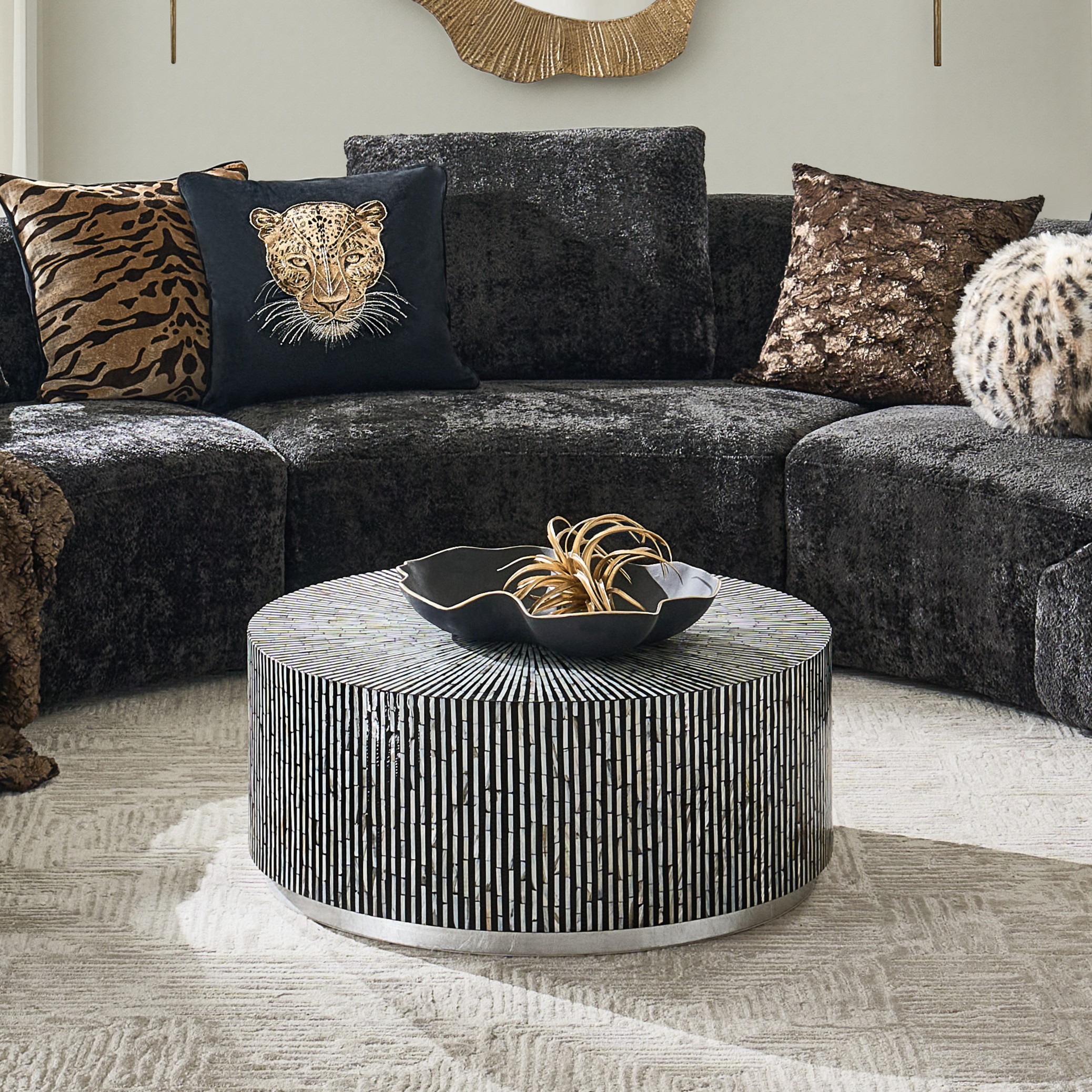 Marina Round Mosaic Black Coffee Table (35.8")$799
A handcrafted round coffee table featuring iridescent mother-of-pearl inlay and a silver leaf base.
Add To Cart -
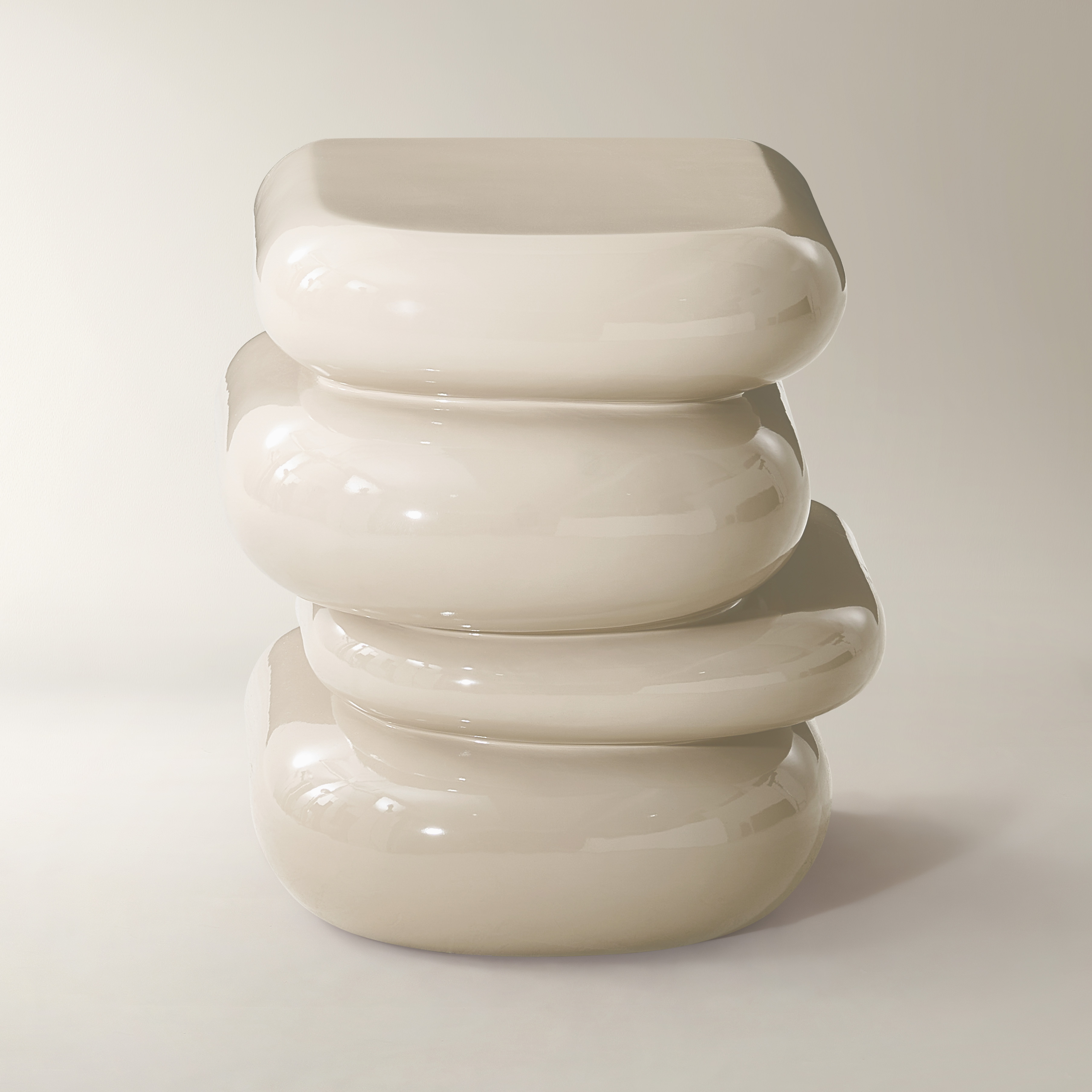
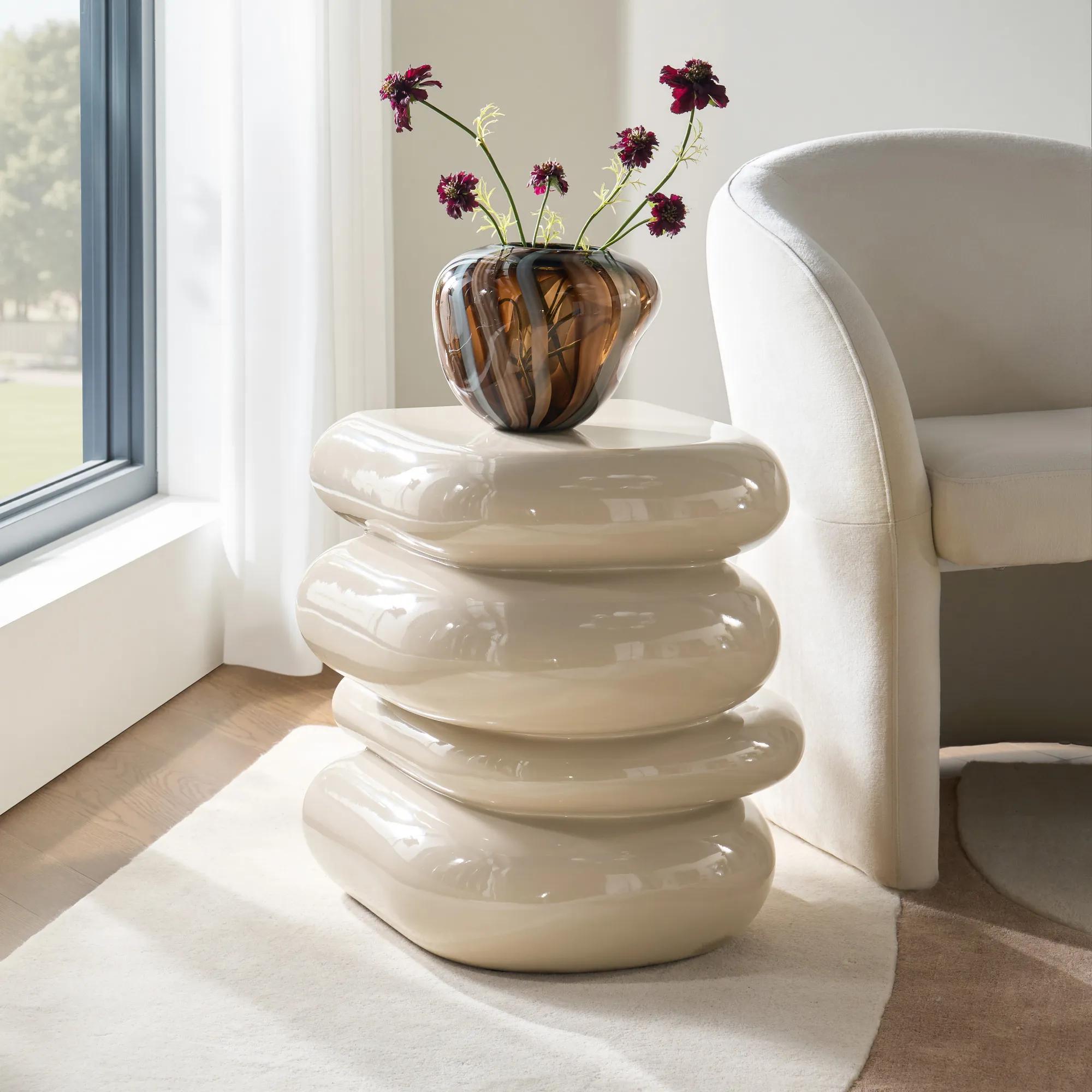 Forma Stacked Turtle Dove Side Table (19.9")$499
A sculptural accent table crafted from high-gloss turtle dove fiberglass with softly stacked, rounded tiers.
Add To Cart -
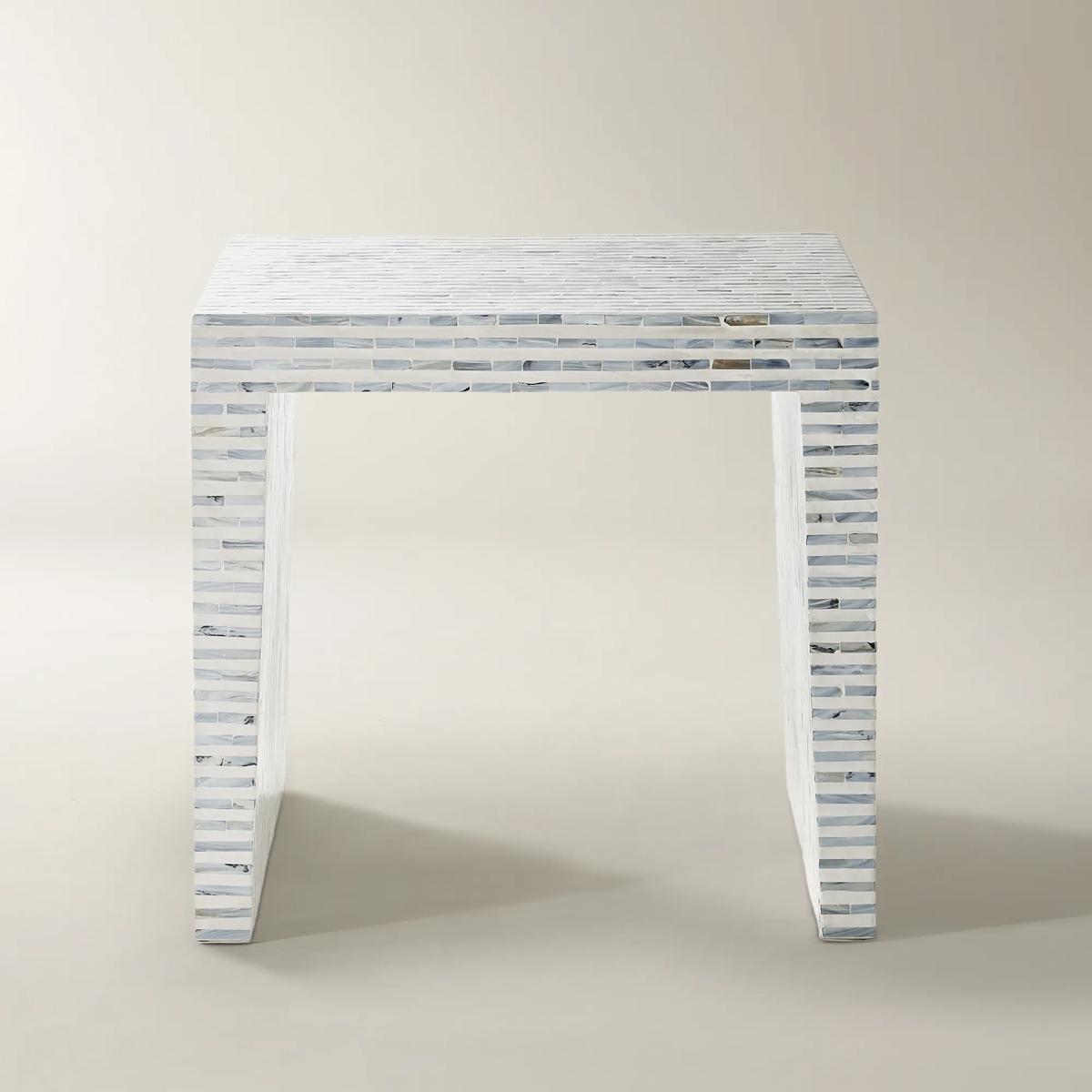
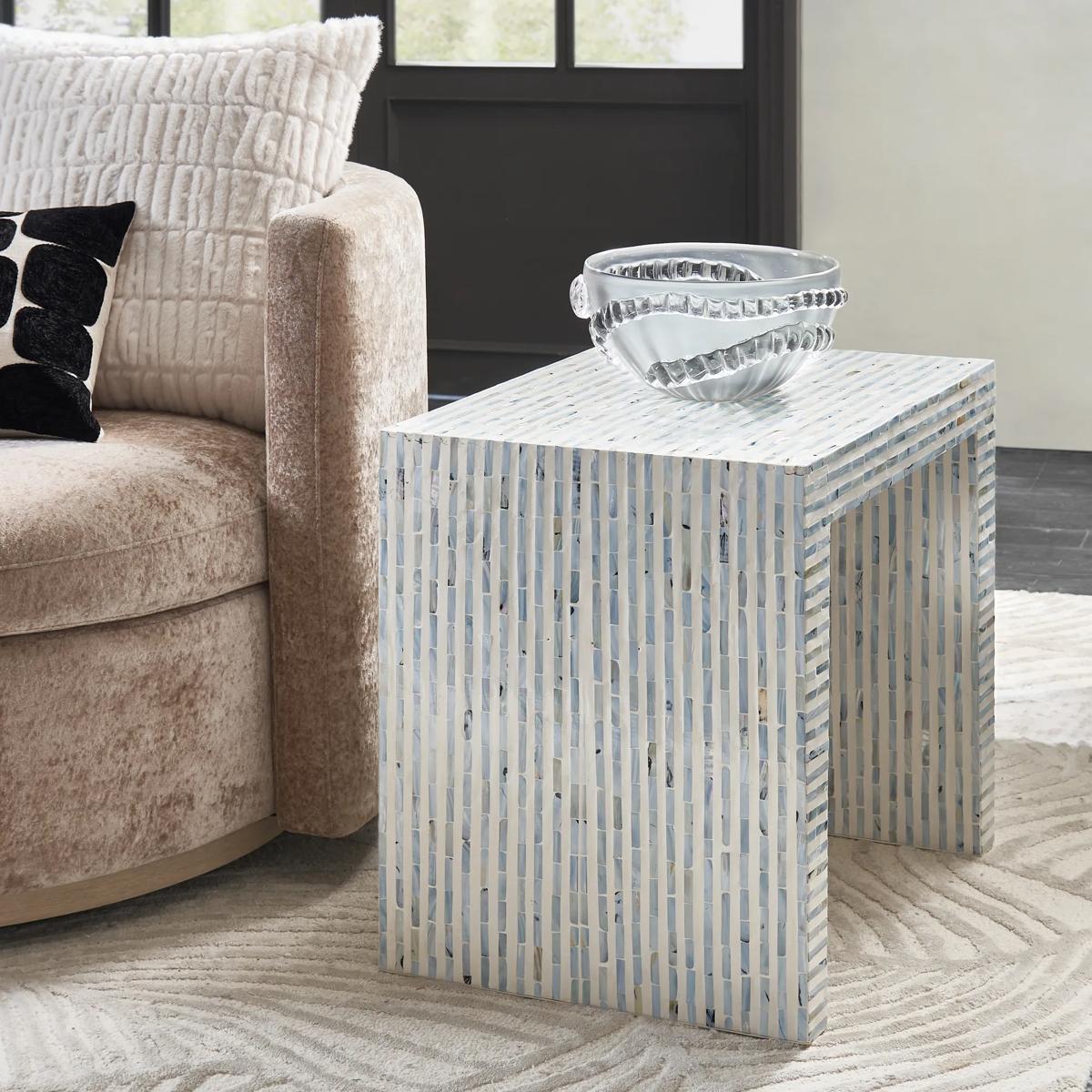 Stella Blue End Table(24")$399
A handcrafted end table featuring genuine blue mother-of-pearl inlay for a unique, iridescent accent.
Add To Cart -

 Nia Lacquered Turtle Dove Wood Desk (62")$1099
A modern desk featuring a soft turtle dove lacquer finish, cylindrical legs, and engineered wood construction.
Add To Cart -
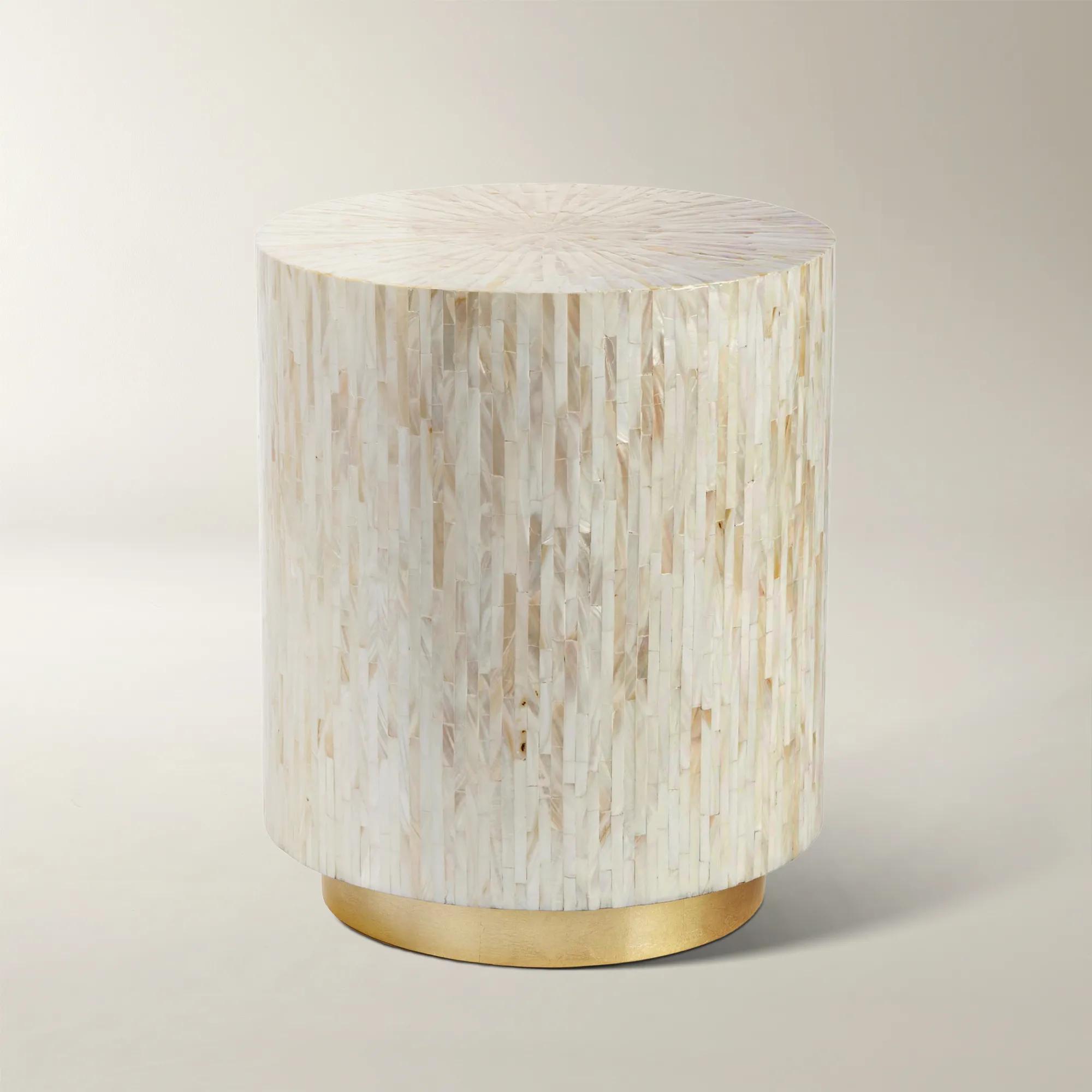 Alexandria Round Mosaic Platinum End Table (13.75")$299
A glamorous accent table featuring hand-applied mother-of-pearl mosaic and a gold leaf-accented base.
Add To Cart -
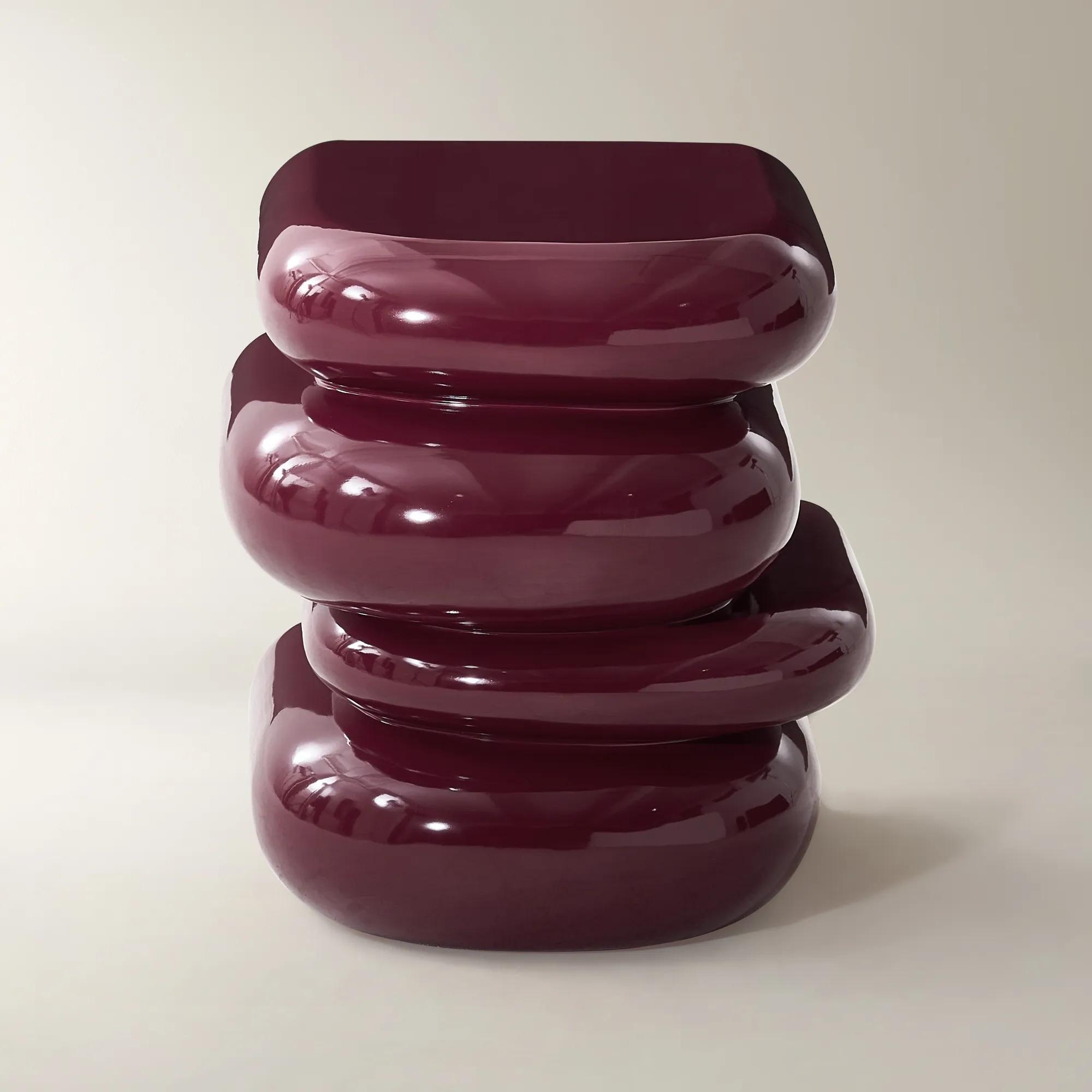 Forma Stacked Ox Blood Side Table (19.9")$499
A sculptural accent table crafted from high-gloss ox blood fiberglass with softly stacked, rounded tiers.
Add To Cart -
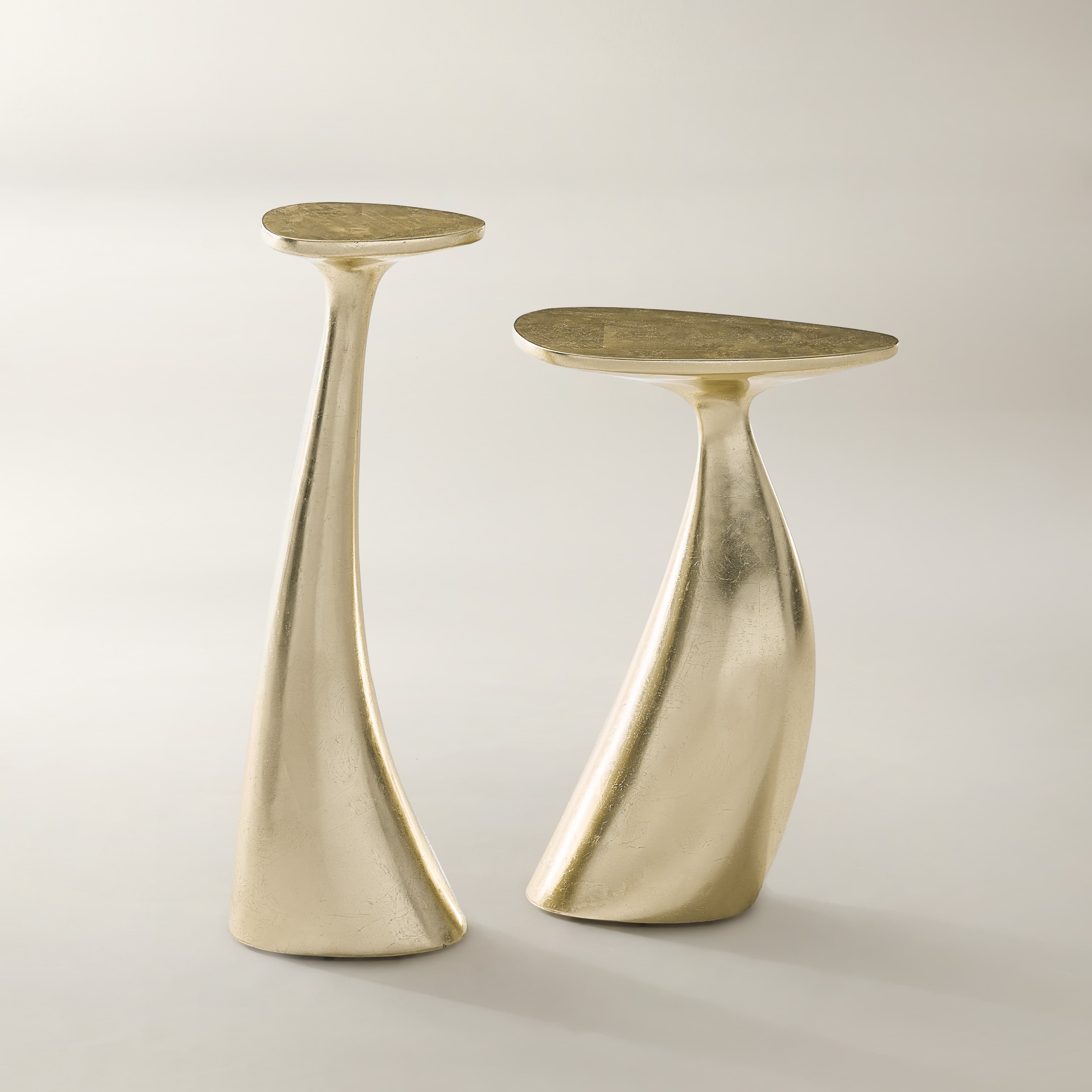 Thalia Soft Gold Side Table Set Of 2 (8"-12.5")$699
A sculptural duo of gold leaf fiberglass tables with fluid lines and a warm, luminous finish.
Add To Cart -
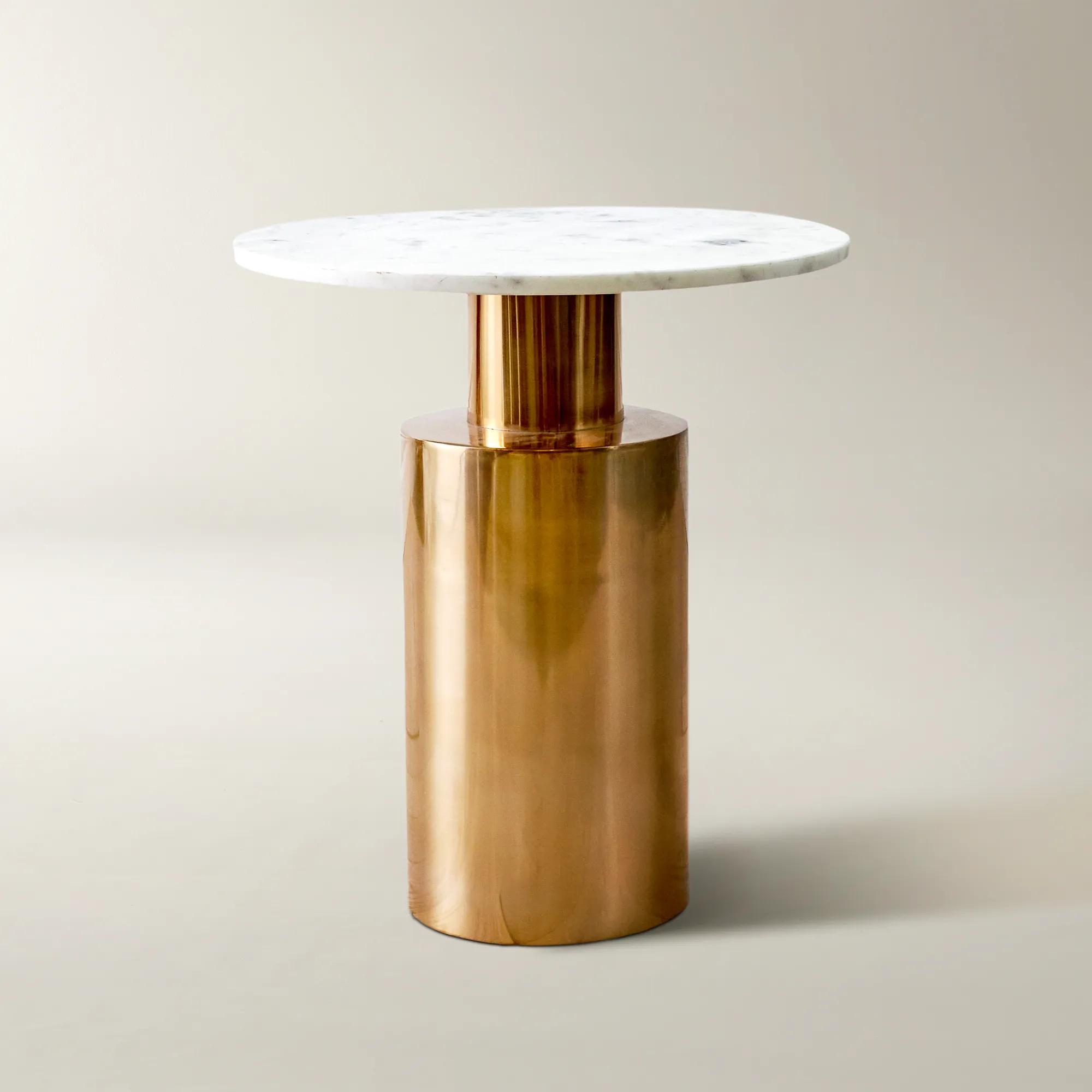 Capri Round White Marble Accent Table (16")$299
A striking accent table featuring a white marble top and gold-finished stainless steel base.
Add To Cart -
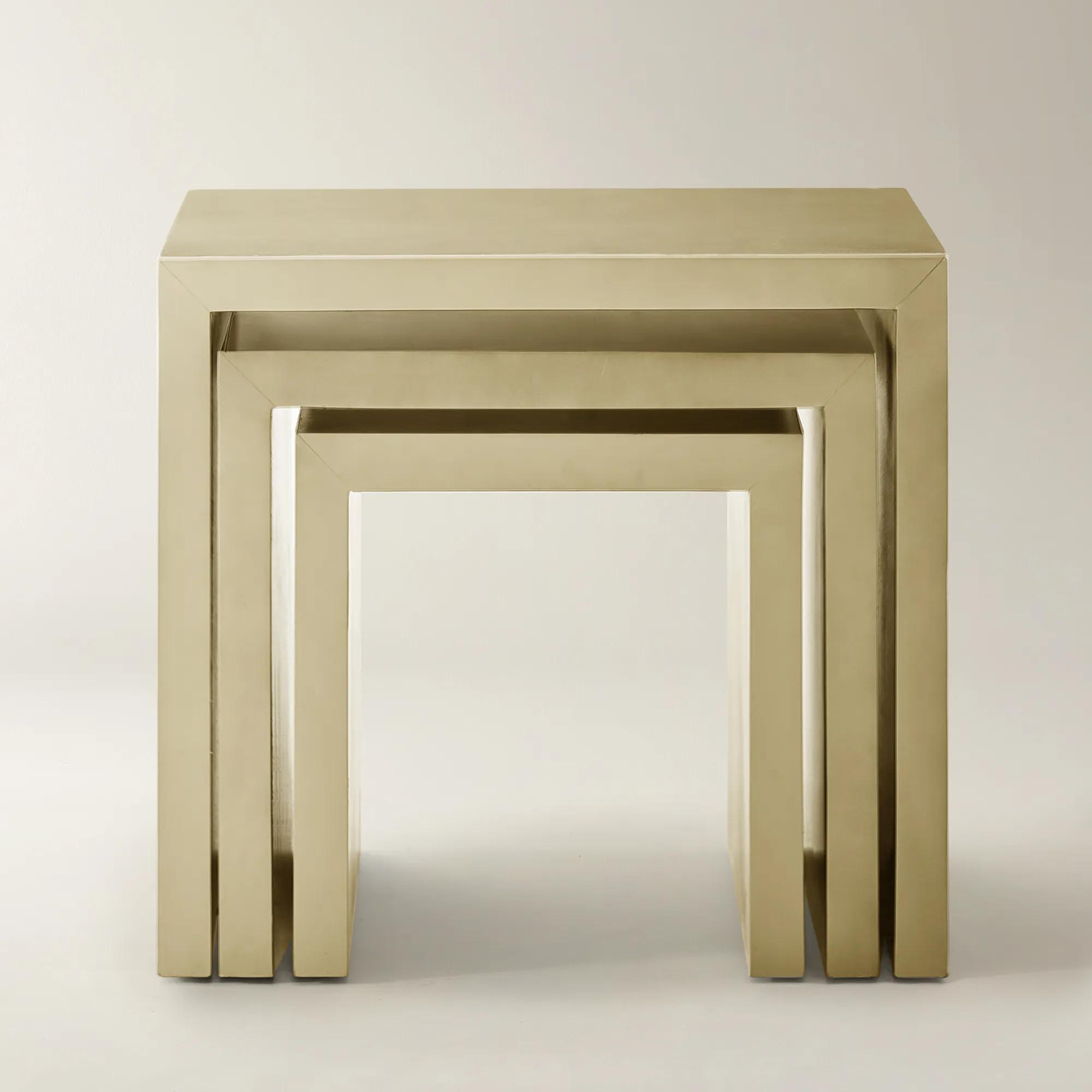
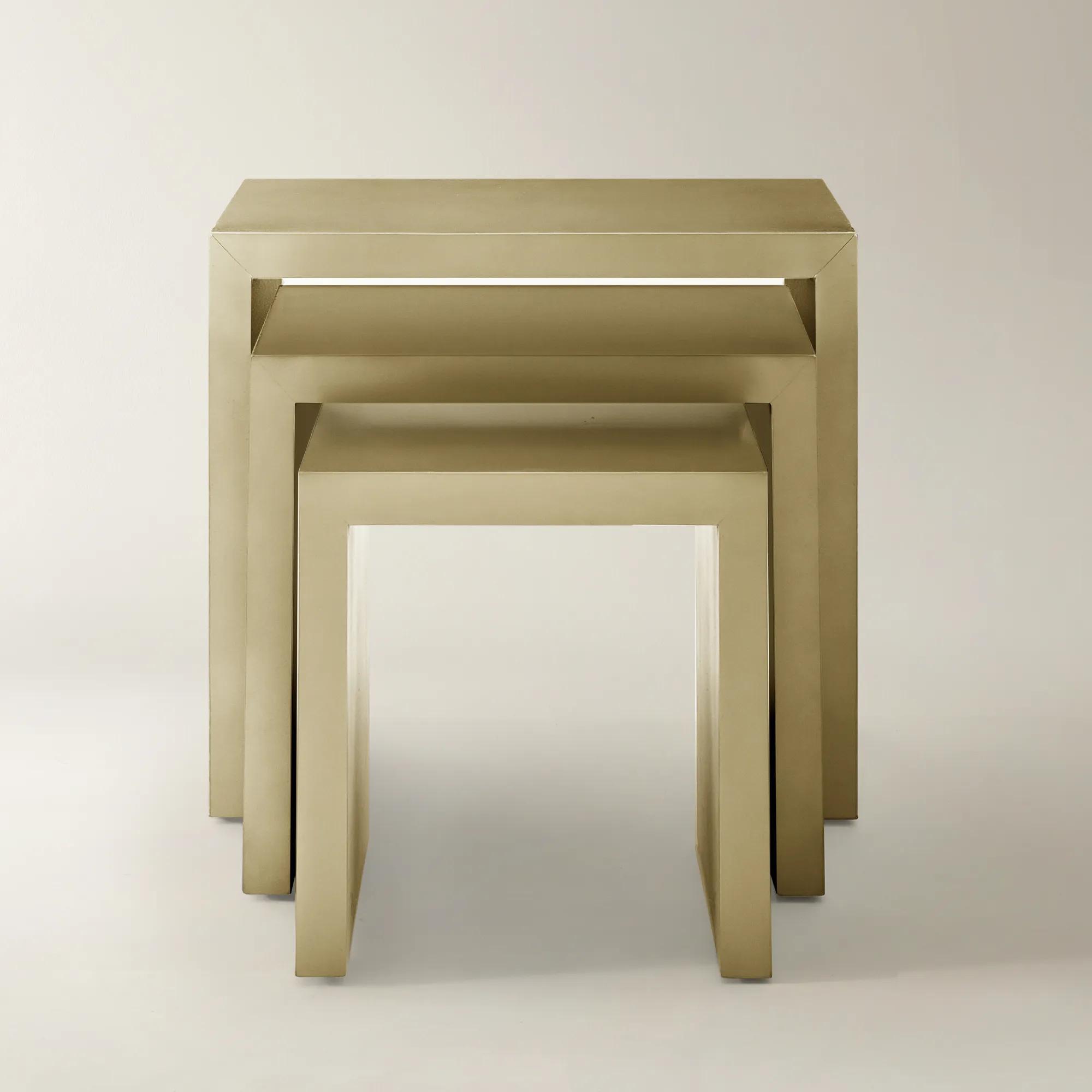 Astair Gold Nesting Accent Table Set Of 3 (16.25"-25.5")$349
A trio of gold-painted engineered wood tables with minimalist block silhouettes and versatile nesting design.
Add To Cart -
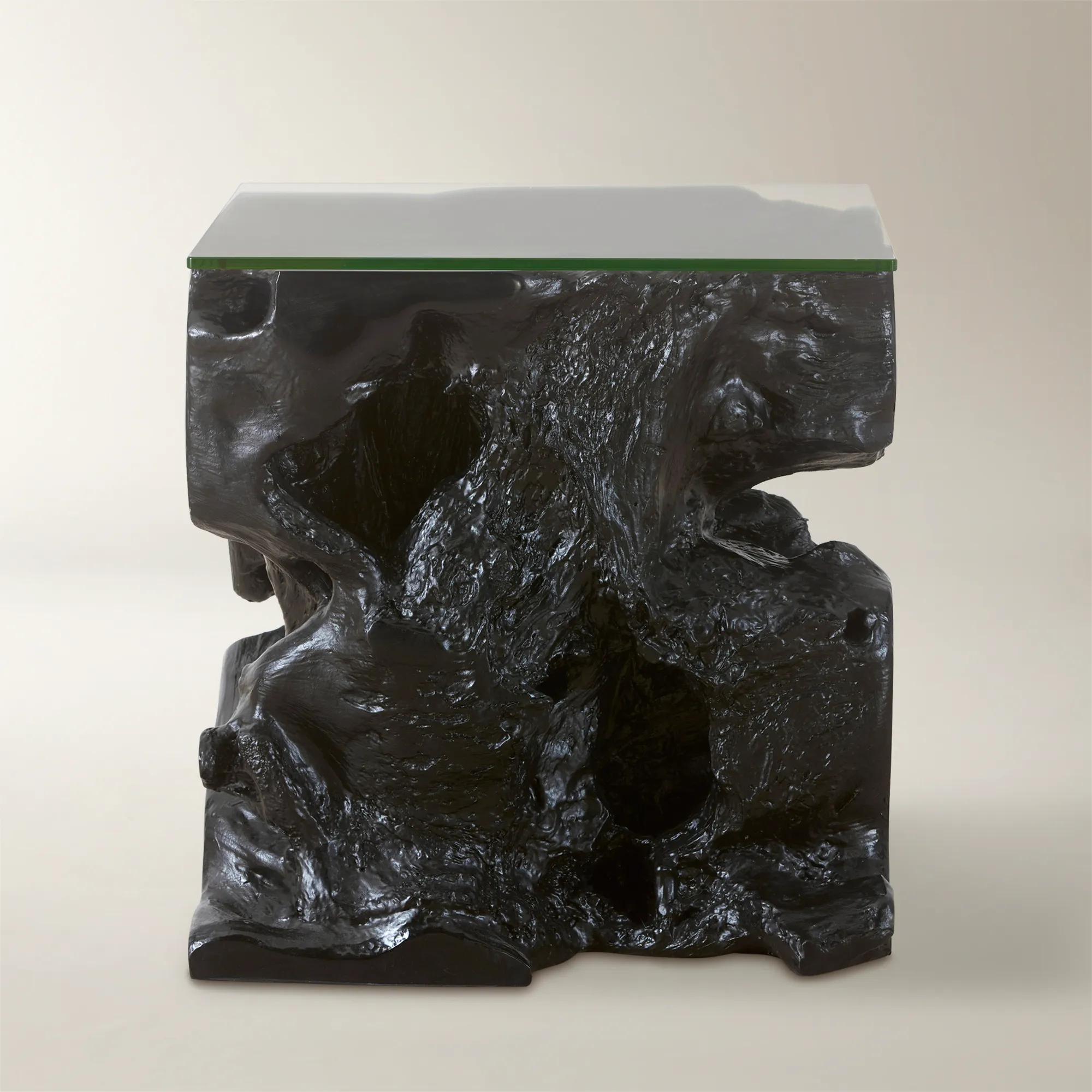 Sequoia Black Resin End Table With Glass Top (22")$999
A sculptural black resin and stone end table inspired by Acacia roots, suitable for indoor or outdoor use.
Add To Cart -
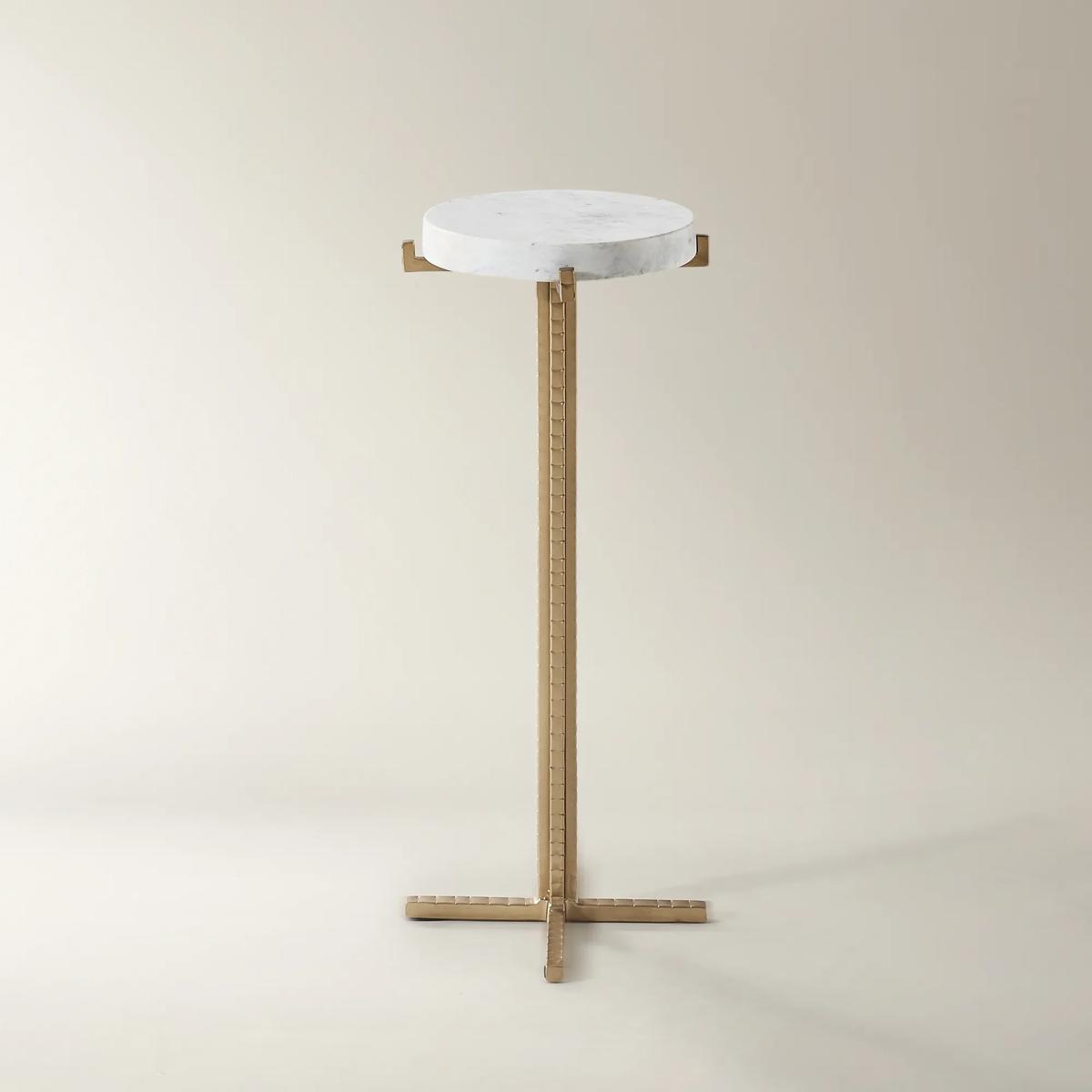 Anya Round White Marble Side Table (10")$199
A sculptural side table featuring a genuine white marble top and gold-finished metal pedestal base.
Add To Cart

Modern Tables For Small Spaces
Modern Tables for Small Spaces invite you to reimagine every inch as an opportunity for artistry and allure. Sculptural silhouettes and gleaming finishes transform compact rooms into curated showcases, where functionality meets high design. Each table is more than a surface; it is a statement, crafted to anchor your space with confidence and style. Discover how modern tables can elevate small spaces, turning the ordinary into the extraordinary and infusing even the most intimate settings with undeniable drama.
Modern tables for small spaces bring sculptural presence and everyday function to rooms where every inch has a purpose. Compact dining tables, slender consoles, nesting tables, and small coffee tables create distinct places to gather, display, and unwind without overwhelming the surrounding furniture. The most successful designs balance their physical footprint with their visual weight: a transparent top reveals the floor beneath it, a slender metal frame outlines a silhouette, and a softly rounded edge allows a more fluid path through a close arrangement. In a city apartment, a round dining table can turn an unused corner into an intimate setting for morning coffee and candlelit dinners. In a smaller living room, an oval coffee table introduces a generous-looking surface while easing movement around the sofa. Round shapes remove projecting corners, but the diameter still matters; a square table may fit more efficiently against a wall, while a narrow rectangle can complement a long room. Pedestal bases can reduce interference from corner legs and make chair placement more flexible, although the width and shape of the base still affect foot space. Many compact dining tables accommodate two to four people, with actual seating capacity determined by tabletop dimensions, chair width, and base placement. Armless chairs and seats that tuck fully beneath the surface preserve a cleaner outline between meals. For a dining area that opens onto a living space, coordinating the table’s finish with nearby furniture creates continuity without requiring an exact match. A dark wood surface beside pale upholstery feels grounded and expressive; glass above a metallic base adds reflected light and a more glamorous rhythm. Fit includes the space around the furniture, not simply the tabletop itself. About 36 inches between a dining table edge and a wall or nearby furniture is a useful planning target for pulling out chairs, with more room needed along an active walkway. That breathing room allows a compact dining setting to feel intentional rather than squeezed into place, preserving both its beauty and its usefulness.
Materials give small-scale tables much of their character, from the luminous edge of glass to the depth of wood grain and the quiet movement of natural stone. Clear glass offers visual openness, making a richly upholstered room feel less crowded while allowing a distinctive base or patterned rug to remain visible. Glass still needs regular cleaning to remove fingerprints, and its edges deserve consideration in busy households. Tempered glass is designed to break differently from standard glass, but it is not immune to damage. Wood introduces warmth and tactile richness, whether expressed through a smooth veneer or solid construction. A well-made veneer surface can deliver beautiful grain and dimensional stability; solid wood brings natural variation and may respond more noticeably to changes in indoor humidity. Neither material should be judged on appearance alone, since joinery, finish quality, and the stability of the base contribute to lasting performance. Metal frames can create slender profiles with substantial presence, while polished finishes amplify light and brushed finishes offer a softer sheen. Marble and other natural stones lend a compact table remarkable visual depth, though their weight, porosity, and individual care requirements matter as much as their veining. Acidic drinks can etch some stone surfaces, and sealing does not make every material stainproof. Across finishes, coasters, trivets, and prompt attention to spills help protect the surface; cleaning should follow the manufacturer’s instructions rather than a single routine applied to every material. Intended use also shapes the right construction. A dining table used for remote work needs a comfortable seated height, dependable stability, and enough clear surface for a laptop alongside a place setting. A console supporting decorative objects has different demands from a table used for daily meals. Drop-leaf and extendable designs can offer flexibility when occasional guests change the seating arrangement, provided the expanded dimensions suit the room. The closed footprint, opening mechanism, support structure, and space required to store extra chairs all influence how gracefully that flexibility works in daily life.
Beyond the dining area, modern tables for small spaces bring definition to the moments between larger furnishings. A slim console can give an entryway a composed focal point, with a sculptural vessel above and a restrained tray for everyday essentials. Behind a floating sofa, a narrow table can establish a subtle boundary without the visual interruption of a tall cabinet. Beside a lounge chair, a compact surface creates a place for a drink, a reading lamp, or a cherished object, making the corner feel complete rather than incidental. For these smaller finishing gestures, Accent Tables for Small Spaces offer another way to introduce texture, reflection, and expressive shape without committing to a broad footprint. Nesting designs are especially useful where entertaining needs change: separate surfaces can serve individual seats, then gather into a more compact arrangement afterward. Their value depends on how fully they nest and whether their heights work with the surrounding seating. A side table generally feels most comfortable near the height of a sofa or chair arm, while a coffee table typically sits close to the seat-cushion height. Roughly 16 to 18 inches between a coffee table and a sofa often allows comfortable reach and legroom, though recliners, deep seating, and household traffic may call for a different arrangement. Storage can be equally meaningful in a petite room. A discreet drawer keeps remotes out of sight, while a lower shelf provides a home for books without consuming additional floor area. Open shelving retains a lighter appearance when its contents are edited rather than densely packed. The final composition can be richly expressive without covering every available surface: a gleaming tray against dark wood, a single oversized book beneath glass, or a ceramic form silhouetted against a mirrored finish gives the eye somewhere to rest. For apartment dwellers, downsizers, and anyone furnishing a compact retreat, a beautifully proportioned table makes limited square footage feel considered, personal, and full of possibility.
FAQs
Modern tables for small spaces are exceptionally versatile and pair beautifully with a range of design styles. Their clean lines and inventive materials complement contemporary, mid-century, and eclectic interiors alike. For a look that feels curated and chic, layer these tables with plush textiles, metallic accents, or bold art pieces. Whether your aesthetic is glam, minimalist, or bohemian, a modern table serves as a striking centerpiece that enhances your unique vision.
To create a captivating focal point, choose a modern table with sculptural details or a distinctive finish—think mirrored surfaces, marble tops, or geometric bases. Place it where it naturally draws the eye, such as beside a statement chair or beneath a dramatic pendant light. Style the table with curated decor: a lush floral arrangement, a stack of art books, or a gleaming tray. The result is a moment of visual intrigue that anchors the room and reflects your personal style.
Absolutely. Modern tables designed for small spaces make thoughtful and memorable gifts, especially for those celebrating new beginnings—a first apartment, a recent move, or a home makeover. Their versatility ensures they’ll be cherished, whether used as a bedside companion, a chic coffee table, or a sophisticated entryway accent. Gifting a modern table is a way to offer both beauty and function, wrapped in one elegant package.
Popular materials include tempered glass, polished metals like brass or chrome, rich woods, and luxurious stone finishes such as marble. These materials not only embody modern sophistication but also help create the illusion of space—glass and mirrors reflect light, while sleek metals and lacquered surfaces add a glamorous touch. Mixing materials can further elevate the look, infusing your space with depth and artistry.
Styling is all about balance and intention. Use trays to corral smaller items, add a sculptural vase for height, and incorporate a mix of textures—think velvet, glass, or metallics—to create visual interest. Keep the tabletop curated, not cluttered, allowing the table’s design to shine. Layer in personal touches, such as a favorite candle or a striking piece of art, to make the vignette feel both luxurious and uniquely yours.