Modern Sofa Tables For Living Room
Modern Sofa Tables For Living Room
-

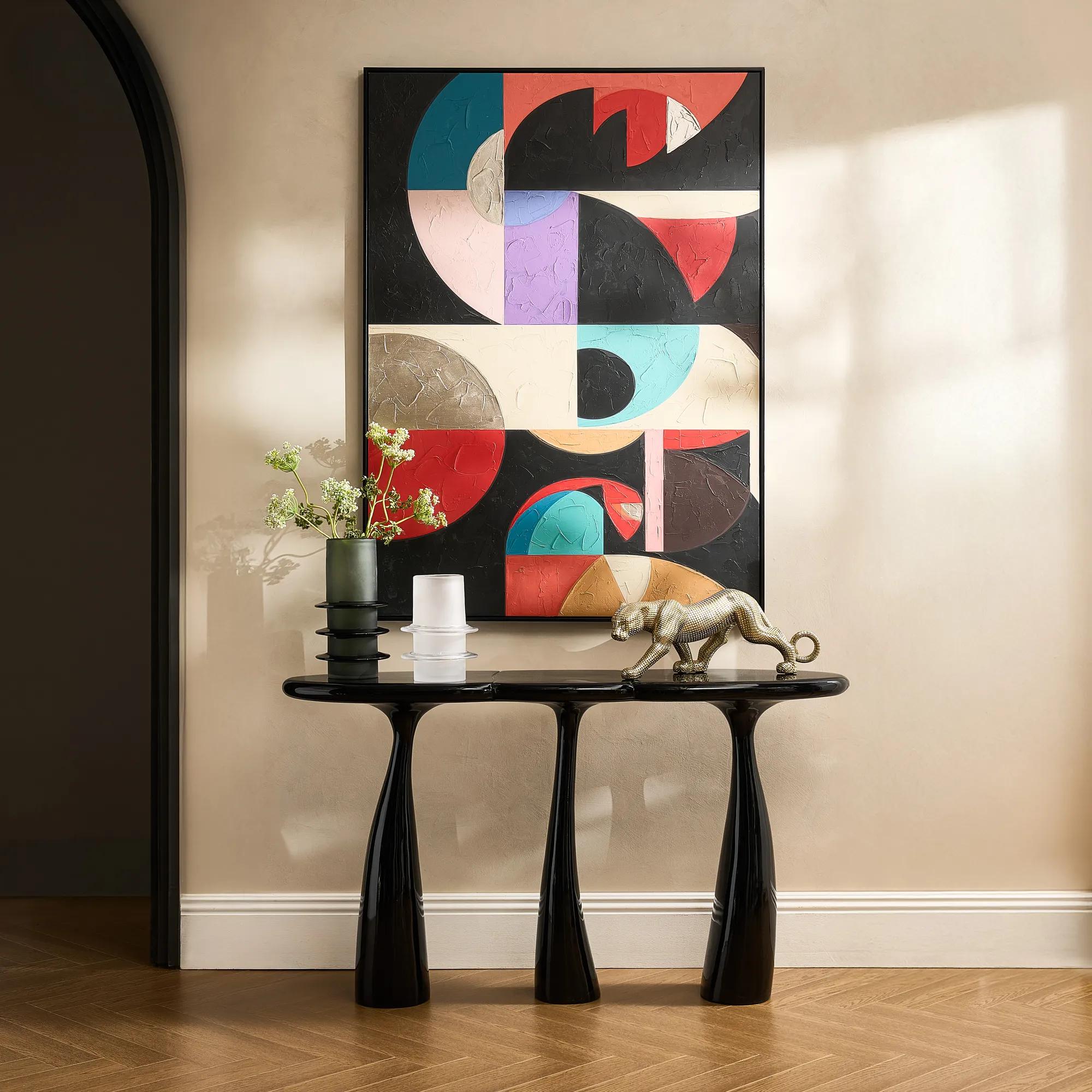 Thalia Glossy Black Console Table (52.4")$999
A sculptural console table crafted from glossy black fiberglass with seamless curves and a mirror-like finish.
Add To Cart -
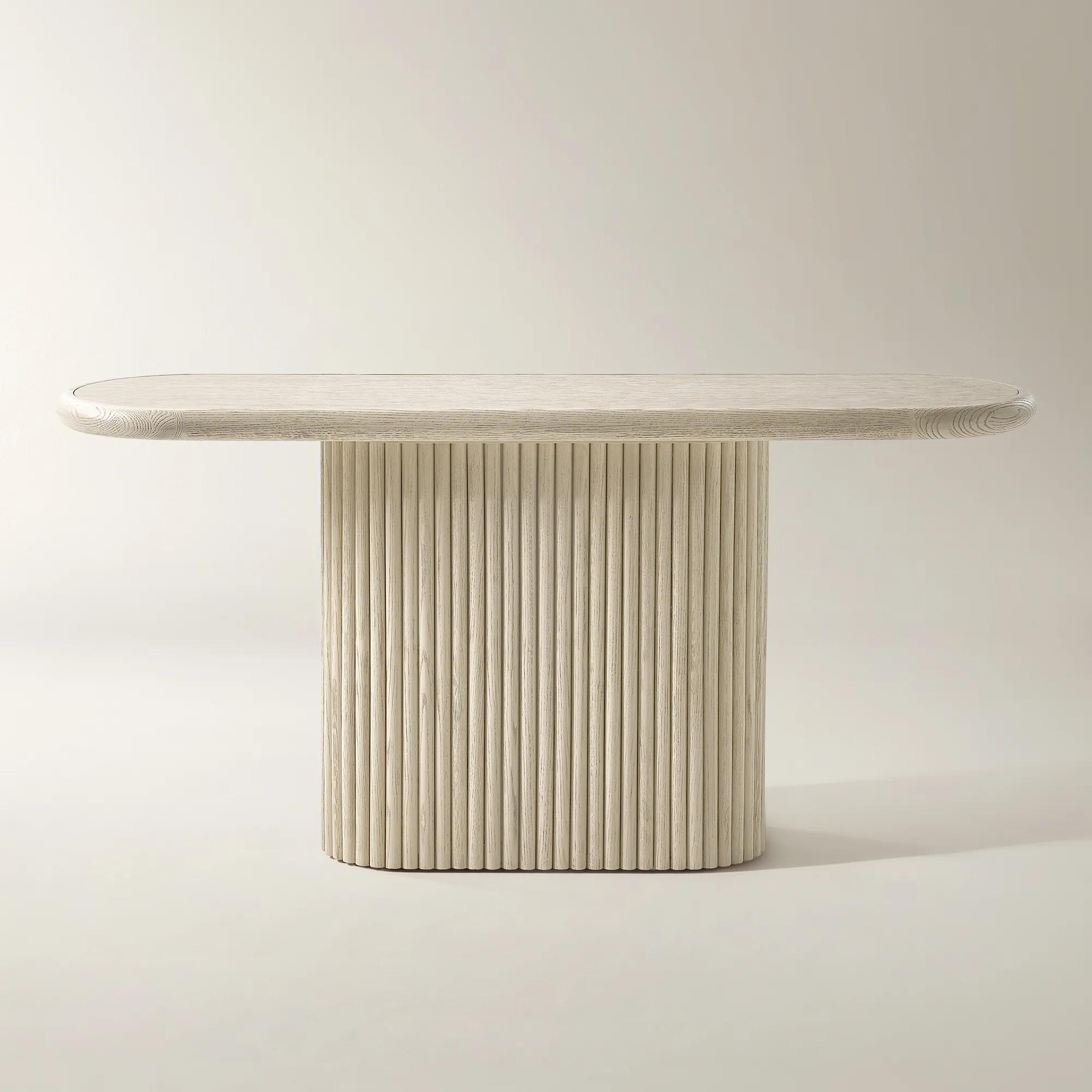
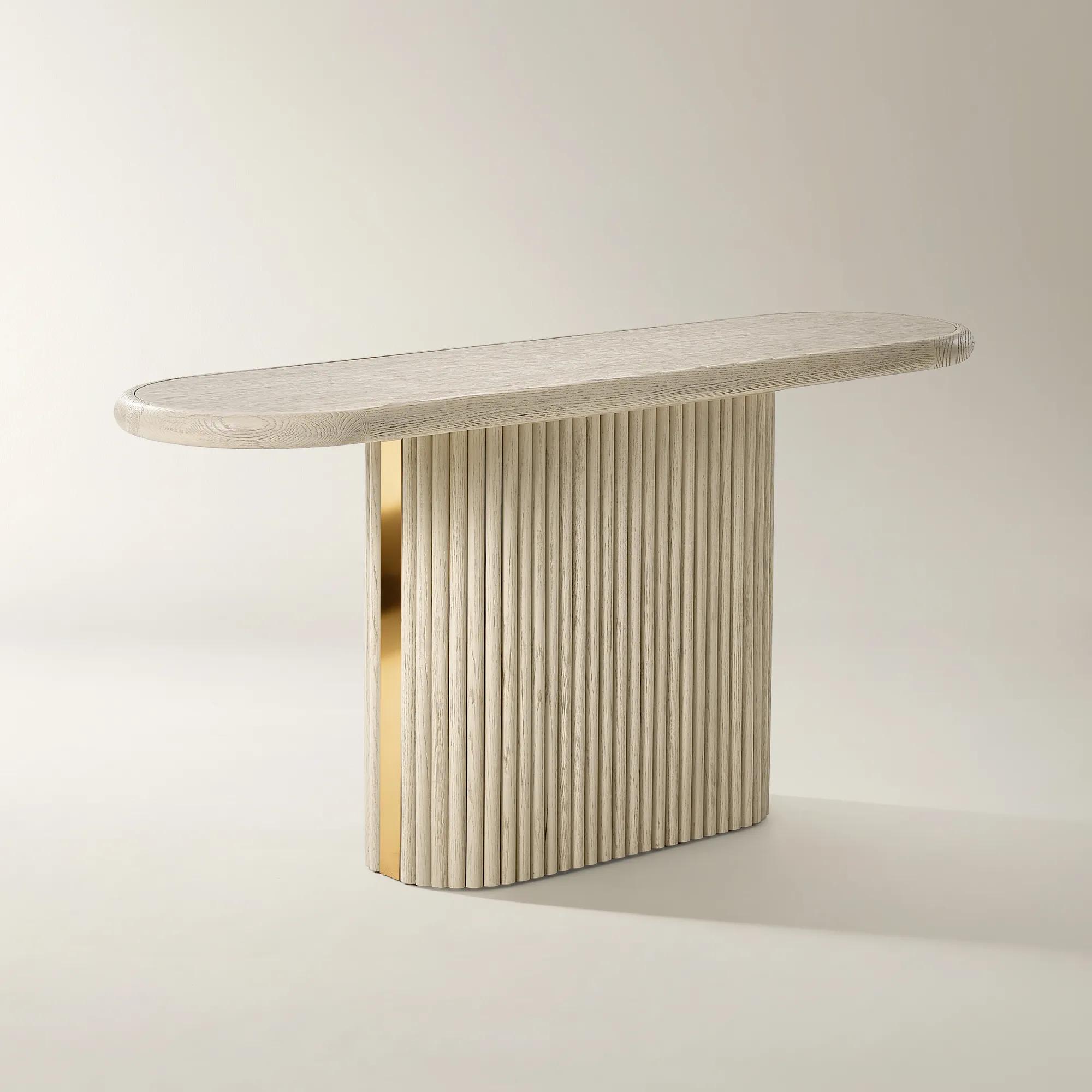 Stria Oval Reeded White Oak Console Table (63")$1399
A sculptural console table featuring reeded white oak, soft gold metal trim, and an architectural pedestal base.
Add To Cart -
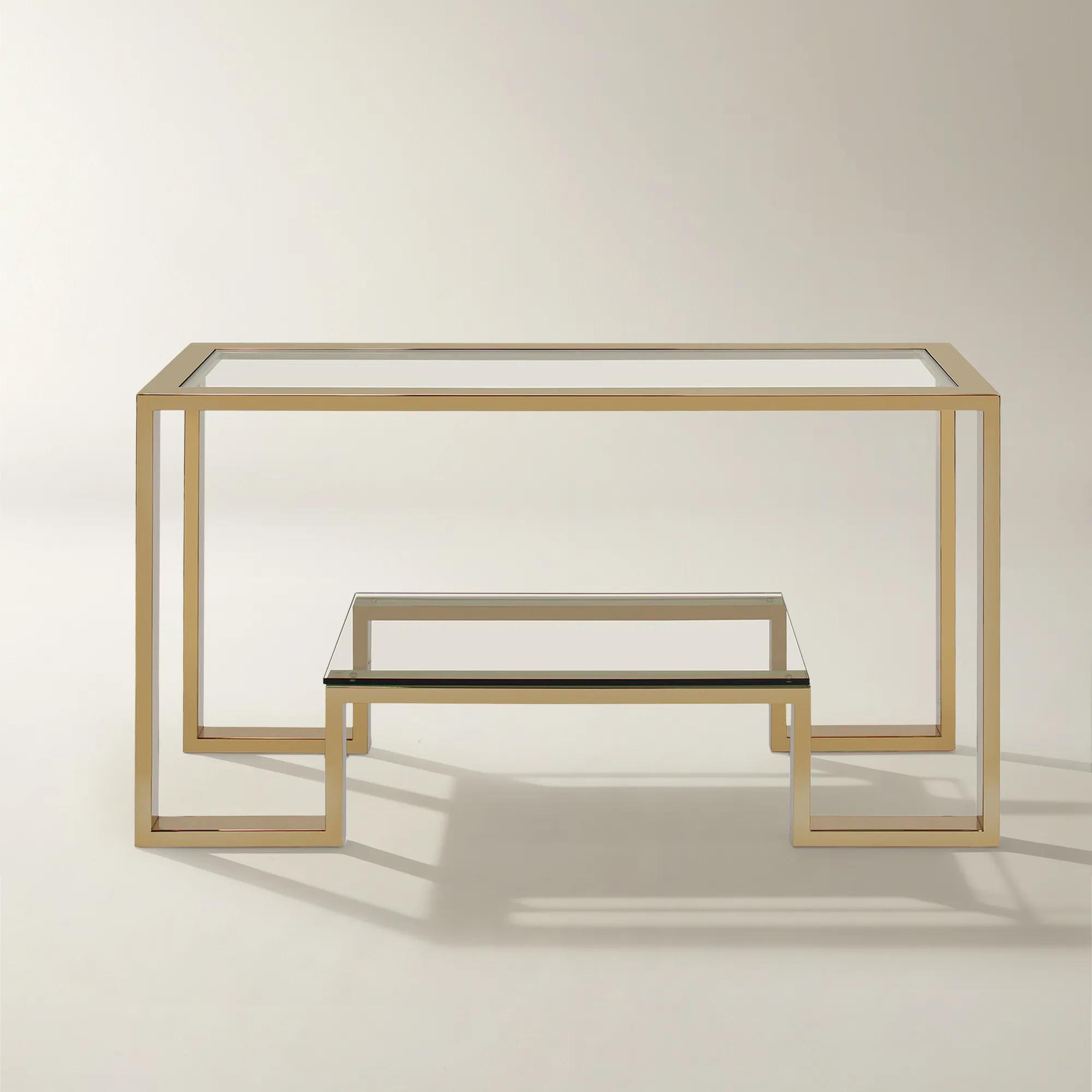
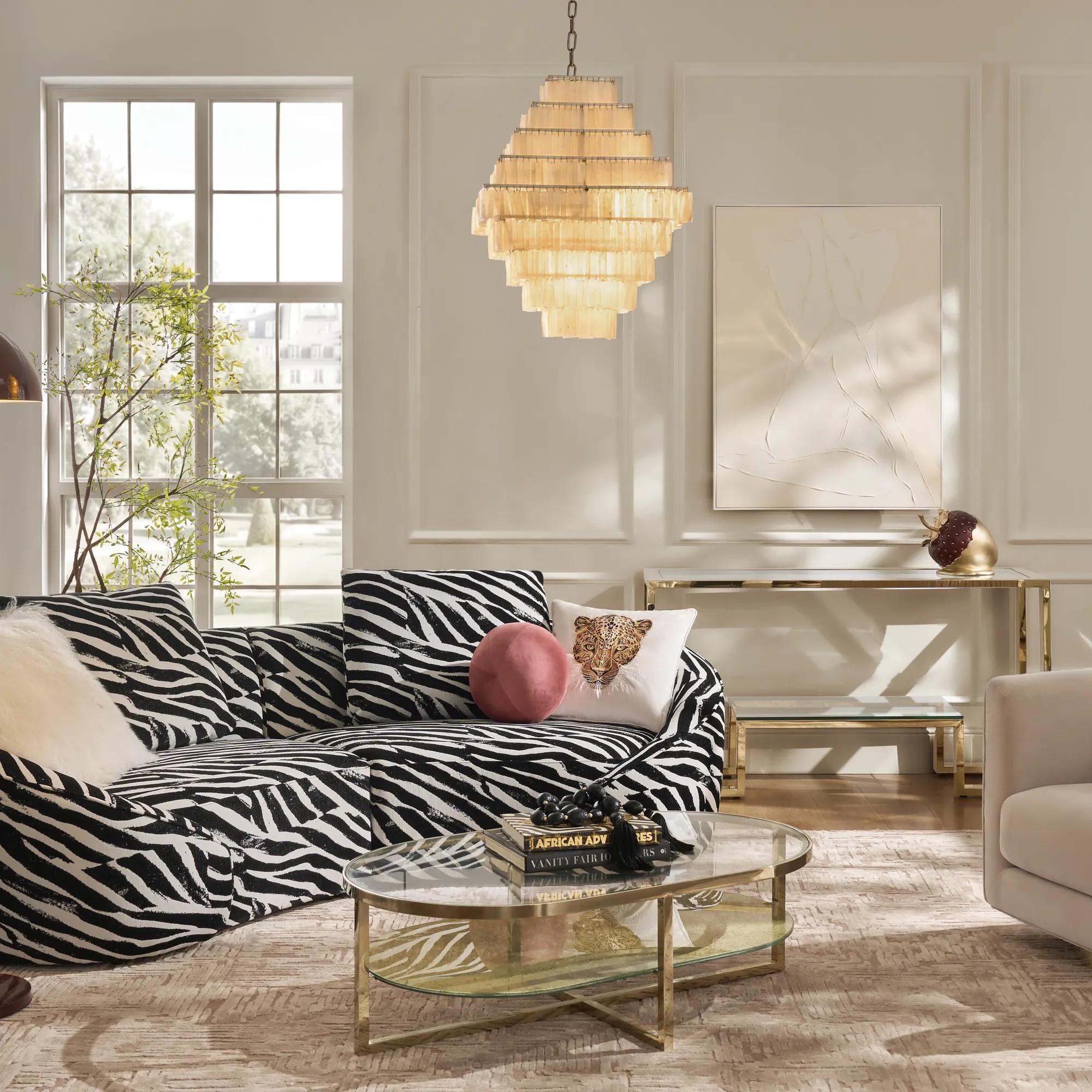 Duplicity Rectangular Gold Stainless Steel Console Table With Glass Top (59")$1399
A modern console table crafted from stainless steel and tempered glass with a floating bottom shelf.
Add To Cart -
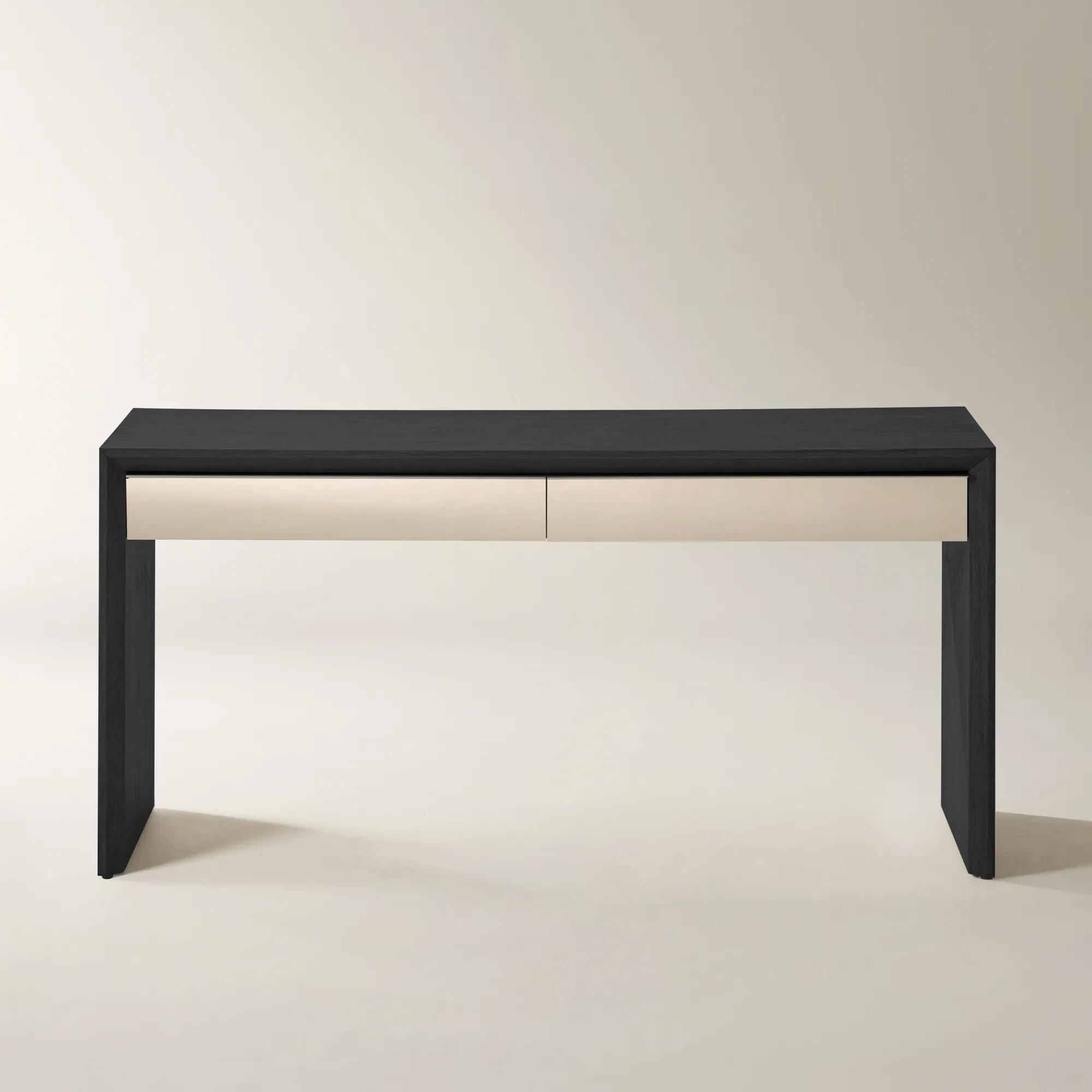
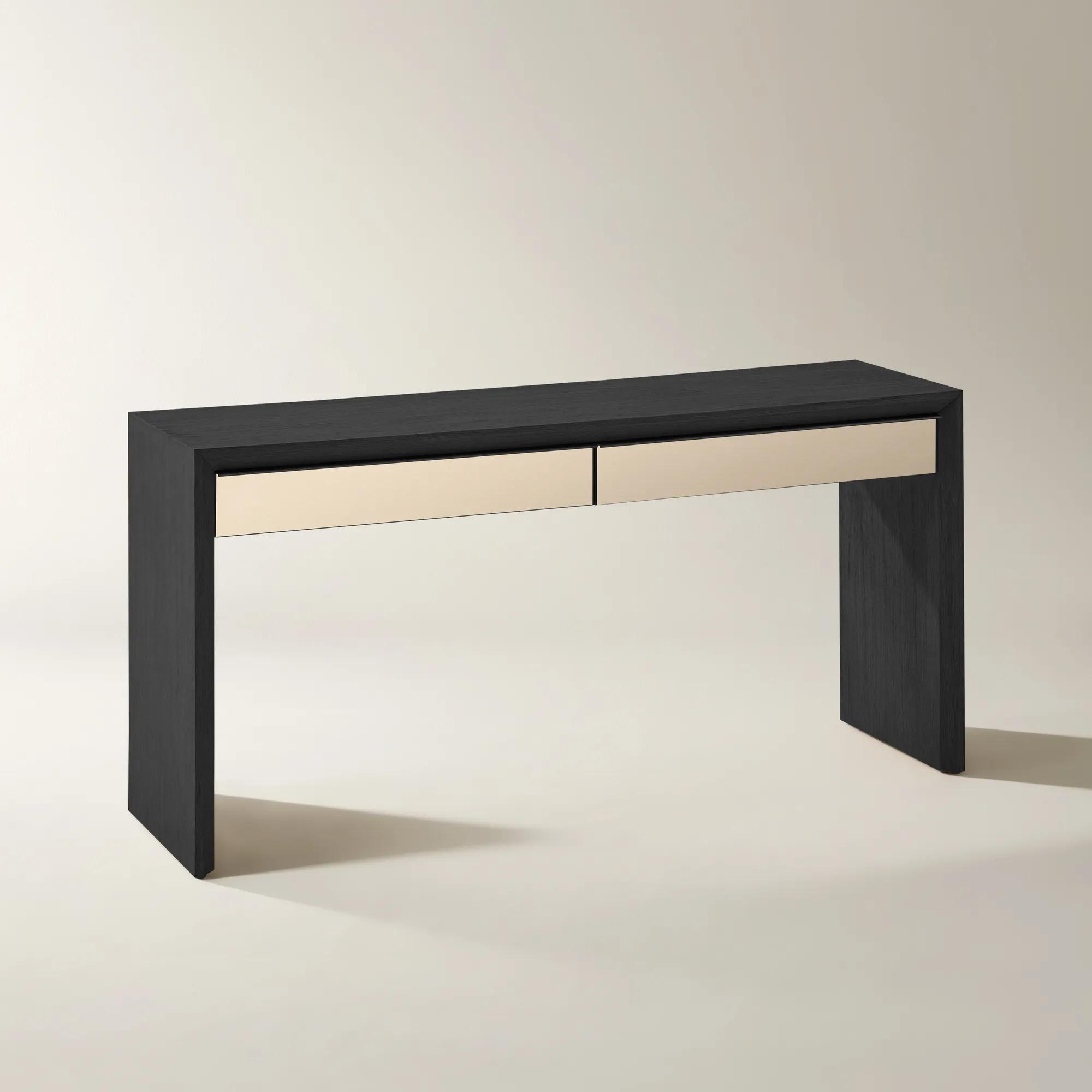 Glimmer Mirrored 2-Drawer Black Oak Console Table (62")$1299
A modern console table featuring black oak veneer, bronze mirrored drawer fronts, and soft-close velvet-lined drawers.
Add To Cart -

 Cairo Mactan Stone Console Table (63")$1799
A hand-carved Mactan stone console table featuring a raw chiseled edge and natural tonal variations.
Add To Cart -
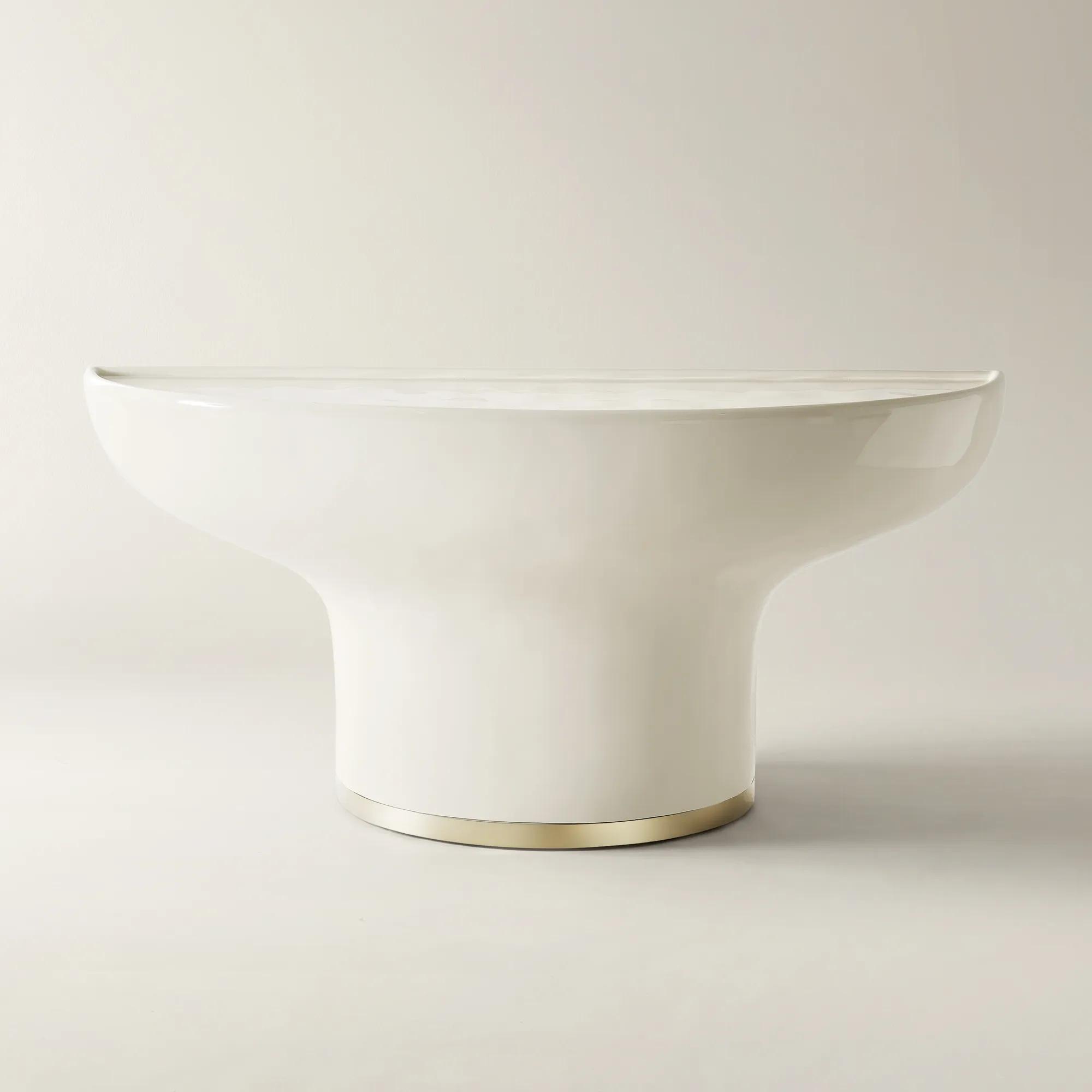 Celia Lacquered Cloud Resin Indoor/Outdoor Console Table (63")$1499
A sculptural one-piece resin console table with a warm high-gloss finish and gold stainless steel base.
Add To Cart -
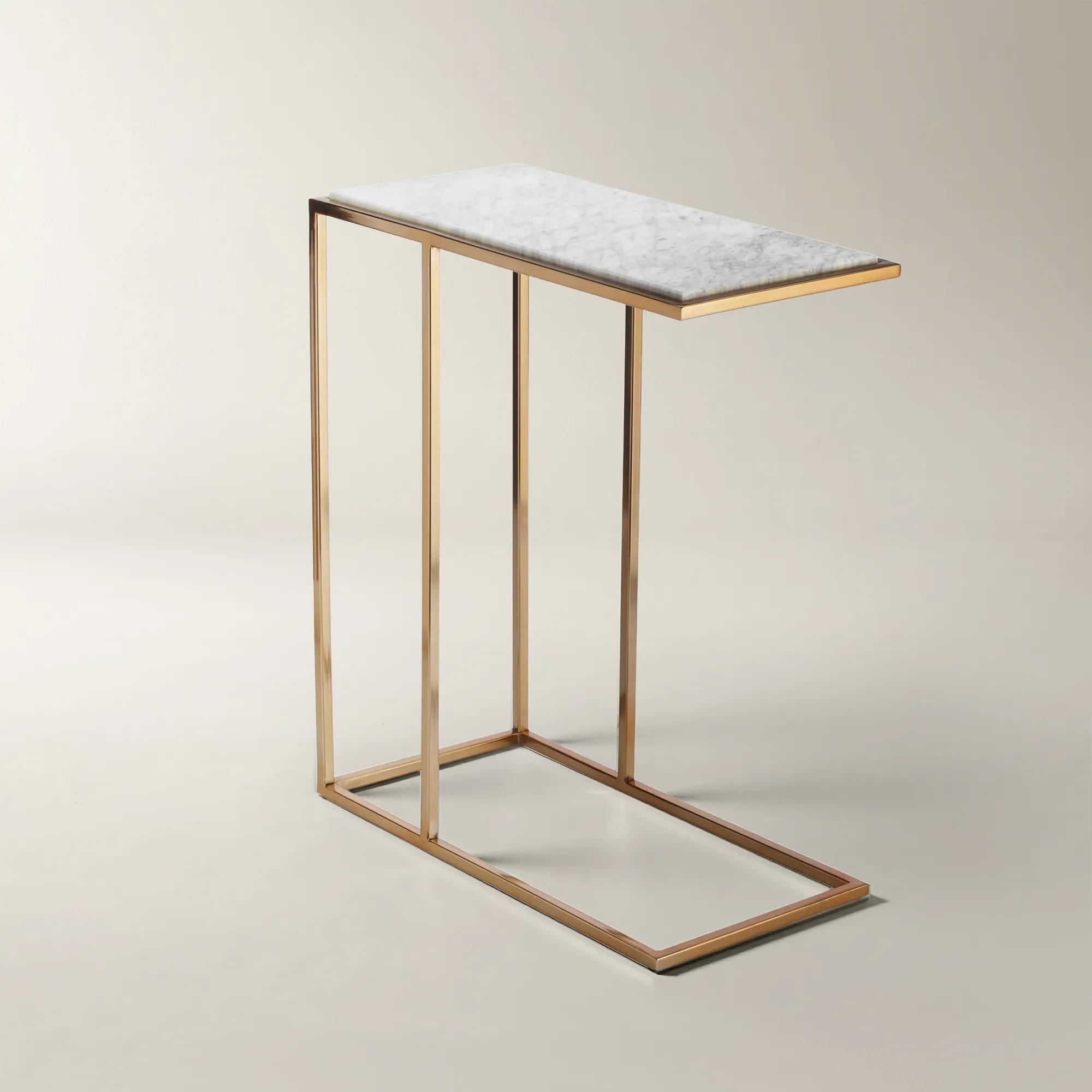
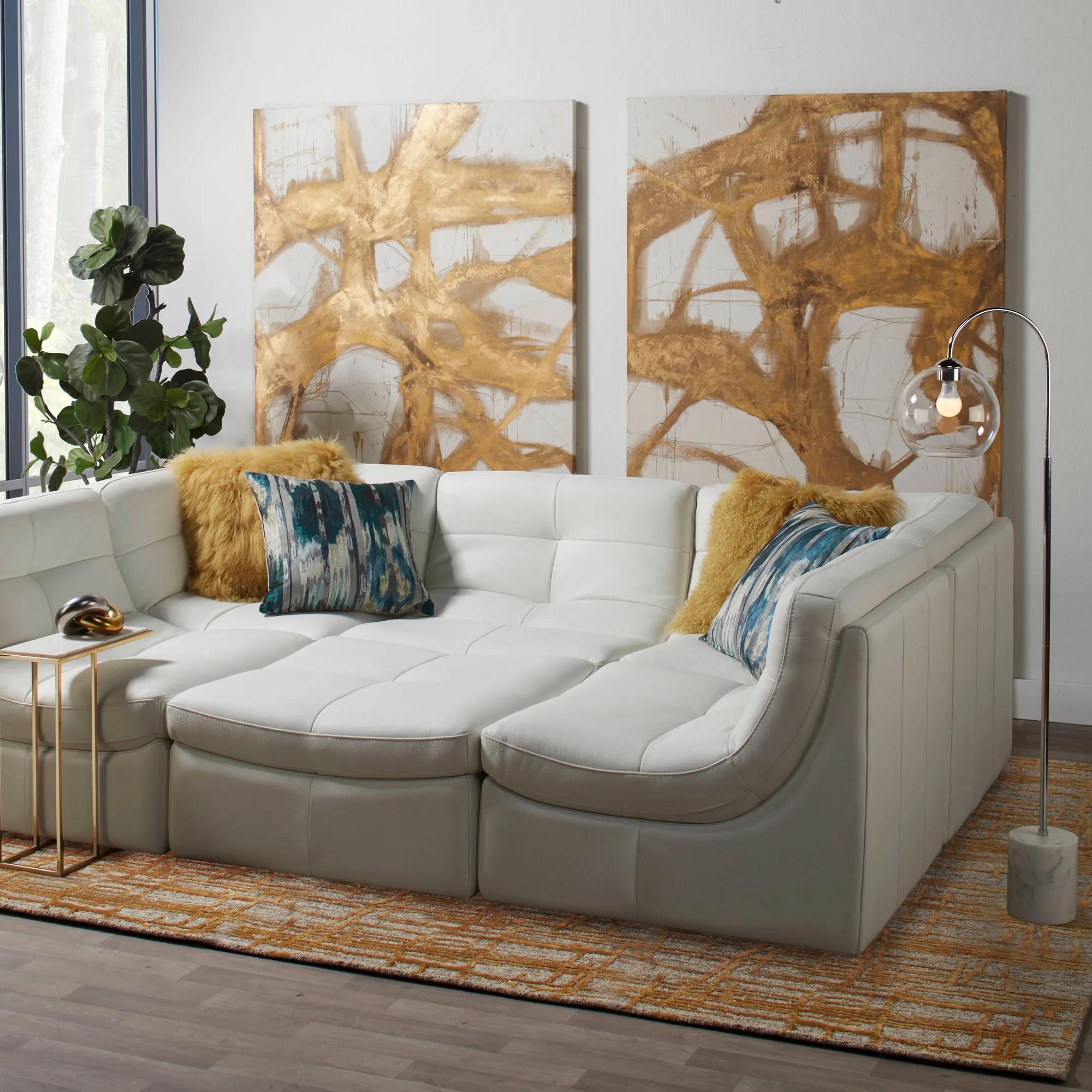 Lawton Rectangular Gold Stainless steel Accent Table With Marble Top (19.75")$259
A space-saving table featuring a white marble top and gold-finished stainless steel base.
Add To Cart -
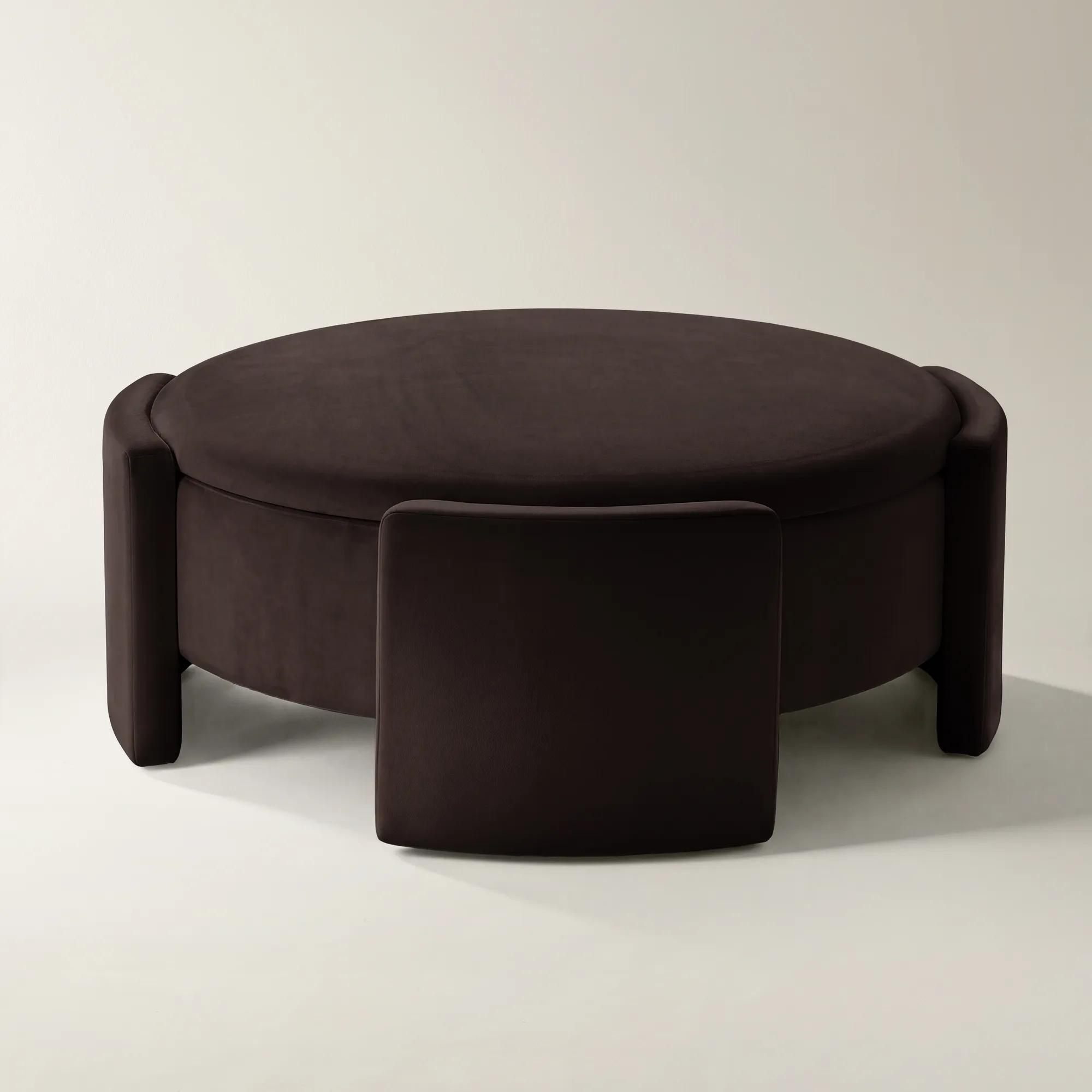
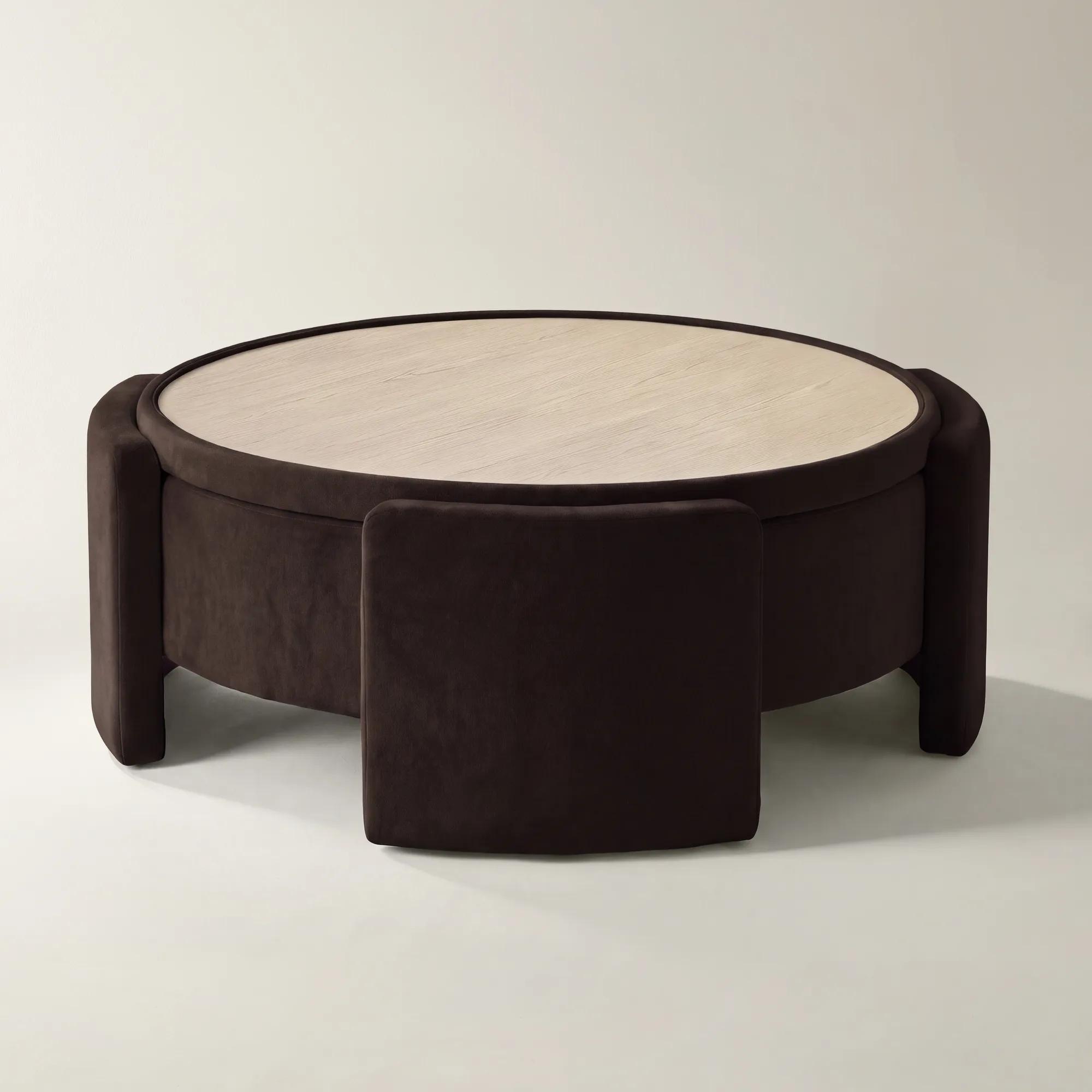 Jora Round Dark Chocolate Velvet Storage Coffee Table With Reversible Tabletop (47.7")$799
A dark chocolate velvet coffee table with hidden storage and a reversible velvet-and-rubberwood tabletop.
Add To Cart -
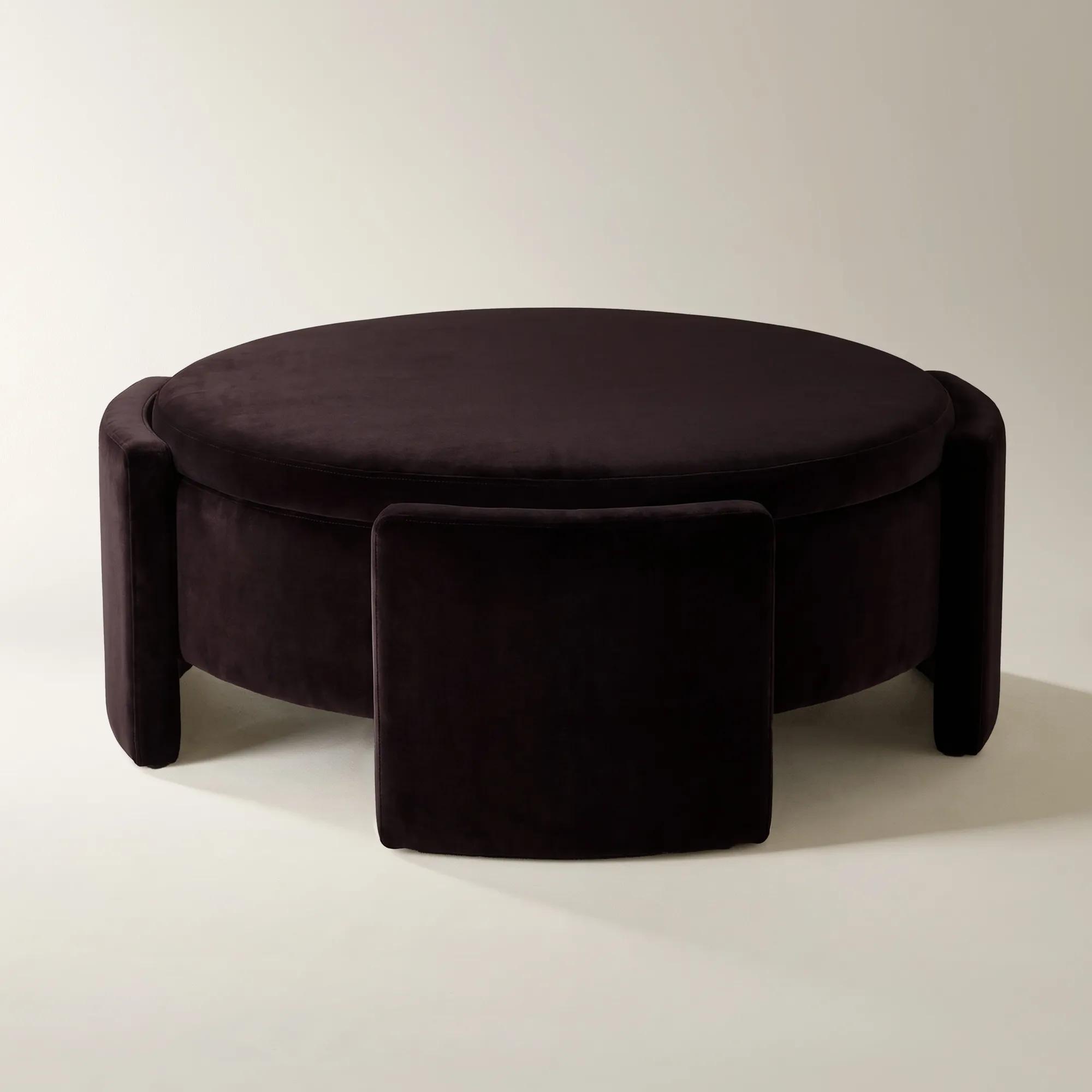
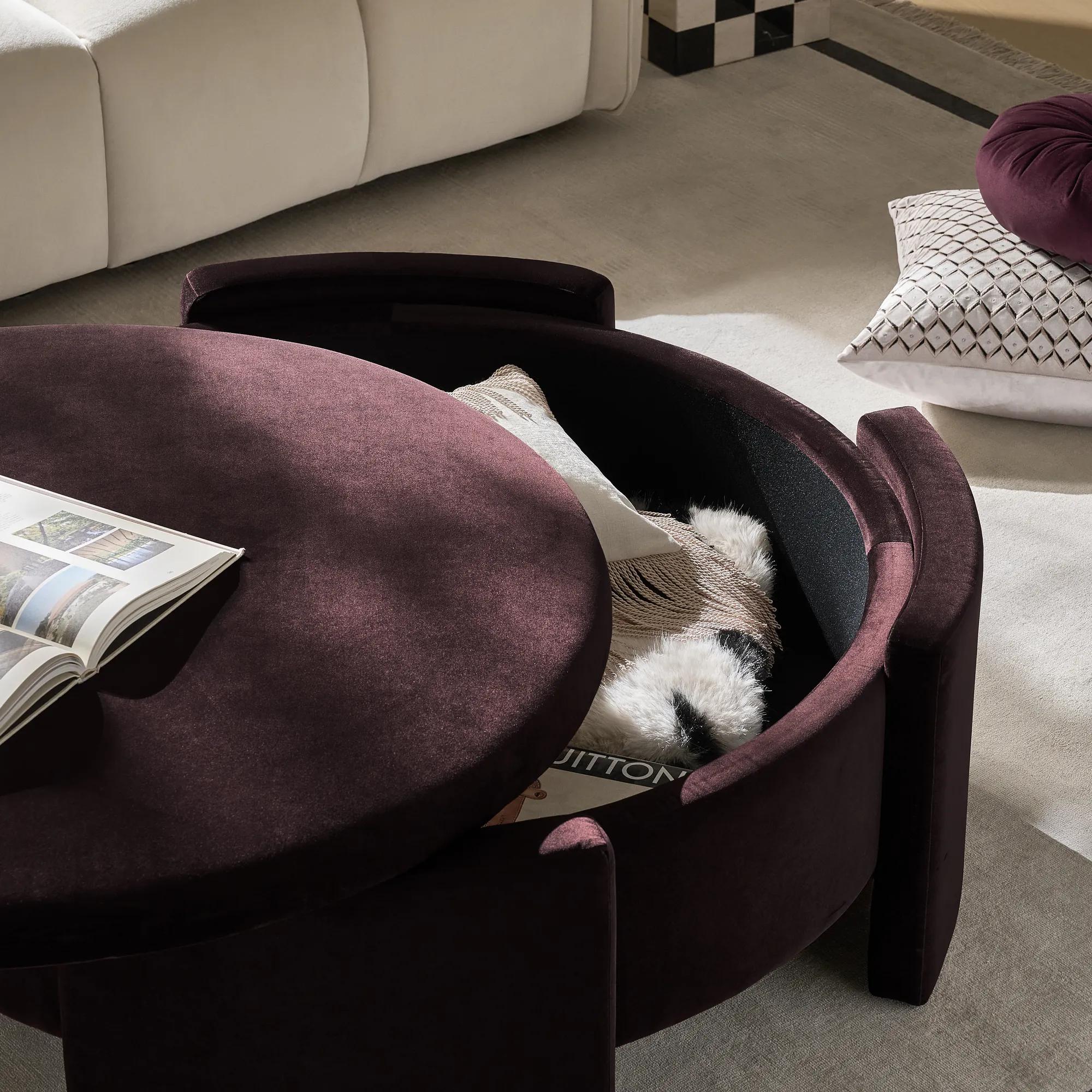 Jora Round Fig Velvet Storage Coffee Table With Reversible Tabletop (47.7")$799
A round fig velvet coffee table featuring a reversible wood tabletop and hidden interior storage.
Add To Cart -
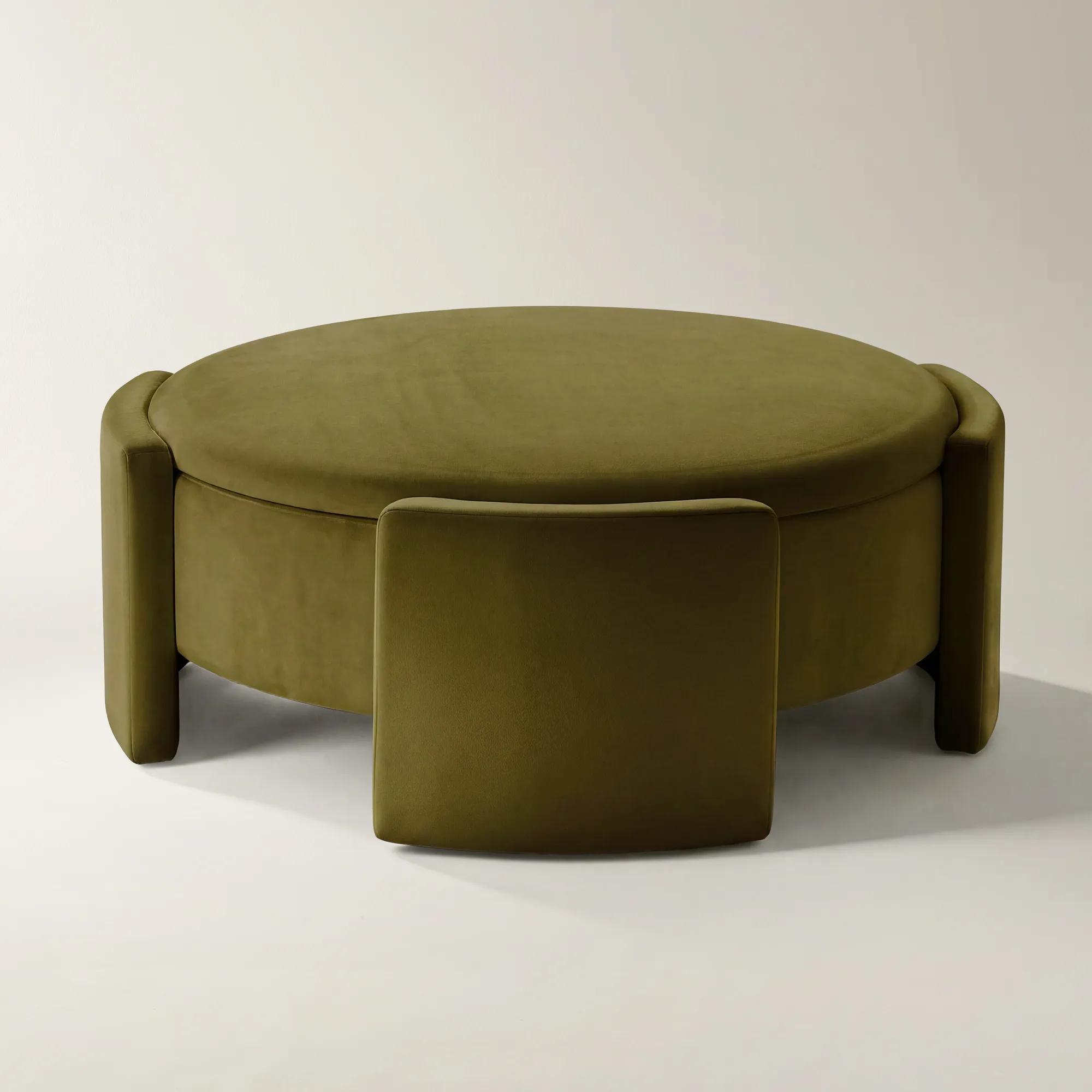
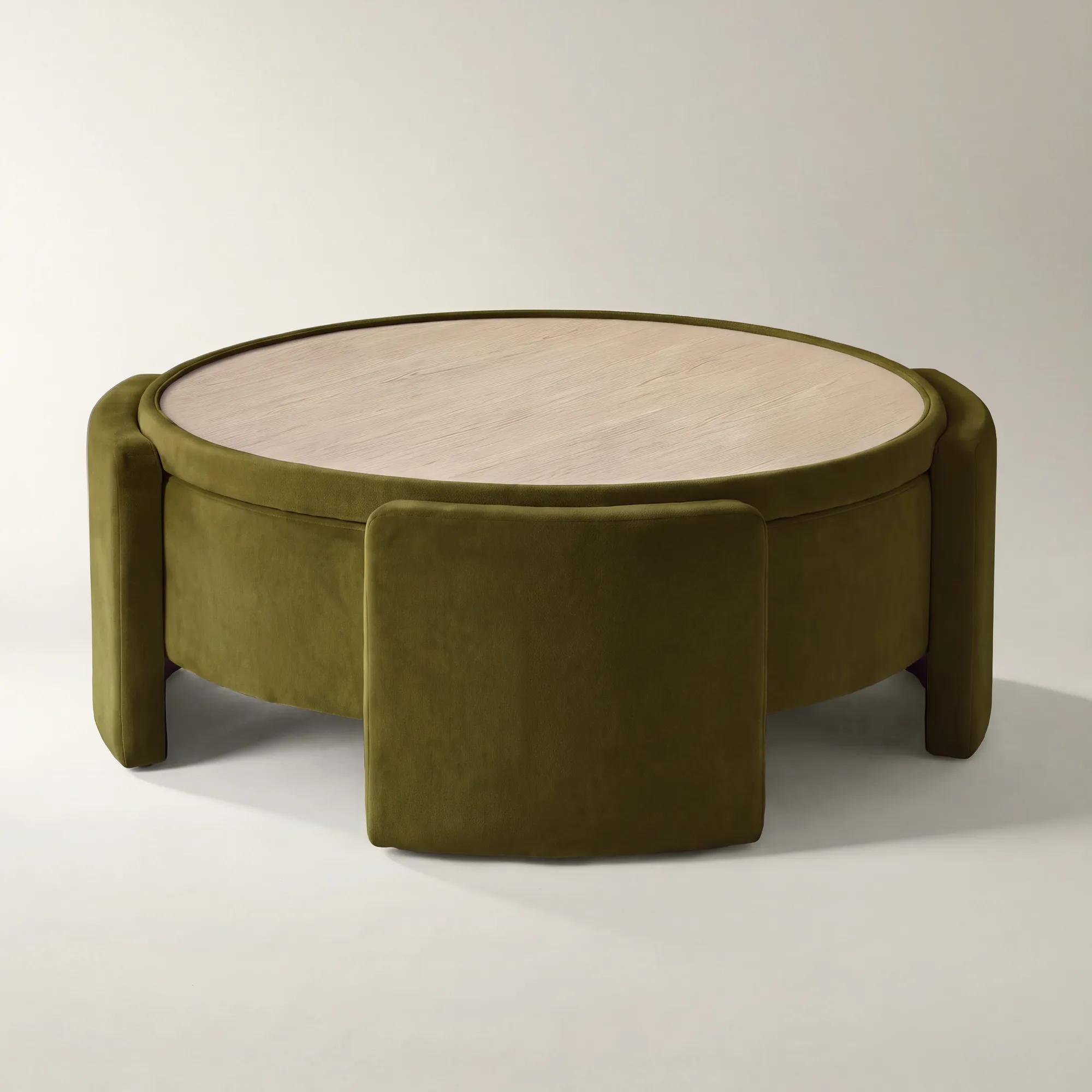 Jora Round Deep Olive Velvet Storage Coffee Table With Reversible Tabletop (47.7")$799
A deep olive velvet coffee table with a reversible tabletop and hidden storage.
Add To Cart -
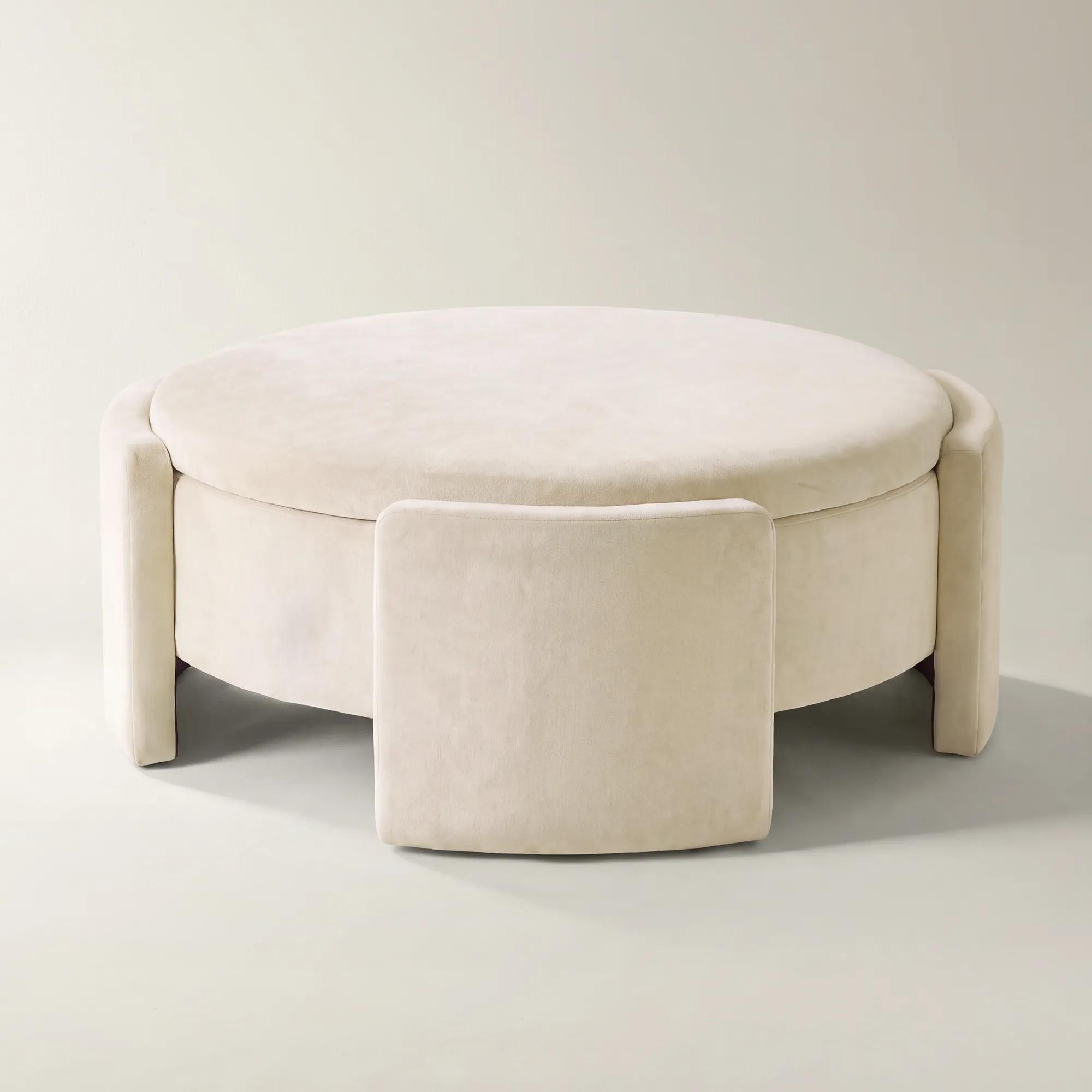
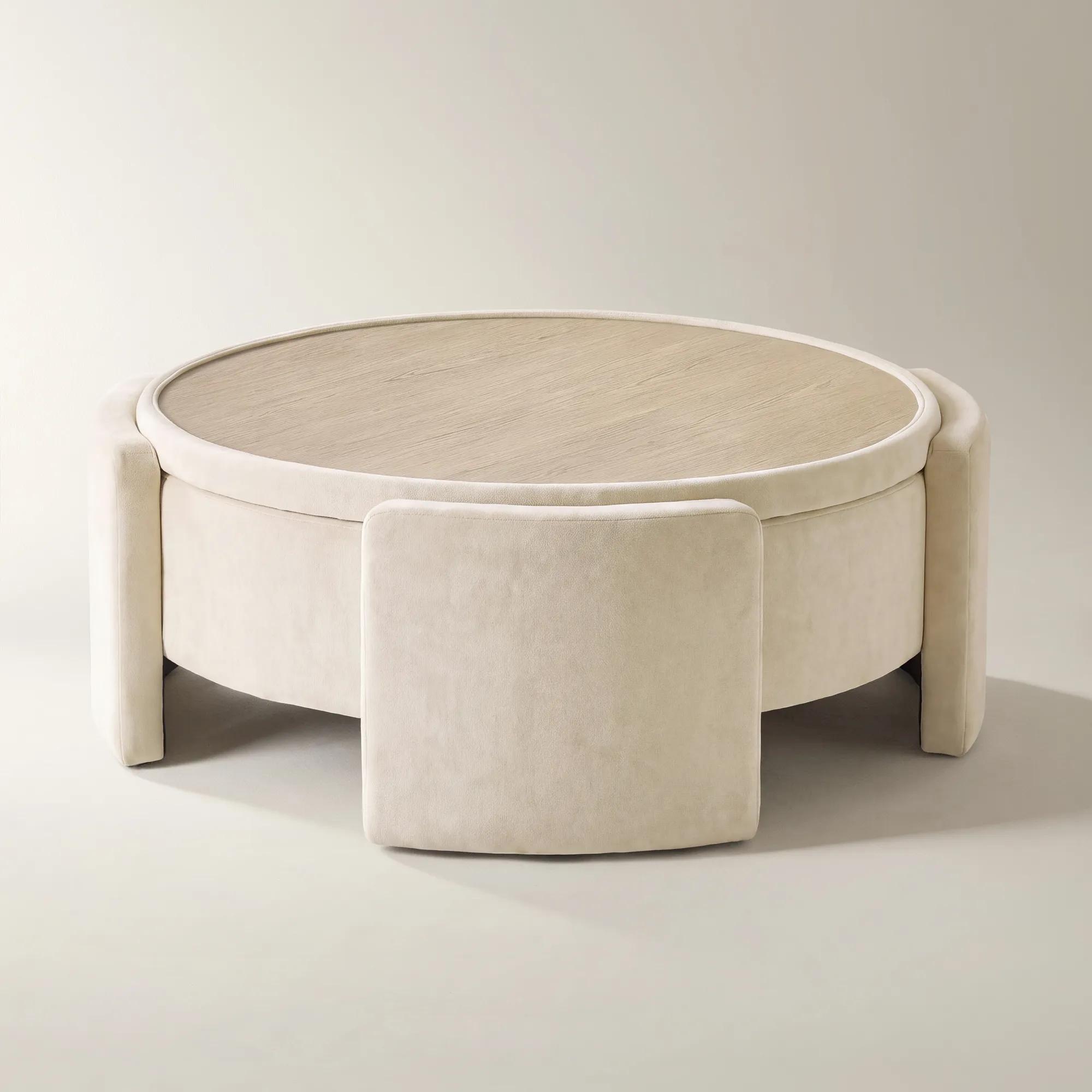 Jora Round Oatmeal Velvet Storage Coffee Table With Reversible Tabletop (47.7")$799
A round oatmeal velvet coffee table with hidden storage and a reversible velvet and wood tabletop.
Add To Cart -
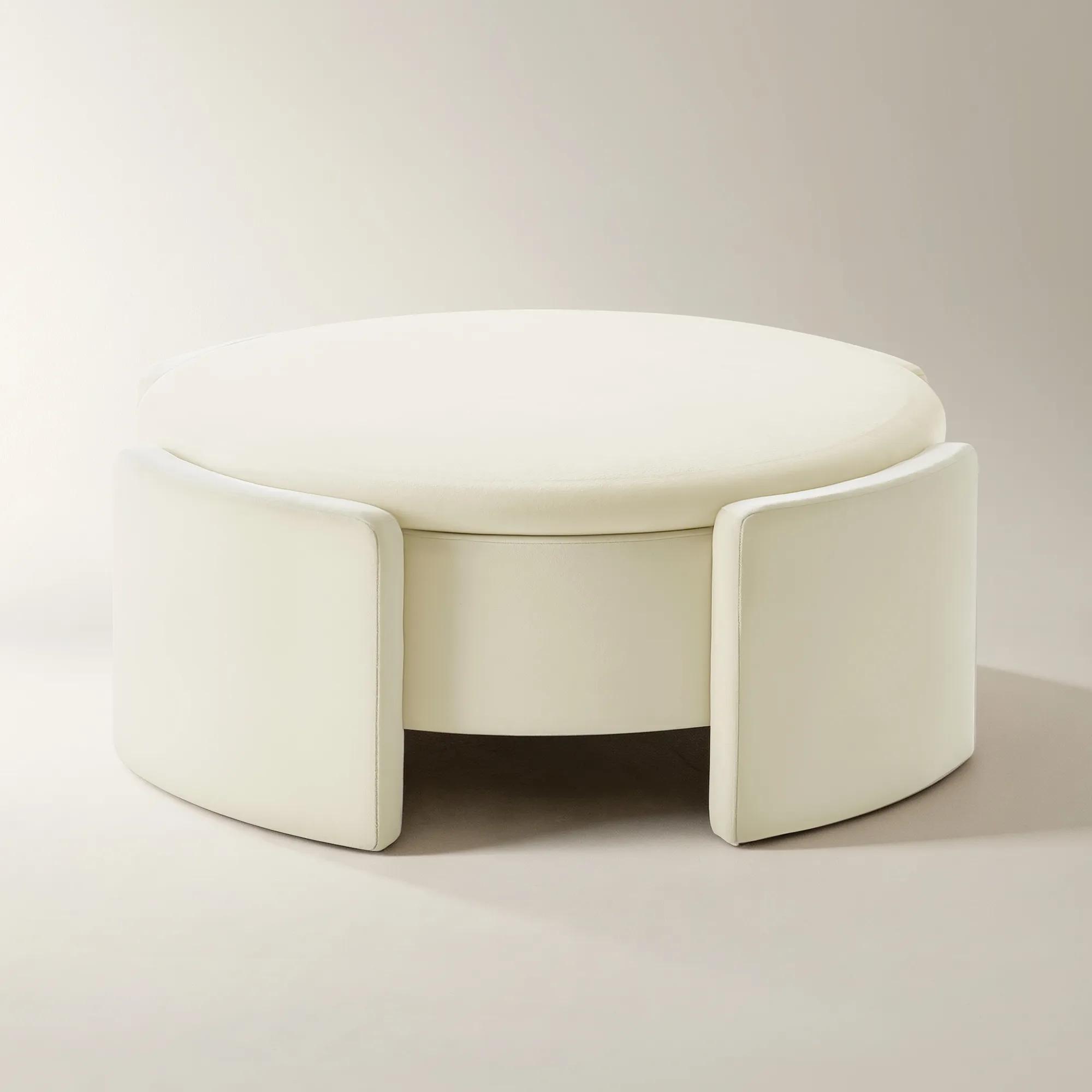
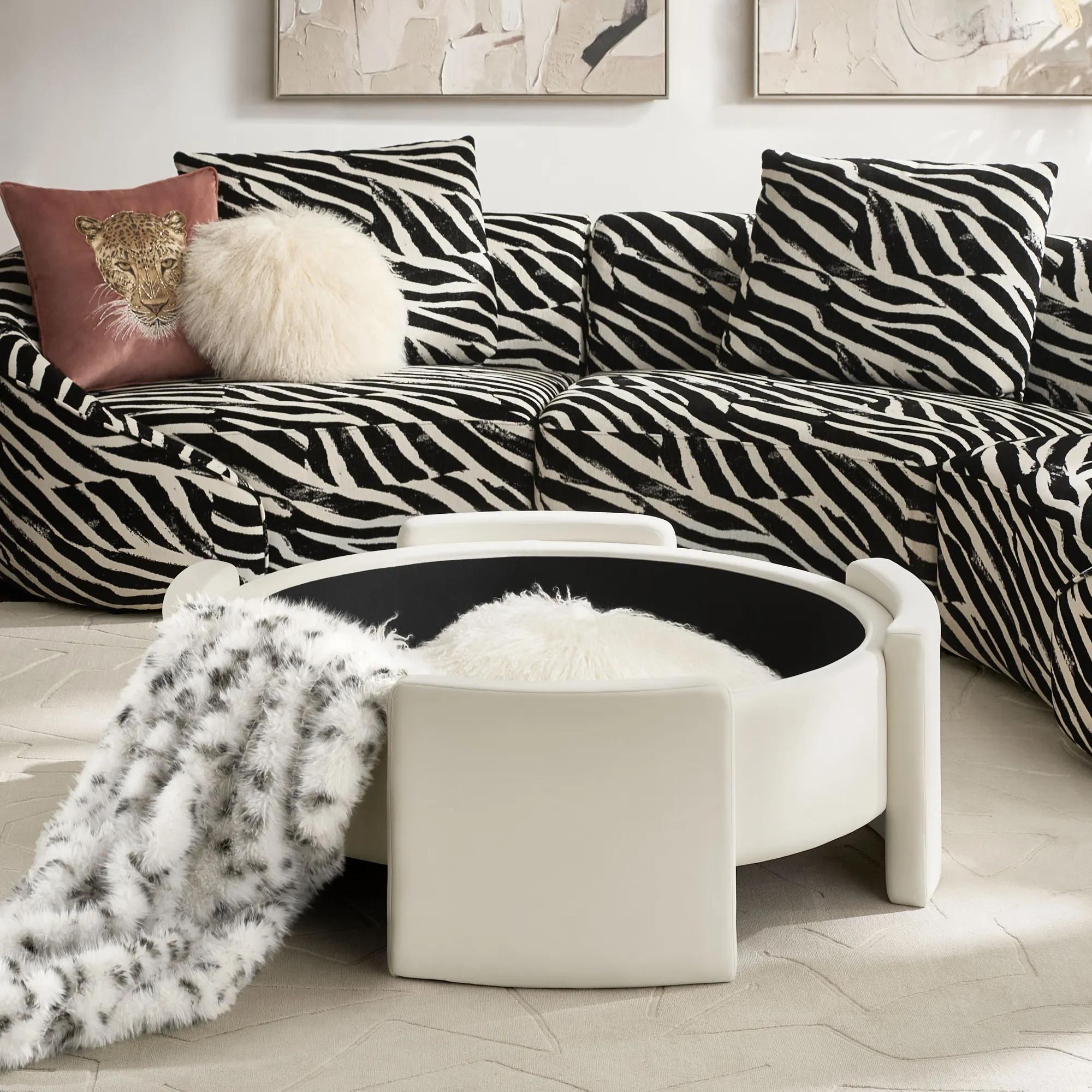 Jora Round Cloud Velvet Storage Coffee Table With Reversible Tabletop (47.7")$799
A round coffee table featuring plush velvet upholstery, reversible wood tabletop, and hidden interior storage.
Add To Cart -
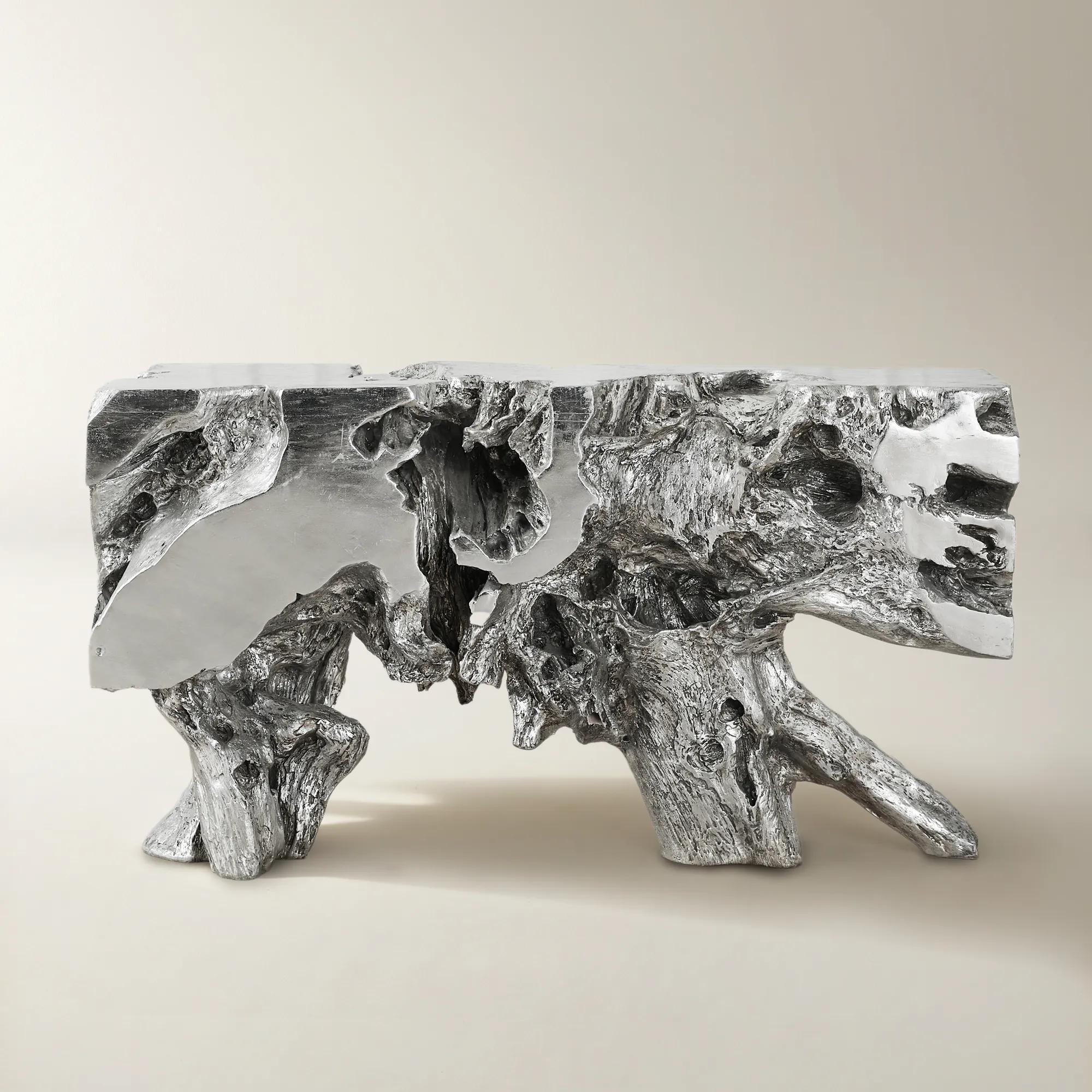
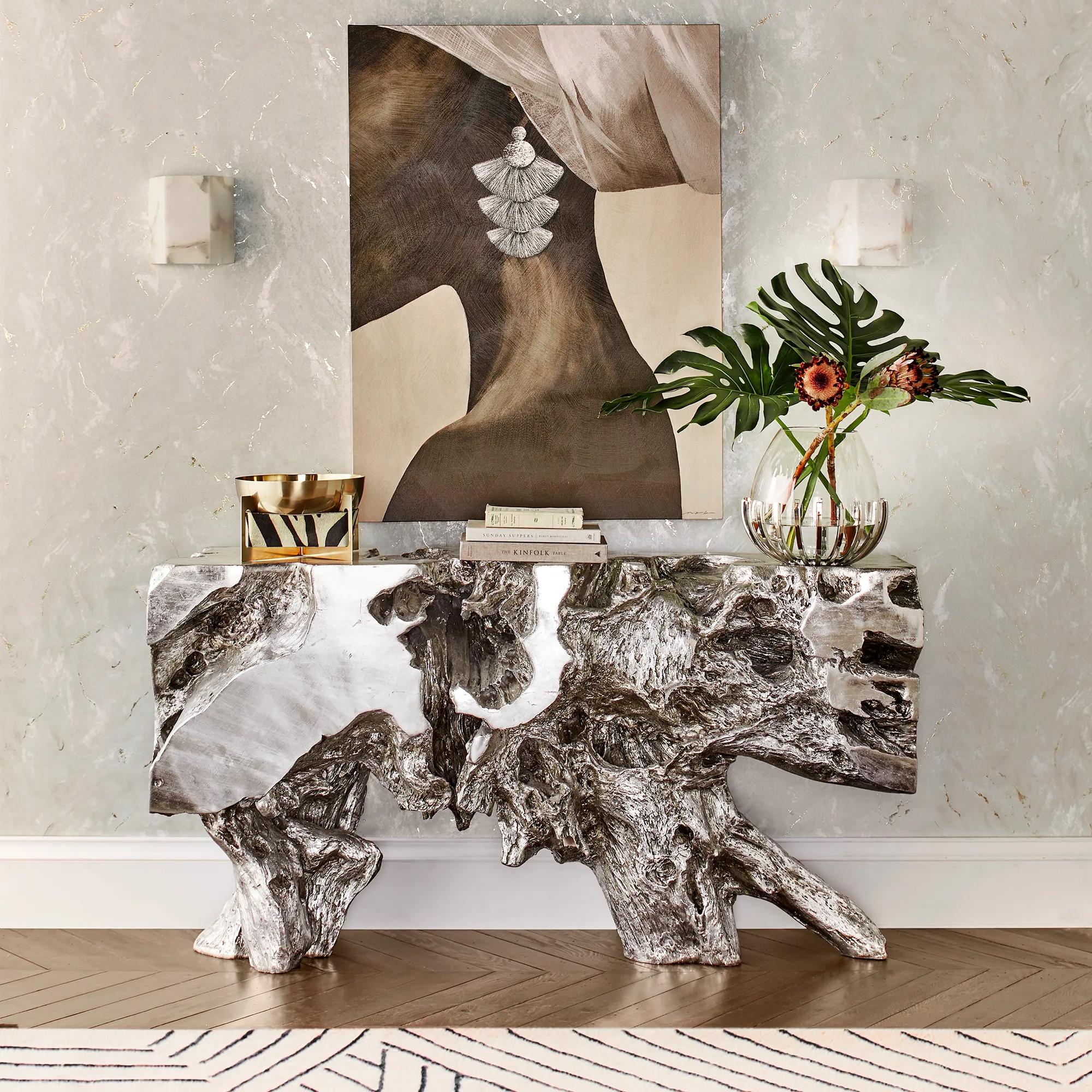 Sequoia Silver Resin Console Table (58")$1999
A sculptural console table featuring hand-applied silver leaf over resin and fiberglass with an iron core.
Add To Cart -
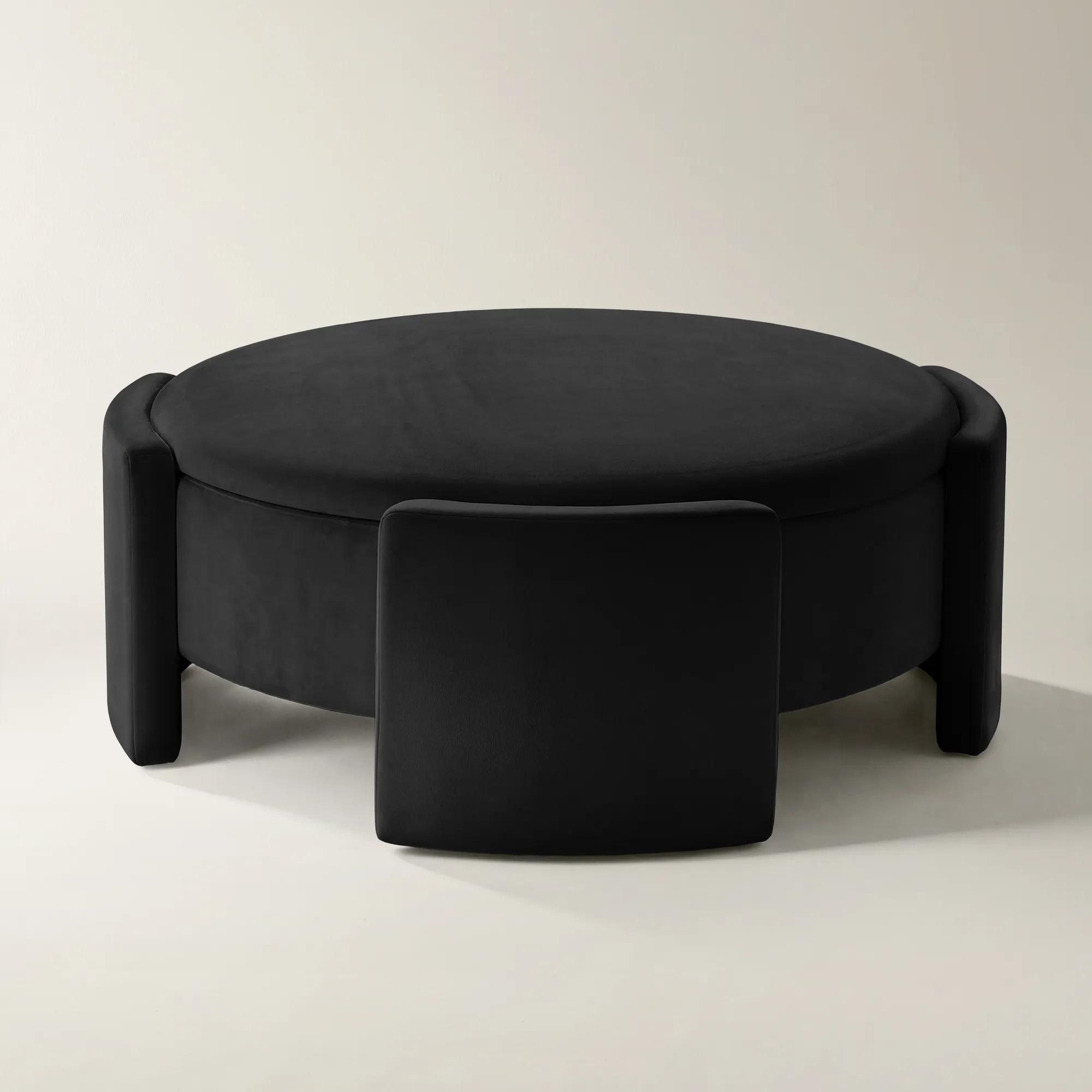
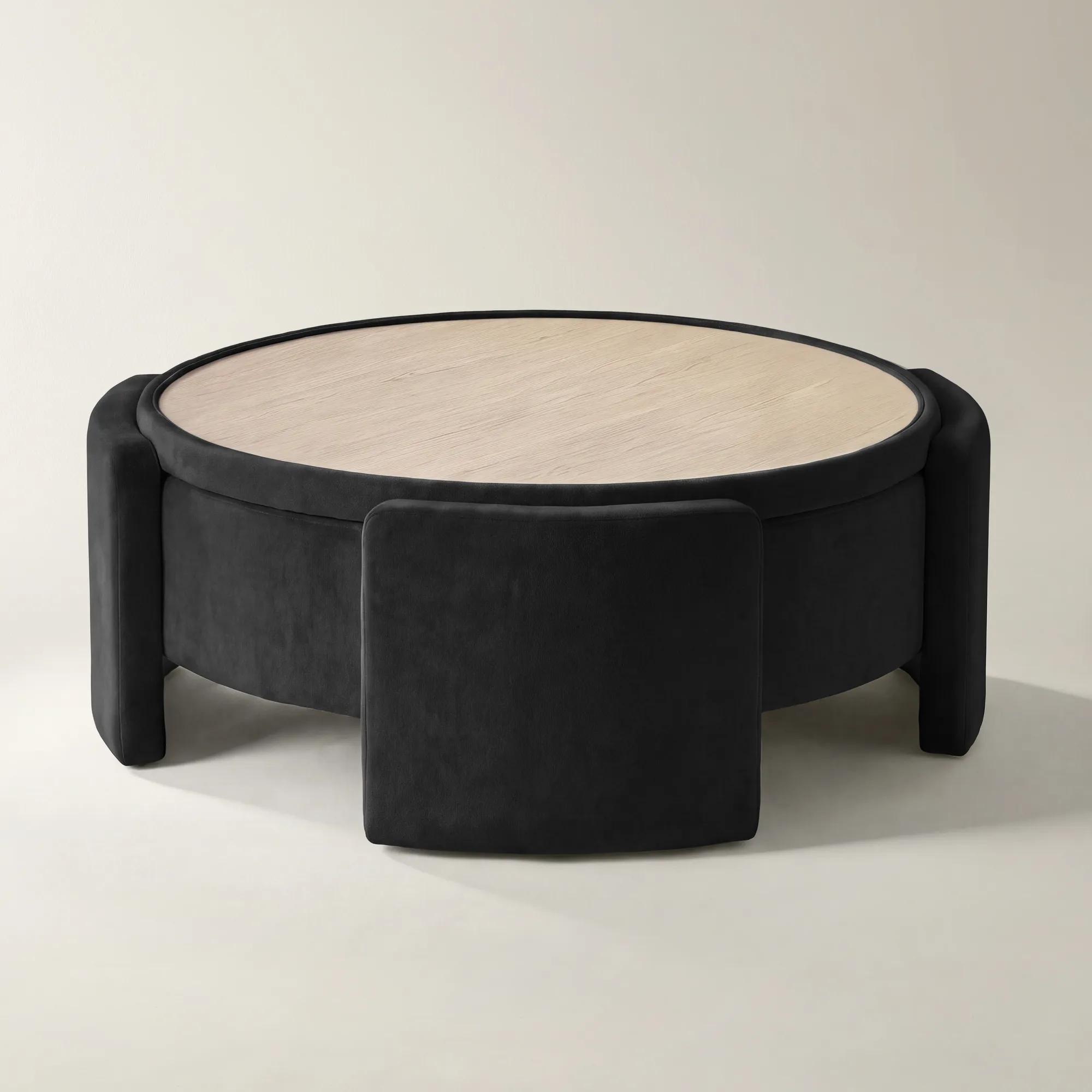 Jora Round Charcoal Velvet Storage Coffee Table With Reversible Tabletop (47.7")$799
A charcoal velvet coffee table with reversible wood veneer tabletop offers hidden storage and sculptural style.
Add To Cart -
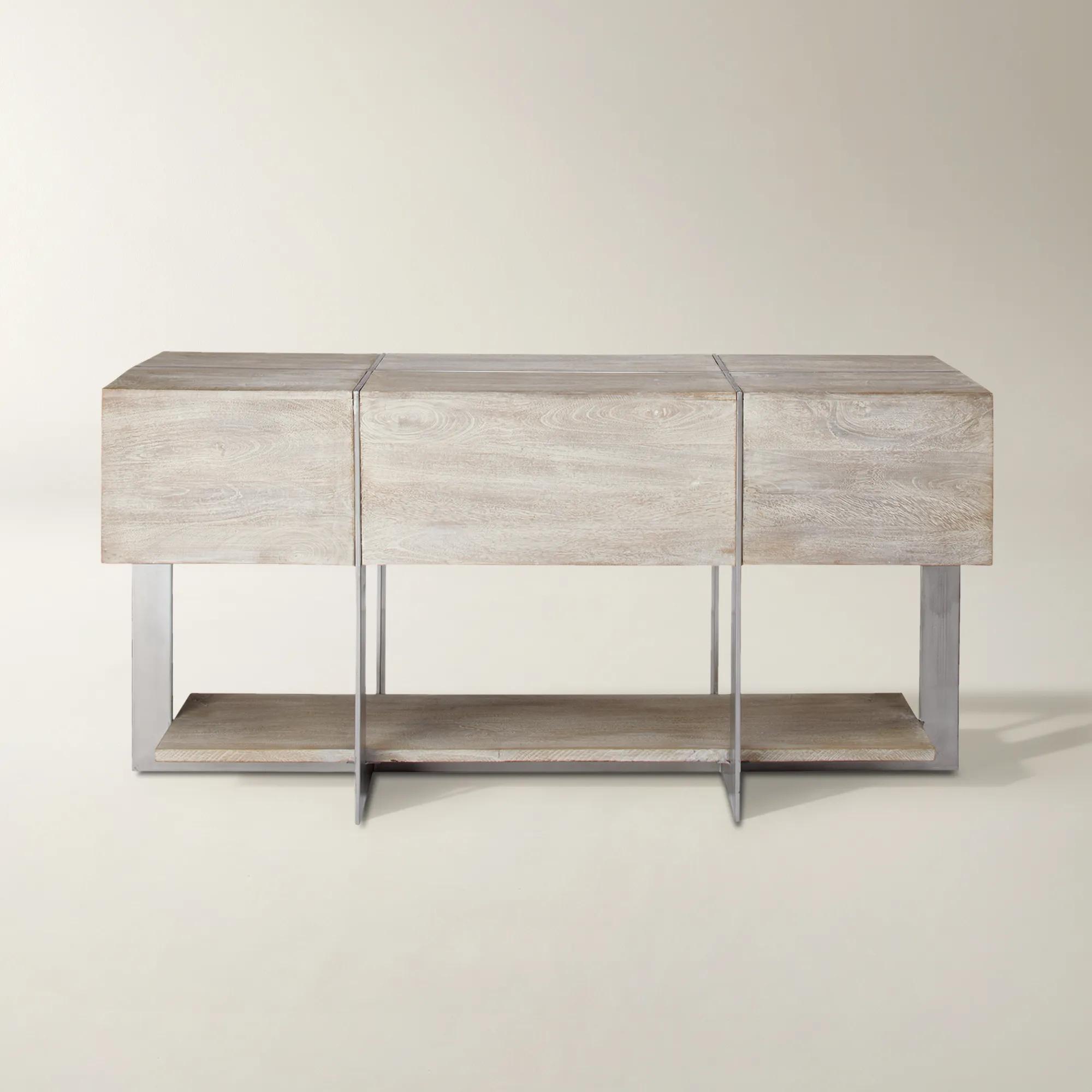
 Clifton Rectangular Natural Mango Wood Console Table (60")$1399
A handcrafted mango wood console table with a whitewashed finish and antiqued silver iron legs.
Add To Cart -
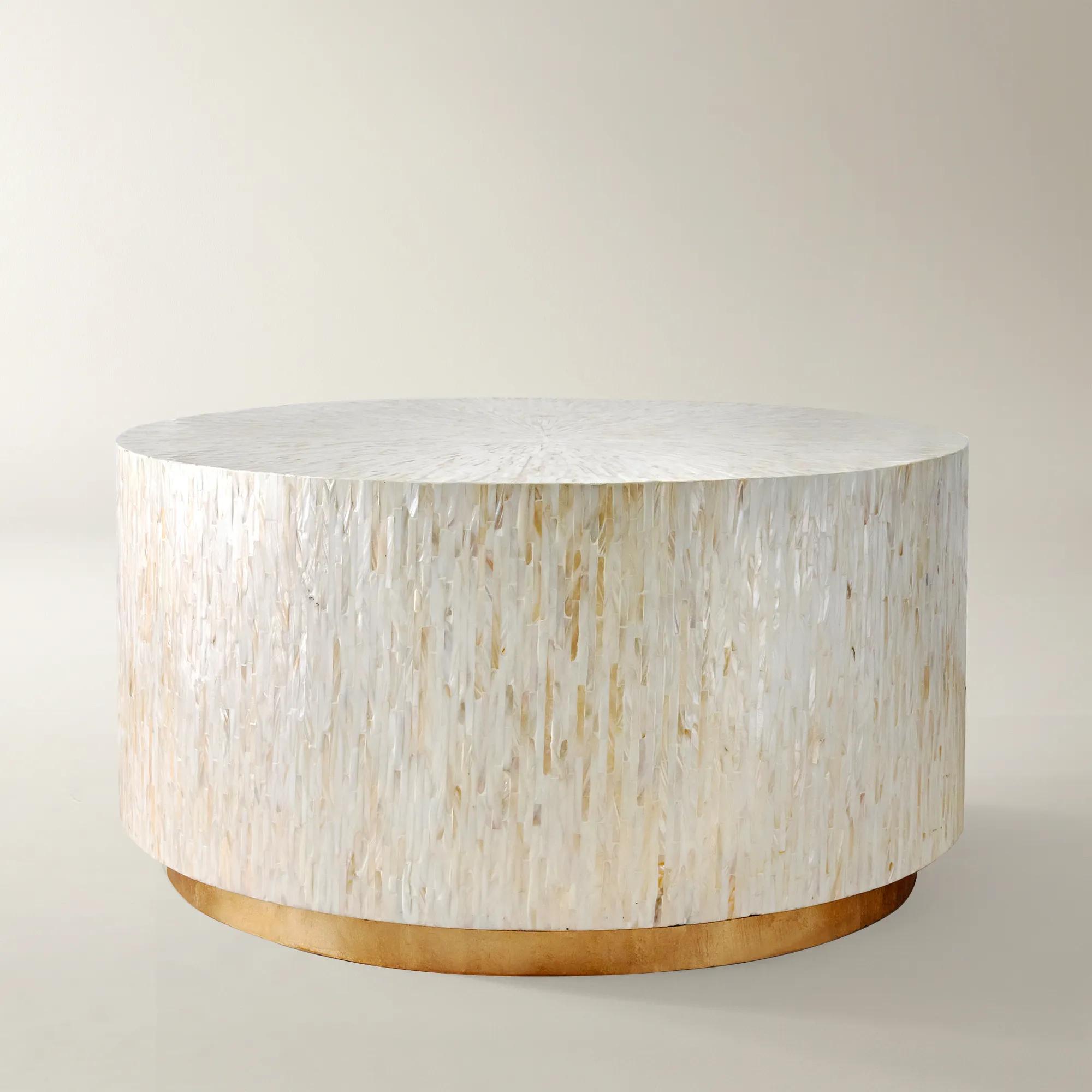
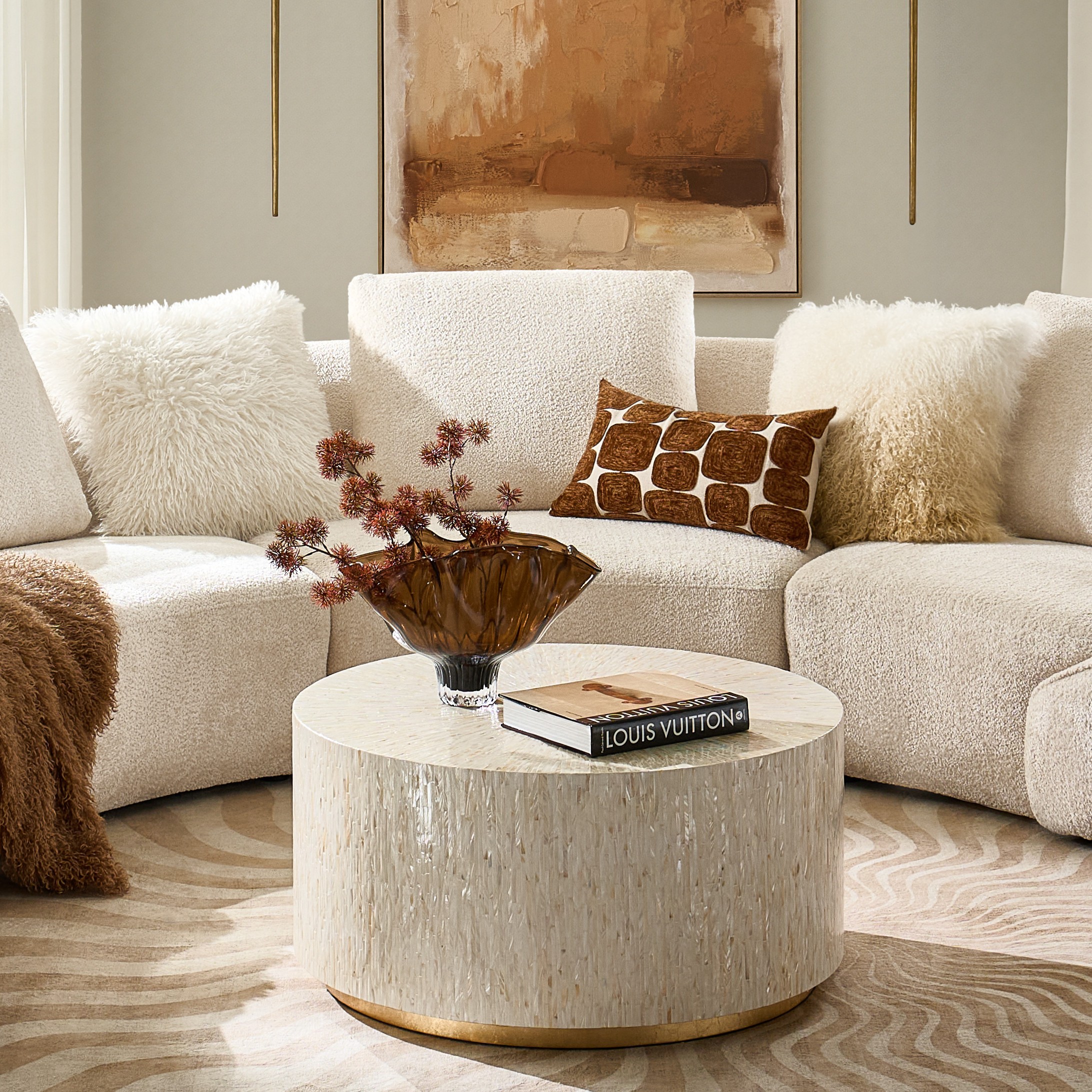 Alexandria Round Mosaic Platinum Coffee Table (36")$799
A luminous ivory coffee table featuring hand-applied mother-of-pearl mosaic and a gold leaf-accented base.
Add To Cart -
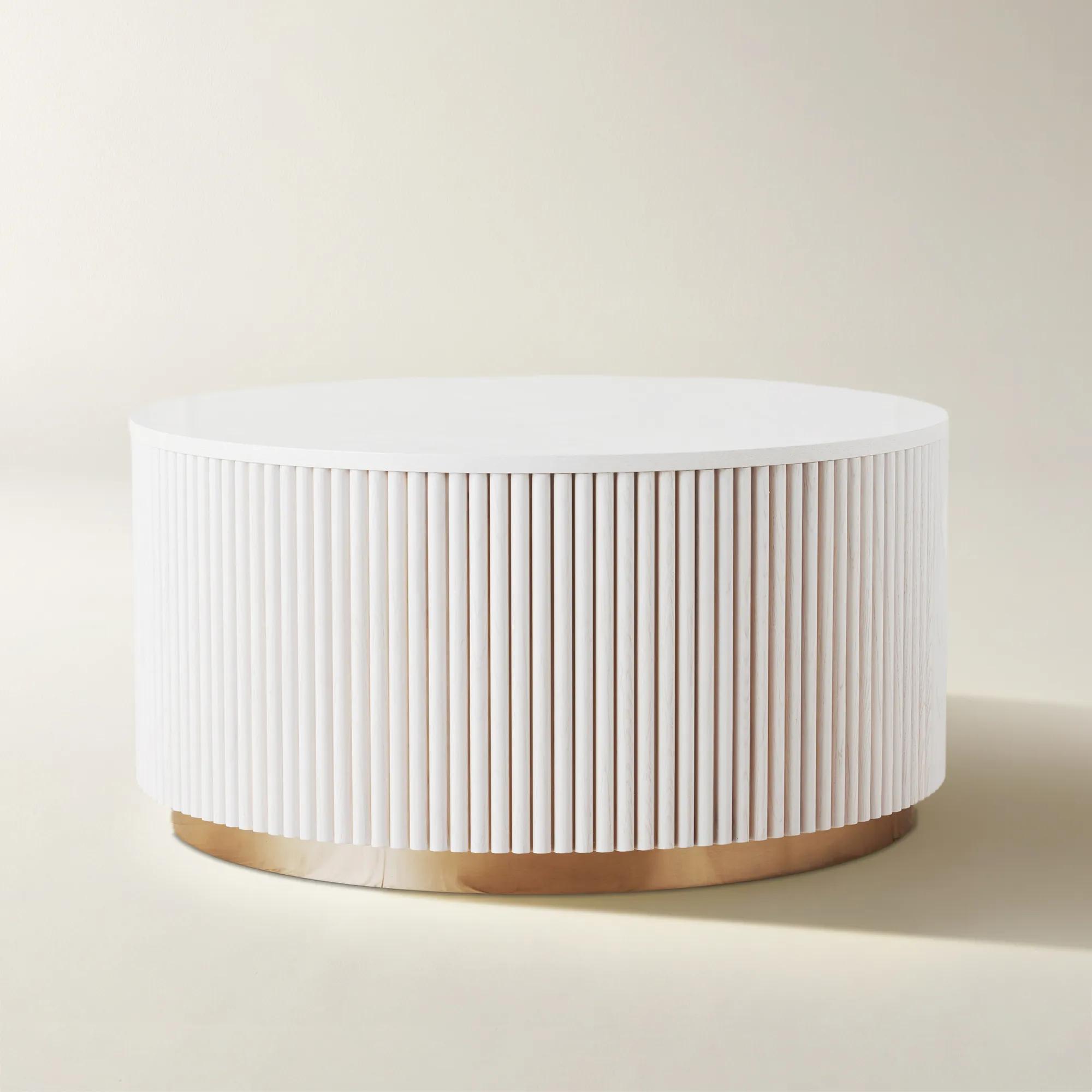
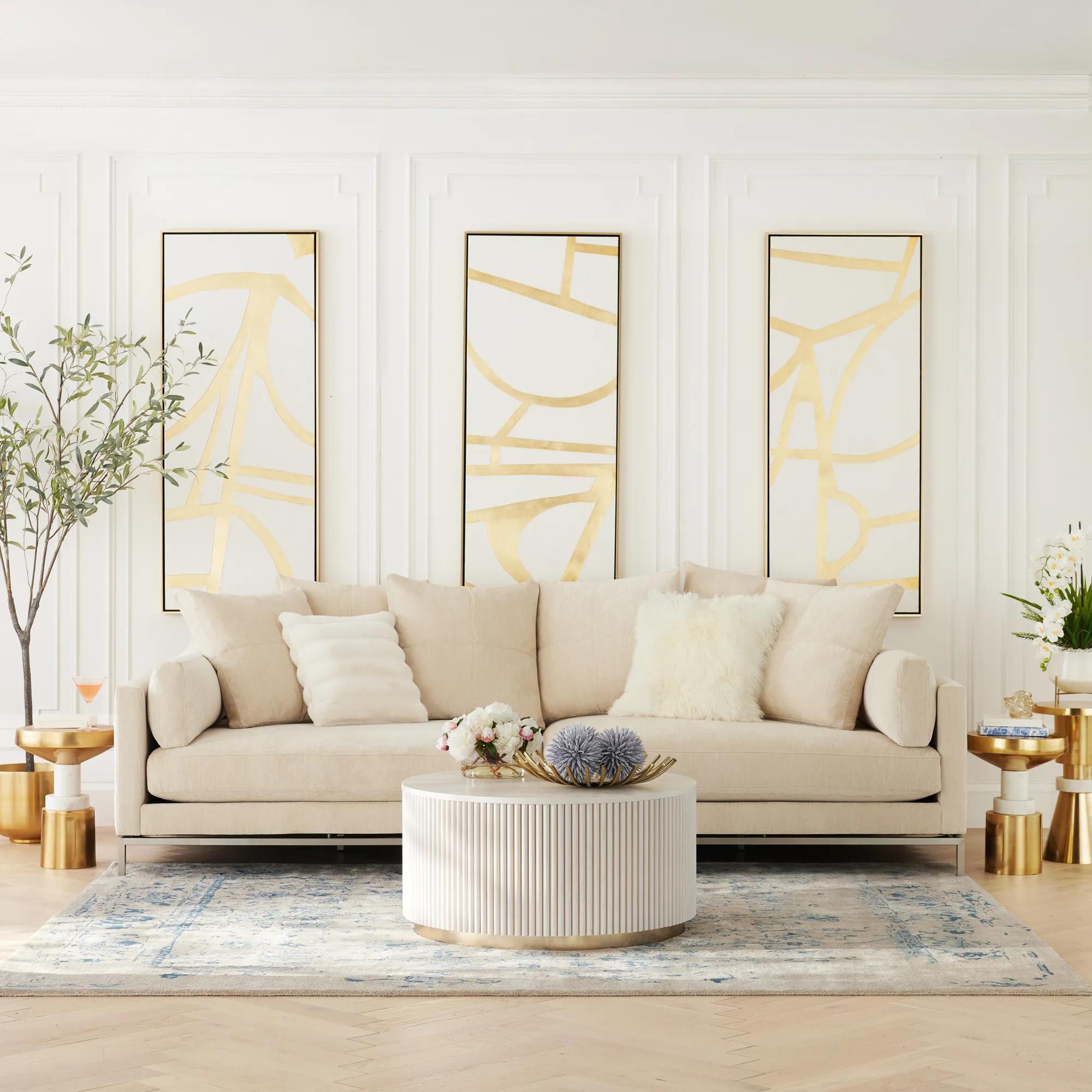 Natalia Round Reeded Whitewashed Ash Wood Coffee Table (36")$1299
A striking coffee table featuring reeded ash wood sides, a smooth top, and a whitewashed finish.
Add To Cart -
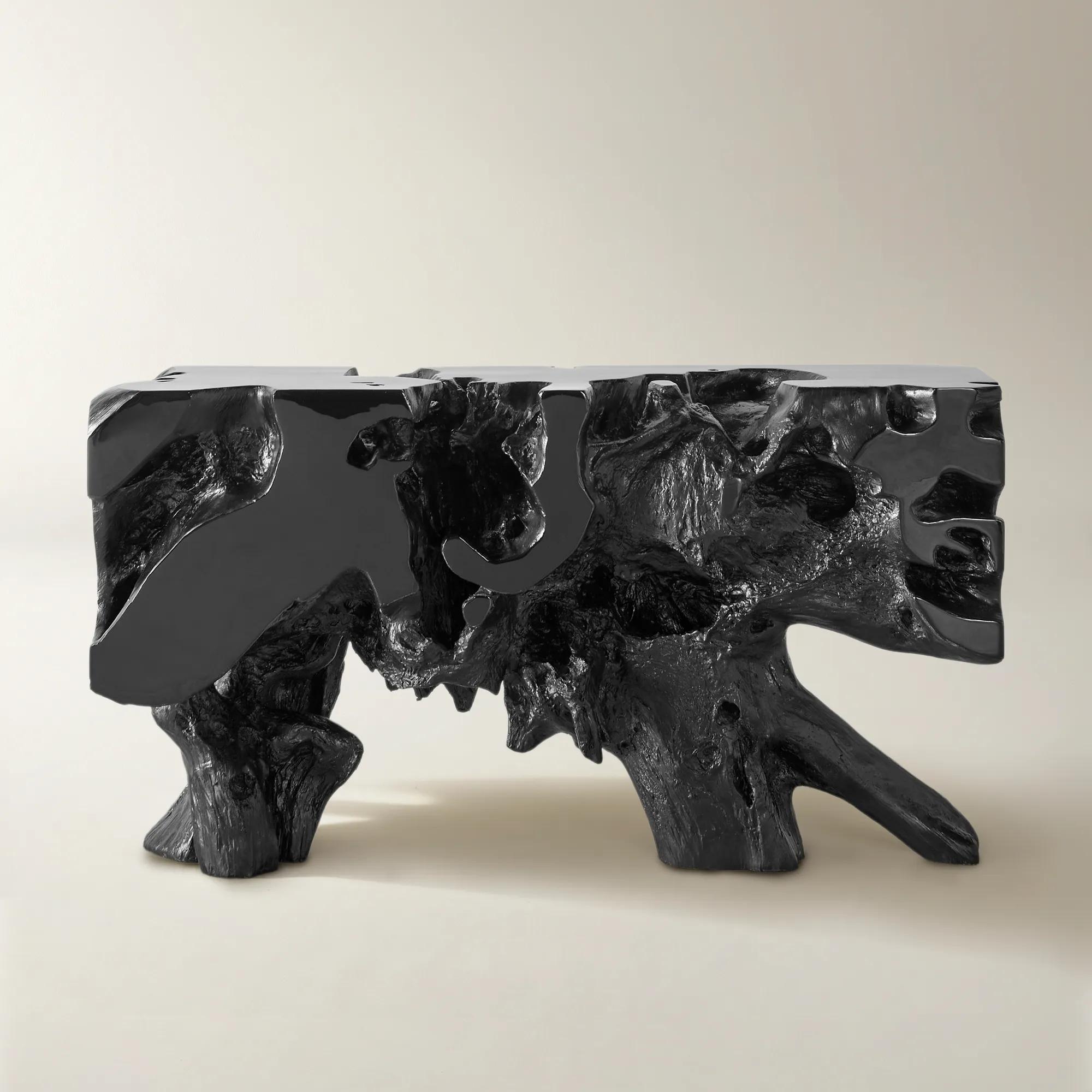 Sequoia Black Resin Console Table (58")$1999
A sculptural black console table crafted from resin, fiberglass, and polished stone for indoor or outdoor use.
Add To Cart -
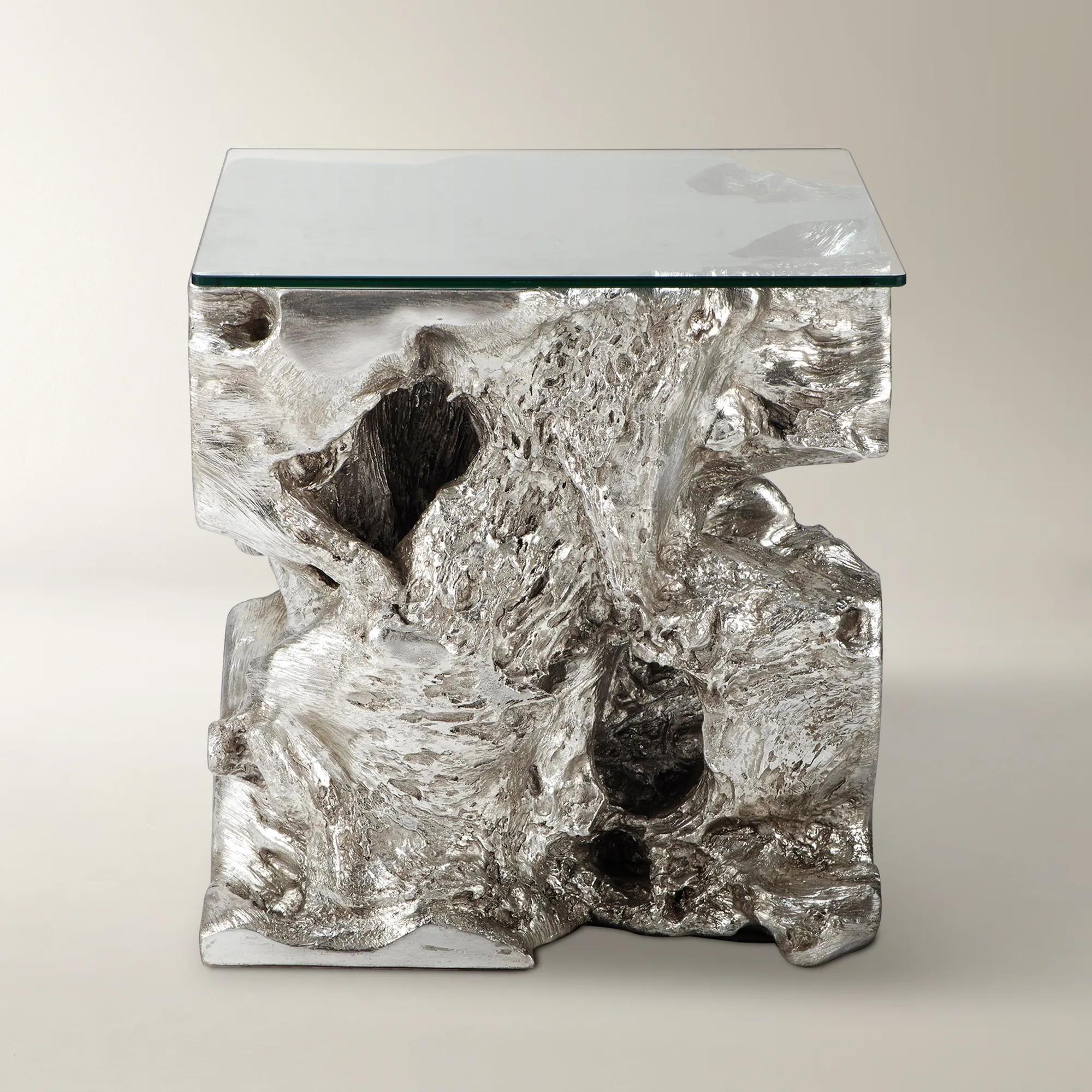 Sequoia Silver Resin End Table With Glass Top (22")$999
A sculptural end table featuring a silver leaf resin base and tempered glass top for modern elegance.
Add To Cart -
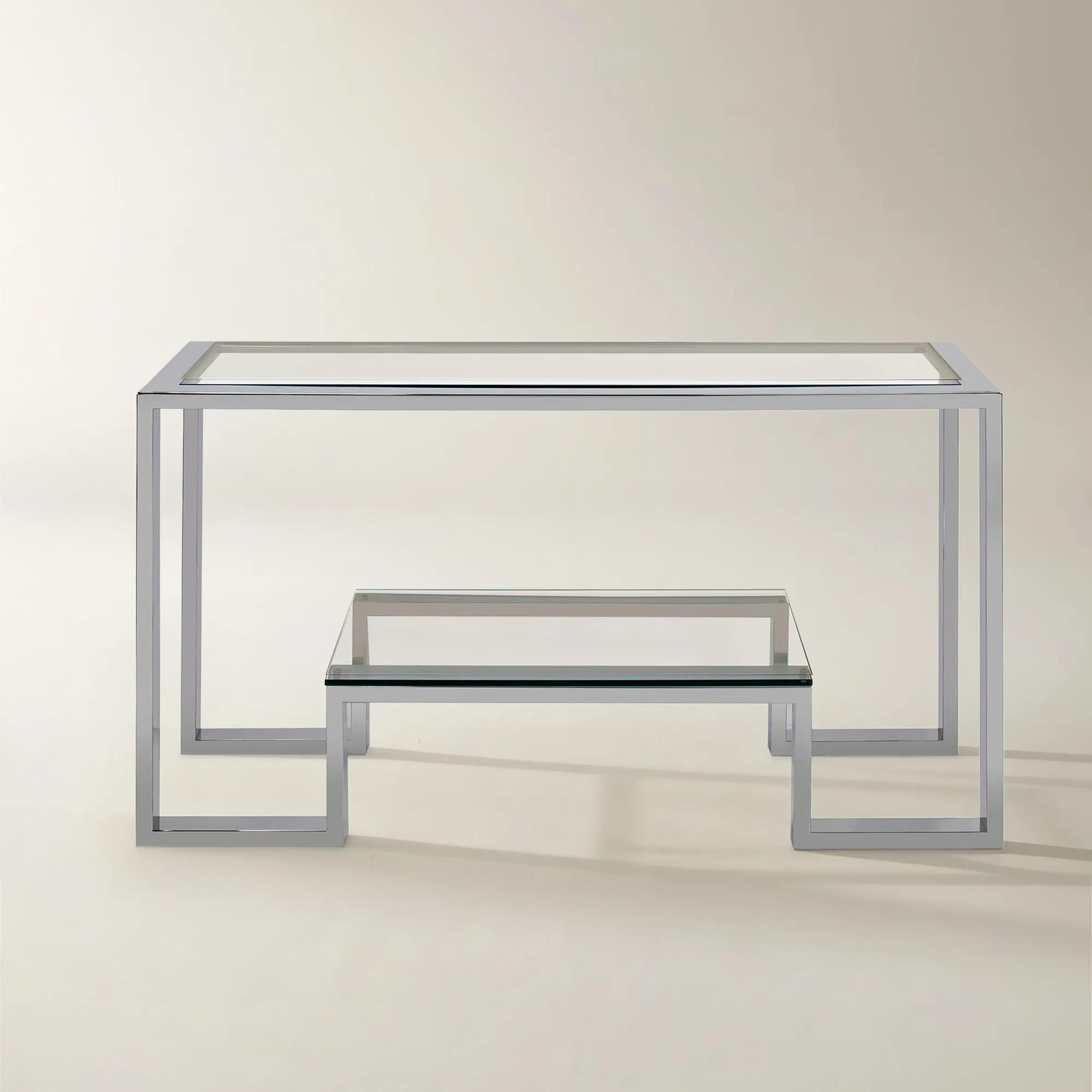
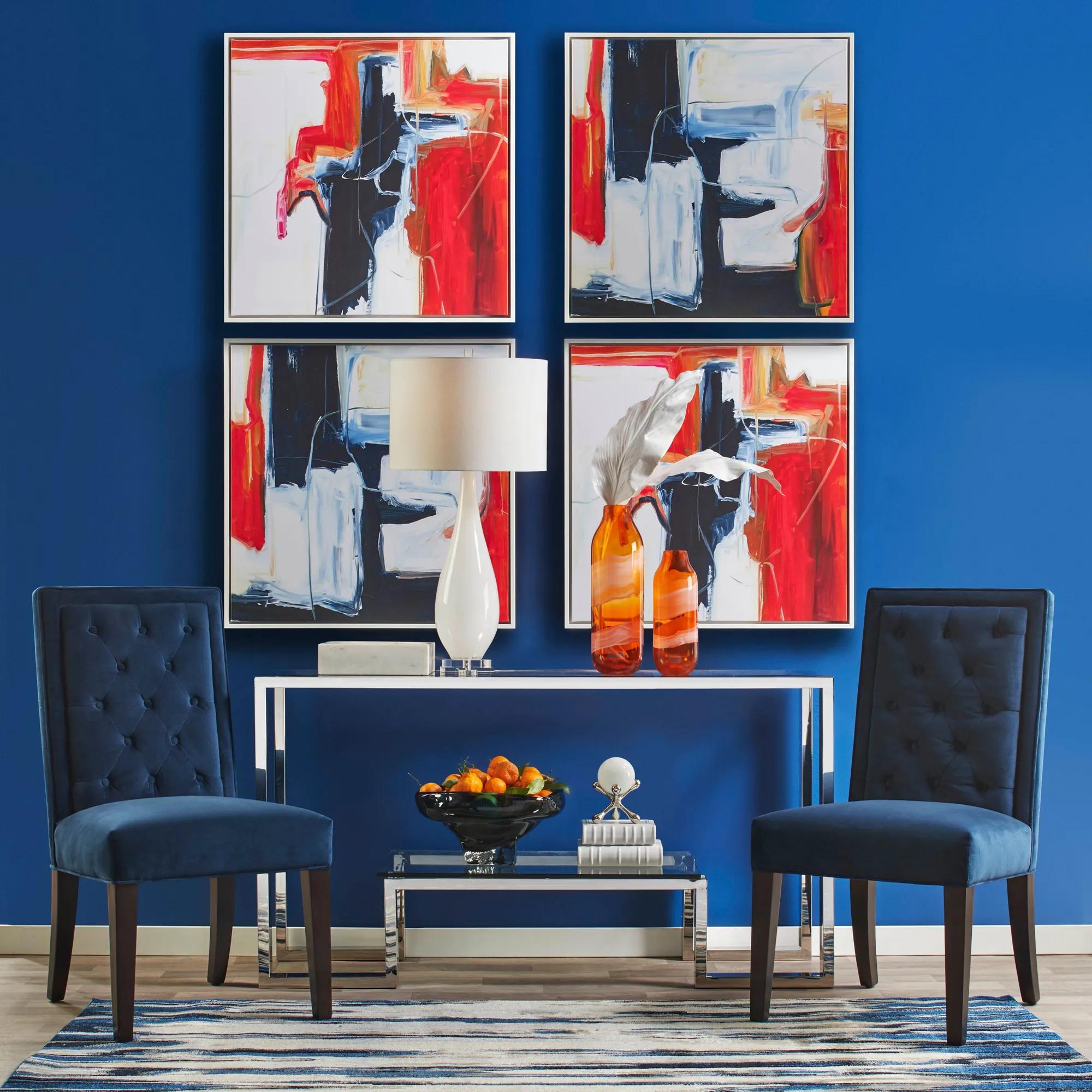 Duplicity Rectangular Silver Stainless Steel Console Table With Glass Top (59")$1399
A modern console table crafted from stainless steel and tempered glass with a floating bottom shelf.
Add To Cart -
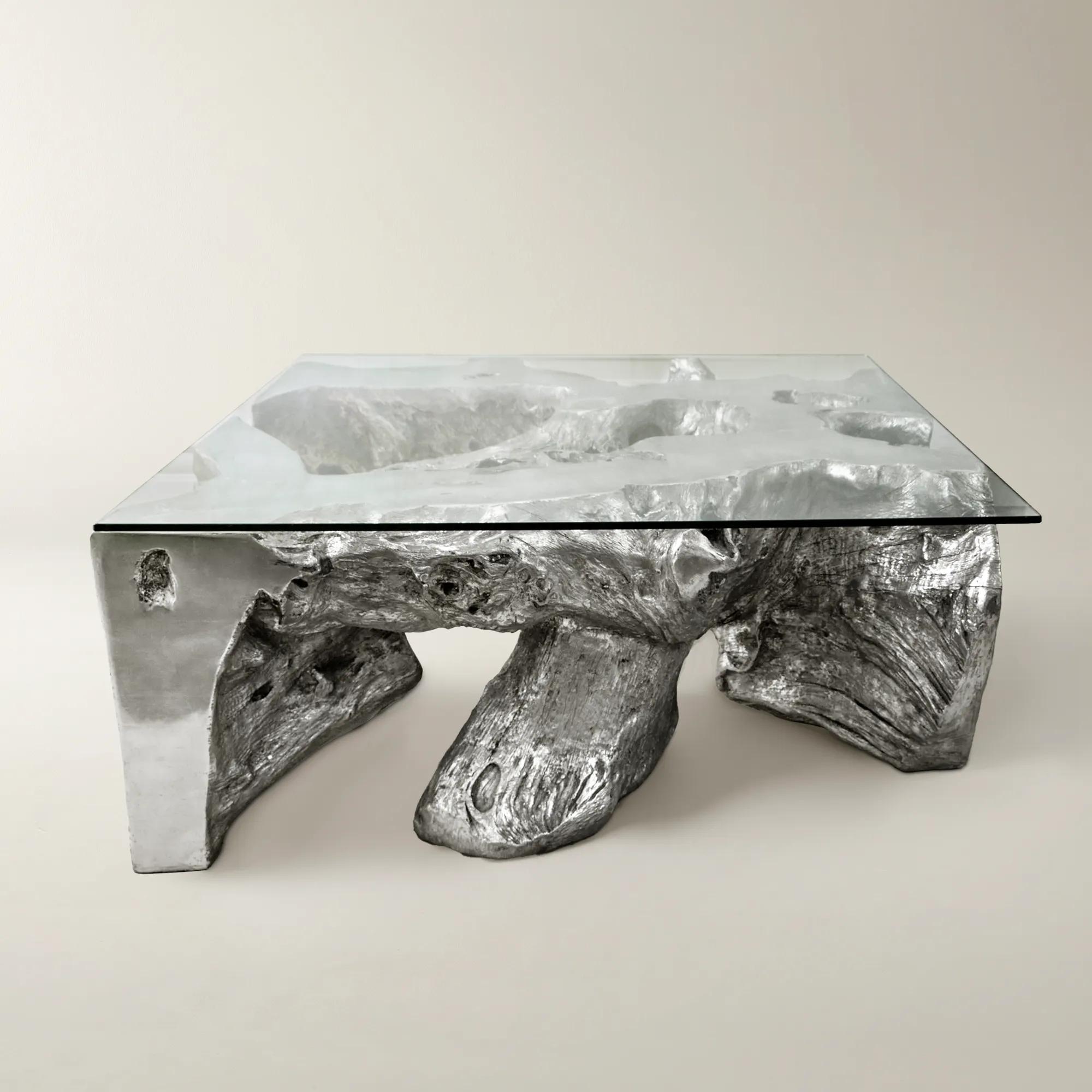 Sequoia Silver Resin Coffee Table With Glass Top (44")$2299
A sculptural coffee table featuring a hand-applied silver leaf resin base and a tempered glass top.
Add To Cart -
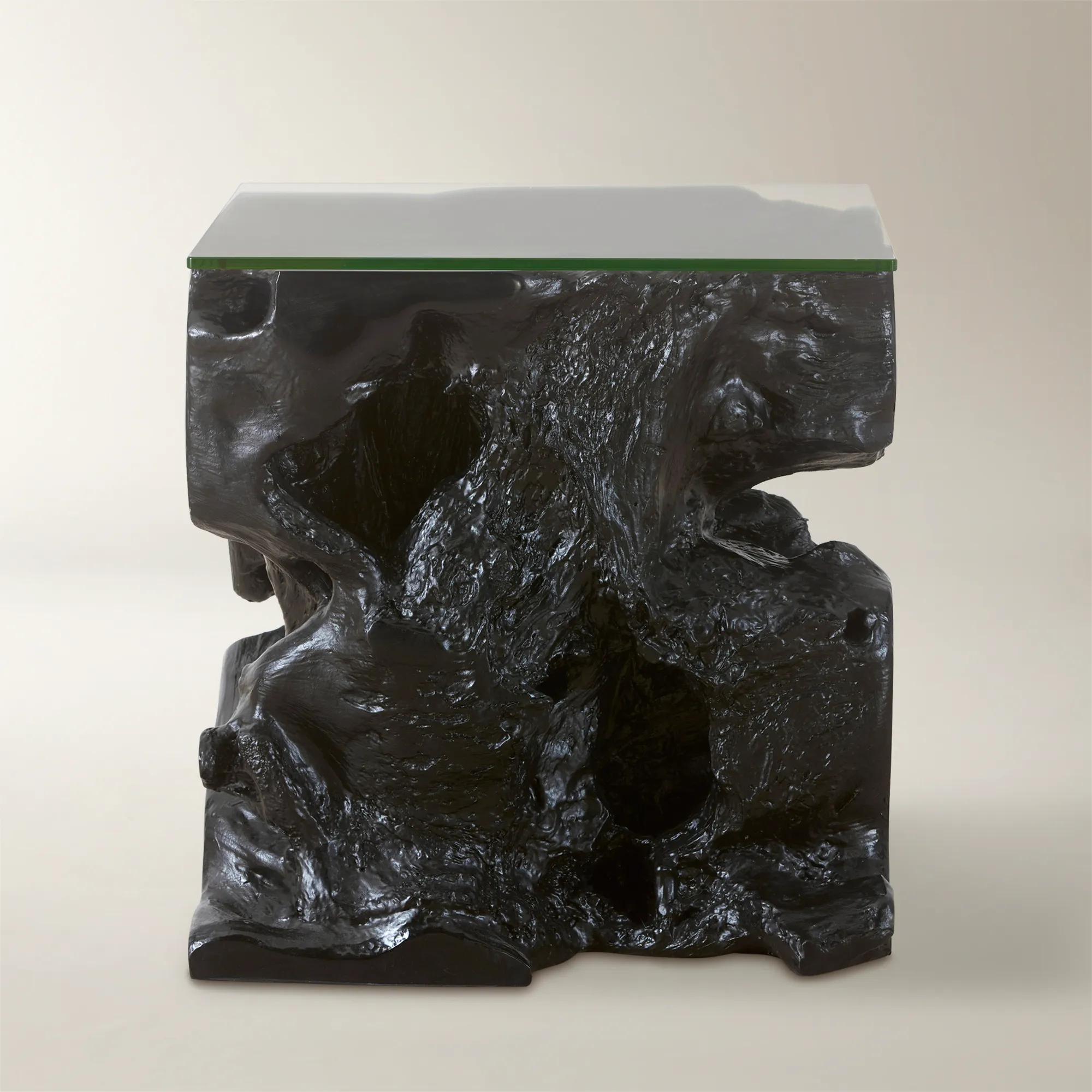 Sequoia Black Resin End Table With Glass Top (22")$999
A sculptural black resin and stone end table inspired by Acacia roots, suitable for indoor or outdoor use.
Add To Cart -
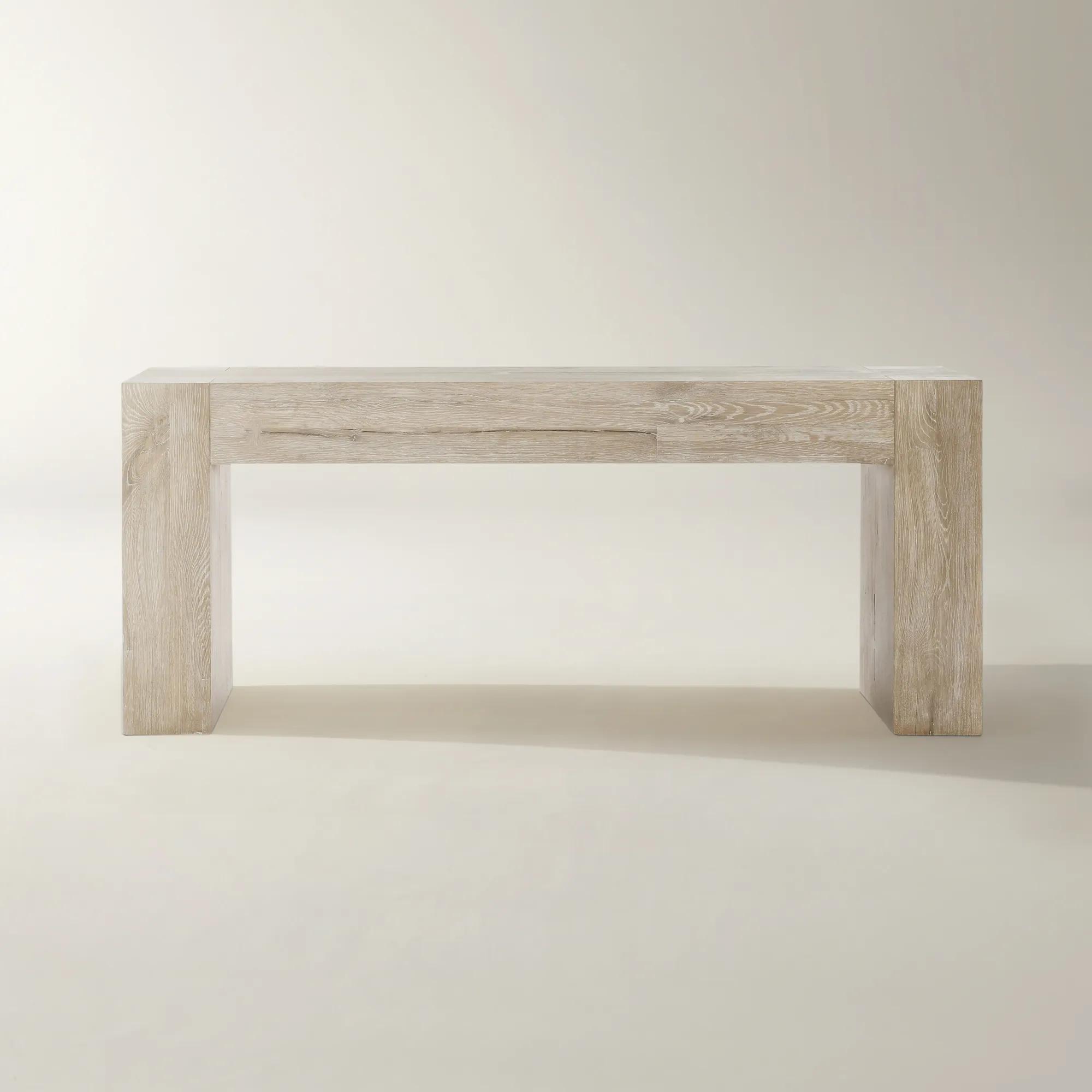
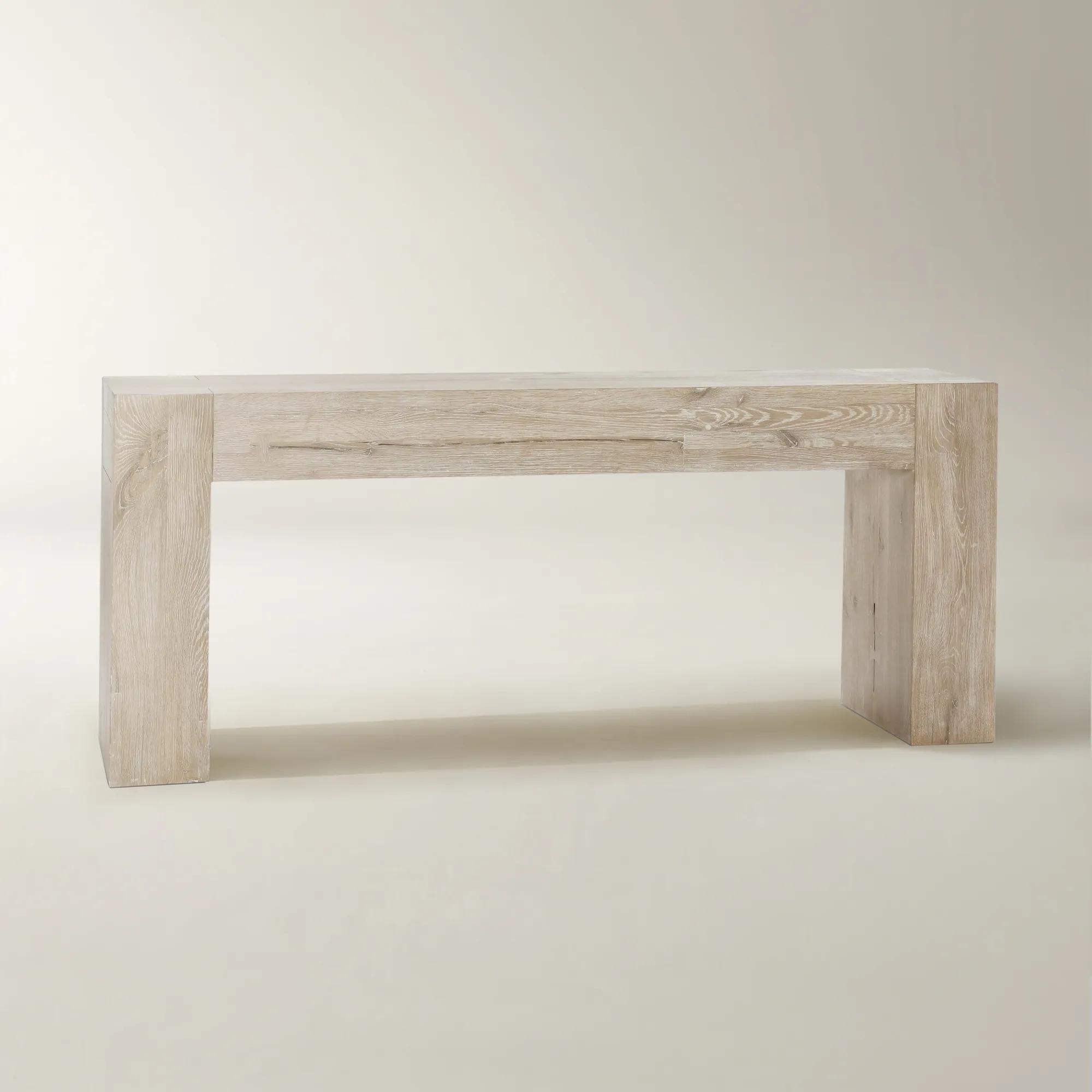 Bristol Rectangular Cream Oak Console Table (72")$2099
A handcrafted console table in aged cream cracked oak with modern dovetail detailing and artisanal character.
Add To Cart -
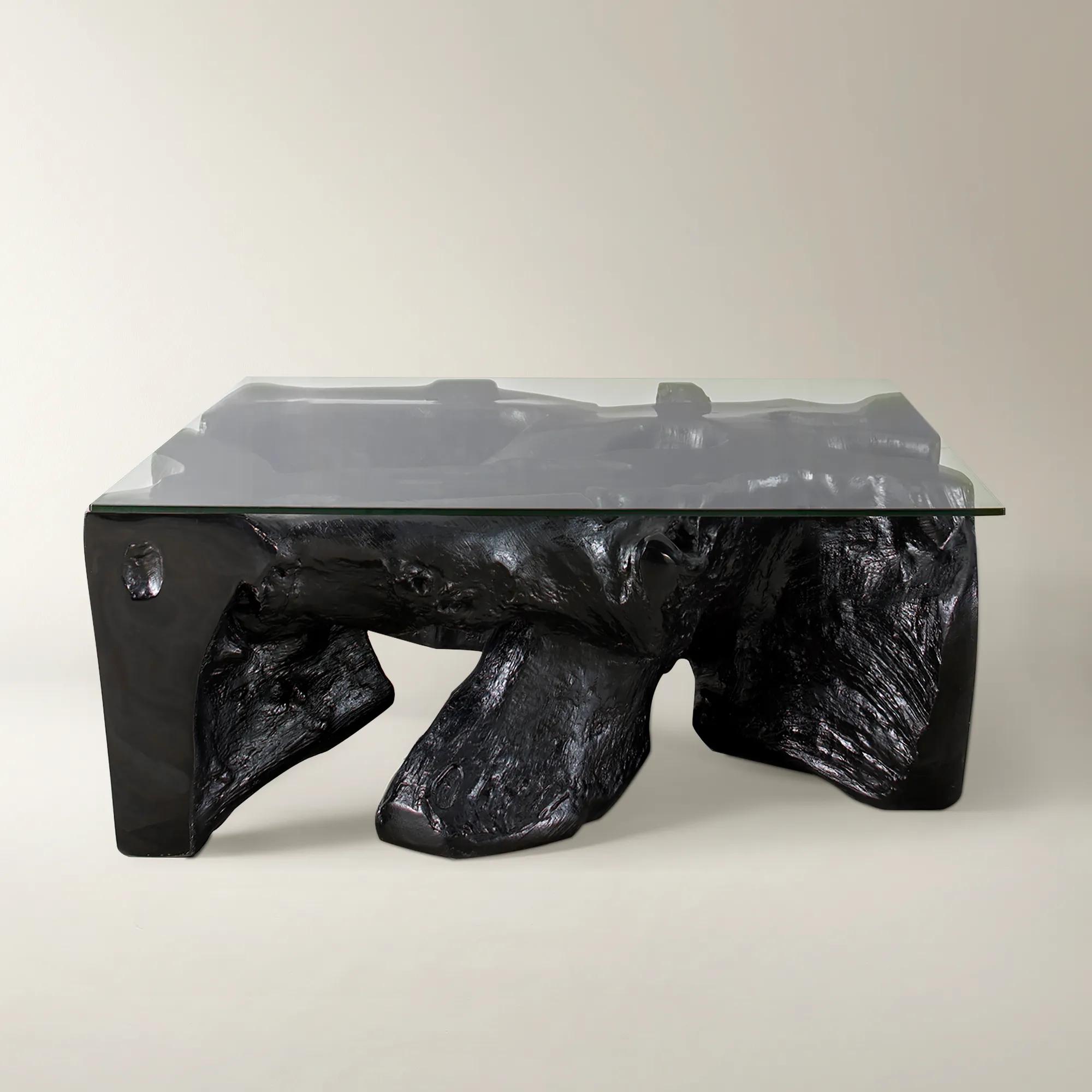
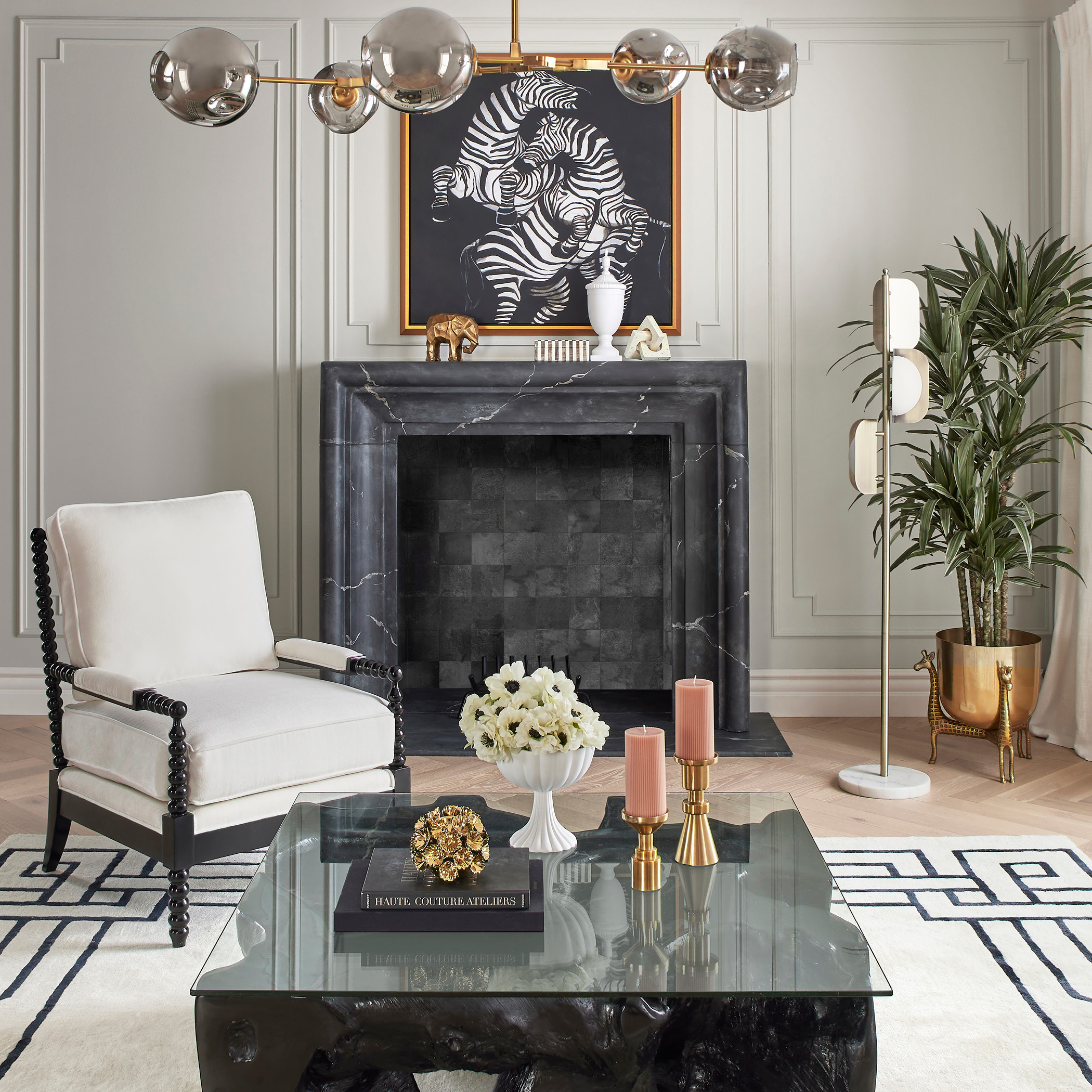 Sequoia Black Resin Coffee Table With Glass Top (44")$2299
A sculptural black coffee table crafted from resin and polished stone fragments for indoor or outdoor use.
Add To Cart

Modern Sofa Tables For Living Room
Explore modern sofa tables for your living room, with contemporary silhouettes that turn the space behind your sofa into a polished focal point. Look for a console table with proportions that complement your seating and a surface suited to your display. Compare its height and width with your sofa, leaving enough clearance to keep walkways open.
Modern sofa tables for the living room bring a finished, architectural presence to the space behind a couch, pairing a narrow surface with room for lighting, art, and everyday essentials. Often described as sofa consoles, these tables are designed to complement seating without the depth of a desk or the low profile of a coffee table. Their placement makes them especially expressive: a sculptural base can turn the back of a floating sofa into a focal point, while a slender glass surface can preserve an open view across a room. Paired with Modern Living Room Sofas, the right table creates a layered composition rather than a collection of disconnected pieces. Proportion is central to that effect. A table roughly two-thirds the length of the sofa offers a useful visual starting point, although the seating configuration, surrounding furniture, and room layout matter more than a fixed ratio. The tabletop generally looks most balanced when it aligns with the sofa’s back frame or sits about one to two inches below it; loose cushions may rise higher without disrupting the relationship. Many slim sofa tables fall within a depth of approximately 12 to 20 inches, but even a narrow silhouette needs breathing room. In an active passage, about 36 inches of clear walking space is a practical target, with more room beneficial where people regularly pass one another. Behind a sectional, the table’s length should relate to the particular section it accompanies, not necessarily the entire seating arrangement. These considerations become especially important in apartments and open-plan living rooms, where a few inches can determine whether a furniture arrangement feels graceful or crowded. A recessed base may offer additional foot clearance, while broad pedestal forms deserve a closer look at floor level. When the sofa sits against a wall, enough separation for the table, lamp cords, and comfortable access keeps the arrangement intentional. The result is a defined seating area with a polished rear view, equally compelling from the entryway or an adjoining dining space.
Materials give contemporary sofa tables their character, shaping both the room’s atmosphere and the attention each surface requires. Clear glass creates a light, almost suspended effect, allowing a distinctive metal base or richly patterned rug to remain visible. Tempered glass is heat-treated for greater strength than standard glass, but it is not scratchproof or immune to edge damage; careful handling and protective pads beneath decorative objects still matter. Mirrored surfaces introduce a more theatrical quality, reflecting upholstery, artwork, and pools of lamplight, while also making fingerprints and dust more noticeable. Polished metal lends a crisp, luminous outline, and brushed finishes offer a softer gleam that can sit comfortably beside textured fabrics. Wood brings depth through grain and tone, balancing high-shine accents with a more grounded presence. Solid wood can develop character over time, while wood veneers provide a genuine wood surface over a supporting core; durability depends on construction, finish, and use rather than appearance alone. Natural stone contributes distinctive veining and visual weight, with variation that gives each surface its own expression. Marble and other calcareous stones can etch when exposed to acidic spills, so coasters, prompt cleanup, and stone-appropriate care are important. Stone-look surfaces offer a different combination of composition and maintenance needs, making material descriptions worth reading closely. Across these options, a soft cloth and care products approved for the particular finish help preserve the surface without dulling its appeal. Abrasive pads and harsh cleaners can damage glass coatings, metal finishes, wood sealants, and mirrored edges. Drinks belong on coasters, planters need watertight protection underneath, and heavy sculptures should remain within the table’s stated weight capacity. Stable joints, secure shelf supports, and a base suited to the tabletop’s weight are as consequential as the finish. A glamorous silhouette feels most convincing when it also feels steady in daily life.
The most successful living room sofa tables reflect how the room is actually used. In a home centered on conversation, a pair of lamps can frame the seating area and cast a more intimate glow than overhead lighting alone. Their bases should sit fully on the tabletop, with cords routed away from walking paths and reclining mechanisms. For a sofa that faces a television, a low arrangement of art books, a shallow tray, and one expressive object can add dimension without competing with the screen. An open lower shelf offers space for larger books or decorative boxes, while drawers can conceal remotes, charging cables, and the small necessities that otherwise collect on upholstery. In compact rooms, that combination of display and concealed storage can reduce the need for another cabinet. Open bases, by contrast, preserve visible floor area and let a striking rug remain part of the composition. Households with children or pets may prefer rounded corners, resilient finishes, and restrained tabletop arrangements, keeping fragile objects and trailing cords out of easy reach. Tall or narrow furniture should be secured when the manufacturer specifies an anti-tip restraint, and a sofa table should never be treated as extra seating. For those who entertain, the surface can hold a serving tray or a few drinks when its finish and weight rating allow, though it is not a substitute for a dining table or a heat-resistant serving station. Its everyday role remains more intimate: a place for the objects that make a living room feel personal. A ceramic vessel with an irregular silhouette, a luminous accent, or a stack of well-loved design books brings individuality without requiring a crowded display. Repeating one metal tone from nearby lighting or echoing a curve in the sofa helps connect the arrangement, while a contrasting material supplies tension and depth. With considered scale and a distinctive finish, a modern sofa table gives the room another expressive surface—and makes the space behind the sofa feel as thoughtfully composed as the view in front of it.
FAQs
A modern sofa table is typically placed behind a sofa, creating a polished backdrop for artful displays. A console table is a broader category often styled in entryways or along walls. The designs can overlap, with sculptural silhouettes, gleaming finishes, and refined details bringing expressive character to a living room.
Glass, metal, wood, stone, and mirrored surfaces are common in modern sofa table designs. Glass introduces an airy visual quality, polished metal adds brilliance, and richly grained wood lends warmth. Stone and mirrored finishes bring distinctive drama, turning an understated silhouette into an artistic statement.
Compose a deliberate mix of sculptural objects, art books, and a striking vase. Vary shapes and textures, leaving open space so each detail feels intentional. A restrained color palette lets expressive forms take center stage, while a touch of metallic shine gives the arrangement a glamorous finish.
Modern sofa tables complement contemporary, glamorous, Art Deco-inspired, and transitional living rooms. Geometric metalwork lends an architectural accent, mirrored finishes amplify a glamorous mood, and wood introduces warmth. Choose a design that echoes your room’s visual language while adding its own distinctive point of view.
A sofa table does not need to match every piece to feel beautifully connected. Repeat a finish, color, or geometric detail from your coffee table, lighting, or accent chairs. Then introduce contrast—such as luminous glass beside sumptuous upholstery—to create a layered living room with depth and personality.