Side Tables For Beside Sofa
Side Tables For Beside Sofa
-
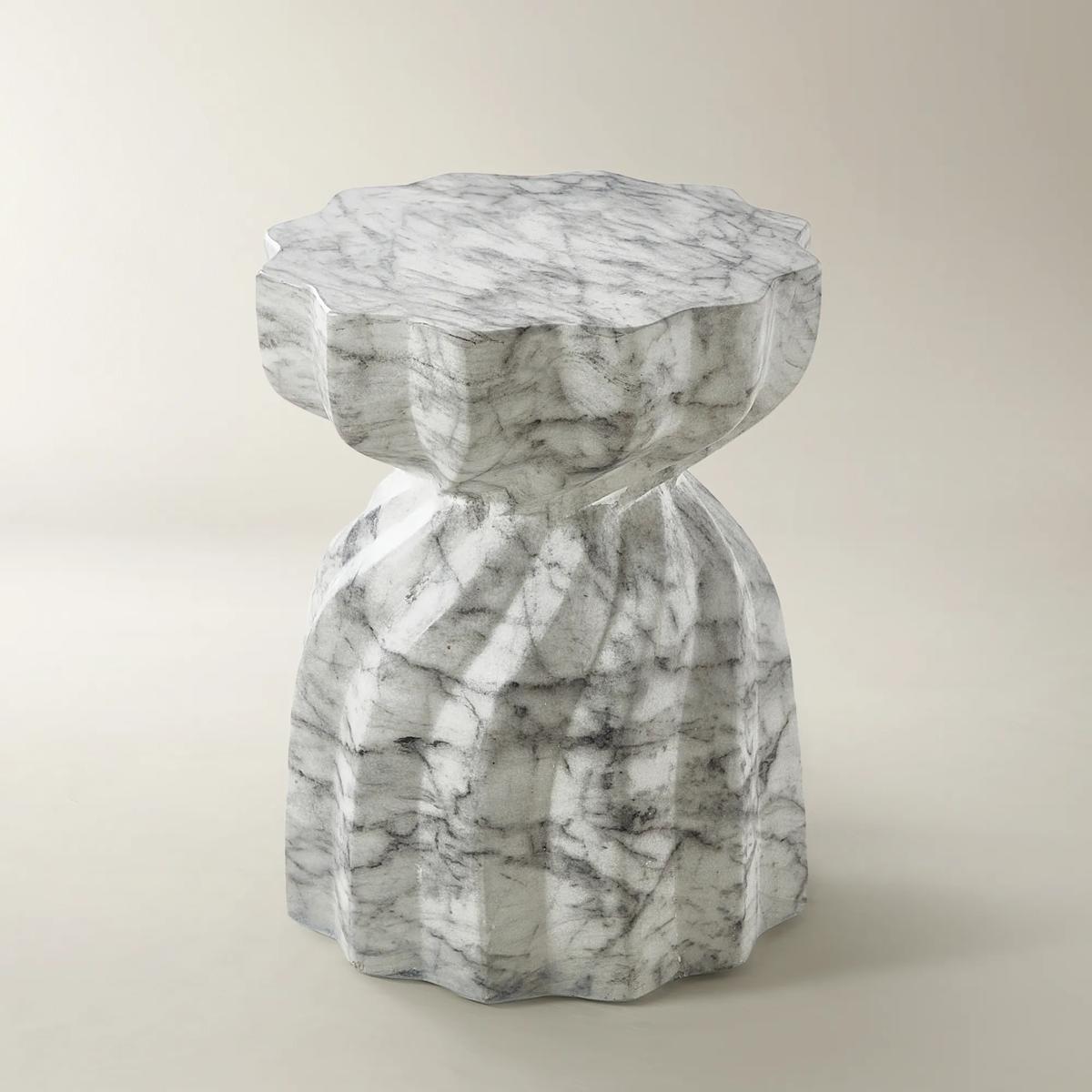
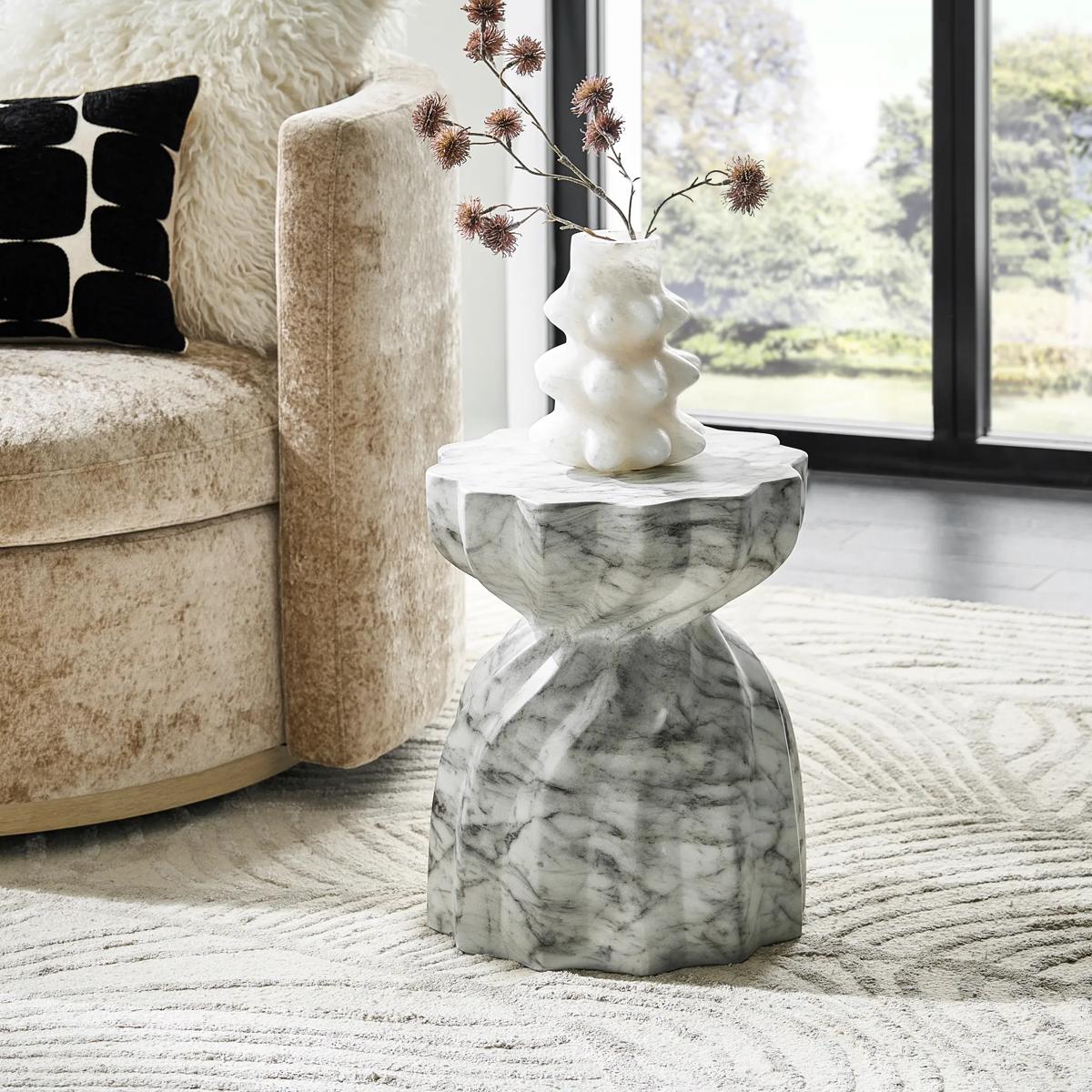 Lithia Scalloped White Concrete Indoor/Outdoor Side Table (15")$349
A white concrete side table with a scalloped silhouette and marble-look finish for indoor-outdoor living.
Add To Cart -
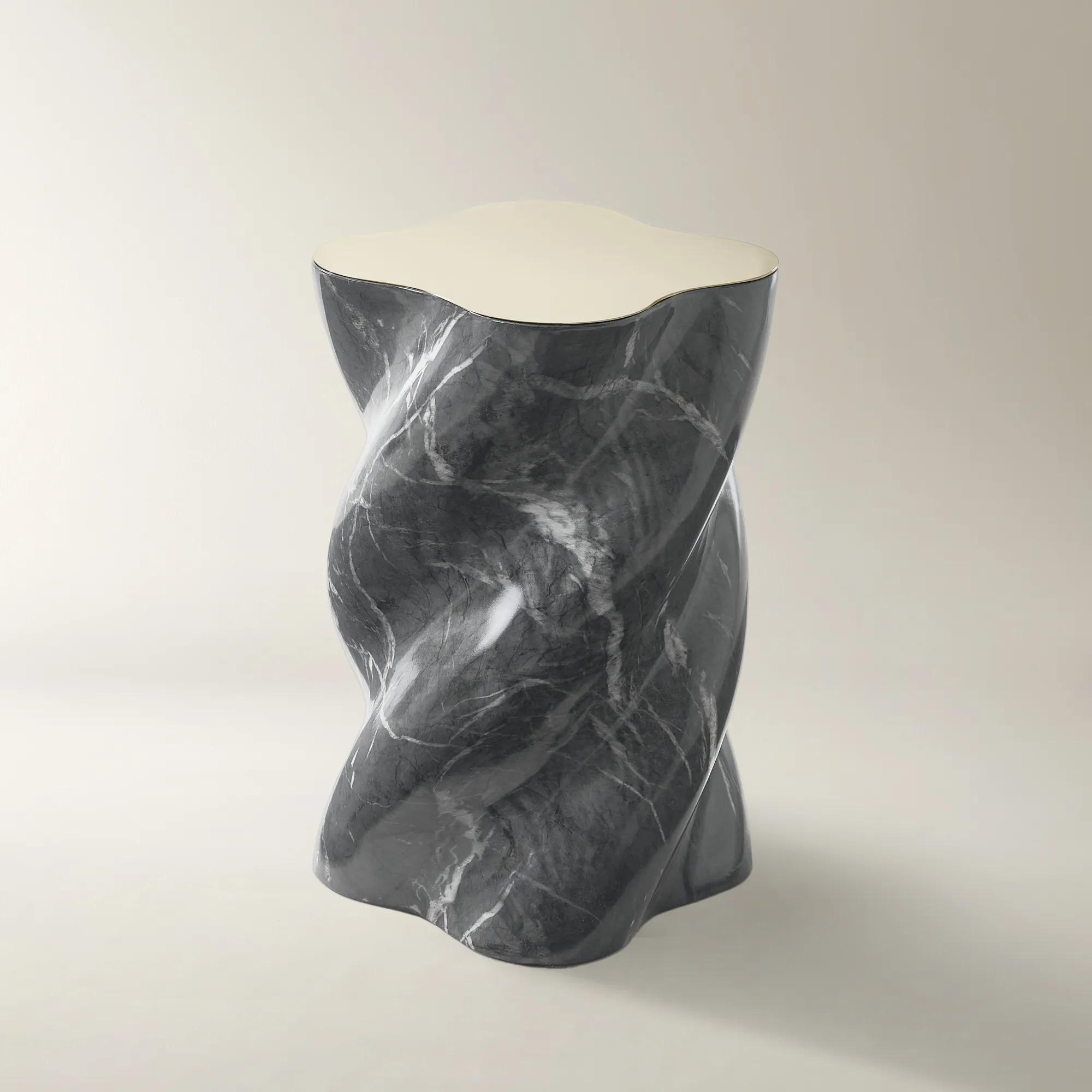 Vega Bvlgary Black Concrete Indoor/Outdoor Side Table With Stainless Steel Top (13.8")$459
A black concrete side table with a sculptural pedestal, removable stainless-steel top, and marble-inspired finish.
Add To Cart -
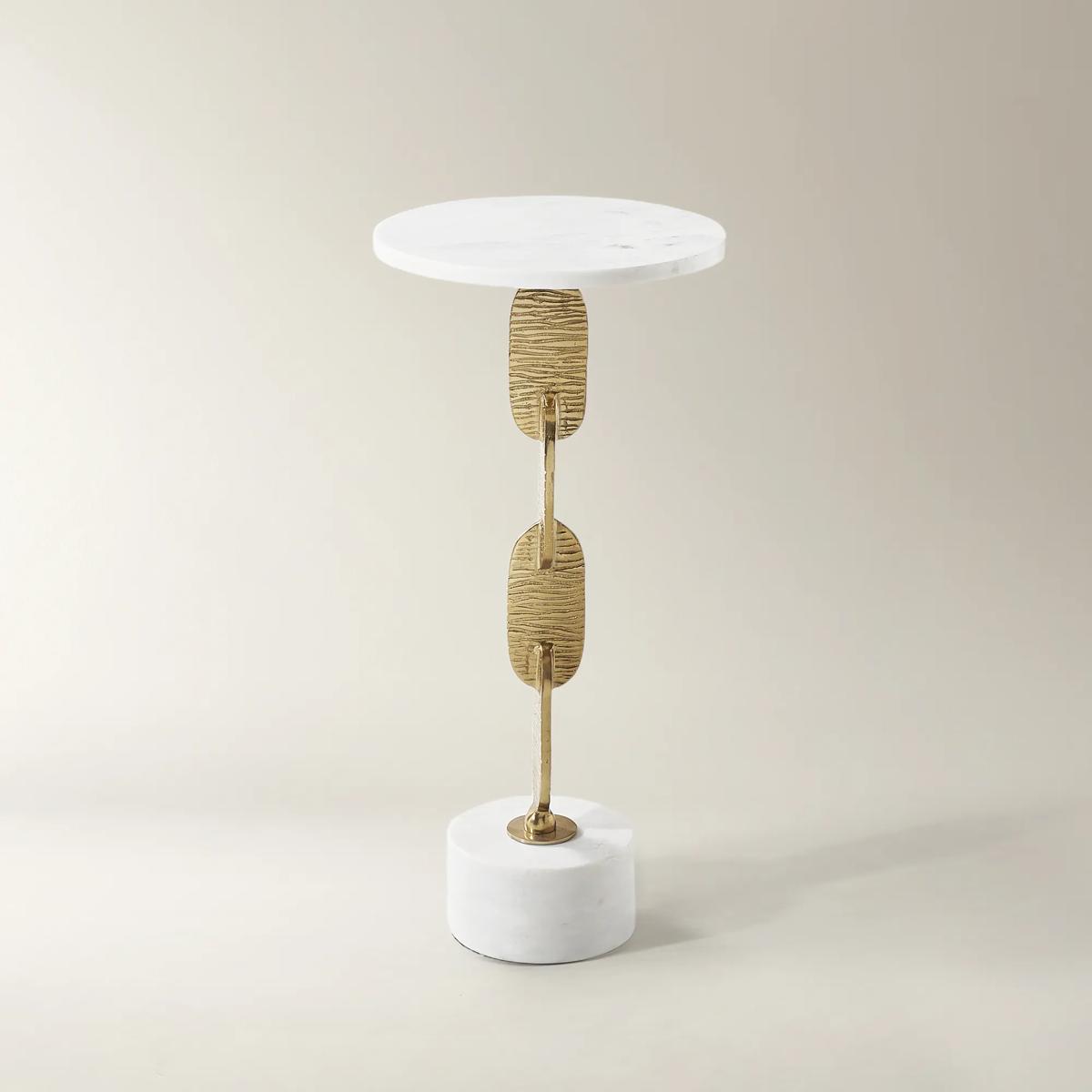
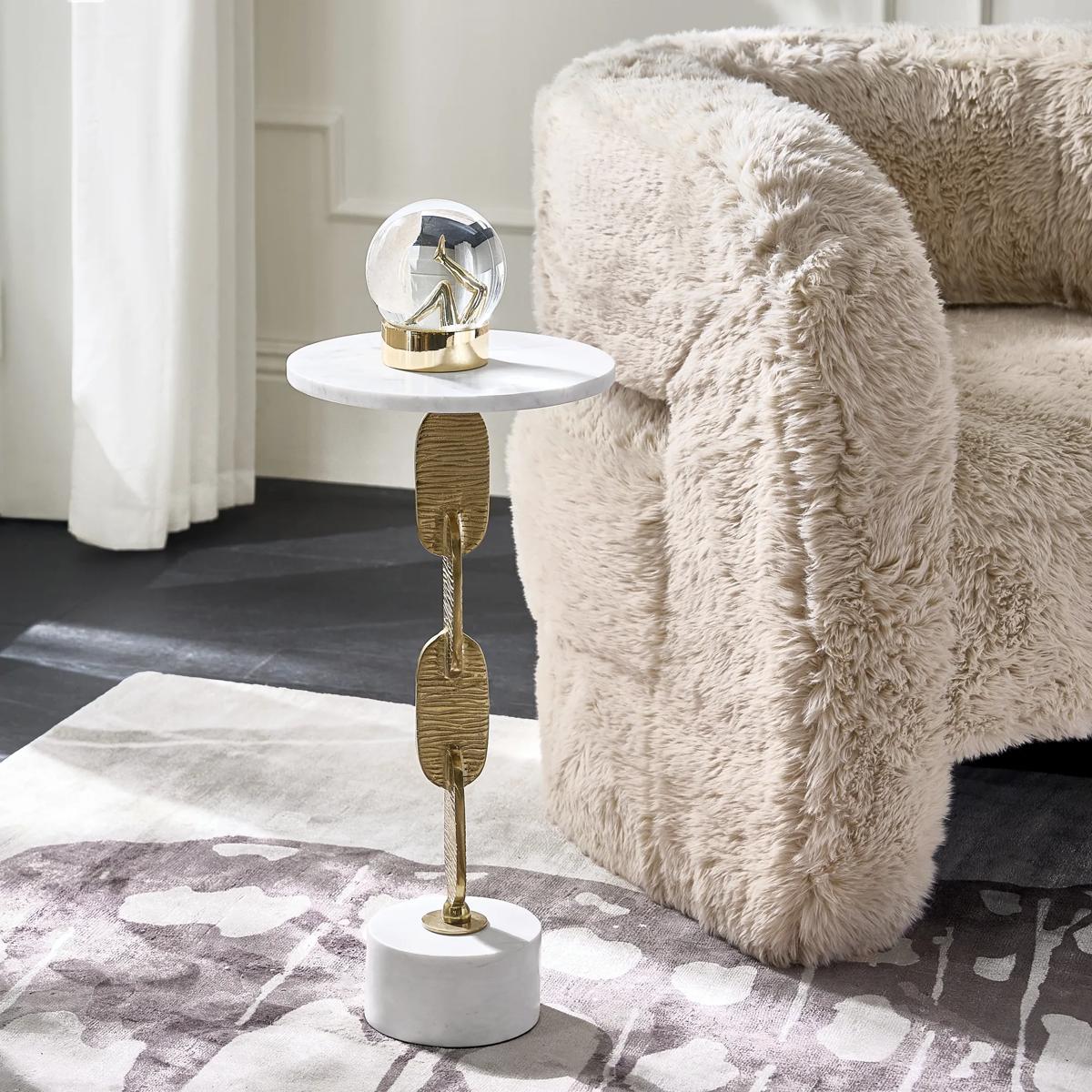 Luna Round White Marble Side Table (11.25")$199
A sculptural side table featuring a genuine white marble top and an open gold-finished metal frame.
Add To Cart -
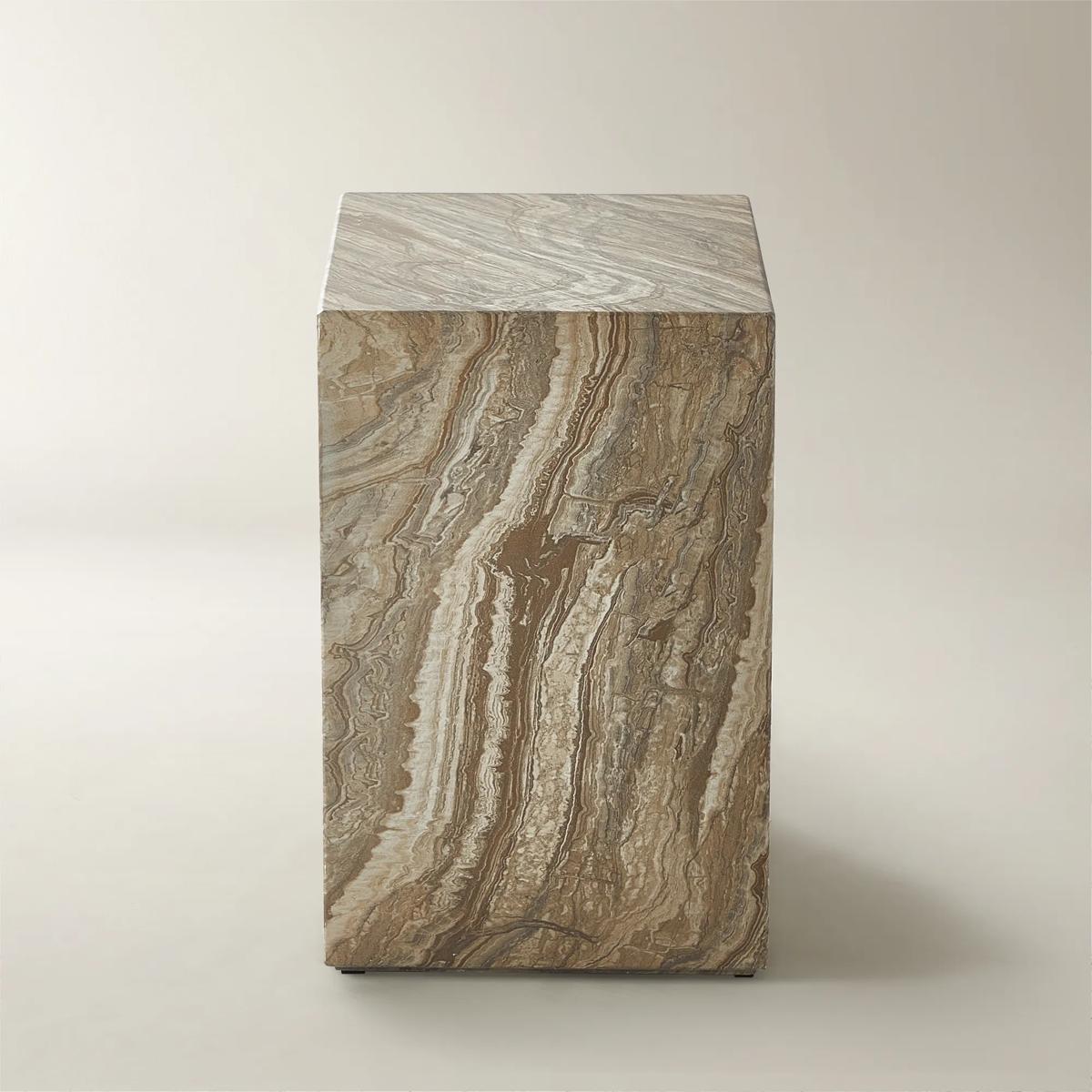
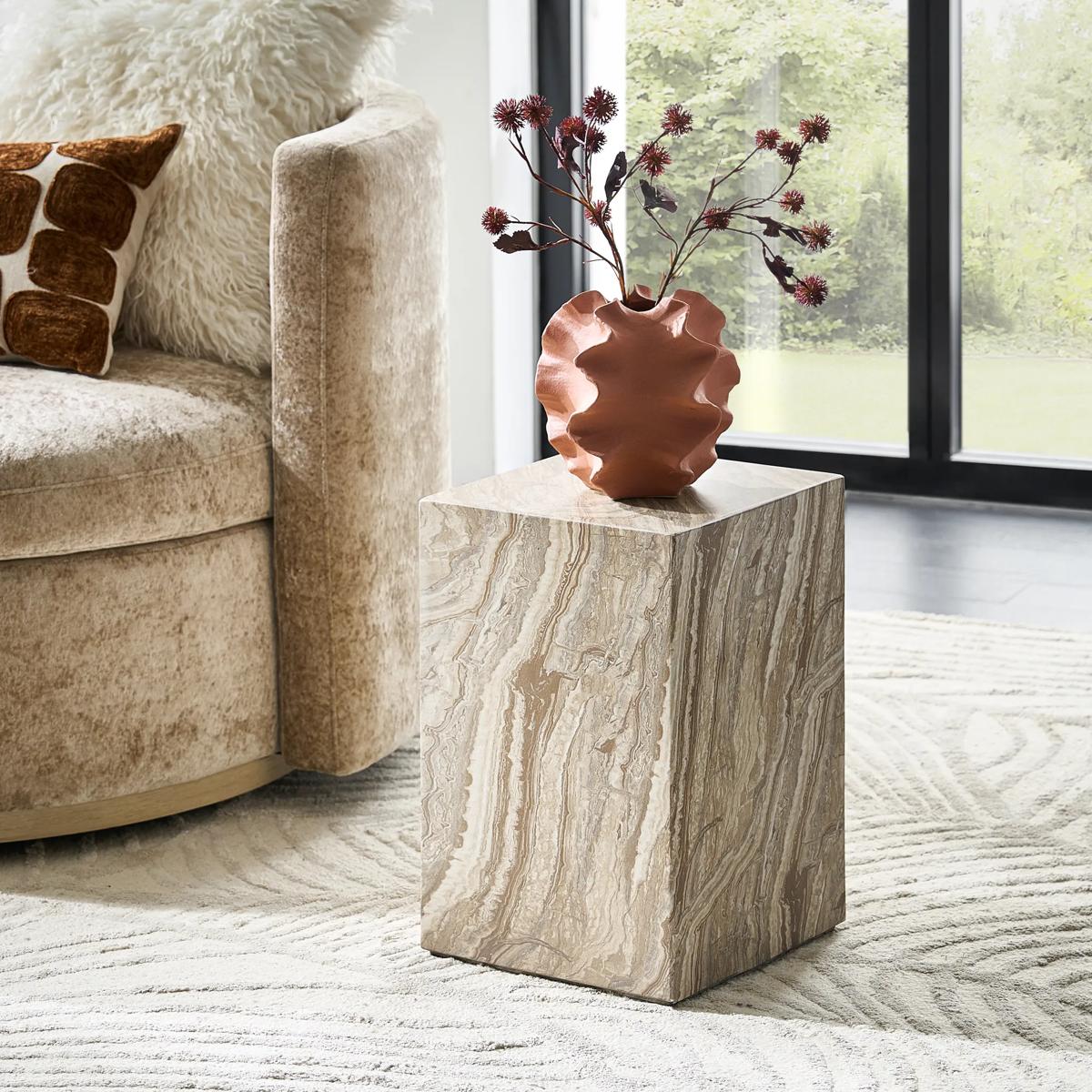 Strata Square Brown Concrete Indoor/Outdoor Side Table (11.8")$299
A brown concrete side table with a sculptural cuboid profile and marble-look finish, indoors or outdoors.
Add To Cart -
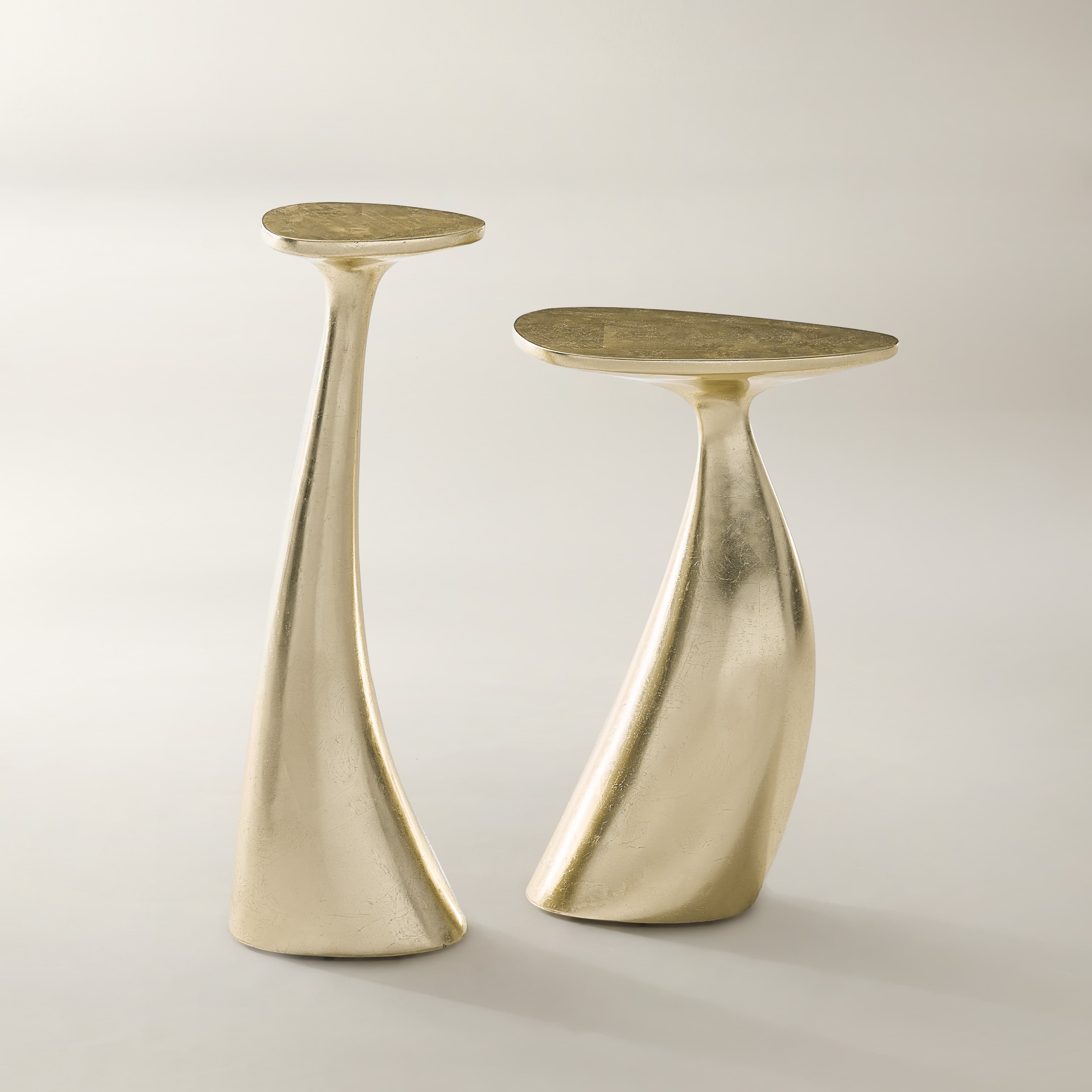 Thalia Soft Gold Side Table Set Of 2 (8"-12.5")$699
A sculptural duo of gold leaf fiberglass tables with fluid lines and a warm, luminous finish.
Add To Cart -
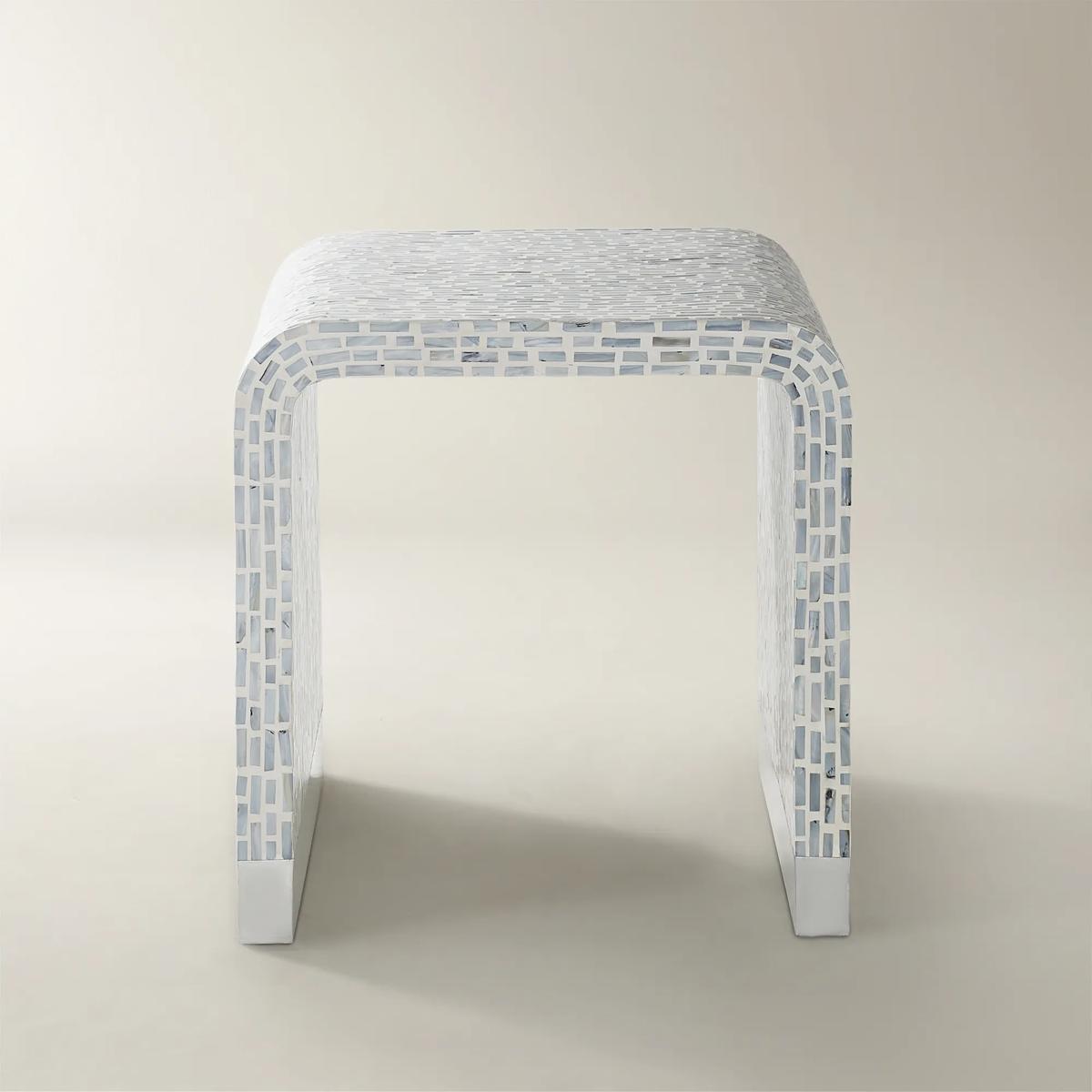
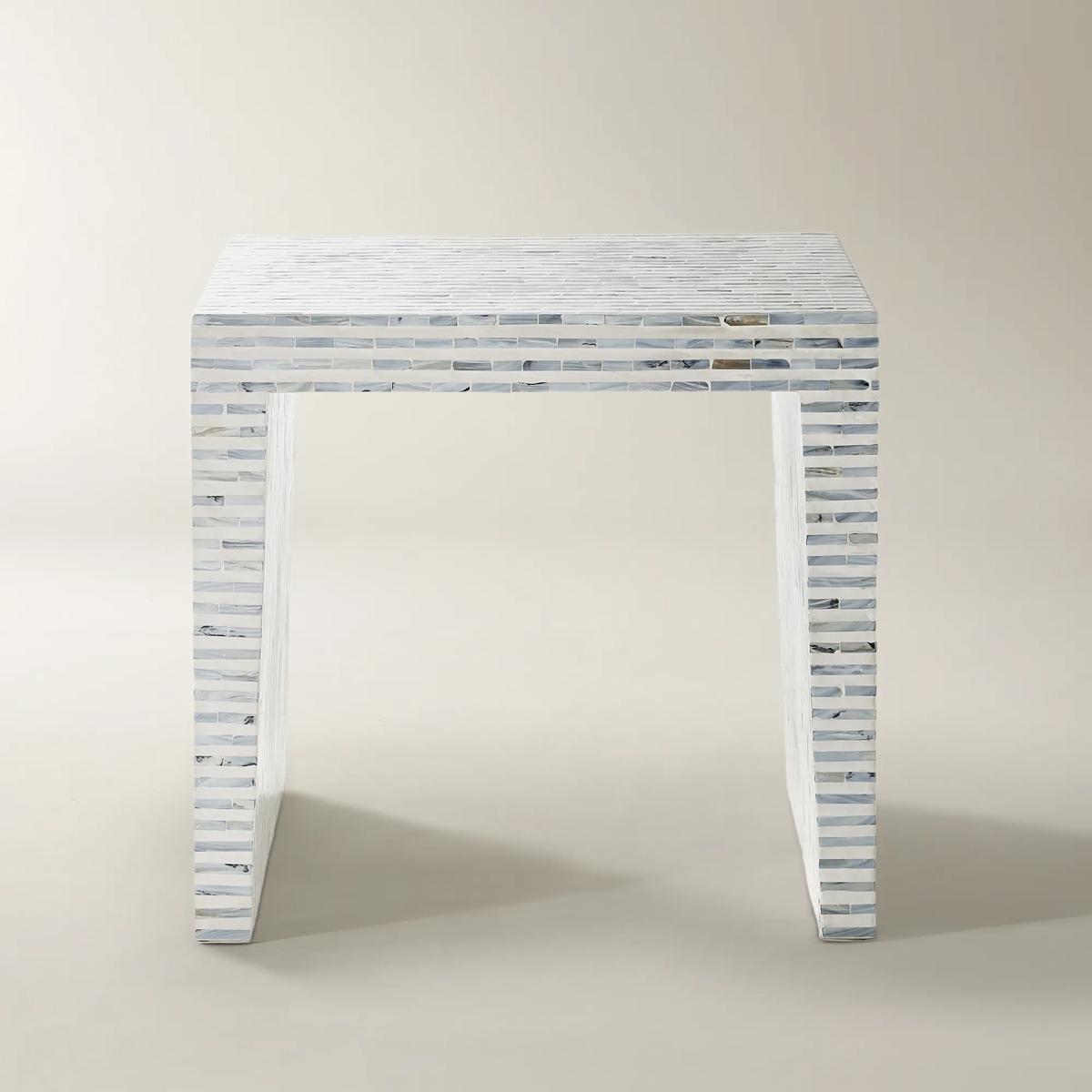
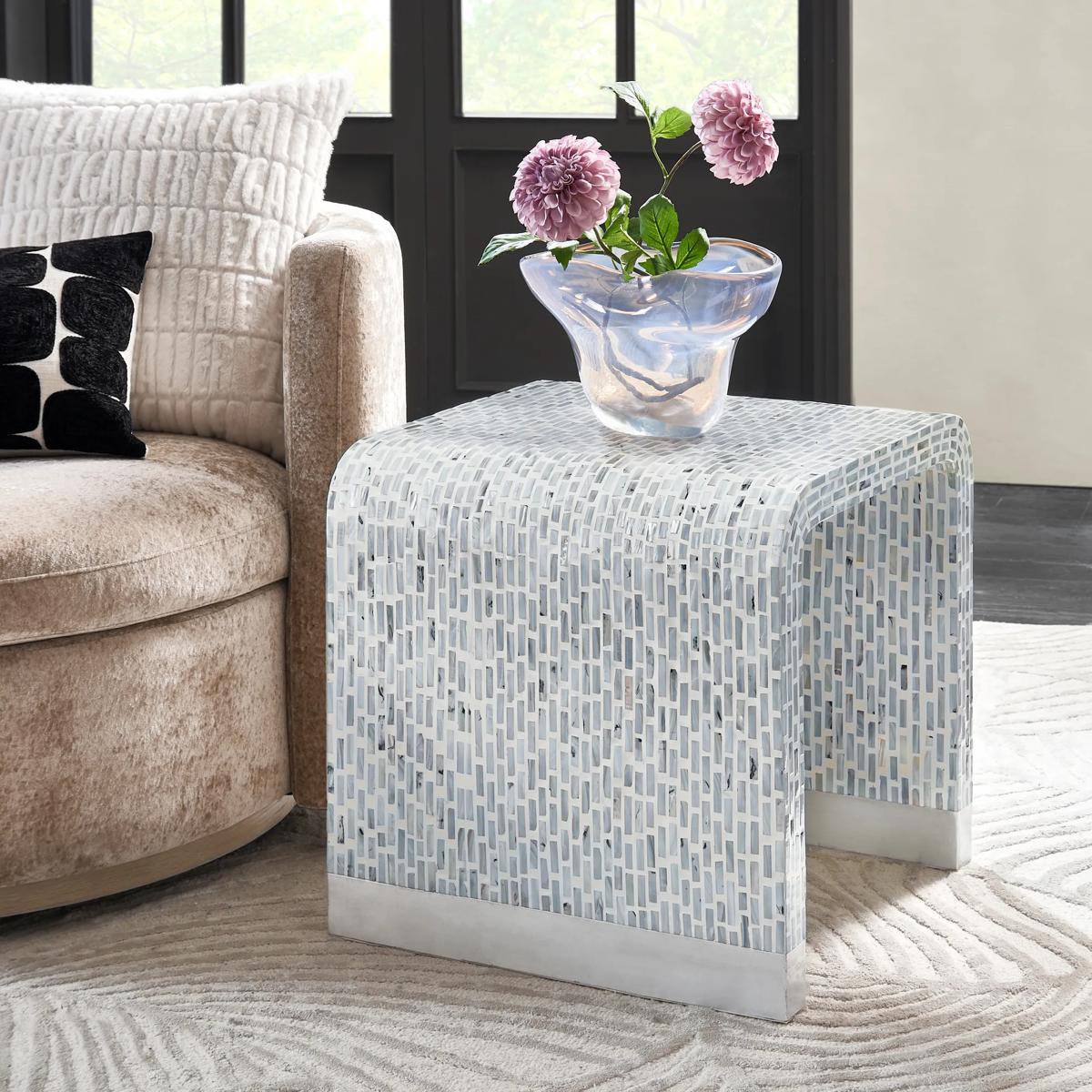 Iridia Blue Side Table (21.6")$399
A handcrafted end table featuring iridescent blue mother-of-pearl inlay and a silver leaf base.
Add To Cart -
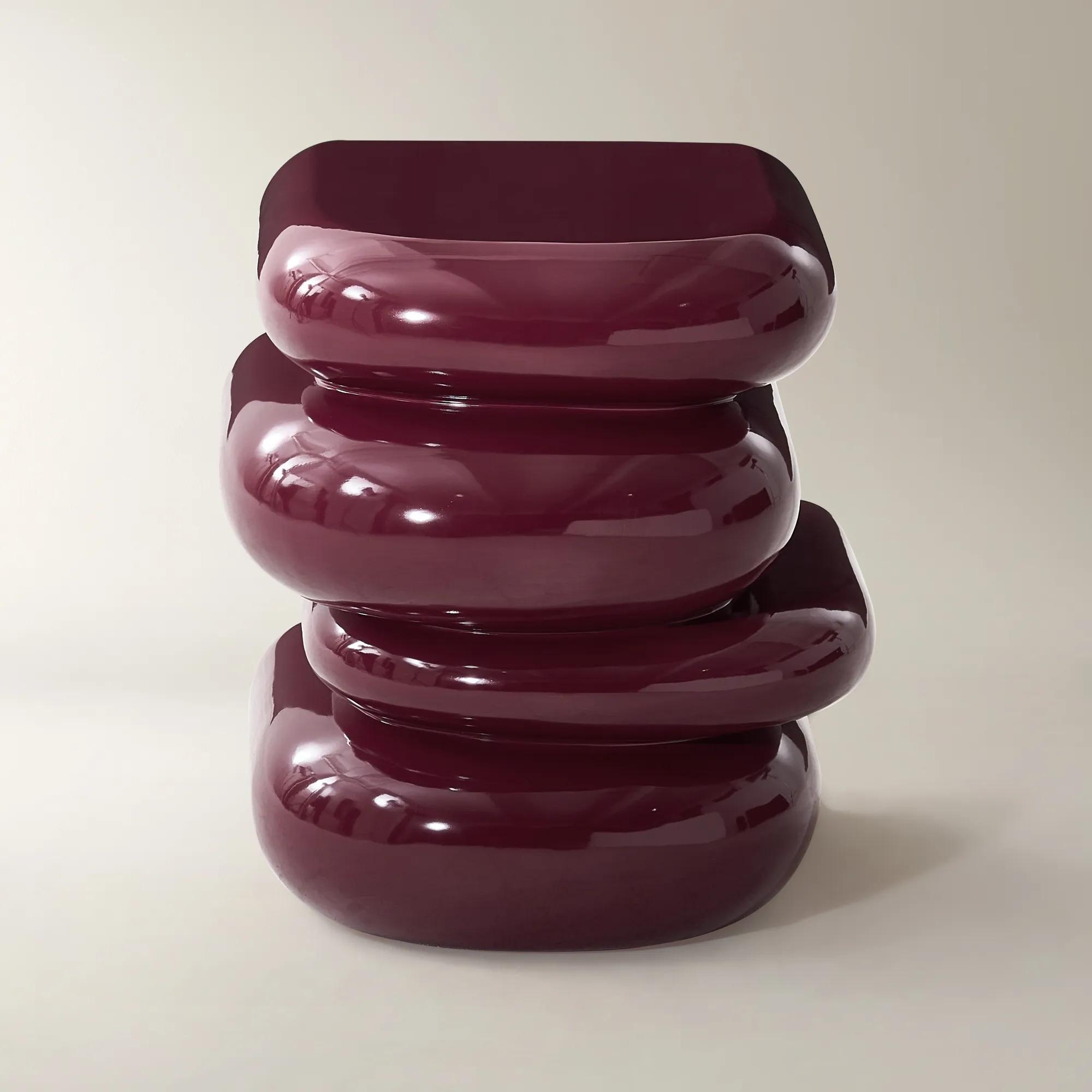 Forma Stacked Ox Blood Side Table (19.9")$499
A sculptural accent table crafted from high-gloss ox blood fiberglass with softly stacked, rounded tiers.
Add To Cart -
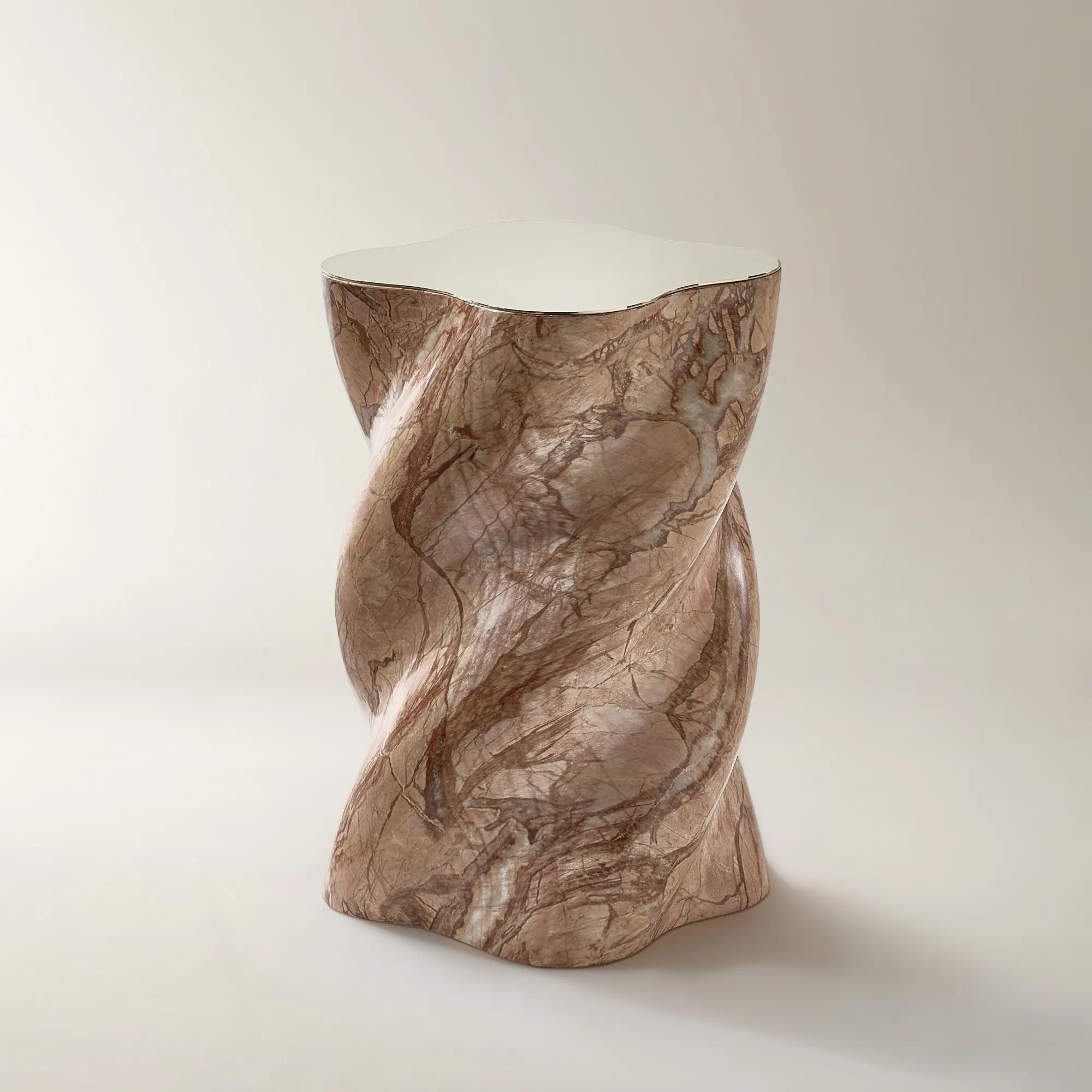
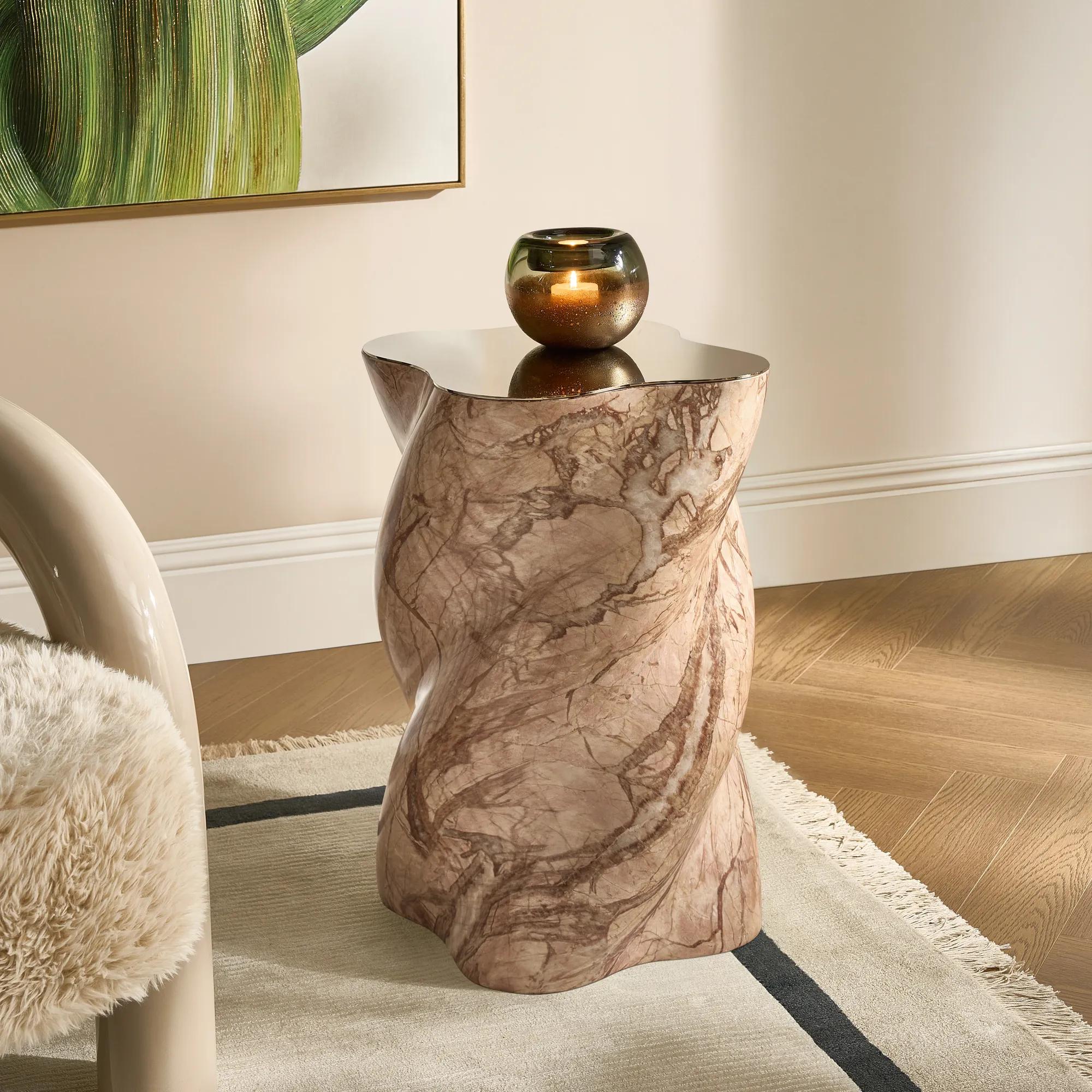 Vega Concrete Indoor/Outdoor Side Table With Stainless Steel Top (13.8")$459
A black, orange, or green concrete side table with removable stainless-steel top and marble-inspired veining.
Add To Cart -
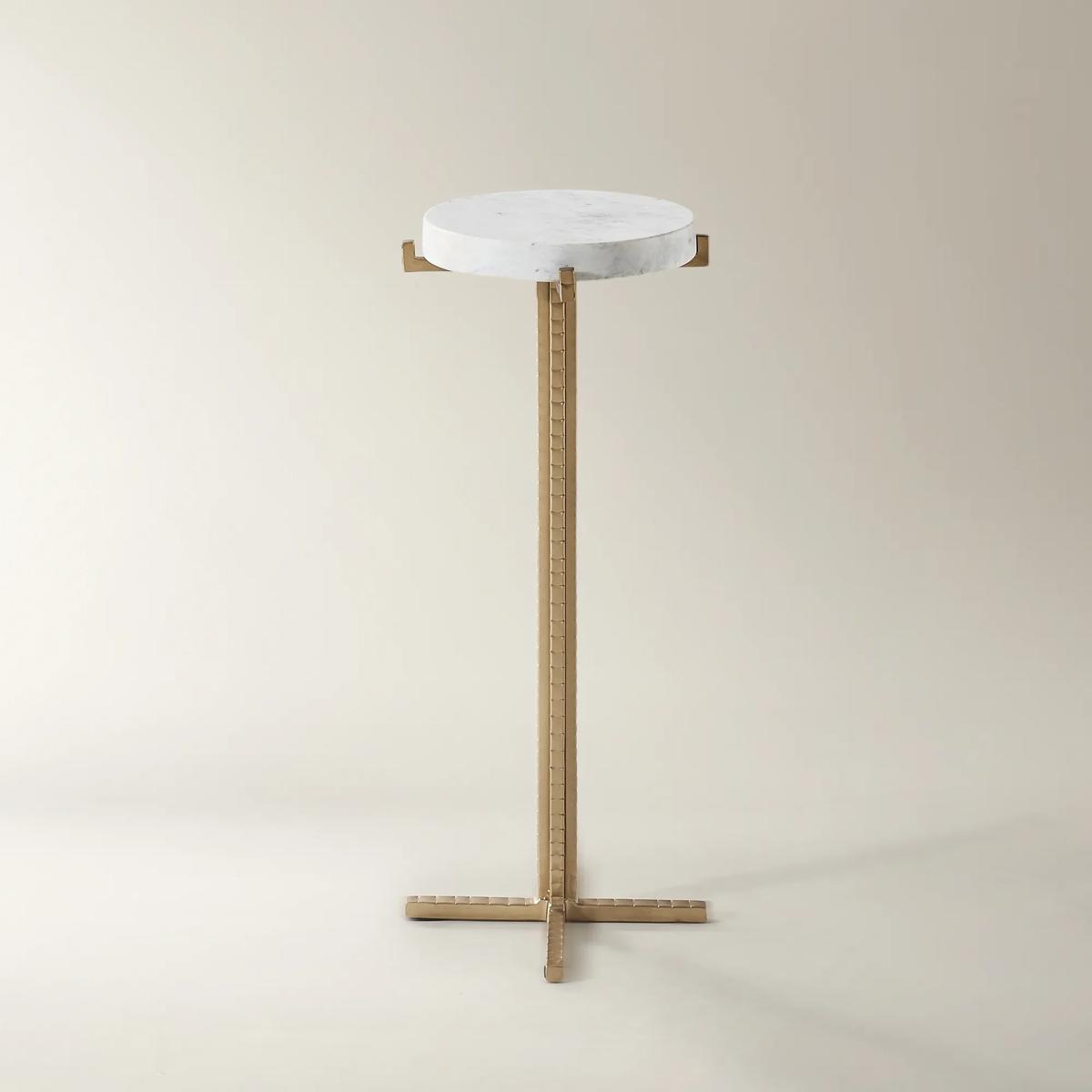 Anya Round White Marble Side Table (10")$199
A sculptural side table featuring a genuine white marble top and gold-finished metal pedestal base.
Add To Cart -

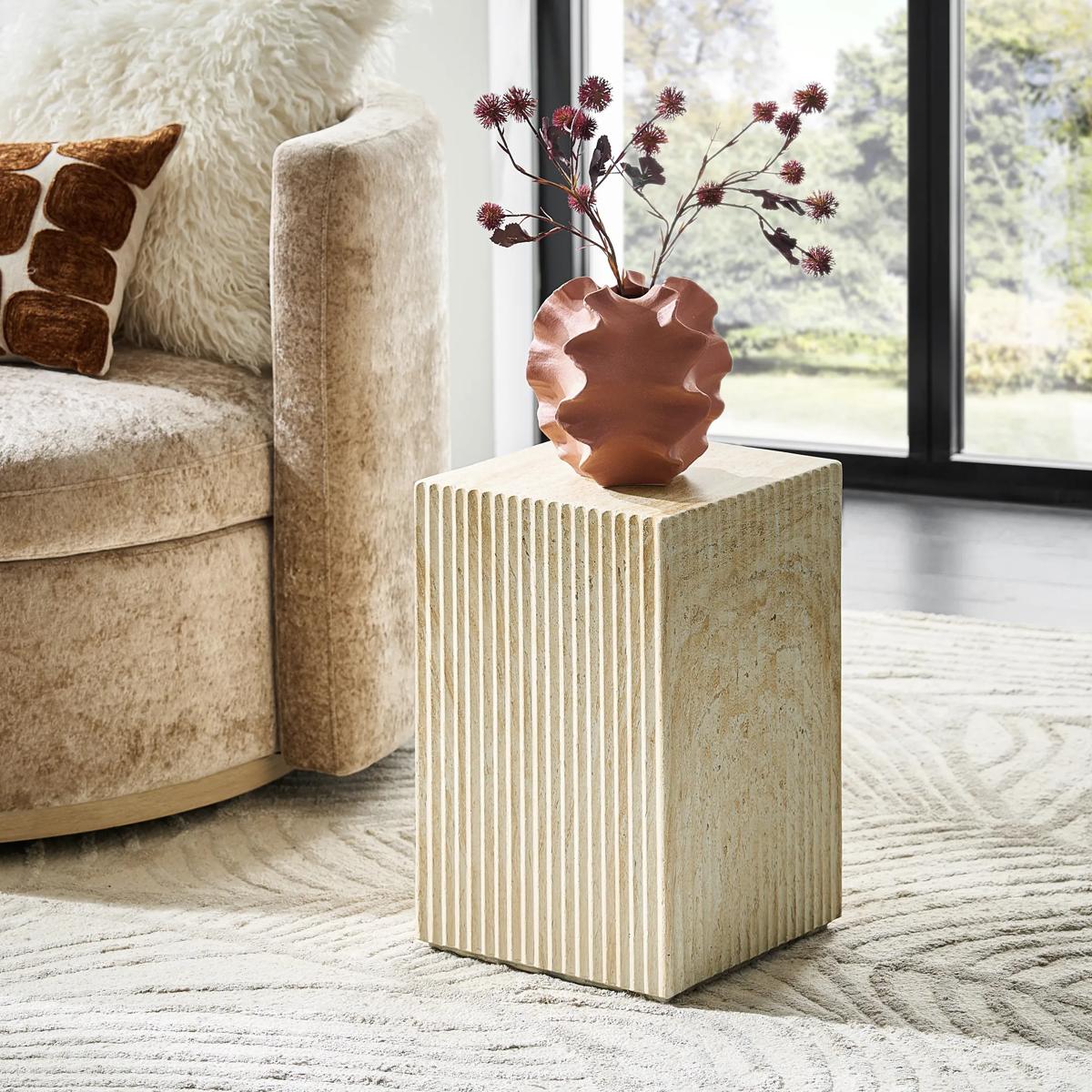 Strata Square Travertine Concrete Indoor/Outdoor Side Table (11.8")$299
A natural travertine-look concrete side table with sculptural cuboid geometry for indoor or covered outdoor spaces.
Add To Cart -
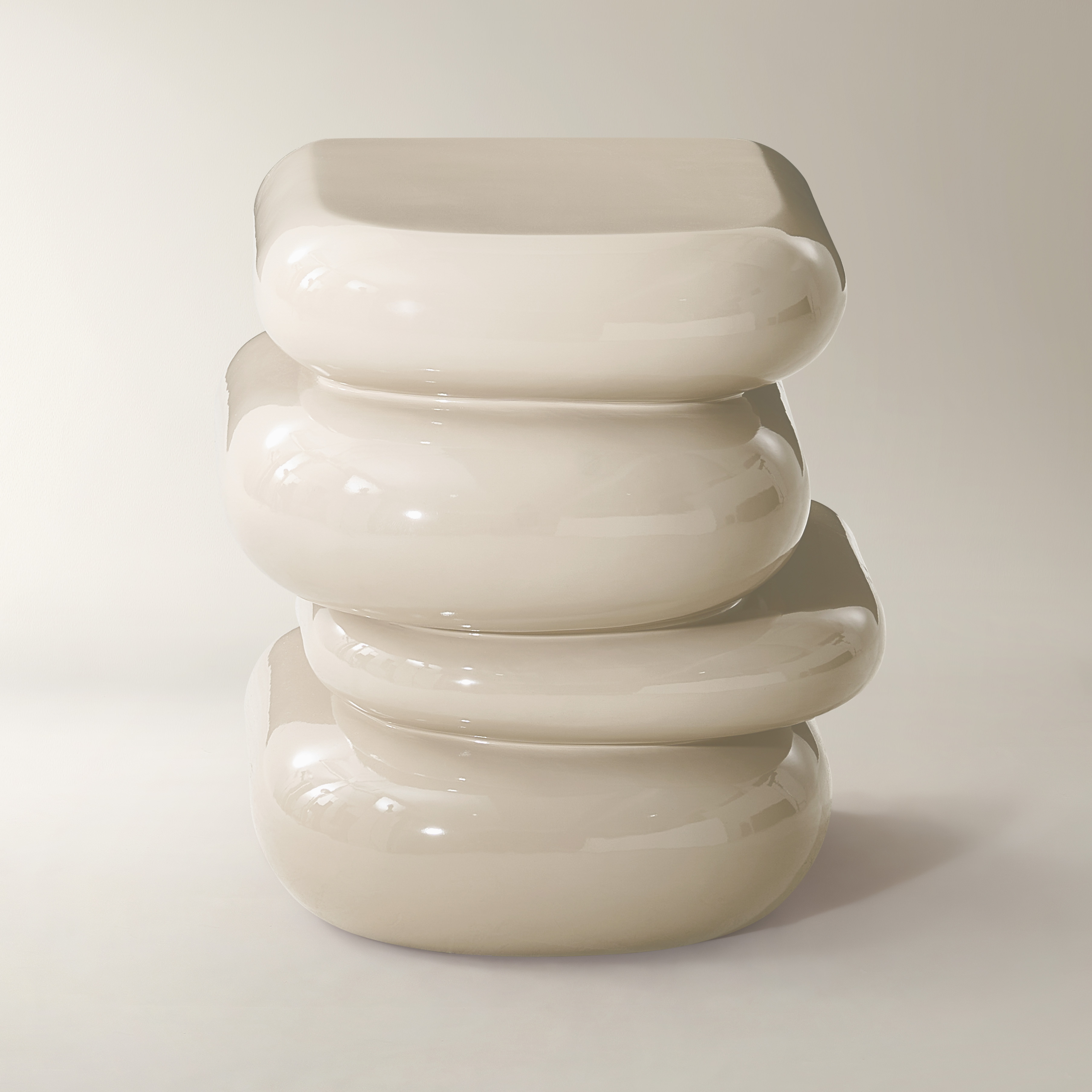
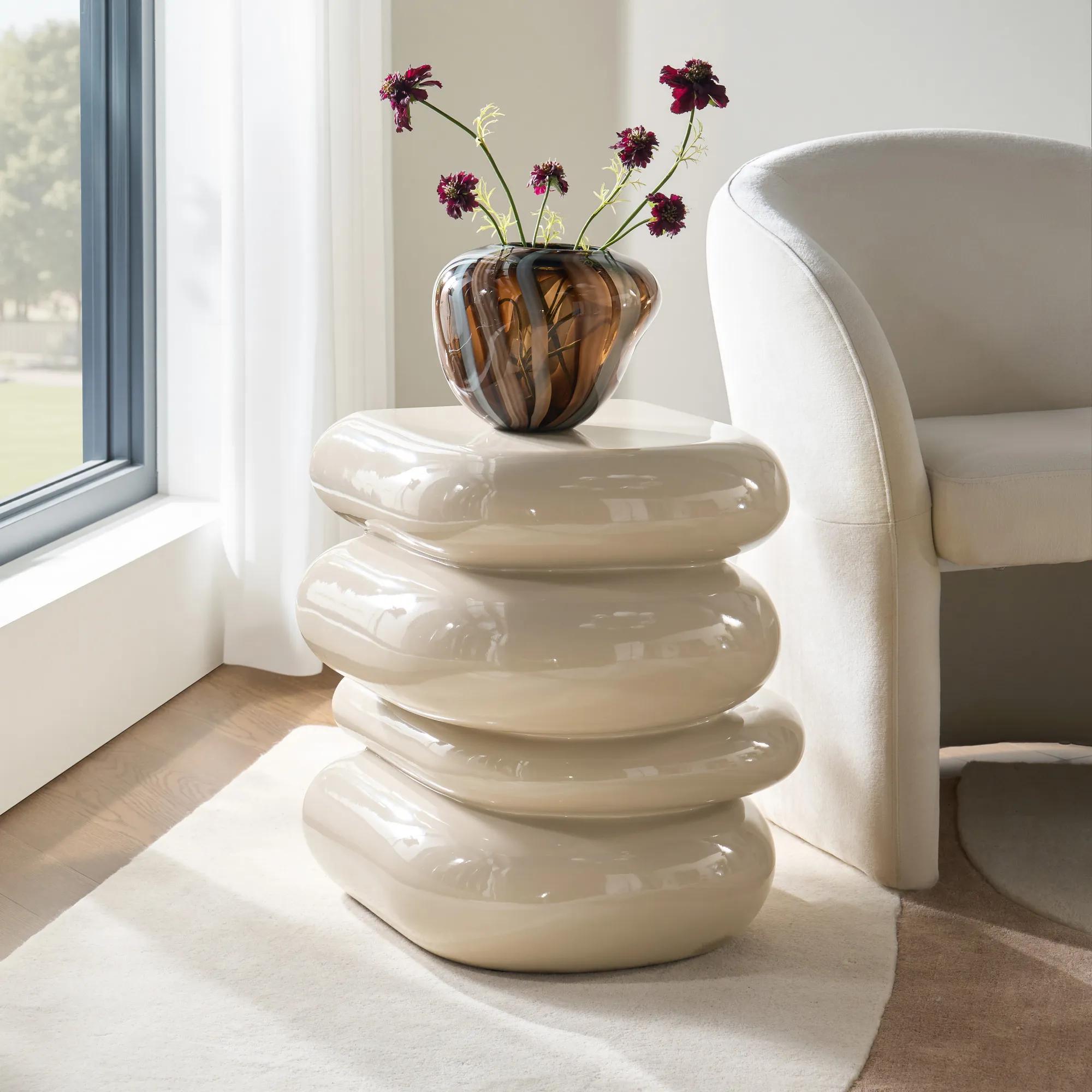 Forma Stacked Turtle Dove Side Table (19.9")$499
A sculptural accent table crafted from high-gloss turtle dove fiberglass with softly stacked, rounded tiers.
Add To Cart -
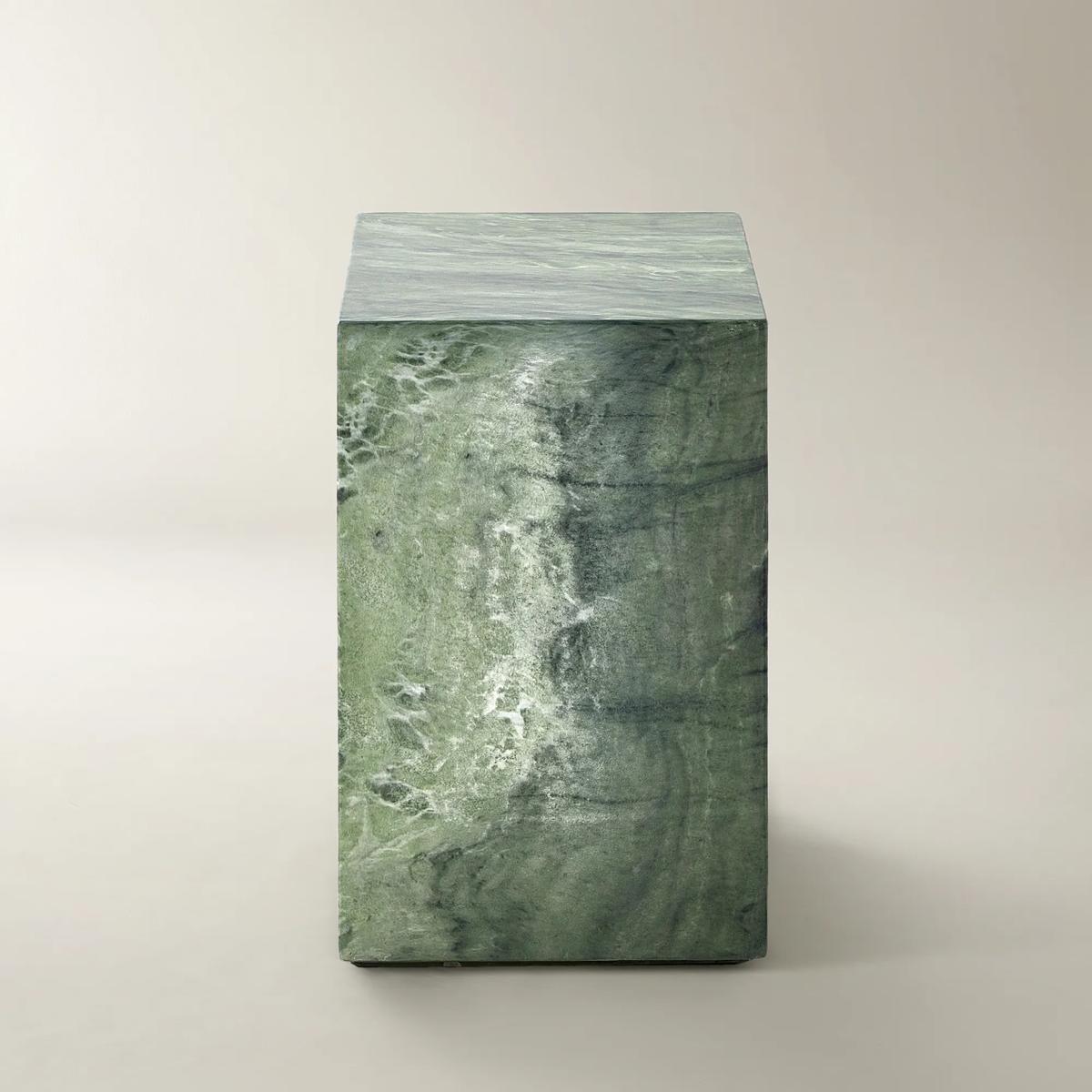
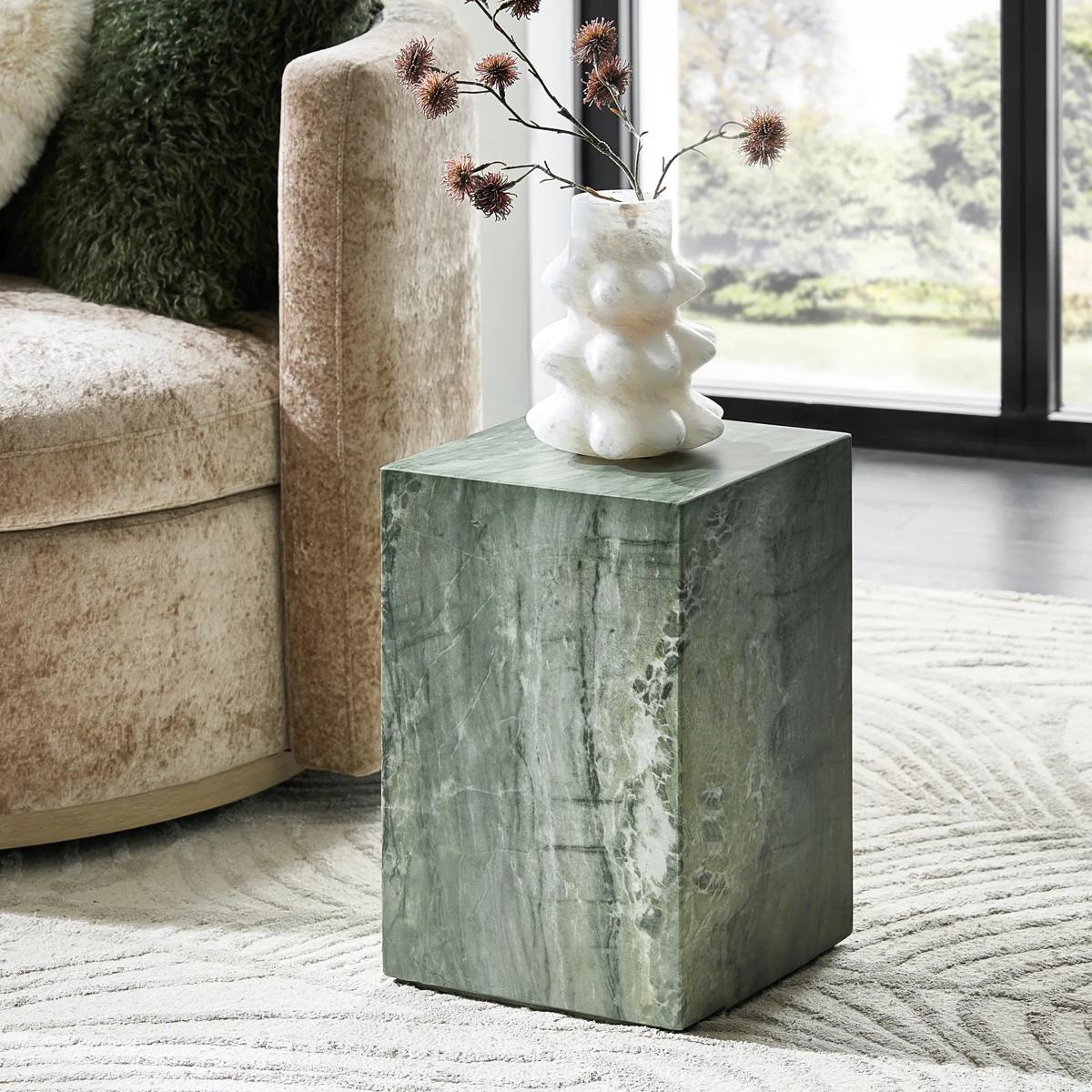 Strata Square Green Concrete Indoor/Outdoor Side Table (11.8")$299
A green concrete side table with marble-look veining and a sculptural cuboid form for indoor use.
Add To Cart -
 Strata Round Green Concrete Indoor/Outdoor Side Table (15")$349
A green concrete side table with rounded geometry and a marble-look finish for indoor-outdoor use.
Add To Cart -
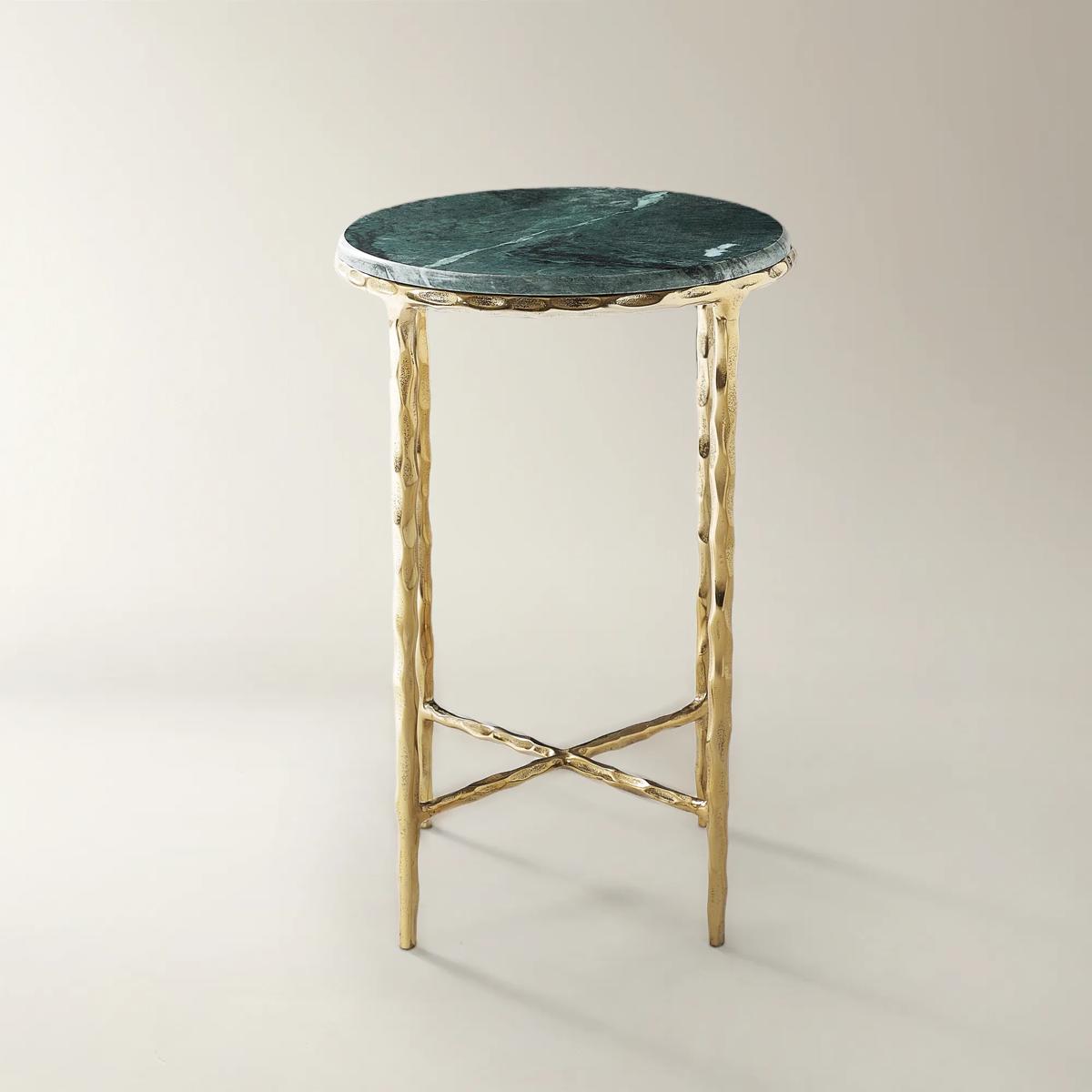
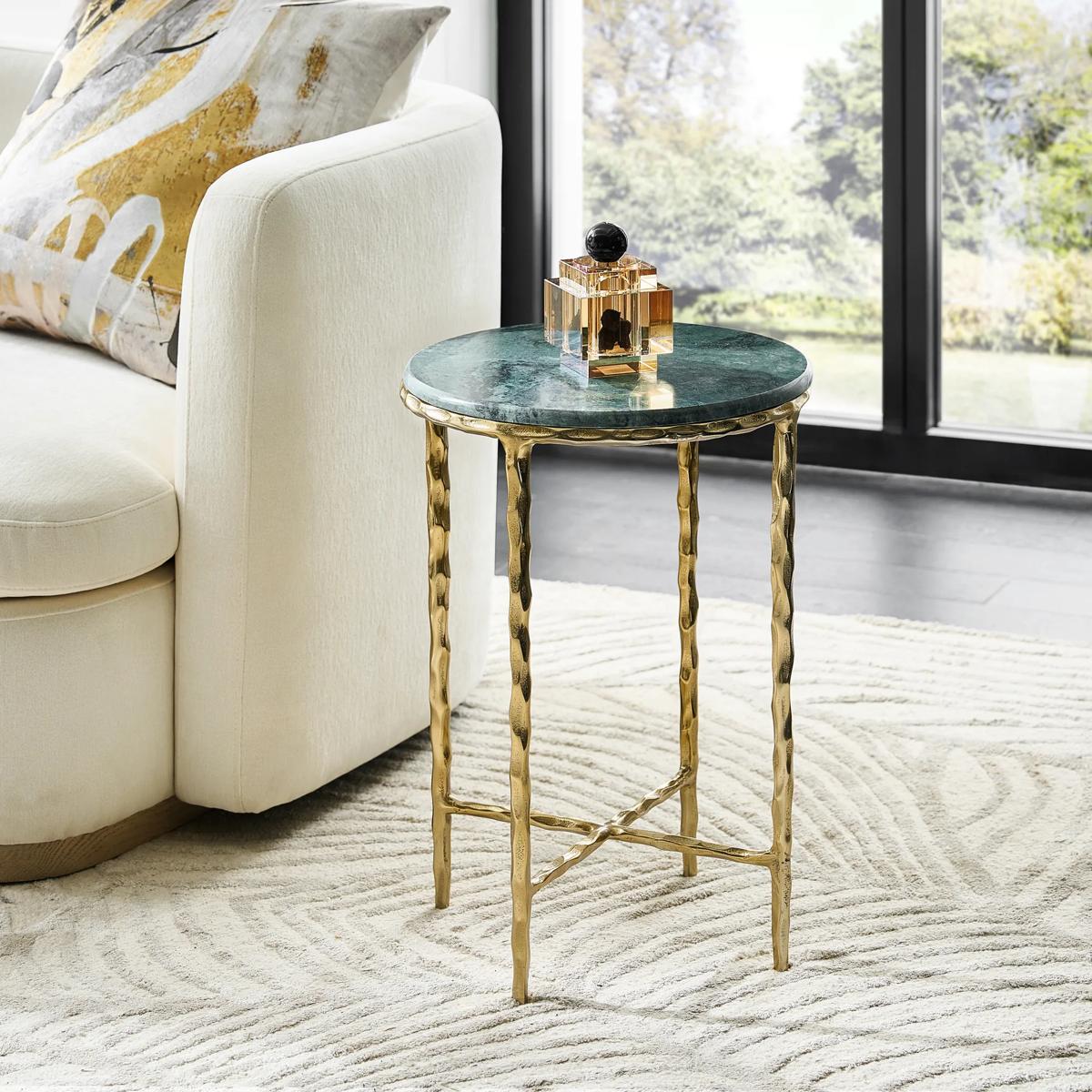 Juliet Round Green Marble Side Table (15")$269
A striking side table featuring a deep green Indian marble top and a hand-hammered metal base.
Add To Cart -
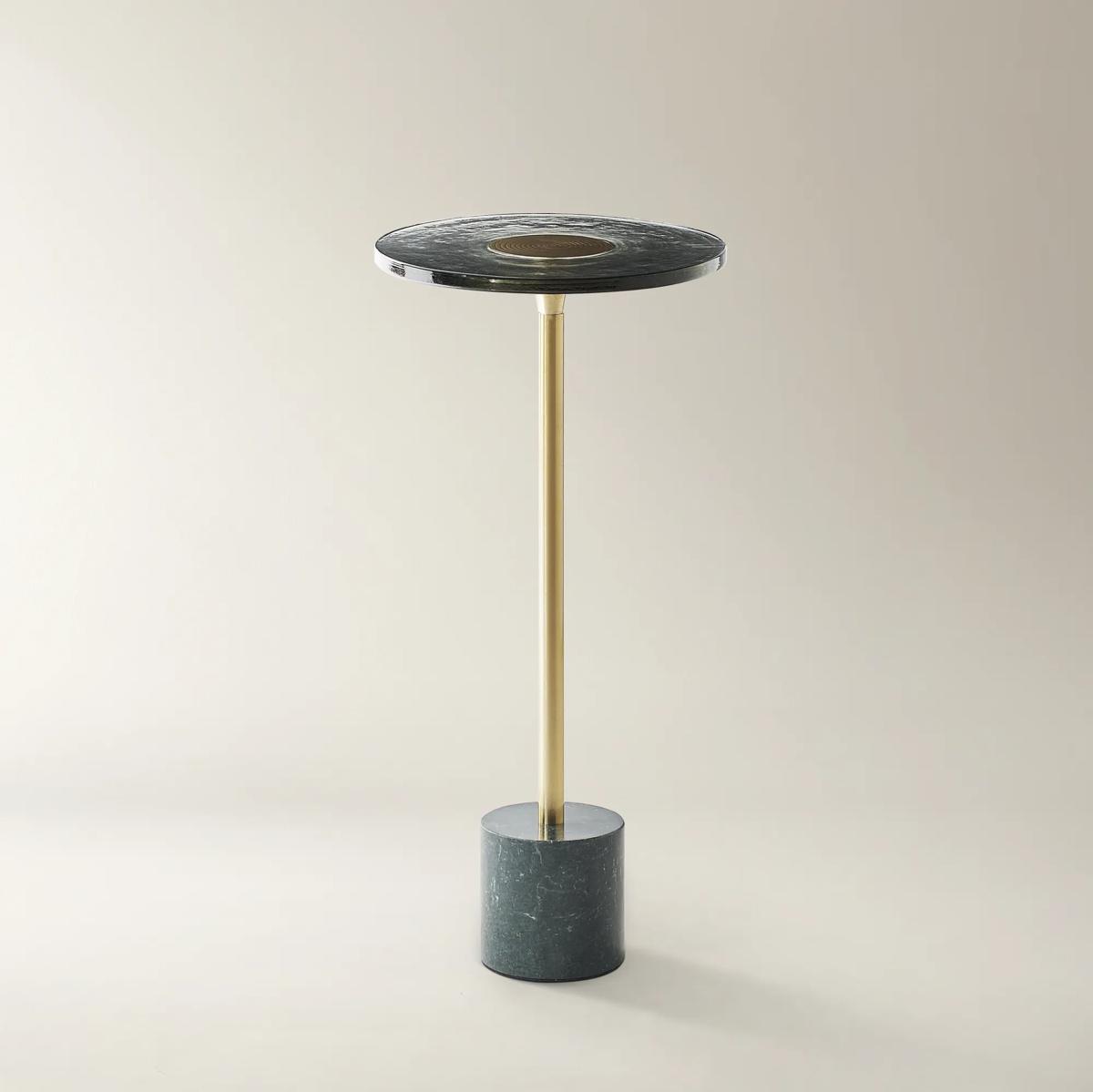
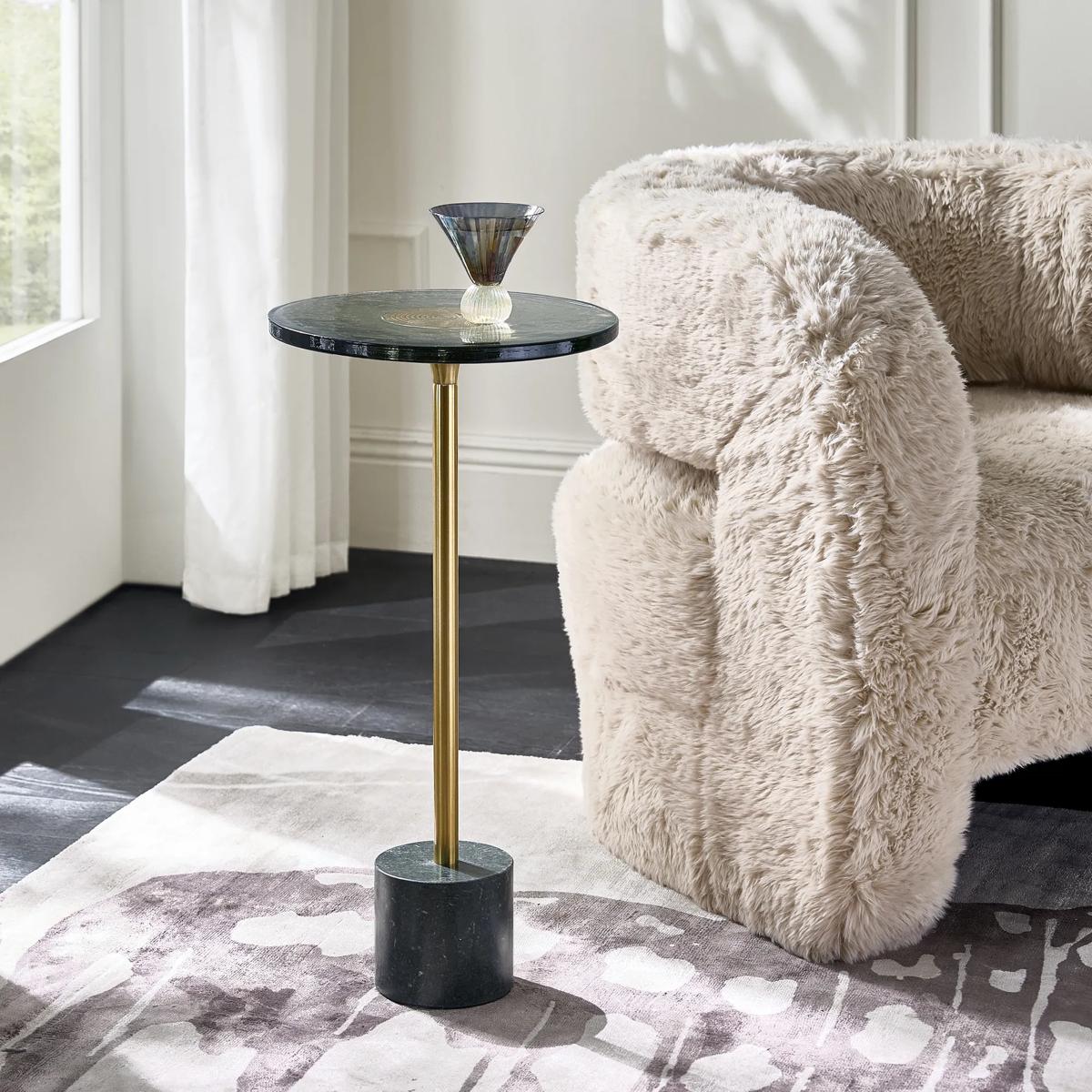 Seraphy Round Green Metal Side Table With Glass Top (13.75")$179
A modern side table featuring a green cast glass top, brass-finished post, and Indian green marble base.
Add To Cart -
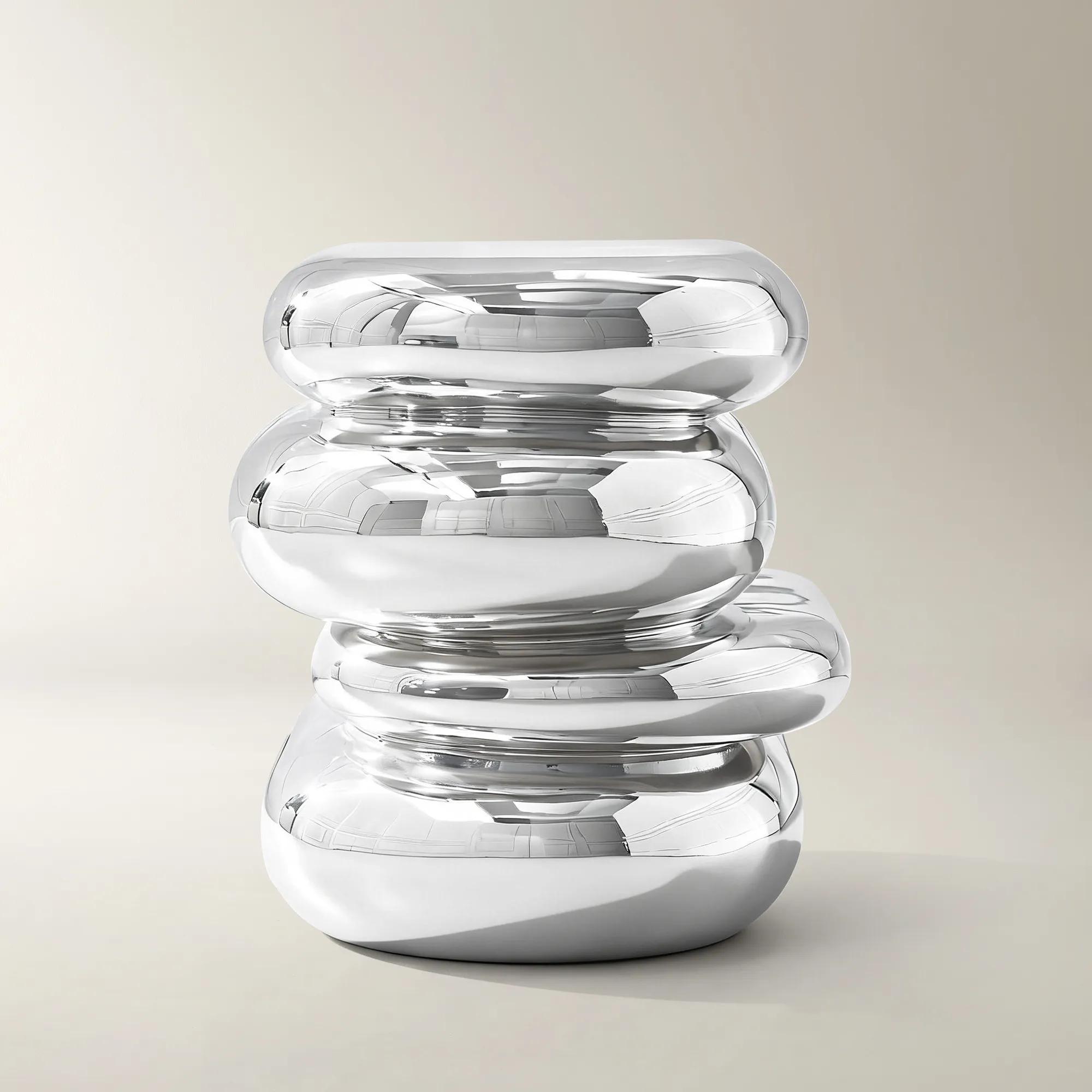 Forma Stacked Chrome Side Table (19.9")$699
A sculptural accent table crafted from seamless fiberglass with a reflective chrome finish and rounded tiers.
Add To Cart -
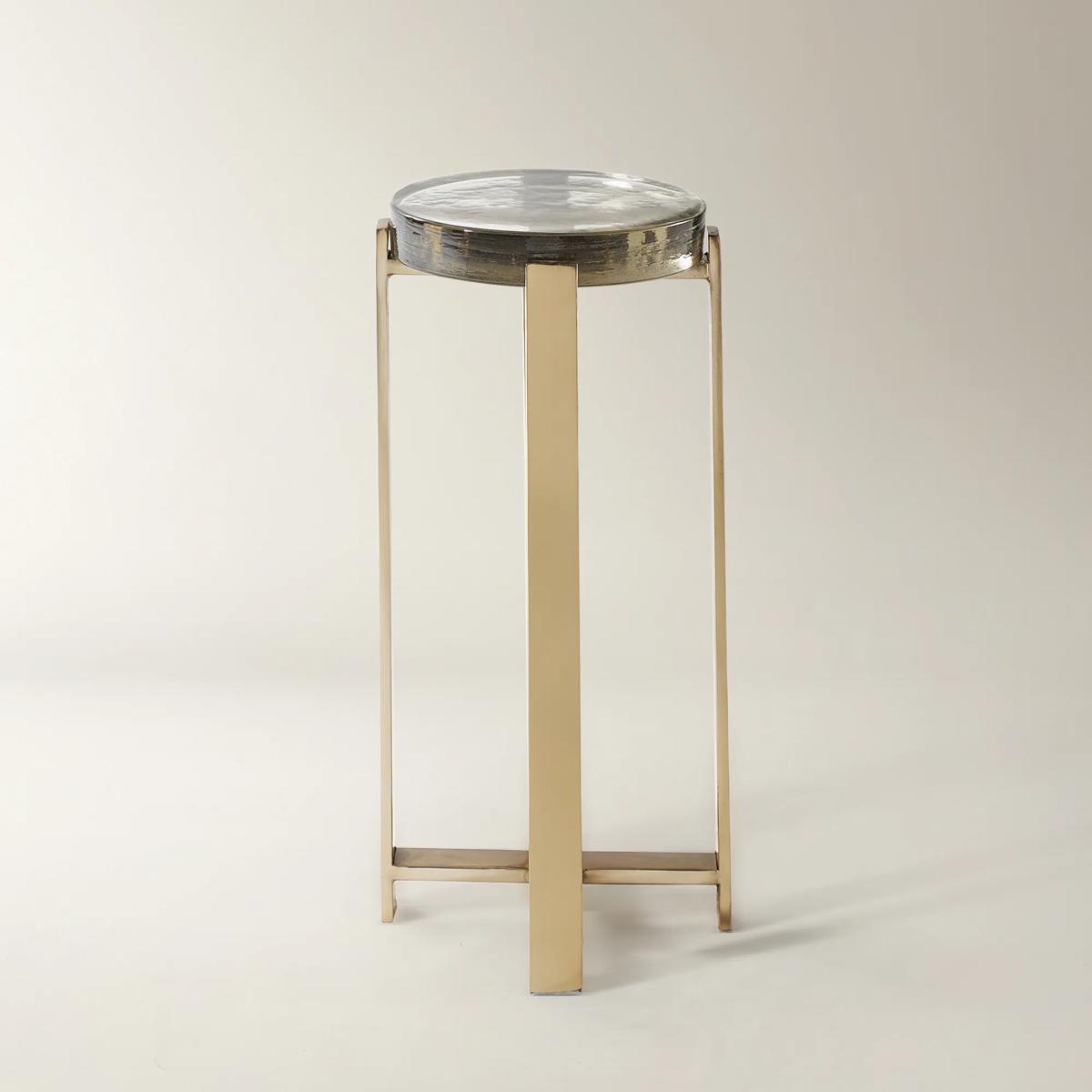
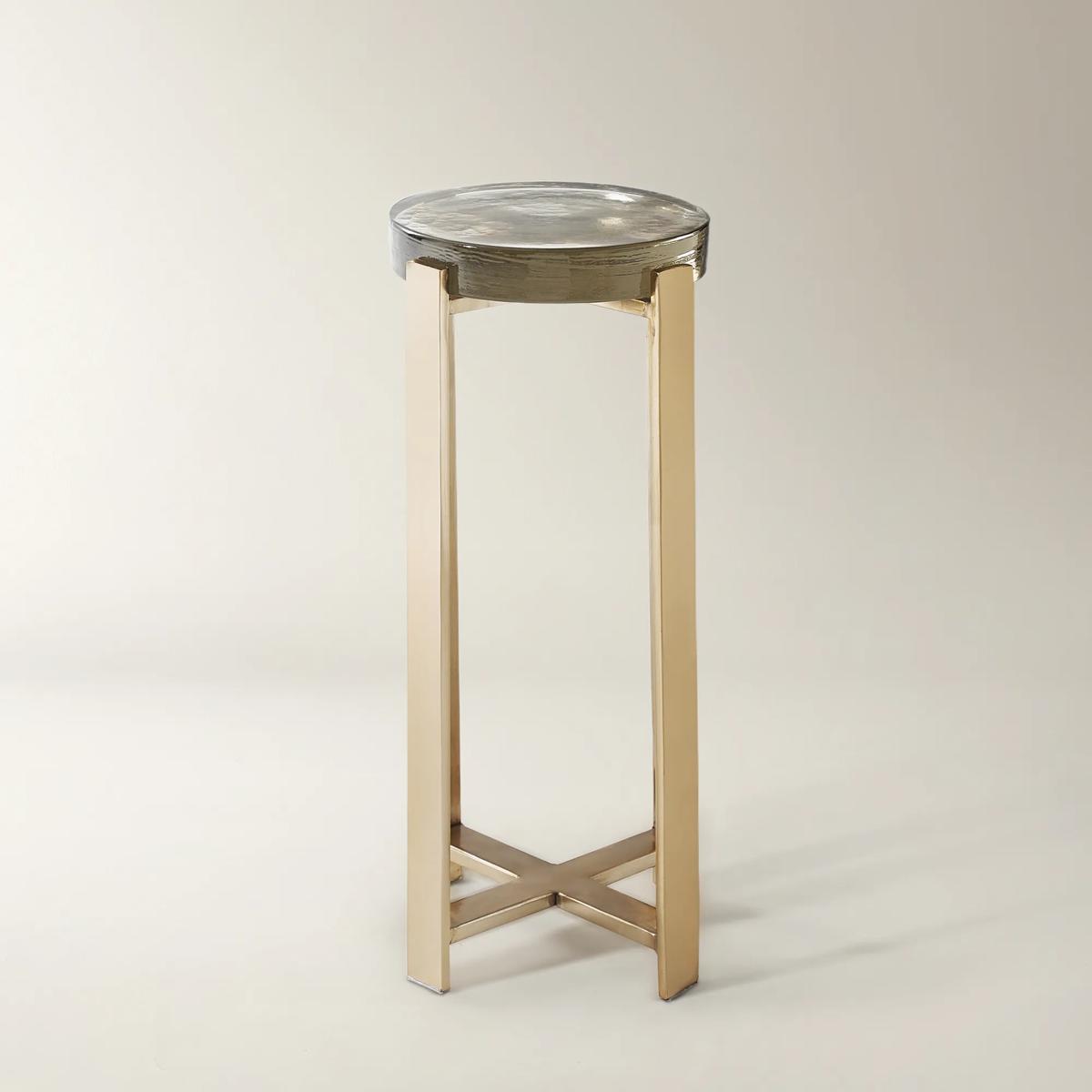 Lyra Round Brass Metal Side Table With Glass Top (10.75")$259
A sculptural side table featuring a thick cast glass top and lustrous brass-finished metal base.
Add To Cart -
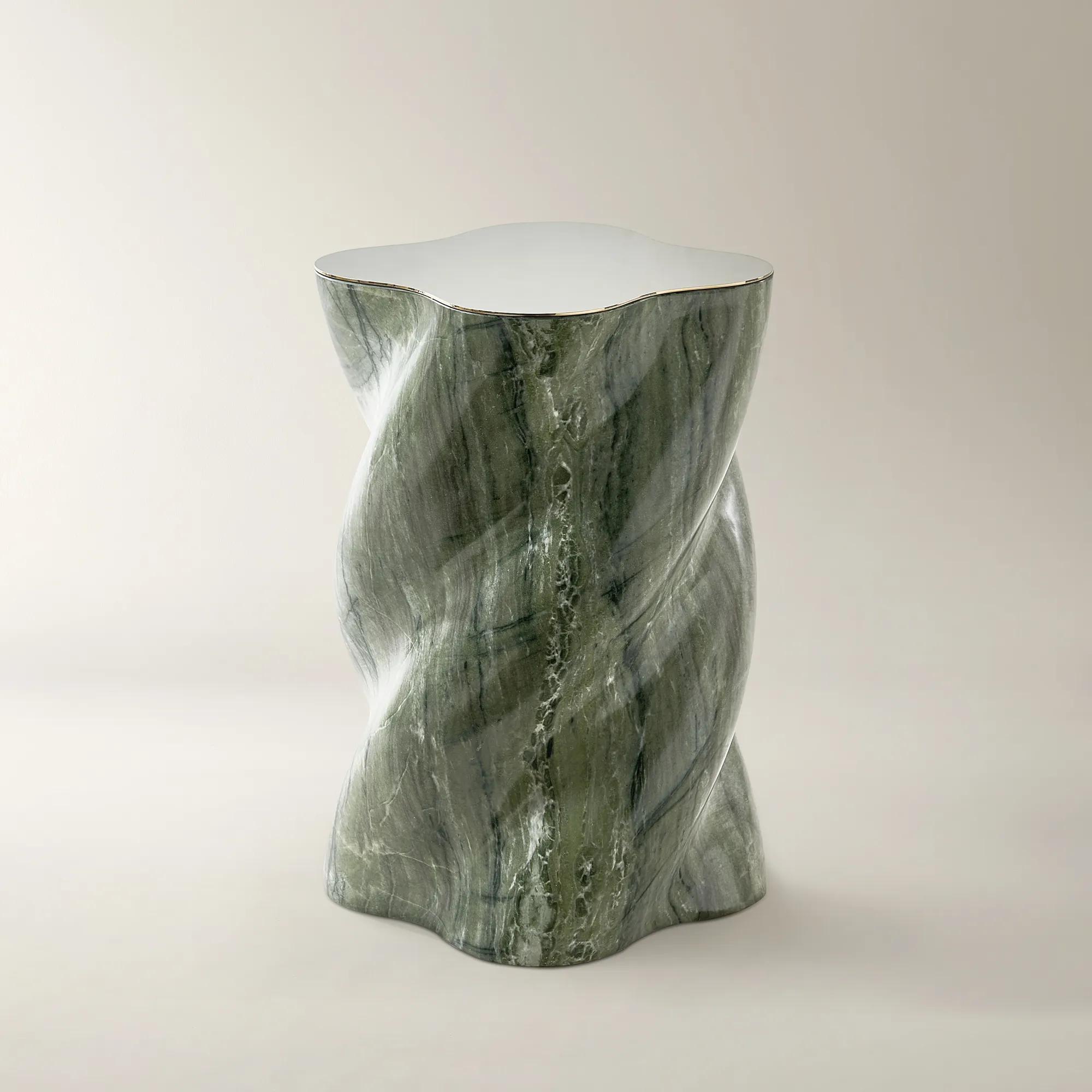 Vega Malachite Green Concrete Indoor/Outdoor Side Table With Stainless Steel Top (13.8")$459
A green concrete side table with a sculptural pedestal, marble-inspired finish, and removable stainless-steel top.
Add To Cart -
 Thalia Glossy Black Side Table Set Of 2 (8"-12.5")$599
A sculptural duo of glossy black fiberglass tables with fluid lines and mirror-like lacquered finish.
Add To Cart -
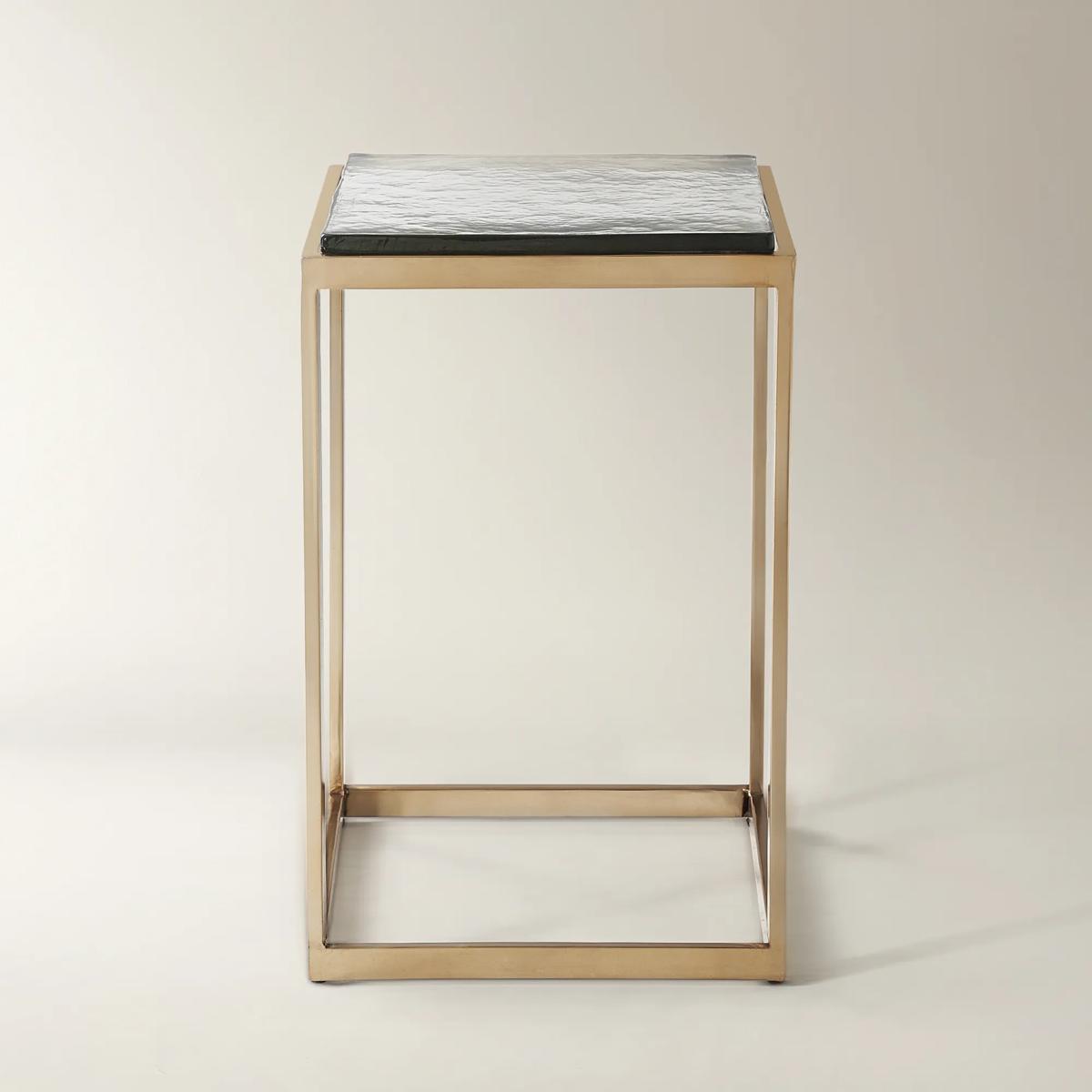
 Lyra Square Brass Metal Side Table With Glass Top (13.8")$239
A sculptural side table featuring a thick cast glass top and a lustrous brass-finished metal base.
Add To Cart -
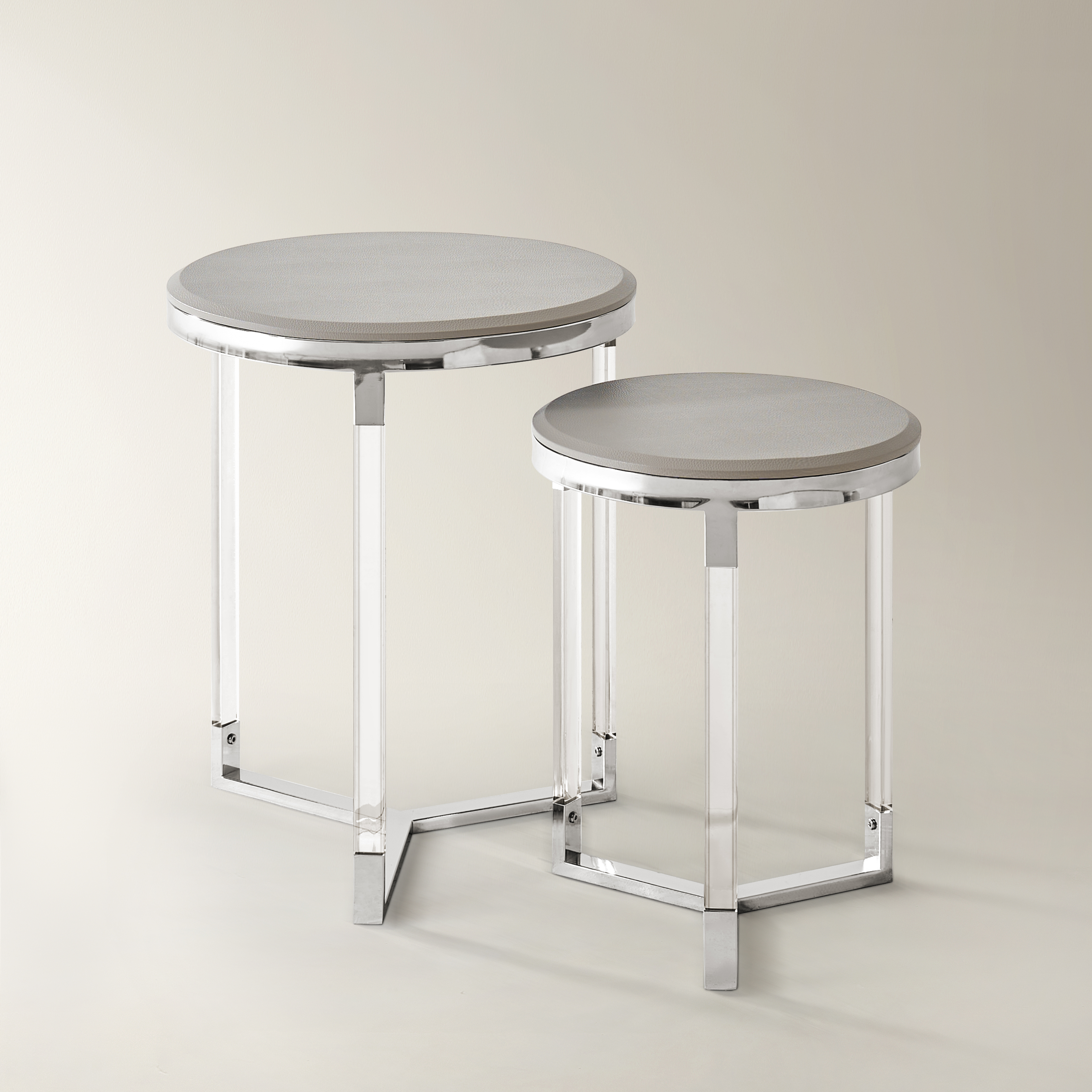
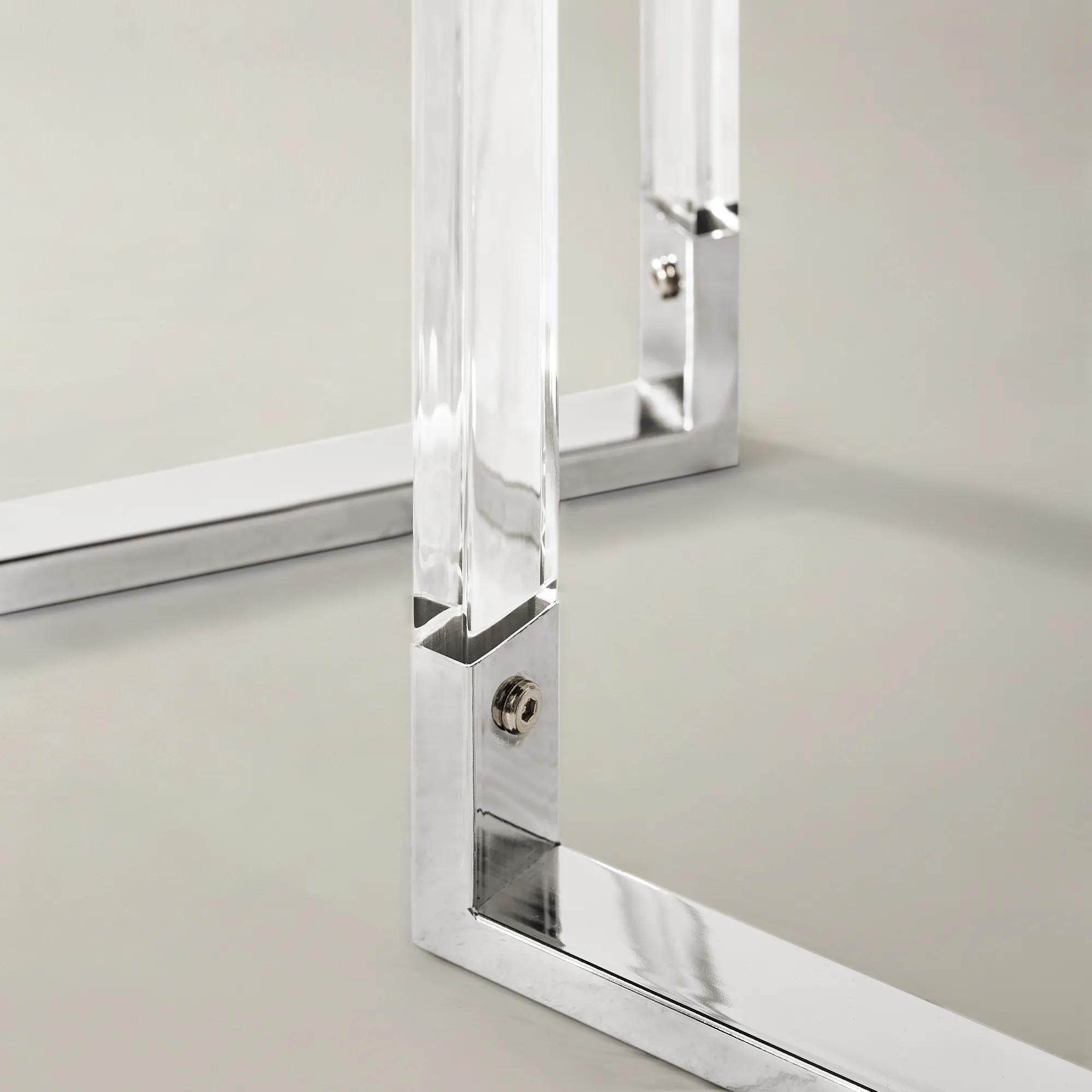 Murano Round Grey Accent Table With Faux Leather Top Set Of 2 (14.5"-18.5")$399
A bold set of two accent tables featuring mixed woods, acrylic legs, and faux leather tops.
Add To Cart -
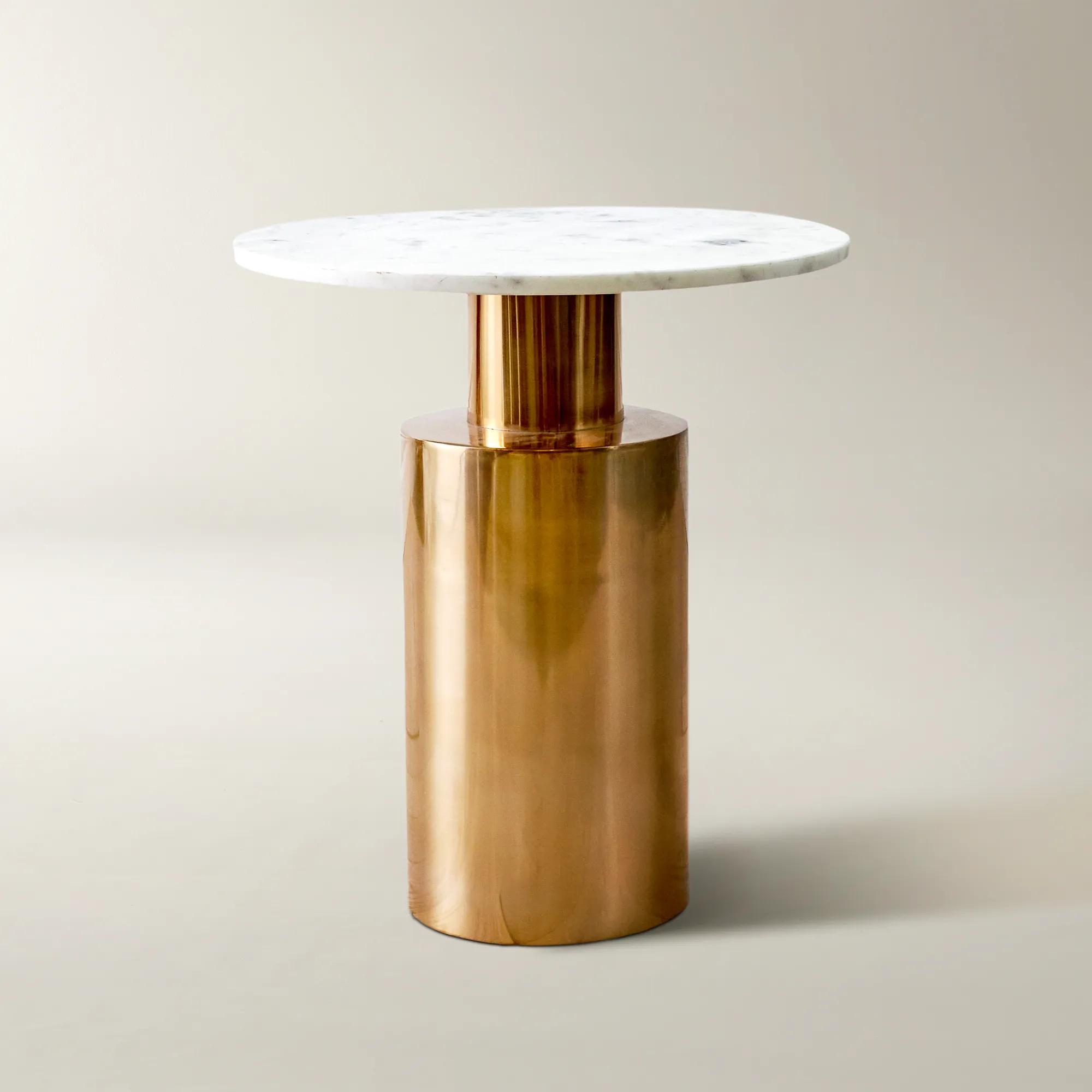 Capri Round White Marble Accent Table (16")$299
A striking accent table featuring a white marble top and gold-finished stainless steel base.
Add To Cart -
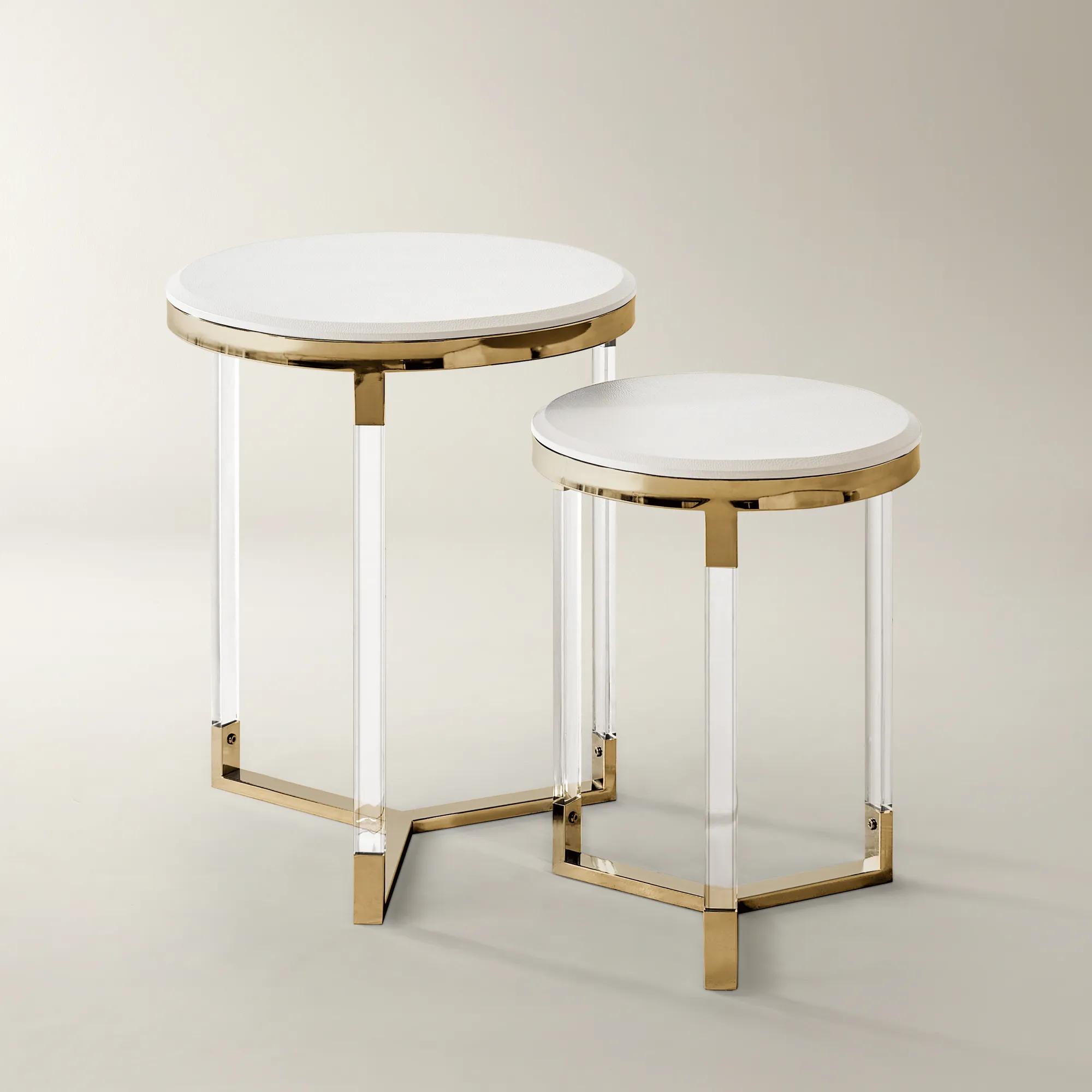
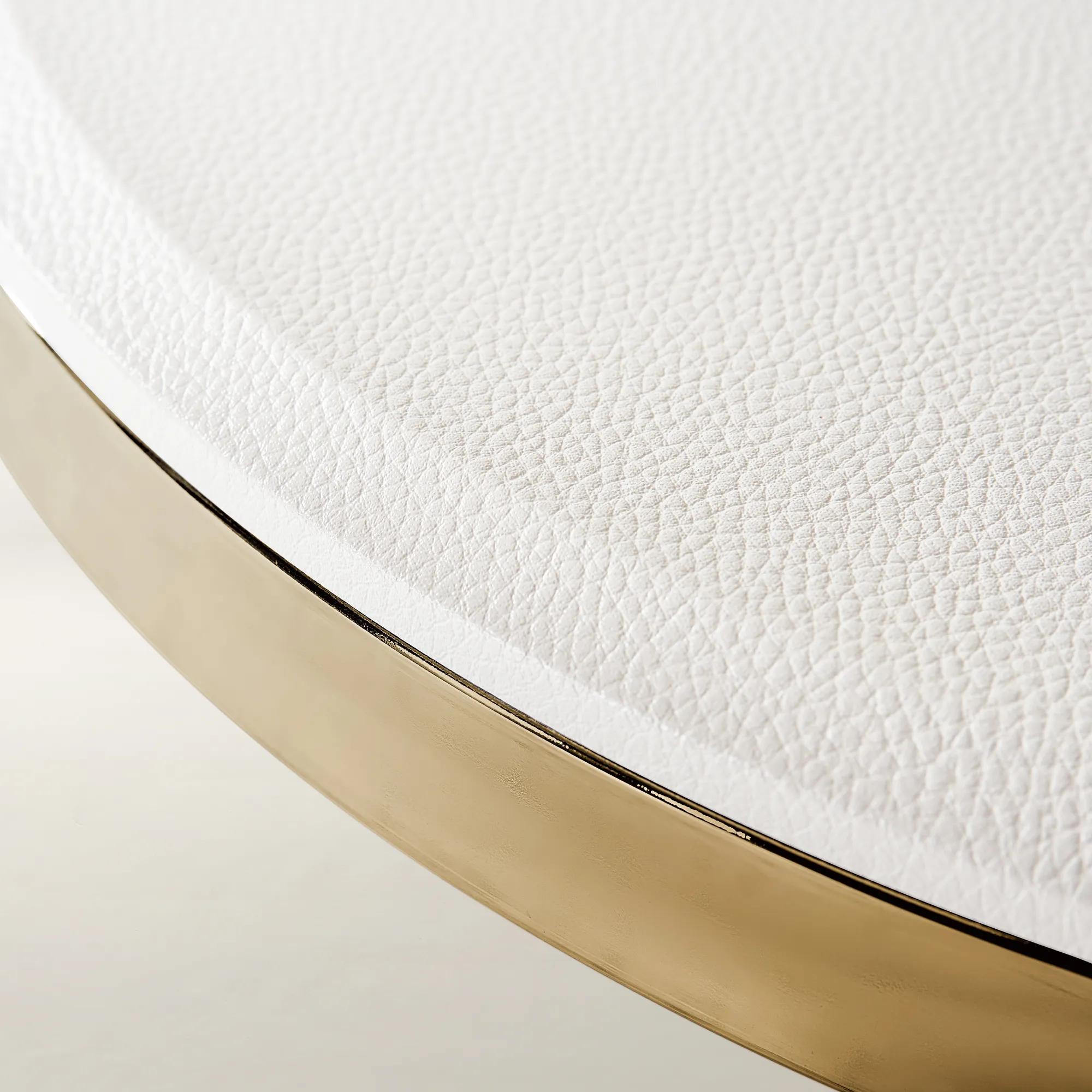 Murano Round White Accent Table With Faux Leather Top Set Of 2 (14.5"-18.5")$399
A set of two accent tables featuring mixed woods, faux leather tops, and acrylic legs with metallic finishes.
Add To Cart -
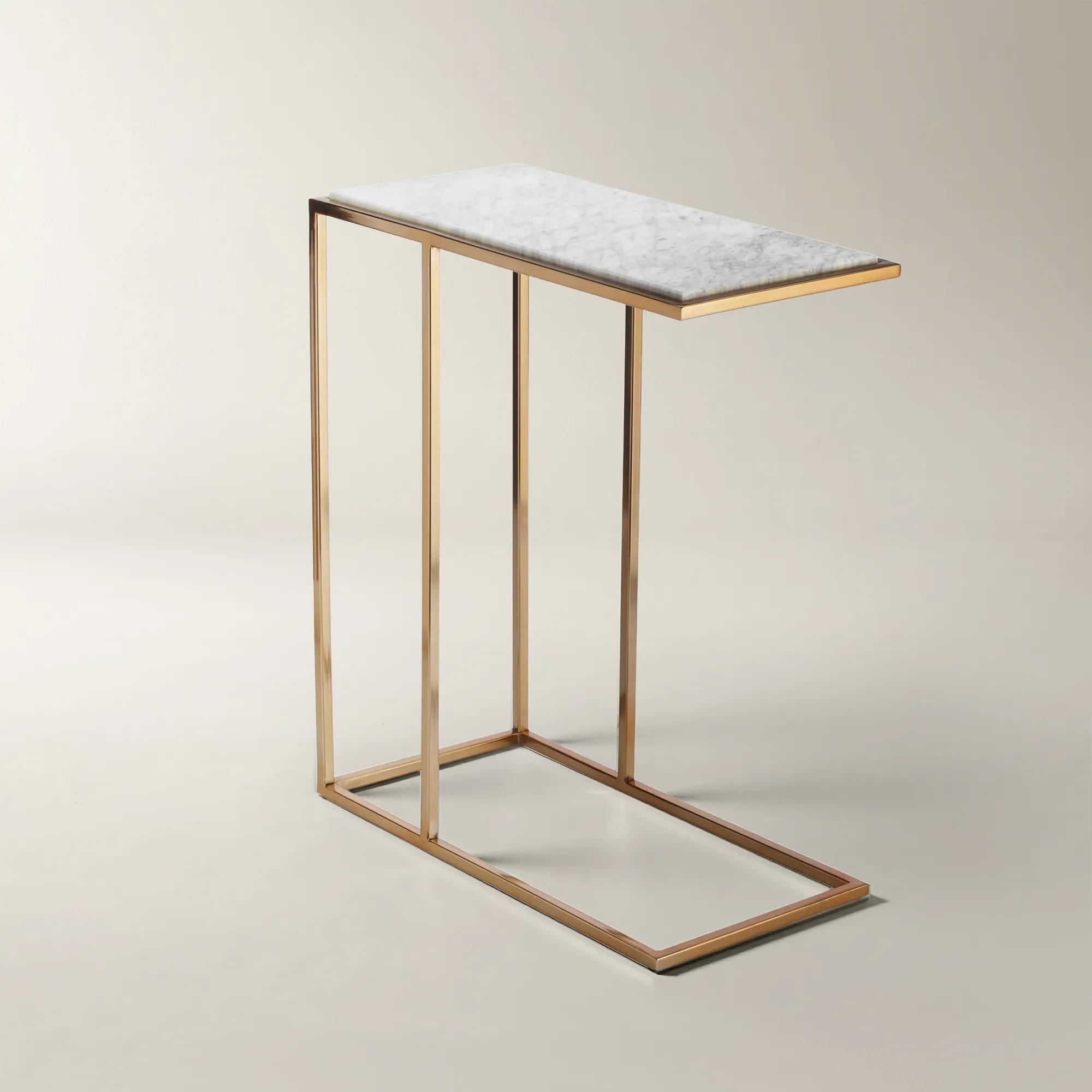
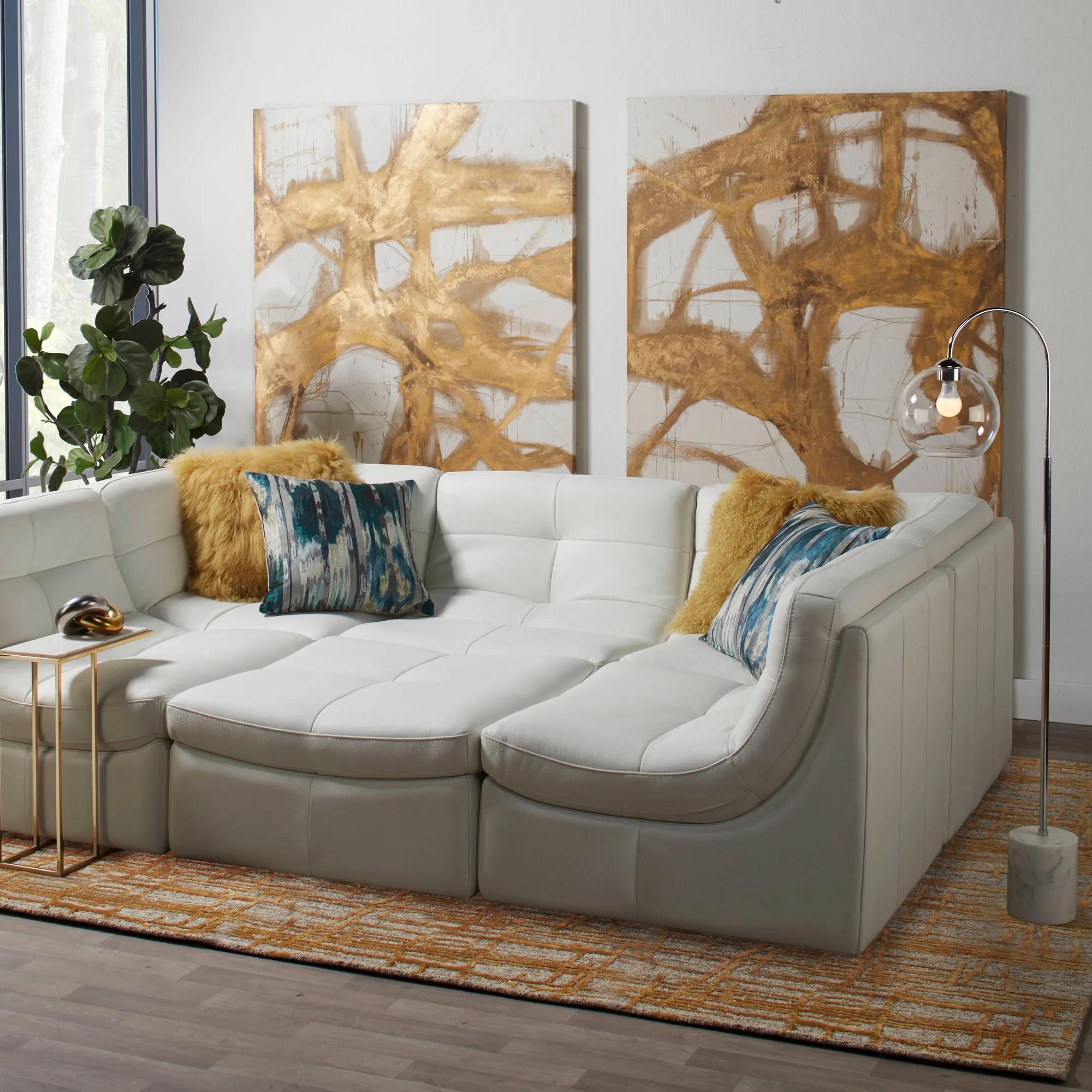 Lawton Rectangular Gold Stainless steel Accent Table With Marble Top (19.75")$259
A space-saving table featuring a white marble top and gold-finished stainless steel base.
Add To Cart

Side Tables For Beside Sofa
Explore side tables to place beside your sofa, giving drinks, books, and decorative accents an elegant home within reach. Browse the selection for an end table that complements your seating, comparing its height with your sofa’s arms and its footprint with your available space. The right proportions make room for everyday essentials while adding a distinctive finishing touch.
Side tables beside a sofa give a seating area its finishing gesture: a gleaming surface for a drink, a sculptural counterpoint to soft upholstery, and a place for the details that make a room feel personal. The most comfortable sofa side table generally sits level with the sofa arm or a few inches below it, keeping everyday essentials within reach without an awkward stretch. Tables around 21 to 25 inches tall suit some sofas, but the actual arm height matters more than a standard measurement; low-profile seating and generously rolled arms call for different proportions. Width and depth shape the experience just as much. A narrow end table can bring definition to a compact apartment without crowding the path beside the couch, while a more substantial square table can balance the presence of a deep sofa. Round side tables soften the geometry of boxy seating and create a graceful outline near walkways, although their widest point still needs adequate clearance. Rectangular silhouettes settle neatly beside longer sofa arms, offering room for a lamp and a drink without extending too far into the room. A C-shaped side table serves a different purpose: its base slips beneath compatible seating so the top reaches over the cushion, bringing a small surface closer for reading or a cup of tea. That fit depends on both under-sofa clearance and the distance between the table’s base and top. Beside a reclining sofa, room for the moving footrest is equally important. These proportions allow a side table to feel composed rather than squeezed into place. In an open living room, a strong pedestal can give the end of a floating sofa a deliberate visual anchor. In a tighter corner, an airy metal frame or transparent top can preserve sightlines while still lending the seating arrangement a polished, purposeful edge.
Material gives a sofa side table much of its character, influencing everything from reflected light to daily care. Glass introduces a luminous quality, allowing a patterned rug or richly upholstered sofa to remain visible through the surface. Clear glass feels visually light, while darker glass can add depth and a more dramatic outline; either benefits from attention to fingerprints, edge condition, and the manufacturer’s cleaning directions. Tempered glass offers greater impact resistance than ordinary glass, though it is not unbreakable. Mirrored surfaces amplify nearby light and decorative objects, making even a small table feel expressive, but their finish deserves protection from abrasive cleaners and hard knocks. Marble and other natural stones bring distinctive veining, subtle shifts in color, and a sense of permanence to the sofa’s edge. Their weight also matters when furniture is moved frequently. Because stone types and sealants vary, coasters and prompt attention to spills help protect the surface; acidic liquids can etch marble even when it has been sealed. Wood offers a warmer note against velvet, leather, or textured upholstery, with grain patterns that lend individuality to a sleek silhouette. Solid wood and wood veneer have different constructions, yet both can require protection from standing moisture, excessive heat, and harsh cleaning products. A veneer surface is not necessarily less refined; durability depends on the quality of its substrate, finish, edges, and overall construction. Metal brings another dimension, from the glow of a warm-toned finish to the crisp reflection of polished chrome. Its care should follow the finish rather than appearance alone, since abrasive polishing can damage protective coatings. For everyday use, stability, secure joints, and a sound base matter as much as visual impact. A slender table should feel steady when a glass is placed on it, and a larger tabletop should be supported appropriately. The result is luxury that suits daily living: expressive materials paired with construction and care suited to the way the room is used.
The right side table also reflects the rituals surrounding the sofa. A dedicated reading seat benefits from enough surface area for a lamp, a book, and a beverage, with the lamp’s base leaving comfortable room for everything else. A table intended mainly for entertaining can be smaller, giving guests a convenient landing place without interrupting conversation or movement. Nesting tables introduce flexibility, separating when extra surfaces are useful and overlapping when a more compact arrangement is preferred. Their usefulness depends on how easily they move, whether each piece feels stable on its own, and how neatly their heights and bases work together. Designs with drawers conceal remotes and small essentials, while an open shelf can hold a few books beneath a more restrained tabletop. Storage is most effective when drawer fronts can open without meeting the sofa arm and lower shelves remain accessible beside the upholstery. For households with children or pets, rounded edges, a stable footprint, and suitable surface materials deserve particular attention; a small accent table is not intended to serve as a seat or climbing surface. Style can remain wonderfully expressive within those practical boundaries. A sculptural base beside a tailored sofa creates tension between clean lines and artistic form, while a richly grained top can temper a room filled with reflective finishes. Two tables flanking a sofa need not be identical to feel connected: a shared metal tone, similar height, or repeated curve can create cohesion without strict symmetry. The Side Tables For Living Room collection provides a broader setting for coordinating these accents with the rest of a seating arrangement. A tabletop gains presence from a few deliberate details rather than a crowded display: a ceramic vessel, a small stack of art books, or a lamp with a distinctive shade. Leaving an open area for everyday use keeps that composition inviting. Beside the sofa, the most compelling side tables bring convenience and visual drama into the same frame, turning an often-overlooked space into a considered part of the room.
FAQs
Side tables range from sleek contemporary silhouettes to sculptural statement pieces and glamorous designs with metallic accents. Choose clean lines for a polished backdrop, or embrace geometric bases and expressive finishes to bring an artful focal point to your sofa’s side.
Marble, glass, mirrored surfaces, and polished metal bring distinct layers of luxury to living room side tables. Marble introduces expressive natural veining, while glass and gleaming metallic finishes create a luminous mood. Rich wood or lacquer adds depth to the composition.
Matching side tables create a composed, symmetrical arrangement, while different designs give the room a more collected, expressive character. For a cohesive mix, connect the tables through a shared finish, color, or design detail—such as brass accents or sculptural curves.
Create a deliberate vignette with a distinctive table lamp, an artful vase, or a decorative box. Combine contrasting textures, such as glossy ceramic and brushed metal, and leave some of the tabletop visible so its finish remains part of the story.
Let the upholstery inspire either contrast or continuity. A velvet sofa pairs beautifully with luminous glass or metallic finishes, while richly grained wood adds warmth beside linen upholstery. Echo a color from your pillows or artwork in the table’s finish for a thoughtfully layered living room.