Narrow Sofa-Side End Tables
Narrow Sofa-Side End Tables
-
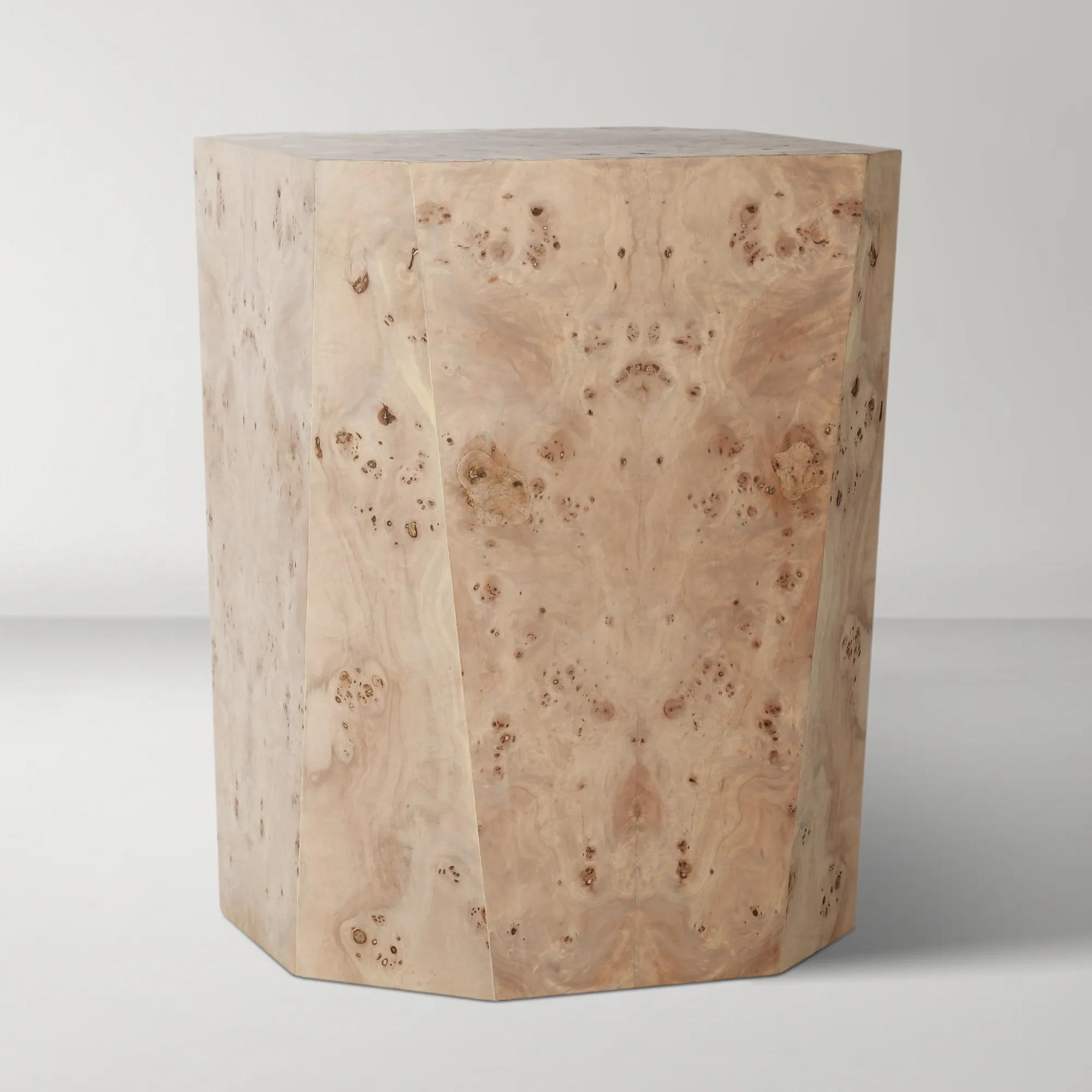
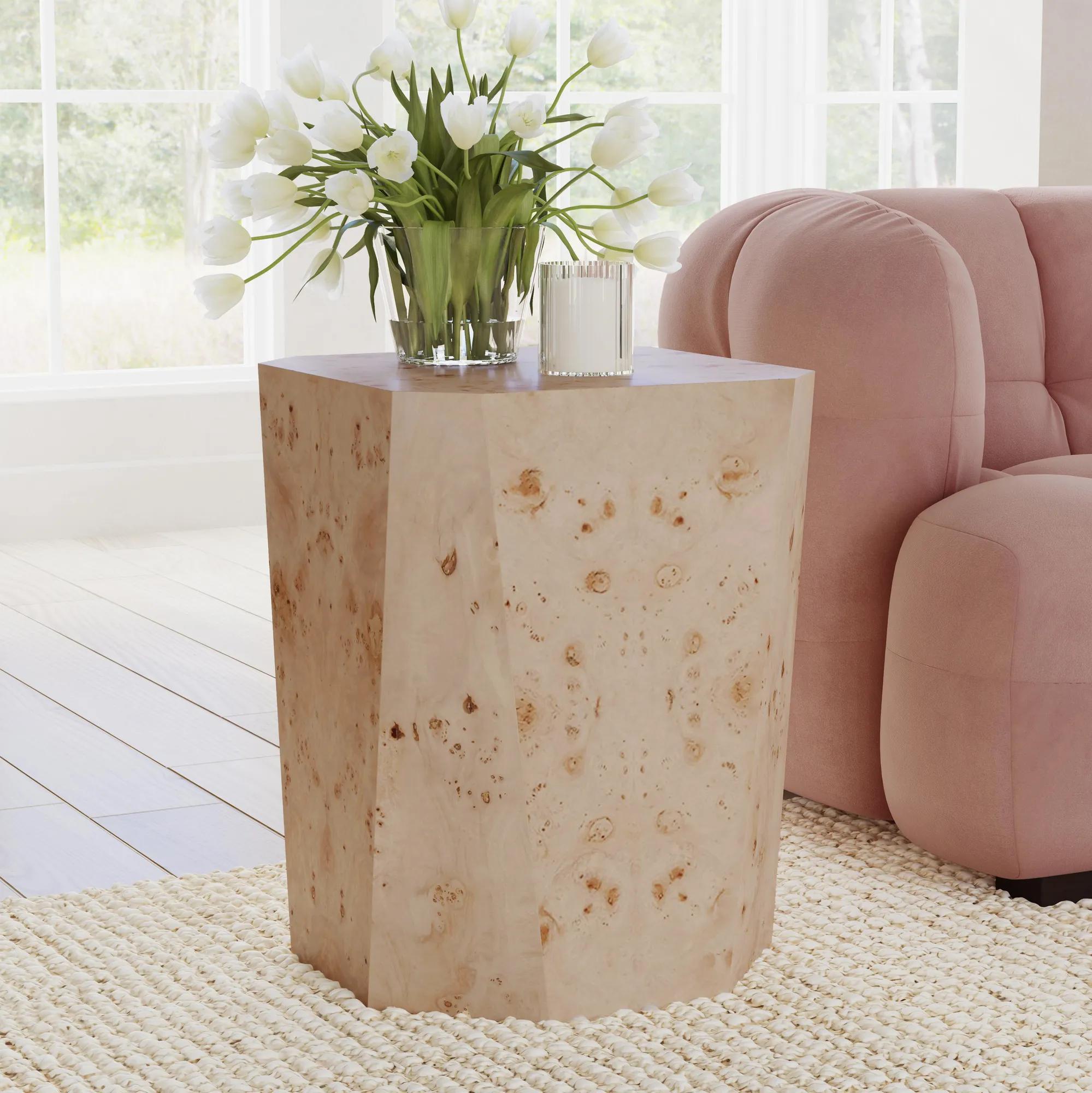 Avena Square Natural Burl Wood End Table (17.75")$699
A striking end table featuring natural burl wood veneer with unique swirling grain and warm, organic tones.
Add To Cart -
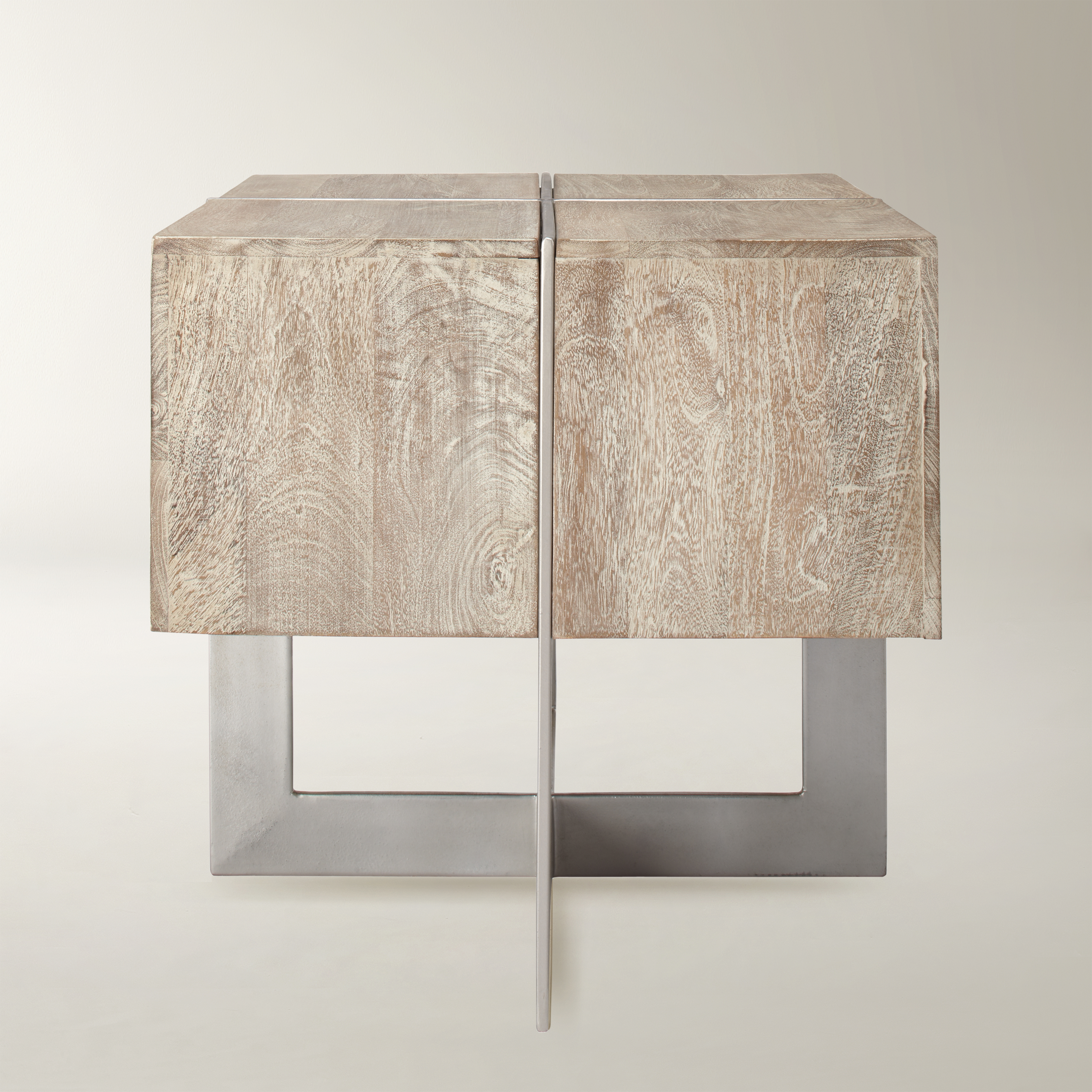
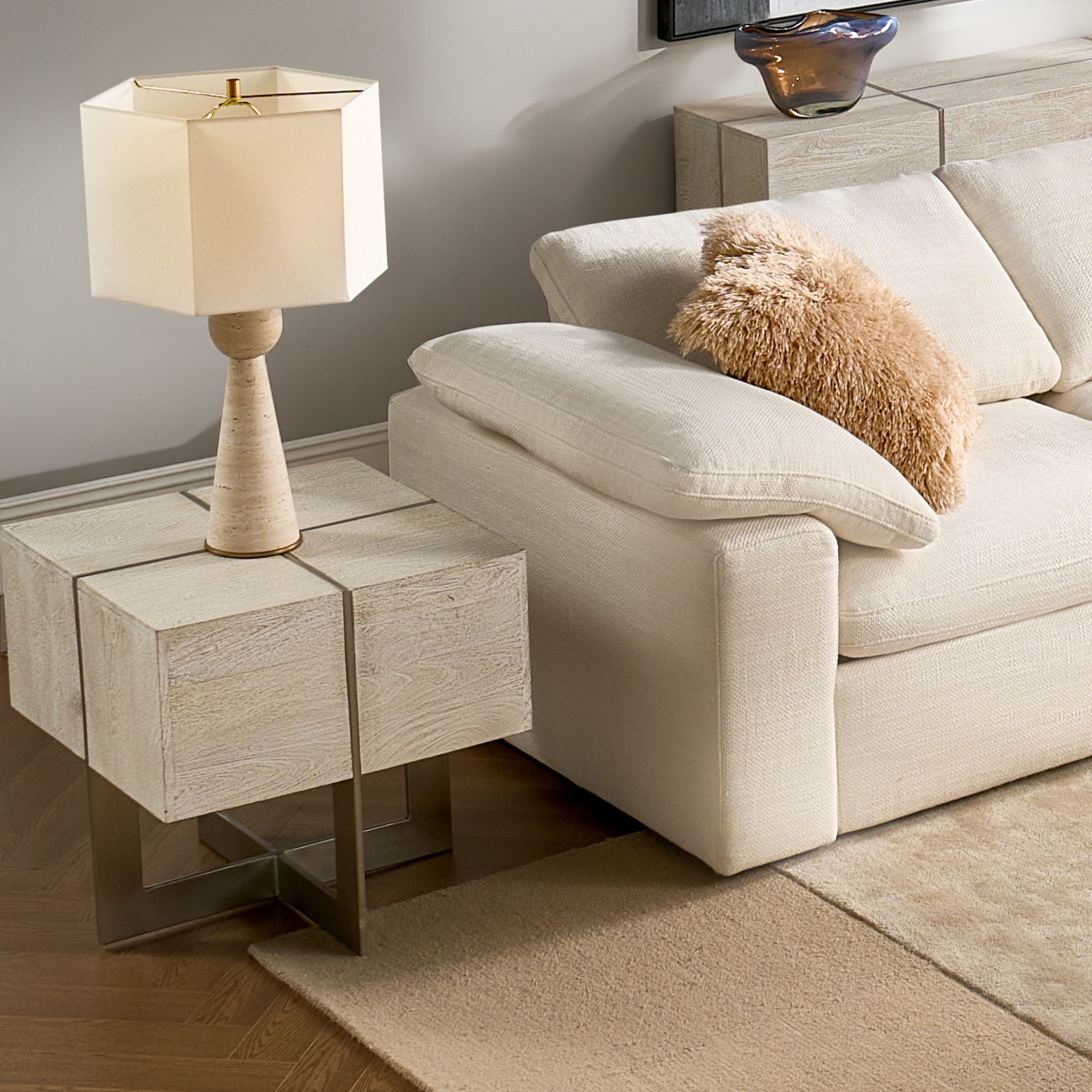 Clifton Square Natural Mango Wood End Table (24")$599
A handcrafted mango wood end table with a whitewashed finish and antiqued silver iron legs.
Add To Cart -
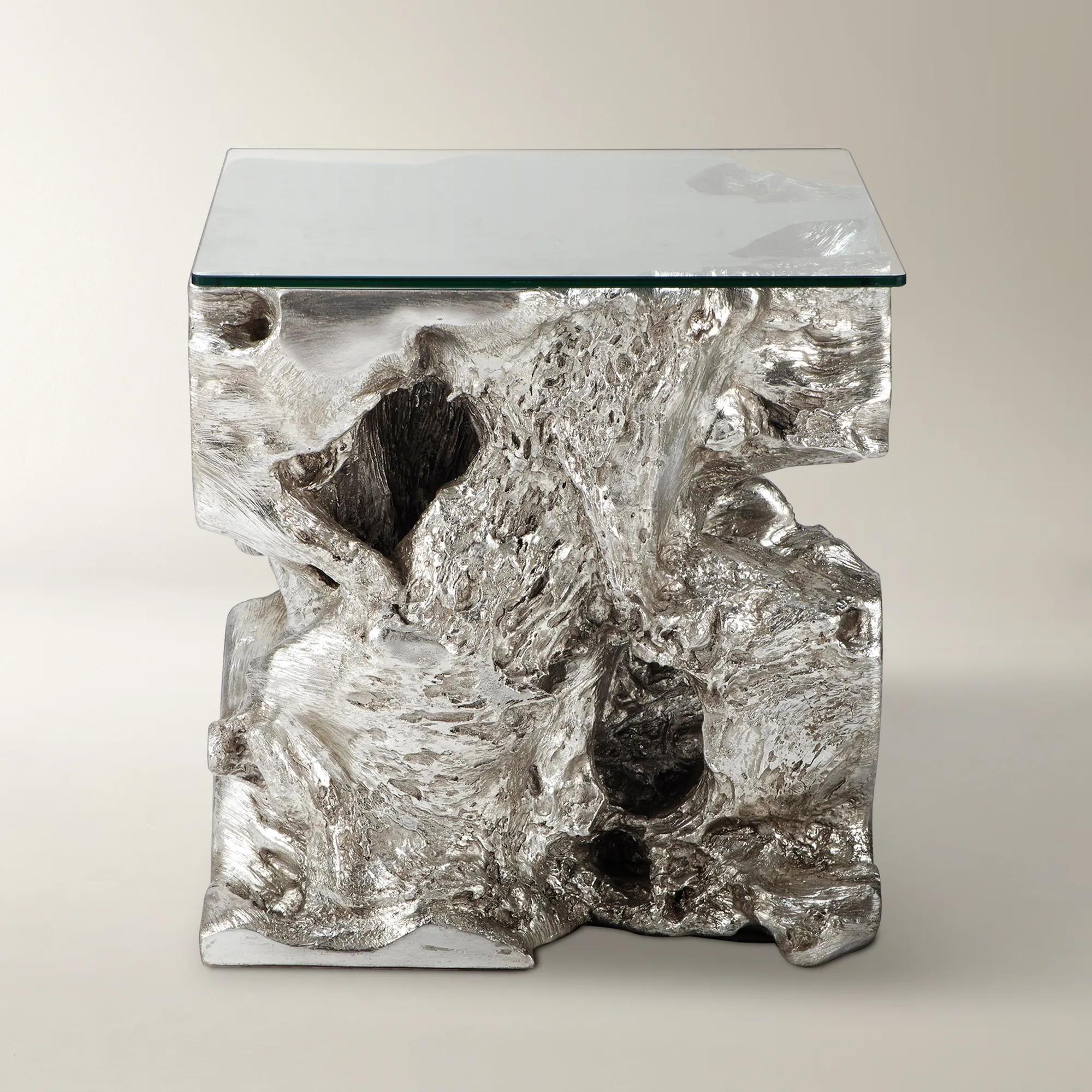 Sequoia Silver Resin End Table With Glass Top (22")$999
A sculptural end table featuring a silver leaf resin base and tempered glass top for modern elegance.
Add To Cart -
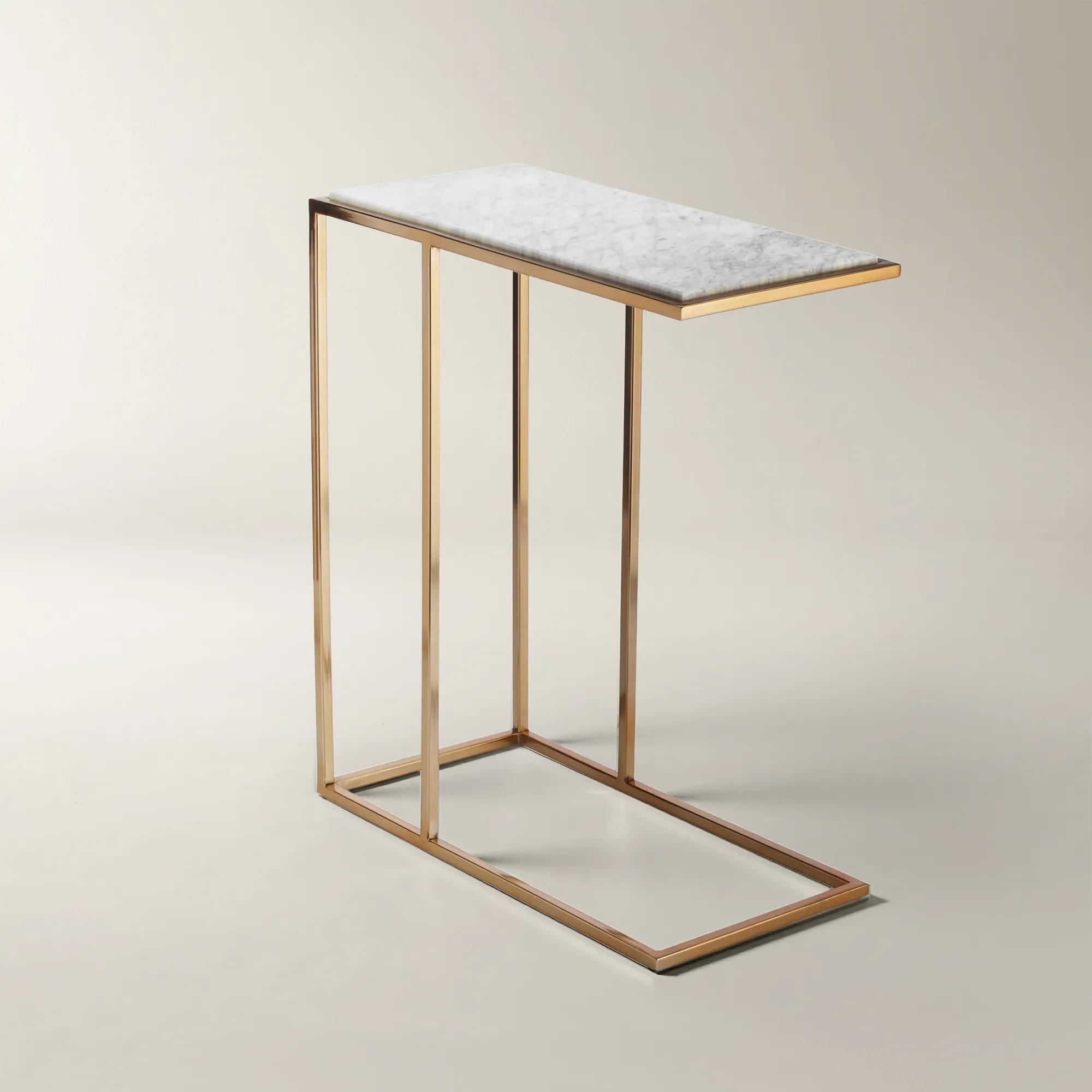
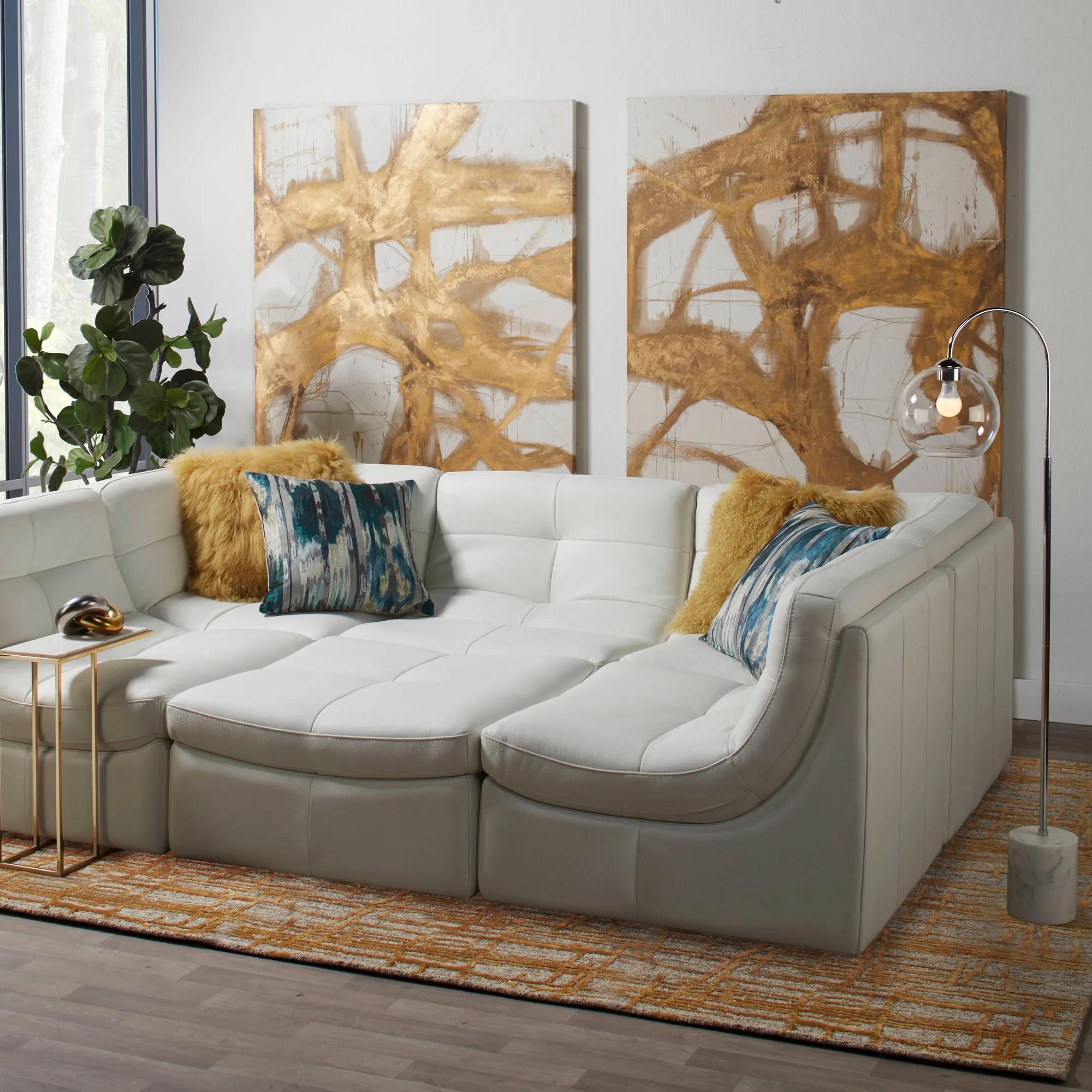 Lawton Rectangular Gold Stainless steel Accent Table With Marble Top (19.75")$259
A space-saving table featuring a white marble top and gold-finished stainless steel base.
Add To Cart -
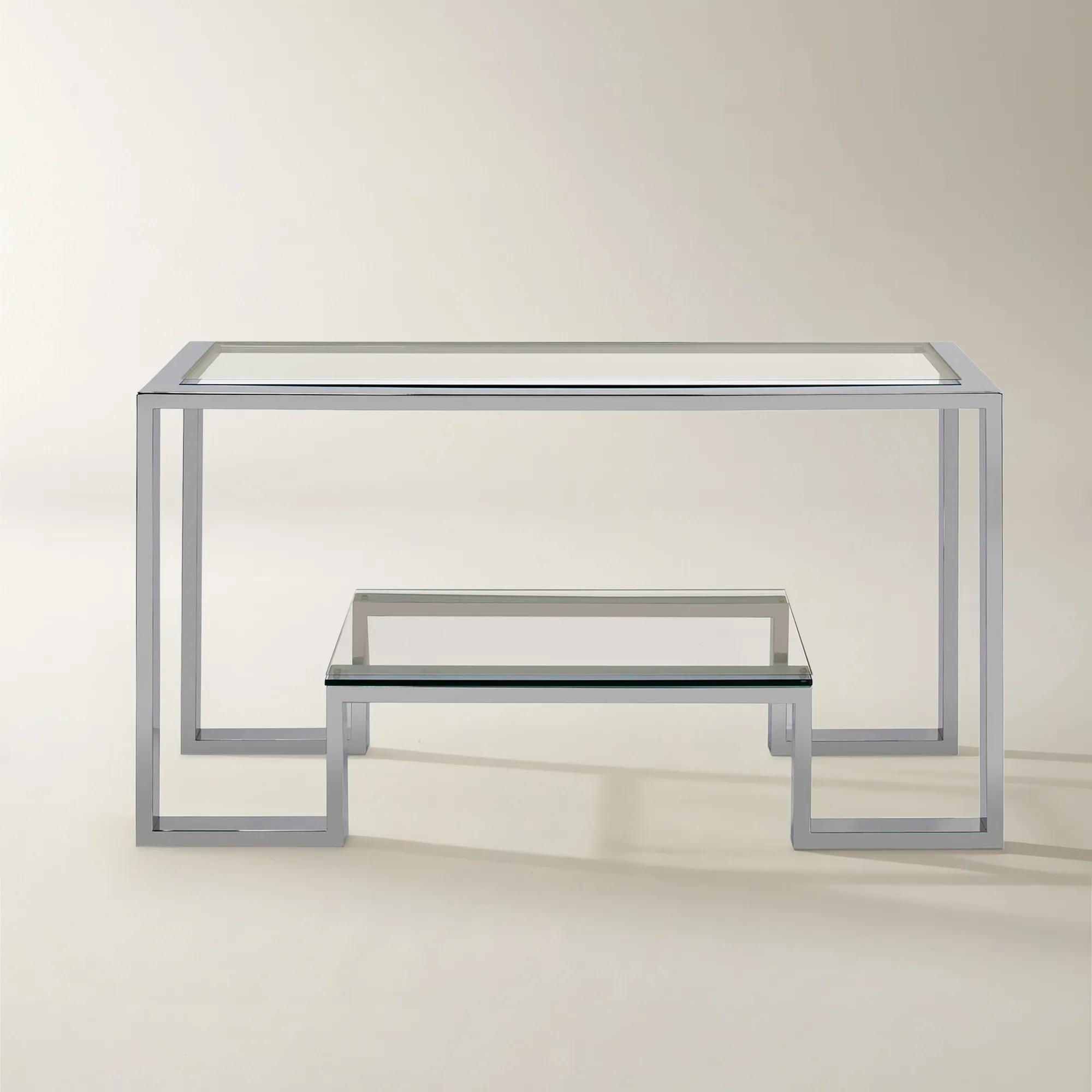
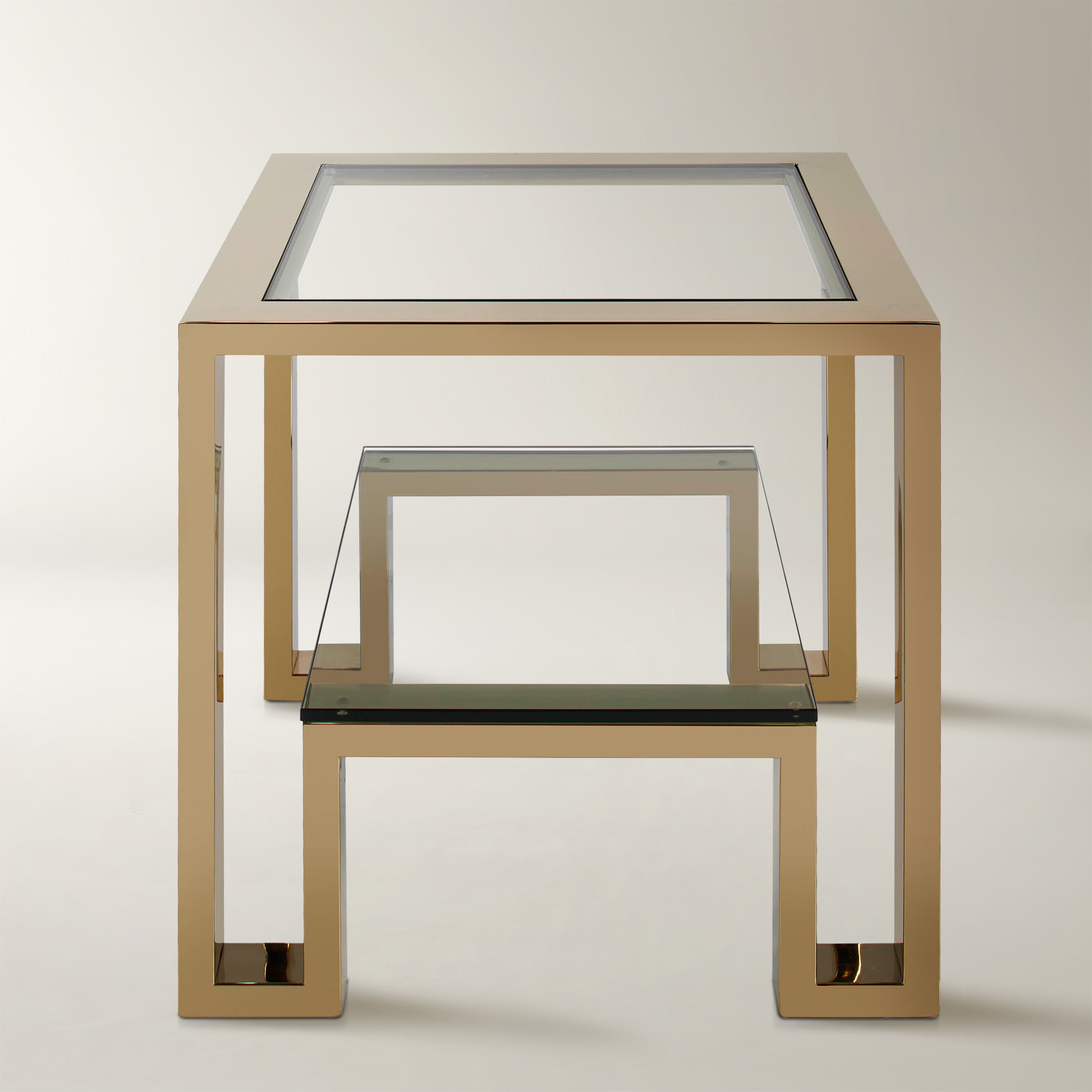 Duplicity Square Gold Stainless Steel End Table With Glass Top (24")$749
A modern end table crafted from stainless steel and tempered glass with a floating bottom shelf.
Add To Cart -
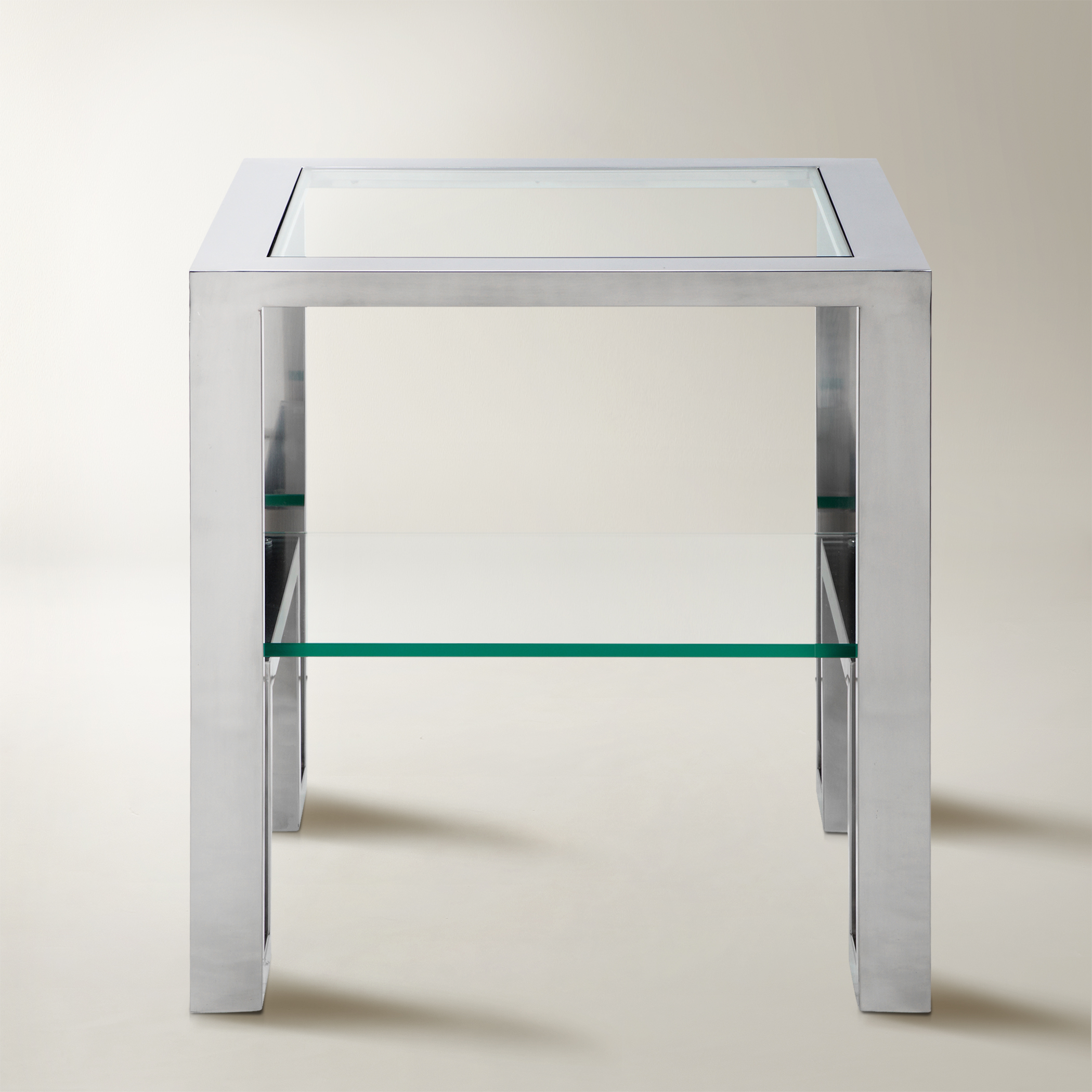
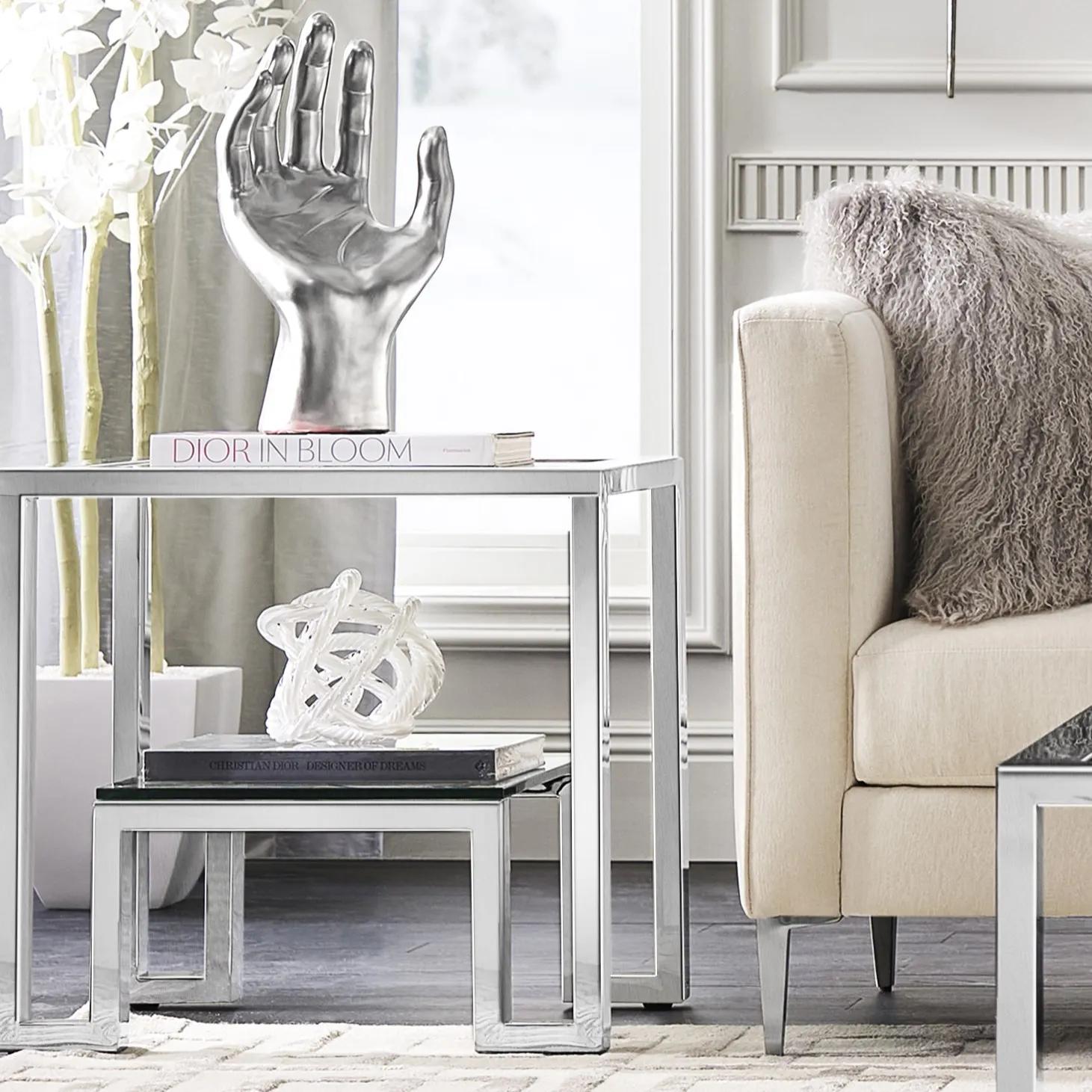 Duplicity Square Silver Stainless Steel End Table With Glass Top (24")$749
A modern end table featuring a stainless steel frame, tempered glass top, and floating bottom shelf.
Add To Cart -
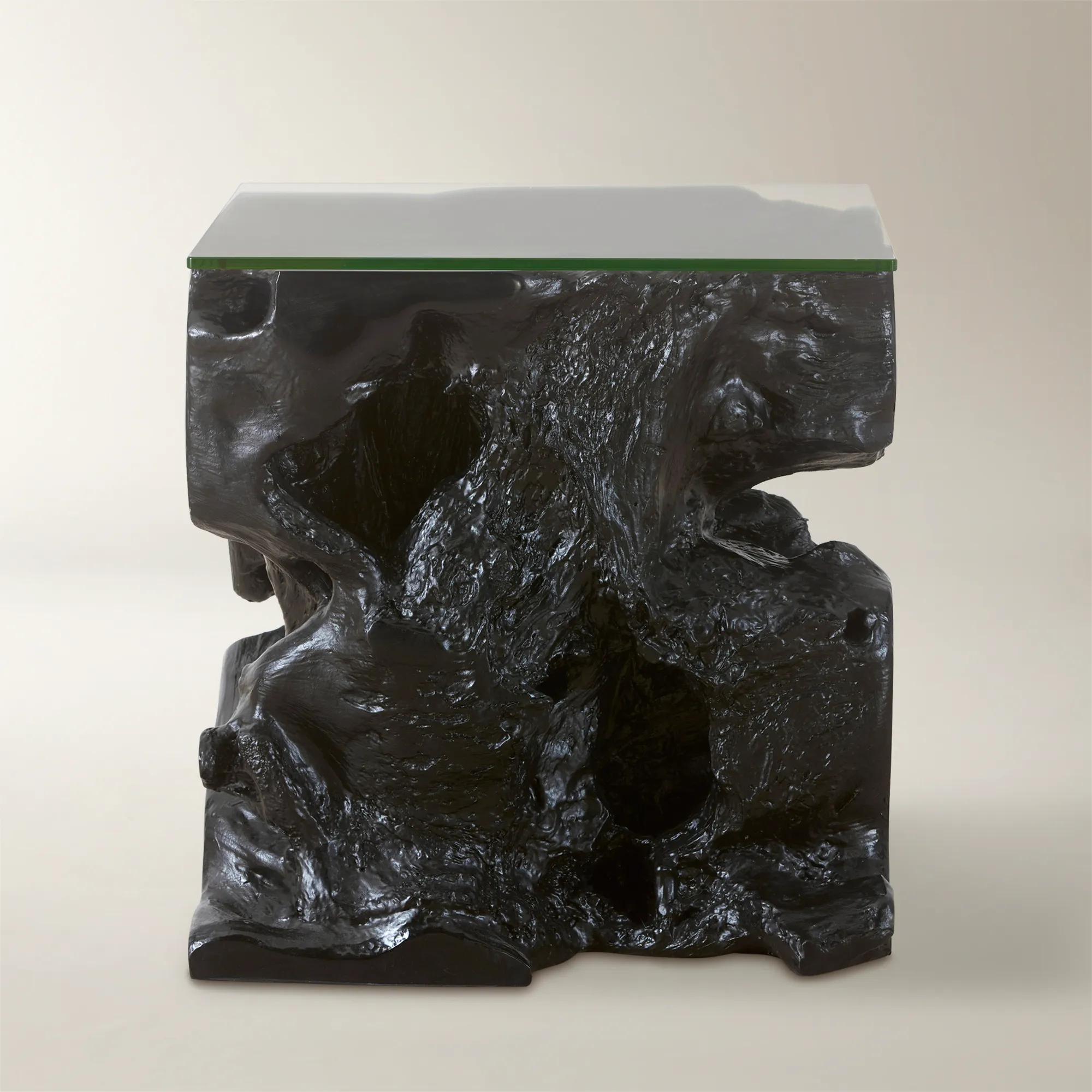 Sequoia Black Resin End Table With Glass Top (22")$999
A sculptural black resin and stone end table inspired by Acacia roots, suitable for indoor or outdoor use.
Add To Cart -
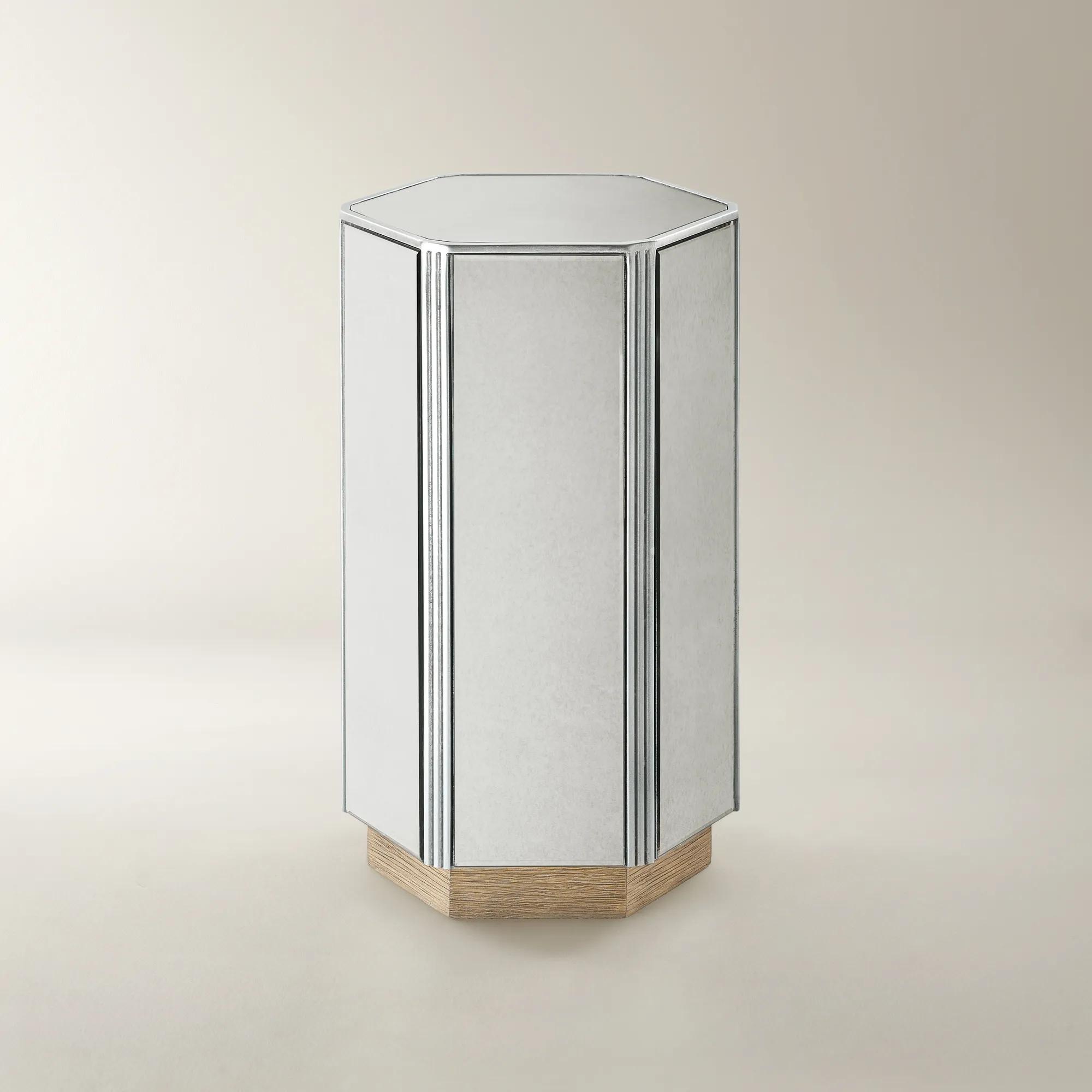 Glimmer Silver Mirrored End Table (12")$399
A chic side table featuring an antique silver mirror top and warm oak veneer base with handcrafted details.
Add To Cart -
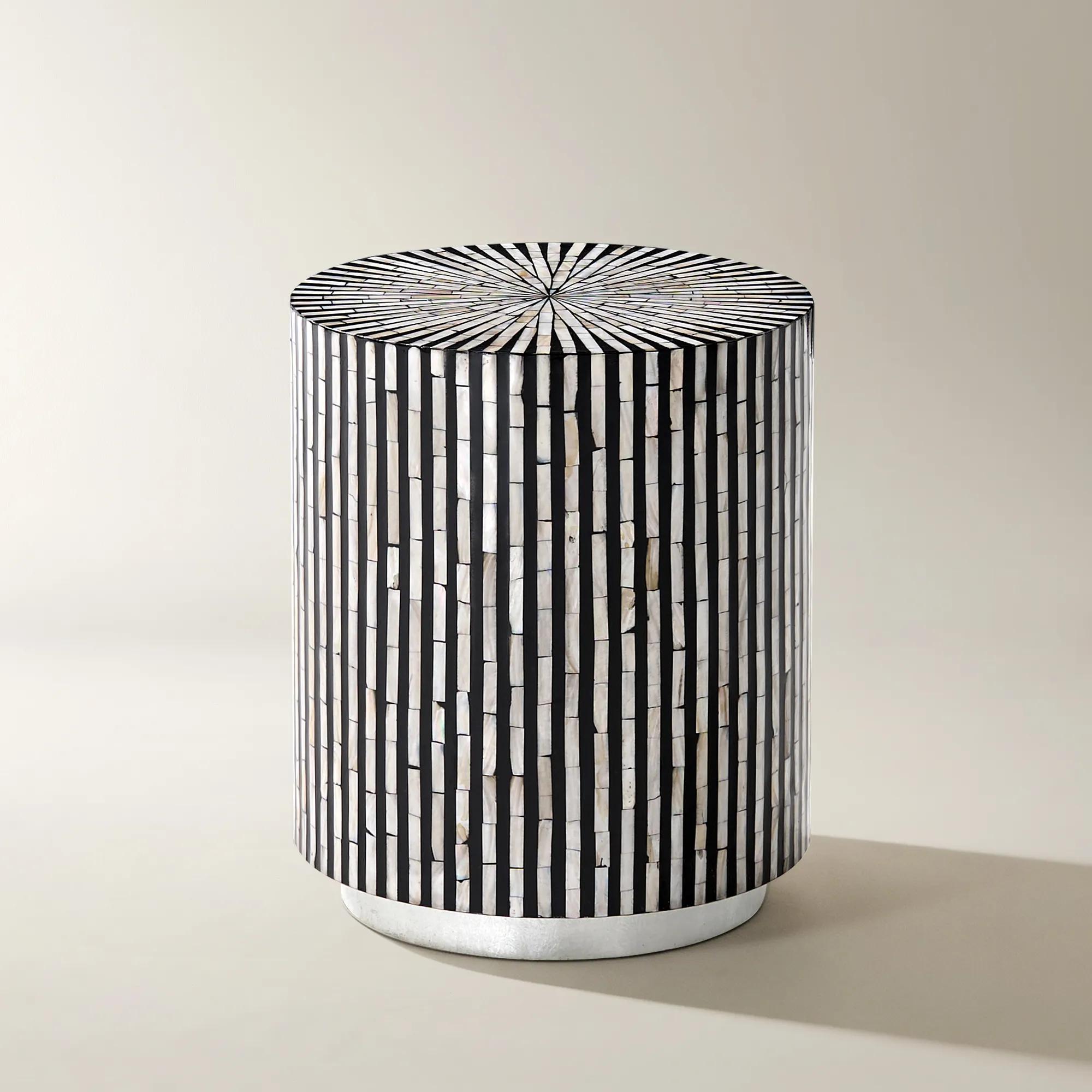
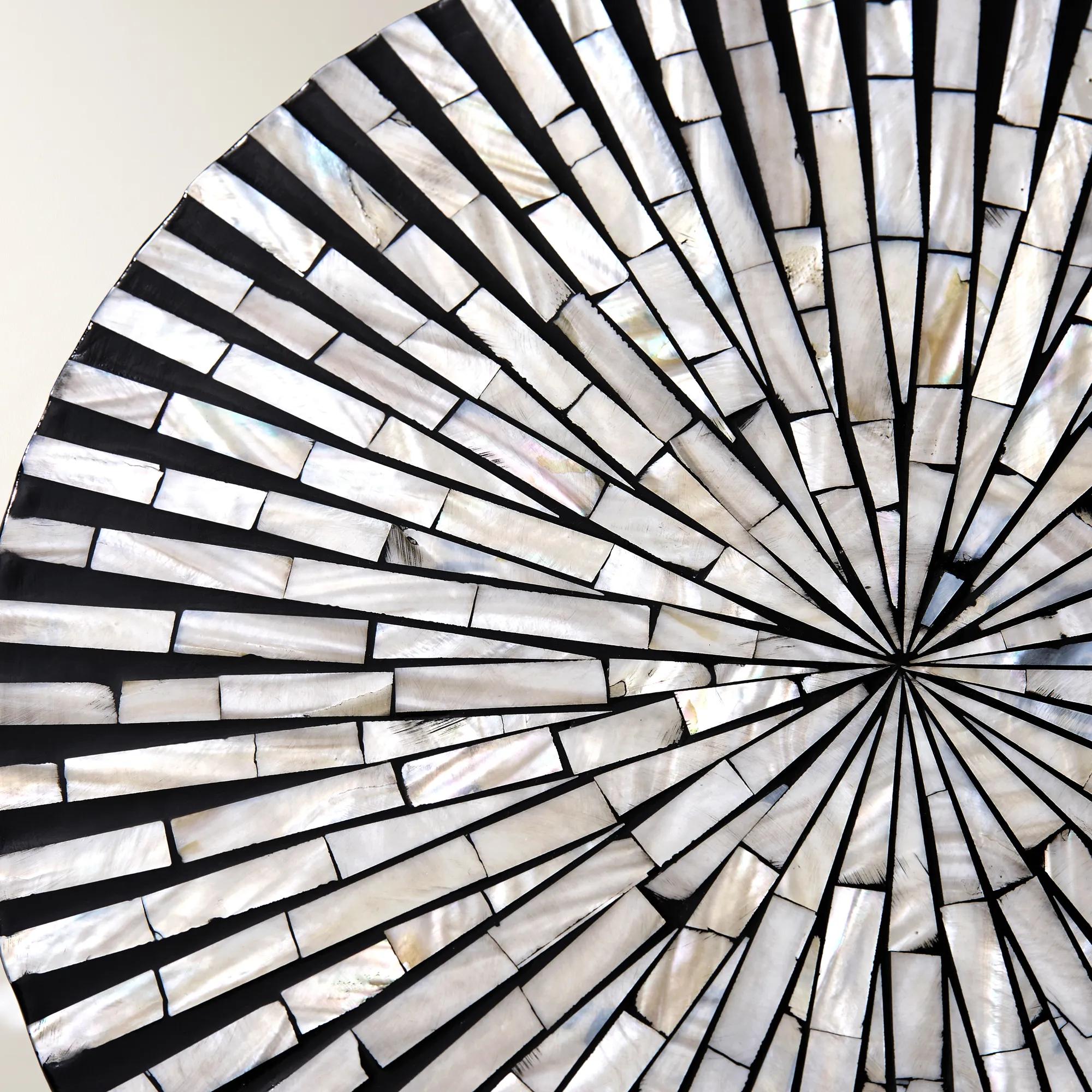 Marina Round Mosaic Black End Table (13.75")$299
A sculptural black end table featuring hand-applied mother-of-pearl mosaic and a silver leaf–accented base.
Add To Cart -
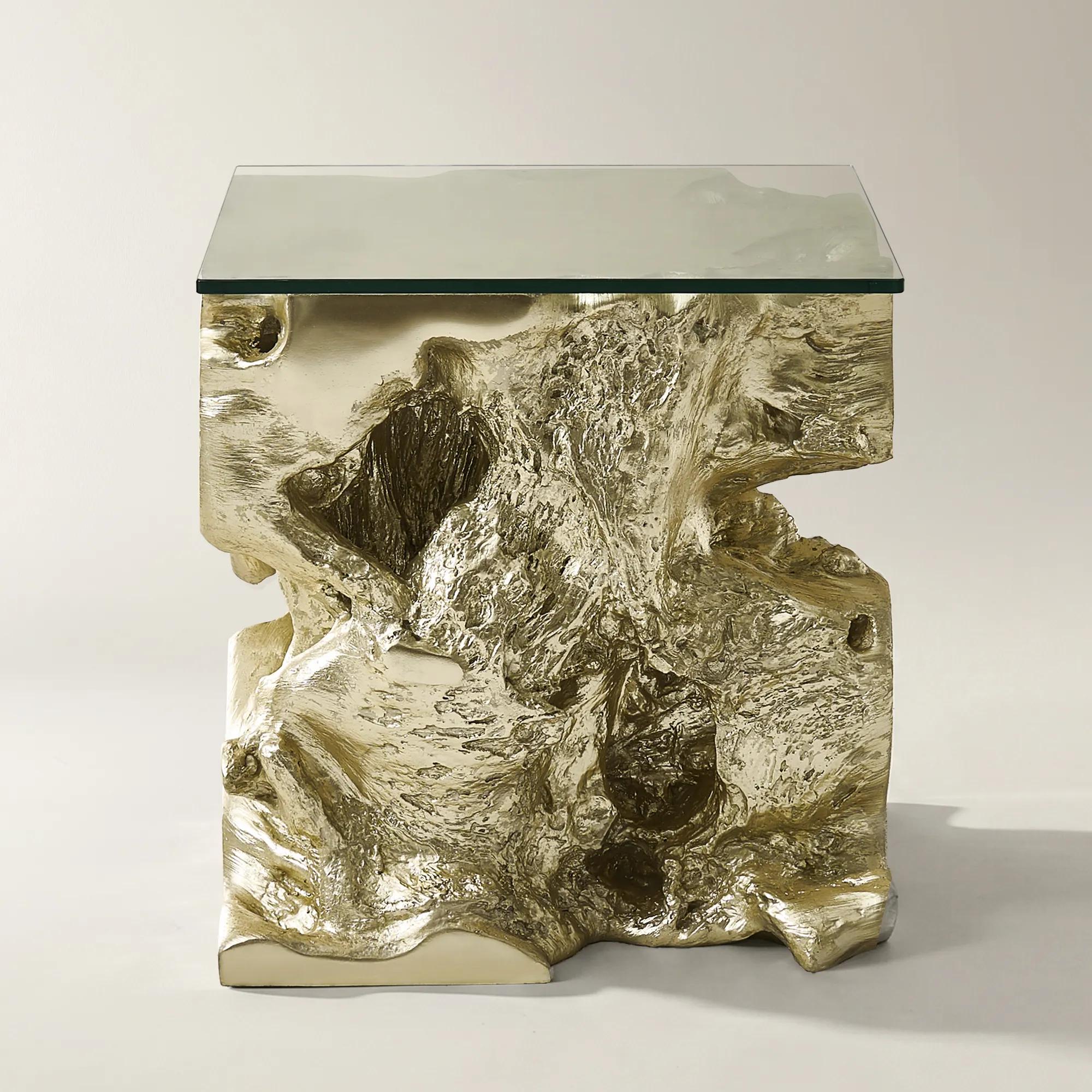 Sequoia Champagne Gold Resin End Table With Glass Top (22")$999
A sculptural resin end table with a champagne gold leaf finish and a clear tempered glass top.
Add To Cart -
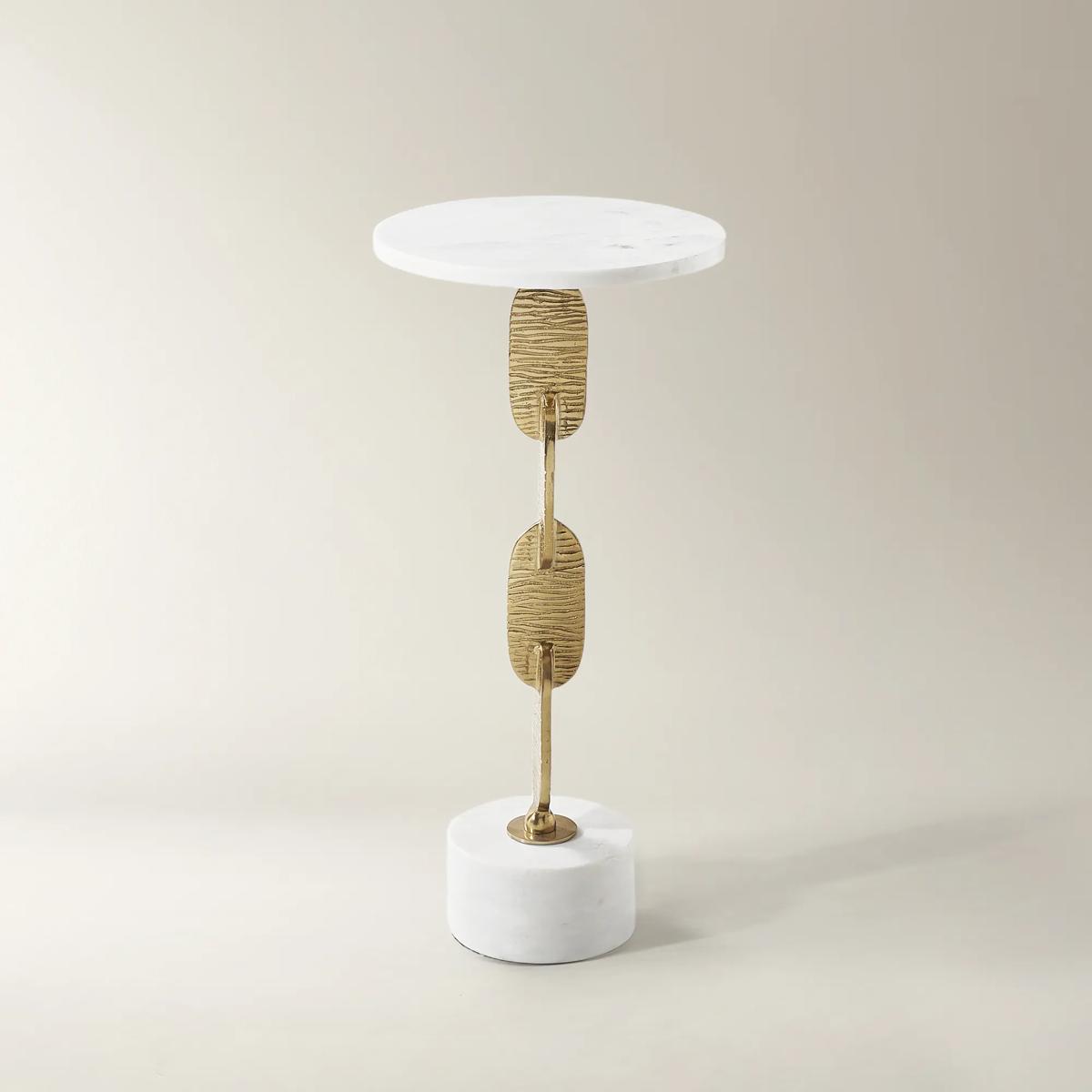
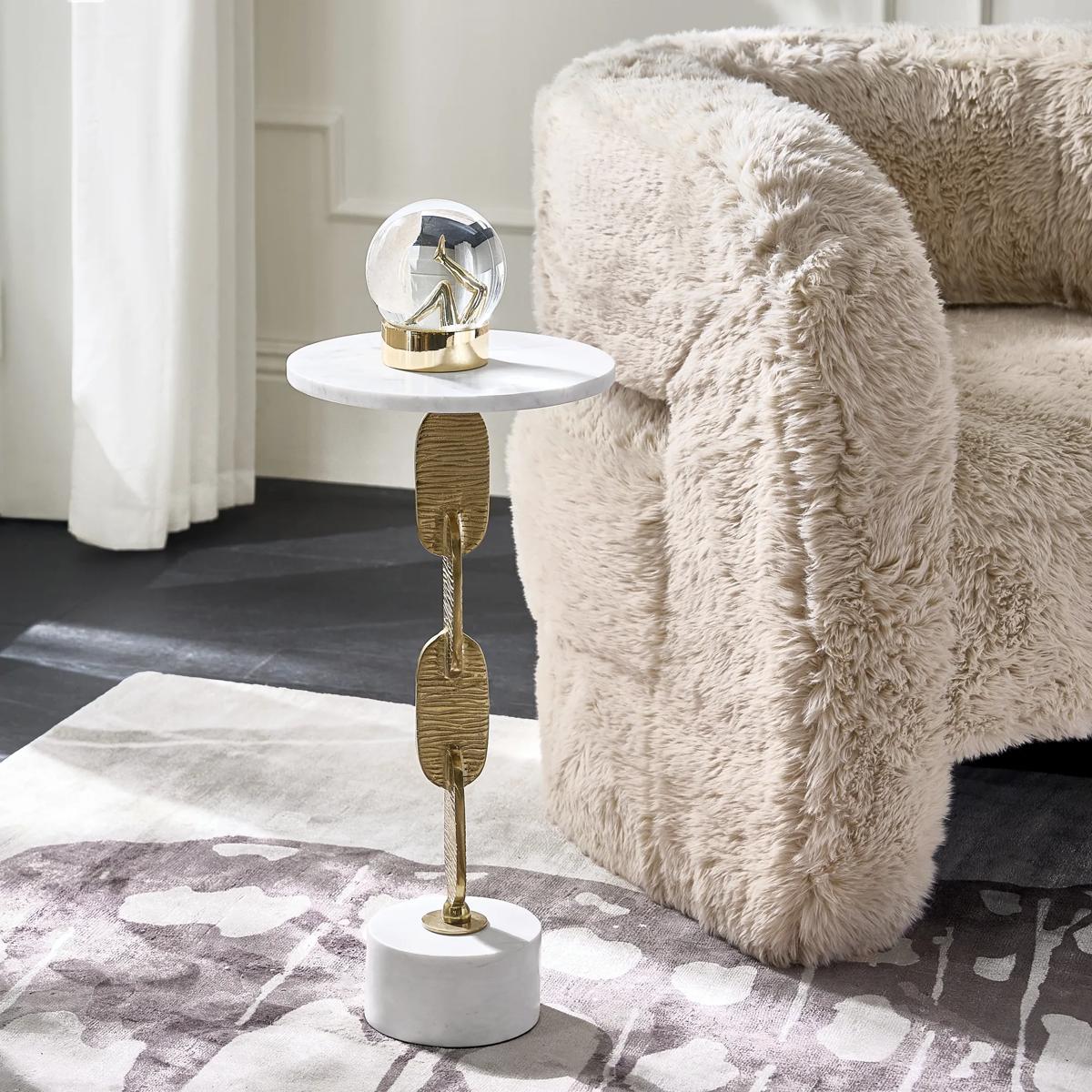 Luna Round White Marble Side Table (11.25")$199
A sculptural side table featuring a genuine white marble top and an open gold-finished metal frame.
Add To Cart -
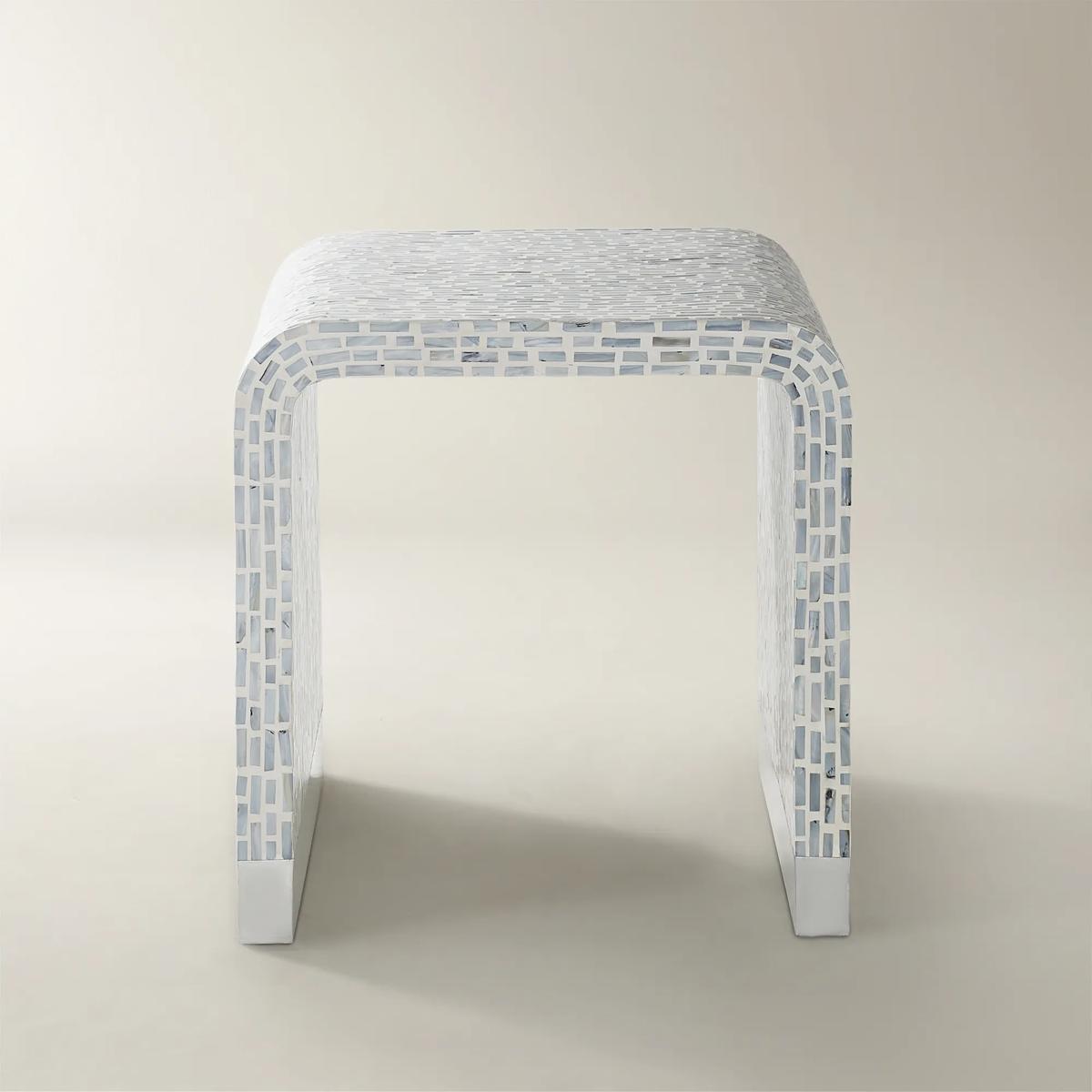
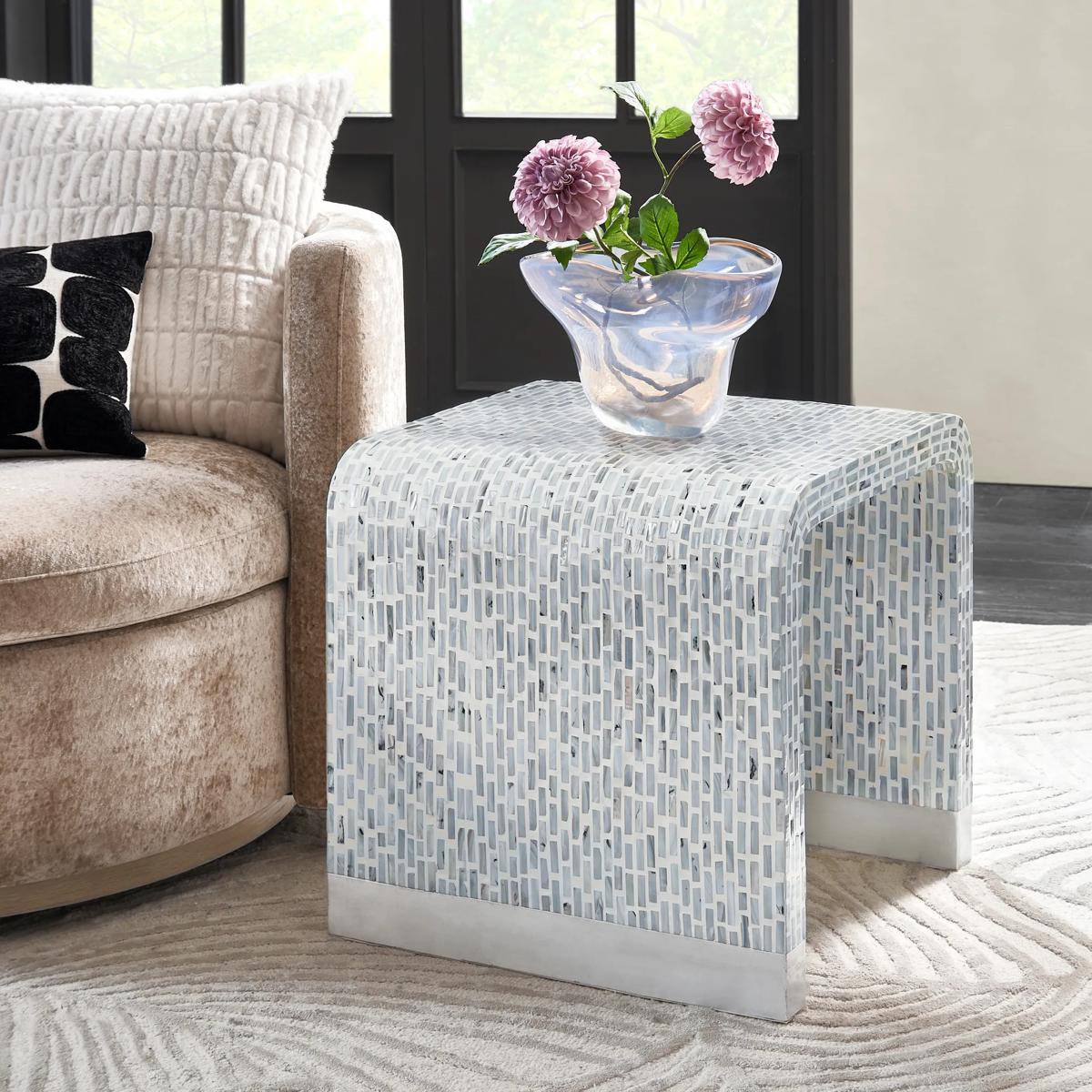 Iridia Blue Side Table (21.6")$399
A handcrafted end table featuring iridescent blue mother-of-pearl inlay and a silver leaf base.
Add To Cart -
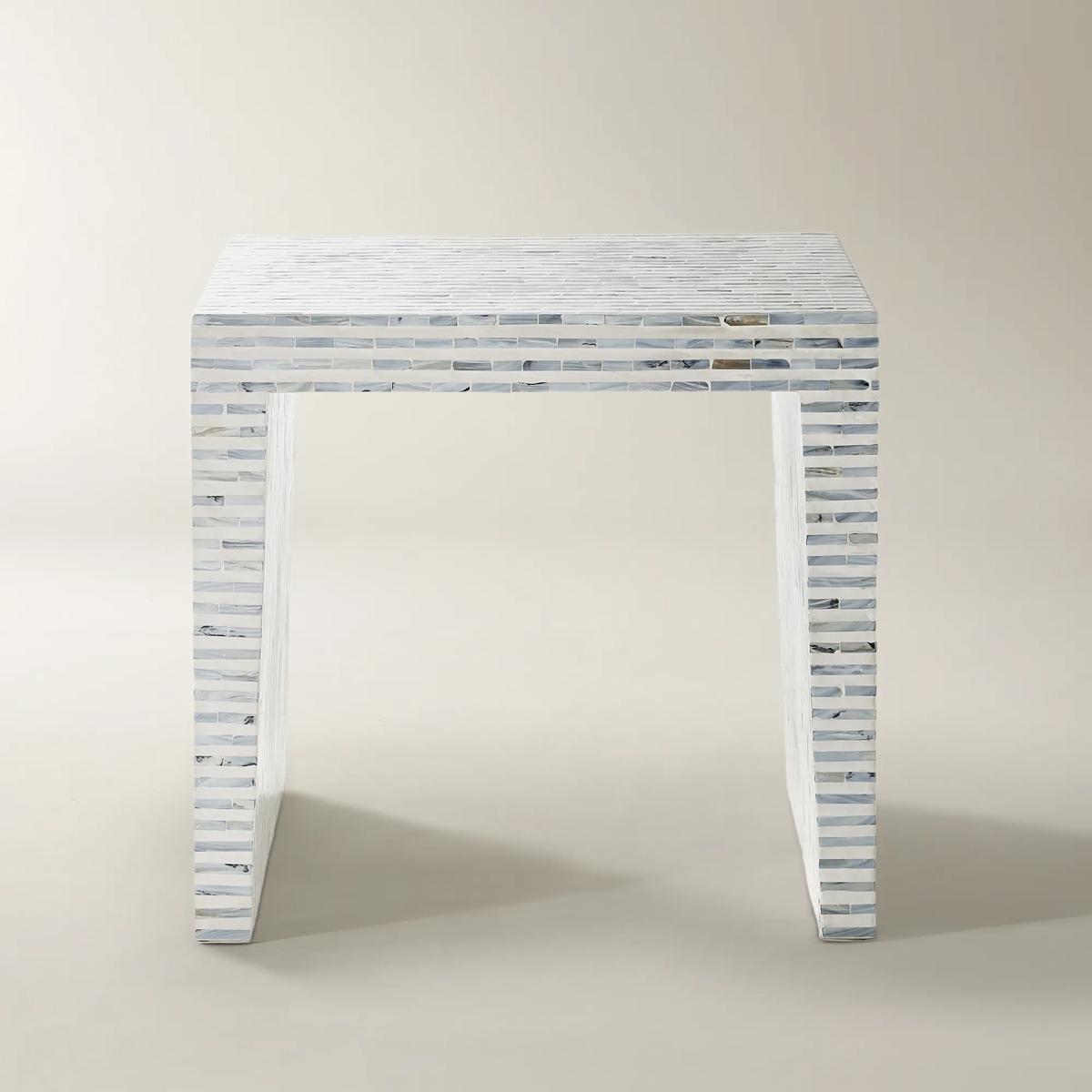
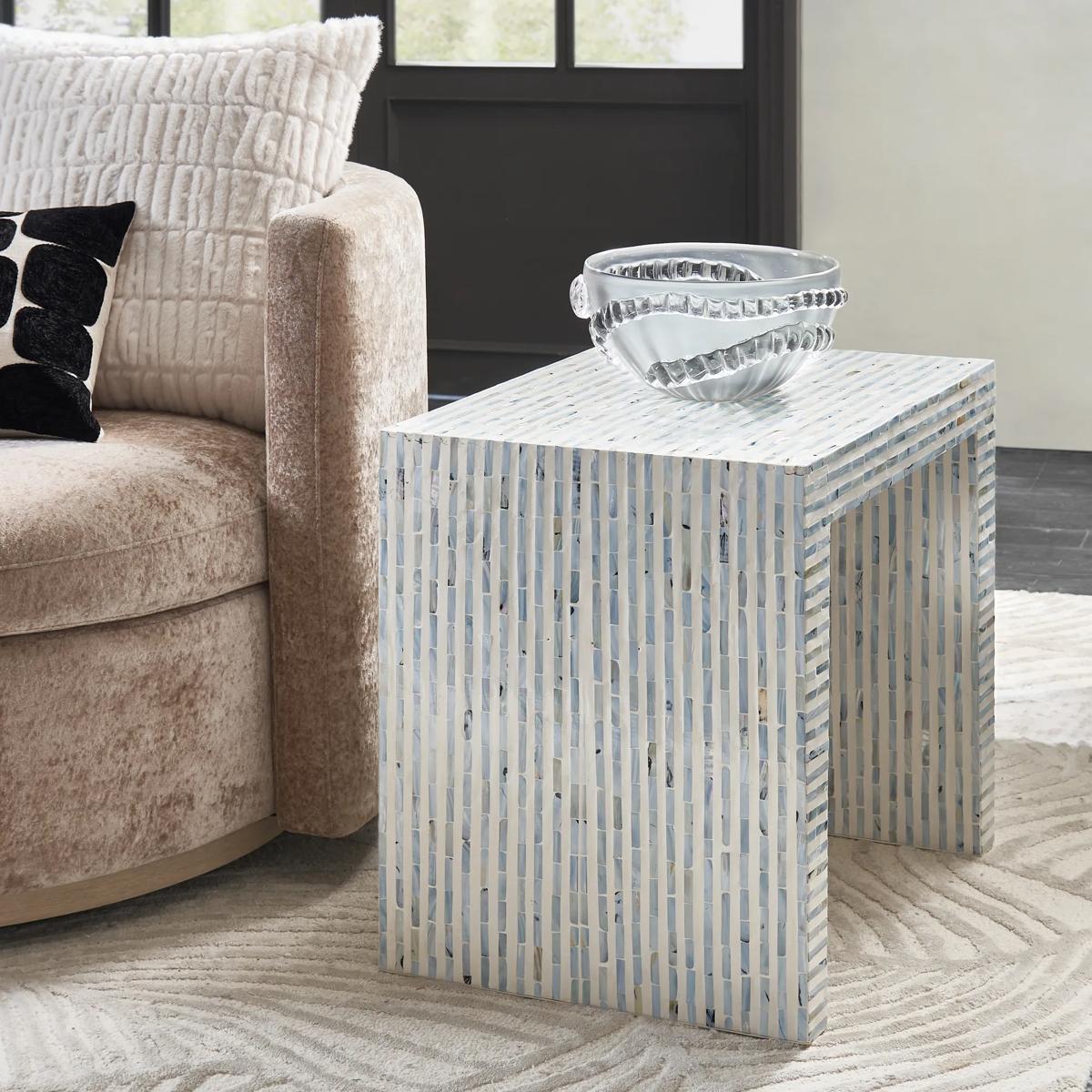 Stella Blue End Table(24")$399
A handcrafted end table featuring genuine blue mother-of-pearl inlay for a unique, iridescent accent.
Add To Cart -
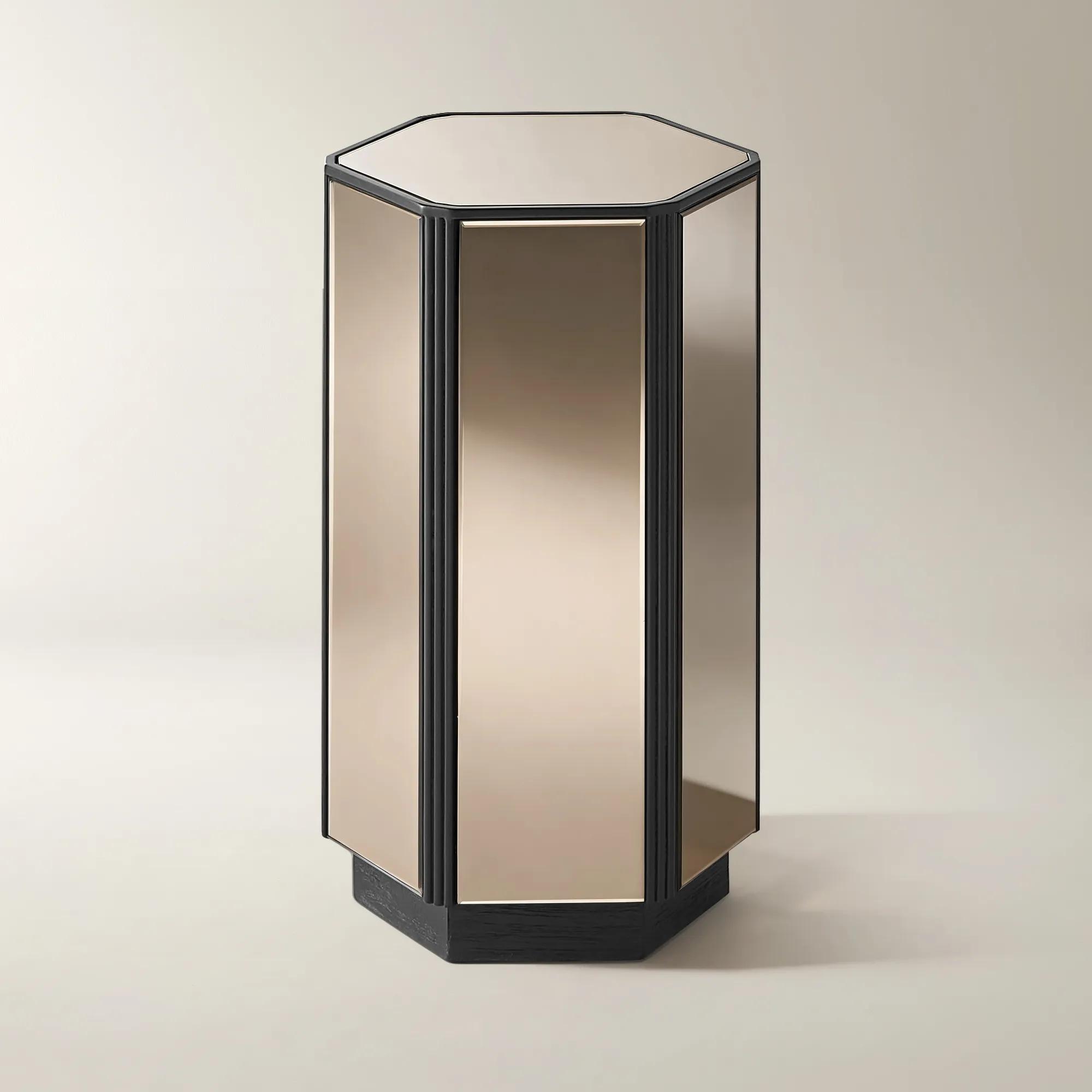 Glimmer Bronze Mirrored End Table (12")$399
A sculptural end table featuring bronze mirror panels and a black oak base for modern elegance.
Add To Cart -
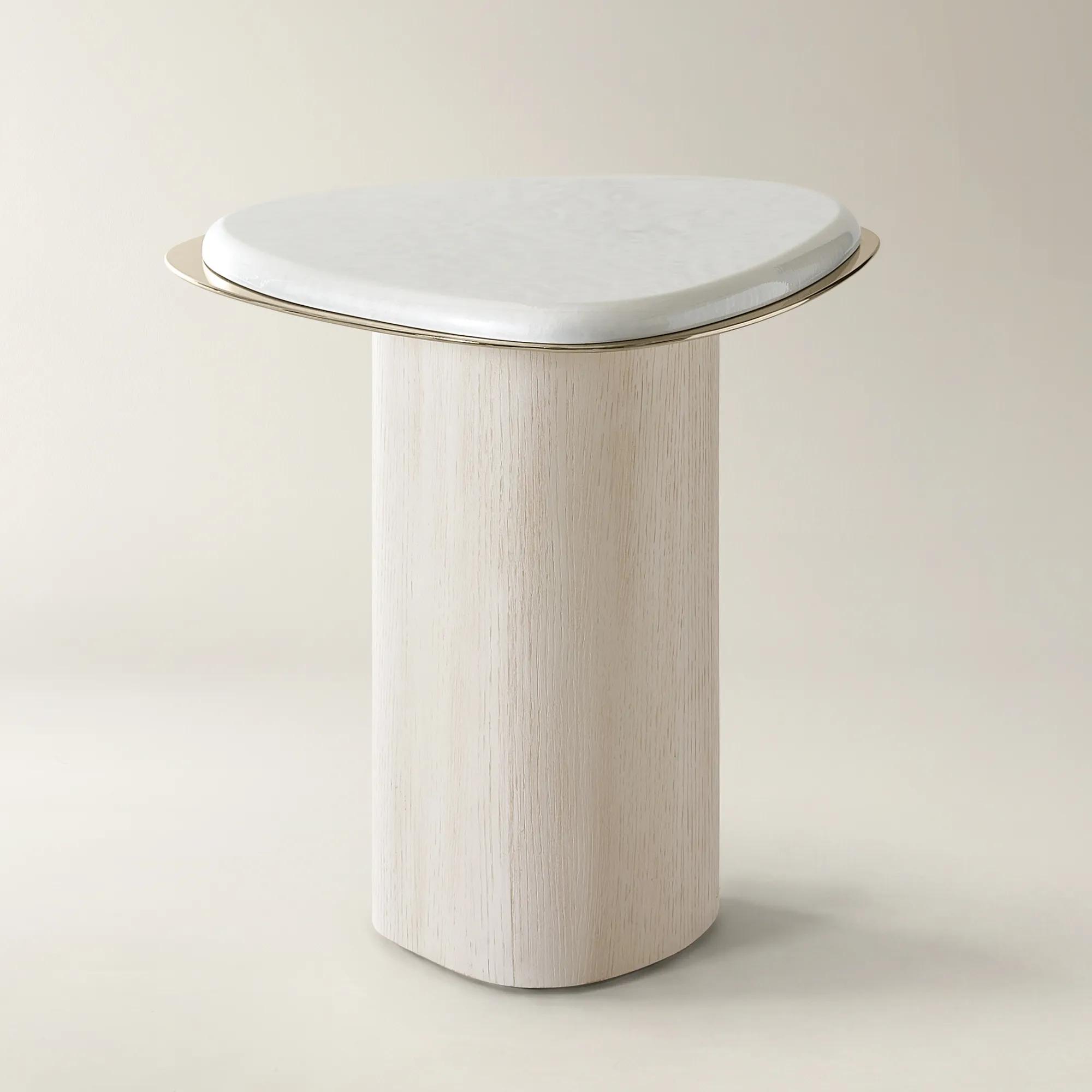
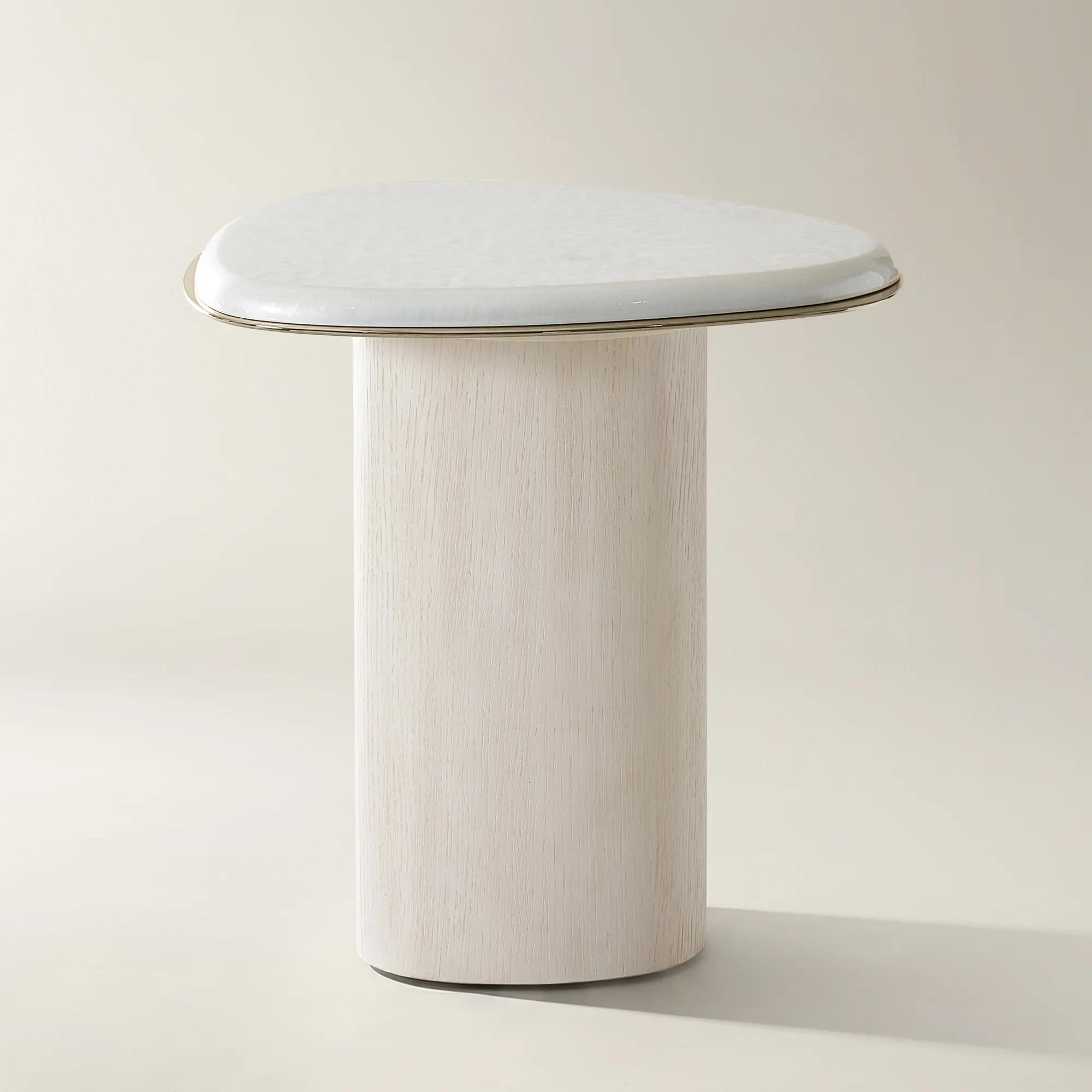 Lumina Bleached Oak End Table With Pearl Lacquered Top (18")$499
A sculptural end table featuring a pearl lacquered top, bleached oak base, and champagne gold trim.
Add To Cart -
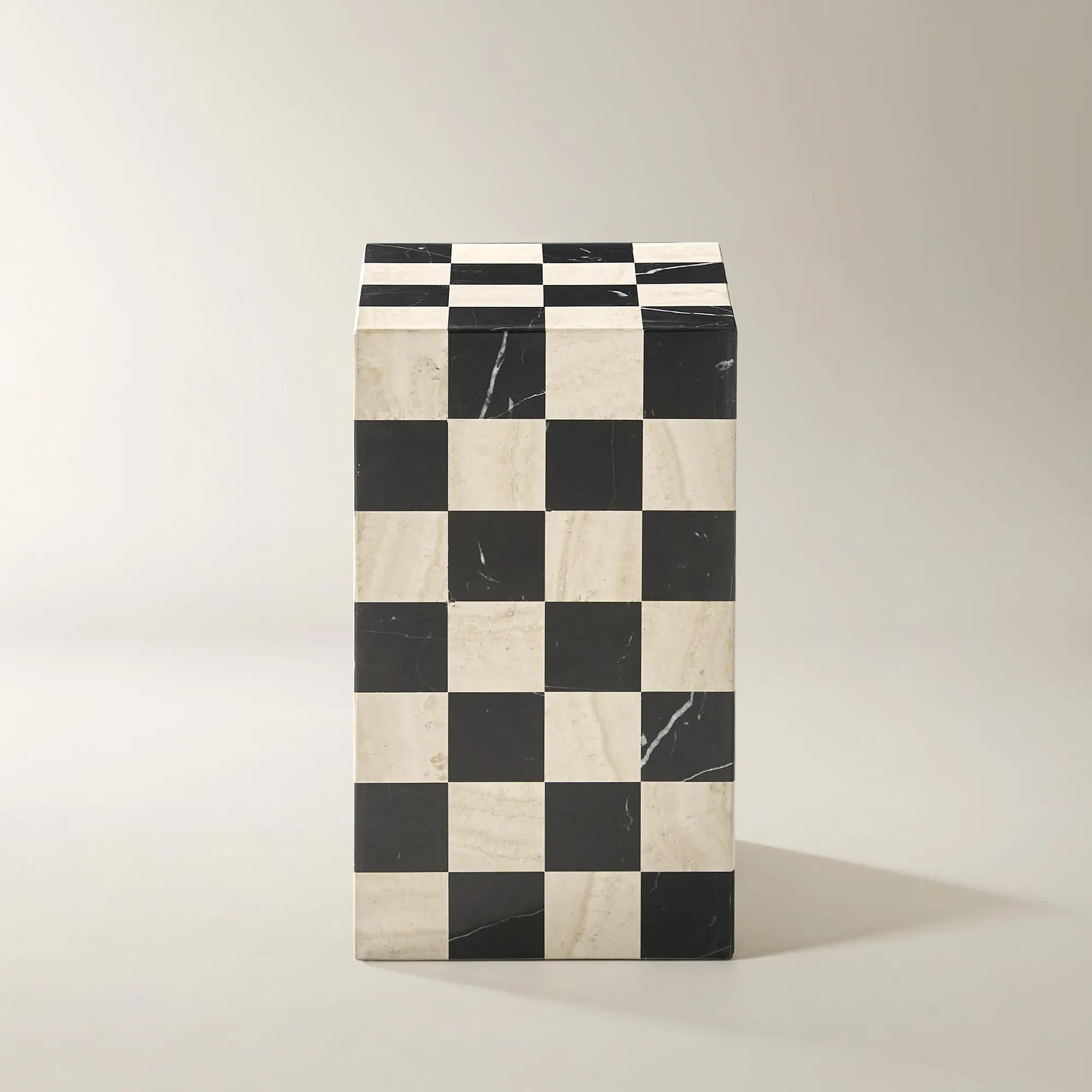 Chessa Square Chequered Marble End Table (12")$999
A sculptural end table featuring a bold black marble and travertine checkerboard mosaic design.
Add To Cart -
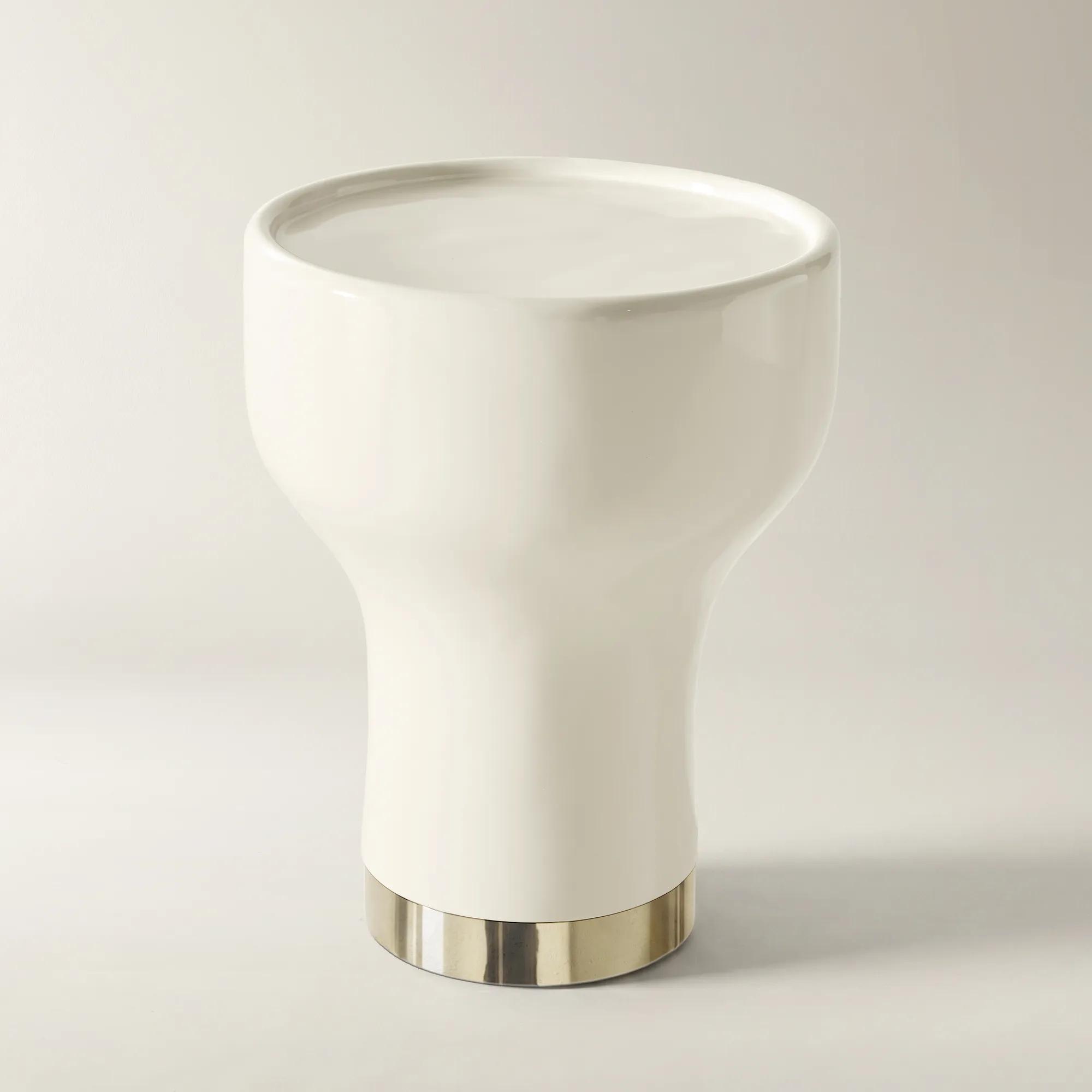
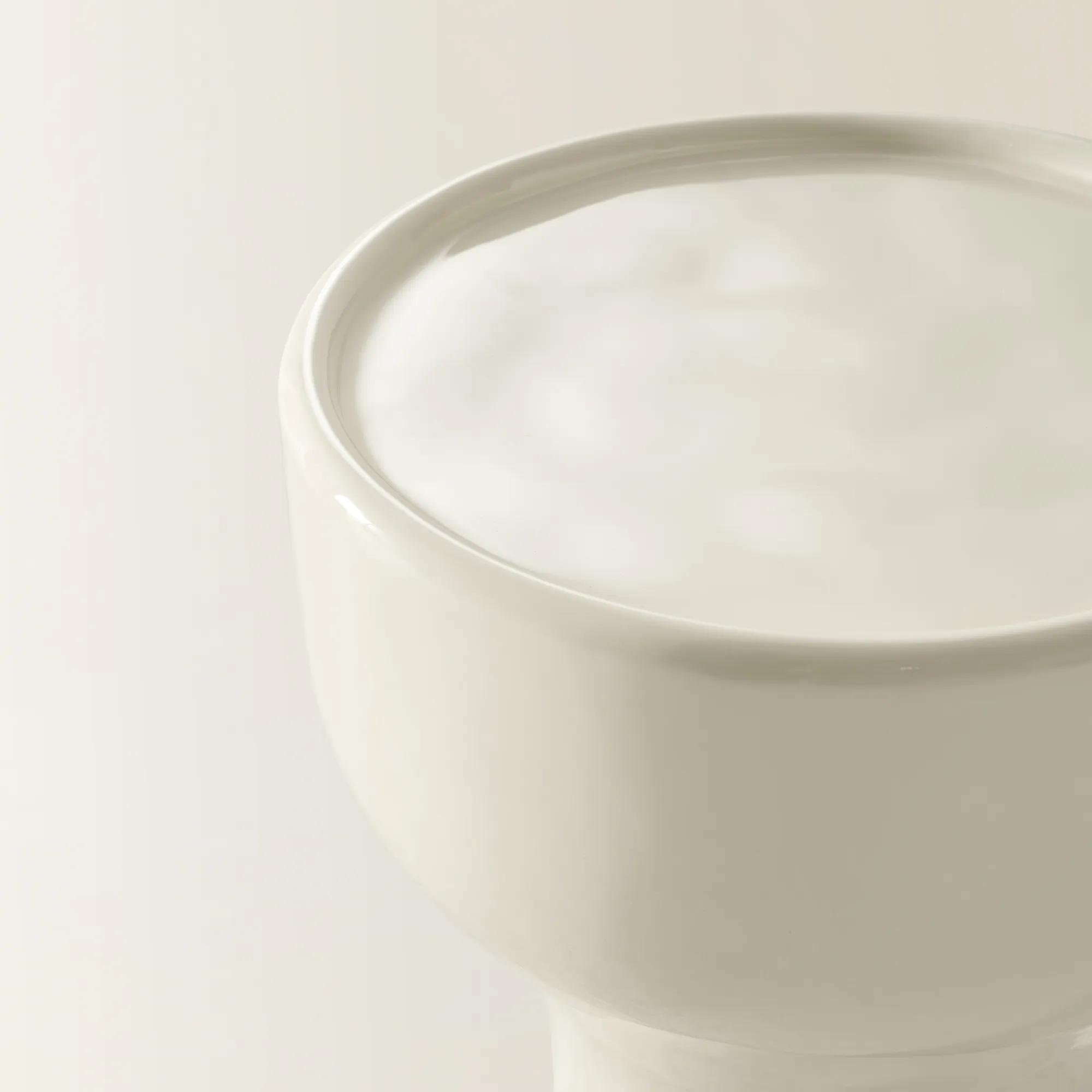 Celia Lacquered Cloud Resin Indoor/Outdoor End Table (16")$399
A sculptural one-piece resin end table with a warm high-gloss finish and gold stainless steel base.
Add To Cart -

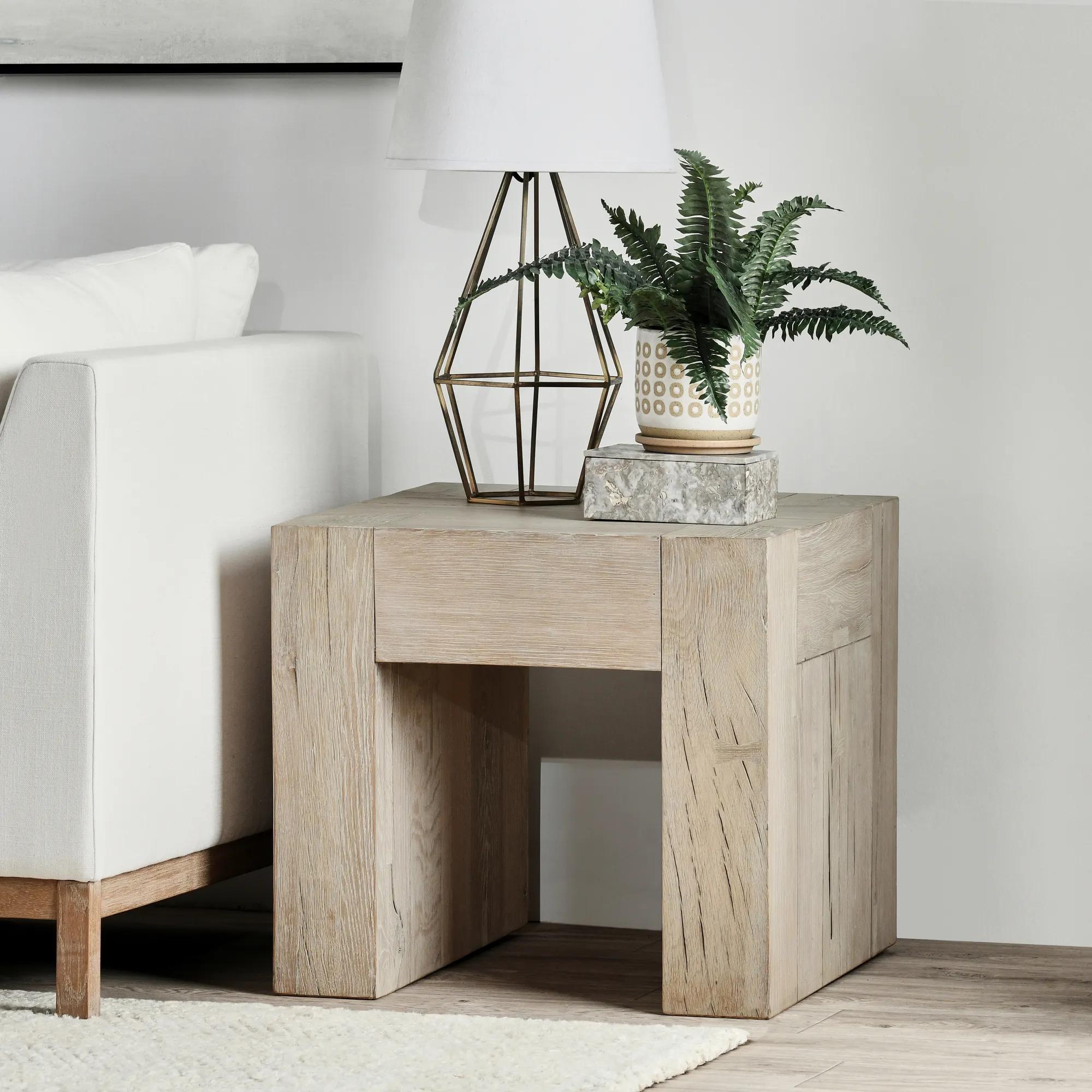 Bristol Square Cream Oak End Table (24")$999
A handcrafted end table featuring cracked reclaimed oak in an aged cream finish with modern dovetail detailing.
Add To Cart -

 Flare Round White Marble End Table (21.5")$799
A sophisticated end table featuring a natural white marble top and polished stainless steel base.
Add To Cart -

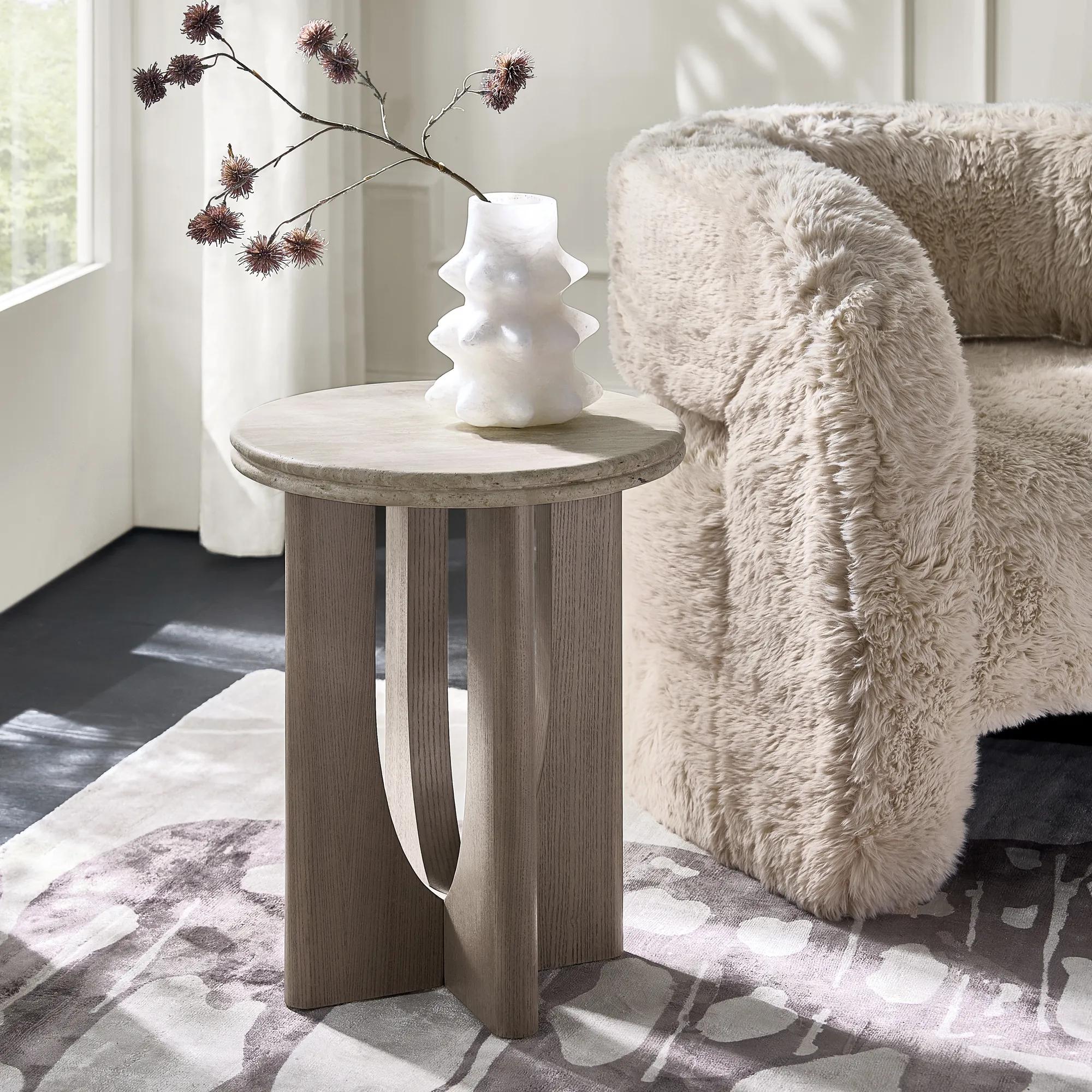 Bond Round Travertine and Wood End Table (17.25")$459
A sculptural end table featuring a genuine ivory travertine top and a solid ash wood base.
Add To Cart -
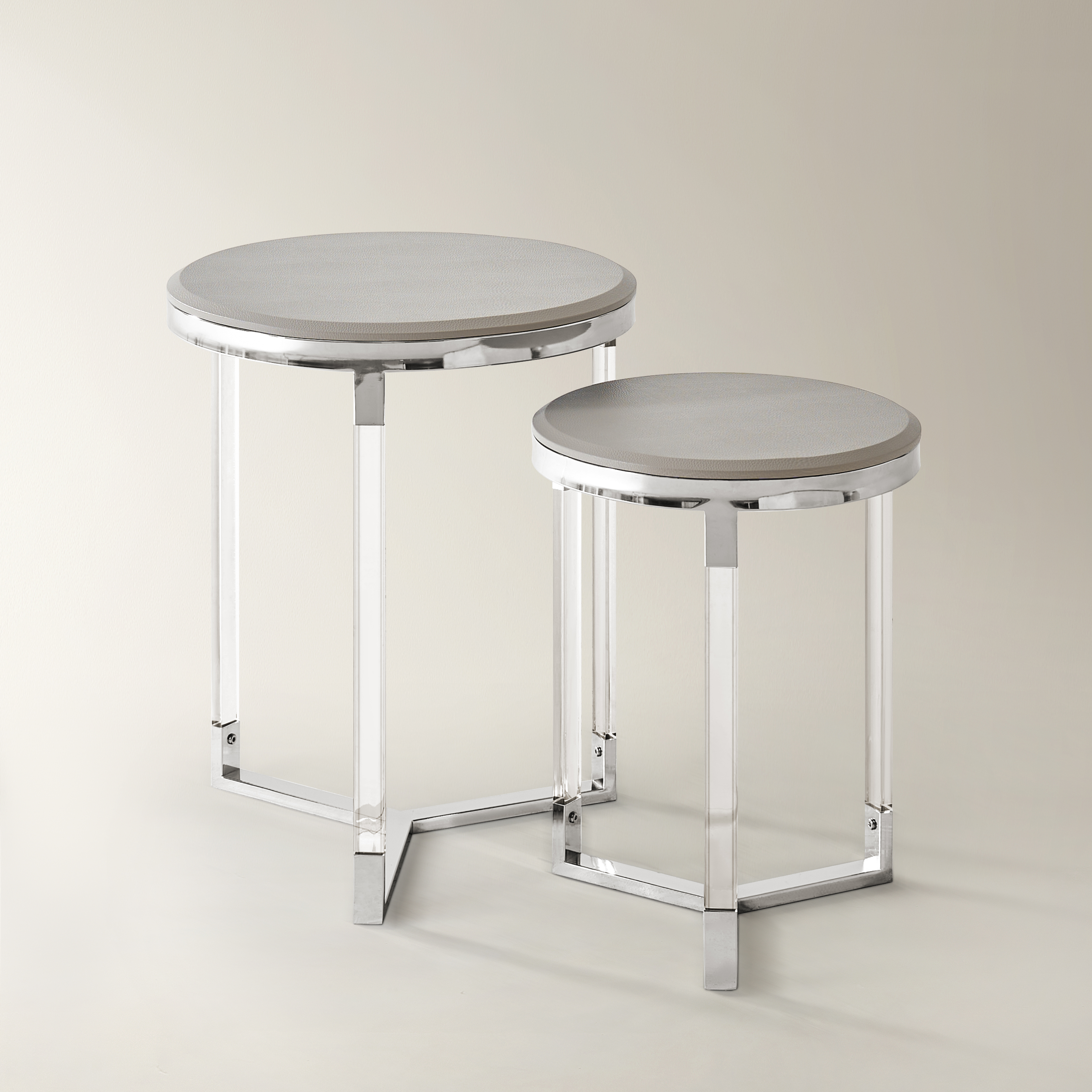
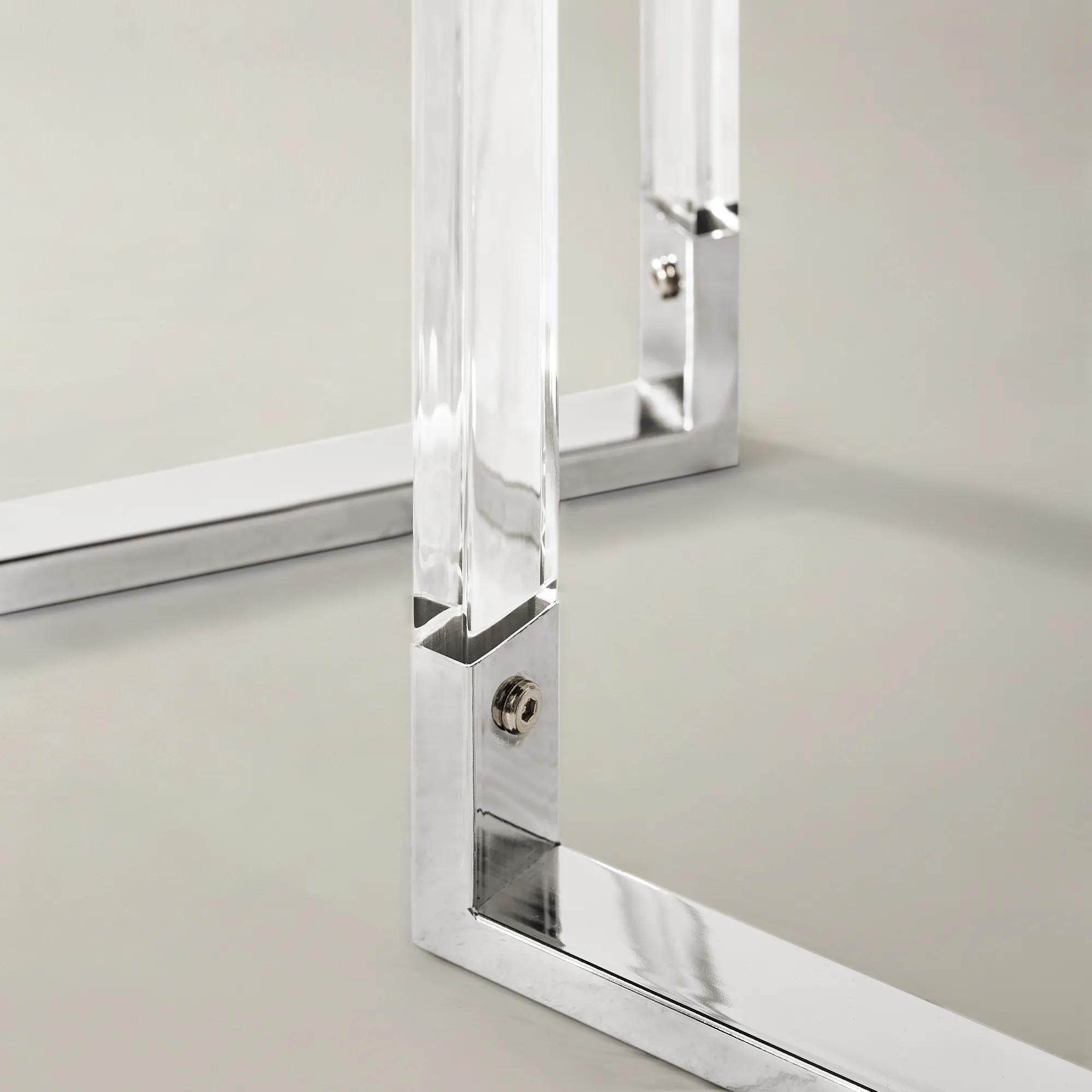 Murano Round Grey Accent Table With Faux Leather Top Set Of 2 (14.5"-18.5")$399
A bold set of two accent tables featuring mixed woods, acrylic legs, and faux leather tops.
Add To Cart -
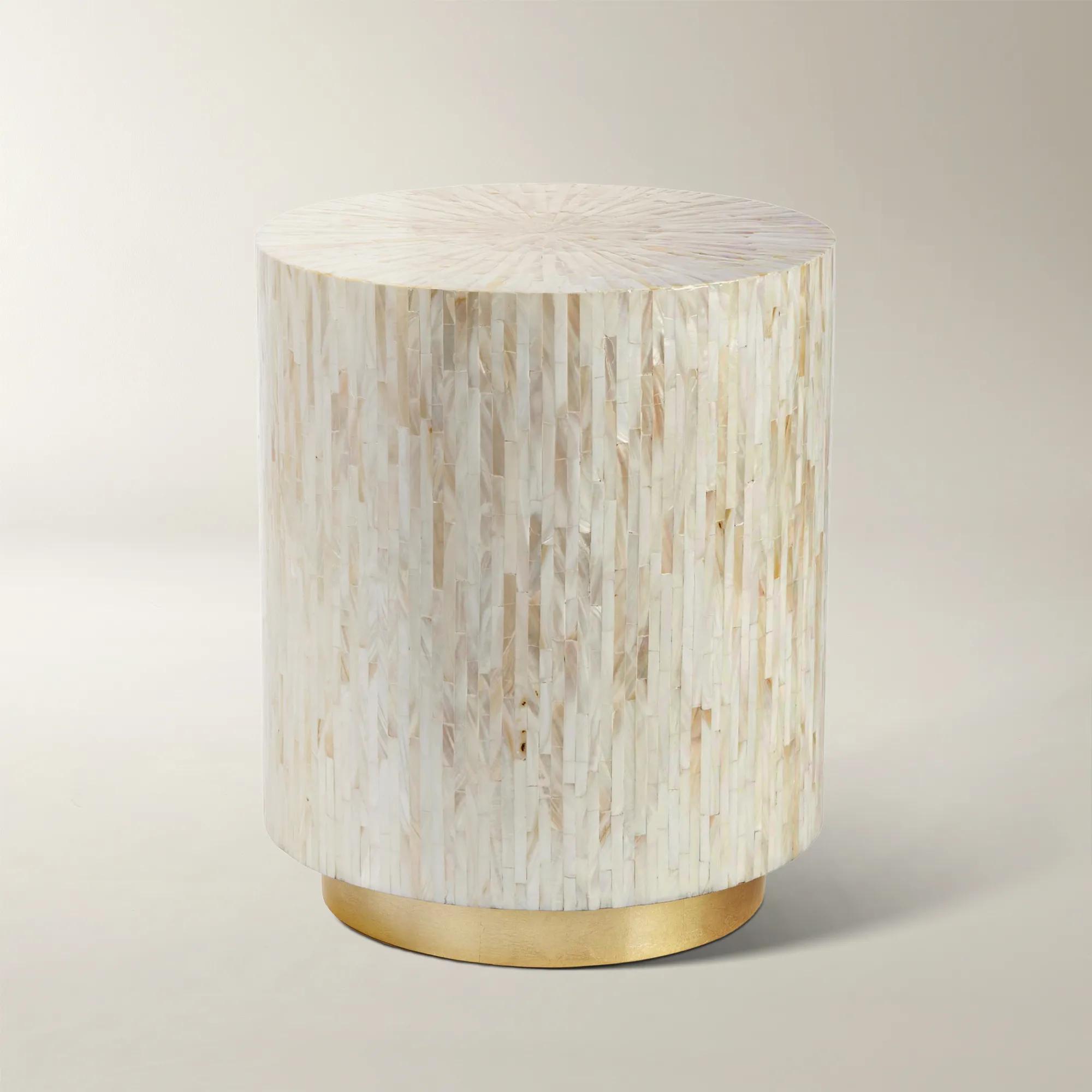 Alexandria Round Mosaic Platinum End Table (13.75")$299
A glamorous accent table featuring hand-applied mother-of-pearl mosaic and a gold leaf-accented base.
Add To Cart -
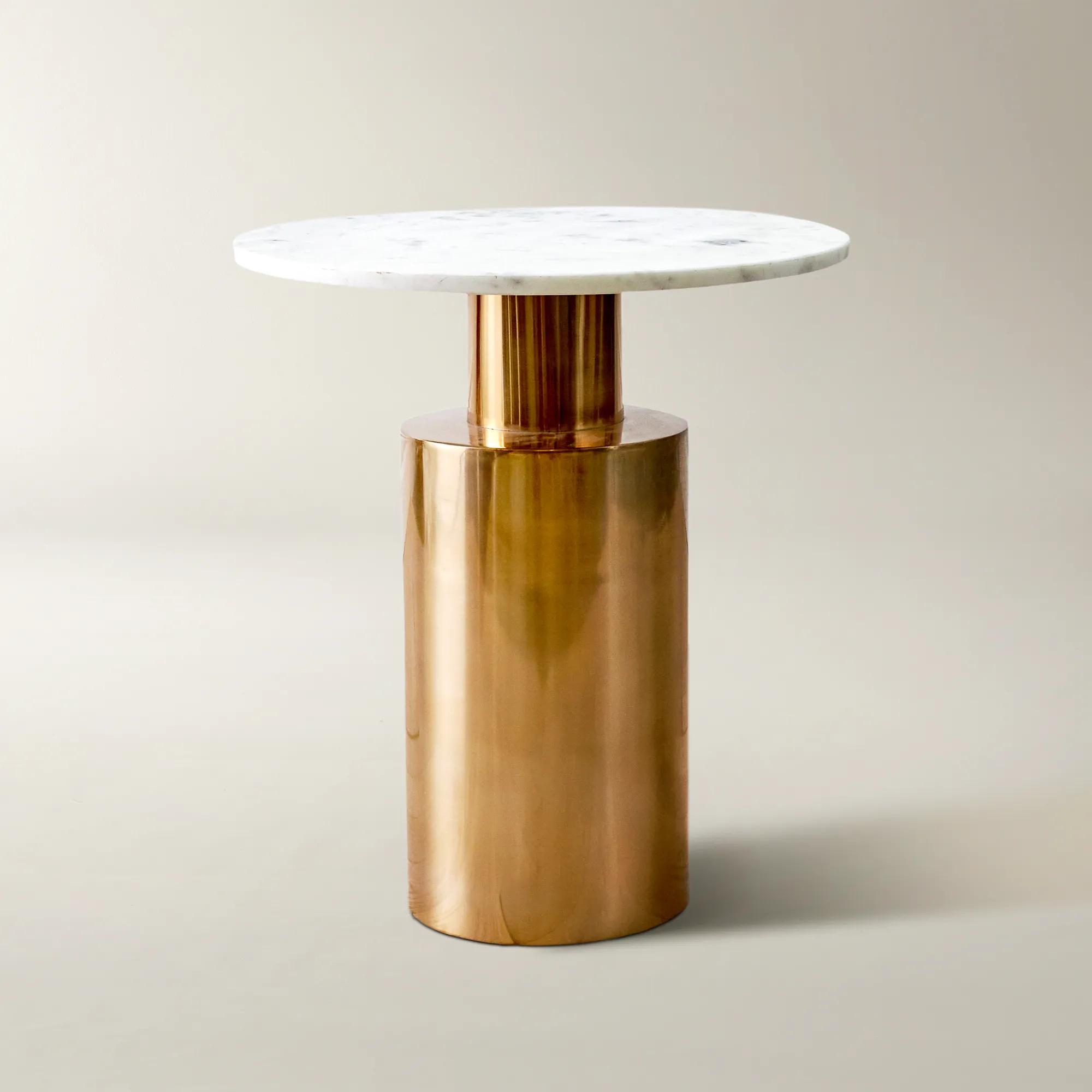 Capri Round White Marble Accent Table (16")$299
A striking accent table featuring a white marble top and gold-finished stainless steel base.
Add To Cart -
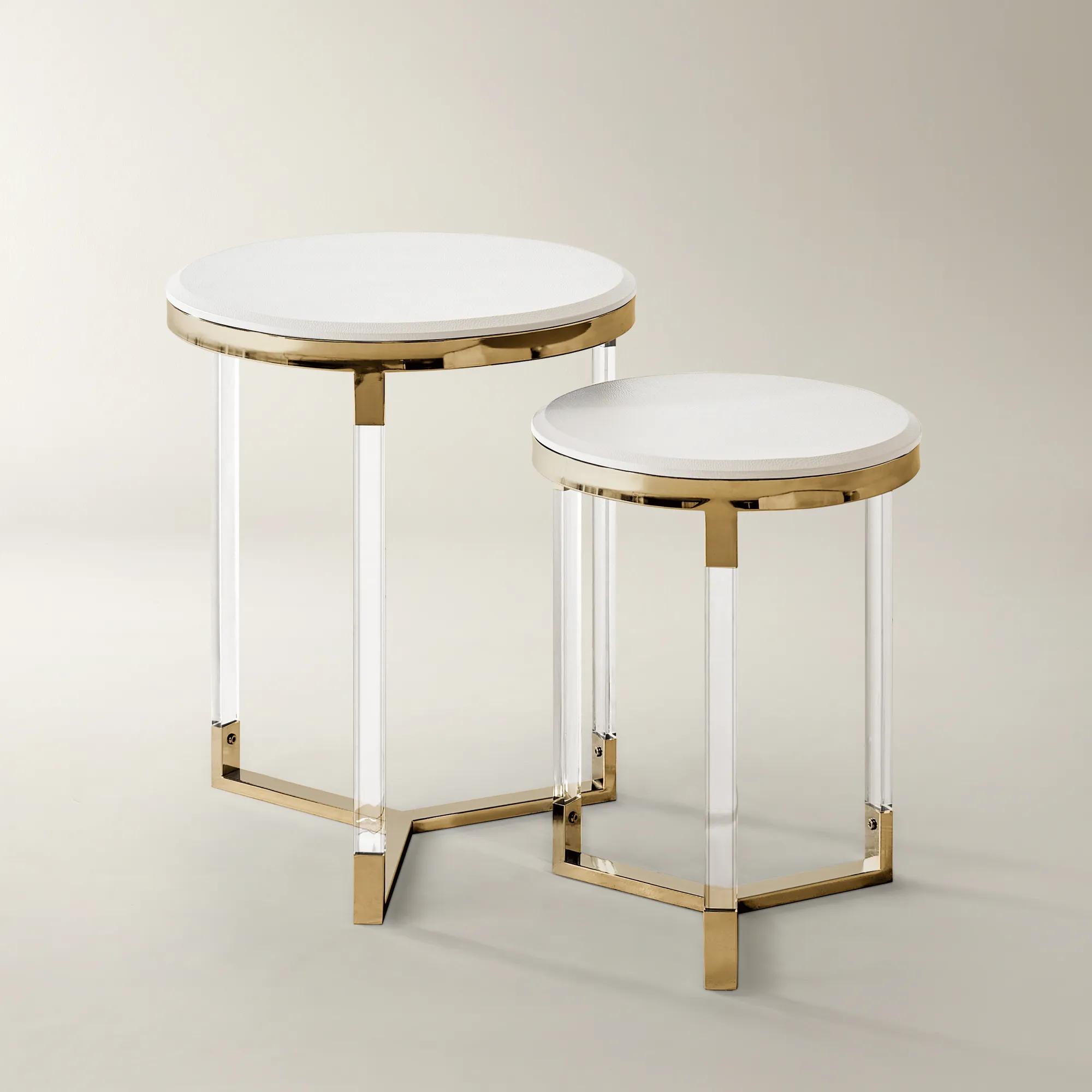
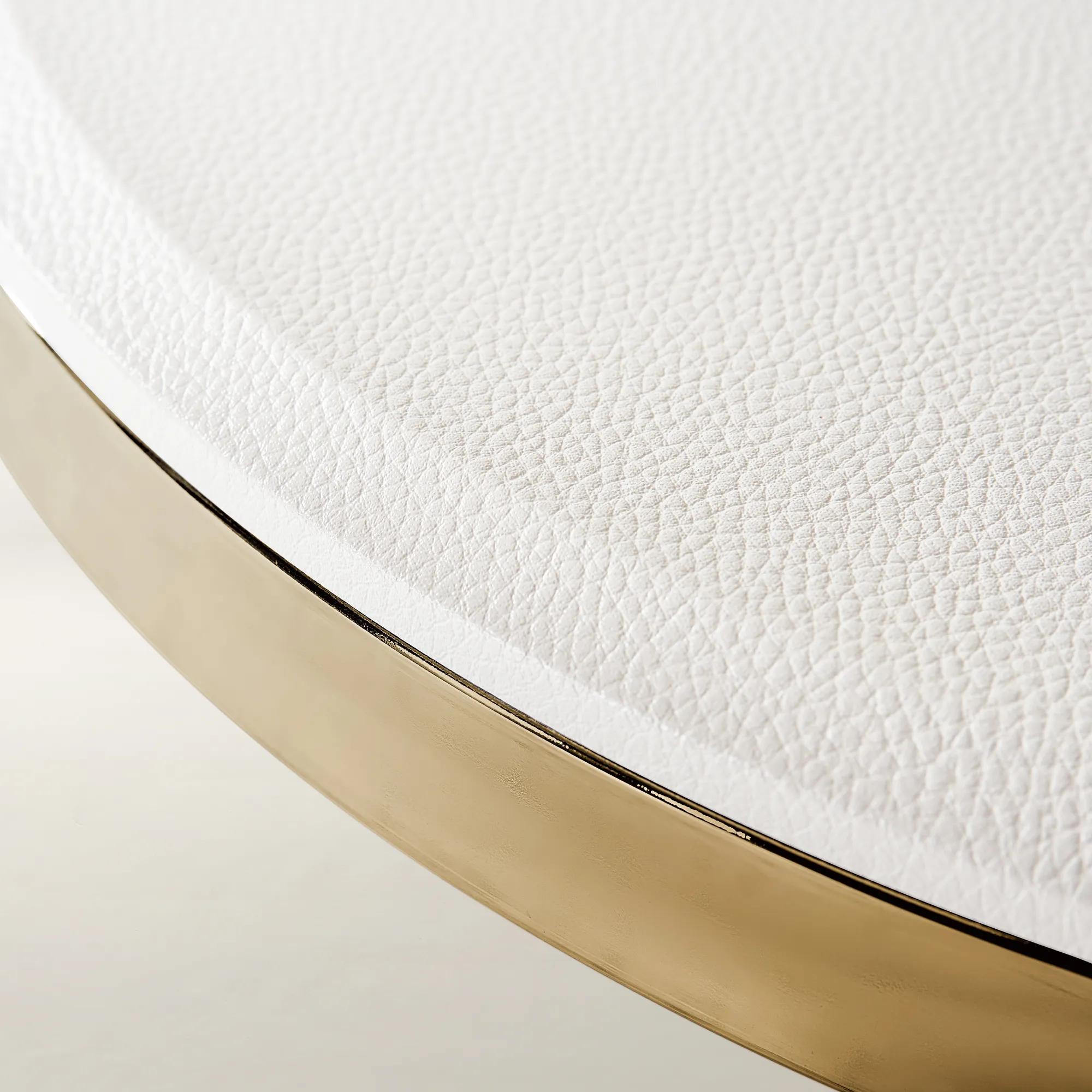 Murano Round White Accent Table With Faux Leather Top Set Of 2 (14.5"-18.5")$399
A set of two accent tables featuring mixed woods, faux leather tops, and acrylic legs with metallic finishes.
Add To Cart

Narrow Sofa-Side End Tables
Narrow sofa-side end tables add a refined finishing touch beside your seating while keeping drinks and books within reach. Explore slim side tables with proportions suited to tighter layouts, comparing each table’s width and depth with your available floor space and its height with your sofa arm for a balanced, comfortable arrangement.
Narrow sofa-side end tables are slim accent tables designed to place a useful surface beside a sofa without taking up the footprint of a conventional end table. Their slender proportions suit the space between a sofa and a wall, the edge of a sectional, or a seating arrangement where every inch of walking room matters. Some particularly narrow designs measure approximately 7 to 8 inches wide, although overall dimensions vary and the base may extend beyond the tabletop. A compact footprint need not mean a subdued presence: a gleaming metal frame, a richly veined stone surface, or a mirrored finish can bring sculptural definition to an otherwise overlooked corner. These tables give a reading lamp, a glass of water, and a favorite book a place within reach while keeping the room’s composition open and intentional. In an apartment, a slim rectangular table can follow the depth of a sofa arm without projecting far into the room. In a larger living area, a narrow silhouette can preserve breathing room between generous upholstered pieces. Width is only one part of the fit; tabletop depth, overall height, and the shape of the base determine how comfortably a table sits beside the seating. A surface close to the height of the sofa arm is often easier to reach than one positioned noticeably above or below it. Measuring the available floor space, the sofa arm, and nearby doorways helps distinguish a beautifully proportioned accent from a piece that interrupts movement. Reclining seats need additional clearance for their moving parts, and drawers or cabinet doors require space to open. The most convincing arrangements balance these practical details with visual weight: a substantial sofa can welcome a slender table with a bold finish, while expressive upholstery may pair beautifully with a quieter frame and a luminous, uncluttered top.
Material and construction give narrow end tables their character as well as their everyday resilience. Glass can create a lighter visual impression beside a deeply upholstered sofa, allowing the lines of a polished metal base to remain part of the composition. Mirrored surfaces catch surrounding color and light, introducing a jewel-like accent without requiring a broad tabletop. Both finishes reveal fingerprints readily, making them especially suited to households comfortable with occasional polishing. Wood brings warmth and grain to the seating area, with stained, painted, or lacquered finishes offering distinctly different moods. Solid wood can develop character with use, while veneered and engineered-wood designs depend on the quality of their construction, finish, and edge protection for lasting performance. Stone offers natural pattern and a substantial presence, though porosity, sealing requirements, and sensitivity to spills differ by material. Metal frames can feel airy or architectural depending on their thickness and finish; welded joints, secure fasteners, and a well-balanced base matter more to stability than a dramatic silhouette alone. Shape also changes how a slim table functions. A rectangular top makes efficient use of a tight space along a sofa arm, while rounded corners can soften the outline near a walkway. C-shaped tables have an offset base intended to slide beneath compatible seating, bringing the surface closer for a drink or a small task. That arrangement requires enough clearance beneath the sofa and a base that does not conflict with its legs or mechanism. Tiered designs add a lower shelf for a book or decorative box, and an enclosed compartment can keep small essentials out of sight when its interior dimensions suit the intended contents. A narrow table should still stand securely on the floor, with enough usable surface for whatever rests on it. A lamp’s base must fit fully on the tabletop, and its weight and shade should be proportionate to the table. A narrow top is best treated as an edited display, not a stage for heavy objects or arrangements that could tip easily.
The appeal of a sofa-side table lies in how naturally it supports the rituals of a room. For an avid reader, it can hold a book and reading glasses beside a favorite seat; for someone who entertains, it gives a guest a comfortable place to set a drink without leaning toward the coffee table. In a shared living room, a slim table at the end of a sectional can make an outer seat feel as thoughtfully appointed as the center of the arrangement. A lower shelf may hold reading material while leaving the top open, and a compact decorative tray can gather small belongings if its dimensions leave sufficient usable space. Styling works best when it respects the table’s scale. A single sculptural vessel or a low, distinctive object can deliver more presence than several competing accessories, especially beside patterned pillows or richly textured upholstery. When comparing side tables for beside the sofa, consider how the finish relates to nearby lighting, furniture legs, and decorative accents rather than expecting every surface to match. Repeating one metallic tone or echoing a curve can create continuity while allowing individual pieces to retain their personality. Care should follow the material and the manufacturer’s recommendations: coasters help protect surfaces from moisture and heat, felt pads beneath decorative objects reduce scratching, and a soft cloth is generally preferable to abrasive cleaning tools. Wood and veneered surfaces benefit from promptly wiped spills, while natural stone may require a suitable cleaner and periodic sealing when specified. Glass and mirrored tops need gentle cleaning that avoids saturating edges or damaging adjacent finishes. Periodically checking fasteners and leveling feet, where present, helps maintain a secure foundation. For households with children or pets, consider rounded edges, stable construction, and placement away from active play routes. A narrow end table can also make a thoughtful housewarming gift when the recipient’s measurements and preferences are known. Its lasting appeal comes from the union of proportion, surface, and purpose: a modest footprint with the presence to complete an expressive room.
FAQs
A narrow sofa-side end table brings a finishing touch to your seating arrangement, offering a place for a drink, a favorite book, or an expressive decorative accent. Think of it as a supporting piece with leading-role potential: functional enough for everyday living, distinctive enough to enrich the room’s story.
Build a deliberate composition with a few expressive accents rather than a collection of competing objects. Pair a sculptural vase with a favorite book, or let an artful decorative bowl stand alone. Leave some surface uncovered so each detail feels intentional and the table remains useful.
Your end table and coffee table can feel connected without matching exactly. Repeat a color, echo a curved silhouette, or carry a similar decorative mood between them. Contrasting forms can create a more collected, expressive interior when a shared design element gives the arrangement cohesion.
Matching end tables create a composed, symmetrical setting, while different designs introduce an artfully collected mood. For an intentional pairing, connect the tables through color, shape, or styling. Repeated accents can bring visual rhythm to the arrangement without making every detail identical.
Yes—the table’s silhouette and styling help establish its character. Clean, architectural forms complement modern seating, while expressive curves can converse beautifully with traditional upholstery. For a glamorous transitional room, pair contrasting design influences and use a shared accent color to unite the composition.