
Unique Architectural Side Tables
Unique Architectural Side Tables
-
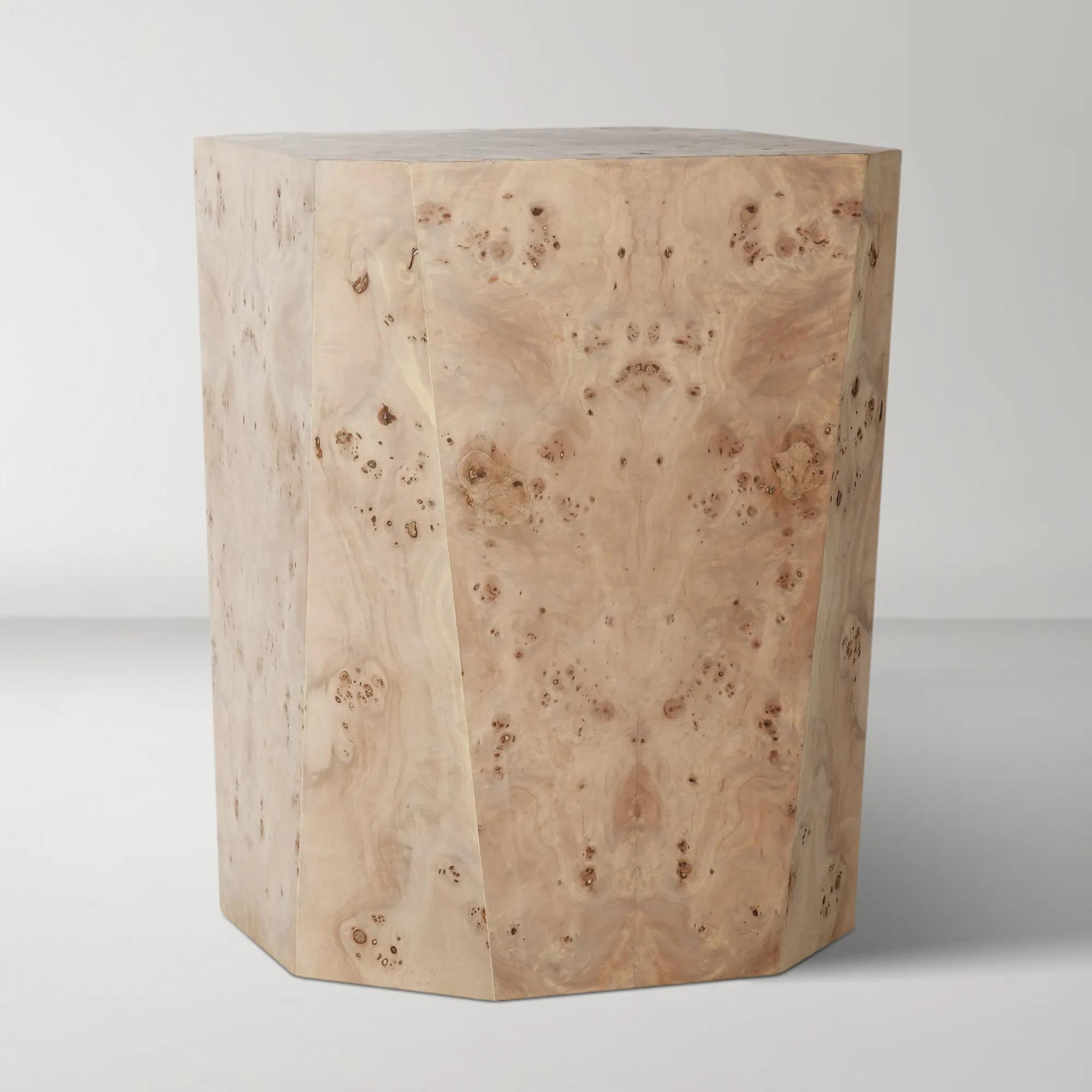
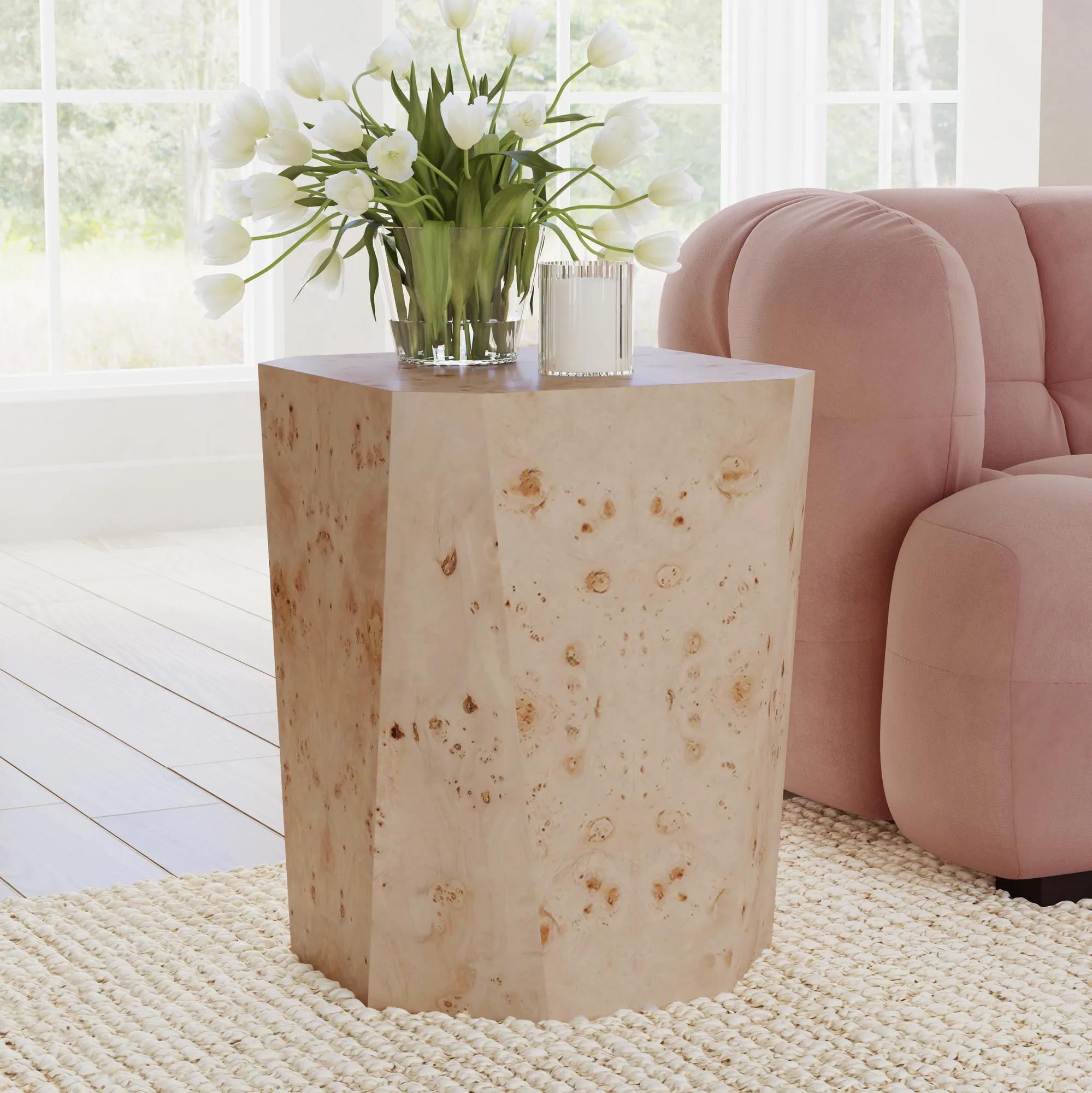 Avena Square Natural Burl Wood End Table (17.75")$699
A striking end table featuring natural burl wood veneer with unique swirling grain and warm, organic tones.
Add To Cart -
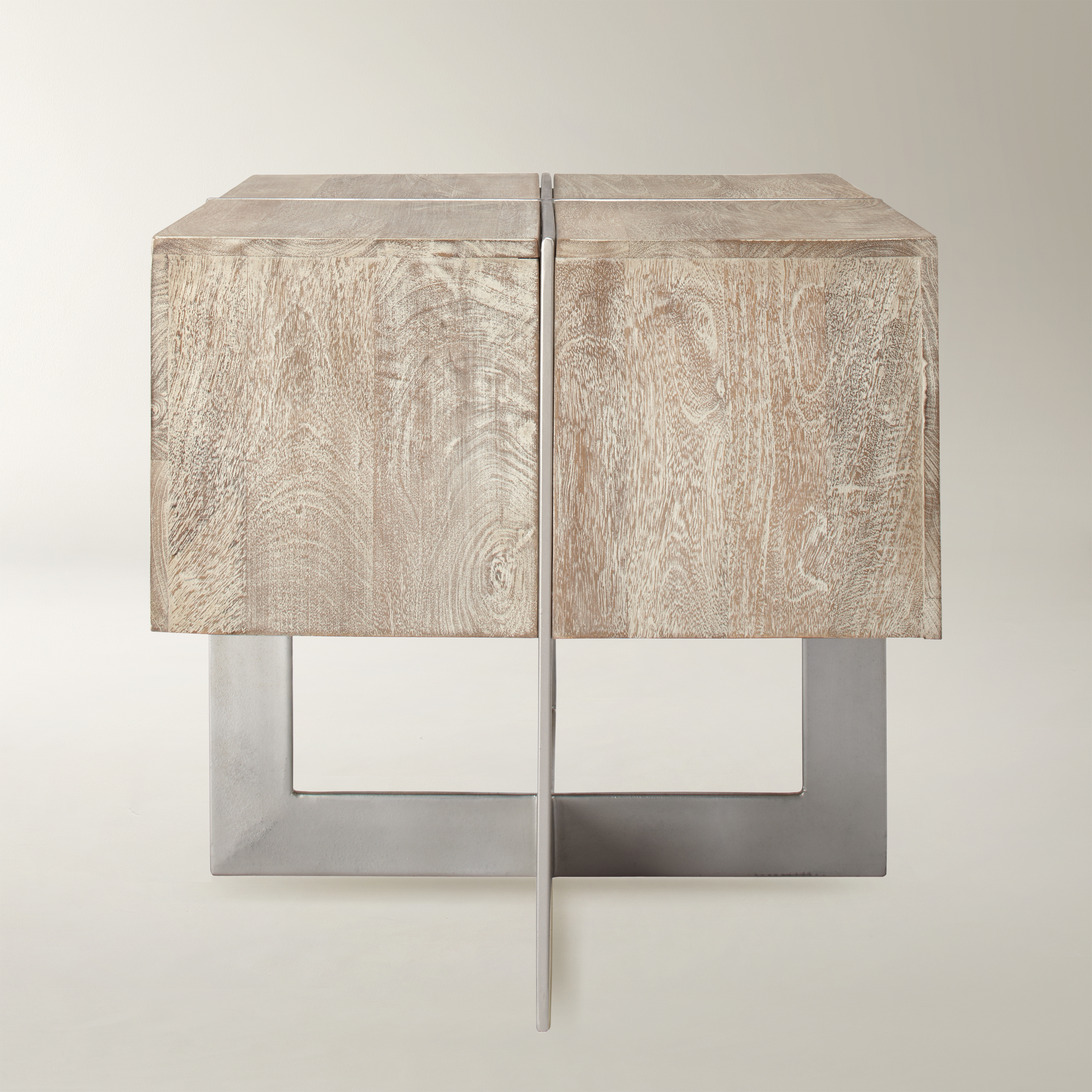
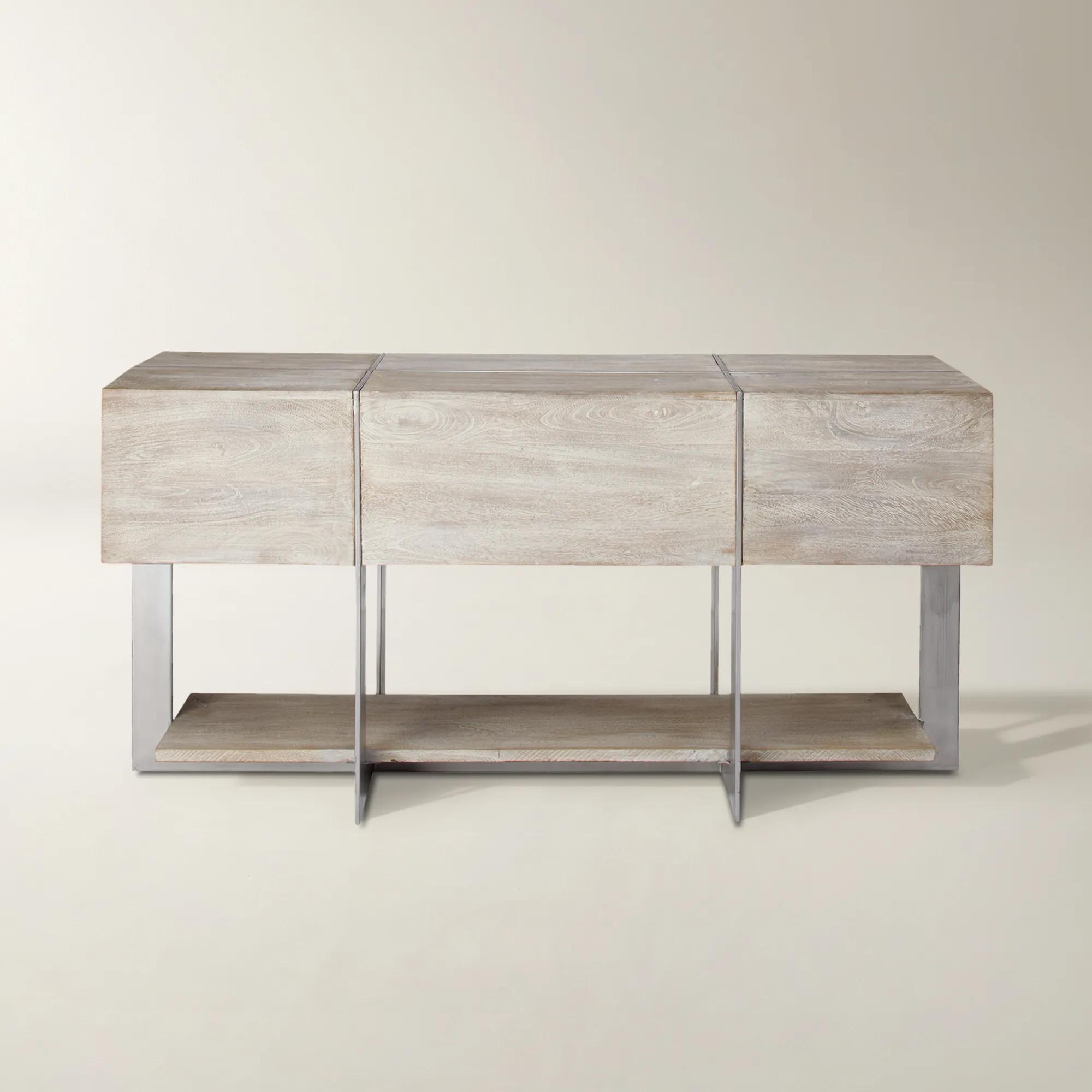
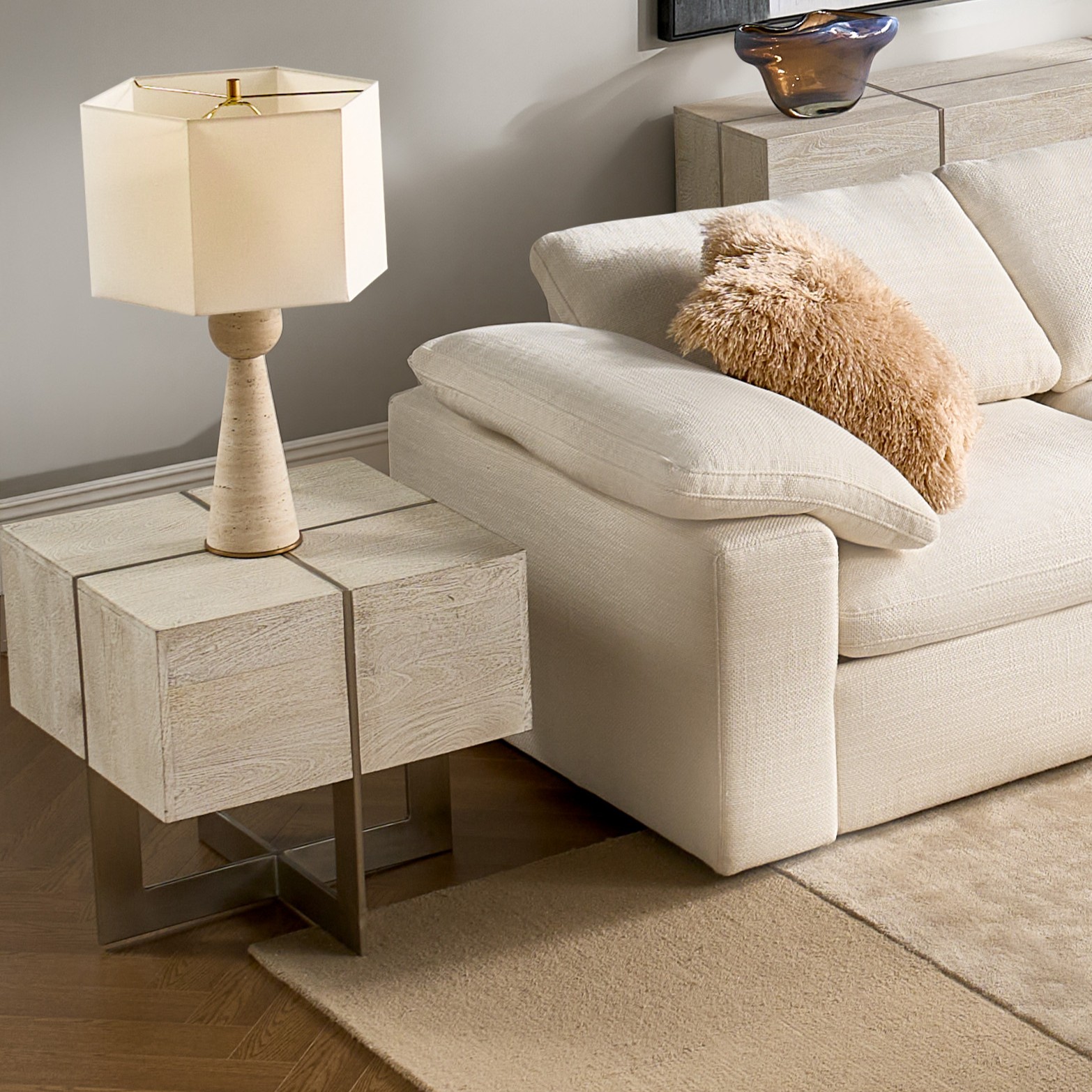 Clifton Square Natural Mango Wood End Table (24")$599
A handcrafted mango wood end table with a whitewashed finish and antiqued silver iron legs.
Add To Cart -
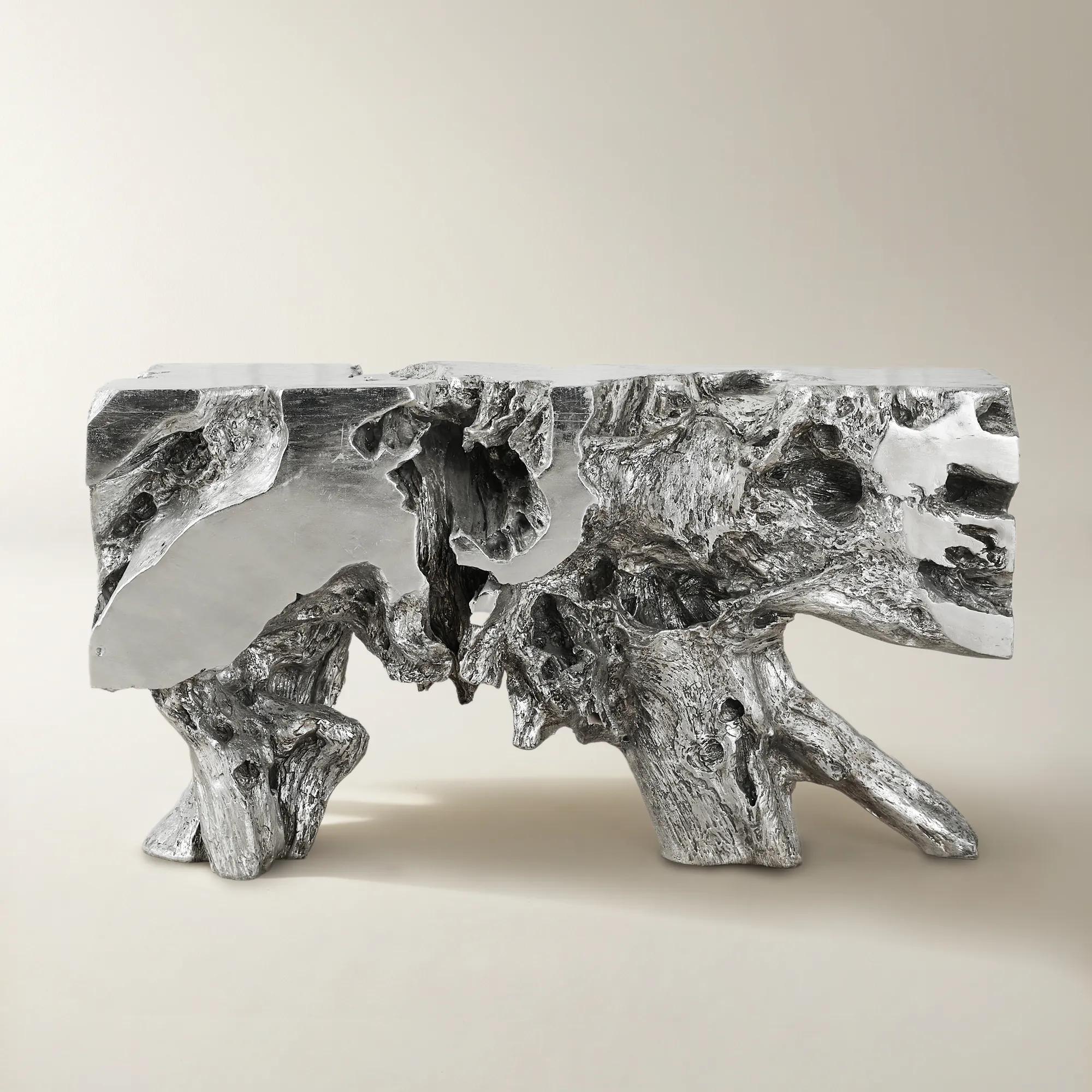
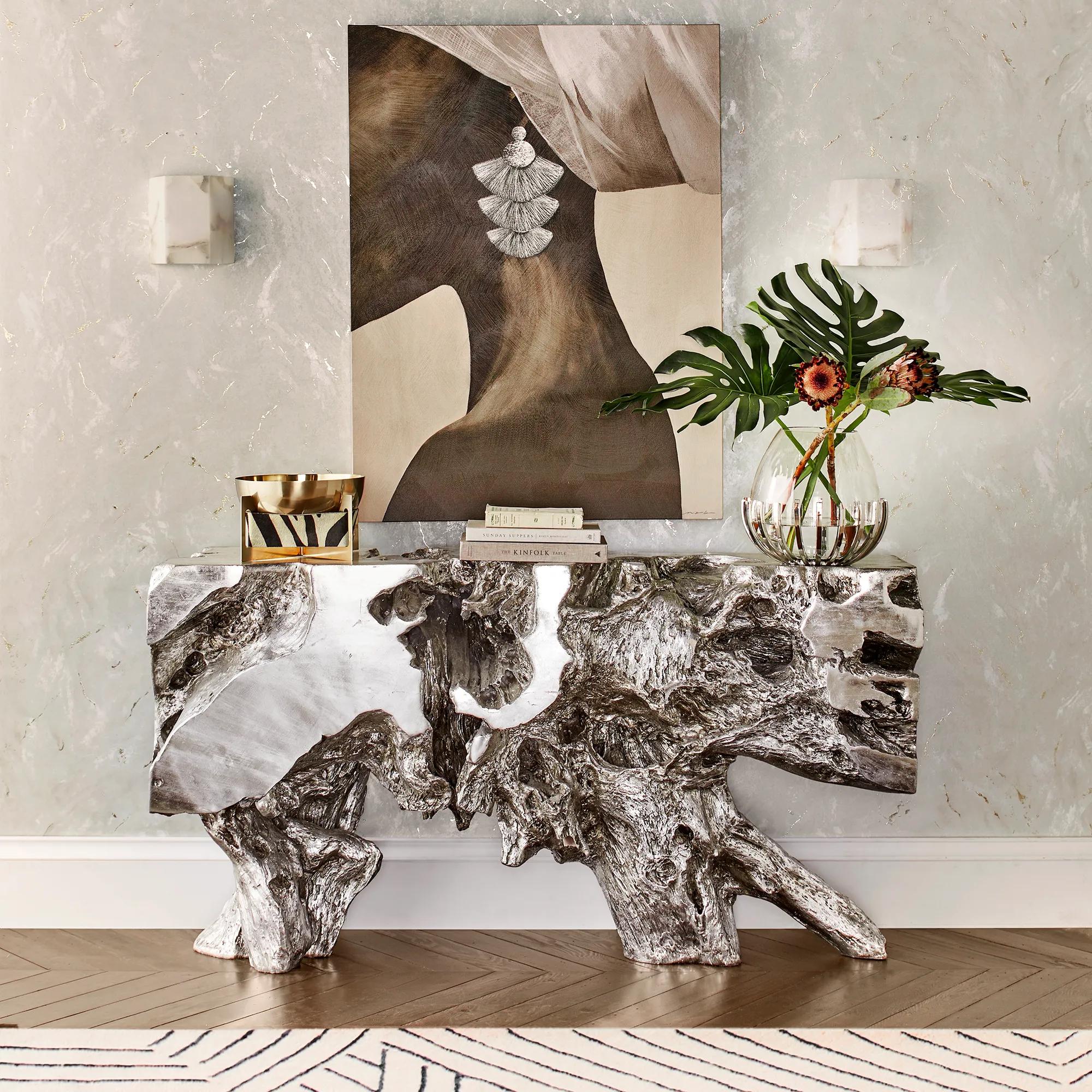 Sequoia Silver Resin Console Table (58")$1999
A sculptural console table featuring hand-applied silver leaf over resin and fiberglass with an iron core.
Add To Cart -
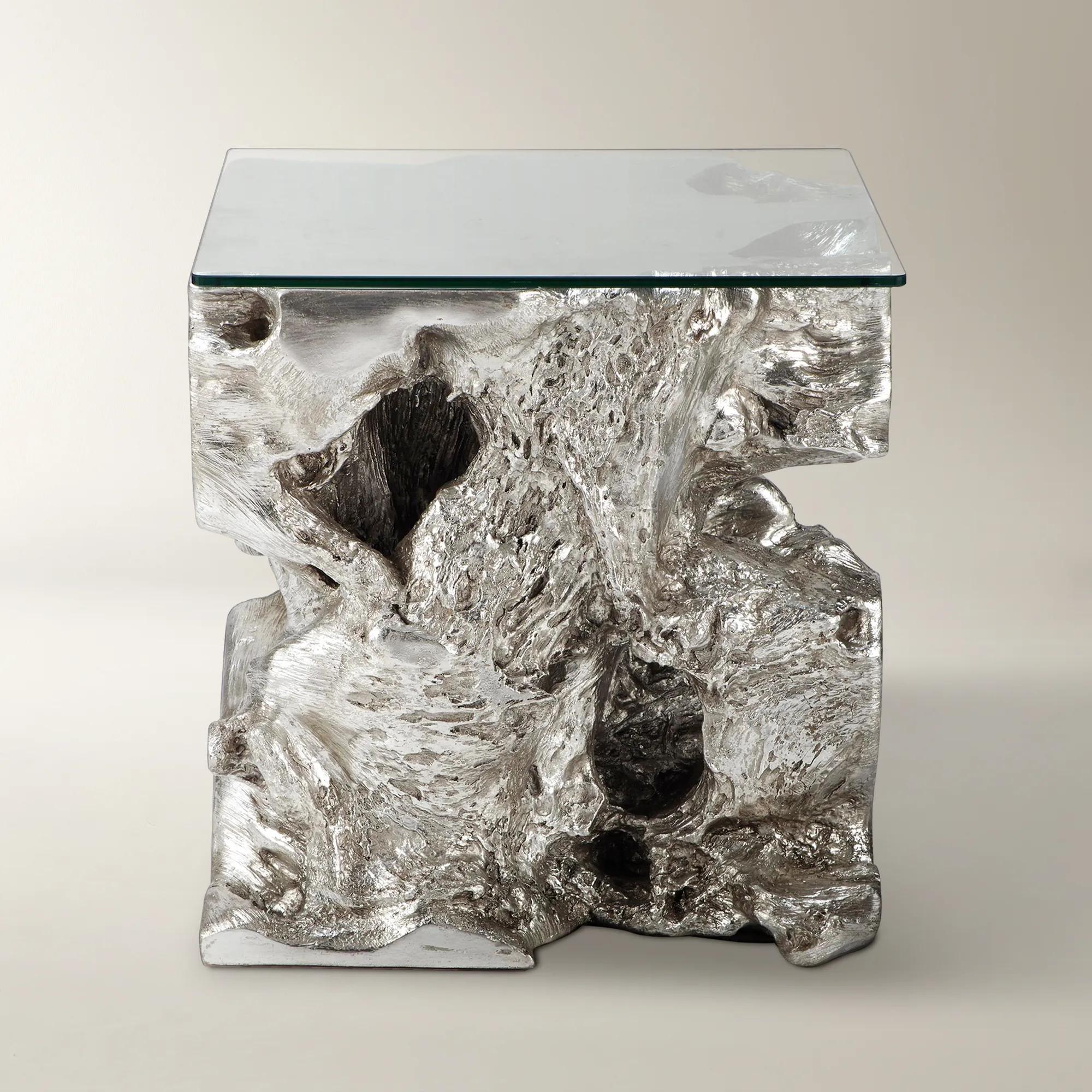 Sequoia Silver Resin End Table With Glass Top (22")$999
A sculptural end table featuring a silver leaf resin base and tempered glass top for modern elegance.
Add To Cart -
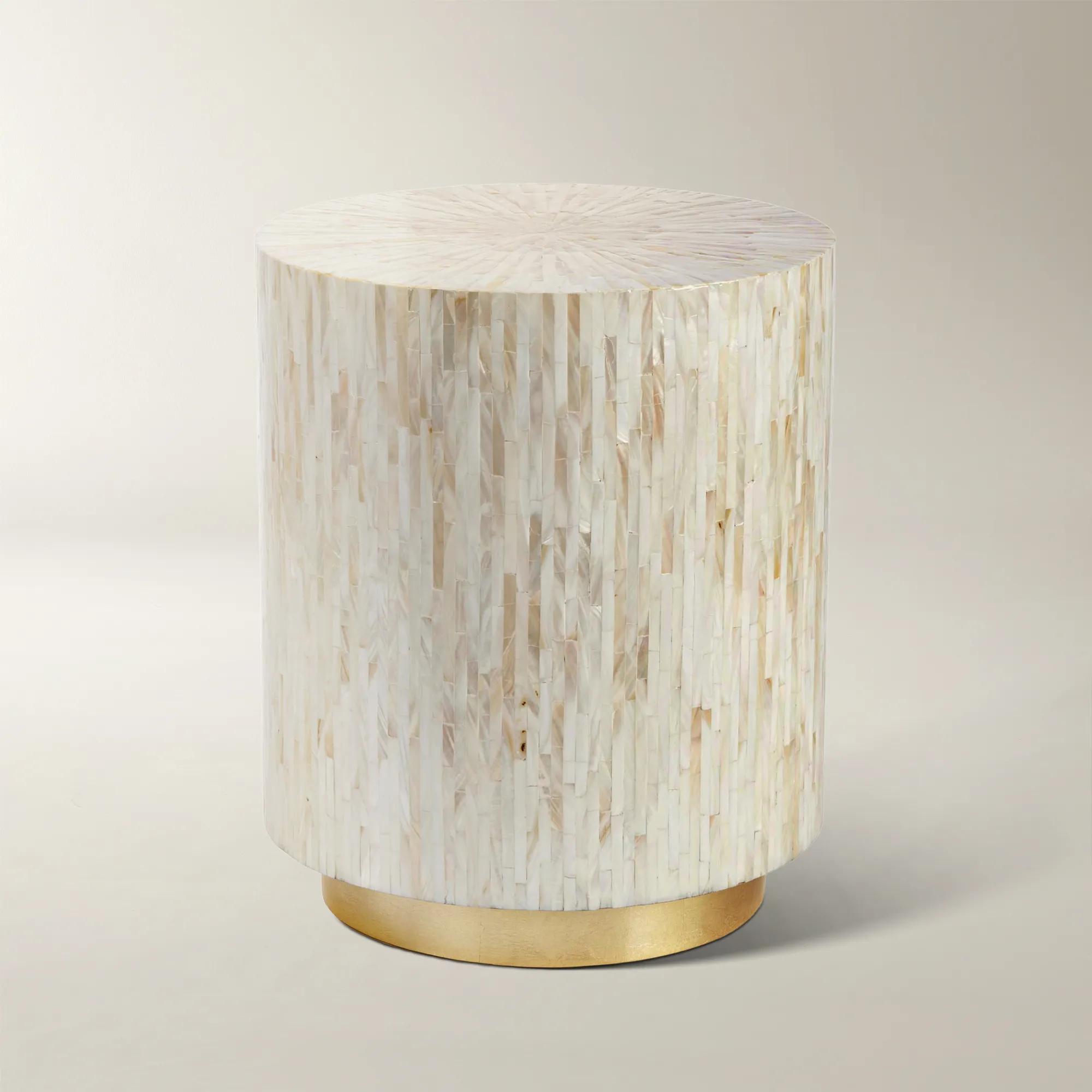 Alexandria Round Mosaic Platinum End Table (13.75")$299
A glamorous accent table featuring hand-applied mother-of-pearl mosaic and a gold leaf-accented base.
Add To Cart -
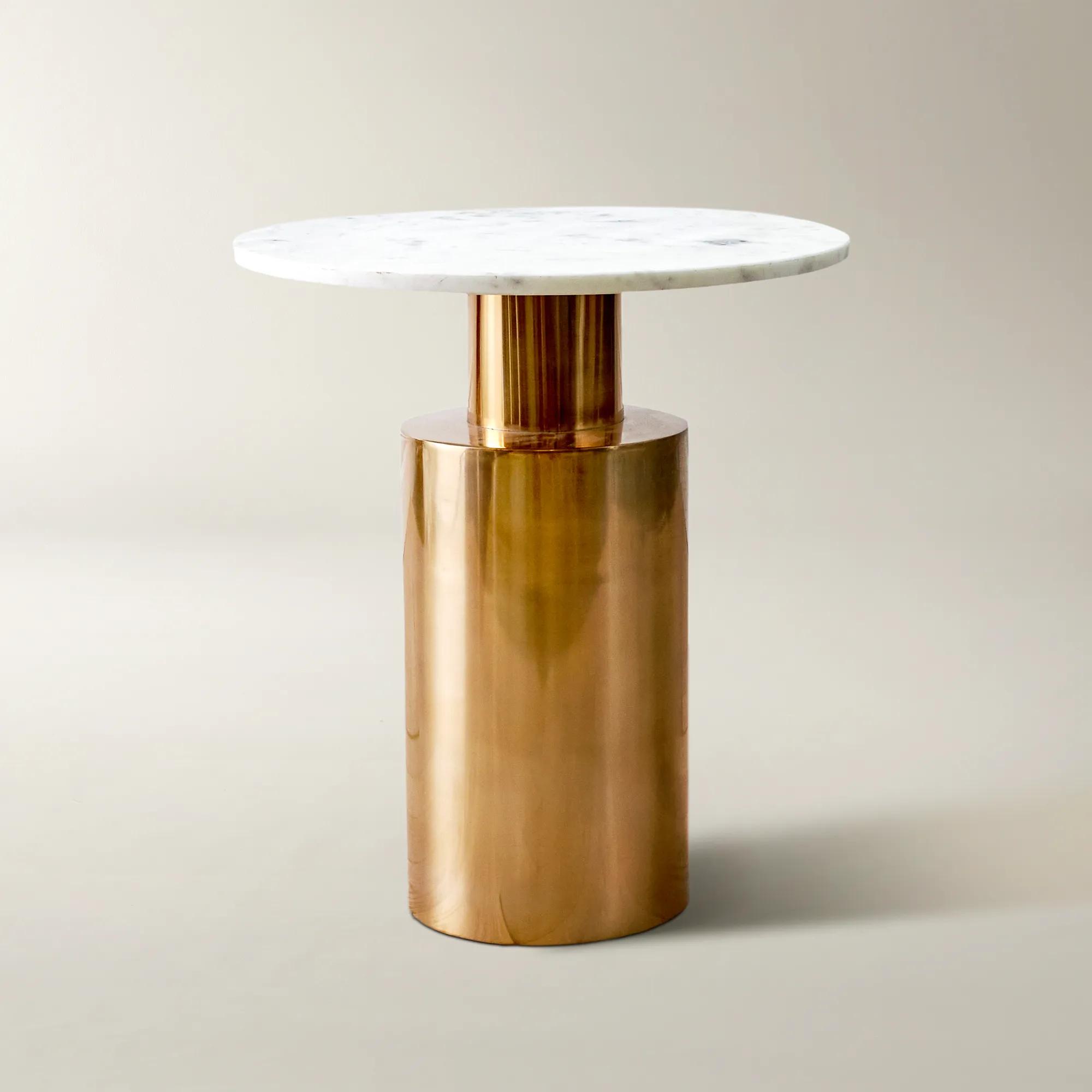 Capri Round White Marble Accent Table (16")$299
A striking accent table featuring a white marble top and gold-finished stainless steel base.
Add To Cart -
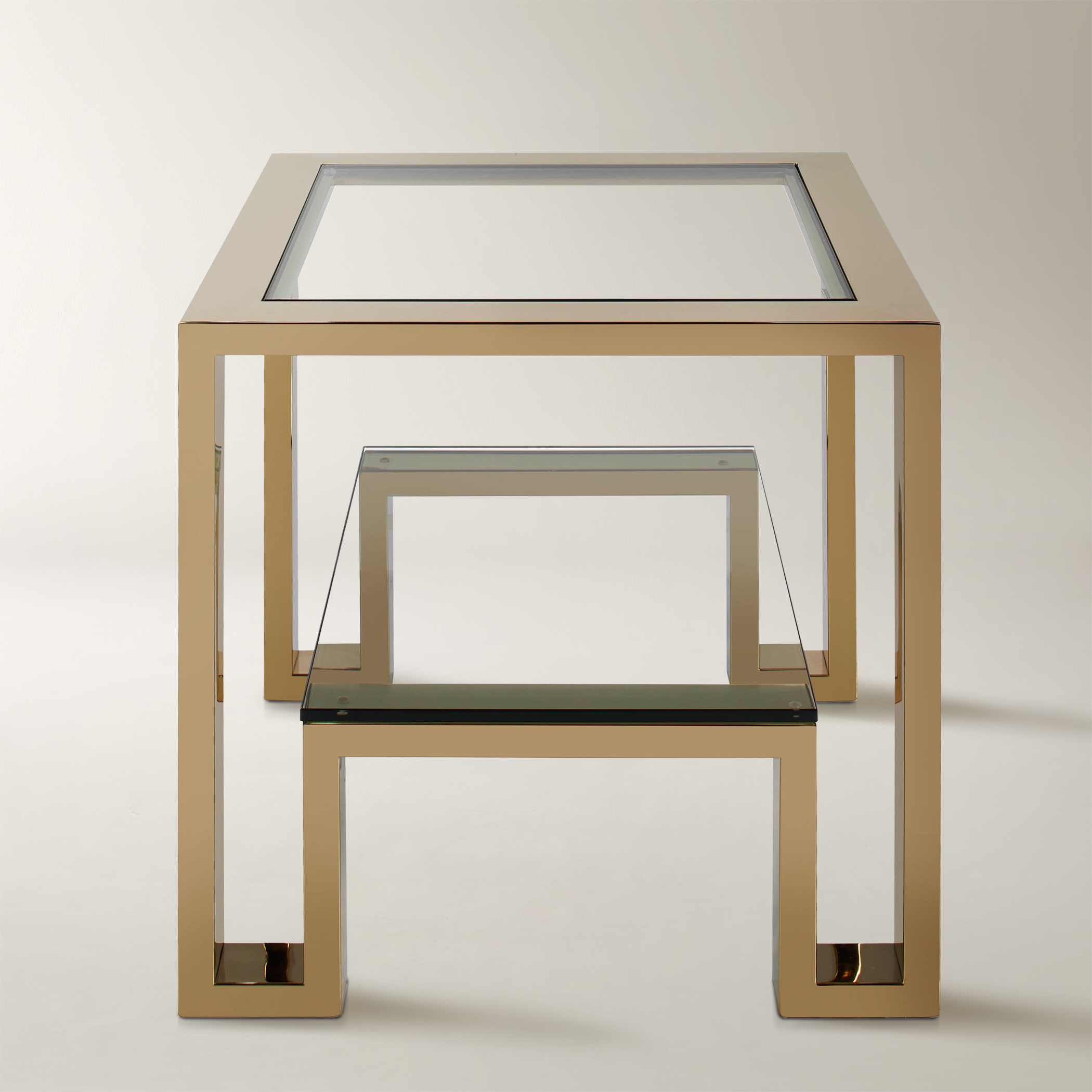 Duplicity Square Gold Stainless Steel End Table With Glass Top (24")$749
A modern end table crafted from stainless steel and tempered glass with a floating bottom shelf.
Add To Cart -
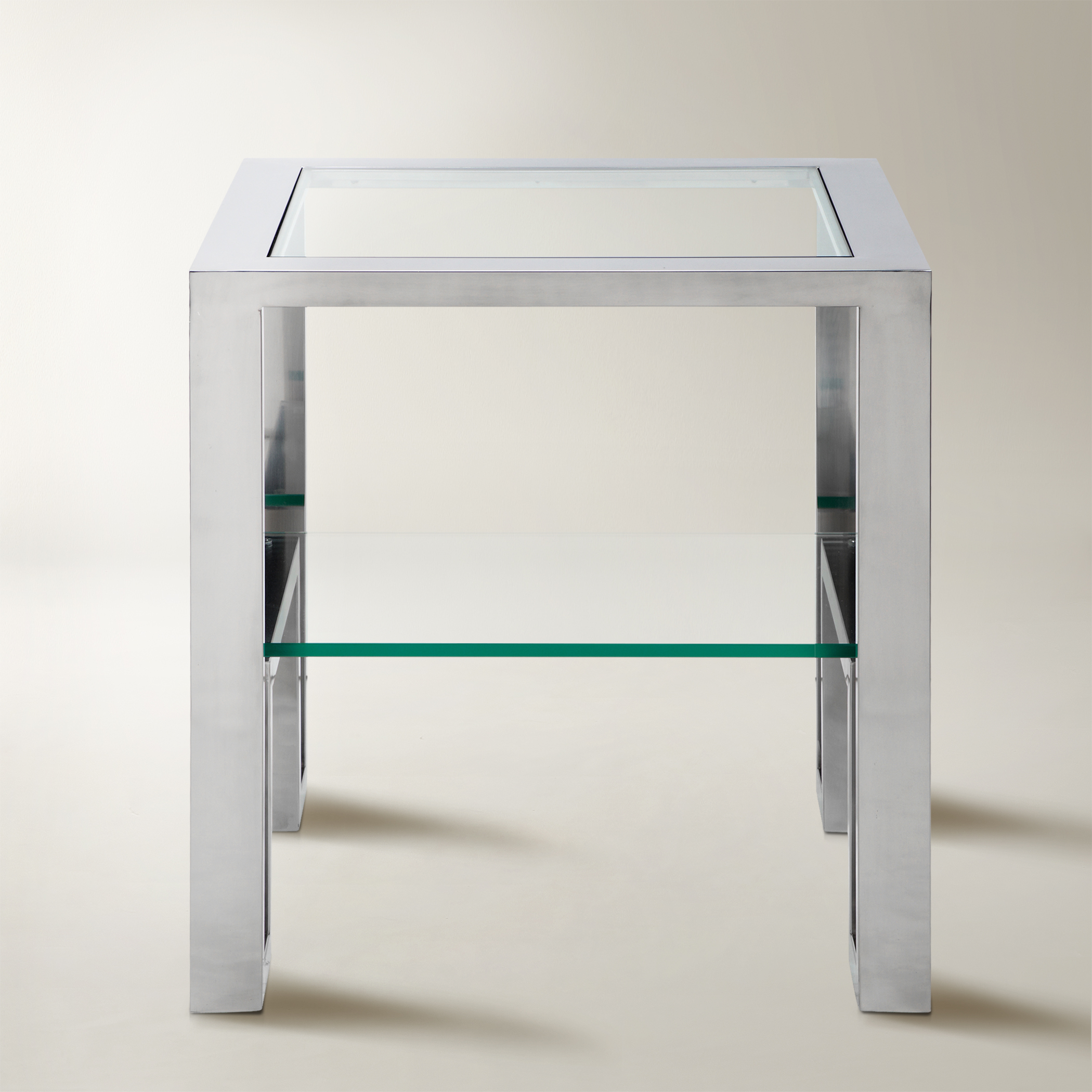
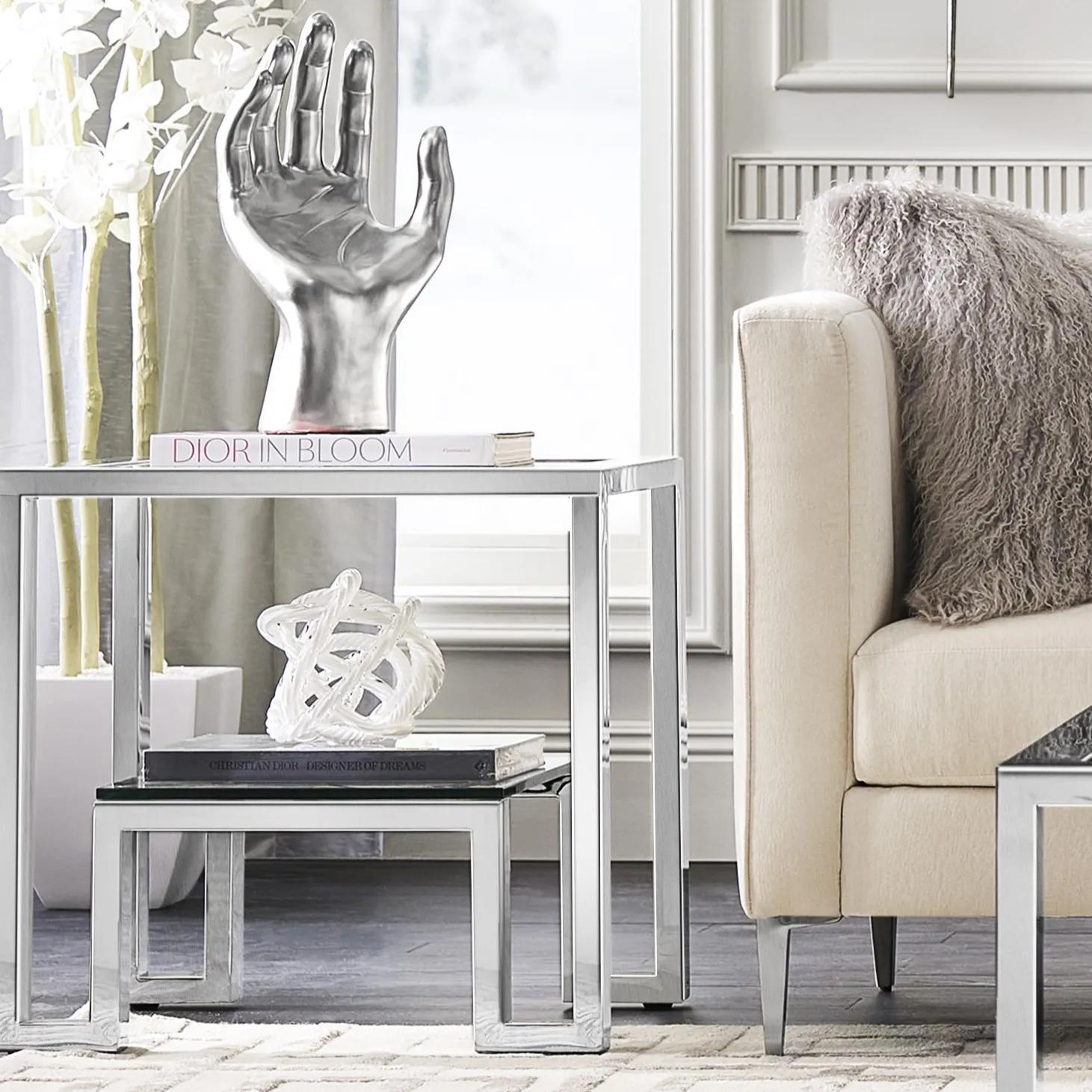 Duplicity Square Silver Stainless Steel End Table With Glass Top (24")$749
A modern end table featuring a stainless steel frame, tempered glass top, and floating bottom shelf.
Add To Cart -
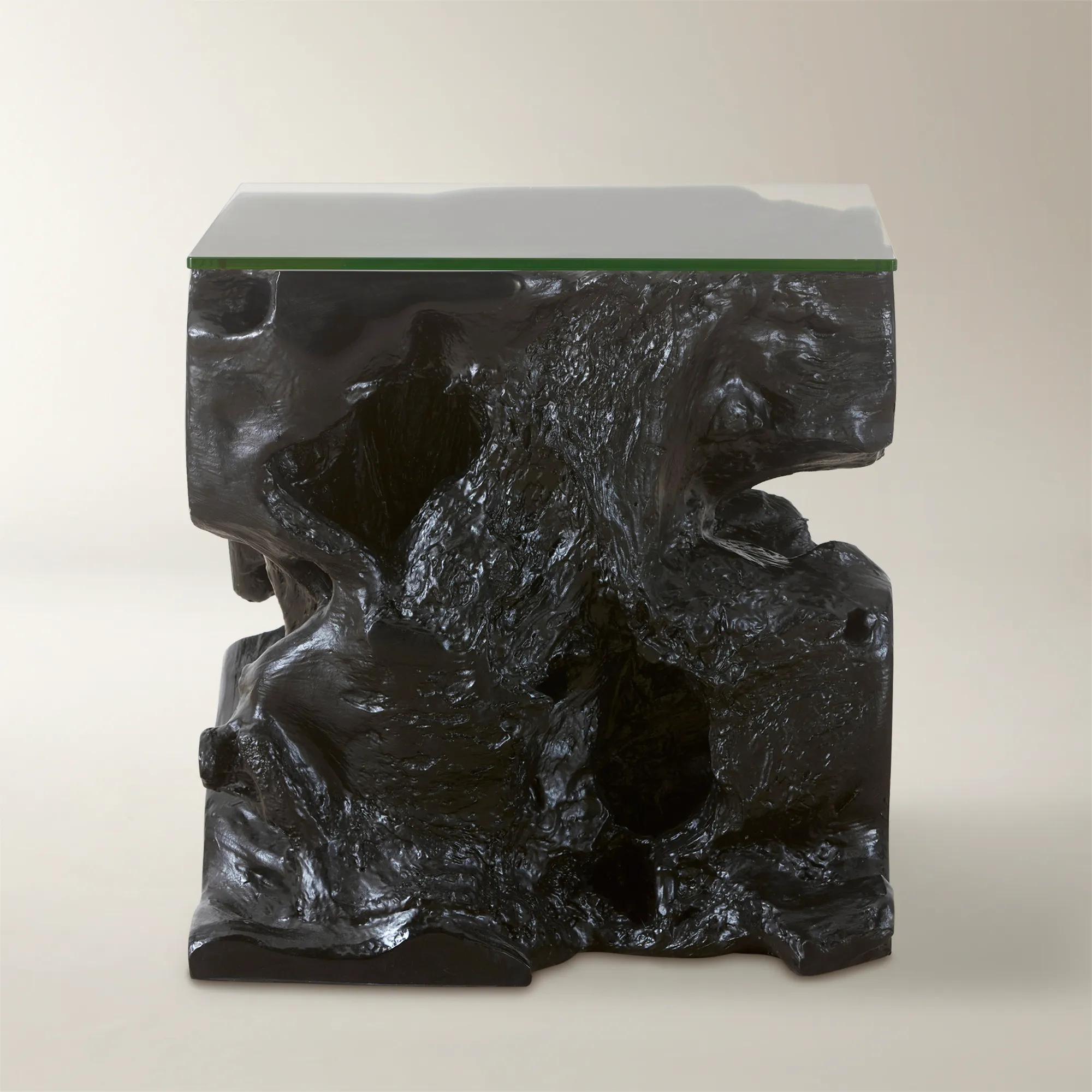 Sequoia Black Resin End Table With Glass Top (22")$999
A sculptural black resin and stone end table inspired by Acacia roots, suitable for indoor or outdoor use.
Add To Cart -
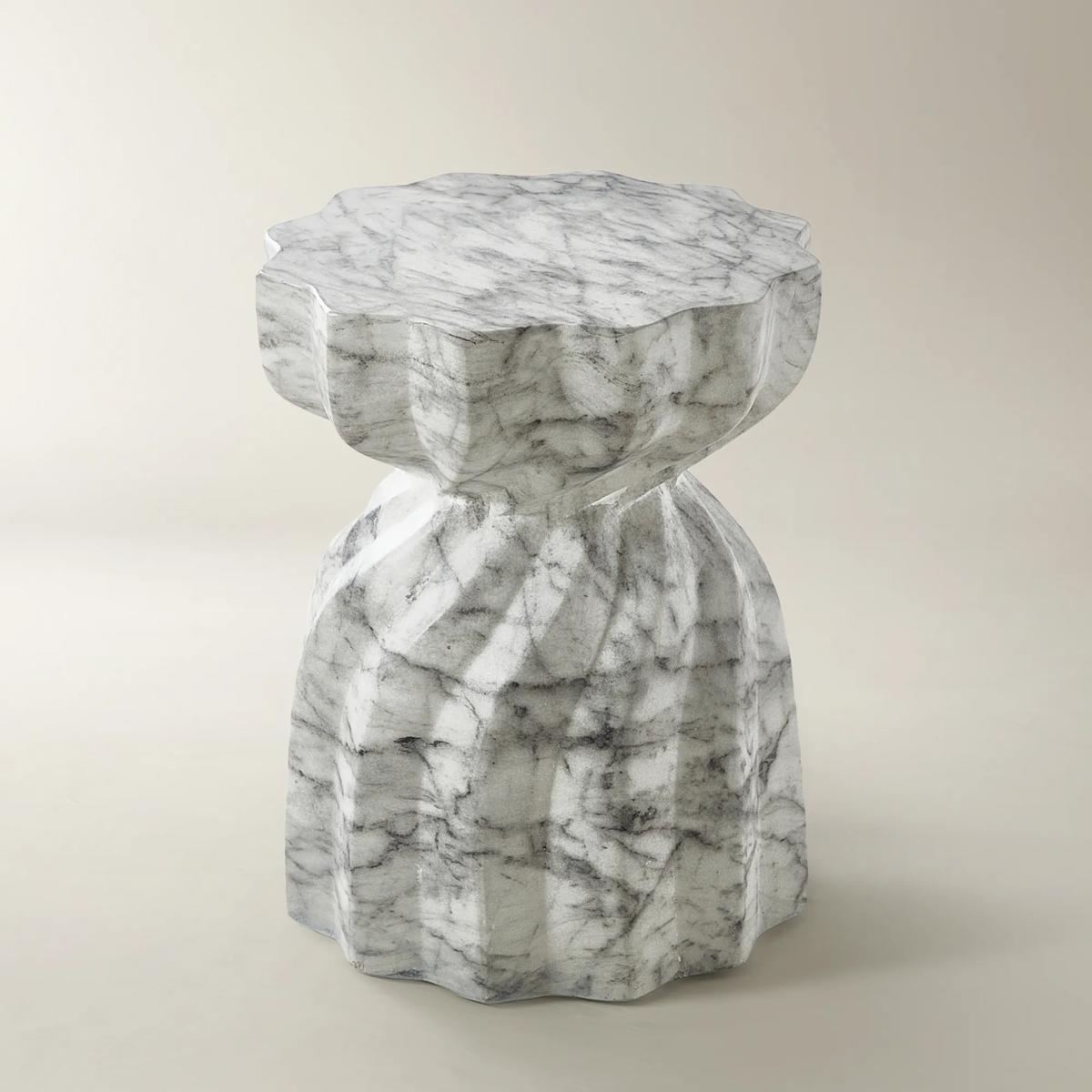
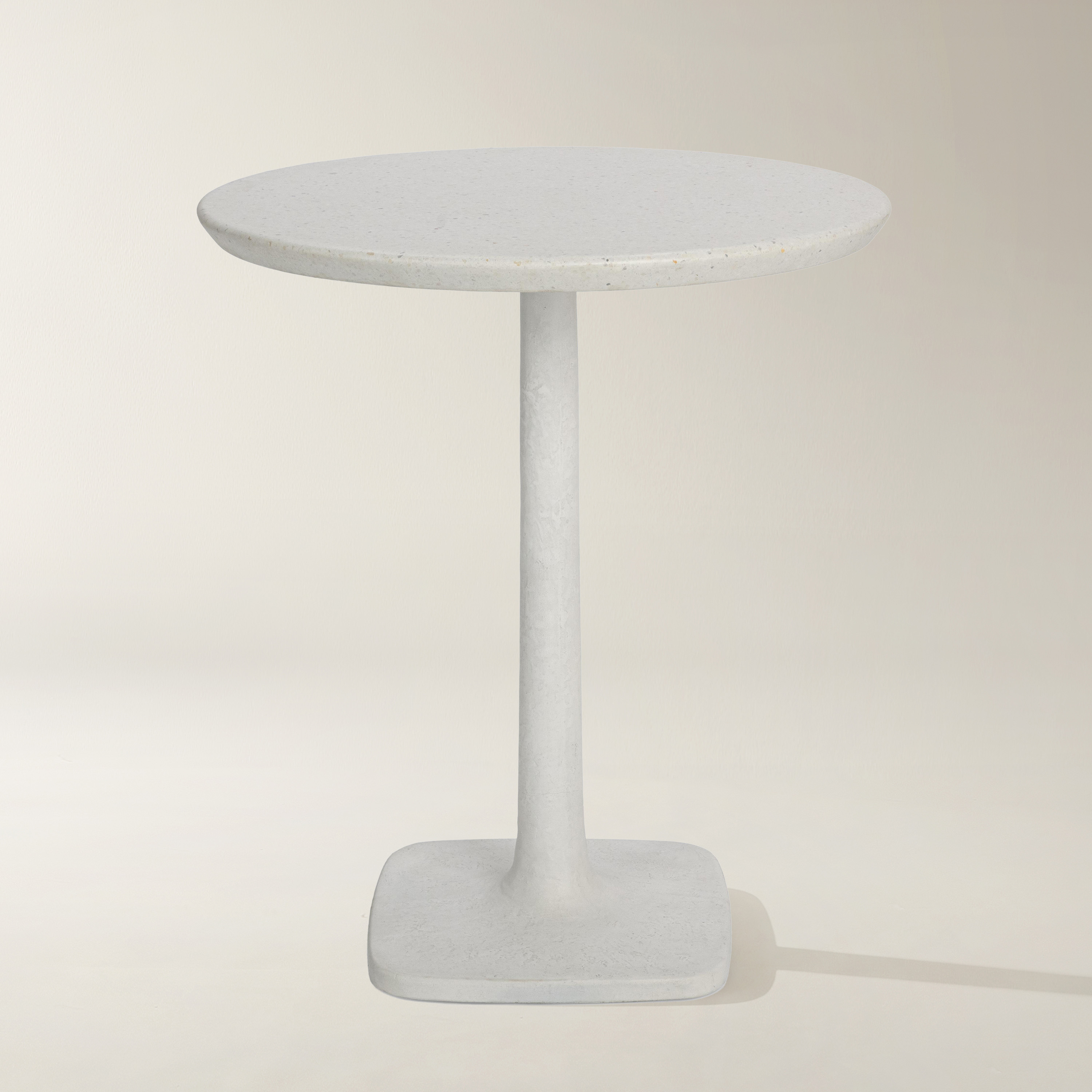
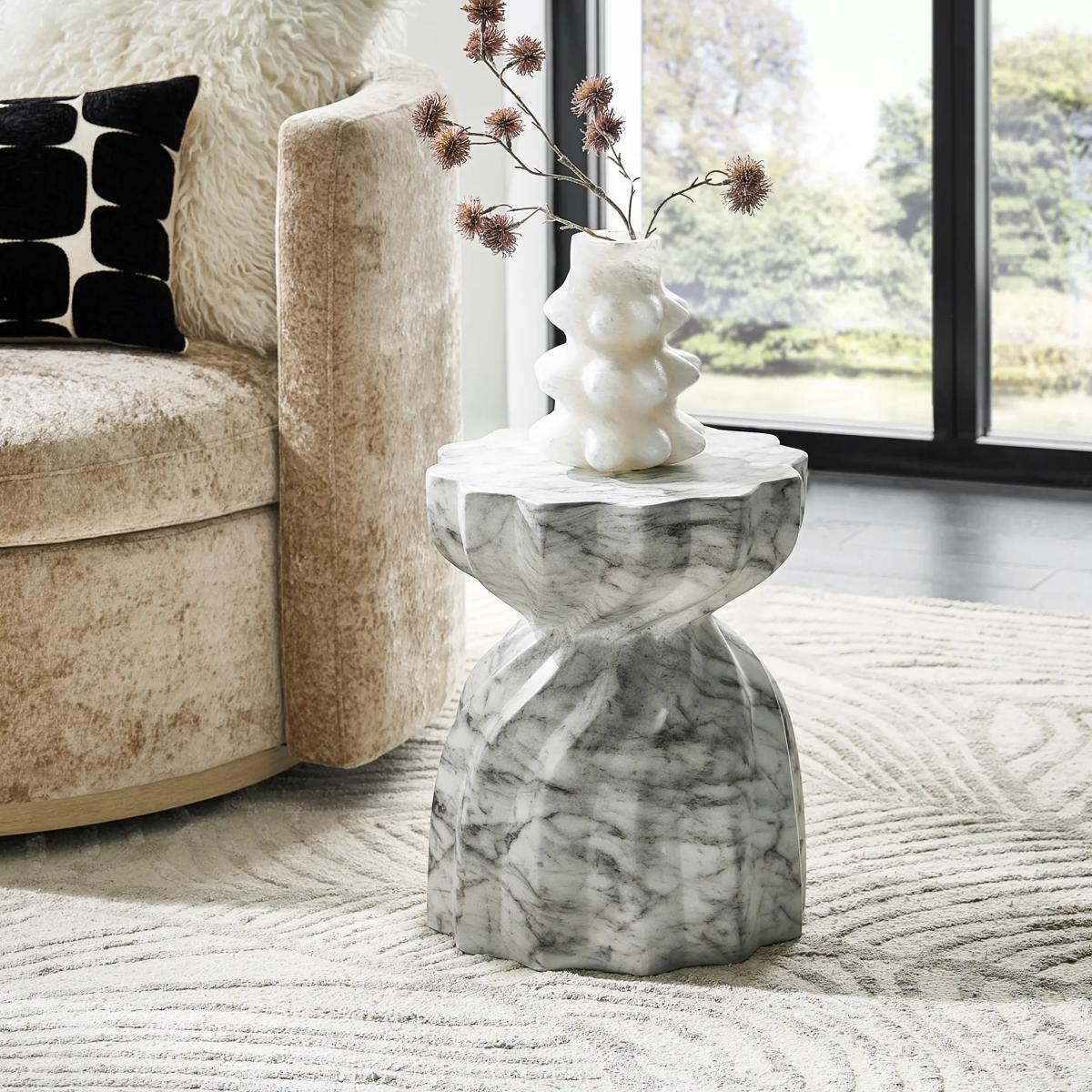 Lithia Scalloped White Concrete Side Table (15")$299
A sculptural white marble-look side table crafted from durable, lightweight fiber concrete for indoor or outdoor use.
Add To Cart -
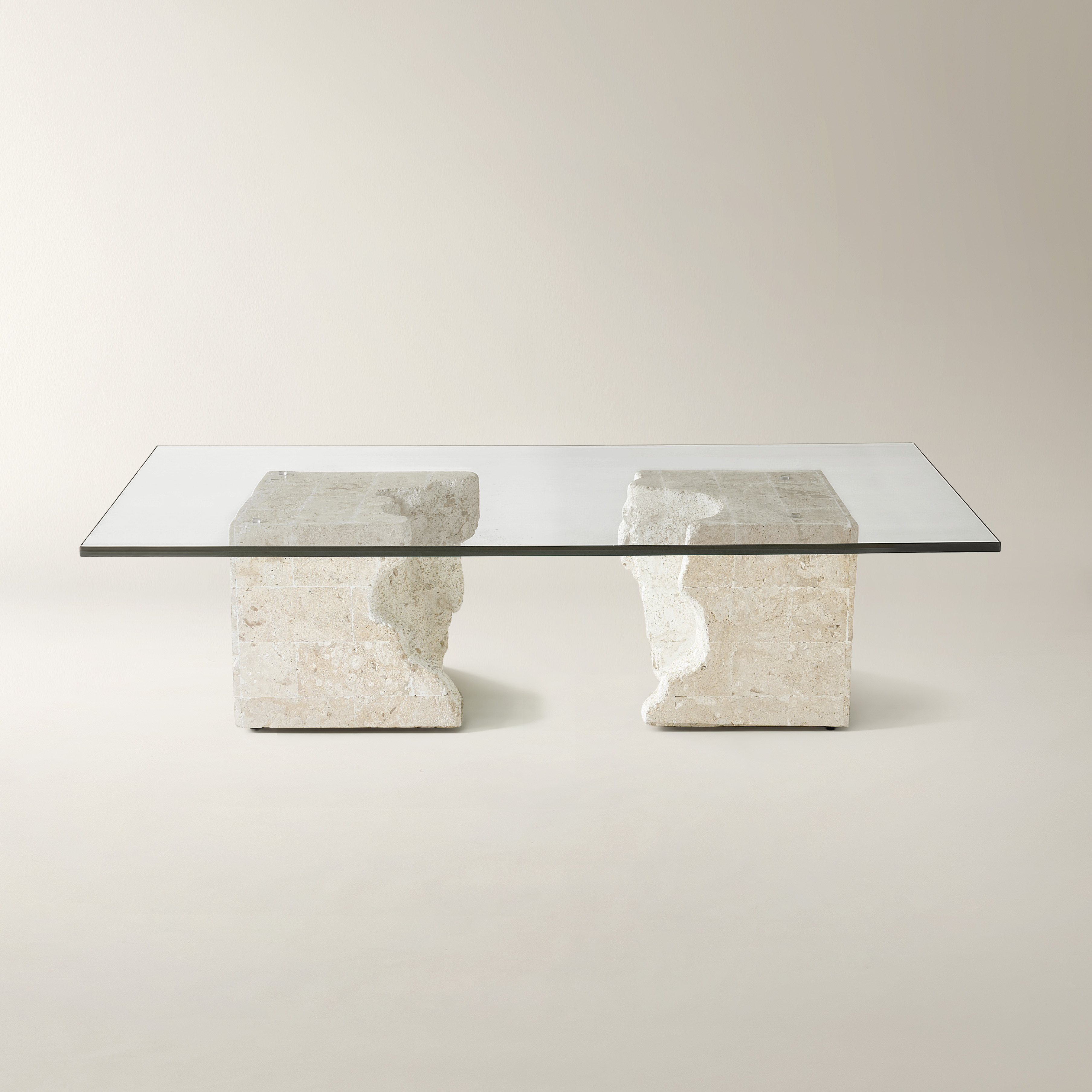 Cairo Rectangular Mactan Stone Coffee Table With Glass Top (63")$1899
A contemporary coffee table featuring a clear tempered glass top floating above hand-carved Mactan stone bases.
Add To Cart -
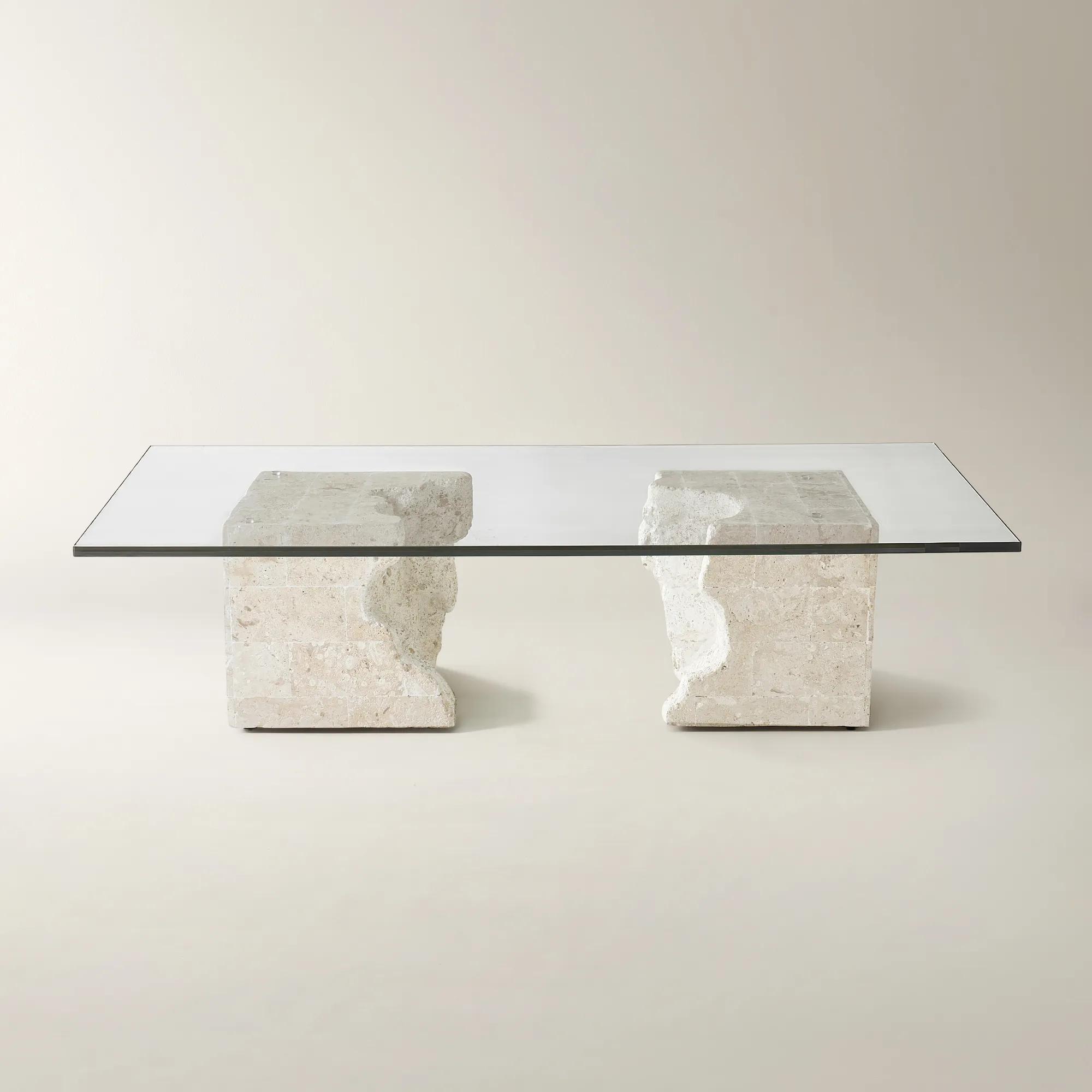 Cairo Rectangular Mactan Stone Coffee Table With Glass Top (70.87")$1999
A contemporary coffee table featuring a clear tempered glass top floating above hand-carved Mactan stone bases.
Add To Cart -
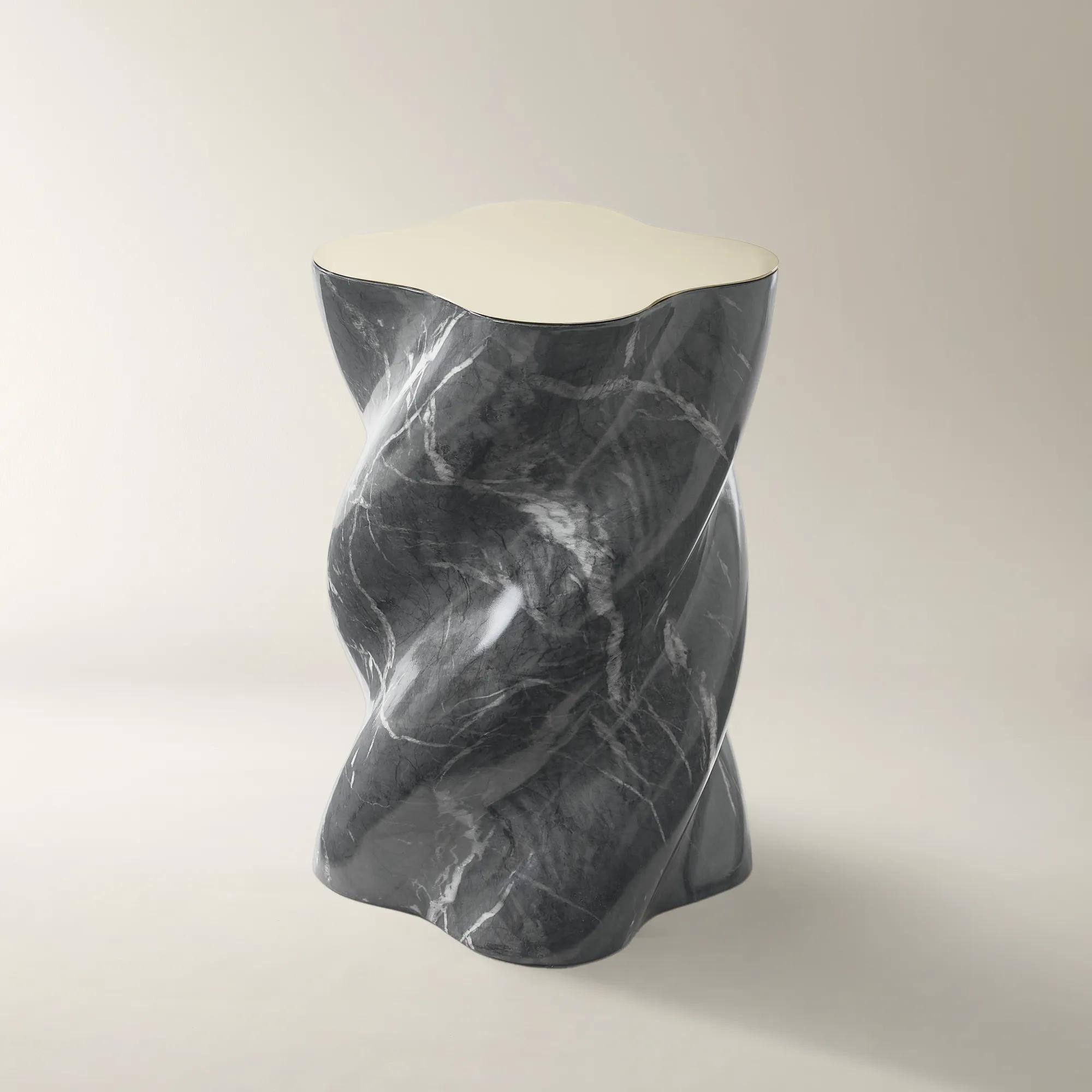 Vega Bvlgary Black Concrete Side Table With Stainless Steel Top (13.8")$459
A sculptural black side table featuring a marble-inspired fiber-concrete base and removable stainless steel top.
Add To Cart -
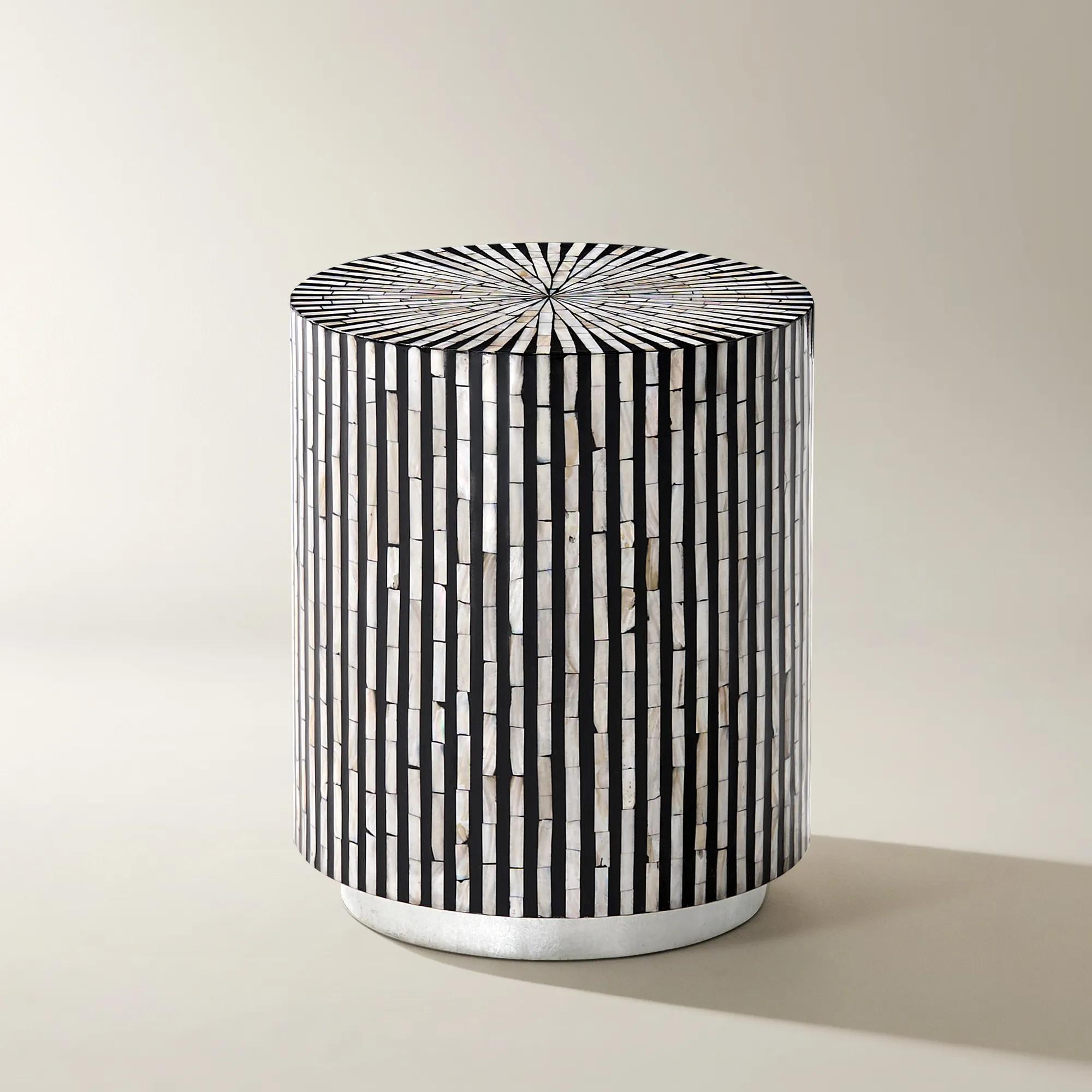
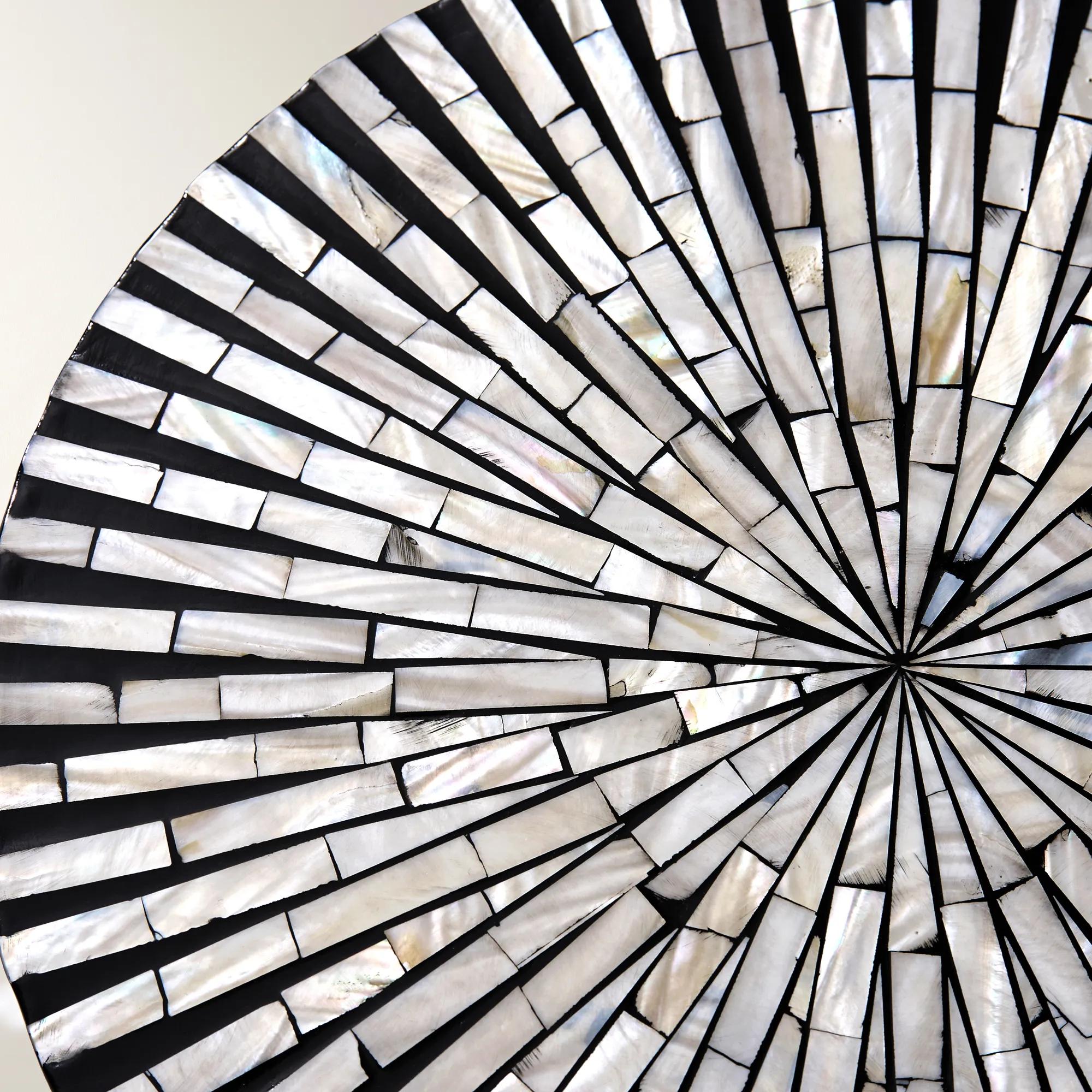 Marina Round Mosaic Black End Table (13.75")$299
A sculptural black end table featuring hand-applied mother-of-pearl mosaic and a silver leaf–accented base.
Add To Cart -
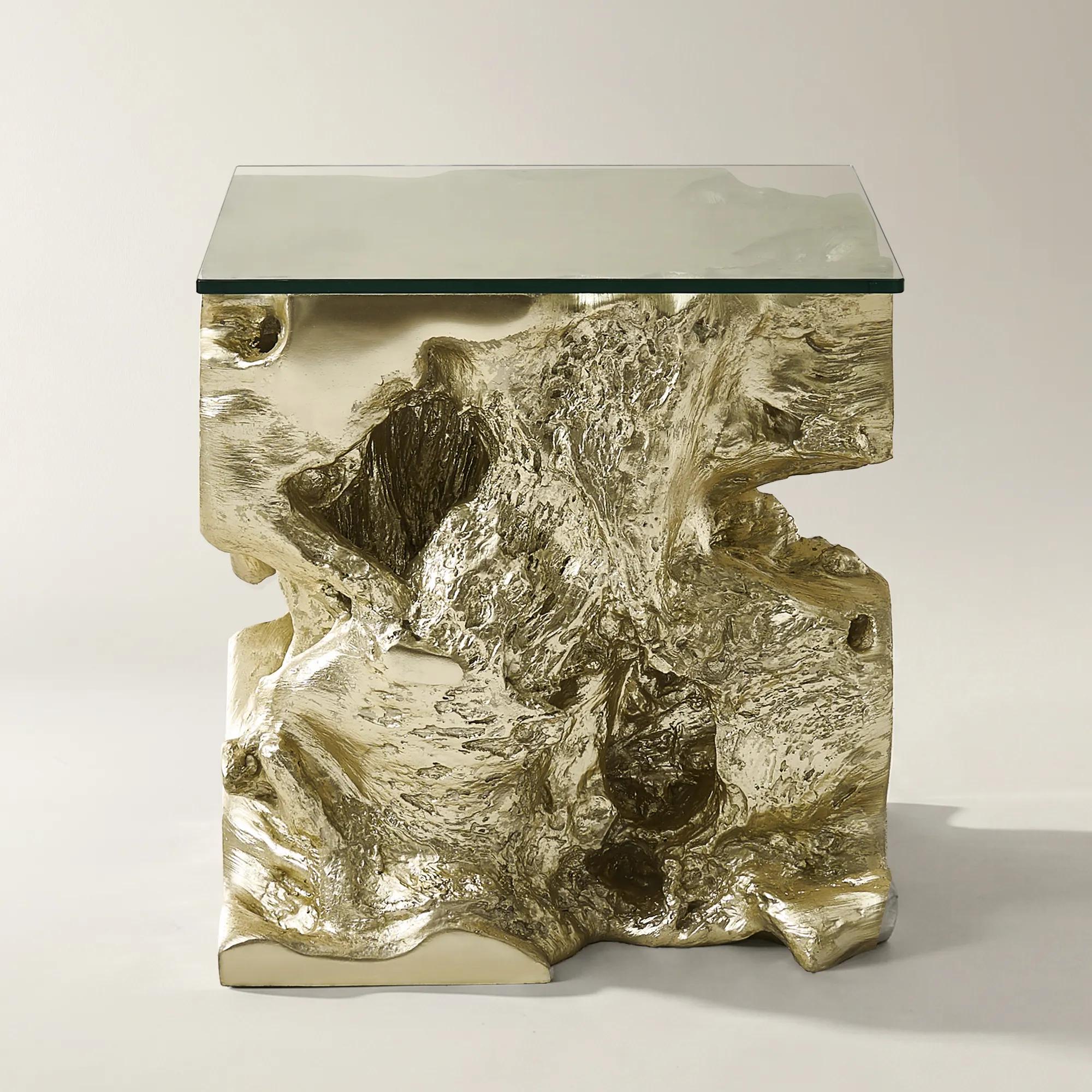 Sequoia Champagne Gold Resin End Table With Glass Top (22")$999
A sculptural resin end table with a champagne gold leaf finish and a clear tempered glass top.
Add To Cart -
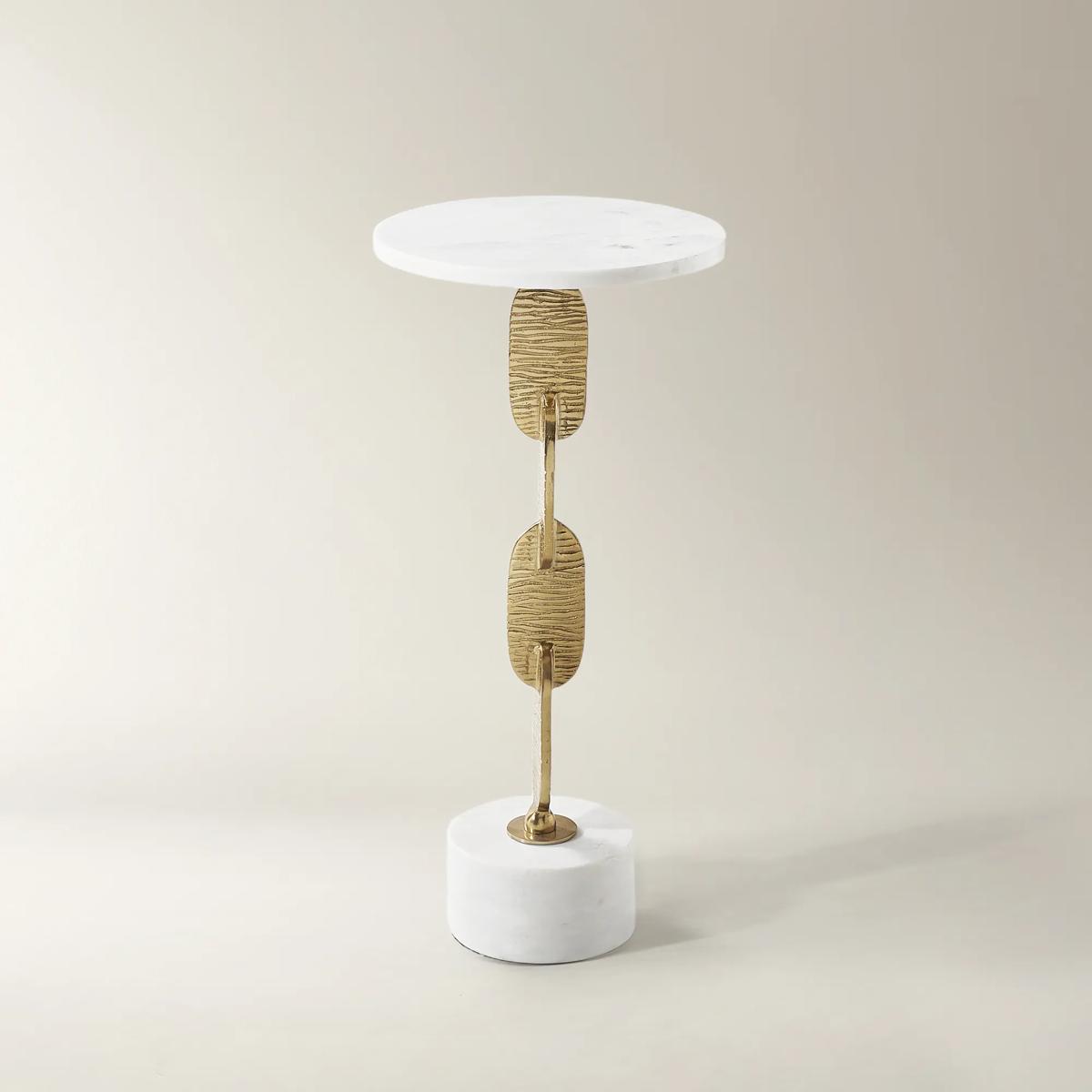
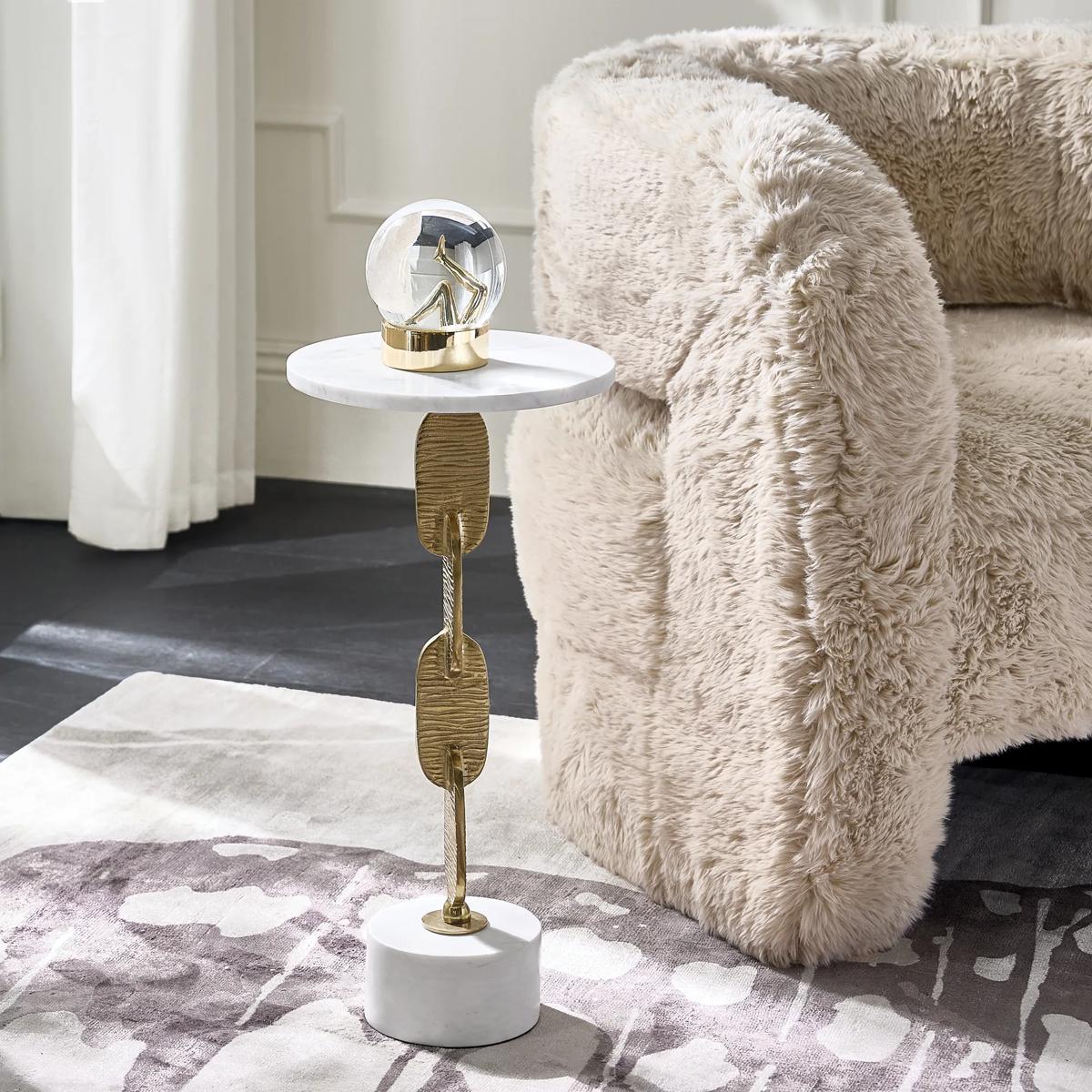 Luna Round White Marble Side Table (11.25")$199
A sculptural side table featuring a genuine white marble top and an open gold-finished metal frame.
Add To Cart -
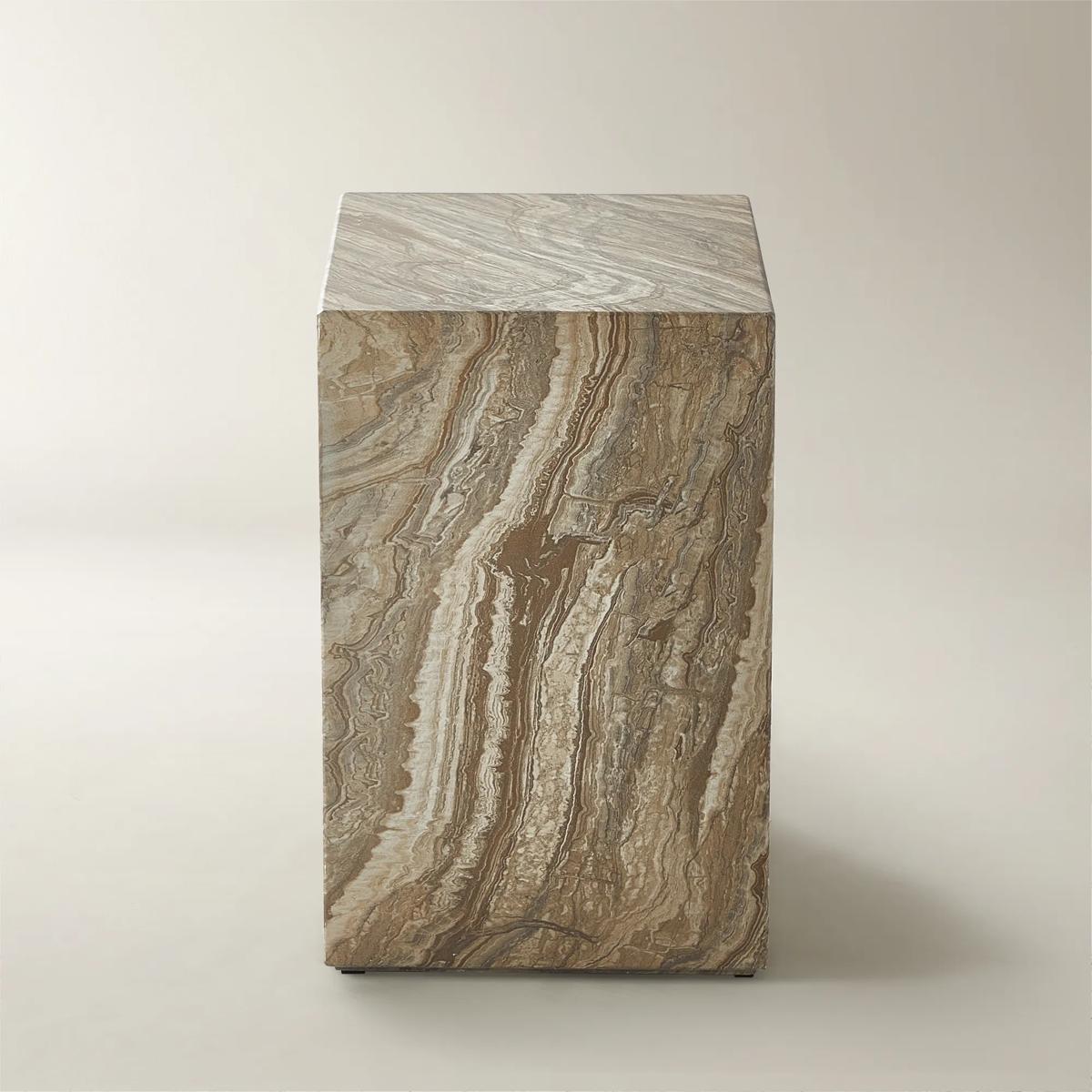
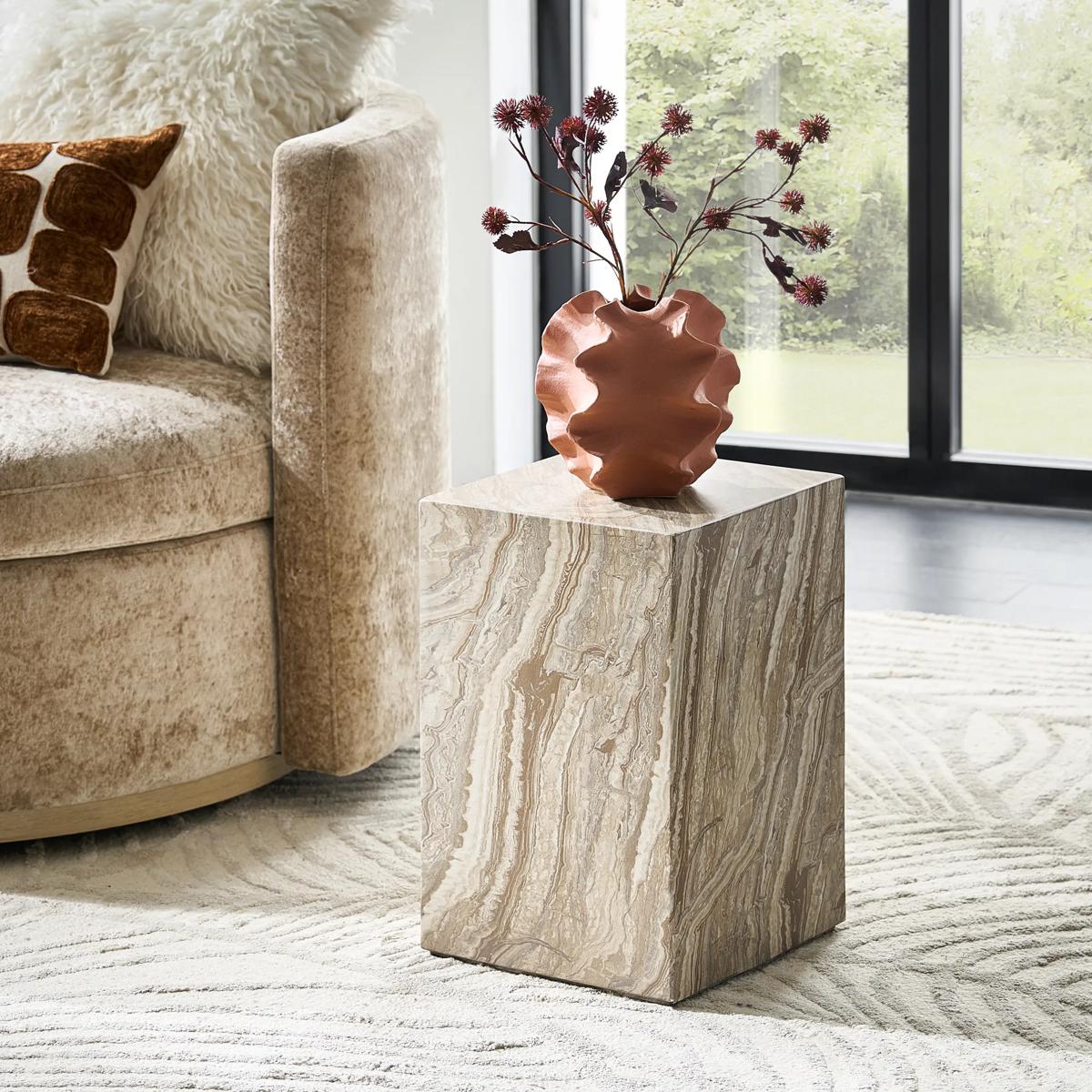 Strata Square Brown Concrete Side Table (11.8")$259
A lightweight fiber concrete side table featuring realistic brown marble veining and sealed for indoor or outdoor use.
Add To Cart -
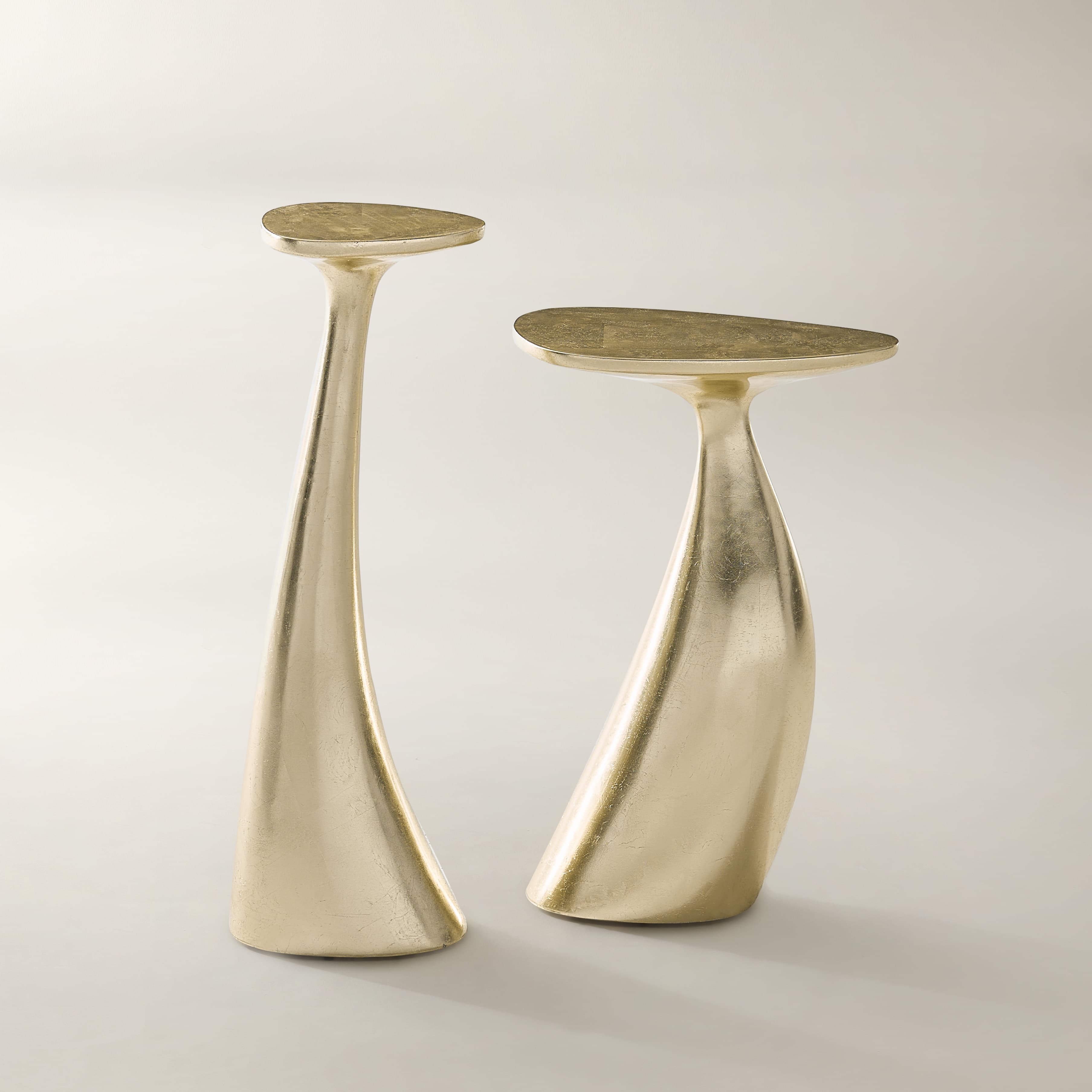 Thalia Soft Gold Side Table Set Of 2 (8"-12.5")$659
A sculptural duo of gold leaf fiberglass tables with fluid lines and a warm, luminous finish.
Add To Cart -
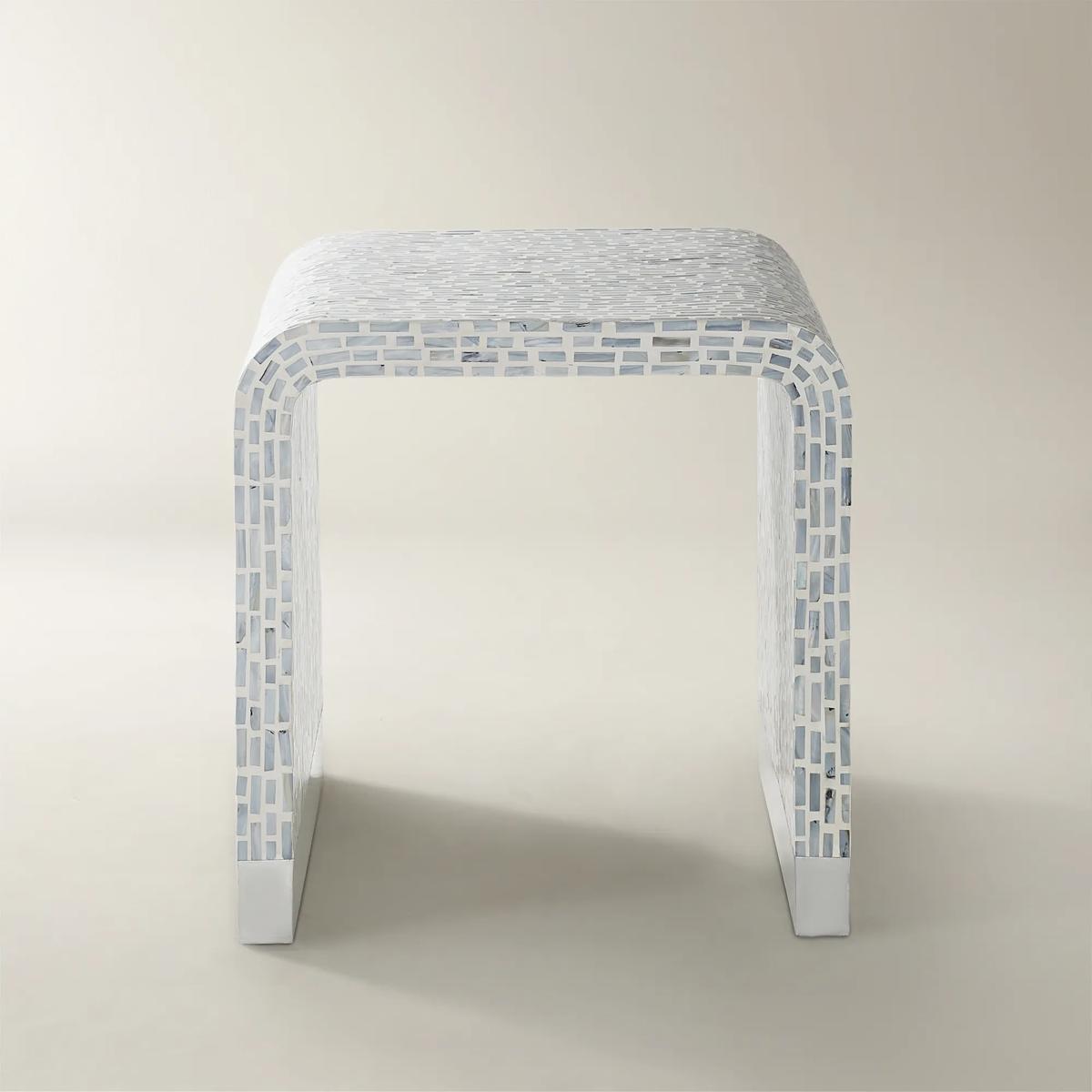
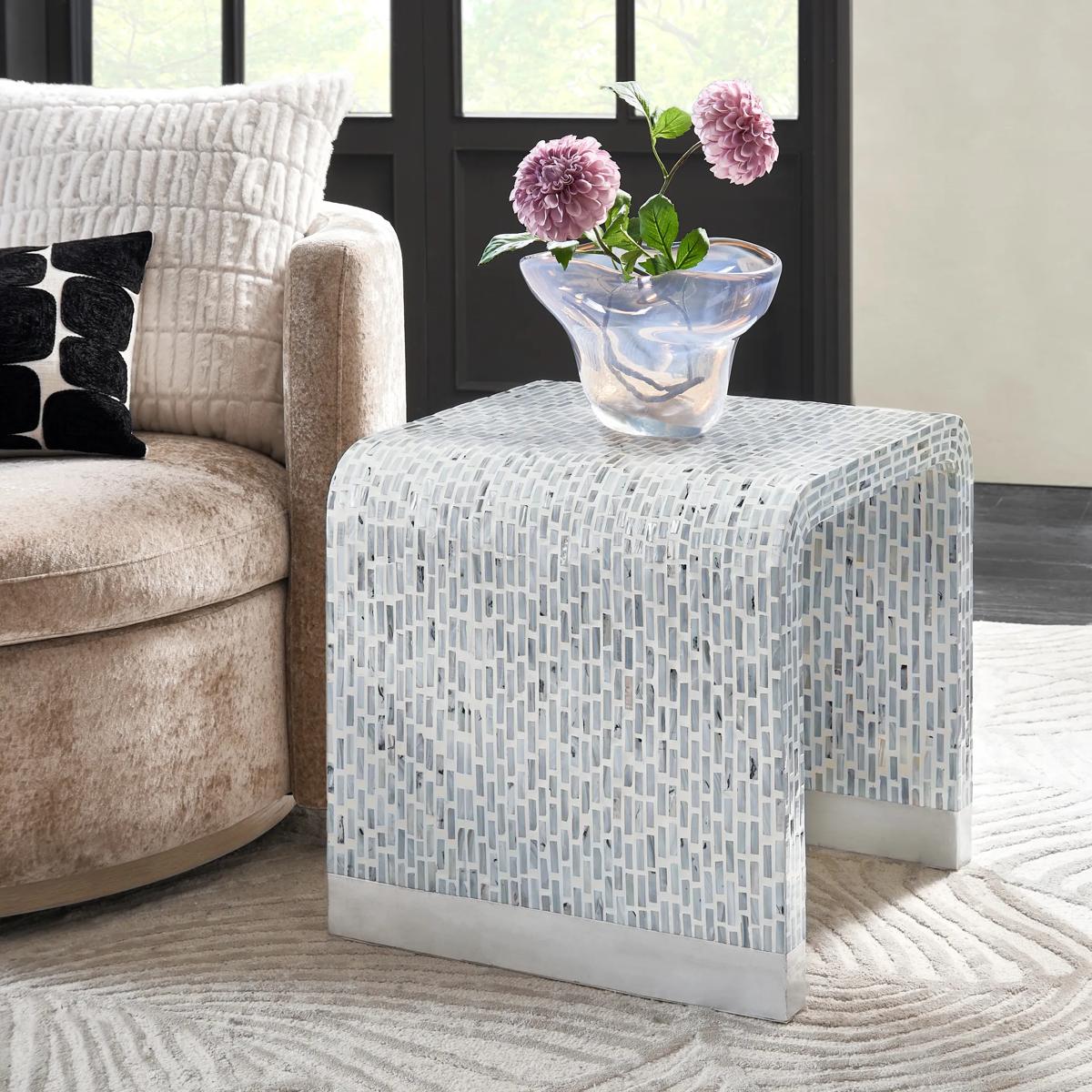 Iridia Blue Side Table (21.6")$399
A handcrafted end table featuring iridescent blue mother-of-pearl inlay and a silver leaf base.
Add To Cart -
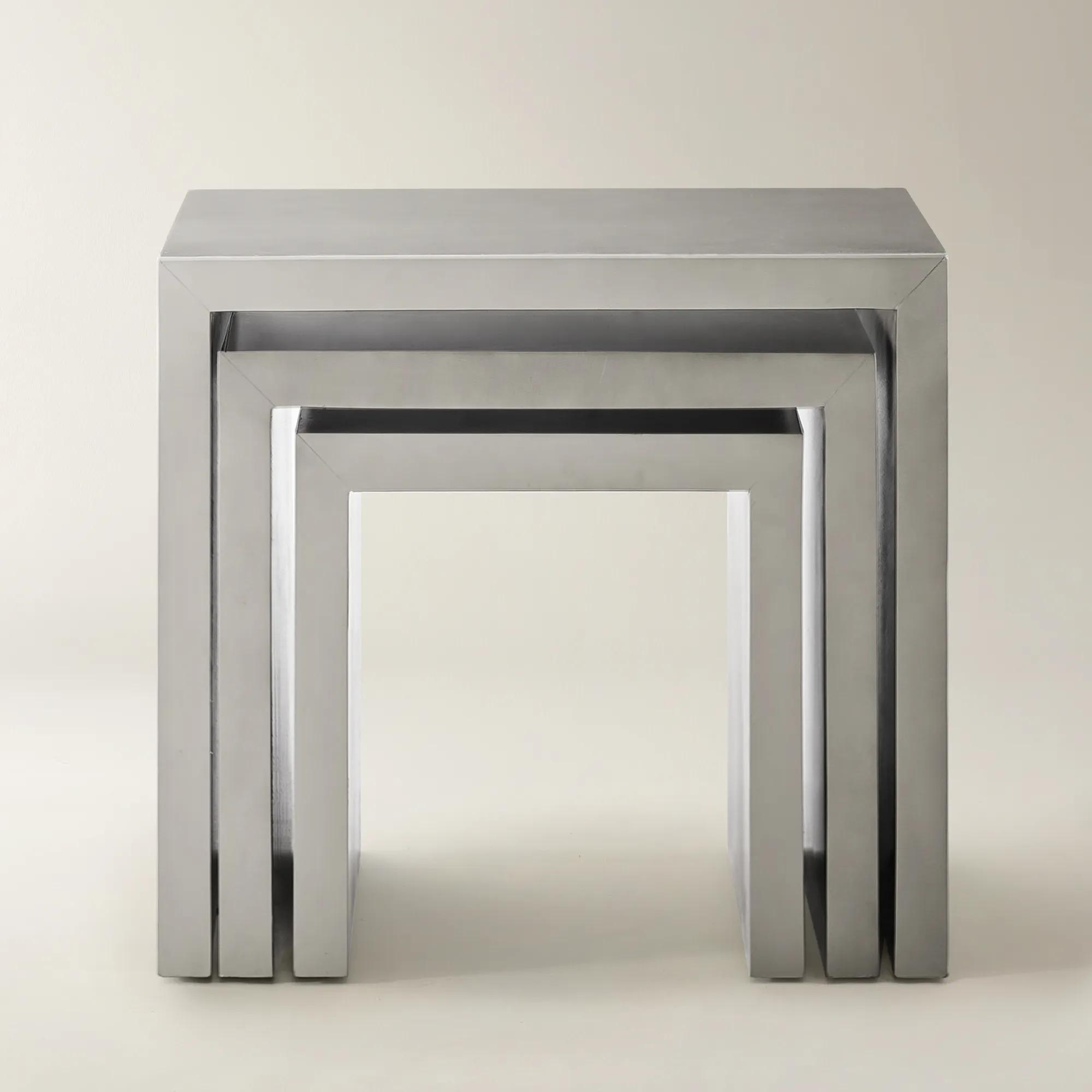
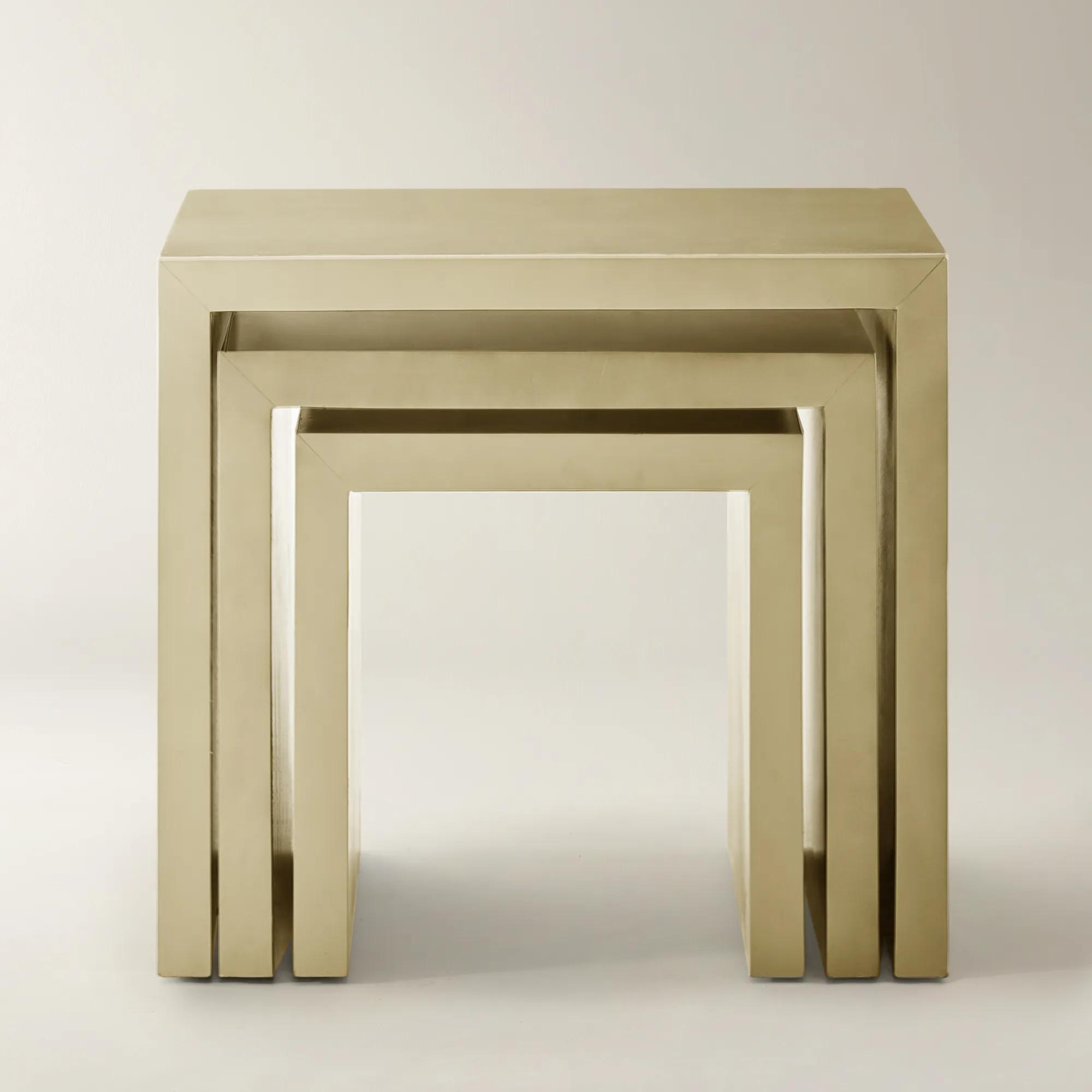
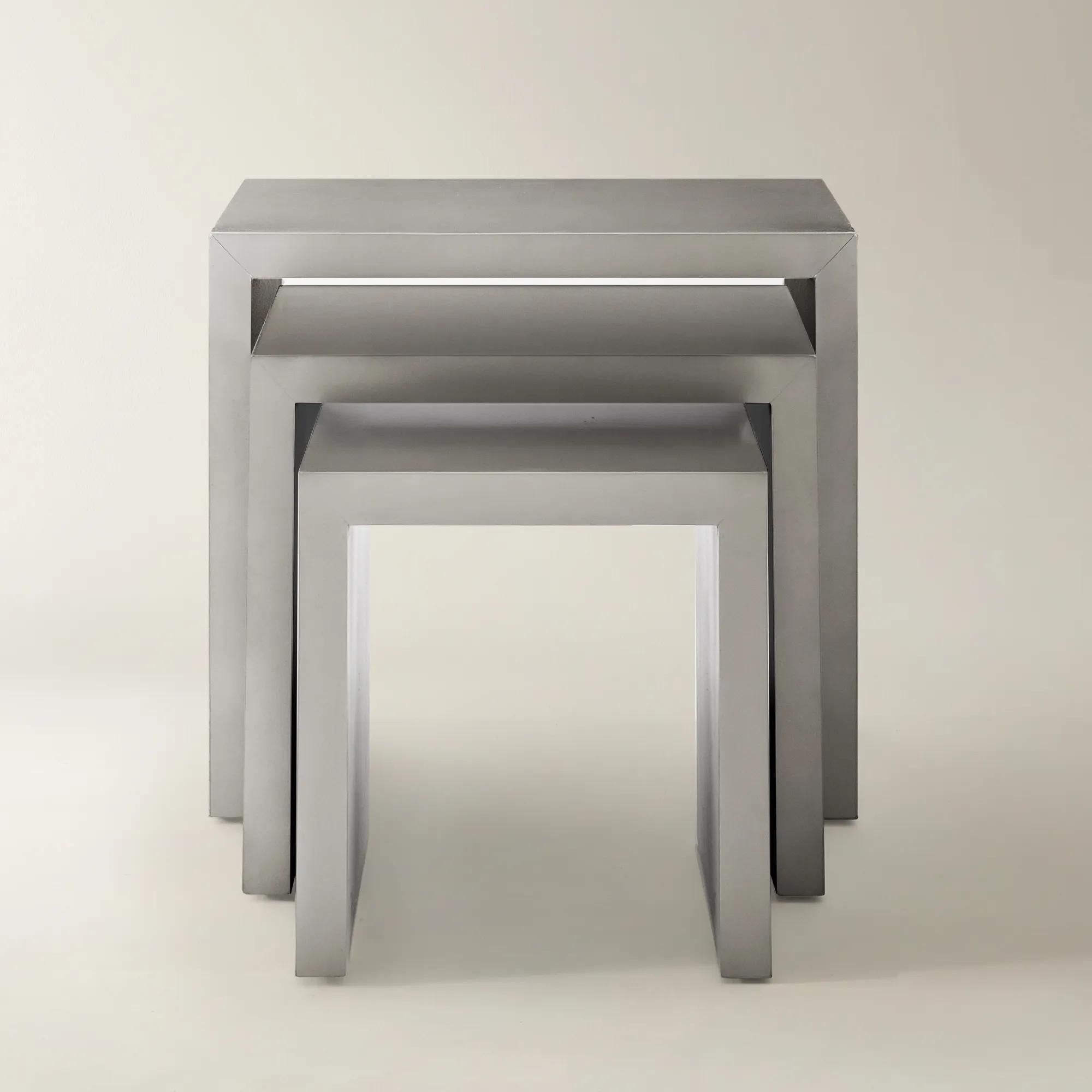 Astair Silver Nesting Accent Table Set Of 3 (16.25"-25.5")$299
A trio of engineered wood nesting tables with a sleek silver metallic finish and minimalist block silhouette.
Add To Cart -
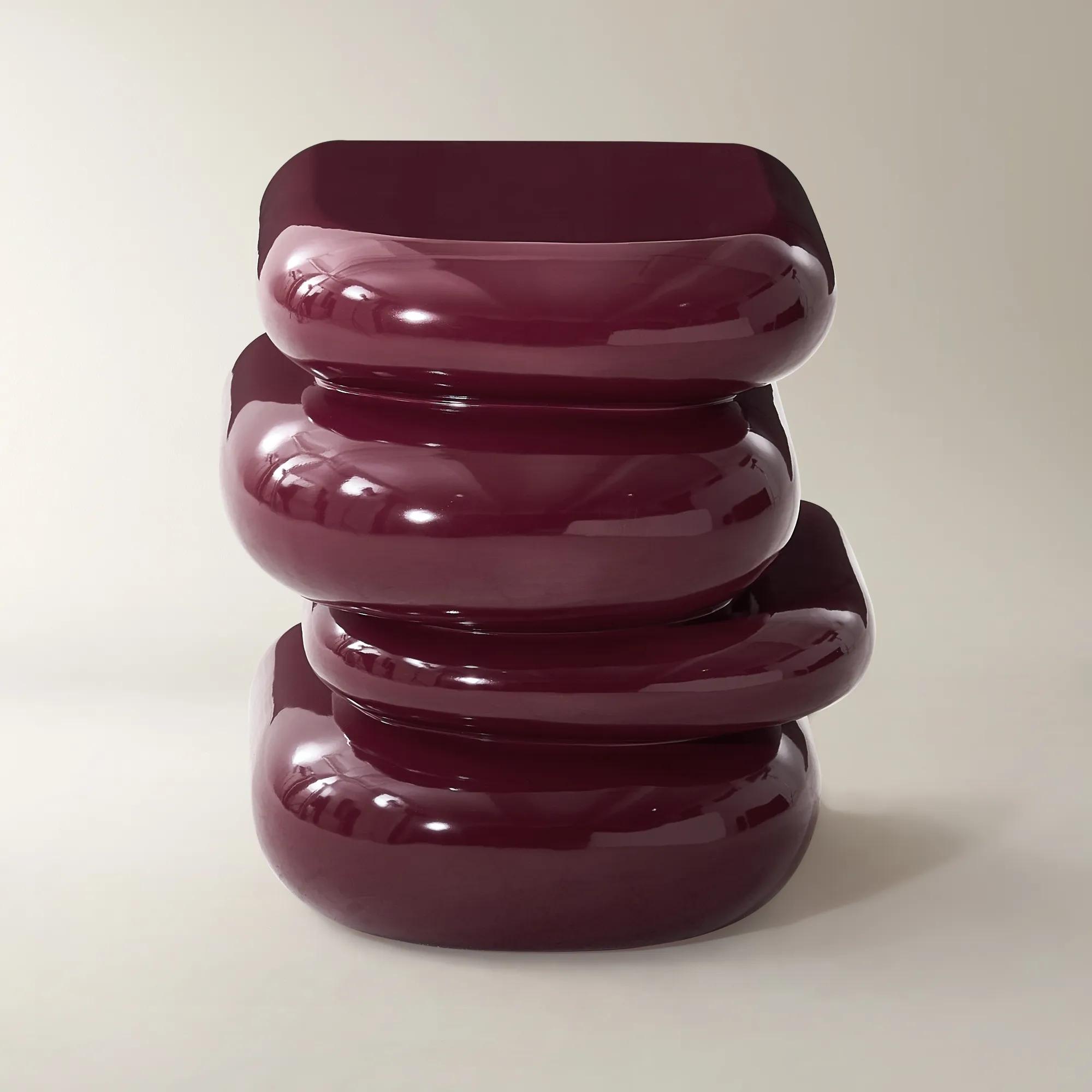 Forma Stacked Ox Blood Side Table (19.9")$459
A sculptural accent table crafted from high-gloss ox blood fiberglass with softly stacked, rounded tiers.
Add To Cart -
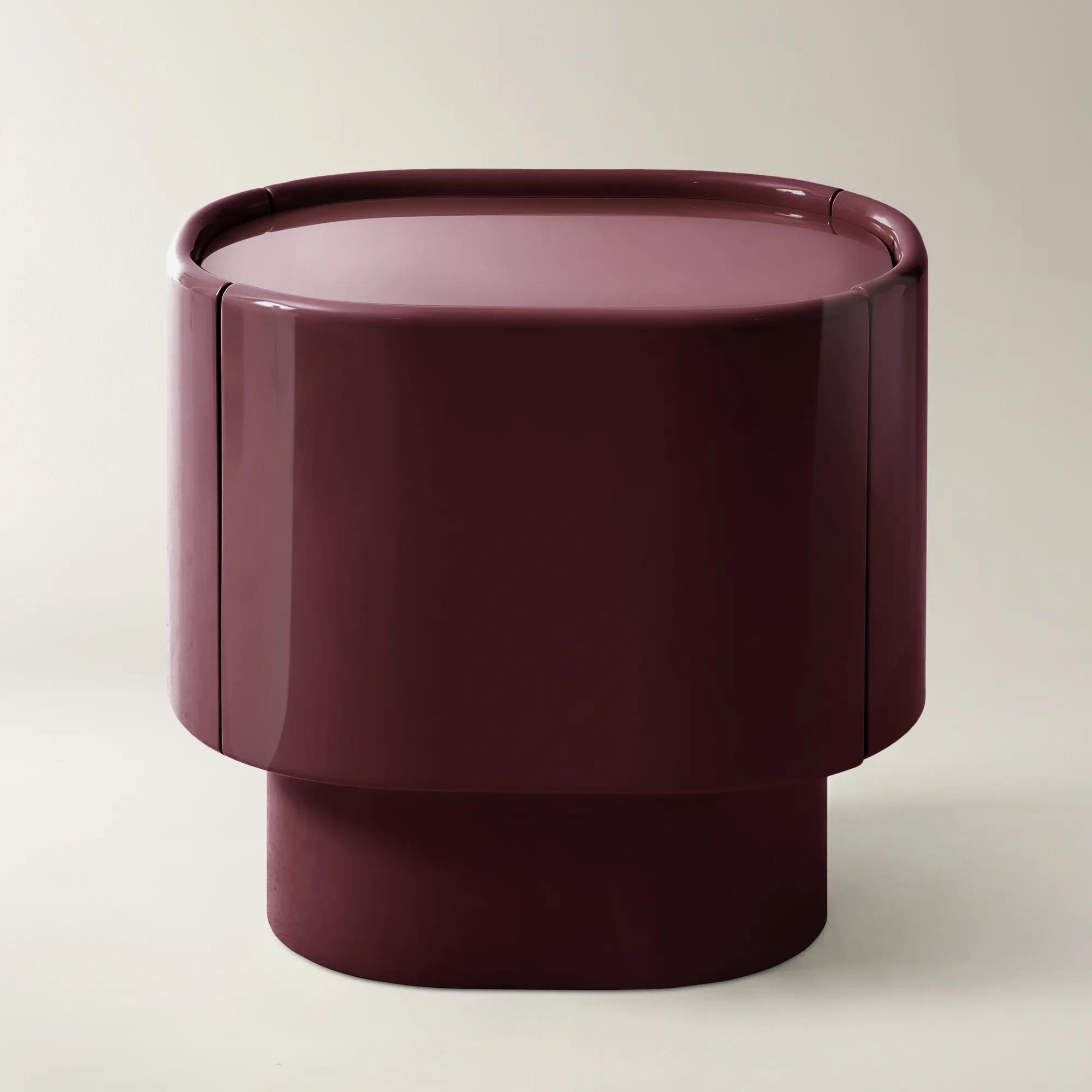 Velar Lacquered Ox Blood 1-Drawer Nightstand With Glass Top (24")$649
A sculptural ox blood nightstand featuring a high-gloss lacquer finish and a sleek glass top.
Add To Cart -
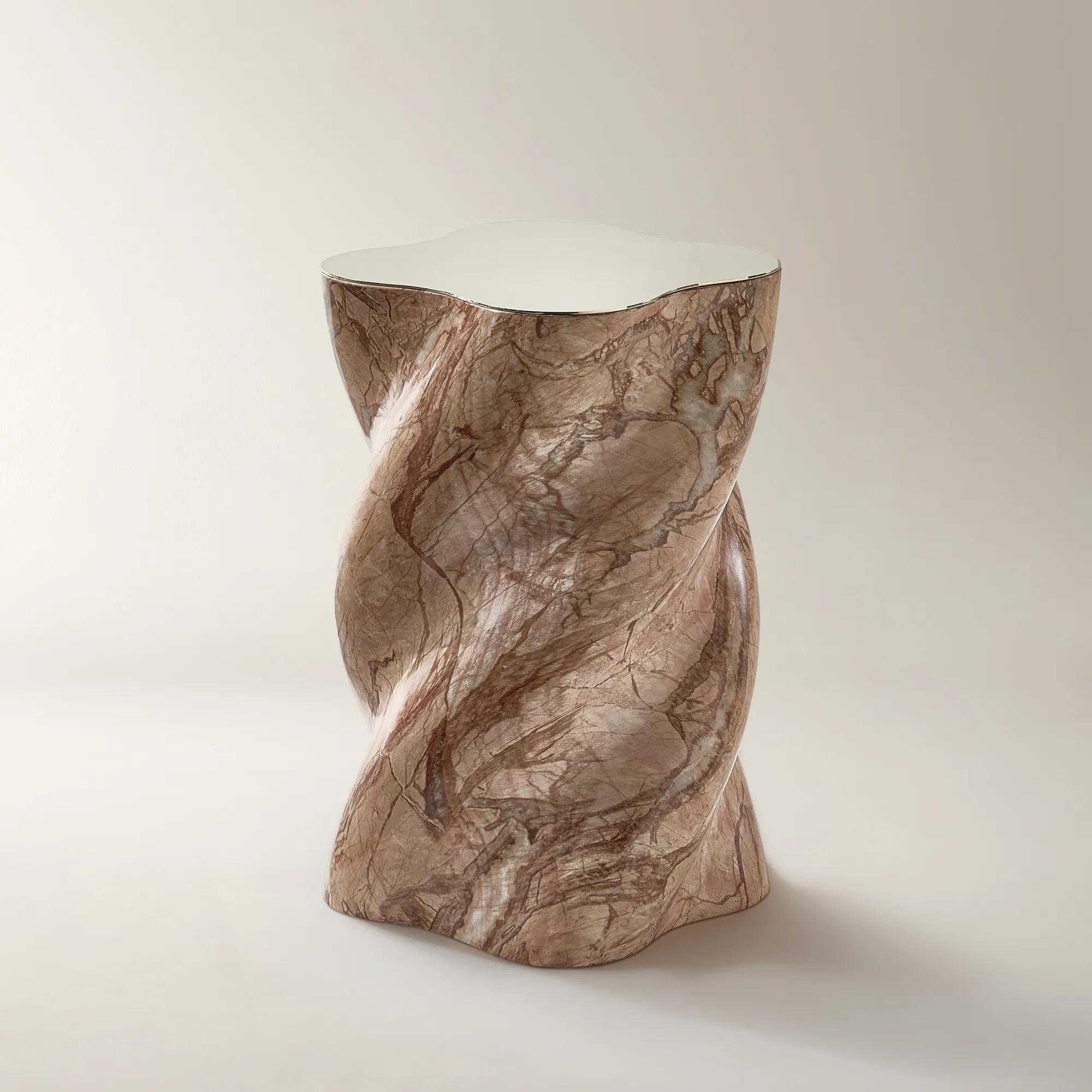
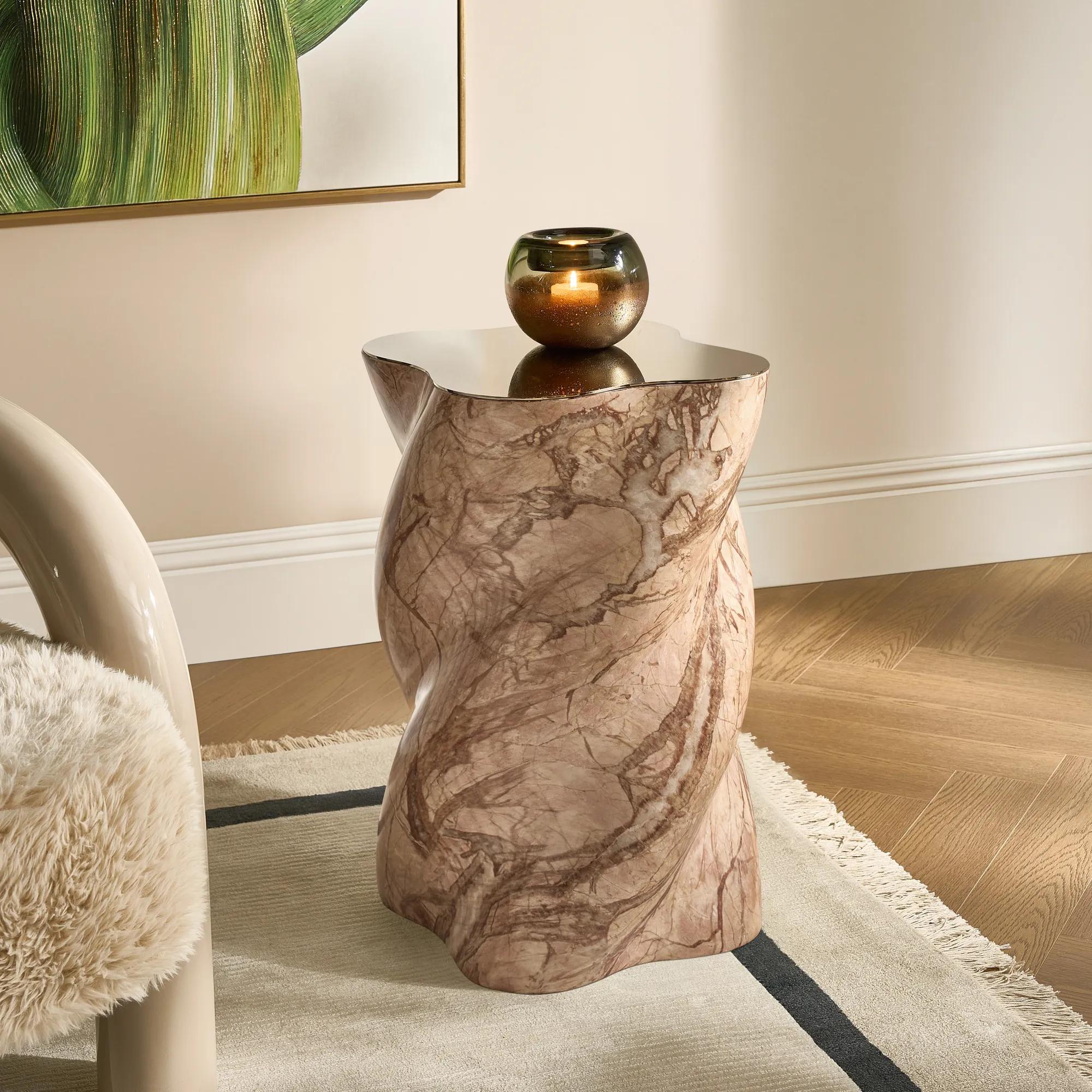 Vega Concrete Side Table With Stainless Steel Top (13.8")$459
A sculptural side table featuring a hand-cast fiber-concrete base and sunset marble-inspired stainless steel top.
Add To Cart -
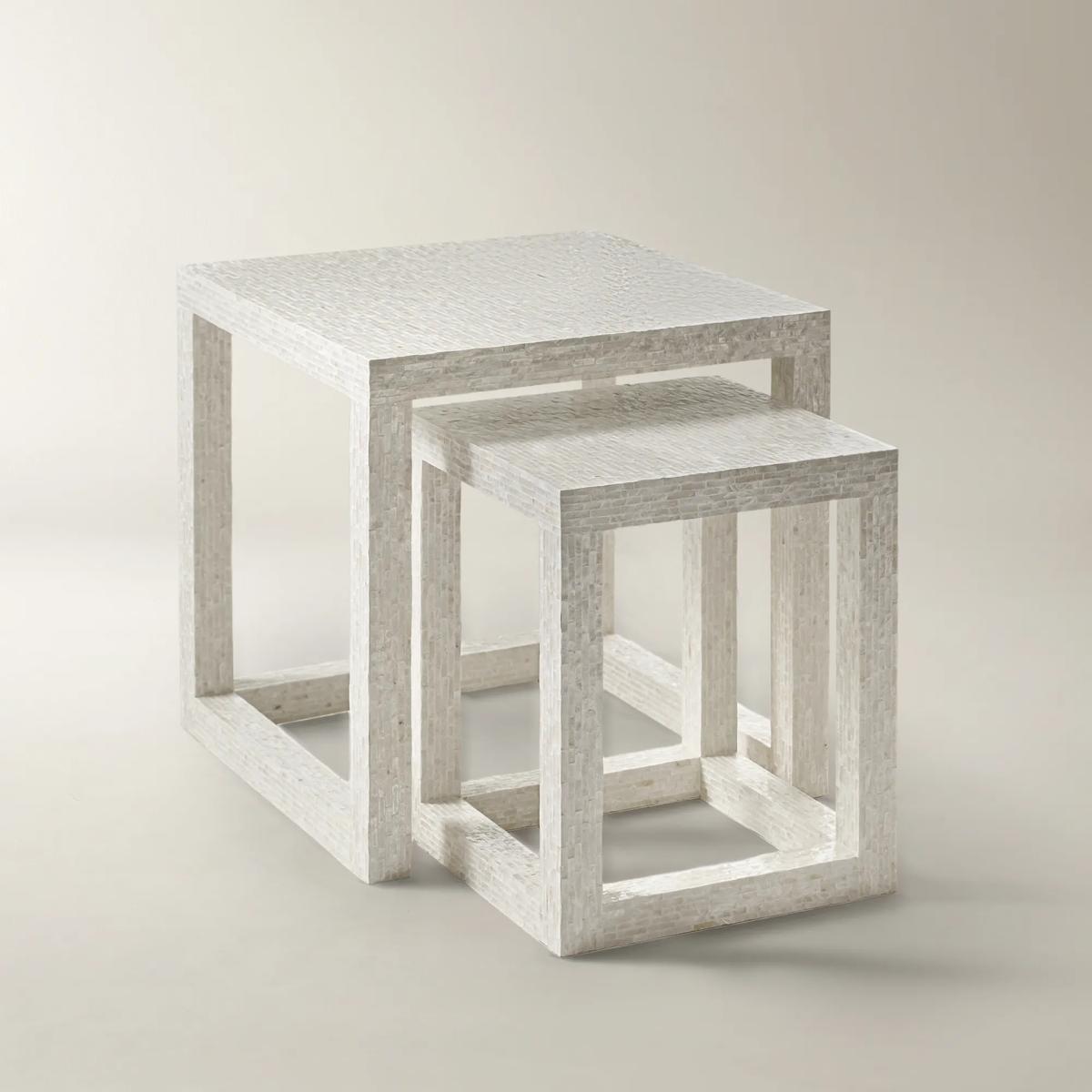 Ivori Square White Nesting Accent Table Set Of 2 (16.5"-23.75")$599
A handcrafted white nesting table featuring radiant mother-of-pearl inlay for a unique, iridescent accent.
Add To Cart

Unique Architectural Side Tables
Unique architectural side tables are more than mere accents—they are sculptural statements, infusing your space with an air of artistry and intrigue. Each piece dares to defy convention, transforming functional furniture into a showcase of bold geometry, unexpected silhouettes, and captivating textures. With their striking presence, these tables invite conversation and admiration, elevating every corner they inhabit. Discover how unique architectural side tables can redefine your living room, bedroom, or entryway, turning everyday moments into extraordinary displays of personal style.
Unique architectural side tables bring the spirit of sculpture into the spaces where everyday living unfolds. Defined by expressive silhouettes, unexpected proportions, and beautifully considered structure, these tables do far more than hold a drink, reading glasses, or a softly glowing lamp. They create a focal point beside a sofa, lounge chair, or bed, giving the room a moment of visual intrigue from every angle. Look for designs shaped by strong geometry, including pedestal forms, architectural columns, intersecting bars, cantilevered profiles, and sculptural bases that appear almost gallery-worthy. Some silhouettes feel light and open, allowing the surrounding room to remain airy, while others use a substantial block-like form to anchor a seating arrangement with confident presence. A side table with a distinctive architectural profile is especially compelling in a neutral room, where its shape can become the main expression of the space, but it can also hold its own among layered color, pattern, and collected accents. In a living room, place one beside a tailored sofa to introduce a note of artistic tension, or let a pair frame a conversation area with deliberate symmetry. Beside a chaise or accent chair, a compact table creates an intimate perch for coffee, a favorite book, or a small arrangement of branches. During the cooler months, its surface becomes a natural landing place for a warm drink and candlelight, adding polish to the slower rituals of home.
Material is central to the character of a unique architectural side table. A stone top can bring the quiet grandeur of natural variation, with veining and tonal movement that make every surface feel distinctive. Travertine, marble, and other mineral-inspired finishes lend weight and a sense of permanence, while a metal frame in brass, iron, or a darkened finish introduces crisp definition beneath the top. This mixed-media pairing is ideal for rooms that balance softness with structure: plush upholstery and textured rugs feel even more inviting when grounded by a precise geometric base. Clear or smoked acrylic offers another point of view, allowing light to pass through a monolithic form and preserving a sense of openness in smaller rooms. Its sharp edges and transparent planes can echo glass, polished stone, or mirror-finish accents without overwhelming the composition. Sculptural wood adds warmth, especially when a natural grain, rounded edge, or organic slab contrasts with a folded or linear metal support. When choosing among these expressions, consider the visual language already present in the room. Rounded upholstery and curved lighting may benefit from a compact circular base that softens the setting, while a minimalist interior can welcome a heavier architectural block or sharply angled frame. Finish matters as much as shape: gleaming surfaces amplify light, matte textures create quiet depth, and richly grained materials make a space feel more collected over time. For a coordinated seating arrangement, explore Unique Living Room Side Tables to discover additional silhouettes that bring function and artistry into the same frame.
Proportion is the detail that allows a dramatic side table to feel effortless rather than imposing. As a reliable starting point, choose a tabletop that sits close to, or just below, the arm of the adjacent sofa or chair so that books, beverages, and decorative objects remain comfortably within reach. A lower profile can emphasize a sculptural base and create a relaxed, lounge-like atmosphere, while a taller design works beautifully beside a high-back chair or as a compact surface for a lamp. Pay attention to footprint as well as height: a narrow table can slip neatly into a reading corner or beside a sectional, whereas a broader base may be better suited to an open seating area where it can be appreciated from multiple viewpoints. In a smaller room, transparent materials, open frameworks, and pedestal shapes help preserve sightlines; in a generous space, substantial stone or layered geometric forms can provide the visual weight needed to make the arrangement feel finished. These pieces are also thoughtful gifts for someone settling into a new home, refining a home office, or building a more expressive entertaining space. Their scale makes them easier to incorporate than a larger furnishing, yet their design impact feels personal and memorable. A carefully chosen side table can mark a new chapter—a sophisticated finishing touch for a first apartment, a study surface beside a beloved chair, or an elegant accent for hosts who take pride in every detail. Whether styled with a sculptural vessel, a stack of art books, or left intentionally clear to celebrate its construction, a unique architectural side table turns useful space into a composed vignette. It is a small-scale opportunity to paint the room boldly, with form, texture, and an unmistakable sense of wonder.
FAQs
Architectural side tables are distinguished by their sculptural forms, innovative materials, and artful details. Unlike traditional accent tables, which often focus on function over form, architectural designs are created to make a statement, acting as focal points that elevate the mood and personality of a space. These tables often feature bold lines, unexpected shapes, and unique textures that transform them into conversation pieces.
An abstract side table can be seamlessly integrated by pairing it with complementary textures and colors. For a cohesive look, echo the table’s tones in your textiles or wall art, or let it shine as a dramatic contrast in a more neutral setting. Place it beside a plush sofa to balance softness with structure, or use it as a standalone pedestal for a striking sculpture or floral arrangement.
Absolutely—unique architectural side tables make thoughtful and memorable gifts for anyone passionate about home décor. Their distinctive designs and artistic flair appeal to those who appreciate craftsmanship and self-expression, making them perfect for housewarmings, milestone celebrations, or as a signature piece to mark a special occasion.
Modern architectural side tables showcase a diverse array of materials, from luminous acrylic and sleek metals to hand-finished woods and mirrored glass. Many designs blend multiple materials for visual interest, such as pairing marble with polished brass or combining rustic wood with contemporary acrylic for a striking juxtaposition.
During summer, side tables can serve as elegant platforms for fresh blooms, vibrant art books, or a tray of seasonal cocktails. Acrylic side tables, in particular, capture and reflect natural light, creating a sense of airiness and sophistication. Placing a unique accent table near a window or seating area can help anchor a sunlit space, making it both functional and visually captivating.
-compressed.jpg?w=3614&h=3614)
.jpeg?w=4043&h=4043)
-compressed.jpg?w=3614&h=3614)


