Unique Living Room Table Sets
Unique Living Room Table Sets
-
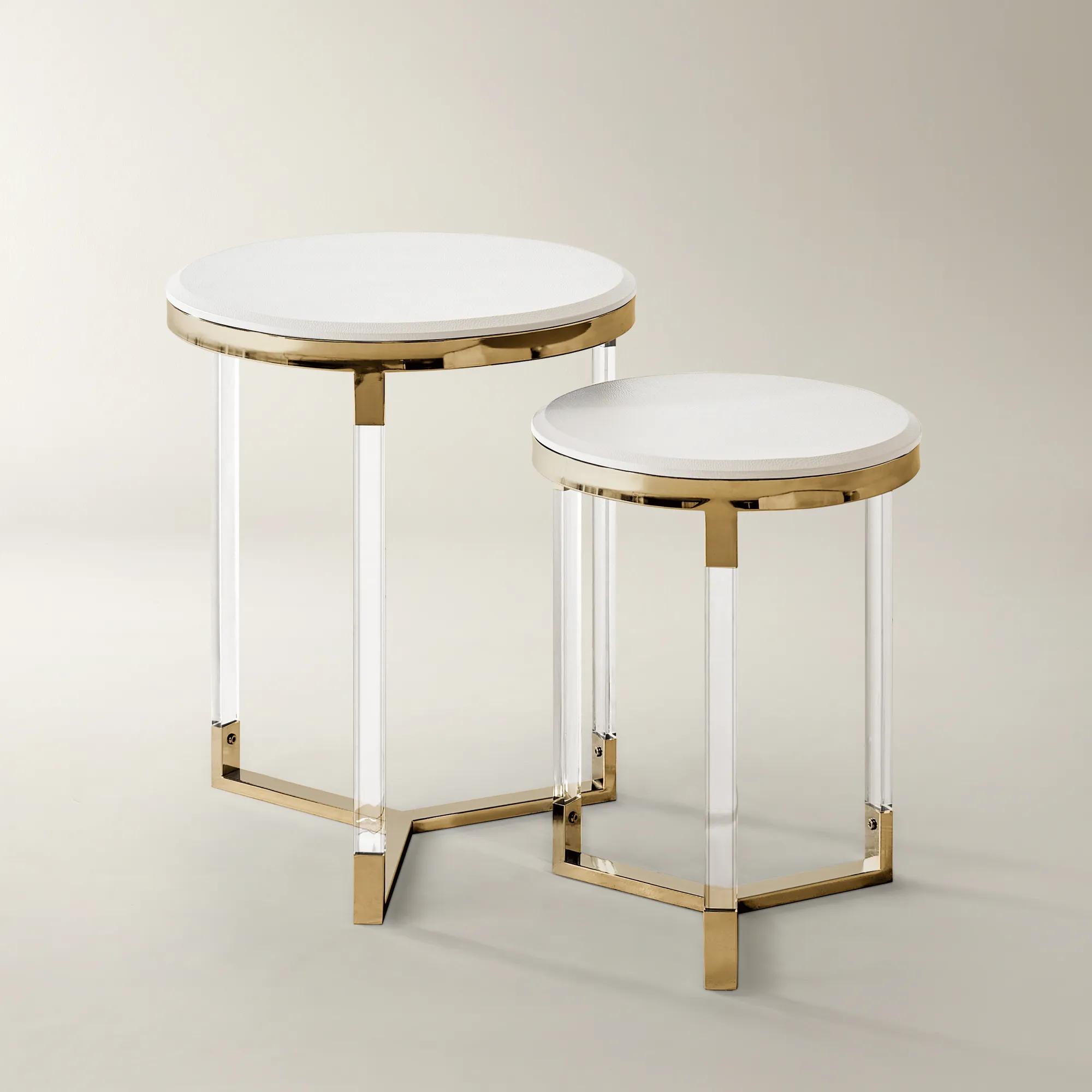
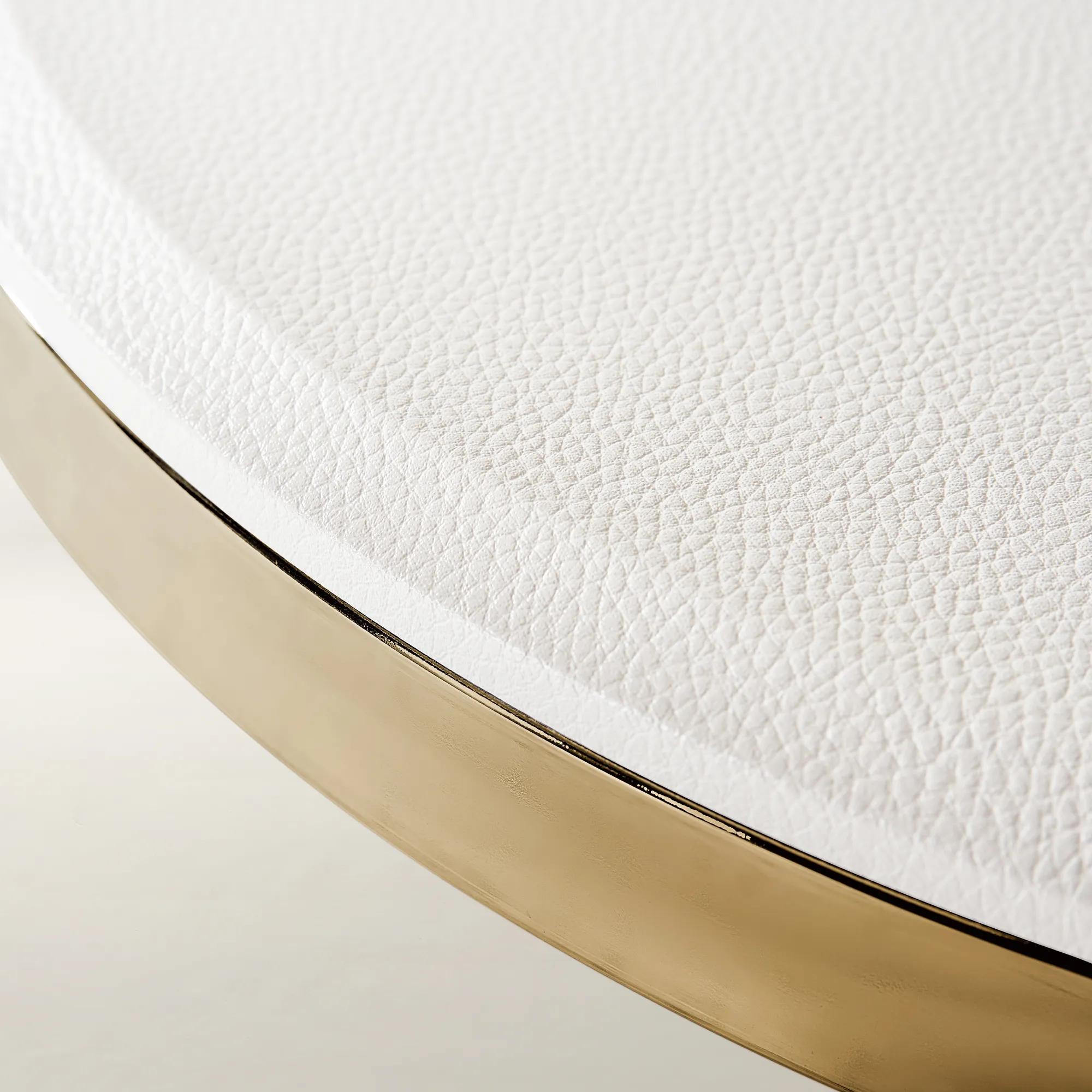 Murano Round White Accent Table With Faux Leather Top Set Of 2 (14.5"-18.5")$399
A set of two accent tables featuring mixed woods, faux leather tops, and acrylic legs with metallic finishes.
Add To Cart -
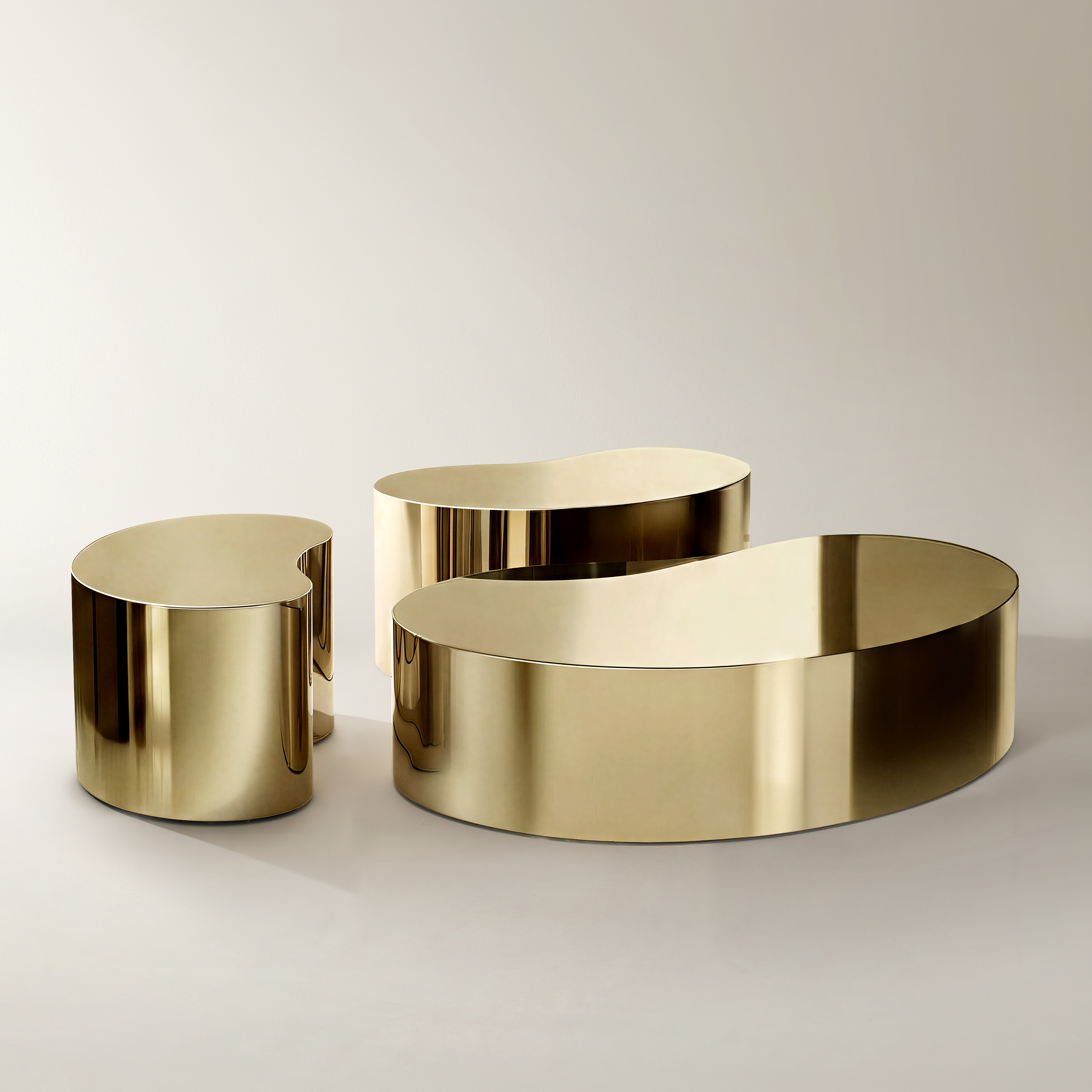 Aurea Soft Gold Coffee Table Set of 3 (32"-57")$3197
A sculptural coffee table crafted from premium stainless steel with a high-gloss, soft gold mirror finish.
Add To Cart -
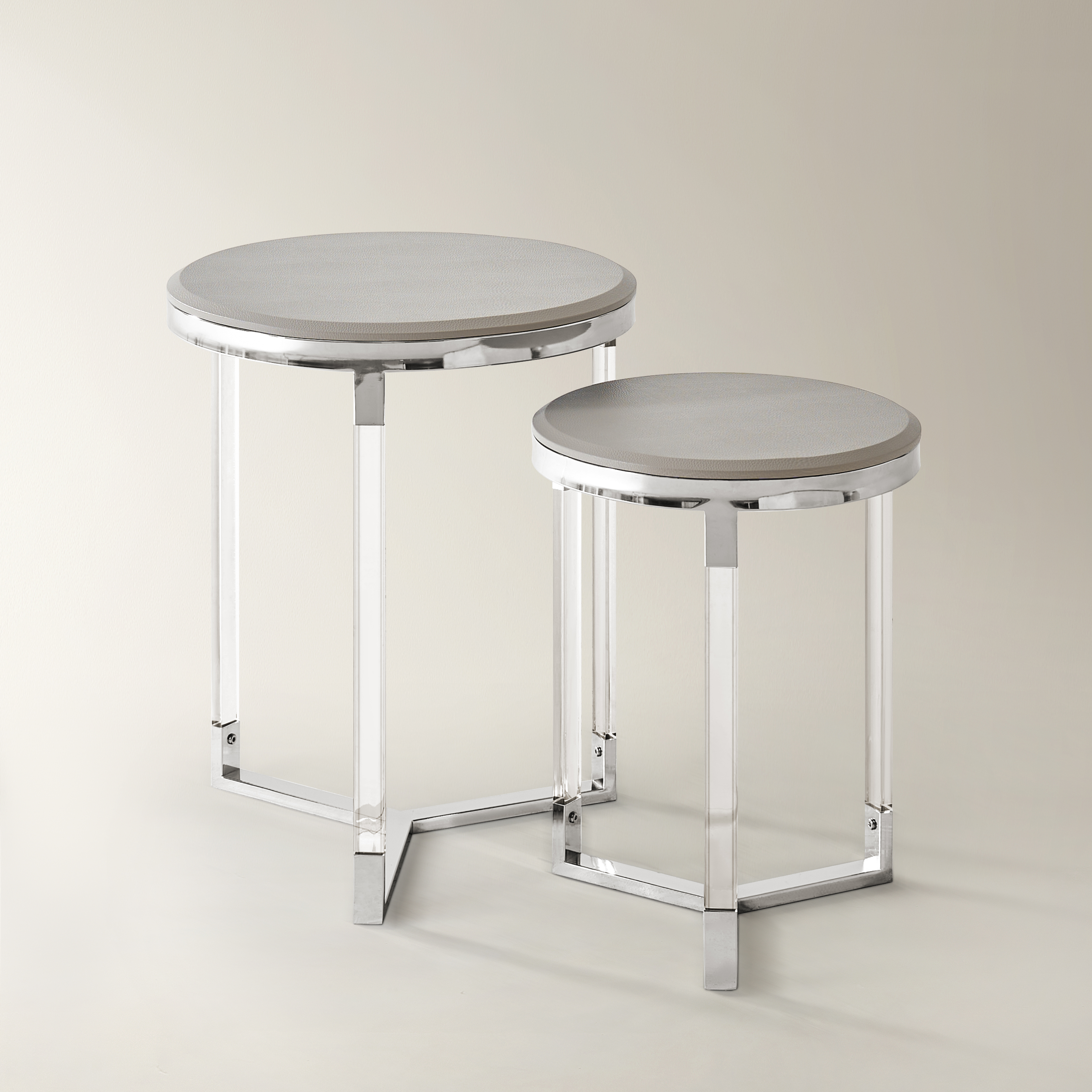
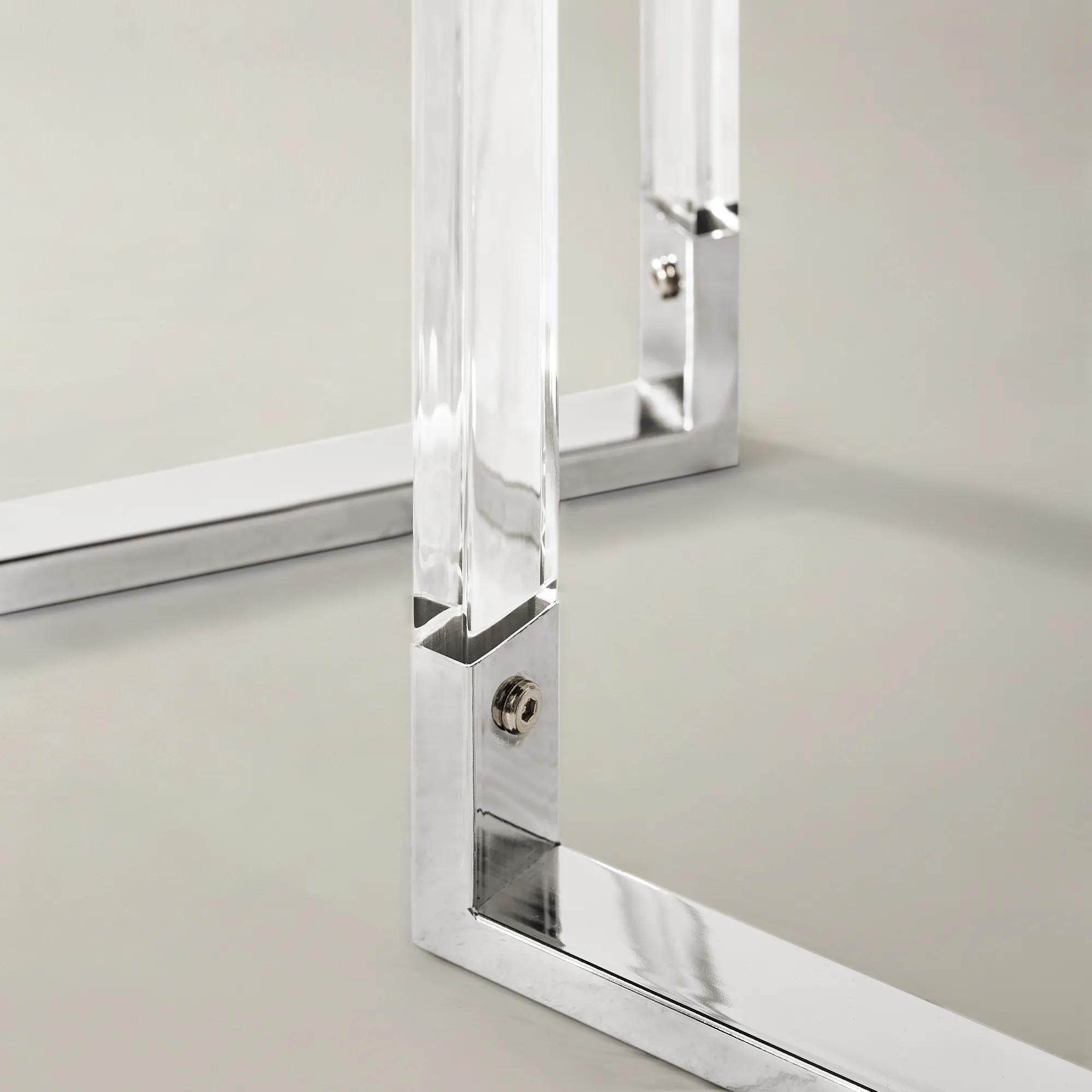 Murano Round Grey Accent Table With Faux Leather Top Set Of 2 (14.5"-18.5")$399
A bold set of two accent tables featuring mixed woods, acrylic legs, and faux leather tops.
Add To Cart -
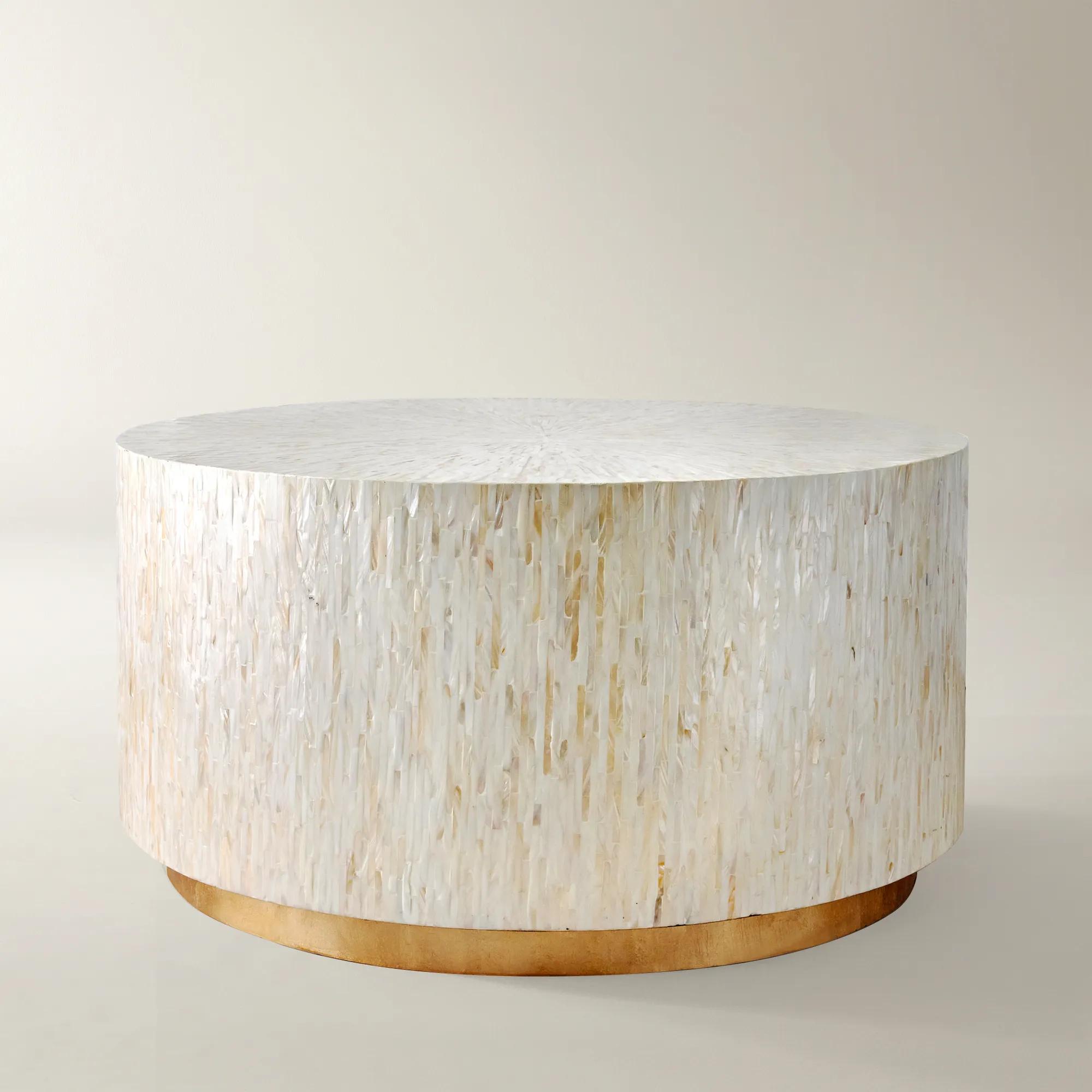
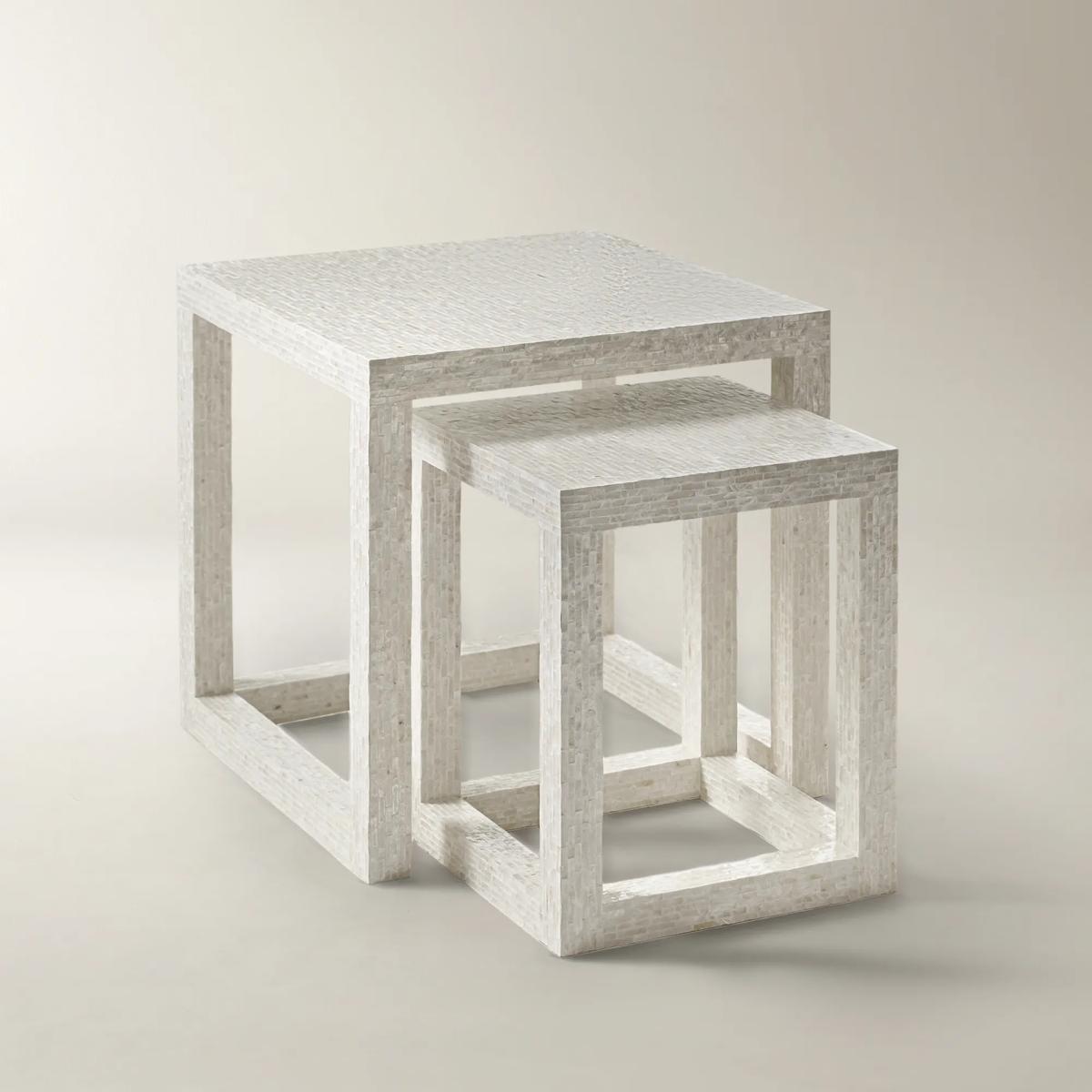 Ivori Square White Nesting Accent Table Set Of 2 (16.5"-23.75")$599
A handcrafted white nesting table featuring radiant mother-of-pearl inlay for a unique, iridescent accent.
Add To Cart -
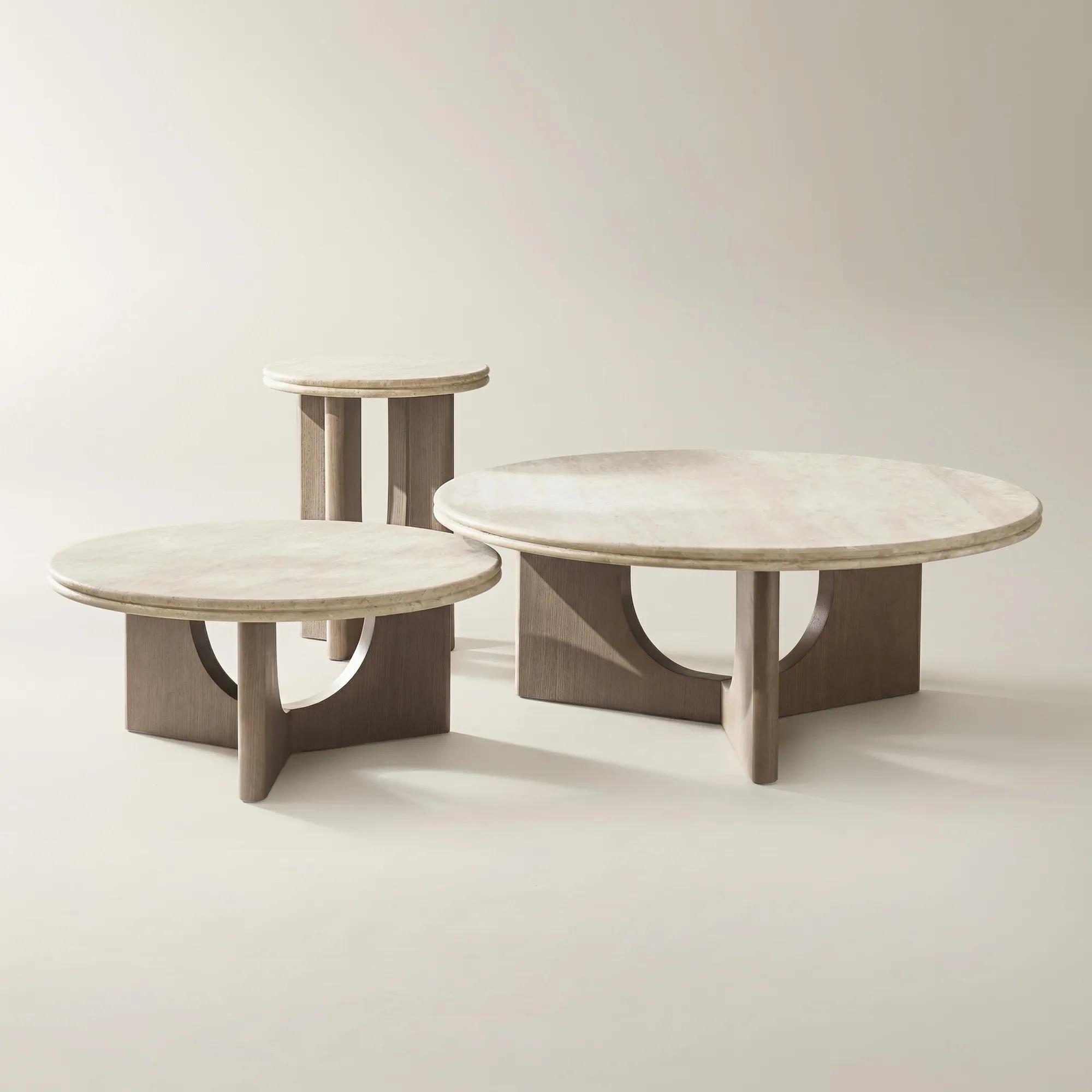
 Bond Round Travertine and Wood Coffee Table Set of 3 (17.72"-41")$2557
A natural-finish nesting coffee table set offering versatile, space-saving surfaces for modern living rooms.
Add To Cart -
 Aurea Soft Gold Coffee Table Set of 2 (37.5"-57")$2398
A sculptural coffee table crafted from premium stainless steel with a radiant, high-gloss soft gold finish.
Add To Cart -
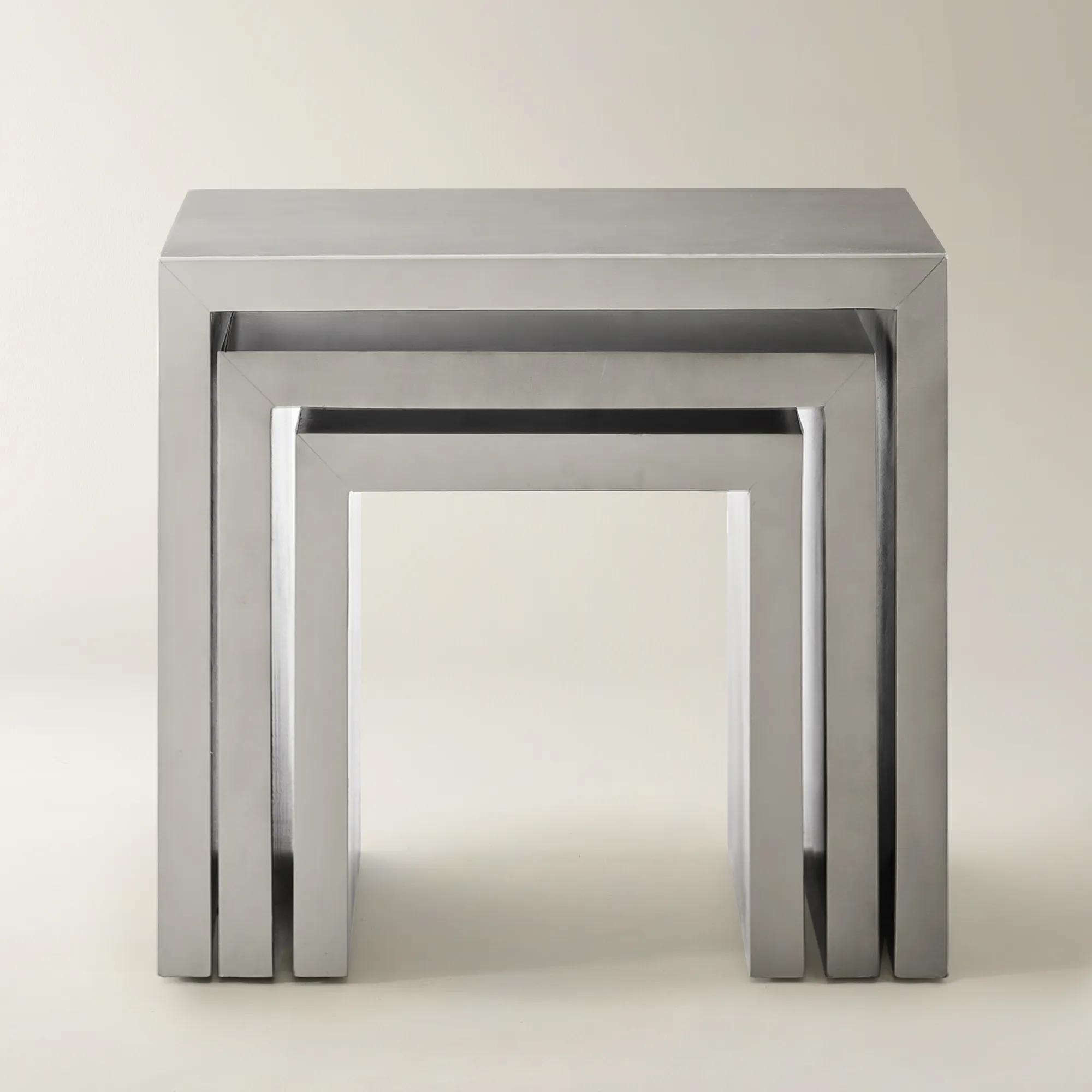
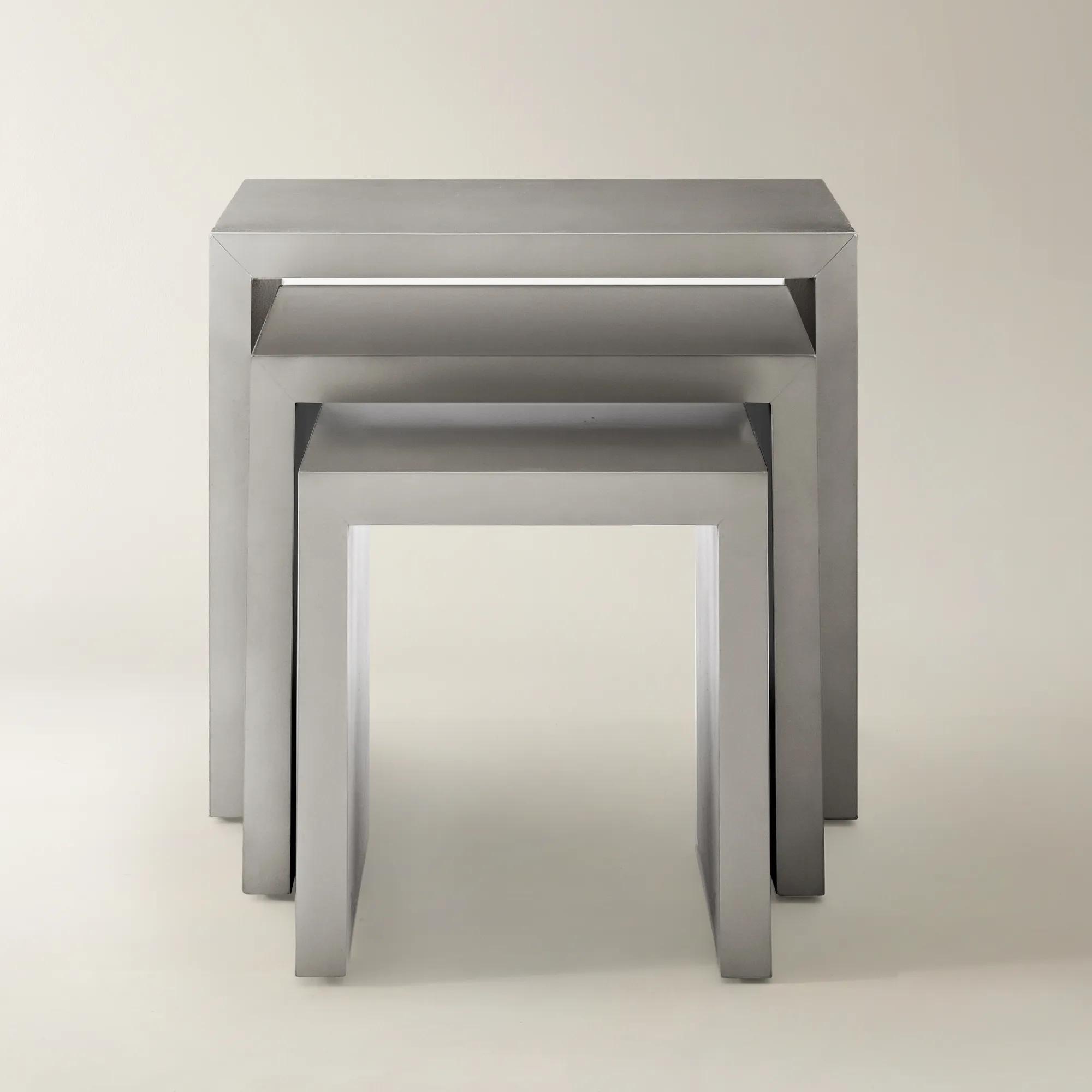 Astair Silver Nesting Accent Table Set Of 3 (16.25"-25.5")$349
A trio of engineered wood nesting tables with a sleek silver metallic finish and minimalist block silhouette.
Add To Cart -
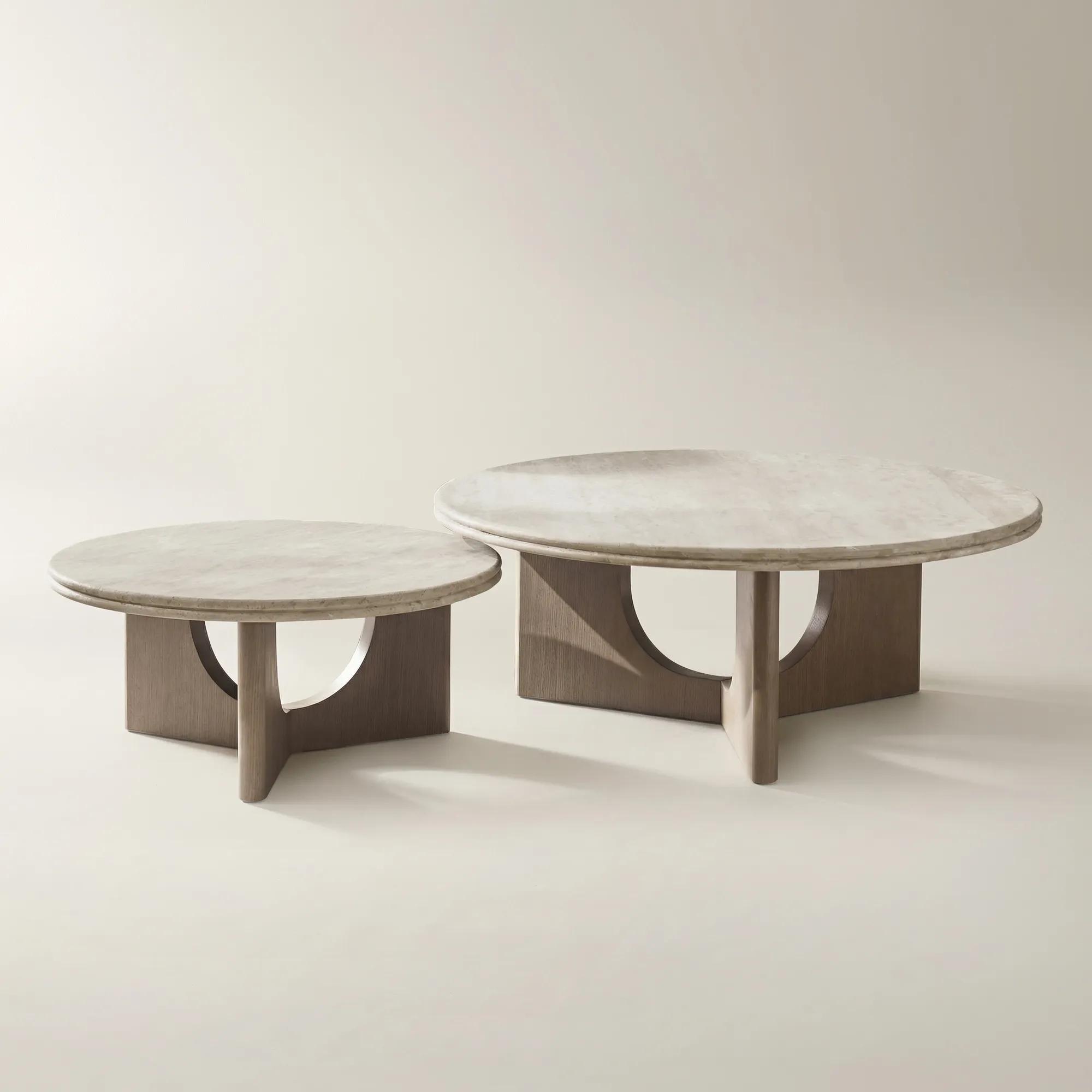
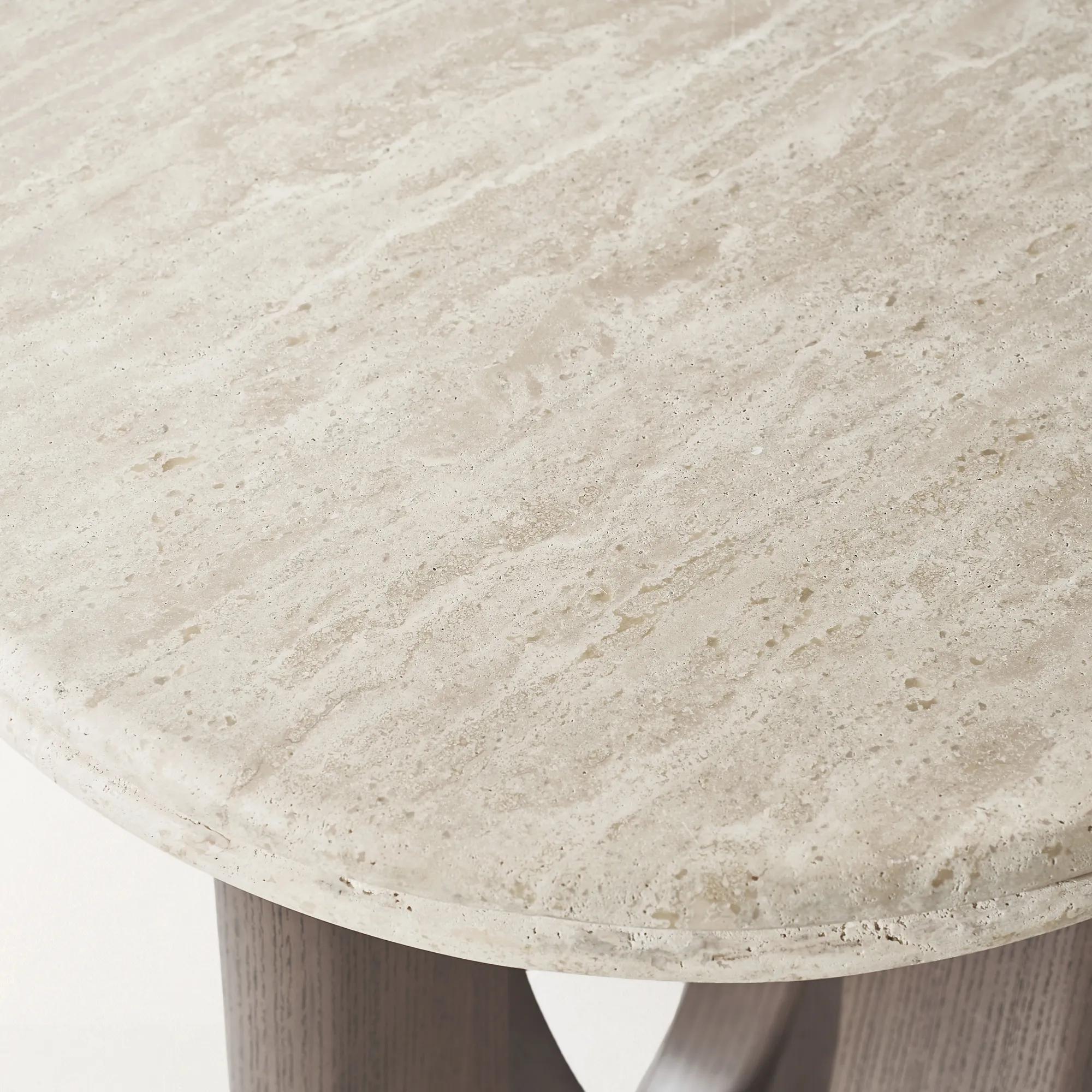 Bond Round Travertine and Wood Coffee Table Set of 2 (29.25"-41")$2098
A natural-finish nesting coffee table set offering versatile, space-saving layering for modern living rooms.
Add To Cart -
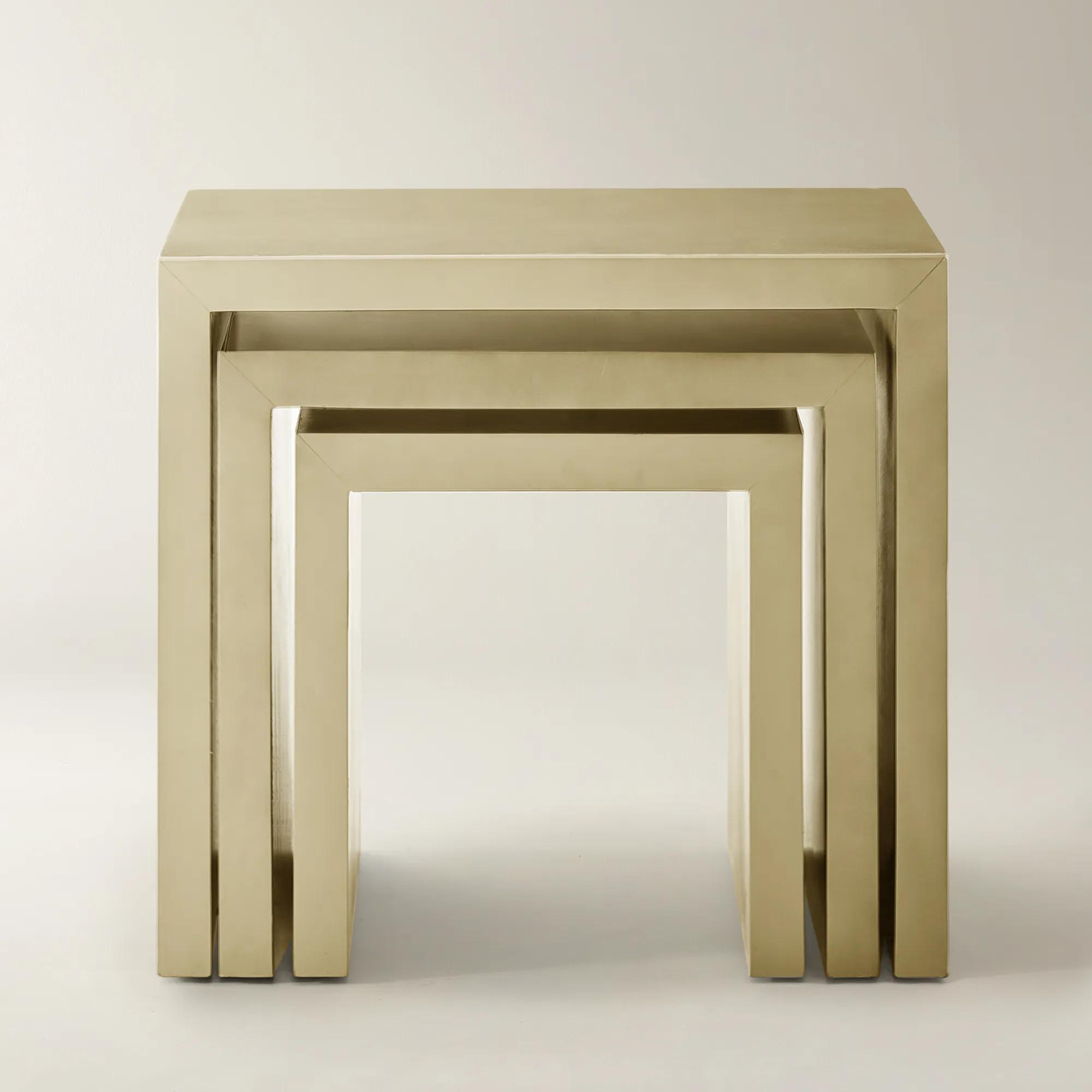
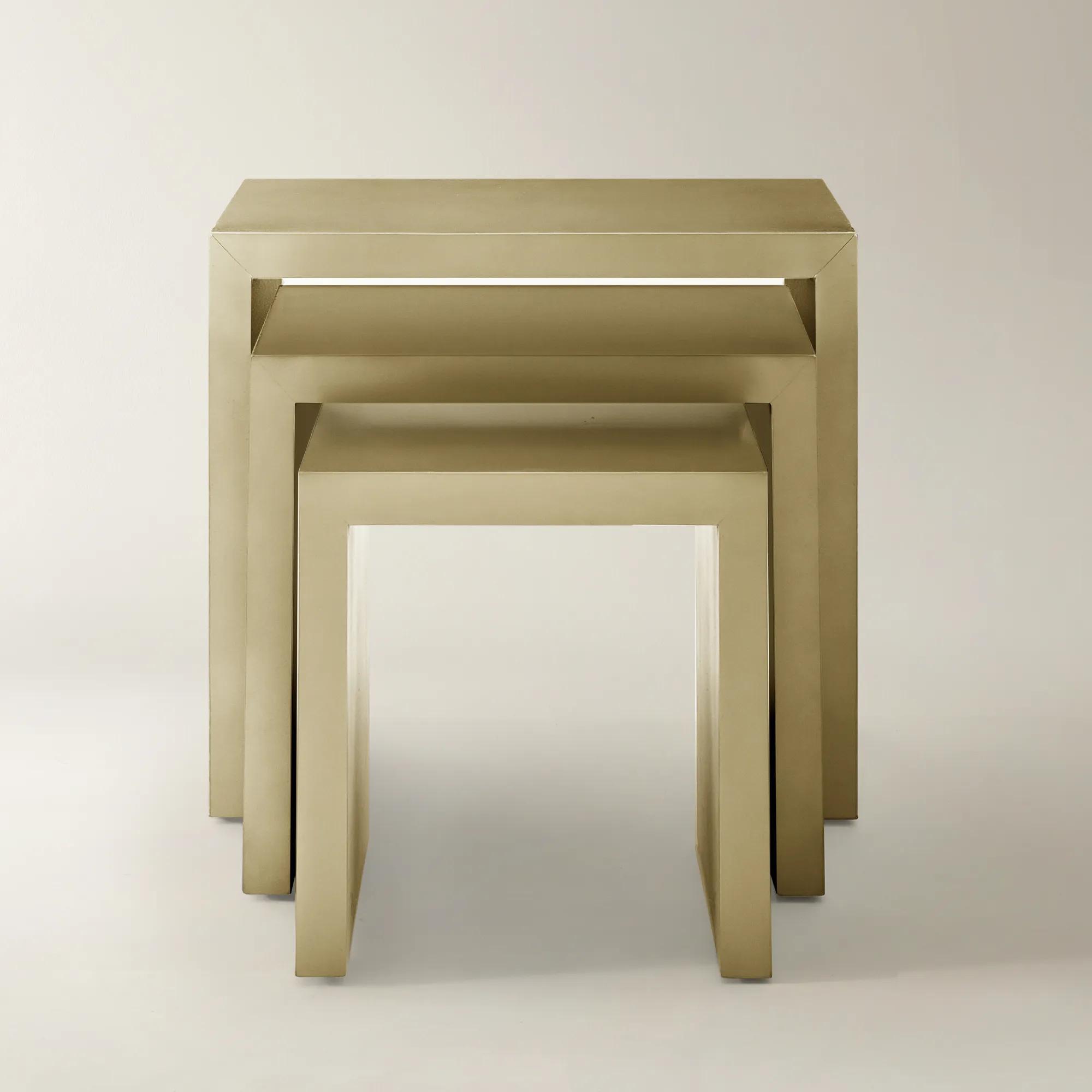 Astair Gold Nesting Accent Table Set Of 3 (16.25"-25.5")$349
A trio of gold-painted engineered wood tables with minimalist block silhouettes and versatile nesting design.
Add To Cart -
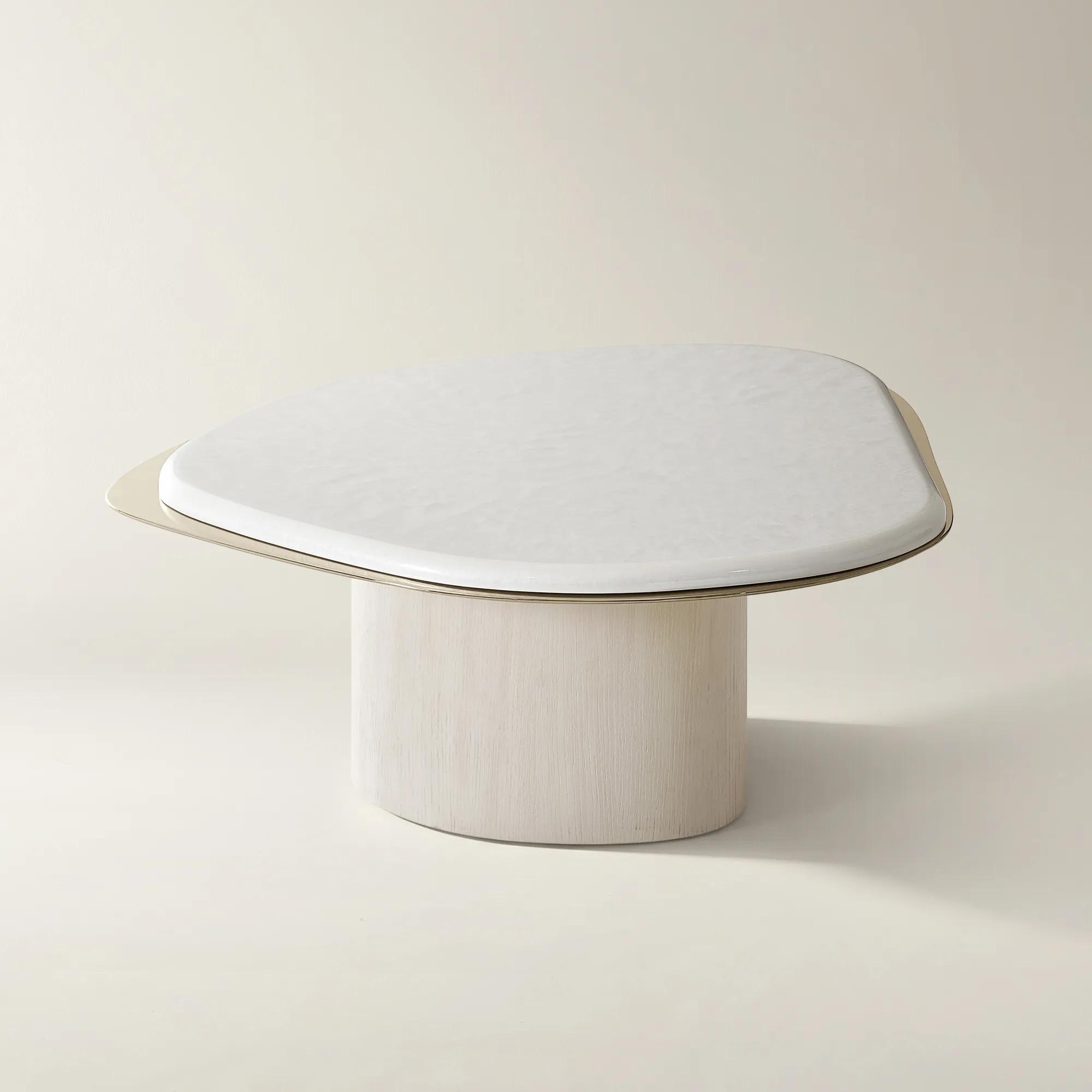
 Lumina Bleached Oak Coffee Table Set Of 3$2597
A sculptural set featuring pearl lacquered tops, bleached oak veneer bases, and champagne gold trim accents.
Add To Cart -
 Thalia Glossy Black Side Table Set Of 2 (8"-12.5")$599
A sculptural duo of glossy black fiberglass tables with fluid lines and mirror-like lacquered finish.
Add To Cart -
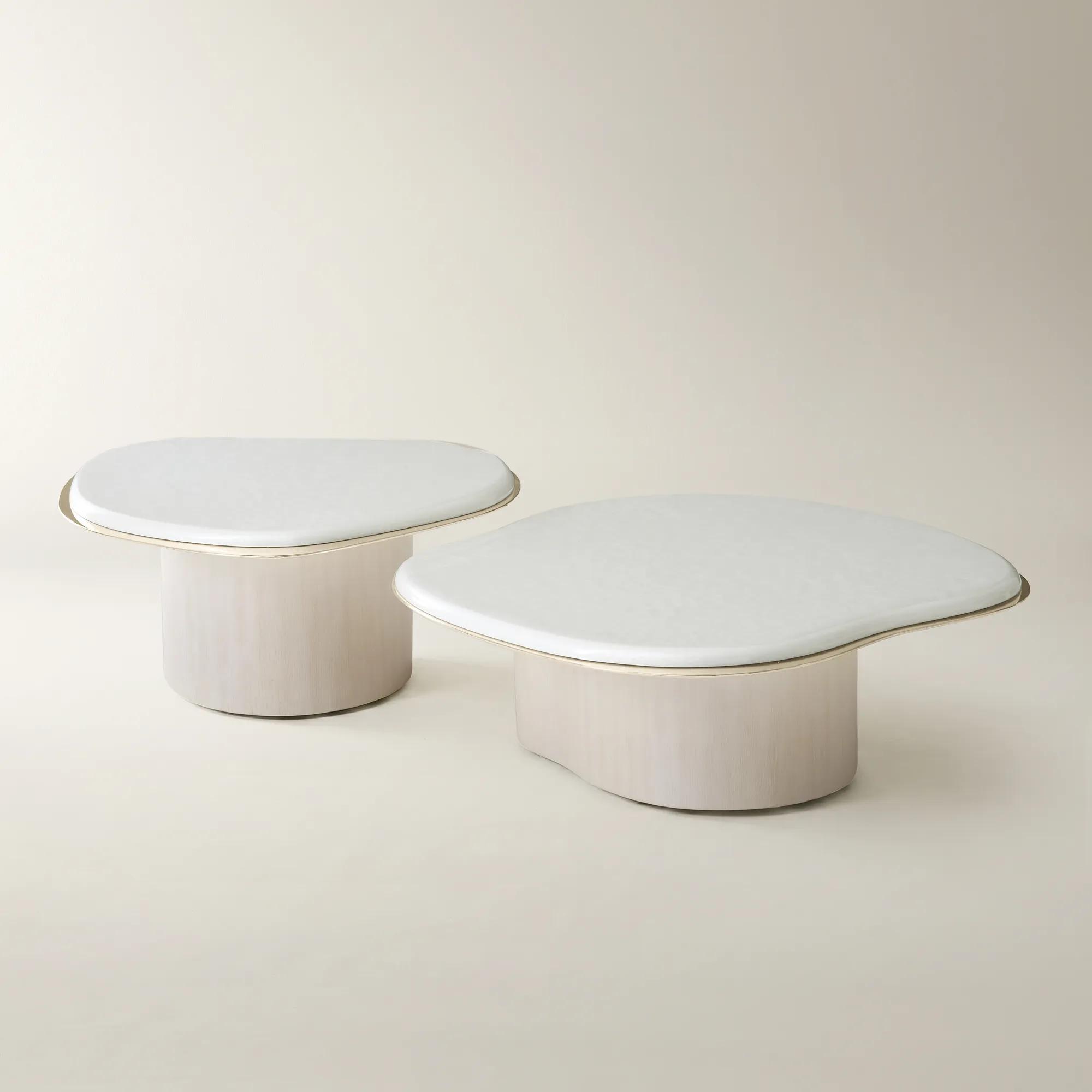 Lumina Bleached Oak Coffee Table Set Of 2$2098
A set of sculptural coffee tables featuring pearl lacquered tops, bleached oak veneer, and champagne gold trim.
Add To Cart -
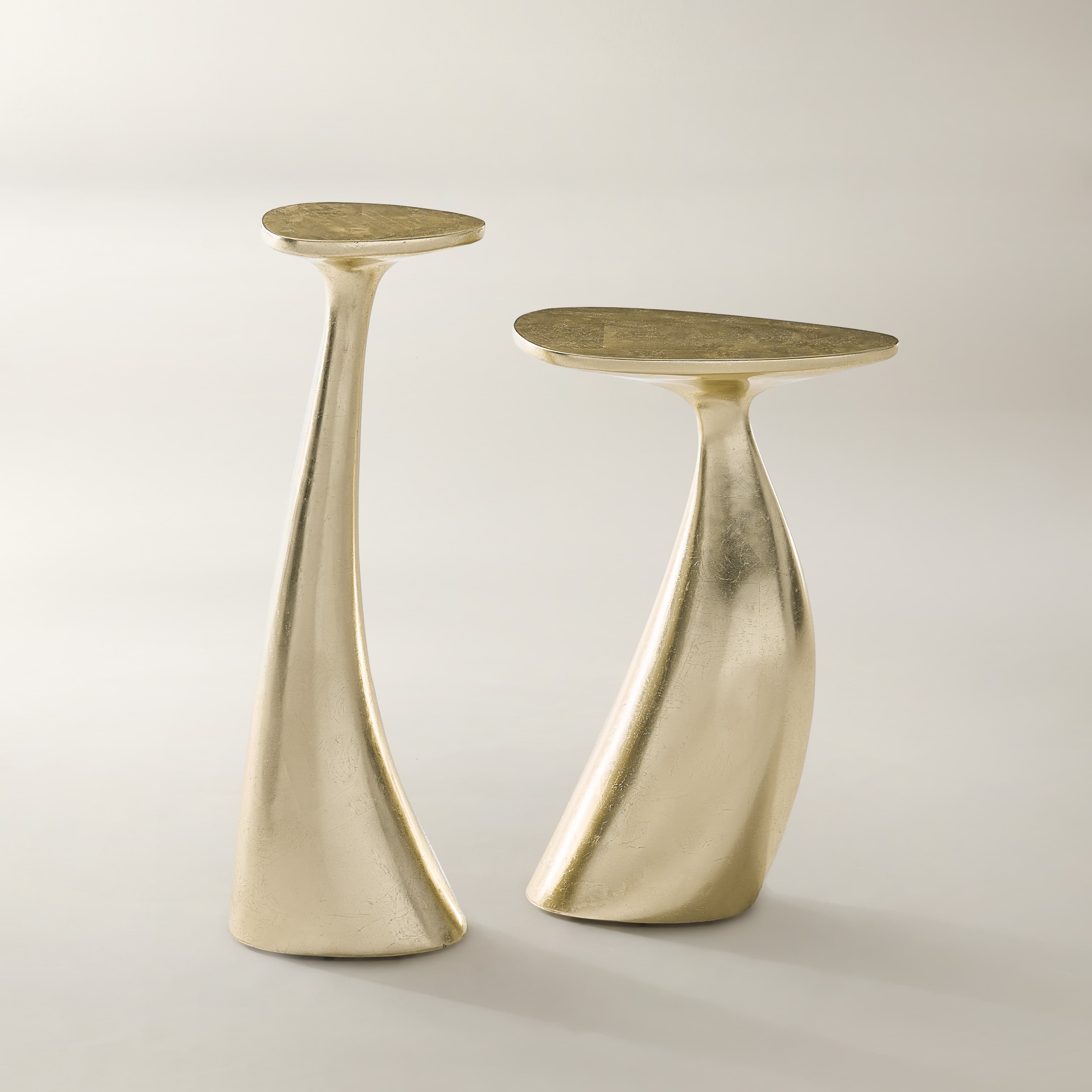 Thalia Soft Gold Side Table Set Of 2 (8"-12.5")$699
A sculptural duo of gold leaf fiberglass tables with fluid lines and a warm, luminous finish.
Add To Cart -
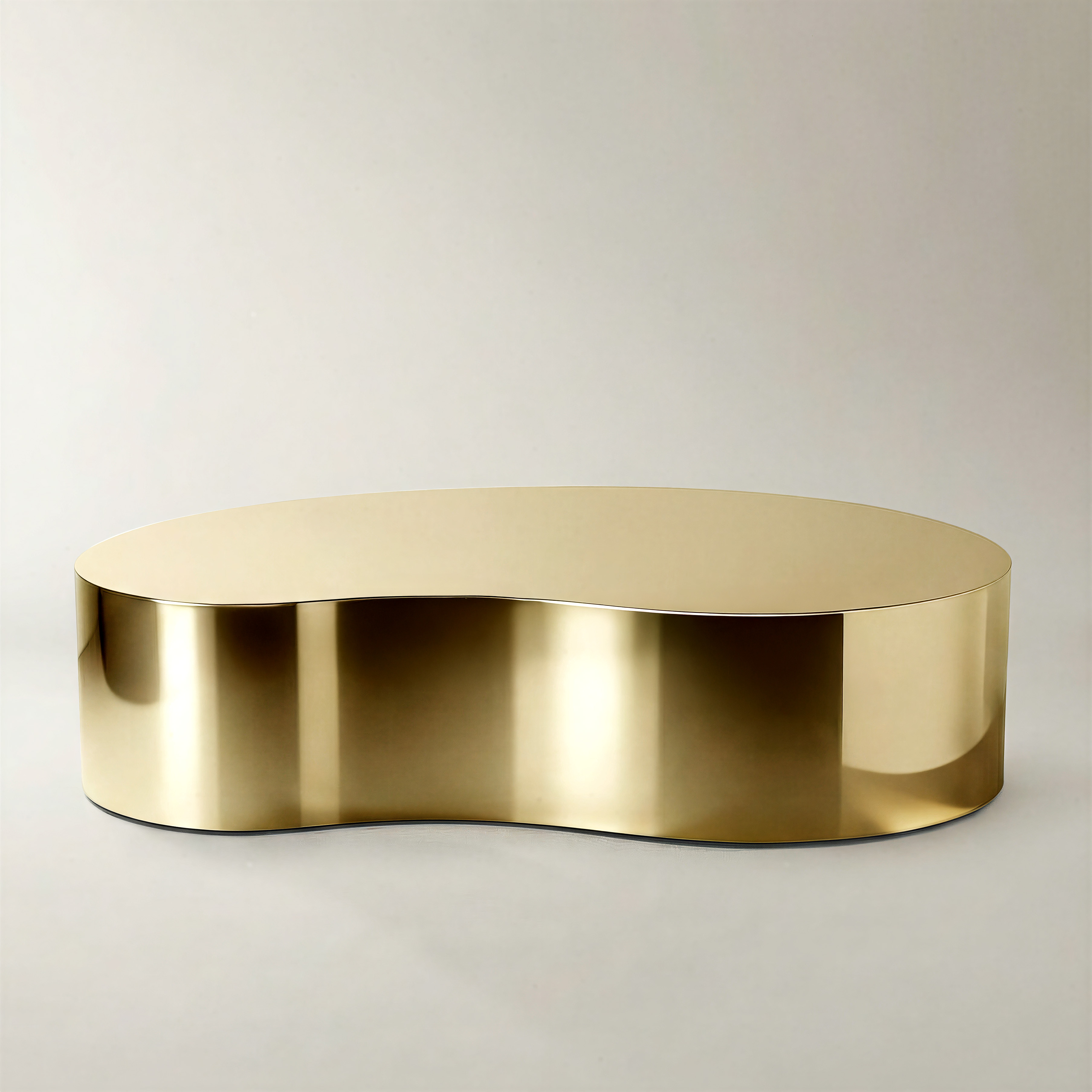
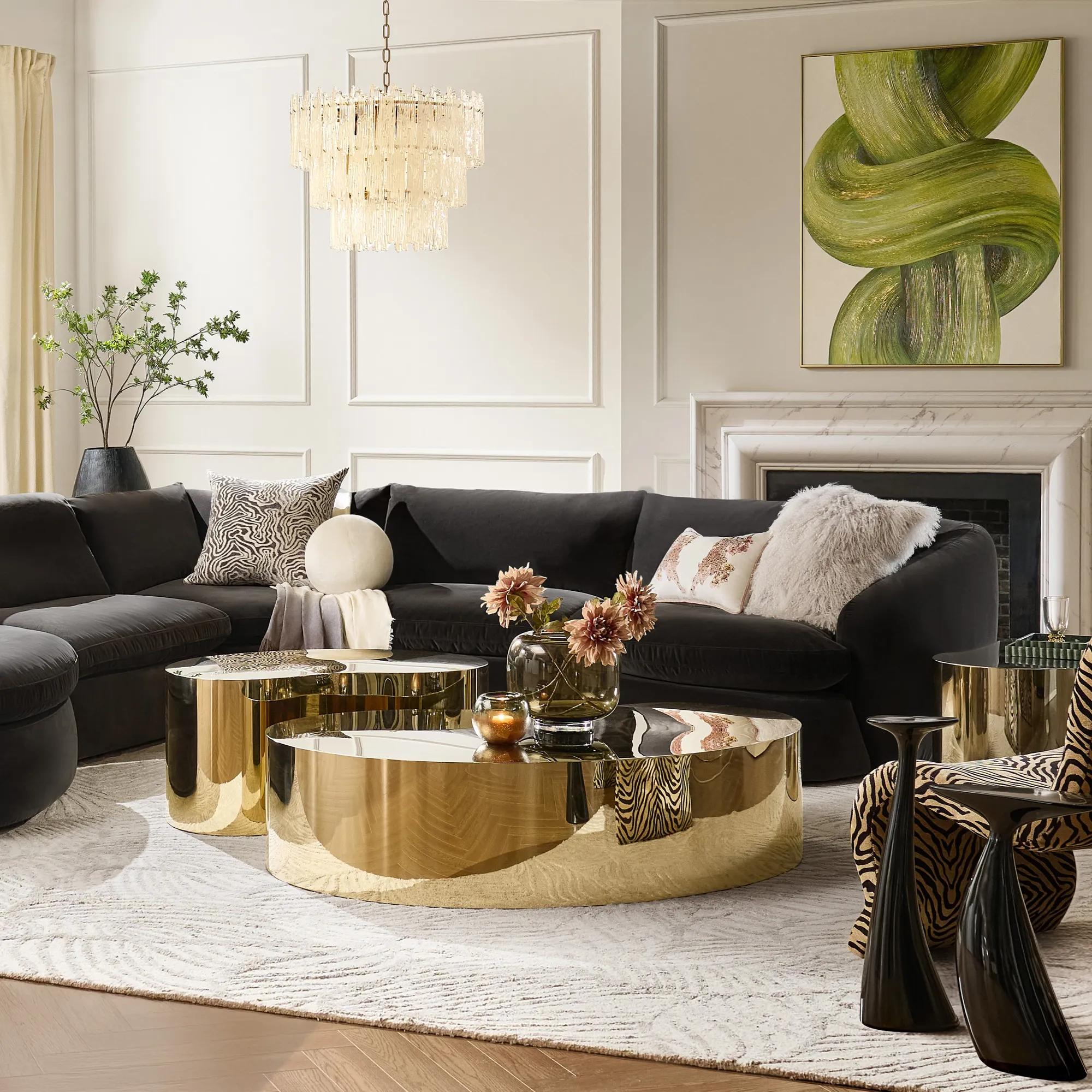 Aurea Soft Gold Coffee Table (57")$1399
A sculptural coffee table crafted from stainless steel with a high-gloss soft gold finish and rounded edges.
Add To Cart -
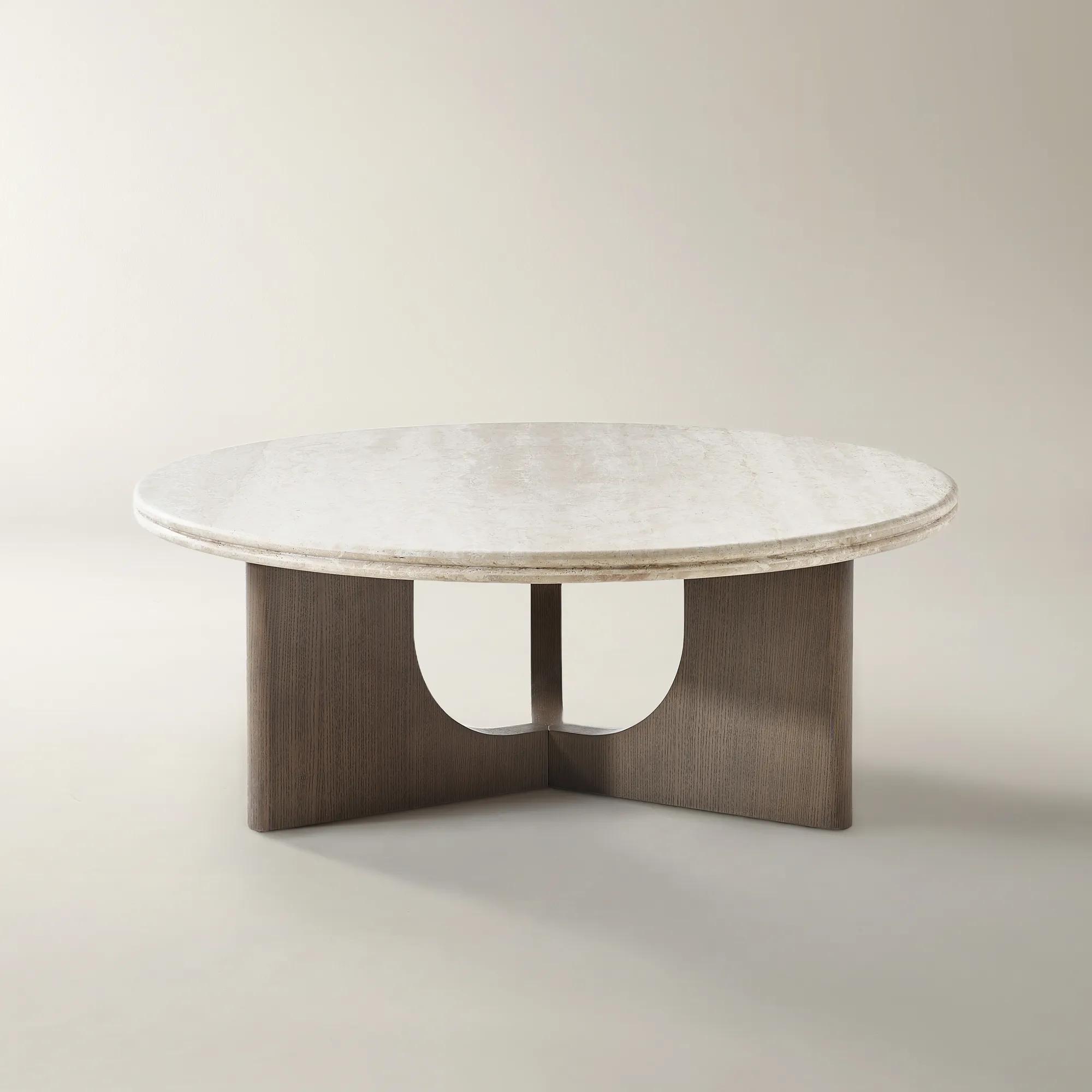
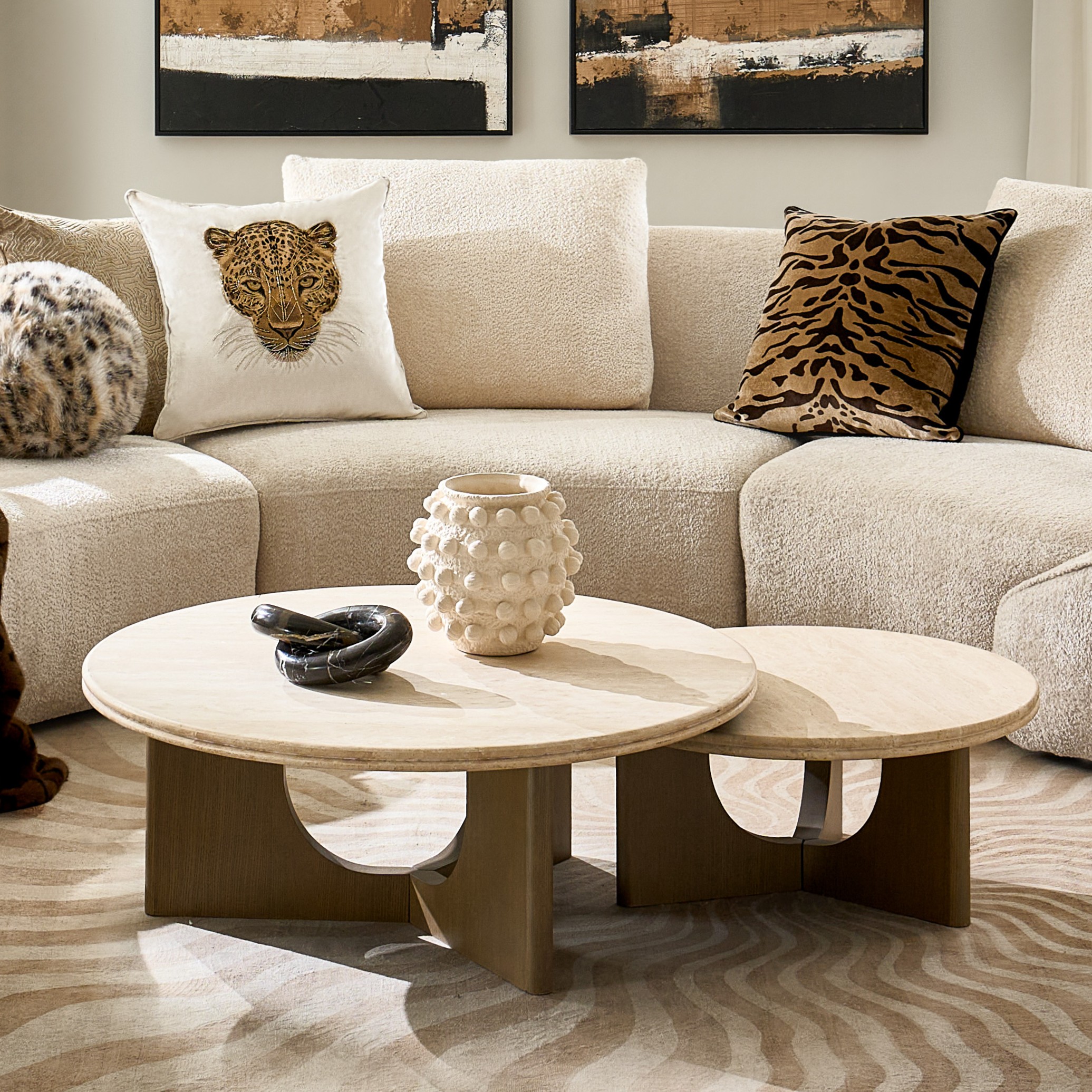 Bond Round Travertine and Wood Coffee Table (41")$1399
A round coffee table featuring a genuine travertine stone top and natural ash wood panel base with arches.
Add To Cart -
 Bond Round Travertine and Wood Coffee Table (29.25")$699
A genuine travertine stone coffee table with warm ivory-gold tones atop a solid natural ash base.
Add To Cart -
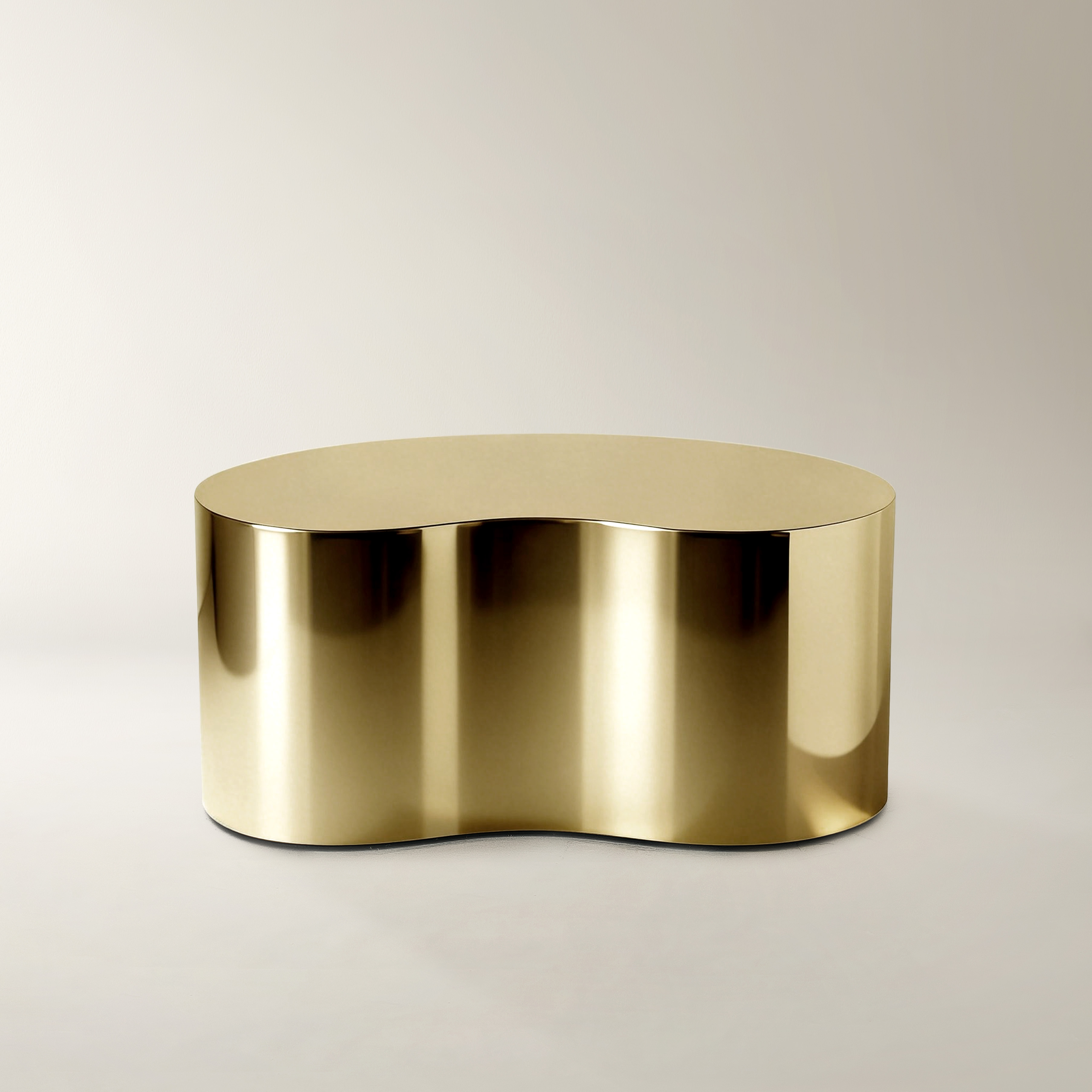 Aurea Soft Gold Coffee Table (37.5")$999
A sculptural coffee table crafted from premium stainless steel with a high-gloss soft gold mirror finish.
Add To Cart -
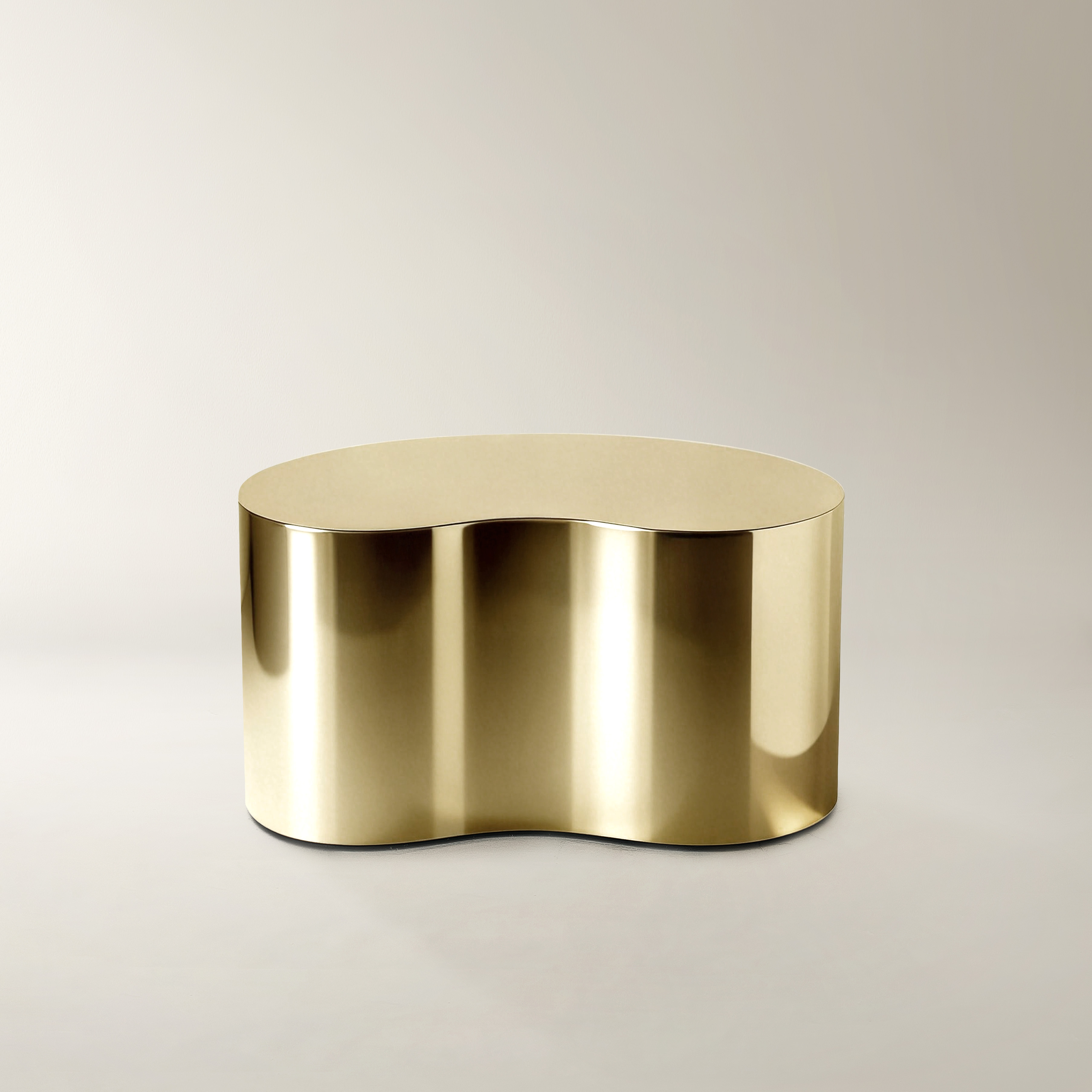 Aurea Soft Gold Coffee Table (32")$799
A sculptural coffee table crafted from premium stainless steel with a high-gloss, soft gold mirror finish.
Add To Cart -
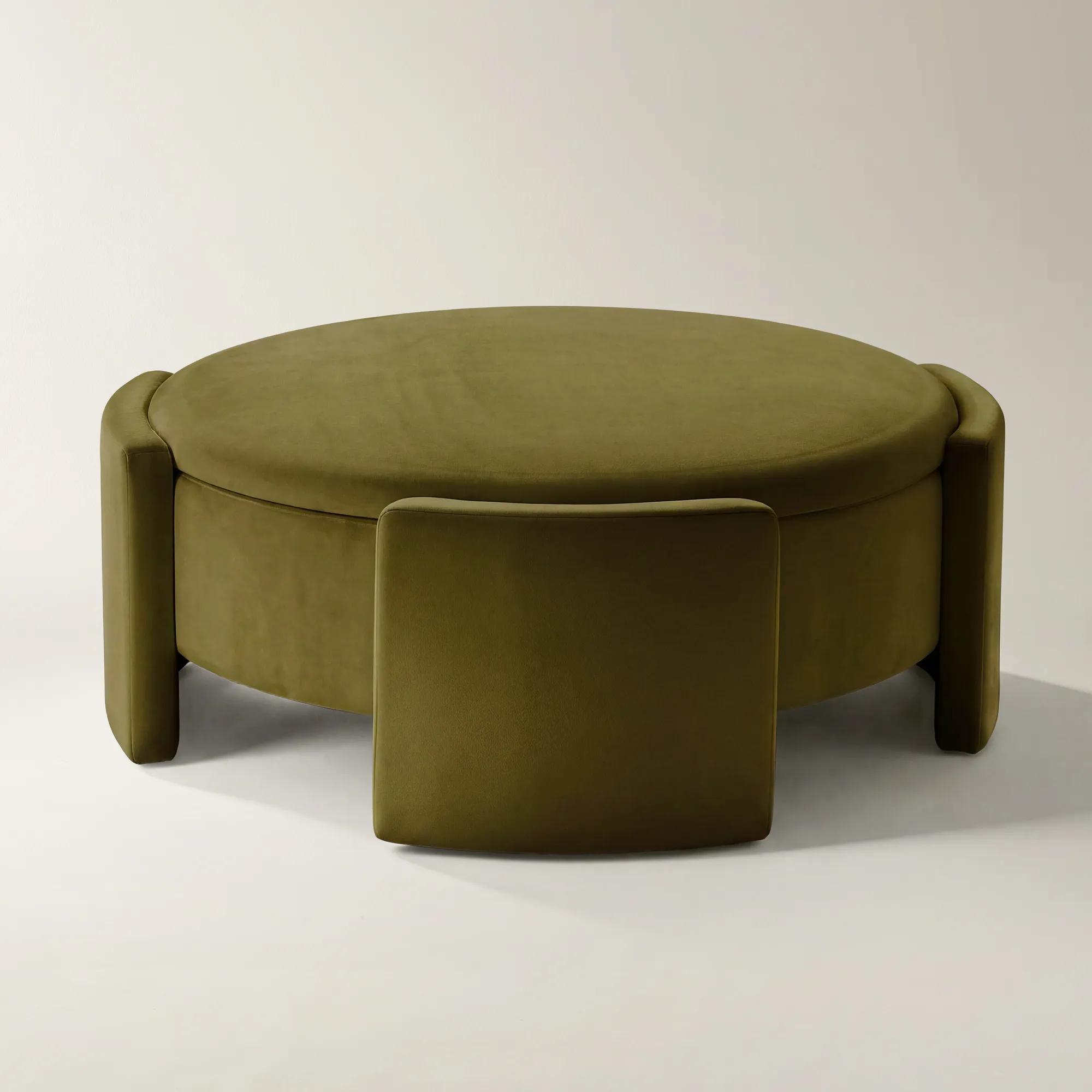
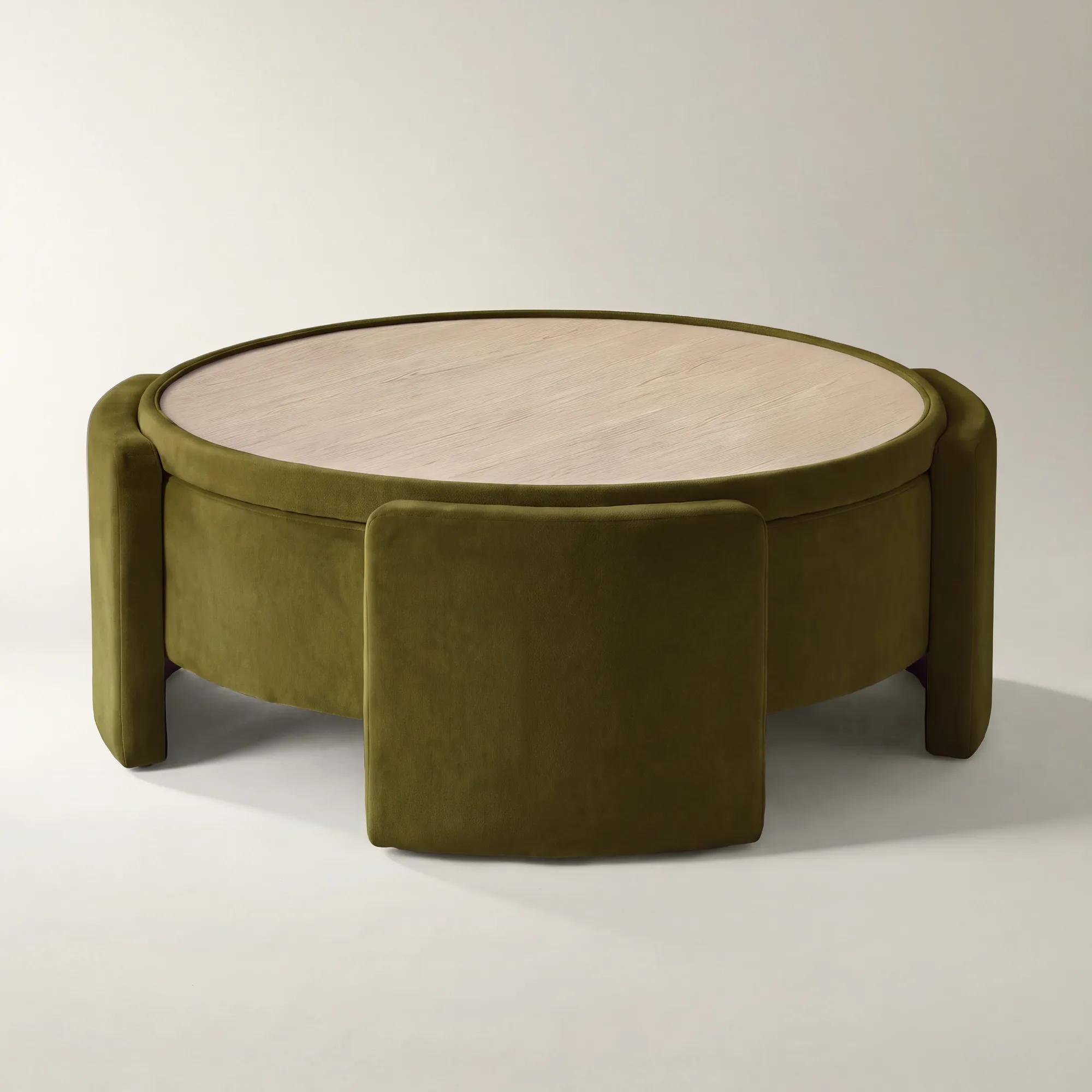 Jora Round Deep Olive Velvet Storage Coffee Table With Reversible Tabletop (47.7")$799
A deep olive velvet coffee table with a reversible tabletop and hidden storage.
Add To Cart -
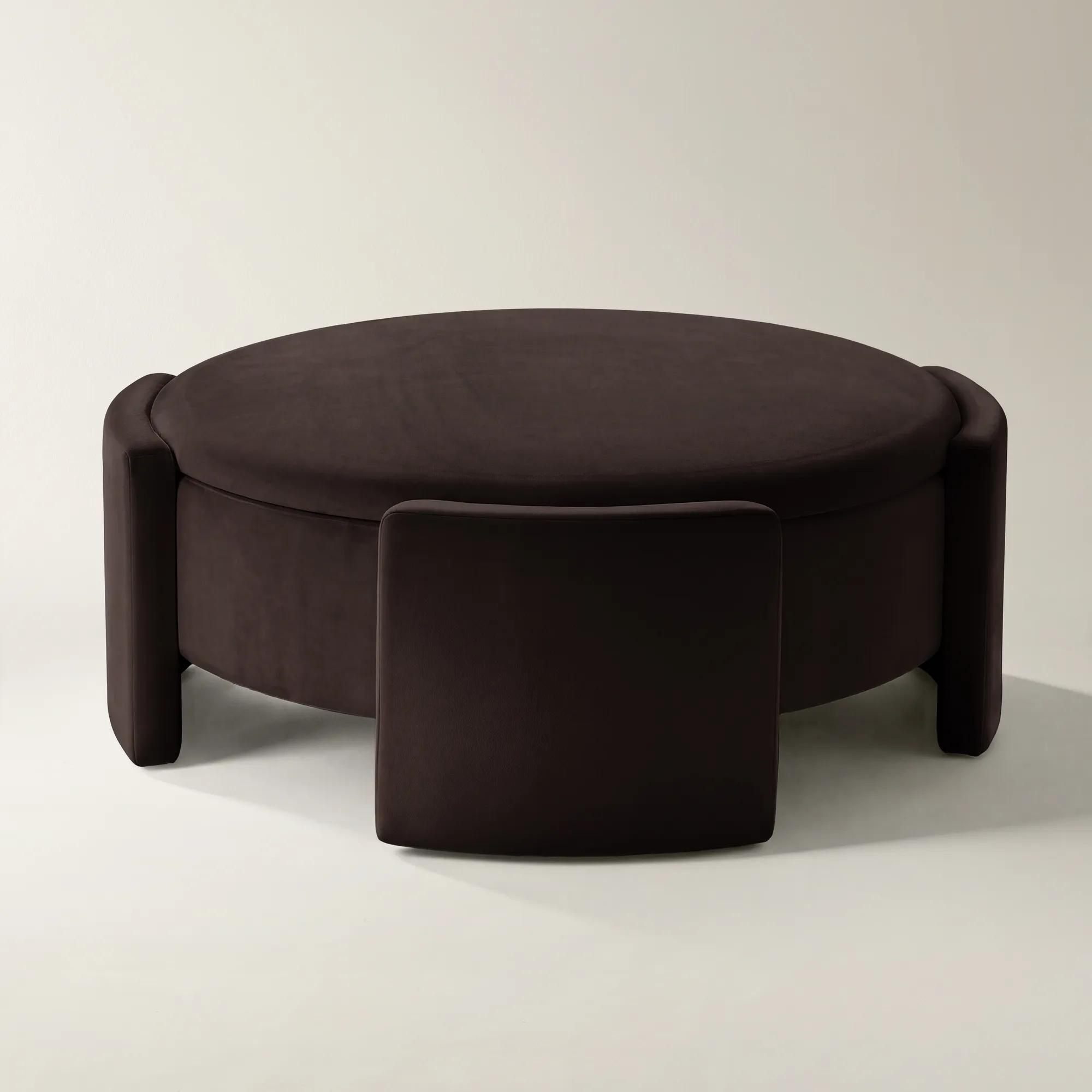
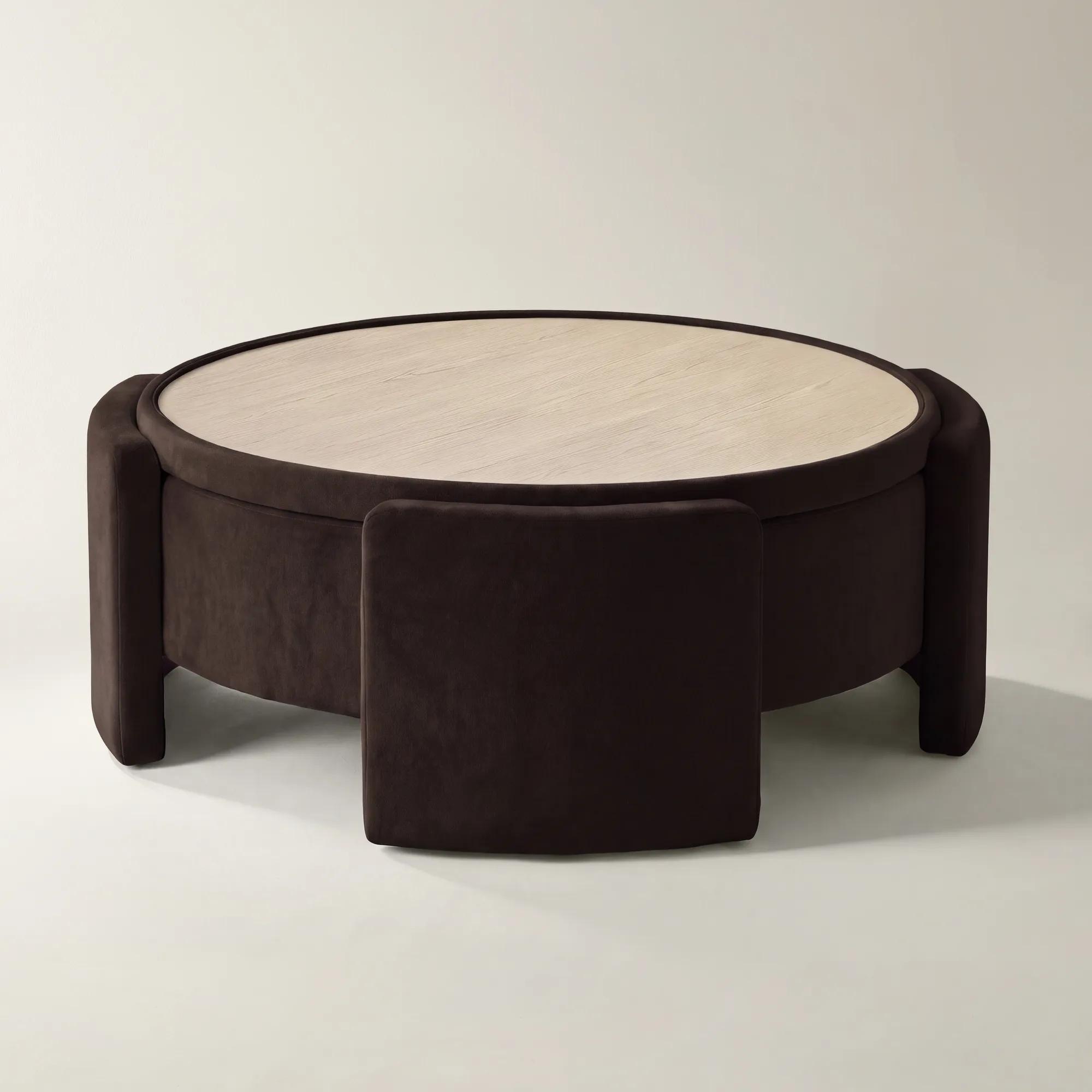 Jora Round Dark Chocolate Velvet Storage Coffee Table With Reversible Tabletop (47.7")$799
A dark chocolate velvet coffee table with hidden storage and a reversible velvet-and-rubberwood tabletop.
Add To Cart -
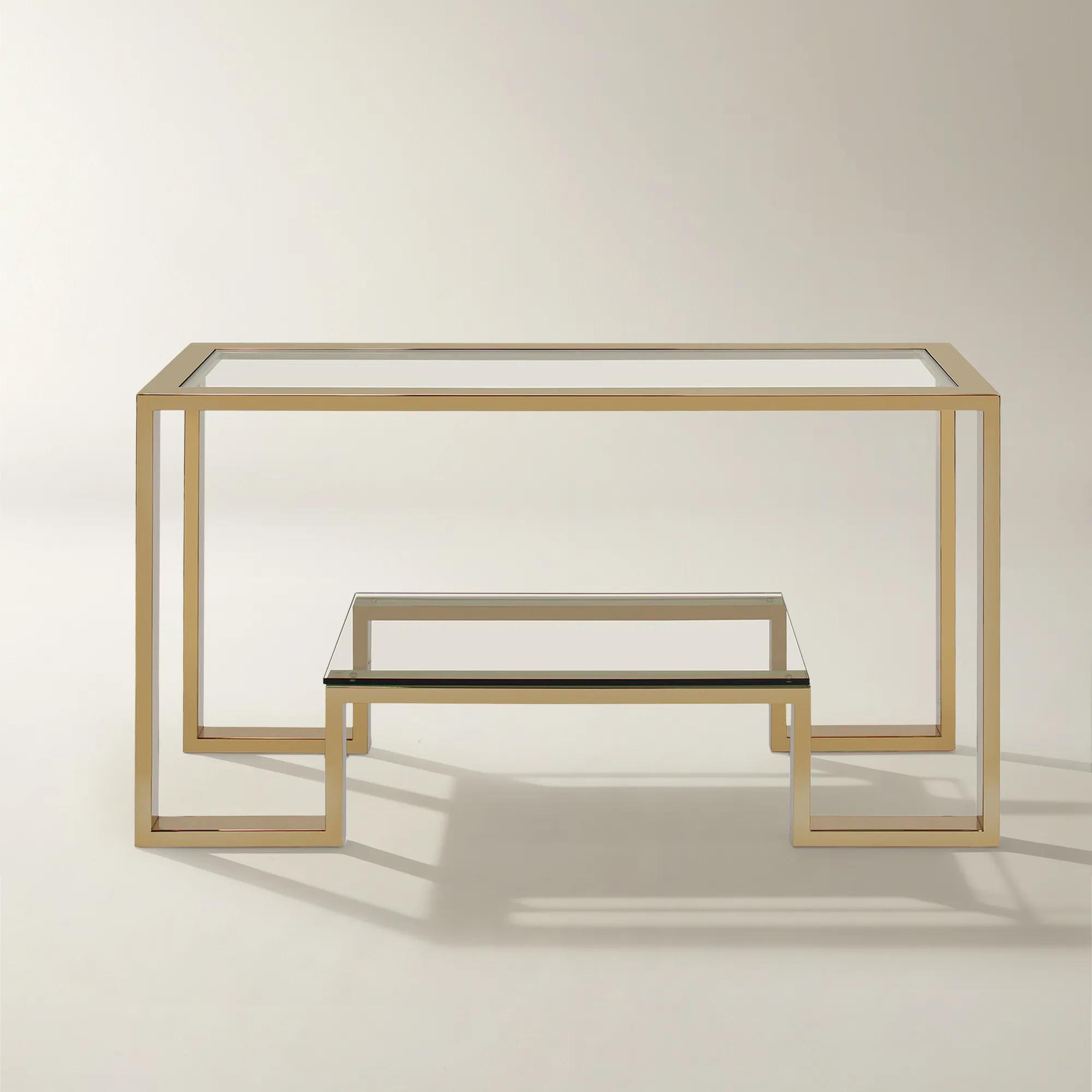
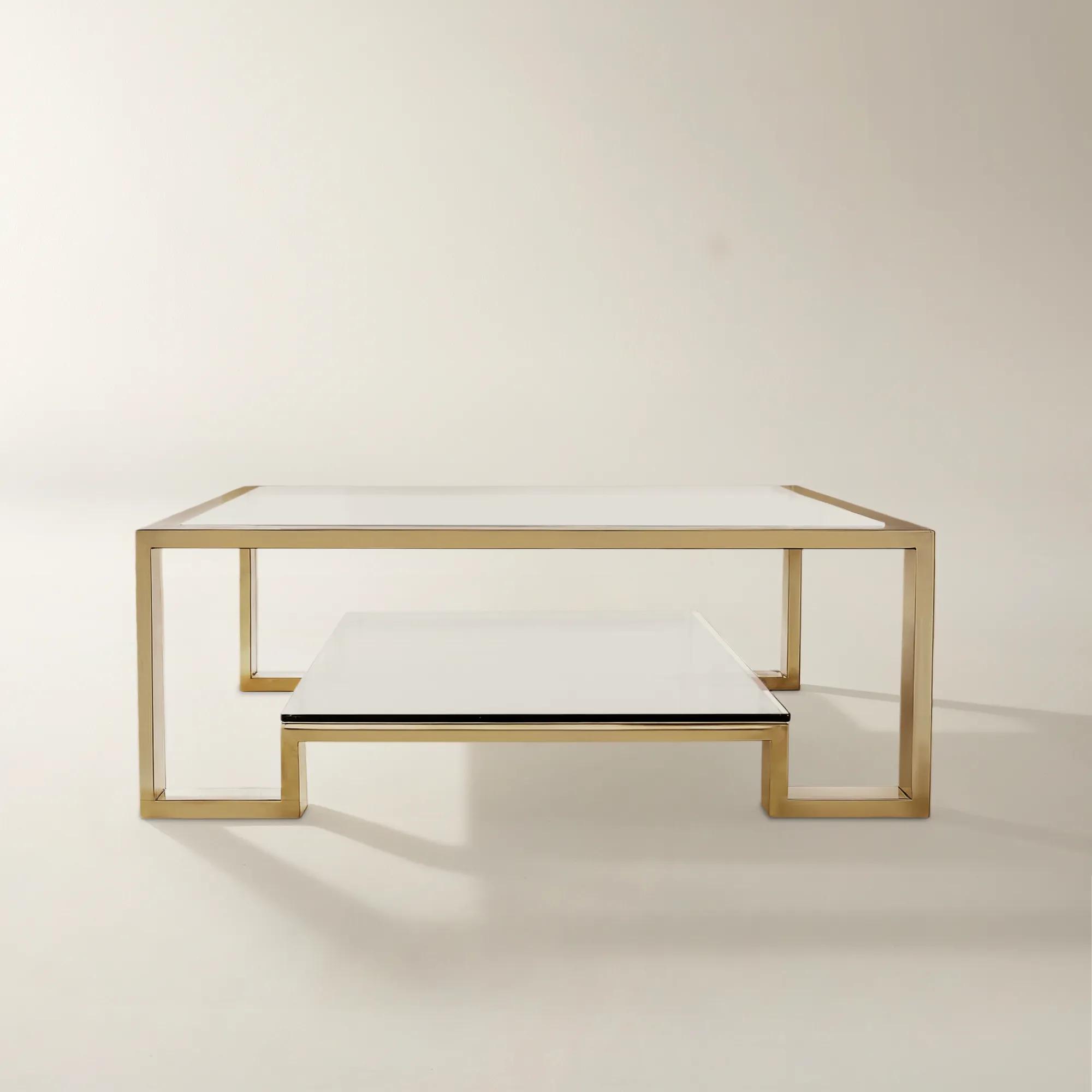
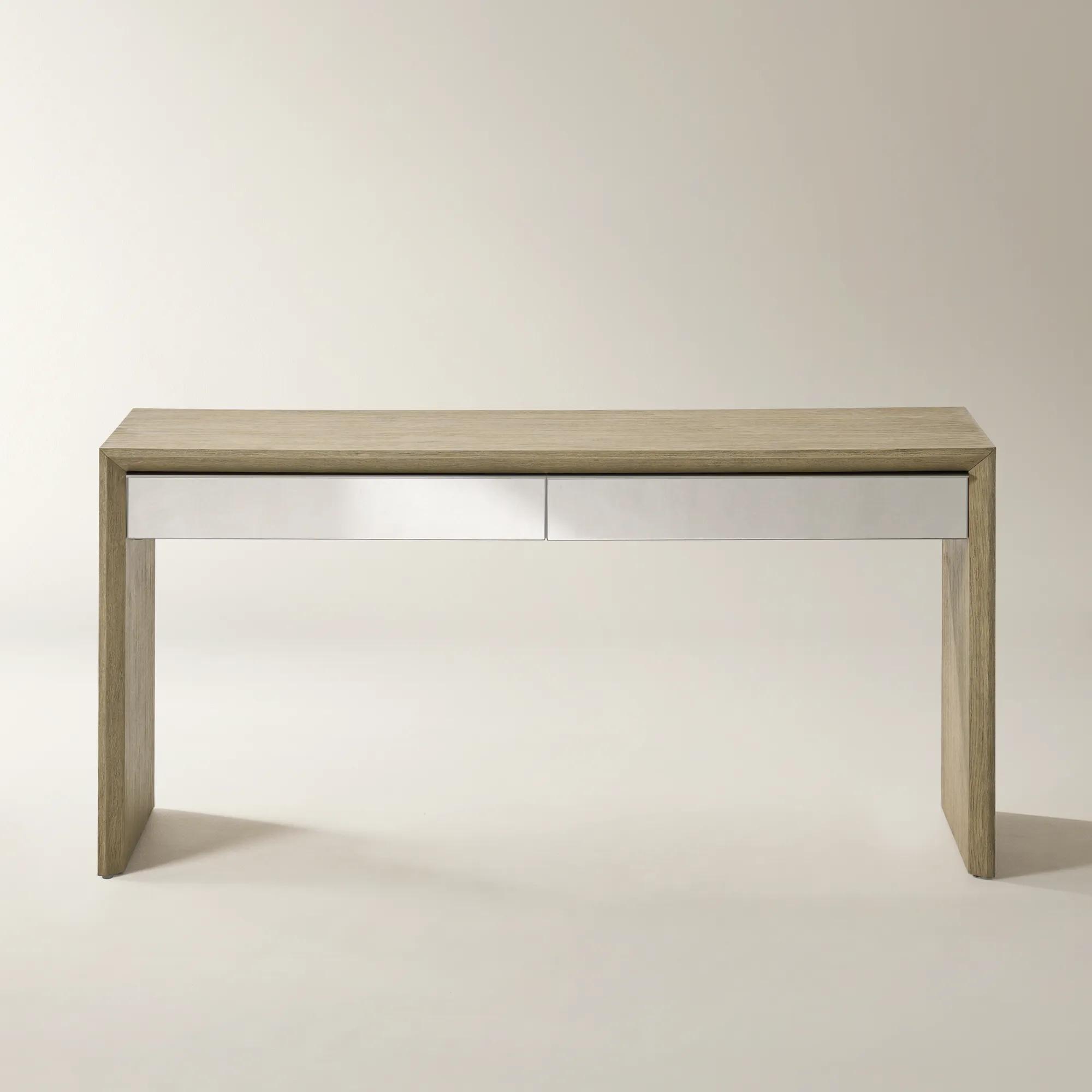
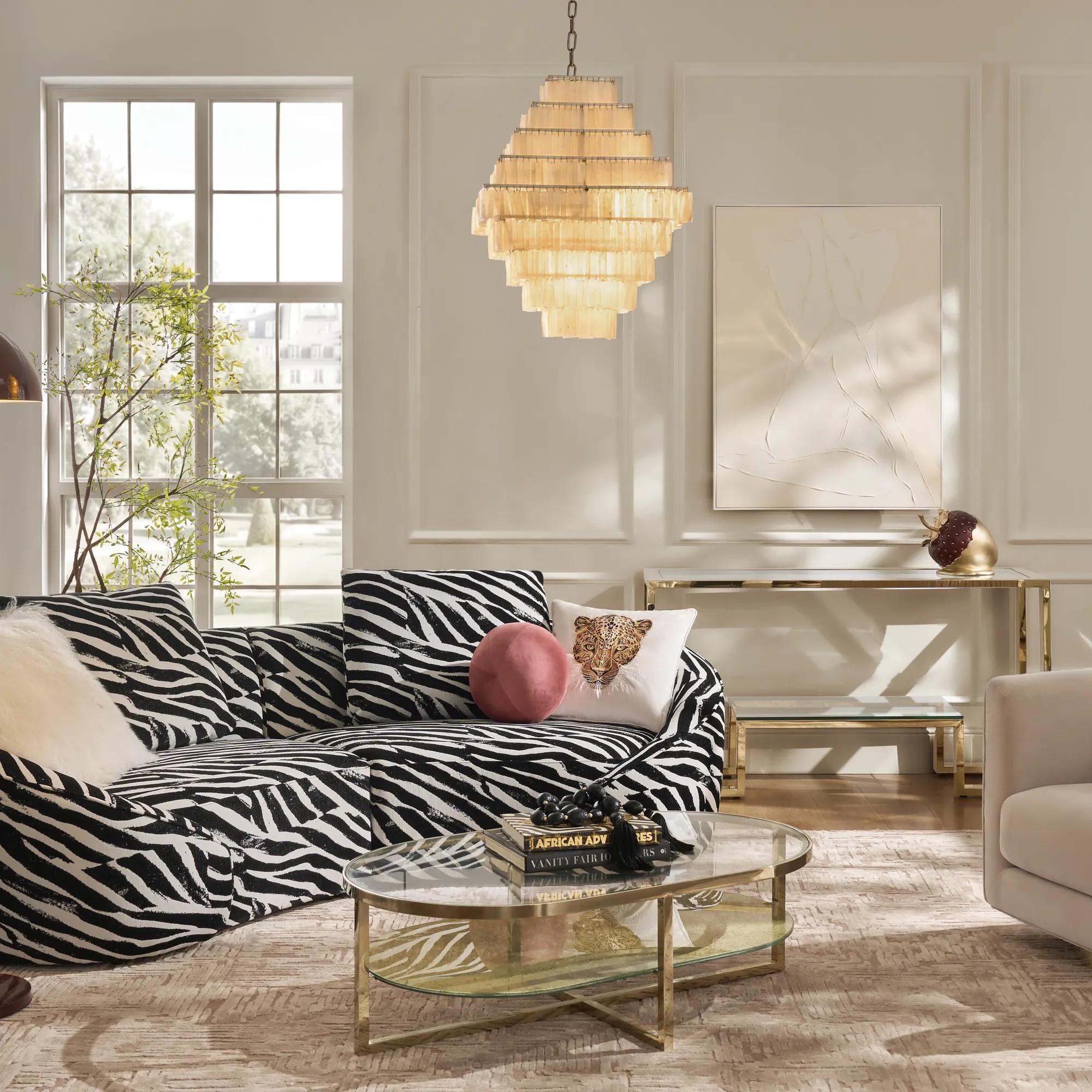 Duplicity Rectangular Gold Stainless Steel Console Table With Glass Top (59")$1399
A modern console table crafted from stainless steel and tempered glass with a floating bottom shelf.
Add To Cart -
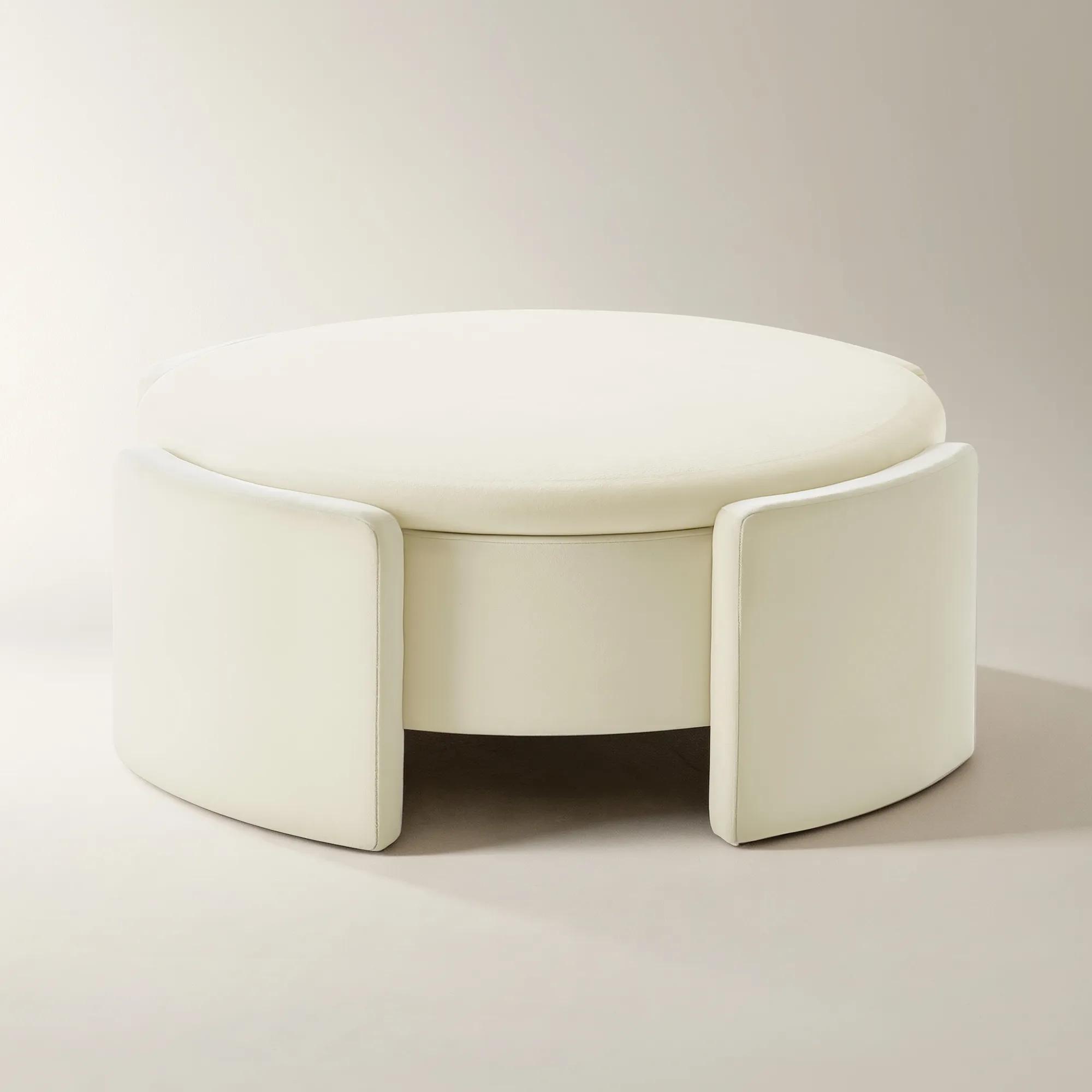
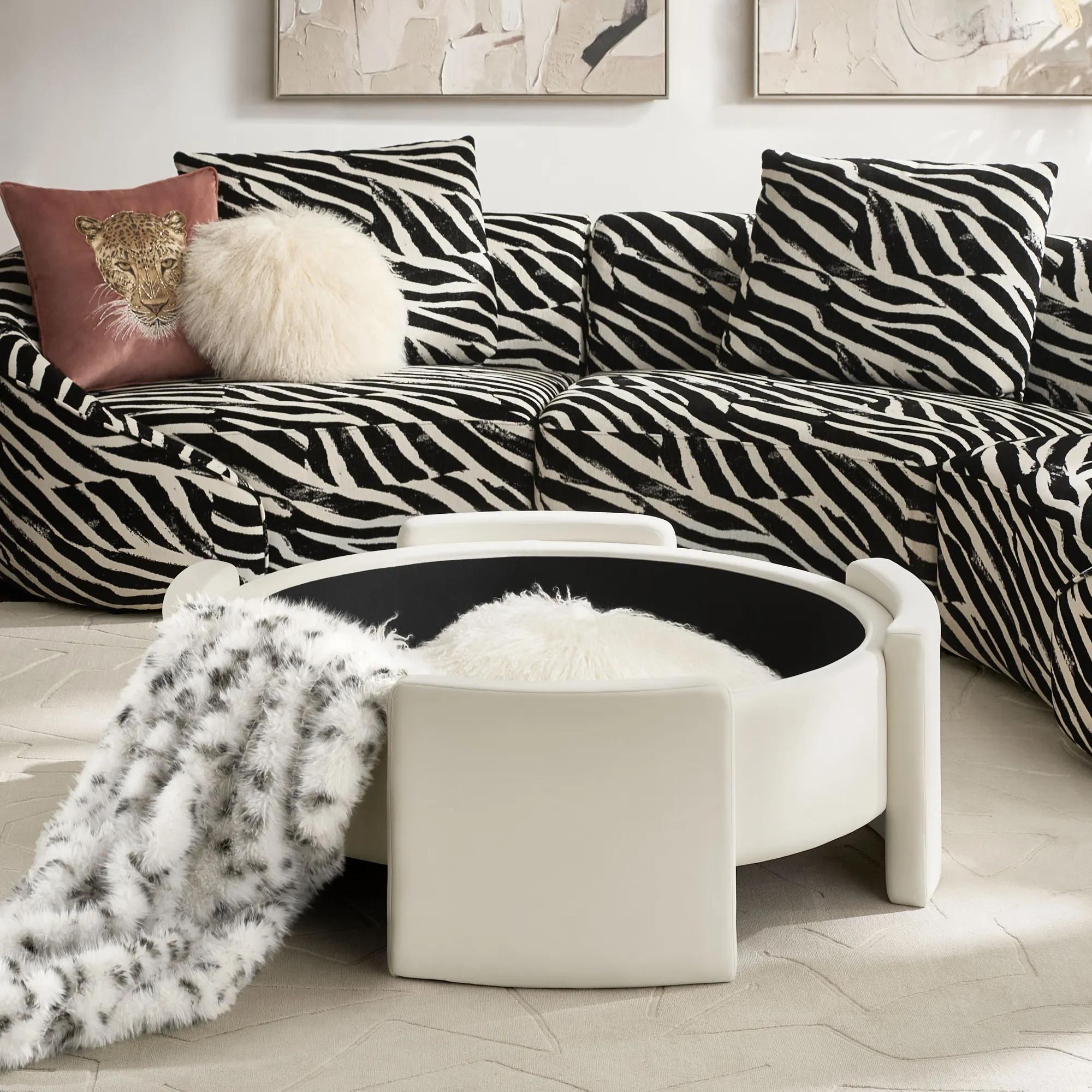 Jora Round Cloud Velvet Storage Coffee Table With Reversible Tabletop (47.7")$799
A round coffee table featuring plush velvet upholstery, reversible wood tabletop, and hidden interior storage.
Add To Cart -
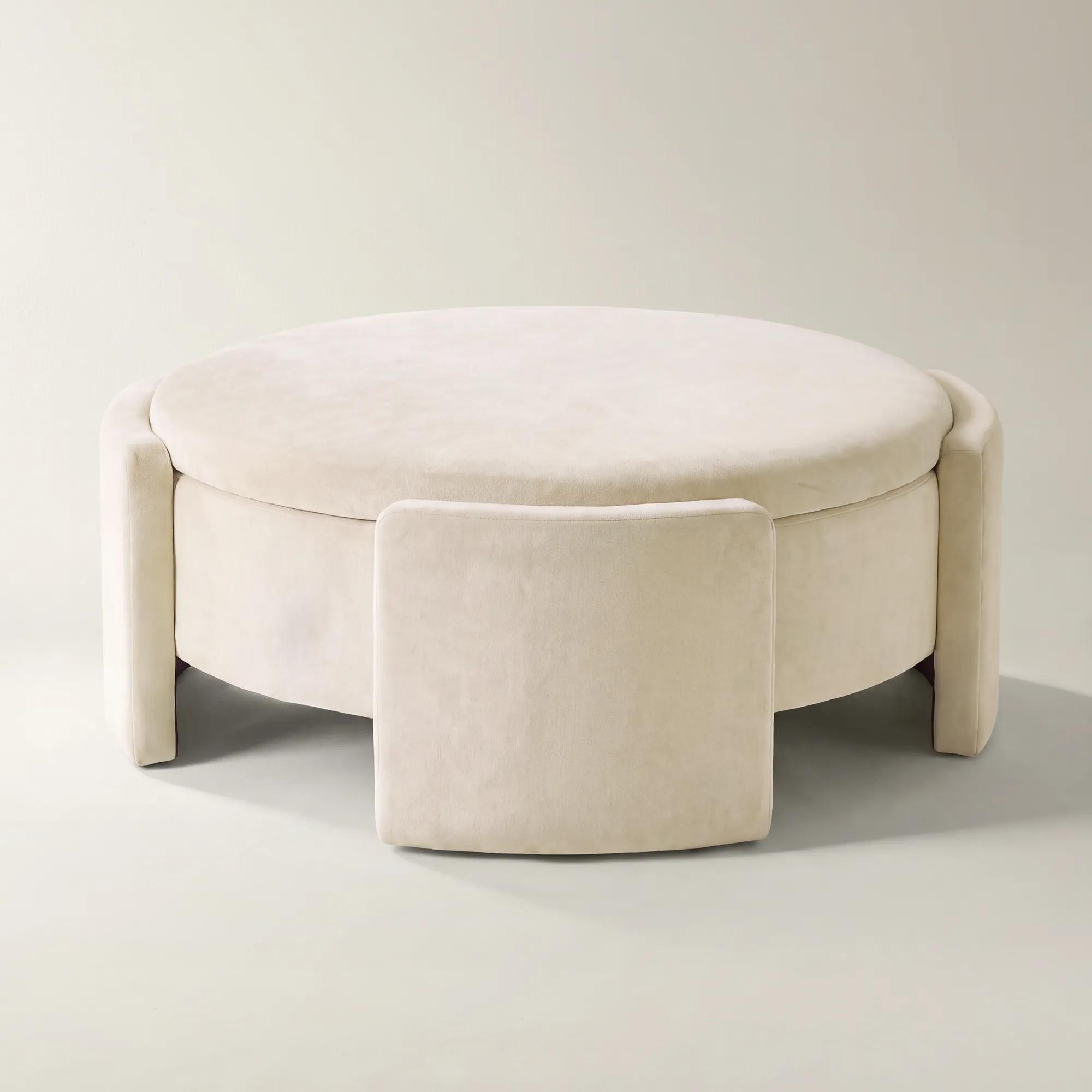
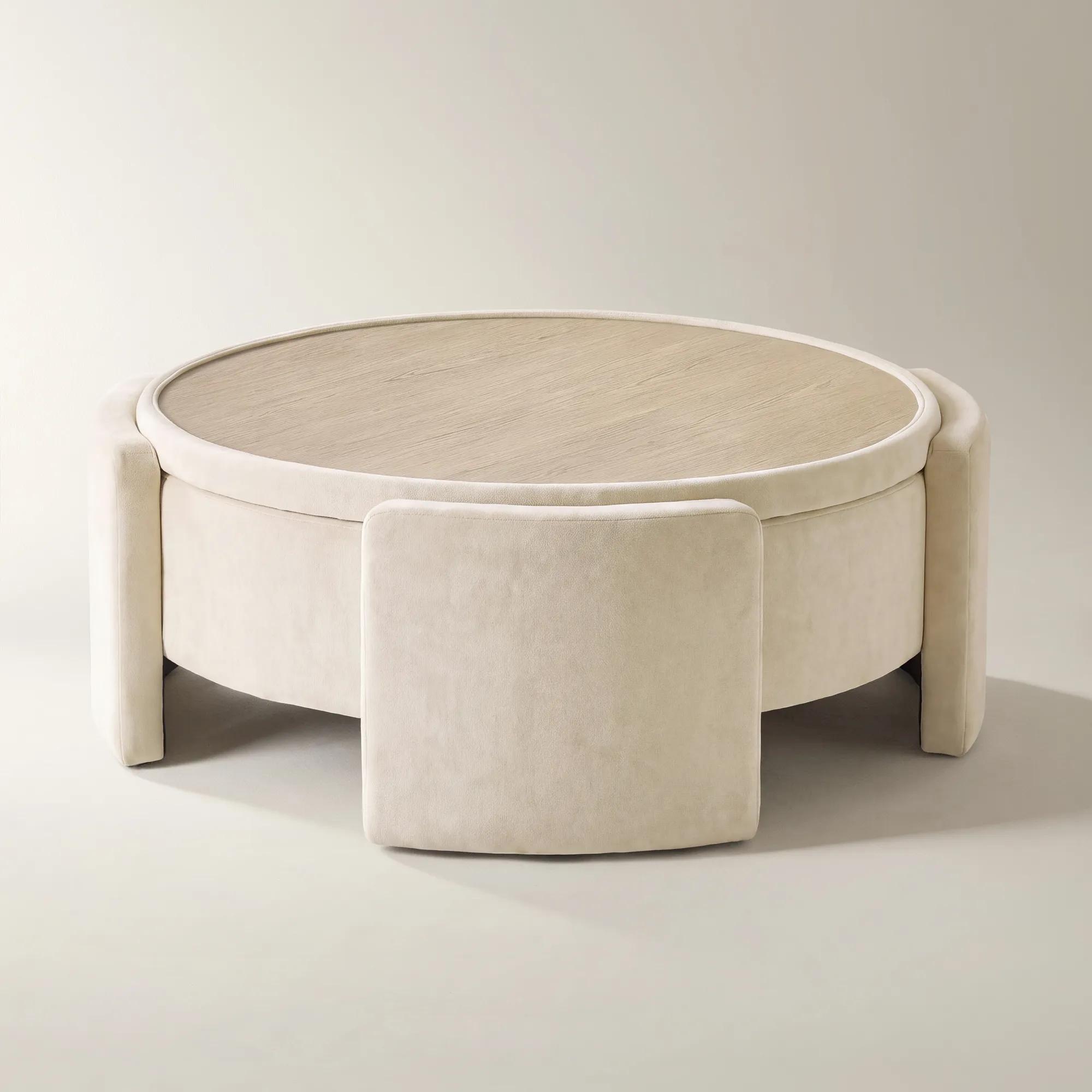 Jora Round Oatmeal Velvet Storage Coffee Table With Reversible Tabletop (47.7")$799
A round oatmeal velvet coffee table with hidden storage and a reversible velvet and wood tabletop.
Add To Cart -
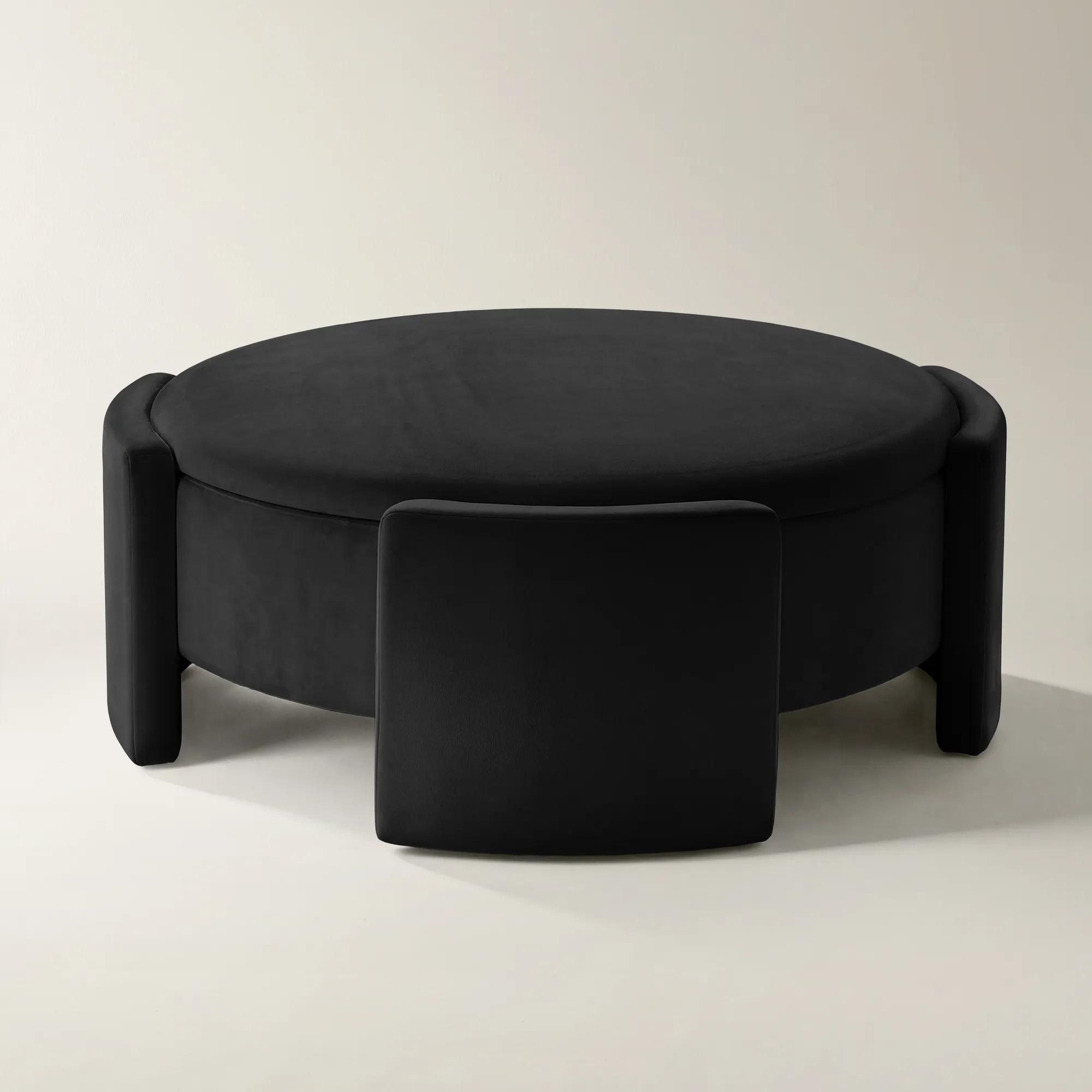
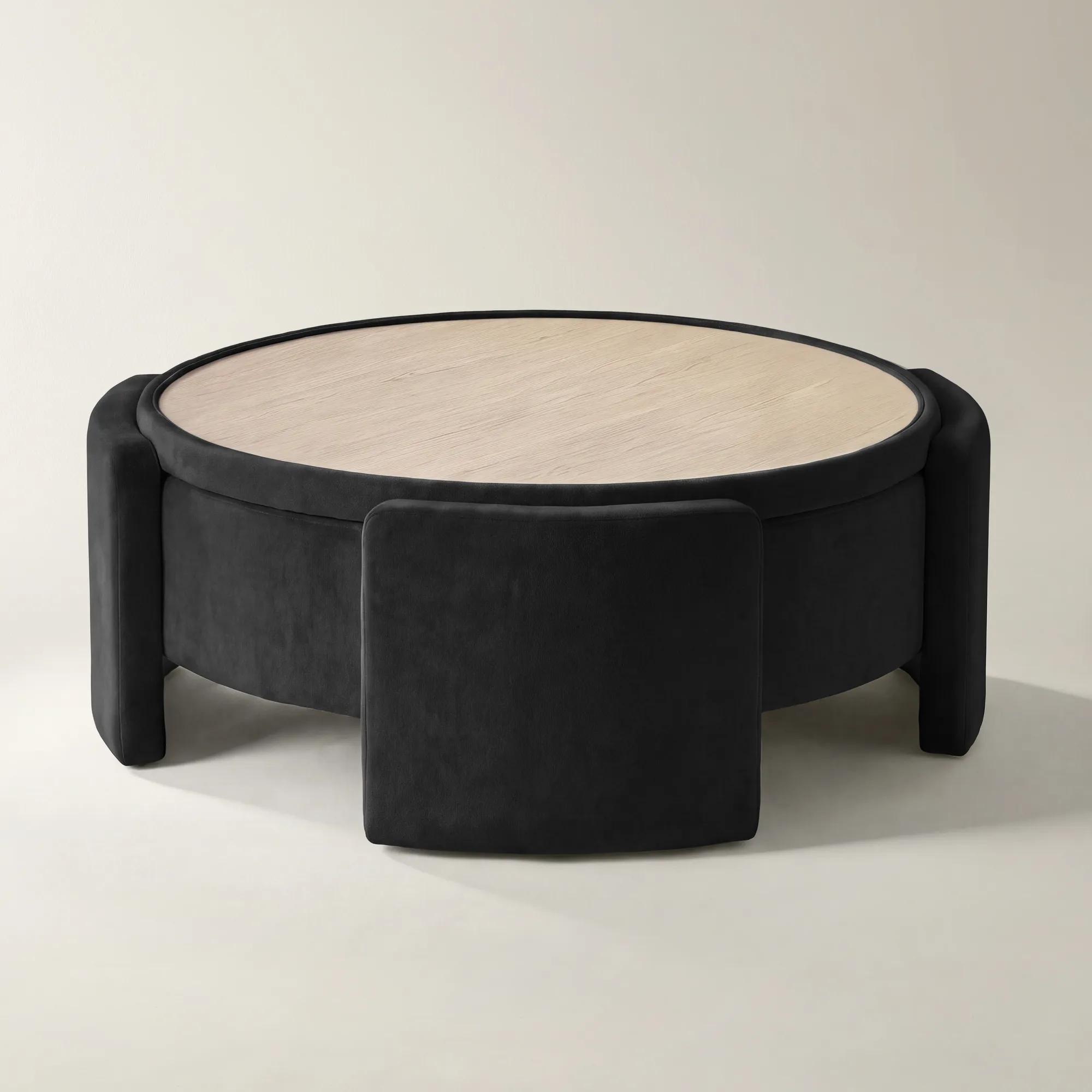 Jora Round Charcoal Velvet Storage Coffee Table With Reversible Tabletop (47.7")$799
A charcoal velvet coffee table with reversible wood veneer tabletop offers hidden storage and sculptural style.
Add To Cart

Unique Living Room Table Sets
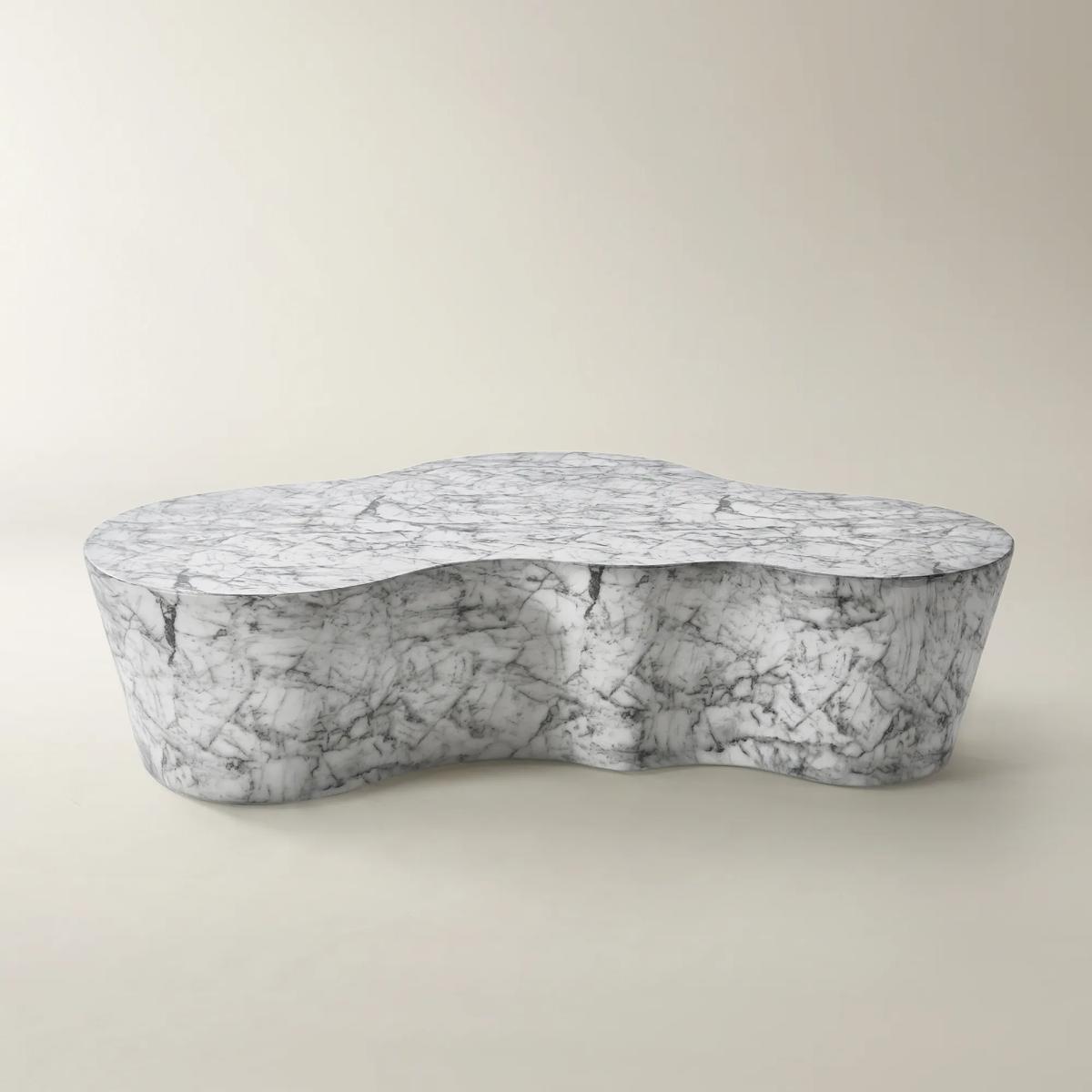
Unique living room table sets are the heart of a space where style meets storytelling. Each piece is an invitation to indulge in artistry—where sculptural forms, gleaming finishes, and unexpected silhouettes transform the ordinary into the extraordinary. Designed for those who crave interiors that captivate, these tables become more than functional accents; they are conversation starters, grounding your living room in drama and distinction. Let your space reflect your boldest vision with unique living room table sets that turn every gathering into a curated experience of luxury and self-expression.
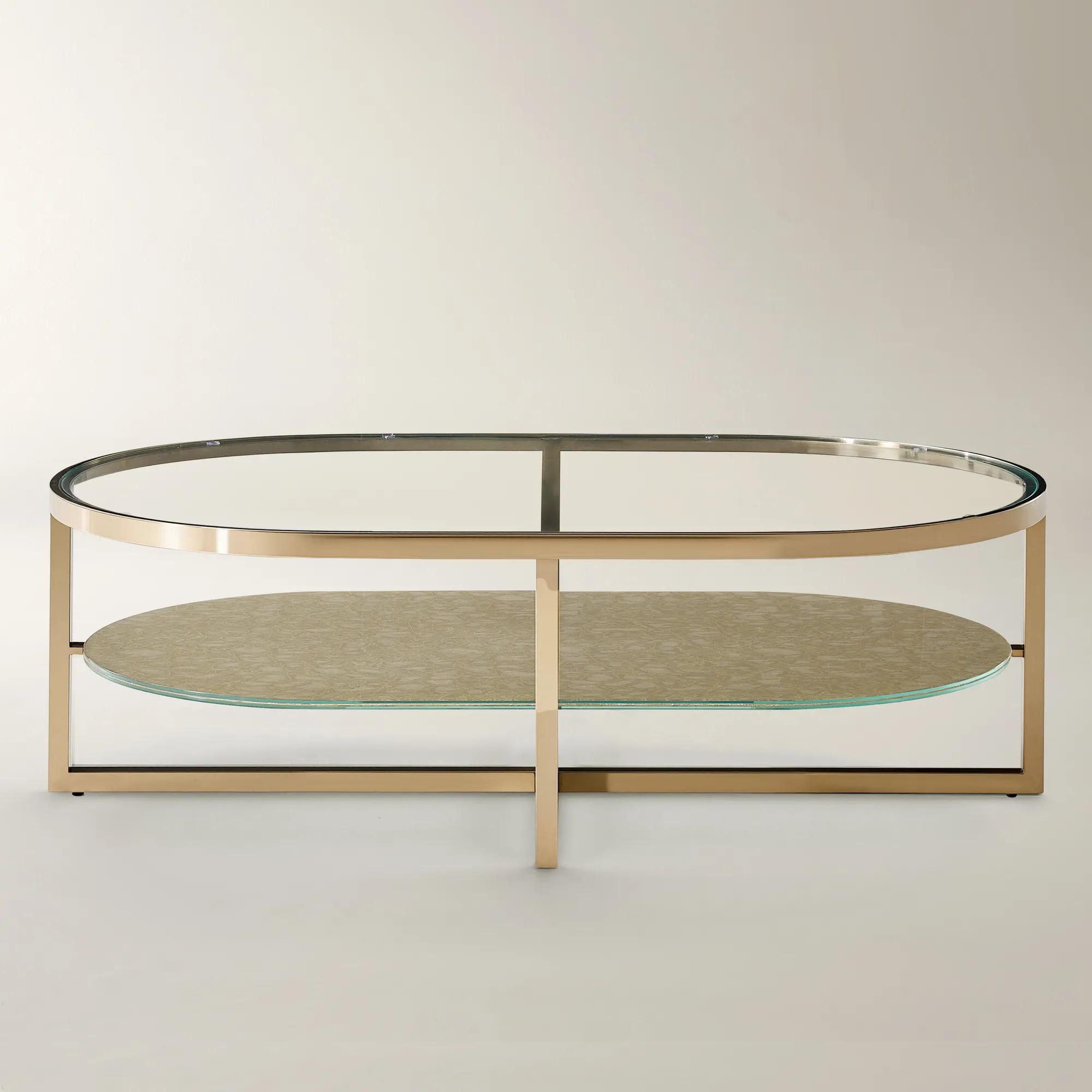
Unique living room table sets bring a distinctive point of view to a seating area through sculptural shapes, unexpected material pairings, and details that make everyday surfaces feel like part of the art. They typically combine a coffee table with one or more end tables, while nesting arrangements offer a layered alternative with surfaces that can move independently. Their character may come from an asymmetrical top, a fluted pedestal, an open geometric base, or the contrast between luminous glass and richly grained wood. Uniqueness does not require an unconventional outline: a rectangular table with expressive proportions or a striking finish can command just as much attention as an organic silhouette. The most compelling combinations establish a visual relationship without repeating every detail. A circular coffee table and angular side tables, for example, can feel connected through a shared metallic finish, while tables of different heights can create rhythm through a consistent wood tone. This balance gives a living room polish without making it feel rigidly coordinated. Against a sumptuous sofa, transparent surfaces let upholstery and a richly patterned rug remain visible; beside tailored seating, a substantial stone-look form adds architectural presence. Consider where the eye should settle. A dramatic central table can anchor a restrained seating arrangement, while more delicate companion tables give a richly layered room breathing space. For people who entertain, a coordinated grouping creates several natural places for refreshments and conversation. For a reader who prefers a favorite chair and a quiet corner, an end table becomes a personal landing place for a book, a glass, and a pool of lamplight. These pieces also help define seating zones within an open living area, creating a sense of intimacy without a physical partition. Their purpose is both expressive and practical: they connect the room’s larger furnishings while bringing useful surfaces close to the people enjoying them. The result should feel composed around daily rituals, with enough individuality to make the space unmistakably personal.
Materials determine much of a table set’s visual impact, weight, and day-to-day performance. Glass introduces clarity and reflection, allowing a sculptural base to become the focal point rather than hiding beneath a solid surface. It can make a compact seating area feel less visually crowded, although fingerprints and smudges may be more noticeable. Where glass is used, check the construction details and whether the top is tempered rather than assuming all glass surfaces offer the same performance. Metal bases can create slender, architectural profiles, with polished finishes adding brilliance and brushed finishes offering a softer sheen; the durability of either depends on the underlying material, coating, and construction. Wood brings warmth and variation, from subtle grain to dramatic figuring, and can soften the effect of mirrored accents or lustrous upholstery. Solid wood, wood veneer, and engineered wood are distinct constructions, each worth evaluating through the stated specifications rather than appearance alone. Veneer, for instance, describes a thin layer of real wood over a substrate and does not by itself establish a piece’s quality. Natural stone offers distinctive veining and substantial presence, but stone types differ in porosity and sensitivity to acids, oils, and staining. A stone-look surface may deliver a related visual effect with different maintenance requirements, so confirm the actual composition before choosing. Mixed-material tables are especially expressive when each element has a clear role: a weighty top can lend gravity to an airy base, while a gleaming frame can sharpen the outline of a warm wood surface. Beyond the finish, consider stable construction, secure connections, and any stated weight limits, particularly when a table will support a substantial lamp or decorative object. A broad pedestal and a slender-legged base may occupy similar floor space yet feel very different beside a sofa. In a room used frequently by children or pets, rounded profiles may reduce encounters with sharp corners, but stability and careful placement still matter. Distinctive design should enhance daily use rather than demand constant accommodation.
Scale gives unique living room table sets their final sense of confidence. Measure the seating arrangement as well as the room, including the full footprint of table bases, projecting edges, and any nesting pieces when extended. As a planning starting point, a coffee table around one-half to two-thirds the length of the sofa often creates a comfortable visual relationship, though curved seating and sectional layouts may call for different proportions. Roughly 14 to 18 inches between a sofa and coffee table can balance reach with legroom; main walking routes generally need more space, often around 30 to 36 inches where the layout permits. Treat these measurements as starting points, then account for reclining seats, door swings, and the way people actually move through the room. An end table near the height of the adjacent sofa or chair arm usually makes drinks and reading materials easier to reach. Nesting tables can accommodate occasional guests without permanently filling the floor, but each piece needs a stable position when separated. Lighting deserves equal consideration: pairing the arrangement with unique living room table lamps adds another sculptural layer, provided the tabletop comfortably supports the lamp base and leaves useful space beside it. Keep cords away from walking paths and consider how the shade sits relative to seated eye level. Finish the composition with restraint: a low tray, a tactile bowl, or a few art books can emphasize the table’s design without concealing it. Preserve that effect with care suited to each material. Use coasters and protective pads, blot spills promptly, and follow the manufacturer’s cleaning directions rather than applying one cleaner across a mixed-material set. Avoid dragging decorative objects across glossy surfaces, and lift tables when moving them to protect joints and floors. Some stone finishes require periodic sealing, while certain wood and metallic finishes need protection from prolonged moisture or direct sunlight. With thoughtful proportions, considered materials, and appropriate care, a table grouping can remain a defining feature of the room—equally suited to an intimate conversation, an evening of entertaining, or an ordinary afternoon made more beautiful.
FAQs
A unique living room table set stands apart through its artistry, unexpected materials, and bold design details. Look for sculptural silhouettes, luxe finishes like mirrored glass or marble, and thoughtful touches such as metallic accents or intricate inlays. These elements combine to create a set that feels curated and expressive, elevating your living space beyond the ordinary.
Living room table sets are a canvas for self-expression. Choose pieces that reflect your taste—whether that's dramatic and glamorous, modern and minimal, or eclectic and layered. Mix textures, play with shapes, and consider sets that offer surprise details. Your tables can showcase favorite books, art objects, or seasonal décor, making your space a true reflection of your personality.
Absolutely. A unique living room table set is a thoughtful and memorable gift for housewarmings, weddings, or milestone celebrations. These sets not only bring functional beauty to a home but also serve as a lasting symbol of style and intention, making them ideal for anyone who appreciates interior artistry and wants to make a statement in their living space.
Look for sets that balance visual drama with everyday function. Features like built-in storage, nesting tables, or multi-level surfaces add versatility, while luxe finishes and striking shapes ensure the set remains a focal point. Consider how the materials and design will interact with your existing décor and how the set will support your lifestyle, from entertaining to relaxing.
Start by selecting a color palette or material theme that complements your room. Layer decorative accents such as trays, books, or vases to add interest and dimension. Mix and match heights and textures for a collected, editorial feel. Remember, your living room tables are not just functional—they’re an opportunity to tell your home’s story with every detail.