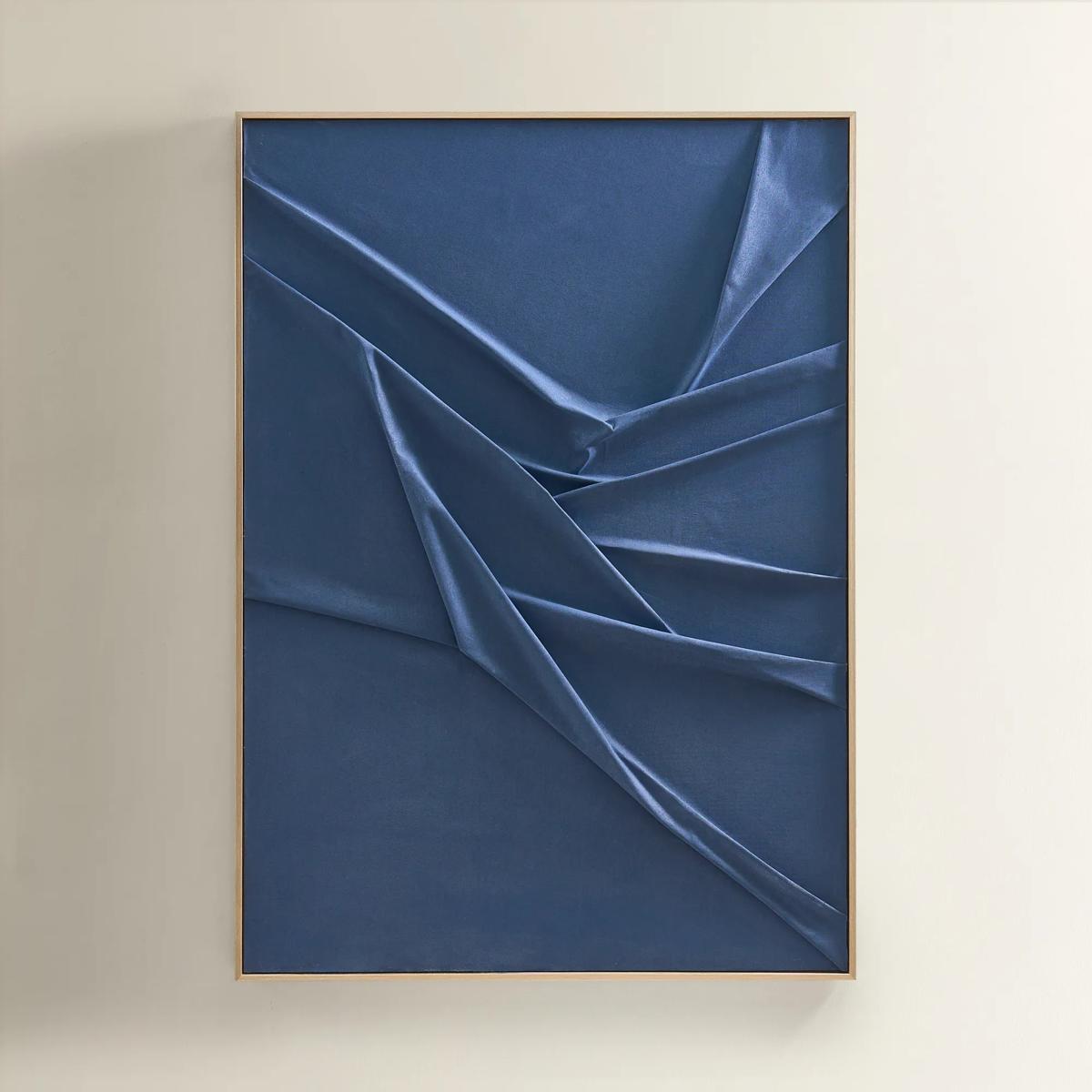
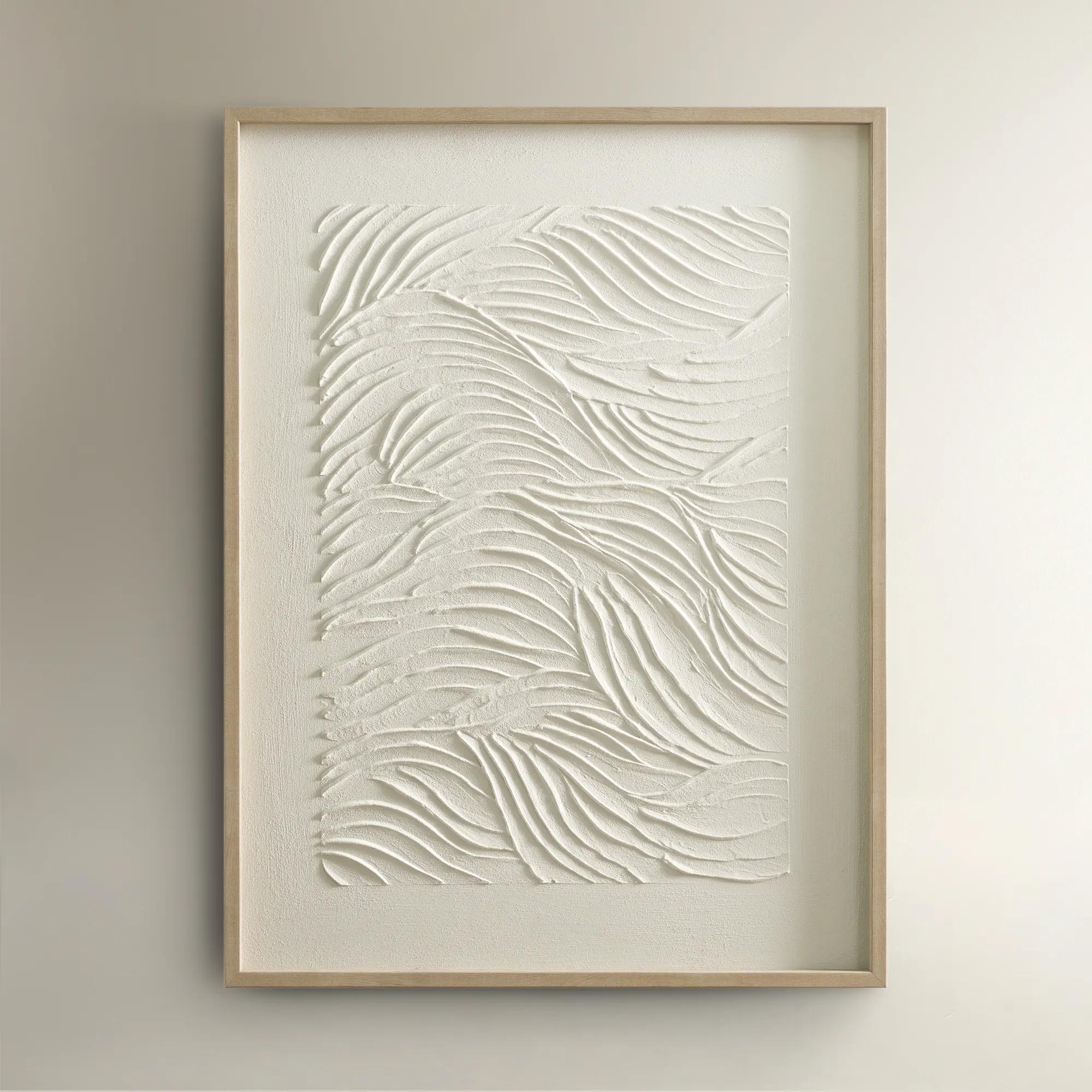
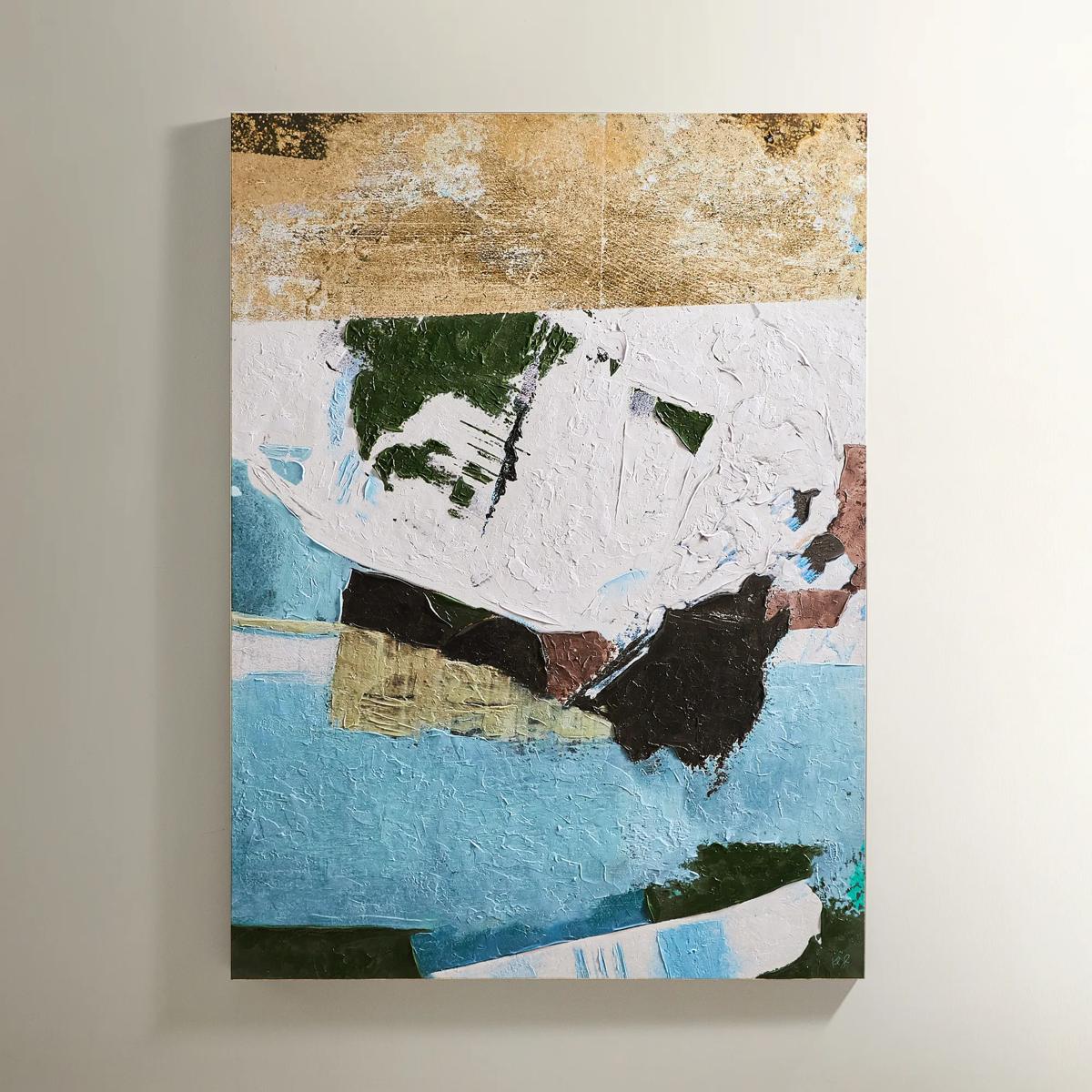
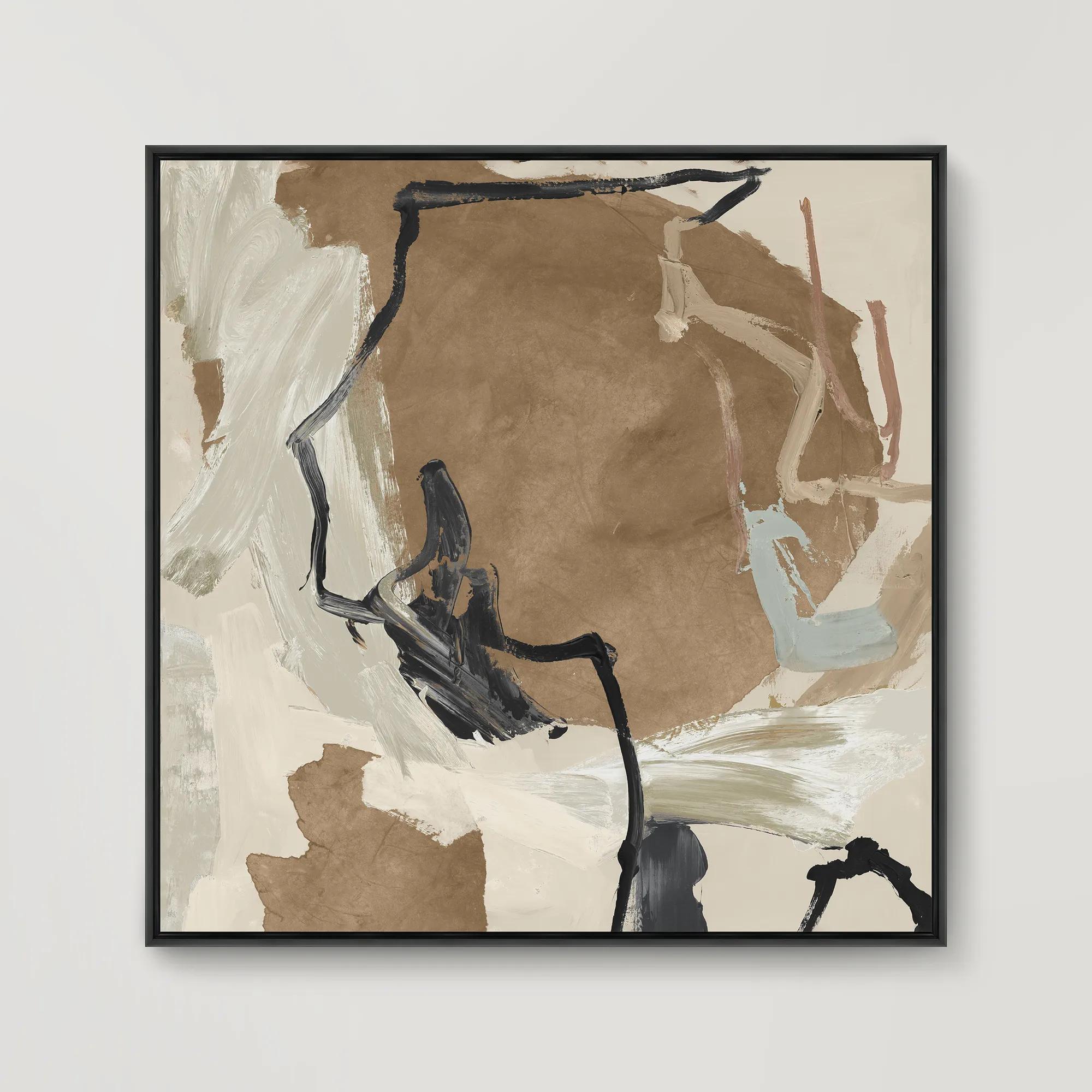
Textured Wall Art For Hallways
Textured Wall Art For Hallways
-
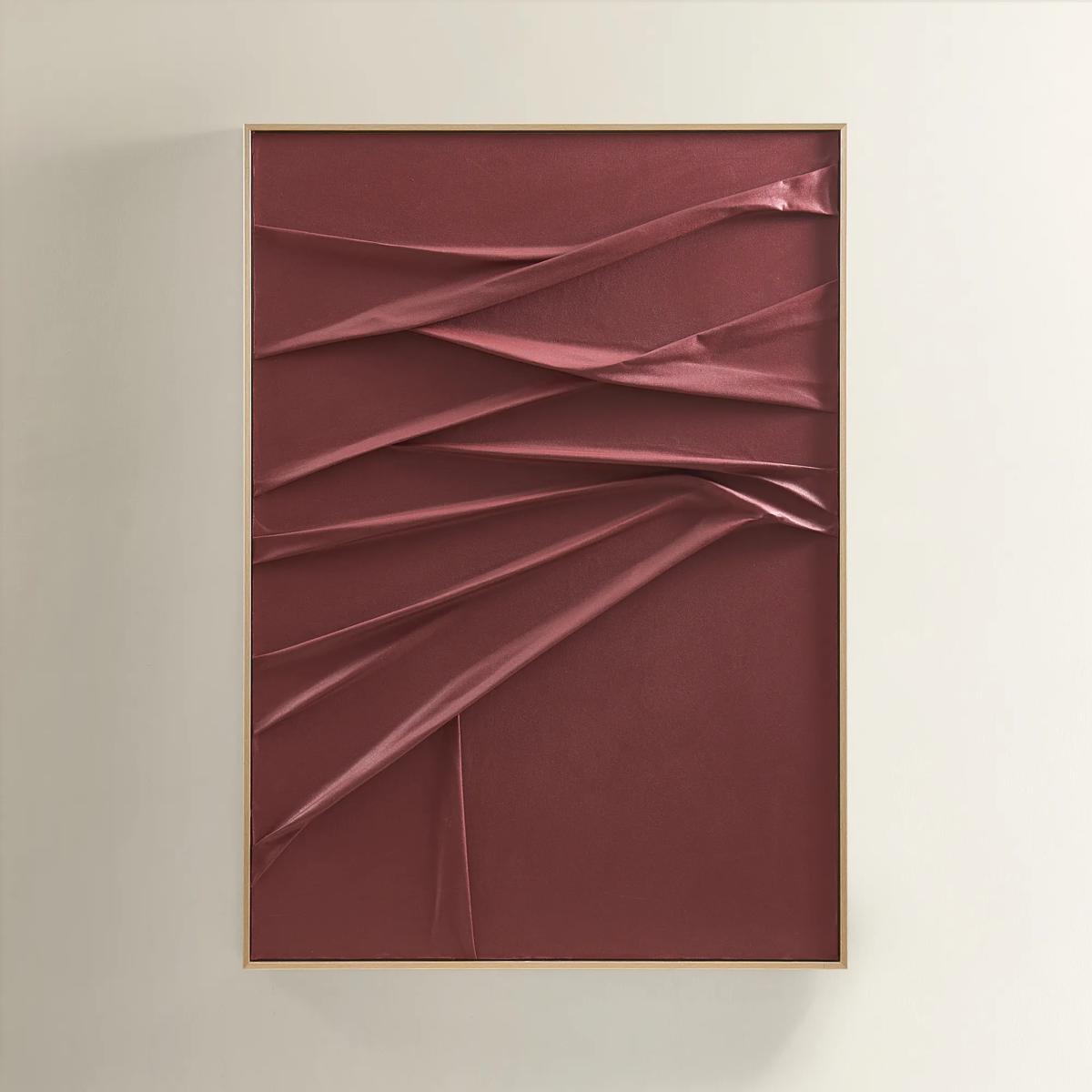
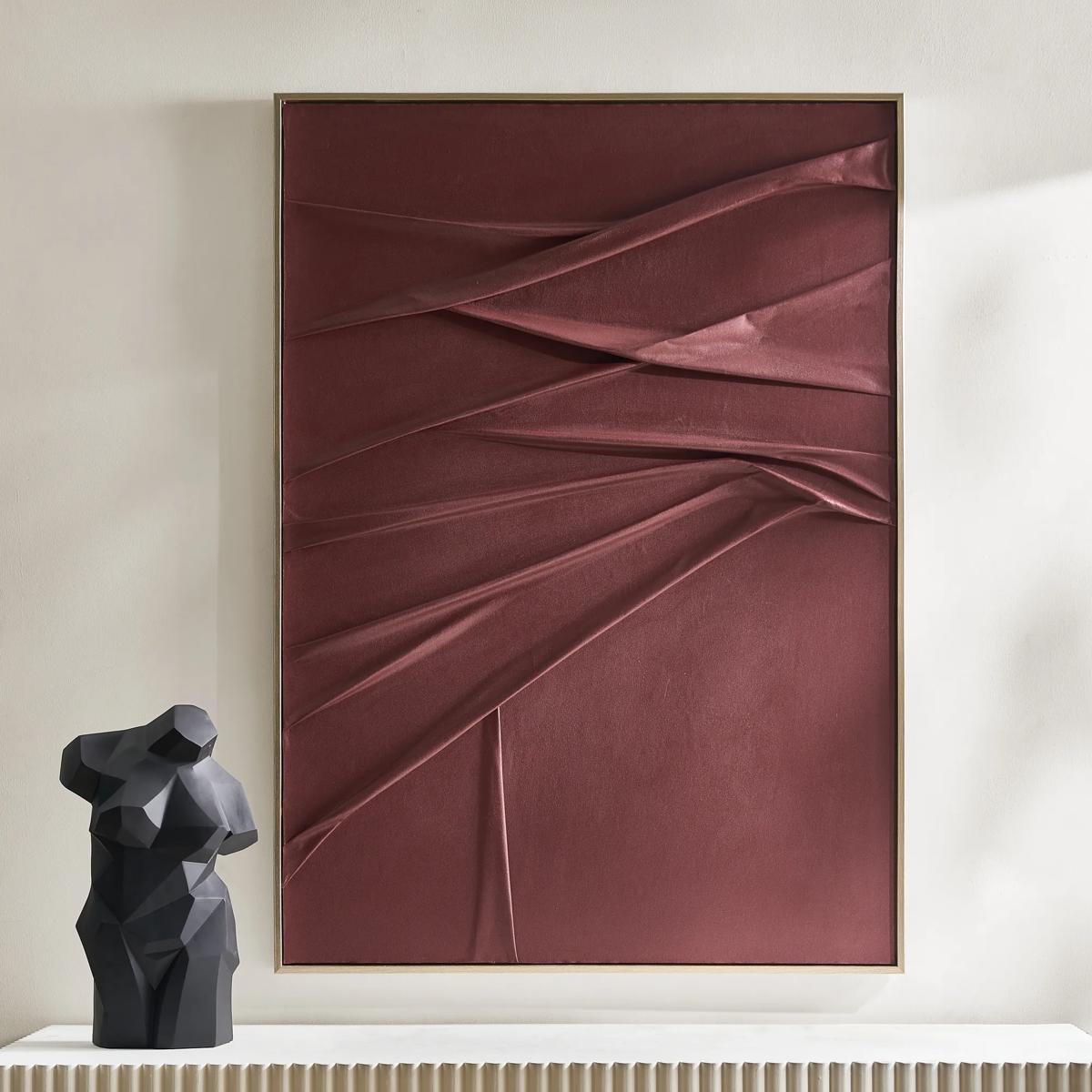 Crimson Painting$599
A handcrafted burgundy canvas artwork with sculptural folds, framed in champagne for a dramatic, textured effect.
Add To Cart -
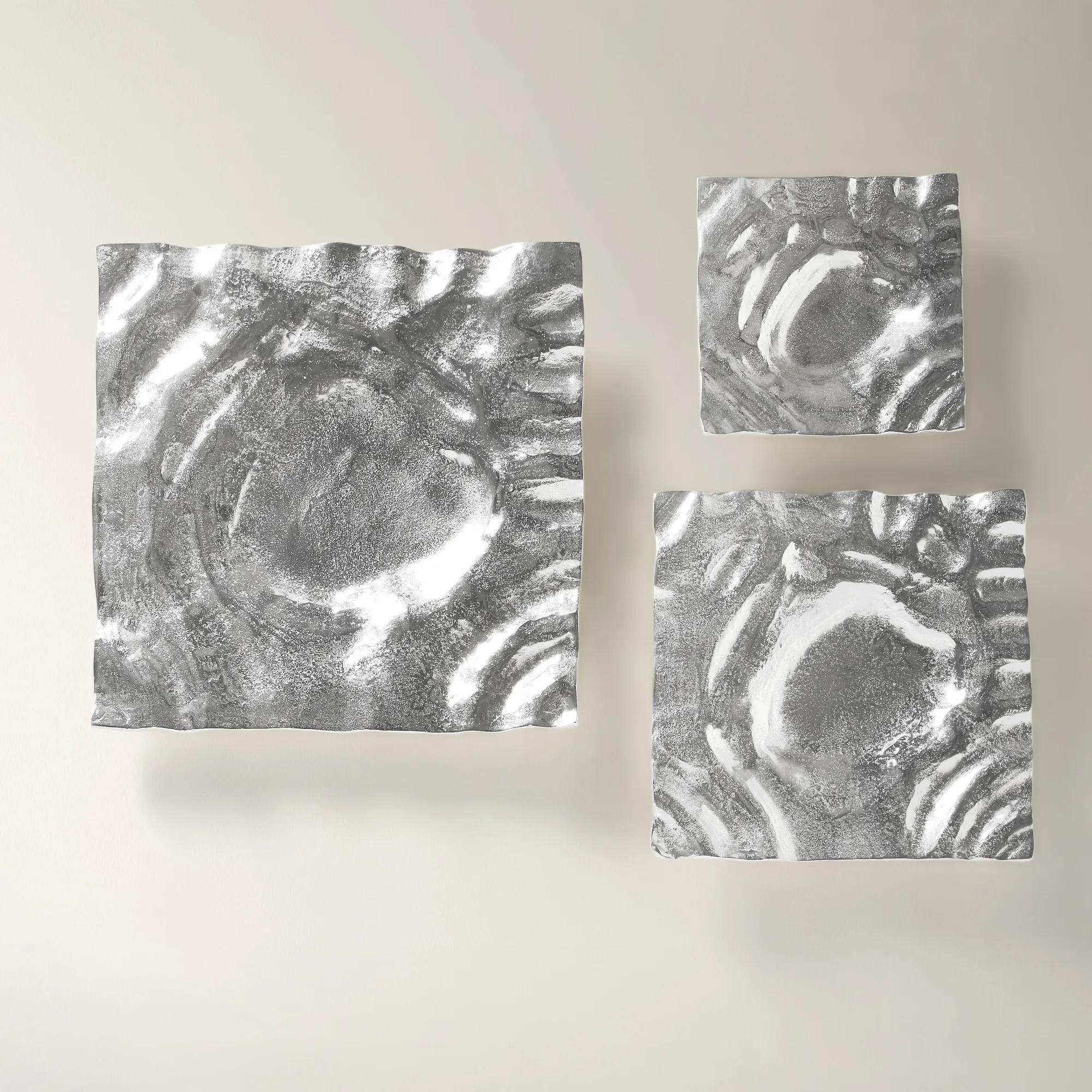
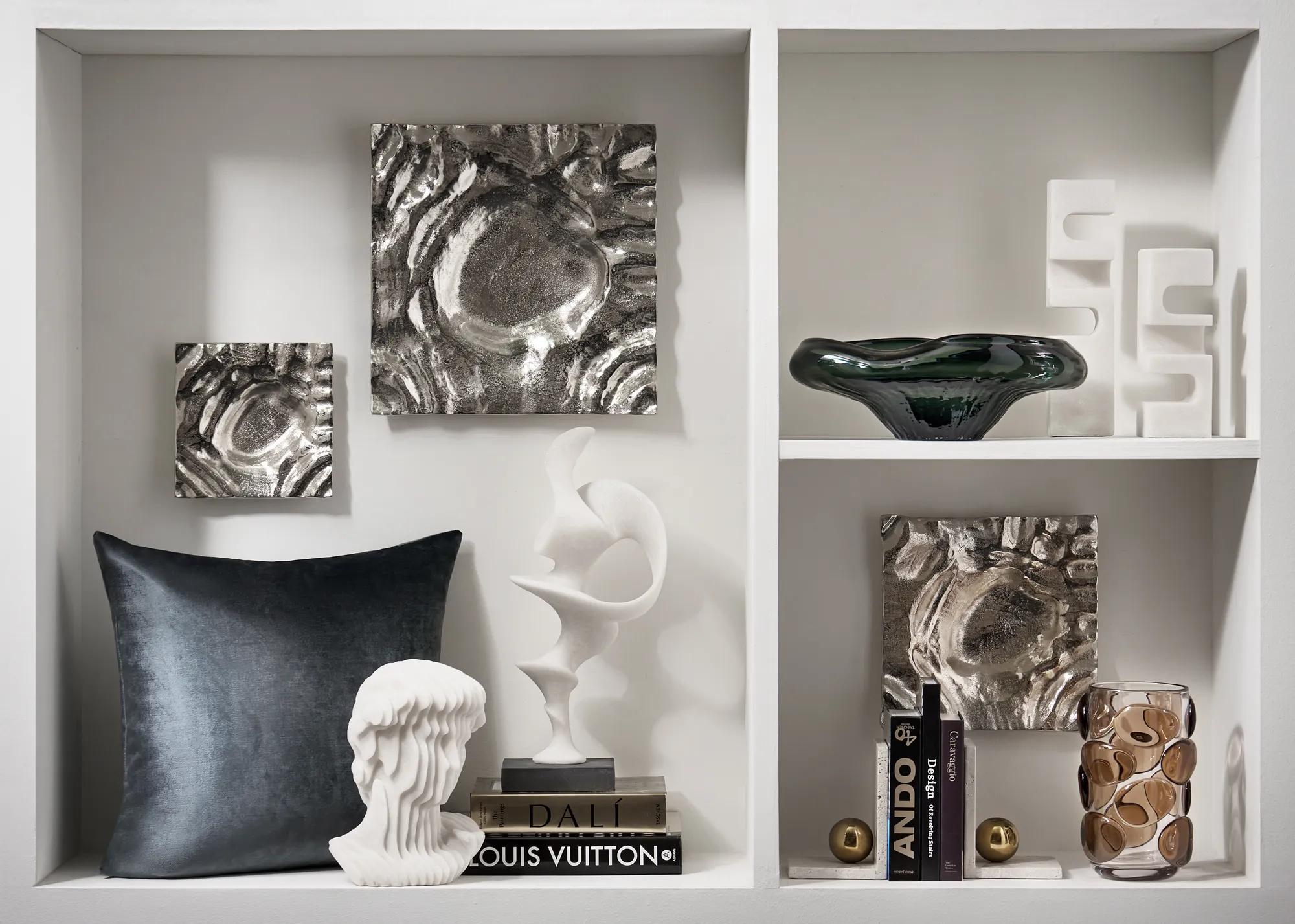 Cascade Wall Art - Set of 3$119
A set of three silver aluminum wall art pieces featuring textured surfaces that reflect and play with light.
Add To Cart -
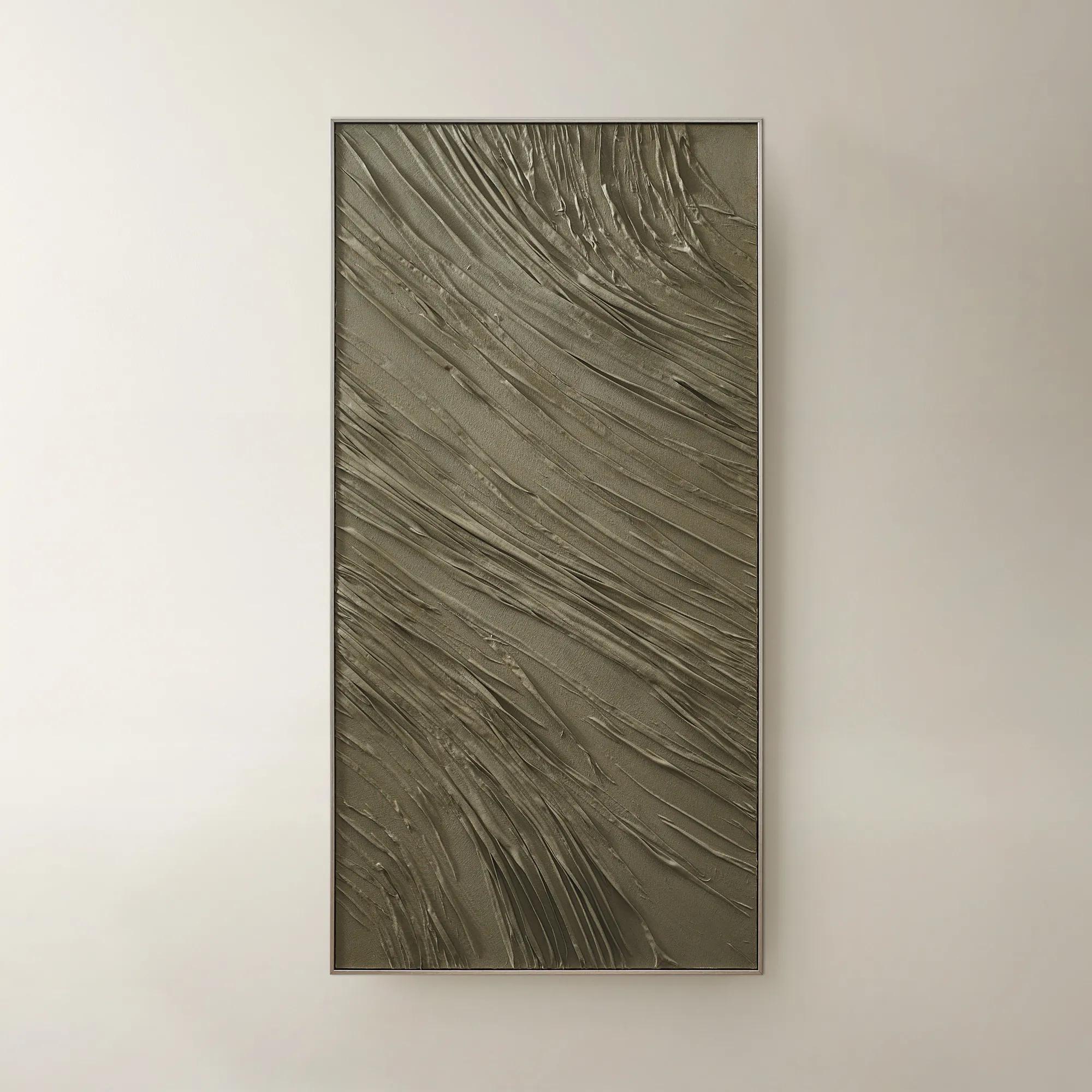
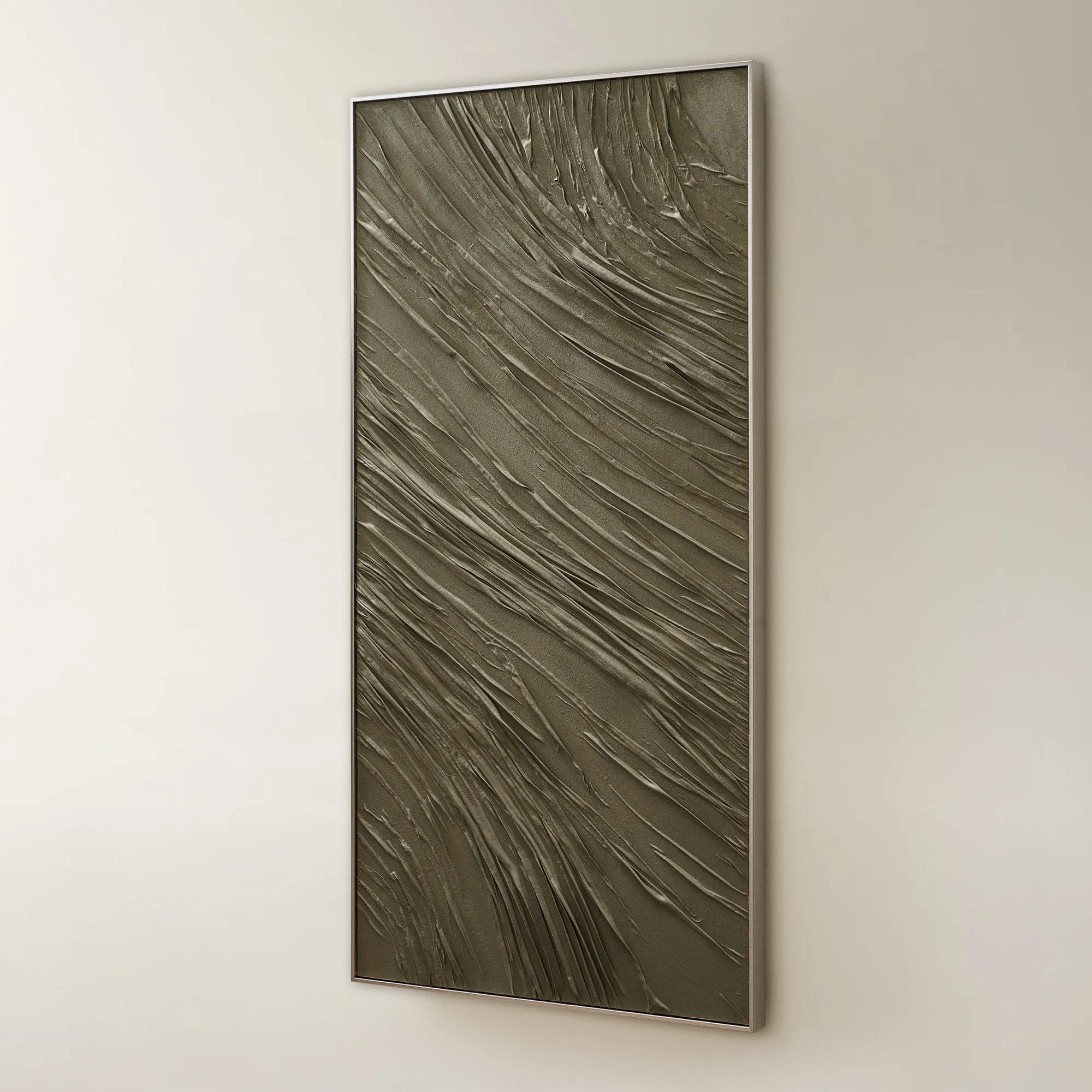 Grove Framed Hand-crafted Folded Fabric Wall Art 60" x 30"$349
A hand-crafted folded canvas in deep olive with a champagne frame for sculptural, modern wall art.
Add To Cart -
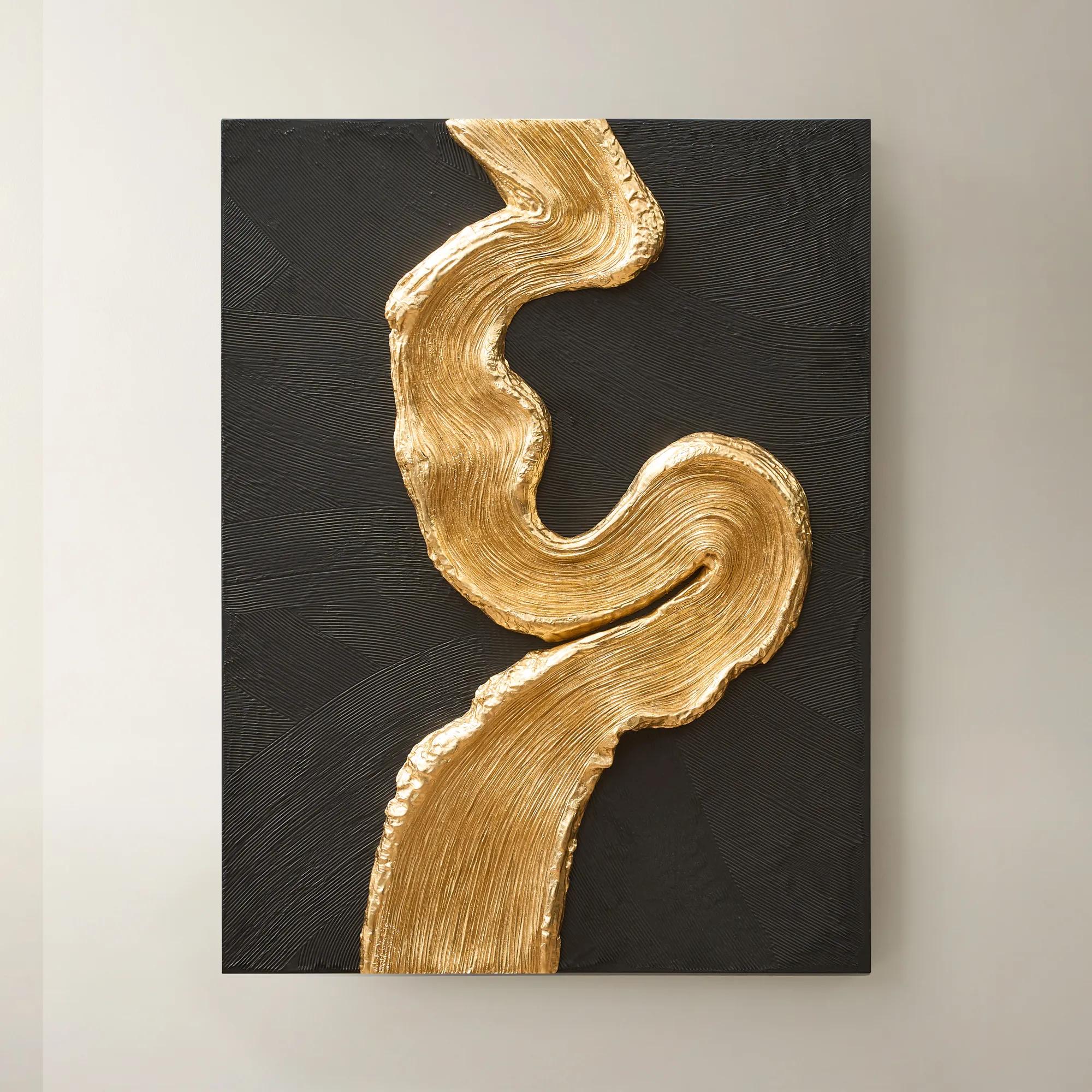
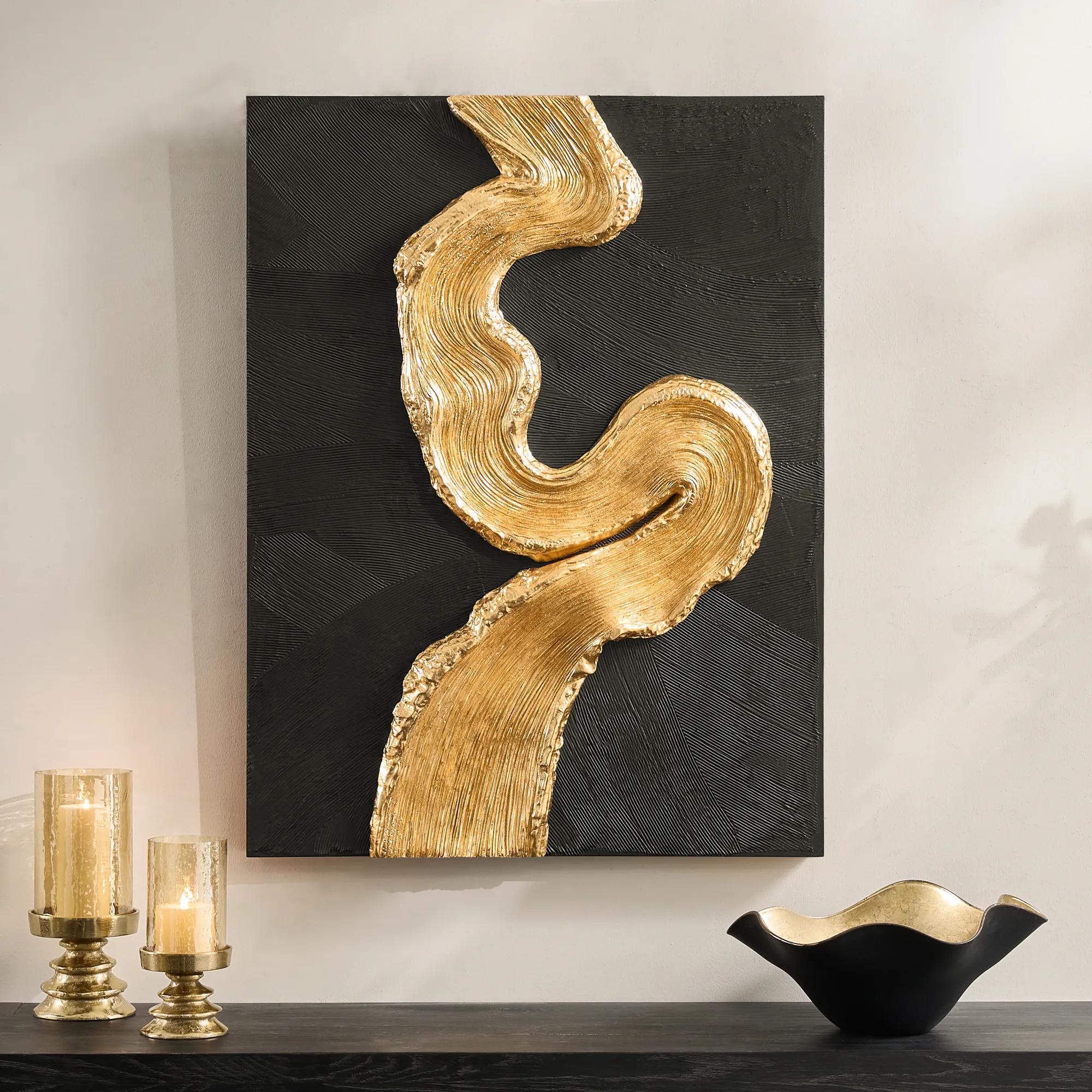 Gold Impasto Sculpted Resin Wall Panel 30" x 40"$499
A sculpted fiberglass resin wall panel featuring gold leaf detail and bold impasto texture on a black backdrop.
Add To Cart -
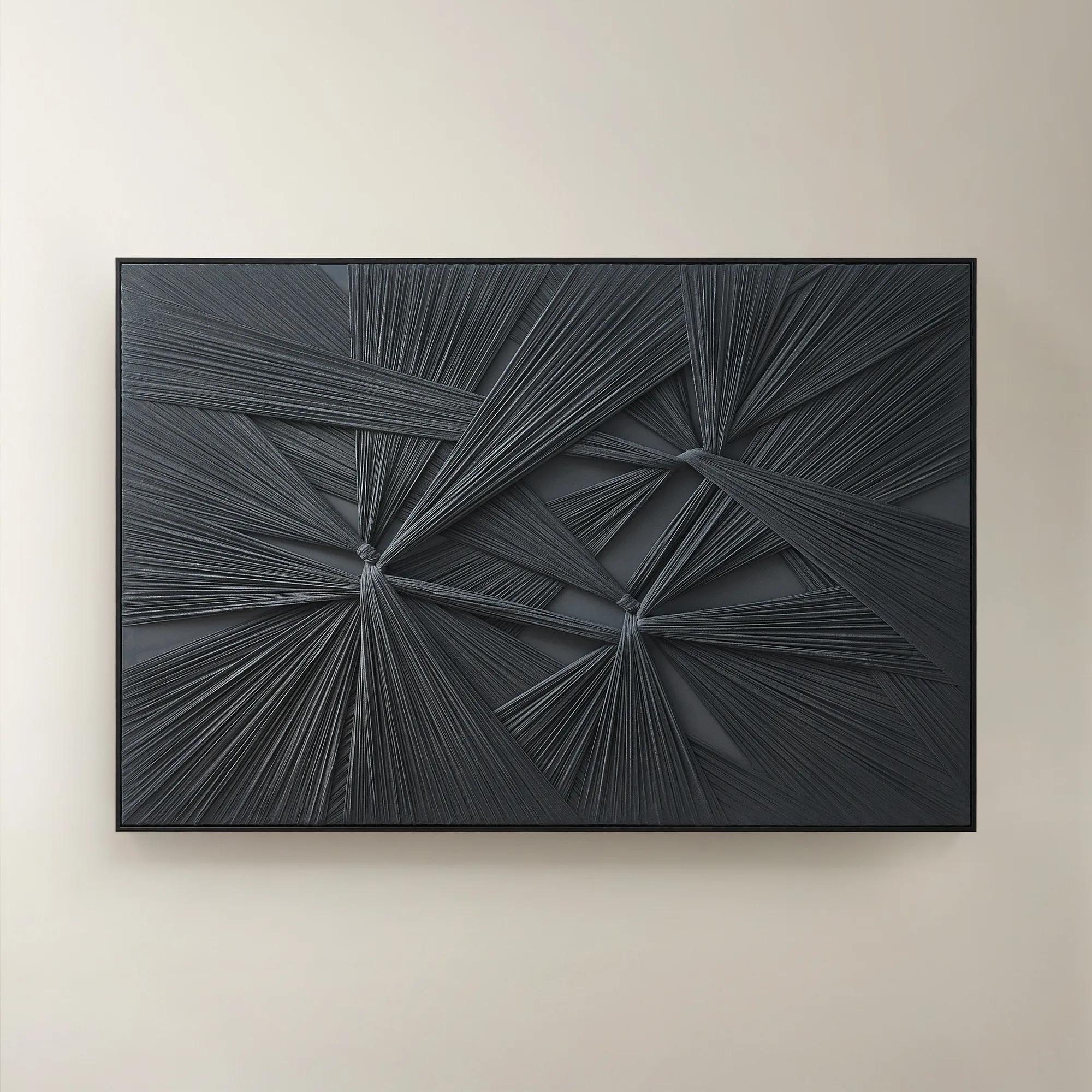 Grace in Dark Slate Hand-crafted Fabric Wall Art 70.75" x 47"$799
A hand-crafted textile wall art piece in dark slate, featuring sculptural texture and versatile display options.
Add To Cart -
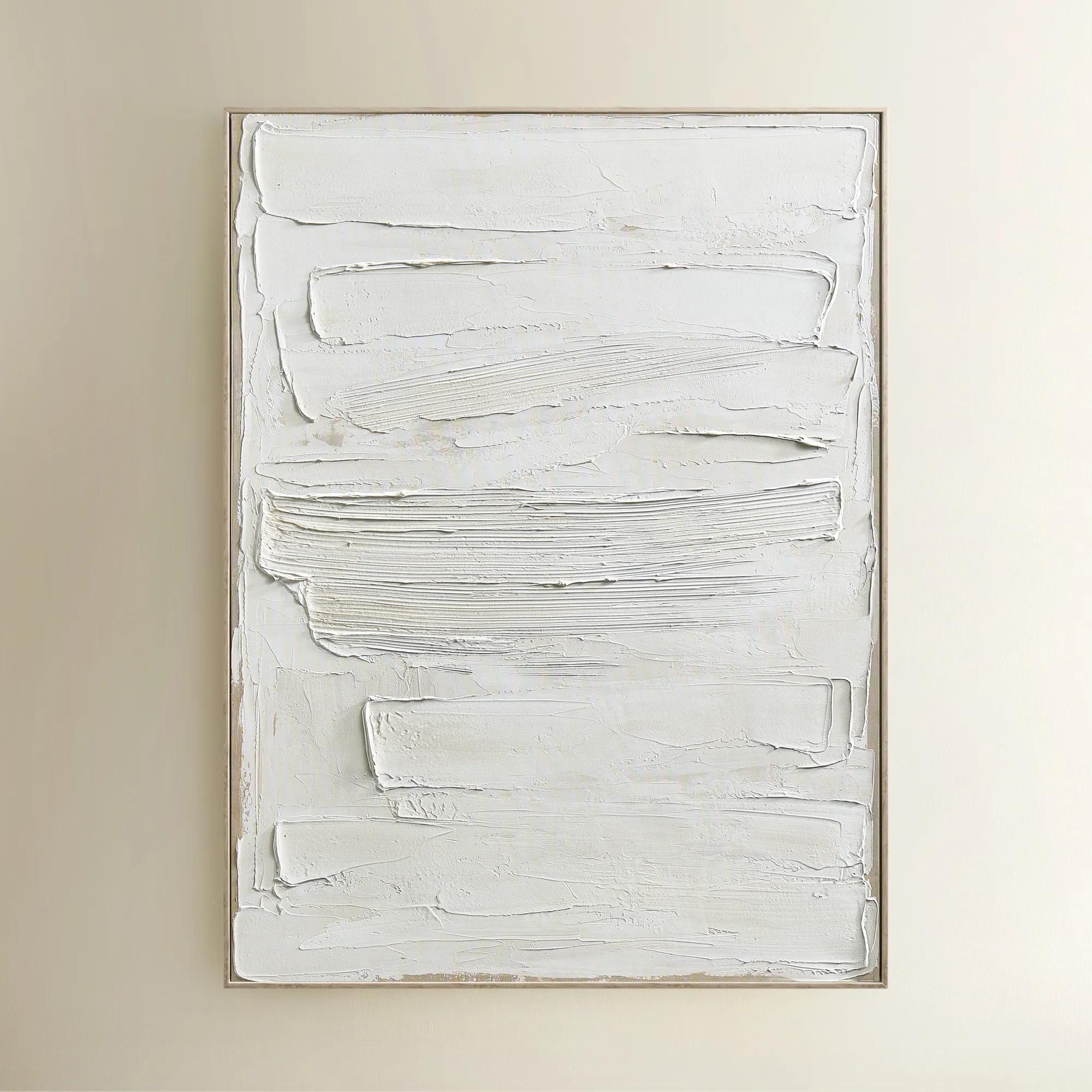
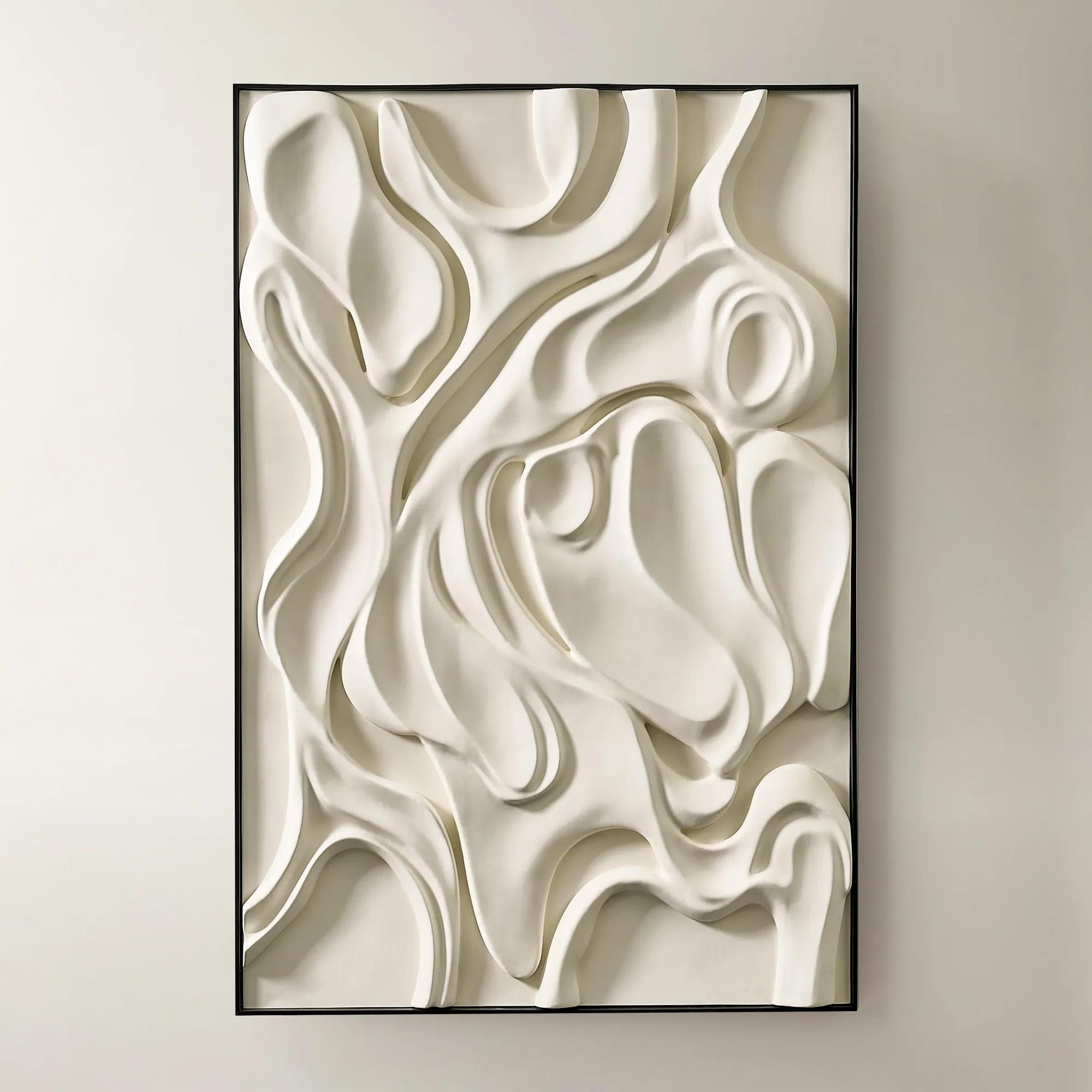 Overflow Alabaster Sculpted Resin Wall Panel 40" x 60"$699
An alabaster fiberglass resin wall panel with sculptural texture and a versatile black frame for modern spaces.
Add To Cart -
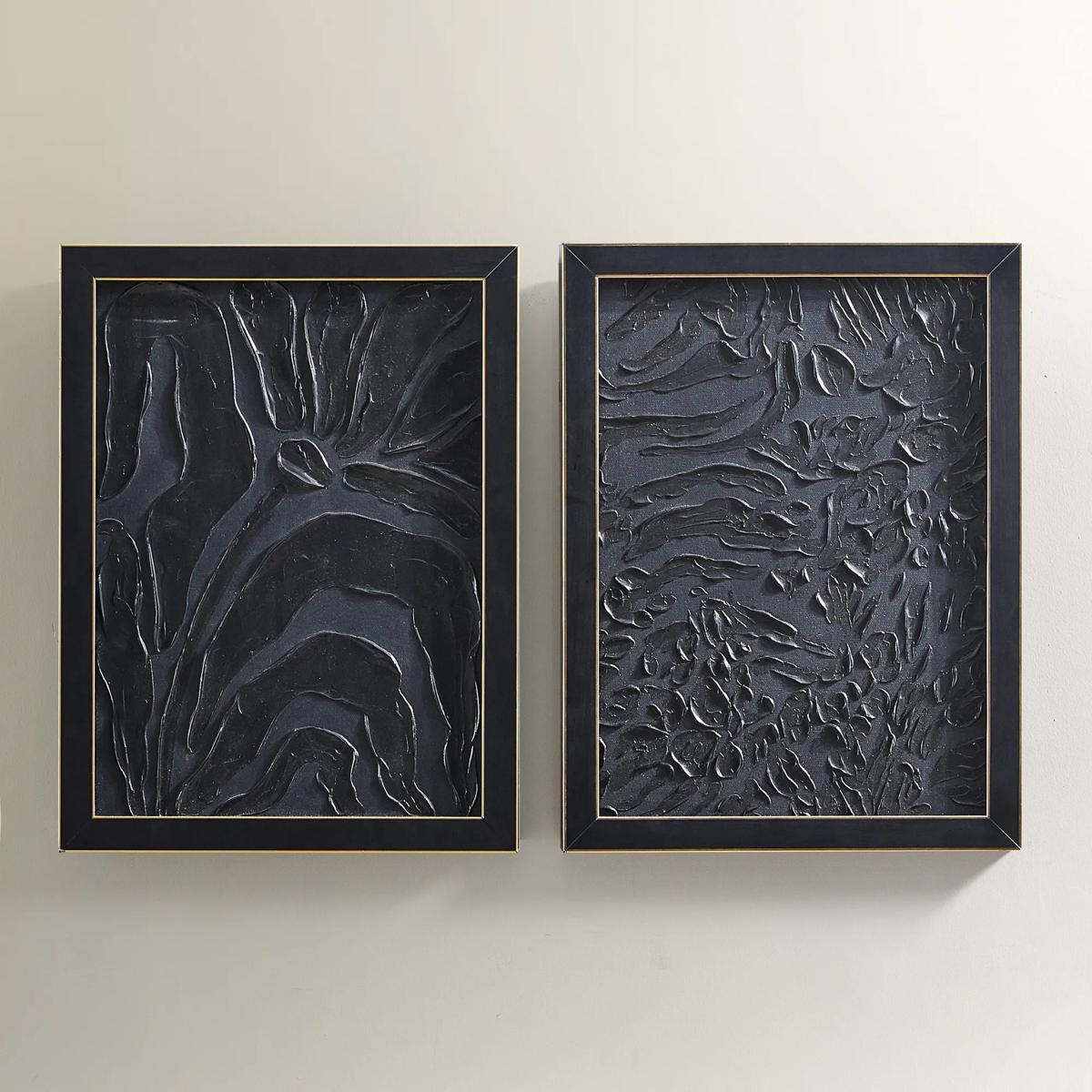
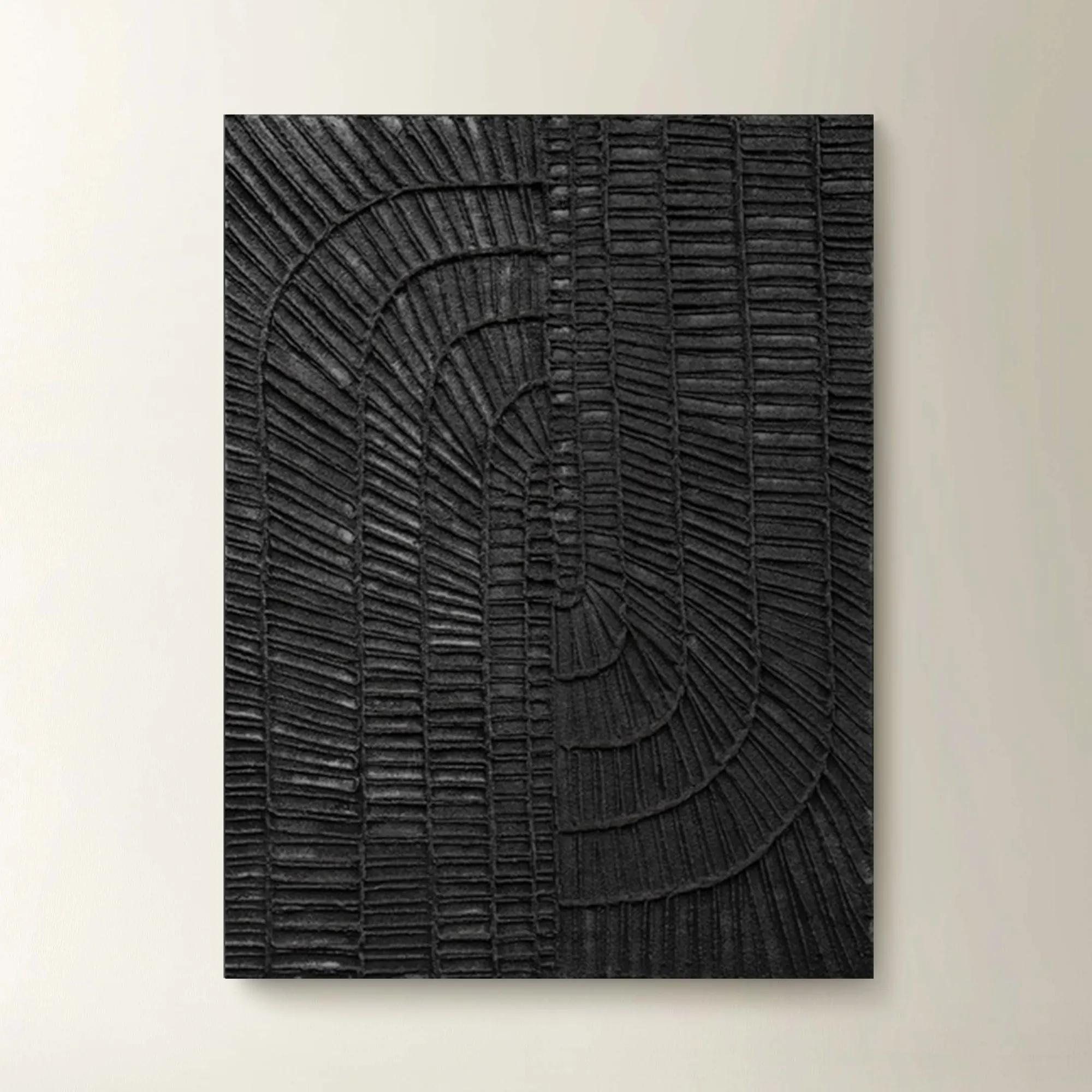 Textured Haze Black II Painted Wall Art 26" x 35"$499
A striking hand-painted black artwork featuring textured details for versatile vertical or horizontal display.
Add To Cart -
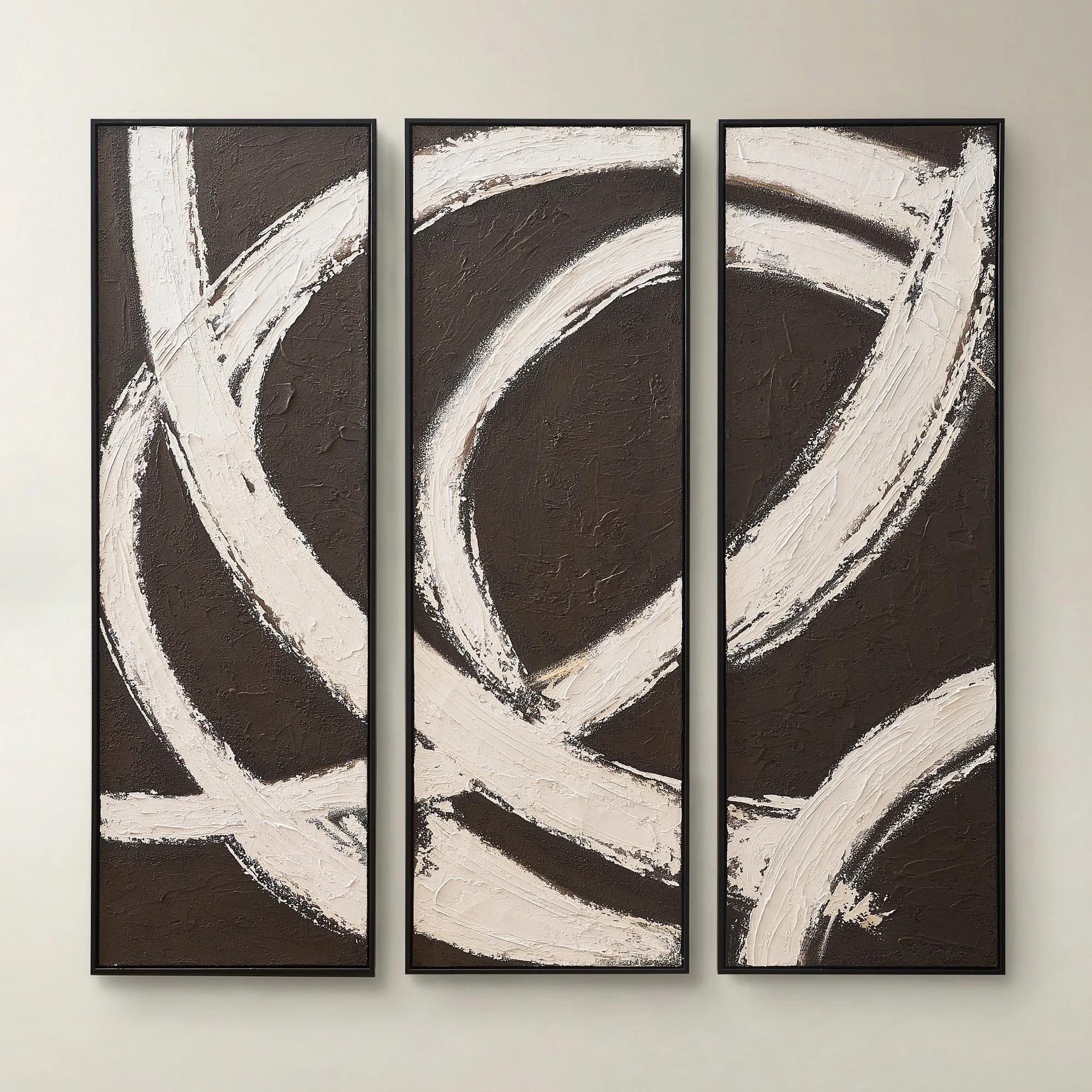
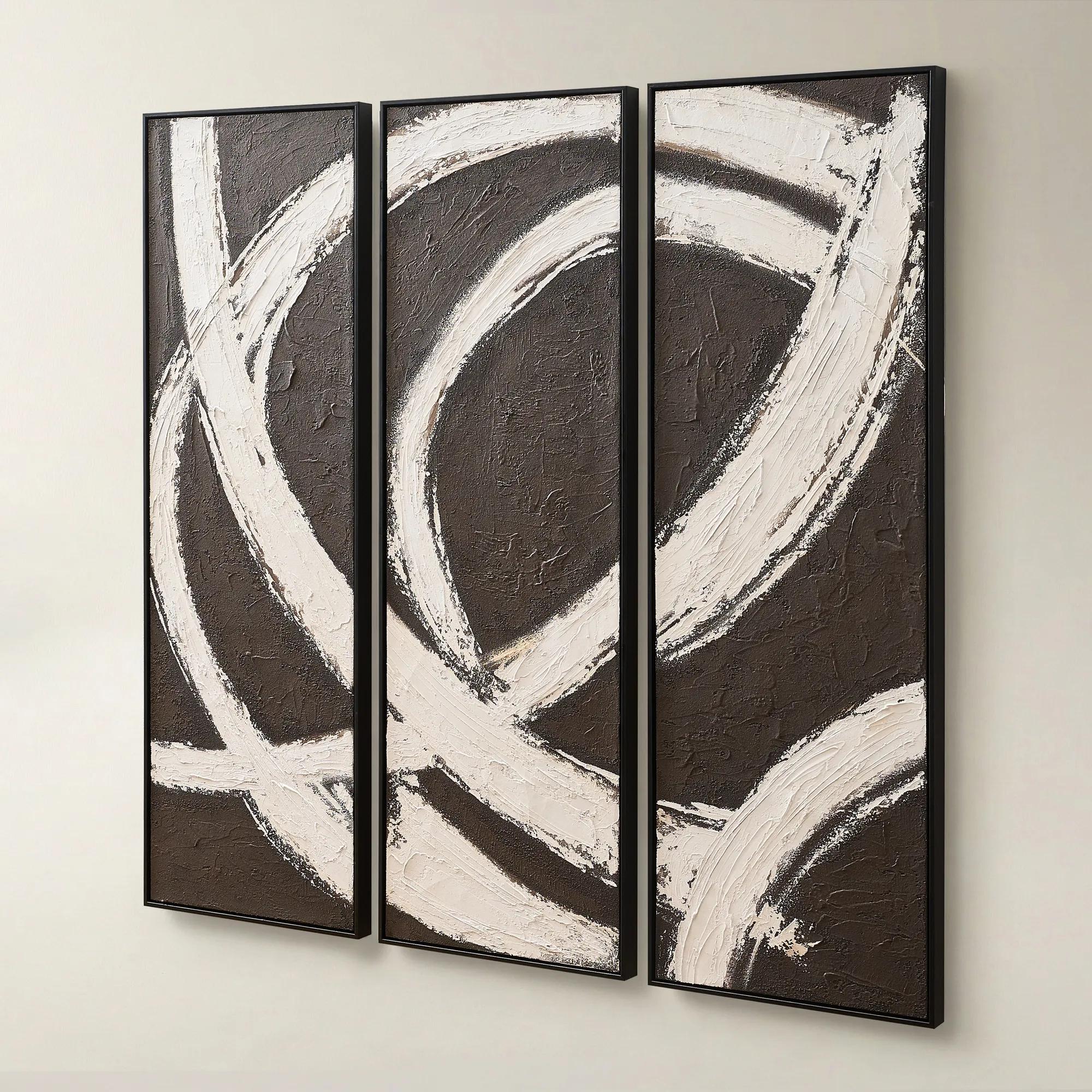 Spun in Coco Framed Painted Wall Art 20" x 60" Set of 3$499
A hand-painted triptych featuring dark chocolate and alabaster tones with rich texture and modern contrast.
Add To Cart -
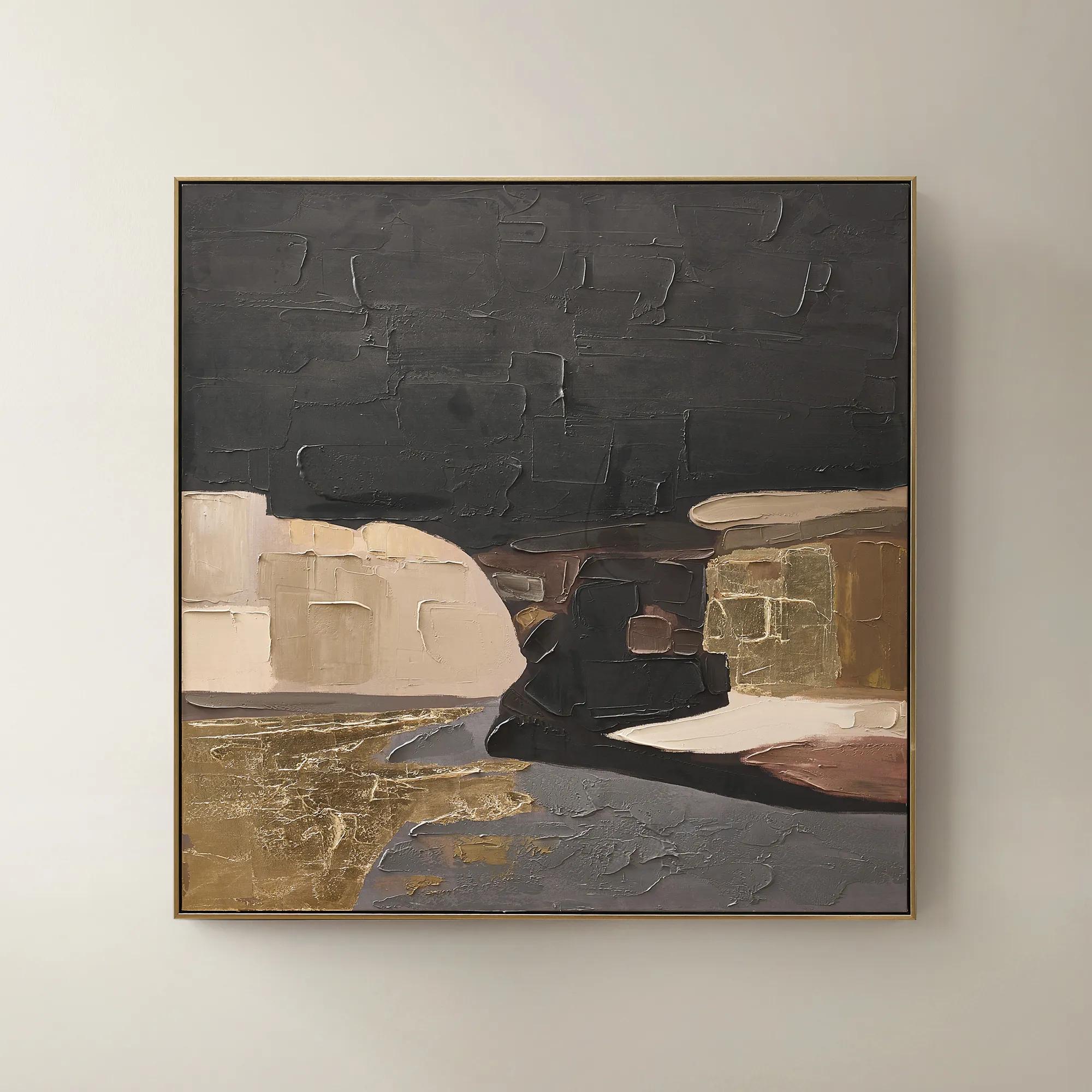 Obscured Light Framed Gold Leaf Painted Wall Art 48" x 48"$499
A hand-painted canvas with gold leaf accents and a black-gold frame in dramatic neutral tones.
Add To Cart -
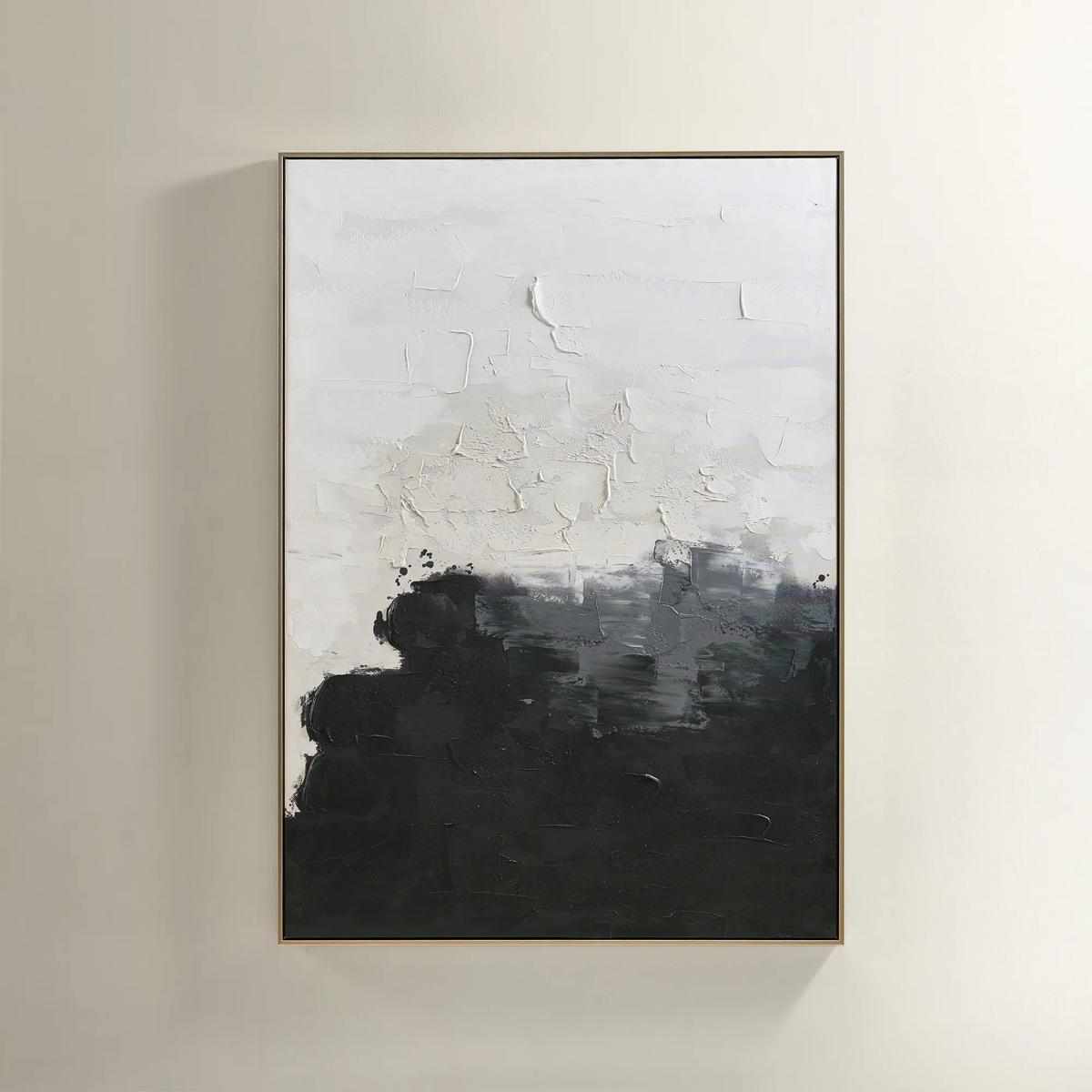
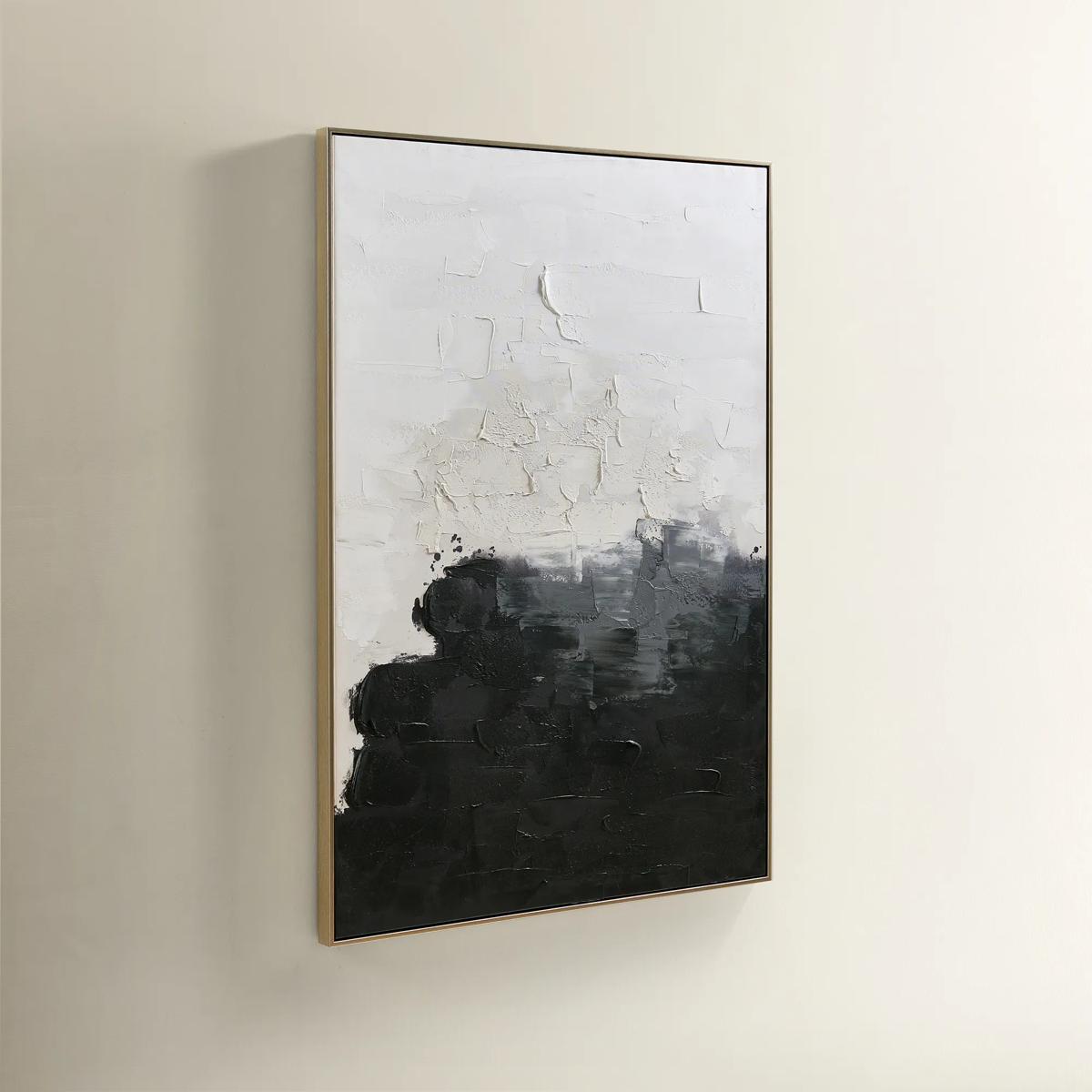 No Rush Painted Wall Art 39.25" x 55"$499
A hand-painted canvas featuring textured strokes of white, ivory, and charcoal in a natural wood frame.
Add To Cart -
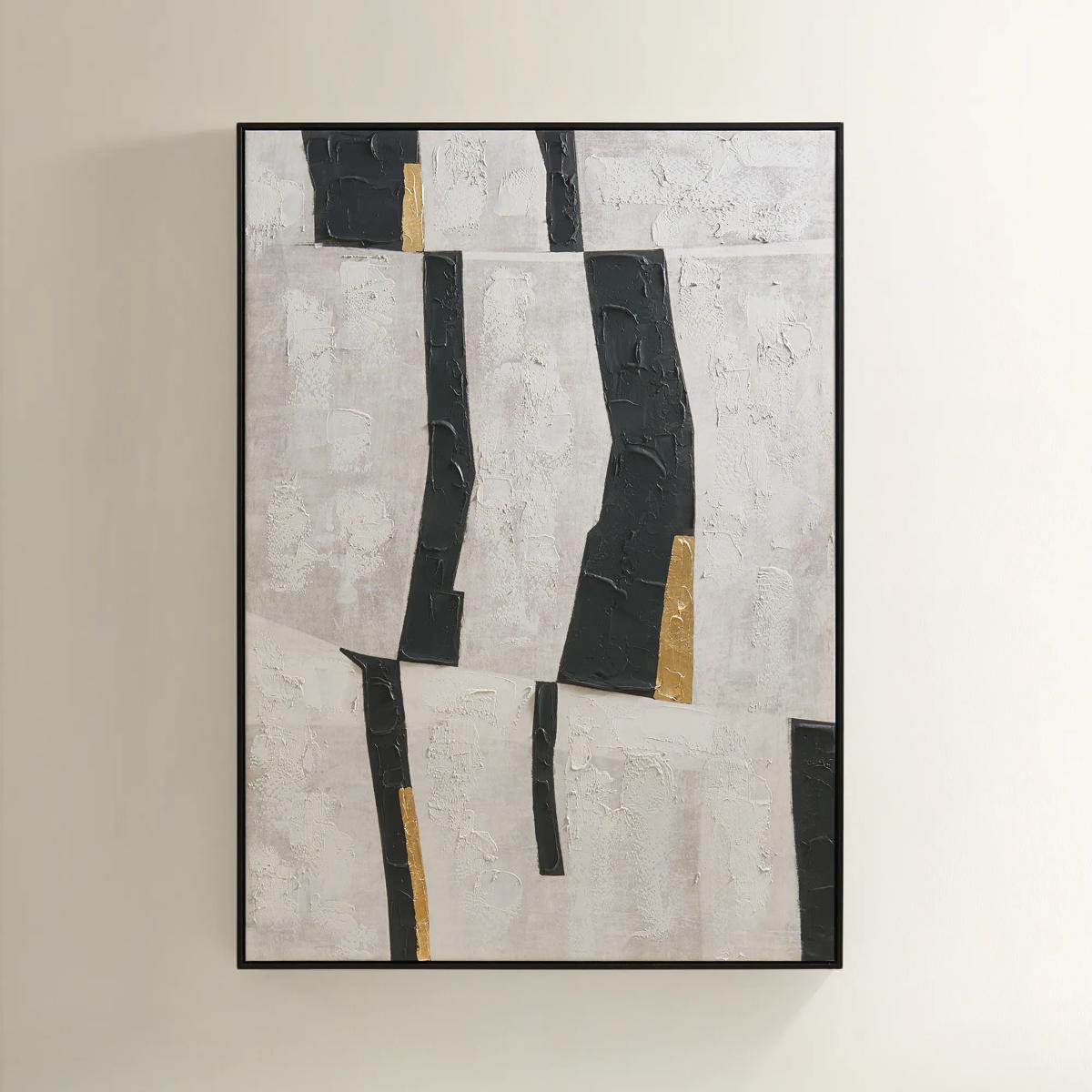
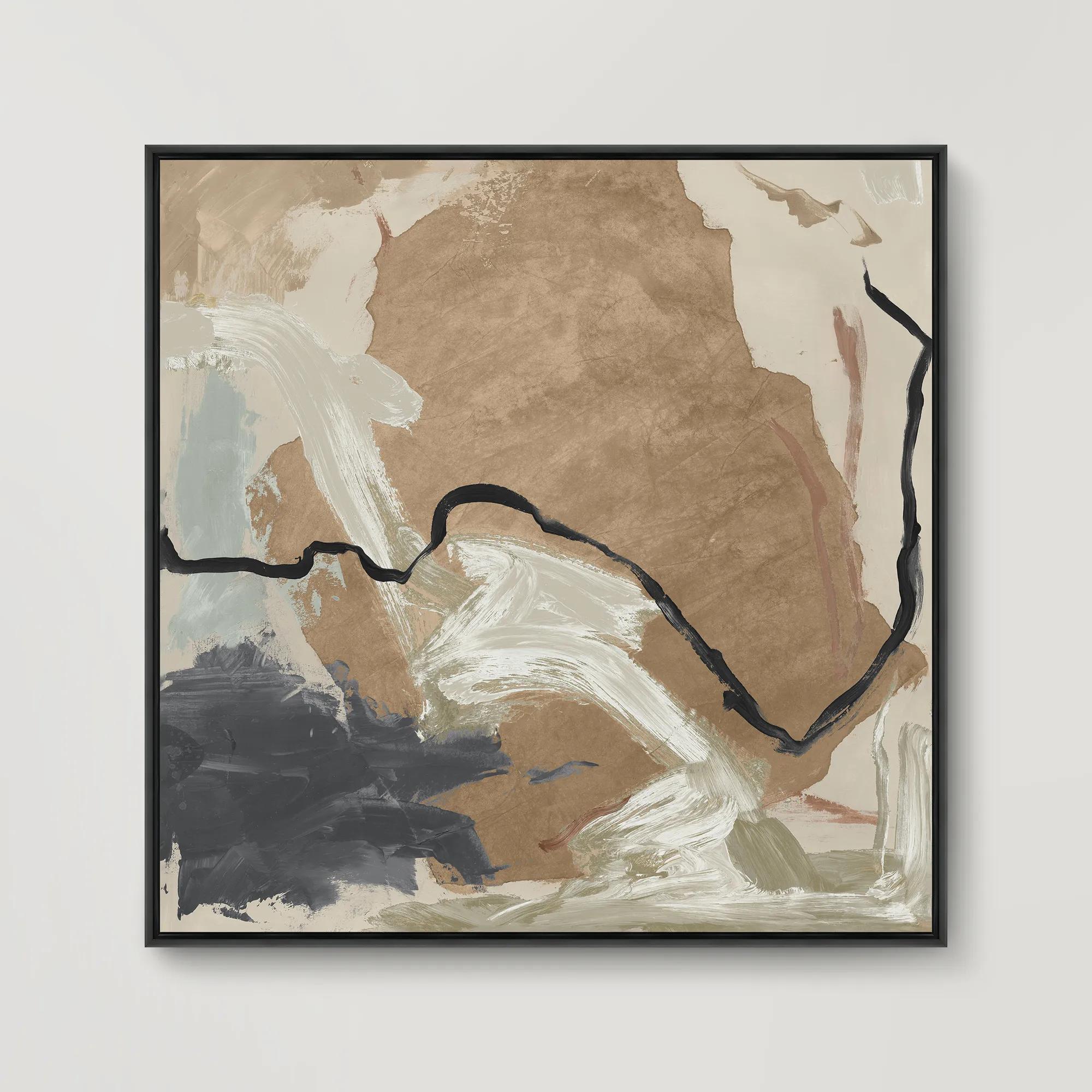
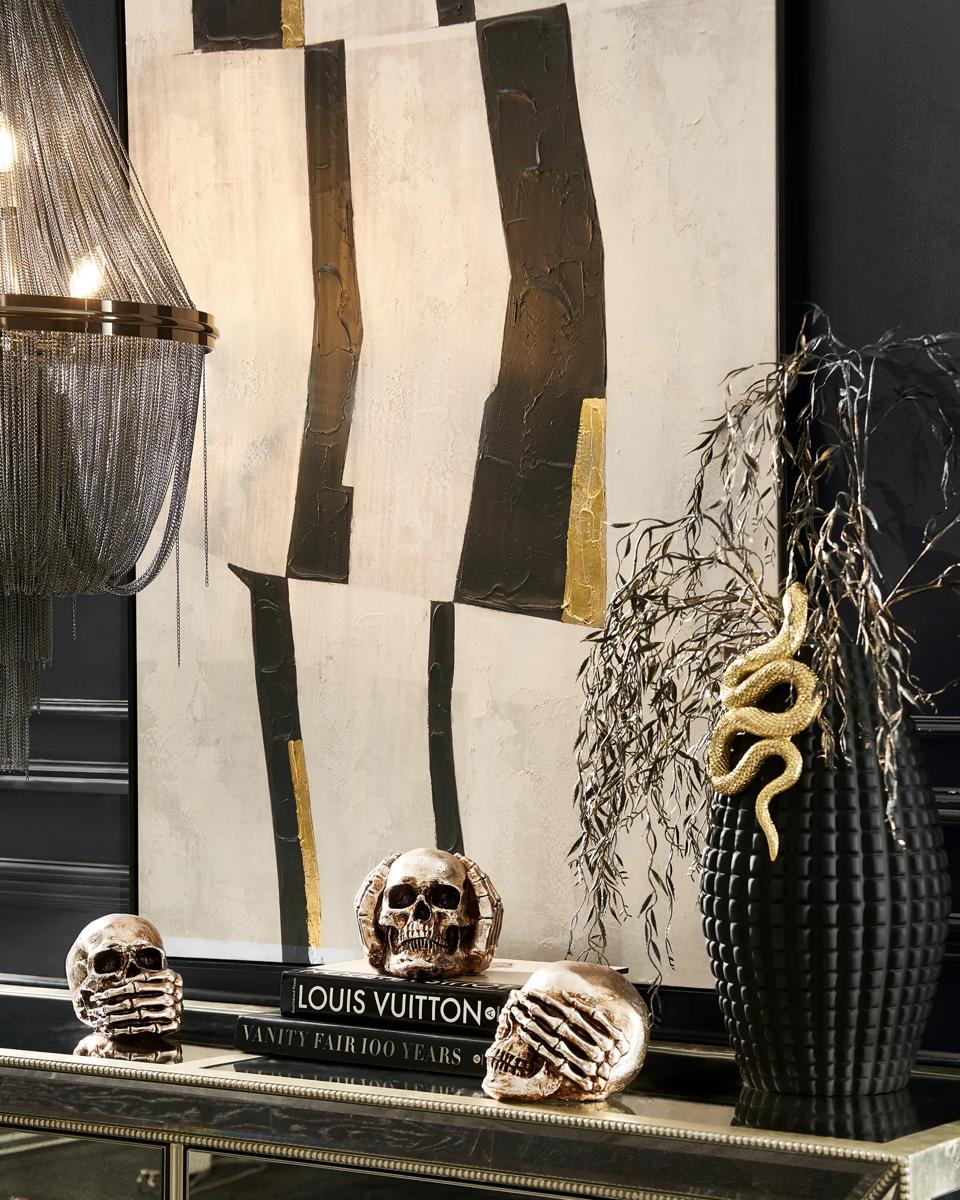 Into the Groove Painting$449
A modern abstract canvas featuring black, gray, and gold leaf accents in a sleek black floater frame.
Add To Cart -
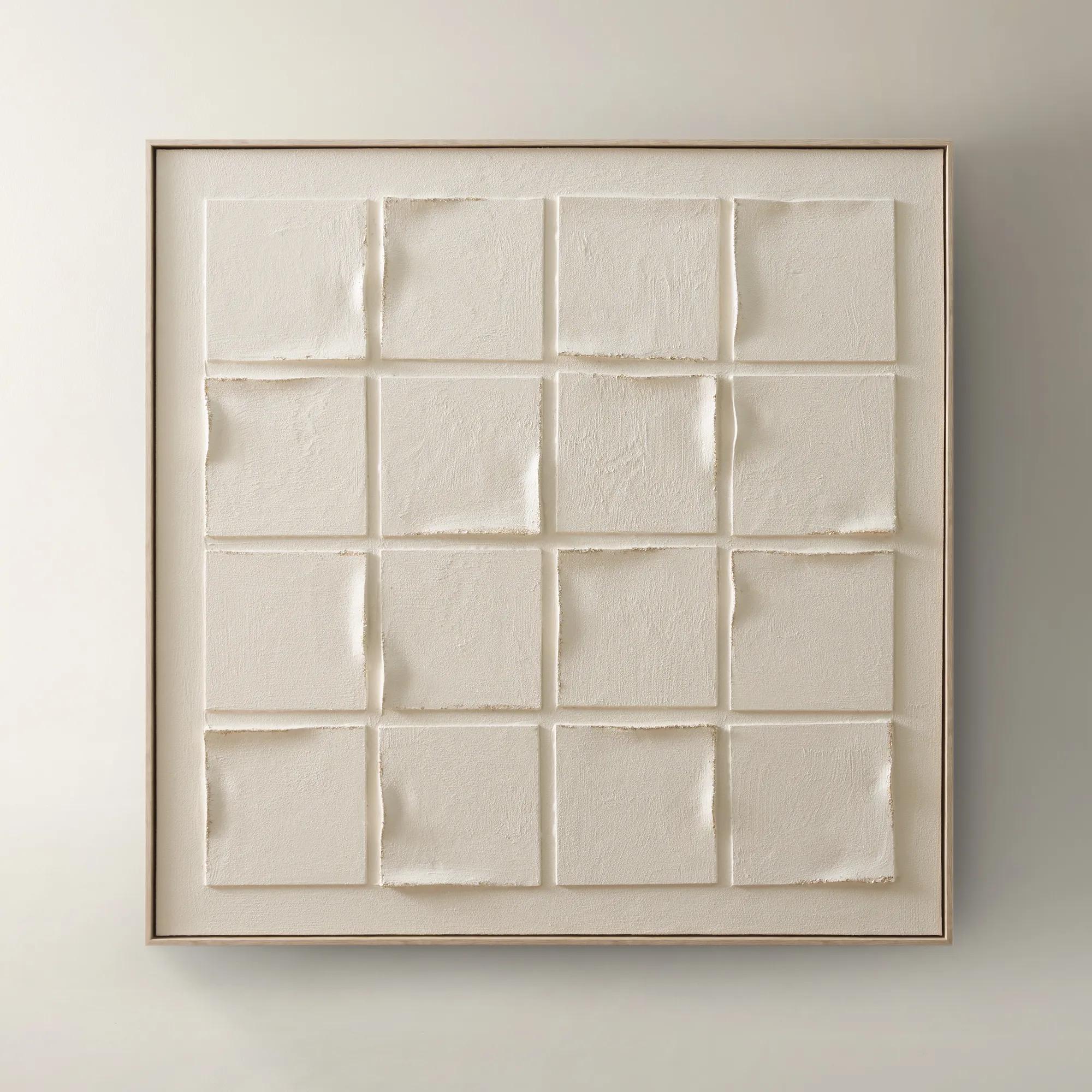 Gaze Framed Painted Wall Art 39.4" x 40"$329
A hand-painted canvas featuring subtle beige tones and textured depth in a warm whitewash floater frame.
Add To Cart -
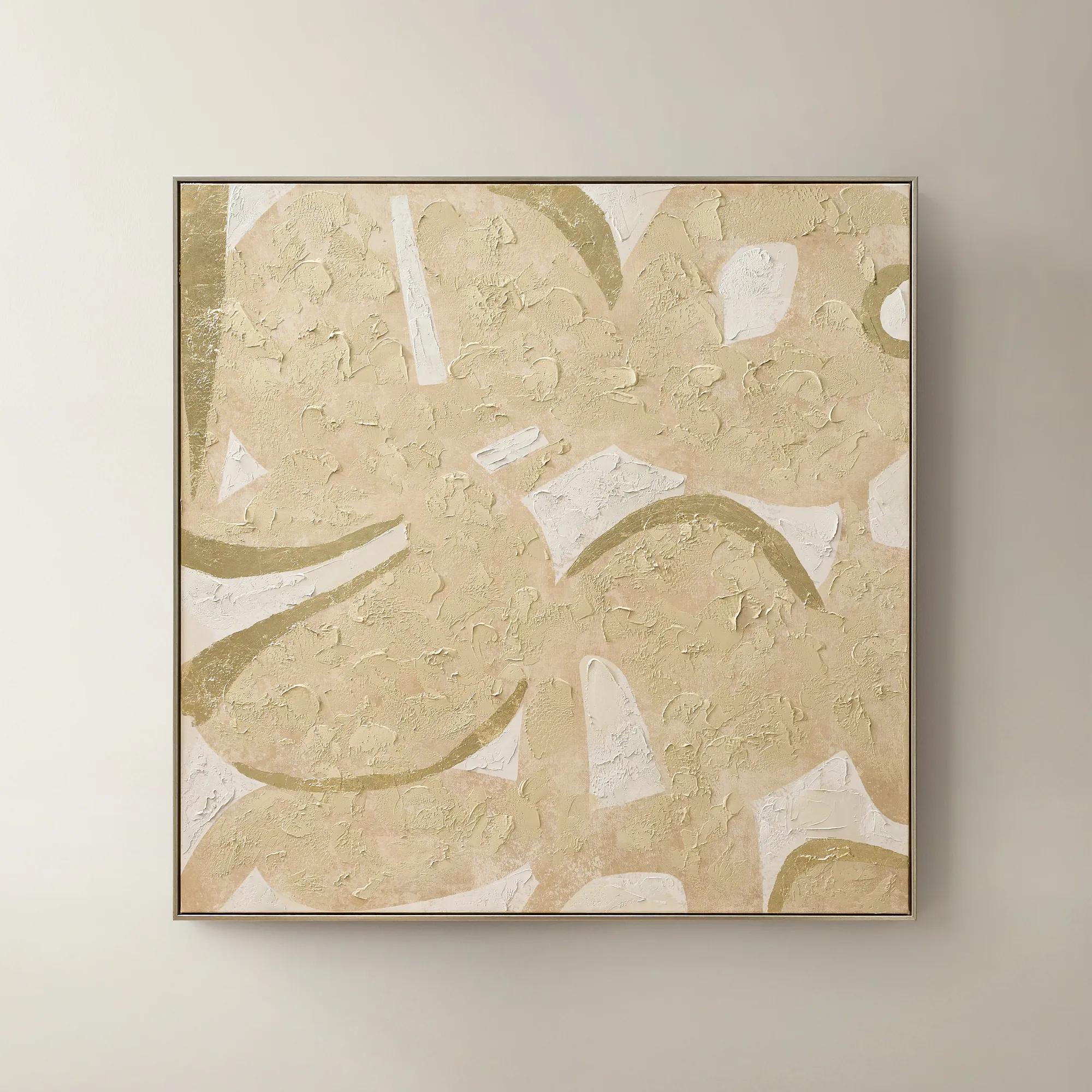
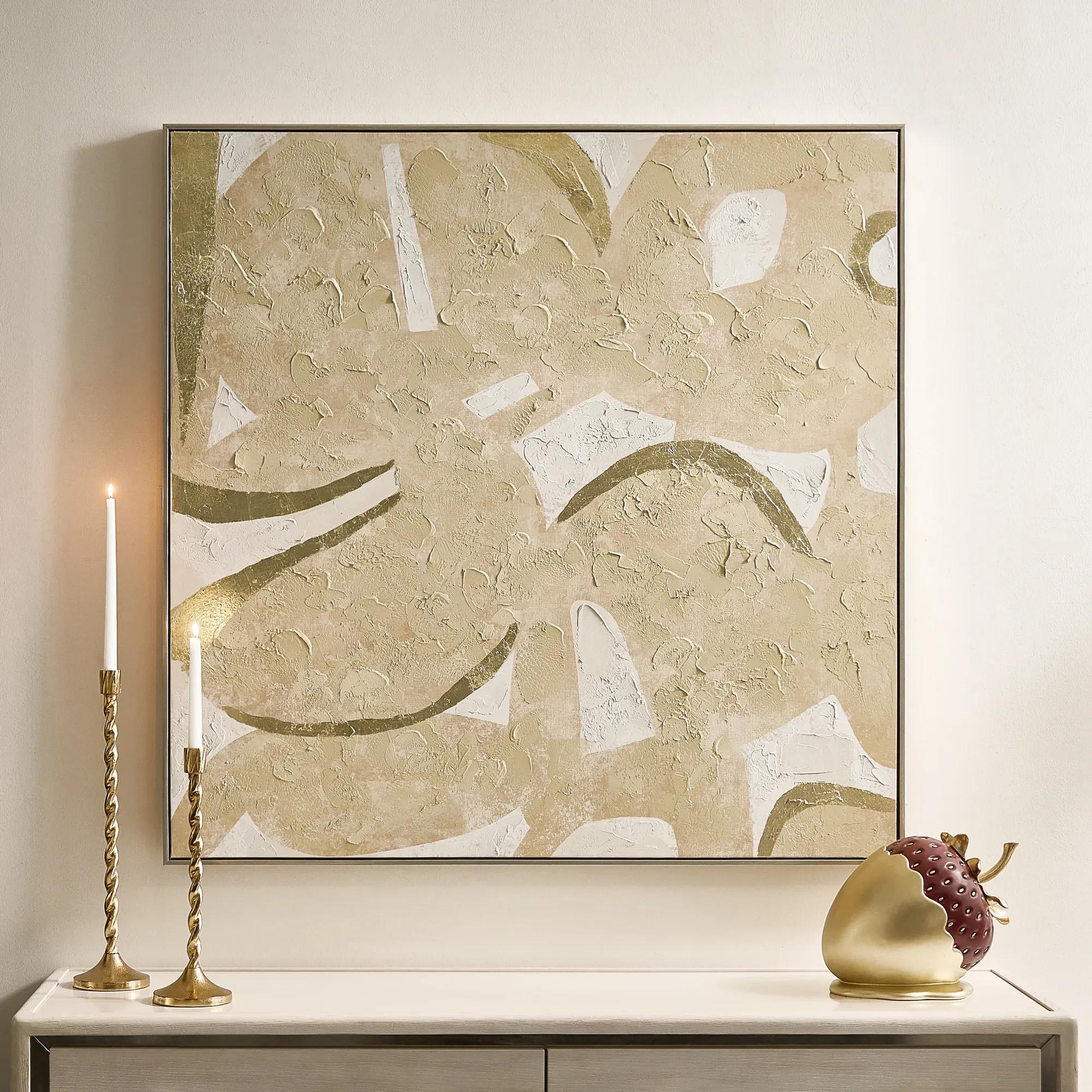 Golden Maize Framed Painted Wall Art 48" x 48"$399
A hand-painted canvas with champagne leafing and butter cream tones adds warmth and modern sophistication.
Add To Cart -
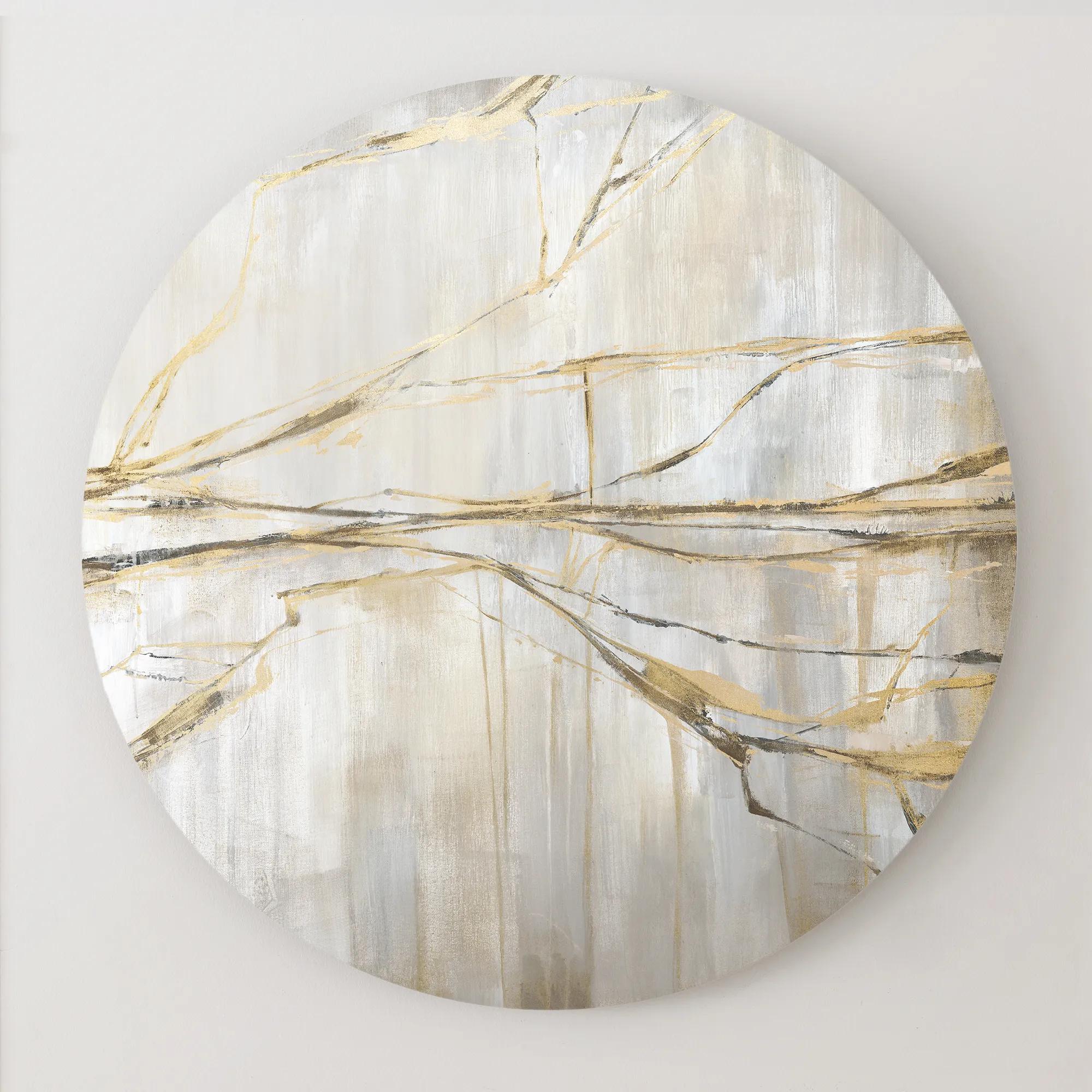
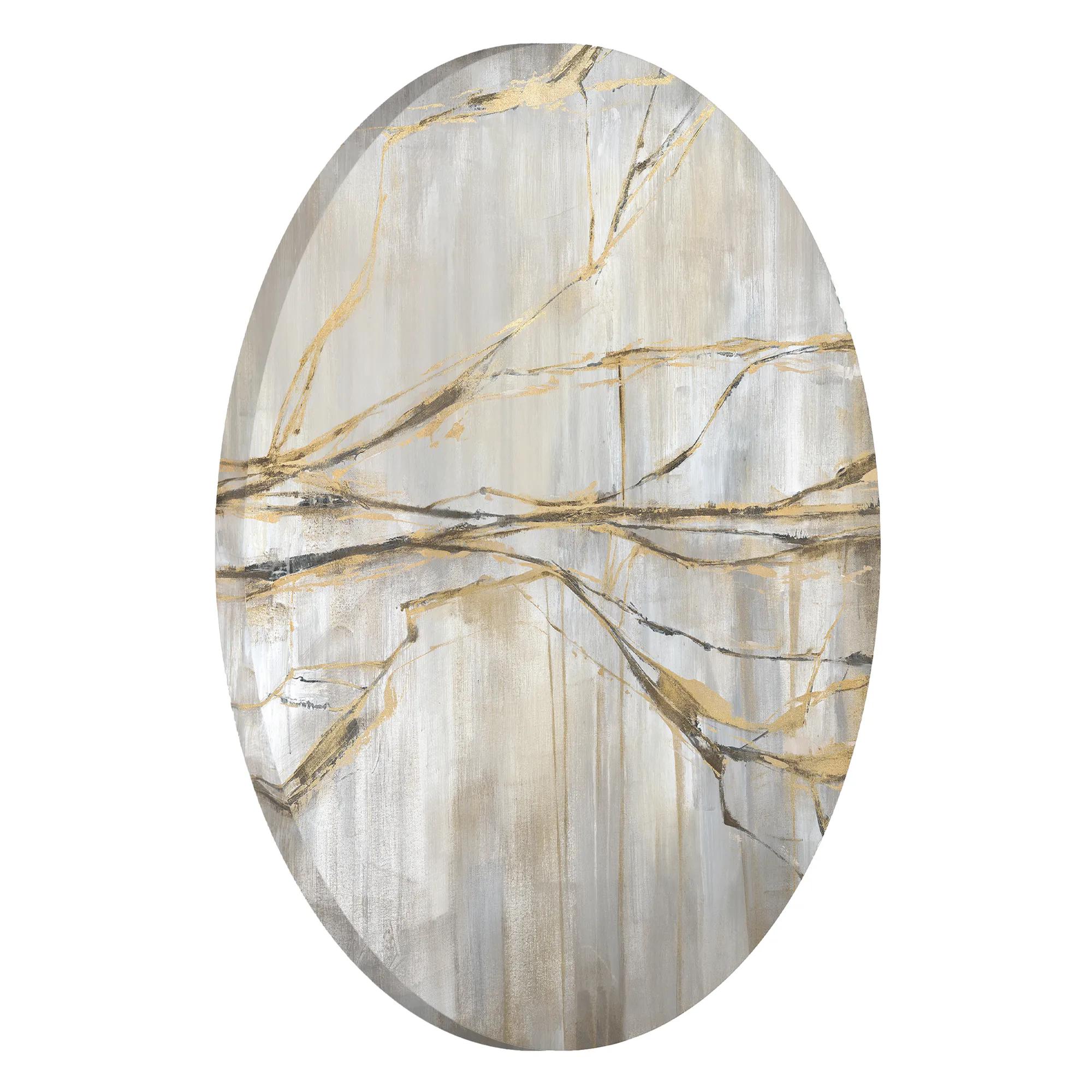 Lightening Crashes Round Wall Art 30"$899
A hand-textured circular linen canvas featuring a gallery-wrapped design for versatile wall display.
Add To Cart -
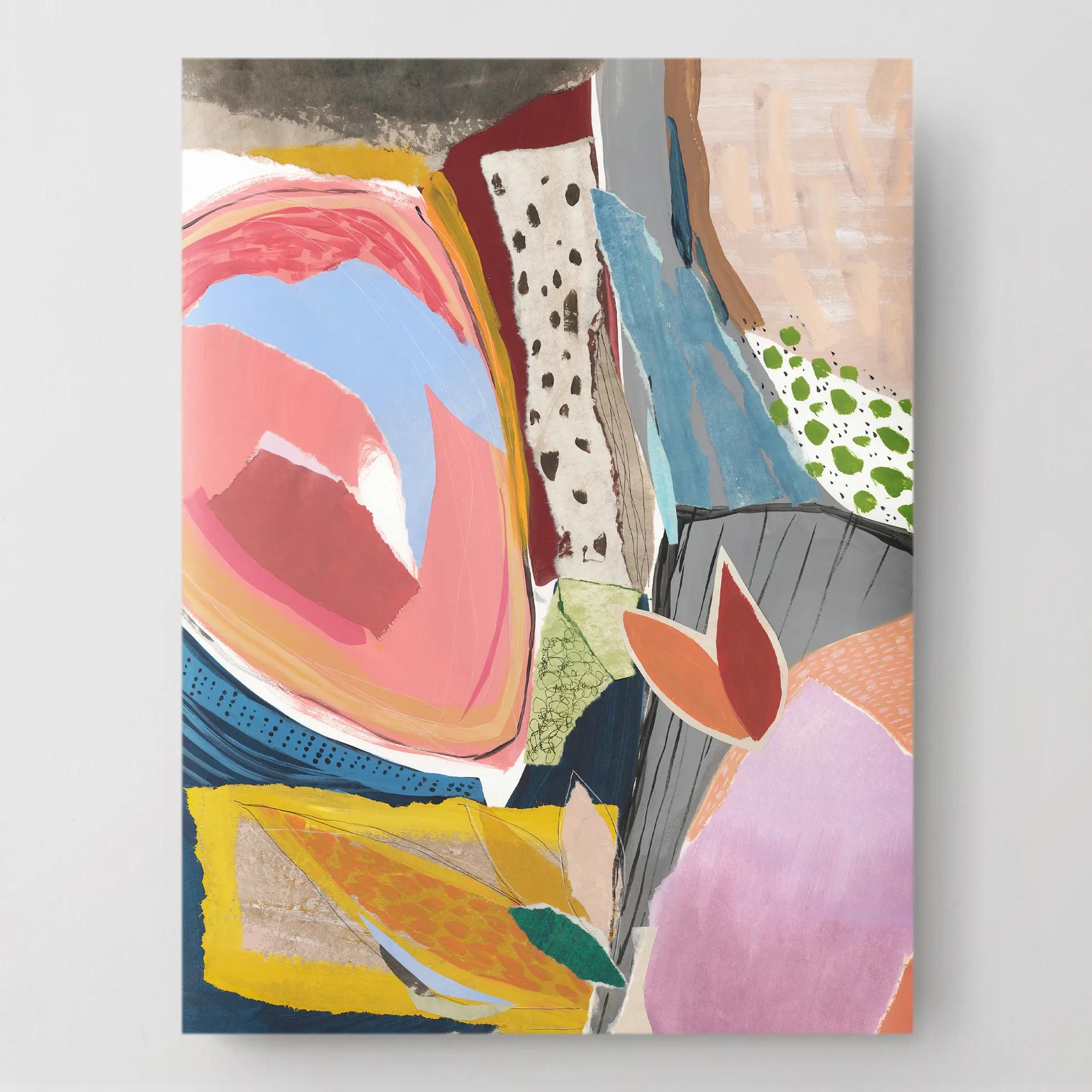
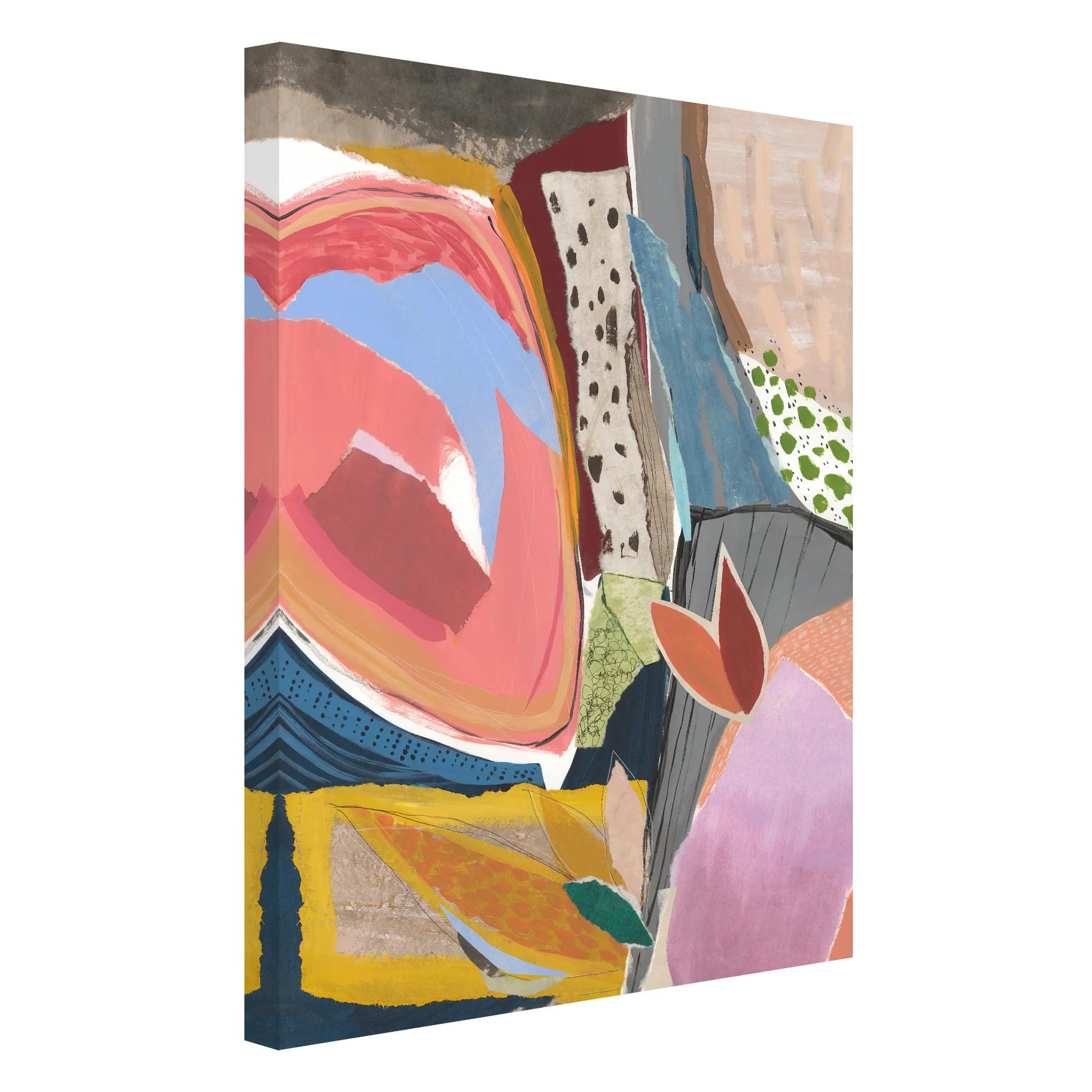 Sunday Vibes 1 Wall Art 30" x 40"$449
A gallery-wrapped canvas artwork featuring a hand-applied image brush gel finish for a textured look.
Add To Cart -
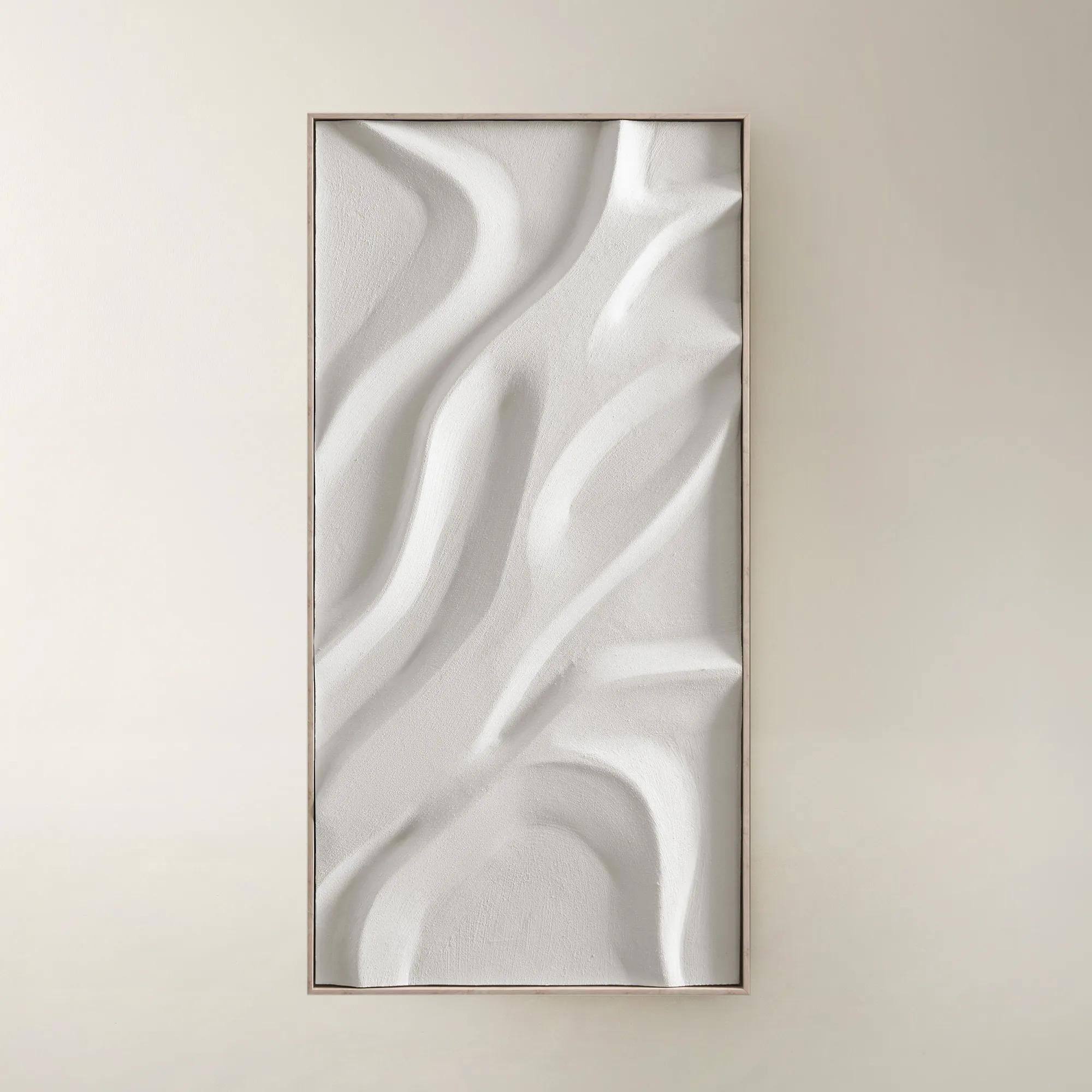
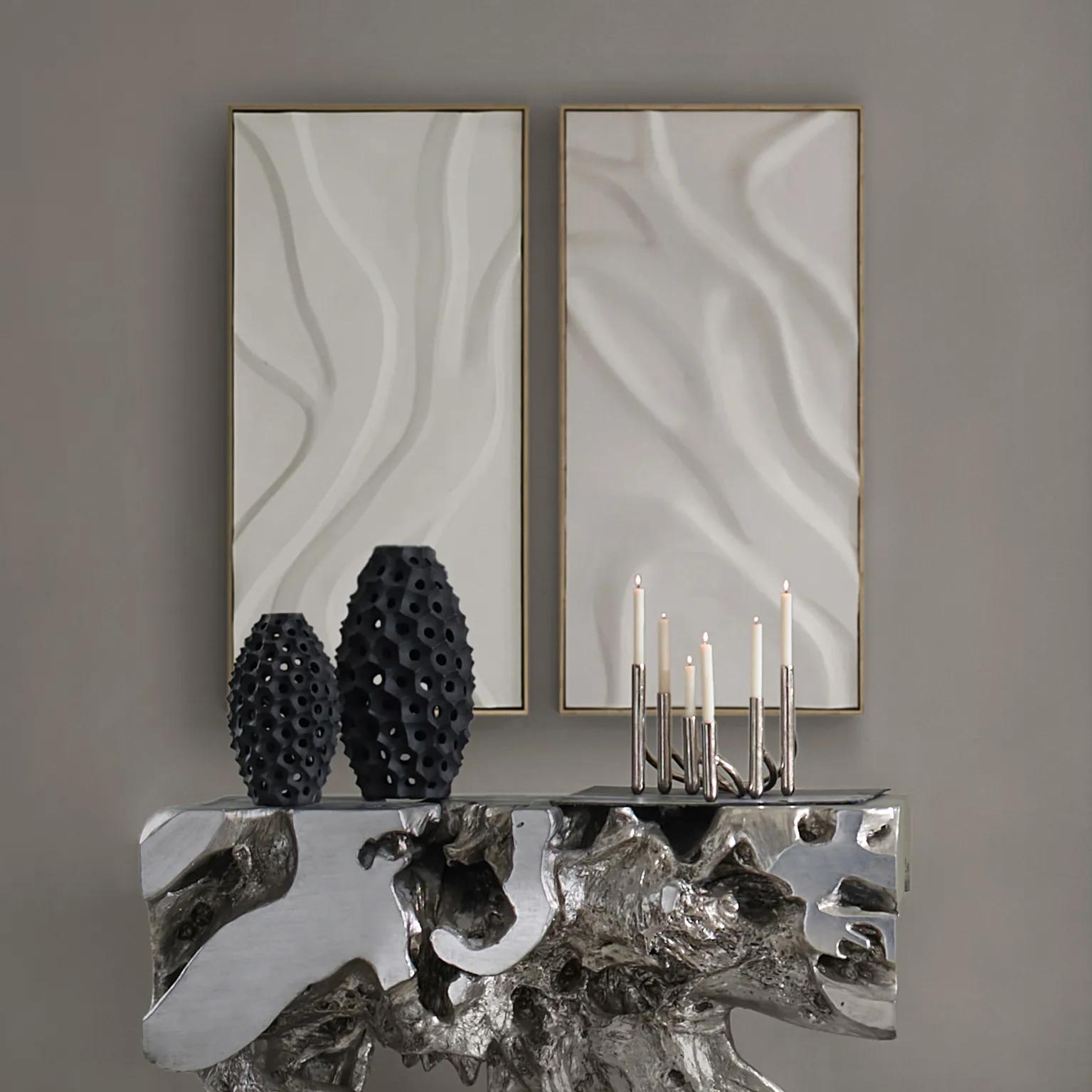 Au Lait Framed Painted Wall Art II 47.2" x 23.6"$199
A serene hand-painted canvas in beige, set in a warm whitewash floater frame for modern interiors.
Add To Cart -
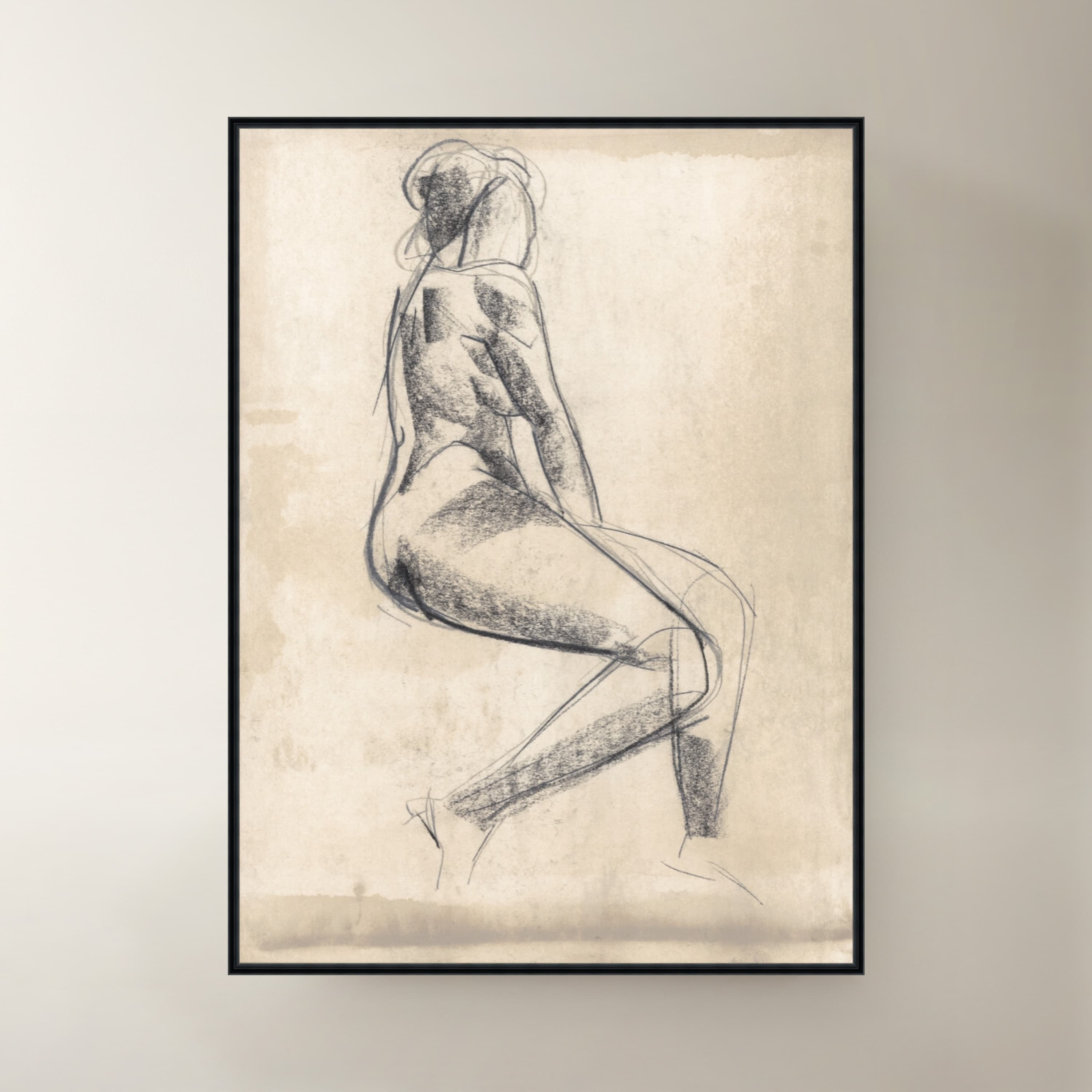
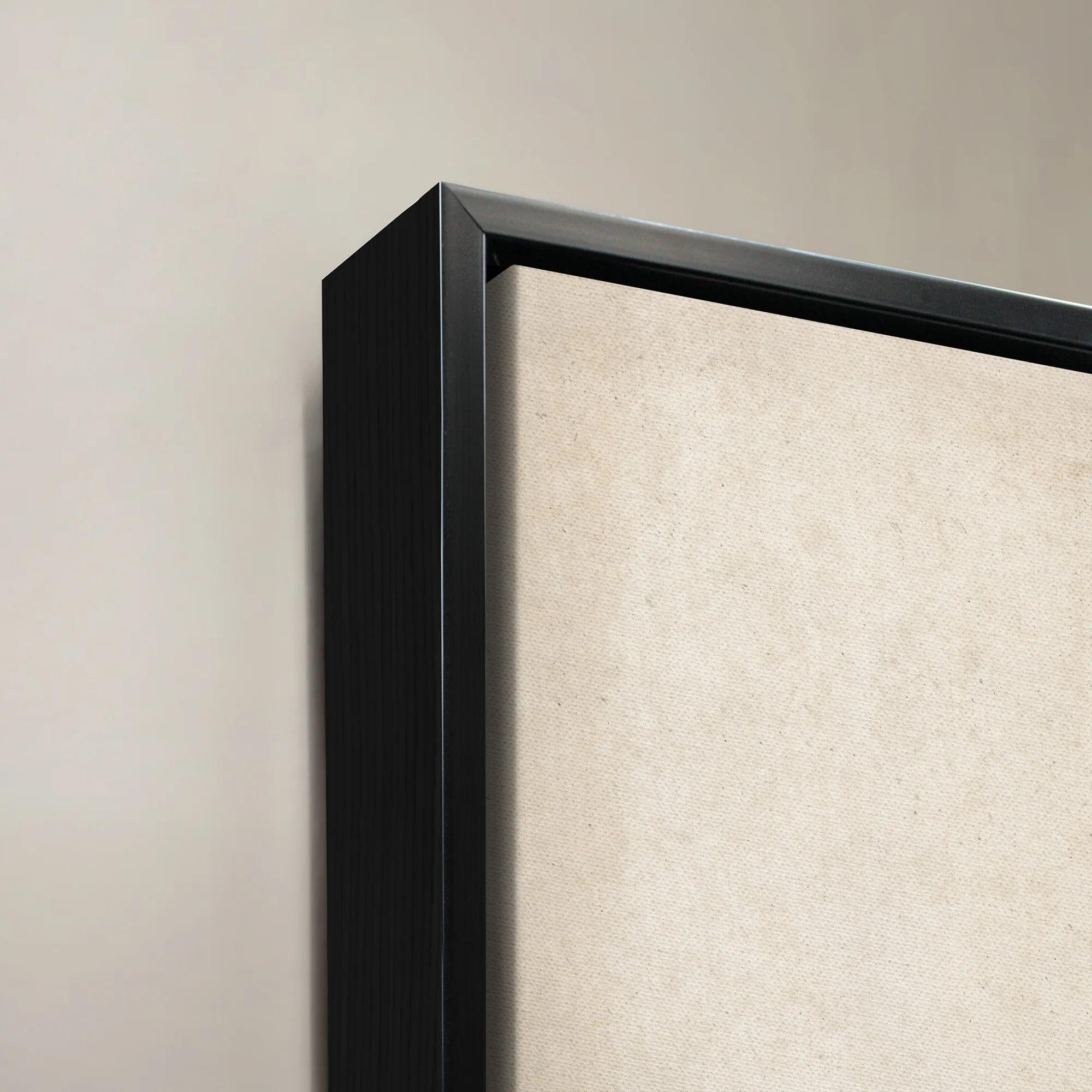 Restful Figure I Framed Wall Art 20" x 27"$449
A serene figurative canvas artwork in warm brown tones, elegantly framed for sophisticated wall display.
Add To Cart -
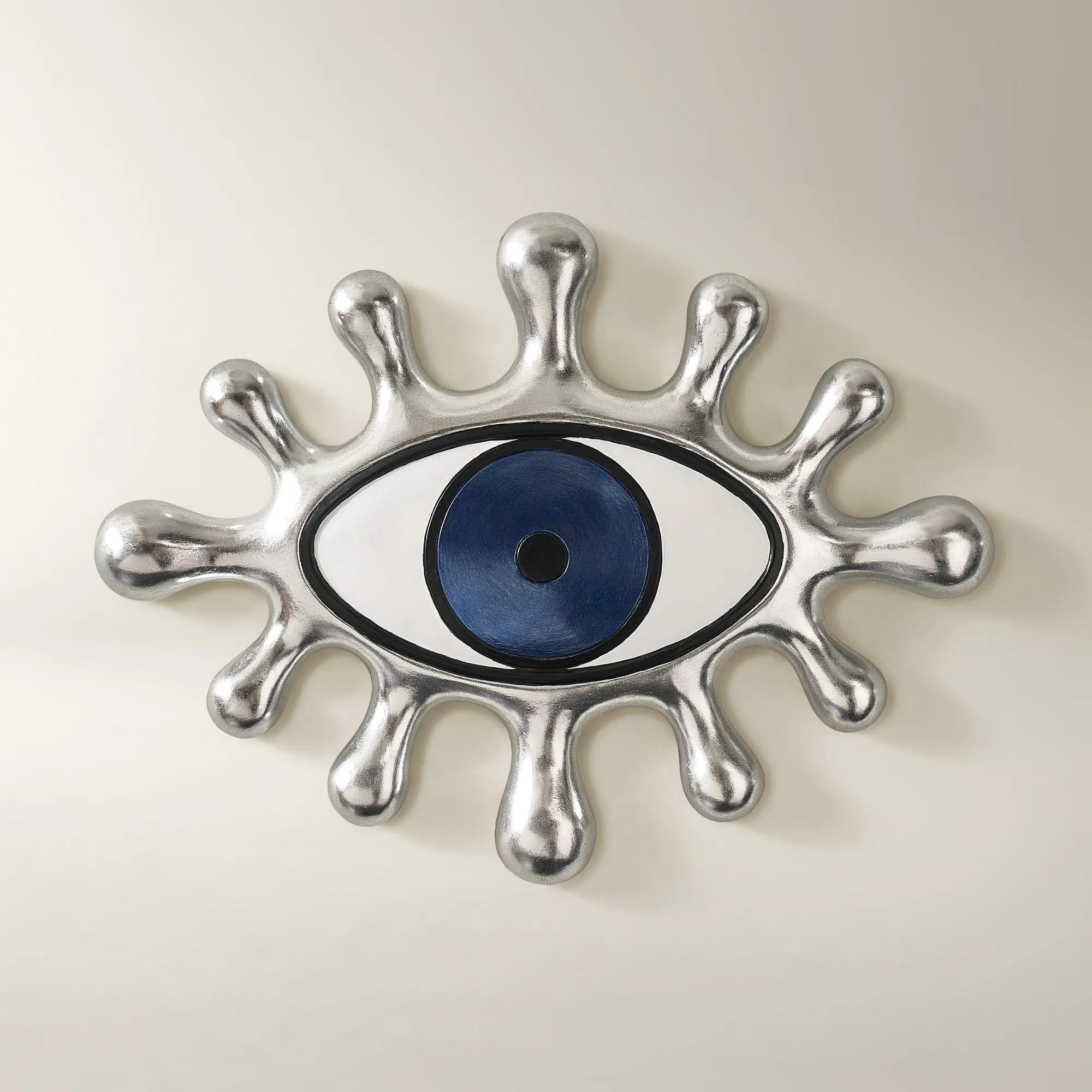 Grand Eye Ink Blue And Silver Resin Wall Decor 18" x 13.5"$79
An exaggerated eye motif in ink blue and silver brings playful, sculptural texture to any wall.
Add To Cart -

 Shift Framed Painted Wall Art 39.4" x 59"$499
A hand-painted canvas featuring bold black and beige contrasts with textured layers in a sleek black frame.
Add To Cart -
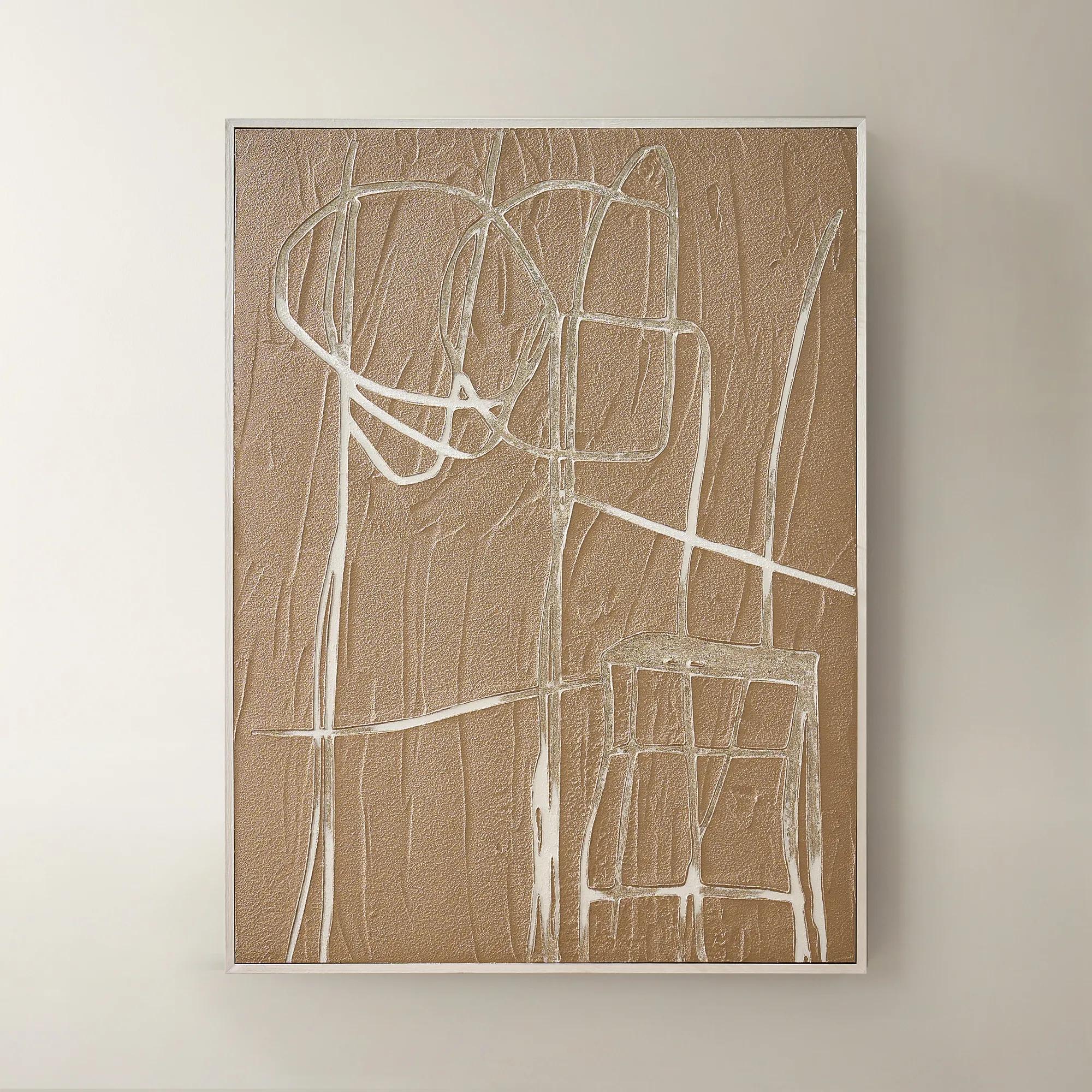
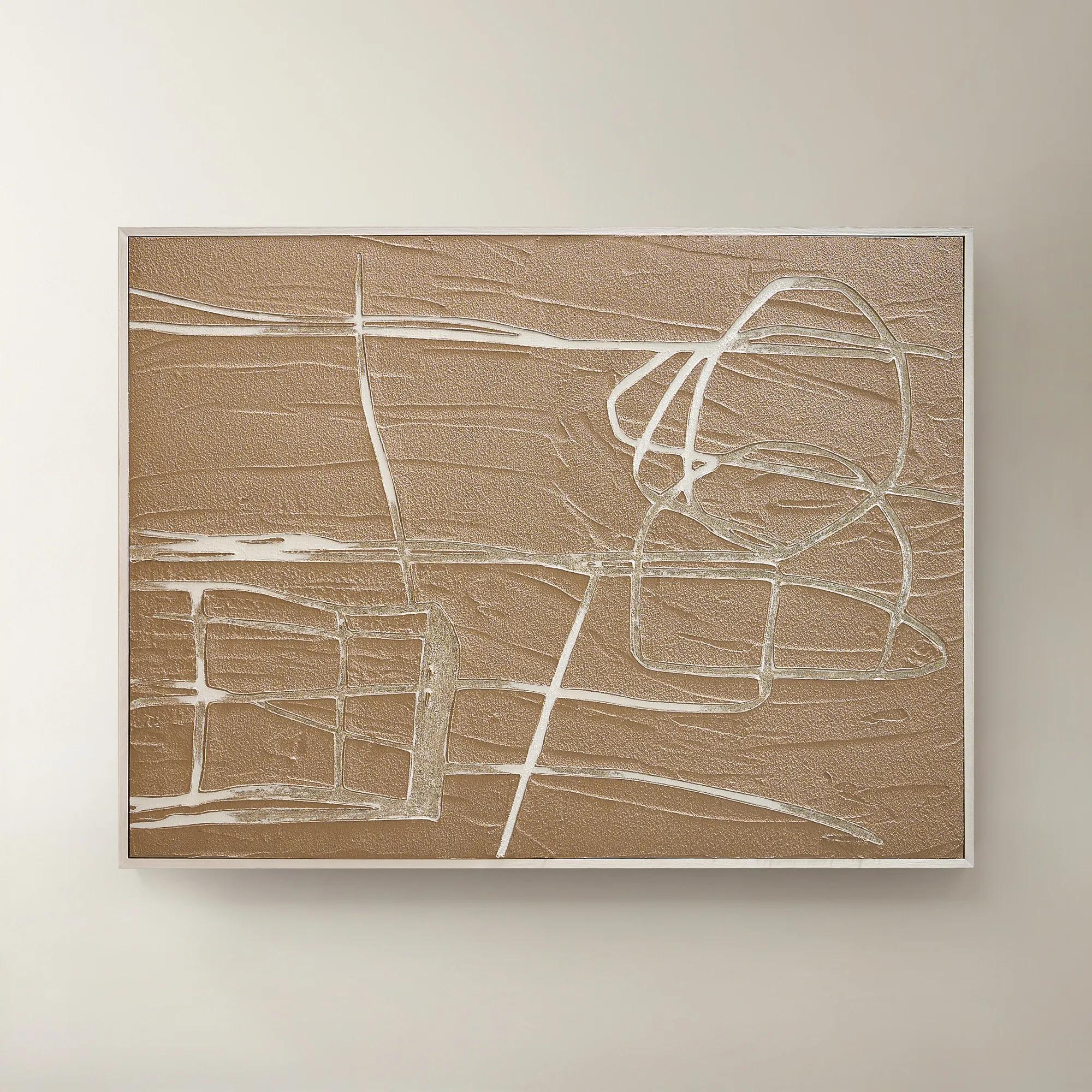 Linear Sand Framed Painted Wall Art 35" x 47"$369
A contemporary sand-toned painted canvas artwork framed for sophisticated modern interiors.
Add To Cart -
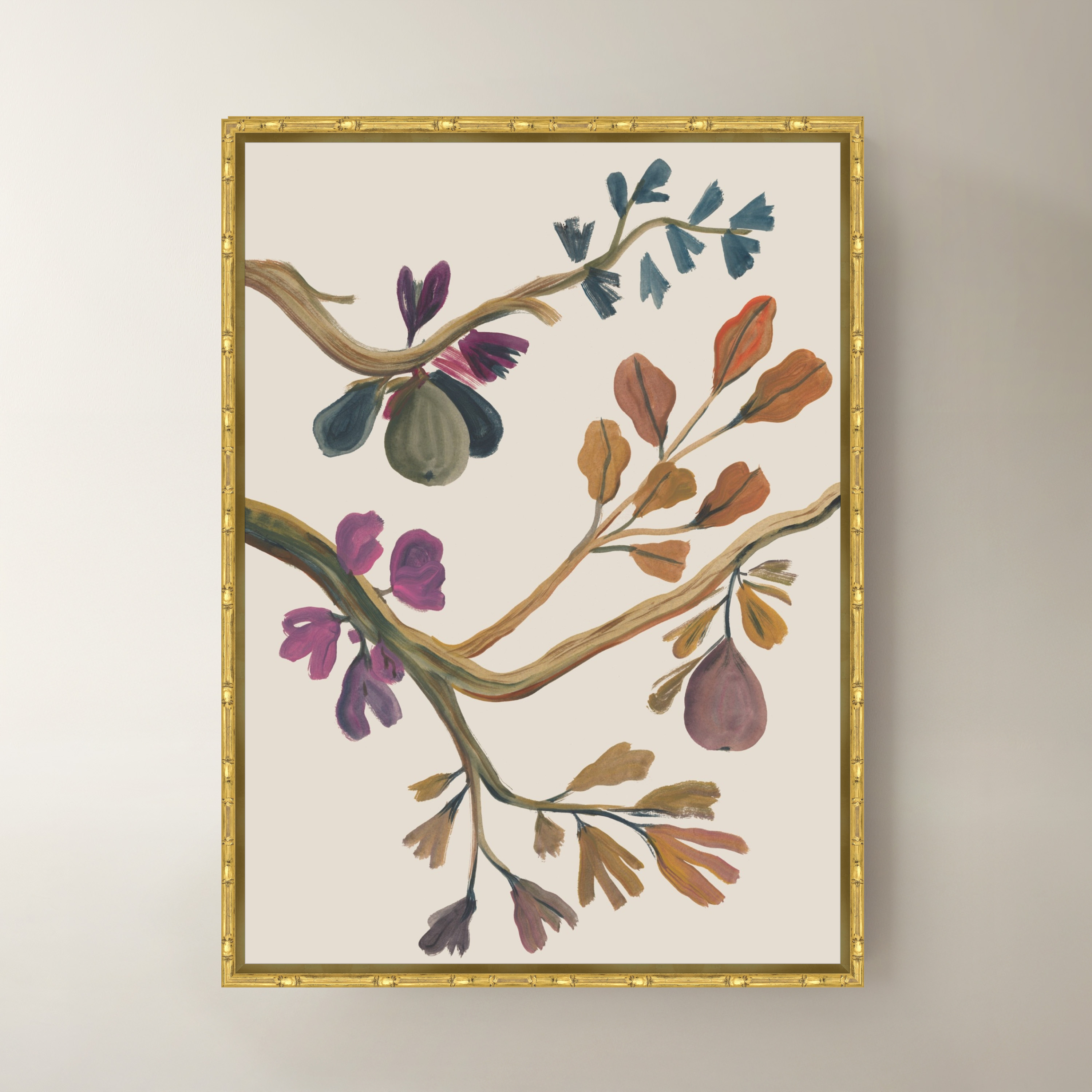
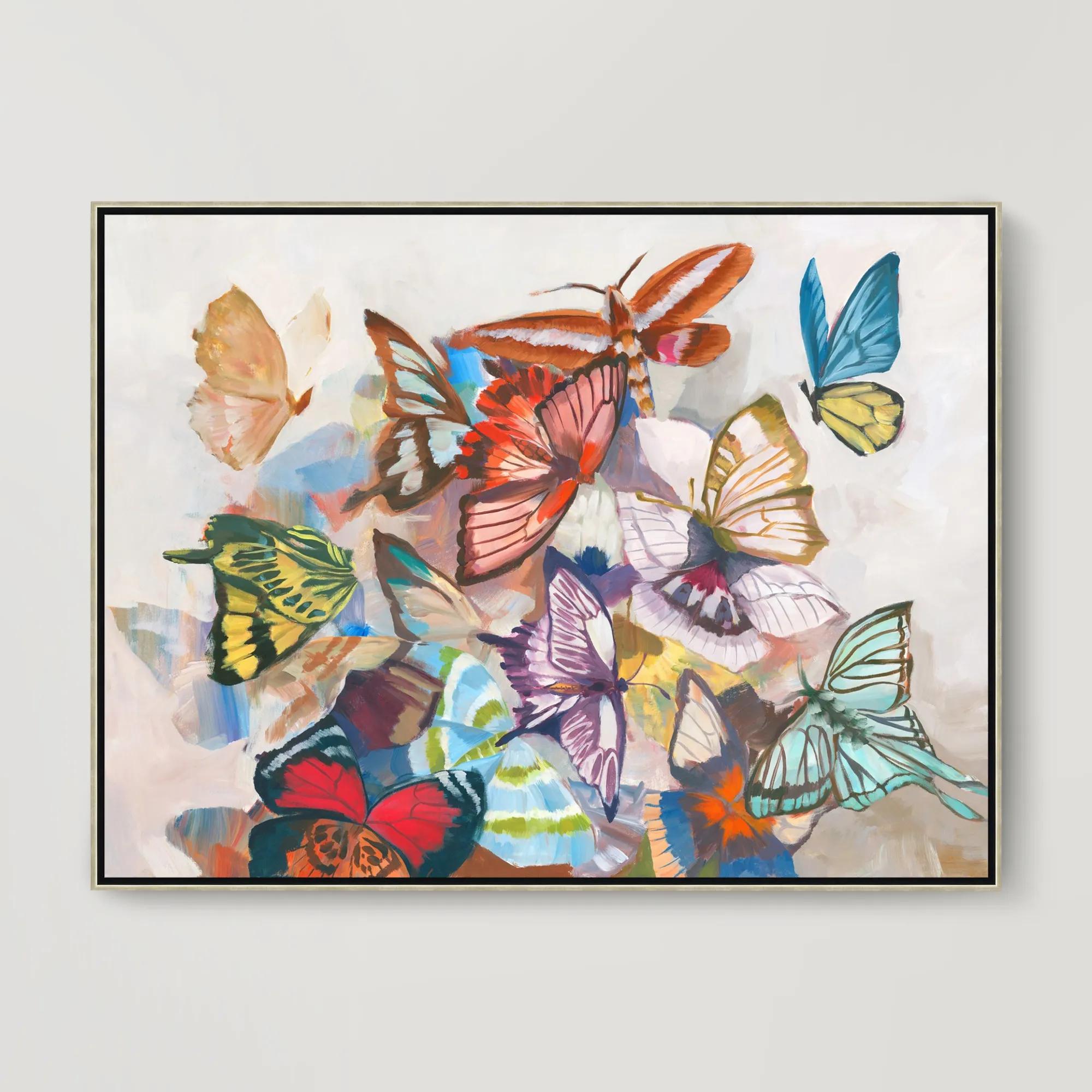
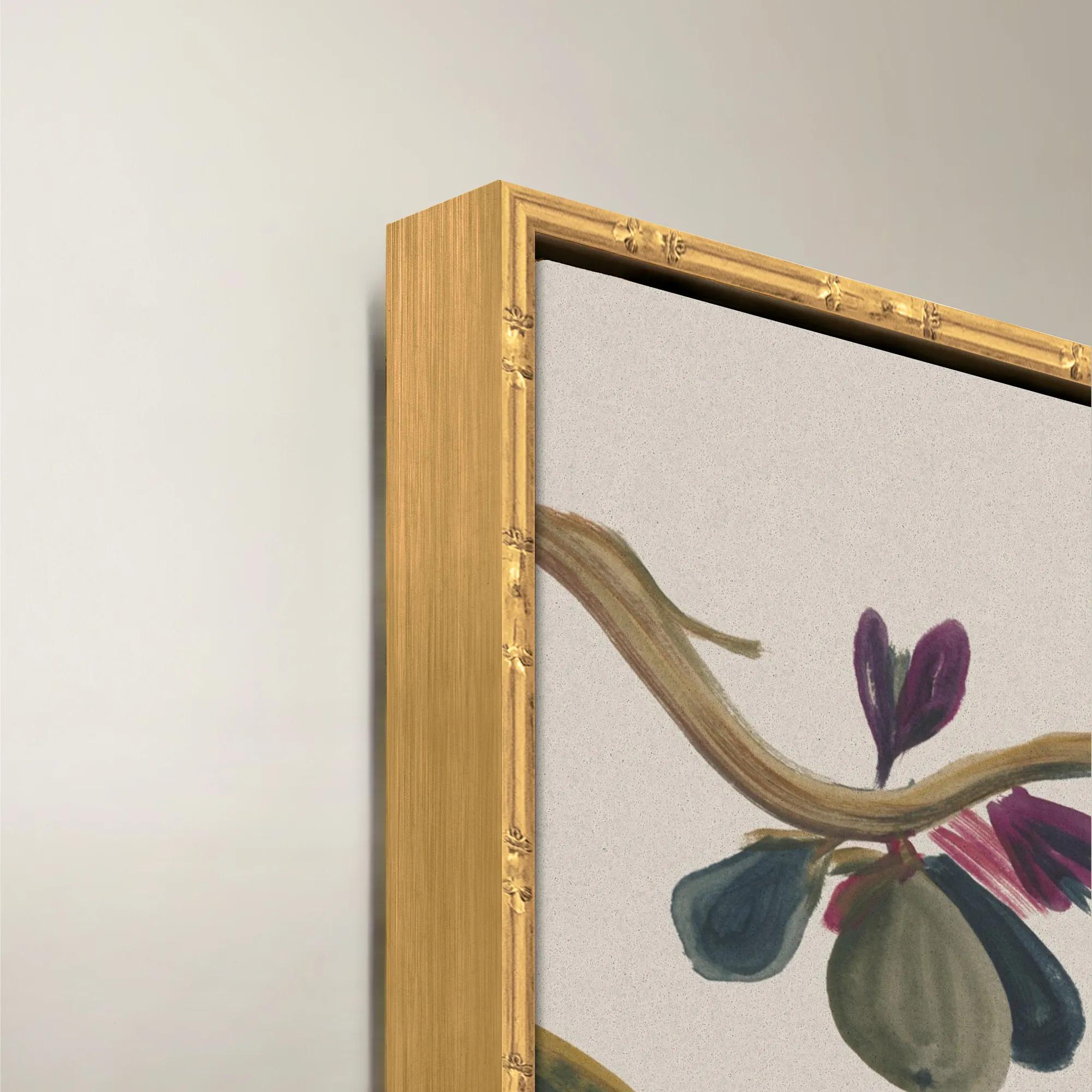 Whispering Orchard II Framed Wall Art 24" x 33"$749
A multicolored canvas wall art piece presented in an elegant frame for contemporary interiors.
Add To Cart -
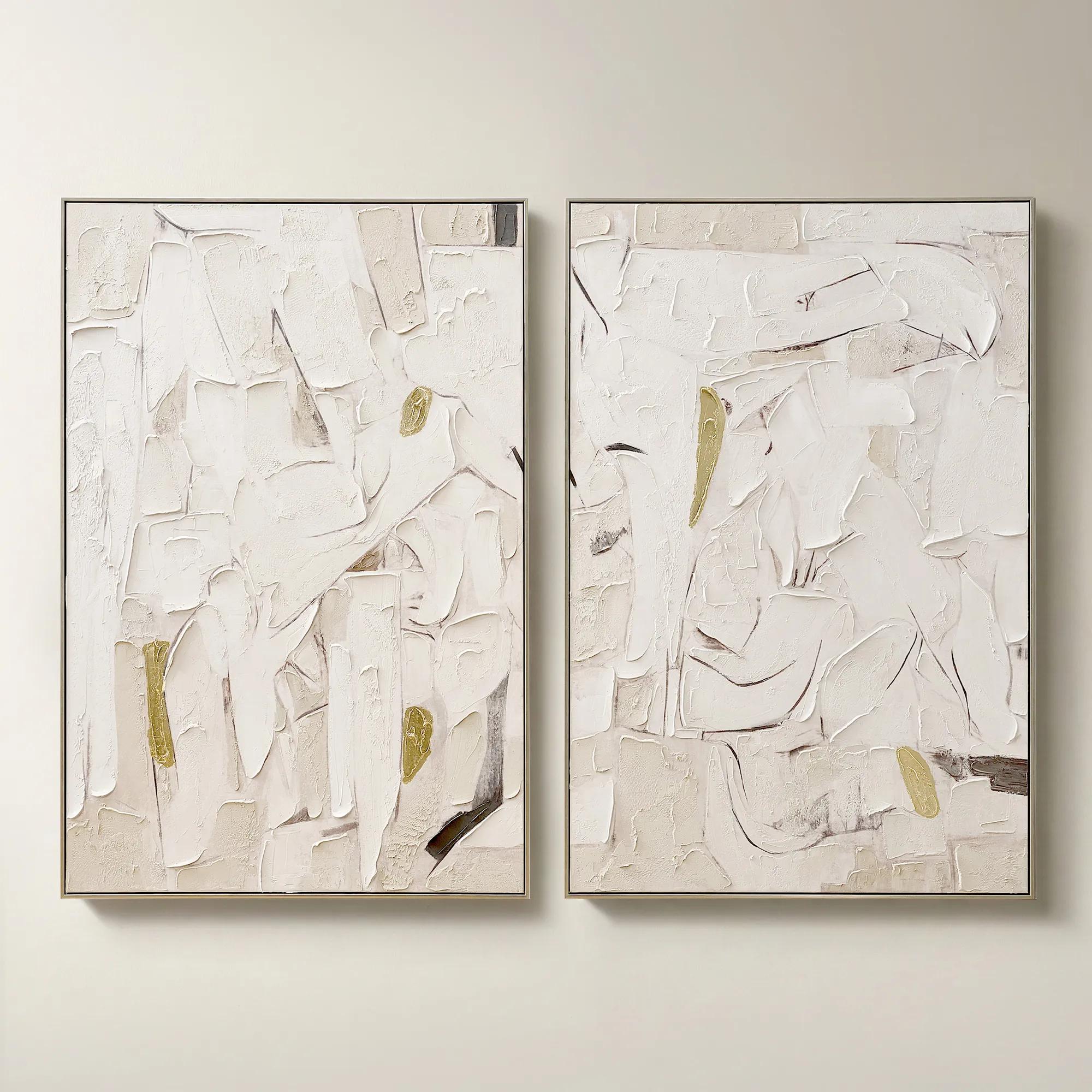 Beneath the Surface Framed Gold Leaf Painted Wall Art 40" x 60" Set of 2$799
A hand-painted abstract diptych featuring gold detailing and layered texture in alabaster and tawny hues.
Add To Cart -
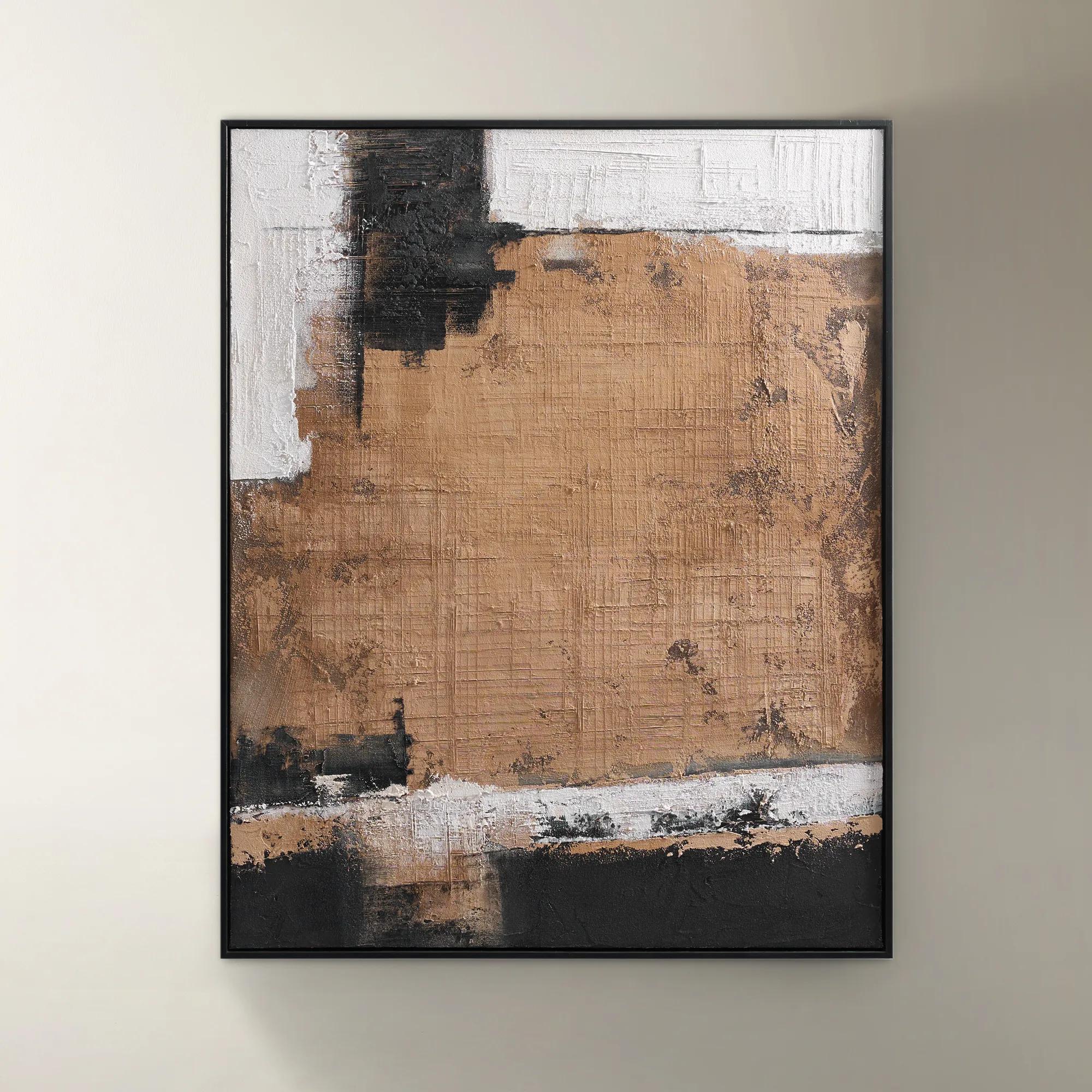
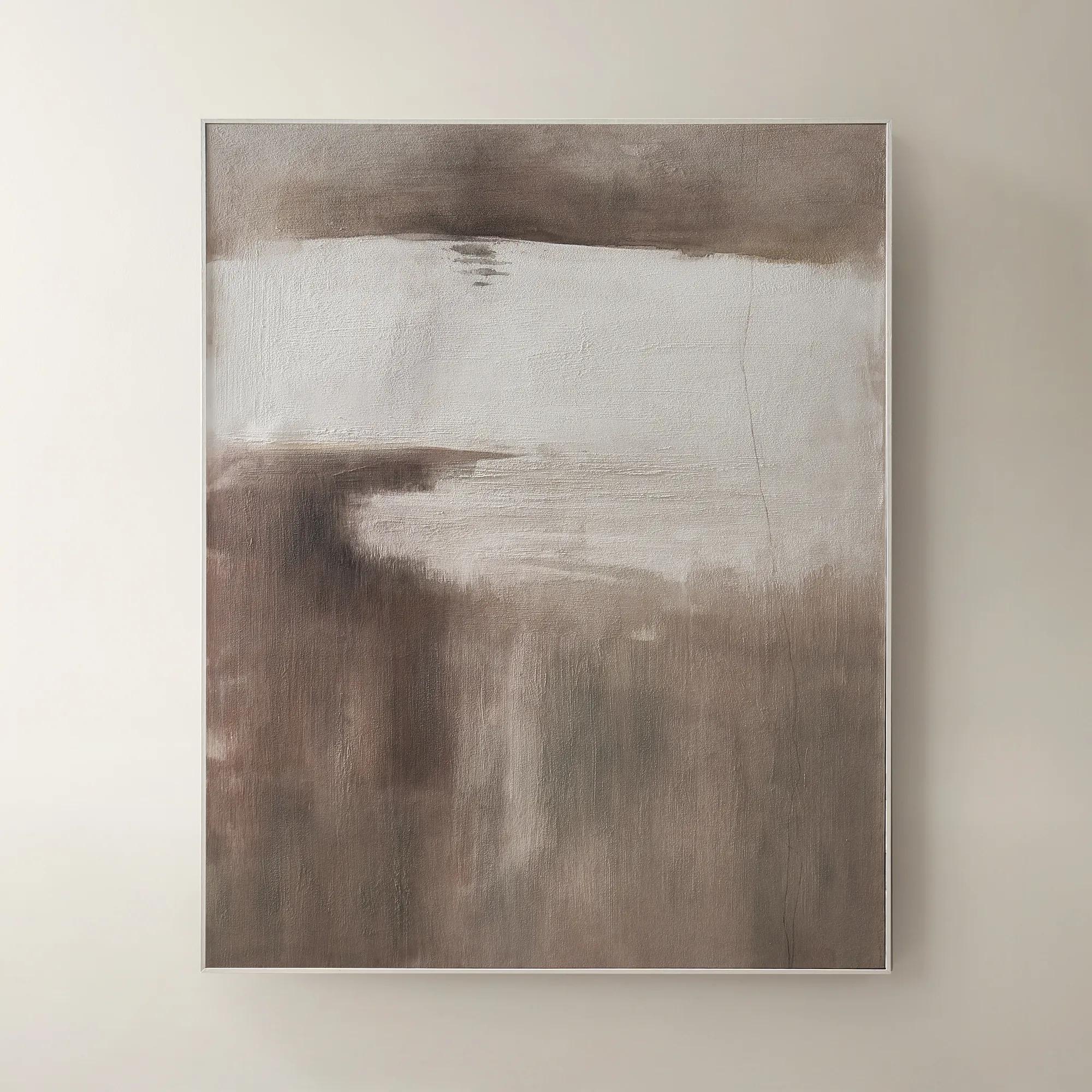
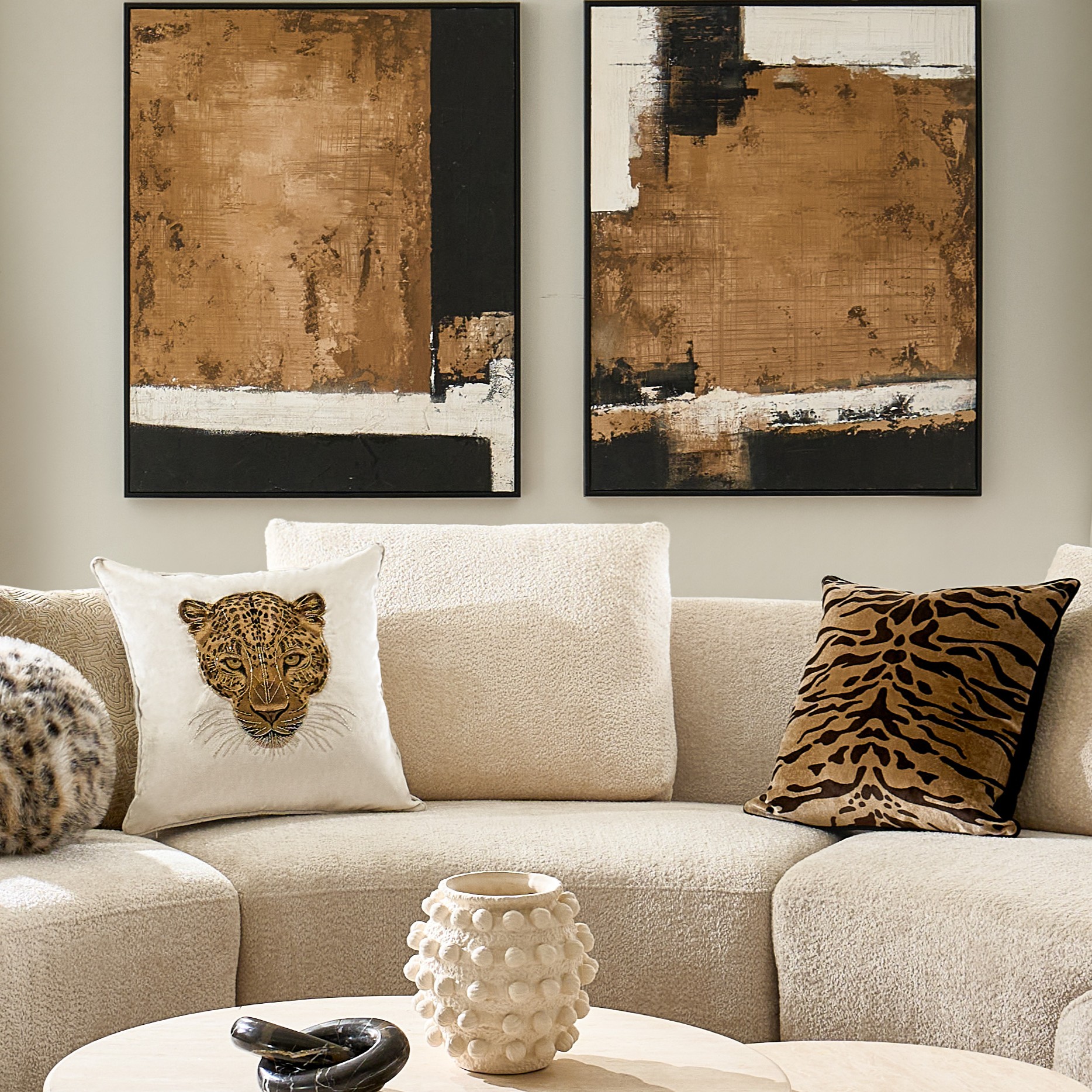 Drift Framed Painted Wall Art II 39.4" x 31.5"$299
A hand-painted canvas in brown, featuring bold texture and color interplay within a sleek black floater frame.
Add To Cart -
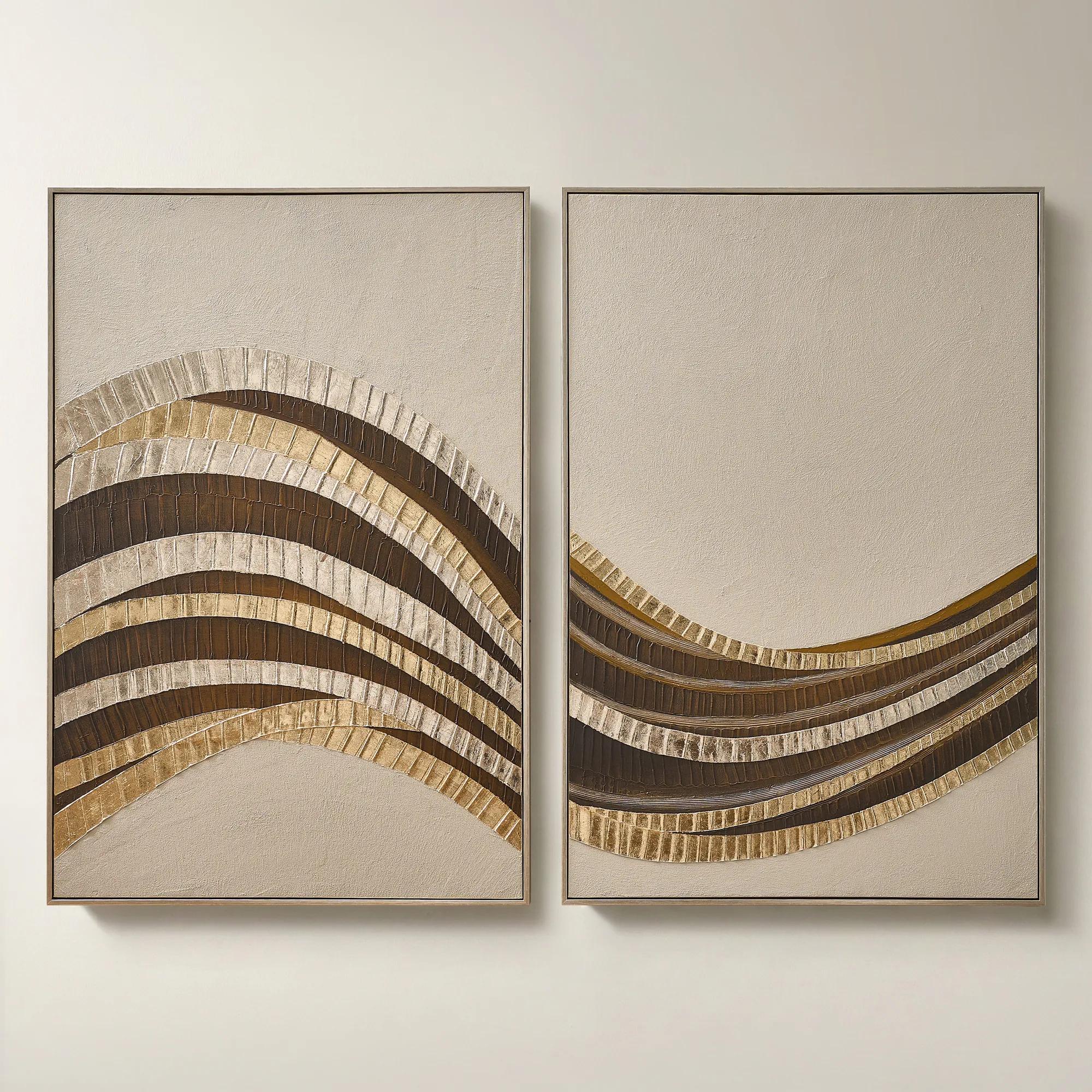 Stillness in Motion Framed Gold Leaf Painted Wall Art 40" x 60" Set of 2$899
A hand-painted abstract diptych with gold leaf accents, textured surface, and brushed champagne frames.
Add To Cart

Textured Wall Art For Hallways
Transform the passageway into a captivating gallery with textured wall art for hallways—where every glance reveals dimension, intrigue, and a whisper of the unexpected. Here, artistry leaps from the canvas, inviting touch as much as admiration, and each piece becomes a statement in movement and depth. Let your hallway transcend the ordinary; elevate it with tactile masterpieces that set the tone for your home’s grand narrative. With textured wall art for hallways, even the simplest corridor becomes an immersive journey of style and self-expression.
Textured wall art for hallways brings physical dimension to a space often defined by straight lines, closed doors, and uninterrupted walls. Raised brushwork, layered surfaces, sculpted relief, and woven elements give the eye something richer to follow than color alone. Unlike a flat printed image of texture, dimensional artwork creates actual variations in the surface, allowing highlights and shadows to change with the viewing angle. That distinction is especially compelling in a hallway, where artwork is experienced in motion: a composition may appear restrained from the entry, then reveal ridges, folds, or gleaming accents as someone walks past. Abstract designs suit this setting beautifully, offering expression without requiring a single, fixed viewpoint. Creamy tonal fields can soften crisp architecture, while charcoal, bronze, and metallic details introduce a more dramatic rhythm. The right proportions give that drama room to breathe. A tall, narrow composition can emphasize ceiling height beside a doorway, while a broad horizontal work can anchor a longer stretch of wall. Smaller framed works arranged with consistent spacing offer another kind of presence, creating a measured sequence rather than one dominant focal point. In a compact corridor, visual depth is usually more useful than substantial physical projection; shallow relief can feel sculptural without intruding into the walking path. A wider passage can accommodate a more pronounced surface, provided the artwork remains comfortably clear of shoulders, bags, and opening doors. Wall space between trim, switches, and door casings matters as much as the overall hallway length. Artwork that leaves a deliberate border of exposed wall feels composed rather than squeezed into place. At the end of a corridor, a single expressive piece can establish a destination, drawing attention toward an otherwise overlooked wall. Beside an entry console, texture creates a layered vignette with a lamp, a reflective vessel, or a few carefully edited objects, giving even a brief arrival its own distinctive atmosphere.
Materials shape both the appearance and the practical character of dimensional wall decor. Textured canvas may feature built-up paint or applied media, balancing the familiar profile of a painting with a more sculptural surface. Plaster or plaster-like relief offers chalky depth and architectural definition, although composition, weight, and fragility vary by construction. Carved wood introduces grain and shadow, metal elements can catch available light, and textile-based designs bring a softer contrast to smooth walls and polished furnishings. These differences influence the mood of the hall as well as handling and care. A pale matte surface absorbs attention quietly through subtle relief; a lustrous finish creates brighter points of interest and a more pronounced sense of movement. In hallways with limited natural light, directional illumination can reveal surface detail that might otherwise disappear, while a light positioned too close to a glossy work may create distracting glare. Lighting and texture work best when the entire composition remains readable, not just its most reflective edge. Durability depends on the medium, backing, frame, and placement rather than texture alone. Delicate raised details deserve separation from everyday contact, especially along routes used by children, pets, or frequently carried luggage. A substantial-looking piece is not necessarily heavy, and a slim profile is not necessarily lightweight, so product dimensions and listed weight are important considerations. Mounting hardware should suit both the artwork and the wall construction, with heavier pieces requiring appropriate support. Routine care is generally gentle: follow the maker’s instructions, avoid spraying cleaners directly onto the surface, and never assume that a raised finish can be wiped like glass. Loose fibers, brittle projections, metallic leaf, and unsealed surfaces may require different treatment. Prolonged direct sunlight and moisture can also affect certain pigments, adhesives, woods, and textiles. In a hallway near a bathroom or an exterior entrance, materials and finishes suited to that placement help preserve the artwork’s intended appearance.
Color and framing connect textured hallway art to the rooms around it without asking every space to match. An ivory composition in a pale frame can establish continuity with light walls while allowing shadow to supply the contrast. Black framing gives soft, organic relief a sharper outline; warm metallic framing can echo nearby hardware or lighting without repeating it everywhere. For a hallway that opens onto several rooms, a restrained palette with one expressive accent often creates a confident visual bridge. The texture carries the richness, leaving the surrounding colors room to settle. More saturated artwork can serve the same purpose in a different way, establishing a deliberate counterpoint to neutral upholstery or drawing a color from a distant room into the passage. Scale should feel connected to the architecture and any furniture below it. Above a narrow console, a composition that relates to the console’s width generally feels more balanced than one chosen only to fill the wall. On an open stretch, viewing distance becomes more important: larger gestures read clearly from the far end, while intricate surfaces reward a closer look. Consistent centerlines can bring order to several works, though the relationship to molding, sconces, and adjacent doorways may call for an adjustment. This balance of expression and proportion suits design-conscious homeowners, apartment dwellers looking for dimension without additional furniture, and anyone giving a frequently traveled space the same attention as a living room. Dimensional artwork can also make a thoughtful housewarming gift when the recipient’s palette, wall space, and taste are well understood. For a visual connection beyond the passage, Textured Wall Art For Interiors extends the conversation into adjoining spaces. Throughout the home, texture can supply a common language while individual compositions retain their character. In the hallway, that character is particularly immediate: a raised line catches the light, a sculpted surface interrupts a smooth wall, and an ordinary route becomes a place with presence.
FAQs
Textured wall art brings depth, dimension, and a tactile quality that transforms a hallway from a simple passage into a captivating gallery. The interplay of light and shadow across sculptural surfaces creates visual interest, while the right piece can set the mood—whether you seek drama, tranquility, or a sense of wonder—making every stroll through the hallway an immersive experience.
Popular textures for hallway wall art include layered canvas, raised metallics, woven fibers, and mixed-media compositions. Materials such as velvet, glass, wood, and hand-applied paint add richness and variety, allowing each piece to offer a unique tactile and visual appeal that elevates the ambiance of your space.
Absolutely. Textured wall art makes a thoughtful and memorable gift for housewarmings, anniversaries, or milestone celebrations. Its ability to transform a space and reflect personal style ensures it will be cherished, offering the recipient a daily reminder of your care and creativity.
Consider the existing tones in your hallway—such as flooring, wall color, and lighting—then decide whether you want your art to harmonize or provide contrast. Blue wall art for hallways, for example, introduces a calming, sophisticated touch that pairs beautifully with both neutral and bold interiors, while metallics or jewel tones can infuse the space with energy and glamour.
Yes, textured artwork is an excellent way to unify your hallway with the rest of your home’s design. By selecting pieces that echo colors, materials, or motifs found elsewhere, you can create a seamless visual flow, making your hallway not just a transition but an integral part of your home’s unique story.