Wedding Centerpiece Ideas
Wedding Centerpiece Ideas
-
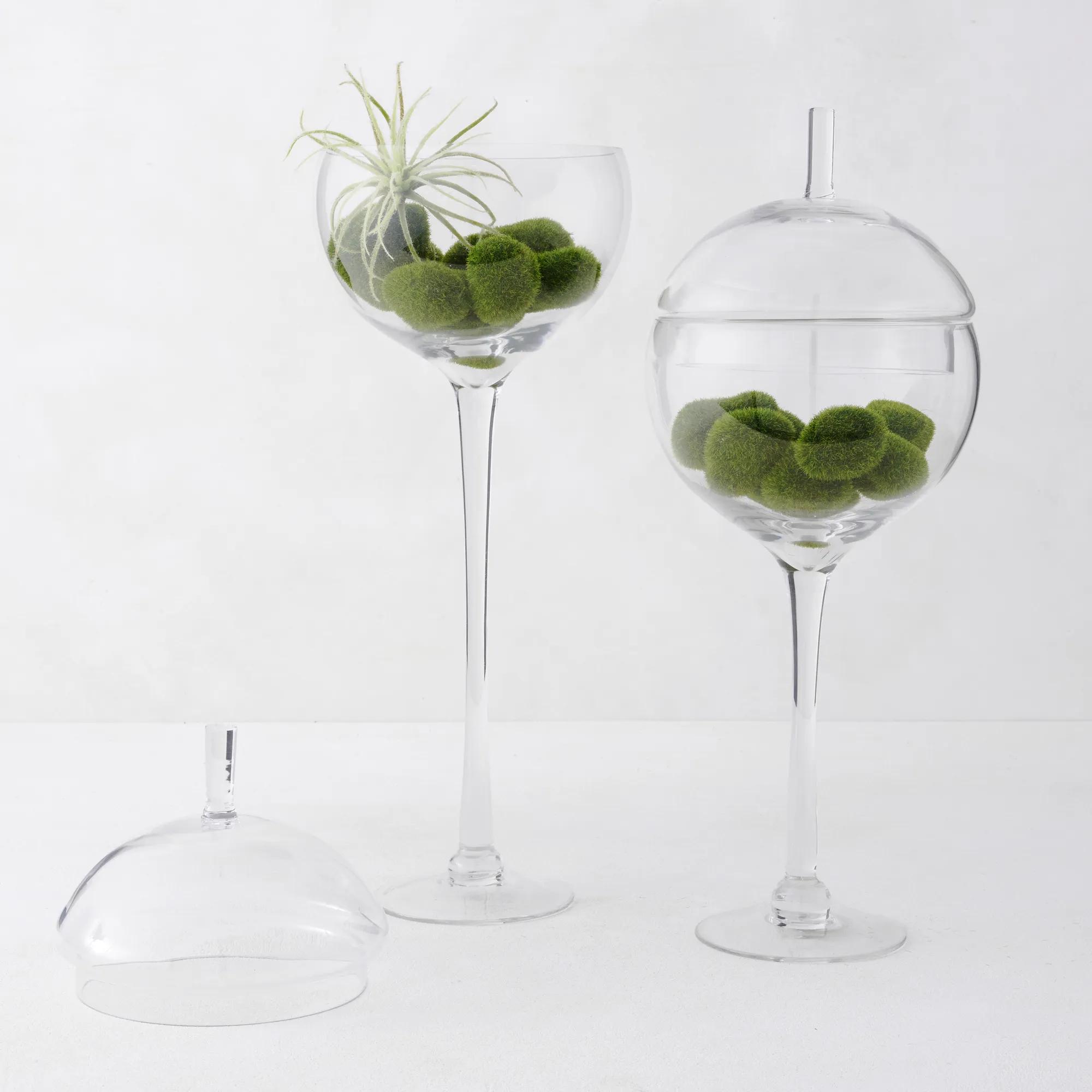 Jules Glass Decorative Canisters$89
A mouthblown glass terrarium perfect for showcasing decorative objects or cherished keepsakes.
Add To Cart -
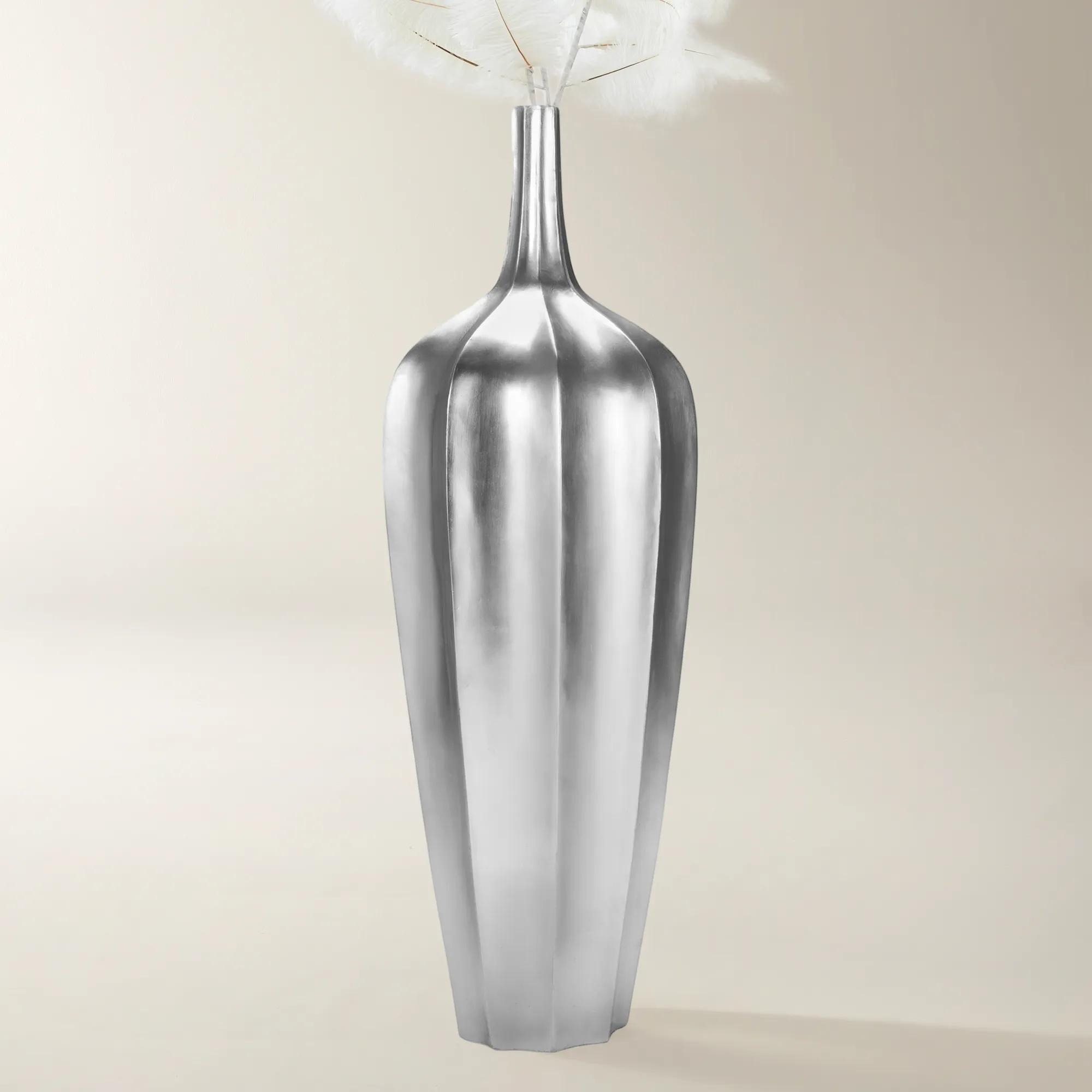
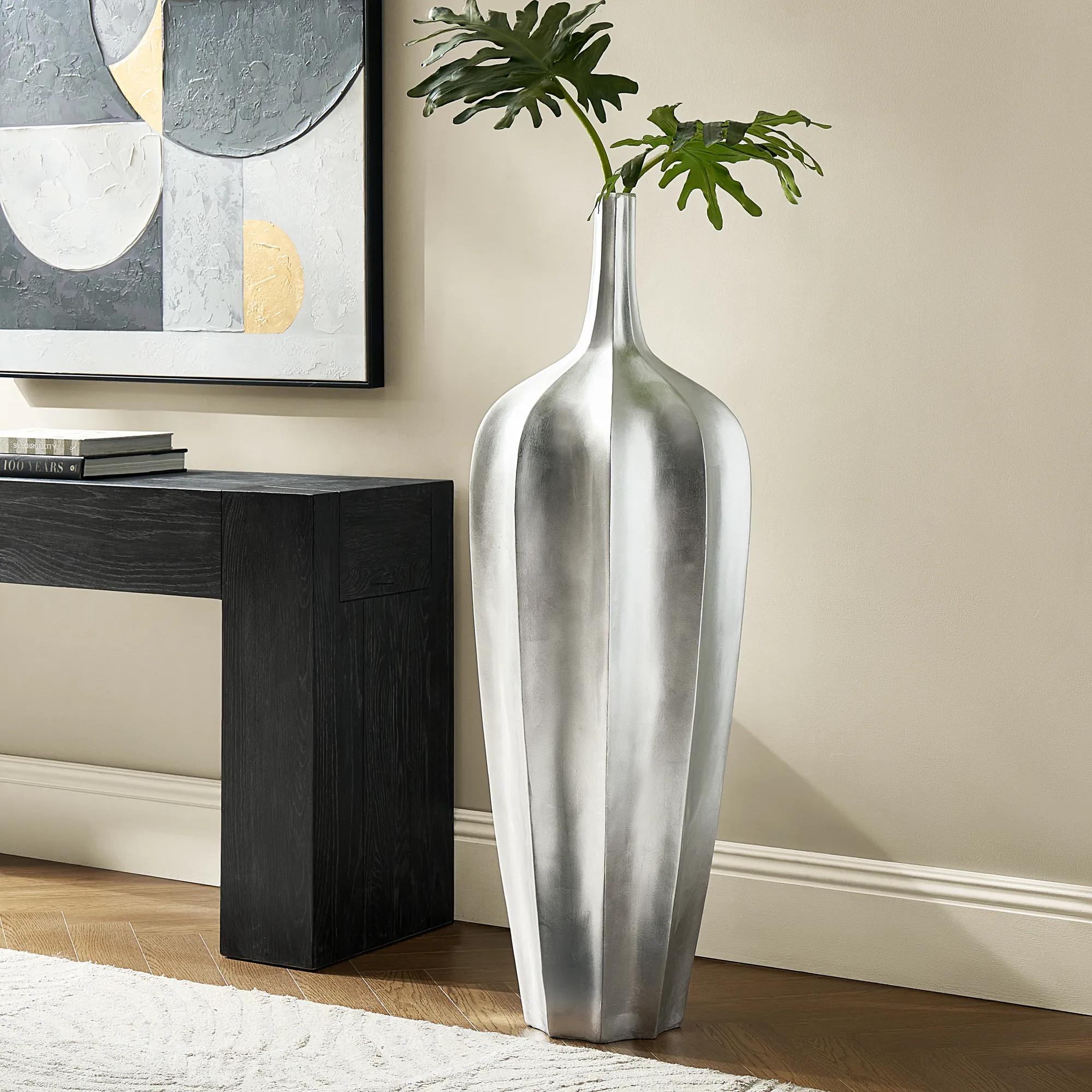 Accolade Silver Leaf Resin Floor Vase 48.75"$539
A fluted fiberglass vase featuring a lustrous metallic silver foil finish for a striking decorative accent.
Add To Cart -
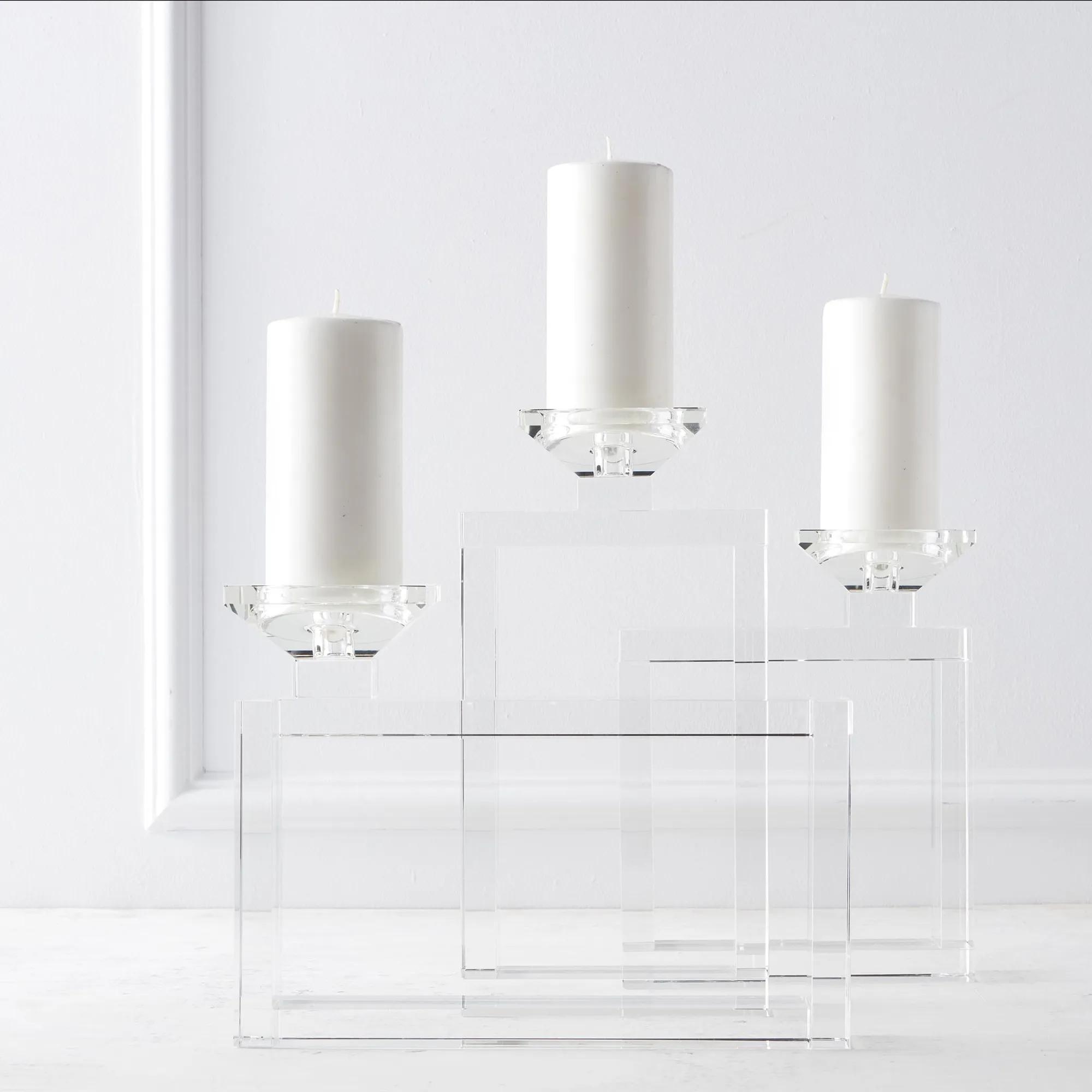
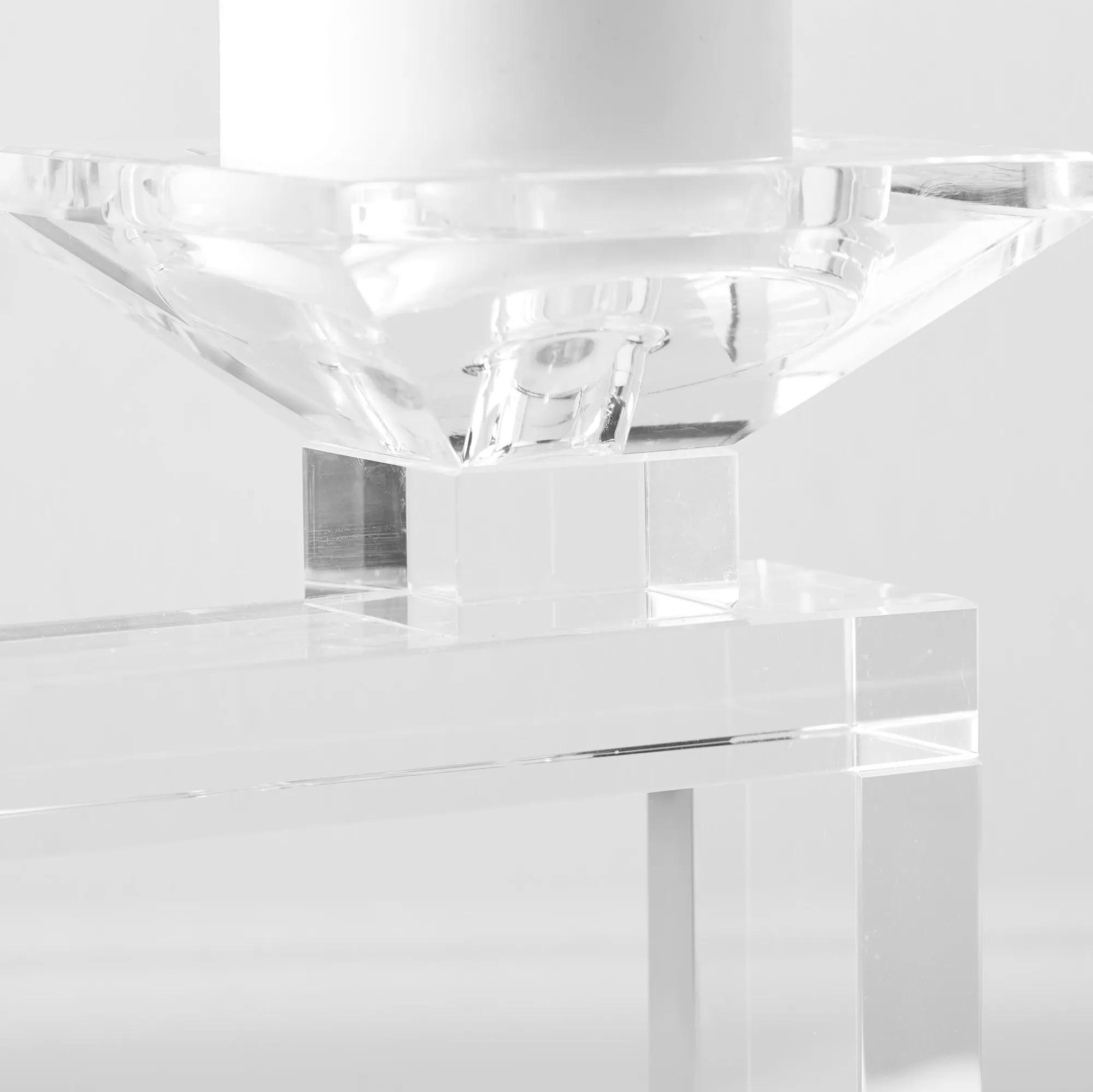 Linx Clear Crystal Glass Pillar Holders$119
A sparkling clear crystal glass holder with an open geometric base for standard pillar candles.
Add To Cart -
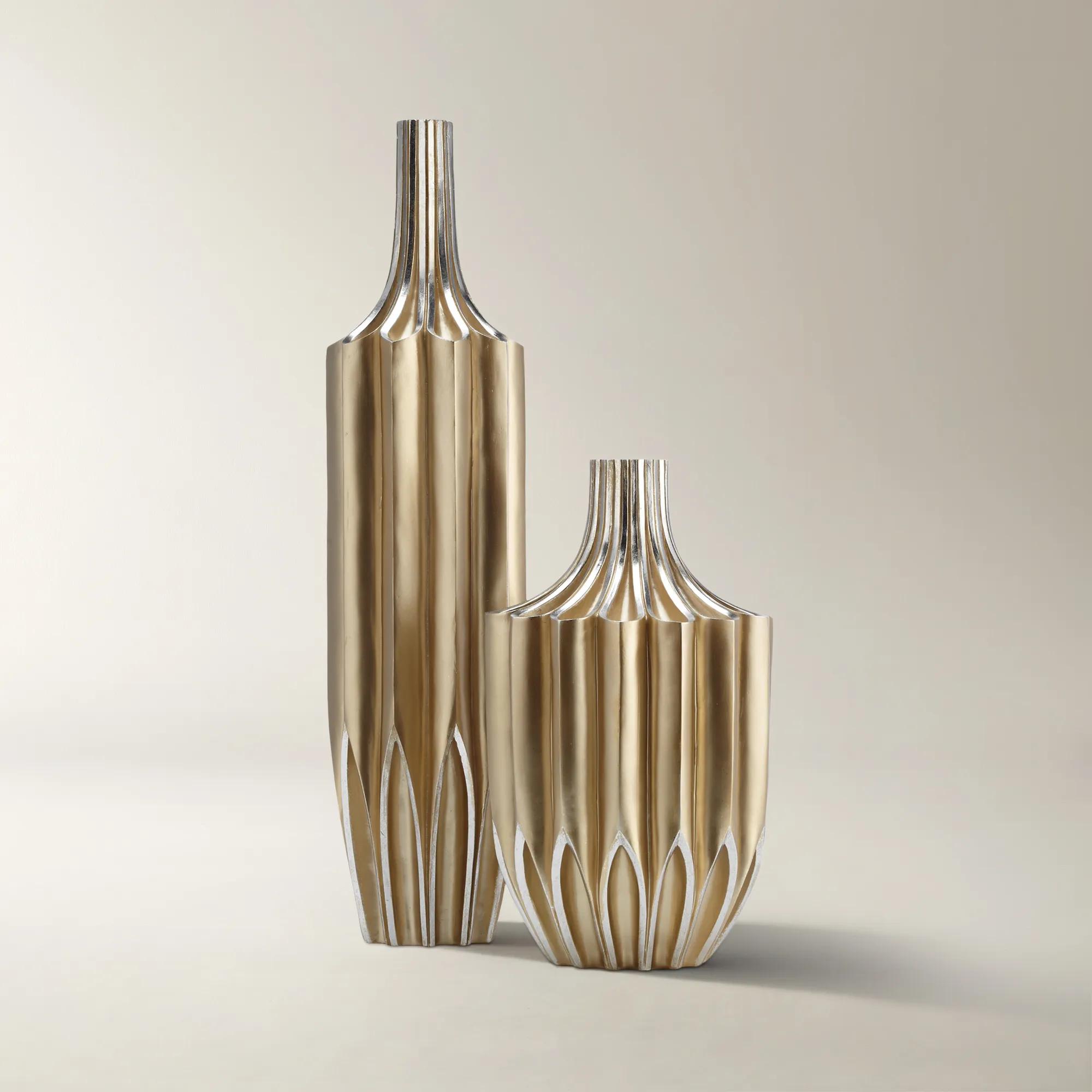
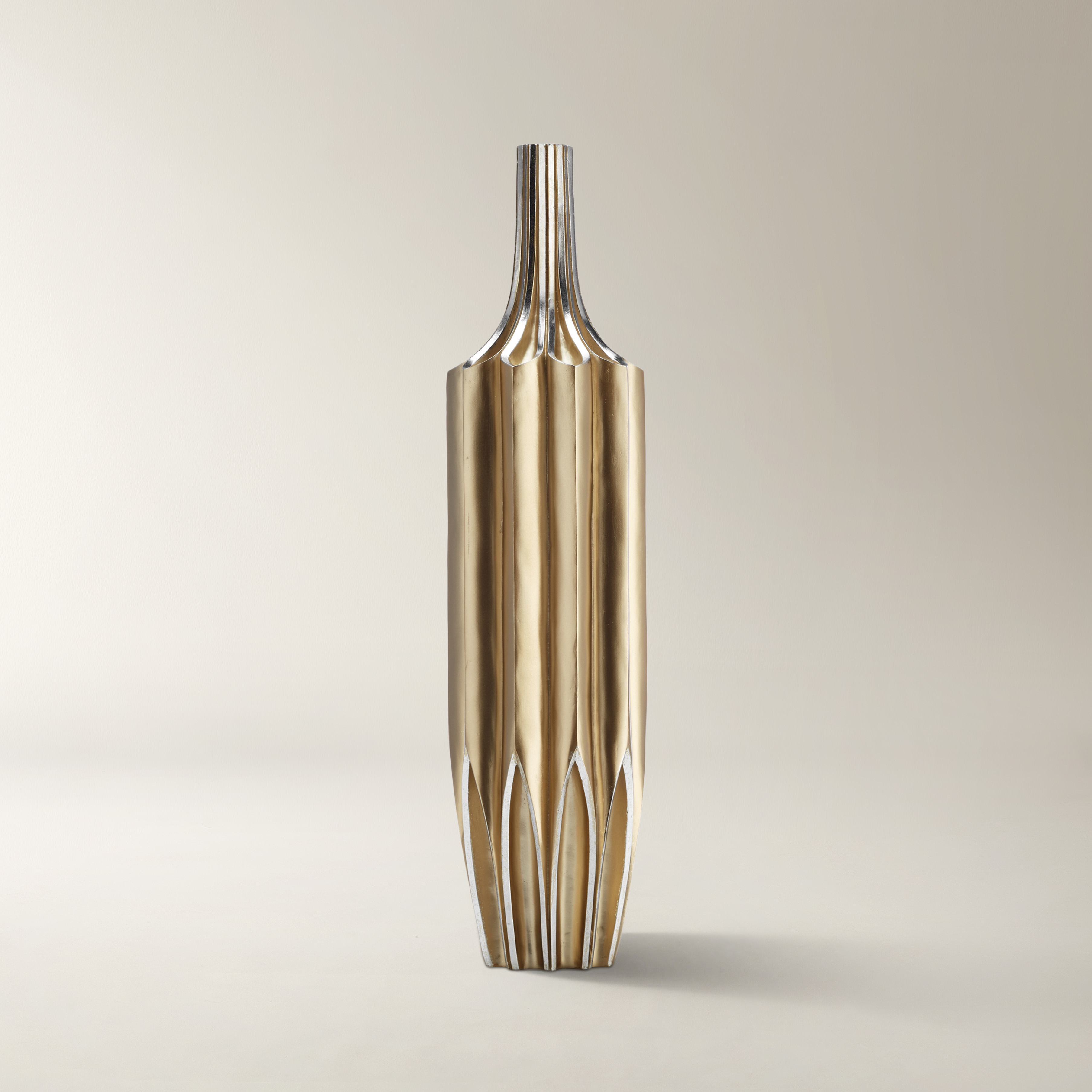 Savannah Gold Resin Vases$79
A sophisticated polyresin vase featuring sleek vertical curves and a modern, inward-flaring design.
Add To Cart -
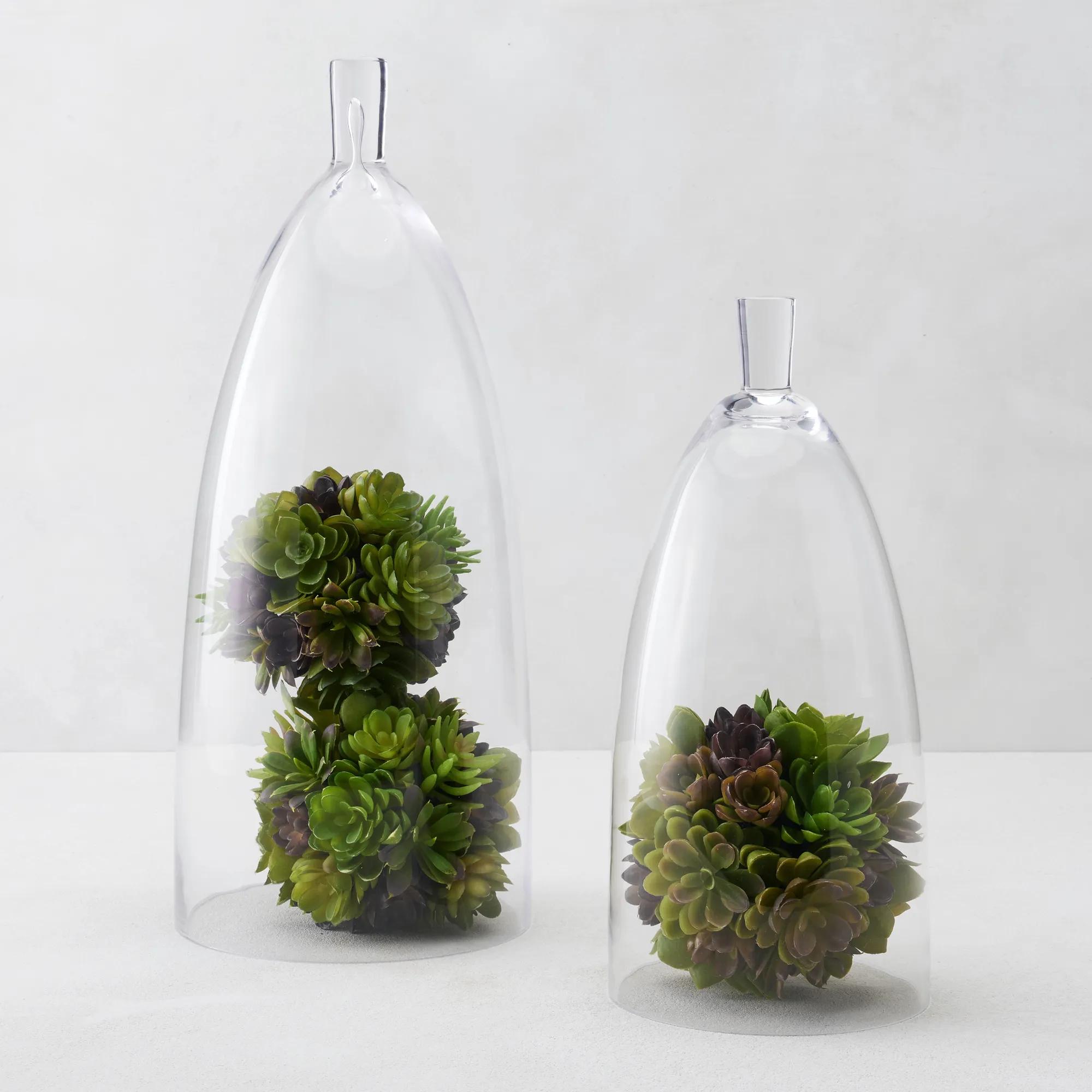 Jules Glass Decorative Cloches$59
A mouthblown glass terrarium perfect for showcasing cherished objects as unique decorative art.
Add To Cart -
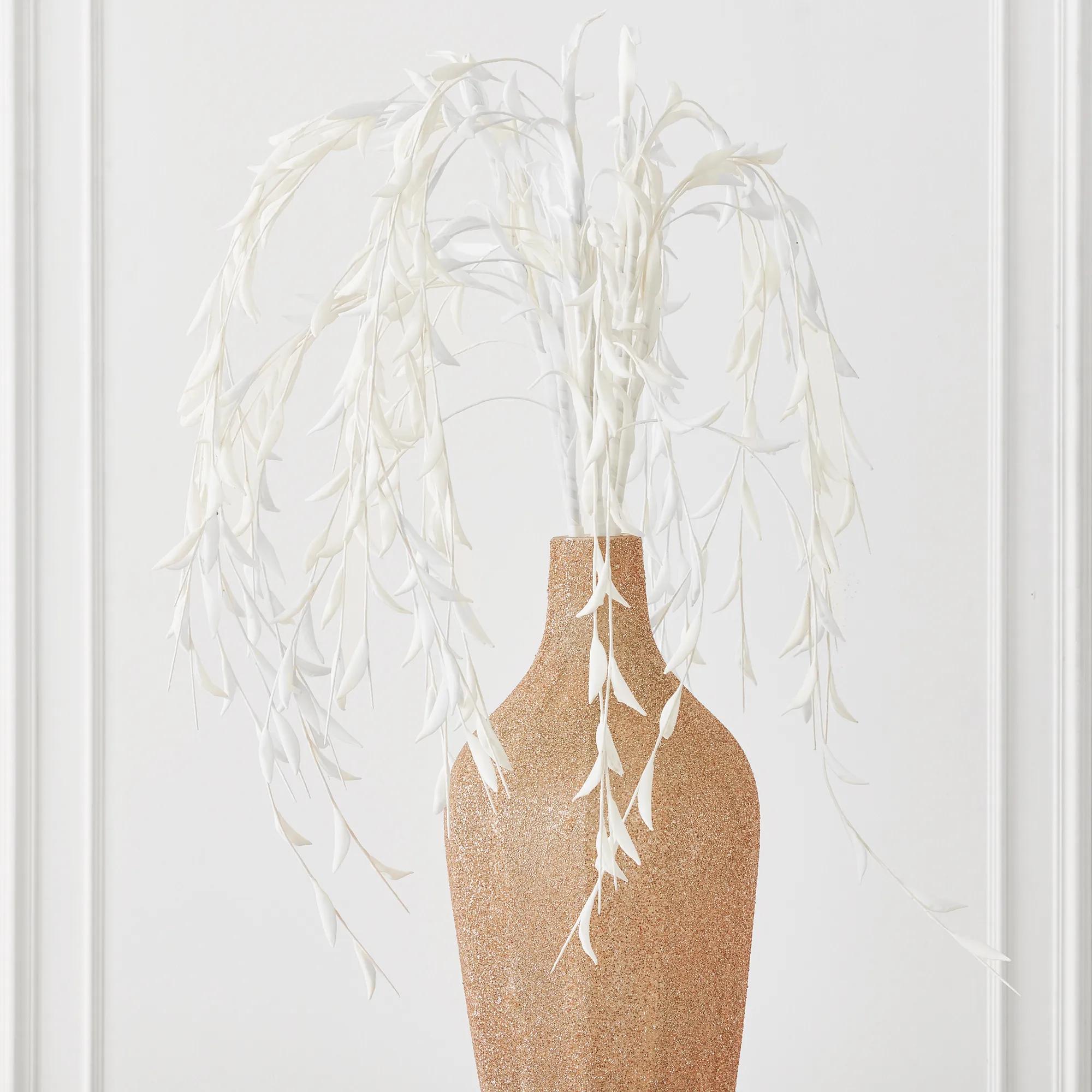 Faux Weeping Willow Spray Set of 3$59
A set of three faux weeping willows with delicate white foam branches for enchanting decor.
Add To Cart -
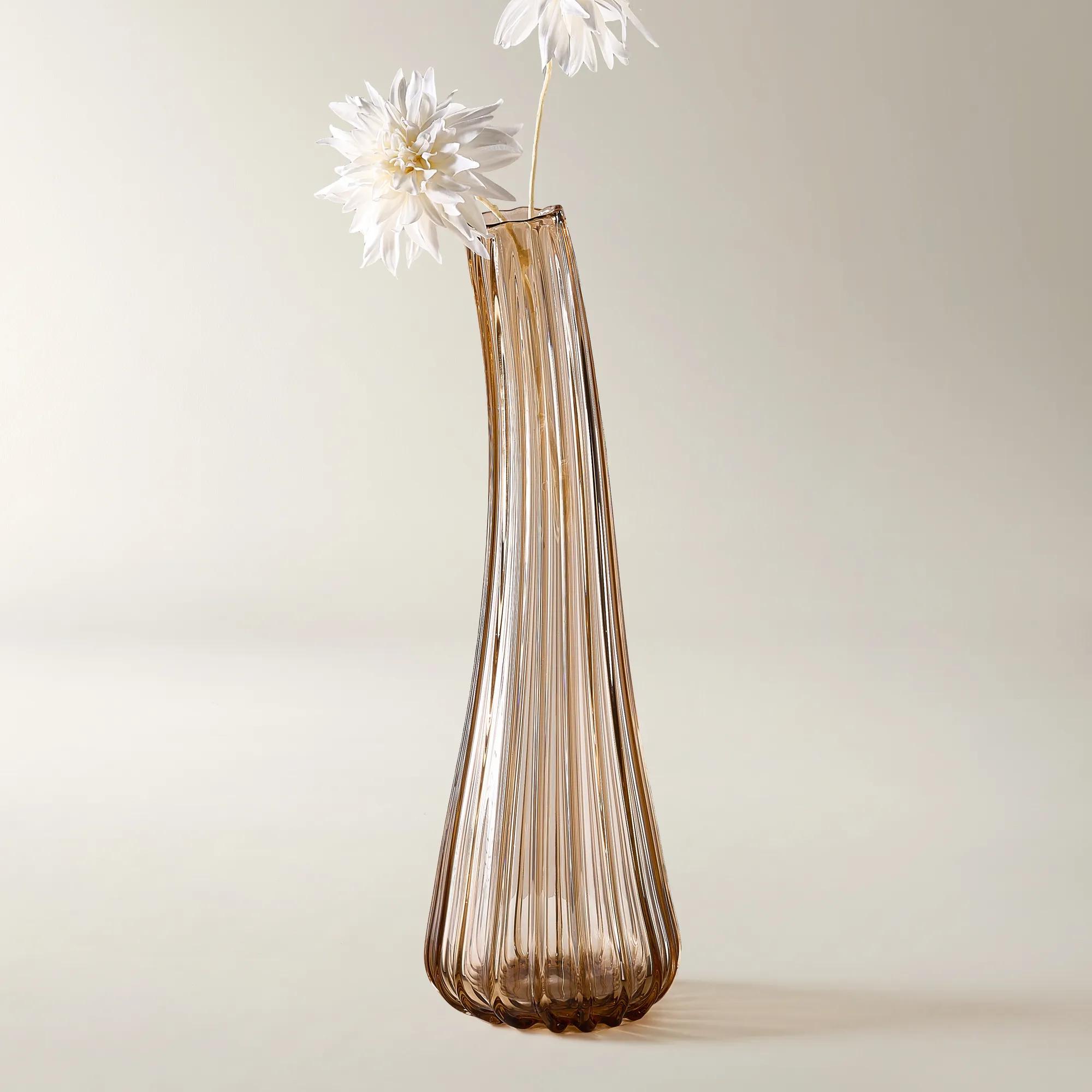
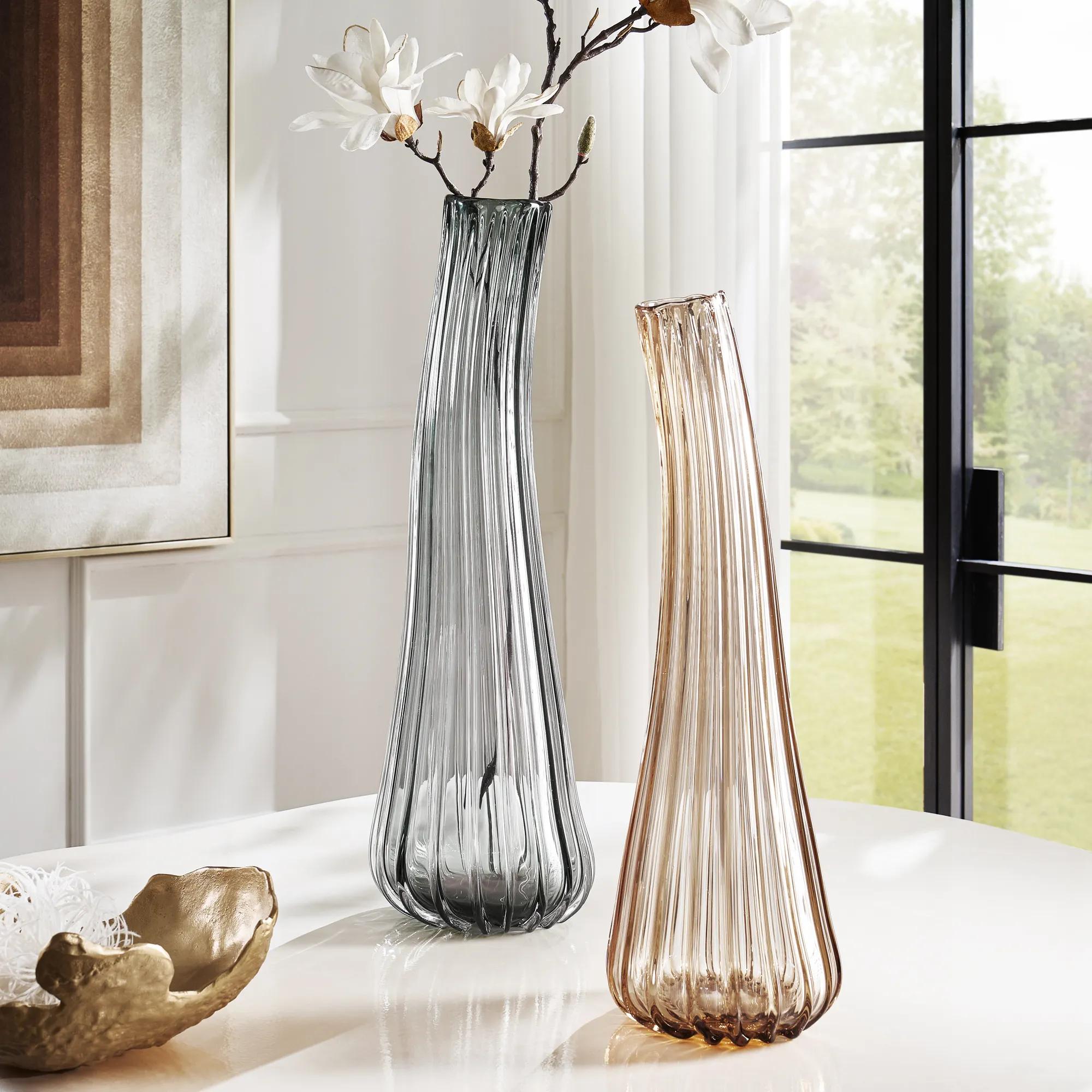 Tango Mouth Blown Soft Amber Vase 24.75"$179
A handblown glass vase in a soft amber finish with a textured, sculptural centerpiece design.
Add To Cart -
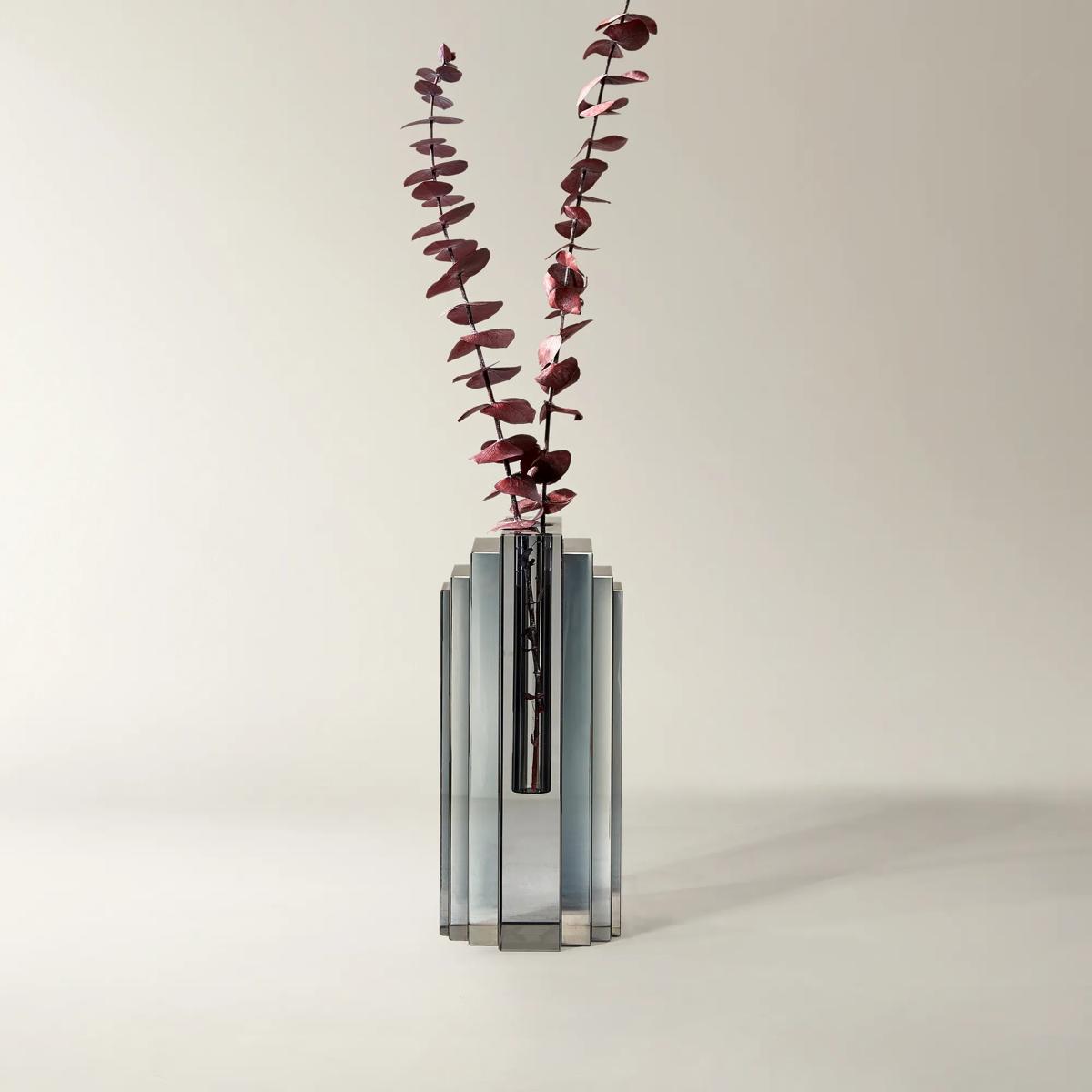 Lucca Crystal Vase - Mirrored Graphite$109
A mirrored graphite crystal vase with a multifaceted geometric design that reflects light for sculptural brilliance.
Add To Cart -

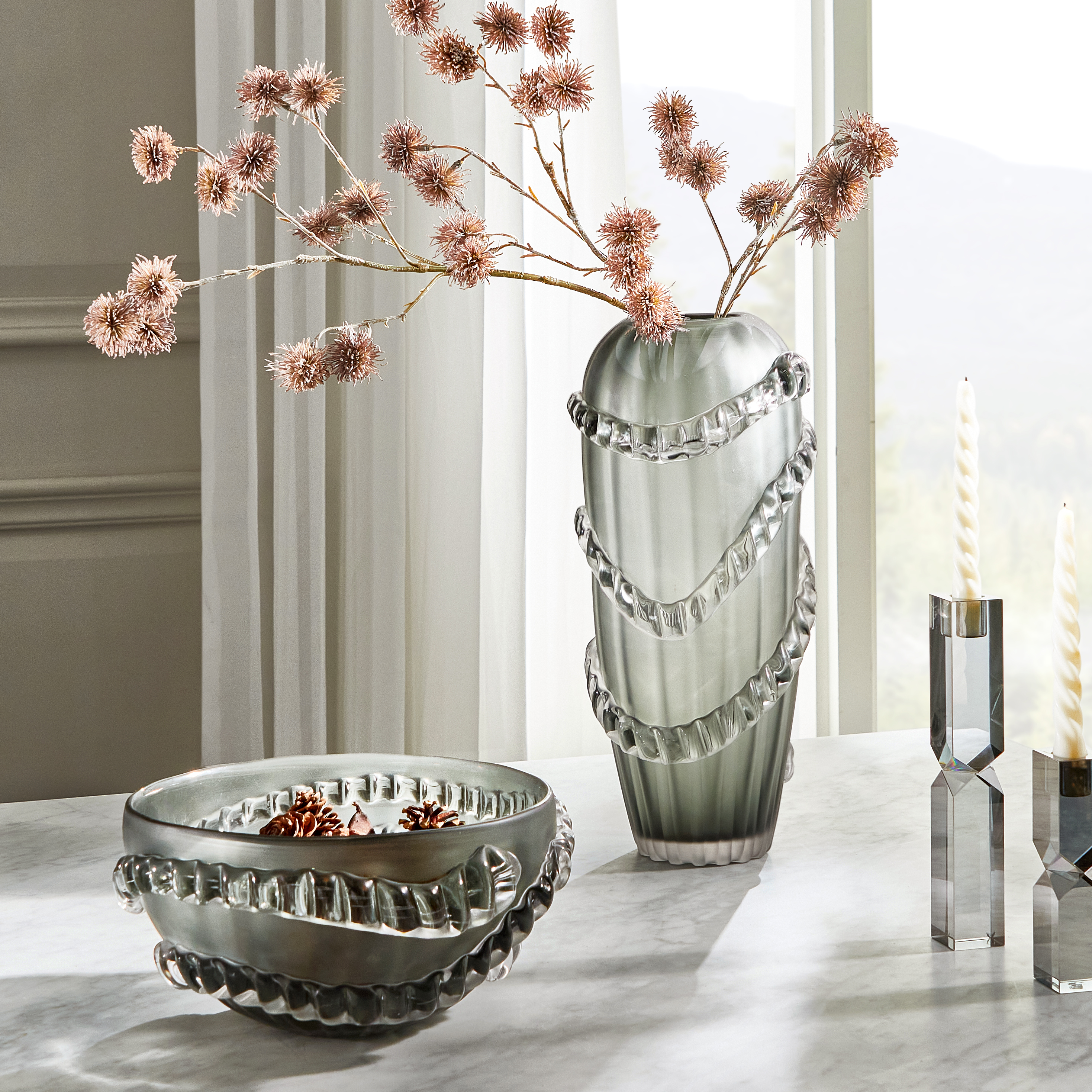 Helix Glass Collection$129
A hand-blown dark gray glass piece featuring fluted bodies and rippling sculptural ribbons for modern elegance.
Add To Cart -
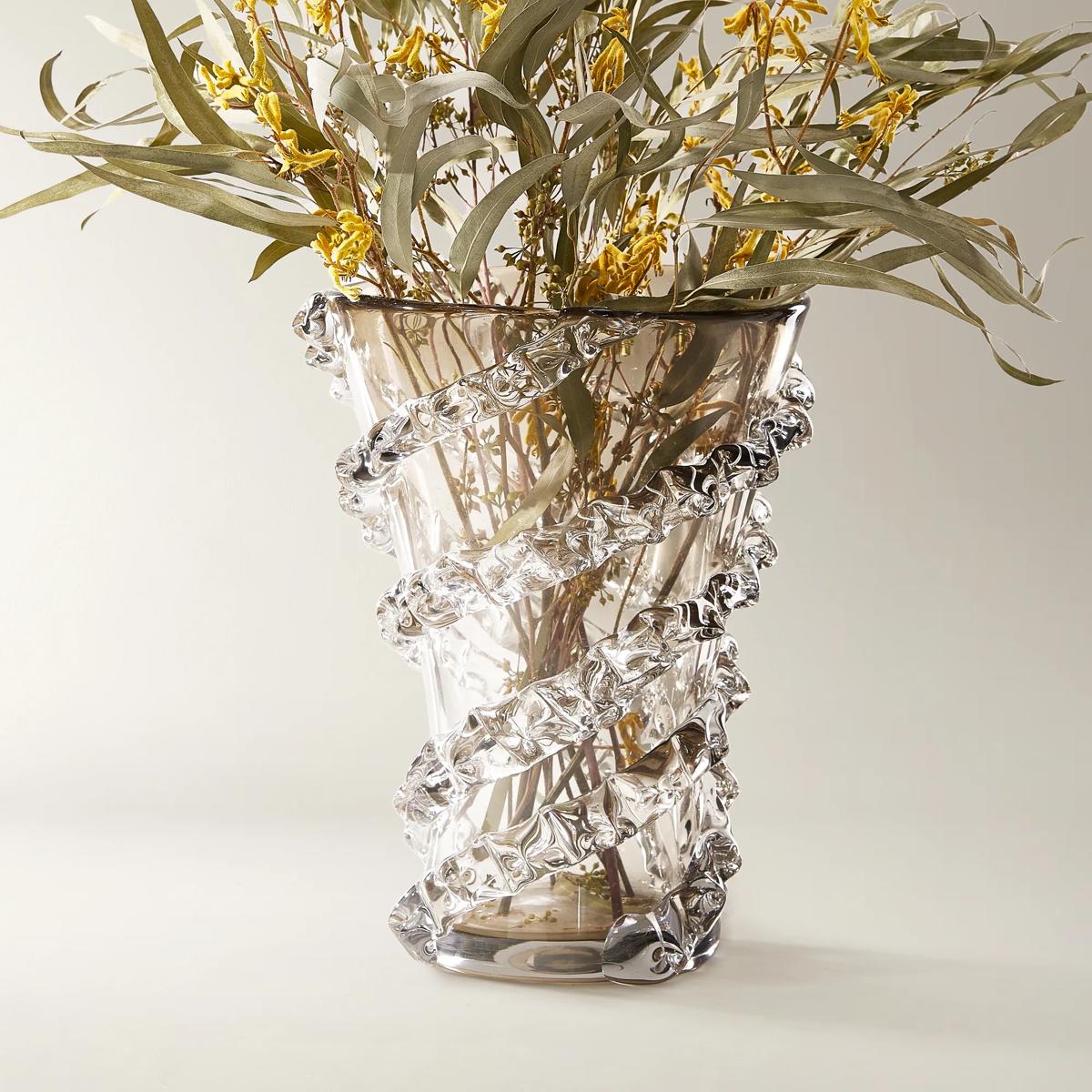
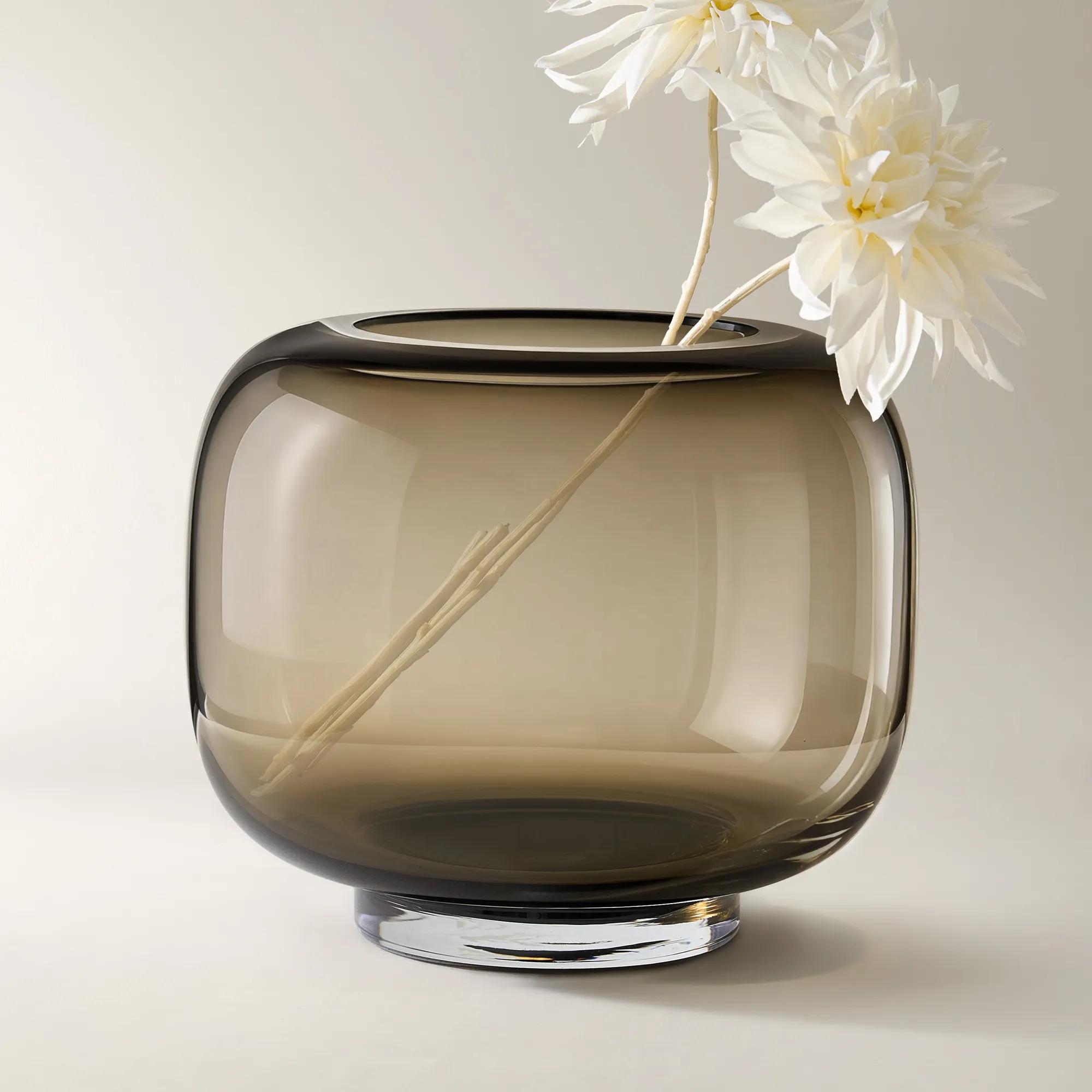
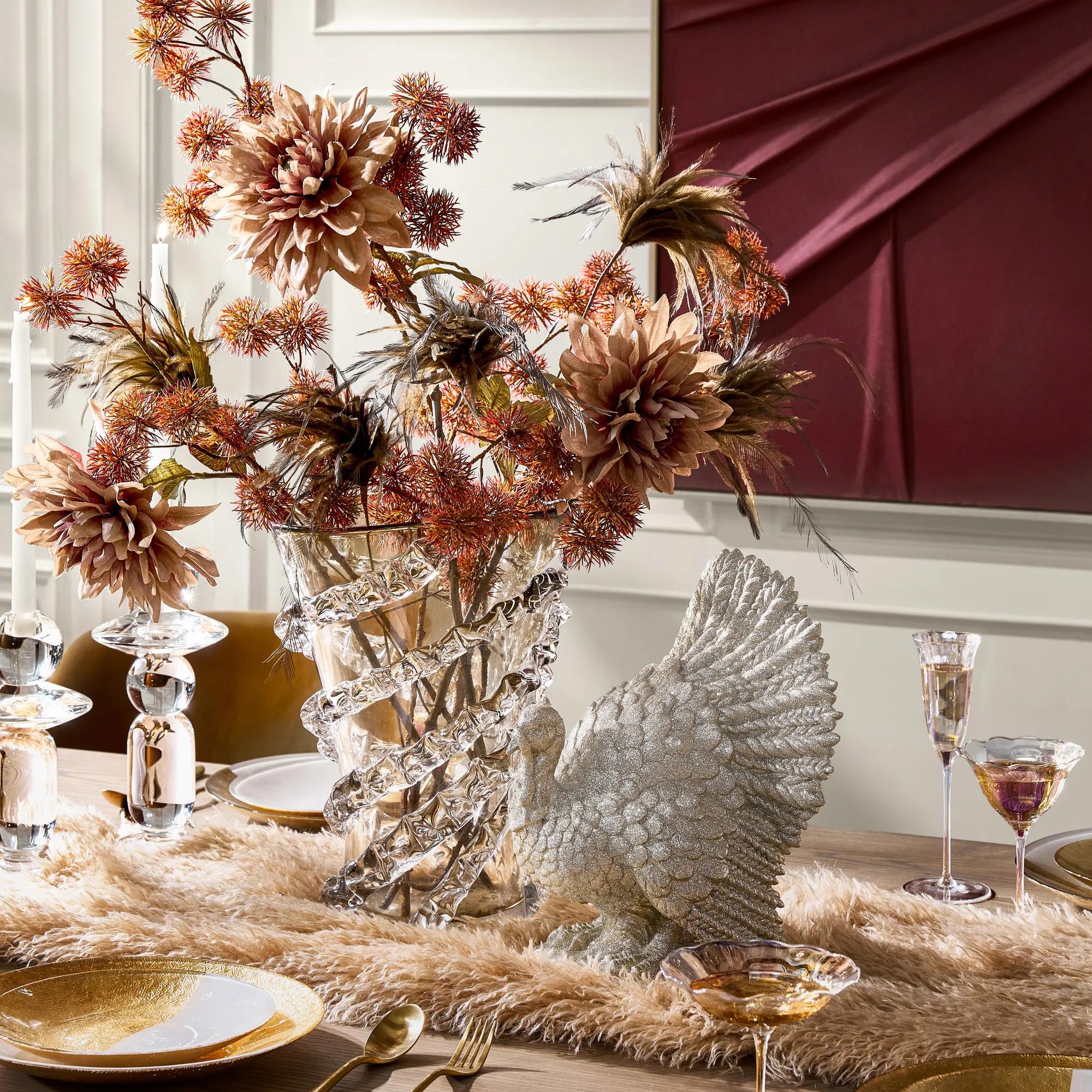 Reyna Glass Vase$299
A hand-blown glass vase featuring a sculptural swirl design and a smoky grey-brown finish.
Add To Cart -
 Trio Twist Soft Gold Aluminum Tapper Holders Set of 3$129
A set of three aluminum taper holders in soft gold with sculptural twisted silhouettes for modern elegance.
Add To Cart -
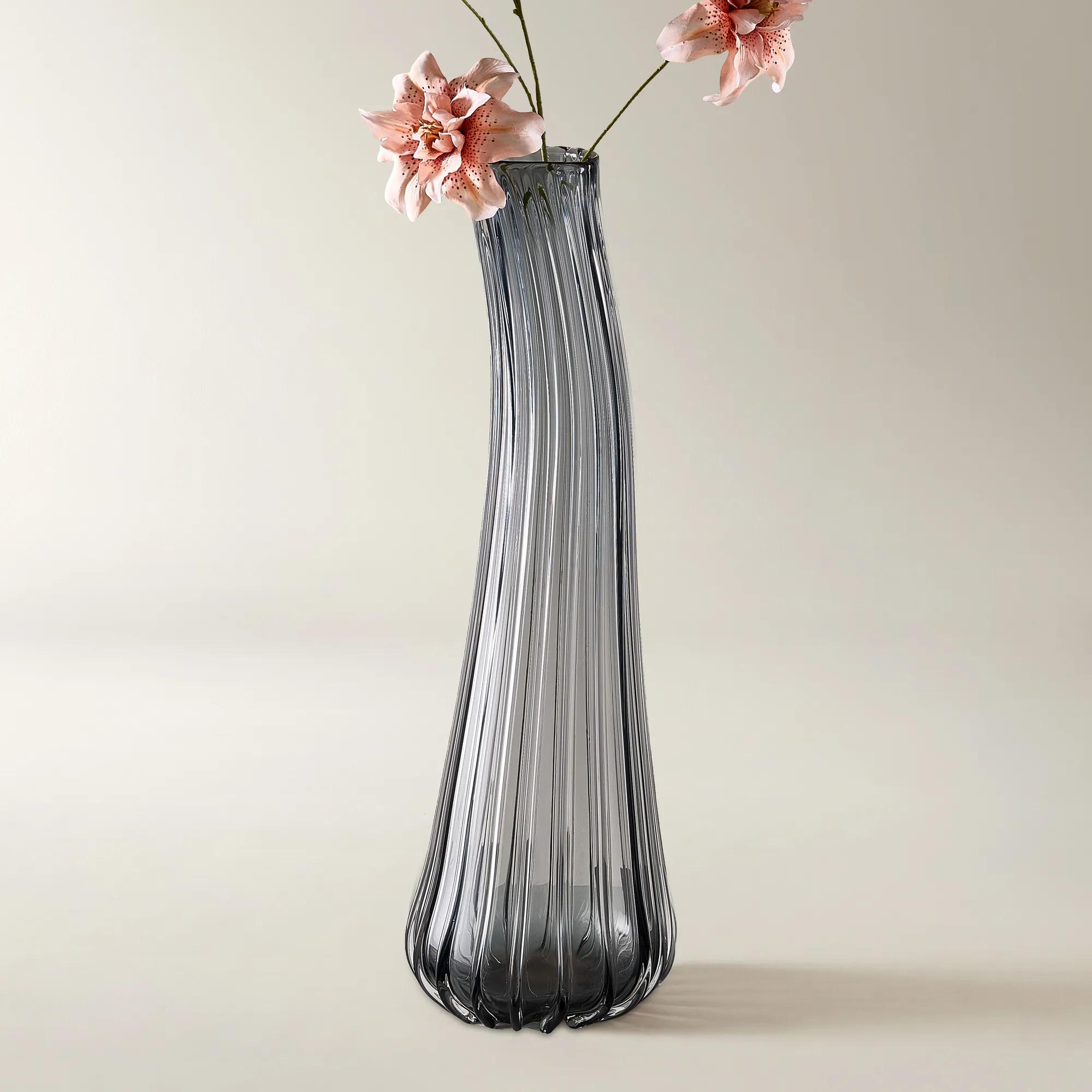 Tango Mouth Blown Smoked Pearl Vase 29"$199
A handblown glass vase in a smoked pearl finish with a textured surface for sculptural elegance.
Add To Cart -
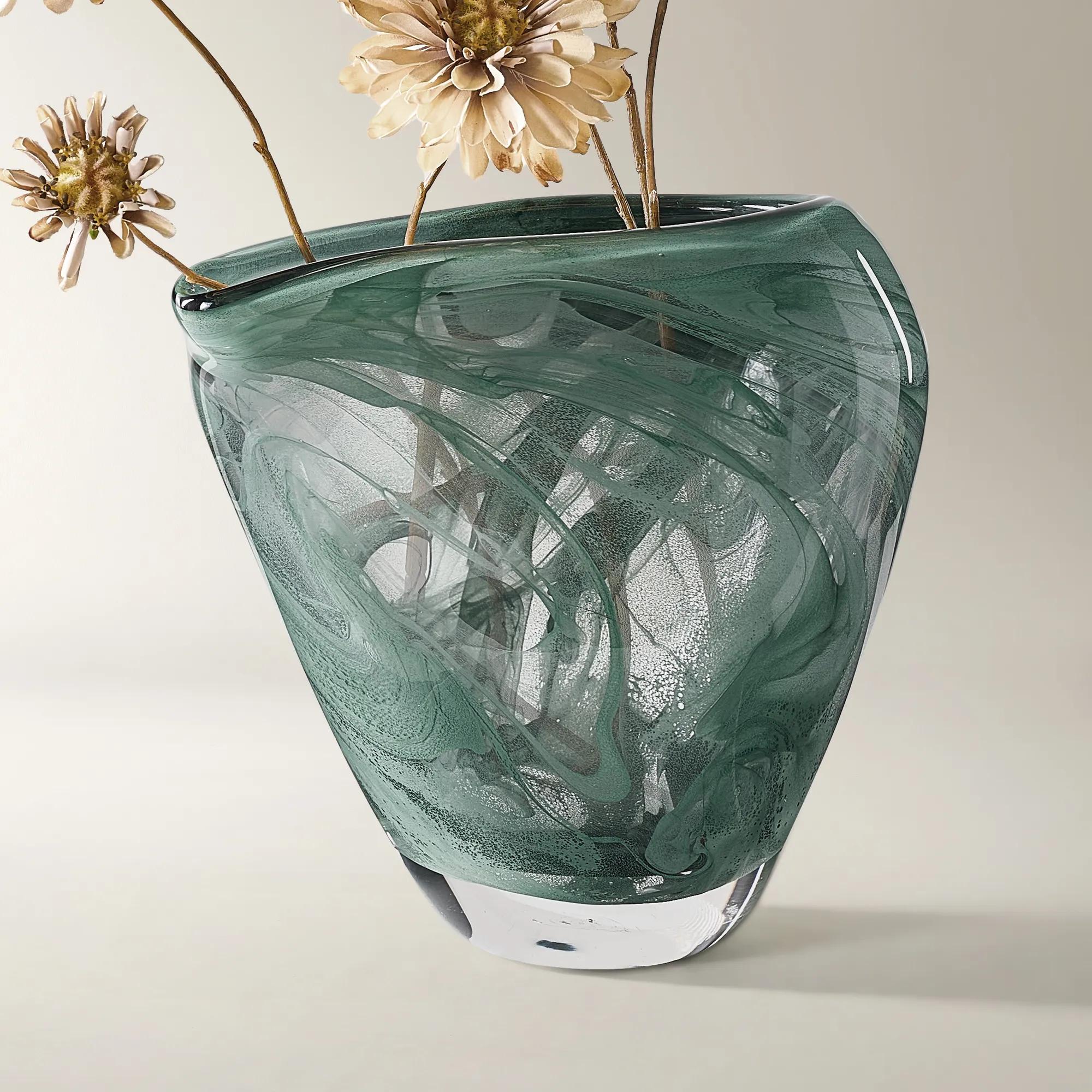 Flow Mouth Blown Sage Green Glass Vase 12.25"$199
A handblown glass vase in calming sage green with an organic, sculptural silhouette for modern decor.
Add To Cart -
 Icy Mouth Blown Clear Glass Cube Taper Holders$39
A handblown clear glass taper holder with a bold geometric silhouette and luminous, icy light play.
Add To Cart -
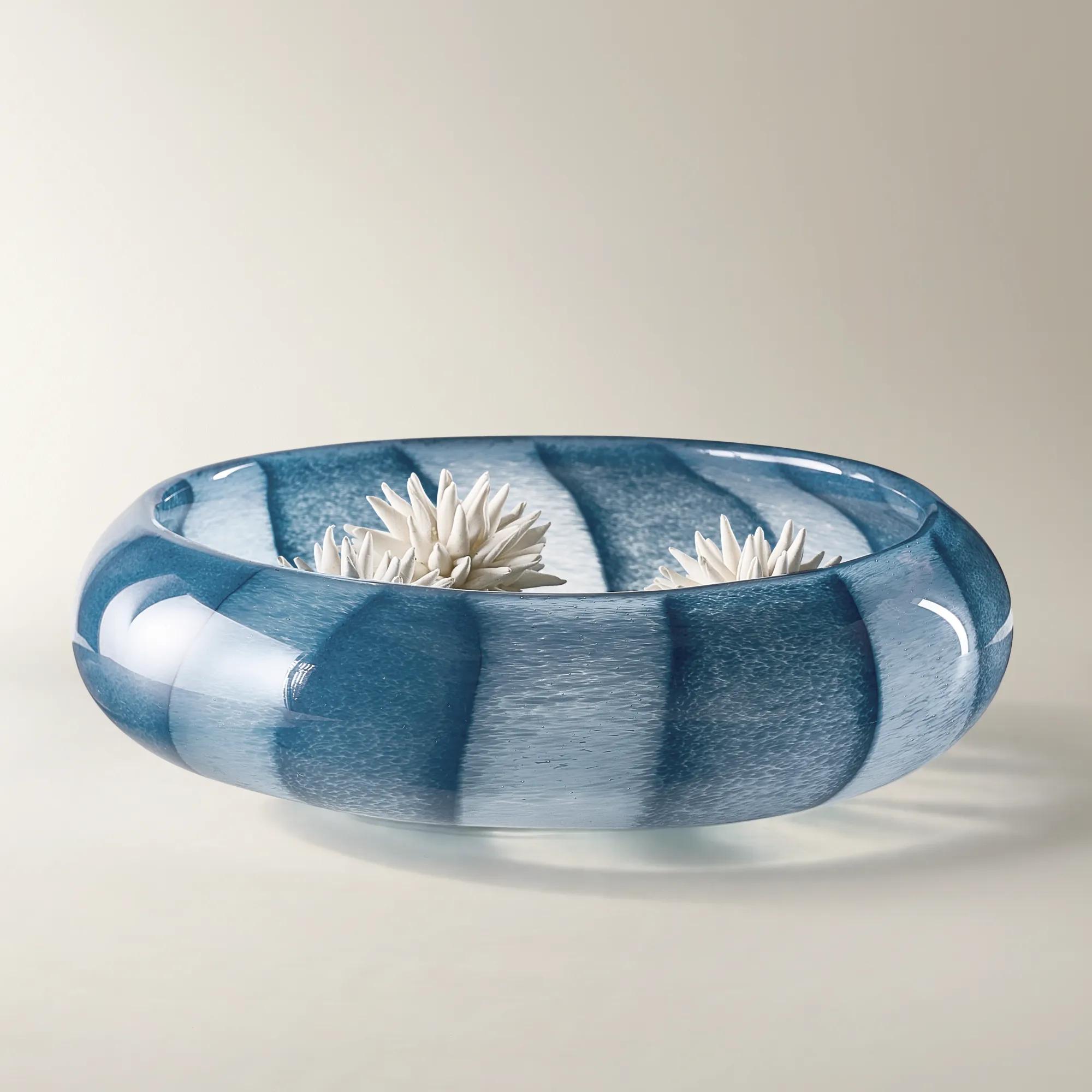 Jonah Mouth Blown Dusty Blue Glass Decorative Bowl 11.75" x 3.5"$89
A handblown glass bowl featuring dusty blue stripes and a sculptural, low rounded silhouette for decor.
Add To Cart -
 Otis Soft Gold Aluminum Hurricane Candle Holders$199
A sculptural hurricane candle holder crafted from aluminum and glass with a warm soft gold finish.
Add To Cart -
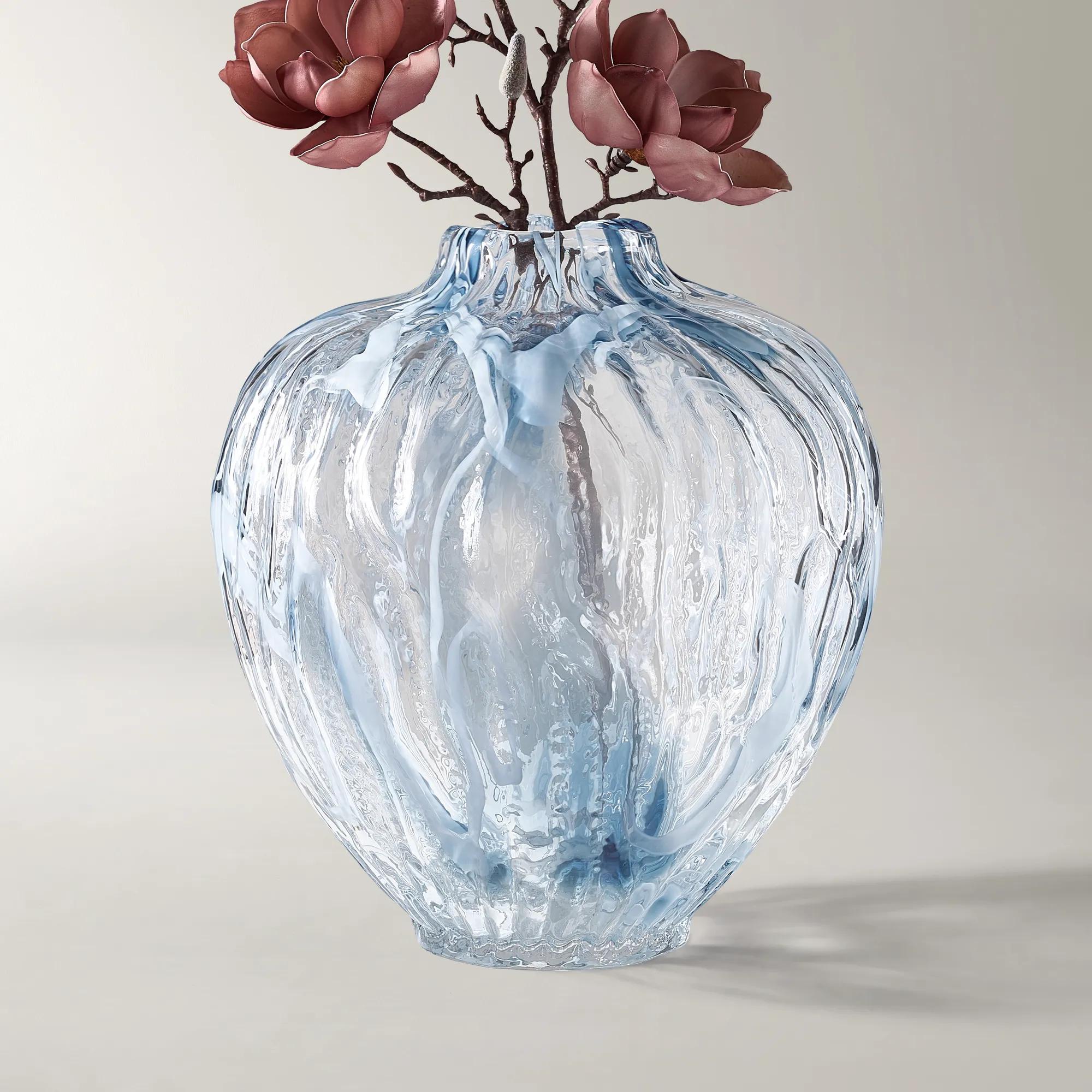 Cruz Mouth Blown Powder Blue Glass Vase 15.75"$169
A handblown glass vase in powder blue with a sculptural, light-catching surface for modern decor.
Add To Cart -

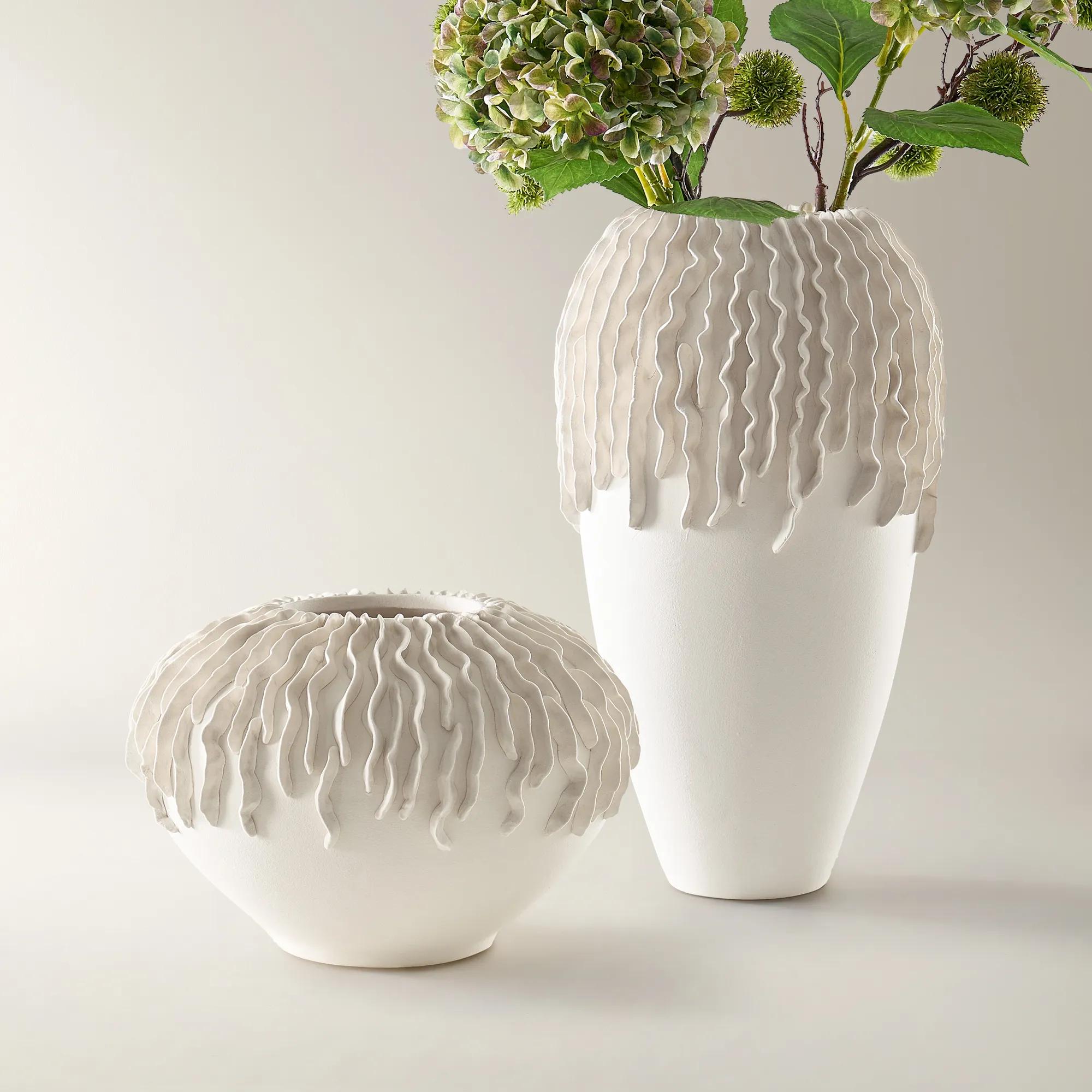
 Madre Handcrafted Ivory Porcelain Vases$129
A handcrafted ivory porcelain vase featuring cascading textured fronds and a smooth matte finish.
Add To Cart -
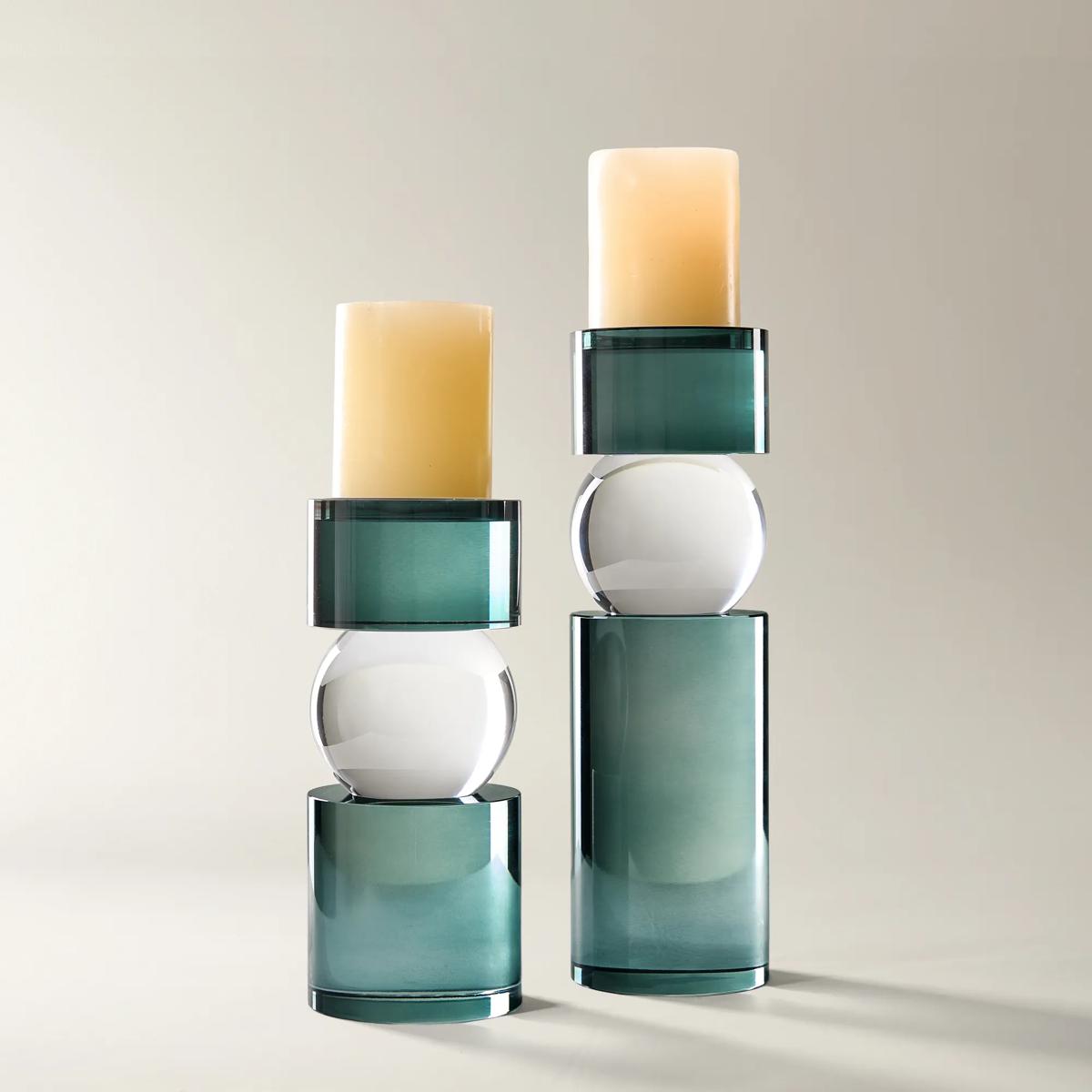 Leroy Teal Crystal Pillar Holder Large 12.5"$139
A stacked teal and clear crystal holder offering bold sculptural depth and instant ambiance to any space.
Add To Cart -
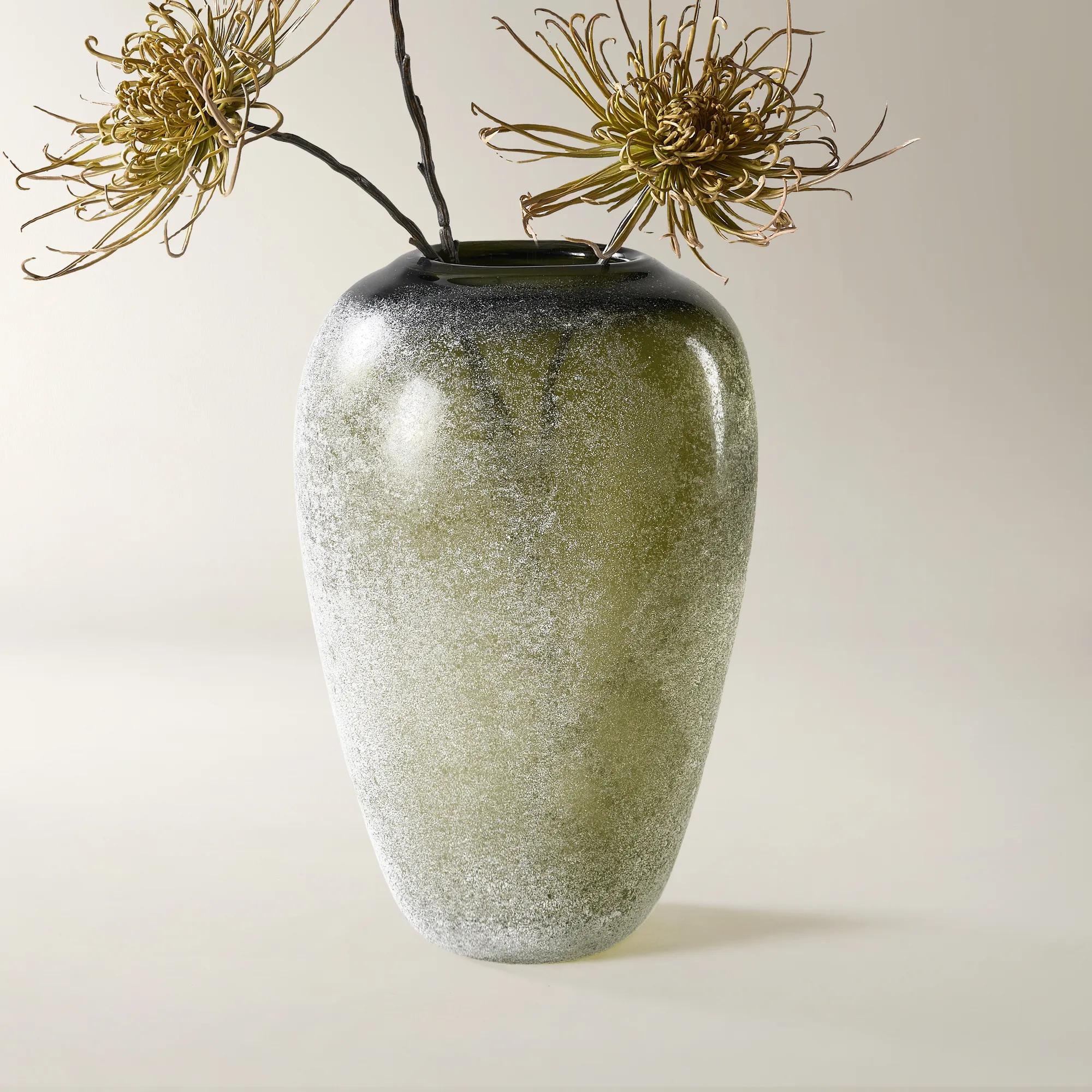 Linden Mouth Blown Pistachio Green Glass Vase 13.75"$129
A handblown glass vase in pistachio green adds a fresh, artful accent to any space.
Add To Cart -
Leroy Teal Crystal Pillar Holder Small 9.25"$119
A stacked teal and clear crystal holder offering bold sculptural depth and instant ambiance to any space.
Add To Cart -
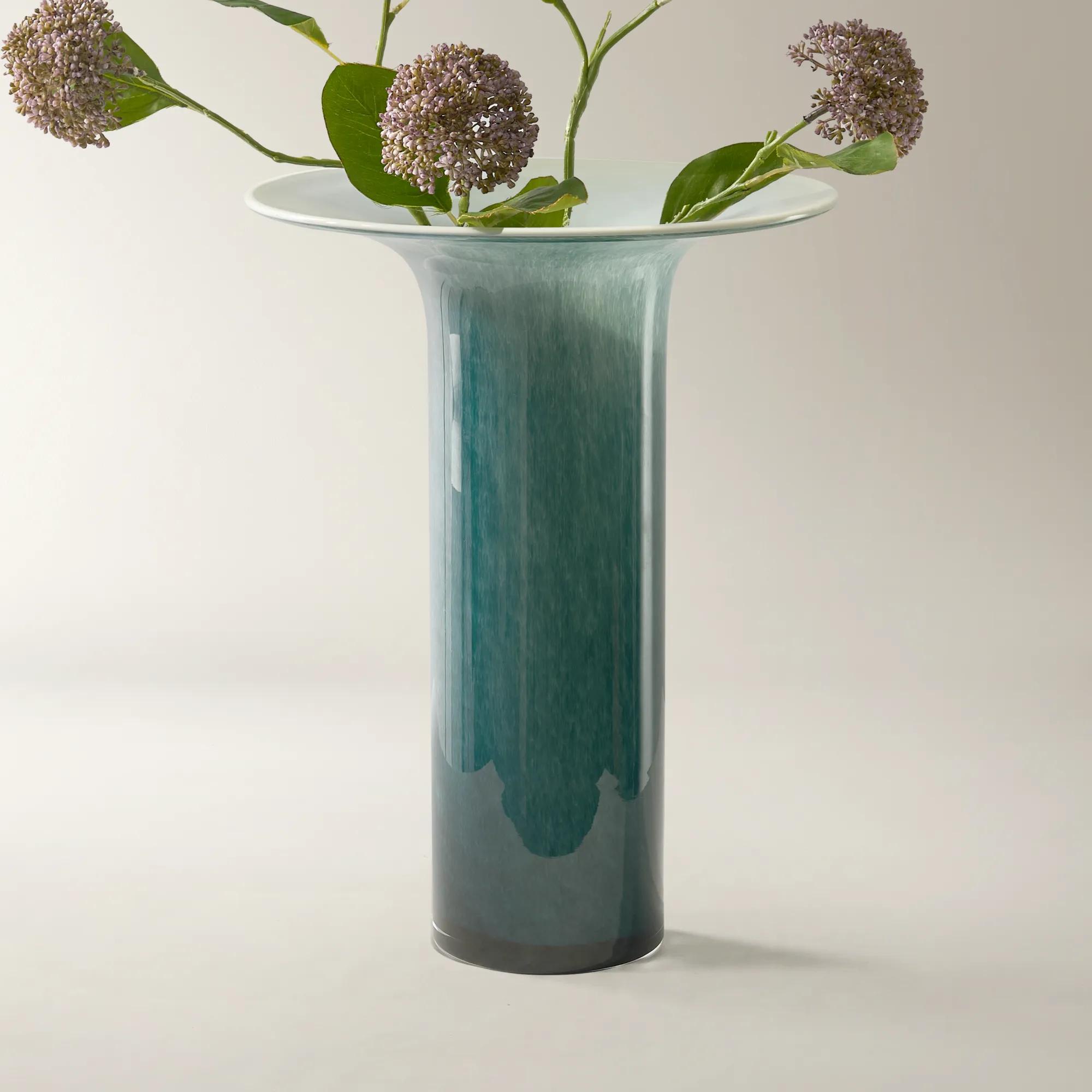 Loft Mouth Blown Deep Teal Glass Vase 15.75"$129
A handblown glass vase in deep teal with a sculptural column silhouette for bold, artful impact.
Add To Cart -
 Bennet Mouth Blown Burgundy Glass Vase 19.5"$99
A handblown glass vase in rich burgundy with a sculptural Deco-inspired column silhouette.
Add To Cart -
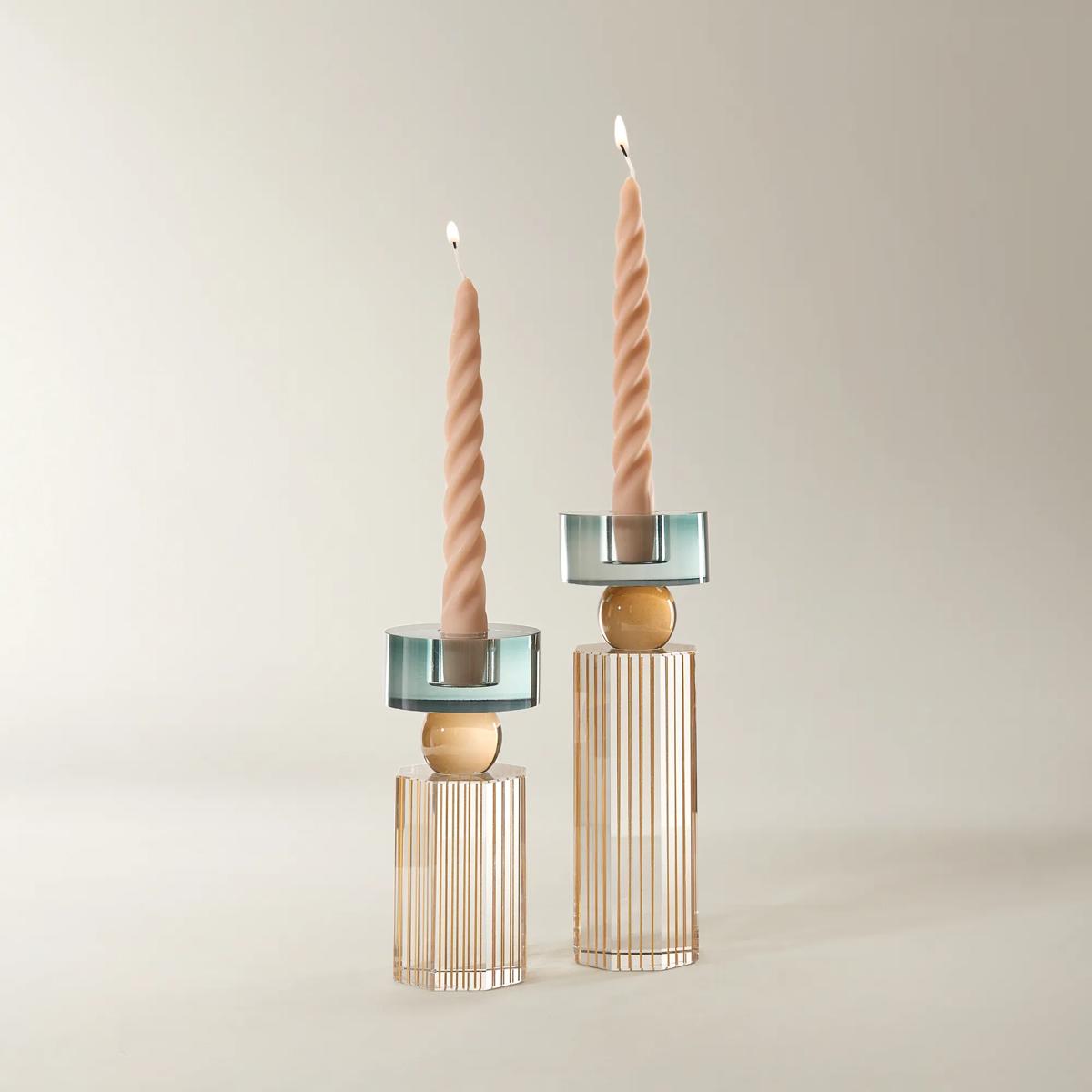
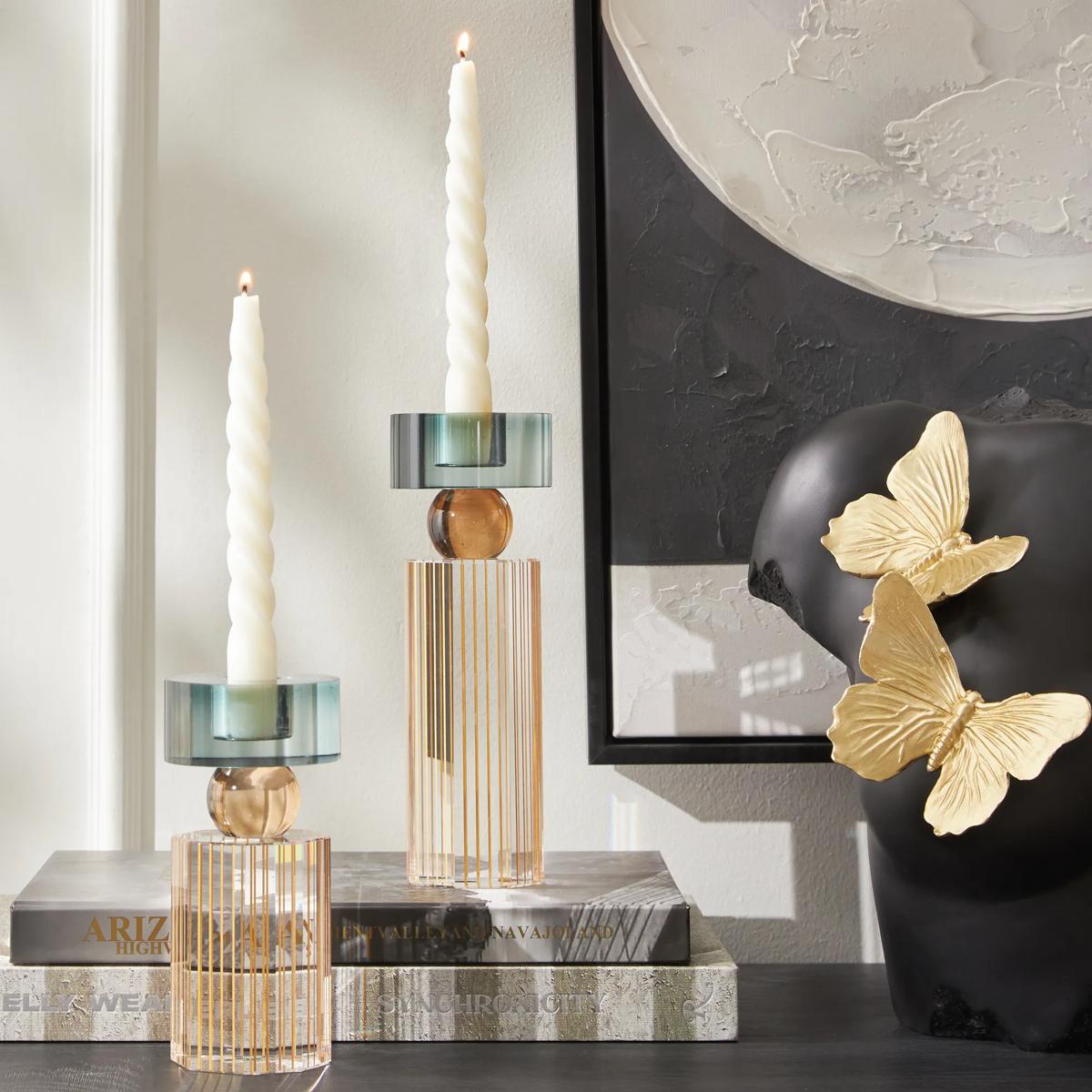 Cora Teal And Gold Crystal Glass Taper Holders$69
A modern crystal taper holder featuring clear, teal, and gold accents with clean, architectural lines.
Add To Cart

Wedding Centerpiece Ideas
Explore wedding centerpiece ideas to create a striking focal point for your reception tables. Browse decorative accents with your wedding palette and venue in mind, balancing visual drama with thoughtful proportions. Leave room for place settings and choose a centerpiece height that keeps sightlines open, so the table feels expressive and conversation flows naturally.
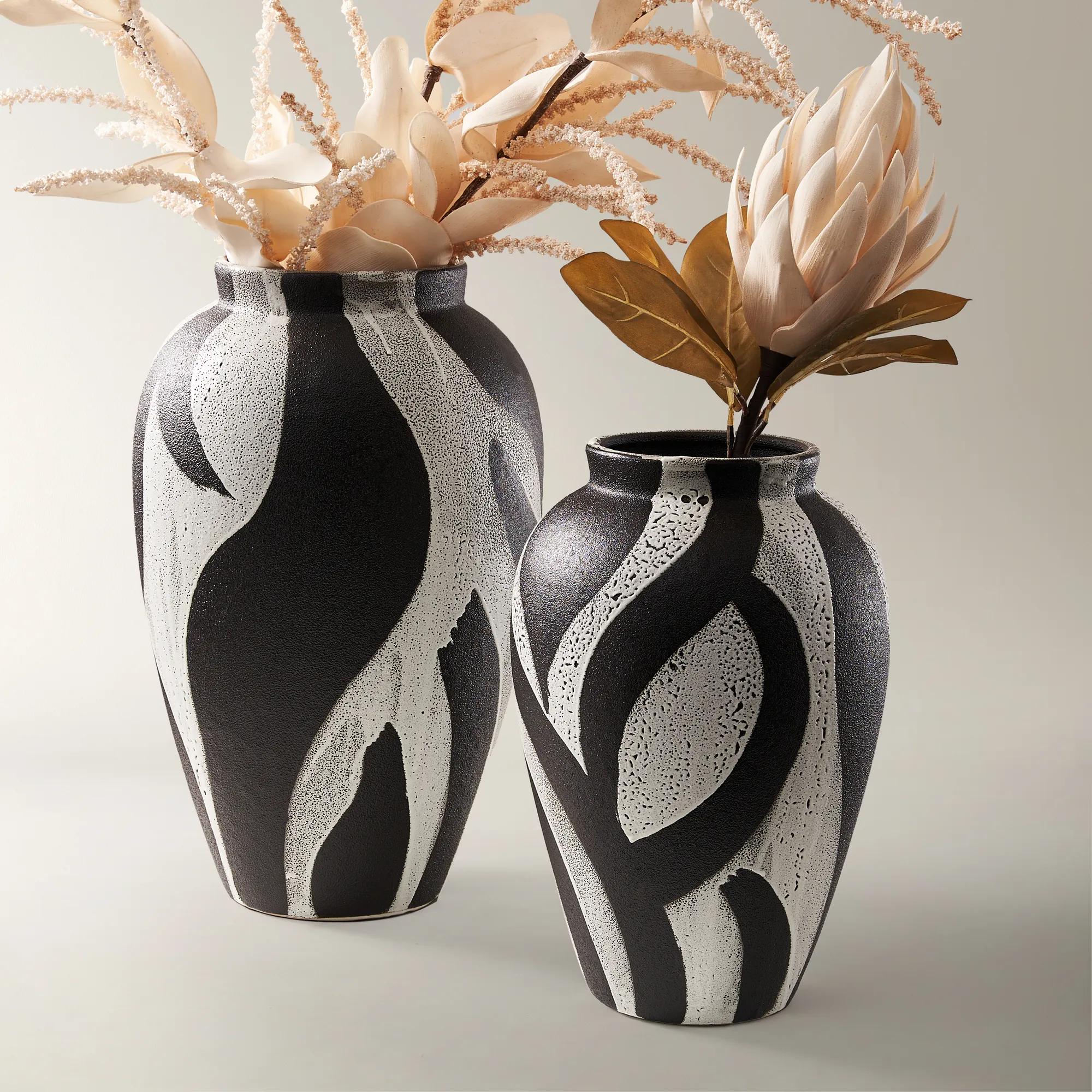
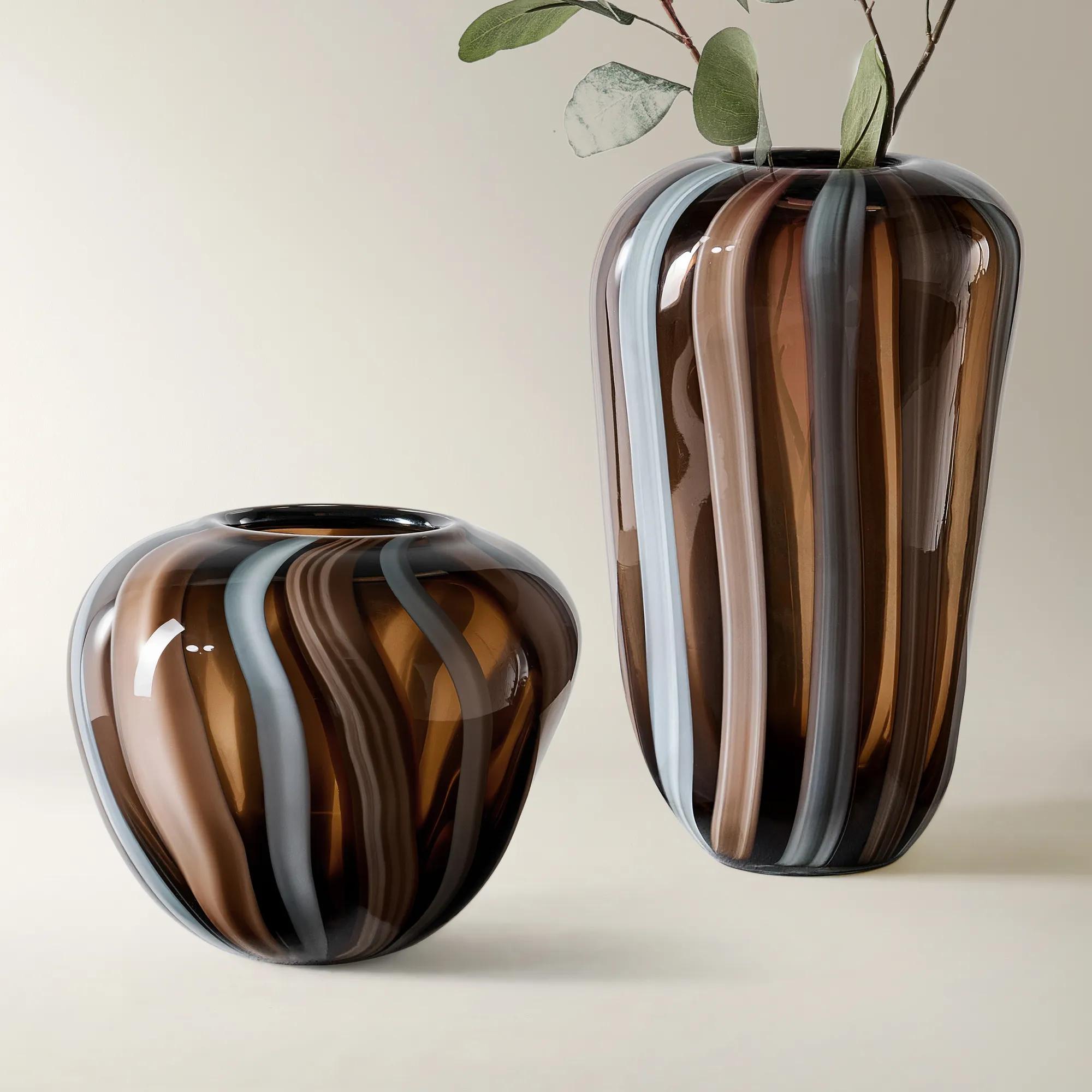
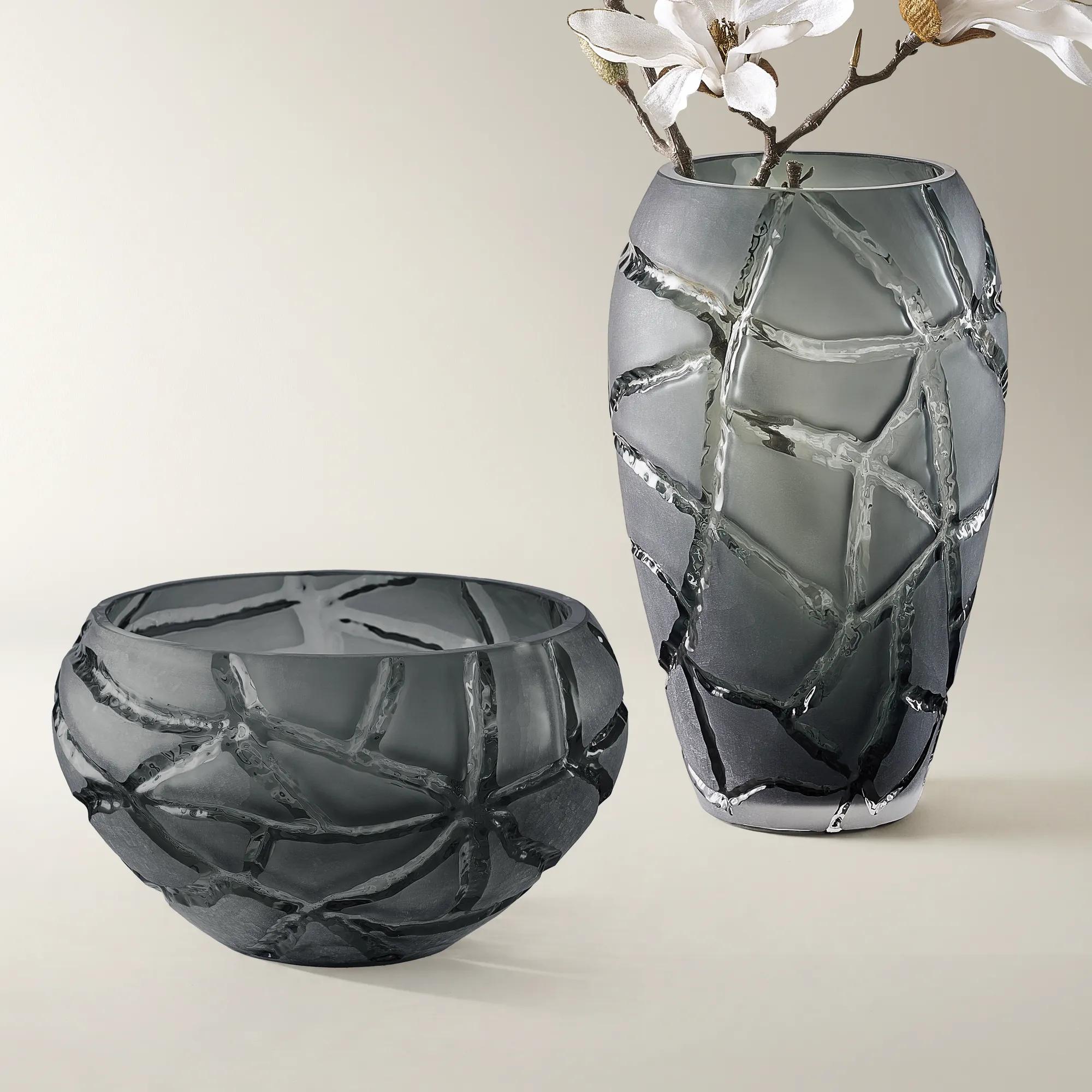
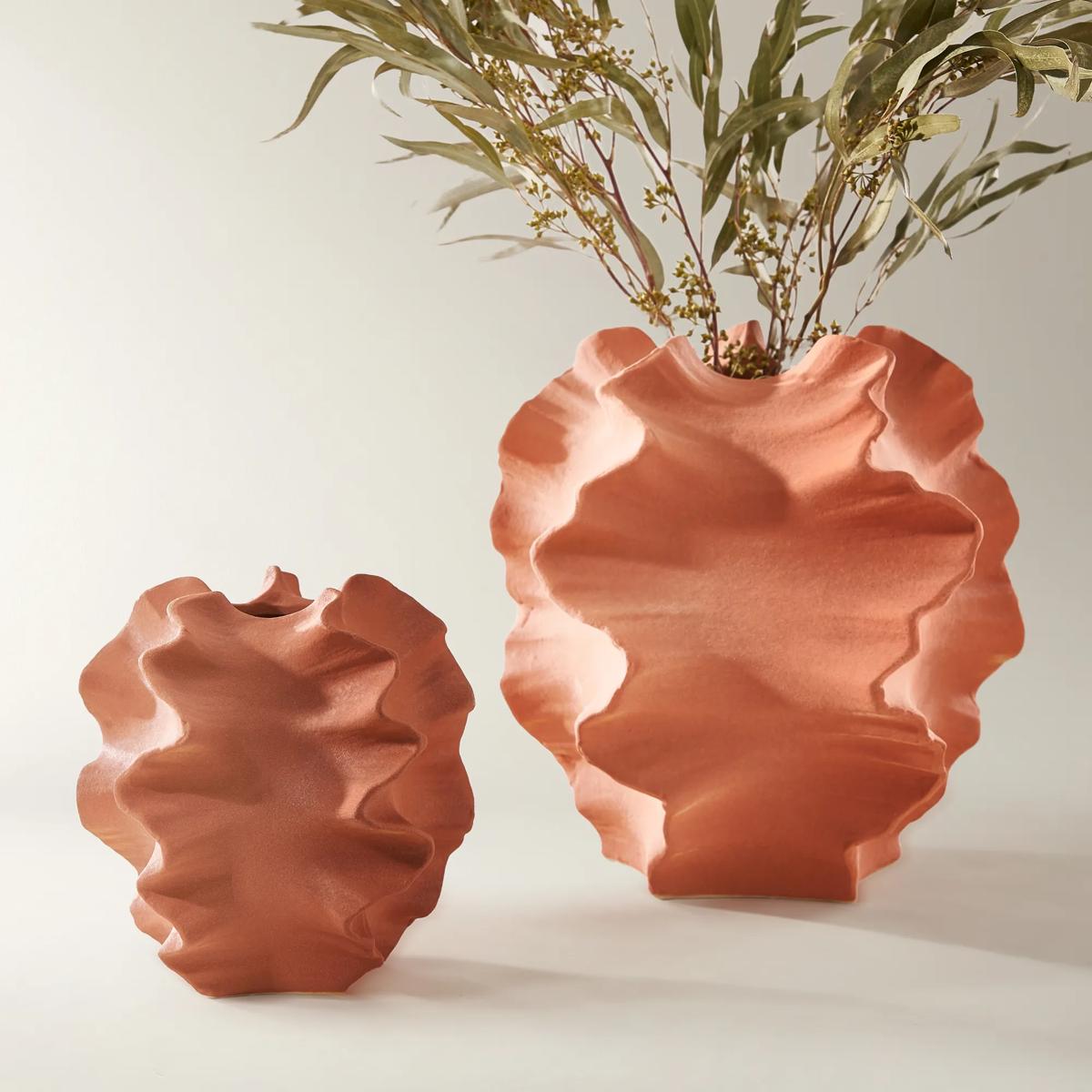
Wedding centerpiece ideas take shape through flowers, candlelight, and decorative accents that give each table its own sense of occasion. Glass vases filled with fresh blooms, sculptural vessels styled with faux stems, and candleholders gathered around a decorative bowl offer distinct expressions of romance, from luminous and airy to richly layered. The most compelling combinations reflect the couple’s style while complementing the setting: clear glass feels weightless against embroidered linens, metallic finishes introduce a gleaming counterpoint to soft petals, and ceramic vessels bring depth through silhouette and texture. A palette of ivory, champagne, and gold can create a radiant composition without competing with the place settings, while smoky glass and deep jewel tones lend a more dramatic presence. Floral centerpieces invite movement and softness; candle-centered arrangements place the emphasis on light; and sculptural accents create an artistic focal point with or without flowers. Each approach has a different relationship to the room. A grand reception space may welcome expressive height and generous arrangements, while an intimate dining room often benefits from lower compositions with exquisite surface detail. Shape matters as much as color. Rounded vessels echo circular tables and lush bouquets, whereas elongated bowls and repeated small vases create a graceful rhythm along banquet tables. Matching every element is not essential to a cohesive celebration. Repeating a finish, a flower color, or a curved profile can connect varied arrangements while leaving room for individuality. Explore Centerpieces for Weddings for decorative inspiration that treats the reception table as part of a larger visual story. These accents can establish the mood at a welcome table, frame a guest book, or carry the reception’s signature details onto a cake display. For couples who favor expressive interiors, wedding table decor becomes an opportunity to bring that same confidence to a celebration, with thoughtful layers that look beautiful from across the room and reward a closer glance.
Materials influence both the atmosphere of a centerpiece and how comfortably it functions throughout the event. Clear glass reveals stems and water for a fresh, transparent effect, making the arrangement inside part of the design. Colored or opaque vessels conceal floral mechanics and create a more concentrated statement of color. Ceramic offers substantial visual presence, whether its surface is softly textured or finished with a reflective glaze; metal introduces polished brilliance or a more muted luster, depending on the finish. Decorative vessels are not automatically watertight, so fresh-flower arrangements require a container confirmed for water use or an appropriate protective liner. Faux florals offer another direction, particularly when arrangements need to be prepared in advance or used across several wedding events. Their success depends on proportion and detail: varied stem heights, convincing leaf shapes, and a vessel that gives the arrangement enough visual weight. On the table itself, scale should account for conversation, serving pieces, and the full place setting rather than the centerpiece alone. A low bowl surrounded by small candleholders can feel generous without interrupting eye contact, while an elevated floral arrangement needs a stable base and enough clearance beneath its fullest section for guests to see one another. Long tables often accommodate a sequence of smaller groupings more gracefully than one oversized focal point. Leaving space between those groupings gives menus, glassware, and shared dishes room to belong. Candleholders also deserve practical attention beneath their romantic appeal. Their openings and bases should suit the intended candle size, and any open flame must follow venue requirements and remain safely separated from flowers, fabric, and other decorative materials. Flameless candles can provide a luminous alternative where open flames are restricted. The effect is most assured when every element has room to breathe, allowing the glint of glass, the curve of a vessel, and the softness of petals to remain distinct rather than disappear into a crowded arrangement.
Wedding centerpiece decor also benefits from consideration beyond the reception itself. Couples selecting pieces for an engagement dinner, rehearsal gathering, ceremony entrance, or reception may value accents that can move between settings without losing their impact. A sculptural vase can anchor a welcome display before becoming a dining-table focal point at home; a grouping of candleholders can lend intimacy to the wedding celebration and later illuminate an anniversary dinner. For a gift, decorative vessels and candleholders can feel especially personal when their finish and scale reflect the recipients’ home rather than only the wedding palette. A couple drawn to expressive rooms may appreciate bold contours and gleaming surfaces, while those who favor quieter arrangements may prefer an elegant silhouette that lets flowers supply the drama. Lasting usefulness depends on care as well as appearance. Glass needs protection from chips and sudden temperature changes, and delicate rims require careful handling during arranging, transport, and cleaning. Glazed ceramics can still be vulnerable at exposed edges, while metallic and plated finishes may scratch or discolor when treated with abrasive cleaners. Material-specific care instructions should guide cleaning; a soft cloth is often appropriate for surface dust, but soaking, chemical cleaners, and dishwasher use should never be assumed suitable. Candle wax should be removed only by methods recommended for the holder’s material and finish. Faux stems benefit from gentle dust removal and storage that preserves their shape, and pieces with applied embellishments need particular care when packed. For transporting arrangements, dividers and cushioning help keep hard surfaces from striking one another, while removing water and loose stems can make decorative vessels easier to handle. These practical details protect the finish and presence that first made each piece compelling. Chosen with proportion, purpose, and personal taste in mind, wedding centerpieces can hold more than a beautiful arrangement: they can carry the celebration’s character into the home, where a familiar vase or luminous accent becomes part of another meaningful gathering.
FAQs
Create a captivating focal point with expressive floral arrangements, sculptural vessels, and reflective accents. A restrained color palette lets dramatic silhouettes take center stage, while a gleaming decorative detail adds dimension. For modern glamour, contrast softly gathered blooms with clean, architectural forms.
Give your tables an artistic point of view with sculptural objects, decorative bowls, or arrangements of branches and foliage. Group pieces with contrasting silhouettes, then unite them through a shared color or finish. The effect feels intentional and expressive—a celebration of form rather than flowers.
Begin with your wedding palette and the mood of your venue. Tonal neutrals create a luminous, romantic atmosphere, while saturated jewel tones bring richness and drama. Repeat one accent color in your centerpieces, linens, and stationery to give the reception a beautifully composed rhythm.
Translate the season through color and texture rather than literal motifs. Consider airy blossoms and fresh greens for spring, vivid florals for summer, layered foliage and warm tones for fall, or luminous whites and reflective accents for winter. Keep a signature detail consistent with your wedding’s overall aesthetic.
Treat the centerpiece as the table’s artistic anchor. Echo its colors or shapes through napkins, place cards, and dinnerware, without matching every detail. Pair an expressive arrangement with quieter supporting elements, or let patterned linens frame a sculptural centerpiece for a richly layered composition.