Centerpieces For Spring Weddings
Centerpieces For Spring Weddings
-
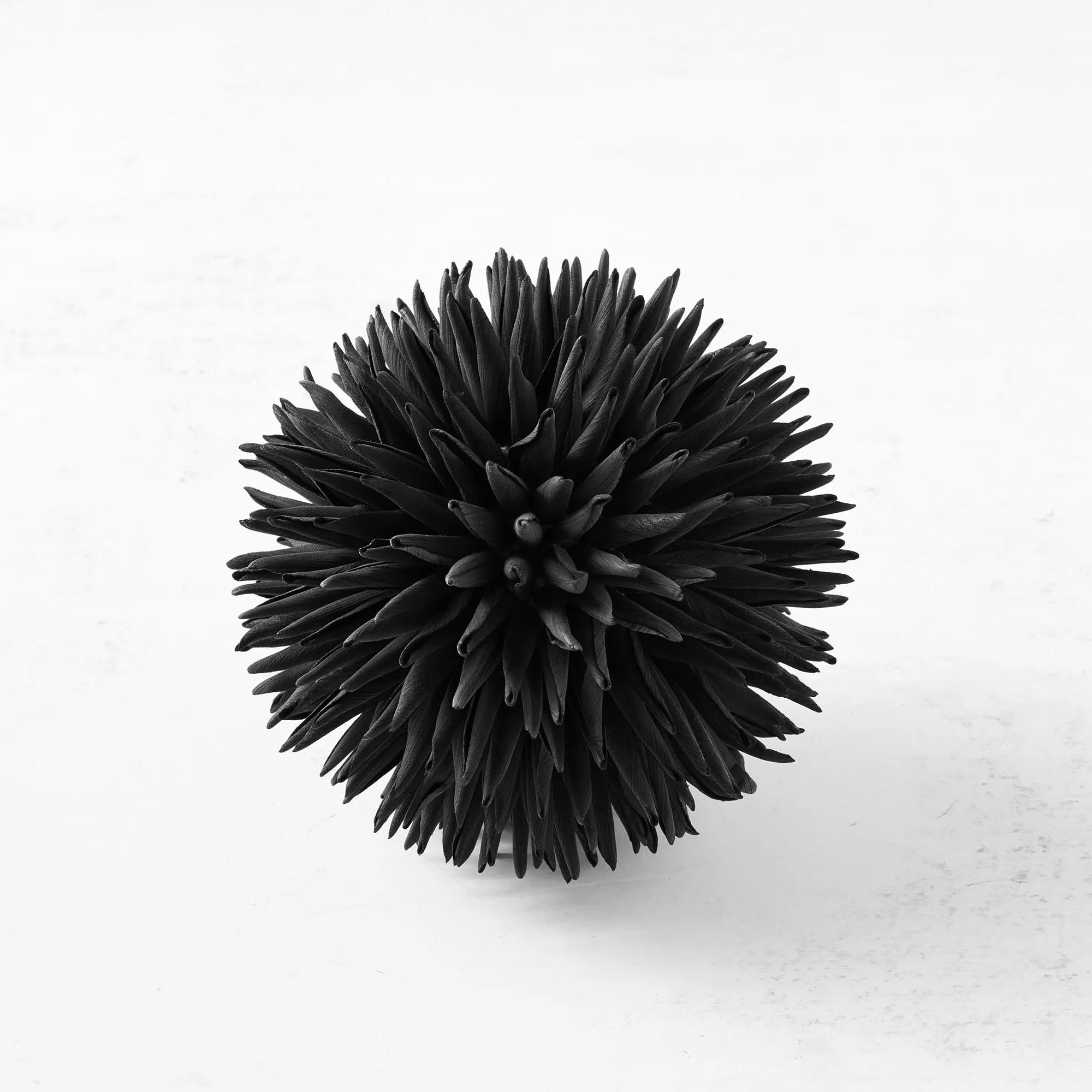 Faux Black Allium Sphere 7" Set of 3$59
A set of three lifelike black faux allium spheres crafted from foam for effortless, year-round decor.
Add To Cart -
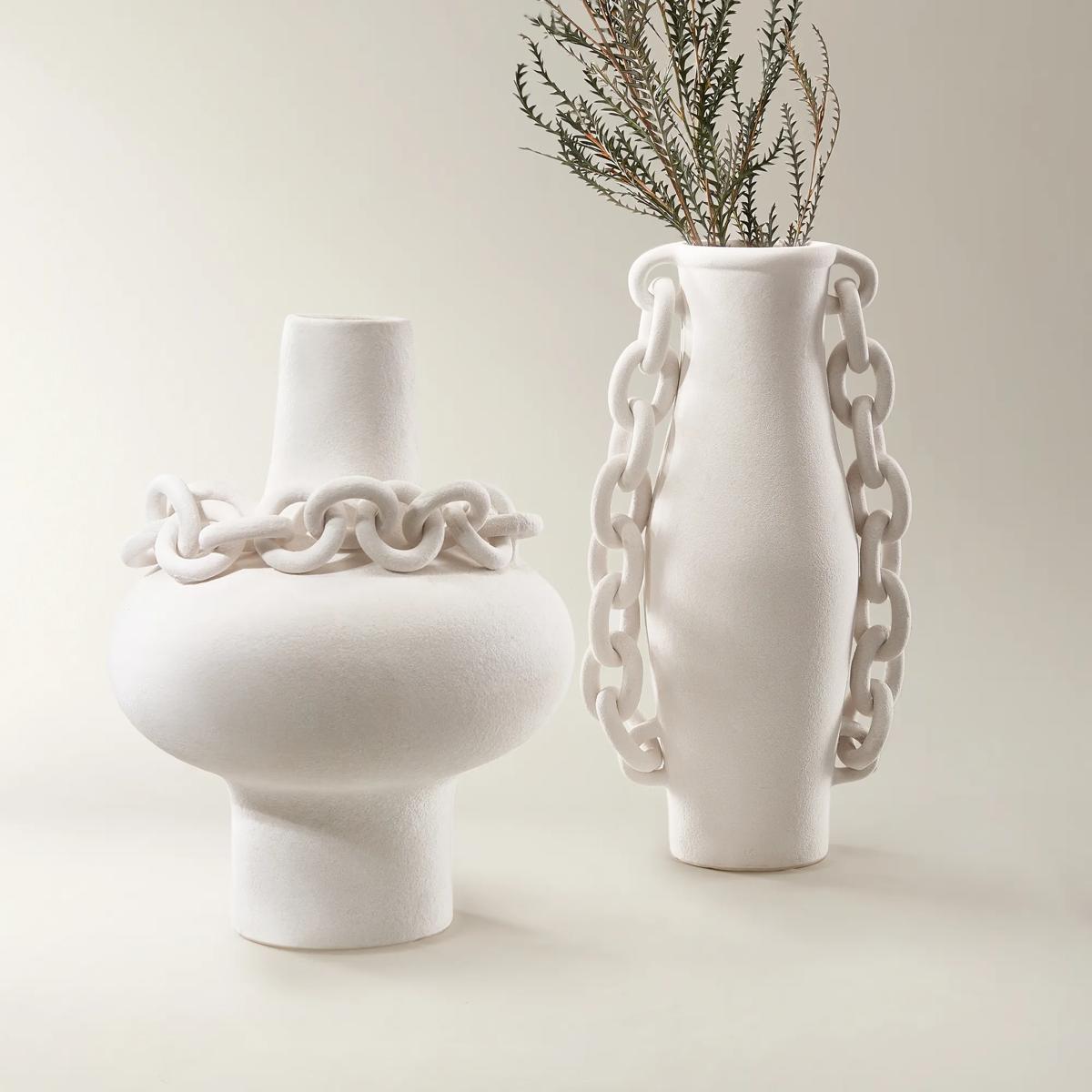
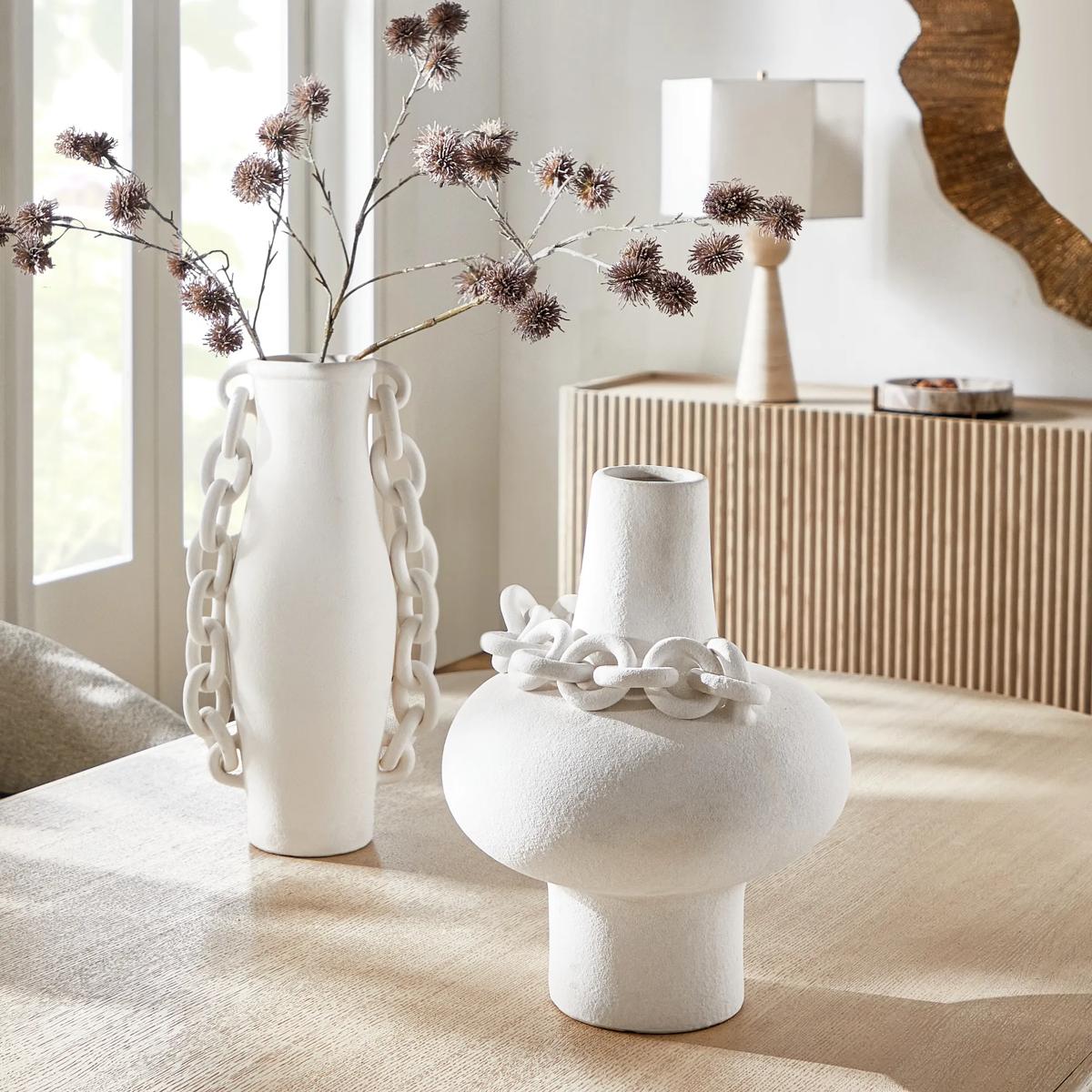 Links Stoneware Vases$119
A sculptural matte white stoneware vase featuring bold chain-link details for modern, artful texture.
Add To Cart -
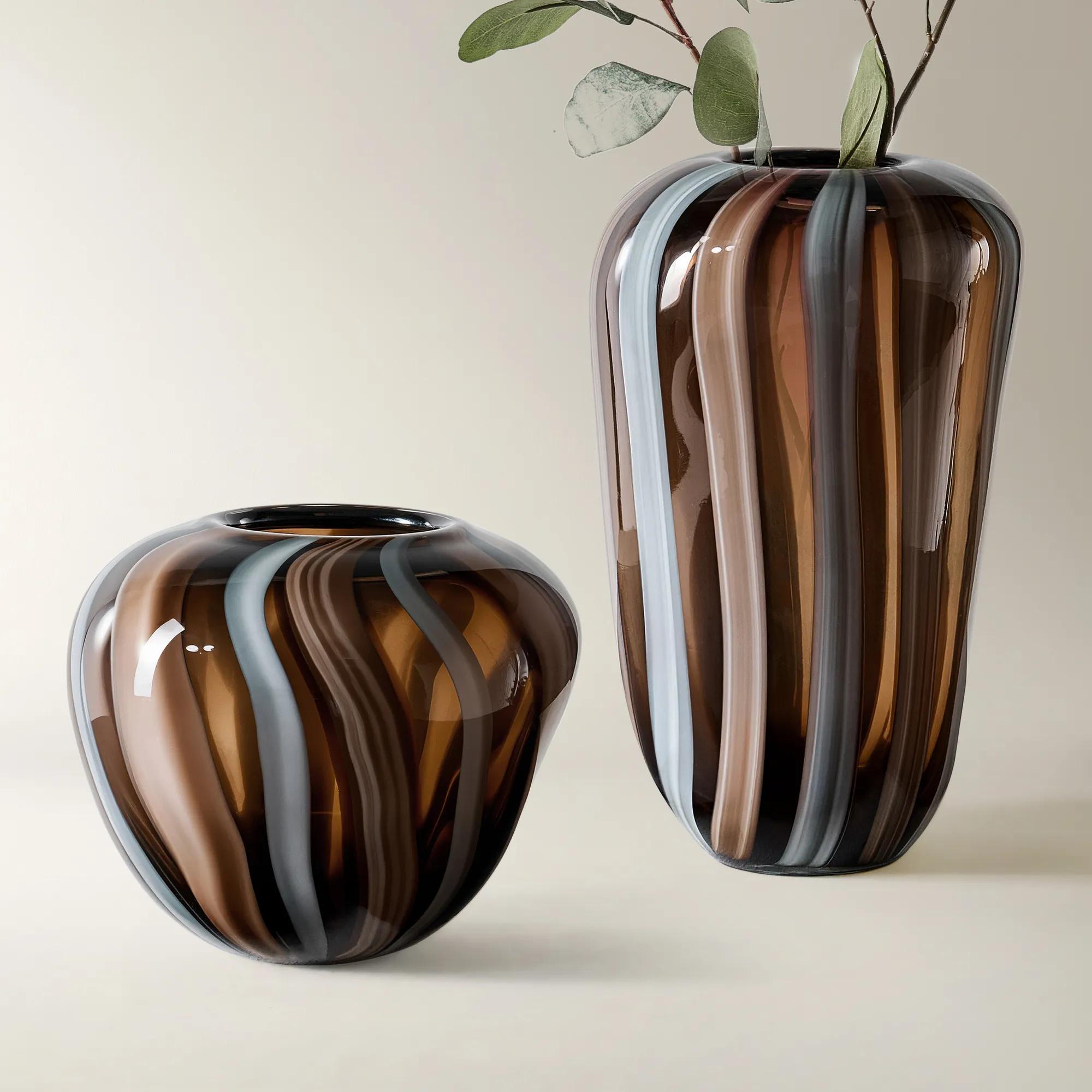
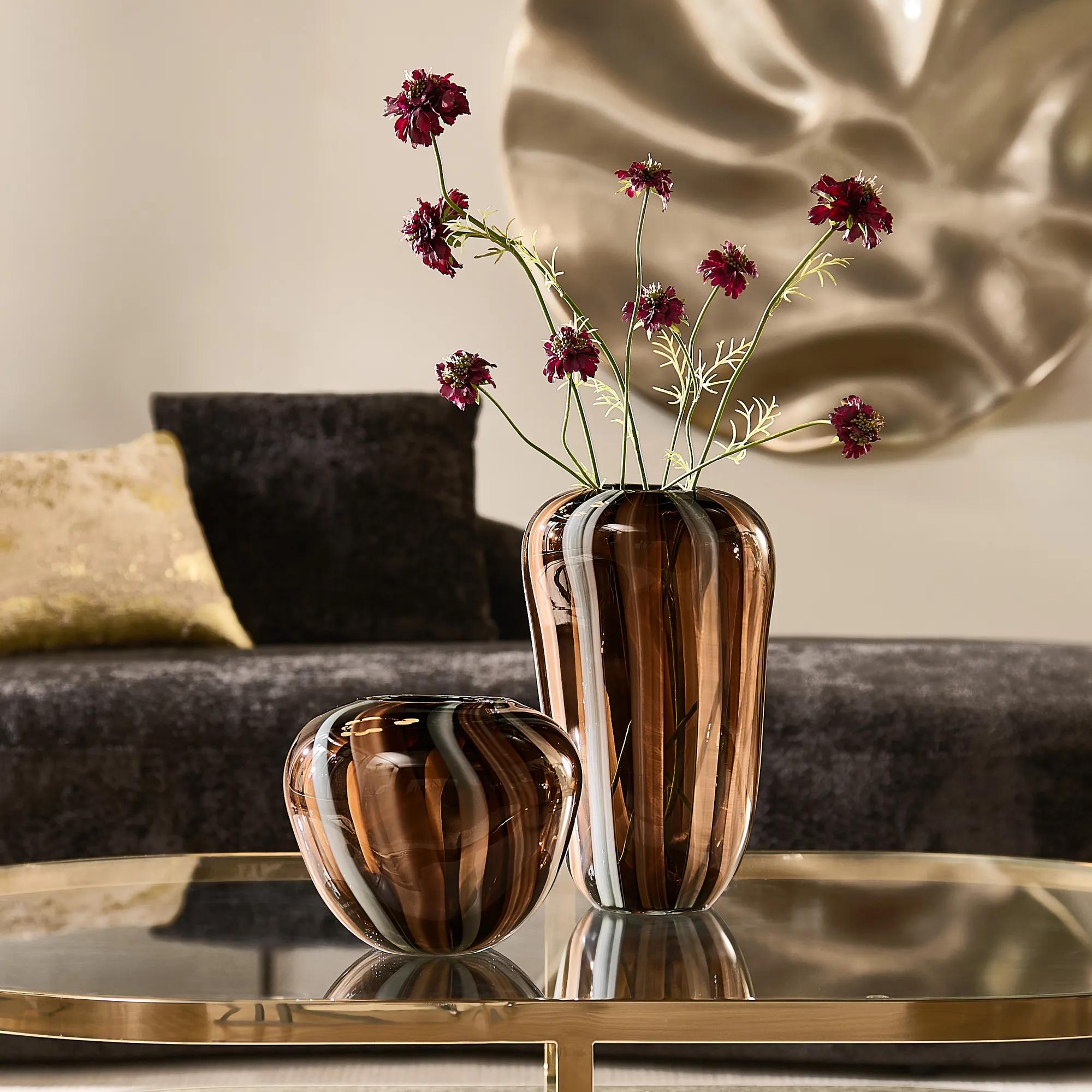 Billow Mouth Blown Brown Striped Glass Vases$119
A sculptural glass vase adding modern elegance to any décor.
Add To Cart -

 Madre Handcrafted Ivory Porcelain Vases$129
A handcrafted ivory porcelain vase featuring cascading textured fronds and a smooth matte finish.
Add To Cart -
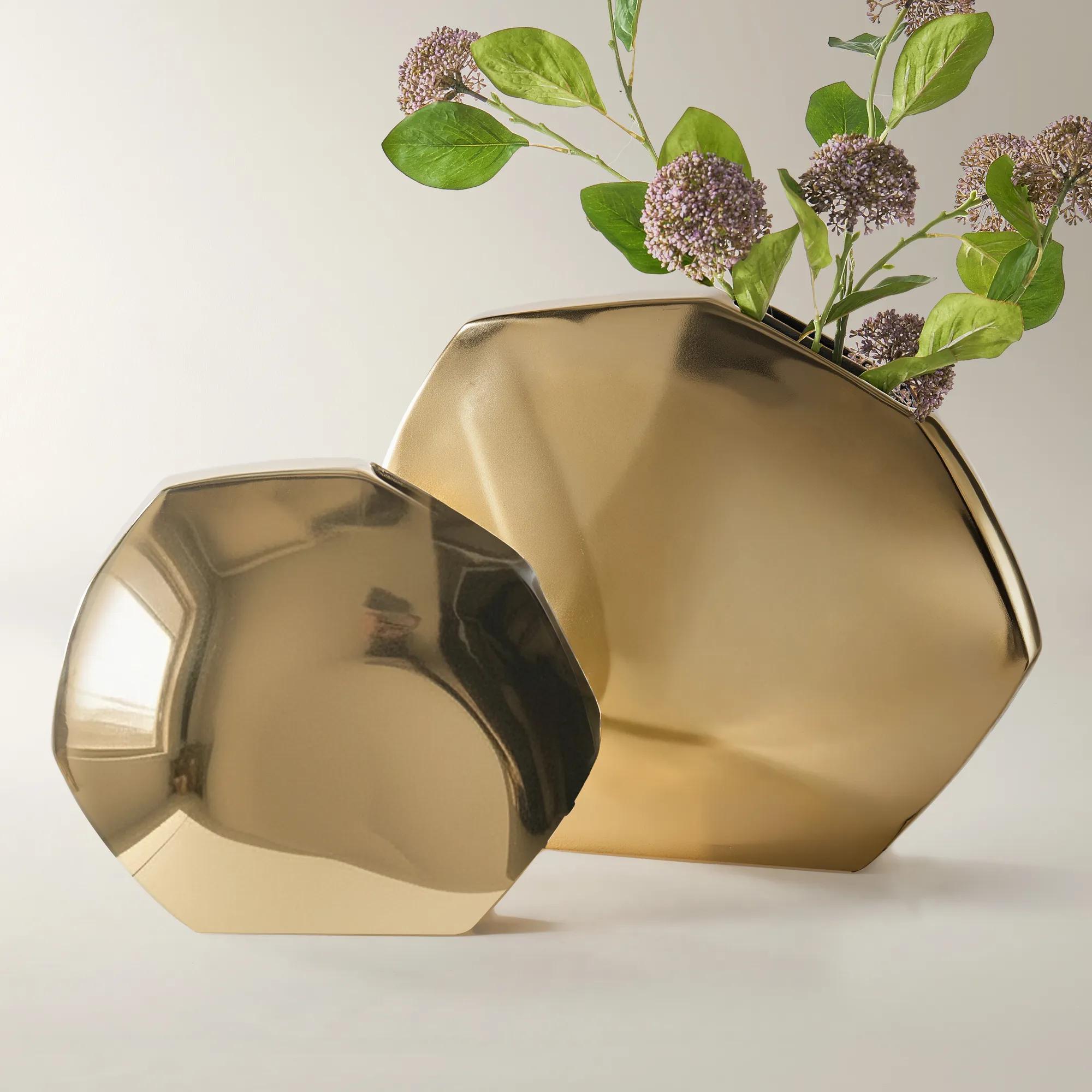 Gem Handcrafted Gold Aluminum Vases$269
A gold aluminum vase with faceted gem geometry, polished finish, and a sculptural slim slot opening.
Add To Cart -
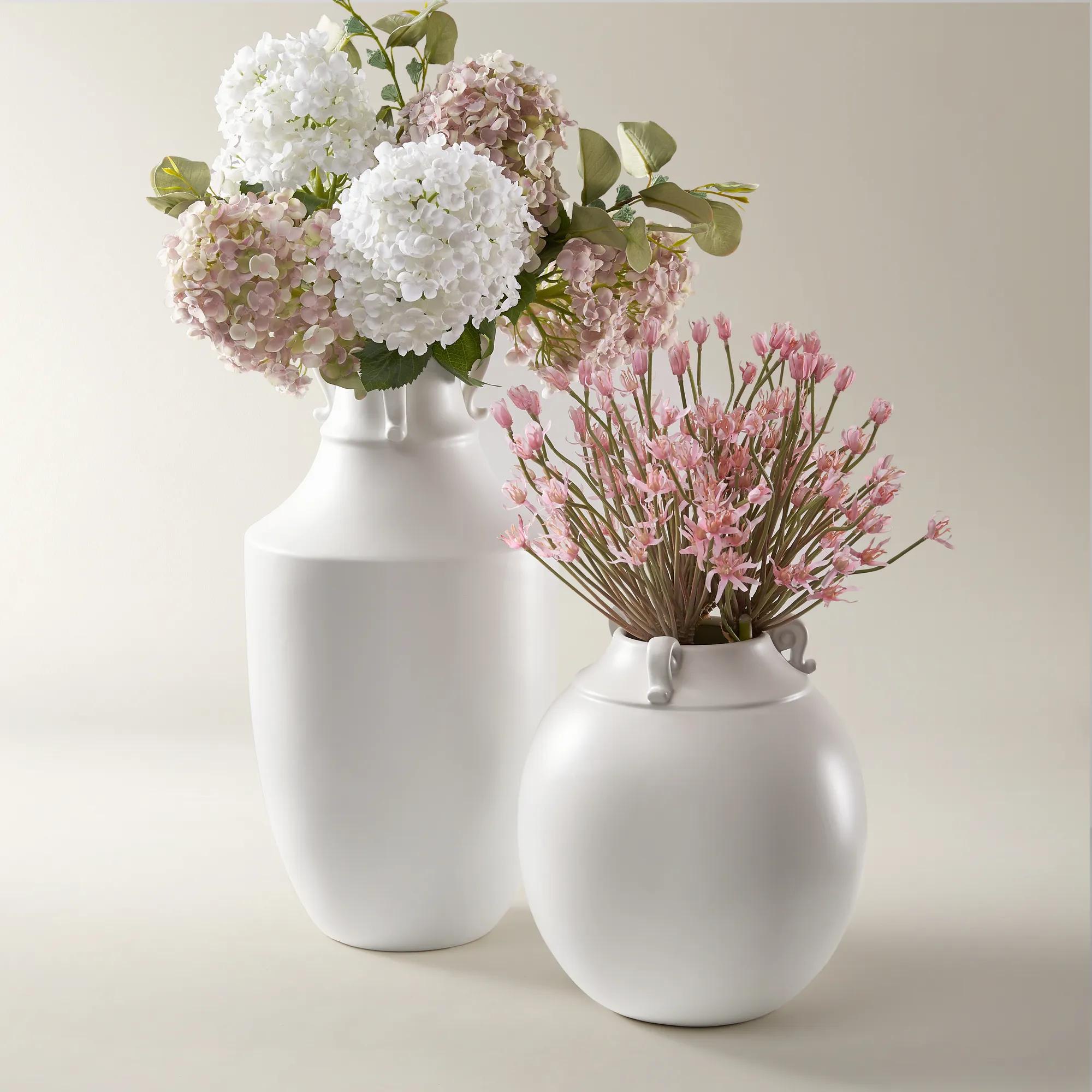 Amora Vase$79
A graceful white ceramic vase featuring smooth curves and a timeless, contemporary design.
Add To Cart -
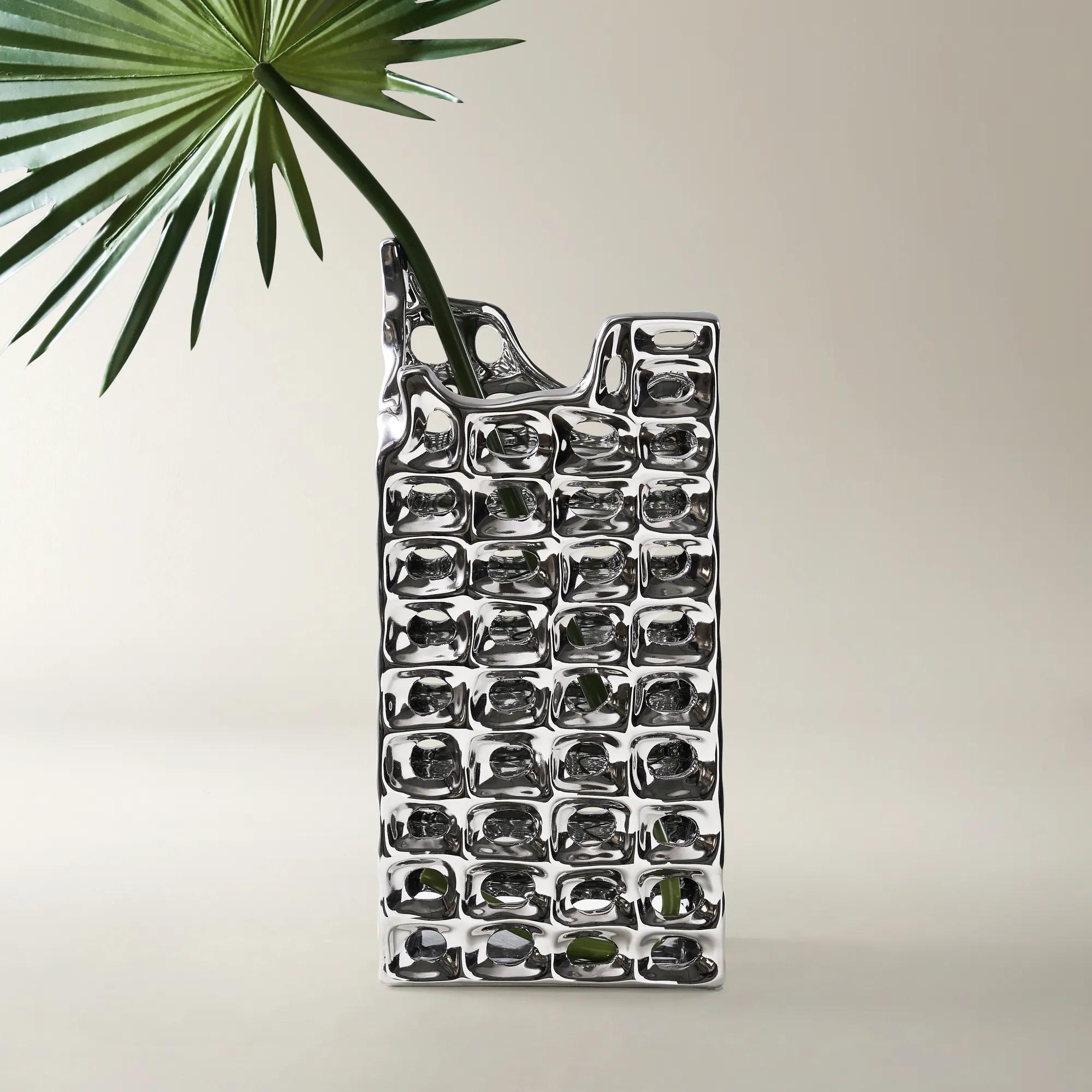
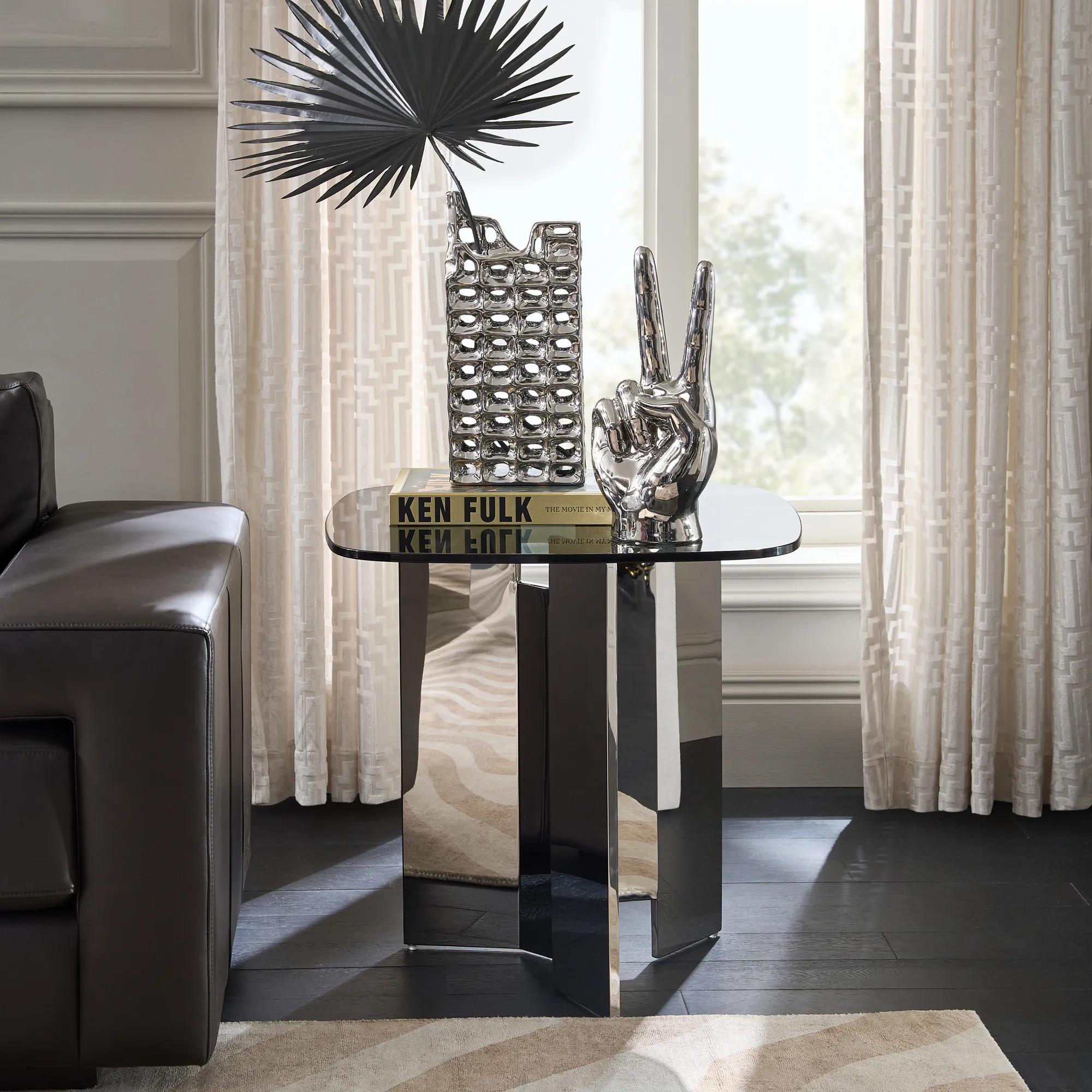 Pierce Vase$69
A ceramic vase with intricate facets and a gleaming silver finish for striking visual impact.
Add To Cart -
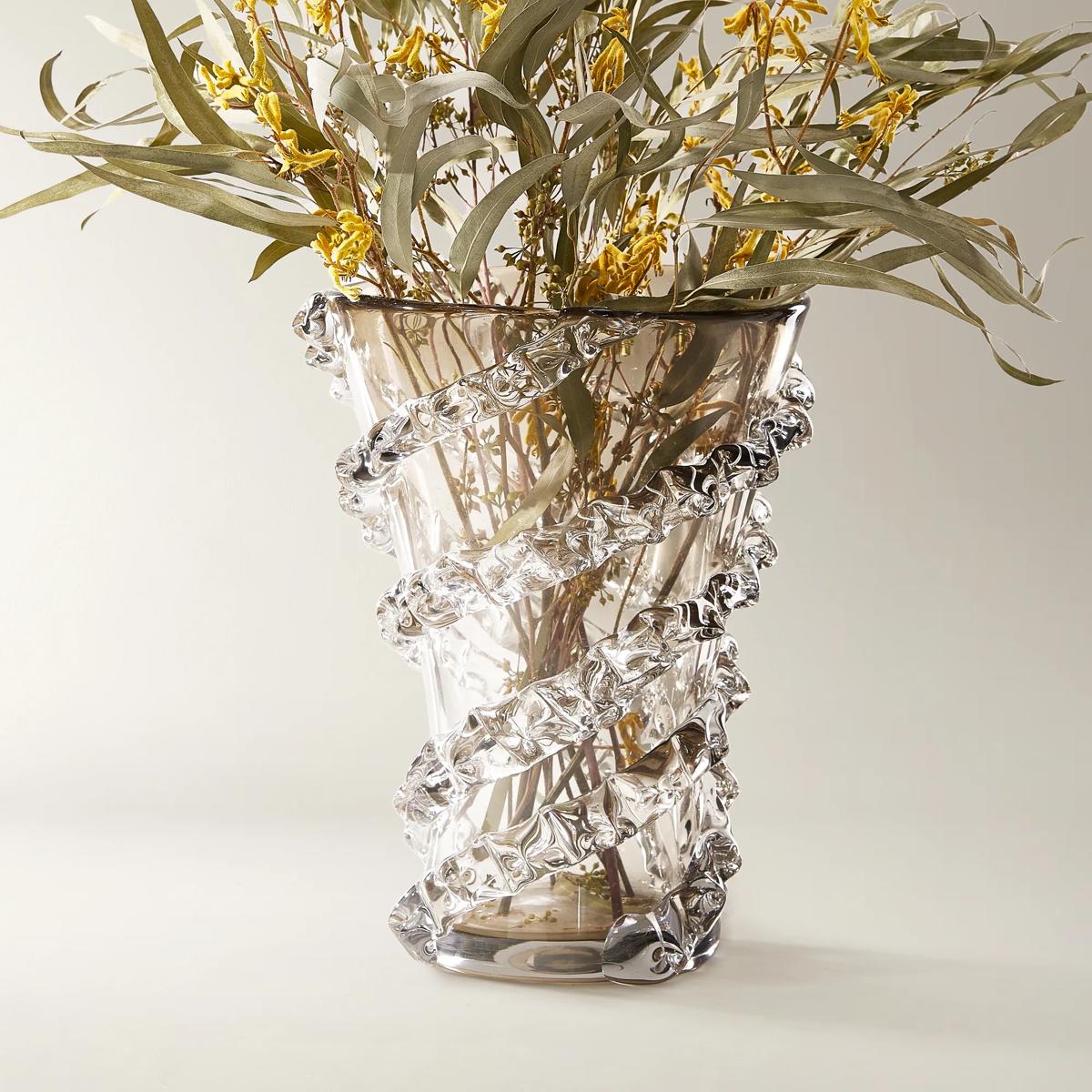
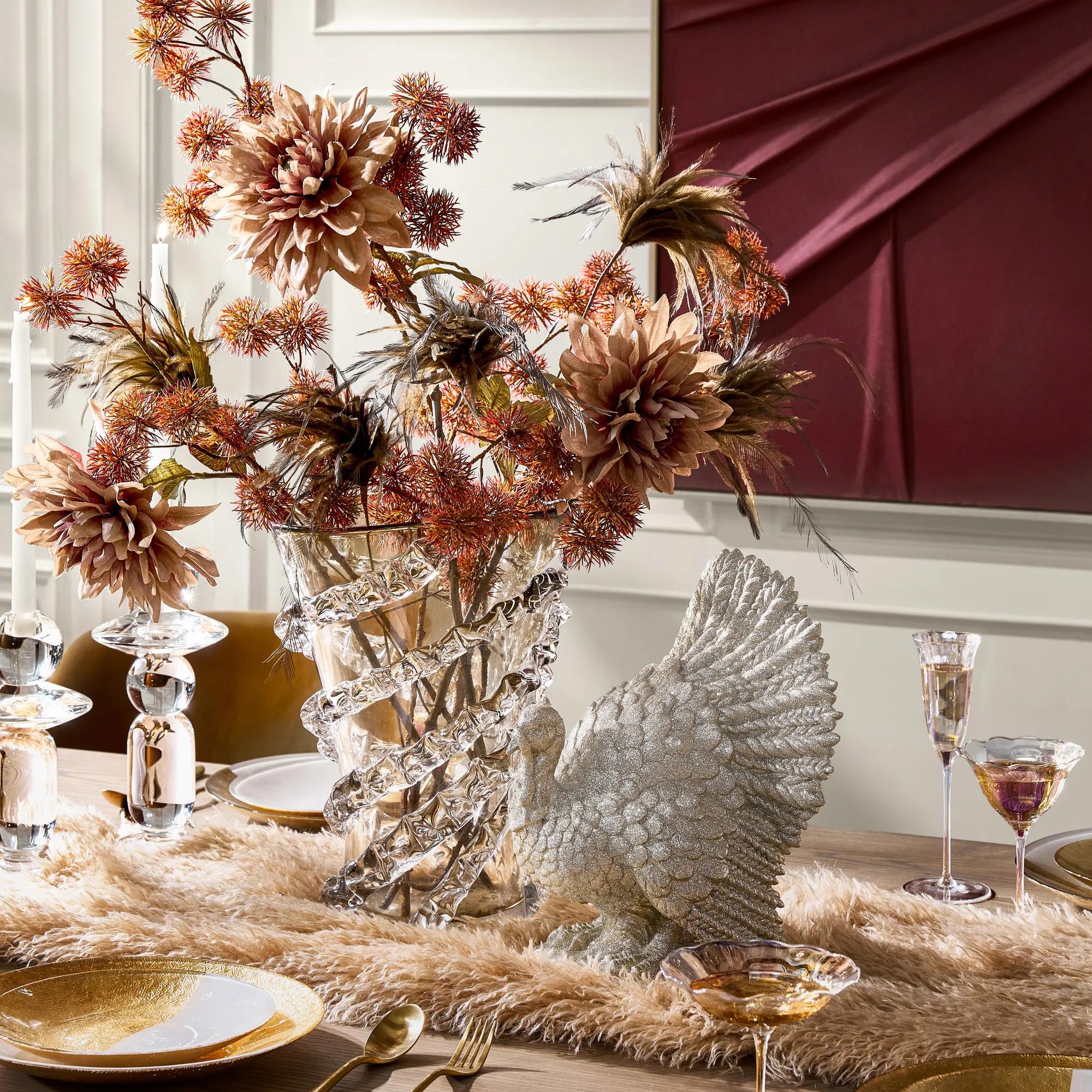 Reyna Glass Vase$299
A hand-blown glass vase featuring a sculptural swirl design and a smoky grey-brown finish.
Add To Cart -
 Faux Protea Cream Stem 33" Set of 3$49
A set of three lifelike cream faux protea stems crafted from foam, plastic, and iron wire.
Add To Cart -
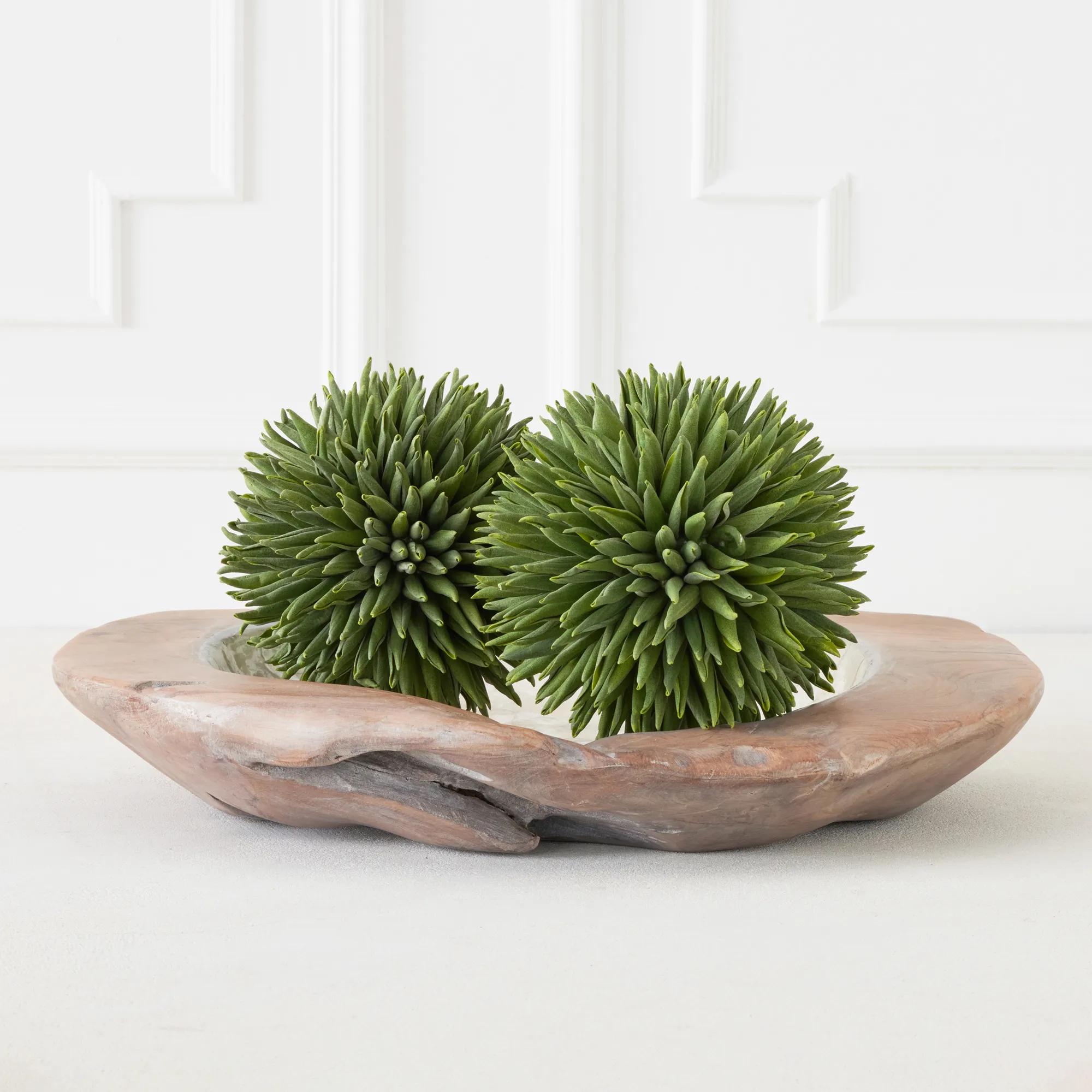 Faux Green Allium Sphere 7" Set of 3$59
A set of three lifelike foam green faux floral spheres that stay vibrant without water or sunlight.
Add To Cart -
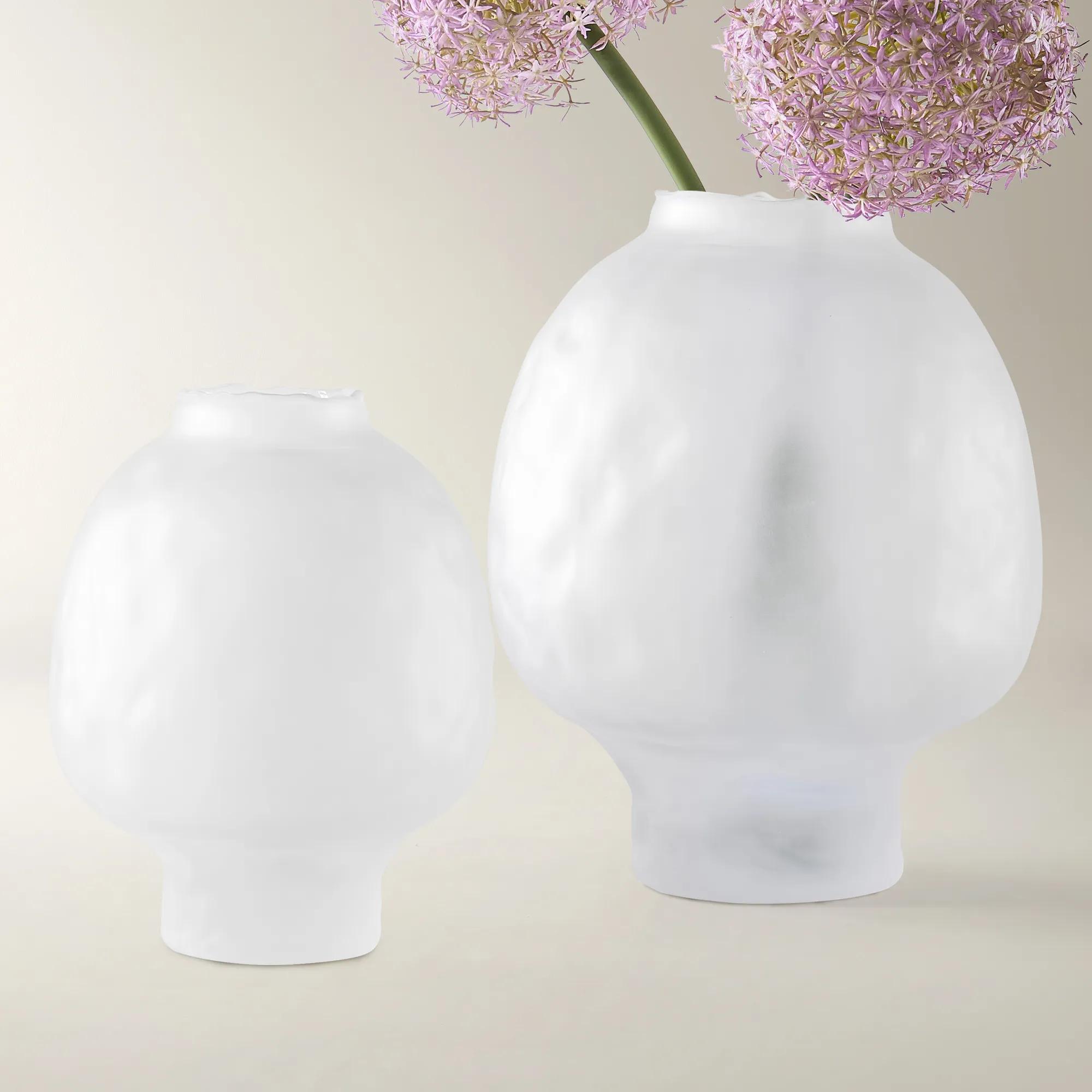
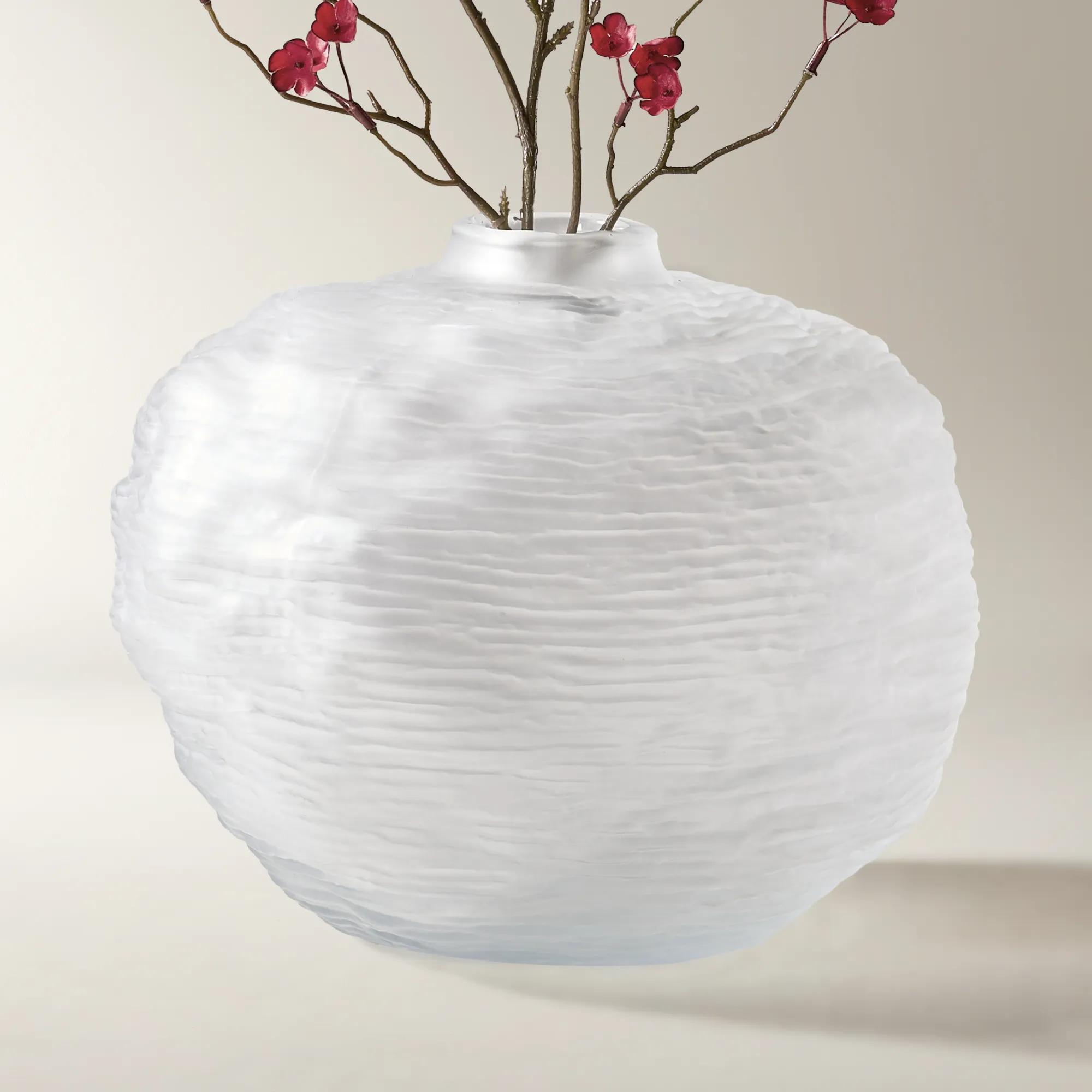 Lucid Mouth Blown Frosted Glass Vase 9.25"$99
A handblown frosted white glass vase with a sculptural, softly textured surface for modern elegance.
Add To Cart -
 Icy Mouth Blown Clear Glass Cube Taper Holders$39
A handblown clear glass taper holder with a bold geometric silhouette and luminous, icy light play.
Add To Cart -

 Faux Amethyst Allium Bulb Stem 40" Set of 3$69
A trio of faux amethyst allium stems adding sculptural botanical elegance to modern arrangements.
Add To Cart -
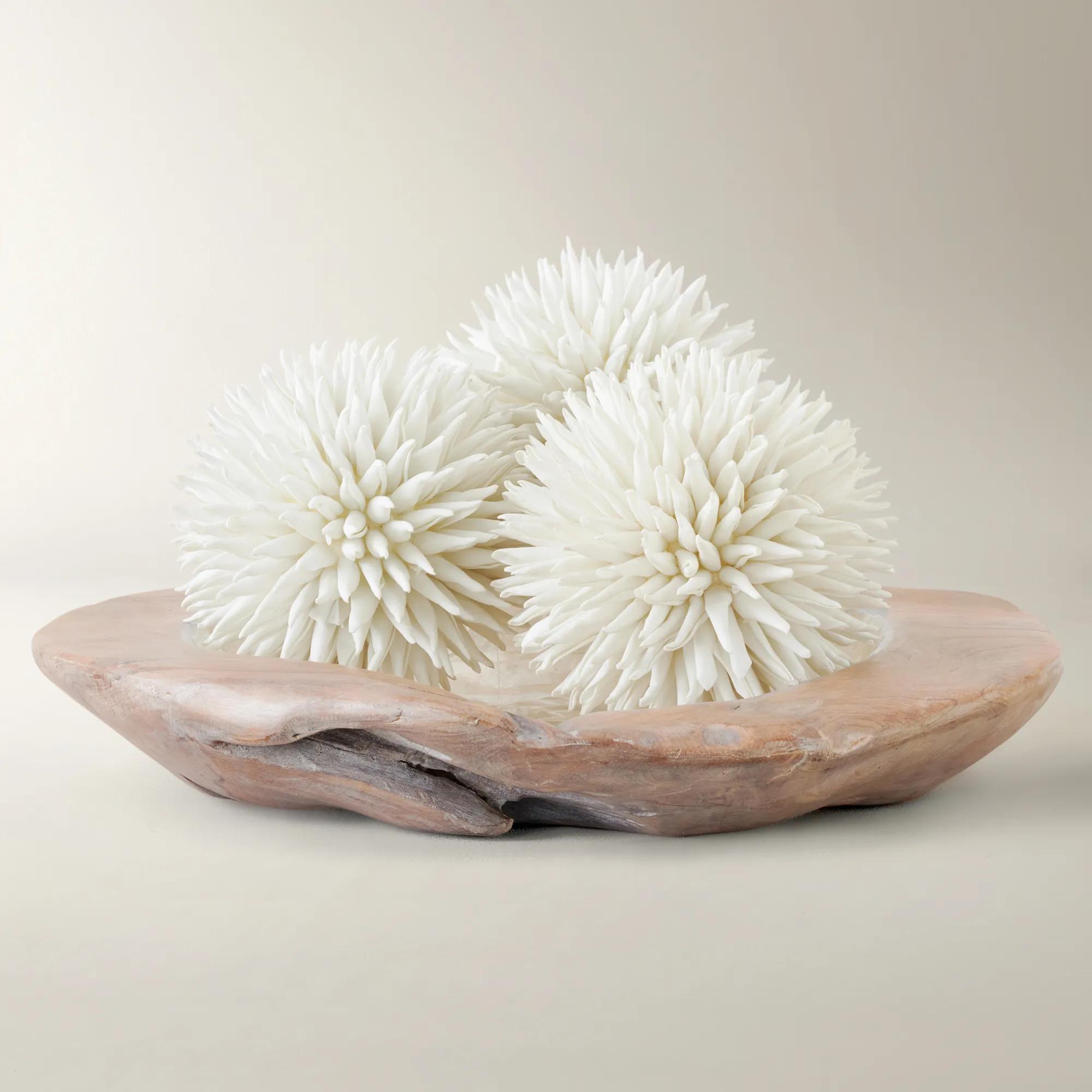
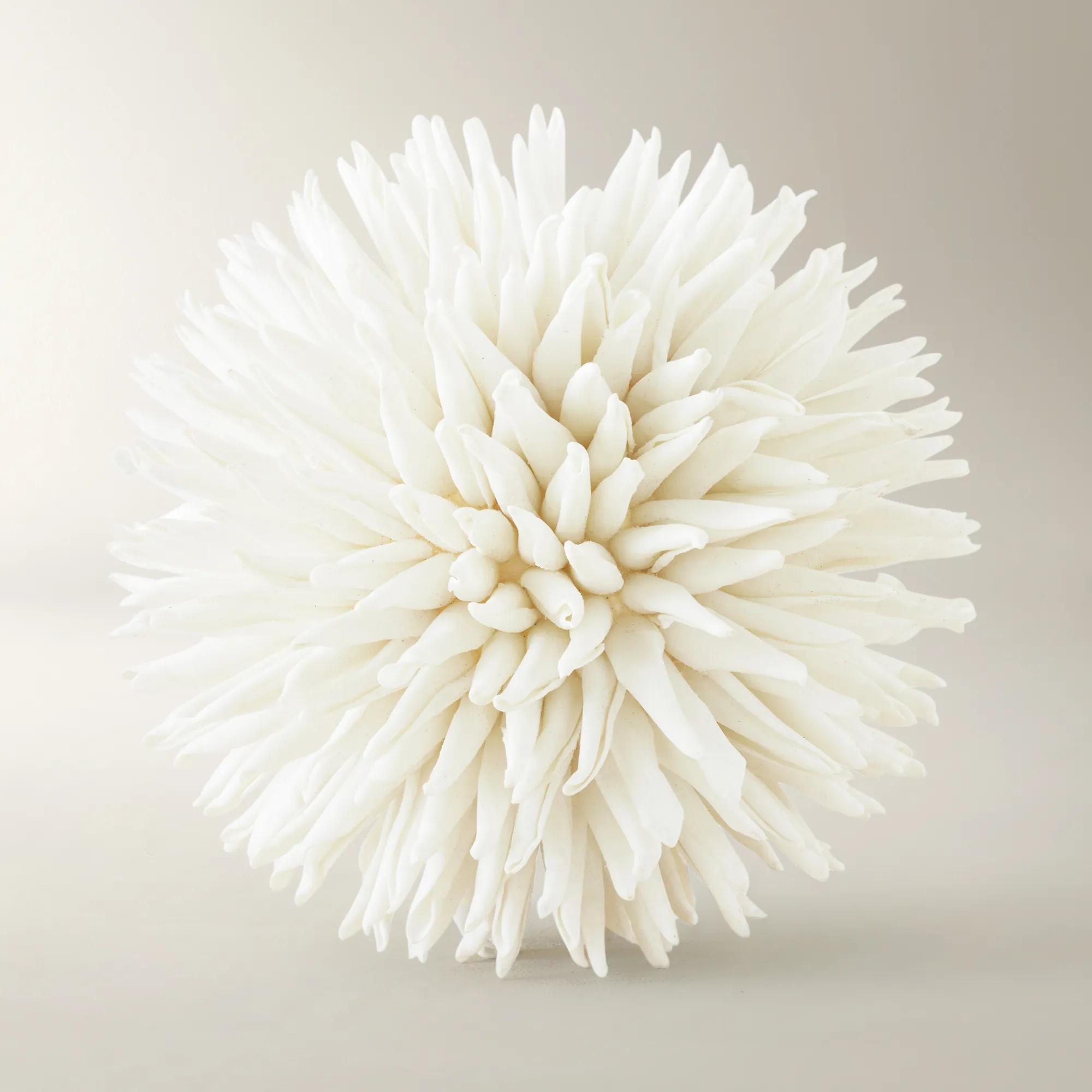 Faux White Allium Sphere 7" Set of 3$59
A set of three foam white faux floral spheres that stay vibrant year-round without water or sunlight.
Add To Cart -
 Faux Berry Anemone Stem 21" Set of 3$29
A set of three berry red faux anemone stems crafted from polyester for a romantic accent.
Add To Cart -
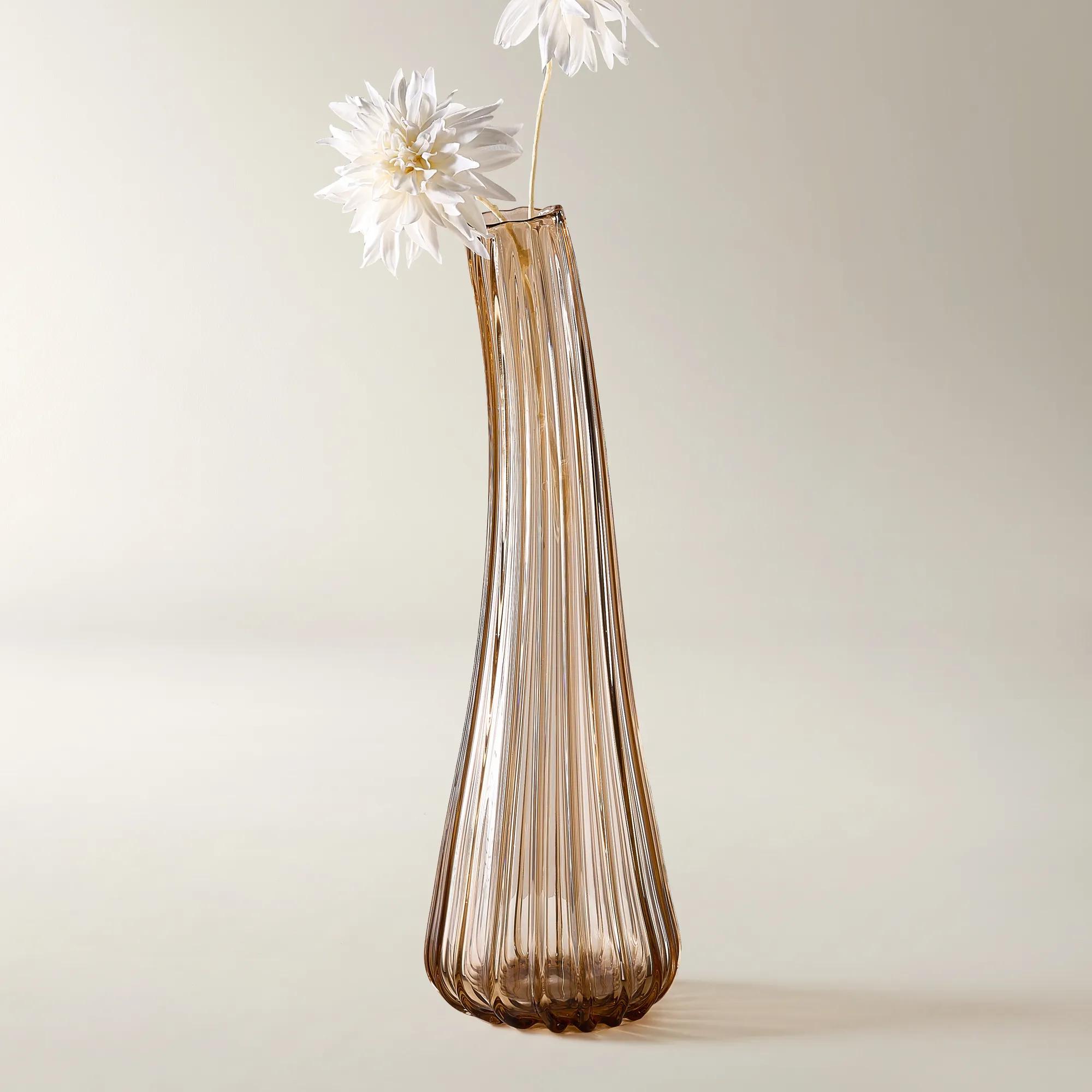
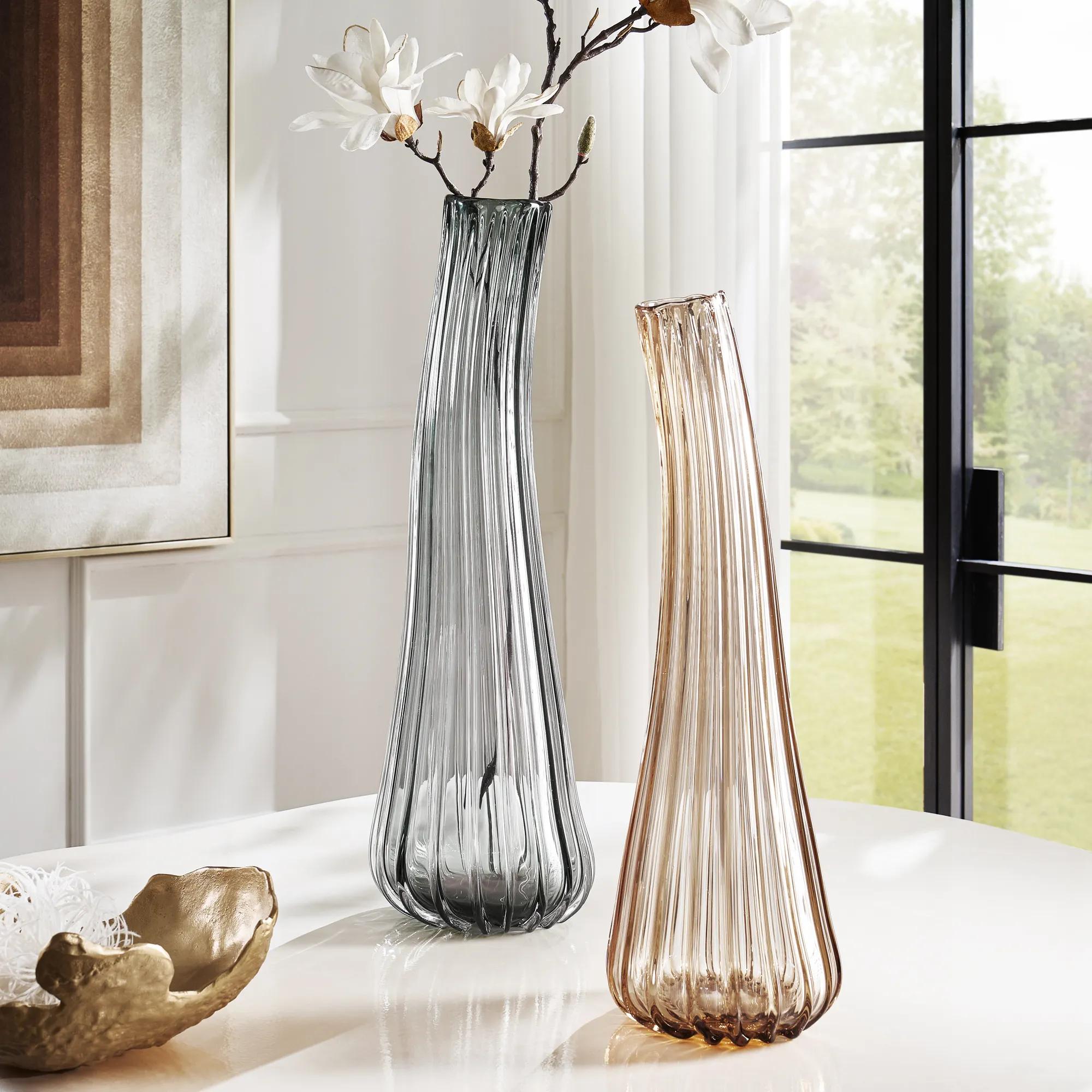 Tango Mouth Blown Soft Amber Vase 24.75"$179
A handblown glass vase in a soft amber finish with a textured, sculptural centerpiece design.
Add To Cart -
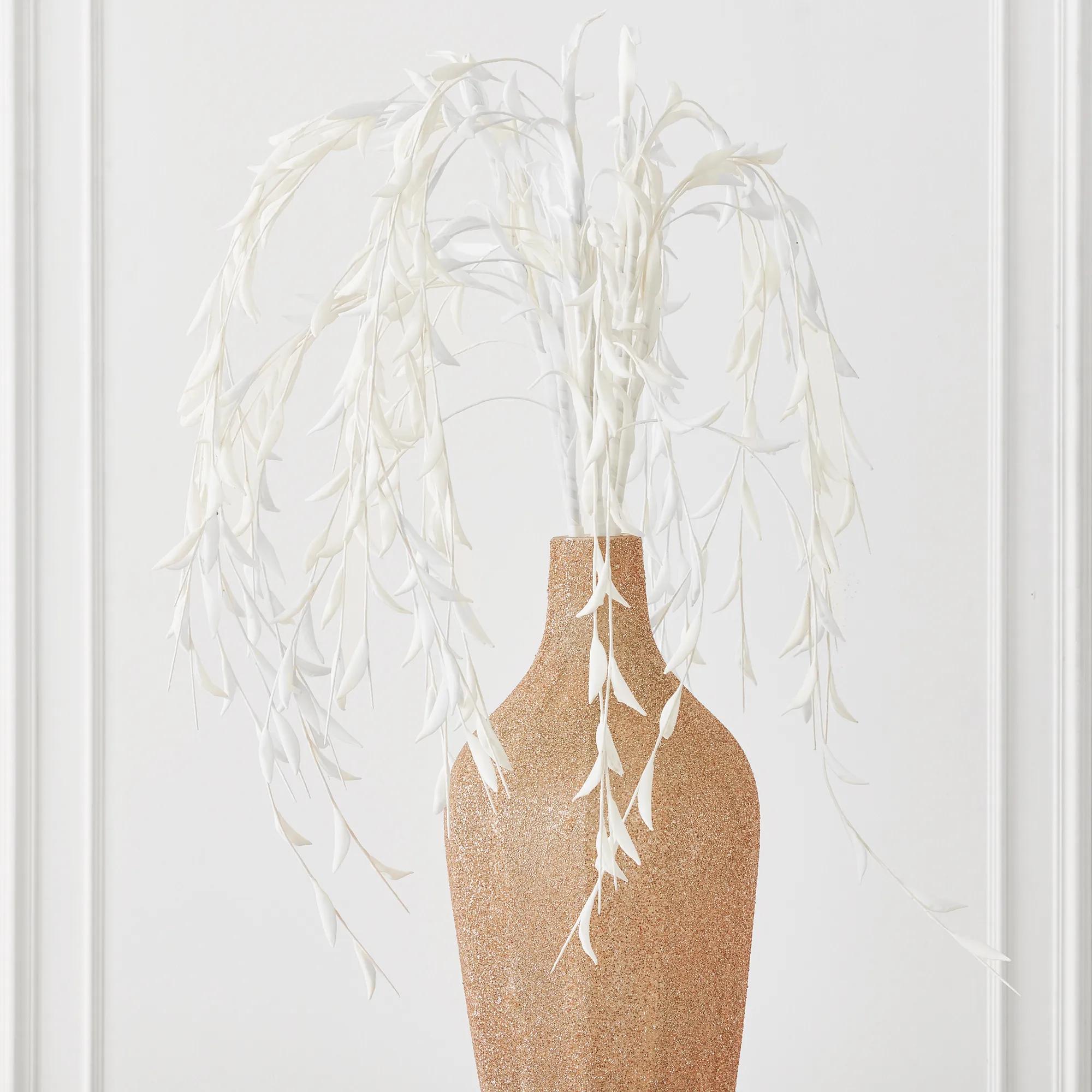 Faux Weeping Willow Spray Set of 3$59
A set of three faux weeping willows with delicate white foam branches for enchanting decor.
Add To Cart -
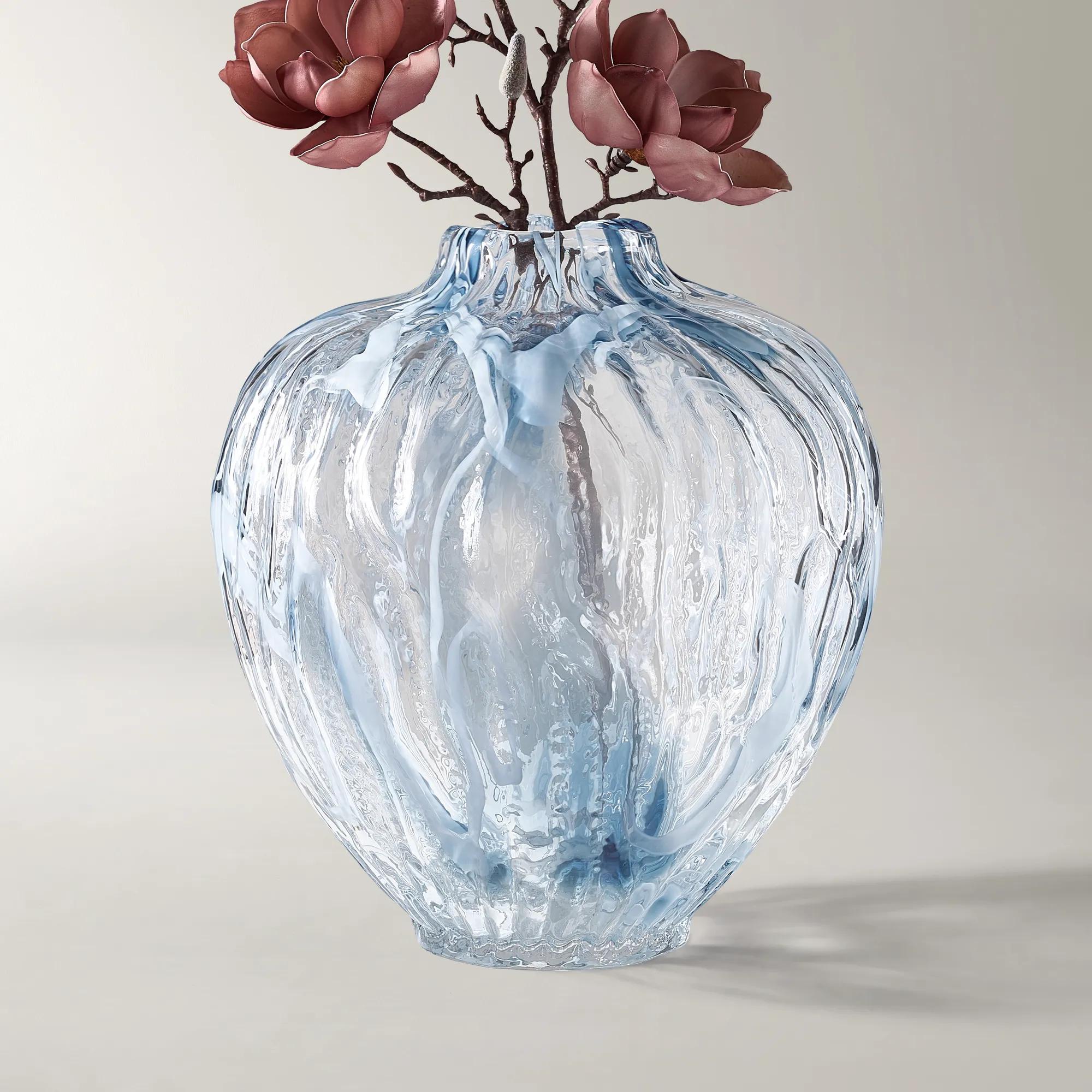 Cruz Mouth Blown Powder Blue Glass Vase 15.75"$169
A handblown glass vase in powder blue with a sculptural, light-catching surface for modern decor.
Add To Cart -
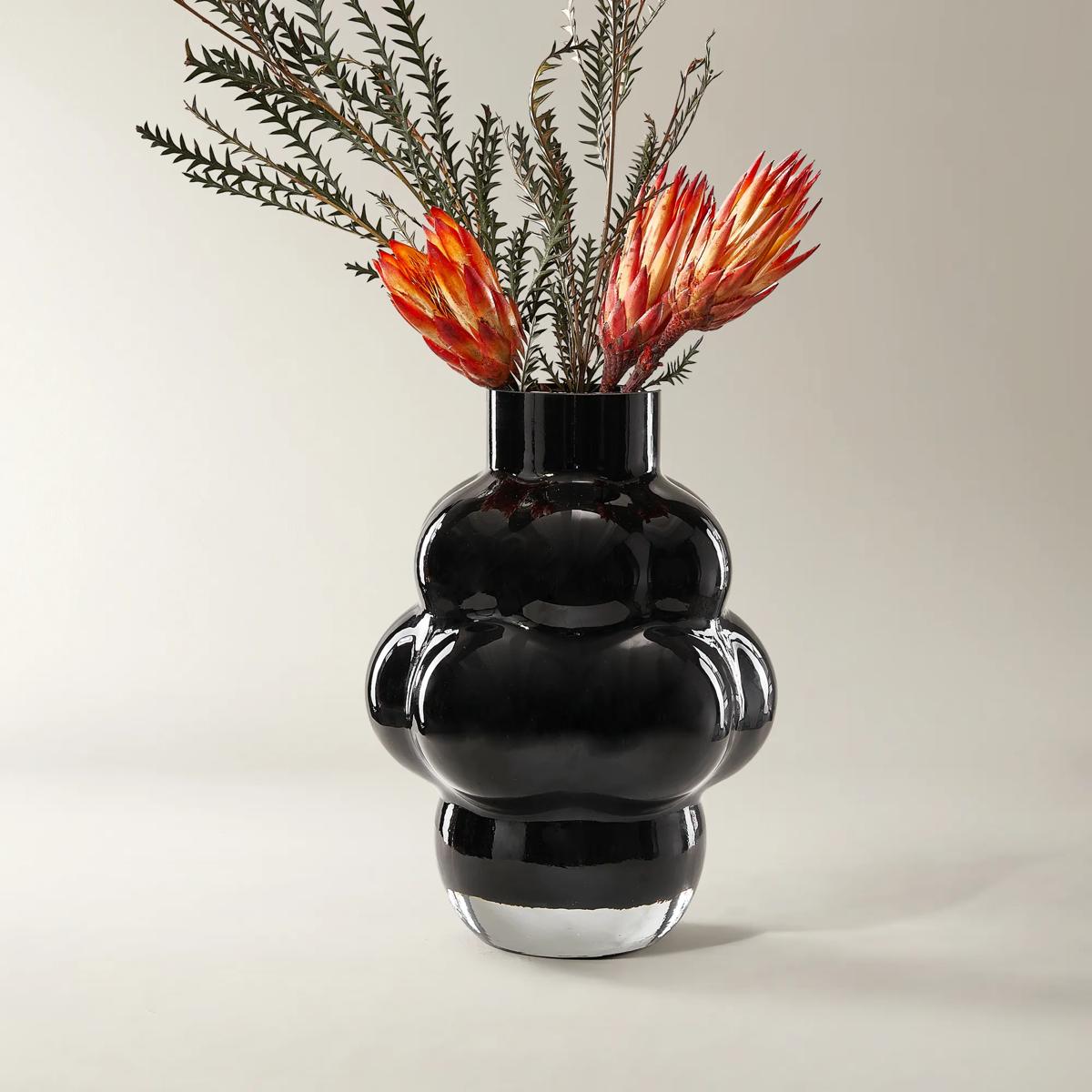 Cloud Glass Vase - Black$129
A hand-blown black glass vase featuring a sculptural silhouette and glossy, dramatic finish.
Add To Cart -
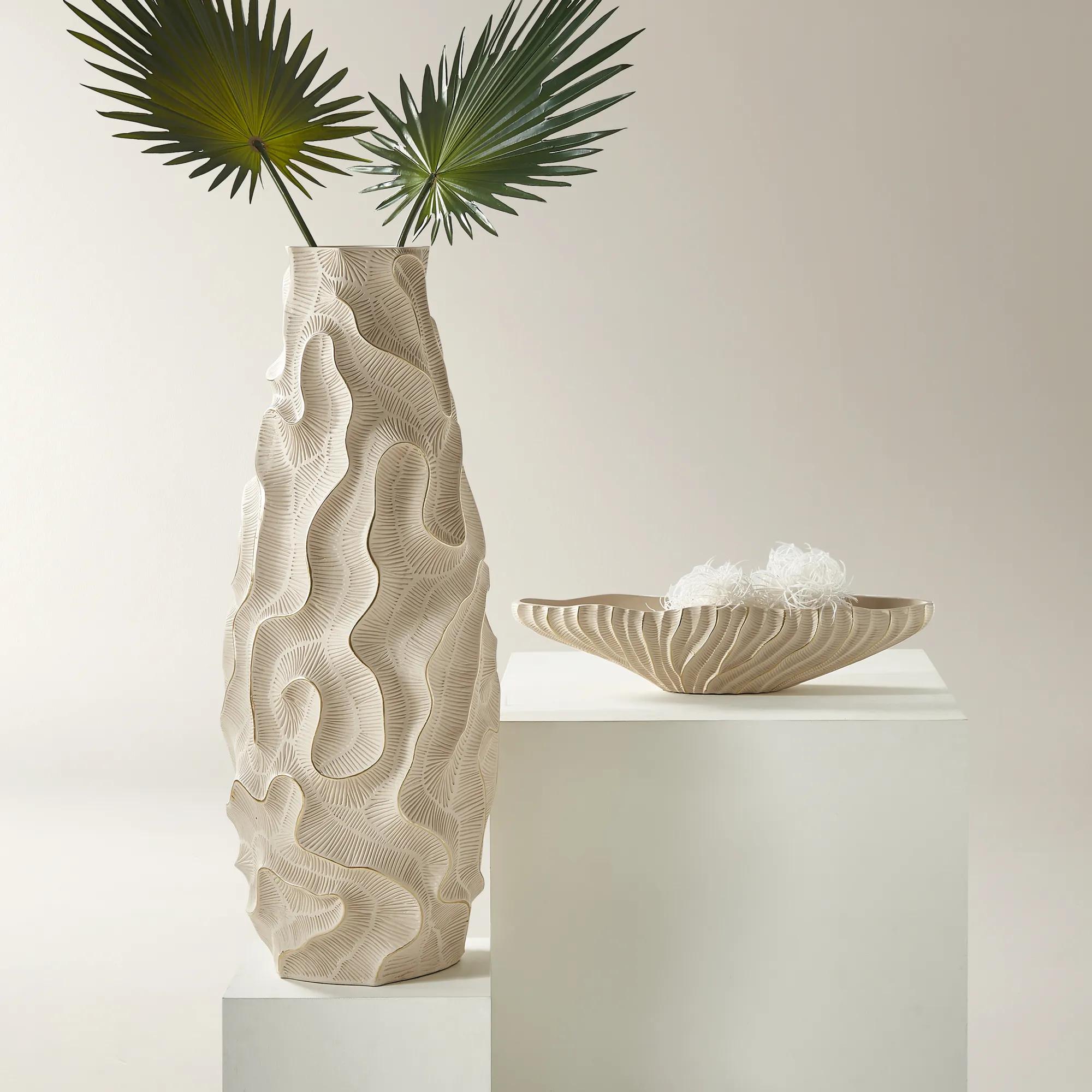
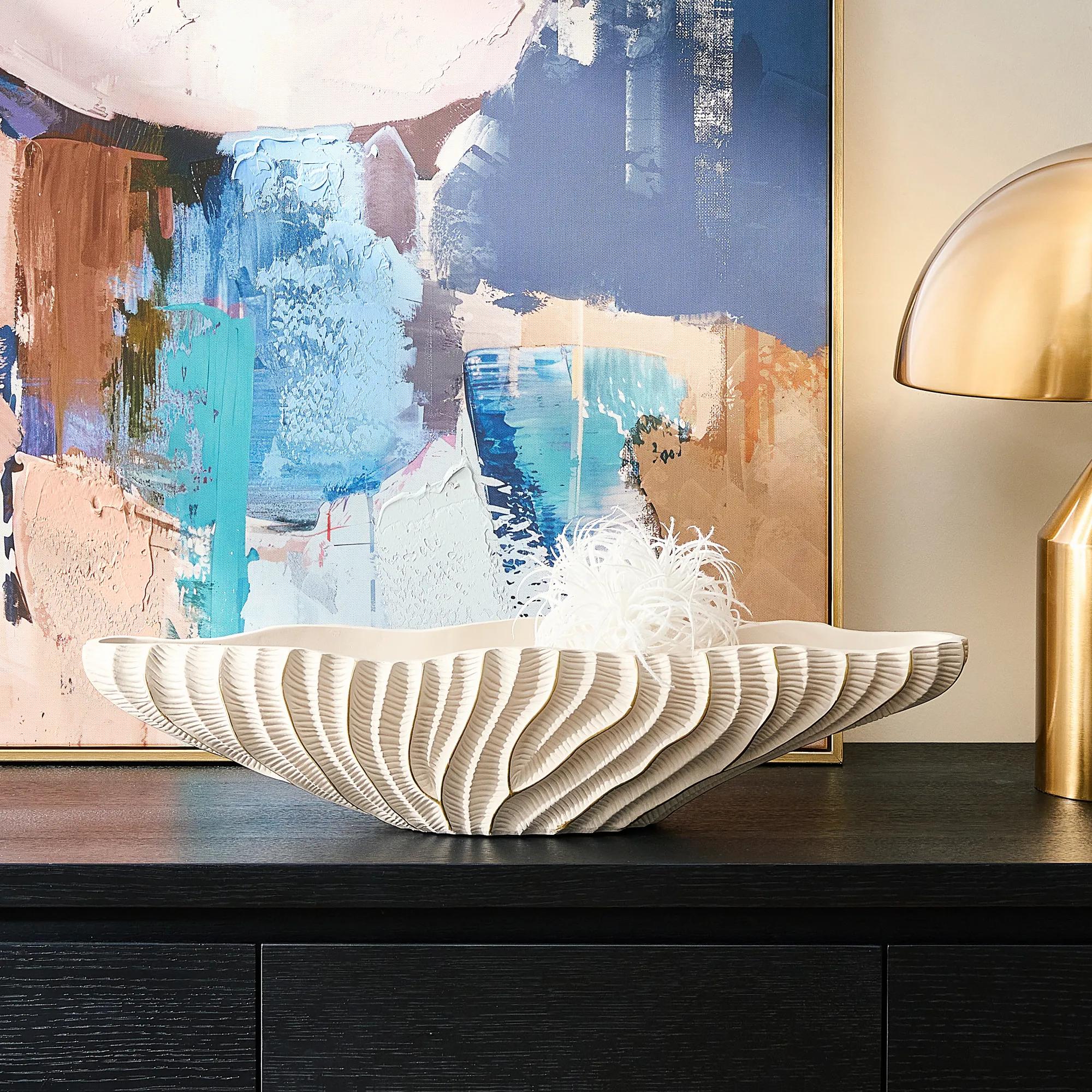 Rouche Ivory And Gold Etched Resin Floor Vase & Bowl$79
A decorative resin vase and bowl set with organic forms, ivory surfaces, and elegant gold etching.
Add To Cart -
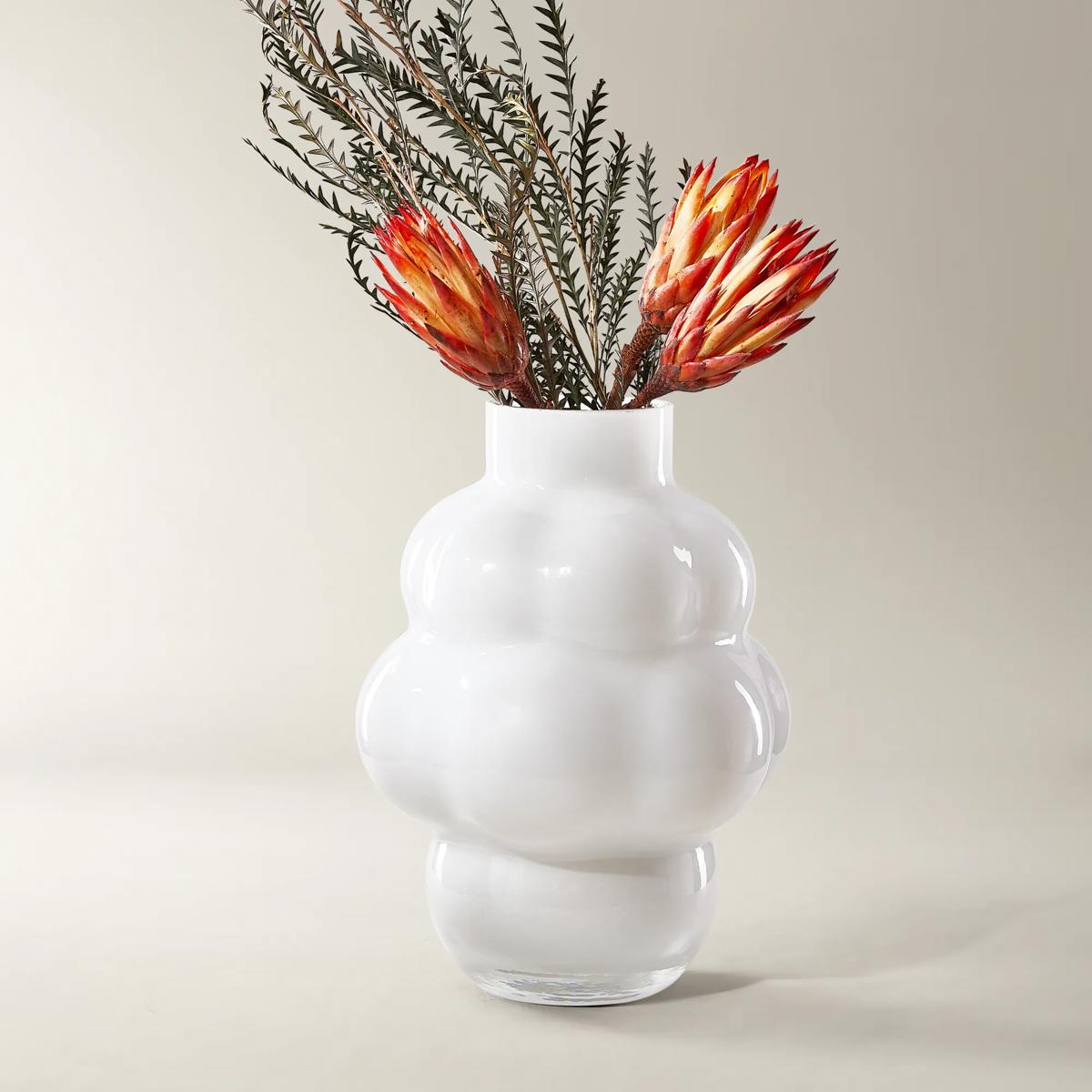 Cloud Glass Vase - White$129
A hand-blown glass vase in glossy opaque white with a sculptural, cloud-inspired silhouette.
Add To Cart -
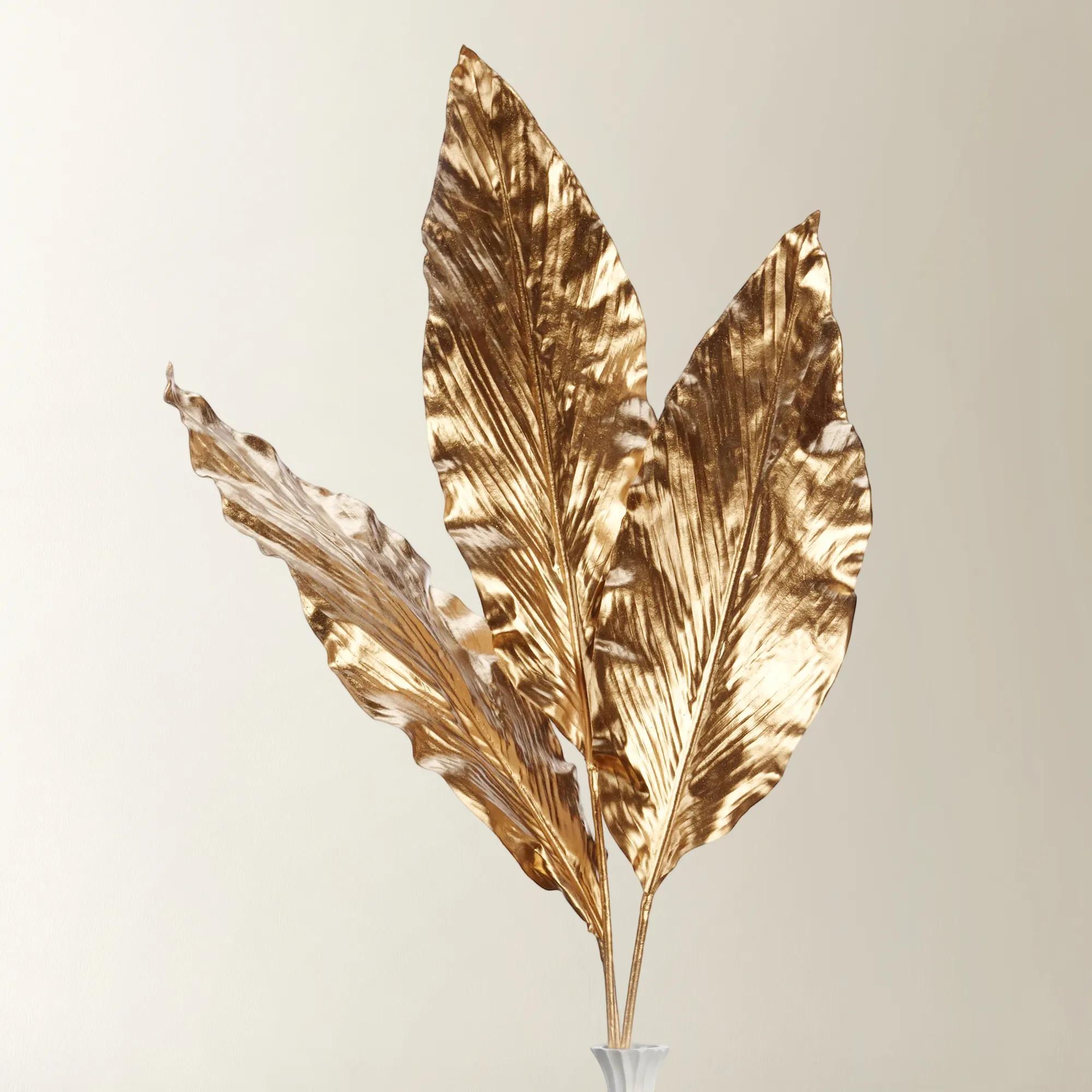
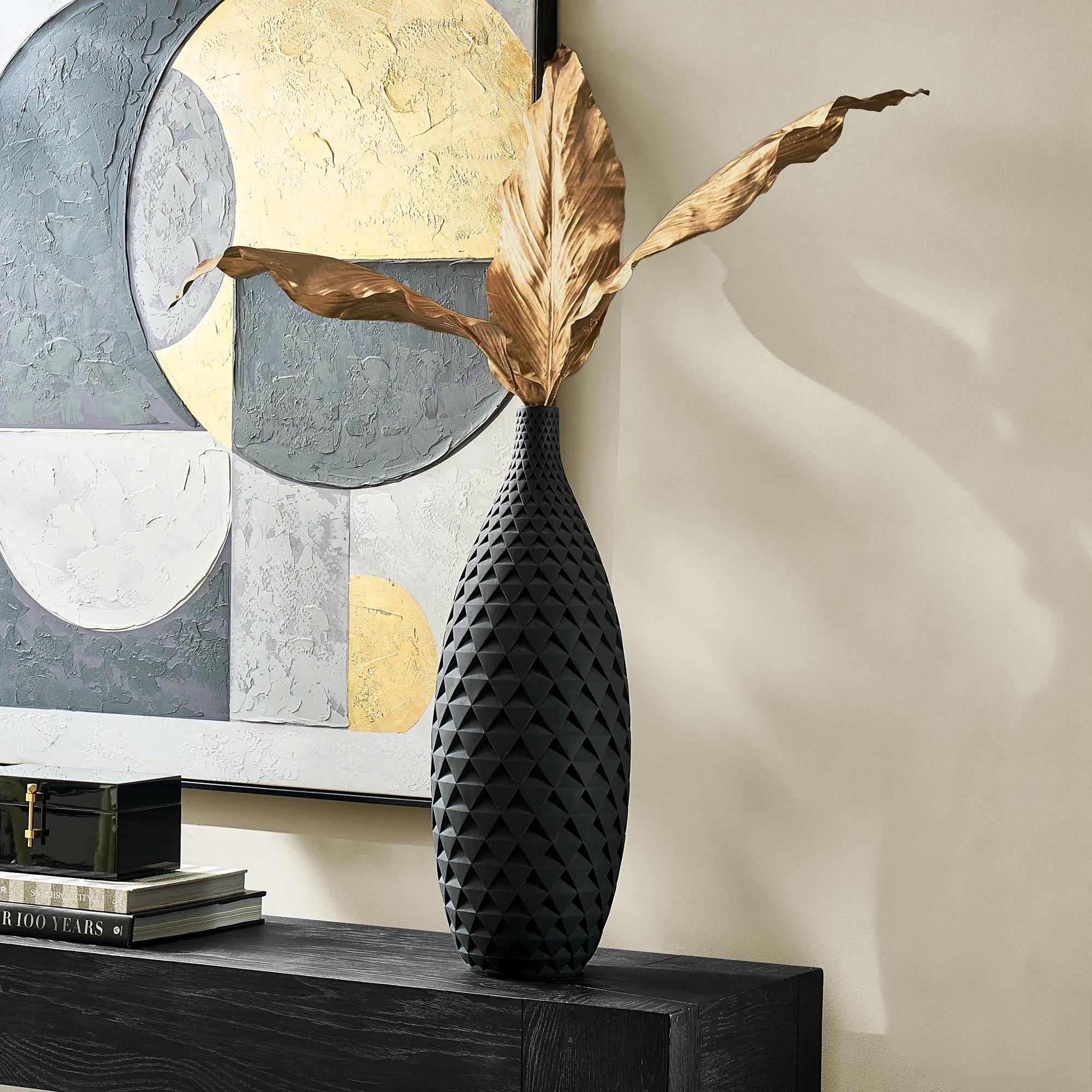 Faux Gold Canna Leaf Branch 38" Set of 3$49
A set of three golden metallic branches inspired by Canna leaves for a modern, autumnal accent.
Add To Cart -
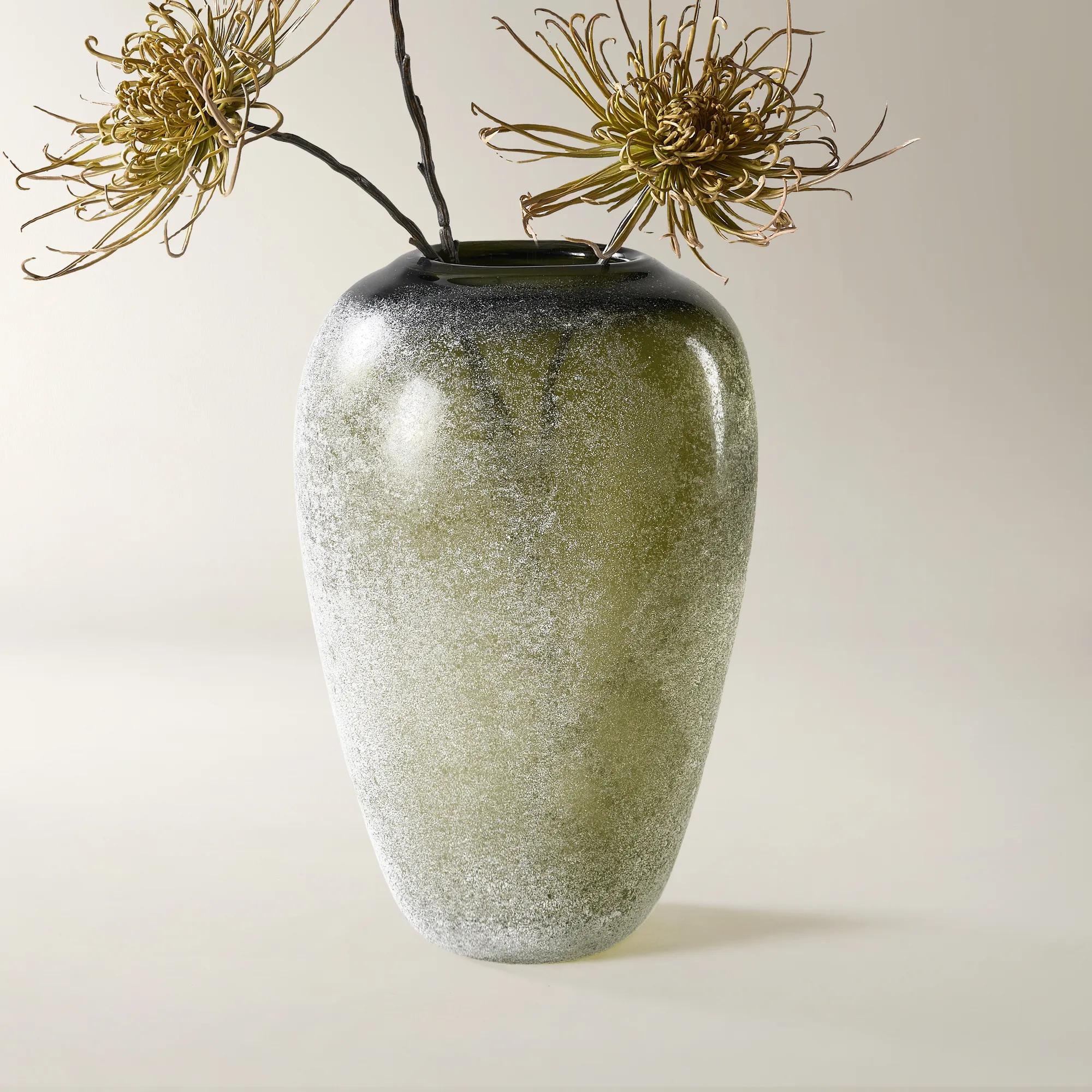 Linden Mouth Blown Pistachio Green Glass Vase 13.75"$129
A handblown glass vase in pistachio green adds a fresh, artful accent to any space.
Add To Cart -
 Trio Twist Soft Gold Aluminum Tapper Holders Set of 3$129
A set of three aluminum taper holders in soft gold with sculptural twisted silhouettes for modern elegance.
Add To Cart

Centerpieces For Spring Weddings
Explore centerpieces for spring weddings to bring a fresh, romantic focal point to your reception tables. As you browse the selection, consider how each design complements your wedding palette and the scale of your tables. Choose a height and footprint that leave room for conversation and place settings while giving your tablescape a distinctive touch of drama.
Centerpieces for spring weddings pair fresh florals, soft pastels, lush greenery, and natural textures with decorative vessels that give each table a distinct personality. Sculptural vases, luminous glass, ceramic bowls, and gleaming candleholders bring shape and dimension to the flowers, creating a setting that feels romantic without disappearing into the background. Spring wedding table decor can be delicate, with blush blooms suspended above clear glass, or richly expressive, with lilac flowers, sweeping branches, and gold-toned accents against ivory linens. The vessel helps establish that mood before a single stem is placed. Transparent glass lets the movement of stems become part of the composition, while opaque ceramics conceal the mechanics of an arrangement and create a more substantial visual foundation. Reflective finishes catch candlelight and surrounding color, lending even a restrained floral palette a sense of depth. For a garden-inspired reception, softly textured surfaces and loosely gathered greenery echo the organic forms of the setting. In a ballroom, polished metal and sculptural silhouettes introduce definition against expansive linens and upholstered seating. Tulips offer graceful curves, peonies bring generous volume, and sweet peas contribute an airy, almost fluttering texture; their shapes can inform the proportions of the container rather than compete with it. Fresh flowers are only one expression of the theme. Botanical stems, decorative branches, and carefully chosen faux florals can also create a spring wedding centerpiece, particularly when consistent shape and color matter across several tables. A palette of cream, pale green, and lavender feels composed and luminous, while touches of coral or saturated pink introduce a more exuberant note. Couples, event designers, and hosts can use these decorative foundations across reception tables, welcome displays, and intimate wedding celebrations, allowing a shared material or finish to connect the spaces without making every arrangement identical. The result is a room with rhythm: expressive focal points, considered repetition, and enough variation to reward a closer look.
Scale gives spring wedding centerpieces their presence, but the most successful proportions also respect the experience of the guests seated around them. A broad, low arrangement brings floral detail close to the table and leaves conversation comfortably open above it. A slender, elevated silhouette can create drama in a room with high ceilings, provided the vessel and arrangement remain stable and do not place dense foliage directly across seated sightlines. Overall dimensions matter more than the height of the vase alone; flowers, trailing greenery, and projecting branches all contribute to the finished footprint. On round tables, a central composition creates a natural gathering point, while long reception tables often suit a sequence of smaller arrangements with deliberate pauses between them. Those open spaces have a purpose, preserving room for place settings, glassware, shared dishes, and the small gestures of an evening spent together. Wide bowls and substantial vessels need sufficient tabletop space, while narrower profiles can bring sculptural interest to more intimate settings. Weight and balance deserve equal attention, especially when an arrangement includes tall branches or generous blooms. A substantial base can support the visual composition, but the finished design still needs secure placement on a level surface. Candleholders add another layer, drawing warm points of light through the flowers and highlighting the contours of glass or metal. Any candle display should follow the venue’s rules and the holder’s intended use, with flames kept clear of petals, greenery, linens, and other decorations. Flameless candles can provide a softer glow where open flames are restricted. For outdoor spring weddings, wind and exposed placement also influence the suitability of delicate stems, lightweight accessories, and tall arrangements. A centerpiece should feel effortless to guests because its practical details have already been considered, leaving the color, texture, and artistry to command attention.
Materials and care influence how beautifully wedding centerpiece decor performs before, during, and after the celebration. Glass offers clarity and a luminous finish, although fingerprints, water marks, and handling can interrupt that polished effect; gentle cleaning according to the maker’s directions helps preserve its appearance. Ceramic brings tactile character through glaze, relief, and sculptural form, but not every decorative vessel is designed to hold water. Fresh floral arrangements require a watertight container or an appropriate liner, with surfaces beneath protected from moisture. Metal finishes introduce a gleaming accent, yet prolonged contact with water or harsh cleaning products may affect their appearance, making material-specific care especially important. Textured and embellished surfaces often call for a soft cloth rather than vigorous scrubbing, and delicate rims, applied details, or narrow stems deserve careful handling during transport. For larger celebrations, repeated setup and packing make durability, manageable weight, and protective storage as relevant as the finished look. Pieces that nest visually within a shared palette can still vary in form, giving a collection flexibility beyond one table arrangement. A graceful vessel might frame wedding flowers at the reception, hold a smaller arrangement at a post-wedding gathering, and later become an expressive accent on a dining table or entry console. That continued use also makes decorative vessels a thoughtful gift for newlyweds who enjoy entertaining or collecting objects with a personal story. The strongest choices reflect their taste, whether that means a bold silhouette, a luminous neutral finish, or an unexpected touch of color. For a wider view of compositions that complement different reception settings, Centerpiece Ideas for Weddings offers a related perspective on wedding table decor. Within a spring celebration, a consistent thread of color, material, or shape allows flowers and decorative accents to feel connected while retaining their individual character. Long after the final toast, those distinctive forms can carry the atmosphere of the celebration into everyday life.
FAQs
Spring wedding centerpieces can pair expressive floral arrangements with sculptural vases for a look that feels fresh and artfully composed. Consider tulips for graceful movement or peonies for lush romance, then repeat a signature color across the tables to give the celebration a cohesive visual story.
Blush, lavender, soft blue, and ivory create a romantic foundation for spring wedding table decor. For a more dramatic interpretation, introduce plum or emerald accents against those softer hues. A deliberate contrast gives the palette depth while preserving the season’s airy character.
Build a nonfloral centerpiece around sculptural decorative objects, artful bowls, or a curated arrangement of ornamental branches. Use a unified palette and contrasting silhouettes to make the composition feel intentional. Pale tones bring softness, while gleaming accents add a glamorous flourish.
Balance soft floral shapes with sleek vessels and luminous decorative accents. An ivory-and-blush palette feels especially romantic when punctuated by gold or silver tones. Let one expressive element lead the arrangement so the glamour feels composed rather than competing for attention.
Choose a defining detail from your invitations, linens, or ceremony flowers and echo it in the centerpieces. A recurring color, botanical motif, or sculptural shape can connect each setting without making every detail identical. The result is a reception with a distinctive, beautifully layered point of view.