Artificial Flowers For Centerpieces
Artificial Flowers For Centerpieces
-
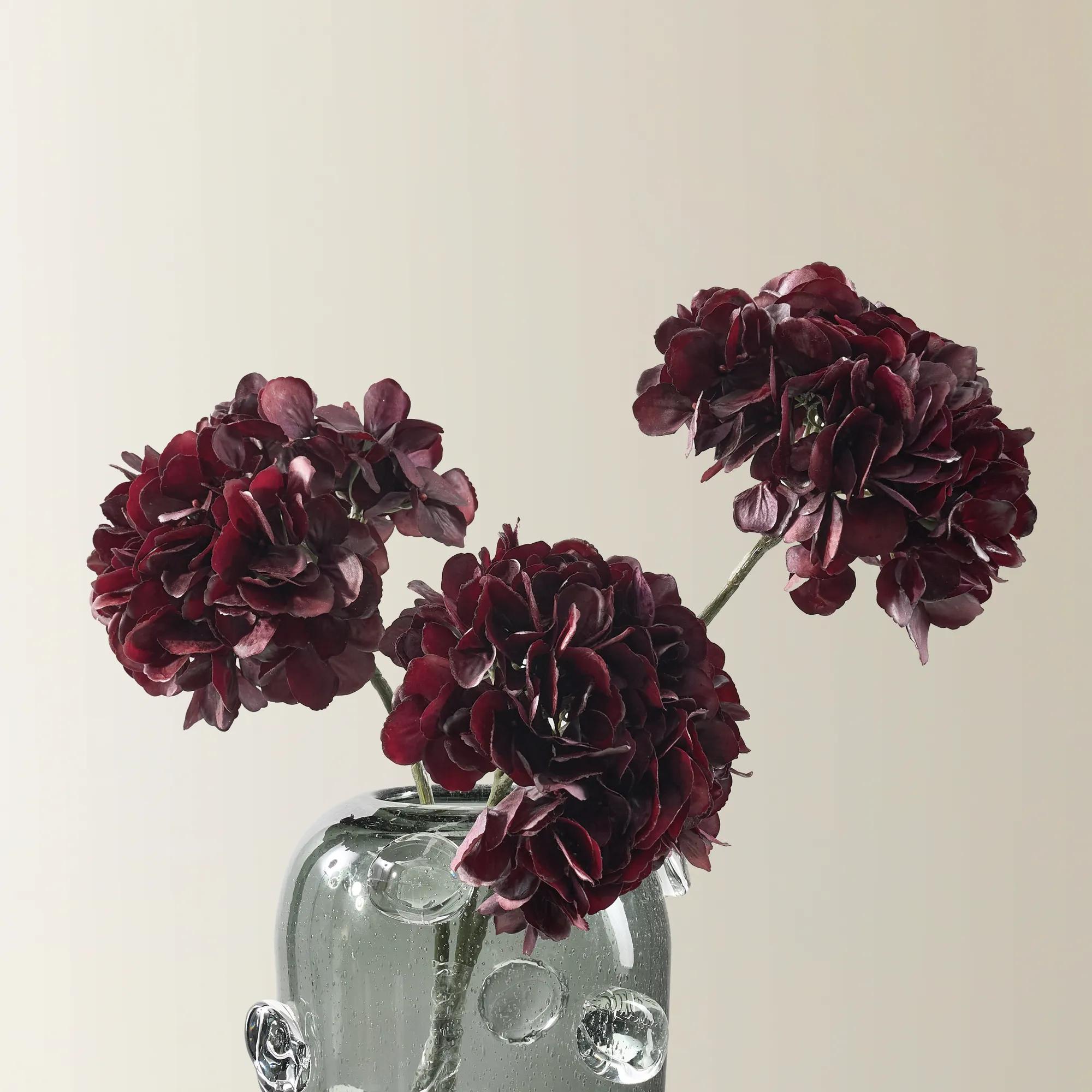 Faux Fig Hydrangea Real Touch Stem 18.5" Set of 3$79
A set of three faux fig-colored hydrangea stems crafted from plastic for lush, seasonal arrangements.
Add To Cart -
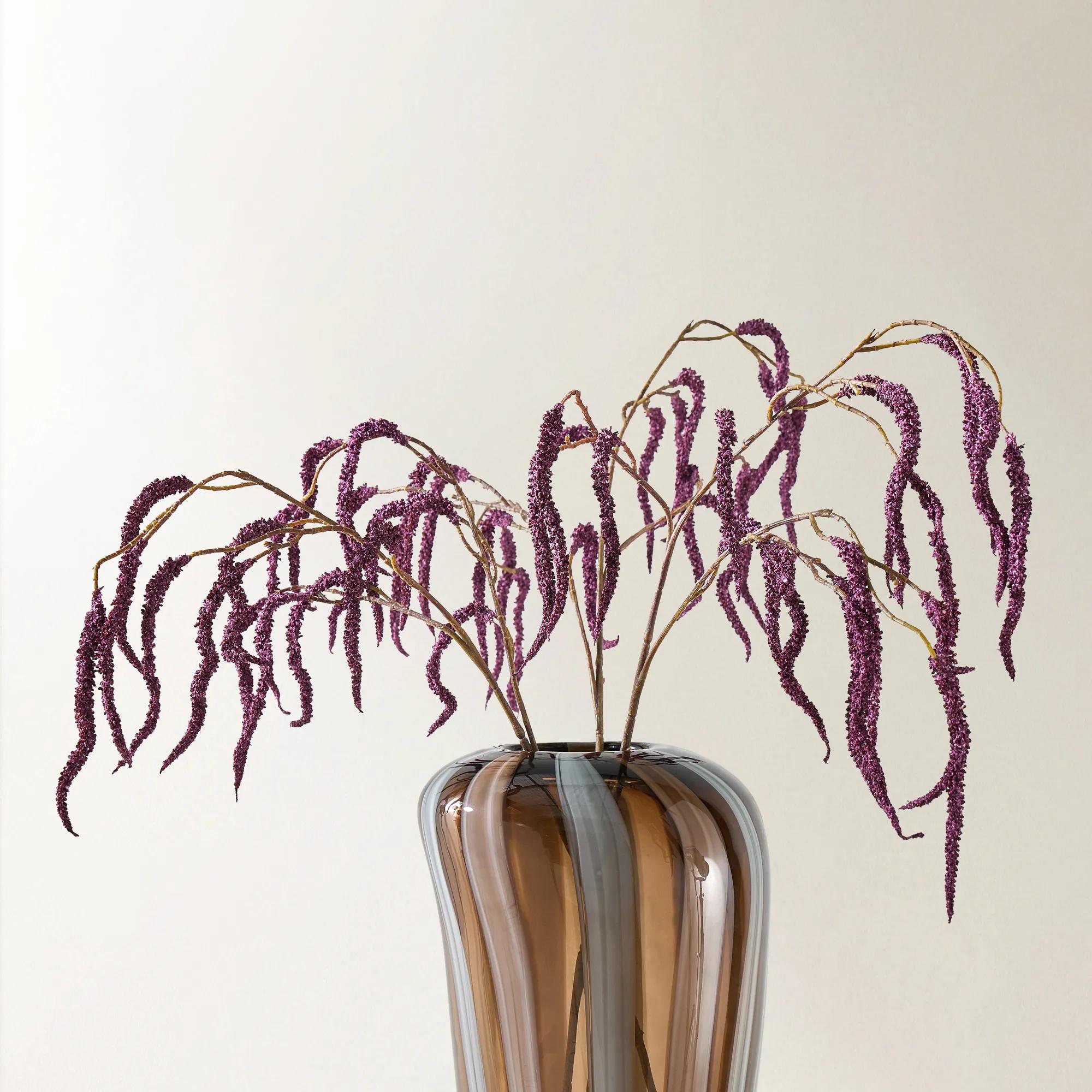
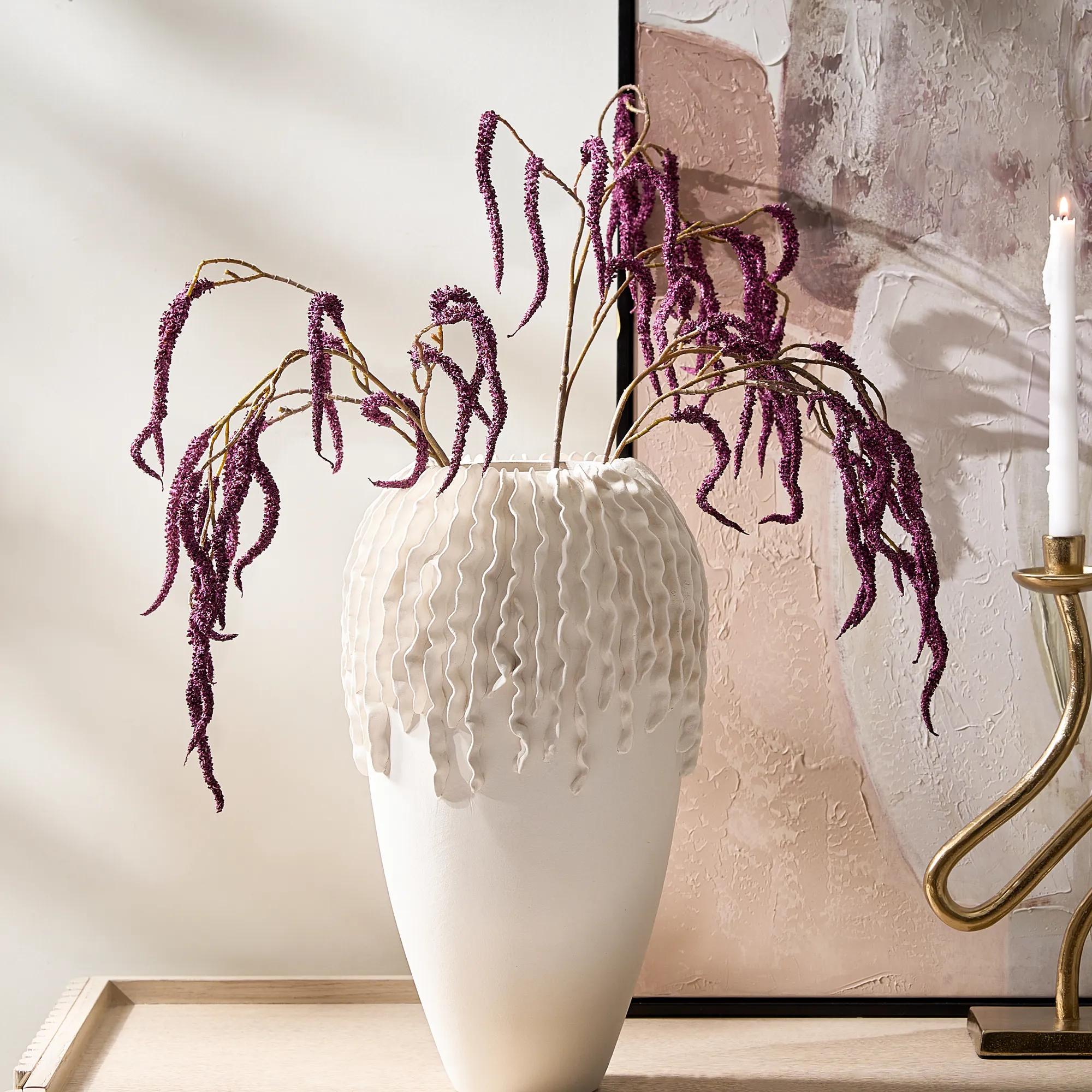 Faux Dark Amethyst Amaranthus Stem 30" Set of 3$39
A set of three faux dark amethyst plastic stems adds rich color and cascading texture to arrangements.
Add To Cart -
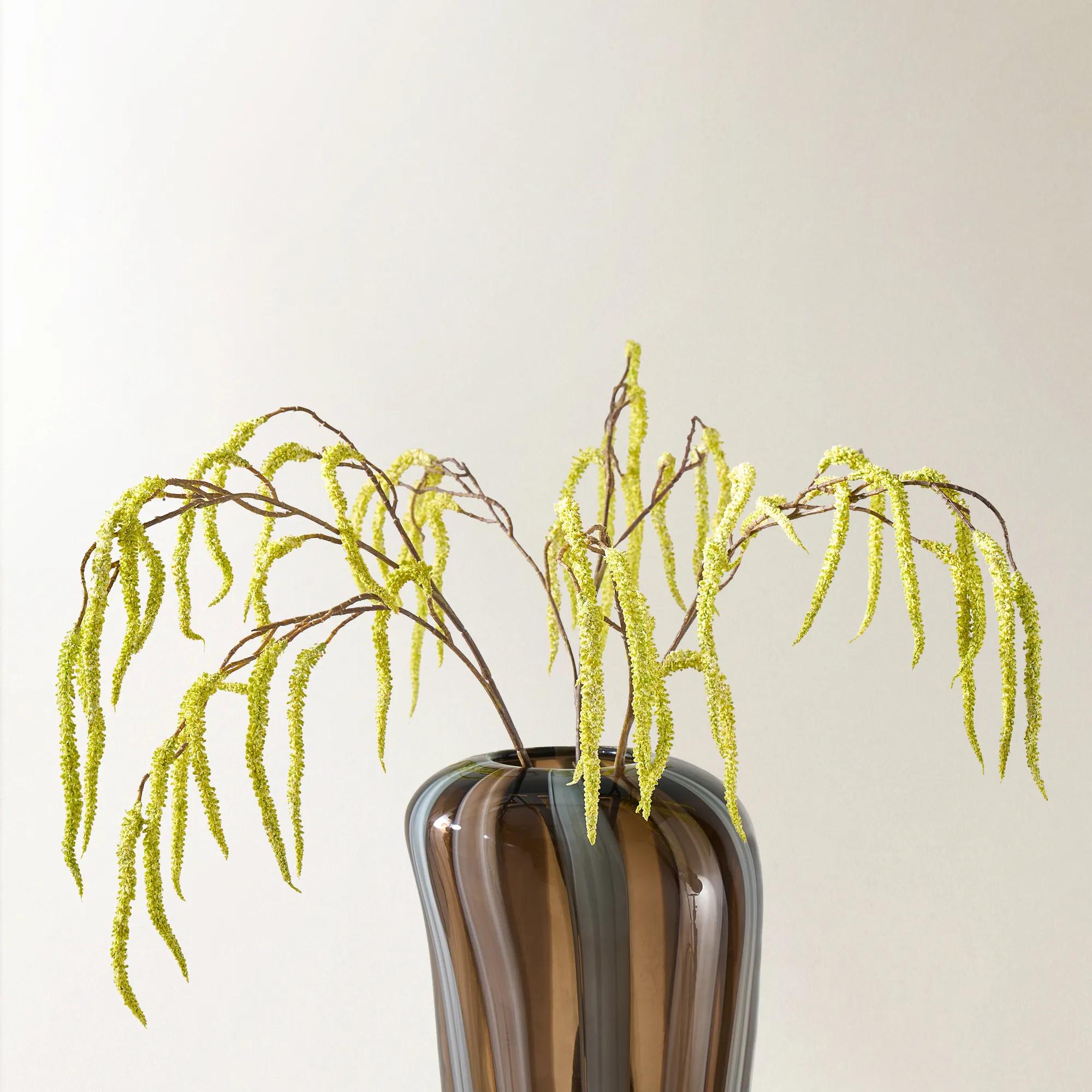
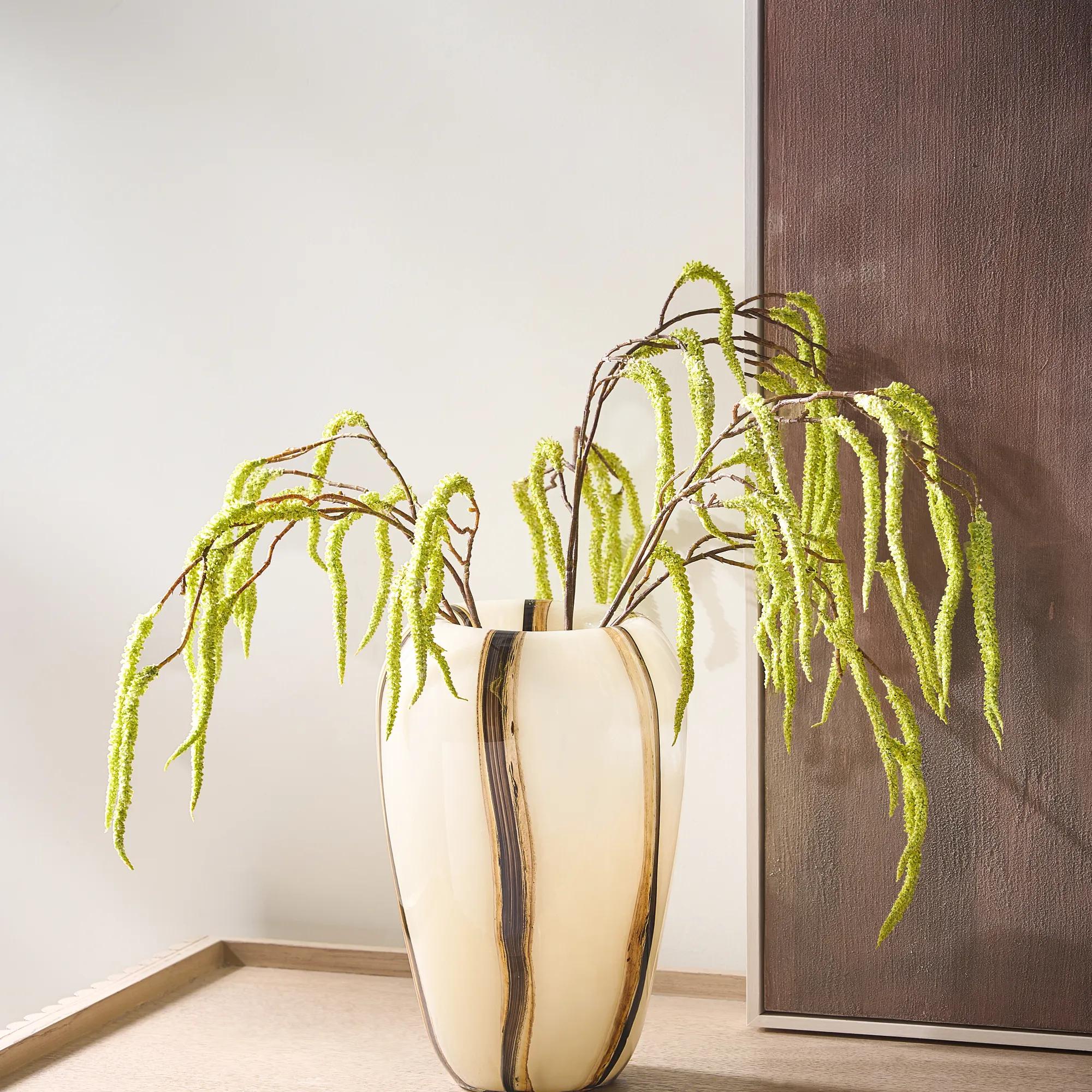 Faux Citron Yellow Amaranthus Stem 30" Set of 3$39
A set of three cascading faux stems in vibrant citron yellow plastic adds lush texture to arrangements.
Add To Cart -
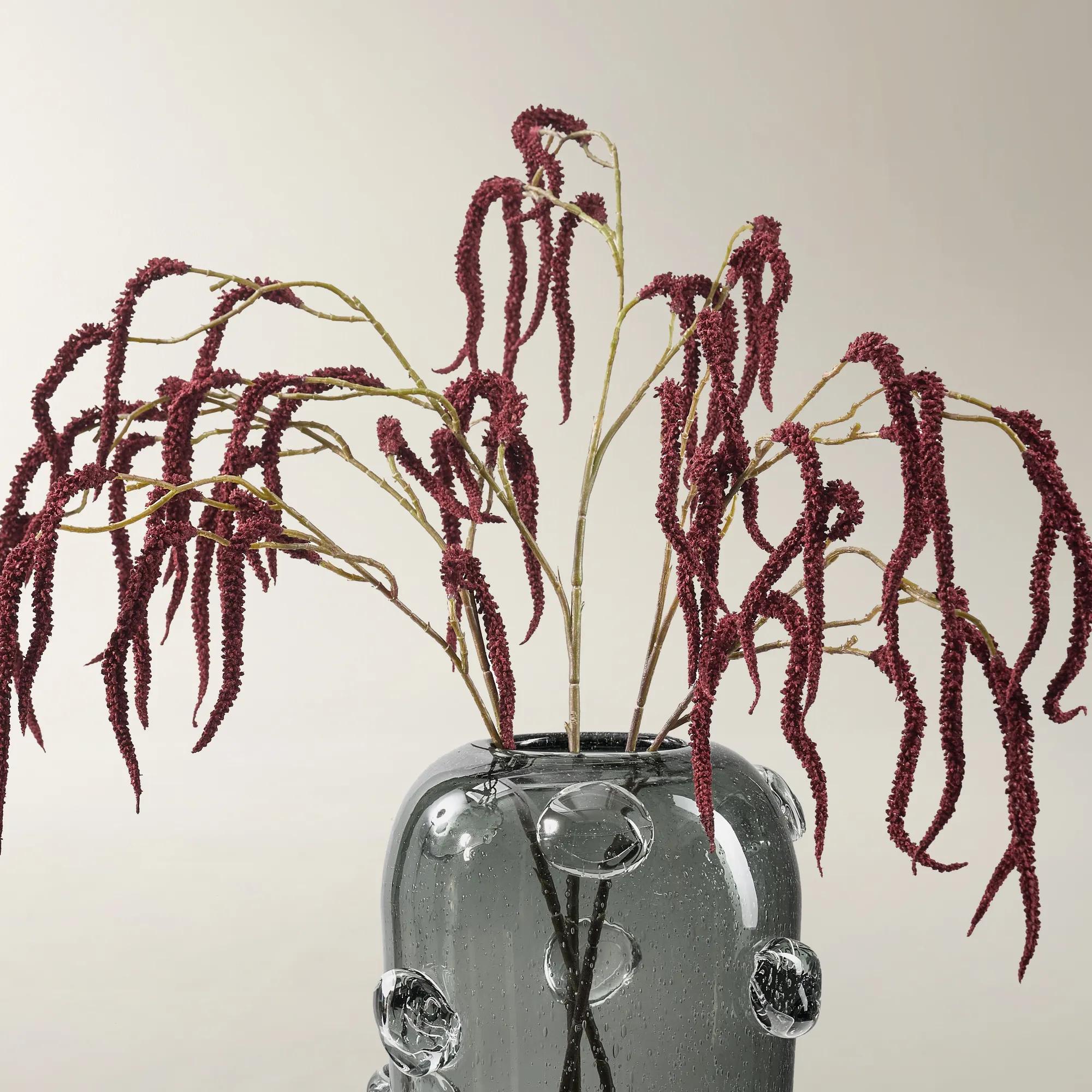
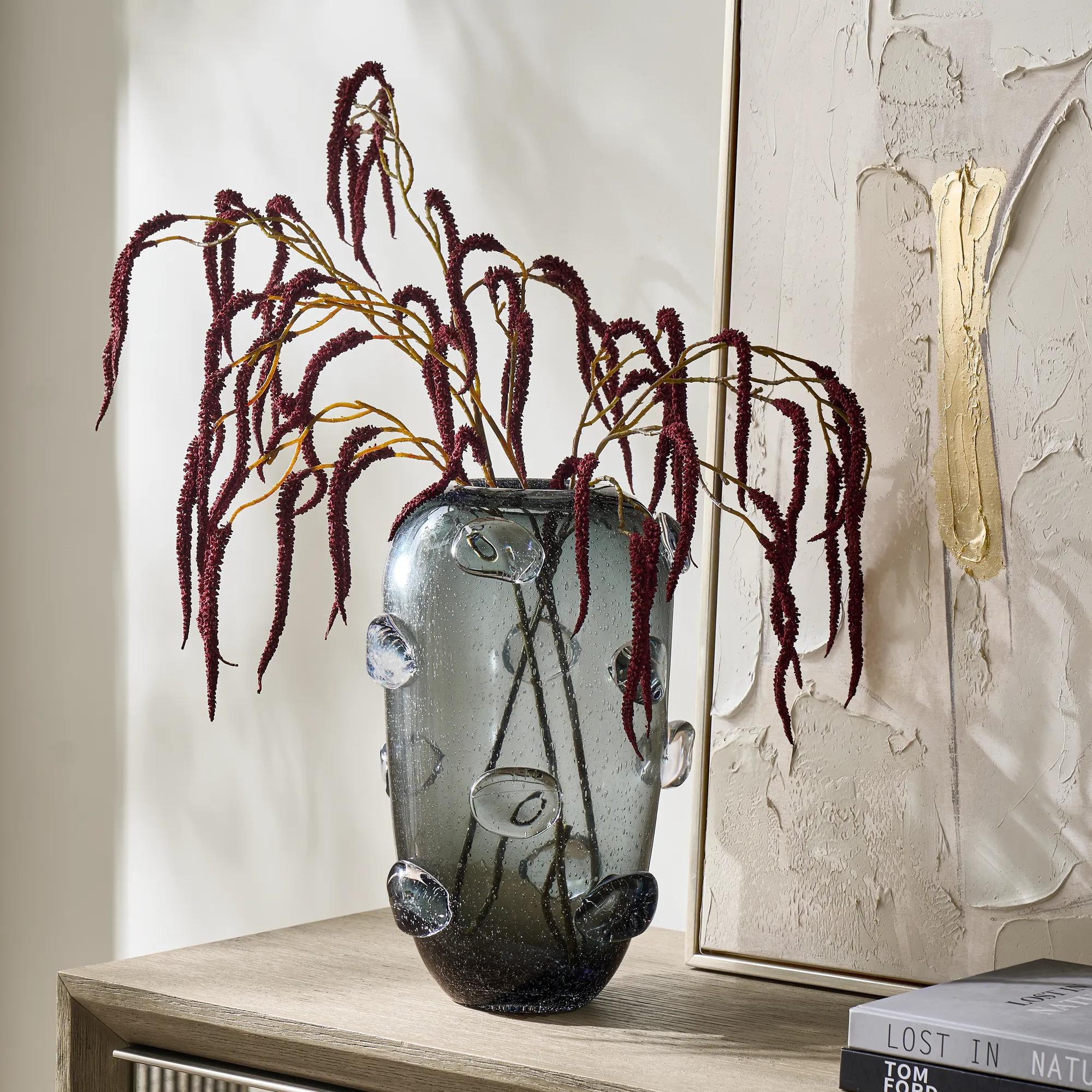 Faux Burgundy Amaranthus Stem 30" Set of 3$39
A set of three cascading faux stems in rich burgundy plastic adds dramatic texture to arrangements.
Add To Cart -
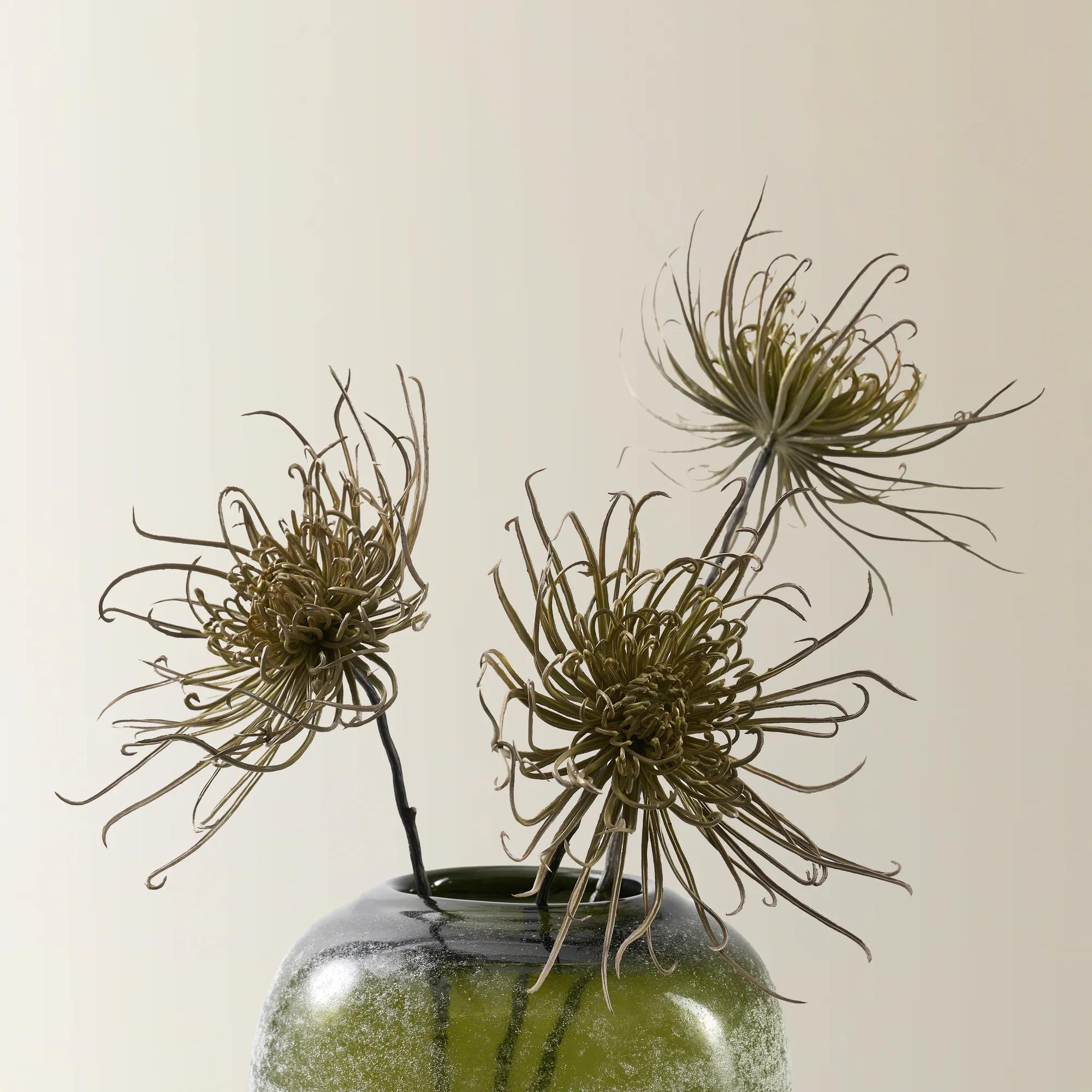 Faux Green Mum Stem 28" Set of 3$59
A set of three faux green mum stems with yellow accents adds lively, natural texture to arrangements.
Add To Cart -
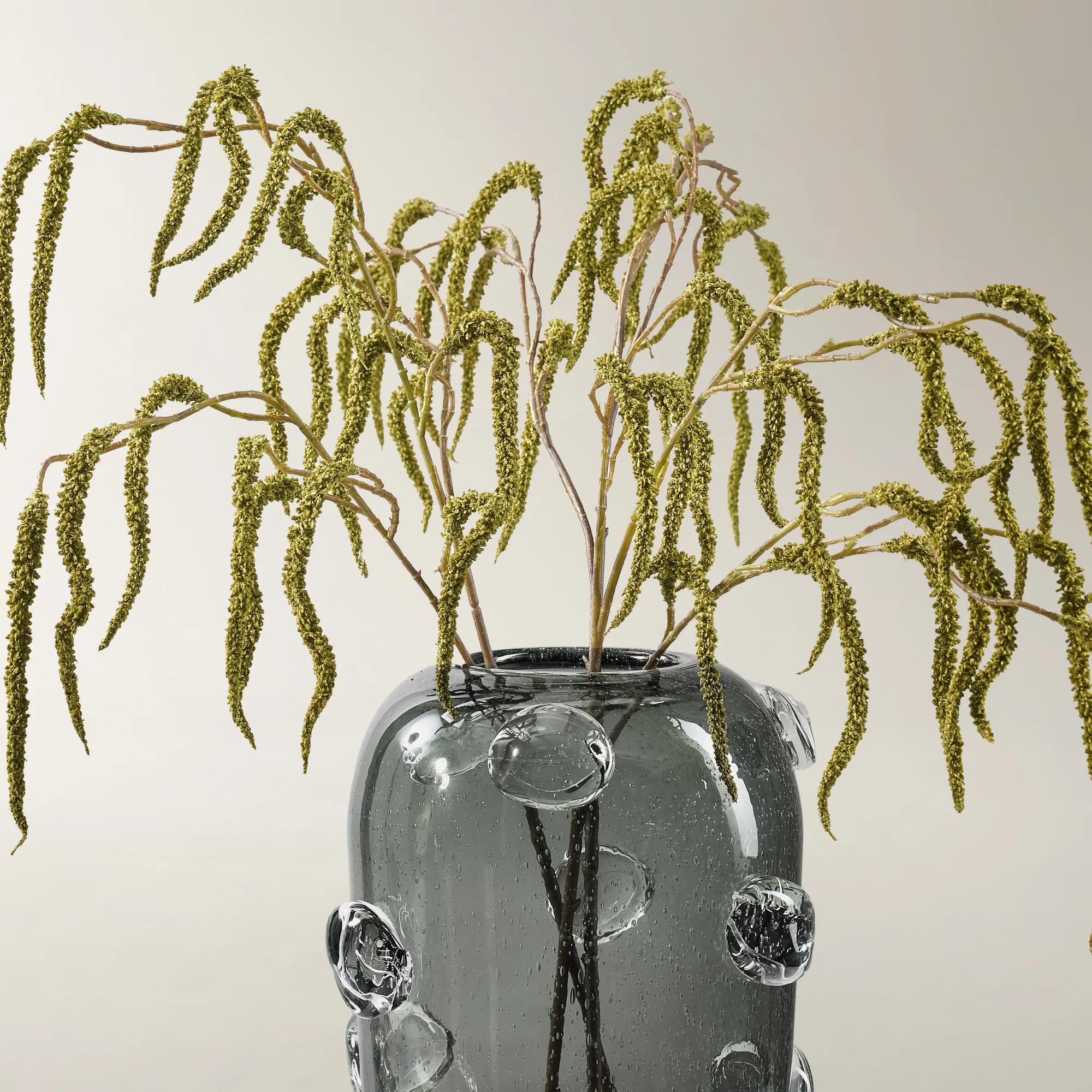 Faux Citron Green Amaranthus Stem 30" Set of 3$39
A set of three cascading faux amaranthus stems in vibrant citron green plastic for lush arrangements.
Add To Cart -

 Faux Amethyst Allium Bulb Stem 40" Set of 3$69
A trio of faux amethyst allium stems adding sculptural botanical elegance to modern arrangements.
Add To Cart -
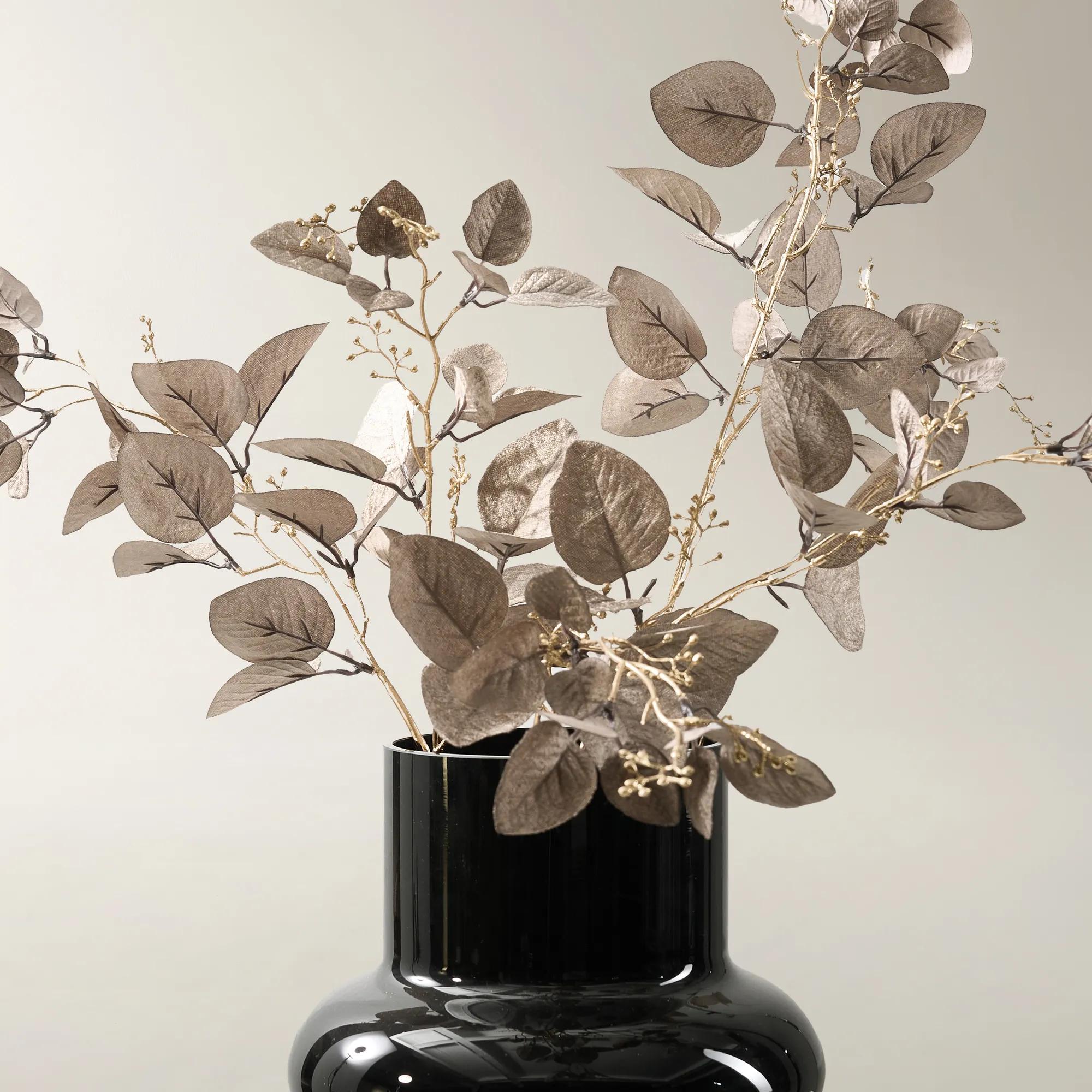 Faux Champagne Shimmer Eucalyptus Spray 32" Set of 3$49
A set of three antique champagne faux eucalyptus sprays adds metallic warmth and airy texture to arrangements.
Add To Cart -
 Faux Berry Anemone Stem 21" Set of 3$29
A set of three berry red faux anemone stems crafted from polyester for a romantic accent.
Add To Cart -
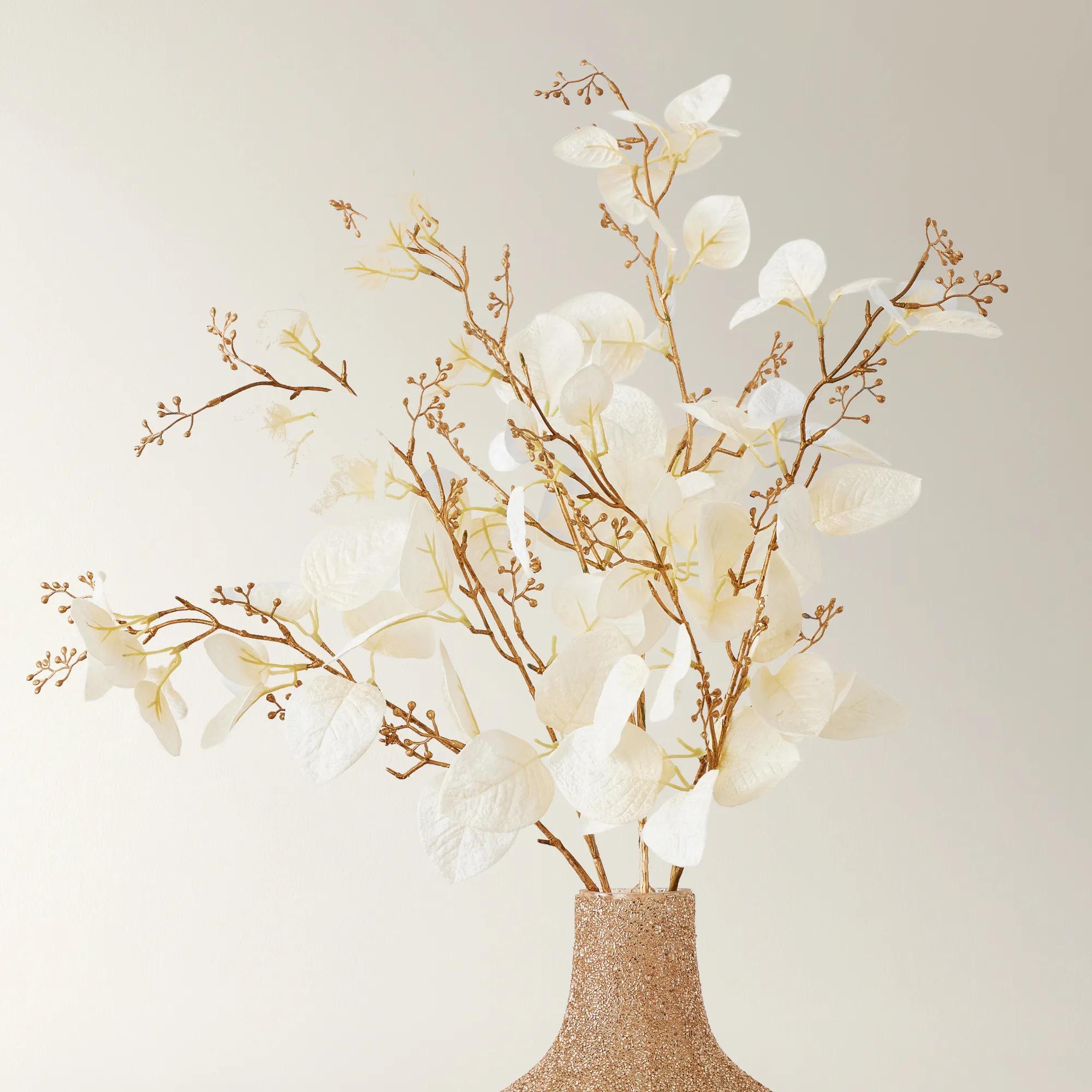 Faux Ivory/Gold Eucalyptus Spray 32" Set of 3$49
A trio of ivory-and-gold polyester eucalyptus sprays adds luminous, dimensional texture to botanical arrangements.
Add To Cart -
 Faux White Magnolia Stem 40" Set of 3$79
A set of three lifelike faux magnolia stems in creamy white polyester for timeless floral elegance.
Add To Cart -
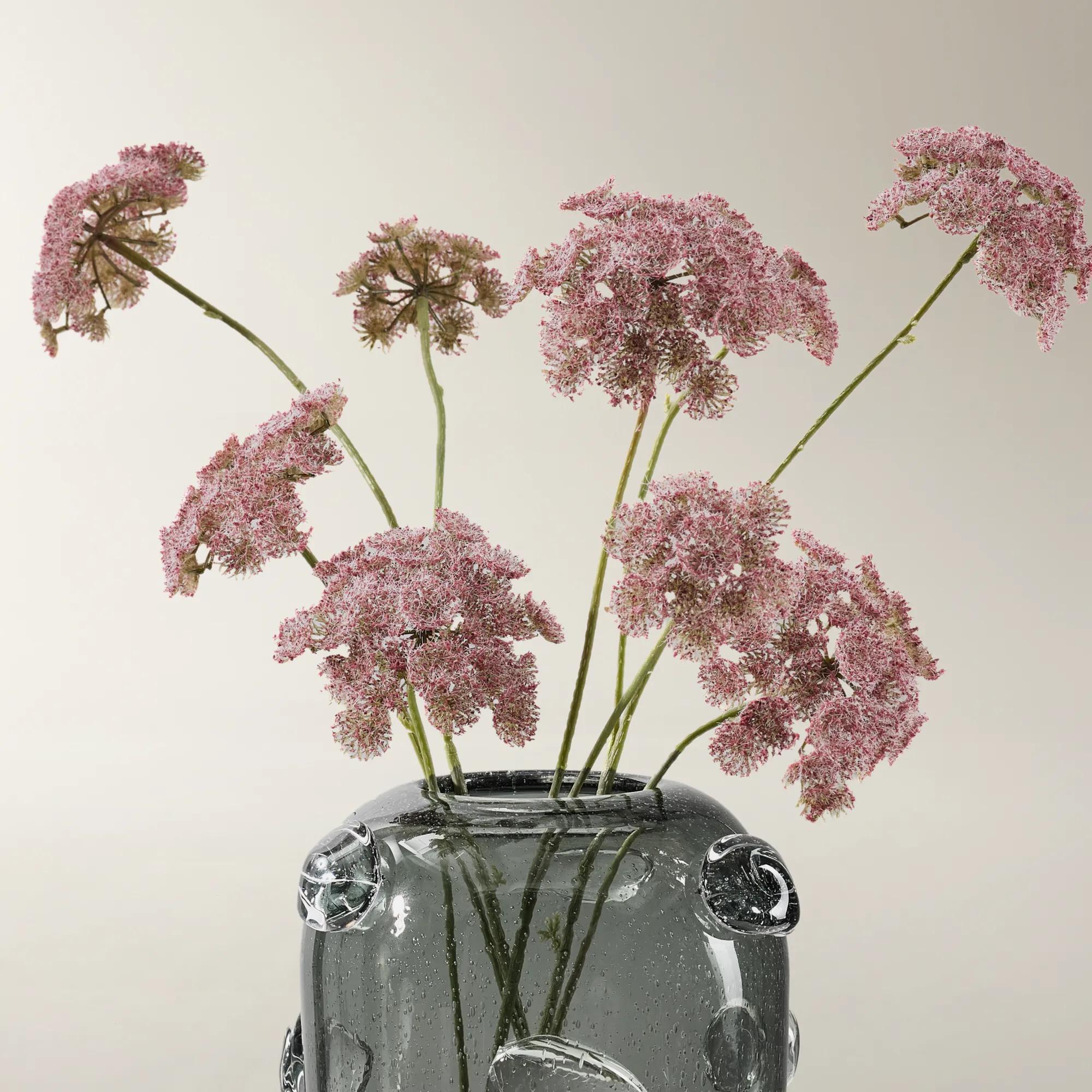 Faux Mauve Queens Lace Stem 30.5" Set of 3$49
A set of three mauve faux Queen’s Lace stems adds romantic color and airy texture to arrangements.
Add To Cart -
 Faux Protea Cream Stem 33" Set of 3$49
A set of three lifelike cream faux protea stems crafted from foam, plastic, and iron wire.
Add To Cart -
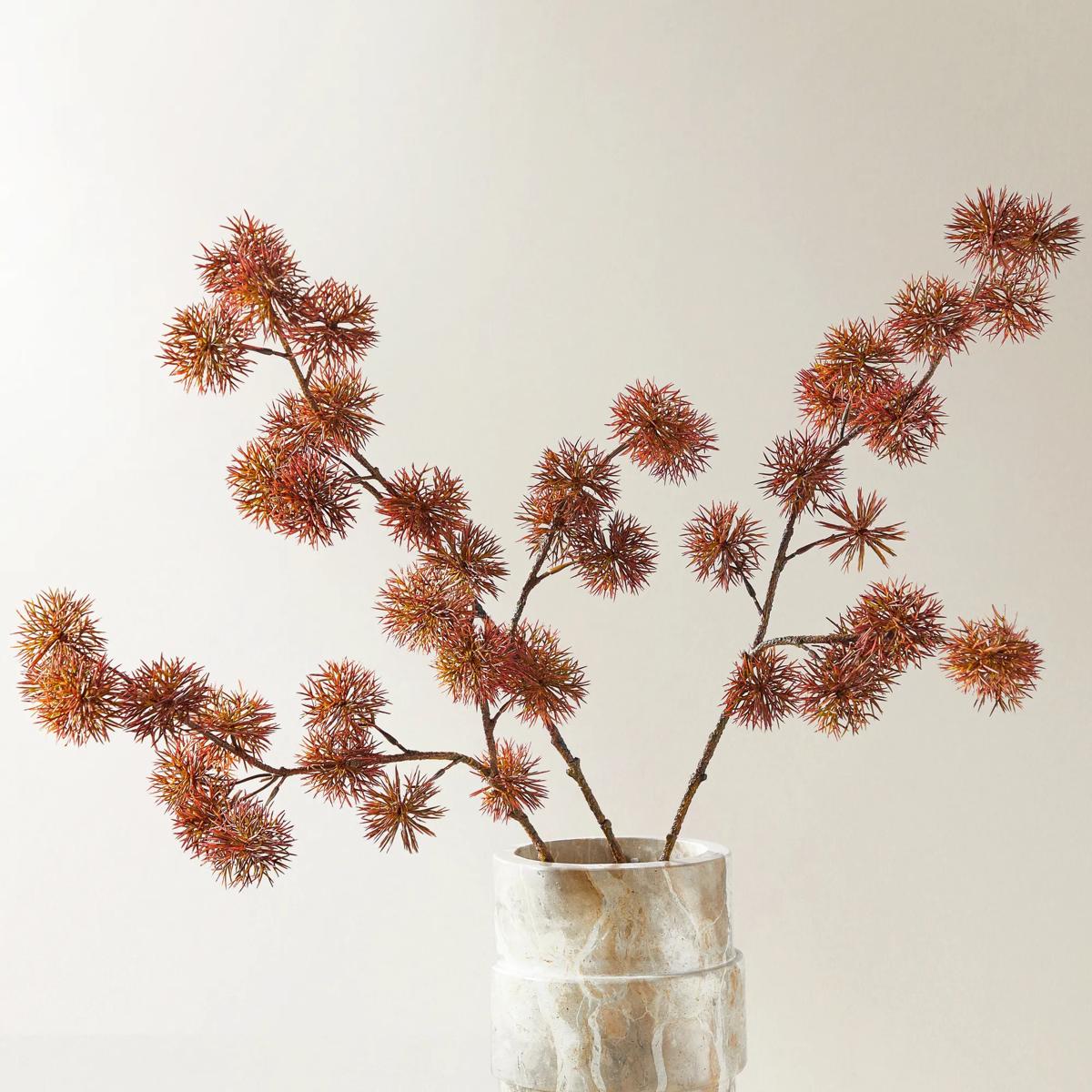
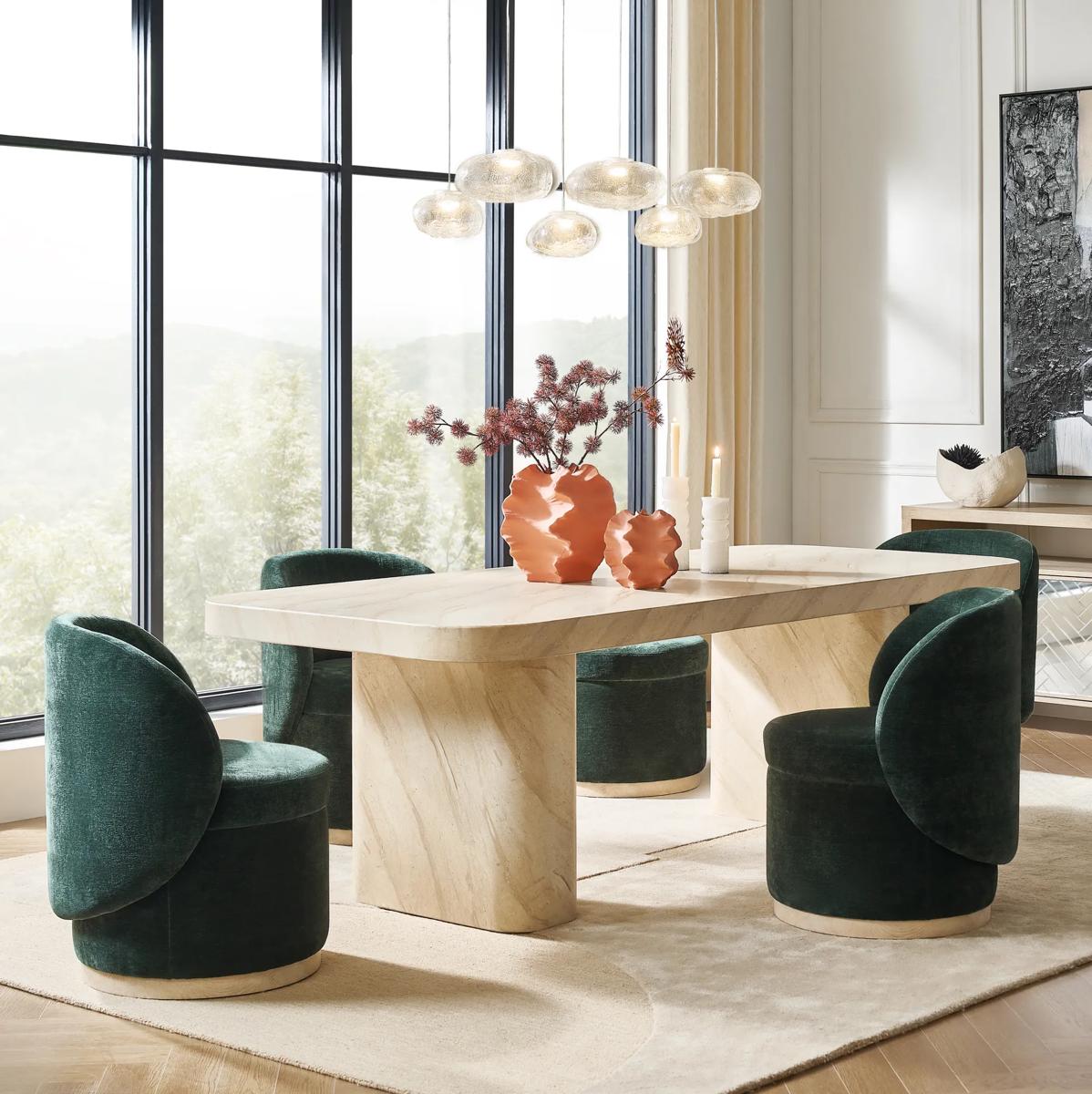 Faux Rust Brown Fall Thistle Stem 27" Set of 3$49
A set of three faux thistle stems in warm rust-brown tones adds sculptural autumnal texture to arrangements.
Add To Cart -
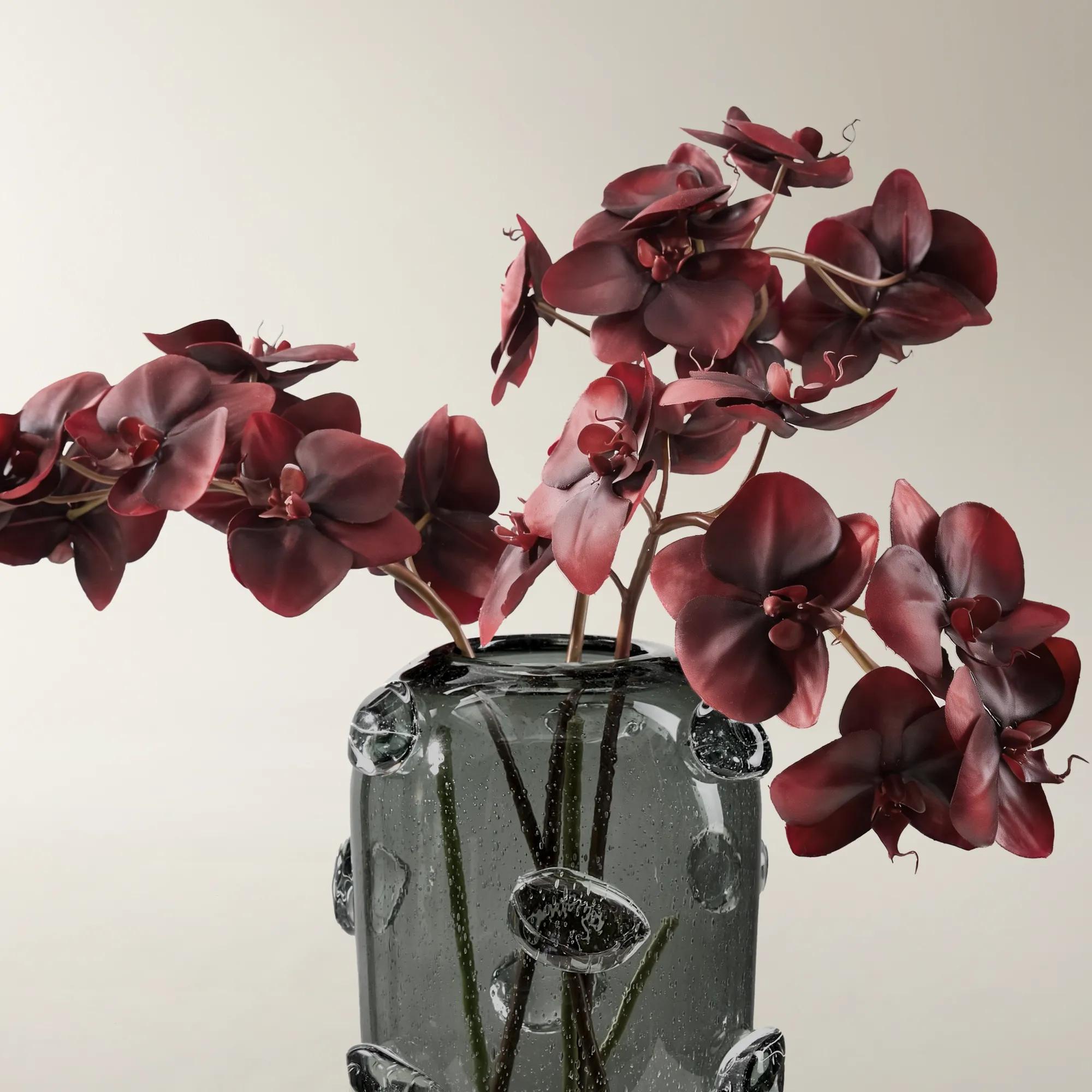
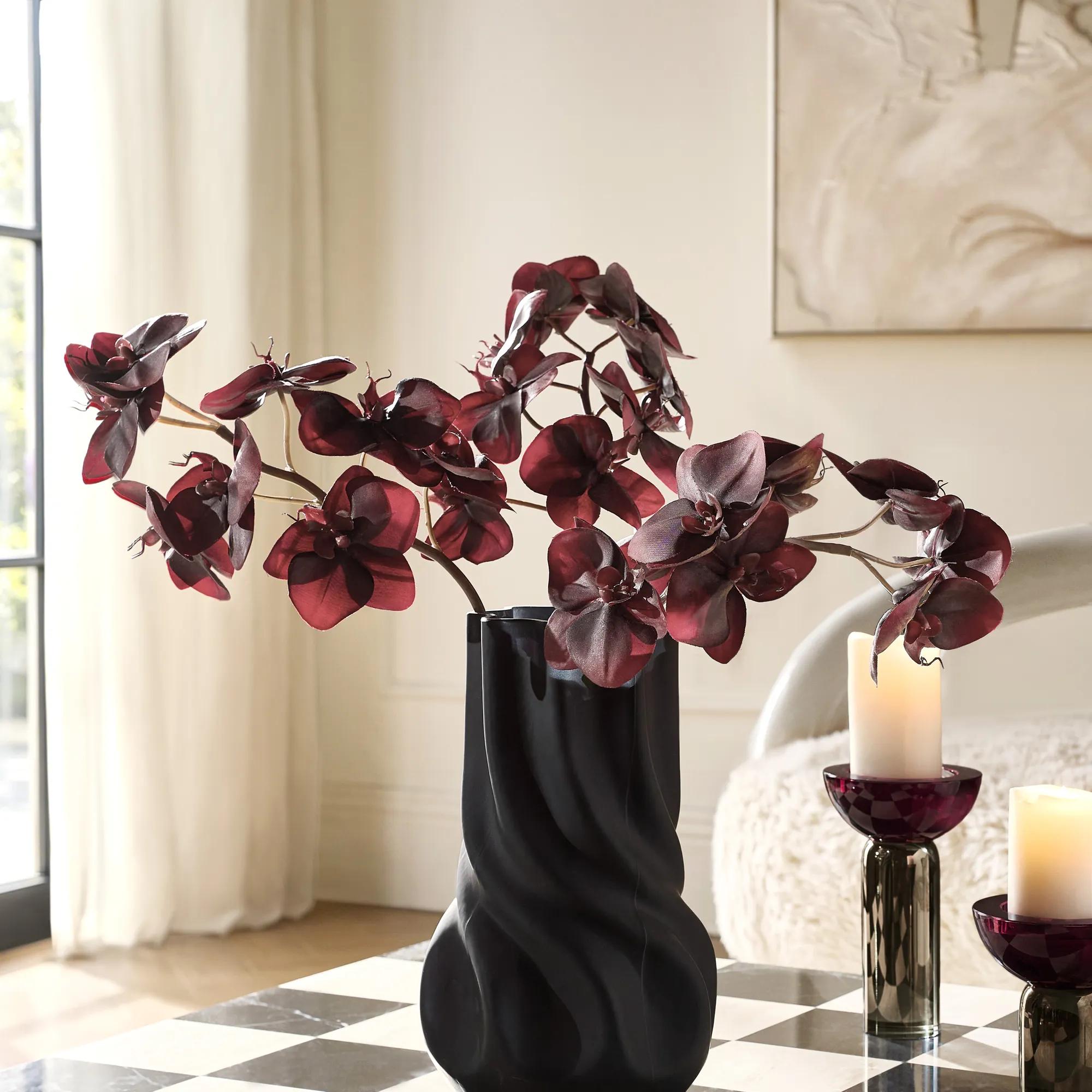 Faux Burgundy Phalaenopsis Real Touch Stem 37" Set of 3$79
A set of three faux burgundy phalaenopsis stems crafted from plastic for dramatic, elegant floral displays.
Add To Cart -
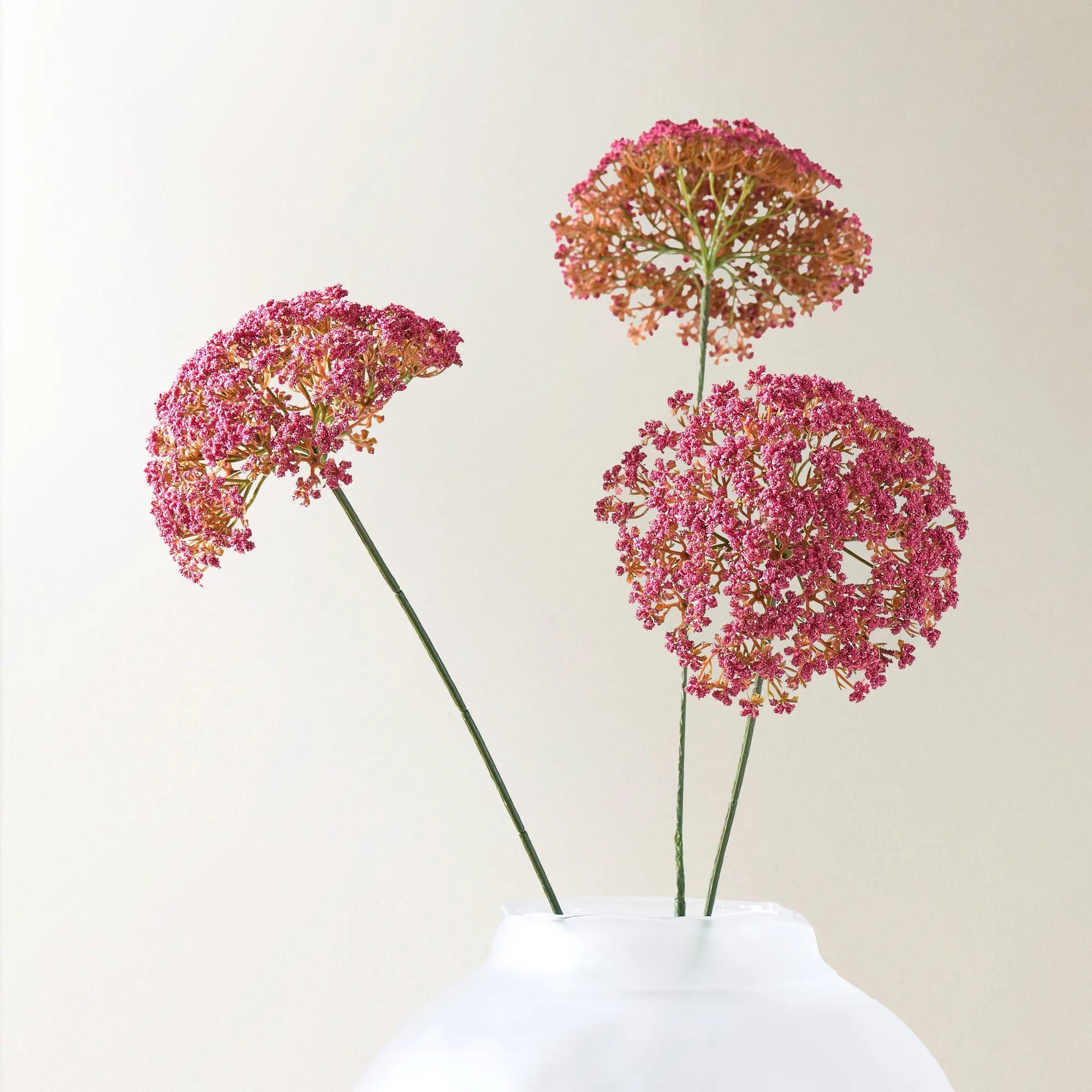
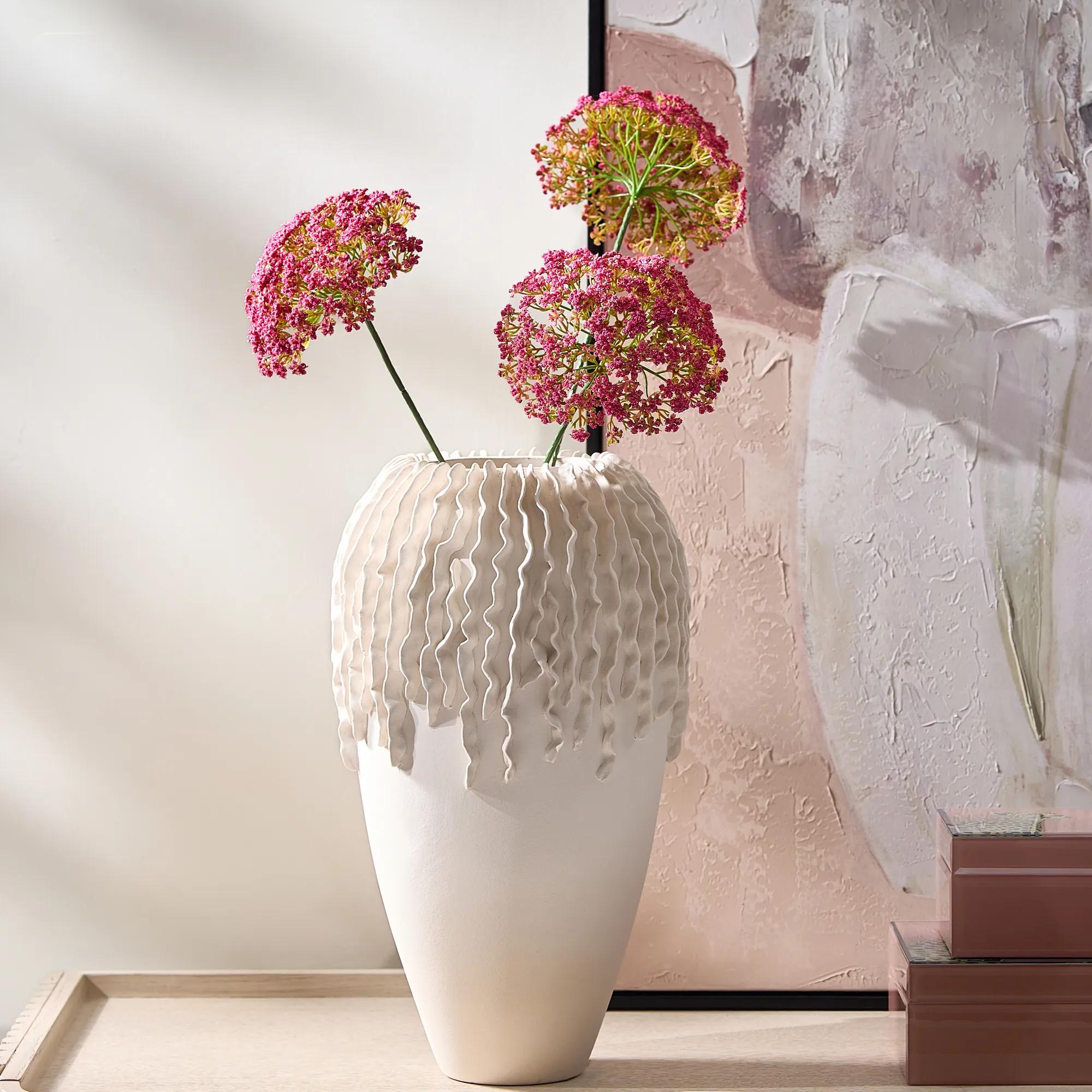 Faux Berry Pink Heracleum Stem 29" Set of 3$49
A trio of pink faux Heracleum stems adds sculptural texture and lasting botanical style to interiors.
Add To Cart -
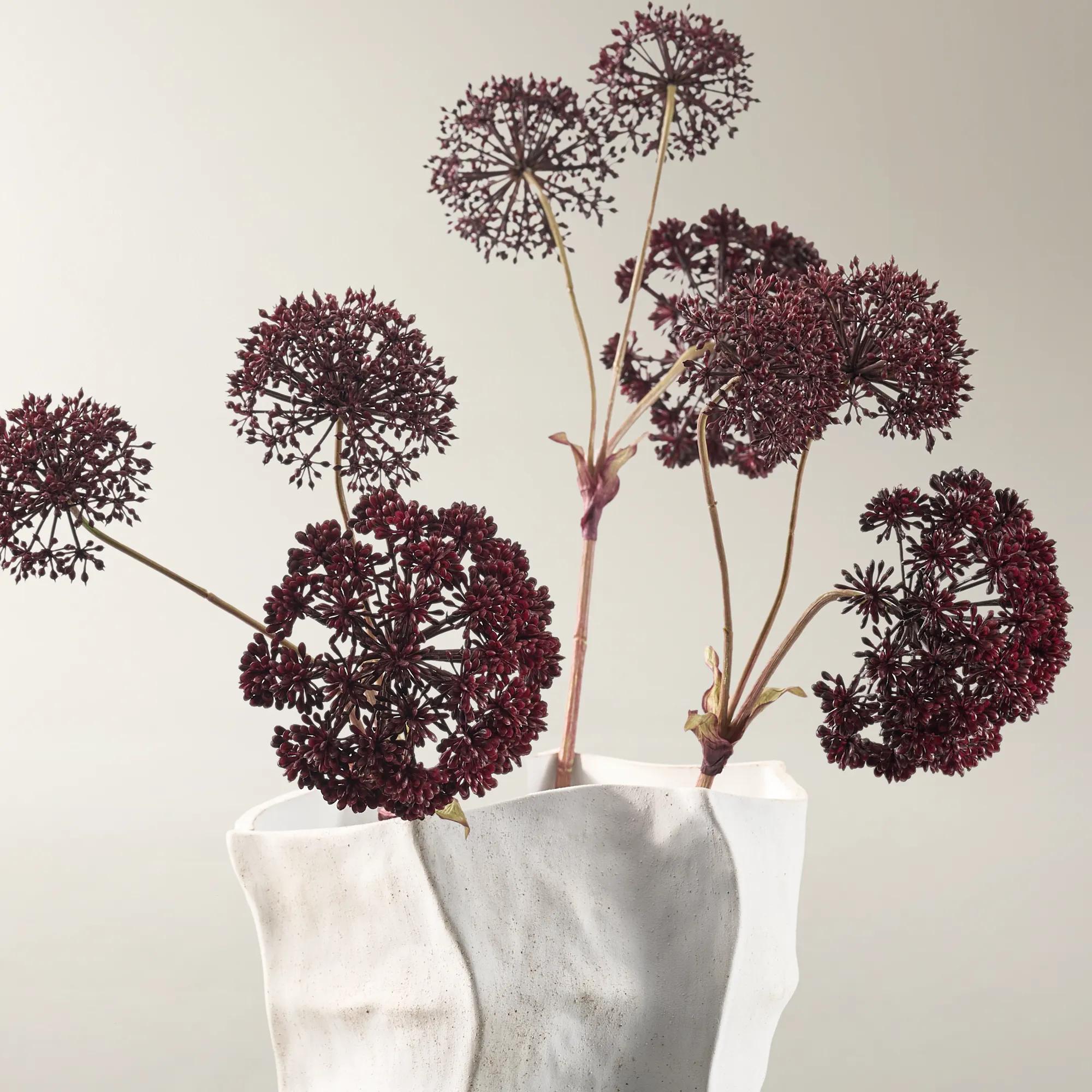 Faux Fig Angelica Stem 28" Set of 3$89
A set of three faux fig angelica stems in rich fig color adds sculptural depth to seasonal arrangements.
Add To Cart -
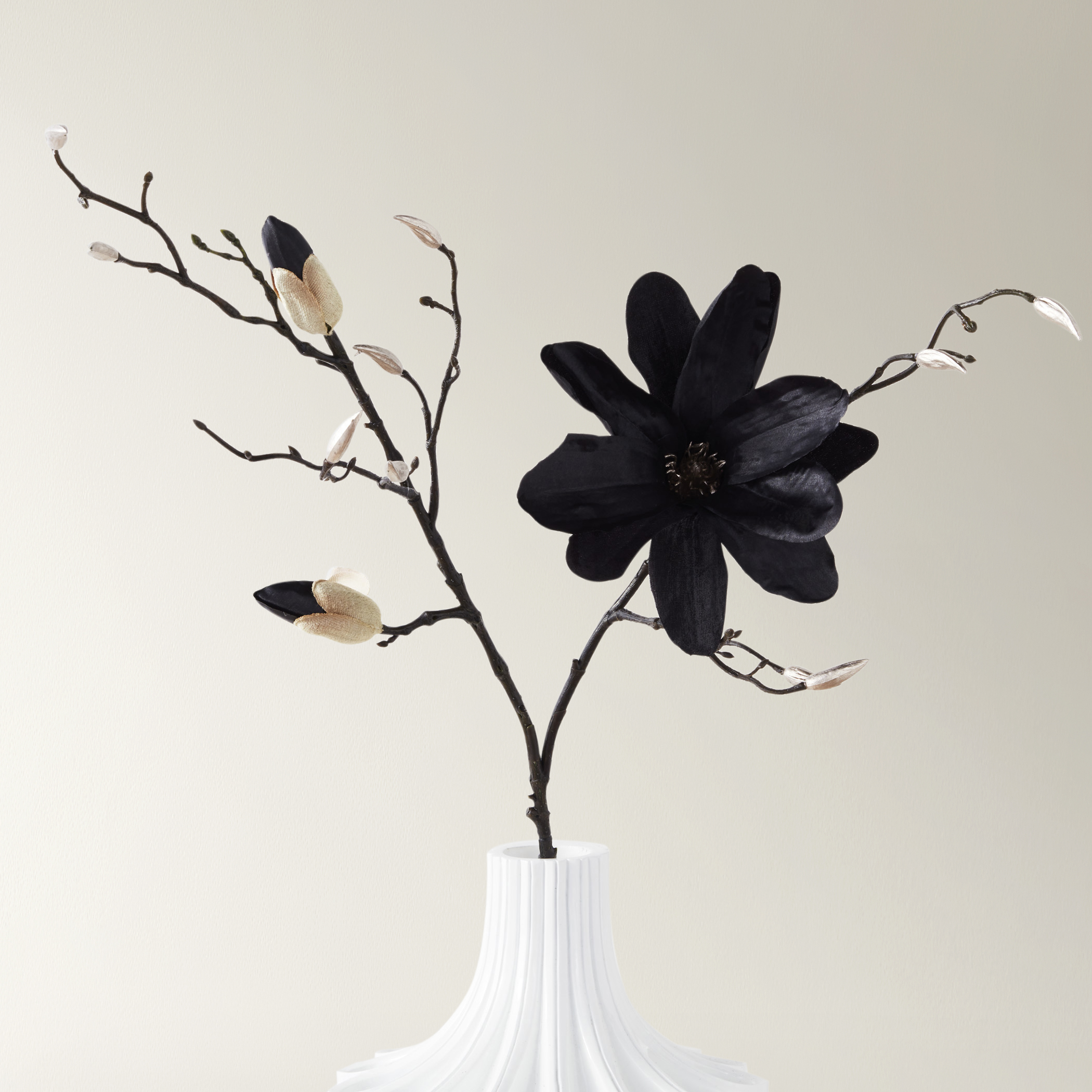 Faux Black & Gold Magnolia Stem 33" Set of 3$59
A set of three lifelike black polyester magnolia sprays that add dramatic height to any decor.
Add To Cart -
 Metallic Gold Berry Stem 33" Set of 3$79
A set of three metallic gold plastic berry stems adds festive shine and sculptural texture to holiday décor.
Add To Cart -
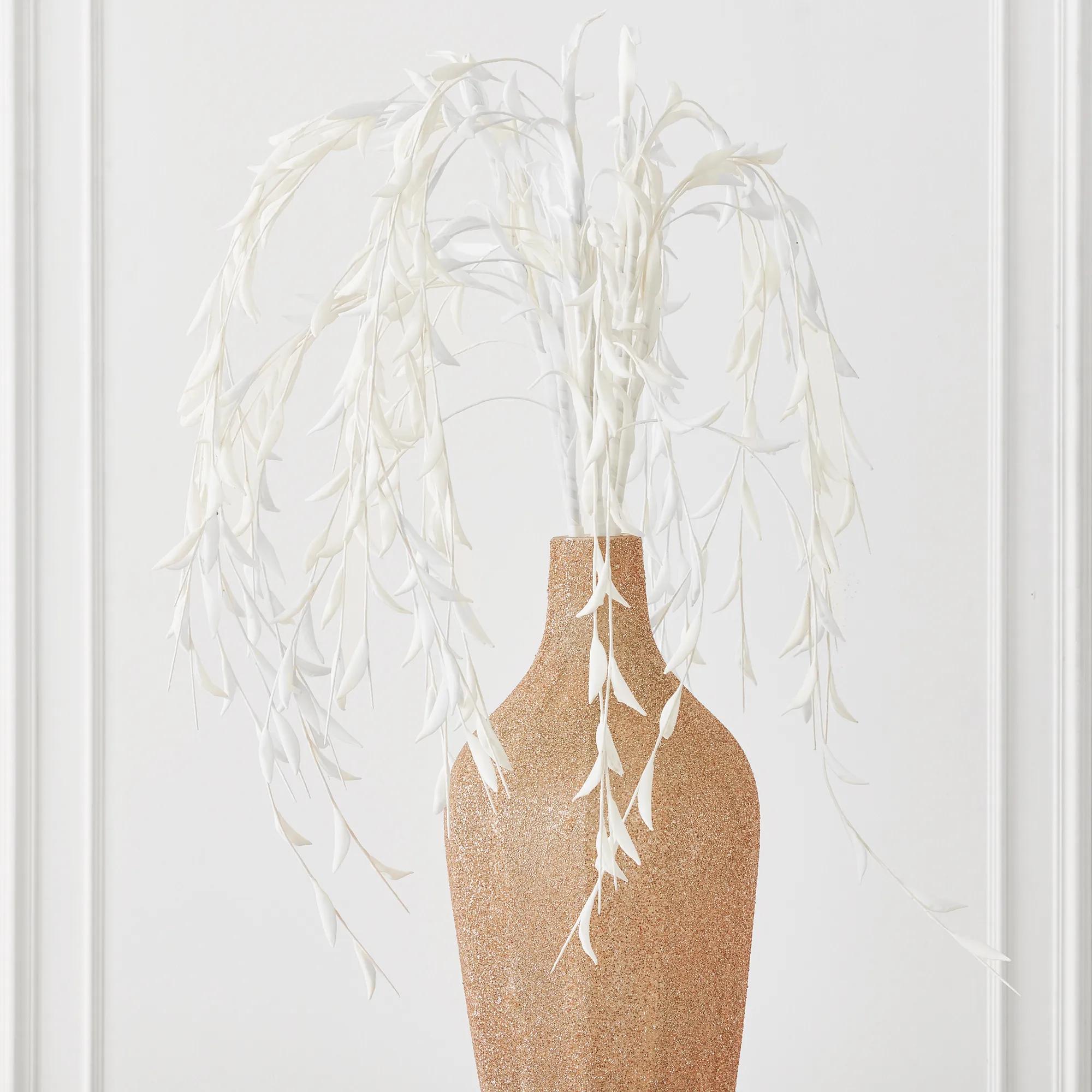 Faux Weeping Willow Spray Set of 3$59
A set of three faux weeping willows with delicate white foam branches for enchanting decor.
Add To Cart -
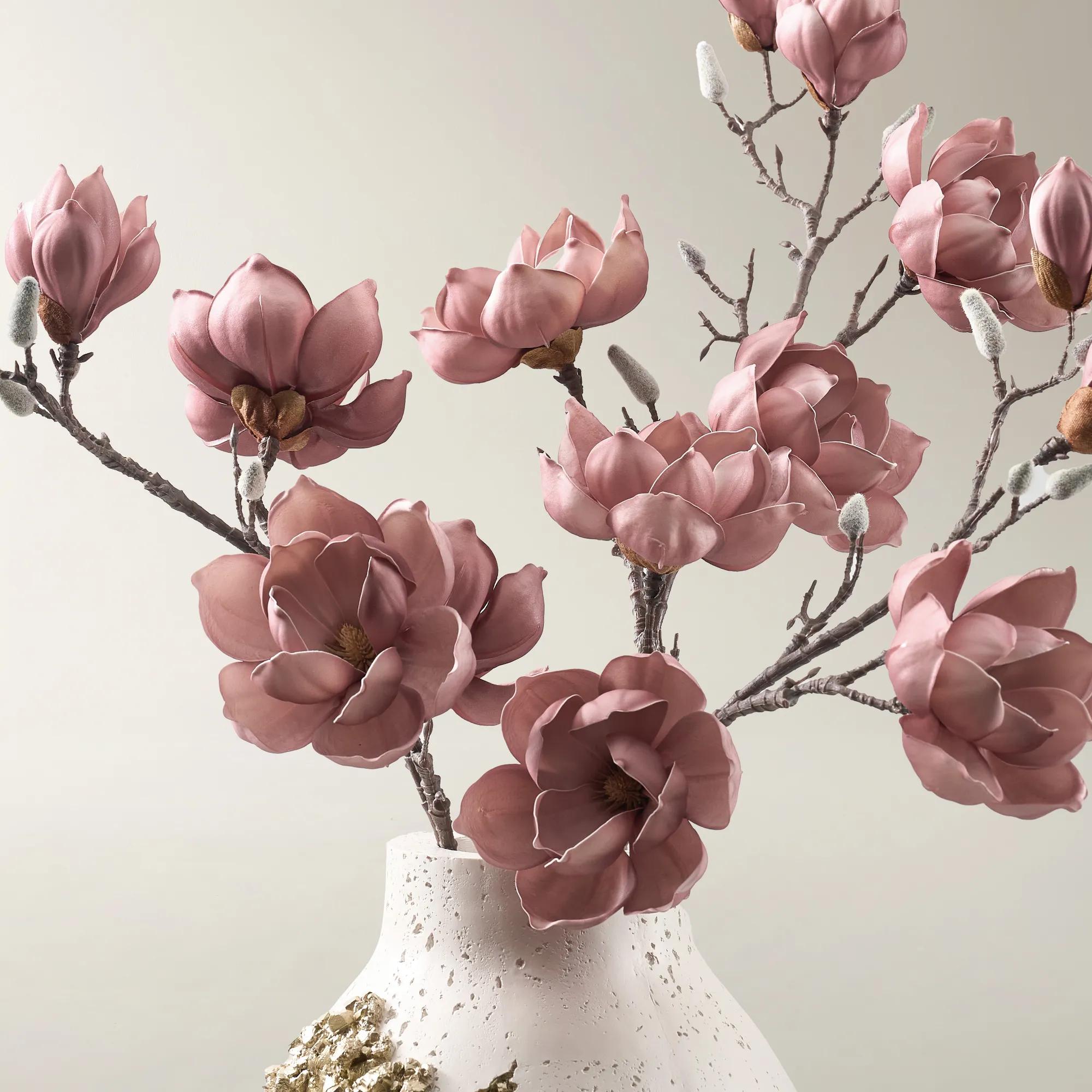 Faux Pearlized Antique Mauve Magnolia Stem 40" Set of 3$79
A set of three pearlized antique mauve magnolia stems crafted from polyester for elegant seasonal arrangements.
Add To Cart -
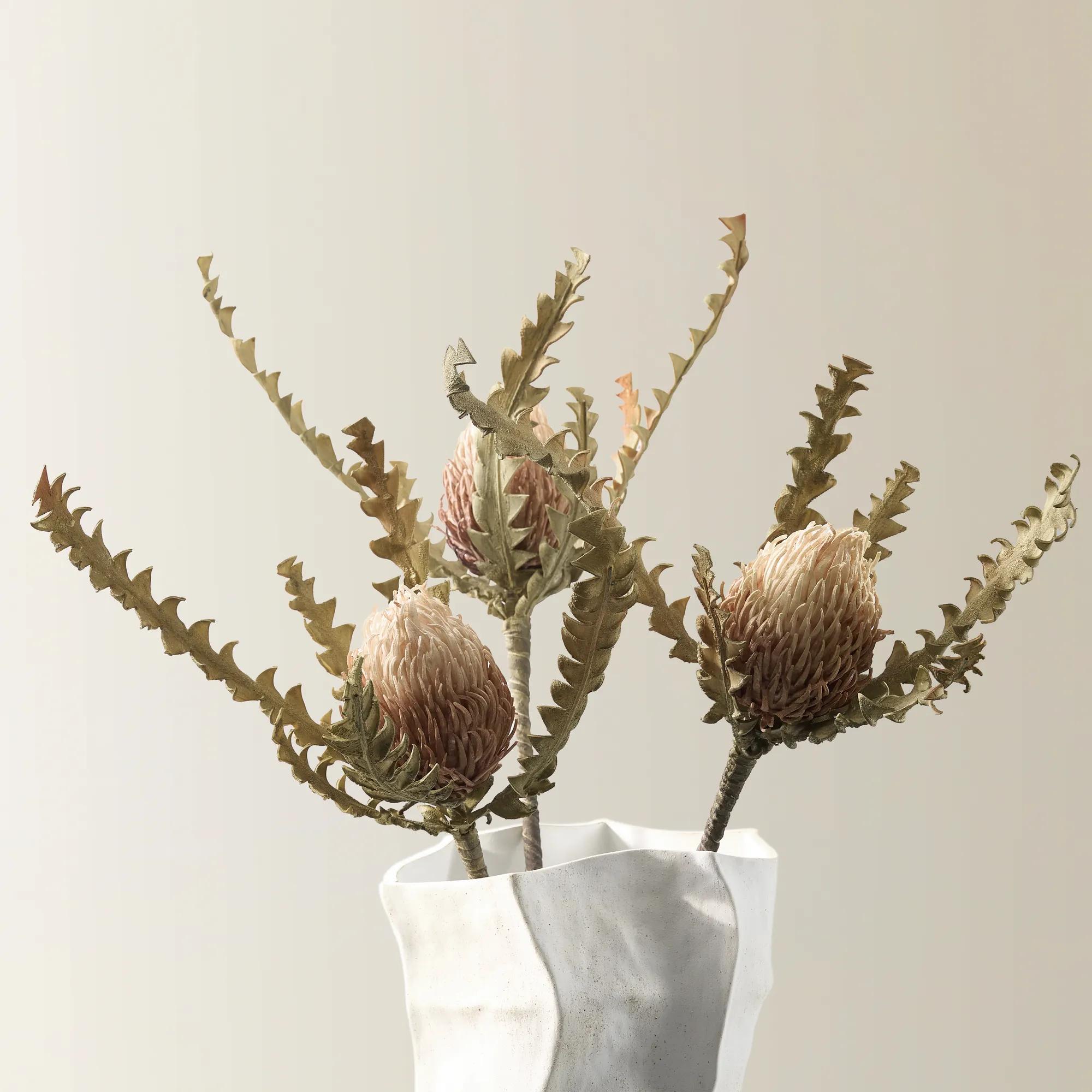 Faux Yellow Banksia Stem 32.75" Set of 3$49
A set of three sculptural faux banksia stems in yellow and green plastic for bold, artful arrangements.
Add To Cart -
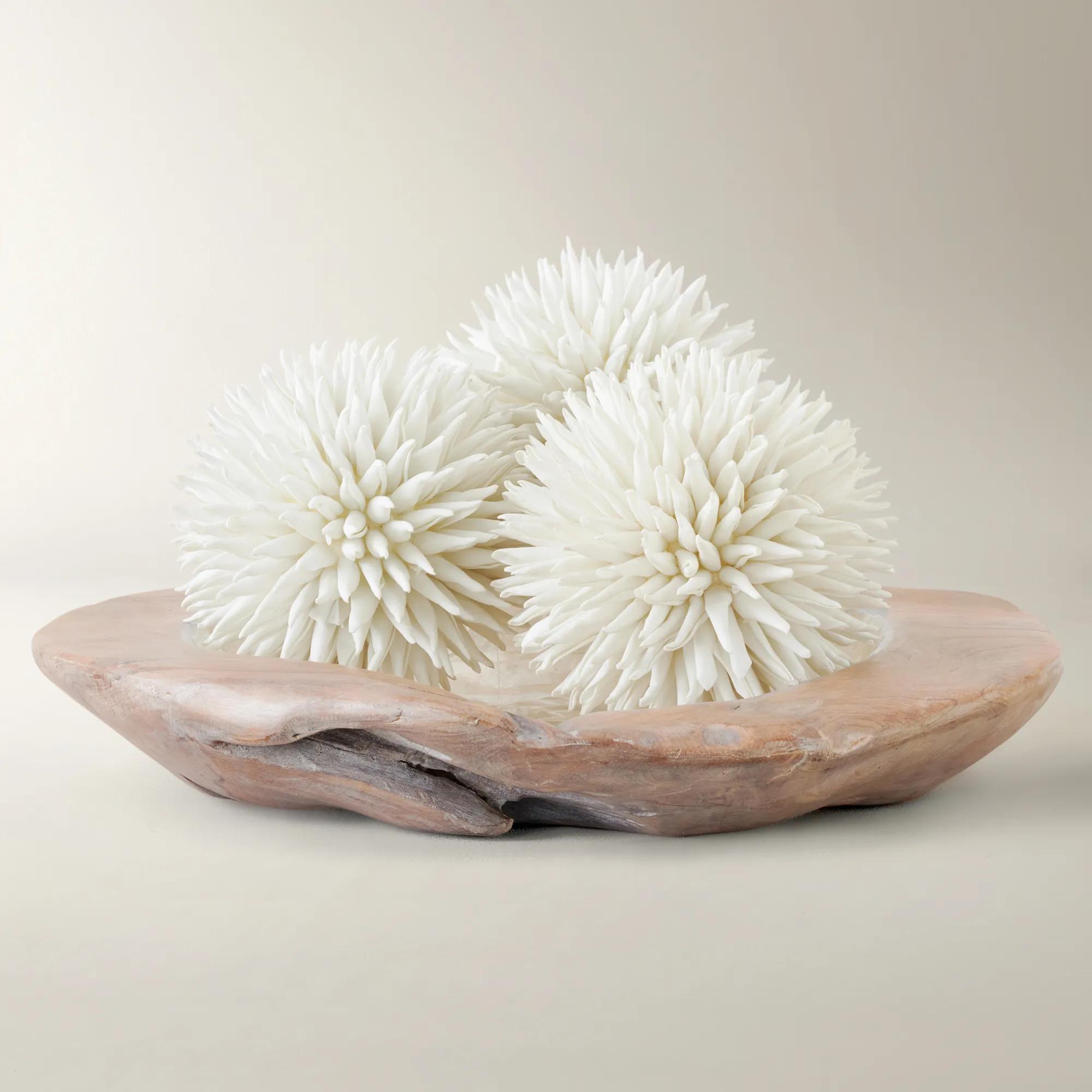
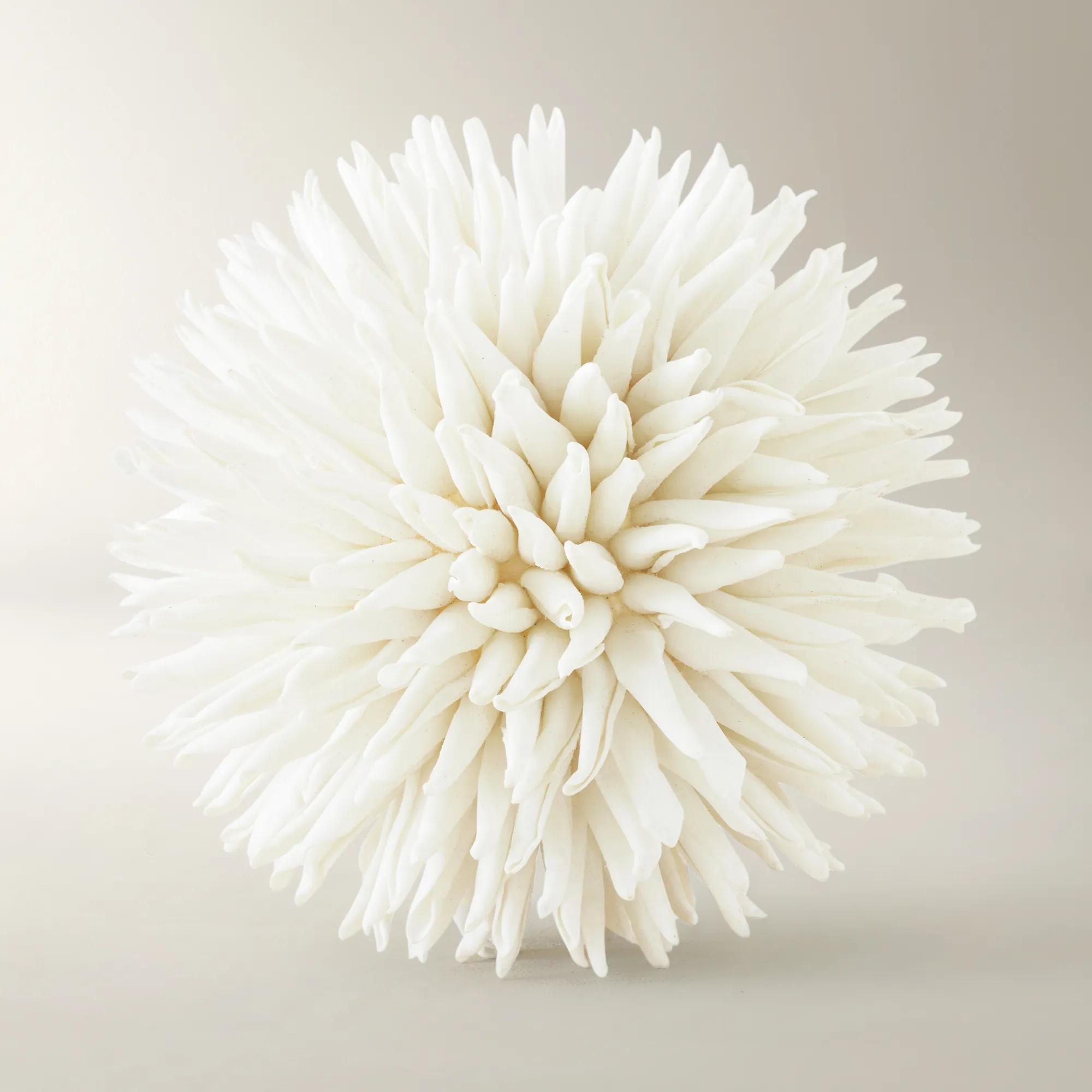 Faux White Allium Sphere 7" Set of 3$59
A set of three foam white faux floral spheres that stay vibrant year-round without water or sunlight.
Add To Cart -
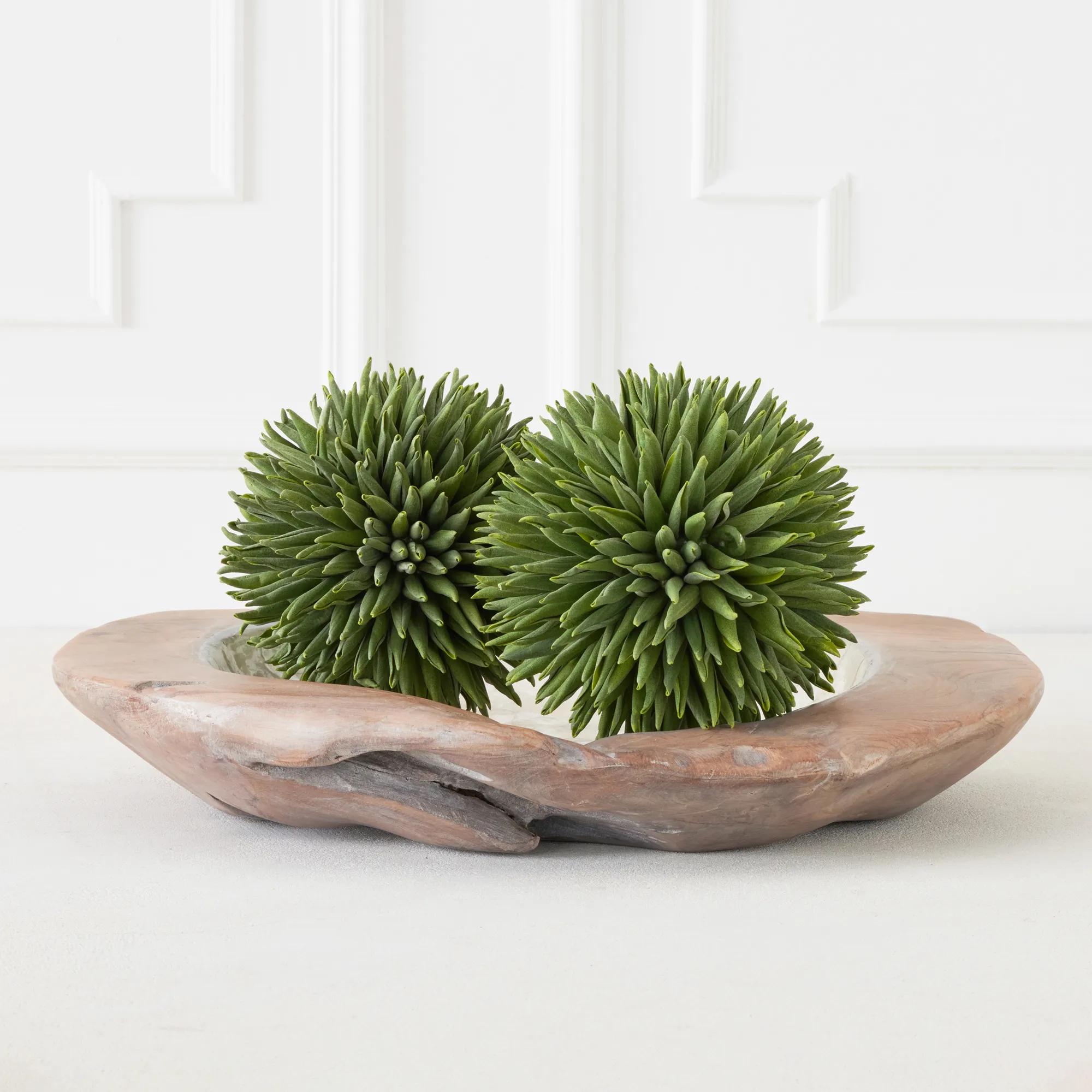 Faux Green Allium Sphere 7" Set of 3$59
A set of three lifelike foam green faux floral spheres that stay vibrant without water or sunlight.
Add To Cart

Artificial Flowers For Centerpieces
Unleash a world where artistry blooms eternal—artificial flowers for centerpieces transform any table into a living masterpiece. Imagine lush petals and sculptural stems capturing the eye, inviting conversation and admiration with every glance. These everlasting arrangements become the heart of your décor, infusing gatherings with an air of opulence and curated drama. Whether gracing a grand dining room or elevating intimate soirées, artificial flowers for centerpieces offer a canvas for self-expression, allowing you to create vignettes that are as bold, romantic, or avant-garde as your imagination desires. Surrender to the allure of high-impact beauty—your statement moment awaits.
Artificial flowers for centerpieces bring lasting floral beauty to the places where a room comes together: a dining table dressed for company, a sculptural console beneath an oversized mirror, or a coffee table layered with art books and gleaming objects. Designed to suggest the shape, color, and texture of fresh blooms, these decorative flowers create a composed focal point without watering or replacing spent stems. Their appeal lies in the details—petals with subtle tonal variation, leaves with visible veining, and stems that hold an expressive silhouette. Different flower forms establish distinctly different moods. Hydrangeas create generous clouds of color, making them well suited to full, rounded arrangements. Peonies introduce densely layered, ruffled petals that soften polished surfaces, while roses lend definition through their recognizable spiral centers. Tulips bring clean curves and a graceful sense of movement; orchids offer an architectural profile that feels especially striking against a restrained backdrop. Smaller blossoms and branching greenery can loosen a formal composition without diminishing its presence. Materials influence both appearance and handling. Flowers described as silk are often made from polyester or other textiles rather than natural silk, so material descriptions matter more than the category name alone. Fabric petals can provide rich color and substantial volume, while real-touch flowers may use molded polymers or specialized coatings to reproduce the supple surface of living petals. Neither label guarantees the same finish across every design. Plastic foliage and wire-supported stems may add structure, though construction varies. For a centerpiece viewed closely across a dinner table, nuanced petal edges and convincing leaf surfaces deserve particular attention. An arrangement seen from across an entryway can make its impression through scale, silhouette, and color. Ivory blooms against dark furniture create luminous contrast; blush and mauve introduce softness beside metallic accents; deep plum or burgundy can give a neutral room a more expressive focal point. A tightly edited palette lets those textures take center stage, while a deliberate mix of shades creates a richer, painterly effect.
The most successful artificial flower centerpieces feel connected to the table beneath them and the room around them. Scale is as important as the flowers themselves: an arrangement should have enough presence to anchor its setting without consuming the surface or interrupting its purpose. On a dining table used for conversation, a low, generous composition generally leaves sightlines clearer than a dense arrangement at seated eye level. The vase and flowers contribute to the total height, so both belong in that assessment. A broad centerpiece can suit a round table beautifully, provided there is room for place settings and serving dishes. Along a rectangular table, an elongated arrangement or several smaller floral groupings can distribute visual weight more evenly. Tall stems have a different role on an entry console or an accent table away from seating, where height can draw the eye upward and complement artwork or a dramatic mirror. The vessel shapes the mood just as decisively. Clear glass reveals the stems and emphasizes an airy composition; opaque ceramic conceals the mechanics and gives the flowers a grounded, sculptural base. A reflective vase introduces another layer of light, while a textured vessel provides contrast to smooth petals. The opening should accommodate the stem bundle without forcing it into a rigid cluster, and the base should be stable enough for the arrangement’s height and spread. Individual artificial stems offer flexibility for shaping a composition around a particular vessel; pre-arranged flowers provide a more established silhouette, sometimes with stems secured in place. Adjustable wire-supported stems can be gently curved where their construction allows, creating varied heights and more natural spacing. Petals compressed during handling may also benefit from careful reshaping rather than forceful pulling. Greenery adds depth between flower heads, but it need not dominate: a few eucalyptus-like branches or broad leaves can frame the blooms and break up an overly uniform outline. On a coffee table, that same arrangement should leave space for everyday objects rather than turning the entire surface into a display. The result is floral drama with a considered relationship to daily life.
Artificial floral centerpieces suit homes where a beautifully finished room needs to remain welcoming between gatherings, not only for a single evening. They can hold a dining room’s focal point through repeated use, bring color to an interior console without depending on daylight, or add a gracious finishing touch to a reception desk. Hosts may appreciate being able to arrange the table ahead of guests’ arrival without monitoring water levels or wilting petals. For weddings, coordinated centerpieces can establish a consistent visual language across dining tables, a guest-book display, and other decorated surfaces. Centerpieces can also anchor a broader approach to Artificial Flowers for Wedding Decor, connecting intimate tabletop details with the atmosphere of the celebration. A floral arrangement can make a thoughtful housewarming or anniversary gift, particularly when its palette and proportions reflect the recipient’s interior rather than an assumed flower preference. Someone drawn to graphic contrasts may favor crisp white blooms in a dark vessel; someone with a richly layered room may welcome generous petals and deeper color. Lasting beauty still benefits from care. Artificial flowers do not produce floral pollen, but their surfaces can collect household dust, making gentle cleaning part of keeping an arrangement inviting. A soft brush or delicate duster is often suitable for petals and leaves; any damp cleaning should follow the manufacturer’s directions, since water can affect dyes, adhesives, coatings, or decorative finishes. Heat, abrasive cleaners, and vigorous scrubbing can damage delicate components. Direct sunlight may fade some materials over time, and flowers intended for indoor display should not be assumed suitable for outdoor exposure. When arrangements are stored, supporting the flower heads and avoiding compression helps preserve their shape. With appropriate handling, artificial blooms can be reused across many gatherings and rearranged as the surrounding decor changes. Their enduring appeal is not simply permanence, but the ability to sustain a deliberate composition: a sweep of petals, a flash of reflective glass, and a focal point that gives the room its own unmistakable character.
FAQs
Modern artificial flowers for centerpieces are crafted with remarkable attention to detail, using premium materials that capture the nuanced textures, colors, and forms of real blooms. Their lifelike petals, realistic stems, and intricate greenery evoke the beauty of nature while maintaining a flawless, enduring elegance that fresh flowers simply can’t match over time.
Artificial flower centerpieces are ideal for a wide range of occasions, from glamorous dinner parties and holiday celebrations to weddings and milestone events. Their lasting beauty also makes them perfect for everyday luxury in your home, whether displayed on the dining table, entryway console, or as a bold accent in a living room vignette.
Absolutely. Artificial flowers centerpieces can be artfully combined with elements like candles, mirrored trays, sculptural vases, or even seasonal ornaments. Layering wedding greenery, metallic accents, or textured fabrics can create a multidimensional display that reflects your personal style and the mood of the moment.
To maintain their sumptuous appearance, gently dust artificial flowers and greenery with a soft cloth or feather duster. For deeper cleaning, use a can of compressed air or a slightly damp cloth, taking care not to saturate the materials. Keeping arrangements out of direct sunlight will also help preserve their vibrant color and lifelike finish.
Yes, gifting artificial flower centerpieces is a luxurious way to share beauty that endures. They are a perfect choice for housewarmings, anniversaries, or as a gesture of appreciation, offering the recipient a lasting reminder of your thoughtfulness and a stunning accent for any space.