Artificial Flowers For Vases
Artificial Flowers For Vases
-
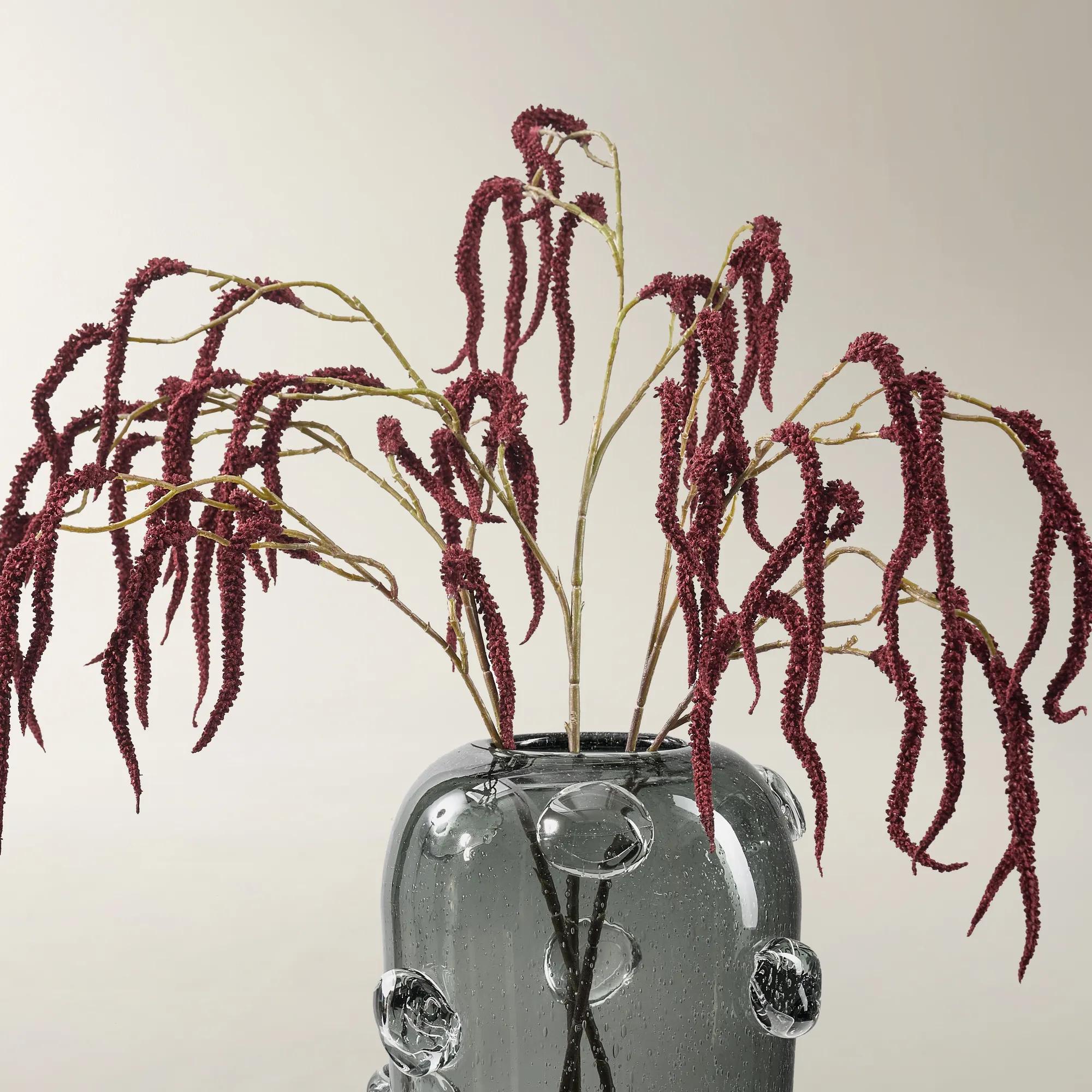
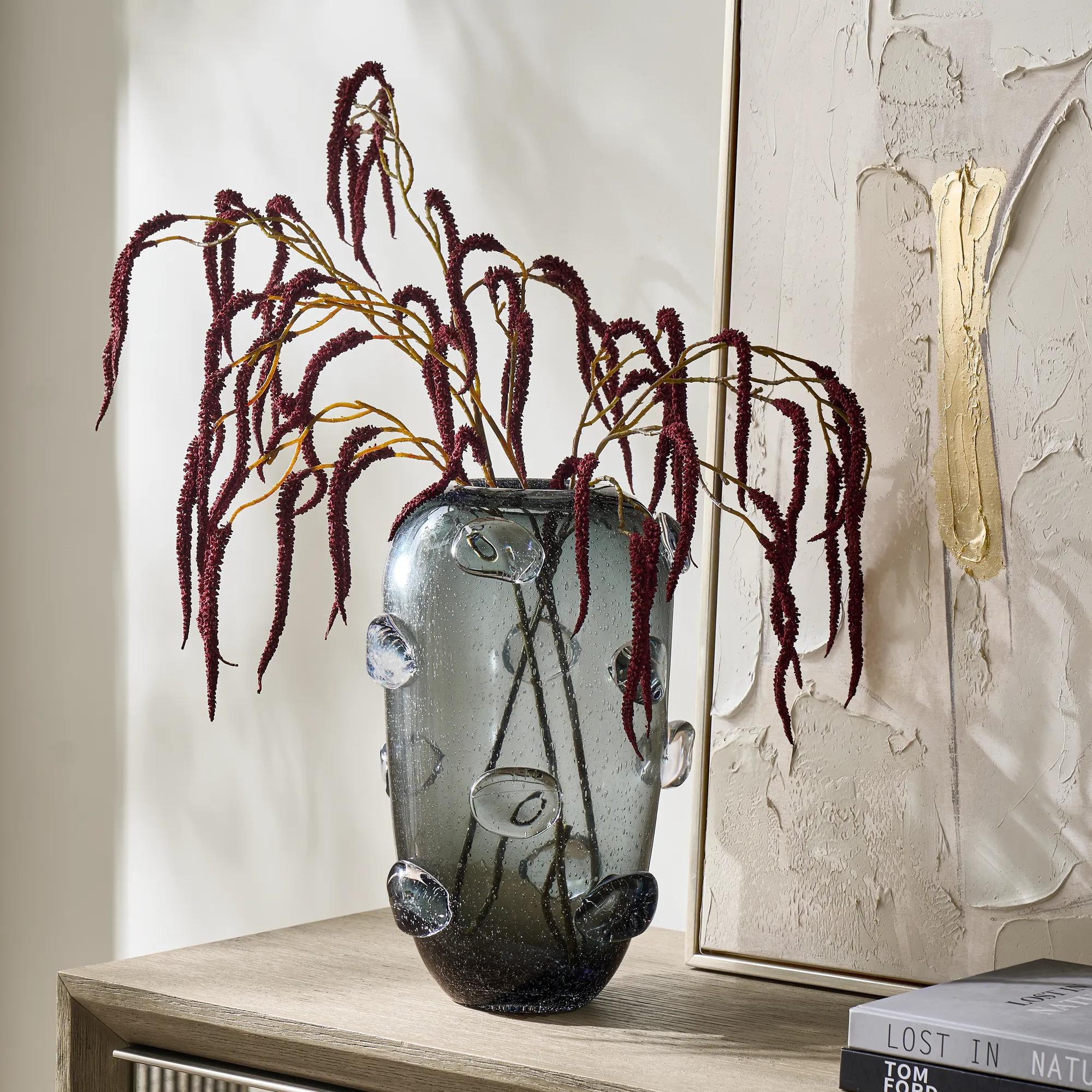 Faux Burgundy Amaranthus Stem 30" Set of 3$39
A set of three cascading faux stems in rich burgundy plastic adds dramatic texture to arrangements.
Add To Cart -
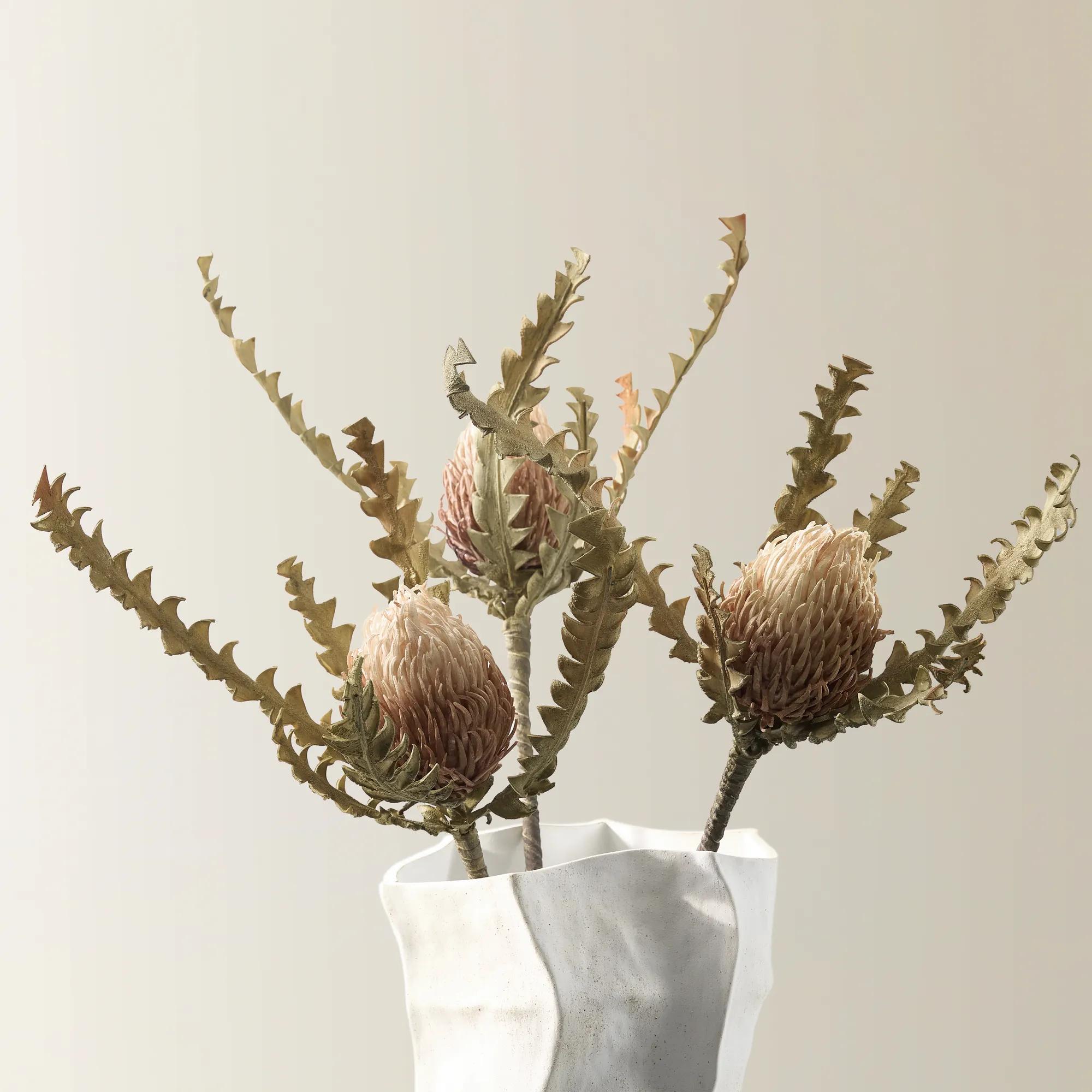 Faux Yellow Banksia Stem 32.75" Set of 3$49
A set of three sculptural faux banksia stems in yellow and green plastic for bold, artful arrangements.
Add To Cart -
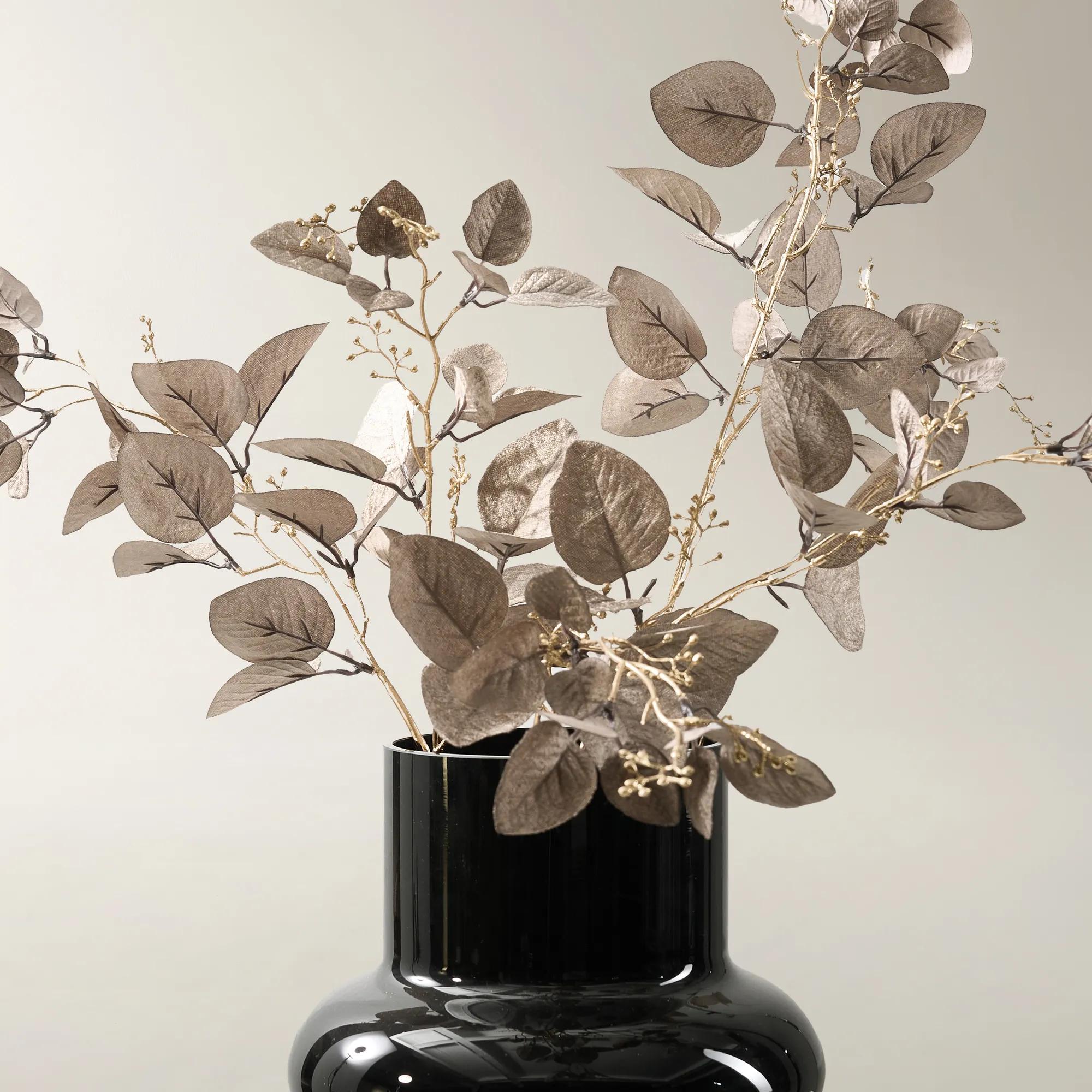 Faux Champagne Shimmer Eucalyptus Spray 32" Set of 3$49
A set of three antique champagne faux eucalyptus sprays adds metallic warmth and airy texture to arrangements.
Add To Cart -
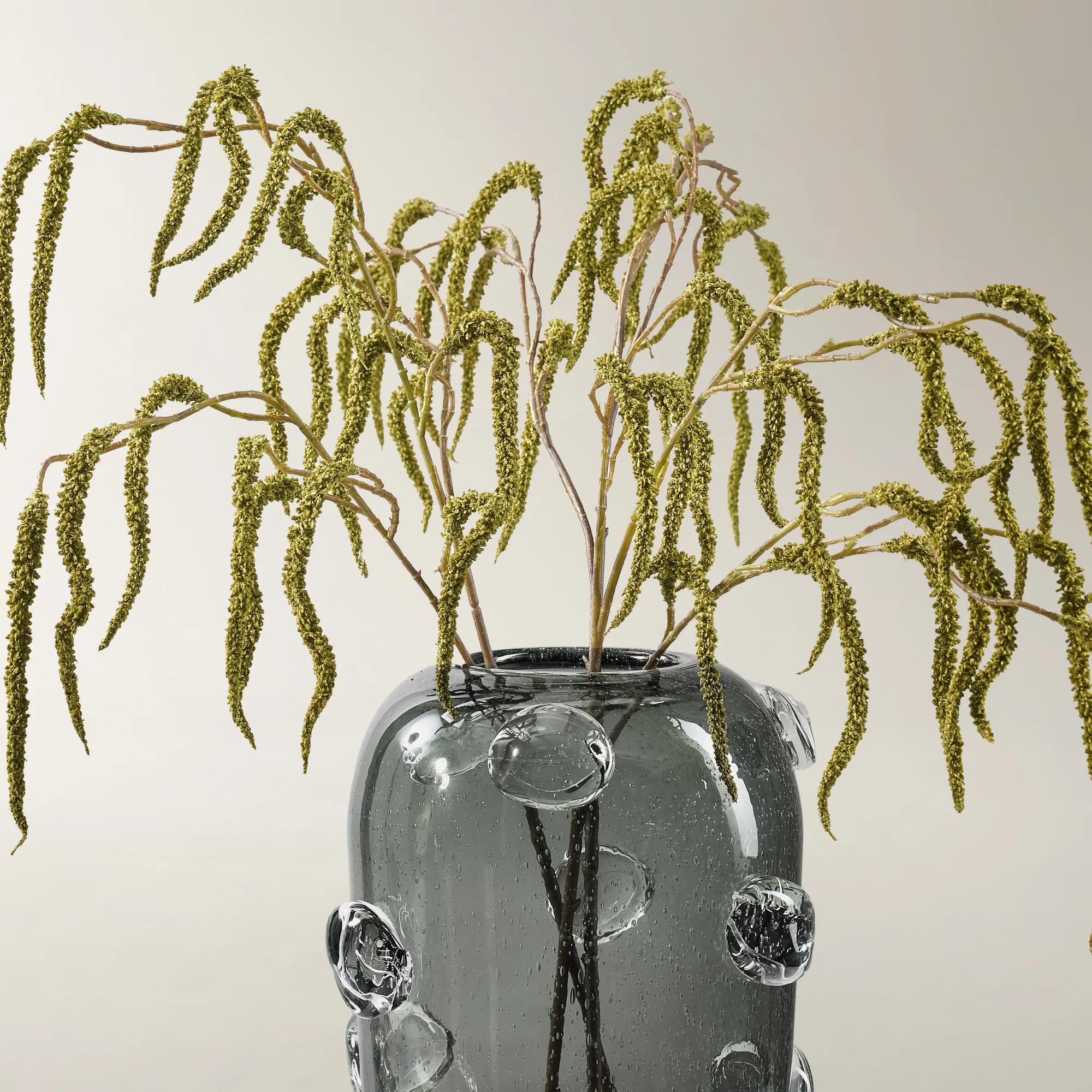 Faux Citron Green Amaranthus Stem 30" Set of 3$39
A set of three cascading faux amaranthus stems in vibrant citron green plastic for lush arrangements.
Add To Cart -
 Faux Protea Cream Stem 33" Set of 3$49
A set of three lifelike cream faux protea stems crafted from foam, plastic, and iron wire.
Add To Cart -
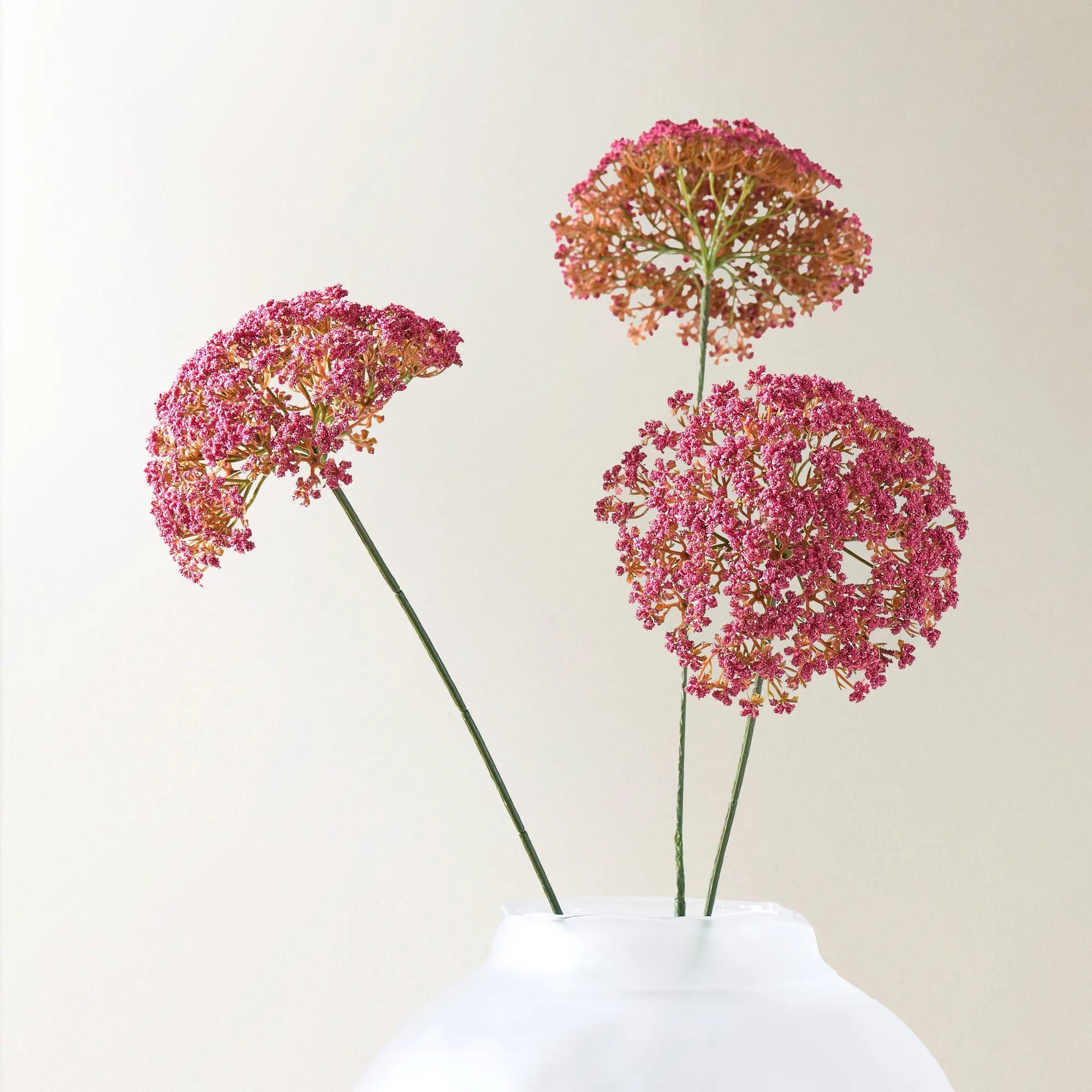
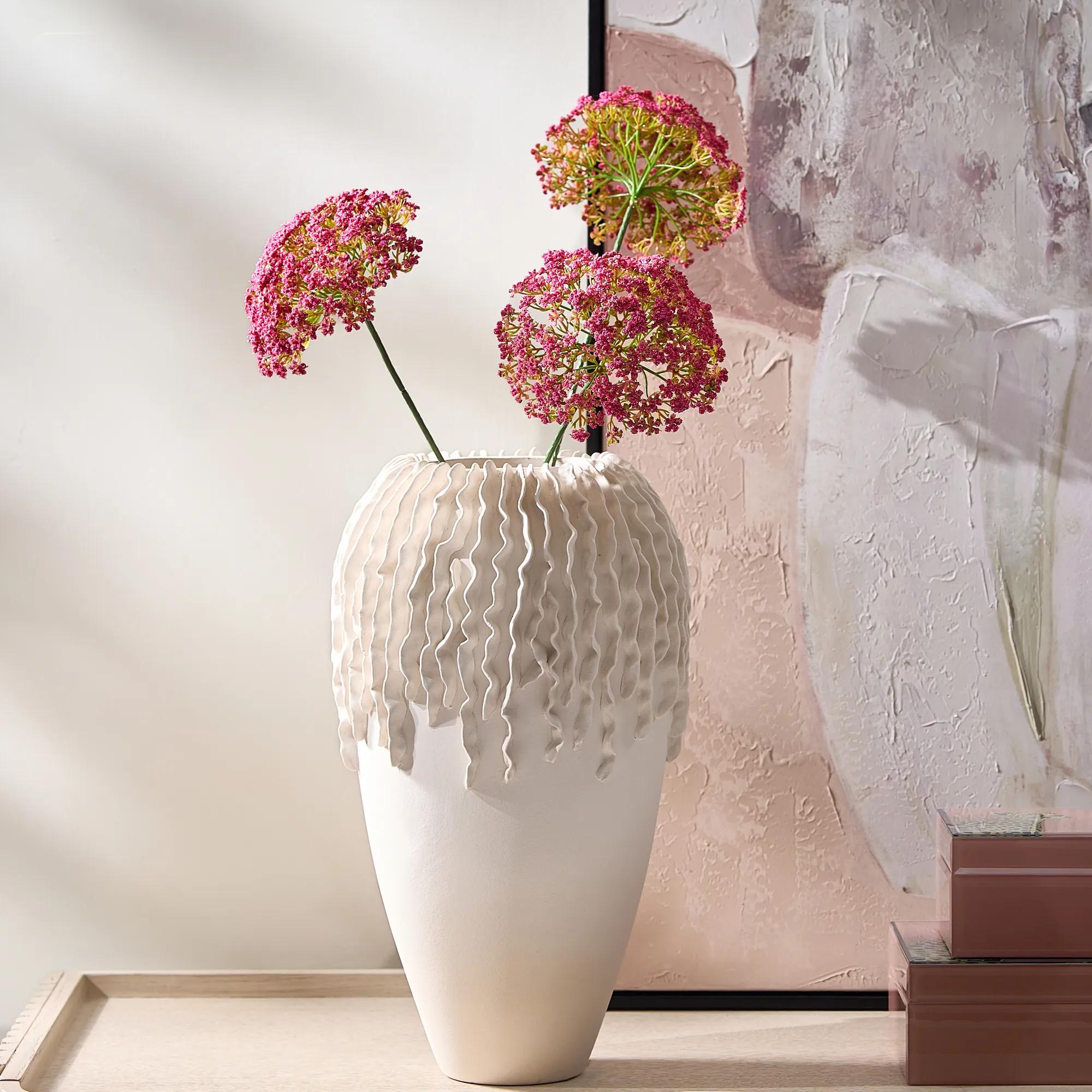 Faux Berry Pink Heracleum Stem 29" Set of 3$49
A trio of pink faux Heracleum stems adds sculptural texture and lasting botanical style to interiors.
Add To Cart -
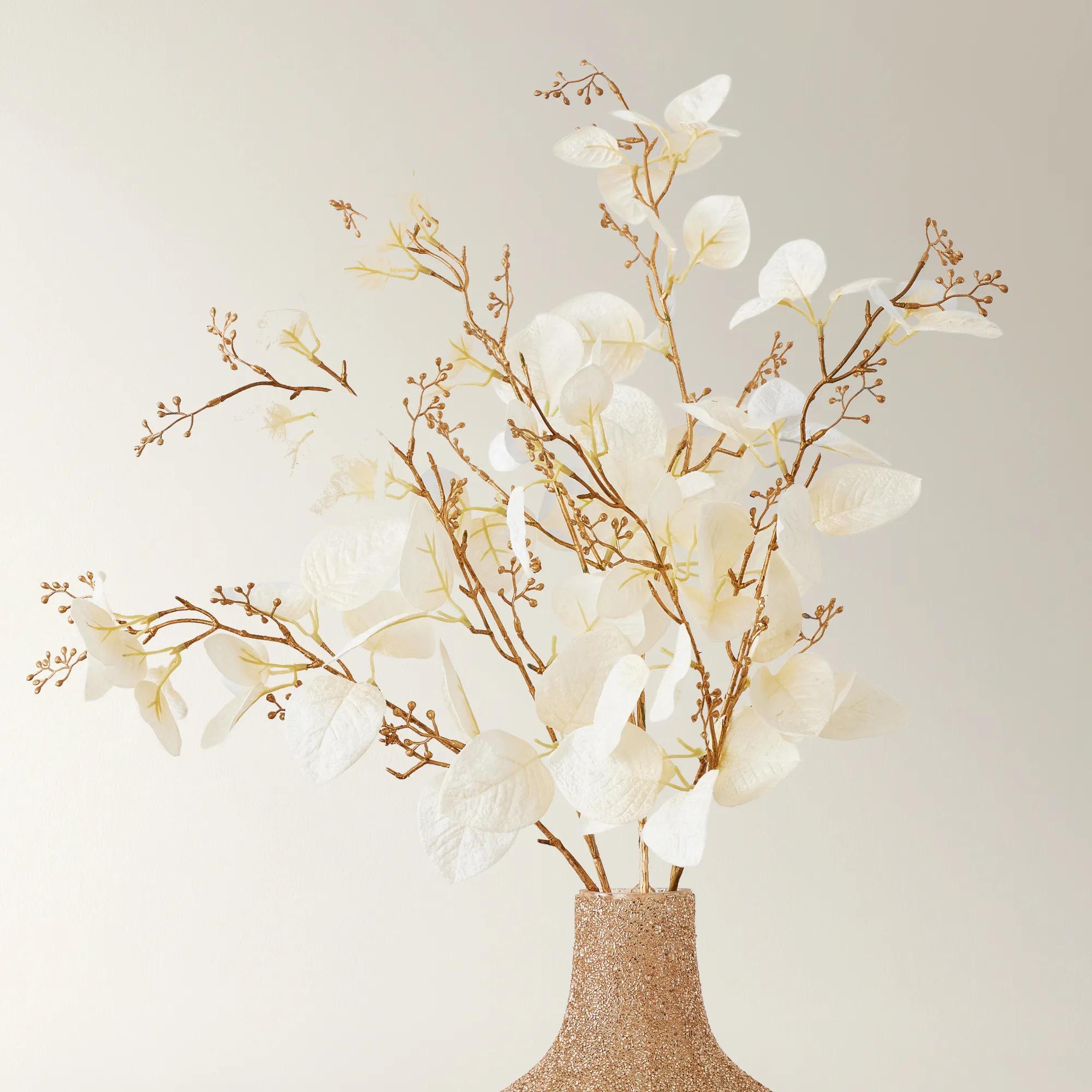 Faux Ivory/Gold Eucalyptus Spray 32" Set of 3$49
A trio of ivory-and-gold polyester eucalyptus sprays adds luminous, dimensional texture to botanical arrangements.
Add To Cart -
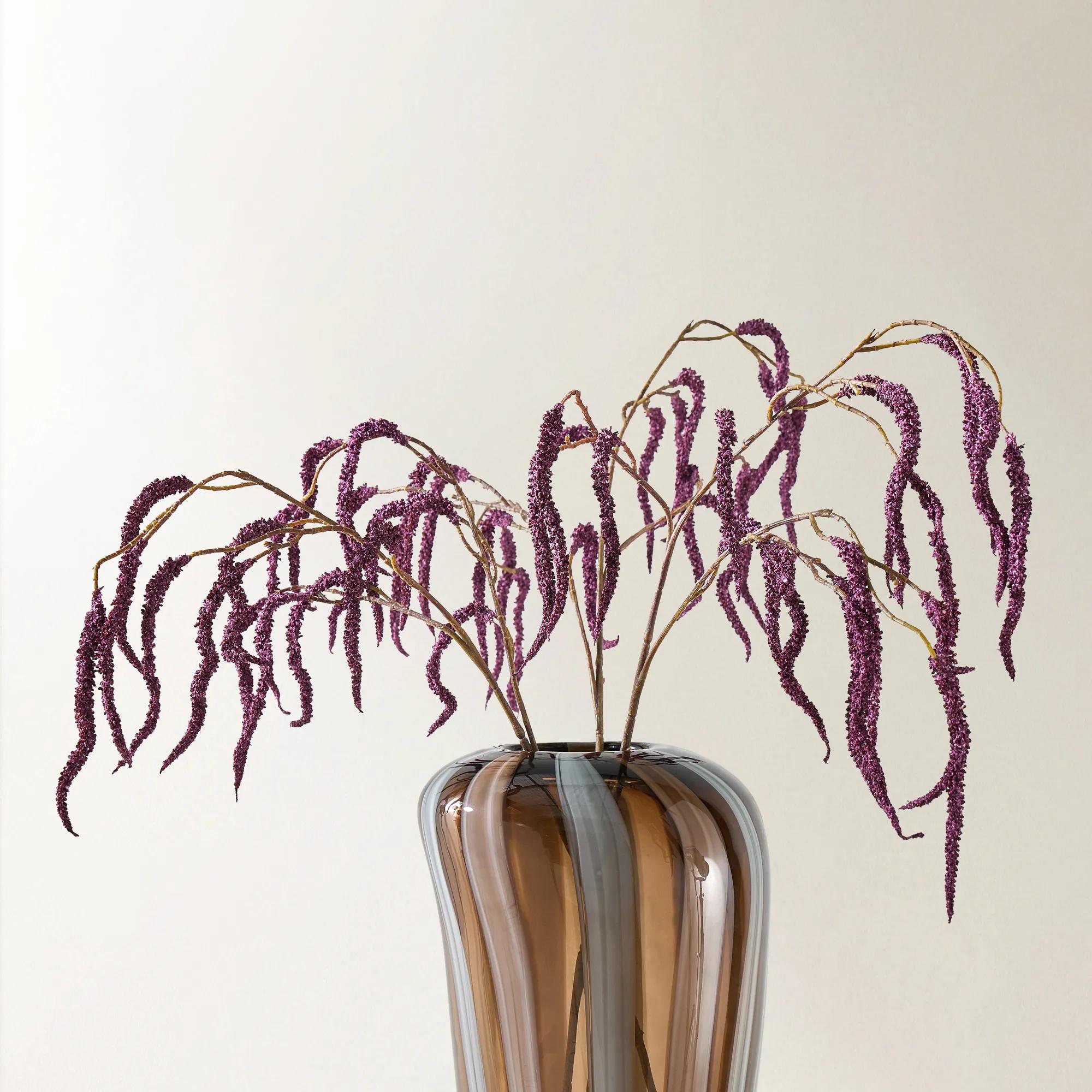
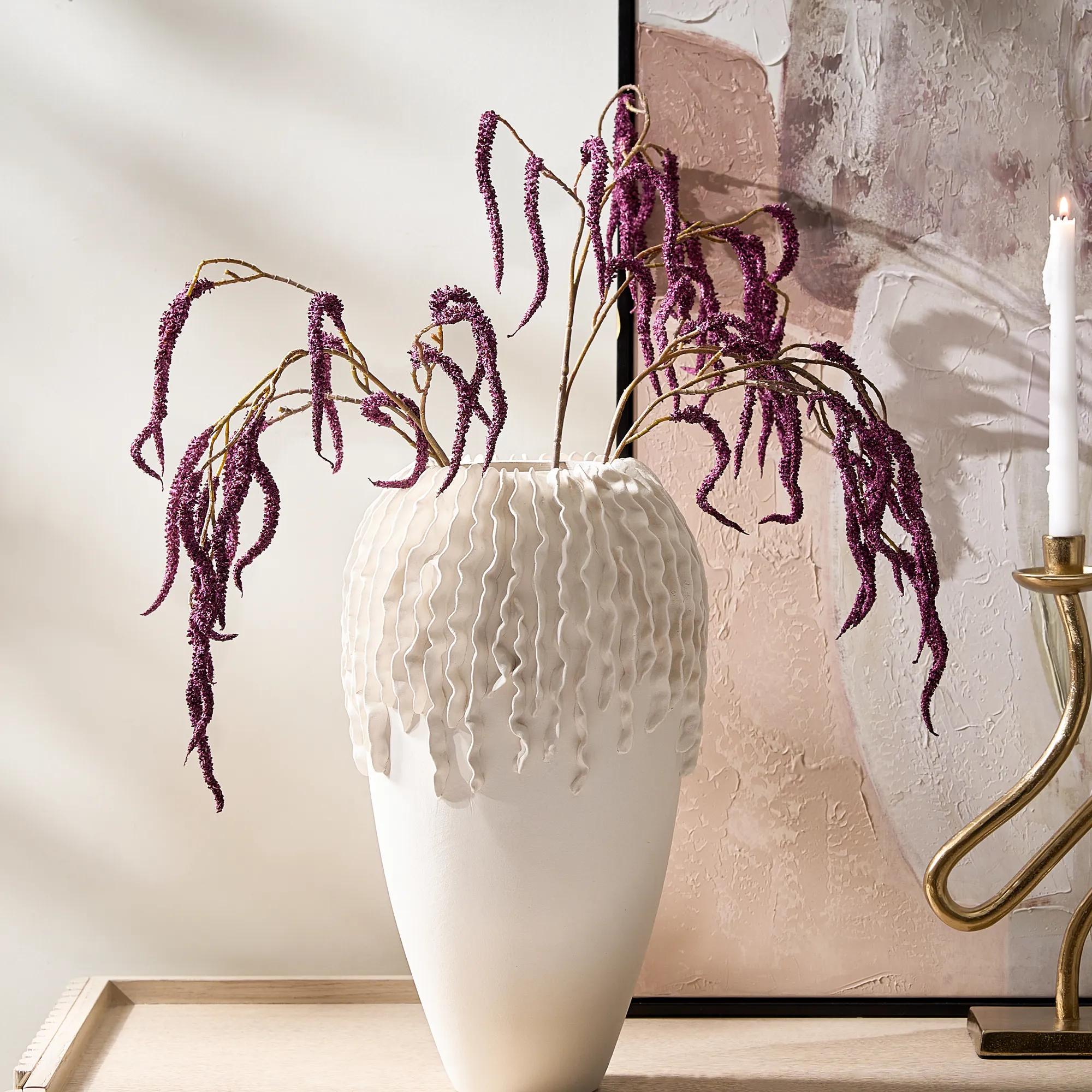 Faux Dark Amethyst Amaranthus Stem 30" Set of 3$39
A set of three faux dark amethyst plastic stems adds rich color and cascading texture to arrangements.
Add To Cart -
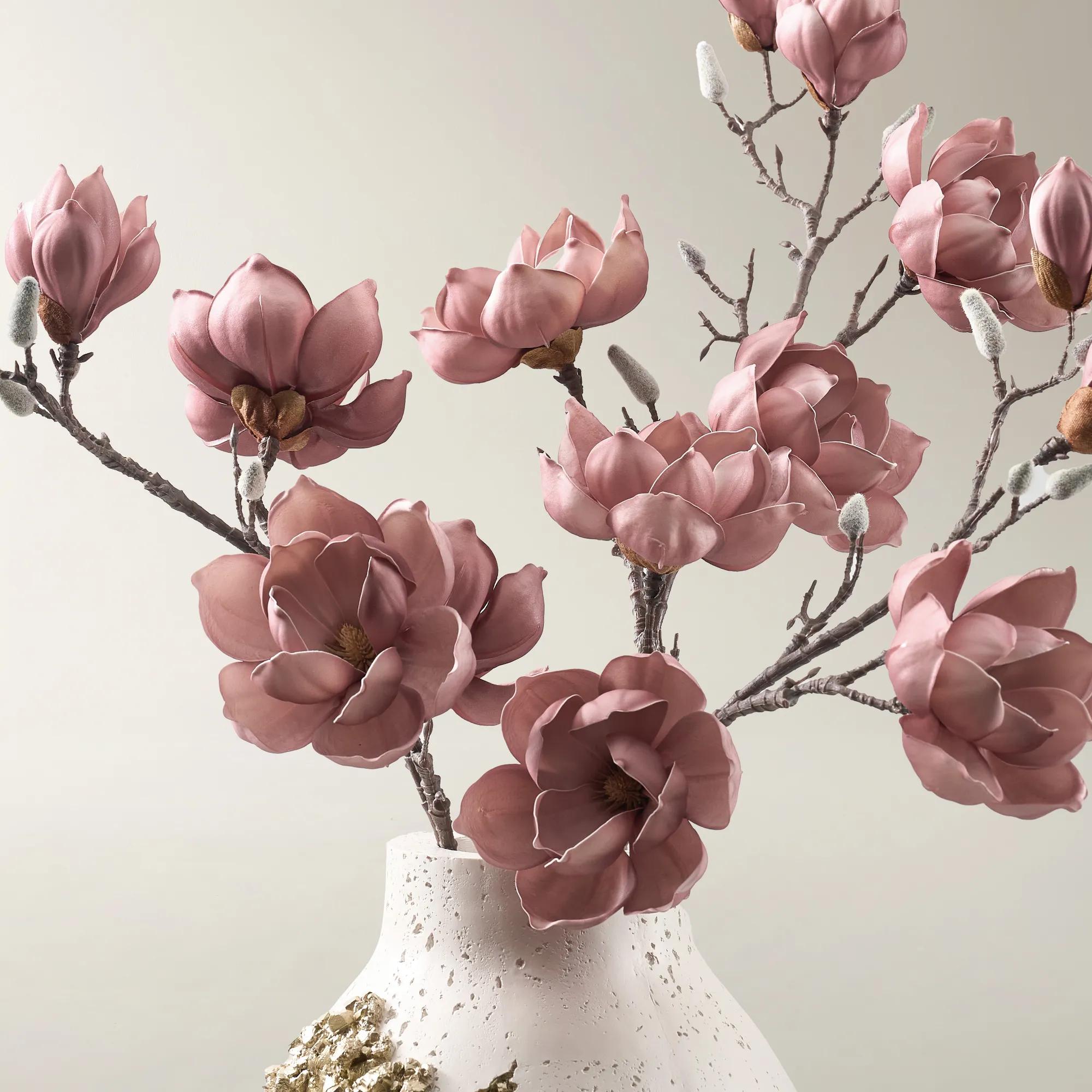 Faux Pearlized Antique Mauve Magnolia Stem 40" Set of 3$79
A set of three pearlized antique mauve magnolia stems crafted from polyester for elegant seasonal arrangements.
Add To Cart -

 Faux Amethyst Allium Bulb Stem 40" Set of 3$69
A trio of faux amethyst allium stems adding sculptural botanical elegance to modern arrangements.
Add To Cart -
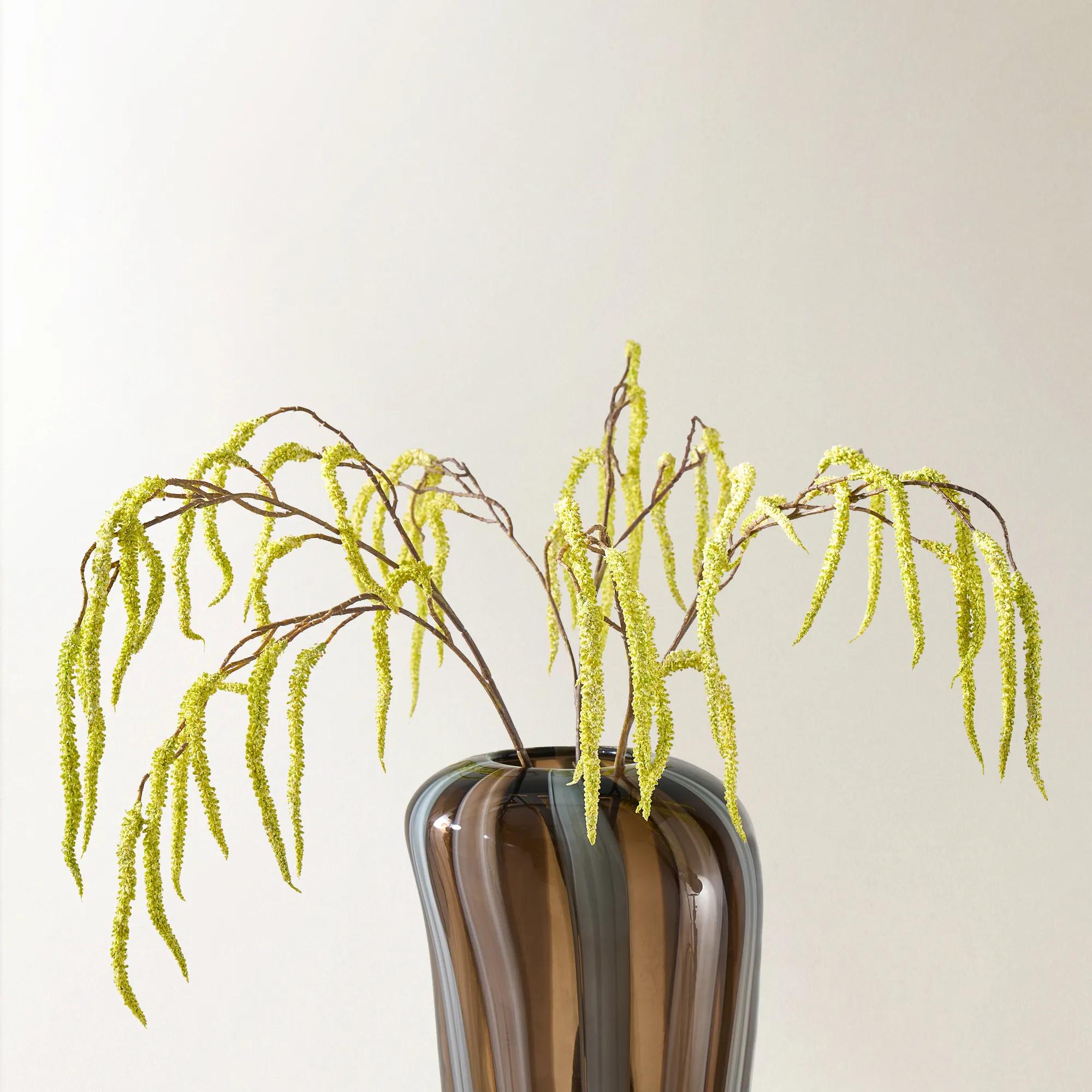
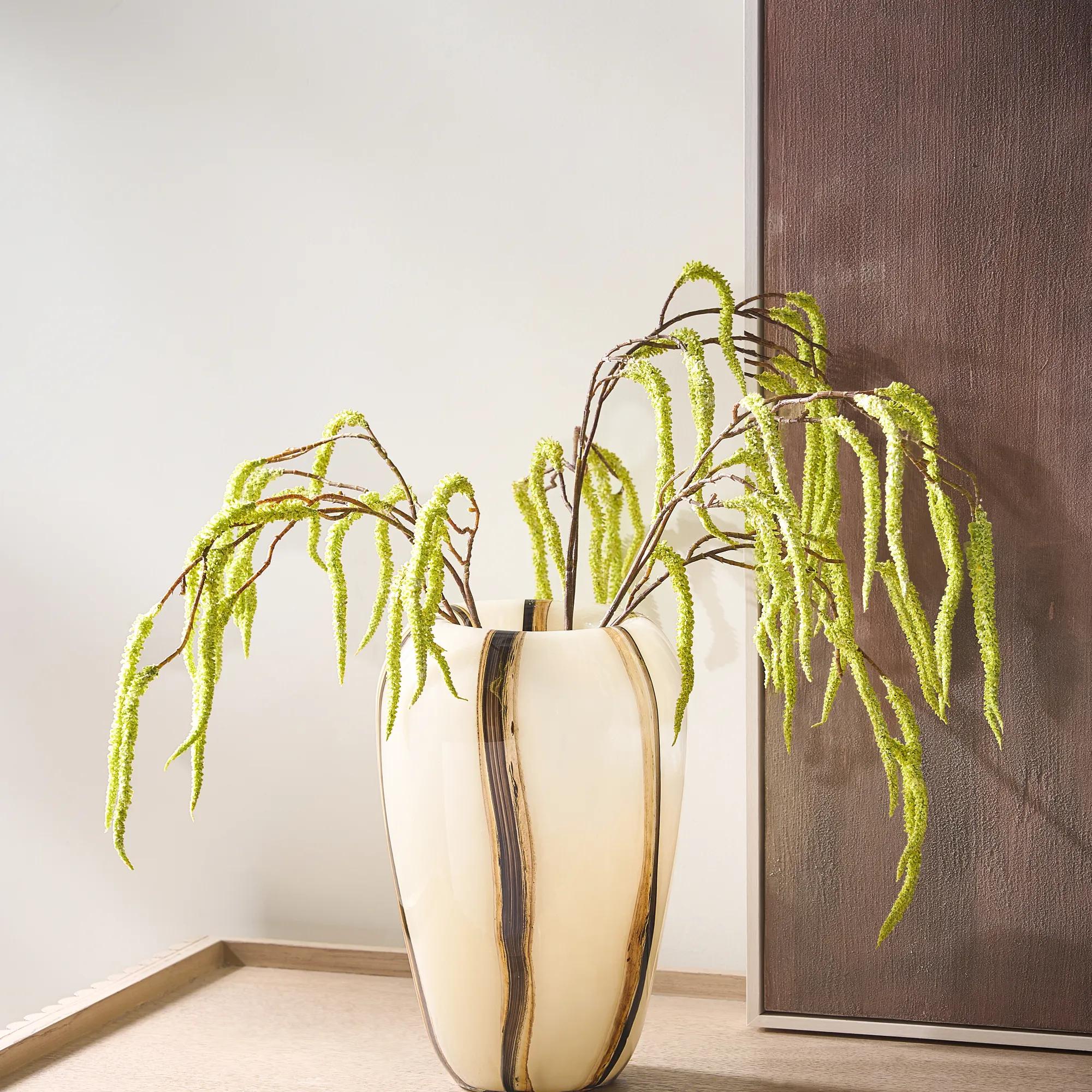 Faux Citron Yellow Amaranthus Stem 30" Set of 3$39
A set of three cascading faux stems in vibrant citron yellow plastic adds lush texture to arrangements.
Add To Cart -
 Faux Berry Anemone Stem 21" Set of 3$29
A set of three berry red faux anemone stems crafted from polyester for a romantic accent.
Add To Cart -
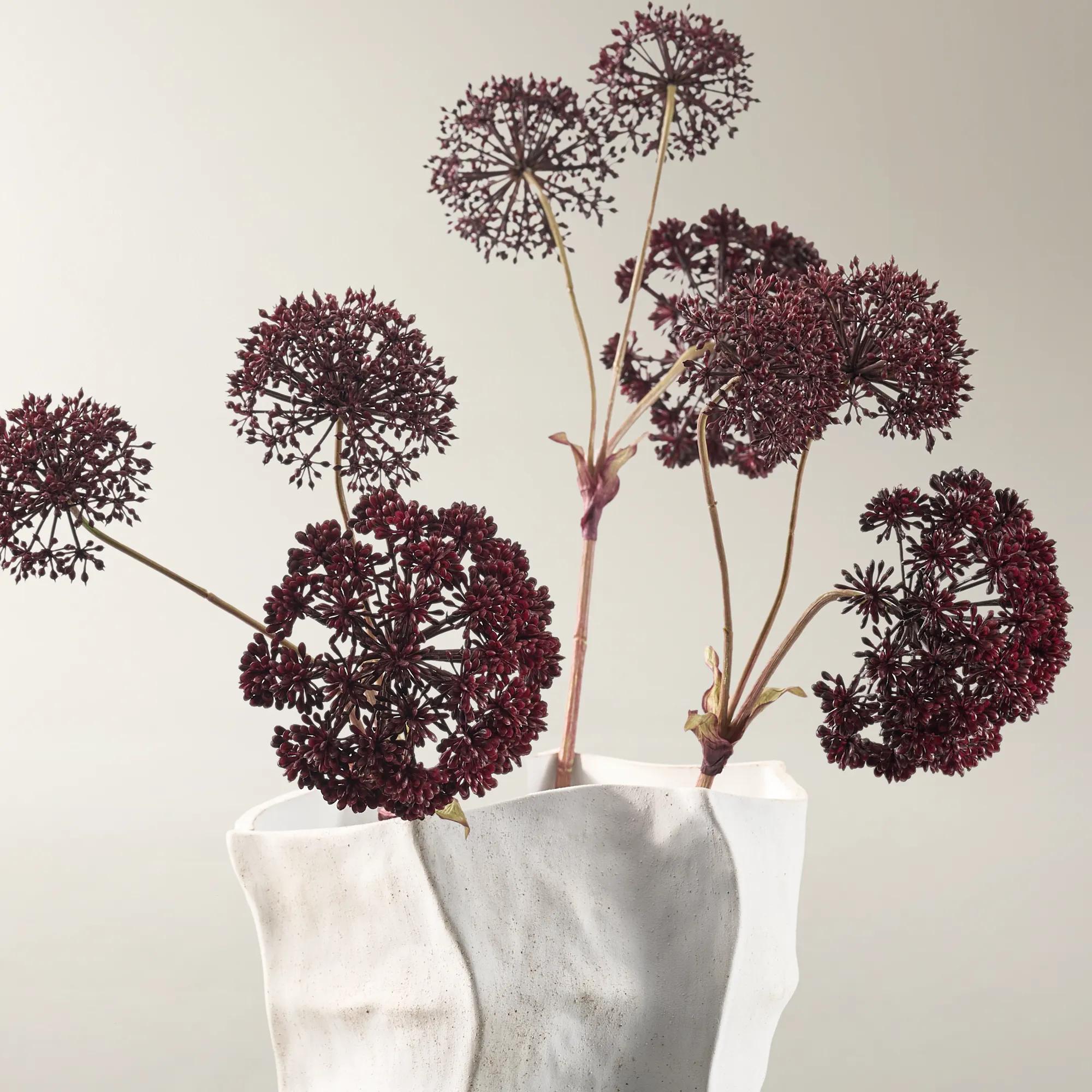 Faux Fig Angelica Stem 28" Set of 3$89
A set of three faux fig angelica stems in rich fig color adds sculptural depth to seasonal arrangements.
Add To Cart -
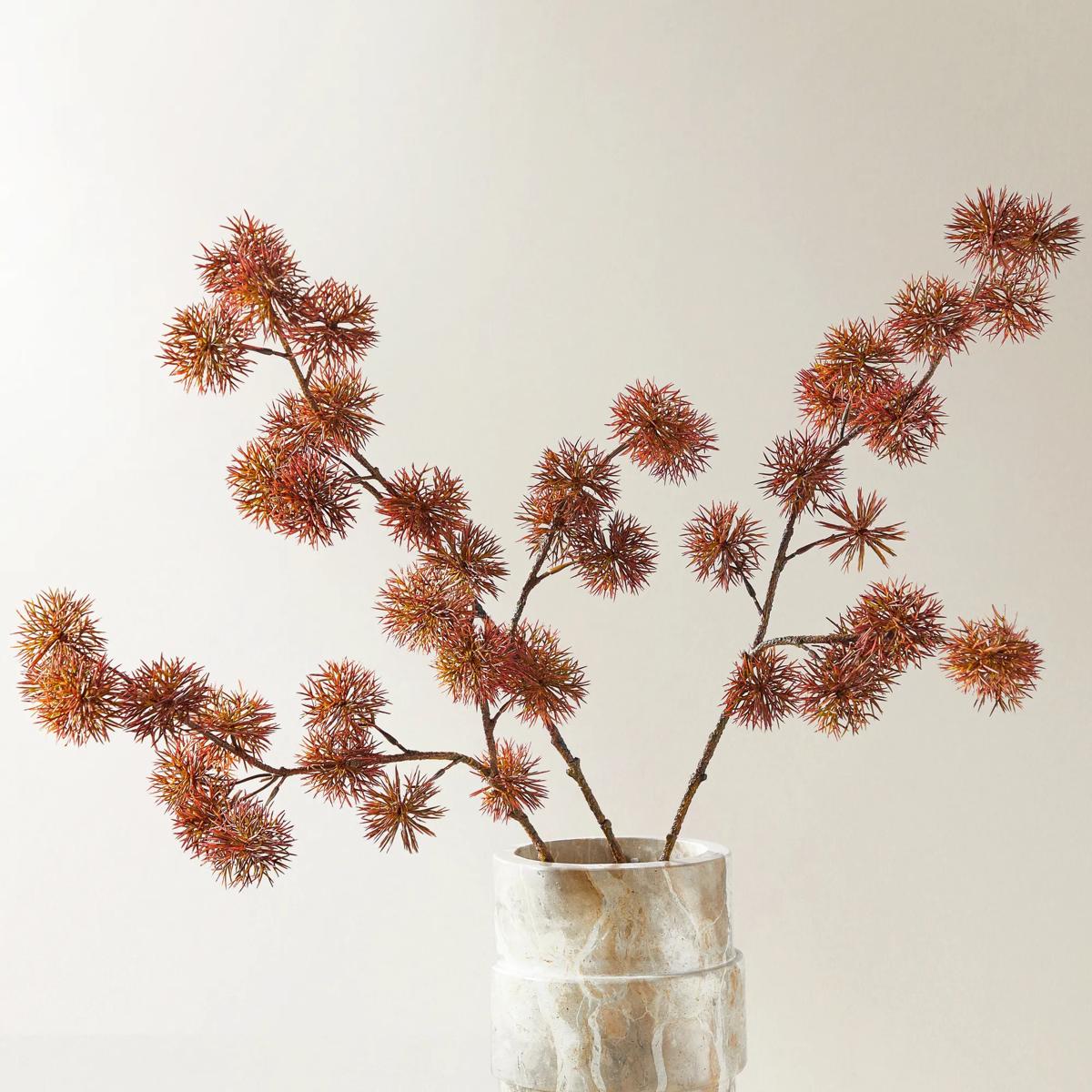
 Faux Rust Brown Fall Thistle Stem 27" Set of 3$49
A set of three faux thistle stems in warm rust-brown tones adds sculptural autumnal texture to arrangements.
Add To Cart -

 Icicle Sequin Willow Stem 70" Set of 3$79
A set of three clear and white willow stems with sequins for shimmering, dramatic holiday arrangements.
Add To Cart -
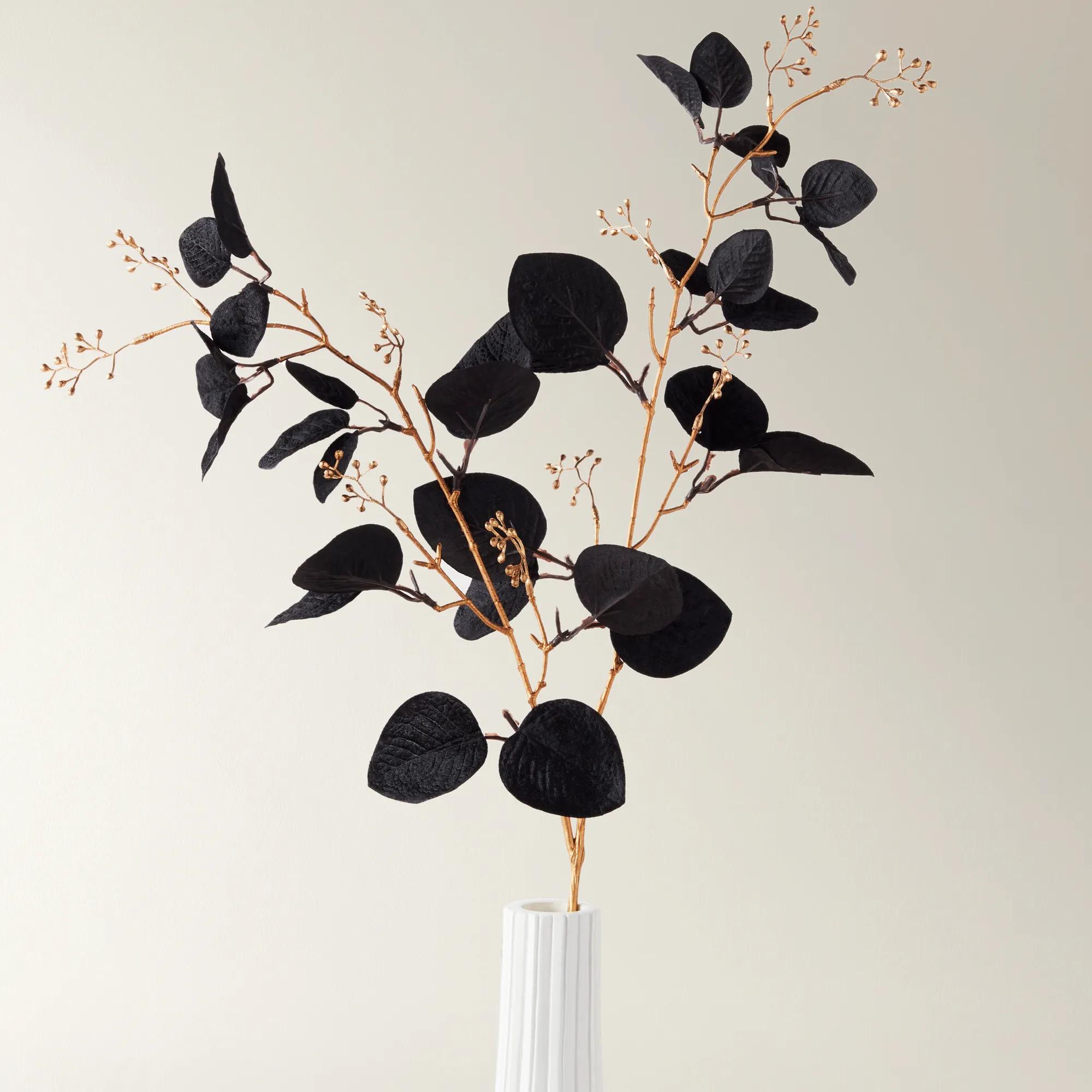
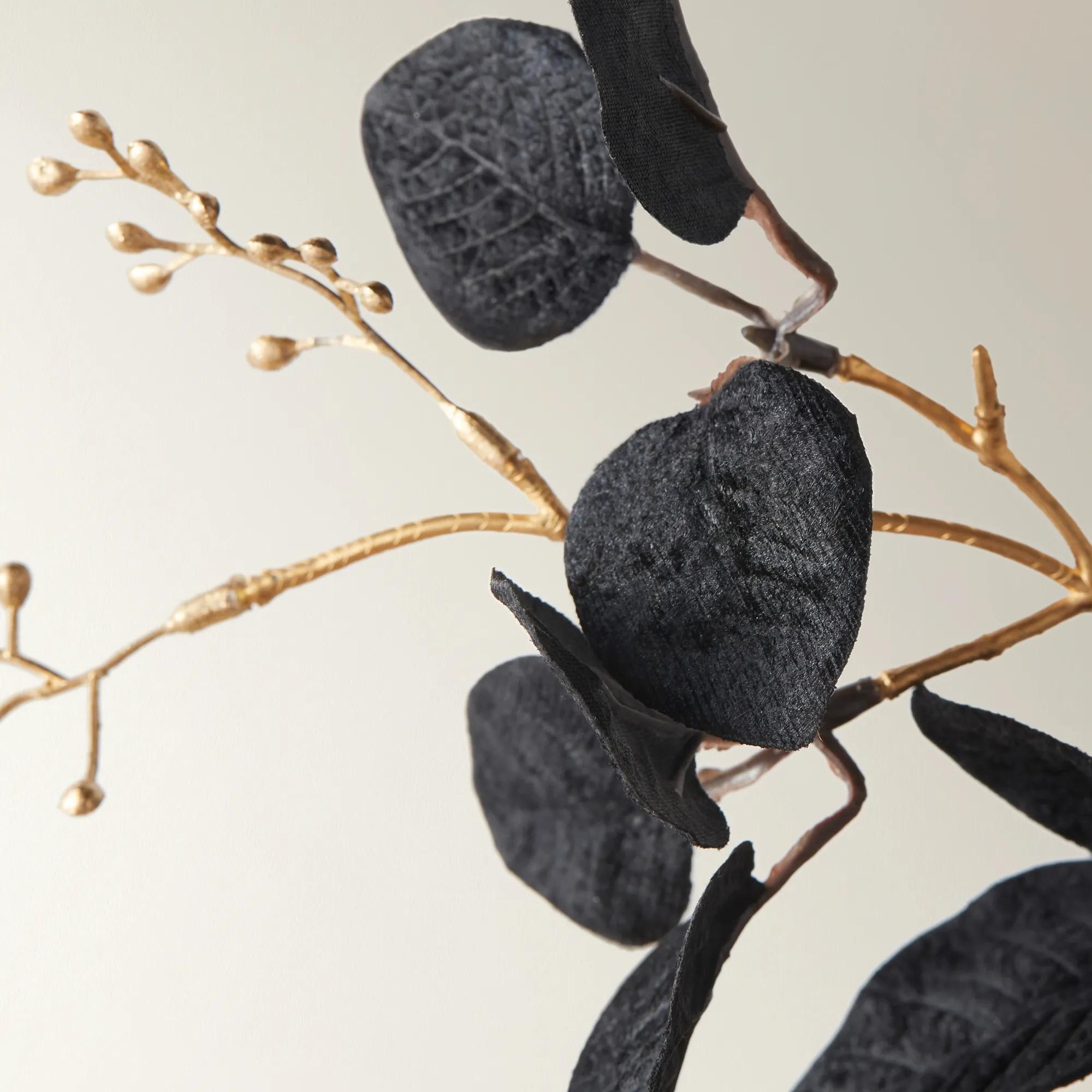 Faux Black/Gold Eucalyptus Spray 32" Set of 3$49
A set of three black-and-gold faux eucalyptus sprays crafted from durable plastic for sculptural seasonal arrangements.
Add To Cart -
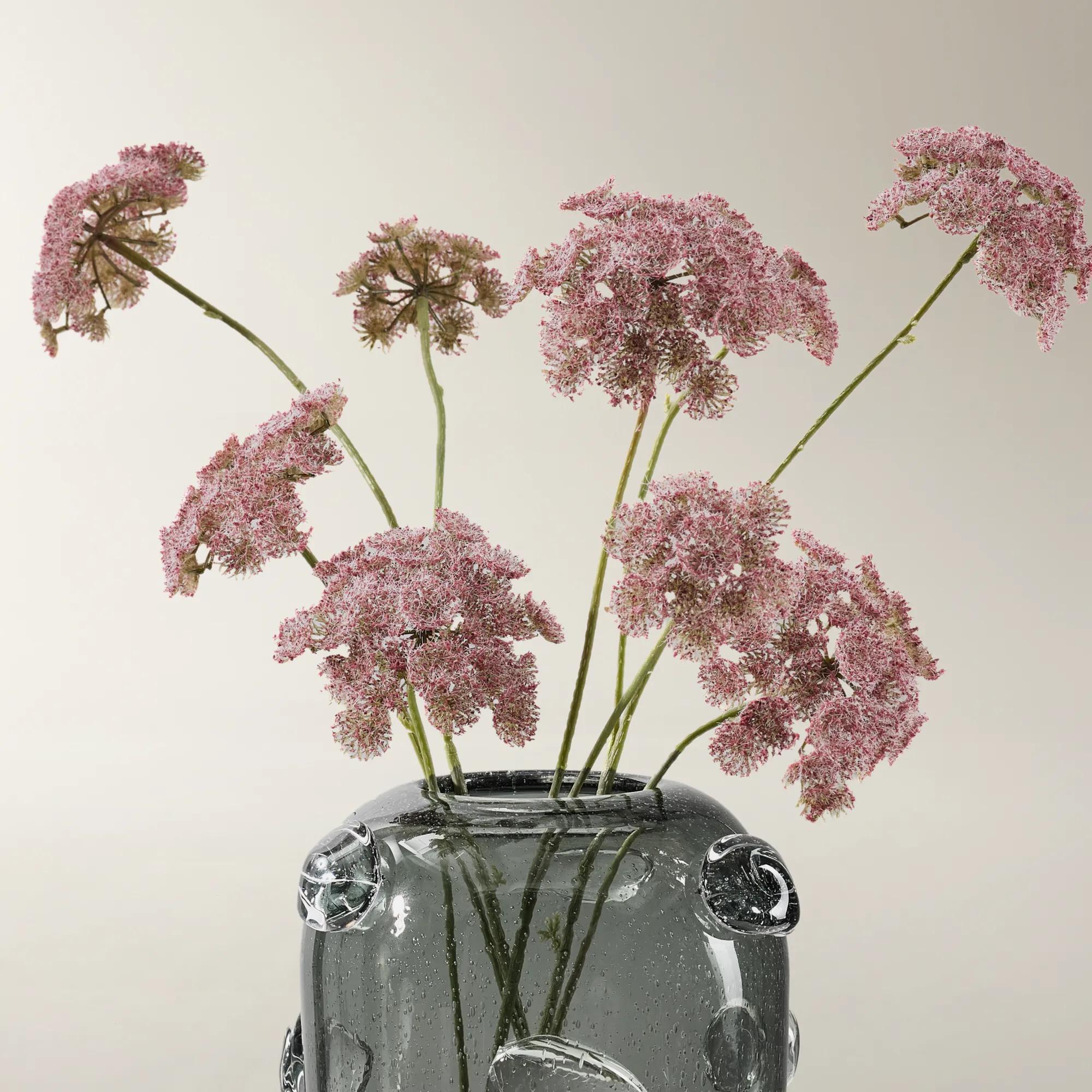 Faux Mauve Queens Lace Stem 30.5" Set of 3$49
A set of three mauve faux Queen’s Lace stems adds romantic color and airy texture to arrangements.
Add To Cart -
 Faux White Magnolia Stem 40" Set of 3$79
A set of three lifelike faux magnolia stems in creamy white polyester for timeless floral elegance.
Add To Cart -
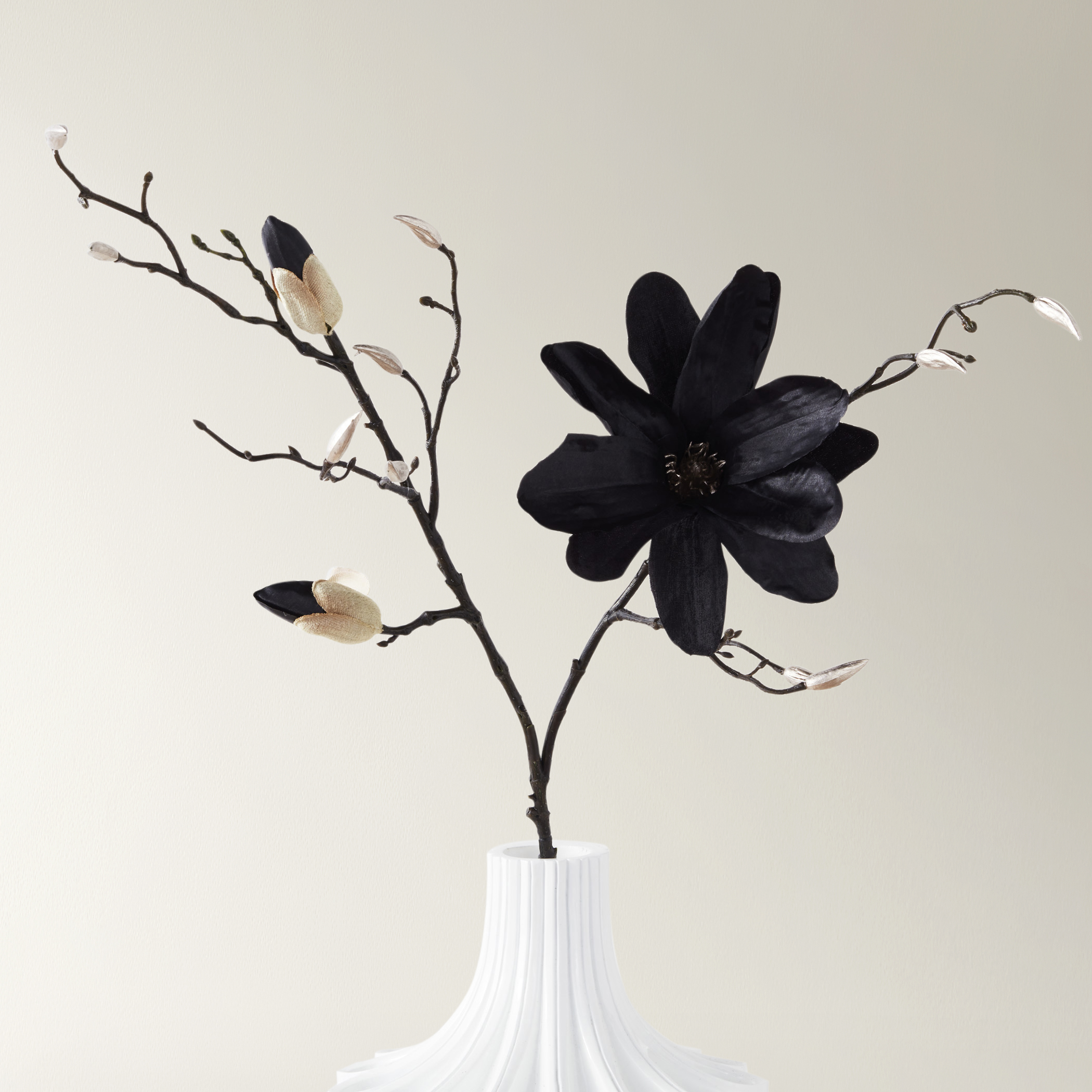 Faux Black & Gold Magnolia Stem 33" Set of 3$59
A set of three lifelike black polyester magnolia sprays that add dramatic height to any decor.
Add To Cart -
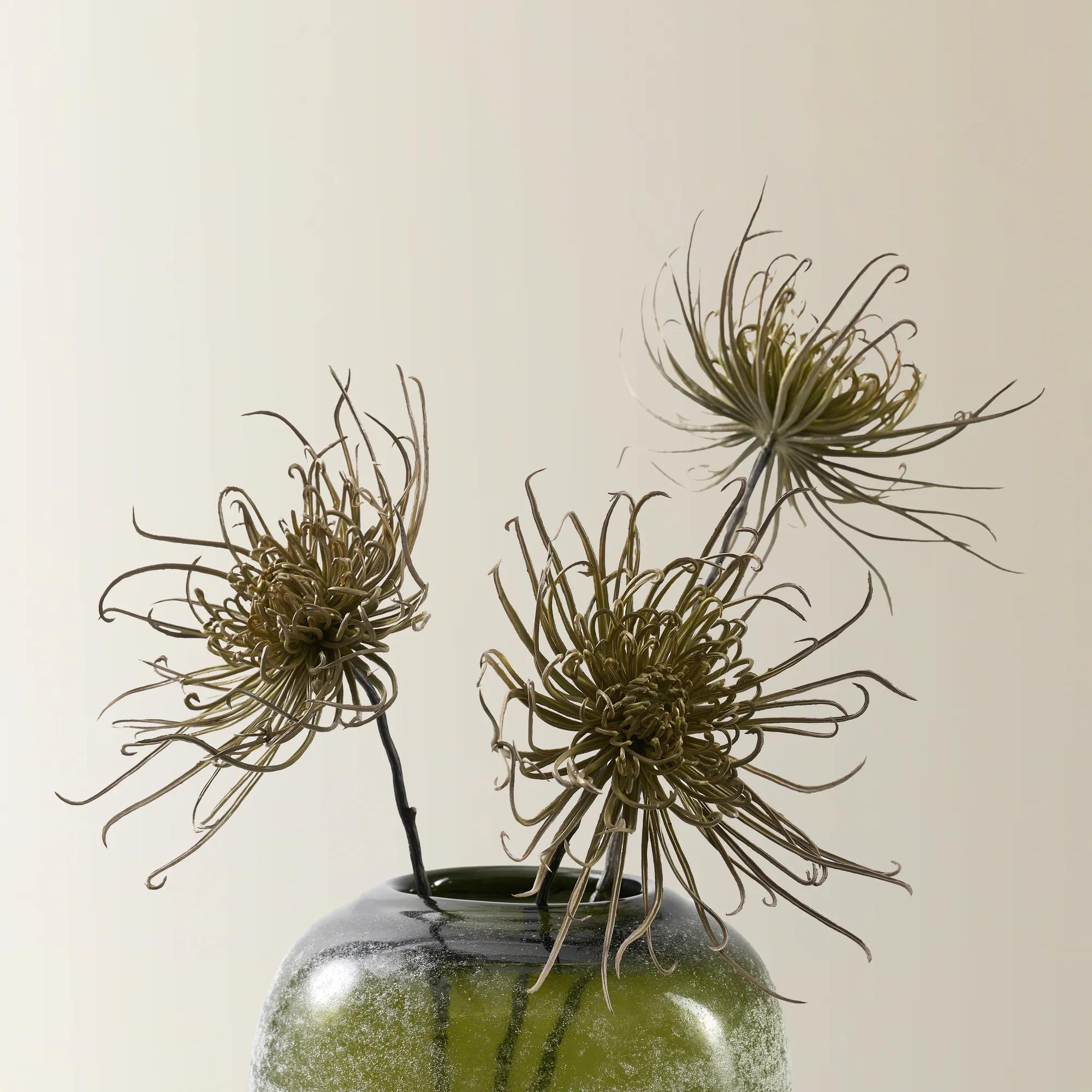 Faux Green Mum Stem 28" Set of 3$59
A set of three faux green mum stems with yellow accents adds lively, natural texture to arrangements.
Add To Cart -
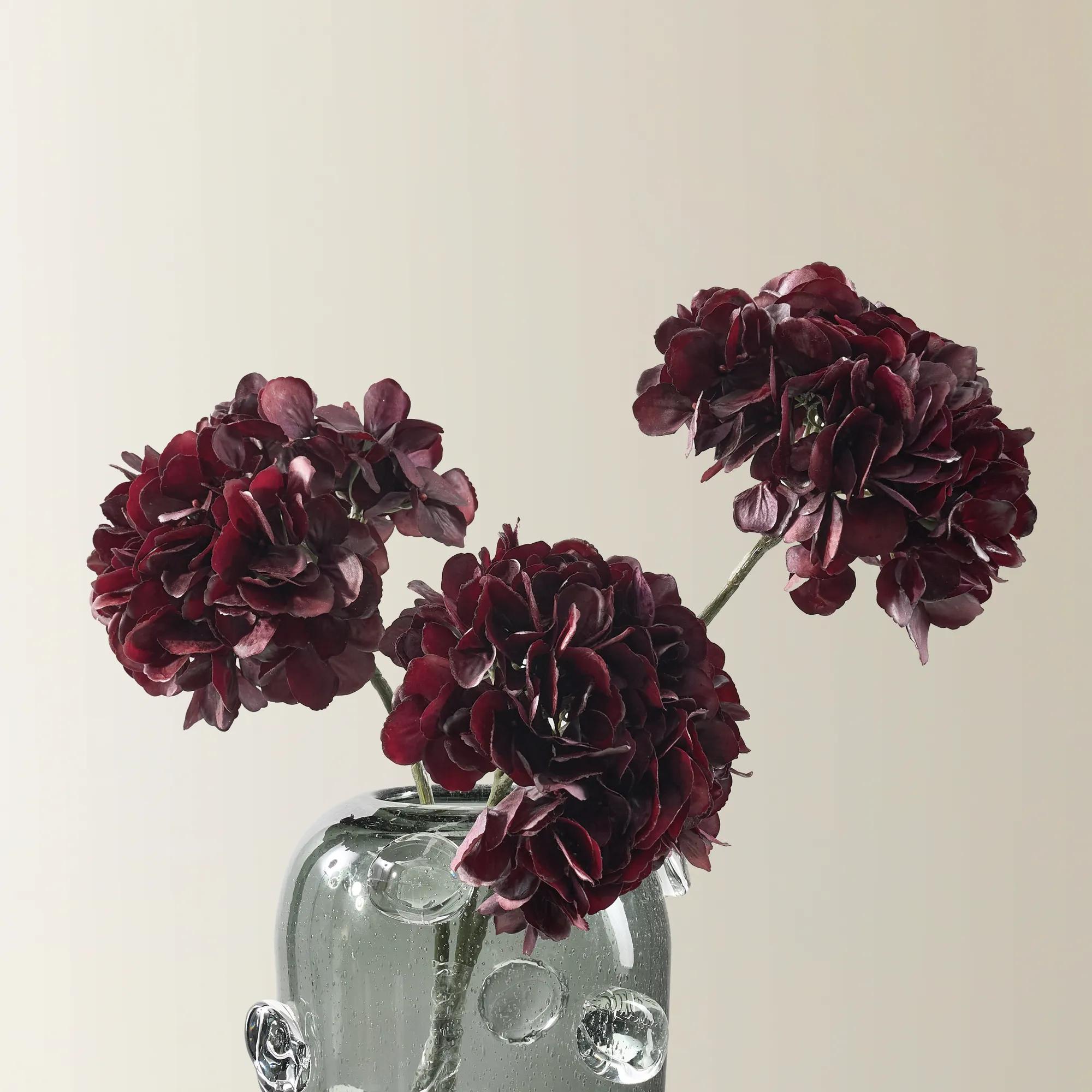 Faux Fig Hydrangea Real Touch Stem 18.5" Set of 3$79
A set of three faux fig-colored hydrangea stems crafted from plastic for lush, seasonal arrangements.
Add To Cart -
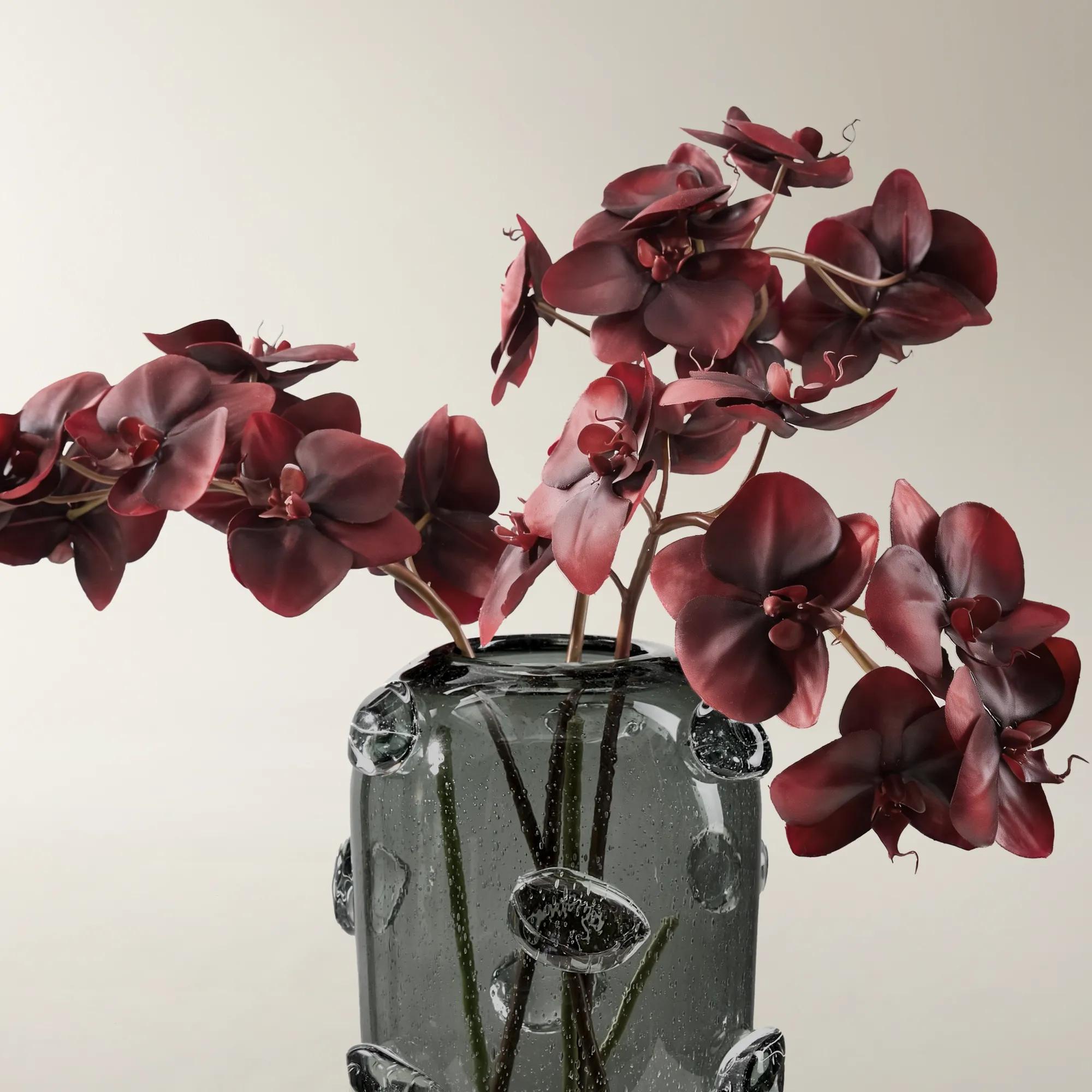
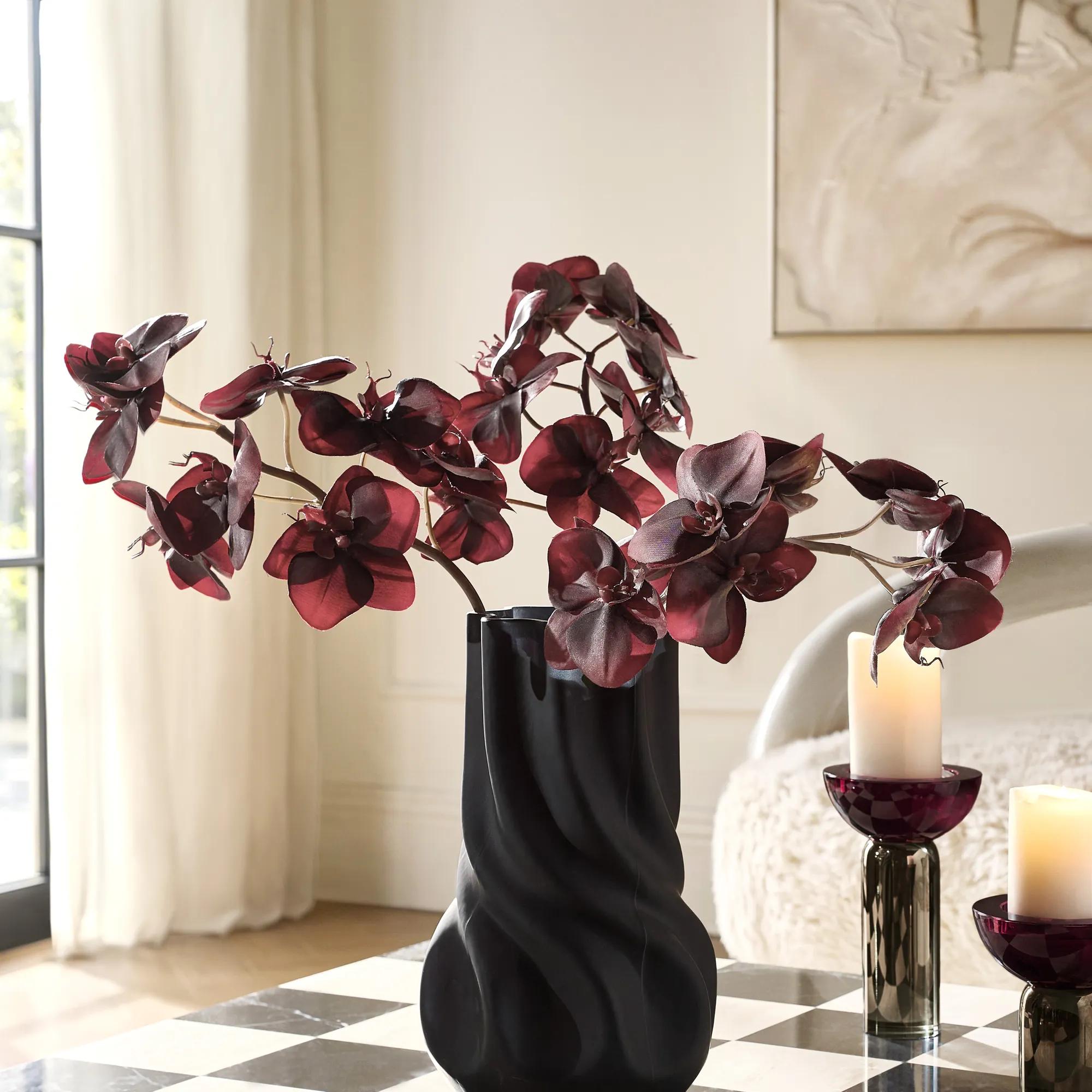 Faux Burgundy Phalaenopsis Real Touch Stem 37" Set of 3$79
A set of three faux burgundy phalaenopsis stems crafted from plastic for dramatic, elegant floral displays.
Add To Cart -
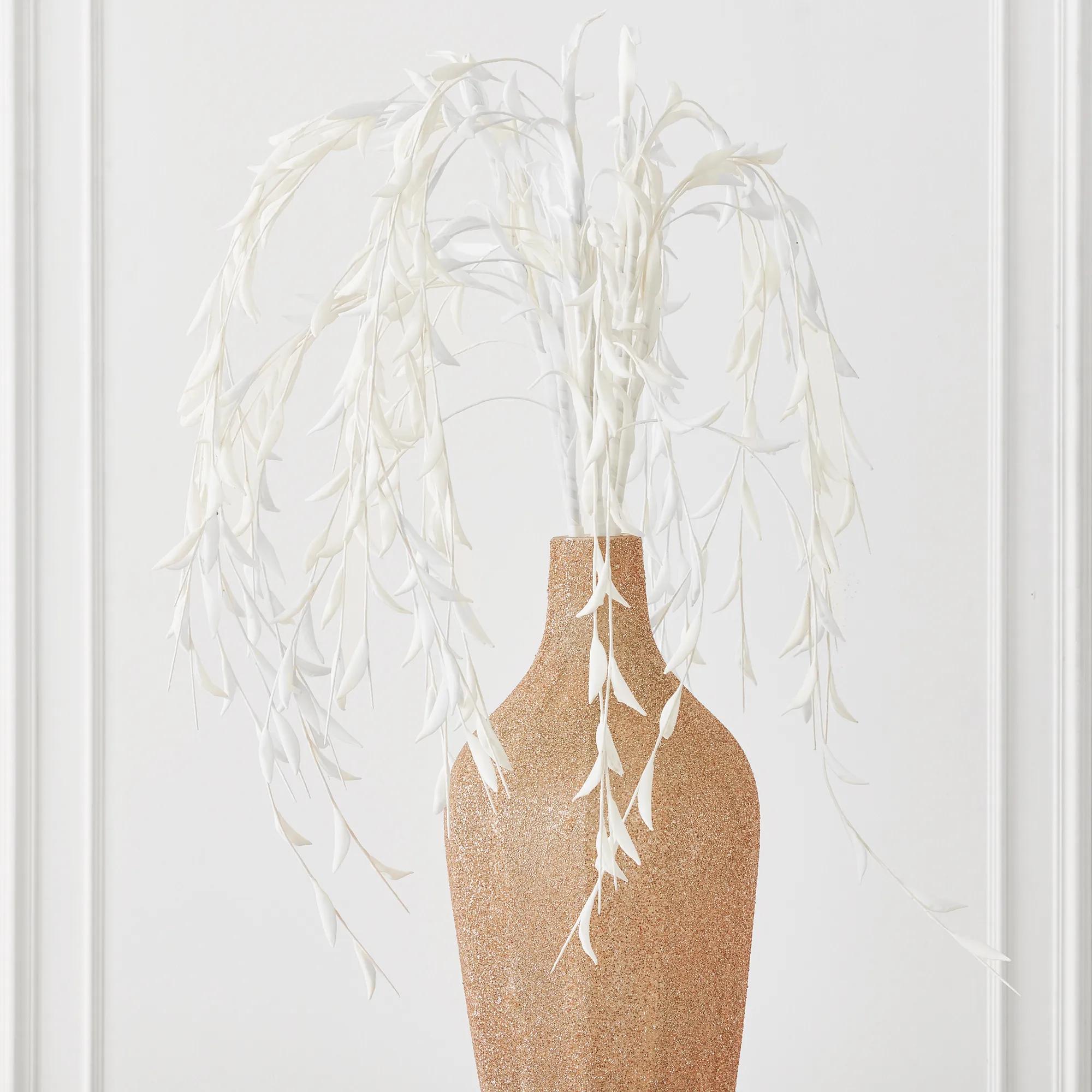 Faux Weeping Willow Spray Set of 3$59
A set of three faux weeping willows with delicate white foam branches for enchanting decor.
Add To Cart -
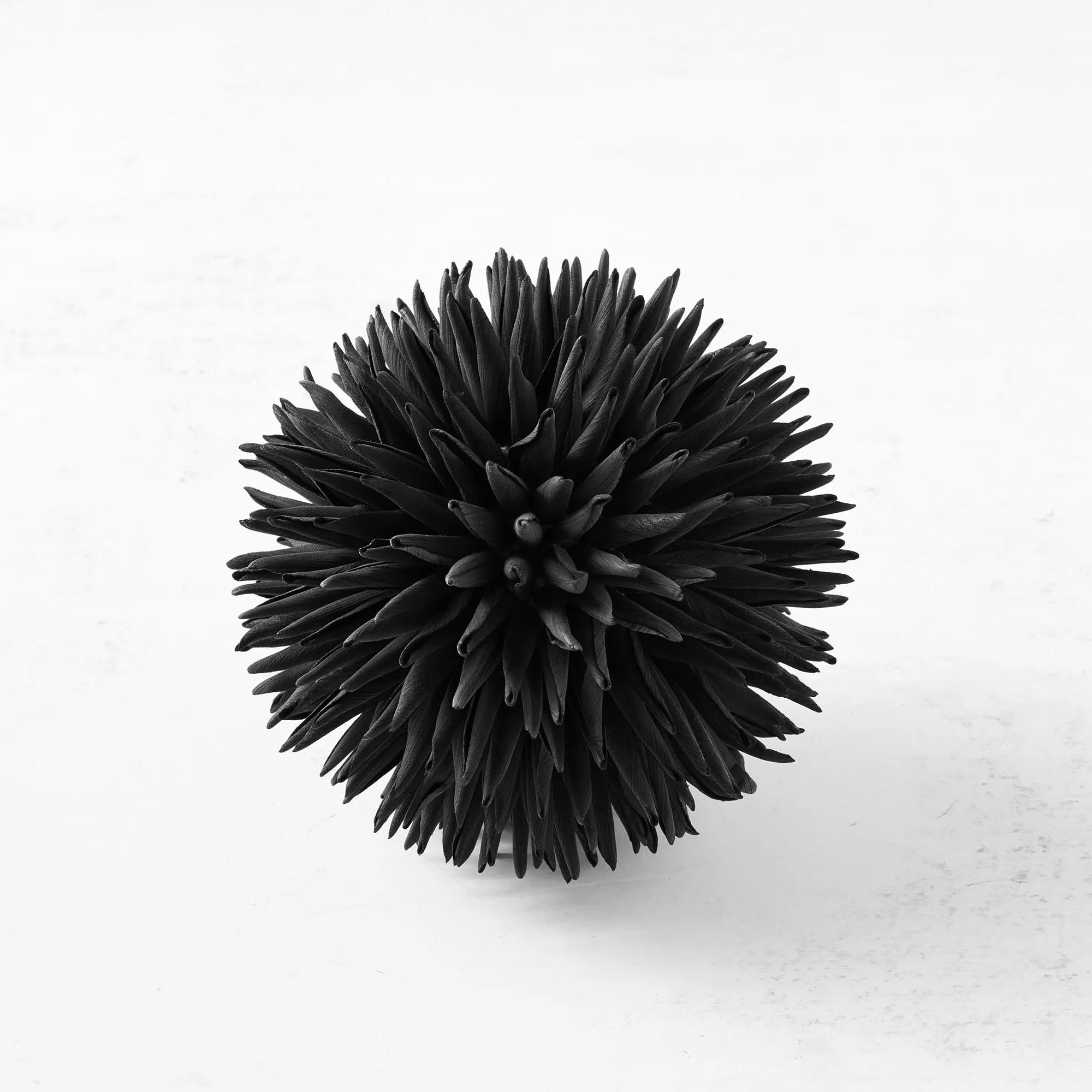 Faux Black Allium Sphere 7" Set of 3$59
A set of three lifelike black faux allium spheres crafted from foam for effortless, year-round decor.
Add To Cart

Artificial Flowers For Vases
Explore artificial flowers for vases to create expressive arrangements without the upkeep of fresh blooms. Discover faux florals for a sculptural centerpiece or an artful accent, choosing shapes and proportions that complement your vase. Consider stem height, opening width, and color palette to give your arrangement a balanced, intentional presence.
Artificial flowers for vases bring the expressive beauty of a floral arrangement into a room without the watering, wilting, or frequent replacement associated with fresh-cut blooms. From softly layered petals to sculptural branches, these decorative stems create lasting compositions that feel intentional rather than incidental. A generous cluster of flowers can soften the geometry of a mirrored console, while a few elongated stems give a narrow vase an elegant, architectural presence. The appeal lies in that freedom of expression: a restrained arrangement lets an extraordinary vessel command attention, and an abundant bouquet turns an understated vase into a dramatic focal point. Faux flowers may be made from polyester fabric, silk, molded plastics, or soft-touch materials, often supported by wired stems that allow subtle adjustments to their shape. The term “silk flowers” is also commonly used for fabric flowers that are not made from actual silk, so material descriptions matter when comparing texture and finish. Fabric petals can offer delicate movement and softly defined edges, while molded components can capture the dimensional structure of leaves, buds, and thicker petals. Convincing designs often combine several details, including graduated color, varied bloom sizes, textured foliage, and stems with natural-looking irregularities. Those nuances are especially important in arrangements displayed at eye level, where every petal becomes part of the room’s visual story. Color establishes the mood just as decisively as shape. Ivory and cream flowers lend luminous softness to metallic accents; saturated jewel tones introduce a more theatrical note; muted blush adds warmth without overwhelming a carefully composed palette. A monochromatic bouquet can feel sumptuous when its petals vary in size and texture, while a contrasting arrangement brings an artful tension to polished surfaces and neutral upholstery. For living rooms, entryways, bedrooms, and home offices, artificial floral stems offer a way to repeat a signature color or introduce a new accent without changing the room’s larger furnishings. Their beauty is enduring, but their arrangement need not be fixed: individual stems can move between vessels as a space takes on a different expression.
The relationship between flower and vase determines whether an arrangement feels poised, expansive, or deliberately sculptural. Vase height, opening width, and weight all influence the finished silhouette, making dimensions as important as petal color. A narrow neck gathers stems closely for a clean, upright composition, while a broad opening allows blooms to spread into a fuller bouquet. Large flower heads need enough space to sit naturally rather than compress against one another, and delicate stems benefit from a vessel that supports them without swallowing their detail. As a general starting point, an arrangement’s total height can be about one and a half to two times the vase’s height, although a low centerpiece or an exaggerated branch display may call for different proportions. The setting provides the final measure. Flowers on a dining table should preserve conversation and sightlines, while an entryway arrangement can rise higher to create a striking first impression. For compositions that need greater reach and presence, artificial flowers for tall vases suit elongated silhouettes where stem length and visual balance are especially important. Taller arrangements also need a stable vessel; a substantial base helps counter the weight of blossoms extending above the rim. Clear glass makes stems part of the presentation, so their finish, spacing, and placement deserve attention. Opaque ceramic or metal vessels conceal supports and allow more freedom to adjust the interior structure. A discreet floral support or removable stem grid can help maintain spacing in a wider opening, provided it suits the vessel and does not damage its finish. Where stems are designed to bend, gentle shaping can adjust their height and direction without permanently shortening them. Cutting wired stems requires suitable tools and should follow the product’s care or handling instructions rather than relying on household scissors. The most persuasive arrangements rarely look mechanically symmetrical. Slight differences in height, a bloom turned toward the room, and a little breathing space between flower heads bring the composition closer to the ease of a fresh bouquet. From a single statement stem to a generous gathering of blossoms, proportion gives artificial flowers their sense of purpose.
Artificial flowers offer lasting decorative impact with relatively light care, making them especially appealing for people who enjoy beautifully composed rooms but do not want to maintain fresh arrangements. They do not need water, plant food, or sunlight to bloom, and they can remain visually consistent in spaces where living flowers would require regular attention. That convenience makes faux floral arrangements well suited to a guest bedroom, a reception area, or a console that needs a dependable finishing touch. Durability still depends on materials, handling, and placement. Unless a design is specifically intended for outdoor use, an indoor setting is the more appropriate choice; prolonged direct sunlight may fade colors, and moisture or heat can affect some fabrics, coatings, and adhesives. Dust is the principal routine concern. A soft brush or gentle duster can lift it from petals and leaves, while a lightly damp cloth may suit certain smooth surfaces if the manufacturer’s instructions permit it. Delicate fabric flowers should not be soaked or treated with household cleaners unless their care directions explicitly allow that treatment. Occasional attention to the folds of a bloom and the underside of foliage helps preserve the depth and definition that make an arrangement convincing. When storing stems, protecting flower heads from compression helps prevent creasing and keeps their silhouette intact. This balance of visual richness and manageable upkeep also makes artificial flowers a thoughtful gift for a housewarming, wedding, or host who appreciates expressive interiors. Loose stems give a recipient the freedom to pair the flowers with a favorite vessel, while a coordinated bouquet offers a more composed starting point. The recipient’s space matters: an expansive arrangement may suit a grand foyer, but a smaller gathering of blooms can feel equally luxurious beside a bedside lamp or on a compact writing desk. Chosen with attention to color, scale, and texture, artificial flowers for vases become more than a substitute for fresh blooms. They create an enduring decorative gesture—softness against stone, color beside glass, or a sculptural flourish that gives the room its own unmistakable character.
FAQs
Begin with a focal bloom, then layer complementary flowers and greenery to create depth and movement. Gently shape flexible stems so each blossom has room to express its silhouette. For an artful finish, embrace a little asymmetry—an unexpected arc or cascading sprig gives artificial flower arrangements a sculptural presence.
Match your vase to the mood you want to create. Mirror-finish metallic vases bring glamour to richly colored blooms, while textured ceramic vessels offer a striking contrast to delicate petals. Clear glass lets the stems become part of the composition, and opaque vases conceal them for a polished, flower-focused display.
Pair contrasting floral forms for a composition rich in detail. Artificial roses and peonies create sumptuous layers, while orchids introduce graceful lines and expressive curves. Add faux branches or leafy stems for contrast, keeping a shared color palette to give the arrangement a cohesive, curated feel.
Take inspiration from your artwork, upholstery, or decorative accents. Ivory and blush blooms lend softness to a richly layered interior, while burgundy, plum, and fuchsia create a more dramatic focal point. For tonal sophistication, combine several shades of one color and let variations in petal shape and texture carry the composition.
Keep a few favorite stems as your foundation, then change the supporting flowers and foliage. Welcome spring with pastel blossoms, bring saturated color into summer, and transition to wine-toned blooms and golden leaves for fall. In winter, white florals paired with deep greenery and metallic branches create a luminous, celebratory display.