Centerpieces For Weddings
Centerpieces For Weddings
-
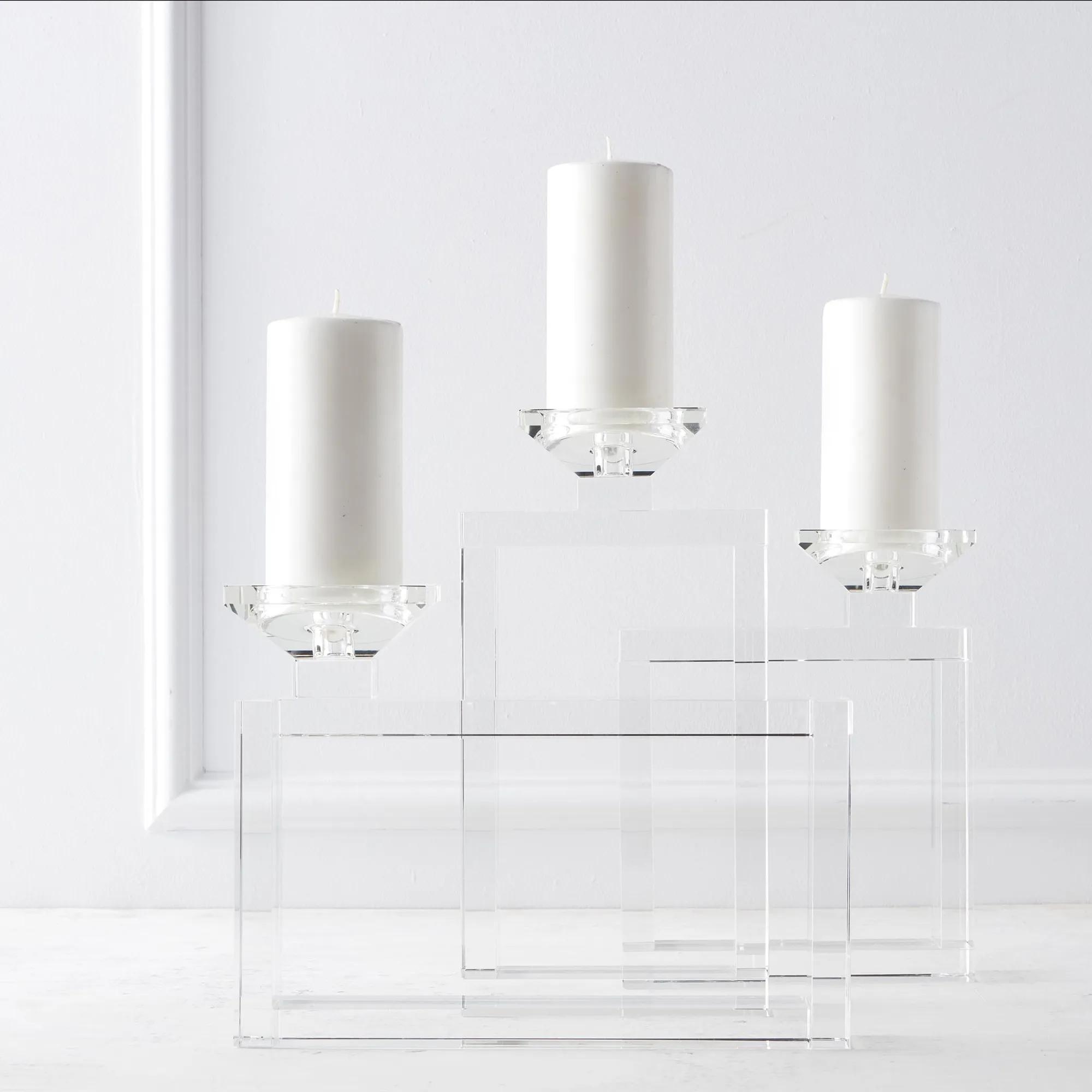
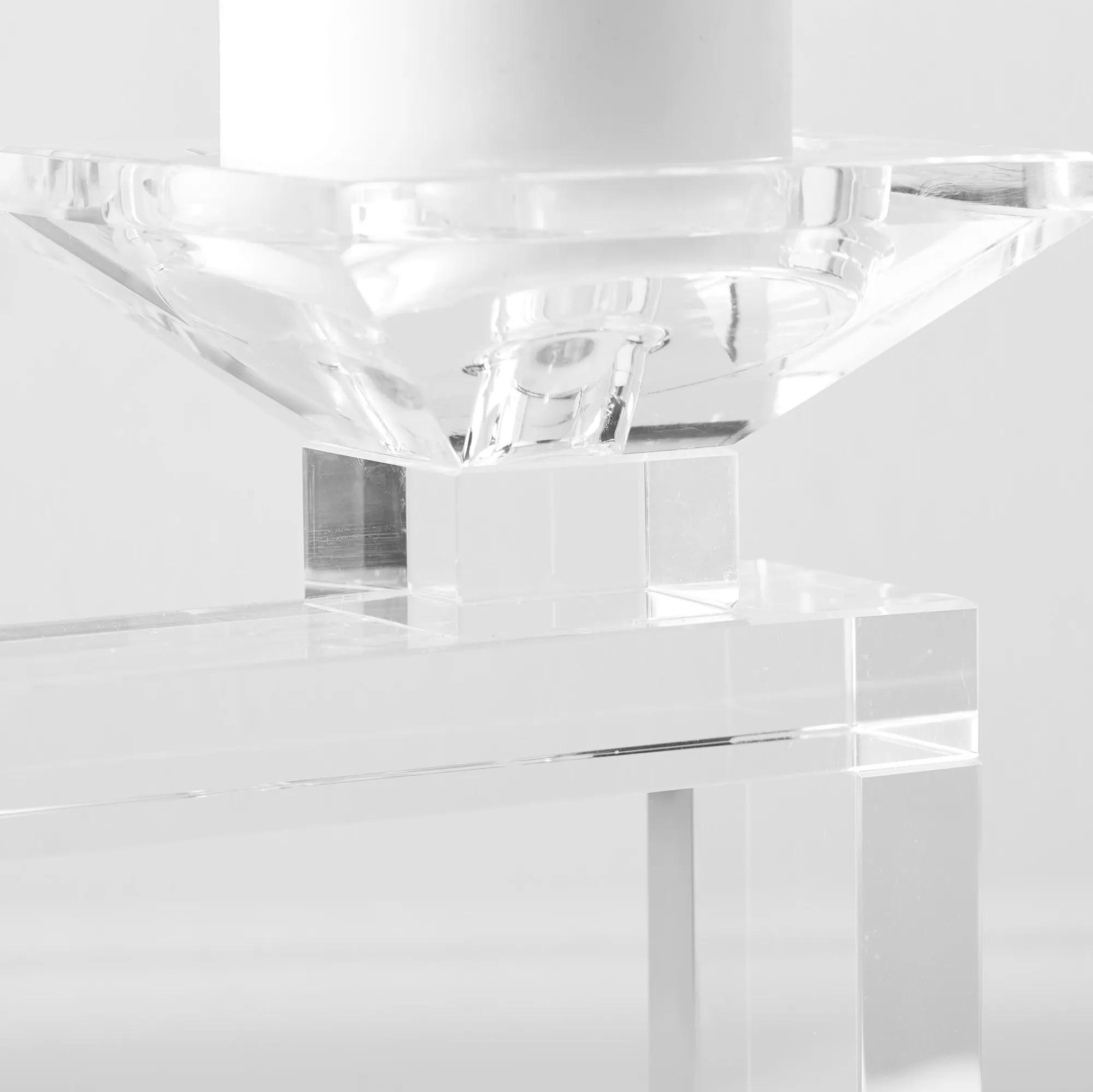 Linx Clear Crystal Glass Pillar Holders$119
A sparkling clear crystal glass holder with an open geometric base for standard pillar candles.
Add To Cart -
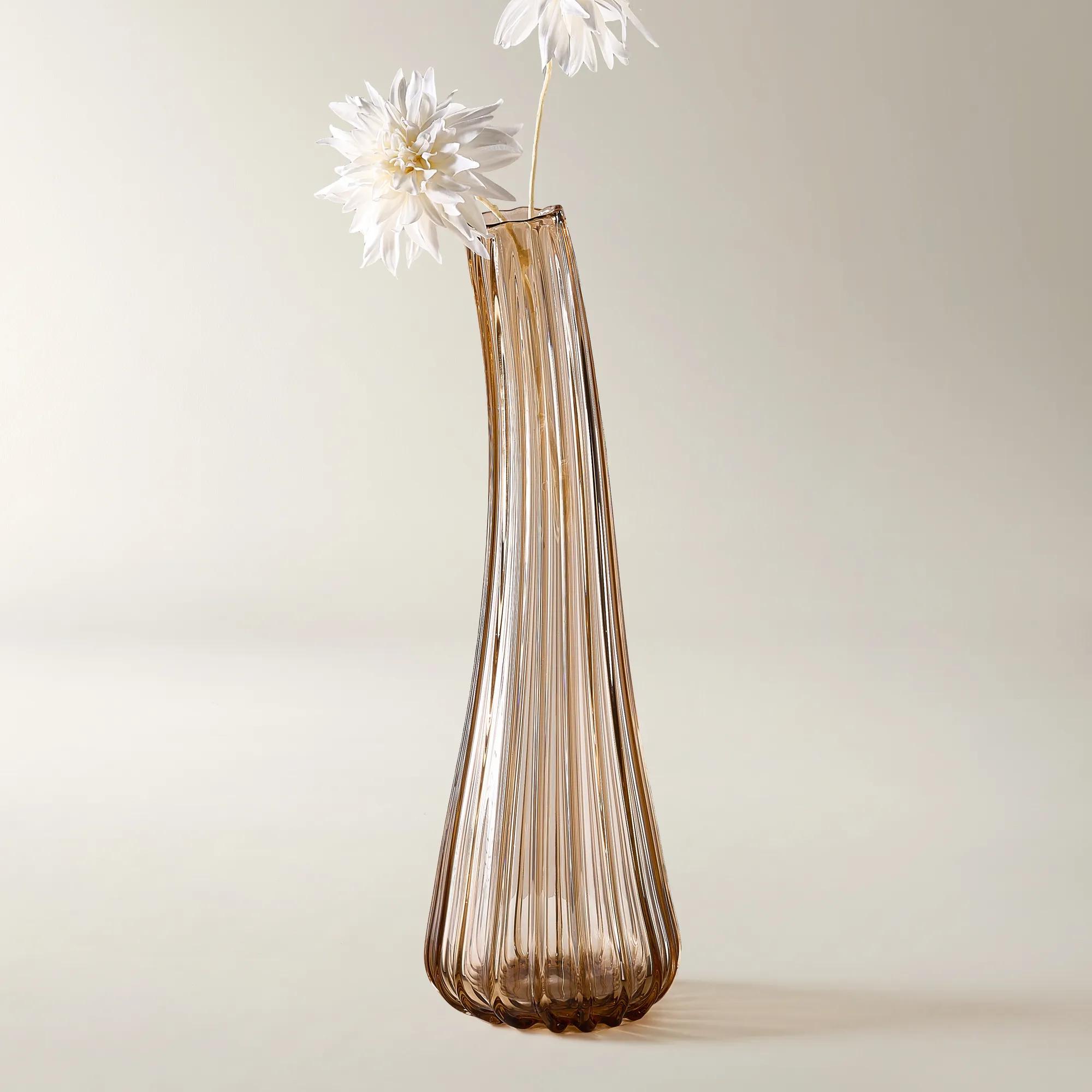
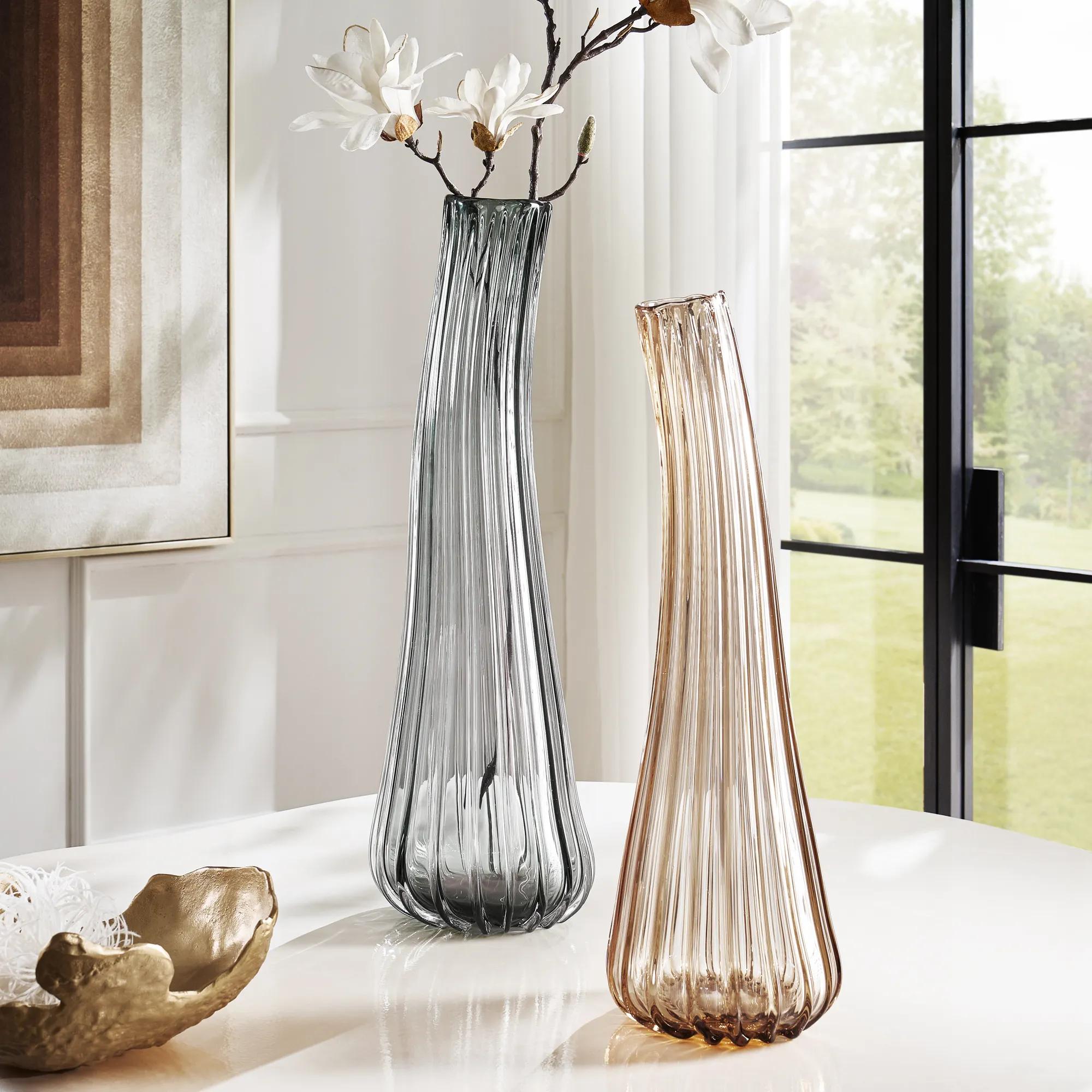 Tango Mouth Blown Soft Amber Vase 24.75"$179
A handblown glass vase in a soft amber finish with a textured, sculptural centerpiece design.
Add To Cart -
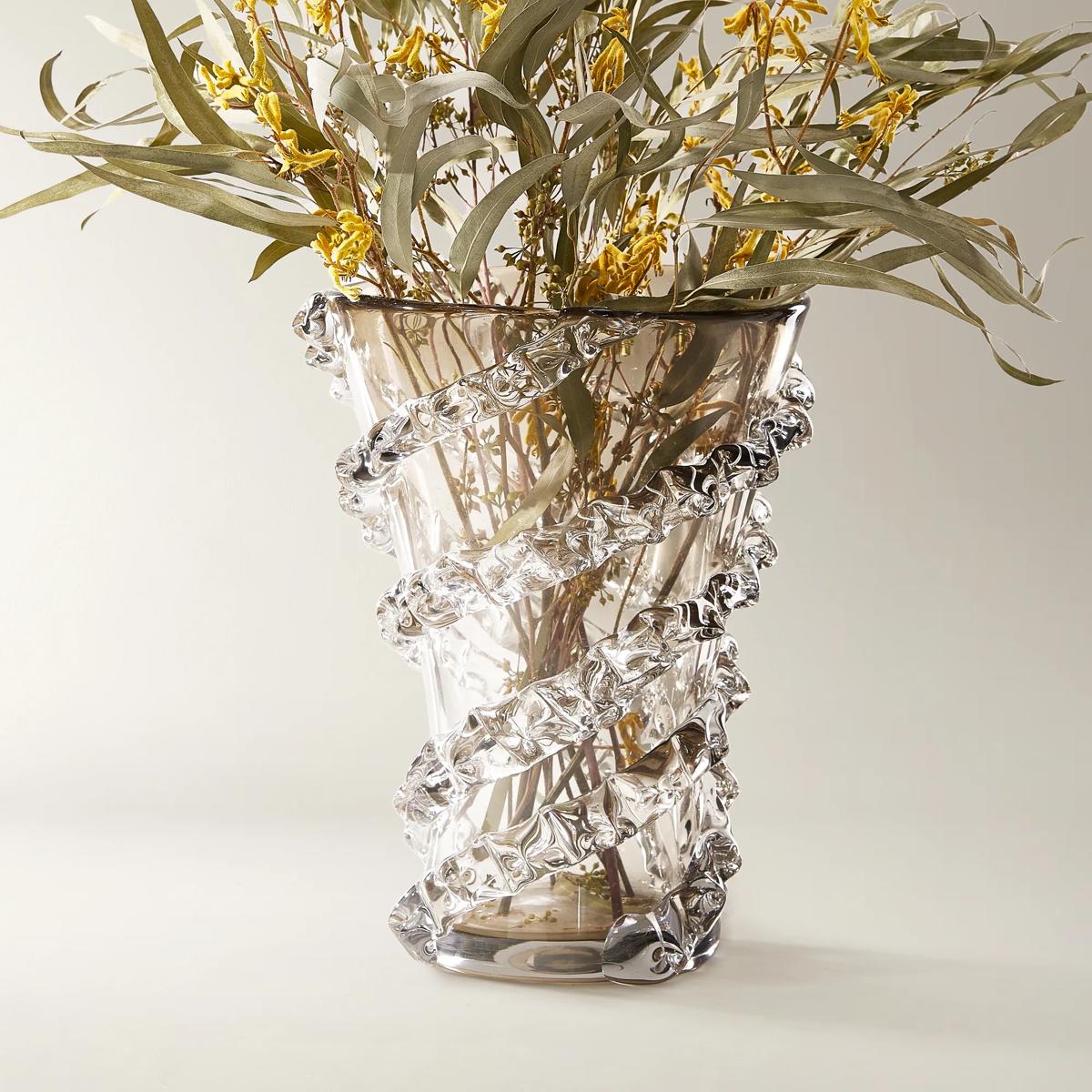
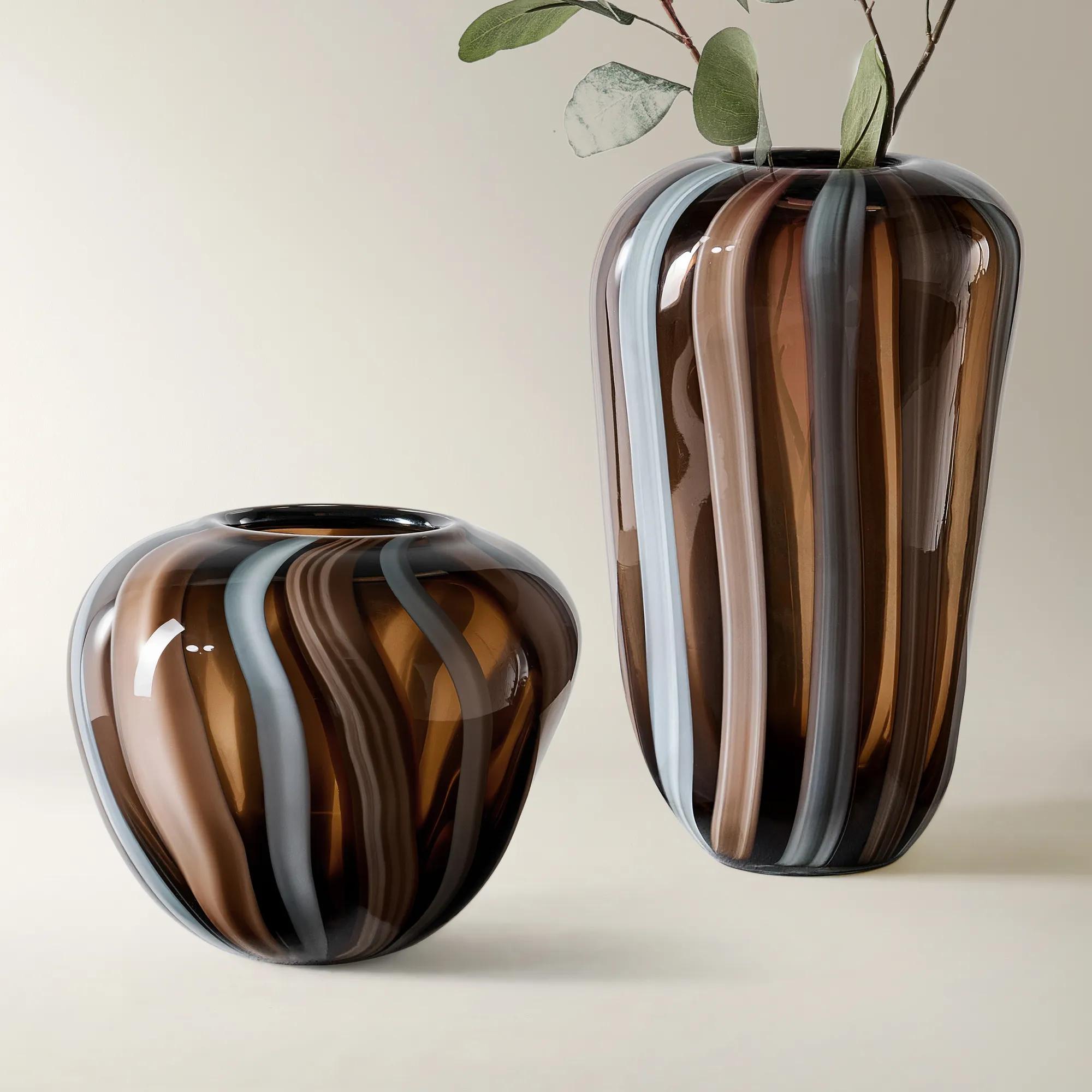
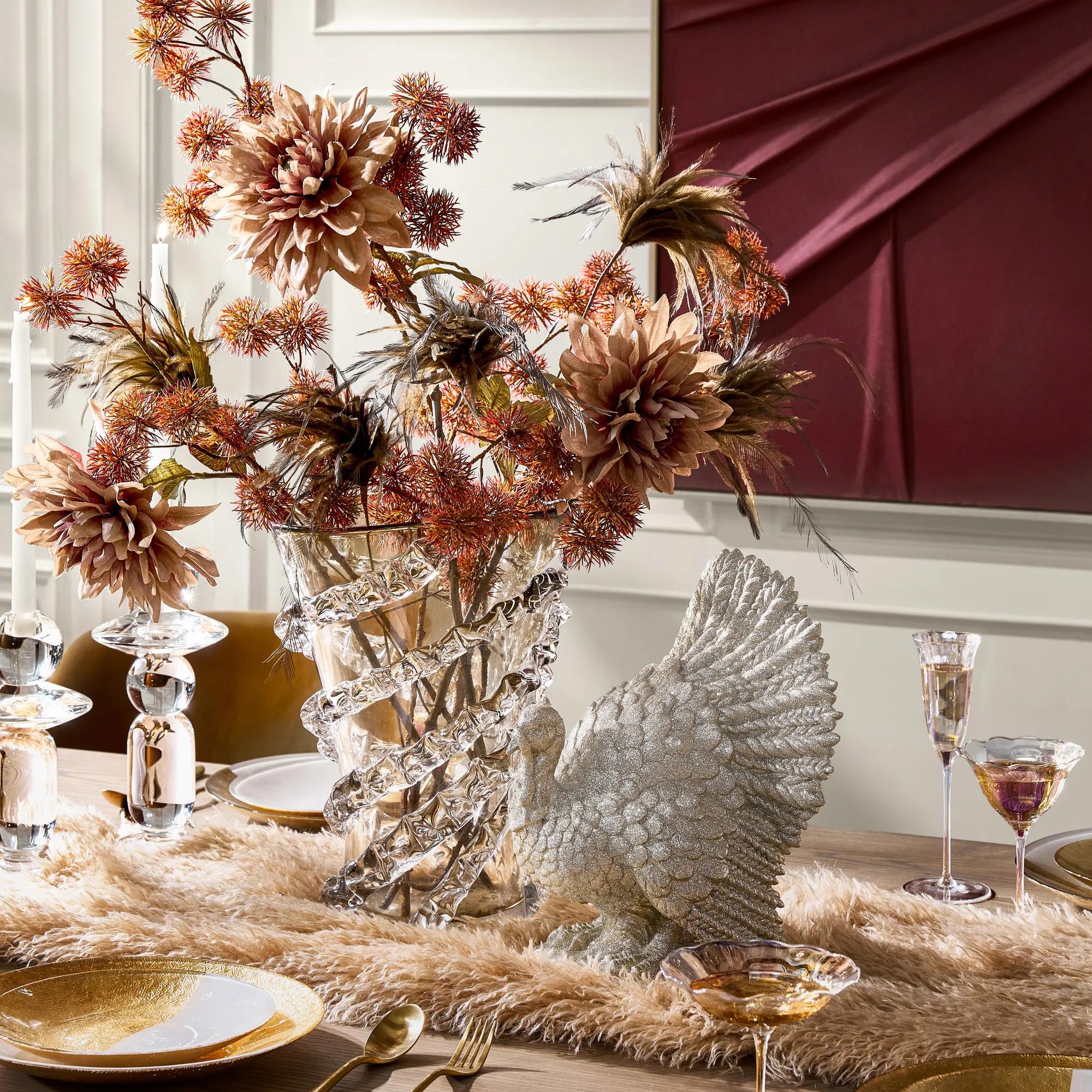 Reyna Glass Vase$299
A hand-blown glass vase featuring a sculptural swirl design and a smoky grey-brown finish.
Add To Cart -
 Trio Twist Soft Gold Aluminum Tapper Holders Set of 3$129
A set of three aluminum taper holders in soft gold with sculptural twisted silhouettes for modern elegance.
Add To Cart -
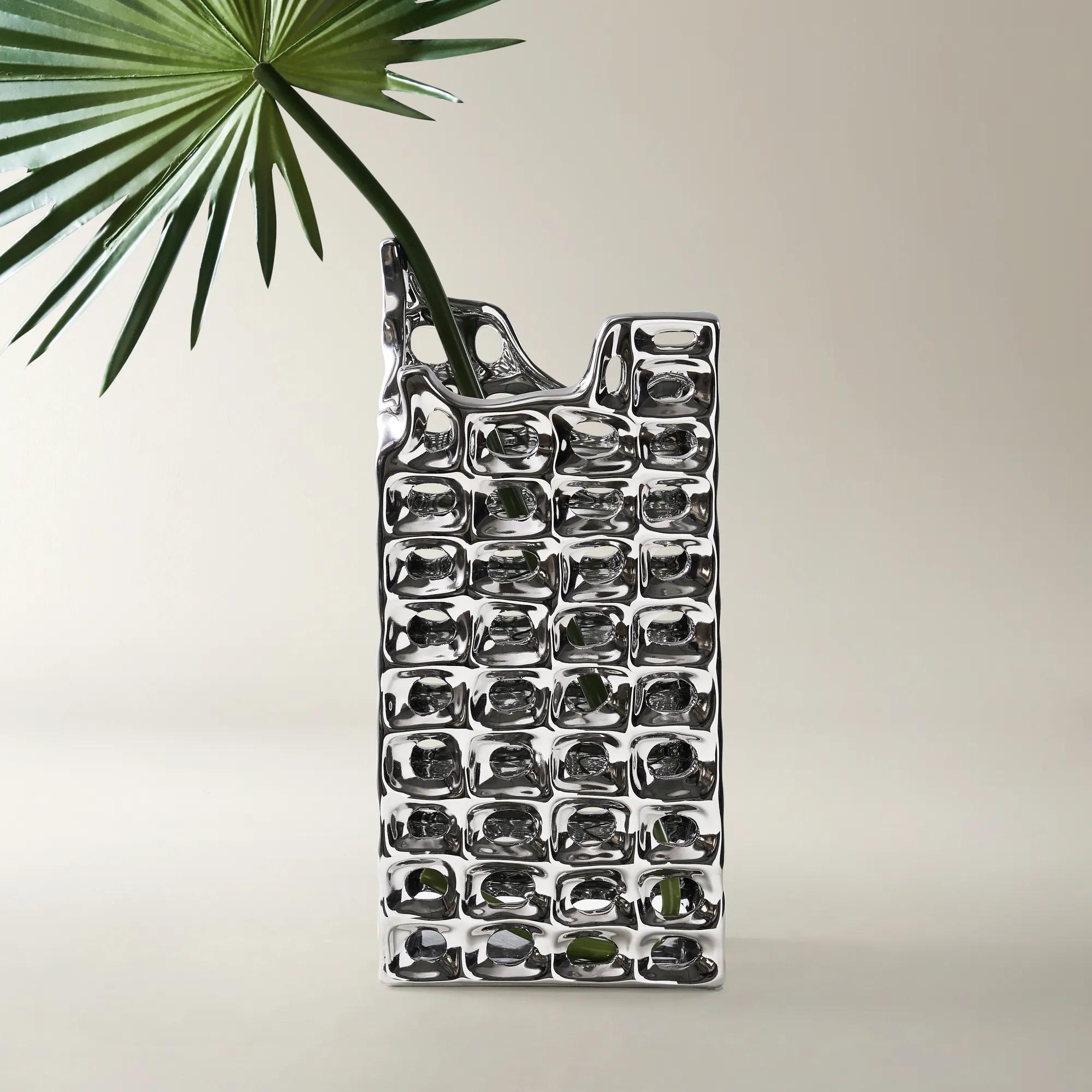
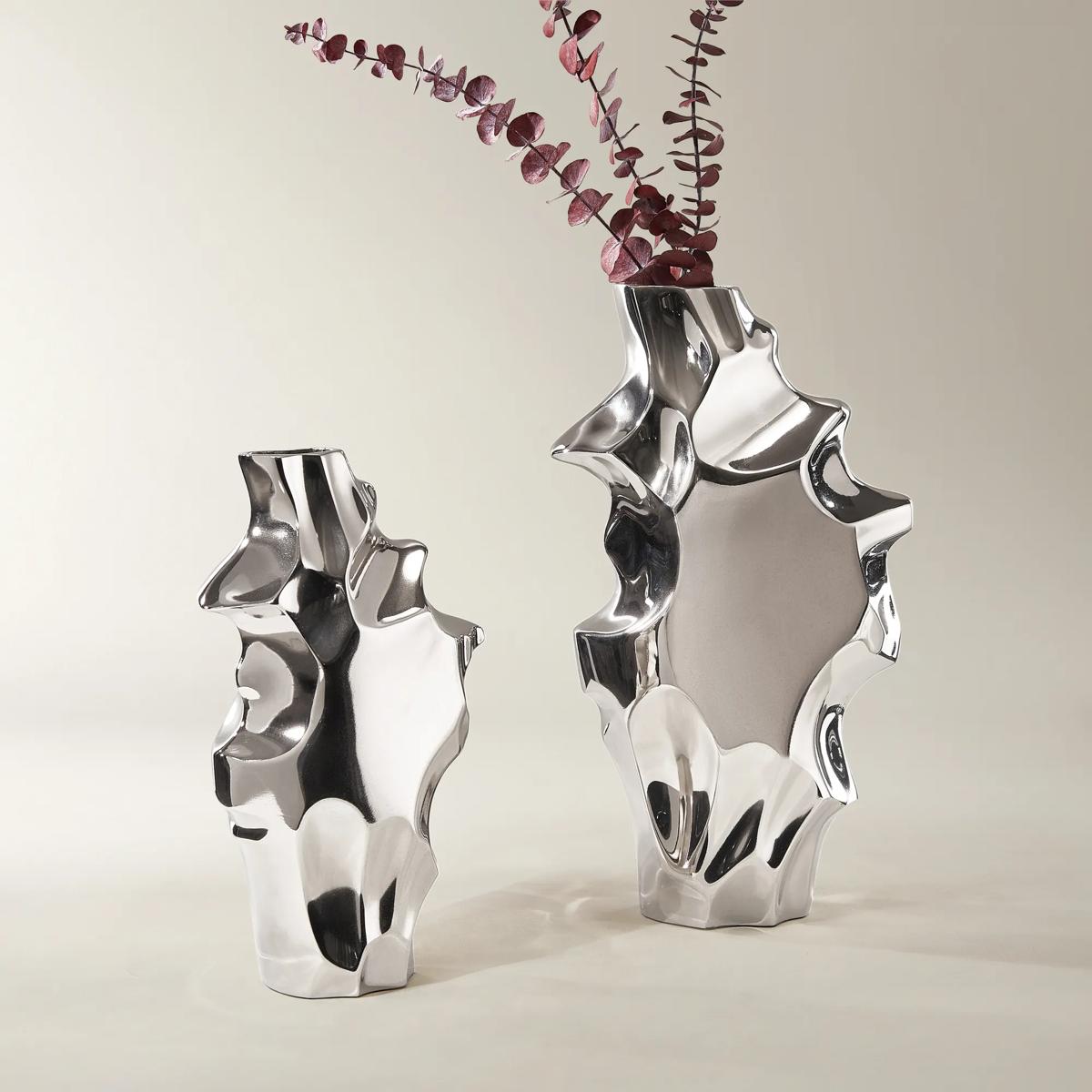
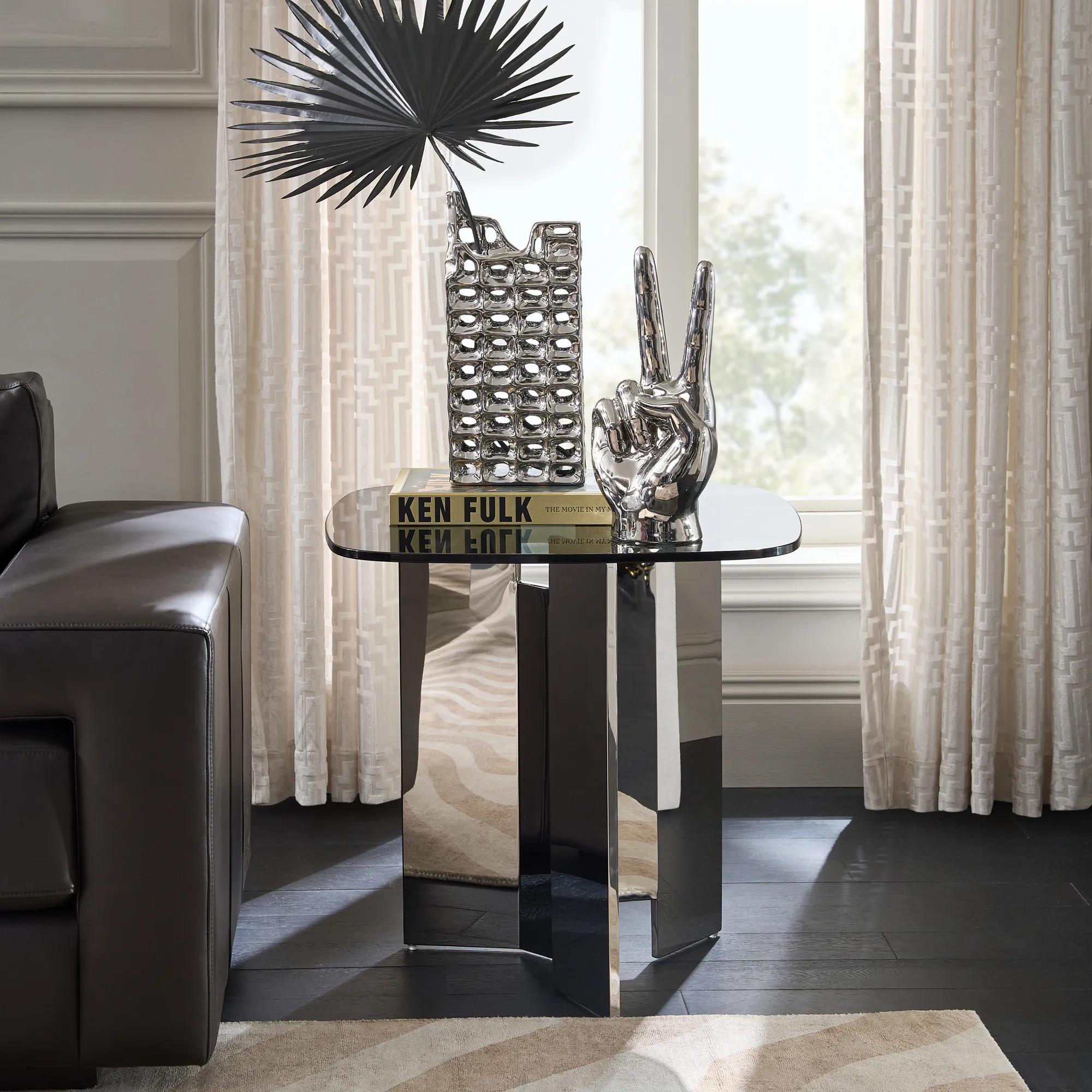 Pierce Vase$69
A ceramic vase with intricate facets and a gleaming silver finish for striking visual impact.
Add To Cart -
 Icy Mouth Blown Clear Glass Cube Taper Holders$39
A handblown clear glass taper holder with a bold geometric silhouette and luminous, icy light play.
Add To Cart -
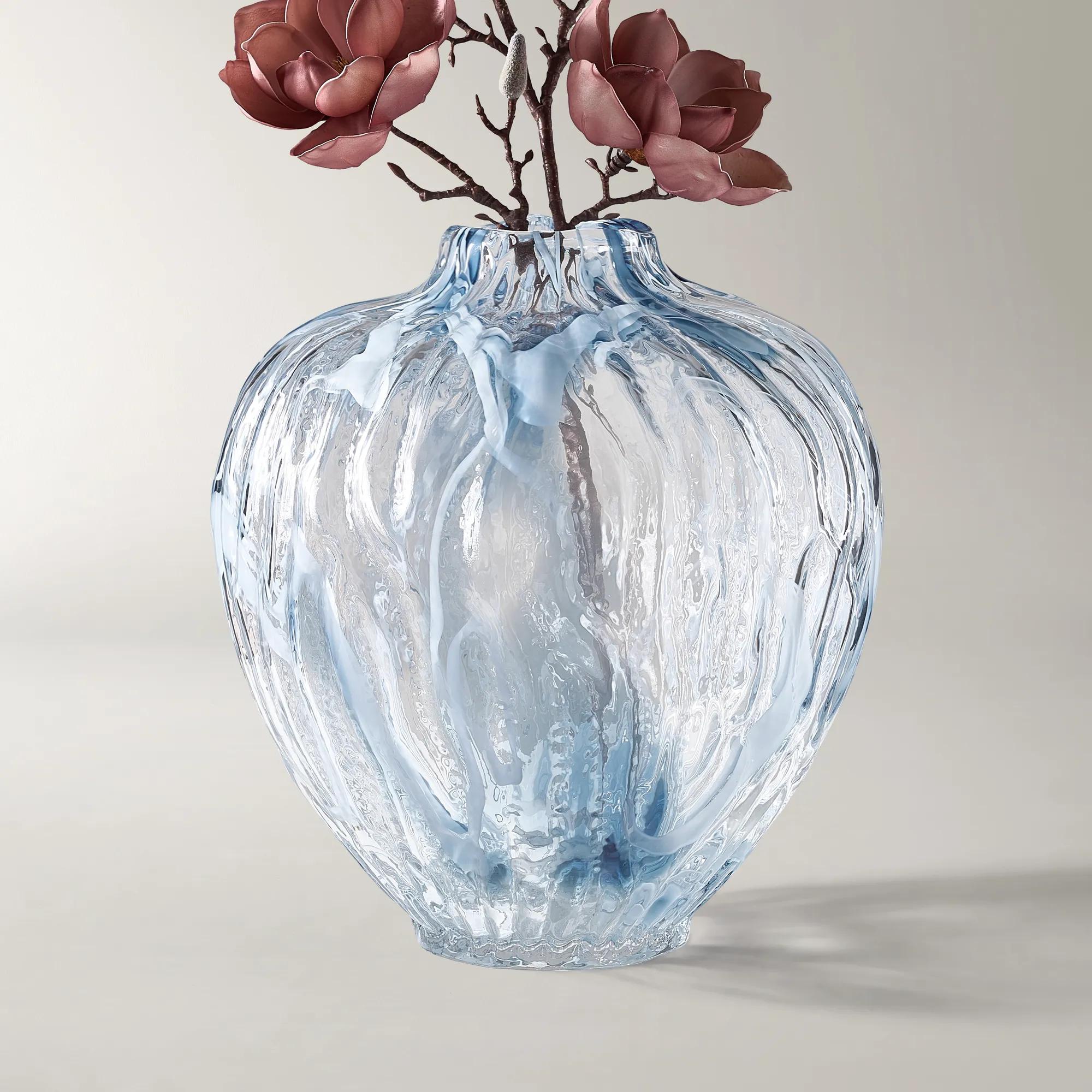 Cruz Mouth Blown Powder Blue Glass Vase 15.75"$169
A handblown glass vase in powder blue with a sculptural, light-catching surface for modern decor.
Add To Cart -

 Madre Handcrafted Ivory Porcelain Vases$129
A handcrafted ivory porcelain vase featuring cascading textured fronds and a smooth matte finish.
Add To Cart -
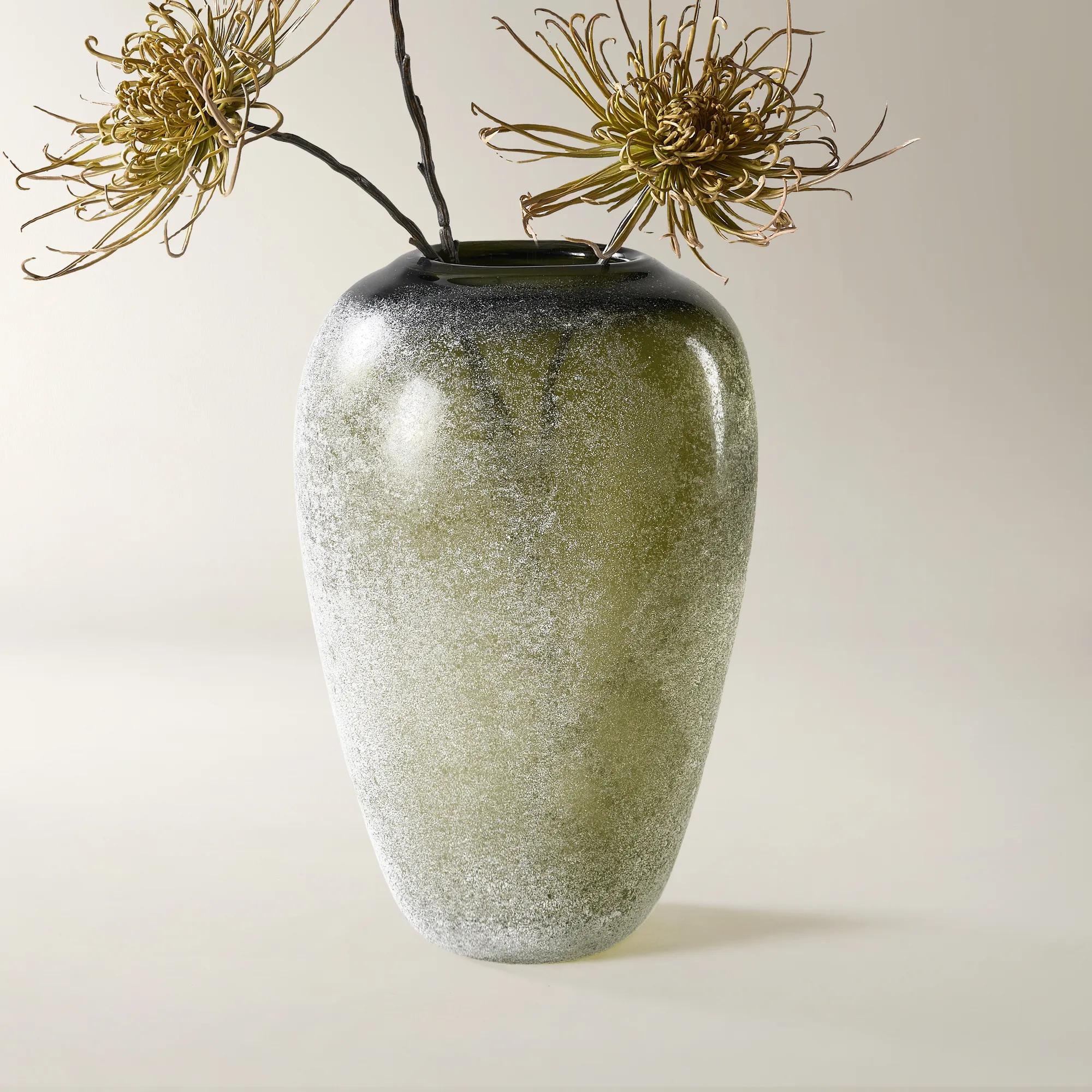 Linden Mouth Blown Pistachio Green Glass Vase 13.75"$129
A handblown glass vase in pistachio green adds a fresh, artful accent to any space.
Add To Cart -
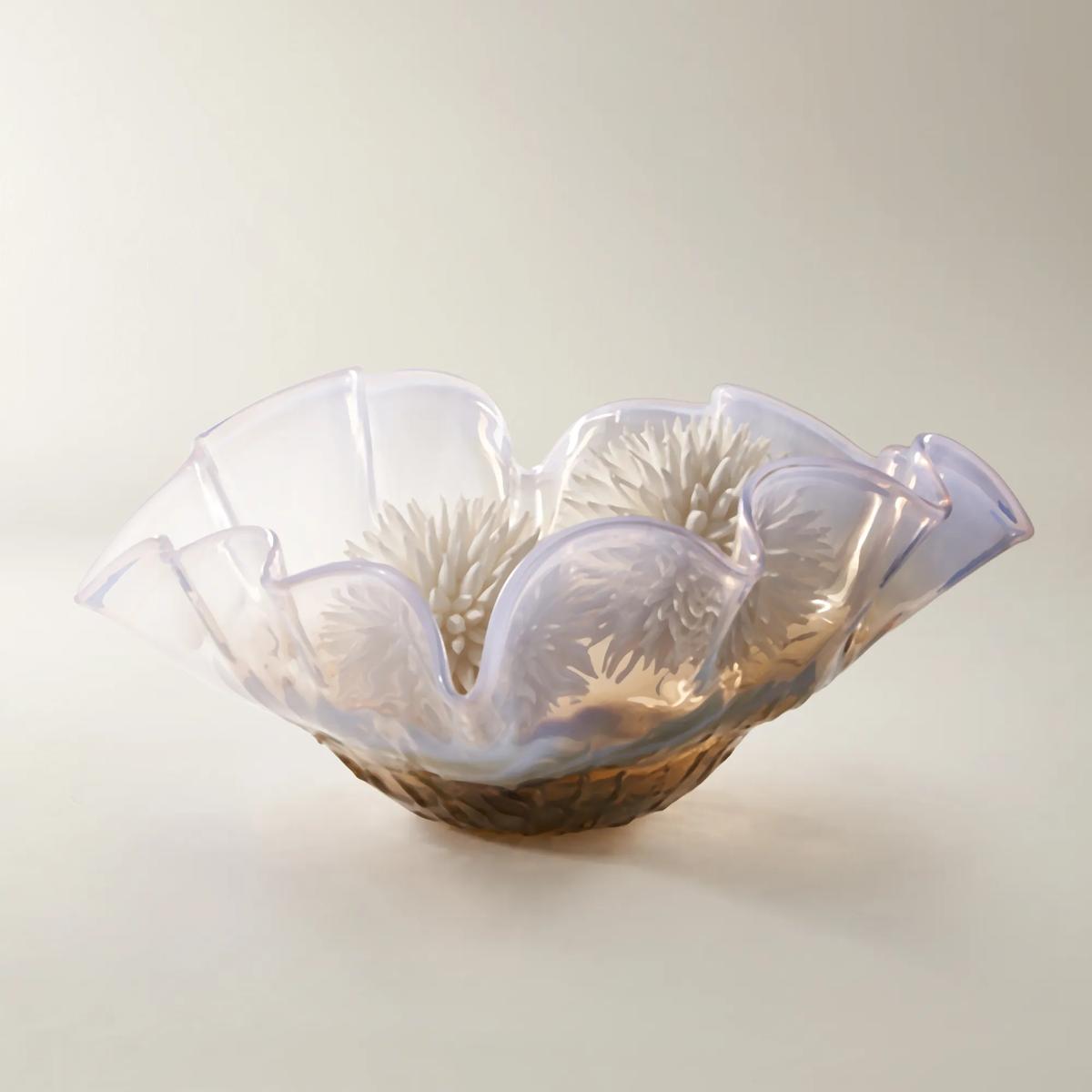
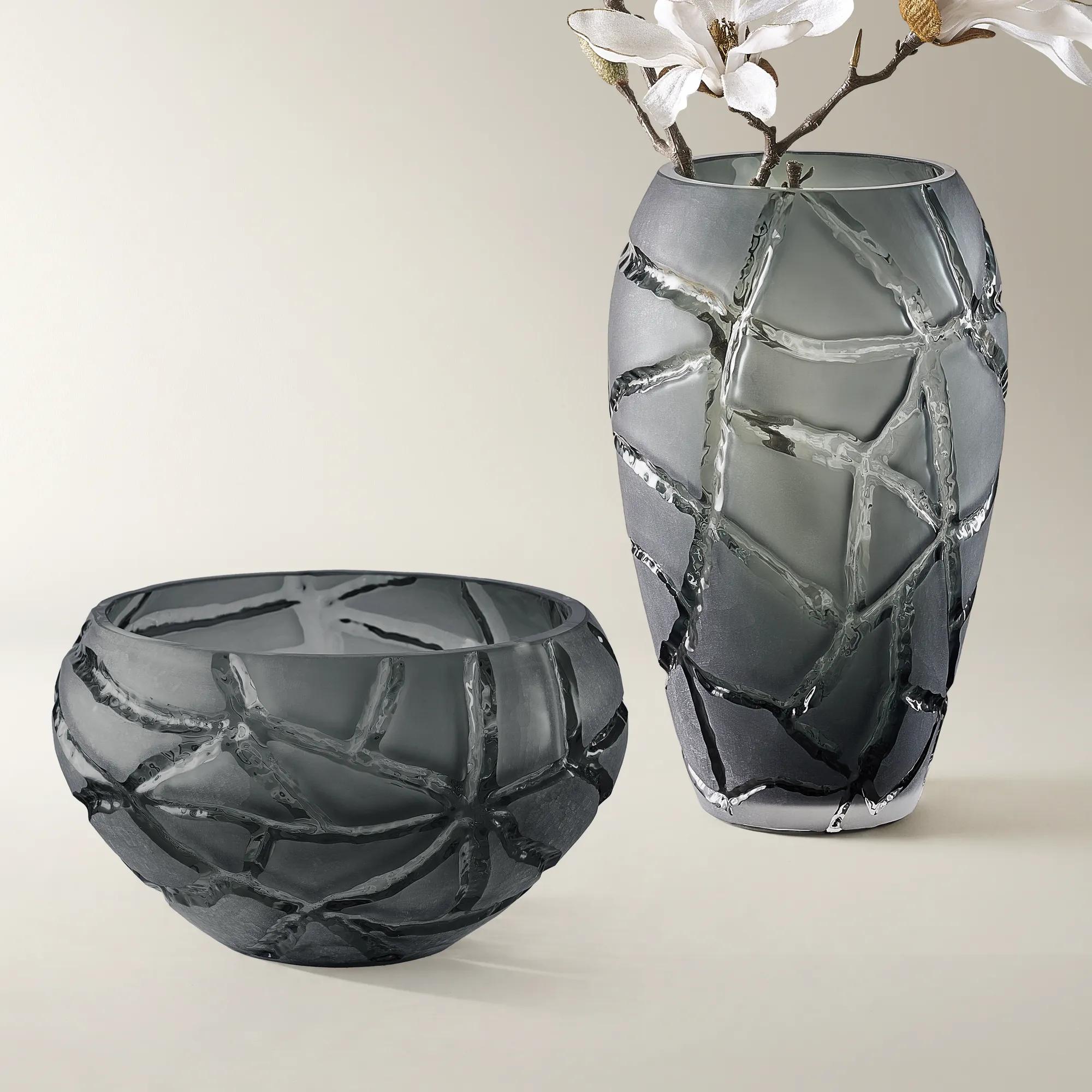
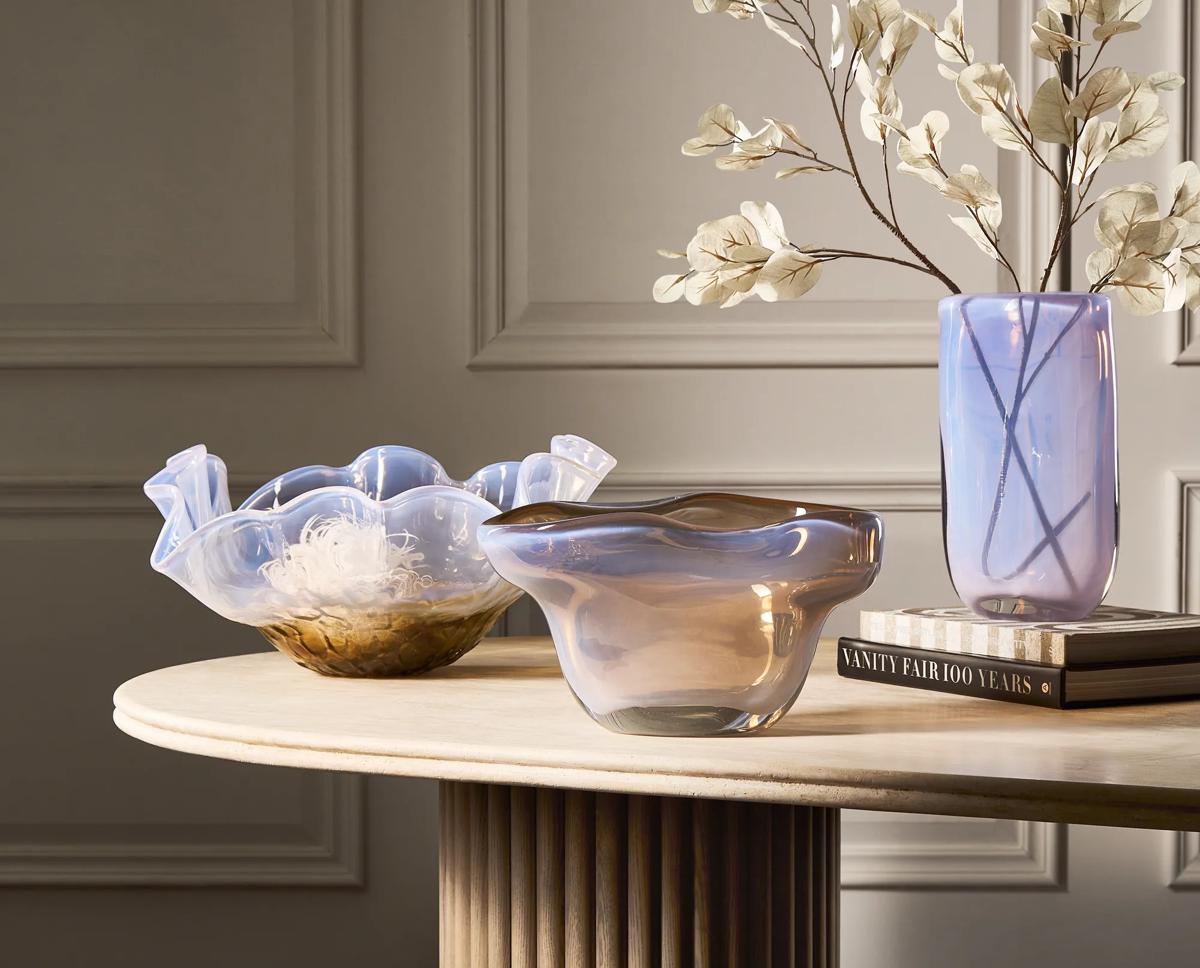 Glacier Glass Bowl$269
A hand-blown glass bowl featuring scalloped edges and swirling lavender and amber hues for artistic elegance.
Add To Cart -
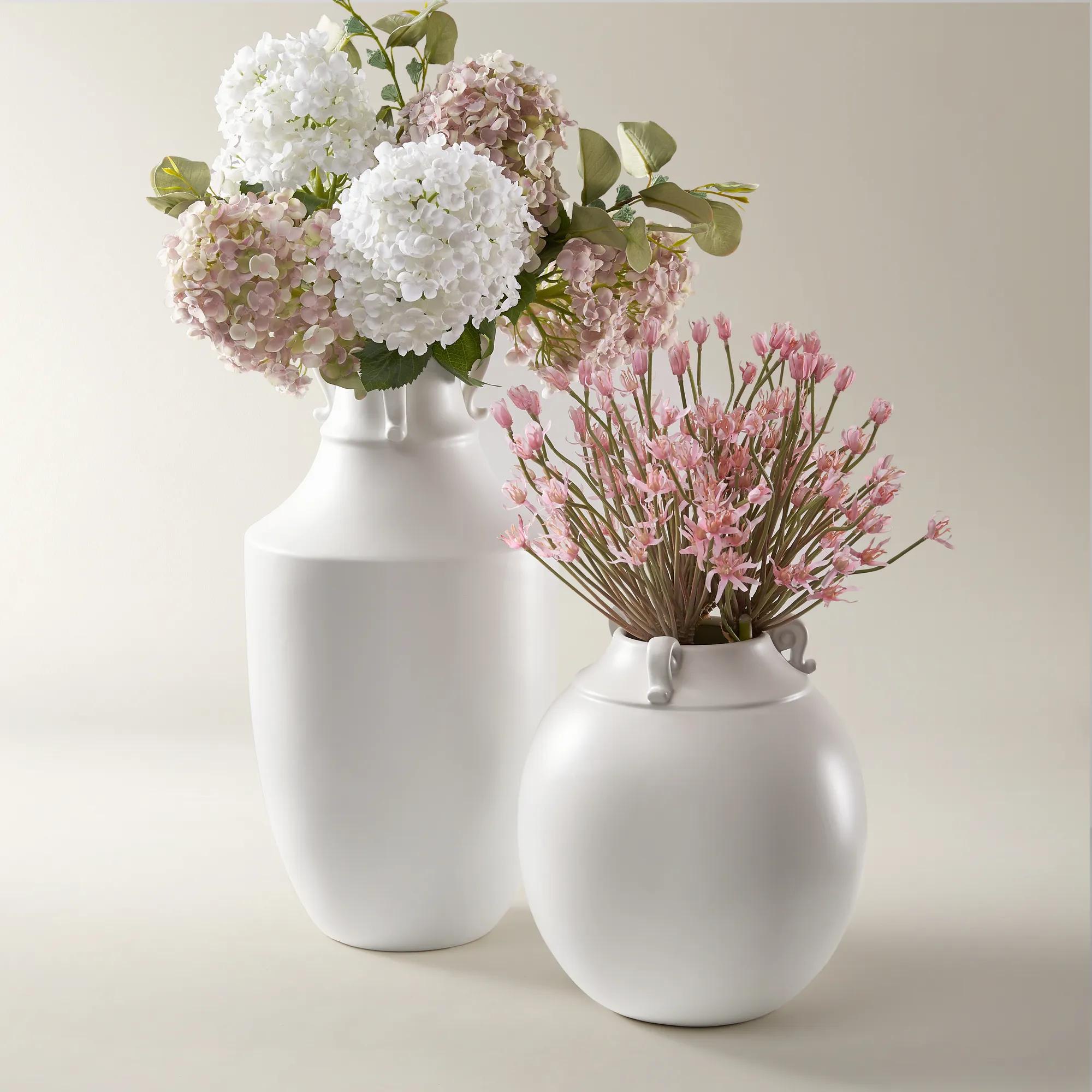 Amora Vase$79
A graceful white ceramic vase featuring smooth curves and a timeless, contemporary design.
Add To Cart -
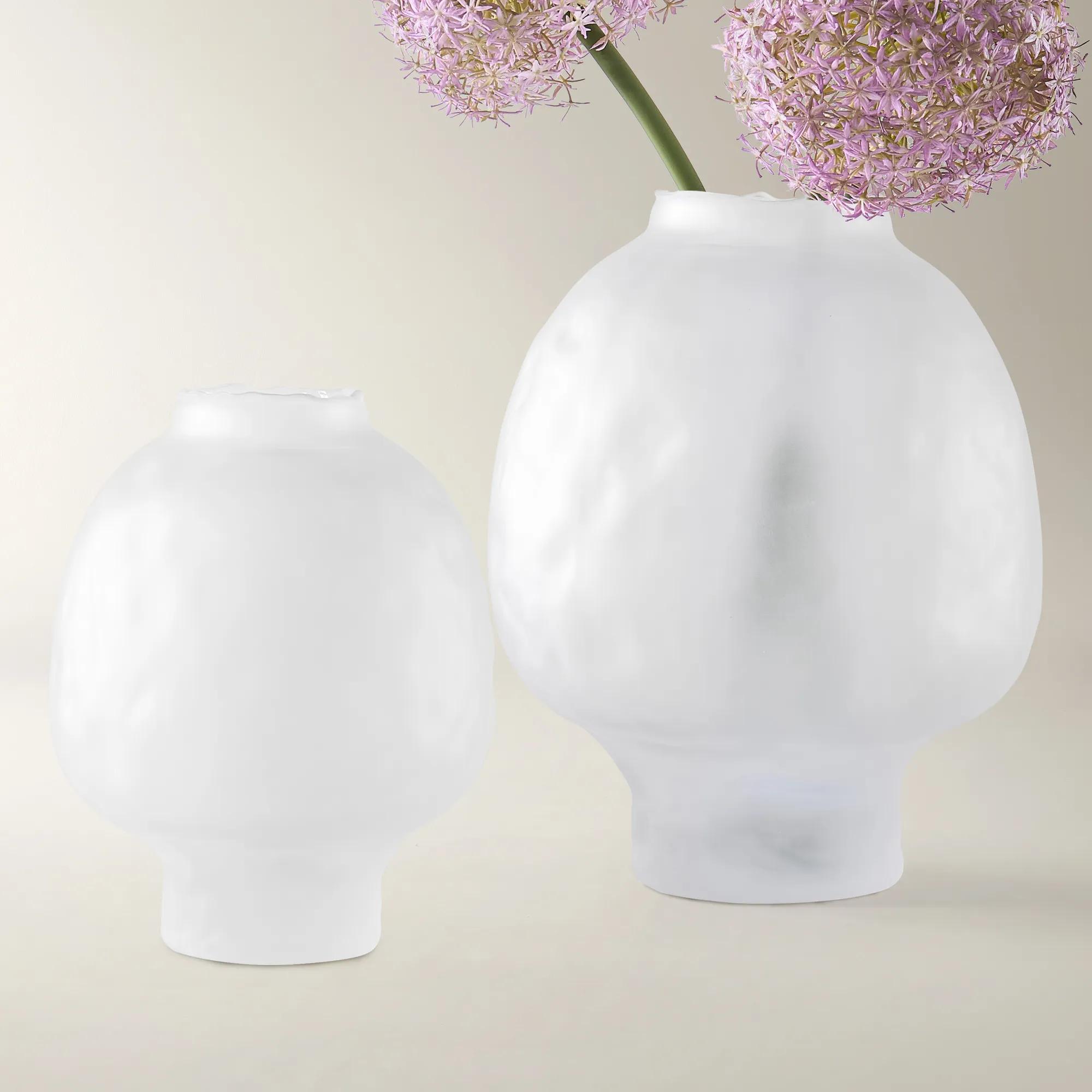
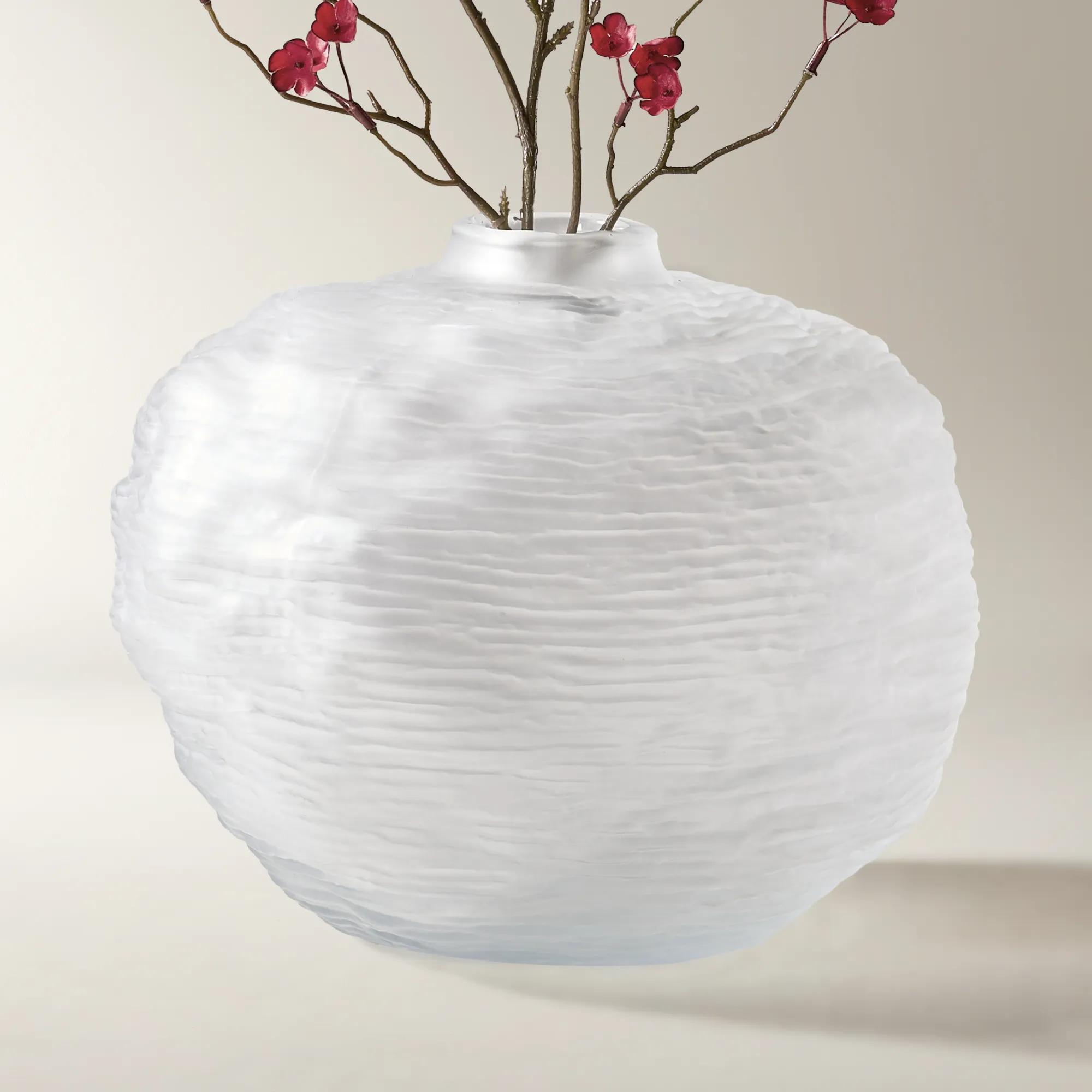 Lucid Mouth Blown Frosted Glass Vase 9.25"$99
A handblown frosted white glass vase with a sculptural, softly textured surface for modern elegance.
Add To Cart -
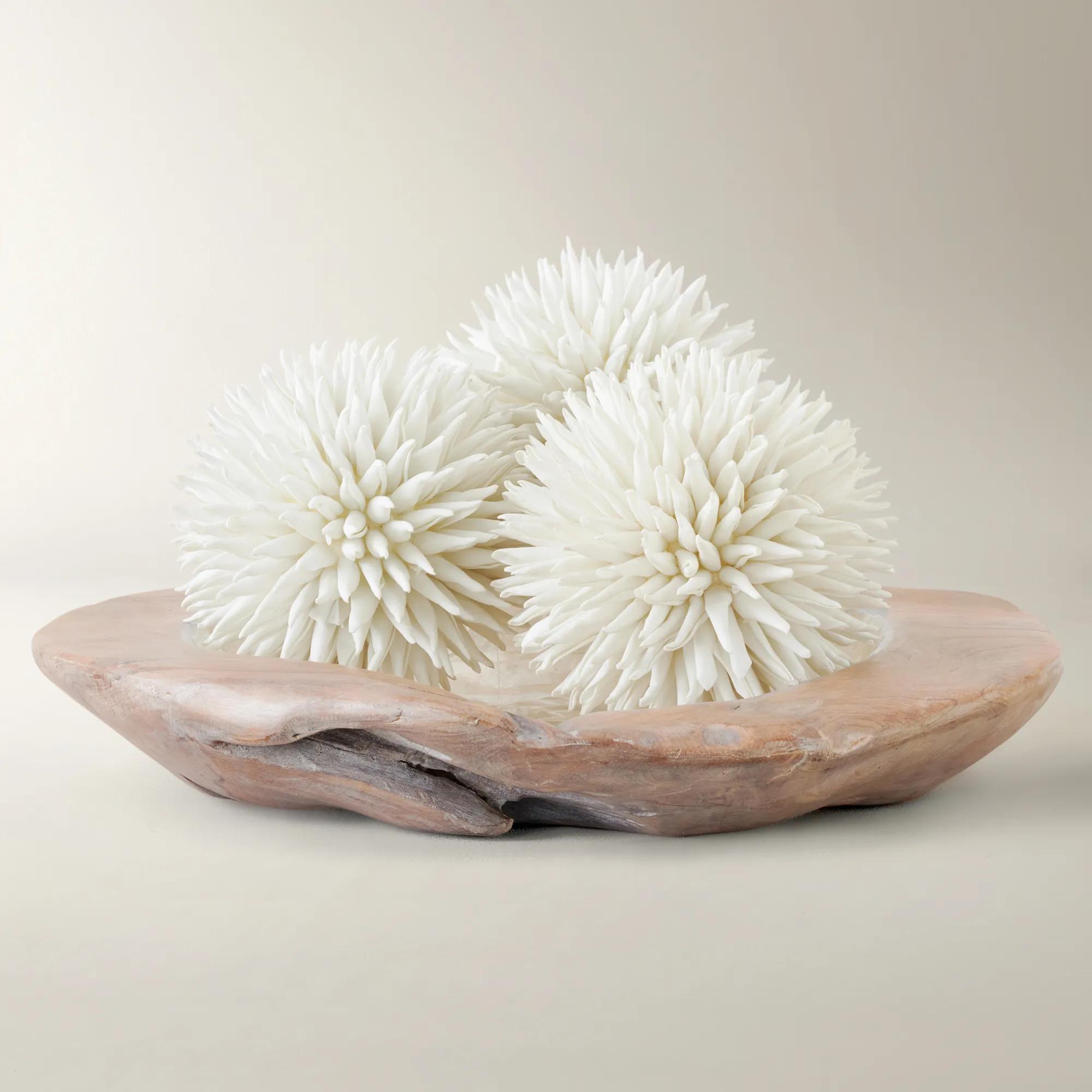
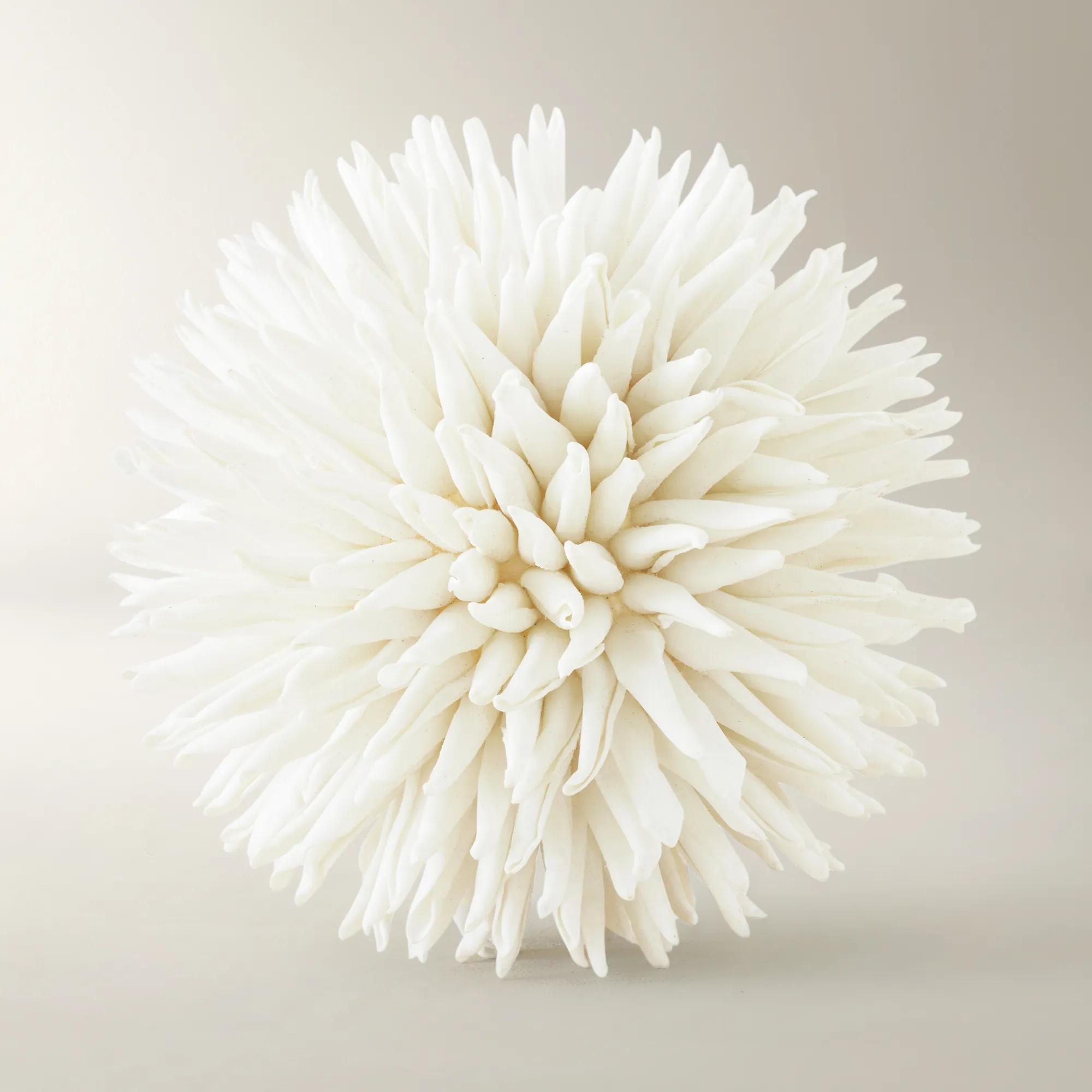 Faux White Allium Sphere 7" Set of 3$59
A set of three foam white faux floral spheres that stay vibrant year-round without water or sunlight.
Add To Cart -
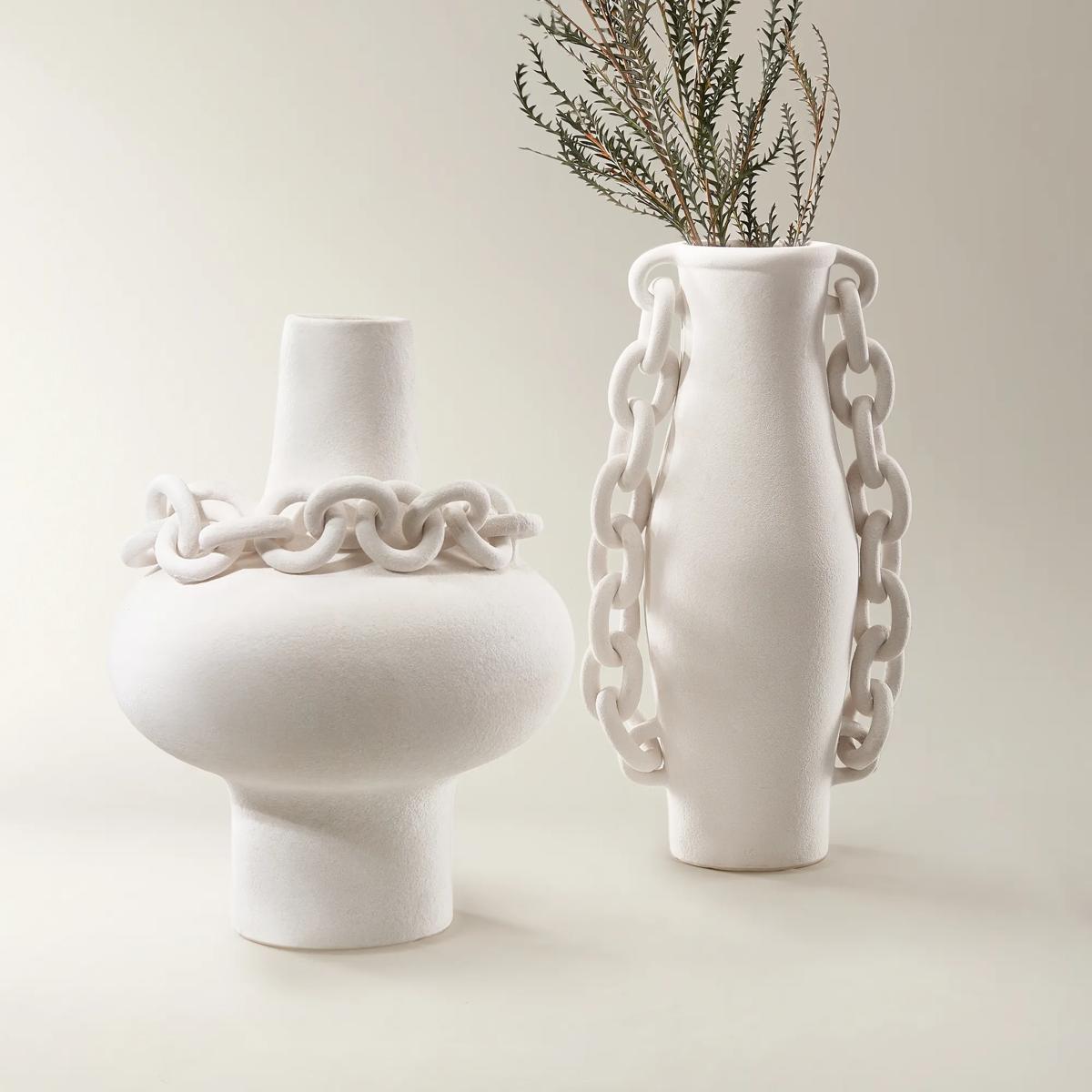
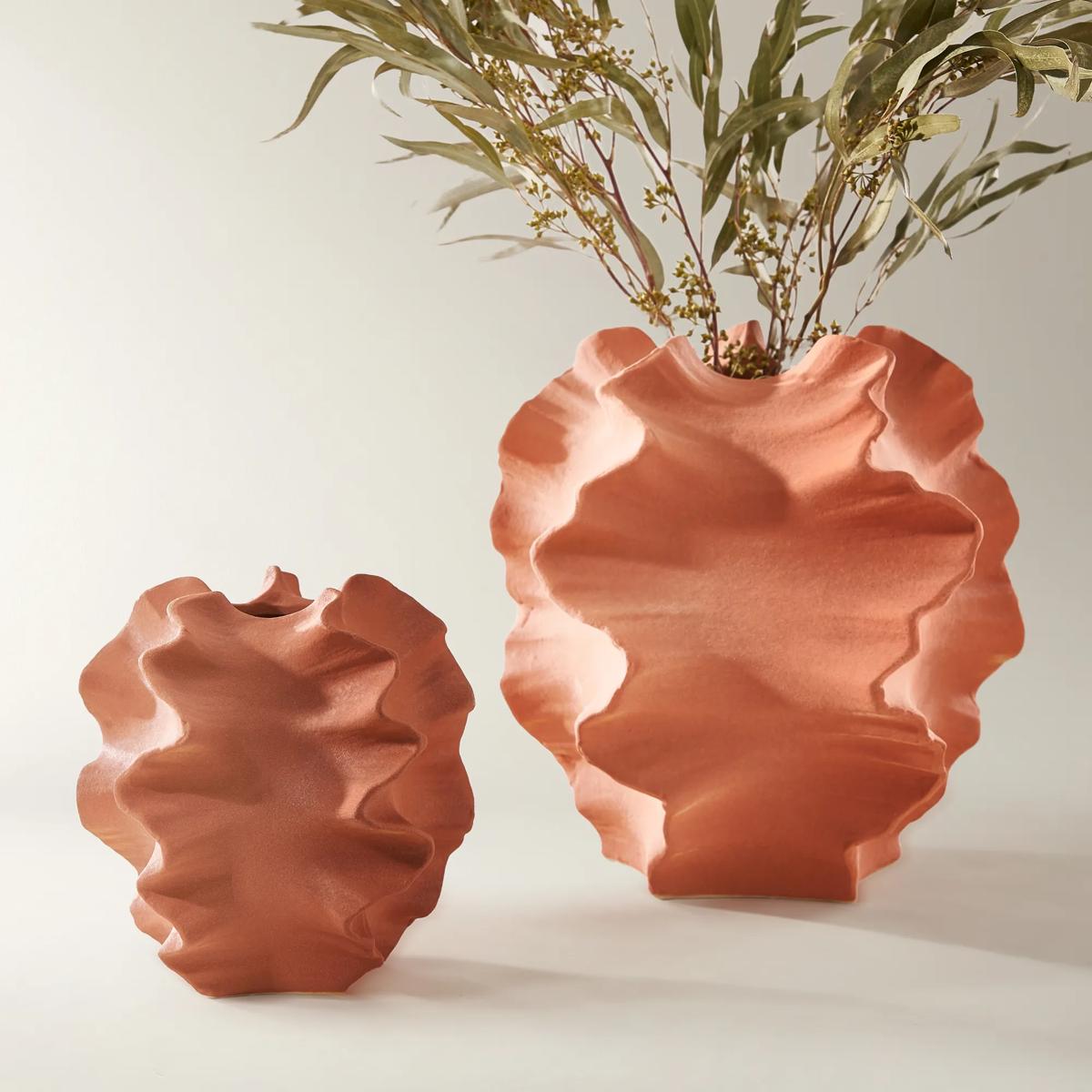
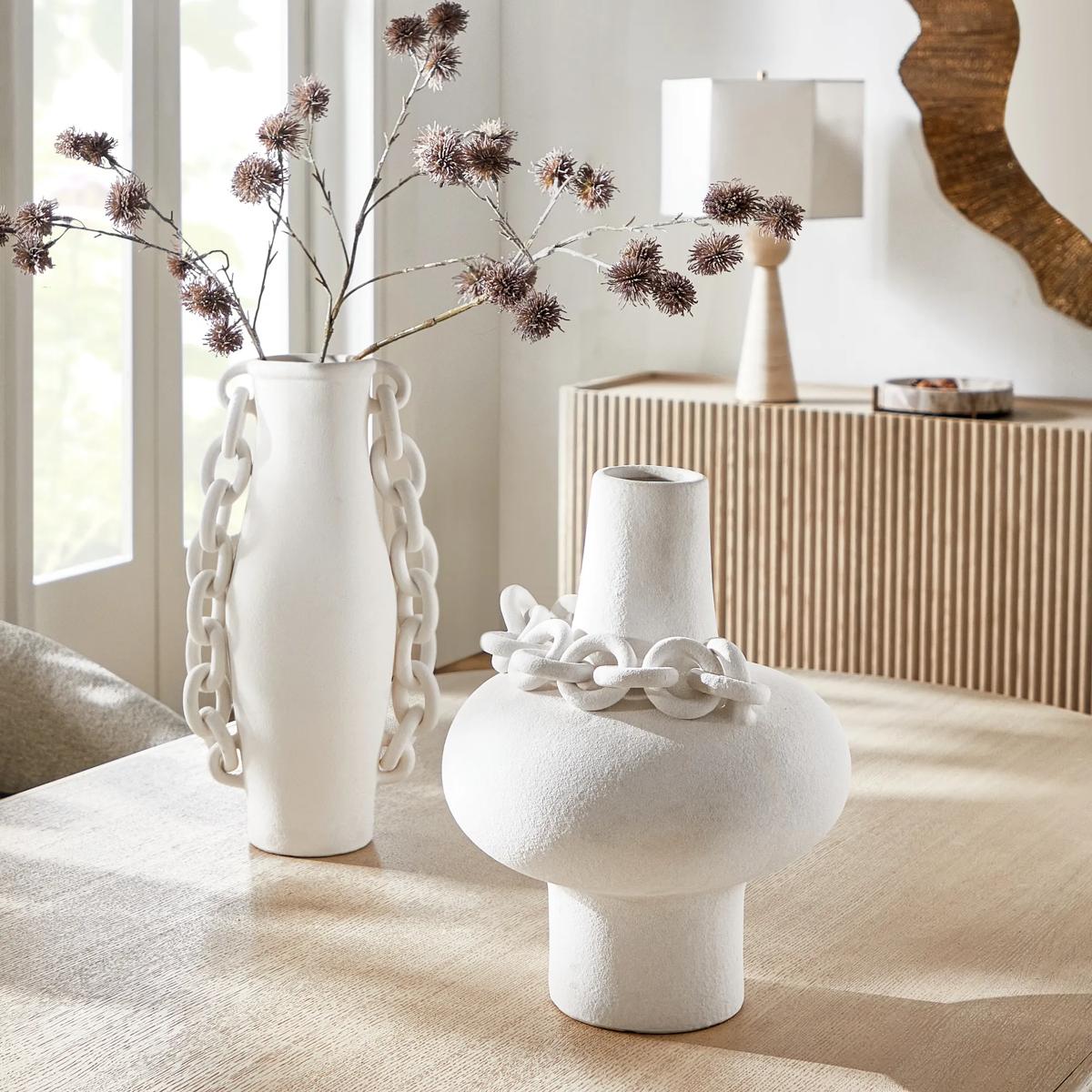 Links Stoneware Vases$139
A sculptural matte white stoneware vase featuring bold chain-link details for modern, artful texture.
Add To Cart -
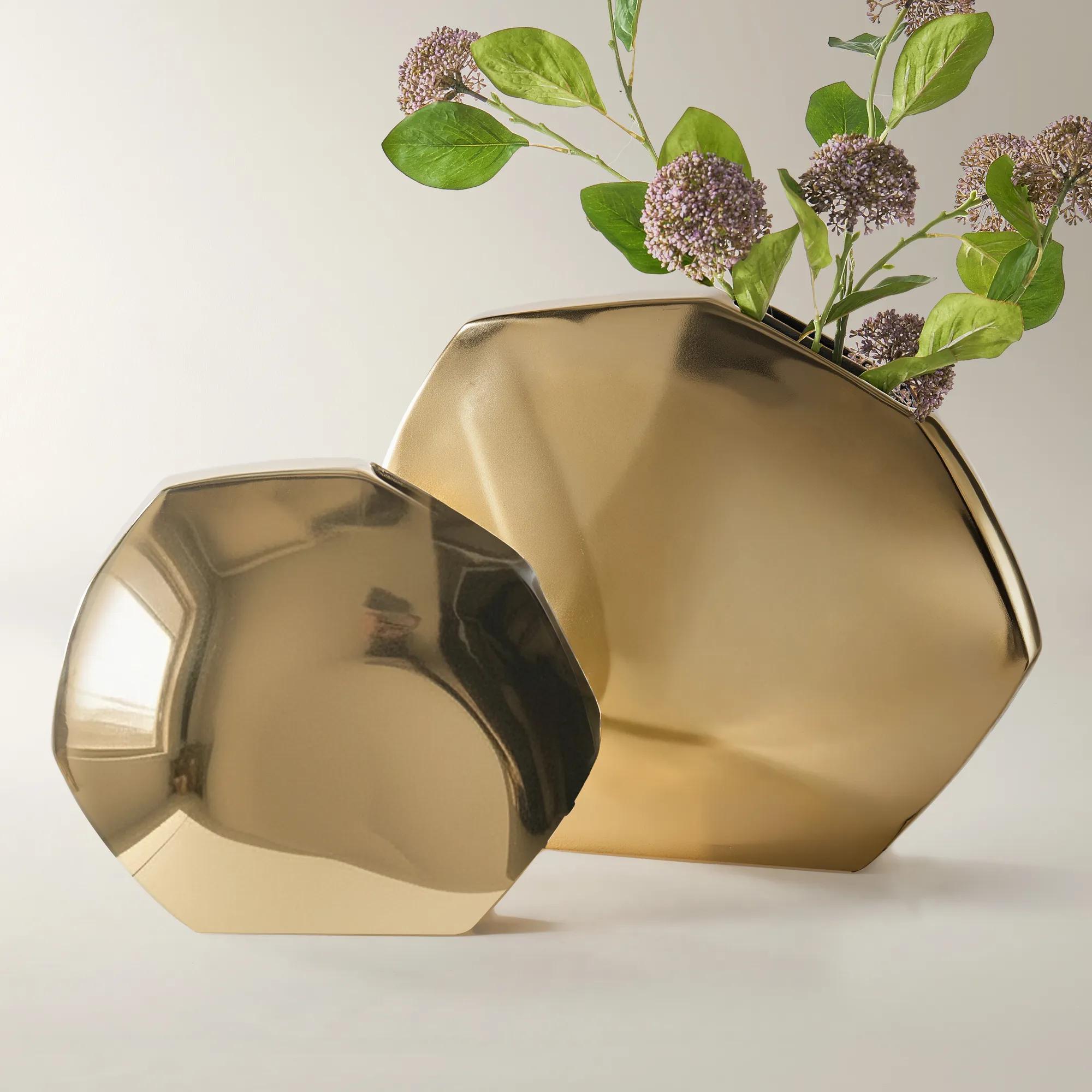
 Gem Handcrafted Gold Aluminum Vases$169
A handcrafted aluminum vase with faceted gem geometry, polished gold finish, and slim slot opening.
Add To Cart -
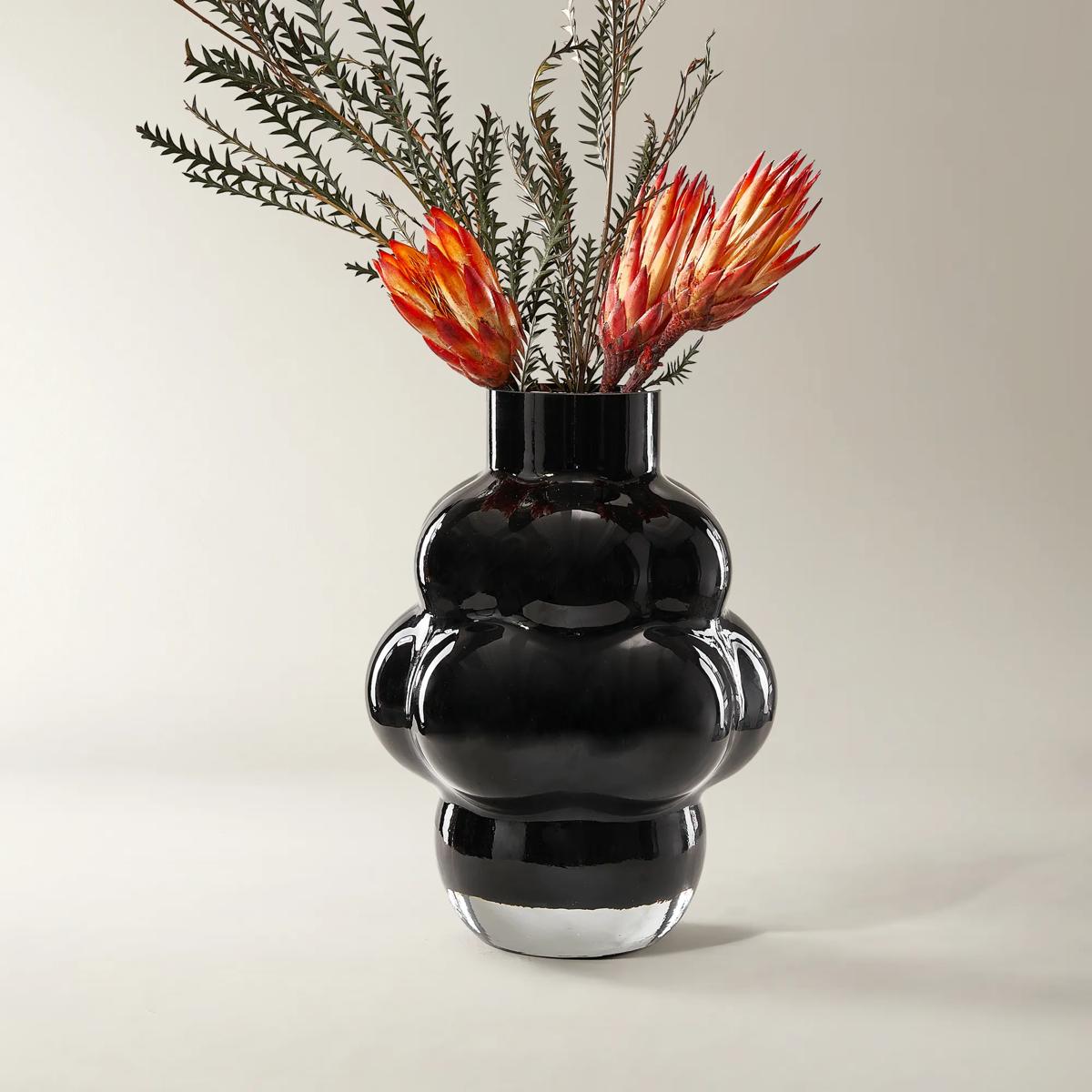 Cloud Glass Vase - Black$129
A hand-blown black glass vase featuring a sculptural silhouette and glossy, dramatic finish.
Add To Cart -
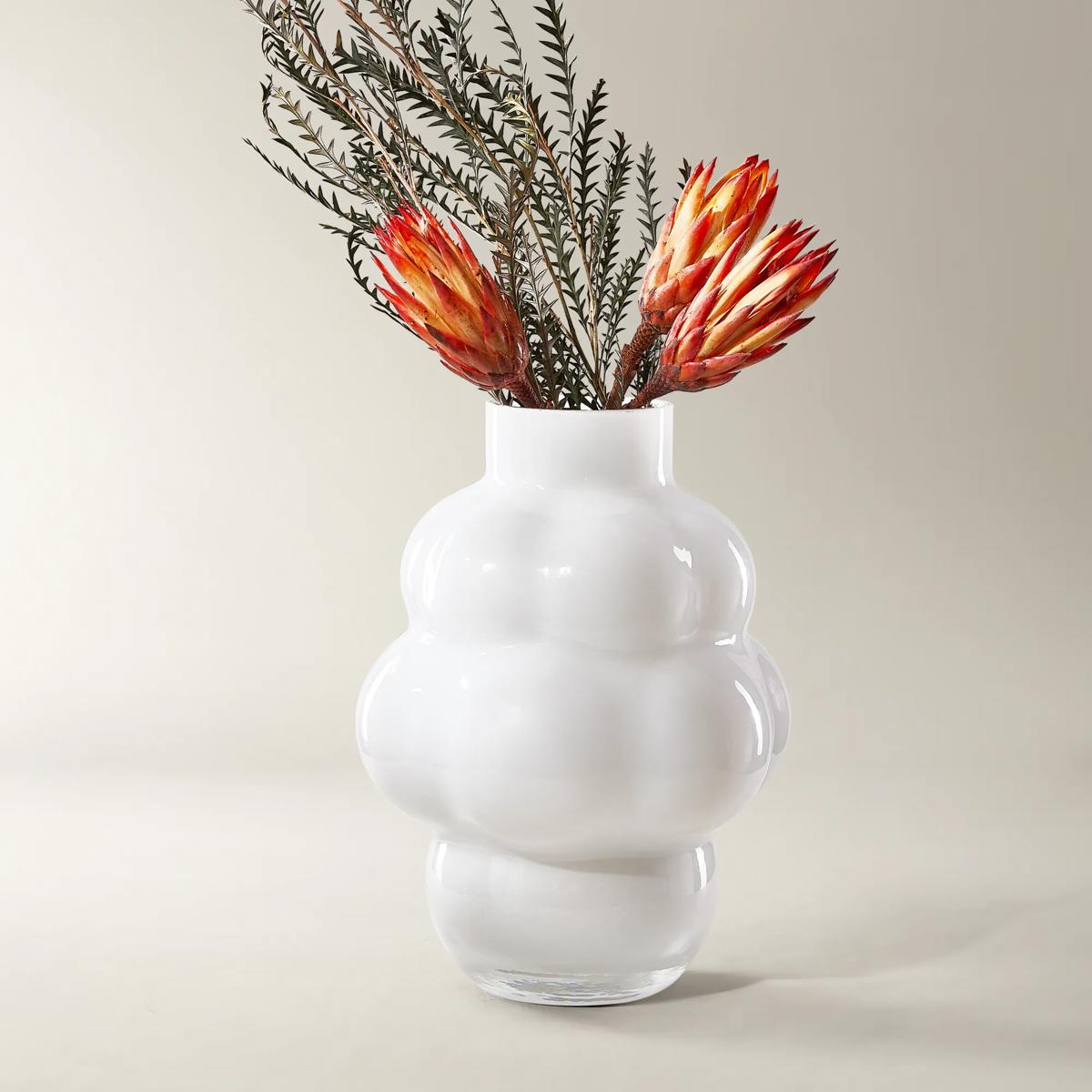 Cloud Glass Vase - White$129
A hand-blown glass vase in glossy opaque white with a sculptural, cloud-inspired silhouette.
Add To Cart -
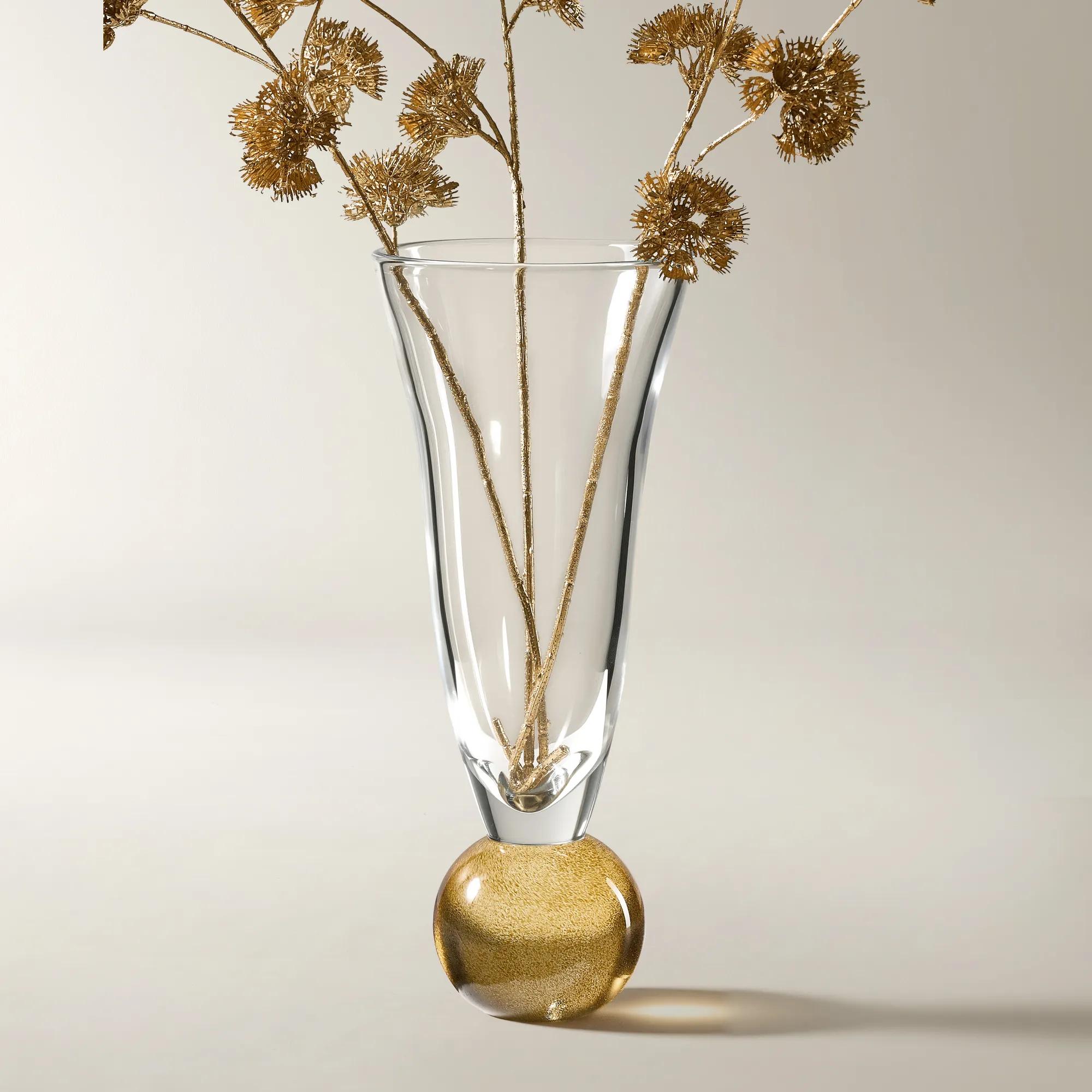 Palazzo Mouth Blown Honey Gold Clear Glass Vase 17.25"$119
A handblown glass vase in luminous honey gold with a sculptural, bauble-inspired silhouette.
Add To Cart -
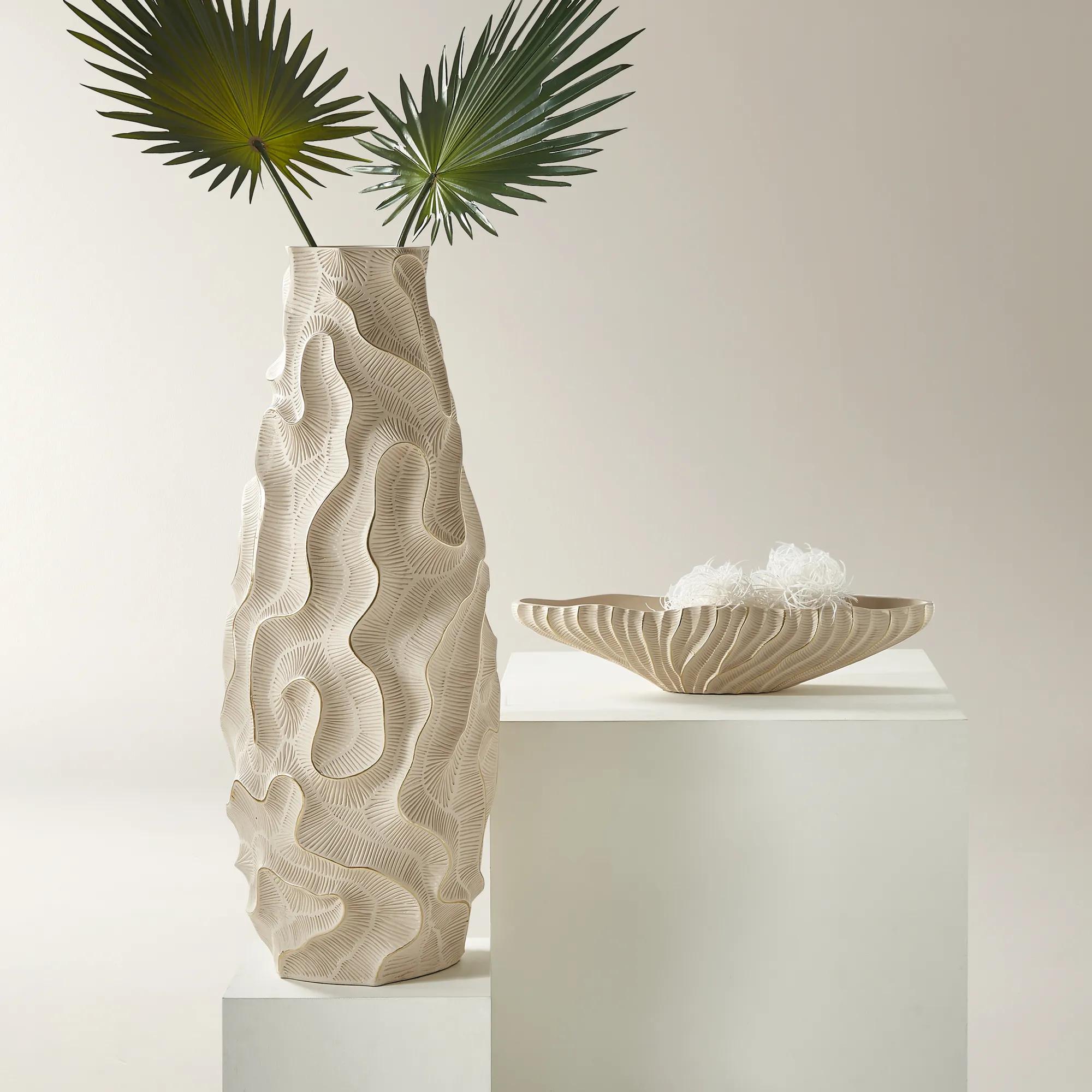
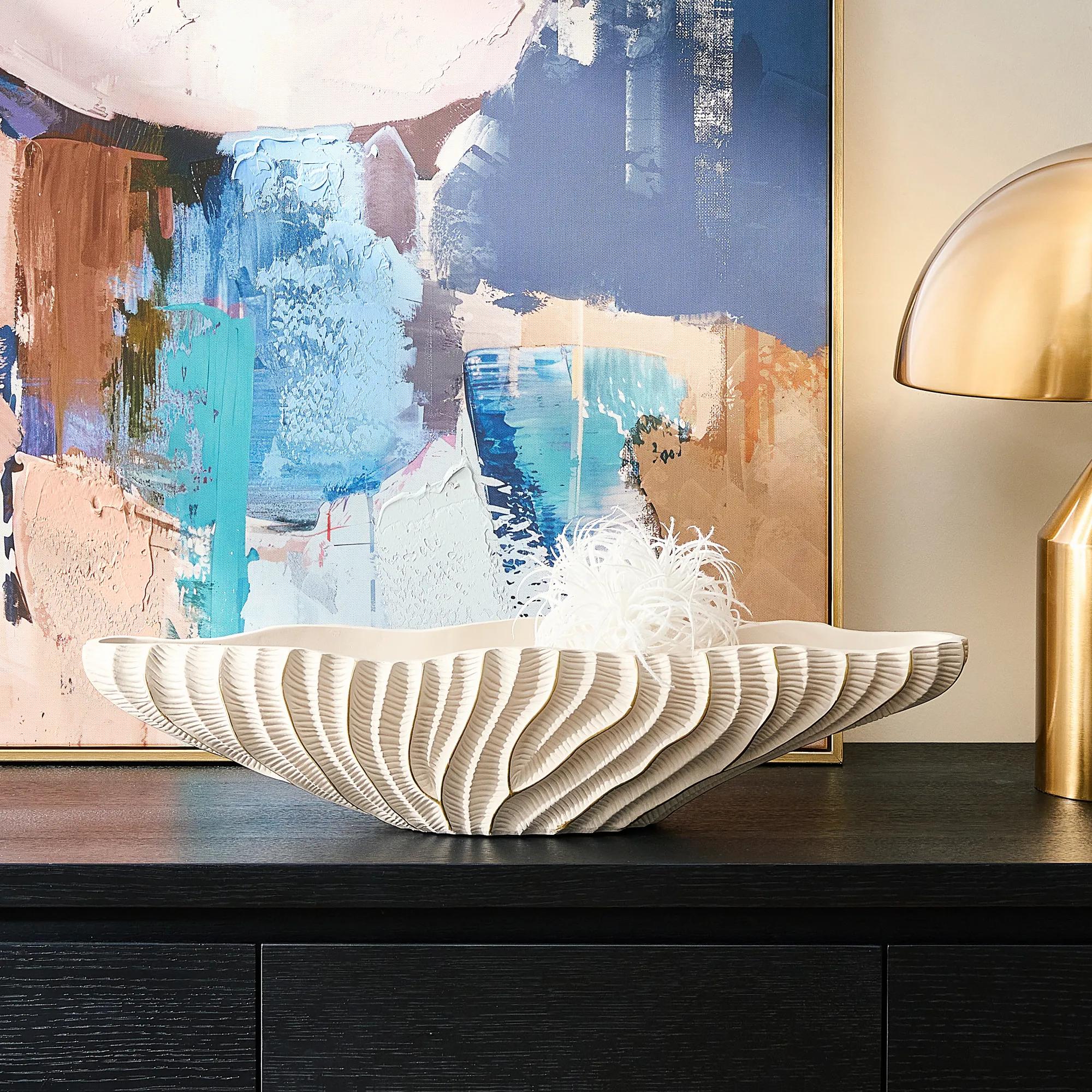 Rouche Ivory And Gold Etched Resin Floor Vase & Bowl$379
An ivory resin decorative vase and bowl set with organic undulating forms and hand-etched gold detailing.
Add To Cart -

 Faux Amethyst Allium Bulb Stem 40" Set of 3$69
A trio of faux amethyst allium stems adding sculptural botanical elegance to modern arrangements.
Add To Cart -
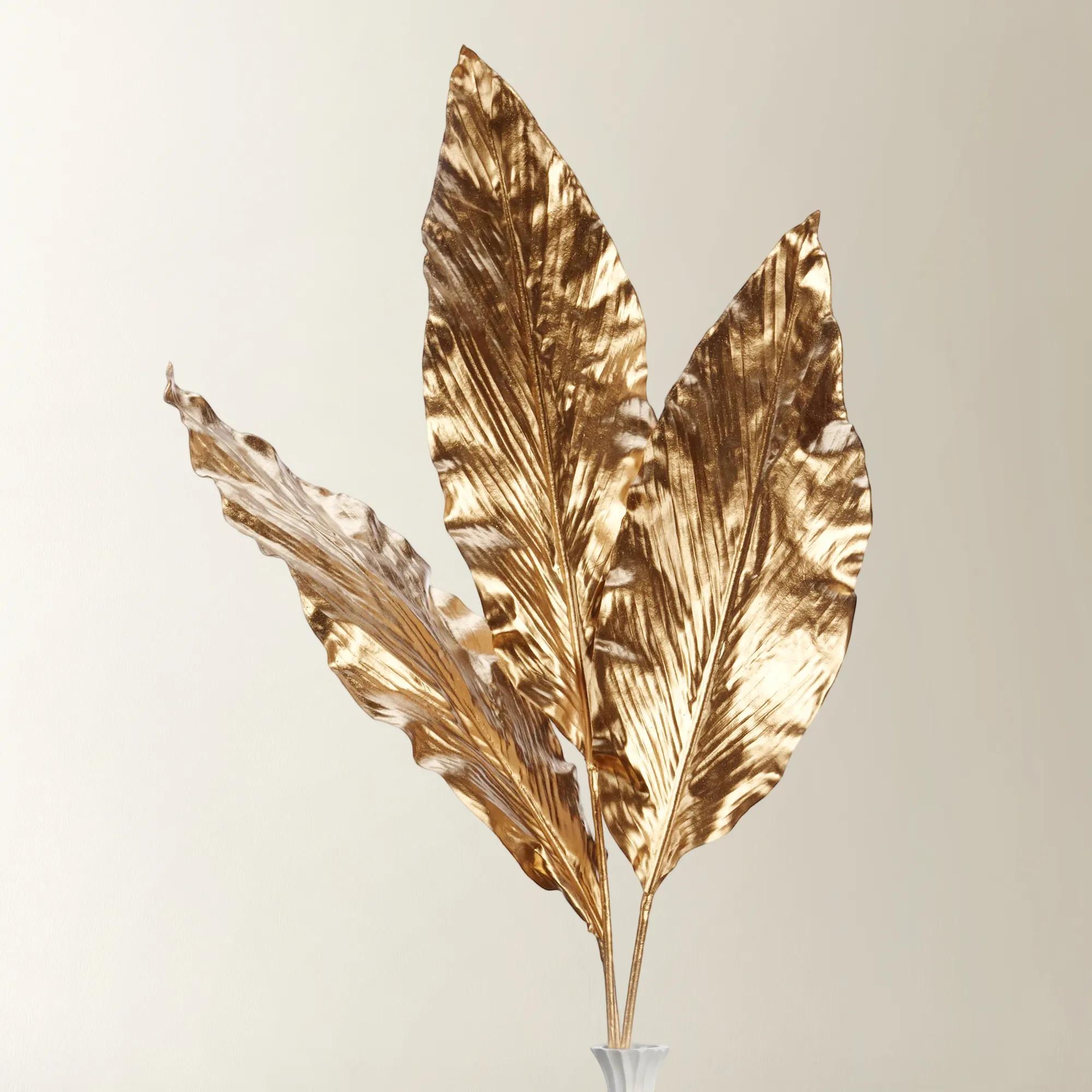
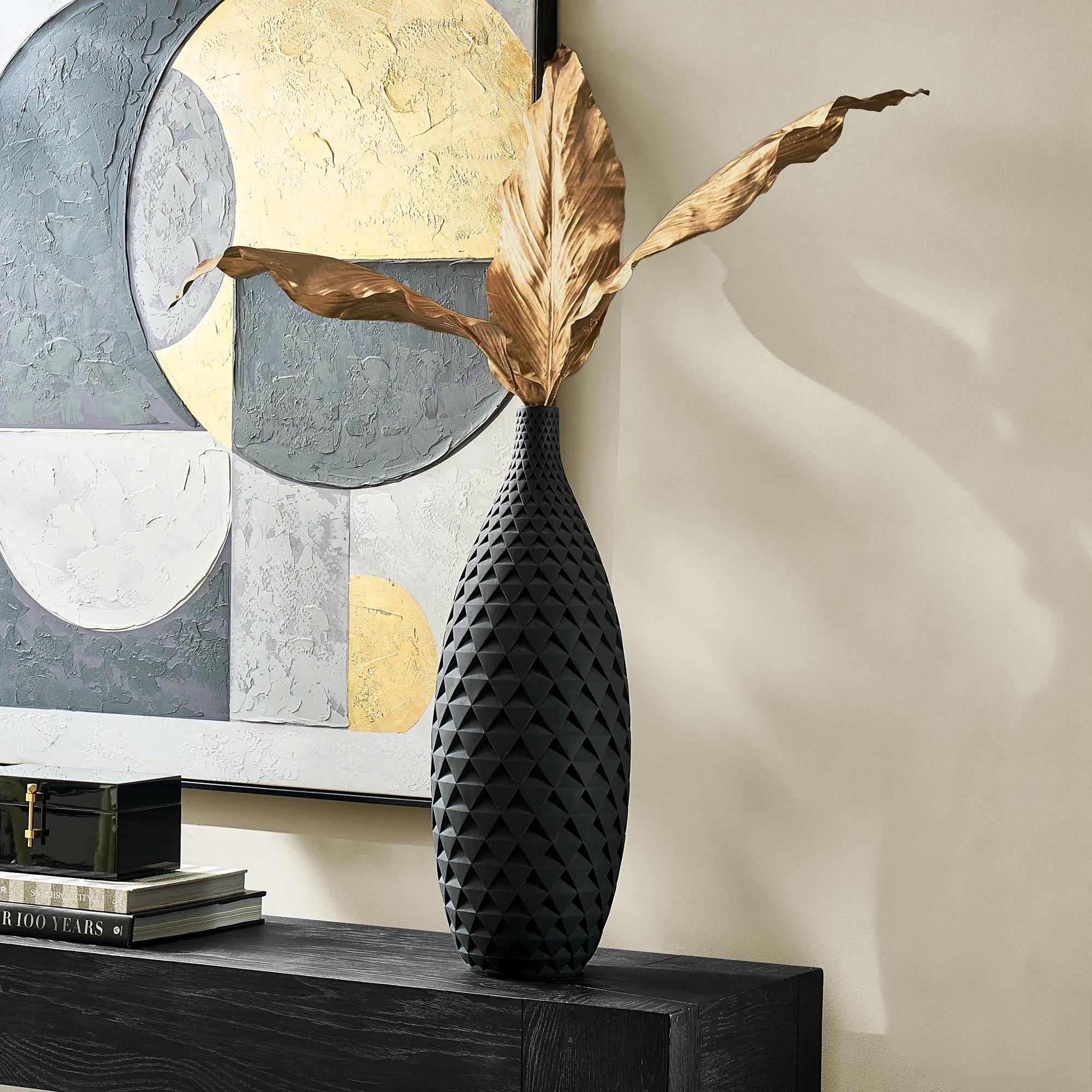 Faux Gold Canna Leaf Branch 38" Set of 3$49
A set of three golden metallic branches inspired by Canna leaves for a modern, autumnal accent.
Add To Cart

Centerpieces For Weddings
Explore centerpieces for weddings to give your reception tables an artful focal point. Browse with your wedding palette and table layout in mind, balancing a sense of drama with proportions that complement your place settings, leave room for dining, and keep guests’ sightlines open.
Centerpieces for weddings bring flowers, sculptural vessels, candlelight, and decorative accents together to establish the mood of a reception table. More than a finishing touch, they give the celebration a visual signature: a luminous gathering of glass and ivory blooms, a dramatic composition of metallic vessels and deep-toned florals, or a low arrangement with the presence of a still-life painting. The most compelling wedding table centerpieces balance expressive design with the way guests will actually use the table. A generous arrangement can look magnificent in an open ballroom yet feel crowded once place settings, bread plates, glassware, and shared dishes surround it. Low centerpieces leave conversation open across the table, while elevated arrangements can create a floating canopy when the vessel and stems keep seated sightlines clear. Height alone does not determine the effect; the width of the arrangement, the density of its flowers, and the visual weight of its base matter just as much. On round tables, a central composition creates a natural focal point, with smaller accents adding depth around it. Long reception tables lend themselves to repeated vessels or a sequence of connected arrangements, allowing the design to unfold along the linen rather than gathering all its drama in one place. Alternating complementary heights across a room can introduce movement without making every table compete for attention. For couples drawn to glamour, clear glass, gleaming finishes, and richly textured petals create contrast that feels celebratory without obscuring the beauty of the table setting. A more restrained palette can be equally expressive when shape takes the lead: an ample rounded vase, an angular silhouette, or a cluster of slender vessels gives flowers a distinctive frame. Color, scale, and repetition connect these individual moments, making the reception feel considered from the first view of the room to the smallest detail beside a guest’s place card. The result is an atmosphere that belongs to the couple, whether the celebration takes place in a grand event space, an intimate restaurant, or a private home.
Materials influence both the appearance and the practical demands of wedding centerpiece decor. Clear glass allows stems and water to become part of the composition, lending an airy quality to abundant flowers; it also makes fingerprints, waterlines, and floral mechanics more noticeable. Opaque ceramic conceals those details and gives arrangements a more substantial visual foundation, although decorative ceramic is not always watertight and may require a suitable liner. Metallic finishes reflect surrounding light and bring a jewelry-like accent to the table, with polished surfaces creating a sharper gleam and brushed textures offering a softer glow. Crystal and cut-glass details scatter light beautifully, but intricate surfaces need careful handling and thorough drying to preserve their clarity. Material descriptions and care instructions matter, particularly when a vessel will hold fresh flowers for several hours or travel between preparation and reception spaces. A broad, stable base helps support an arrangement, while the opening determines how freely stems spread and how much additional support they may need. Tall branches and dense floral crowns place different demands on a vessel than a handful of delicate stems, so proportion and balance deserve as much attention as color. Fresh flowers need an appropriate water reservoir, while faux botanicals offer a consistent silhouette without water and can be arranged before the celebration. Candleholders introduce another layer of atmosphere, but candle dimensions, holder compatibility, venue rules, and clearance from flowers and fabric all affect their intended use. Flameless candles can provide a luminous alternative where open flames are restricted. Beneath the arrangement, a discreet protective layer can help shield fine linens and table surfaces from moisture or scratches. Afterward, gentle cleaning according to the material’s instructions helps preserve the finish; abrasive cleaners, prolonged soaking, or dishwasher use may damage decorative coatings and delicate details. For transport and storage, individual wrapping and divided containers help protect rims, stems, and projecting embellishments, especially when centerpieces will be used at more than one event.
Wedding reception centerpieces can carry a shared design language throughout the celebration without requiring identical arrangements everywhere. A welcome table may support a more expansive floral statement, while guest tables benefit from compositions that leave comfortable room for dining. A sweetheart table can echo the same vessels or finishes at a different scale, creating a connection without repeating the entire setting. This flexibility is valuable for couples, wedding planners, floral designers, and hosts coordinating several gathering spaces. Consistency might come from a single metallic tone, a recurring vessel shape, or a ribbon of color moving through otherwise varied arrangements. Against crisp white linen, smoky glass and saturated blooms create depth; against richly colored fabric, transparent vessels and pale flowers can introduce lightness. Reflective accents become especially expressive under layered lighting, though a centerpiece should remain beautiful in the venue’s actual illumination rather than depending on a photograph taken elsewhere. A sample arrangement viewed at a seated guest’s eye level can reveal whether the scale feels generous, whether the flowers interrupt conversation, and whether the surrounding place settings still have breathing room. For a celebration with a fresh floral palette and an airy sensibility, centerpieces for spring weddings offer a related direction for the table’s overall mood. Beyond the reception, thoughtfully selected decorative vessels can continue their story at engagement celebrations, rehearsal dinners, anniversary gatherings, or on a dining table at home. A versatile vase or decorative bowl can also make a meaningful wedding gift when its proportions, care requirements, and style suit the recipients’ space. Pieces intended for flowers or display should not be assumed suitable for serving food unless labeled for that use. With that distinction in mind, lasting appeal comes from a balance of character and adaptability: enough artistry to make the wedding table memorable, and enough versatility to bring that same sense of occasion into everyday surroundings.
FAQs
Let your wedding’s mood guide the design. Sculptural silhouettes and a restrained palette create modern drama, while lush floral arrangements and luminous accents evoke romantic glamour. Choose a recurring detail—a favorite bloom, an expressive shape, or a signature color—to make your wedding centerpieces feel distinctly personal.
Ivory and champagne create a luminous foundation, while emerald, sapphire, or burgundy bring richness and depth. For striking contrast, pair black and white with metallic accents. Echo colors from your wedding stationery or attire to give your reception a beautifully connected visual story.
Build an expressive focal point with sculptural vessels, decorative bowls, or artfully arranged branches. A composition of distinctive shapes can feel every bit as celebratory as florals. Keep the palette intentional and let contrasting finishes lend dimension to a sophisticated, flower-free wedding tablescape.
Treat your centerpiece as the table’s artistic anchor, then carry its colors or design details into linens, dinnerware, and place cards. Balance an elaborate arrangement with quieter surrounding elements, or give a streamlined centerpiece richly layered table settings. The goal is a composition with drama and a clear point of view.
Express the season through color, texture, and mood rather than literal motifs. Fresh greens and soft pastels suggest spring; vibrant hues capture summer’s exuberance. Deep tones lend autumn richness, while winter invites luminous whites and gleaming accents. A selective approach keeps seasonal wedding centerpieces polished and personal.