Centerpieces For Formal Dinners
Centerpieces For Formal Dinners
-
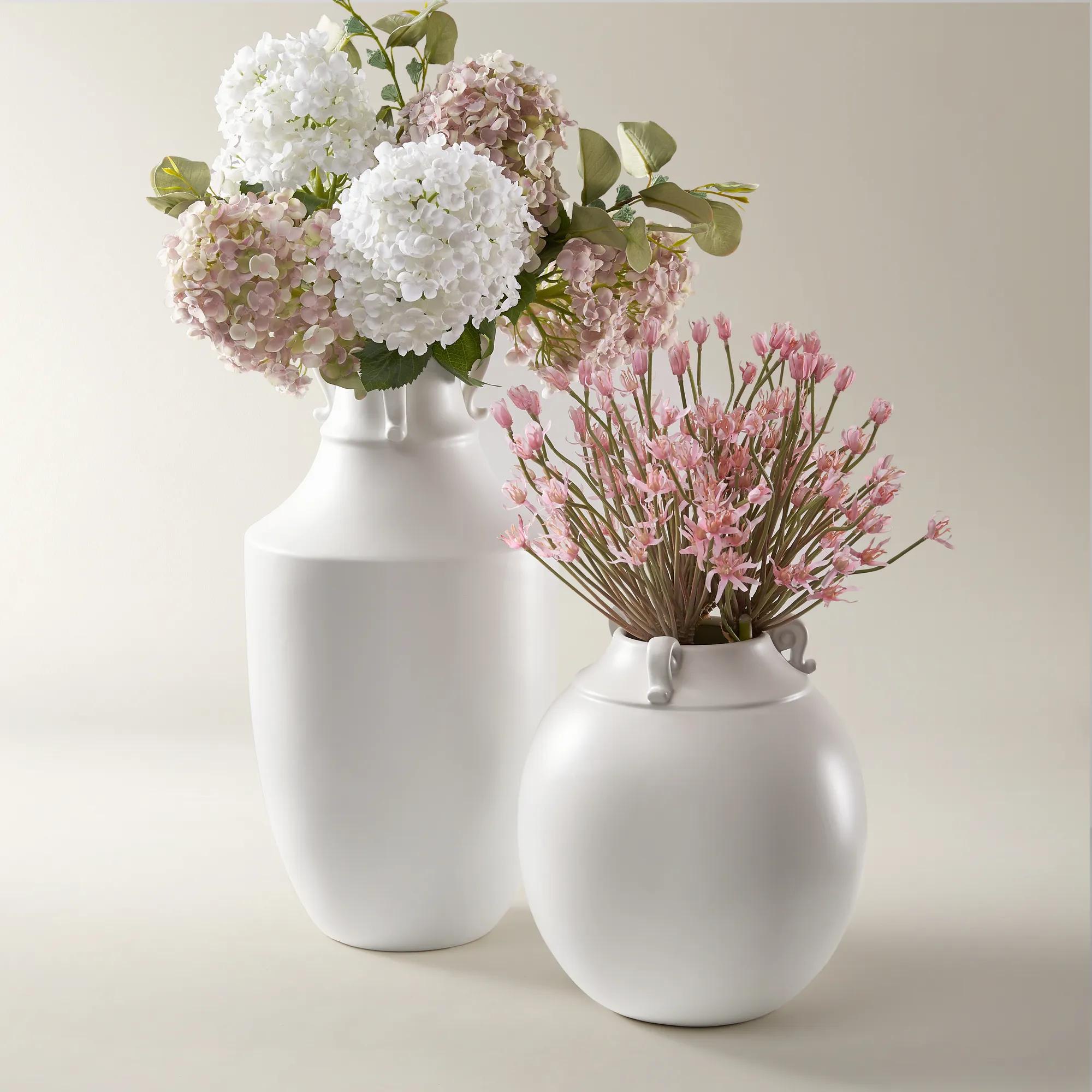 Amora Vase$79
A graceful white ceramic vase featuring smooth curves and a timeless, contemporary design.
Add To Cart -
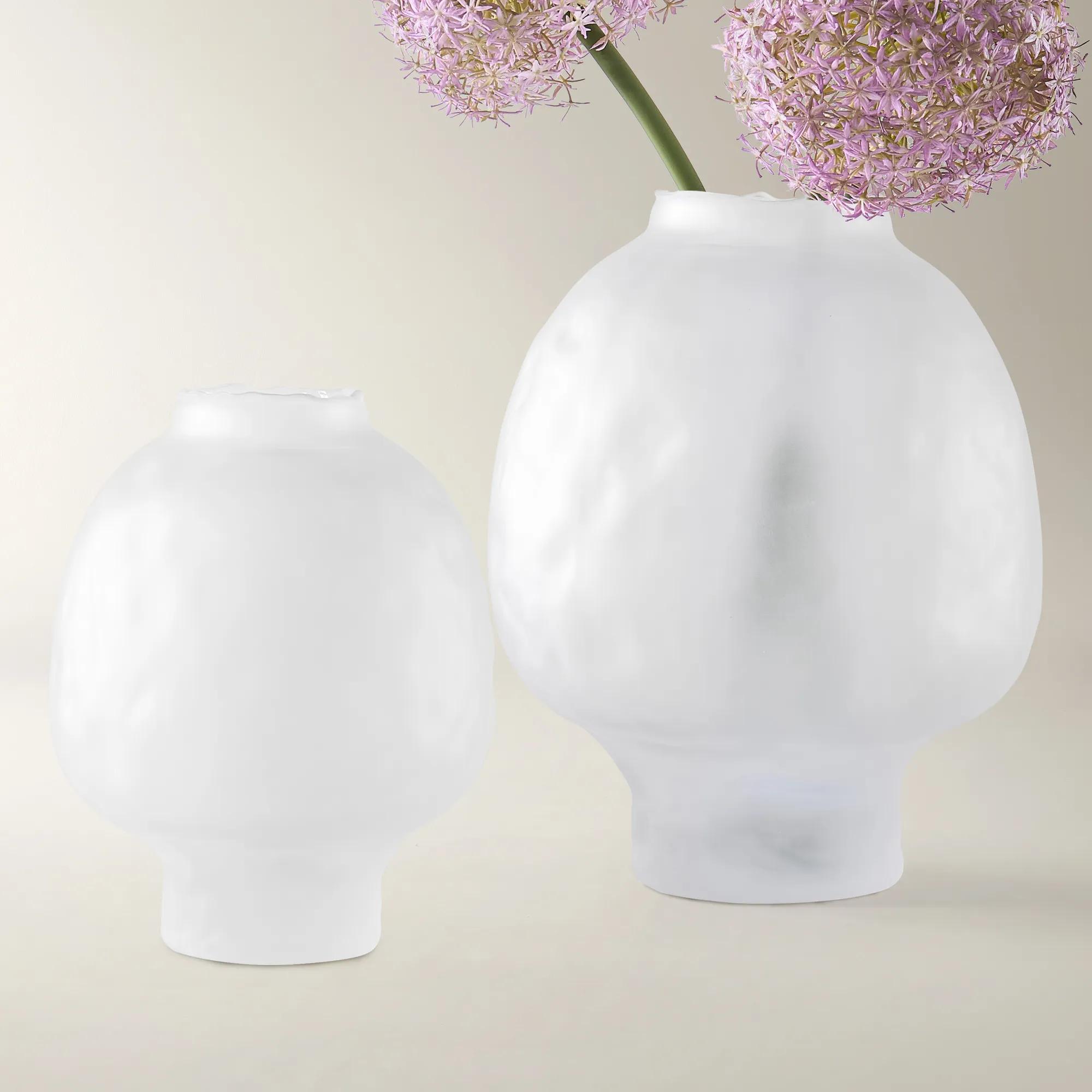
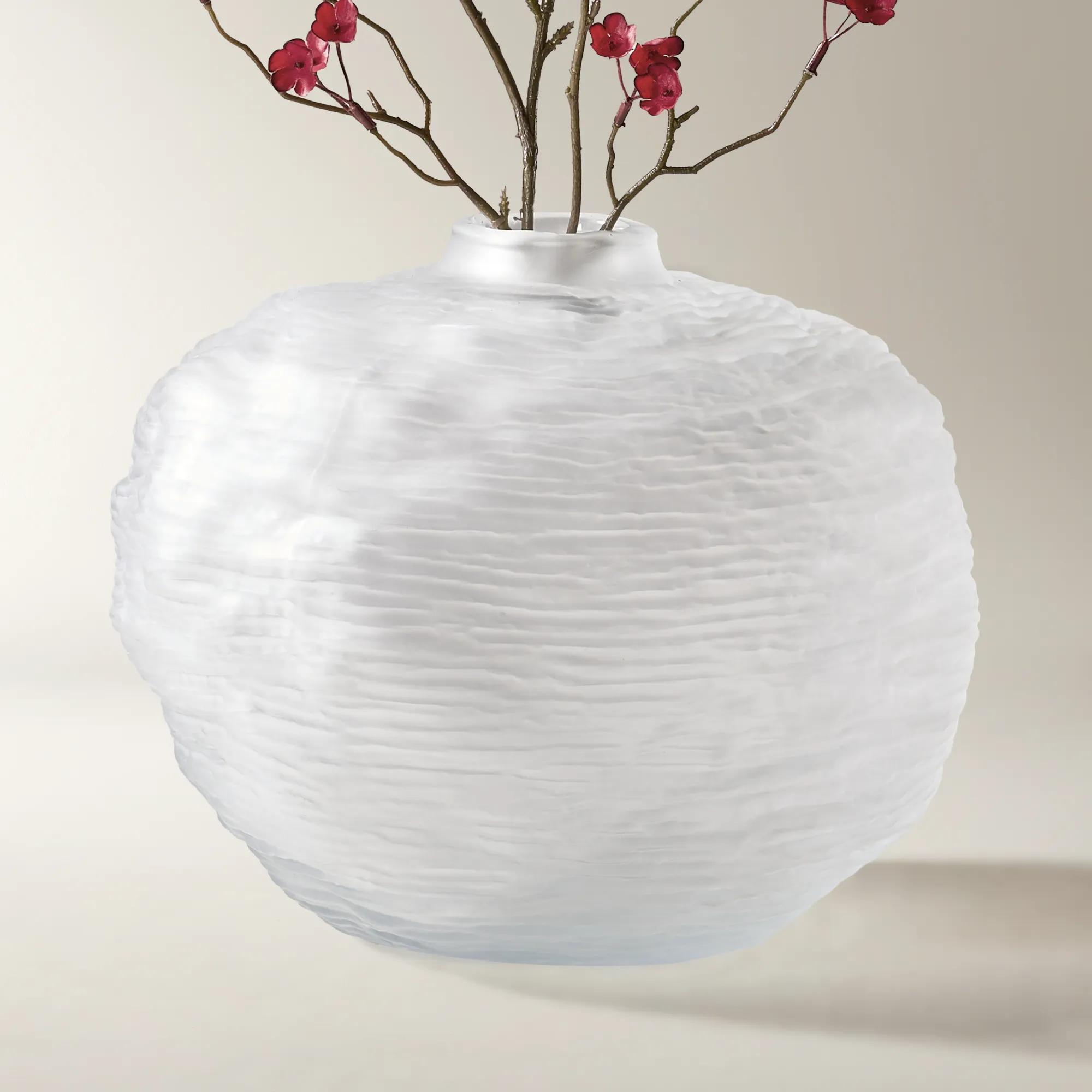 Lucid Mouth Blown Frosted Glass Vase 9.25"$99
A handblown frosted white glass vase with a sculptural, softly textured surface for modern elegance.
Add To Cart -
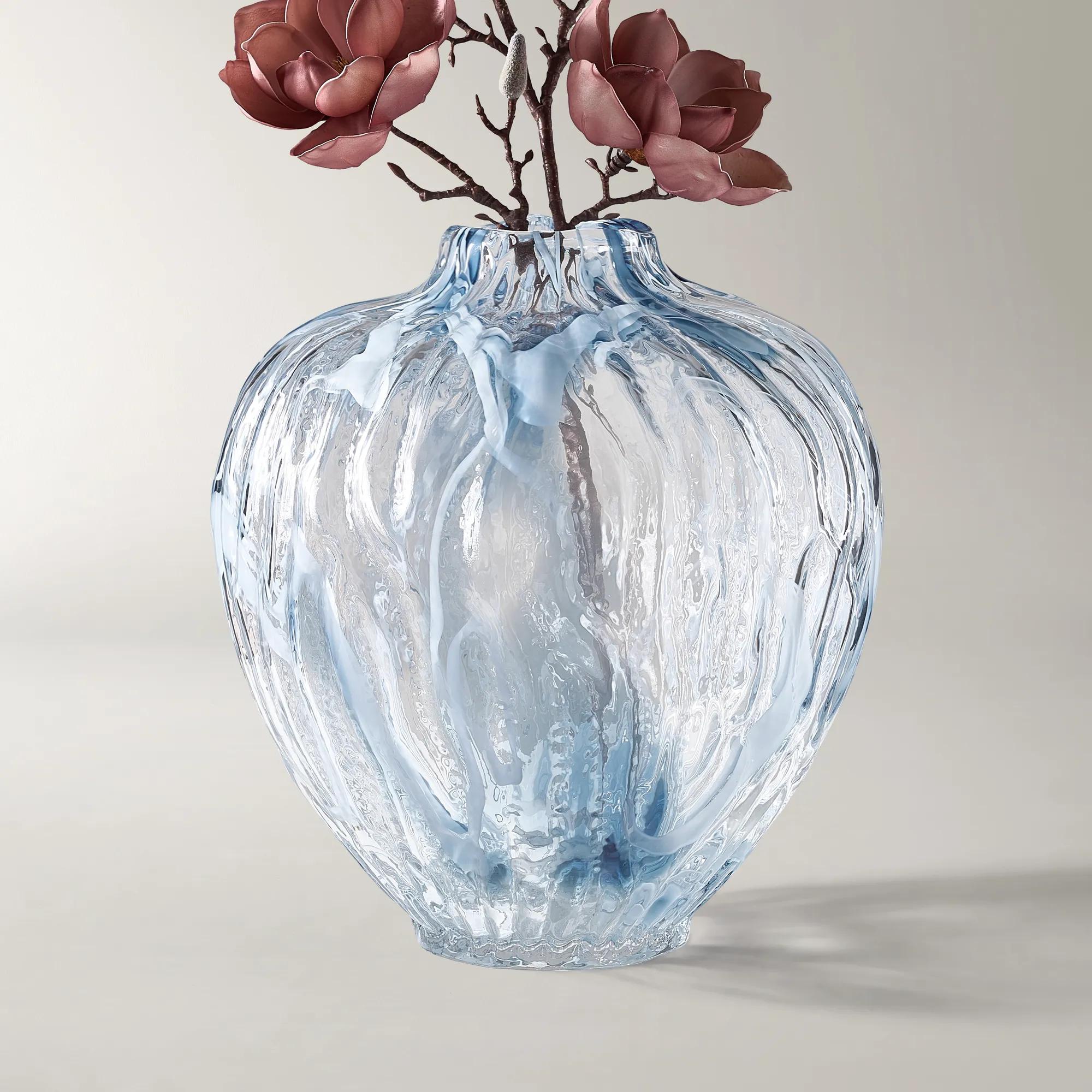 Cruz Mouth Blown Powder Blue Glass Vase 15.75"$169
A handblown glass vase in powder blue with a sculptural, light-catching surface for modern decor.
Add To Cart -
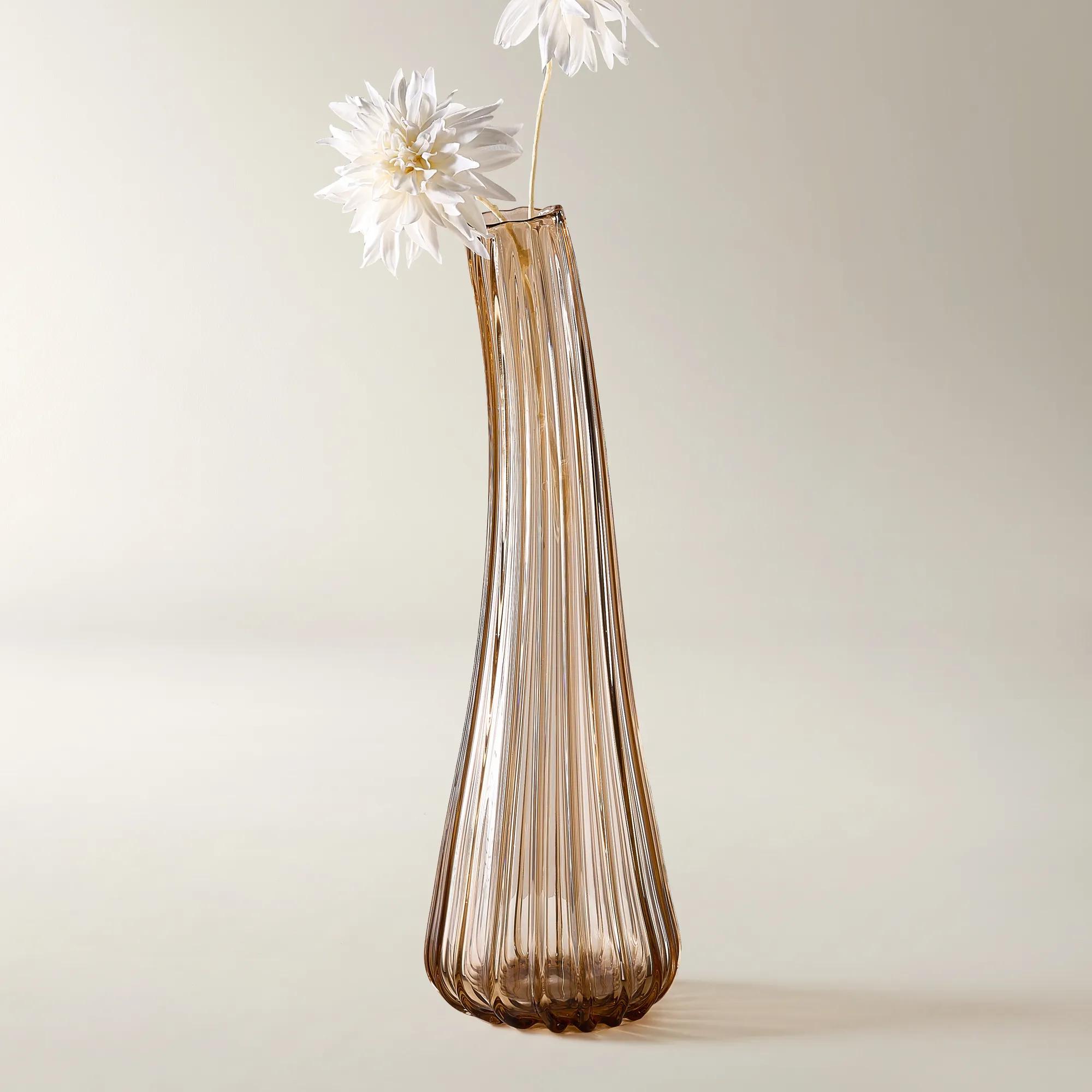
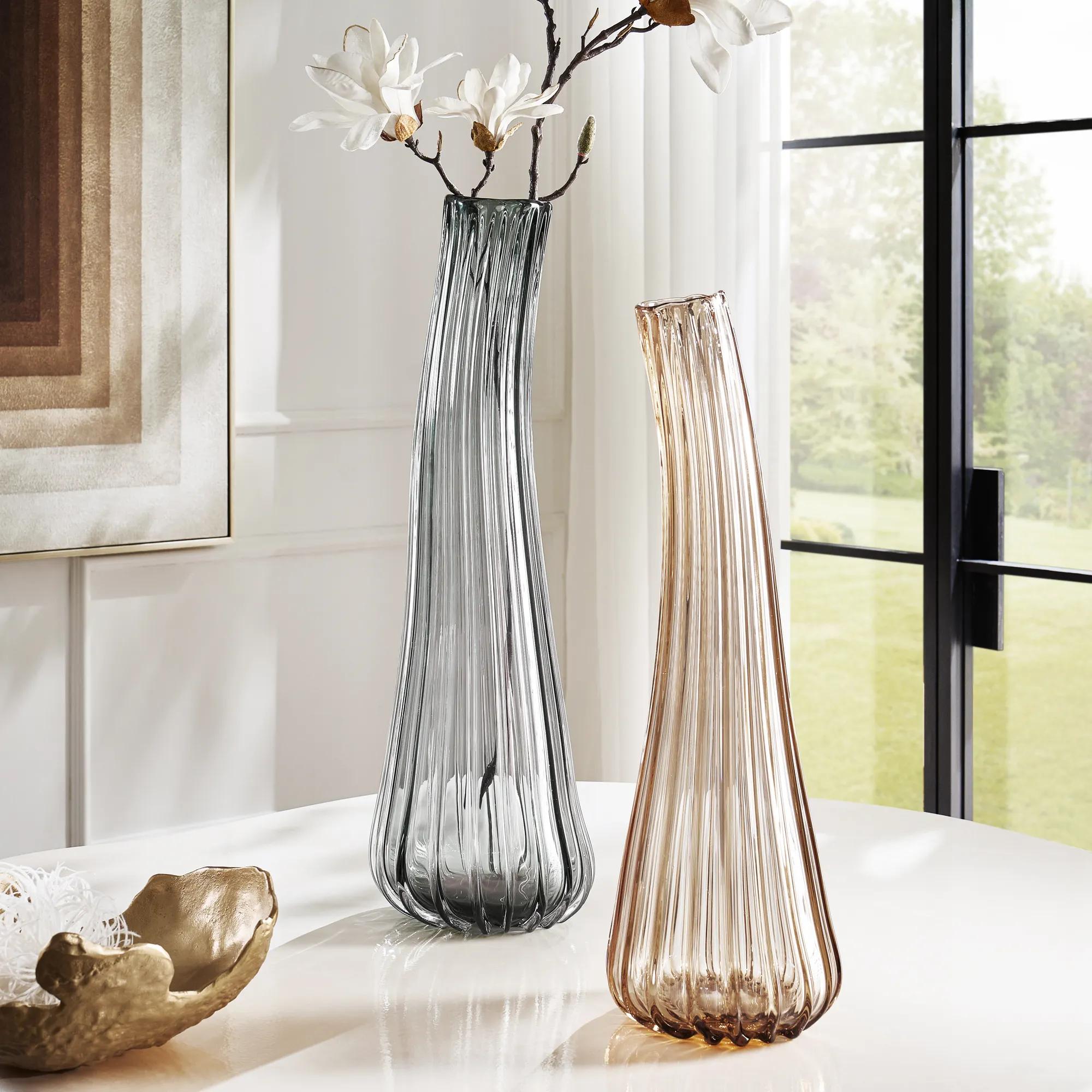 Tango Mouth Blown Soft Amber Vase 24.75"$179
A handblown glass vase in a soft amber finish with a textured, sculptural centerpiece design.
Add To Cart -
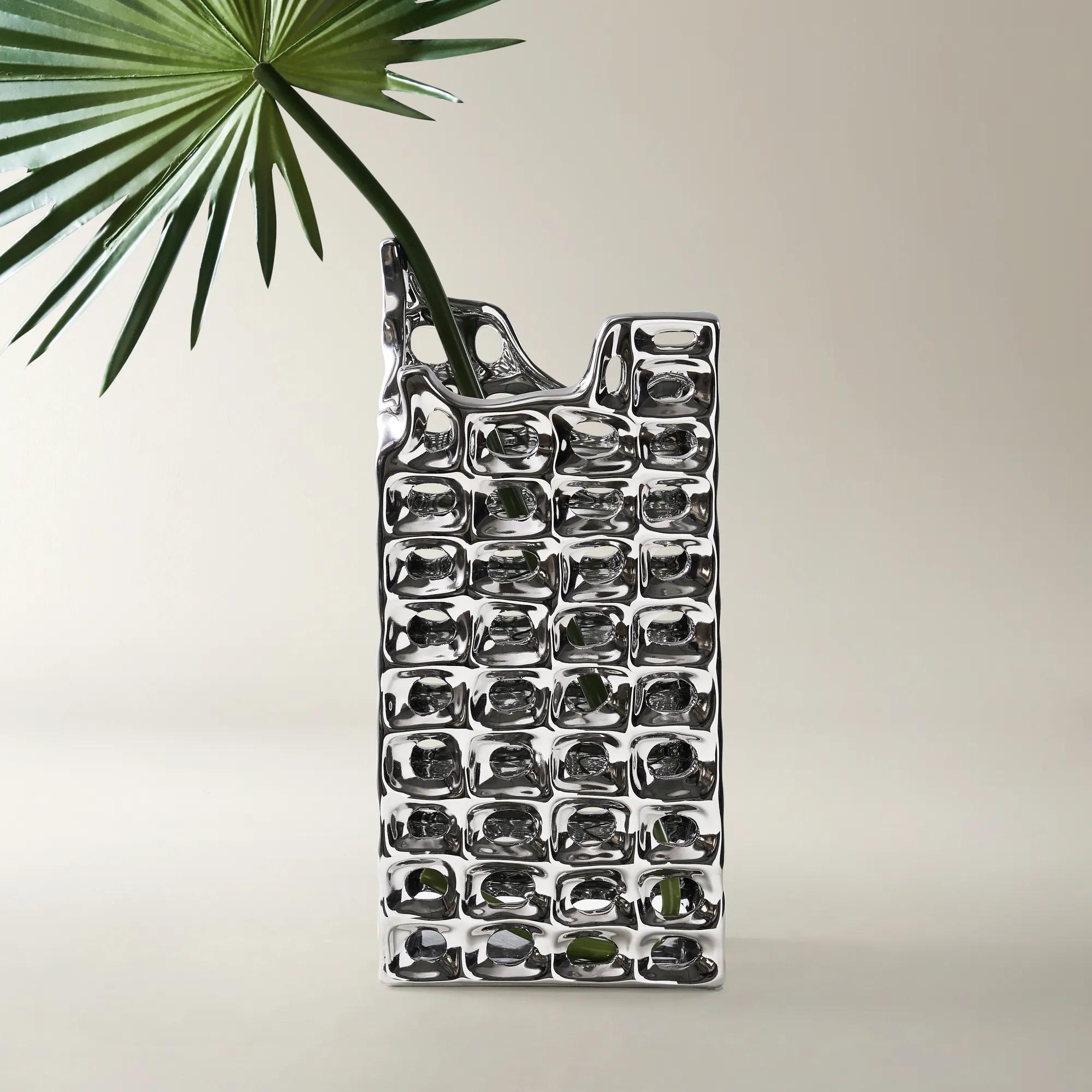
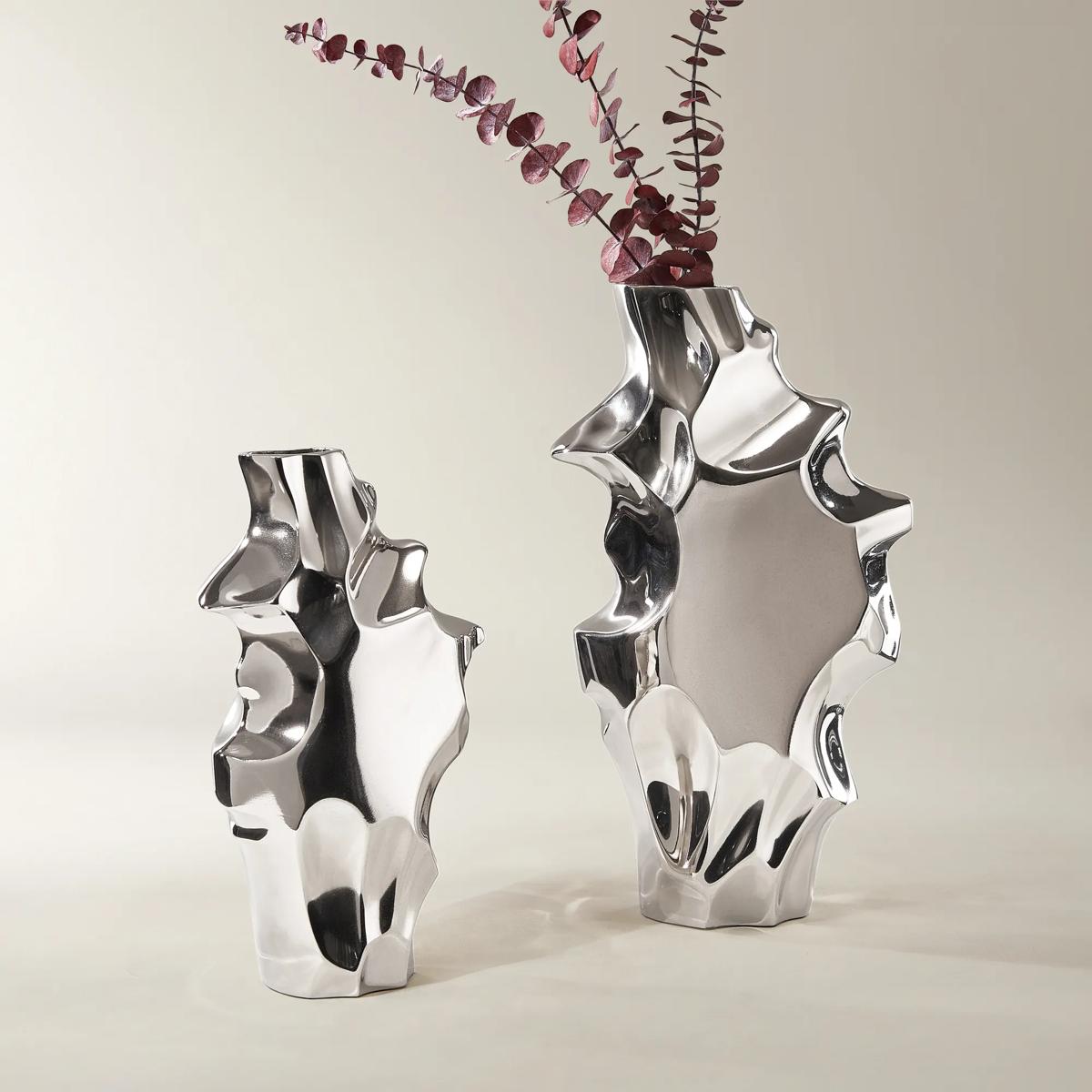
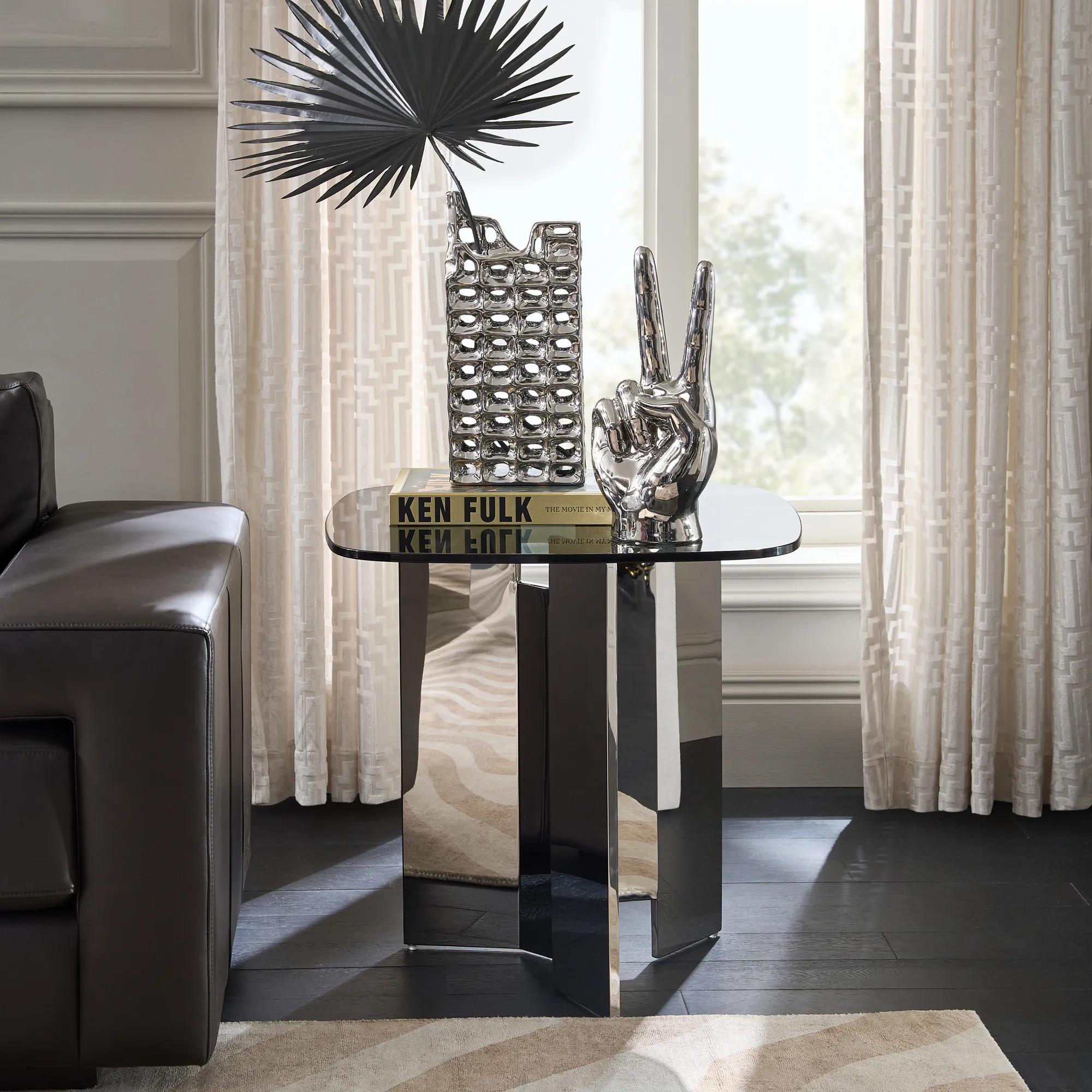 Pierce Vase$69
A ceramic vase with intricate facets and a gleaming silver finish for striking visual impact.
Add To Cart -
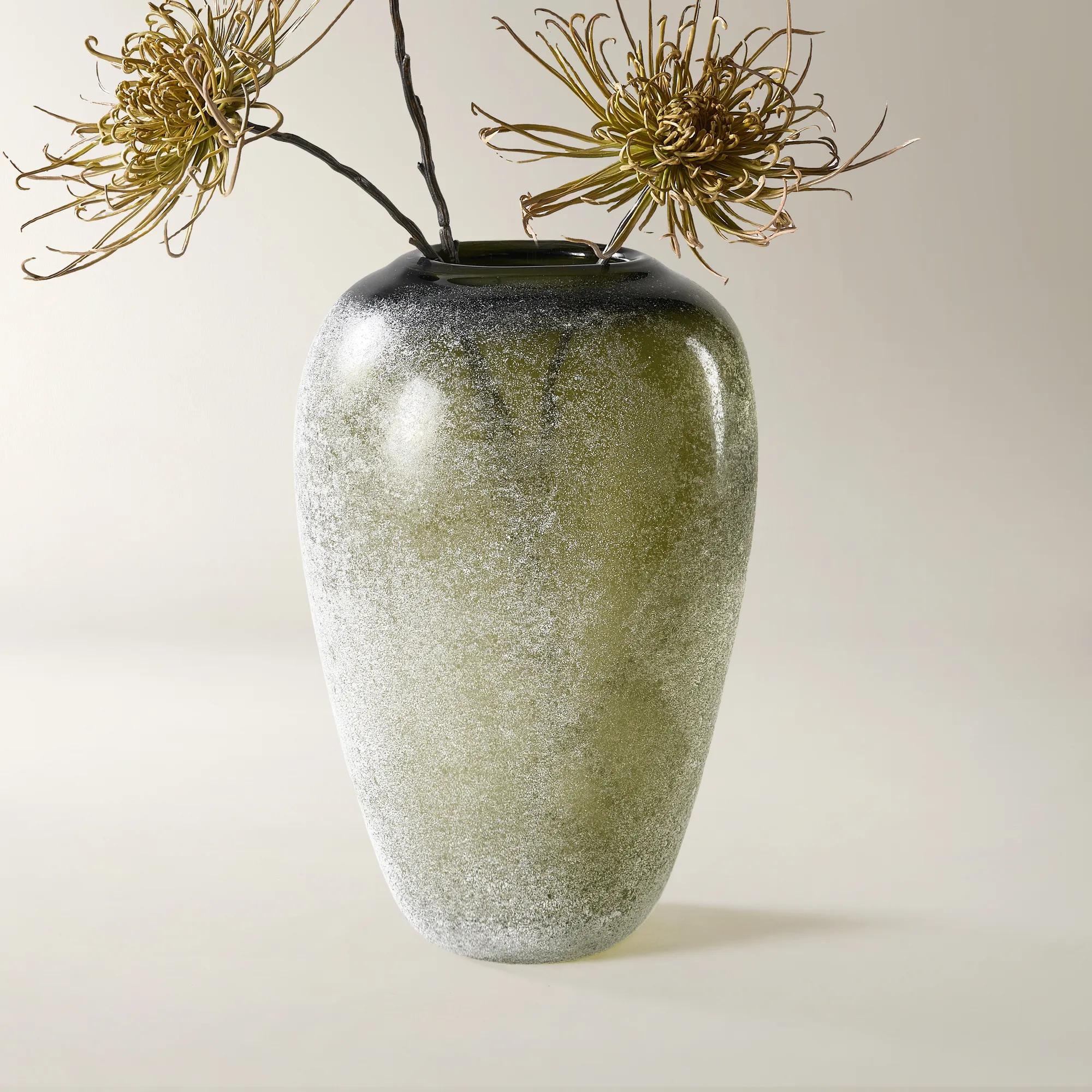 Linden Mouth Blown Pistachio Green Glass Vase 13.75"$129
A handblown glass vase in pistachio green adds a fresh, artful accent to any space.
Add To Cart -
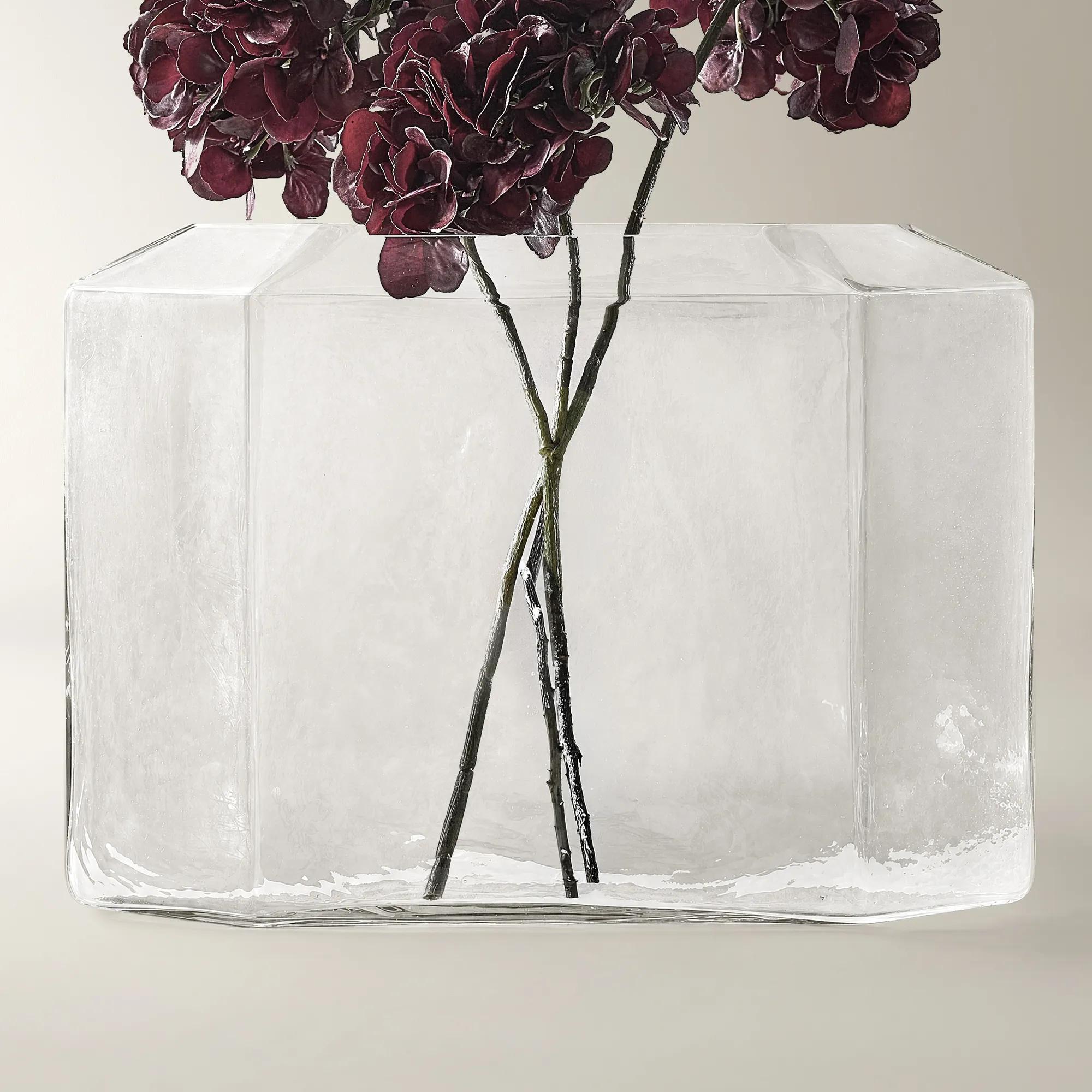 Studio Mouth Blown Clear Glass Vase 13.75"$199
A handblown clear glass vase with faceted detailing that beautifully reflects light for modern elegance.
Add To Cart -
 Icy Mouth Blown Clear Glass Cube Taper Holders$69
A handblown clear glass candle holder with a bold geometric silhouette and luminous, icy light play.
Add To Cart -

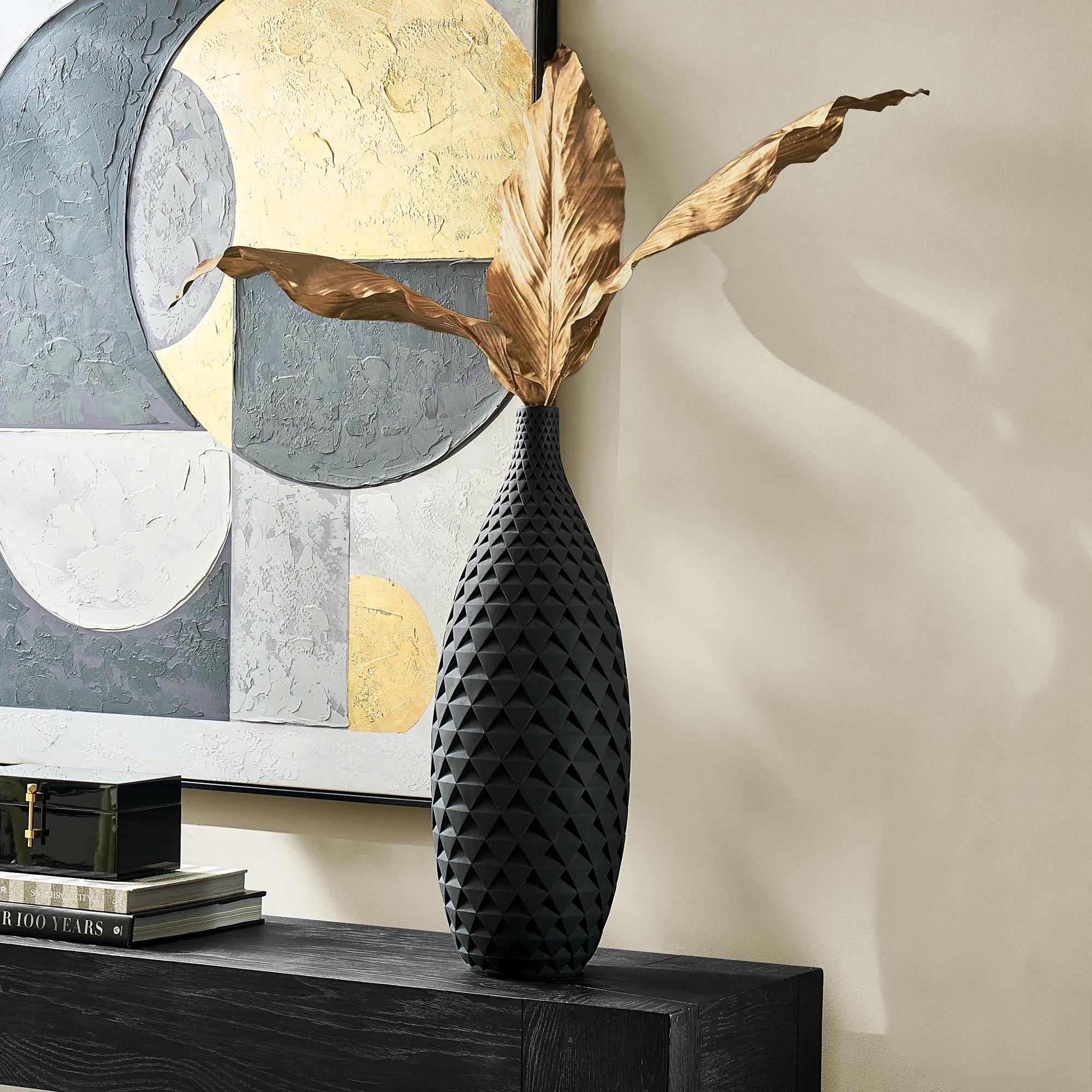 Faux Gold Canna Leaf Branch 38" Set of 3$49
A set of three golden metallic branches inspired by Canna leaves for a modern, autumnal accent.
Add To Cart -
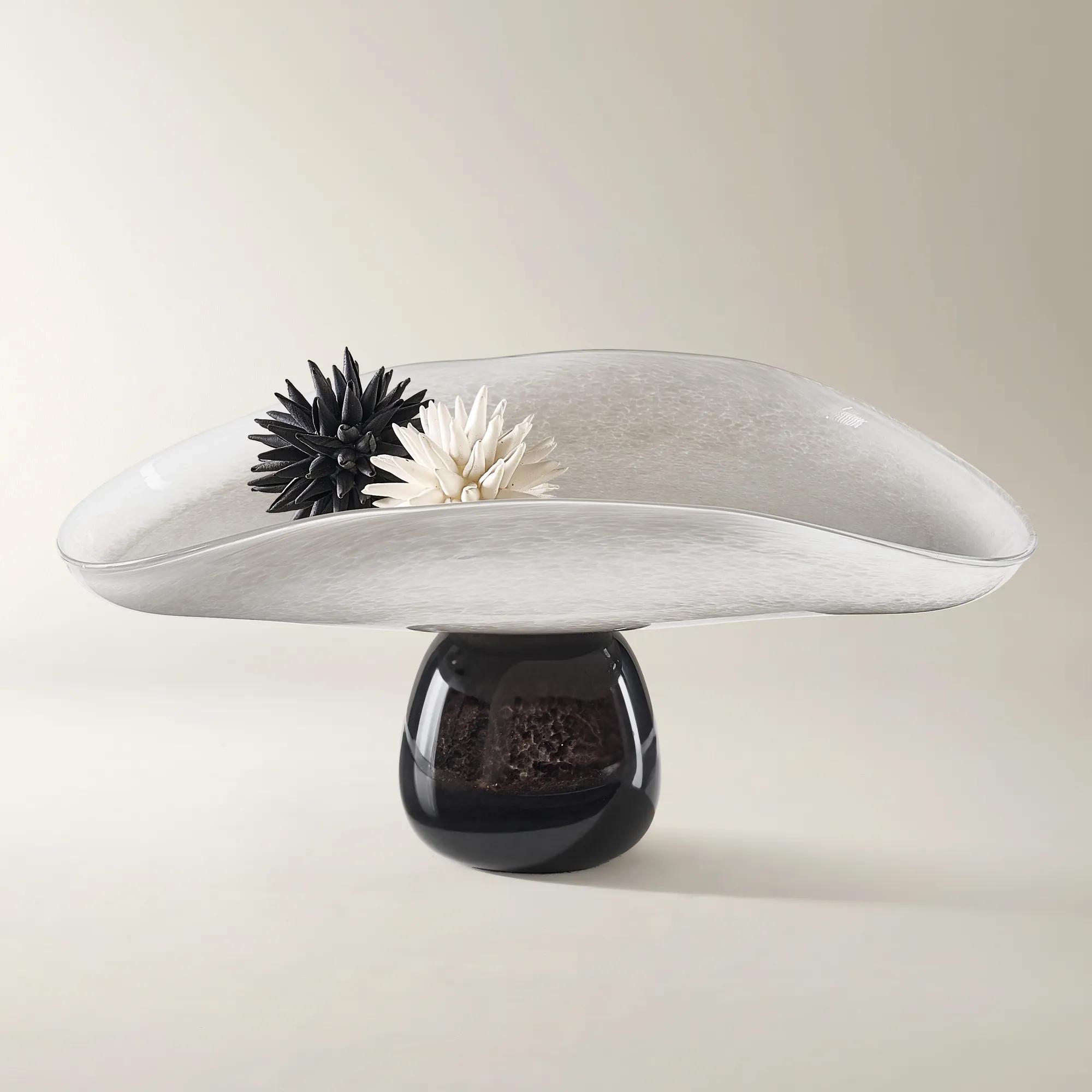 Elois Mouth Blown White Black Pedestal Bowl 14.5" x 7"$149
A handblown glass pedestal bowl featuring striking black and white contrast for a sculptural, modern accent.
Add To Cart -
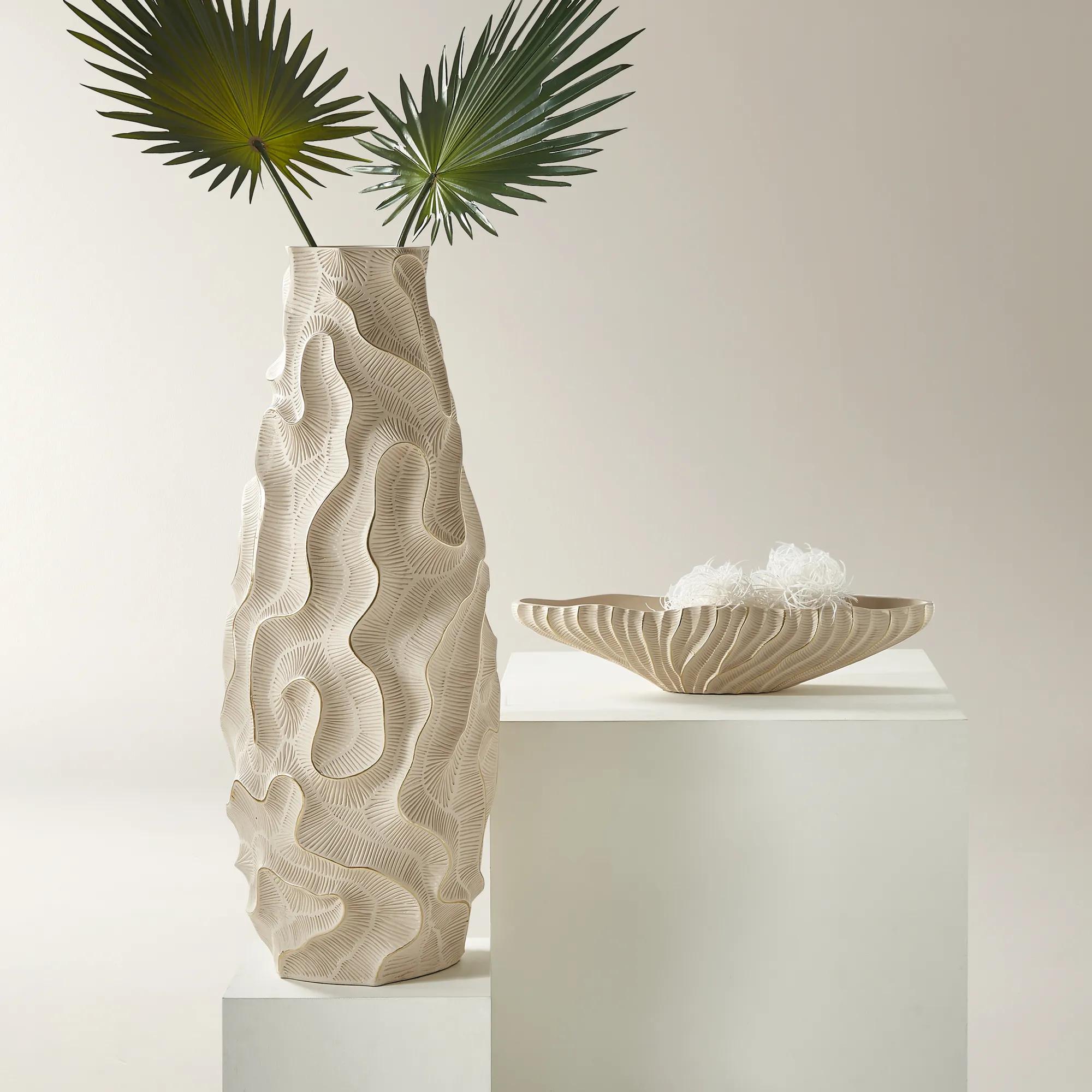
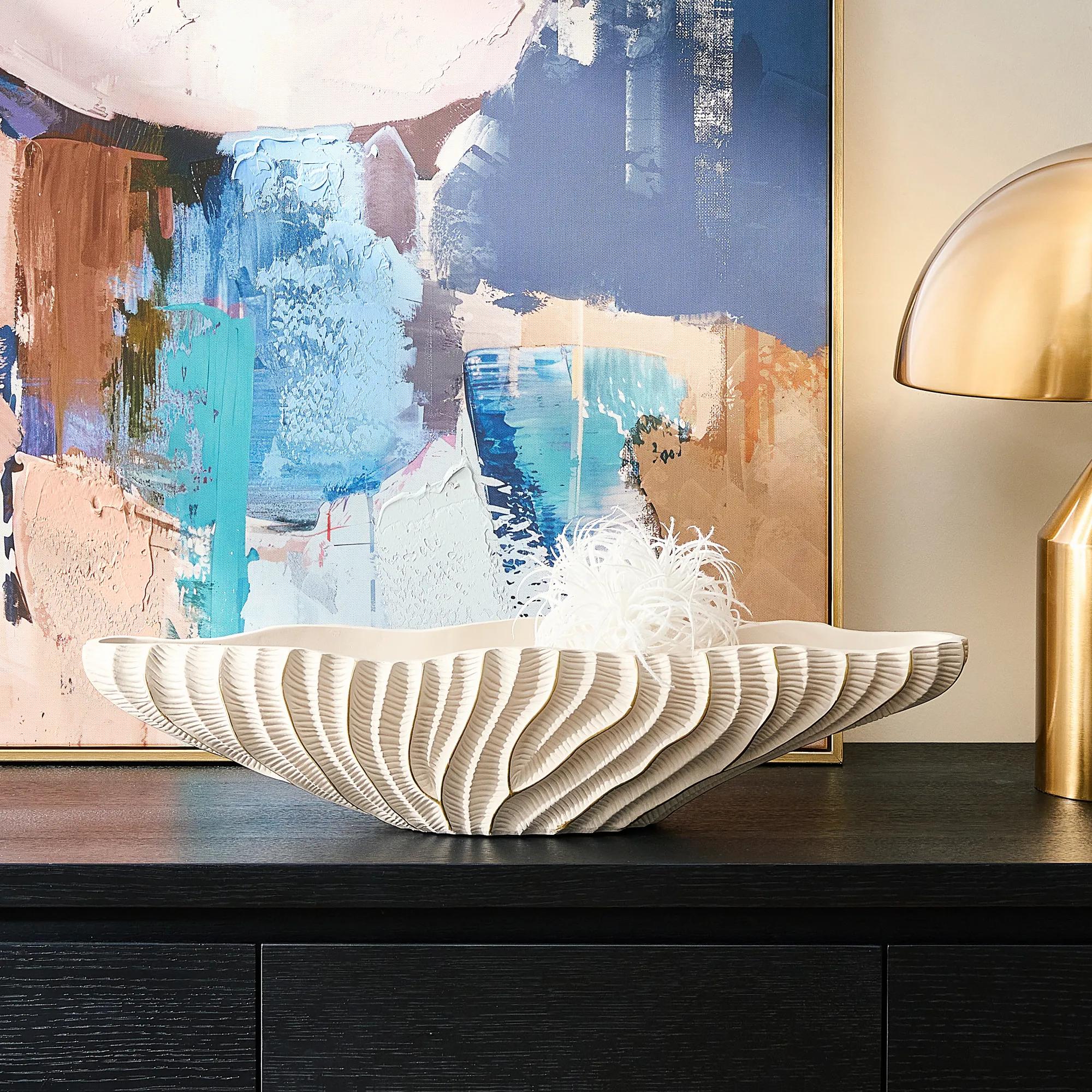 Rouche Ivory And Gold Etched Resin Floor Vase & Bowl$379
An ivory resin decorative vase and bowl set with organic undulating forms and hand-etched gold detailing.
Add To Cart -
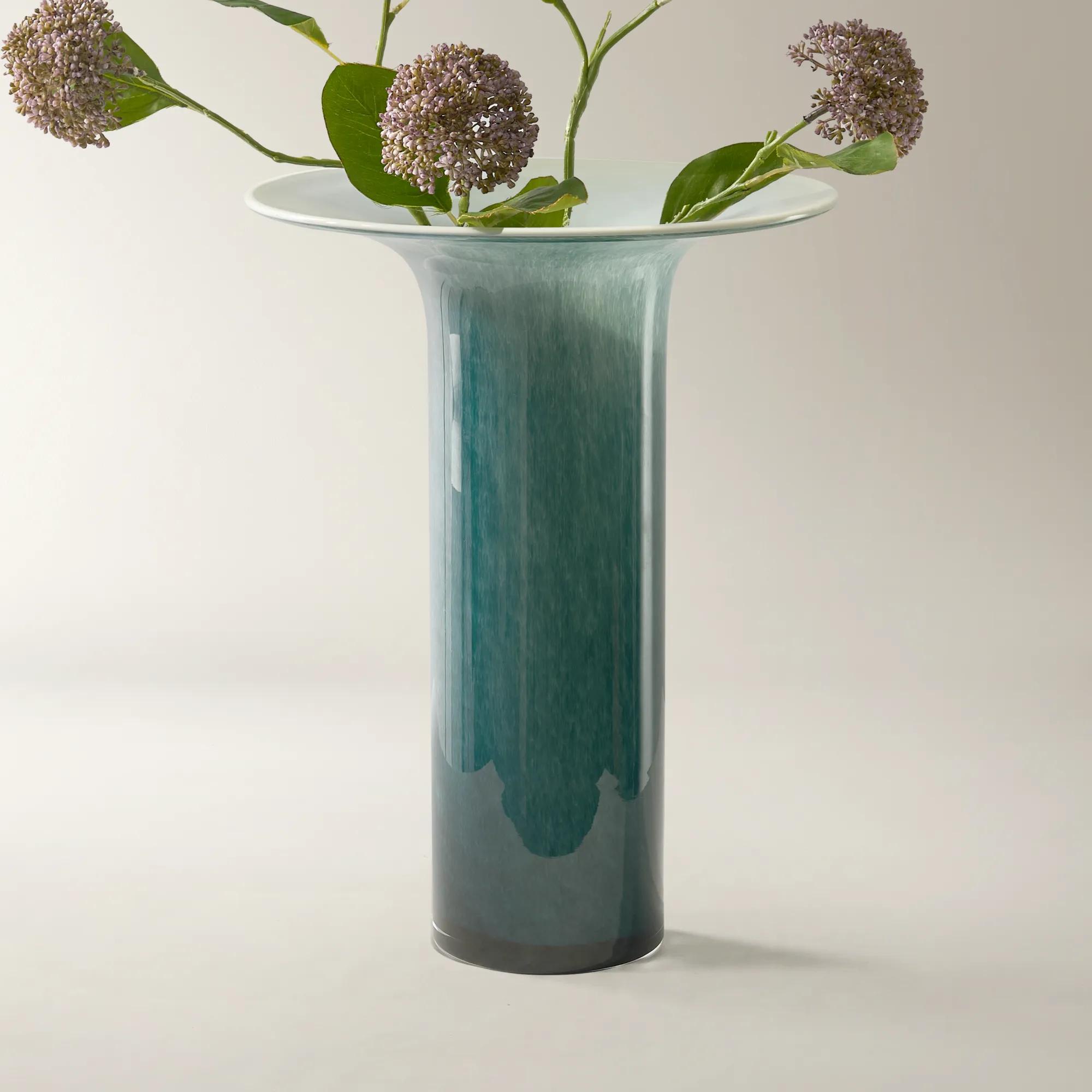 Loft Mouth Blown Deep Teal Glass Vase 15.75"$129
A handblown glass vase in deep teal with a sculptural column silhouette for bold, artful impact.
Add To Cart -

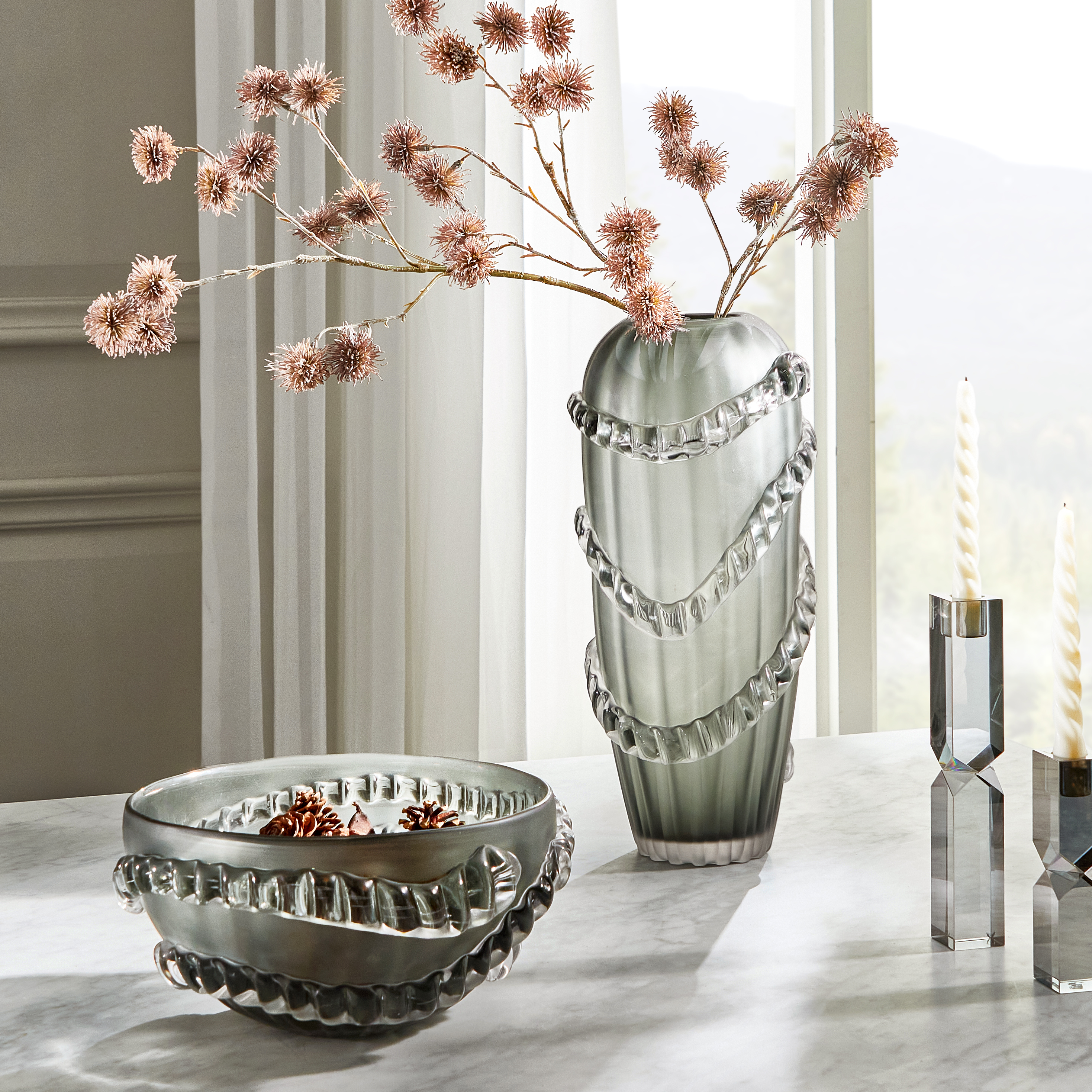 Helix Glass Collection$139
A hand-blown dark gray glass piece featuring fluted bodies and rippling sculptural ribbons for modern decor.
Add To Cart -
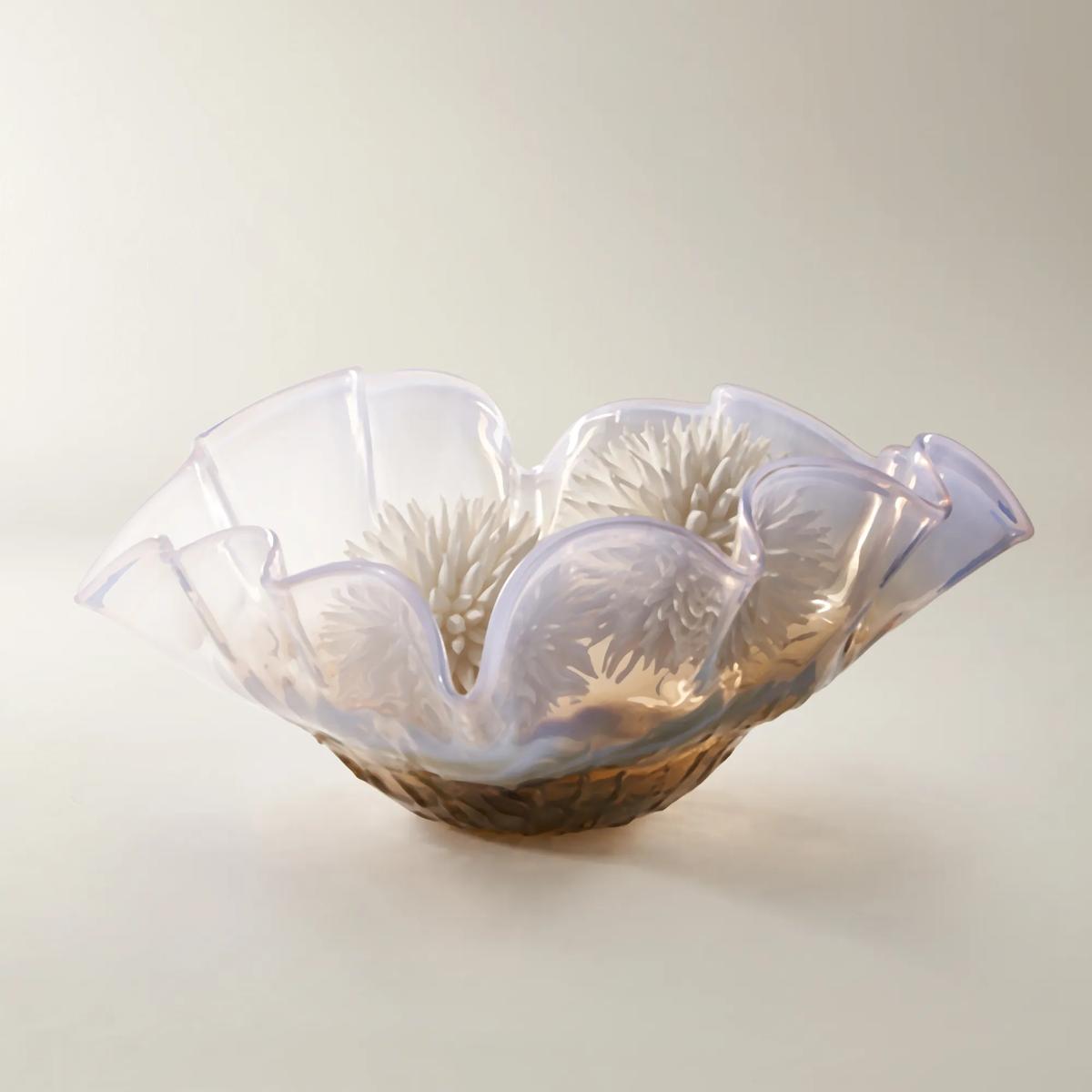
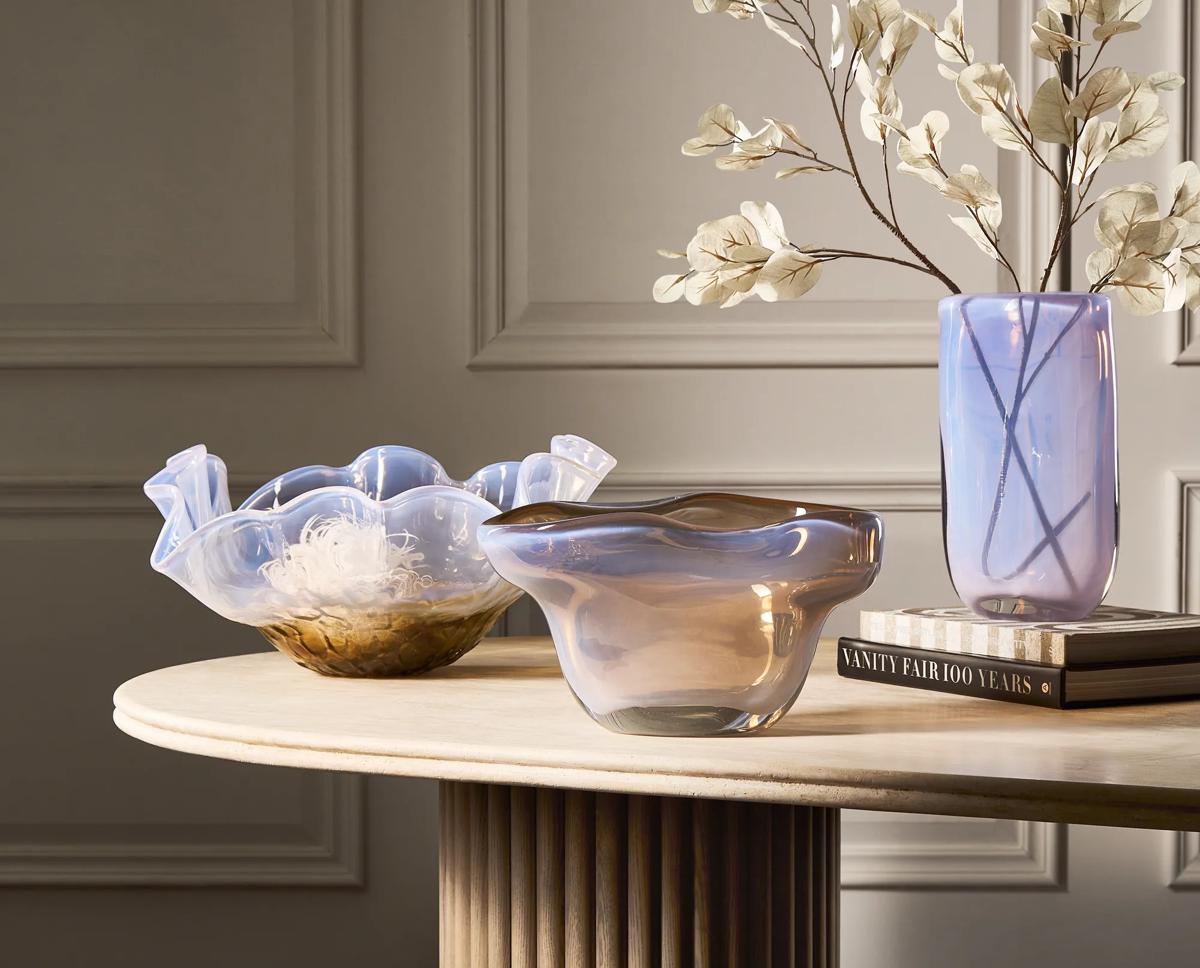 Glacier Glass Bowl$269
A hand-blown glass bowl featuring scalloped edges and swirling lavender and amber hues for artistic elegance.
Add To Cart -
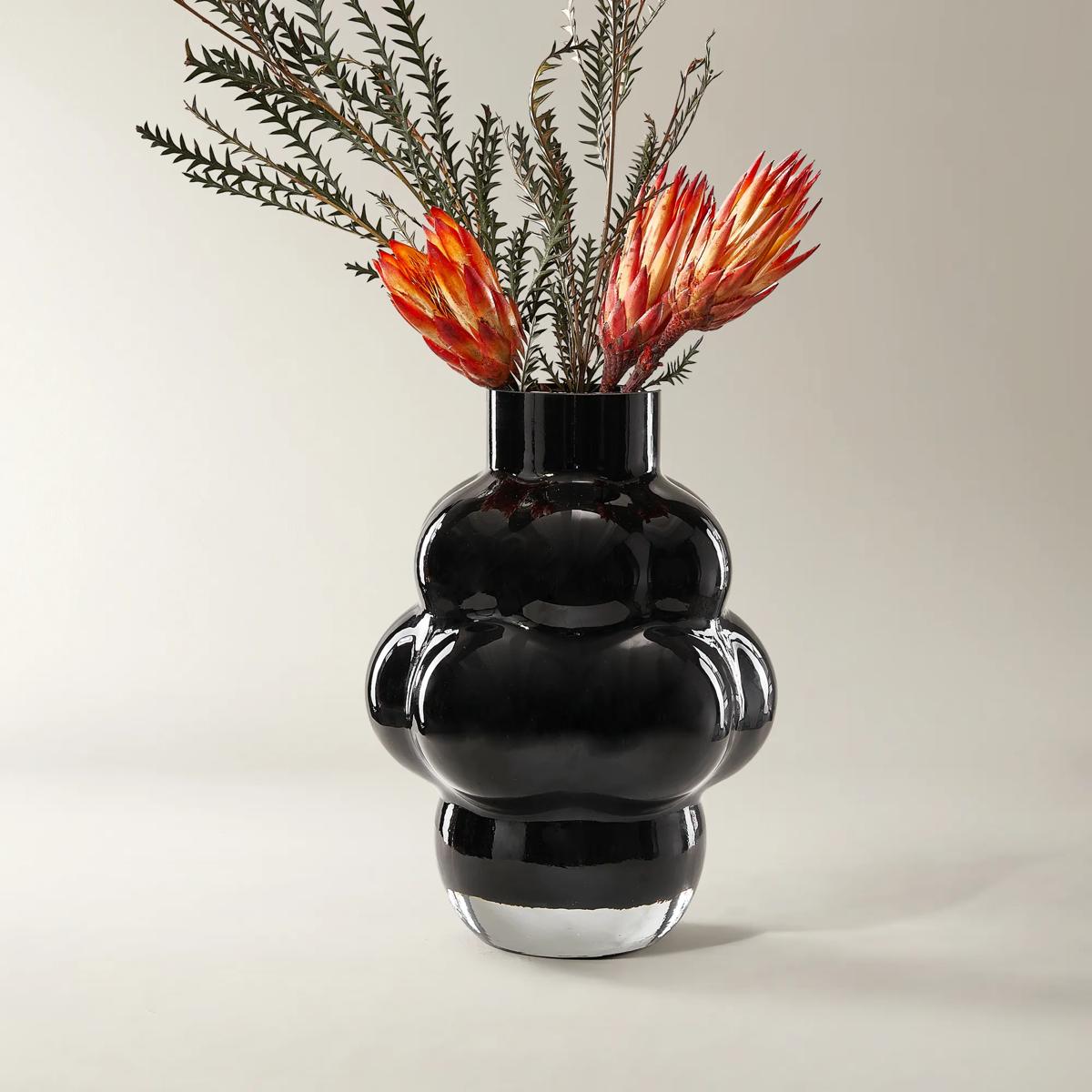 Cloud Glass Vase - Black$129
A hand-blown black glass vase featuring a sculptural silhouette and glossy, dramatic finish.
Add To Cart -
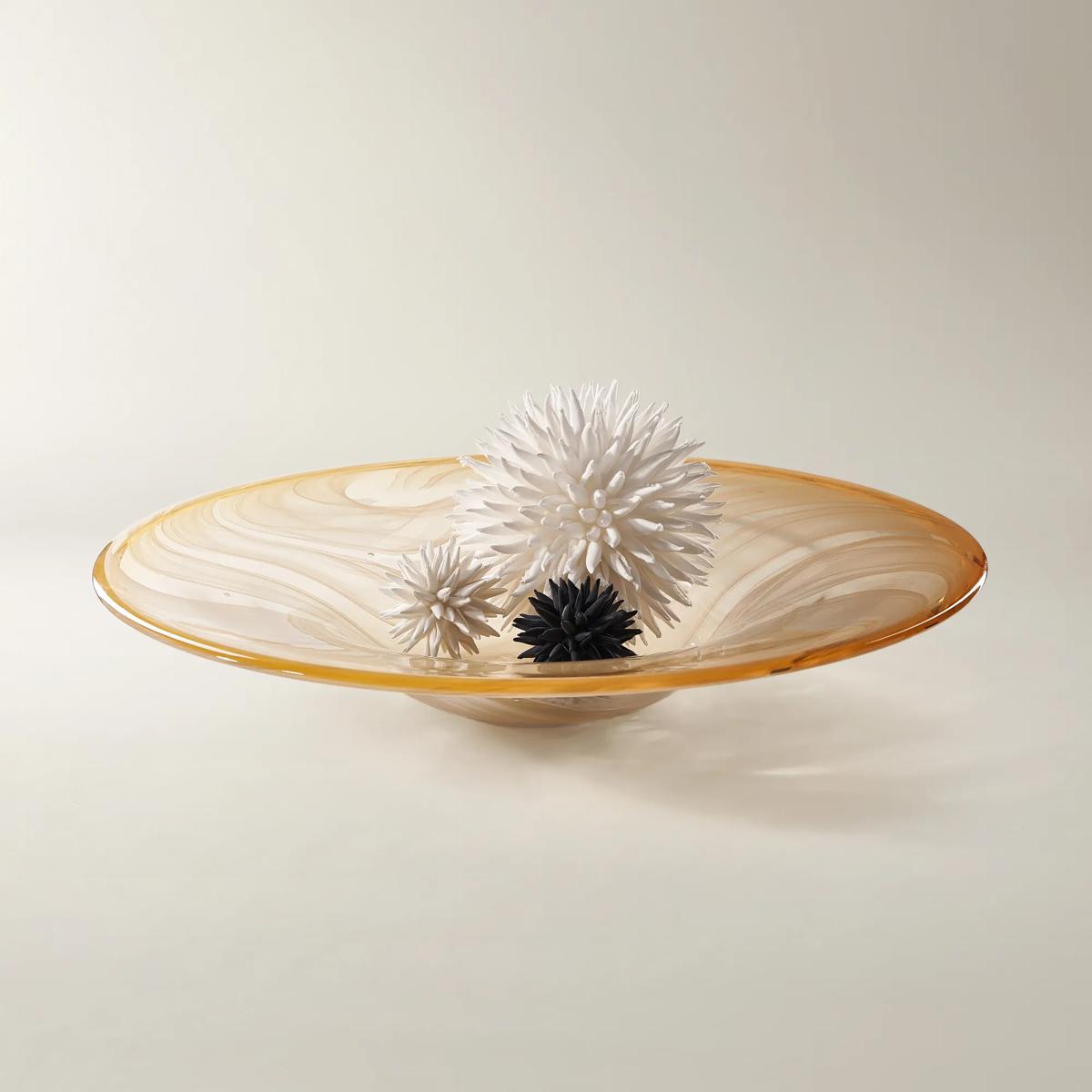
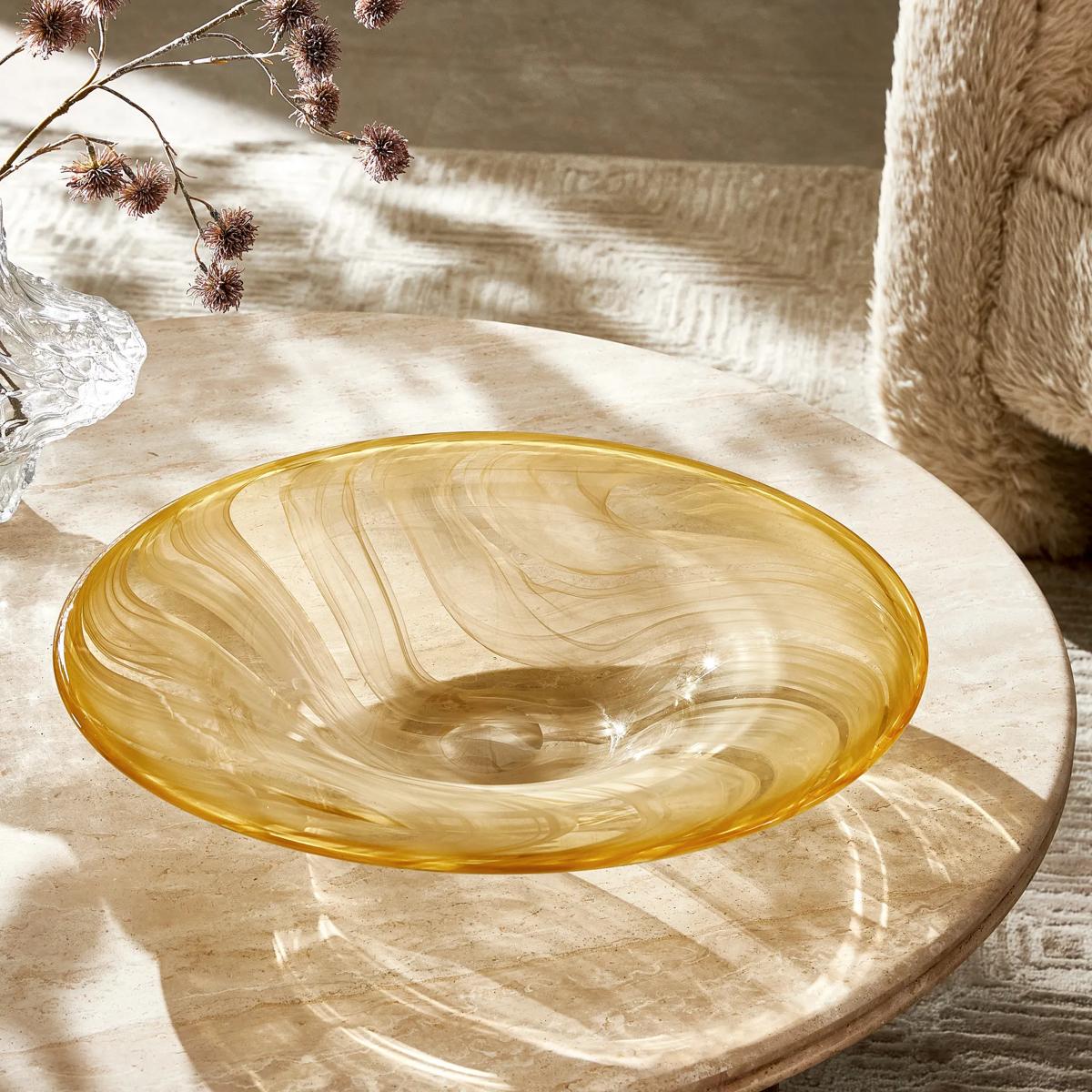 Paradis Glass Plate$239
A hand-blown amber glass plate featuring a swirling, organic design for a radiant decorative accent.
Add To Cart -

 Madre Handcrafted Ivory Porcelain Vases$149
A handcrafted ivory porcelain vase with cascading textured fronds and a sculptural matte finish.
Add To Cart -
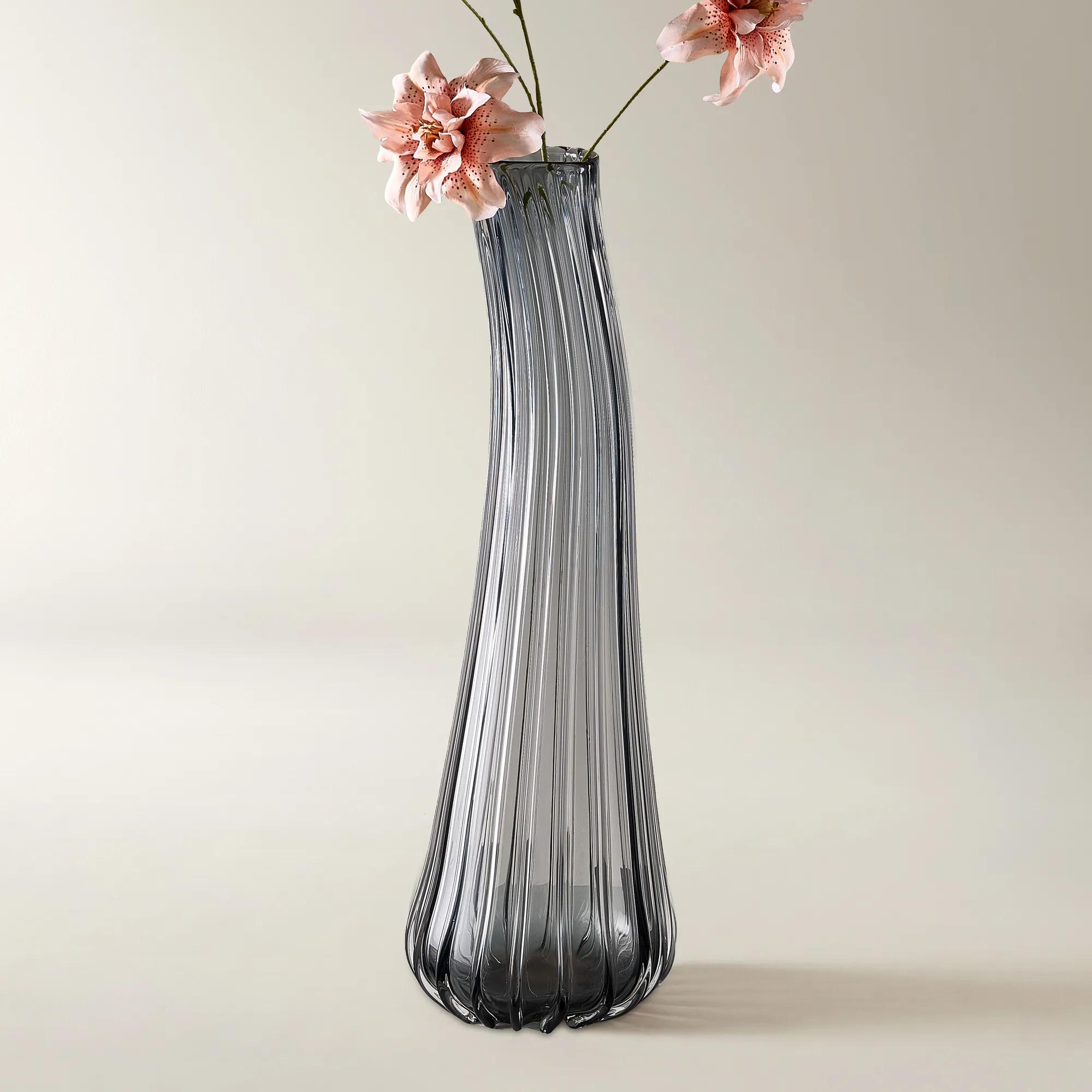 Tango Mouth Blown Smoked Pearl Vase 29"$199
A handblown glass vase in a smoked pearl finish with a textured surface for sculptural elegance.
Add To Cart -
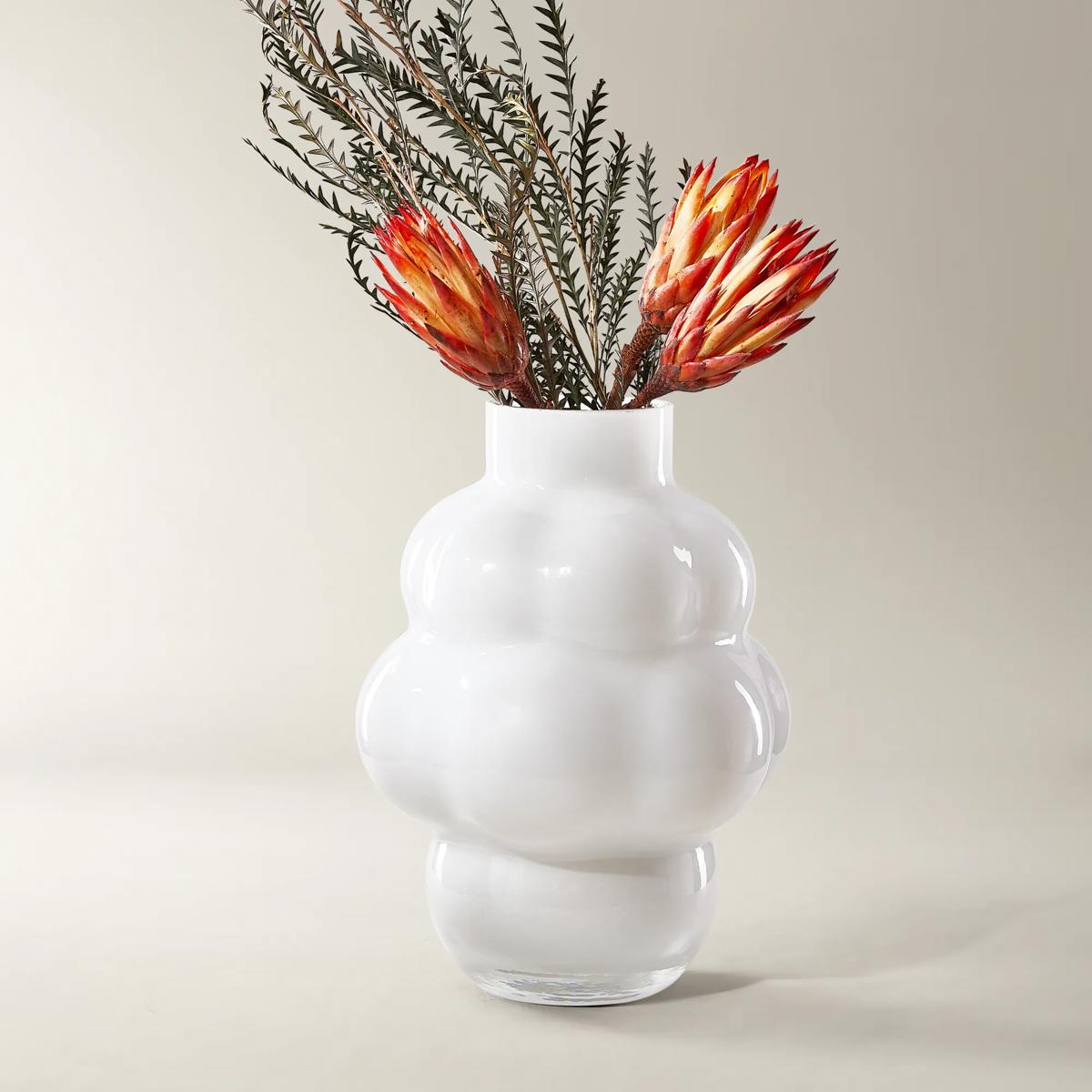 Cloud Glass Vase - White$129
A hand-blown glass vase in glossy opaque white with a sculptural, cloud-inspired silhouette.
Add To Cart -
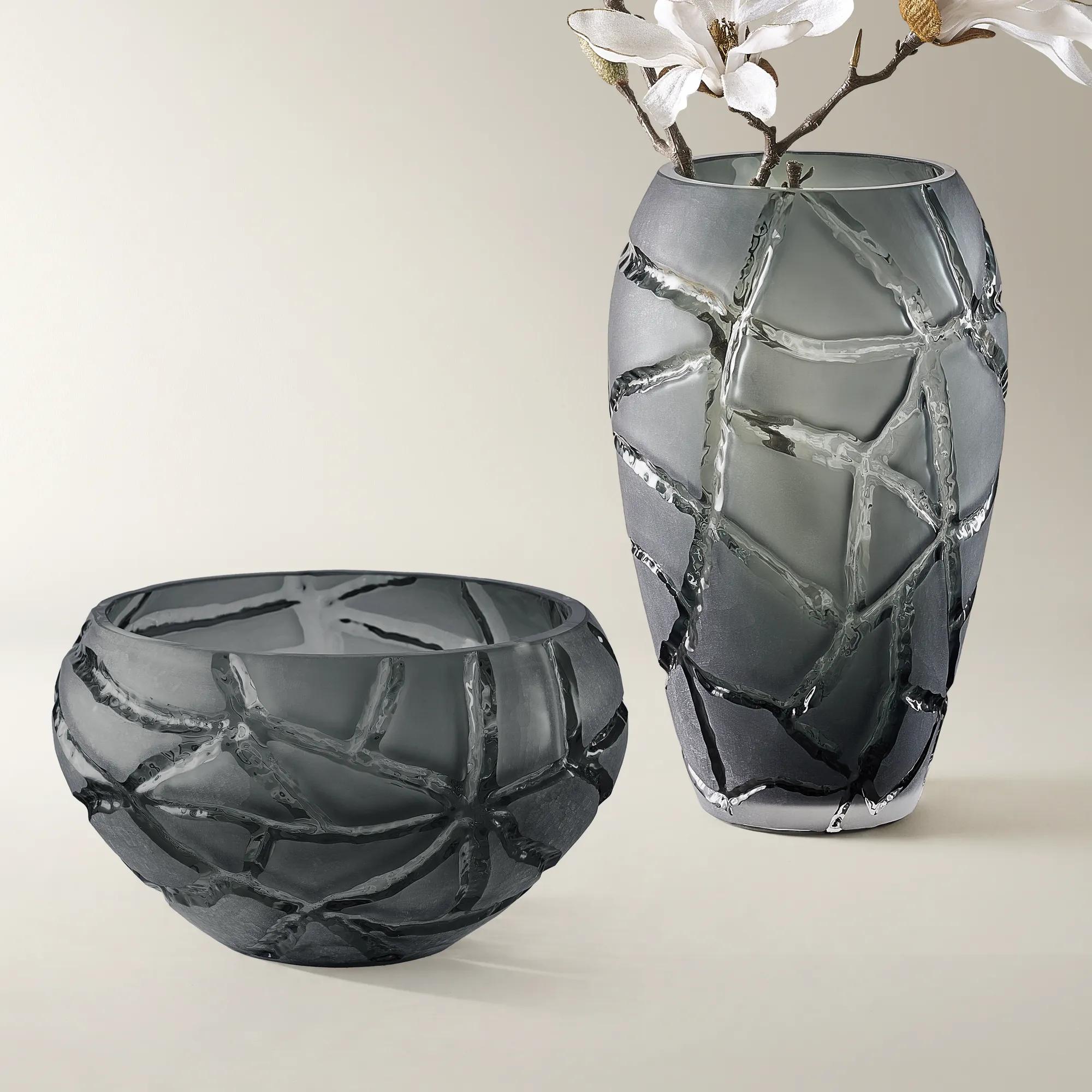 Rowen Mouth Blown Charcoal Glass Vase & Bowl$149
A handblown charcoal glass vase featuring a textured surface for moody sophistication and sculptural appeal.
Add To Cart -
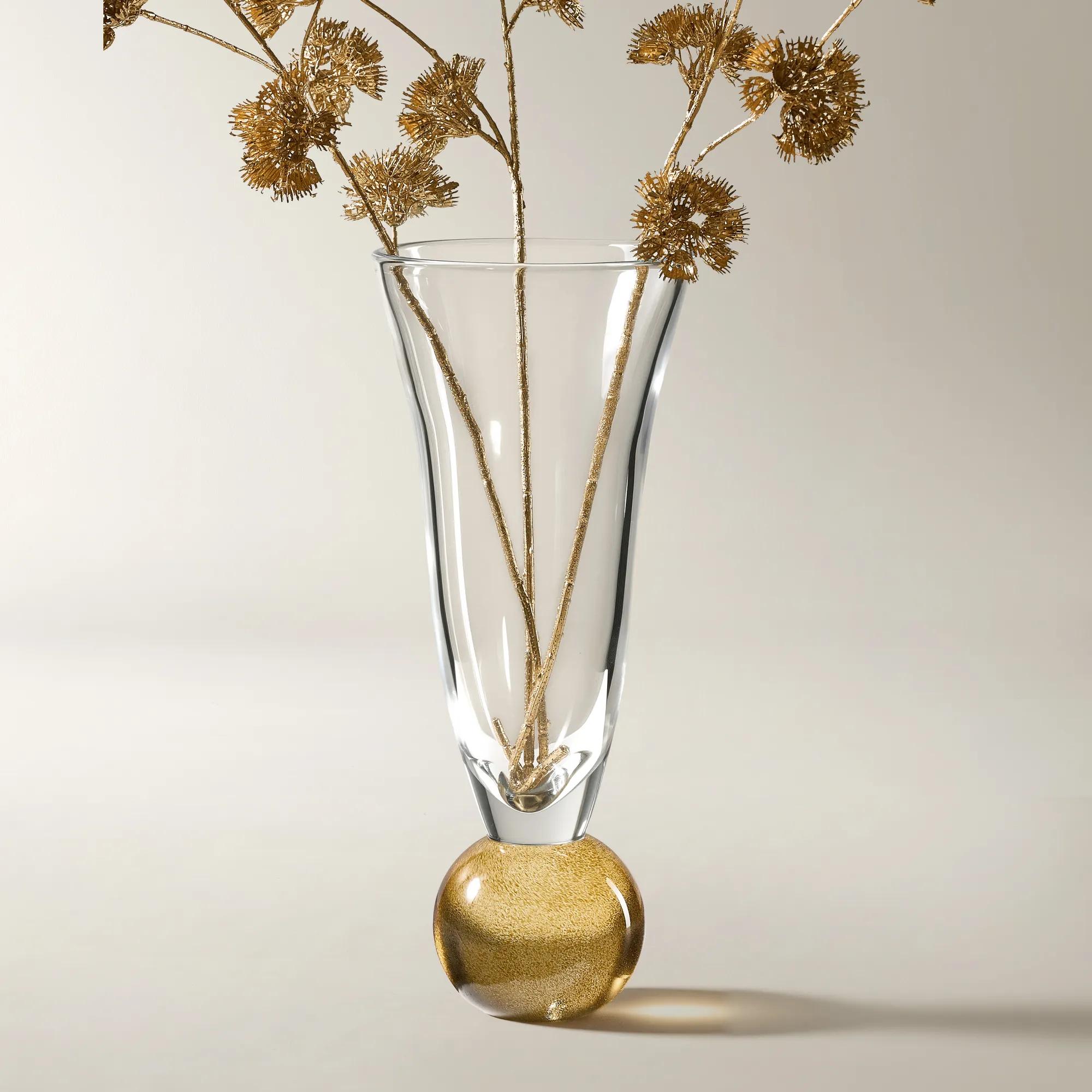 Palazzo Mouth Blown Honey Gold Clear Glass Vase 17.25"$119
A handblown glass vase in luminous honey gold with a sculptural, bauble-inspired silhouette.
Add To Cart -
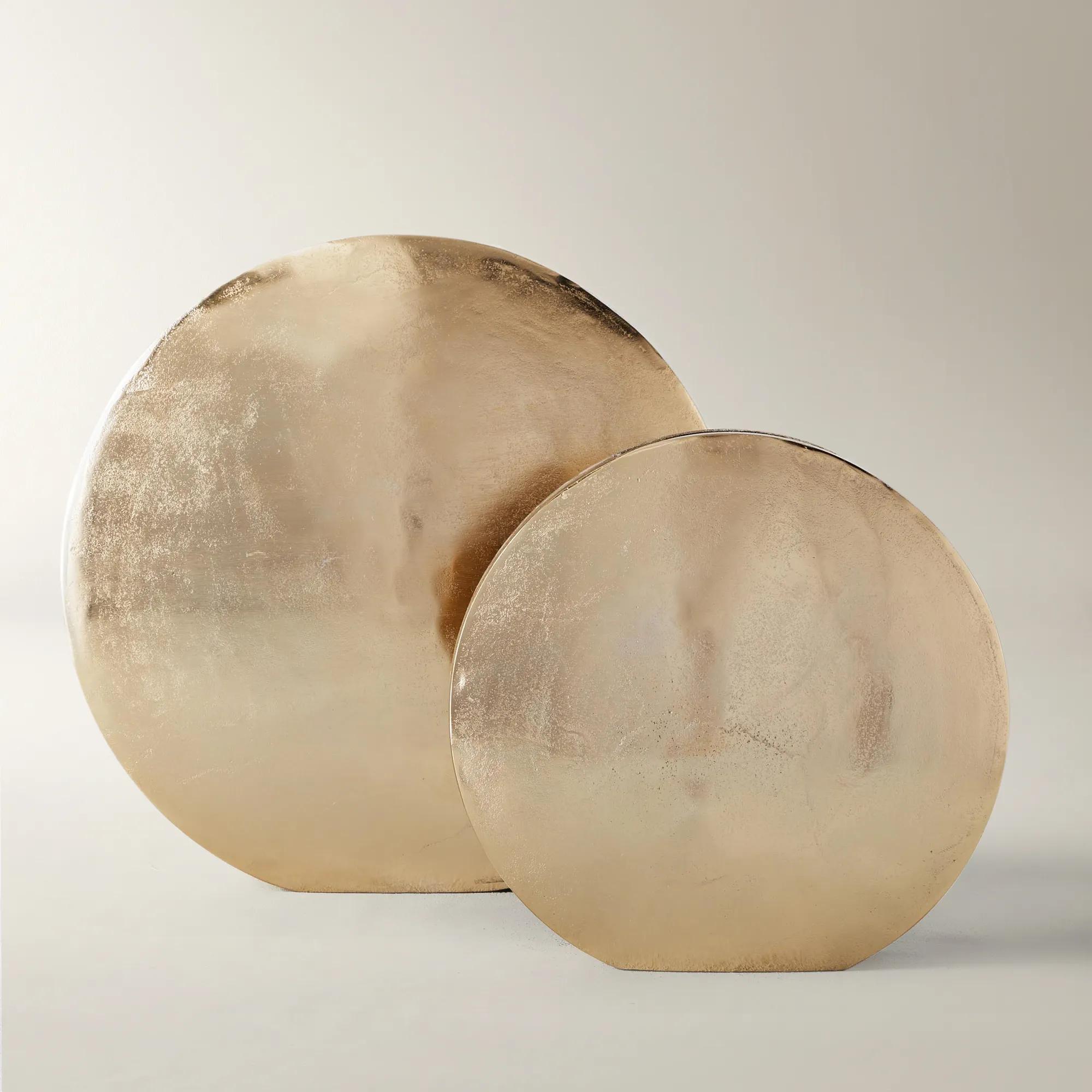
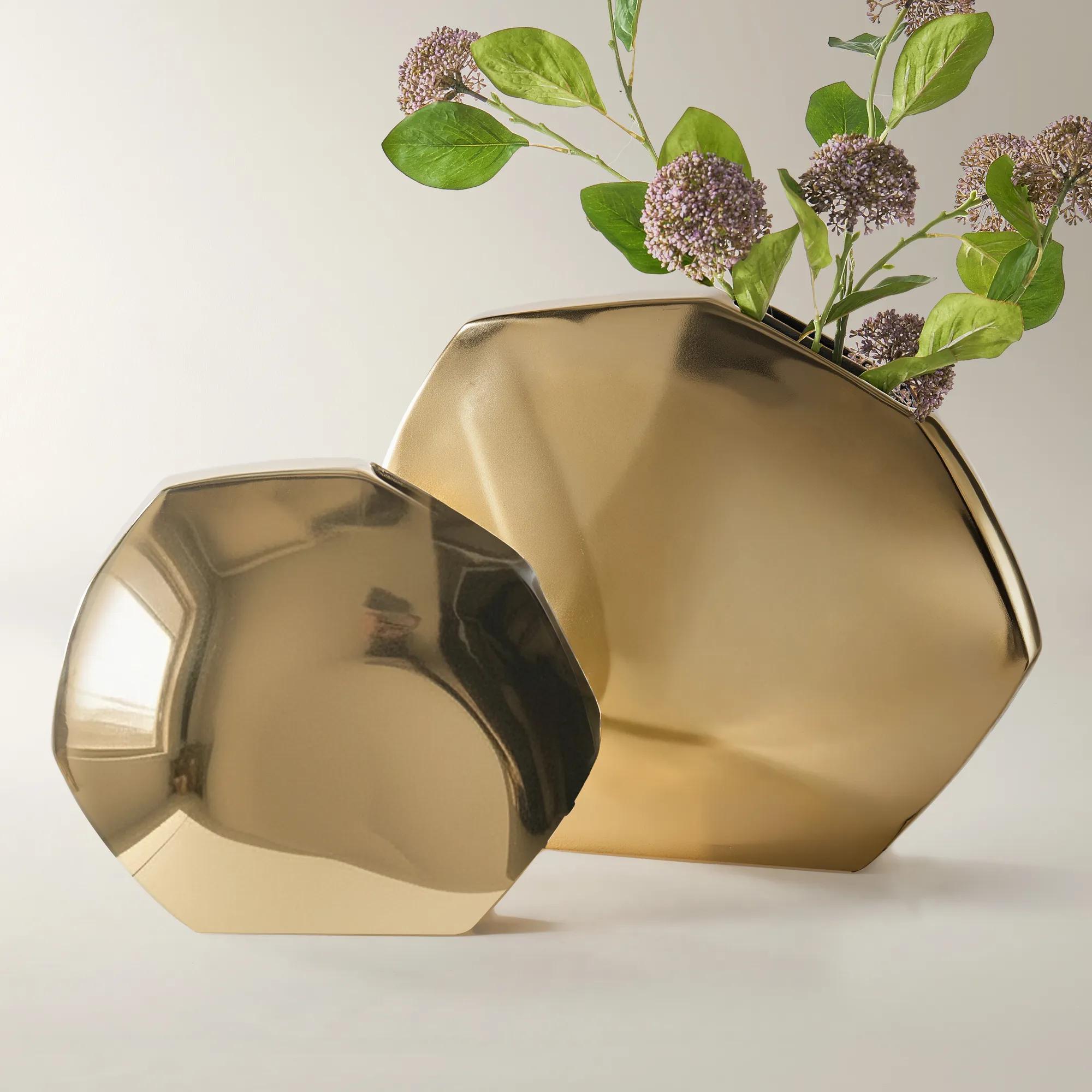 Gem Handcrafted Gold Aluminum Vases$169
A handcrafted aluminum vase with faceted gem geometry, polished gold finish, and slim slot opening.
Add To Cart -
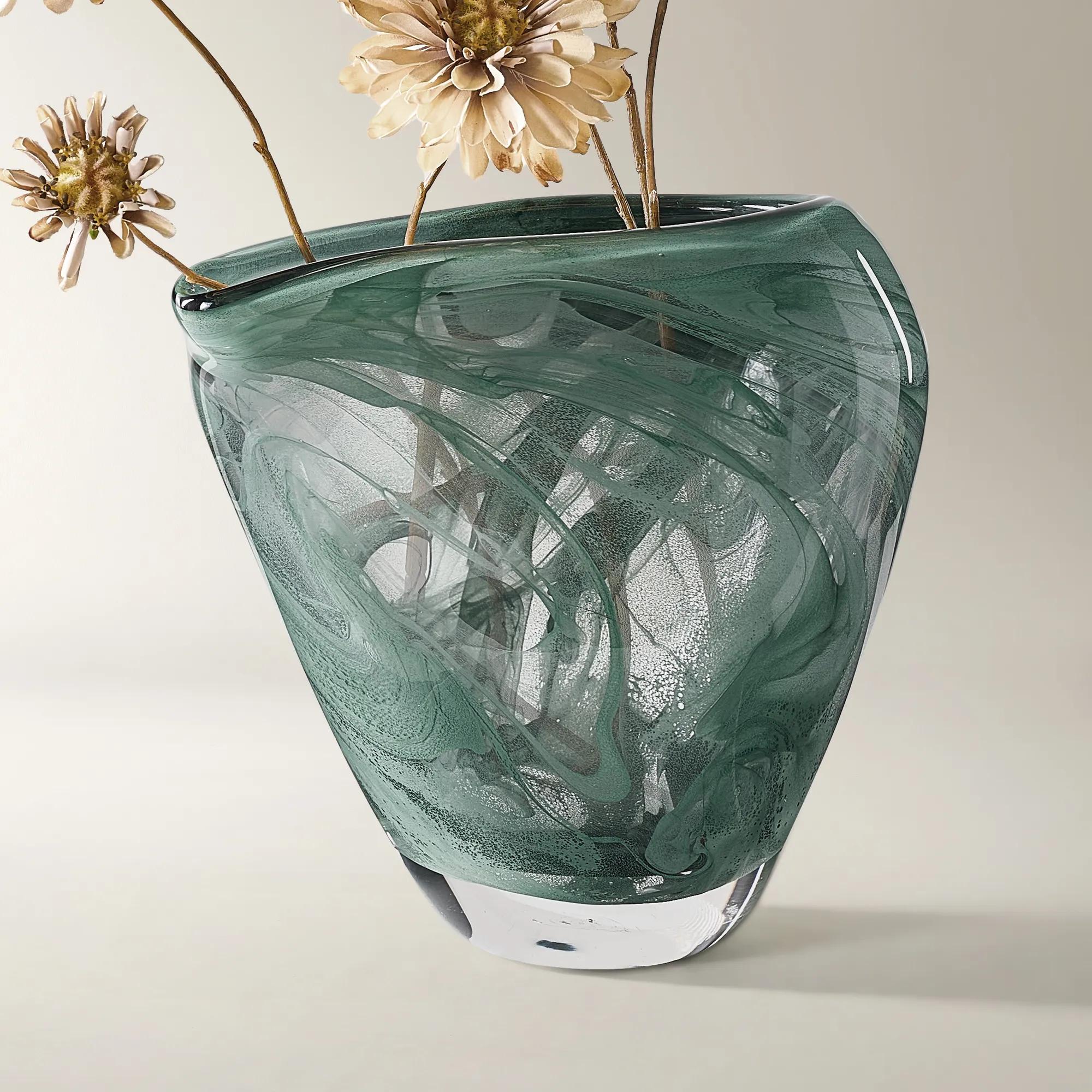 Flow Mouth Blown Sage Green Glass Vase 12.25"$199
A handblown glass vase in calming sage green with an organic, sculptural silhouette for modern decor.
Add To Cart -
 Trio Twist Soft Gold Aluminum Tapper Holders Set of 3$129
A set of three aluminum taper holders in soft gold with sculptural twisted silhouettes for modern elegance.
Add To Cart

Centerpieces For Formal Dinners
Centerpieces for Formal Dinners transform every gathering into a spectacle of artistry and allure, setting the stage for evenings draped in elegance. Picture a table where every detail is meticulously curated, where sculptural forms and luminous accents invite conversation and admiration. The right centerpiece does more than decorate—it commands attention, weaving together ambiance and anticipation with a flourish of drama. Elevate your dining experience with pieces that don’t just complete the table, but make it unforgettable, ensuring each meal becomes a celebration of style and sophistication.
Centerpieces for formal dinners give the table its visual center of gravity: a luminous bowl beneath the chandelier, a gathering of sculptural vessels, or candlelight reflected across polished glass. The most compelling arrangements feel generous without competing with the meal or the conversation. Low floral centerpieces, refined candleholders, decorative bowls, and pedestal vessels each offer a different balance of presence and openness, making them suited to everything from an intimate anniversary dinner to a wedding reception with several tables. Low arrangements are especially versatile because guests can appreciate their detail while maintaining a clear view across the table. As a general starting point, arrangements below about 10 inches tend to preserve sightlines, although chair height, table height, and the arrangement’s width also matter. Taller centerpieces can introduce architectural drama when their decorative elements sit above seated eye level and their bases remain slender enough not to interrupt conversation. A tall vessel alone does not guarantee an unobstructed view; dense flowers or broad branches can still create a visual barrier. For many formal settings, a low floral composition paired with restrained, unscented candlelight offers an elegant balance of atmosphere and practicality. White blooms in a gleaming vessel feel composed against crisp linens, while deeper floral tones lend richness to dark dinnerware and metallic accents. A centerpiece can also make its statement without flowers: a sculptural bowl or a small grouping of artful objects brings form and texture to the setting without requiring fresh stems. The occasion influences the mood, but the guests’ experience remains central. A dinner celebrating a milestone may call for a more expressive silhouette, while a conversation-focused gathering benefits from an arrangement that leaves faces visible and serving pieces within easy reach. That balance allows formal dining table decor to feel intentional rather than crowded, with enough visual richness to mark the occasion and enough breathing room for the evening to unfold comfortably.
Material gives a centerpiece much of its character, especially under dining-room lighting. Clear glass keeps a substantial form visually light, allowing flowers, stems, or candlelight to remain part of the composition. Cut or faceted glass catches light in small flashes, while smooth glass creates a quieter reflection beside patterned china. Ceramic vessels introduce a more grounded presence, with glossy glazes offering a polished counterpoint to linen and matte finishes adding depth beside gleaming flatware. Metallic bowls and candleholders bring warmth or cool brilliance depending on their finish: gold tones complement ivory and saturated colors, while silver tones sharpen a palette of white, charcoal, and clear glass. Mixed finishes can feel sophisticated when one takes the lead and the others appear as deliberate accents. Mirrored trays provide a defined base for a grouping and reflect nearby light, but their footprint should leave ample space for place settings, glassware, and shared dishes. On a round table, a compact central arrangement often creates a natural focal point without favoring one seat. A rectangular table can accommodate a longer composition or a repeated sequence of smaller vessels, giving guests at either end a considered view. An oval table often benefits from similarly elongated proportions with softer edges. The useful measurement is not simply the table’s full width; it is the open area remaining after the dinner plates, chargers, stemware, and serving pieces are in place. A wide decorative bowl may look beautifully scaled on an empty table yet feel intrusive once dinner is served. Pedestal forms add height while keeping the base relatively contained, though the bowl above still needs clearance. For hosts who serve family-style, compact arrangements or separate groupings leave practical openings for platters. For plated dinners, a more continuous centerpiece can occupy the center without interfering with service. Repeated vessels in a single finish create rhythm, while varied heights within a restrained palette add dimension without making every element compete for attention.
Care, stability, and intended use matter as much as the finish, particularly for centerpieces that will return to the table for many celebrations. A sturdy base helps tall vessels and candleholders remain steady when guests reach for a dish or brush against the table. Protective pads can help prevent scratches on wood, stone, and glass surfaces, provided they are appropriate for both the object and the tabletop. Decorative vessels are not necessarily watertight or intended for direct food contact; fresh arrangements may need a suitable liner, and bowls used for serving should be specifically designated food-safe. Glass and ceramic pieces benefit from gentle handling, especially around thin rims, handles, and raised details. Metallic finishes may be plated, painted, or coated, so abrasive cleaners and prolonged moisture can damage their appearance. Mirrored surfaces and acrylic accents also require care to avoid scratches; cleaning and storage should follow the manufacturer’s instructions rather than a single method applied to every material. Candleholders need to match the candle’s size and intended use, with open flames kept away from flowers, foliage, fabric, and other combustible decorations. Flameless candles offer a flame-free alternative where open flames are unsuitable, while unscented candles keep fragrance from competing with the food. Strongly perfumed flowers can be equally distracting during a carefully prepared meal, making lightly scented or fragrance-free arrangements a considerate choice. Beyond a single evening, versatile centerpiece pieces can move to a console, buffet, or entry table, extending their decorative role between gatherings. A substantial vessel or coordinated set of candleholders can also make a thoughtful wedding, anniversary, or housewarming gift for someone who loves to entertain, especially when its scale and finish suit the recipient’s home. Related compositions in Elegant Centerpiece Ideas offer further possibilities for a table with a distinct point of view. Whether the effect is sculptural and spare or richly layered, the strongest centerpiece gives beautiful materials room to register, supports the pleasure of dining together, and makes the table feel worthy of the people gathered around it.
FAQs
Formal dining room table centerpieces often showcase luxurious materials such as hand-blown glass, polished metals like gold or silver, fine porcelain, and sculpted ceramics. Velvet, crystal, and mirrored accents are frequently incorporated to add texture and reflective brilliance, while seasonal botanicals and preserved florals offer a touch of organic elegance.
Begin by considering the color palette and architectural style of your dining space. For rooms with bold, dramatic lighting, chandelier centerpieces with gleaming finishes can echo the grandeur overhead. If your décor leans modern or eclectic, opt for sculptural or asymmetrical arrangements that express your personal flair. Always select a centerpiece that harmonizes with both your table’s scale and the mood you wish to create.
Absolutely. While designed to dazzle at formal dinners, centerpieces are versatile enough to enhance celebrations ranging from milestone birthdays to holiday gatherings and intimate brunches. By swapping out seasonal elements or adjusting the color scheme, your centerpiece can transition seamlessly through a variety of memorable occasions.
Centerpieces make exceptional gifts for hosts, newlyweds, or anyone who delights in entertaining. They offer a sophisticated way to commemorate special moments and become cherished focal points in the recipient’s home. Select a style that reflects the recipient’s taste and the ambiance they love to create for their guests.
Refreshing your centerpiece for the season is as simple as incorporating new elements—think winter greenery and metallics for January, or vibrant florals for spring. Layering in candles, decorative orbs, or themed accents can instantly transform the look. For more inspiration, explore curated <a href="https://zgallerie.com/o/centerpiece-ideas-for-holidays">Centerpiece Ideas for Holidays</a> and discover imaginative ways to keep your table in step with the season.