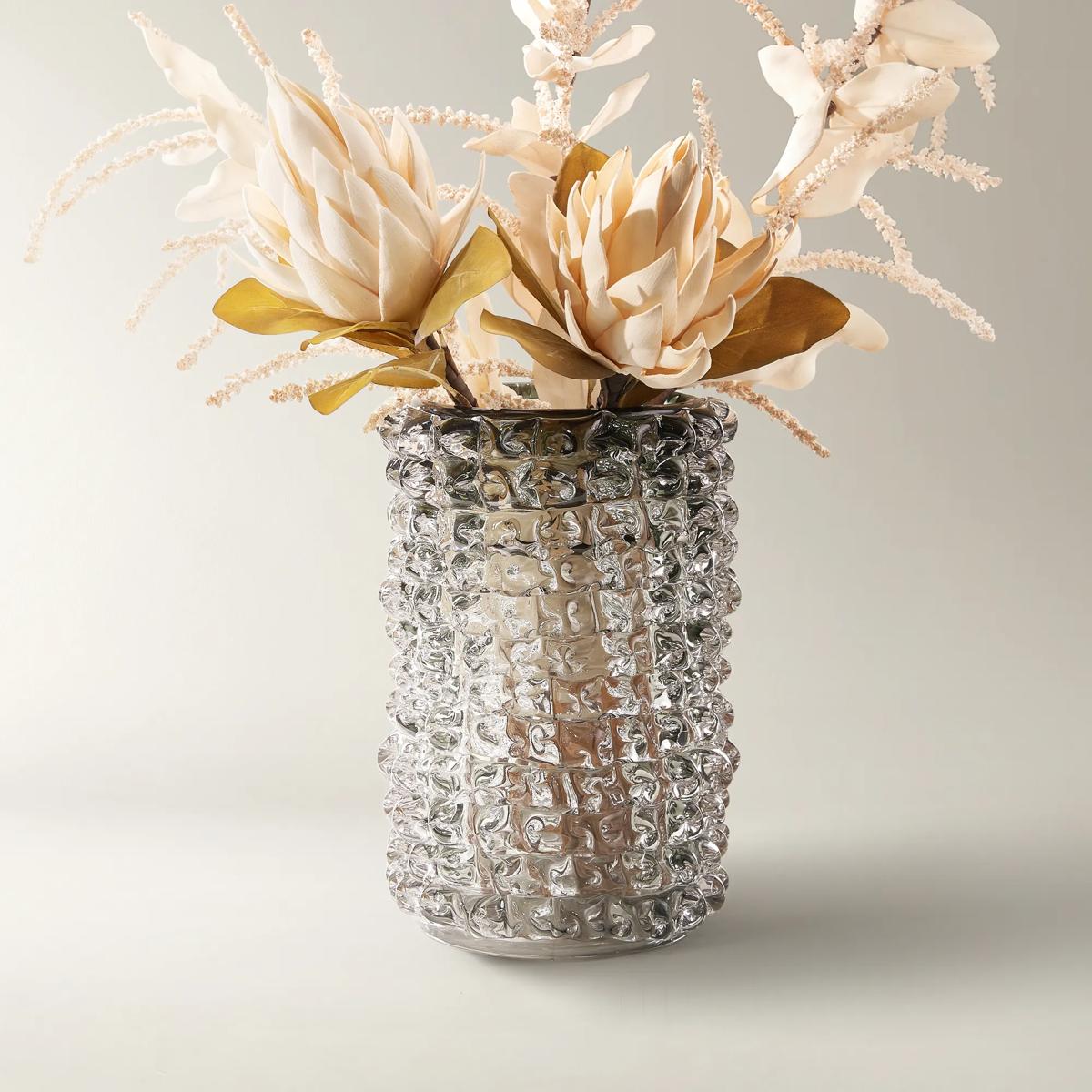
Modern Centerpiece Ideas
Modern Centerpiece Ideas
-
 Trio Twist Soft Gold Aluminum Tapper Holders Set of 3$129
A set of three aluminum taper holders in soft gold with sculptural twisted silhouettes for modern elegance.
Add To Cart -
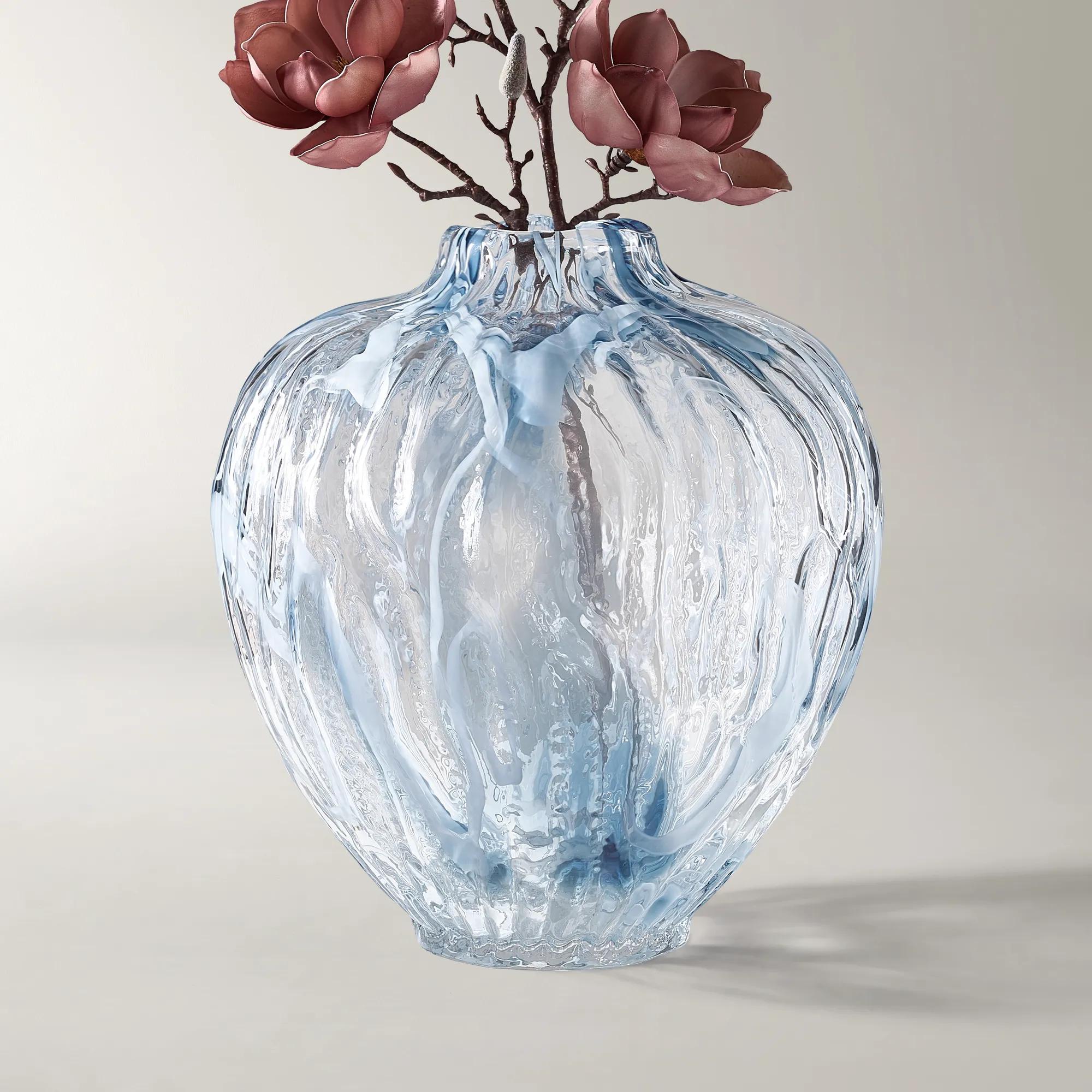 Cruz Mouth Blown Powder Blue Glass Vase 15.75"$169
A handblown glass vase in powder blue with a sculptural, light-catching surface for modern decor.
Add To Cart -
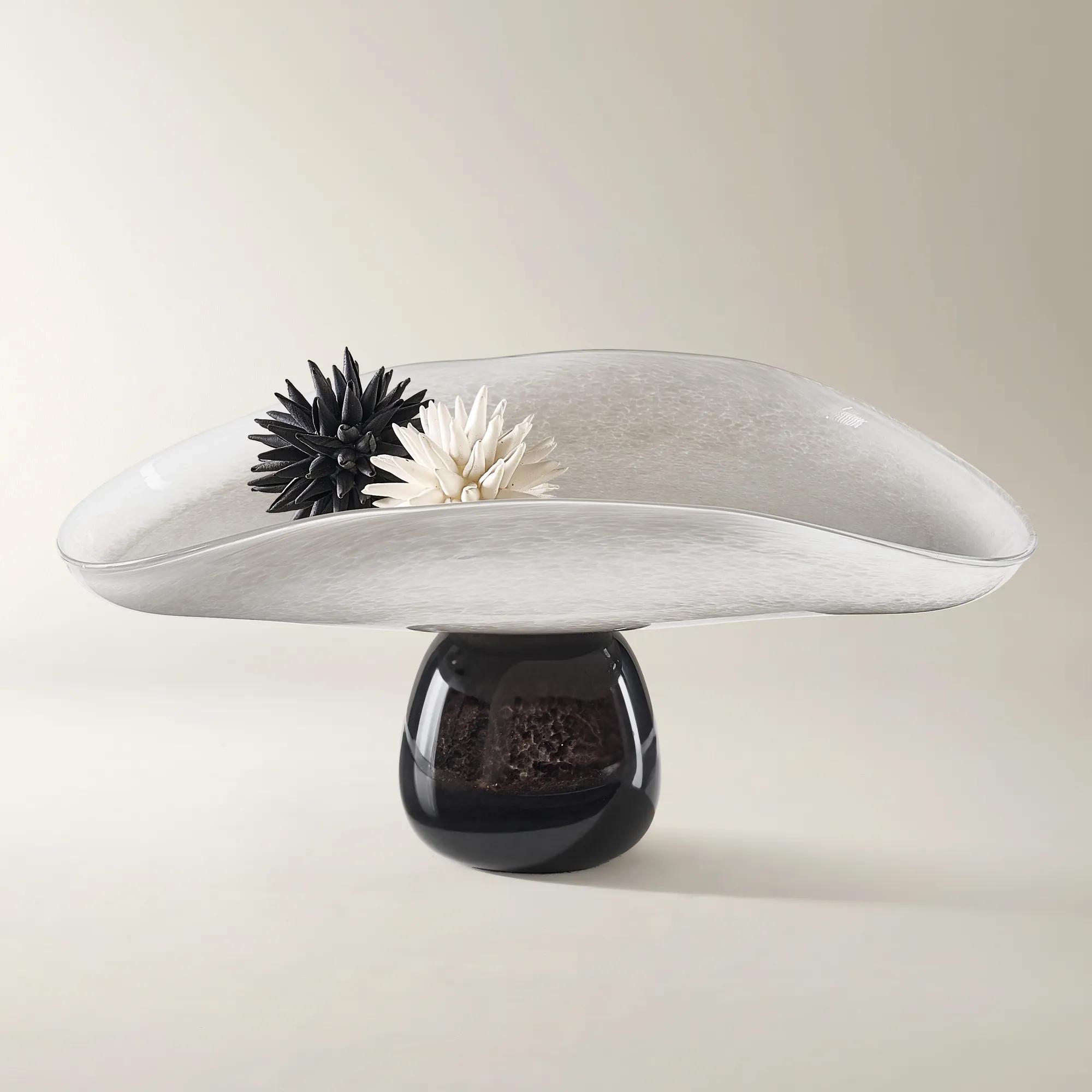 Elois Mouth Blown White Black Pedestal Bowl 14.5" x 7"$149
A handblown glass pedestal bowl featuring striking black and white contrast for a sculptural, modern accent.
Add To Cart -
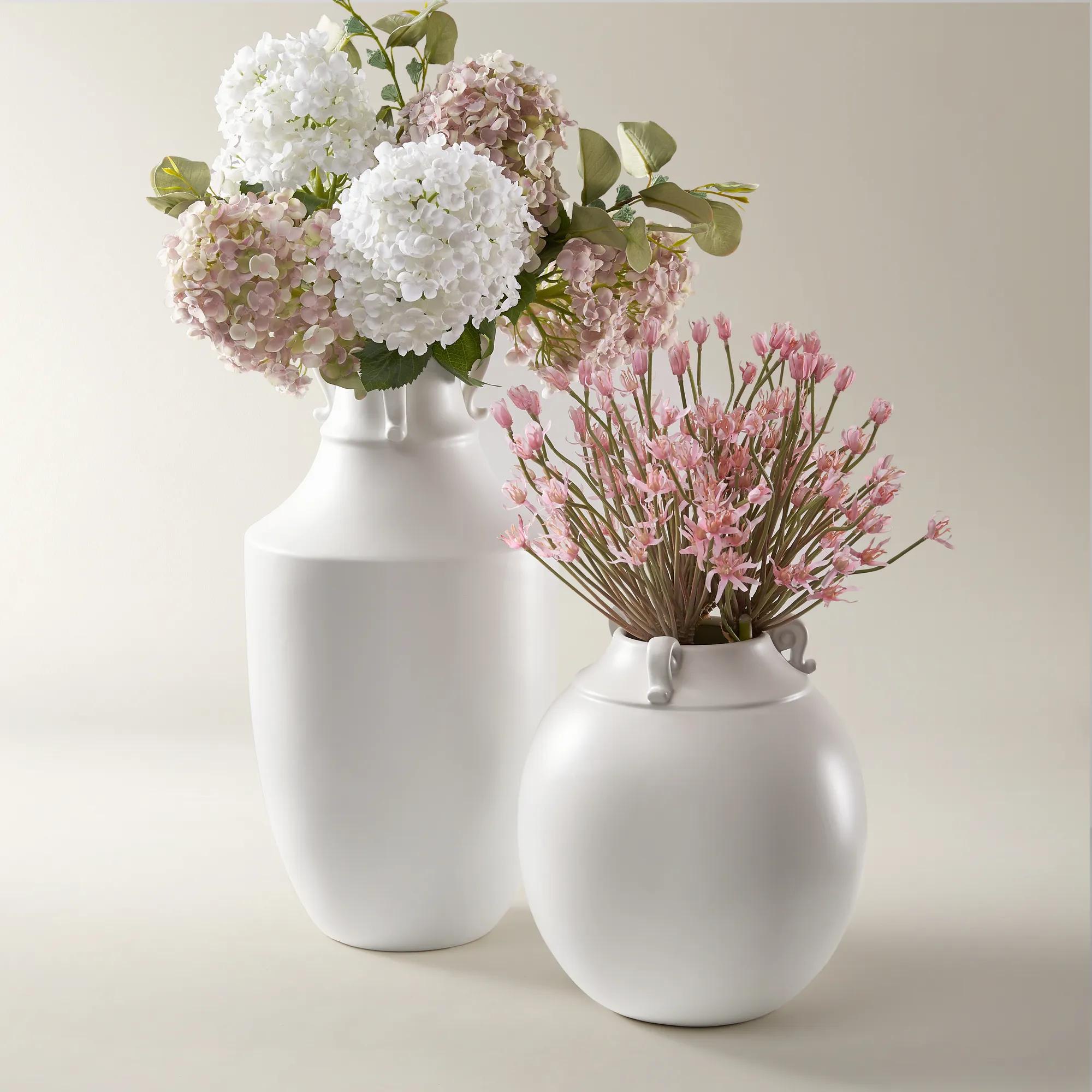 Amora Vase$119
A graceful white ceramic vase featuring smooth curves for a refined, contemporary accent to any space.
Add To Cart -
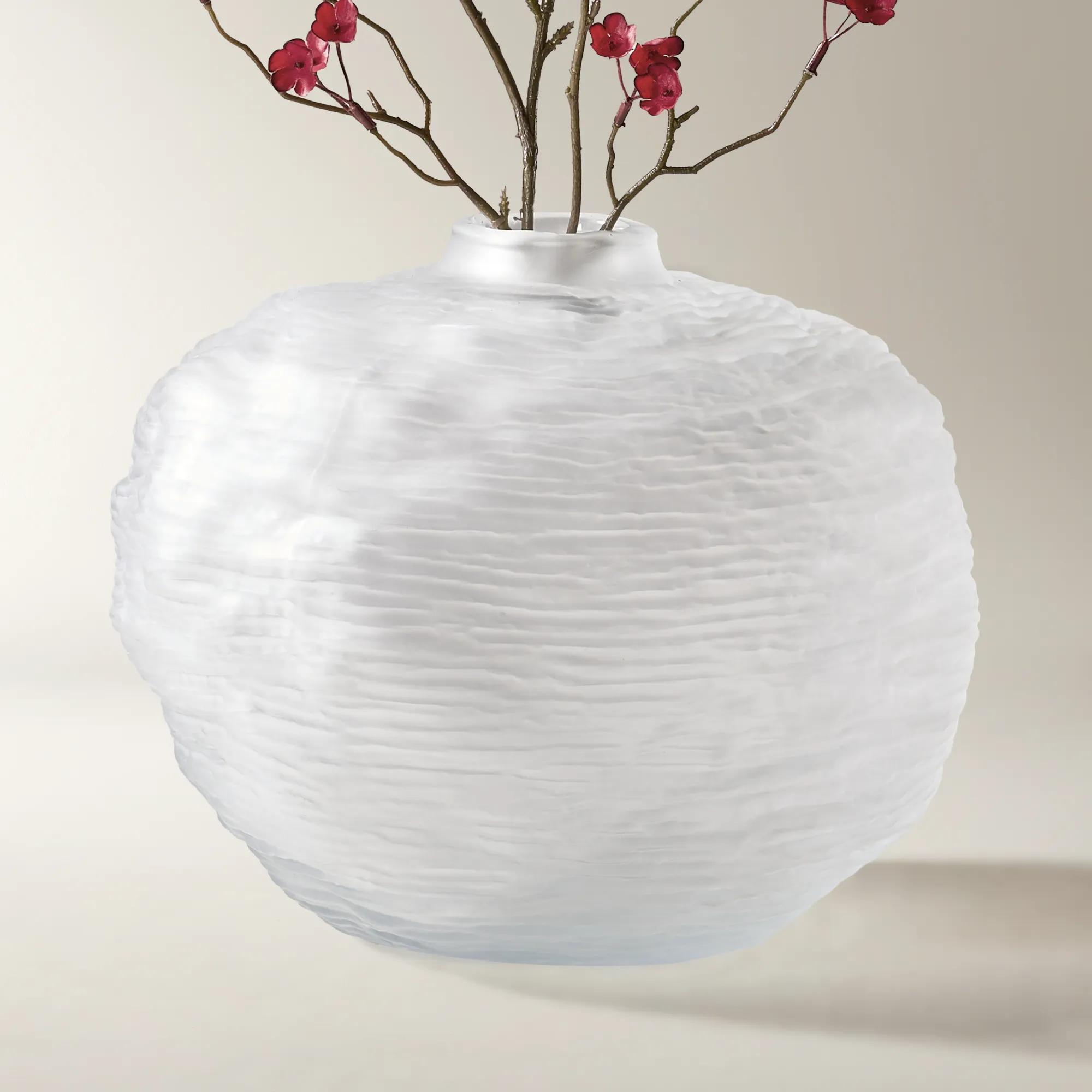 Lucid Mouth Blown Frosted Glass Vase 9.25"$99
A handblown frosted white glass vase with a sculptural, softly textured surface for modern elegance.
Add To Cart -
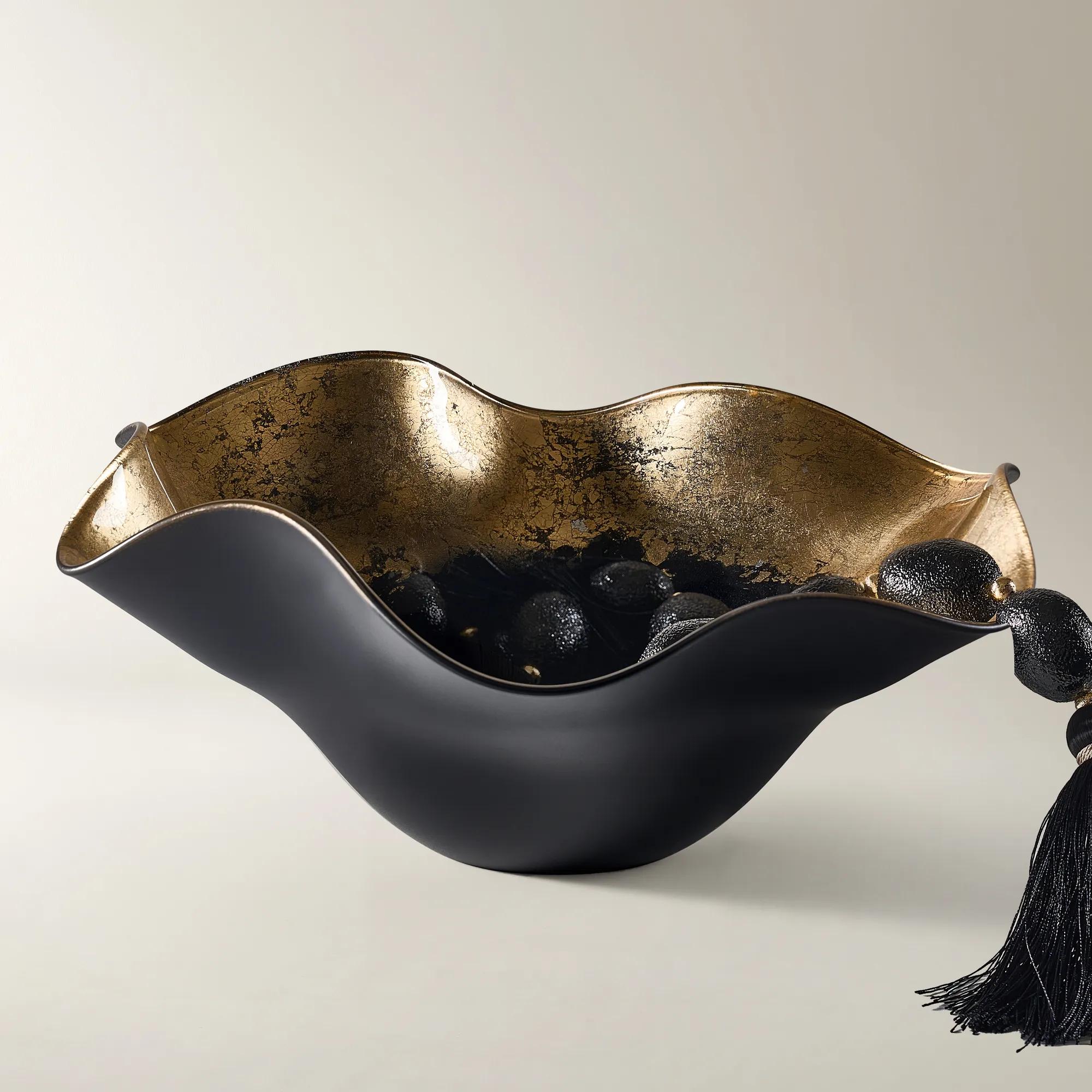
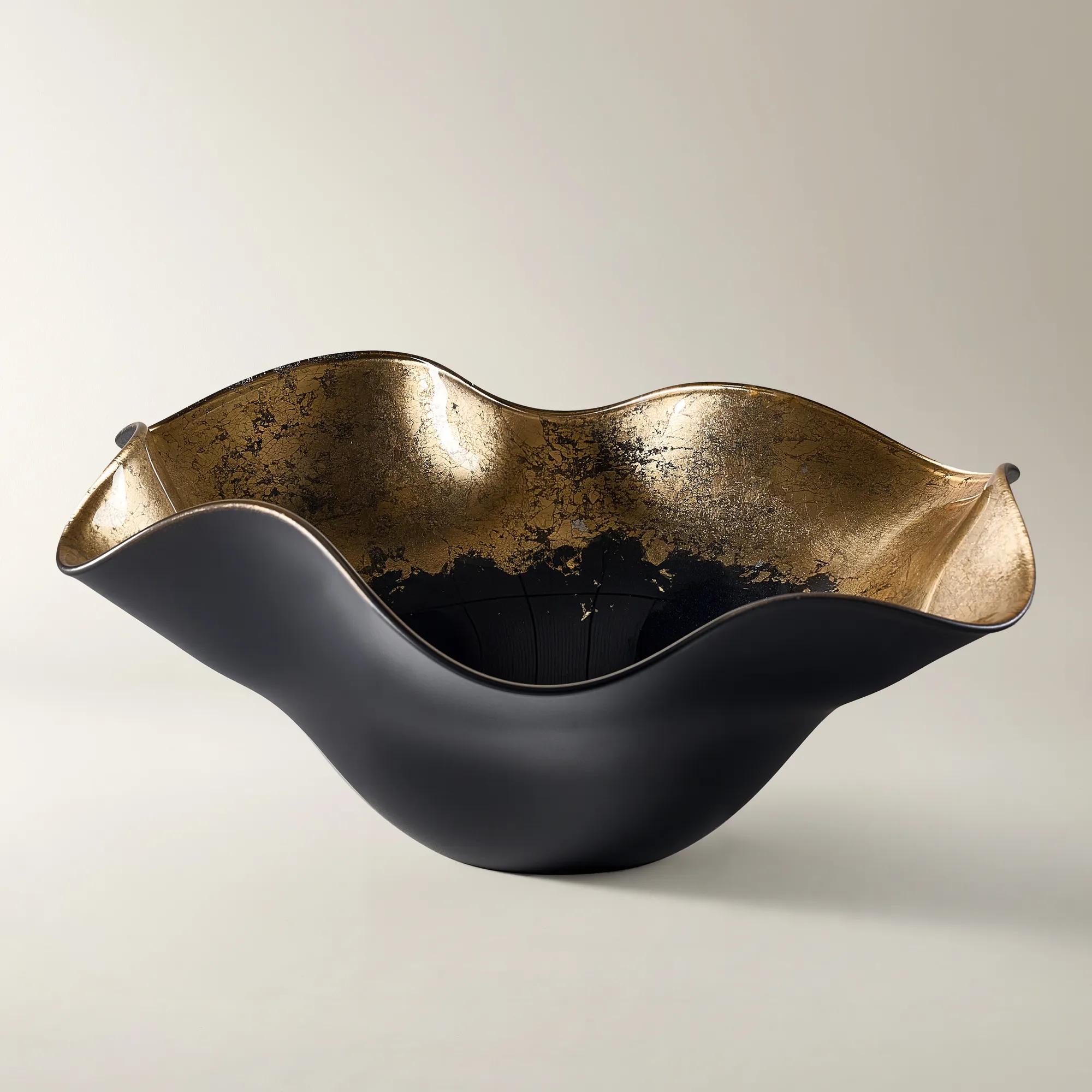 Goldie Mouth Blown Gold Black Glass Decorative Bowl 15.5" x 8.75"$199
A handblown glass bowl in soft gold and black with an organic, sculptural silhouette for modern decor.
Add To Cart -
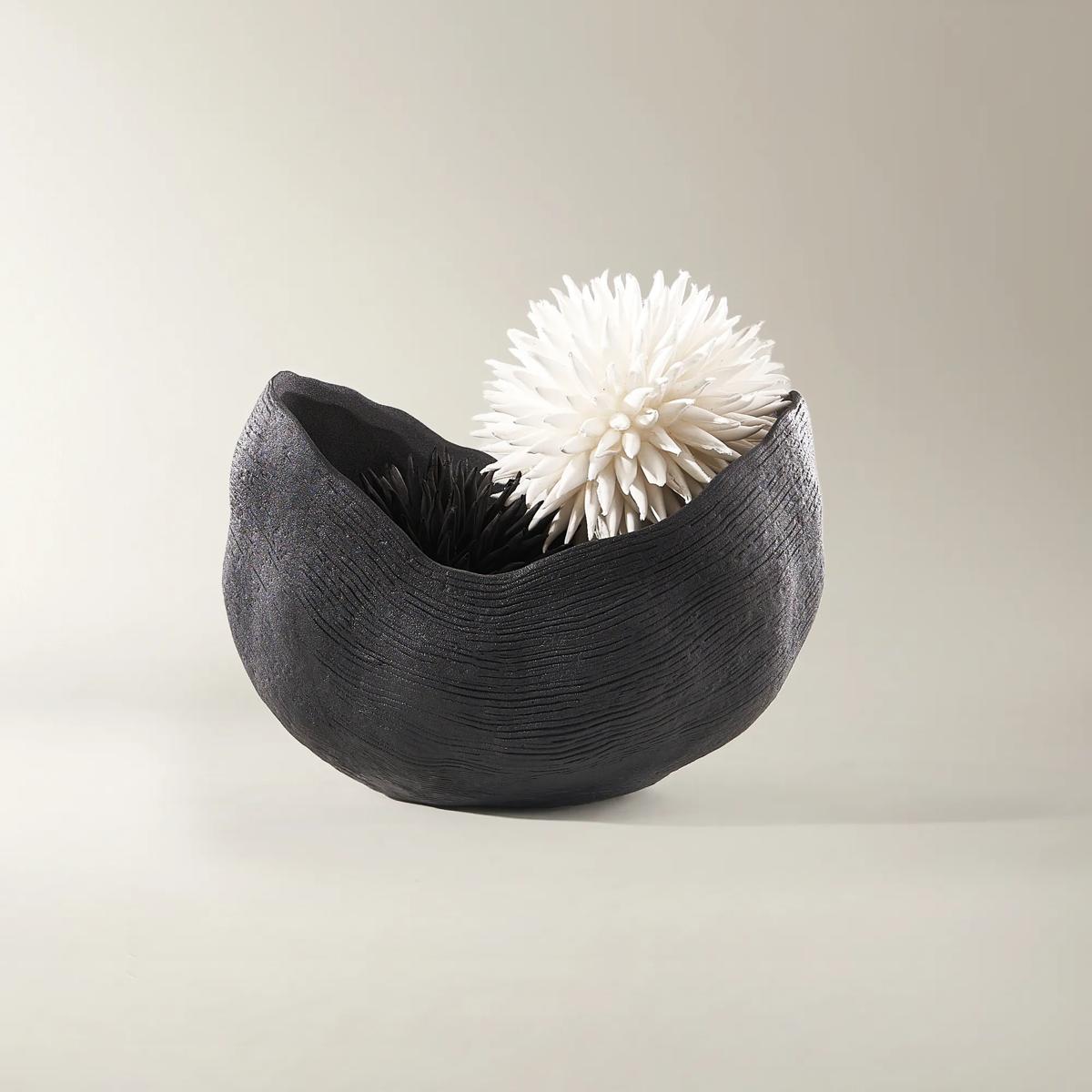 Baz Bowl - Black$119
A sculptural black porcelain bowl with a matte, ridged texture for bold, modern decor accents.
Add To Cart -
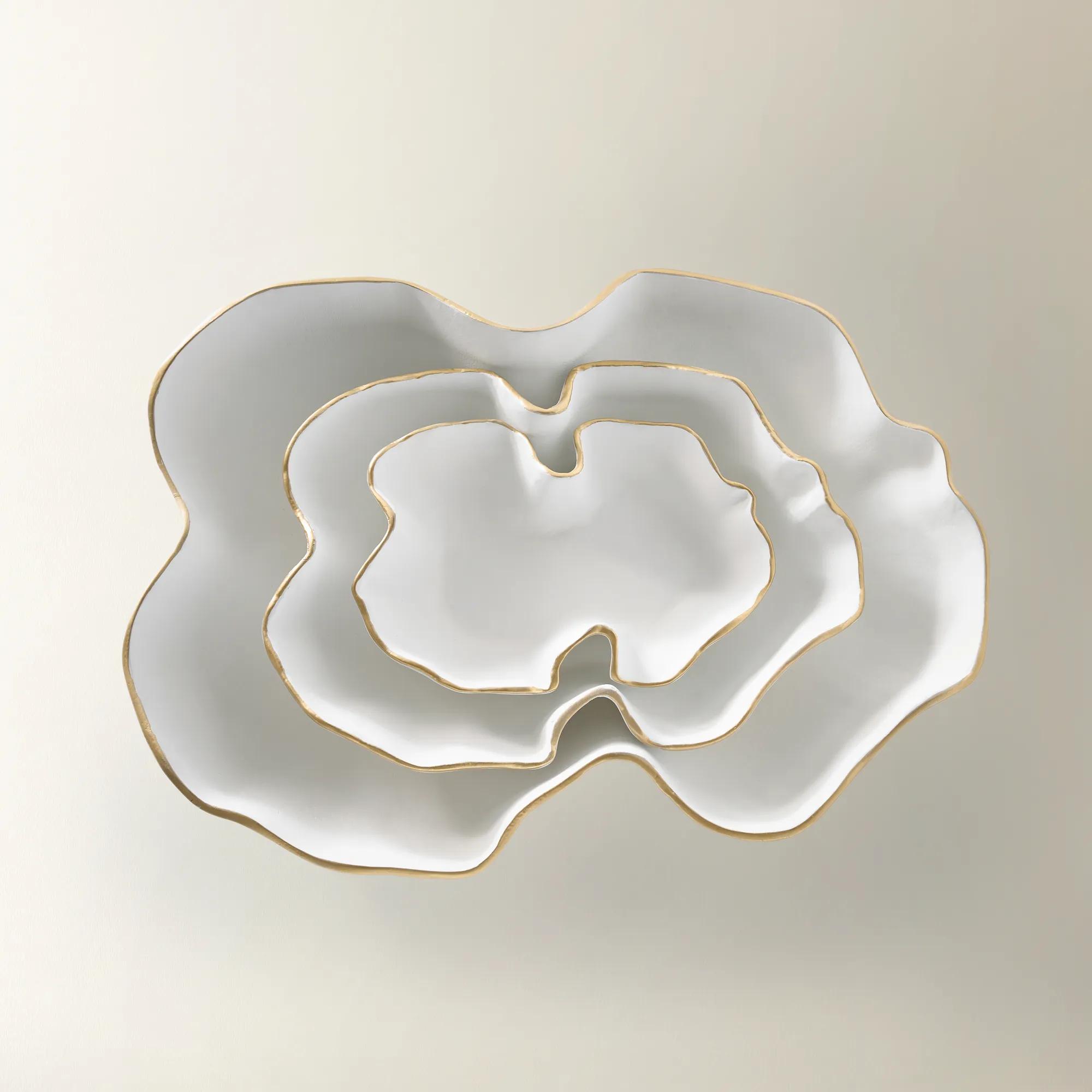 Lava White Gold Aluminum Decorative Nesting Bowls$39
A glossy white aluminum bowl with a golden rim, offering modern elegance for decorative display.
Add To Cart -
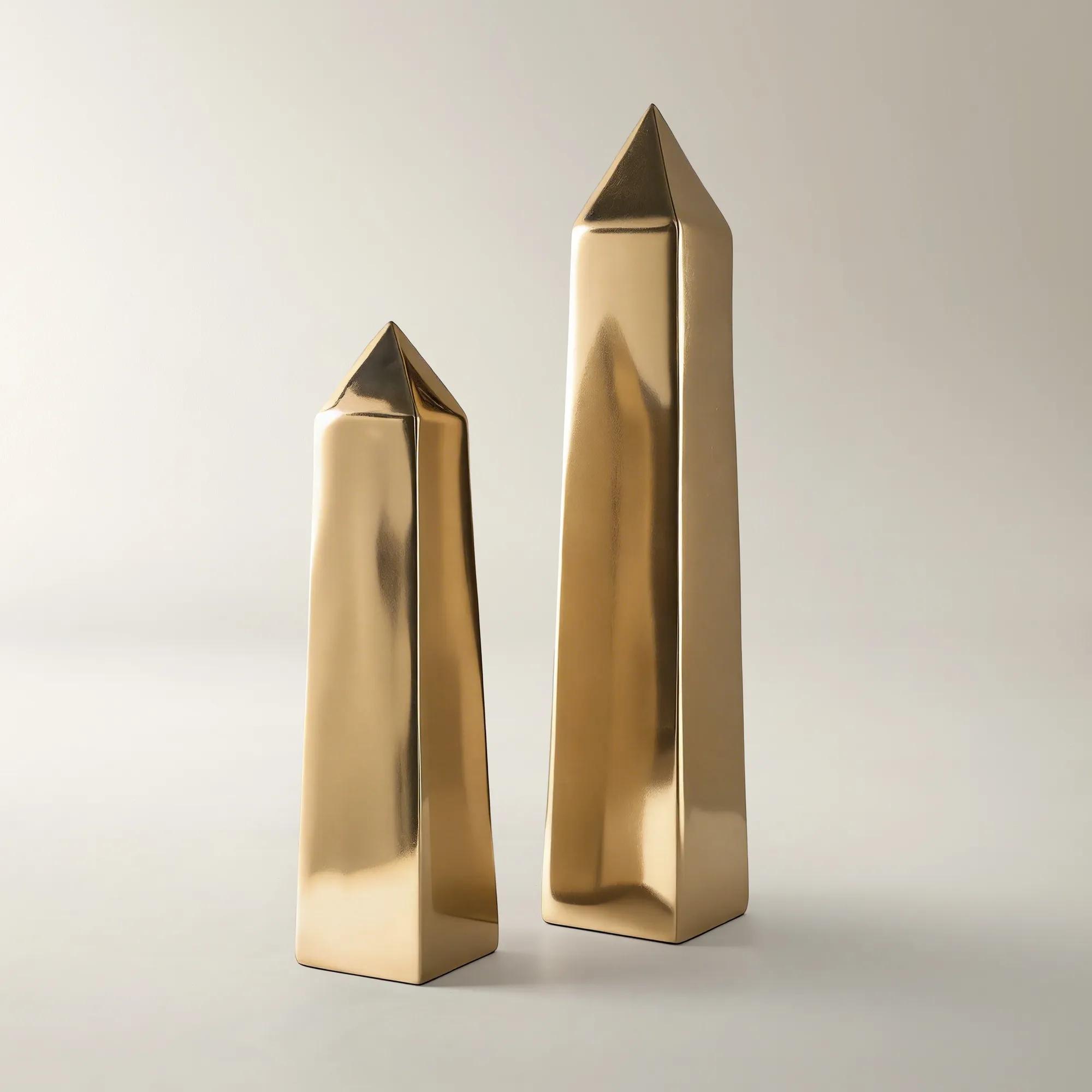
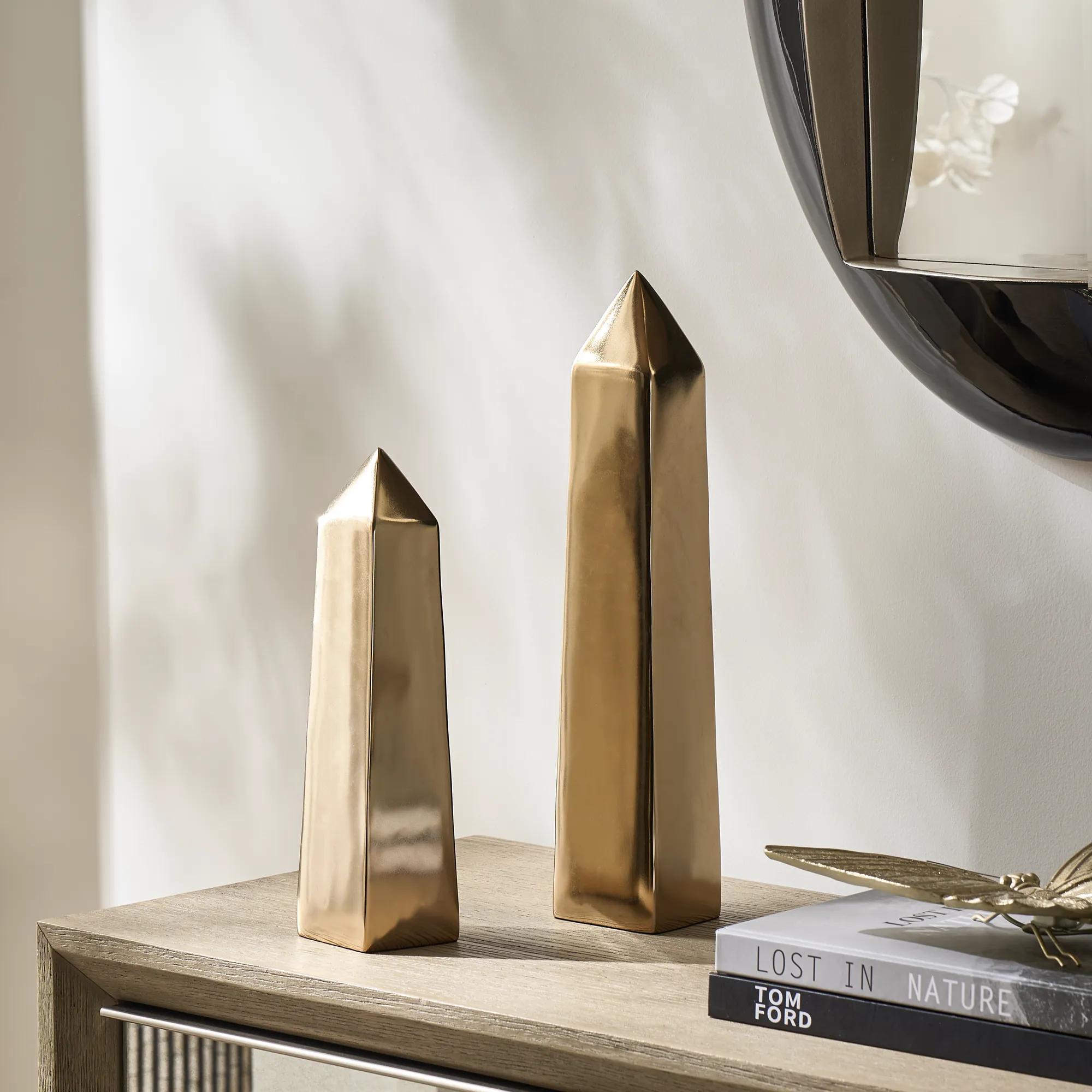 Golden Aluminum Obelisks$59
A sculptural aluminum accent in a soft gold finish that adds modern glamour and architectural drama.
Add To Cart -

 Collins Hand-Cast Gold Aluminum Decorative Pedestal Bowl 23.5" x 5"$79
A gold nickel-plated aluminum bowl with a rectangular pedestal base for striking decorative display.
Add To Cart -
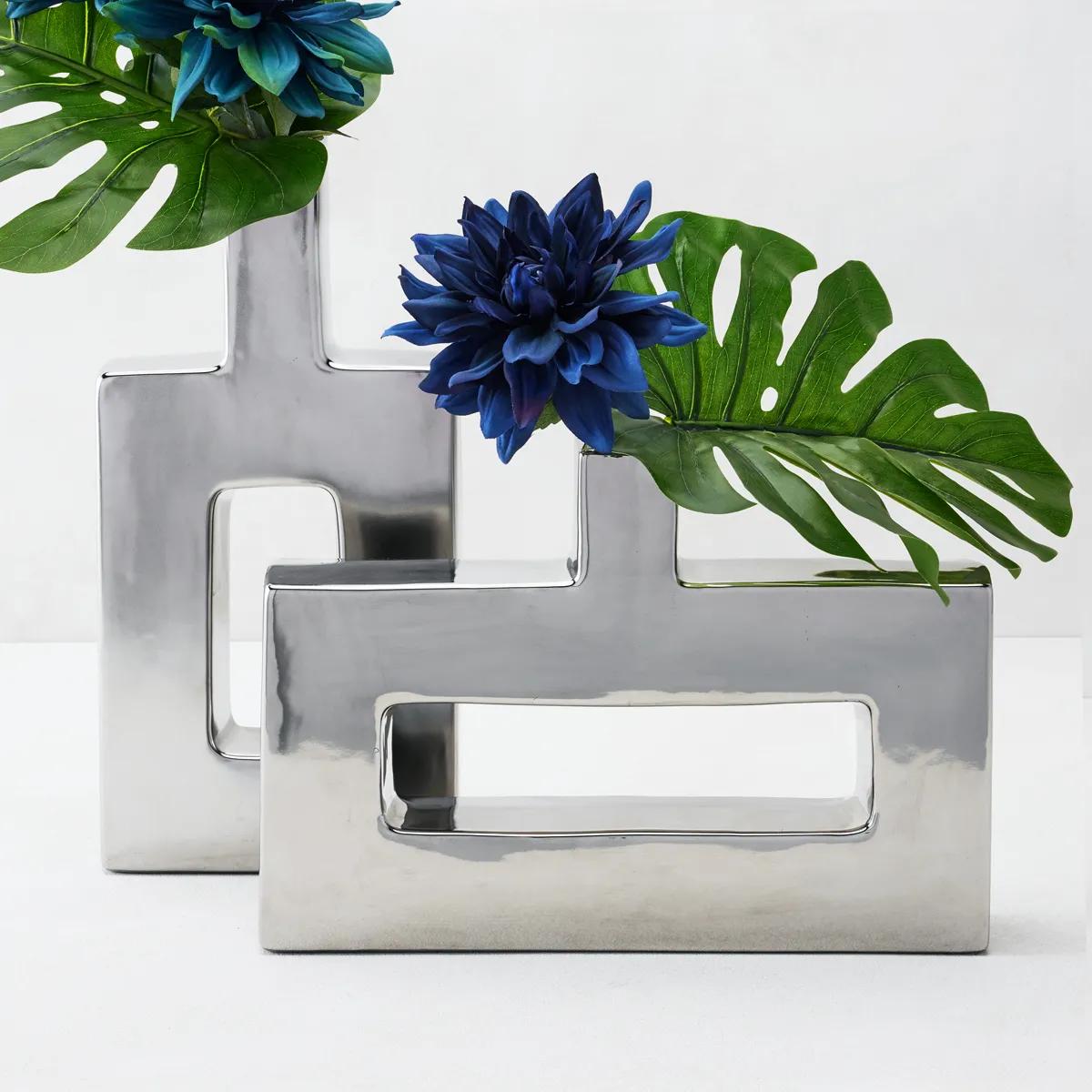 Miami Silver Ceramic High Gloss Vase 11.75"$69
A contemporary silver ceramic vase with a stylish gold glaze, perfect for decorative foliage or display.
Add To Cart -
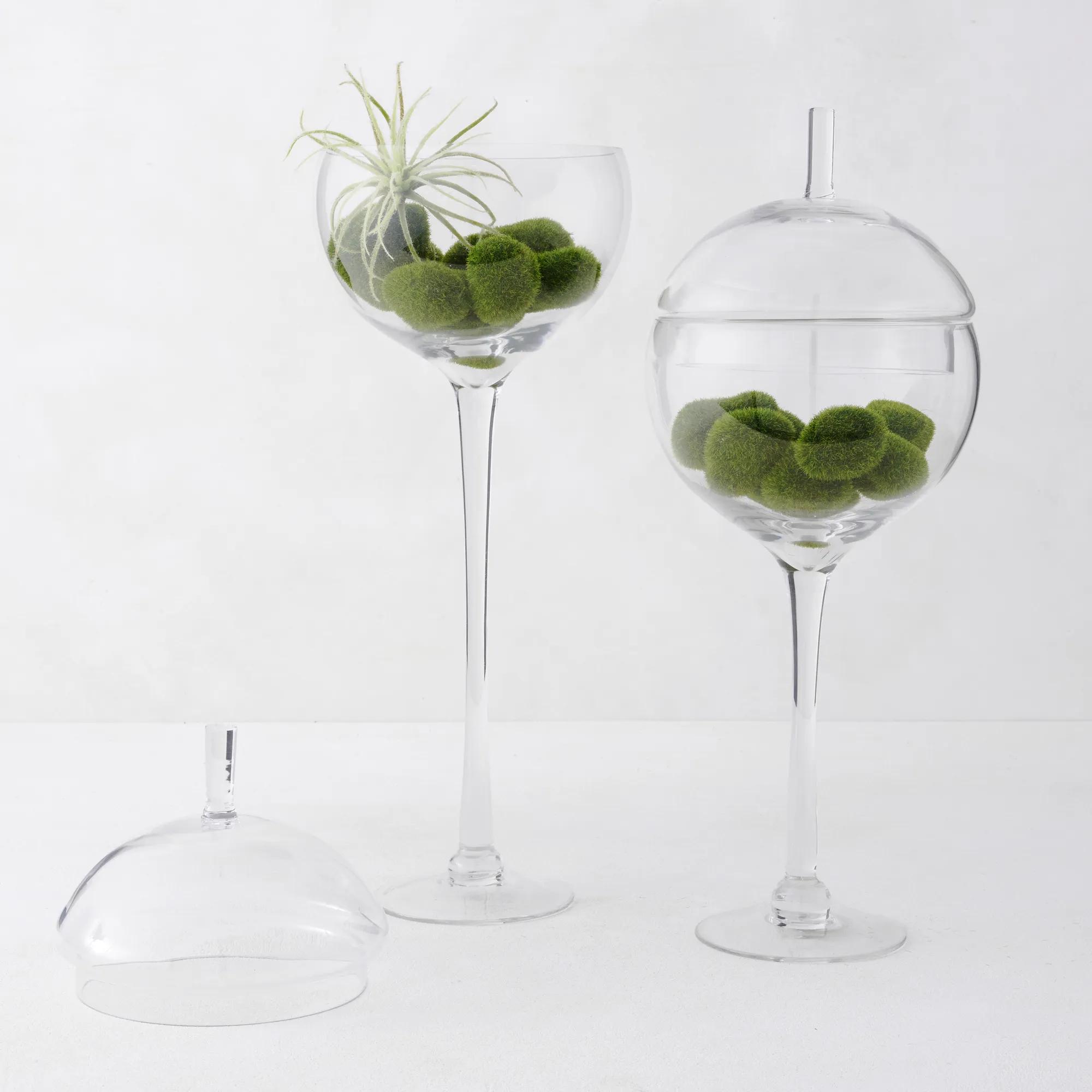 Jules Glass Decorative Canisters$89
A mouthblown glass terrarium perfect for showcasing decorative objects or cherished keepsakes.
Add To Cart -
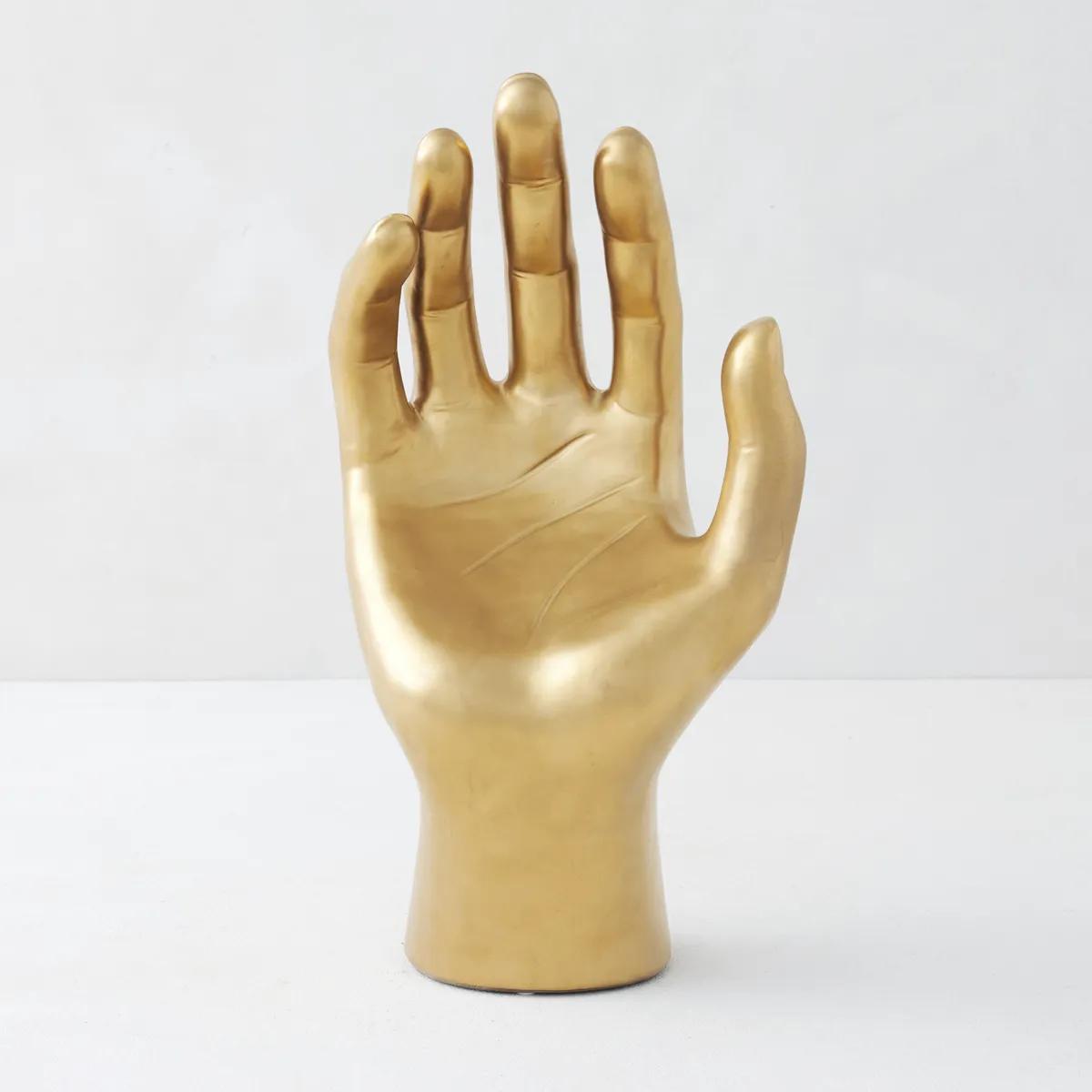
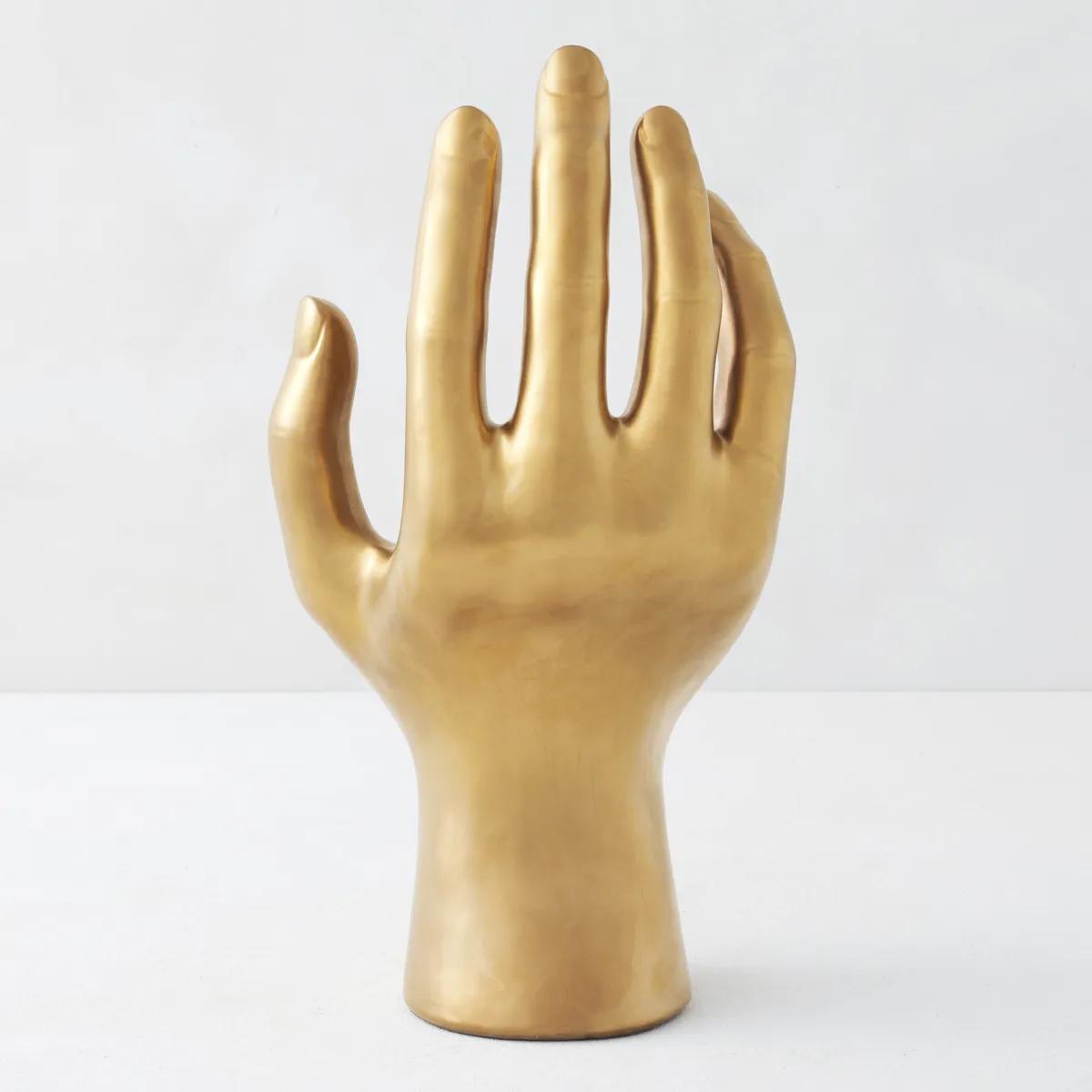 Ceramic Hand Metallic Gold Decorative Object 17.75"$69
A striking ceramic sculpture with a metallic gold finish, perfect for displaying jewelry or as decor.
Add To Cart -
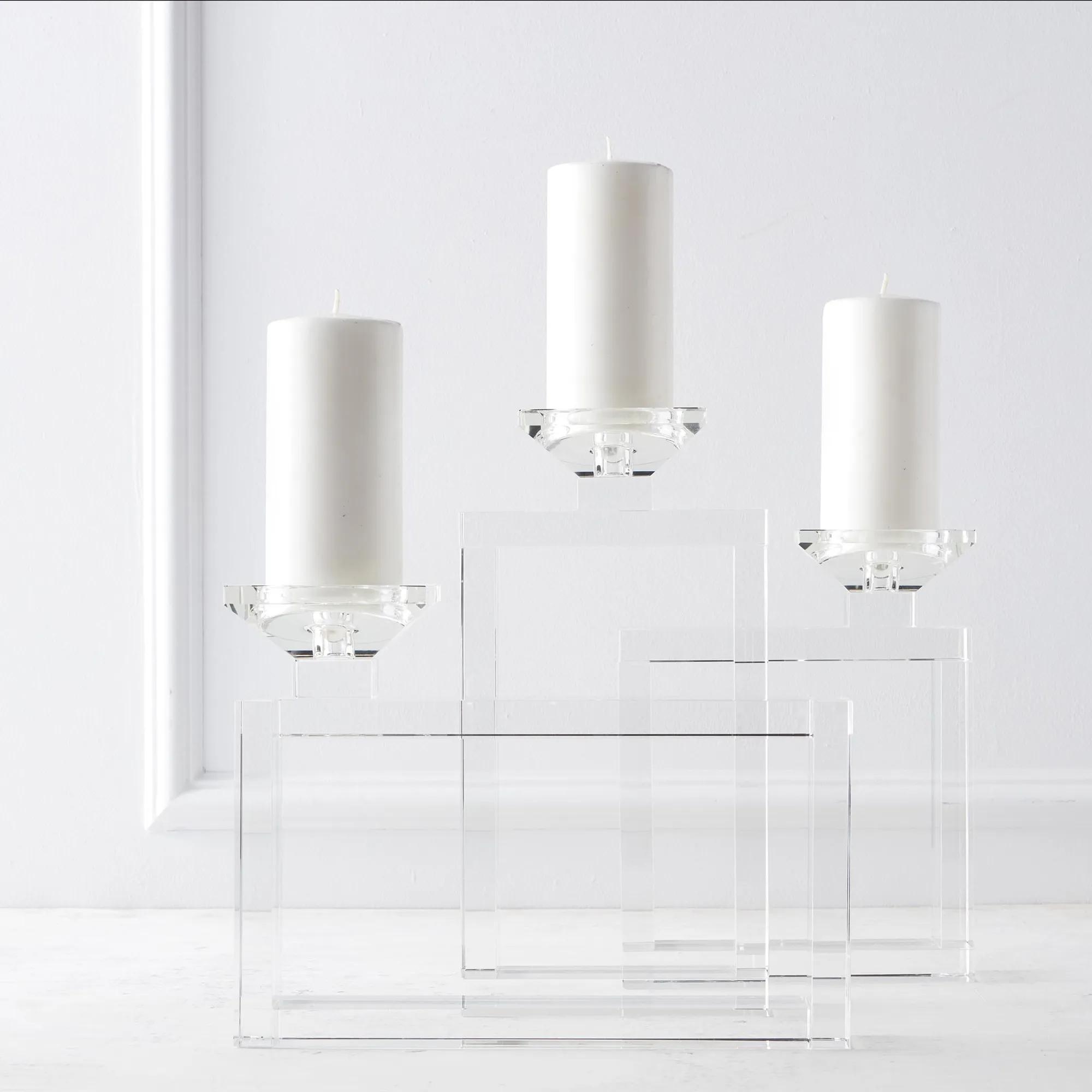
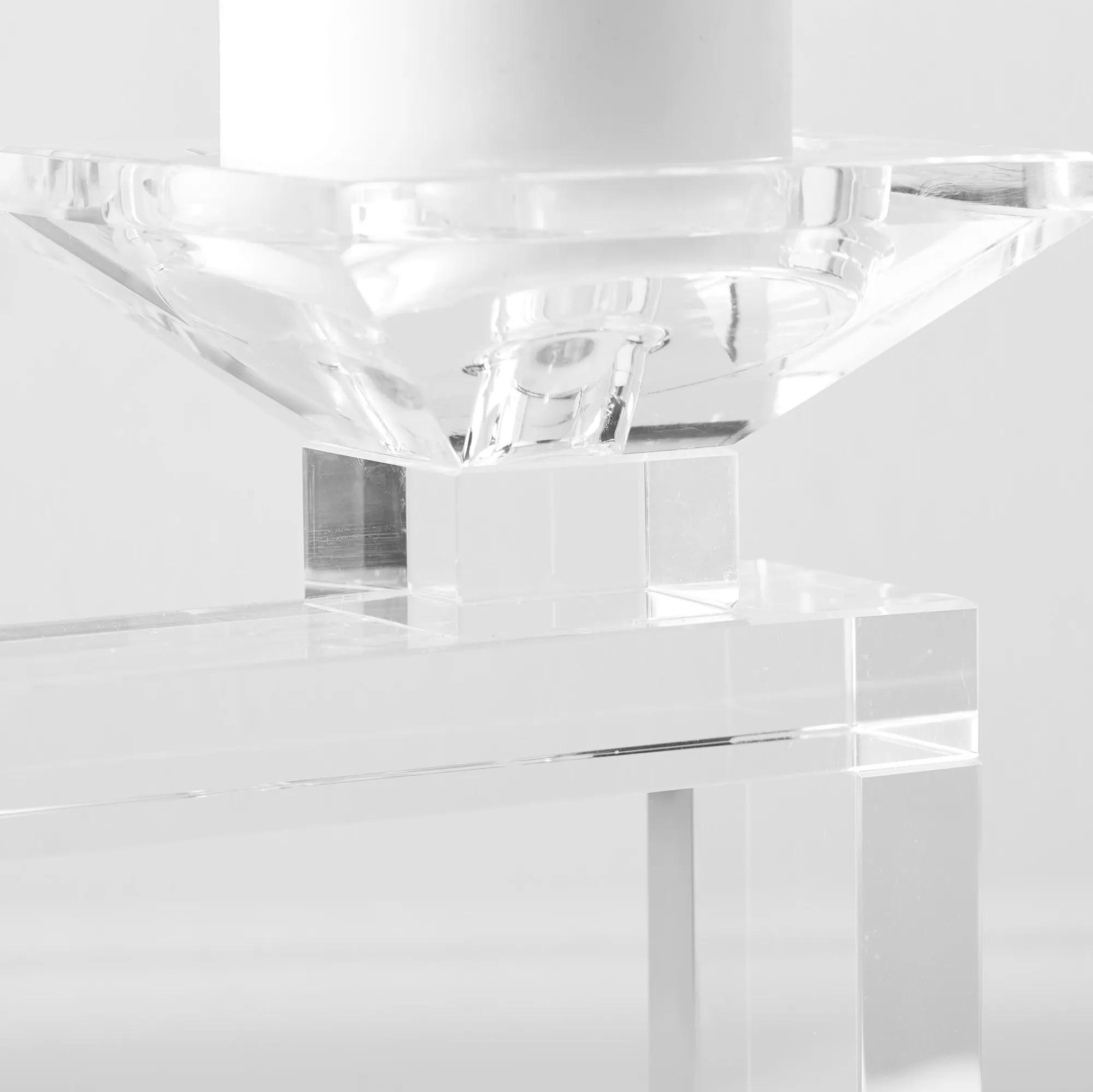 Linx Clear Crystal Glass Pillar Holders$119
A sparkling clear crystal glass holder with an open geometric base for standard pillar candles.
Add To Cart -
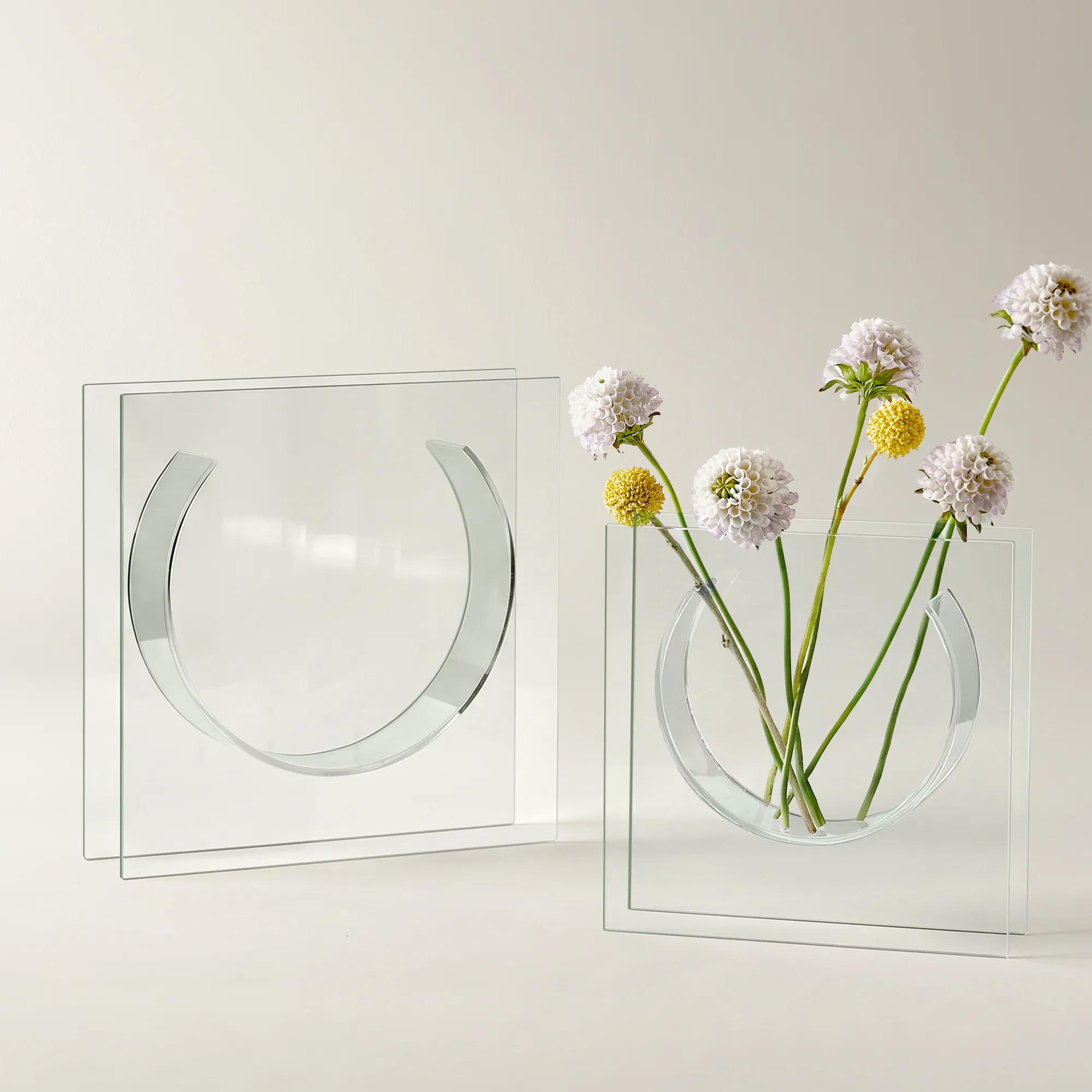
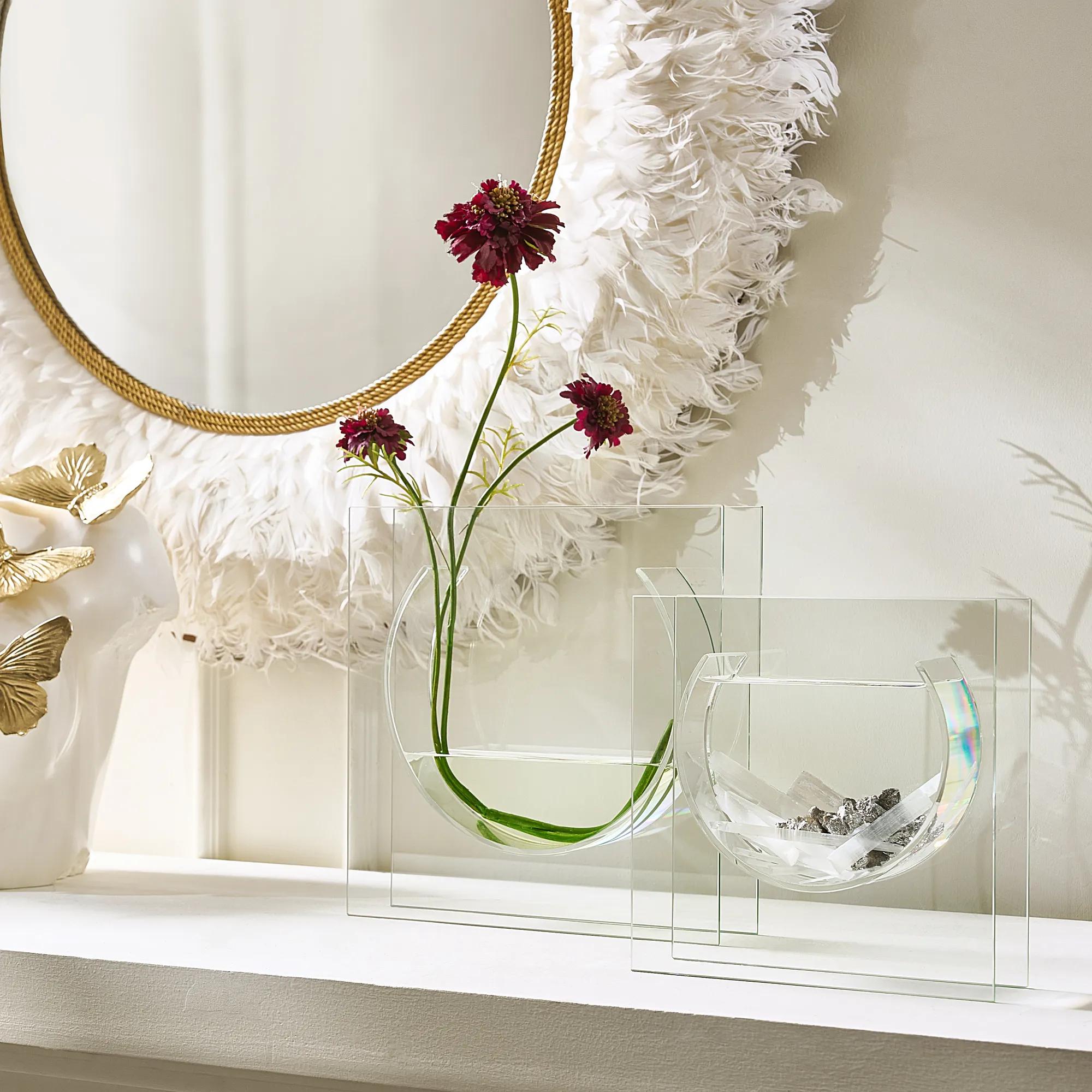 Solaris Clear Glass Vases$39
A bold modern vase crafted from clear glass with an elliptical bowl between two sleek glass panels.
Add To Cart -
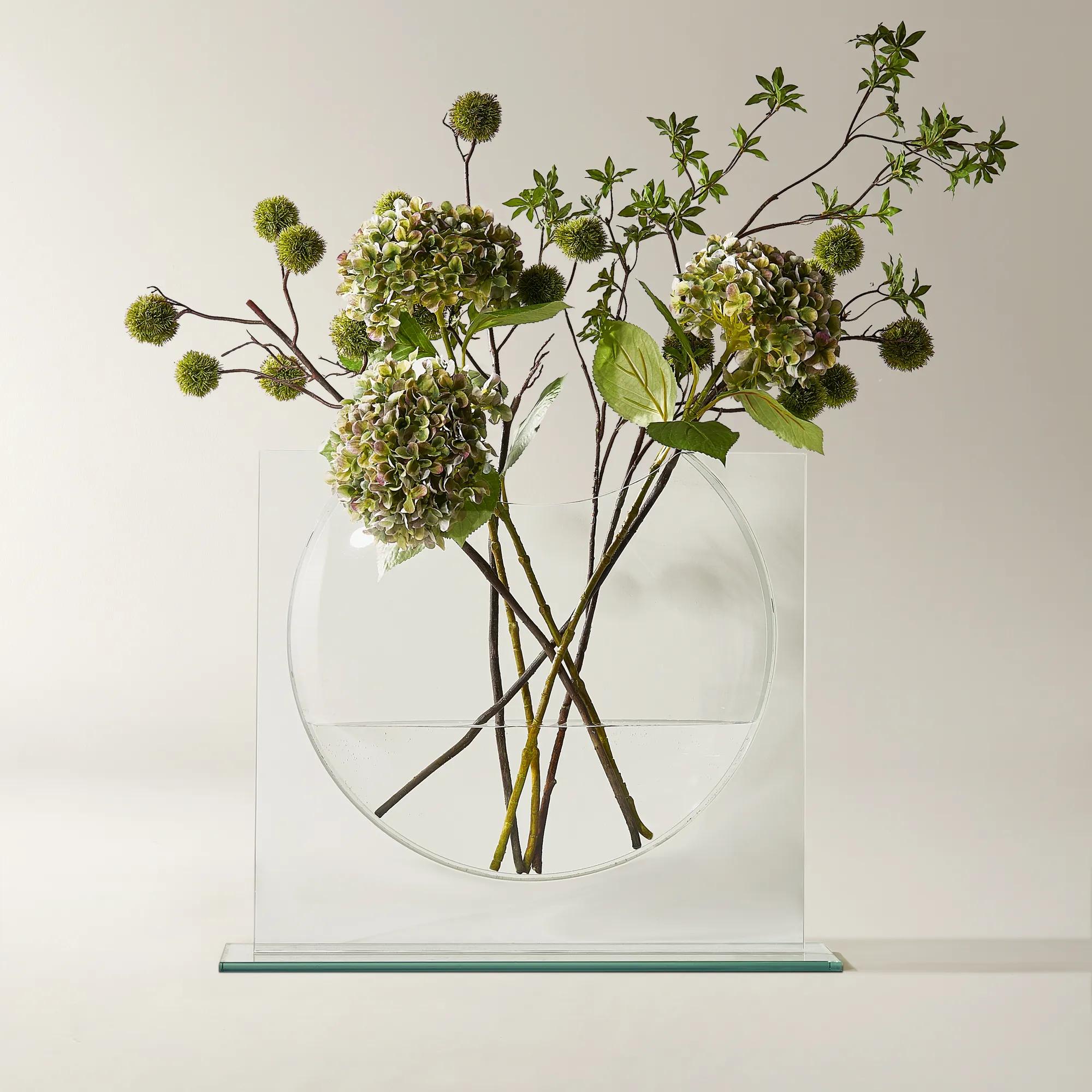
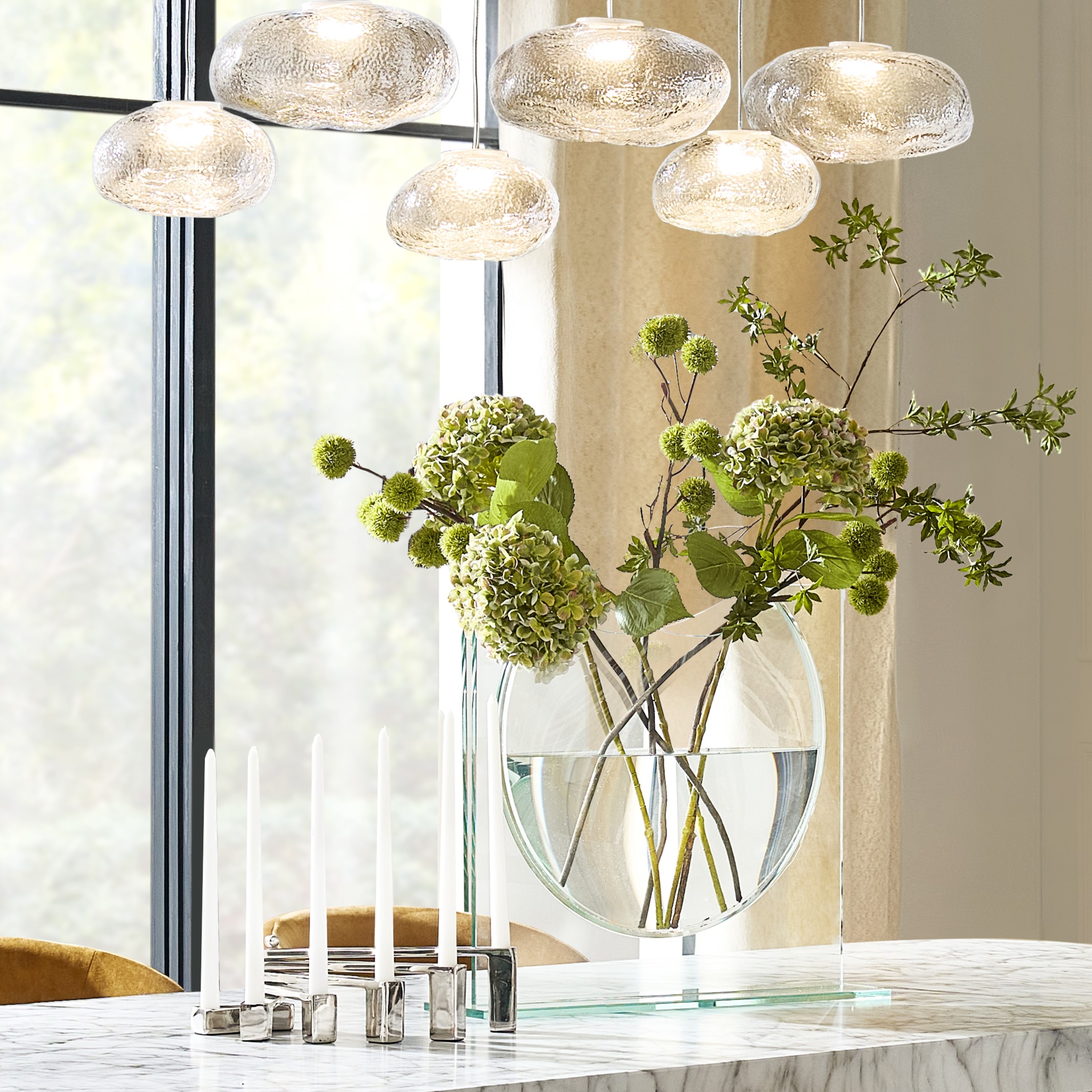 Ellipse Clear Glass Vase 20"$259
A sleek elliptical glass vase offering a modern, functional accent for fresh floral arrangements.
Add To Cart -
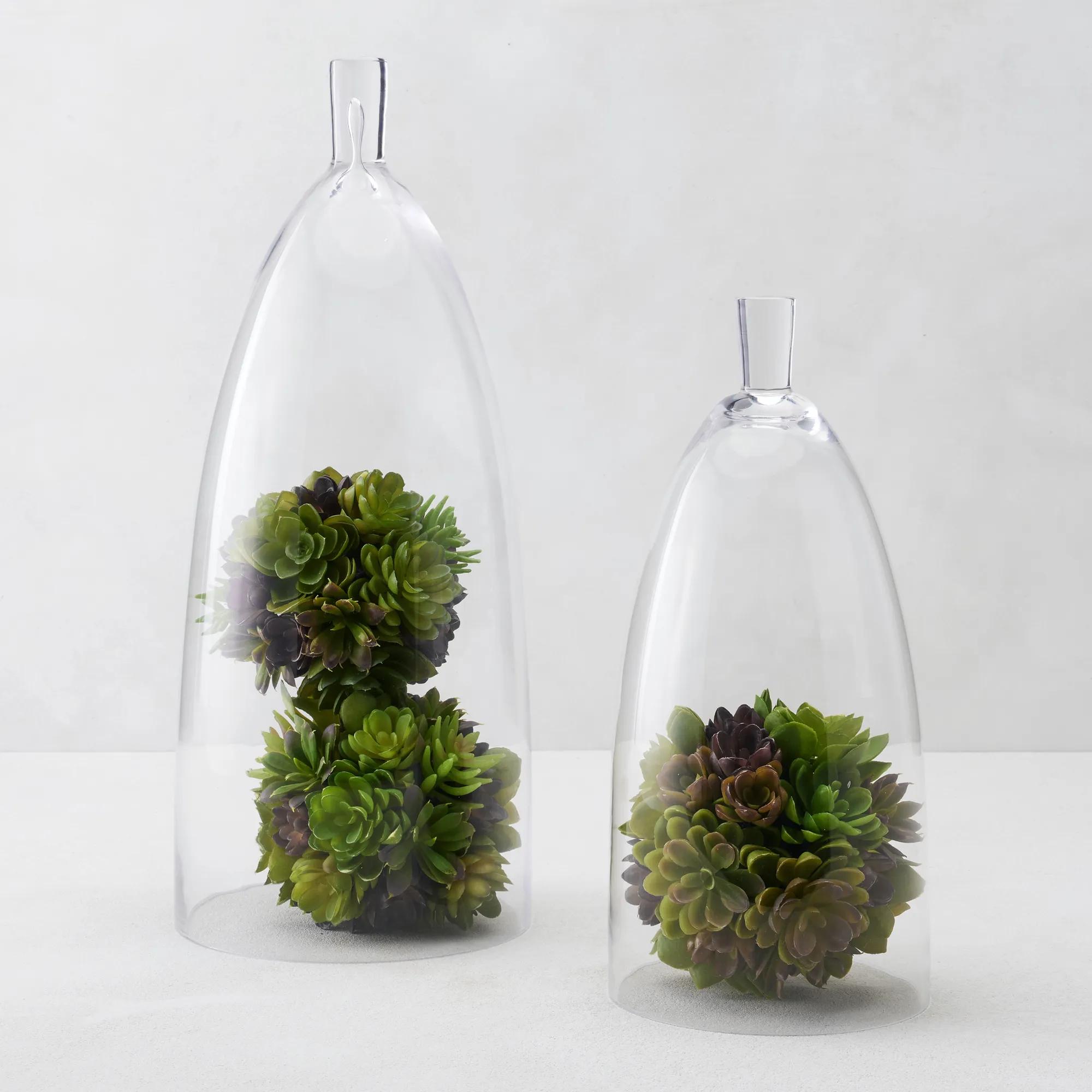 Jules Glass Decorative Cloches$59
A mouthblown glass terrarium perfect for showcasing cherished objects as unique decorative art.
Add To Cart -
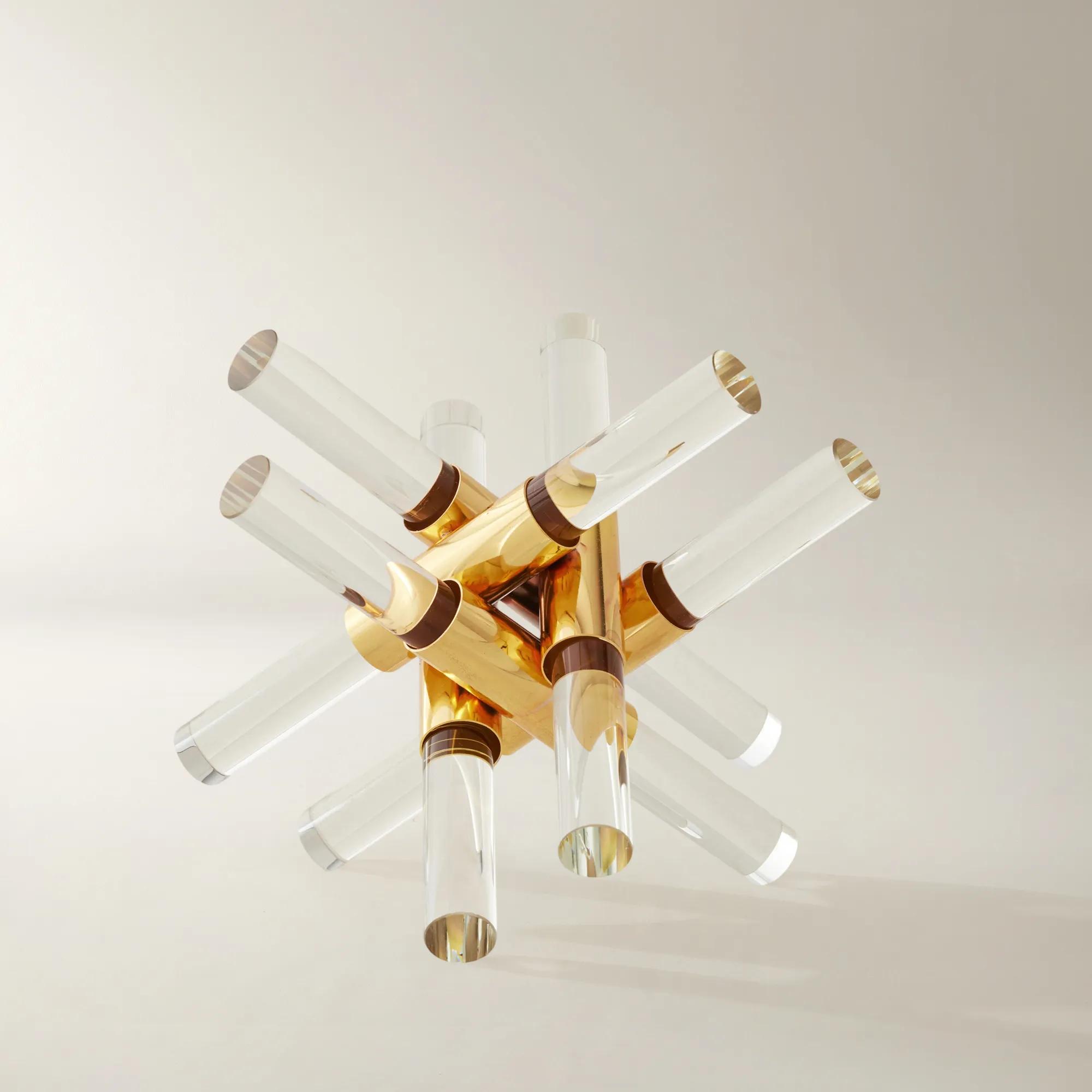
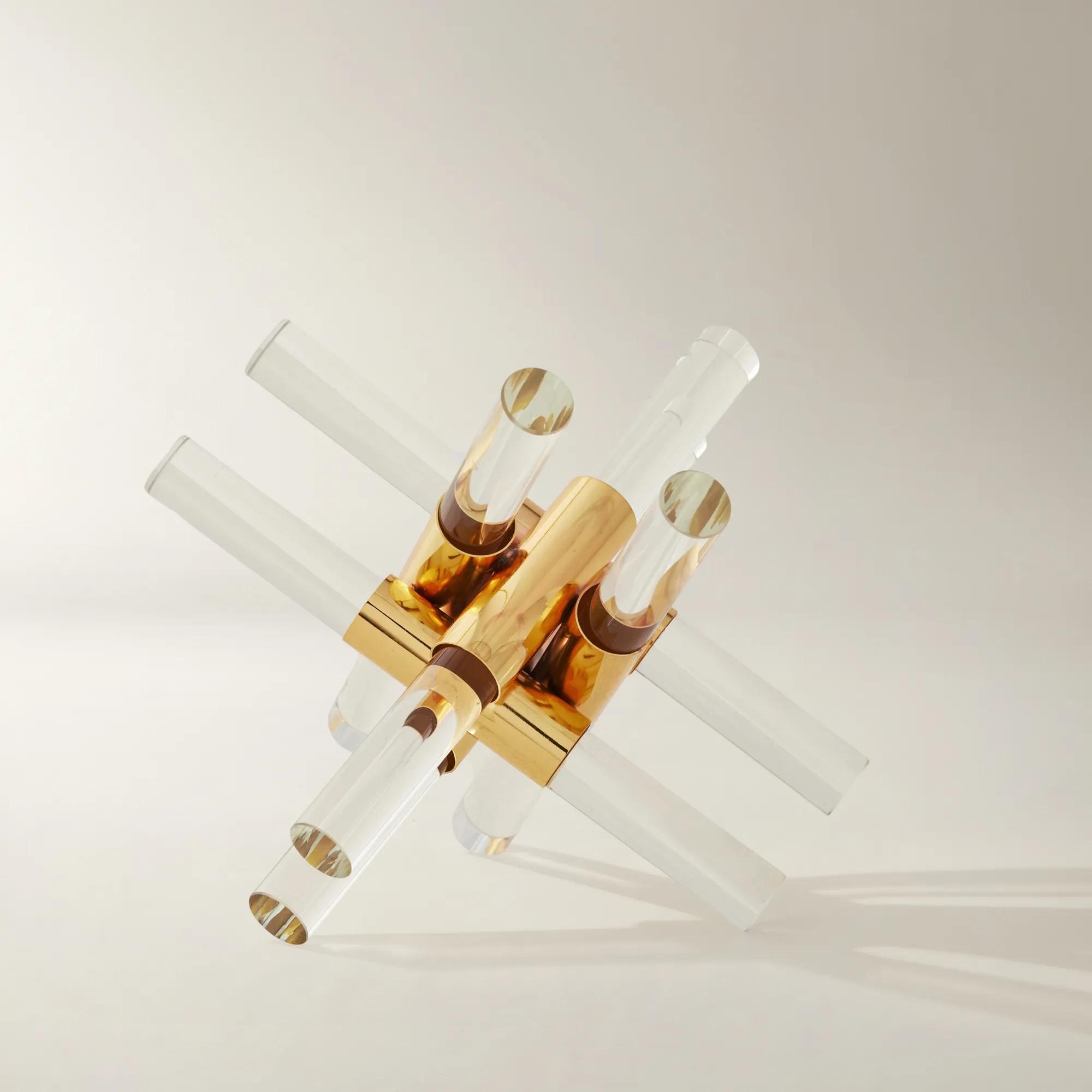 Crystal Glass And Gold Metal Decorative Object 8"$59
A striking decorative accent featuring clear glass rods and gold metal detailing for modern elegance.
Add To Cart -
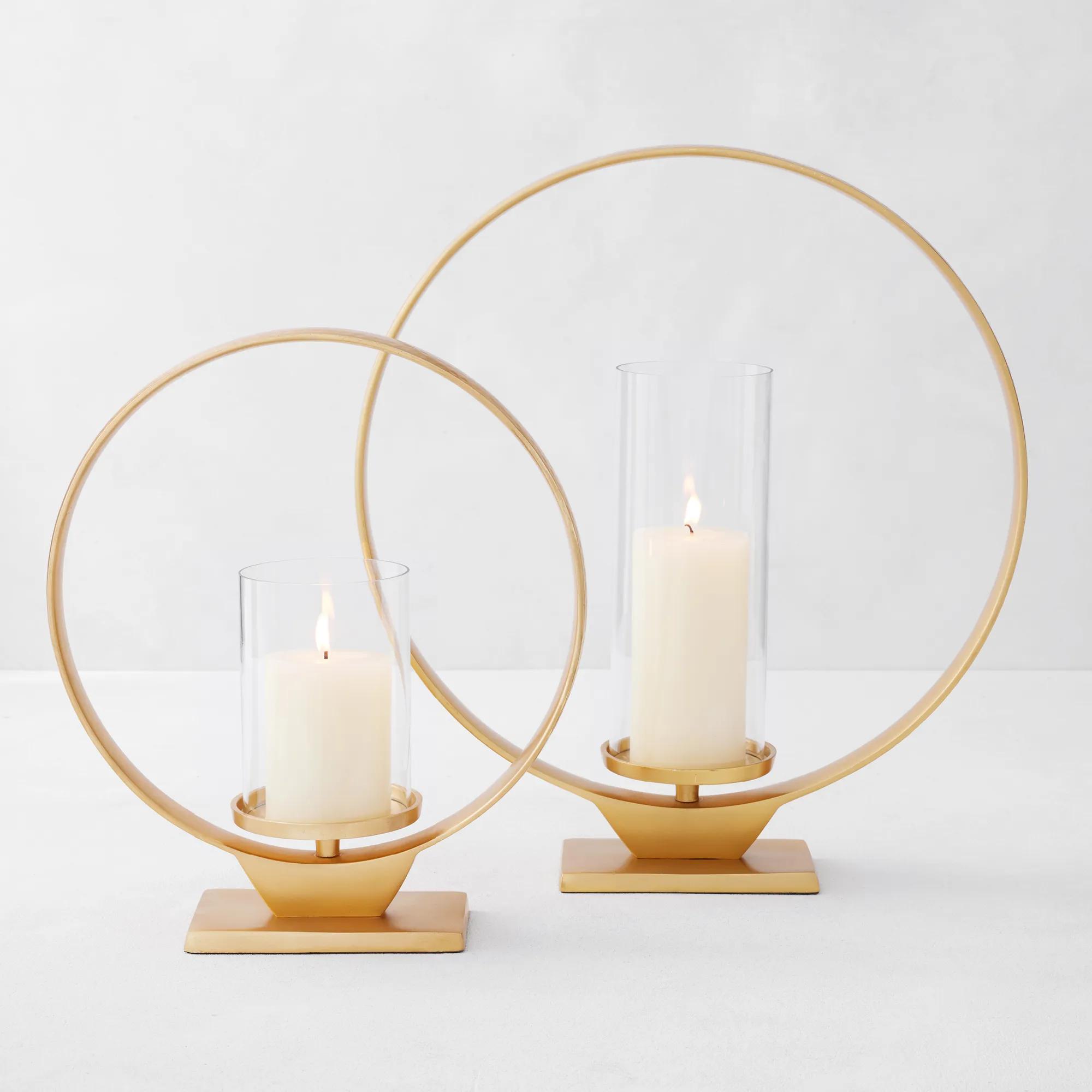
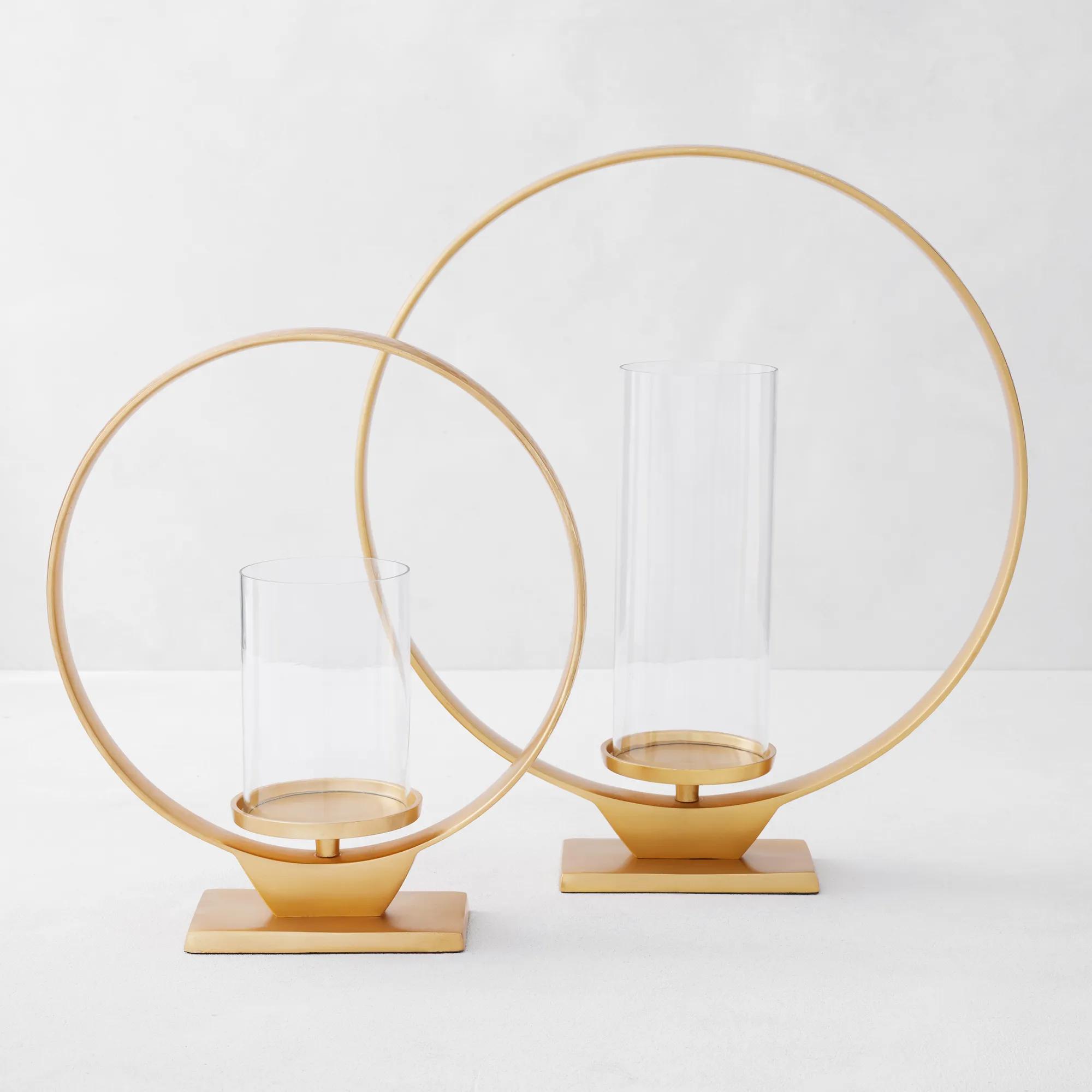 Cirque Pillar Holder$79
A polished gold aluminum pillar holder featuring a hammered metal band and protective glass sleeve for candles.
Add To Cart -
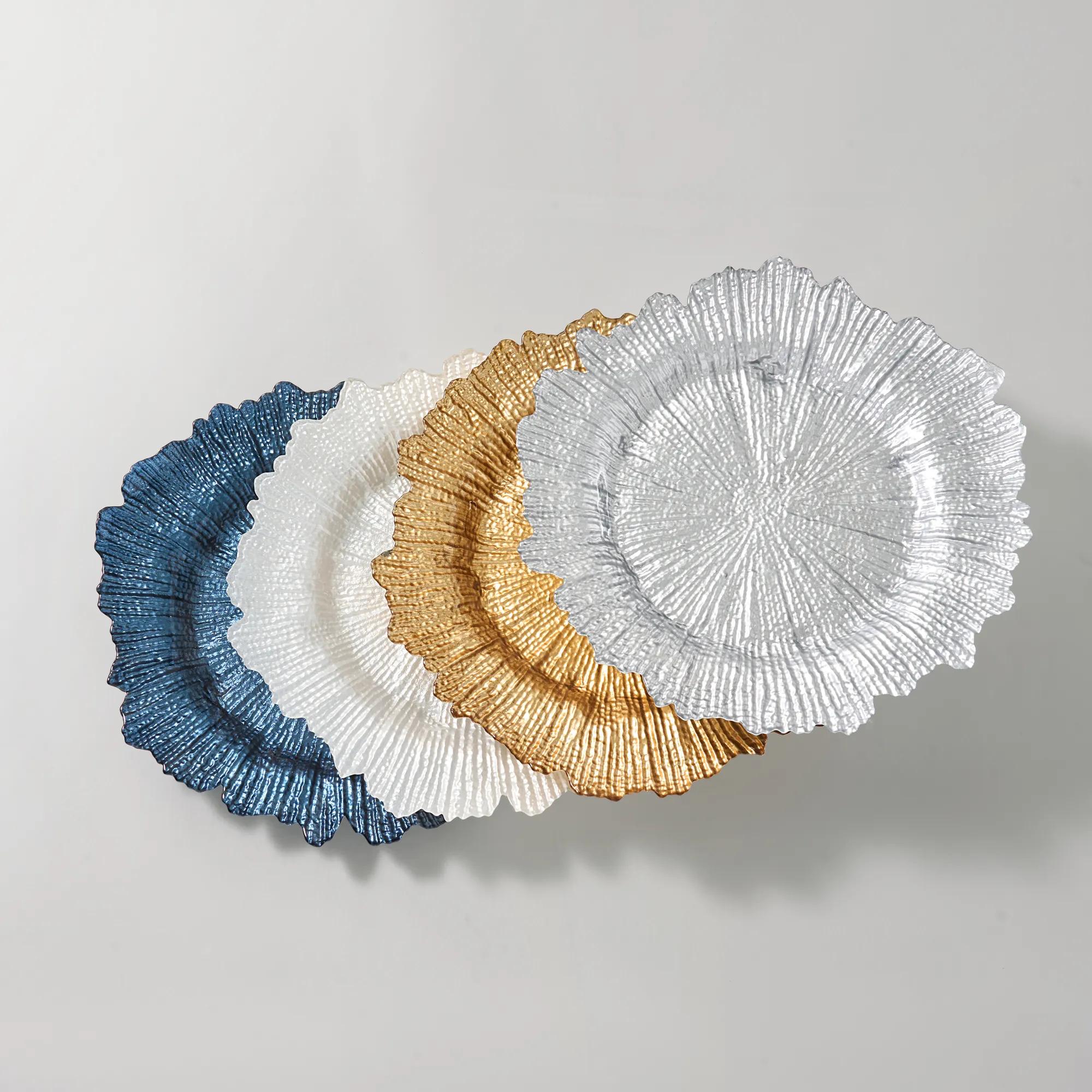
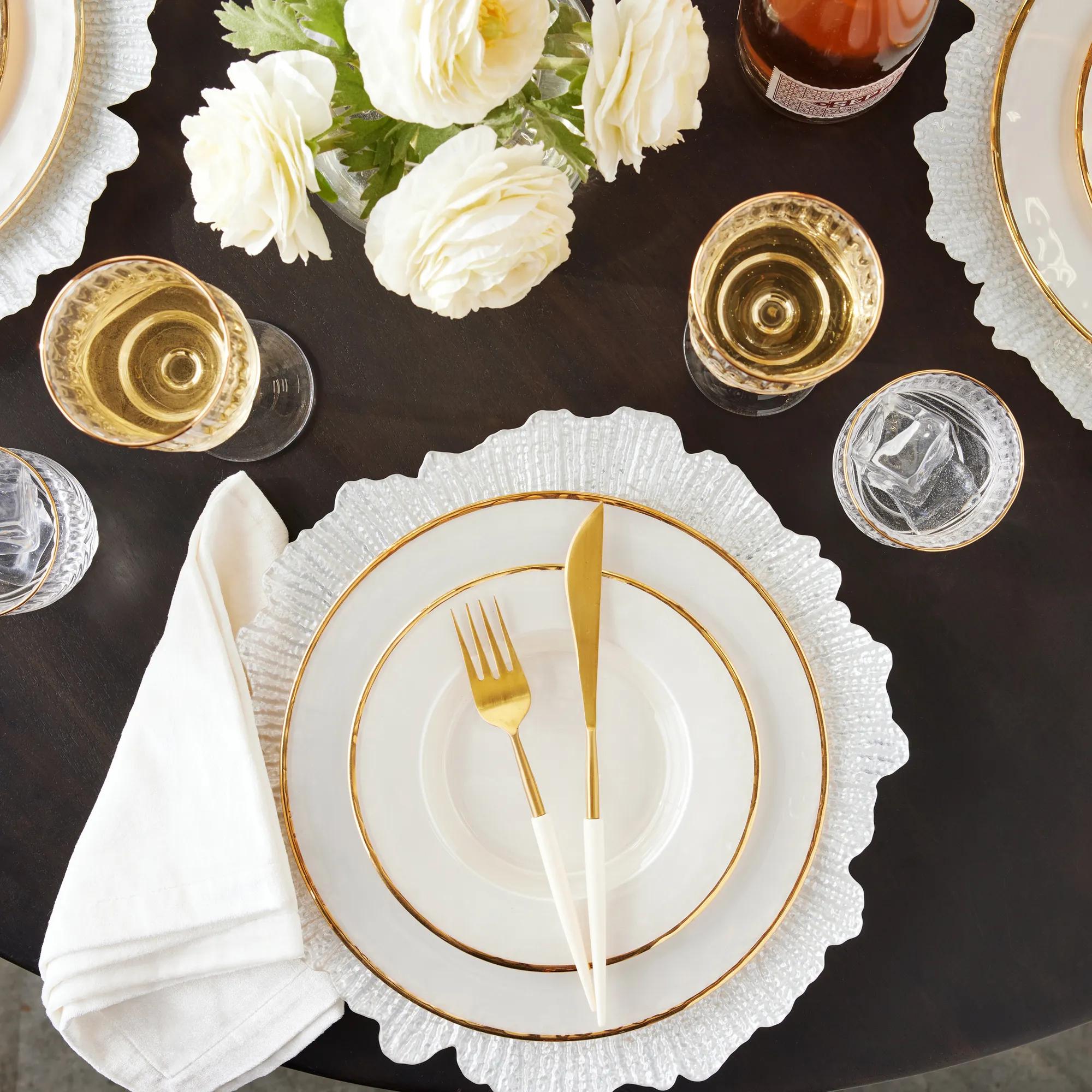 Spruzzo Glass Charger Sets 13"$109
A clear glass charger with an irregular leaf edge and metallic backing for a sparkling table accent.
Add To Cart -
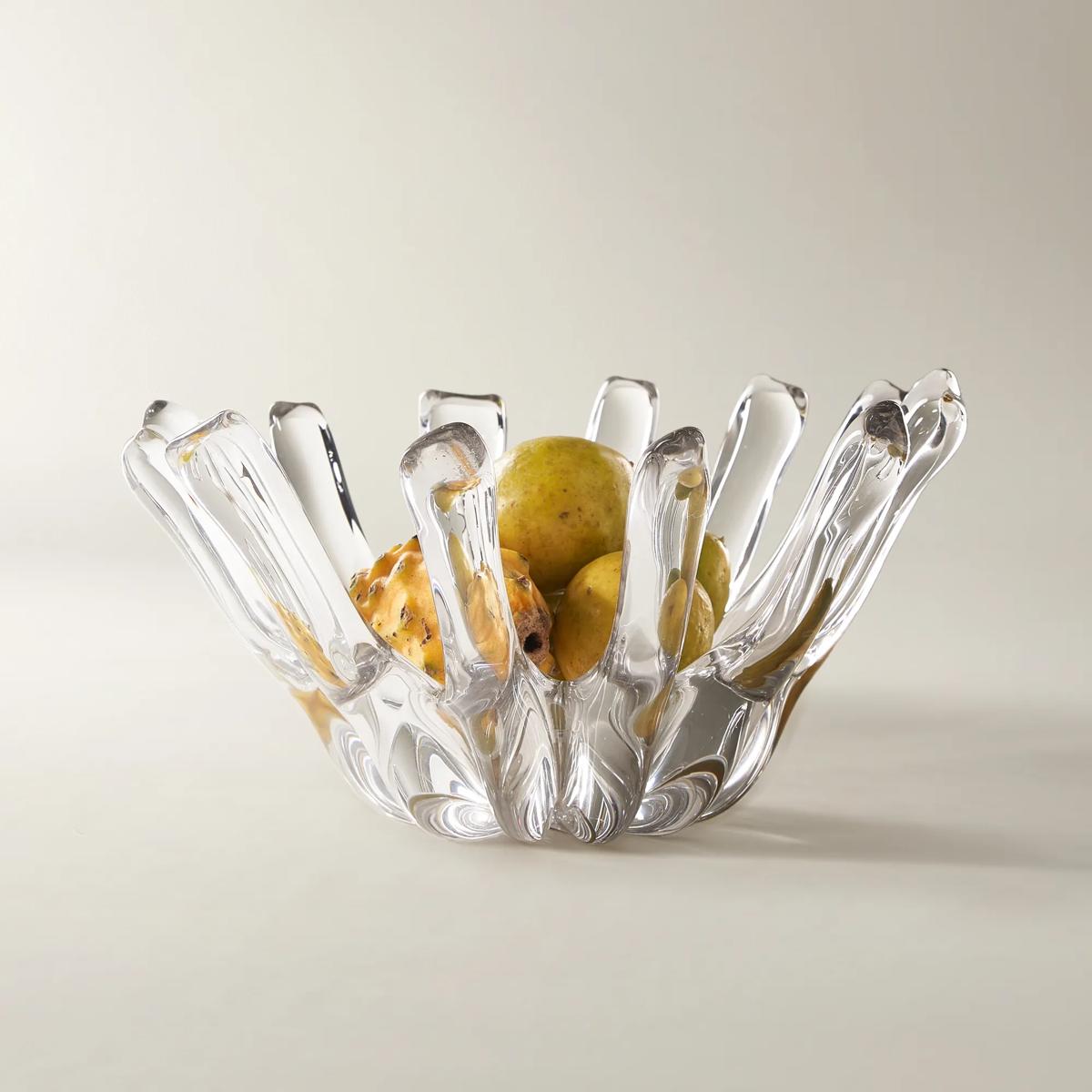
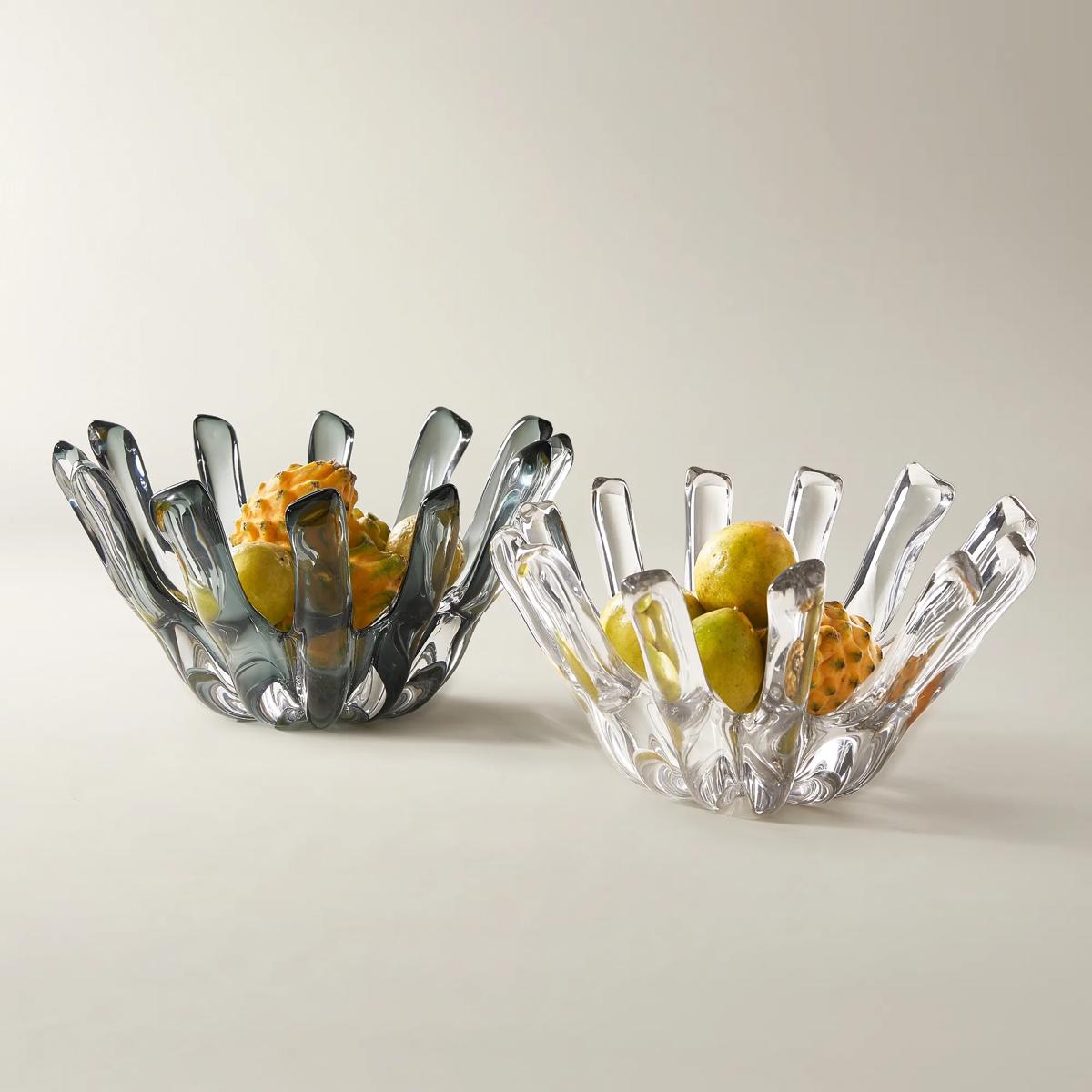 Bossa Clear Handblown Glass Decorative Bowl 13" x 7"$129
A hand-blown clear glass bowl featuring an expressive, sculptural form for modern decorative displays.
Add To Cart -
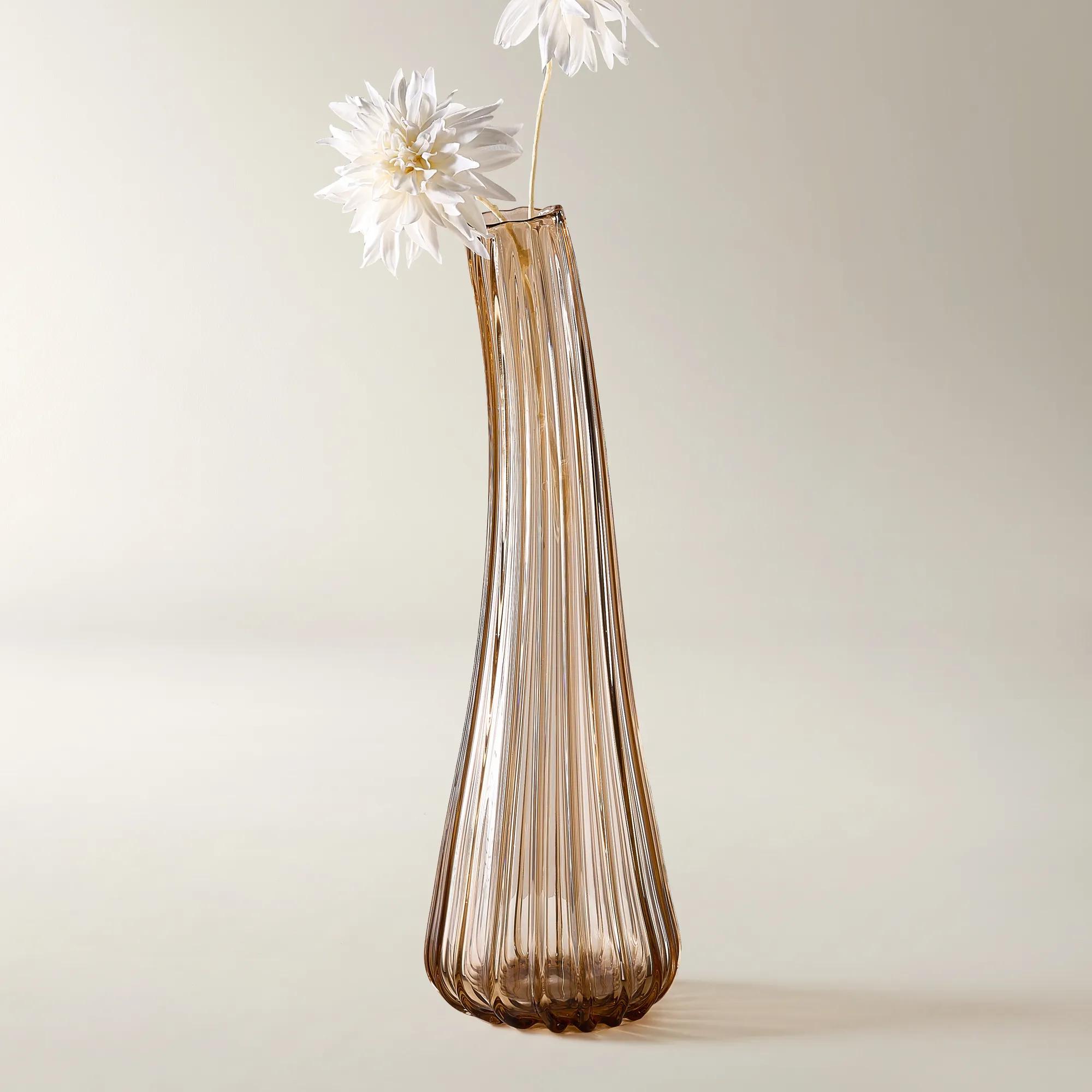
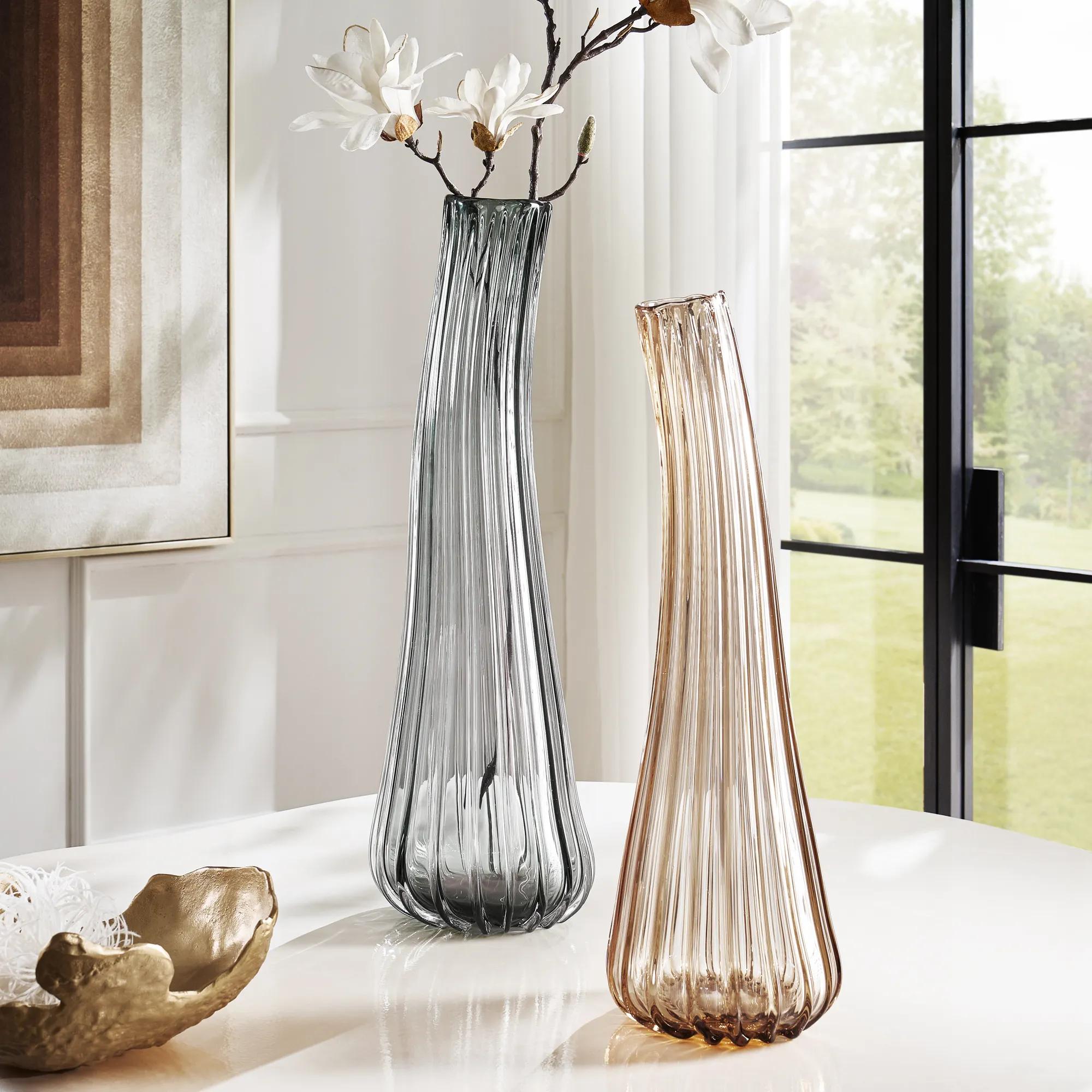 Tango Mouth Blown Soft Amber Vase 24.75"$179
A handblown glass vase in a soft amber finish with a textured, sculptural centerpiece design.
Add To Cart -
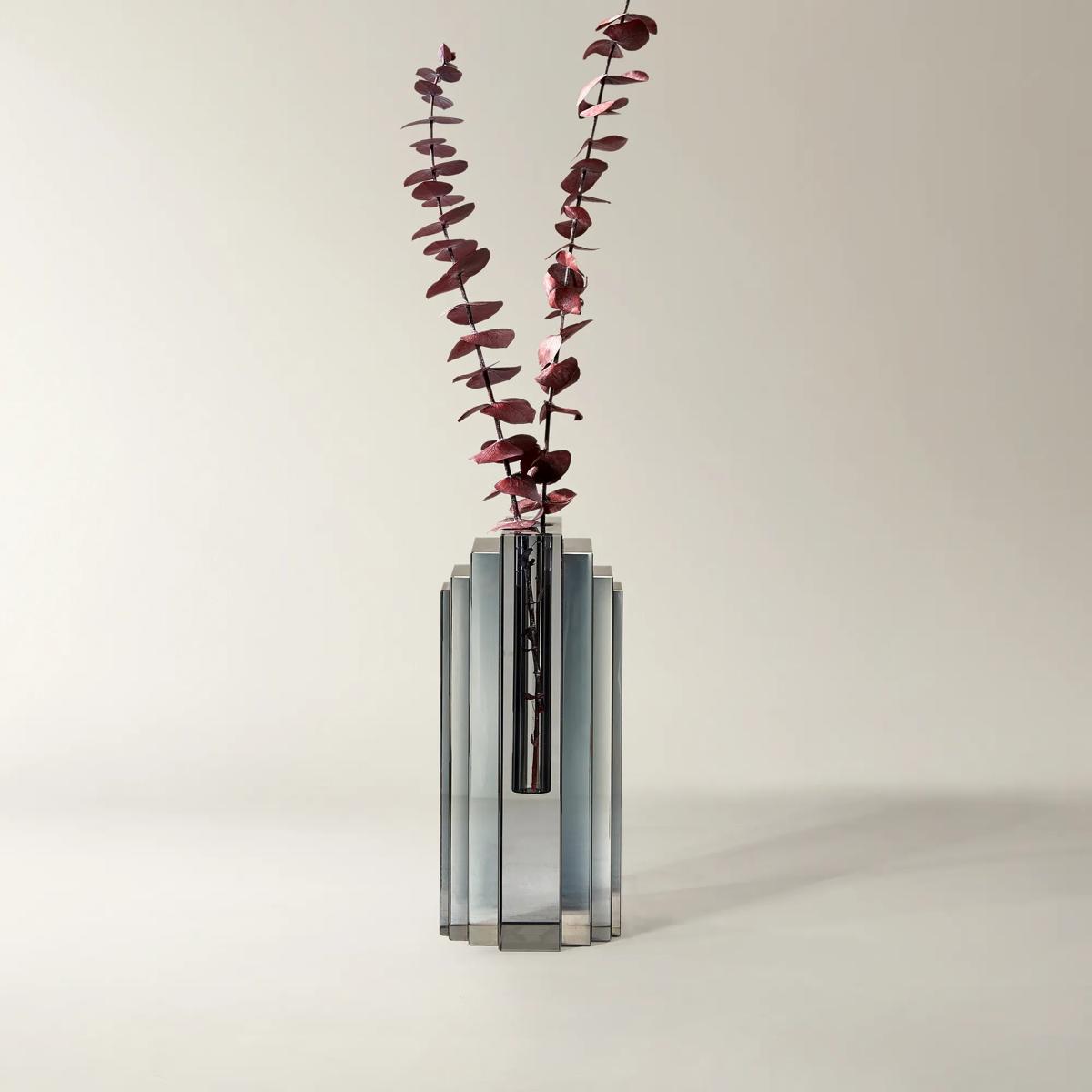 Lucca Crystal Vase - Mirrored Graphite$109
A mirrored graphite crystal vase with a multifaceted geometric design that reflects light for sculptural brilliance.
Add To Cart -
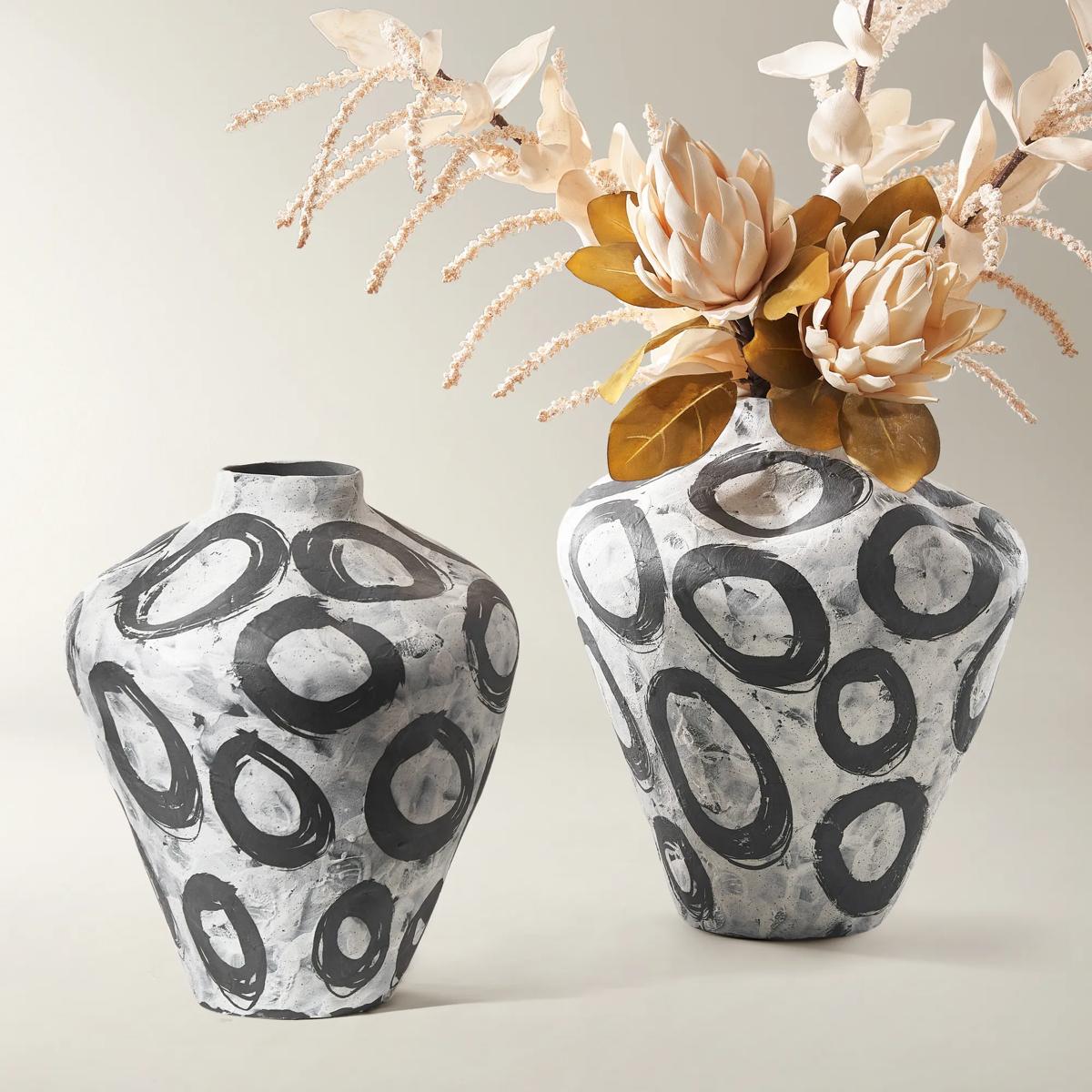
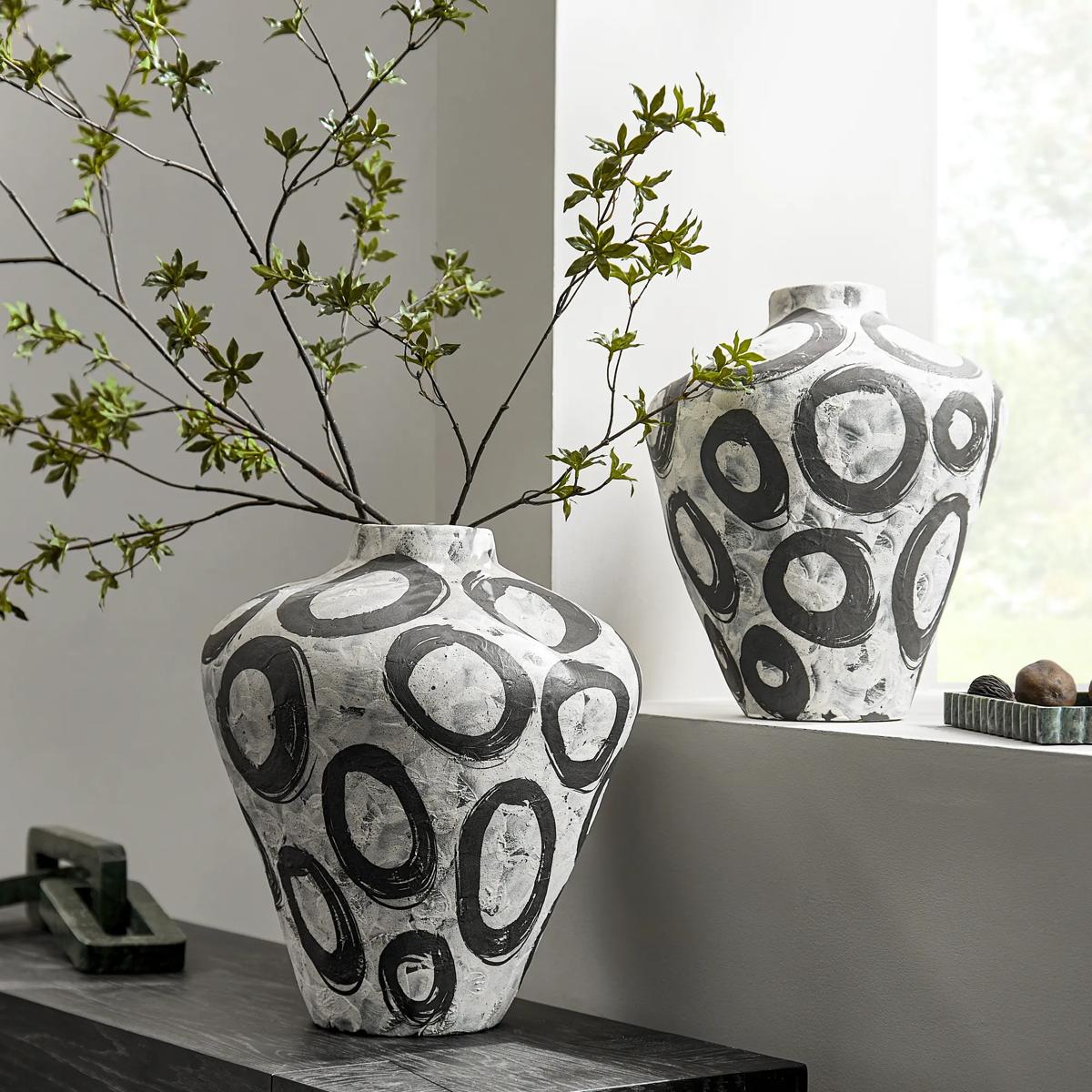 Stone Porcelain Vase$239
A sculptural porcelain vase featuring hand-painted black and white circular brushwork with a matte stone-like texture.
Add To Cart

Modern Centerpiece Ideas
Explore modern centerpiece ideas for dining tables, coffee tables, and consoles, with decorative accents to create an artful focal point. Let scale and silhouette guide your arrangement: choose a low profile for easy conversation across a dining table, or give a console more drama with height. Leave space around your centerpiece so the display feels composed, not crowded.
Modern centerpieces bring clean lines, simple geometric shapes, and sculptural forms to the heart of a room. Circles, cylinders, spheres, and angular silhouettes create a contemporary foundation, while expressive materials give the arrangement its personality. The effect can be restrained or richly dramatic: a single oversized vessel makes a confident statement, while a composition of glass, metal, and textured ceramics introduces depth without relying on elaborate ornament. Modern centerpiece ideas translate especially well through decorative bowls, sculptural vases, trays, candleholders, and botanical accents, each offering a different balance of shape, height, and reflection. Clear glass keeps a tabletop visually open and allows stems or branching forms to become part of the composition. Smoked or colored glass adds dimension, particularly against pale stone or lacquered surfaces. Polished metal catches surrounding light, while brushed finishes offer a quieter gleam. Ceramic brings tactile contrast, from smooth glazed curves to subtly irregular surfaces that reveal their character at close range. These differences matter because a centerpiece is experienced from across the room and from a seat at the table. On a dining table, a broad, shallow bowl can establish a striking focal point without interrupting the conversation. On a console, a taller vase can carry the eye upward and connect the furniture to an artwork or mirror above it. A coffee table invites a lower, more intimate arrangement, with a sculptural object and a contained botanical accent leaving room for the rituals of daily life. Color helps unify the composition: ivory and black sharpen a graphic interior, warm metallic tones enrich neutral upholstery, and a saturated accent can echo a detail in nearby art. Modern does not have to mean sparse. A generous silhouette, an unexpected finish, or a carefully chosen contrast can supply the drama, allowing fewer elements to make a more memorable impression. Repeating a curve or finish elsewhere in the room gives that statement a sense of belonging, without requiring every decorative element to match.
Scale determines whether a centerpiece feels beautifully integrated or competes with the surface beneath it. The most successful proportions account for the table’s length and width, the surrounding furniture, and the way the room is used. A long rectangular dining table can accommodate an elongated tray or a sequence of related forms, while a round table often feels balanced with a centered arrangement that looks compelling from every seat. On a smaller surface, a substantial piece with an open silhouette may feel more graceful than several tightly packed accents. Height deserves equal attention. For tables used during meals, a low arrangement usually preserves sightlines; taller pieces work best when their placement and shape leave faces visible and conversation comfortable. A centerpiece that moves easily is useful when a dining table also hosts shared platters, homework, or an impromptu gathering. Trays can give multiple accents a unified footprint and make clearing the surface simpler, provided the tray is designed to support their combined weight. Decorative impact should also suit the household. A broad, stable base offers reassurance in an active room, while delicate projections or top-heavy forms call for a more protected placement. Glass and ceramic bring luminous or tactile beauty but can chip or break on impact; metal may better tolerate occasional knocks, although its finish can still scratch. Stone introduces visual weight and natural variation, yet its physical weight needs to be considered when moving it or placing it on delicate furniture. Felt or other suitable protective pads can help prevent contact marks, with compatibility checked against the table’s finish. Decorative vessels are not automatically food-safe or watertight, so intended use matters as much as appearance. Only pieces identified for food contact should hold unwrapped food, and flowers requiring water need an appropriate watertight vessel or liner. Candle displays likewise need holders suited to the candle type, adequate clearance, and placement away from foliage, fabrics, children, and pets; flameless alternatives offer a different way to introduce a luminous accent.
Materials and care requirements help distinguish a centerpiece intended for everyday enjoyment from one better reserved for a protected display. Glass rewards gentle handling and a soft, lint-free cloth; abrasive cleaners can compromise decorative finishes, and dishwasher use should be limited to pieces specifically identified as dishwasher-safe. Ceramic care depends on the glaze and construction, with porous or unglazed surfaces requiring particular caution around moisture. Metal finishes generally benefit from gentle dusting rather than aggressive polishing, which may alter a plated, coated, or intentionally textured surface. Natural stone can absorb spills or react to acidic cleaners, making prompt attention and material-appropriate care important. Manufacturer instructions remain the best reference, especially for mixed-material designs, where a cleaning method suitable for one component may damage another. Botanical accents also influence upkeep and use. Fresh stems offer movement and subtle variation, with regular water changes and careful handling helping protect both the vessel and the furniture below. Artificial stems provide a lasting silhouette without water, though occasional gentle dusting keeps their details distinct. An empty sculptural vase can be equally compelling, particularly when its opening, profile, and finish are meant to be admired on their own. This versatility makes centerpiece decor a thoughtful gift for a housewarming, wedding, anniversary, or a host who loves to entertain. A recipient who frequently sets a full dining table may appreciate a low-profile form, while someone with a dramatic entry console may favor height and architectural presence. Considering their existing palette, available display space, and preferred level of upkeep makes the gesture feel personal rather than prescriptive. For compositions with a more graceful, formal emphasis, Elegant Centerpiece Ideas offers a complementary direction. Whether the mood is gallery-like or lavishly layered, a modern centerpiece gives the room a deliberate point of focus: reflective against velvet, sculptural against wood grain, or luminous beside dark upholstery. Its presence can transform an otherwise familiar surface into a place where material, proportion, and personal expression meet.
FAQs
A modern centerpiece pairs sculptural forms with intentional styling. Think expressive curves, striking silhouettes, and a focused color palette rather than an abundance of decorative details. Choose a compelling focal point, then introduce contrasting textures for a composition that feels artful and distinctly personal.
Create a dining table centerpiece with a sculptural vase, an expressive floral arrangement, or a decorative bowl styled as an art object. For a more dramatic composition, group complementary accents in an asymmetrical arrangement. Repeat a color or shape from your tableware to give the setting a polished, cohesive mood.
Build an editorial vignette with art books, a decorative object, and a vase or bowl. A tray can unite the arrangement, while contrasting shapes keep it visually dynamic. Leave portions of the tabletop unadorned so each detail has a distinct presence.
Draw inspiration from your room’s artwork, upholstery, or decorative accents. A tonal centerpiece creates a composed, sophisticated mood, while a saturated accent introduces expressive contrast. For added drama, pair a restrained palette with gleaming finishes that catch the light.
Keep a signature decorative vessel or bowl as your anchor, then change the surrounding accents. Fresh greenery brings spring energy, vivid blooms celebrate summer, sculptural branches evoke fall, and luminous decorative elements lend winter glamour. Let seasonal color and texture shift the mood without reinventing the entire arrangement.