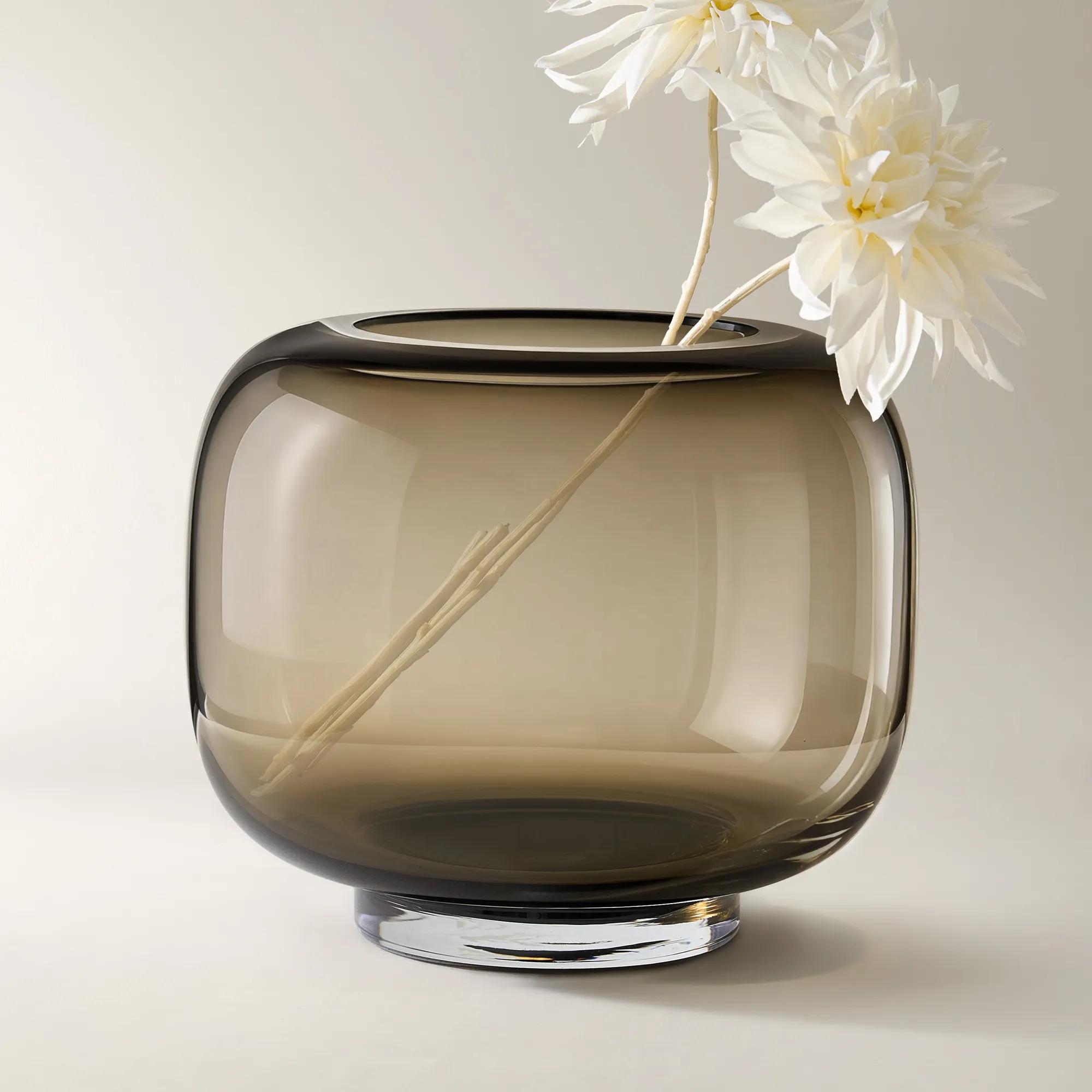
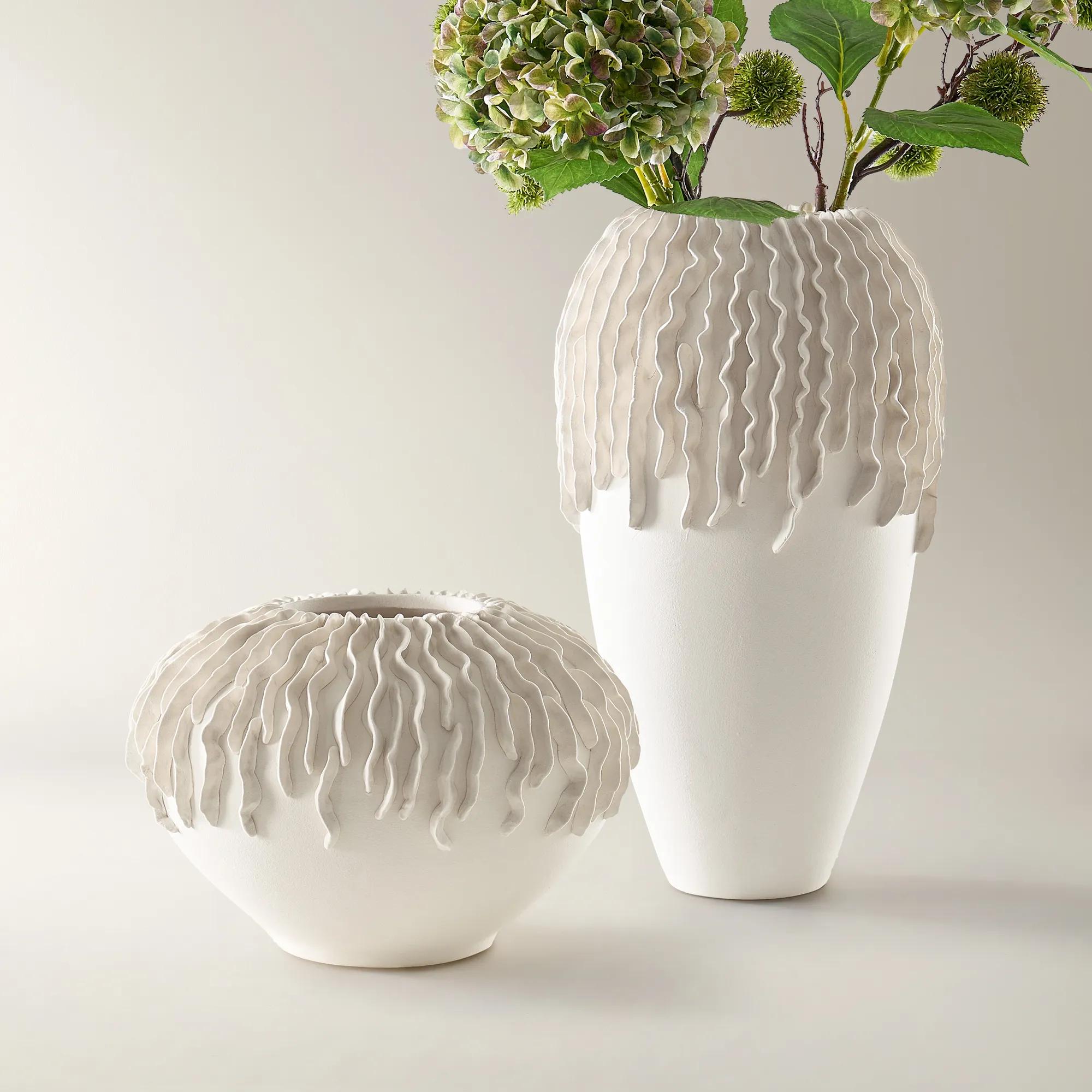
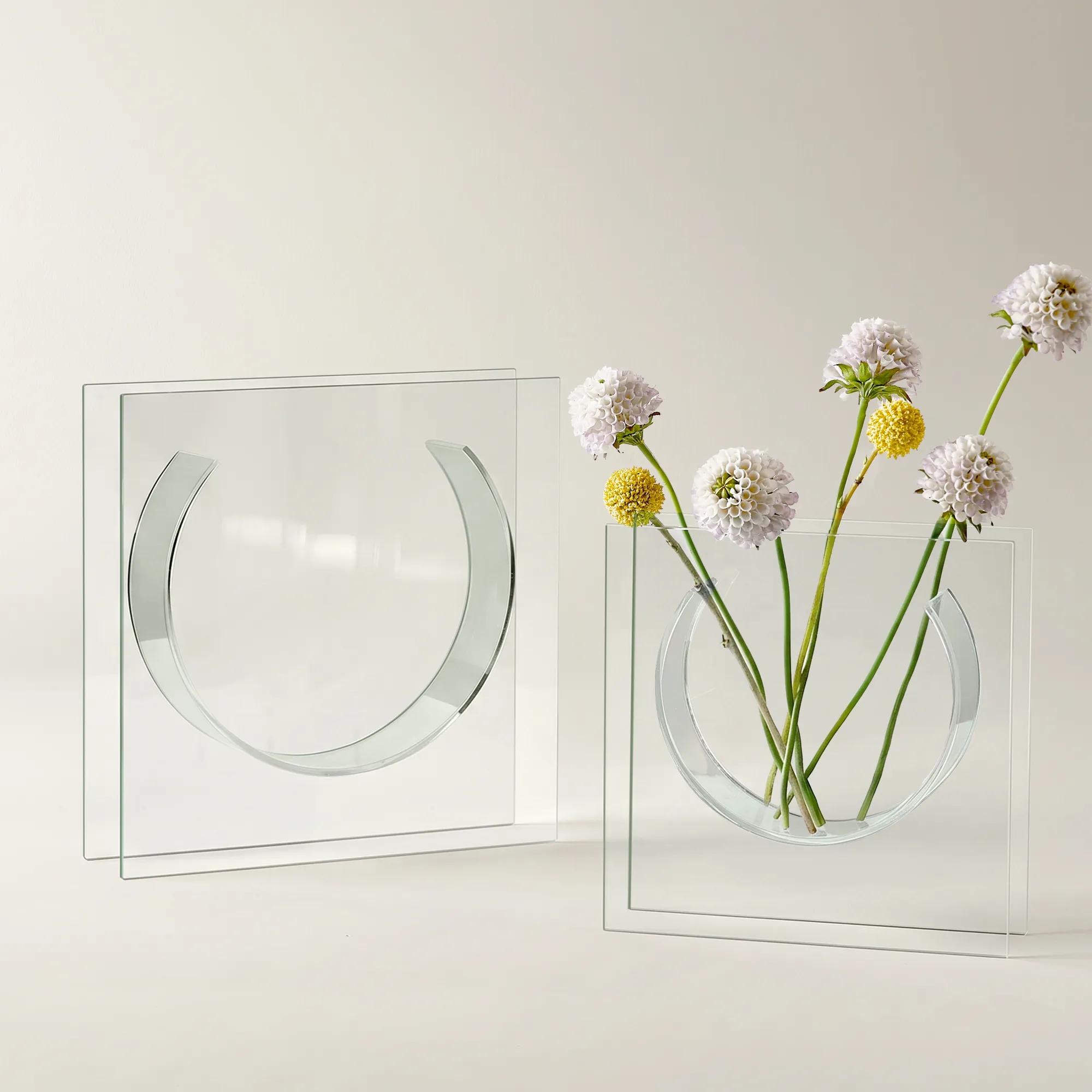
Elegant Centerpiece Ideas
Elegant Centerpiece Ideas
-
 Glacier Clear and Frosted Glass Chandelier 24"$899
A glass chandelier with icicle-inspired clear and frosted panels, brushed brass frame, and twelve-light illumination.
Add To Cart -
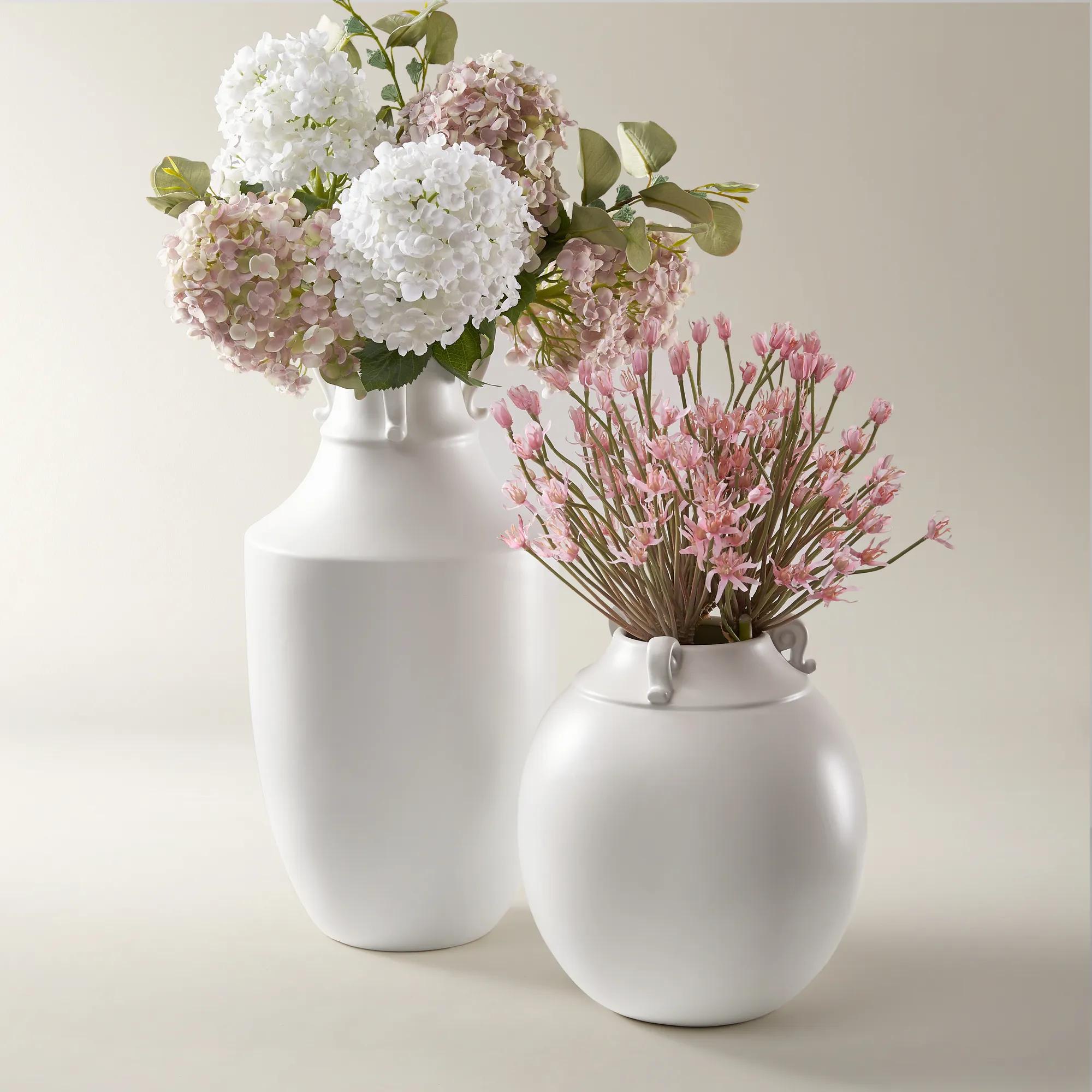 Amora Vase$119
A graceful white ceramic vase featuring smooth curves for a refined, contemporary accent to any space.
Add To Cart -
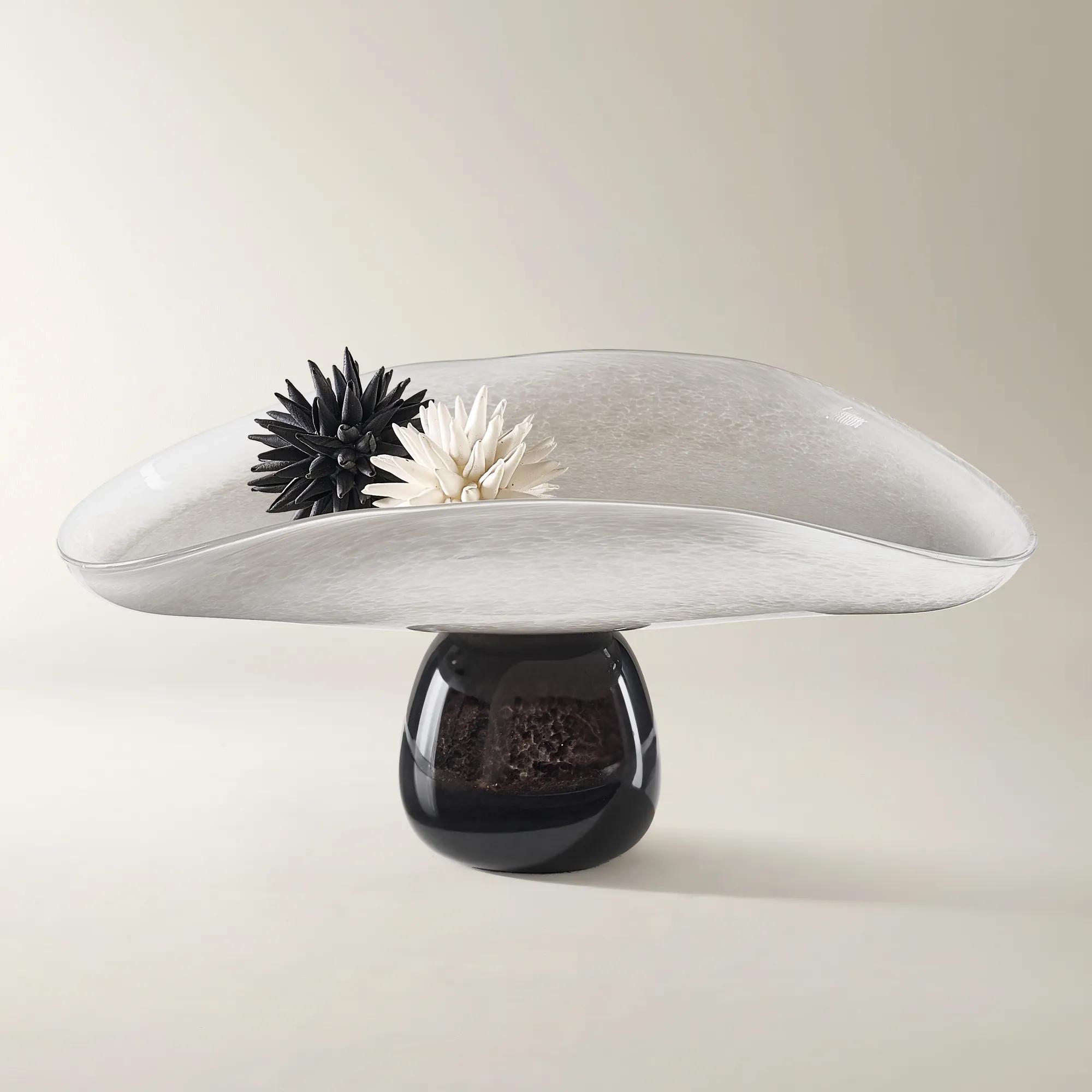 Elois Mouth Blown White Black Pedestal Bowl 14.5" x 7"$149
A handblown glass pedestal bowl featuring striking black and white contrast for a sculptural, modern accent.
Add To Cart -
 Trio Twist Soft Gold Aluminum Tapper Holders Set of 3$129
A set of three aluminum taper holders in soft gold with sculptural twisted silhouettes for modern elegance.
Add To Cart -
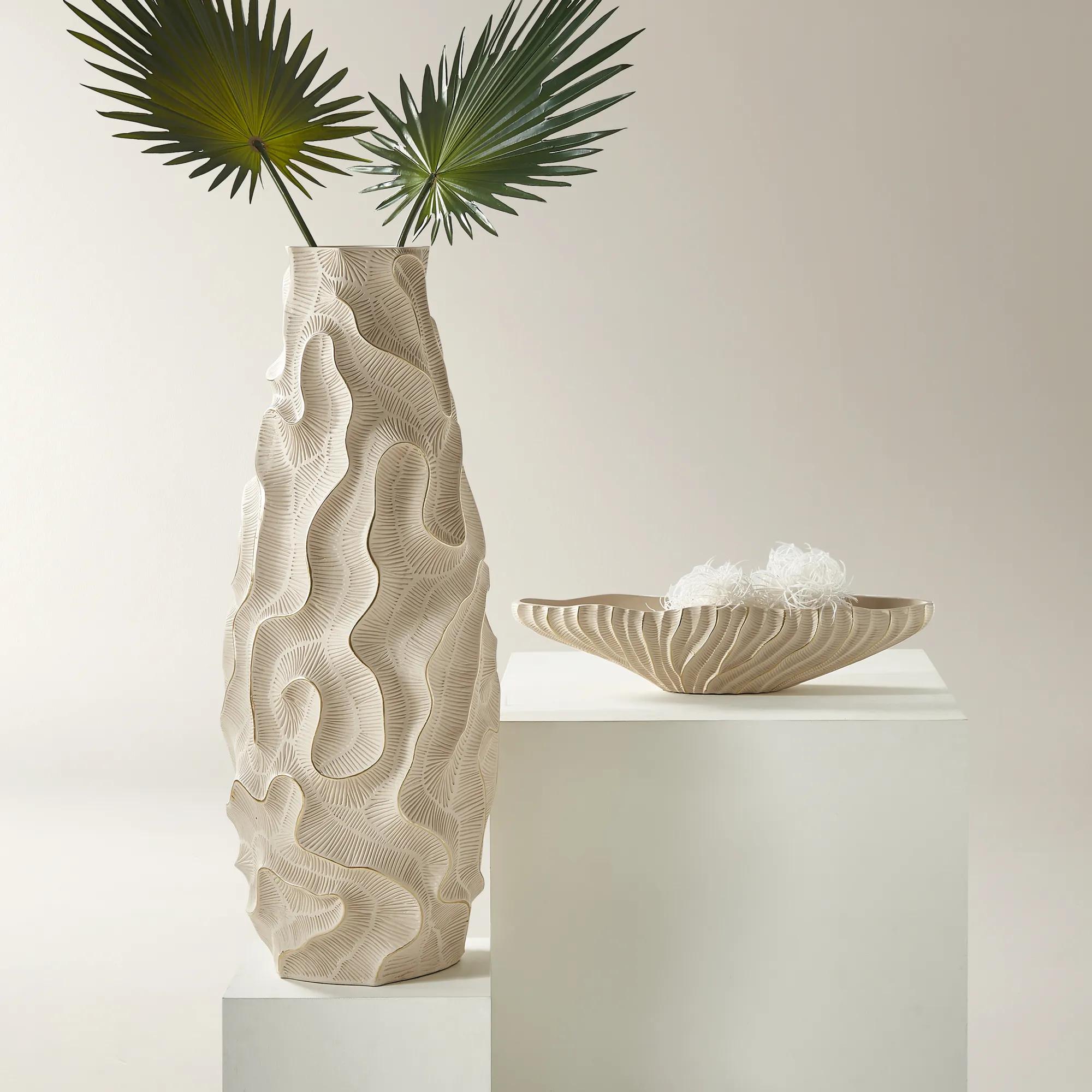
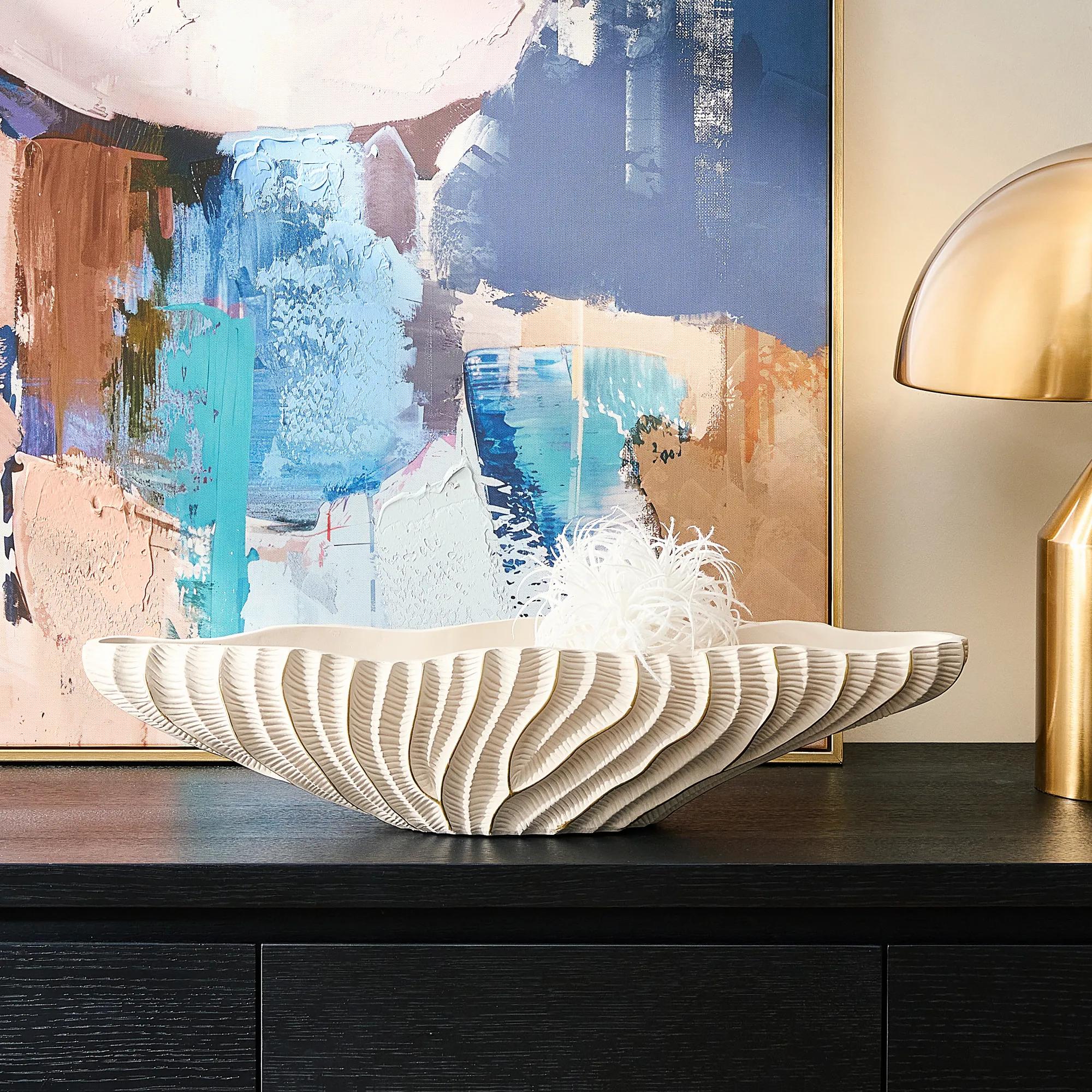 Rouche Ivory And Gold Etched Resin Floor Vase & Bowl$79
A decorative resin vase and bowl set with organic forms, ivory surfaces, and elegant gold etching.
Add To Cart -
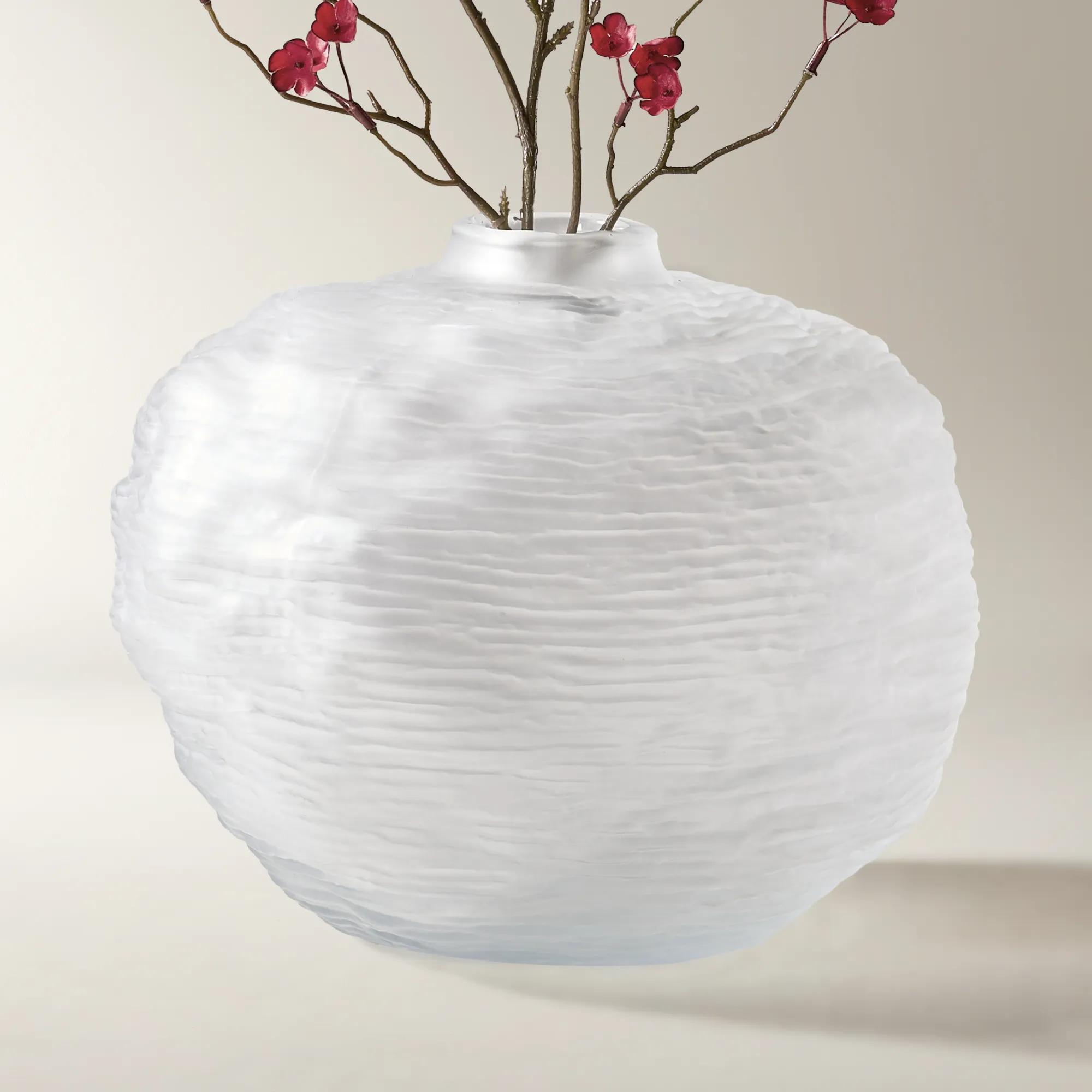 Lucid Mouth Blown Frosted Glass Vase 9.25"$99
A handblown frosted white glass vase with a sculptural, softly textured surface for modern elegance.
Add To Cart -
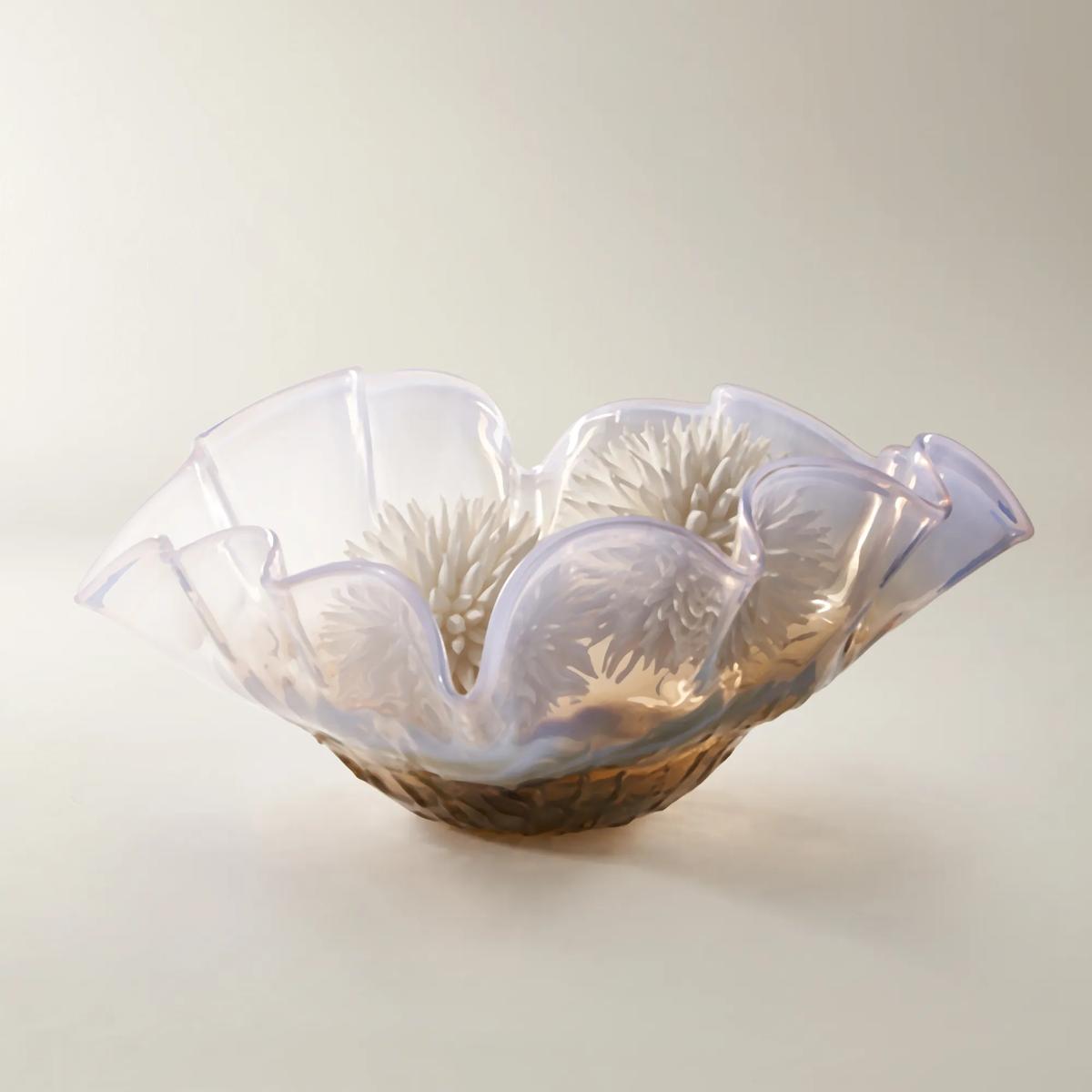
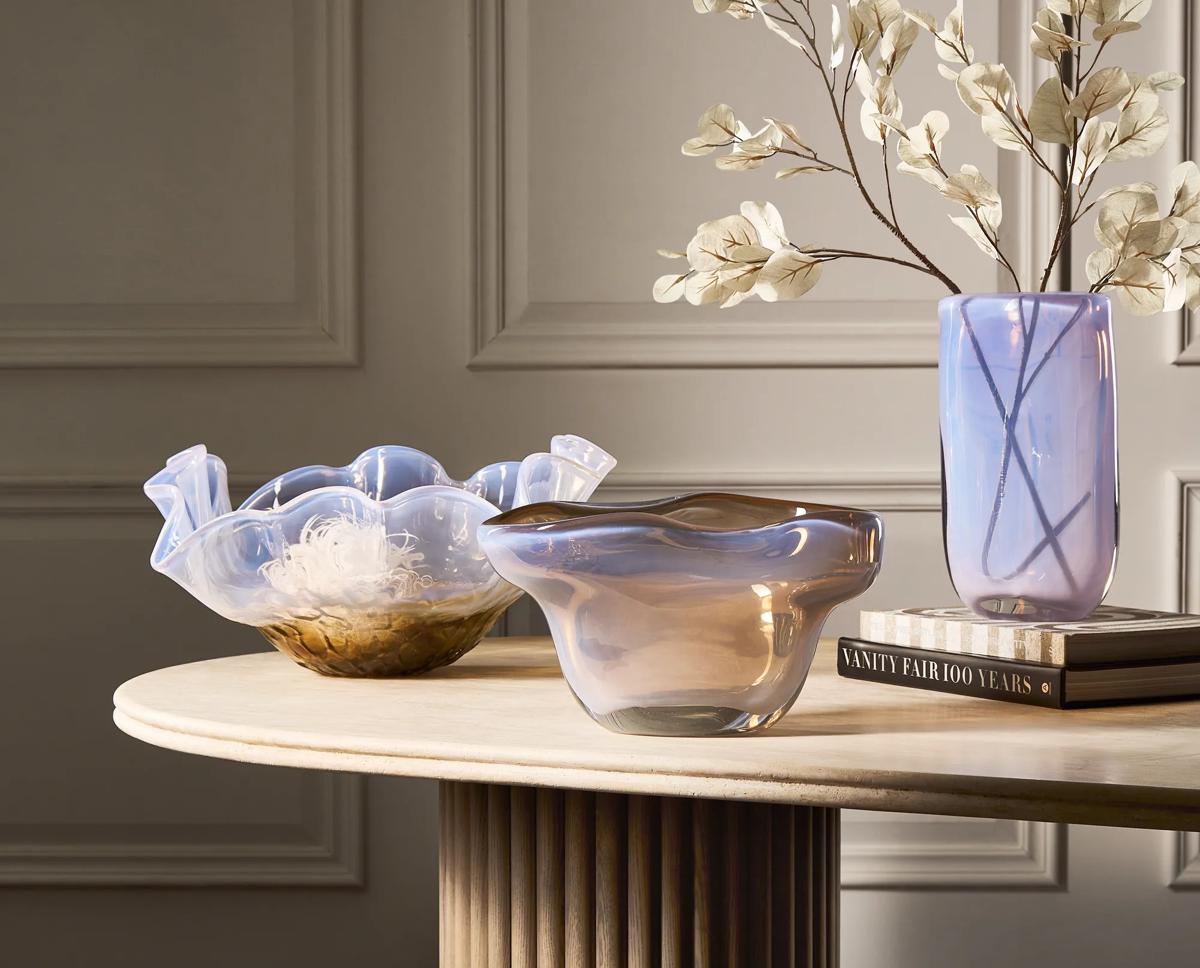 Glacier Glass Bowl$269
A hand-blown glass bowl featuring scalloped edges and swirling lavender and amber hues for artistic elegance.
Add To Cart -
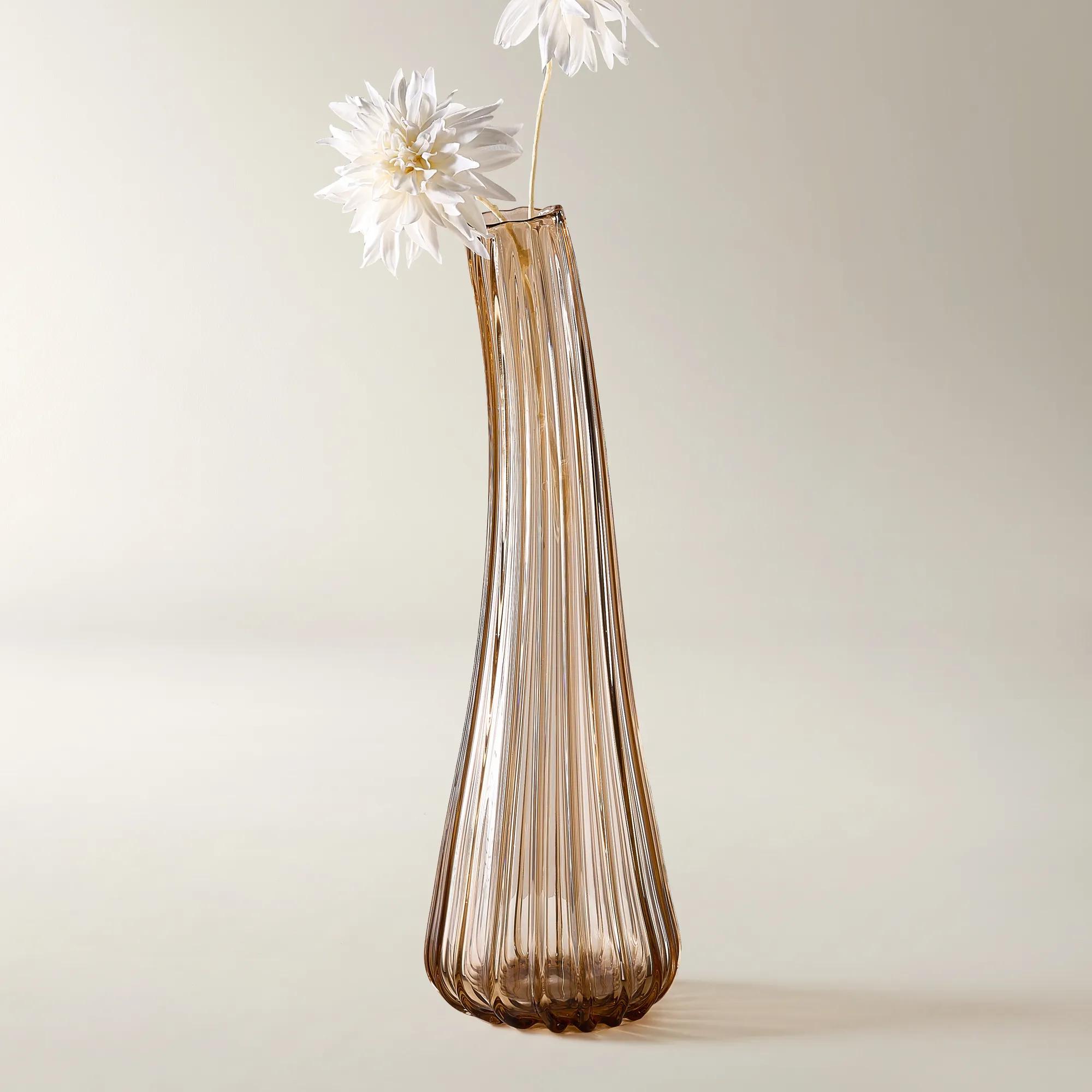
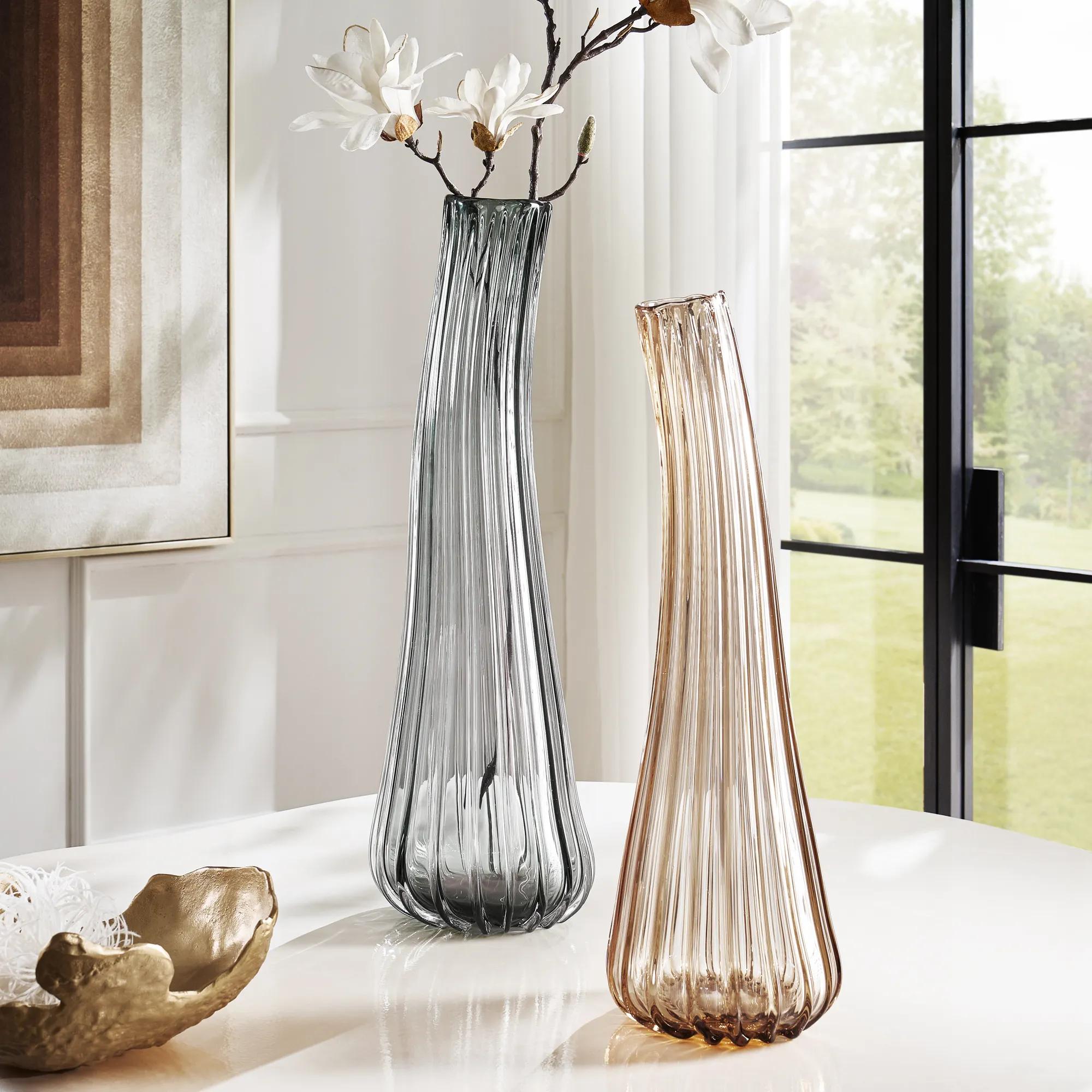 Tango Mouth Blown Soft Amber Vase 24.75"$179
A handblown glass vase in a soft amber finish with a textured, sculptural centerpiece design.
Add To Cart -
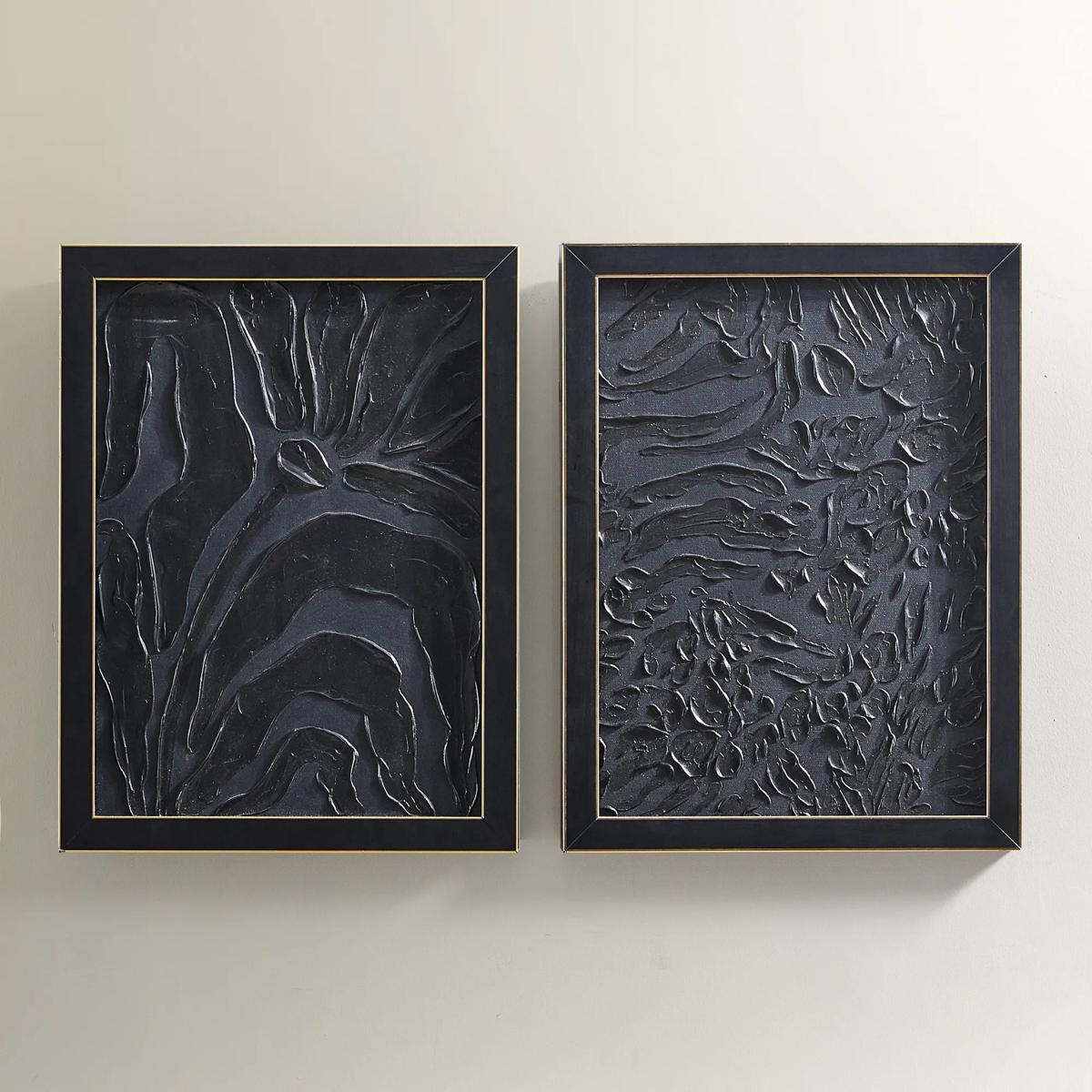
 Midnight Animal Painting - Set of 2$119
A set of hand-embellished canvas artworks in black and gold frames, adding depth and warmth to interiors.
Add To Cart -
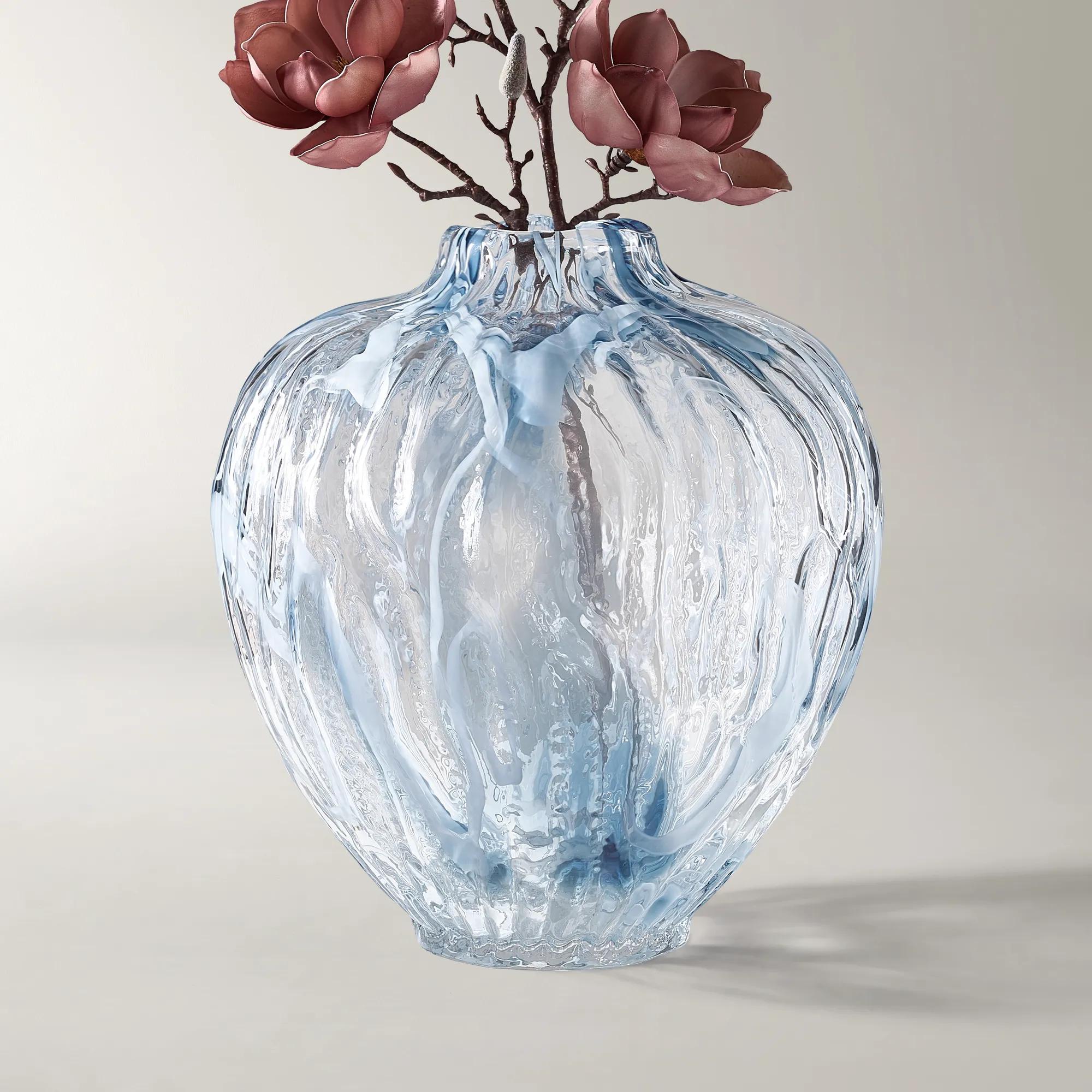 Cruz Mouth Blown Powder Blue Glass Vase 15.75"$169
A handblown glass vase in powder blue with a sculptural, light-catching surface for modern decor.
Add To Cart -
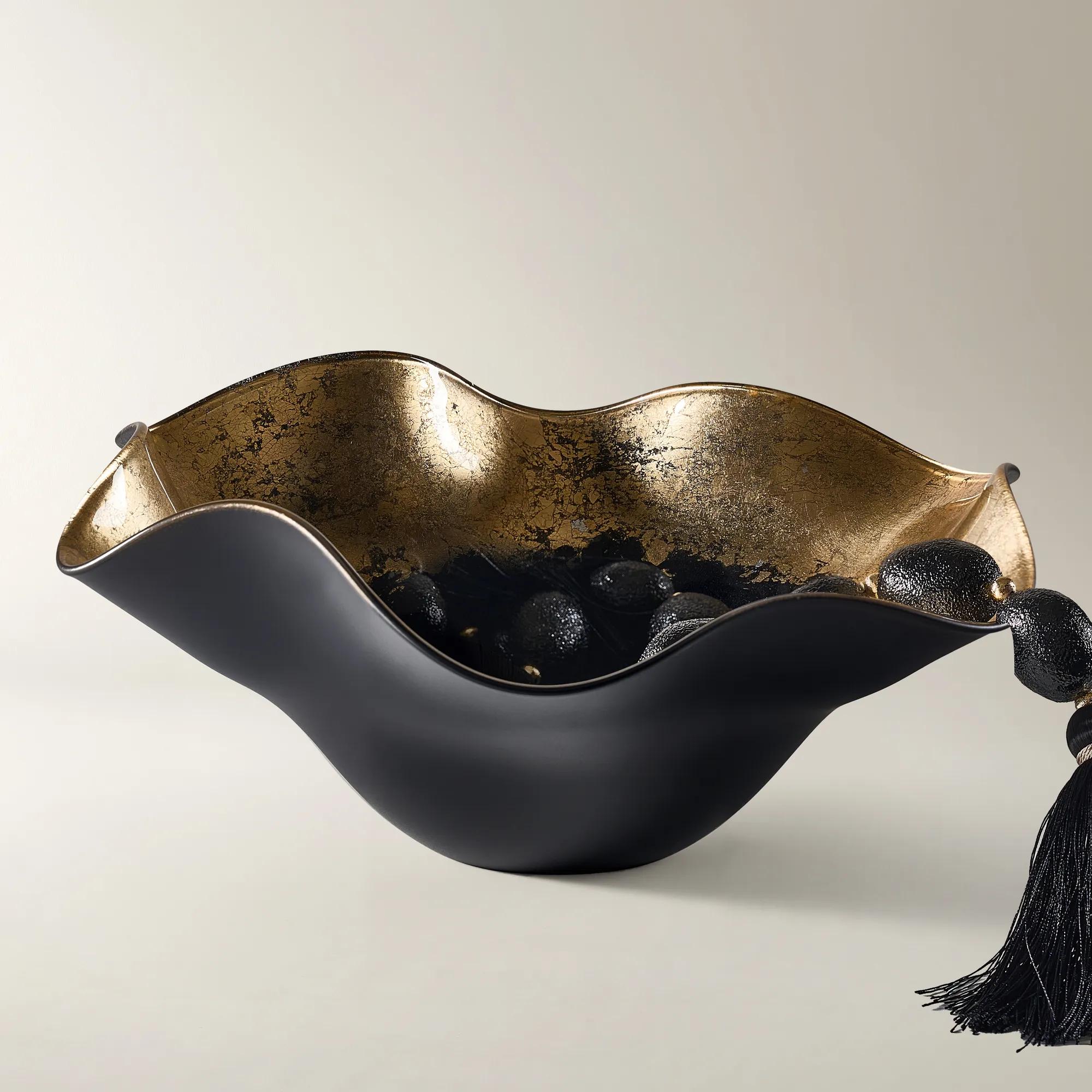
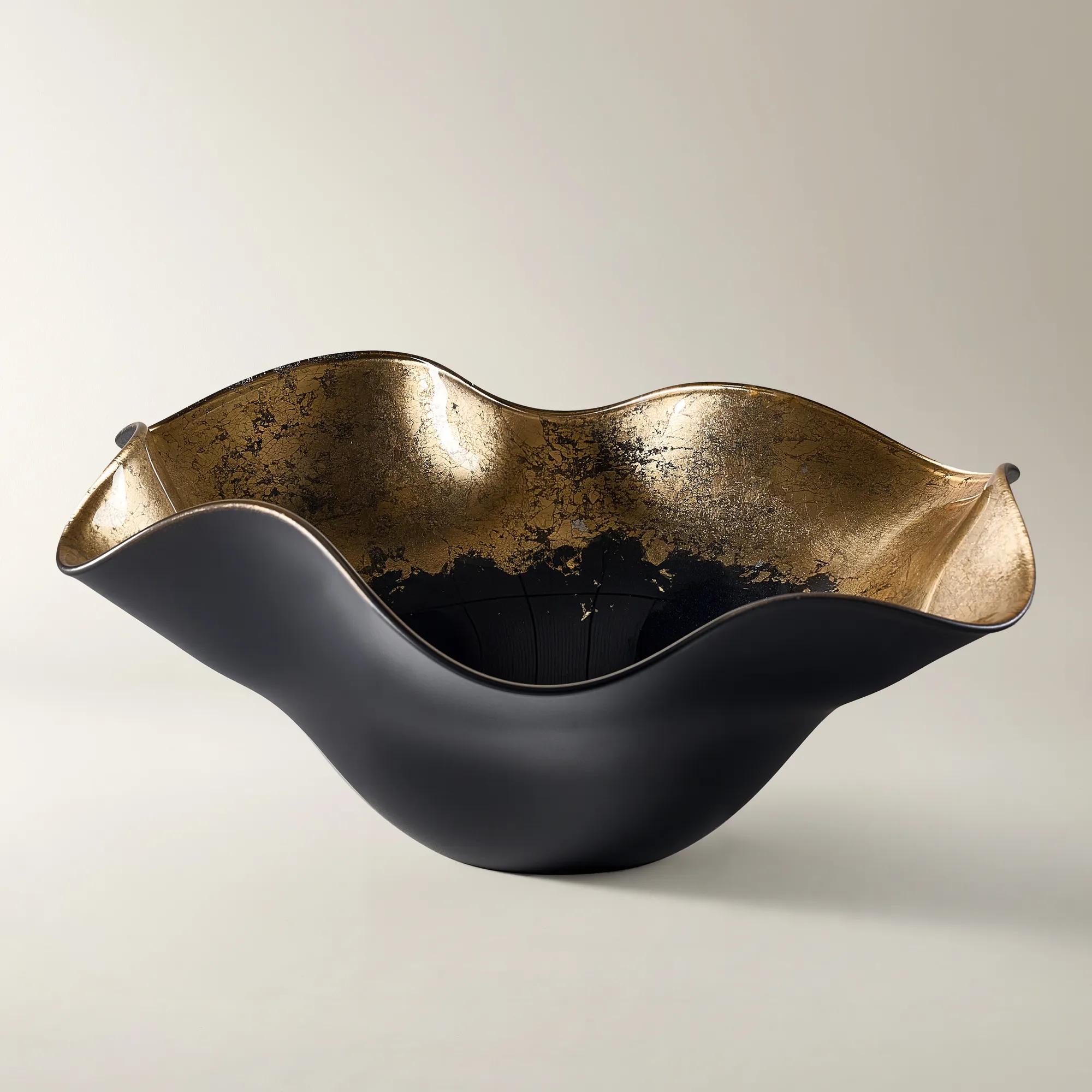 Goldie Mouth Blown Gold Black Glass Decorative Bowl 15.5" x 8.75"$199
A handblown glass bowl in soft gold and black with an organic, sculptural silhouette for modern decor.
Add To Cart -

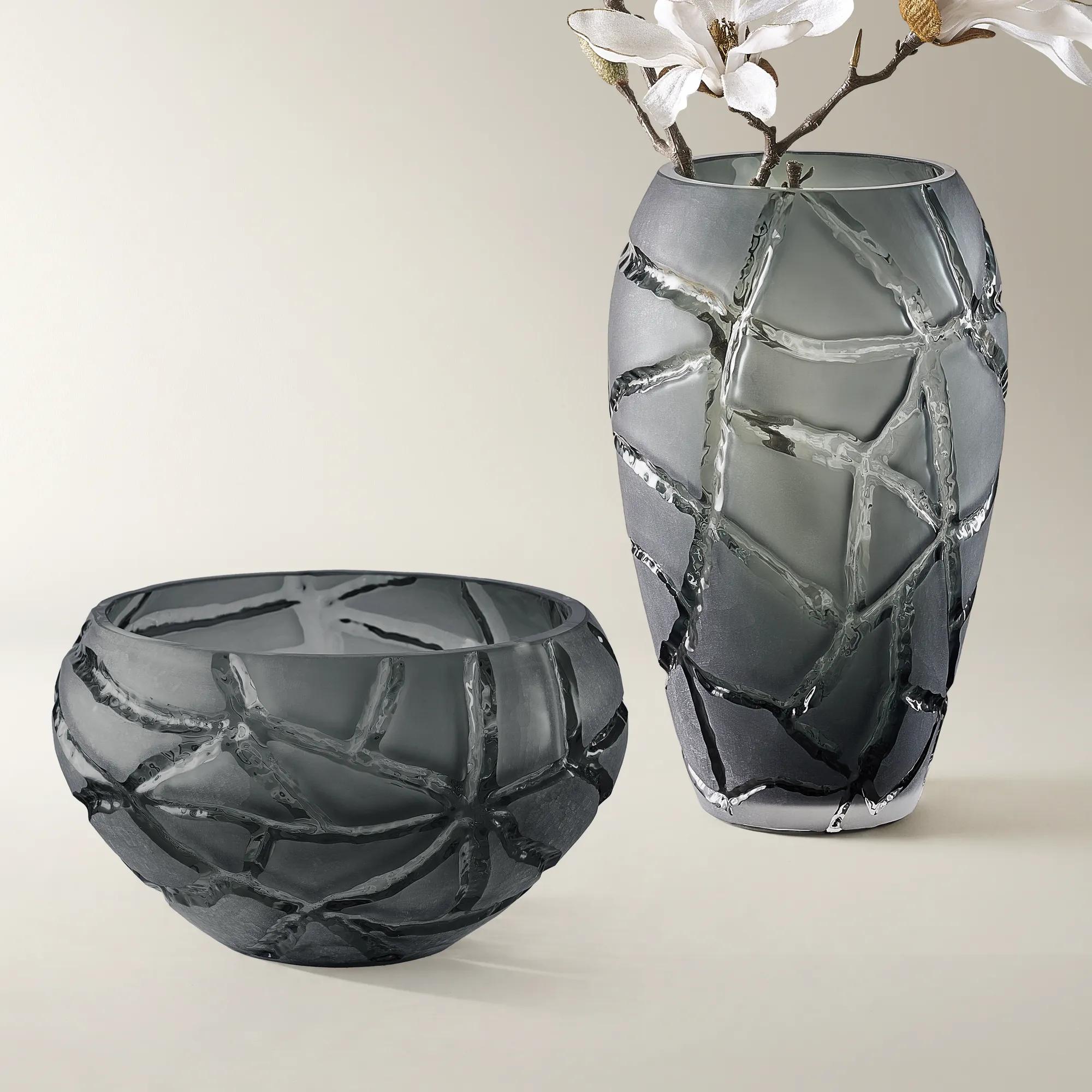
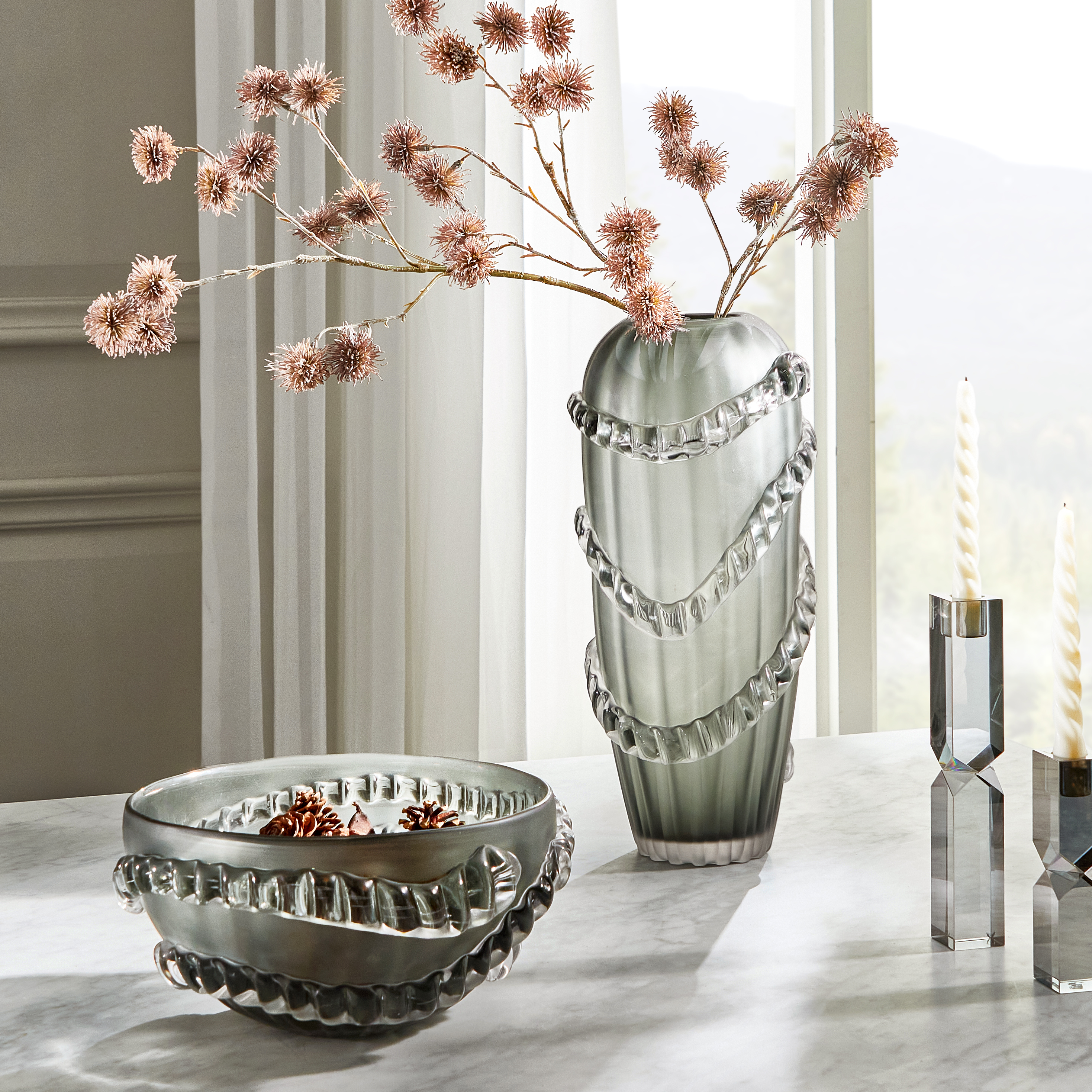 Helix Glass Collection$139
A hand-blown dark gray glass piece featuring fluted bodies and rippling sculptural ribbons for modern decor.
Add To Cart -
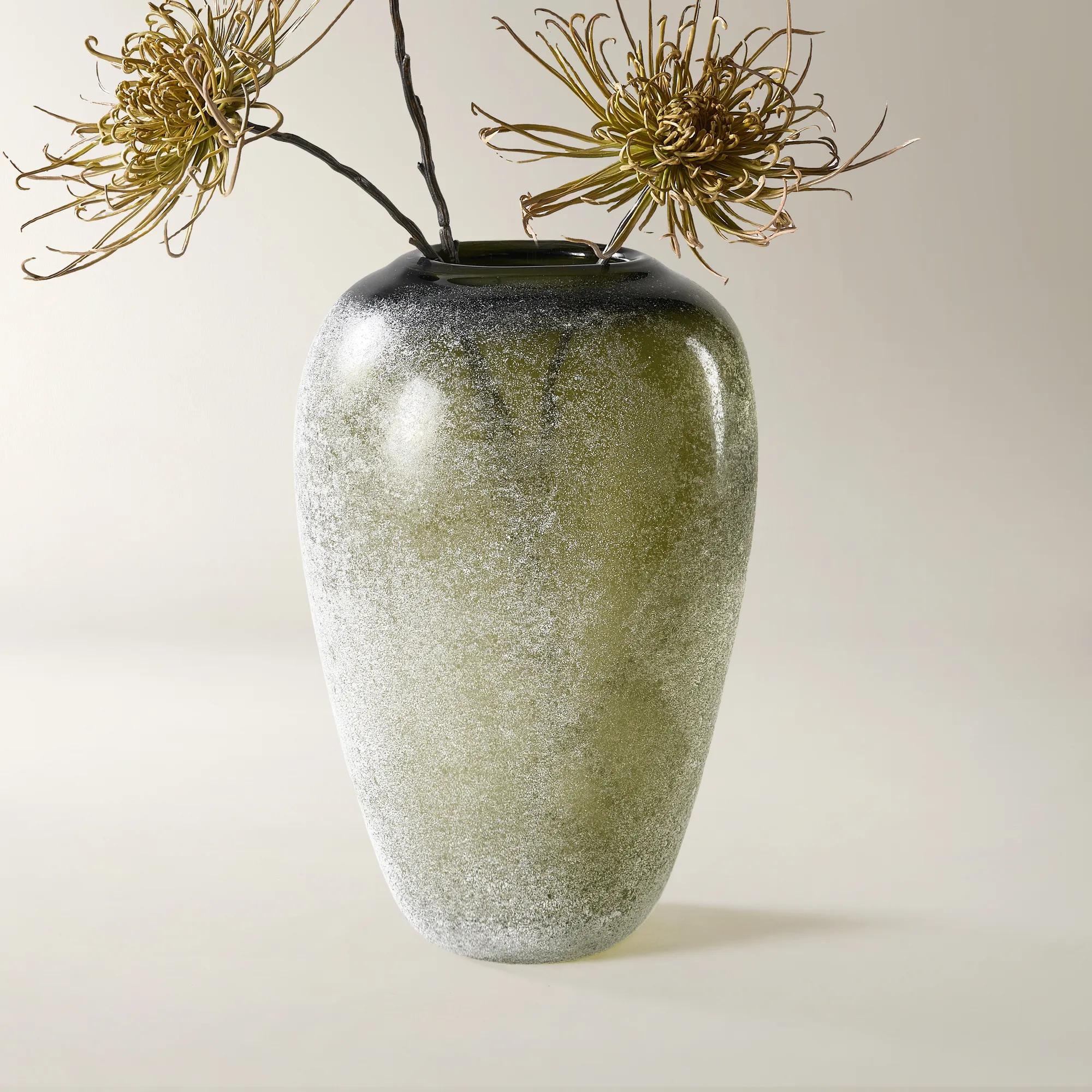 Linden Mouth Blown Pistachio Green Glass Vase 13.75"$129
A handblown glass vase in pistachio green adds a fresh, artful accent to any space.
Add To Cart -
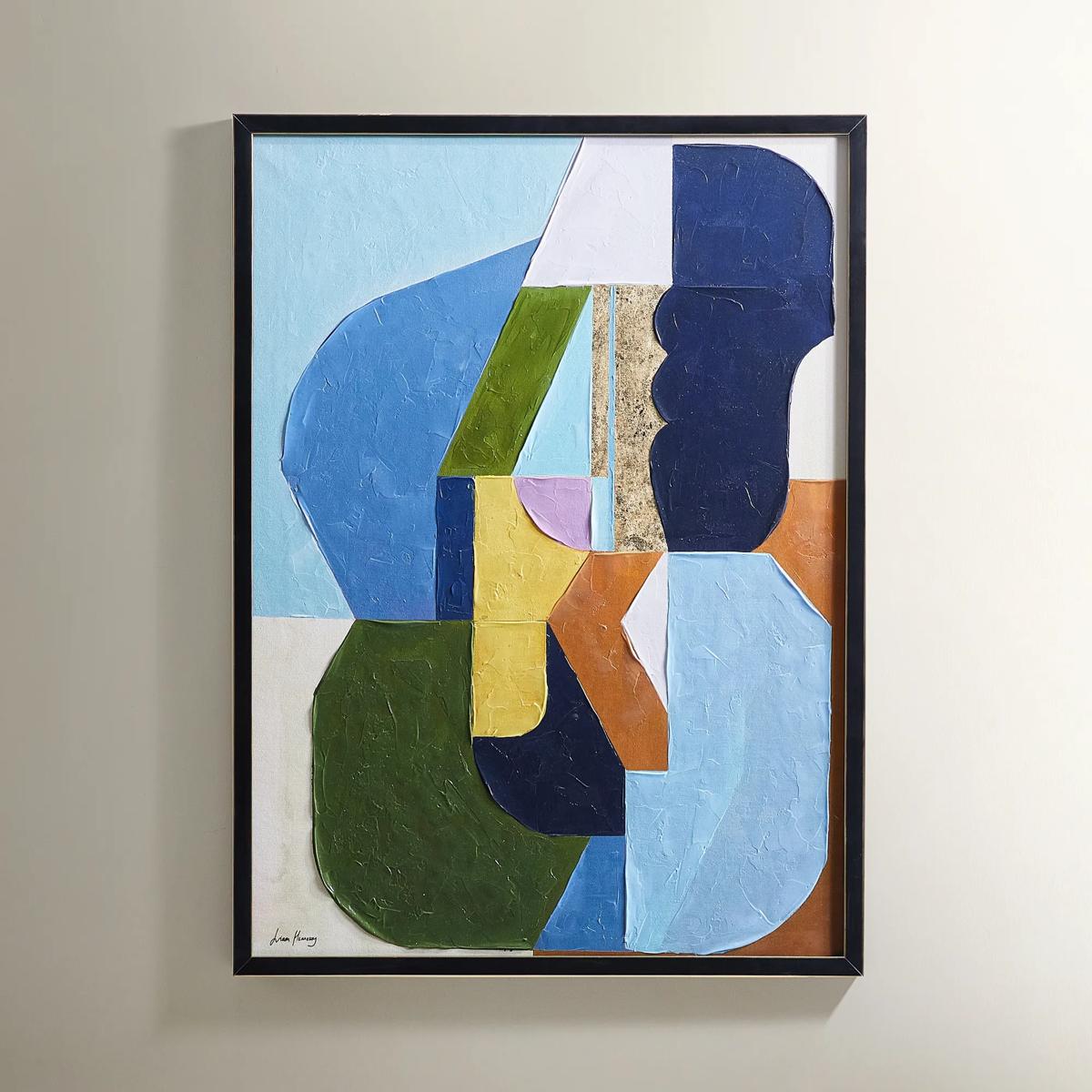
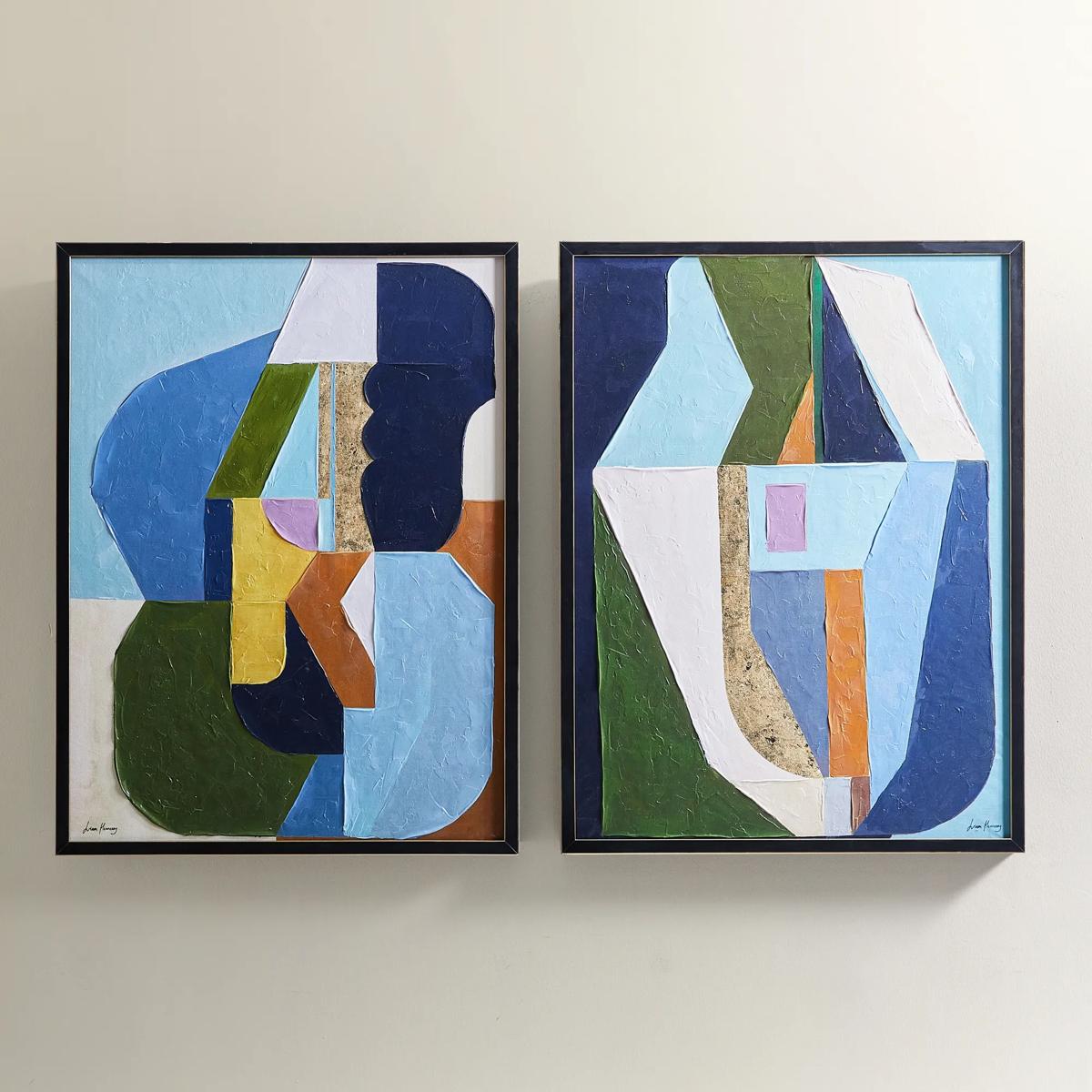 Thought Provoking Painting 1$249
A hand-embellished canvas artwork featuring textured strokes in deep blue, olive green, and gold accents.
Add To Cart -
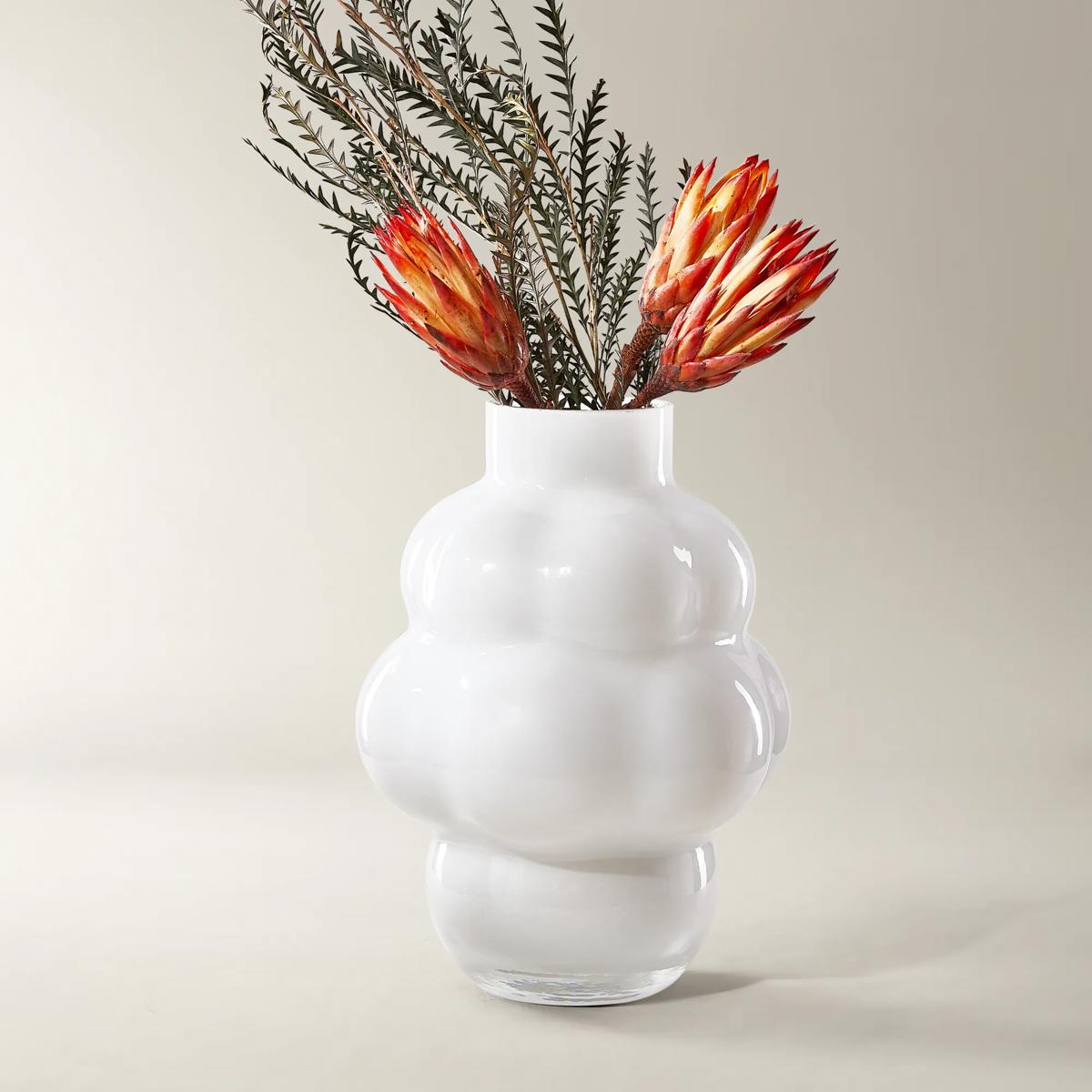 Cloud Glass Vase - White$129
A hand-blown glass vase in glossy opaque white with a sculptural, cloud-inspired silhouette.
Add To Cart -
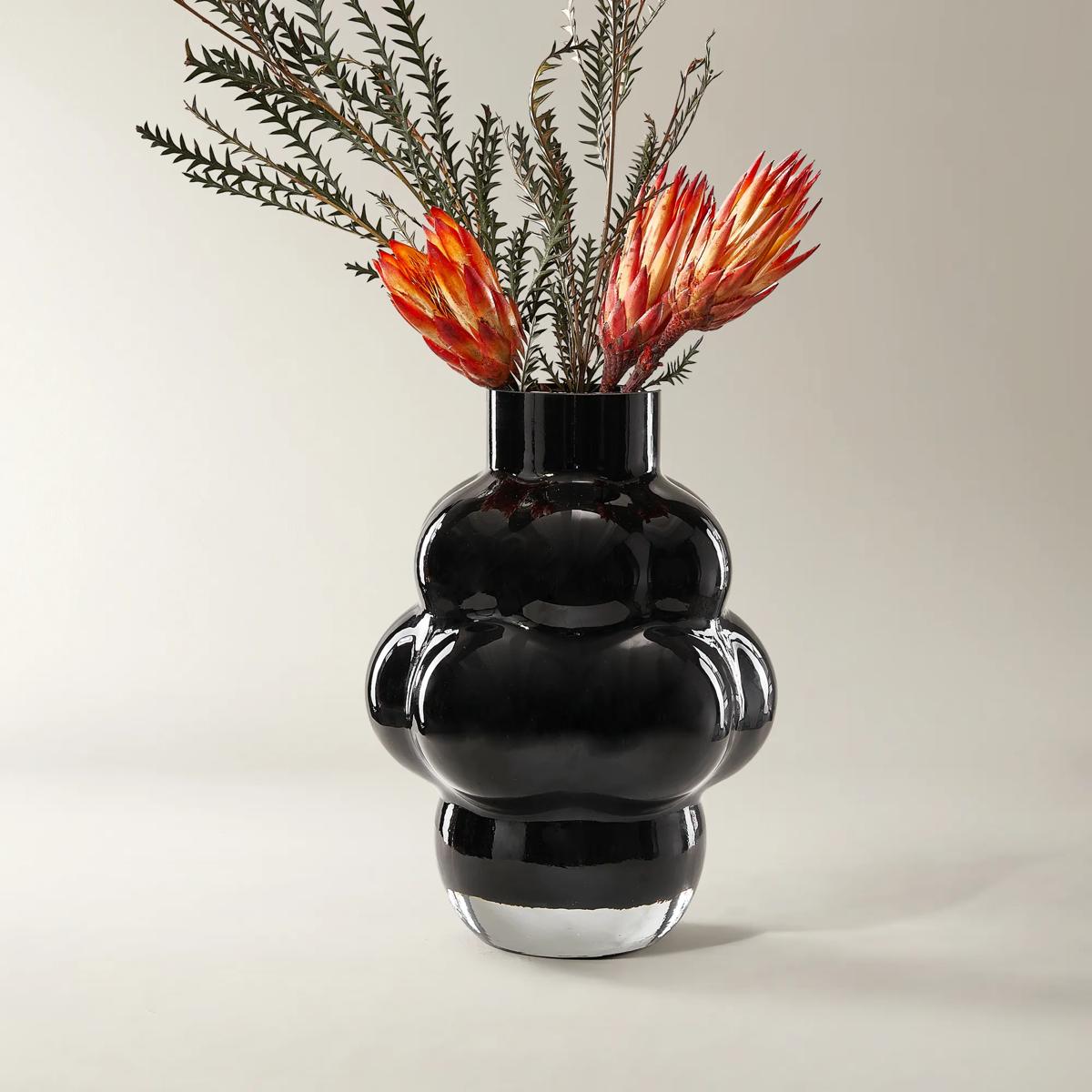 Cloud Glass Vase - Black$129
A hand-blown black glass vase featuring a sculptural silhouette and glossy, dramatic finish.
Add To Cart -
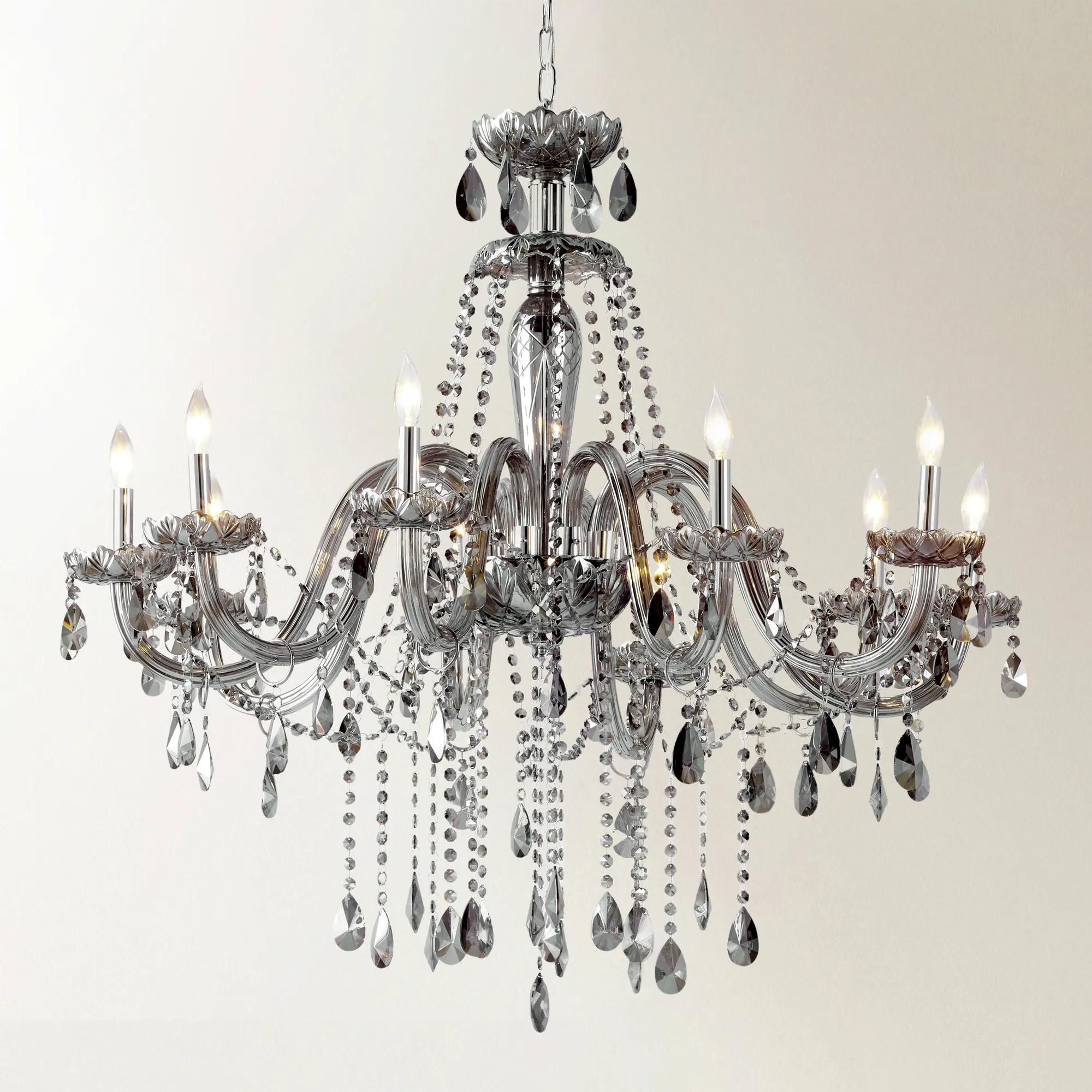
 Omni Chandelier 38.5" - Graphite$999
A dazzling chandelier featuring graphite faceted crystals and ten fluted glass arms with nickel hardware.
Add To Cart -
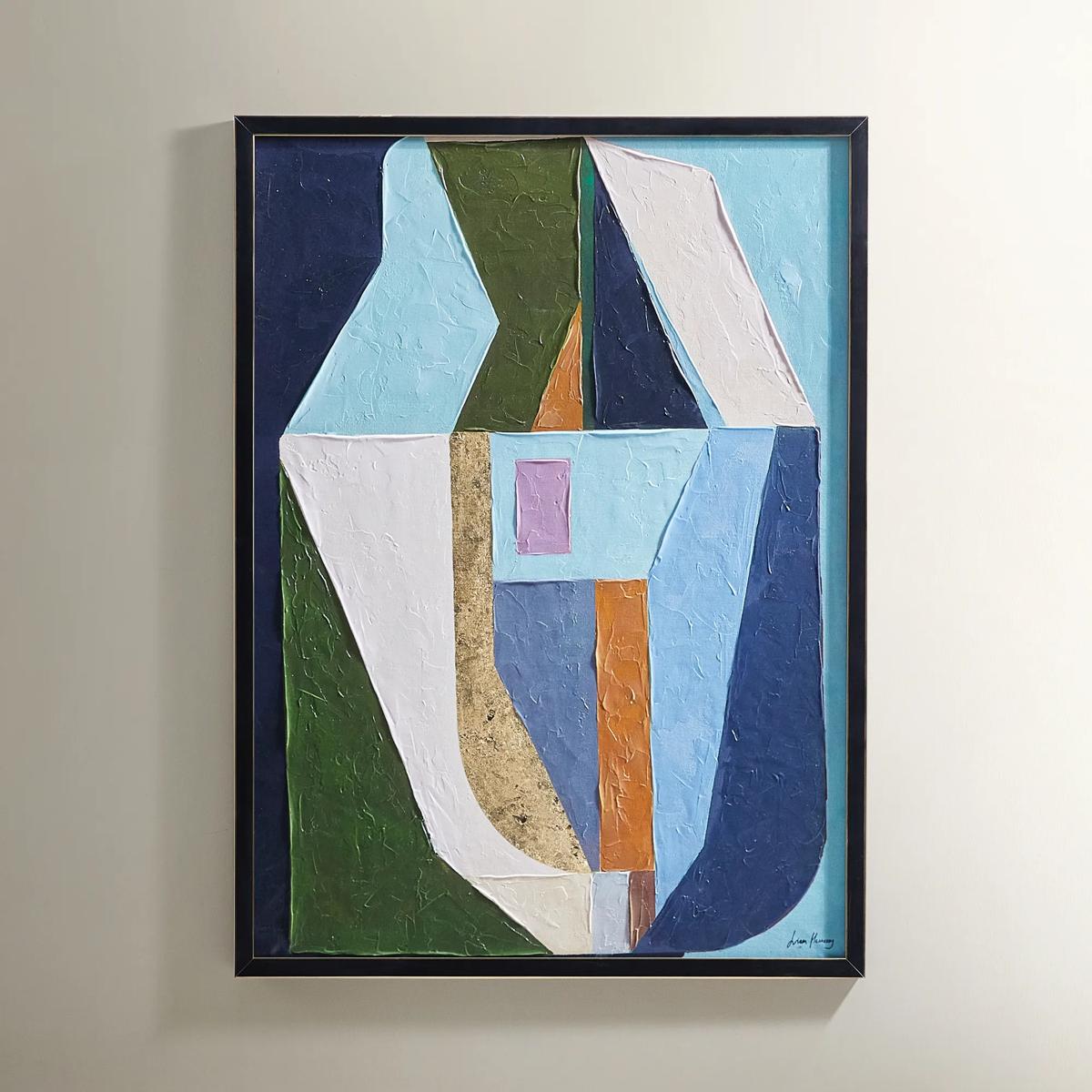 Thought Provoking Painting 2$249
A hand-embellished canvas artwork featuring textured strokes in deep blue, olive green, and gold accents.
Add To Cart -
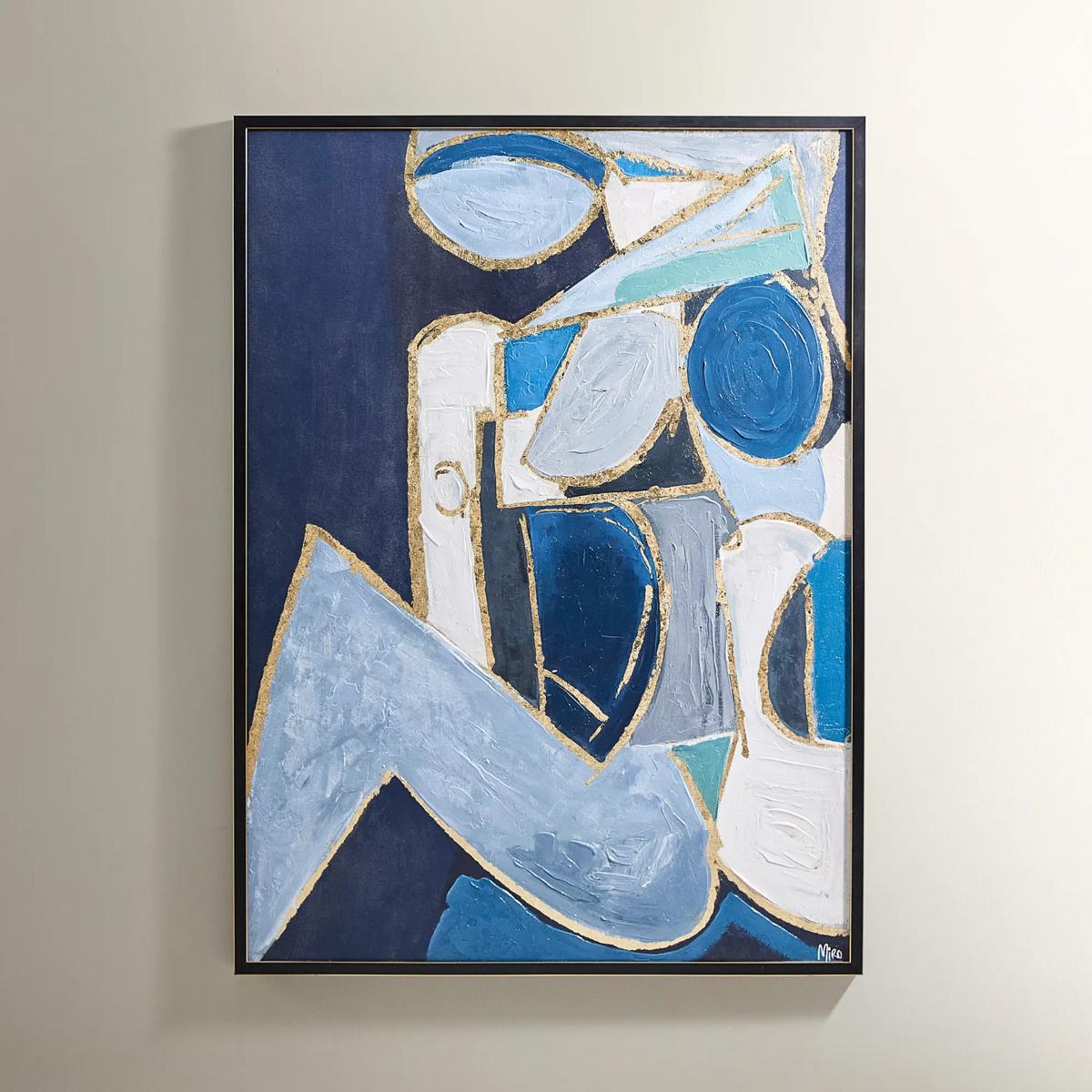
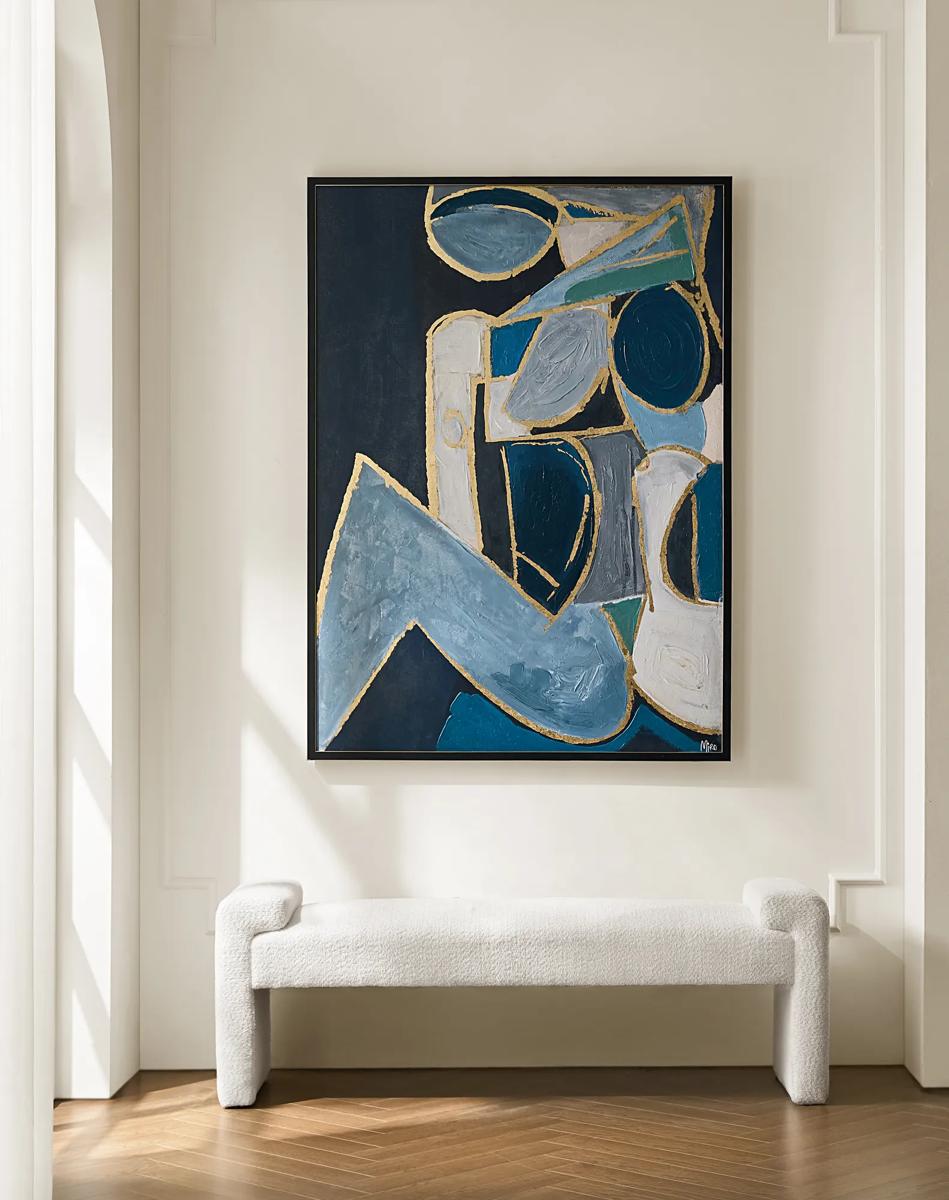 Figure in Cubism Painting$599
A hand-embellished canvas artwork featuring blue, gold, and white hues with elegant silver foil accents.
Add To Cart -
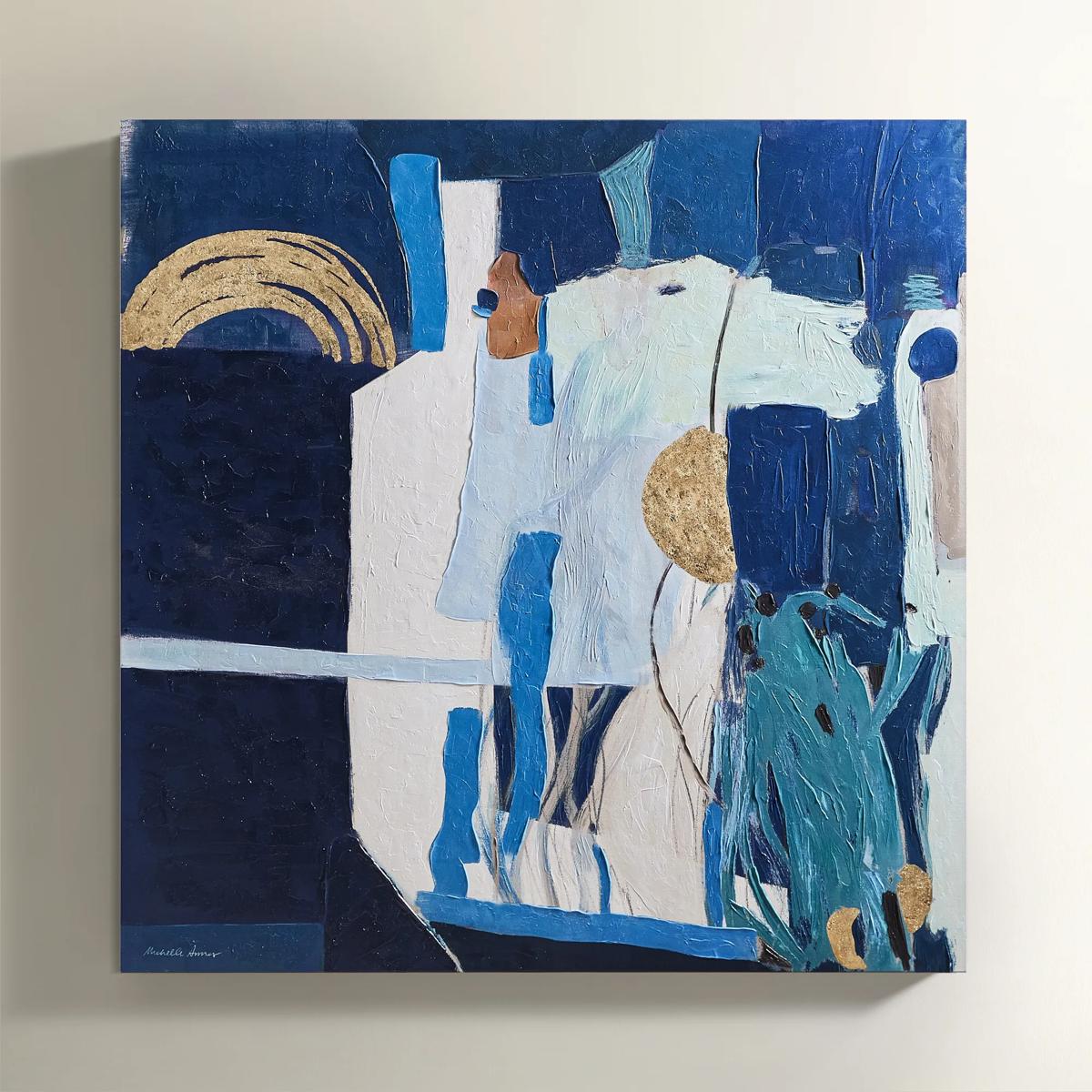
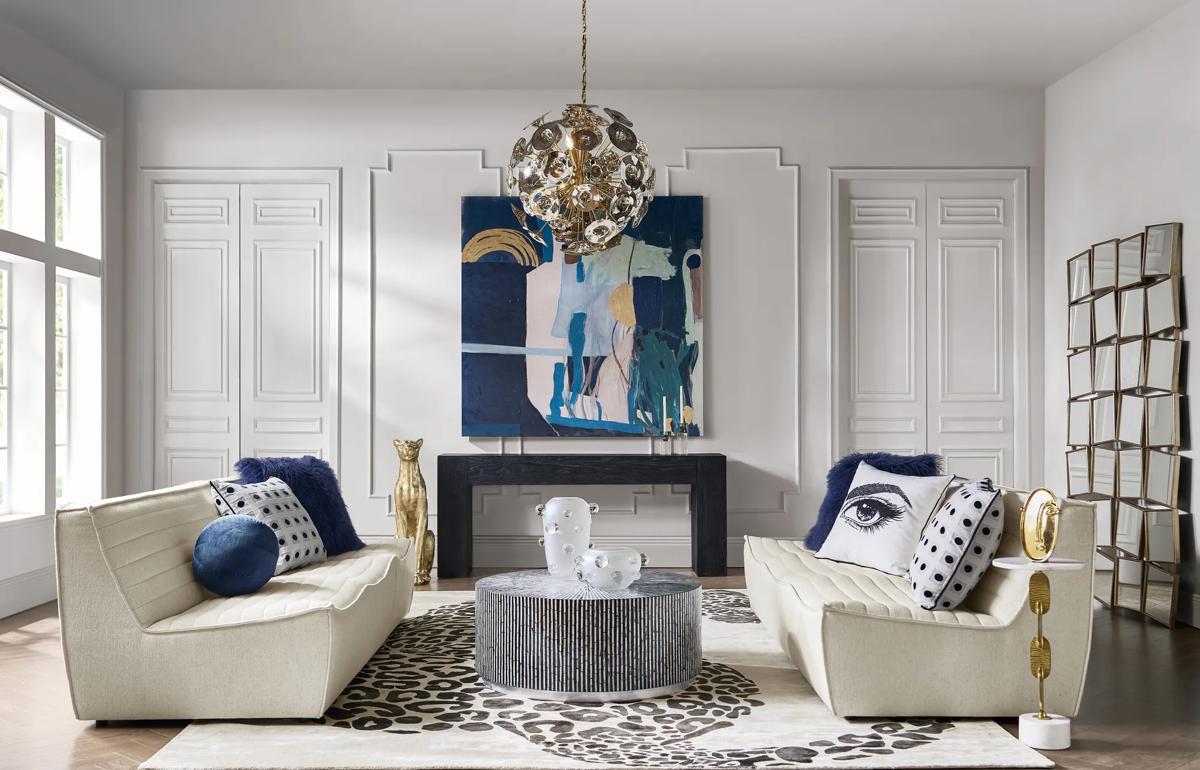 In Flux Painting$699
A hand-embellished canvas artwork featuring deep teal, green, ivory, and gold in a black Art Deco frame.
Add To Cart -
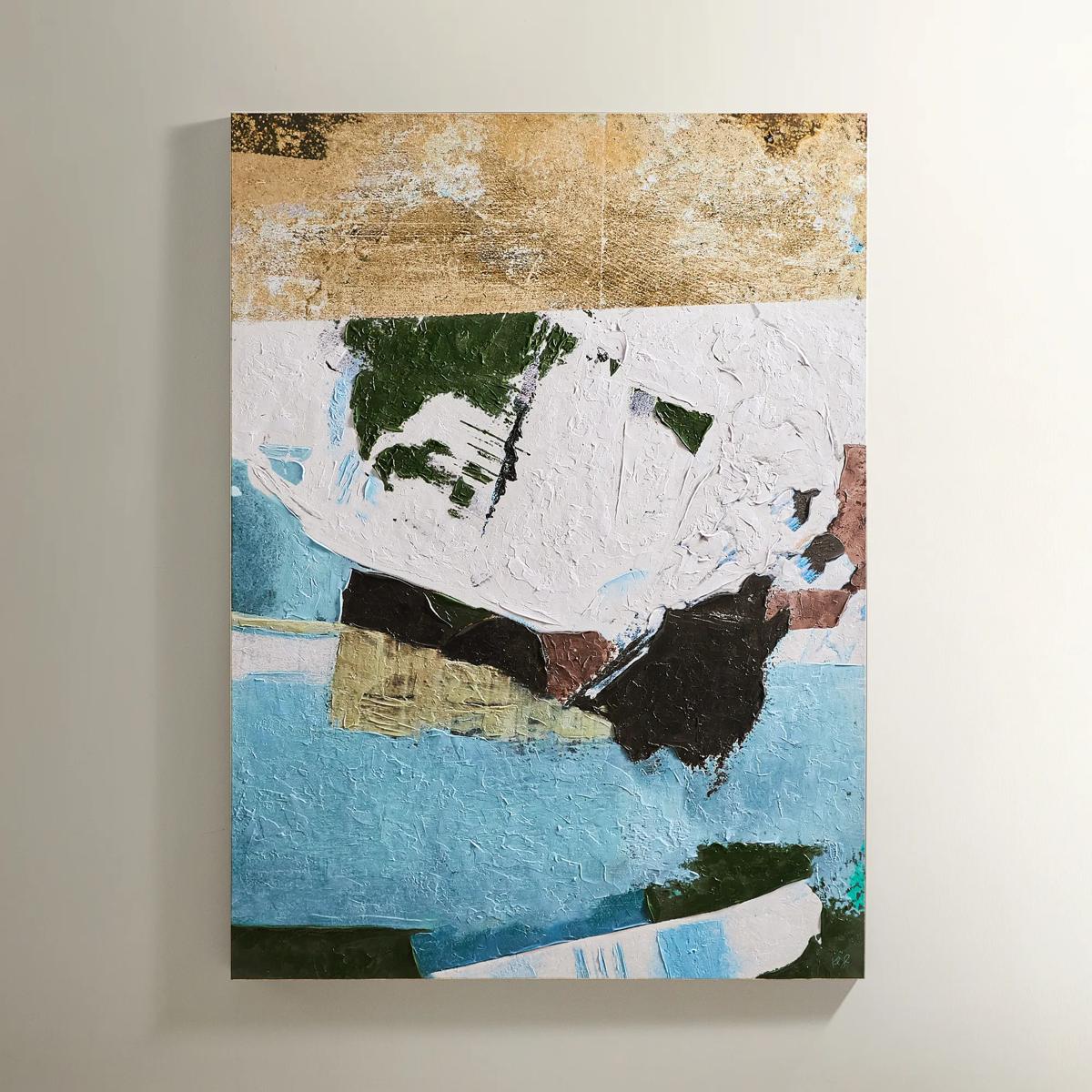 Cadence Painting$599
A hand-embellished canvas artwork featuring textured olive, gold, and ivory strokes in a black and gold frame.
Add To Cart -
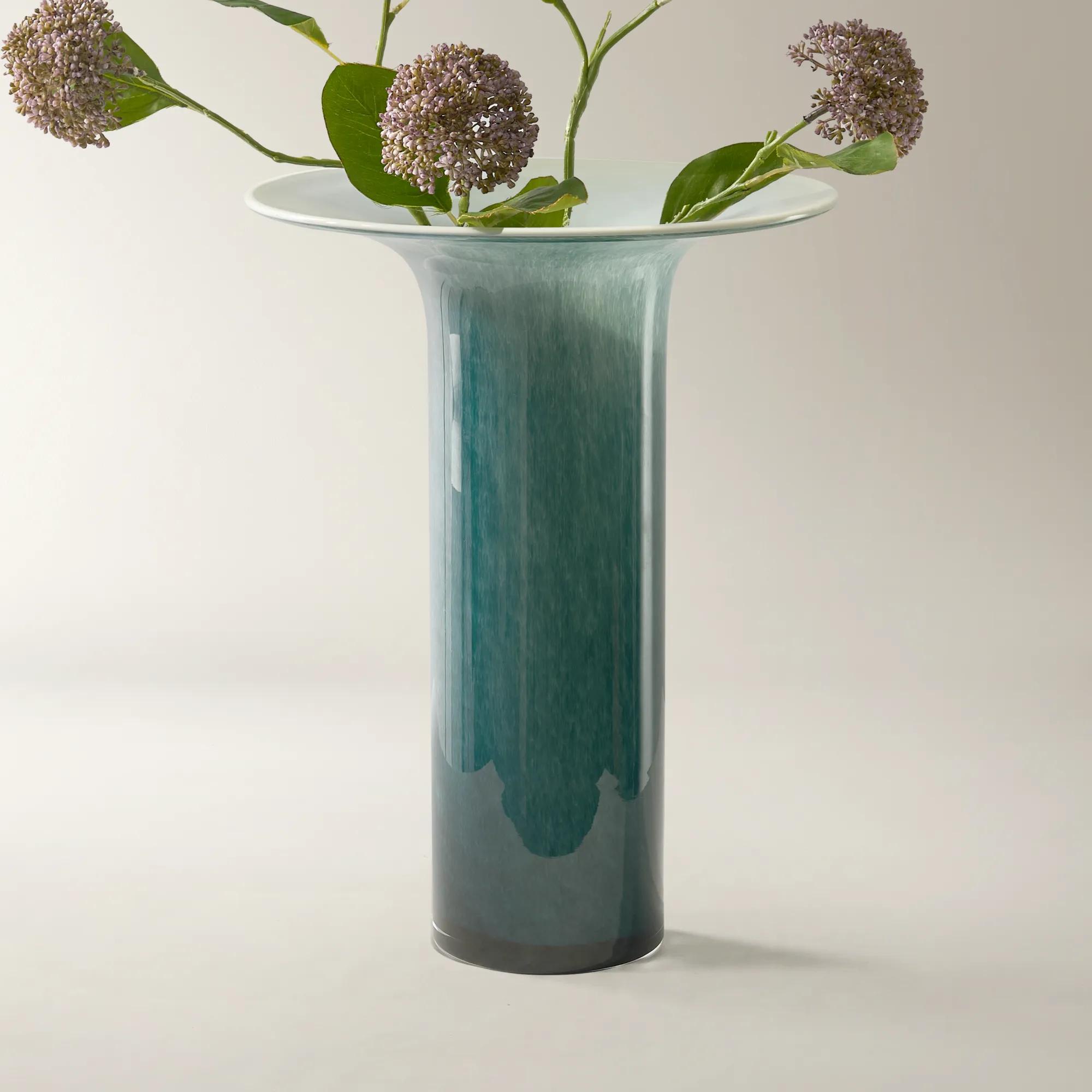 Loft Mouth Blown Deep Teal Glass Vase 15.75"$129
A handblown glass vase in deep teal with a sculptural column silhouette for bold, artful impact.
Add To Cart -
 Icy Mouth Blown Clear Glass Cube Taper Holders$39
A handblown clear glass taper holder with a bold geometric silhouette and luminous, icy light play.
Add To Cart -
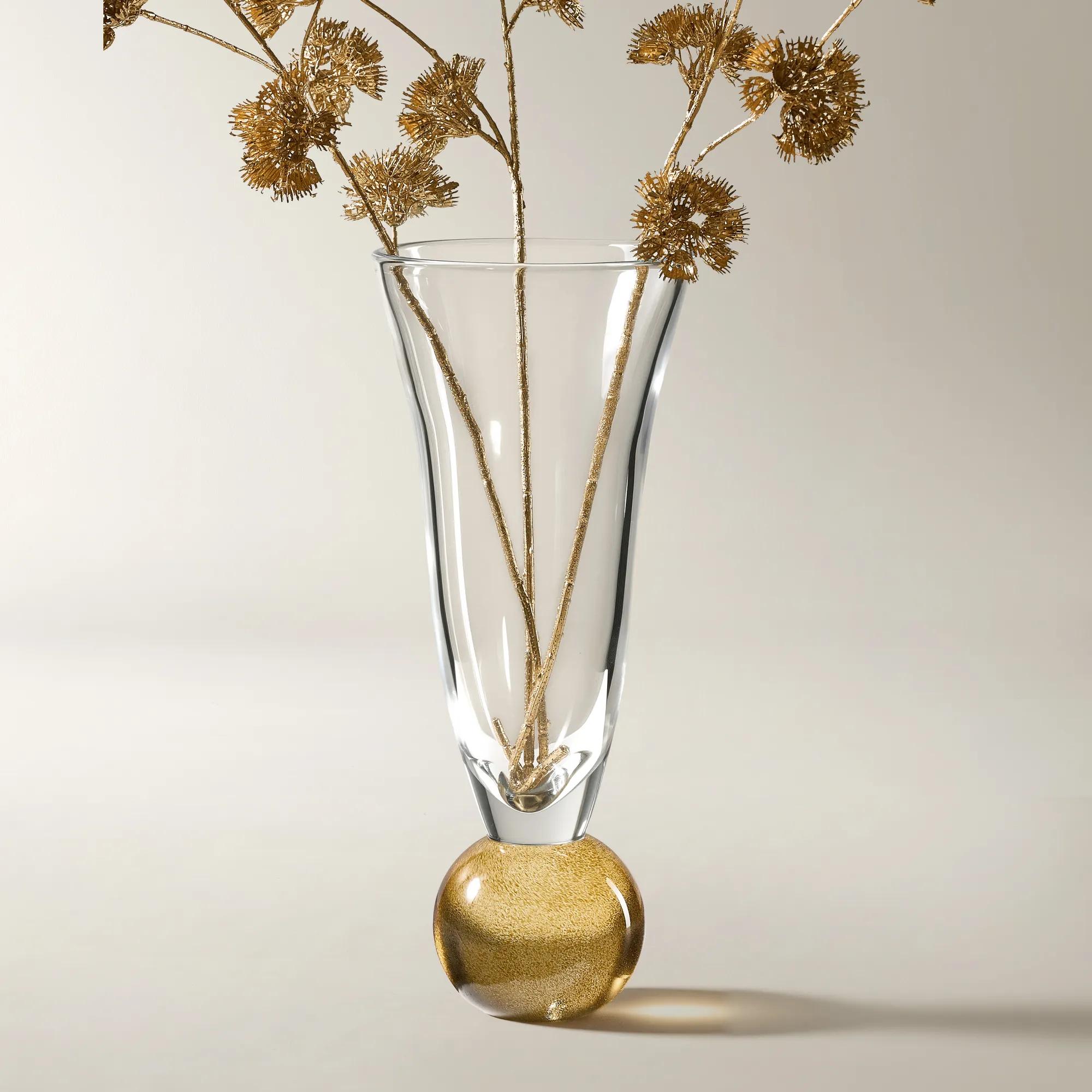 Palazzo Mouth Blown Honey Gold Clear Glass Vase 17.25"$119
A handblown glass vase in luminous honey gold with a sculptural, bauble-inspired silhouette.
Add To Cart

Elegant Centerpiece Ideas
Elegant Centerpiece Ideas transform any table into a stage for artistry and allure, inviting conversation and admiration at every glance. Imagine sculptural silhouettes catching the light, lush botanicals spilling over gilded vessels, and candlelit accents casting a spell of sophistication across your dining tableau. Each arrangement is an opportunity to express your unique vision—whether you crave opulent drama or understated glamour, these inspired centerpieces promise to elevate gatherings into unforgettable moments. Let your table become the heart of your home’s story, where every detail dazzles and every occasion feels extraordinary.
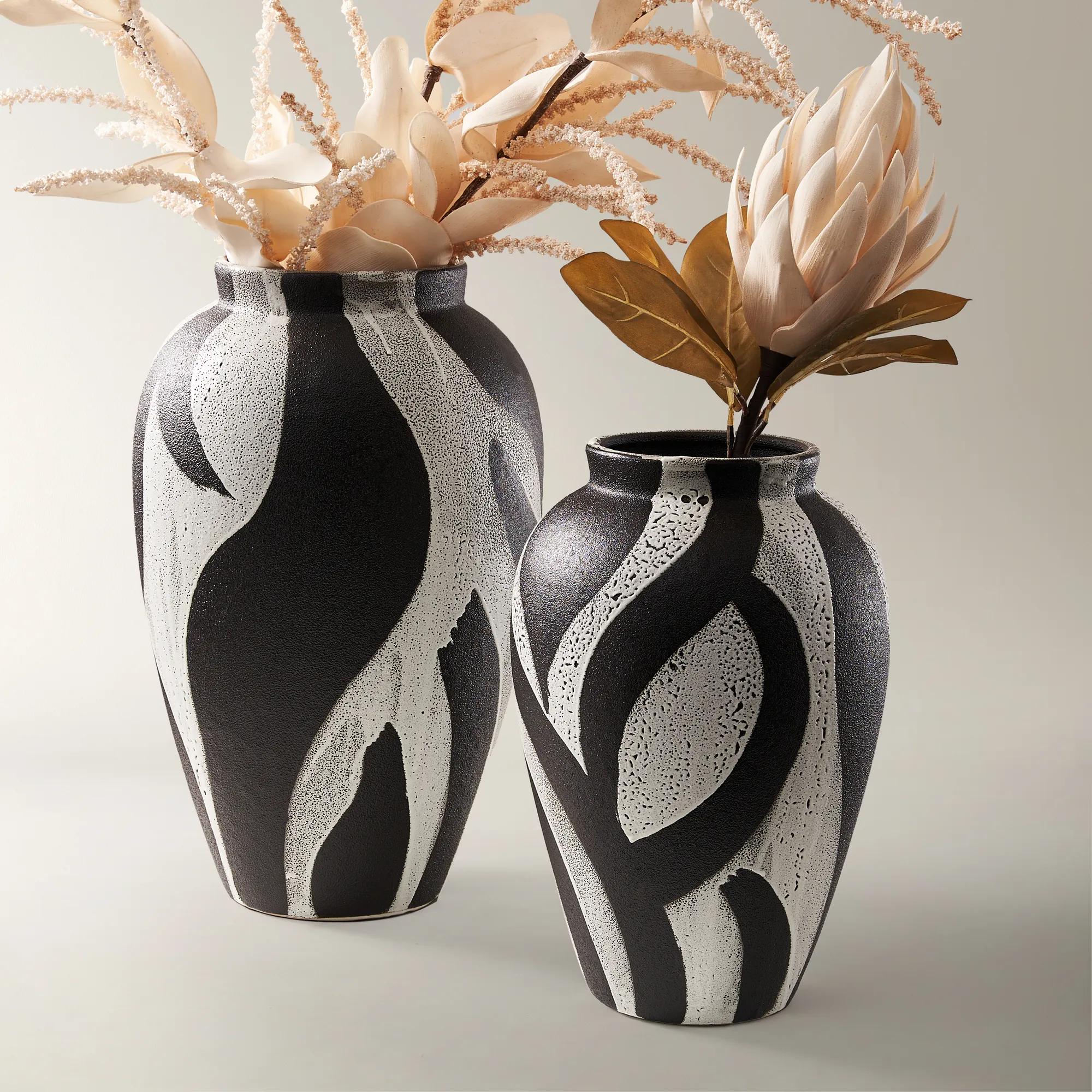
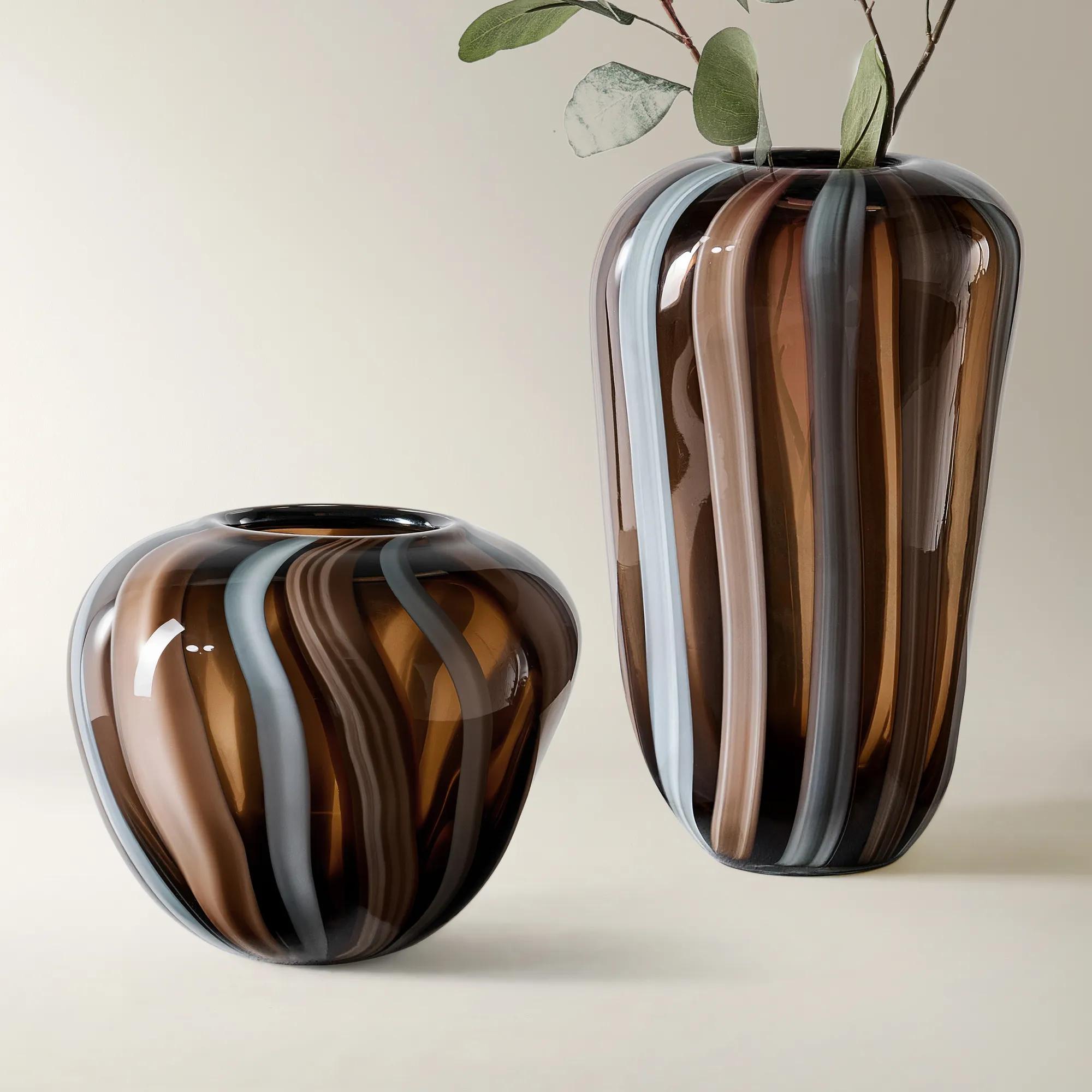
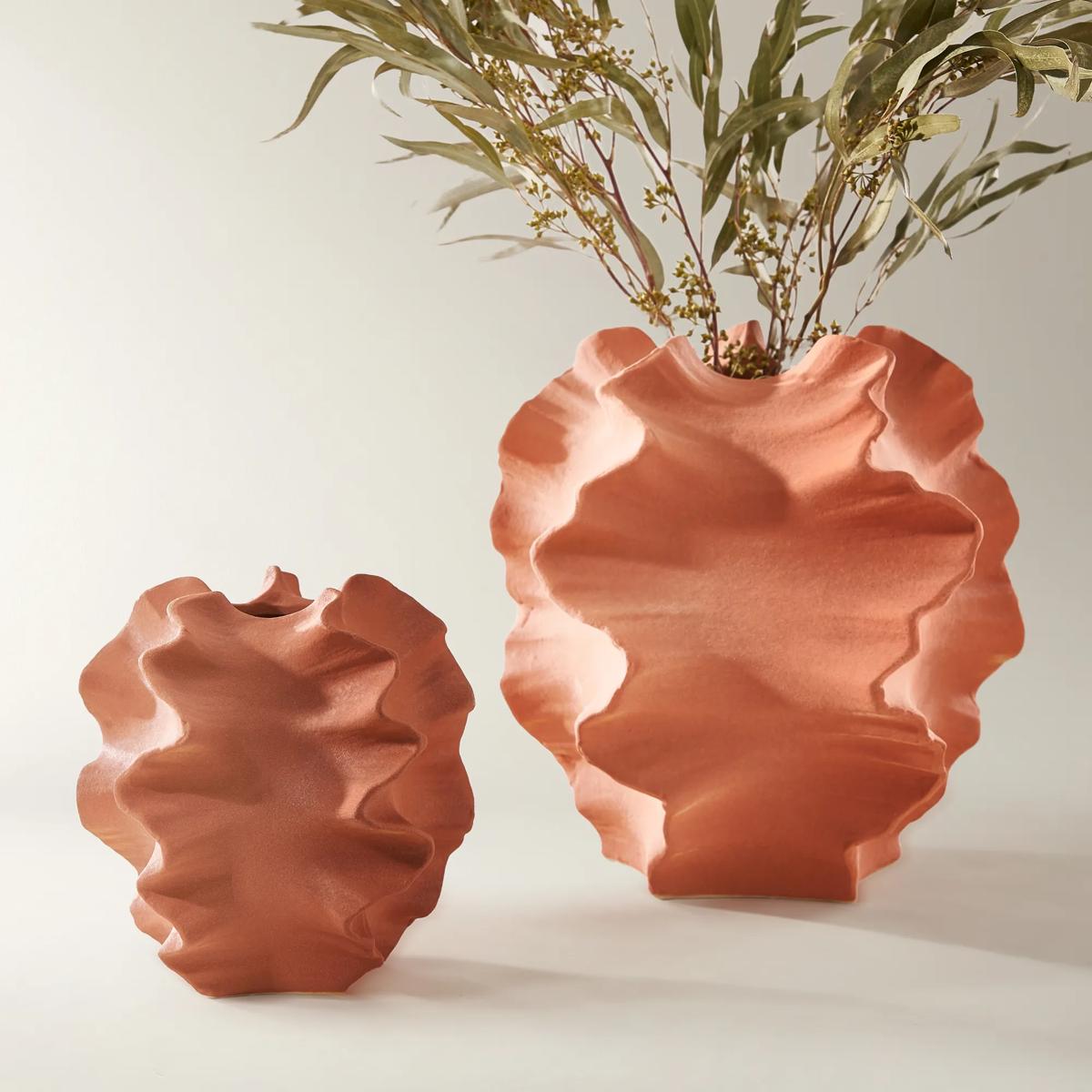
Elegant centerpiece ideas bring together sculptural vessels, expressive florals, luminous accents, and balanced proportions to give a table a distinctive focal point. The most compelling arrangements feel connected to the room: a gleaming metallic finish echoes the warmth of nearby lighting, a richly textured bowl complements upholstered dining chairs, or clear glass introduces sparkle against a dark wood surface. Decorative vases, bowls, trays, candleholders, and sculptural objects each offer a different kind of presence, from graceful and romantic to architectural and dramatic. Their appeal extends beyond formal entertaining. A thoughtfully chosen centerpiece gives an everyday dining table the same sense of intention as a beautifully appointed living room, creating a setting that feels complete even before the place settings appear. Materials establish much of that mood. Clear and cut glass invite light into an arrangement, while ceramic and porcelain lend depth through glaze, silhouette, and surface texture. Polished metal creates a more reflective statement; brushed or antiqued finishes offer a softer glow with greater visual texture. Natural stone introduces substantial weight and distinctive veining, making even a simple shape feel expressive. These differences matter as much as color. A pale vessel with a dimensional surface can command attention without competing with patterned dinnerware, while a dark sculptural form brings definition to a light tabletop. Floral centerpieces add another layer of character, whether the composition features fresh flowers, lifelike stems, or an airy arrangement of branches. Full blooms create lush volume, while fewer, more expressive stems allow the vessel itself to remain part of the composition. An elegant result does not depend on a large number of objects. A single generous bowl, an artful vase, or a carefully balanced grouping can establish the entire mood, especially when its finish and proportions have a clear relationship to the surrounding furniture. The distinction lies in how shape, texture, light, and open space work together rather than in decoration alone.
Scale determines whether a centerpiece feels beautifully integrated or simply occupies the table. A long dining surface can carry an elongated tray, a generous floral vessel, or a composition that repeats forms along its center, while a round table often benefits from a focal point that feels equally considered from every seat. On a smaller table, a sculptural piece with a defined silhouette can deliver drama without spreading into the space needed for plates, glasses, and serving dishes. Height deserves equal attention. Low arrangements preserve conversation across the table, and taller decorative forms are most comfortable when their bulk does not interrupt seated sightlines. For dinners served family-style, a centerpiece contained on a tray is easier to relocate when platters arrive; for a formal gathering, individual accents can create visual rhythm between place settings without crowding them. Visual weight also affects the fit. Transparent glass can make a substantial vessel feel airy, whereas opaque stone or richly finished metal gives a compact object greater presence. On glass tabletops, textured ceramics and solid forms provide contrast; on richly grained wood, luminous finishes and quieter shapes allow both the furniture and the arrangement to stand out. Candlelight adds depth to these relationships, catching faceted surfaces and softening the edges of reflective metal. Candleholders need stable bases and enough clearance from flowers, fabric, and overhead elements, while flameless candles offer an alternative where an open flame is unsuitable. Beyond the dining room, centerpiece decor can anchor an entry console, give a coffee table a composed focal point, or bring a dresser into conversation with nearby artwork. A coffee table arrangement generally needs a lower profile and space for everyday use, while an entry table can accommodate a more expansive vertical gesture. For interiors drawn toward architectural silhouettes and bold material contrasts, Modern Centerpiece Ideas offers a complementary direction. Across these settings, elegance comes from choosing pieces that suit the surface, support its purpose, and carry the room’s character into its smallest details.
The lasting appeal of centerpiece decor depends on construction and care as well as appearance. Pieces intended for frequent handling benefit from a stable footprint, a finish suited to their setting, and a manageable weight, particularly when arrangements move between a dining table and a sideboard. Heavy stone can feel wonderfully substantial, but it requires careful lifting; slender glass and fine ceramic offer delicacy that calls for gentler placement. Smooth protective pads beneath decorative objects can help reduce contact with vulnerable furniture finishes, provided they are appropriate for the surface. Fresh floral arrangements require a watertight vessel or a suitable liner, since not every decorative vase is designed to hold water. Moisture should remain contained, especially around wood, stone, and metal, where prolonged contact may leave marks or affect the finish. Care instructions vary by material and construction, so a soft cloth and manufacturer-approved cleaning methods are a better starting point than abrasive cleaners or an assumption that a piece is dishwasher-safe. Reflective surfaces may show fingerprints, textured forms can collect dust in their recesses, and porous stone may be sensitive to spills. Candleholders should be used only with compatible candles and maintained according to their care instructions; lit candles should never be left unattended. Decorative bowls and trays also need an explicit food-safe designation before holding unwrapped food. These practical distinctions preserve the beauty that makes an arrangement worth keeping. They also make centerpiece pieces thoughtful gifts for housewarmings, weddings, and anniversaries, especially when the material and scale reflect the recipient’s home and entertaining style. Someone who hosts intimate dinners may appreciate a low, versatile vessel, while a collector of expressive decor may gravitate toward an unexpected silhouette or richly worked surface. A centerpiece can remain a signature element while its contents change for different gatherings, allowing the same vessel to support a floral composition, decorative accents, or an unadorned sculptural statement. Chosen with that flexibility in mind, elegant tabletop decor becomes more than an embellishment: it gives everyday rituals a sense of occasion and a room a memorable point of view.
FAQs
Select a centerpiece that echoes the mood and color palette of your space. Consider the materials and finishes already present in your room—such as metallics, glass, or ceramics—and look for artistic centerpieces that harmonize with those elements. For a cohesive look, let your centerpiece reflect the same level of drama or subtlety as your overall aesthetic.
A modern centerpiece can be easily transformed for various occasions by adding seasonal accents or layering with complementary décor. For a winter dinner party, try incorporating crystal candleholders and jewel-toned florals. For everyday elegance, keep it simple with sculptural vessels or a curated collection of art objects. The key is to let your centerpiece evolve with the moment, expressing your unique sense of style.
Centerpieces make thoughtful and memorable gifts for anyone who loves to entertain, appreciates interior design, or enjoys refreshing their living space. They are especially ideal for housewarmings, anniversaries, and milestone celebrations, offering a lasting reminder of your appreciation and taste.
Strategically placed lighting can dramatically amplify the visual allure of your centerpiece. Use dimmable overhead fixtures, spotlights, or surrounding candles to cast a warm, inviting glow that highlights textures and details. Mirrored or metallic centerpieces will reflect and magnify the light, creating an atmosphere of pure opulence.
This season, center table decor ideas are embracing bold contrasts—think mixed materials like marble and crystal, lush botanicals in oversized vessels, and layered arrangements of sculptural objects. Deep jewel tones, mirrored finishes, and artistic centerpieces that double as conversation pieces are especially sought after for their ability to infuse any space with dramatic flair.