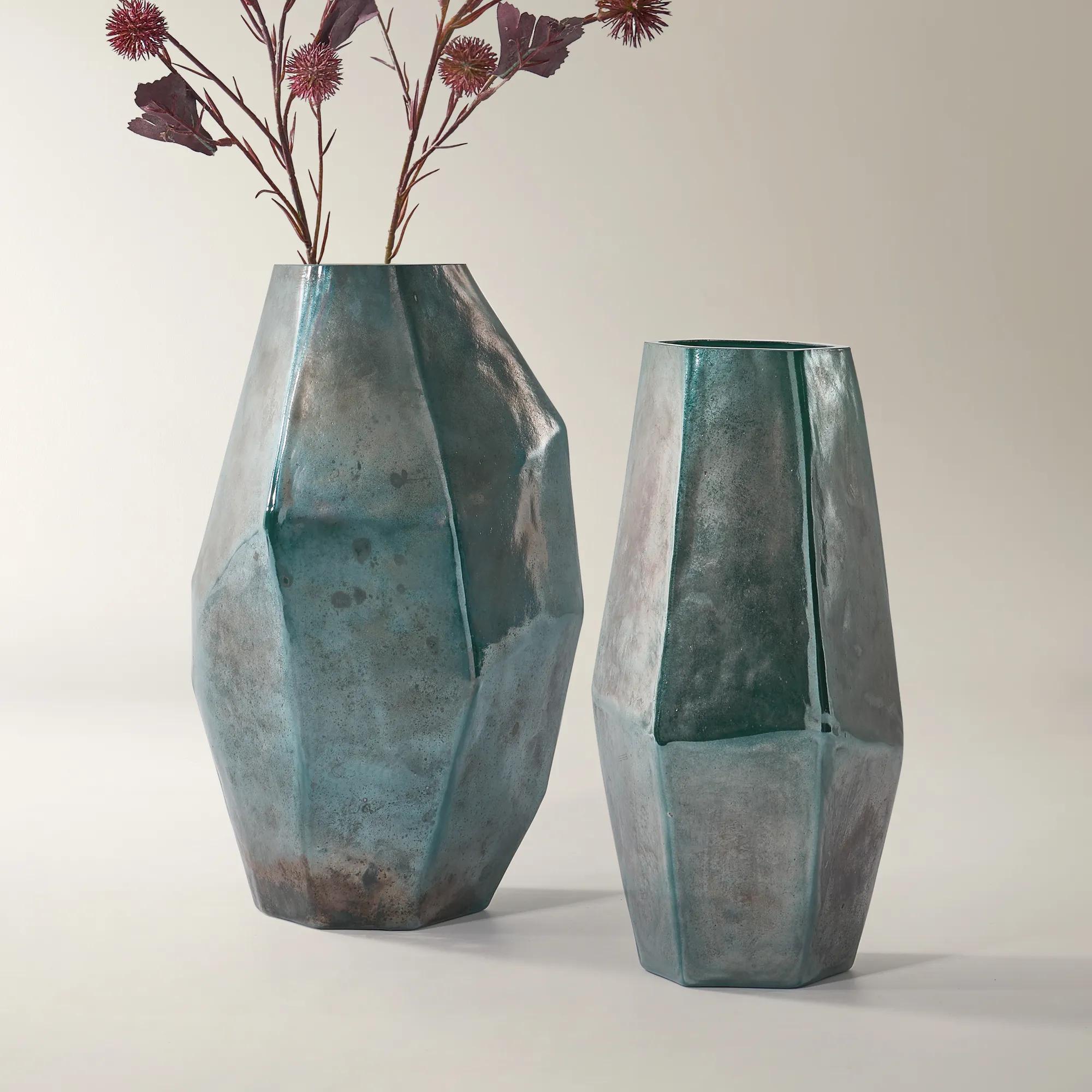
Unique Centerpiece Ideas
Unique Centerpiece Ideas
-
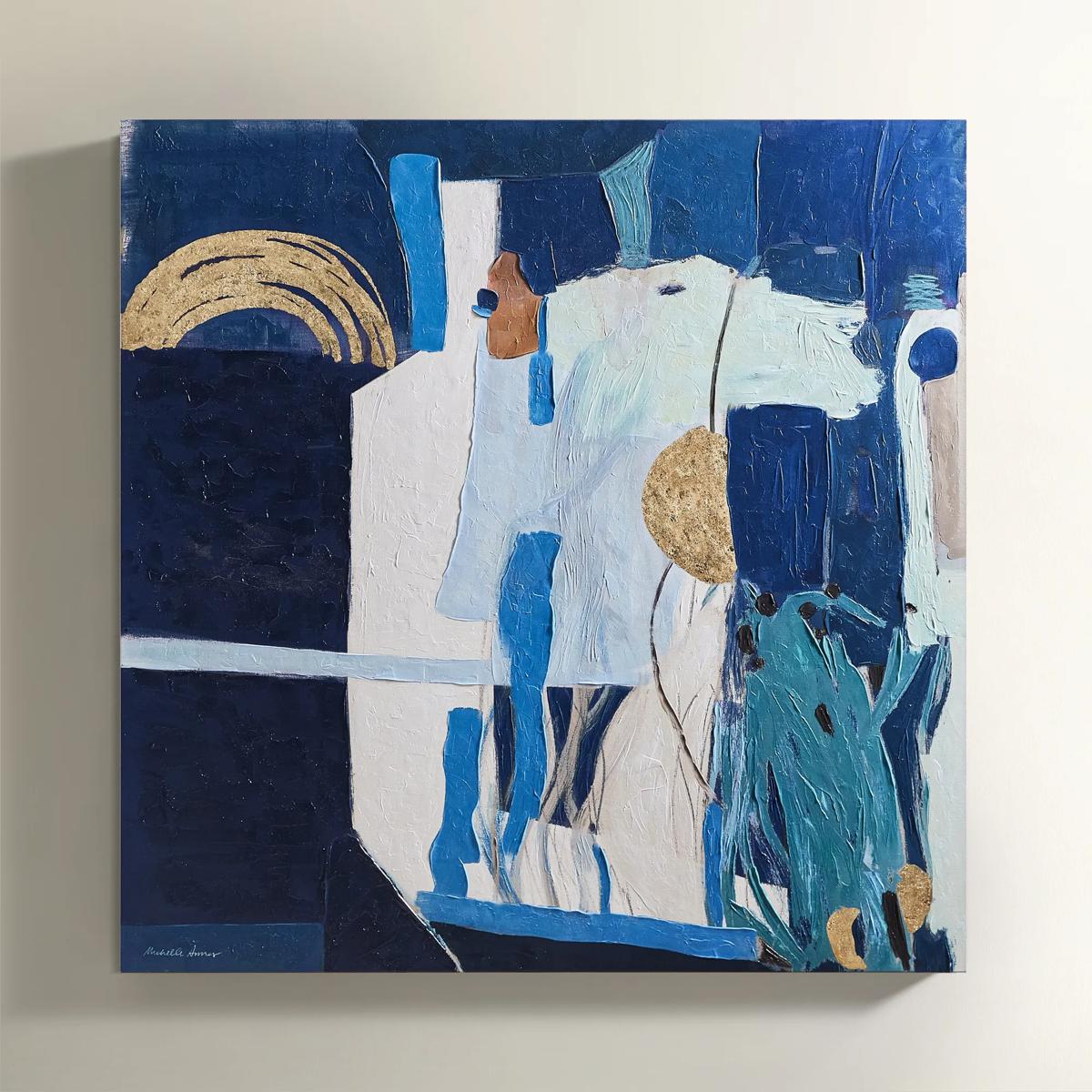
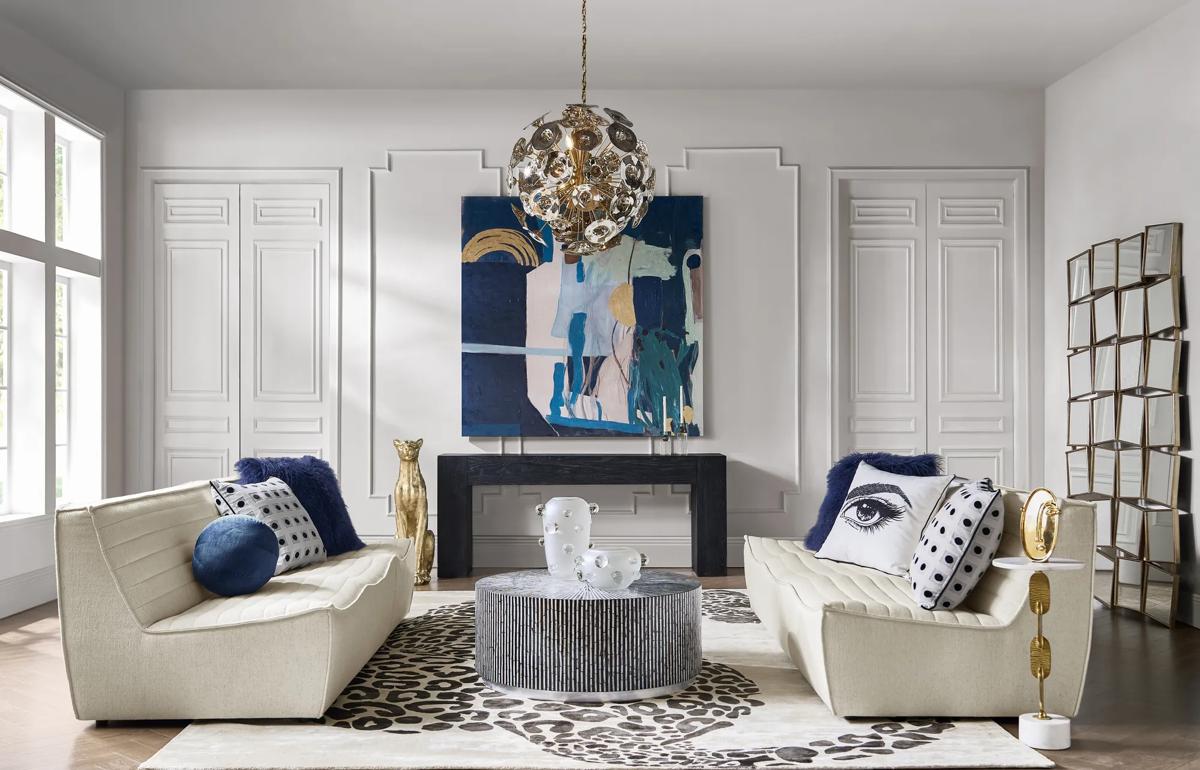 In Flux Painting$699
A hand-embellished canvas artwork featuring deep teal, green, ivory, and gold in a black Art Deco frame.
Add To Cart -
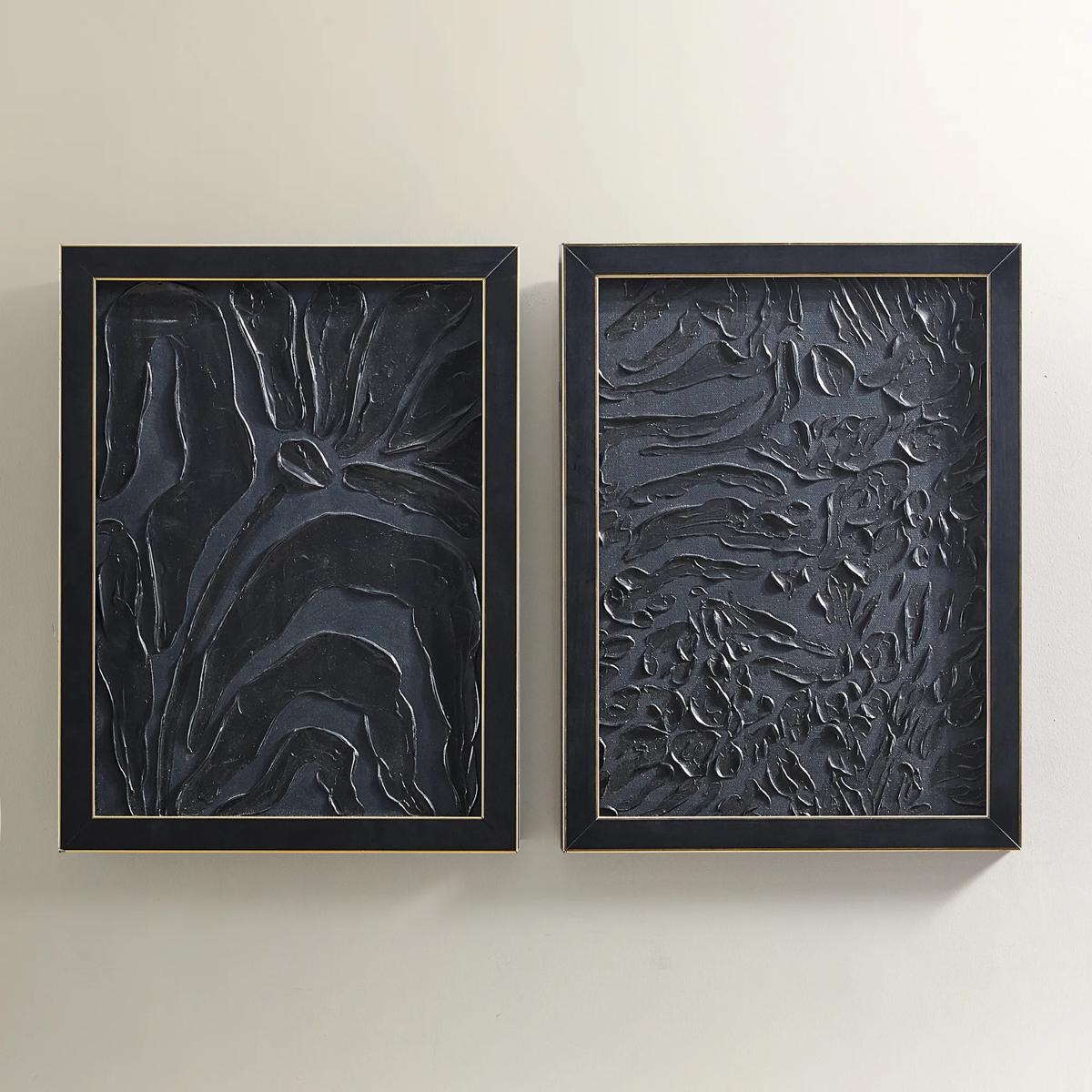
 Midnight Animal Painting - Set of 2$119
A set of hand-embellished canvas artworks in black and gold frames, adding depth and warmth to interiors.
Add To Cart -
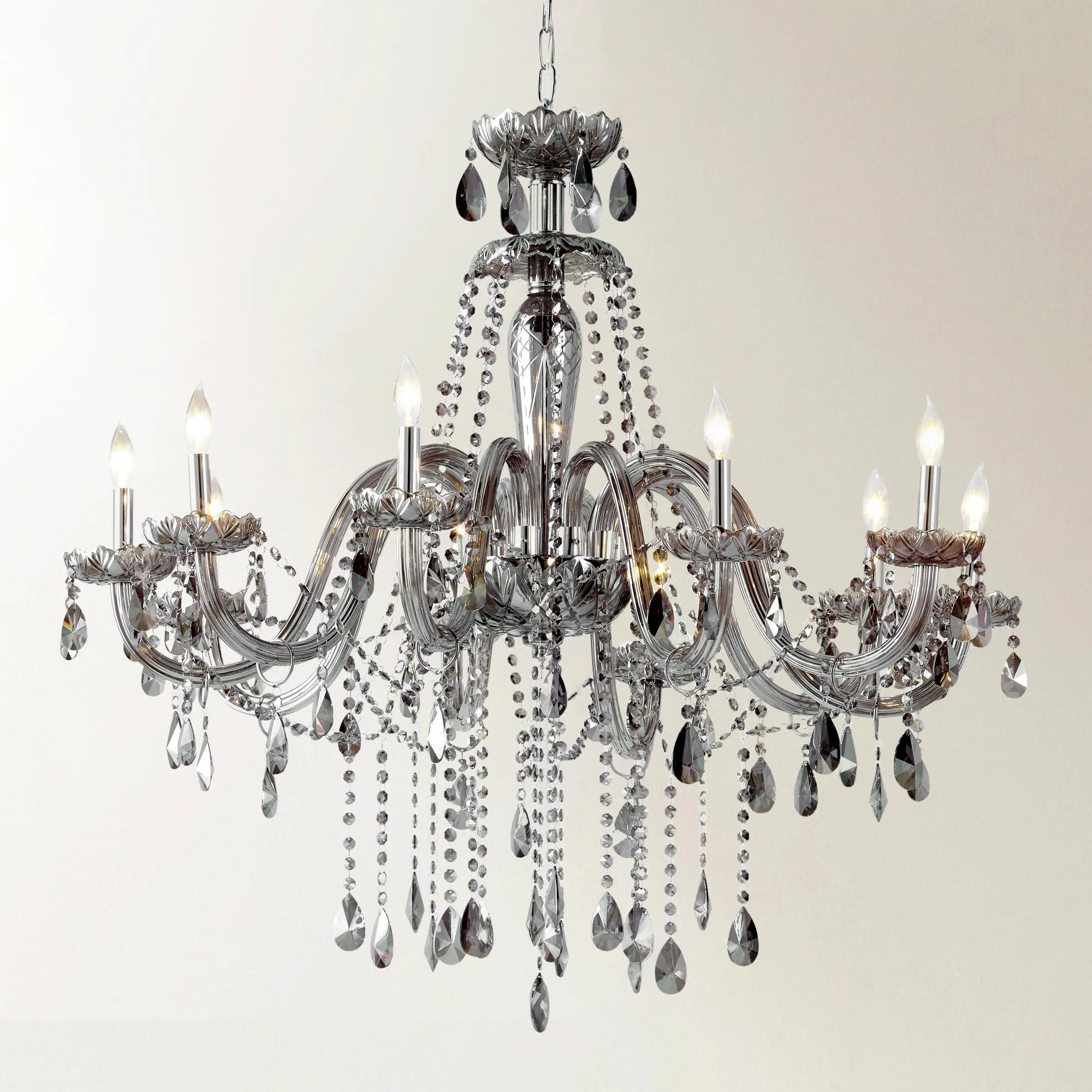
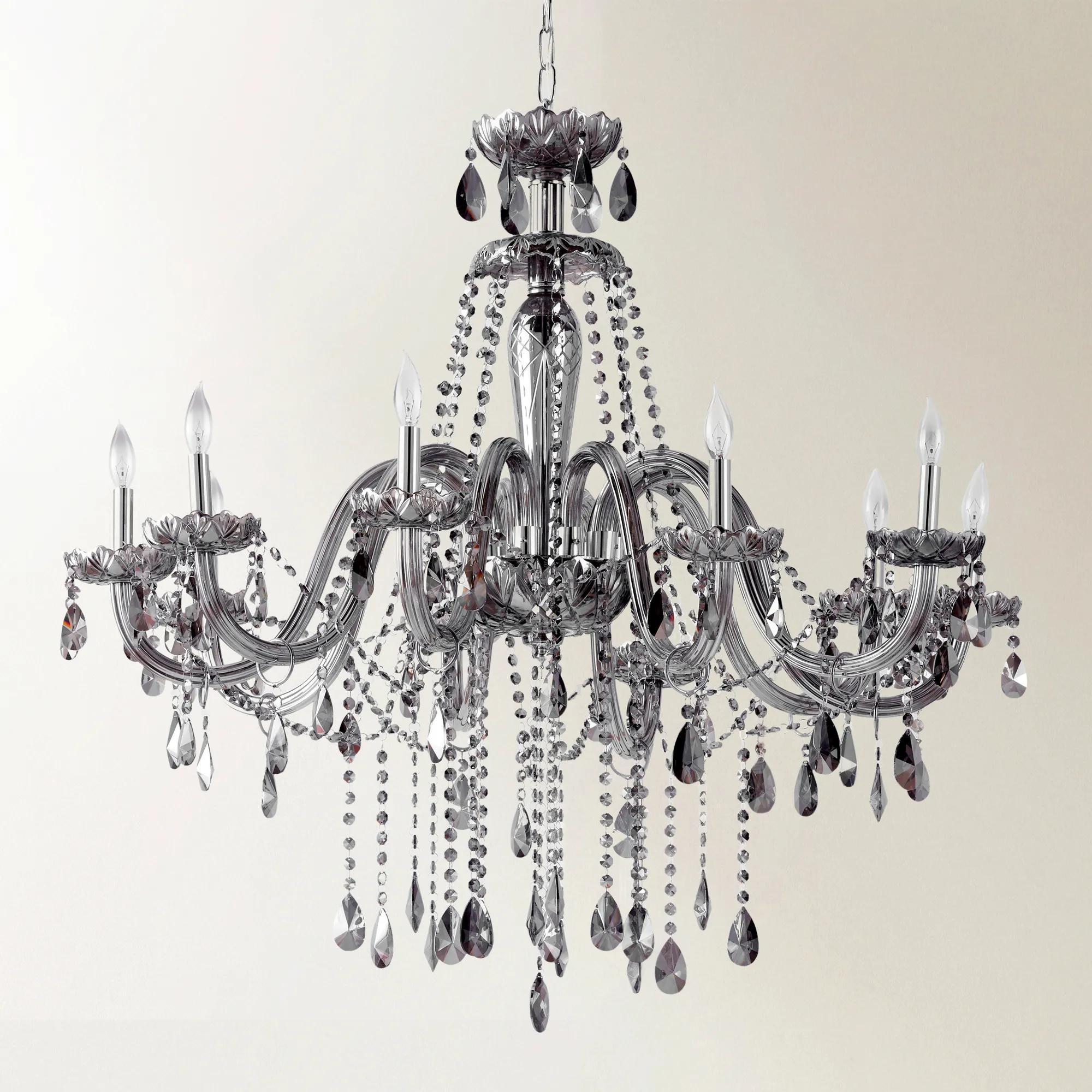 Omni Chandelier 38.5" - Graphite$999
A dazzling chandelier featuring graphite faceted crystals and ten fluted glass arms with nickel hardware.
Add To Cart -
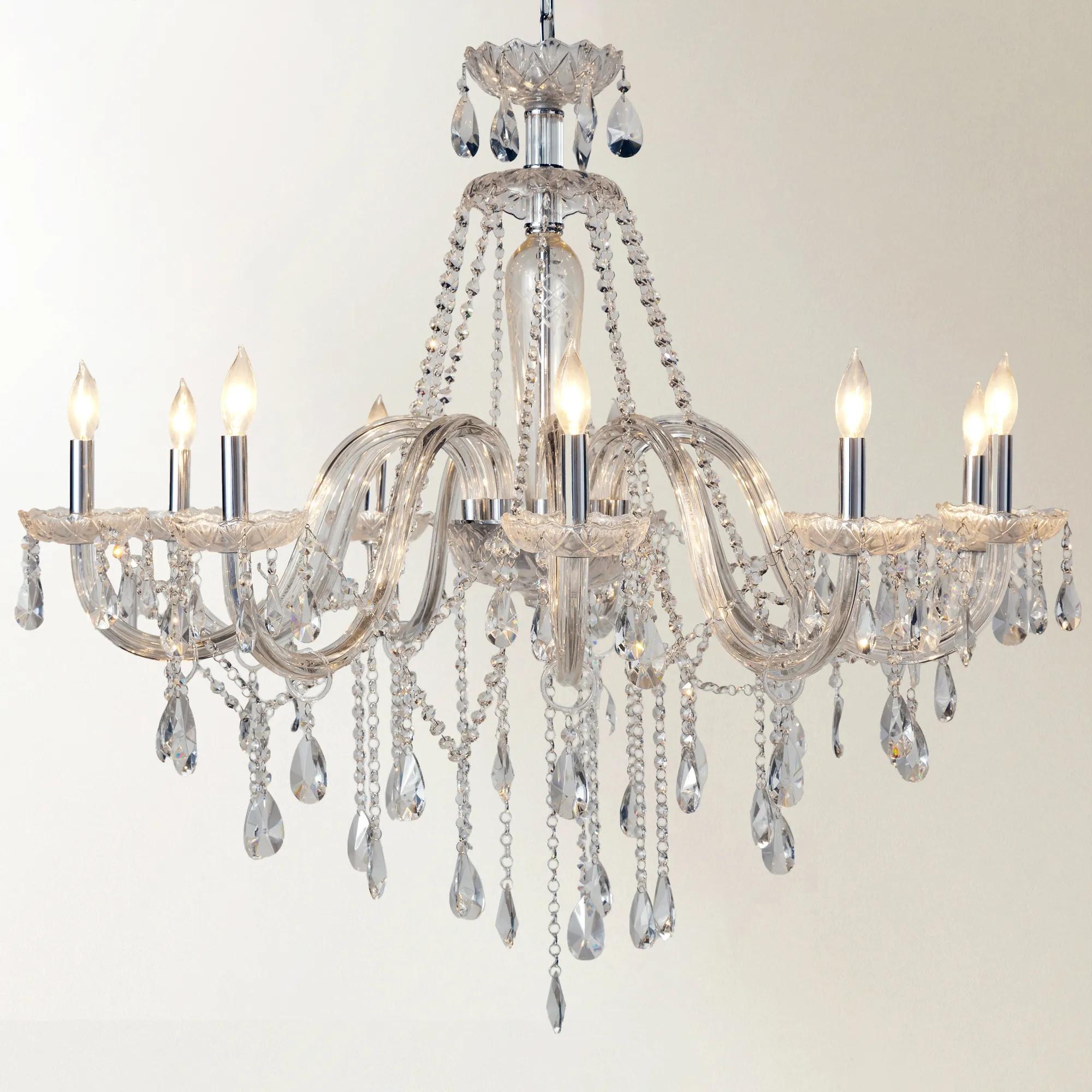
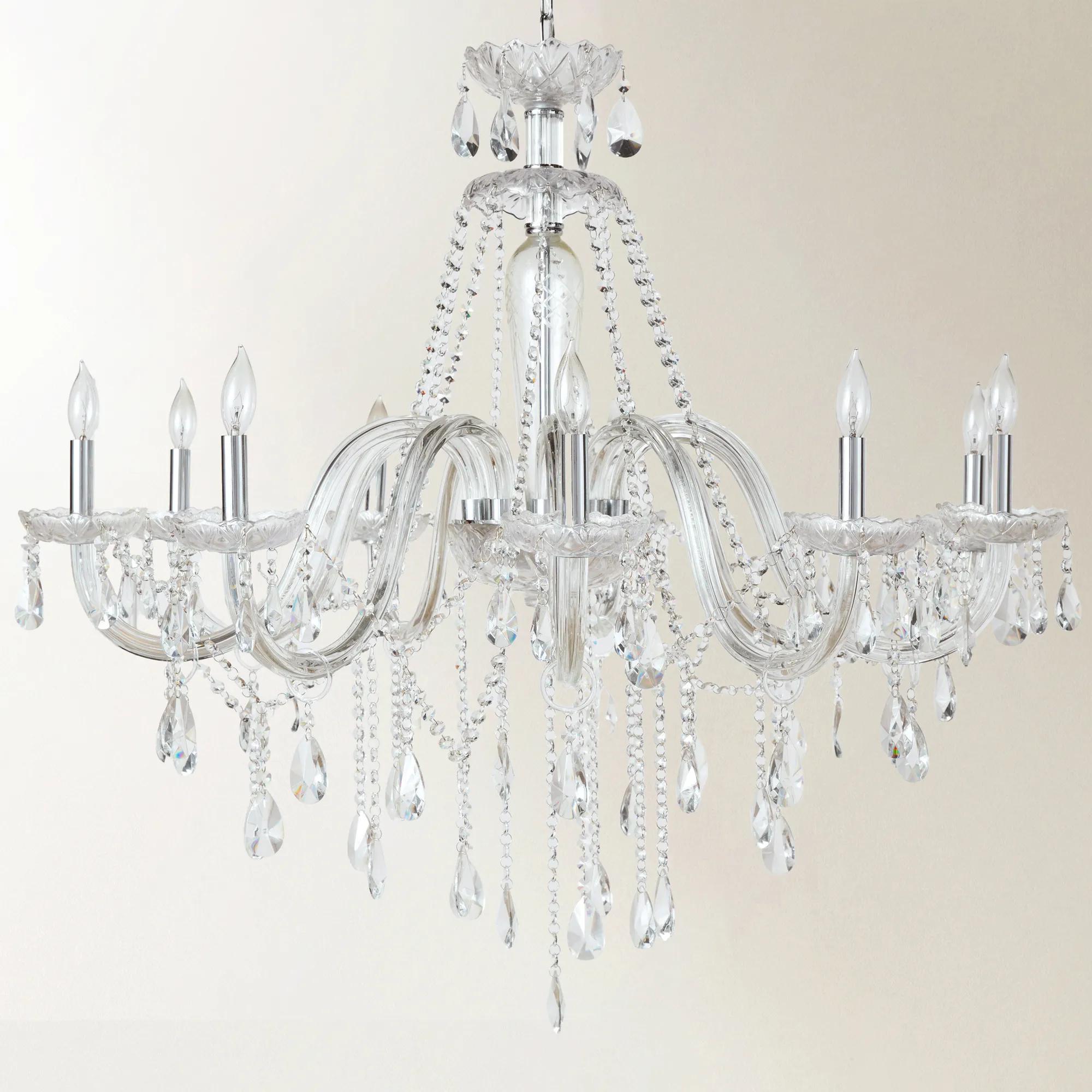 Omni Chandelier 38.5" - Clear$999
A dazzling chandelier featuring hundreds of clear faceted crystals and ten fluted glass arms with nickel hardware.
Add To Cart -
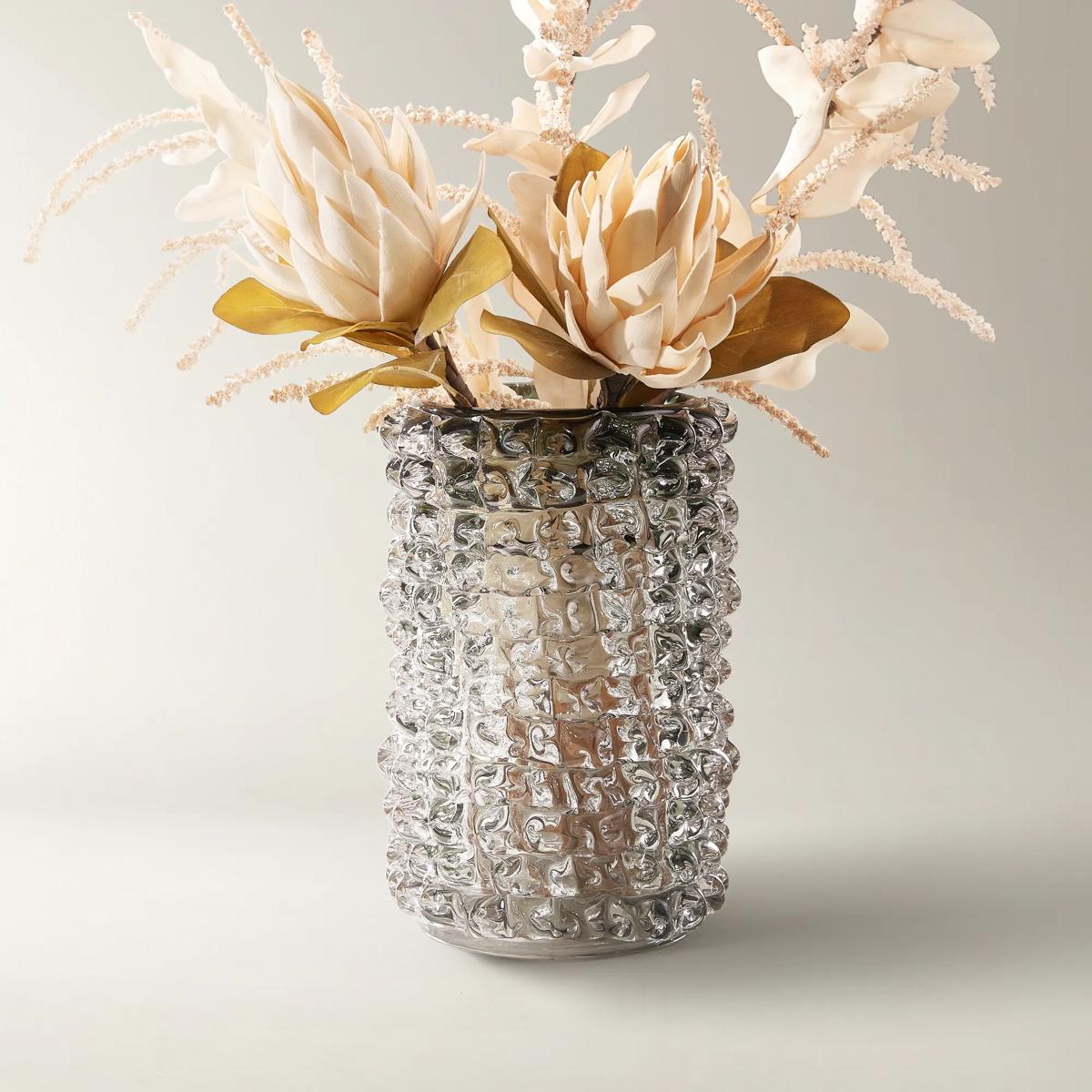
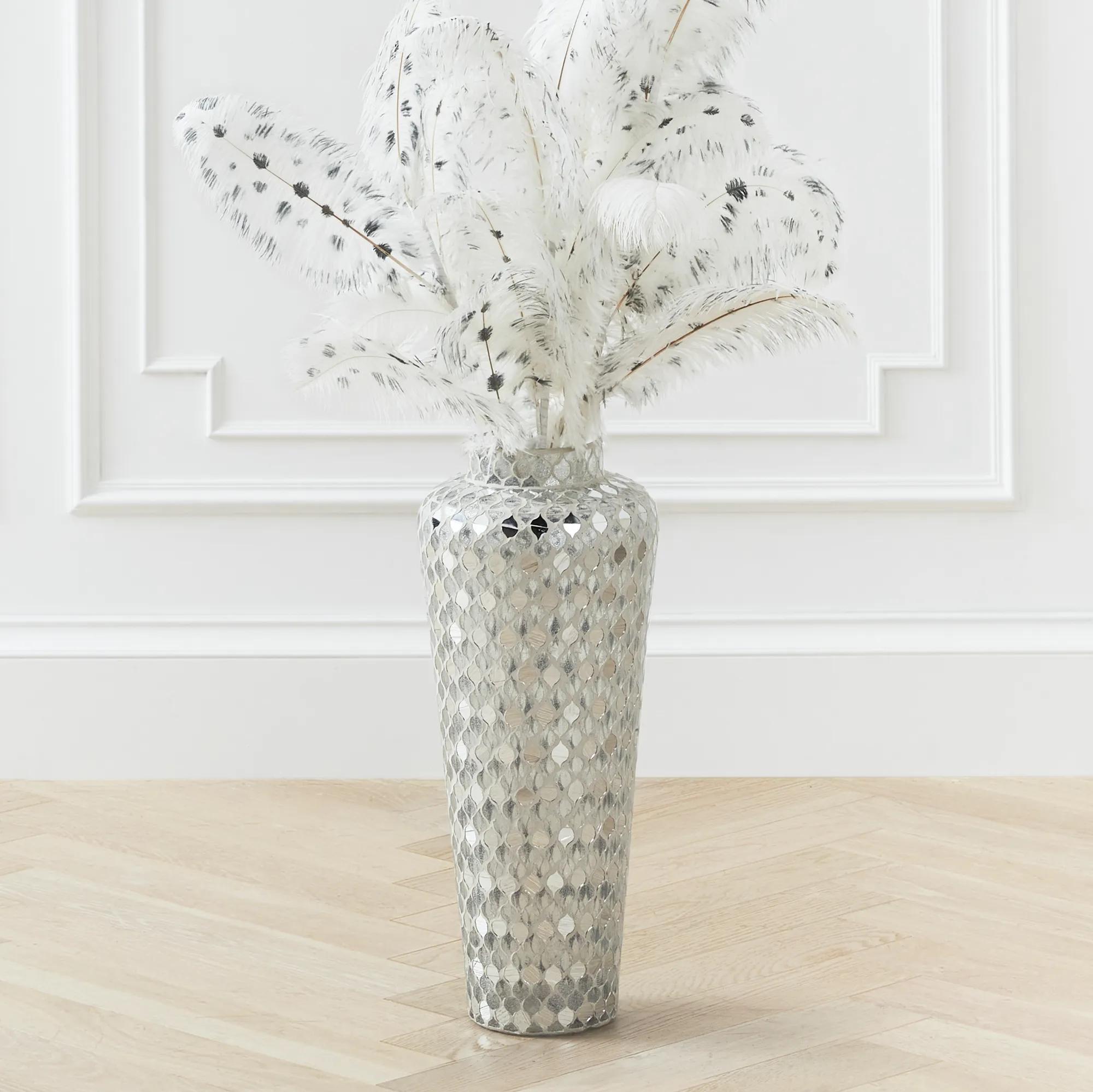 Fez Vase$139
A dazzling glass vase adorned with iridescent mirror and clear tiles for a glamorous decorative accent.
Add To Cart -
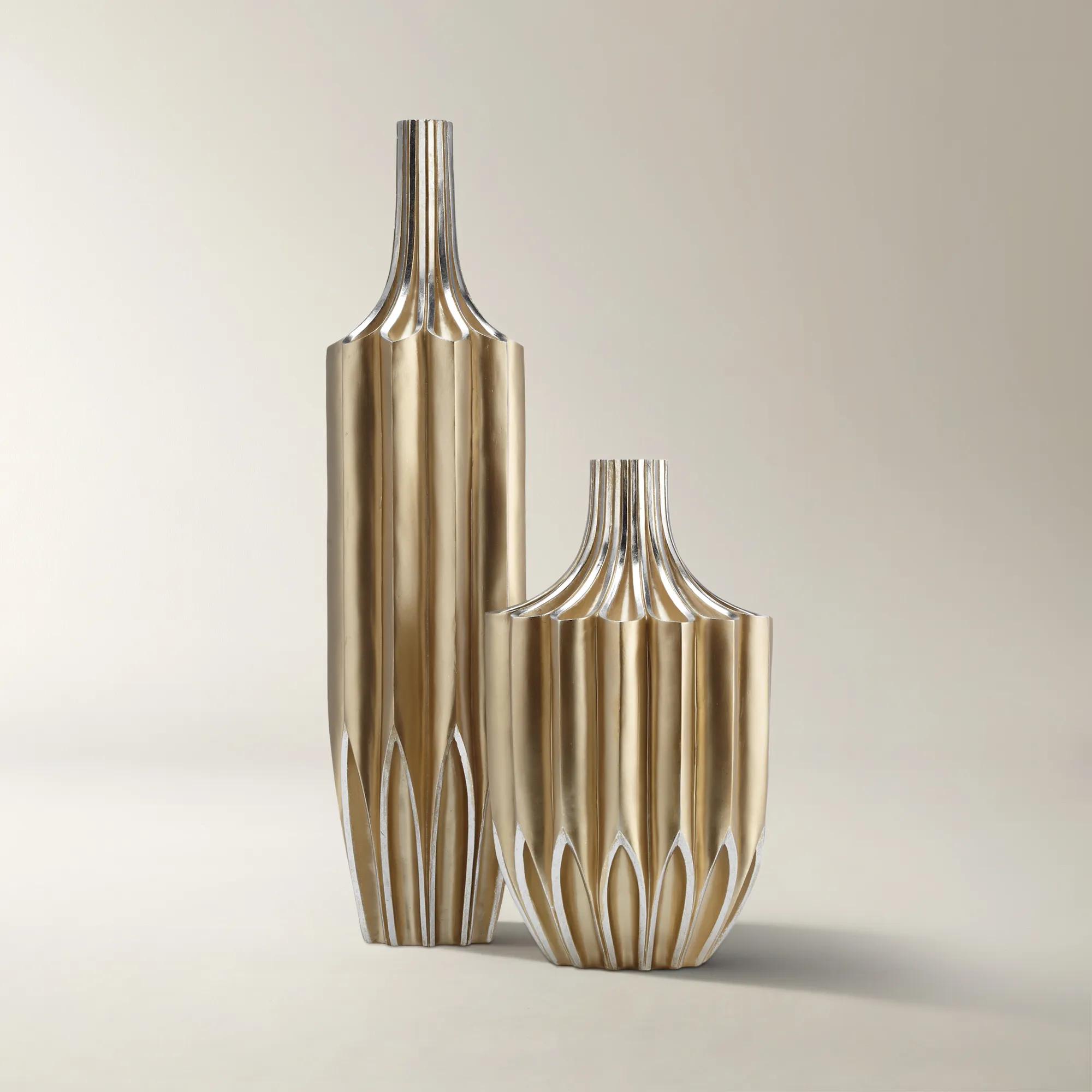
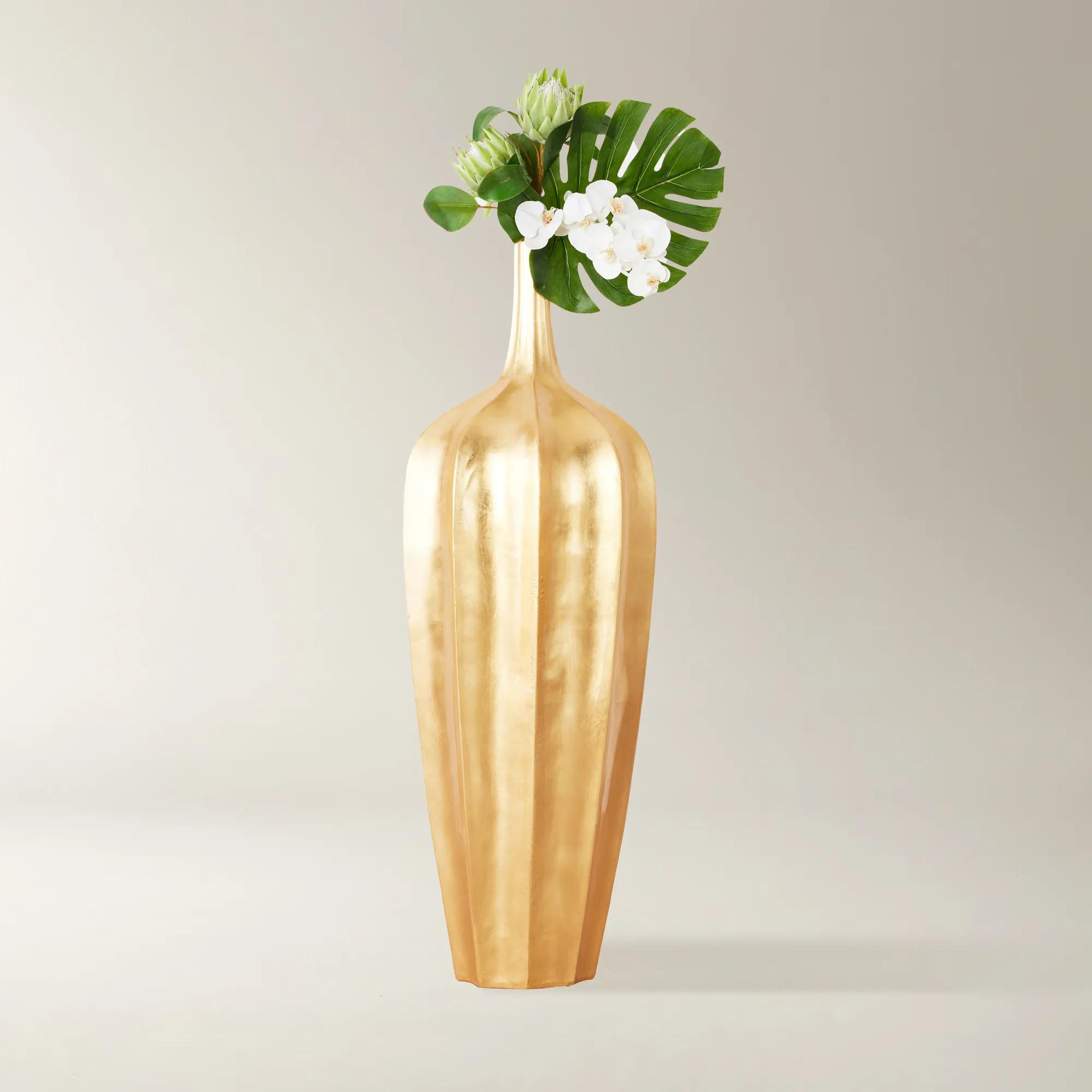 Accolade Gold Leaf Resin Floor Vase 48.75"$539
A fluted fiberglass vase featuring a lustrous gold foil finish for a striking decorative accent.
Add To Cart -
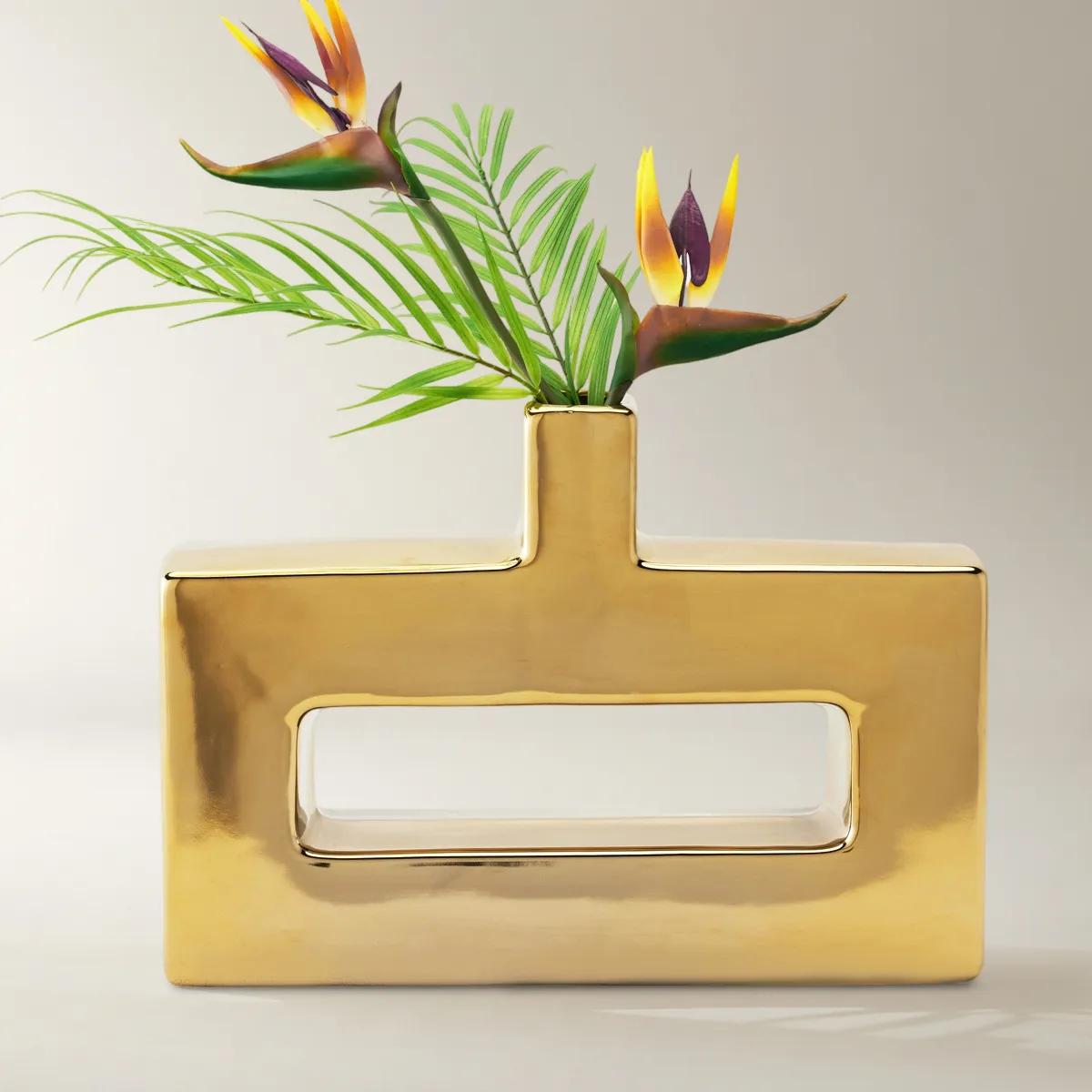 Miami Gold Ceramic High Gloss Vase 11.75"$69
A contemporary gold ceramic vase designed for decorative use as a sculptural accent or with foliage.
Add To Cart -
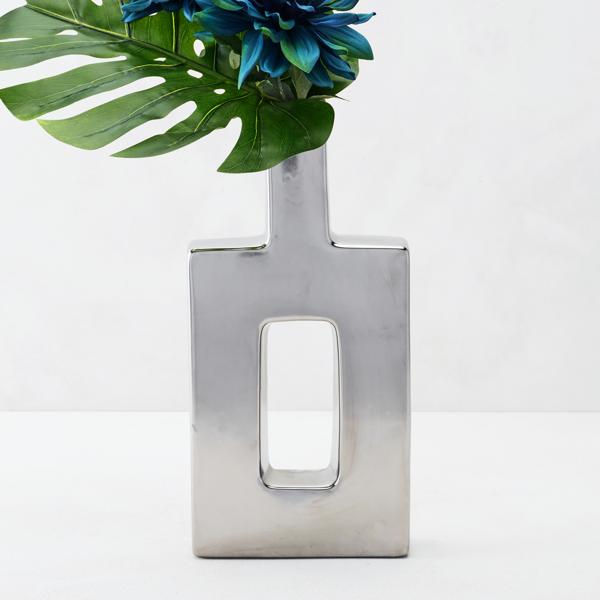
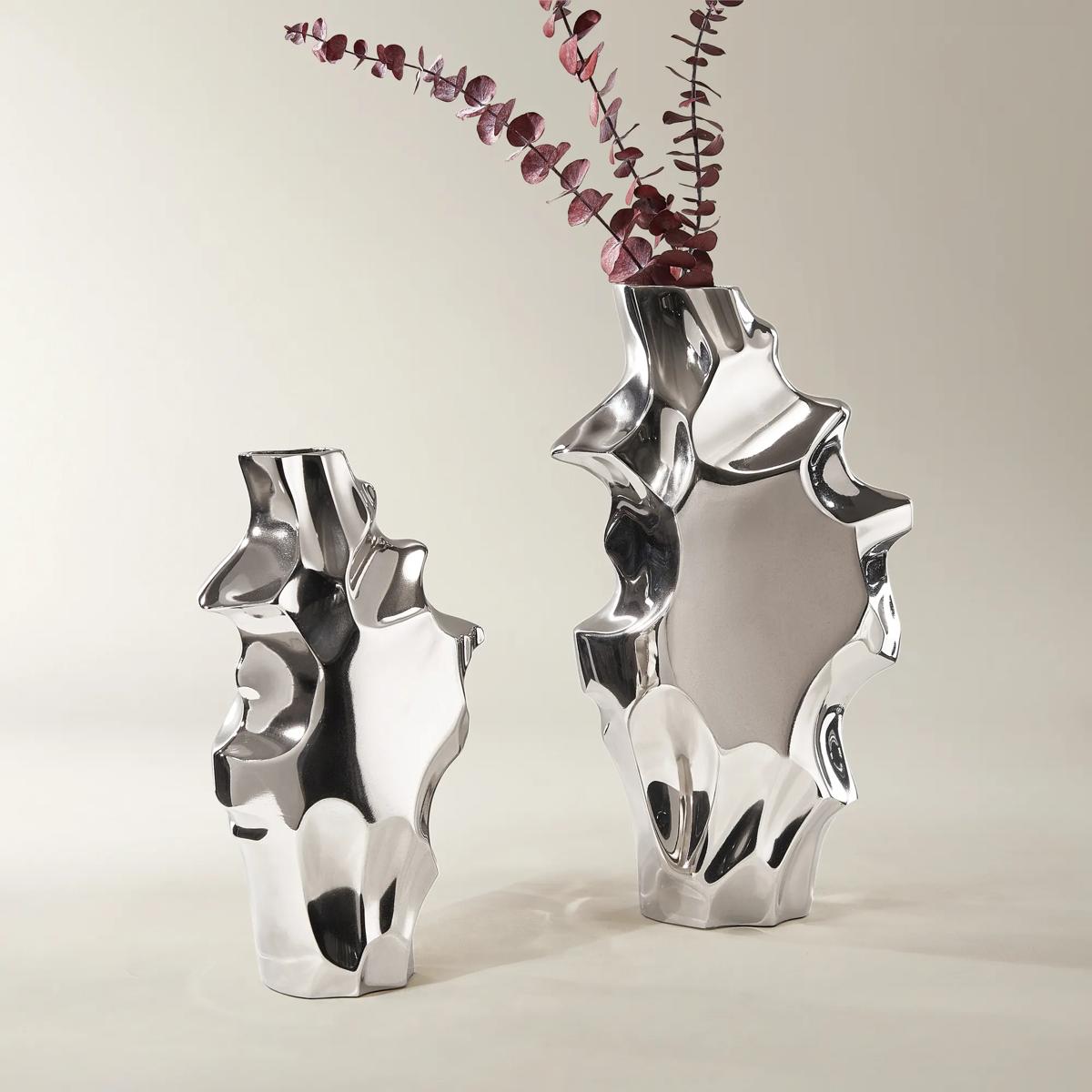
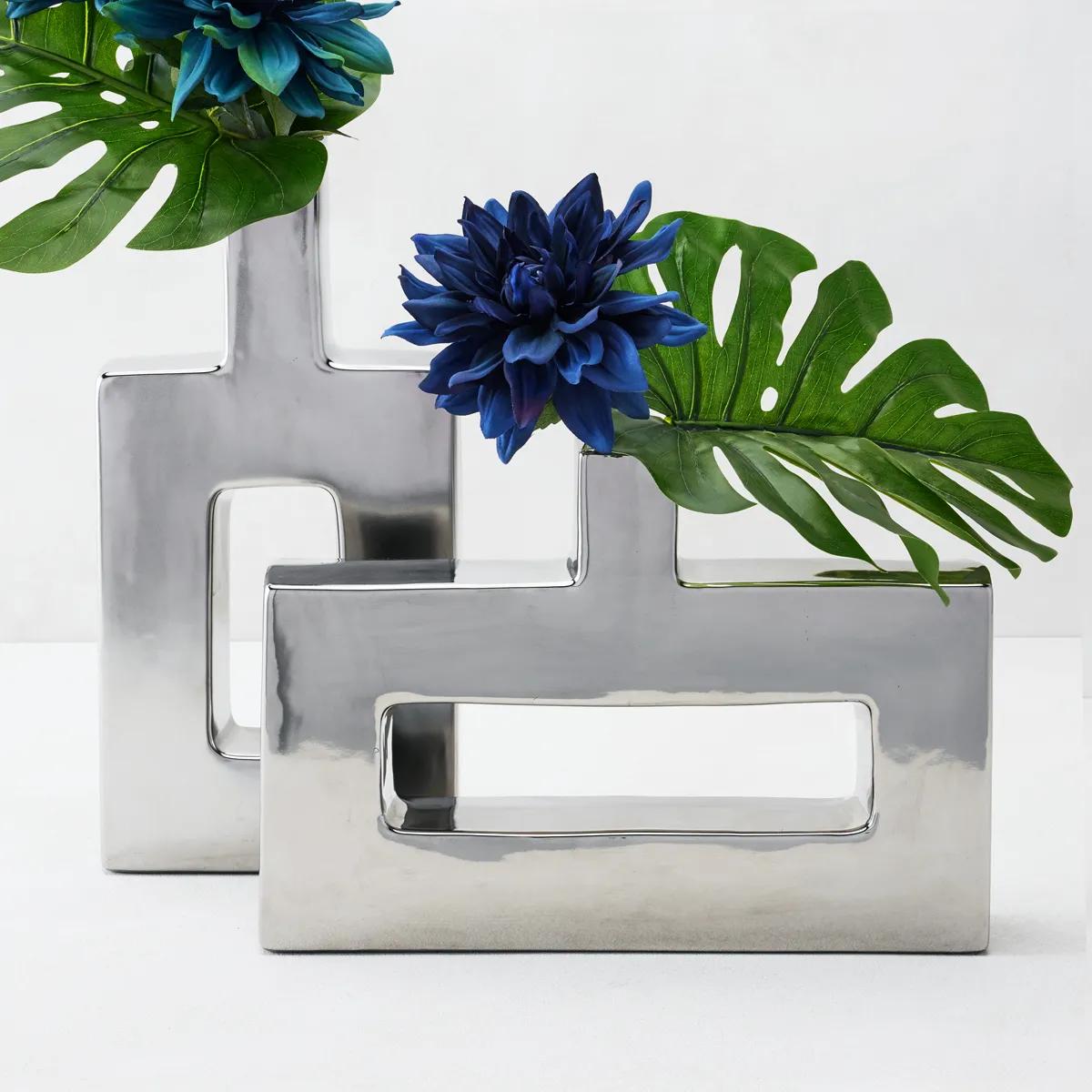 Miami Silver Ceramic High Gloss Vase 18.5"$69
A contemporary silver ceramic vase with a stylish gold glaze, perfect for decorative foliage or display.
Add To Cart -
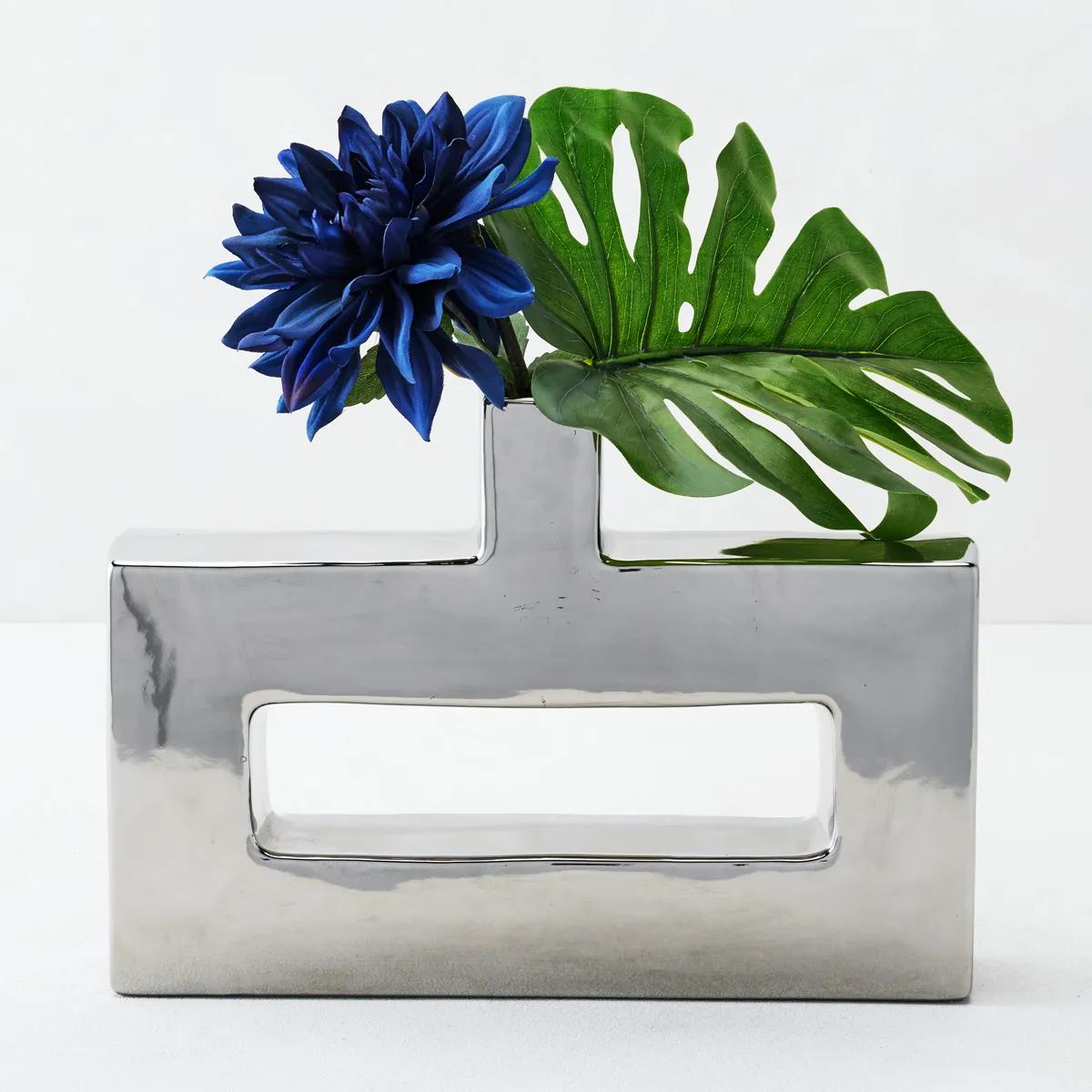 Miami Silver Ceramic High Gloss Vase 11.75"$69
A contemporary silver ceramic vase with a stylish gold glaze, perfect for decorative foliage or display.
Add To Cart -
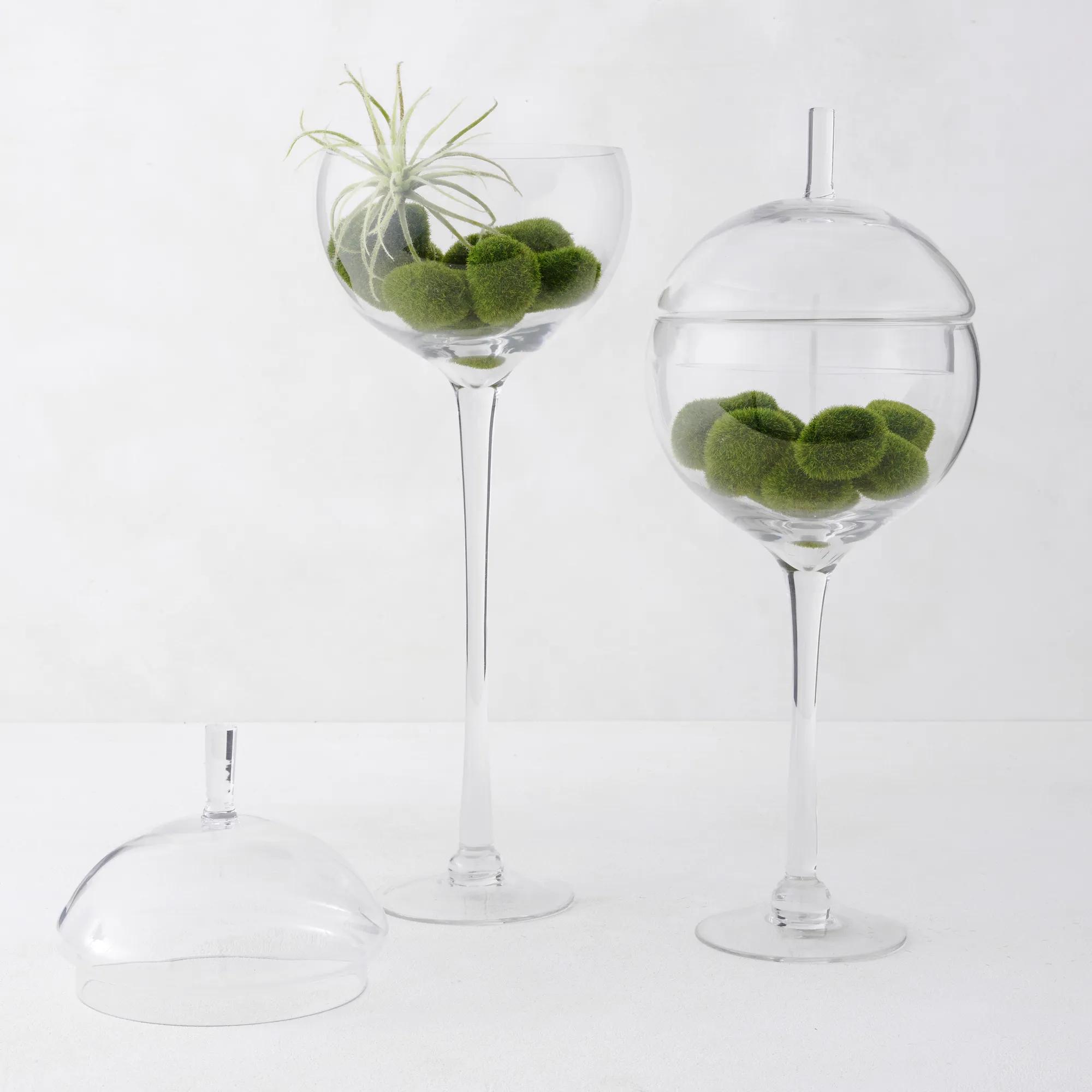 Jules Glass Decorative Canisters$99
A shapely mouthblown glass canister perfect for displaying cherished objects as decorative art.
Add To Cart -
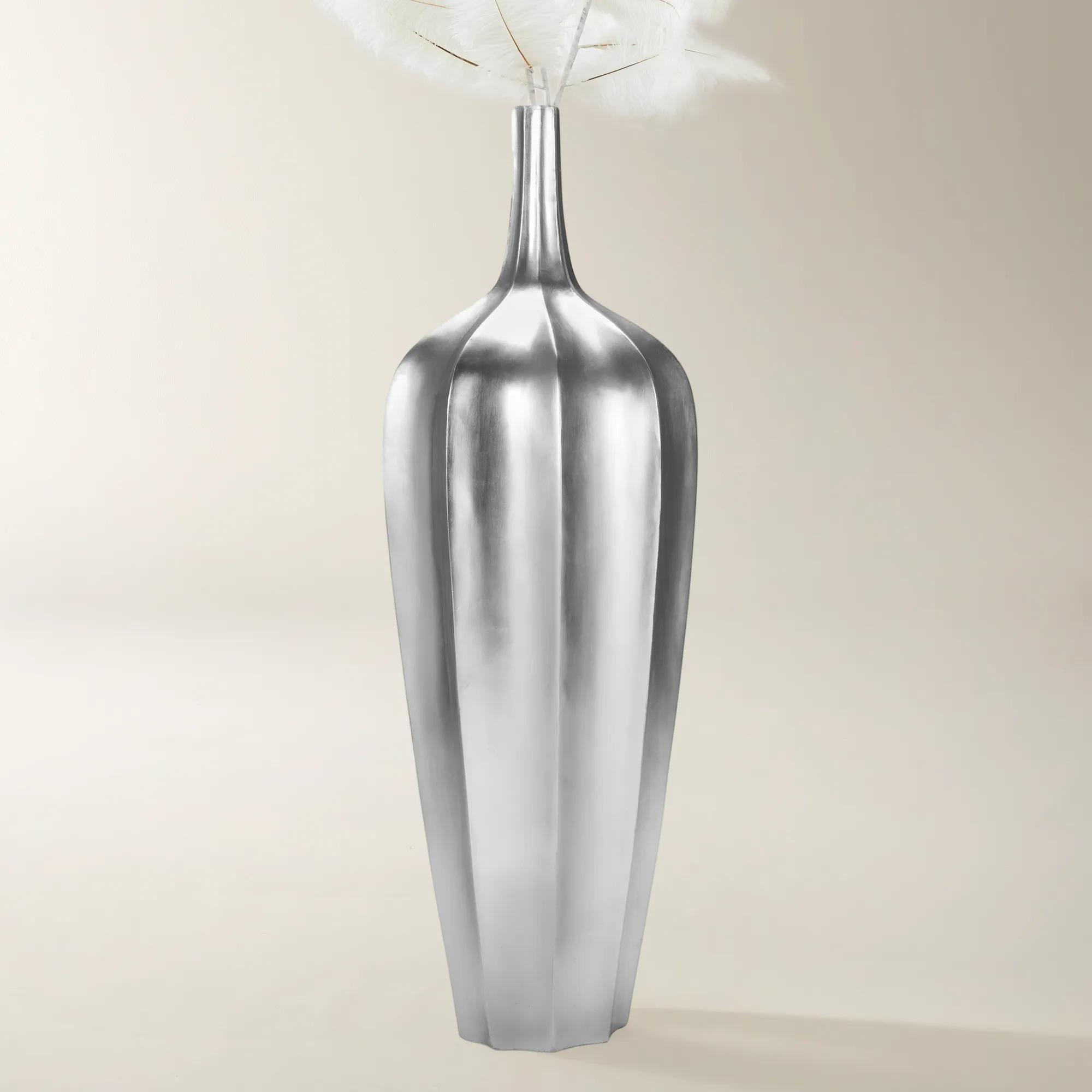
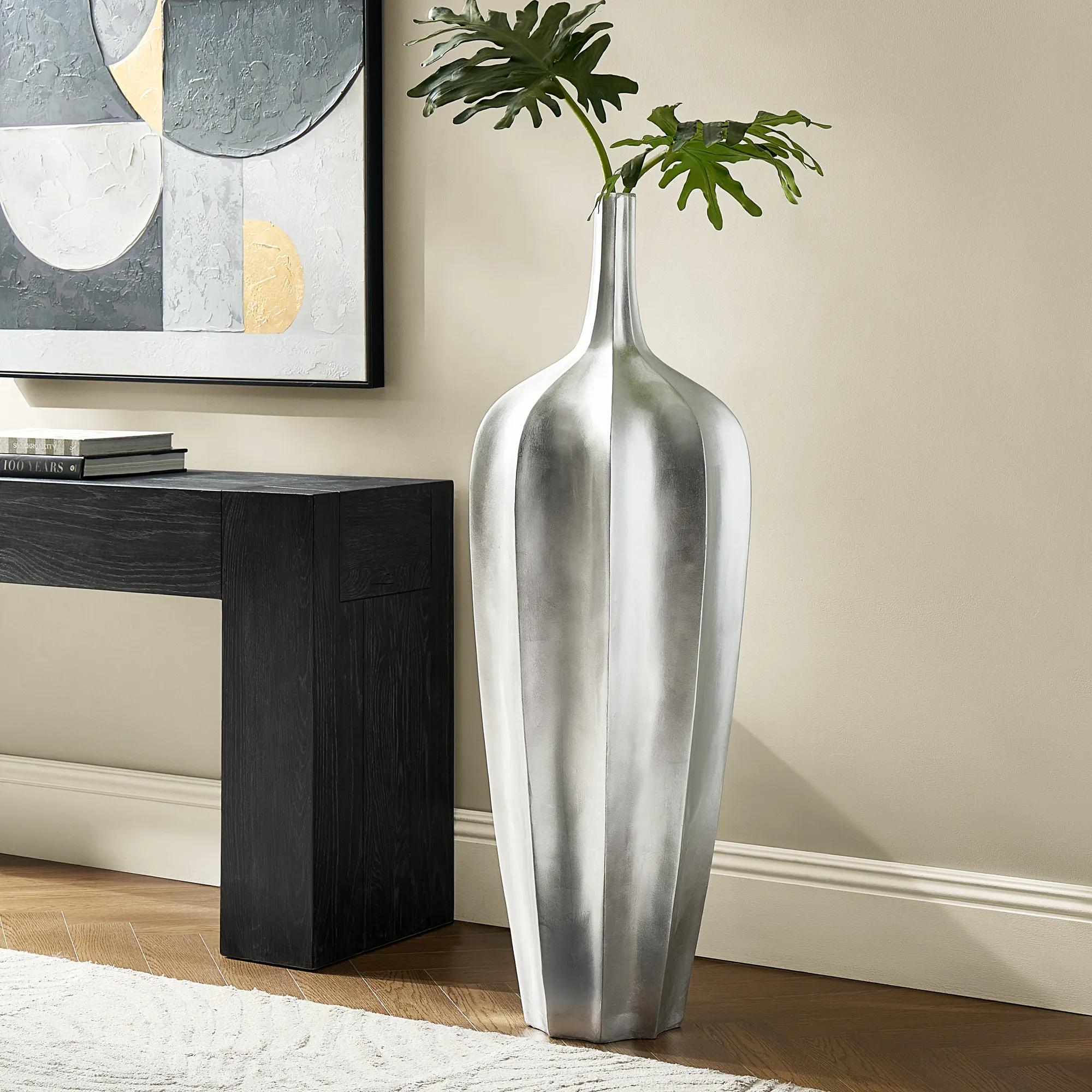 Accolade Silver Leaf Resin Floor Vase 48.75"$539
A fluted fiberglass vase featuring a lustrous metallic silver foil finish for a striking decorative accent.
Add To Cart -
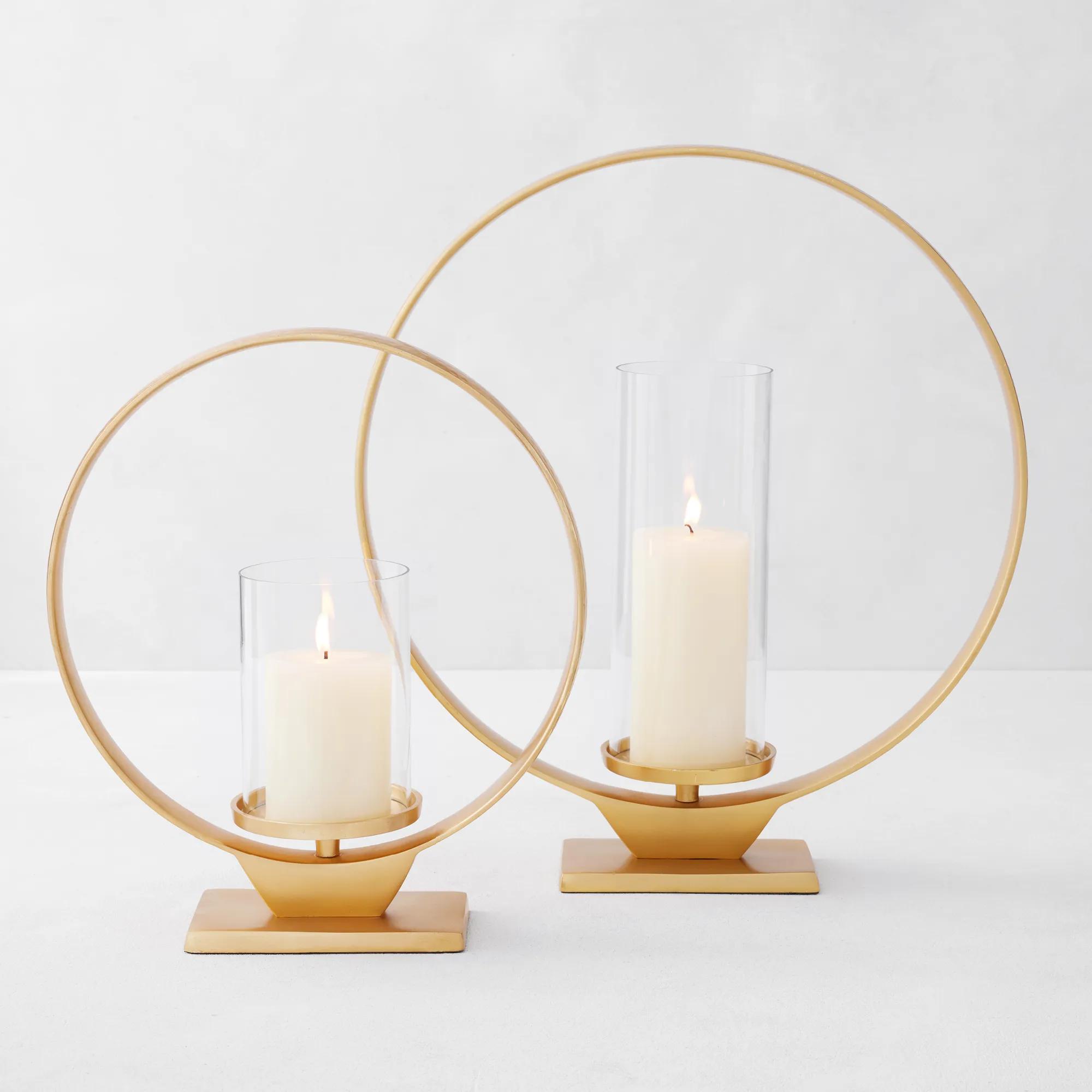
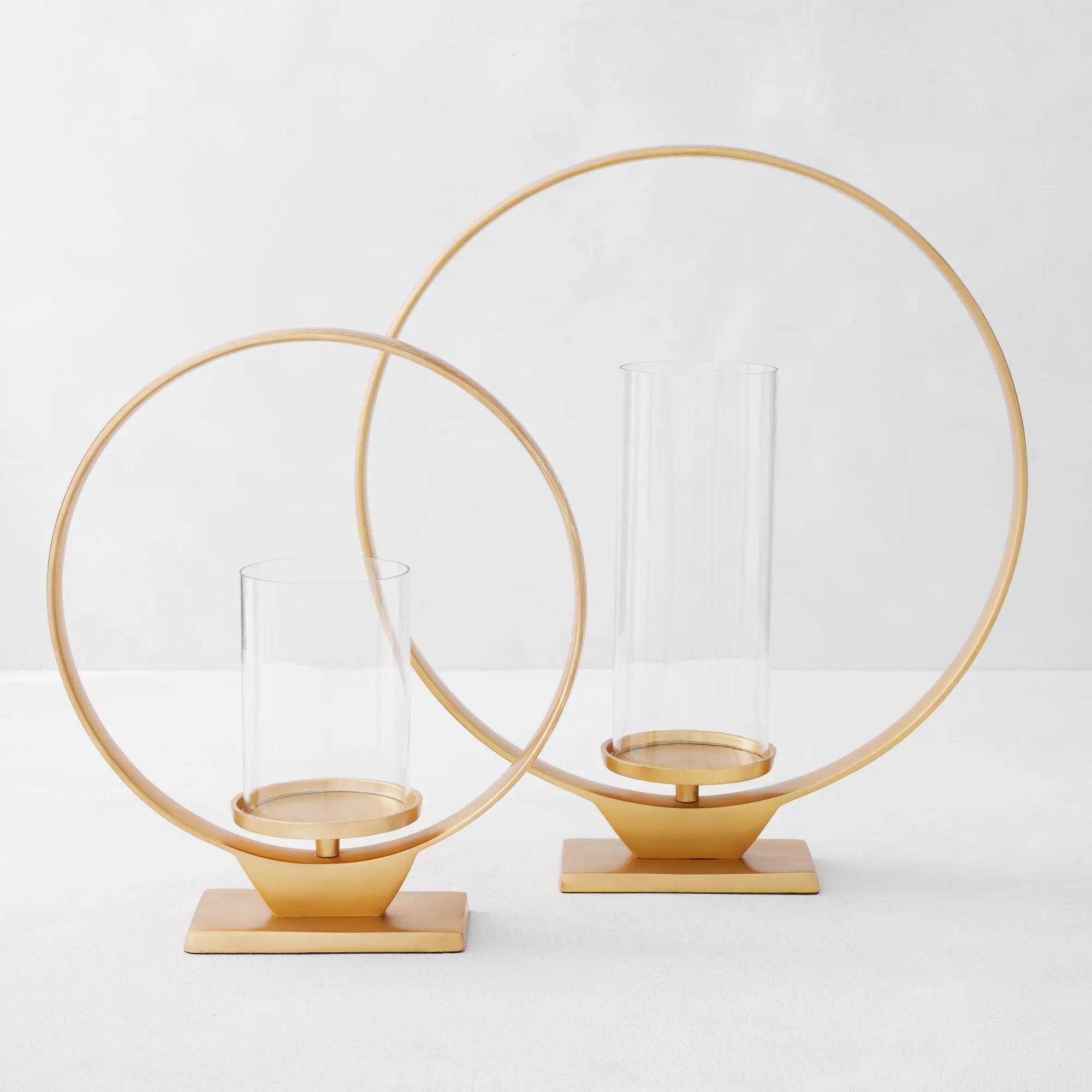 Cirque Pillar Holder$99
A polished gold aluminum pillar holder featuring a hammered metal band and protective glass sleeve for candles.
Add To Cart -
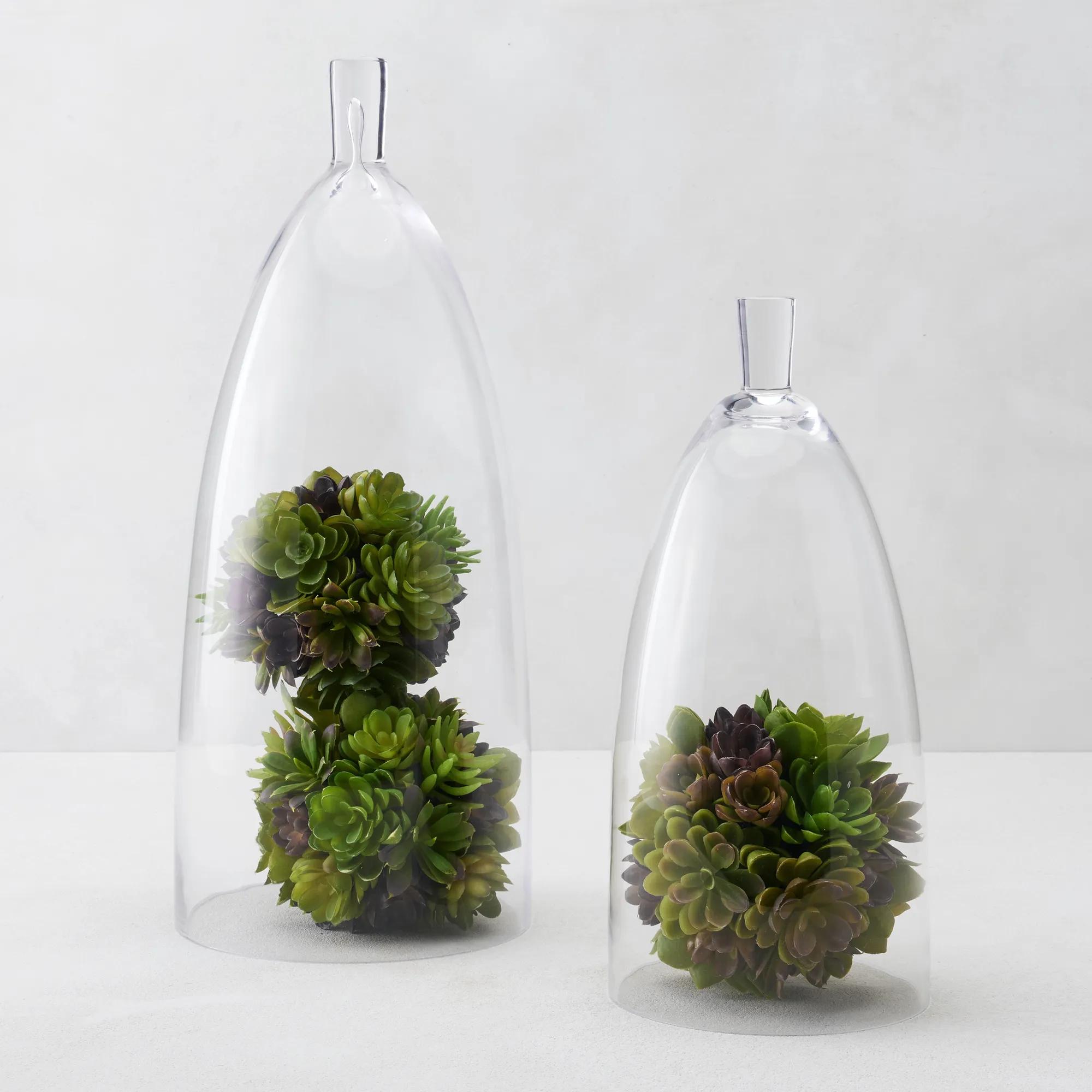 Jules Glass Decorative Cloches$59
A mouthblown glass terrarium perfect for showcasing cherished objects as unique decorative art.
Add To Cart -
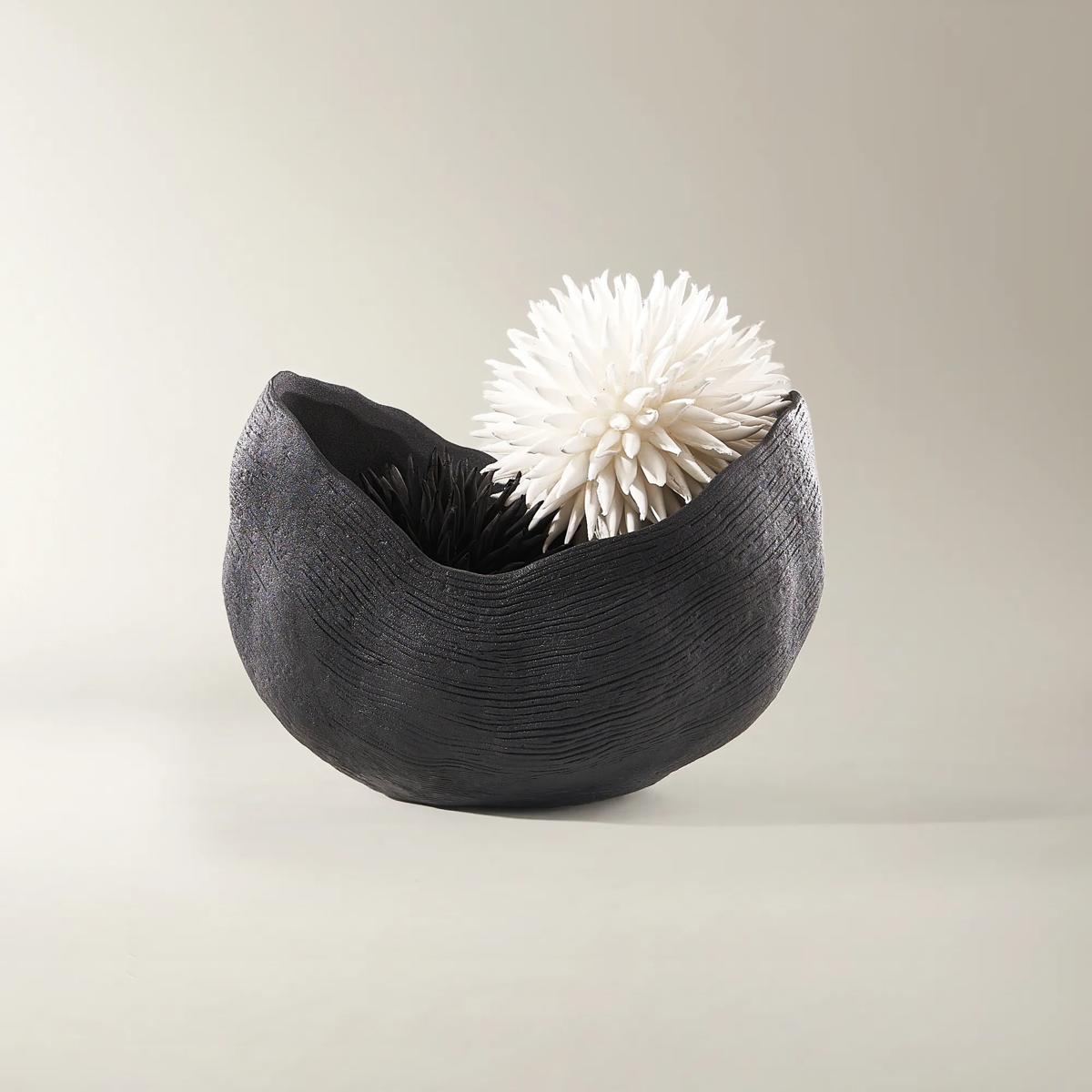 Baz Bowl - Black$119
A sculptural black porcelain bowl with a matte, ridged texture for bold, modern decor accents.
Add To Cart -
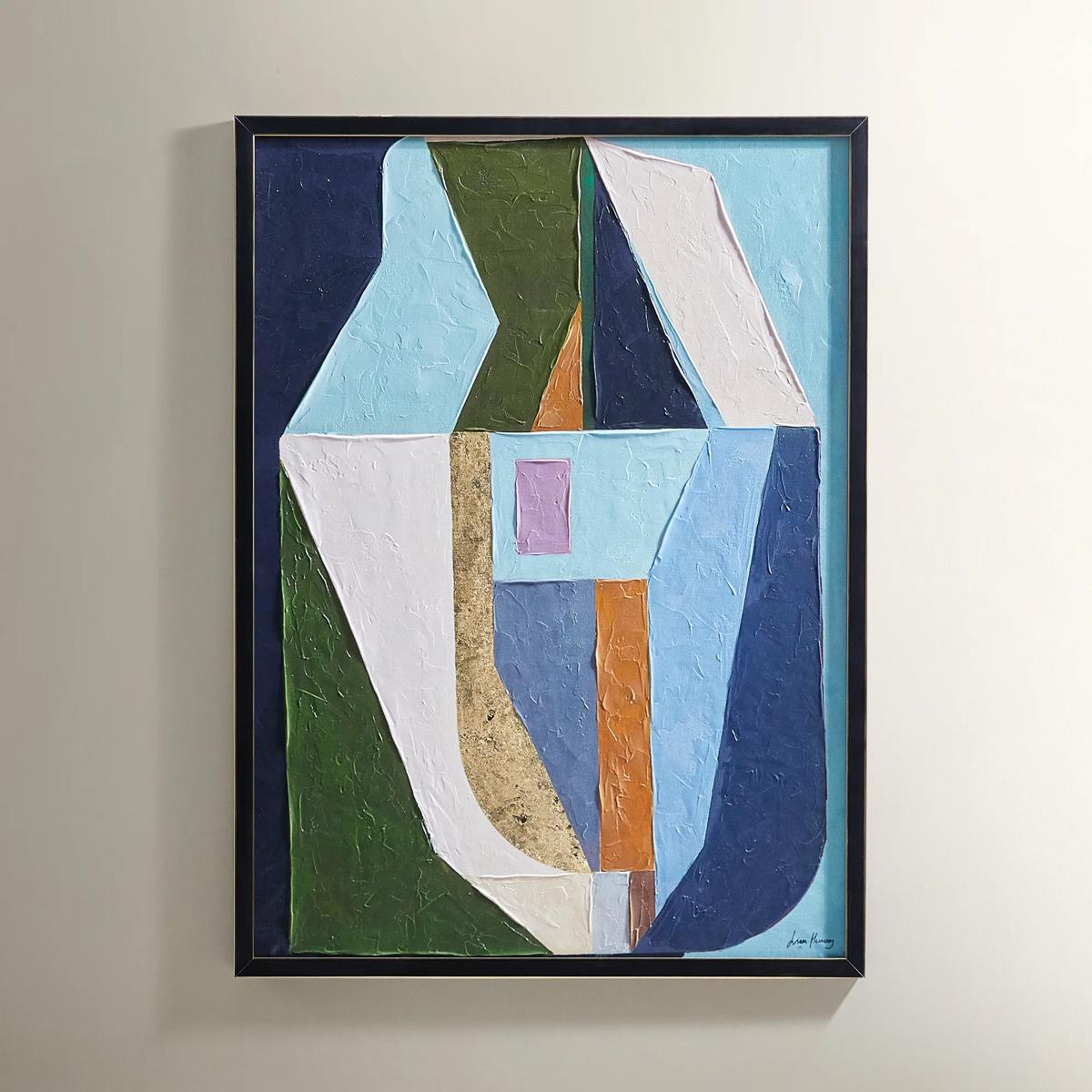 Thought Provoking Painting 2$249
A hand-embellished canvas artwork featuring textured strokes in deep blue, olive green, and gold accents.
Add To Cart -
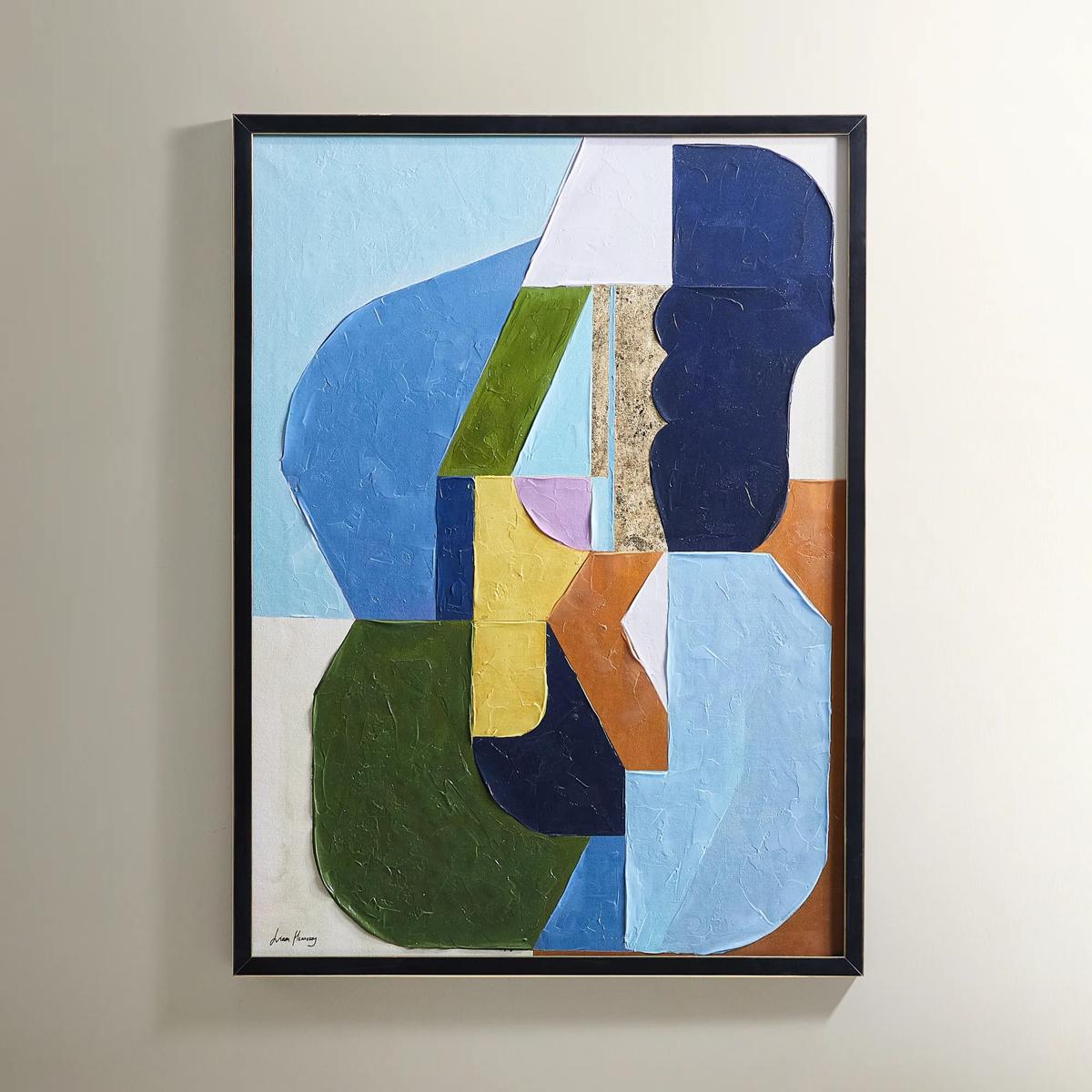
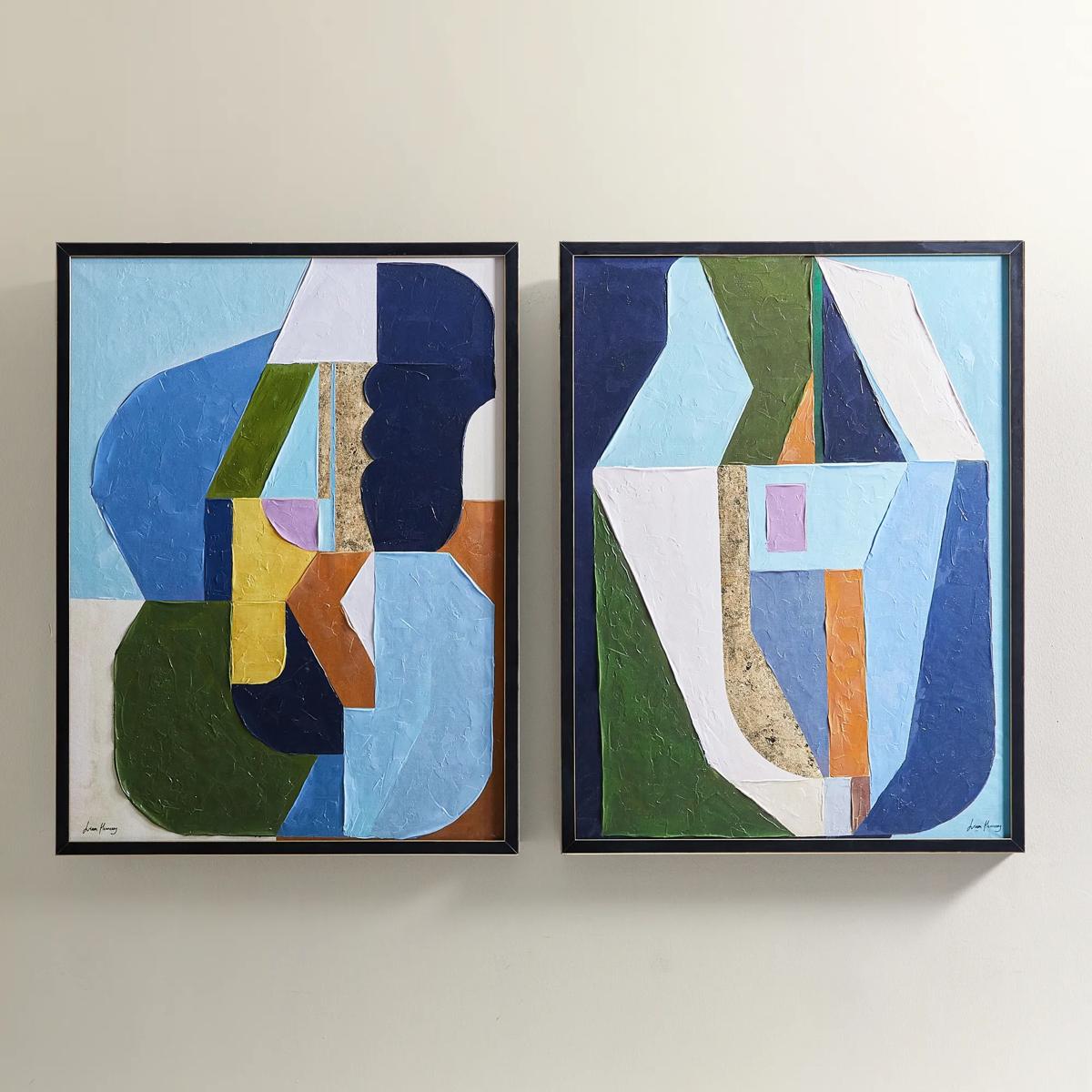 Thought Provoking Painting 1$249
A hand-embellished canvas artwork featuring textured strokes in deep blue, olive green, and gold accents.
Add To Cart -
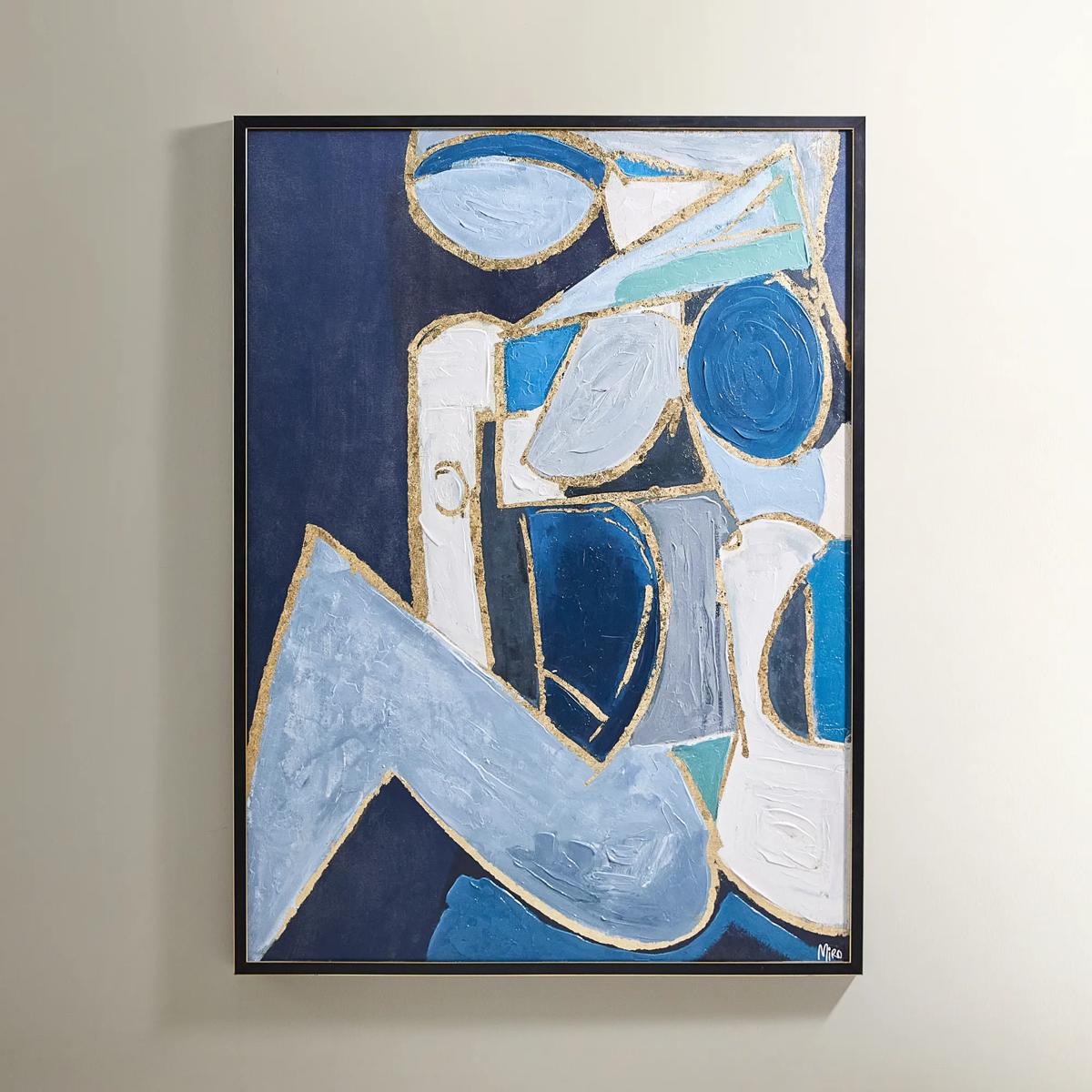
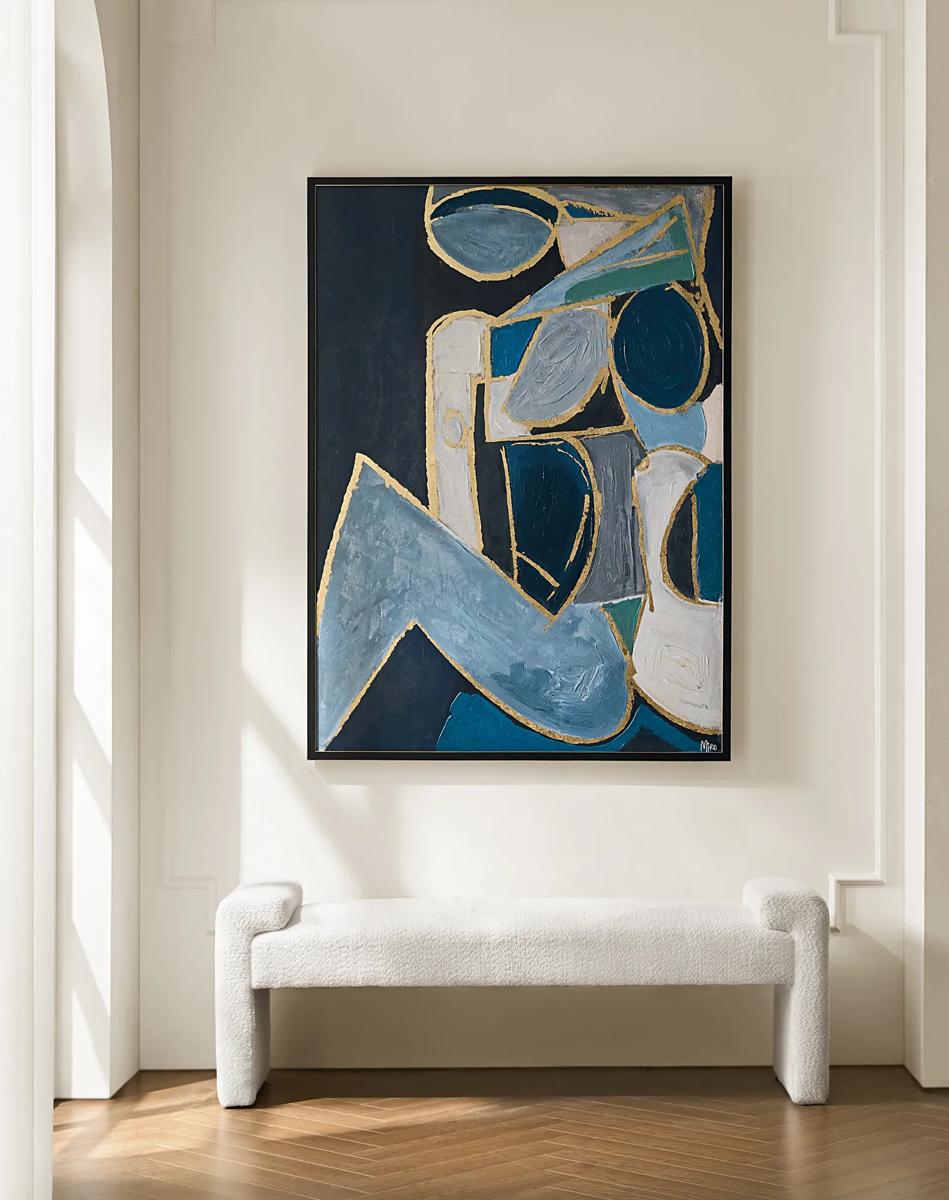 Figure in Cubism Painting$599
A hand-embellished canvas artwork featuring blue, gold, and white hues with elegant silver foil accents.
Add To Cart -
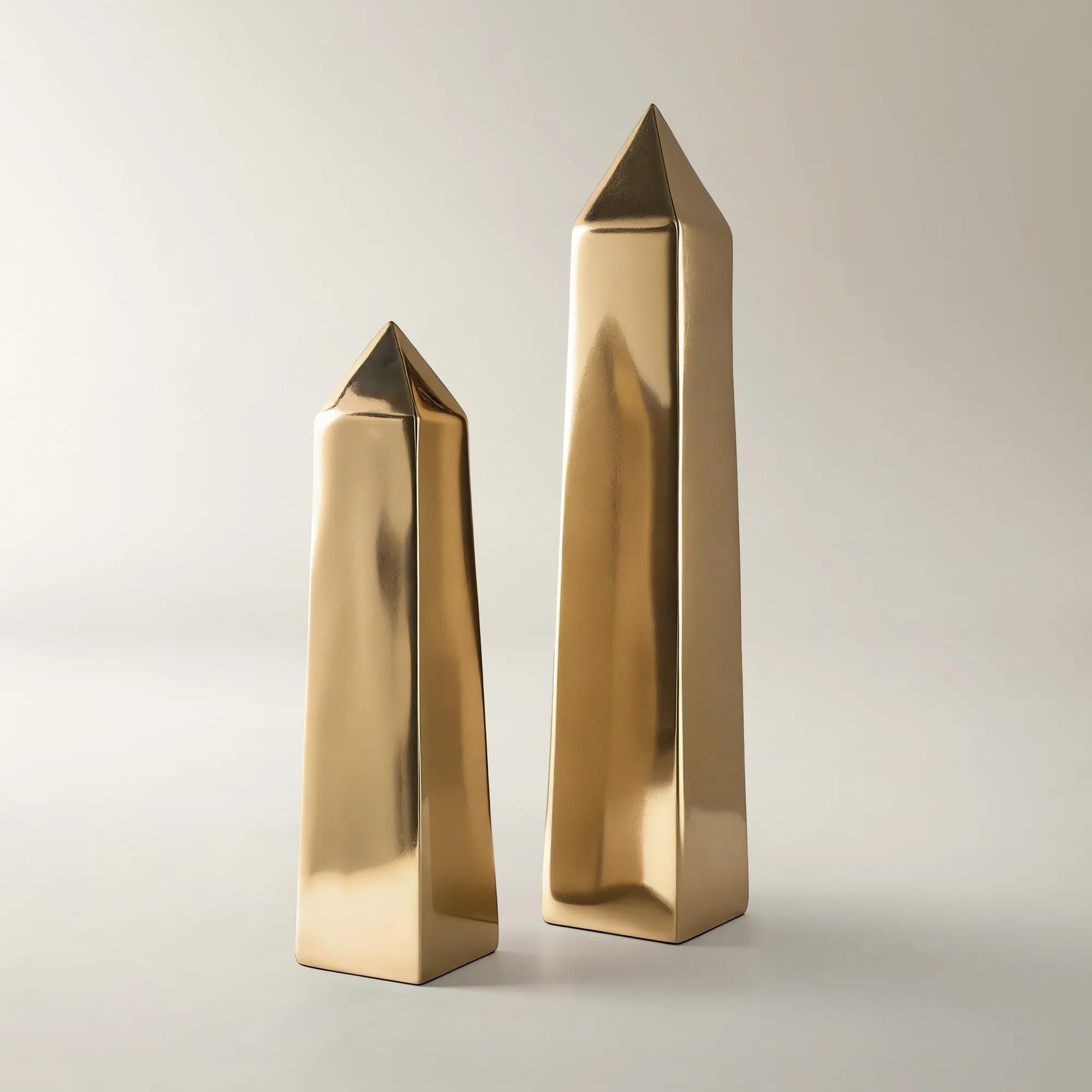
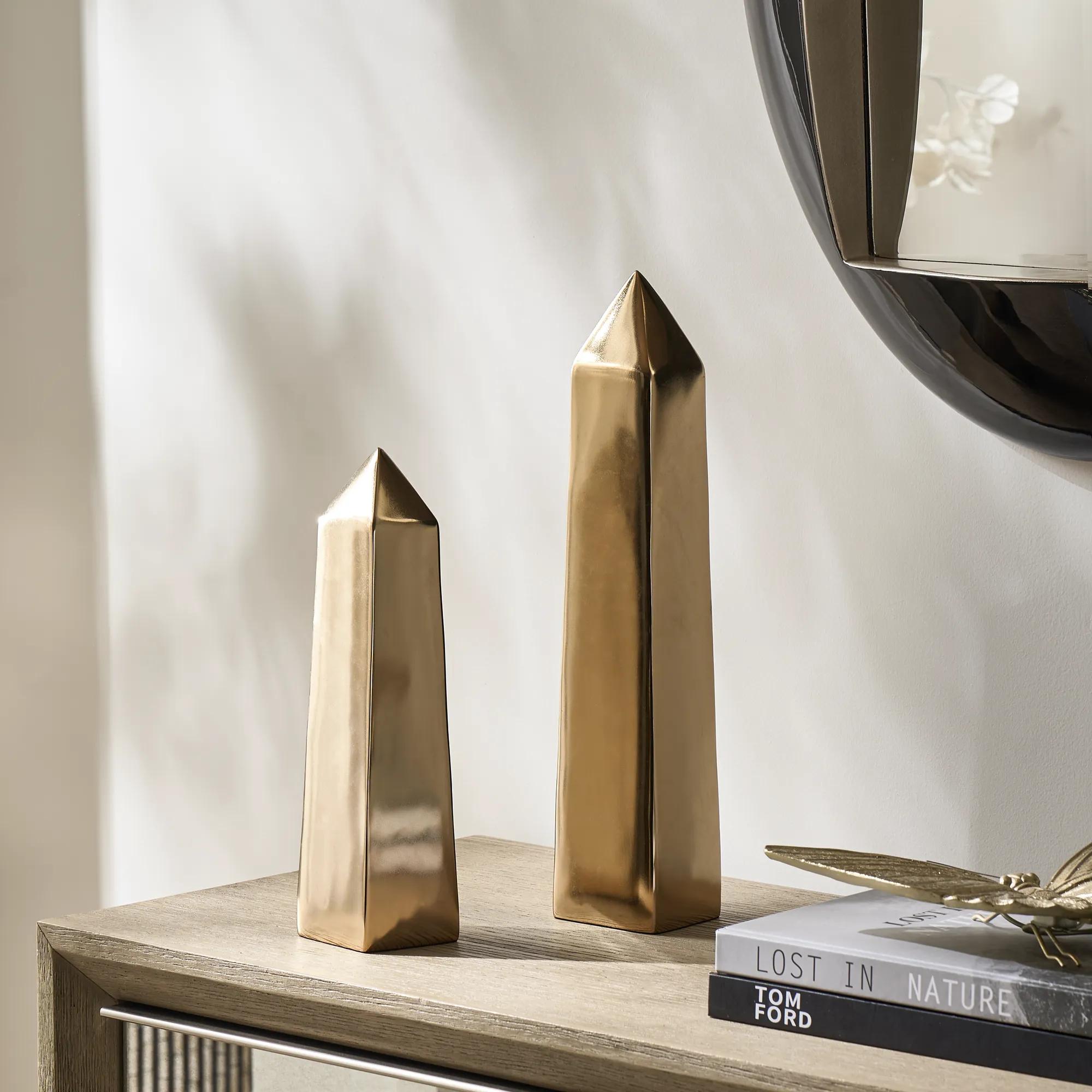 Golden Aluminum Obelisks$59
A sculptural aluminum accent in a soft gold finish that adds modern glamour and architectural drama.
Add To Cart -
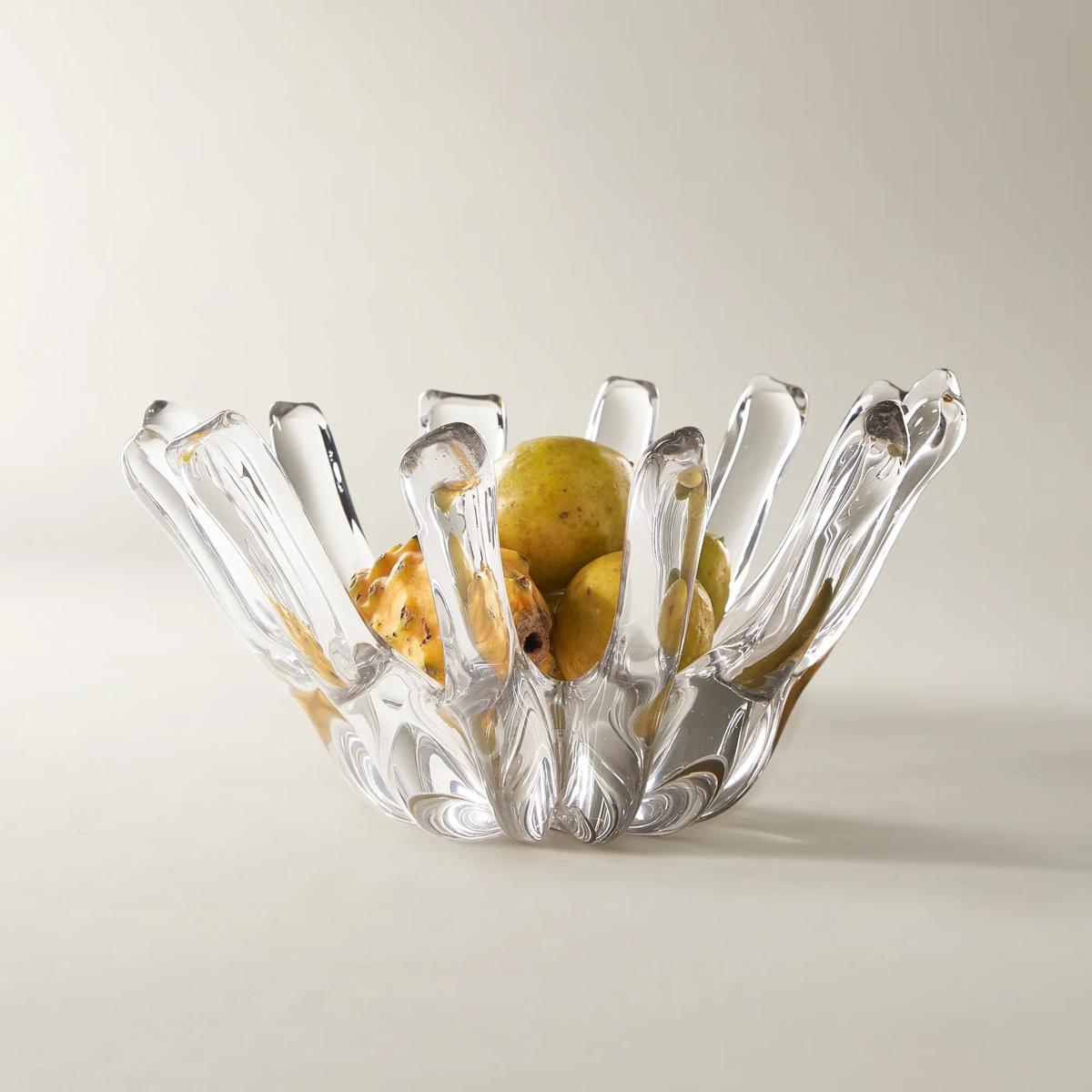
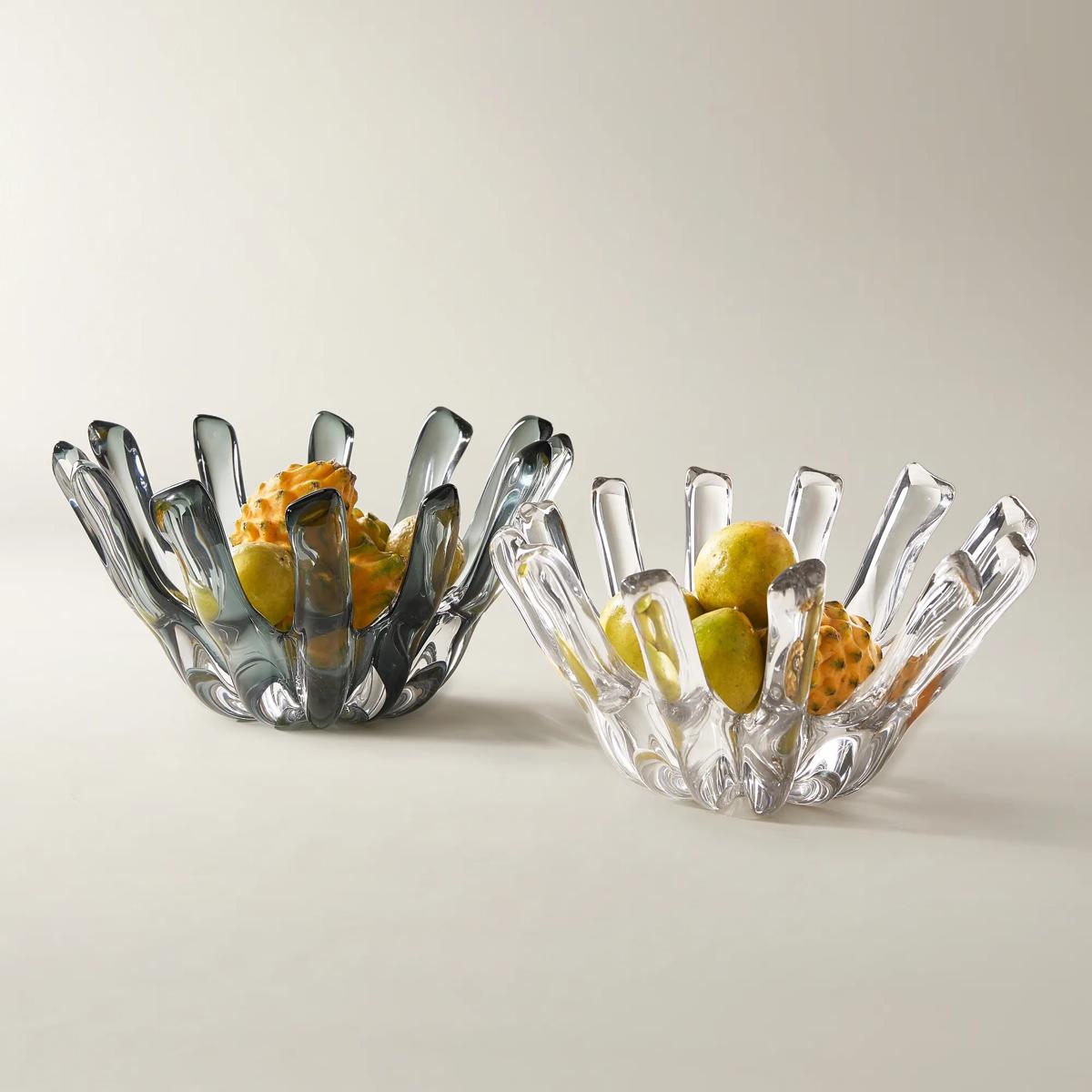 Bossa Clear Handblown Glass Decorative Bowl 13" x 7"$129
A hand-blown clear glass bowl featuring an expressive, sculptural form for modern decorative displays.
Add To Cart -
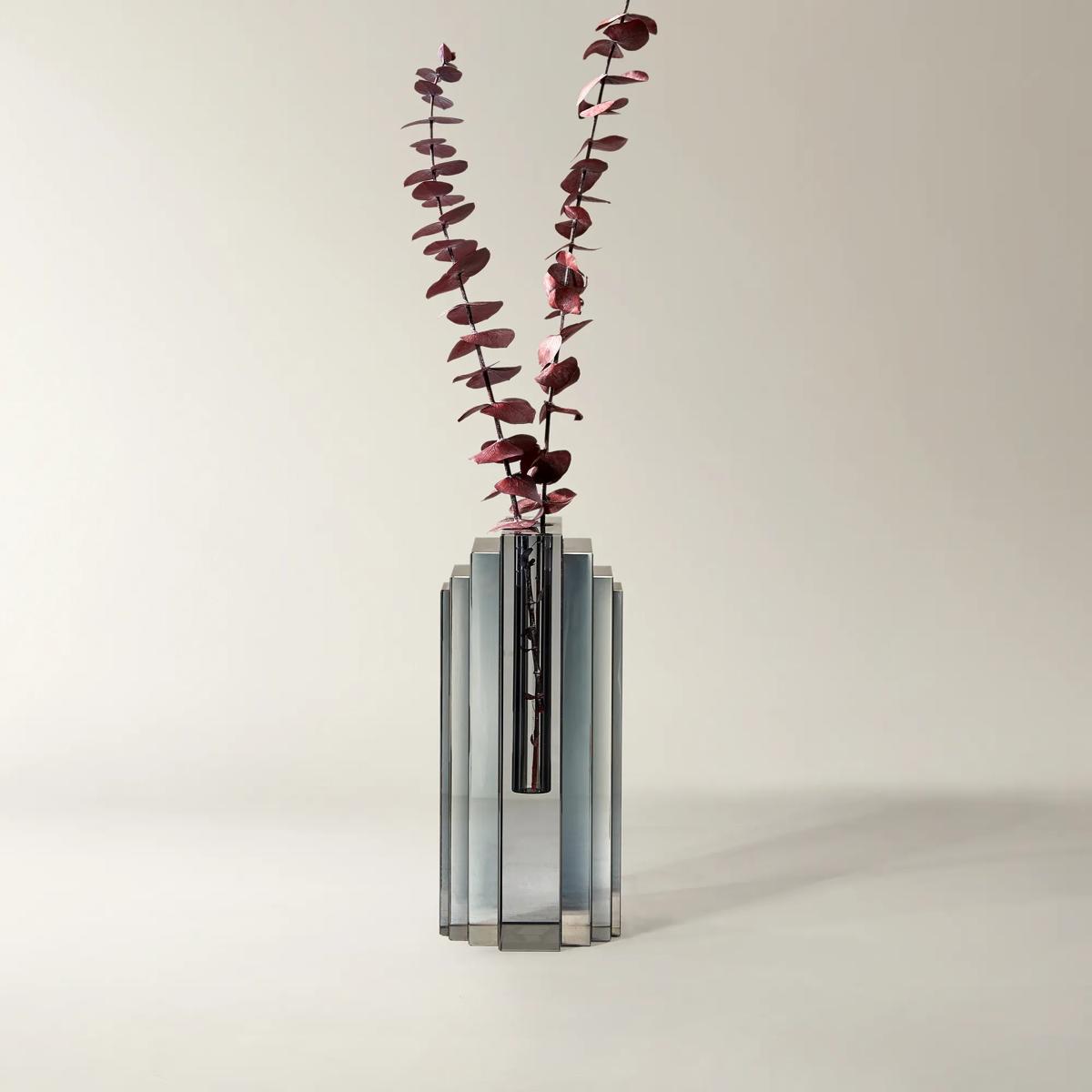 Lucca Crystal Vase - Mirrored Graphite$109
A mirrored graphite crystal vase with a multifaceted geometric design that reflects light for sculptural brilliance.
Add To Cart -
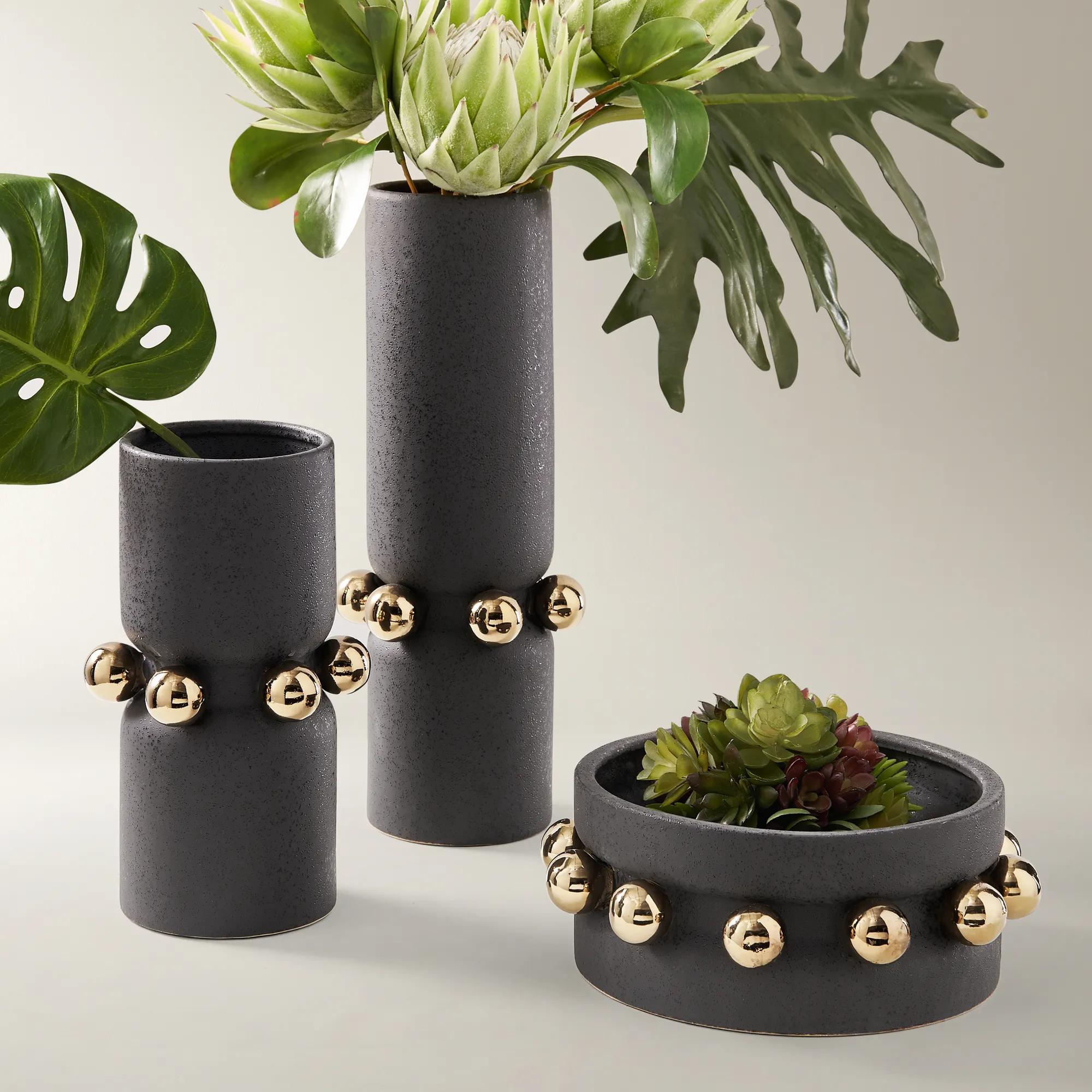
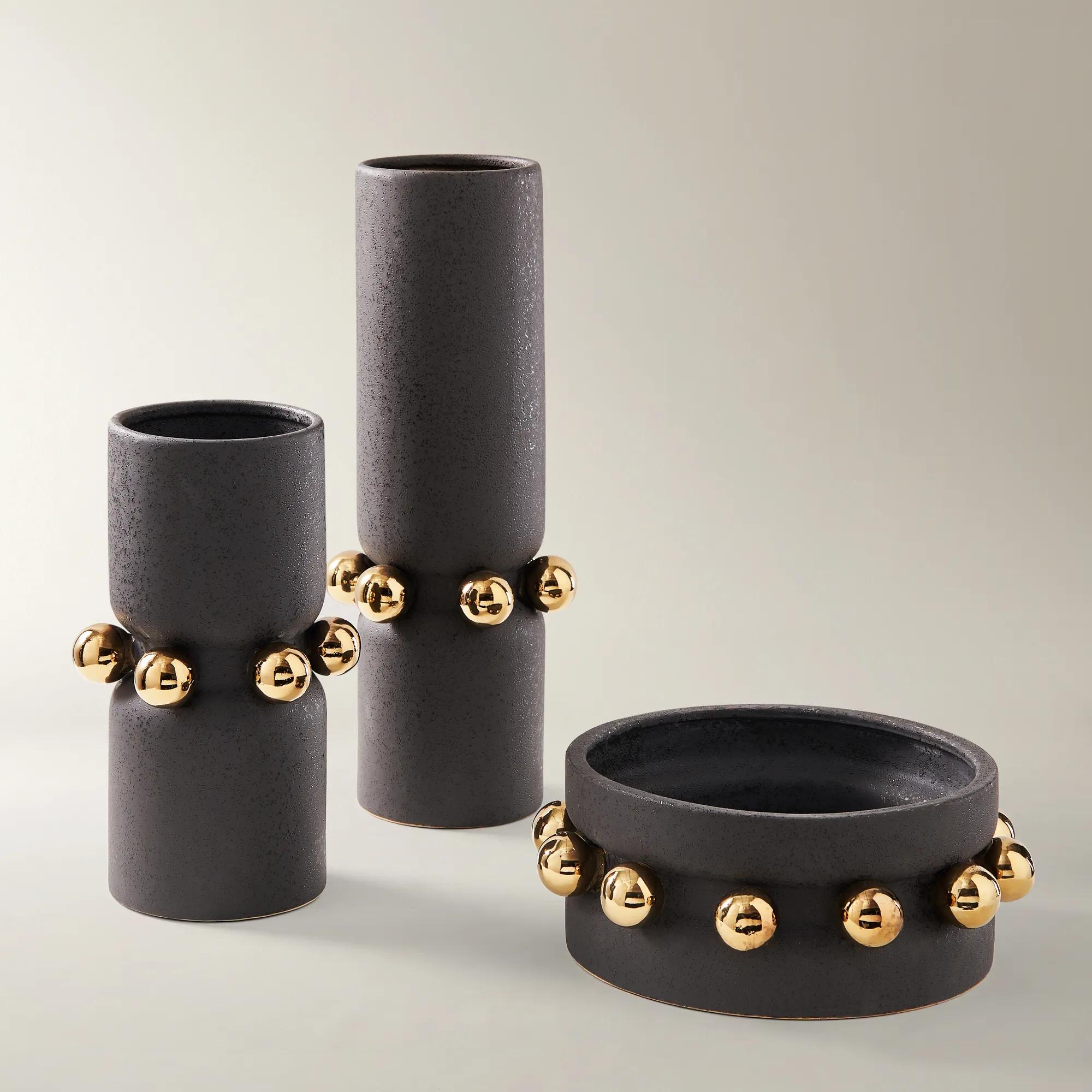 Zerra Vase$79
A ceramic vase featuring a striking matte black and shimmering gold contrast for bold, glamorous decor.
Add To Cart -
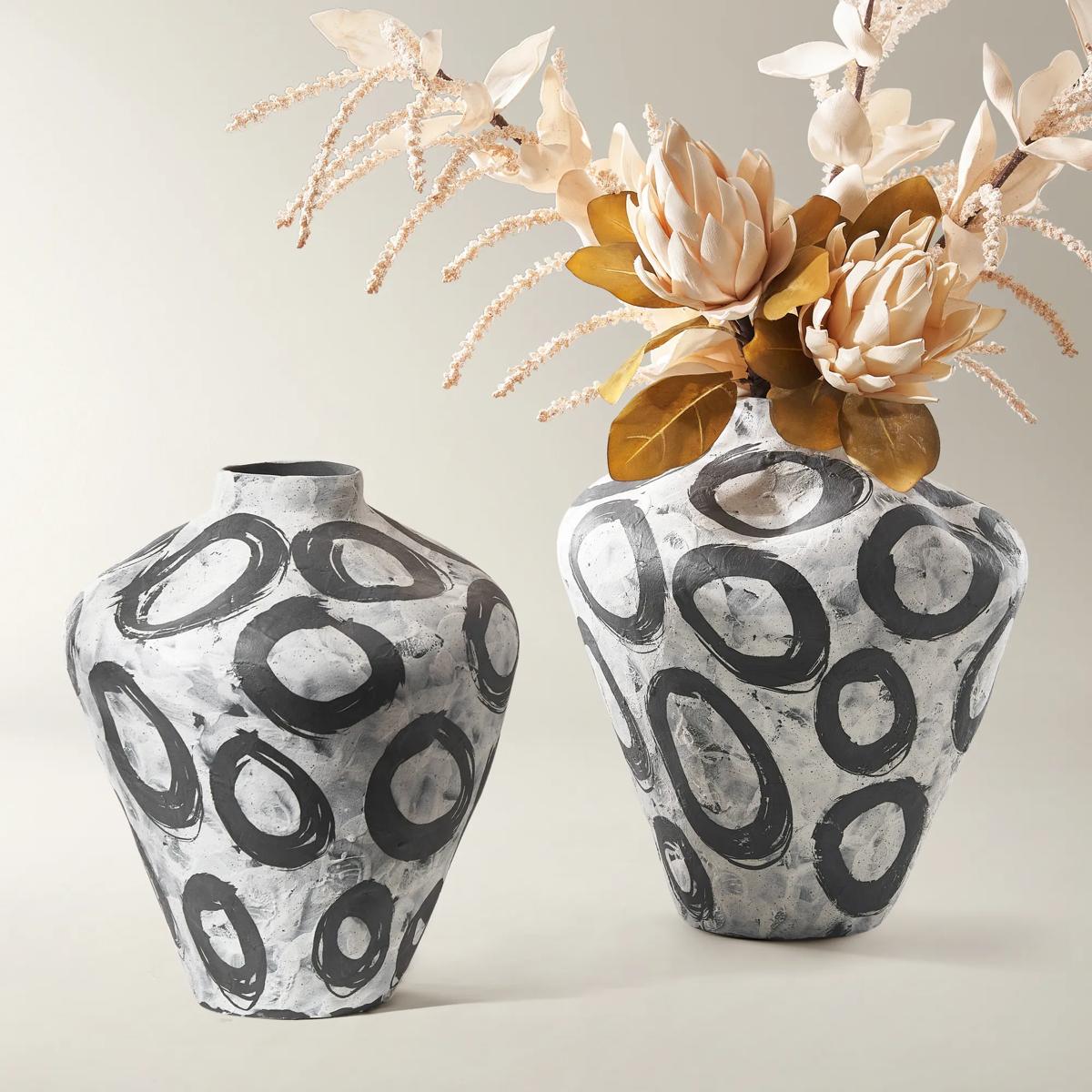
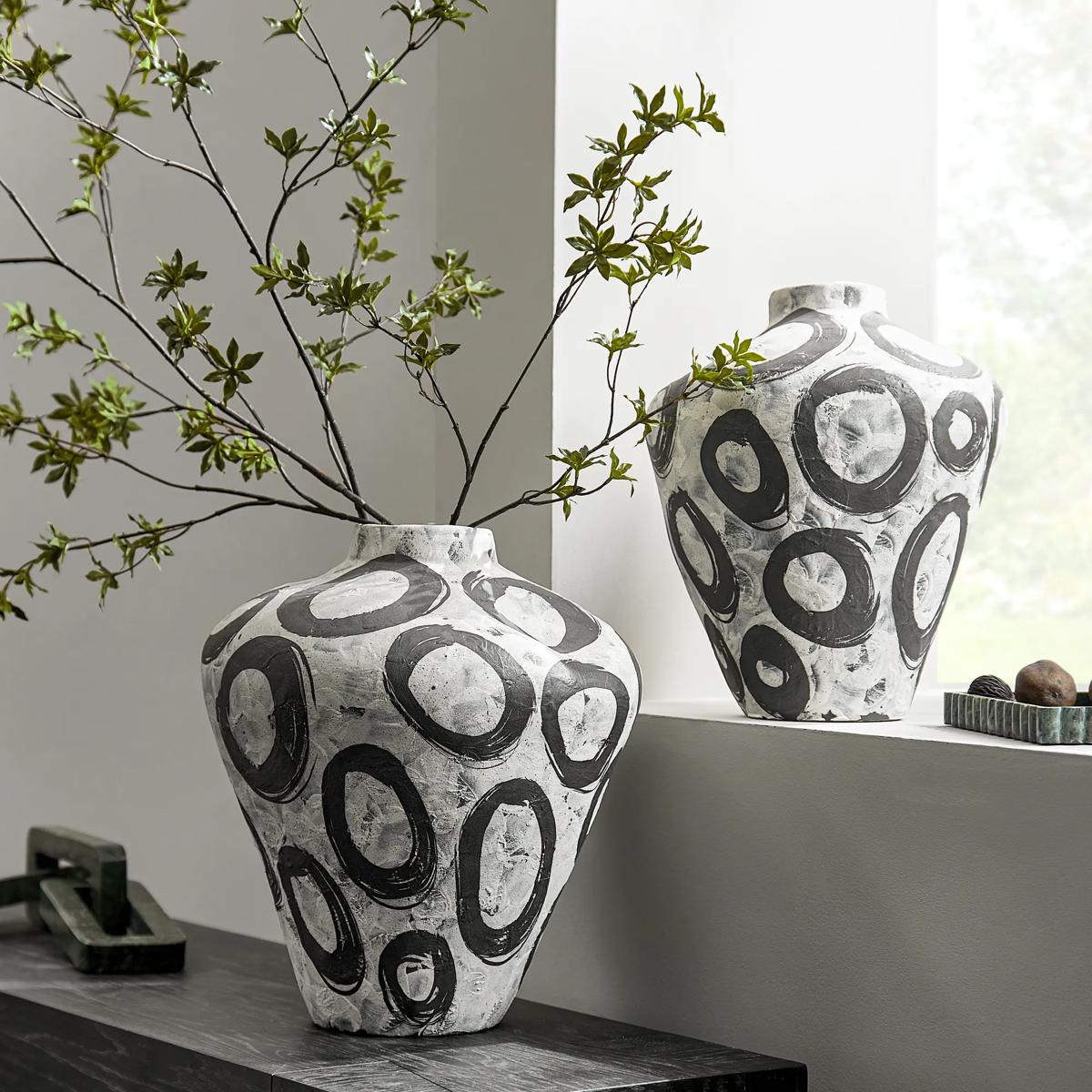 Stone Porcelain Vase$239
A sculptural porcelain vase featuring hand-painted black and white circular brushwork with a matte stone-like texture.
Add To Cart -
.jpeg?w=1200&h=1200)
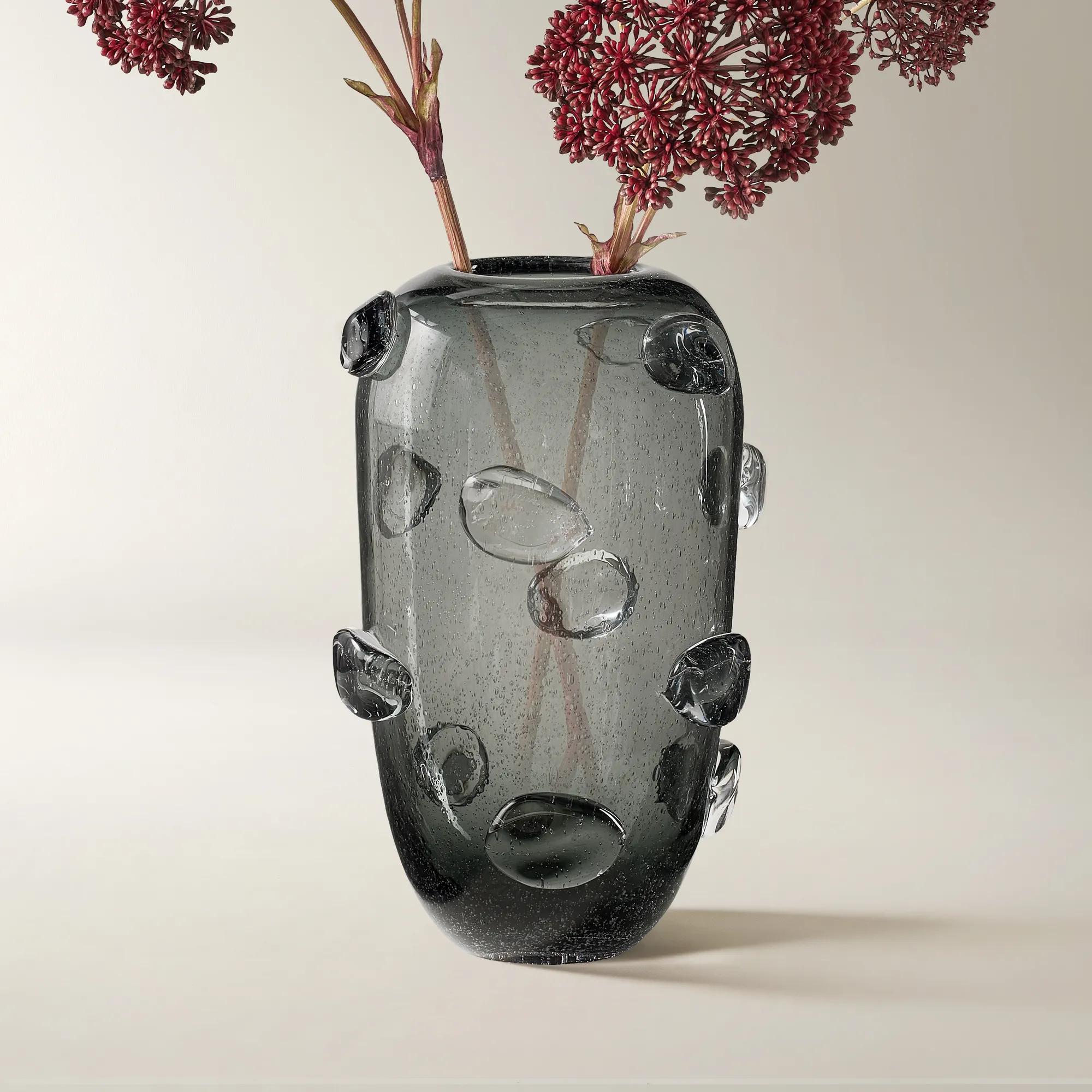
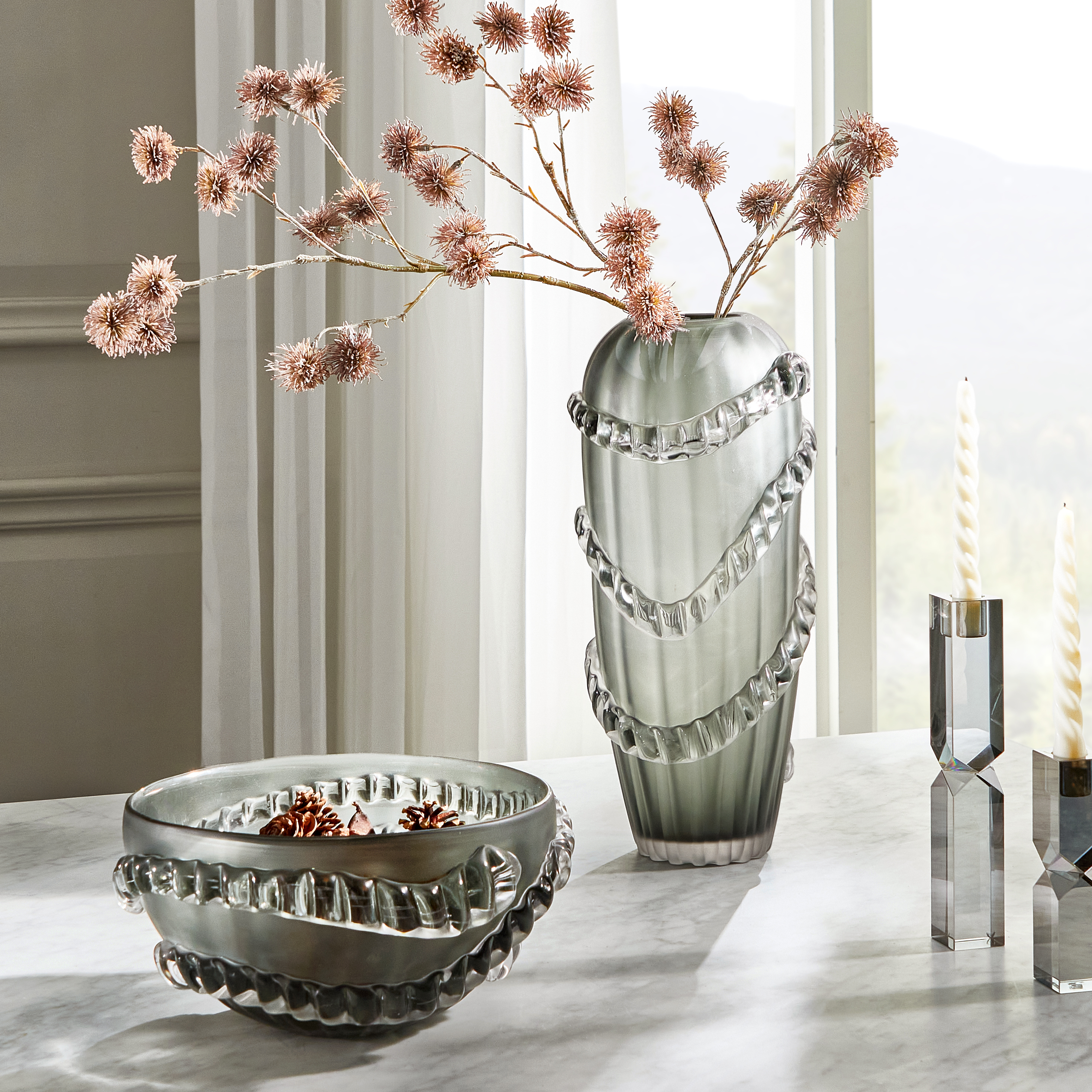 Helix Glass Collection$129
A hand-blown dark gray glass piece featuring fluted bodies and rippling sculptural ribbons for modern elegance.
Add To Cart -
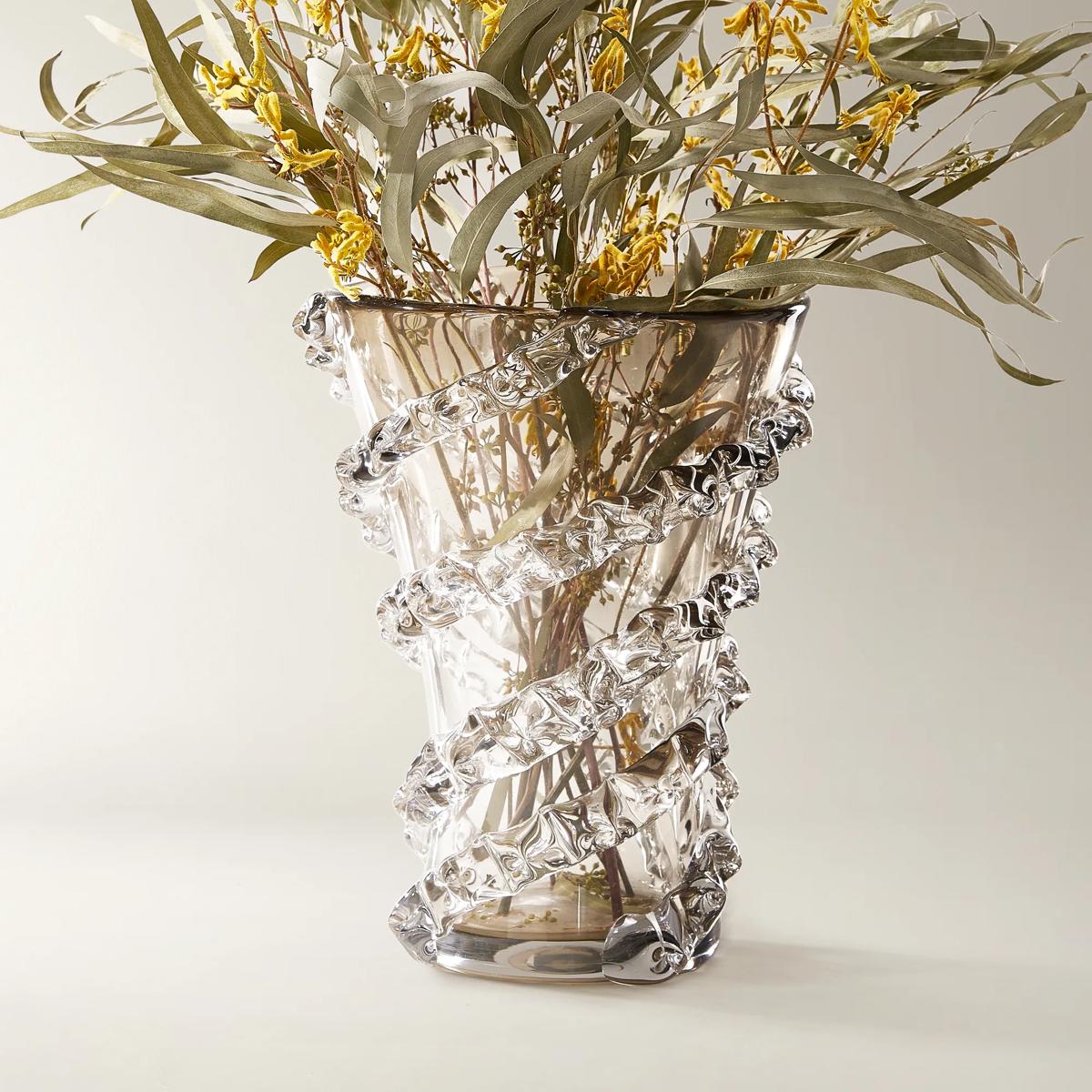
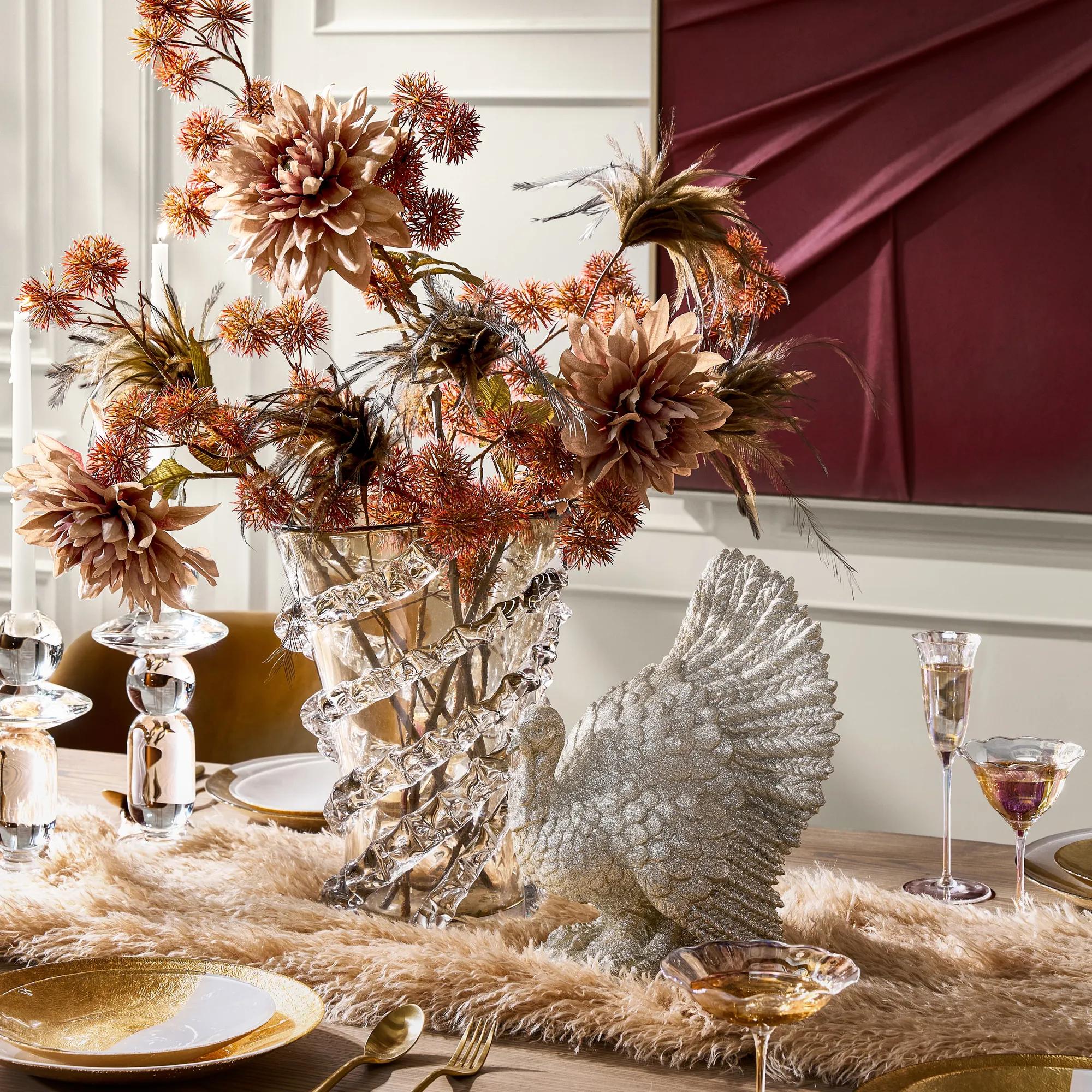 Reyna Glass Vase$299
A hand-blown glass vase featuring a sculptural swirl design and a smoky grey-brown finish.
Add To Cart

Unique Centerpiece Ideas
Unique Centerpiece Ideas invite you to transform every gathering into a visual feast—where artistry takes center stage and conversation begins before the first toast. Imagine sculptural silhouettes rising above gleaming surfaces, lush botanicals spilling over mirrored trays, and unexpected textures capturing the light from every angle. Each arrangement becomes an exclamation point for your table, infusing the room with personality and panache. Whether your style leans toward dramatic grandeur or modern intrigue, discover how bold design flourishes can elevate every tablescape into a moment worth celebrating.
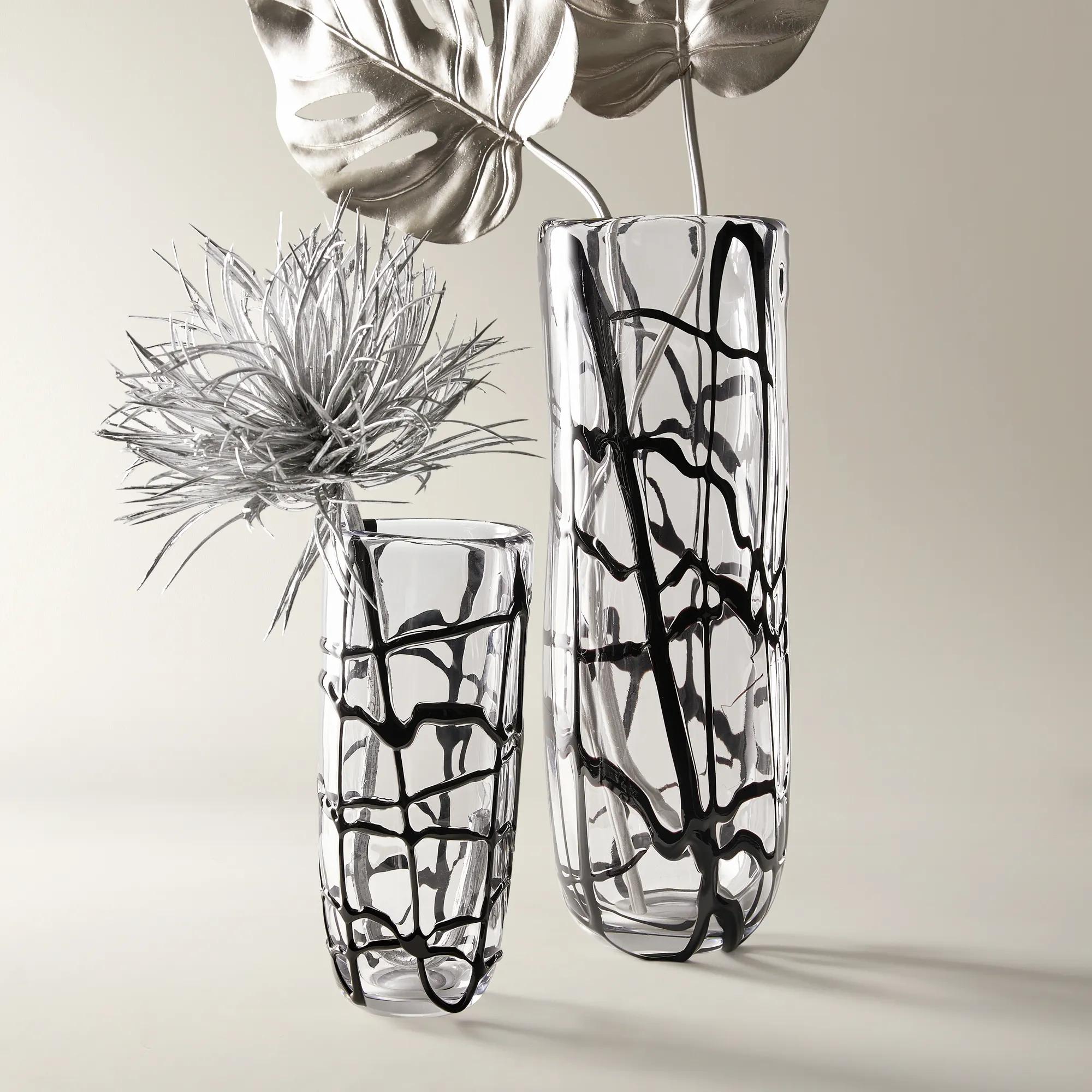
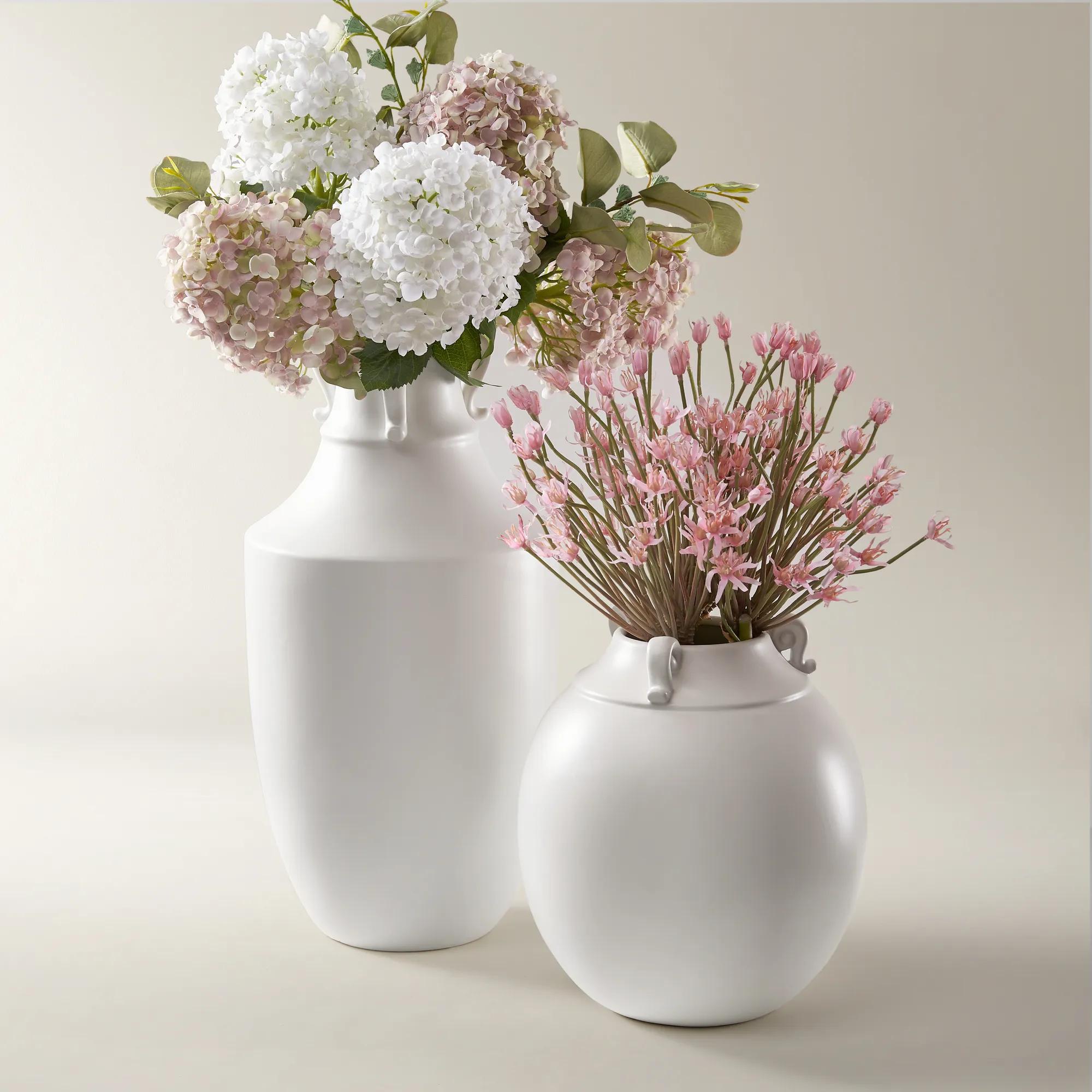
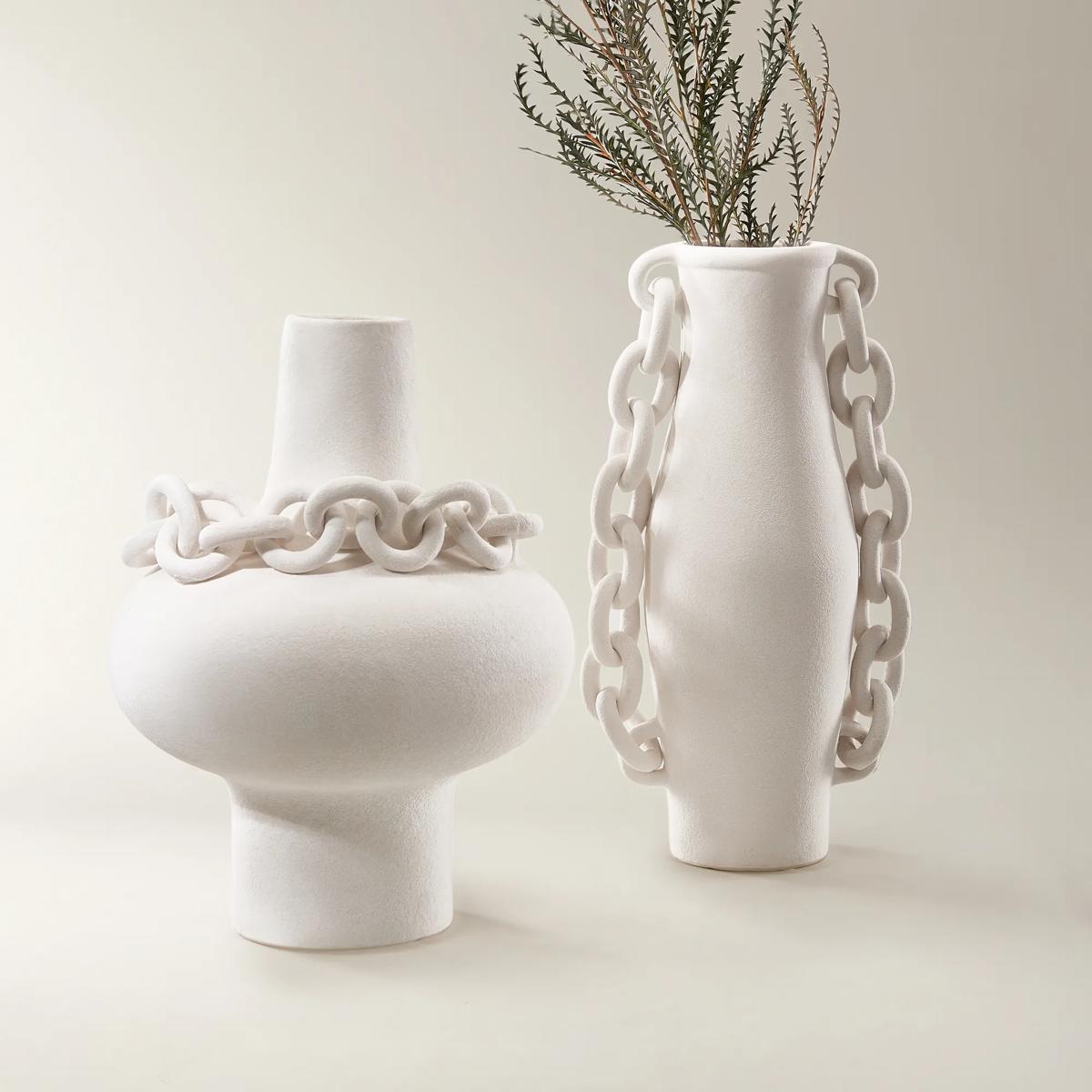
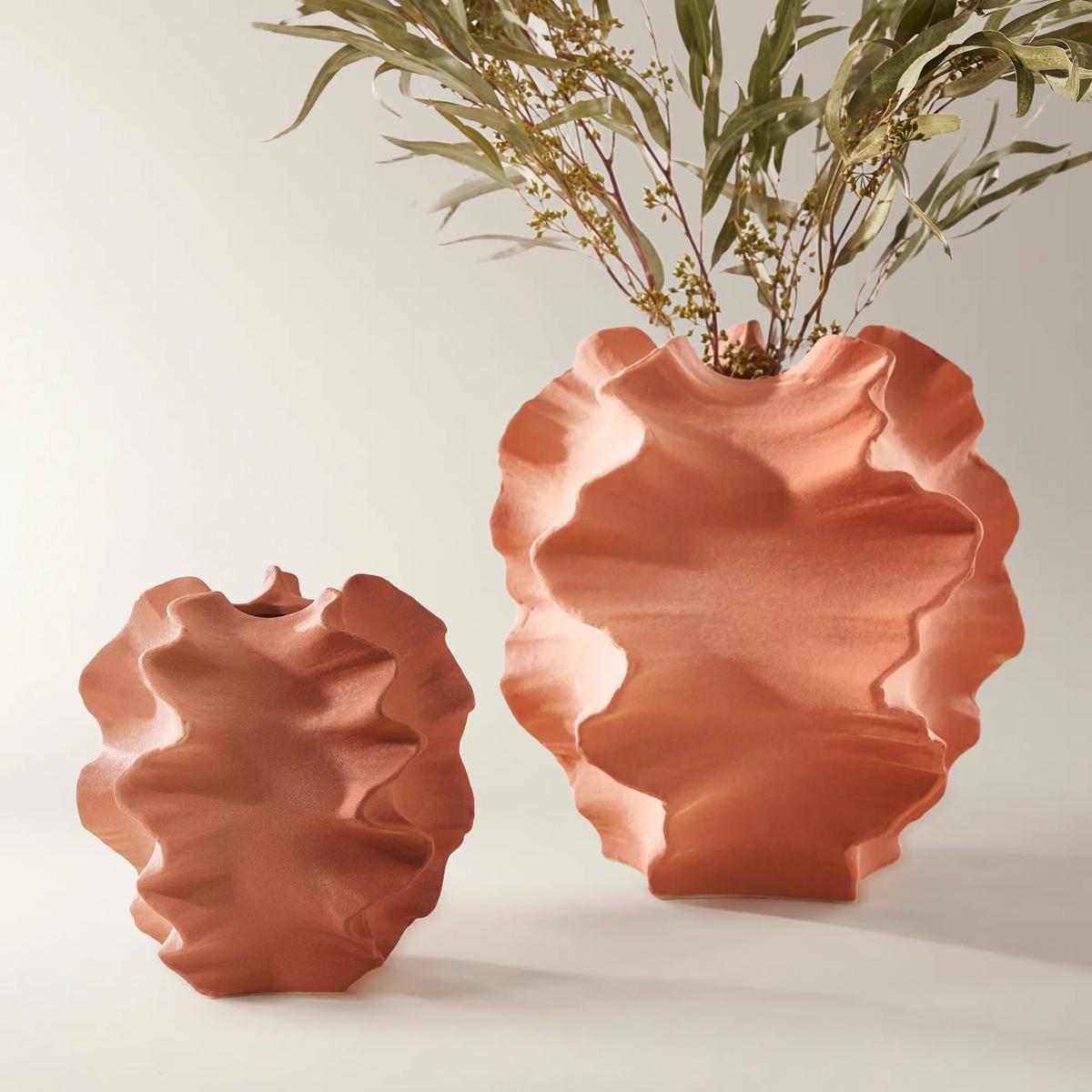
Unique centerpiece ideas bring personality to a table through unexpected shapes, expressive materials, and a deliberate sense of scale. More than a finishing touch, a centerpiece establishes the mood of the room: a sculptural silhouette makes an intimate dining area feel gallery-worthy, while a luminous arrangement of glass and metallic accents gives a generous tabletop its own captivating landscape. Decorative bowls, statement vases, candleholders, trays, and artful objects offer different ways to create that focal point without relying on a traditional bouquet. An oversized vessel with a single dramatic branch can feel more expressive than an elaborate floral arrangement; a shallow bowl filled with textural decorative spheres brings dimension without interrupting conversation. For those drawn to architectural interiors, angular forms and polished surfaces introduce precision and shine. Organic curves, rippled glass, and tactile ceramics soften that effect while retaining a distinctly luxurious presence. The most compelling combinations have a visual connection, whether through color, shape, or finish, rather than matching in every detail. Clear glass beside an opaque ceramic form, for example, creates contrast while allowing the table beneath to remain part of the composition. A restrained palette can support extravagant shapes, while a richly colored vessel may need little surrounding decoration to command attention. These accents belong beyond the formal dining room, too. A low arrangement on a coffee table creates an inviting focal point for conversation, and an entryway centerpiece offers a confident first impression without crowding the space needed for daily arrivals. On a console, a sculptural object paired with a vessel of airy stems can establish depth against a mirror or artwork. For hosts, design enthusiasts, and anyone who sees a tabletop as an opportunity for self-expression, distinctive centerpiece decor makes familiar rooms feel considered. Its appeal lies in the freedom to change the composition: one enduring anchor can take on a different character through a new companion object, a change in stems, or the warm illumination of a nearby candle.
Material is central to both the visual effect and the practical character of a centerpiece. Transparent glass lets light travel through an arrangement, making it useful when a substantial silhouette needs to feel less visually heavy. Colored or textured glass introduces richer shadows and reflections, while mirrored finishes amplify surrounding details and reward a carefully edited setting. Ceramic vessels can bring a smooth, glazed sheen or a more tactile surface; either provides a striking counterpoint to gleaming metal. Metallic finishes catch the light beautifully, especially against matte dinnerware or a richly grained table, though their care requirements depend on the underlying material and protective coating. Natural stone adds visual weight and distinctive variation, but heavier objects require thoughtful placement and a protective layer where appropriate to help prevent scratching. Wood offers grain and warmth, with finishes that may need protection from standing water and candle wax. Durability is not simply a matter of choosing the heaviest material: stable bases, sound construction, secure components, and suitability for the intended setting all matter. A delicate glass arrangement may be well suited to a formal console but less practical on a busy family table. For floral centerpieces, a vase should be confirmed watertight before holding fresh stems; porous or decorative-only vessels may require a suitable liner, while faux botanicals offer sculptural fullness without water changes. Bowls used for fruit or other unpackaged food should be designated food-safe, rather than assumed suitable because of their shape. Candleholders likewise need to accommodate the specified candle size and sit securely on a level surface. Flameless candles offer an alternative where branches, dried botanicals, children, or pets make an open flame less appropriate. With real candles, adequate clearance from combustible materials and attentive supervision remain essential. Routine care helps preserve the drama: gentle dusting, prompt attention to spills, and cleaning methods matched to the finish protect an arrangement better than a universal polishing routine. Manufacturer care directions should guide the use of water, cleaning solutions, and abrasive materials, particularly on plated, painted, or mirrored surfaces.
Proportion gives a unique table centerpiece its presence, and the right fit depends as much on daily habits as on tabletop dimensions. A round table often benefits from a centralized composition with an appealing view from every seat, while an elongated table can carry a series of related forms that establish rhythm along its length. A narrow dining surface calls for a smaller footprint, leaving comfortable space for plates, glassware, serving dishes, and resting hands. Height deserves equal attention. Low arrangements generally support easy conversation during a seated meal; taller displays work best where their solid elements do not obstruct faces or interfere with serving. An entry table can often accommodate more vertical drama than a dining table, provided the arrangement remains stable and clear of passing traffic. On a coffee table, a tray can give several objects a defined boundary and make them easier to relocate, although its size and weight should remain manageable. An asymmetrical grouping feels intentional when a taller form is balanced by lower, broader shapes rather than surrounded by competing accents. Space between objects matters, too: a glimpse of polished wood or stone allows each silhouette to register. For dinner parties and intimate celebrations, candlelight reflected in glass introduces depth without requiring a dense arrangement. Softer contours, delicate stems, and luminous finishes create another expressive direction, explored through Romantic Centerpiece Ideas, where atmosphere can remain elegant without overwhelming the table. For everyday display, an arrangement that is easy to dust, lift, and refresh is more likely to remain part of the room rather than be put away after an occasion. Centerpiece decor can also make a thoughtful housewarming, wedding, or anniversary gift when chosen with the recipient’s space and taste in mind. A versatile silhouette leaves room for personal styling, while a more daring finish suits someone who welcomes decorative drama. Whether the effect is sculptural, luminous, or richly layered, a distinctive centerpiece gives the room a point of view—and makes gathering around the table feel like an occasion in itself.
FAQs
A unique centerpiece stands out through its artistry, unexpected materials, and sculptural form. Look for pieces that blend texture, reflect light, or introduce bold color—think glass, metallics, or mixed media. The most memorable centerpieces are those that express your personality and create a sense of drama, transforming the table into a curated work of art.
Centerpieces aren’t just for celebrations—they can elevate your daily dining experience or add a touch of glamour to a coffee table or entryway. Choose versatile designs, such as a low-profile arrangement or a decorative bowl, that complement your existing décor. Rotate seasonal elements or add fresh florals for an ever-changing focal point that keeps your space feeling inspired.
Absolutely! For winter, embrace rich textures and reflective surfaces—crystal, silver, or gold—to capture the season’s luminous spirit. Layer in natural elements like evergreen branches or deep-hued blooms for warmth. As seasons change, swap in lighter materials and brighter colors to keep your tablescape feeling fresh and in harmony with the time of year.
A thoughtfully chosen centerpiece makes a stunning gift for anyone who takes pride in their home—newlyweds, recent homeowners, or the consummate entertainer. It’s also a meaningful gesture for hosts, friends, or family members who love to gather people together and create memorable moments around the table.
To make your centerpiece the star, play with height and scale—choose a piece that commands attention without overwhelming the space. Use dramatic lighting to highlight its features, or place it atop a mirrored or textured runner to amplify its impact. Surround it with complementary accents, but keep the overall arrangement uncluttered to let your centerpiece shine.