Centerpiece Ideas For Weddings
Centerpiece Ideas For Weddings
-
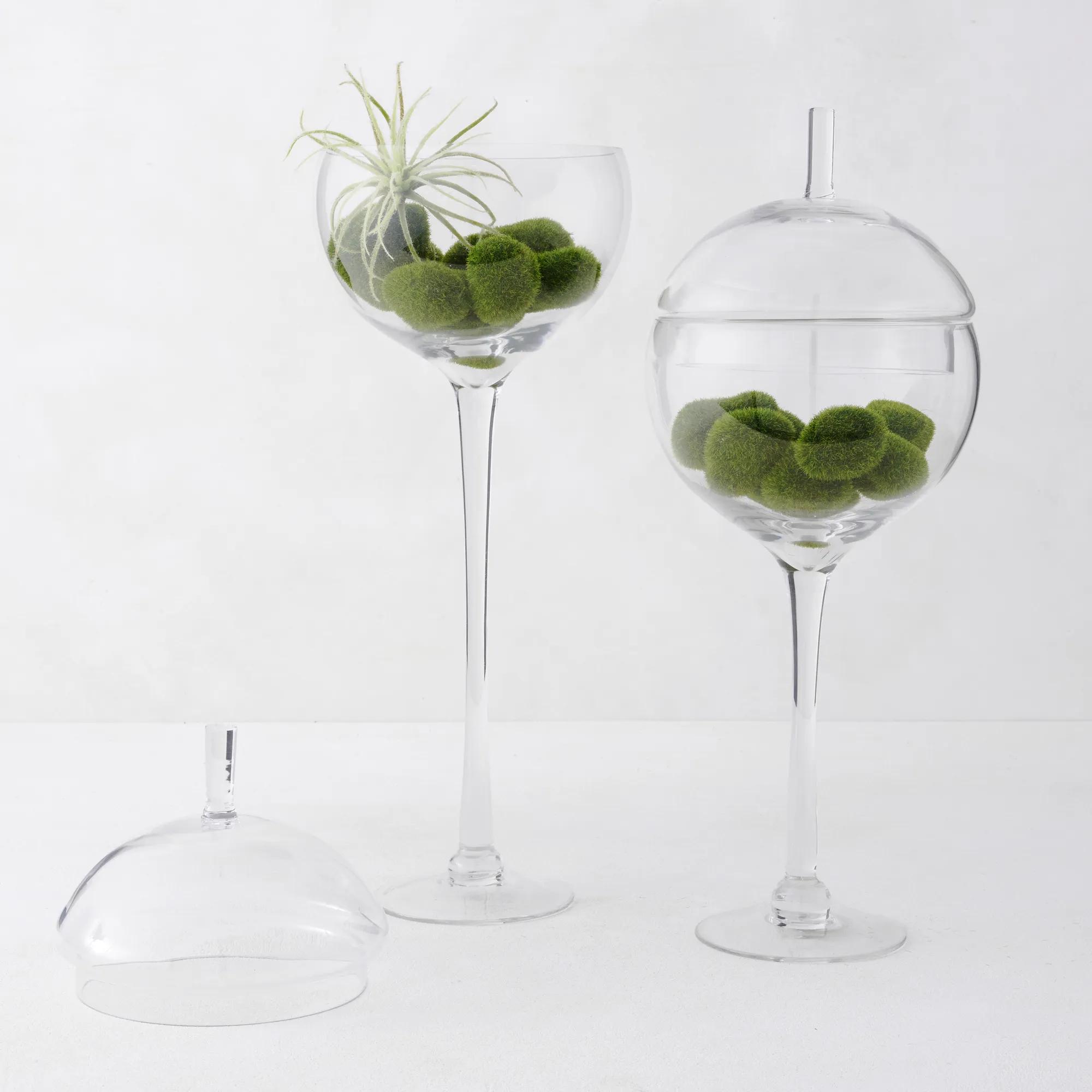 Jules Glass Decorative Canisters$89
A mouthblown glass terrarium perfect for showcasing decorative objects or cherished keepsakes.
Add To Cart -
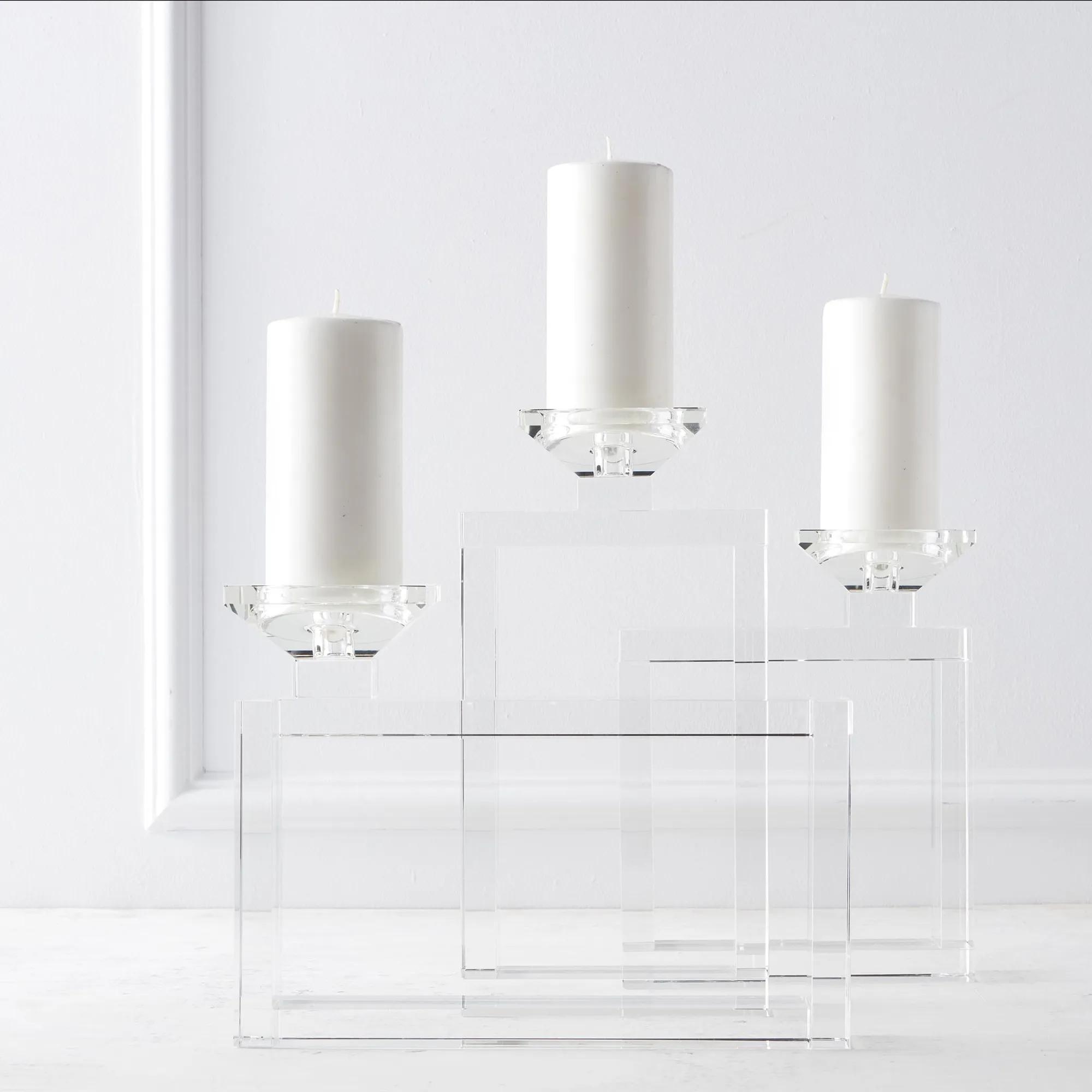
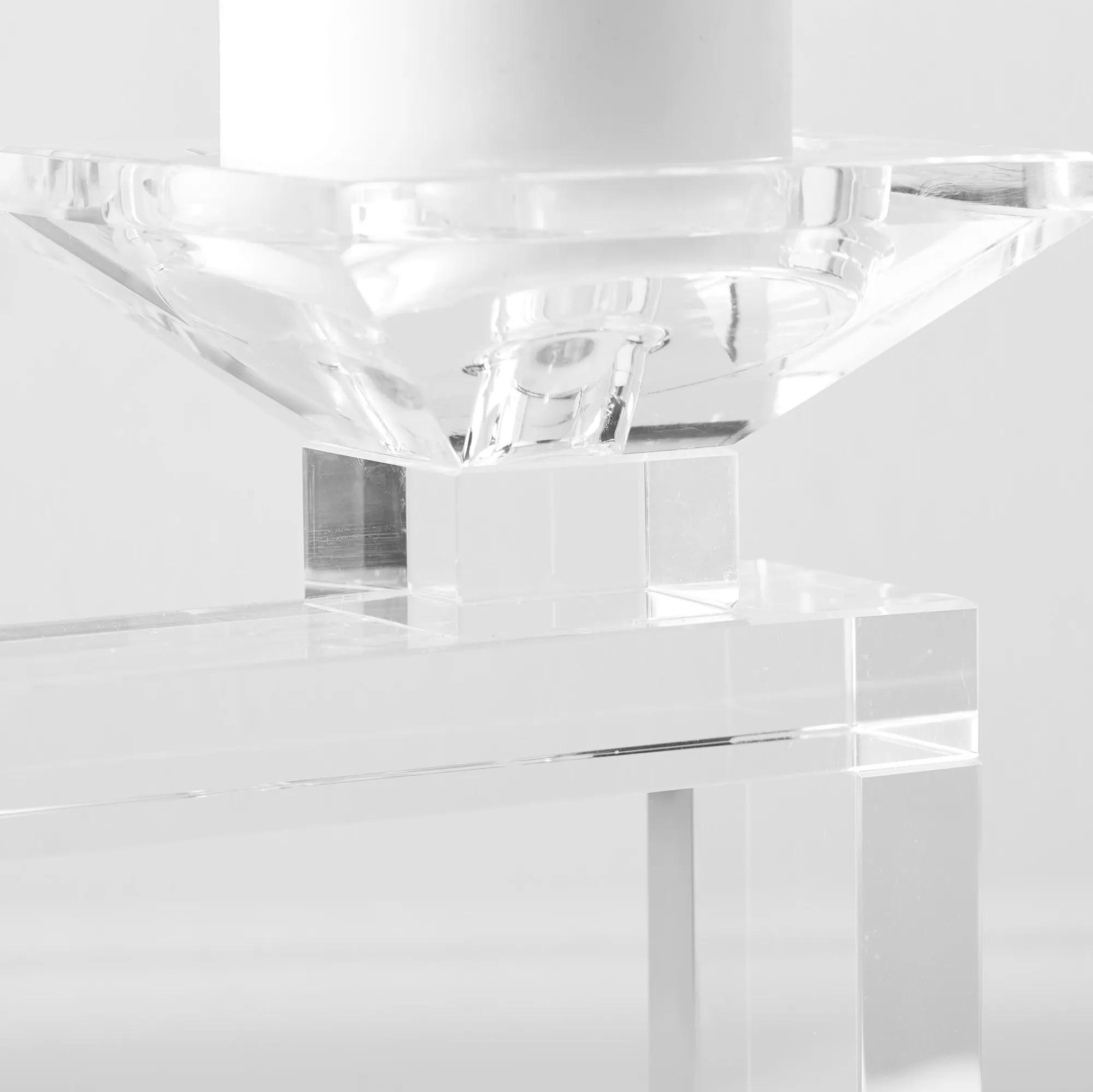 Linx Clear Crystal Glass Pillar Holders$119
A sparkling clear crystal glass holder with an open geometric base for standard pillar candles.
Add To Cart -
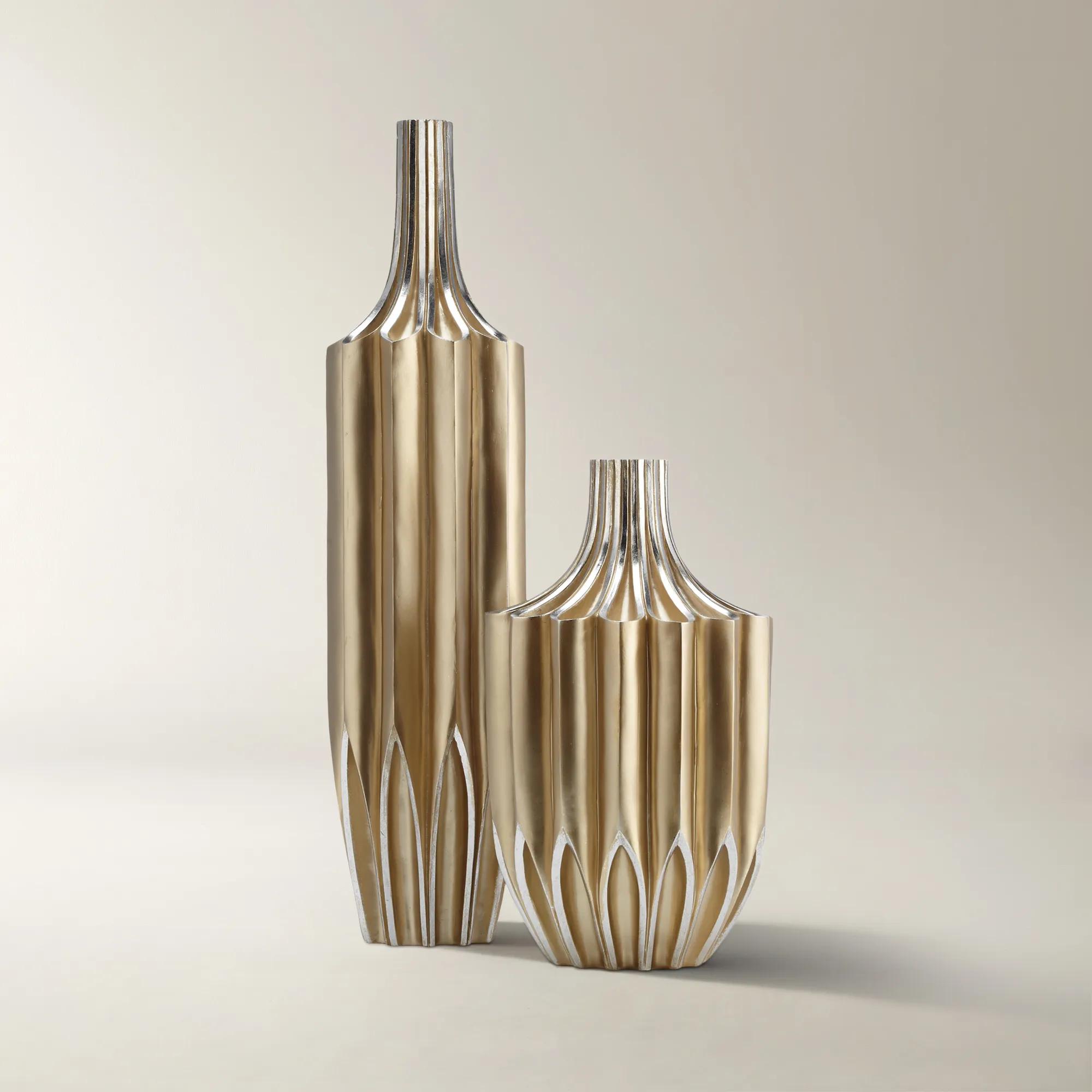
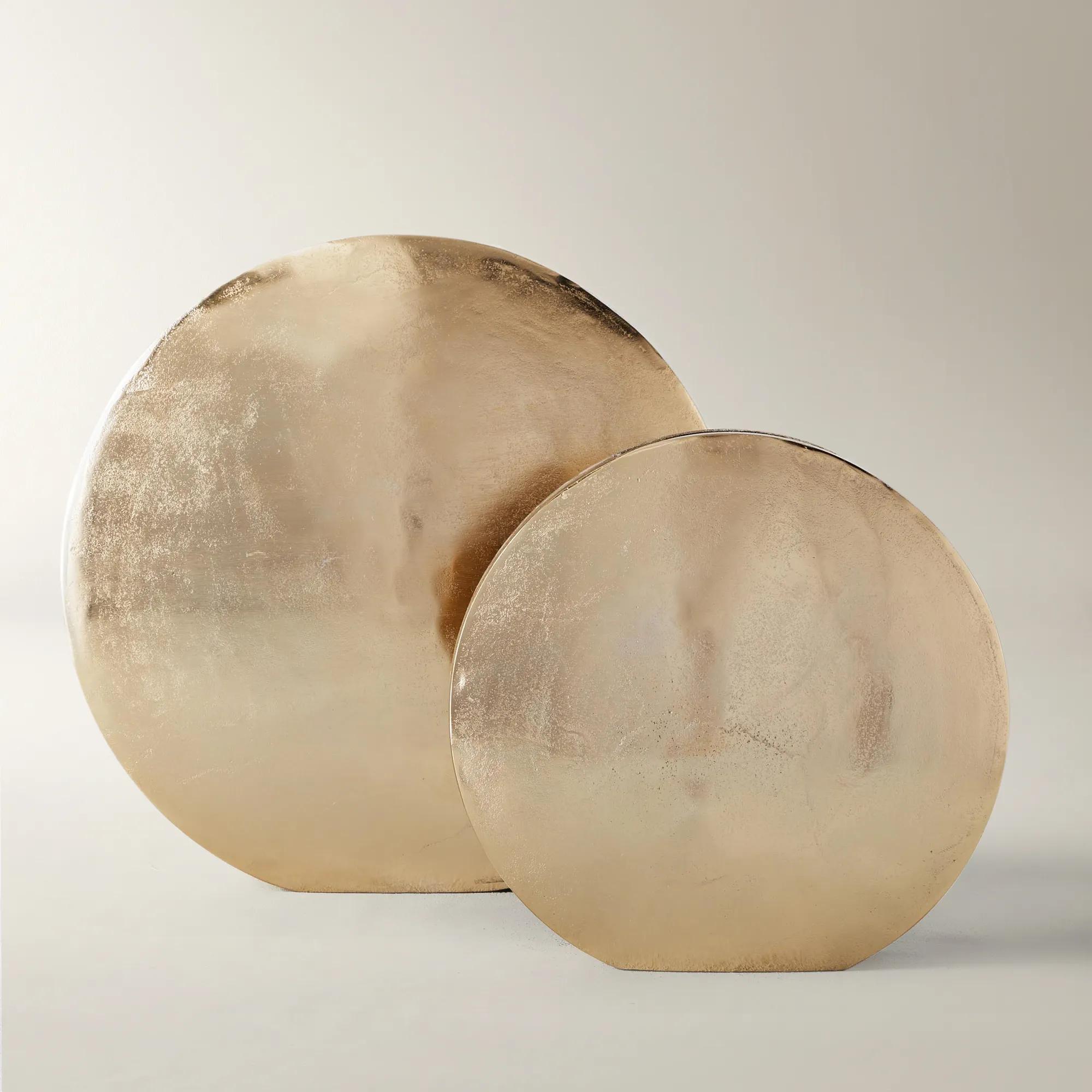
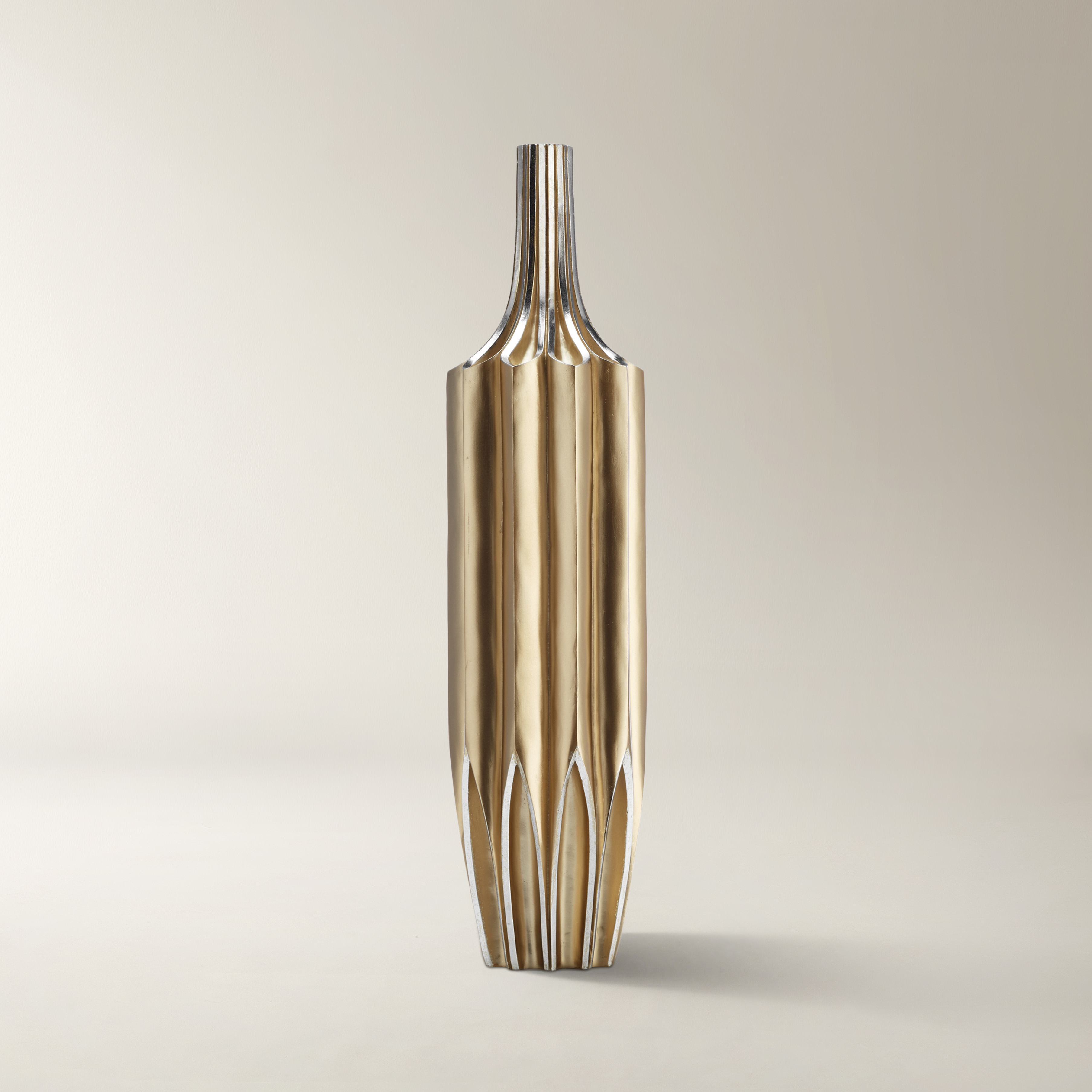 Savannah Gold Resin Vases$69
A sophisticated polyresin vase featuring sleek vertical curves and a modern, inward-flaring design.
Add To Cart -
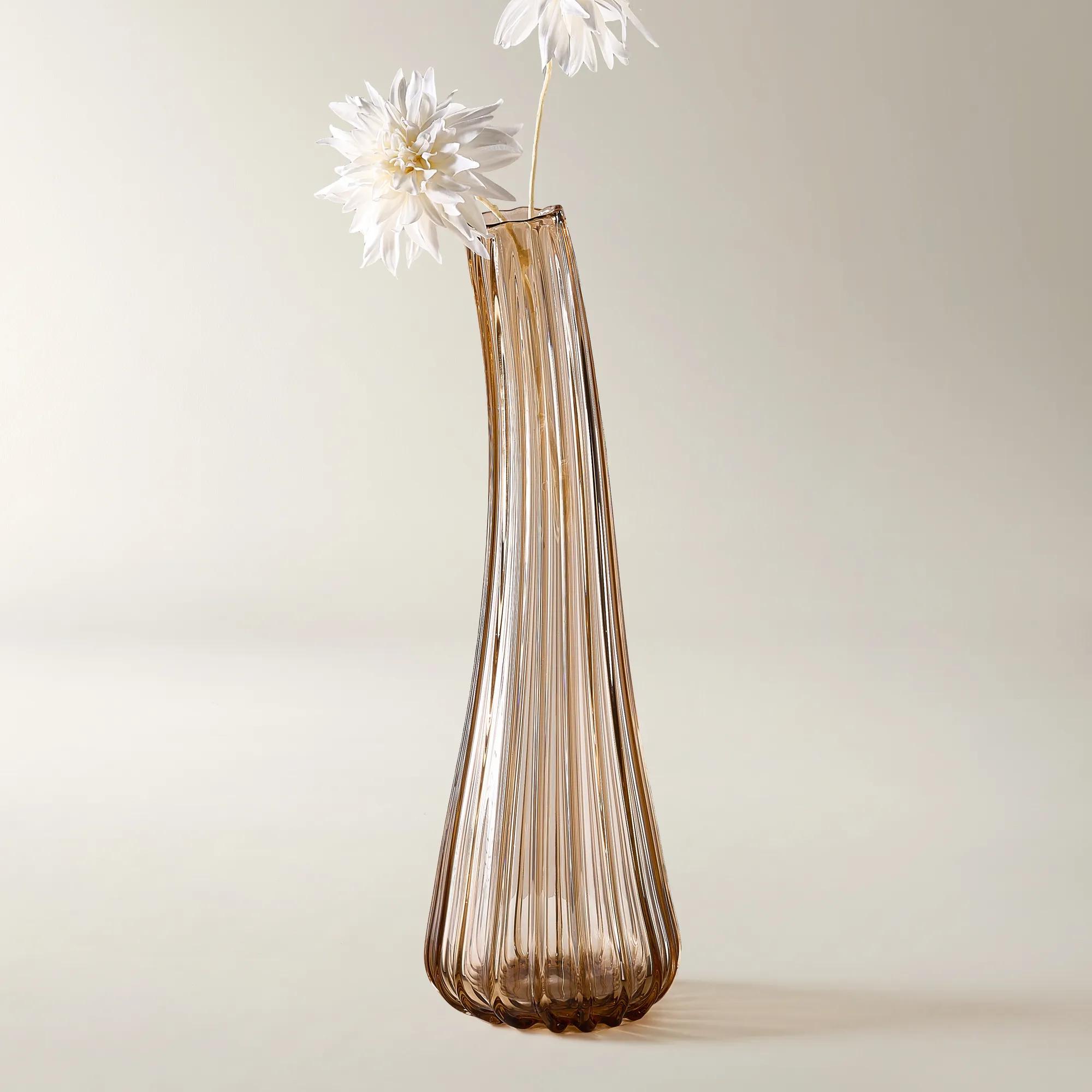
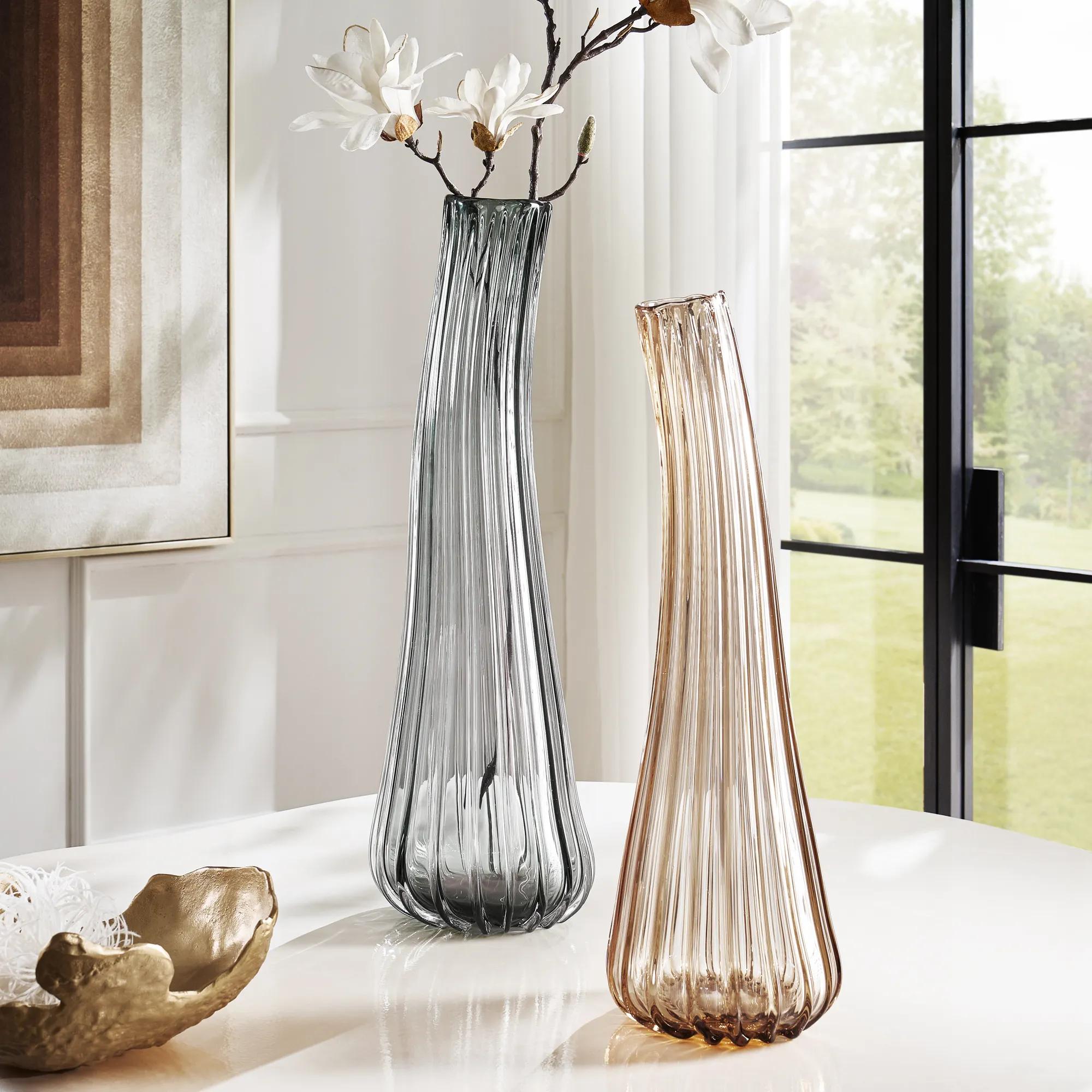 Tango Mouth Blown Soft Amber Vase 24.75"$179
A handblown glass vase in a soft amber finish with a textured, sculptural centerpiece design.
Add To Cart -
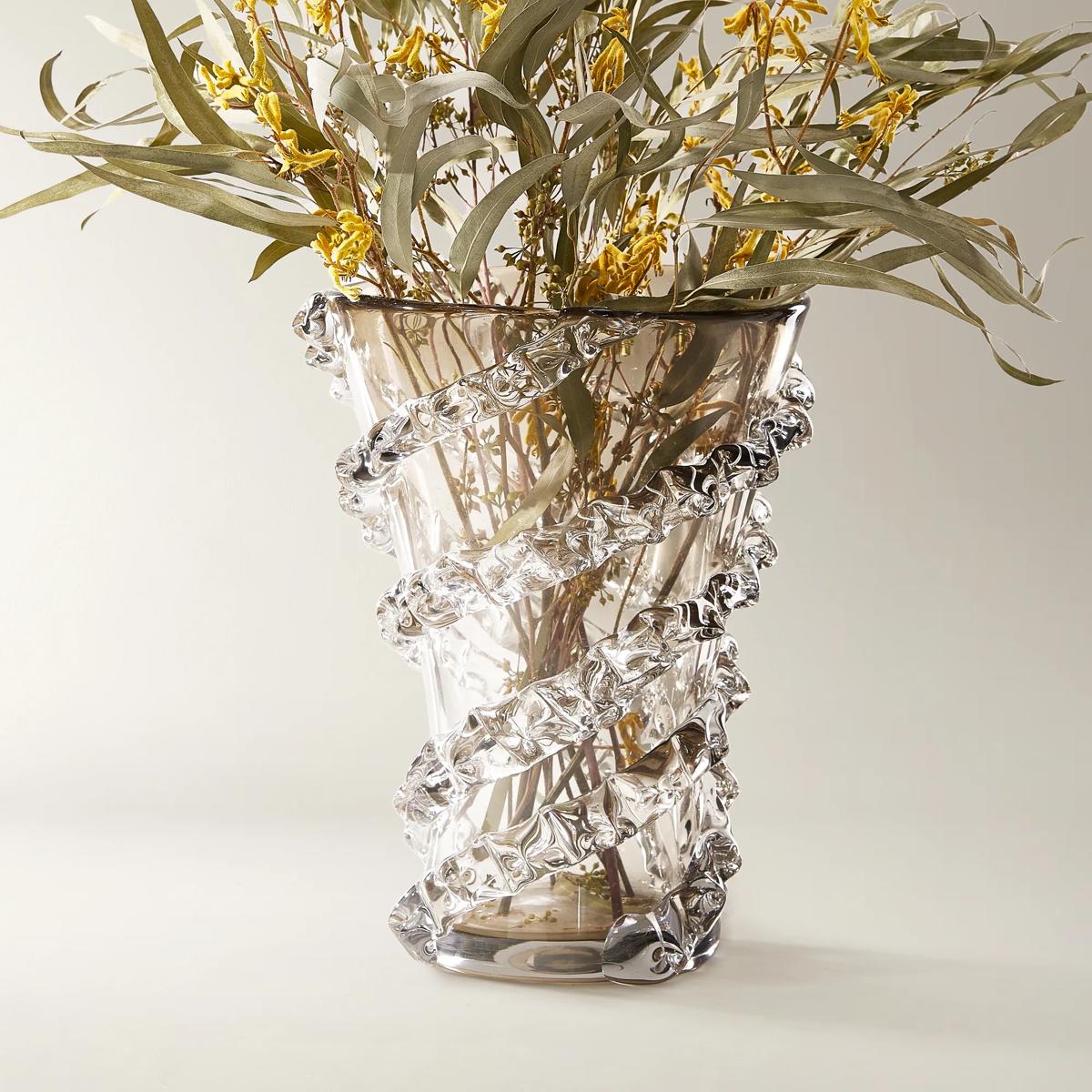
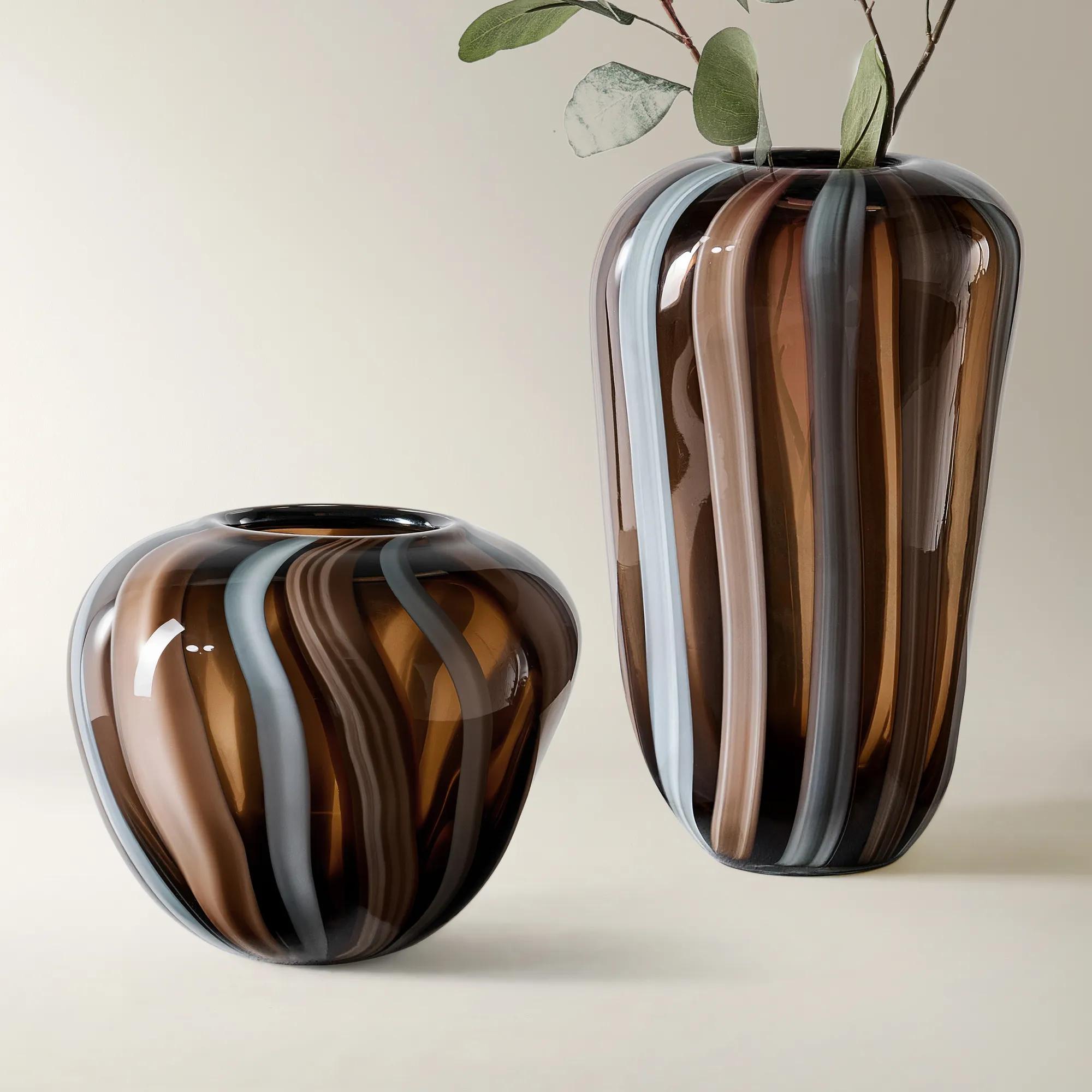
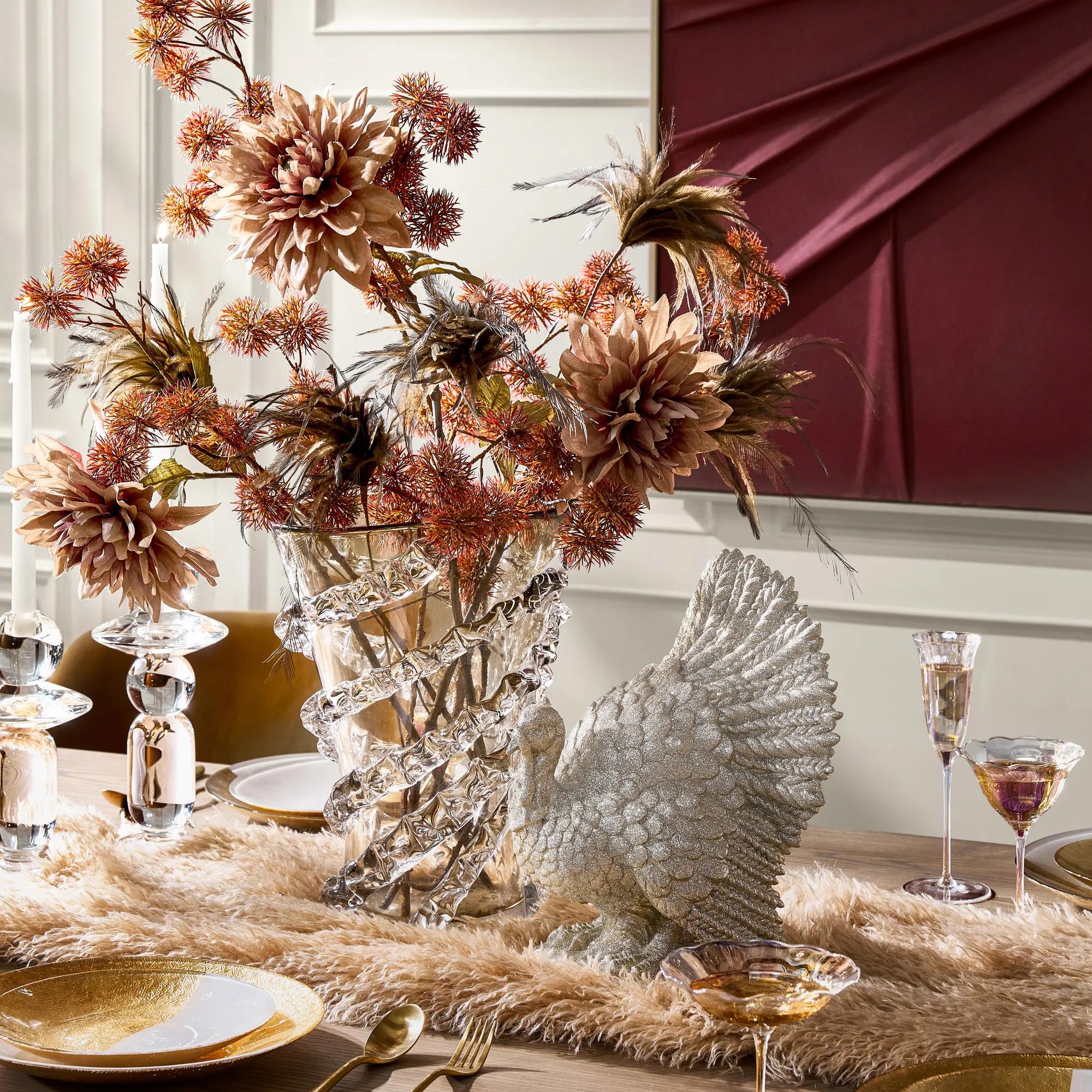 Reyna Glass Vase$299
A hand-blown glass vase featuring a sculptural swirl design and a smoky grey-brown finish.
Add To Cart -
 Trio Twist Soft Gold Aluminum Tapper Holders Set of 3$129
A set of three aluminum taper holders in soft gold with sculptural twisted silhouettes for modern elegance.
Add To Cart -
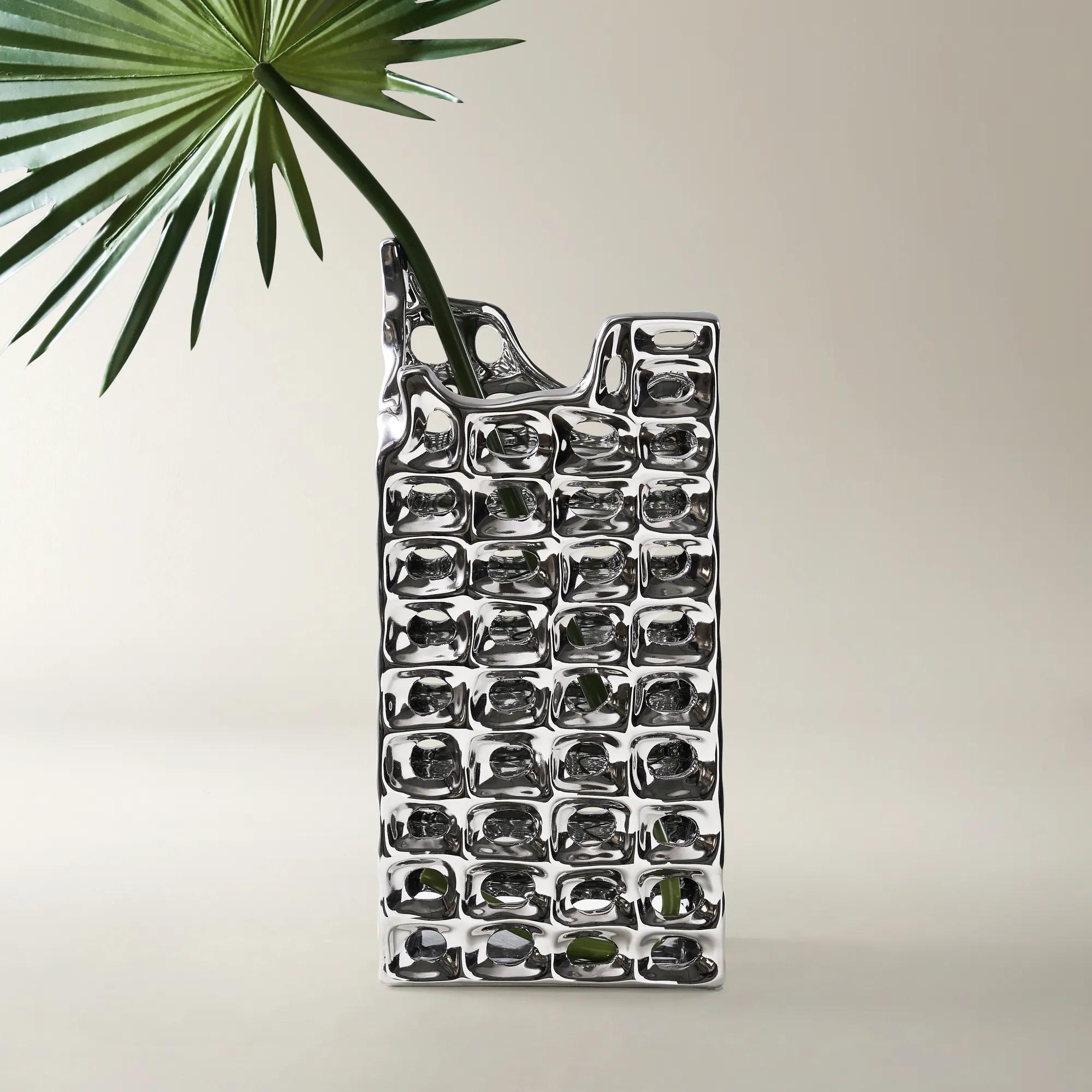
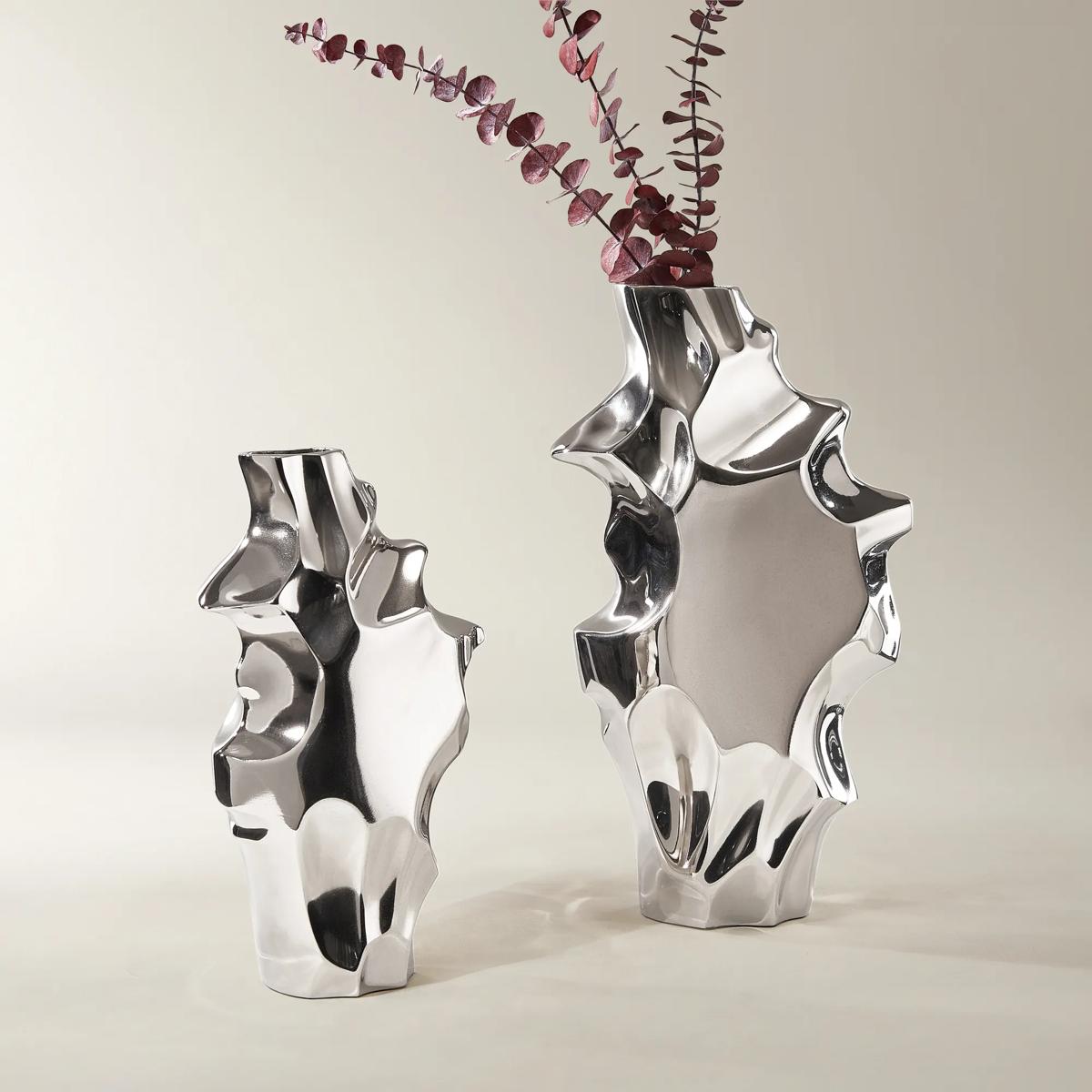
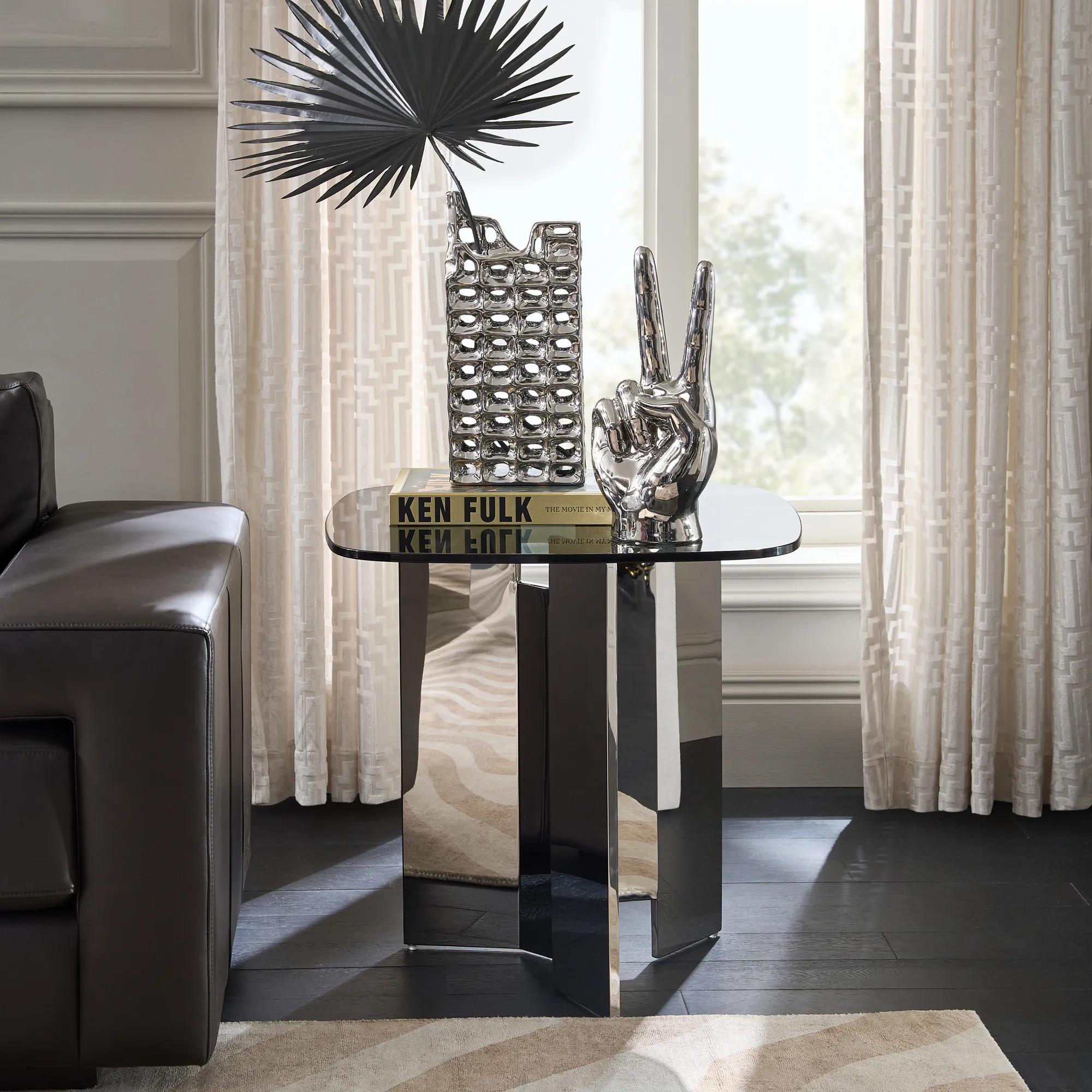 Pierce Vase$69
A ceramic vase with intricate facets and a gleaming silver finish for striking visual impact.
Add To Cart -
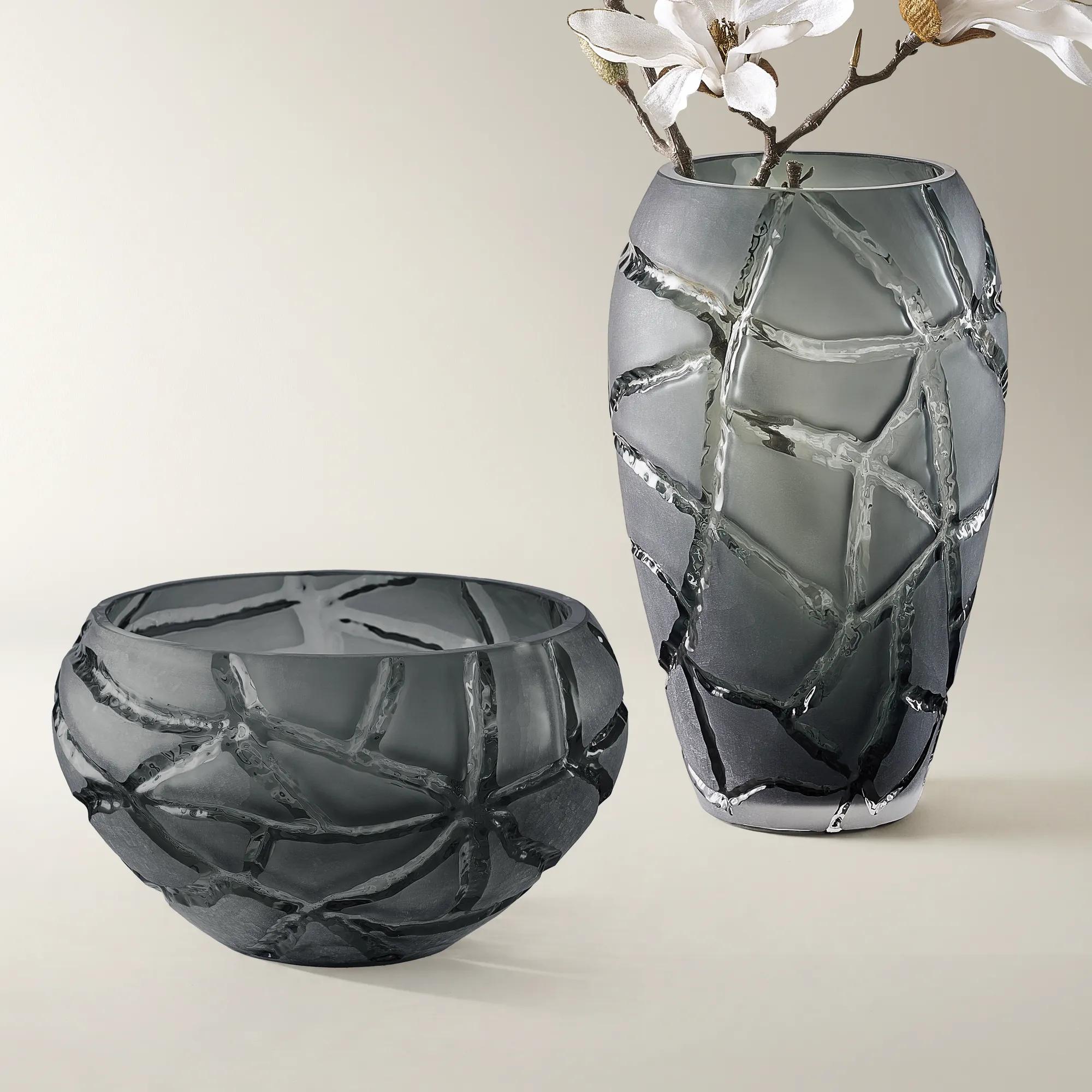
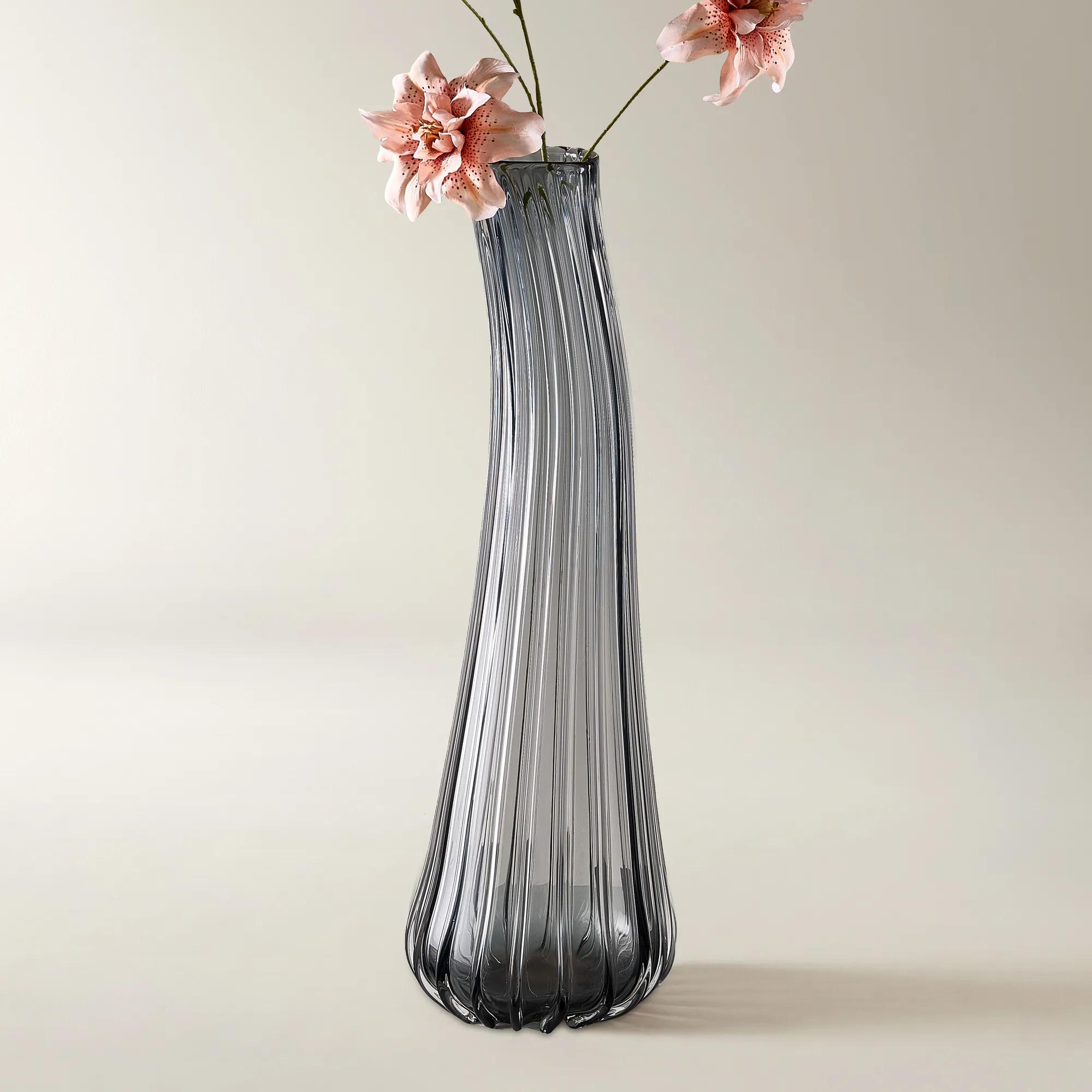 Tango Mouth Blown Smoked Pearl Vase 29"$199
A handblown glass vase in a smoked pearl finish with a textured surface for sculptural elegance.
Add To Cart -
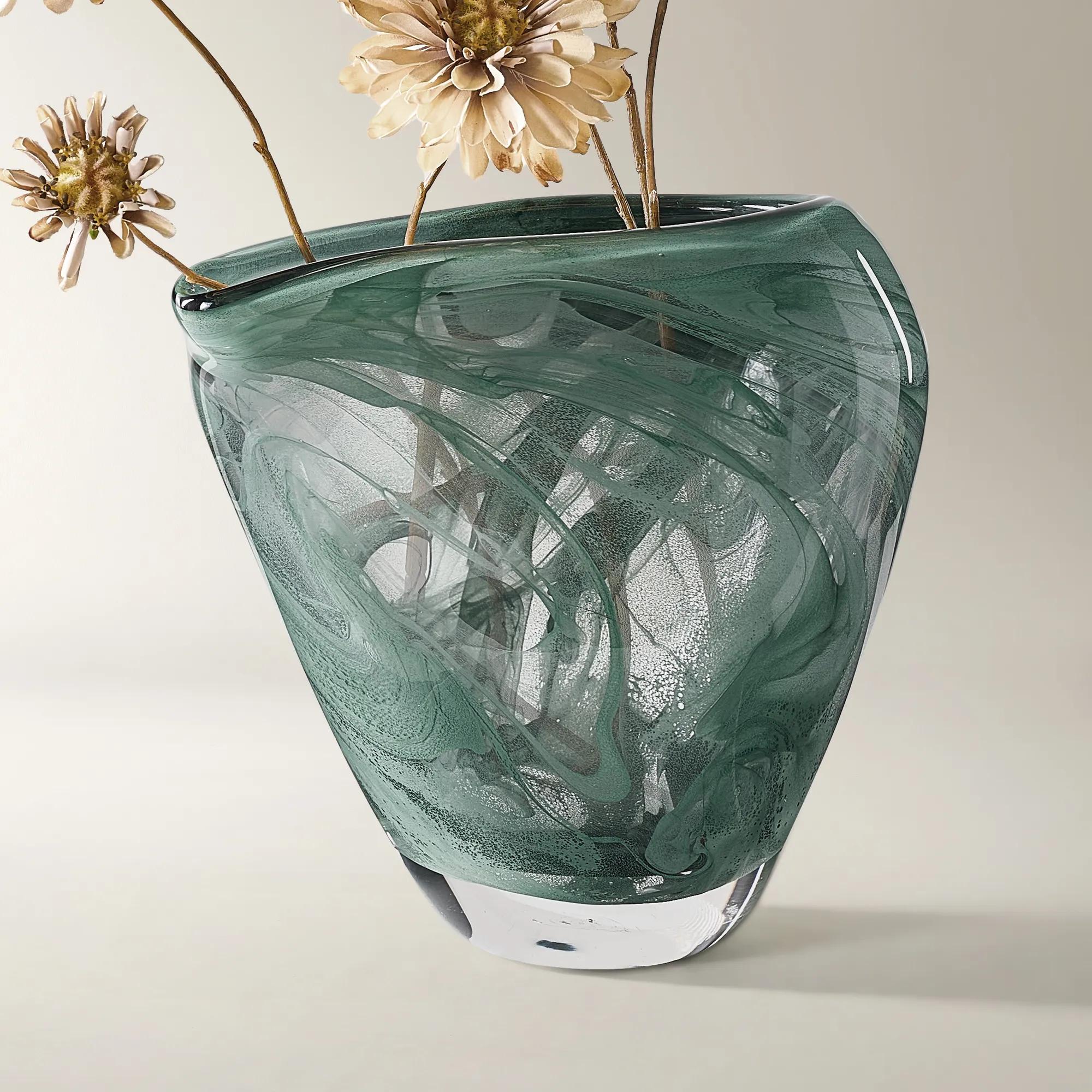 Flow Mouth Blown Sage Green Glass Vase 12.25"$199
A handblown glass vase in calming sage green with an organic, sculptural silhouette for modern decor.
Add To Cart -
 Icy Mouth Blown Clear Glass Cube Taper Holders$39
A handblown clear glass taper holder with a bold geometric silhouette and luminous, icy light play.
Add To Cart -
 Otis Soft Gold Aluminum Hurricane Candle Holders$199
A sculptural hurricane candle holder crafted from aluminum and glass with a warm soft gold finish.
Add To Cart -
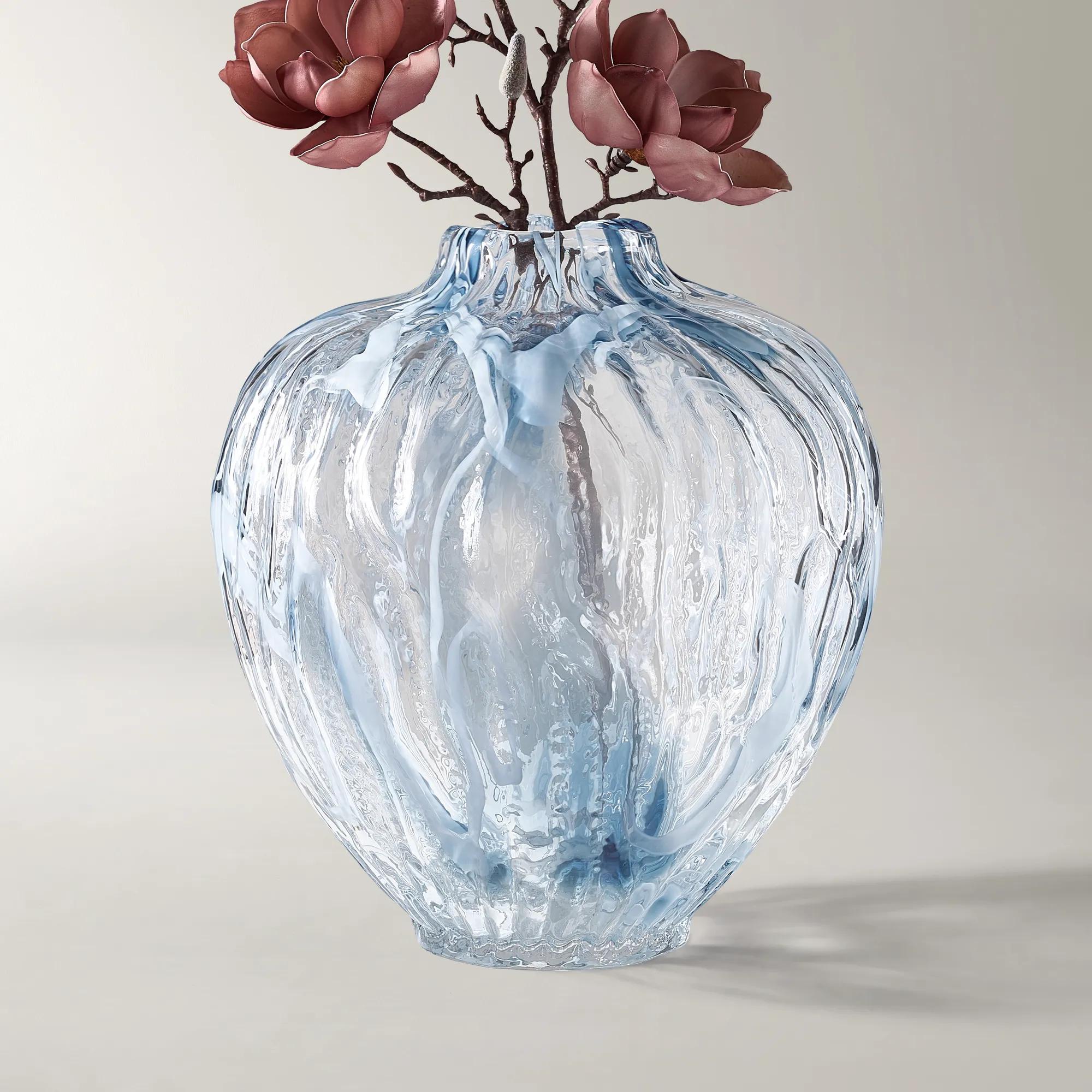 Cruz Mouth Blown Powder Blue Glass Vase 15.75"$169
A handblown glass vase in powder blue with a sculptural, light-catching surface for modern decor.
Add To Cart -

 Madre Handcrafted Ivory Porcelain Vases$129
A handcrafted ivory porcelain vase featuring cascading textured fronds and a smooth matte finish.
Add To Cart -
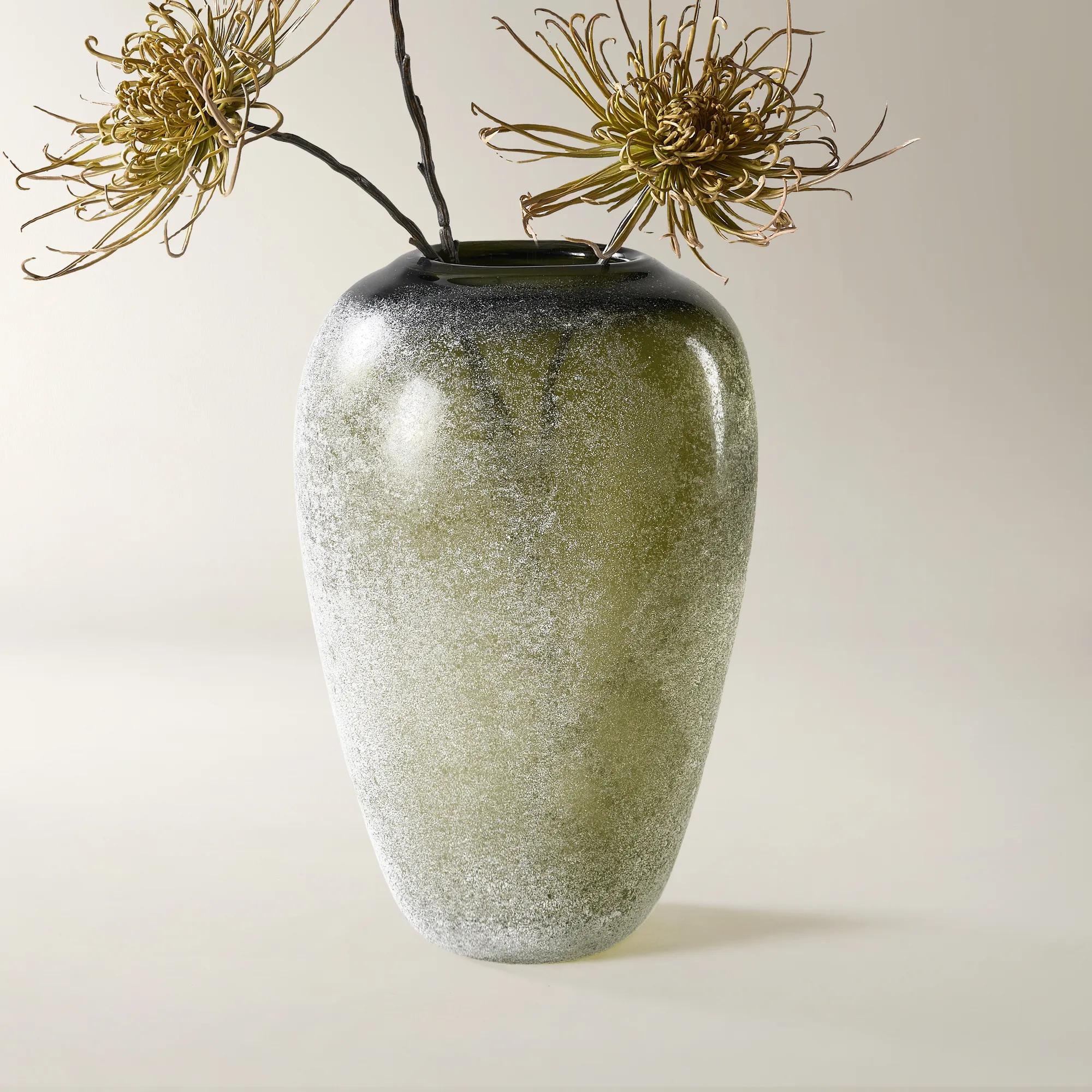 Linden Mouth Blown Pistachio Green Glass Vase 13.75"$129
A handblown glass vase in pistachio green adds a fresh, artful accent to any space.
Add To Cart -
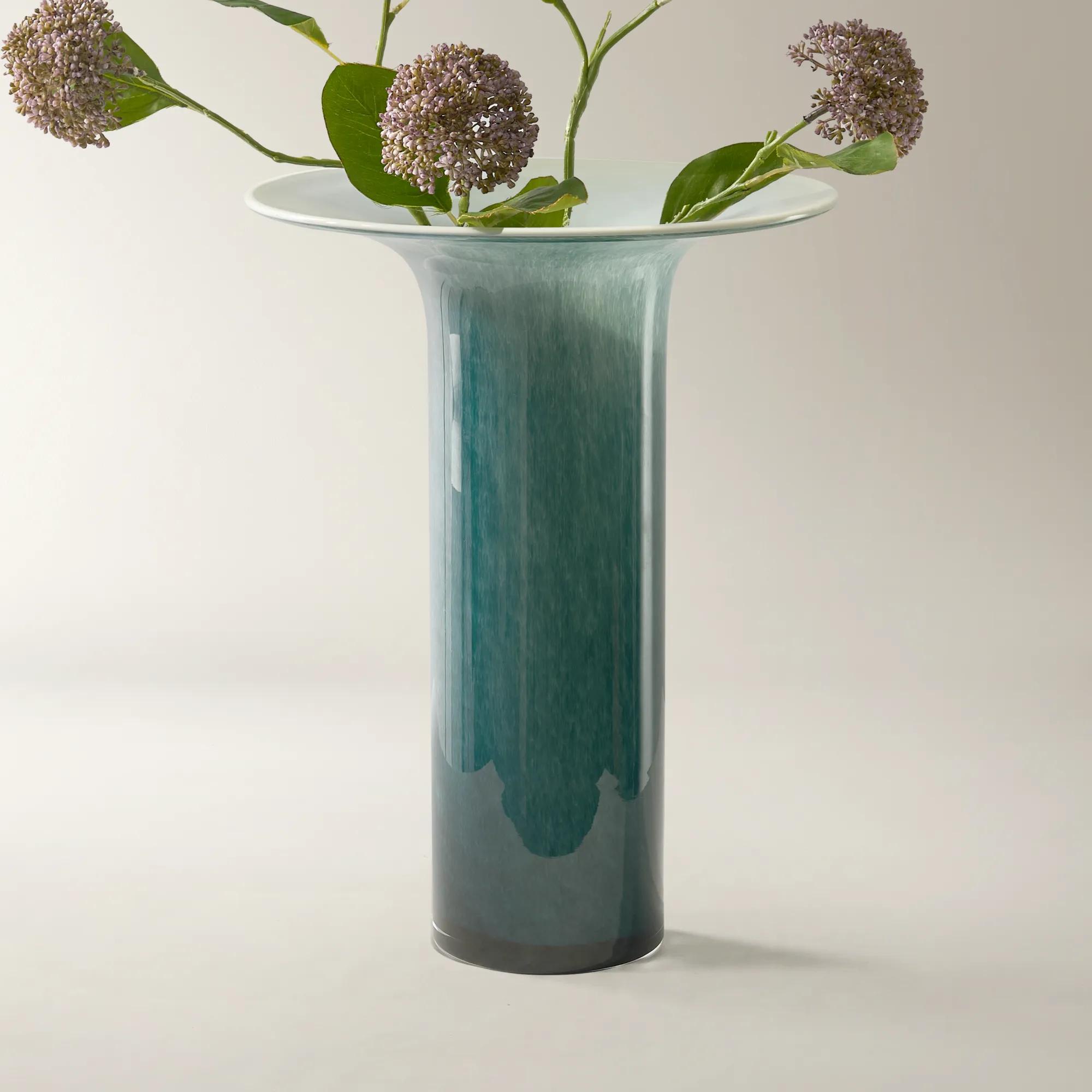 Loft Mouth Blown Deep Teal Glass Vase 15.75"$129
A handblown glass vase in deep teal with a sculptural column silhouette for bold, artful impact.
Add To Cart -
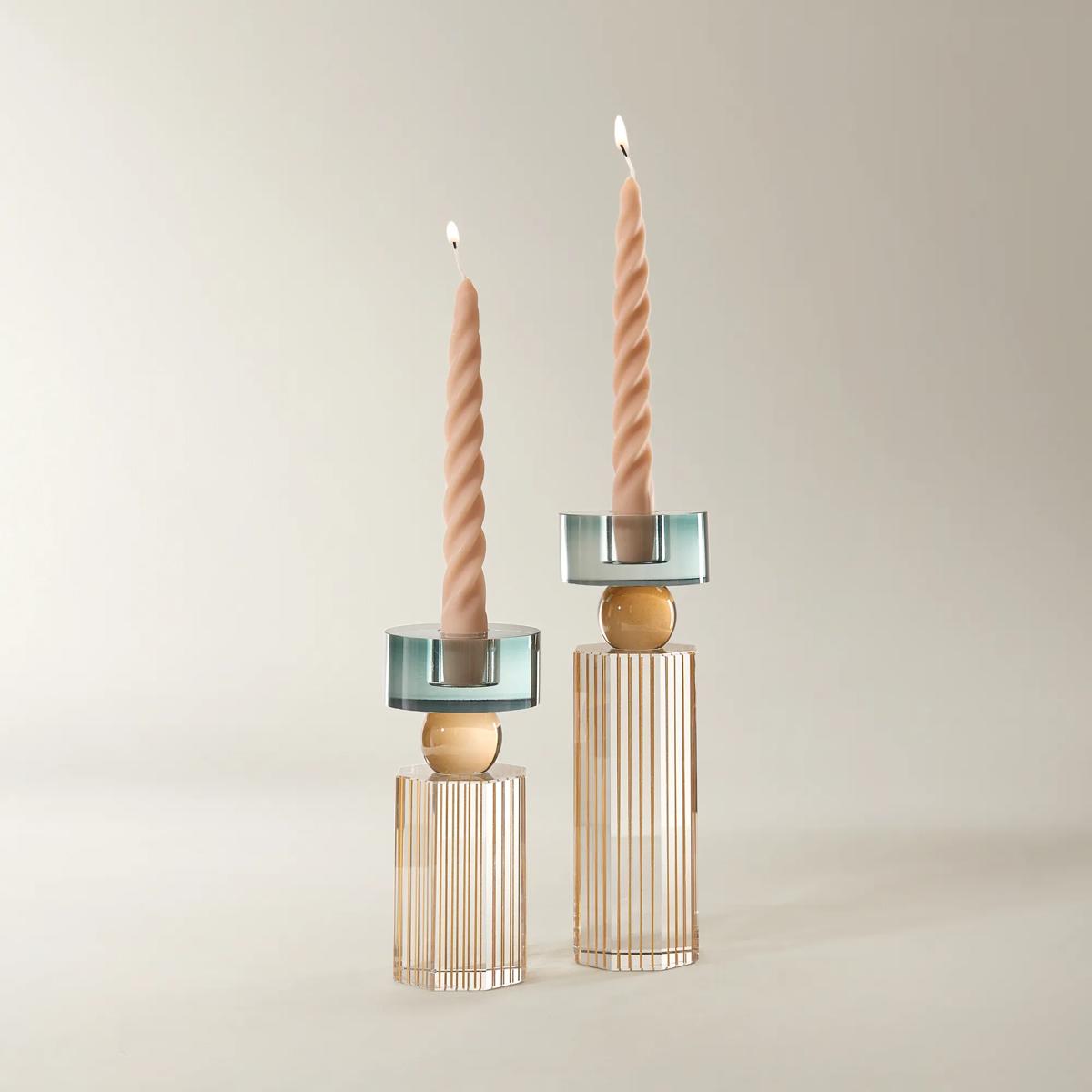
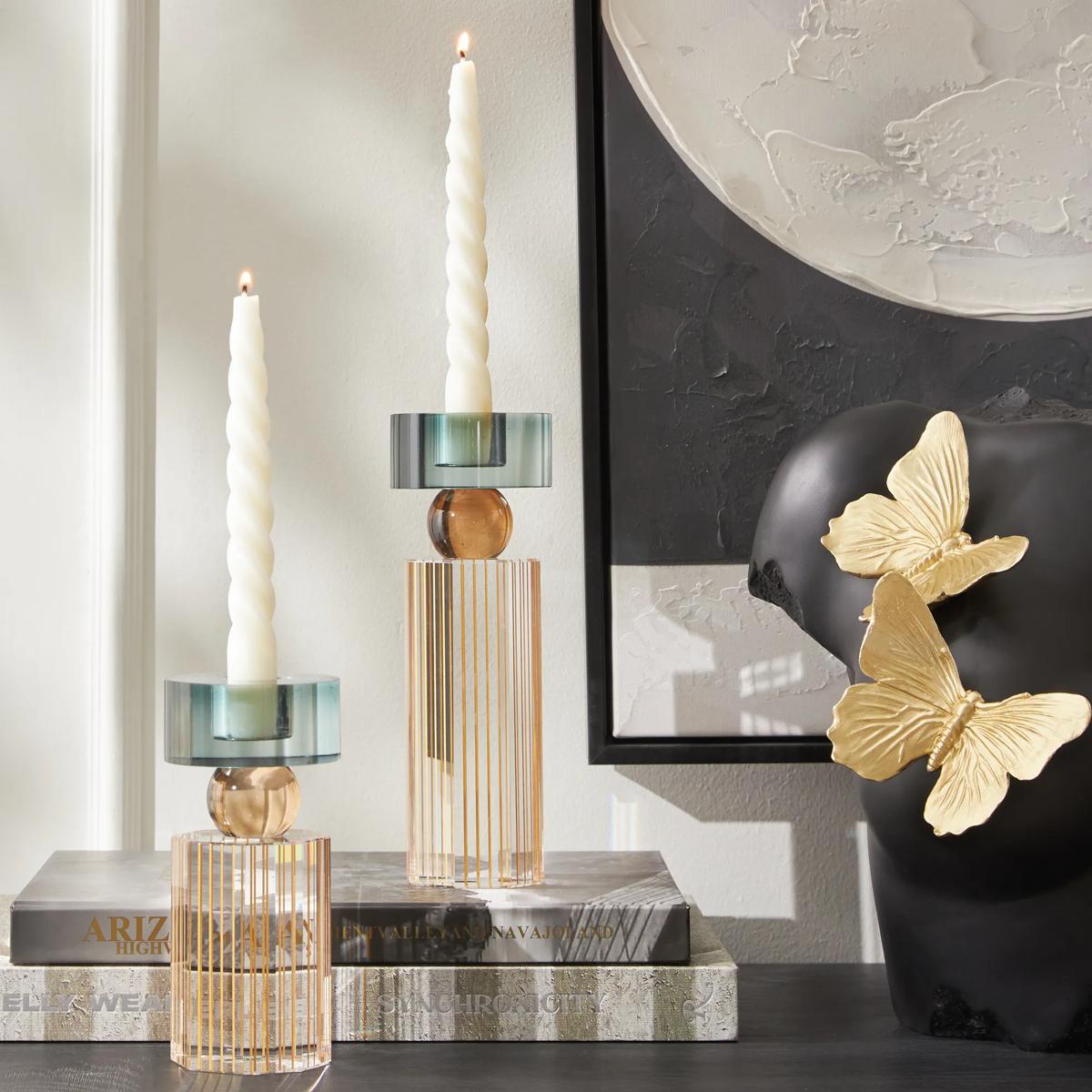 Cora Teal And Gold Crystal Glass Taper Holders$69
A modern crystal taper holder featuring clear, teal, and gold accents with clean, architectural lines.
Add To Cart -
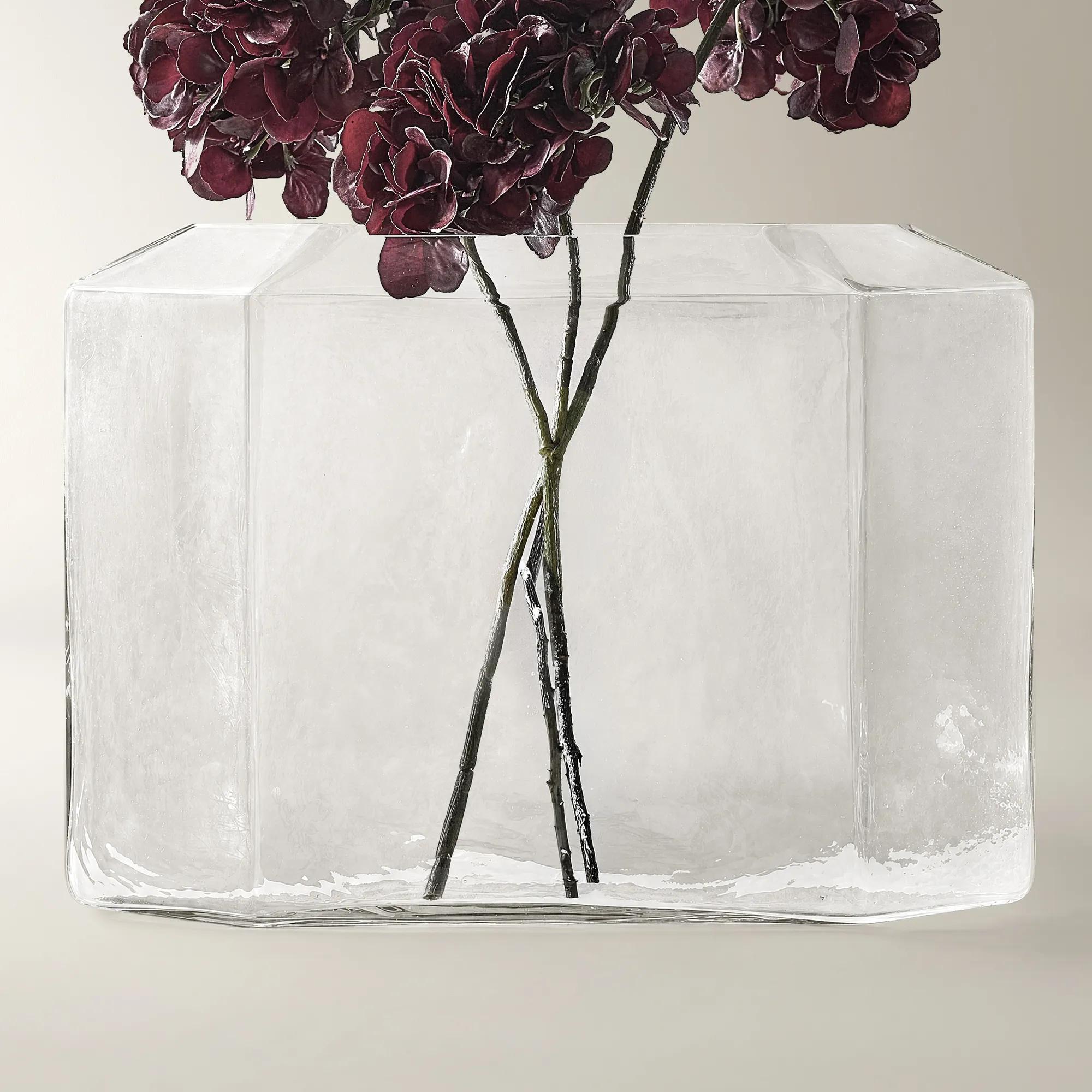 Studio Mouth Blown Clear Glass Vase 13.75"$199
A handblown clear glass vase with faceted detailing that beautifully reflects light for modern elegance.
Add To Cart -
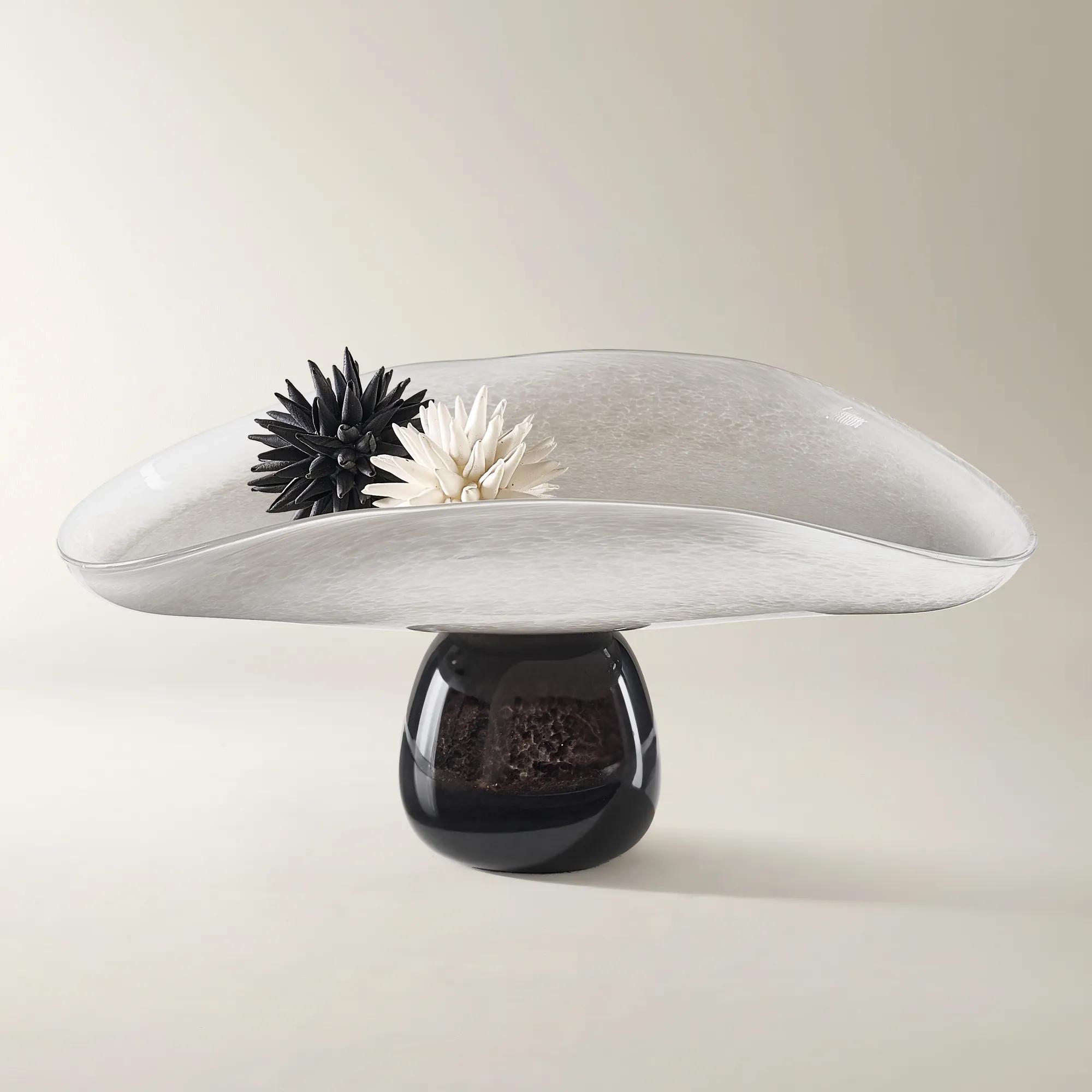 Elois Mouth Blown White Black Pedestal Bowl 14.5" x 7"$149
A handblown glass pedestal bowl featuring striking black and white contrast for a sculptural, modern accent.
Add To Cart -
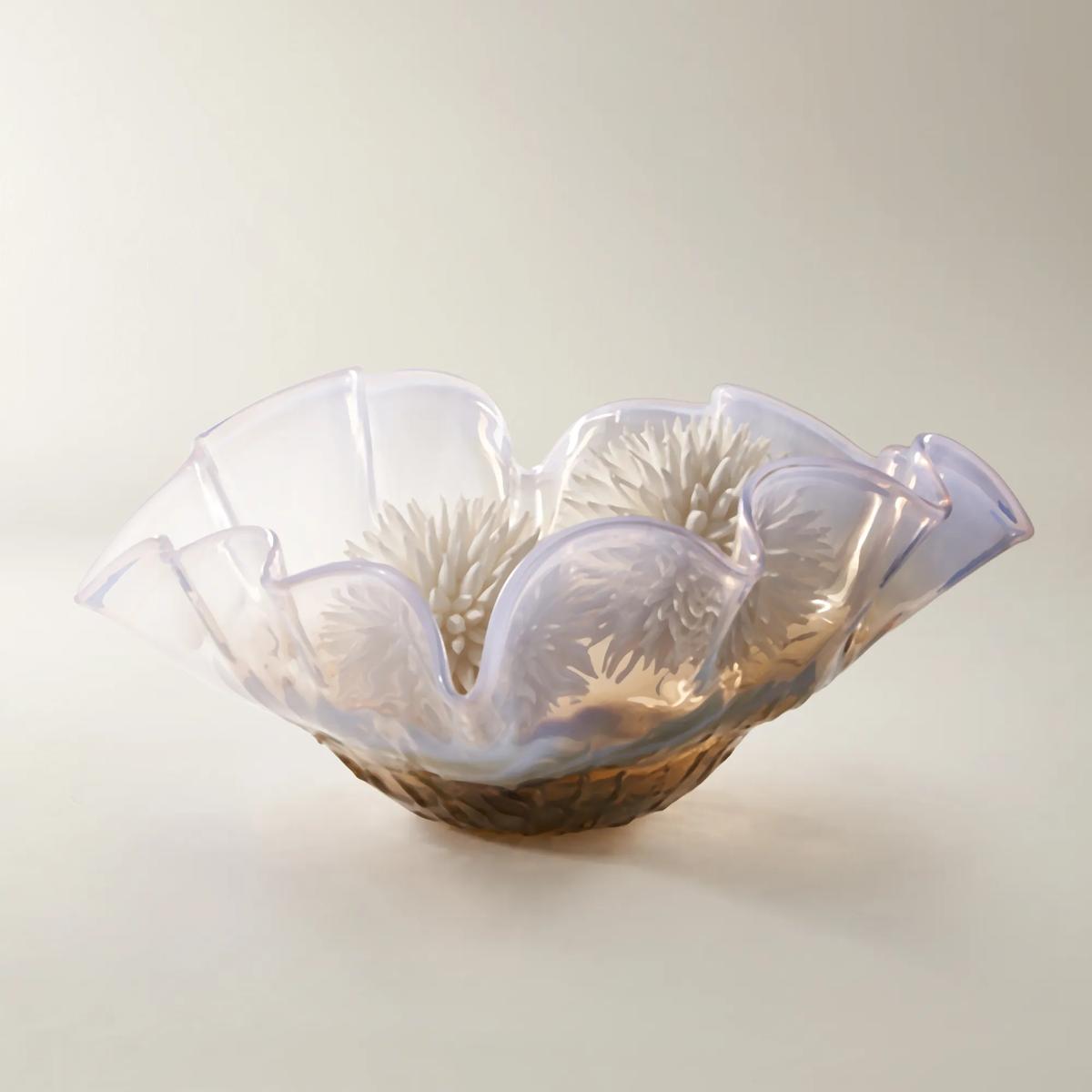
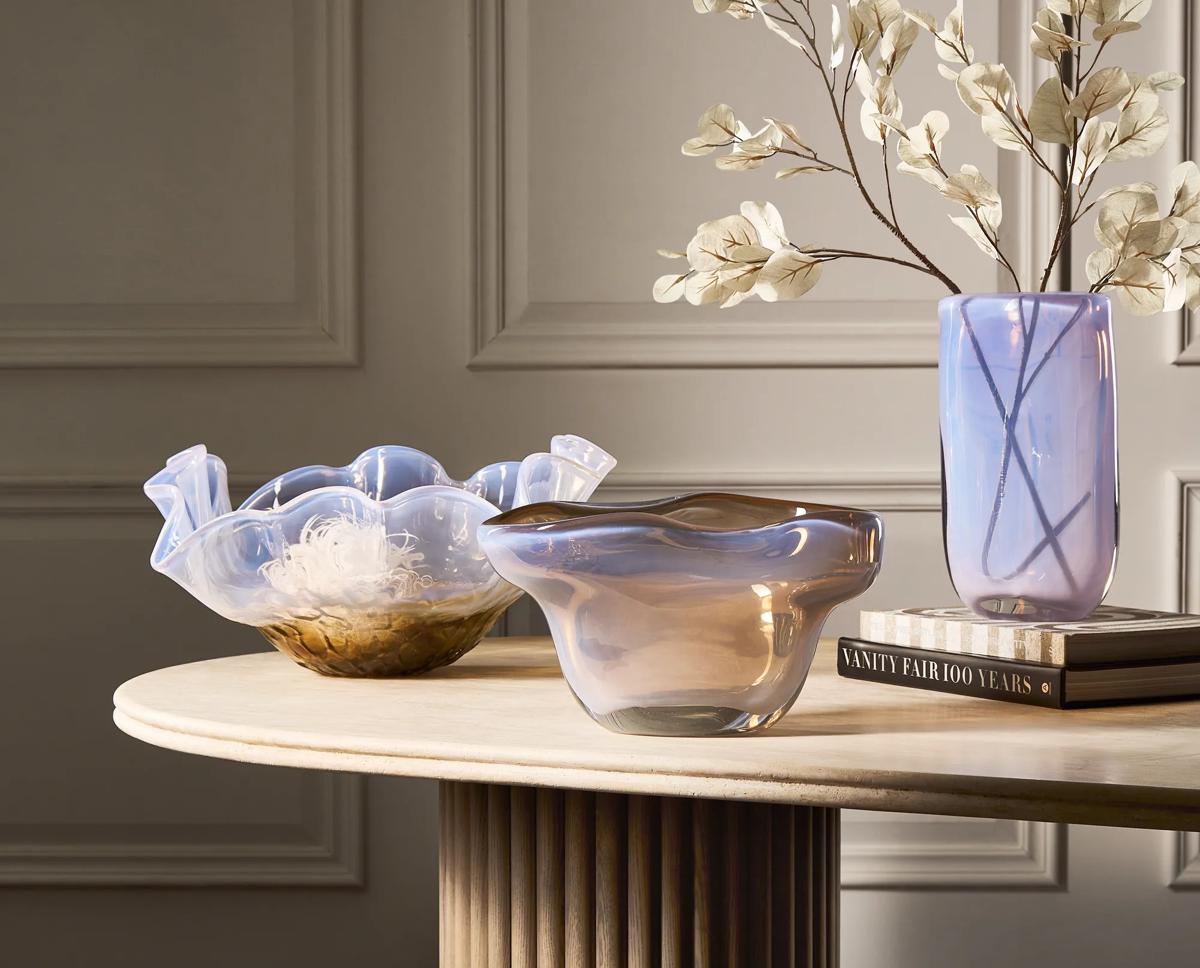 Glacier Glass Bowl$269
A hand-blown glass bowl featuring scalloped edges and swirling lavender and amber hues for artistic elegance.
Add To Cart -

 Porto Fig Crystal Pillar Holders$79
A luminous burgundy crystal glass holder with a sculptural silhouette for a bold, modern candle display.
Add To Cart -
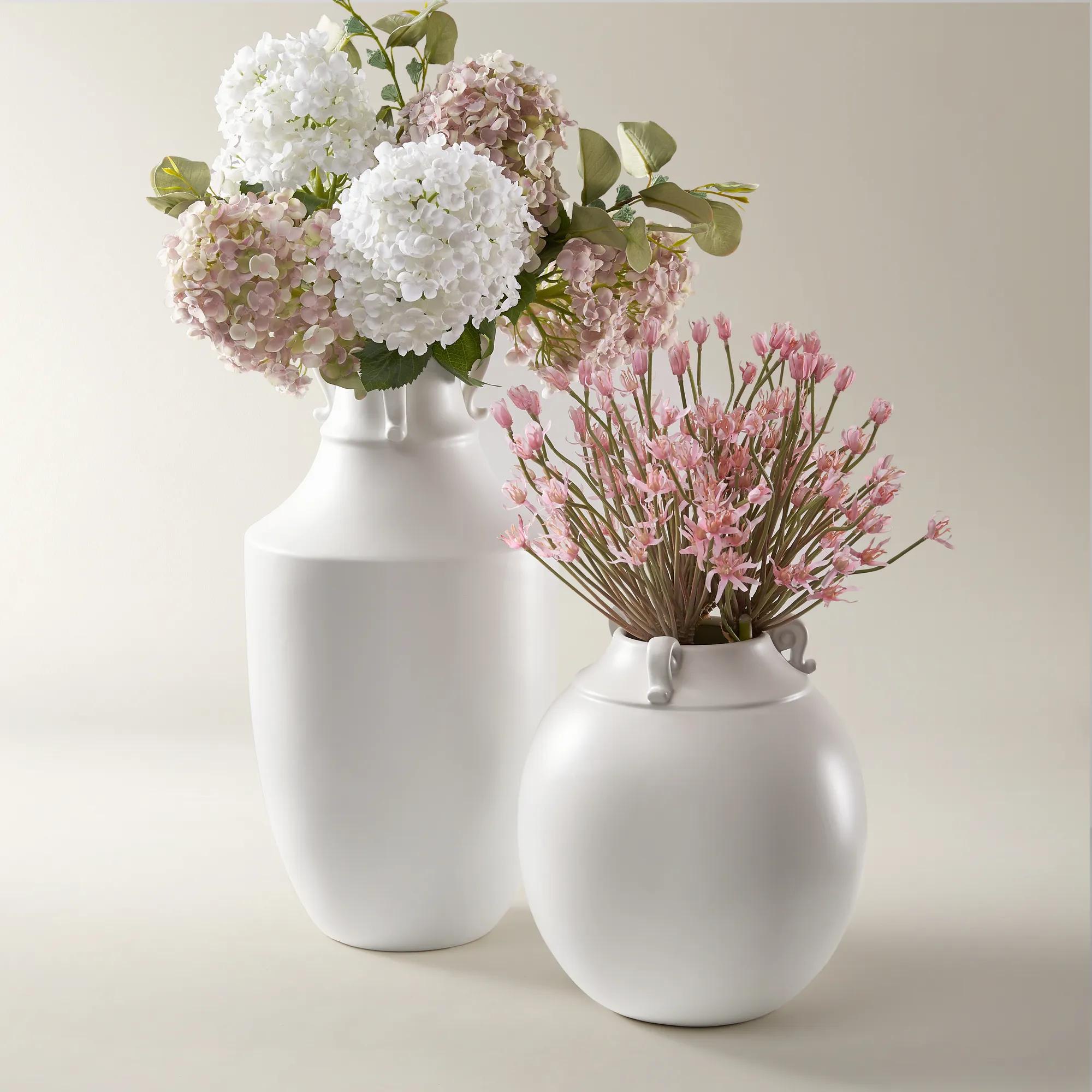 Amora Vase$79
A graceful white ceramic vase featuring smooth curves and a timeless, contemporary design.
Add To Cart -
 Leroy Fig Crystal Pillar Holder Small 9.25"$119
A luminous crystal glass candle holder in a rich fig hue with a bold, sculptural silhouette.
Add To Cart -
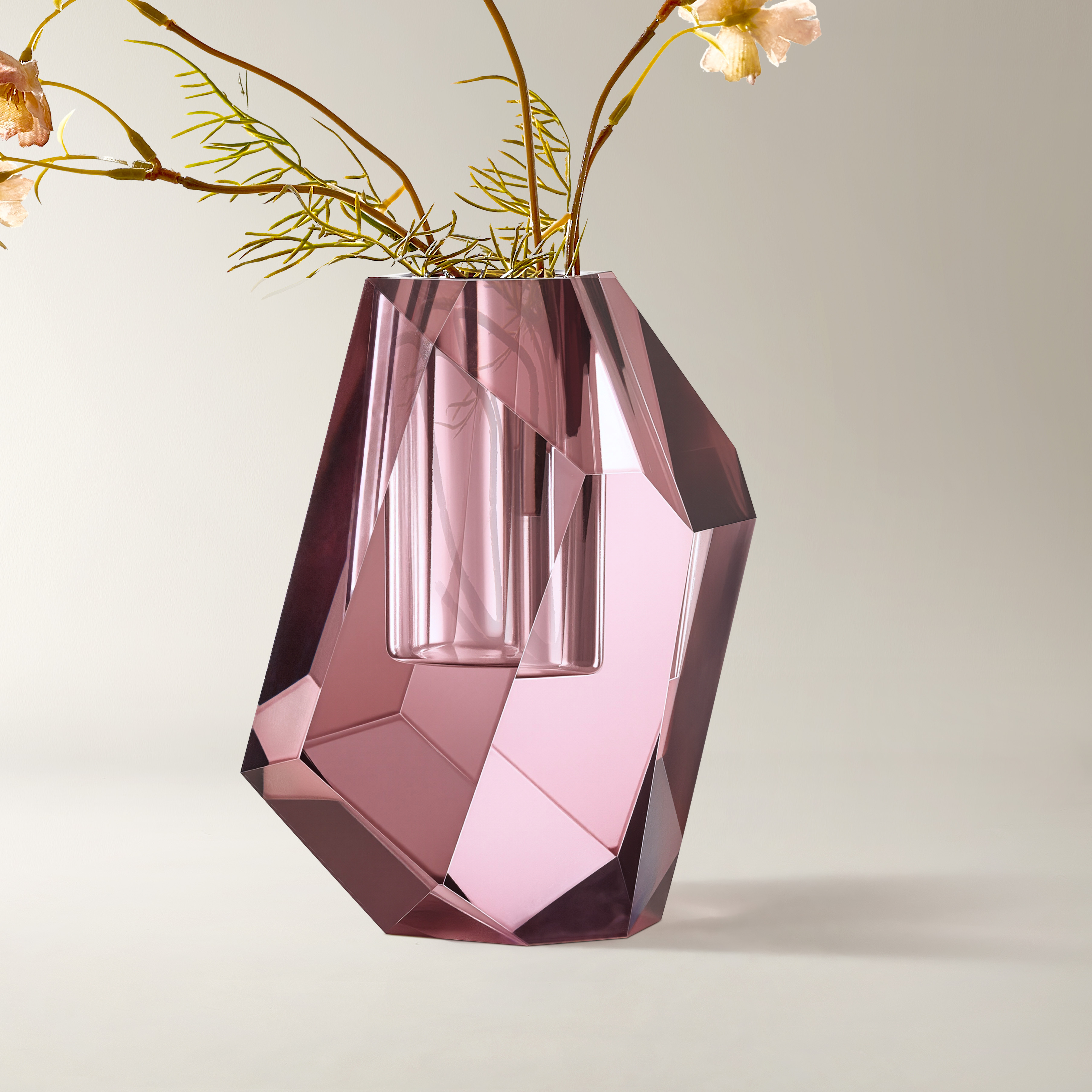 Merci Plum Crystal Glass Bud Vase 7.5"$139
A plum-hued crystal glass bud vase adding jewel-toned elegance to modern decorative arrangements.
Add To Cart -
Leroy Fig Crystal Pillar Holder Large 12.5"$139
A luminous crystal glass candle holder in a rich fig hue with a bold, sculptural silhouette.
Add To Cart

Centerpiece Ideas For Weddings
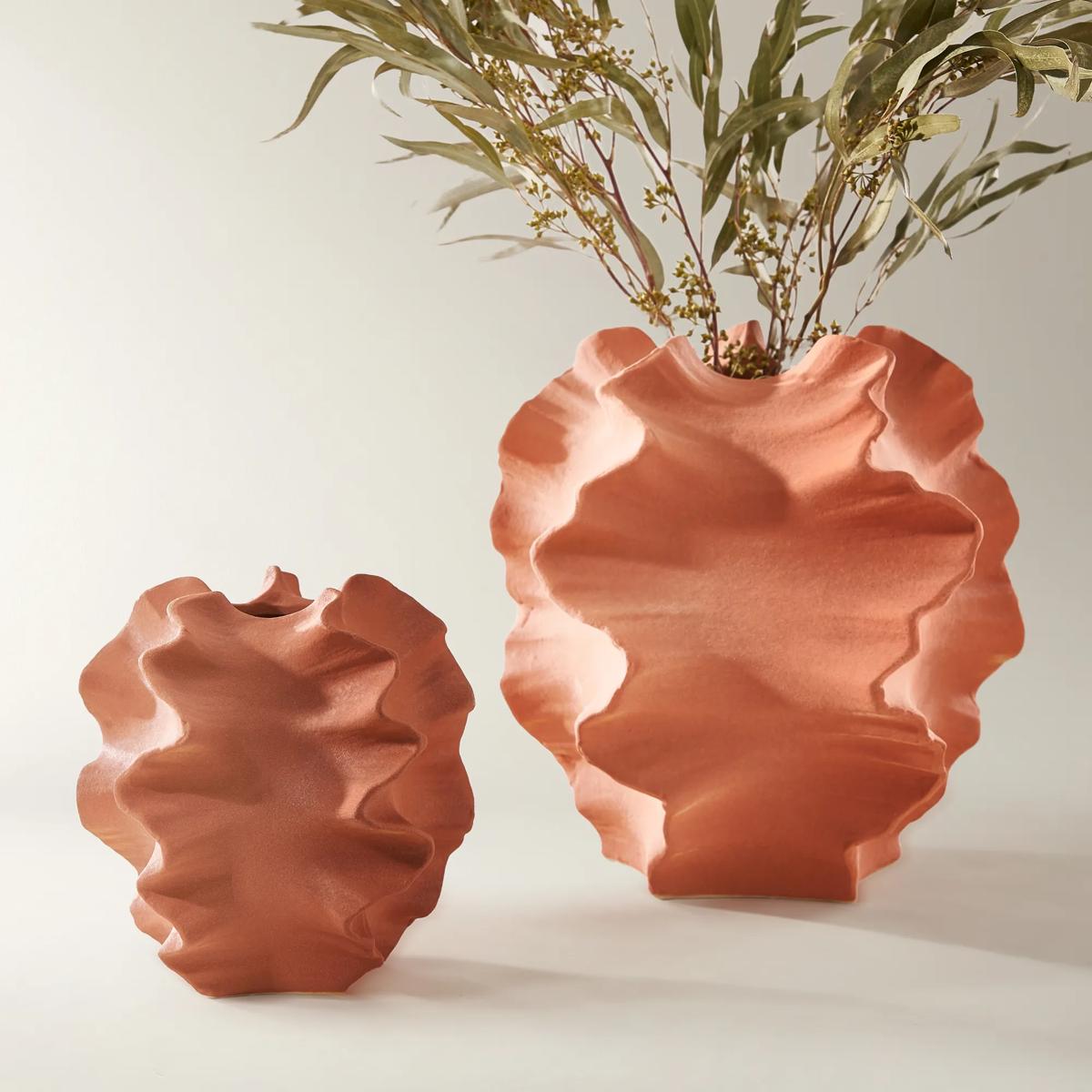
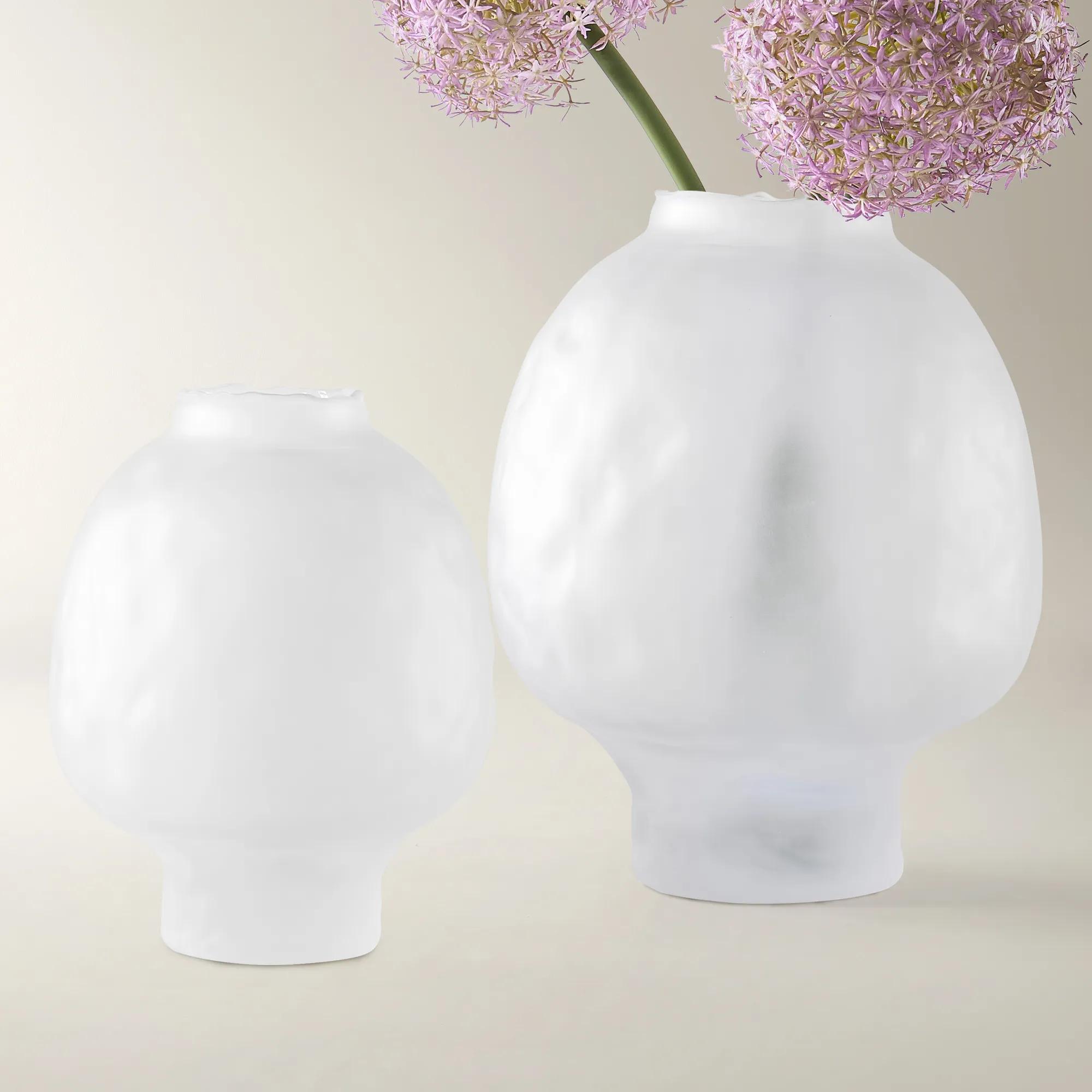
Explore centerpiece ideas for weddings with decorative accents that bring drama and personality to reception tables. Let your wedding palette guide the look, then balance centerpiece height and scale with room for place settings and clear sightlines so guests can connect across the table.
Wedding centerpieces establish the visual rhythm of a reception, bringing flowers, candlelight, sculptural vessels, and decorative accents into a composition that feels personal to the couple. Popular centerpiece styles include low floral arrangements in elegant bowls, tall arrangements in statement vases, clustered candleholders, and mixed-height groupings that combine blooms with reflective details. Each creates a different atmosphere: intimate and romantic, polished and architectural, or lavishly layered. For couples, wedding planners, and hosts, the appeal lies in finding decorative pieces that carry a clear design point of view without overwhelming the celebration. Clear glass lets stems and water become part of the arrangement, lending an airy quality to abundant flowers. Crystal catches surrounding light with a more faceted brilliance, while metallic finishes introduce gleaming contrast against fabric, petals, and greenery. Ceramic vessels offer another expression, with smooth glazes or textured surfaces giving floral compositions a substantial, artful foundation. Ivory flowers in a softly contoured vessel can feel restrained yet sumptuous; the same palette paired with mirror-finish accents becomes distinctly more dramatic. Colorful blooms against an opaque base create a concentrated sweep of color, particularly effective when linens and place settings remain quiet. The Wedding Centerpiece Ideas collection invites a considered approach to these decorative layers, with attention to silhouette, material, and the mood of the room. A ballroom may call for sculptural height and luminous surfaces, while an intimate dining space often feels more expressive with low, generous arrangements and closely grouped candlelight. Repetition also matters: a recurring finish or vessel shape can connect tables without making every arrangement identical. Alternating complementary heights gives a large reception dimension, while a consistent color palette keeps the overall effect composed. Whether the vision is modern glamour, classic romance, or an art-inspired celebration, the centerpiece becomes a focal point that carries the couple’s aesthetic from the ceremony setting into the shared experience of dinner.
Proportion gives wedding table decorations their presence, but it also determines how comfortably guests can enjoy the table. Low centerpieces preserve an open view across place settings, making them especially suited to conversation-focused dinners and intimate gatherings. Tall centerpieces can create striking vertical drama when their floral canopy sits above seated sightlines and their base leaves sufficient room for dining. The full arrangement matters more than the vessel alone: trailing greenery, spreading branches, and wide blooms can occupy considerably more space than the footprint suggests. On a round table, a central grouping creates a natural focal point, while a long rectangular table often carries a sequence of smaller compositions with graceful pauses between them. Those pauses leave room for glassware, shared dishes, table numbers, and the small gestures that make a reception feel welcoming rather than crowded. Scale should be considered alongside the venue’s architecture, too. A towering room can absorb a more expansive silhouette, while a lower ceiling may make an oversized arrangement feel visually compressed. Substantial bases and balanced proportions are particularly important for tall designs, especially once flowers and water add weight. Transparent vessels keep dense settings visually lighter; opaque vessels conceal stems and mechanics for a more finished, sculptural effect. Wide openings suit full, spreading arrangements, whereas narrower necks can support a more controlled cluster of stems. Candleholders bring another layer of proportion, allowing points of light to rise between floral shapes without requiring every element to reach the same height. Where a venue restricts open flames, flameless candles can provide a similar luminous accent without a live flame. Any candle display still needs to suit the holder’s dimensions and the venue’s requirements, with adequate separation from flowers, fabric, and other decorations. For sweetheart tables, entry displays, and guest-book settings, a bolder composition can establish a distinct moment, while dining-table centerpieces benefit from a balance of spectacle, stability, and unobstructed space.
Materials and construction influence not only the look of wedding centerpieces but also how they perform through setup, celebration, and the journey home. Glass offers clarity and easy visual coordination, though thin rims and delicate stems need careful handling during transport. Crystal brings prismatic detail and a sense of occasion, with intricate surfaces that reward gentle cleaning. Metal adds structure and a polished or softly brushed finish; its care requirements depend on the material and coating, so abrasive cleaners can be inappropriate for decorative surfaces. Ceramic provides satisfying visual weight, but a glazed appearance alone does not guarantee that a vessel is watertight. Pieces intended for fresh flowers should be suitable for holding water, or paired with an appropriate liner that protects both the vessel and the table. Decorative bowls and trays also need to be confirmed as food-safe before serving anything edible; otherwise, their role is to frame candles, floral vessels, or ornamental accents. Protective pads can help prevent hard bases from marking rented tables, while individual wrapping and divided transport containers reduce contact between fragile pieces. After the celebration, prompt removal of flower water and wax residue helps preserve the finish, following the care instructions for each material rather than treating every surface alike. Durability is also about continued relevance: versatile forms and thoughtfully chosen finishes can move from reception tables to anniversary dinners, entry consoles, or a beautifully styled dining room. A sculptural vase can hold wedding flowers for one evening and stand alone as an object of interest afterward. For gift-givers, decorative vessels and candleholders can make meaningful engagement or wedding gifts when their proportions and finish reflect the recipients’ home. The most enduring choices feel connected to the celebration without being limited to it, preserving something of its radiance in everyday surroundings. A centerpiece with that kind of presence does more than dress a table; it gives a cherished occasion a tangible expression that can remain part of the couple’s life together.
FAQs
Pair expressive floral arrangements with sculptural vases, or compose a vignette of candleholders and decorative accents. For a glamorous wedding centerpiece, repeat a luminous finish across the table and let one dramatic element lead. The result should reflect your celebration’s mood, from romantic and ethereal to bold and theatrical.
Build your centerpiece around a distinctive silhouette, such as an architectural vessel or an artful floral arrangement. Edit the surrounding accents so each shape feels intentional, then introduce contrast through color and texture. A focused palette gives modern wedding table decor a confident, gallery-inspired presence.
Create nonfloral wedding centerpieces with sculptural objects, decorative bowls, candleholders, or artfully arranged branches. Choose a shared visual thread, such as curved silhouettes or gleaming finishes, to unite the composition. These arrangements offer an expressive alternative for couples drawn to design-led wedding decor.
Choose one leading color from your wedding palette, then echo it through centerpiece accents and surrounding table details. Introduce tonal variations for depth rather than matching every element exactly. For a more dramatic tablescape, contrast richly colored accents with a restrained backdrop that lets them command attention.
Translate your shared story into design details: a favorite flower, colors inspired by a meaningful destination, or decorative motifs that reflect your interests. Carry that detail through each centerpiece without making every arrangement identical. Thoughtful repetition creates a cohesive reception while leaving room for individual expression.