Elegant Wedding Centerpiece Ideas
Elegant Wedding Centerpiece Ideas
-
 Glacier Clear and Frosted Glass Chandelier 24"$899
A modern chandelier crafted from clear and frosted glass creates an elegant, luminous centerpiece.
Add To Cart -
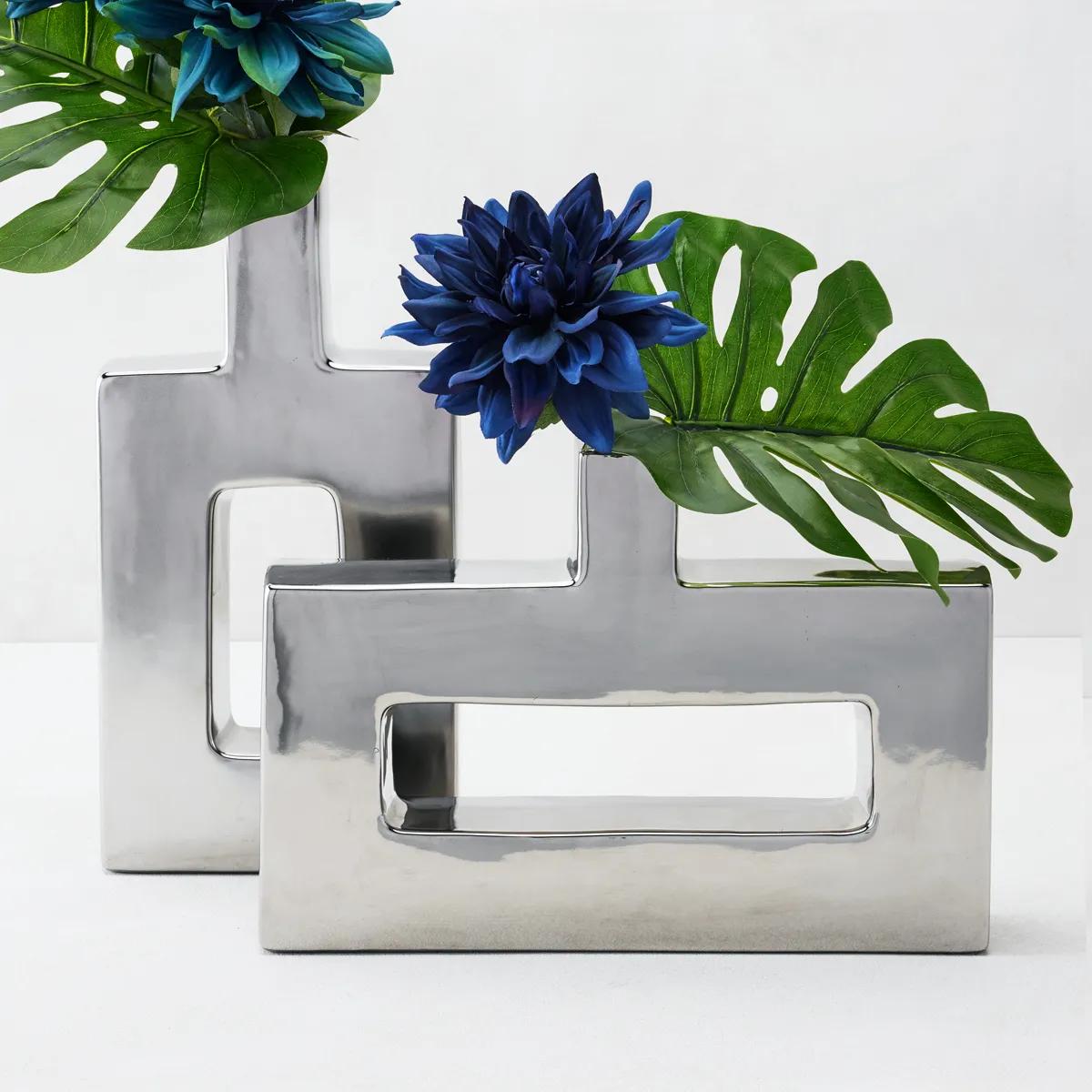 Miami Silver Ceramic High Gloss Vase 11.75"$69
A contemporary silver ceramic vase with a stylish gold glaze, perfect for decorative foliage or display.
Add To Cart -

 Pierre Glass Vase - Charcoal$129
A charcoal glass vase offering sleek, modern decorative appeal.
Add To Cart -
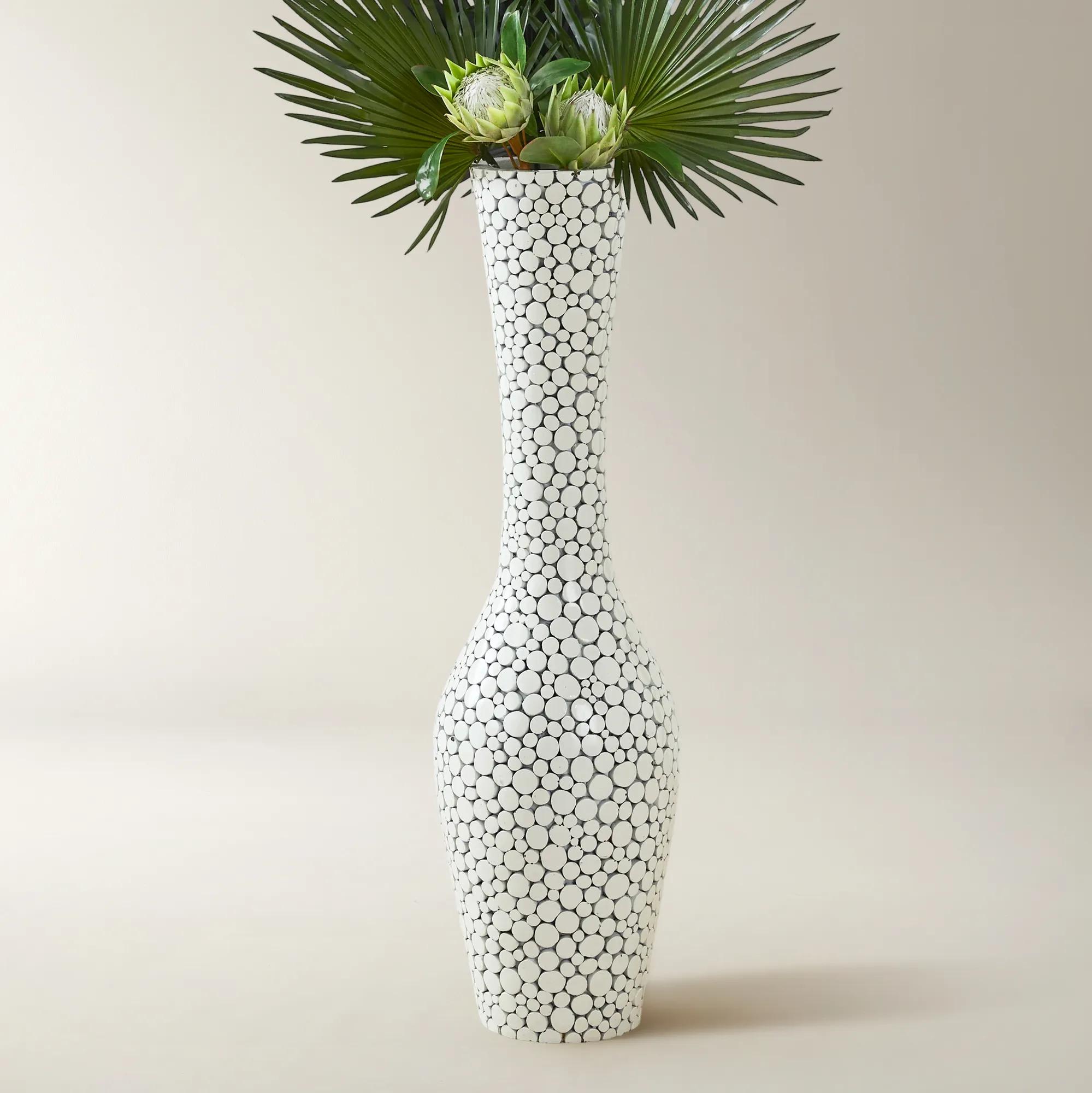 Oslo Floor Vase$299
A contemporary floor vase featuring hand-applied wood accents and a glossy white fiberglass base.
Add To Cart -
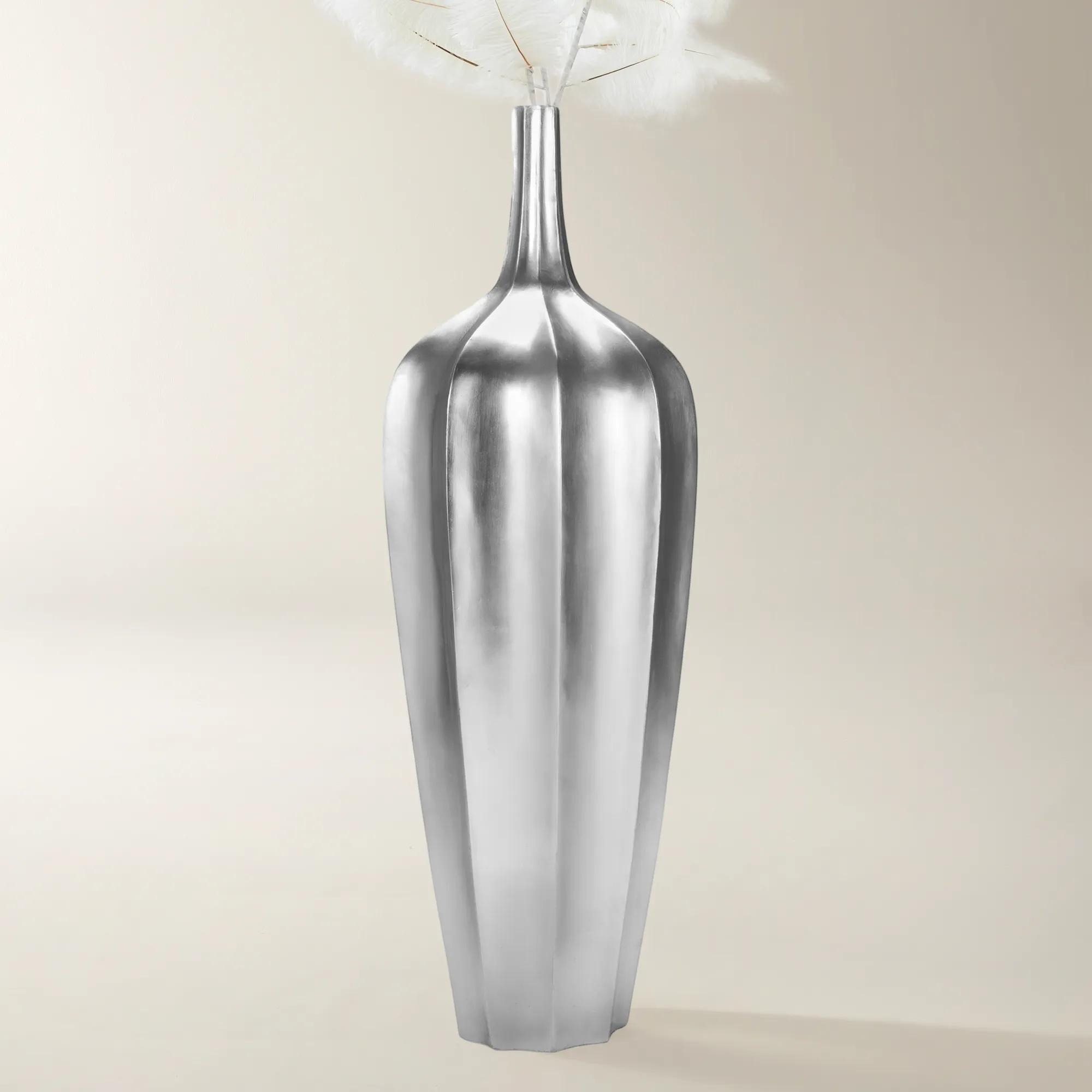
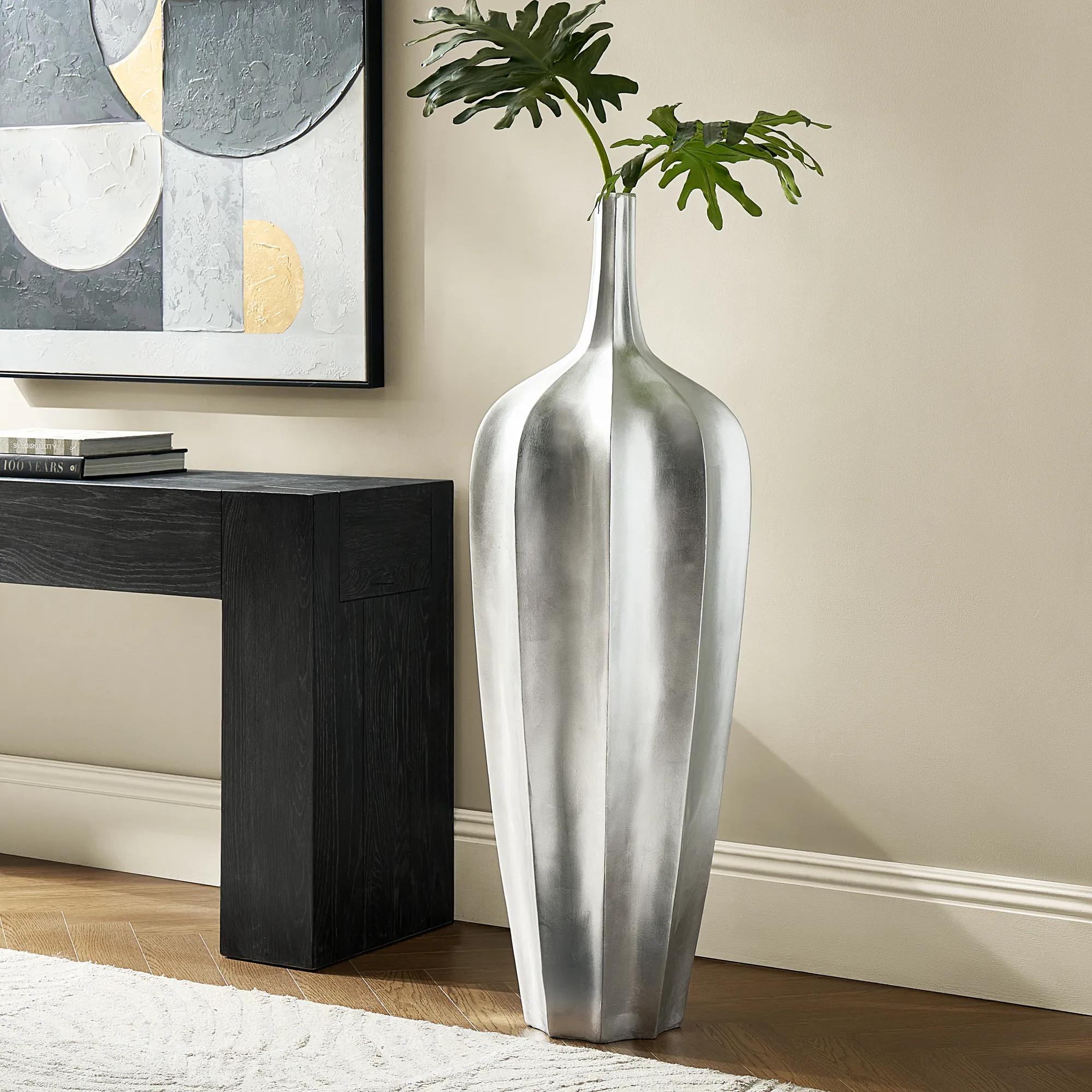 Accolade Silver Leaf Resin Floor Vase 48.75"$539
A fluted fiberglass vase featuring a lustrous metallic silver foil finish for a striking decorative accent.
Add To Cart -
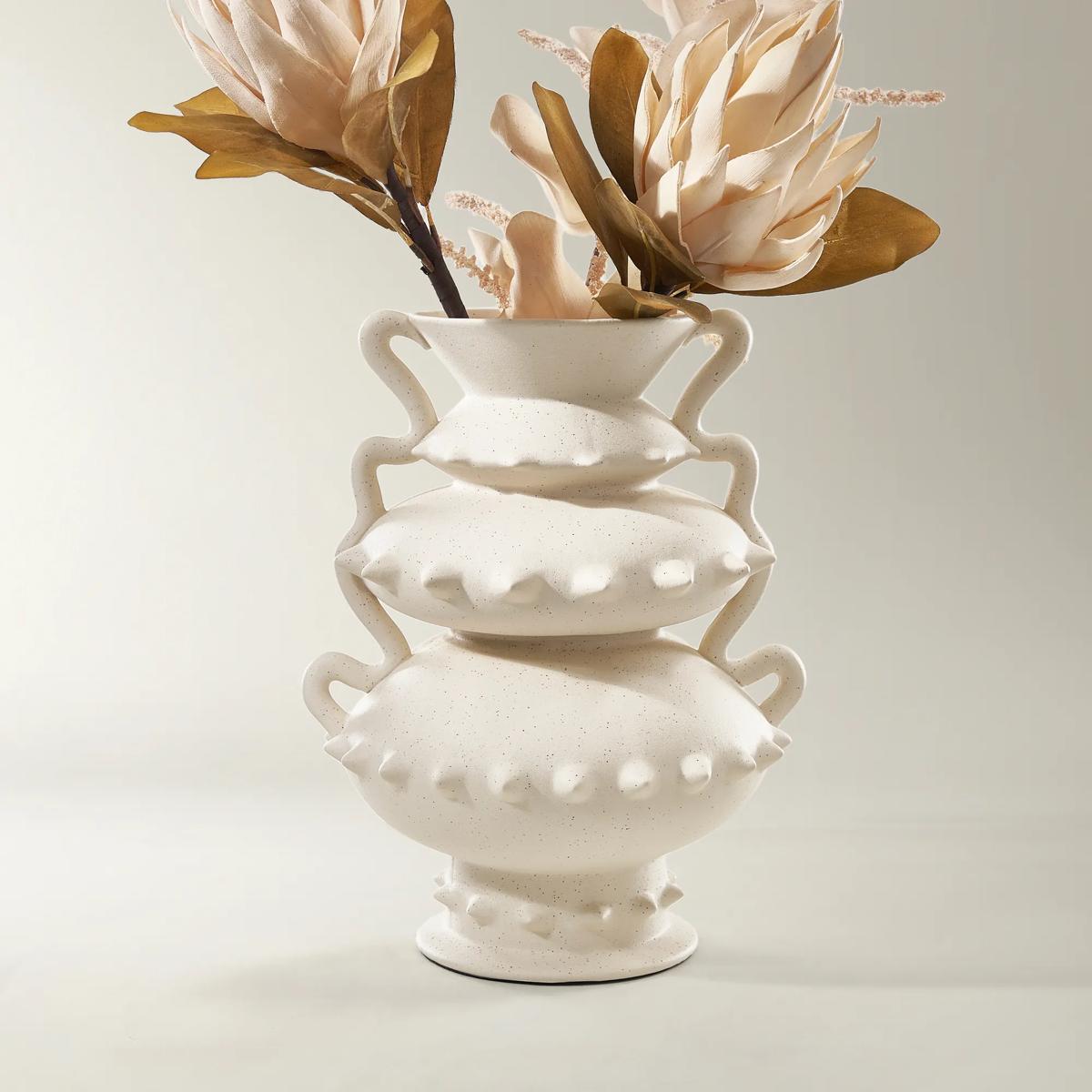 Savior Porcelain Vase - Ivory$189
An ivory porcelain vase featuring sculptural handles, tiered silhouette, and a matte, softly speckled finish.
Add To Cart -
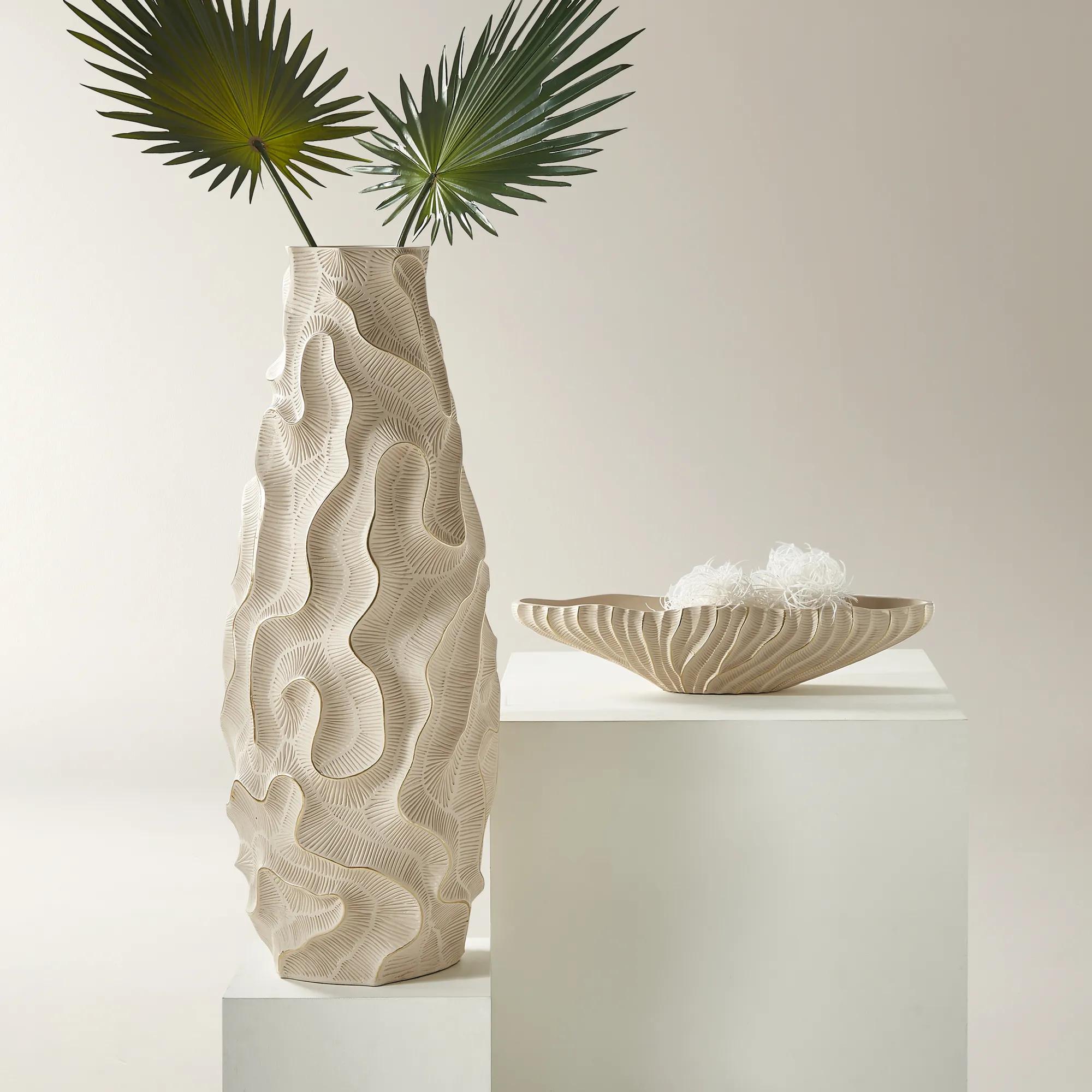
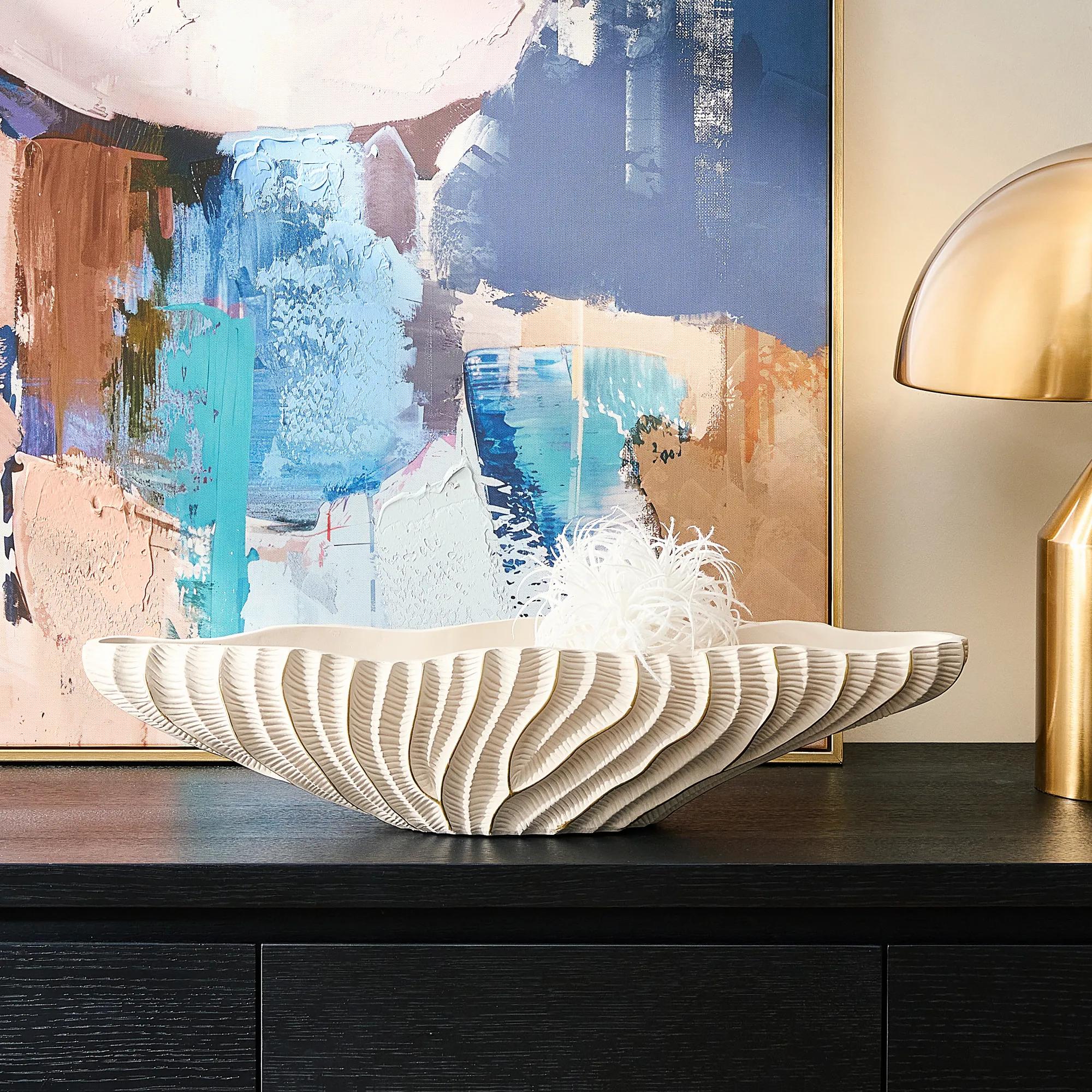 Rouche Ivory And Gold Etched Resin Floor Vase & Bowl$79
A decorative resin vase and bowl set with organic forms, ivory surfaces, and elegant gold etching.
Add To Cart -
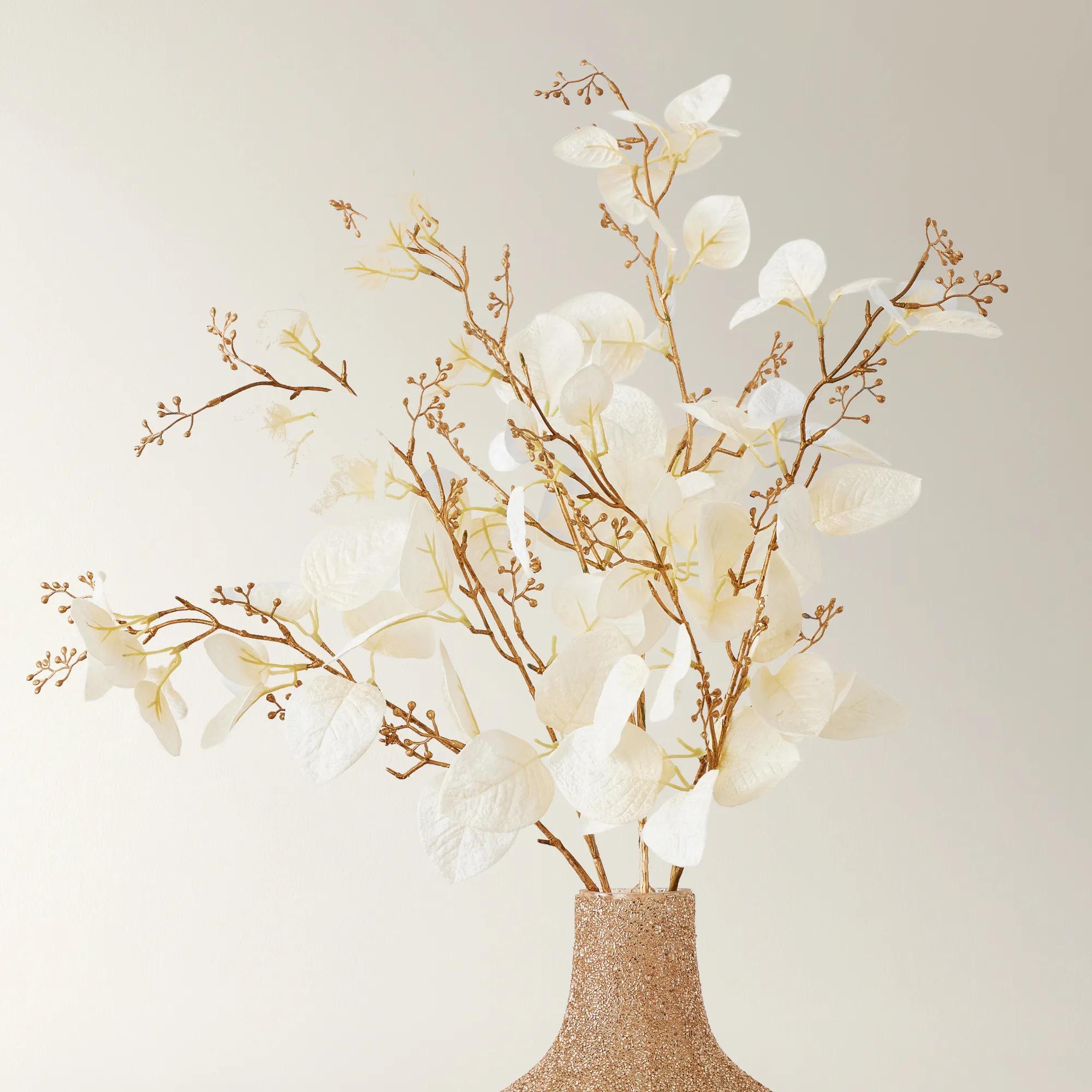 Faux Ivory/Gold Eucalyptus Spray 32" Set of 3$49
A trio of ivory-and-gold polyester eucalyptus sprays adds luminous, dimensional texture to botanical arrangements.
Add To Cart -

 Miami Gold Ceramic High Gloss Vase 18.5"$69
A contemporary gold ceramic vase designed for decorative use or displaying faux foliage.
Add To Cart -
Miami Silver Ceramic High Gloss Vase 18.5"$69
A contemporary silver ceramic vase with a stylish gold glaze, perfect for decorative foliage or display.
Add To Cart -
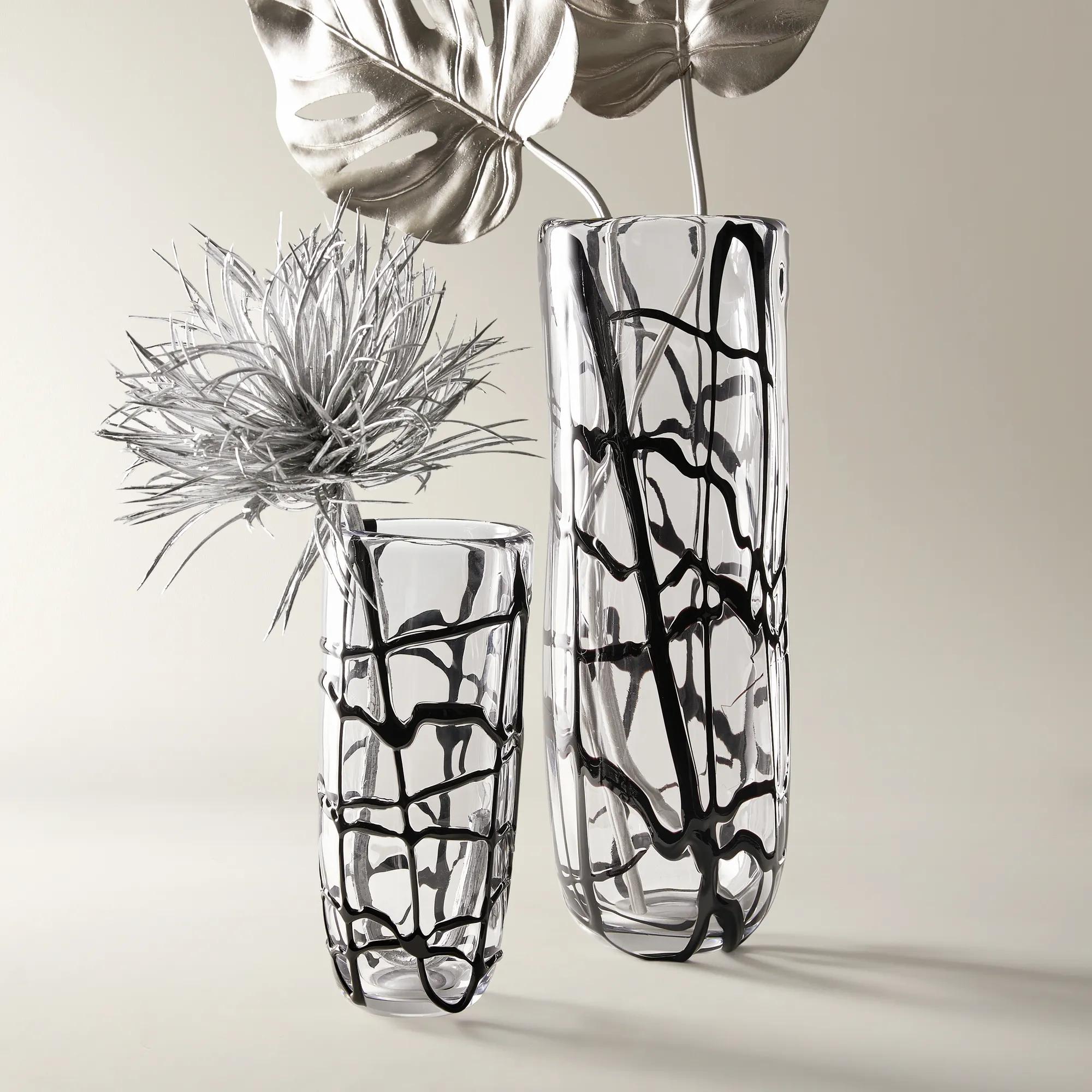 Torino Glass Vase$89
A hand-blown glass vase featuring a dramatic black design and a sleek cylindrical silhouette.
Add To Cart -
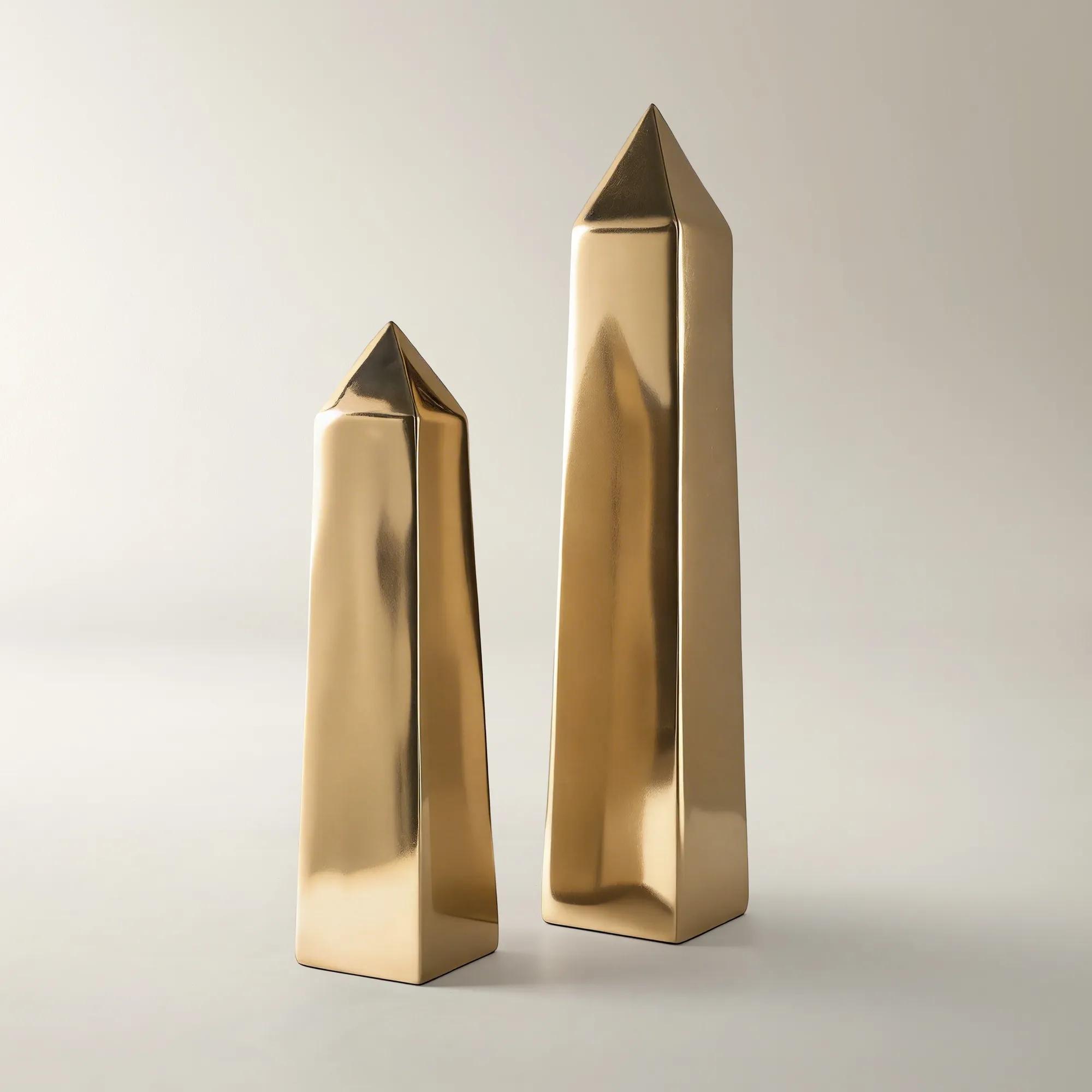
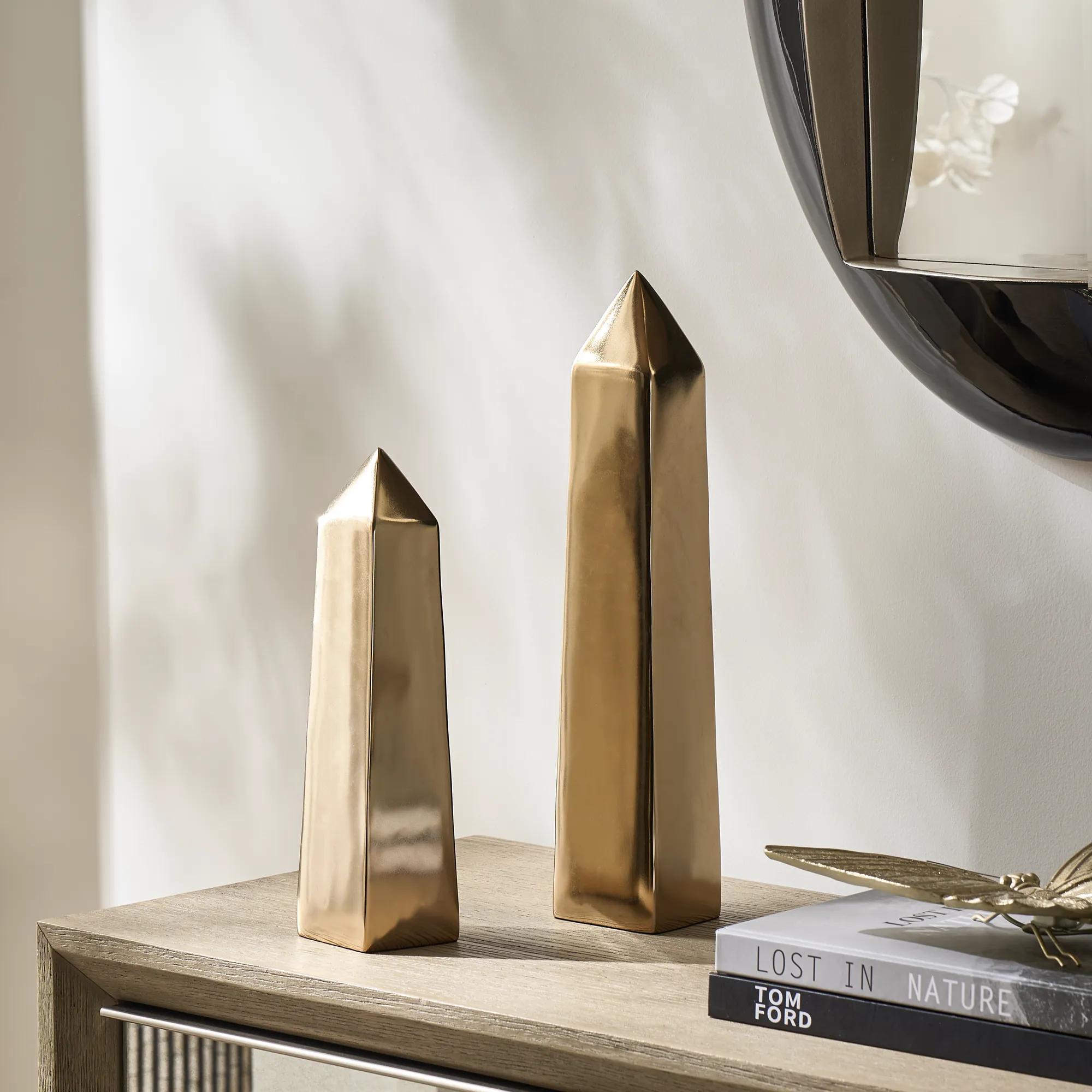 Golden Aluminum Obelisks$59
A sculptural aluminum accent in a soft gold finish that adds modern glamour and architectural drama.
Add To Cart -

 Rythmn Gold Handcrafted Aluminum Taper Holders$59
A handcrafted gold aluminum taper holder set adding sculptural elegance to candlelit tables.
Add To Cart -
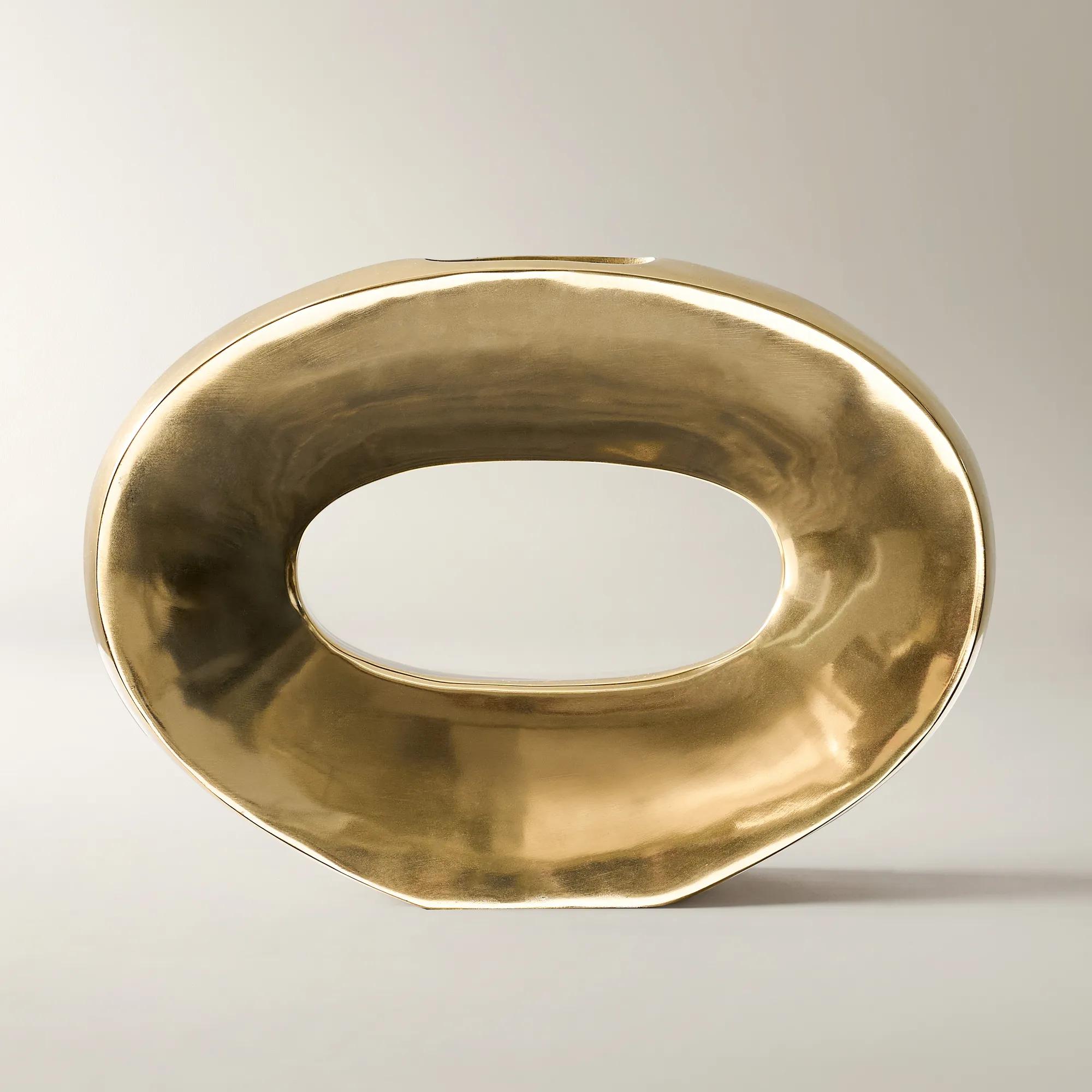
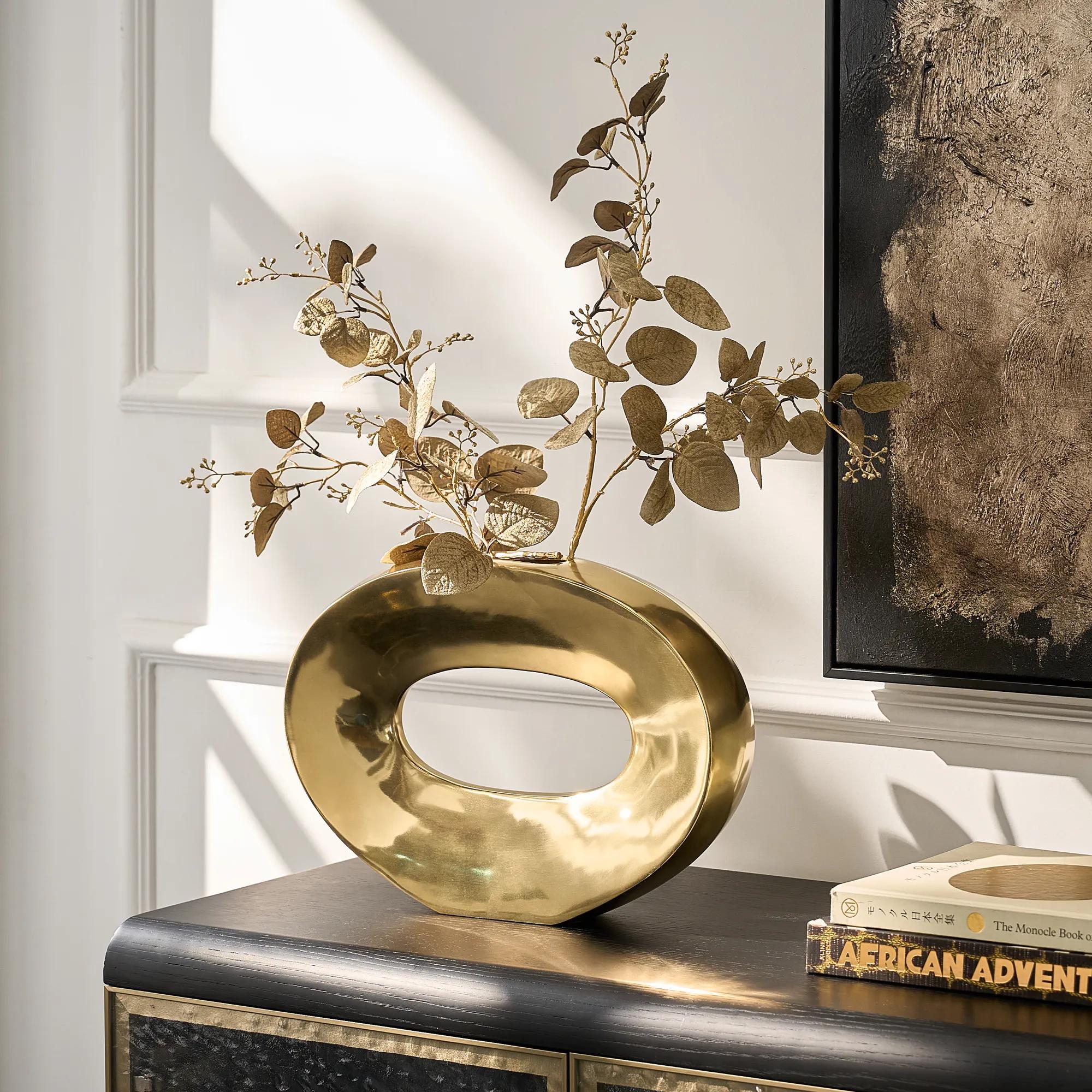 Hera Soft Gold Aluminum Vase 11.75"$169
A sculptural aluminum vase in a soft gold finish, offering modern glamour and architectural appeal.
Add To Cart -
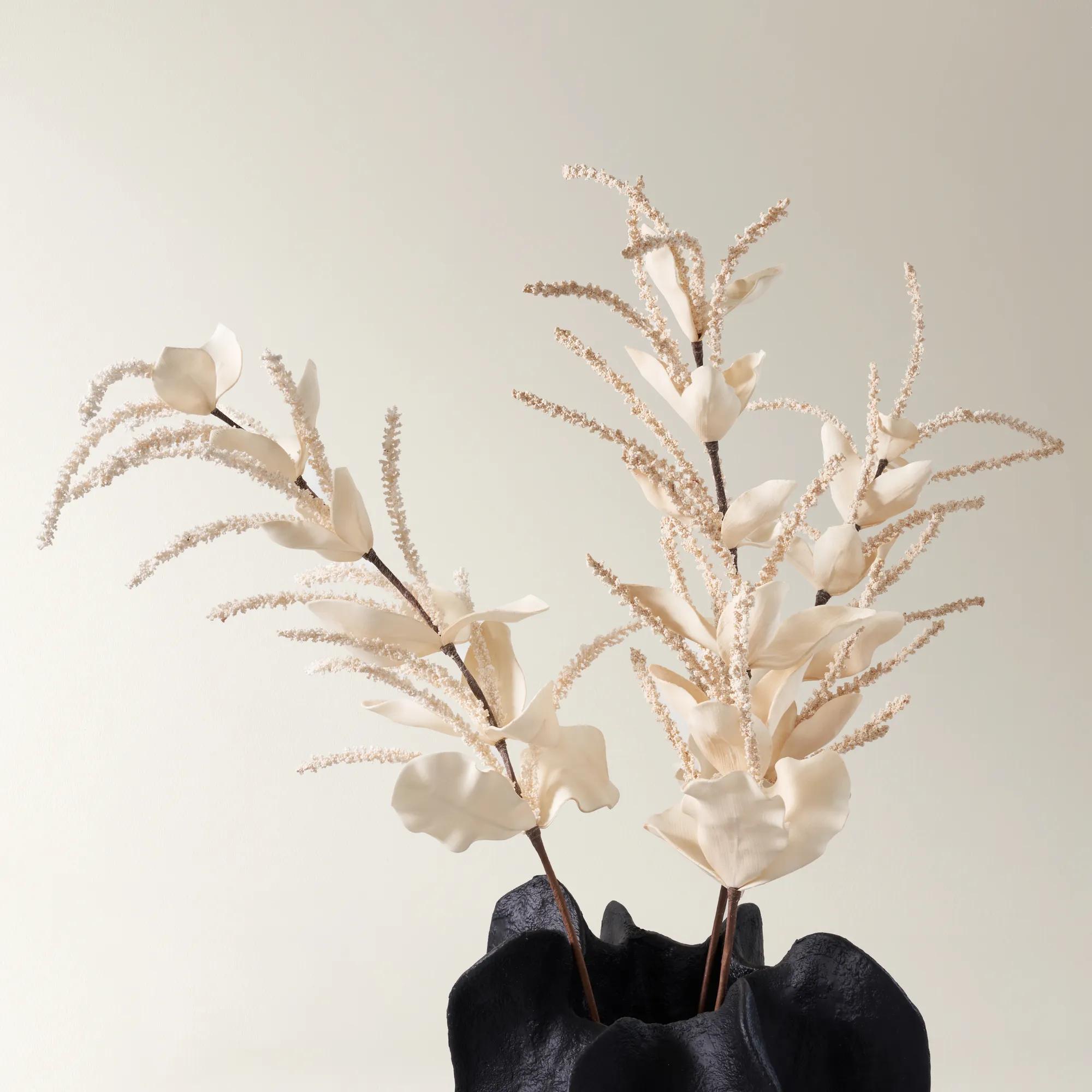 Faux Cream Weeping Spray 50" Set of 3$59
A set of three lifelike sprays in earthy beige and brown tones for a natural, elegant accent.
Add To Cart -
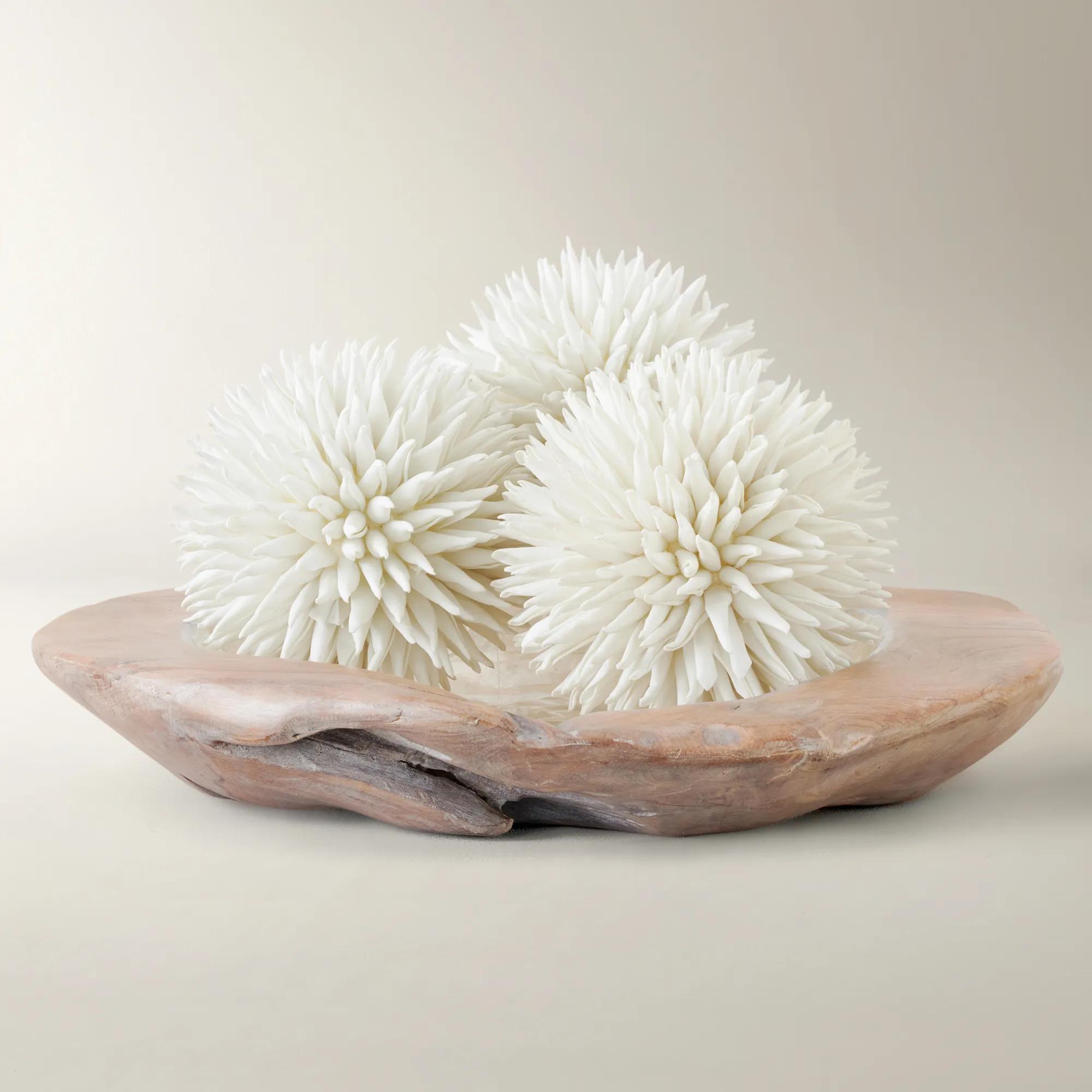
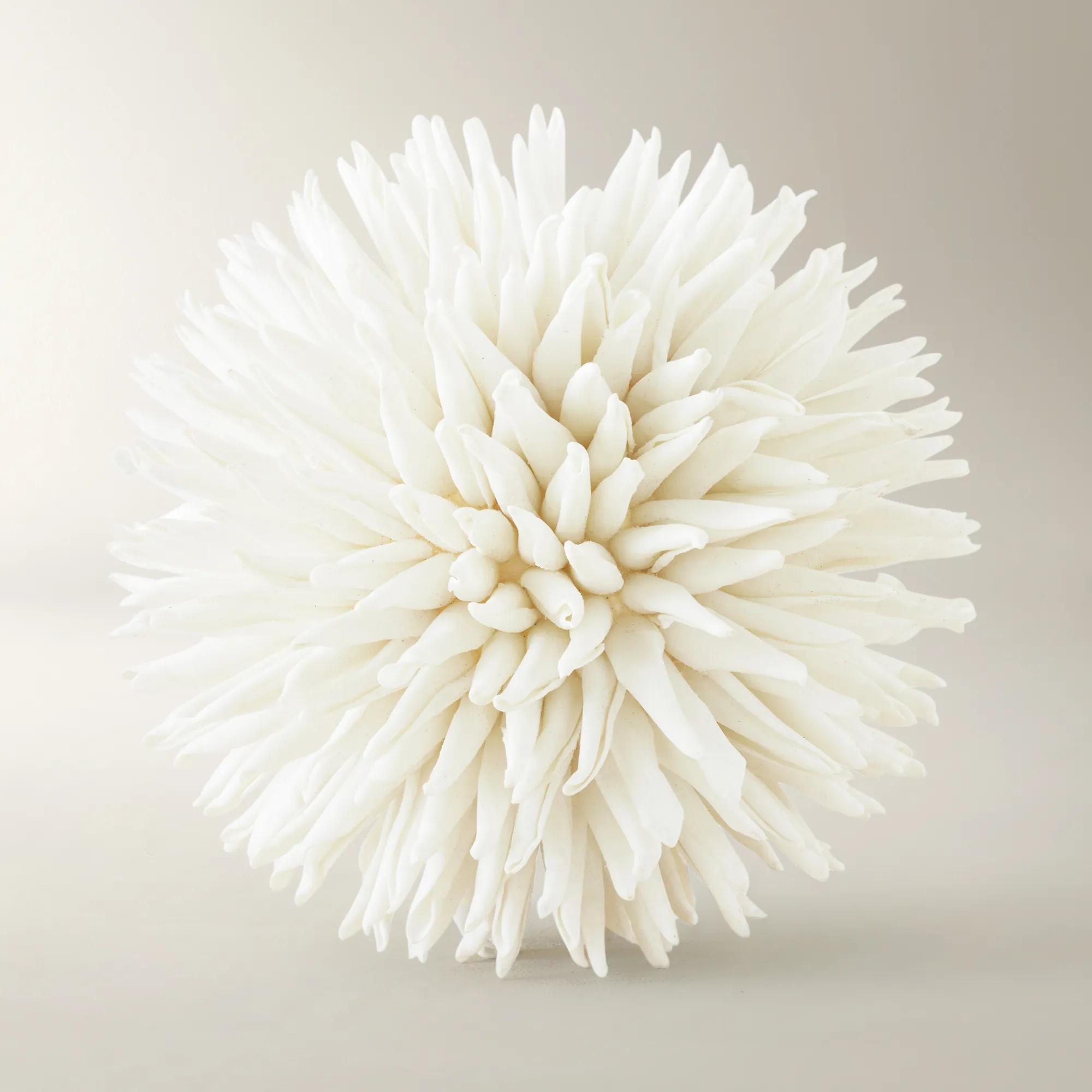 Faux White Allium Sphere 7" Set of 3$59
A set of three foam white faux floral spheres that stay vibrant year-round without water or sunlight.
Add To Cart -
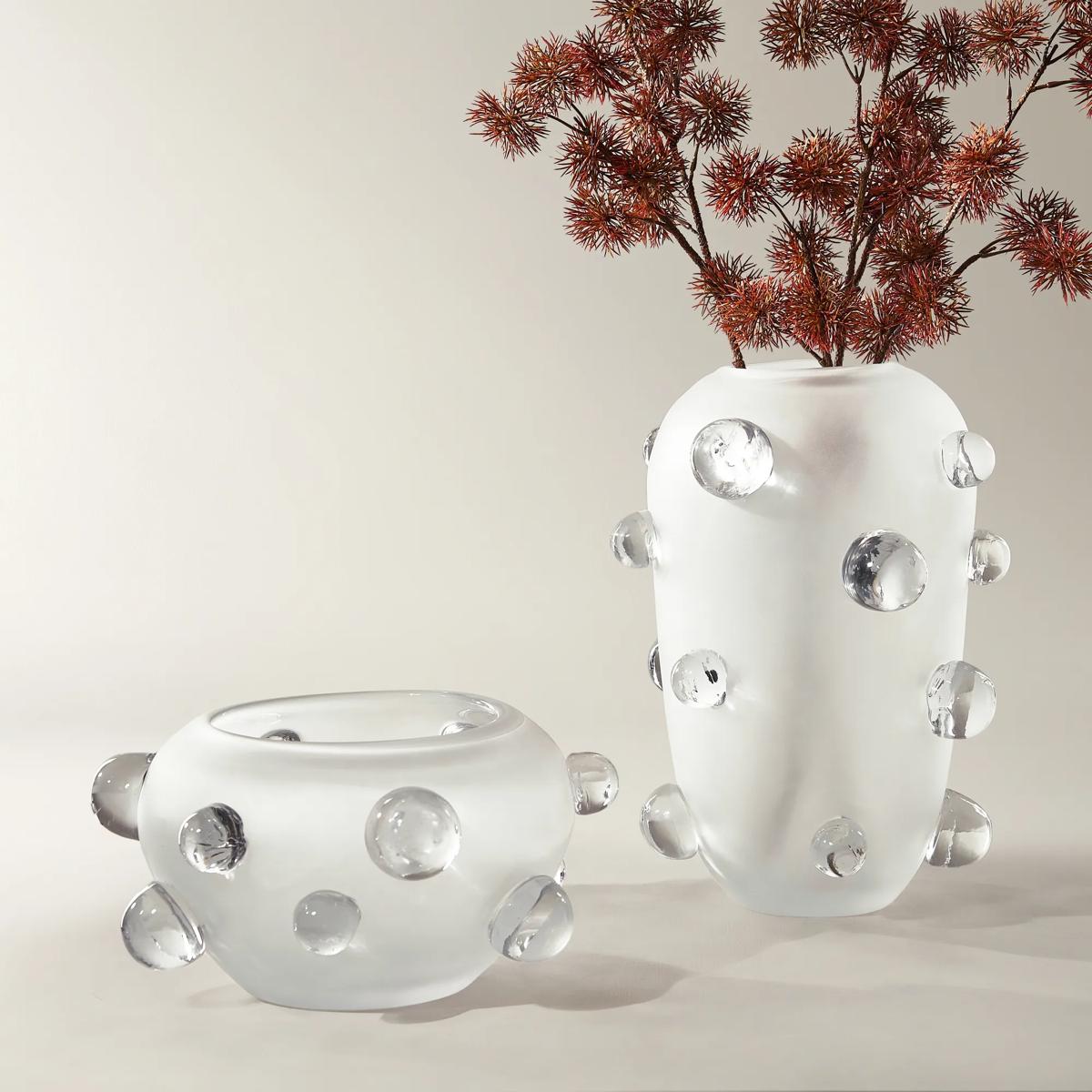 Cielo Clear Handblown Glass Vases$119
A hand-blown clear glass vase adorned with spherical orbs for a whimsical, modern decorative accent.
Add To Cart -
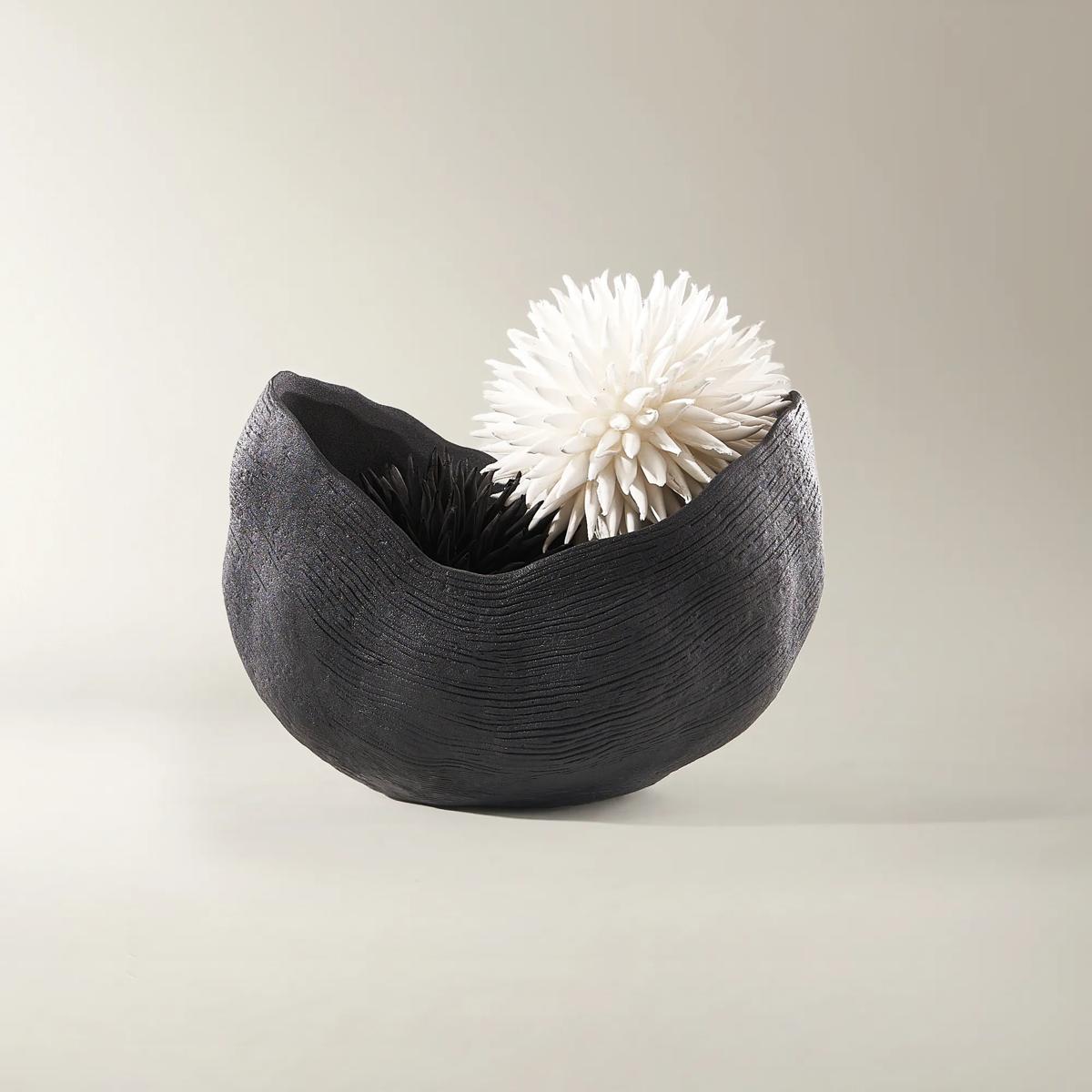 Baz Bowl - Black$119
A sculptural black porcelain bowl with a matte, ridged texture for bold, modern decor accents.
Add To Cart -
 Speckled Mouth Blown Brown And White Glass Vase 14.75"$129
A handblown glass vase featuring a brown and white speckled pattern for modern, artful appeal.
Add To Cart -
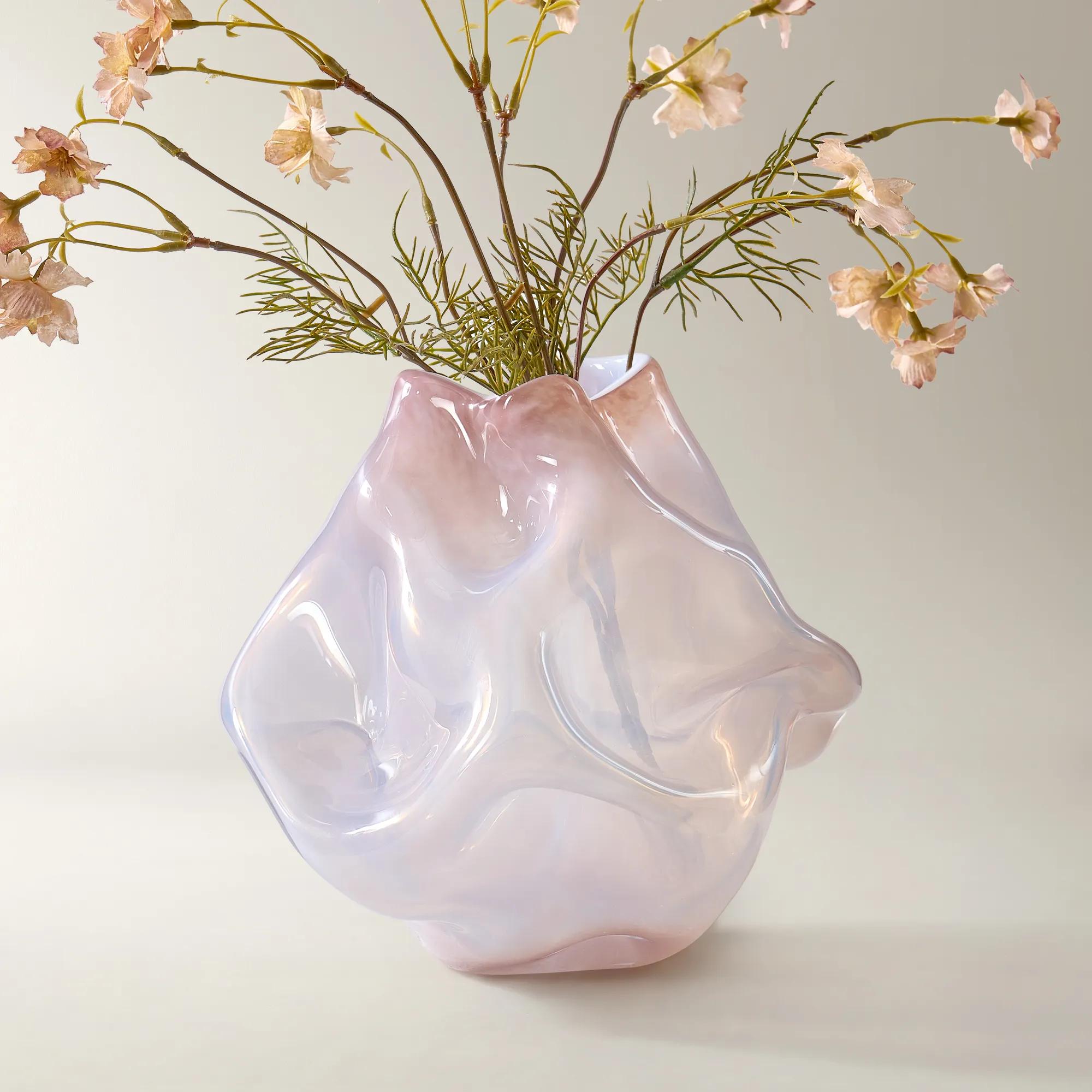 Melt Mocha Rose Handblown Glass Vase 8"$99
A handblown glass vase in a warm mocha rose hue, bringing sculptural elegance to modern spaces.
Add To Cart -
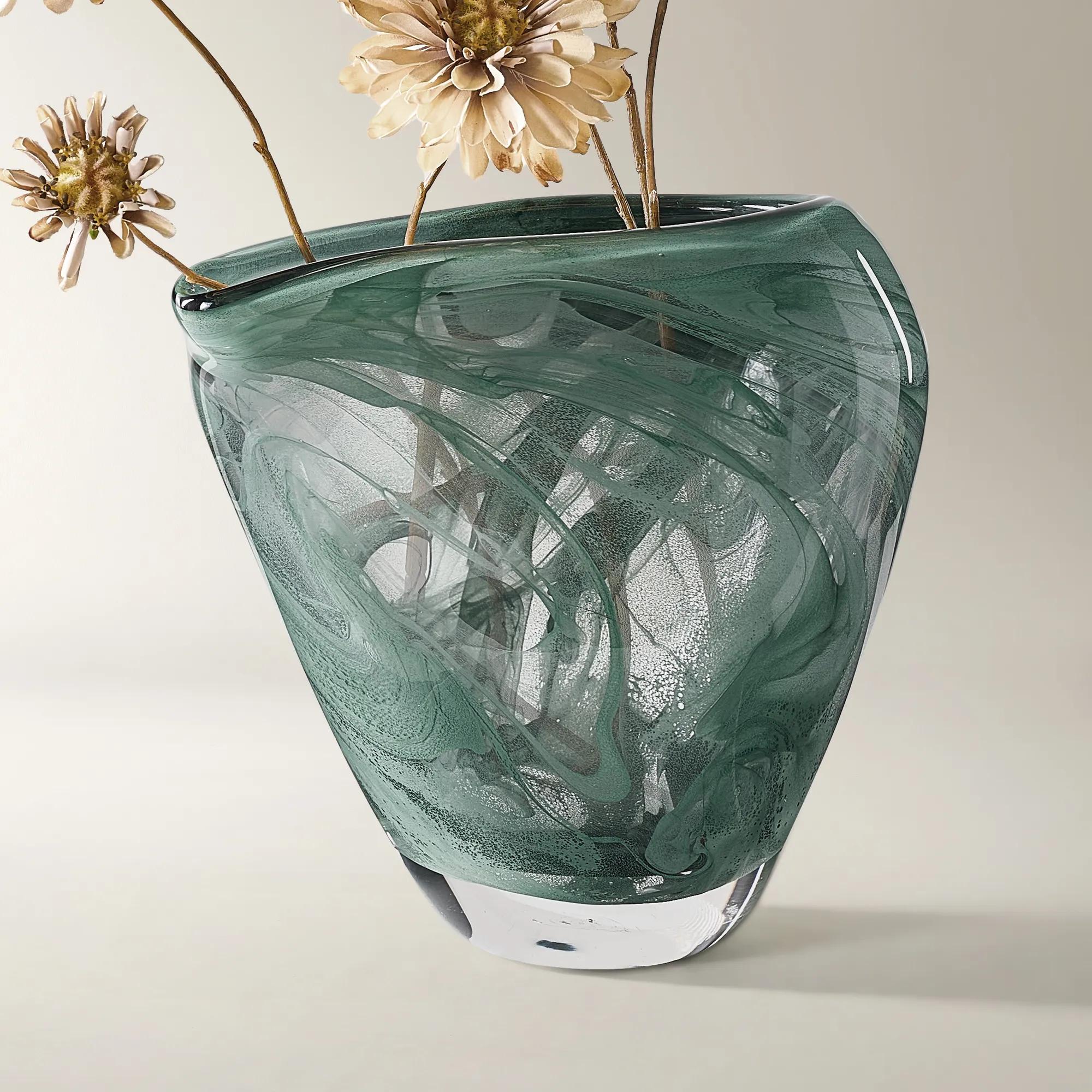 Flow Mouth Blown Sage Green Glass Vase 12.25"$199
A handblown glass vase in calming sage green with an organic, sculptural silhouette for modern decor.
Add To Cart -

 Porto Fig Crystal Pillar Holders$79
A luminous burgundy crystal glass holder with a sculptural silhouette for a bold, modern candle display.
Add To Cart -

 Faux Amethyst Allium Bulb Stem 40" Set of 3$69
A trio of faux amethyst allium stems adding sculptural botanical elegance to modern arrangements.
Add To Cart -
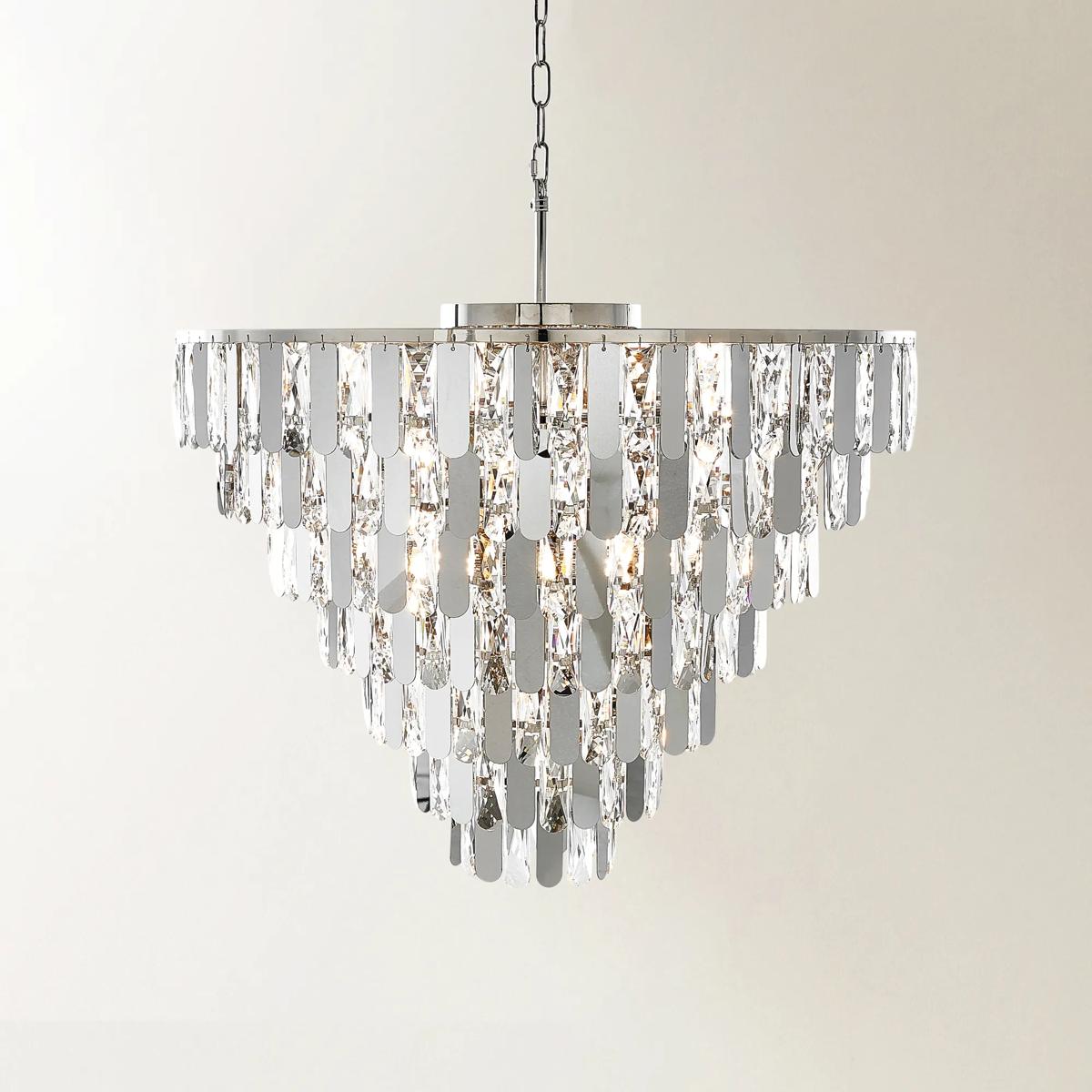
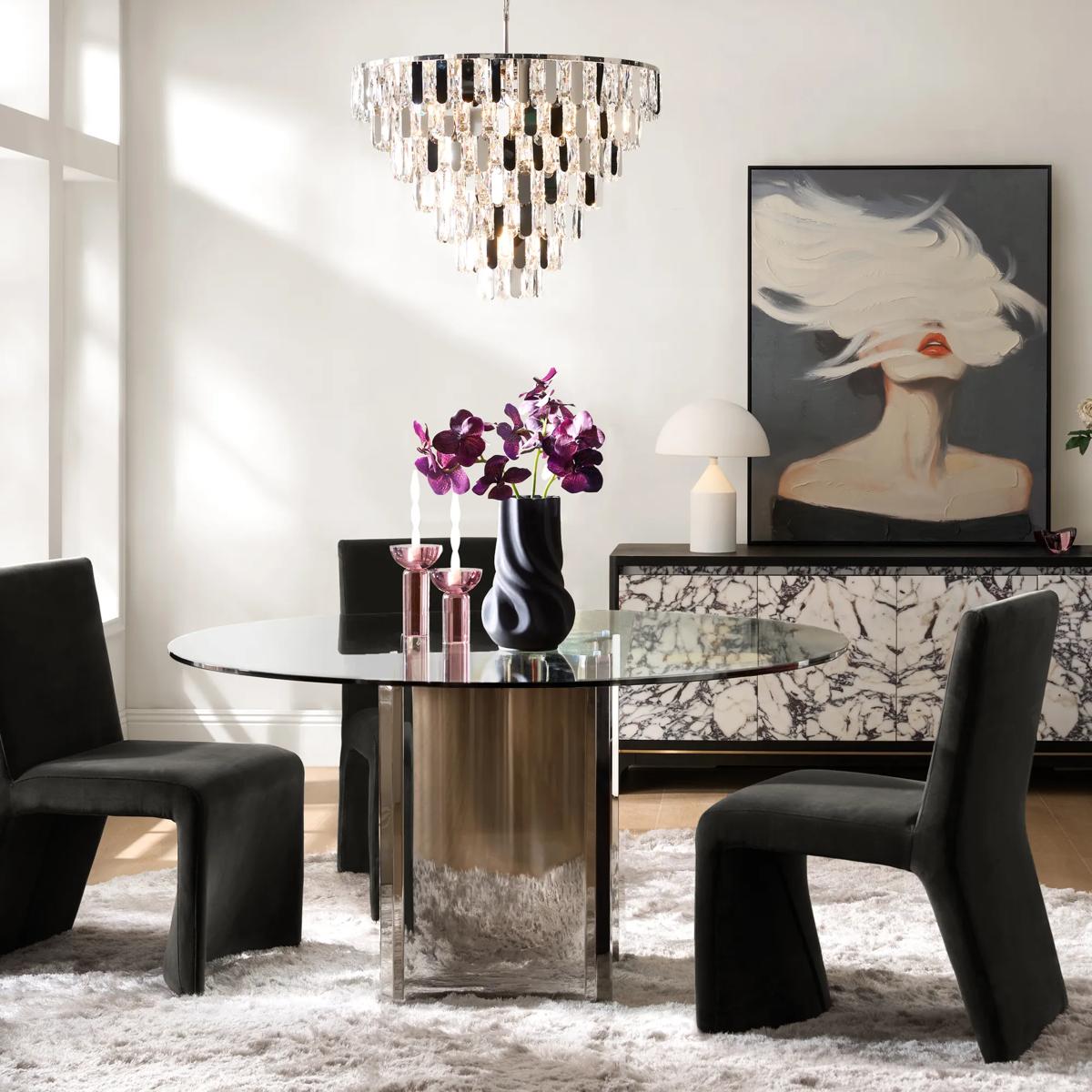 Avenue Crystal Chandelier 28.5"$999
A tiered chandelier crafted from eco-friendly K9 crystal and polished nickel for radiant, modern elegance.
Add To Cart

Elegant Wedding Centerpiece Ideas
Explore elegant wedding centerpiece ideas and decorative accents to create a distinctive focal point for your reception tables. When choosing wedding table decor, consider height, color, and proportion to complement your place settings and overall palette. Balance visual drama with clear sightlines and space for conversation, so each table feels as inviting as it is artfully composed.
Elegant wedding centerpieces bring flowers, candlelight, and sculptural decorative accents into a composition that gives the reception its visual signature. The most compelling arrangements balance beauty with proportion: luminous materials catch the light, floral shapes soften the setting, and thoughtfully chosen heights leave room for conversation. Vases, candleholders, decorative bowls, and reflective trays provide the foundation, giving each table a distinct presence without competing with the celebration. Glass offers an airy quality that lets stems and blooms become part of the design, while crystal introduces faceted sparkle and a more formal character. Ceramic vessels contribute sculptural depth, particularly when their silhouettes have generous curves or an expressive textured finish. Metallic accents lend another dimension, with golden tones enriching ivory flowers and silver finishes sharpening a palette of white, green, or deep jewel tones. For couples exploring Wedding Centerpiece Ideas, these material combinations offer a way to express personal style through the objects that frame every place setting. A low bowl filled with full, rounded blooms can feel sumptuous and intimate; an elongated arrangement punctuated by slender candleholders creates a more architectural rhythm. Neither approach requires every surface to shimmer. A matte vessel beside polished metal often makes both finishes more striking, and clear glass can give richly colored flowers room to command attention. Repeating one detail, such as a rounded silhouette or a particular metallic tone, helps connect the tables while allowing individual arrangements to vary. Florals may supply the romance, but the vessels establish structure, giving even a restrained grouping a deliberate, finished appearance. White and ivory remain versatile foundations, while burgundy, plum, emerald, and blush can introduce depth without overwhelming the room. The result should feel connected to the couple rather than bound to a single formula, with each centerpiece contributing to an atmosphere that is expressive, welcoming, and unmistakably celebratory. Even before guests take their seats, those repeated shapes and glints of light establish the character of the gathering.
Scale determines whether wedding centerpiece decor feels graceful in use as well as beautiful in photographs. On a round reception table, a compact central grouping preserves space for glassware, place cards, and serving pieces, while a rectangular banquet table often benefits from arrangements repeated along its length. The important measurement is not simply the height of a vase, but the full footprint of the finished composition, including foliage, candleholders, and any decorative base. Broad leaves and trailing stems can extend well beyond a vessel’s rim, so their reach matters when planning comfortable place settings. Low arrangements generally keep faces visible across the table; elevated designs work best when their fullest elements sit above seated sightlines and their bases remain visually slender. Substantial height also calls for a stable foundation, especially when a vessel will support a generous floral arrangement. A broad base and balanced silhouette can help, but stability still depends on the finished arrangement and the surface beneath it. Clear vessels offer a particularly open look in rooms with elaborate architectural details, while opaque ceramic or metal containers can conceal floral mechanics and create a stronger visual anchor. Intended use matters just as much as appearance: fresh flowers need a watertight vessel or a suitable liner, and decorative containers should not be assumed to hold water unless their construction allows it. Faux botanicals offer a different kind of flexibility, preserving a chosen shape without water and allowing arrangements to be prepared ahead of the celebration. Candleholders should suit the candle’s dimensions and intended use, with sufficient separation between flames, flowers, linens, and other decorations. Flameless candles can create a luminous effect where venue rules restrict open flames. Couples, wedding planners, floral designers, and hosts can use these considerations to create a coherent setting across guest tables, a sweetheart table, and the welcome display. Larger focal areas can carry more dramatic proportions, while dining tables need enough open space for guests to settle in comfortably. That distinction gives the room visual variety without sacrificing the pleasure of gathering around the table.
The lasting appeal of wedding centerpiece accessories lies in the relationship between their finish, construction, and care. Clear glass rewards careful handling because fingerprints, mineral deposits, and residue can become conspicuous under reception lighting. Following the maker’s cleaning directions and drying suitable surfaces with a soft cloth helps preserve their clarity. Crystal, delicate rims, applied embellishments, and metallic coatings may need gentler treatment than undecorated glass, so dishwasher safety should never be assumed. Glazed ceramics can provide a substantial presence, though watertightness varies, and unglazed or porous materials may need a liner and protection beneath them. Polished metal brings depth and reflection, but abrasive cleaners can scratch a finish or damage plating; care should match the material rather than its appearance alone. Trays and decorative bases also deserve attention, since their undersides should sit securely without marking linens or the table surface. For pieces that will travel between a ceremony, reception, and home, secure packaging and manageable weight matter as much as visual drama. Sturdy bases and fewer fragile projections can make repeated handling more practical, while ornate silhouettes may require individual wrapping and extra care. After the celebration, emptying floral water promptly, cleaning vessels as directed, and storing fully dry pieces can help keep them ready for another occasion. These objects can have a meaningful life beyond a single event: a sculptural vase may hold anniversary flowers, a decorative bowl can anchor a dining table, and candleholders can bring a sense of occasion to an intimate dinner. They can also make thoughtful wedding or engagement gifts for couples who enjoy entertaining, particularly when the material and scale complement their home. Bridesmaid luncheons, rehearsal dinners, and anniversary gatherings offer further settings for the same expressive accents. Choosing centerpiece decor with both the reception and its future setting in mind gives the celebration a tangible afterlife, allowing a detail from the wedding table to become part of the couple’s everyday surroundings.
FAQs
Pair sculptural vases with expressive floral arrangements, or compose a vignette of candleholders and reflective accents for a luminous reception table. Give each arrangement a clear focal point, then echo its colors and shapes throughout the place settings for a beautifully composed celebration.
Let your venue and desired mood guide the design. Architectural shapes and restrained floral arrangements create modern glamour, while romantic blooms and ornate accents bring a more lavish sensibility. Repeat a distinctive detail from your invitations or tableware to connect the centerpiece to the larger celebration.
Ivory and champagne create a luminous foundation, while jewel tones bring richness and theatrical flair. For a striking monochromatic approach, layer several shades of one color across flowers, vessels, and table linens. A deliberate contrast between soft hues and gleaming accents adds depth to the arrangement.
Create an artful composition with sculptural vessels, decorative objects, and candlelight, allowing distinctive silhouettes to take the lead. A repeated motif or cohesive finish gives nonfloral wedding centerpieces a sense of intention, while contrasting textures keep the table visually expressive.
Build your centerpiece around a meaningful detail, such as a color from a cherished destination or a motif inspired by your shared love of art. Weave that reference into the arrangement rather than making every element literal. The result feels intimate and expressive, with a polished aesthetic worthy of the occasion.