Modern Tabletop Art Sculptures
Modern Tabletop Art Sculptures
-
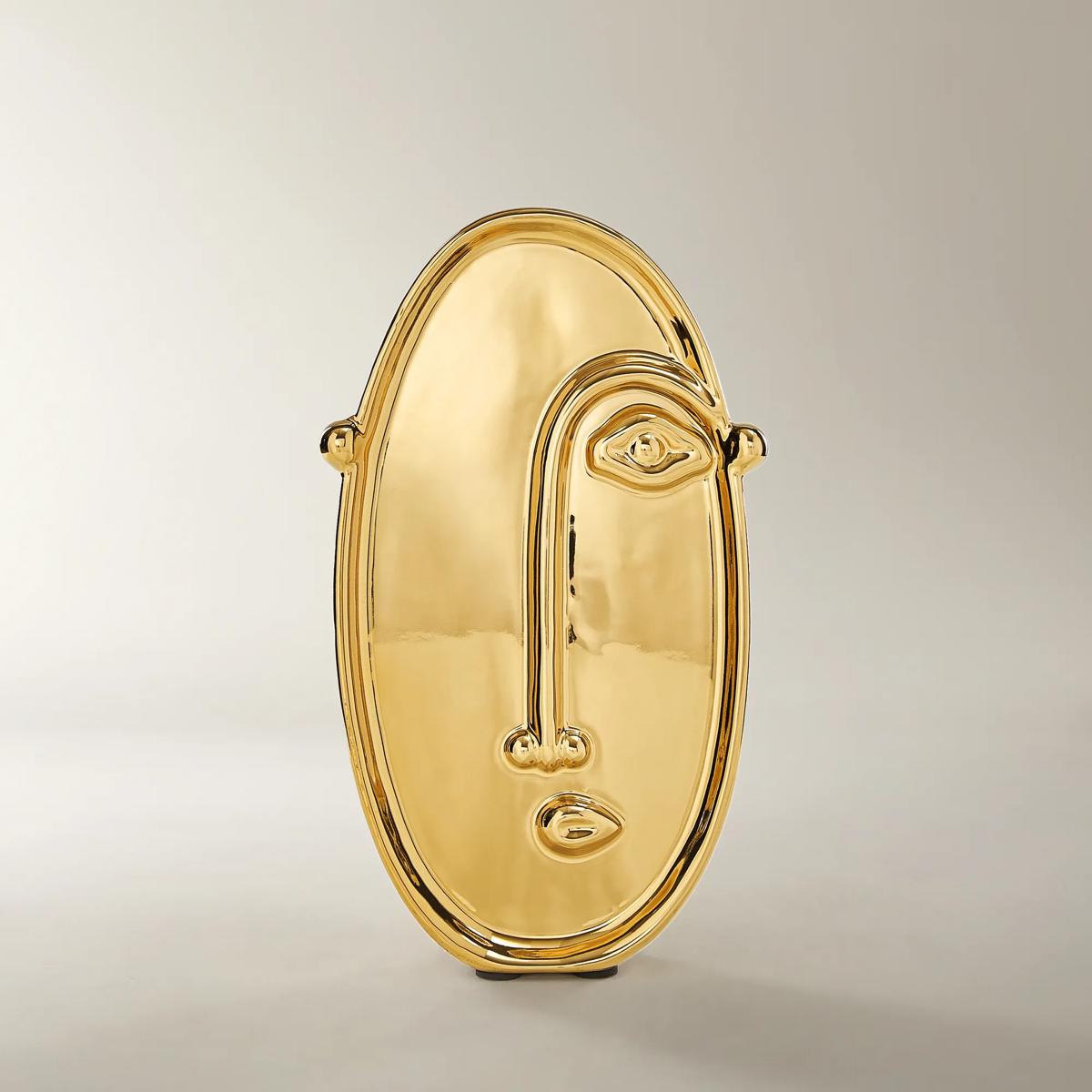
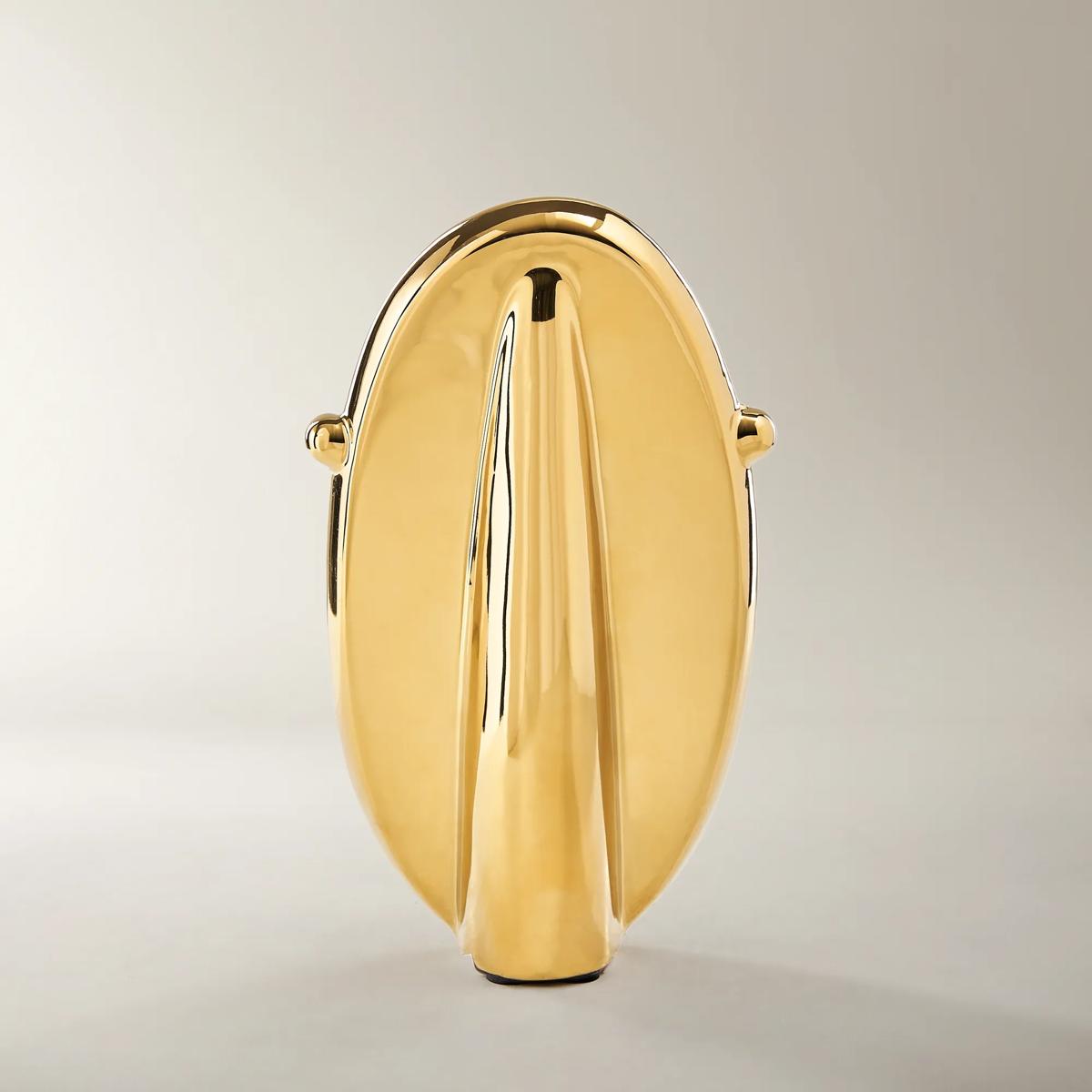 Golden Eye Ceramic Decorative Object 8"$39
A radiant gold ceramic sculpture featuring abstract, elongated facial details for a bold, modern accent.
Add To Cart -
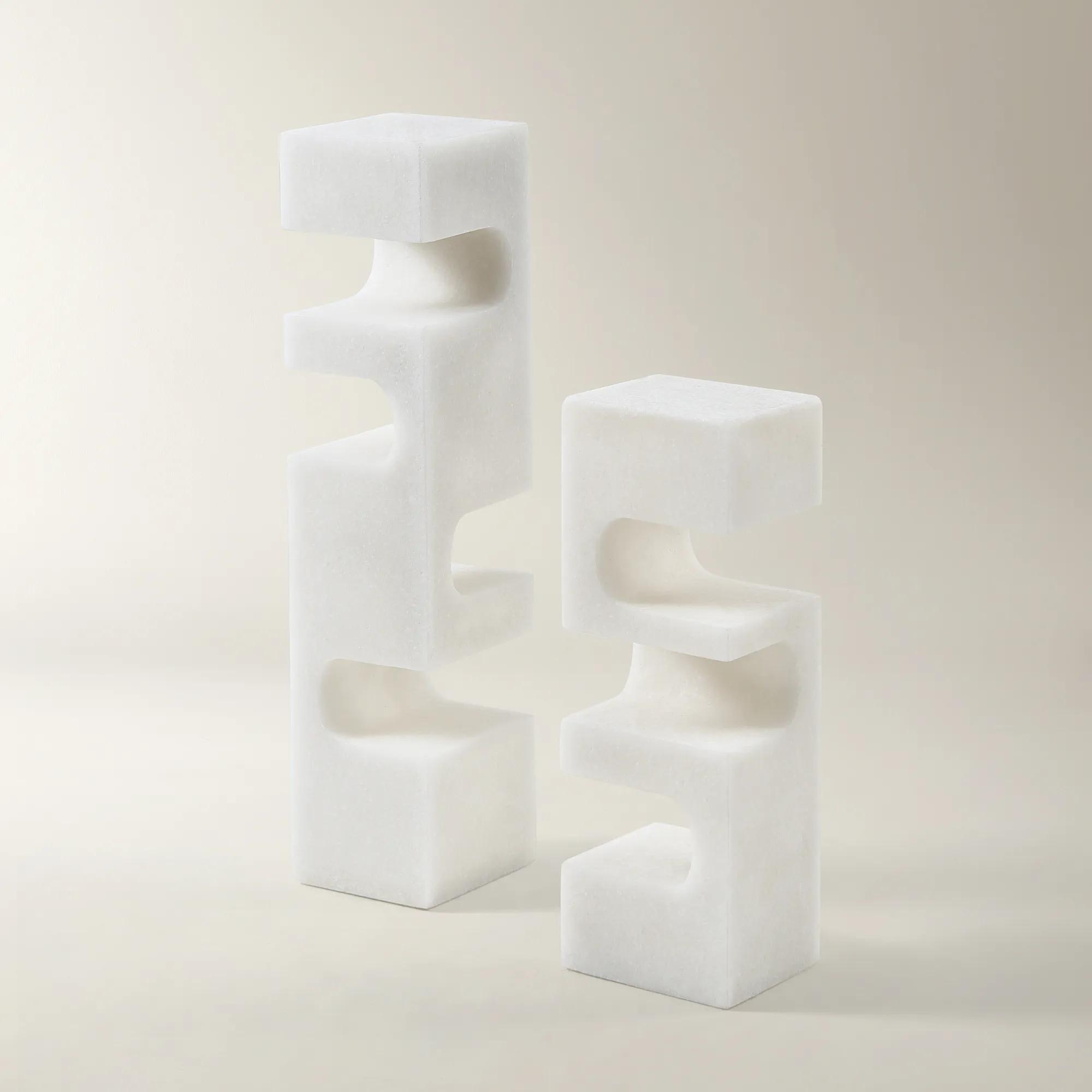
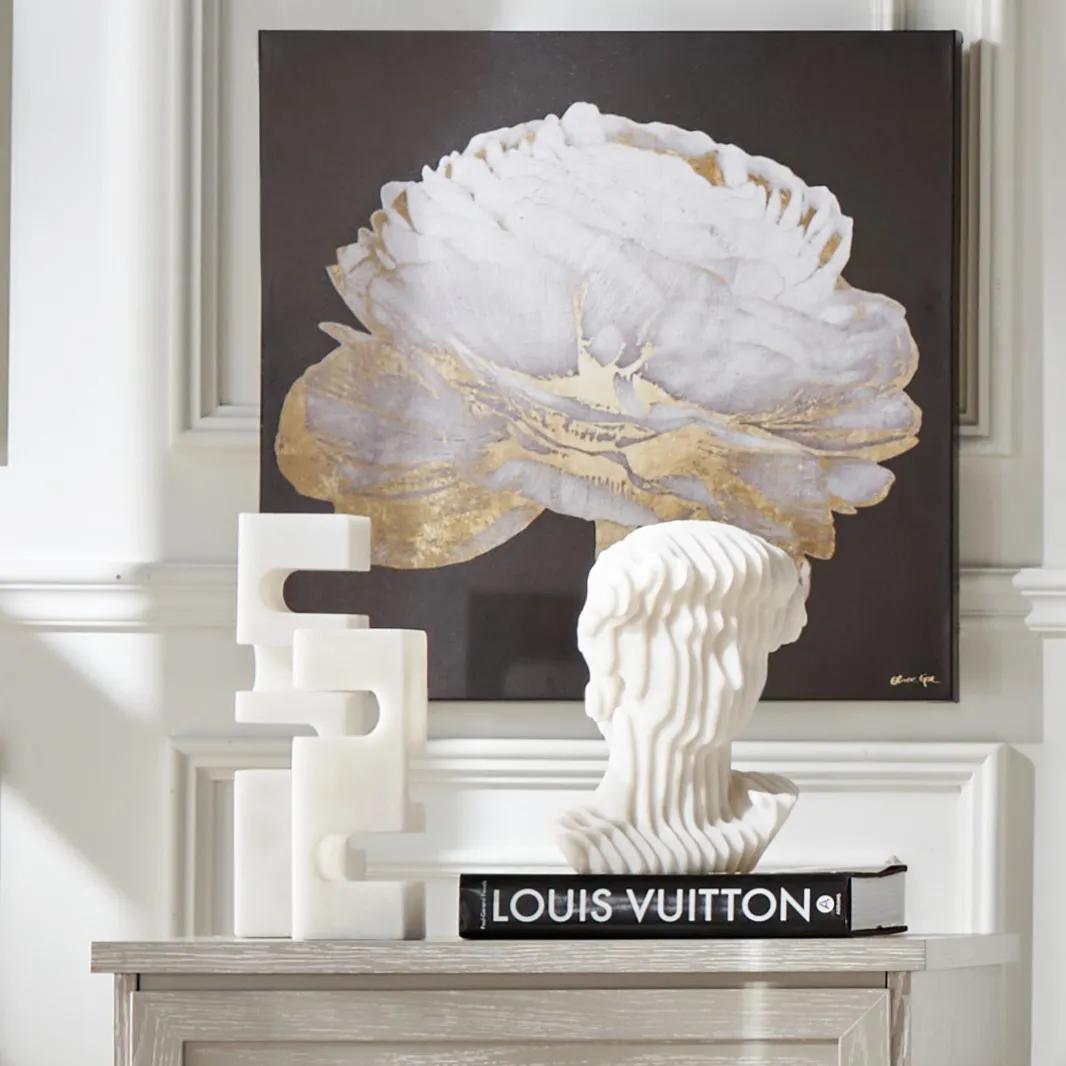 Enna Sculpture$39
A modern Cubist-inspired sculpture crafted from resin and stone powder with a textured white finish.
Add To Cart -
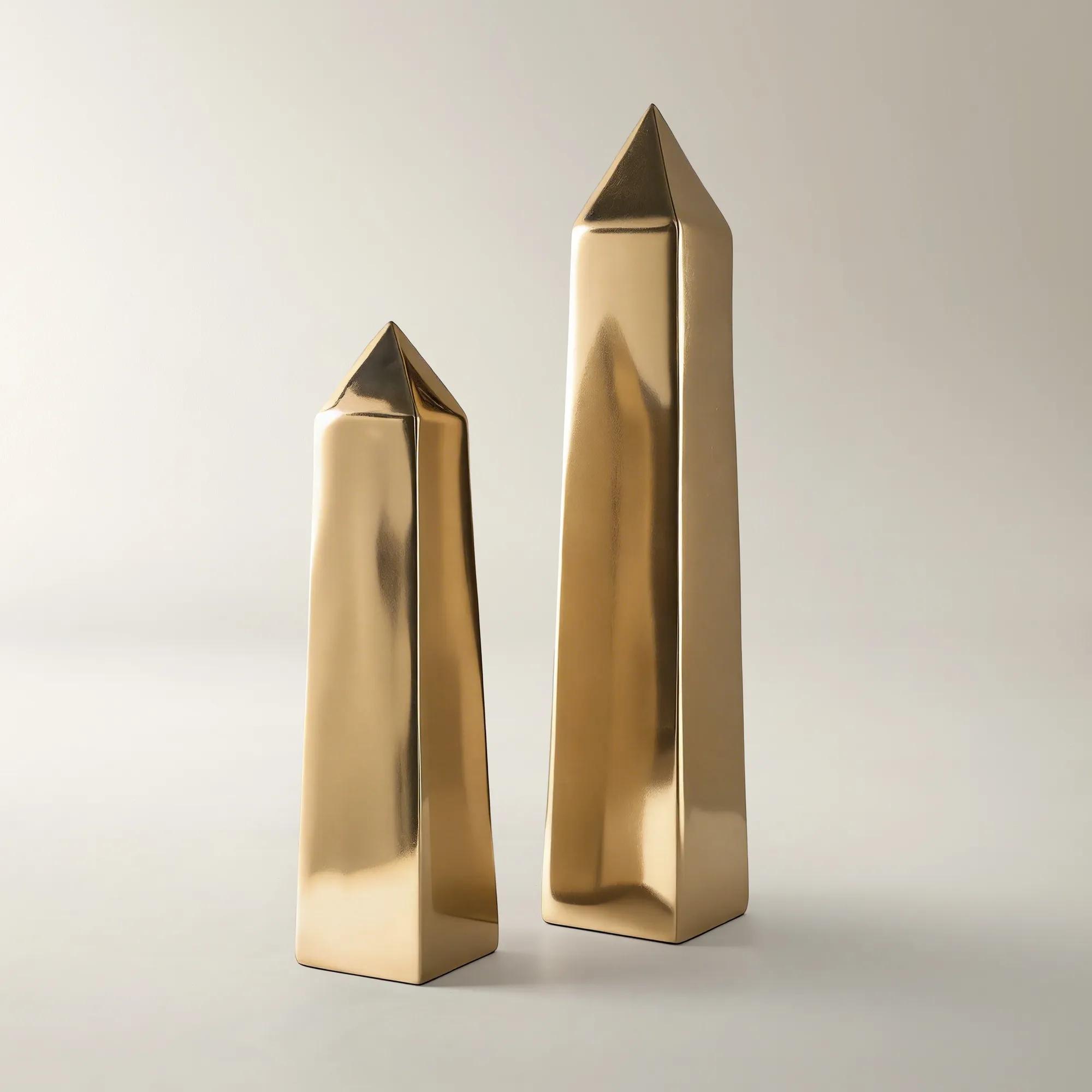
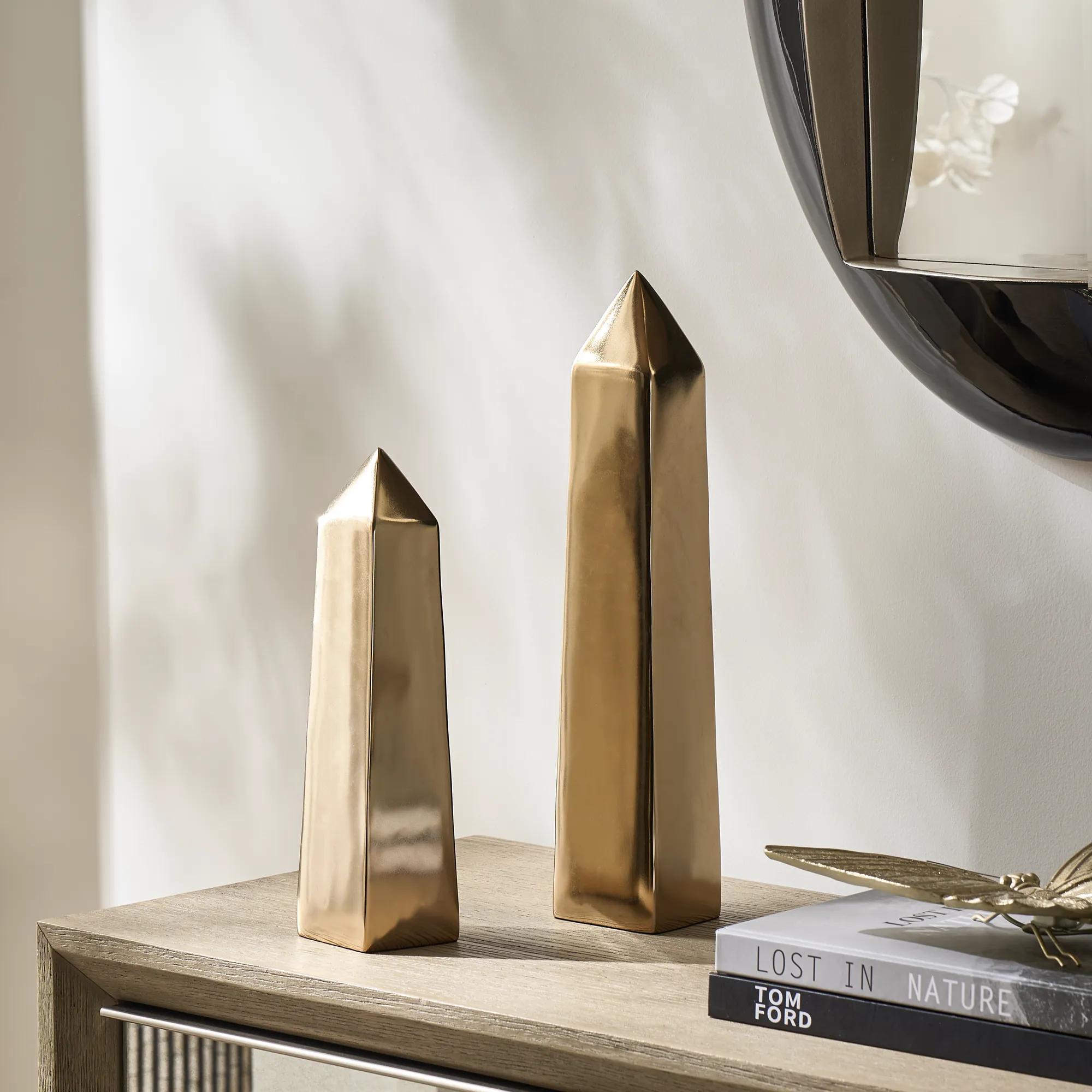 Golden Aluminum Obelisks$69
A sculptural aluminum accent in a soft gold finish, adding modern glamour and architectural interest to any space.
Add To Cart -
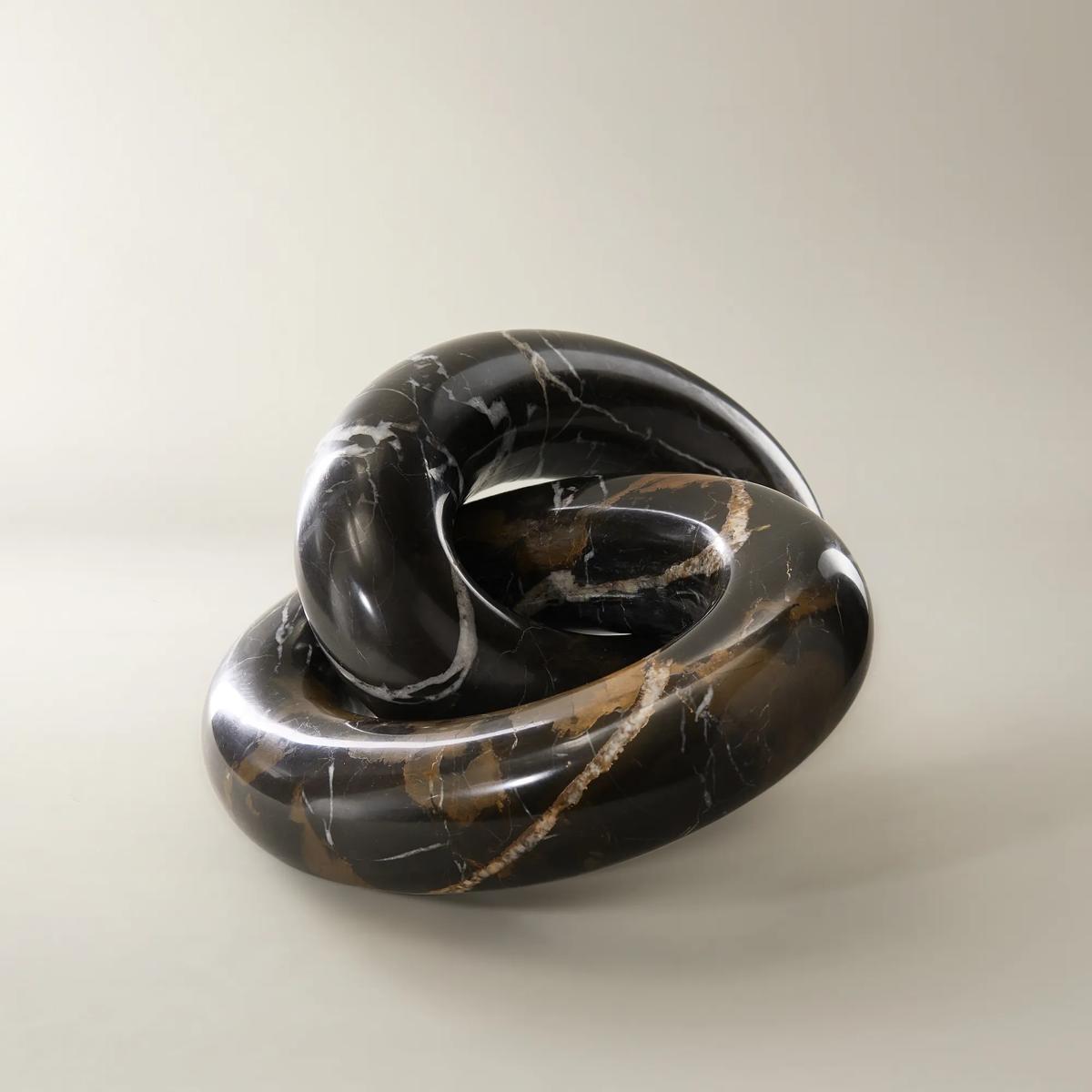 Marble Links Object - Brown$179
A sculptural accent featuring interlocking ovals carved from richly veined, one-of-a-kind brown marble.
Add To Cart -
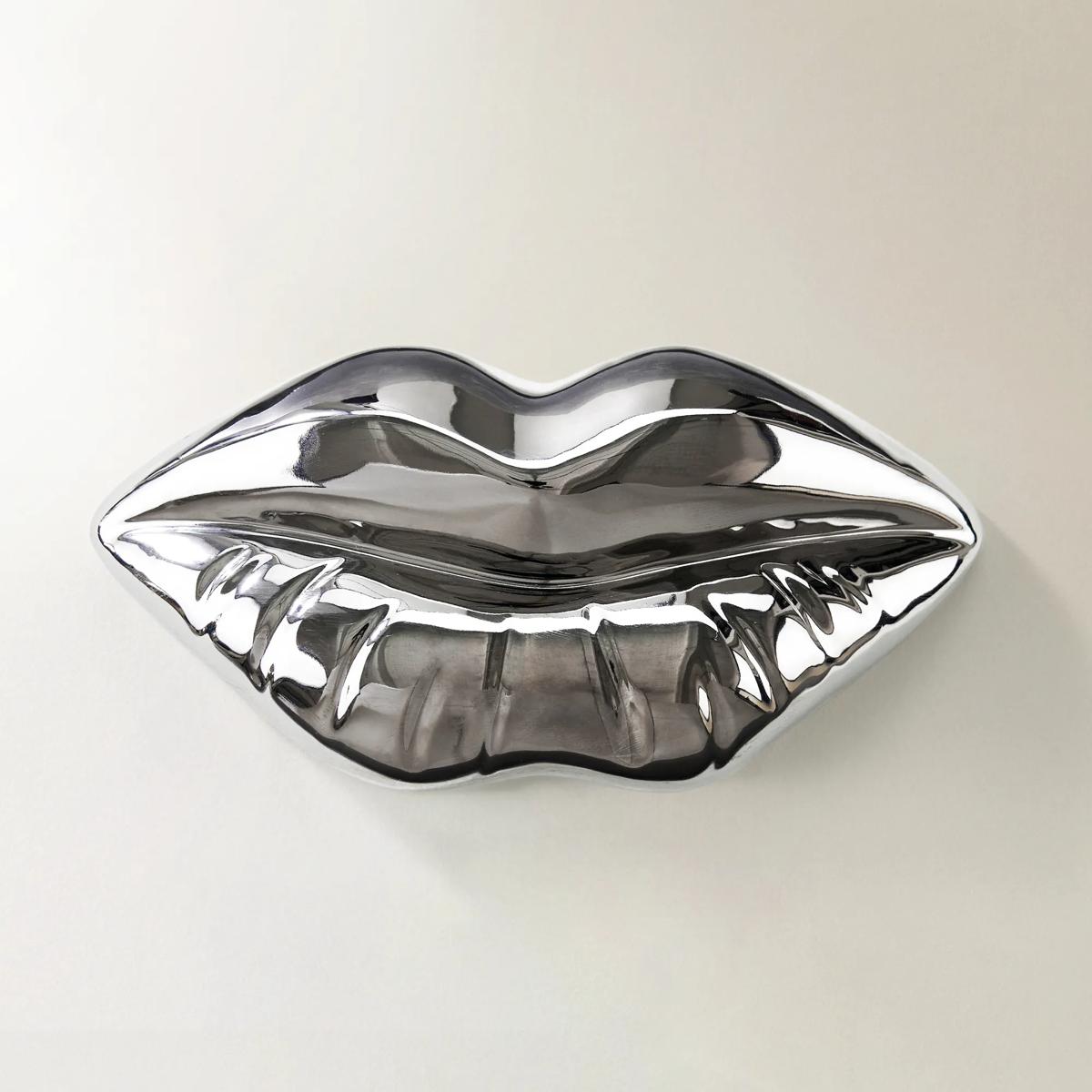 Chrome Lips Ceramic Decorative Object 5.25"$29
A high-shine silver ceramic sculpture that adds modern pop art flair and playful sophistication to any space.
Add To Cart -

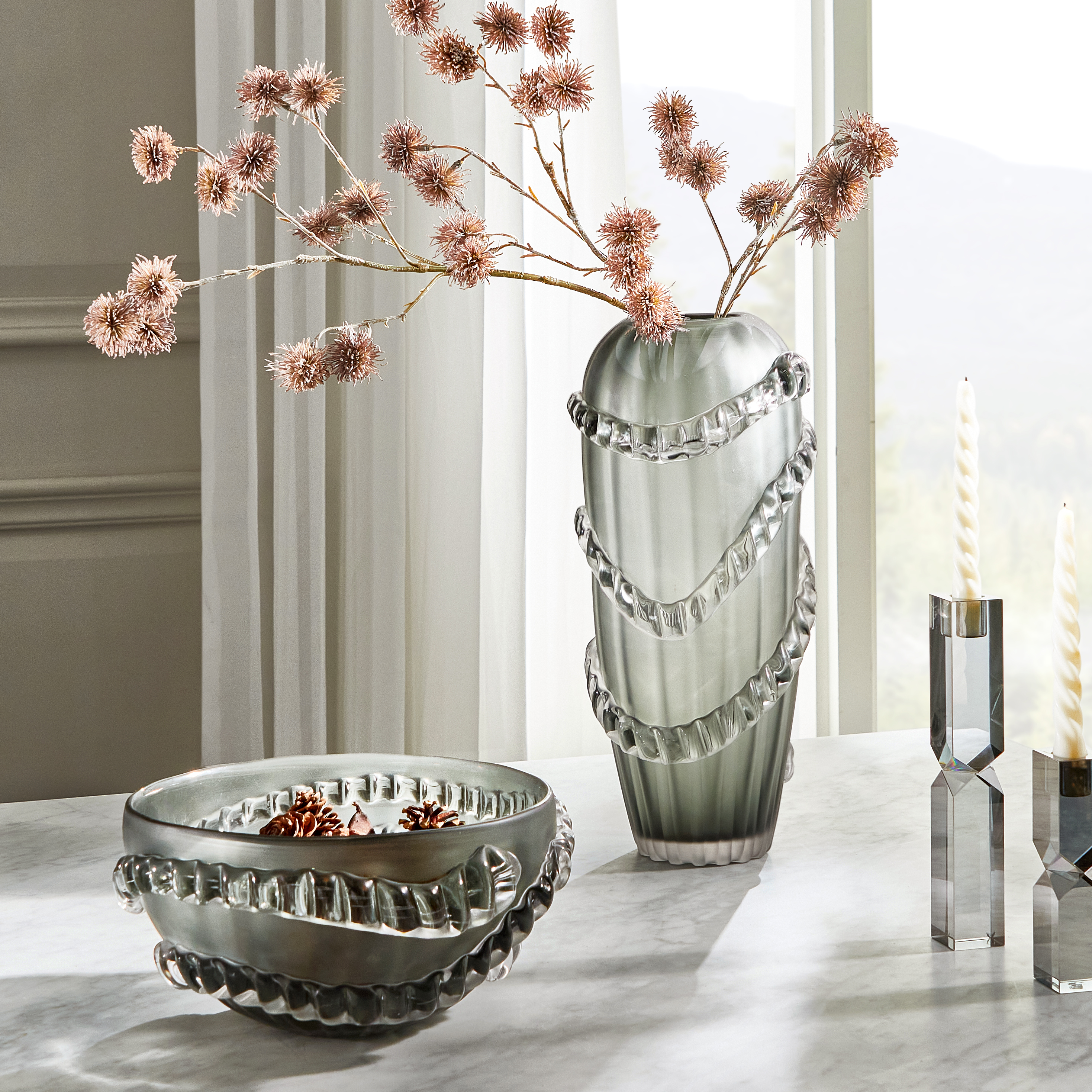 Helix Glass Collection$139
A hand-blown dark gray glass piece featuring fluted bodies and rippling sculptural ribbons for modern decor.
Add To Cart -
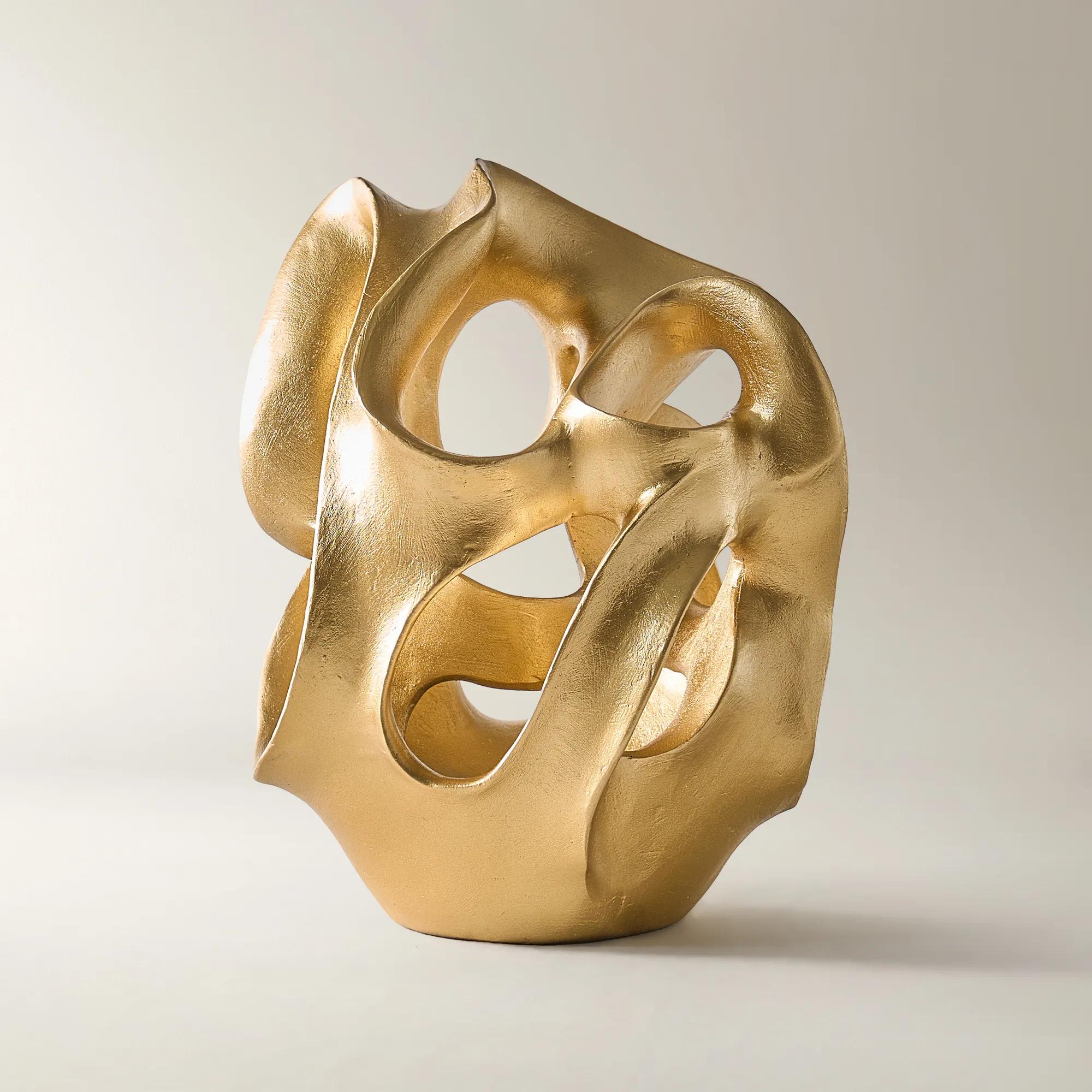
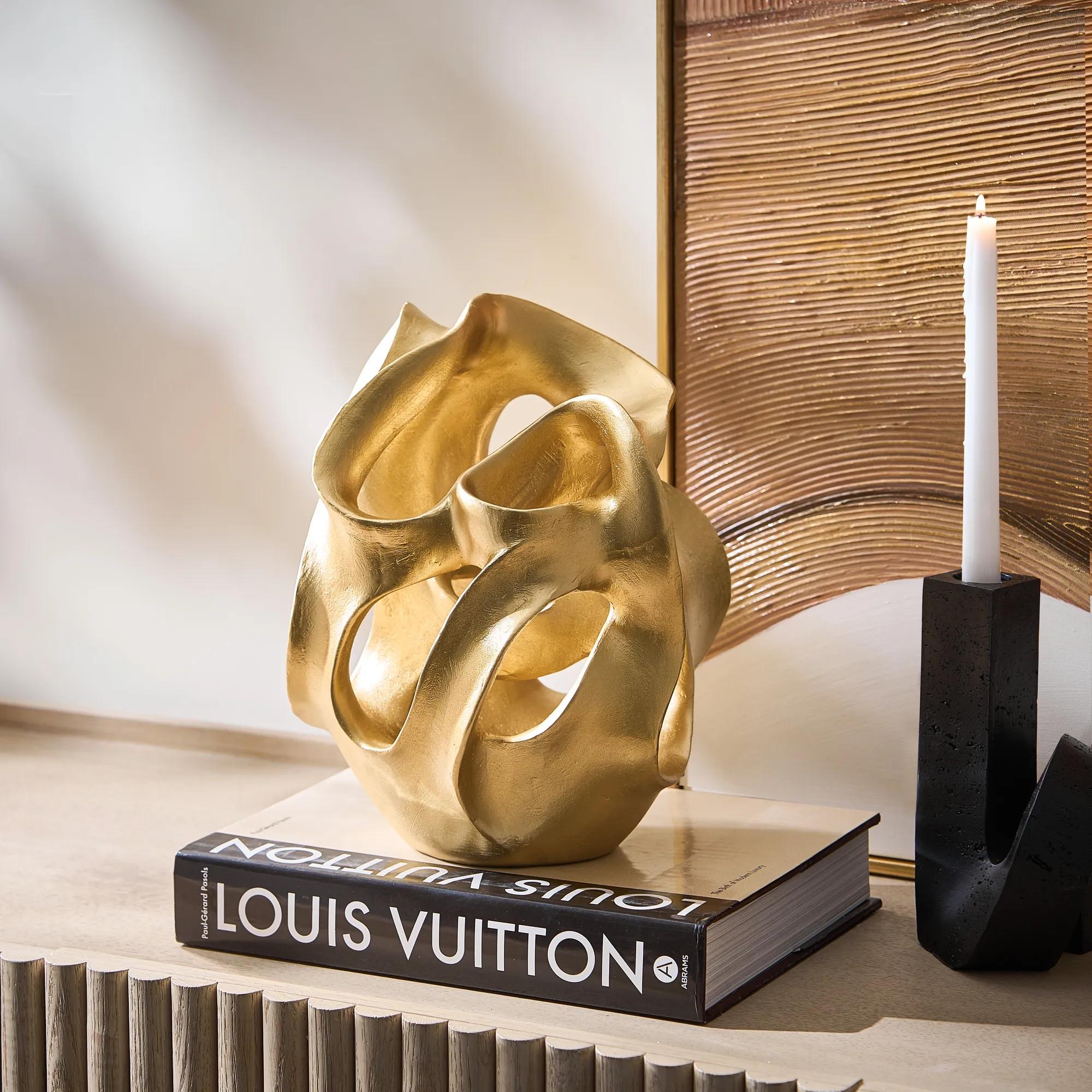 Payal Gold Resin Decorative Object 12"$99
A gold-finished resin sculpture with a fluid open silhouette adds architectural elegance and organic movement.
Add To Cart -
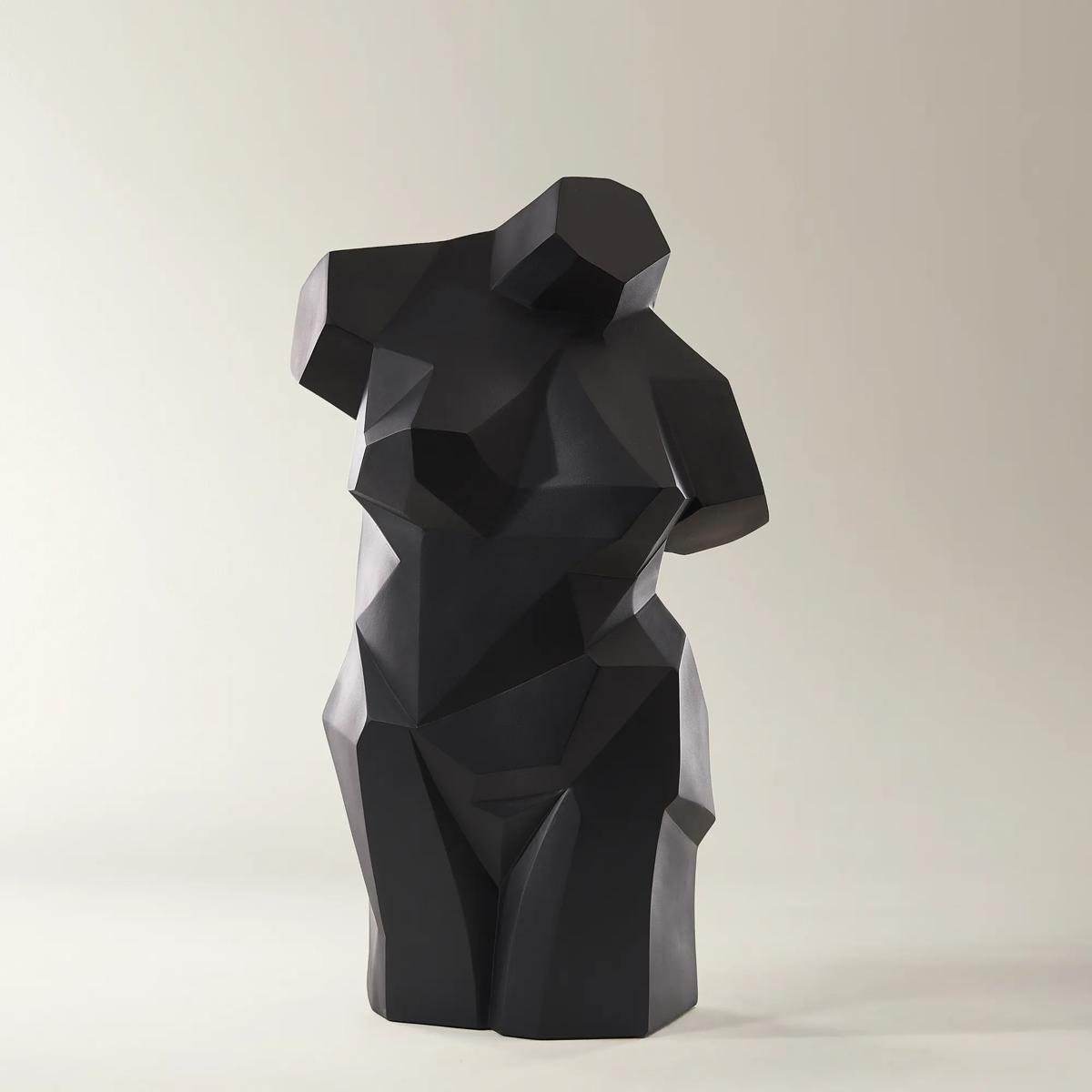
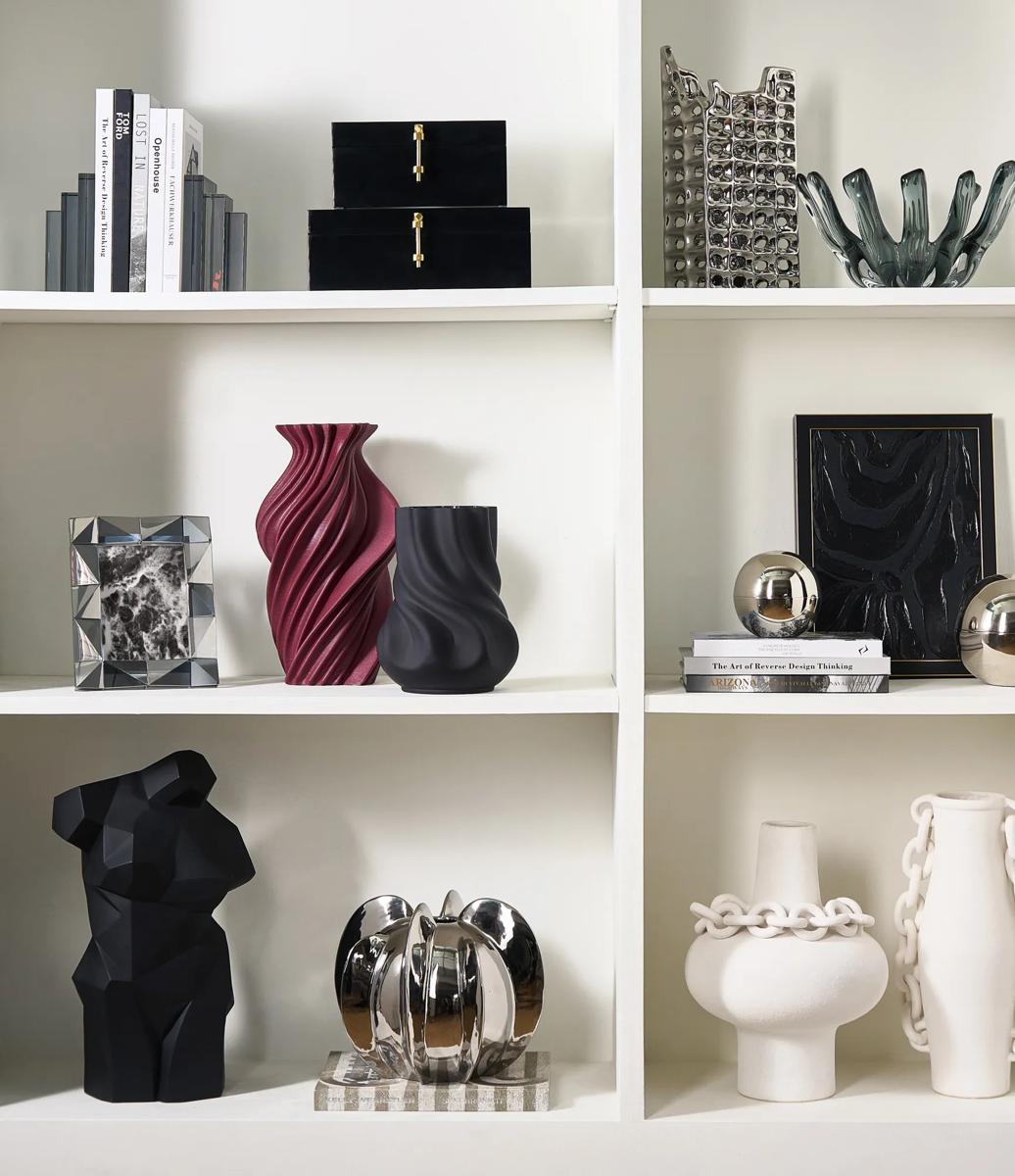 Pose Black Resin Decorative Object 19.75"$99
A sculptural matte black resin accent featuring a faceted geometric design and modern artistic appeal.
Add To Cart -
 Modern David Bust White Resin Decorative Object 12"$99
A white resin and stone powder bust featuring a Cubist-inspired, contemporary take on a classic icon.
Add To Cart -
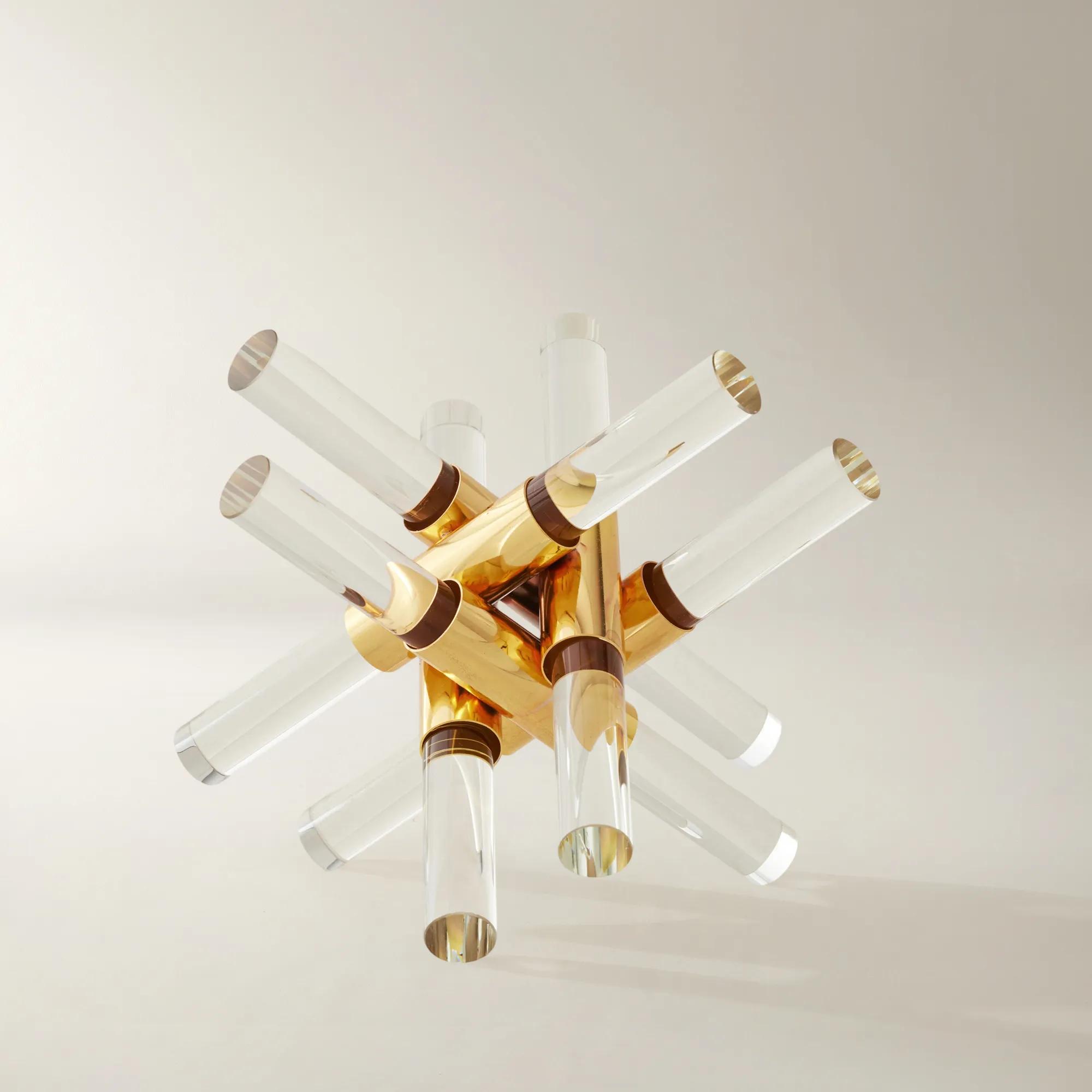
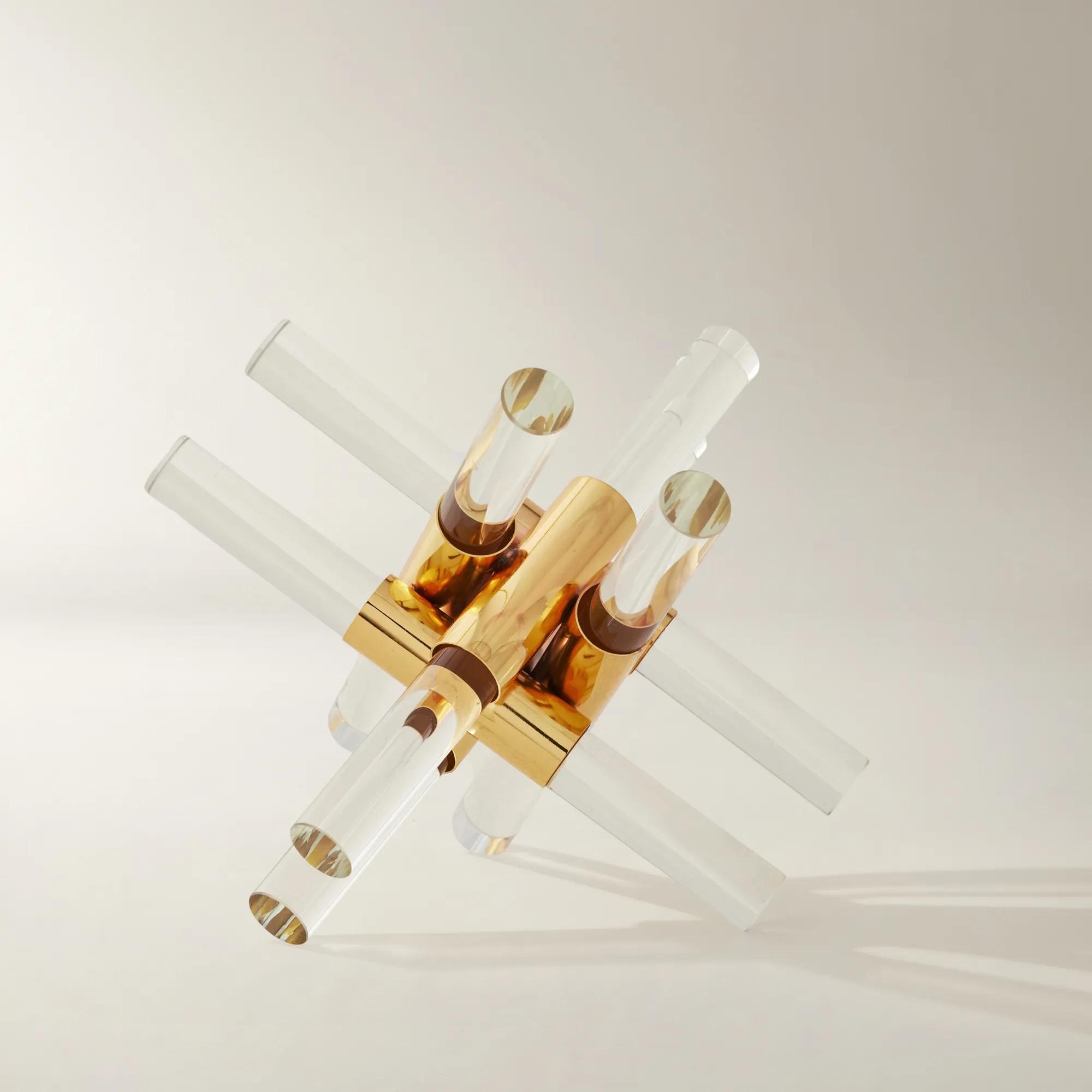 Crystal Glass And Gold Metal Decorative Object 8"$59
A striking decorative accent featuring clear glass rods and gold metal detailing for modern elegance.
Add To Cart -
 Glossy Fig Stainless Steel Decorative Ball 7.75"$59
A glossy fig-hued stainless steel ball that adds modern warmth and sculptural shine to any display.
Add To Cart -
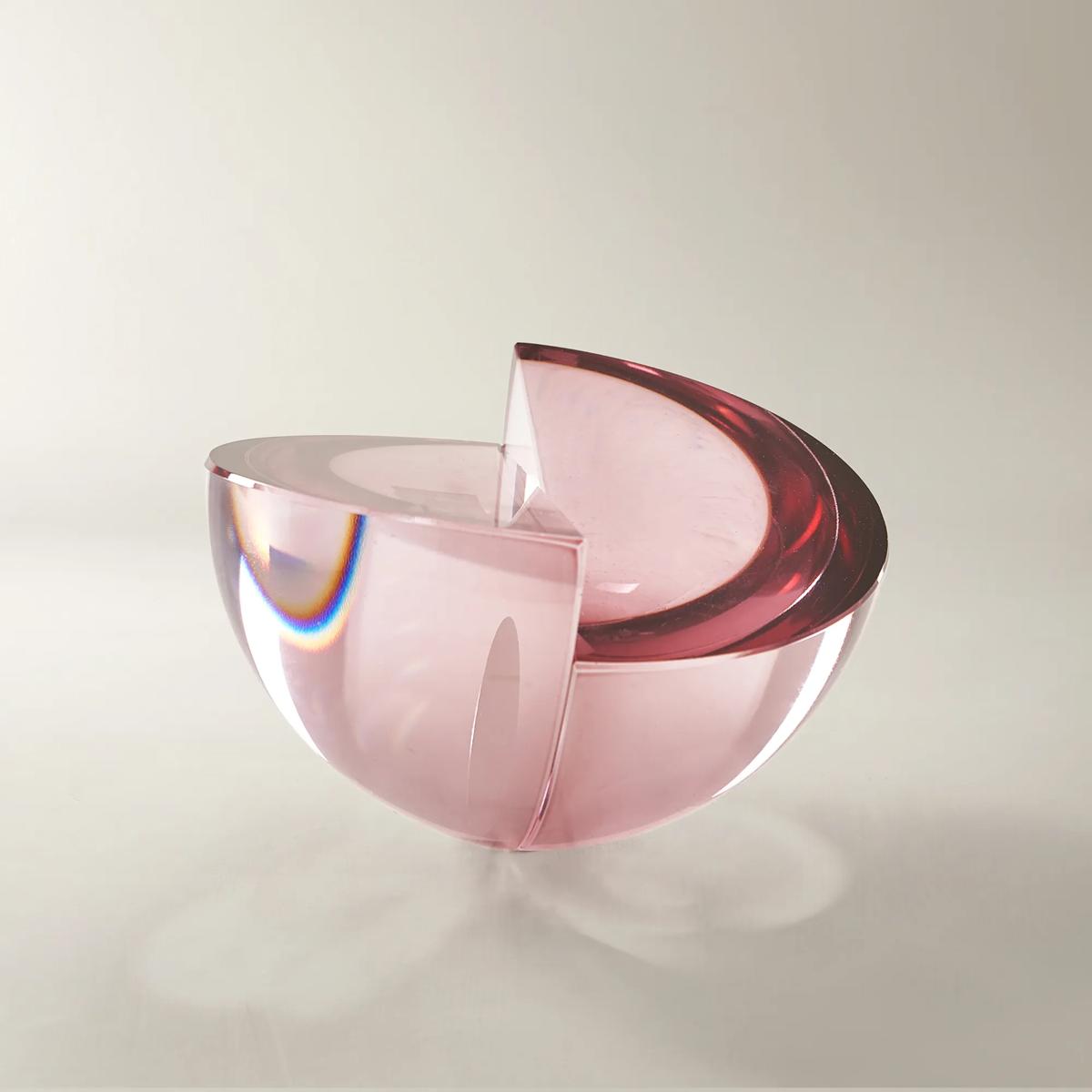 Rose' Crystal Glass Decorative Object 3.25"$79
A sculptural accent crafted from rich purple crystal glass, reflecting light with modern elegance and intrigue.
Add To Cart -
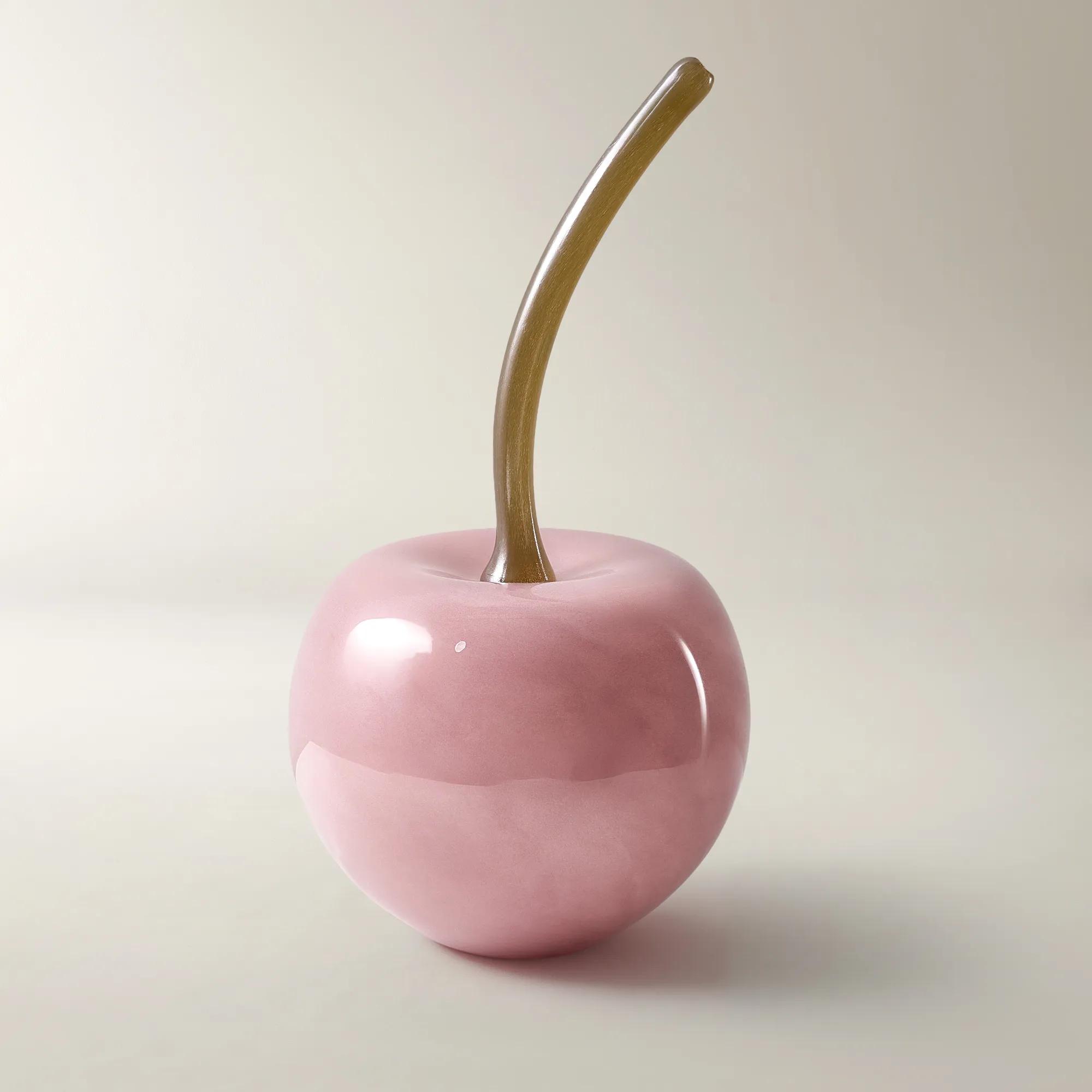
 Cherry Mouth Blown Antique Mauve Glass Decorative Object 13.75"$99
A handblown glass cherry in antique mauve brings playful sculptural charm and romantic color to any space.
Add To Cart -

 Hourglass Marble Object - Brown$139
A sculptural hourglass accent hand-carved from deep espresso brown marble with unique natural veining.
Add To Cart -
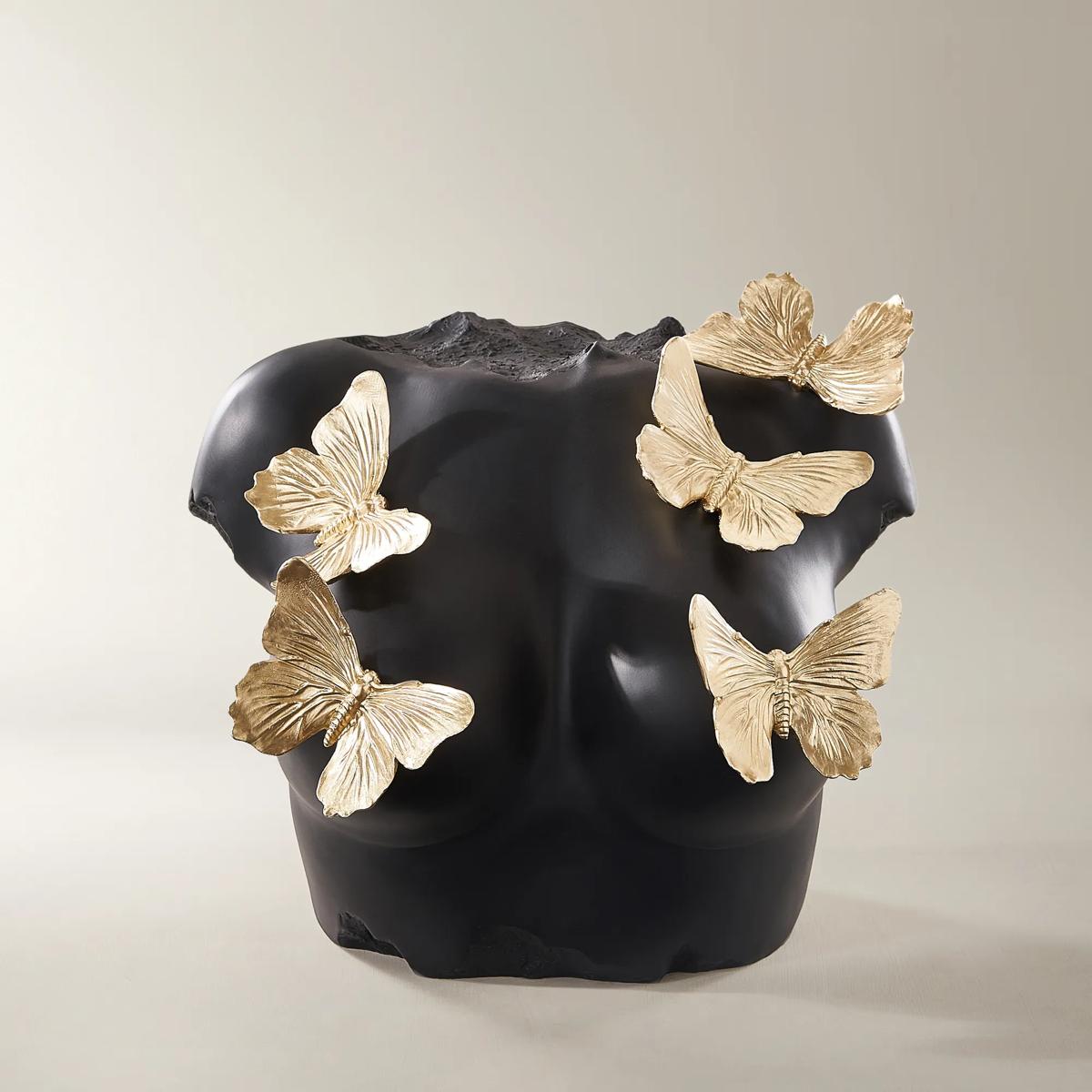 Butterfly Bust Black And Gold Resin Decorative Object 11.75"$149
A matte black resin bust adorned with gilded butterflies, offering poetic movement and modern elegance.
Add To Cart -
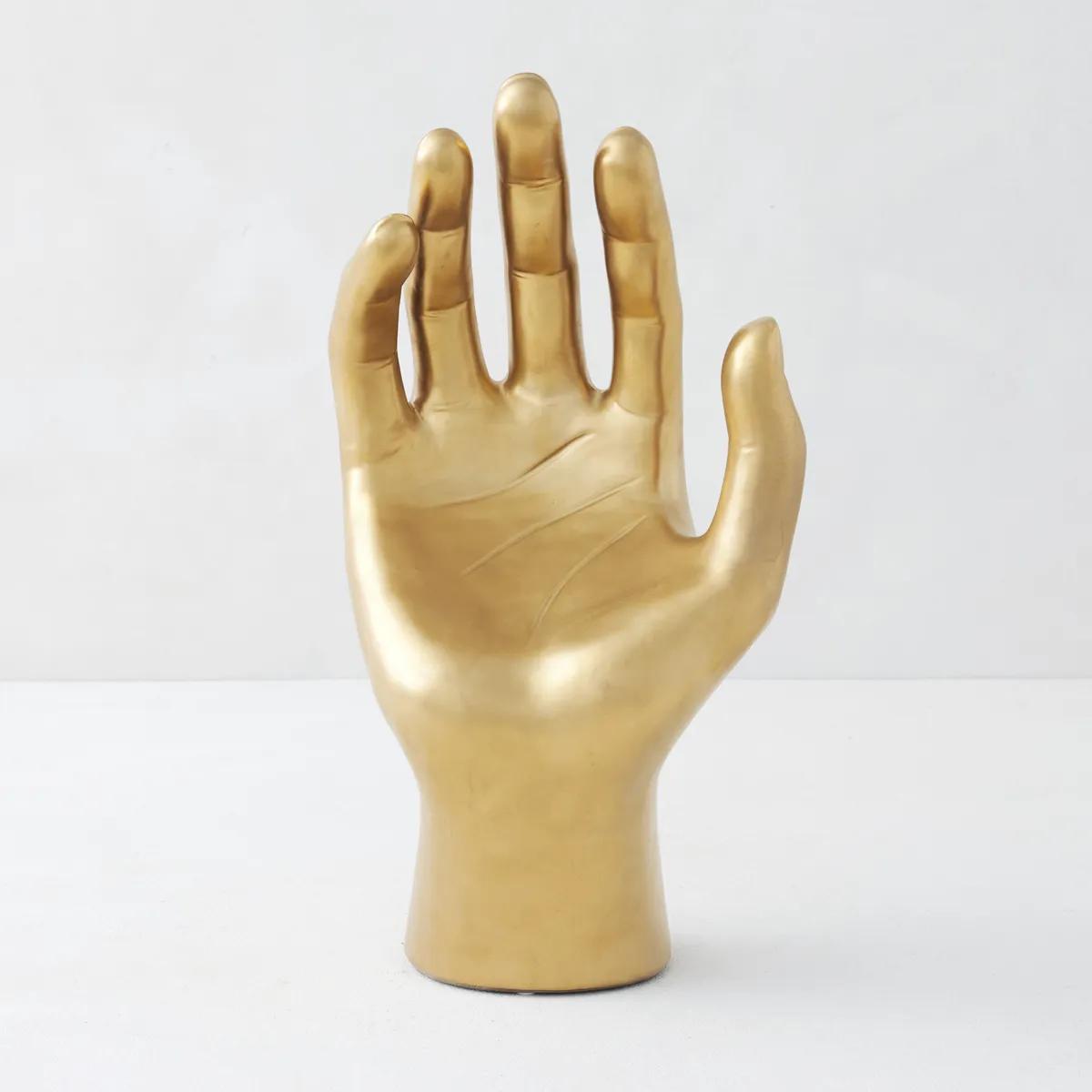
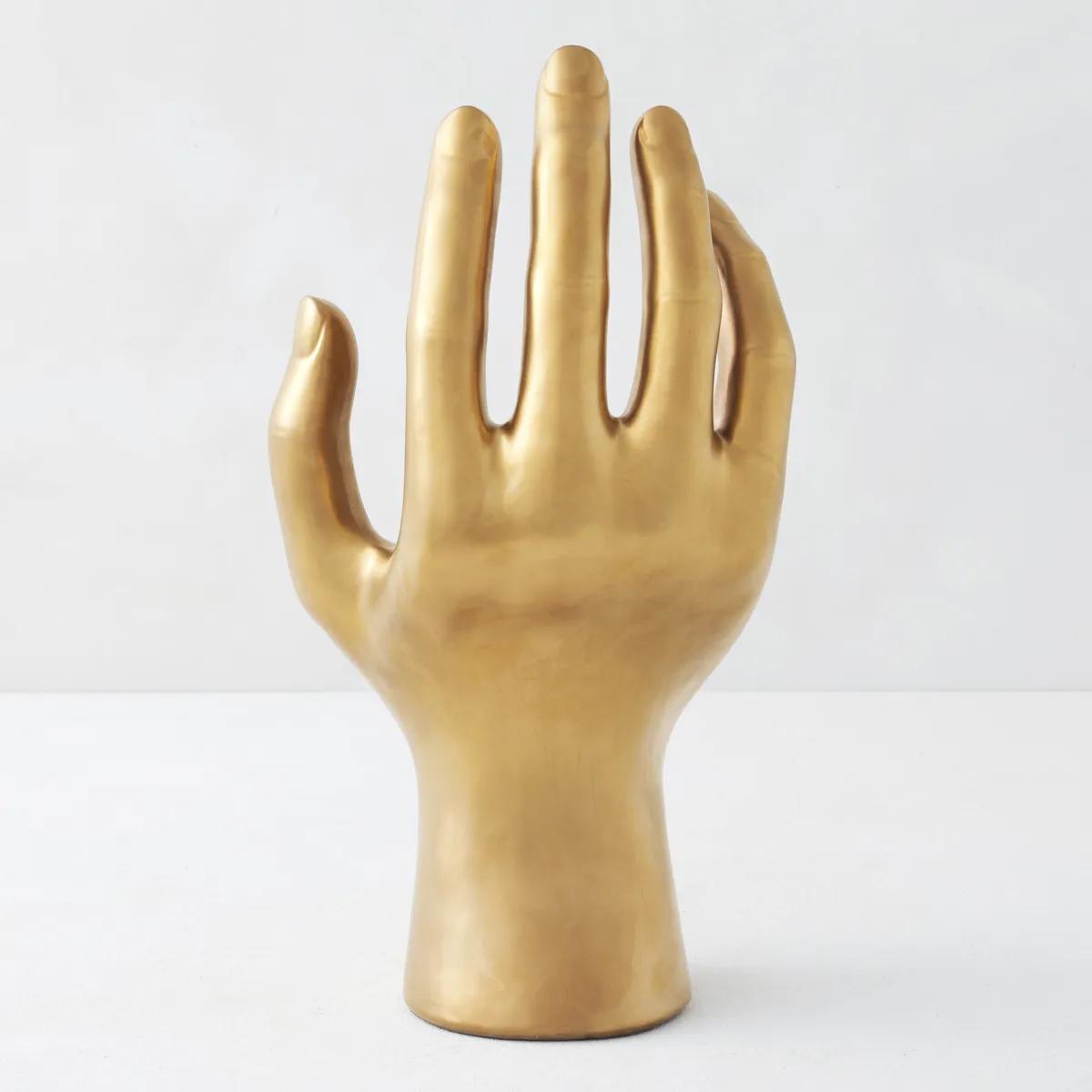 Ceramic Hand Metallic Gold Decorative Object 17.75"$69
A striking ceramic sculpture with a metallic gold finish, perfect for displaying jewelry or as decor.
Add To Cart -
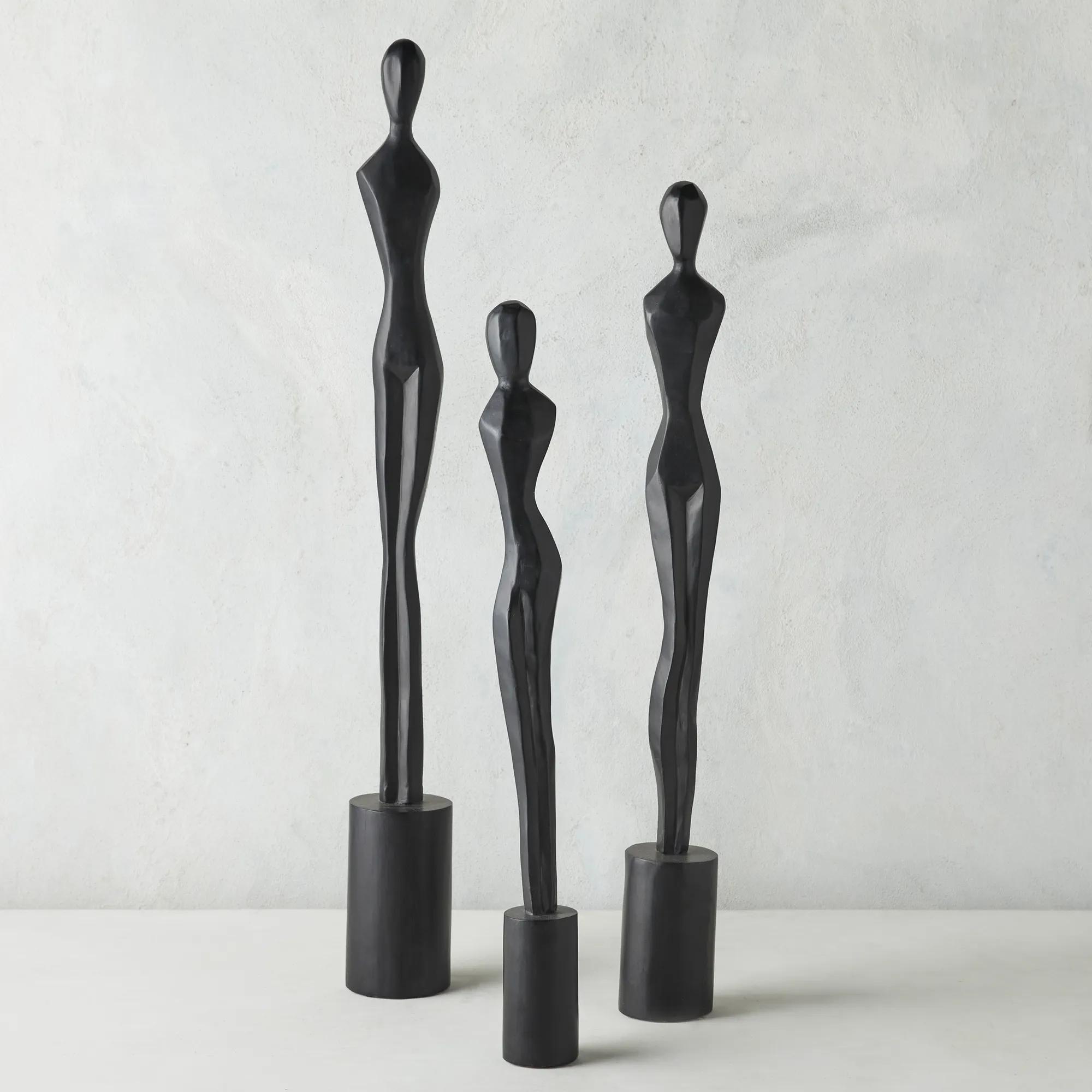
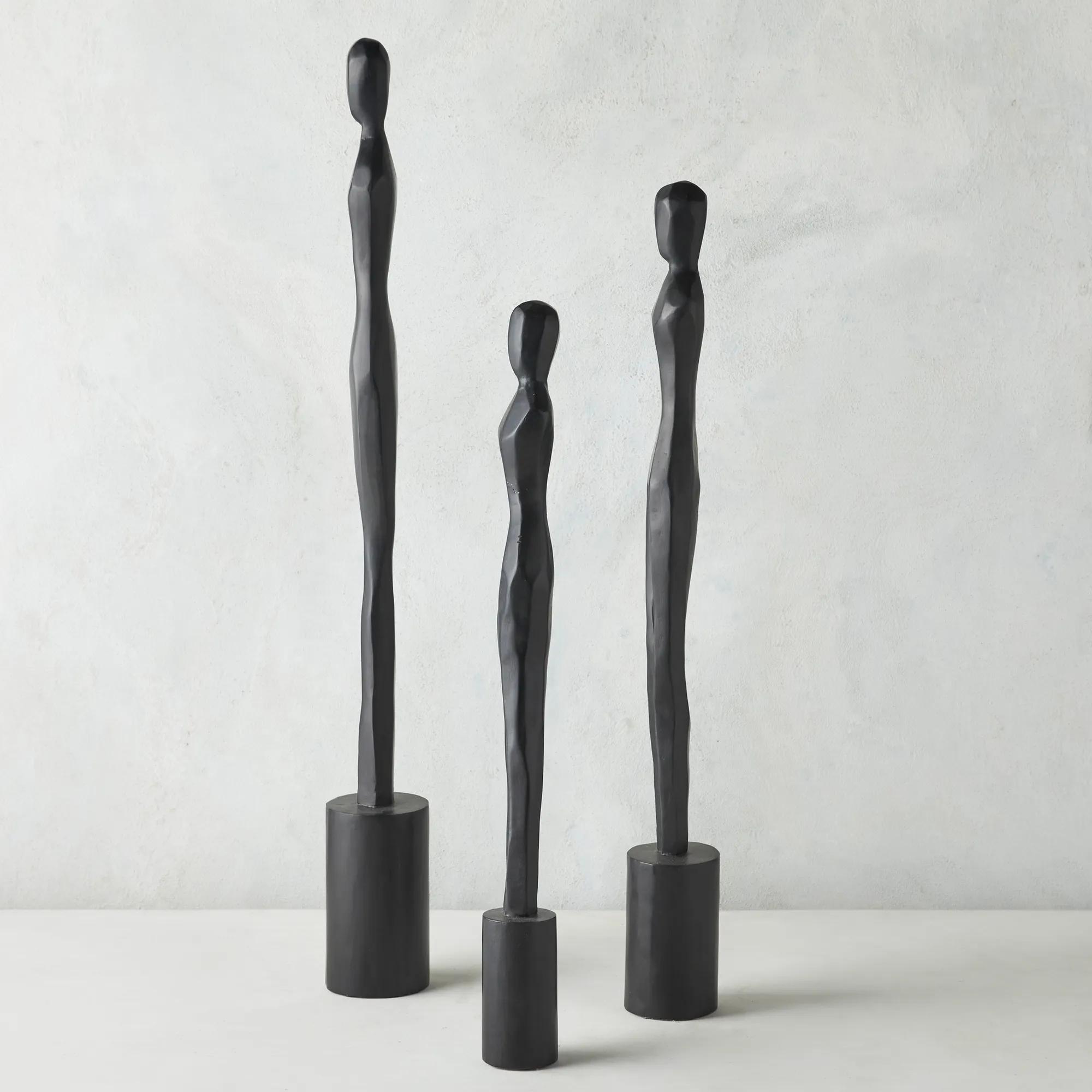 Nikki Chu Female Figure Black Wood Decorative Object Set of 3$129
A striking set of three black mango wood sculptures featuring graceful, elegant female silhouettes.
Add To Cart -
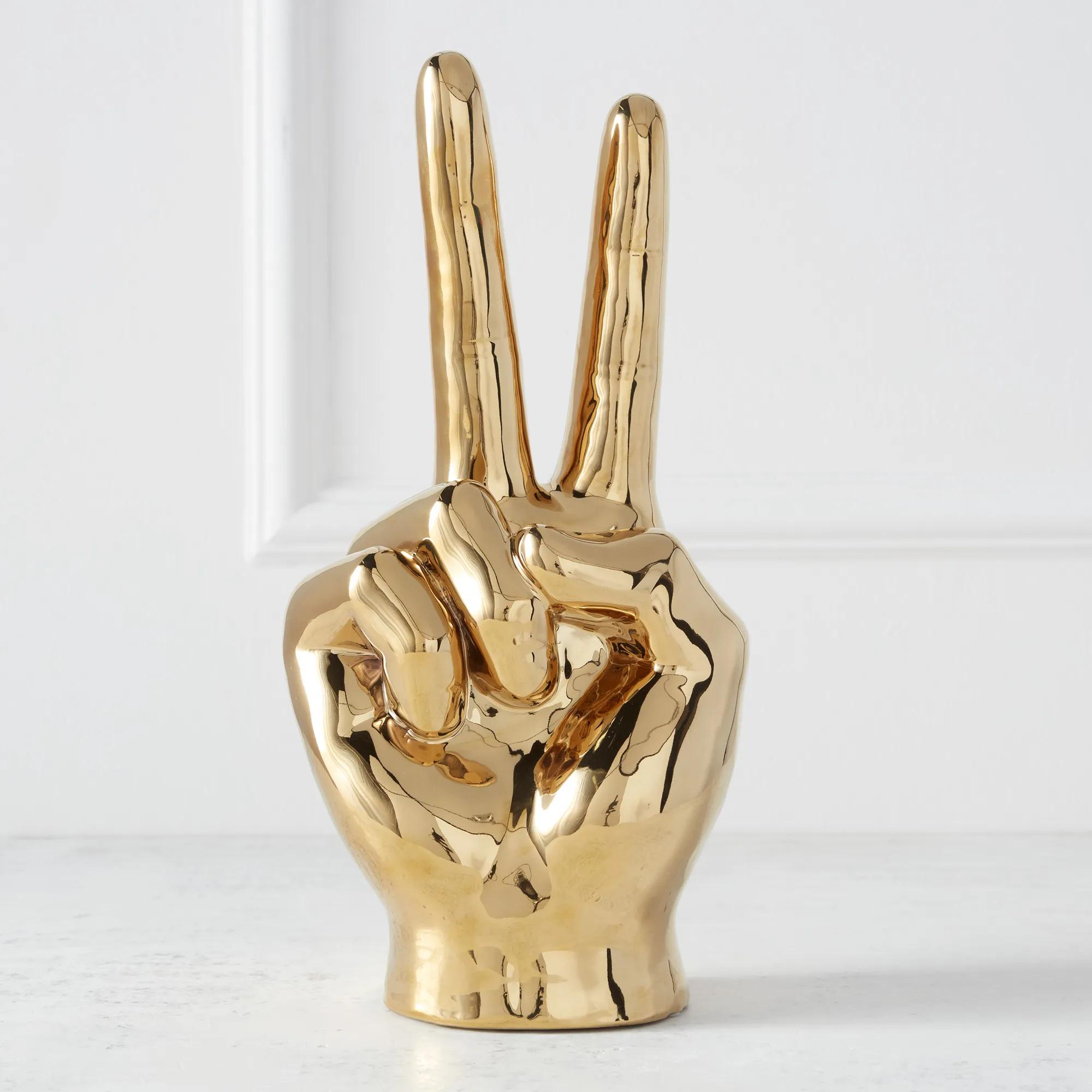 Peace Sign Gold Hand Ceramic Decorative Object 14"$49
A metallic gold ceramic hand sculpture perfect for displaying jewelry or as a decorative accent.
Add To Cart -
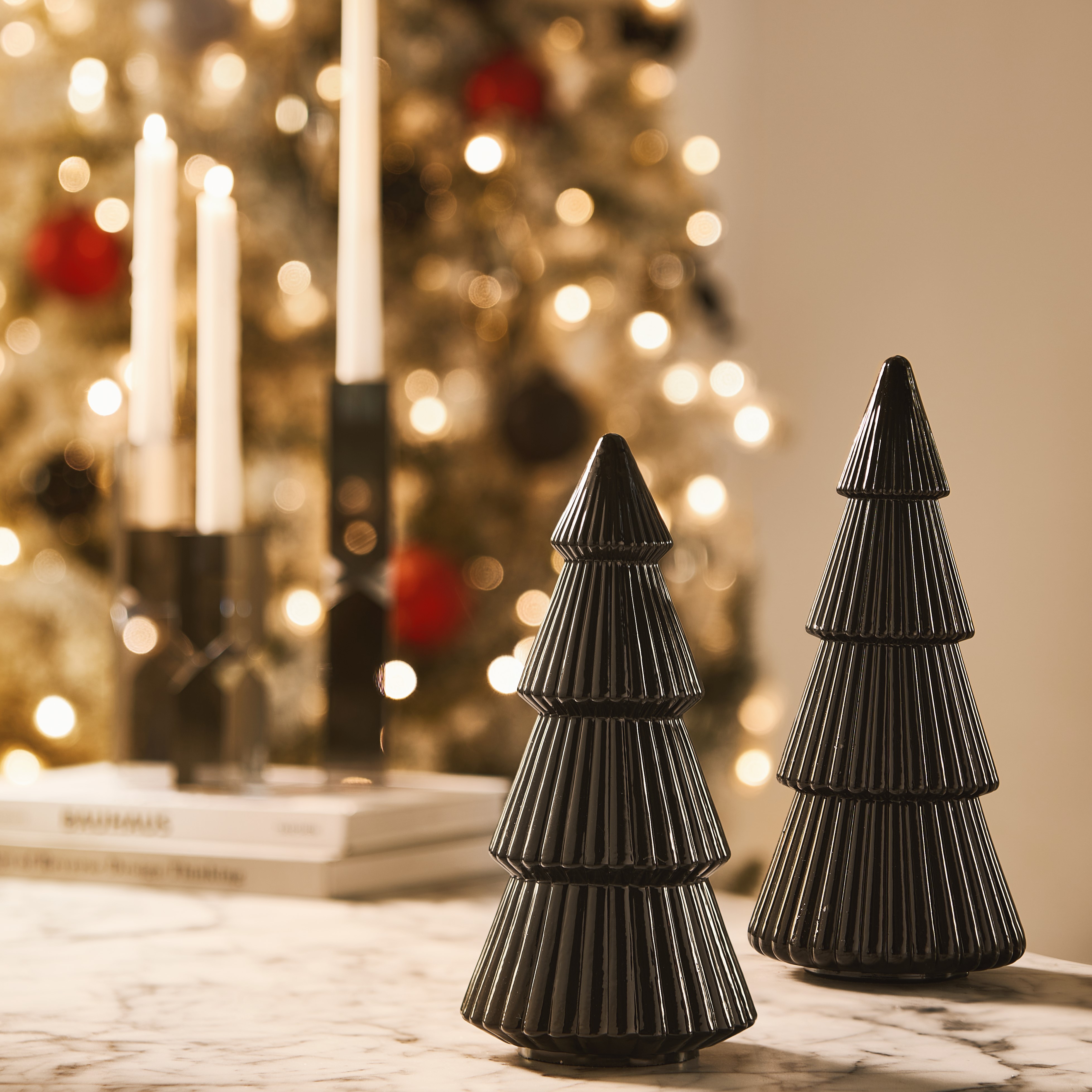 Black Glass Tree Set of 2 - 10" & 11"$79
A sculptural set of two fluted glass trees in a high-gloss black finish for modern holiday décor.
Add To Cart -
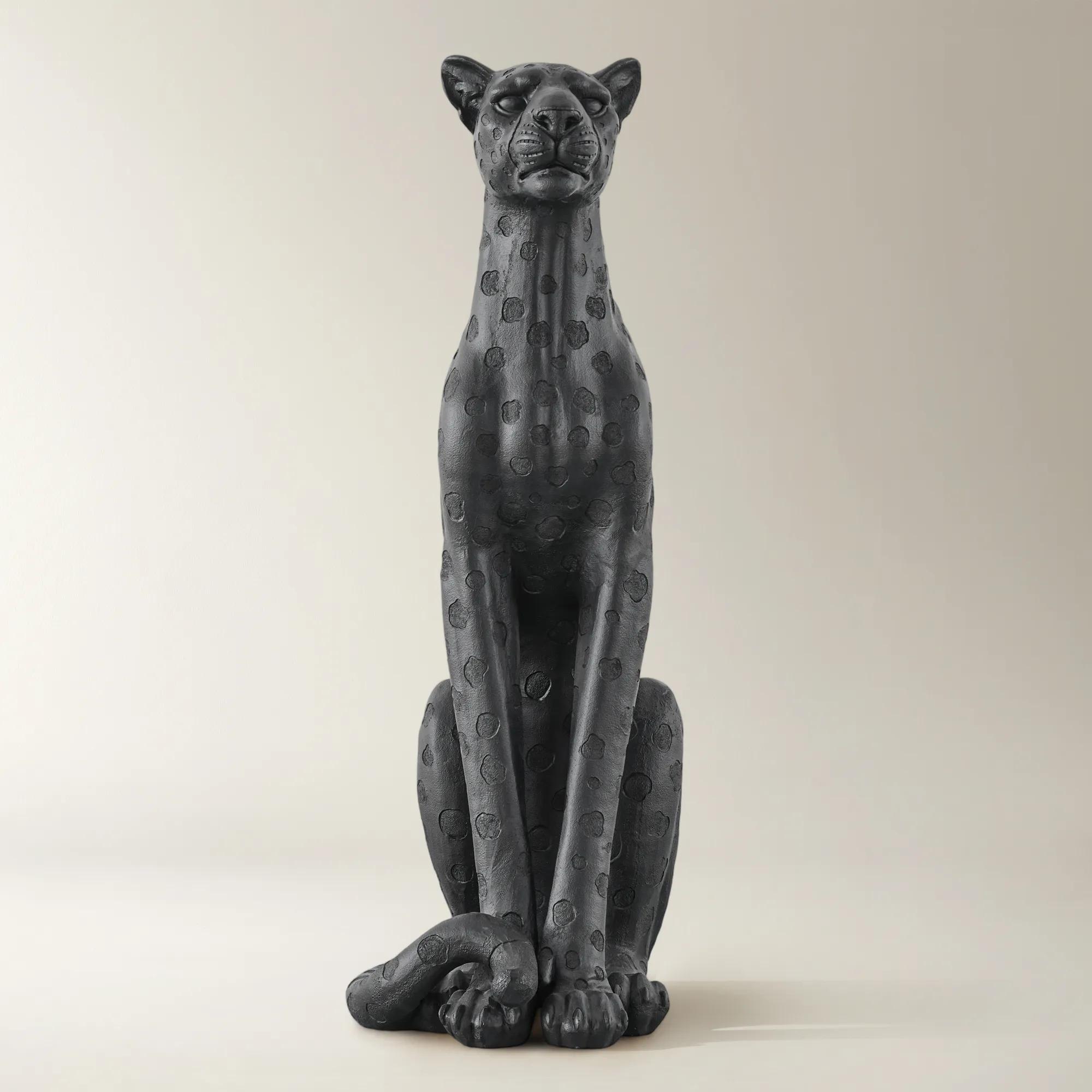
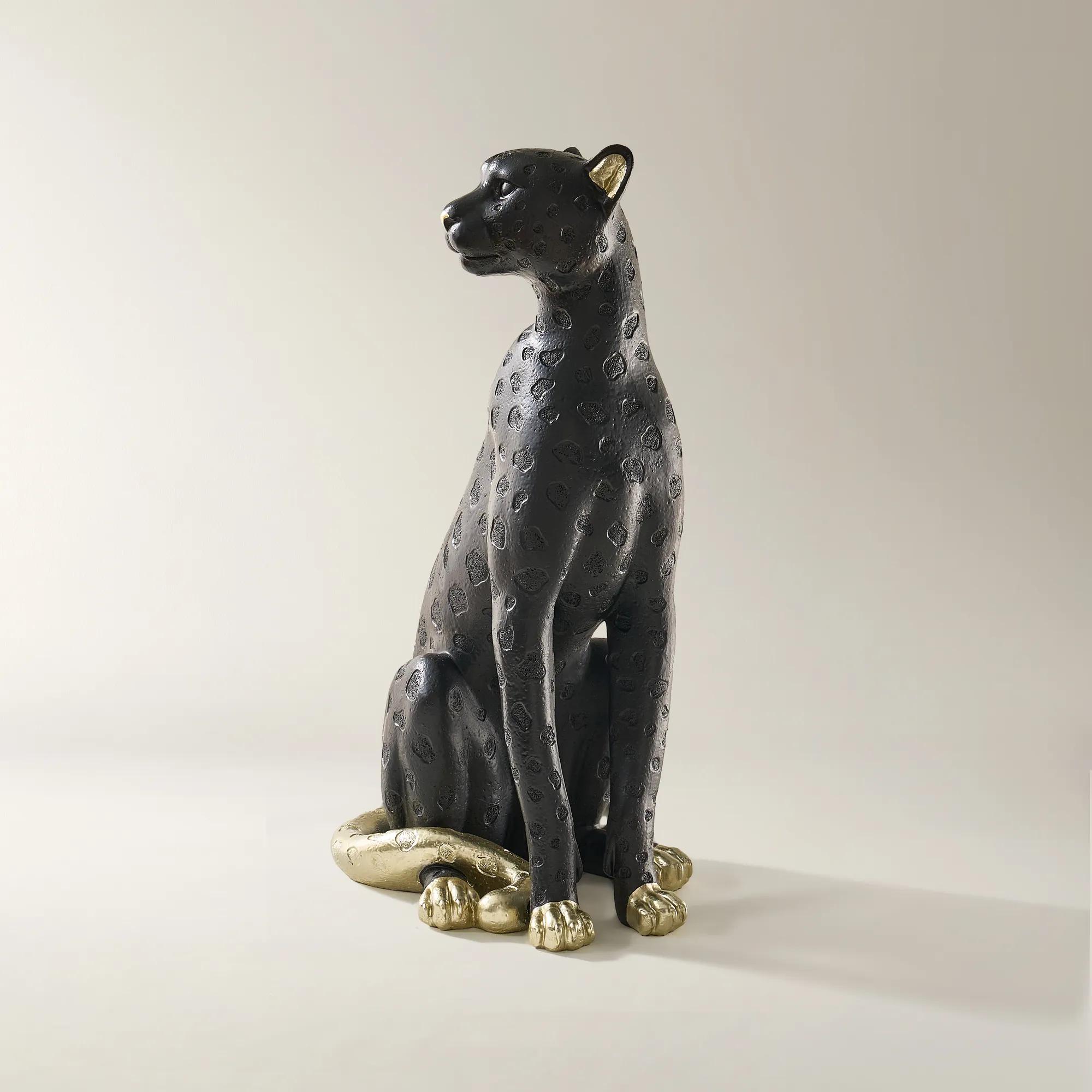
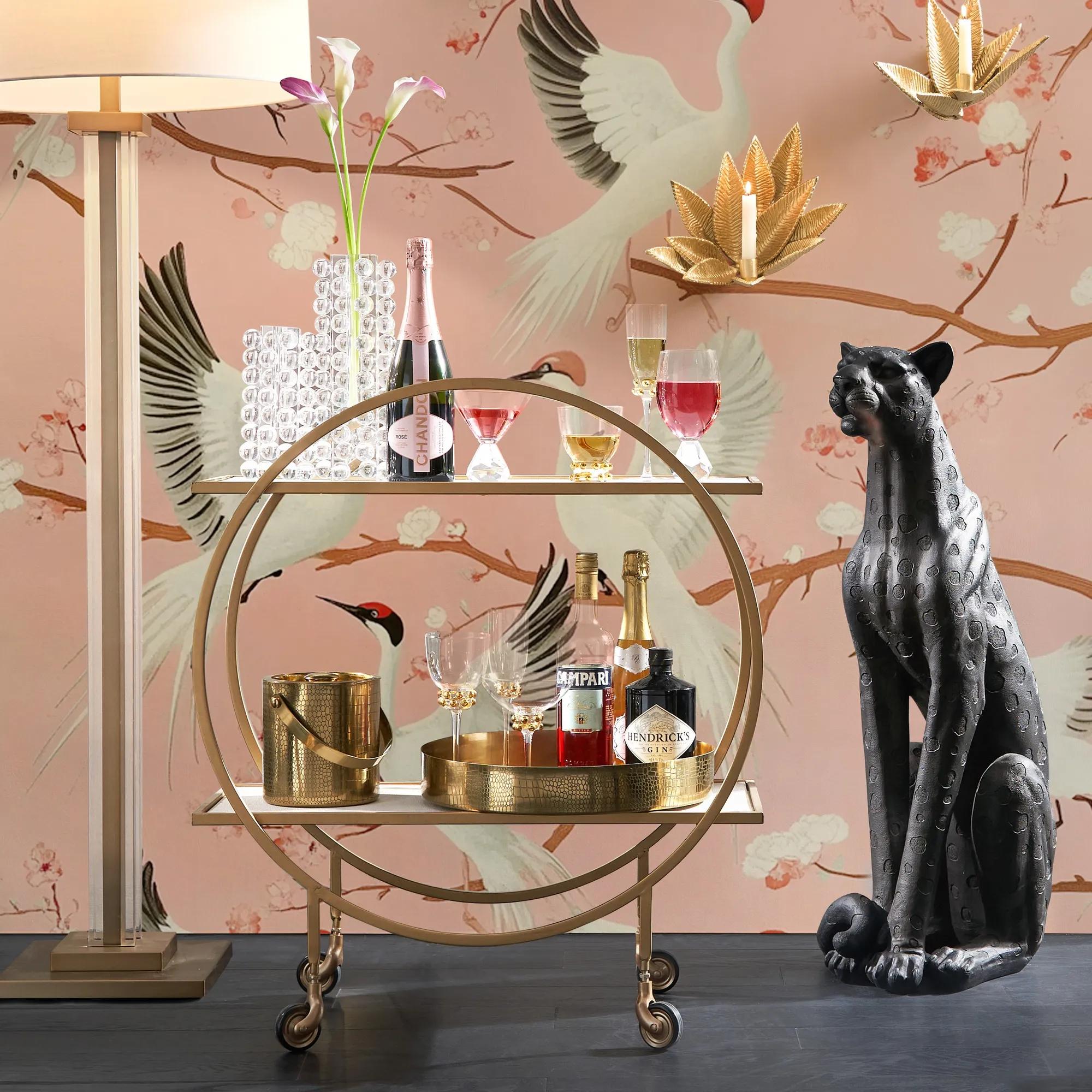 Leopardo Black Resin Decorative Object 35"$329
A striking black resin leopard statue finished in gold, perfect for adding a touch of elegance.
Add To Cart -
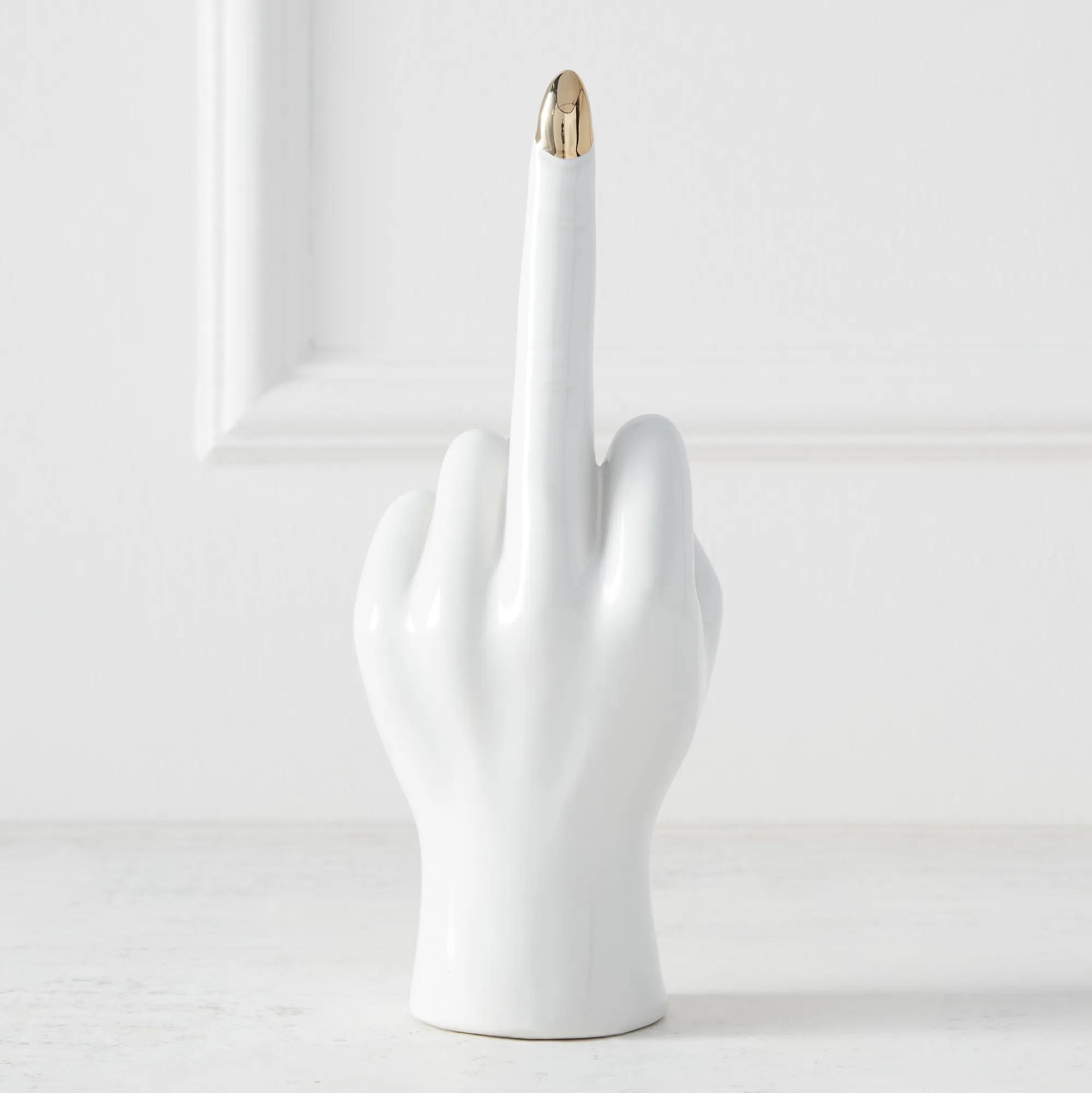
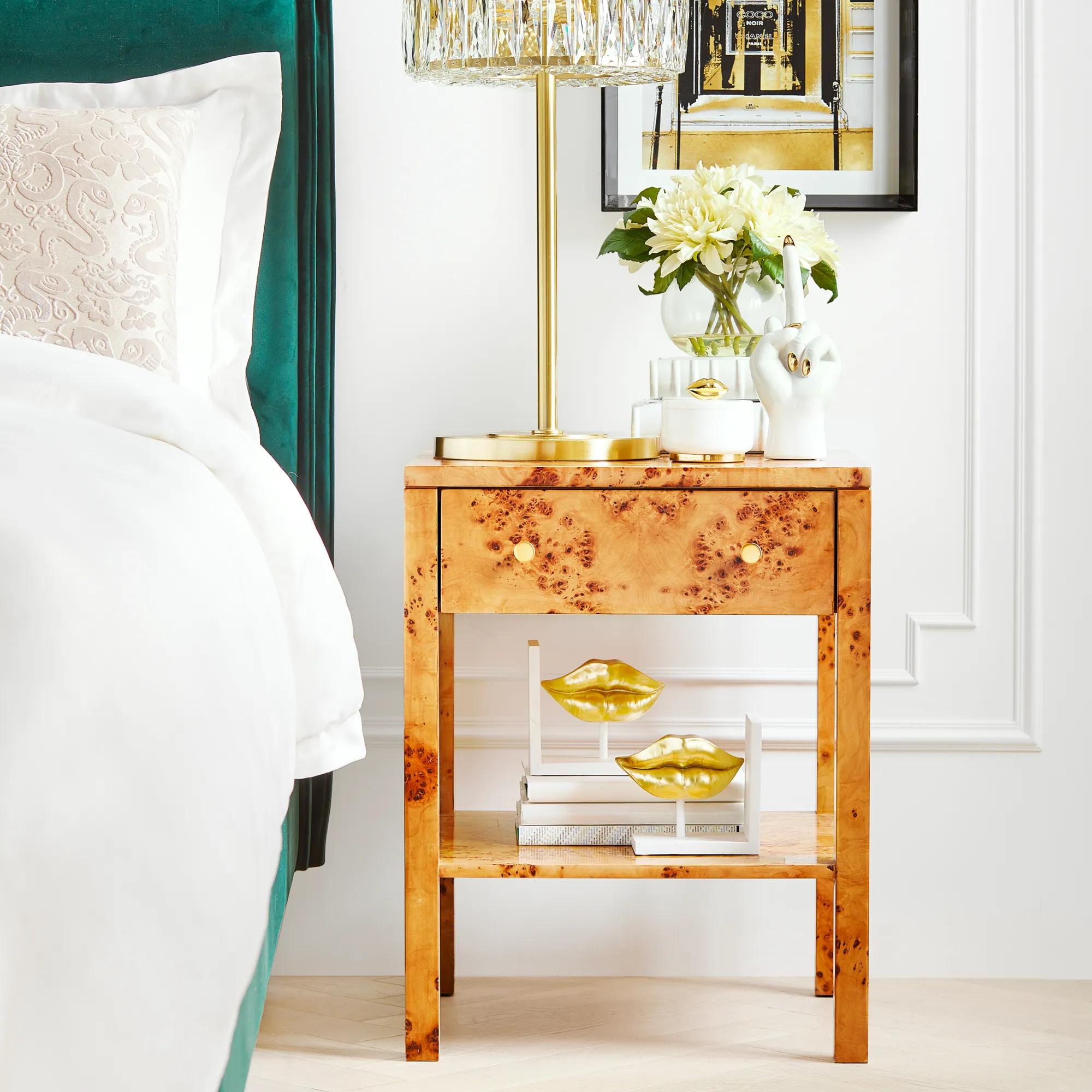 The Finger Hand$39
A glossy white and gold ceramic hand sculpture perfect for displaying jewelry or as a playful accent.
Add To Cart -
 Dipped Berry Burgundy Soft Gold Resin Decorative Object$129
A whimsical resin accent featuring a bold strawberry silhouette in rich burgundy and soft gold tones.
Add To Cart -
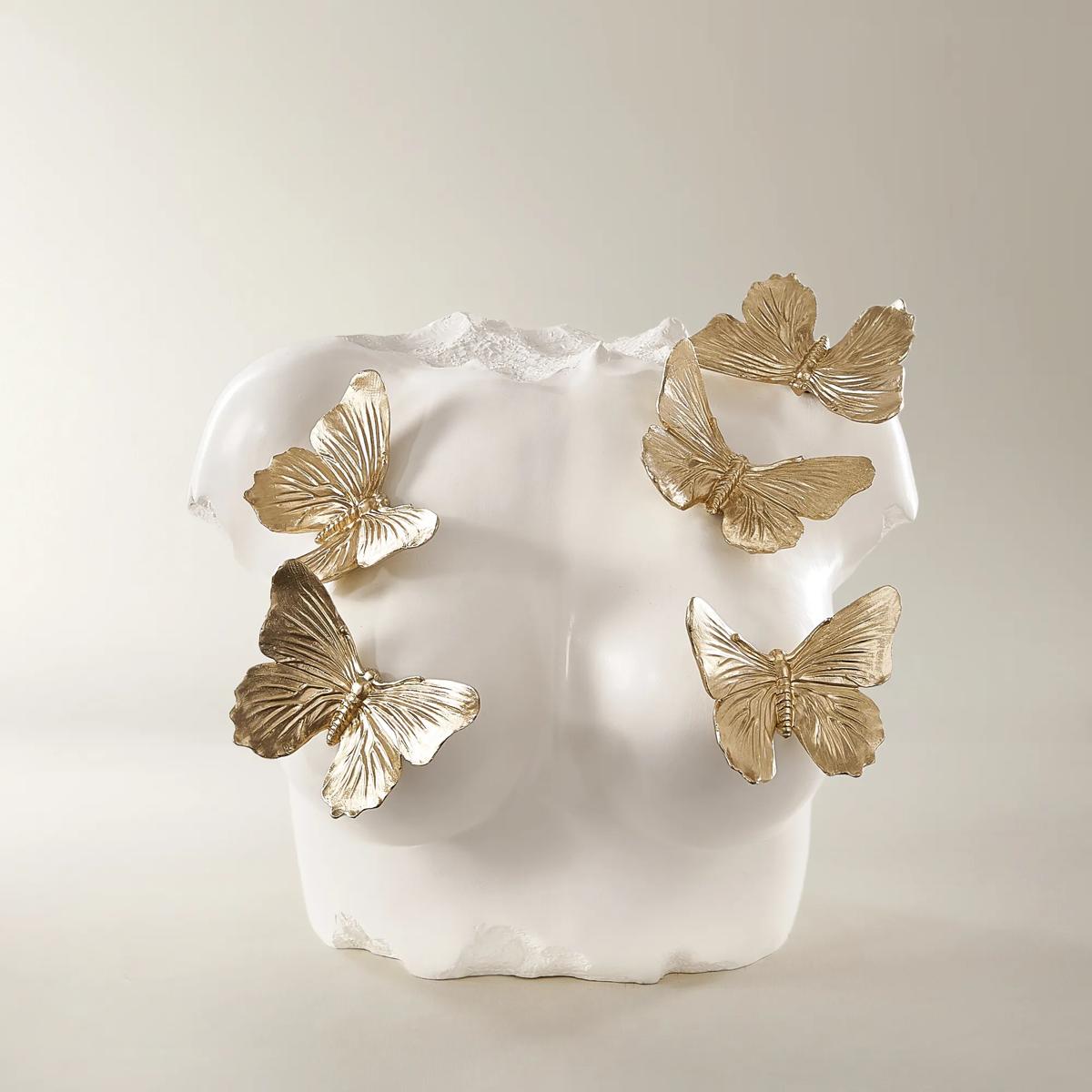
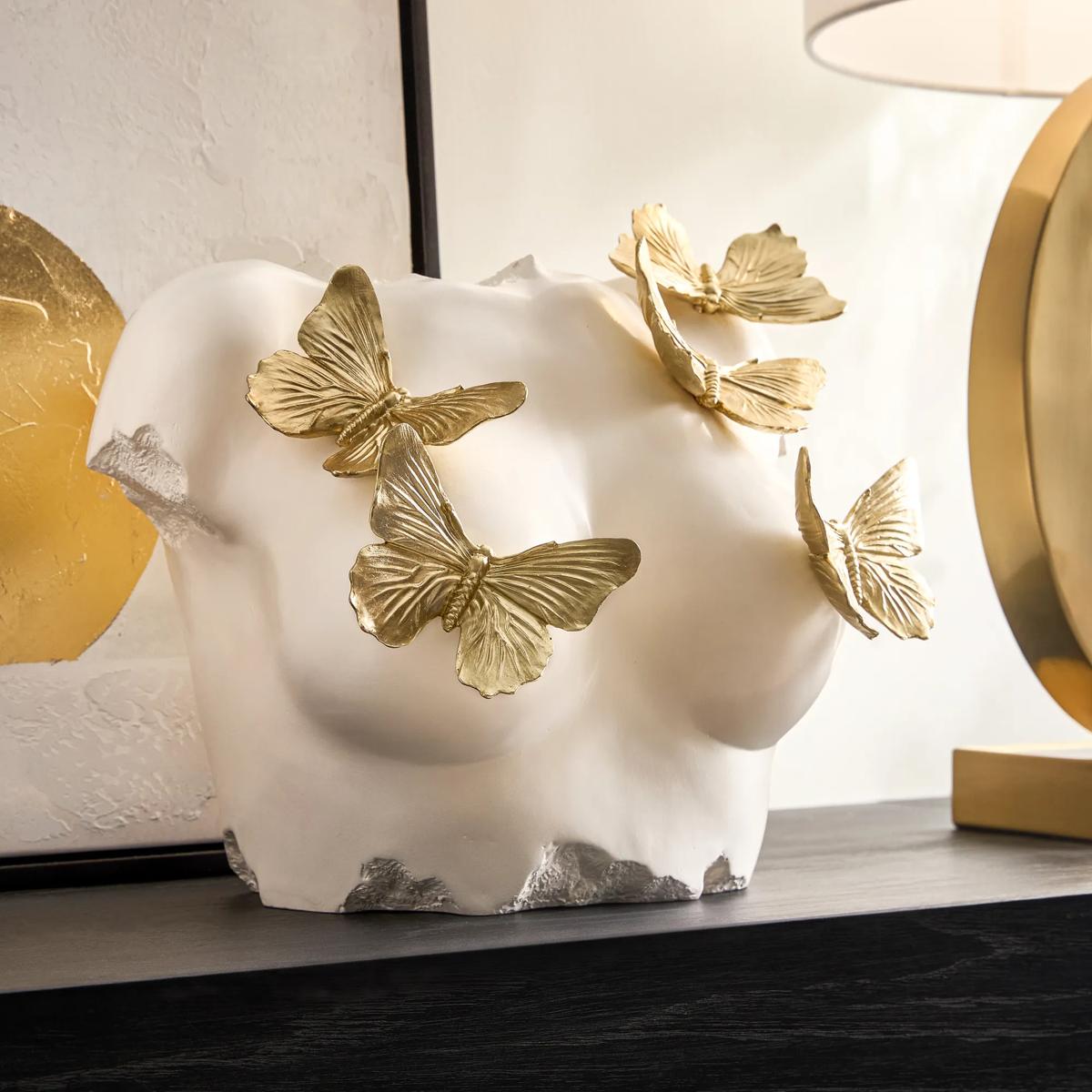 Butterfly Bust Ivory And Gold Resin Decorative Object 11.75"$149
An ivory resin bust adorned with gilded butterflies, offering poetic movement and feminine elegance.
Add To Cart -
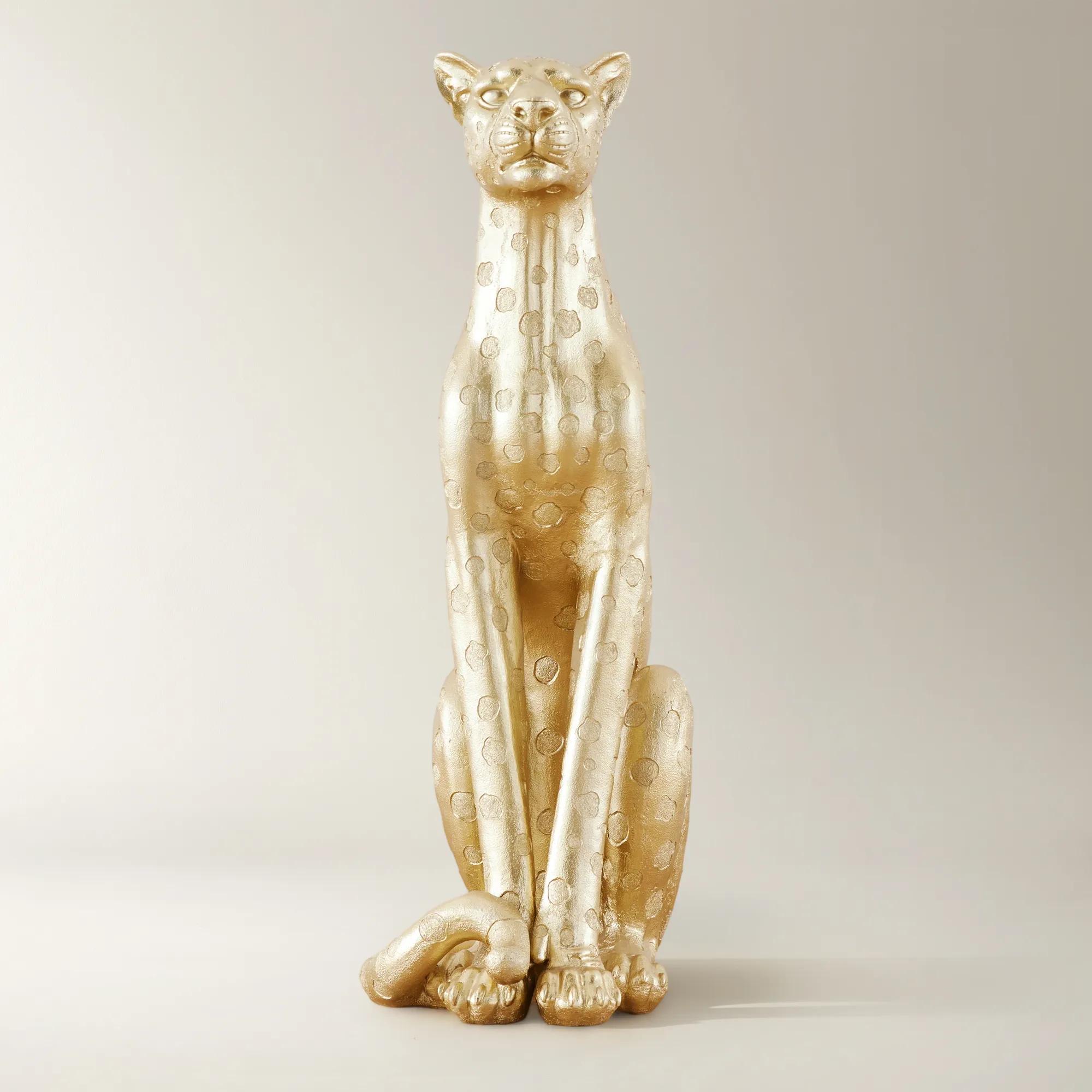 Leopardo Gold Resin Decorative Object 35"$329
A striking gold resin leopard statue that adds a touch of regal elegance to any space.
Add To Cart

Modern Tabletop Art Sculptures
Modern tabletop art sculptures are the ultimate expression of curated drama—a symphony of form and imagination designed to transform any surface into a gallery-worthy vignette. Each piece invites the eye to linger, casting unexpected shadows and sparking conversation with every curve and contour. Whether poised atop a console or anchoring a dining table, these sculptural masterpieces infuse your home with a sense of artistry and allure. Elevate your décor with modern tabletop art sculptures that blur the line between function and fantasy, turning everyday moments into extraordinary displays of self-expression.
Modern tabletop art sculptures bring three-dimensional expression to coffee tables, consoles, desks, and shelves through abstract shapes, geometric compositions, figurative silhouettes, and organic forms. Designed primarily for decorative display, these objects introduce depth and a distinct point of view without requiring the footprint of a floor sculpture. An open metal loop can draw the eye through its center, while a solid, stone-inspired form creates a grounded presence beside upholstered seating. Figurative sculptures suggest movement, reflection, or connection; interlocking shapes and angular compositions give a surface a more architectural rhythm. The appeal lies as much in the spaces around a sculpture as in the object itself: a curve framed against a quiet wall can feel as deliberate as a work hung above it. Material and finish shape that impression. Metal can offer crisp contours and reflective highlights, with polished surfaces delivering a different effect from brushed or textured finishes. Ceramic allows for smooth, glazed curves or tactile, unglazed surfaces, while glass brings transparency and shifting reflections. Resin can capture intricate details and flowing forms, though its weight and resilience vary by construction. Natural stone lends distinctive veining and a substantial appearance, with variations that make each surface visually individual. Gold-tone finishes introduce warmth and luminosity; silver-tone surfaces create a cooler gleam; black, ivory, and earth-toned finishes emphasize silhouette and texture. These characteristics matter more than matching every decorative element in a room. A sculptural accent can repeat the curve of a chair, echo the dark frame of a mirror, or create an intentional contrast against a richly patterned rug. For interiors with an expressive palette, a restrained shape offers a place for the eye to rest. In a quieter composition, a dramatic finish or unexpected outline supplies the tension that makes the setting memorable. The result is art with an intimate scale: something appreciated from across the room and discovered again at close range.
Scale determines whether a tabletop sculpture feels assured or crowded, and its footprint deserves as much attention as its height. A narrow console may accommodate a tall, slender composition more comfortably than a broad, low form, while a generous coffee table can support a piece with greater visual weight. Measurements should account for the widest projection, not just the base, particularly when an abstract shape extends outward or a figure reaches beyond its pedestal. On a coffee table used for conversation and entertaining, a lower profile preserves sightlines and leaves room for everyday activity. A taller sculpture can create a striking vertical accent on an entry console, provided it sits securely and does not interfere with a mirror, artwork, or nearby lamp. Shelving calls for a different balance: the sculpture needs enough clearance to reveal its outline, and the shelf must be suited to its weight. Dark forms can disappear against dark cabinetry, while pale or reflective surfaces may stand out beautifully; contrast makes the shape legible. On a desk, a compact sculptural object brings personality without occupying the space needed for work. Styling is strongest when the surrounding objects support rather than compete with the form. A rounded sculpture beside a rectangular tray creates a subtle exchange of shapes, while a small composition resting on sturdy art books gains elevation and a more intentional presence. Any supporting stack should remain level and stable. Leaving a margin of open surface around the piece allows its contours to register, especially with intricate or openwork designs. Lighting adds another dimension. Soft illumination from a nearby lamp can reveal texture, and directional light can cast expressive shadows behind a geometric or looping form. Highly reflective finishes deserve thoughtful placement so that glare does not overwhelm their detail. The most compelling arrangement feels considered but personal, connecting the sculpture to the way the room is actually lived in rather than treating every surface as a display pedestal.
Lasting enjoyment depends on choosing a sculpture whose material, finish, and intended setting suit the household. A substantial stone or metal piece may feel reassuringly grounded, yet weight alone does not guarantee stability; base width, balance, and placement all matter. Ceramic and glass can be vulnerable to chips or breakage, and fine projections in any material need protection from accidental contact. Resin is not automatically shatterproof, and decorative metallic coatings may require gentler treatment than the underlying material suggests. Manufacturer care instructions should take precedence, particularly for mixed-material designs, painted surfaces, and specialty finishes. Routine dusting with a clean, soft cloth often helps preserve the appearance of decorative sculpture, while abrasive cleaners and vigorous rubbing can damage delicate surfaces. Liquids should not be used unless the care guidance permits them, and felt or other suitable protective pads beneath a base can help protect furniture when compatible with both surfaces. Moving a sculpture by its supported base rather than a slender extension reduces strain on vulnerable details. Placement away from busy table edges is especially important in homes with children or pets, and indoor decorative art should not be assumed suitable for outdoor exposure. Sculptures also make distinctive gifts for art enthusiasts, design-minded hosts, newlyweds, and people celebrating a new home or professional milestone. A compact form can suit a recipient with limited display space, while an abstract design may offer more flexibility than a highly literal subject. The most thoughtful choice reflects an existing preference—a love of organic curves, architectural geometry, luminous finishes, or tactile materials—without requiring the recipient to redesign a room. Within the broader world of Modern Decorative Art Sculptures, tabletop pieces offer an especially personal encounter with form and detail. Whether positioned beside treasured books or given a surface of their own, they turn an everyday glance into a moment of visual discovery, bringing artistry into the spaces closest to daily life.
FAQs
Modern tabletop art sculptures are crafted from a diverse array of materials, each offering its own unique aesthetic and tactile appeal. Popular choices include polished metals for a sleek, contemporary look, hand-blown glass for luminous color and light play, natural woods for warmth and texture, and resin for bold, sculptural forms. Many pieces also blend materials—such as marble bases with metallic accents—to create dynamic visual interest and a sense of artistry.
Contemporary table sculptures are remarkably versatile and can be styled in countless ways to complement your current decor. Place a dramatic sculpture as a focal point on a dining table or console, or layer smaller pieces among books and candles for a curated vignette on a shelf or sideboard. Consider the interplay of color, material, and form with your other decor elements to create a harmonious, yet visually compelling, display.
Absolutely—modern tabletop art sculptures make memorable gifts for art lovers, design enthusiasts, or anyone who appreciates expressive decor. Their timeless appeal and sculptural beauty make them perfect for celebrating milestones, housewarmings, or even as a unique gesture of appreciation. Choose a piece that reflects the recipient’s personality or complements their living space for a truly thoughtful present.
Current trends in decorative art sculpture embrace bold abstraction, geometric forms, and organic silhouettes. Metallic finishes, especially gold and brass, add a sense of glamour, while textured ceramics and mixed-media pieces offer a more artisanal touch. Playful figurative motifs and minimalist designs are also popular, allowing for both statement-making and subtle accents in modern interiors.
Modern tabletop sculptures serve as both art and ambiance, infusing a room with personality, sophistication, and visual intrigue. Their sculptural forms catch the light, create dynamic shadows, and invite closer inspection, transforming everyday surfaces into curated moments. Whether anchoring a dramatic tablescape or adding a spark of creativity to a quiet corner, these pieces elevate the mood and narrative of any space.