Abstract Tabletop Sculptures
Abstract Tabletop Sculptures
-
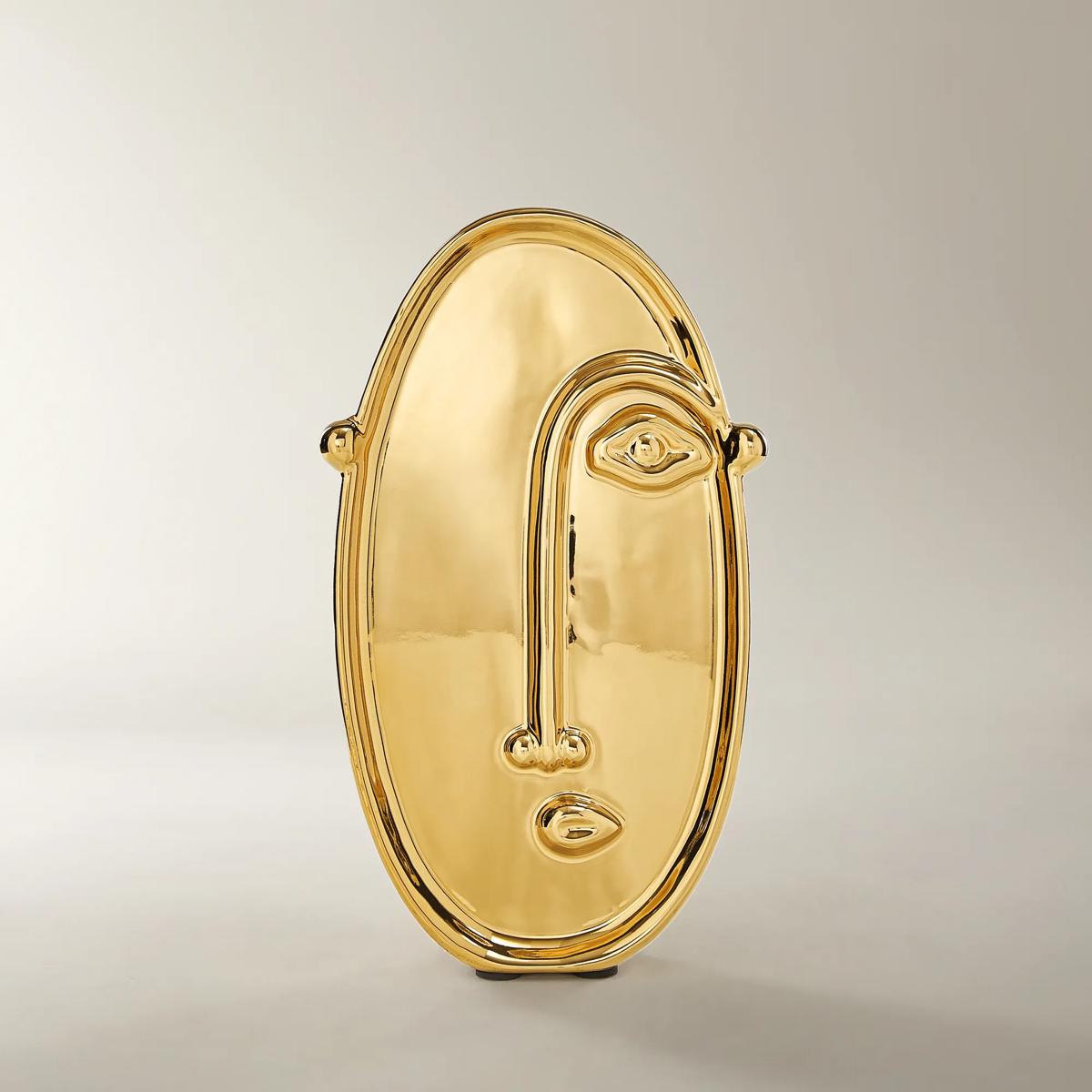
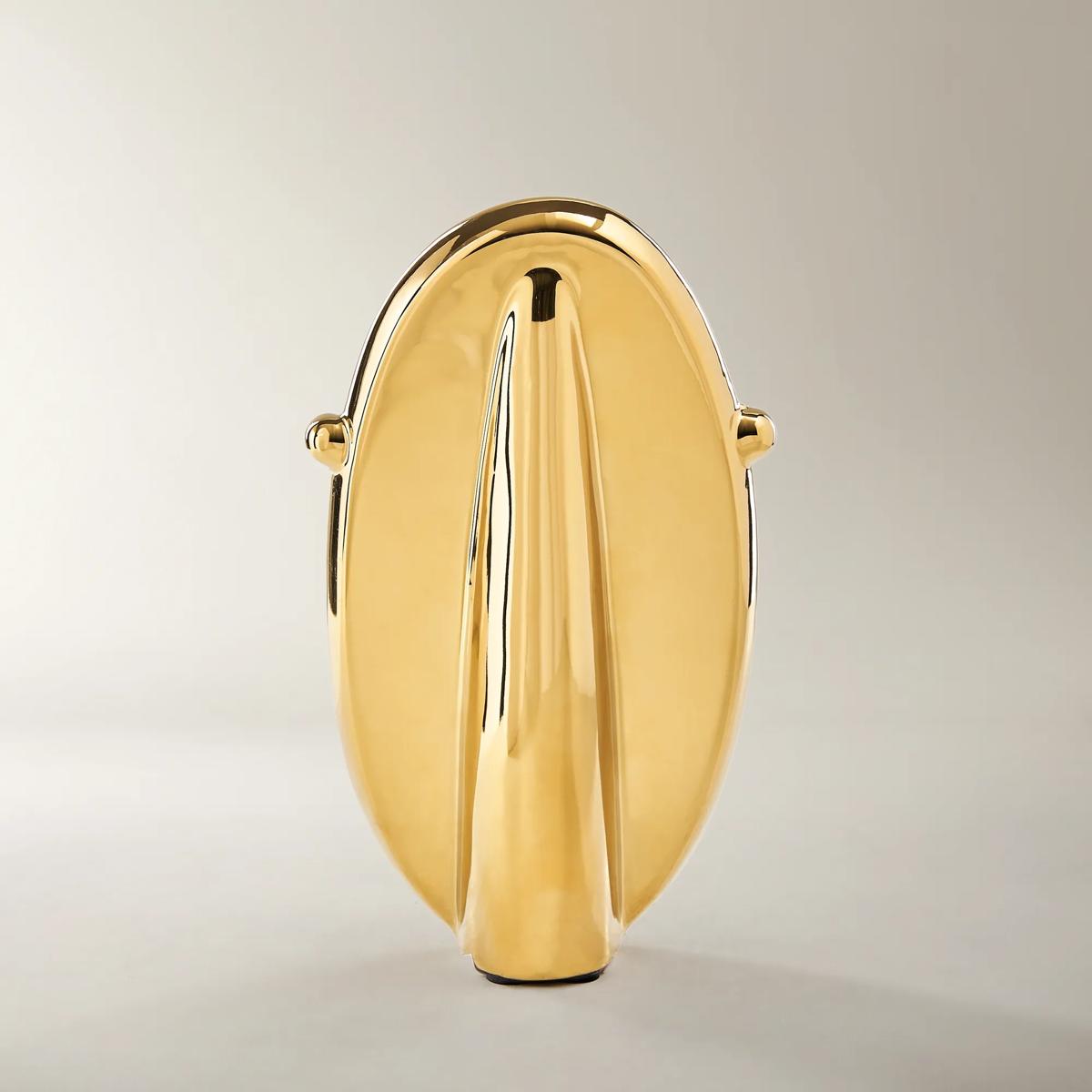 Golden Eye Ceramic Decorative Object 8"$39
A radiant gold ceramic sculpture featuring abstract, elongated facial details for a bold, modern accent.
Add To Cart -
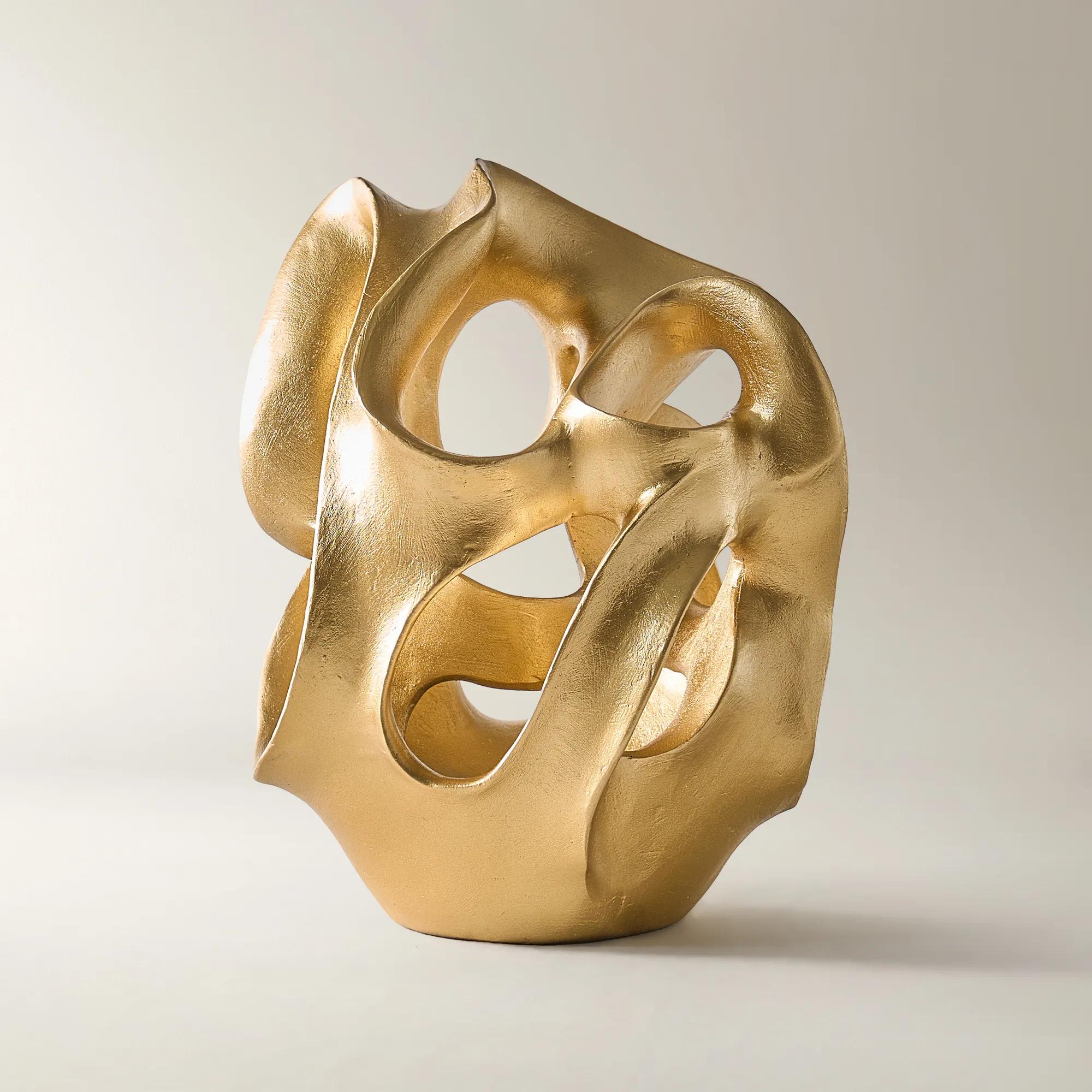
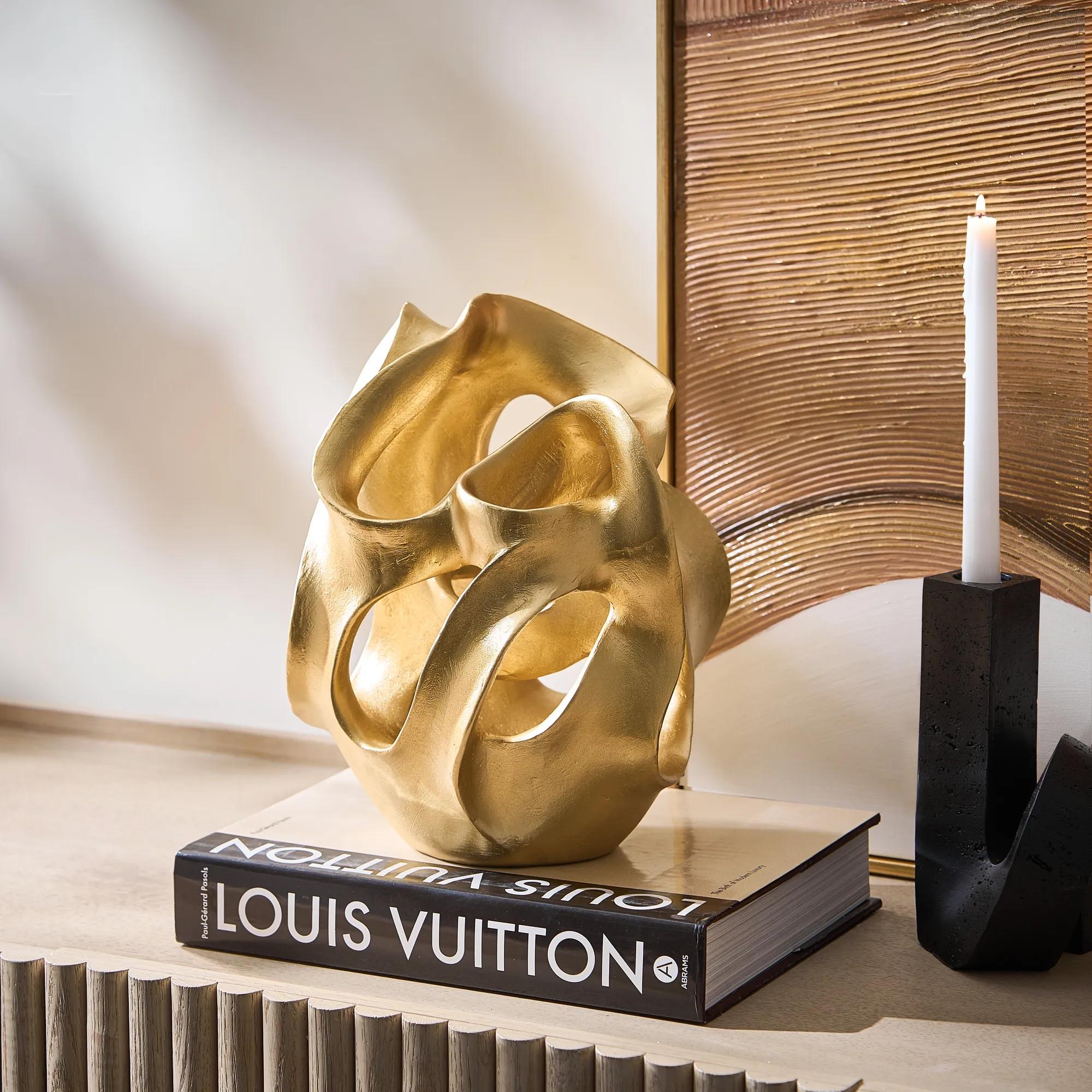 Payal Gold Resin Decorative Object 12"$99
A gold-finished resin sculpture with a fluid open silhouette adds architectural elegance and organic movement.
Add To Cart -
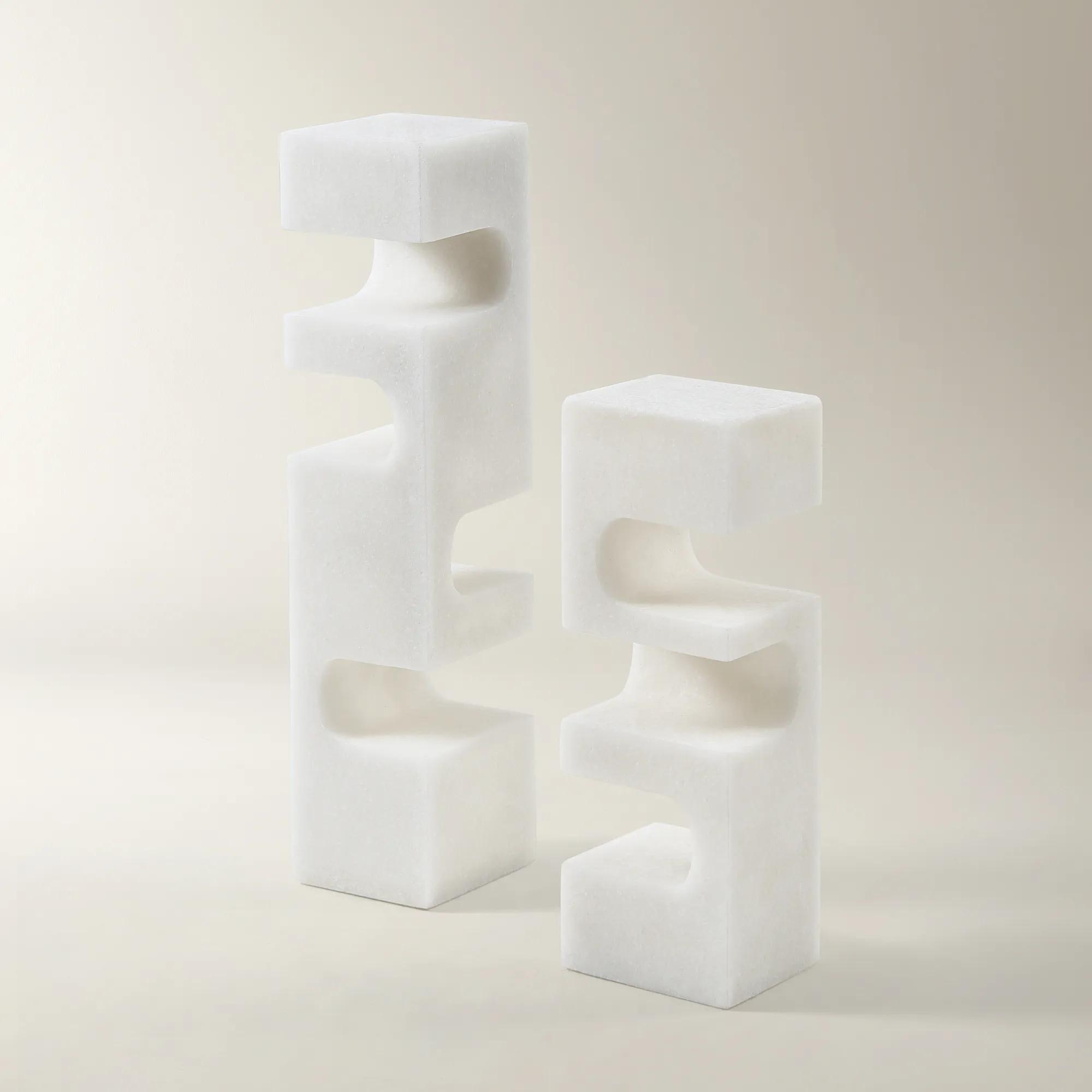
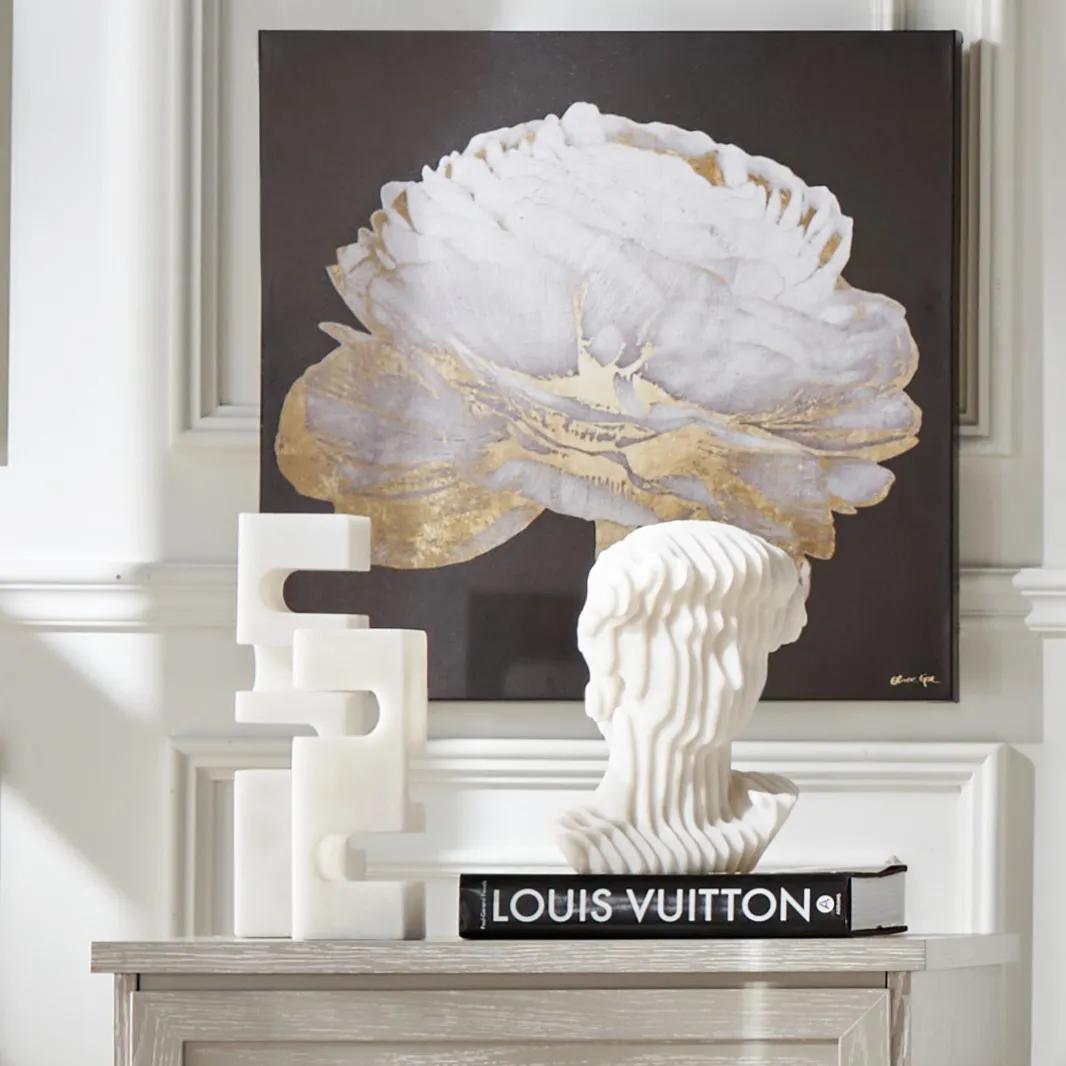 Enna Sculpture$49
A modern Cubist-inspired sculpture crafted from resin and stone powder with a textured white finish.
Add To Cart -

 Stone Heart Black Marquino Marble Decorative Object 8"$199
A sculptural heart-shaped decorative object crafted from luxurious black Marquina marble.
Add To Cart -
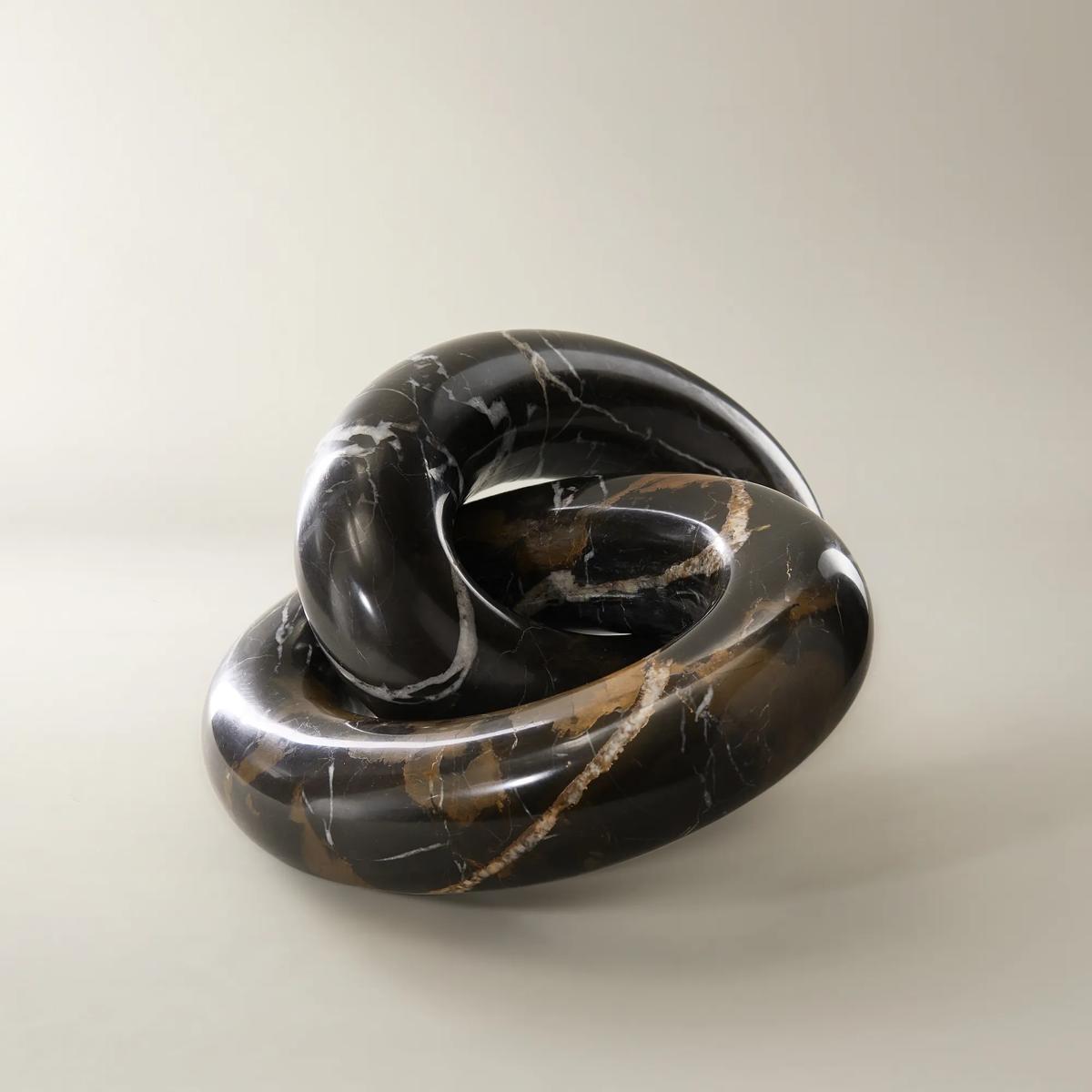 Marble Links Object - Brown$179
A sculptural accent featuring interlocking ovals carved from richly veined, one-of-a-kind brown marble.
Add To Cart -
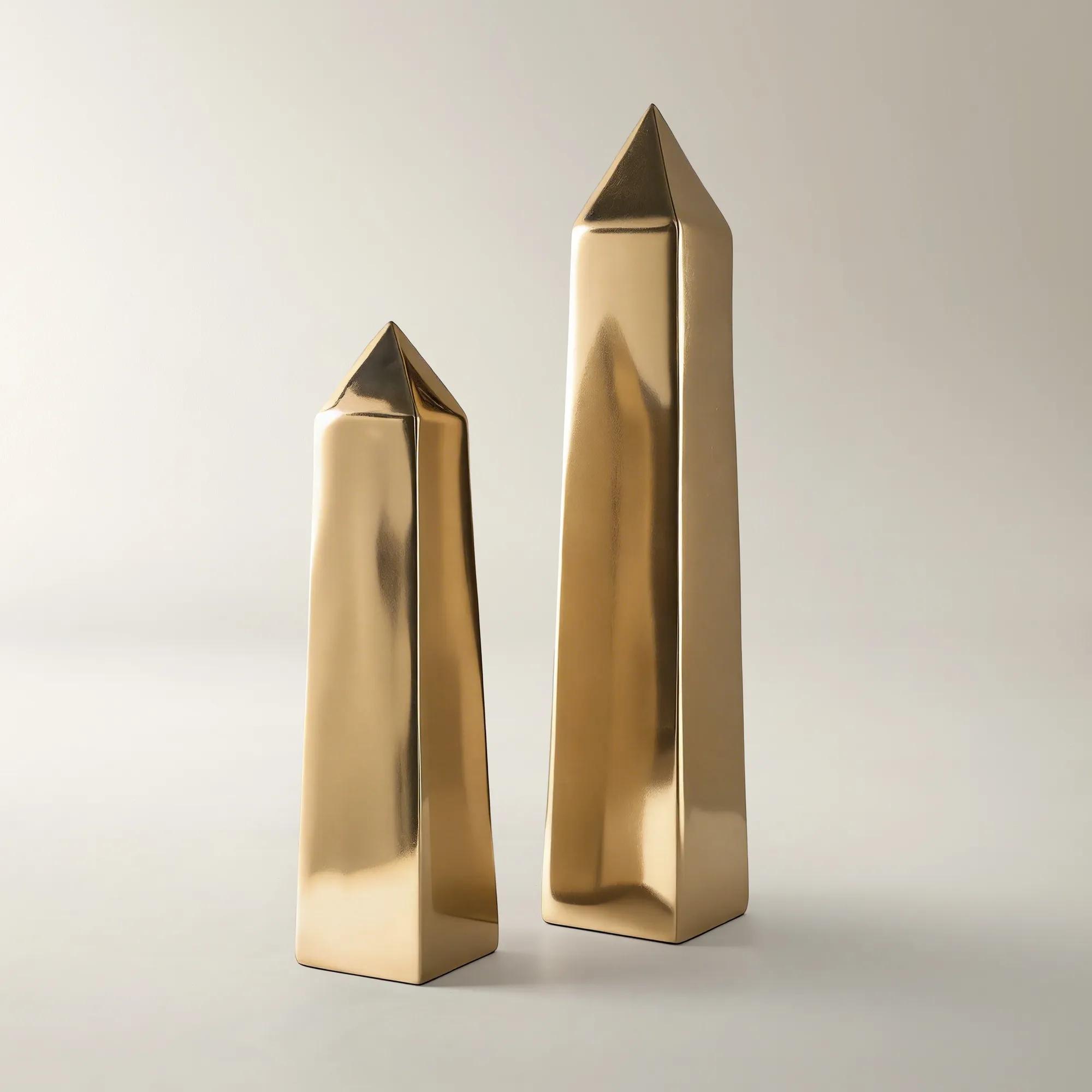
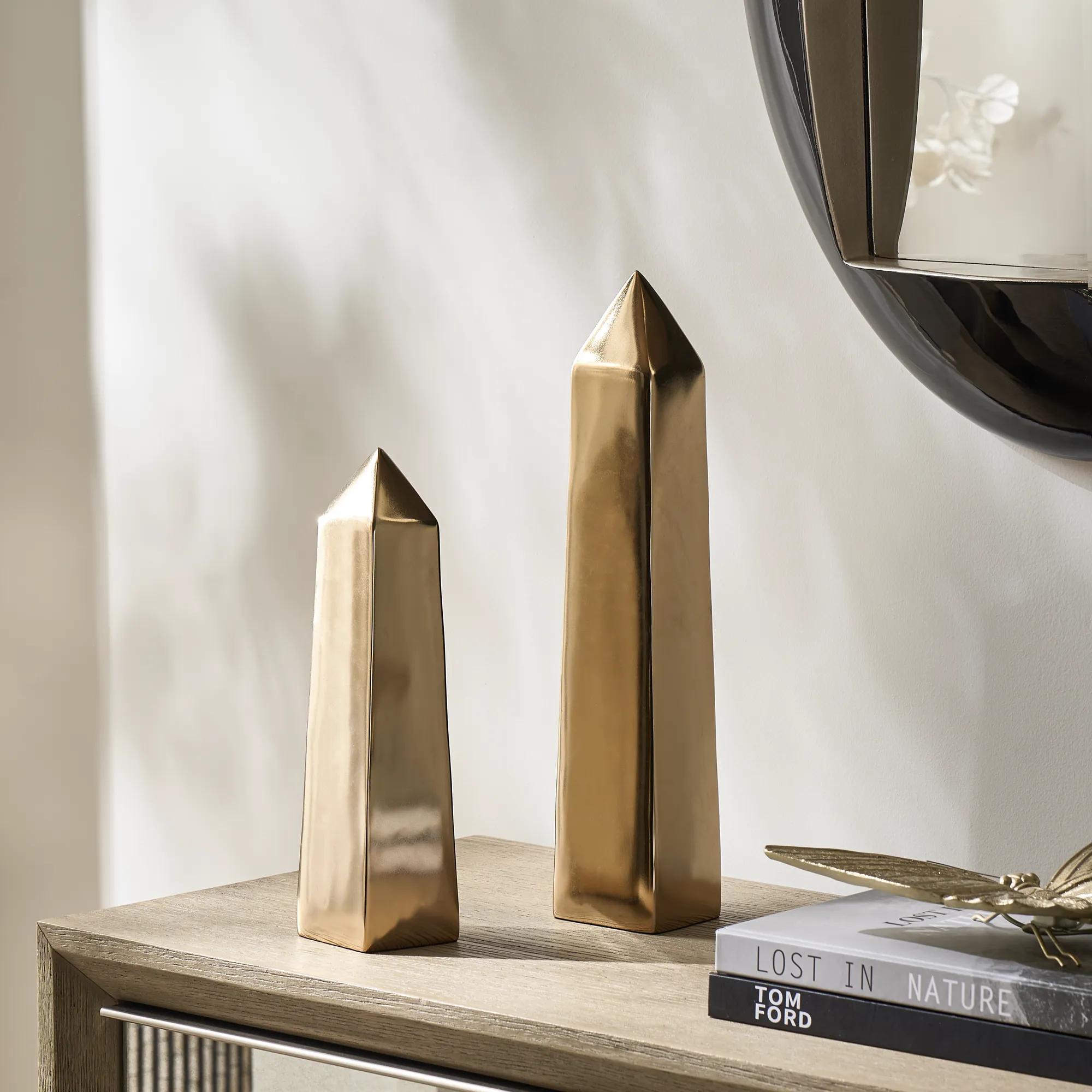 Golden Aluminum Obelisks$59
A sculptural aluminum accent in a soft gold finish that adds modern glamour and architectural drama.
Add To Cart -
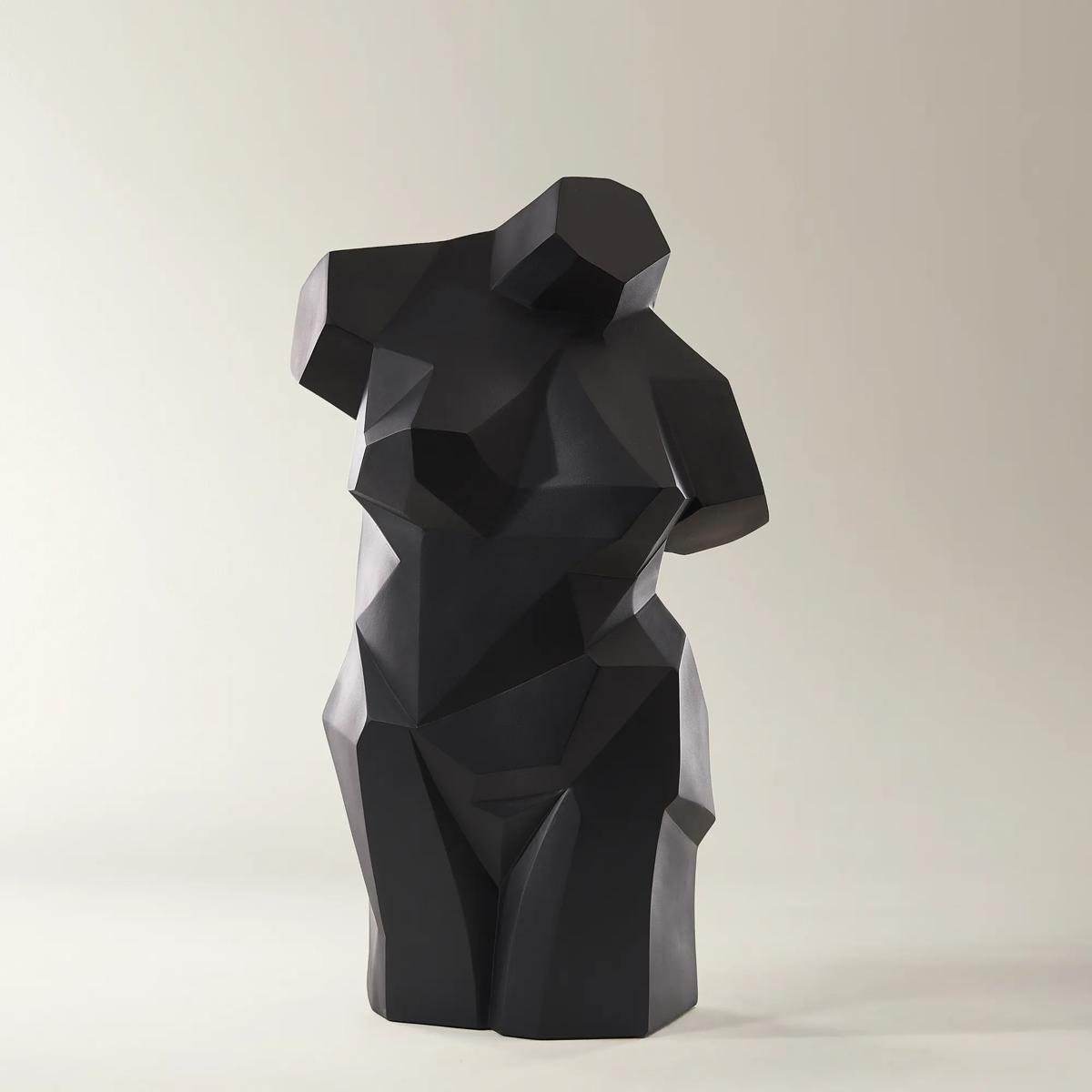
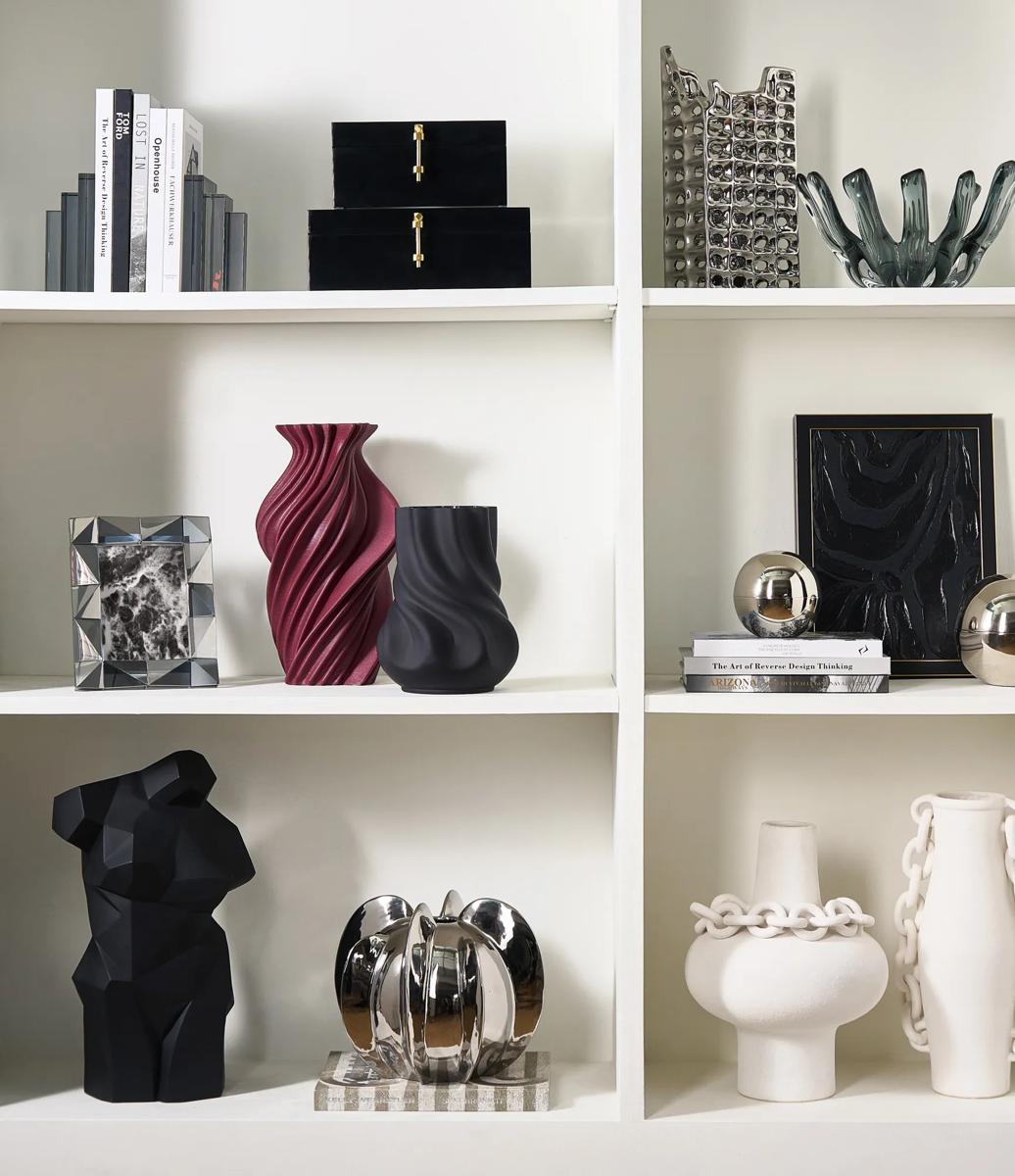 Pose Black Resin Decorative Object 19.75"$99
A sculptural matte black resin accent featuring a faceted geometric design and modern artistic appeal.
Add To Cart -

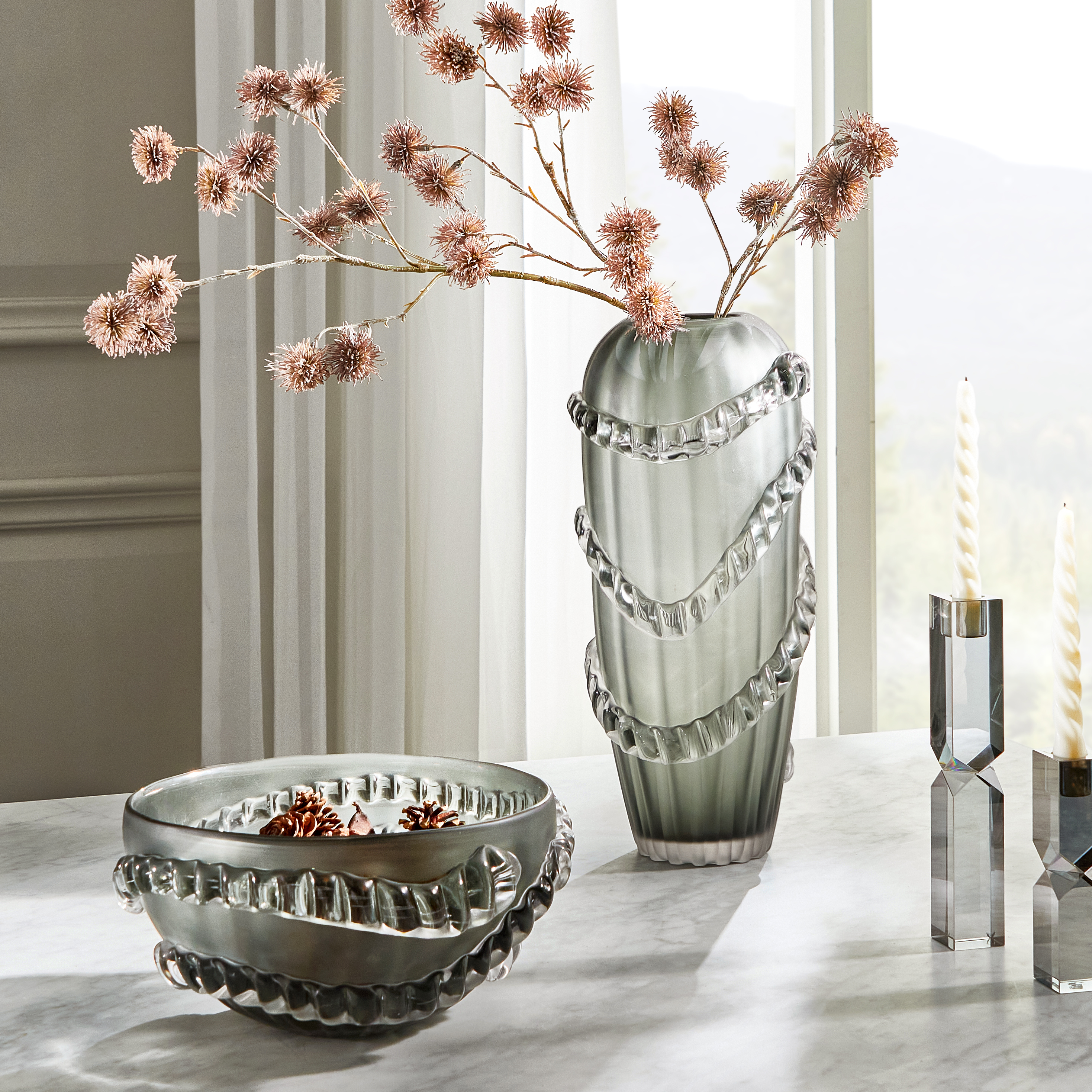 Helix Glass Collection$139
A hand-blown dark gray glass piece featuring fluted bodies and rippling sculptural ribbons for modern decor.
Add To Cart -

 Hourglass Marble Object - Brown$139
A sculptural hourglass accent hand-carved from deep espresso brown marble with unique natural veining.
Add To Cart -
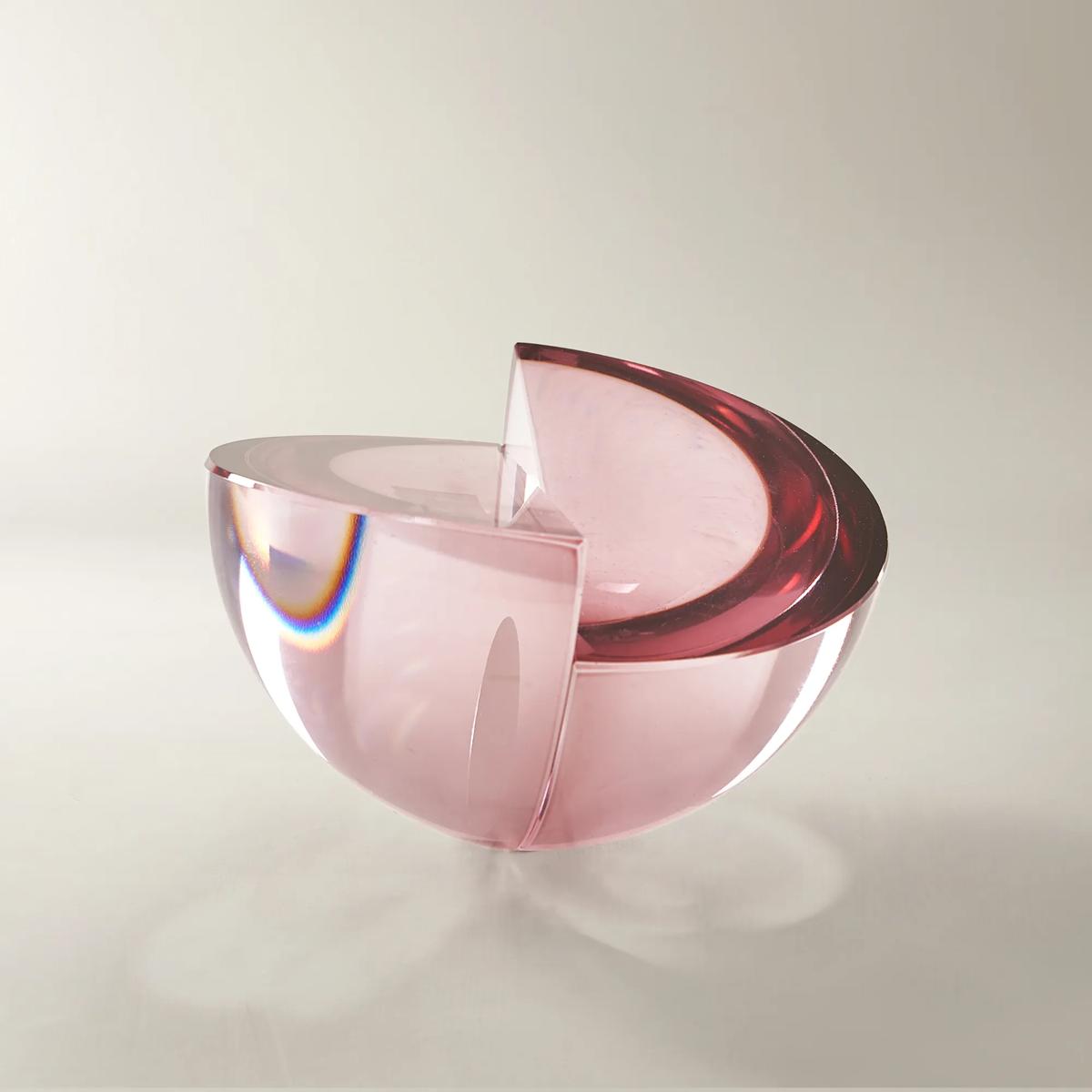 Rose' Crystal Glass Decorative Object 3.25"$79
A sculptural accent crafted from rich purple crystal glass, reflecting light with modern elegance and intrigue.
Add To Cart -
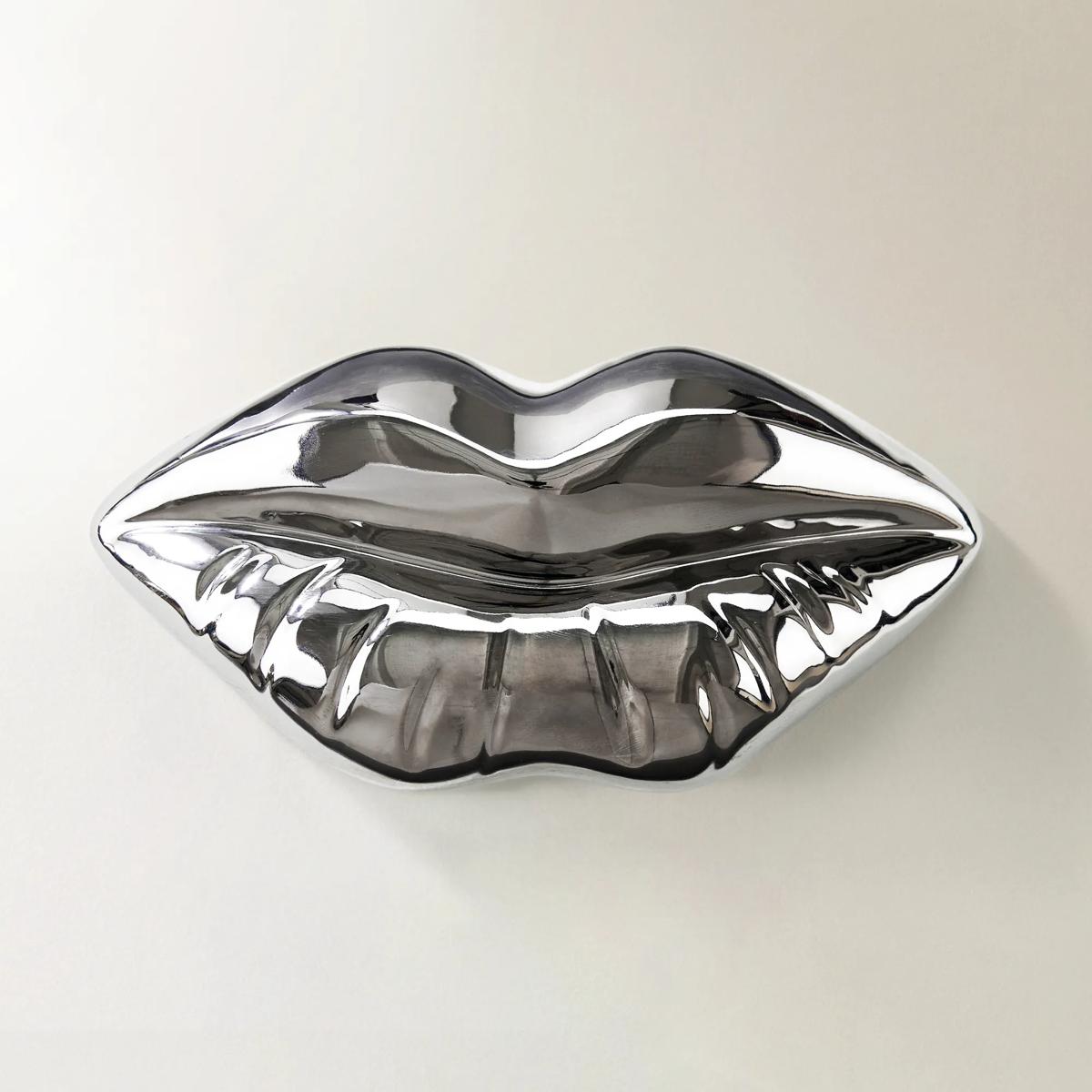 Chrome Lips Ceramic Decorative Object 5.25"$29
A high-shine silver ceramic sculpture that adds modern pop art flair and playful sophistication to any space.
Add To Cart -
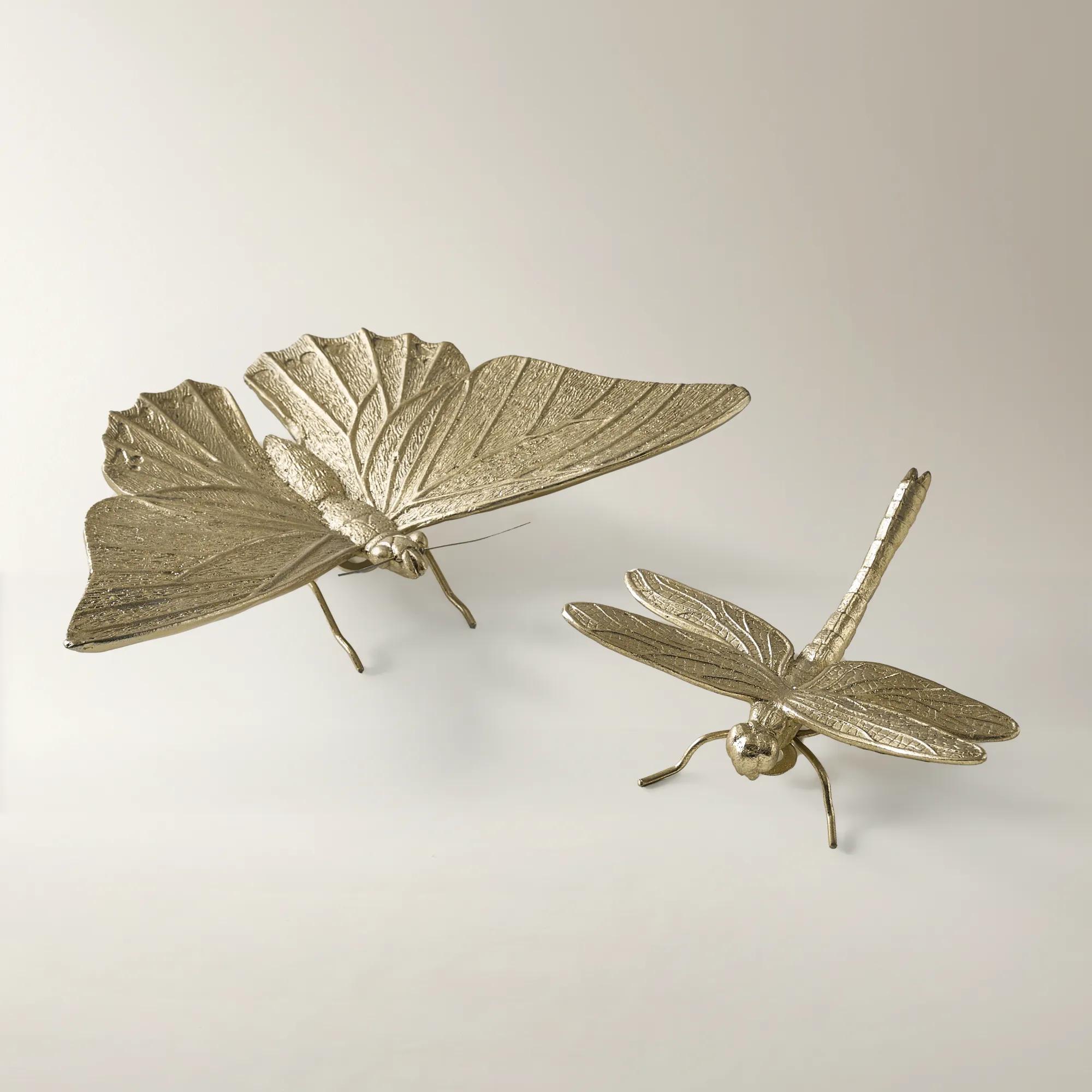 Gilt Champagne Resin Butterfly and Dragonfly Set of 2$99
A champagne-toned resin butterfly and dragonfly set adds sculptural shimmer to tabletops or walls.
Add To Cart -
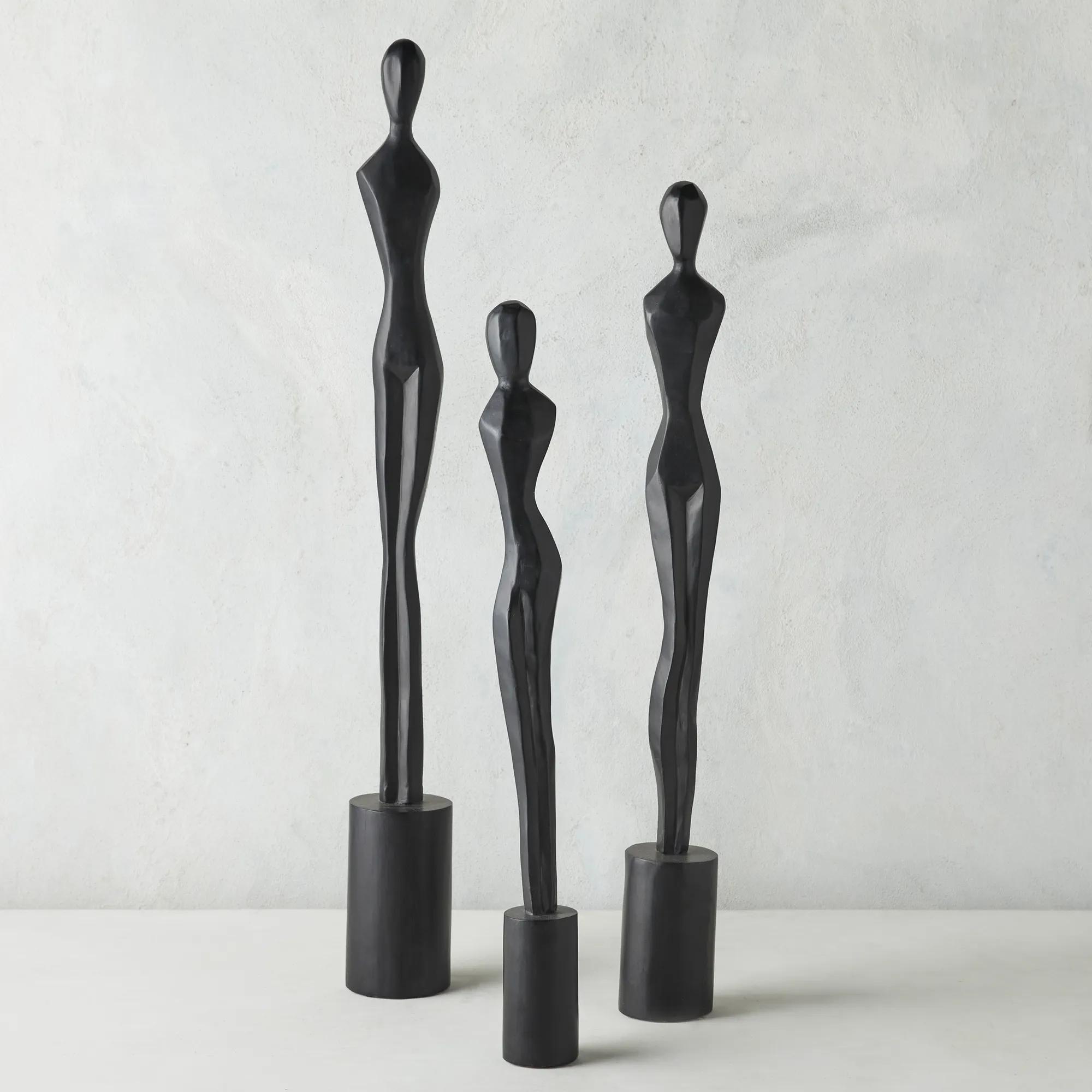
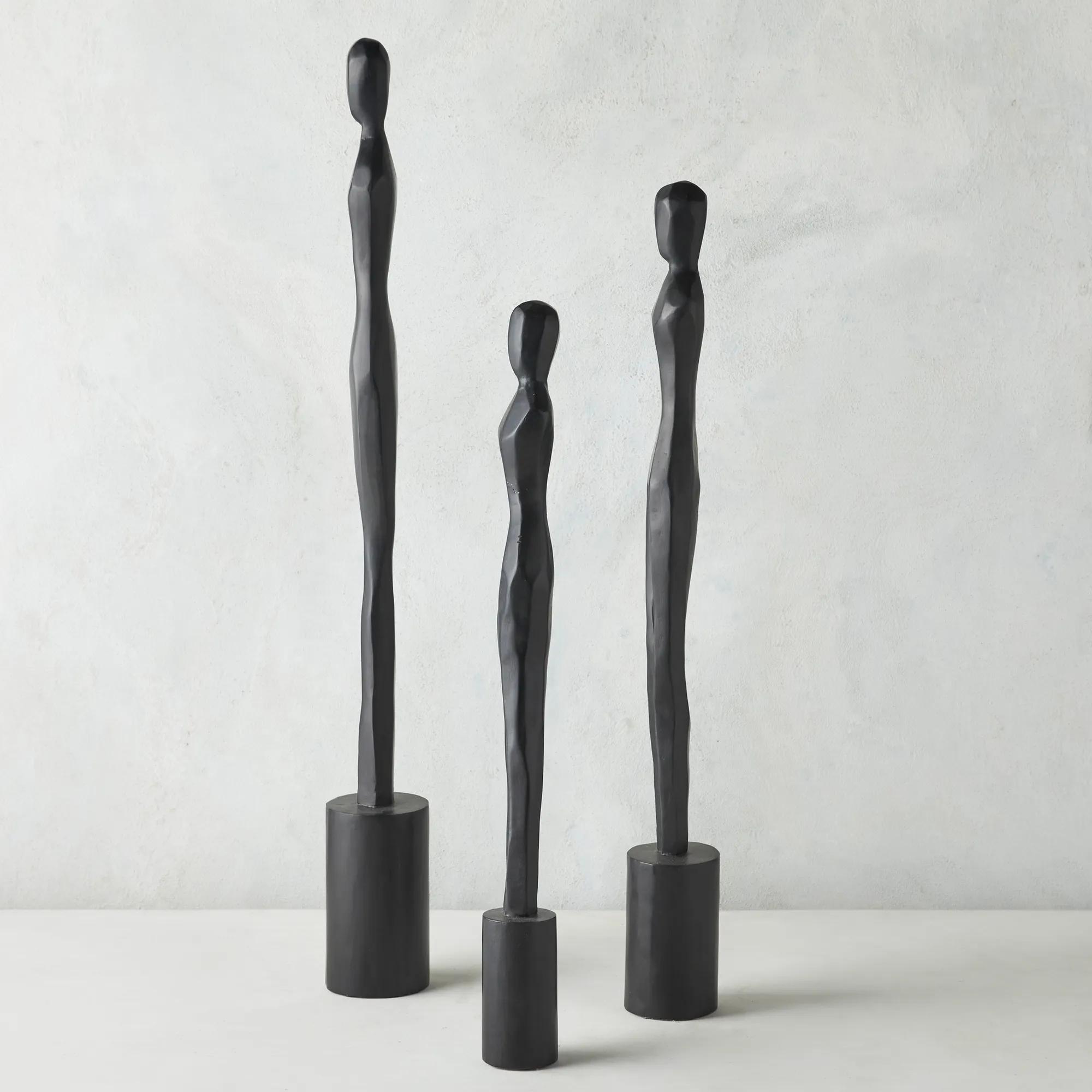 Nikki Chu Female Figure Black Wood Decorative Object Set of 3$129
A striking set of three black mango wood sculptures featuring graceful, elegant female silhouettes.
Add To Cart -
 Modern David Bust White Resin Decorative Object 12"$99
A white resin and stone powder bust featuring a Cubist-inspired, contemporary take on a classic icon.
Add To Cart -
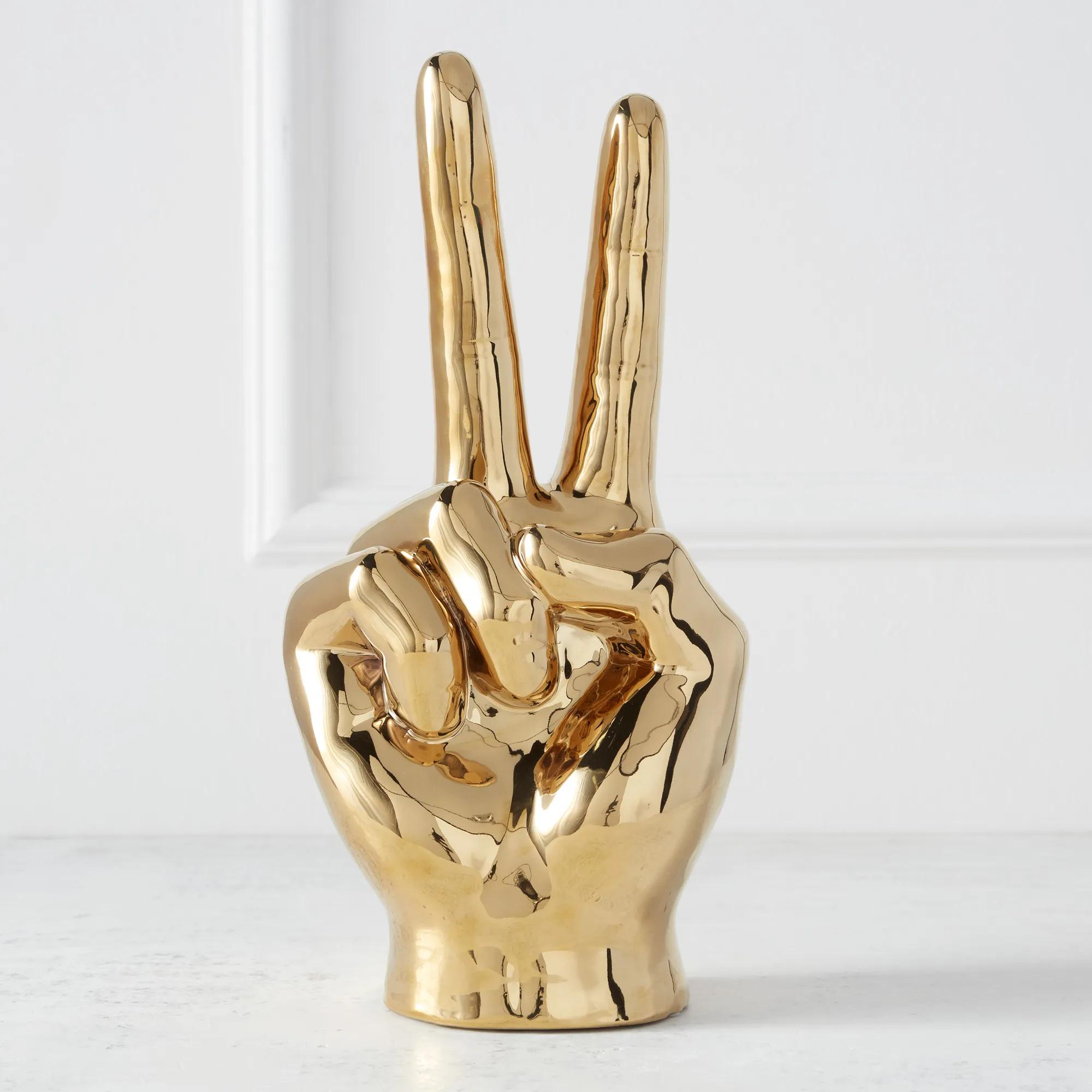 Peace Sign Gold Hand Ceramic Decorative Object 14"$49
A metallic gold ceramic hand sculpture perfect for displaying jewelry or as a decorative accent.
Add To Cart -
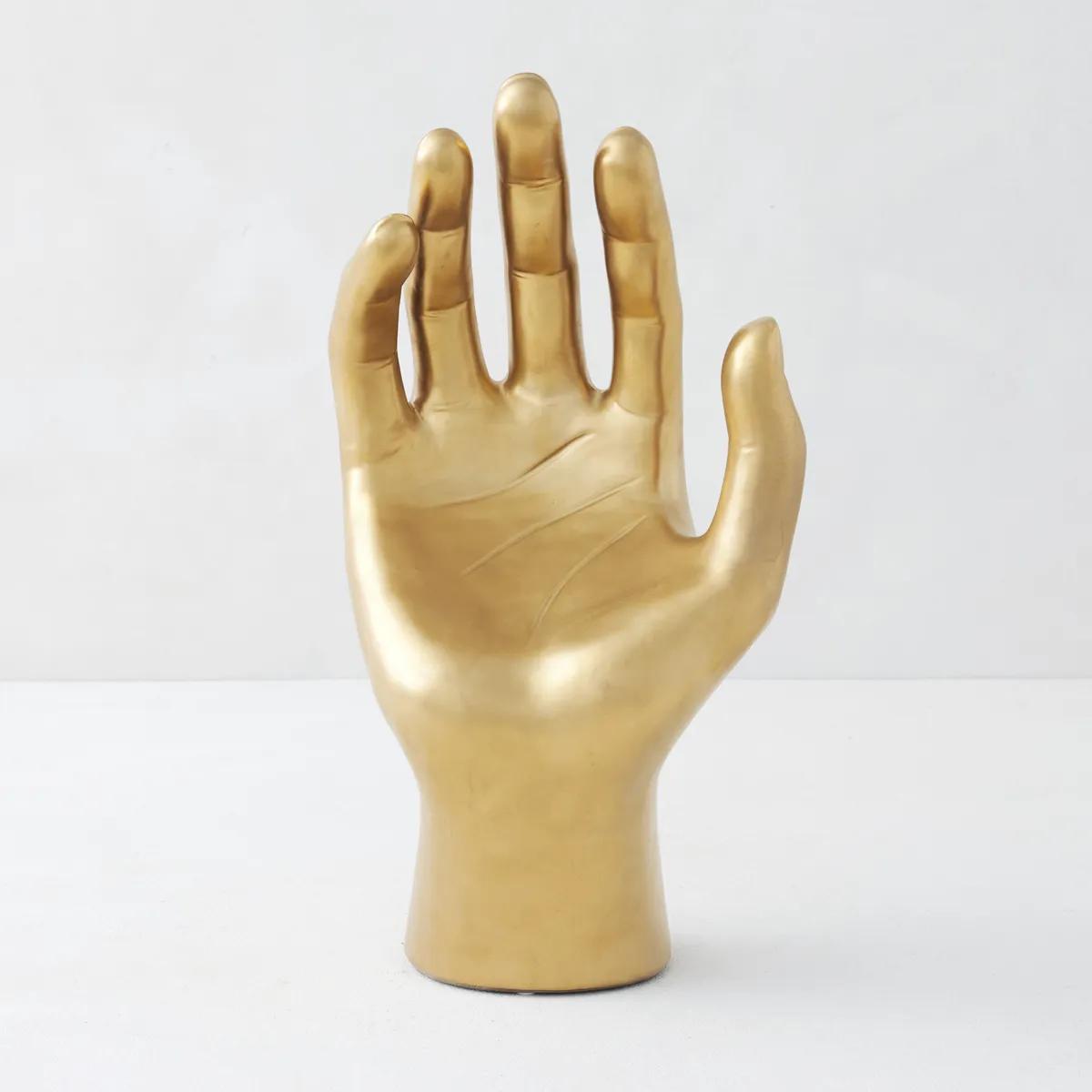
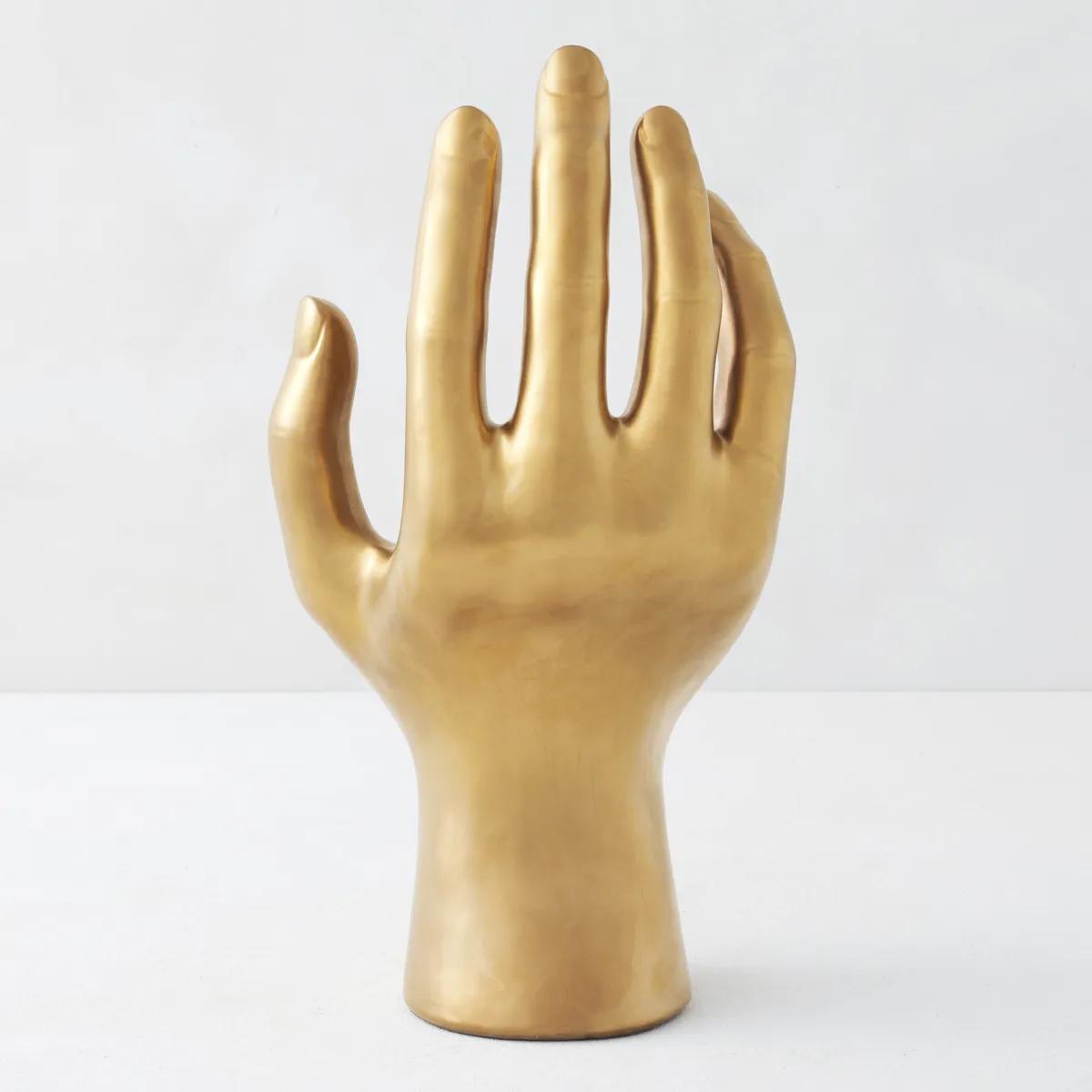 Ceramic Hand Metallic Gold Decorative Object 17.75"$69
A striking ceramic sculpture with a metallic gold finish, perfect for displaying jewelry or as decor.
Add To Cart -
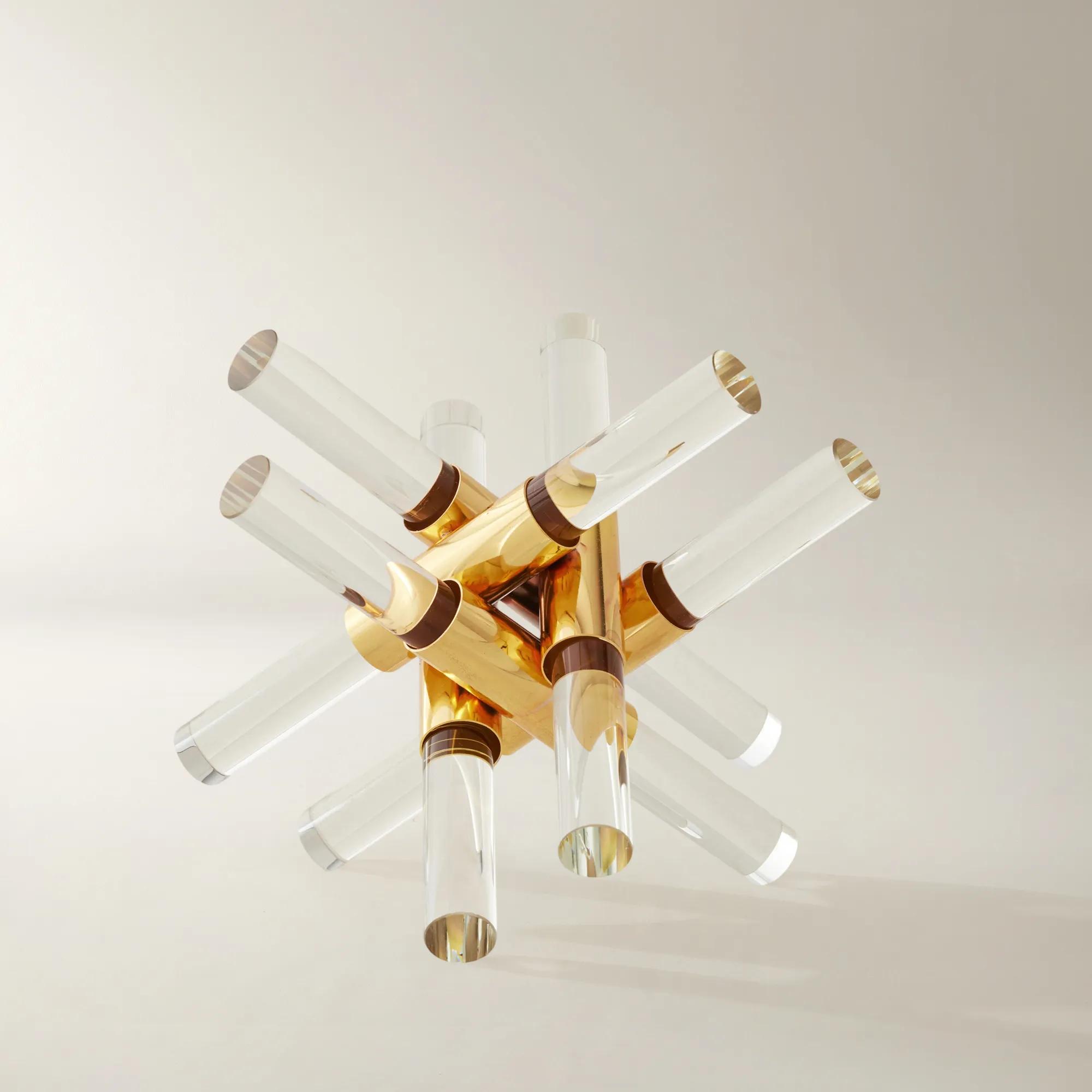
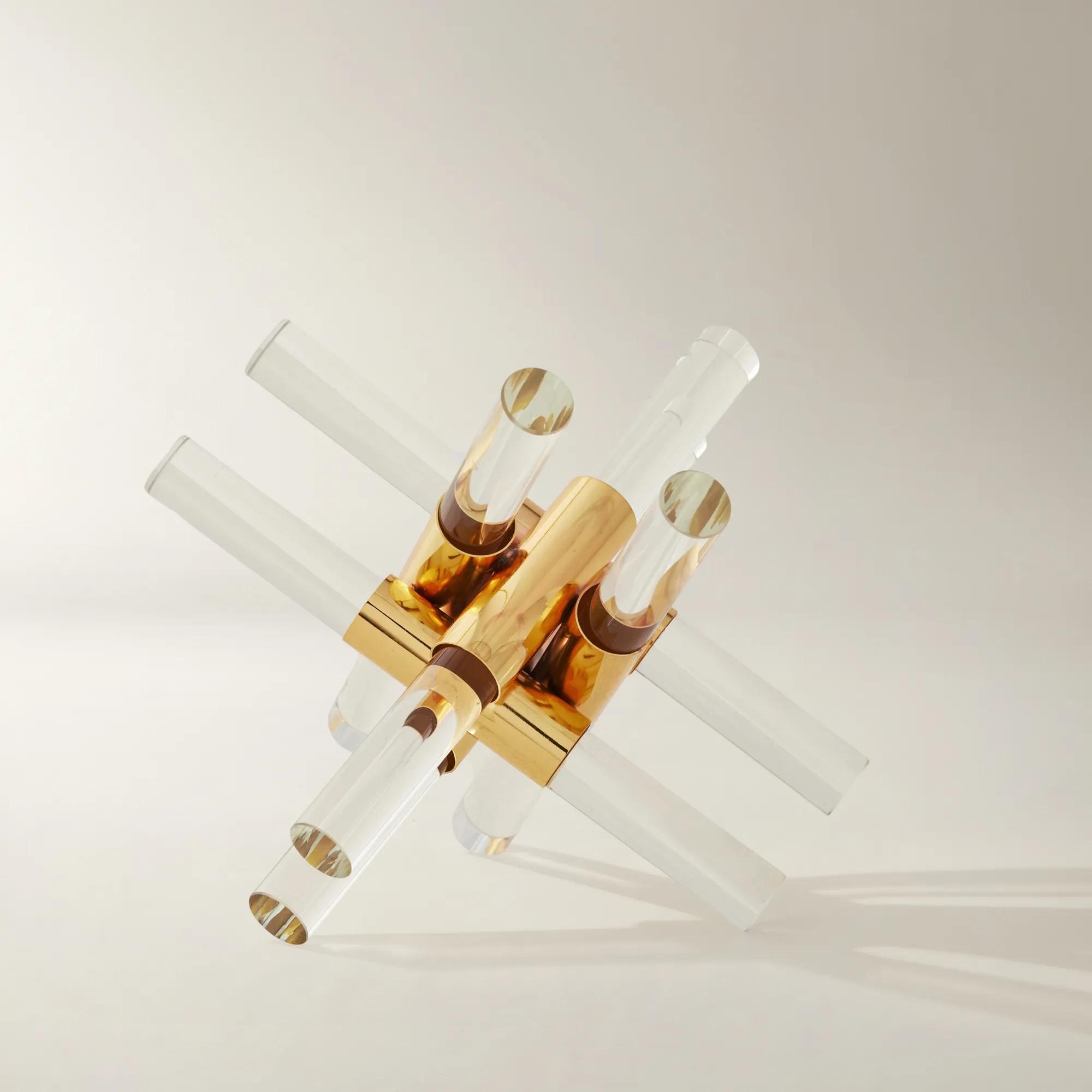 Crystal Glass And Gold Metal Decorative Object 8"$59
A striking decorative accent featuring clear glass rods and gold metal detailing for modern elegance.
Add To Cart -
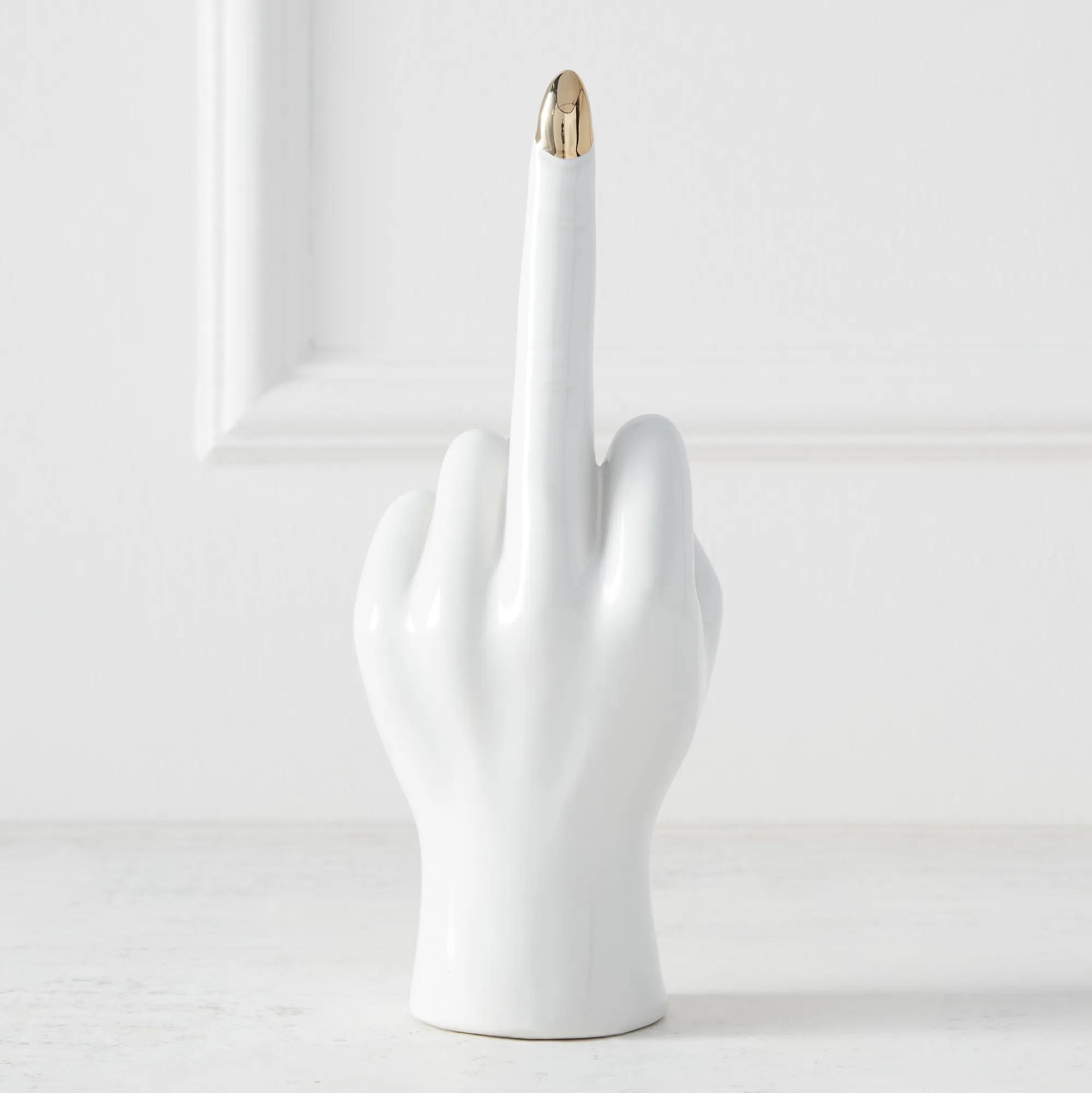
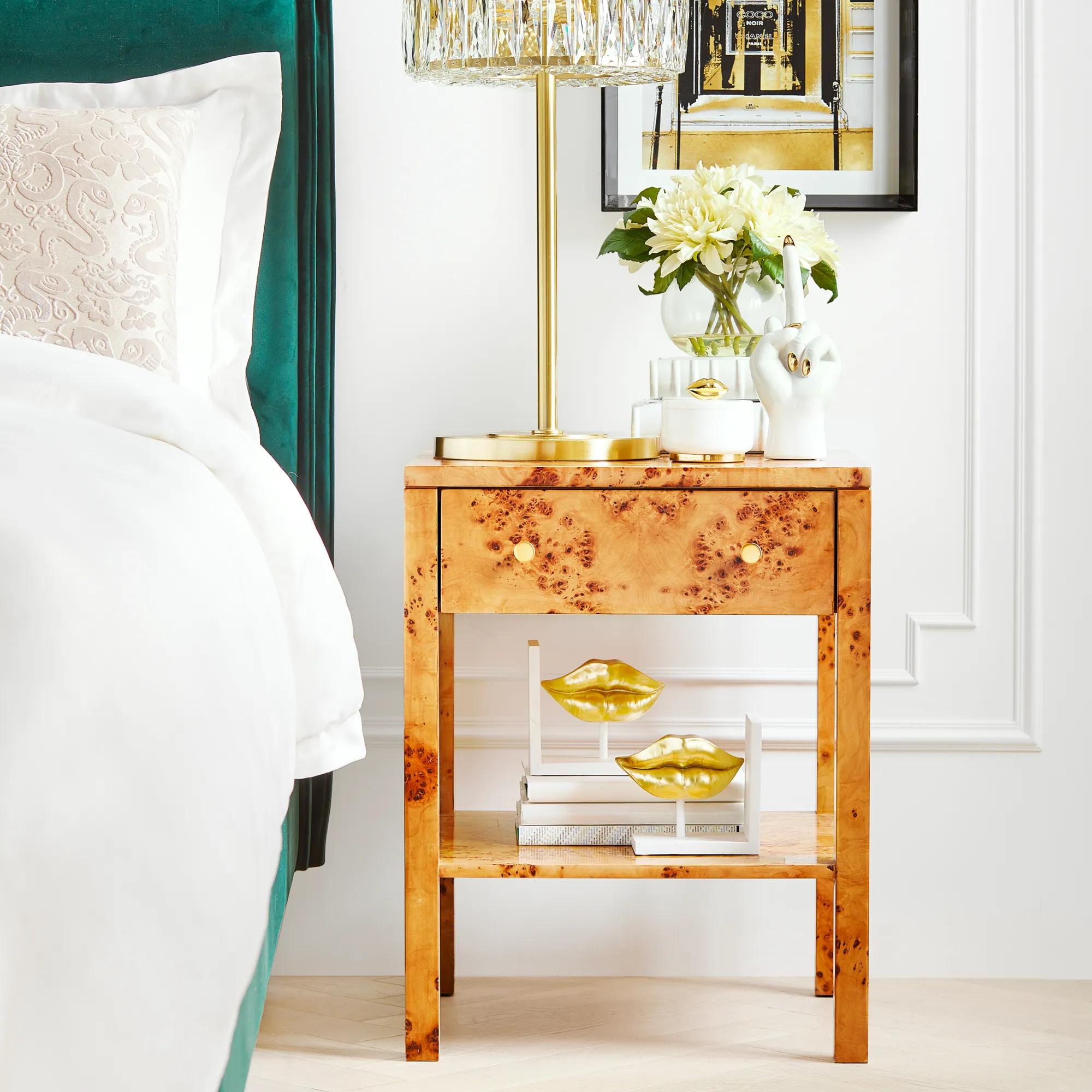 The Finger Hand$39
A glossy white and gold ceramic hand sculpture perfect for displaying jewelry or as a playful accent.
Add To Cart -
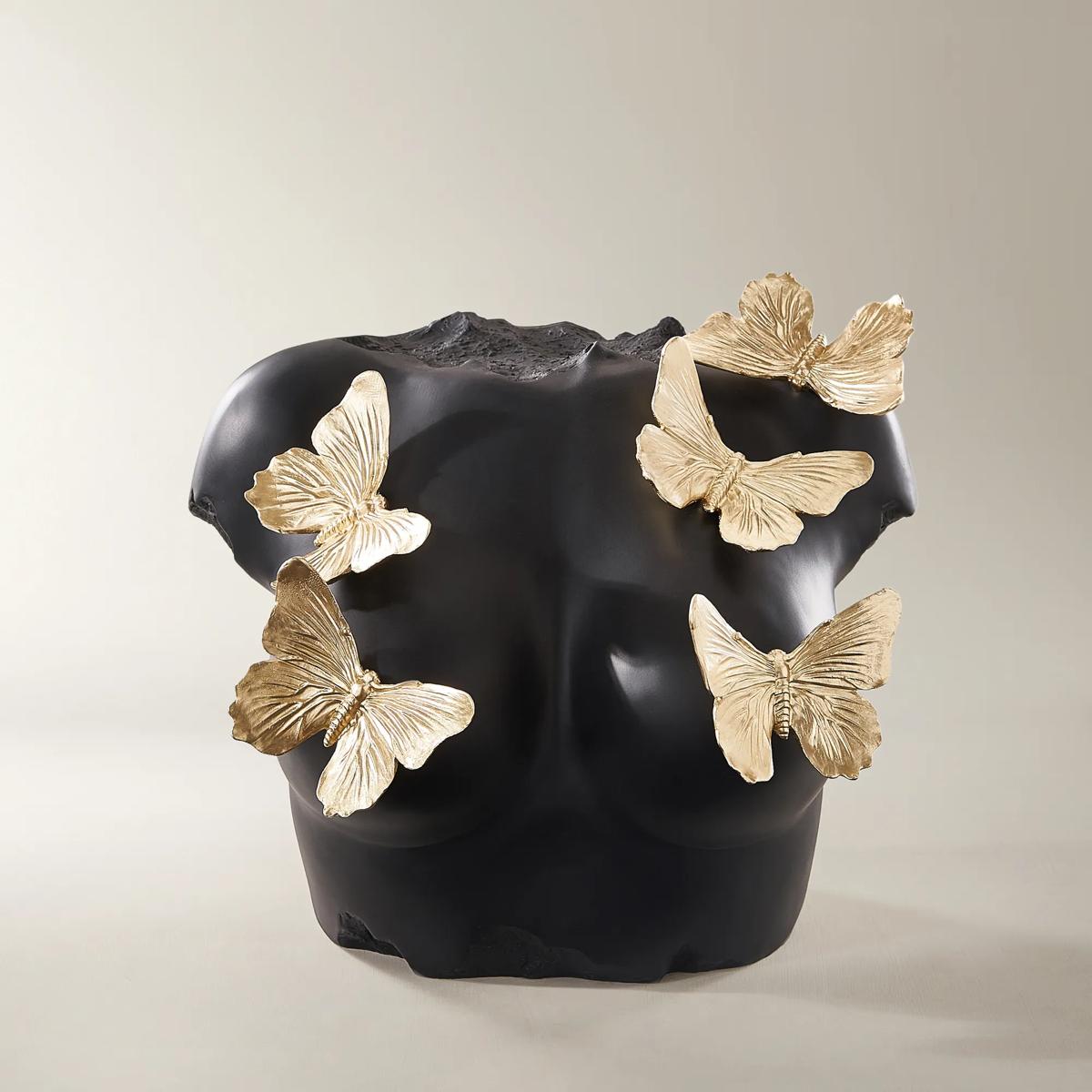 Butterfly Bust Black And Gold Resin Decorative Object 11.75"$149
A matte black resin bust adorned with gilded butterflies, offering poetic movement and modern elegance.
Add To Cart -

 Oversized Cherries Black And Gold Resin Aluminum Decorative Object 17"$150
A striking gold and black aluminum accent piece that adds glamour and sophistication to any décor.
Add To Cart -
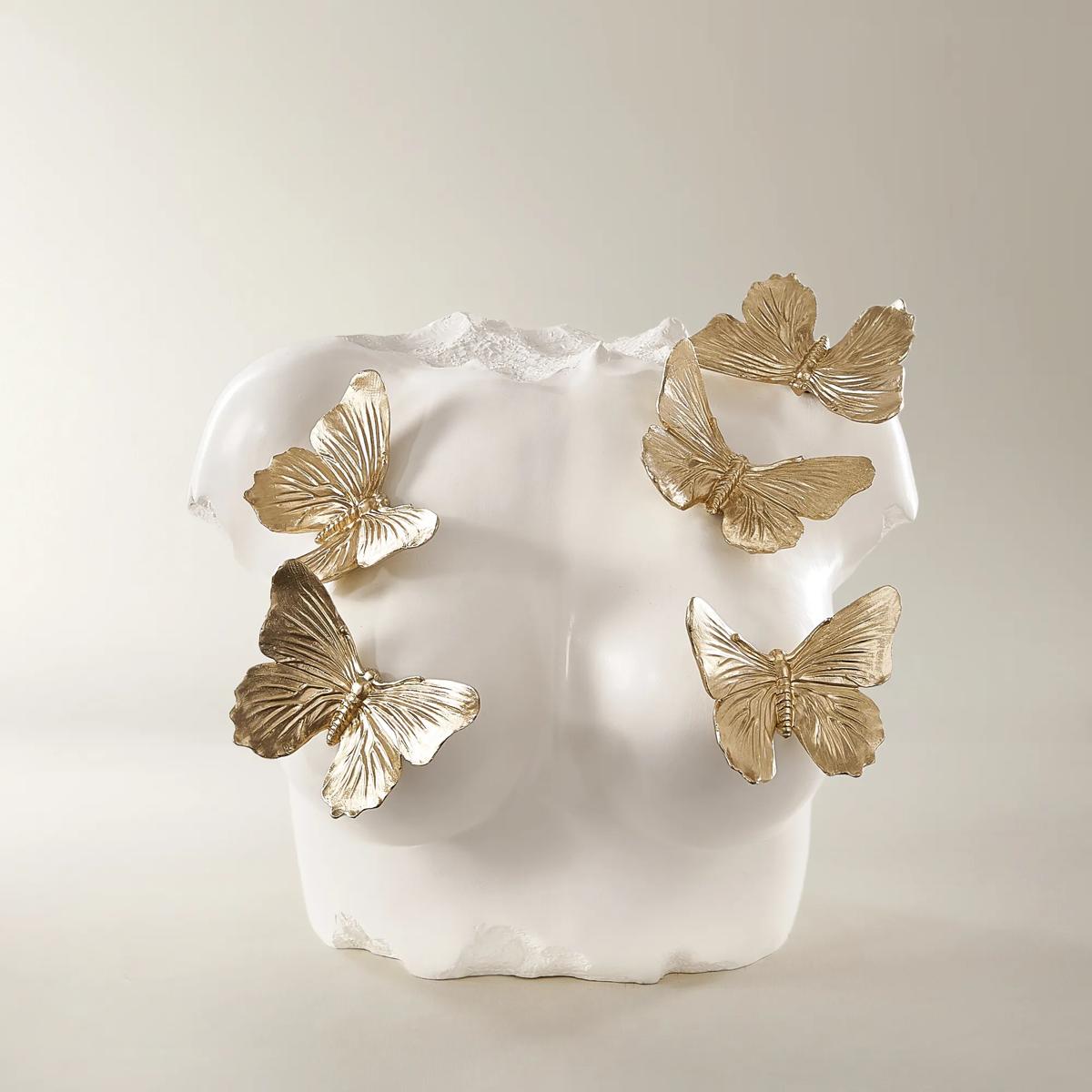
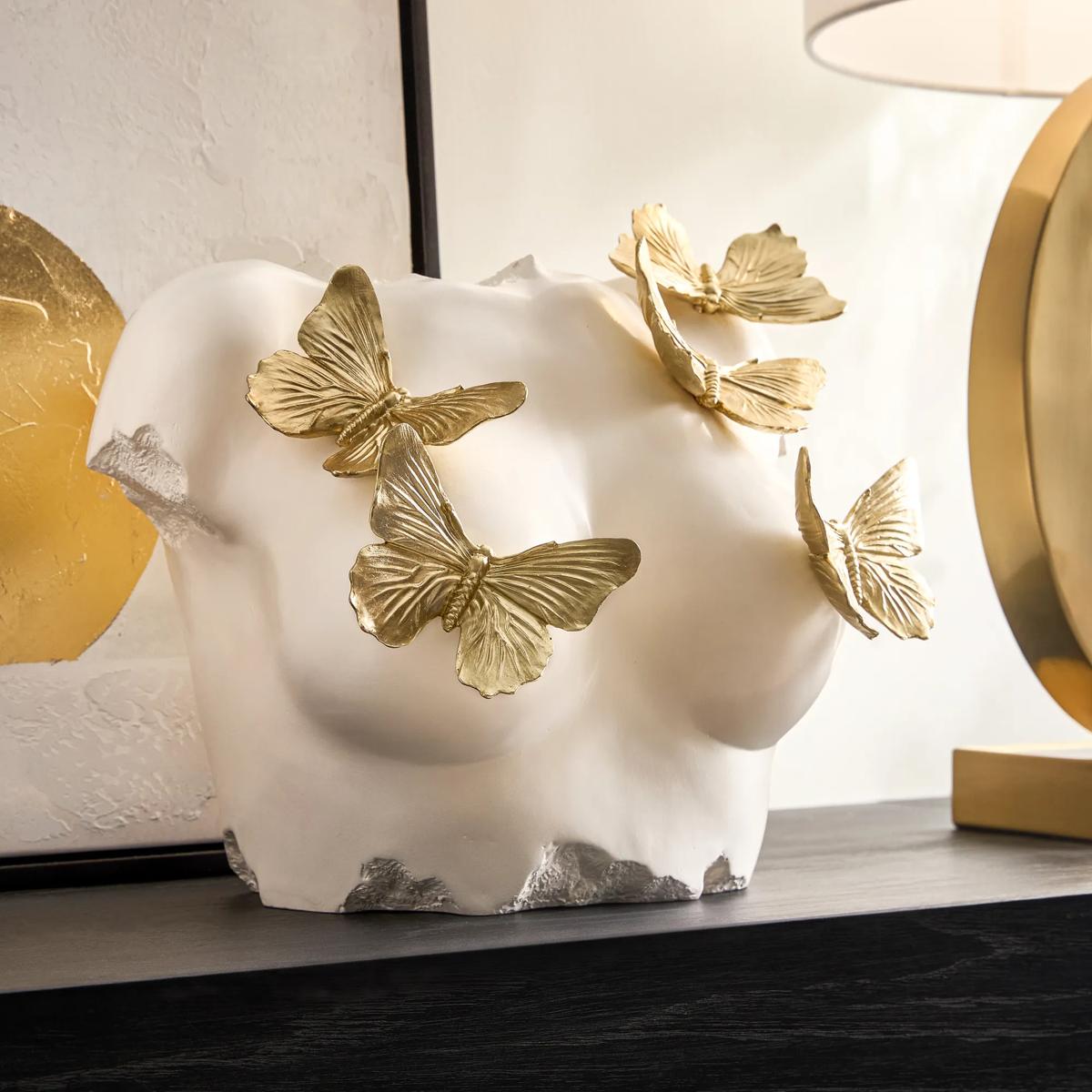 Butterfly Bust Ivory And Gold Resin Decorative Object 11.75"$149
An ivory resin bust adorned with gilded butterflies, offering poetic movement and feminine elegance.
Add To Cart -
 Dipped Berry Burgundy Soft Gold Resin Decorative Object$129
A whimsical resin accent featuring a bold strawberry silhouette in rich burgundy and soft gold tones.
Add To Cart -

 Rock Wave Taper Holder$89
A sculptural candle holder with an organic wave-inspired silhouette, designed to elevate modern tabletop displays.
Add To Cart -
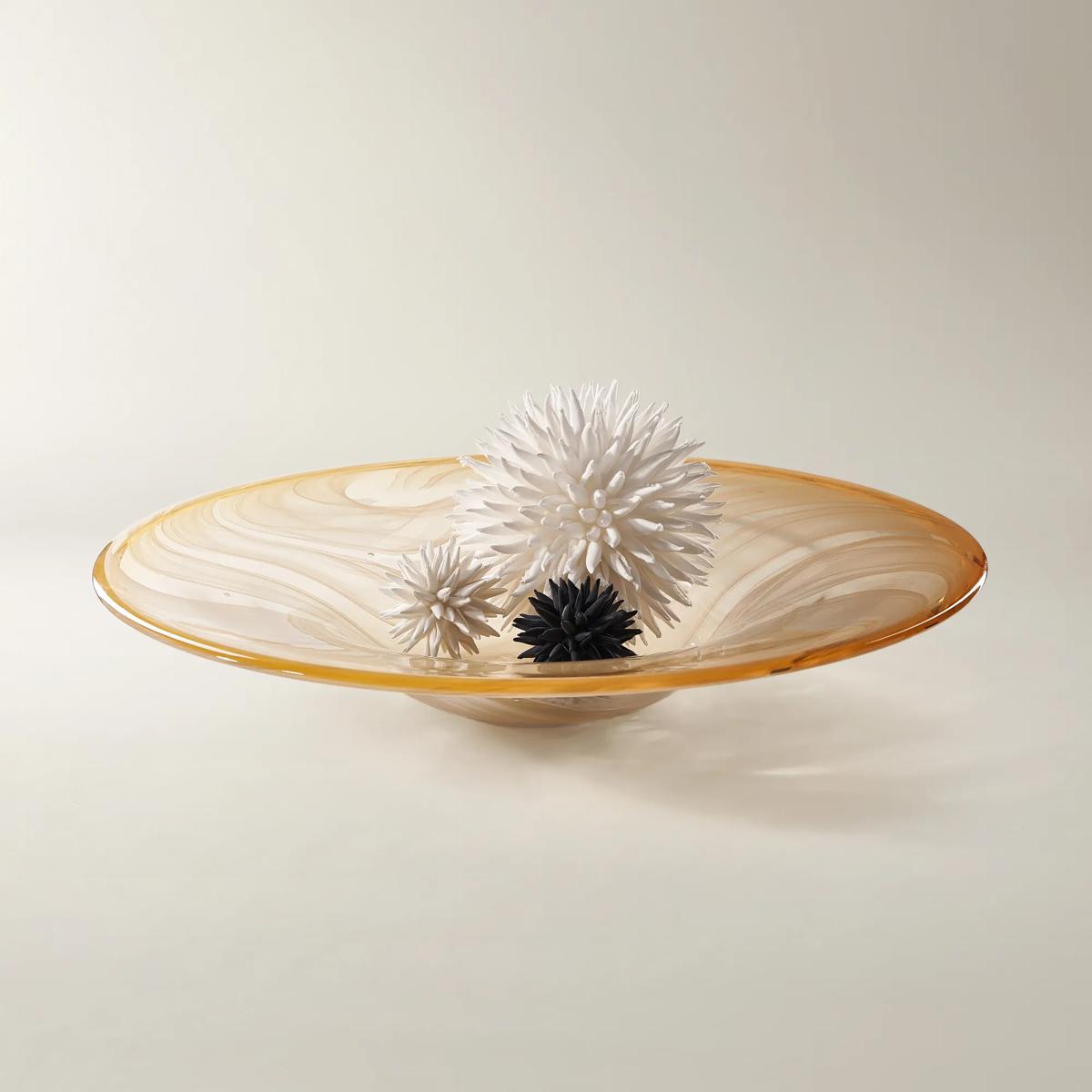
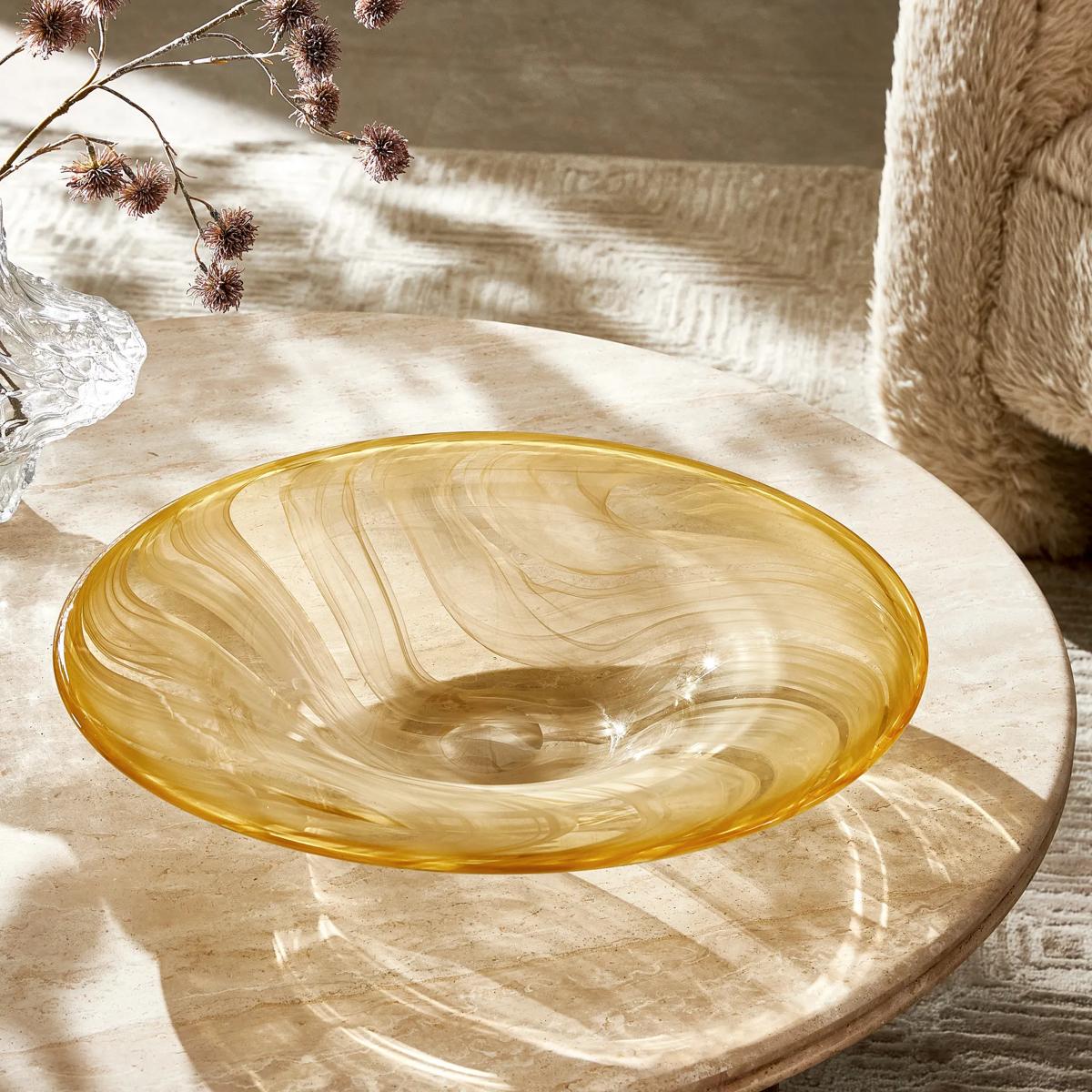 Paradis Glass Plate$239
A hand-blown amber glass plate featuring a swirling, organic design for a radiant decorative accent.
Add To Cart

Abstract Tabletop Sculptures
Abstract tabletop sculptures are the ultimate conversation starters—captivating forms that transform surfaces into curated galleries of artistry. Each piece is an invitation to indulge in the unexpected, where fluid lines and striking silhouettes evoke a sense of movement and intrigue. Whether perched atop a sleek console or anchoring a dramatic tablescape, these sculptural accents infuse every room with creative energy and modern allure. Let abstract tabletop sculptures awaken your space with expressive design, turning ordinary moments into extraordinary displays of personal style.
Abstract tabletop sculptures are freestanding, three-dimensional decorative objects that bring artistic form to coffee tables, consoles, desks, and shelves. Rather than depicting a recognizable subject, they draw attention through curves, angles, texture, balance, and the interplay between solid shapes and open space. A sweeping arc can soften the lines of a tailored sofa; a sharply faceted silhouette can give a quiet console the presence of a gallery display. Their appeal lies in that expressive range. Some forms feel fluid and contemplative, while others introduce graphic tension or a gleaming flash of drama. Unlike wall art, a tabletop sculpture shares space with everyday objects and reveals different contours as someone moves through the room. An open form may frame a glimpse of artwork behind it, while a solid, rounded shape creates a more grounded focal point. Scale matters as much as style: height determines how a sculpture relates to lamps, mirrors, and nearby furnishings, while width and depth determine whether its placement feels generous or crowded. On a coffee table, a lower profile generally preserves conversation and sightlines. An entryway console can accommodate a taller silhouette, provided it remains stable and leaves room for keys or other daily essentials. Shelves benefit from forms that fit comfortably beneath the shelf above, with enough clearance to keep delicate projections from touching surrounding objects. The listed dimensions should be considered alongside the sculpture’s full outline, since an extended curve may occupy more space than its base suggests. Painter’s tape marking the footprint on a surface can make proportions easier to judge before choosing a piece. A substantial desk may welcome a bold sculptural accent at one corner, while a narrow side table calls for a restrained footprint rather than an undersized imitation of a larger arrangement. The most compelling placement gives the sculpture room to be seen without making the furniture beneath it less useful. Even a compact form can command attention when its silhouette is distinct and its surroundings allow a little visual silence.
Material gives abstract sculpture much of its character, influencing its weight, surface, light response, and everyday care. Metal can appear crisp and architectural or softly flowing, with polished finishes reflecting nearby colors and darker finishes emphasizing contour. A metallic surface introduces luminosity, but its finish may be vulnerable to scratches or damage from abrasive cleaners. Glass offers another kind of radiance: transparent, translucent, or colored forms can change dramatically with their background and the direction of light. Glass is best placed where projecting edges are unlikely to meet passing hands, bags, or frequently moved accessories. Ceramic brings expressive possibilities through glaze, relief, and the contrast between smooth and textured surfaces, though slender sections and edges can chip if struck. Natural stone often lends visual gravity and substantial weight, with variations in veining, coloration, and texture that make each piece distinctive. Stone is not automatically stainproof or scratchproof; porous surfaces and polished finishes may require particular handling. Resin allows intricate shapes and a wide range of surface effects, including finishes that suggest stone or metal. Its weight and resilience vary by construction, so neither a delicate appearance nor a substantial silhouette reliably indicates how heavy or impact-resistant it will be. Wood introduces visible grain and warmth, creating a rich counterpoint to lacquered furniture, glass tables, or metallic accents. Prolonged direct sunlight, moisture, and unsuitable cleaning products can affect many sculptural materials, making the care instructions for the individual piece essential. For routine upkeep, gentle dusting with a clean, soft cloth is often appropriate when permitted by those instructions; textured recesses may need a soft brush. Spray cleaners should not be applied directly unless expressly recommended. Sculptures are safest to move with support beneath their main body or base, rather than by a narrow loop or projecting detail. A compatible protective pad can help shield the supporting furniture, especially beneath heavy or rough bases. For households with children or pets, a broad, stable base and placement away from busy edges deserve particular consideration.
The strongest arrangements connect abstract tabletop sculptures to the room without making every element match. A warm metallic accent might echo a slender detail in a mirror, while a pale stone-like surface can draw out a lighter tone in an upholstered chair or patterned rug. Repetition creates continuity; contrast gives the composition energy. Against a dark console, a light-colored sculpture makes its outline especially legible. On a pale surface, a deep finish can create an equally striking graphic effect. Texture offers another route to distinction: a ridged or irregular form stands out against smooth lacquer, while a polished object gains definition beside woven fabric or richly grained wood. A short stack of substantial books can provide elevation, as long as the upper book is broad, level, and capable of supporting the sculpture securely. Nearby accessories work best when they contribute different heights or shapes rather than competing for the same visual role. A rounded sculpture beside a tall, narrow vase creates a more varied composition than several objects with nearly identical proportions. For dining tables and expansive consoles, abstract centerpiece sculptures offer a related expression of sculptural drama, with particular attention to how a central arrangement anchors the surrounding space. Dining placements should still leave comfortable room for serving and conversation, and decorative sculpture should not be treated as food-safe serveware unless specifically designated for that use. In a home office, a sculptural accent can bring personality to the space beyond the screen without encroaching on the working area. These pieces also make considered housewarming, wedding, or milestone gifts for people who appreciate contemporary art and expressive interiors. A recipient’s existing finishes, available display space, and preference for restrained or theatrical forms are more useful cues than size alone. Chosen with those details in mind, an abstract sculpture becomes more than a finishing accessory: it gives a familiar surface an unmistakable point of view.
FAQs
Abstract tabletop sculptures are often crafted from a variety of materials, each offering its own visual and tactile appeal. Popular options include metal for a sleek, contemporary look; glass for luminous, light-catching effects; wood for warmth and organic texture; and ceramic for sculptural versatility and artisanal charm. Many artists also experiment with mixed media, combining these materials to create truly unique pieces.
Styling abstract tabletop sculptures is an opportunity to showcase your personal aesthetic. Place them as a striking focal point on coffee tables, consoles, or shelves, or layer them with books, candles, and mirrors for artful vignettes. Consider the interplay of light, color, and texture—grouping sculptures of different heights or materials can add dimension and visual interest to any space.
Absolutely. Abstract tabletop sculptures make thoughtful and memorable gifts for art lovers, design enthusiasts, or anyone who appreciates expressive décor. Their versatile designs suit a variety of tastes and interiors, making them perfect for housewarmings, anniversaries, or milestone celebrations. A well-chosen sculpture becomes a lasting symbol of creativity and inspiration.
An abstract tabletop sculpture is defined by its focus on form, movement, and emotion rather than literal representation. These pieces often feature fluid lines, geometric shapes, or unexpected textures, inviting viewers to interpret their meaning. The beauty of abstraction lies in its ability to evoke feeling and spark conversation through imaginative design.
Yes, the versatility of abstract tabletop sculptures allows them to enhance a wide range of décor styles. In modern spaces, they add bold artistic flair and sculptural drama. In traditional settings, they introduce a contemporary edge and a sense of curated sophistication. The key is to select pieces that resonate with your overall design vision and personal taste.