Oversized Tabletop Sculptures
Oversized Tabletop Sculptures
-
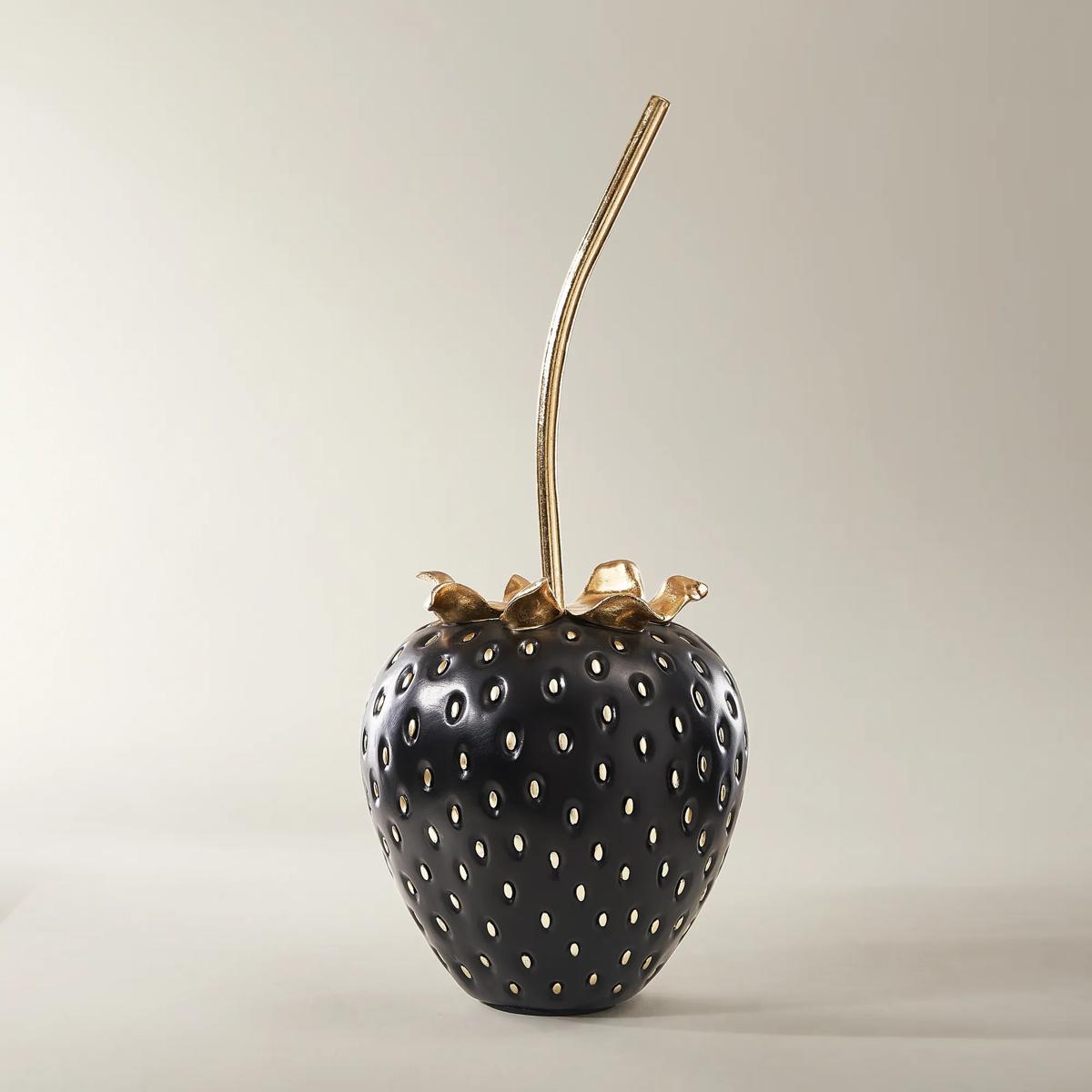 Grand Strawberry Gold And Black Resin Decorative Object 20.25"$129
A bold resin decorative accent in black and gold, adding whimsical elegance to any modern space.
Add To Cart -
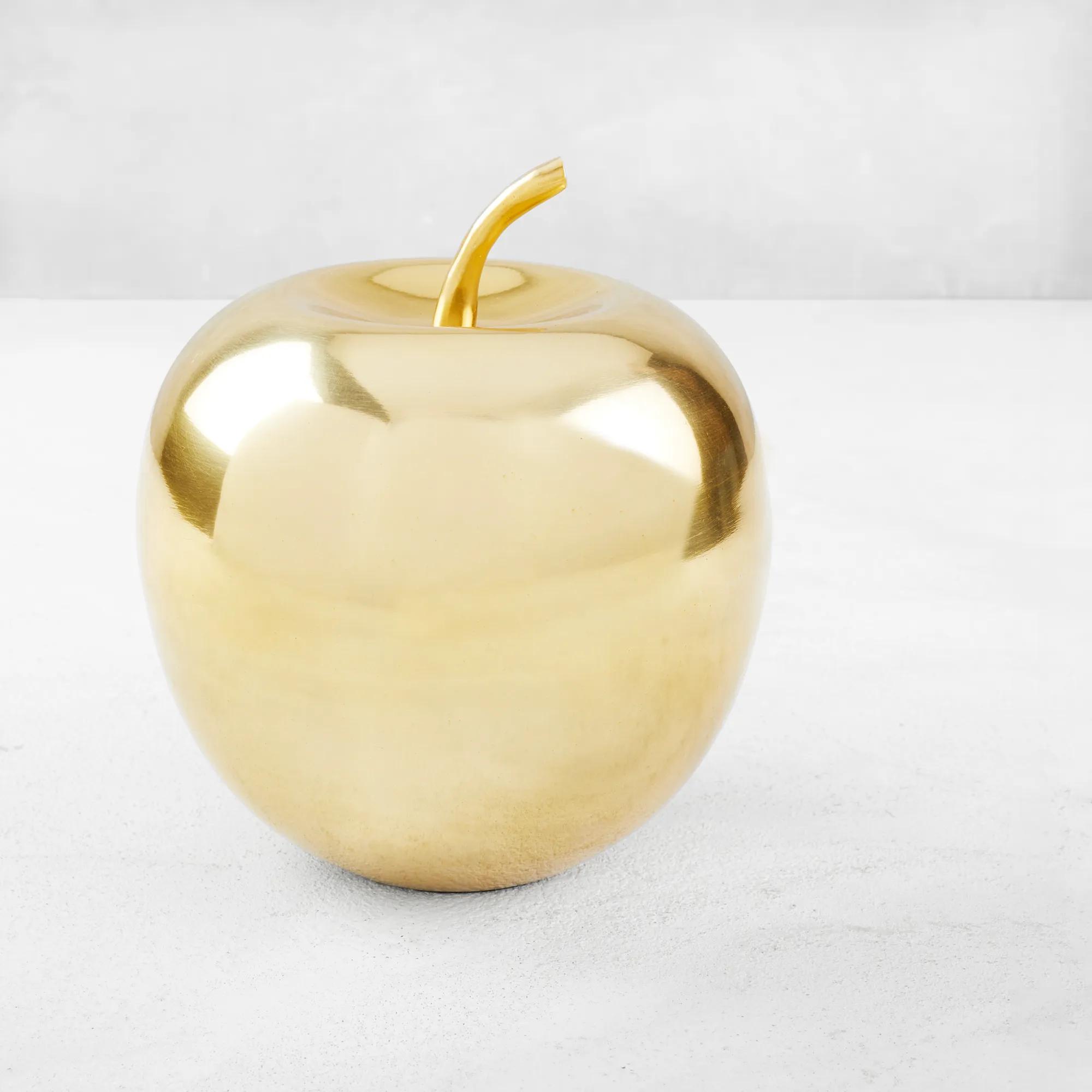
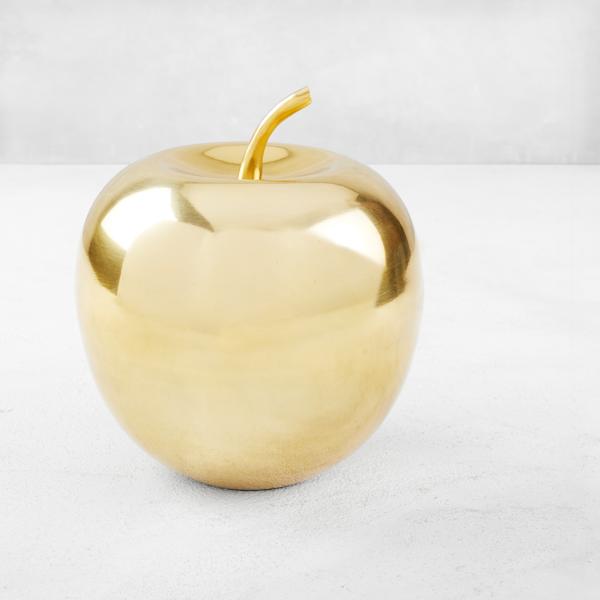 Gold Oversized Apple Aluminum Decorative Object 7.5"$69
A glamorous gold aluminum apple that adds a sophisticated statement to any décor.
Add To Cart -
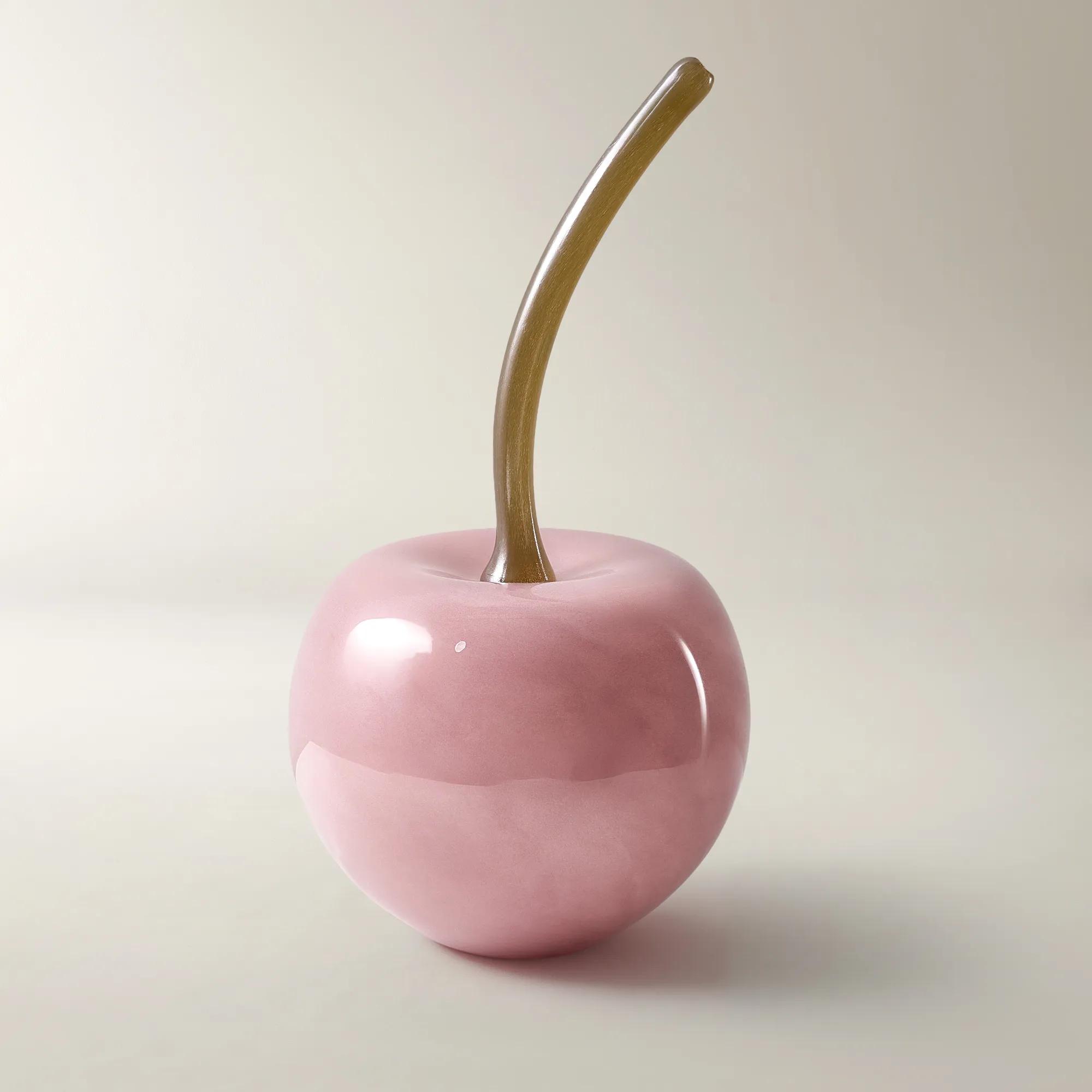
 Cherry Mouth Blown Antique Mauve Glass Decorative Object 13.75"$99
A handblown glass cherry in antique mauve brings playful sculptural charm and romantic color to any space.
Add To Cart -
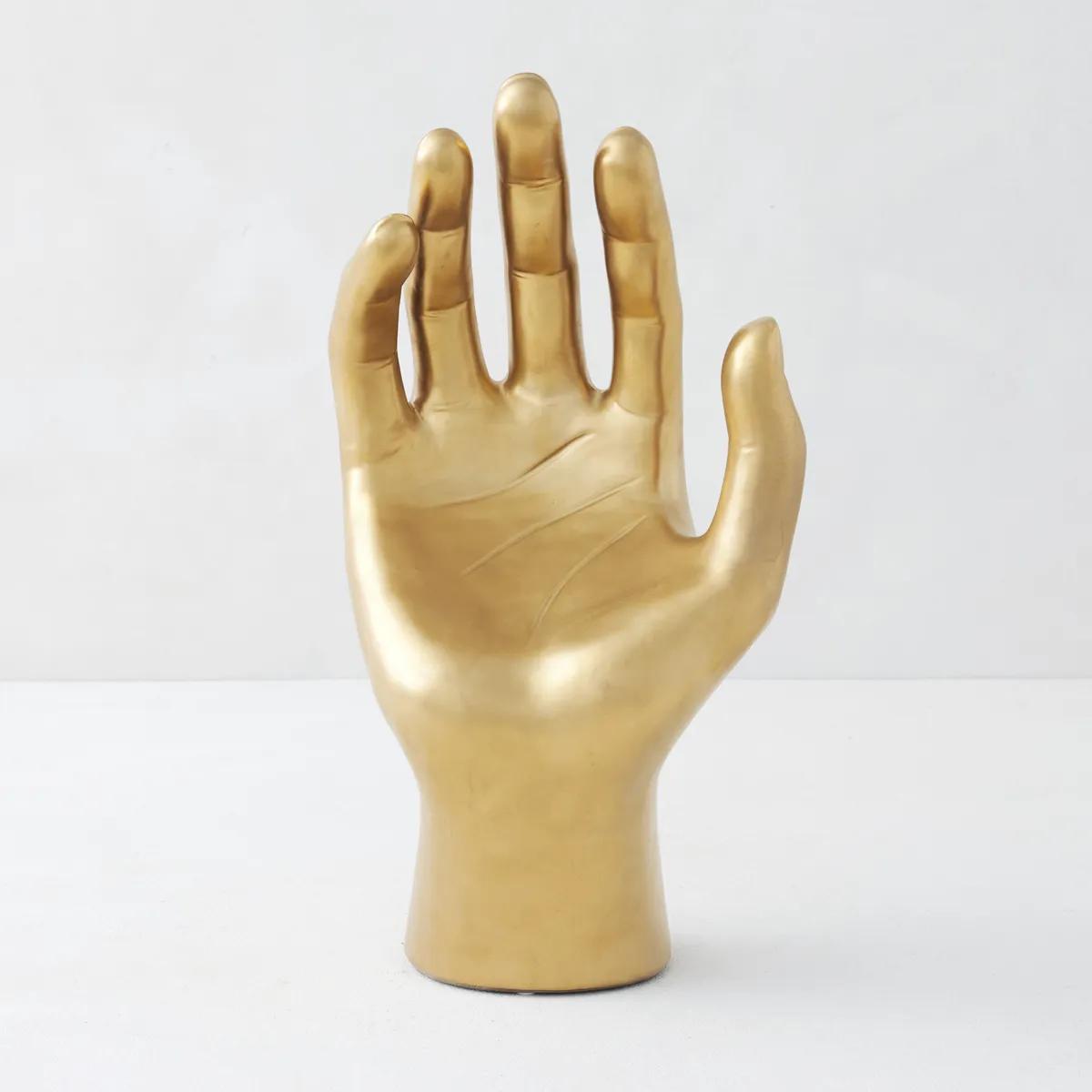
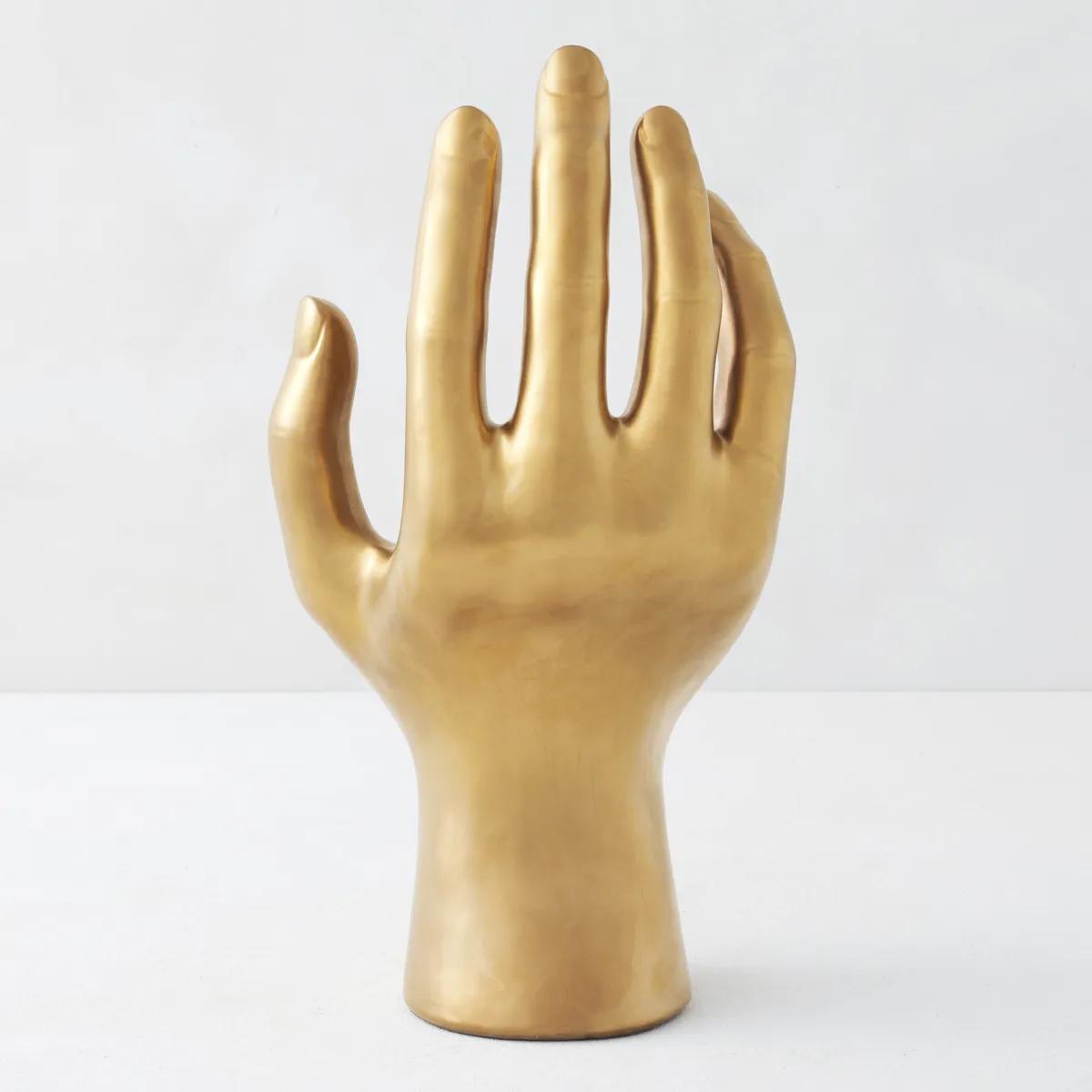 Ceramic Hand Metallic Gold Decorative Object 17.75"$69
A striking ceramic sculpture with a metallic gold finish, perfect for displaying jewelry or as decor.
Add To Cart -

 Oversized Cherries Black And Gold Resin Aluminum Decorative Object 17"$150
A striking gold and black aluminum accent piece that adds glamour and sophistication to any décor.
Add To Cart -
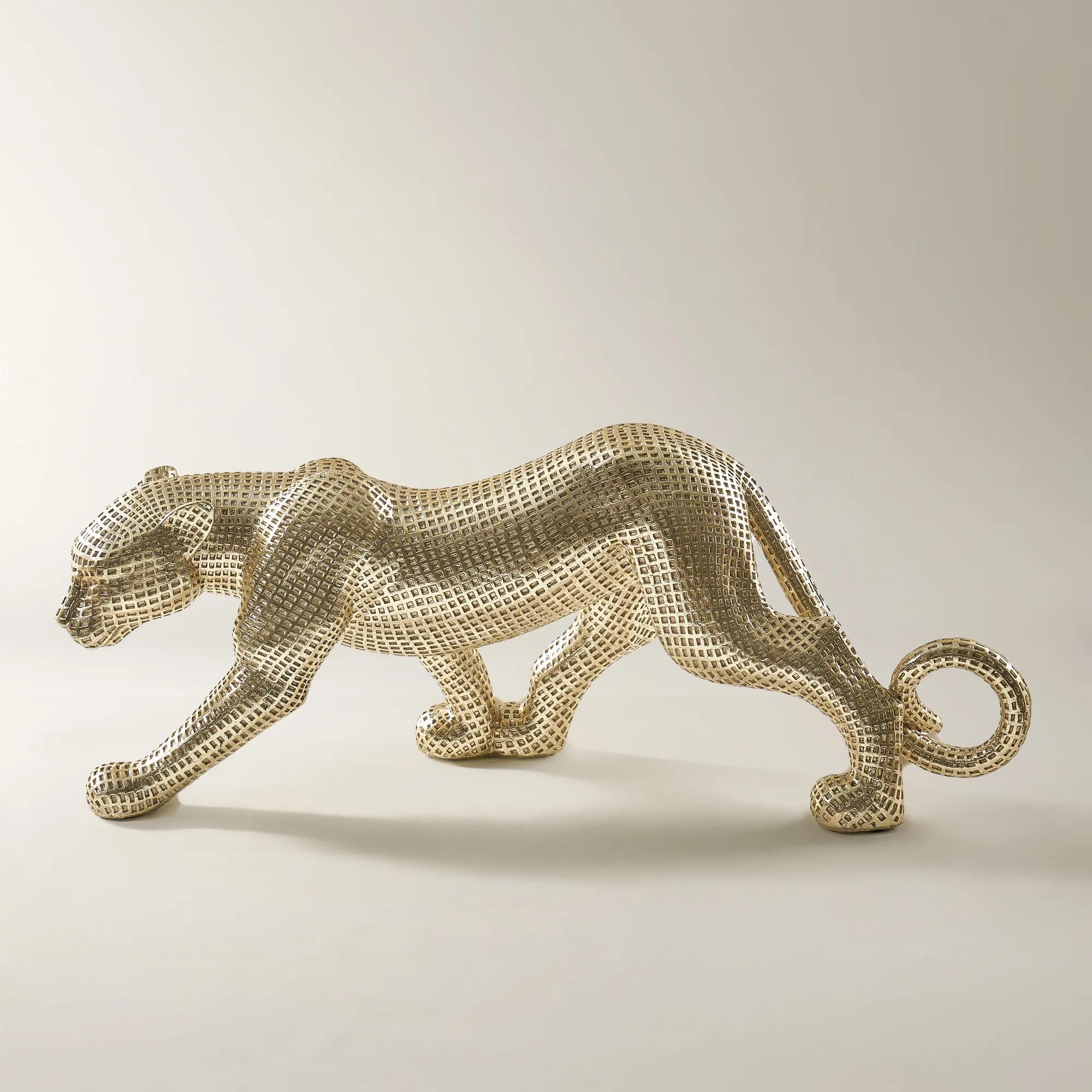
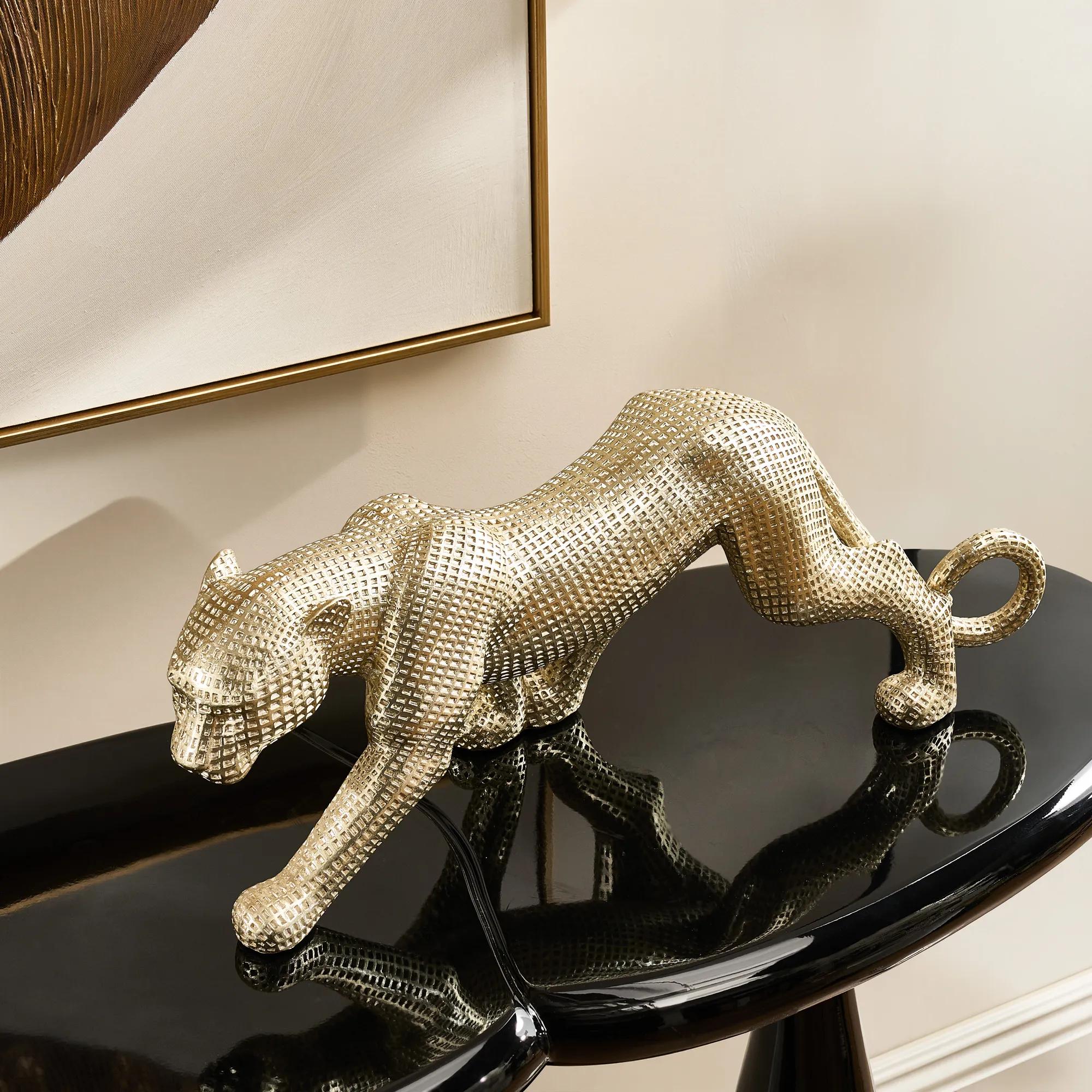 Pardus Champagne Resin Decorative Object 20.5" x 8"$79
A sculptural feline decor piece cast in champagne-finished resin with intricate grid texturing and sleek lines.
Add To Cart -
 Dipped Berry Burgundy Soft Gold Resin Decorative Object$129
A whimsical resin accent featuring a bold strawberry silhouette in rich burgundy and soft gold tones.
Add To Cart -

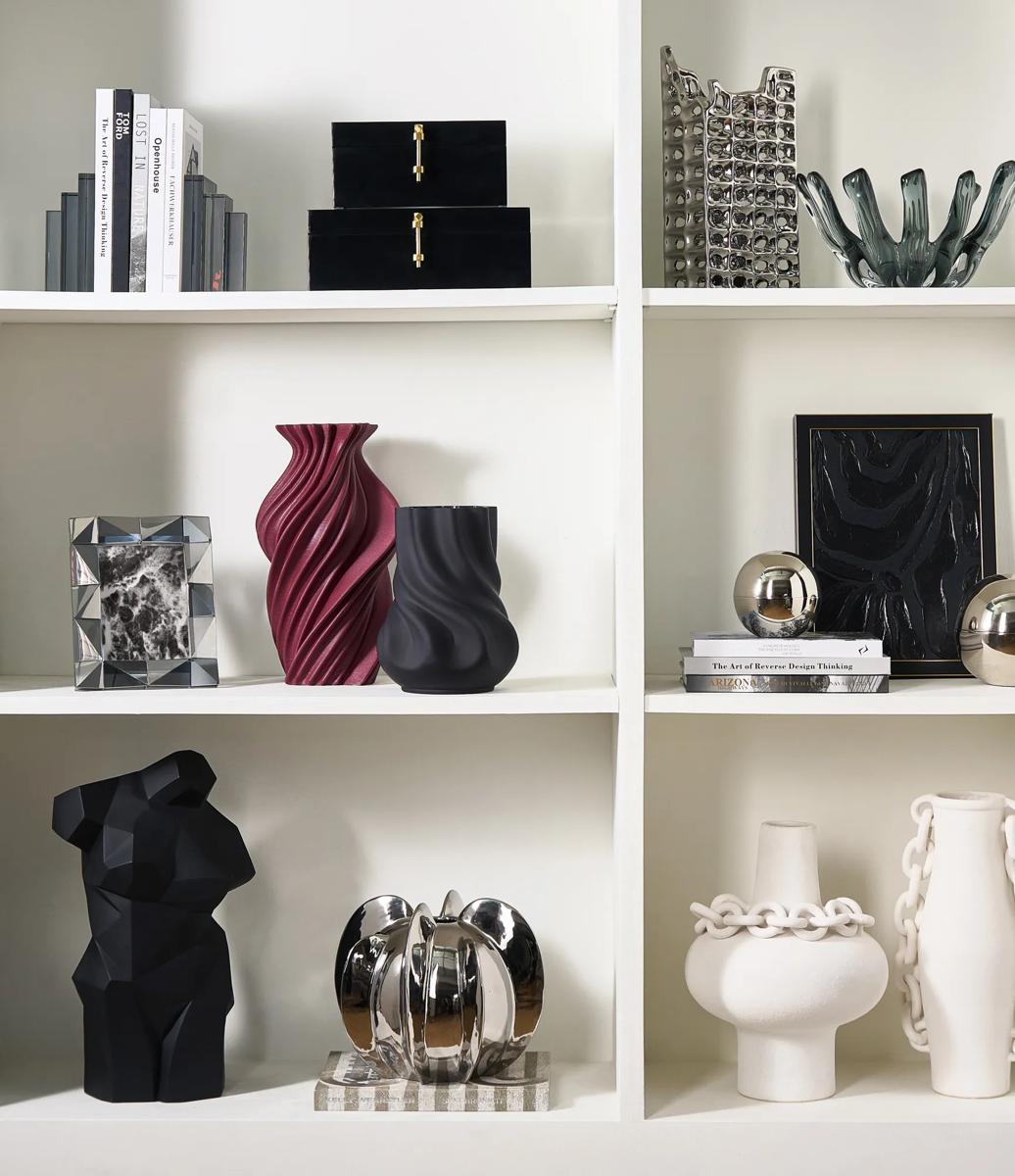 Pose Black Resin Decorative Object 19.75"$99
A sculptural matte black resin accent featuring a faceted geometric design and modern artistic appeal.
Add To Cart

Oversized Tabletop Sculptures
Oversized decorative objects transform a tabletop or console into a striking focal point. Explore freestanding sculptural accents with expressive silhouettes and a commanding presence, designed to give your space a more personal point of view. Choose a form that complements your surface, then let its contours, color, and finish lead the composition.
A compelling tabletop sculpture begins with proportion—not height alone. An elongated form can draw the eye across a broad console, while an upright silhouette introduces a dramatic vertical accent. Compare the object's full width, depth, and height with the surface where it will live, allowing room around its outline so the shape remains distinct. Consider the surrounding artwork and furnishings, too: a sculpture should hold its own without obscuring the details you want to showcase. On a coffee table, a lower profile can preserve the room's visual flow; on an entry console, a taller composition can create an expressive arrival. Beyond scale, choose the mood you want to bring into the room. A fruit-inspired form lends an artful sense of surprise, while figurative and animal-inspired silhouettes introduce gesture and movement. Material and finish shape that impression: luminous glass offers visual depth, metallic surfaces catch the light, and a dark finish emphasizes contour. Rather than matching every accent, repeat one color or finish elsewhere to connect the sculpture with its surroundings. Give a richly detailed object a quieter backdrop, or contrast a smooth silhouette with a textured surface. The result feels collected and deliberate, with the sculpture setting the tone rather than competing for attention.
FAQs
Yes. In a modern interior, a sculptural object can reinforce clean lines or introduce an unexpected organic curve. In a traditional room, a contemporary form creates an intriguing contrast with ornate furnishings. Connect the two through a shared color or finish.
An exact match is not essential. A related metallic tone can create continuity, while a contrasting finish gives the object greater distinction. Repeat the chosen tone selectively elsewhere in the room to make the contrast feel intentional rather than isolated.
A solo display gives intricate contours and expressive details your full attention. For a layered arrangement, pair the sculpture with accents that play a supporting role. Vary their shapes and textures while keeping a clear focal point, rather than giving every object equal emphasis.
Use the object as a deliberate punctuation mark. A saturated color brings energy, a gleaming finish adds light-catching contrast, and a dark silhouette creates graphic definition. Echo one element in a nearby textile or artwork for a subtle connection.
Look for a connection to the recipient's taste: a favorite color, an expressive motif, or a finish they already love. For someone with a distinctive design sensibility, an unexpected form can feel especially personal. Let their style guide the choice rather than your own.