Abstract Silver Sculptures
Abstract Silver Sculptures
-
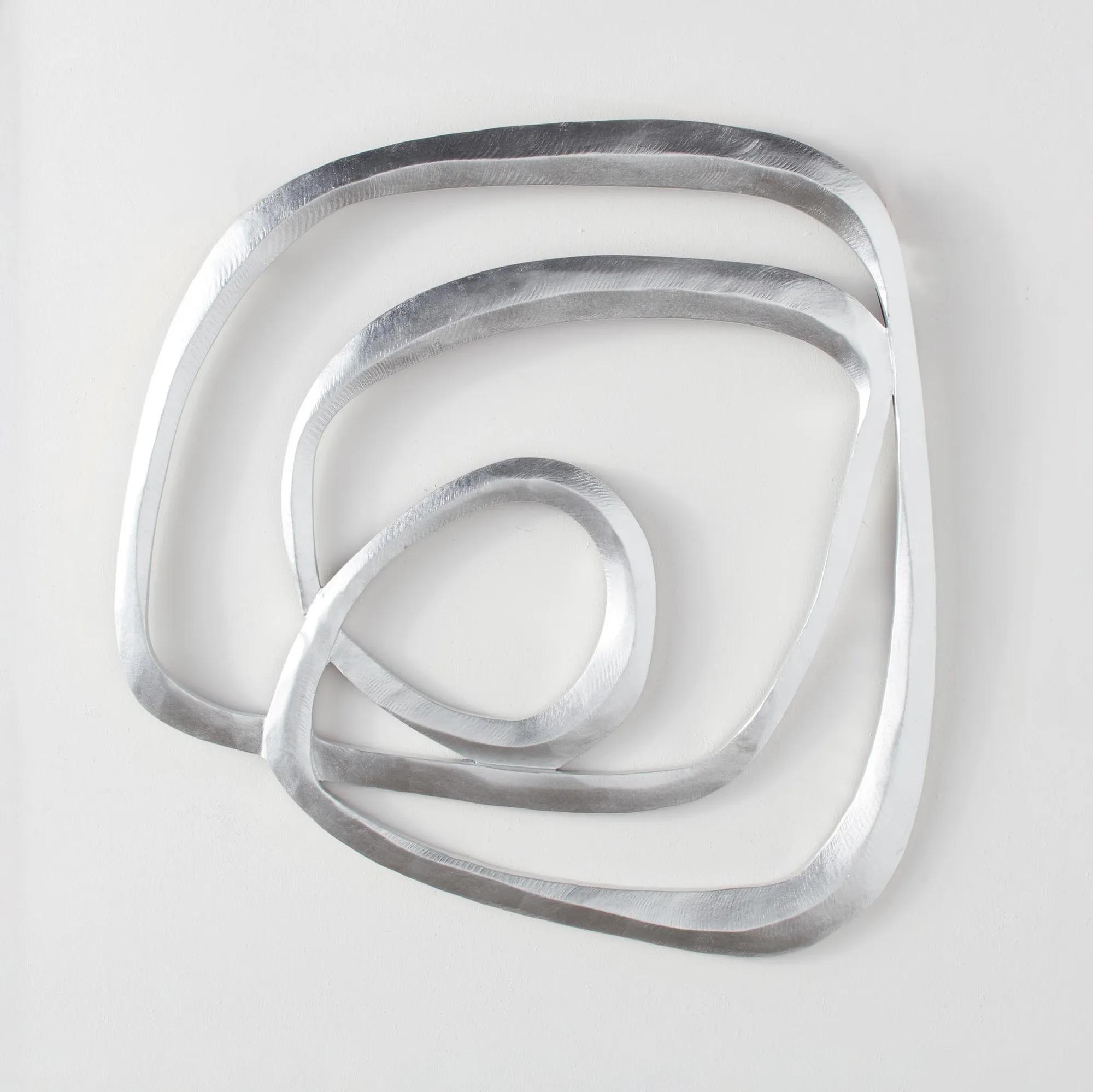 Infinity Silver Leaf Wood Wall Decor II 31.5" x 31.5"$299
A swirling wooden wall sculpture featuring a striking metallic silver finish for modern visual impact.
Add To Cart -
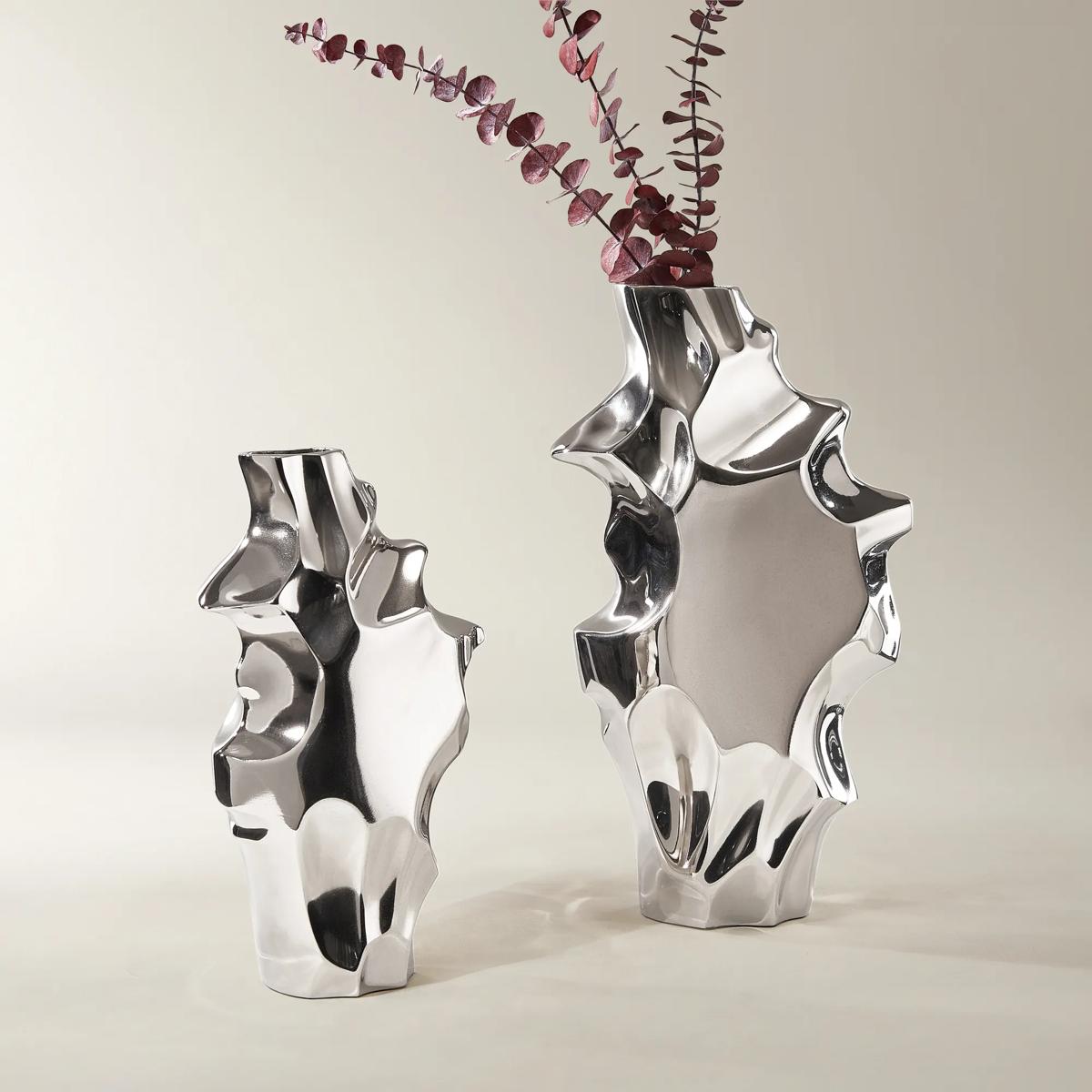
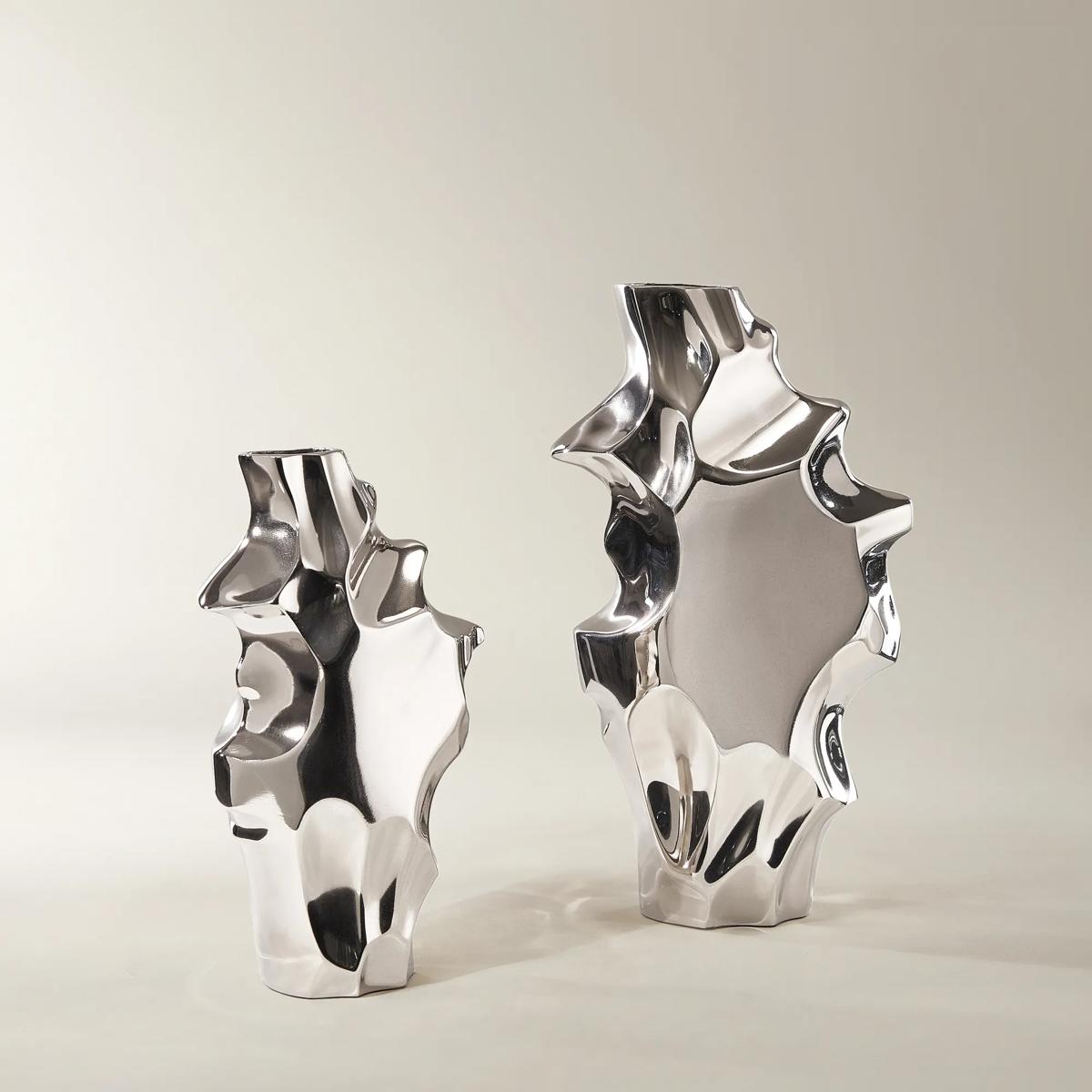 Sculpt Silver Aluminum Vases$69
A fluid, organic silhouette in lustrous silver aluminum brings modern artistry to any decor.
Add To Cart -
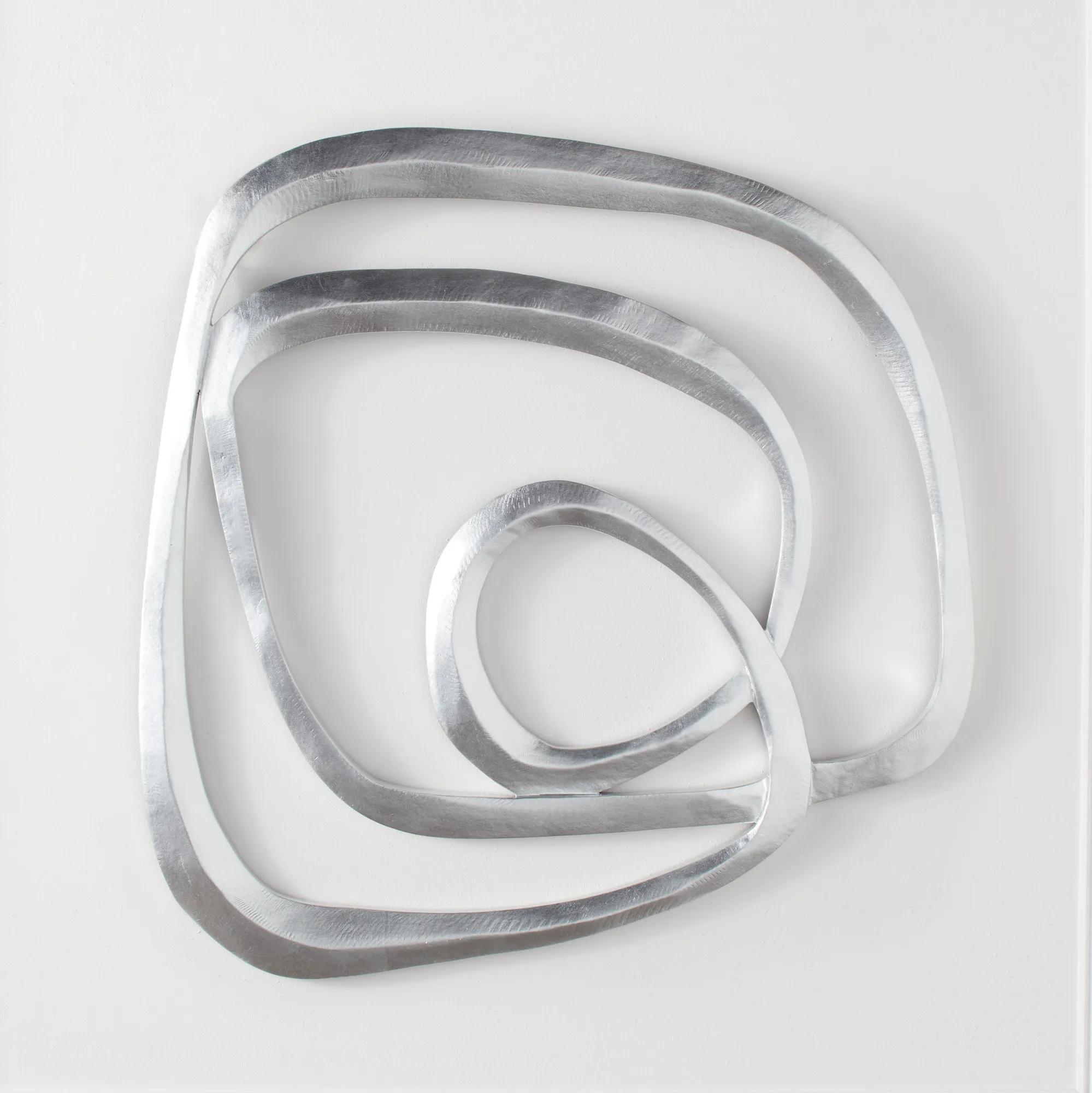 Infinity Silver Leaf Wood Wall Decor I 31.5" x 31.5"$299
A swirling wooden wall sculpture featuring a striking metallic silver finish for modern visual impact.
Add To Cart -
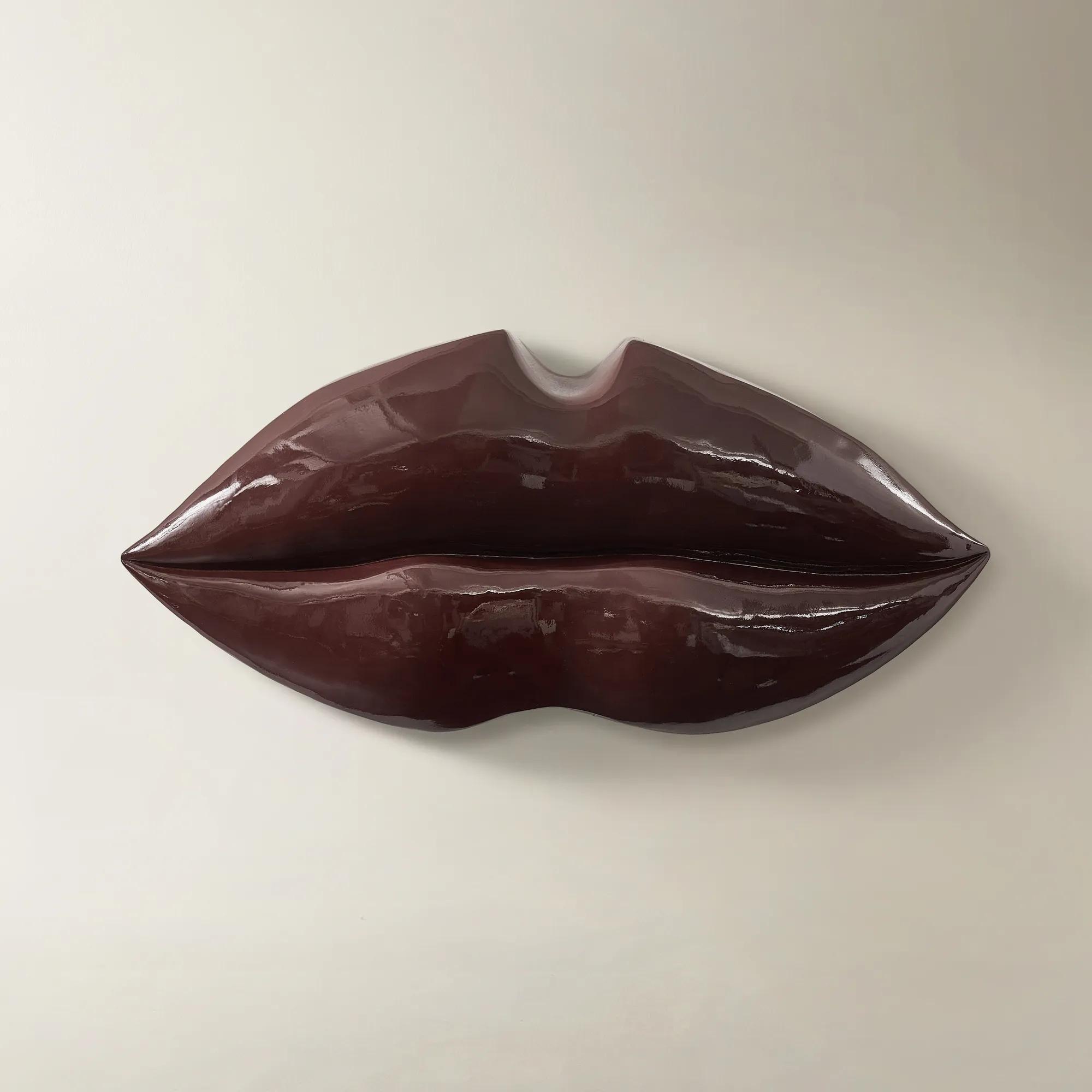
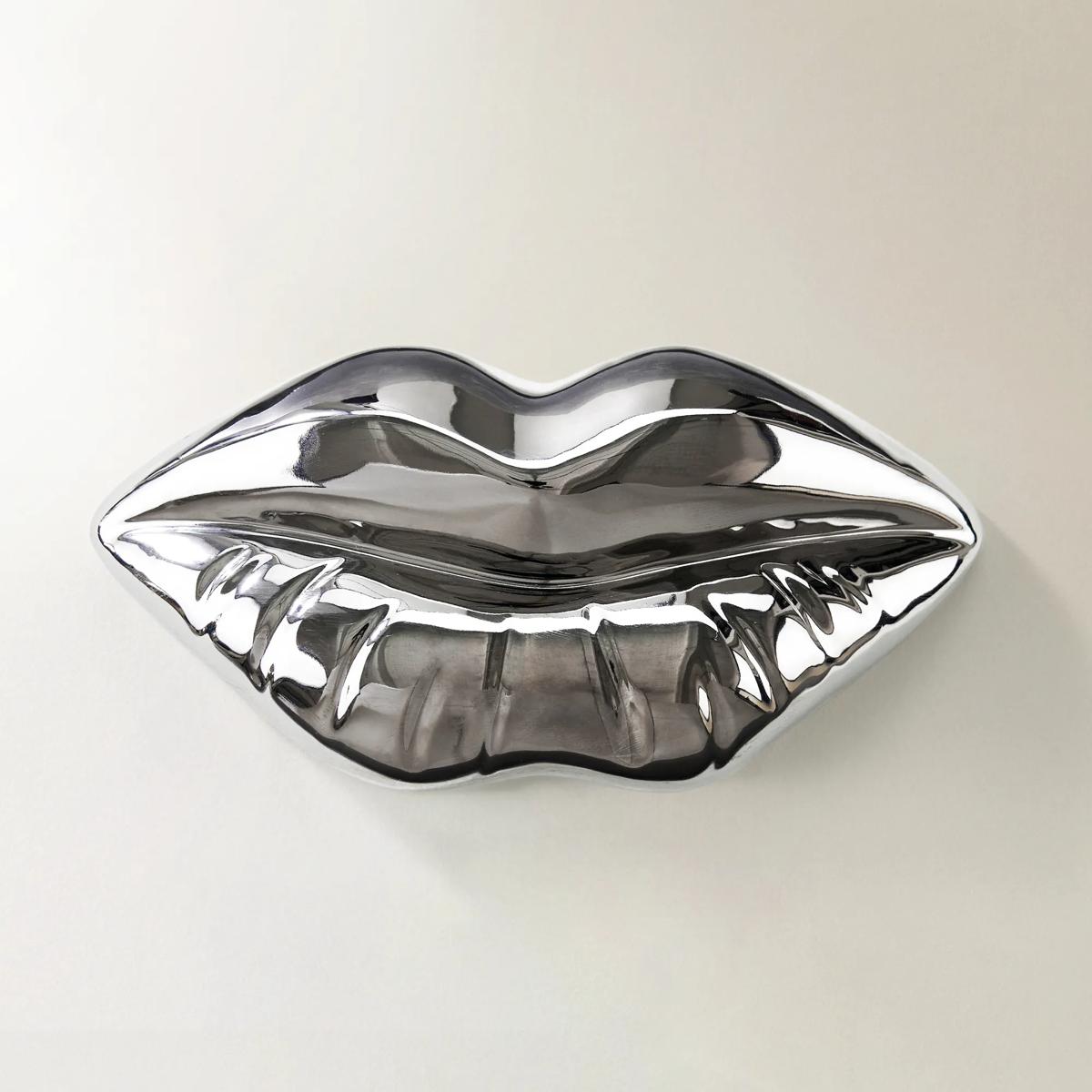 Chrome Lips Ceramic Decorative Object 5.25"$29
A high-shine silver ceramic sculpture that adds modern pop art flair and playful sophistication to any space.
Add To Cart

Abstract Silver Sculptures
Abstract silver sculptures command attention—each piece a striking interplay of light, form, and imagination. These artful creations shimmer with modern allure, transforming any surface into a gallery-worthy display. With their fluid silhouettes and reflective finishes, abstract silver sculptures invite intrigue and conversation, infusing your space with a sense of movement and contemporary elegance. Let these radiant accents become the focal point of your décor, celebrating artistry that is as bold and expressive as you are.
Abstract silver sculptures are decorative art objects that pair nonrepresentational forms with silver-colored surfaces, creating sculptural focal points for consoles, shelves, desks, and tables. Their shapes may be fluid, angular, looping, or deliberately irregular, with open spaces and unexpected proportions that give each silhouette its presence. Rather than depicting a recognizable subject, abstract sculpture invites a more personal response: a sweeping curve can suggest motion, an interlocking form can evoke connection, and a sharply faceted shape can introduce architectural tension. Silver brings another dimension to that expression. A polished surface catches surrounding colors and light, while a brushed or textured finish creates a quieter, more diffuse shimmer. Against dark walls, the effect can feel luminous and theatrical; beside ivory upholstery or pale stone, it becomes a study in subtle contrast. The word silver typically describes the color or finish rather than indicating solid silver construction. Depending on the design, these decorative sculptures may be made from aluminum, stainless steel, plated metal, resin, ceramic, or fiberglass finished in a metallic coating. Material influences more than appearance: it can affect weight, surface texture, handling, and the character of the reflected light. Cast metal can lend a substantial feel, while molded materials allow for expressive curves and complex shapes without necessarily carrying the same weight. Neither appearance nor size alone establishes how heavy a piece will be, making dimensions and construction details especially useful considerations. Some forms have the crisp precision of a line drawing translated into three dimensions; others resemble a ribbon suspended in motion. That variety gives silver sculpture a place in interiors ranging from tailored and architectural to richly layered and unapologetically glamorous. Its appeal lies in the balance between a neutral metallic palette and a shape that refuses to disappear into the background. Even a restrained arrangement gains energy when a gleaming arc or sculpted twist interrupts the predictable lines of furniture and frames.
Scale gives abstract silver sculptures their relationship to a room. A tall, narrow form can draw the eye upward on an entry console, while a low, elongated silhouette can bring movement to a broad coffee table without dominating the conversation area. On a bookcase, a compact sculpture introduces relief between rows of books and rectangular objects, particularly when its outline remains visible against the backing. Fit involves height, width, depth, and the space around the form, not simply whether its base fits on a surface. A looping sculpture loses some of its drama when crowded against taller accessories; a little breathing room lets the opening become part of the composition. For arrangements that center on smaller surfaces, Abstract Tabletop Sculptures offer a related expression of dimensional art, with silhouette and proportion shaping the mood of the display. A silver finish works beautifully with contrasting textures: dark wood gives it depth, honed stone tempers its shine, and velvet creates a sumptuous backdrop for crisp metallic contours. Glass can heighten the floating quality of an open form, although the combined reflections deserve consideration in a brightly lit room. Placement near a lamp may reveal curves that disappear under flat overhead lighting, while a mirror behind a sculpture repeats its outline and amplifies its presence. The most compelling arrangement does not require every neighboring accent to share the same finish. Silver can sit confidently beside brass, blackened metal, or bronze when the surrounding palette gives those materials a clear relationship. Repeating one tone elsewhere in the room helps the mix feel deliberate rather than accidental. Intended use matters as much as visual impact: a dining-table centerpiece needs to preserve sightlines, a desk accent should leave room for daily work, and an entryway display should sit beyond the sweep of a door or a passing bag. These practical boundaries give expressive design room to succeed without asking the room to function around it.
The lasting beauty of an abstract silver sculpture depends on both its construction and the way it is displayed. A substantial base and a balanced silhouette are valuable on frequently used furniture, especially where a projecting curve could be nudged. Weight alone does not guarantee stability, and delicate extensions or narrow connecting points deserve careful handling regardless of material. Felt pads or another suitable protective barrier can help prevent contact marks on furniture, provided the sculpture remains level and secure. Most decorative metallic finishes benefit from gentle dusting with a clean, soft cloth, but the maker’s care directions should govern any deeper cleaning. Abrasive pads, harsh cleaners, and vigorous rubbing can scratch polished surfaces or wear through a coating. Metal polish is not a universal solution: a product intended for solid metal may damage lacquer, plating, or a painted silver finish. If damp cleaning is permitted, a lightly moistened cloth followed by prompt drying may be appropriate; seams, textured recesses, and the underside of the base should not be left wet. Lifting from the strongest part of the body or base, rather than an elegant projecting tip, helps protect the form during rearranging. Indoor decorative sculpture should also be distinguished from art made for outdoor exposure, since a silver appearance does not establish resistance to moisture or prolonged sunlight. With thoughtful placement and finish-appropriate care, these pieces can remain distinctive elements of an evolving interior. They also make expressive gifts for design enthusiasts, art-minded hosts, newlyweds, or someone marking a new home or professional milestone. The strongest choice reflects the recipient’s taste and available display space: a restrained geometric form for a tailored office, perhaps, or an exuberant twist for a living room filled with texture and saturated color. Abstract silver sculpture offers the pleasure of an object that changes with its surroundings, revealing a different contour from across the room and a different reflection as someone passes. It brings an unmistakably artistic gesture to the spaces where everyday life unfolds.
FAQs
Abstract silver sculptures introduce a sense of movement, light, and artistic intrigue to any modern living space. Their reflective surfaces capture and amplify natural and artificial light, creating dynamic visual interest throughout the day. Whether displayed as a dramatic centerpiece or a subtle accent, these sculptures elevate the mood of a room, adding sophistication and a curated, gallery-inspired feel.
Abstract silver sculptures are remarkably versatile and complement a range of design styles. They bring a striking focal point to contemporary and modern interiors, blend seamlessly with glam and art deco themes, and provide a bold contrast in more traditional or eclectic spaces. Their metallic sheen also pairs beautifully with luxe materials like velvet, marble, and glass.
Absolutely. Abstract silver sculptures make memorable and meaningful gifts for housewarmings, weddings, anniversaries, or milestone celebrations. Their artistic form and timeless appeal signify thoughtfulness and an appreciation for the recipient’s unique style, making them cherished keepsakes for years to come.
To achieve a cohesive look, consider grouping sculptures with complementary shapes or varying heights on a single surface, such as a mantel or console table. Balance the arrangement with other textures and colors in the room, and allow each piece enough space to shine. Mixing different abstract forms in the same metallic finish can create a curated, harmonious display.
Position your silver sculpture where it can interact with light—near windows, under spotlights, or on surfaces that catch the sun. The interplay of light and reflection will accentuate its sculptural lines and metallic sheen, transforming it into a luminous focal point that changes with the time of day and season.