Modern Art For Open Concept Spaces
Modern Art For Open Concept Spaces
-
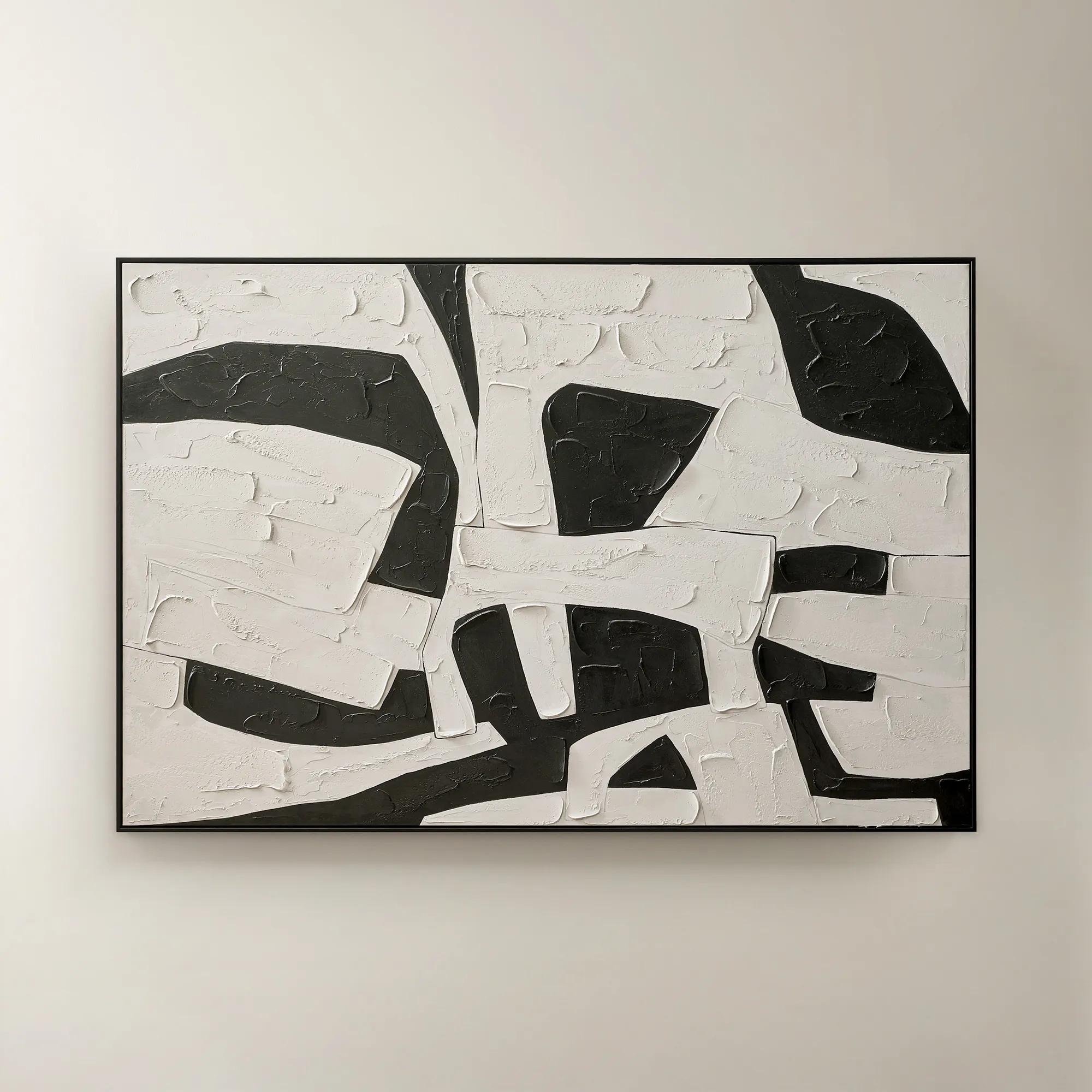 Space Between Shadows Framed Painted Wall Art 72" x 48"$799
A hand-painted abstract canvas featuring bold alabaster and black geometric forms in a sleek black frame.
Add To Cart -
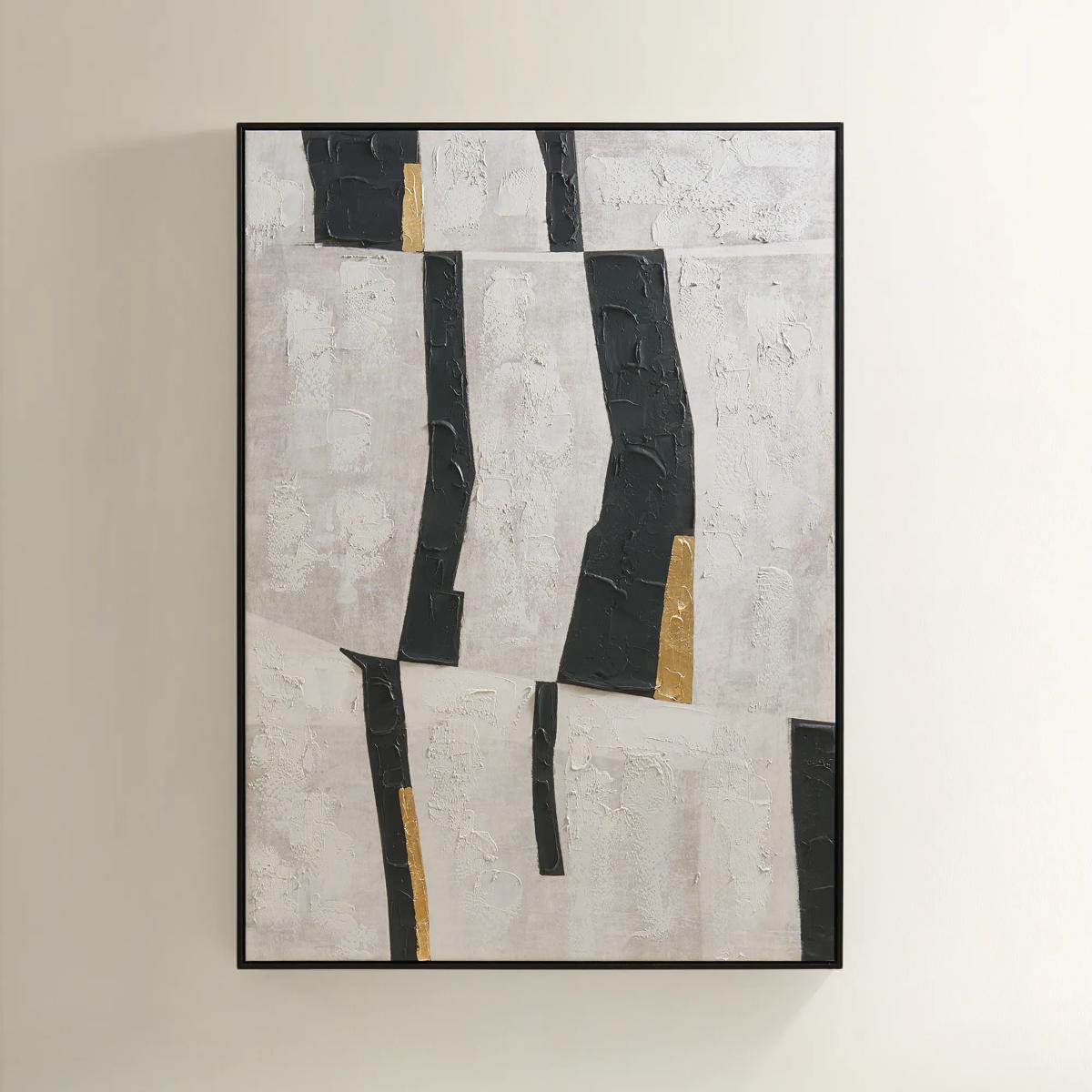
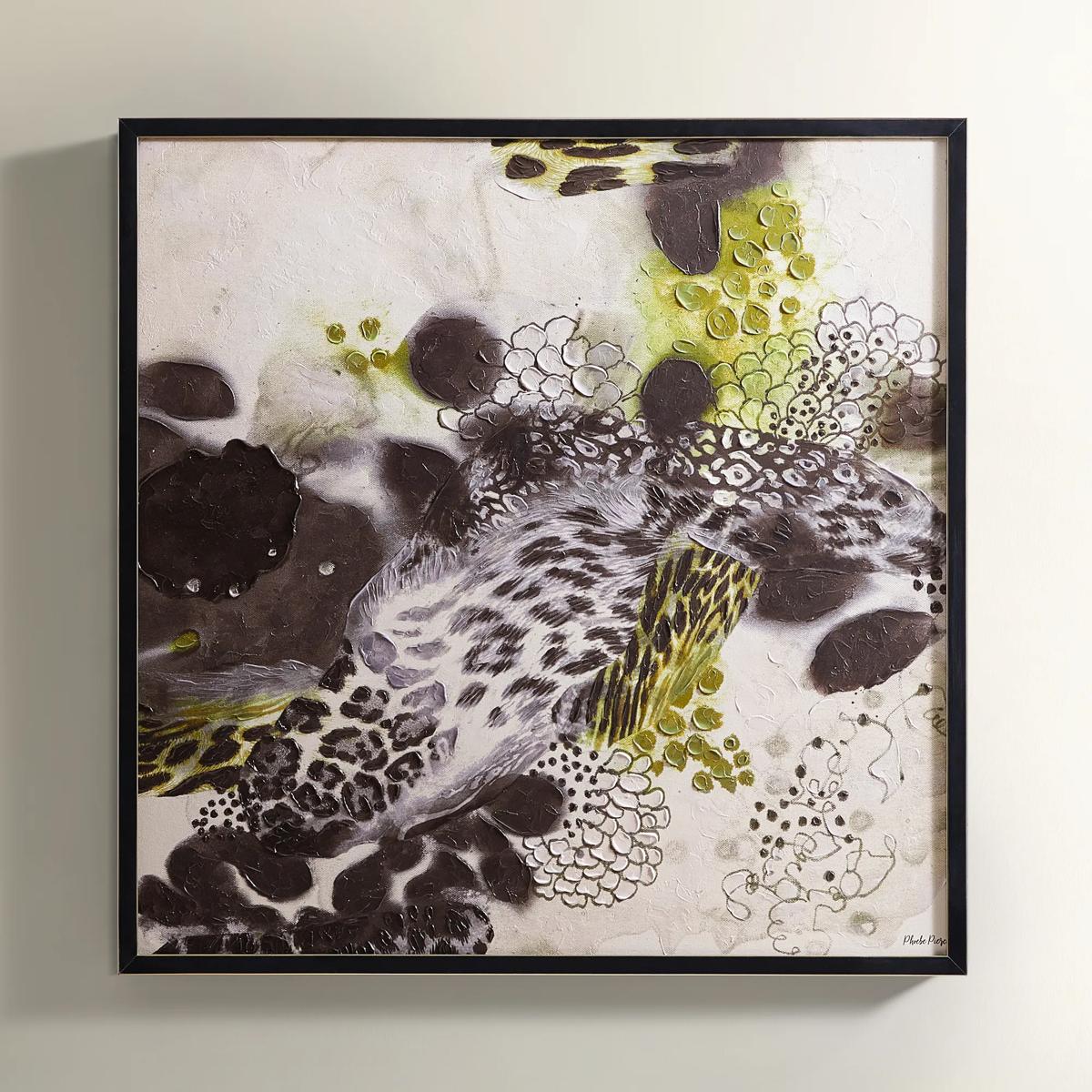
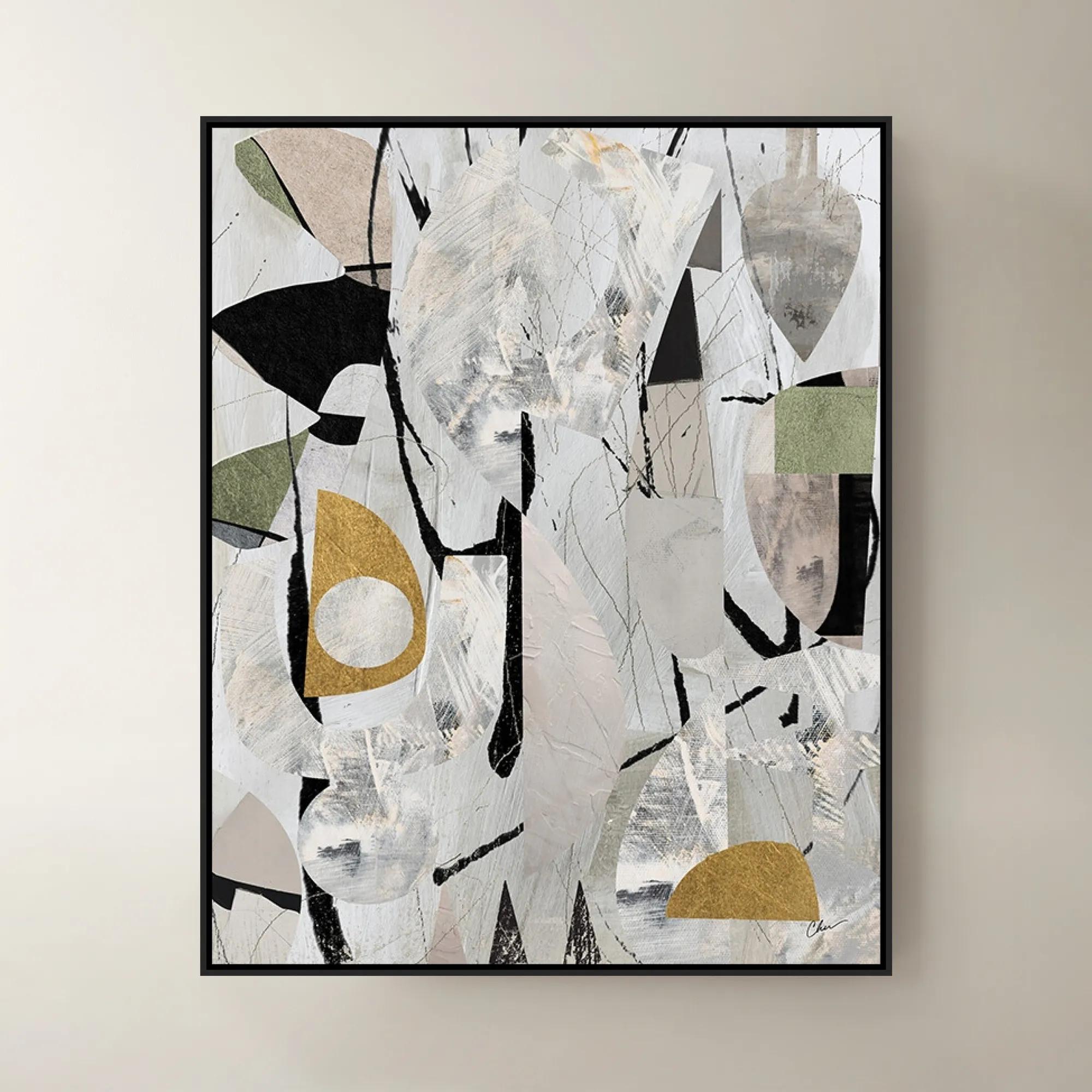
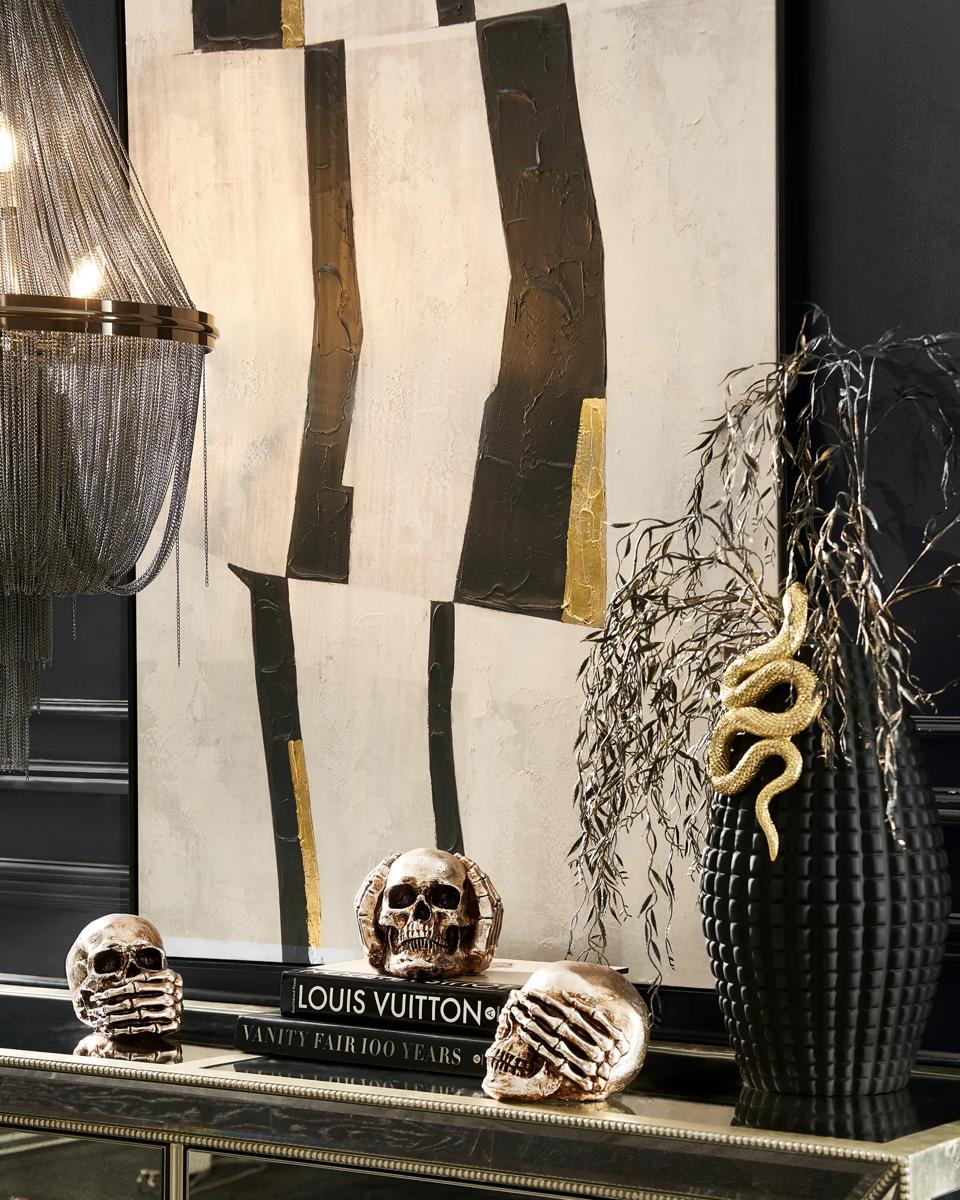 Into the Groove Painting$449
A modern abstract canvas featuring black, gray, and gold leaf accents in a sleek black floater frame.
Add To Cart -
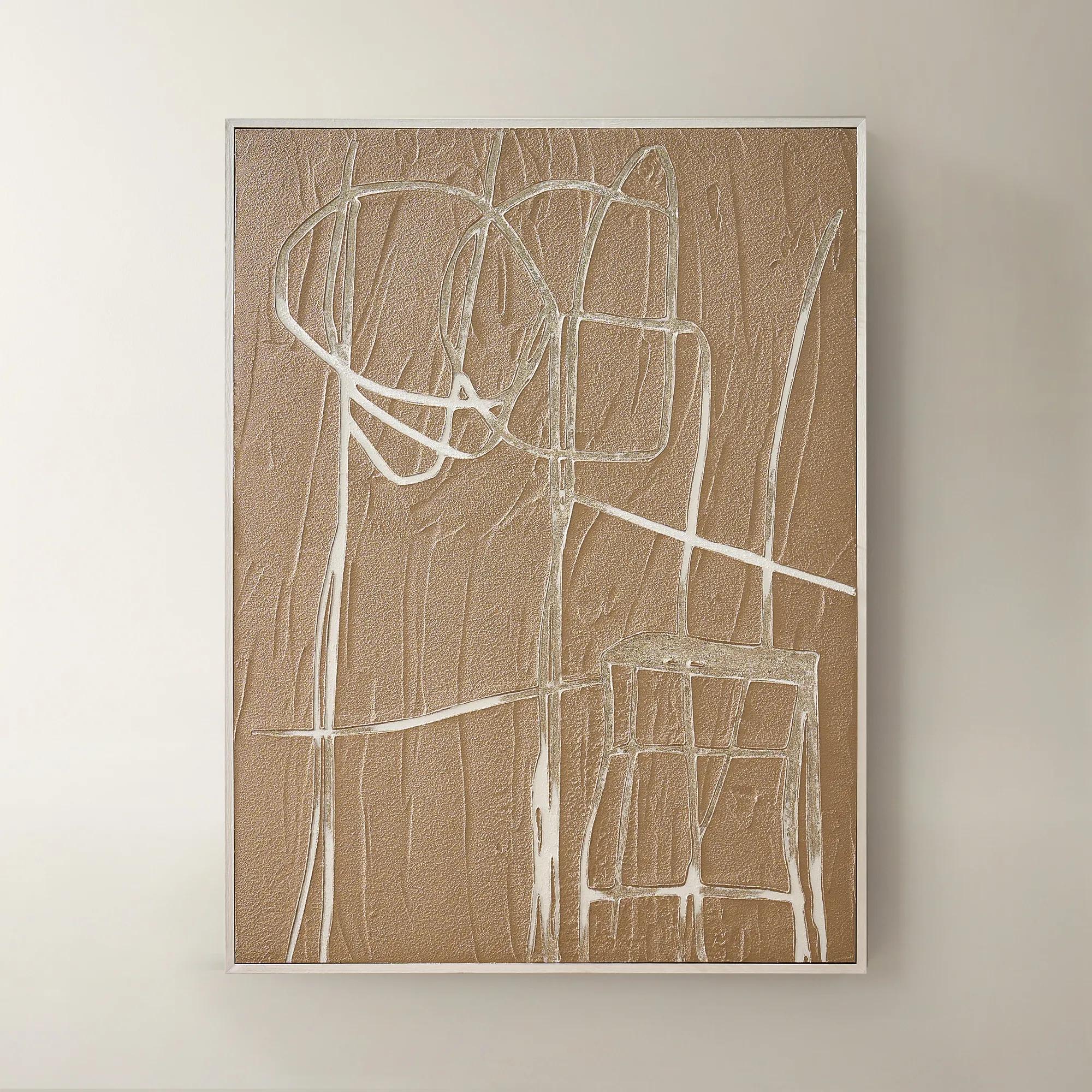
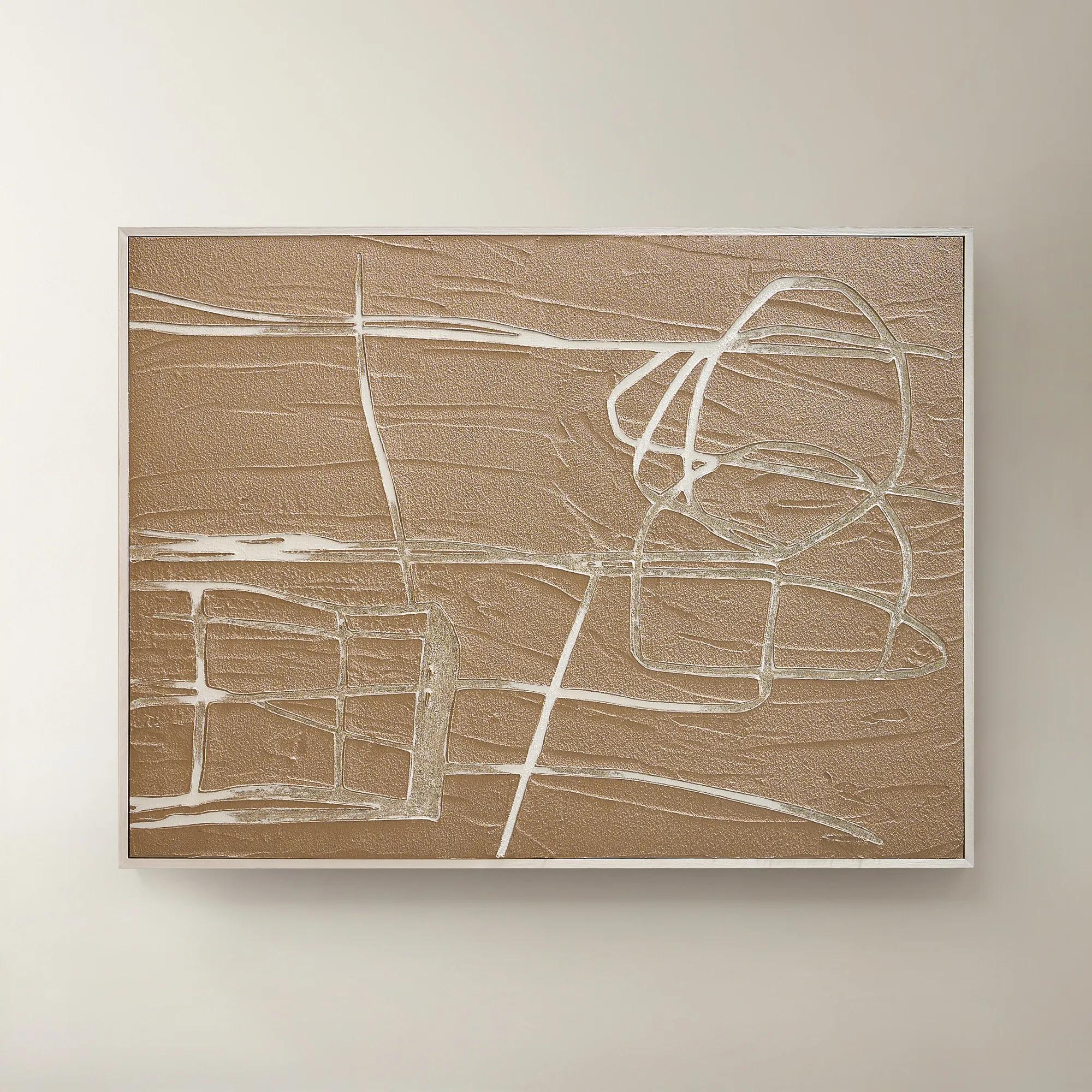 Linear Sand Framed Painted Wall Art 35" x 47"$369
A contemporary sand-toned painted canvas artwork framed for sophisticated modern interiors.
Add To Cart -
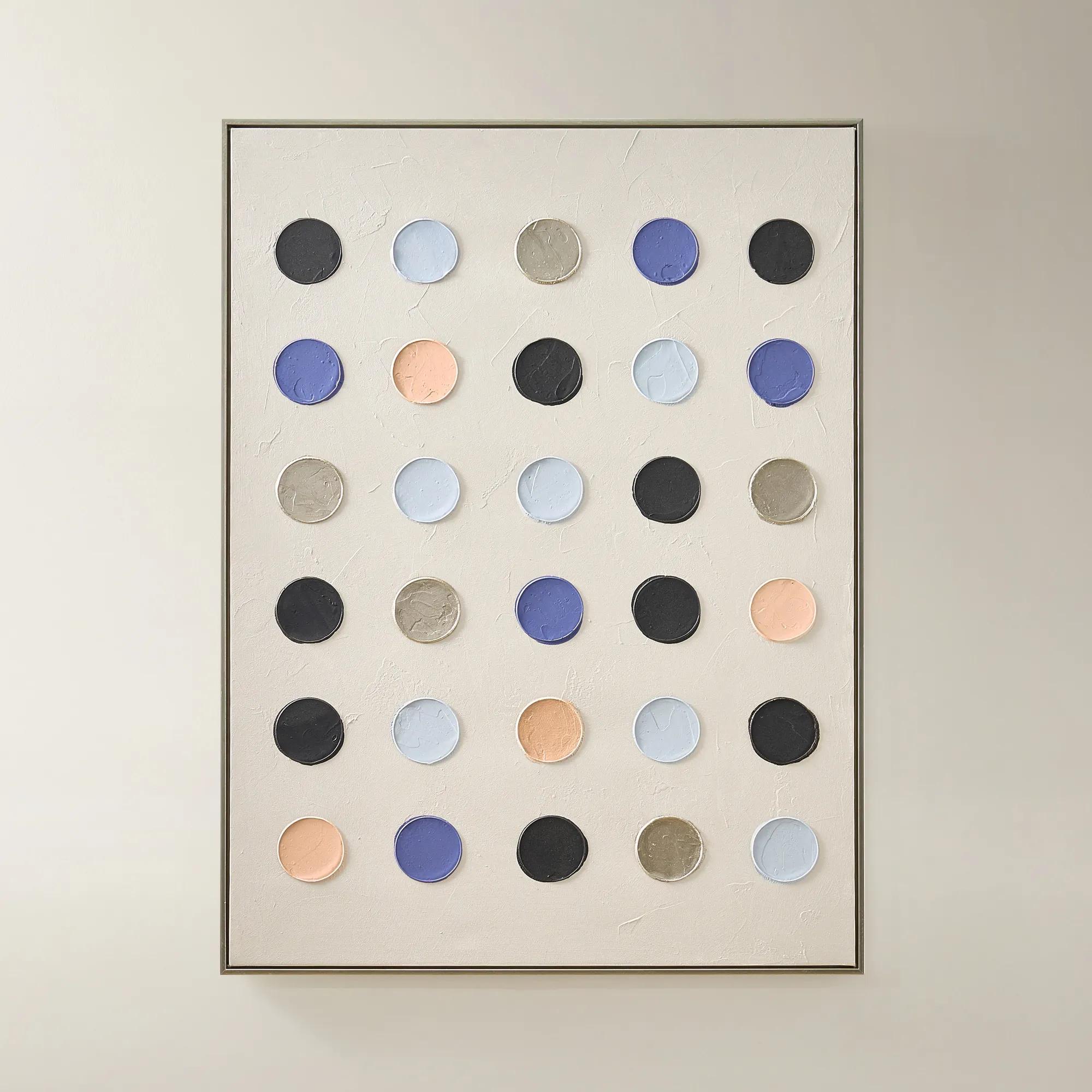
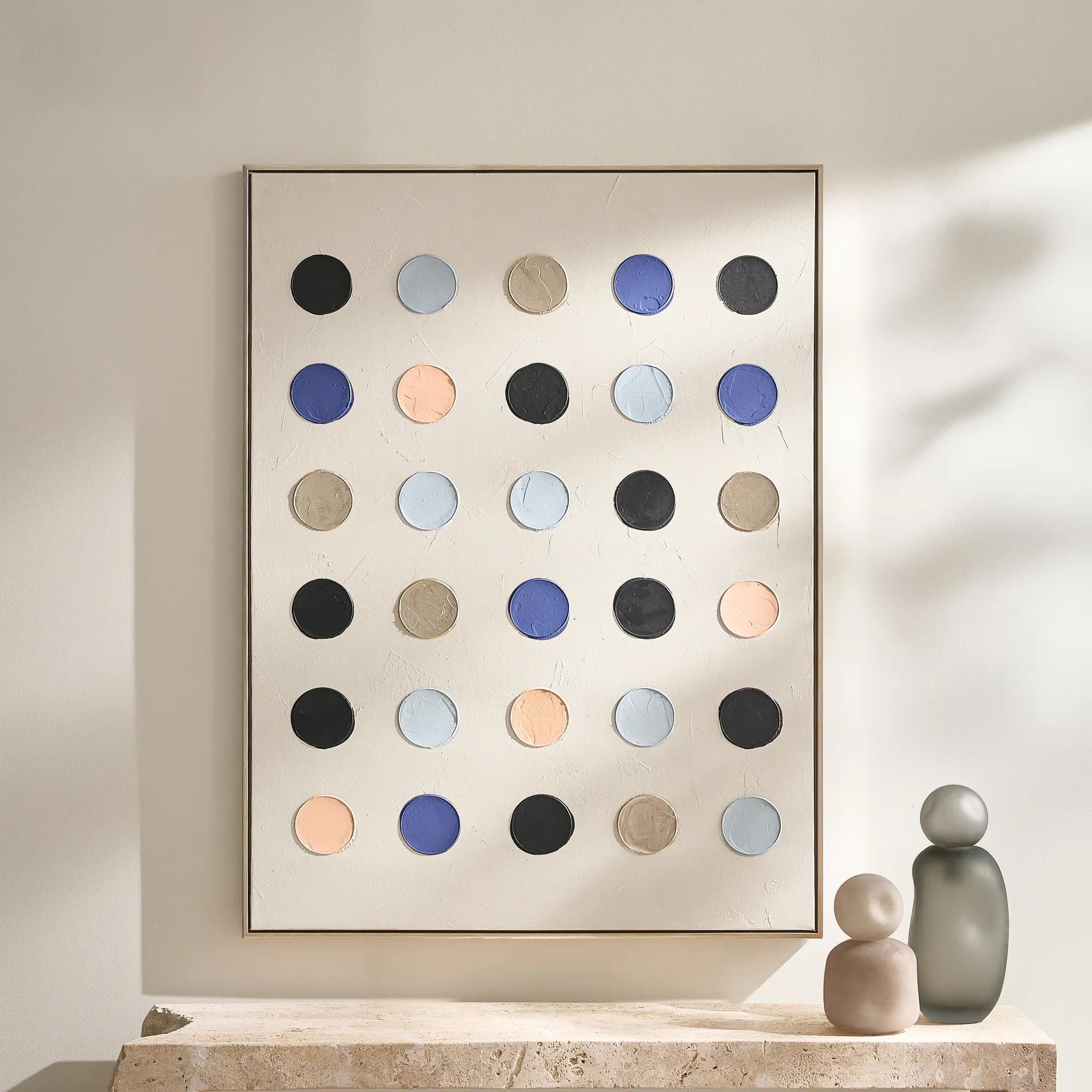 Polka Dot Framed Painted Wall Art 35" x 47"$299
A multicolored polka dot painting on framed canvas, bringing playful modern artistry to your walls.
Add To Cart -
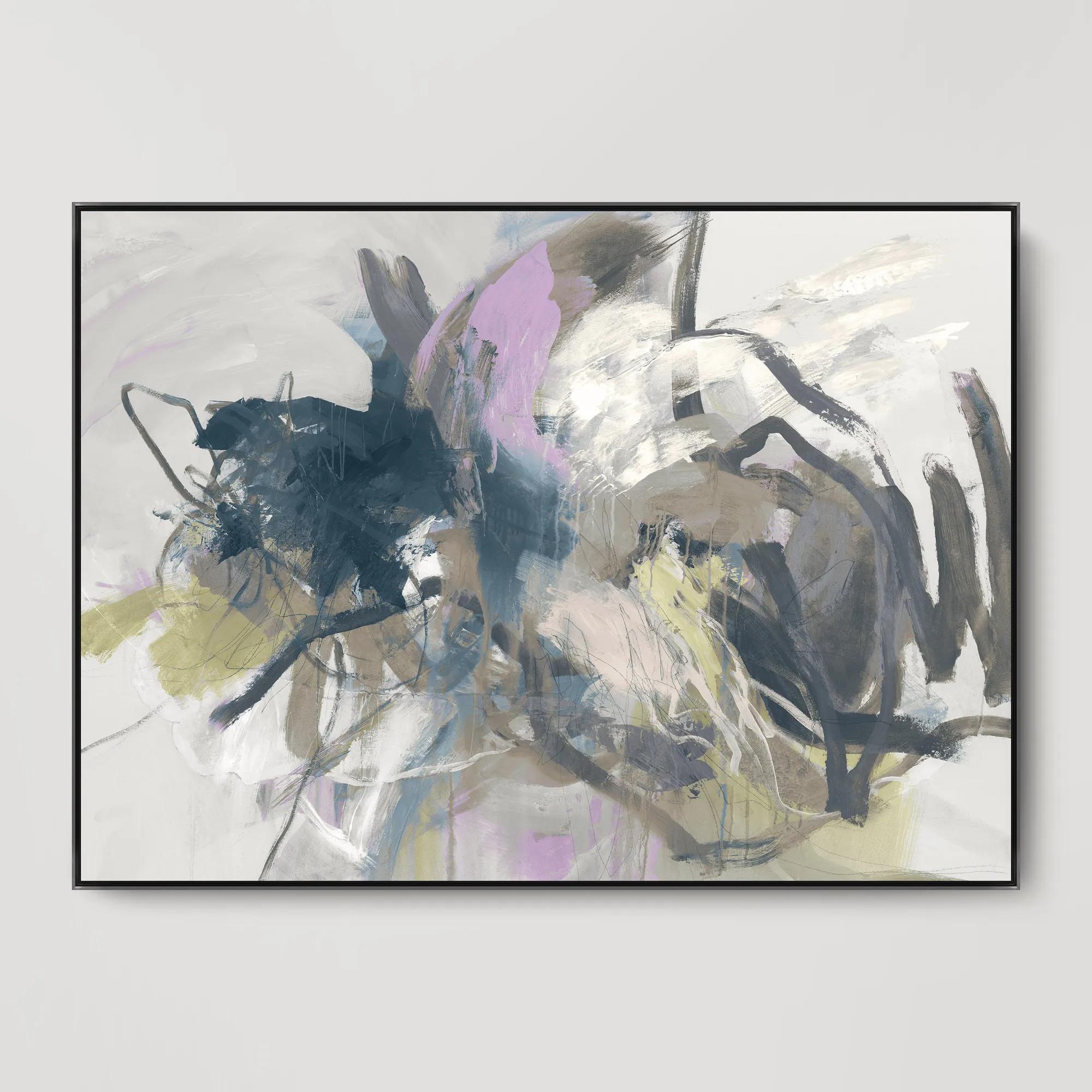
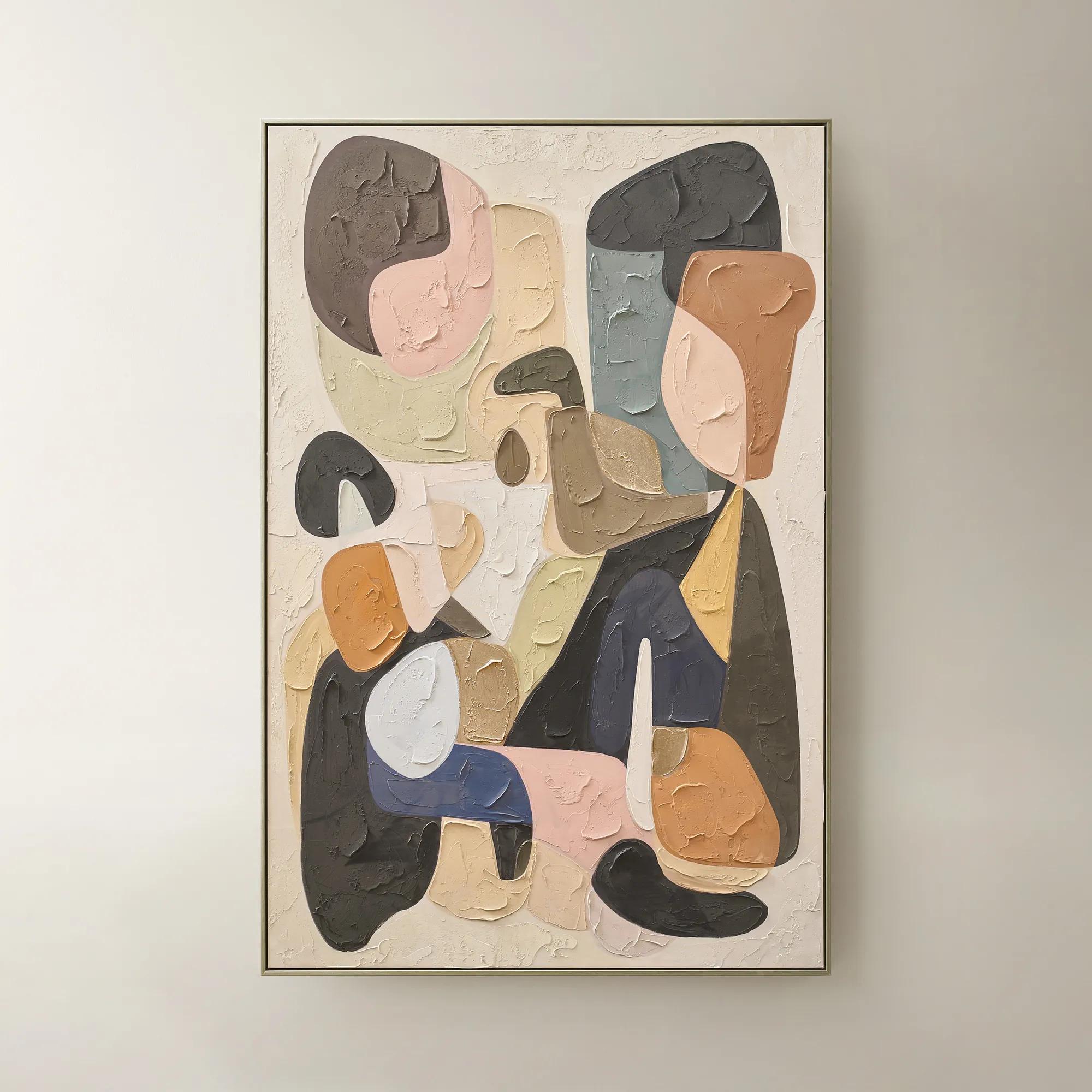 Chromatic Bloom Framed Painted Wall Art 40" x 60"$519
A hand-painted abstract canvas featuring a vibrant multi-color palette and shimmering champagne detailing.
Add To Cart -
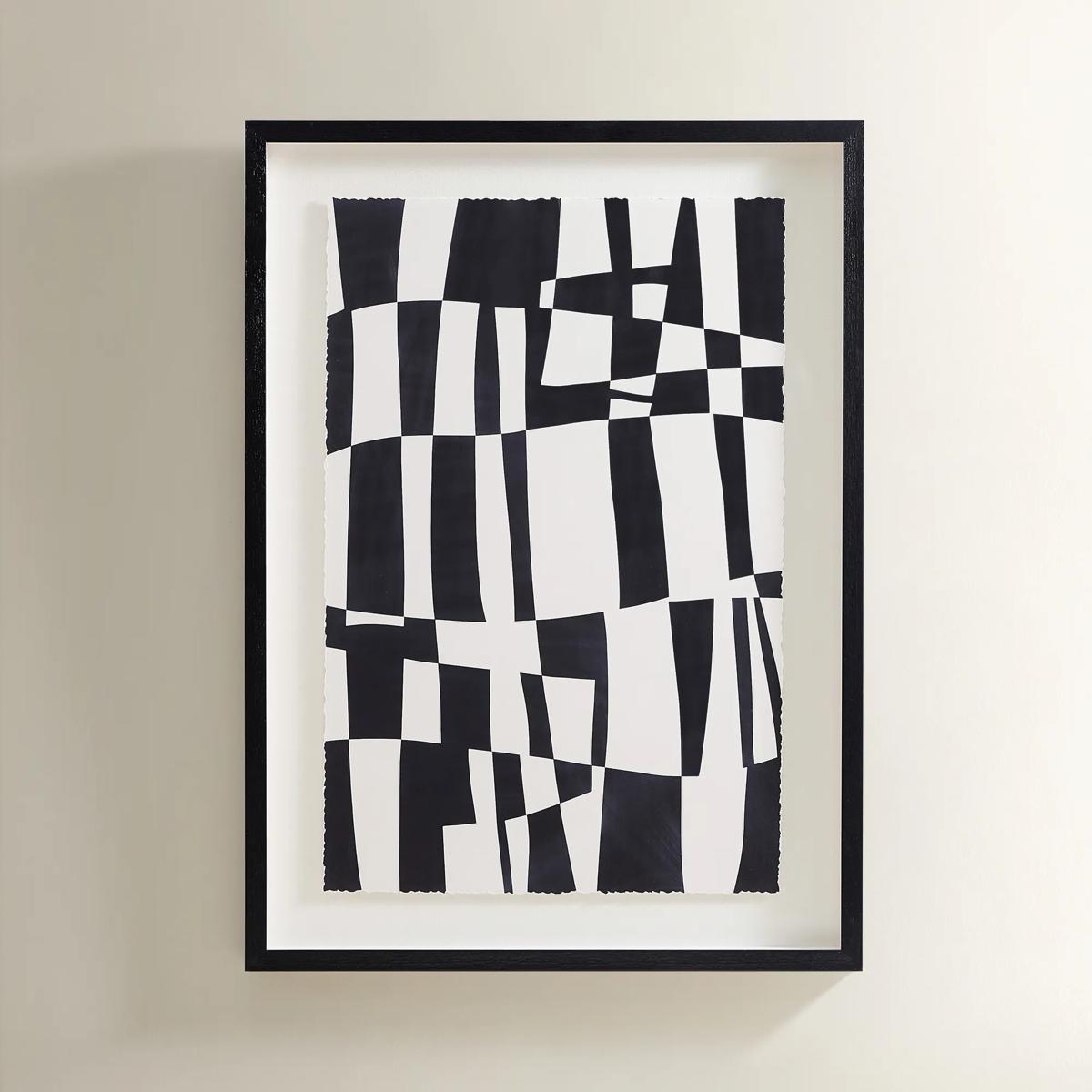 Matrix Art$369
A striking black and white abstract grid print set in a sleek black polyresin frame.
Add To Cart -
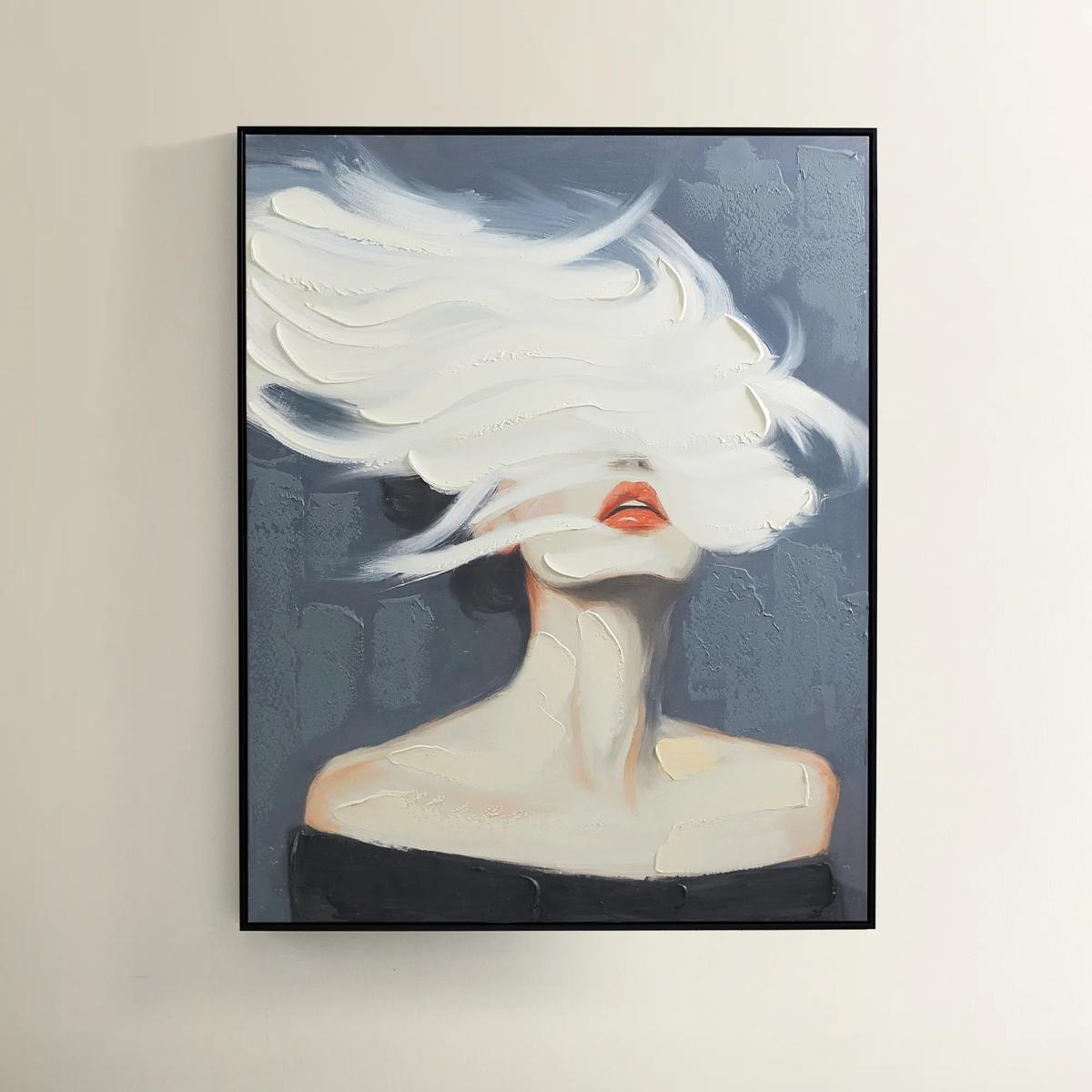
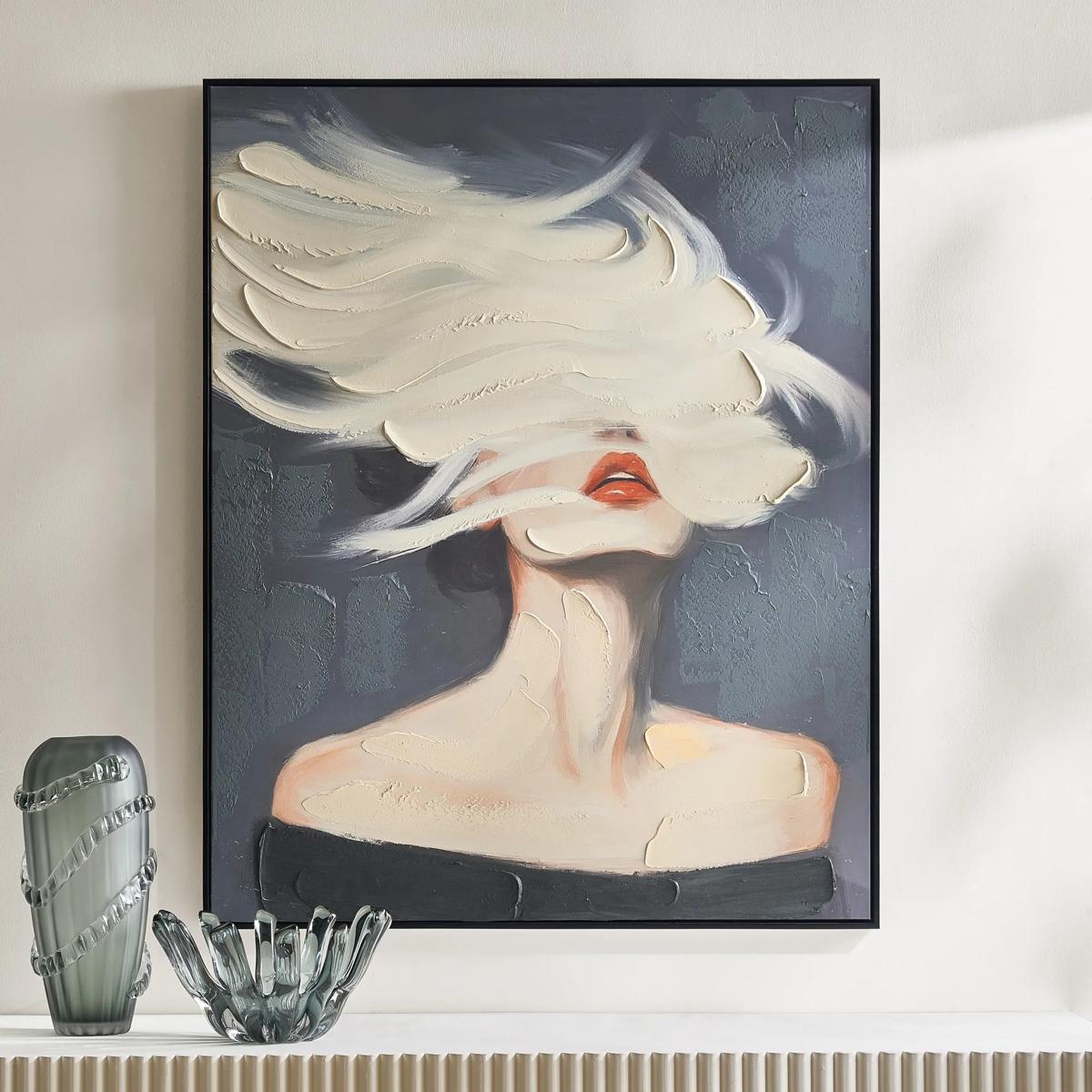 Daydreamer Painting$599
A hand-painted canvas portrait with sculptural white brushstrokes, bold red lips, and a sleek black frame.
Add To Cart -
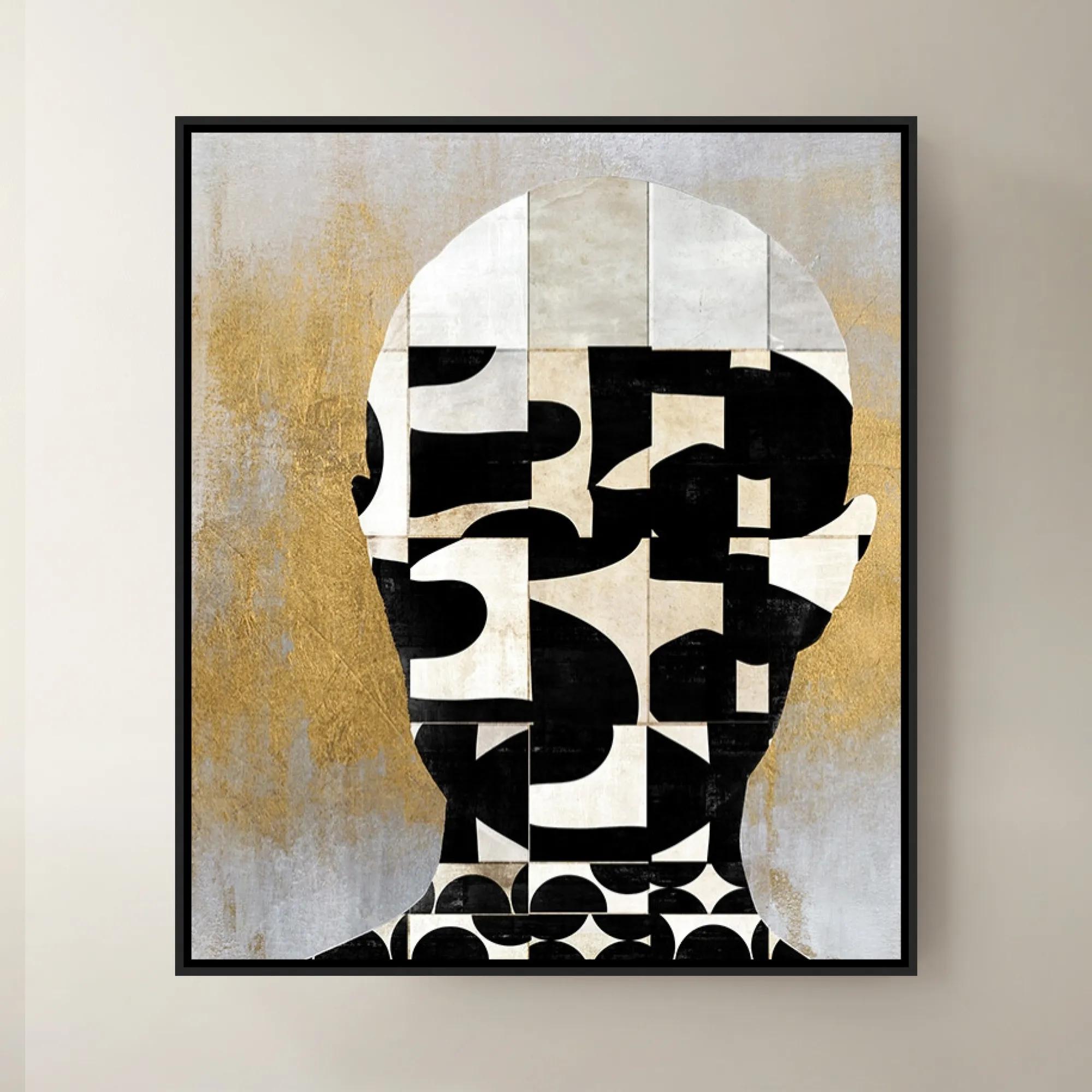
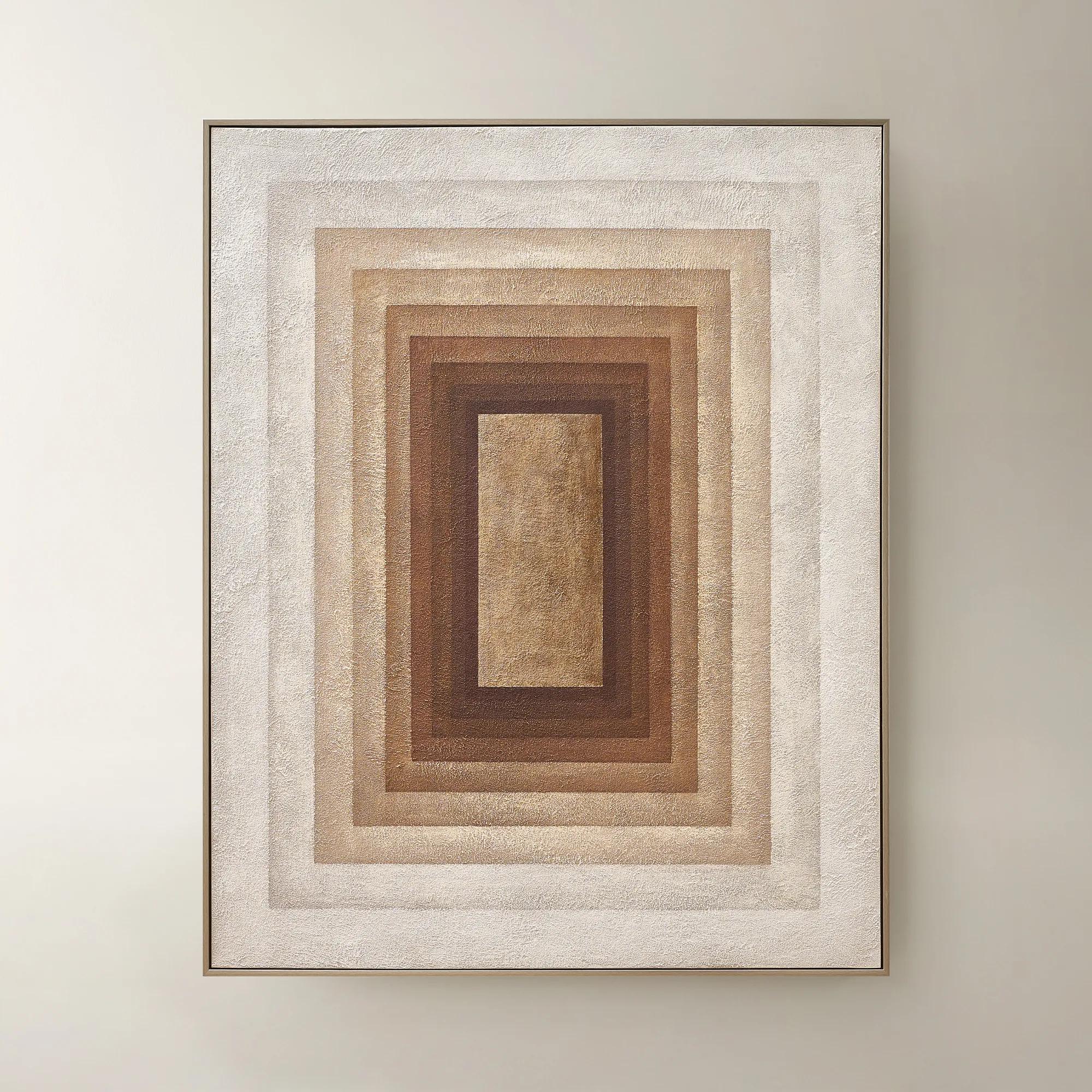 Monochrome Drift Framed Painted Wall Art 60" x 48"$699
A hand-painted abstract canvas with champagne leafing, featuring cocoa and gold tones in modern geometric design.
Add To Cart -

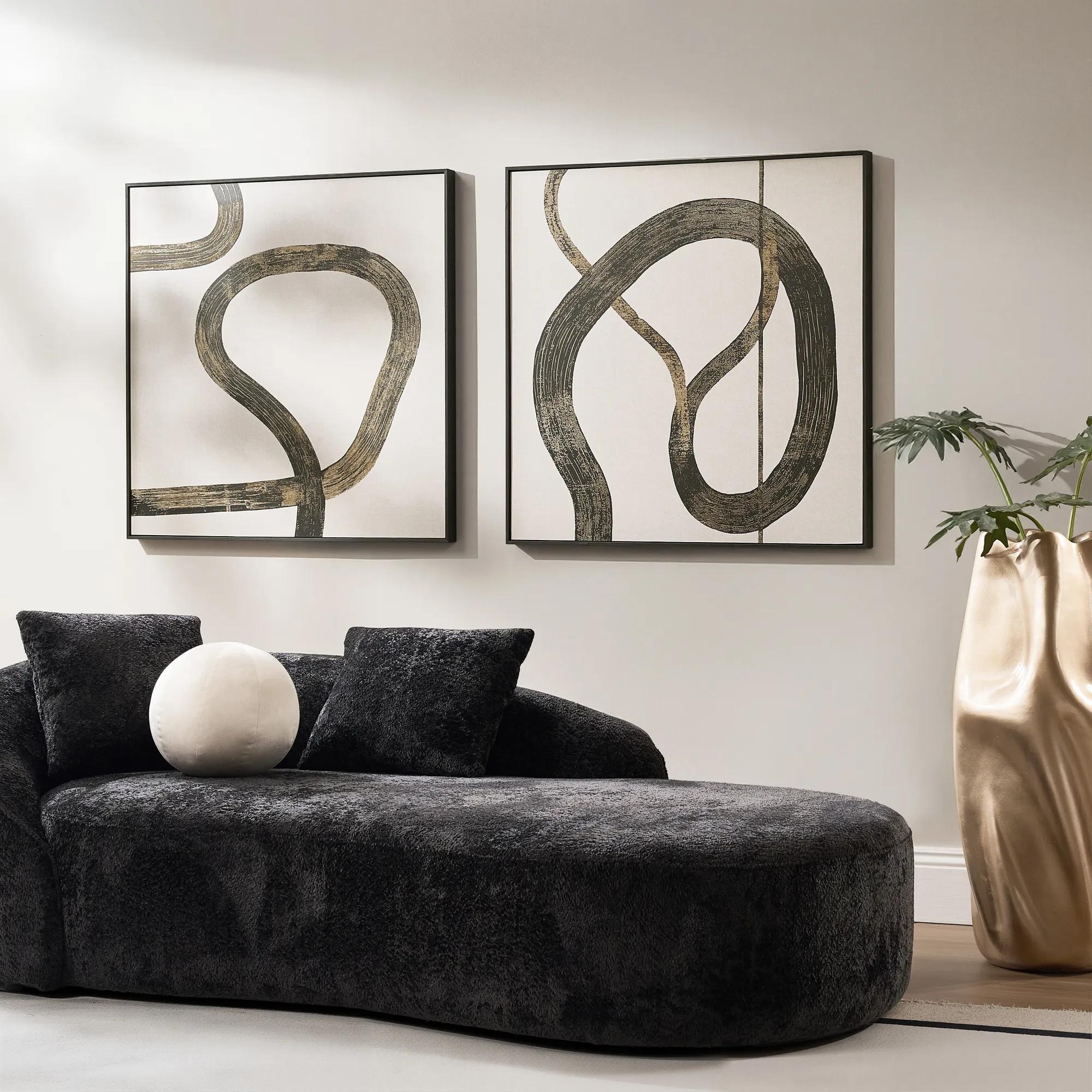 Live Wire Framed Gold Foil Painted Wall Art II 39" x 39"$349
A framed wall artwork featuring gold foil-painted detailing for glamorous modern display.
Add To Cart -

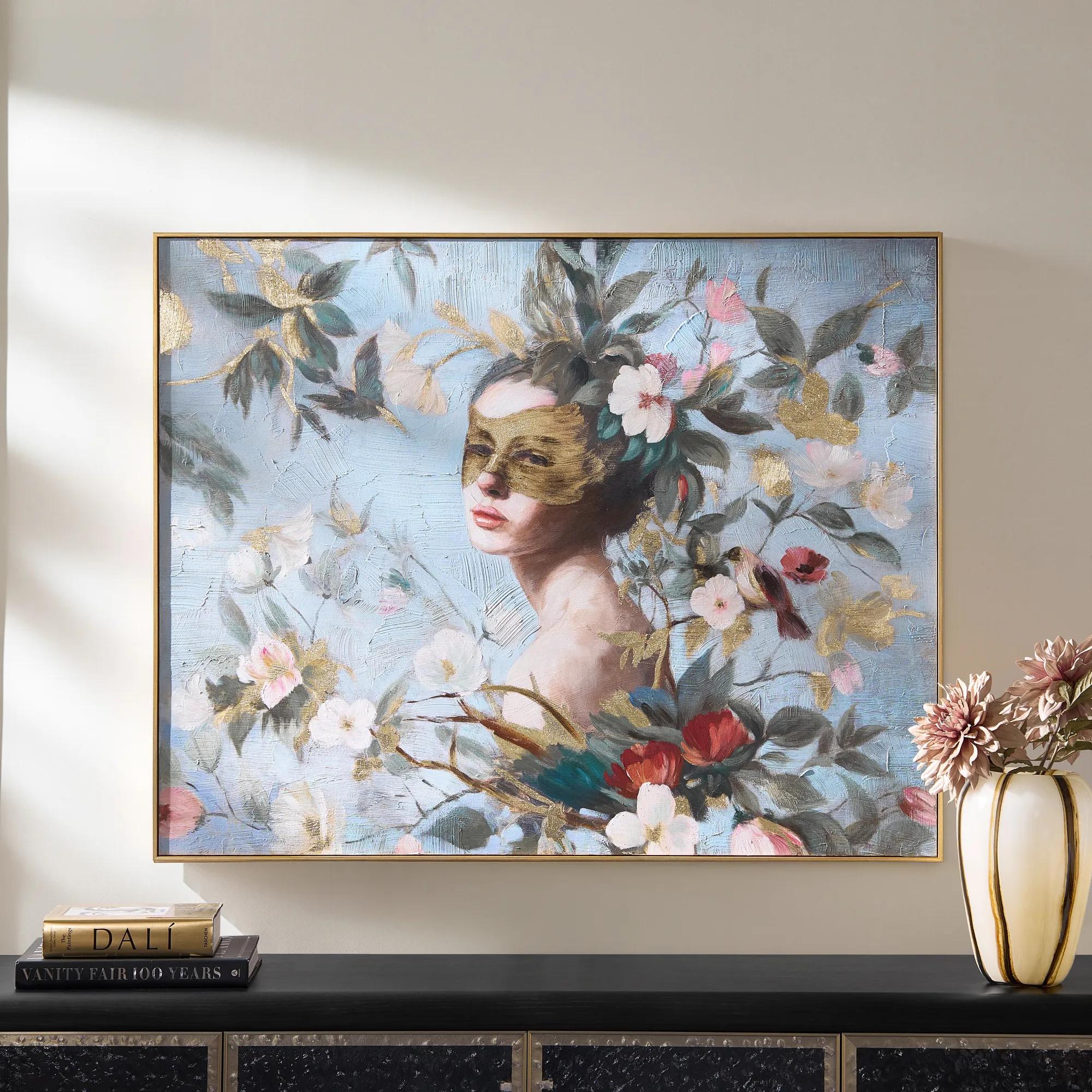 Garden Party Framed Gold Leaf Painted Wall Art 50" x 40"$399
A gold leaf painted canvas artwork in a framed presentation, bringing artistic sophistication to modern interiors.
Add To Cart -
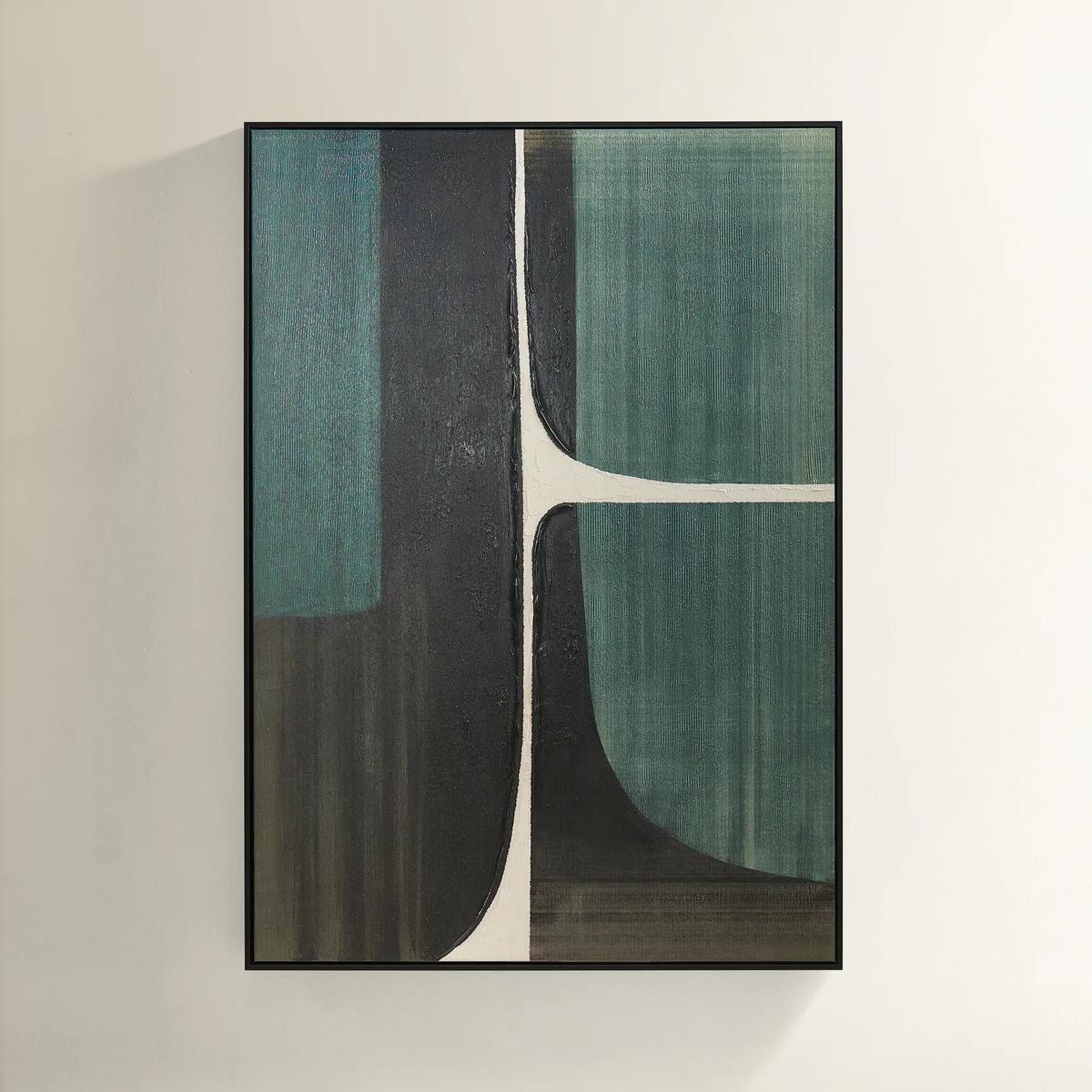 Plains Framed Painted Wall Art 39.25" x 55"$499
A hand-painted abstract canvas in forest green, ivory, and black with a sleek black floater frame.
Add To Cart -
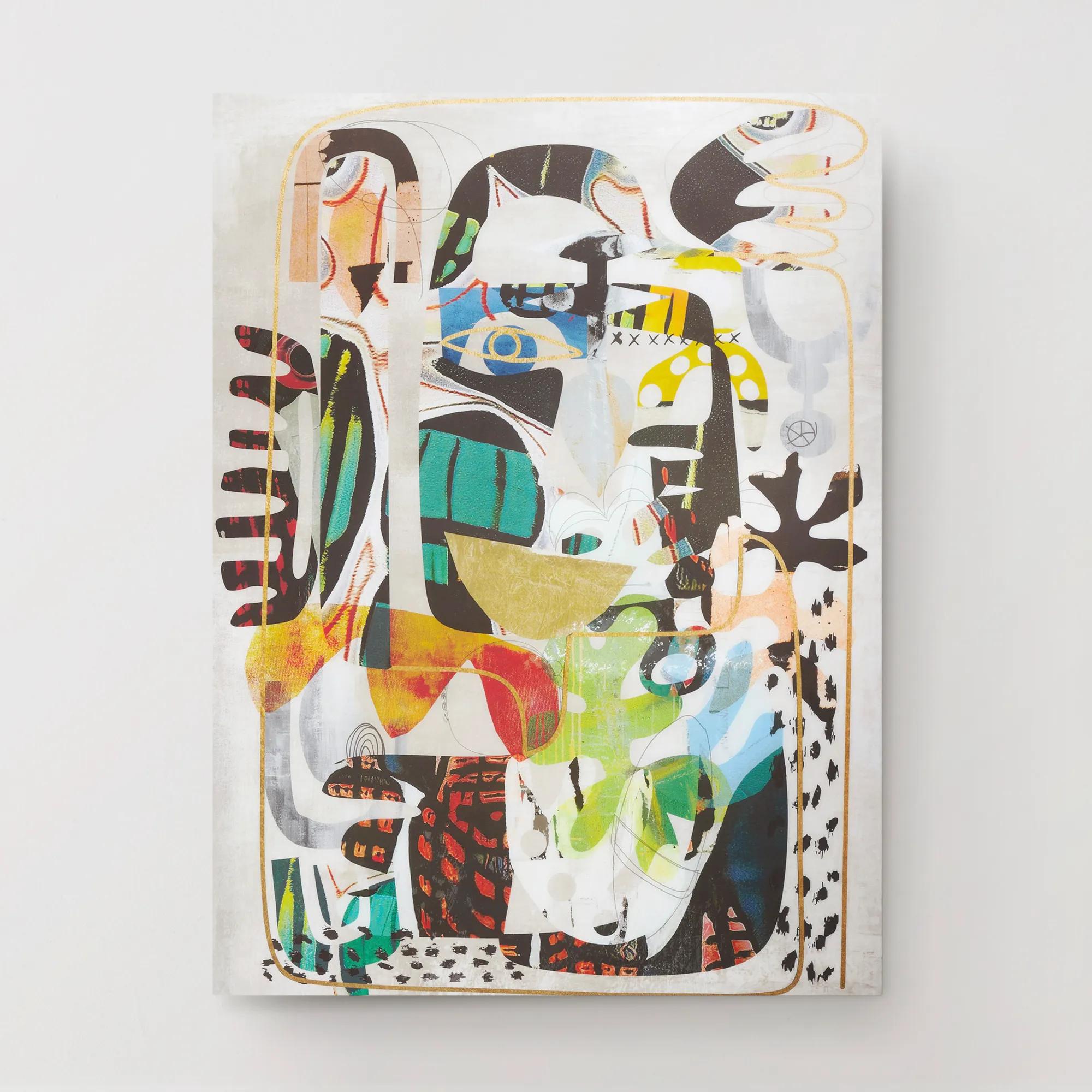
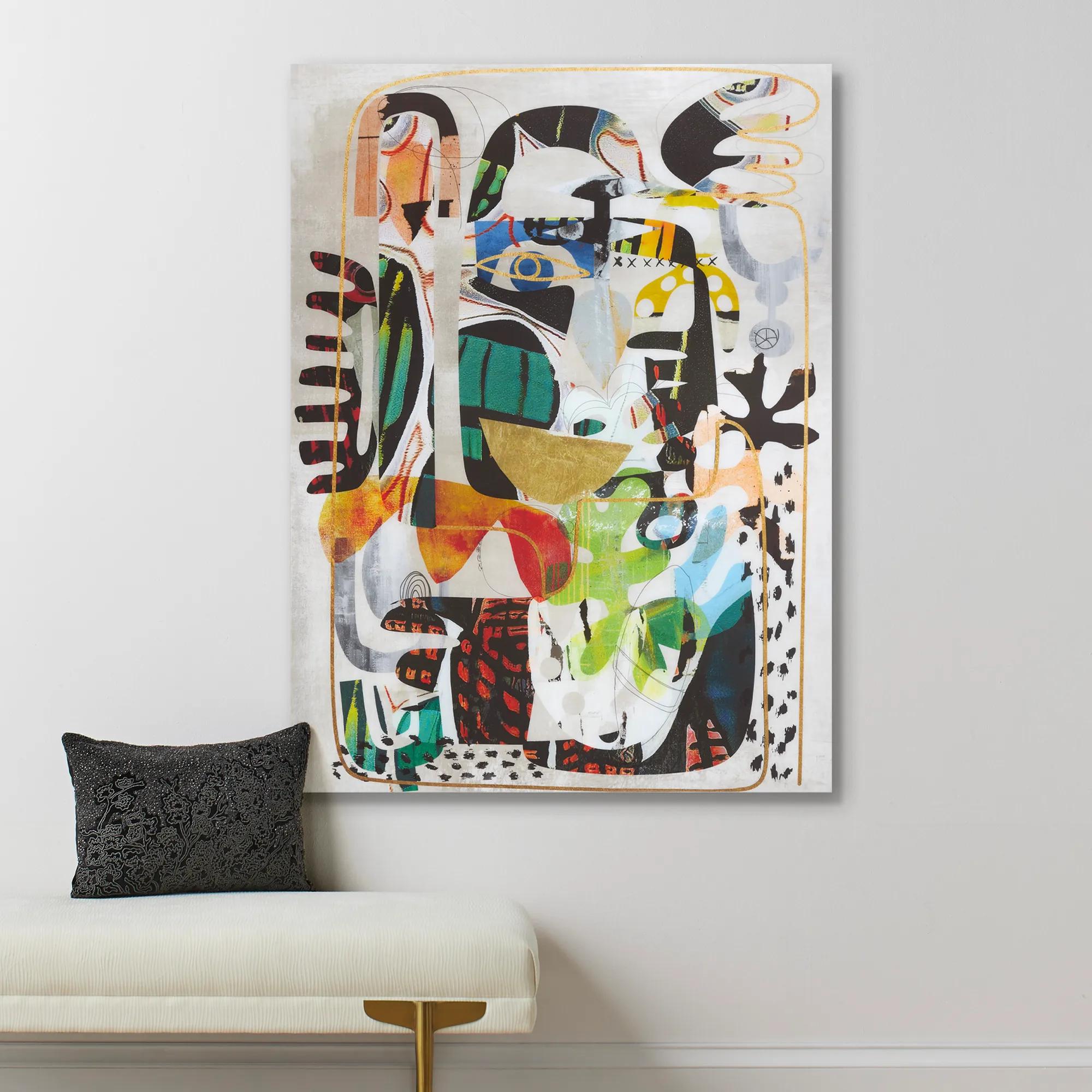 Nikki Chu Masked Wall Art 40" x 54"$899
A vibrant giclee print on canvas featuring a hand-applied glossy finish for a modern statement.
Add To Cart -
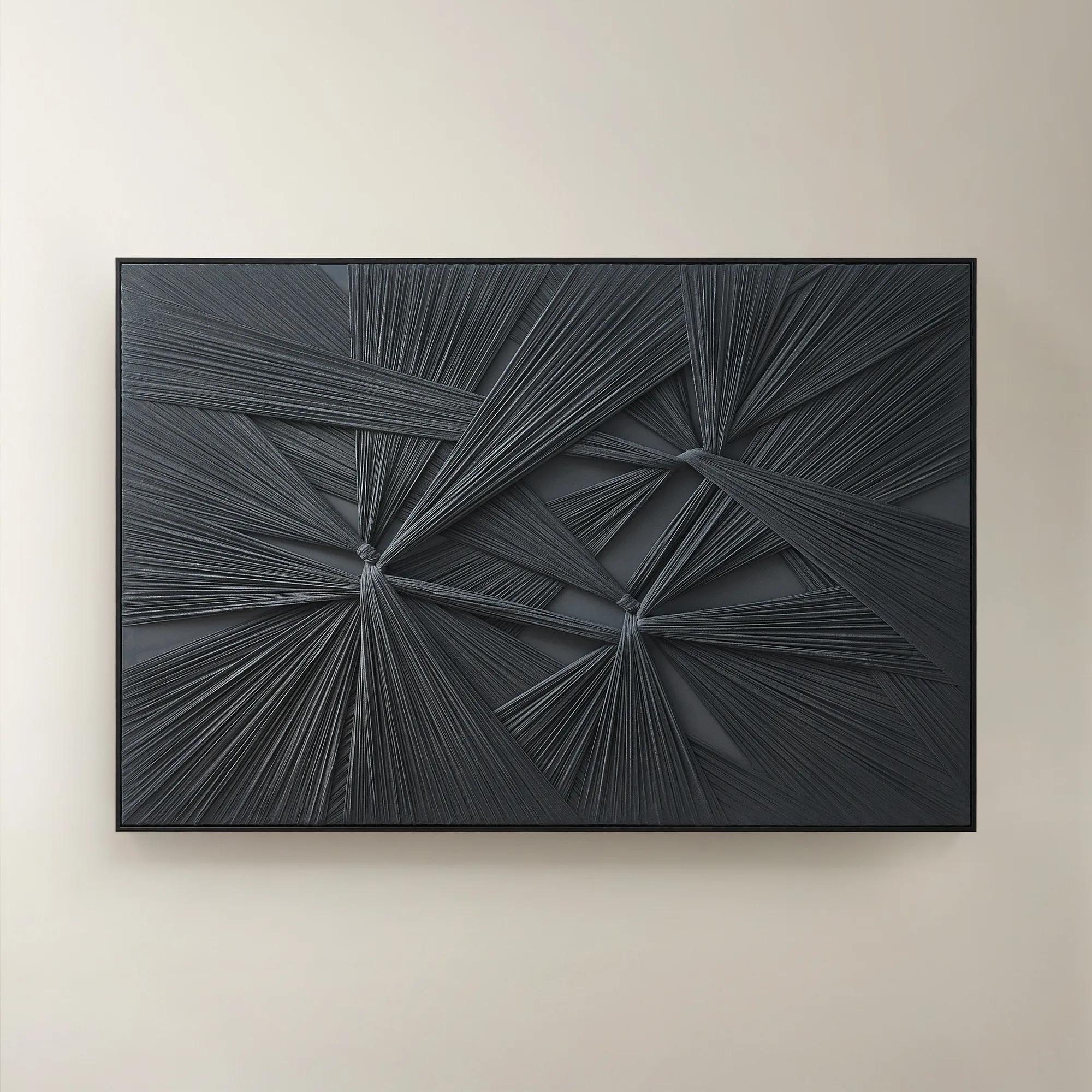 Grace in Dark Slate Hand-crafted Fabric Wall Art 70.75" x 47"$799
A hand-crafted textile wall art piece in dark slate, featuring sculptural texture and versatile display options.
Add To Cart -
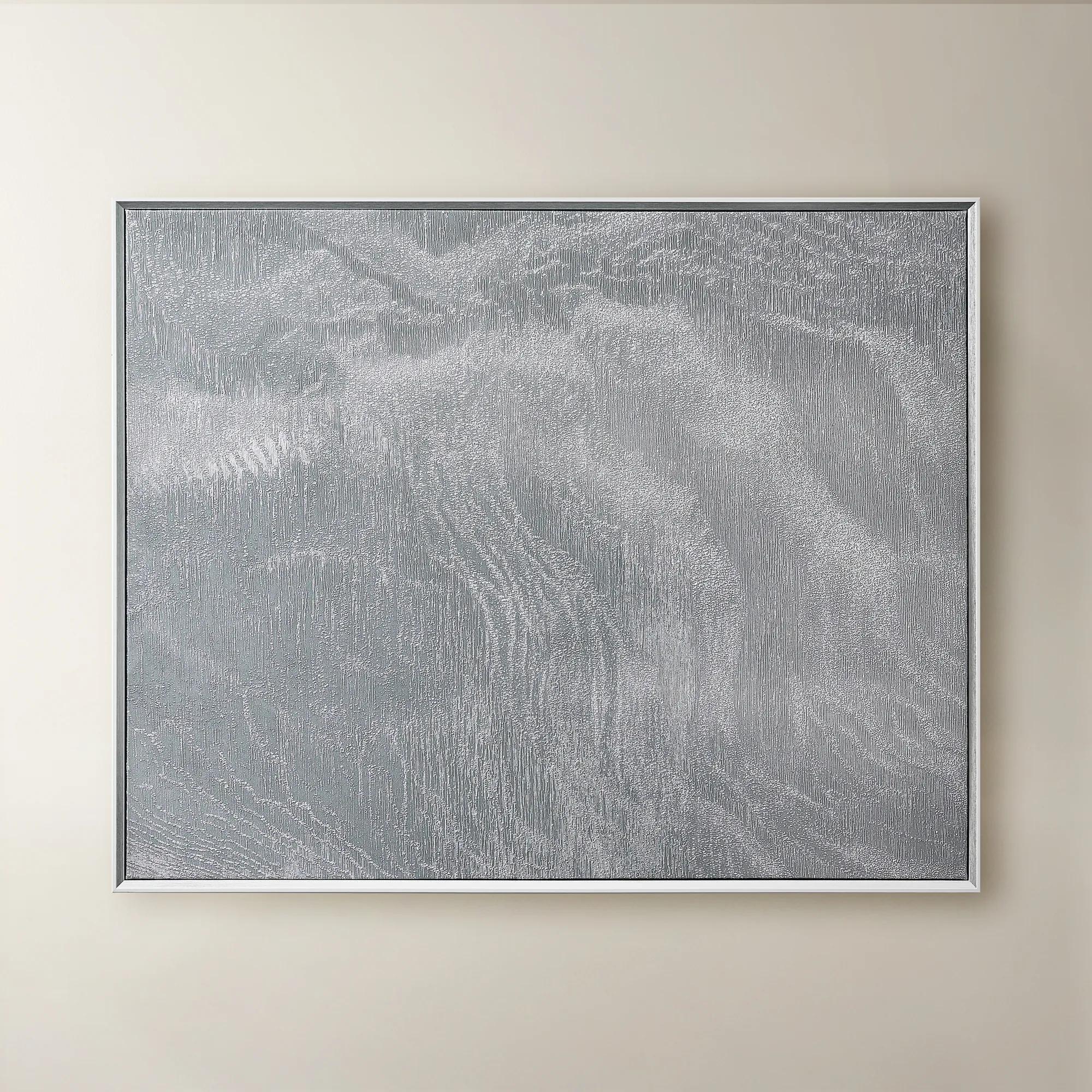 Slow Blue Morning Framed Silver Foil Wall Art 48" x 60"$599
A serene powder blue abstract canvas with silver foil accents, framed in silver and white for modern elegance.
Add To Cart -
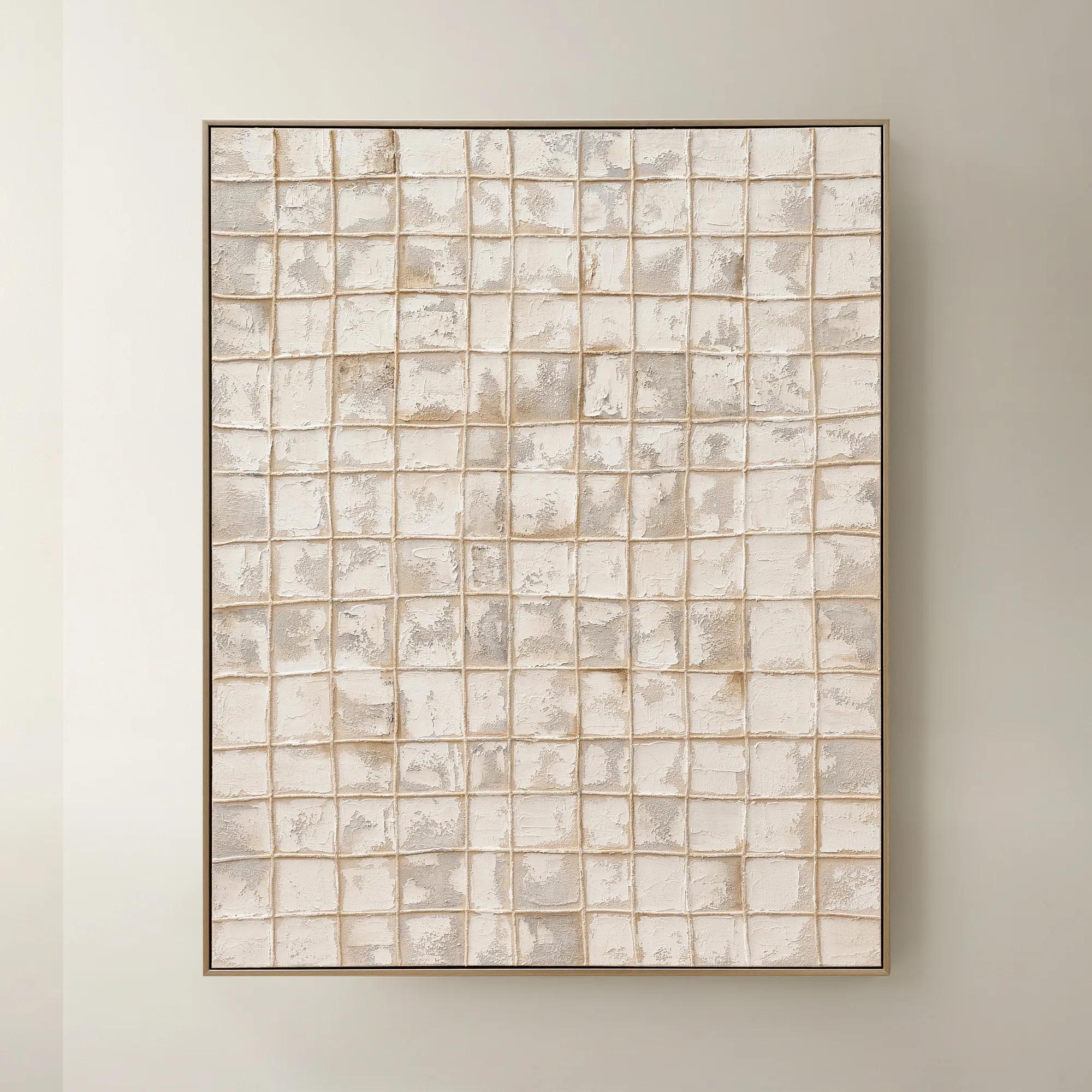
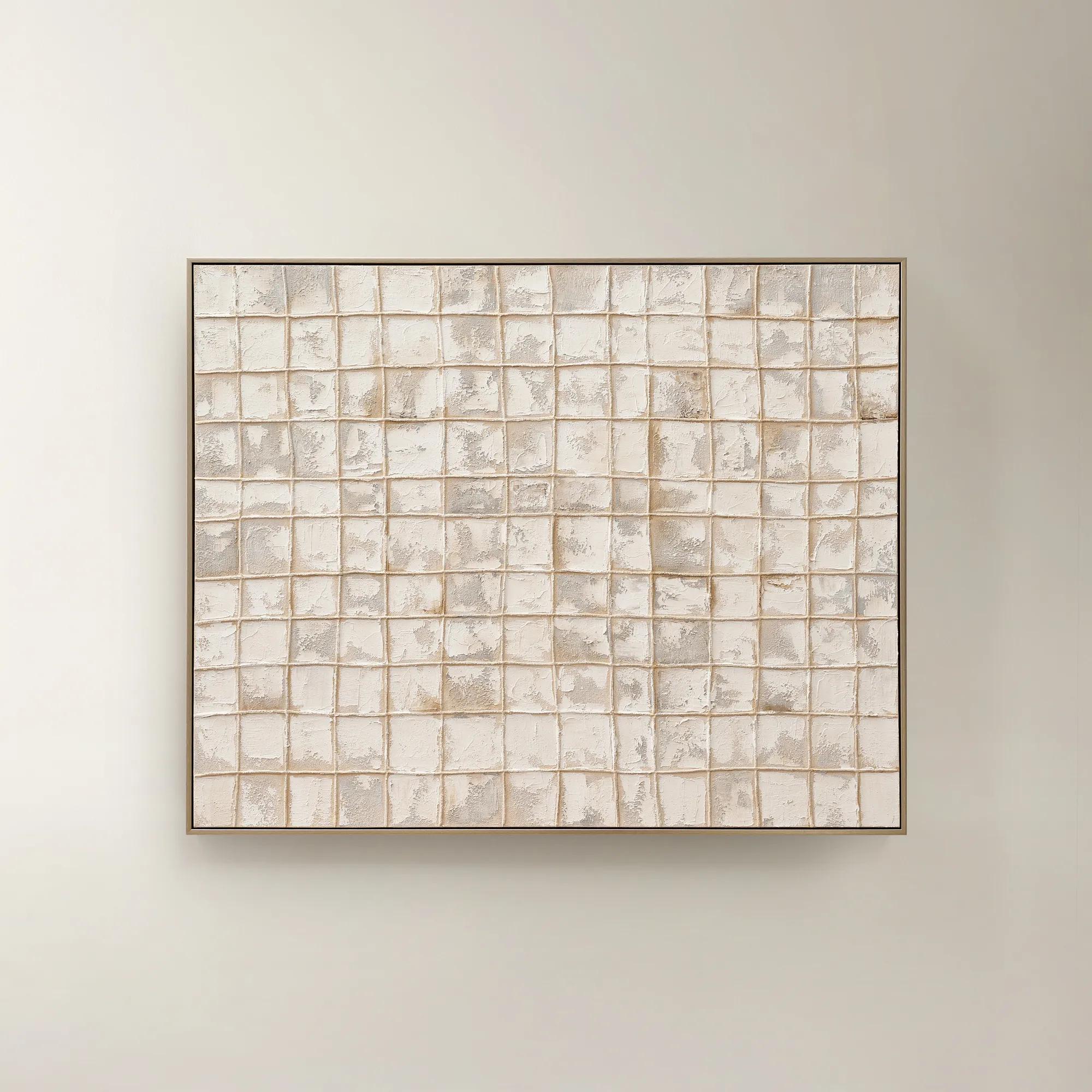 Painted Echos Framed Gold Leaf Wall Art 60" x 48"$699
A hand-painted abstract canvas with gold leaf accents and a champagne frame for modern, versatile display.
Add To Cart -
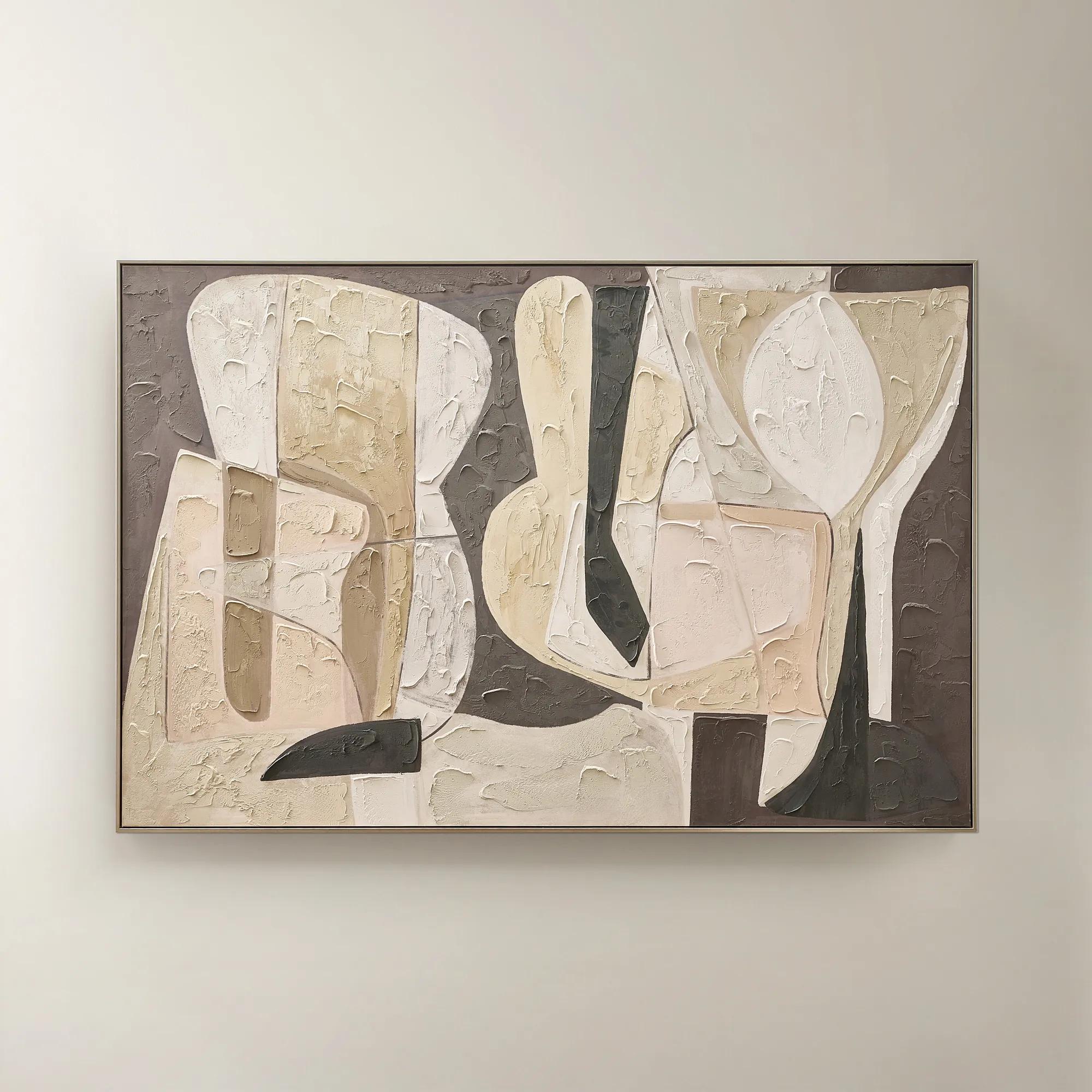 Wishful Thinking Framed Painted Wall Art 72" x 48"$599
A hand-painted abstract canvas featuring bold geometric forms and warm smoked plum, apricot, and tawny hues.
Add To Cart -

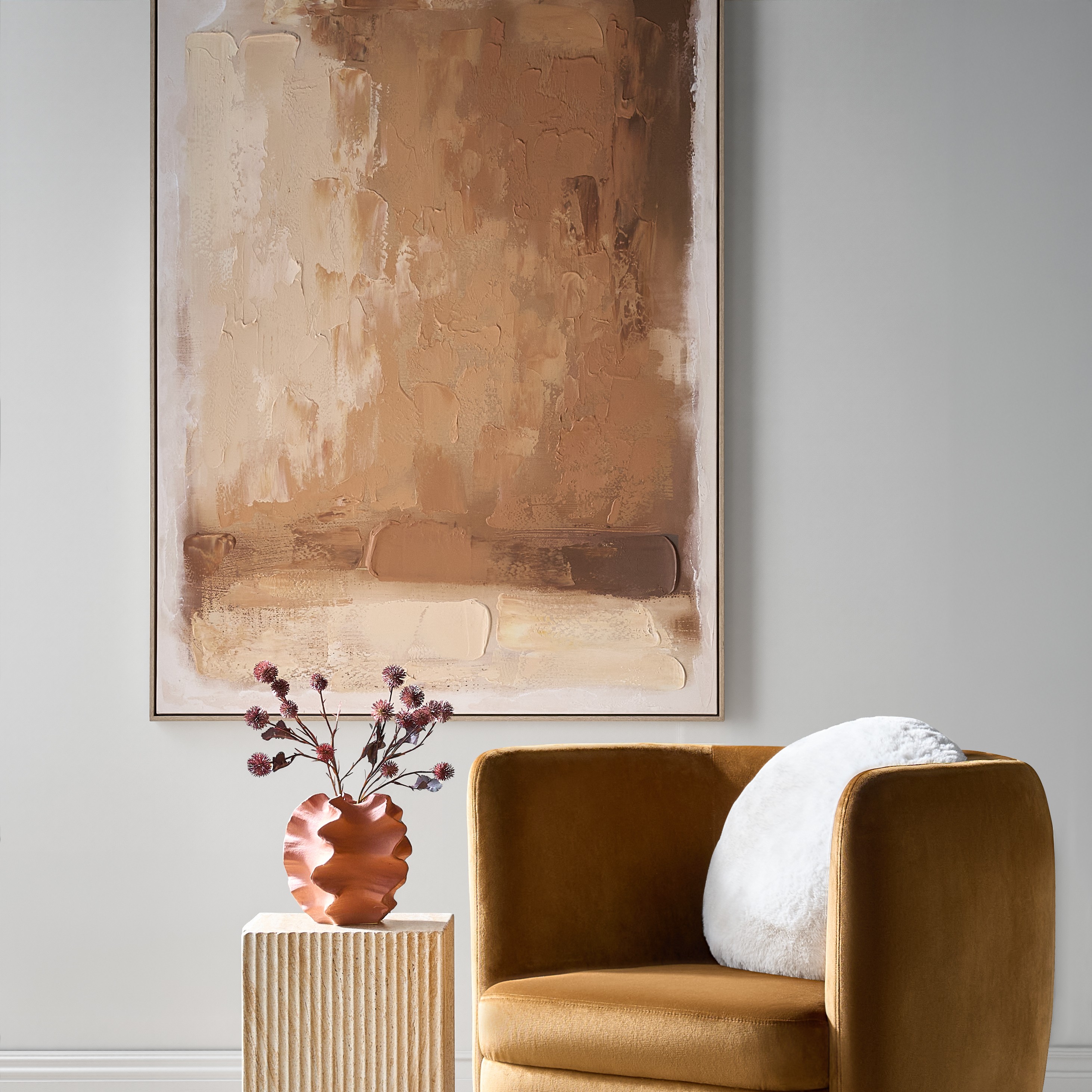 Ember Glow Framed Painted Wall Art 39.25" x 55"$499
A hand-painted abstract canvas blending ochre, terracotta, and golden clay hues in a light natural frame.
Add To Cart -

 Shift Framed Painted Wall Art 39.4" x 59"$499
A hand-painted canvas featuring bold black and beige contrasts with textured layers in a sleek black frame.
Add To Cart -
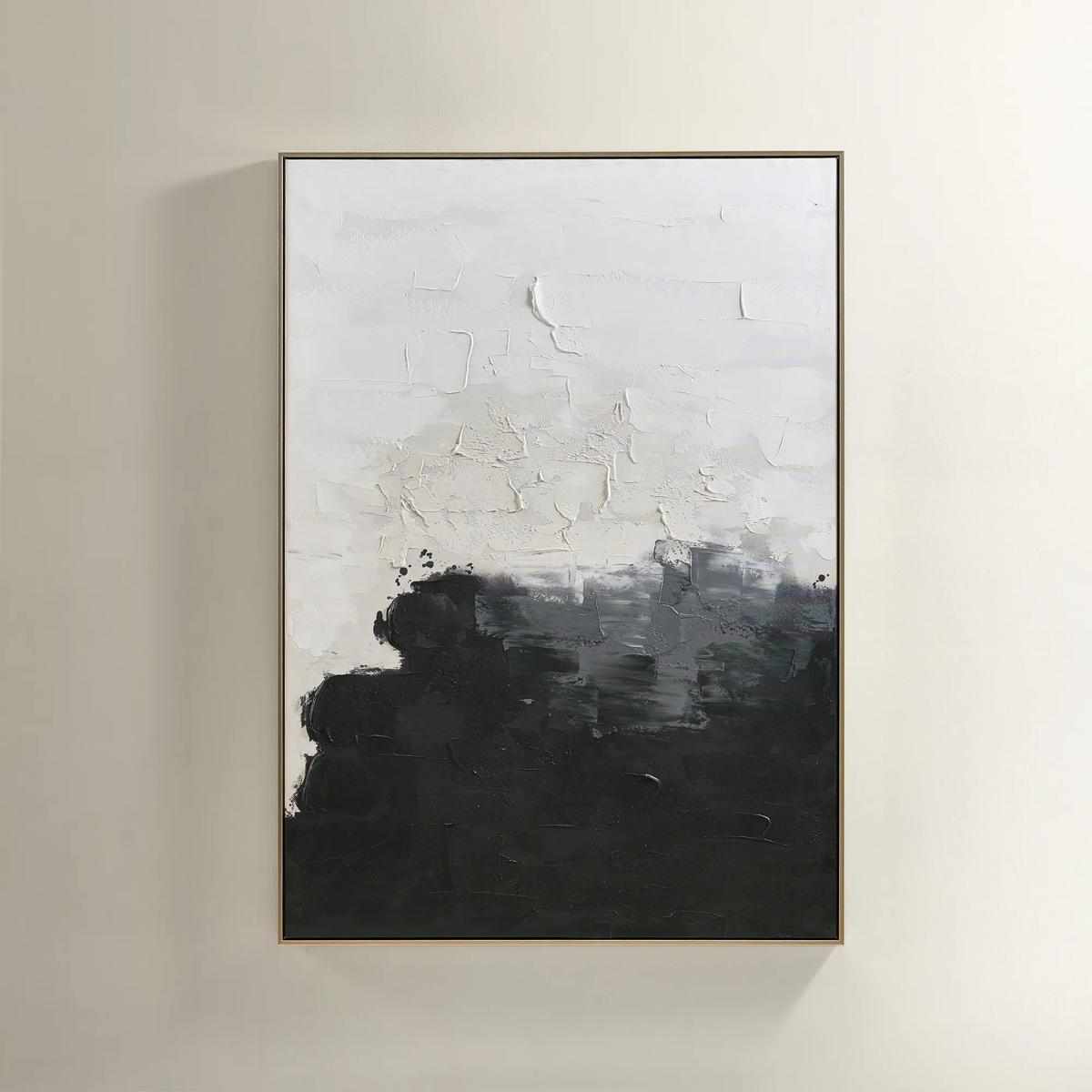
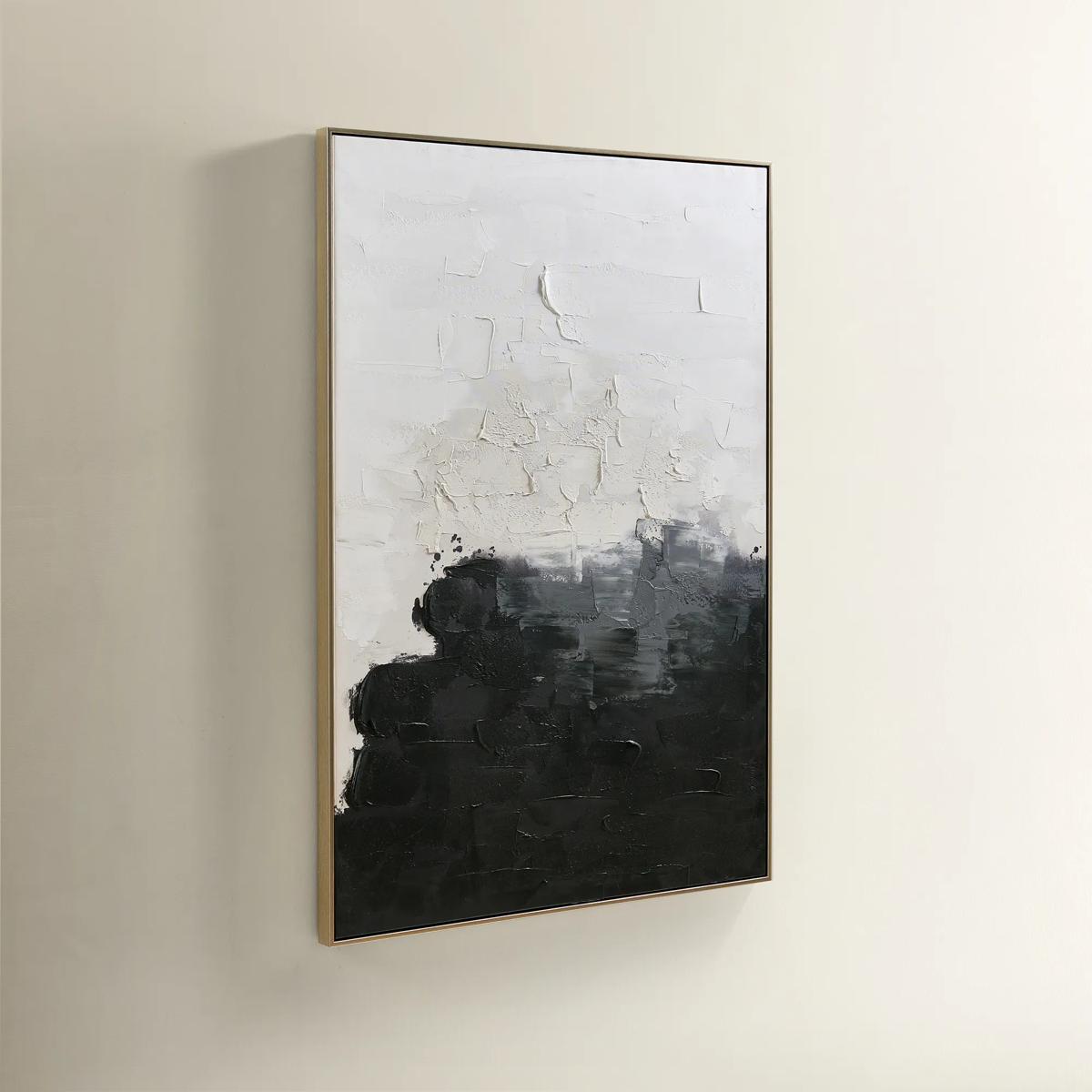 No Rush Painted Wall Art 39.25" x 55"$499
A hand-painted canvas featuring textured strokes of white, ivory, and charcoal in a natural wood frame.
Add To Cart -
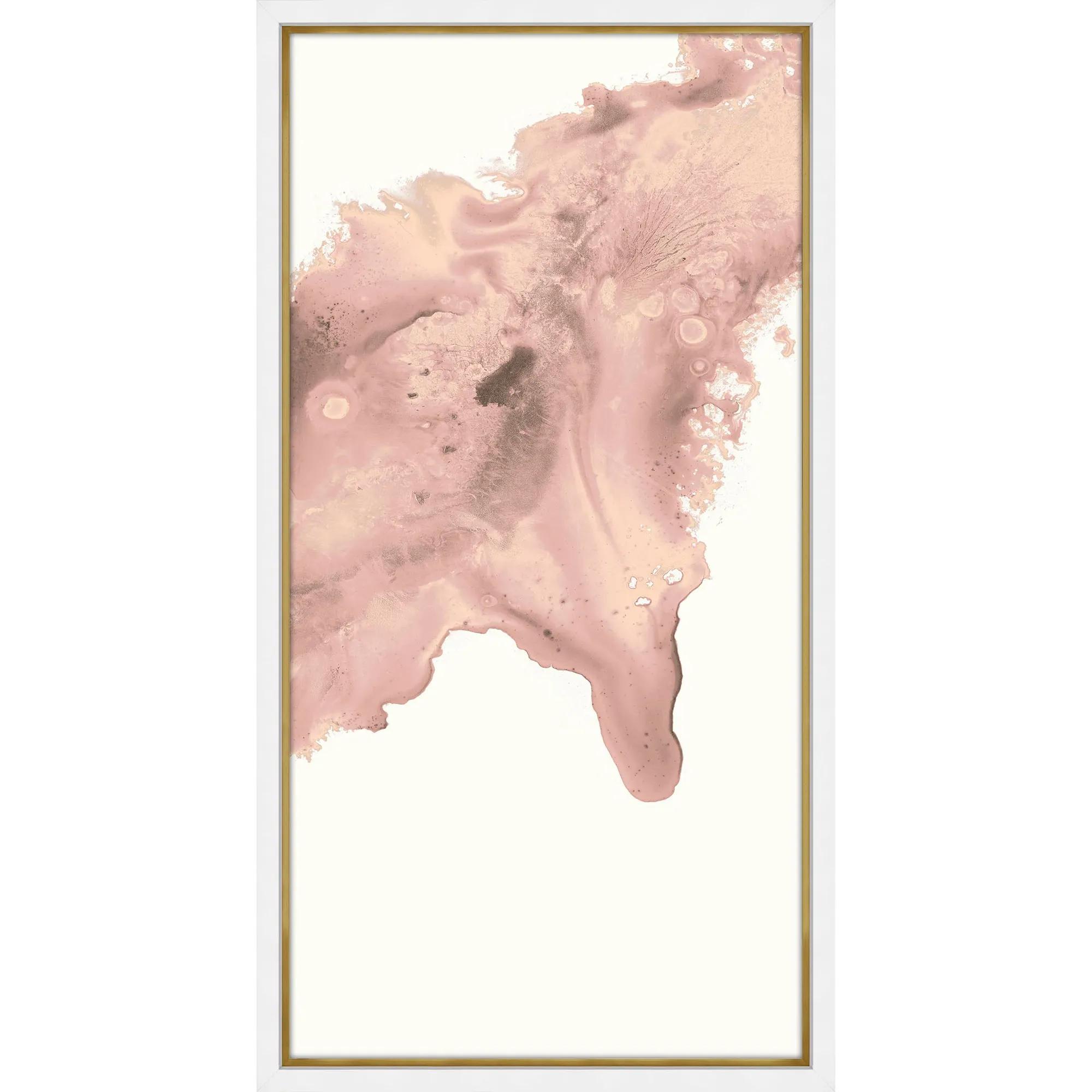
 Blush Conduit 2 Framed Wall Art 24" x 48"$849
A striking abstract print on pearl paper, elegantly framed in gold and matte white for modern appeal.
Add To Cart -
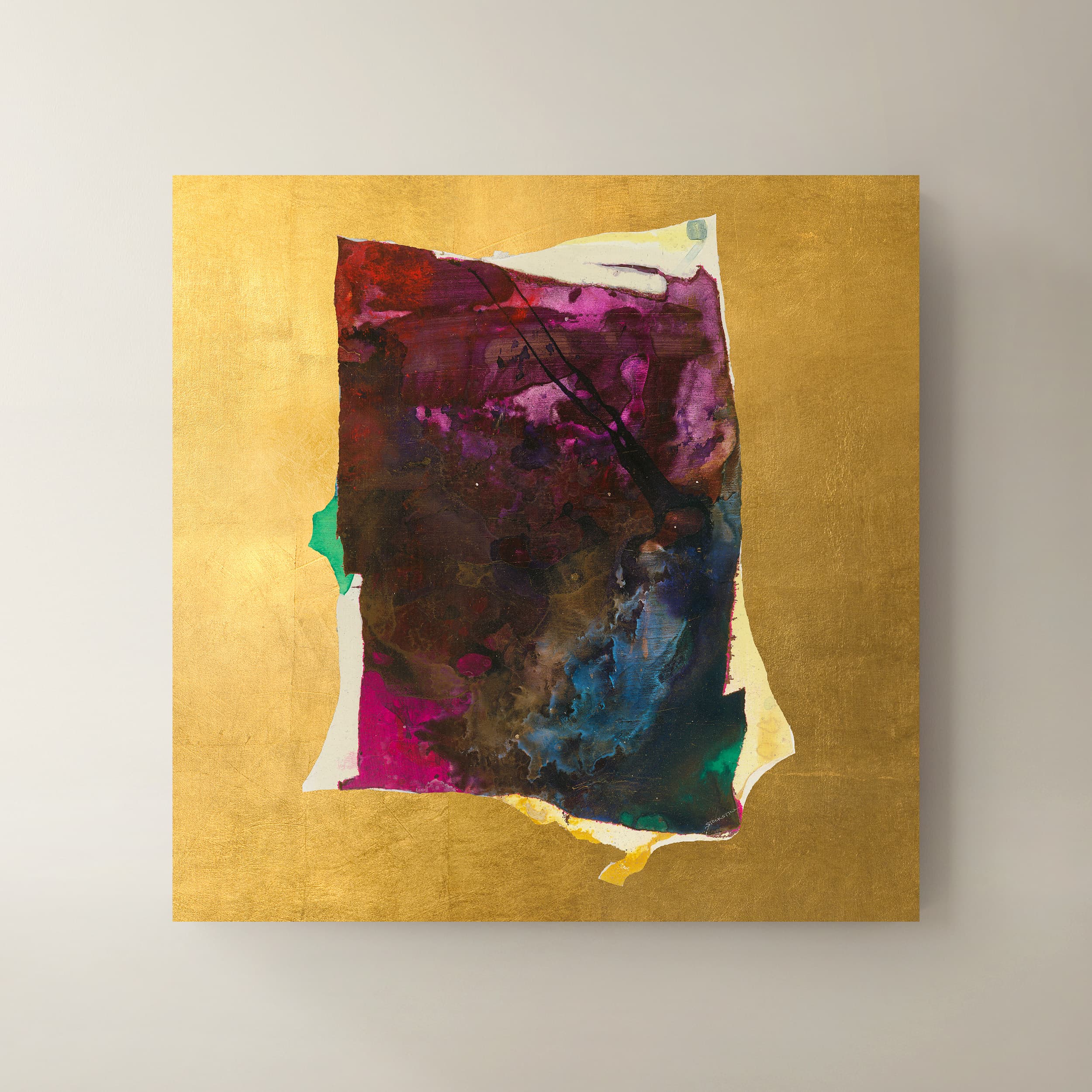 Supremo I Wall Art 40" x 40"$999
A multicolored canvas wall art piece adding contemporary visual interest to your interior.
Add To Cart -
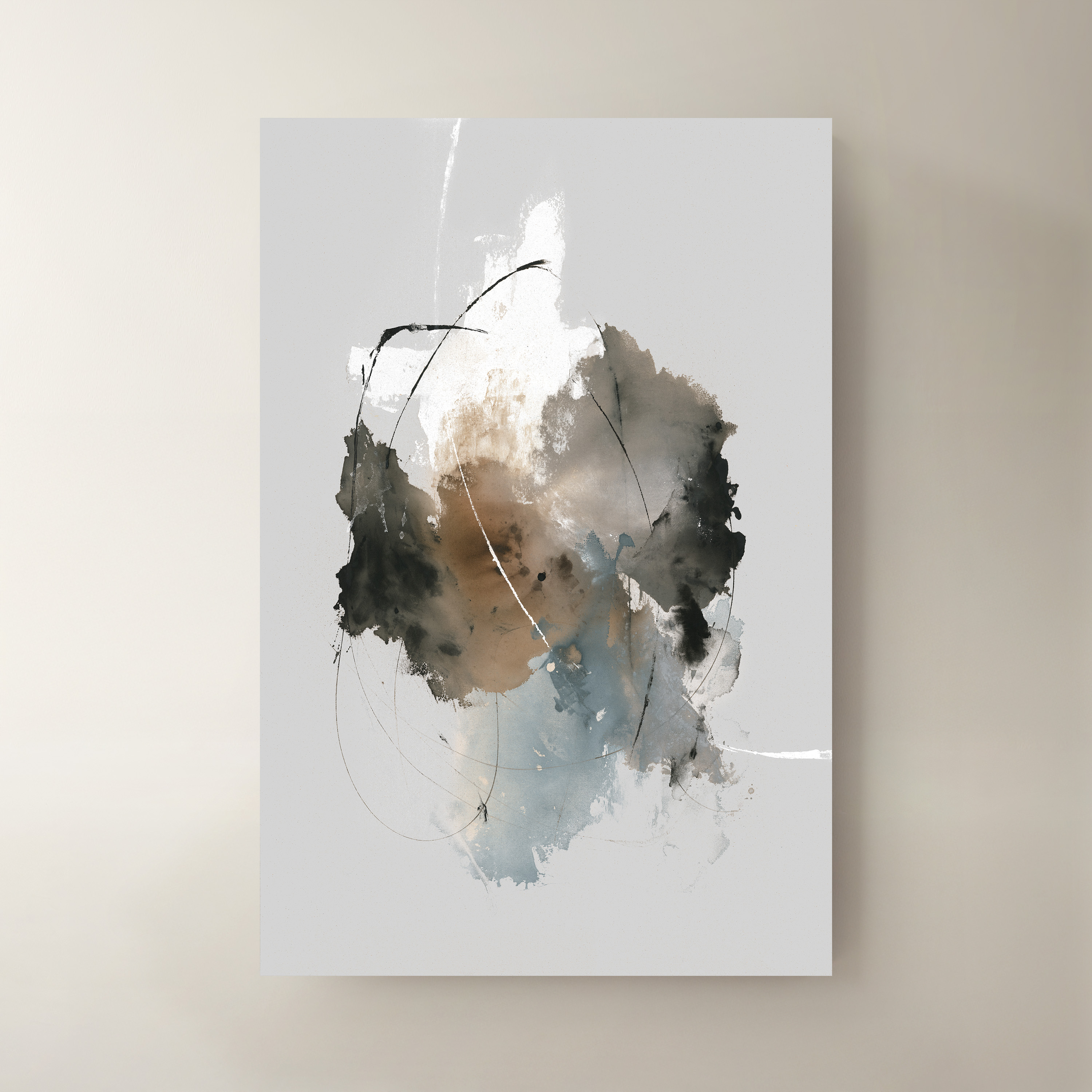
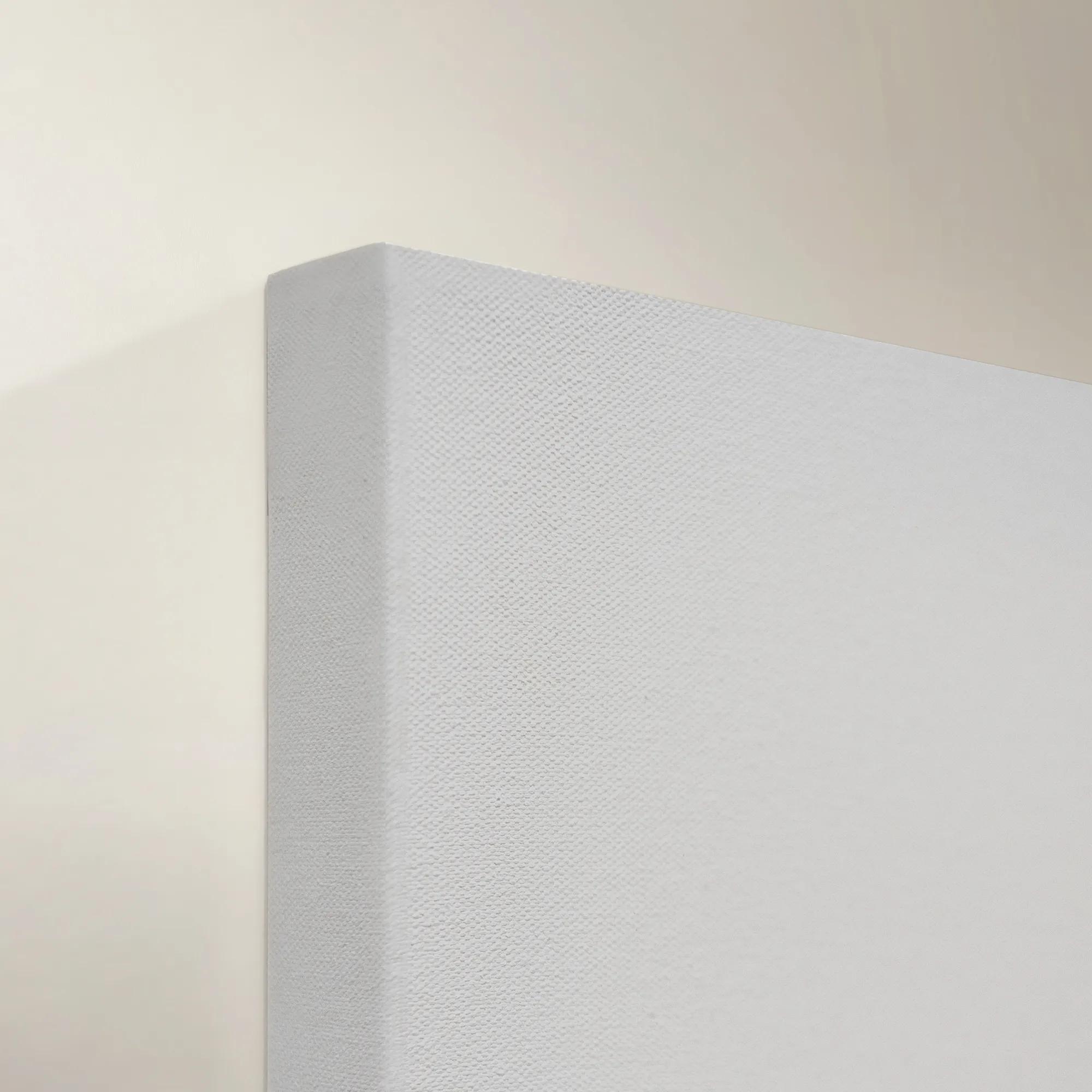 Time IV Wall Art 40" x 60"$999
A striking multicolored canvas artwork bringing contemporary visual interest to modern interiors.
Add To Cart -
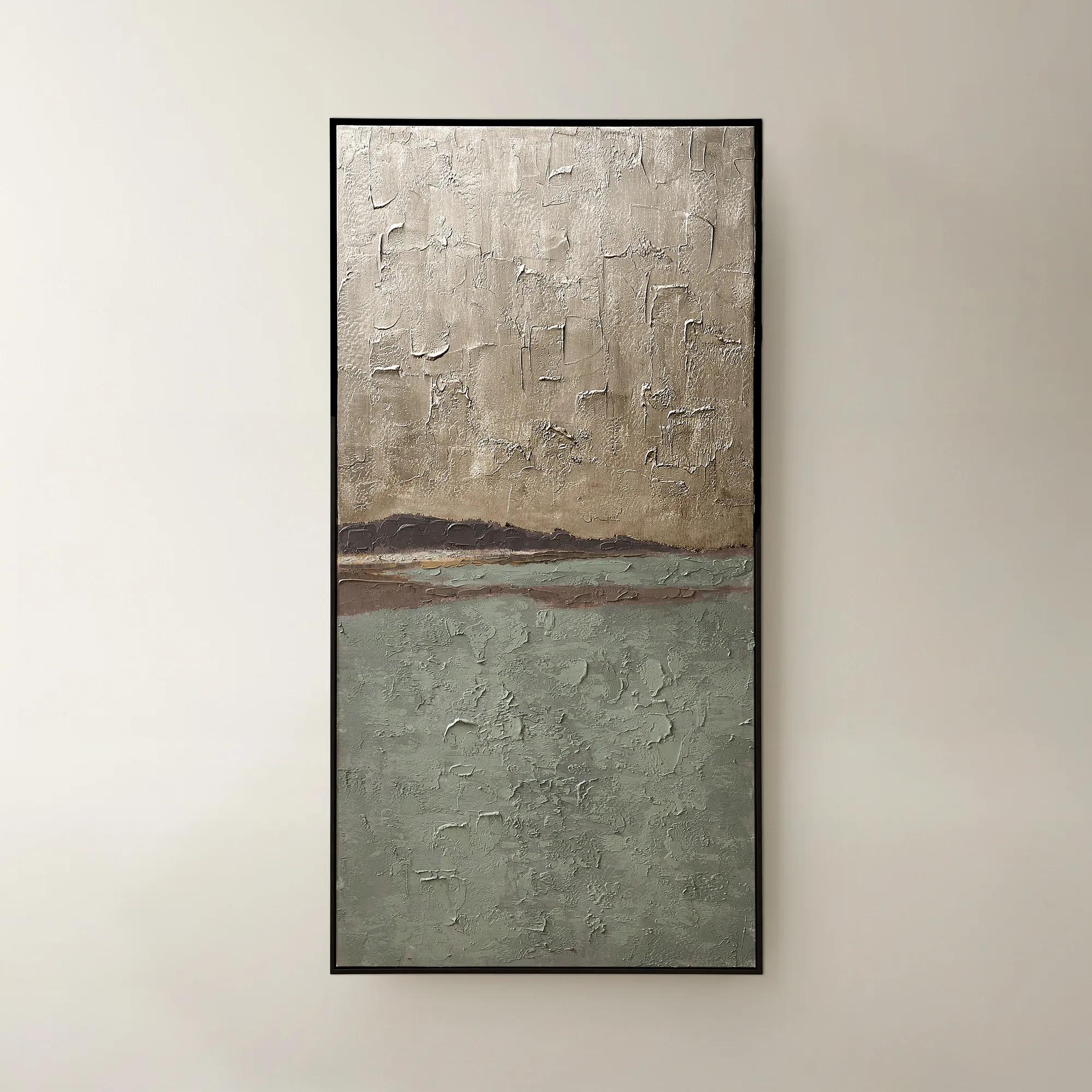
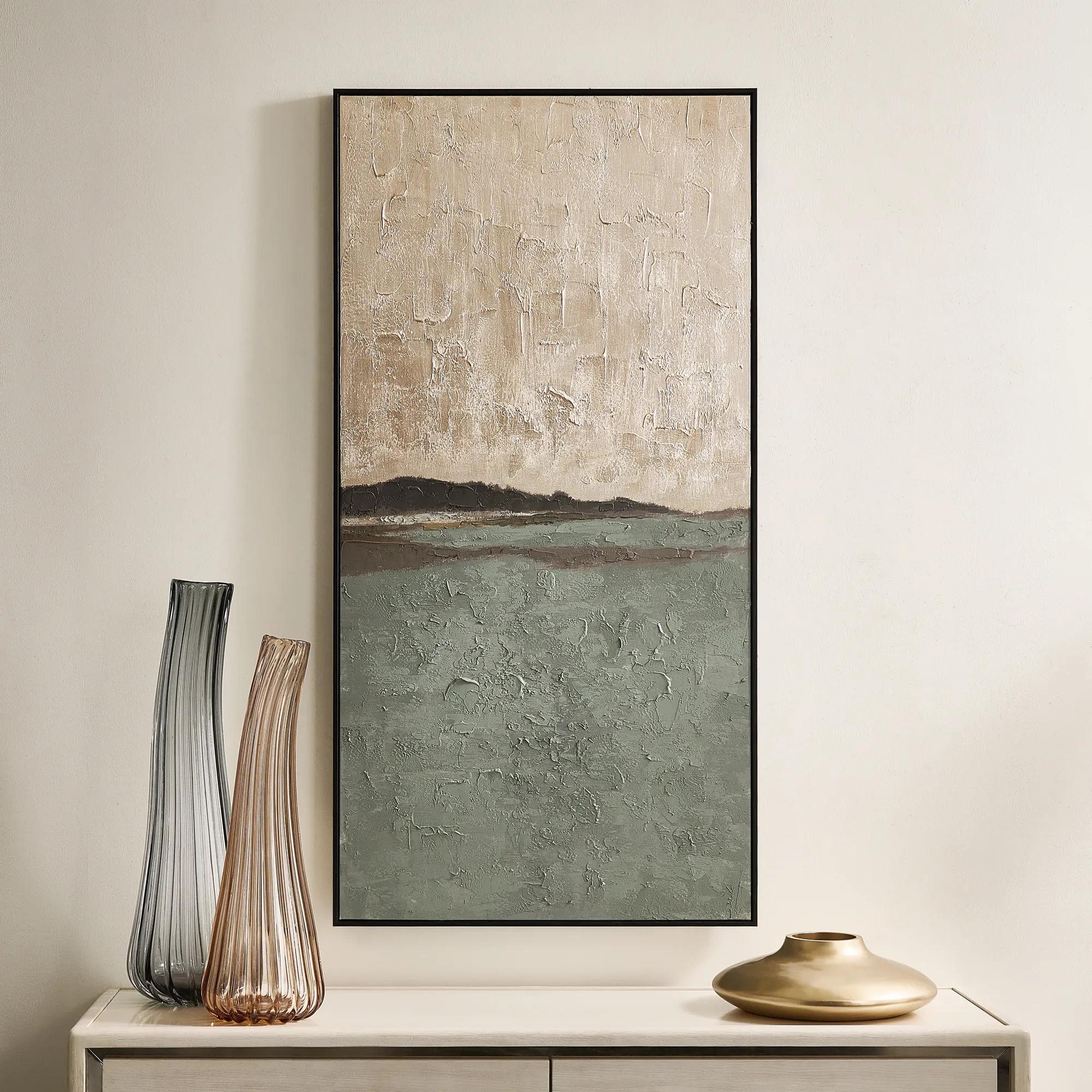 Fields of Gold Framed Painted Wall Art 60" x 30"$399
A hand-painted sage and champagne abstract canvas with a black frame, offering versatile vertical or horizontal display.
Add To Cart -
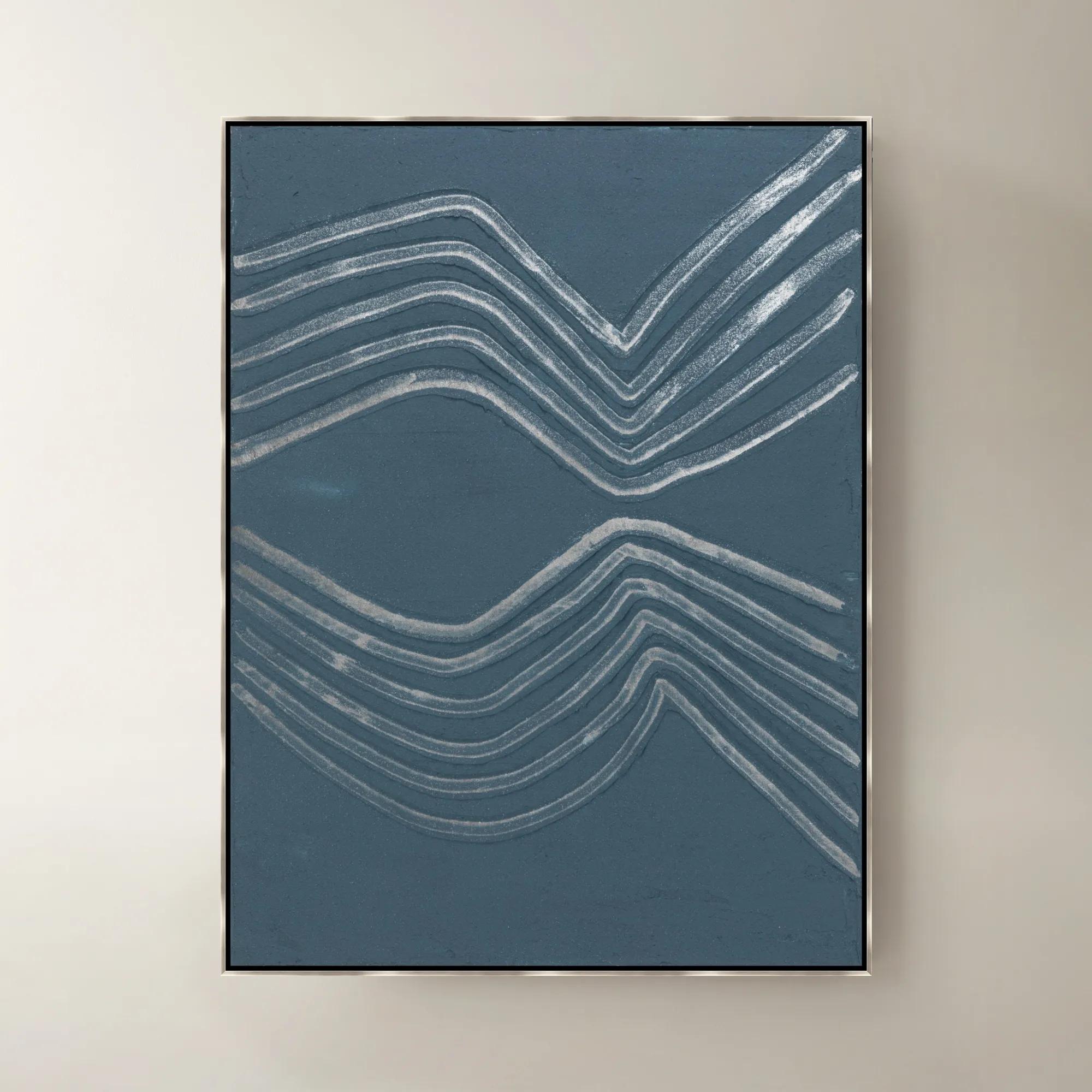
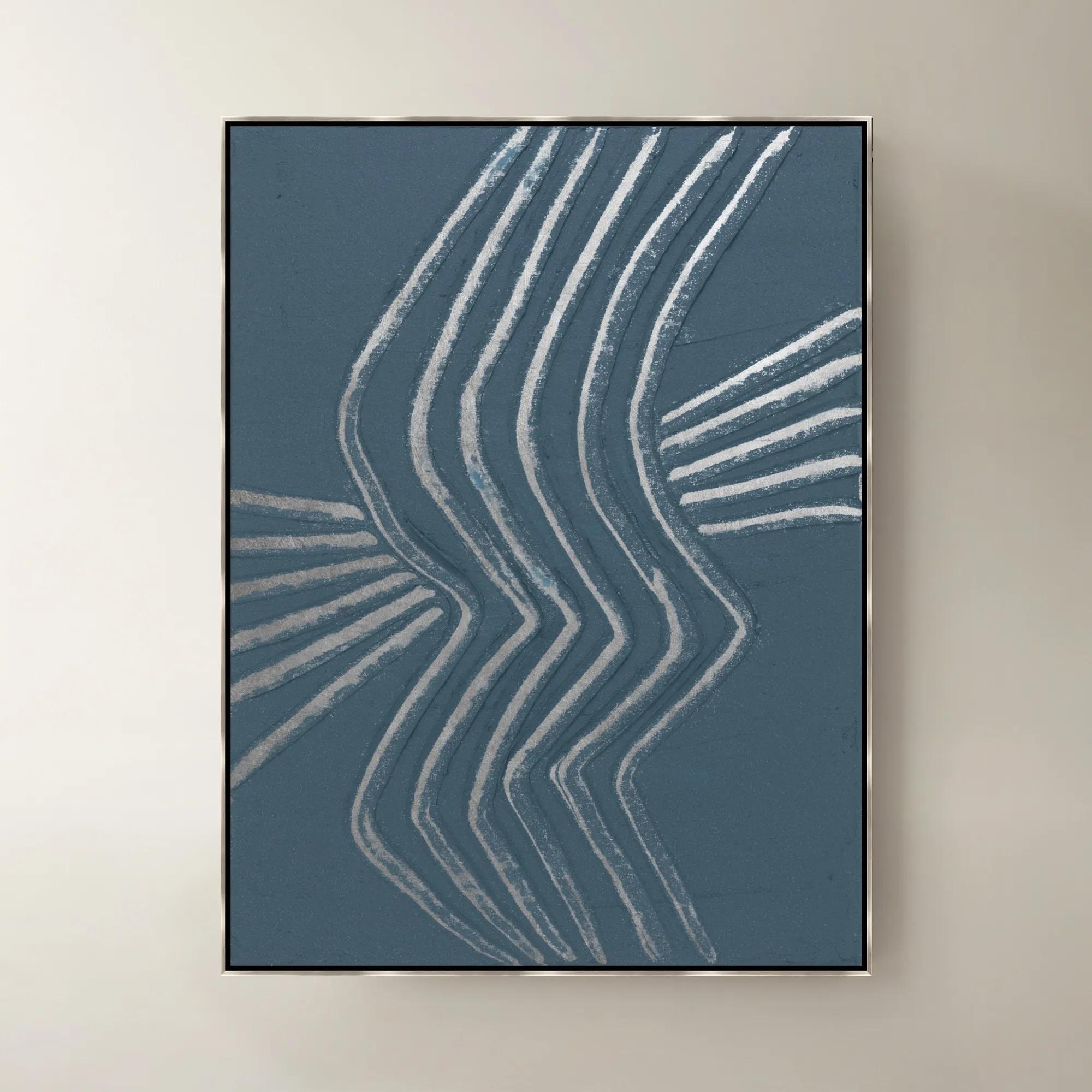
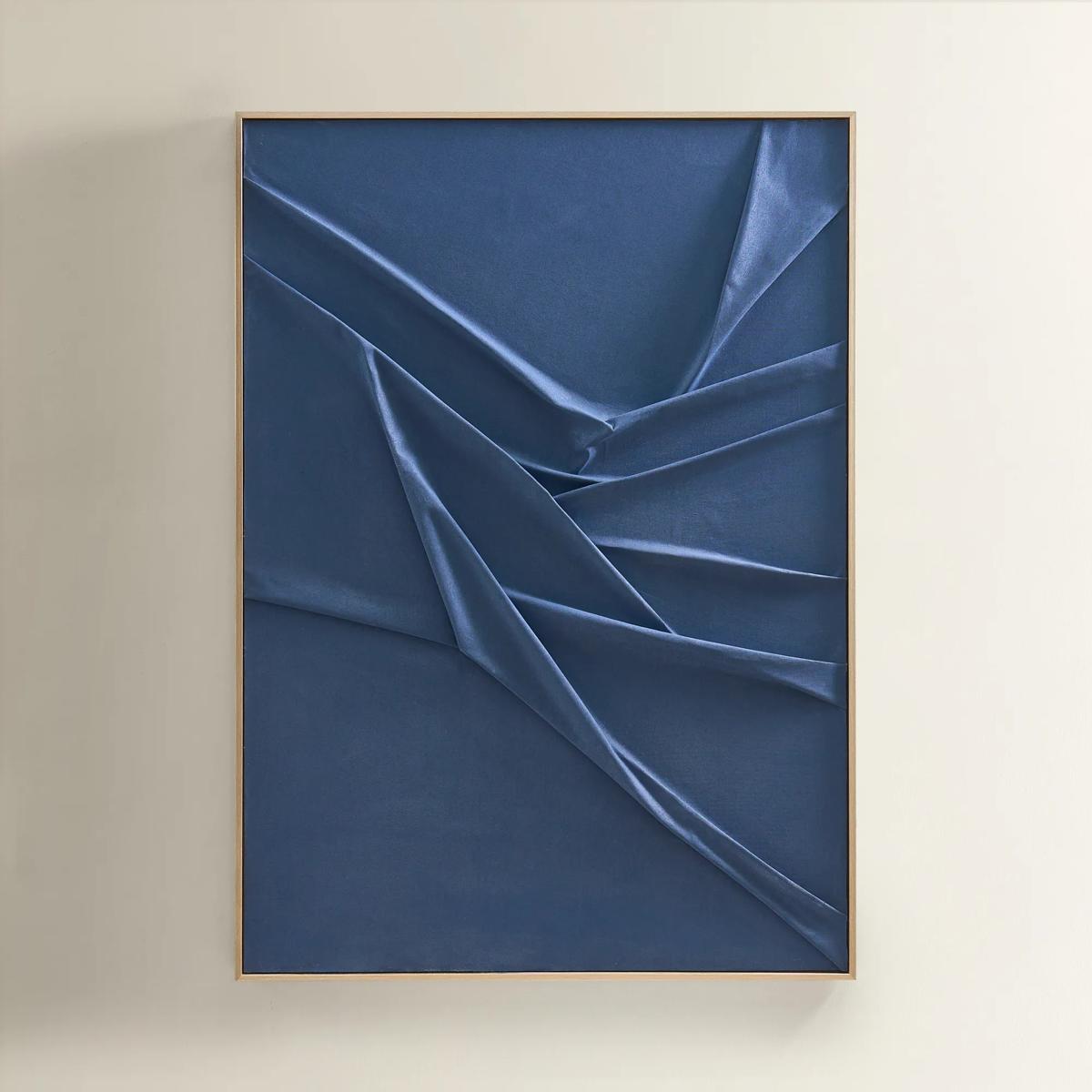 Deep Sea Painting$599
A hand-sculpted navy canvas with dimensional folds, framed in soft champagne for modern, serene elegance.
Add To Cart

Modern Art For Open Concept Spaces
Modern art for open concept spaces is more than décor—it’s the heartbeat of your home’s grand design. Here, sweeping canvases and sculptural masterpieces command attention, transforming vast walls and airy layouts into immersive galleries of self-expression. Each piece invites you to curate a narrative that flows effortlessly from room to room, layering visual intrigue and sophisticated drama. Elevate your open concept sanctuary with art that doesn’t just adorn—it astonishes, igniting conversation and letting your vibrant personality shine in every luminous corner.
Modern art for open concept spaces gives expansive interiors a visual center, bringing definition to living, dining, and gathering areas without interrupting their flow. Large-scale abstract canvases, coordinated multi-panel compositions, and dimensional wall art can anchor broad walls while establishing distinct moods within a shared floor plan. A sweeping composition above a sofa draws attention toward conversation; a more structured arrangement near a dining table lends that setting its own architectural rhythm. Because artwork is often visible from several areas at once, its scale and palette become part of the entire room rather than a single wall. Oversized art measuring approximately 40 by 60 inches or larger can hold its own against generous wall space, although the right dimensions depend on nearby furnishings, ceiling height, and viewing distance. A substantial canvas may feel beautifully balanced above a long sofa yet overpower a narrow passage between the kitchen and living area. As a starting point, an arrangement spanning roughly two-thirds to three-quarters of the furniture beneath it often creates a pleasing relationship, with enough open wall around the edges to let the composition breathe. Multi-panel art offers another expression of scale, stretching a gesture, horizon, or geometric pattern across several surfaces. Consistent spacing between panels preserves the intended rhythm, while a single oversized work delivers a more uninterrupted statement. In rooms with tall ceilings, vertical compositions emphasize height; on long, low walls, horizontal art reinforces the room’s breadth. Neither approach needs to compete with every architectural feature. An expressive focal point is often most persuasive when nearby artwork has a quieter tempo. A room-spanning composition can begin with Modern Art for Living Room Walls and carry its defining colors into adjacent spaces through smaller works, textiles, or sculptural accents. The result feels composed rather than matched, with each area retaining its identity inside a larger visual story. From the entryway, that continuity offers an immediate impression of intention, drawing the eye through the interior without making every wall demand equal attention.
Color gives modern wall art its connective power, but continuity does not require identical imagery from one zone to the next. An abstract canvas with inky blue passages might converse with a dining-area composition through a single repeated accent, while ivory, charcoal, and metallic tones establish a more restrained foundation for sculptural furniture and richly textured upholstery. In an open room with expressive stone, patterned rugs, or elaborate lighting, art with generous negative space can provide a welcome visual pause. Where furnishings are quieter, saturated color and assertive brushwork bring energy without requiring additional decorative layers. Materials deepen that conversation. Canvas has a woven surface that can lend printed imagery a softer, more tactile presence, while visible paint texture introduces shadows and irregularities that change with the viewing angle. A stretched canvas without glazing avoids reflections from a glass covering, though its finish and surface still deserve careful consideration. Framed works on paper offer crisp definition, and a mat can create a deliberate interval between the image and frame. Glazing helps shield paper from dust and incidental contact, but large windows and pendant lights may produce reflections that affect how clearly the artwork reads. Protective glazing can reduce certain types of light exposure when specified, yet it does not make art immune to fading. Metal wall sculpture brings a different kind of drama: projecting forms, open spaces, and reflective finishes allow the wall itself to participate in the composition. Smooth metal may catch sharp highlights, while textured or brushed surfaces scatter light more subtly. Raised surfaces and dimensional elements can be especially compelling on expansive walls that otherwise feel flat. Frame finishes offer another connection across the floor plan, echoing a dark window frame, a polished accent, or the warmth of nearby wood. Repeating one finish selectively feels intentional; insisting that every frame and furnishing match can diminish the layered character that makes a home distinctive. Material, color, and texture work together most convincingly when they support the atmosphere of the room rather than compete for attention.
Living with statement art involves more than selecting a striking image. In open concept homes, the view from the sofa, the dining table, and the main entry can reveal different relationships between the artwork and its surroundings. A composition that looks balanced at close range may need a stronger silhouette to remain legible across the room, while intricate textures reward placement where people can approach them comfortably. Above seating, artwork should feel connected to the furniture without crowding it; approximately six to ten inches between the sofa back and the bottom of the frame is a useful starting range, adjusted for the furniture’s proportions and the artwork’s dimensions. On an unobstructed wall, a center near average standing eye level often creates a comfortable viewing position. Secure installation matters particularly for oversized frames, glazed art, and metal sculpture. The artwork’s weight, mounting system, and wall construction determine the appropriate hardware, and heavier pieces may require professional installation. Dimensional work also needs adequate clearance from walkways and moving furniture. For lasting appearance, place artwork away from direct sunlight, persistent moisture, and cooking splatter, even when the kitchen shares the same open space. Canvas, paper, wood frames, and metal finishes respond differently to their surroundings, so care should follow the instructions supplied for the material and finish. Gentle dusting with a clean, soft, dry cloth may suit many frames, while delicate painted surfaces, exposed paper, and textured embellishments can require specialized care. Avoid spraying cleaning products directly onto artwork or glazing, where liquid may reach vulnerable edges. These considerations make modern art especially rewarding for homeowners furnishing a generous great room, apartment dwellers defining several functions within one space, or hosts creating an expressive setting for conversation. Art can also be a thoughtful housewarming or wedding gift when the recipient’s taste, wall dimensions, and installation preferences are known. Chosen with that personal context, a bold composition becomes more than decoration: it establishes character, connects shared spaces, and gives everyday life an artful backdrop.
FAQs
Modern art serves as a visual anchor in open concept spaces, creating focal points that define each zone while maintaining a cohesive flow. The right piece can set the mood—whether tranquil, energetic, or dramatic—while also reflecting your personal style and elevating the overall ambiance of your home.
Layering mediums such as abstract canvases, sculptural wall hangings, and framed photography adds depth and intrigue to open concept interiors. To achieve a curated look, connect pieces through a shared color palette, repeated motifs, or complementary textures, allowing each work to stand out while contributing to a harmonious whole.
Modern art makes a memorable gift for anyone who values creativity and self-expression—new homeowners, newlyweds, or those celebrating a milestone. It’s especially meaningful for friends or family members with open, light-filled spaces who enjoy hosting and showcasing their unique tastes.
Art naturally delineates spaces by acting as a visual boundary or centerpiece. A bold piece above the sofa can establish the living area, while a complementary artwork in the dining space creates distinction without the need for physical barriers, ensuring each zone feels intentional and inviting.
Abstract and textured art brings movement, dimension, and energy to expansive walls. These styles can soften minimalist architecture, add warmth, and invite conversation. Their versatility allows them to adapt to evolving décor, making them timeless investments for open concept living.