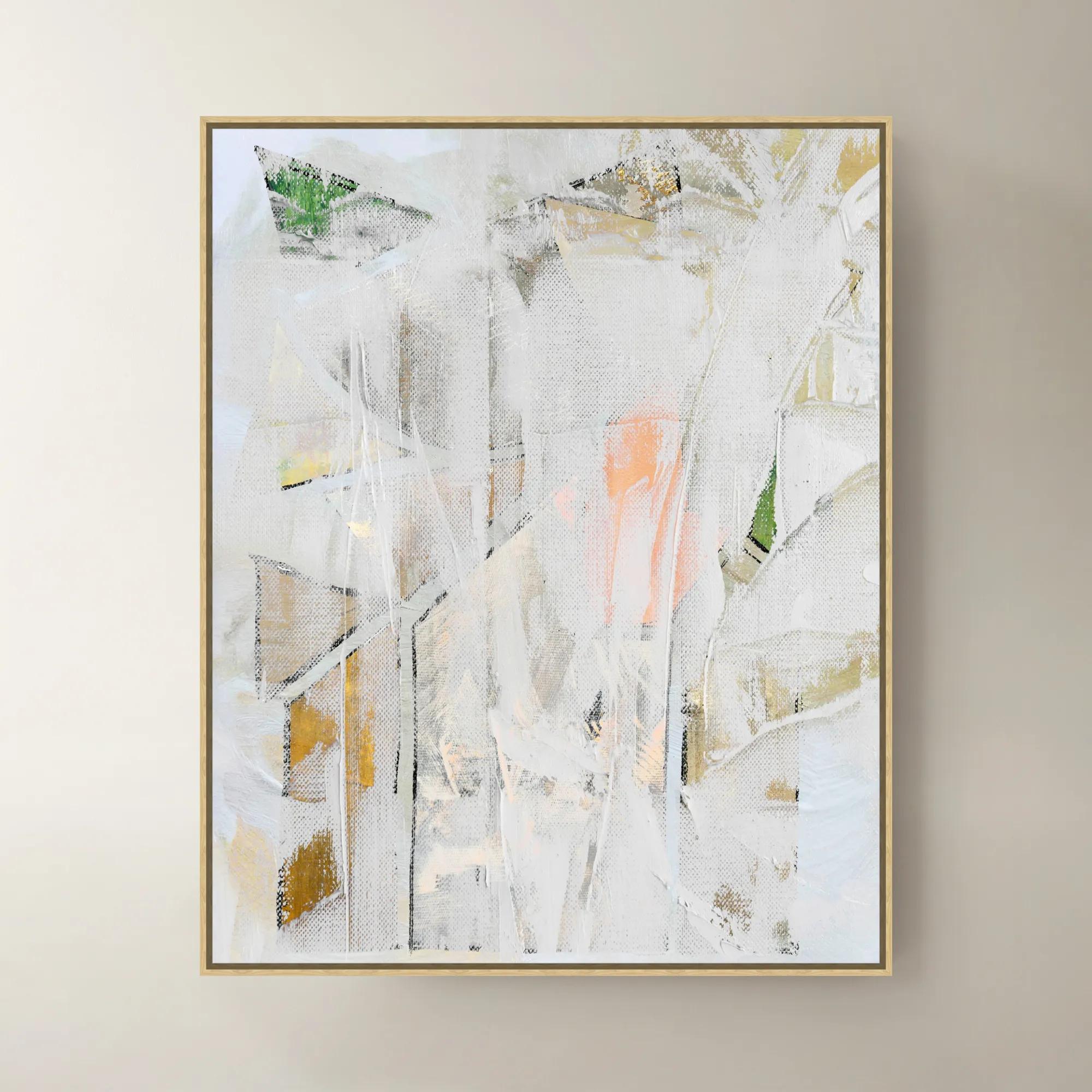
Abstract Art For Transitional Interiors
Abstract Art For Transitional Interiors
-
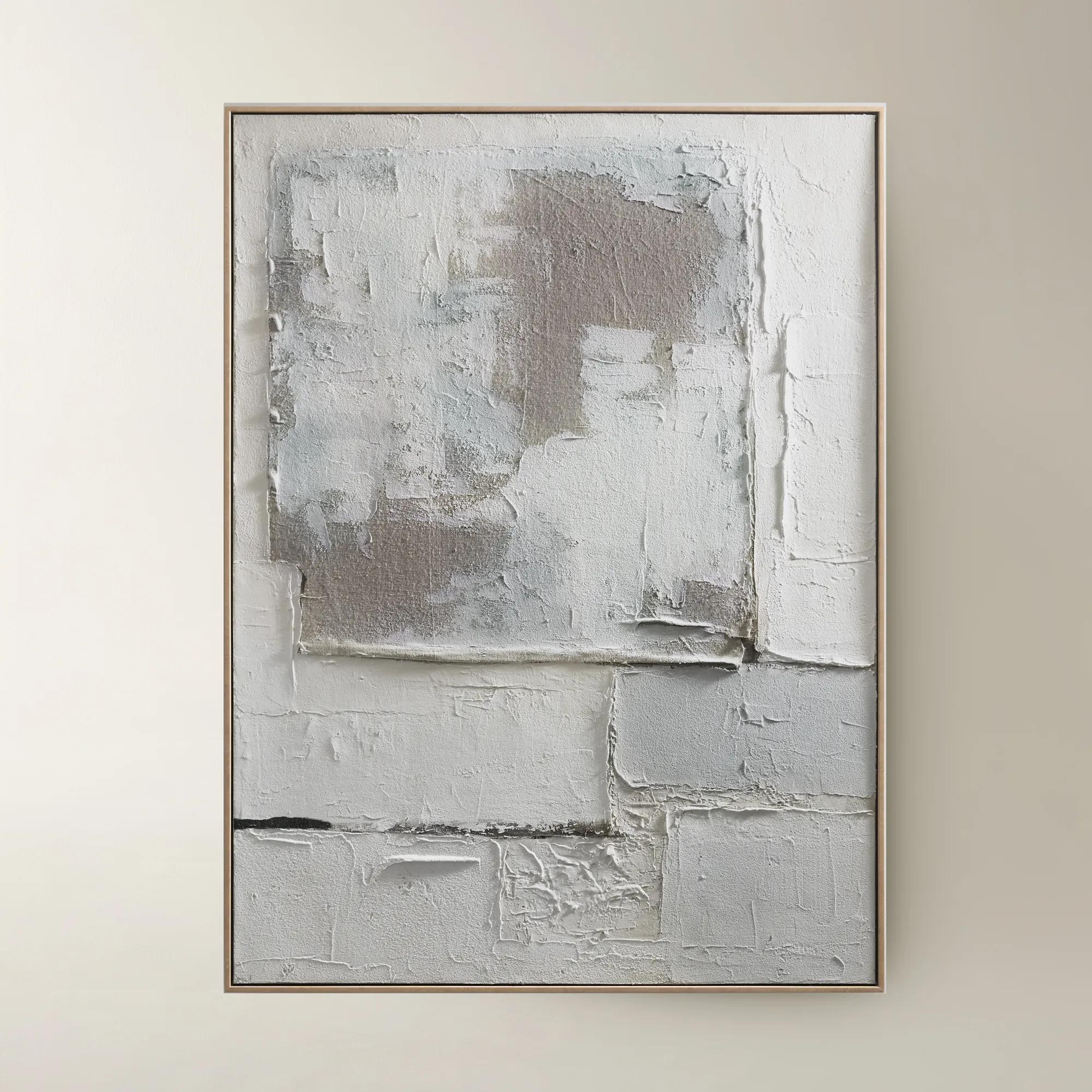
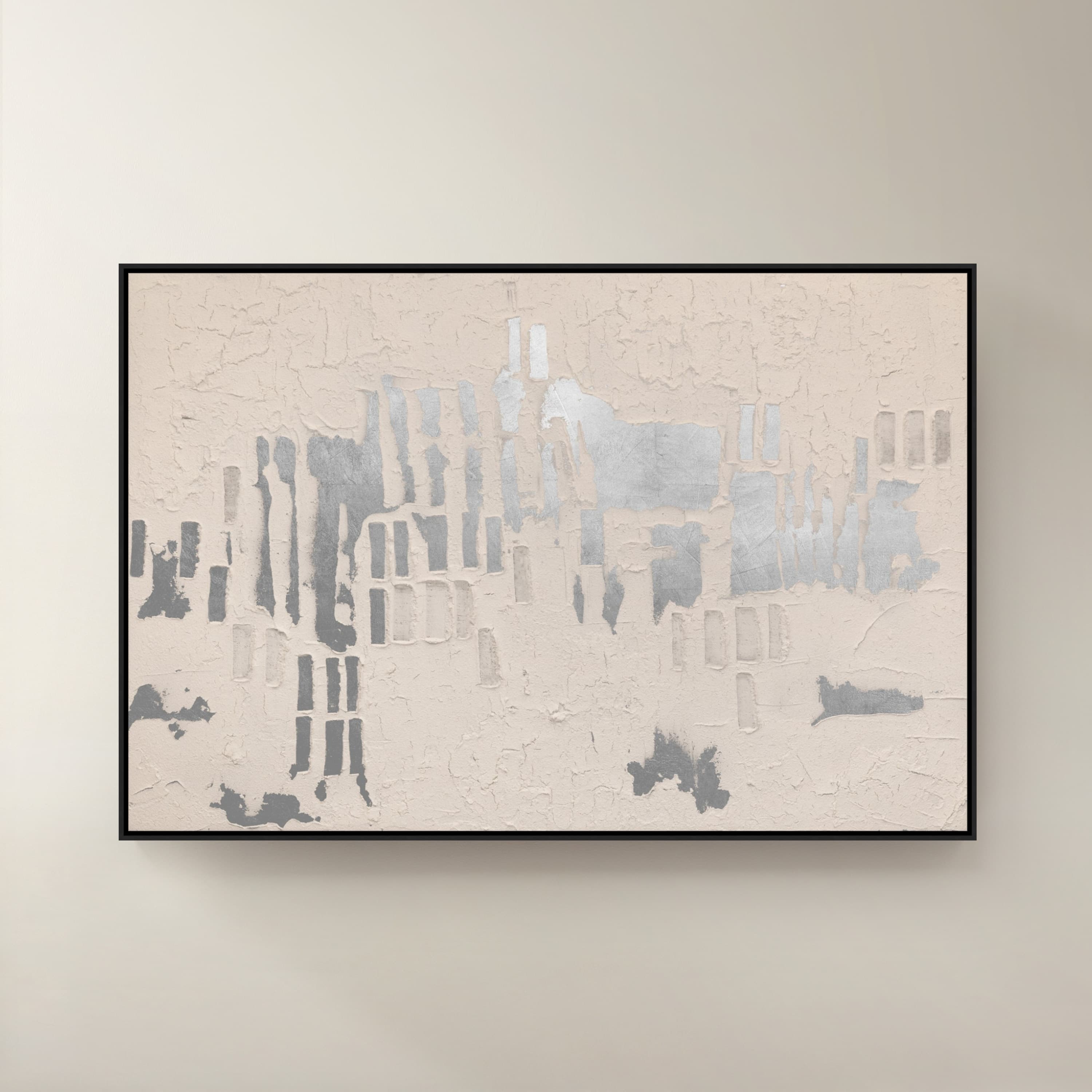
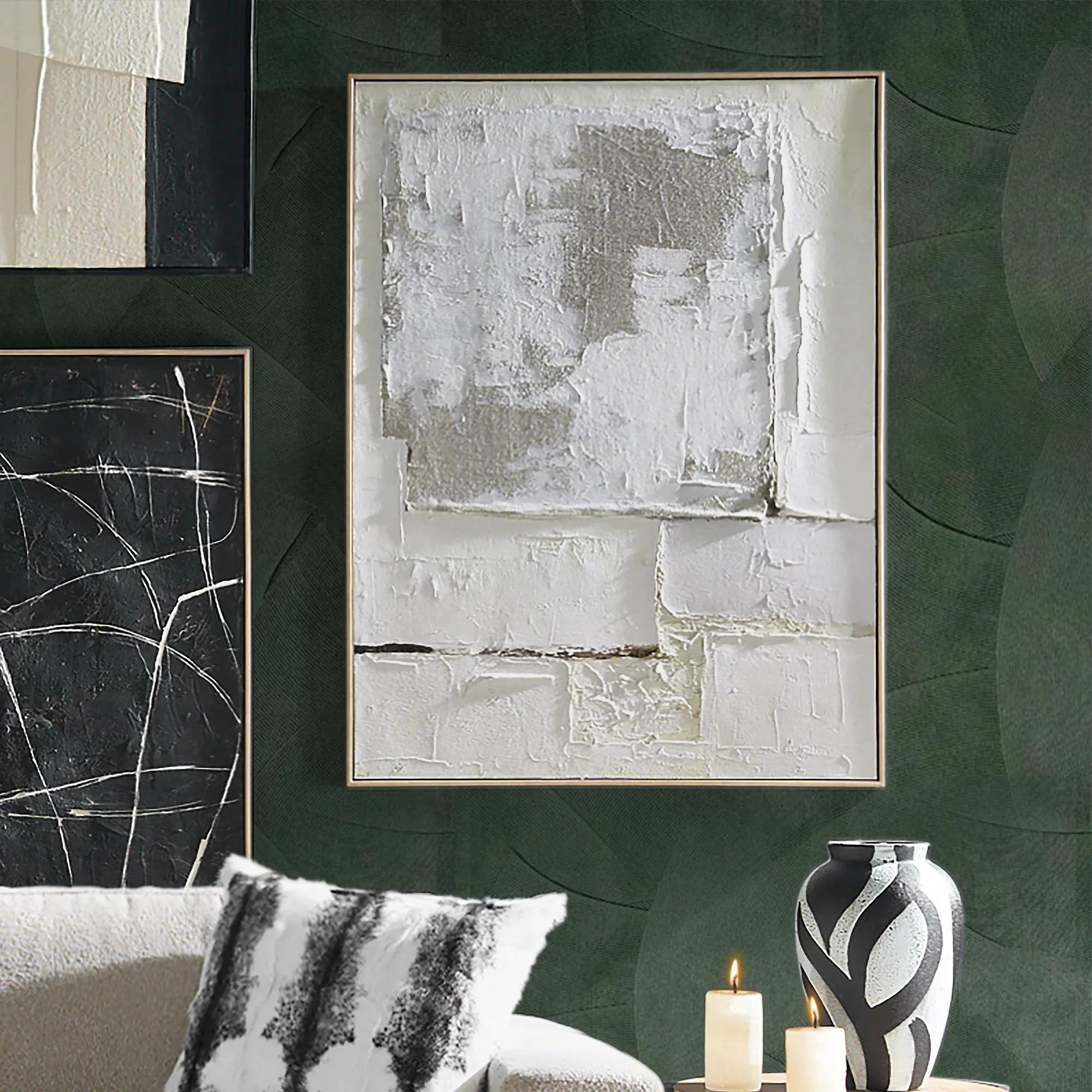 Marrow Painting$399
A hand-painted abstract canvas in subtle beige hues, elegantly framed in a warm beech wood floater.
Add To Cart -
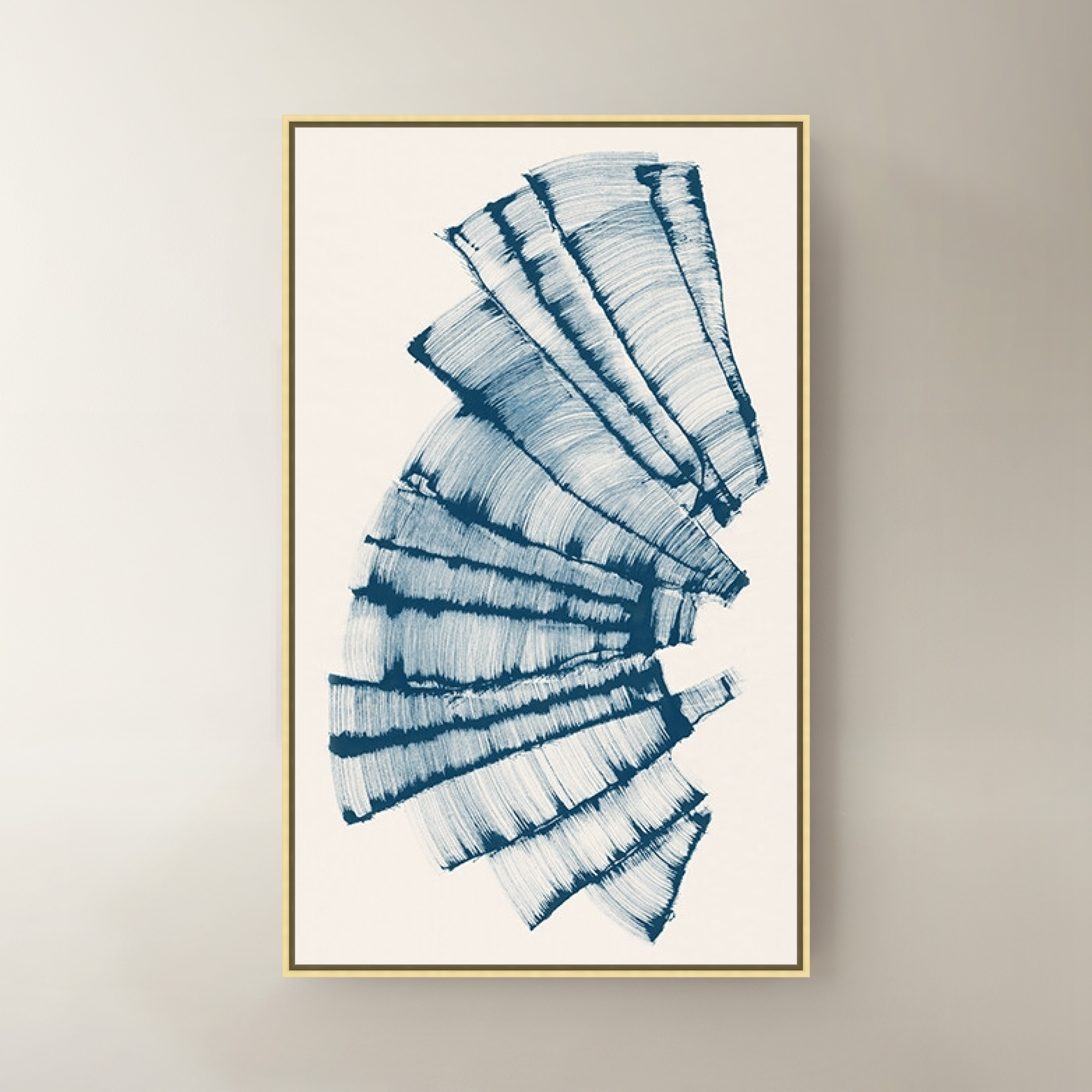
 Relic Framed Painted Triptych Wall Art Set of 3$399
A hand-painted abstract triptych in deep navy and neutral tones, set in sleek black floater frames.
Add To Cart -
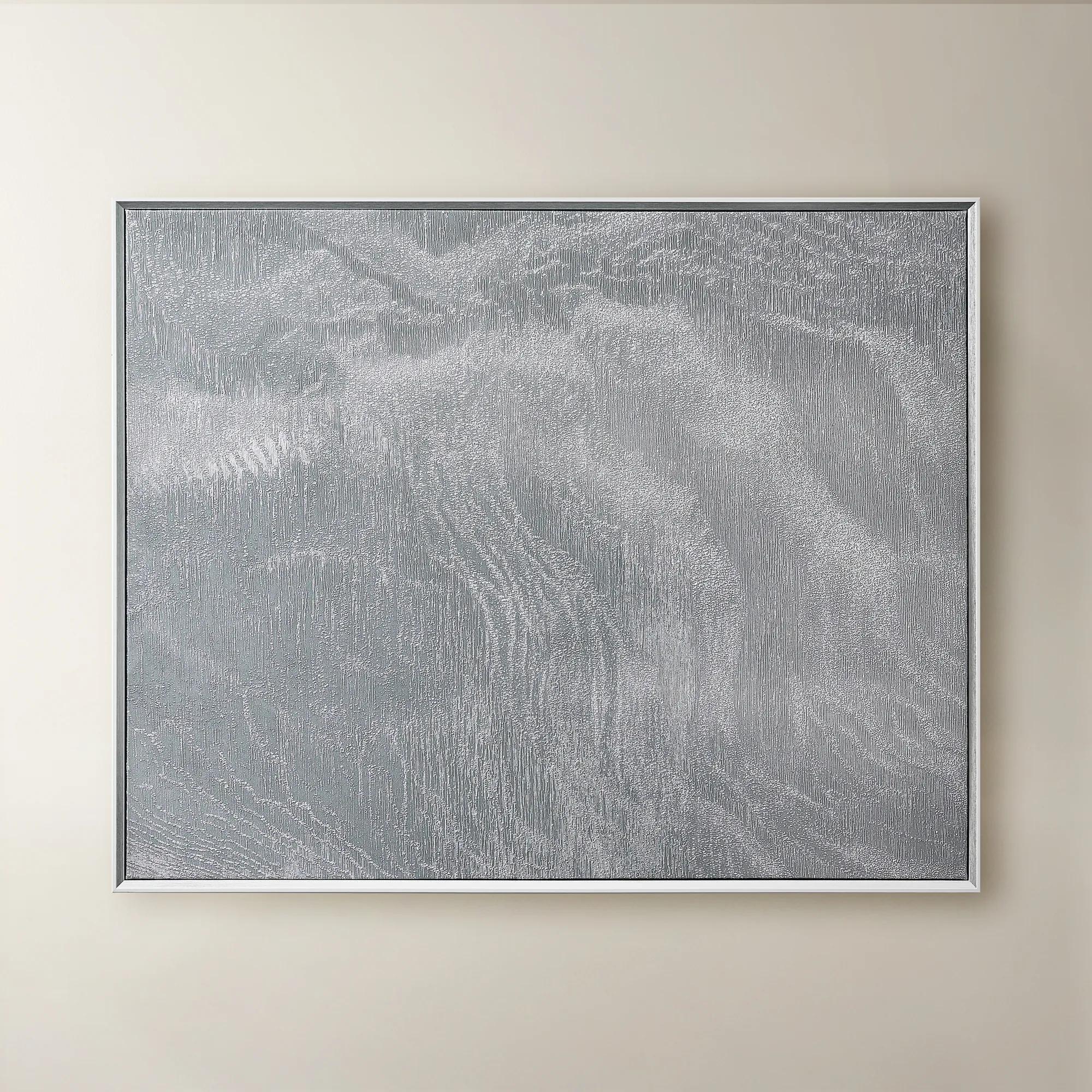 Slow Blue Morning Framed Silver Foil Wall Art 48" x 60"$599
A serene powder blue abstract canvas with silver foil accents, framed in silver and white for modern elegance.
Add To Cart -
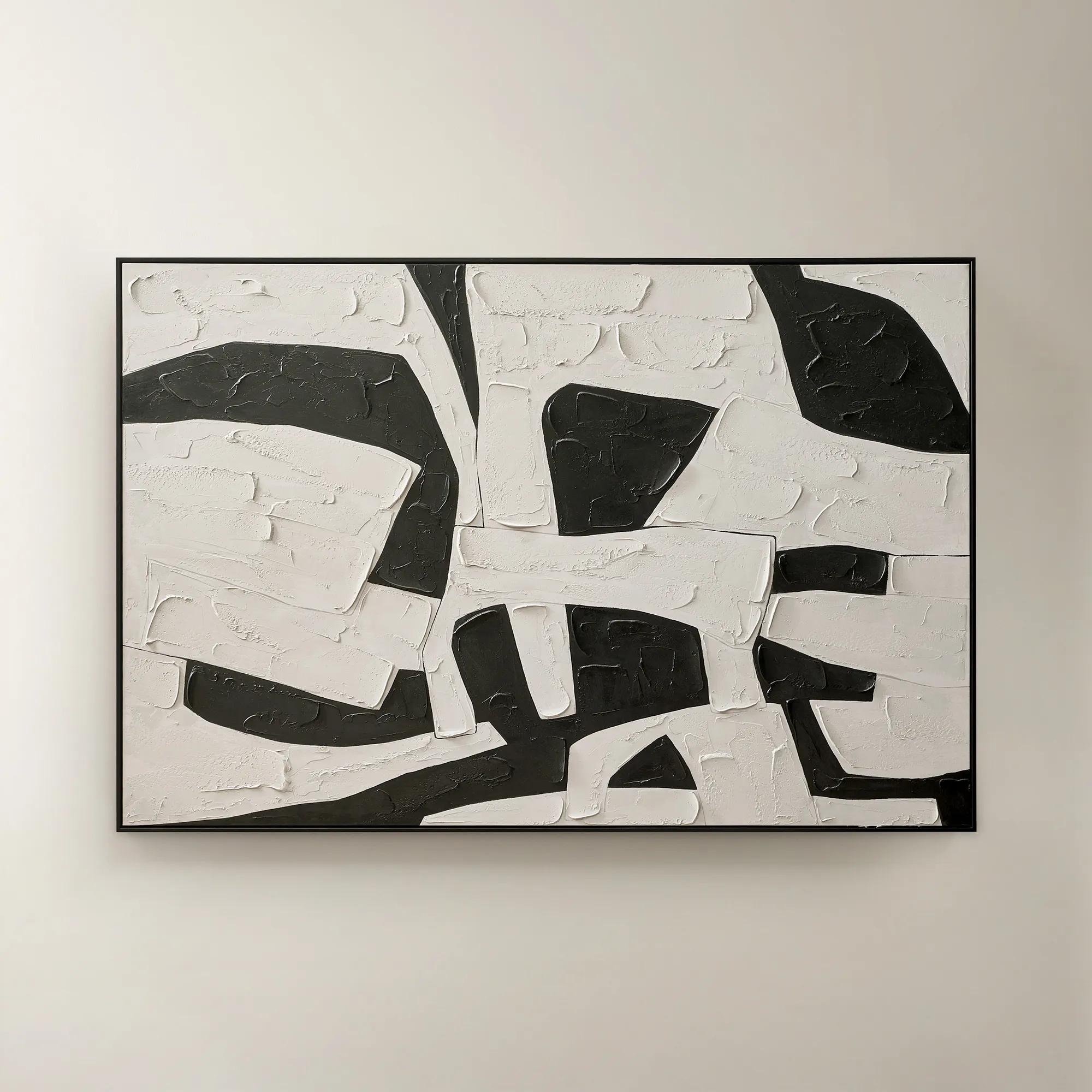 Space Between Shadows Framed Painted Wall Art 72" x 48"$799
A hand-painted abstract canvas featuring bold alabaster and black geometric forms in a sleek black frame.
Add To Cart -
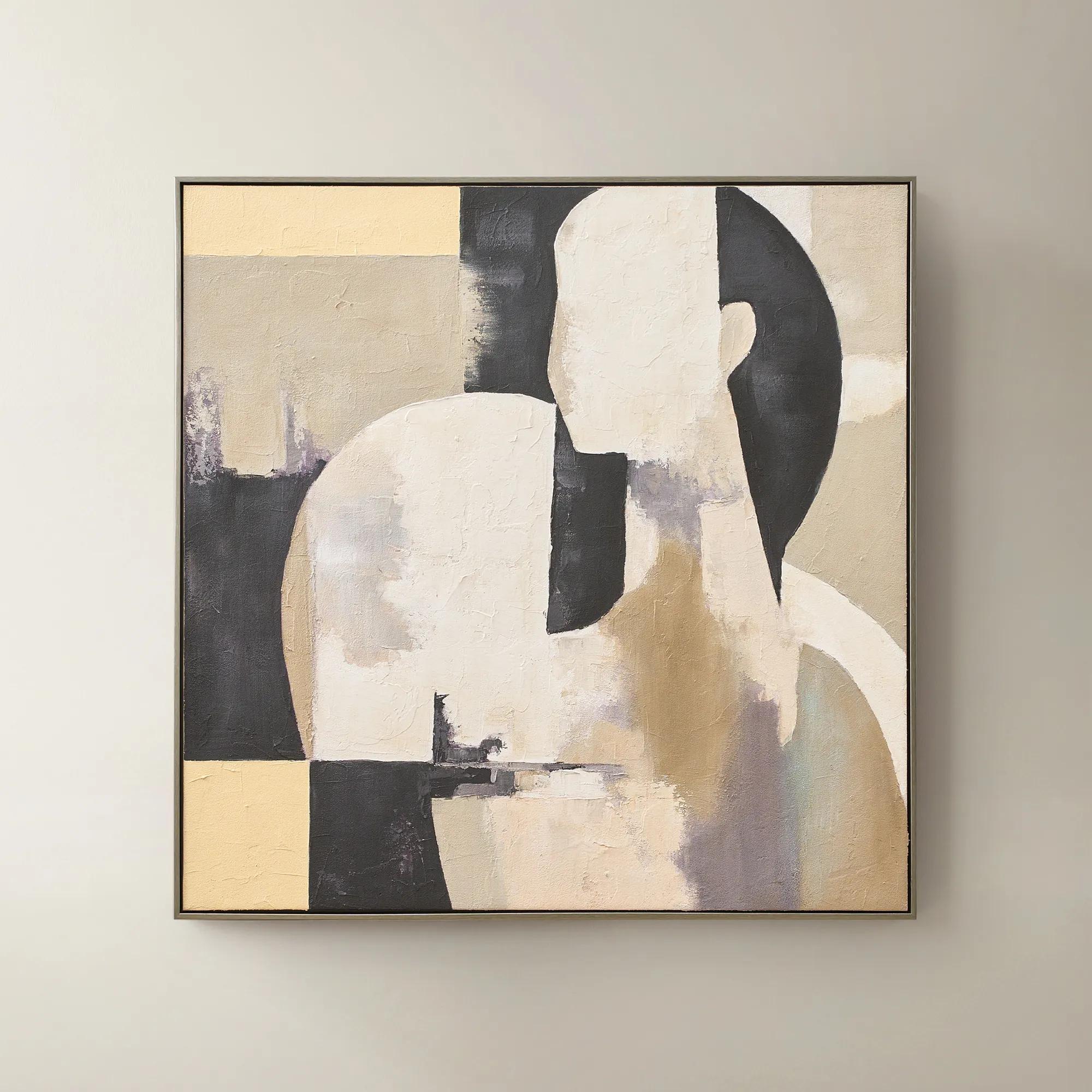 Afternoon Rest Framed Painted Wall Art 40" x 40"$399
A hand-painted abstract figure in buttercream, turtledove, and black hues framed in dark grey.
Add To Cart -
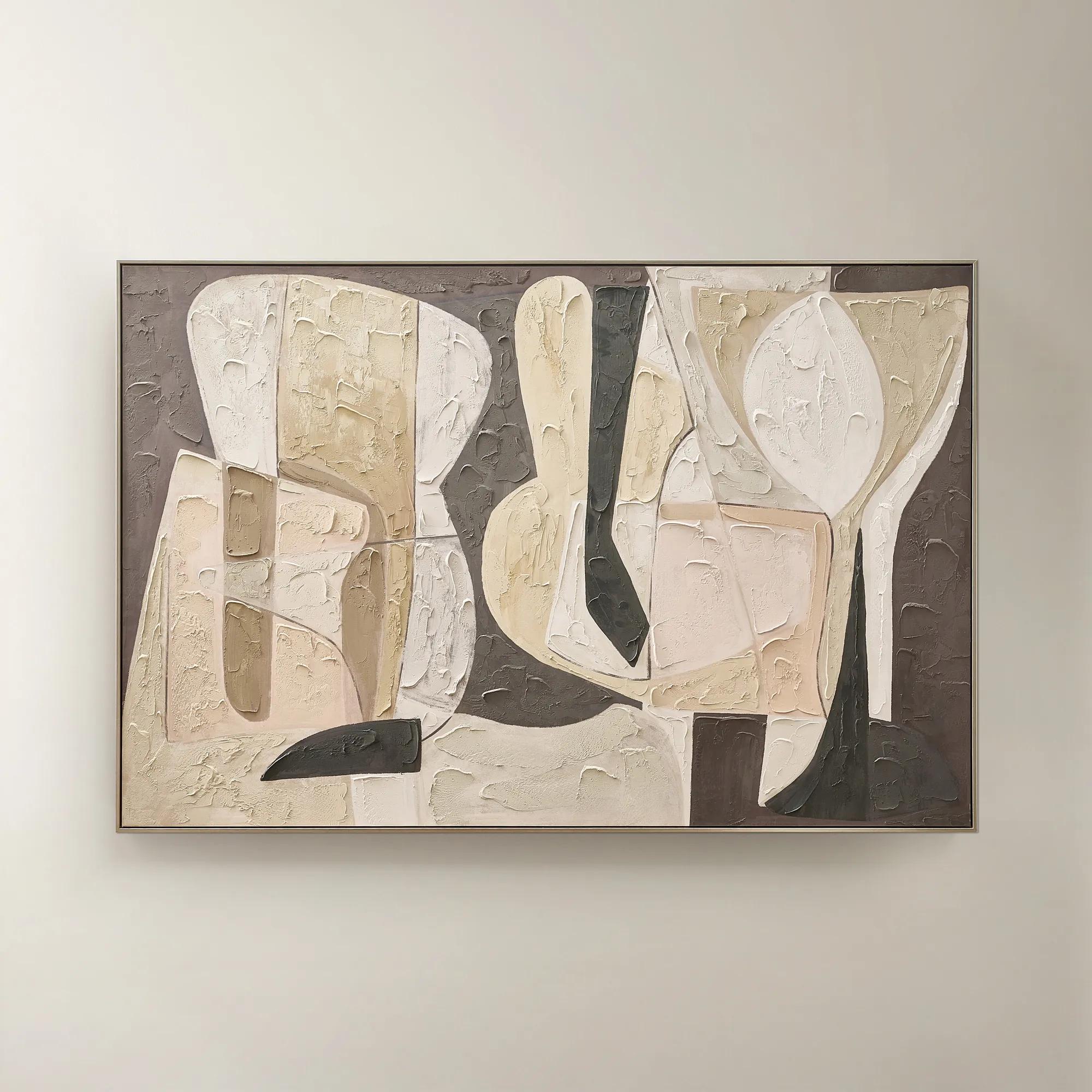 Wishful Thinking Framed Painted Wall Art 72" x 48"$599
A hand-painted abstract canvas featuring bold geometric forms and warm smoked plum, apricot, and tawny hues.
Add To Cart -
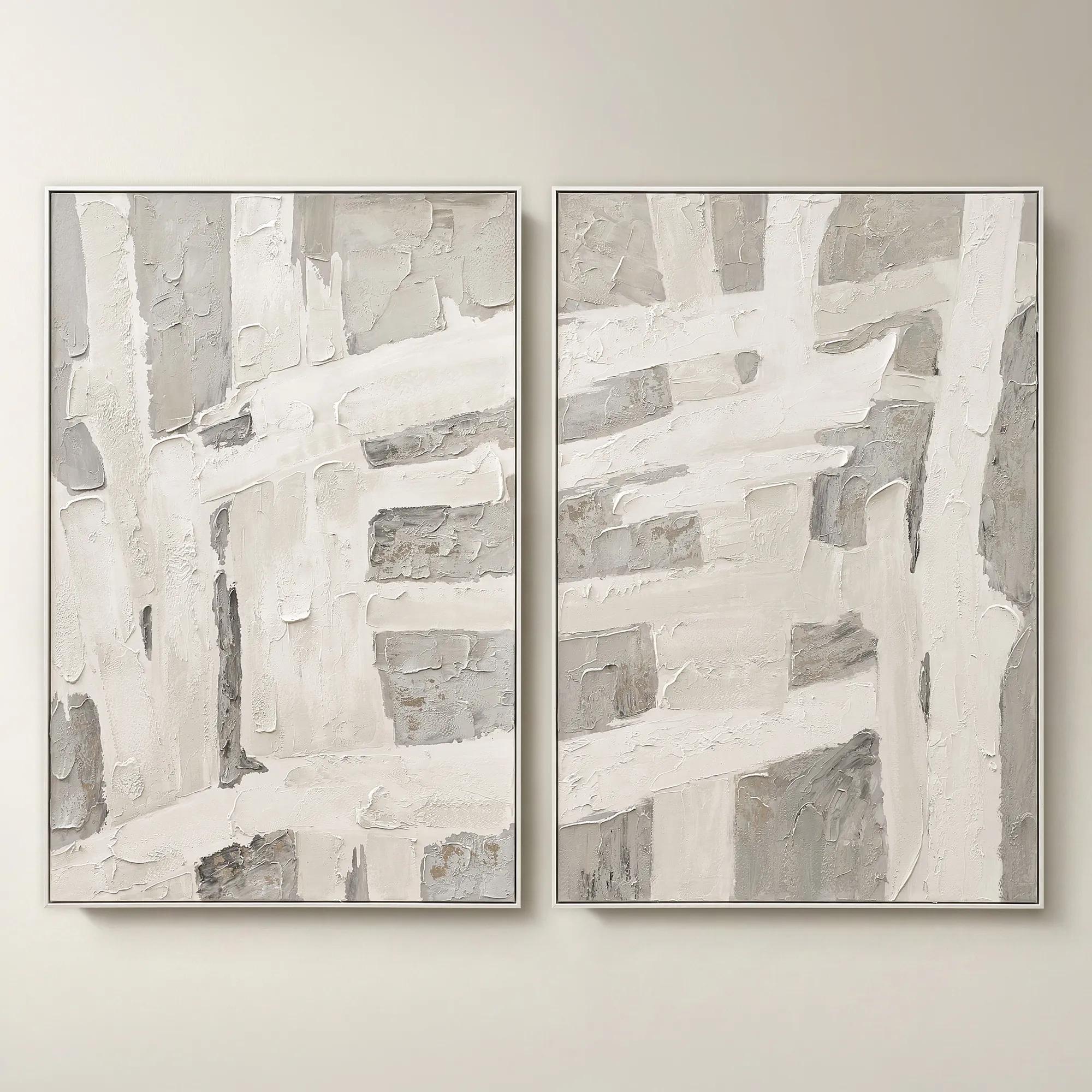 Traverse Framed Painted Wall Art 40" x 60" Set of 2$799
A hand-painted abstract diptych features champagne accents and soft grey, pearl, and alabaster tones in white frames.
Add To Cart -
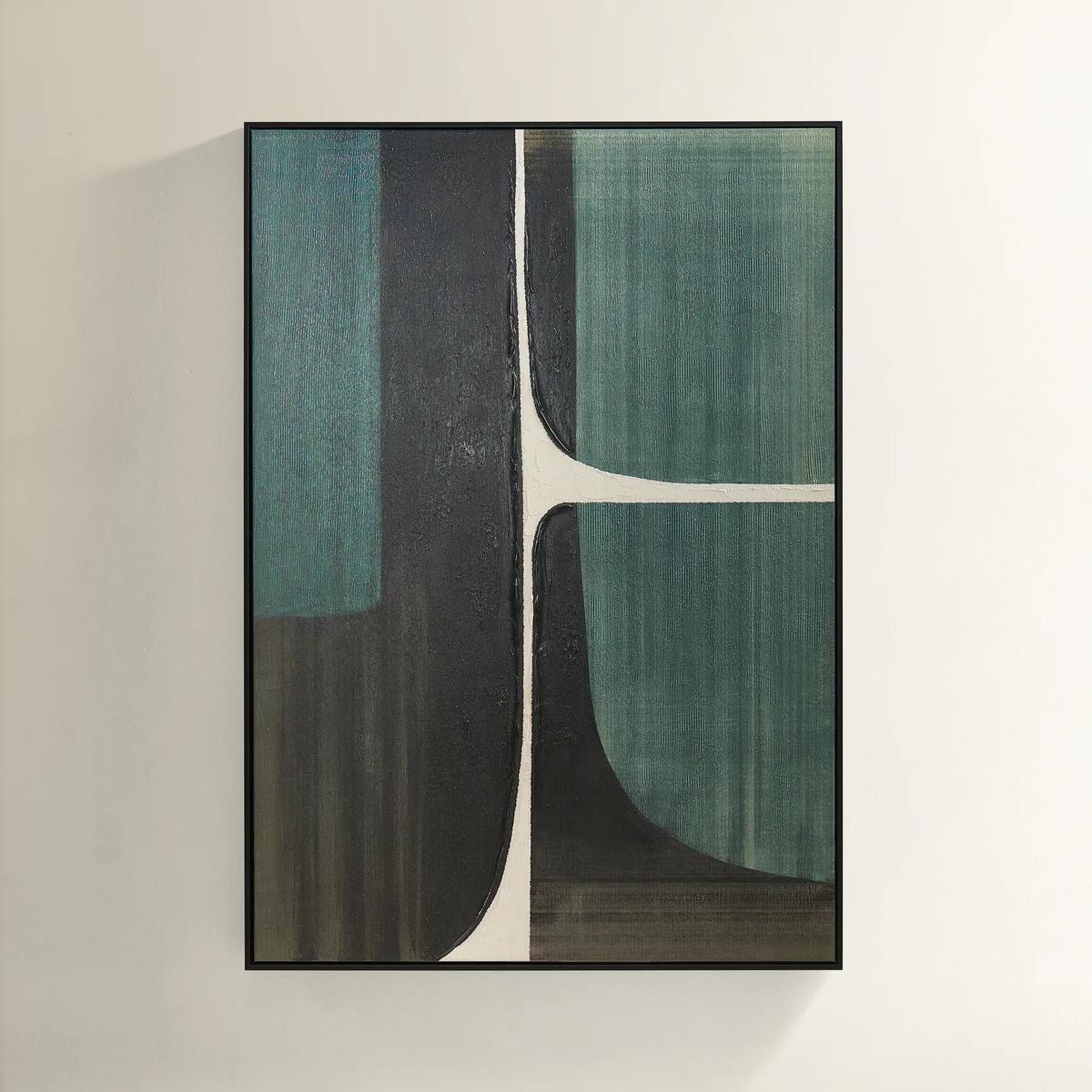 Plains Framed Painted Wall Art 39.25" x 55"$499
A hand-painted abstract canvas in forest green, ivory, and black with a sleek black floater frame.
Add To Cart -
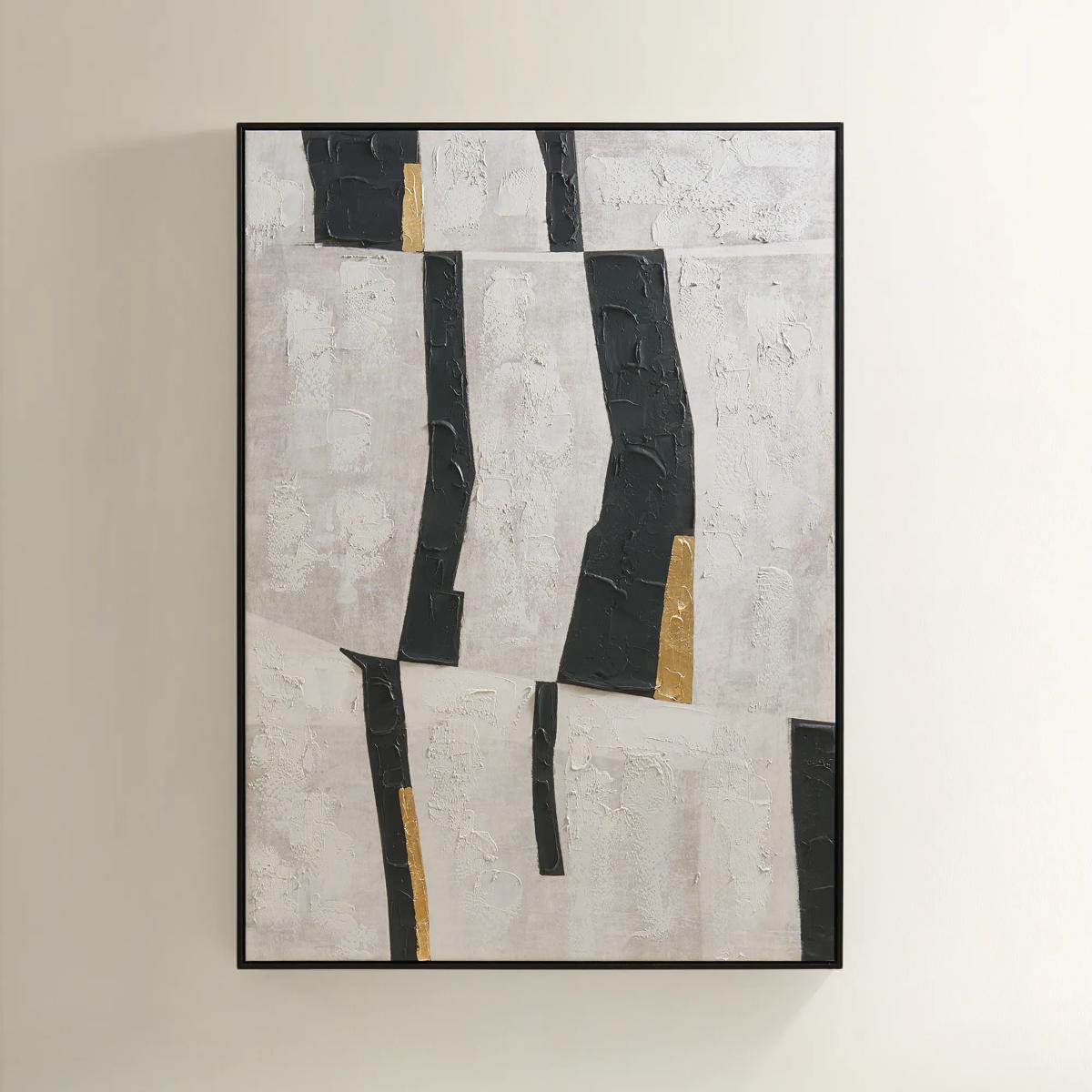
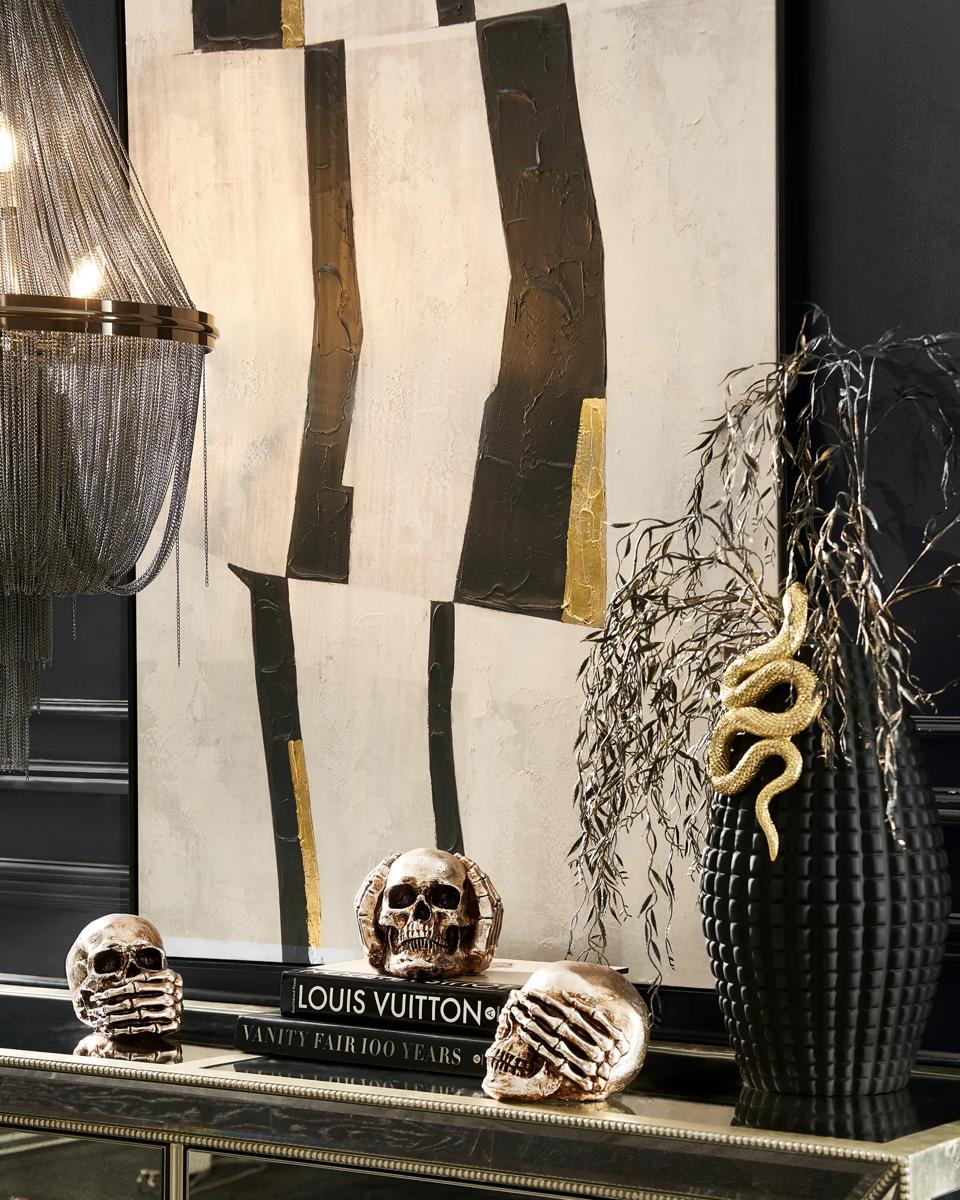 Into the Groove Painting$449
A modern abstract canvas featuring black, gray, and gold leaf accents in a sleek black floater frame.
Add To Cart -
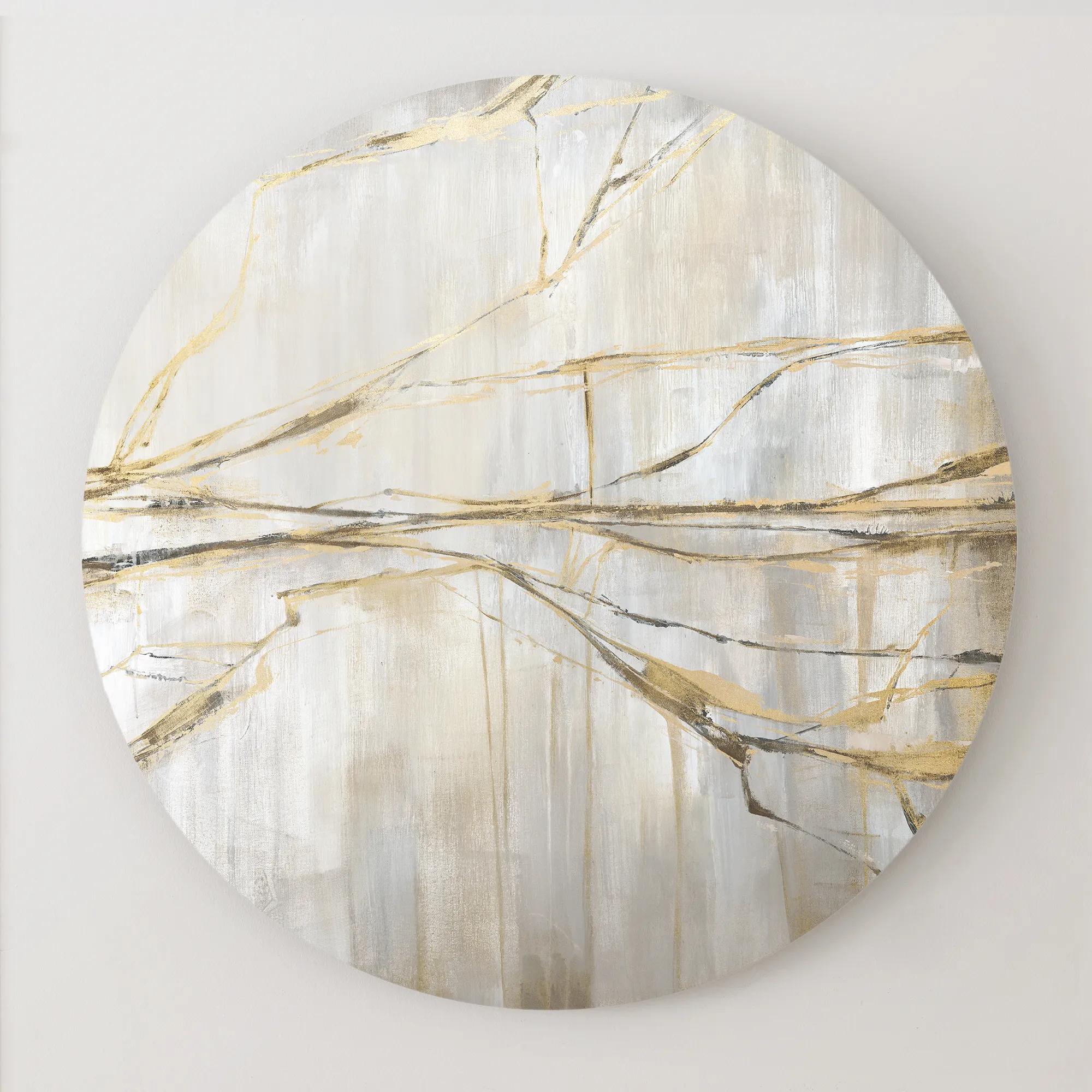
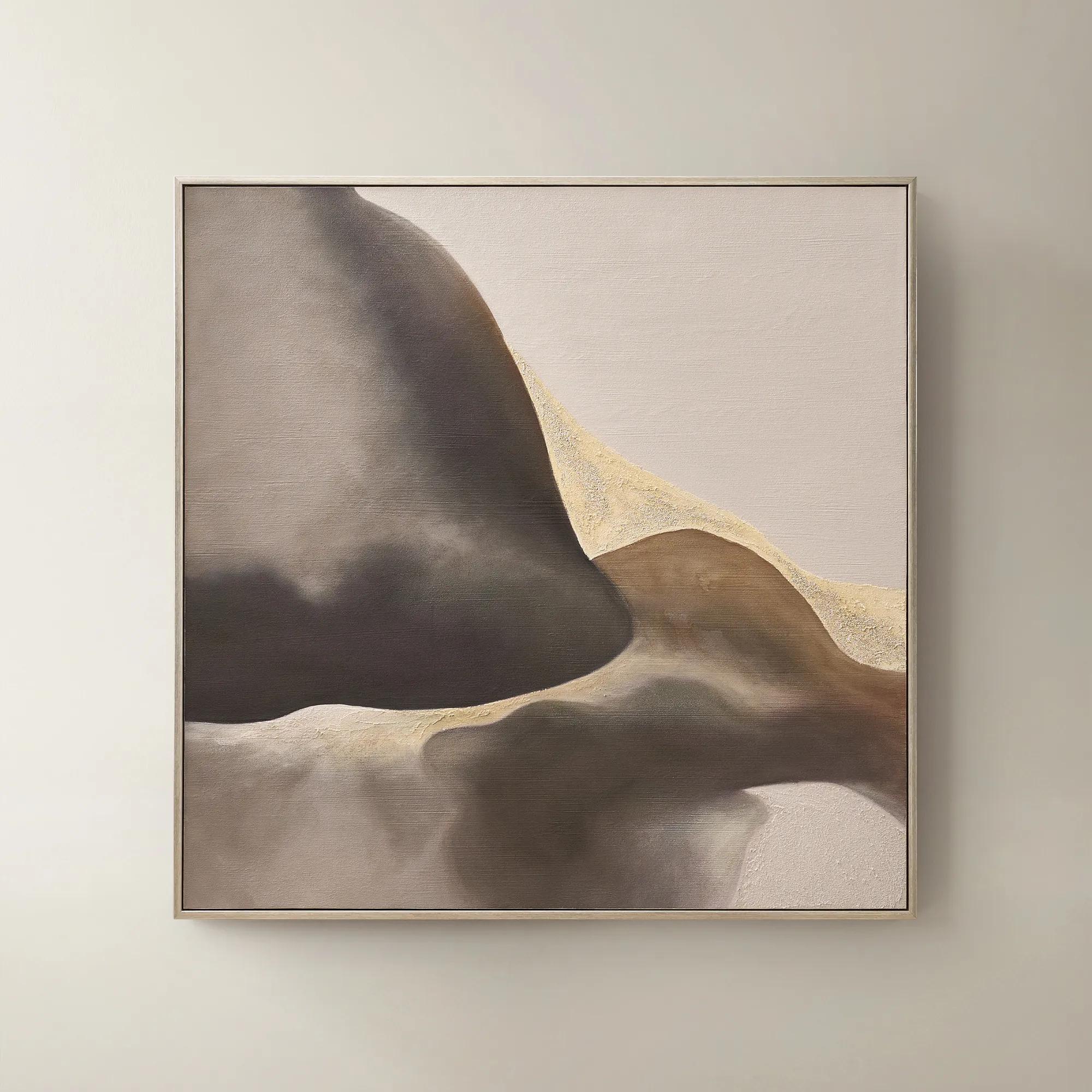 Windswept Framed Gold Leaf Painted Wall Art 50" x 50"$549
A hand-painted abstract canvas in plum truffle with gold leaf accents and a brushed champagne frame.
Add To Cart -
 Espresso Framed Painted Wall Art 31.5" x 31.5"$149
A bold abstract artwork featuring rich brown hues on hand-painted canvas in a light wood floater frame.
Add To Cart -
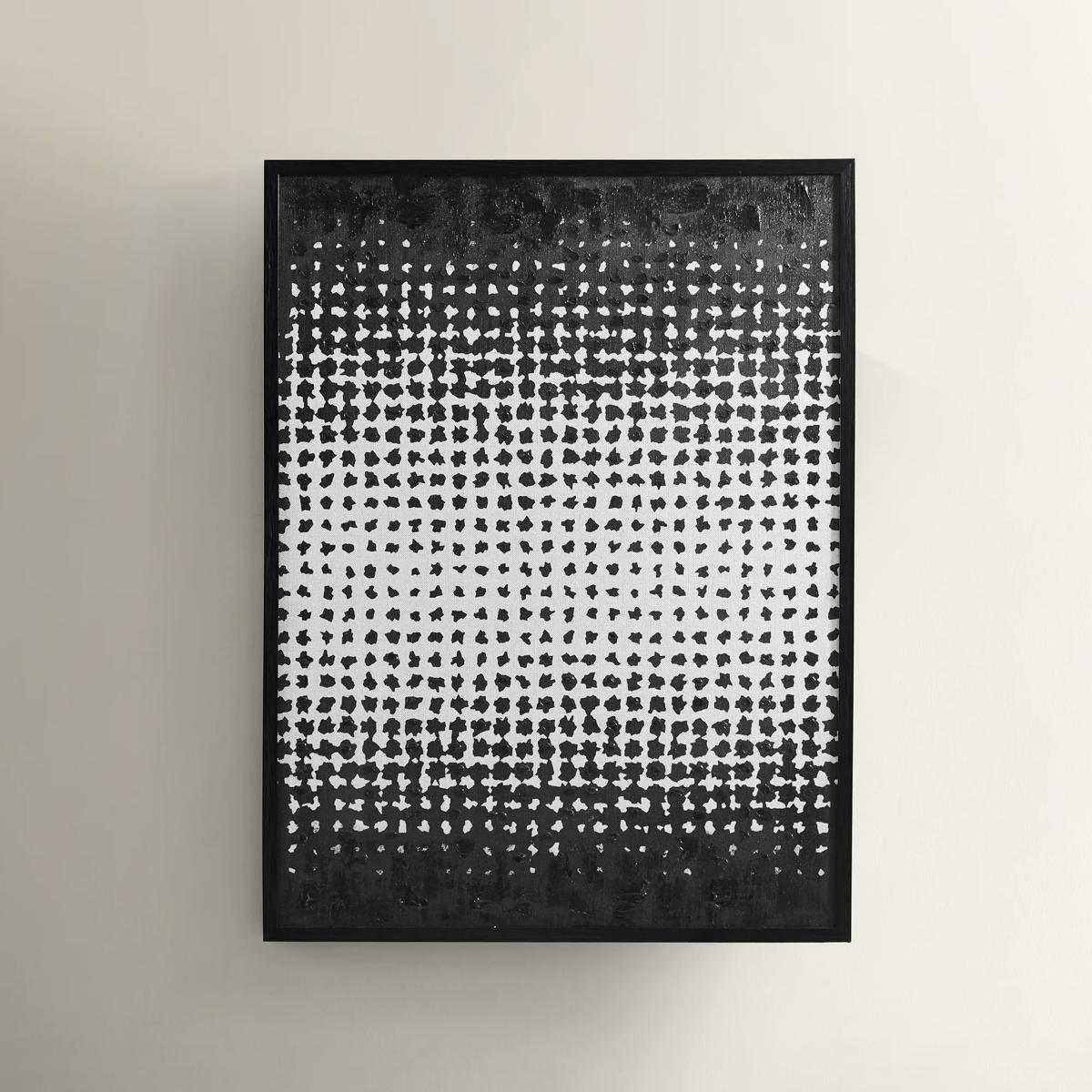
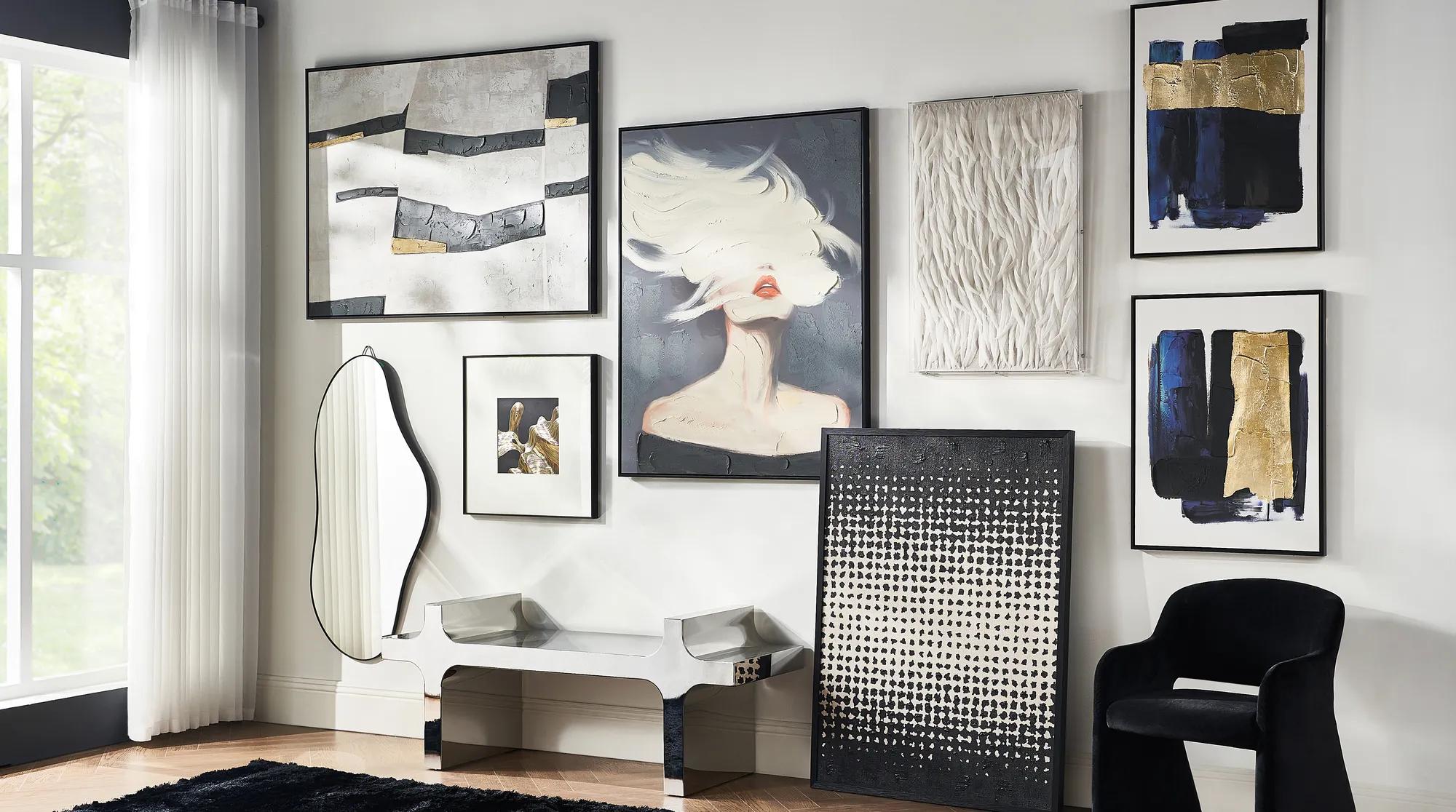 In Time Painting$399
A hand-painted linen canvas featuring cream and black dots in a modern, minimalist geometric pattern.
Add To Cart -
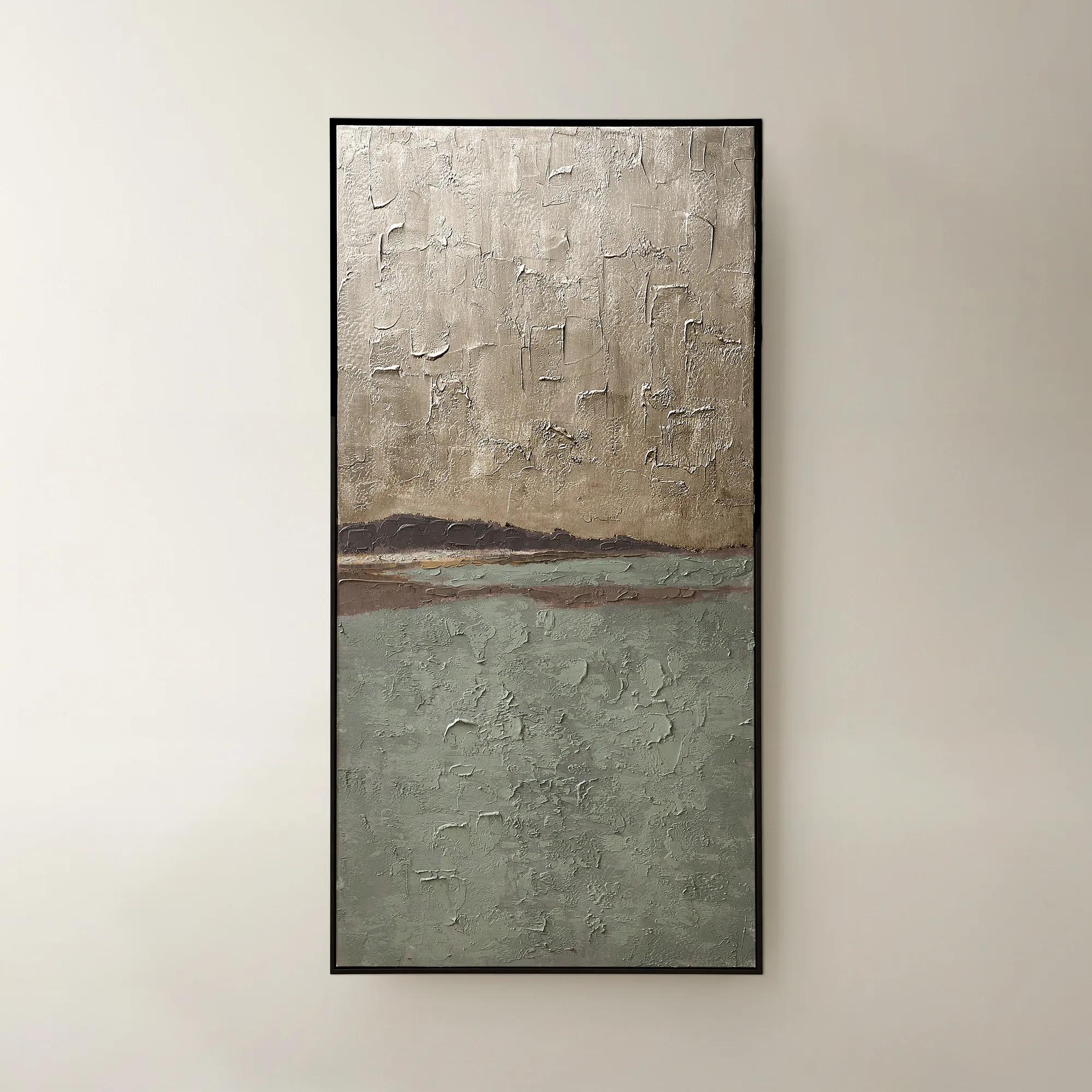
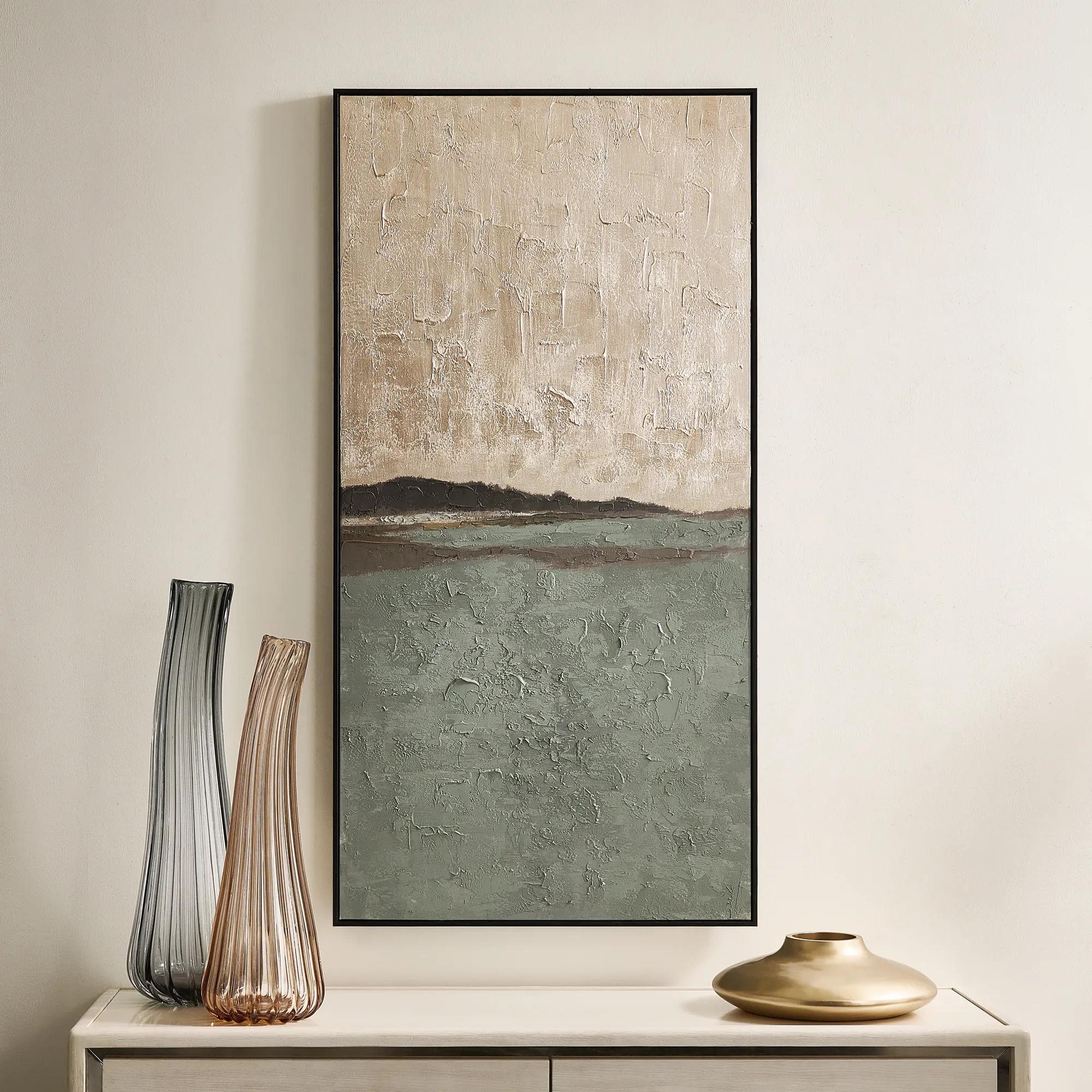 Fields of Gold Framed Painted Wall Art 60" x 30"$399
A hand-painted sage and champagne abstract canvas with a black frame, offering versatile vertical or horizontal display.
Add To Cart -
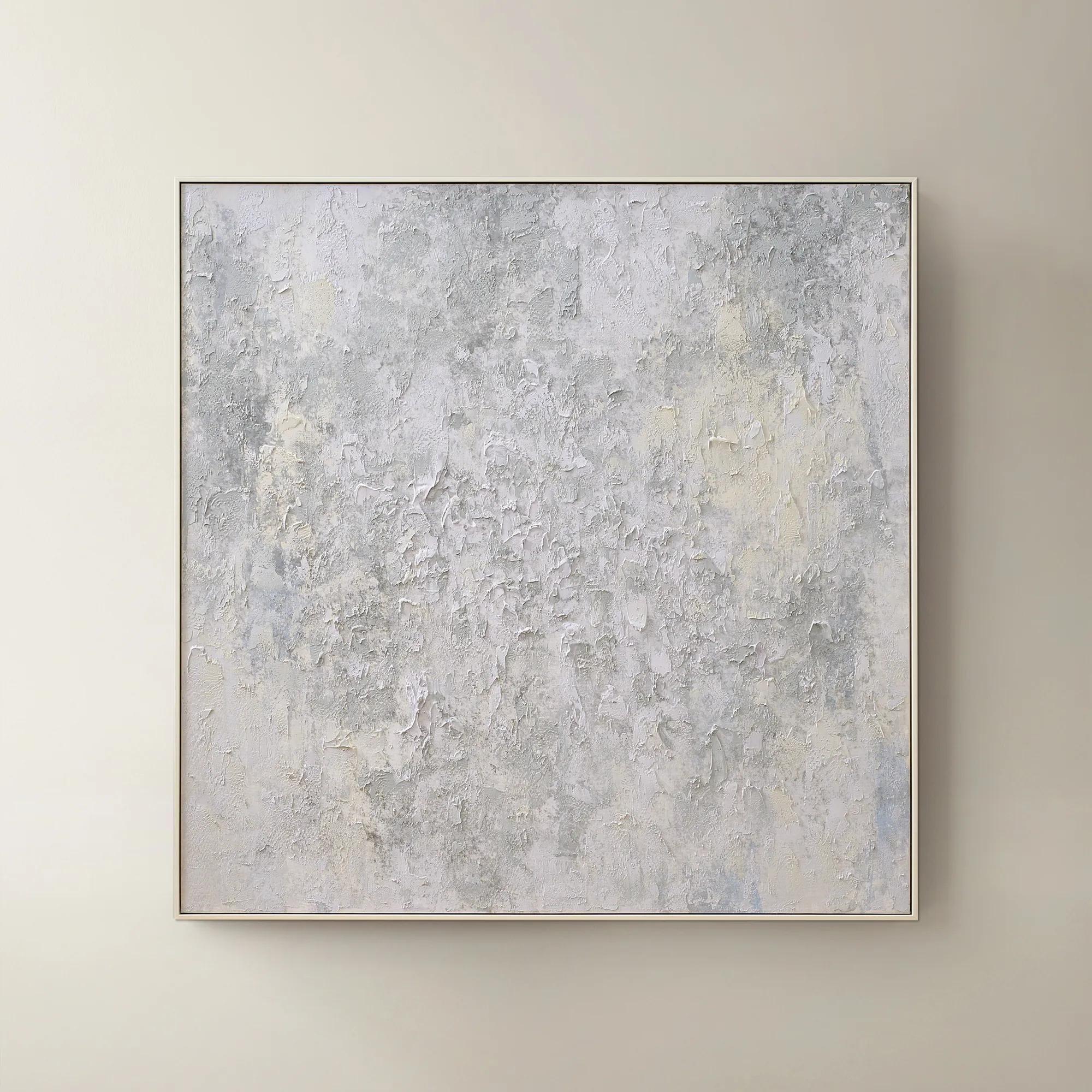 Breathe of Fresh Air Framed Painted Wall Art 50" x 50"$499
A hand-painted abstract canvas in dusty blue hues, elegantly framed in white for a serene, modern accent.
Add To Cart -
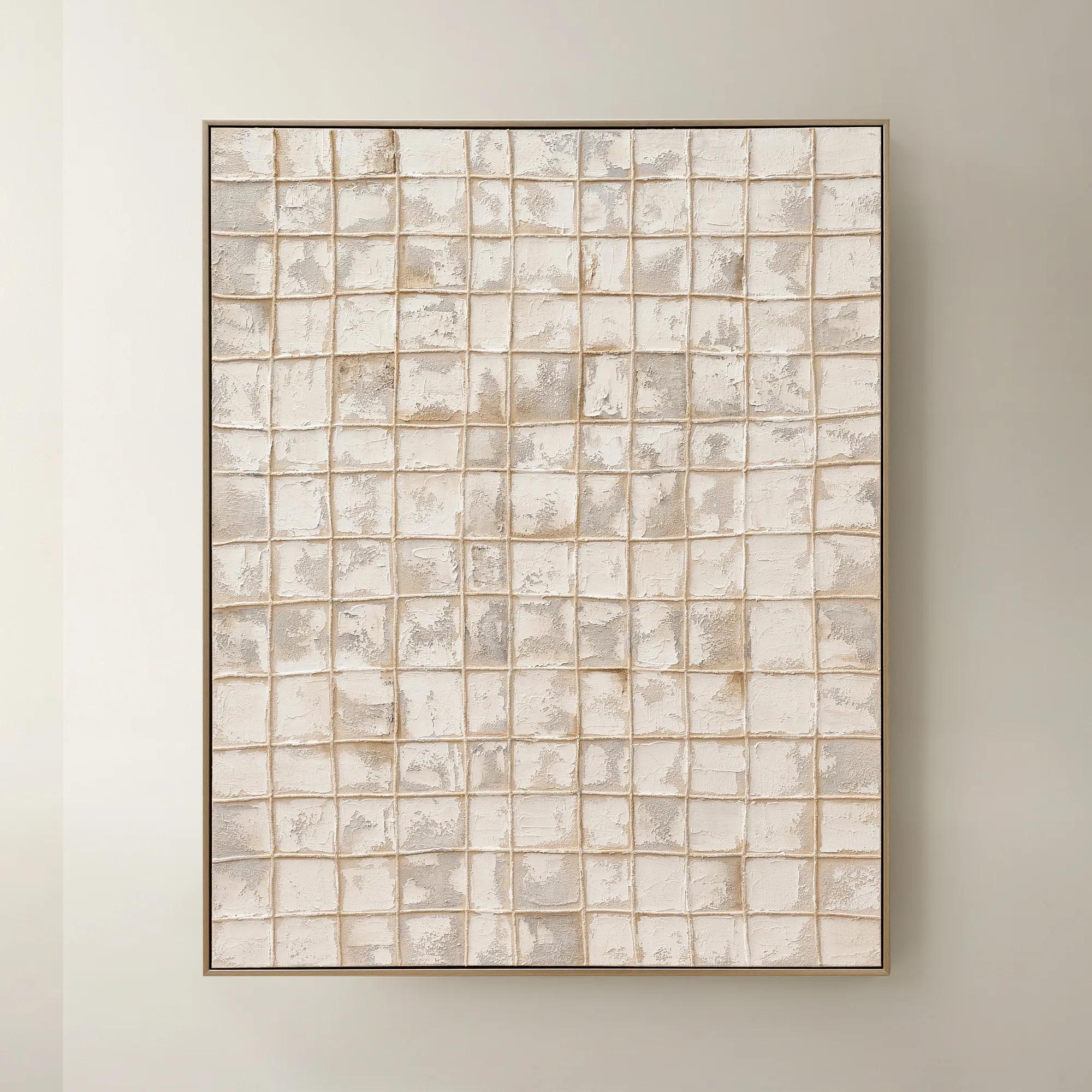
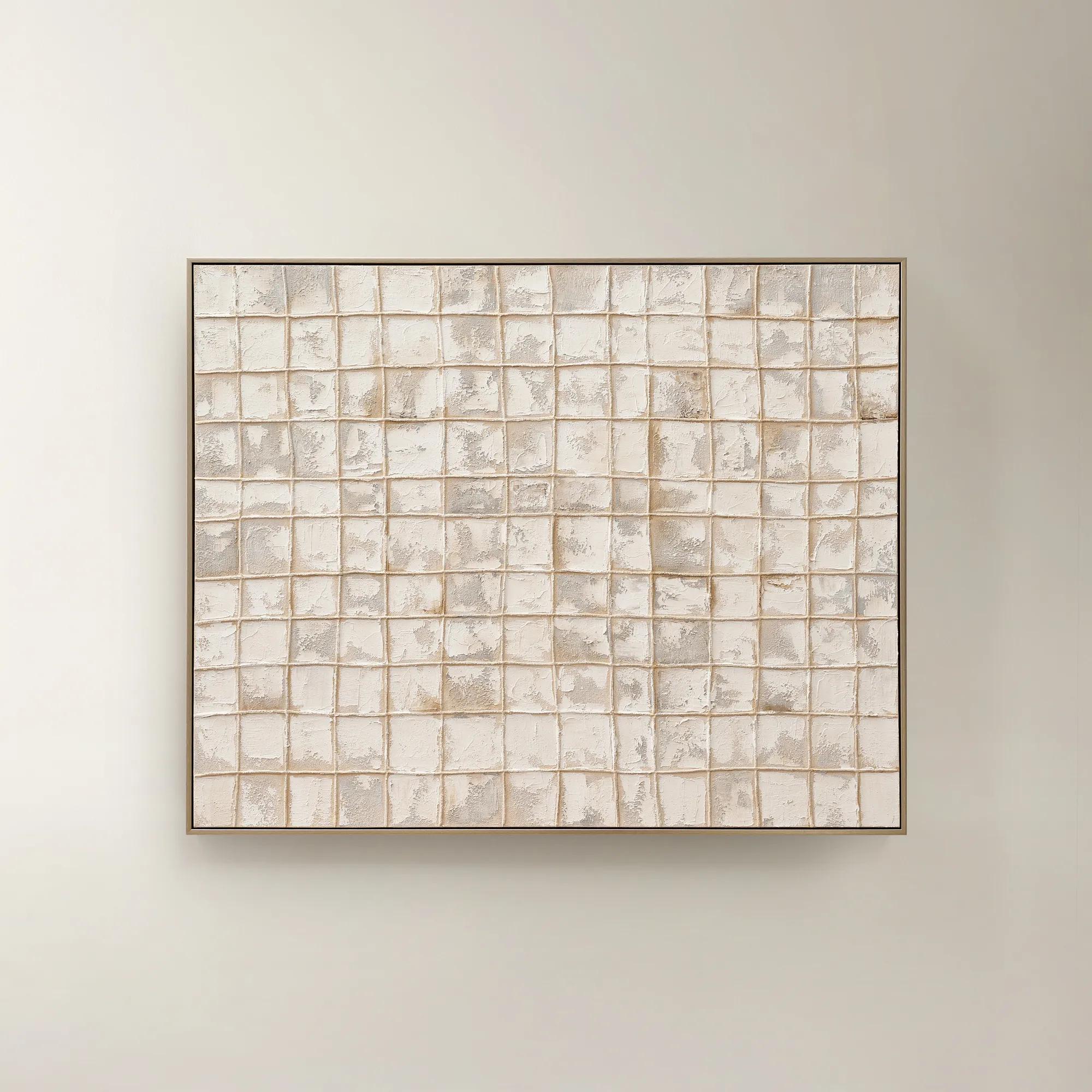 Painted Echos Framed Gold Leaf Wall Art 60" x 48"$699
A hand-painted abstract canvas with gold leaf accents and a champagne frame for modern, versatile display.
Add To Cart -
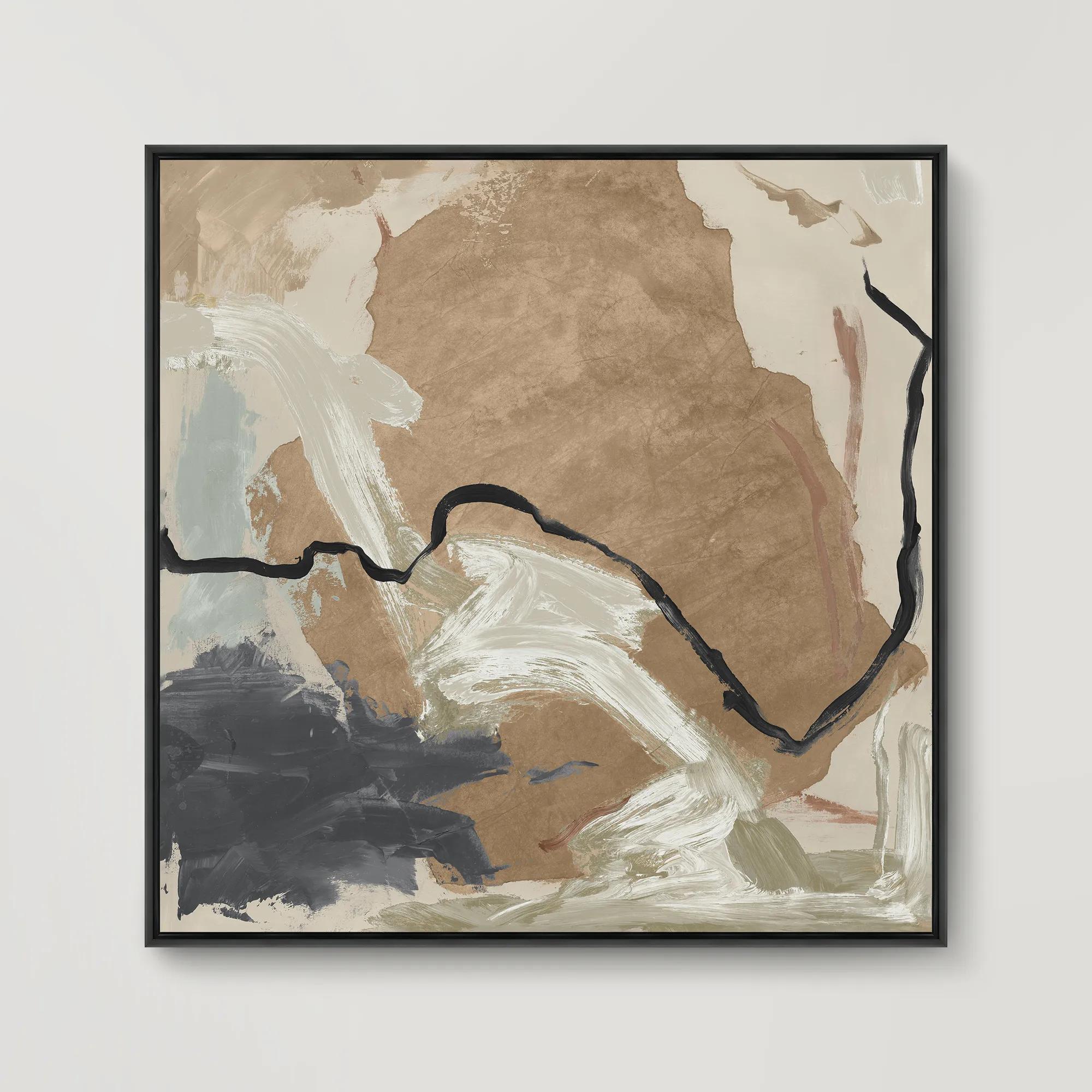
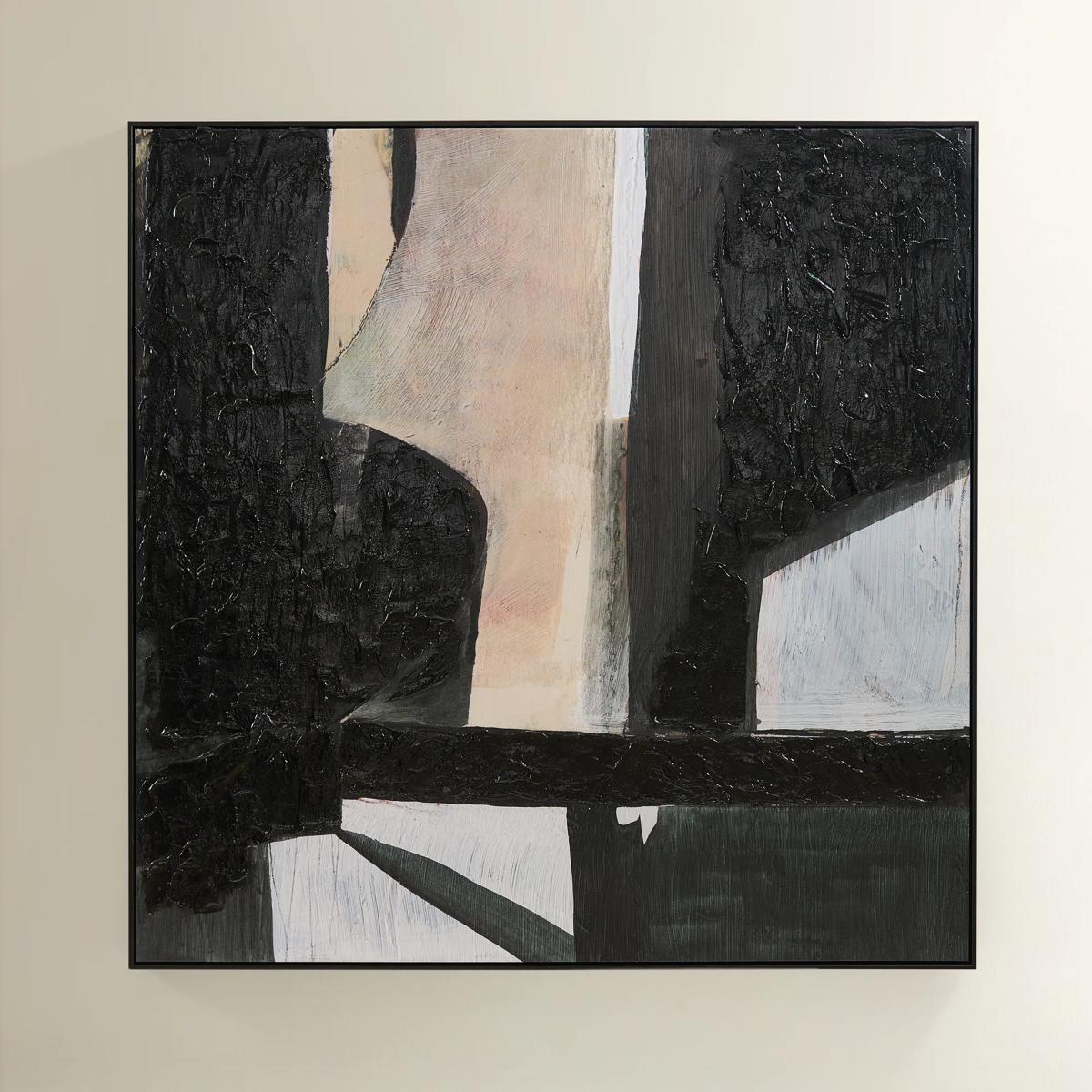 Grounded Painting$699
A hand-painted abstract canvas featuring black, cream, and earth tones in a sleek black floater frame.
Add To Cart -
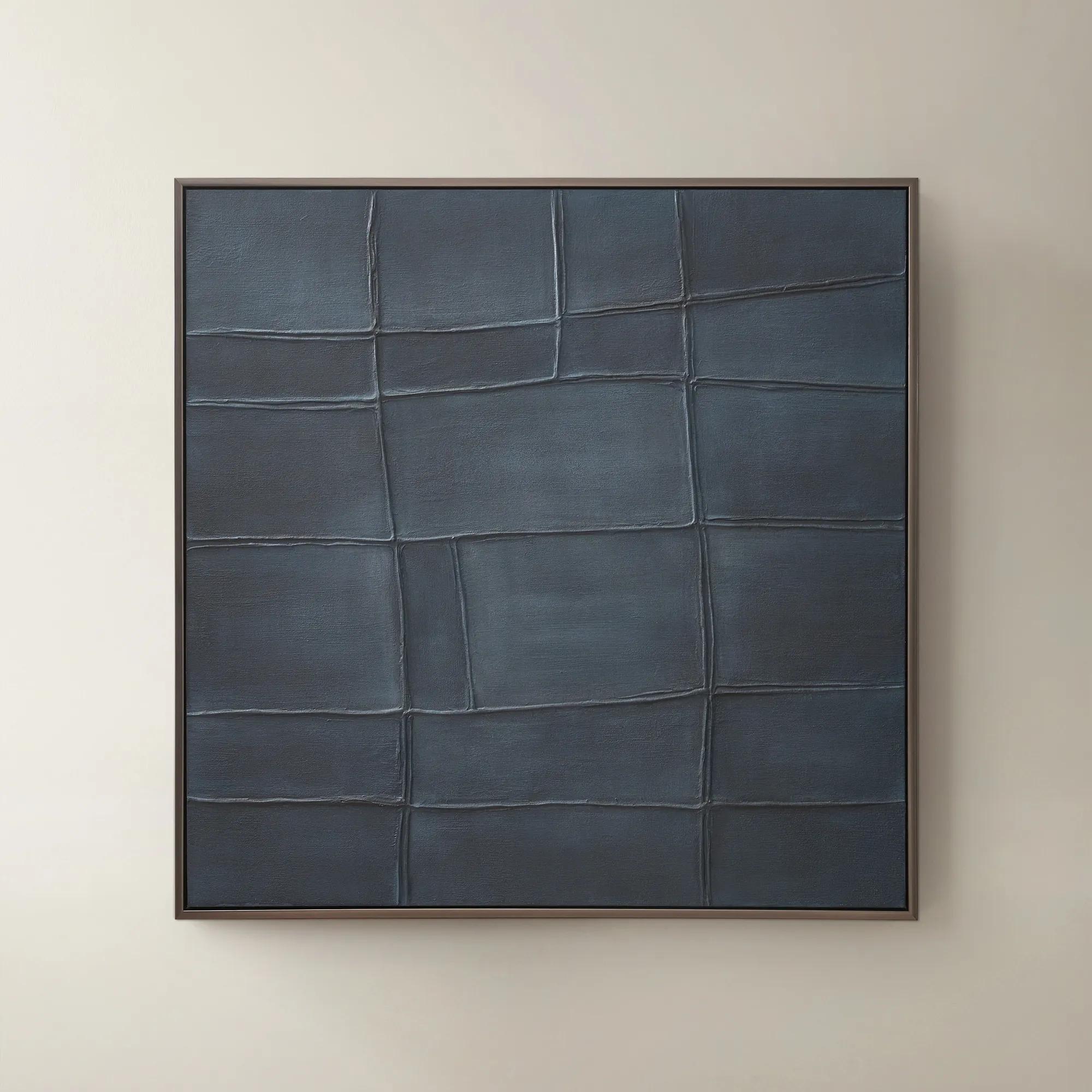
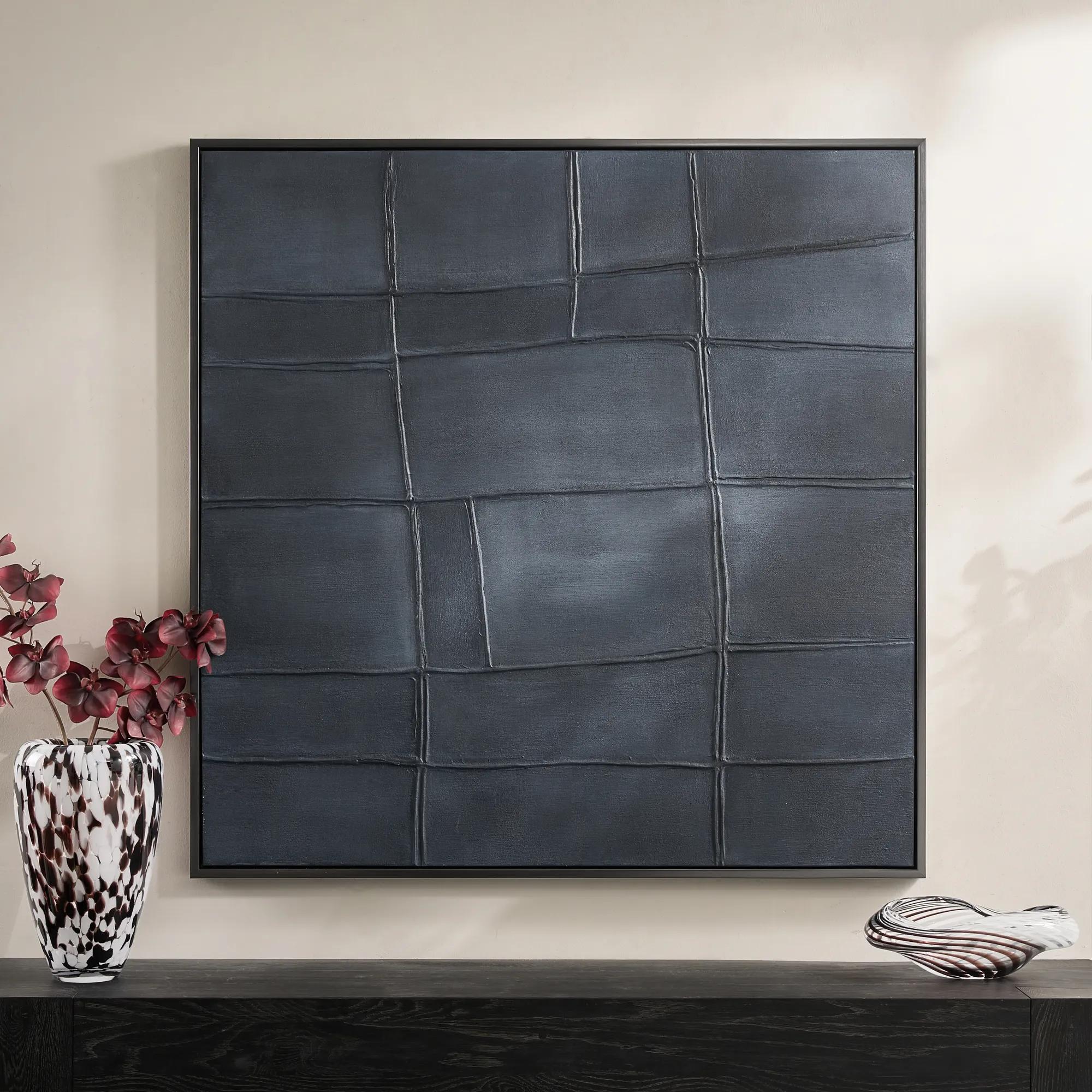 Ink Blue Interval Framed Painted Wall Art 48" x 48"$599
A hand-painted abstract canvas in deep ink blue, finished with a sleek gunmetal frame for modern appeal.
Add To Cart -
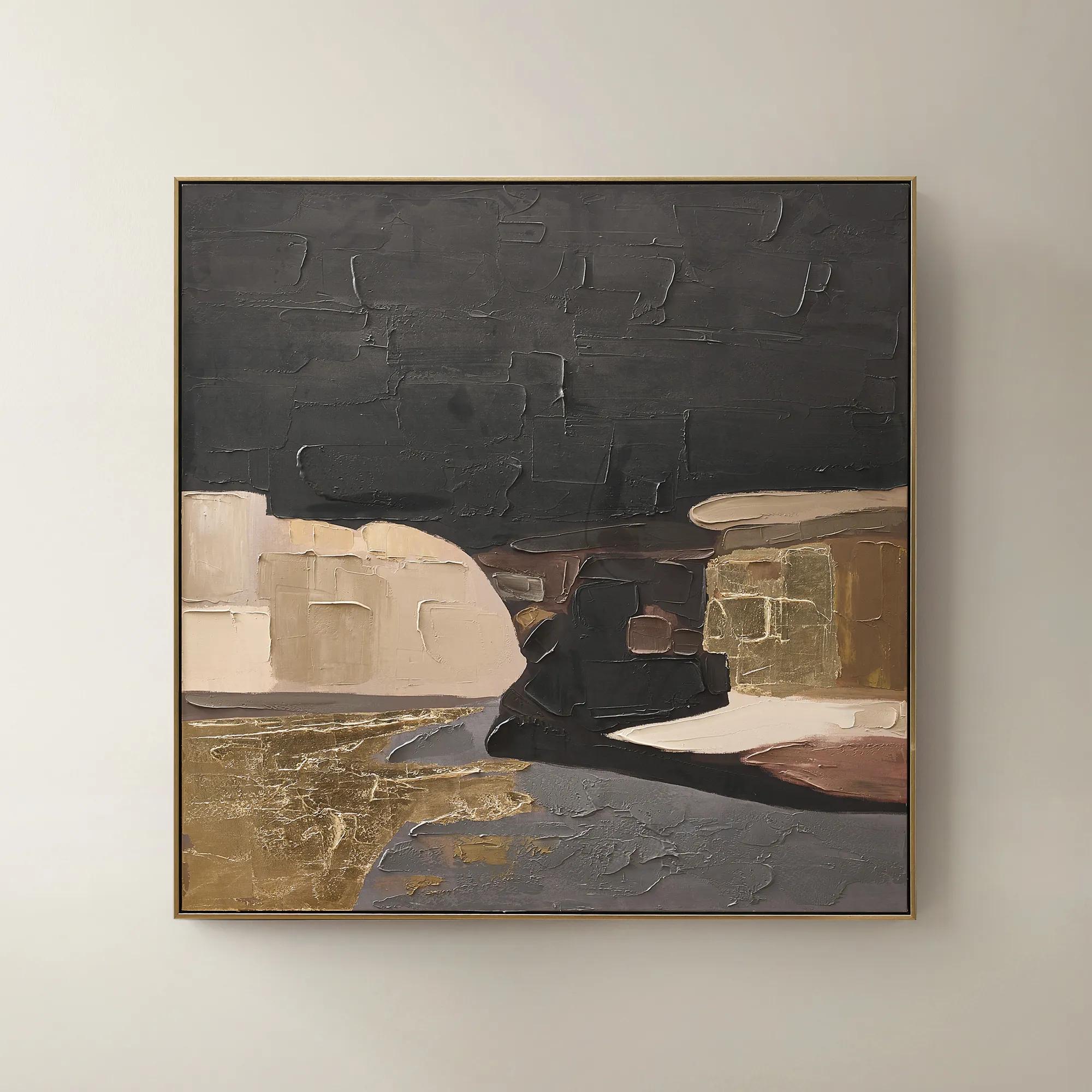 Obscured Light Framed Gold Leaf Painted Wall Art 48" x 48"$499
A hand-painted canvas with gold leaf accents and a black-gold frame in dramatic neutral tones.
Add To Cart -
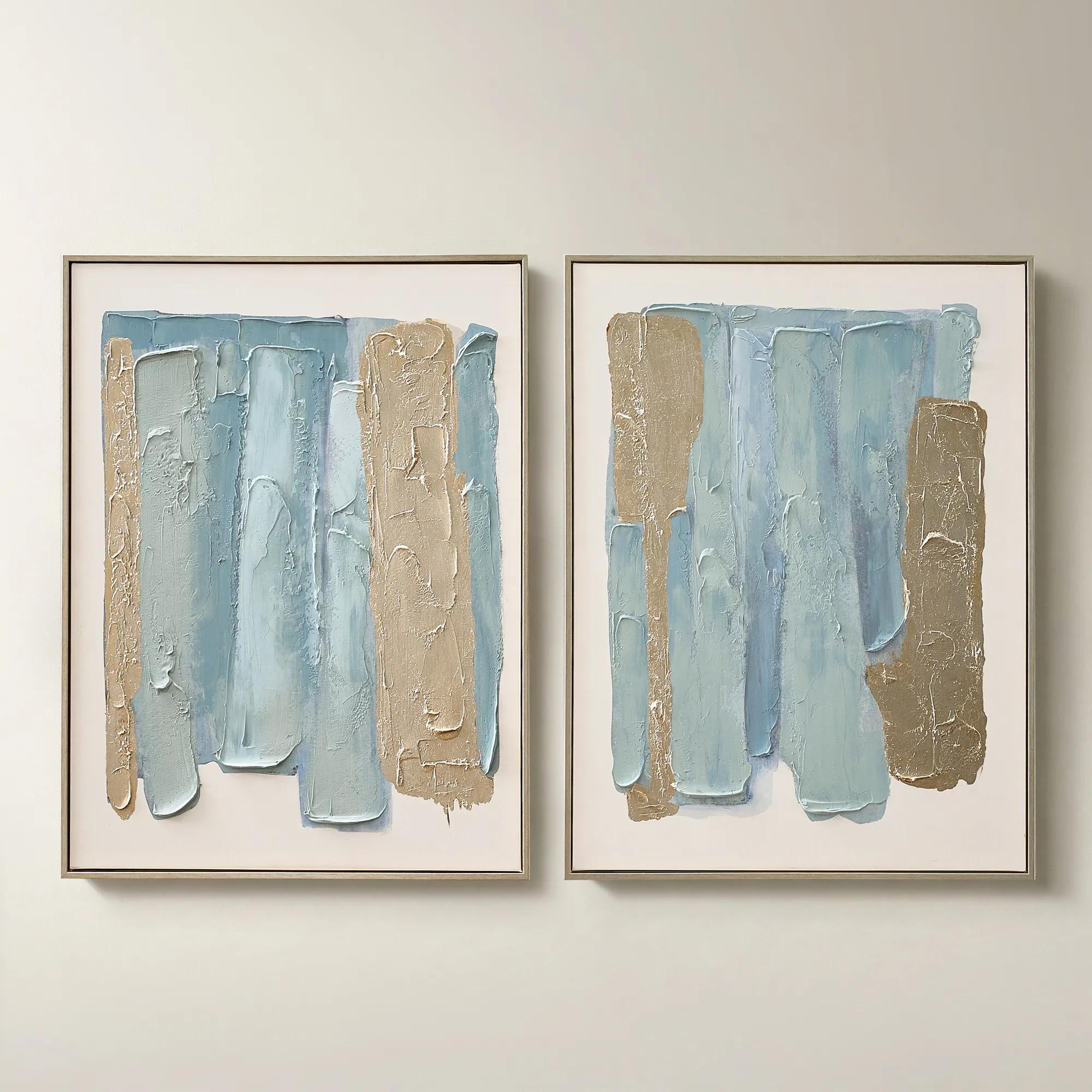
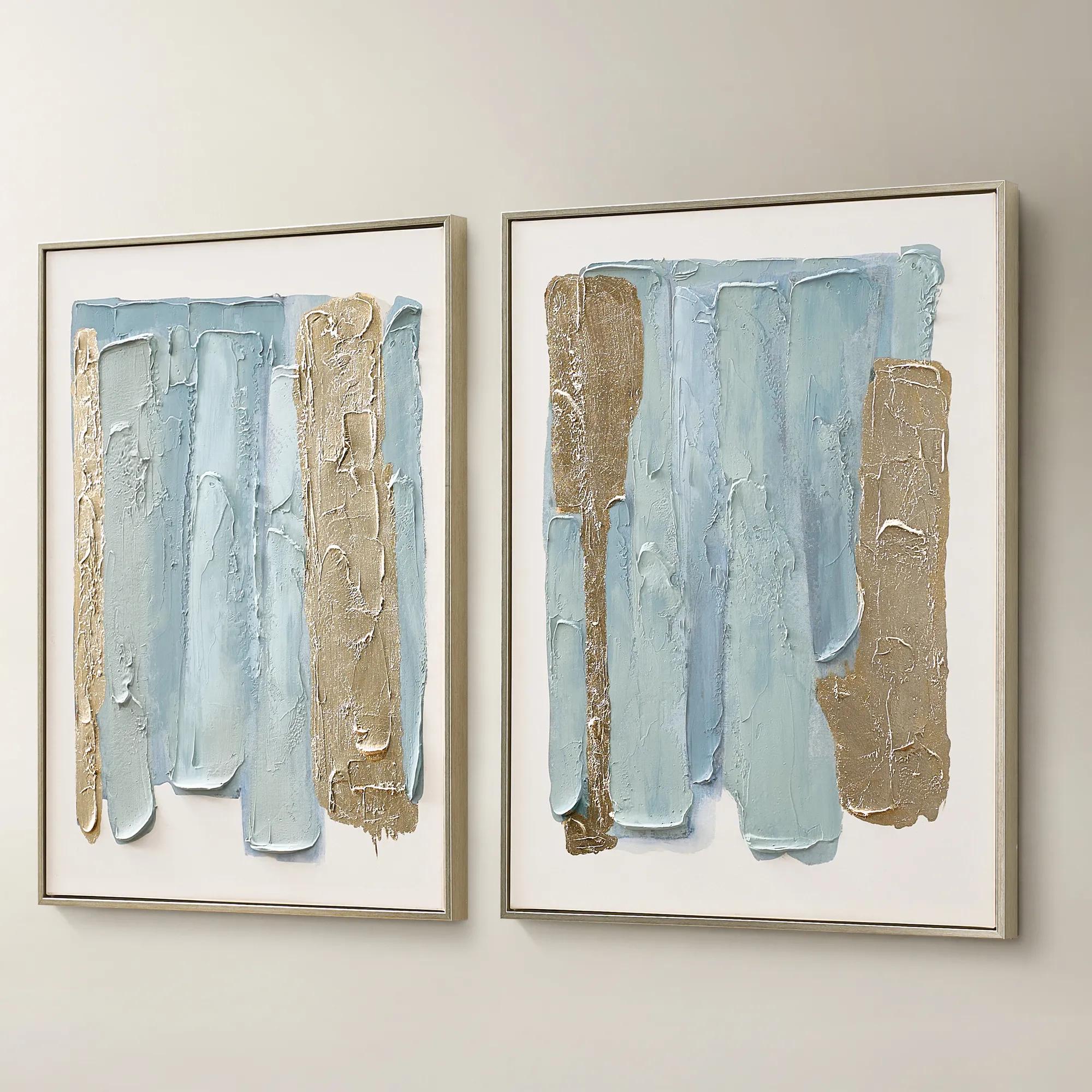 Blue Drift Framed Champagne Painted Wall Art 24" x 32" Set of 2$199
A set of two hand-painted canvases in dusty blue with champagne leafing and modern abstract movement.
Add To Cart -
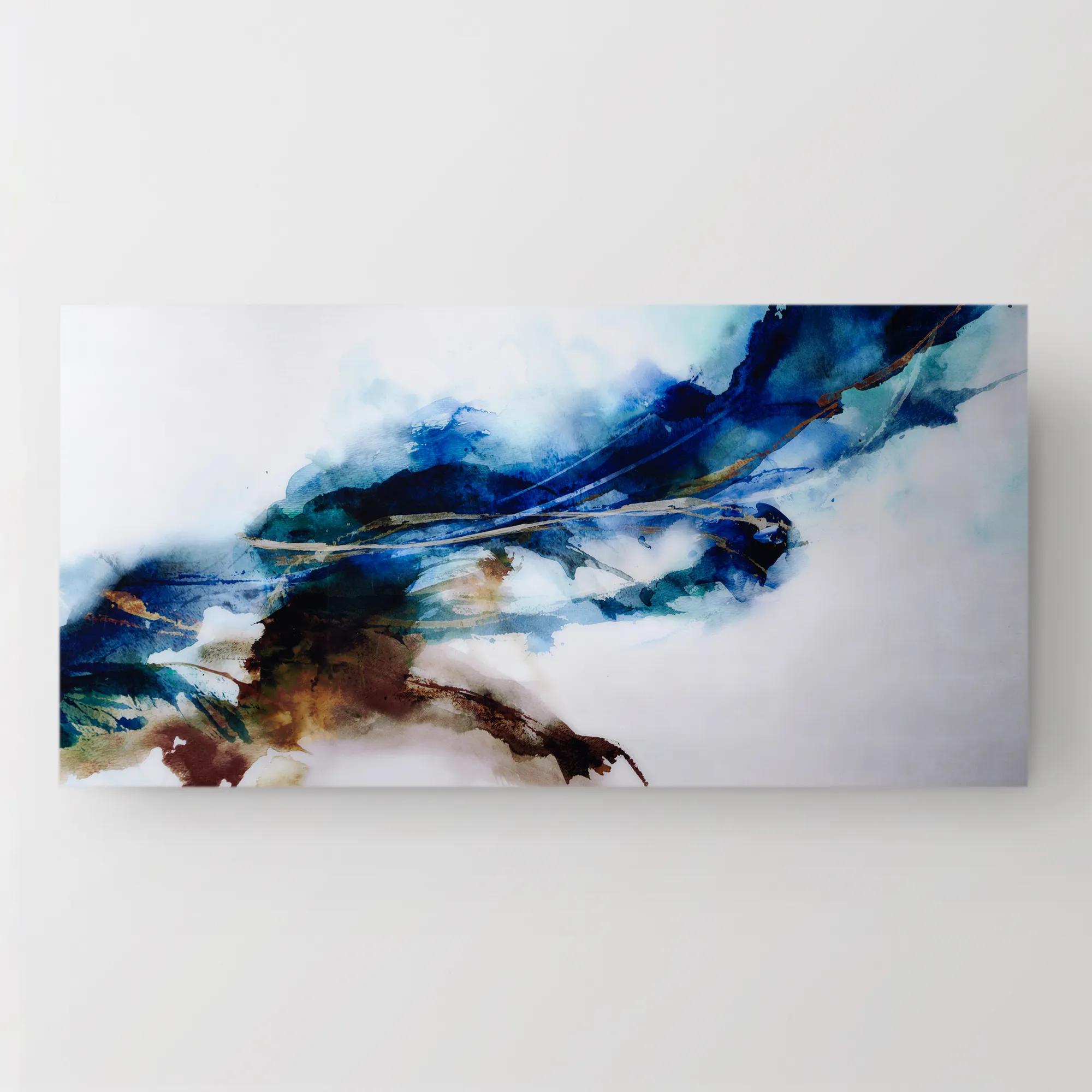 Cerulean Movement Acrylic Art 72" x 36"$1299
A vibrant abstract artwork printed on high-gloss acrylic, infusing your space with dynamic energy and movement.
Add To Cart -

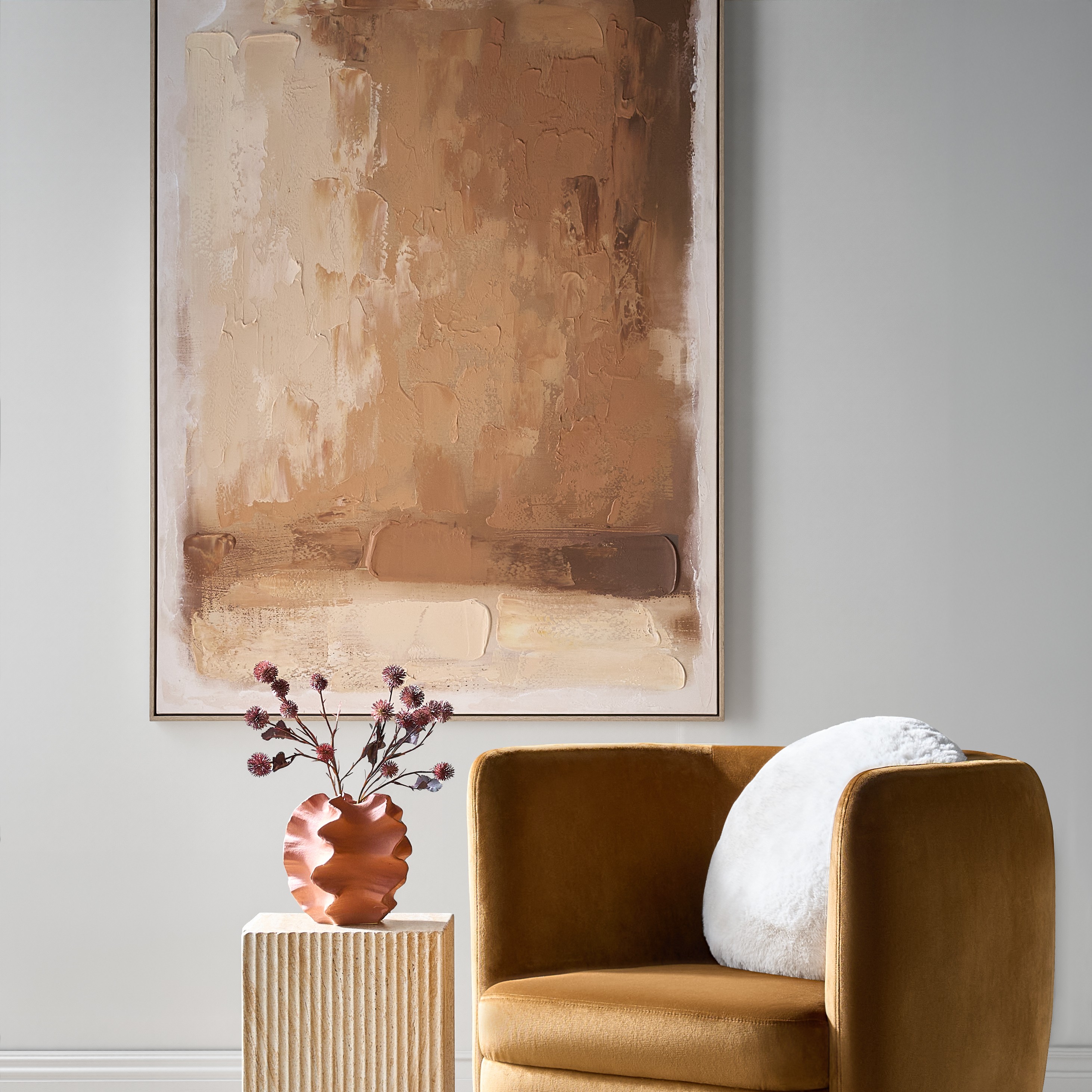 Ember Glow Framed Painted Wall Art 39.25" x 55"$499
A hand-painted abstract canvas blending ochre, terracotta, and golden clay hues in a light natural frame.
Add To Cart -
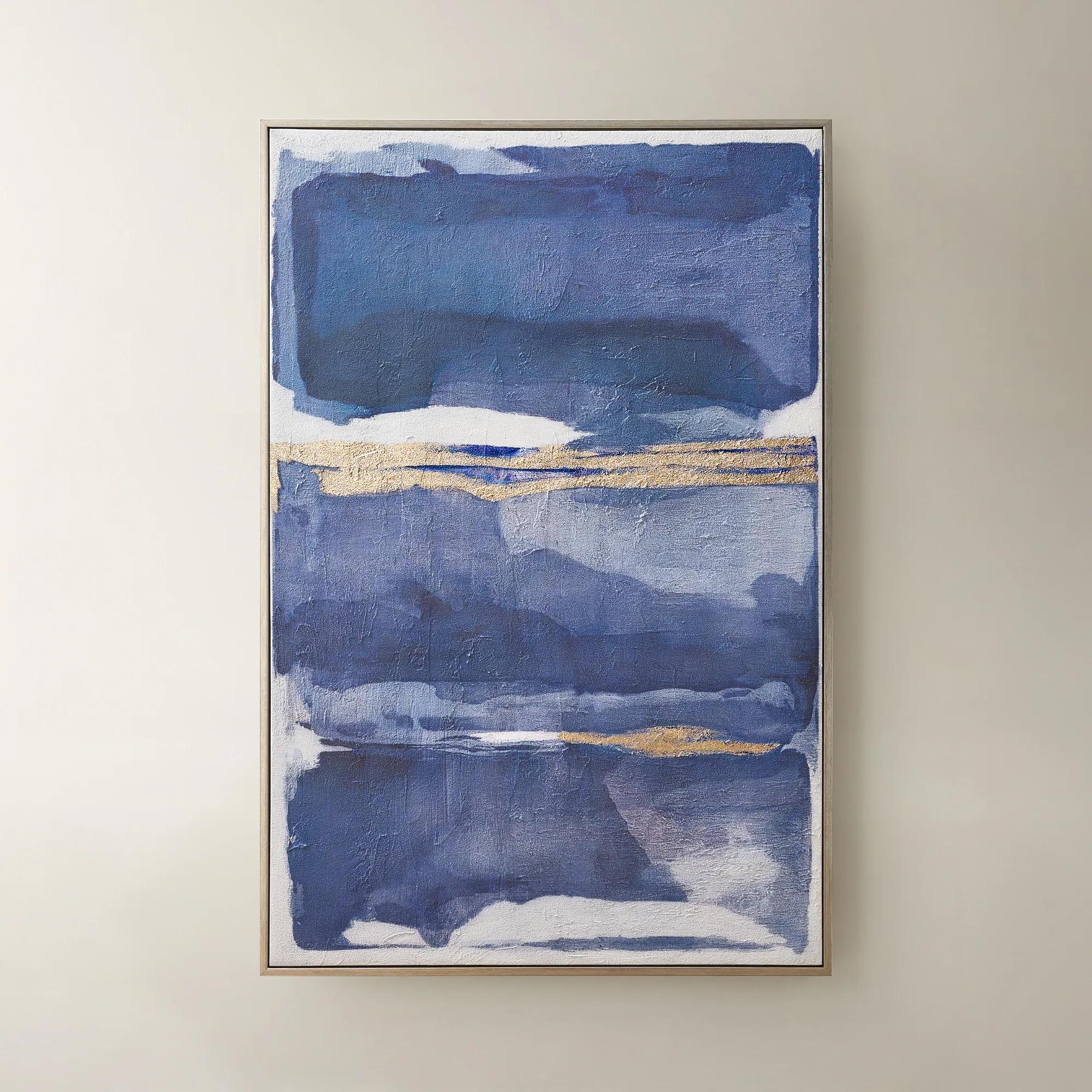
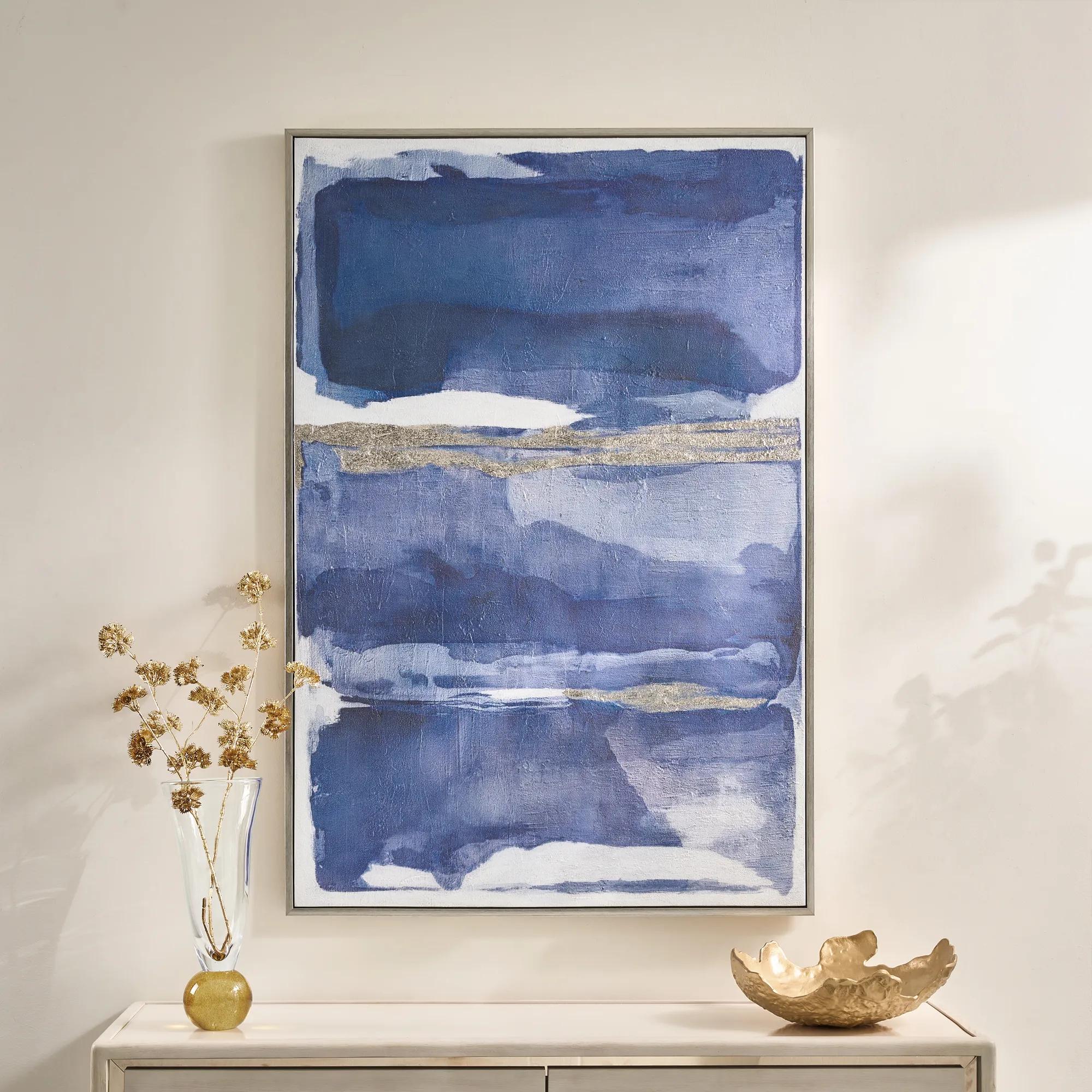 Memories in Blue Framed Painted Wall Art 40" x 60"$499
A hand-painted canvas in deep ink blue with champagne leafing for a sophisticated, gallery-inspired look.
Add To Cart -
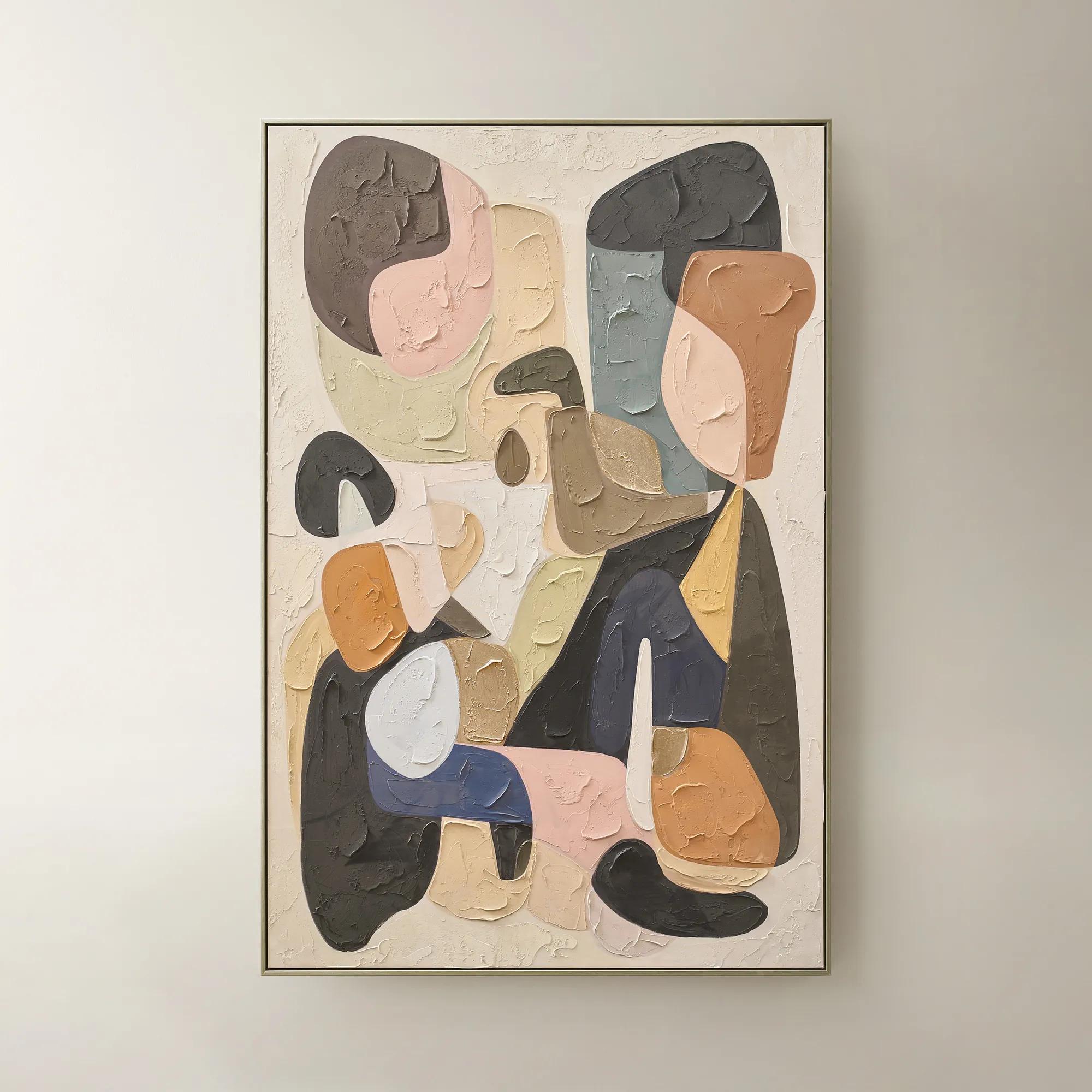 Chromatic Bloom Framed Painted Wall Art 40" x 60"$519
A hand-painted abstract canvas featuring a vibrant multi-color palette and shimmering champagne detailing.
Add To Cart -
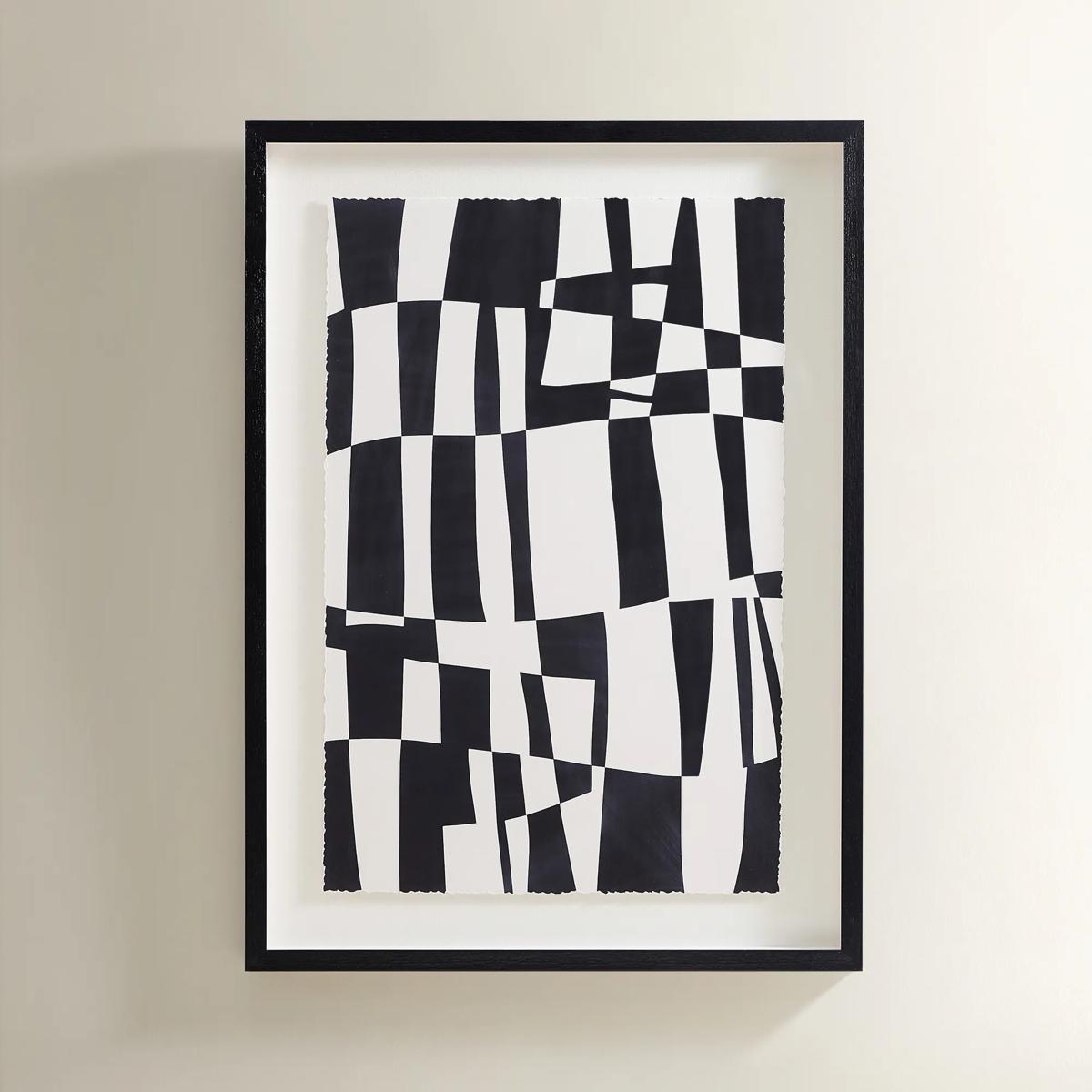 Matrix Art$369
A striking black and white abstract grid print set in a sleek black polyresin frame.
Add To Cart

Abstract Art For Transitional Interiors
Abstract art for transitional interiors is the secret ingredient for those who crave a home that balances timeless sophistication with avant-garde flair. Imagine bold brushstrokes and mesmerizing shapes that command attention, yet seamlessly harmonize with both classic and contemporary design elements. Each piece is a conversation starter—an invitation to linger, reflect, and revel in the artistry of your surroundings. With abstract art for transitional interiors, every wall becomes a gallery, every glance a moment of discovery, and your space transforms into an ever-evolving masterpiece of style and self-expression.
Abstract art for transitional interiors connects the warmth of traditional furnishings with the clean lines of contemporary design through balanced compositions, expressive texture, and a considered palette. In a room where a tailored sofa sits beside a carved wood table, an abstract canvas can make those contrasting silhouettes feel deliberately composed. Its gestures introduce movement without adding another recognizable motif, giving patterned upholstery, architectural molding, and sculptural lighting room to coexist. Cream, taupe, warm gray, and charcoal create an elegant foundation, while touches of ochre, indigo, sage, or muted terracotta lend depth. These colors need not match every furnishing; a subtle relationship is often more compelling. A smoky blue passage might echo the undertone of a rug, while a glimmer of gold answers the finish of a nearby lamp. Transitional abstract wall art can also carry stronger contrast. Sweeping black marks against an ivory ground bring definition to pale upholstery, and saturated color fields can give a neutral dining room a richer, more expressive presence. The balance comes from choosing where the drama belongs. With an intricately patterned rug, a composition with generous open space can offer visual relief. Against understated furniture, layered brushwork and bolder shapes have room to command attention. Soft-edged forms tend to create an enveloping mood, while crisp geometry brings structure to rooms filled with rounded seating and flowing drapery. Neither approach requires a perfectly coordinated interior. The appeal lies in a conversation between familiar comfort and artistic surprise, allowing treasured furnishings and newer silhouettes to share the same setting. For living rooms, bedrooms, dining spaces, and welcoming entryways, abstract artwork offers a focal point that feels personal without prescribing a single story. Its meaning can remain open, while its color, rhythm, and scale give the room a clear sense of intention. A restrained composition may let a dramatic chandelier shine; a more gestural work can give a simply furnished wall the expressive energy it needs.
Materials and presentation shape that experience as much as the image itself. Canvas has a woven surface that can soften a composition and give printed or painted marks a tactile presence. Works on paper may emphasize fine lines, delicate tonal shifts, or crisp graphic detail, with matting adding a composed border between the image and its frame. Layered acrylic paint, raised accents, and mixed-media surfaces introduce dimension, catching light differently as the viewing angle changes. A printed reproduction may capture the appearance of brushwork without its physical relief, so the distinction between visible texture and actual surface texture matters when selecting artwork. Metallic details can bring a luminous accent to transitional interiors, particularly where brushed brass, polished nickel, or reflective accessories already appear. Their effect is most refined when light reveals the surface rather than obscuring it with glare. Framing supplies another connection between the artwork and the room. A slender wood frame can relate to a walnut console or oak dining table without repeating its exact finish; a slim metal profile can introduce a sharper, more architectural edge. A floating frame creates a shadow gap around canvas, lending dimension while preserving the prominence of the painted surface. For works on paper, glazing helps shield the artwork from dust and incidental contact, although its protective qualities depend on the materials specified. UV-filtering glazing can reduce some light exposure, but it does not make artwork immune to fading. Construction also deserves attention: a well-supported canvas, secure frame joints, appropriate backing, and correctly rated hanging hardware all contribute to dependable display. For larger pieces, consider the finished weight as well as the dimensions, especially on walls that require specialized anchors. Surface treatments, embellishments, and framing methods vary, so individual care and installation instructions should guide placement. These practical details support the visual effect, allowing a richly textured composition or luminous wash of color to remain the focus rather than the mechanics behind it.
Scale gives abstract art its presence within a transitional room. Above a sofa, sideboard, or console, artwork measuring roughly 60 to 75 percent of the furniture’s width is a useful starting point, not an inflexible rule. For a pair or a coordinated grouping, consider the full arrangement, including the spaces between frames. A broad horizontal composition can anchor a long sofa, while a vertical work brings emphasis to a narrow wall beside an entry console. Measuring the wall and outlining the proposed dimensions with removable paper can clarify whether the piece feels commanding, crowded, or unexpectedly small. An artwork’s center often sits comfortably about 57 to 60 inches above the floor, though furniture height, ceiling proportions, and seated sightlines may call for adjustment. Above furniture, a gap of approximately 6 to 10 inches can help the artwork feel connected to the vignette below, provided the placement remains practical and secure. Intended use matters, too: a dining room may welcome a dramatic composition viewed from across the table, while a bedroom often benefits from softer transitions and less insistent contrast. In either setting, avoid prolonged direct sunlight, damp conditions, and locations exposed to splashes or cooking residue. Dust frames gently with a soft, dry cloth, and follow the specified care directions for canvas, paper, glazing, and raised embellishments. Do not spray cleaner directly onto framed artwork or assume that a textured painted surface can tolerate wiping. Thoughtful placement and careful handling help preserve both the image and its presentation. Abstract art can also make a meaningful housewarming or wedding gift when the recipient’s preferred palette, available wall space, and framing preferences are known; its strongest appeal comes from a genuine connection to the home it will inhabit. For spaces that lean toward more adventurous layering, Abstract Wall Arts For Eclectic Interiors offers a related direction to explore. Within transitional interiors, the most compelling choice brings established furnishings into focus while giving the room a fresh, unmistakably expressive point of view.
FAQs
Abstract art introduces a sense of movement, depth, and modernity to transitional spaces, which blend classic and contemporary elements. Its fluid forms and harmonious colors create a dynamic focal point while maintaining the balance and warmth that define transitional design. The result is a room that feels curated and timeless, with art that complements both traditional and modern furnishings.
For transitional interiors, abstract art in soothing neutrals—such as creams, grays, and taupes—often works beautifully, especially when accented with subtle metallics or soft shades of blue and green. These palettes echo the room’s existing tones, ensuring the artwork feels integrated and sophisticated, rather than overpowering.
Absolutely. Abstract art pairs elegantly with landscapes, architectural sketches, or even traditional prints. When curating a gallery wall, unify the collection with a consistent color story or complementary frames. This approach adds depth and visual interest, resulting in a layered, thoughtfully collected look.
Abstract art makes a thoughtful and versatile gift for anyone who appreciates transitional style. Its adaptable aesthetic allows it to blend seamlessly into a variety of spaces, offering the recipient a piece that feels both personal and universally chic—ideal for housewarmings, weddings, or milestone celebrations.
Texture in abstract art—whether through layered paint, mixed media, or tactile canvases—adds dimension and richness to transitional interiors. It can soften sleek modern pieces, highlight the warmth of classic woodwork, or simply invite a closer look, making the space feel more inviting and visually engaging.