Modern Art For Summer Living Rooms
Modern Art For Summer Living Rooms
-
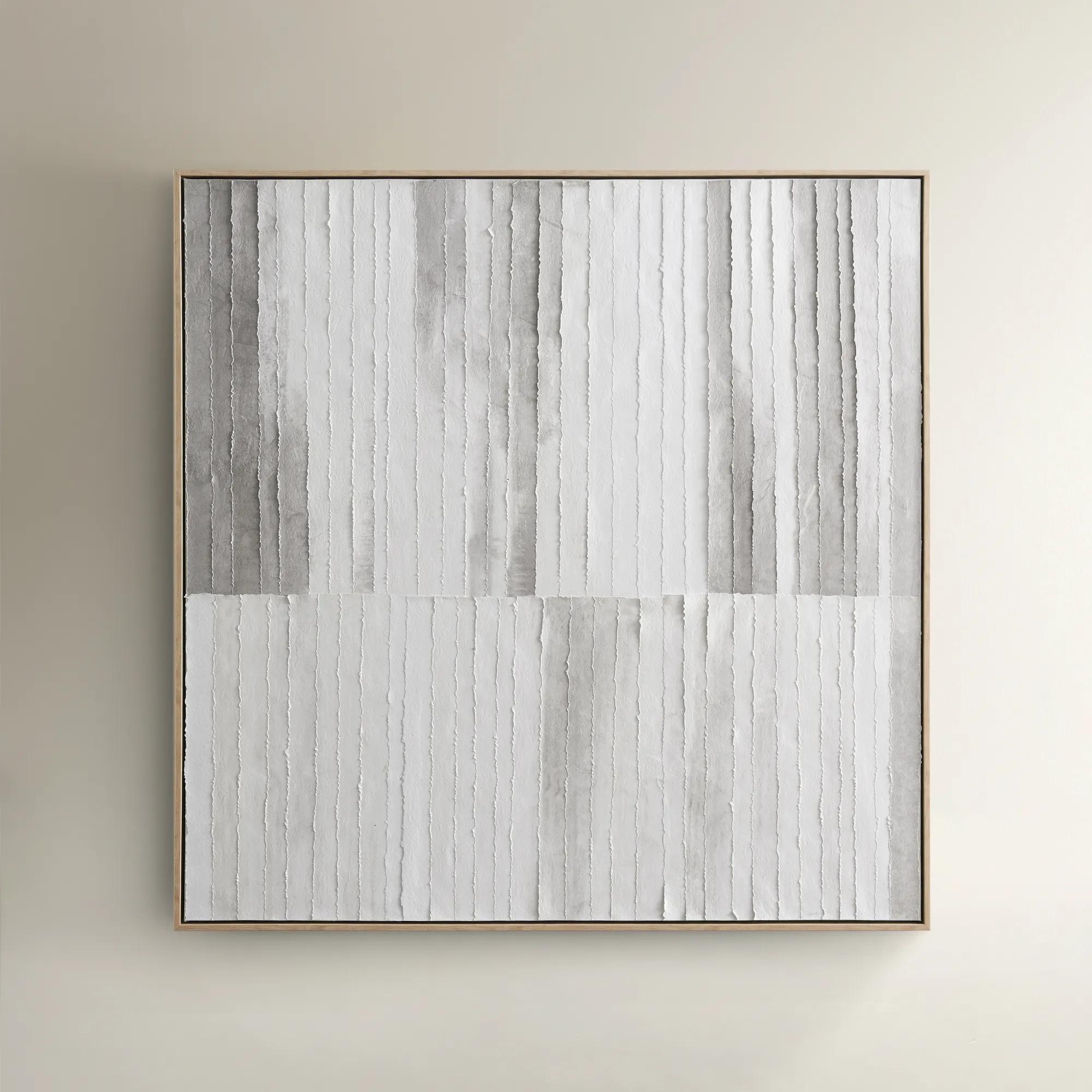
 Morning Mist Paper Art$329
A hand-painted canvas featuring rhythmic grey lines in a textured, whitewashed floater frame for serene style.
Add To Cart -
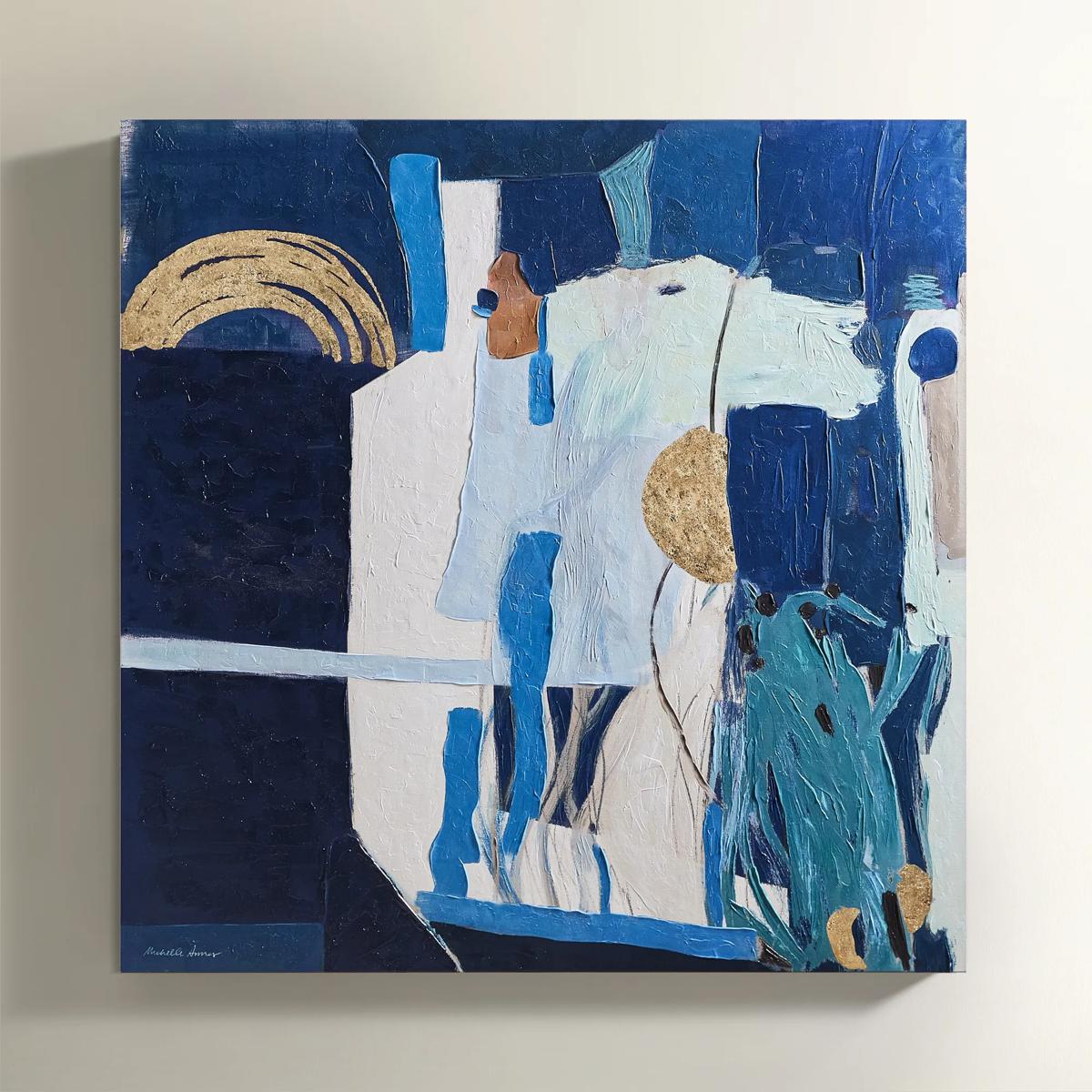
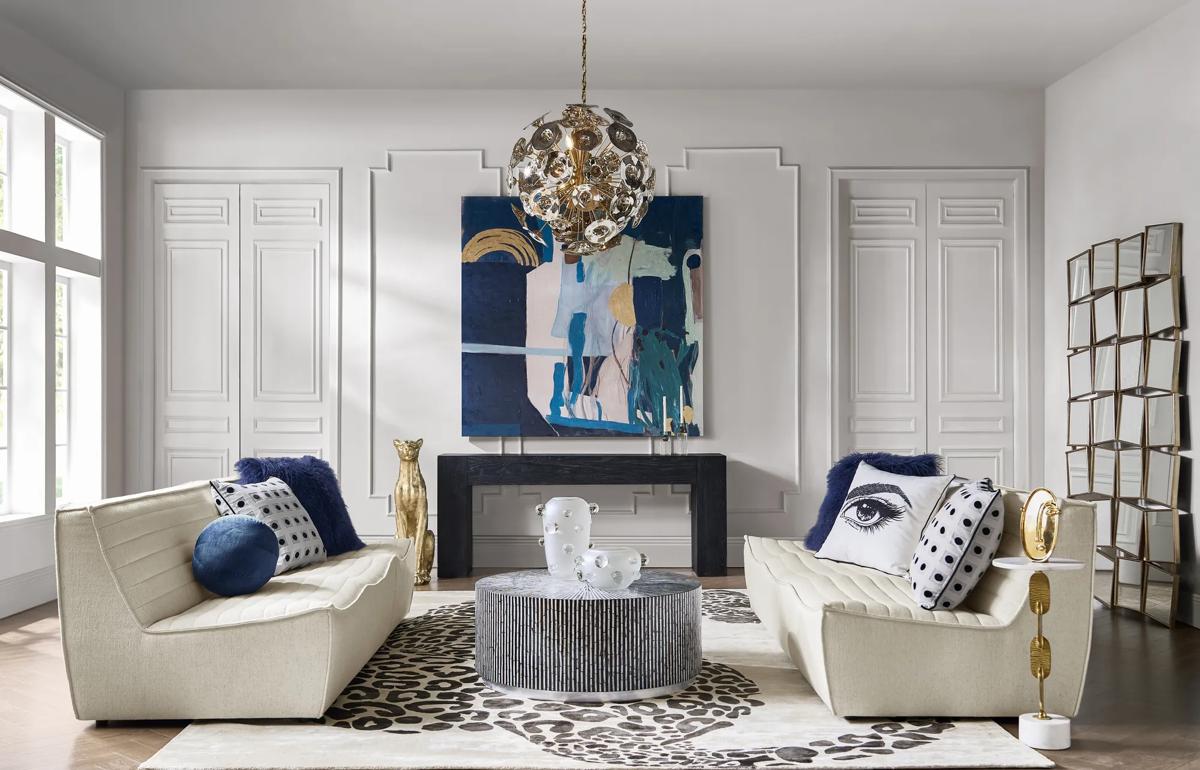 In Flux Painting$699
A hand-embellished canvas artwork featuring deep teal, green, ivory, and gold in a black Art Deco frame.
Add To Cart -
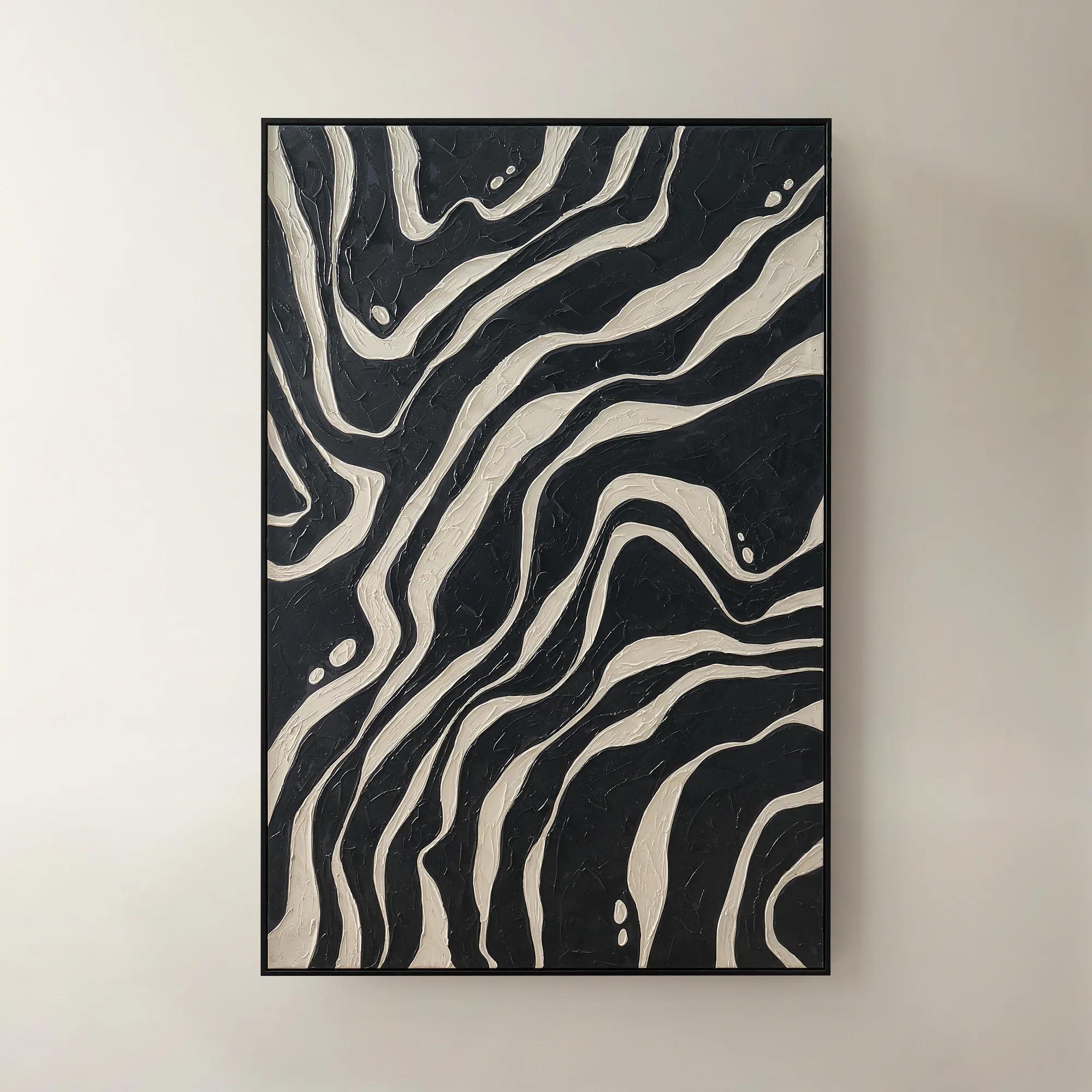
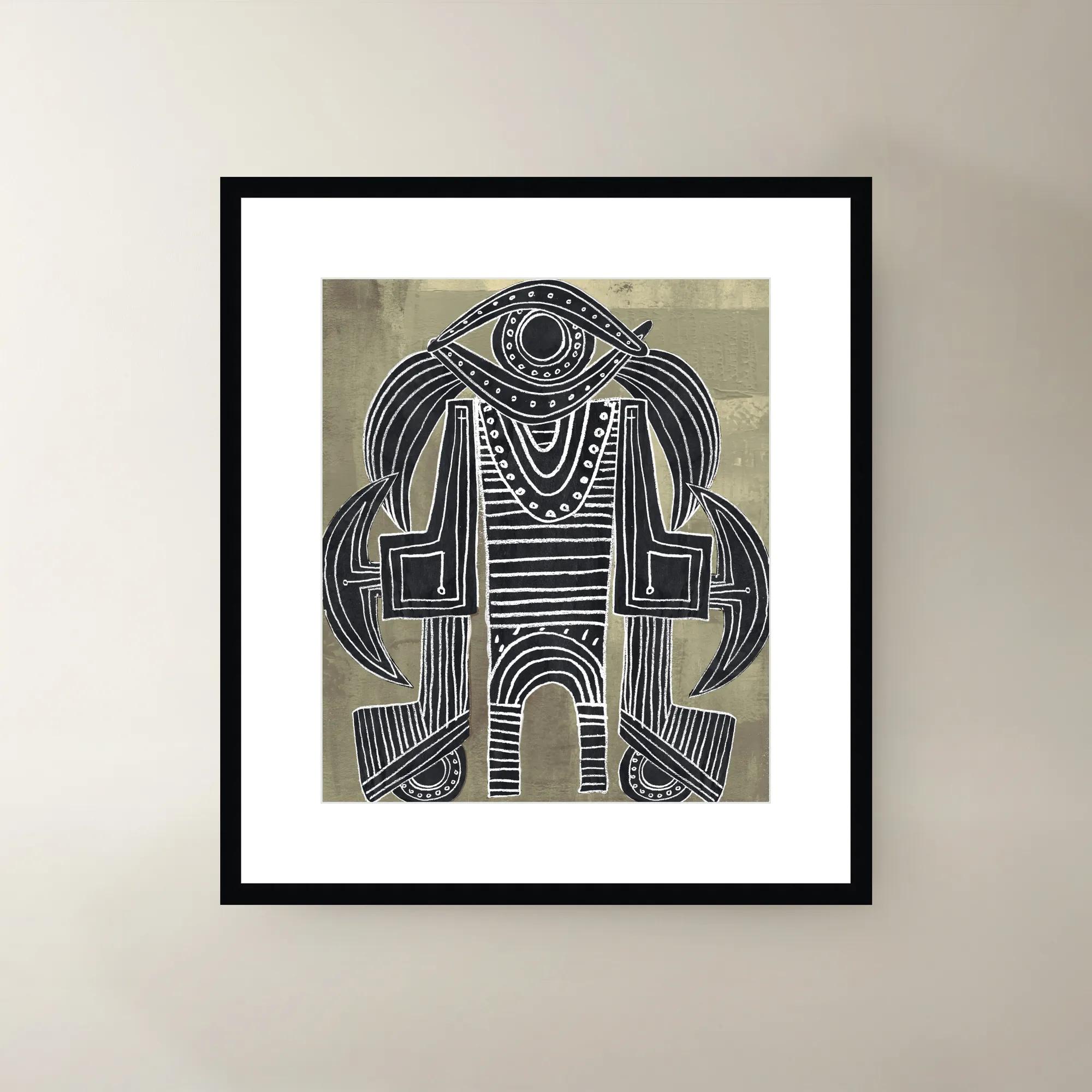
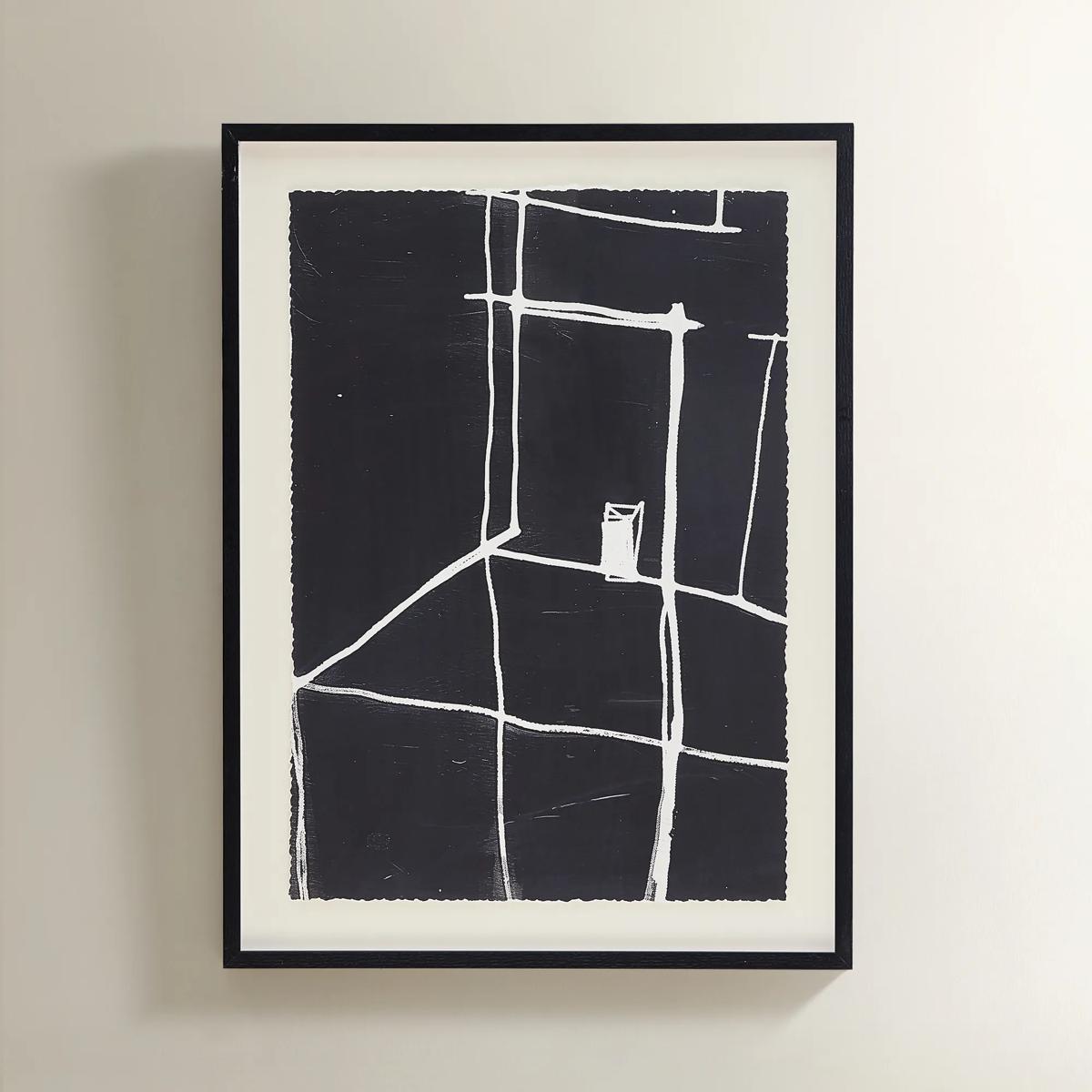 Solitude Art$269
A minimalist black-and-white abstract print featuring bold white lines in a sleek black polyresin frame.
Add To Cart -
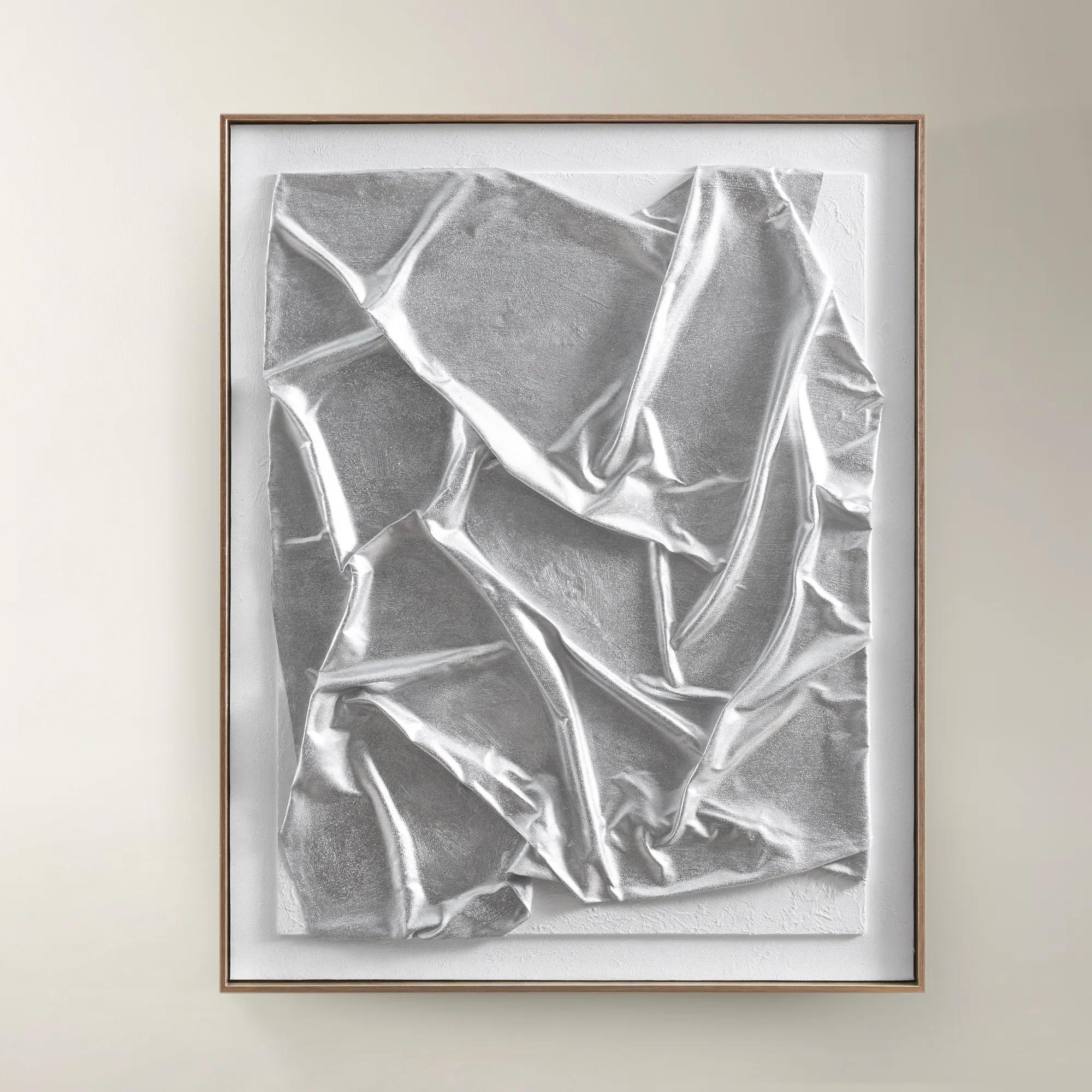 In the Mood Framed Painted Wall Art 31.5" x 39.5"$199
A hand-painted abstract canvas in shimmering silver tones, set in a warm champagne floater frame.
Add To Cart -
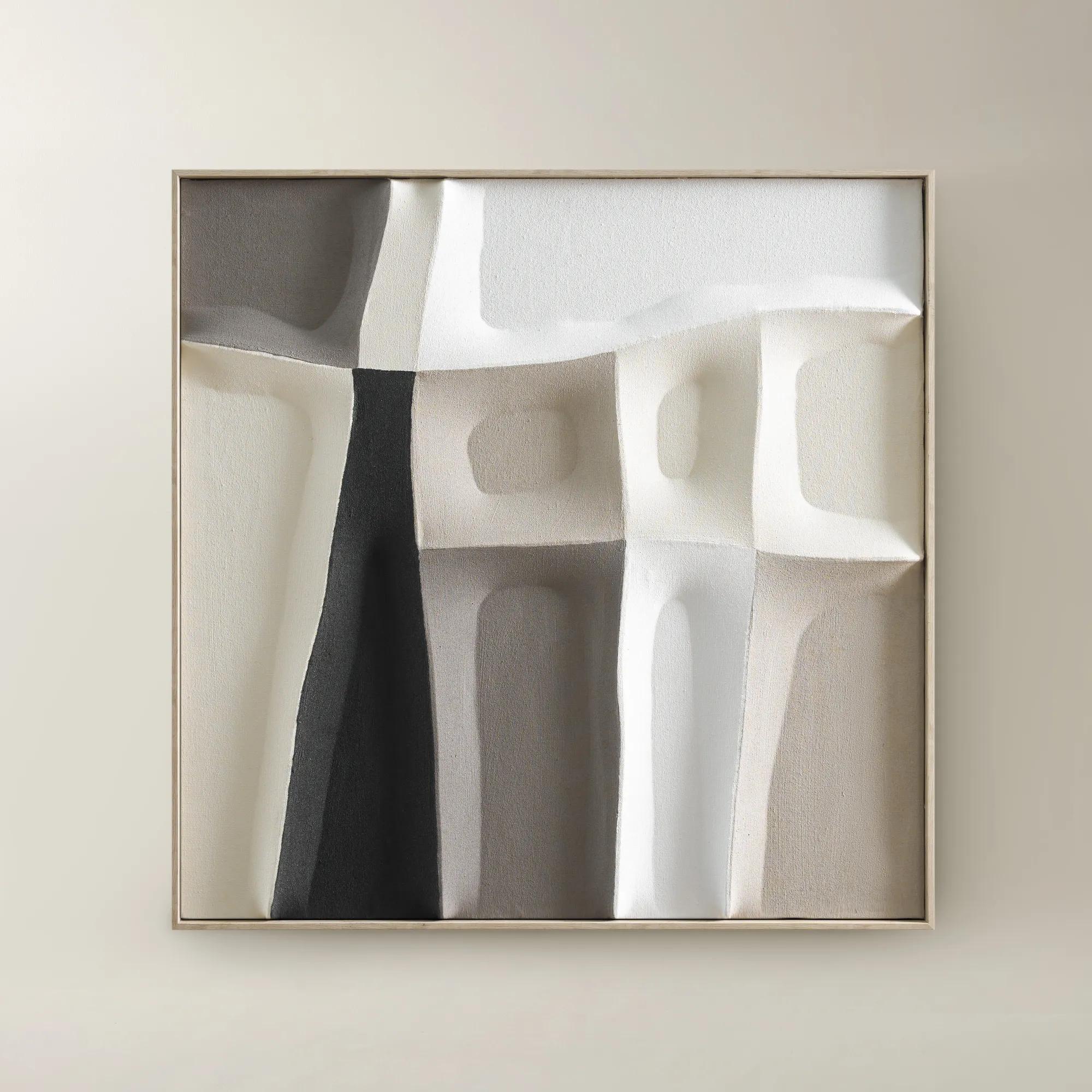 Shadow Painting 1$179
A hand-painted canvas featuring bold colors and sculptural textures in a warm whitewash floater frame.
Add To Cart -
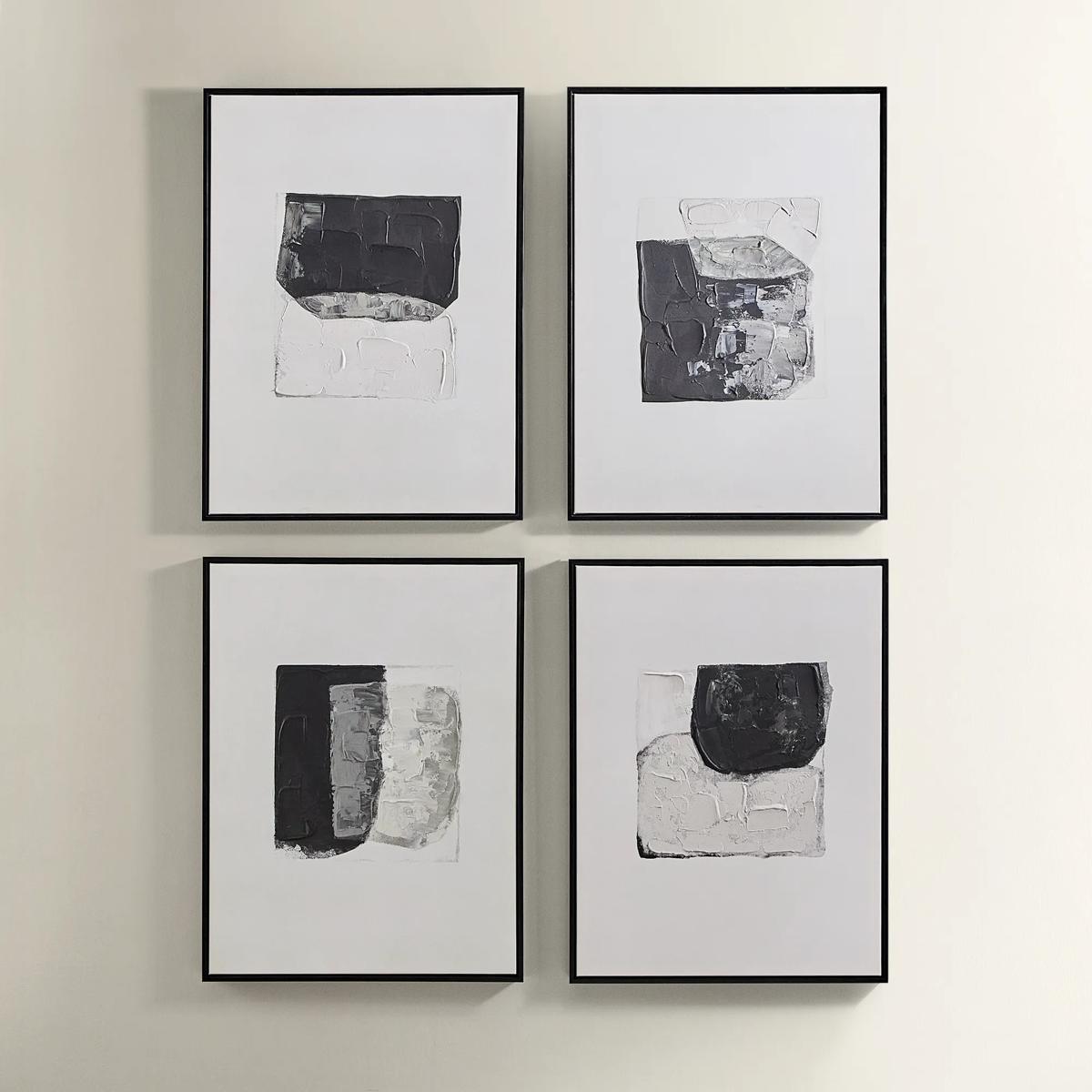
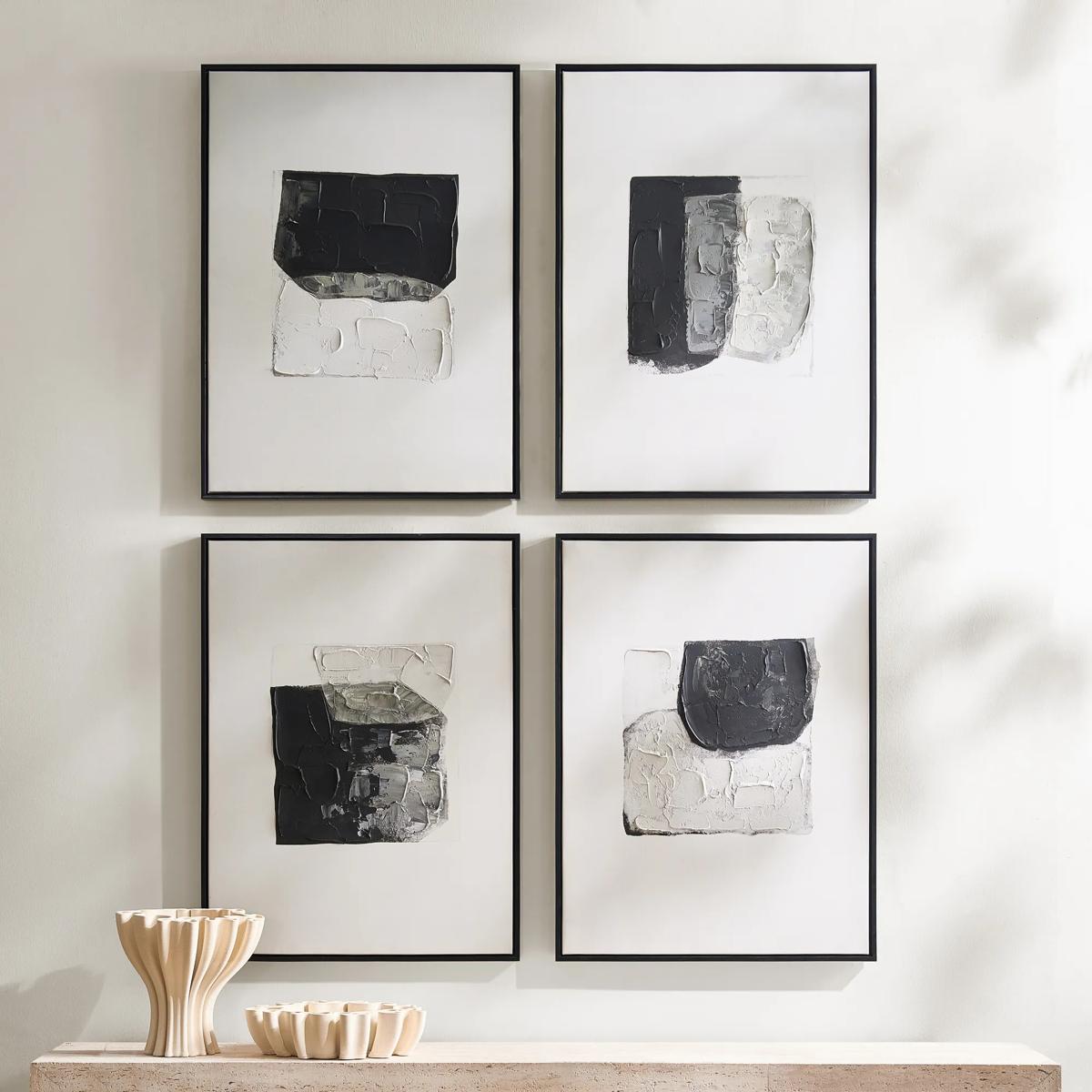 Shadows Framed Painted Wall Art Set of 4$299
A set of four hand-painted abstract canvases featuring black, white, and gold accents in black frames.
Add To Cart -
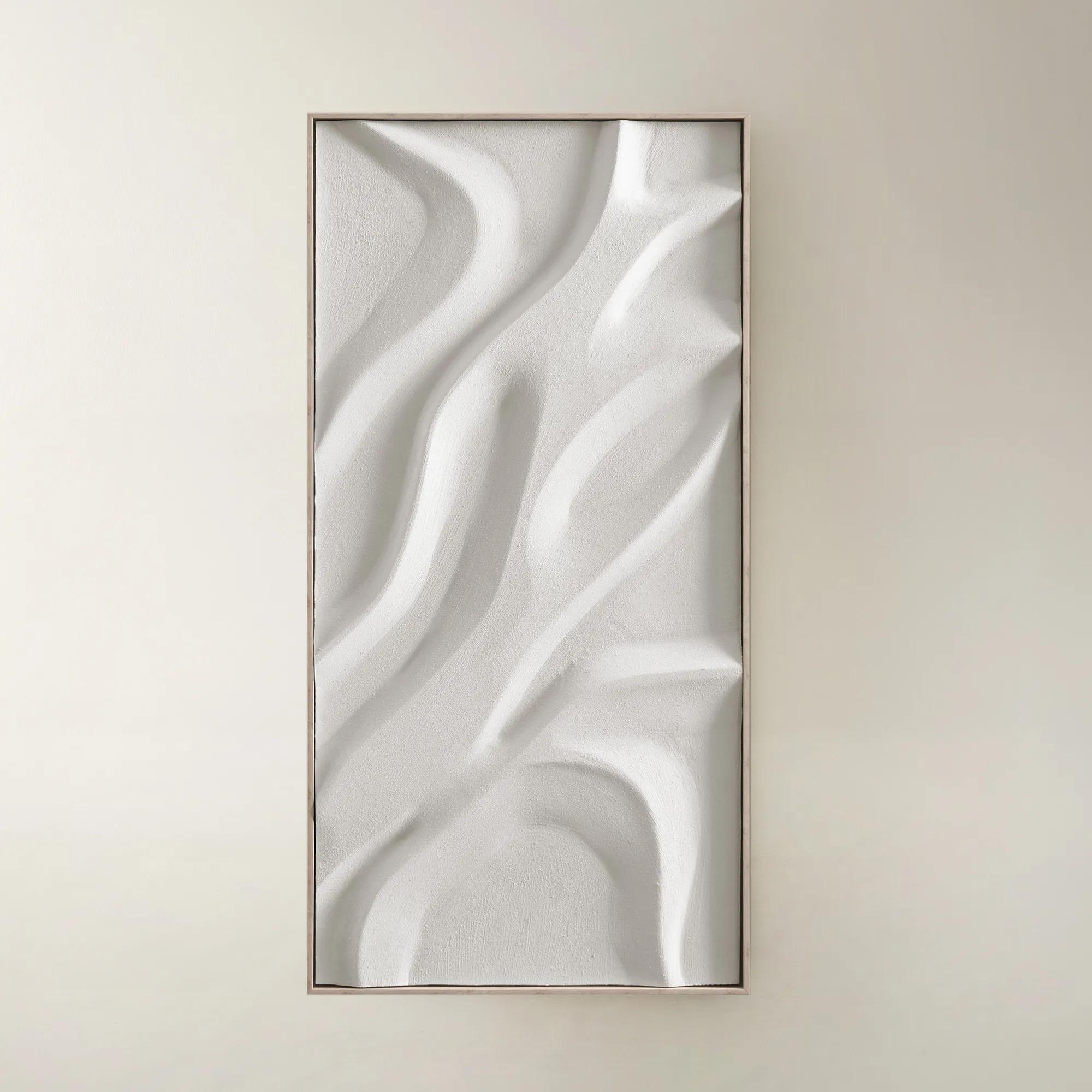
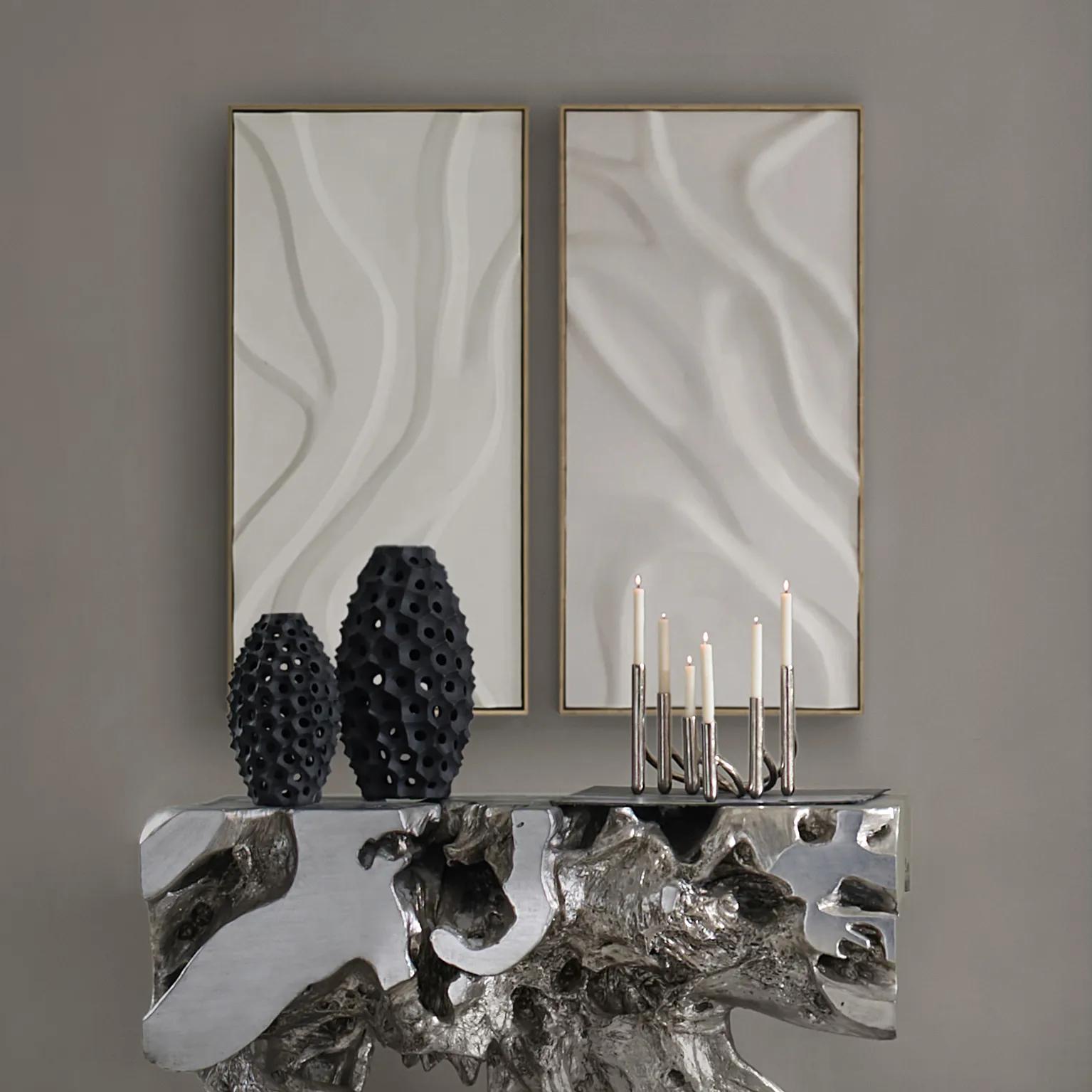 Au Lait Framed Painted Wall Art II 47.2" x 23.6"$199
A serene hand-painted canvas in beige, set in a warm whitewash floater frame for modern interiors.
Add To Cart -
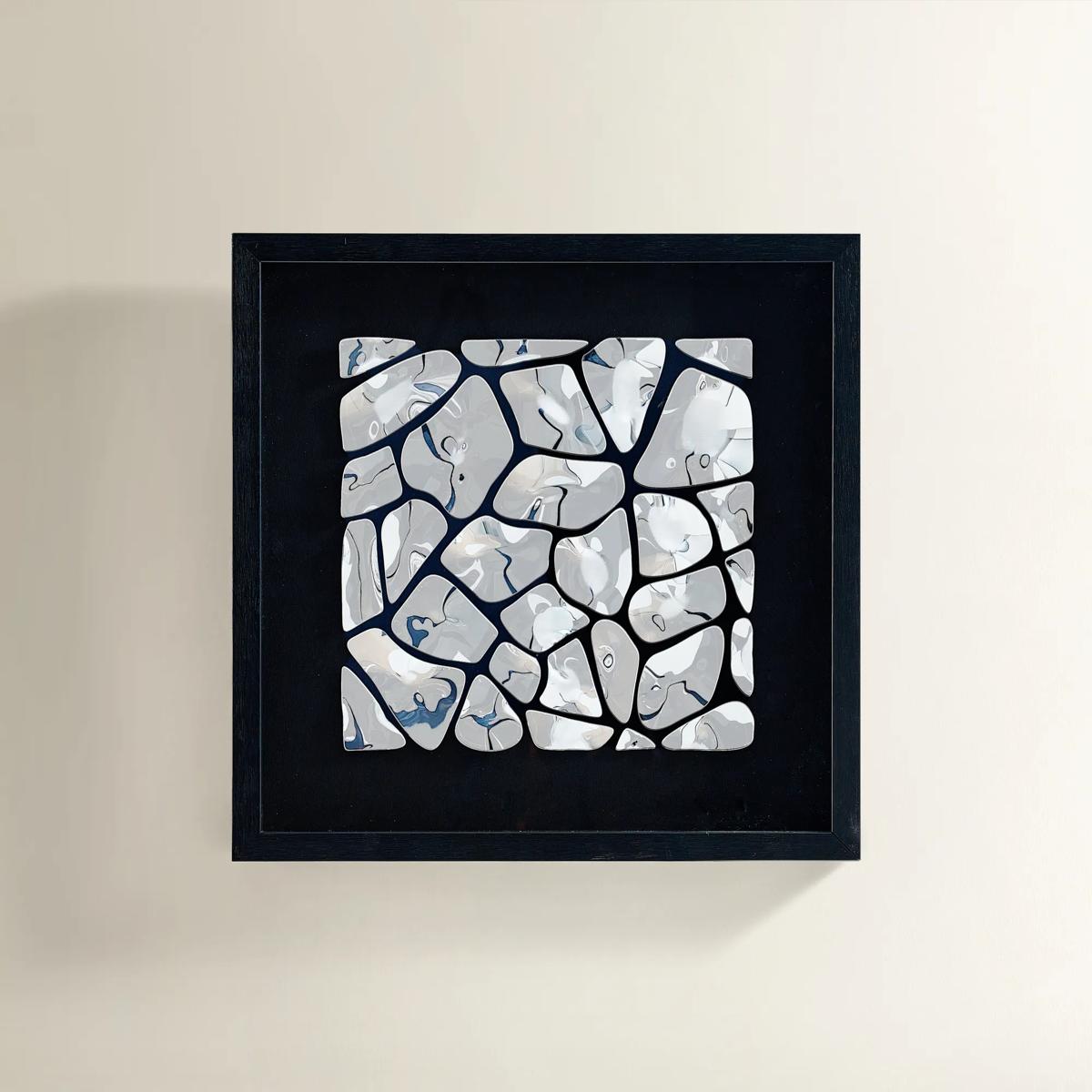 Reflect Silver And Black Shadowbox Art I$189
A dimensional metal wall art piece featuring polished silver and black forms in a sleek black frame.
Add To Cart -
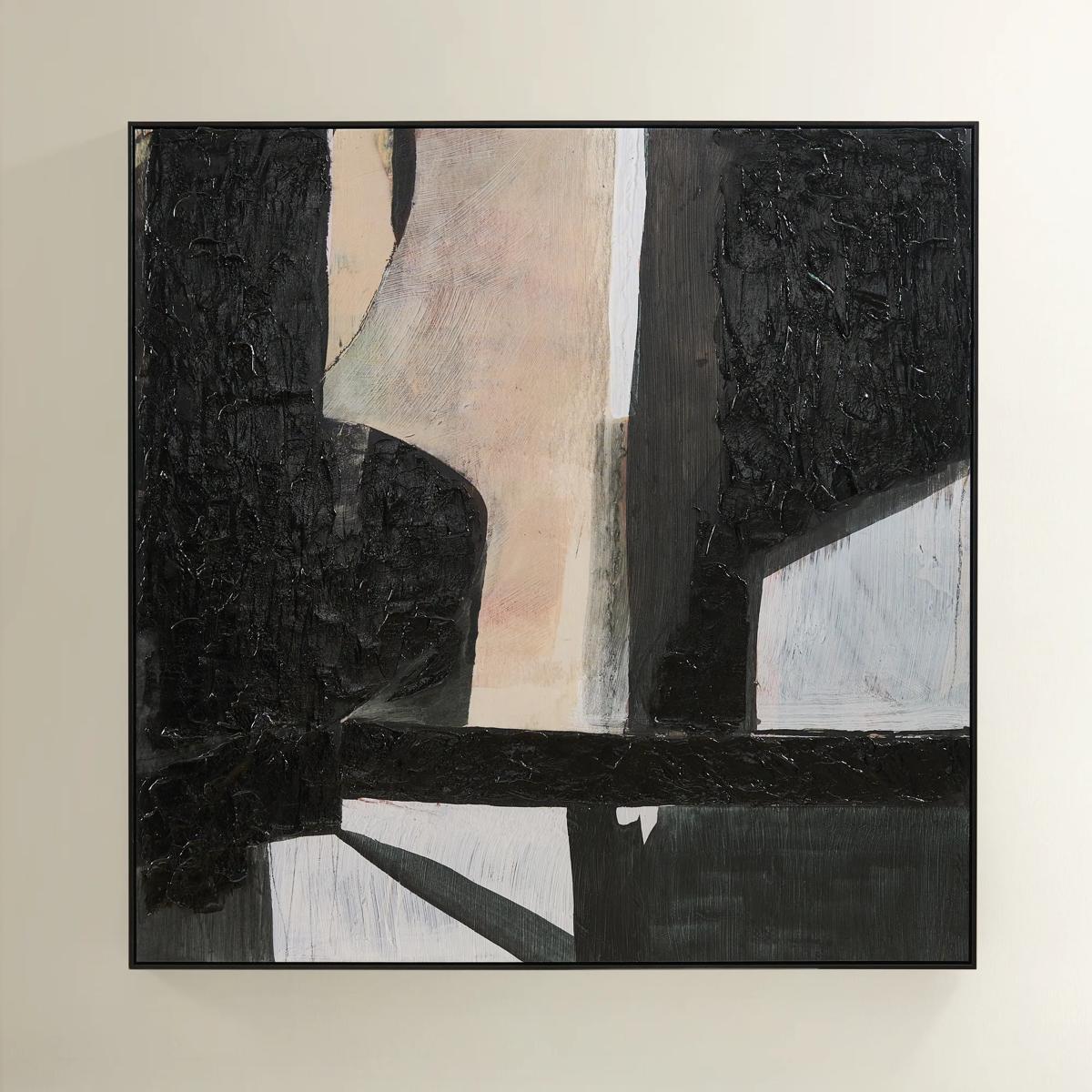 Grounded Painting$699
A hand-painted abstract canvas featuring black, cream, and earth tones in a sleek black floater frame.
Add To Cart -
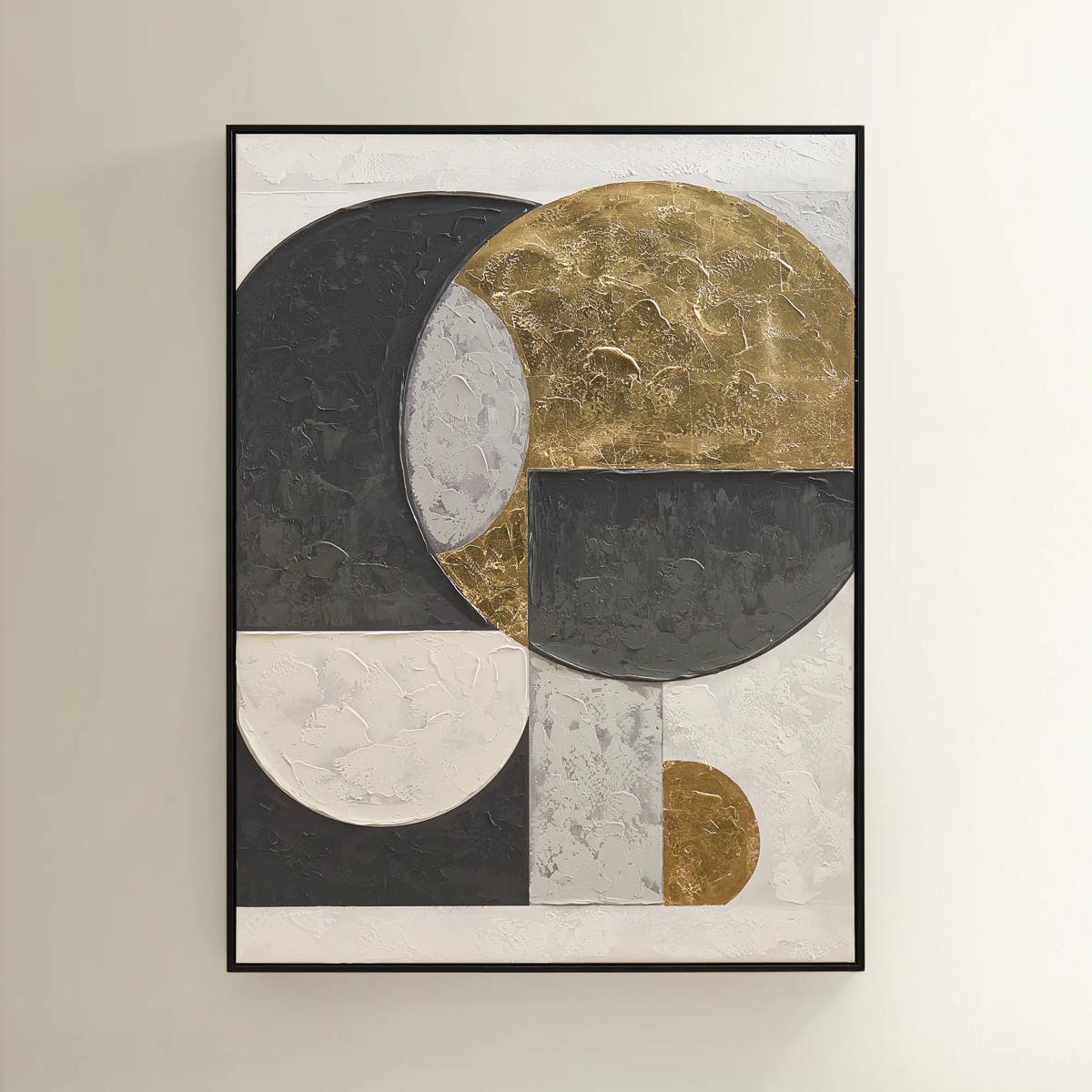
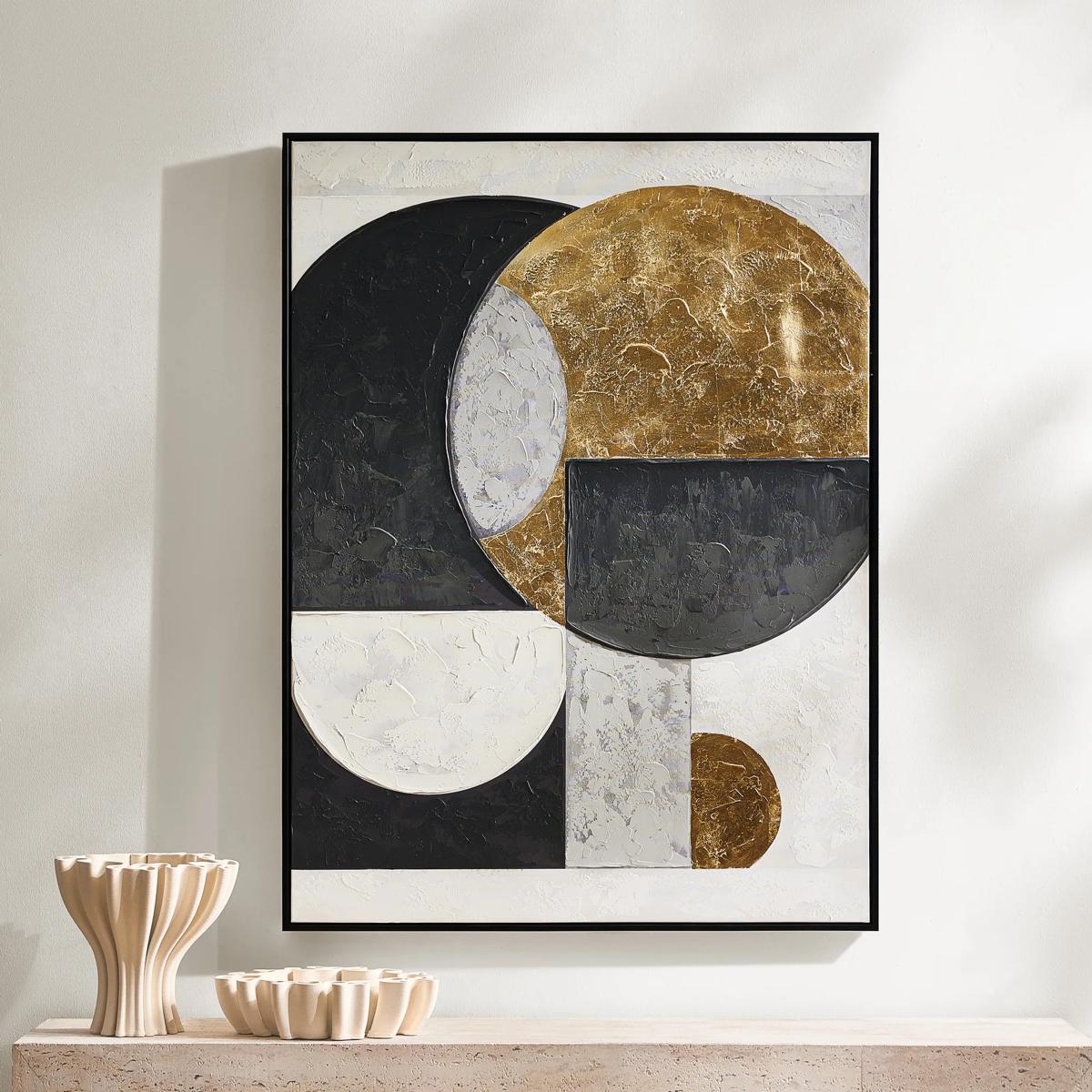 Eclipse Framed Gold Leaf Painted Wall Art 35.25" x 47.25"$449
A hand-painted canvas featuring bold black, grey, and gold geometric shapes with shimmering gold leaf accents.
Add To Cart -
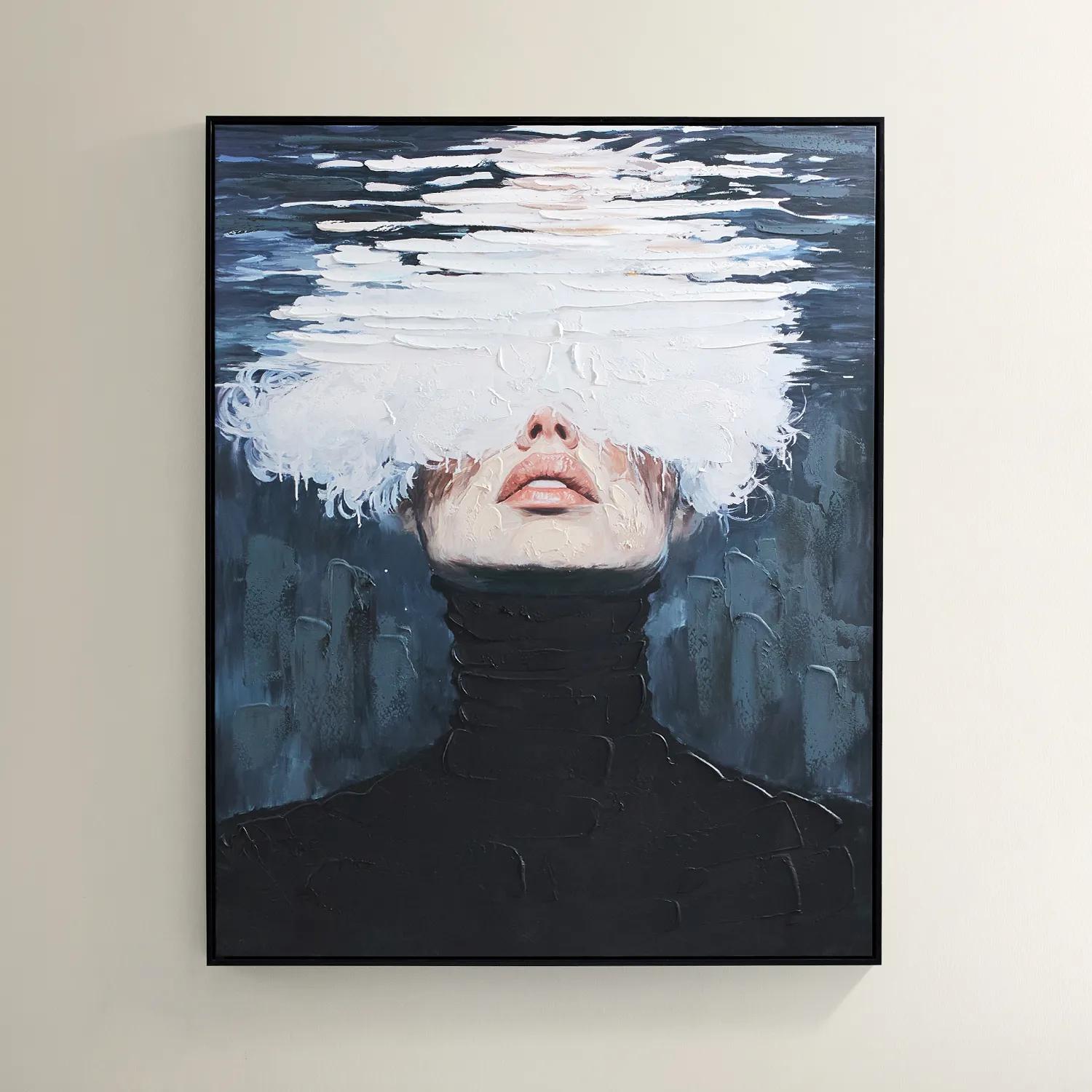
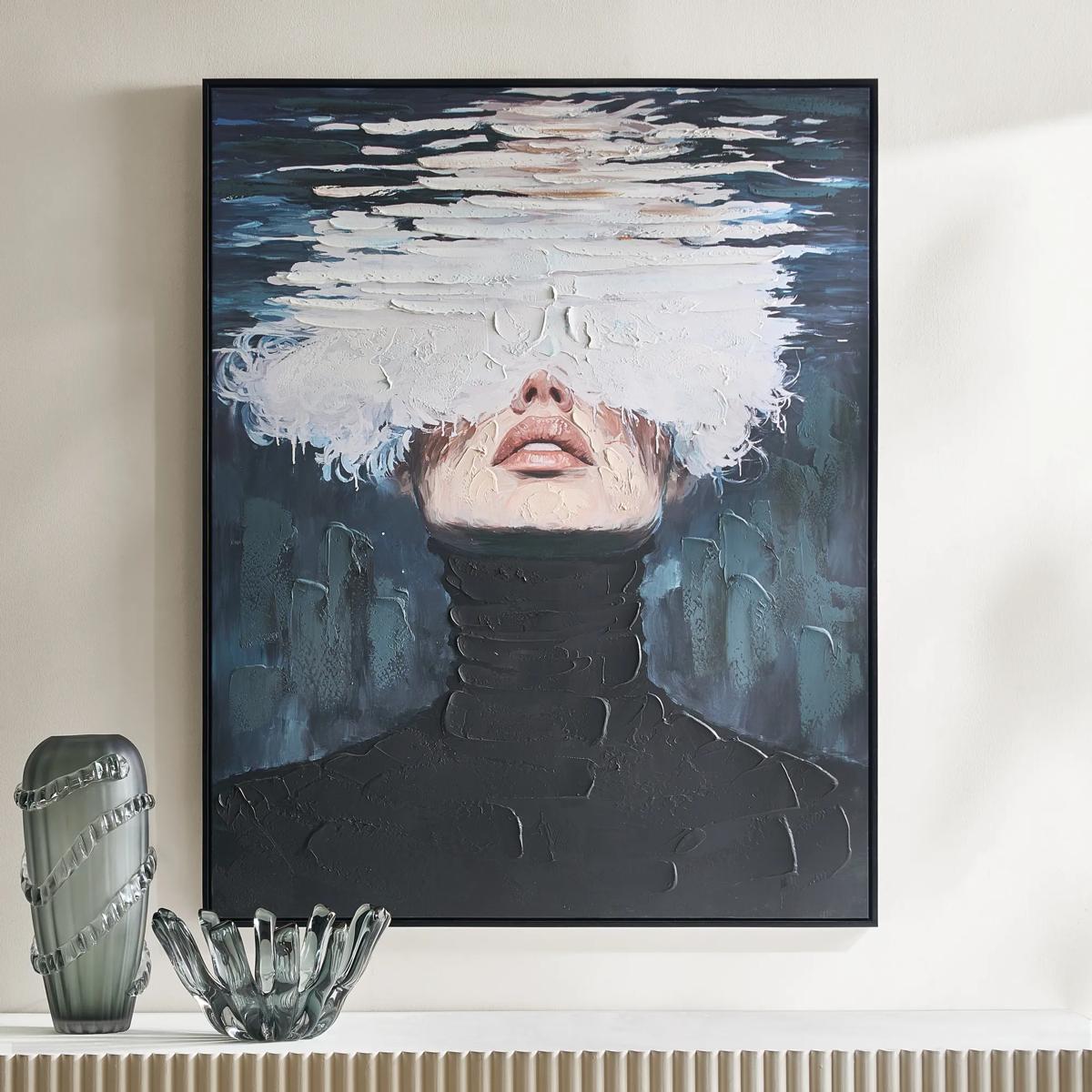 Submerged Framed Painted Wall Art 40" x 50"$599
A hand-painted canvas featuring a surreal portrait in black, blue, and white with a black floater frame.
Add To Cart -
-0.jpeg?w=1200&h=1200)
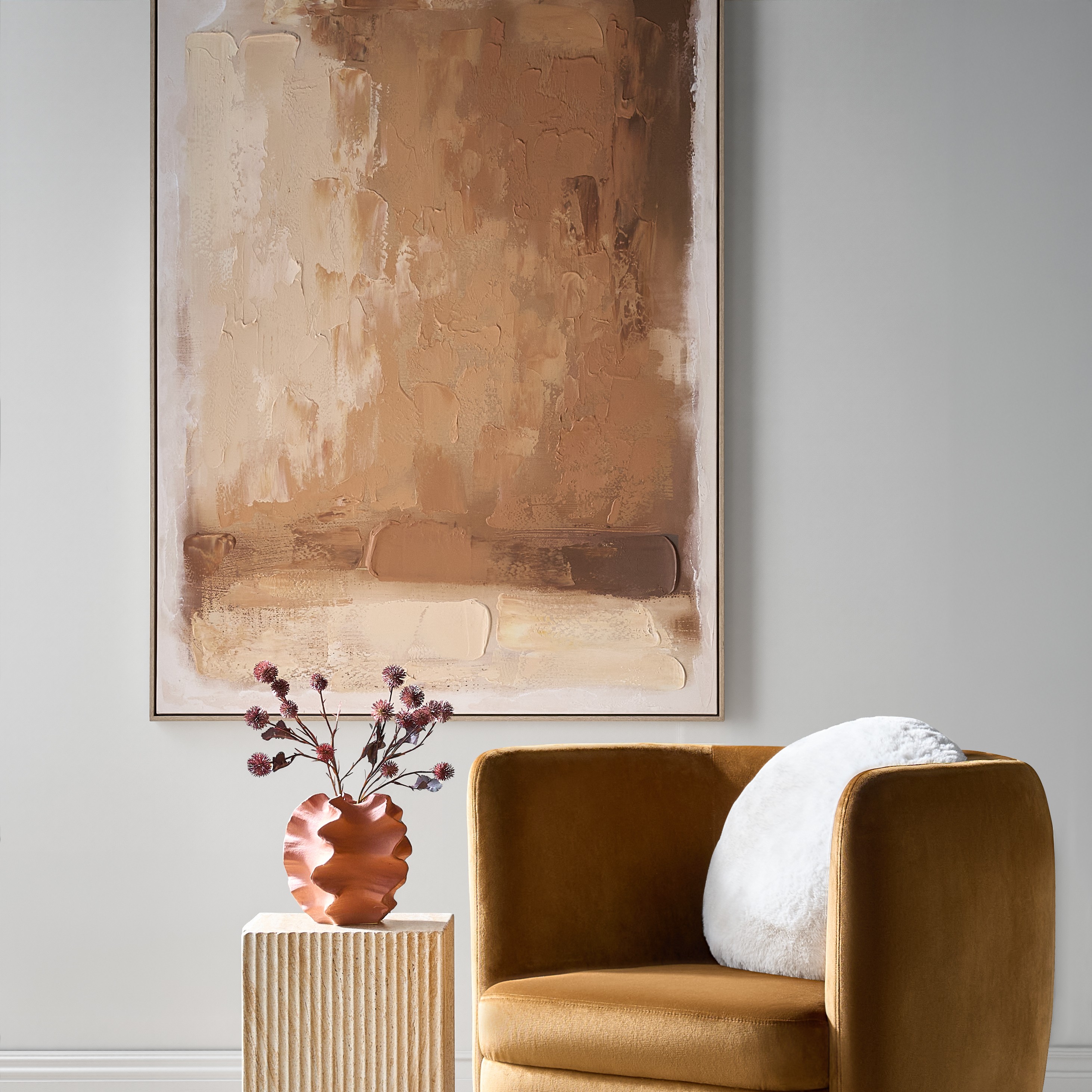 Ember Glow Framed Painted Wall Art 39.25" x 55"$499
A hand-painted abstract canvas blending ochre, terracotta, and golden clay hues in a light natural frame.
Add To Cart -
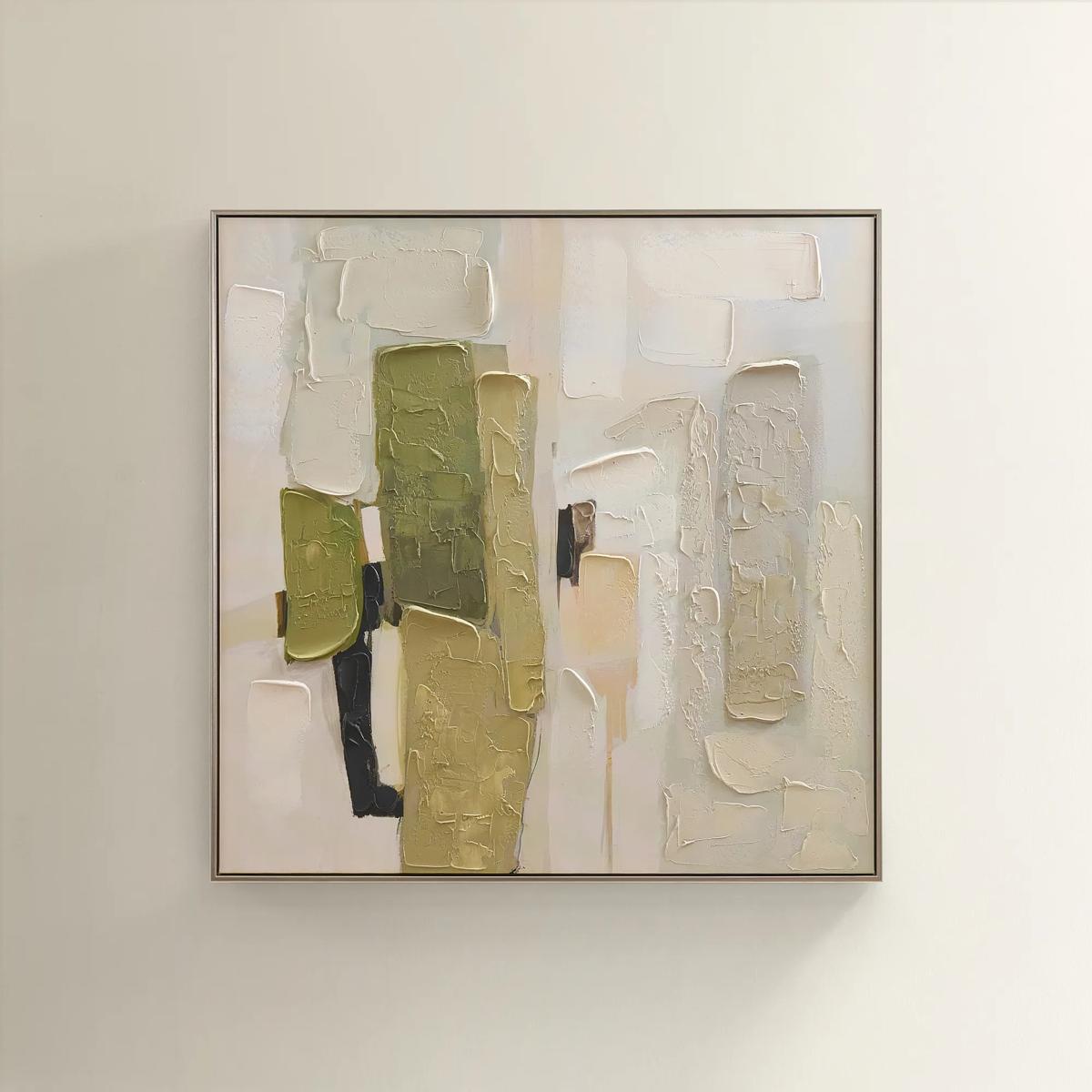 Verde Crush Framed Painted Wall Art 39.25" x 39.25"$349
A hand-painted abstract canvas featuring rich green tones, layered neutrals, and a champagne floater frame.
Add To Cart -
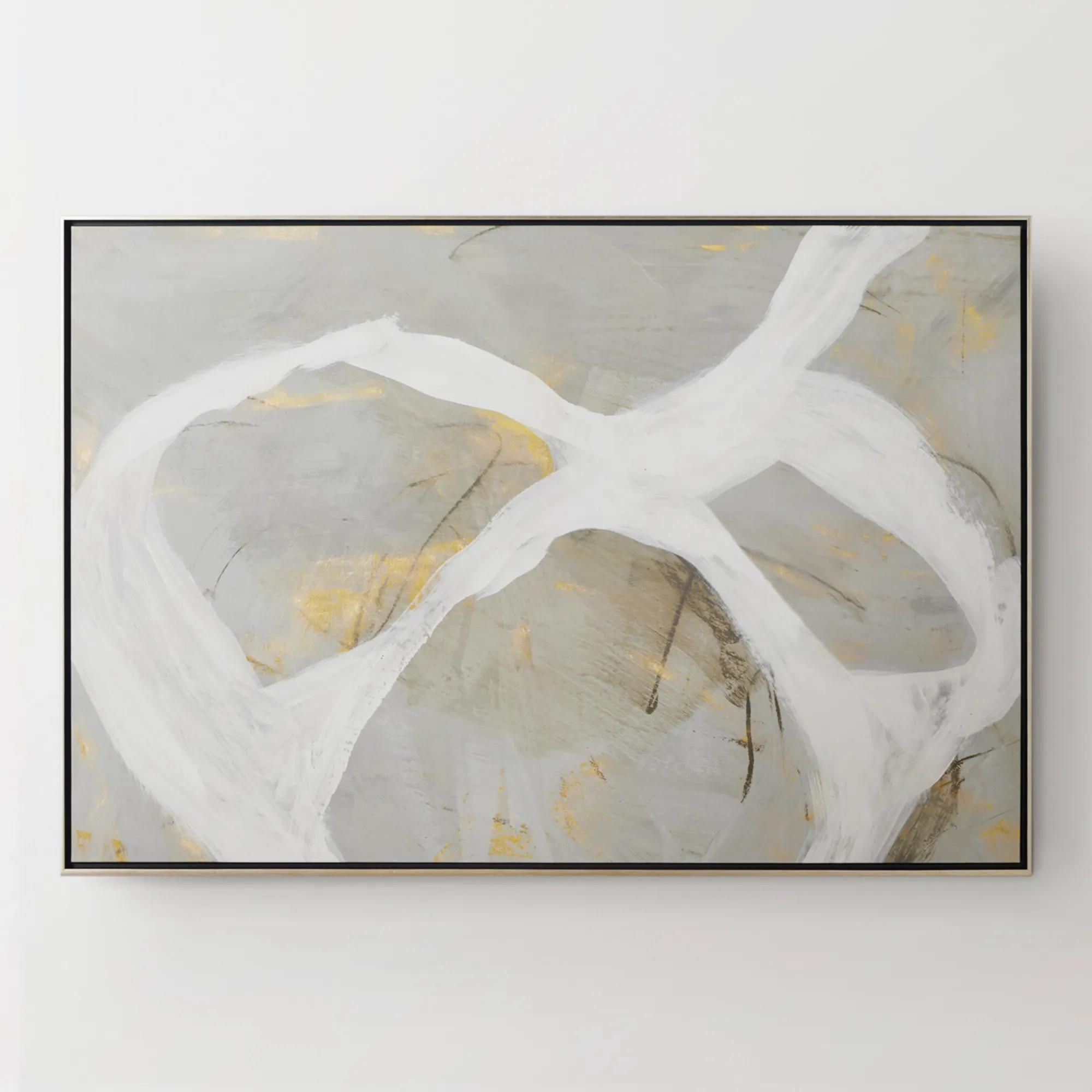
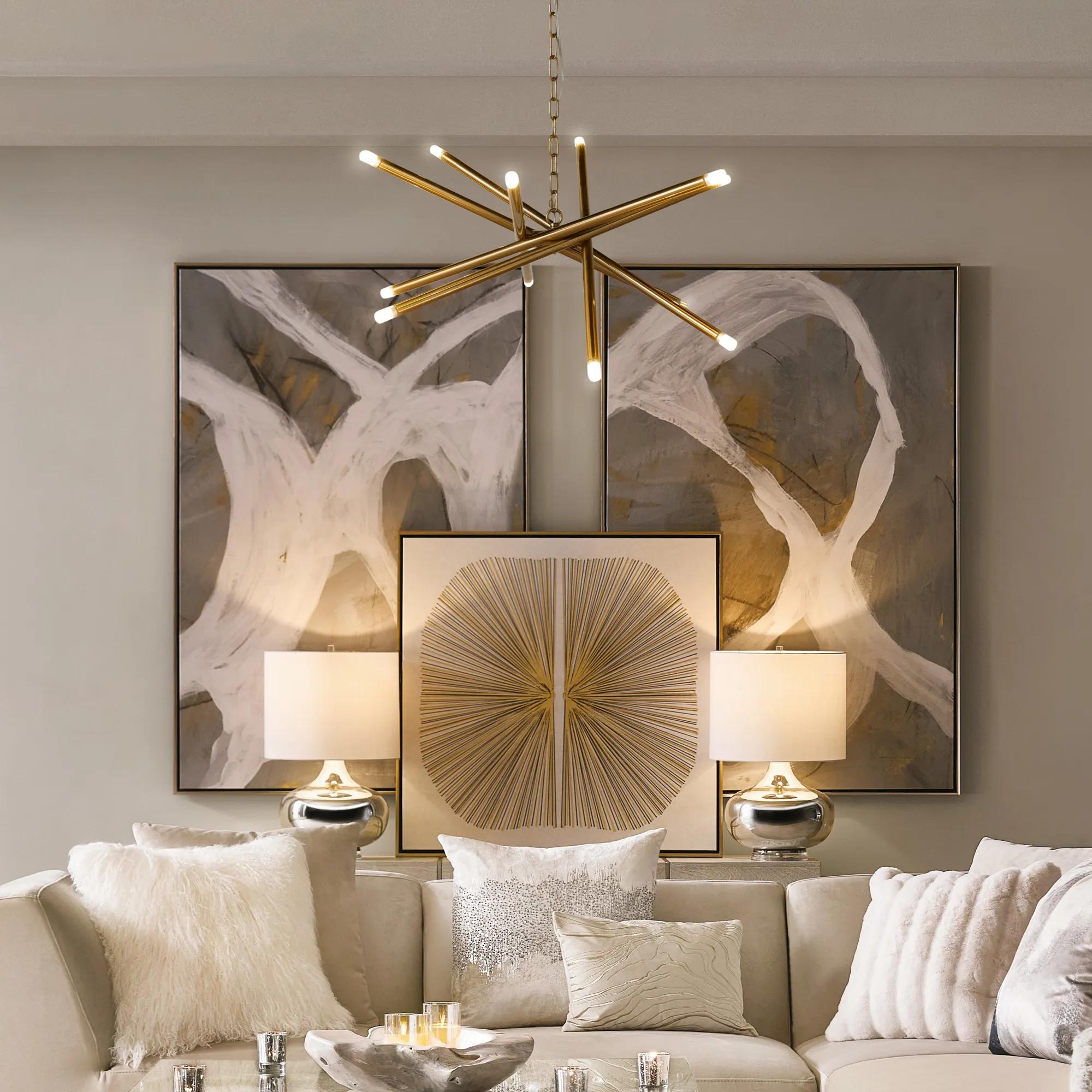 Les Series Framed Painted Wall Art I 61" x 41"$1099
An abstract canvas artwork featuring bold brushstrokes, hand-applied gold accents, and a silver floater frame.
Add To Cart -
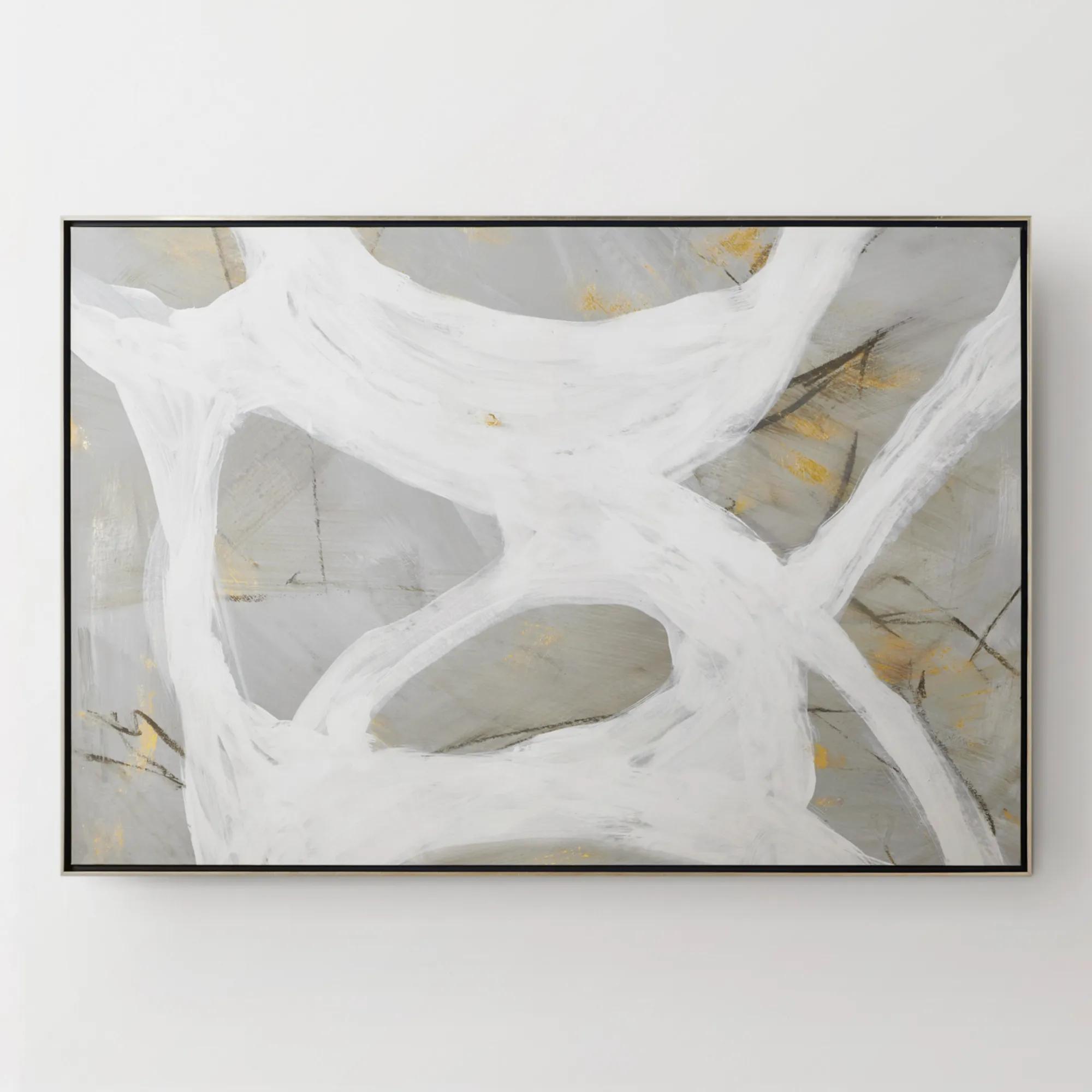
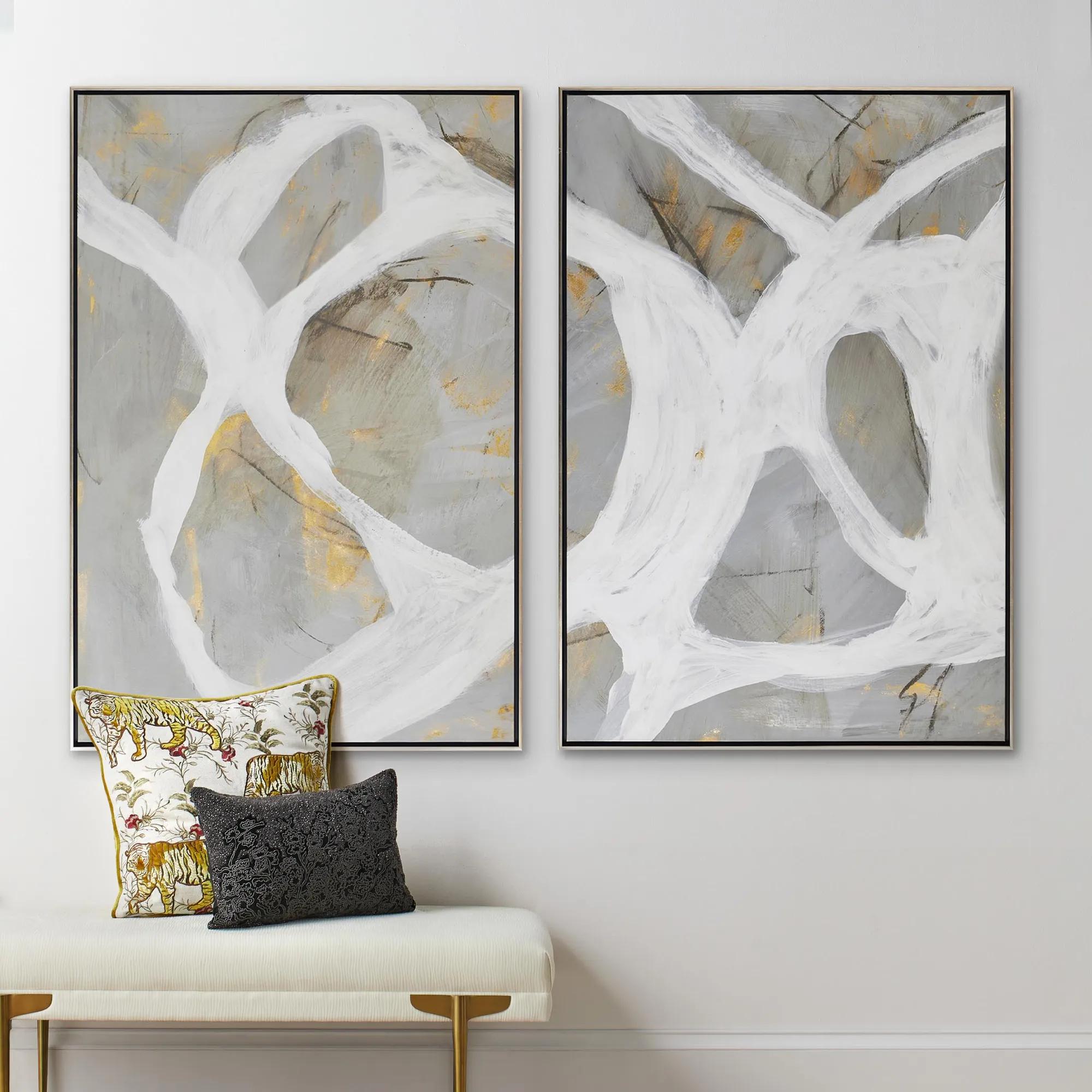 Les Series Framed Painted Wall Art II 61" x 41"$1099
An abstract canvas artwork featuring bold brushstrokes, hand-applied gold accents, and a silver floater frame.
Add To Cart -
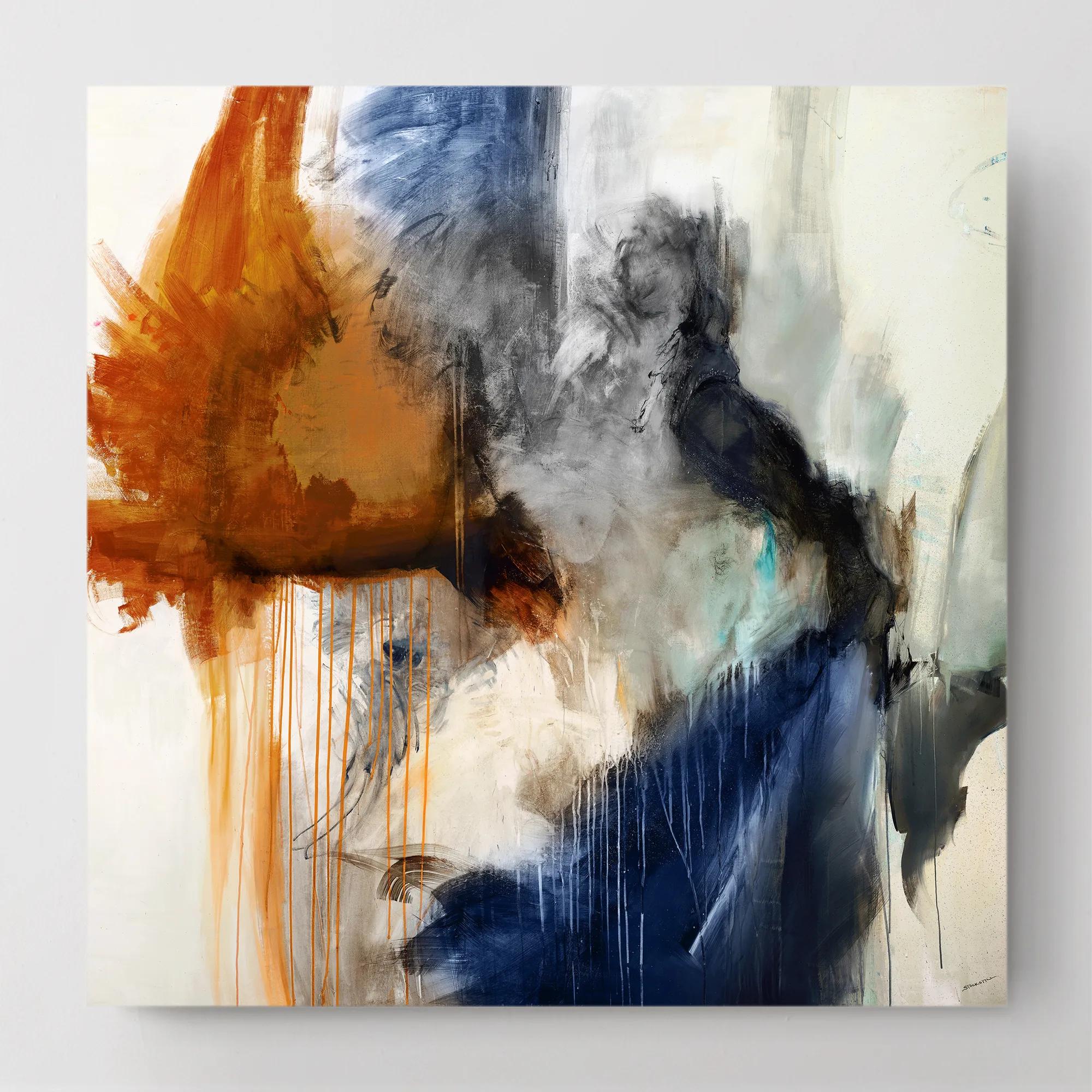
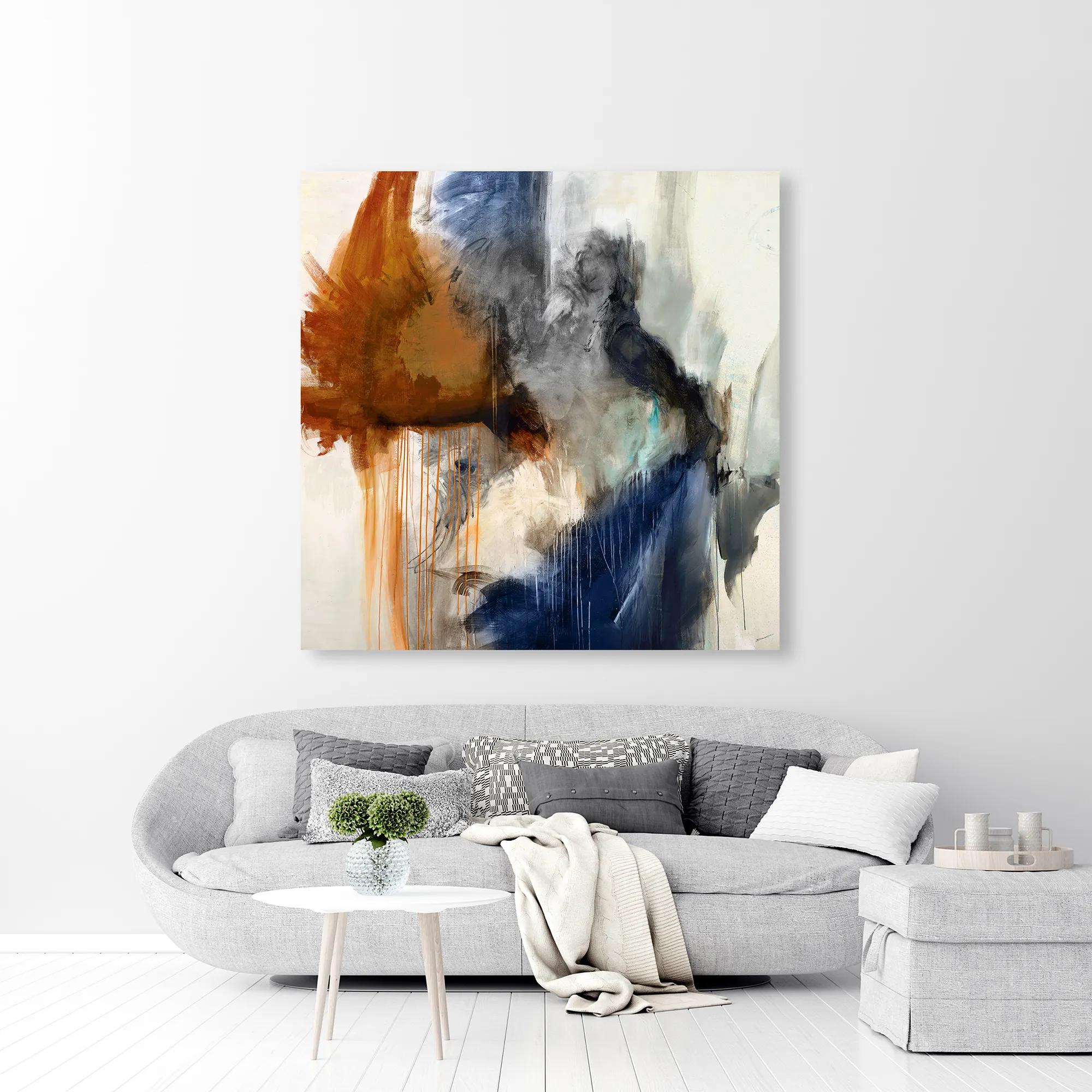 Swoon 6 Wall Art 54" x 54"$899
A gallery-wrapped canvas featuring a hand-applied image brush gel finish for a textured, artistic look.
Add To Cart -
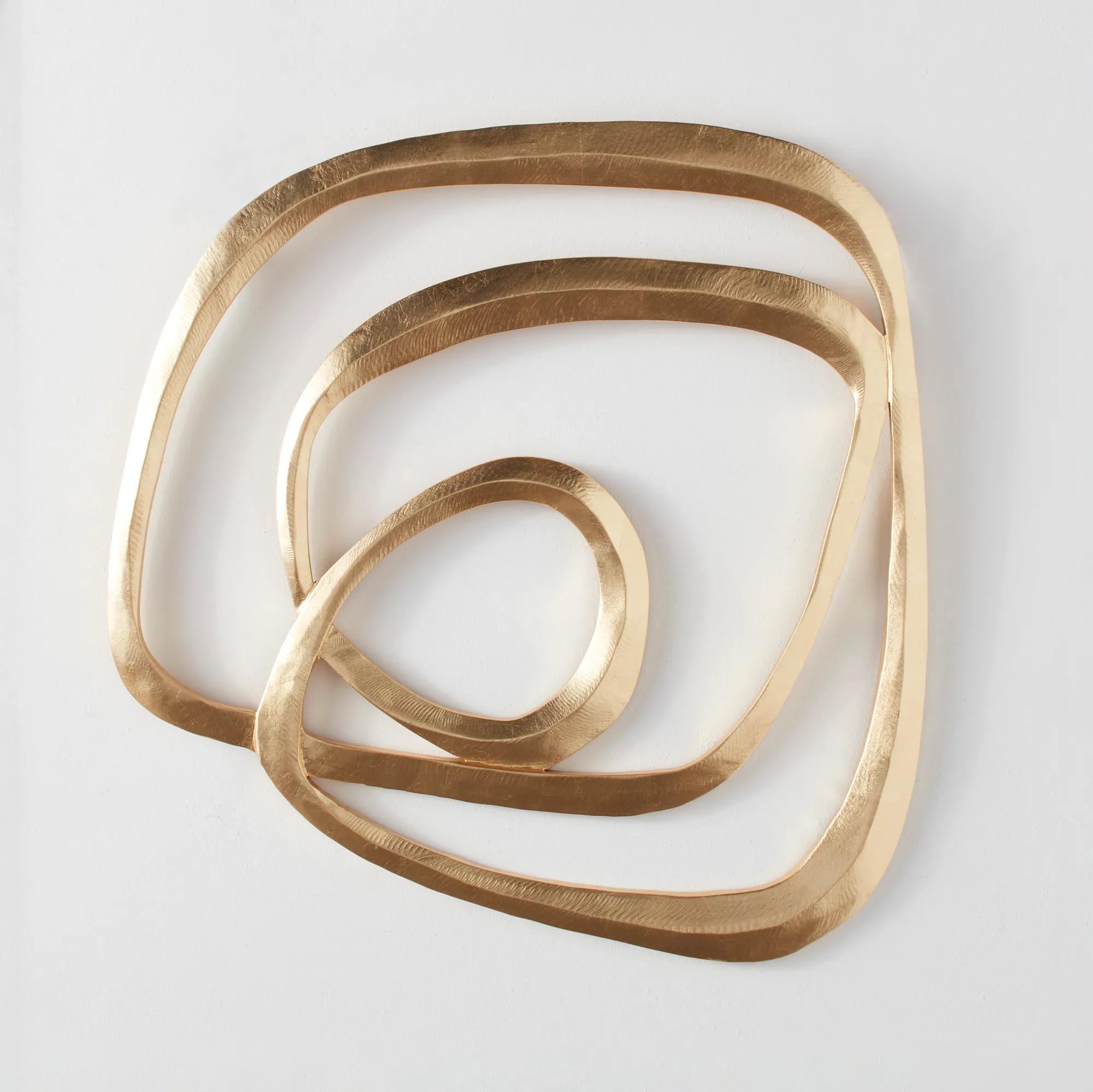 Infinity Gold Leaf Wood Wall Decor II 31.5" x 31.5"$299
A swirling wooden wall sculpture featuring a striking metallic gold finish for a modern statement.
Add To Cart -
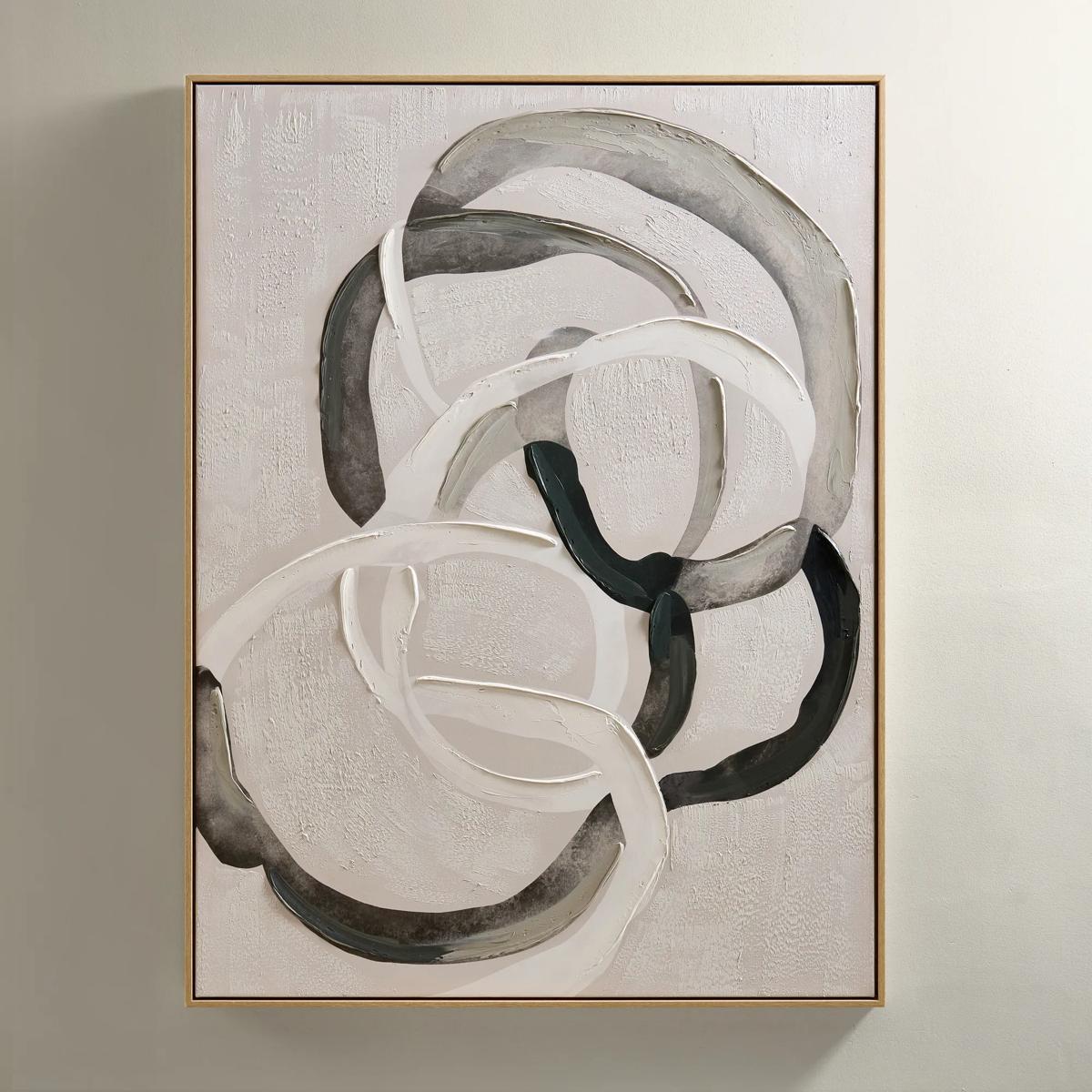
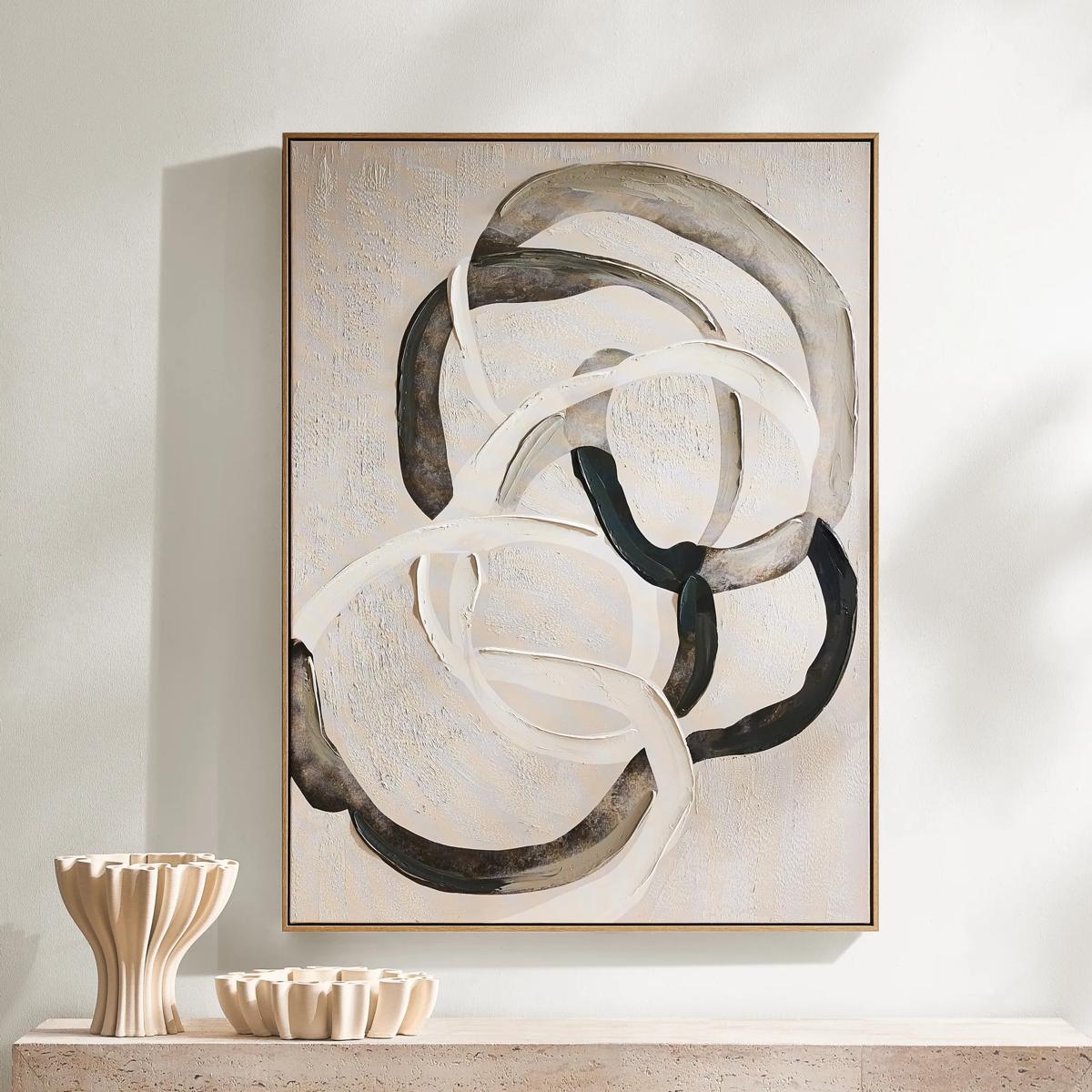 Round About Framed Painted Wall Art 35.25" x 47.25"$349
An abstract hand-painted canvas with tonal whites, charcoals, and taupes in a light wood floater frame.
Add To Cart -
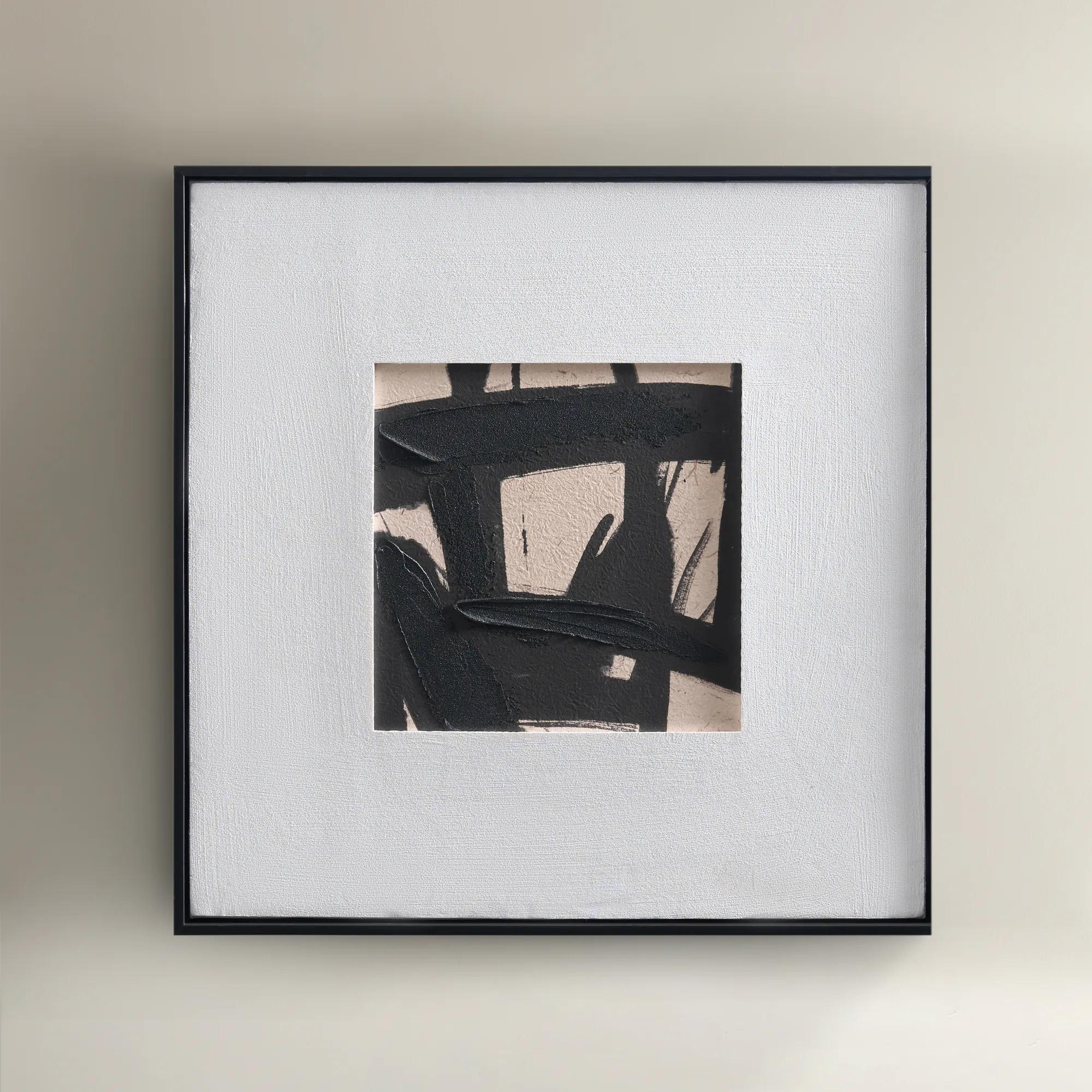
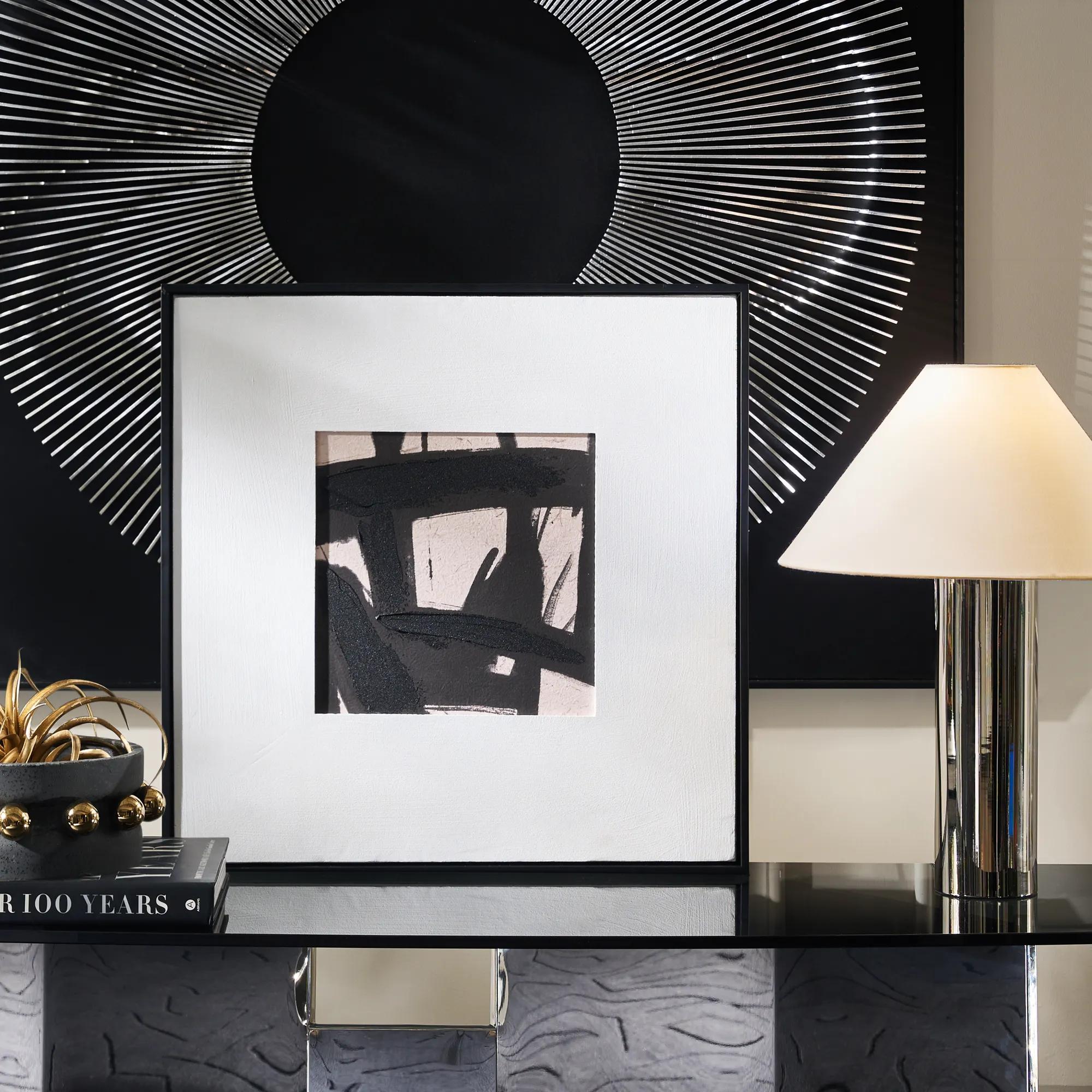 Ink Maze Painting$89
A hand-painted canvas featuring bold black and beige contrasts, set in a sleek black floater frame.
Add To Cart -
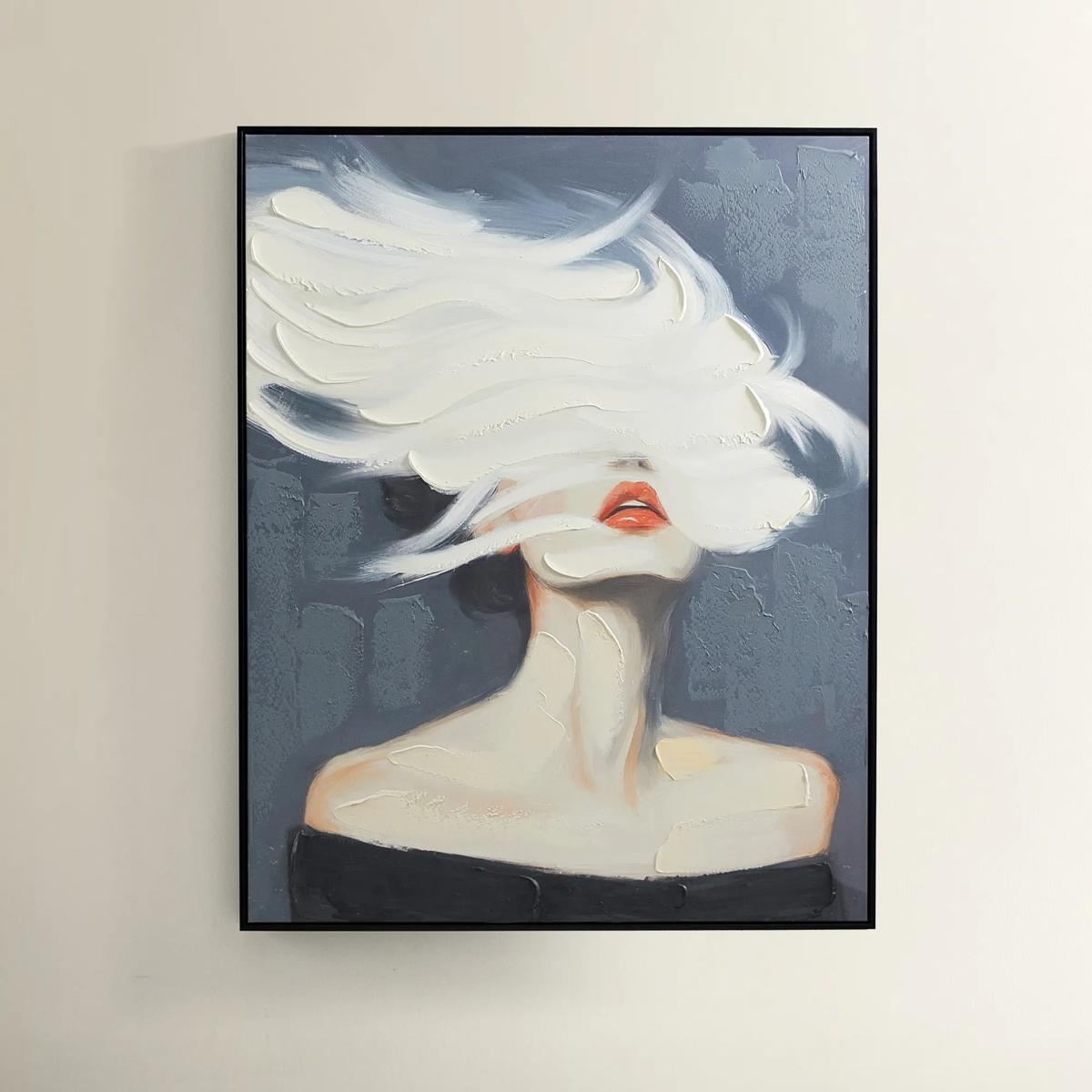
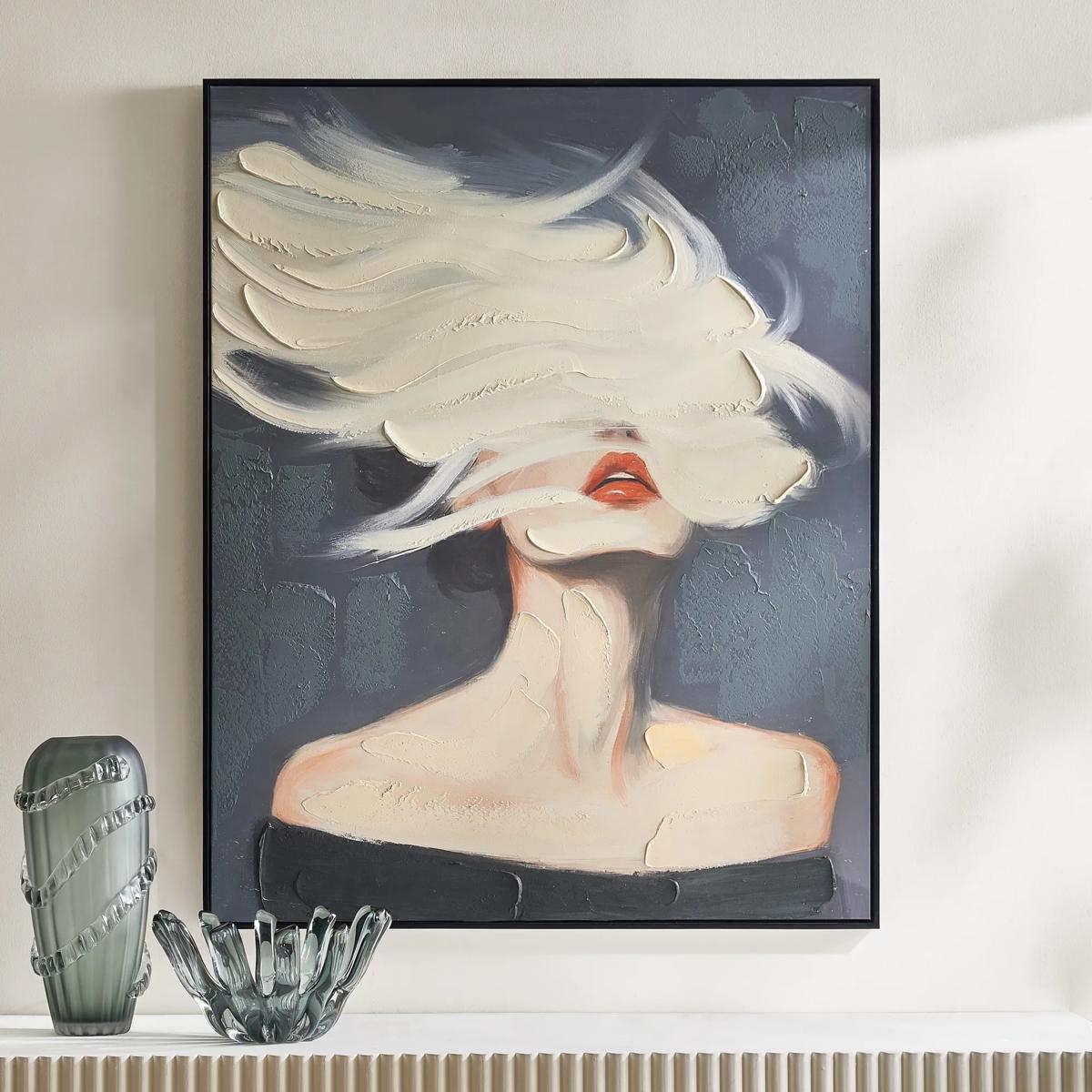 Daydreamer Painting$599
A hand-painted canvas portrait with sculptural white brushstrokes, bold red lips, and a sleek black frame.
Add To Cart -
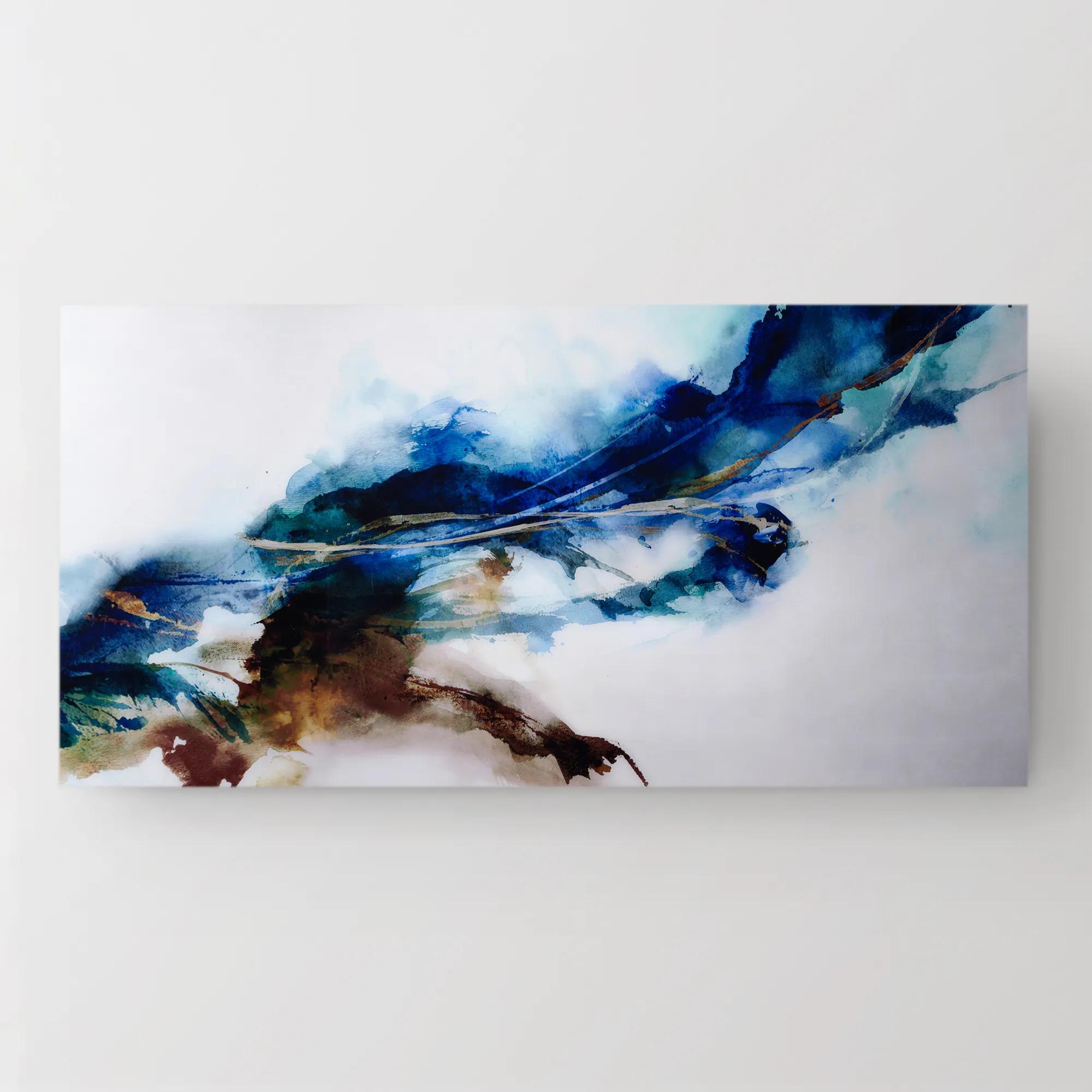 Cerulean Movement Acrylic Art 72" x 36"$1299
A vibrant abstract artwork printed on high-gloss acrylic, infusing your space with dynamic energy and movement.
Add To Cart -
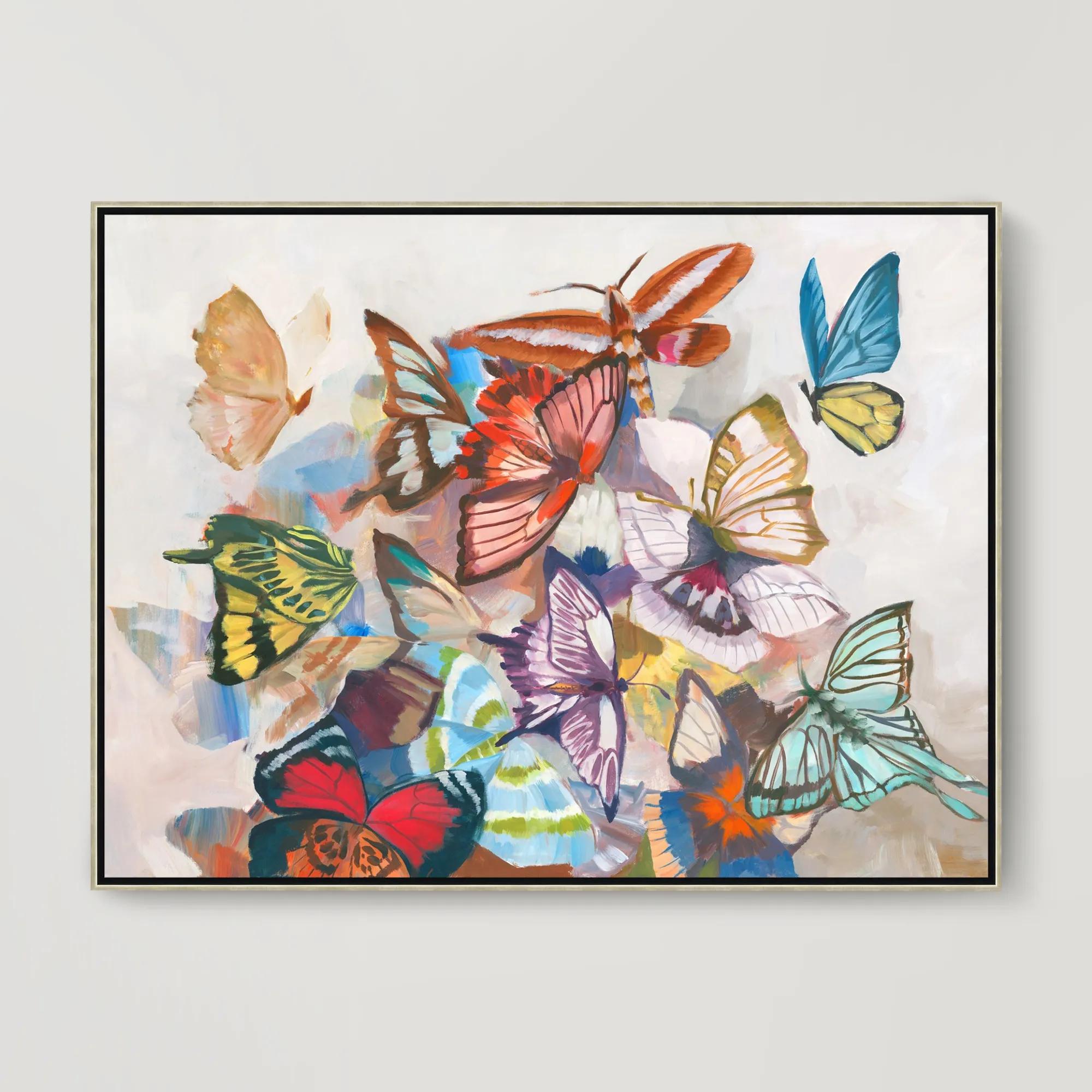 Sugar Wings Framed Wall Art 49.5" x 37.5"$799
A vibrant gallery-wrapped canvas artwork with hand-applied brush gel finish in a sleek silver floater frame.
Add To Cart -
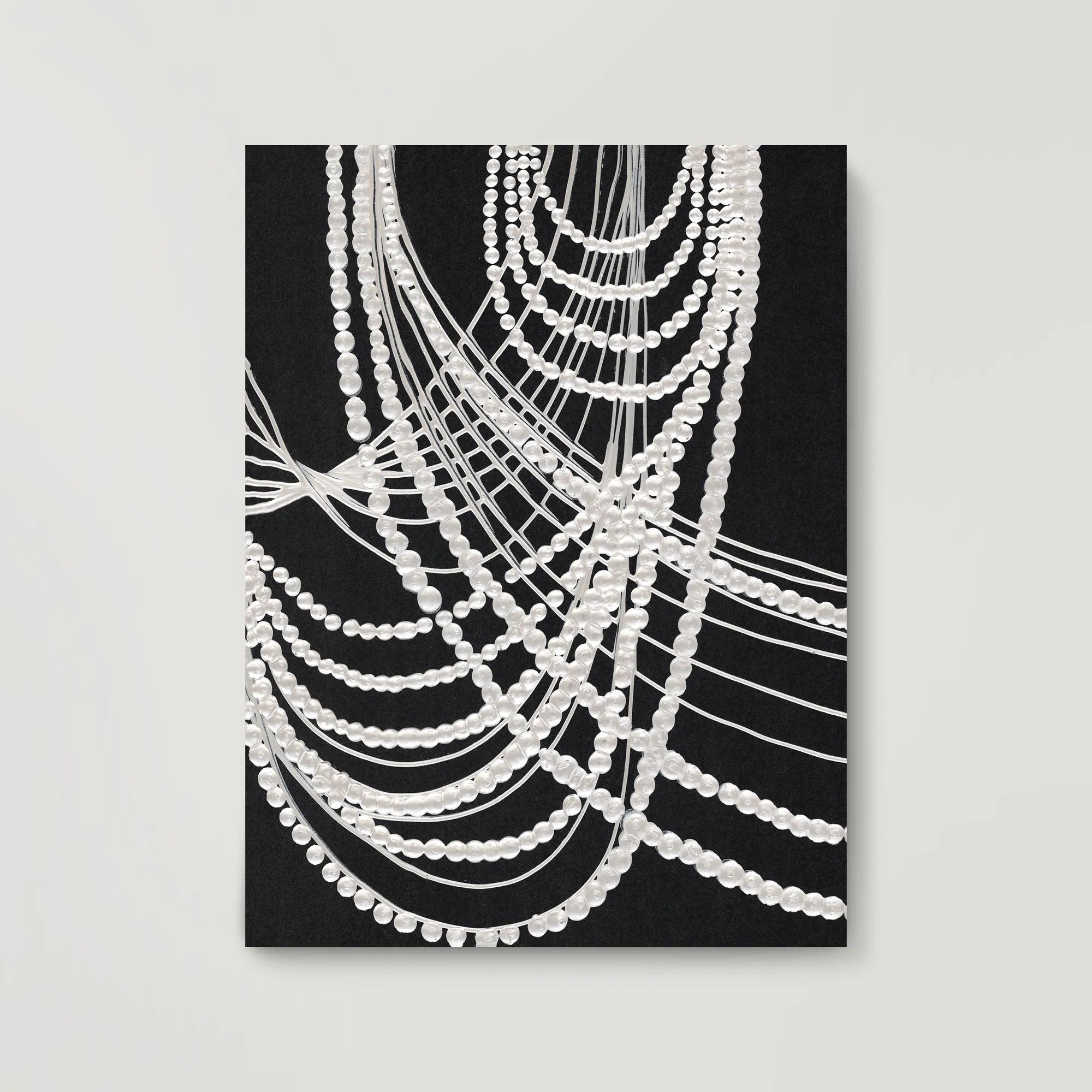 Dripping Pearls Painted Wall Art 36" x 48"$949
A striking hand-painted abstract artwork featuring layered acrylic and watercolor textures in a modern design.
Add To Cart -
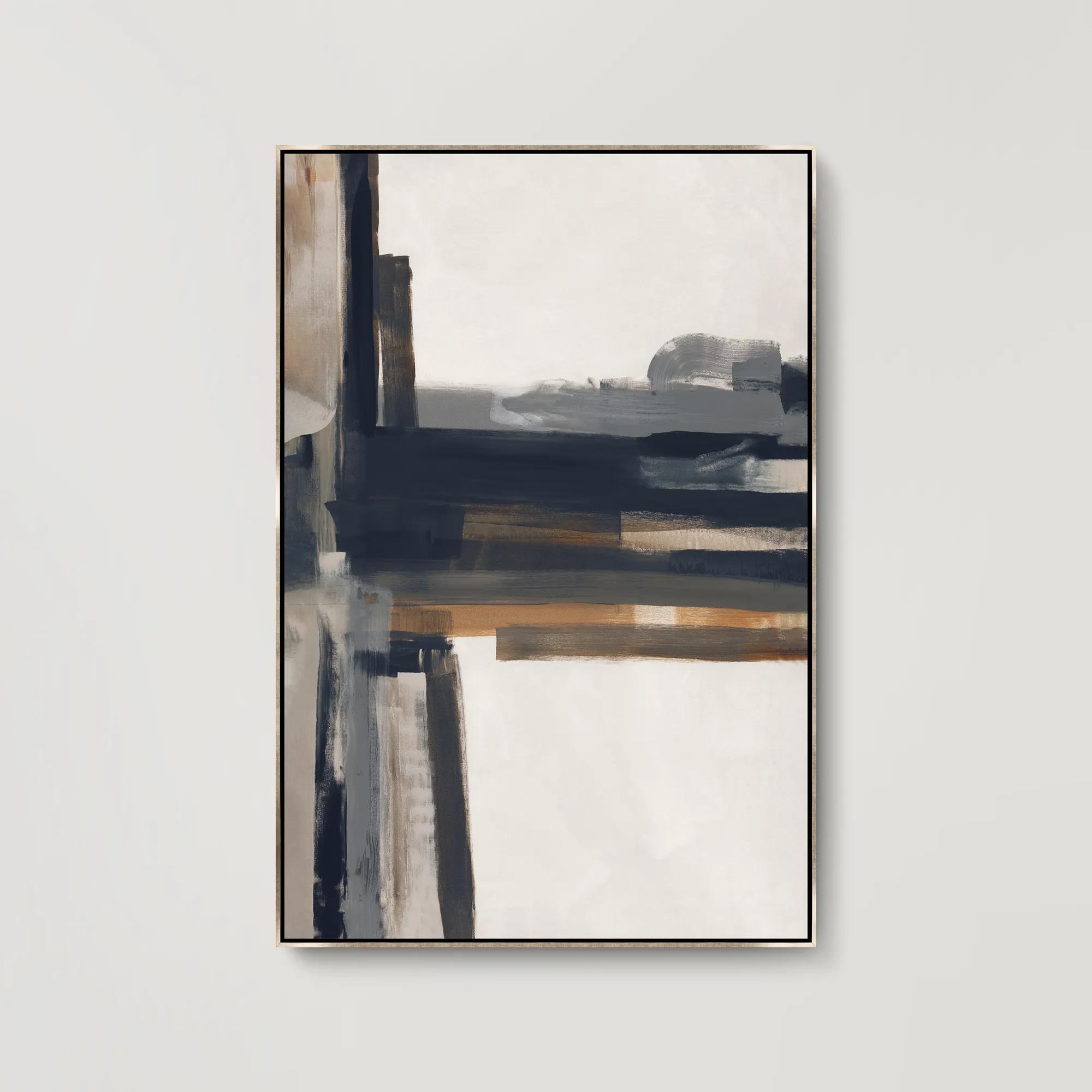
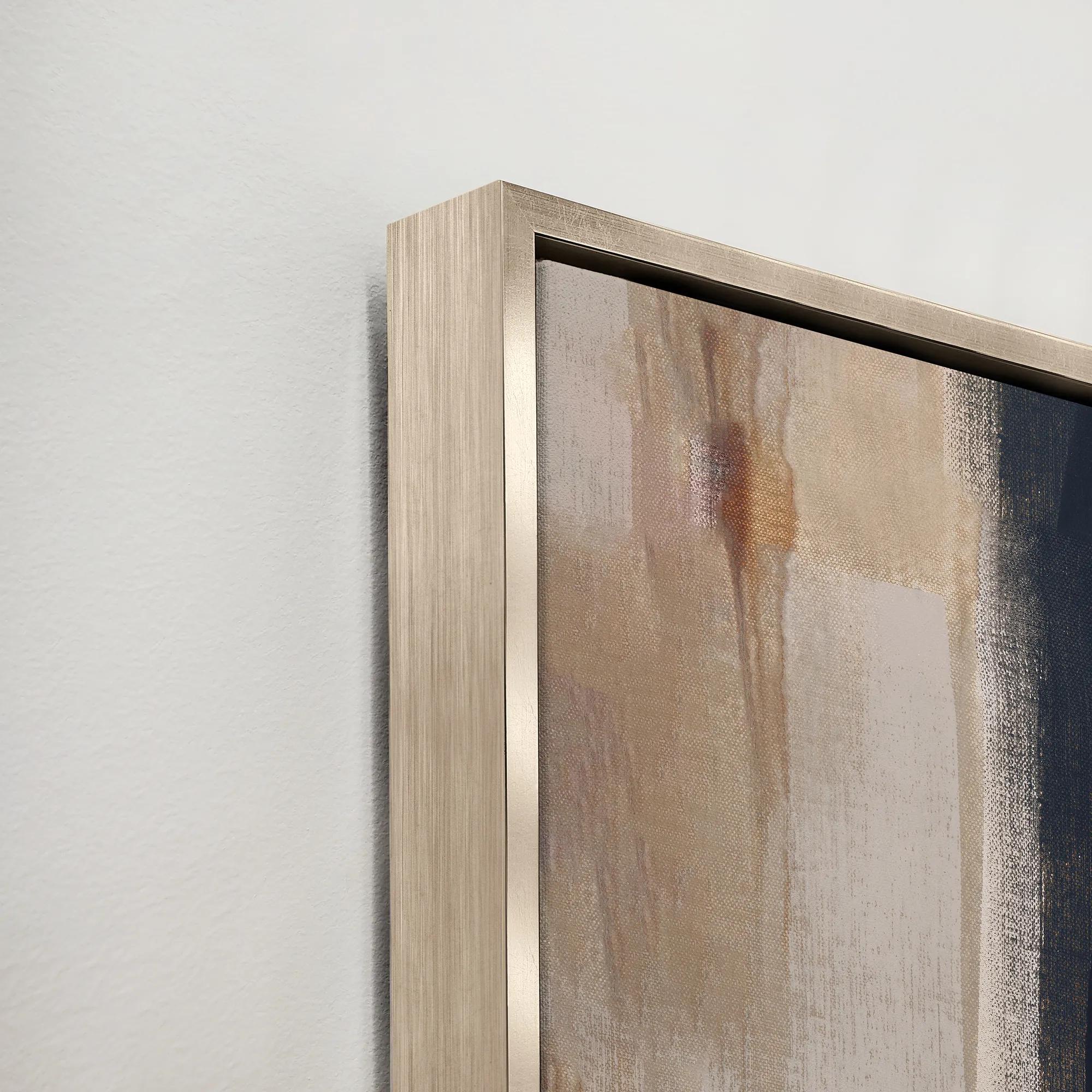 Imposing Construct I Framed Wall Art 41.5" x 61.5"$949
A gallery-wrapped abstract canvas featuring hand-applied brush gel and set in a sleek silver floater frame.
Add To Cart

Modern Art For Summer Living Rooms
Modern art for summer living rooms transforms everyday spaces into vibrant sanctuaries where creativity flourishes and sunlight dances across bold, expressive canvases. Think sweeping brushstrokes awash in sun-kissed hues, abstract forms that spark conversation, and statement pieces that capture the essence of the season’s vitality. Each work is a celebration—inviting you to bask in color, energy, and imagination. Let your living room become a gallery of modern allure, where every wall tells a story as radiant and refreshing as summer itself.
Modern art for summer living rooms brings the atmosphere of long, light-filled days indoors through sun-washed colors, expressive shapes, and compositions with room to breathe. The look is less about seasonal decoration than a lasting sense of openness: pale sand beside luminous blue, botanical green against ivory, or a sweep of apricot that recalls light settling across the water. Abstract coastal landscapes, oversized botanical imagery, and warm geometric compositions all suit this mood, offering different degrees of movement and drama. A loosely painted horizon can give a formal seating area a softer rhythm, while broad, gestural brushwork creates an energetic focal point above a tailored sofa. For a quieter expression, tonal artwork in cream, taupe, and champagne draws attention to shape and surface rather than saturated color. These restrained palettes need not disappear into the background; generous scale, layered marks, and sculptural relief can make a nearly monochromatic composition feel commanding. Brighter artwork has its place, too. Coral, turquoise, and golden yellow bring warmth to rooms anchored by white upholstery or pale wood, especially when one accent color reappears in a pillow or decorative vessel. Coastal references feel more sophisticated when suggested through misty edges, tidal curves, and shifting bands of color rather than literal beach symbols. Botanical subjects offer a similarly expressive range, from sweeping leaf silhouettes to abstract studies of foliage that complement both glamorous and organically layered interiors. For those drawn to color and gesture rather than recognizable scenery, contemporary abstract art for living rooms offers a related direction, with fluid compositions that can carry the same airy mood. Summer-inspired wall art also retains its appeal during the cooler months, when luminous hues provide a striking counterpoint to velvet seating, richly textured throws, and evening lamplight. The result is a living room that feels expansive without sacrificing intimacy, and expressive without relying on an entirely new decorating scheme.
Scale and placement determine how convincingly artwork becomes part of that setting. Above a sofa, a single large composition can establish a confident visual center, while a coordinated pair or a carefully spaced grouping creates a more measured cadence. A useful starting point is artwork, or a grouping, spanning roughly two-thirds to three-quarters of the furniture’s width, adjusted for nearby windows, lamps, and architectural details. The total measurement includes frames and the gaps between them, not just the images. Leaving approximately six to ten inches between the sofa back and the bottom of the artwork often helps connect the two visually, although tall furniture and unusual wall proportions may call for a different arrangement. On an open wall, an artwork’s center near average eye level is a practical starting point; in a room used mainly for conversation, the view from a seated position deserves equal attention. A long horizontal abstract can echo a low sofa and emphasize breadth, whereas a vertical botanical or elongated geometric composition can give a narrow wall presence. Several smaller works can feel equally substantial when their palette, frame finish, or subject creates a clear relationship. An odd-numbered grouping may offer an informal rhythm, but a symmetrical pair can be particularly elegant beside architectural features. Paper templates make it easier to judge the full arrangement before installing hardware. Frame choices further shape the mood: pale natural wood adds warmth, white keeps the perimeter visually light, and slender metallic frames introduce a gleaming outline without overwhelming delicate color. A dark frame can still belong in an airy room when it echoes a black table base or window trim. Consider the artwork from the entryway as well as the sofa, particularly in an open-plan home where it may be visible from several spaces. Against patterned upholstery, a broad field of color can offer welcome contrast; against solid furniture, intricate marks and layered textures have more opportunity to register. These relationships let modern wall art complement a room while maintaining its own distinct character.
Materials and finishes influence both the visual effect and the practical demands of living with art. Canvas has a woven surface that can soften an image and lend printed or painted compositions a tactile presence, while works on paper often convey finer lines and crisp tonal transitions. Framed paper artwork generally benefits from suitable glazing and archival-quality matting or spacers that keep the image from touching the protective surface. Glass and acrylic glazing have different handling considerations: acrylic is typically lighter and more resistant to shattering, but can scratch more easily and requires compatible cleaning products. Dimensional wall art adds another layer of expression, with raised forms that cast changing shadows as daylight moves across the room. Depending on the construction, those surfaces may also gather dust in recesses or require more careful handling than a flat framed print. Material descriptions, overall dimensions, frame depth, weight, and hanging instructions are worth reviewing together, especially for large-scale artwork above frequently used seating. A substantial piece needs hardware rated for its weight and appropriate to the wall construction; professional installation may be sensible for oversized or unusually heavy work. Sunlit rooms deserve particular care because direct sunlight can fade pigments and damage some materials over time. UV-filtering glazing may reduce exposure, but it does not make artwork immune to fading. A wall beside a bright window, rather than directly in its strongest light, can preserve the desired luminous atmosphere with less exposure. Routine care should follow the maker’s instructions, using gentle dusting where appropriate and avoiding sprays applied directly to artwork or frames. Stable indoor conditions, away from damp areas, heat sources, and frequently opened exterior doors, support longevity. Intended for indoor display, summer-inspired living room art suits spaces for entertaining, reading, and everyday gathering alike. It can also make a thoughtful housewarming or wedding gift when the recipient’s palette, wall space, and taste are known. Whether chosen for a first apartment or a long-established home, the most resonant composition brings personal meaning to the room alongside color, proportion, and light.
FAQs
Summer living rooms come alive with modern art that features vibrant colors, fluid forms, and expressive textures. Abstract pieces with bold brushstrokes, geometric patterns, or metallic accents can infuse a space with energy and light. Art inspired by nature—such as sun-drenched landscapes or botanical motifs—also captures the spirit of the season, creating a welcoming and uplifting atmosphere.
To complement your summer décor, look for art that echoes your room’s color palette or introduces a striking contrast for visual interest. Consider the mood you want to set: serene blues and greens evoke tranquility, while fiery oranges and yellows add vibrancy. Harmonize materials and finishes—such as pairing glossy art with mirrored accents or soft pastels with plush textiles—to create a cohesive and curated look.
Absolutely. Modern art makes a sophisticated and memorable gift for new homeowners or summer hosts, offering a way to personalize their space and celebrate their style. Choose a piece that reflects their personality or complements their living room’s aesthetic. Art gifts are especially meaningful because they become part of everyday life, adding beauty and inspiration to each season.
Start by selecting a mix of modern art pieces that share a unifying element—such as color, theme, or frame style. Lay out your arrangement on the floor first to find a balanced composition, mixing sizes and orientations for visual rhythm. Hang your central piece at eye level, then build outward, maintaining consistent spacing between each work. The result is a gallery wall that feels curated, dynamic, and uniquely yours.
For a touch of luxury, seek out modern art featuring metallic leaf, high-gloss lacquer, textured acrylics, or mixed-media elements. Pieces with mirrored or glass details amplify natural light, while sculptural works in resin or metal create dimensional drama. These materials not only elevate the art itself but also enhance the overall ambiance of a sunlit summer living room.