Large Textured Wall Art
Large Textured Wall Art
-
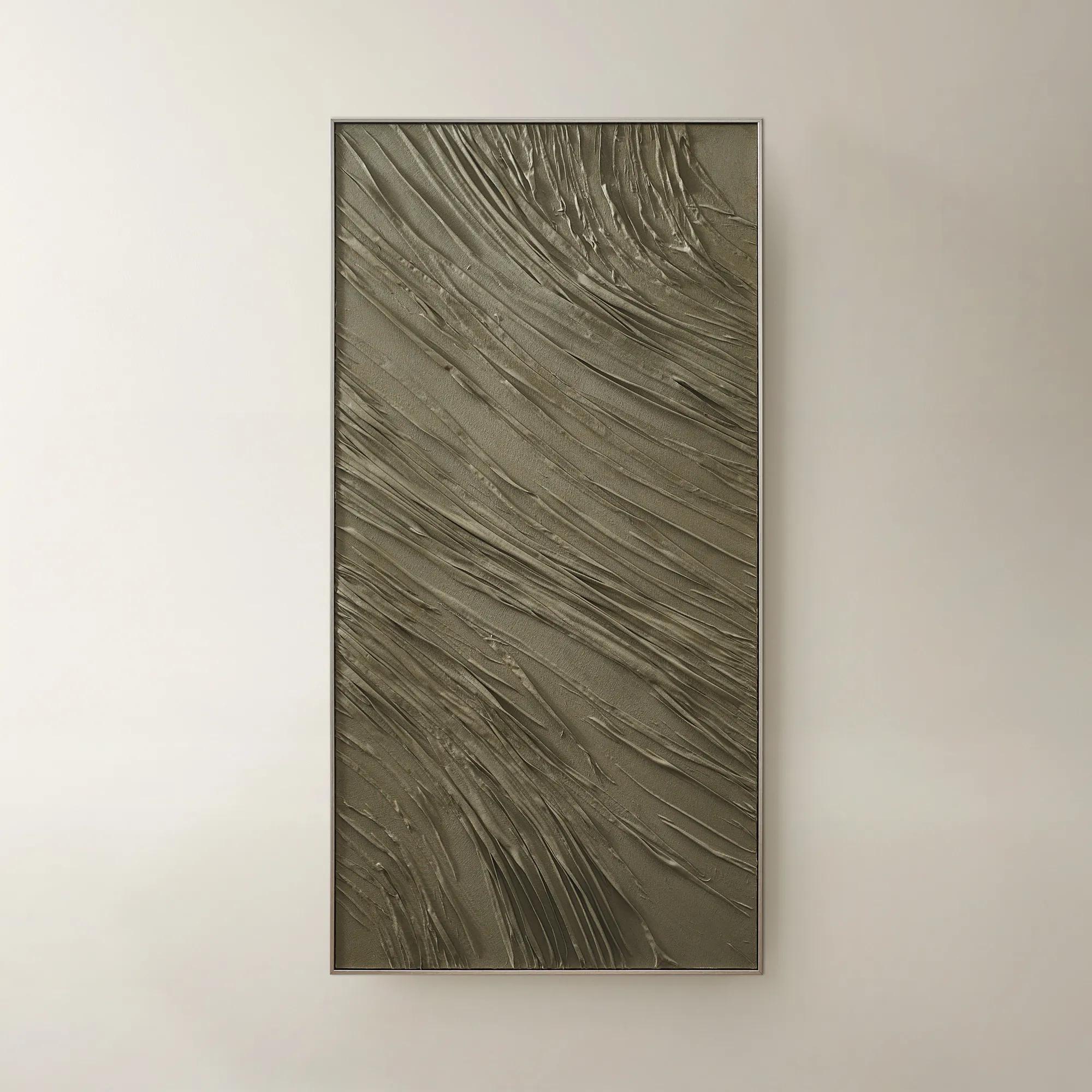
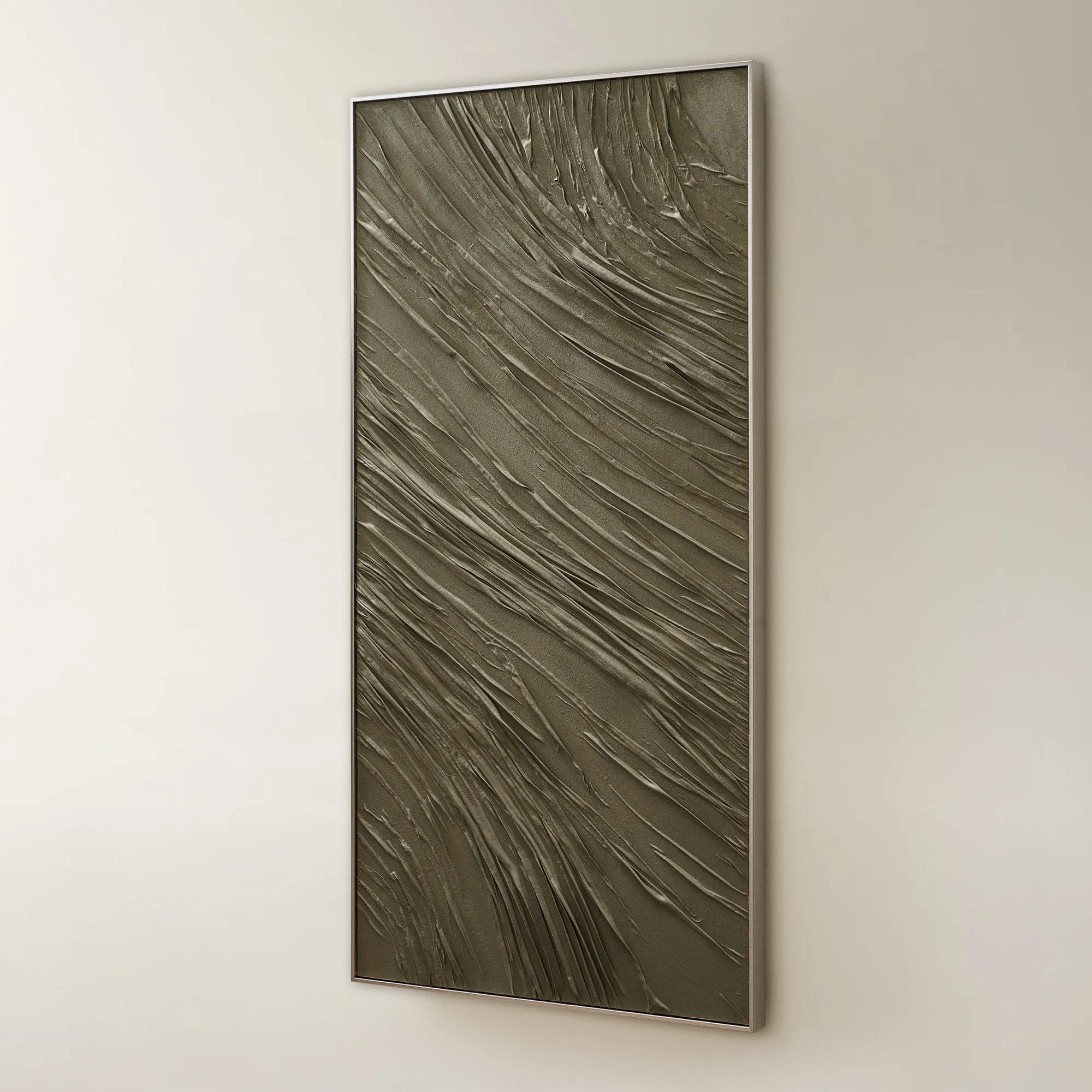 Grove Framed Hand-crafted Folded Fabric Wall Art 60" x 30"$349
A hand-crafted folded canvas in deep olive with a champagne frame for sculptural, modern wall art.
Add To Cart -
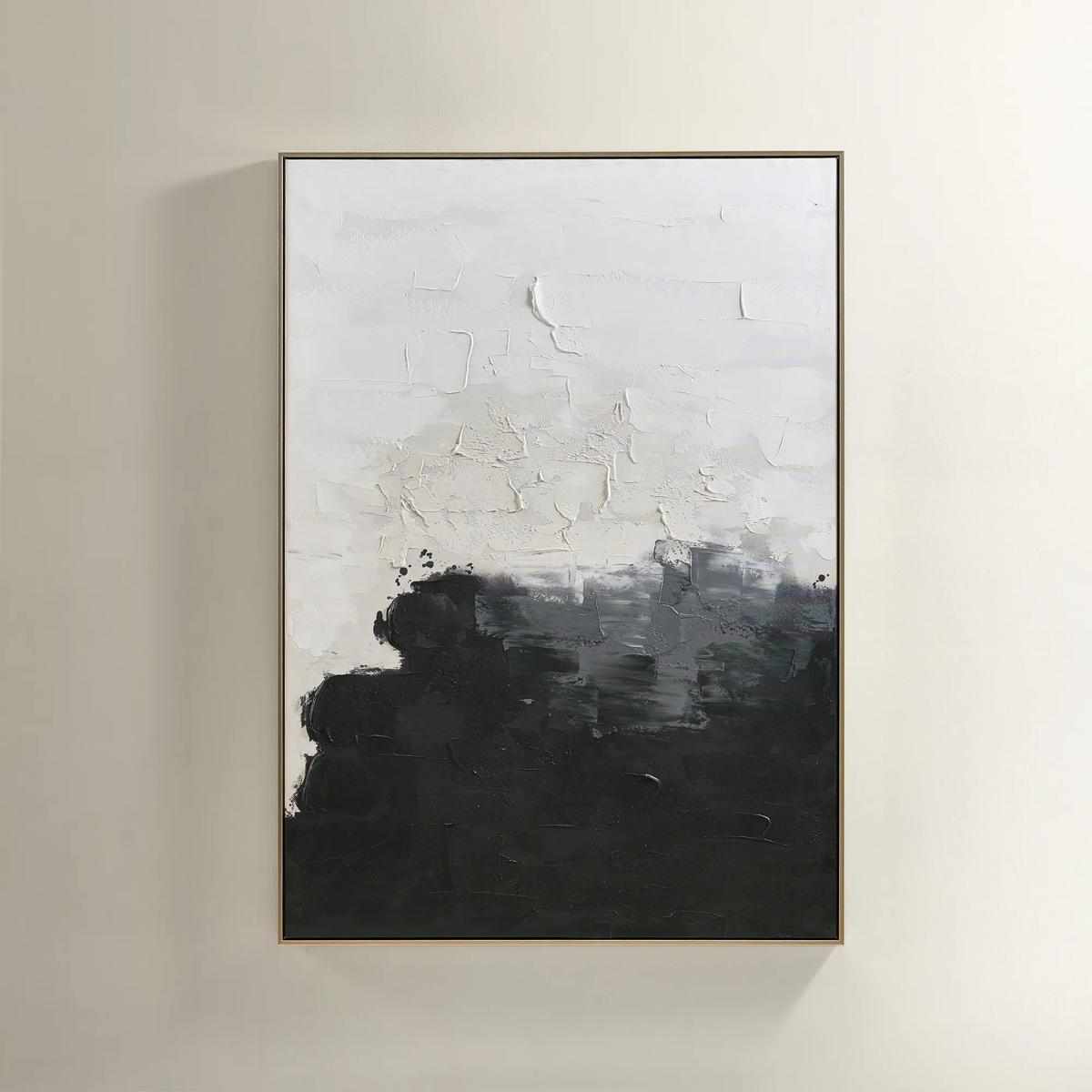
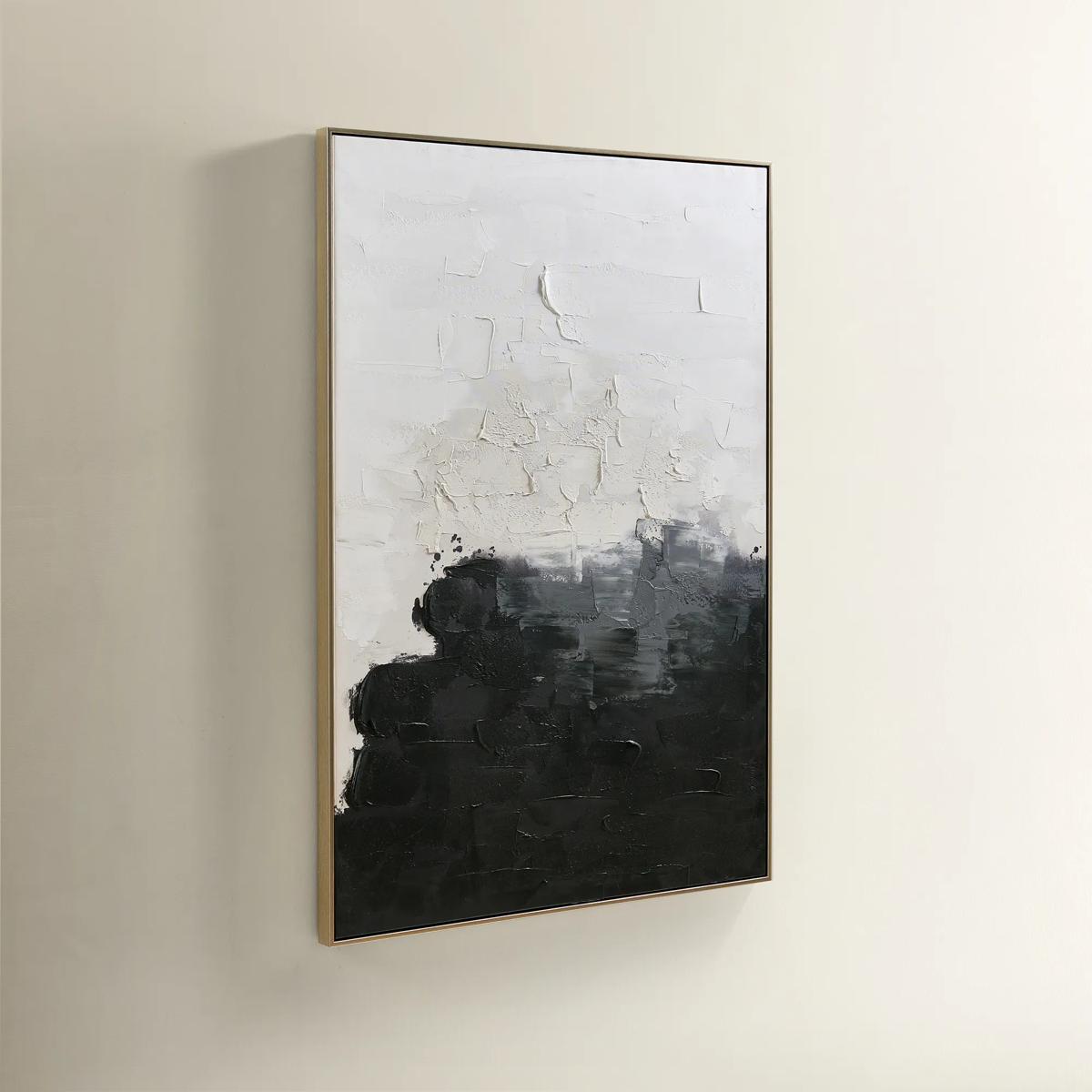 No Rush Painted Wall Art 39.25" x 55"$499
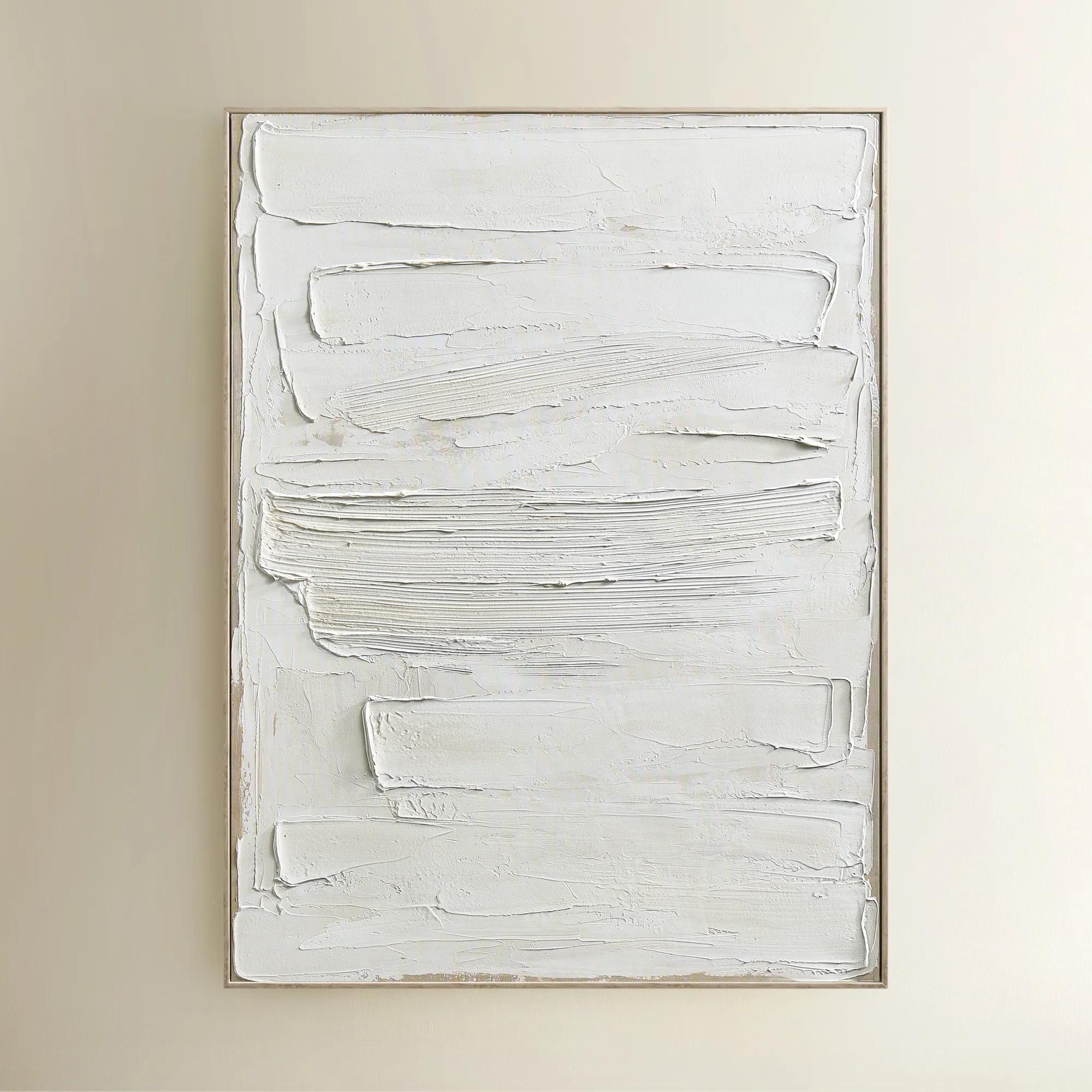
A hand-painted canvas featuring textured strokes of white, ivory, and charcoal in a natural wood frame.
Add To Cart -
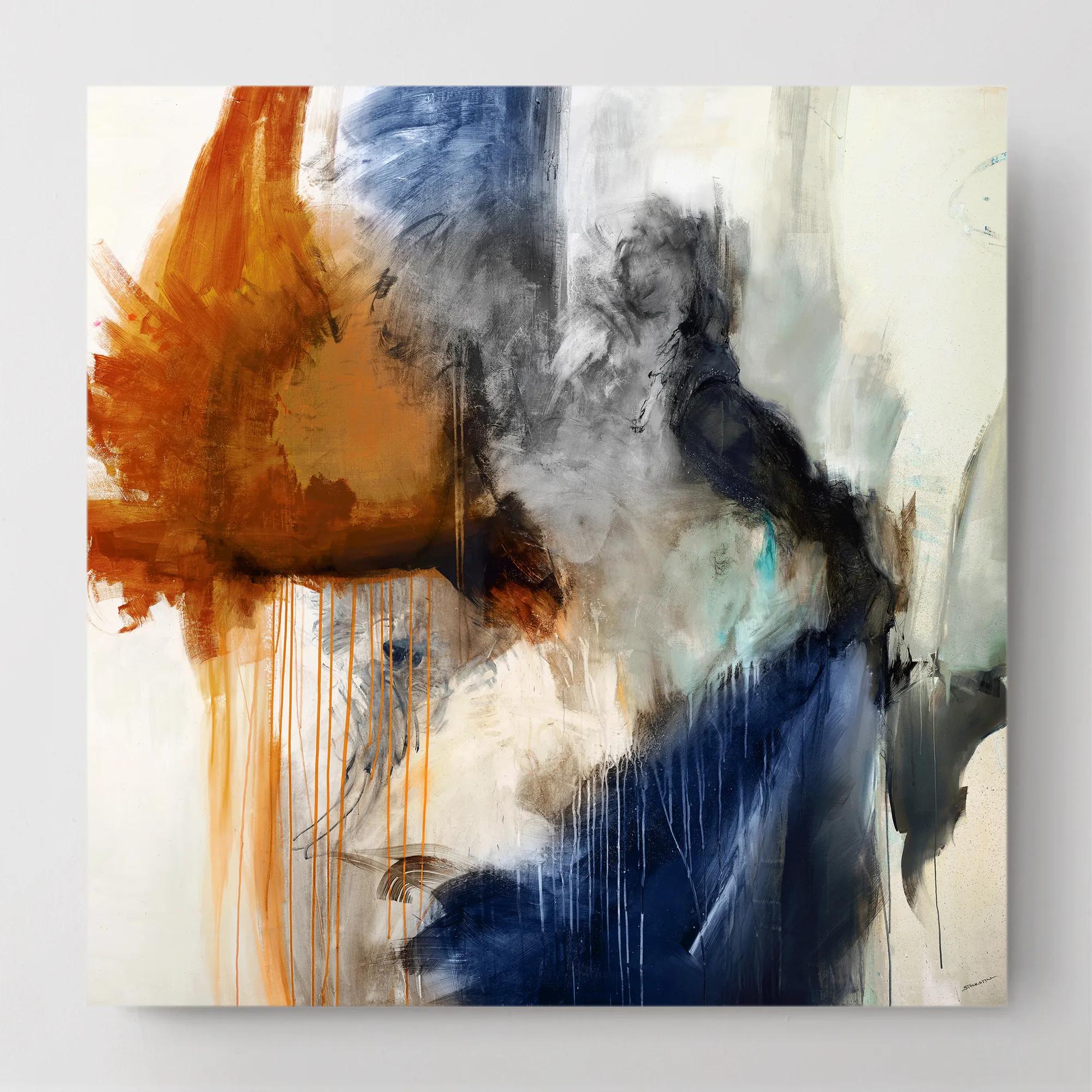
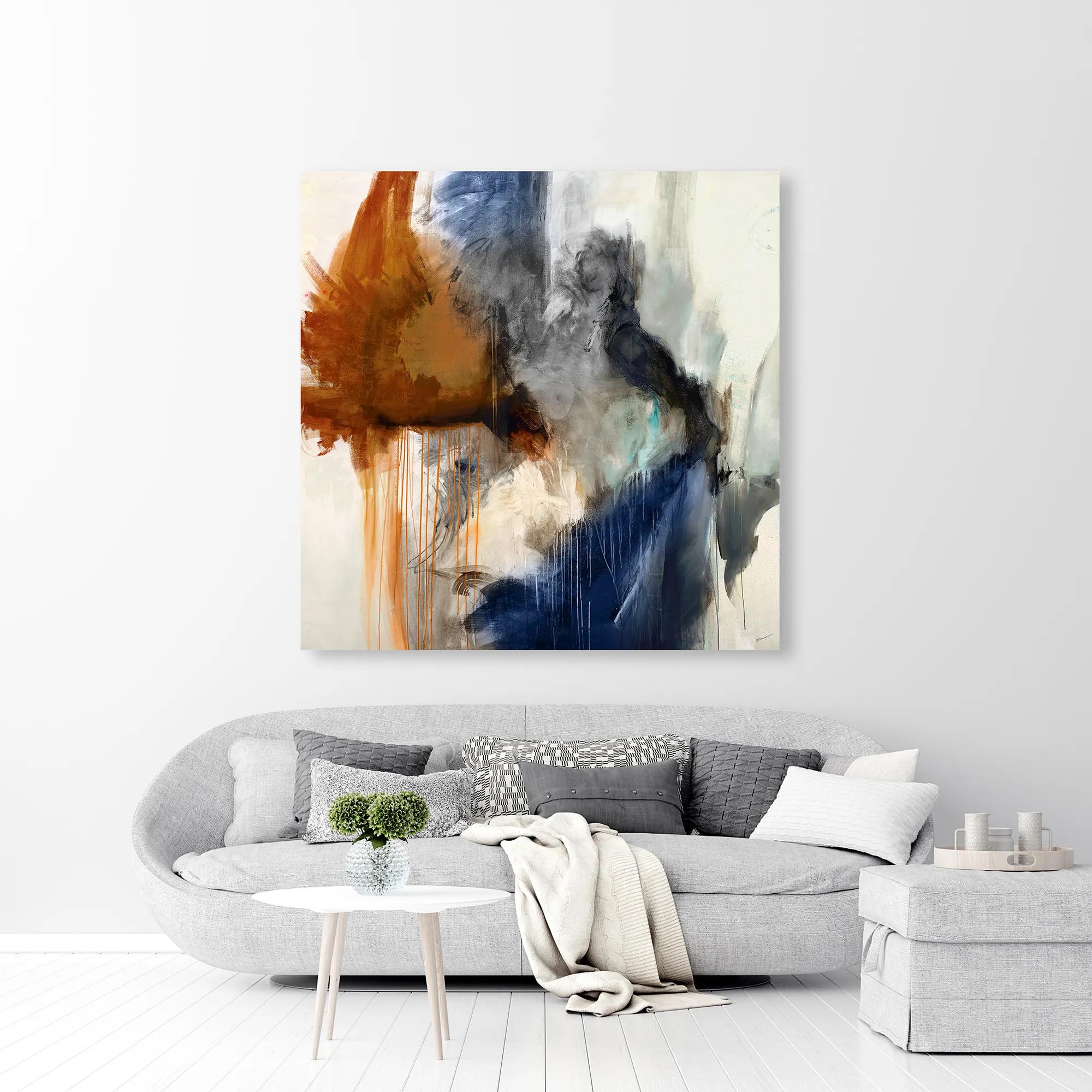 Swoon 6 Wall Art 54" x 54"$899
A gallery-wrapped canvas featuring a hand-applied image brush gel finish for a textured, artistic look.
Add To Cart -

 Shift Framed Painted Wall Art 39.4" x 59"$499
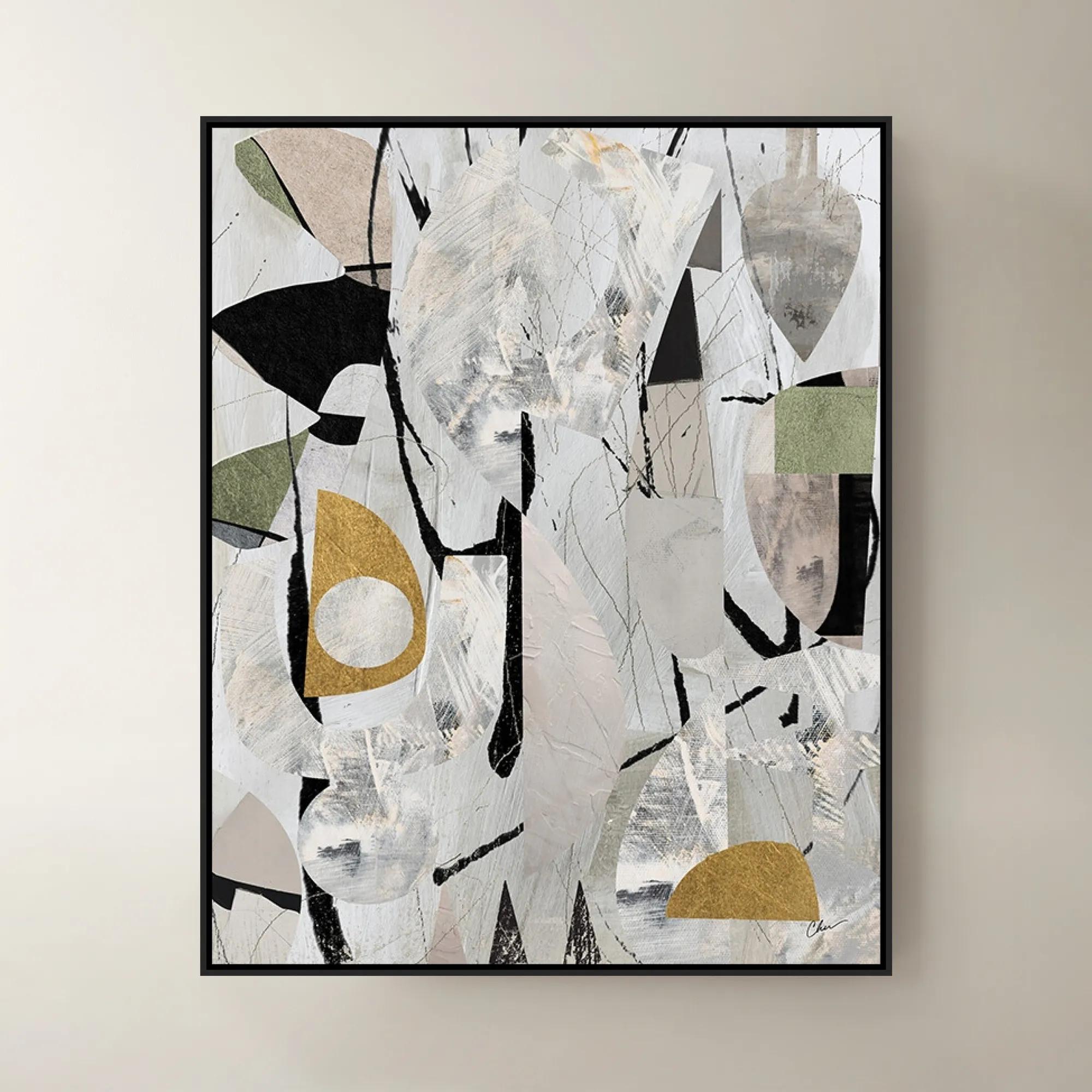
A hand-painted canvas featuring bold black and beige contrasts with textured layers in a sleek black frame.
Add To Cart -
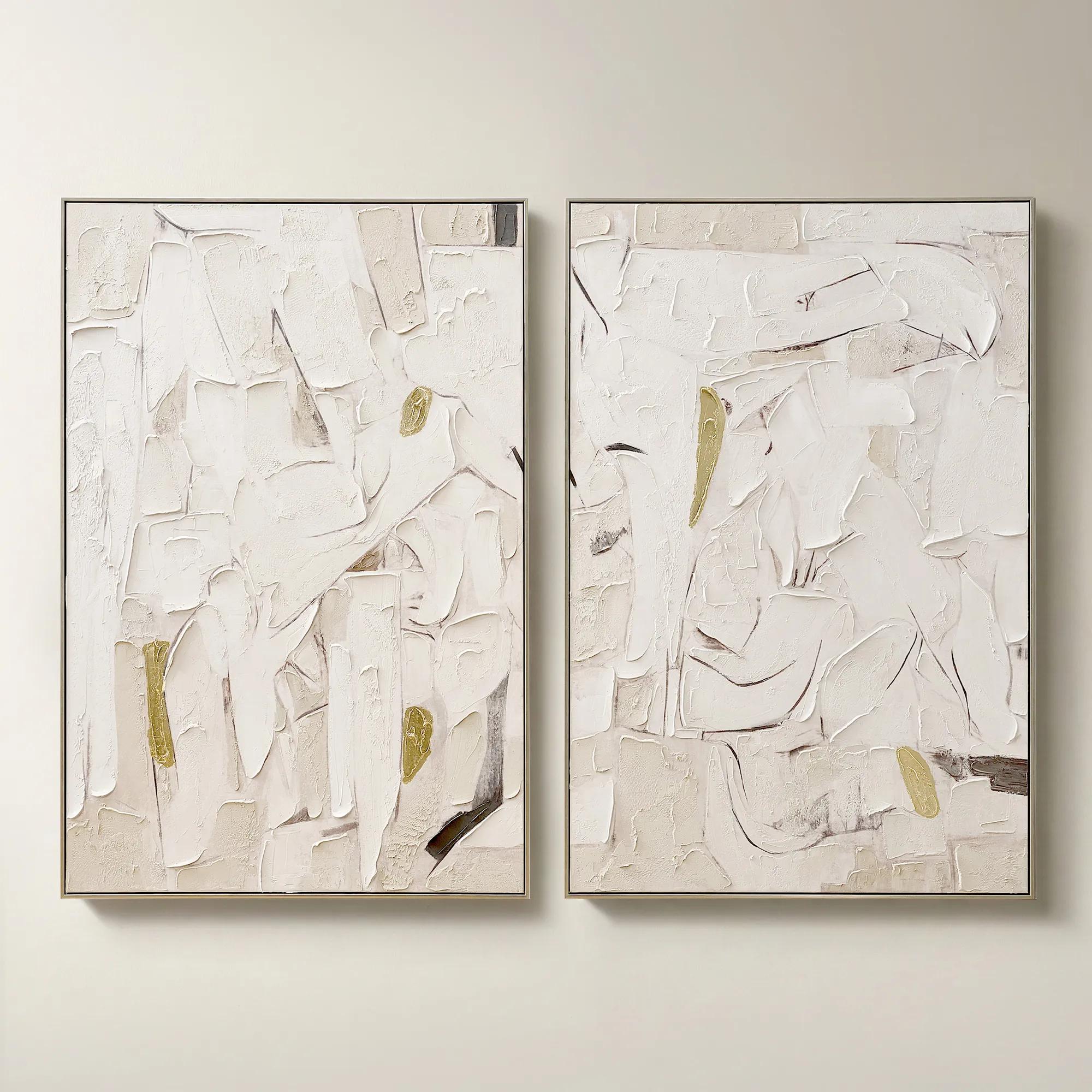 Beneath the Surface Framed Gold Leaf Painted Wall Art 40" x 60" Set of 2$799
A hand-painted abstract diptych featuring gold detailing and layered texture in alabaster and tawny hues.
Add To Cart -
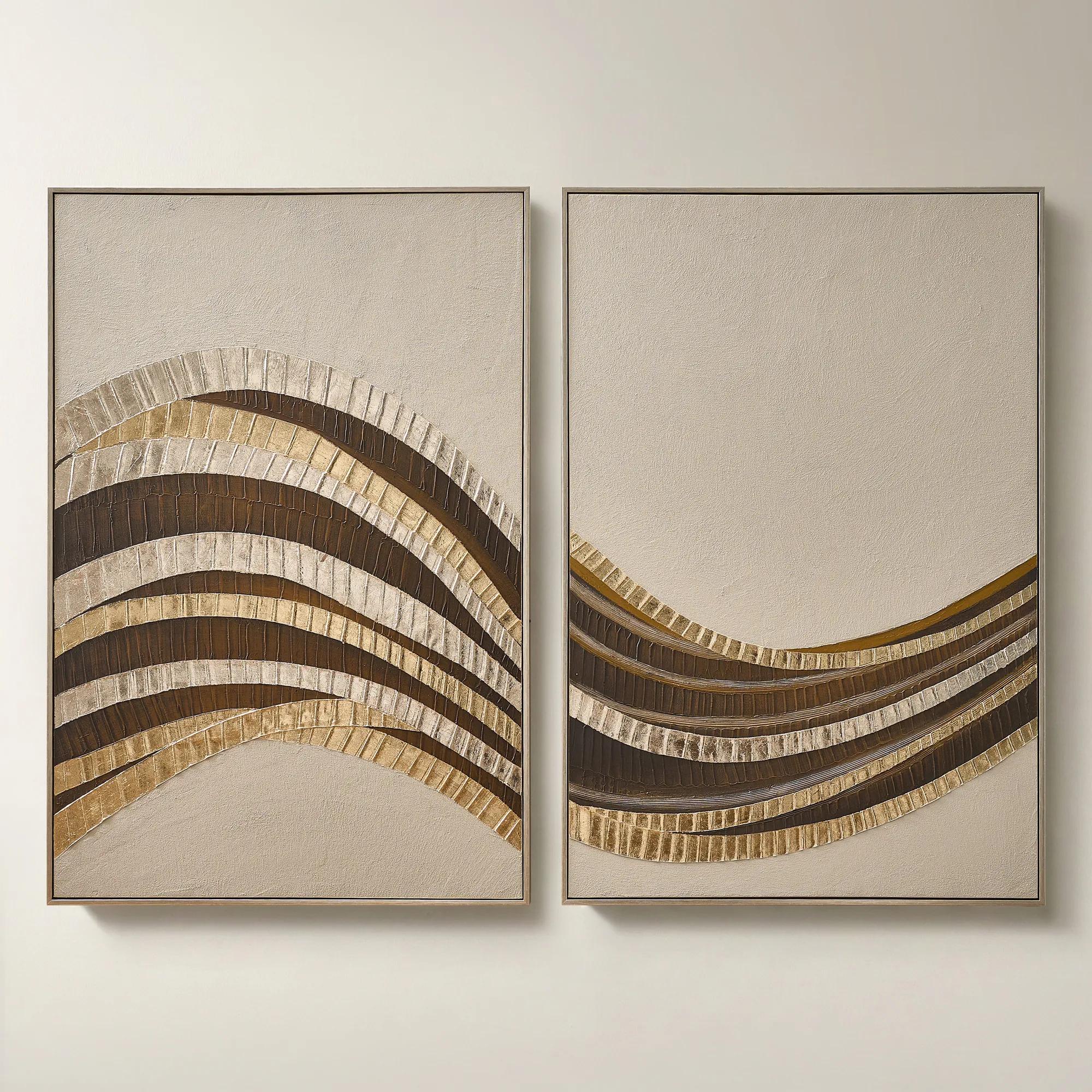 Stillness in Motion Framed Gold Leaf Painted Wall Art 40" x 60" Set of 2$899
A hand-painted abstract diptych with gold leaf accents, textured surface, and brushed champagne frames.
Add To Cart -
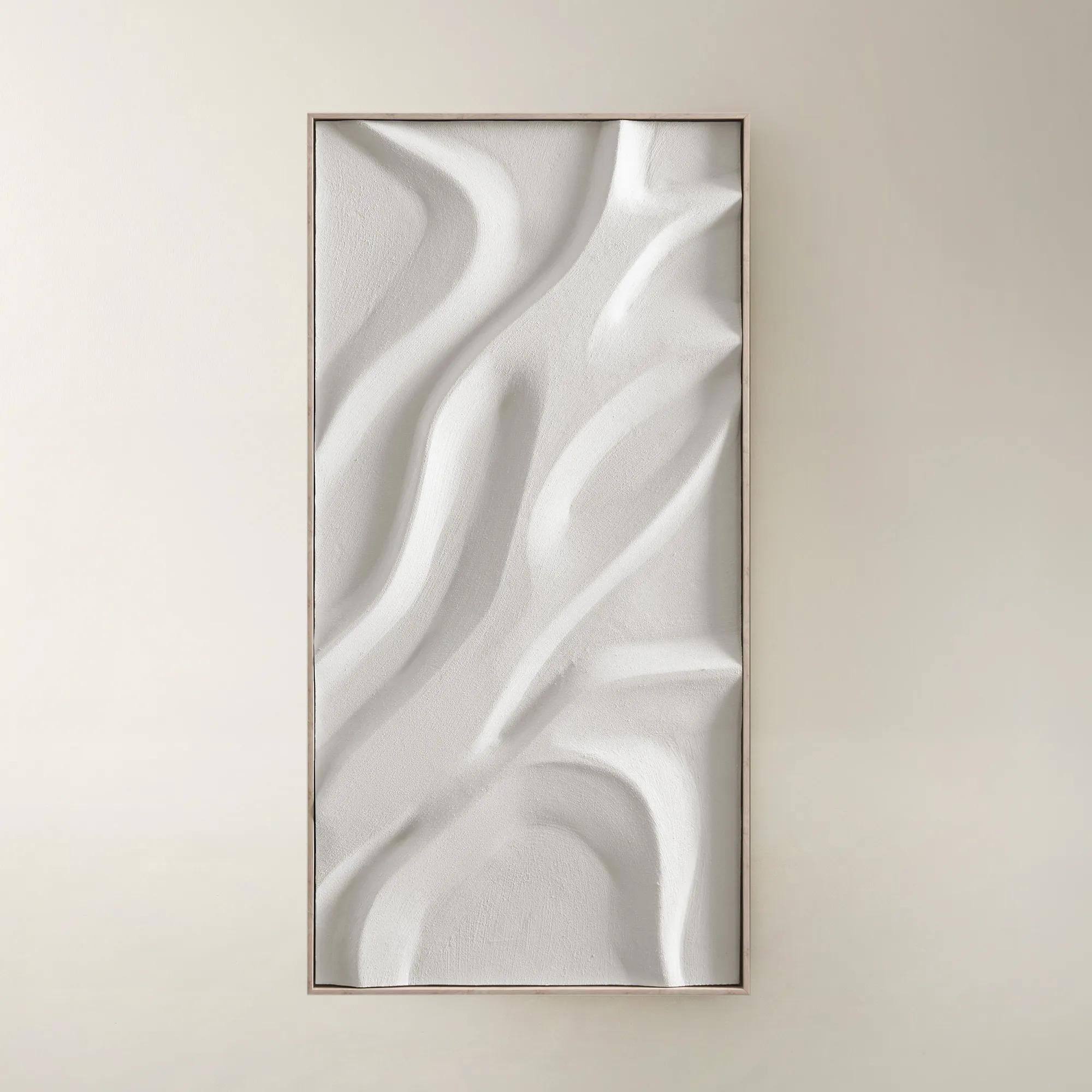
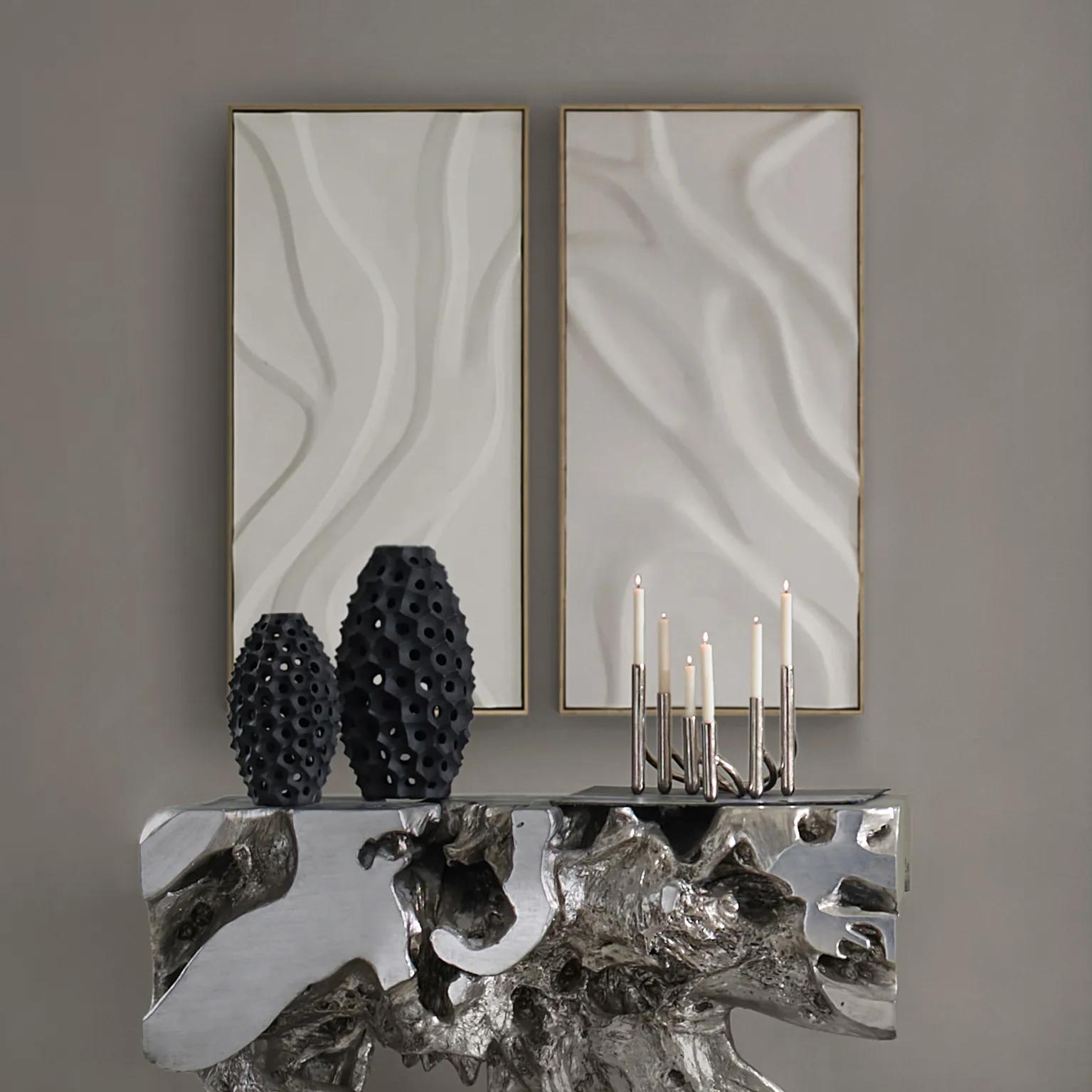 Au Lait Framed Painted Wall Art II 47.2" x 23.6"$199
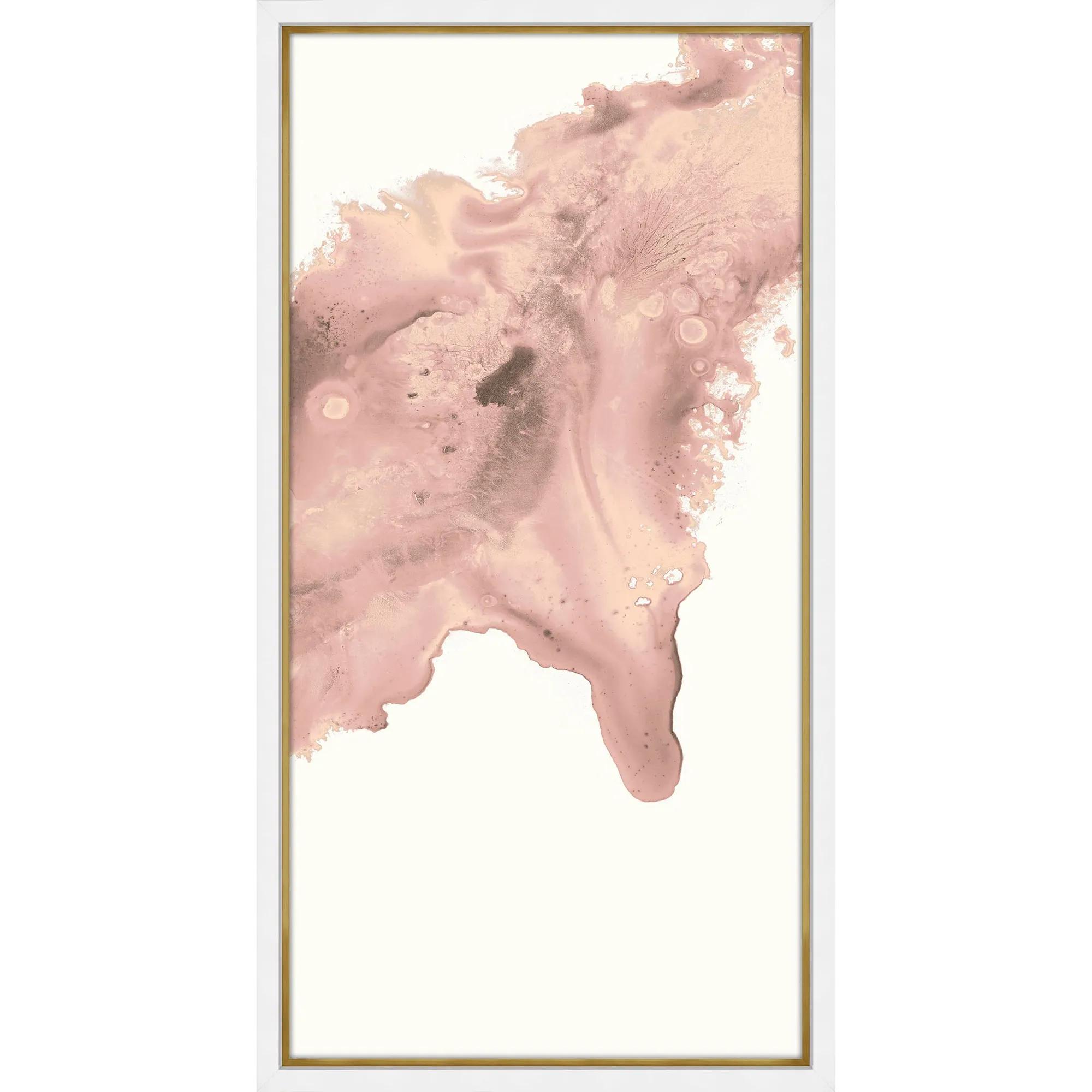
A serene hand-painted canvas in beige, set in a warm whitewash floater frame for modern interiors.
Add To Cart -
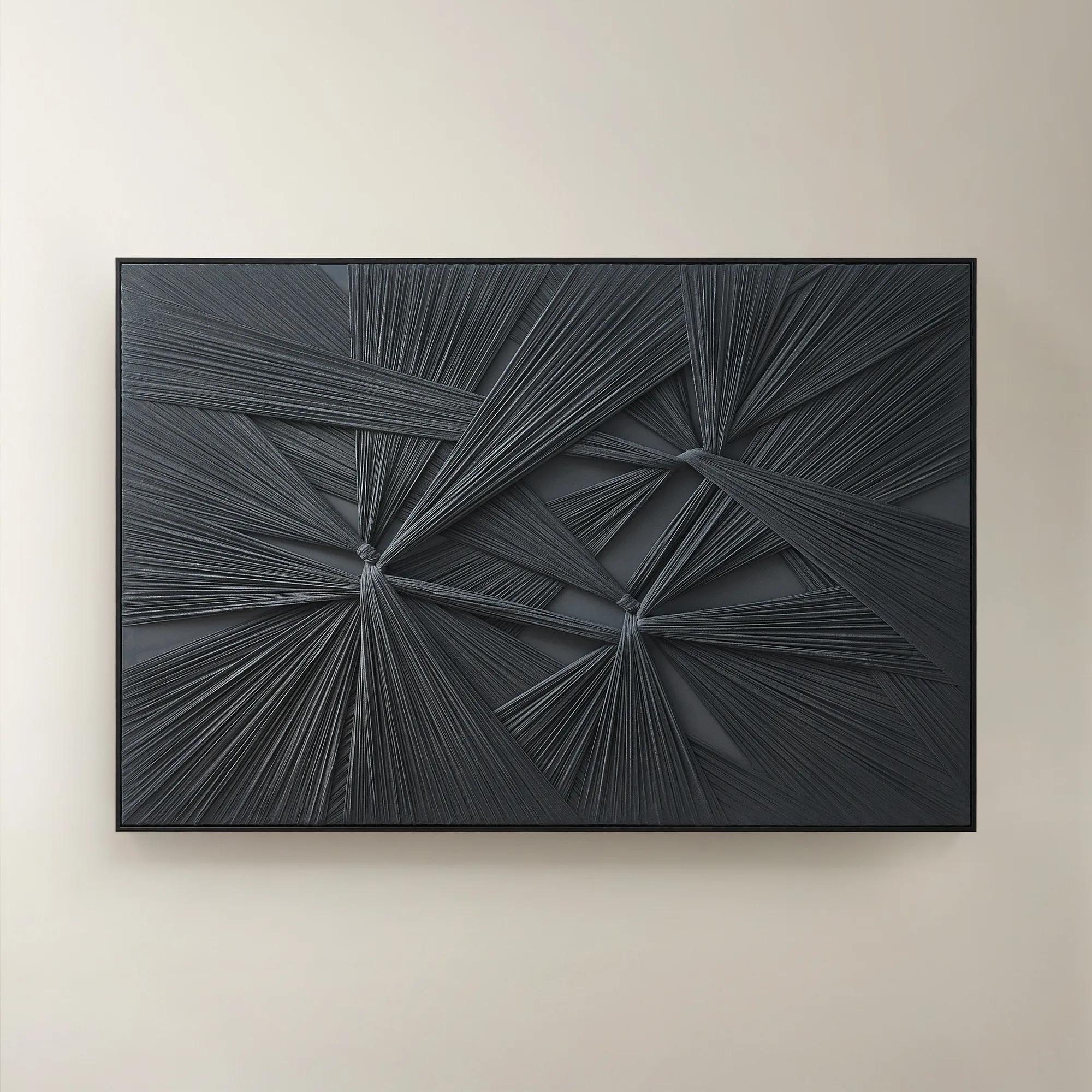 Grace in Dark Slate Hand-crafted Fabric Wall Art 70.75" x 47"$799
A hand-crafted textile wall art piece in dark slate, featuring sculptural texture and versatile display options.
Add To Cart -
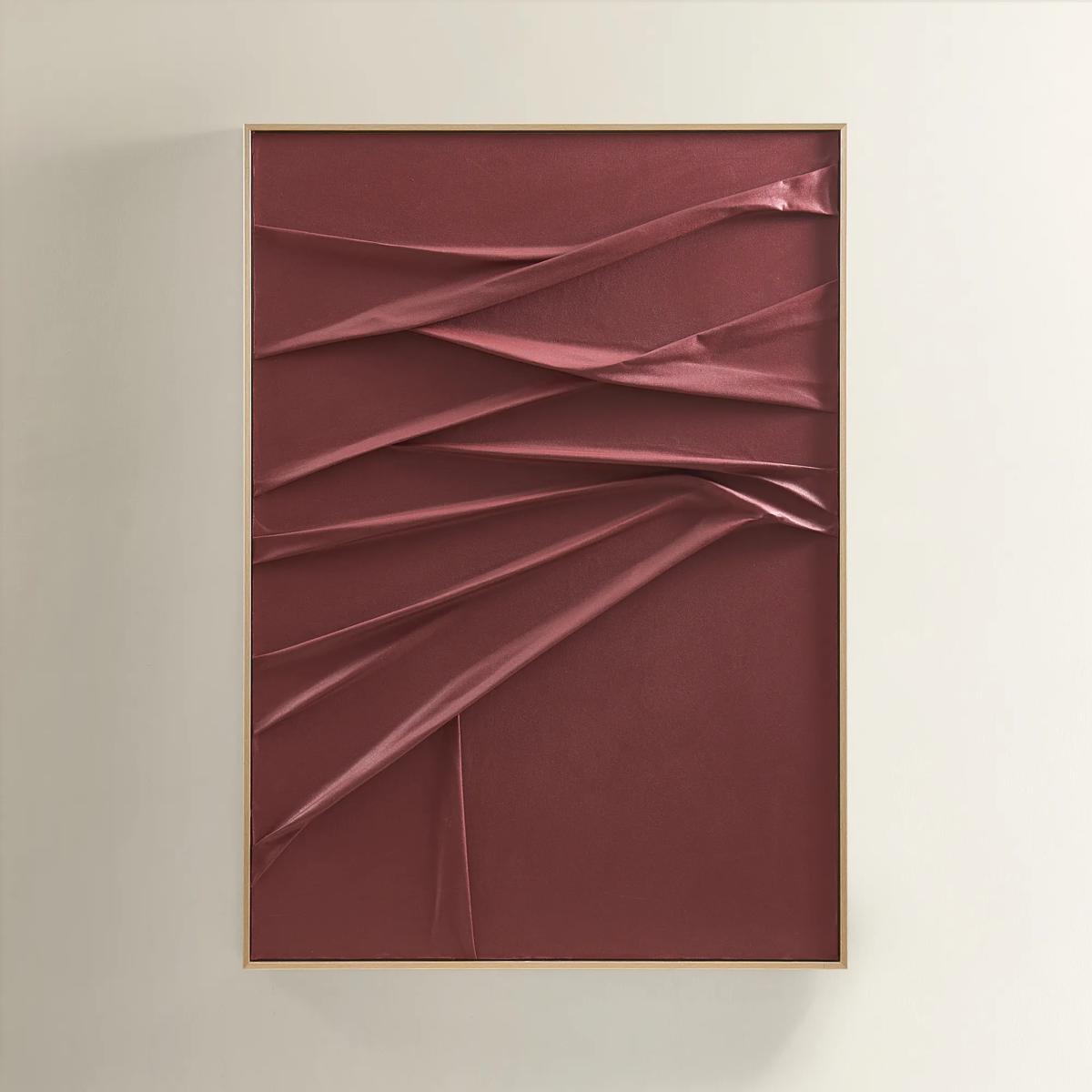
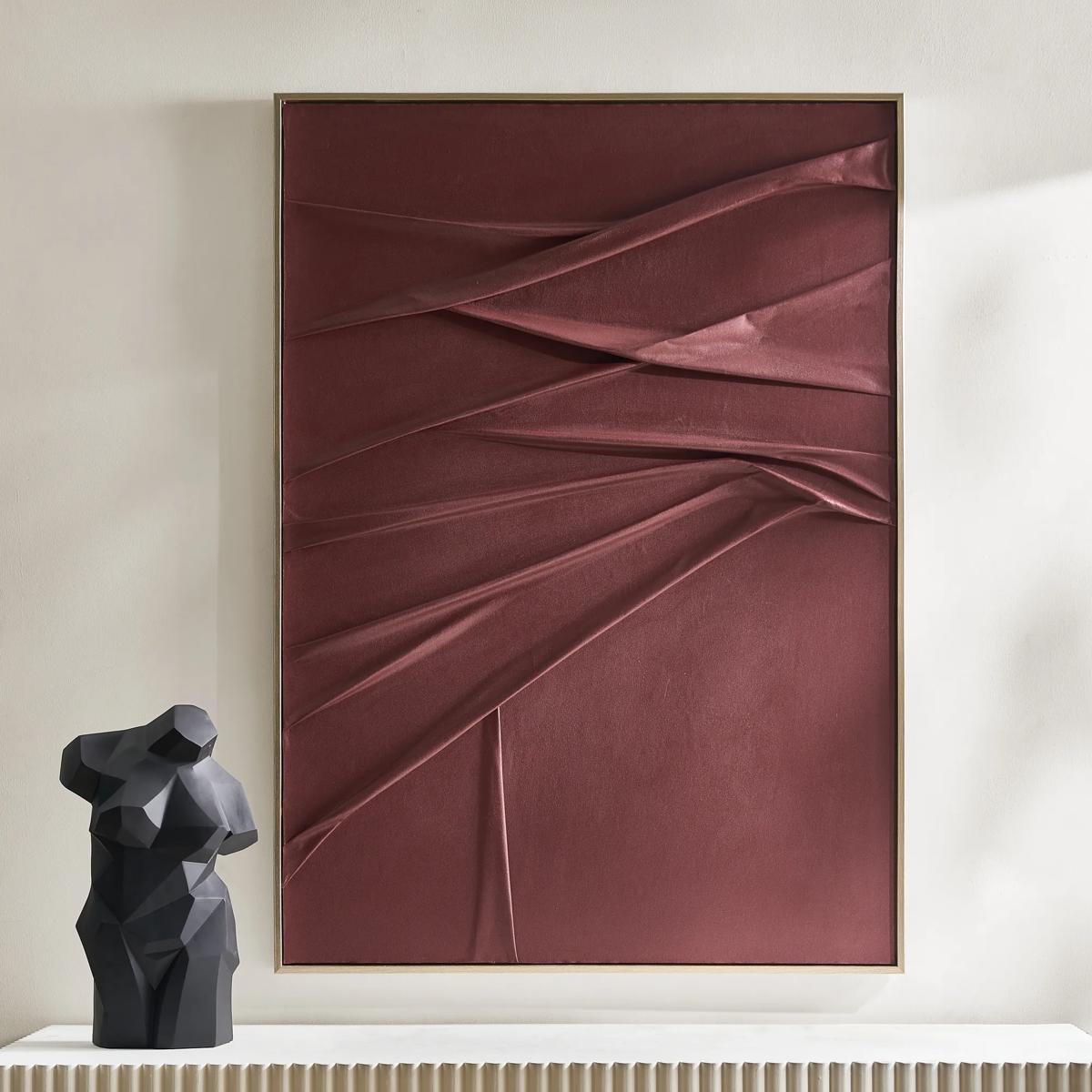 Crimson Painting$599
A handcrafted burgundy canvas artwork with sculptural folds, framed in champagne for a dramatic, textured effect.
Add To Cart -
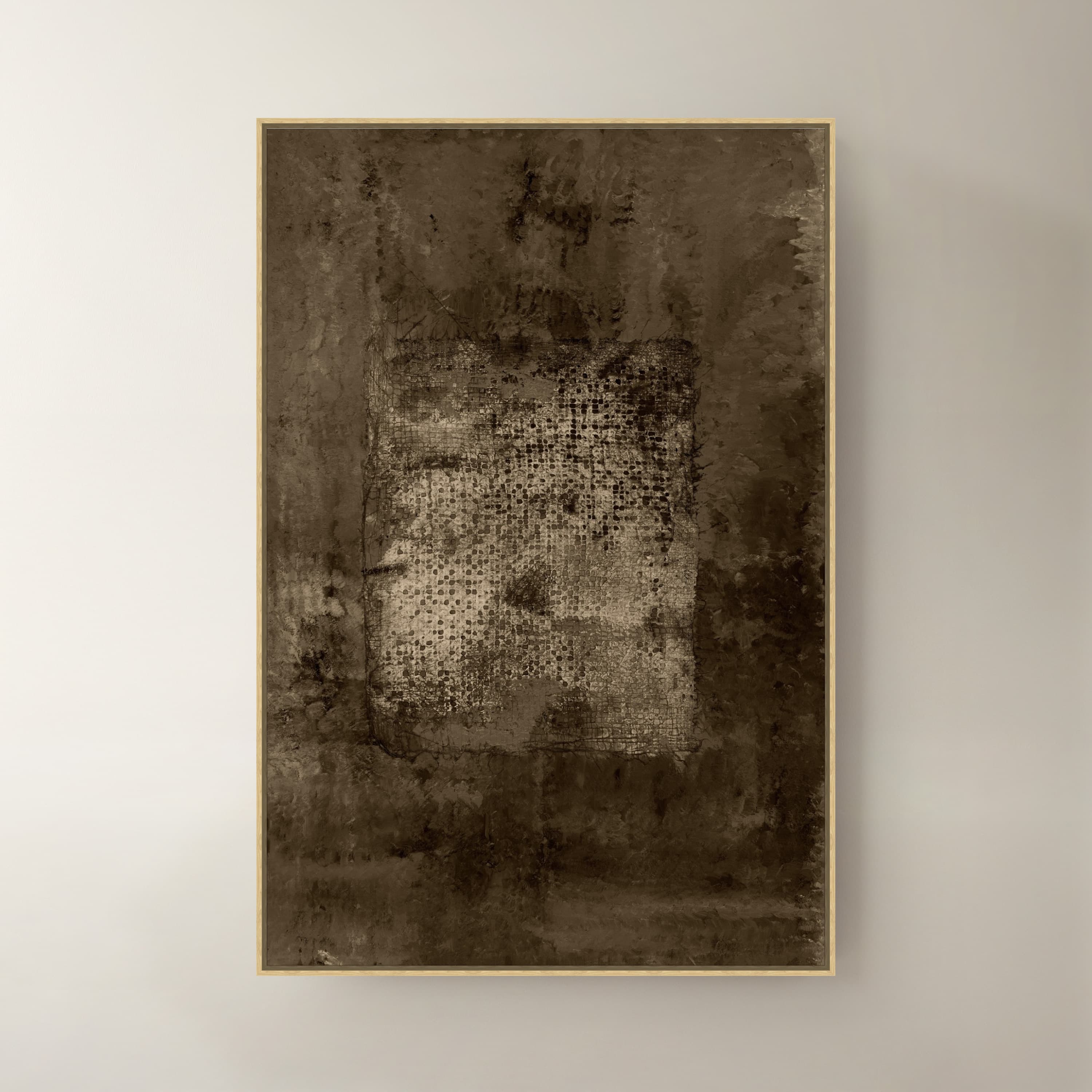
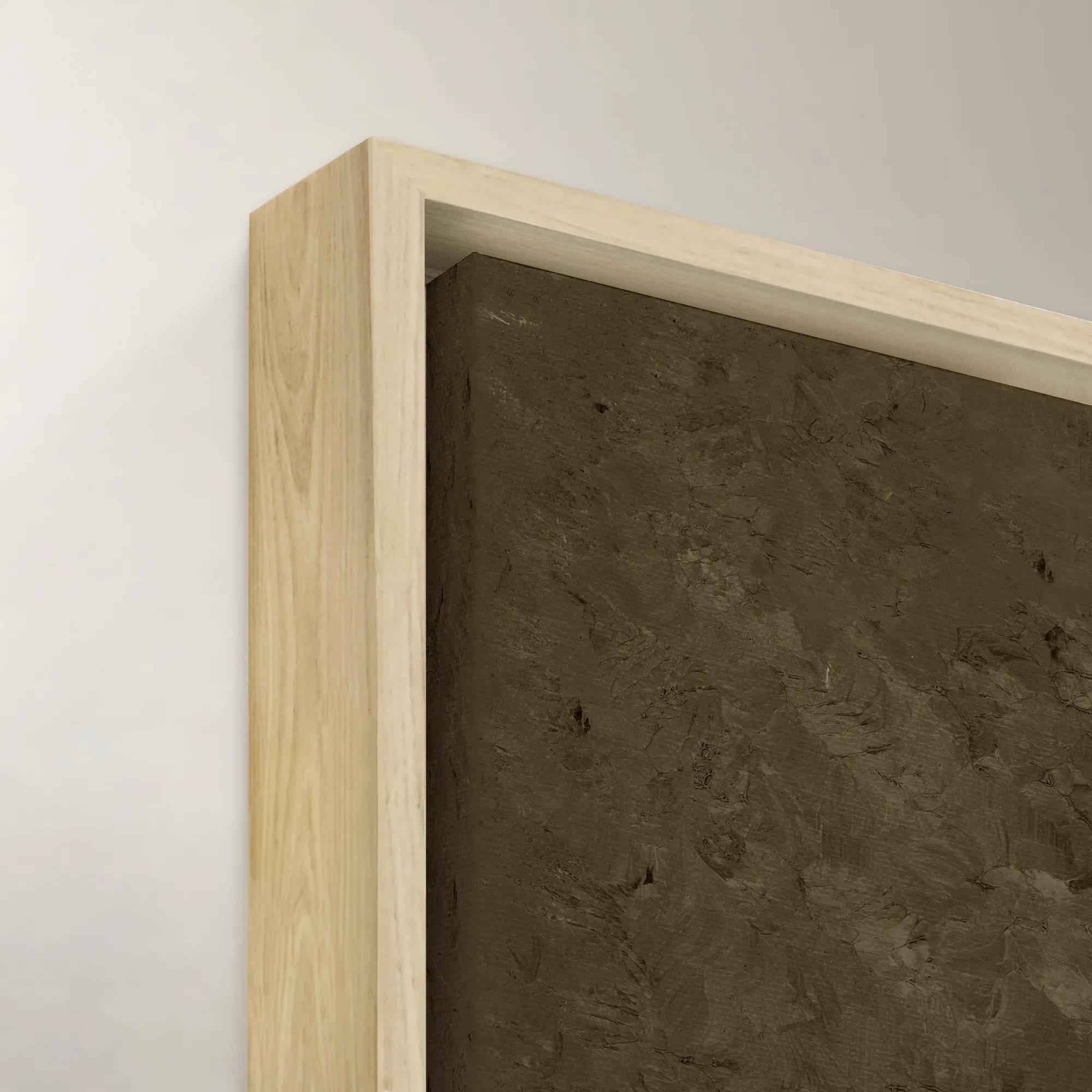 Ash IV Wall Art 40" x 60"$1399
A striking brown canvas artwork adding modern artistic depth to sophisticated interiors.
Add To Cart -
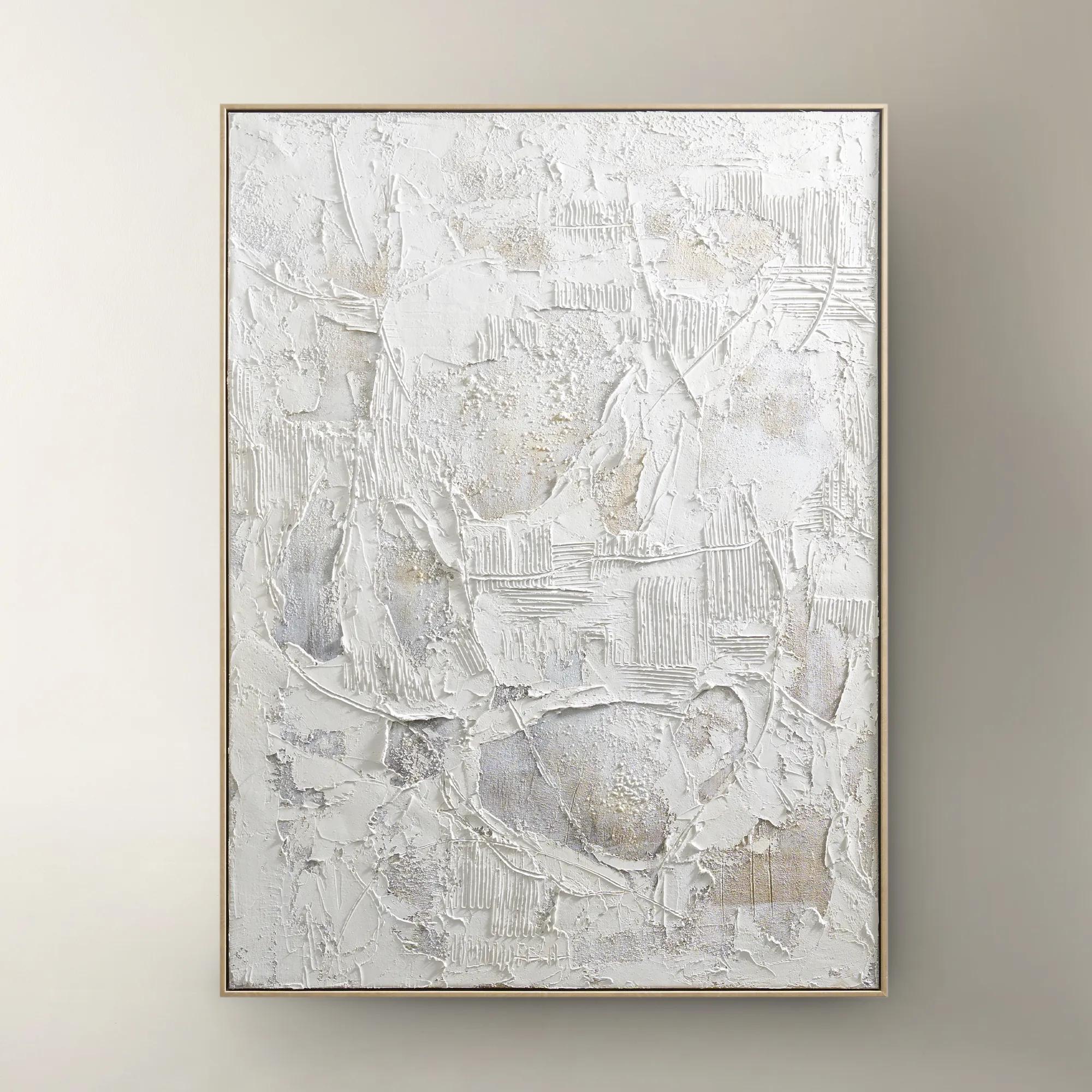 Stone Heritage Painting$399
A hand-painted canvas featuring textured white tones, elegantly framed in warm beech wood for refined appeal.
Add To Cart -
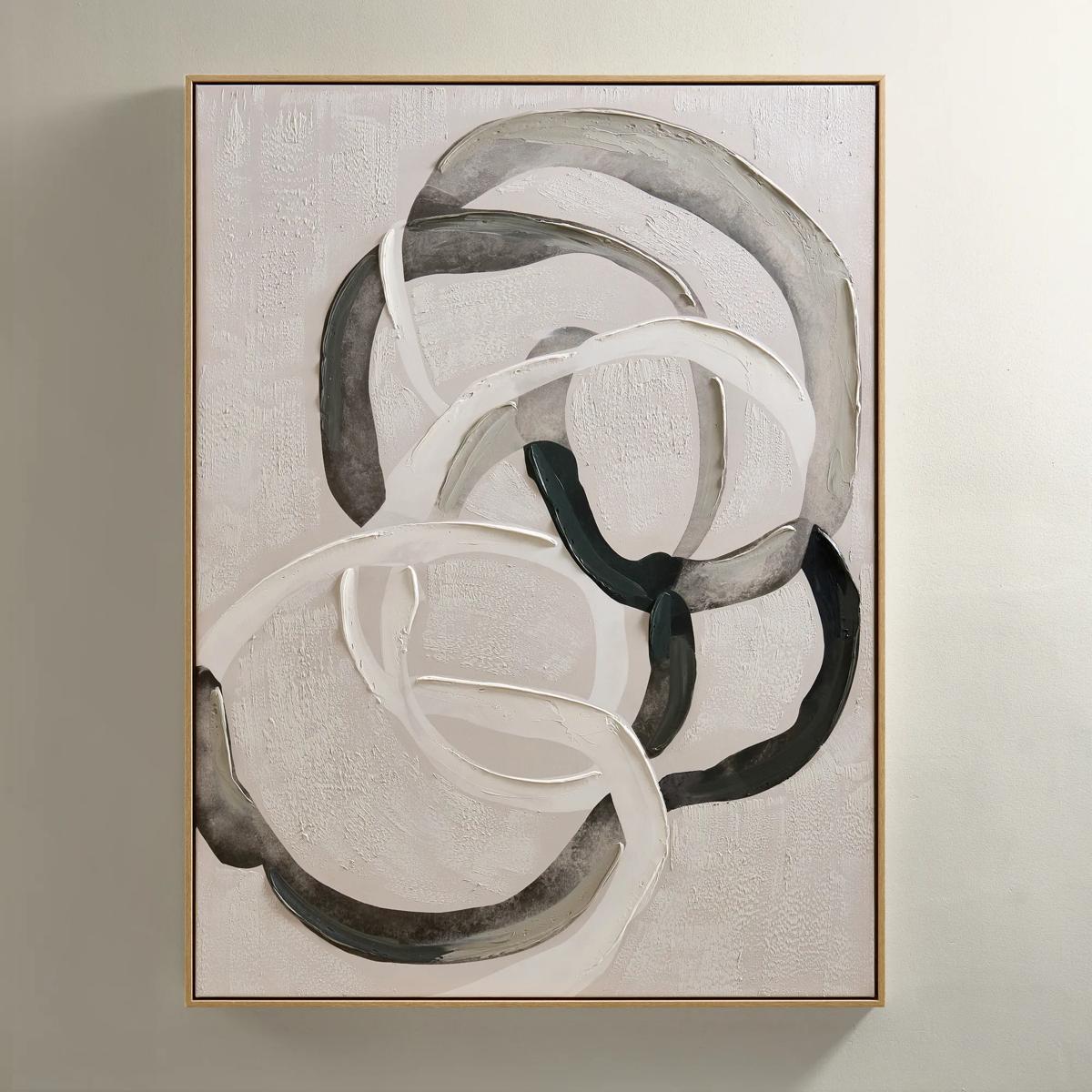
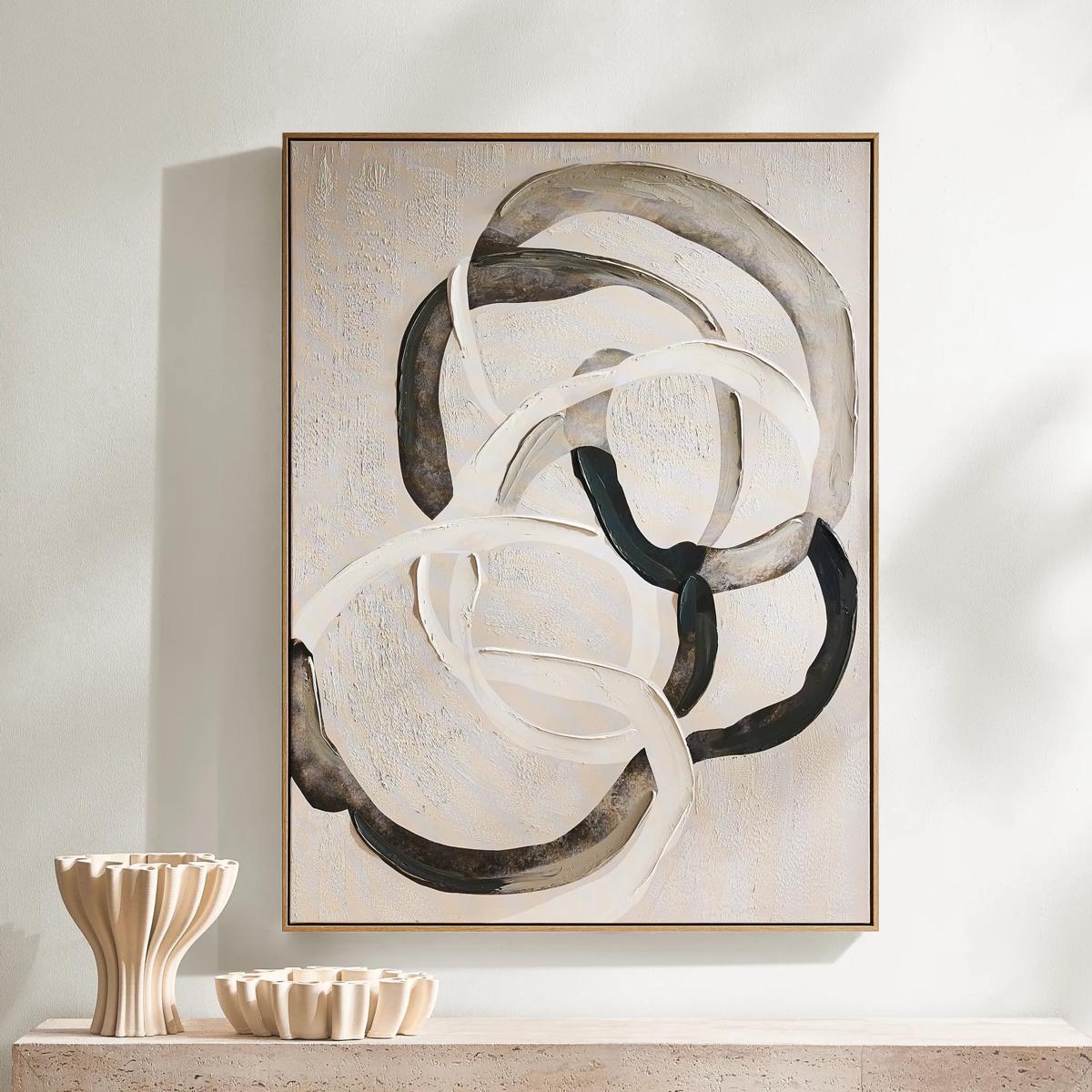 Round About Framed Painted Wall Art 35.25" x 47.25"$349
An abstract hand-painted canvas with tonal whites, charcoals, and taupes in a light wood floater frame.
Add To Cart -
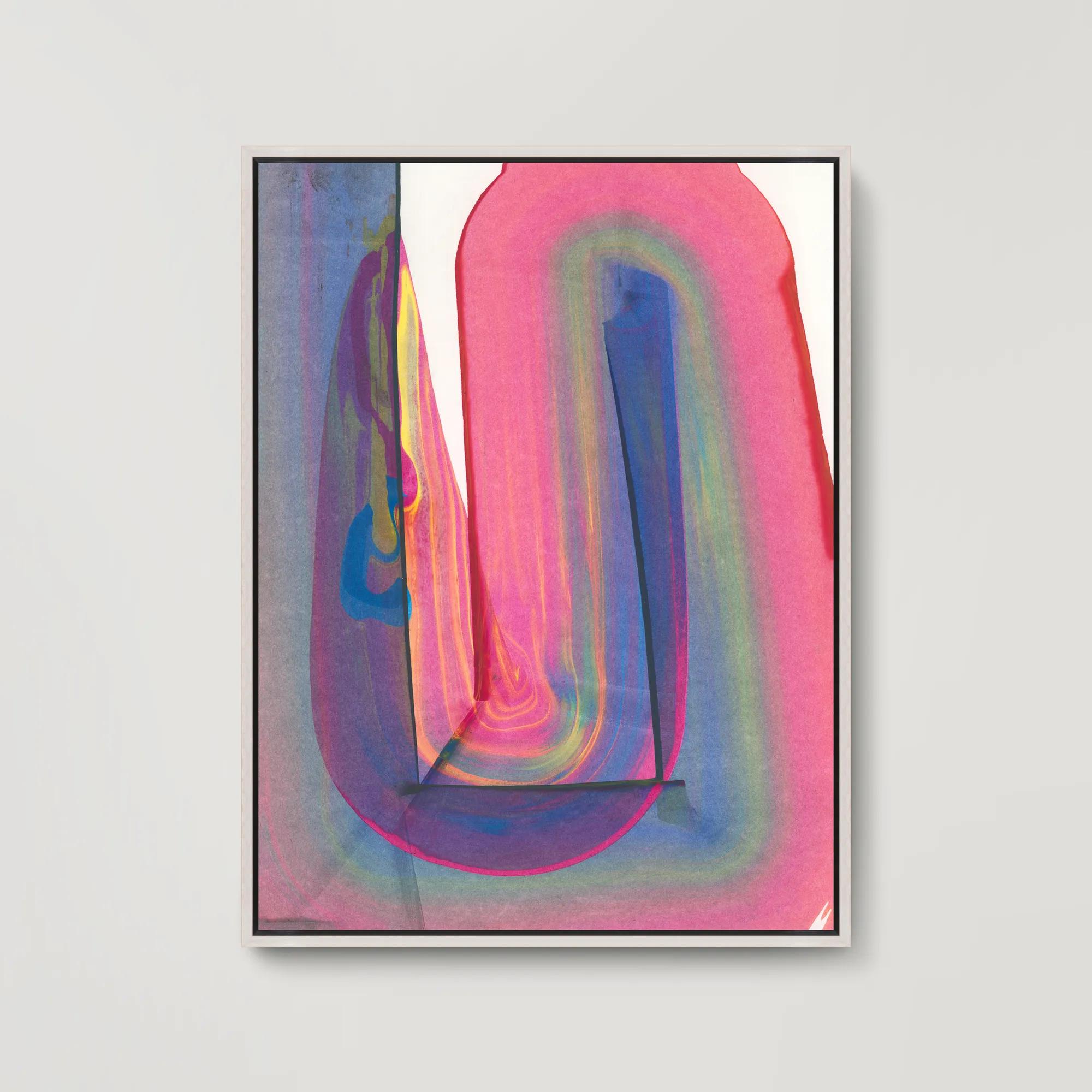
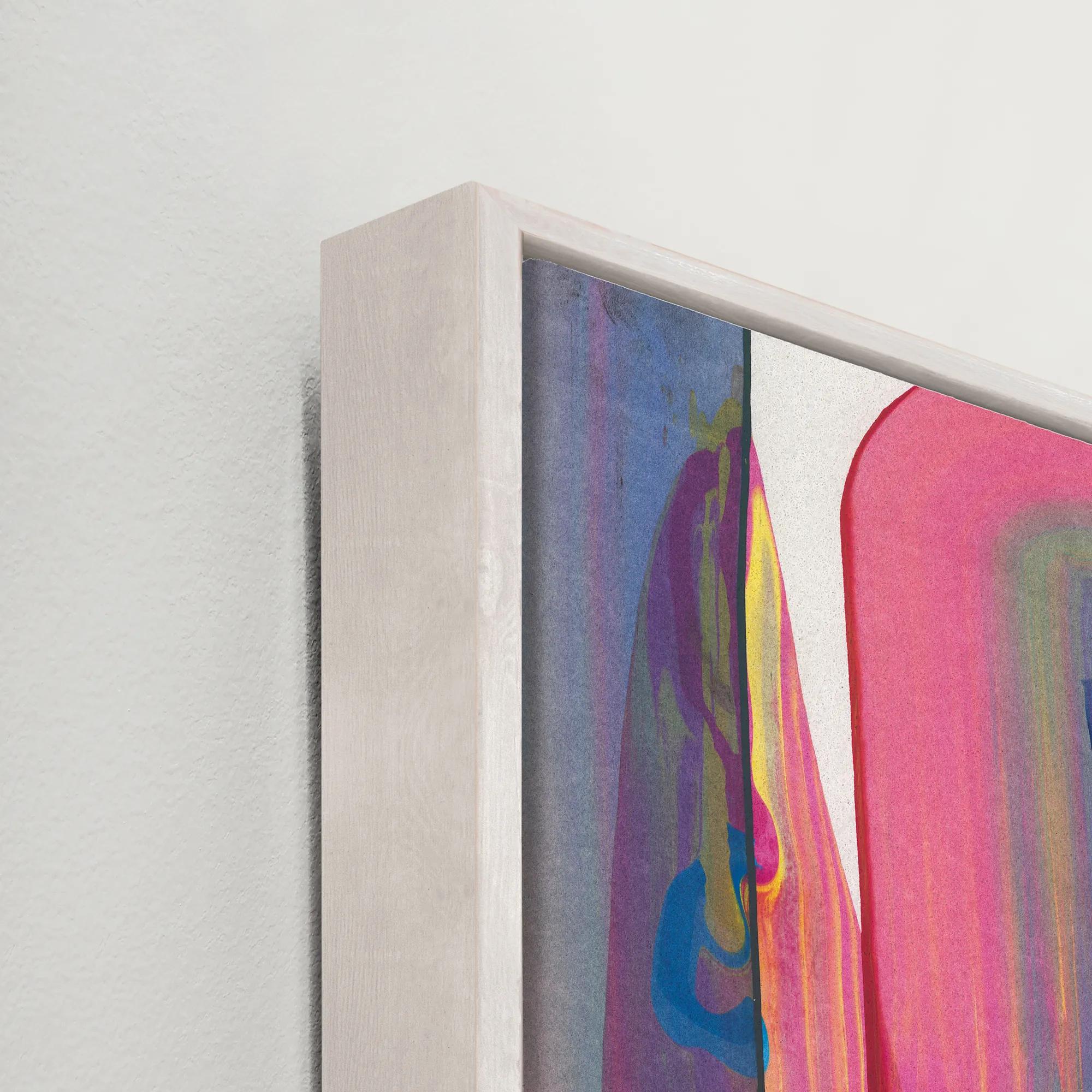 Color In Motion Framed Wall Art 31.5" x 41.5"$699
A gallery-wrapped abstract artwork featuring layered translucent paint and expressive brushstrokes in a white floater frame.
Add To Cart -
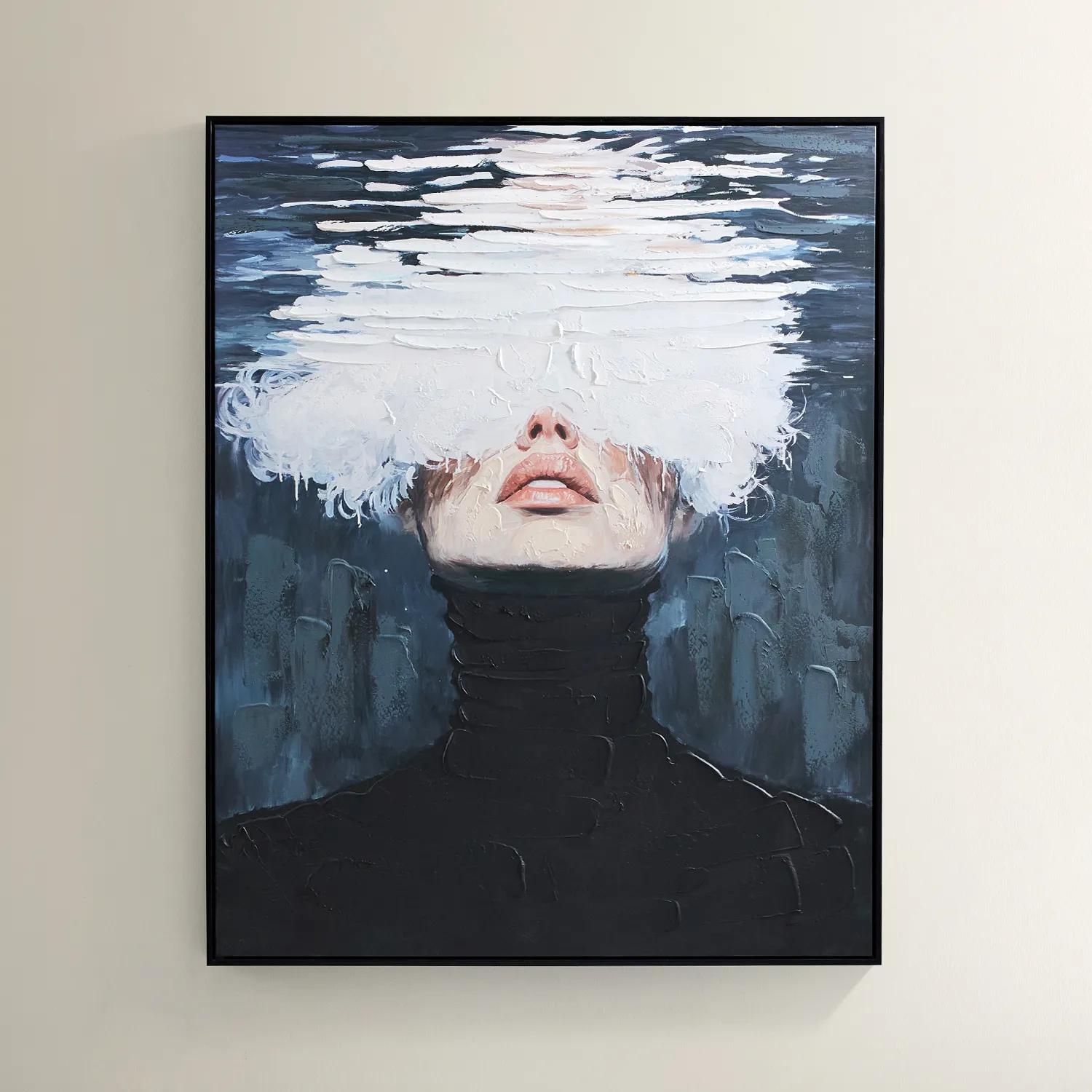
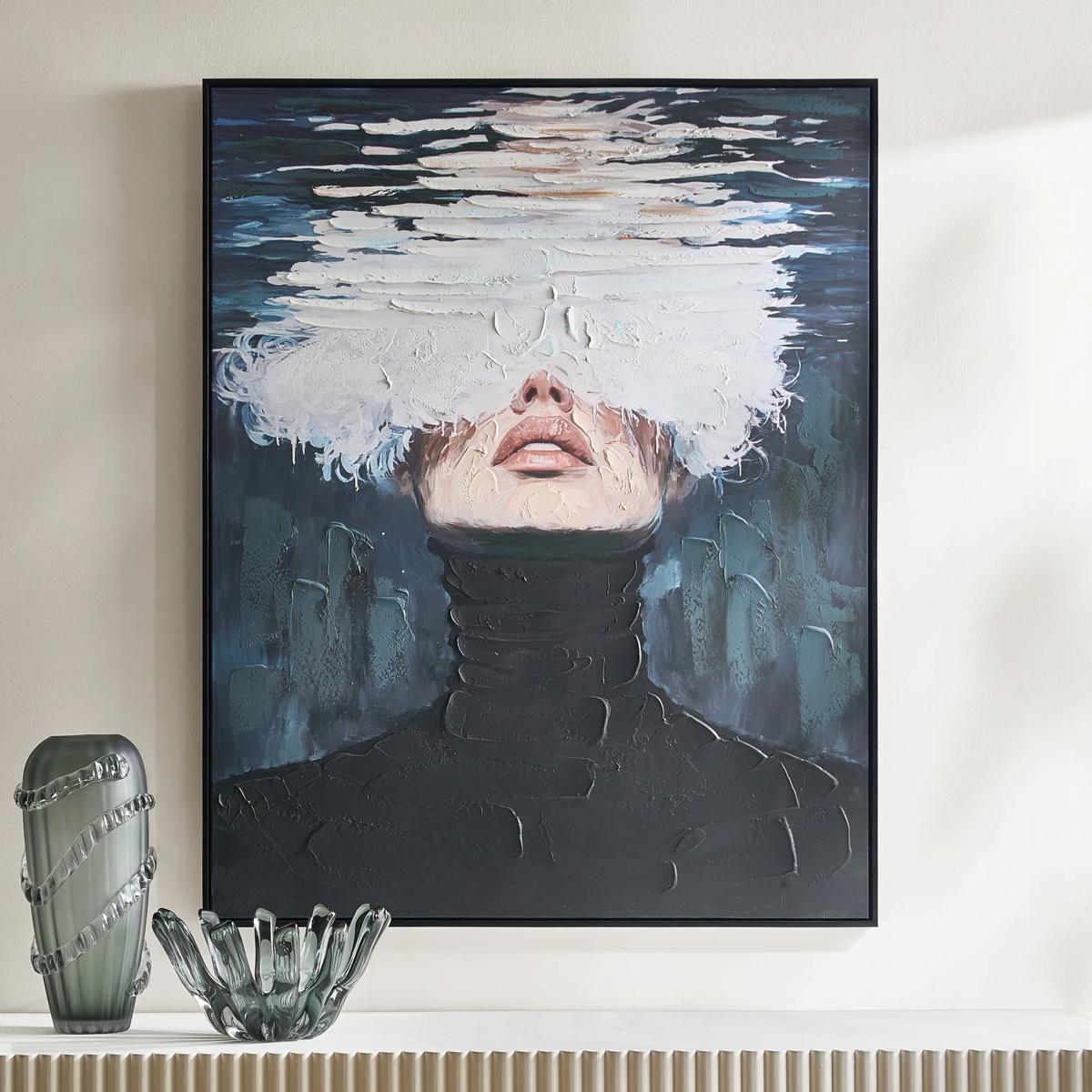 Submerged Framed Painted Wall Art 40" x 50"$599
A hand-painted canvas featuring a surreal portrait in black, blue, and white with a black floater frame.
Add To Cart -

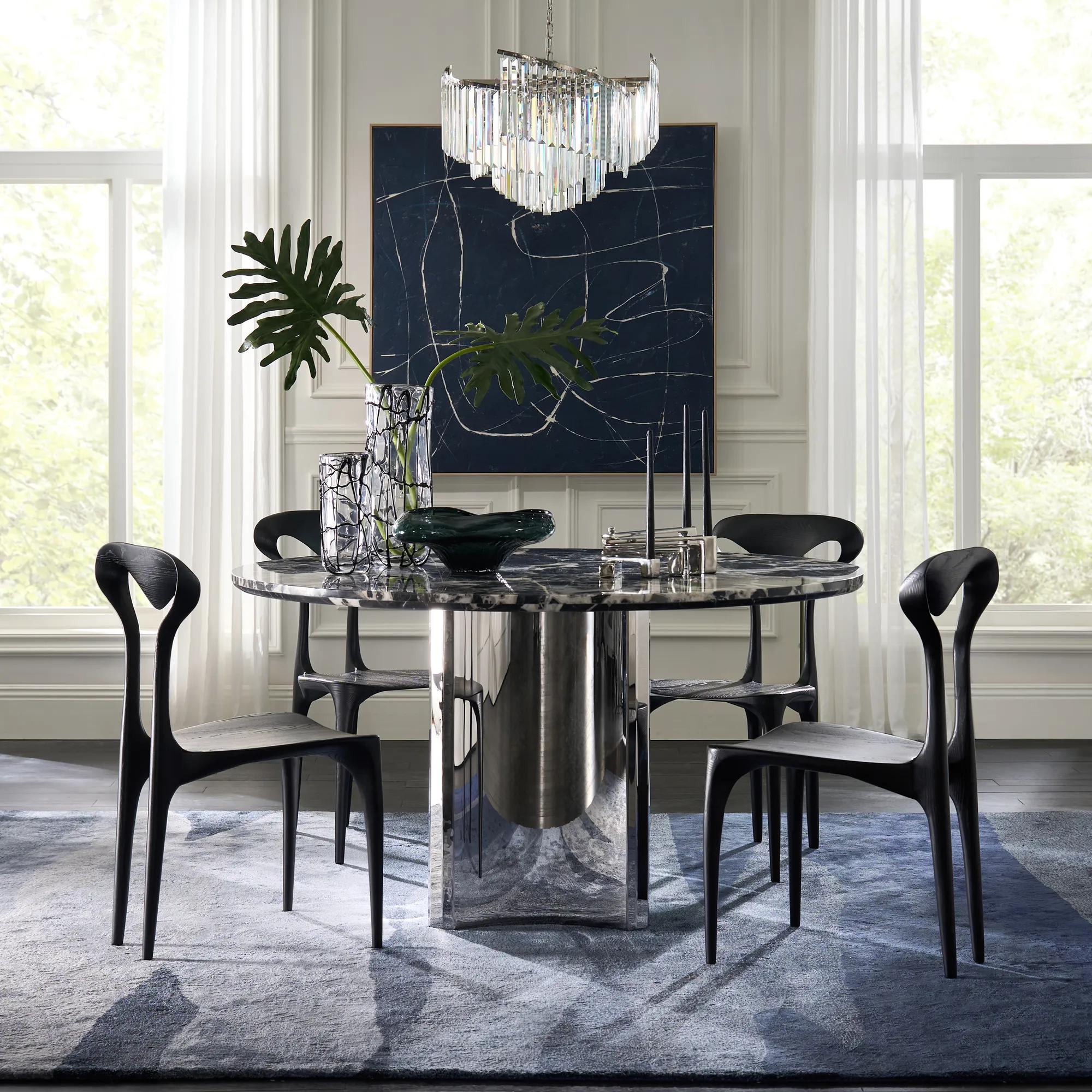 Almost Midnight Painting - Blue$439
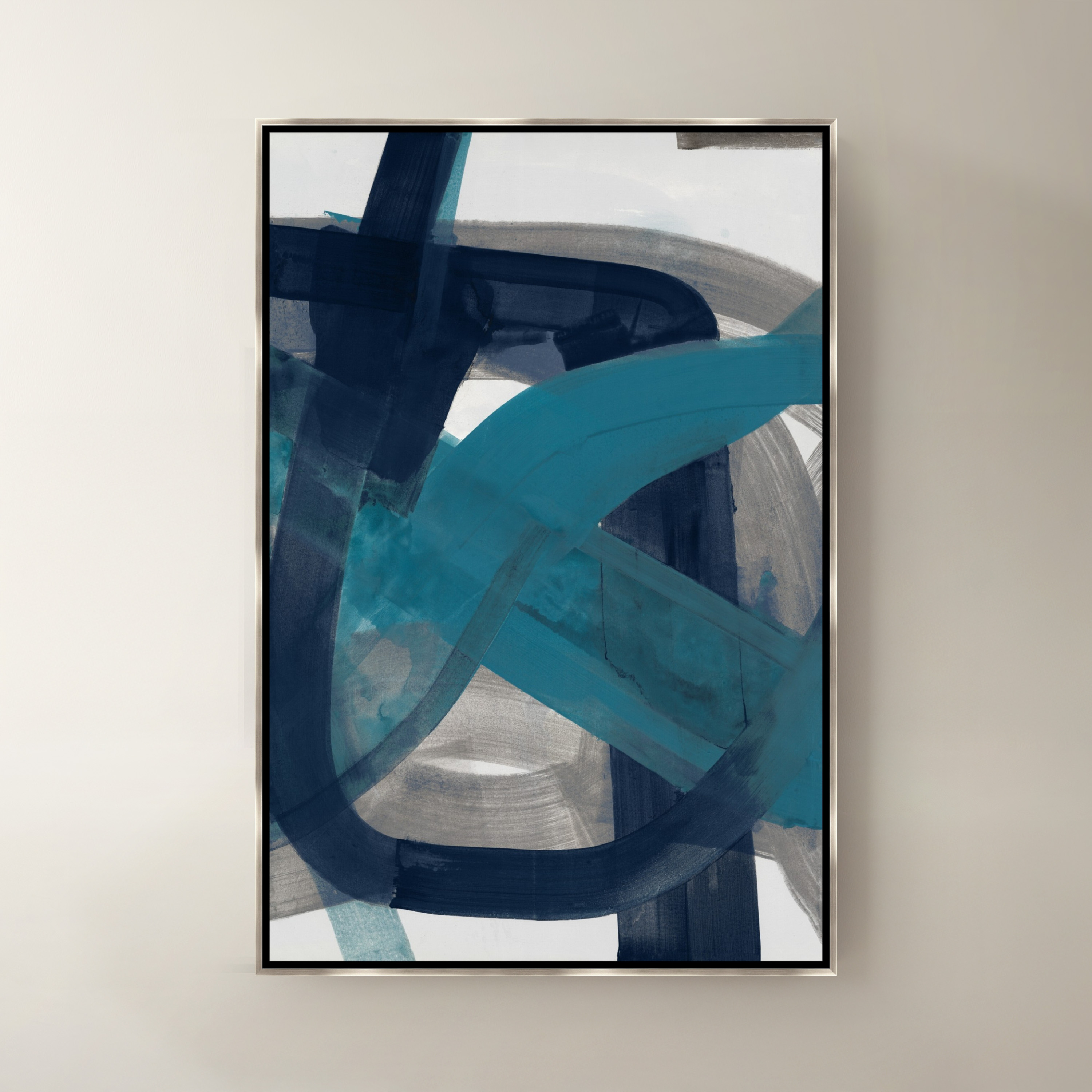
A hand-painted canvas featuring bold blue and black tones with delicate white lines in a light wood frame.
Add To Cart -

 Temptress II Framed Wall Art 40" x 60"$1299
A vibrant multicolored canvas artwork in a sophisticated frame, bringing dramatic contemporary style to your walls.
Add To Cart -
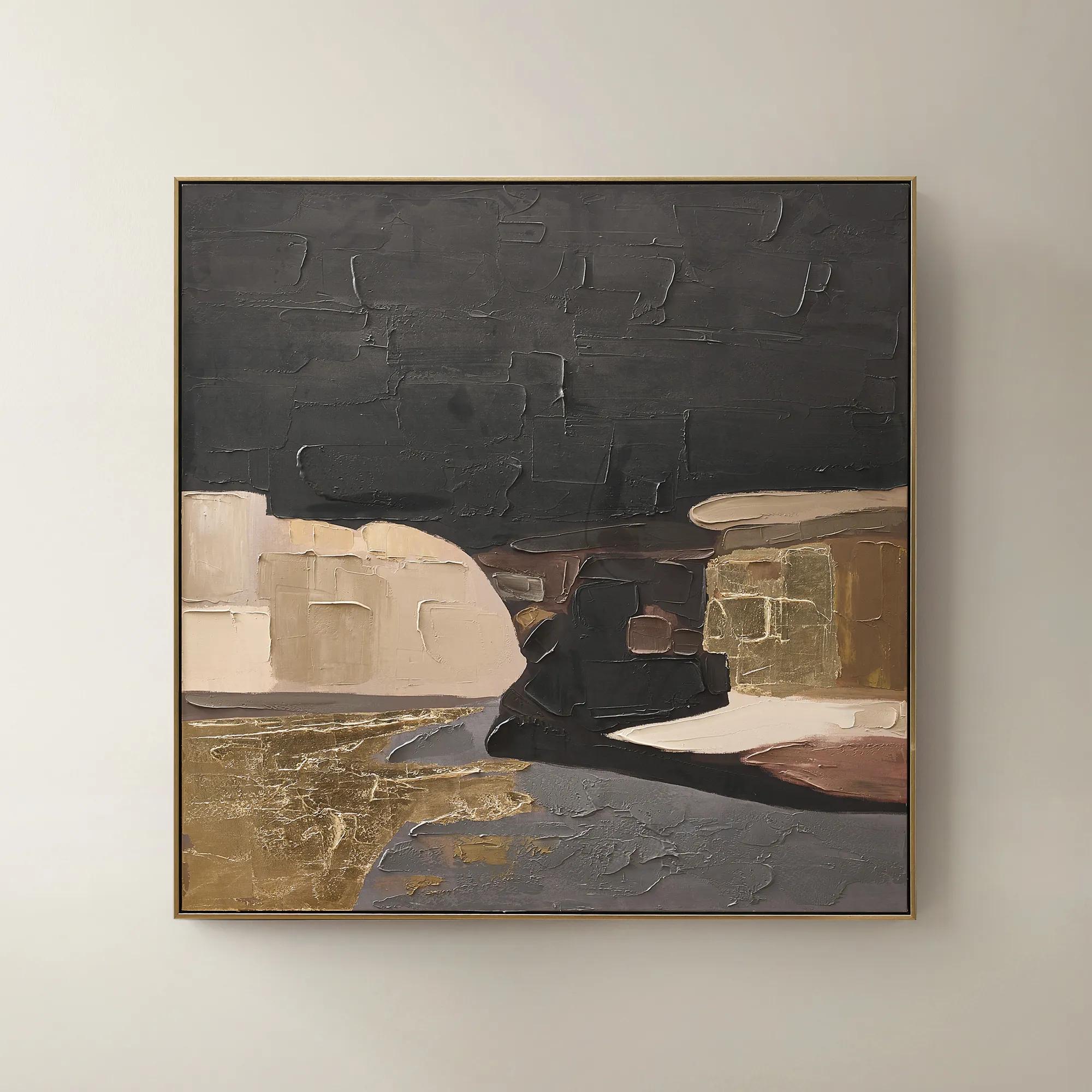 Obscured Light Framed Gold Leaf Painted Wall Art 48" x 48"$499
A hand-painted canvas with gold leaf accents and a black-gold frame in dramatic neutral tones.
Add To Cart -
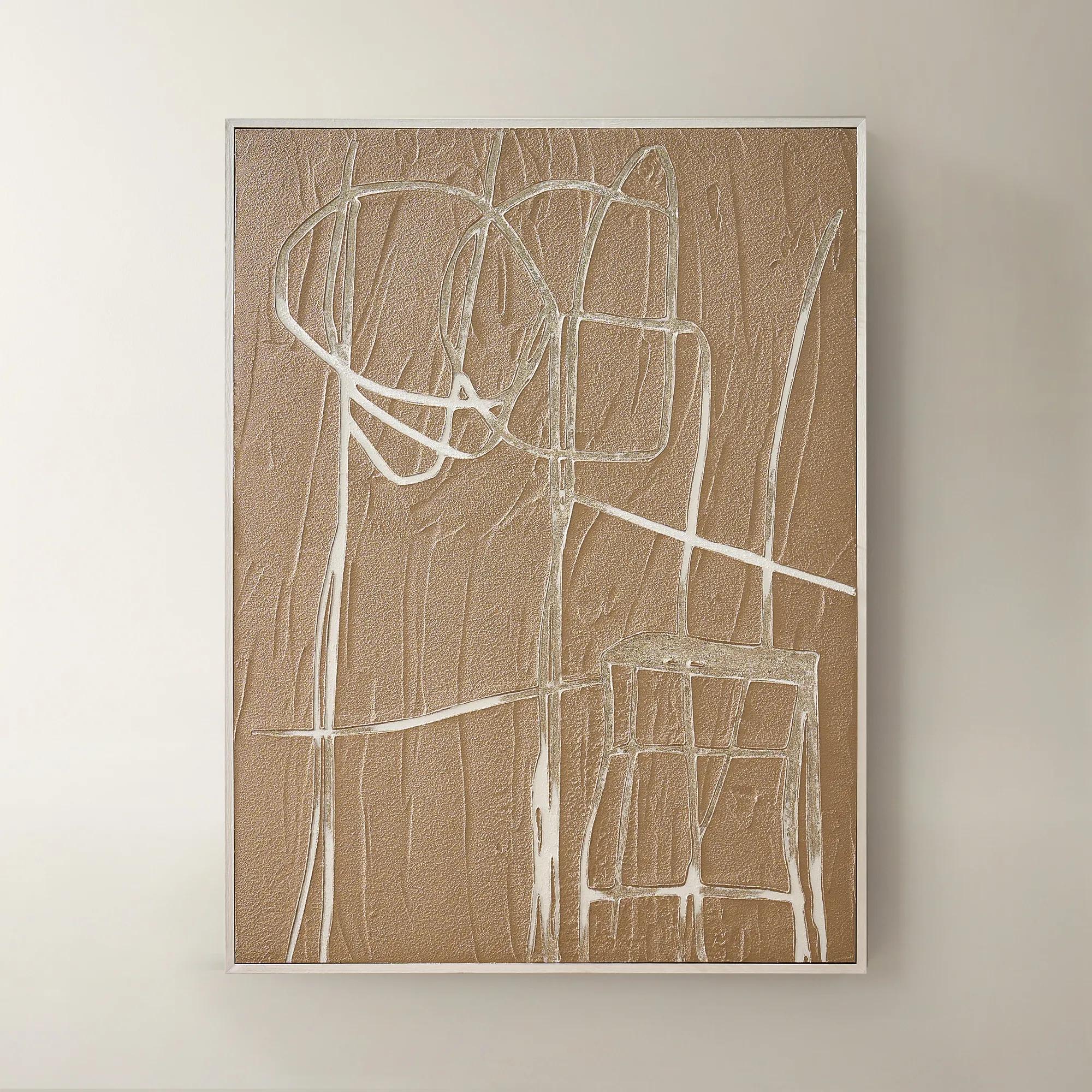
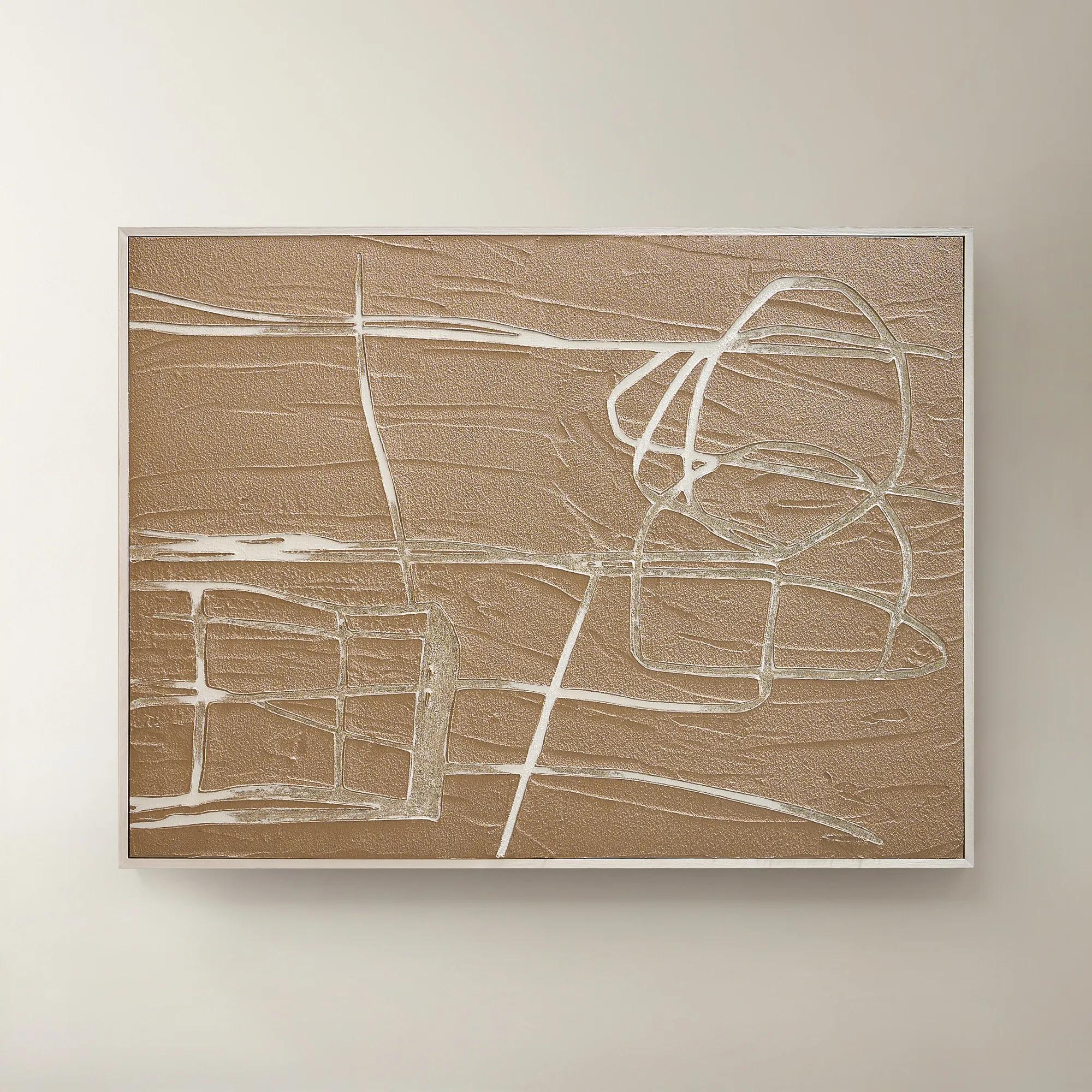 Linear Sand Framed Painted Wall Art 35" x 47"$369
A contemporary sand-toned painted canvas artwork framed for sophisticated modern interiors.
Add To Cart -
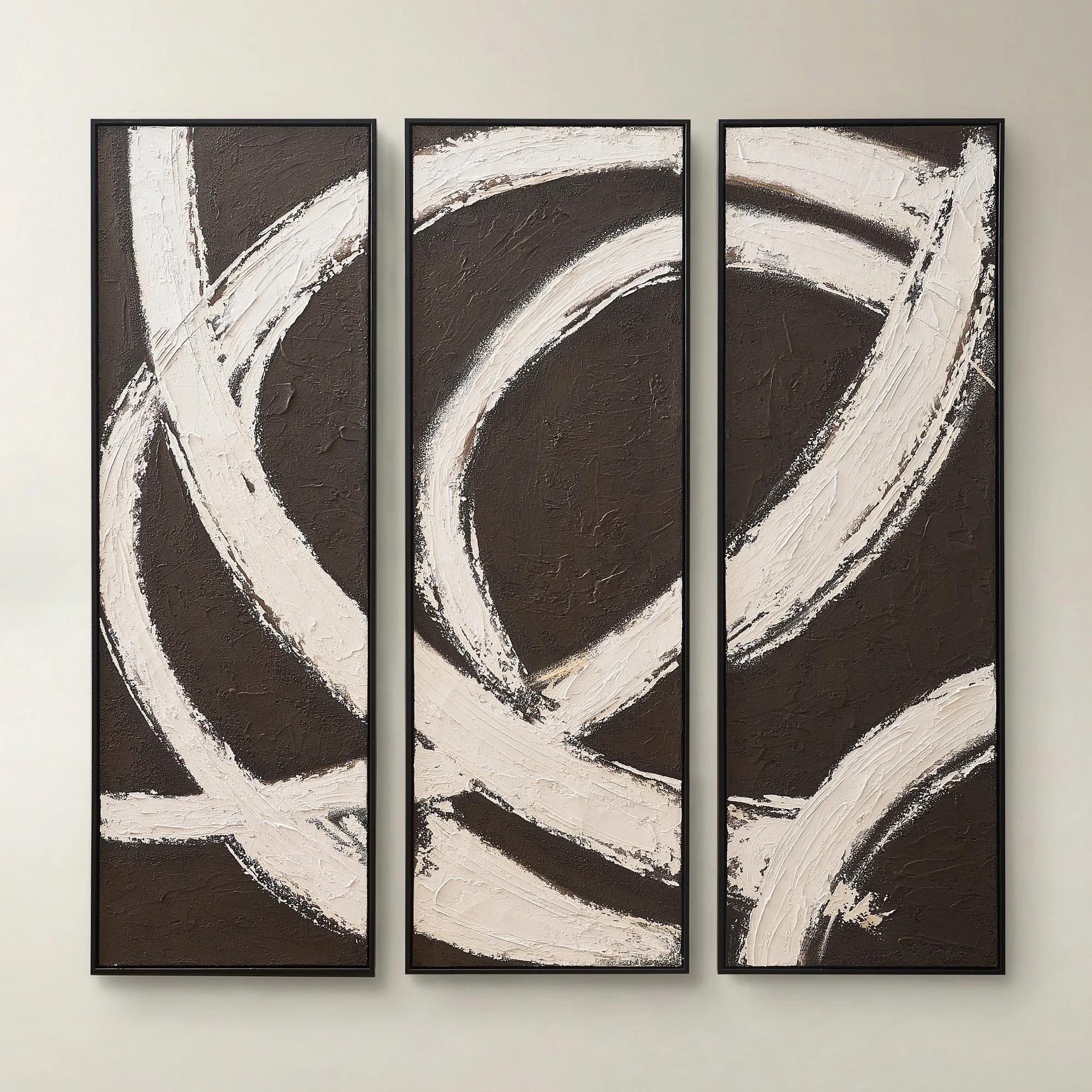
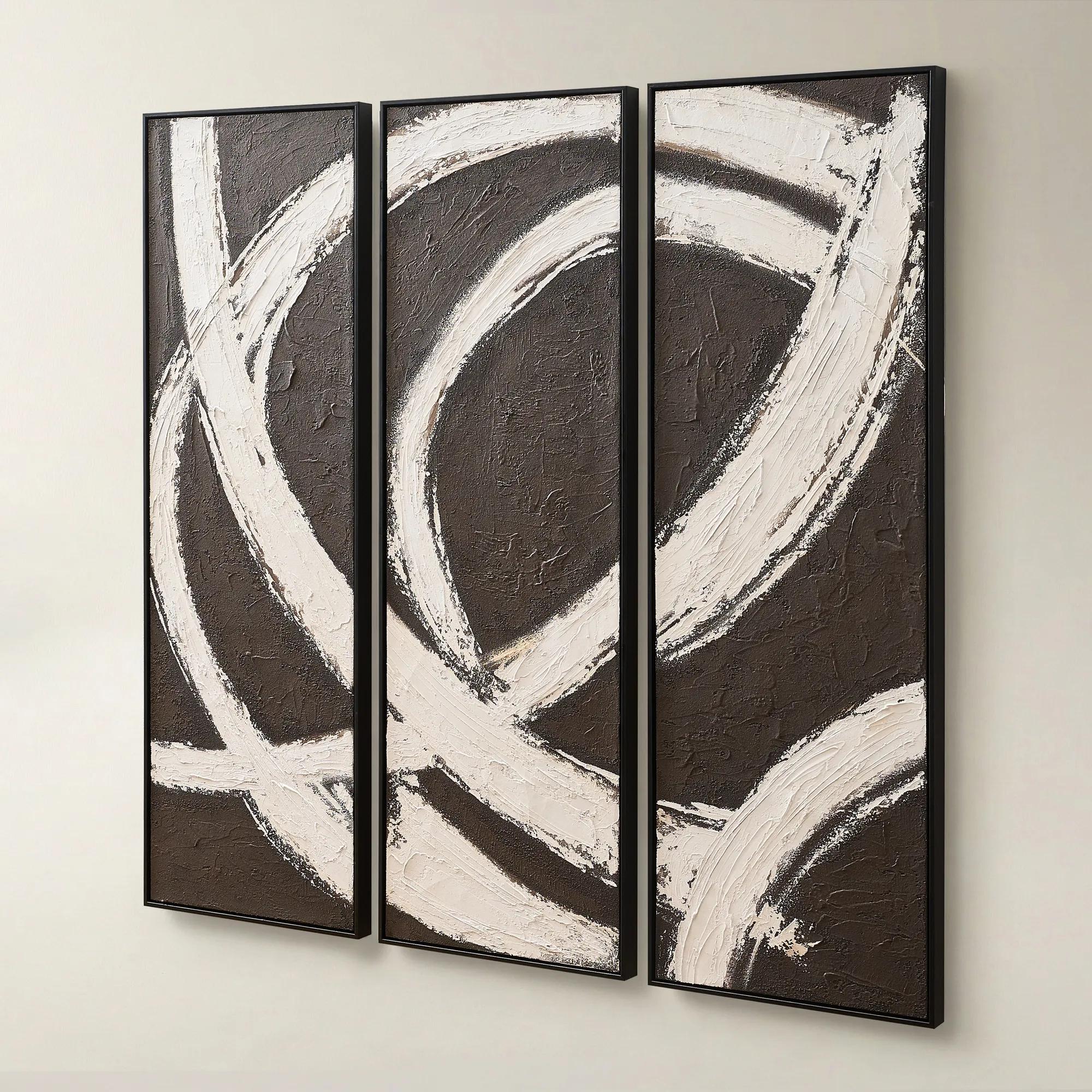 Spun in Coco Framed Painted Wall Art 20" x 60" Set of 3$499
A hand-painted triptych featuring dark chocolate and alabaster tones with rich texture and modern contrast.
Add To Cart -
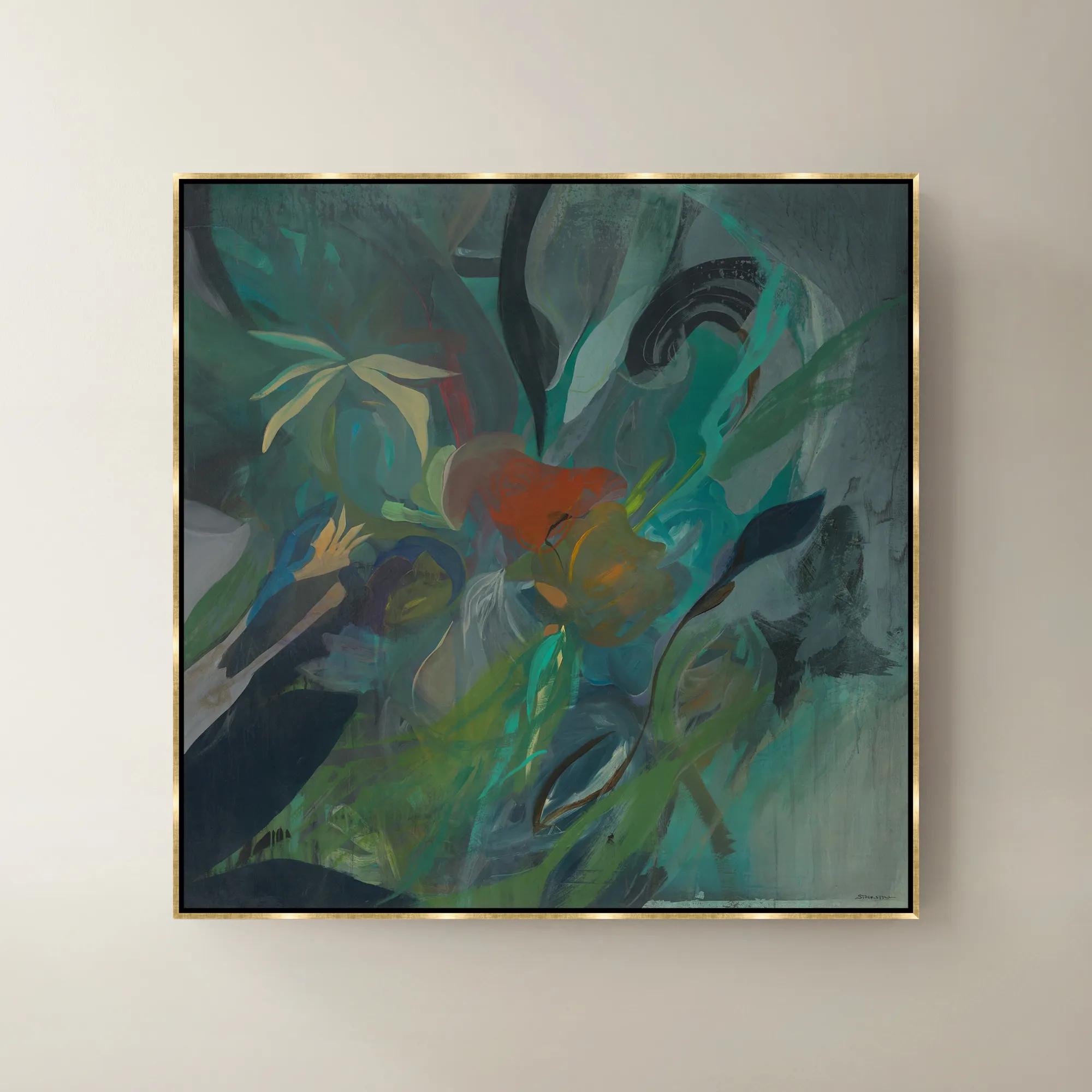
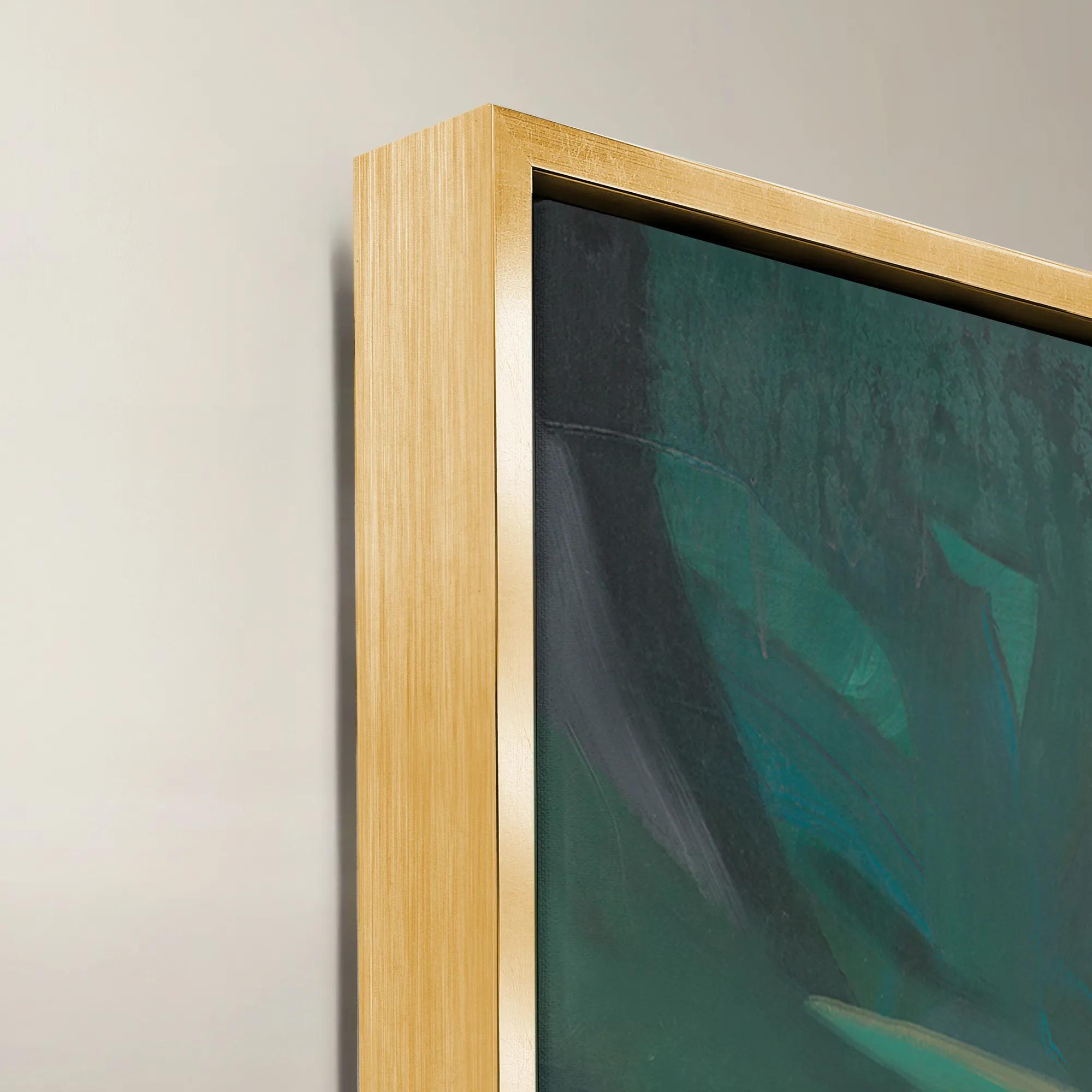 Fresh Places Framed Wall Art 47" x 47"$1199
A vibrant green canvas wall artwork with a sophisticated framed finish, bringing contemporary character to interiors.
Add To Cart -
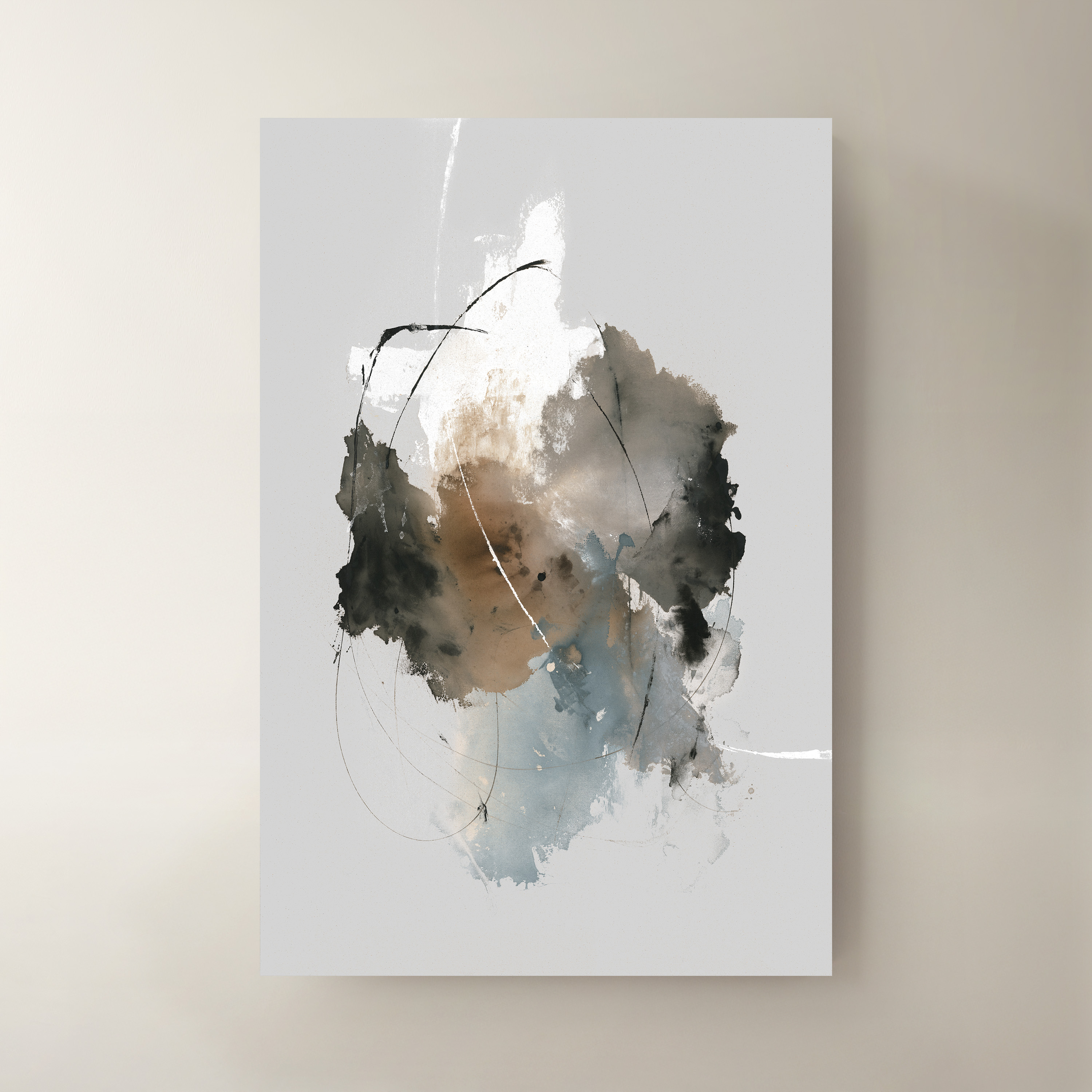
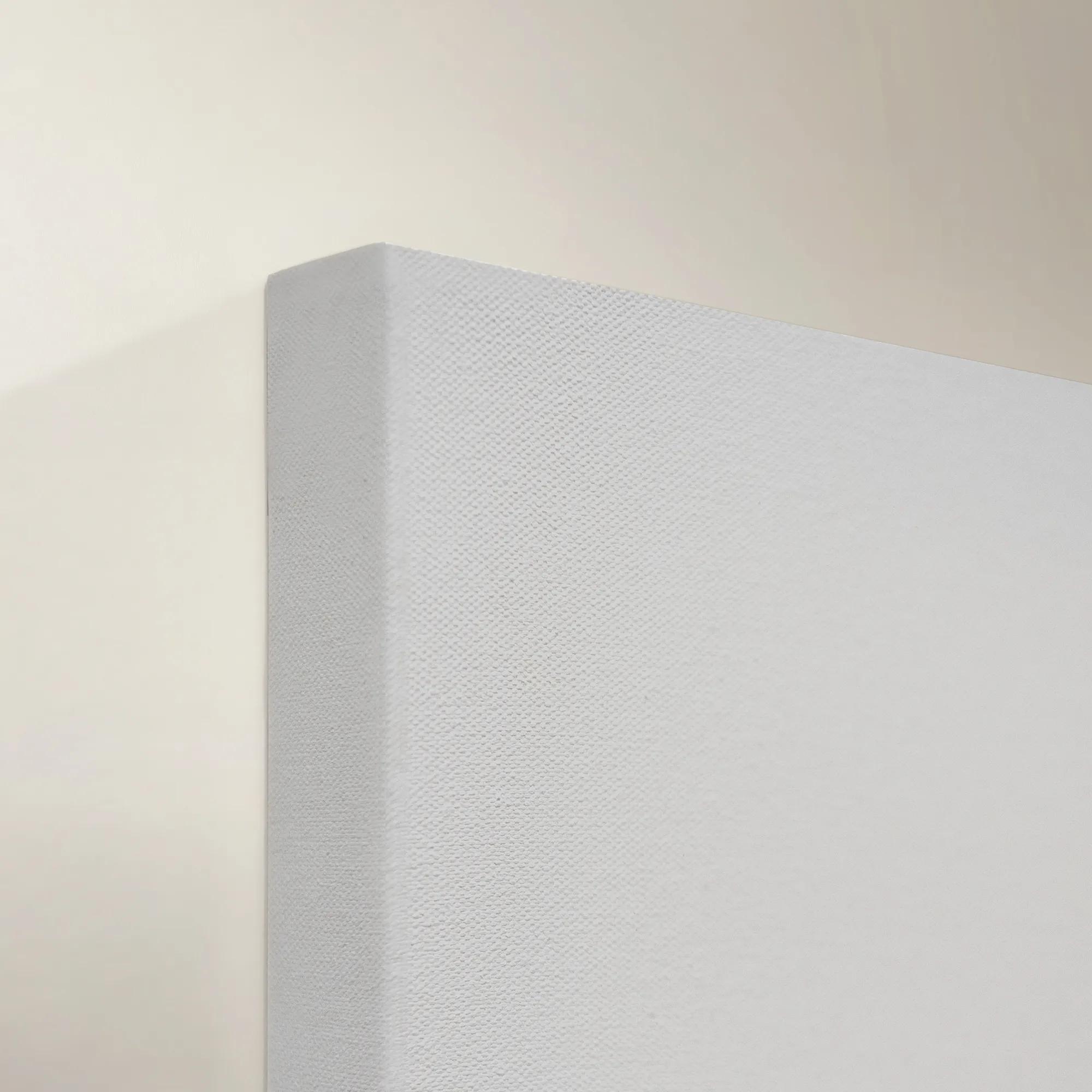 Time IV Wall Art 40" x 60"$999
A striking multicolored canvas artwork bringing contemporary visual interest to modern interiors.
Add To Cart -
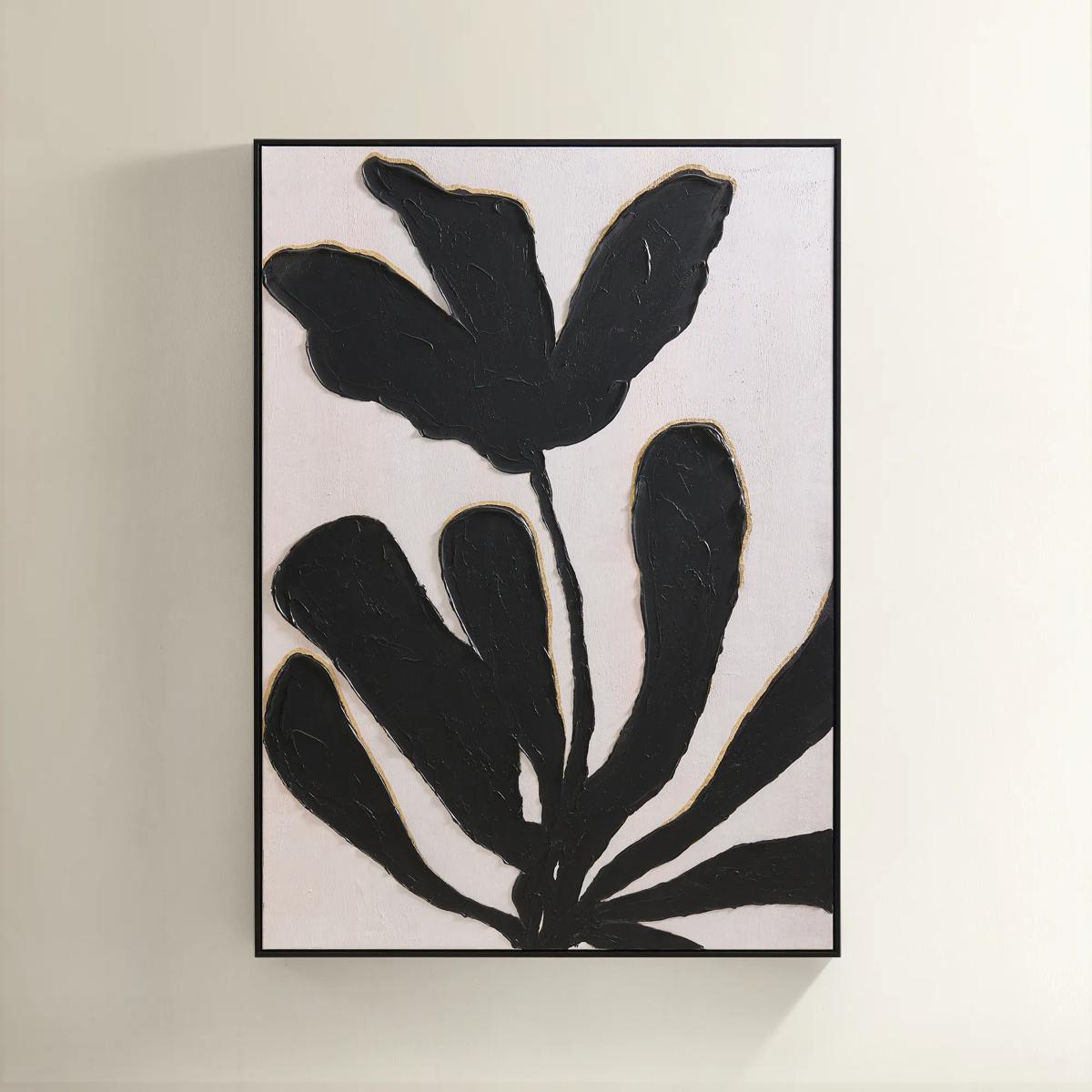
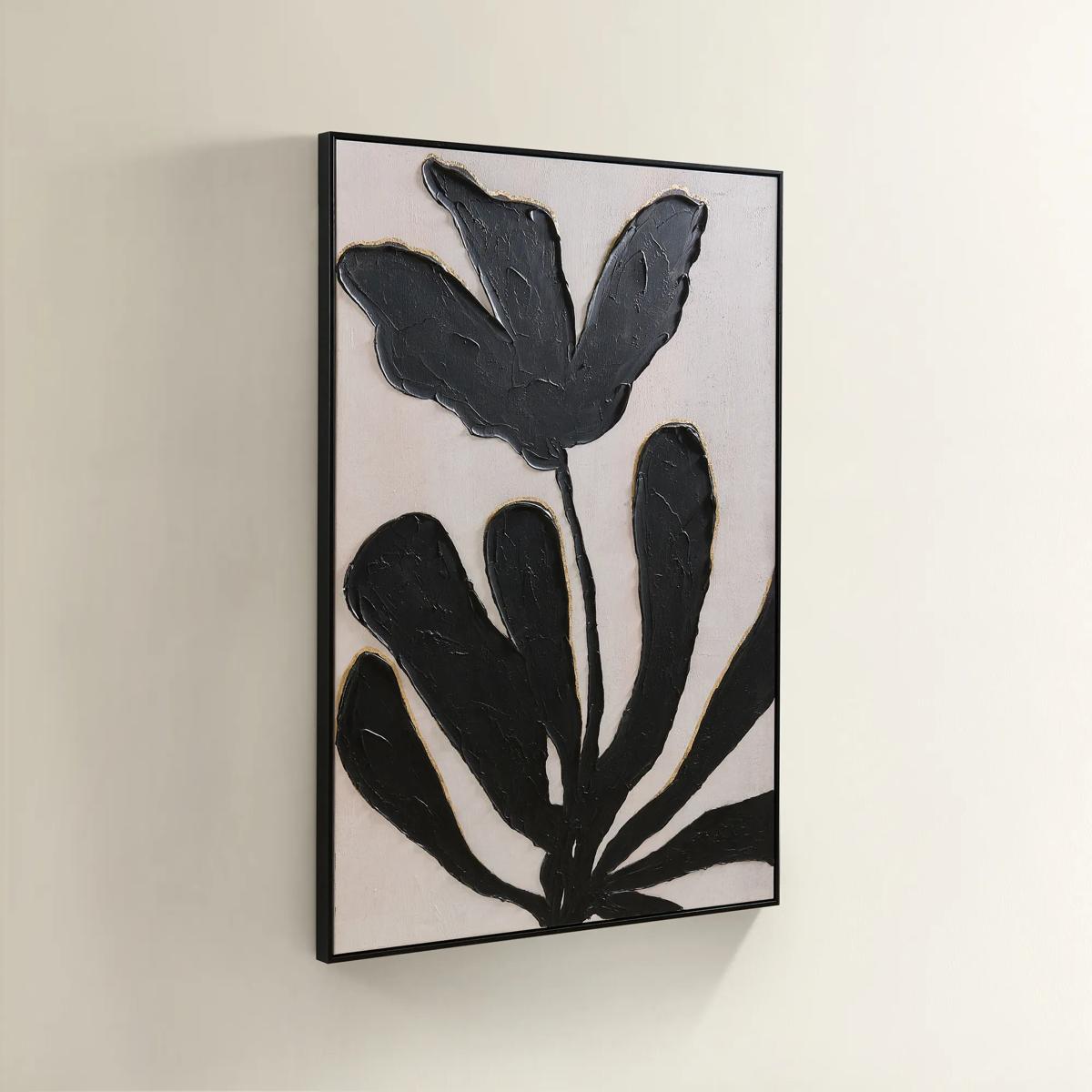 First Bloom Framed Painted Wall Art 39.25" x 55"$499
A hand-painted canvas featuring black abstract leaves and gold leafing on an ivory background in a black frame.
Add To Cart -
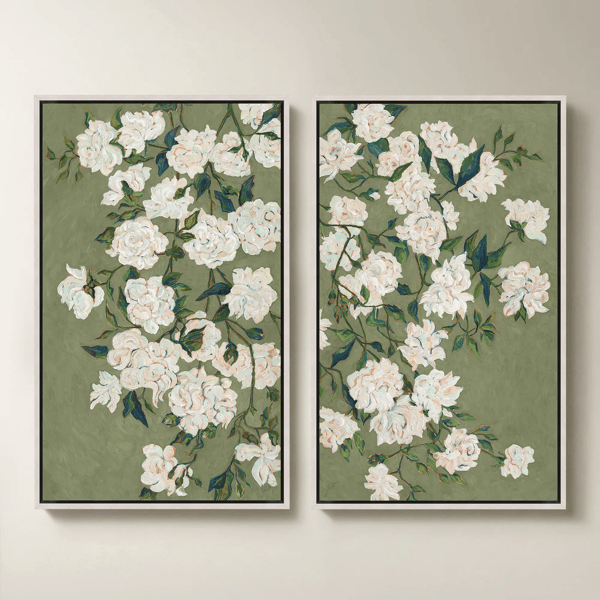
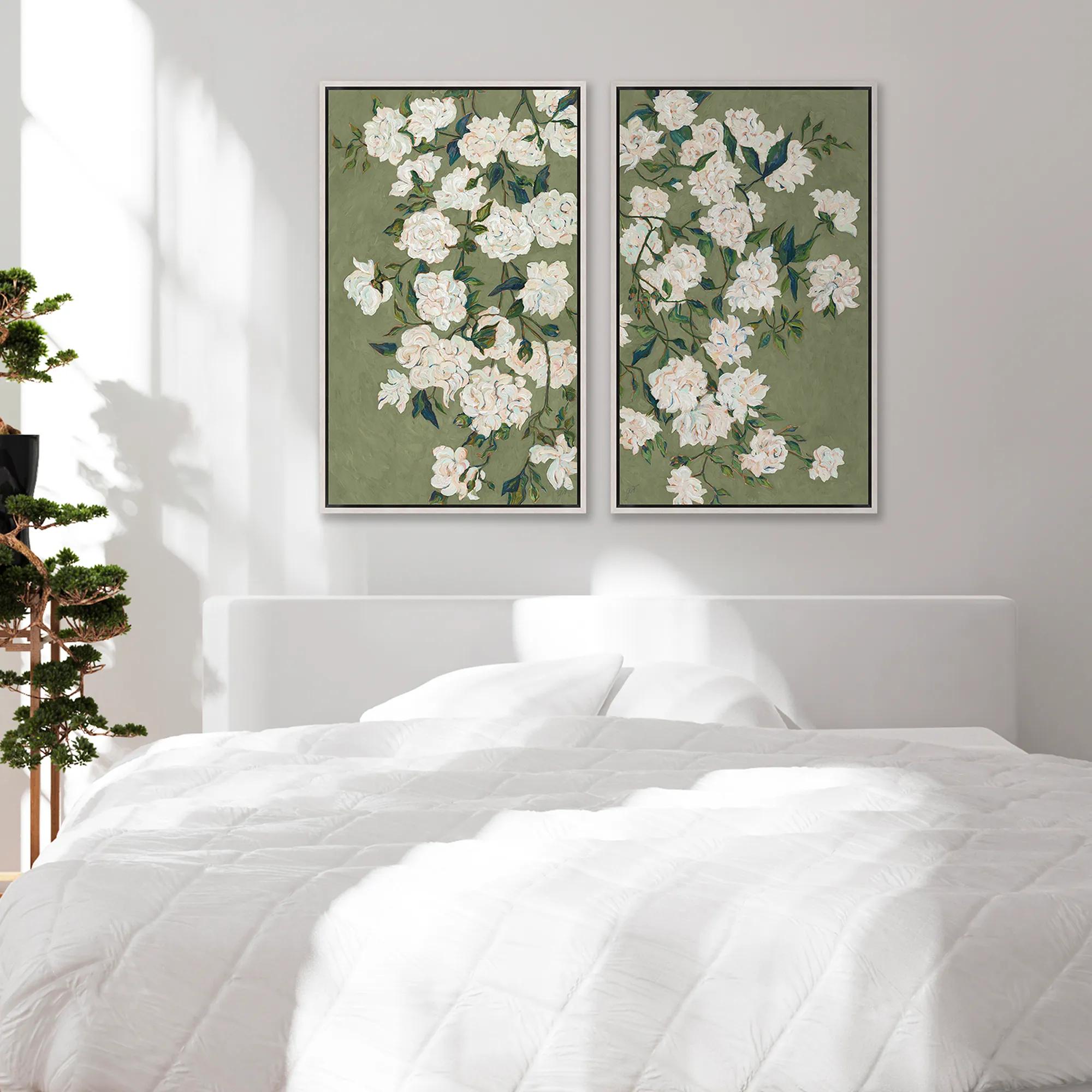 Verdi Vincent Framed Wall Art 21.5" x 41.5" Set of 2$949
A set of two gallery-wrapped fiber texture canvases in white floater frames for modern wall decor.
Add To Cart -
 Bella Champagne Draped Leather Wall Panel 50" x 40"$699
A sculptural wall panel featuring cascading black, champagne, and ivory leather over a fabric-wrapped MDF foundation.
Add To Cart

Large Textured Wall Art
Large Textured Wall Art transforms any room into a gallery of grand gestures and tactile intrigue. Each piece commands attention, inviting the eye to linger over sculpted surfaces and dimensional details that play with light and shadow. Whether you seek to anchor a dramatic living space or elevate a serene sanctuary, these bold works of art offer more than decoration—they create an atmosphere, infusing your home with depth, artistry, and unapologetic glamour. Let your walls become the stage for expressive design and unforgettable moments.
Large textured wall art brings oversized scale and dimensional surfaces together, creating a focal point through raised brushwork, layered materials, sculptural relief, or expressive fabric details. Unlike a smooth image that relies primarily on color and composition, dimensional artwork changes with the light: a ridge catches a luminous highlight, a recessed line deepens into shadow, and a sweep of texture becomes more pronounced from across the room. That interplay gives an expansive wall presence without requiring a crowded arrangement of smaller accents. Above a generous sofa, behind a dining table, or along an open entryway, textured art introduces an architectural quality that feels considered and expressive. Materials may include canvas with acrylic paint or modeling mediums, plaster-based relief, carved wood, fabric, and mixed-media compositions. Each creates a different effect. Broad, palette-knife marks feel energetic and gestural; repeated grooves establish a more measured rhythm; folded textiles introduce softness with a distinctly sculptural profile. Surface texture and visual texture are not always the same, so descriptions and close-up images matter: a printed interpretation of impasto can suggest depth, while an applied medium creates actual raised detail. Neither approach needs a busy palette to make an impression. Ivory, warm white, sand, and stone tones allow the surface itself to carry the composition, while charcoal, espresso, and deep blue lend greater visual weight. Metallic accents can bring a gleaming counterpoint to matte passages, particularly beside glass, polished metal, or lacquered furnishings. For interiors built around sumptuous upholstery and expressive silhouettes, an expansive textured composition offers a compelling balance: enough drama to command attention, with enough nuance to reveal itself gradually. Its appeal lies as much in those quieter details as in its size, making it especially suited to rooms where a single statement can shape the atmosphere. Even a restrained monochromatic surface can feel richly layered when the relief has room to register, giving neutral interiors a sense of artistry rather than simply adding another color.
Scale is central to the effect of large textured wall art, but the most persuasive choice relates to the furnishings and sightlines around it, not just the dimensions of an empty wall. A wide horizontal composition can echo the length of a sofa or sideboard, while a tall work draws attention to ceiling height and gives a narrow stretch of wall a more deliberate presence. As a starting proportion, artwork spanning roughly two-thirds to three-quarters of the furniture beneath it often feels balanced; the right relationship also depends on the frame, surrounding architecture, and visual weight of the composition. A deeply textured, high-contrast surface may feel more commanding than a similarly sized work in pale, closely related tones. Above furniture, a modest gap—often around six to eight inches—can help connect the art to the arrangement below, provided the placement clears lamps, decorative objects, and everyday movement. In rooms with soaring ceilings, keeping the composition connected to the seating area can feel more inviting than automatically placing it high on the wall. A single oversized canvas offers an uninterrupted gesture, while a coordinated arrangement of panels introduces pauses that become part of the design. For broader scale and composition possibilities, Large Wall Art Pieces offers a related perspective on creating a substantial focal point. Texture brings a particular richness to that statement. In a living room, it can temper the sheen of a mirror-finish table; in a bedroom, a softly modeled abstract can complement an upholstered headboard without competing with patterned bedding. Along a dining-room wall, carved or layered surfaces provide visual depth even when the table is simply dressed. Lighting completes the relationship. Gentle light arriving from the side reveals relief beautifully, whereas a strong frontal beam may flatten some details or create glare on glossy passages. Checking the view from a seated position, an adjacent doorway, and across the room helps establish how the composition will actually be experienced.
Materials, construction, and placement influence how textured artwork lives in a home over time. Large does not necessarily mean heavy, and a substantial-looking canvas may weigh less than a smaller work built on a rigid panel with dense applied materials. Dimensions, overall depth, weight, framing, and mounting requirements deserve equal attention, especially where the artwork projects beyond the wall. Raised plaster-like details, built-up acrylic mediums, and layered mixed-media surfaces can be vulnerable to knocks or abrasion, so a dramatic placement should also leave sufficient clearance from swinging doors, chair backs, and busy passageways. A frame may give the composition a crisp boundary or create the impression that the artwork floats within it, but the frame’s outer measurements are what determine its final footprint. Secure installation depends on the wall construction and the artwork’s specified hardware; heavier or more complex pieces may benefit from professional installation. Care should follow the maker’s directions rather than a single routine for every textured surface. Where permitted, a soft, dry brush can lift loose dust gently, while wet cloths, household sprays, and vigorous rubbing may damage delicate layers or alter their finish. Textured art is intended to be admired rather than handled, even when its surface looks irresistibly tactile. Direct sunlight, persistent humidity, and nearby heat sources can also affect pigments, adhesives, fabric, or dimensional mediums, making a protected interior wall a more suitable setting than a damp bathroom or a splash-prone area beside a sink. These practical details preserve the qualities that make the artwork compelling: crisp ridges, subtle tonal shifts, and carefully defined shadows. For someone furnishing a new home, refreshing a formal living space, or seeking a meaningful housewarming gift, an oversized textured work can become a lasting expression of personal taste. Because scale and palette are so individual, a gift is most successful when the recipient’s wall measurements and preferences are already understood. Chosen with that attention, the result is more than decoration: it gives the room a distinctive artistic presence.
FAQs
Large textured wall art is remarkably versatile and can elevate a variety of design aesthetics. It brings a sense of drama and depth to modern, contemporary, and transitional interiors, while also providing a striking contrast in more traditional or minimalist spaces. Whether your home features rich jewel tones, monochromatic palettes, or bold metallic accents, textured art adds a layer of sophistication and visual intrigue that transcends trends.
Textured wall art creates a dynamic interplay of light and shadow, adding dimension and tactile interest to your space. The sculptural surfaces invite closer inspection, encouraging guests to engage with the art on a sensory level. This depth not only enriches visual appeal but also sets a mood—whether it's a cozy, intimate atmosphere or a grand, gallery-inspired statement.
Absolutely. Large textured wall art makes a memorable and meaningful gift for milestones such as housewarmings, weddings, anniversaries, or significant birthdays. Its bold presence and distinctive artistry convey thoughtfulness and a sense of celebration, making it a cherished addition to any home and a lasting reminder of the occasion.
Artists often experiment with a range of materials to achieve captivating textures—think layered acrylics, metallic foils, hand-applied plaster, natural fibers, and mixed media elements. These materials not only create visual depth but also bring a tactile richness that distinguishes each piece as a one-of-a-kind statement.
Strategic lighting is essential for highlighting the dimensional qualities of textured wall art. Consider placing spotlights or adjustable sconces above or beside the piece to accentuate its raised surfaces and create dramatic shadows. Natural light can also play beautifully across textured finishes, enhancing their complexity and allure throughout the day.