Faux Succulent Centerpiece Ideas
Faux Succulent Centerpiece Ideas
-
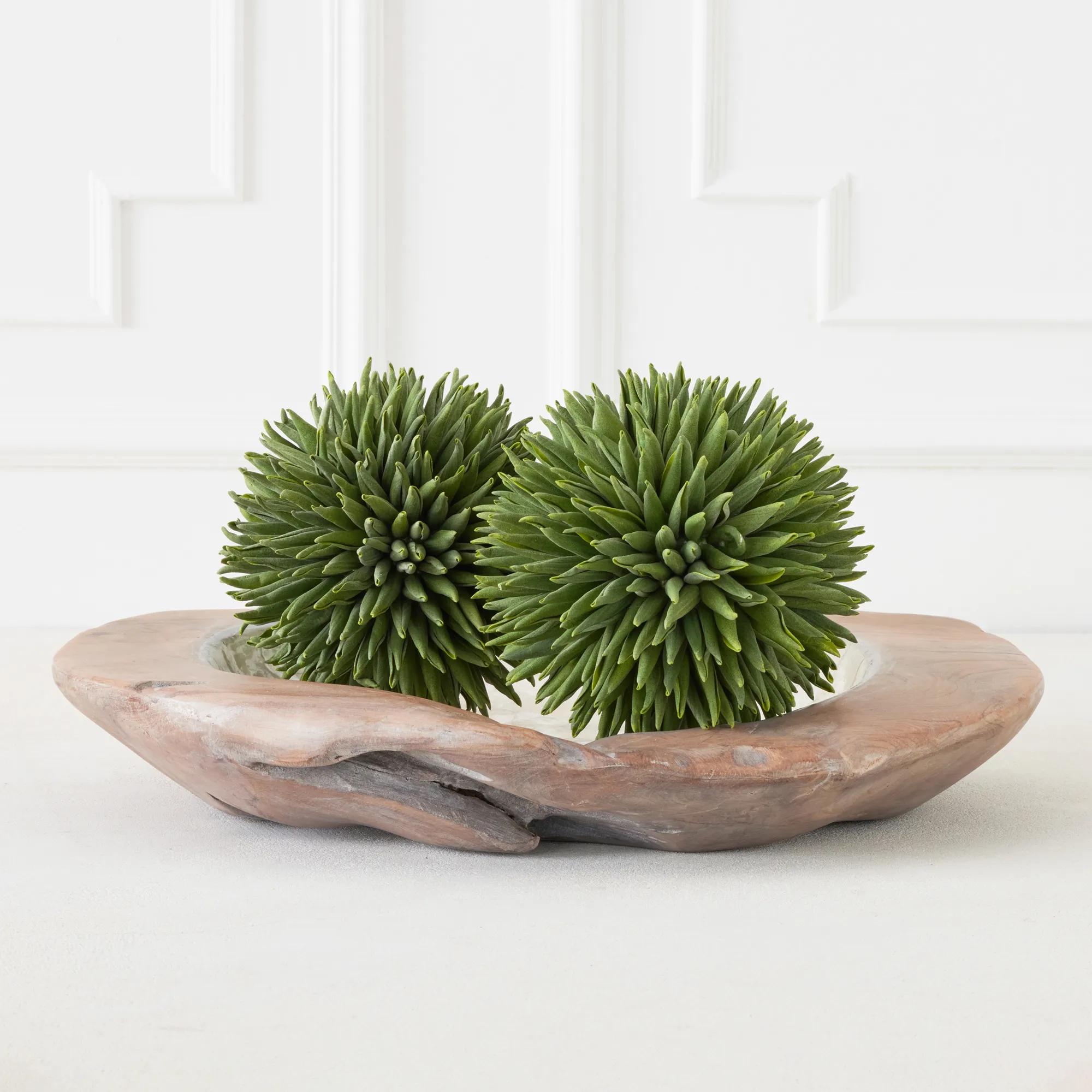 Faux Green Allium Sphere 7" Set of 3$59
A set of three lifelike foam green faux floral spheres that stay vibrant without water or sunlight.
Add To Cart -
 Faux Protea Cream Stem 33" Set of 3$49
A set of three lifelike cream faux protea stems crafted from foam, plastic, and iron wire.
Add To Cart -

 Miami Gold Ceramic High Gloss Vase 11.75"$69
A contemporary gold ceramic vase designed for decorative use as a sculptural accent or with foliage.
Add To Cart -
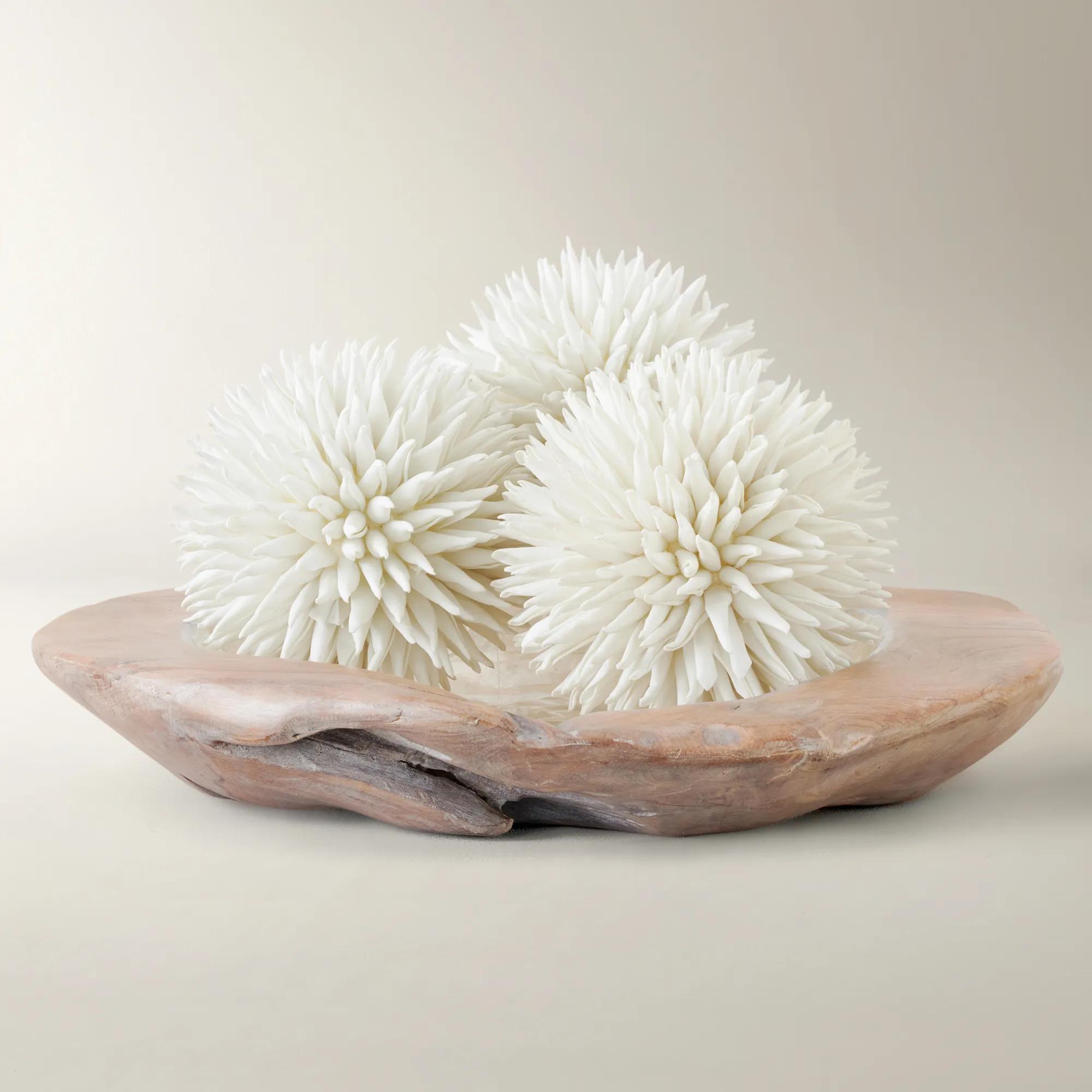
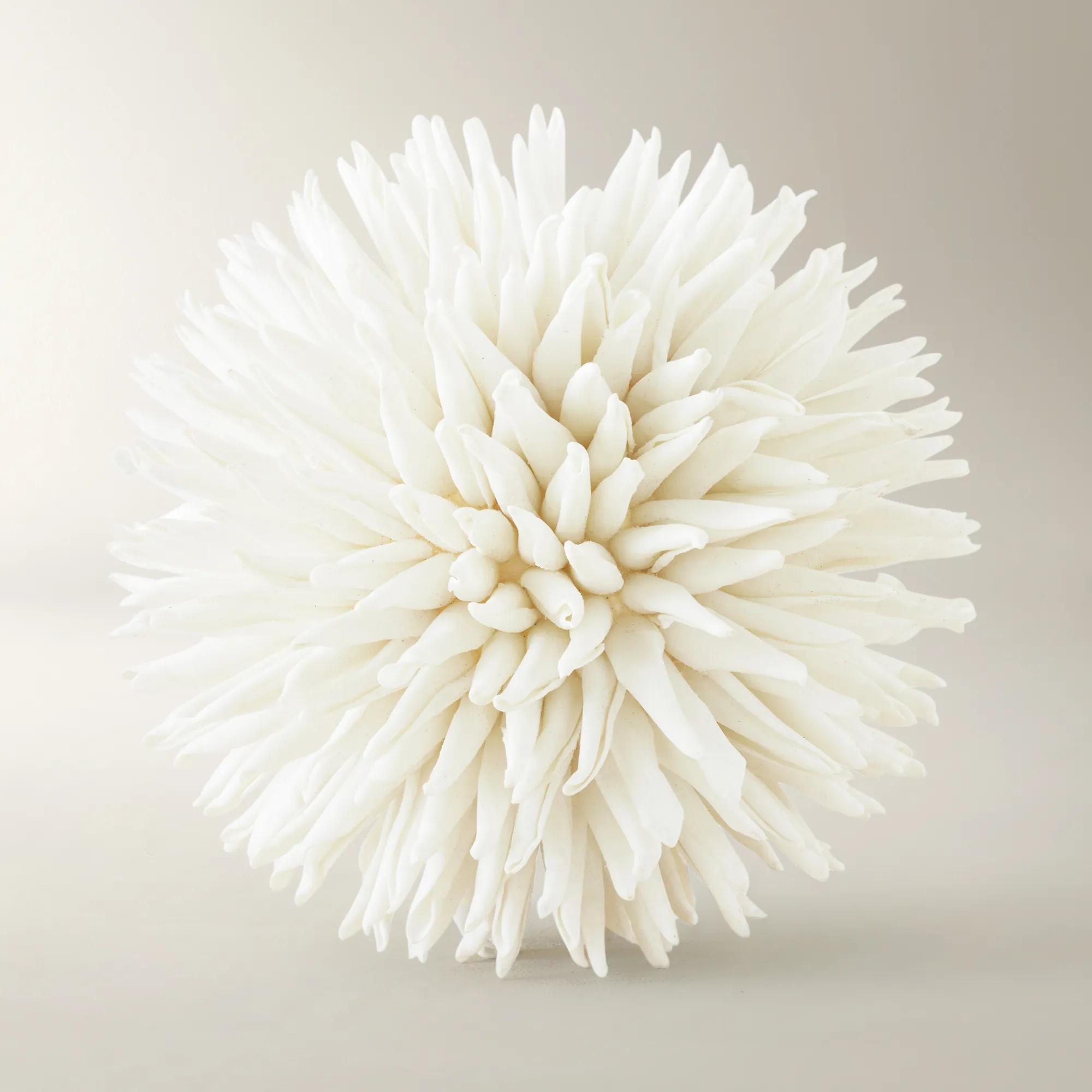 Faux White Allium Sphere 7" Set of 3$59
A set of three foam white faux floral spheres that stay vibrant year-round without water or sunlight.
Add To Cart -
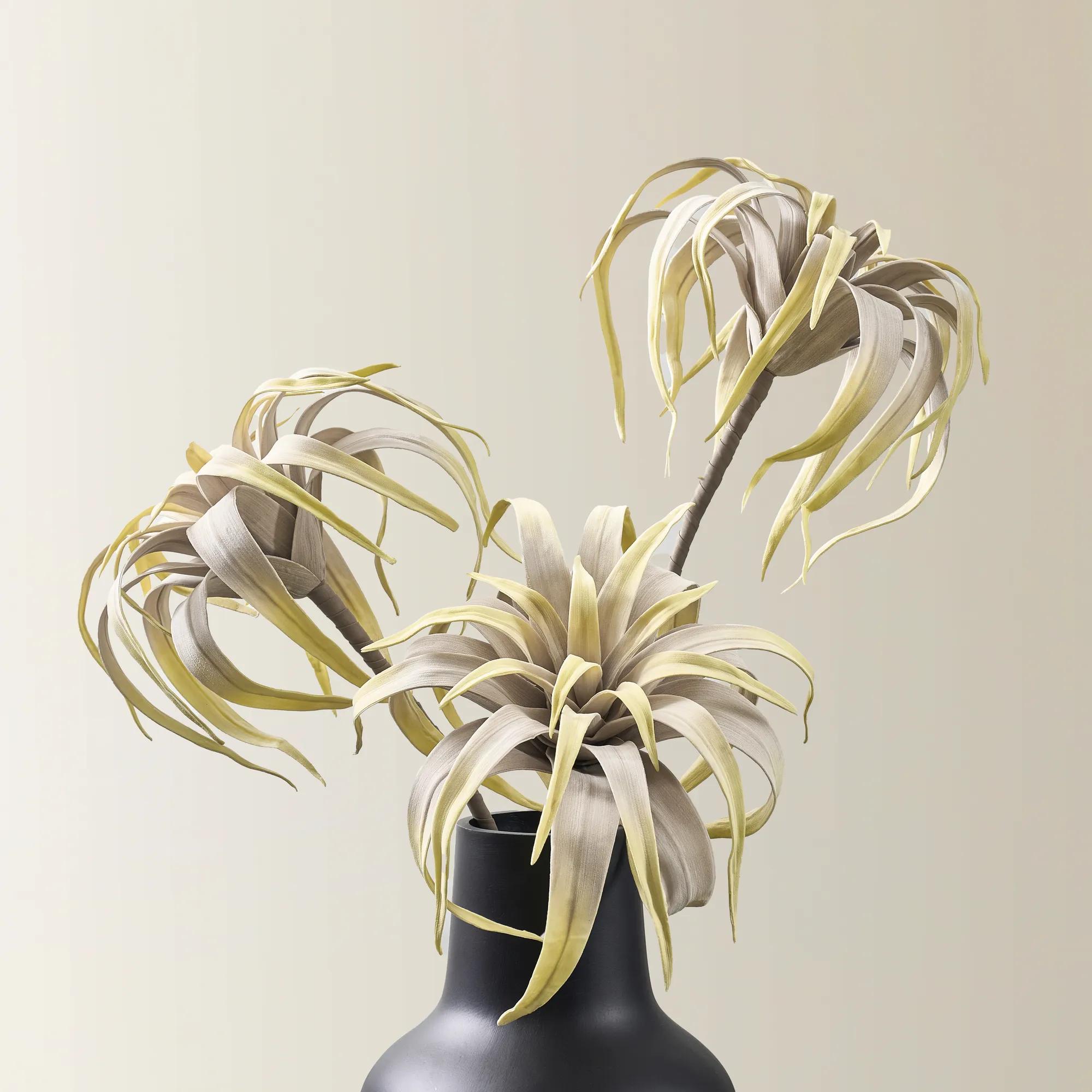 Faux Dusty Blush Large Airplant Stem 35.5" Set of 3$49
A set of three sculptural faux airplant stems in soft dusty blush foam for modern decorative arrangements.
Add To Cart -
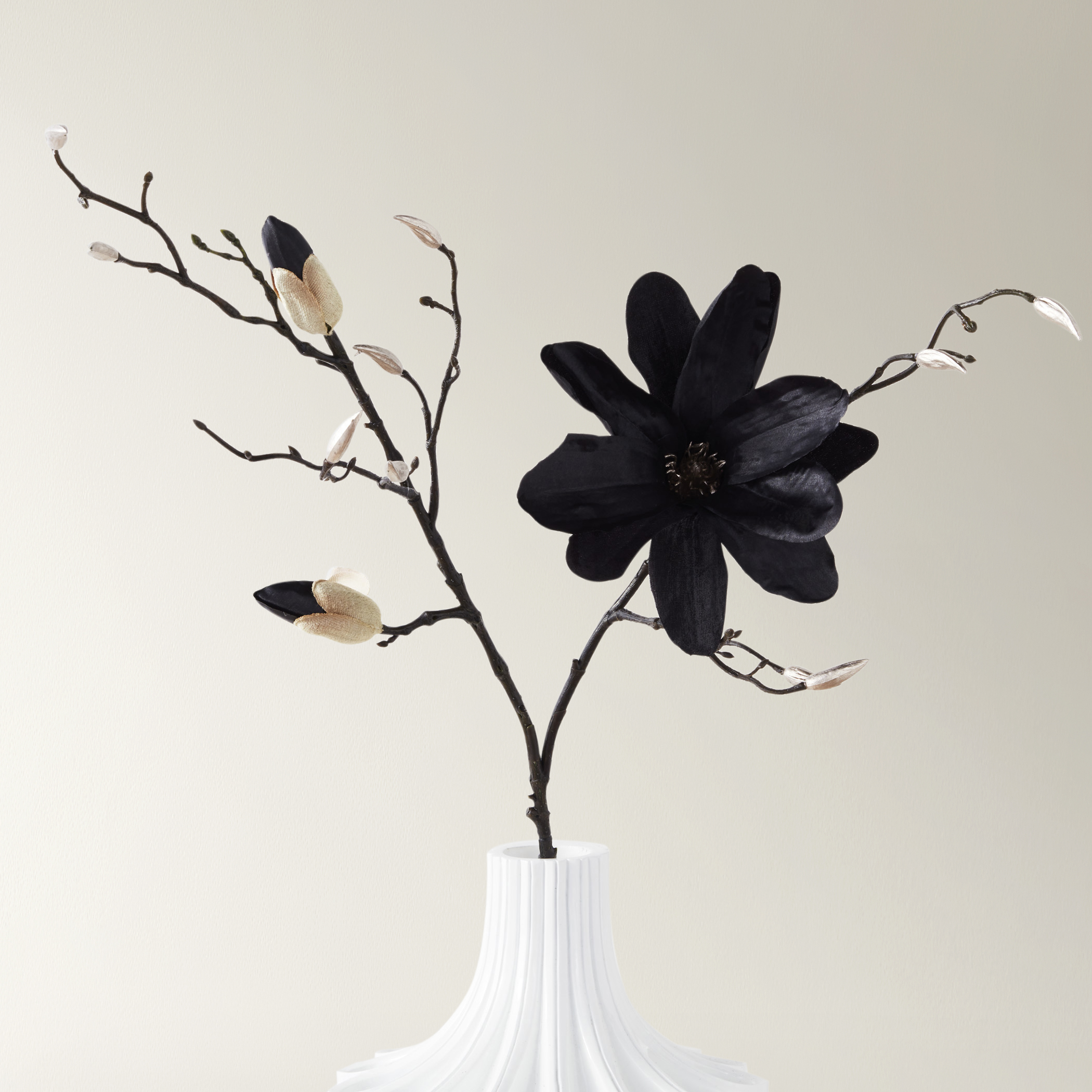 Faux Black & Gold Magnolia Stem 33" Set of 3$59
A set of three lifelike black polyester magnolia sprays that add dramatic height to any decor.
Add To Cart -
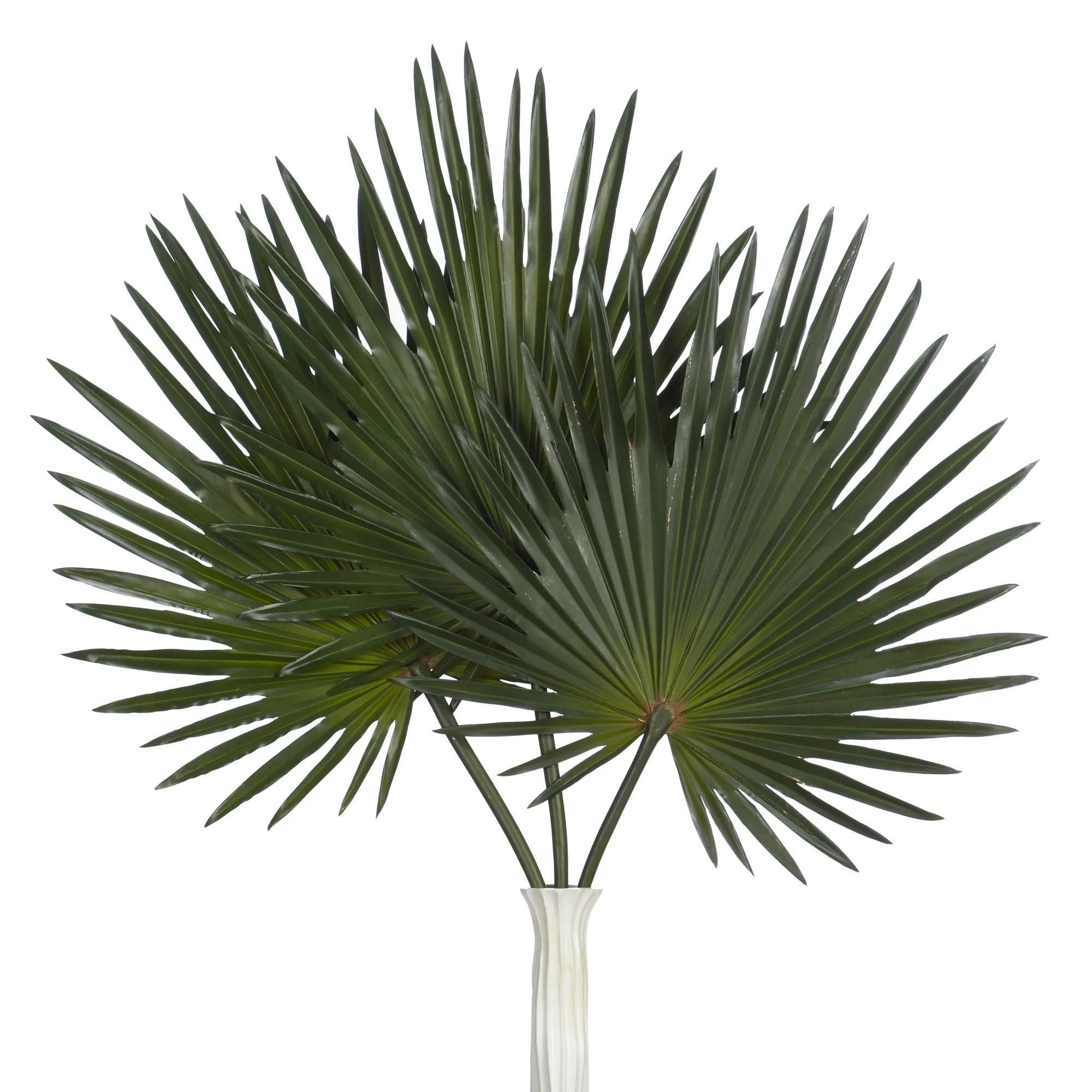
 Faux Green Palm Stem 40" Set of 3$69
A set of three green polymer palm stems with flexible wire for easy, artistic arranging.
Add To Cart

Faux Succulent Centerpiece Ideas
Explore faux succulent centerpiece ideas for sculptural greenery that brings a composed, artful focal point to your table—without watering or pruning. Discover decorative arrangements to inspire a dining table centerpiece, coffee table vignette, or console display, and consider scale and silhouette to give your setting drama without overwhelming the surface.
Faux succulent centerpieces bring a distinctive kind of drama to a room: sculptural greenery, intricate leaf patterns, and a composed silhouette that holds its shape between dinner parties and everyday moments. Their appeal lies in the contrast between organic forms and a deliberately designed presentation. Layered rosettes suggest botanical artistry, upright stems introduce movement, and trailing shapes soften the edge of a vessel. A palette of sage, olive, and smoky green can temper the brilliance of polished metal or lend depth to an arrangement of pale ceramics. For anyone exploring faux succulent centerpiece ideas, the vessel is as expressive as the greenery itself. A broad, shallow bowl emphasizes the plants’ architectural outlines, while a taller container gives a compact arrangement greater presence on a console or entry table. Ceramic lends visual weight and a refined finish; glass allows decorative fill to become part of the composition; metallic surfaces introduce a gleaming counterpoint to softly textured leaves. Stone-look vessels offer another mood, pairing an earthy appearance with the precision of a carefully arranged display. These combinations suit interiors that favor expressive contrasts: a plush upholstered dining chair beside a sleek table, a mirrored console beneath oversized artwork, or a lacquered surface balanced by natural-looking texture. Unlike living succulents, artificial arrangements do not depend on a sunny position or a watering schedule, making them useful in interior dining areas, apartment entryways, and other spaces where light is limited. Their decorative purpose remains the same wherever they sit: to give the eye a place to linger and bring cohesion to the surrounding objects. A restrained cluster can look richly detailed when its leaves have convincing contours and subtle color variation. A fuller composition can become the table’s focal point, particularly when its shape echoes the lines of the furniture beneath it. The strongest effect comes from proportion, texture, and a vessel that feels intentional—not simply from adding more greenery. That balance lets an artificial succulent centerpiece feel considered rather than incidental, with enough character to hold its own among more dramatic furnishings.
Materials and construction influence both the appearance of faux succulents and how well an arrangement suits its intended setting. Molded plastic and flexible synthetic materials can capture the fleshy thickness associated with succulent leaves, while fabric elements may contribute softer texture in mixed botanical compositions. Matte finishes, nuanced shading, and varied leaf sizes often create a more convincing impression than uniformly glossy surfaces or perfectly identical forms. The base matters, too: decorative stones, moss-like accents, or other fill can conceal stem connections and make the planting look settled into its vessel. A securely constructed arrangement is particularly useful on a dining table that is cleared frequently or a console that receives everyday attention. Weight and stability deserve consideration, especially where a narrow tabletop, active household, or passing sleeve could disturb a display. Felt pads or an appropriate protective layer beneath the container can help safeguard delicate furniture finishes; an attractive vessel should complement the surface rather than leave it marked. Scale is equally important. On a dining table, a lower profile preserves conversation and allows the greenery to share space with place settings, serving dishes, and candleholders. A long arrangement can echo the shape of a rectangular table, while a rounded composition gives a circular table a balanced center. On a coffee table, the centerpiece should leave comfortable room for a tray or reading material rather than occupy every usable inch. Entry consoles can accommodate more height when there is sufficient clearance below a mirror or artwork. Care is generally modest, but artificial foliage still benefits from attention. Dust collects between closely layered leaves, where a soft brush can reach more gently than vigorous wiping. A lightly dampened cloth may suit some surfaces, though care instructions should determine whether moisture is appropriate for painted finishes, fabric leaves, decorative fill, or the vessel itself. Avoid soaking an assembled centerpiece unless its instructions expressly permit it. Strong direct sunlight may fade some synthetic materials, and indoor decorative arrangements should not be assumed suitable for outdoor exposure. With thoughtful placement and gentle cleaning, faux greenery can retain its polished presentation without the pruning, soil maintenance, or watering that living plants require.
The most compelling faux succulent centerpiece ideas connect the arrangement to the way a room is used. In a dining space, sculptural greenery can make an ordinary meal feel more composed while remaining quiet enough to let beautiful tableware take the spotlight. On an entry console, a substantial vessel establishes a visual welcome and creates a pleasing contrast with a framed print, decorative box, or pair of lamps. A smaller arrangement can add definition to a bedside table or workspace, where intricate leaves provide something expressive to look at without demanding plant care. These pieces also suit people who travel frequently, anyone furnishing a room with limited natural light, and hosts who prefer a centerpiece that can be moved into place without last-minute trimming or watering. Their lasting form makes them a thoughtful housewarming or hostess gift when the recipient’s taste and available space are considered. A compact, softly colored arrangement may suit a home with understated furnishings, while a bold vessel and densely layered greenery can speak to someone drawn to statement decor. For occasions that call for a more celebratory table, Faux Plants For Holiday Centerpieces offers a related direction for botanical displays with an occasion-specific mood. Everyday arrangements, meanwhile, can take on a different character through the objects placed around them. Clear glass creates an airy contrast; dark ceramics add depth; metallic accents catch the light and sharpen the outline of the leaves. A centerpiece need not match every finish in the room, but repeating one color or material can make the composition feel connected. The result is greenery treated as design rather than background—a focal point with shape, texture, and presence. Whether set against a reflective tabletop or nestled among richly layered accessories, a faux succulent arrangement can lend a room the detail that turns a furnished space into a personal expression.
FAQs
Make your faux succulent centerpiece the focal point of a richly layered tablescape. Pair sculptural foliage with a decorative tray, elegant dinnerware, and textured linens. Repeat one accent color across the setting to give the arrangement a deliberate, artful finish.
Faux succulent centerpieces bring expressive texture to modern glam, contemporary, and eclectic interiors. For a glamorous setting, surround the foliage with gleaming accents and dramatic contrasts. In an eclectic room, pair it with patterned textiles and collected objects for a composition that feels distinctly personal.
Choose an arrangement with varied leaf shapes, nuanced green tones, and an organic composition. When creating your own centerpiece, avoid perfectly even spacing or identical angles. A little asymmetry gives the foliage a more botanical character while preserving its sculptural appeal.
A faux succulent centerpiece can lend a sculptural flourish to a coffee table, entryway console, or bedroom dresser. Style it beside art books and a decorative object, allowing the foliage to soften the composition. On an entryway console, pair it with artwork for an expressive welcome.
Keep the foliage as your visual anchor and change the surrounding accents. Introduce pastel linens for spring, saturated tableware for summer, and richly textured details for fall. For the winter holidays, reflective ornaments and jewel-toned accents give the centerpiece a celebratory finish without replacing the arrangement.