
Faux Succulent Stems For Vases
Faux Succulent Stems For Vases
-
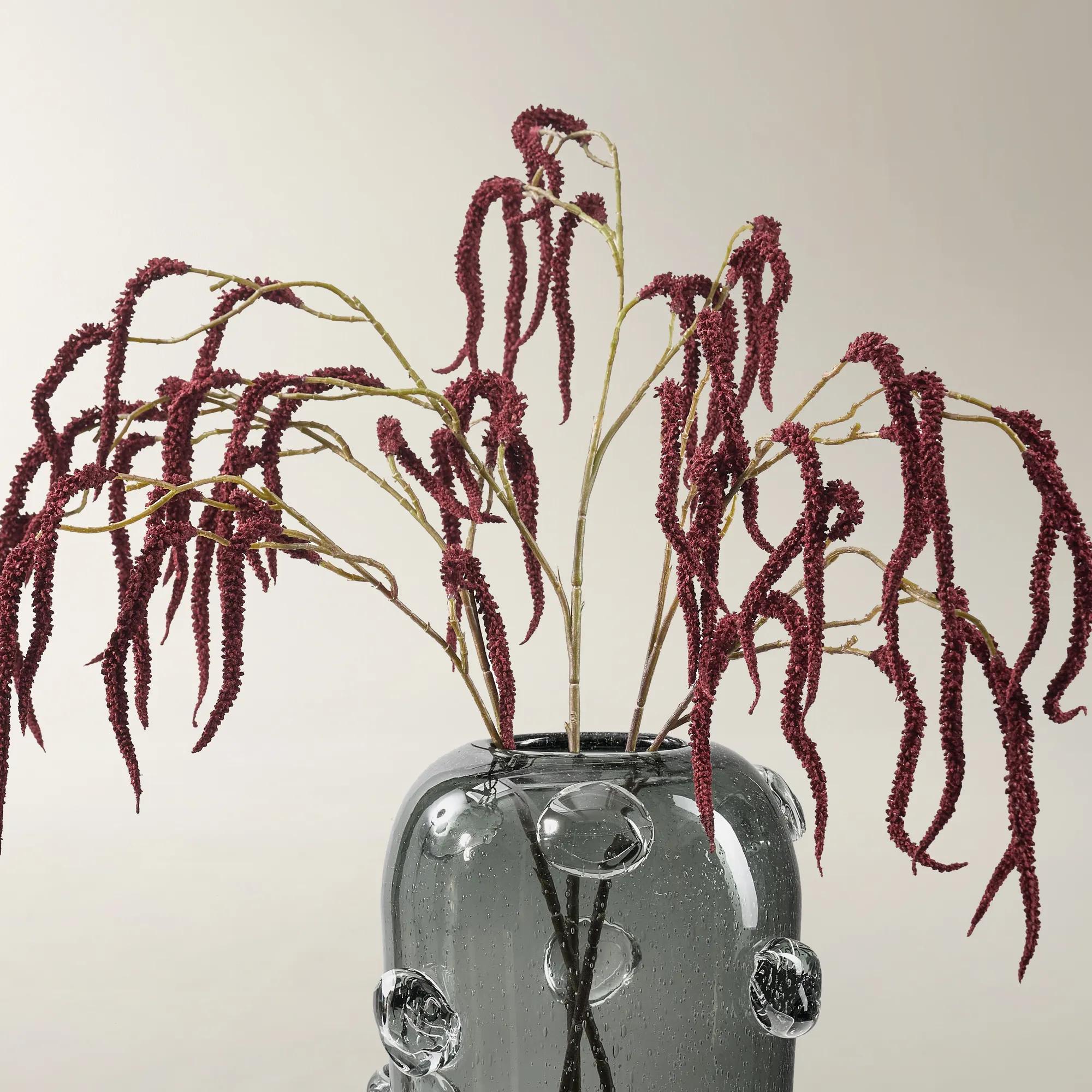
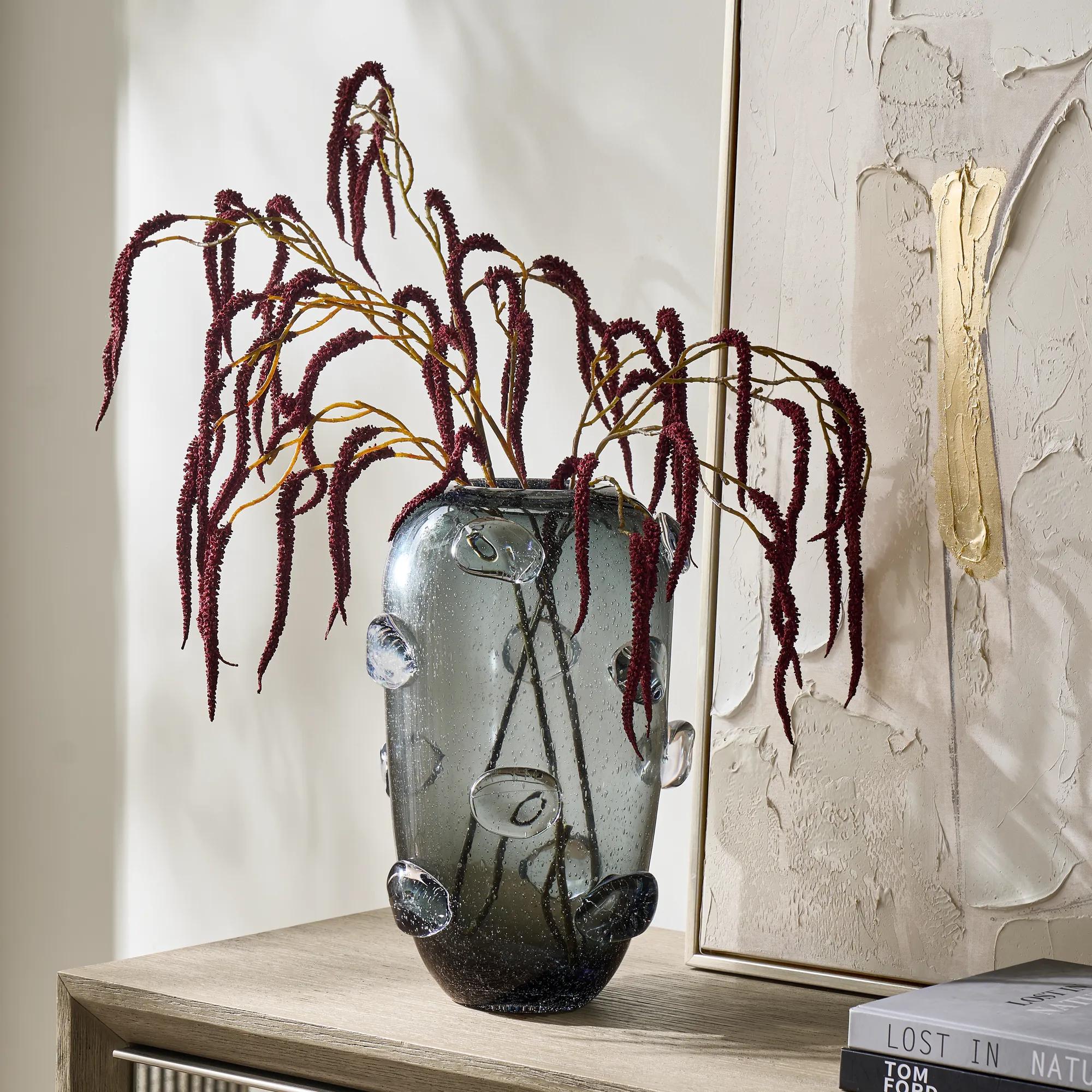 Faux Burgundy Amaranthus Stem 30" Set of 3$39
A set of three cascading faux stems in rich burgundy plastic adds dramatic texture to arrangements.
Add To Cart -
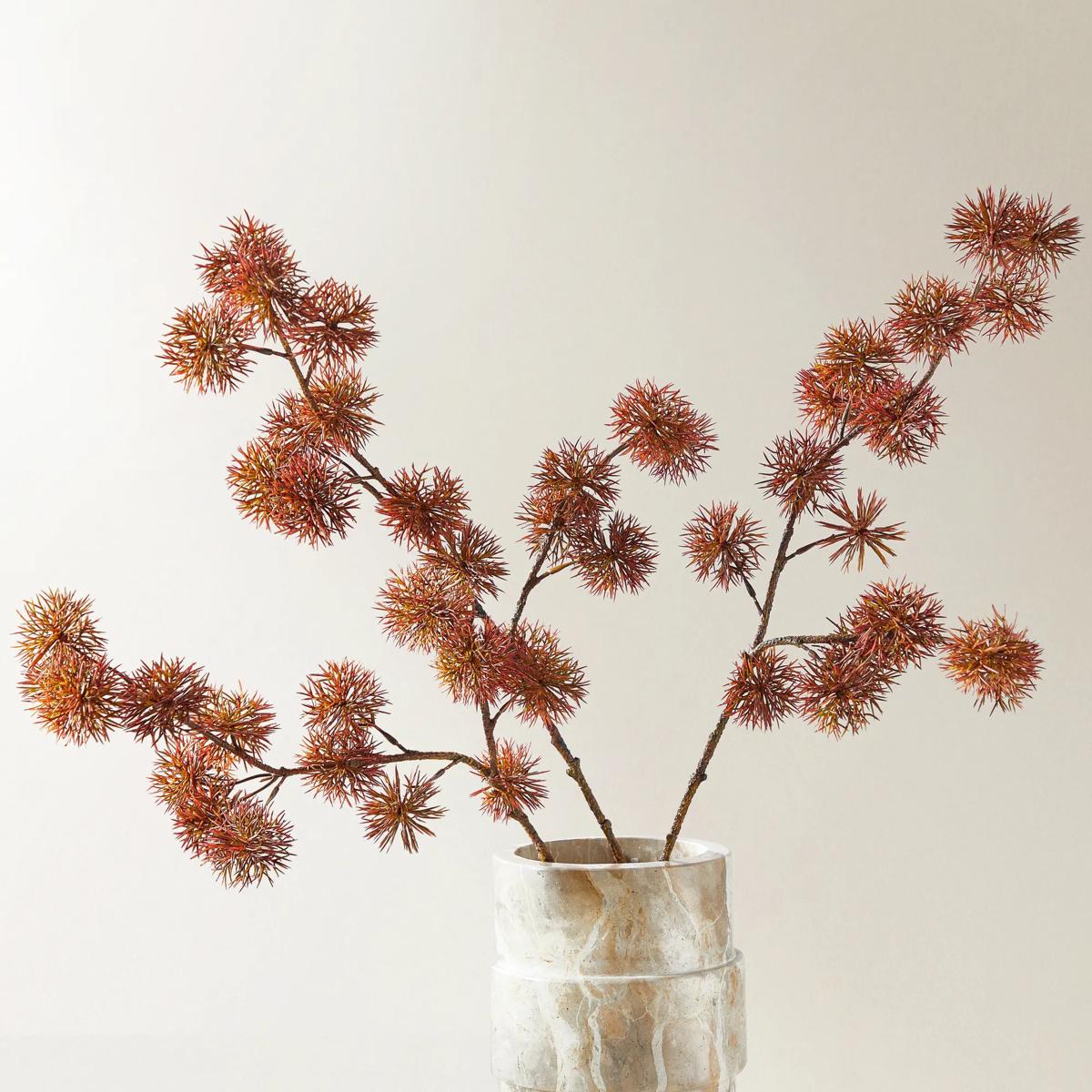
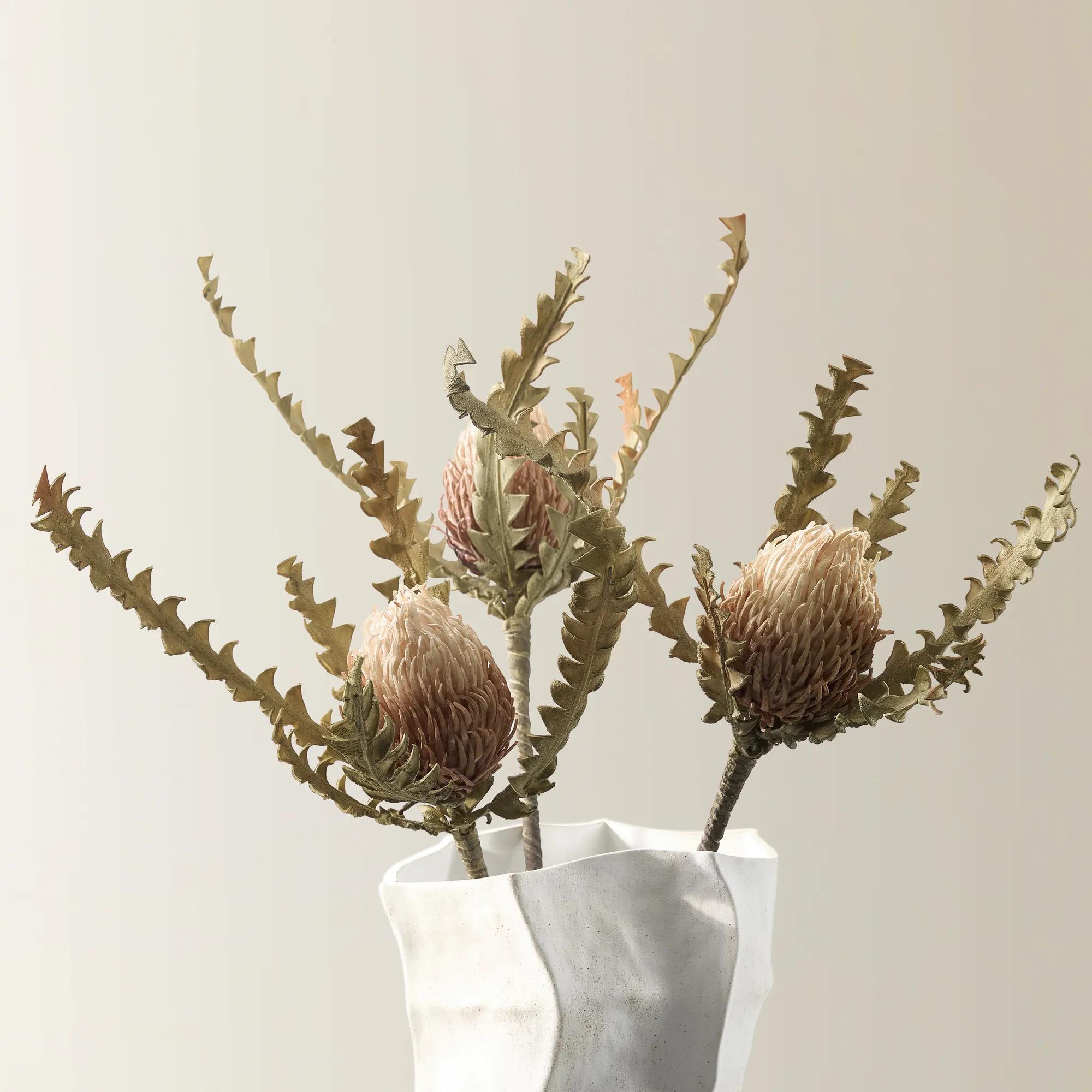 Faux Yellow Banksia Stem 32.75" Set of 3$49
A set of three sculptural faux banksia stems in yellow and green plastic for bold, artful arrangements.
Add To Cart -
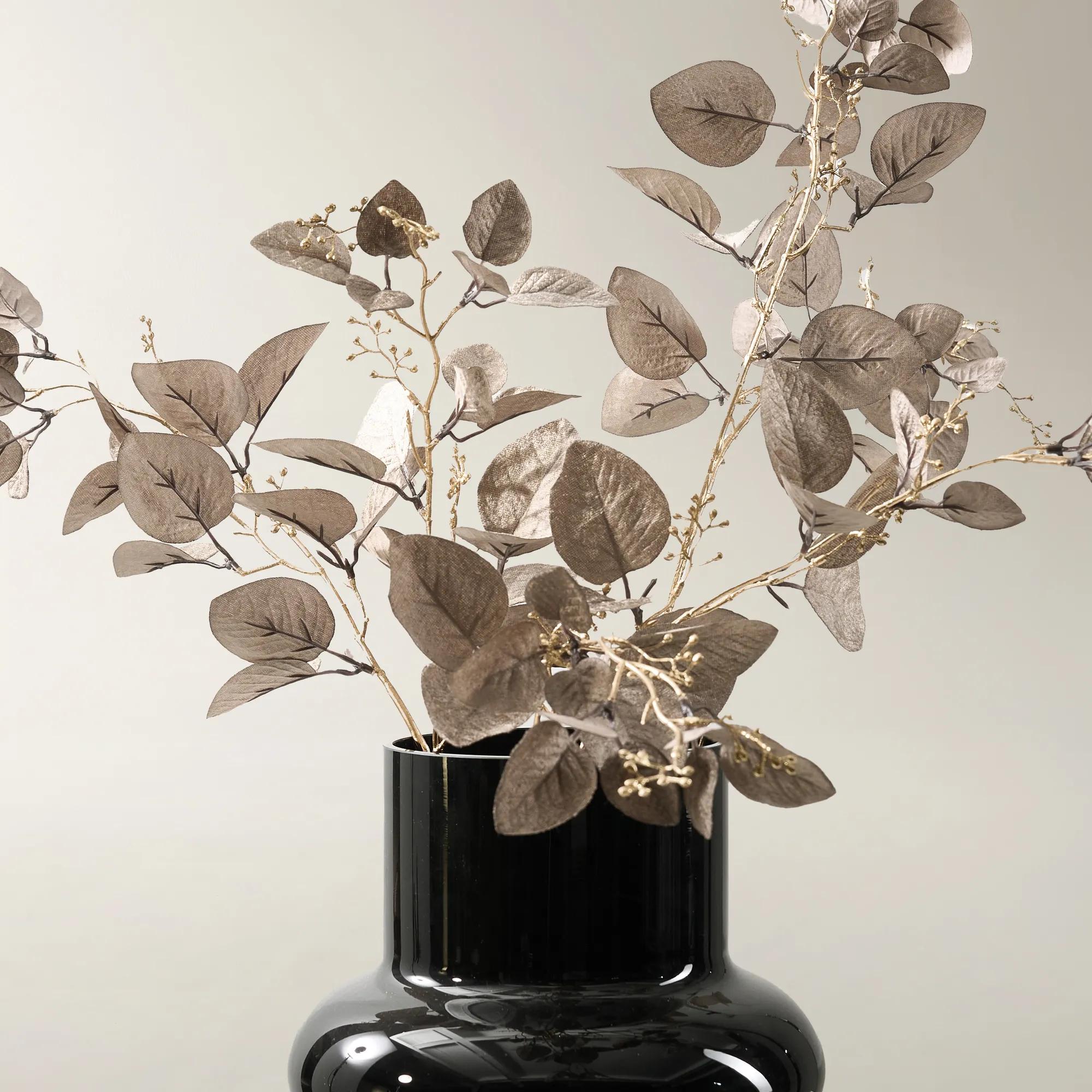 Faux Champagne Shimmer Eucalyptus Spray 32" Set of 3$49
A set of three antique champagne faux eucalyptus sprays adds metallic warmth and airy texture to arrangements.
Add To Cart -
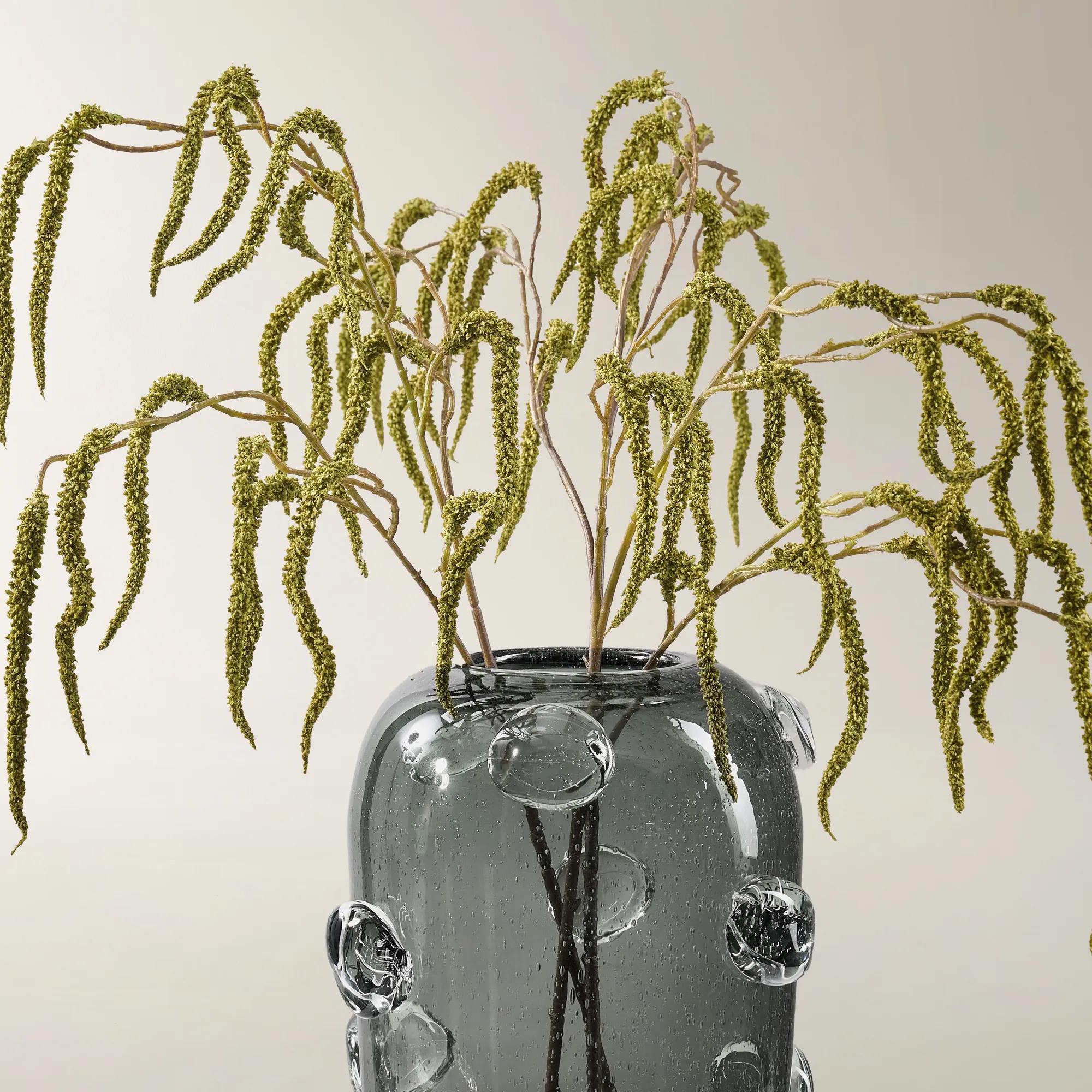 Faux Citron Green Amaranthus Stem 30" Set of 3$39
A set of three cascading faux amaranthus stems in vibrant citron green plastic for lush arrangements.
Add To Cart -
.jpg?w=1200&h=1200) Faux Protea Cream Stem 33" Set of 3$49
Faux Protea Cream Stem 33" Set of 3$49A set of three lifelike cream faux protea stems crafted from foam, plastic, and iron wire.
Add To Cart -
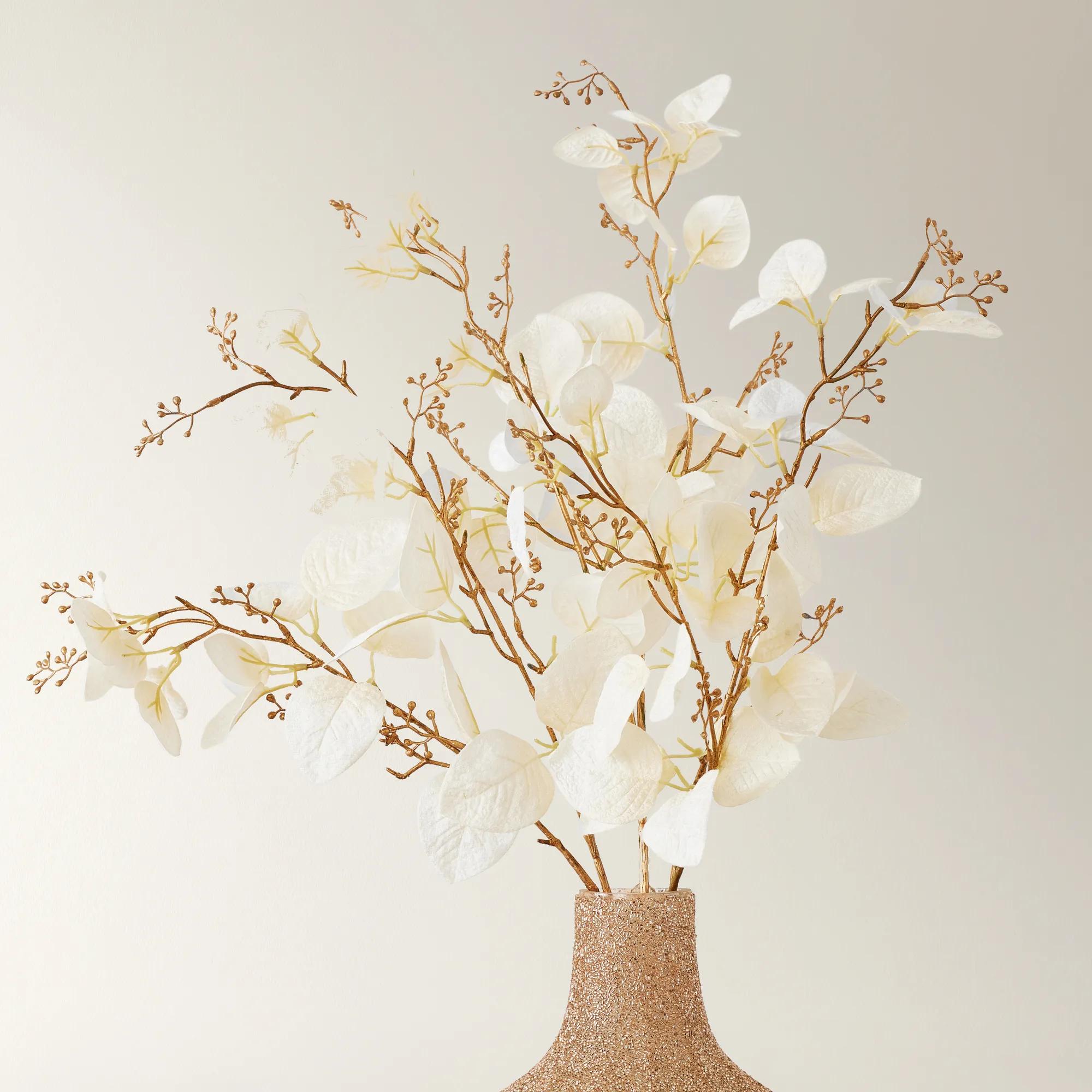 Faux Ivory/Gold Eucalyptus Spray 32" Set of 3$49
A trio of ivory-and-gold polyester eucalyptus sprays adds luminous, dimensional texture to botanical arrangements.
Add To Cart -
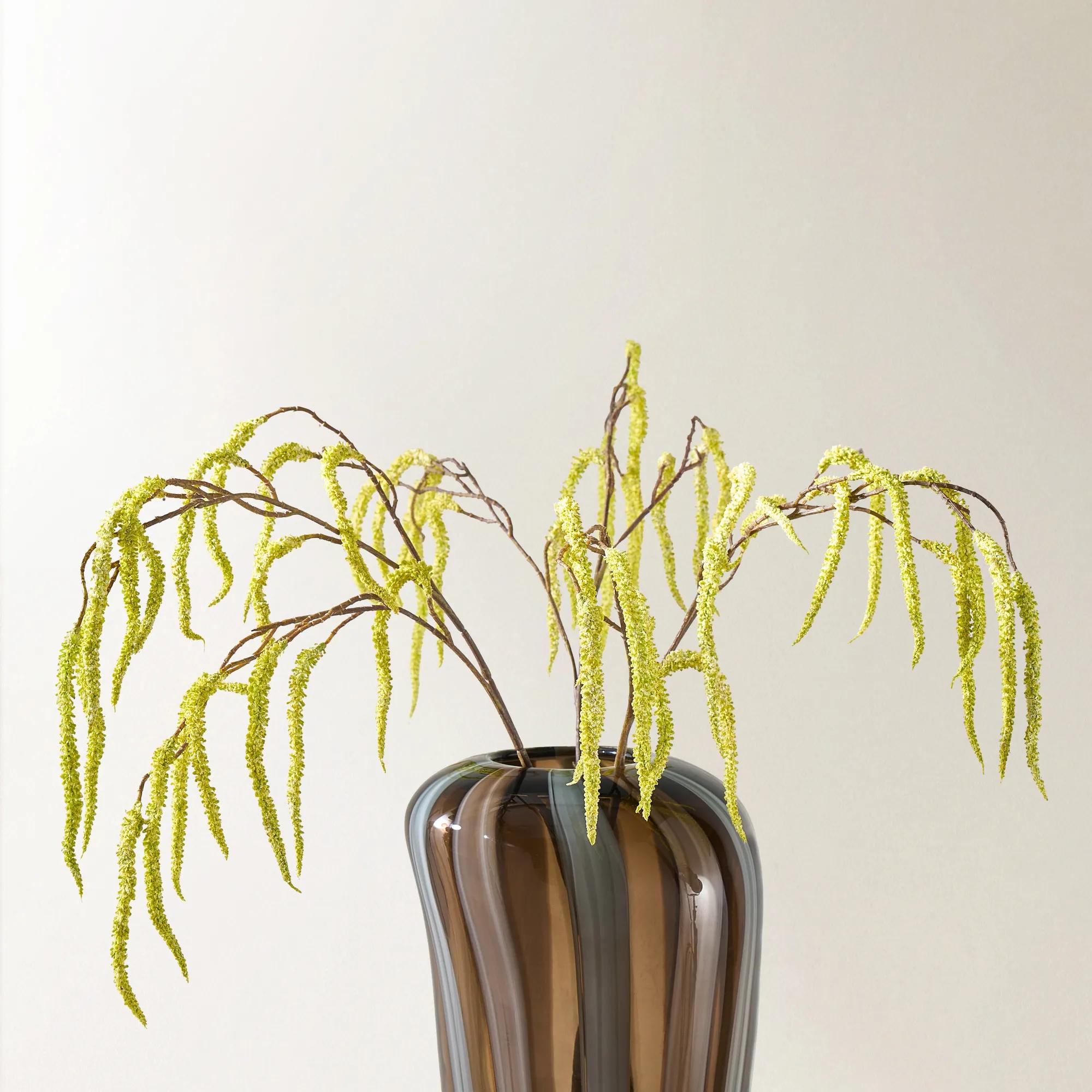
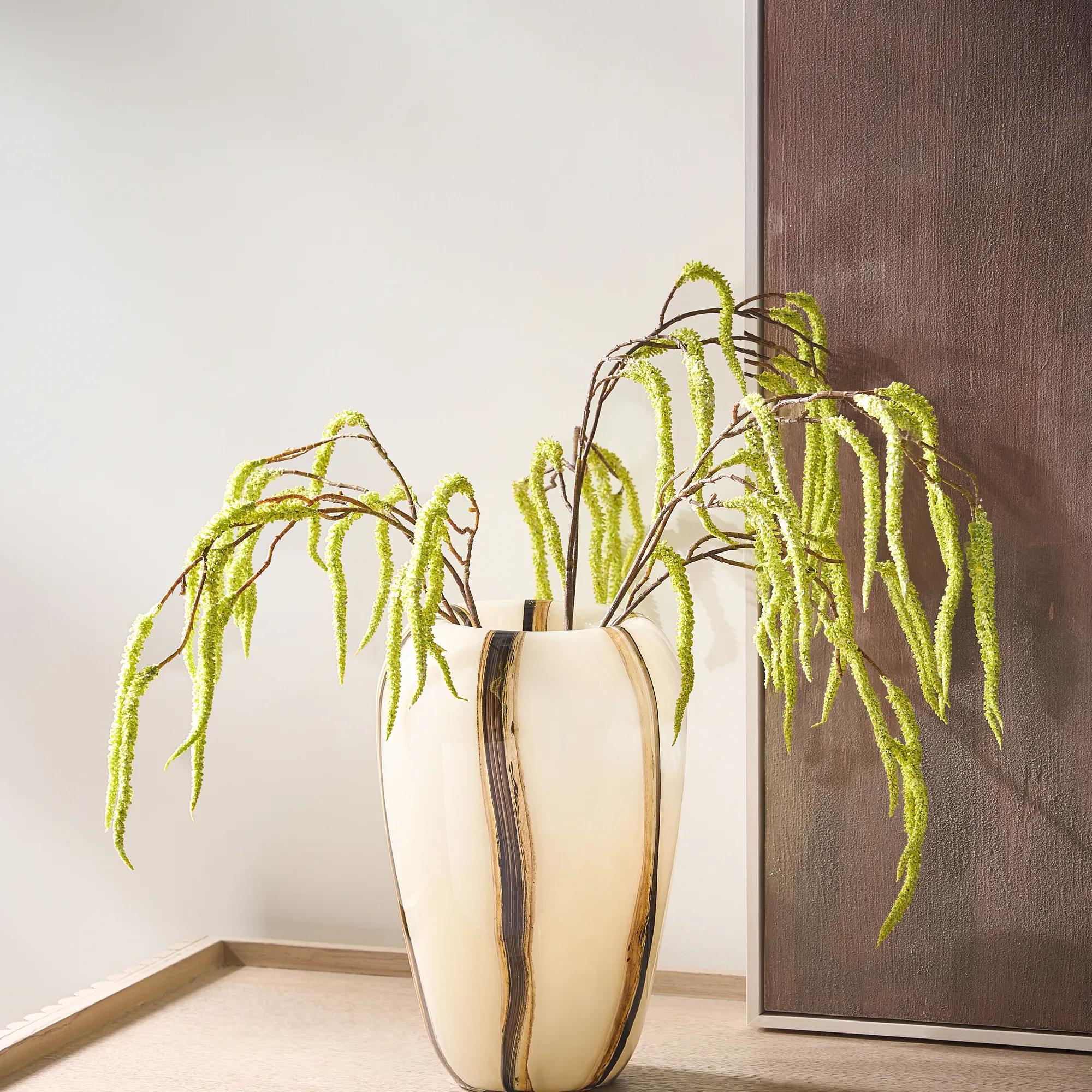 Faux Citron Yellow Amaranthus Stem 30" Set of 3$39
A set of three cascading faux stems in vibrant citron yellow plastic adds lush texture to arrangements.
Add To Cart -
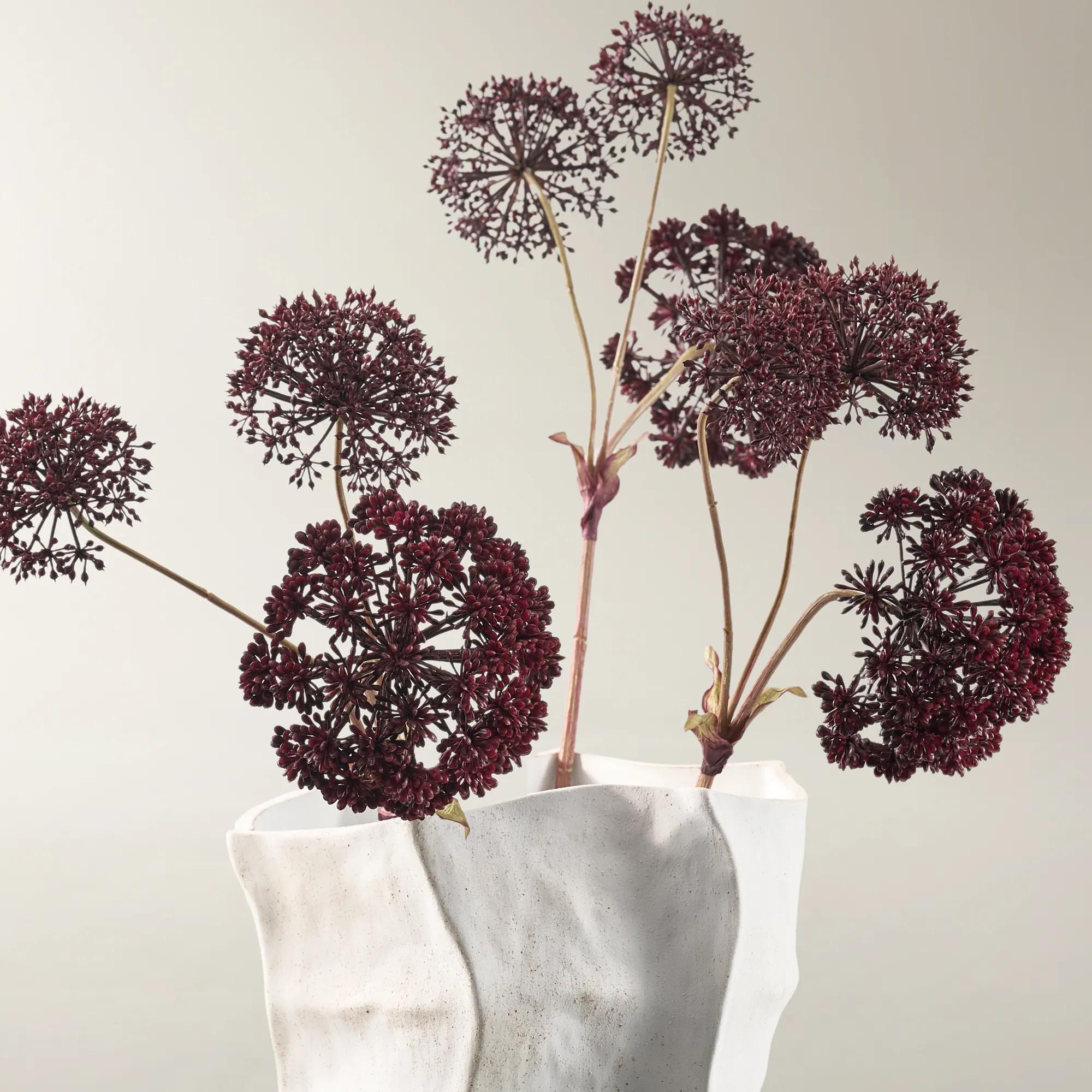 Faux Fig Angelica Stem 28" Set of 3$89
A set of three faux fig angelica stems in rich fig color adds sculptural depth to seasonal arrangements.
Add To Cart -
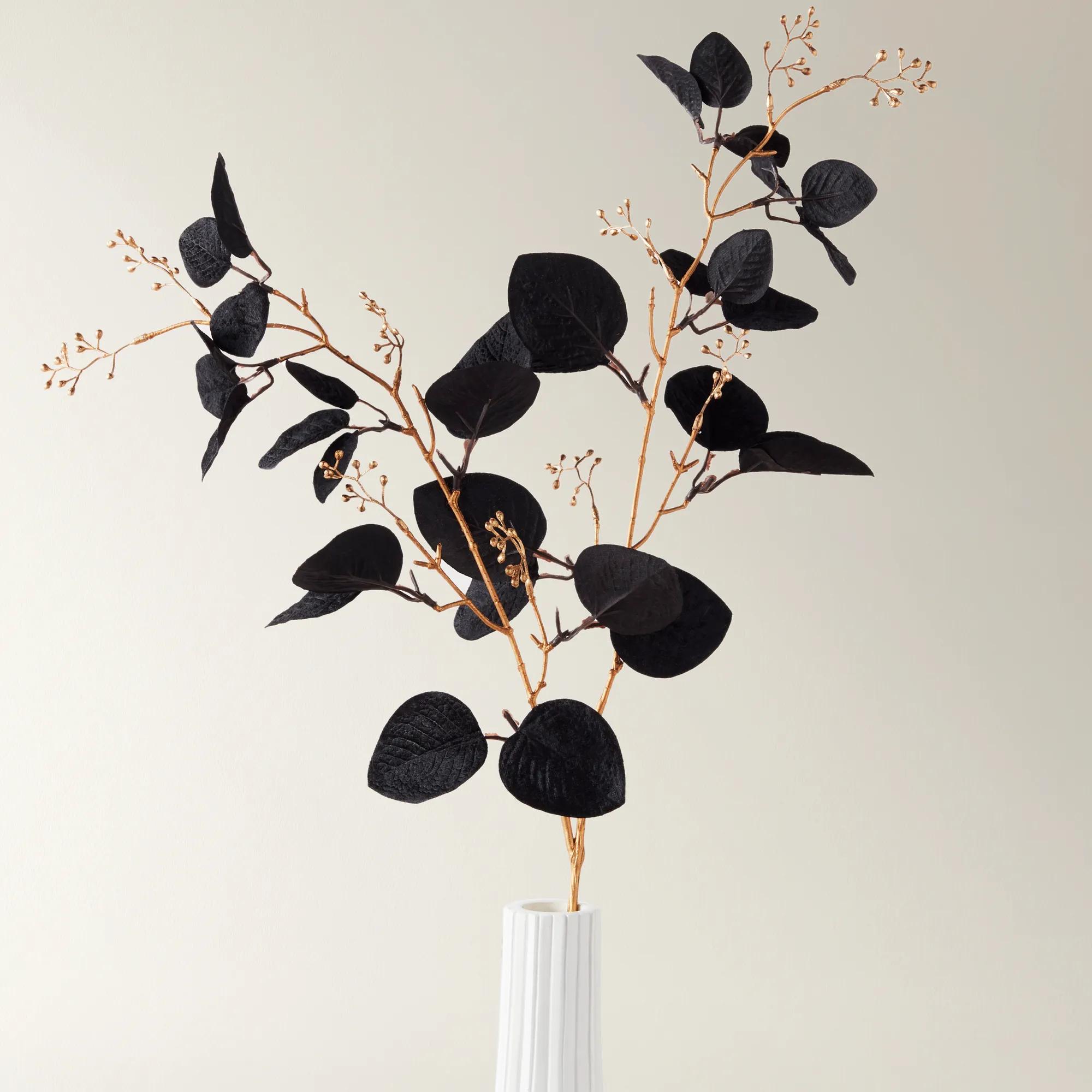
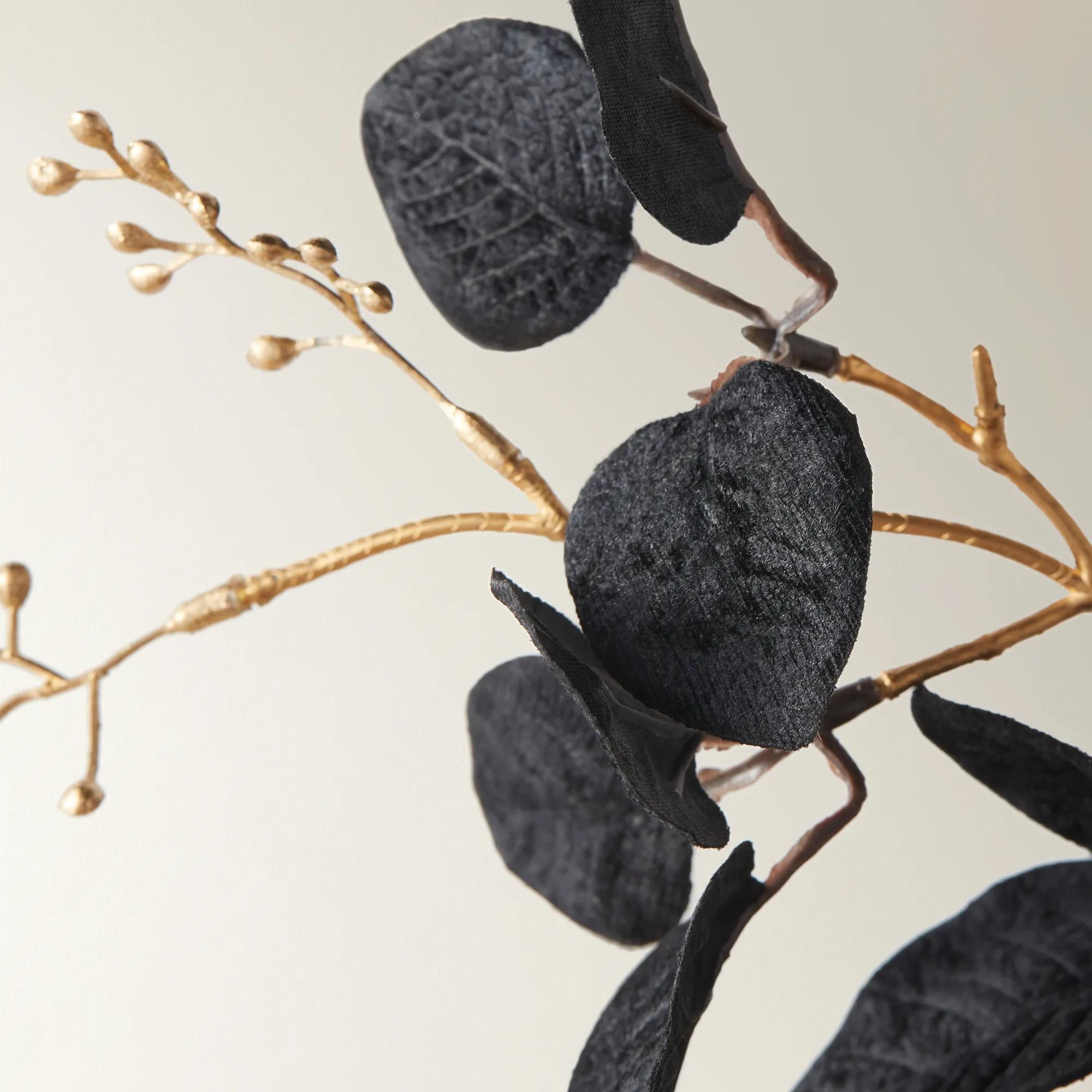 Faux Black/Gold Eucalyptus Spray 32" Set of 3$49
A set of three black-and-gold faux eucalyptus sprays crafted from durable plastic for sculptural seasonal arrangements.
Add To Cart -
-compressed.jpg?w=1200&h=1200) Faux White Magnolia Stem 40" Set of 3$79
Faux White Magnolia Stem 40" Set of 3$79A set of three lifelike faux magnolia stems in creamy white polyester for timeless floral elegance.
Add To Cart -
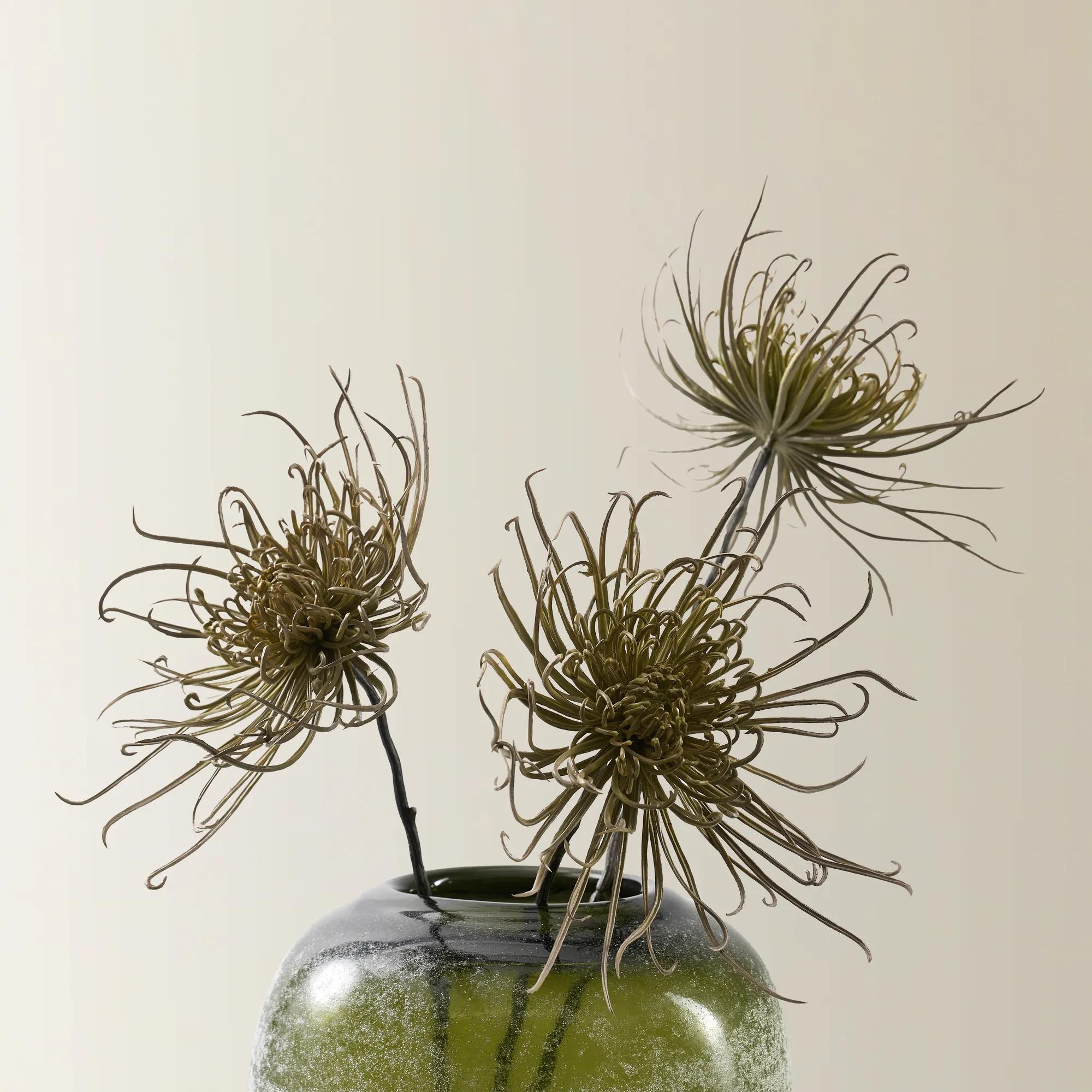 Faux Green Mum Stem 28" Set of 3$59
A set of three faux green mum stems with yellow accents adds lively, natural texture to arrangements.
Add To Cart -
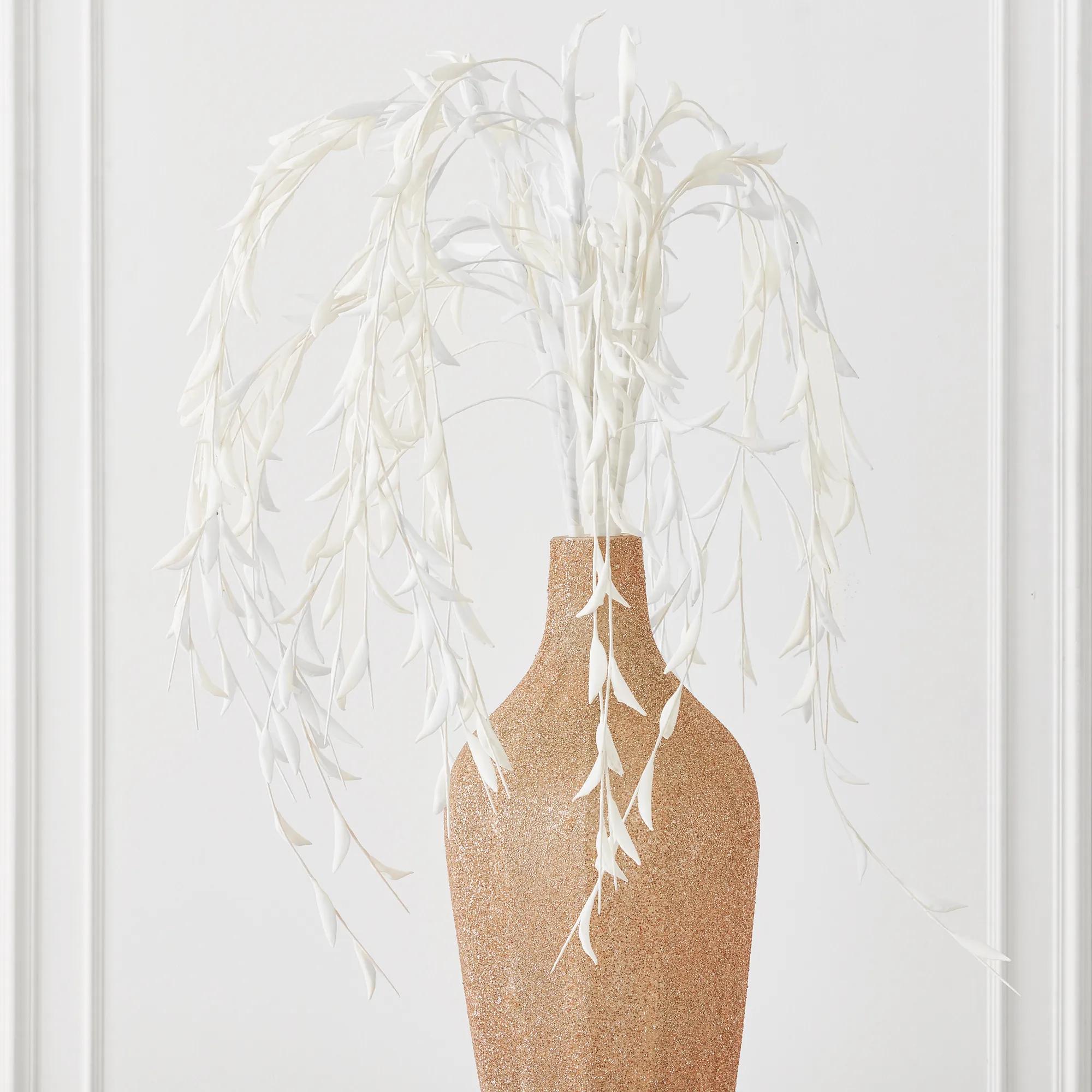
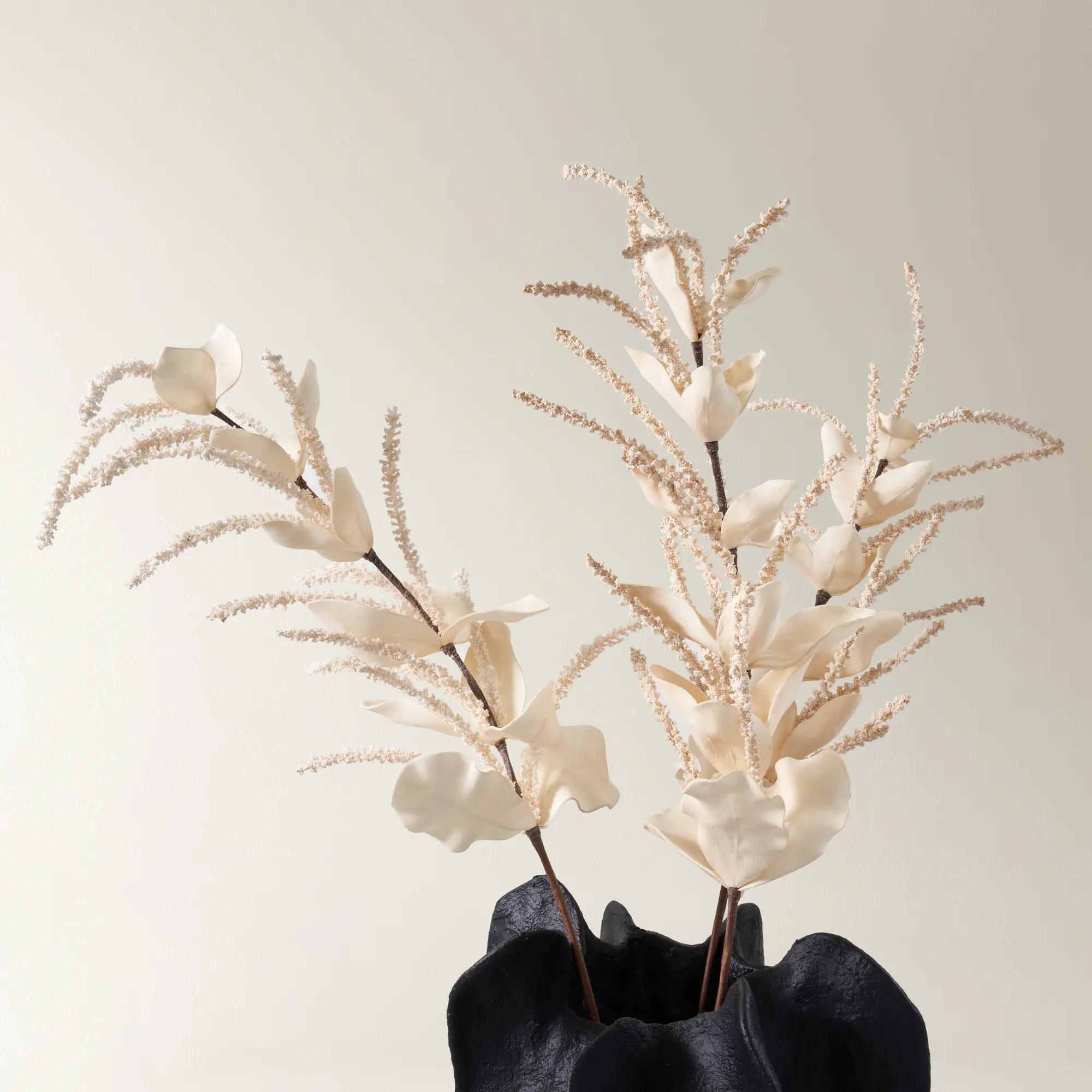 Faux Cream Weeping Spray 50" Set of 3$59
A set of three lifelike sprays in earthy beige and brown tones for a natural, elegant accent.
Add To Cart -
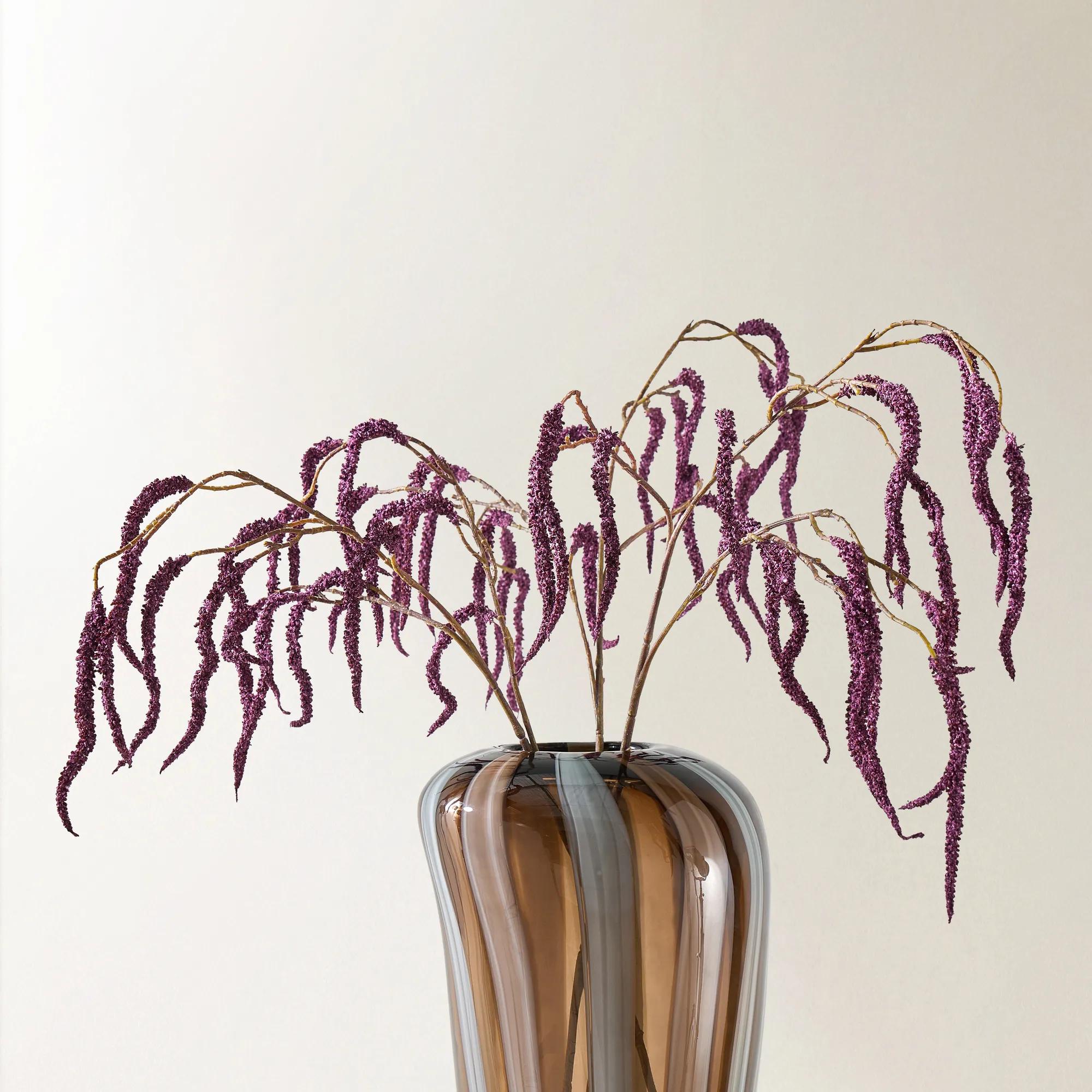
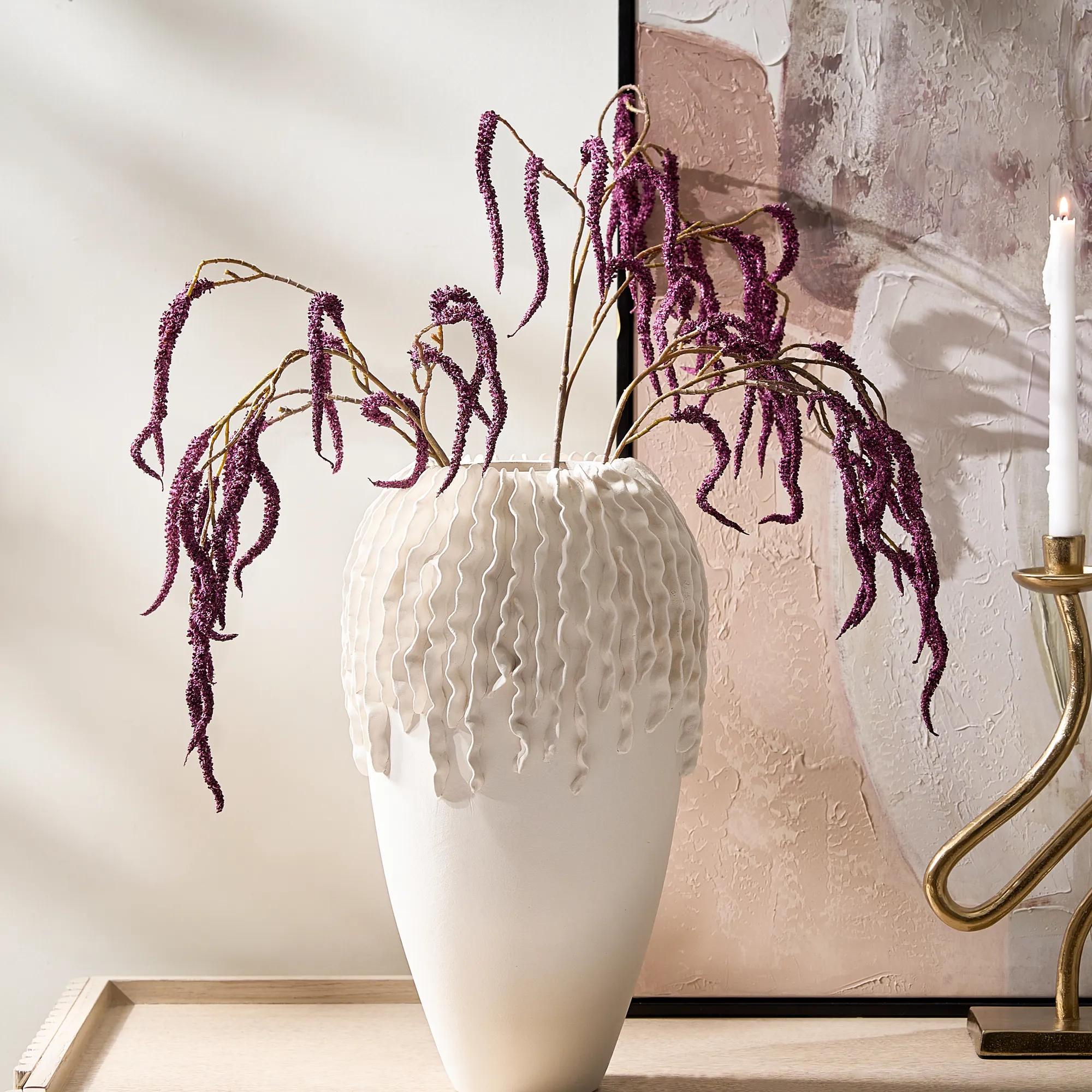 Faux Dark Amethyst Amaranthus Stem 30" Set of 3$39
A set of three faux dark amethyst plastic stems adds rich color and cascading texture to arrangements.
Add To Cart -
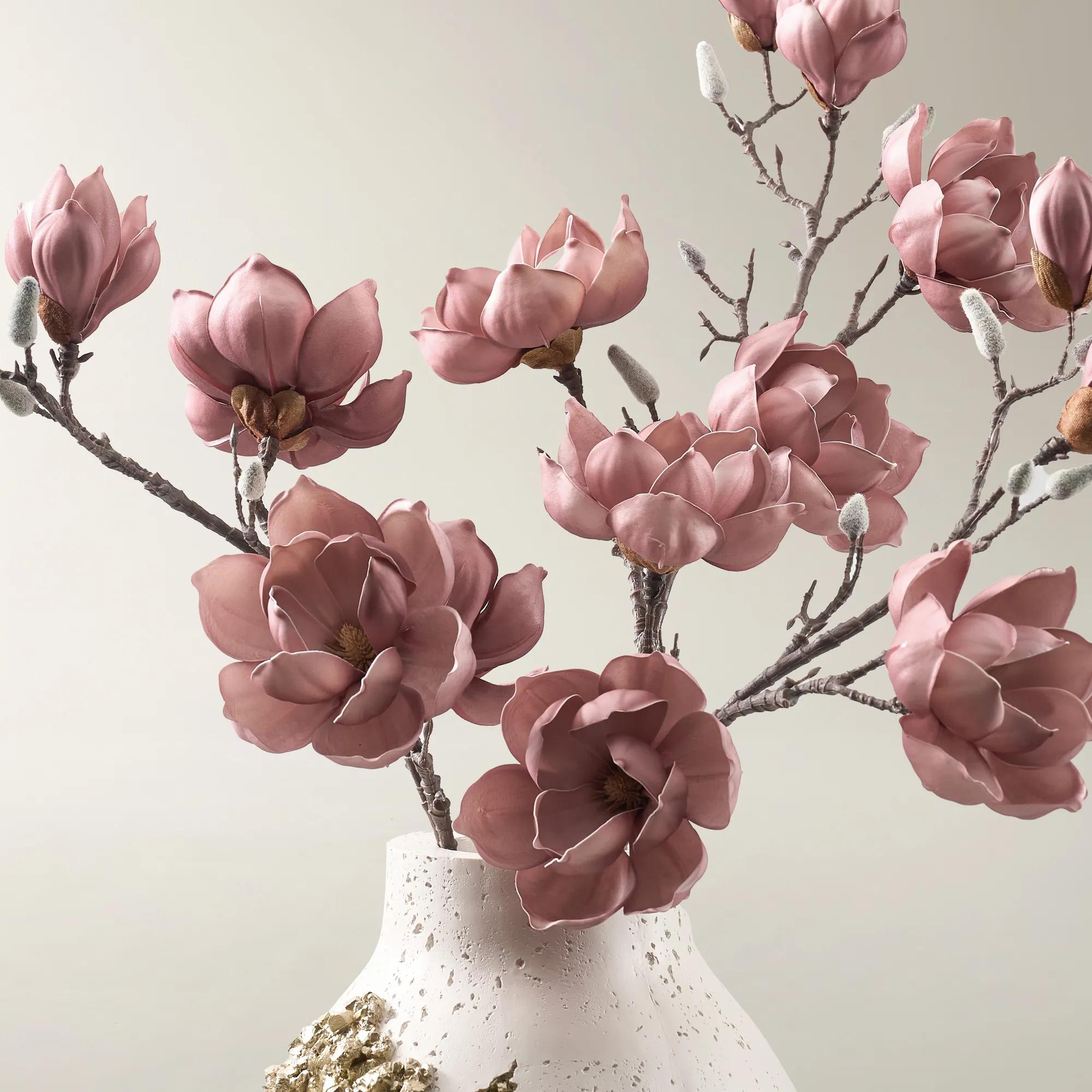 Faux Pearlized Antique Mauve Magnolia Stem 40" Set of 3$79
A set of three pearlized antique mauve magnolia stems crafted from polyester for elegant seasonal arrangements.
Add To Cart -
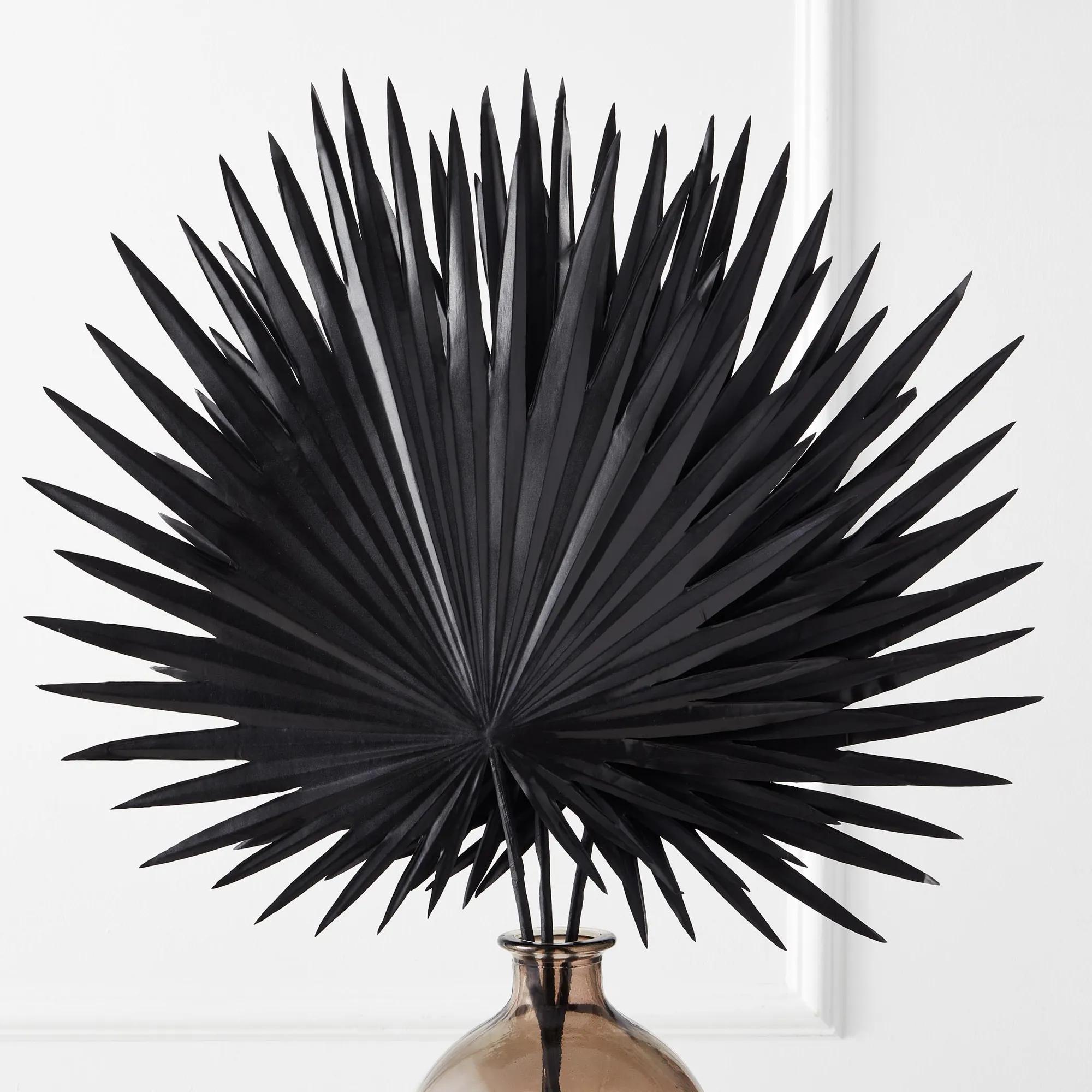
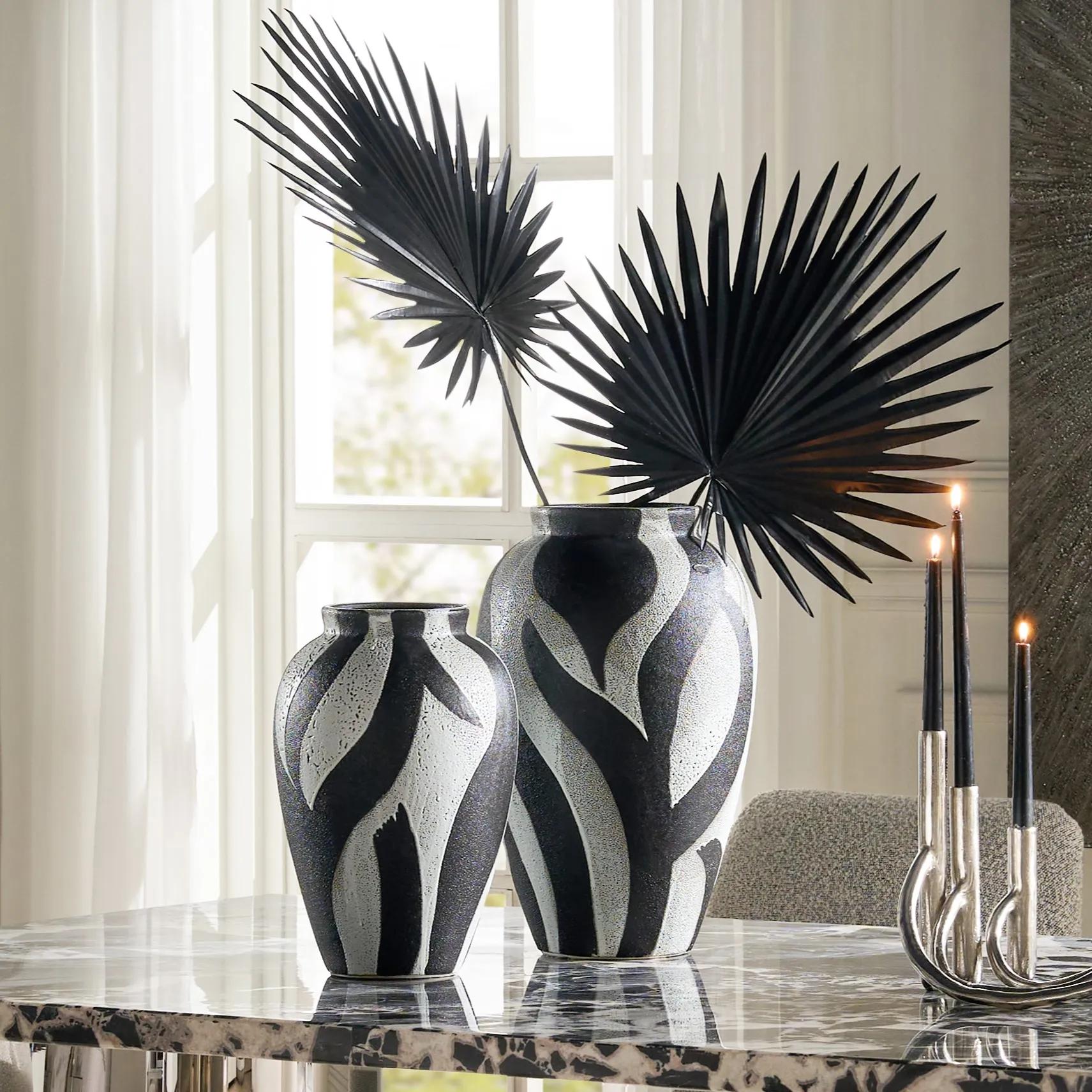 Faux Black Palm Stem 40" Set of 3$69
A set of three black faux palm stems with flexible wire for easy, artistic arranging.
Add To Cart -
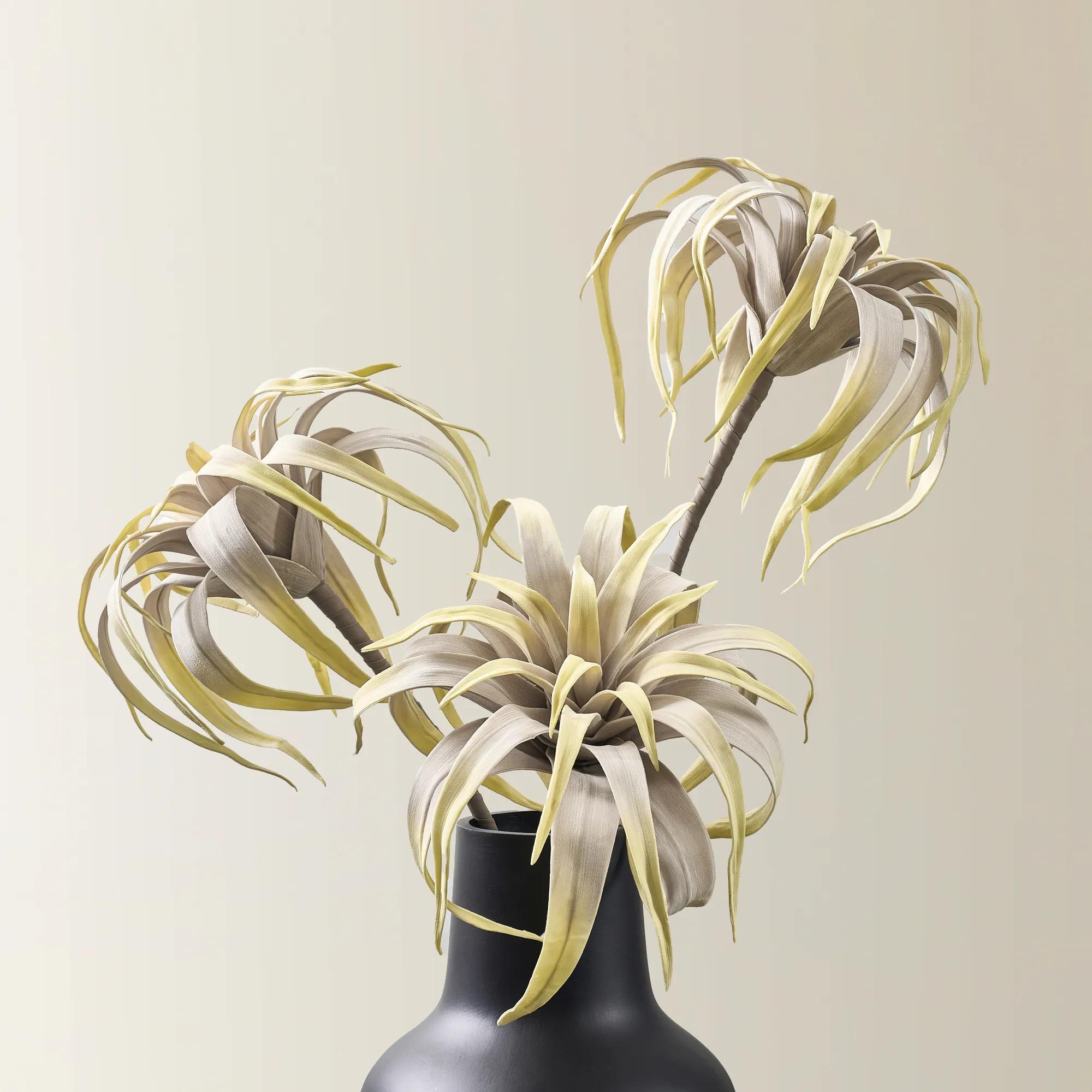 Faux Dusty Blush Large Airplant Stem 35.5" Set of 3$49
A set of three sculptural faux airplant stems in soft dusty blush foam for modern decorative arrangements.
Add To Cart -
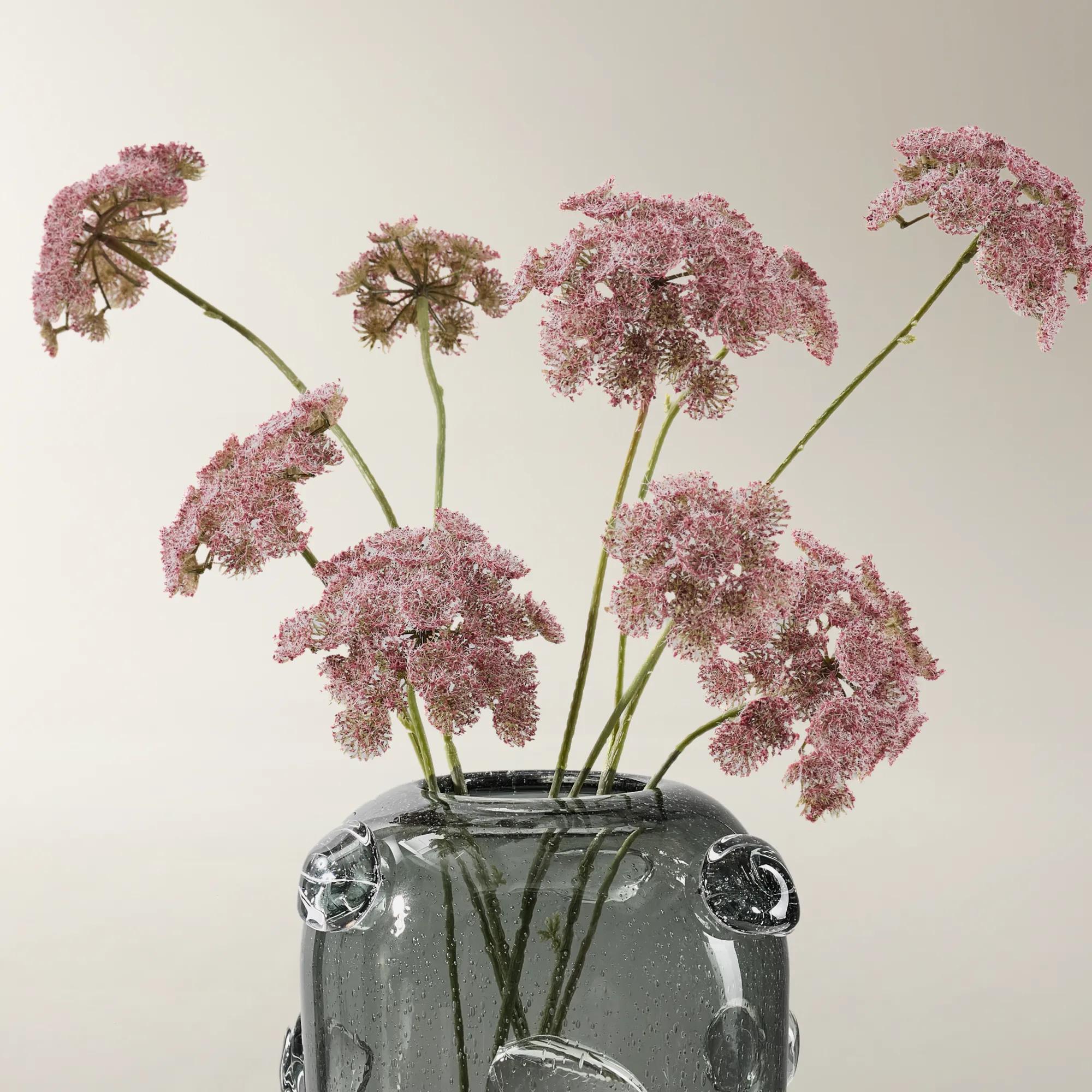 Faux Mauve Queens Lace Stem 30.5" Set of 3$49
A set of three mauve faux Queen’s Lace stems adds romantic color and airy texture to arrangements.
Add To Cart -
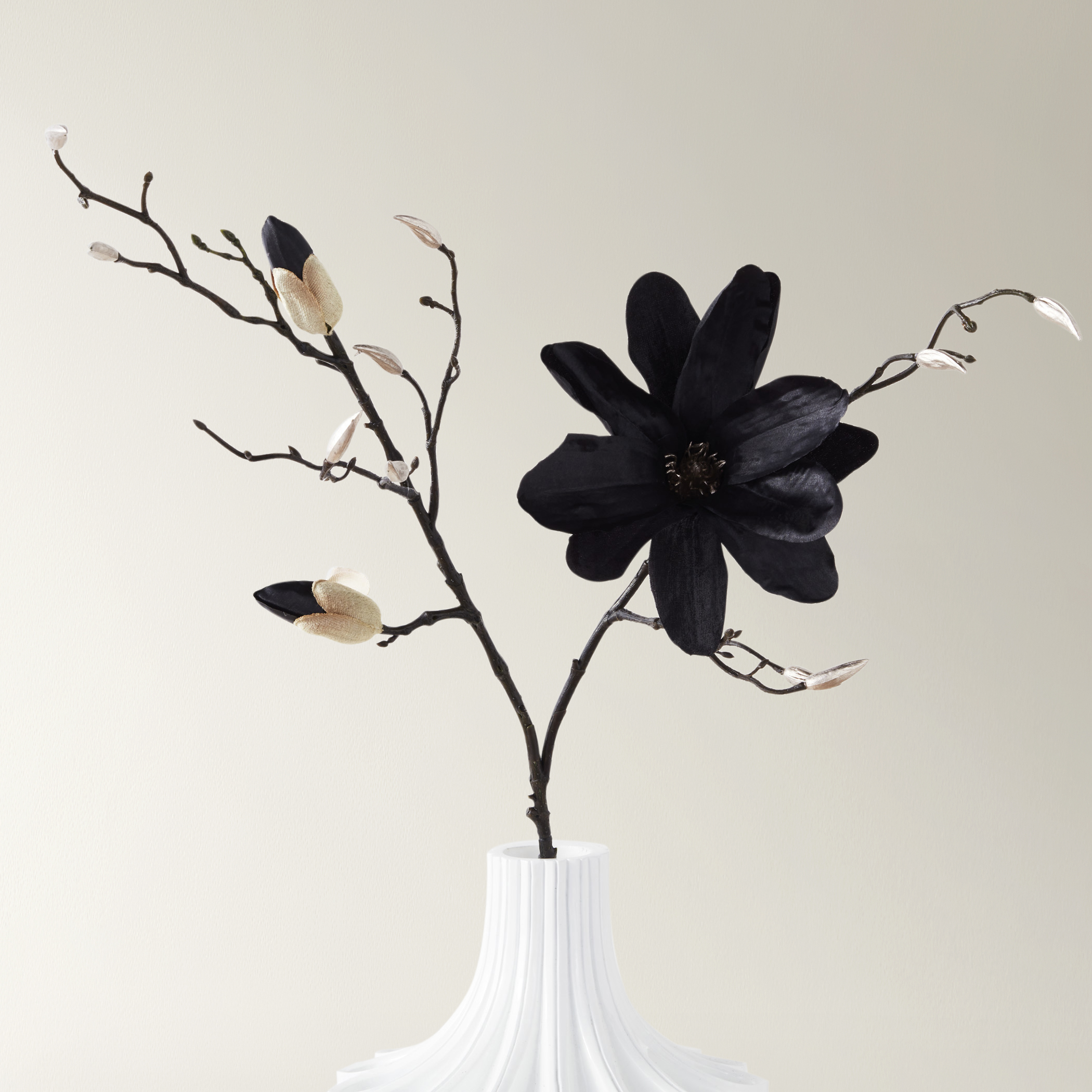 Faux Black & Gold Magnolia Stem 33" Set of 3$59
A set of three lifelike black polyester magnolia sprays that add dramatic height to any decor.
Add To Cart -
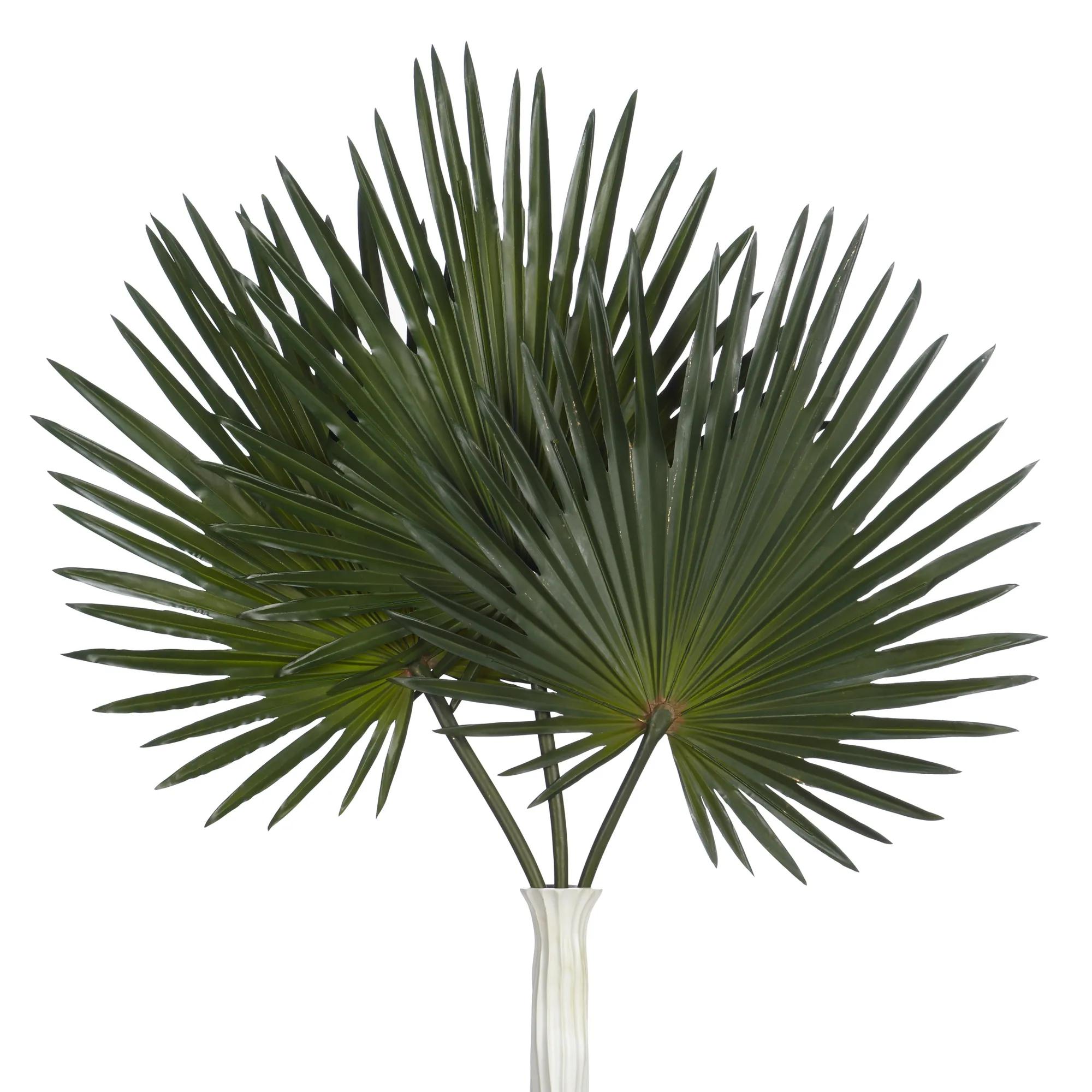
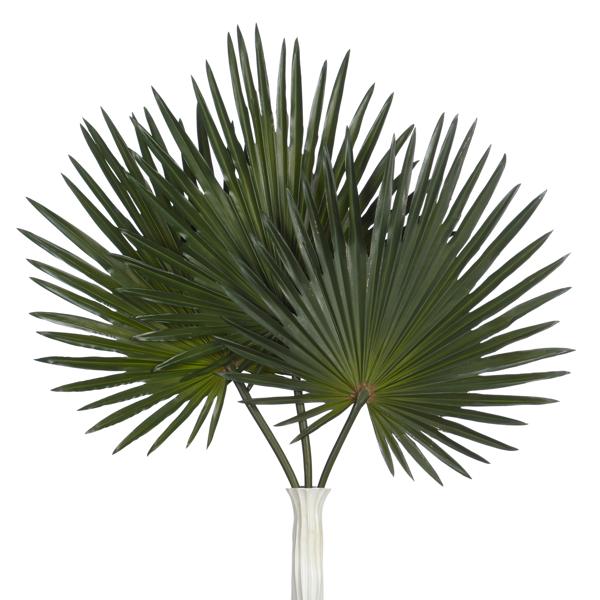 Faux Green Palm Stem 40" Set of 3$69
A set of three green polymer palm stems with flexible wire for easy, artistic arranging.
Add To Cart -
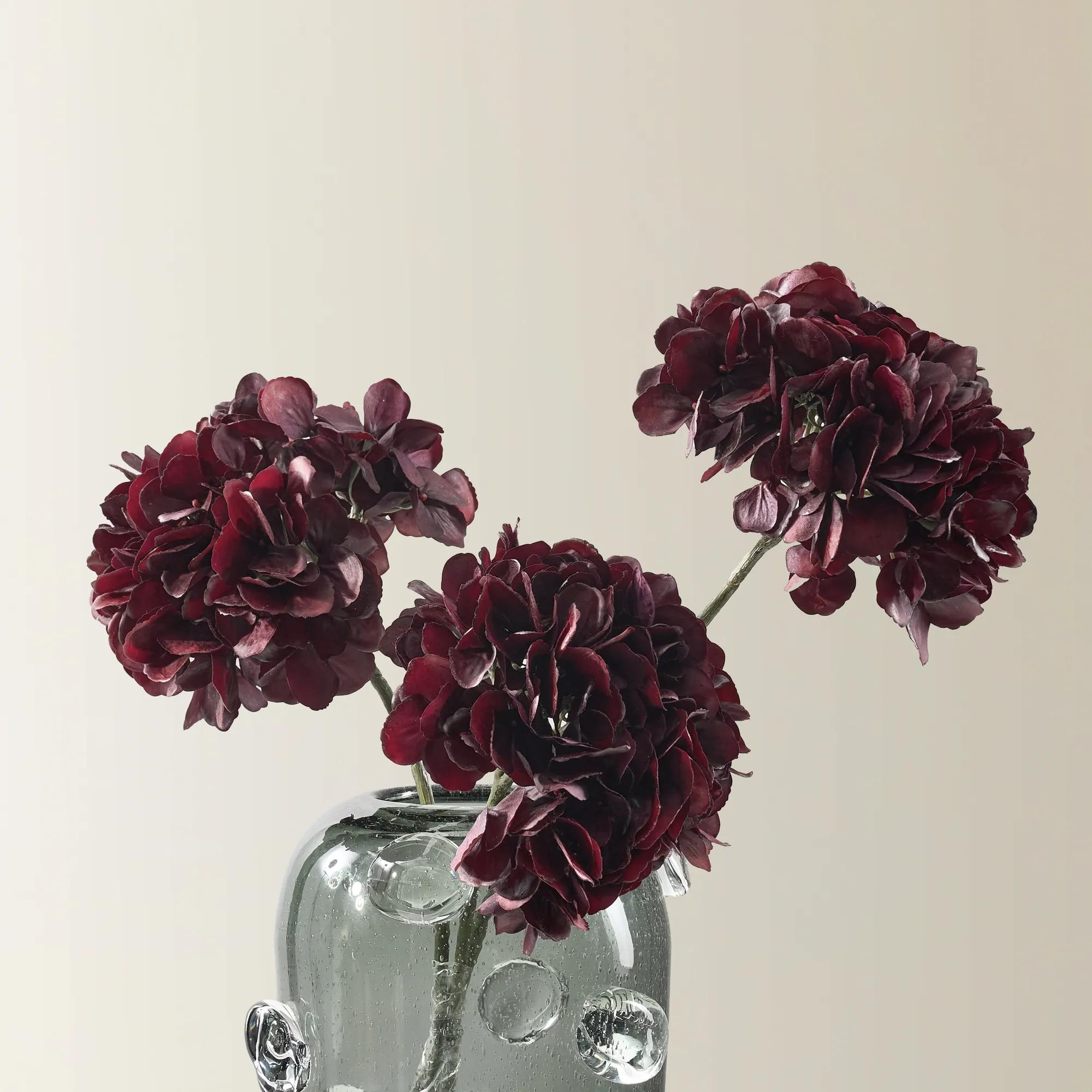 Faux Fig Hydrangea Real Touch Stem 18.5" Set of 3$79
A set of three faux fig-colored hydrangea stems crafted from plastic for lush, seasonal arrangements.
Add To Cart -
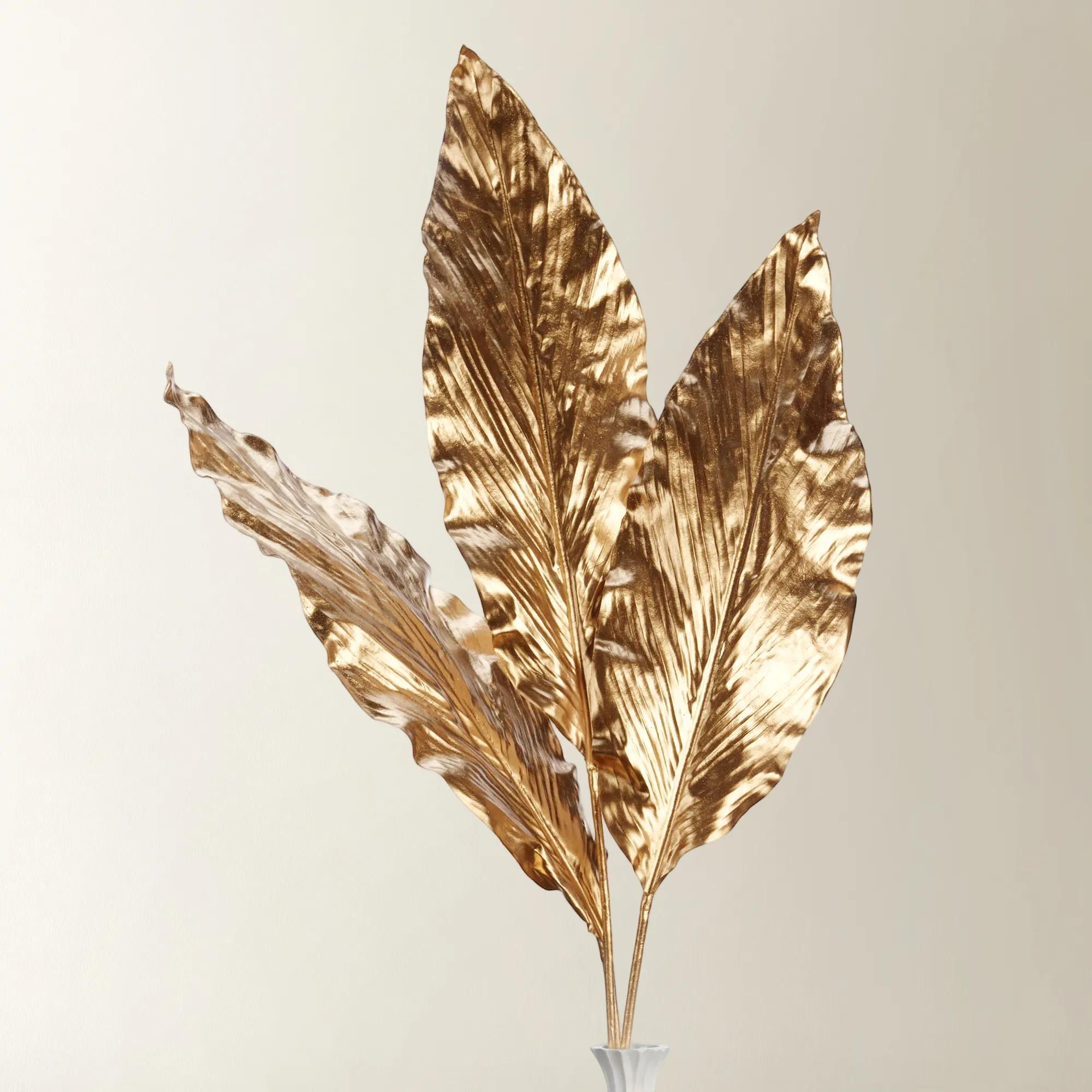
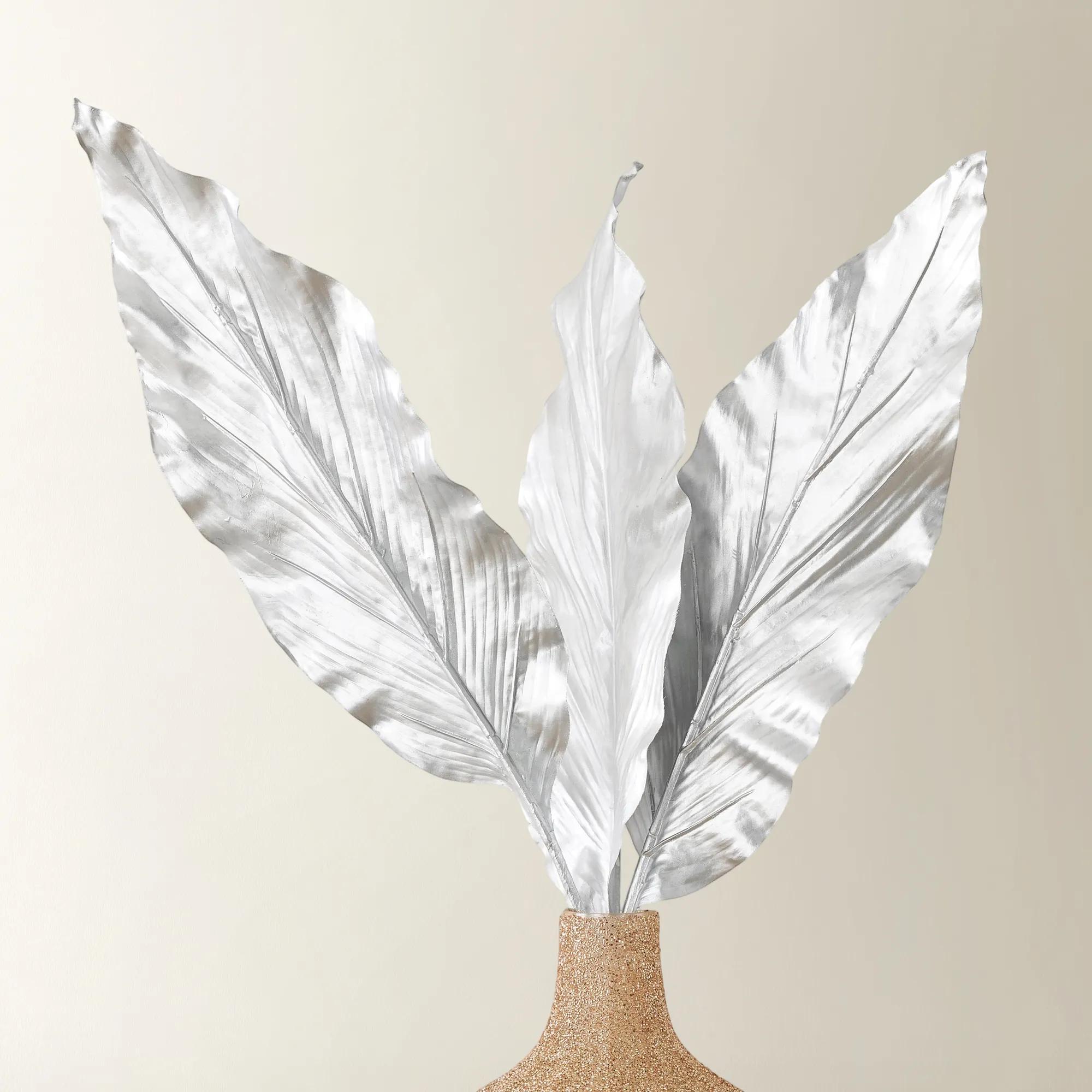
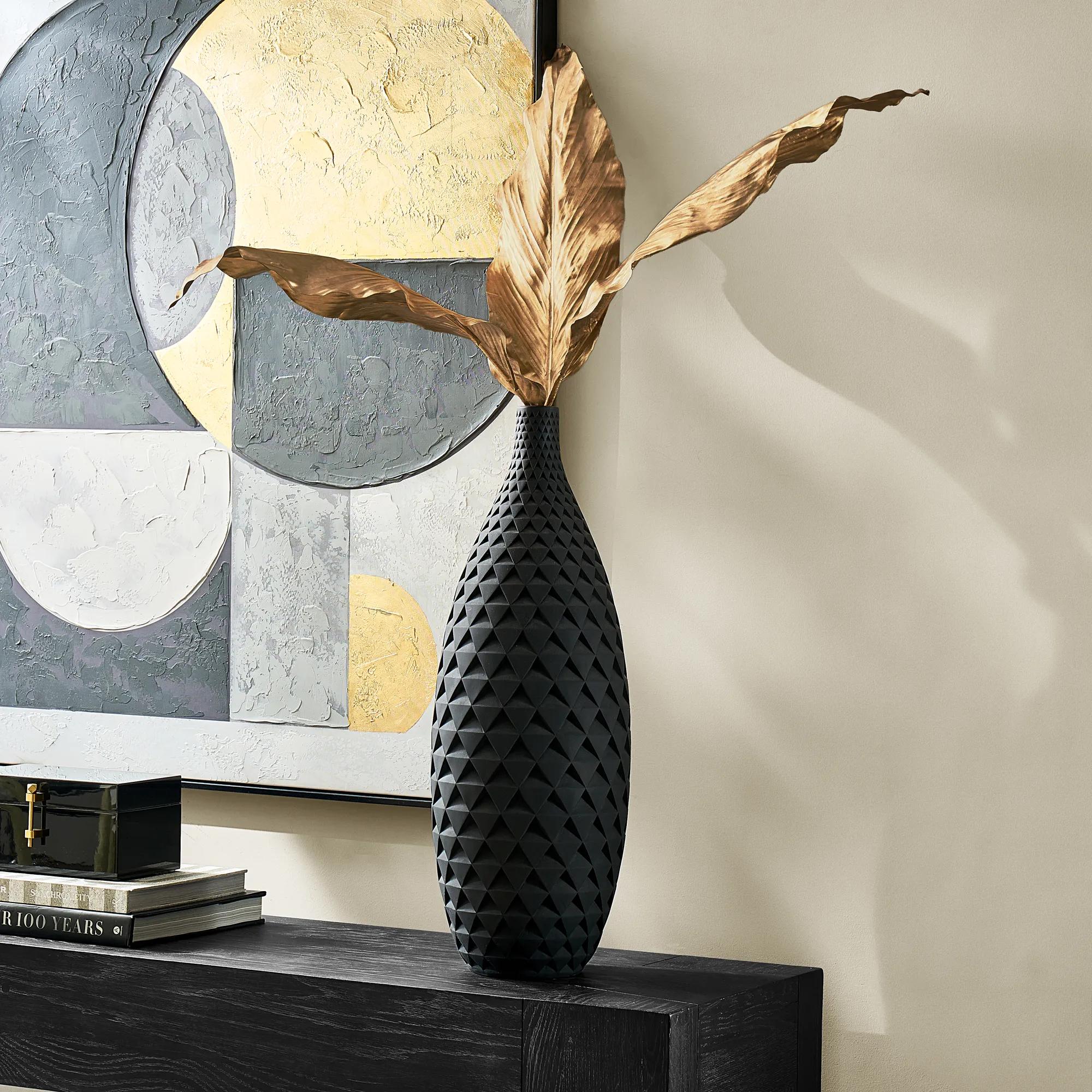 Faux Gold Canna Leaf Branch 38" Set of 3$49
A set of three golden metallic branches inspired by Canna leaves for a modern, autumnal accent.
Add To Cart

Faux Succulent Stems For Vases
Faux succulent stems for vases transform ordinary vessels into lush, artful displays—no green thumb required. Imagine sculptural silhouettes and verdant hues that never fade, each stem lending an air of effortless elegance to your curated arrangements. Whether clustered for dramatic impact or styled solo for a hint of organic intrigue, these lifelike accents invite you to indulge in botanical beauty year-round. Elevate every tabletop, mantel, or entryway with the enduring allure of faux succulent stems for vases—where nature’s wonder meets modern artistry.
Faux succulent stems for vases bring sculptural greenery to an interior without the watering, soil, or sunlight requirements of living plants. Defined by fleshy-looking leaves, layered rosettes, and expressive silhouettes, these artificial botanical stems lend a composed, artful presence to consoles, dining tables, bookshelves, and bedside vignettes. Their appeal lies in the contrast: organic shapes soften polished surfaces, while their architectural structure holds its own beside bold artwork and dramatic furnishings. A tightly formed rosette feels jewel-like against dark ceramic; a trailing silhouette creates movement over the rim of a tall vessel. Unlike a finished potted arrangement, individual faux succulent picks and stems offer flexibility in choosing the vase, adjusting the composition, and creating a display that feels personal to the room. Common forms include echeveria-inspired rosettes, rounded sedum-like clusters, pointed aloe-inspired leaves, and cascading strands reminiscent of string of pearls or burro’s tail. Each contributes a different visual rhythm, from crisp and upright to loose and cascading. Color matters just as much as shape. Soft sage and blue-green tones create subtle depth against ivory or charcoal, while deeper greens stand out against mirrored accents and gleaming metallic finishes. Muted burgundy edges or softly varied leaf tips, when present, can lend convincing botanical nuance without competing with surrounding decor. The most natural-looking artificial succulent stems generally combine dimensional leaves, restrained surface sheen, and variations in color rather than a single flat green. For someone who appreciates greenery but travels frequently, or for a room with limited natural light, the result is lasting visual richness without a plant-care schedule. These stems also suit design enthusiasts who enjoy rearranging decorative objects: a compact cluster can move from an entryway accent to a dining centerpiece simply by changing its vessel. Whether featured as a single sculptural gesture or gathered into a generous arrangement, faux succulents offer a distinctive balance of botanical detail and deliberate design, giving even a narrow ledge or small side table a finished, expressive presence.
Materials and proportions shape how faux succulent stems look, feel, and sit inside a vase. Many artificial varieties use molded plastic or flexible synthetic materials to reproduce thick leaves, sometimes with coated surfaces that suggest the matte or gently waxy appearance of real succulents. Construction varies, and some stems include an internal wire that allows modest shaping, while others are rigid and intended to retain their original form. Material descriptions and dimensions are therefore especially useful when choosing between a compact succulent pick and a longer decorative stem. Overall length does not tell the entire story: the width of the leaf cluster, the length of the exposed stem, and the diameter of the vase opening all influence the finished arrangement. A broad rosette needs enough space to rest above the rim without its lower leaves being crushed, while a short pick may disappear inside a deep vessel unless it has concealed support. Narrow-neck vases can hold a small grouping close together for a concentrated silhouette; wider openings allow a fuller composition but often require an insert or anchoring material to keep stems from leaning outward. In an opaque vase, floral foam designed for artificial arrangements can help position stems at different heights. In clear glass, decorative pebbles or glass beads can conceal lower sections and help stabilize the display, provided the vessel can safely accommodate their weight. Fillers should be placed gently to protect delicate glass. A substantial, stable base is particularly valuable when a trailing stem extends beyond the rim and shifts the arrangement’s balance. On a console beneath a large painting, upright greenery can establish height without overwhelming the artwork. At a dining table, a lower arrangement preserves sightlines and leaves room for conversation and serving pieces. For a more floral composition, Faux Floral Stems For Dining Tables offer a complementary direction, with blossom shapes that can contrast beautifully with the dense geometry of succulent foliage. The relationship between stem and vessel gives the display its character: rounded leaves against angular ceramic, cascading greenery against slender glass, or a generous botanical crown above a weighty, textured base.
Faux succulent arrangements are intended primarily as decorative accents, and their enduring appeal depends on matching the construction to the setting. Indoor use is the appropriate default unless the product information specifically identifies outdoor suitability or UV resistance; an artificial leaf is not automatically protected against fading simply because it resembles a hardy desert plant. Prolonged direct sunlight can alter some colors and finishes, and excessive heat may distort synthetic leaves or weaken adhesives. A position away from heating vents, open flames, and intense window exposure helps preserve the arrangement’s appearance. Routine care is usually light but still worthwhile: a soft, dry cloth or delicate brush can lift dust from broad leaves and reach between tightly layered rosettes. Any damp cleaning should follow the manufacturer’s directions, since coatings, flocking, glued components, and exposed wire may respond differently to moisture. Soaking and harsh cleaners are best avoided unless expressly permitted. Where shaping is supported, gentle adjustments along the flexible stem are preferable to pulling on leaves or repeatedly bending the same point. These small considerations help protect the detail that makes artificial greenery convincing. Durability varies with materials and handling, but well-cared-for faux stems can be reused across many arrangements without the leaf loss or watering demands associated with living plants. Their flexibility makes them appealing for home offices, guest rooms, and reception spaces where a polished decorative presence matters but regular botanical care may be impractical. As a housewarming or host gift, an arrangement paired with a thoughtfully chosen vase offers a personal design gesture, particularly for someone who enjoys expressive interiors without tending live plants. In homes with children or pets, stems, small detachable components, and loose vase fillers belong out of reach; decorative greenery is not intended for chewing or play. For storage, allowing room around leaf clusters helps prevent flattened silhouettes, while keeping stems clean and dry makes their next appearance effortless. With considered scale, convincing texture, and a vessel that deserves attention, faux succulent stems give greenery a more sculptural role—framing a favorite object, softening a dramatic room, or becoming the detail that draws the eye.
FAQs
To craft a modern centerpiece, gather a selection of faux succulent stems with varying heights and textures. Arrange them in a sleek glass or metallic vase, allowing some stems to cascade naturally while others stand upright for sculptural dimension. For added drama, layer in decorative stones or metallic beads at the base and pair with candlelight to create a striking focal point that feels both curated and contemporary.
Decorative stems for vases offer limitless versatility. Place a single, dramatic stem on a bedside table for a touch of green serenity, cluster multiple stems in a bold ceramic vessel on your entryway console, or weave them into a mixed bouquet for the dining table. Experiment with different vessels—think mirrored vases, textured ceramics, or even sculptural bowls—to match your personal aesthetic and elevate every corner of your home.
Absolutely. Faux succulent stems adapt beautifully to every season. In winter, pair them with gilded branches or frosted accents for a festive feel. As spring approaches, combine them with pastel-hued faux florals for a fresh, uplifting look. Their timeless appeal ensures they can be reinvented throughout the year, making them a staple for year-round decorating.
Faux succulent stems make an inspired gift for design enthusiasts, frequent entertainers, or anyone who cherishes lasting beauty with minimal upkeep. They're ideal for housewarmings, host gifts, or as a thoughtful gesture for someone starting a new chapter—offering a touch of luxury and artistry that complements any décor style.
Mixing faux succulent stems with other decorative elements is all about layering textures and tones. Combine them with metallic branches, glass beads, or natural stones for a multidimensional arrangement. For a more organic look, pair with faux eucalyptus or other leafy stems to create a lush, curated bouquet. The key is to balance scale and color for a look that feels intentional and artfully composed.
-compressed.jpg?w=3741&h=3741)


