Faux Succulent Garden Accents
Faux Succulent Garden Accents
-
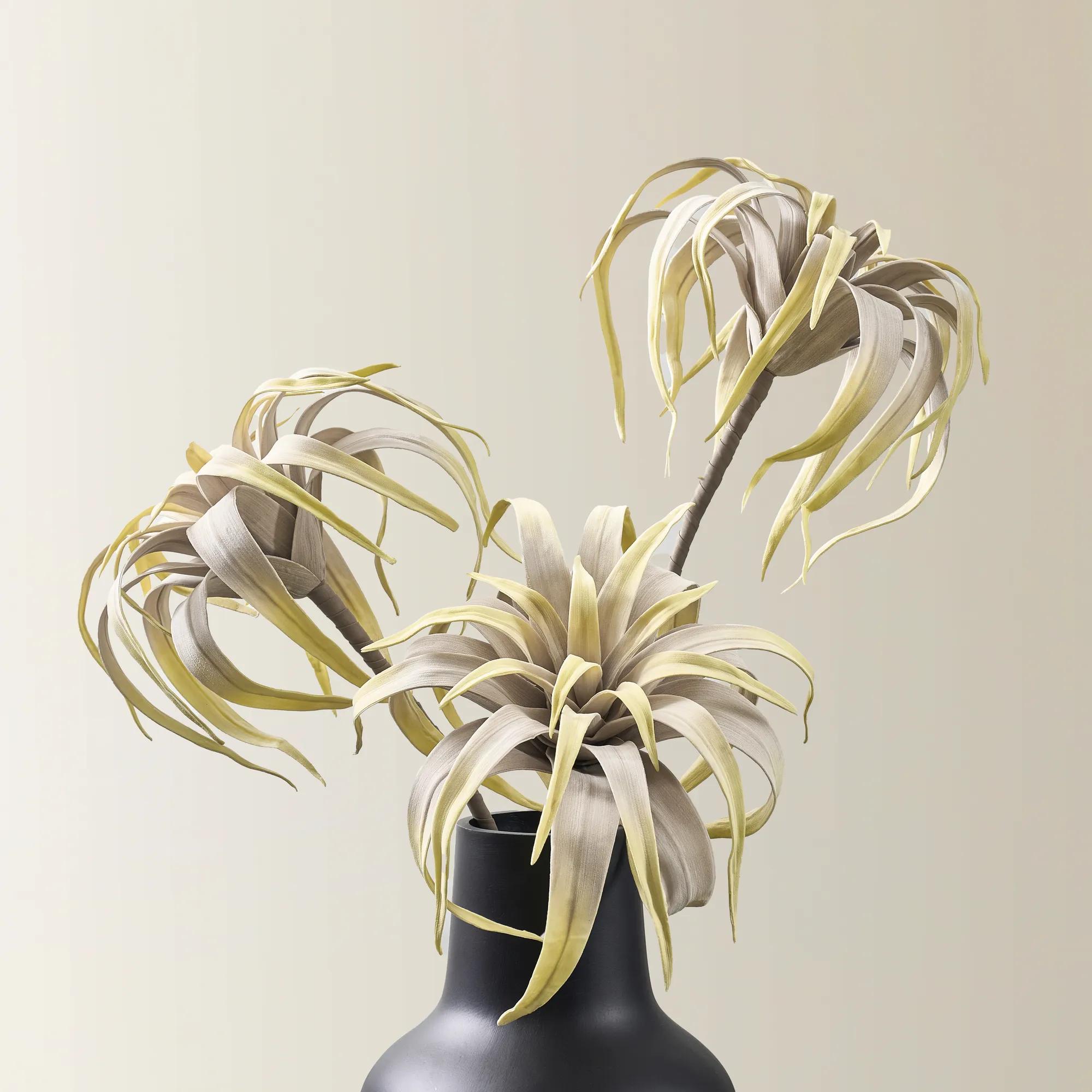 Faux Dusty Blush Large Airplant Stem 35.5" Set of 3$49
A set of three sculptural faux airplant stems in soft dusty blush foam for modern decorative arrangements.
Add To Cart -
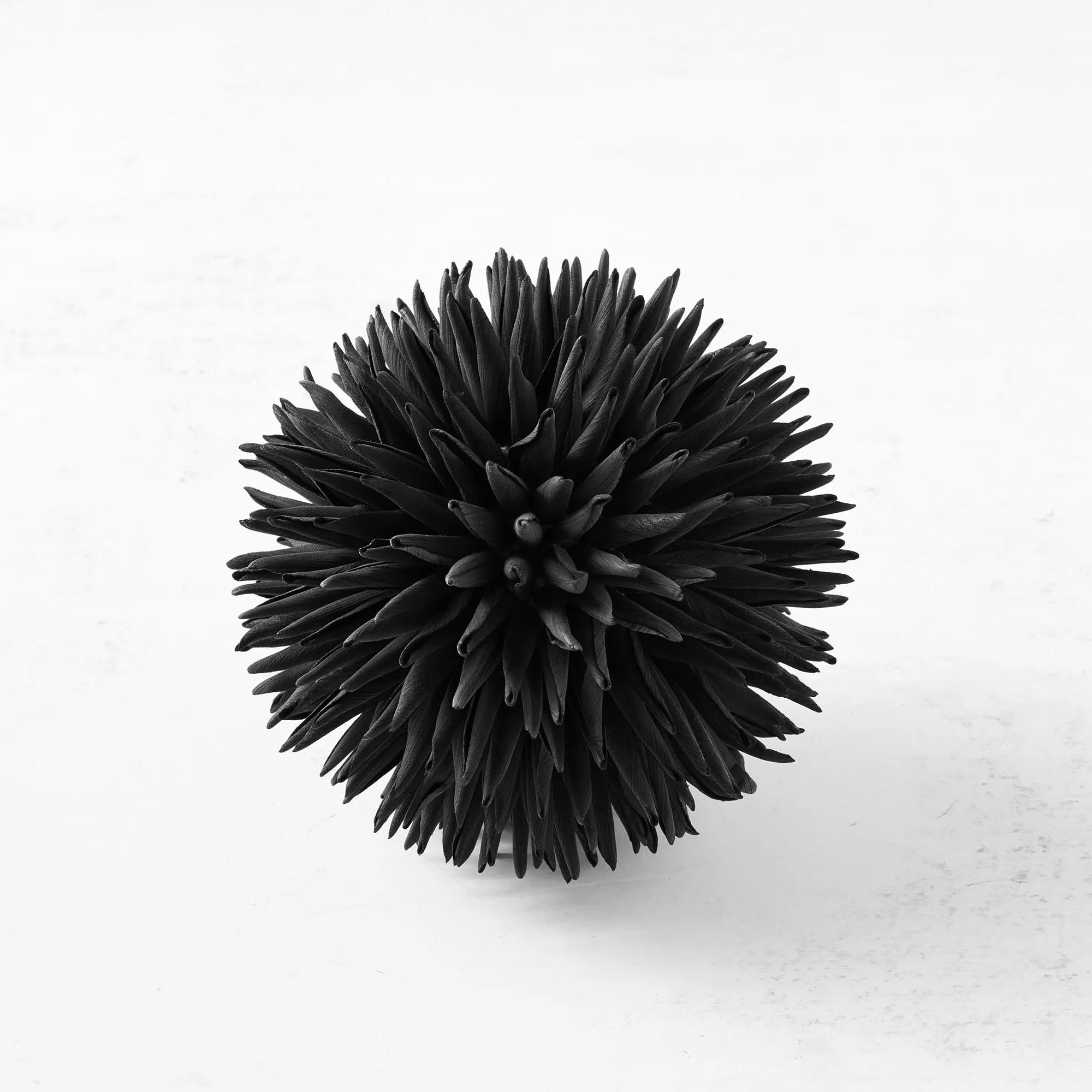 Faux Black Allium Sphere 7" Set of 3$59
A set of three lifelike black faux allium spheres crafted from foam for effortless, year-round decor.
Add To Cart -
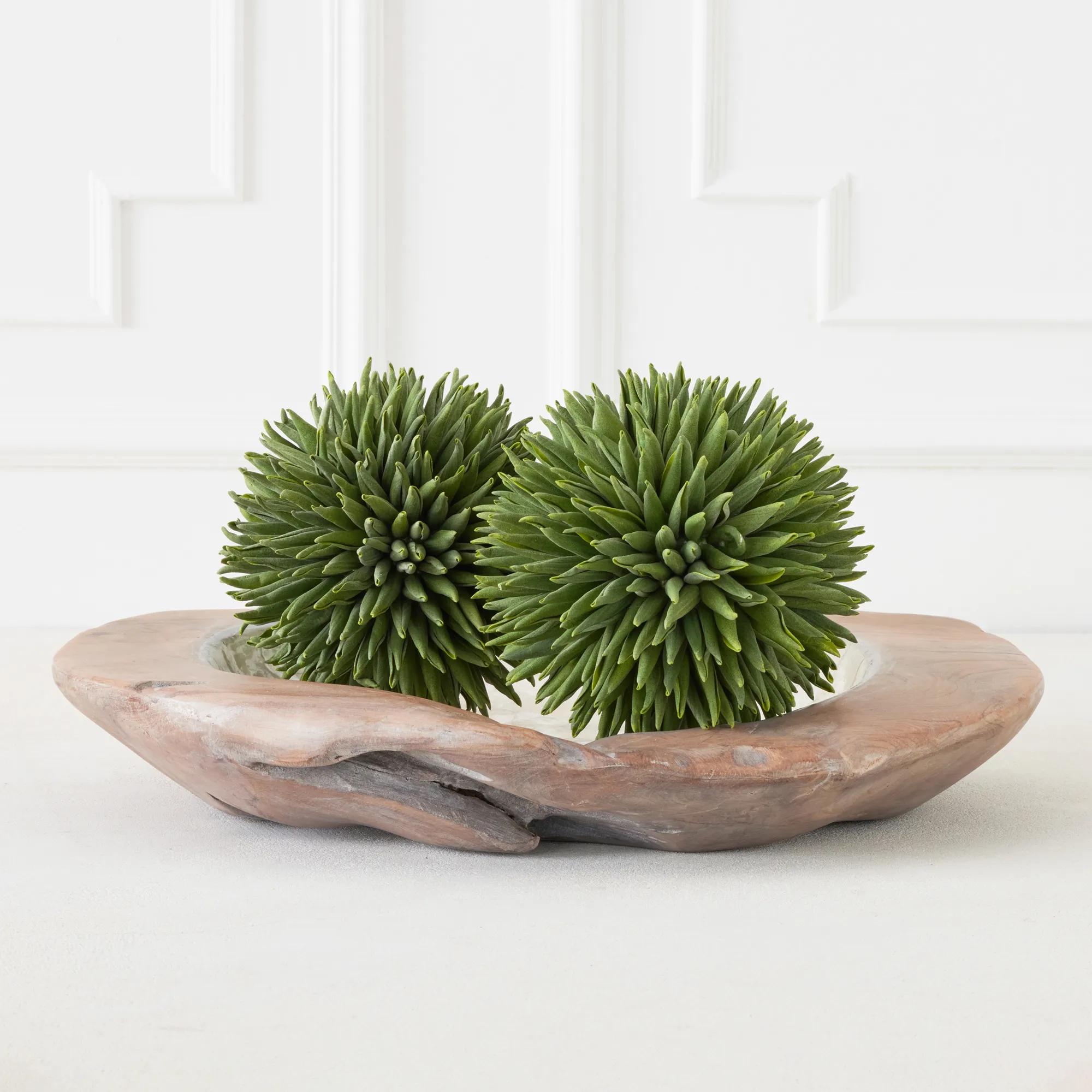 Faux Green Allium Sphere 7" Set of 3$59
A set of three lifelike foam green faux floral spheres that stay vibrant without water or sunlight.
Add To Cart -
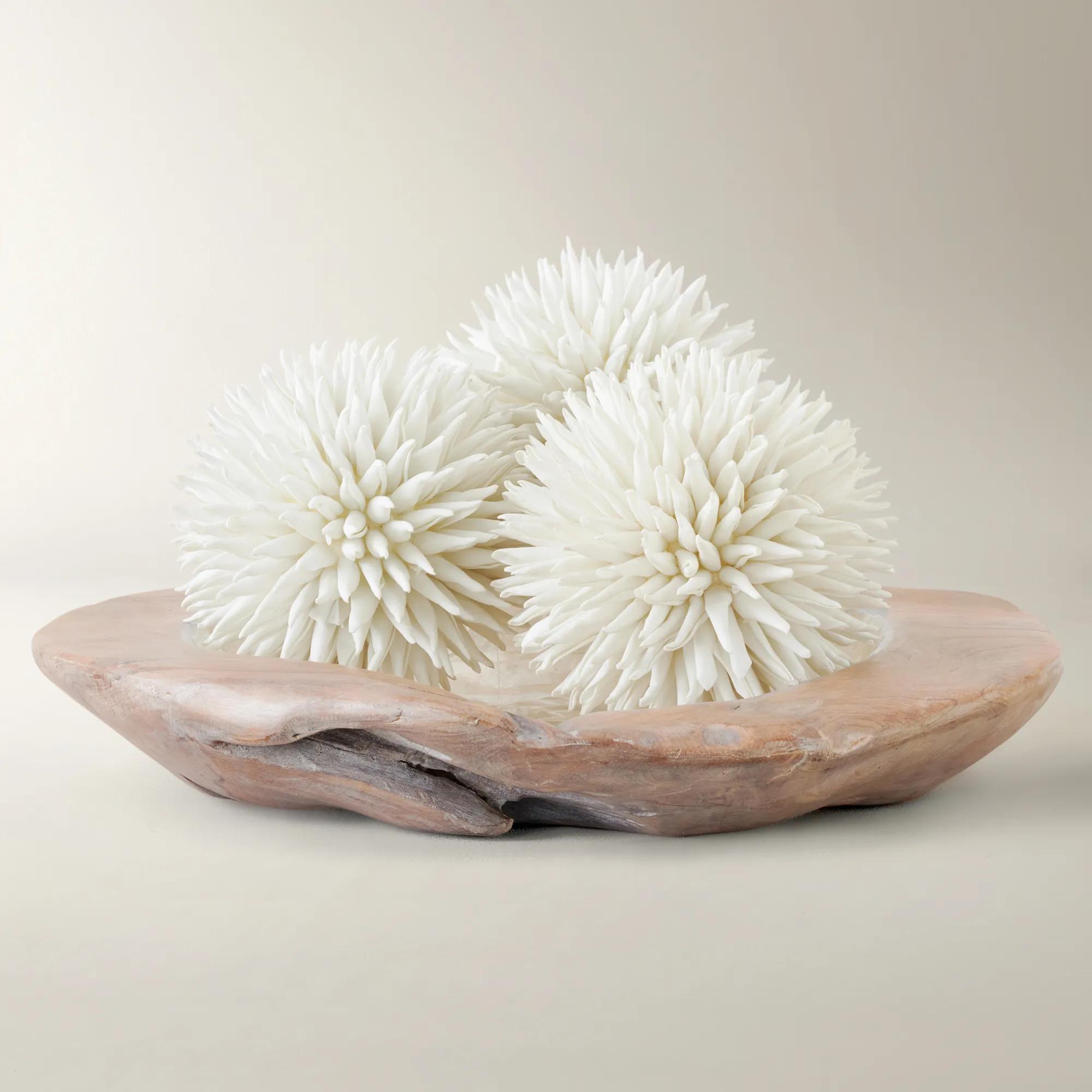
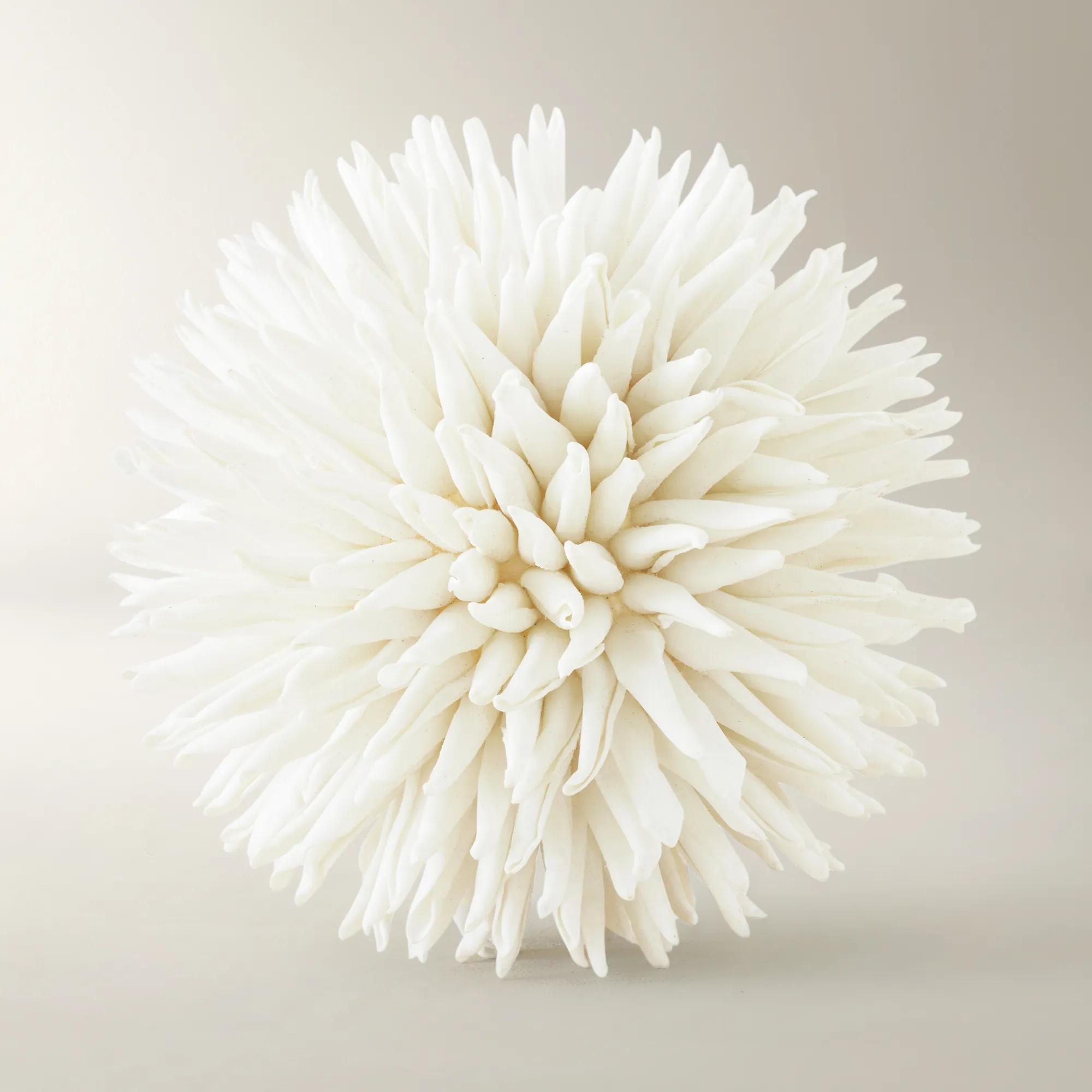 Faux White Allium Sphere 7" Set of 3$59
A set of three foam white faux floral spheres that stay vibrant year-round without water or sunlight.
Add To Cart -
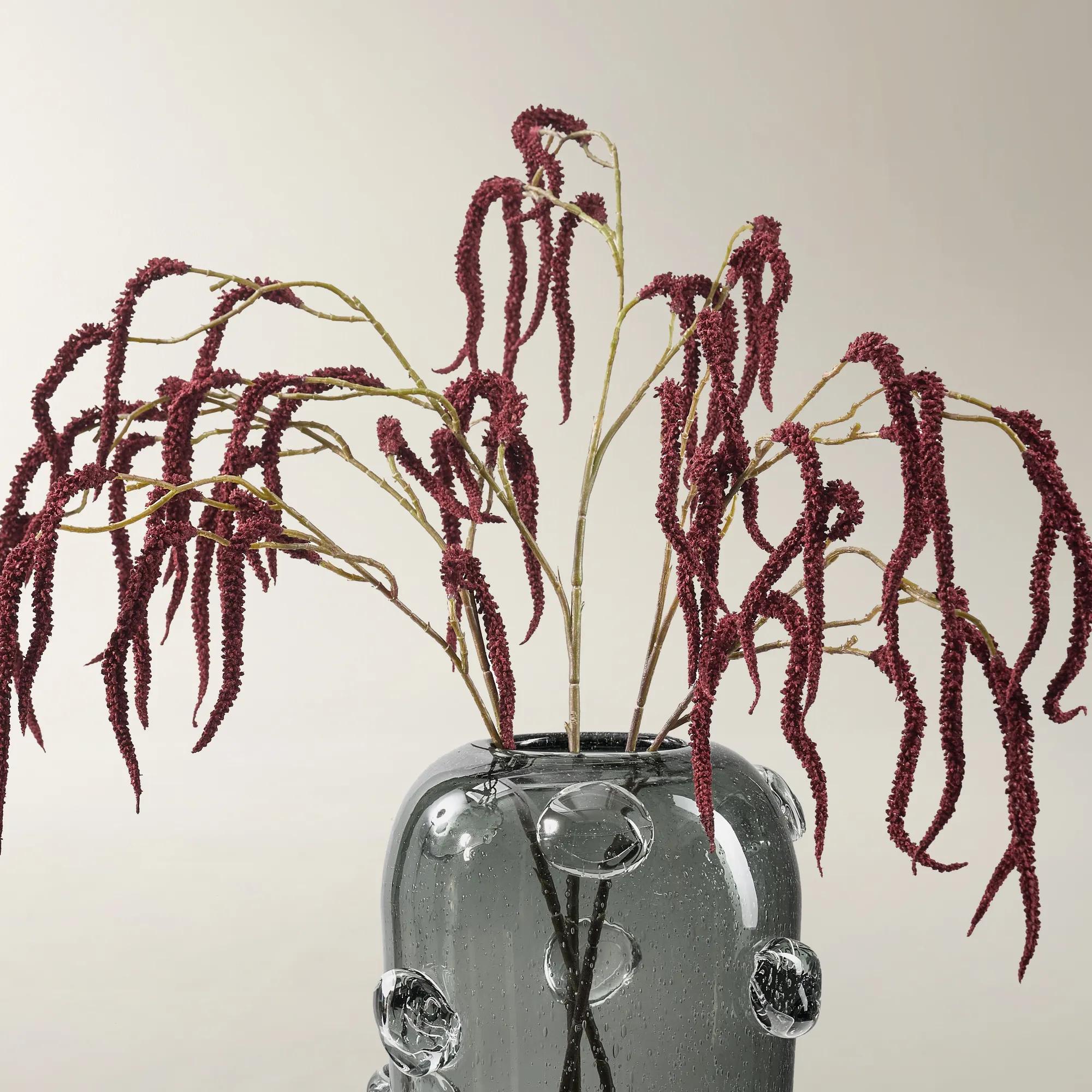
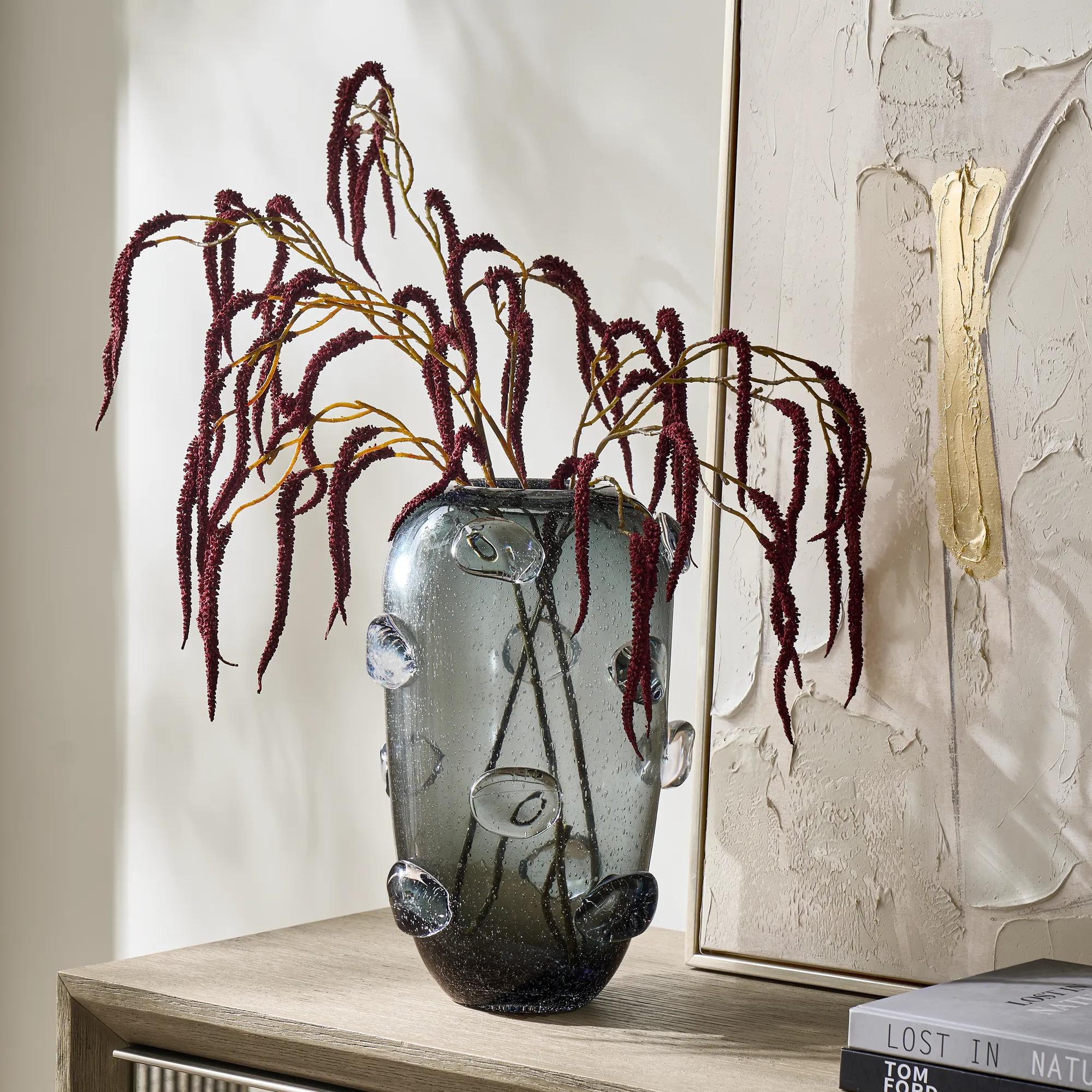 Faux Burgundy Amaranthus Stem 30" Set of 3$39
A set of three cascading faux stems in rich burgundy plastic adds dramatic texture to arrangements.
Add To Cart -
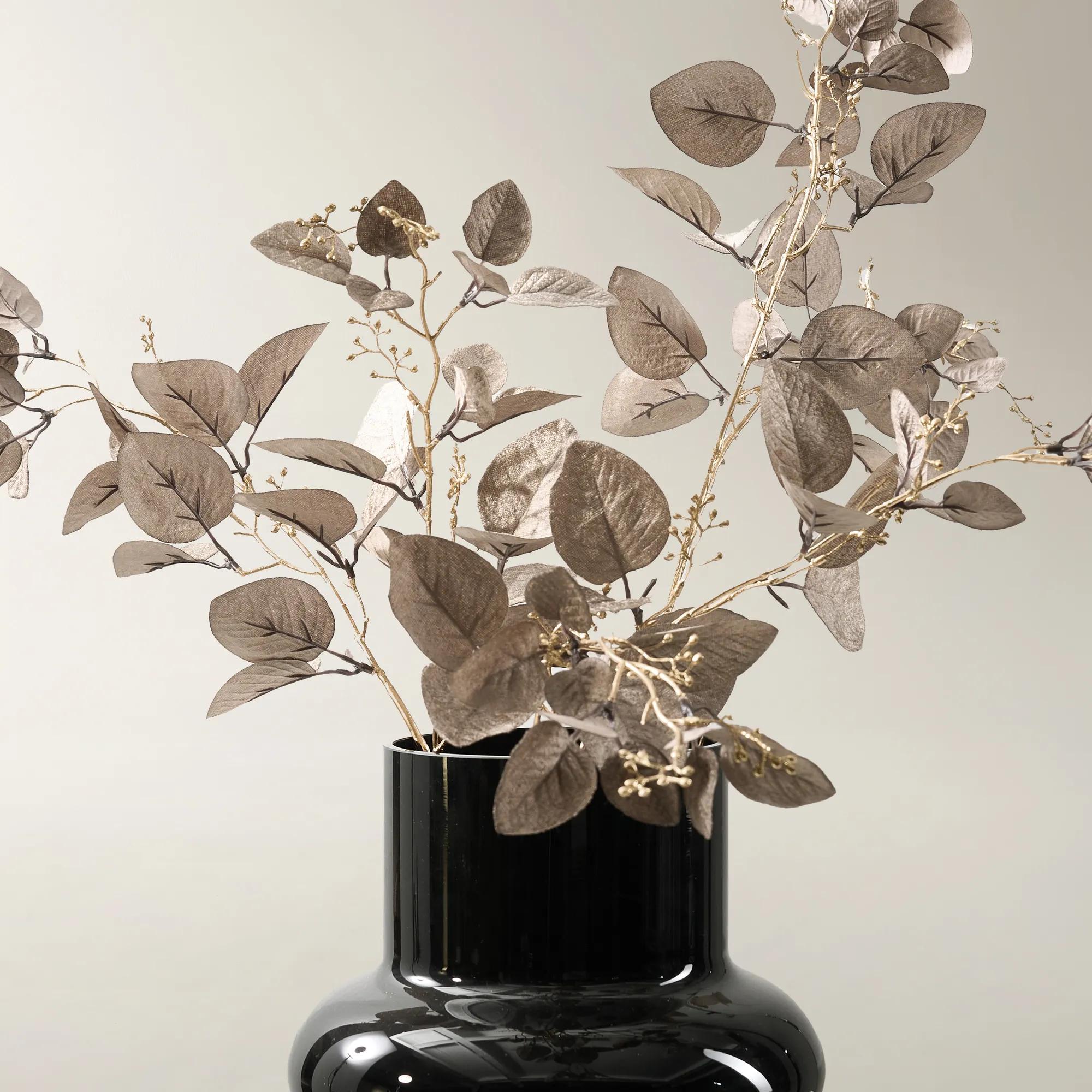 Faux Champagne Shimmer Eucalyptus Spray 32" Set of 3$49
A set of three antique champagne faux eucalyptus sprays adds metallic warmth and airy texture to arrangements.
Add To Cart -
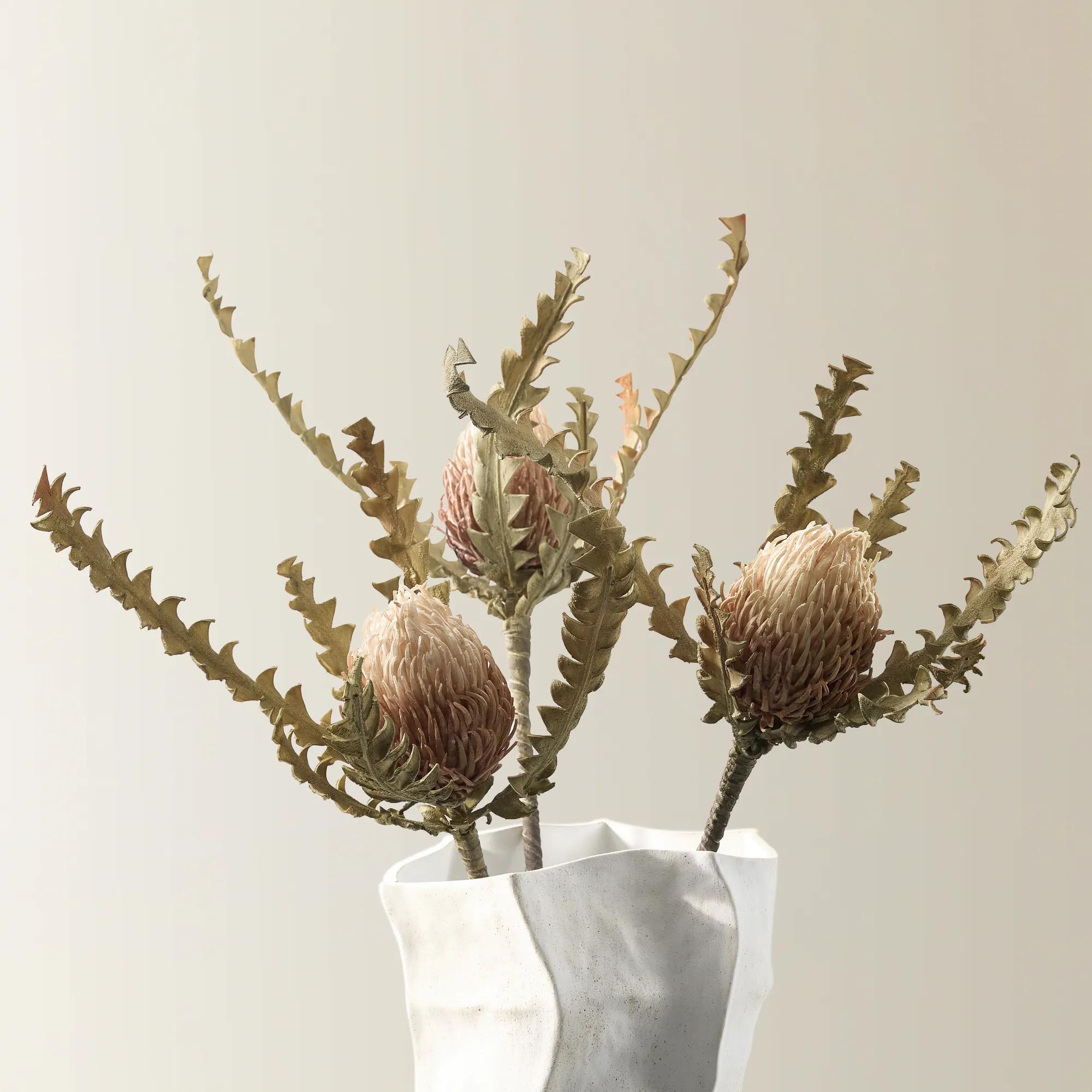
 Faux Protea Cream Stem 33" Set of 3$49
A set of three lifelike cream faux protea stems crafted from foam, plastic, and iron wire.
Add To Cart -
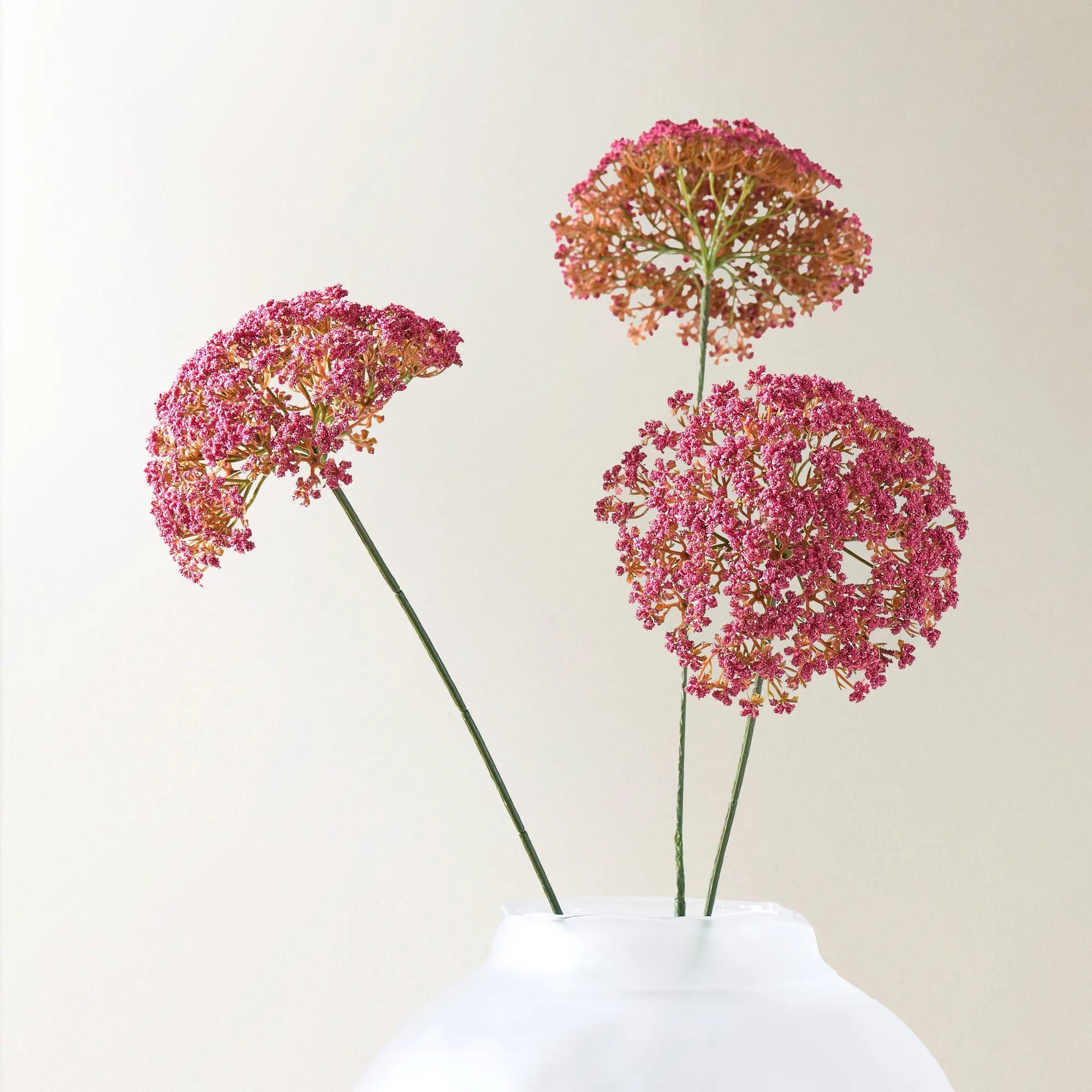
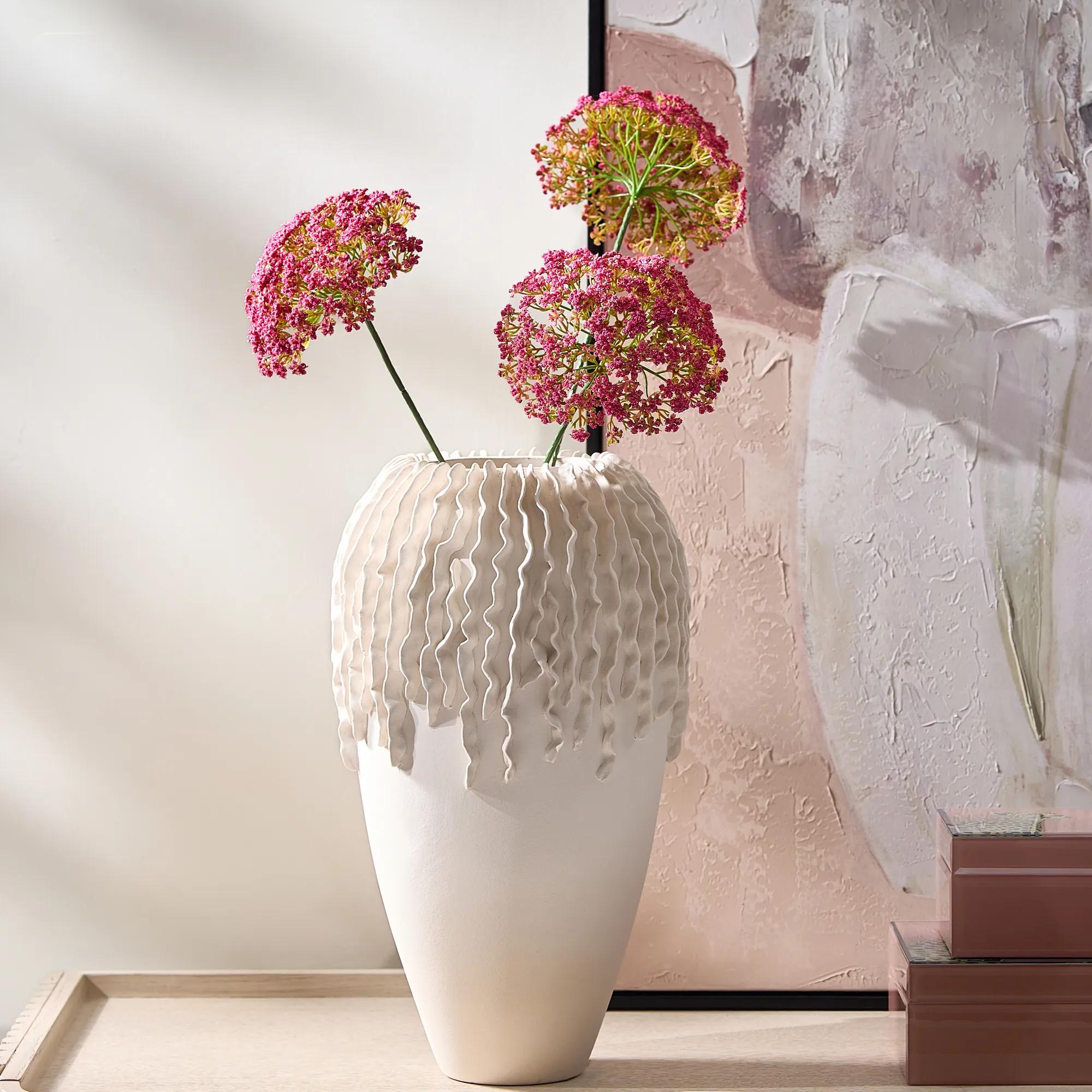 Faux Berry Pink Heracleum Stem 29" Set of 3$49
A trio of pink faux Heracleum stems adds sculptural texture and lasting botanical style to interiors.
Add To Cart -

 Faux Amethyst Allium Bulb Stem 40" Set of 3$69
A trio of faux amethyst allium stems adding sculptural botanical elegance to modern arrangements.
Add To Cart -
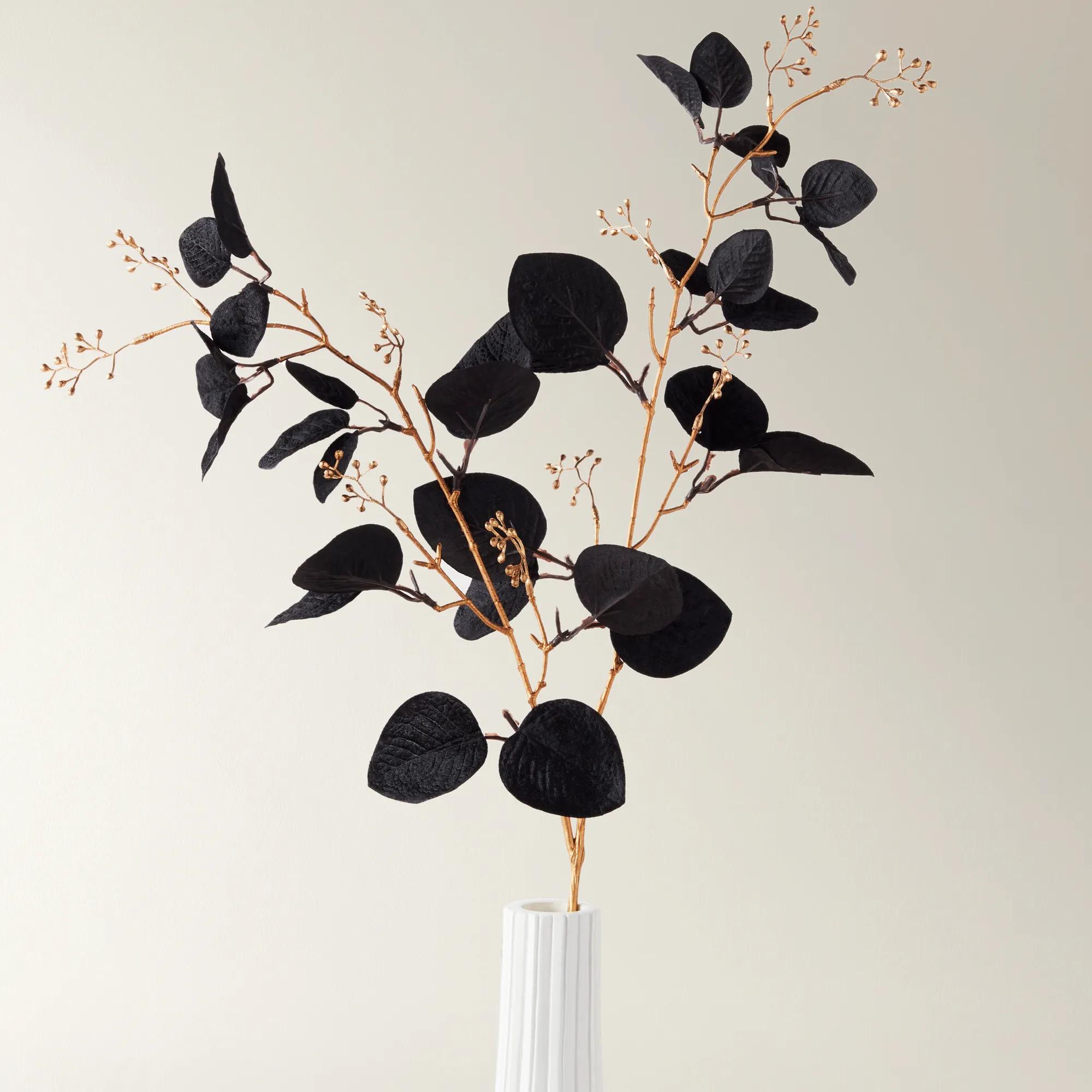
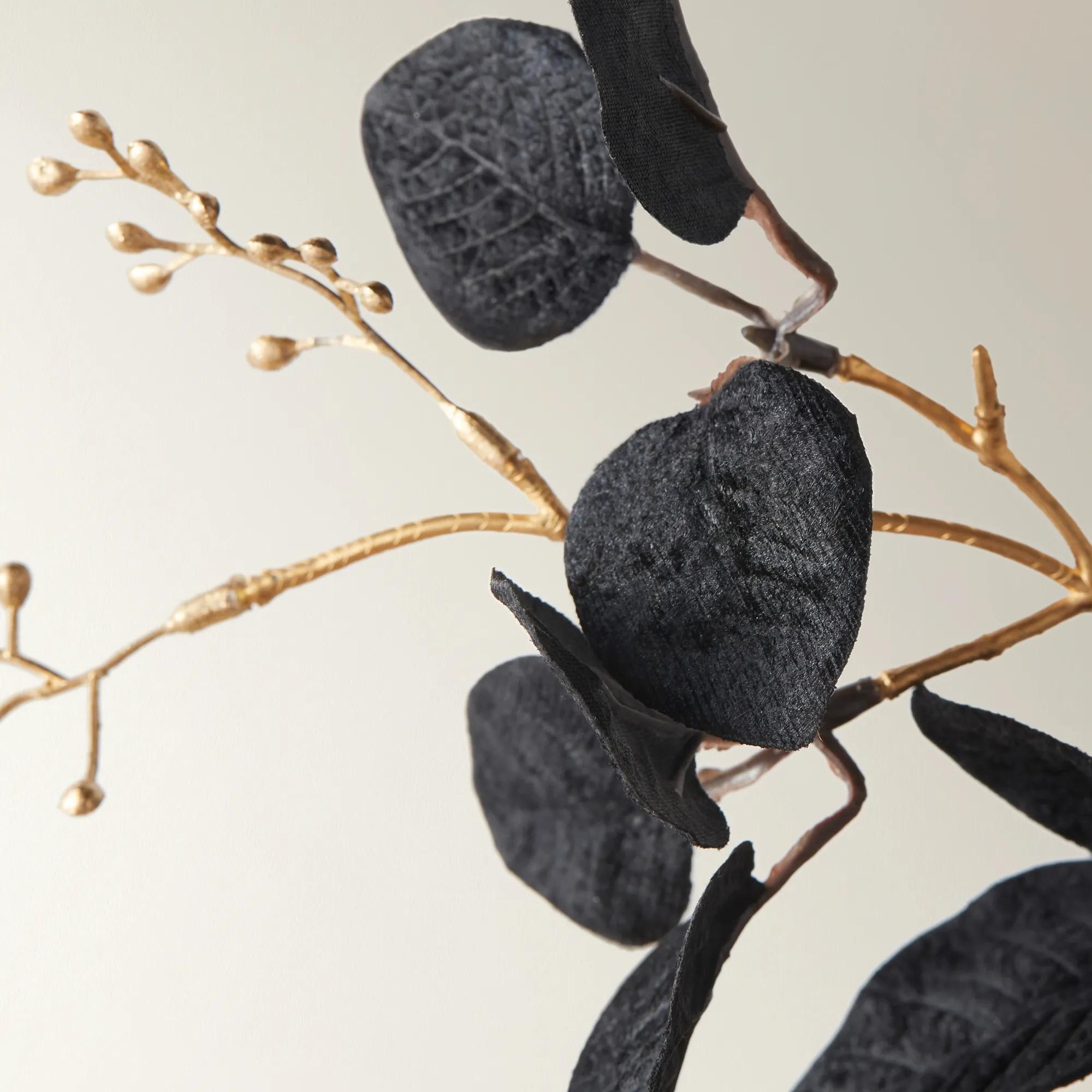 Faux Black/Gold Eucalyptus Spray 32" Set of 3$49
A set of three black-and-gold faux eucalyptus sprays crafted from durable plastic for sculptural seasonal arrangements.
Add To Cart

Faux Succulent Garden Accents
Explore faux succulent garden accents that bring sculptural greenery to your décor without watering or pruning. These artificial botanical accents introduce organic form to a room, creating a striking contrast with polished finishes and expressive decorative pieces. Choose accents that complement your space’s scale and palette for a composed, artful display.
Faux succulent garden accents bring the sculptural beauty of desert-inspired greenery into a room, turning an ordinary surface into a miniature landscape of texture, shape, and color. Their appeal lies in the contrast: fleshy, rounded leaves beside sharply defined rosettes; soft sage tones against deep emerald; botanical forms framed by a sleek vessel or a richly textured planter. These decorative arrangements offer the presence of greenery without the watering, soil maintenance, or light requirements of living plants, making them especially compelling for interiors where a natural accent deserves a permanent place. On a console beneath an oversized mirror, a clustered succulent garden introduces organic movement without competing with the reflection. Along a bookcase, a compact arrangement breaks up rows of hard edges and gives collected objects a more expressive setting. A larger composition can hold its own on a broad coffee table, particularly when its silhouette is balanced by a stack of art books or a polished decorative tray. The most convincing faux greenery draws attention through variation rather than perfect repetition. Subtle differences in leaf size, muted color transitions, and thoughtfully spaced stems help an arrangement feel composed rather than stamped out. A matte leaf finish can suggest the powdery surface of a real succulent, while a restrained touch of gloss adds dimension to darker foliage. Decorative stones and other surface finishes, when included, complete the impression of a small planted landscape. Color also changes the mood: gray-green foliage feels poised against marble and pale upholstery, while deeper greens create a striking counterpoint to brass, smoked glass, and dark wood. For a room with bold artwork or patterned textiles, the quieter palette of a faux succulent garden provides visual relief without disappearing. In a more restrained interior, its layered leaves become the detail that invites a closer look. The result is greenery with an architectural quality—distinctive enough to anchor a vignette, yet versatile enough to sit comfortably among expressive furnishings.
Materials, proportions, and intended placement shape how faux succulent accents look and perform over time. Artificial foliage may be made from molded plastics or other synthetic materials, with individual designs using different finishes to recreate thick leaves, pointed tips, and natural-looking color. Quality is best considered through the whole composition: clean edges, well-defined leaf shapes, unobtrusive connections, and a convincing relationship between the foliage and its container. A vessel matters as much as the greenery it holds. Glazed ceramic lends depth and a polished presence; textured resin can suggest stone while offering a different weight and handling experience; metal introduces a sharper, more luminous contrast. Container construction and finish vary, so dimensions, weight, and care instructions deserve attention before choosing a placement. An arrangement that looks generous in a photograph may feel undersized on a deep console, while an expansive garden can overwhelm a narrow shelf. Consider both the container footprint and the outer reach of the leaves, leaving enough clearance for doors, drawers, and everyday movement. Low profiles suit dining surfaces where conversation should remain unobstructed, while taller foliage can give height to a corner of a sideboard. Although faux succulents require no watering, they still benefit from gentle care. Dust can soften their definition, particularly between overlapping leaves; a soft brush or dry microfiber cloth helps preserve those sculptural details. Use water or cleaning solutions only when the manufacturer’s instructions permit them, and avoid soaking a finished arrangement, especially when decorative filler, adhesive, or a porous container is involved. Artificial does not automatically mean suitable for outdoor use. For a garden-facing entry, patio table, or balcony, choose accents specifically identified for that setting and follow the stated exposure limits. Indoor designs are generally better suited to sheltered interiors, where excessive moisture and prolonged direct sunlight are less likely to affect their appearance. Stable placement is equally important: broad foliage should not extend into a busy walkway, and heavier containers should rest on surfaces that comfortably support them.
The strongest faux succulent displays feel connected to the room rather than added as an afterthought. A wide, shallow composition can echo the horizontal lines of a dining table, while a compact garden in a substantial vessel brings welcome weight to a slender pedestal or open shelf. Repeating one finish elsewhere in the room—a metallic tone in a lamp, the pale texture of a decorative bowl, or the dark surface of a picture frame—helps the arrangement belong without making everything match. Texture creates a richer conversation than repetition alone. Soft green leaves beside a mirror-finish accessory emphasize the difference between organic form and polished glamour; a stone-inspired container against velvet upholstery introduces an equally compelling contrast. In an entryway, a succulent accent can establish a considered first impression while leaving space for the practical objects that come and go. In a home office, a small garden adds dimension to a desk or credenza without depending on the position of a window. In a bedroom, subdued foliage brings a composed note to a dresser, especially when paired with a generously scaled mirror and one distinctive decorative object. A table-centered arrangement can feel intimate or dramatic depending on its breadth, vessel, and surrounding details; Faux Succulent Centerpiece Ideas offers a complementary direction for that focal point. Leave breathing room around the leaves so their shapes remain legible, and let the arrangement carry some of the visual weight instead of crowding it with competing accessories. For people who travel frequently, decorate spaces with limited natural light, or simply prefer greenery without a plant-care routine, these accents offer a lasting decorative presence. They also make thoughtful housewarming or host gifts when chosen with the recipient’s space in mind. A modest footprint is often easier to place, while a neutral vessel leaves room for personal style. Whether the setting is a compact apartment or an expansive living room, faux succulent garden accents bring detail, depth, and botanical artistry to the surfaces that shape daily life.
FAQs
Faux succulent garden accents bring sculptural greenery to an interior, pairing botanical silhouettes with a composed, contemporary look. Style them alongside expressive artwork or gleaming decorative objects to create a striking contrast between organic forms and polished finishes.
Let a faux succulent arrangement lend an artful botanical note to an entryway console, cocktail table, or dining room sideboard. Give its distinctive silhouette room to shine, or pair it with a stack of design books and a decorative tray for a layered vignette.
Faux succulents create a compelling dialogue with mirrored surfaces, metallic accents, and richly textured textiles. For a glamorous composition, juxtapose their leafy contours with an angular decorative object. For a more tonal expression, surround the greenery with ivory, charcoal, or warm neutral accents.
Keep faux succulent foliage looking polished by gently removing dust with a soft, dry cloth or brush. Follow the arrangement’s care instructions before using water or cleaning products, as finishes can vary. Unlike living succulents, artificial arrangements do not require watering, pruning, or a plant-care schedule.
Treat faux succulent garden accents as a botanical foundation, then change the surrounding decor to reflect the season. Pair them with luminous neutrals for spring, saturated color for summer, warm earthy tones for fall, and gleaming metallic details for the holiday season. The greenery anchors the composition while each new layer shifts the mood.