
Faux Potted Plants For Bedrooms
Faux Potted Plants For Bedrooms
-
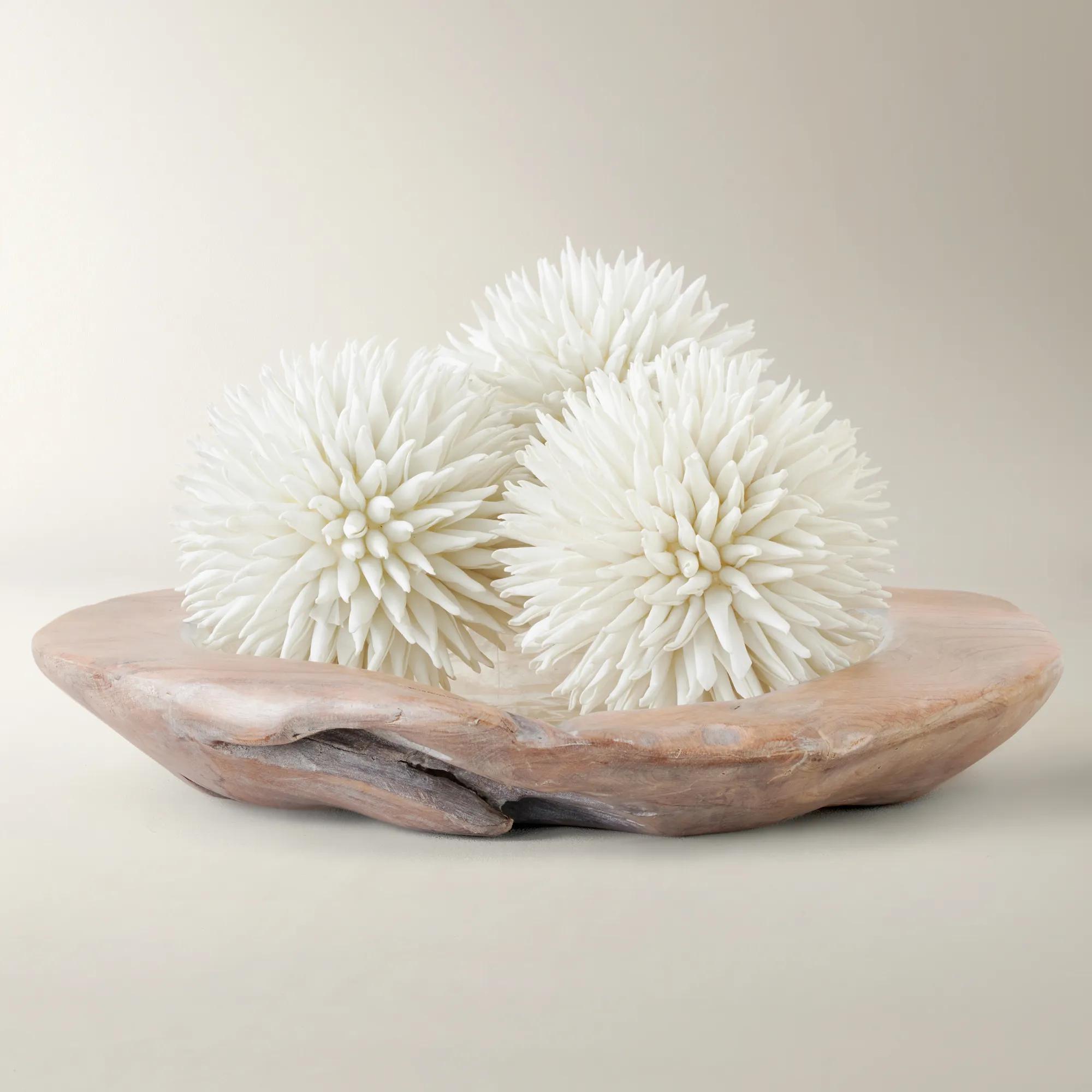
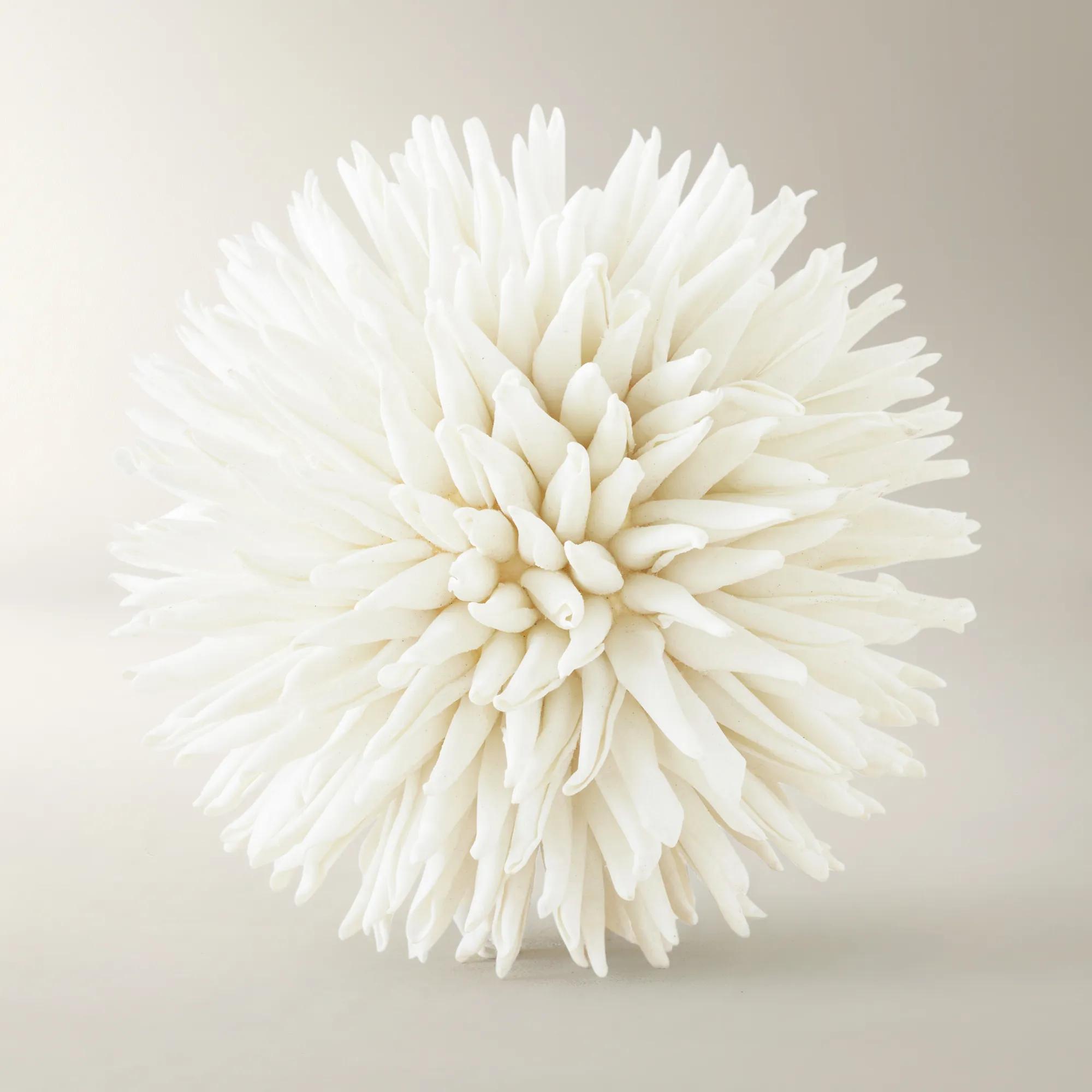 Faux White Allium Sphere 7" Set of 3$59
A set of three foam white faux floral spheres that stay vibrant year-round without water or sunlight.
Add To Cart -
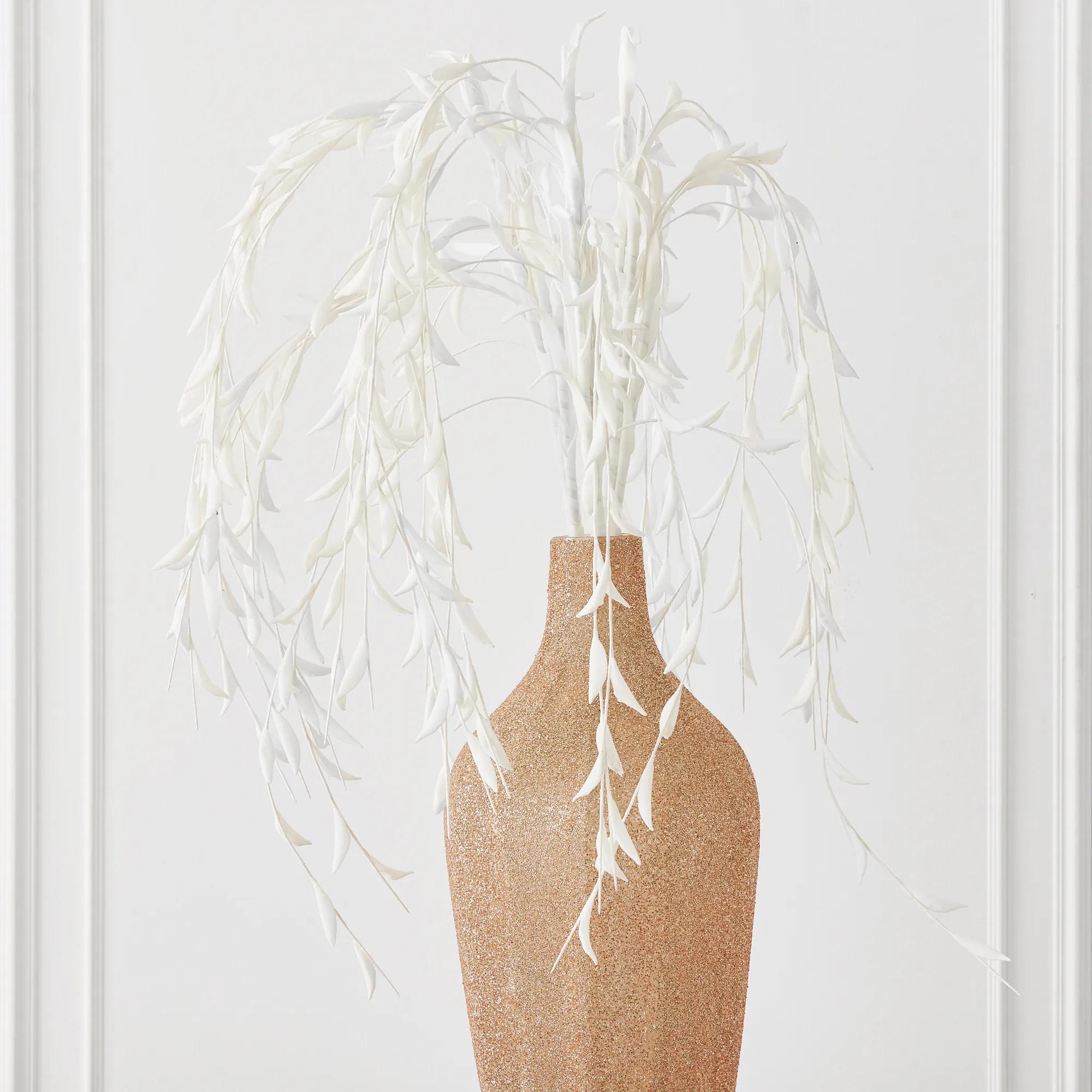 Faux Weeping Willow Spray Set of 3$59
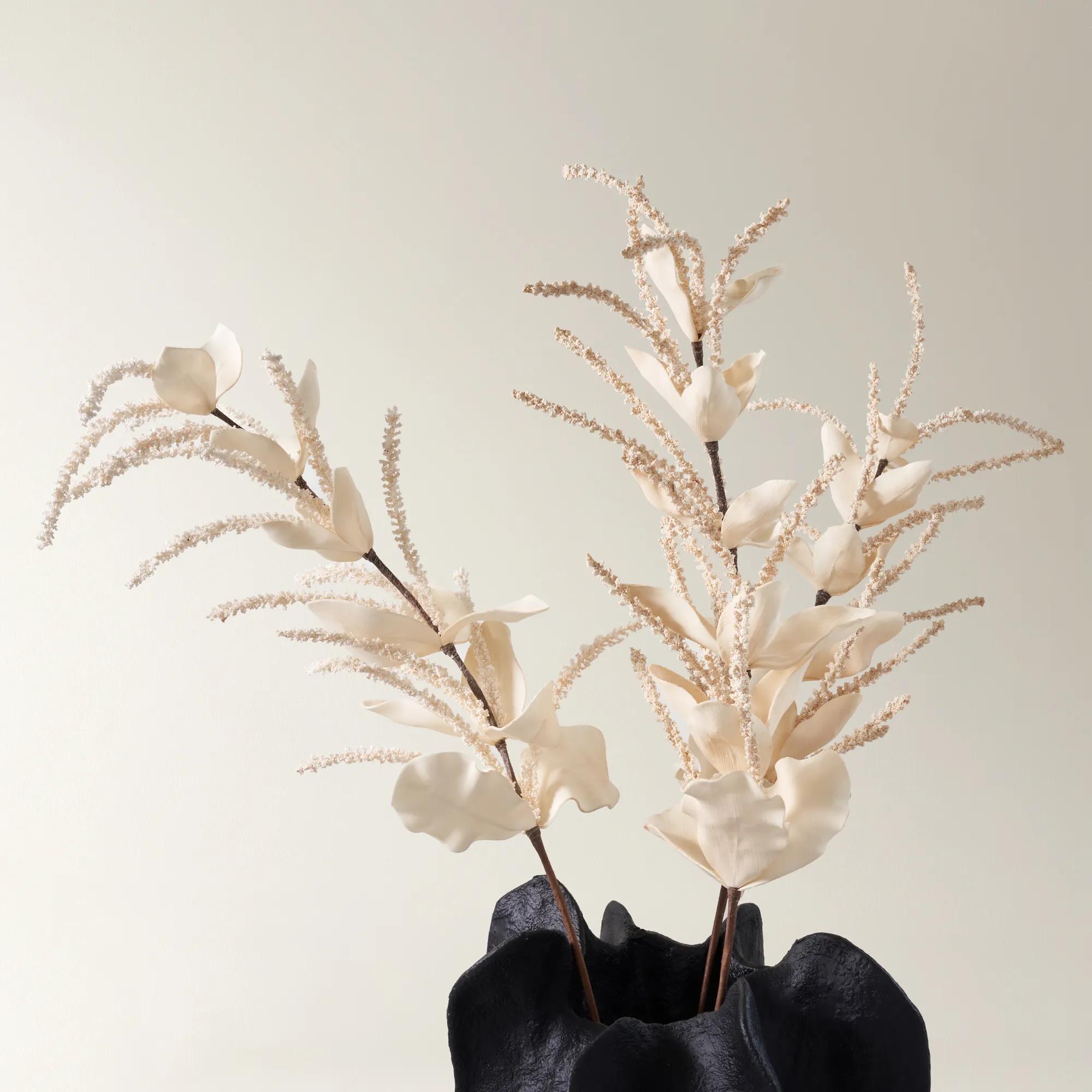
A set of three faux weeping willows with delicate white foam branches for enchanting decor.
Add To Cart -
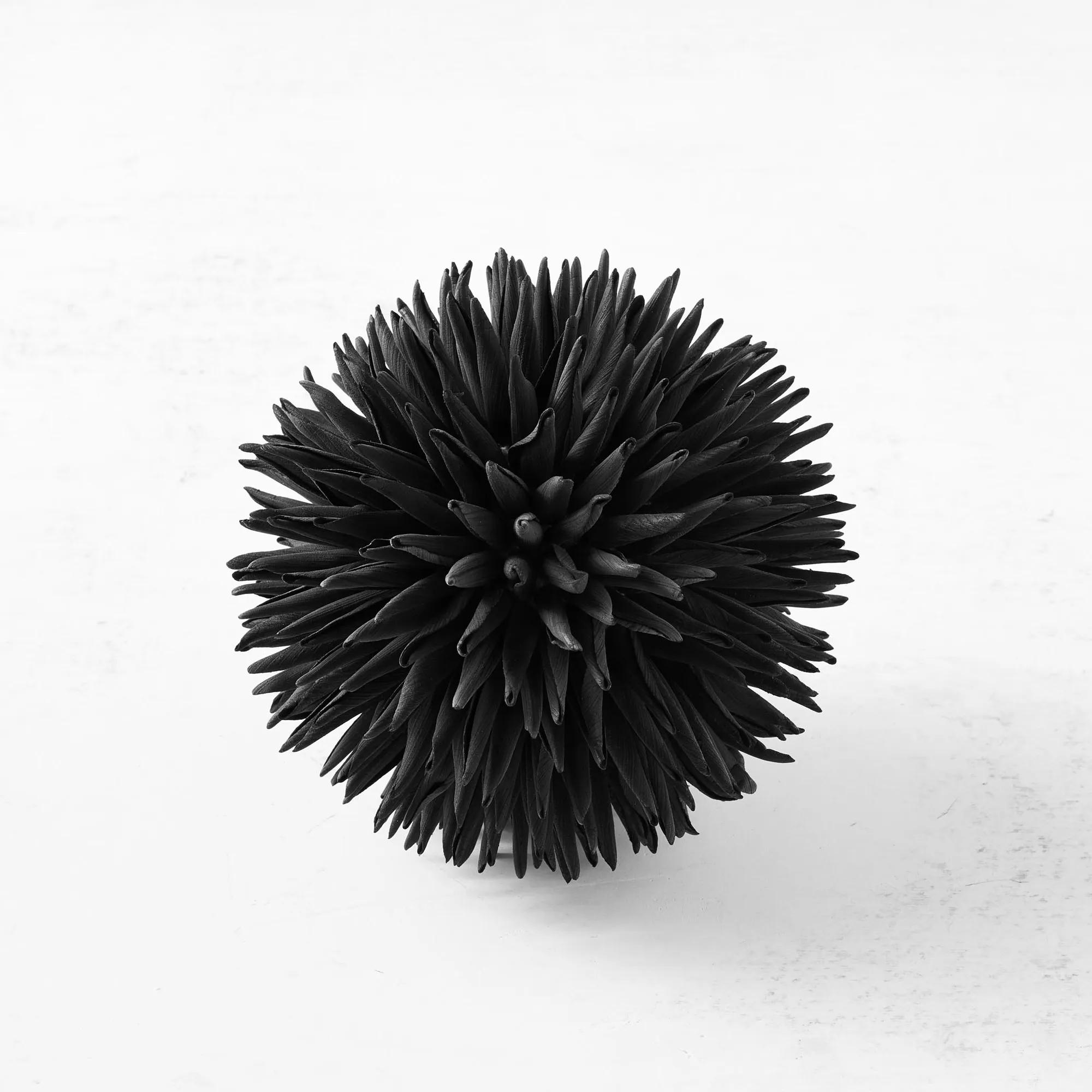 Faux Black Allium Sphere 7" Set of 3$59
A set of three lifelike black faux allium spheres crafted from foam for effortless, year-round decor.
Add To Cart -
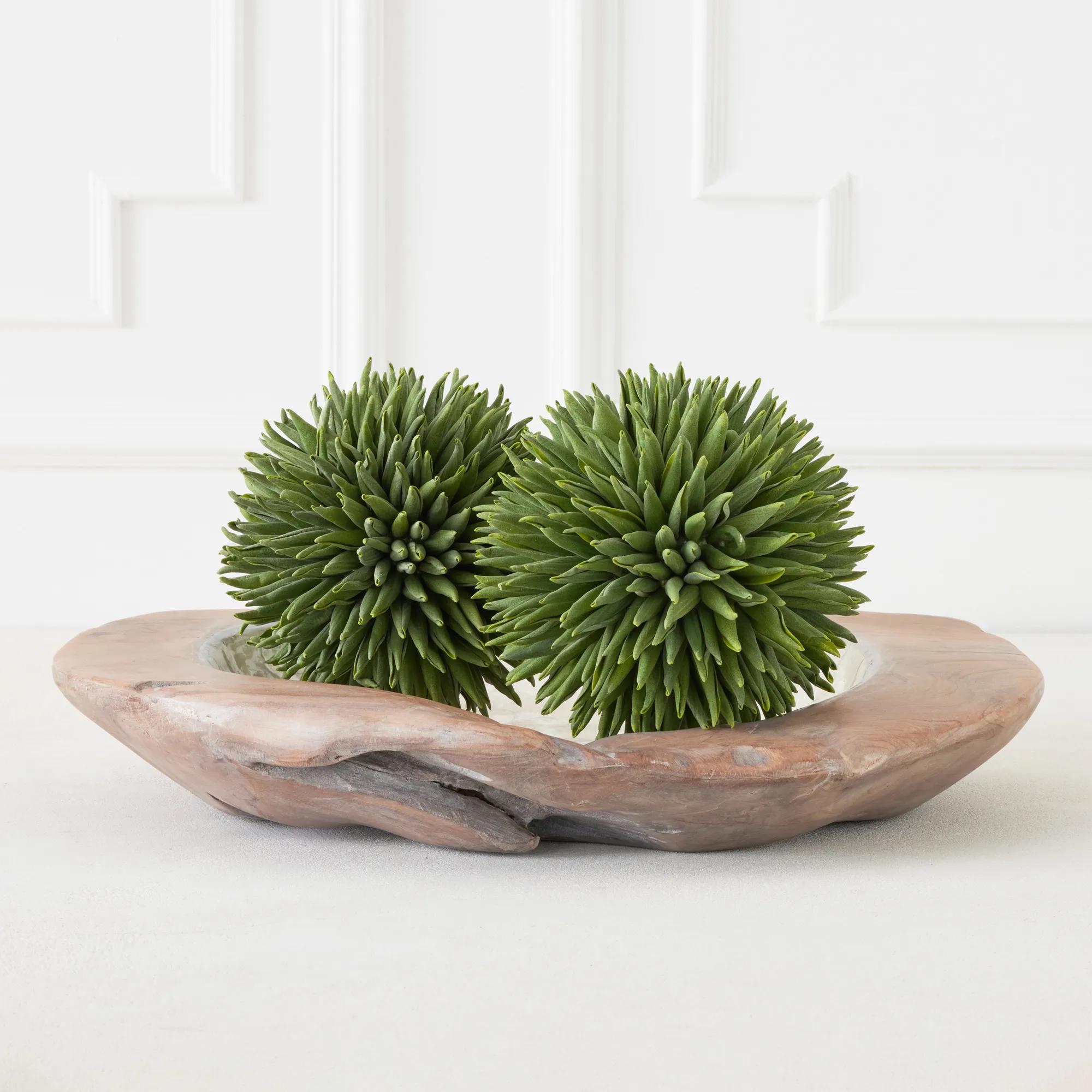 Faux Green Allium Sphere 7" Set of 3$59
A set of three lifelike foam green faux floral spheres that stay vibrant without water or sunlight.
Add To Cart -
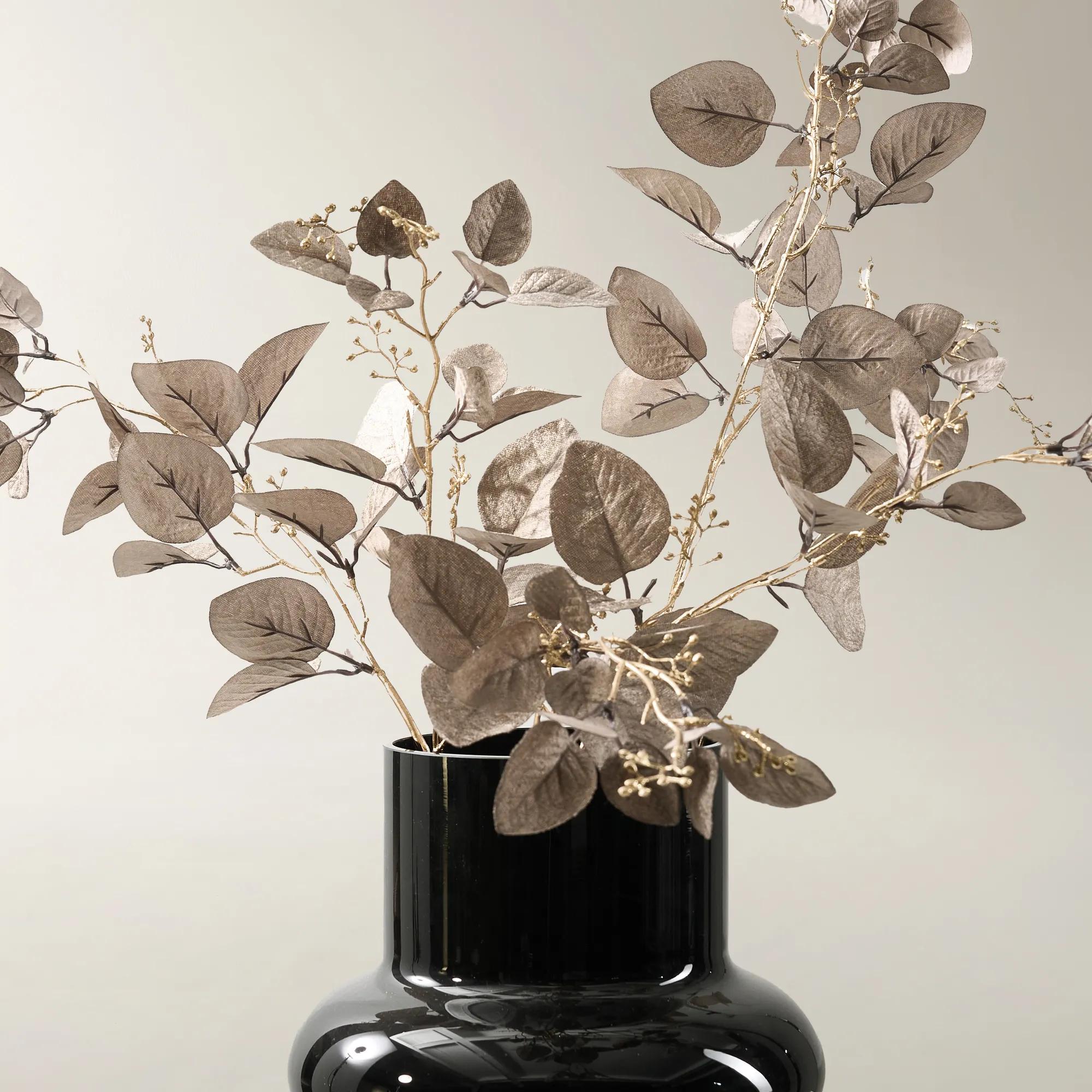 Faux Champagne Shimmer Eucalyptus Spray 32" Set of 3$49
A set of three antique champagne faux eucalyptus sprays adds metallic warmth and airy texture to arrangements.
Add To Cart -
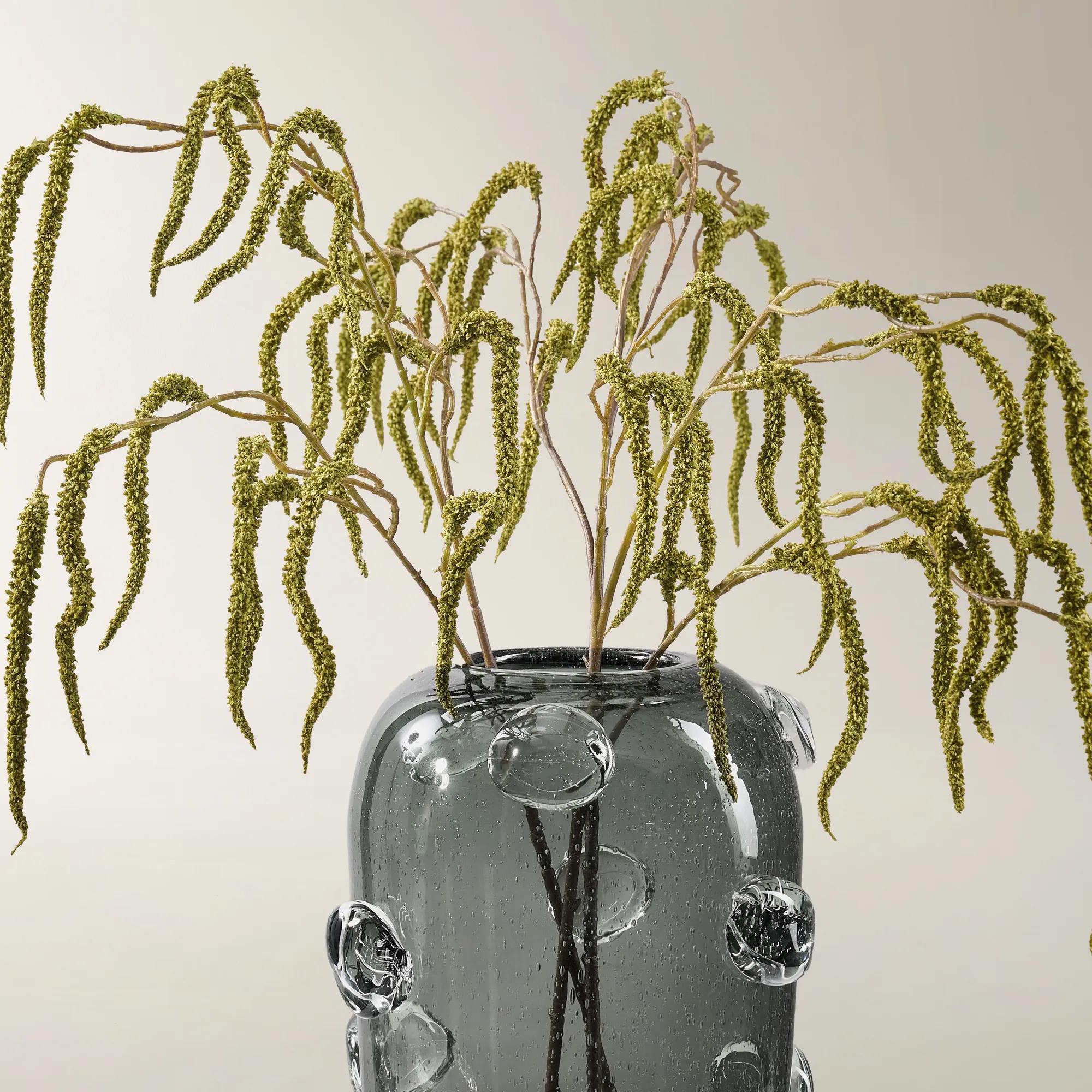 Faux Citron Green Amaranthus Stem 30" Set of 3$39
A set of three cascading faux amaranthus stems in vibrant citron green plastic for lush arrangements.
Add To Cart -
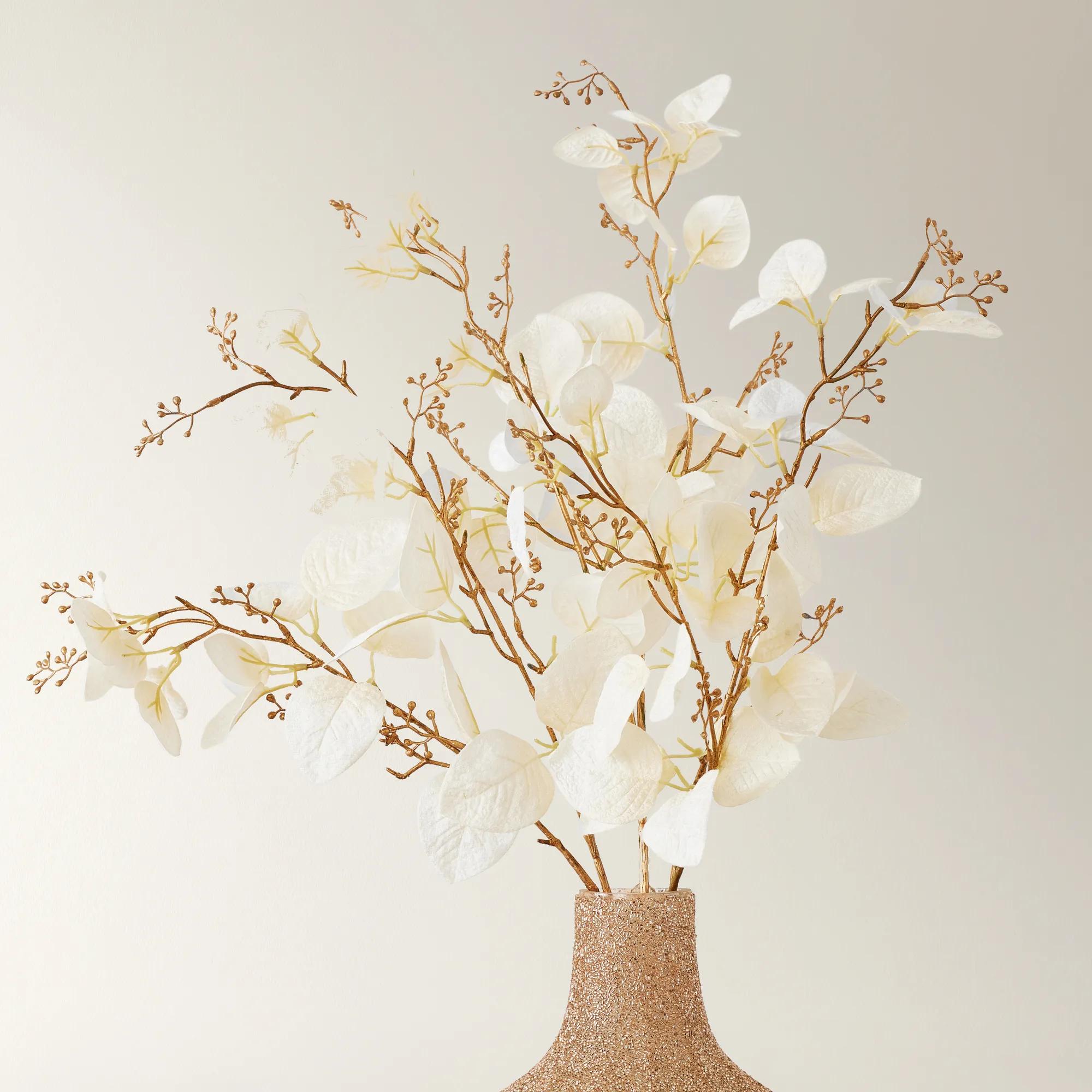 Faux Ivory/Gold Eucalyptus Spray 32" Set of 3$49
A trio of ivory-and-gold polyester eucalyptus sprays adds luminous, dimensional texture to botanical arrangements.
Add To Cart -
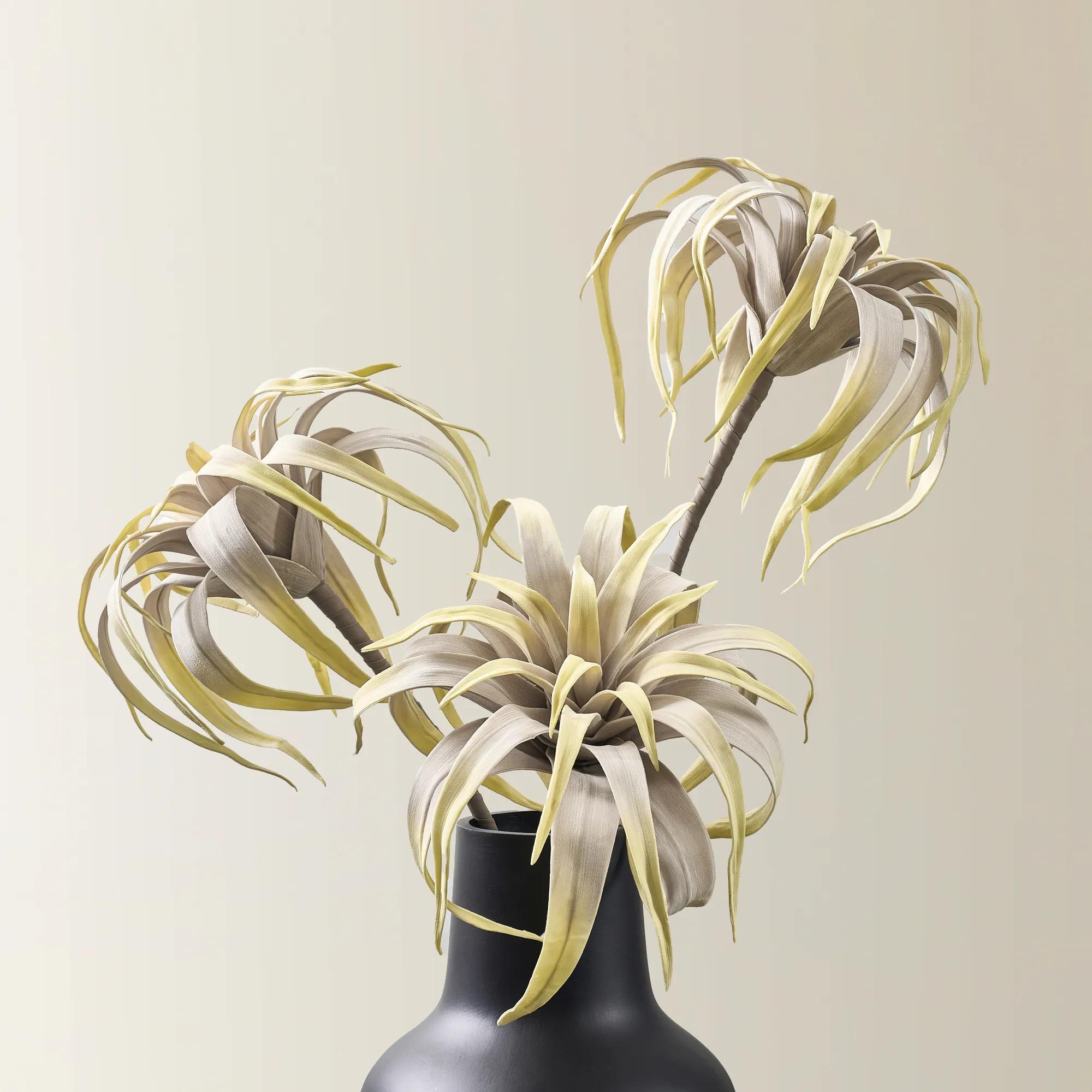 Faux Dusty Blush Large Airplant Stem 35.5" Set of 3$49
A set of three sculptural faux airplant stems in soft dusty blush foam for modern decorative arrangements.
Add To Cart -
-compressed.jpg?w=1200&h=1200) Faux White Magnolia Stem 40" Set of 3$79
Faux White Magnolia Stem 40" Set of 3$79A set of three lifelike faux magnolia stems in creamy white polyester for timeless floral elegance.
Add To Cart

Faux Potted Plants For Bedrooms
Faux potted plants for bedrooms invite an air of lush tranquility and effortless sophistication into your personal sanctuary. These artful botanicals capture the essence of nature’s beauty, transforming ordinary corners into verdant retreats brimming with life and texture. Whether perched atop a mirrored nightstand or nestled in a cozy reading nook, each leaf and stem is crafted to evoke serenity, style, and a sense of wonder—allowing your bedroom to blossom with year-round allure. Elevate your space with greenery that never fades, and let every moment at home feel like a breath of fresh, curated luxury.
Faux potted plants for bedrooms bring the expressive shapes and layered greens of botanical decor into a personal retreat without watering, pruning, or a sunlight requirement. Their appeal is both visual and practical: foliage softens the strong lines of a headboard, lends dimension to a dresser, and gives an overlooked corner a sculptural presence. Unlike living plants, artificial greenery can be chosen for the composition of the room rather than the growing conditions, making it especially useful beside a shaded reading chair or along a wall far from the windows. The most convincing arrangements have a sense of movement, with leaves that turn in different directions and stems that rise at slightly different heights. For bedside styling, eucalyptus-inspired foliage offers muted green tones and an airy silhouette that leaves room for a lamp, a book, and a glass of water. Compact faux succulents introduce fleshy, architectural shapes on narrow shelves or smaller dressers, while palm fronds and broad monstera-style leaves create a more expansive gesture in generous bedrooms. These distinct forms set different moods: delicate branching feels quiet and romantic; sweeping foliage brings drama without the visual weight of another piece of furniture. A restrained green palette can look particularly luxurious against ivory bedding, a velvet bench, or a mirror-finish accent, allowing texture and silhouette to carry the composition. Deeper greens provide definition against pale walls, while gray-green leaves sit comfortably alongside silver finishes and smoky glass. Placement gives each arrangement its purpose. A small potted plant beside a jewelry tray makes a dressing area feel considered, and a taller floor arrangement can balance the height of a wardrobe across the room. Rather than covering every surface with greenery, give an individual plant enough space for its outline to read clearly. The result is a bedroom with botanical richness and a deliberate, collected character, not a room crowded with accessories.
Materials, proportion, and the relationship between foliage and planter determine how naturally artificial bedroom plants settle into a space. Faux leaves may be made from polyester fabric, polyethylene, or other molded plastics, with each construction offering different effects. Fabric foliage can provide a delicate profile, while molded leaves can reproduce the thickness of succulent leaves or the pronounced contours of tropical greenery. The term “silk plant” is often used broadly for artificial botanicals, so the material description matters more than the label alone. Look for subtle color variation, defined veins, believable branching, and a finish appropriate to the plant being represented; some natural leaves have a soft sheen, but a uniformly glossy surface can make an arrangement appear less convincing. Wired stems, when included, allow gentle shaping so foliage can spread beyond the pot instead of remaining tightly compressed. The vessel deserves equal attention. Ceramic brings a polished, substantial presence to bedside tables, textured stone-look finishes introduce contrast against lacquered furniture, and metallic finishes add a gleaming accent to an otherwise quiet vignette. Actual weight varies by construction, and a stone-look pot is not necessarily made from stone. Consider the complete dimensions, including the widest leaf spread, rather than relying only on the height of the planter. On a nightstand, foliage should sit clear of lamp shades, switches, and the space used for daily essentials. On a dresser, an off-center arrangement can frame a mirror without interrupting its usefulness. For a floor plant, measure the intended corner and allow clearance for drawers, closet doors, curtains, and comfortable passage beside the bed. A broad canopy may need considerably more room than its base suggests. If a decorative outer planter is used, check that the original pot fits securely inside and that the finished arrangement remains stable. A protective pad beneath a vessel can help prevent scratches on delicate furniture finishes, provided it is suitable for the surface.
The lasting appeal of faux potted bedroom plants is their ability to maintain a composed appearance with relatively simple care. They need no irrigation, fertilizer, or grow lights, making them well suited to frequent travelers, busy households, and anyone who enjoys botanical styling without a plant-care routine. Artificial greenery does not grow toward a window or outgrow its intended position, so a carefully balanced bedside arrangement can retain its proportions. It is not entirely maintenance-free, however: dust collects on leaves, stems, and decorative pot surfaces, particularly in rooms with layered textiles. A soft, dry microfiber cloth or a gentle brush is often appropriate for routine dusting, with individual leaves supported while cleaning to avoid pulling at their attachments. Follow the care instructions for the particular materials before using moisture or cleaning solutions; fabric leaves, painted finishes, adhesives, and decorative moss may respond differently. Avoid saturating the arrangement or assuming that an indoor faux plant can be rinsed under running water. Prolonged direct sunlight may fade some materials, and artificial foliage should remain clear of candles, heaters, and other heat sources. Durability depends on construction, handling, and placement, with securely attached leaves and a stable base contributing to everyday longevity. In homes with children or pets, keep loose decorative filler and small detachable parts out of reach; artificial does not automatically mean chew-safe or unbreakable. Although faux plants can create a calming visual impression, they do not purify the air or provide the biological functions of living greenery. Their role is decorative, and that freedom makes them a thoughtful housewarming gift or an elegant finishing touch for a guest bedroom. A compact arrangement is often easier to accommodate than a large floor plant when the recipient’s space is unfamiliar. For a cohesive botanical thread beyond the bedroom, faux potted plants for contemporary spaces offer a related direction for carrying sculptural foliage through adjoining rooms. Within the bedroom itself, the strongest impression comes from a thoughtful pairing of leaf shape, vessel, and setting: an airy branch against an upholstered headboard, a generous frond beside a reading chair, or a compact cluster of green reflected in a dressing mirror. Each brings a distinct flourish while preserving the comfort and function of the room.
FAQs
Faux potted plants elevate bedroom decor by introducing vibrant greenery and sculptural form without the need for sunlight or maintenance. Their lifelike details and artful pots create a soothing, luxurious atmosphere, making them perfect for transforming bedrooms into restful, expressive retreats year-round.
To create a striking statement, place a large faux plant in an empty corner or pair varied heights and textures for a layered effect. Display trailing plants on shelves or nightstands, and choose pots that complement your room’s color palette and personality for a cohesive, curated look.
Faux potted plants make thoughtful gifts for design enthusiasts, frequent travelers, busy professionals, or anyone who appreciates beautiful spaces but prefers low-maintenance decor. They’re especially inspired gift ideas for people that are hard to buy for, offering enduring style and a touch of nature.
Use faux plants to anchor an indoor plant corner, soften architectural edges, or add a pop of color to bookshelves and window sills. Mix different leaf shapes and pot finishes for visual intrigue, or cluster several small plants together to create a lush, gallery-inspired vignette.
Look for faux plants with varied leaf color, natural-looking textures, and organic shapes that mimic real botanicals. Avoid overly shiny finishes and select pots that enhance the plant’s realism and complement your bedroom’s decor for a seamless, sophisticated touch.


-compressed.jpg?w=3741&h=3741)


