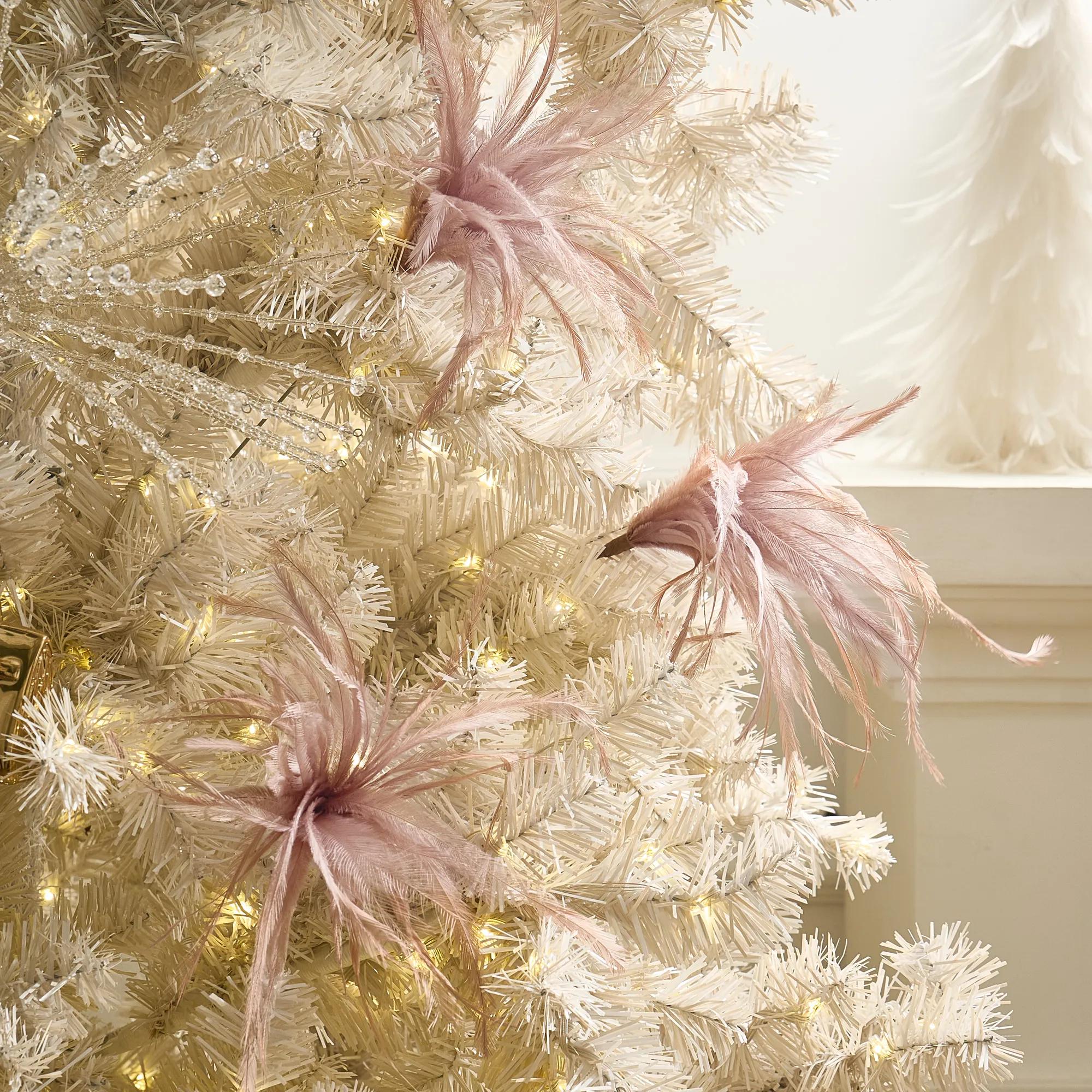
Faux Plants For Living Rooms
Faux Plants For Living Rooms
-
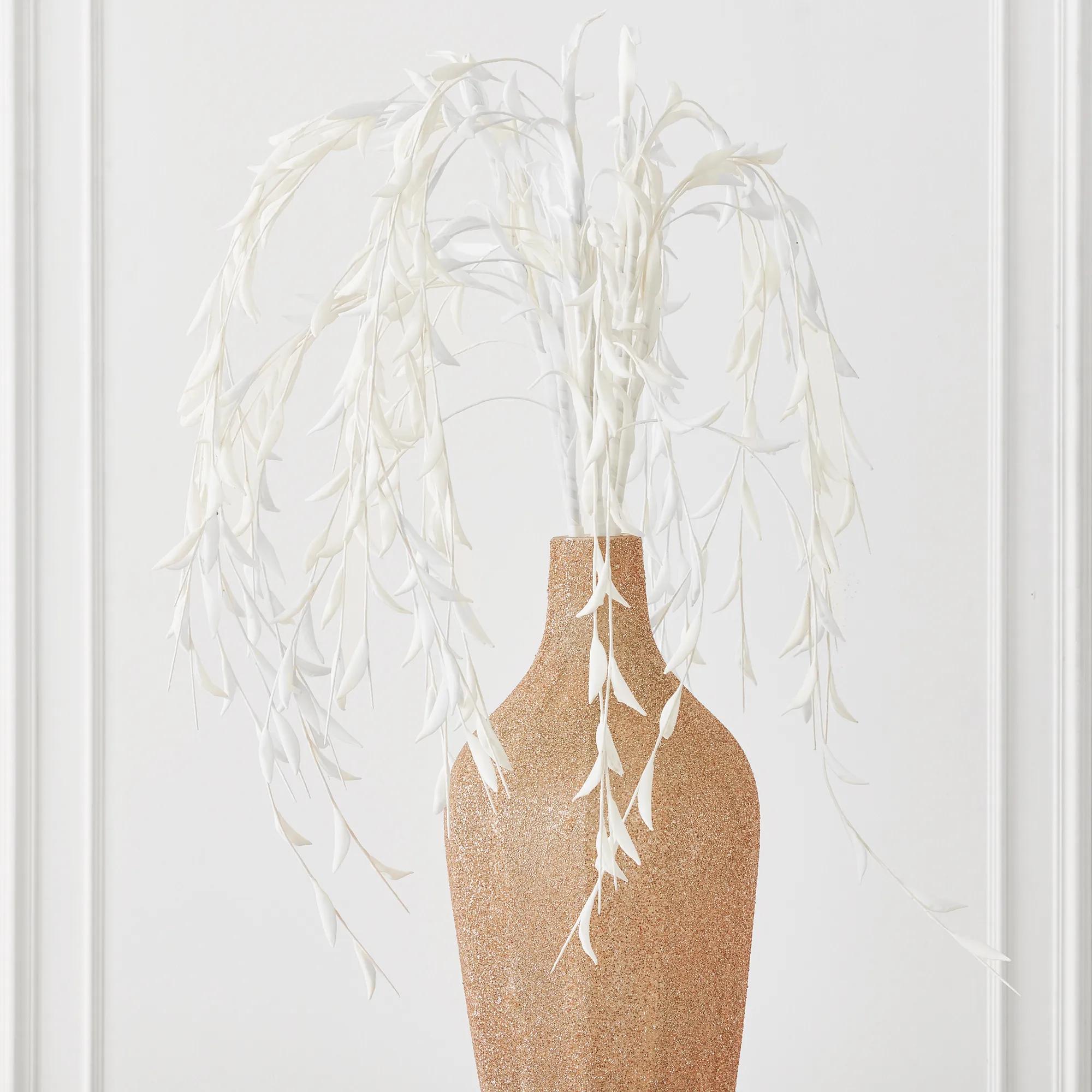 Faux Weeping Willow Spray Set of 3$59
A set of three faux weeping willows with delicate white foam branches for enchanting decor.
Add To Cart -
 Faux White Magnolia Stem 40" Set of 3$79
A set of three lifelike faux magnolia stems in creamy white polyester for timeless floral elegance.
Add To Cart -
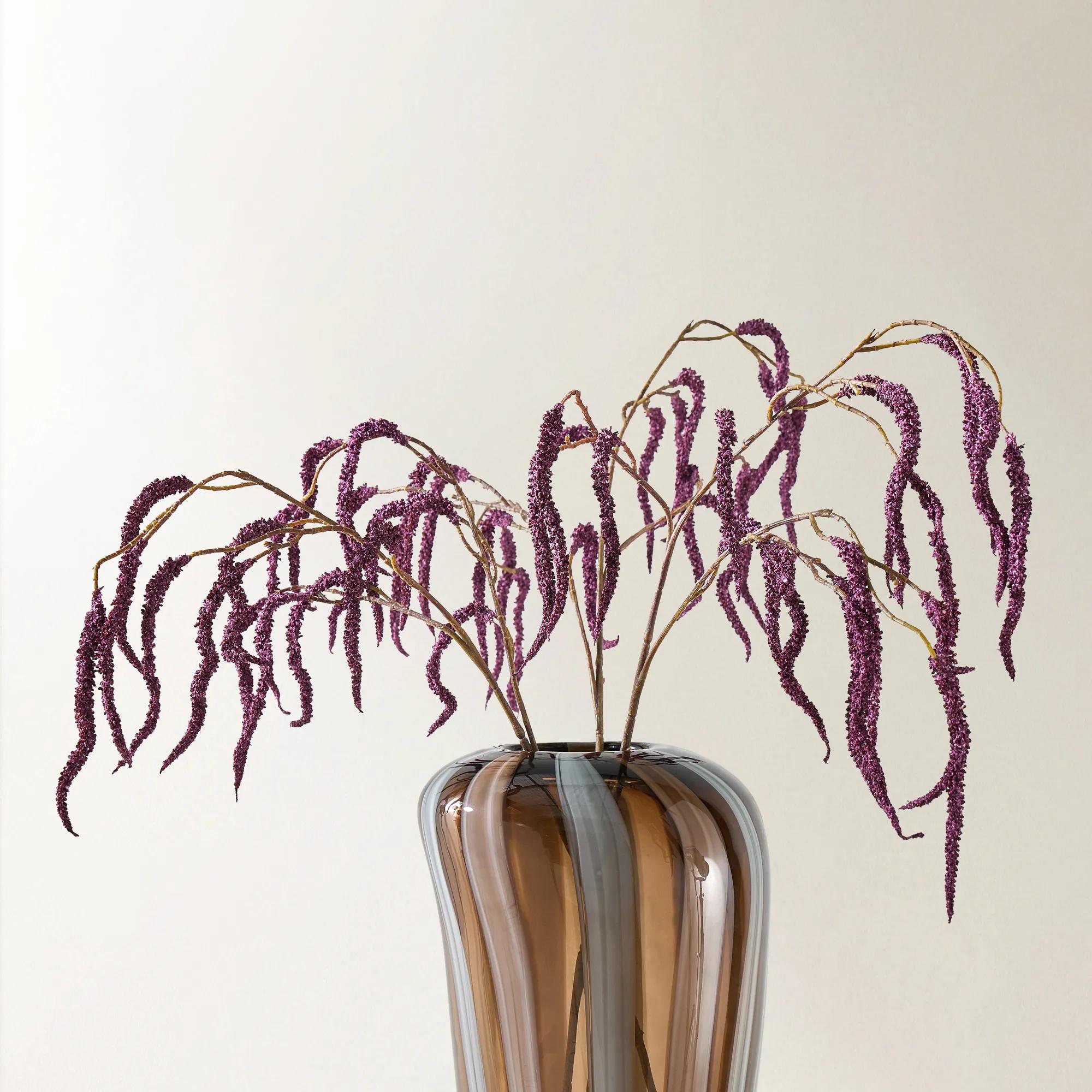
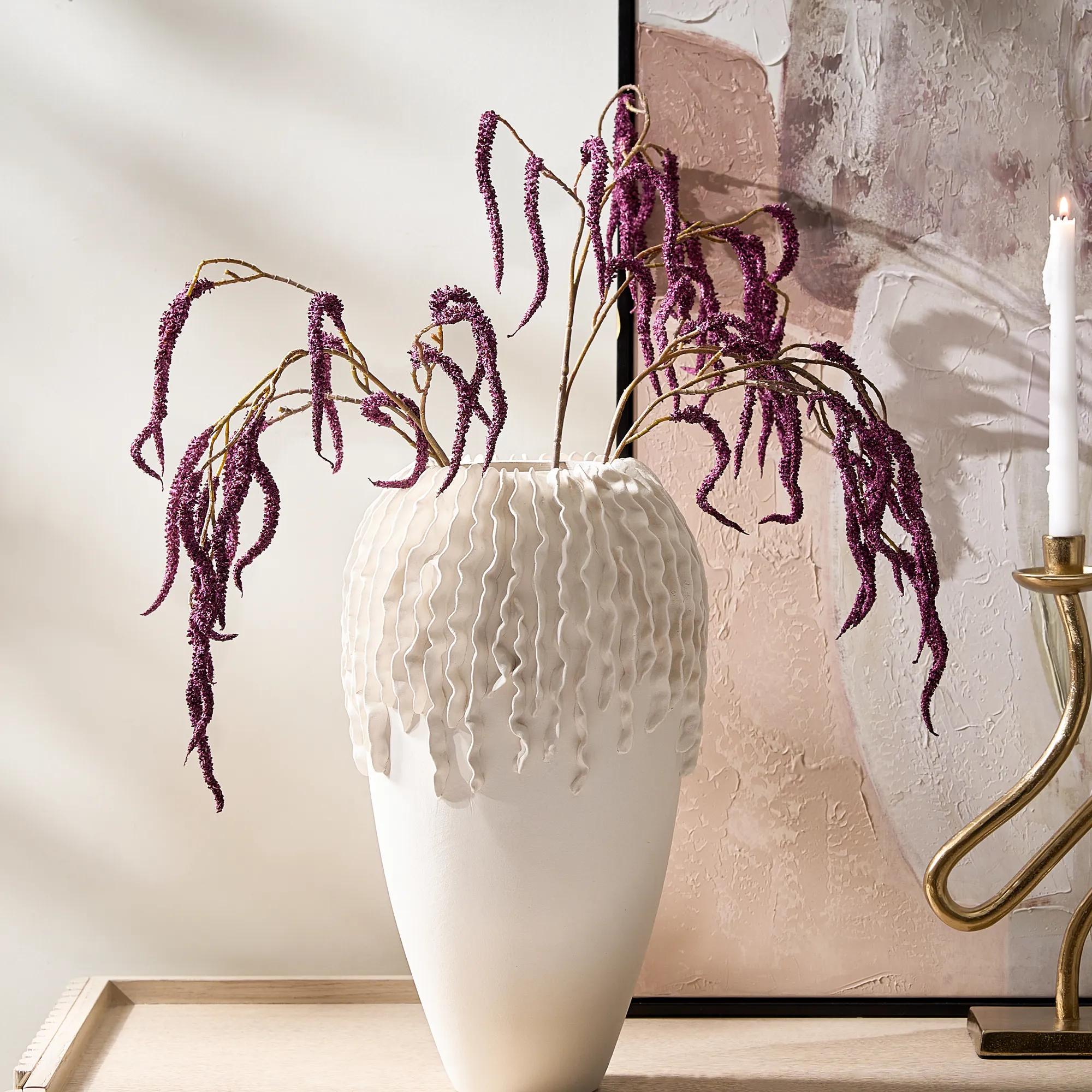 Faux Dark Amethyst Amaranthus Stem 30" Set of 3$39
A set of three faux amaranthus stems in dark amethyst plastic, featuring cascading botanical texture.
Add To Cart -
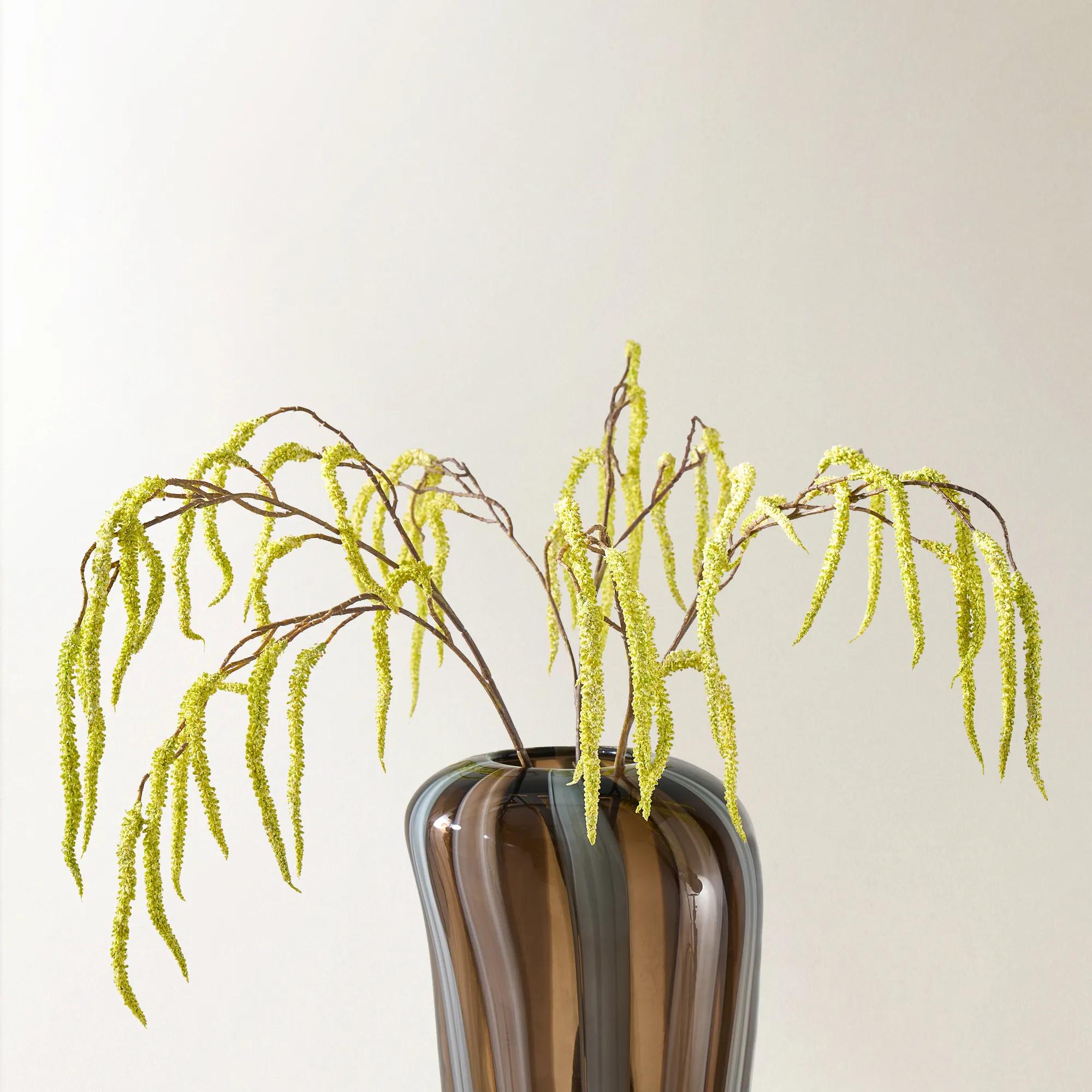
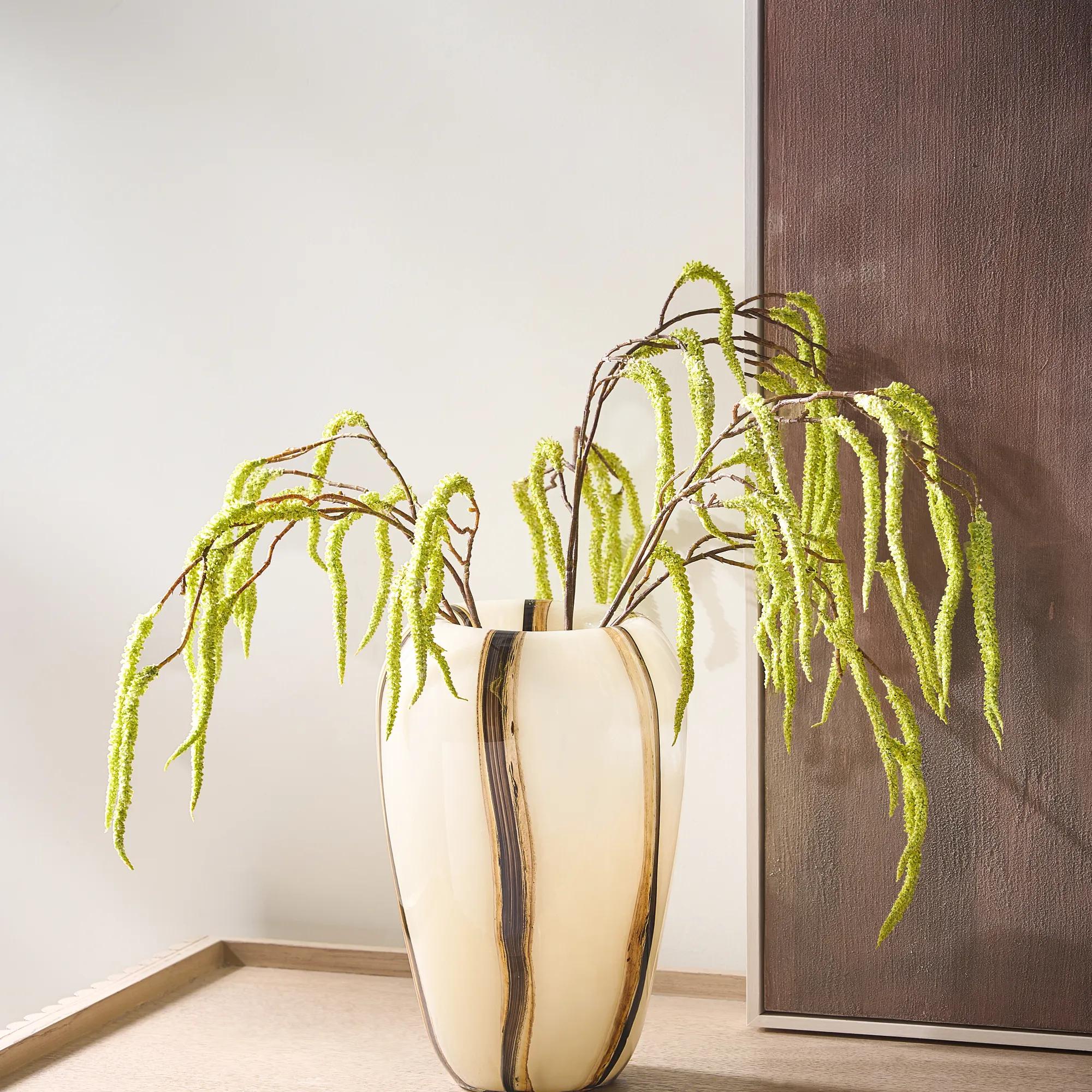 Faux Citron Yellow Amaranthus Stem 30" Set of 3$39
A faux floral stem set in citron yellow plastic with cascading form for layered arrangements.
Add To Cart -
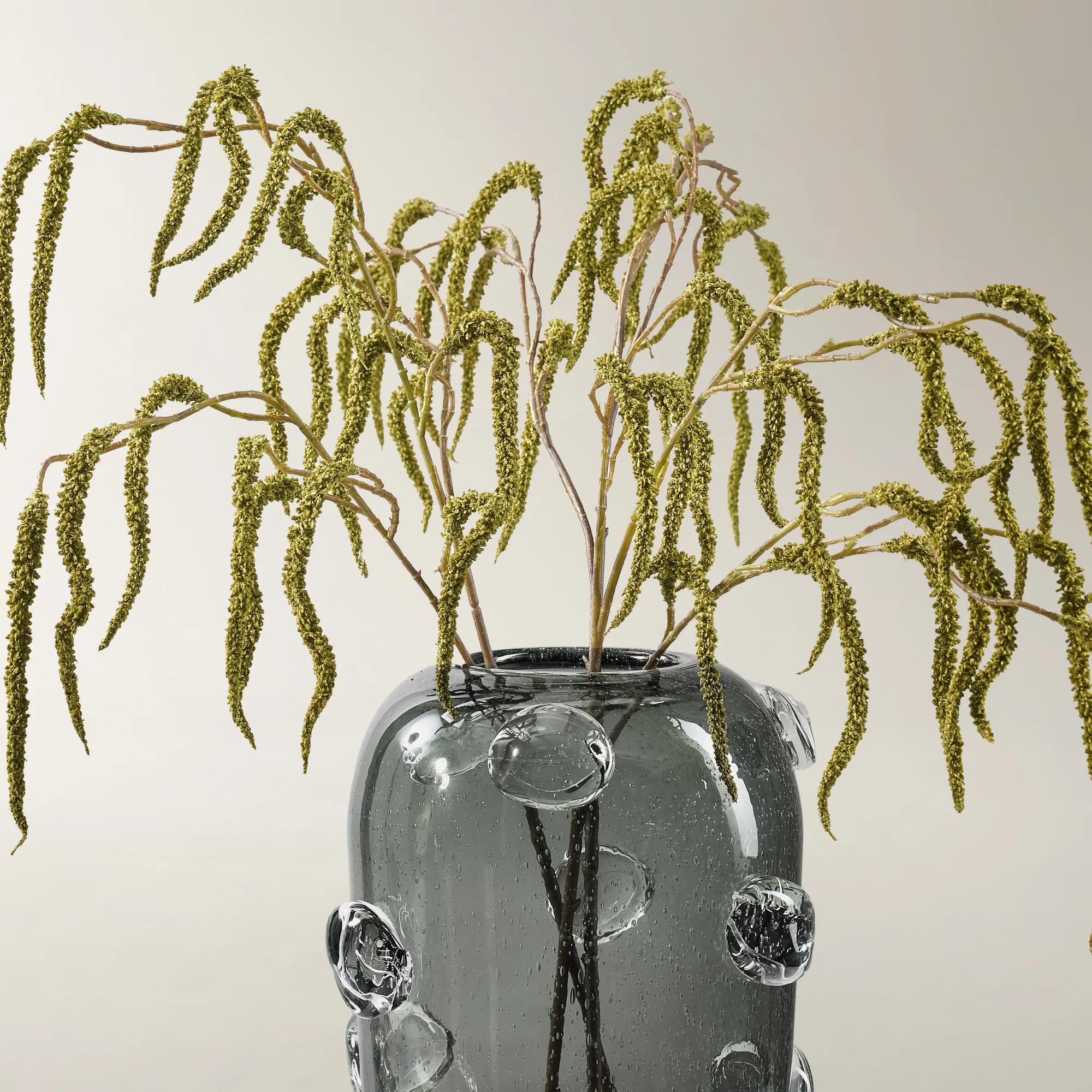 Faux Citron Green Amaranthus Stem 30" Set of 3$39
A set of three cascading faux amaranthus stems in vibrant citron green plastic for lush arrangements.
Add To Cart -
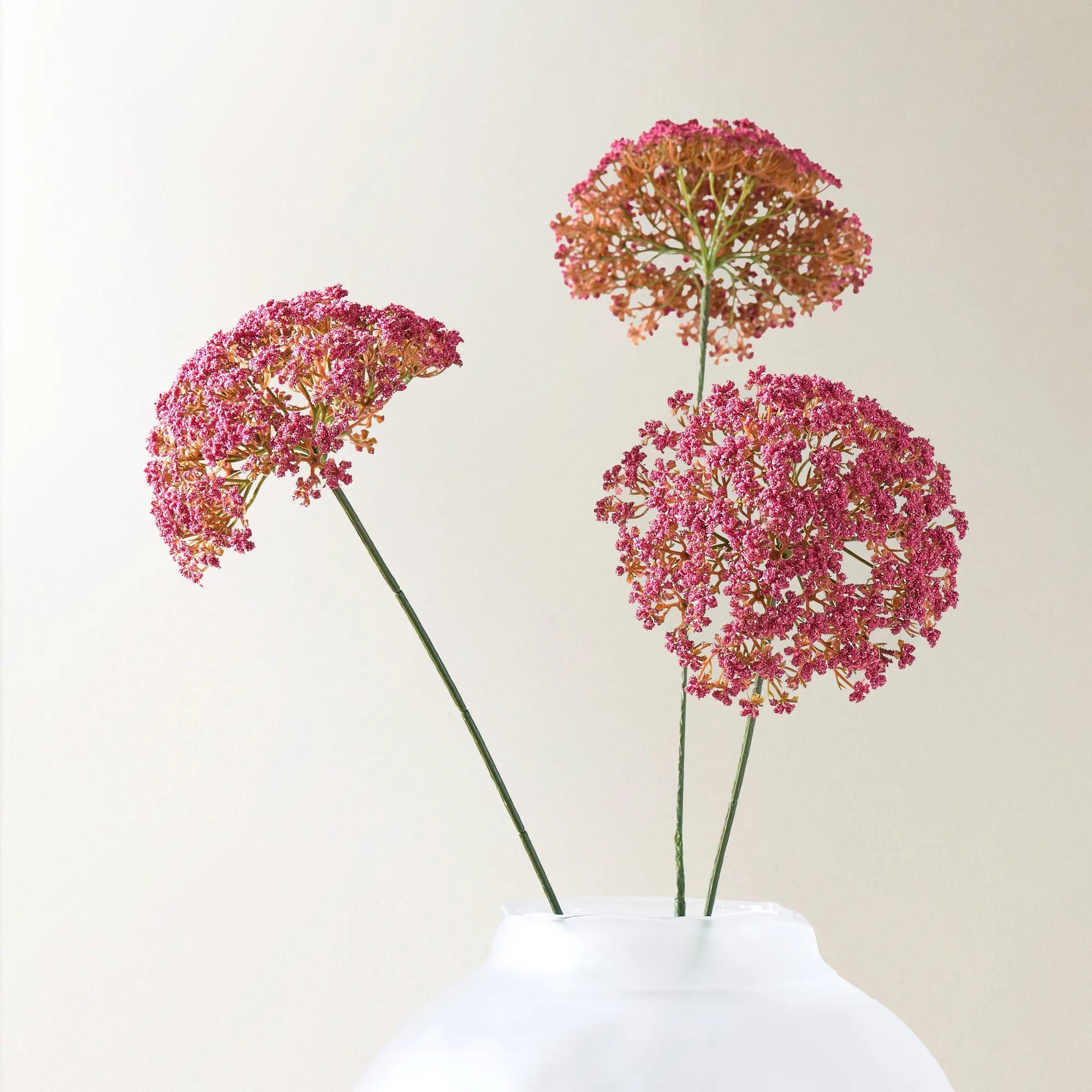
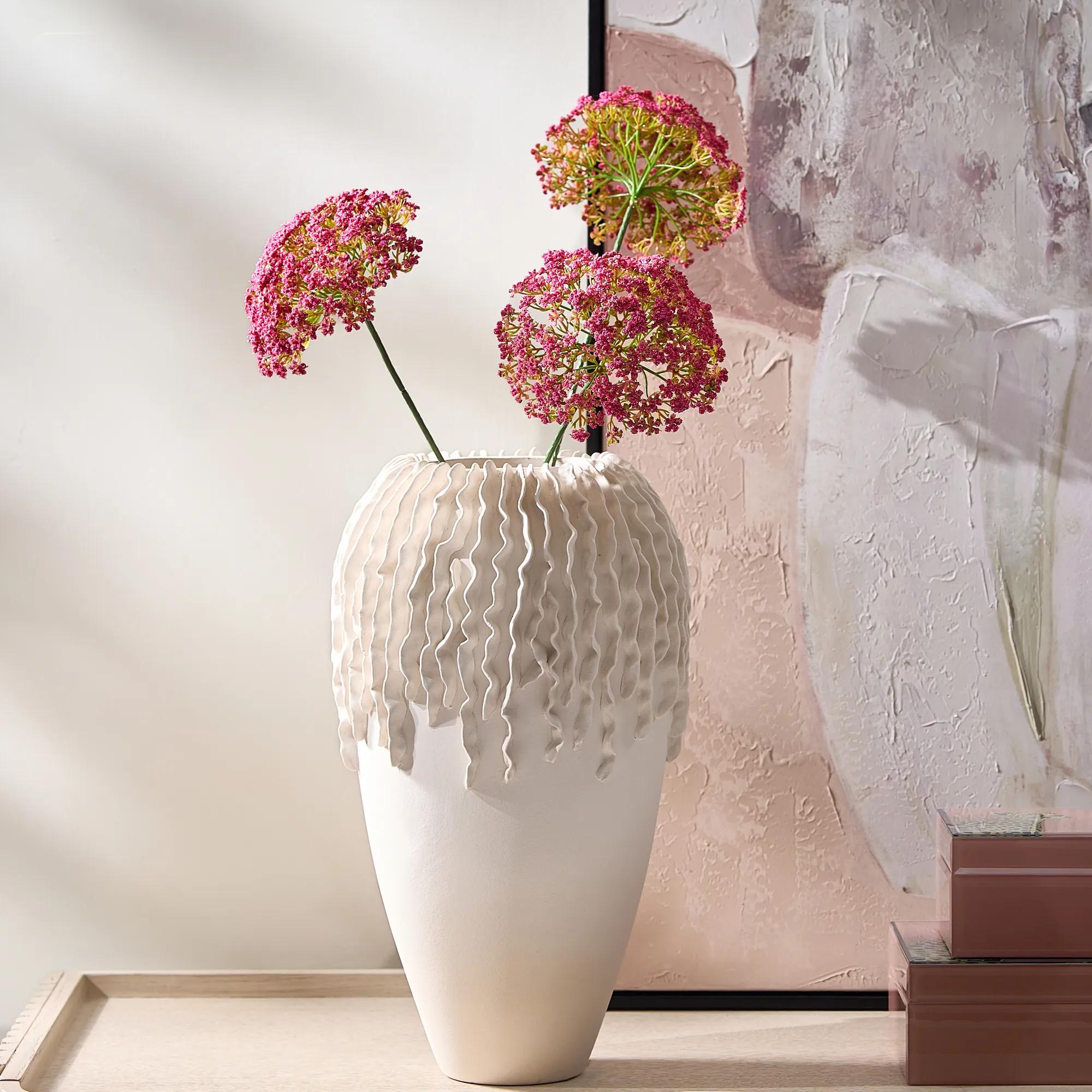 Faux Berry Pink Heracleum Stem 29" Set of 3$49
A trio of pink faux Heracleum stems adds sculptural texture and lasting botanical style to interiors.
Add To Cart -
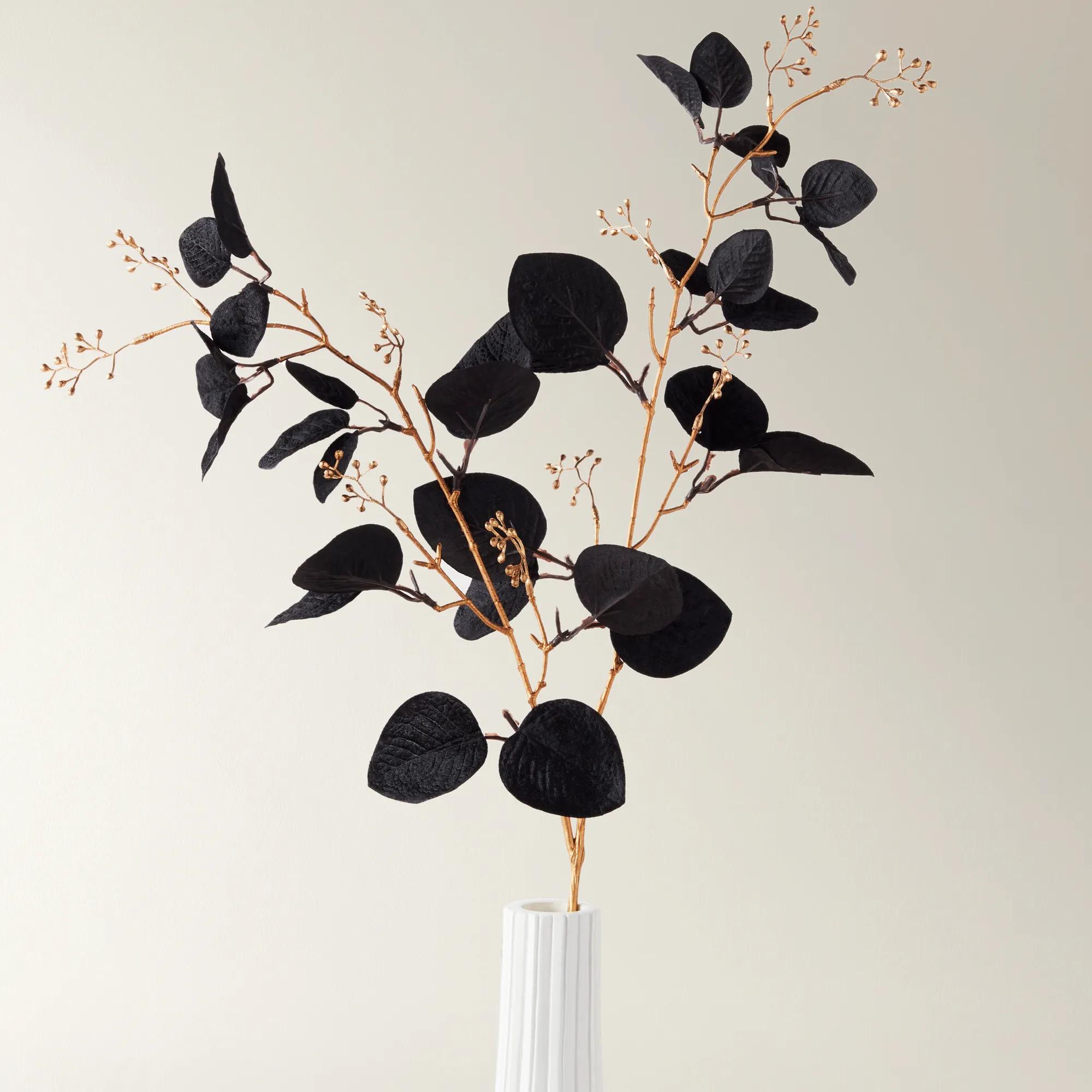
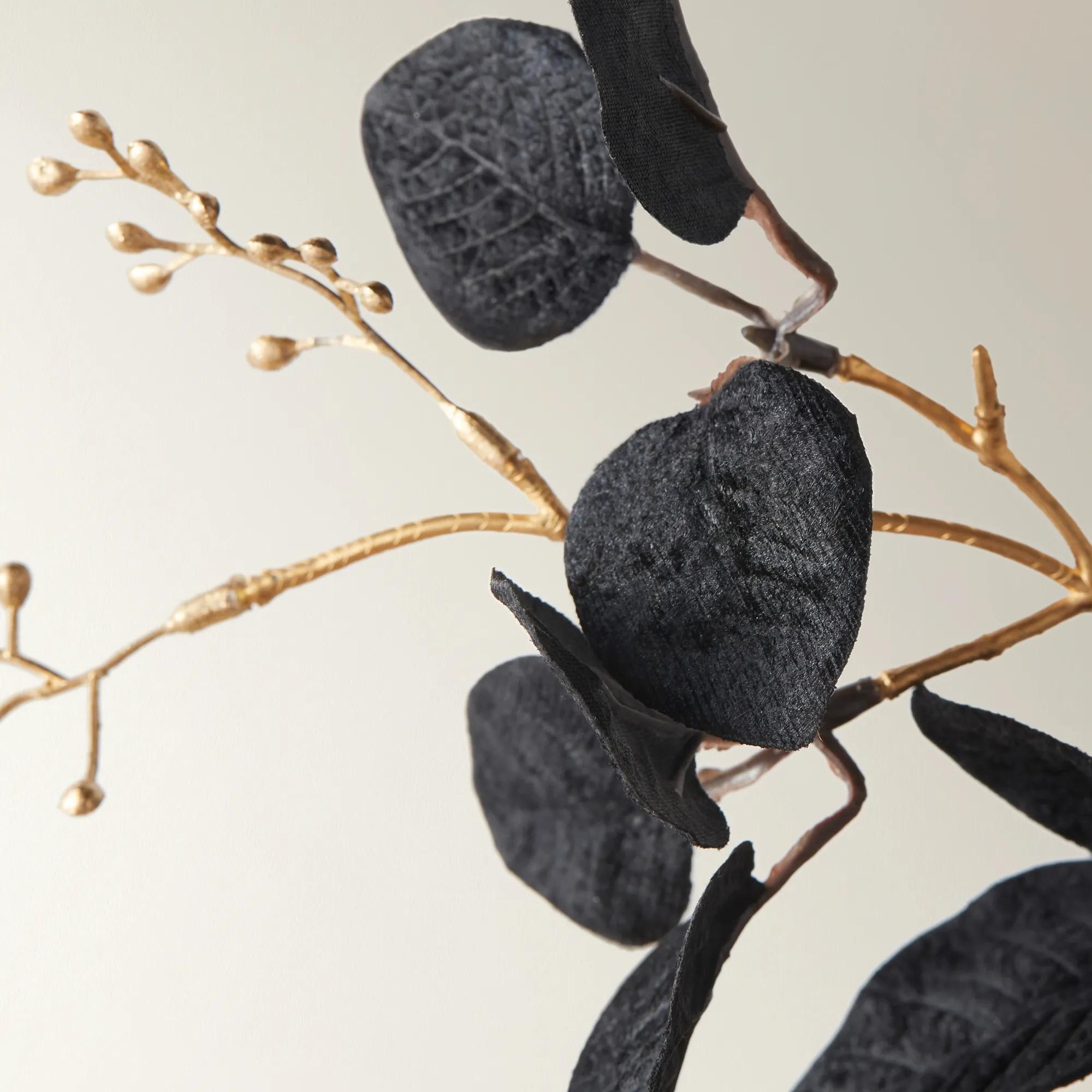 Faux Black/Gold Eucalyptus Spray 32" Set of 3$49
A set of three black-and-gold faux eucalyptus sprays crafted from durable plastic for sculptural seasonal arrangements.
Add To Cart -
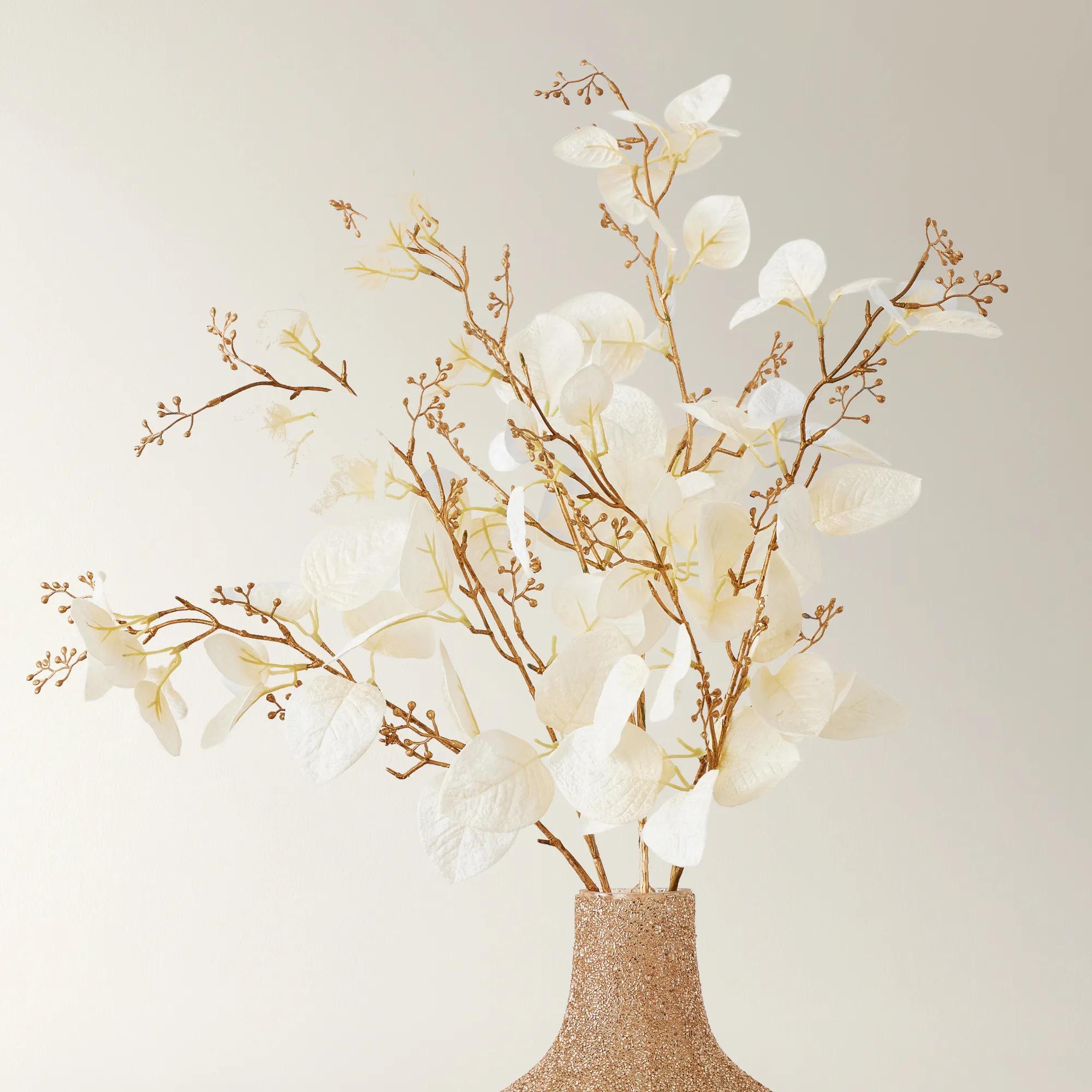 Faux Ivory/Gold Eucalyptus Spray 32" Set of 3$49
A trio of ivory-and-gold polyester eucalyptus sprays adds luminous, dimensional texture to botanical arrangements.
Add To Cart -
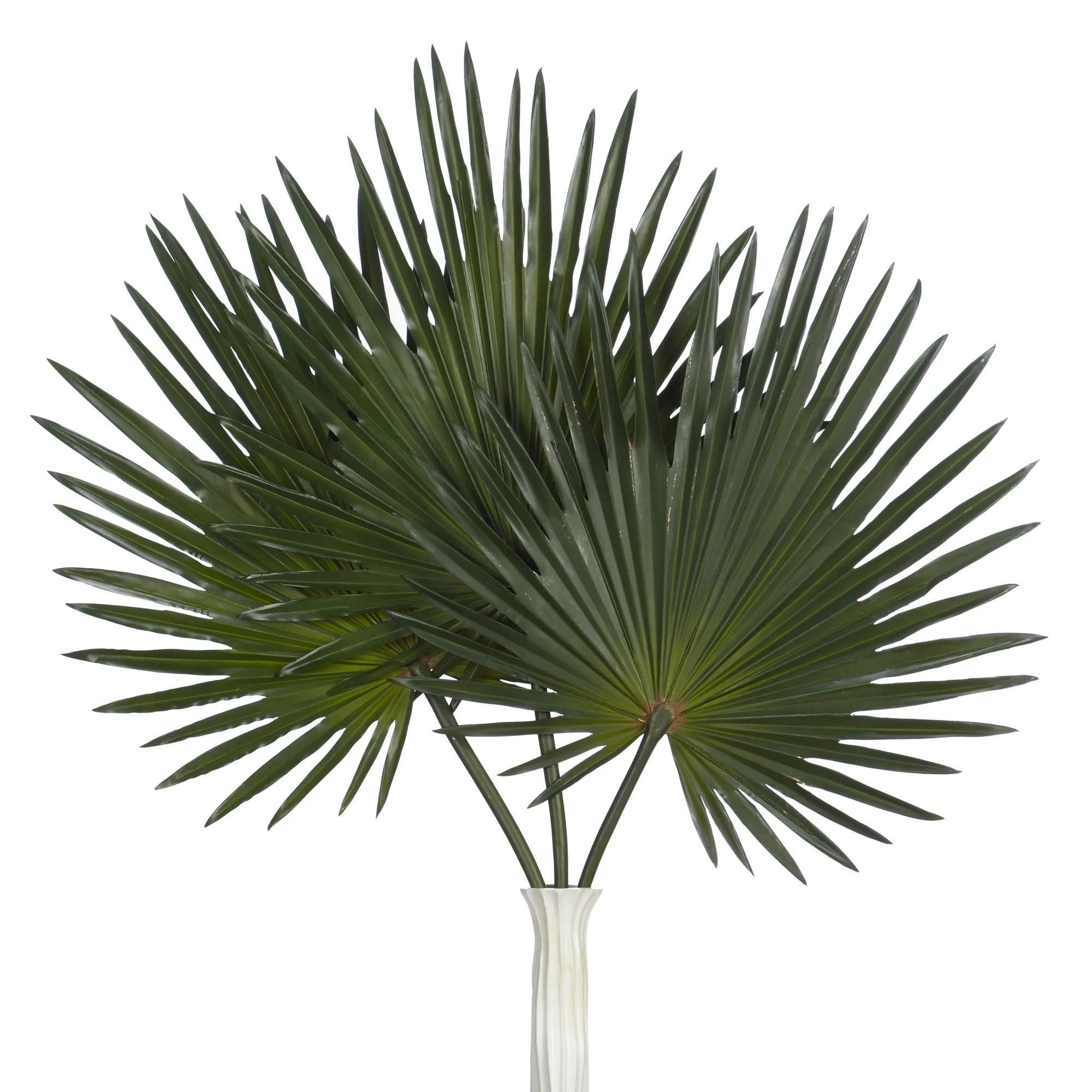
 Faux Green Palm Stem 40" Set of 3$69
A set of three green polymer palm stems with flexible wire for easy, artistic arranging.
Add To Cart -
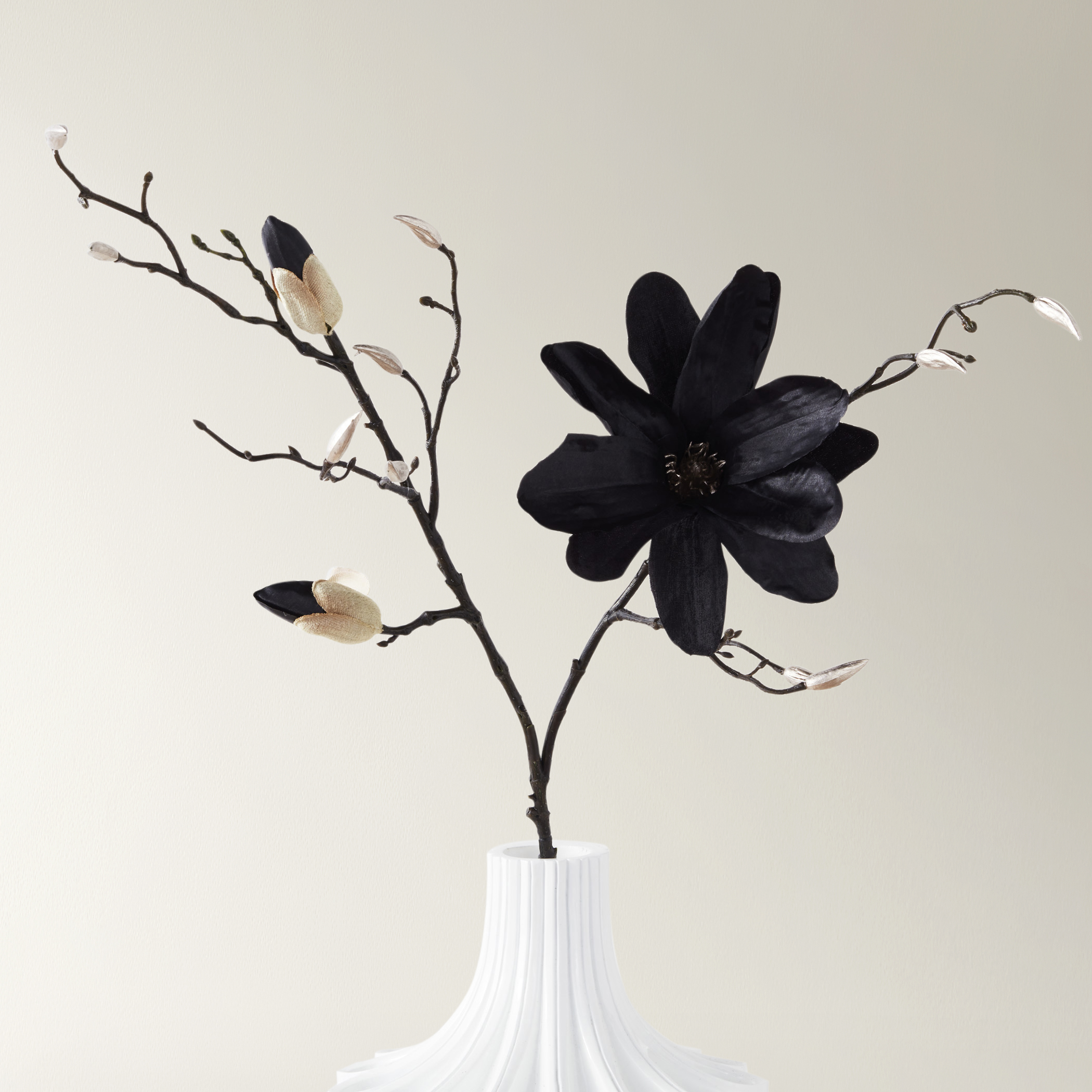 Faux Black & Gold Magnolia Stem 33" Set of 3$59
A set of three lifelike black polyester magnolia sprays that add dramatic height to any decor.
Add To Cart -
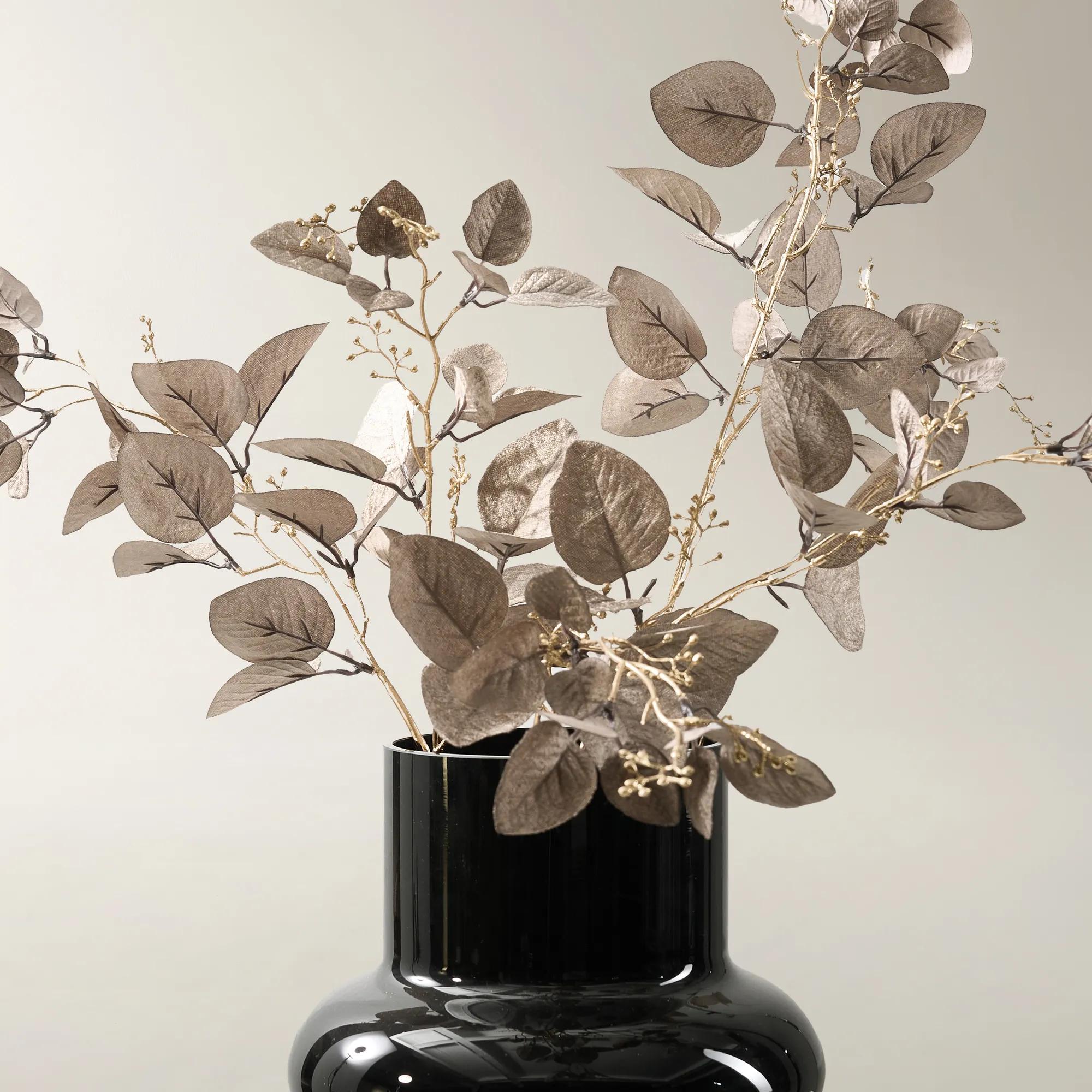 Faux Champagne Shimmer Eucalyptus Spray 32" Set of 3$49
A set of three antique champagne faux eucalyptus sprays adds metallic warmth and airy texture to arrangements.
Add To Cart -
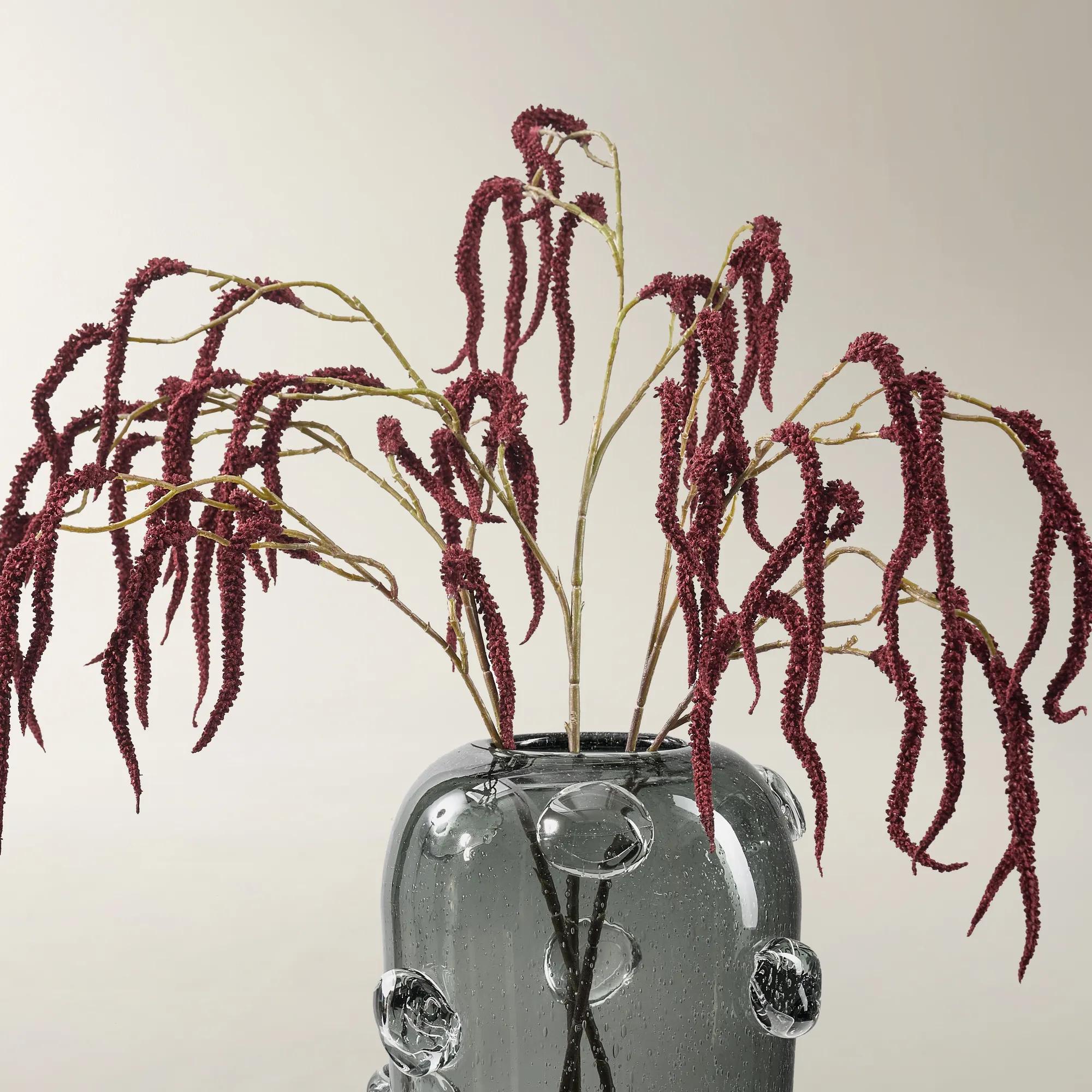
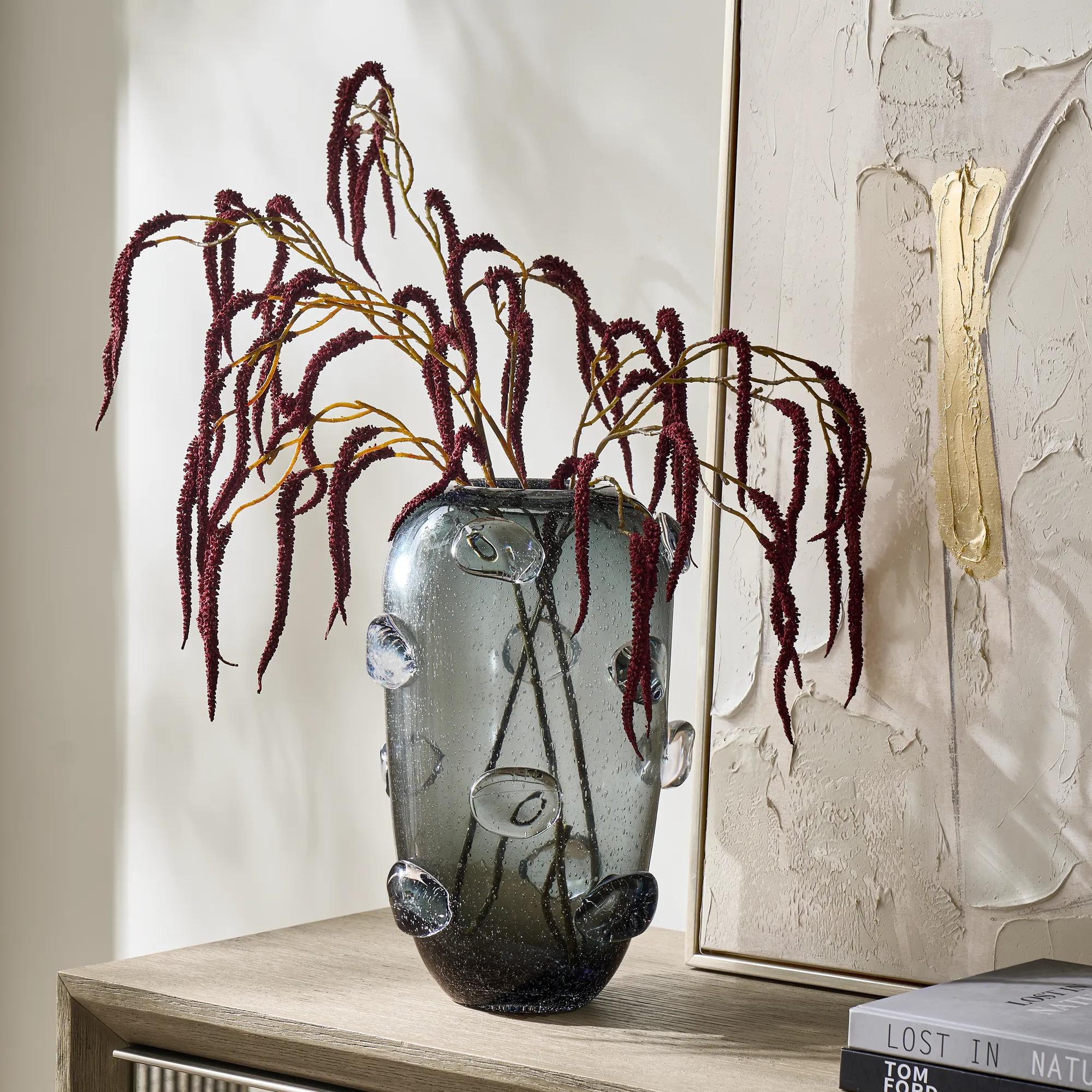 Faux Burgundy Amaranthus Stem 30" Set of 3$39
A set of three cascading faux stems in rich burgundy plastic adds dramatic texture to arrangements.
Add To Cart -
 Faux Protea Cream Stem 33" Set of 3$49
A set of three lifelike cream faux protea stems crafted from foam, plastic, and iron wire.
Add To Cart -
 Faux Berry Anemone Stem 21" Set of 3$29
A set of three berry red faux anemone stems crafted from polyester for a romantic accent.
Add To Cart -
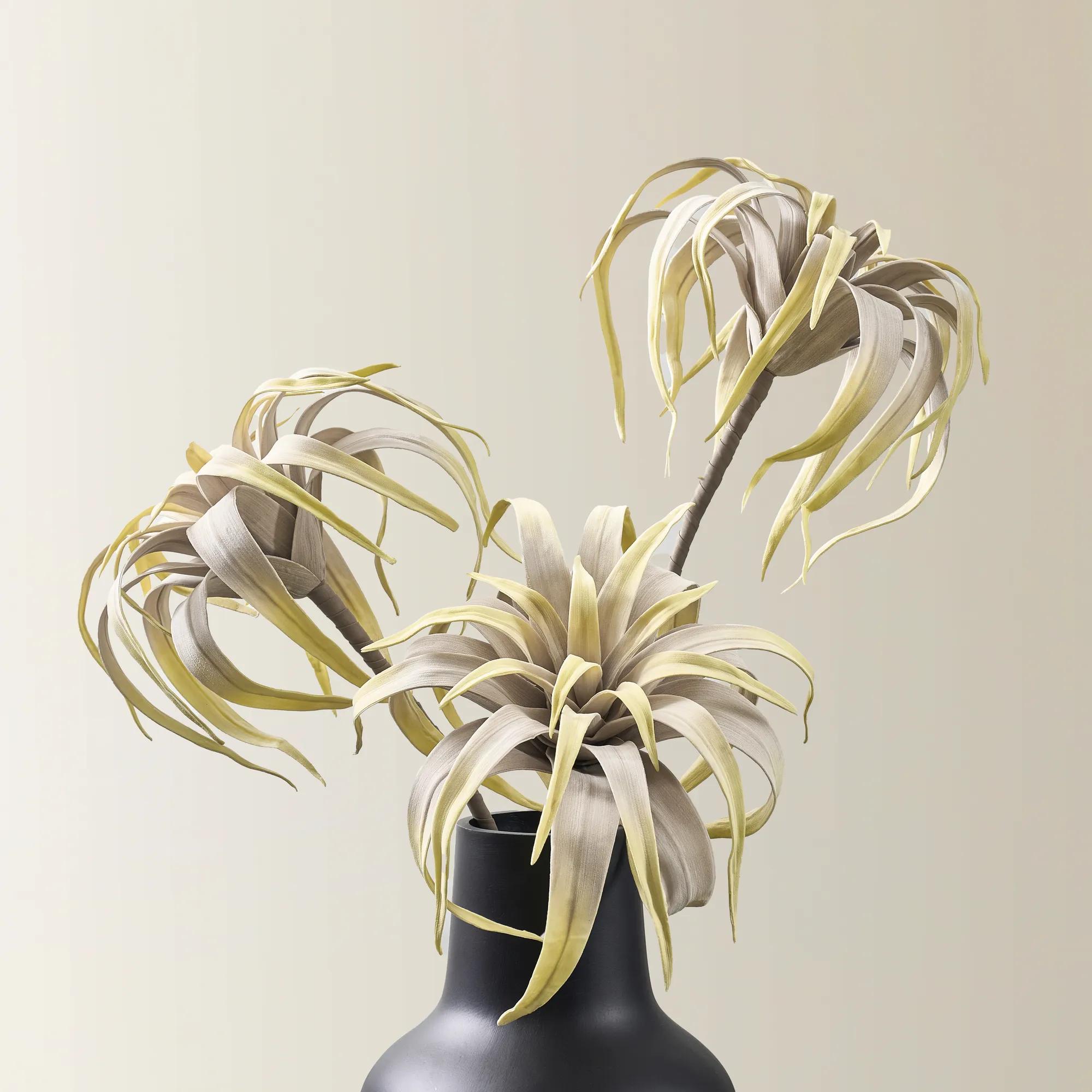 Faux Dusty Blush Large Airplant Stem 35.5" Set of 3$49
A set of three sculptural faux airplant stems in soft dusty blush foam for modern decorative arrangements.
Add To Cart -
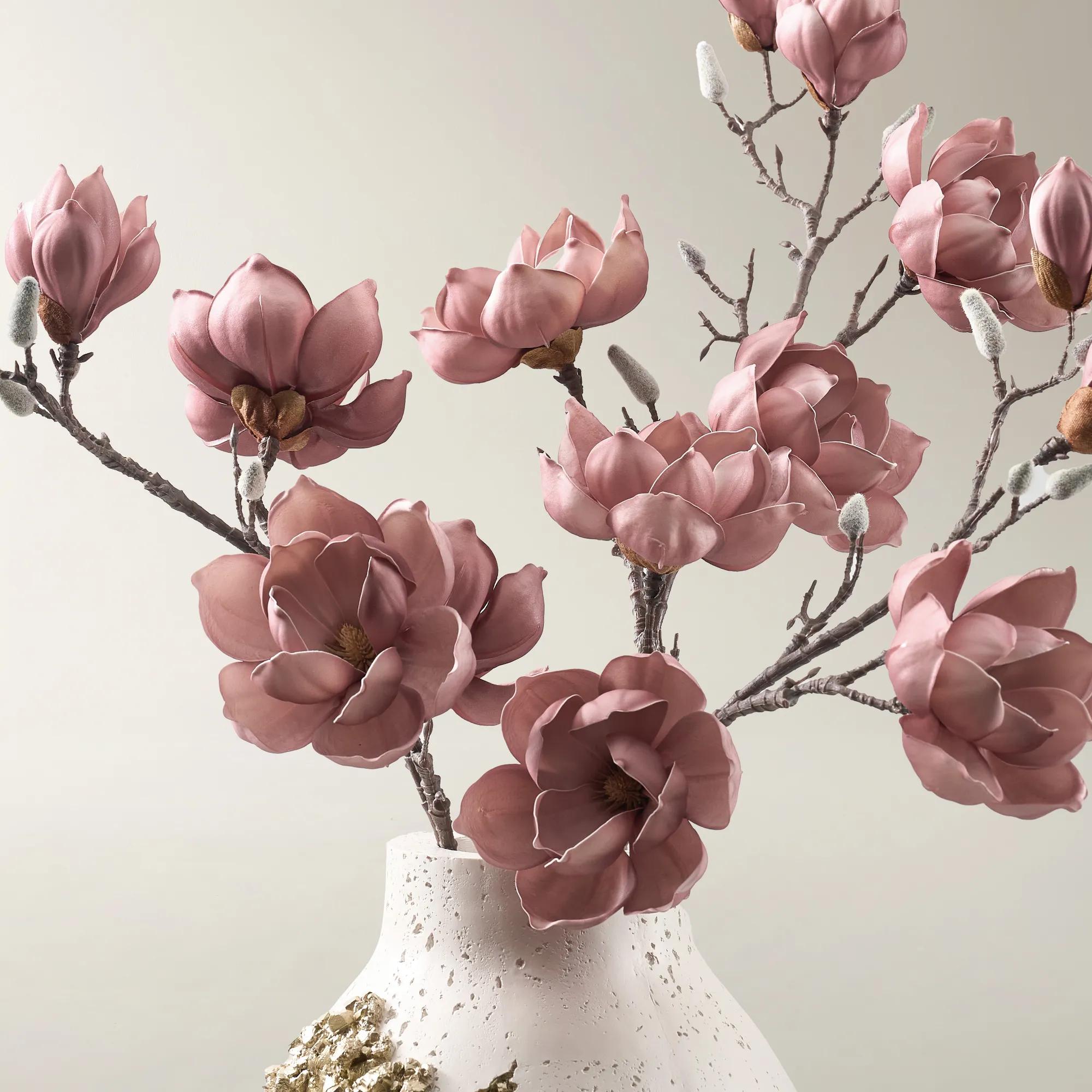 Faux Pearlized Antique Mauve Magnolia Stem 40" Set of 3$79
A set of three pearlized antique mauve magnolia stems crafted from polyester for elegant seasonal arrangements.
Add To Cart -
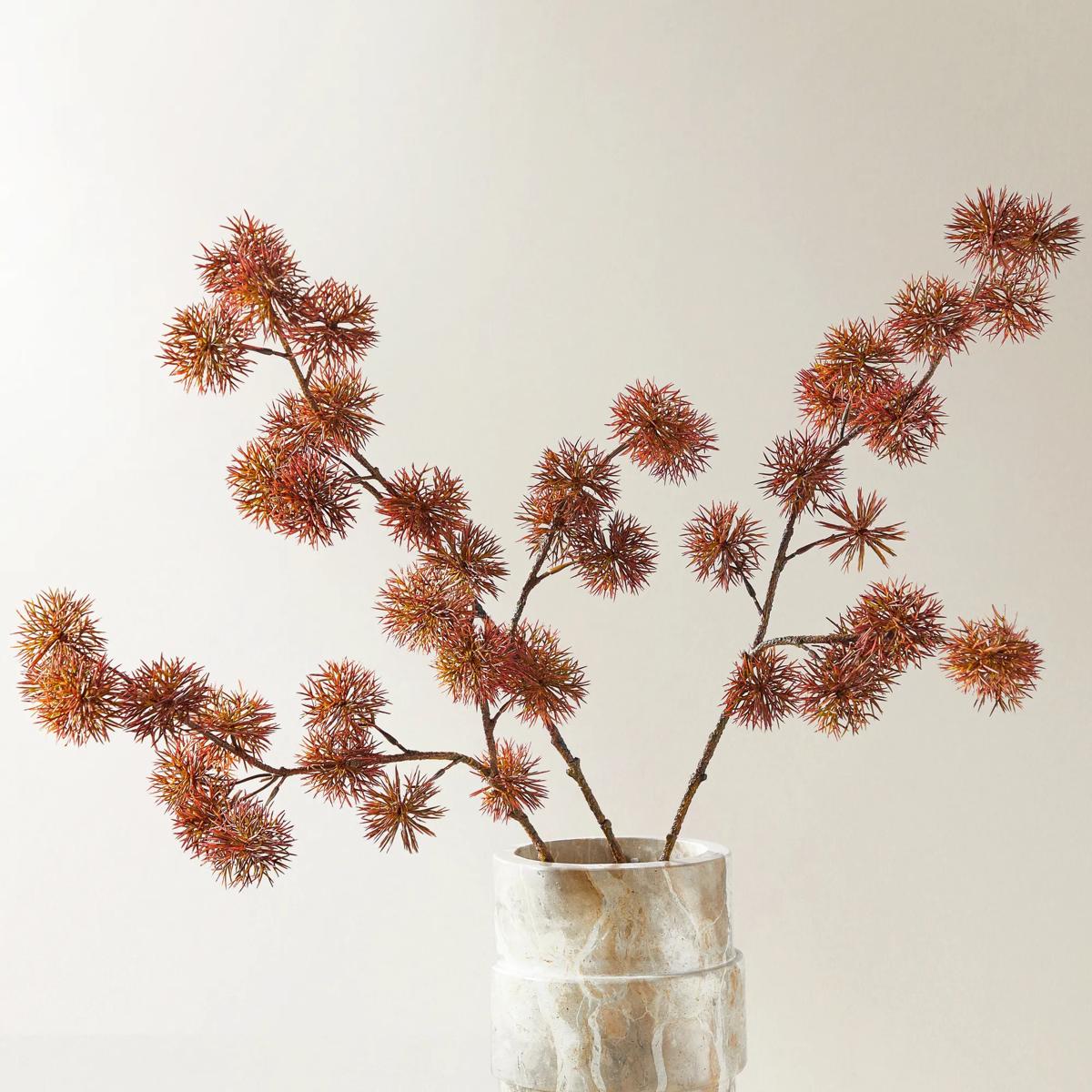
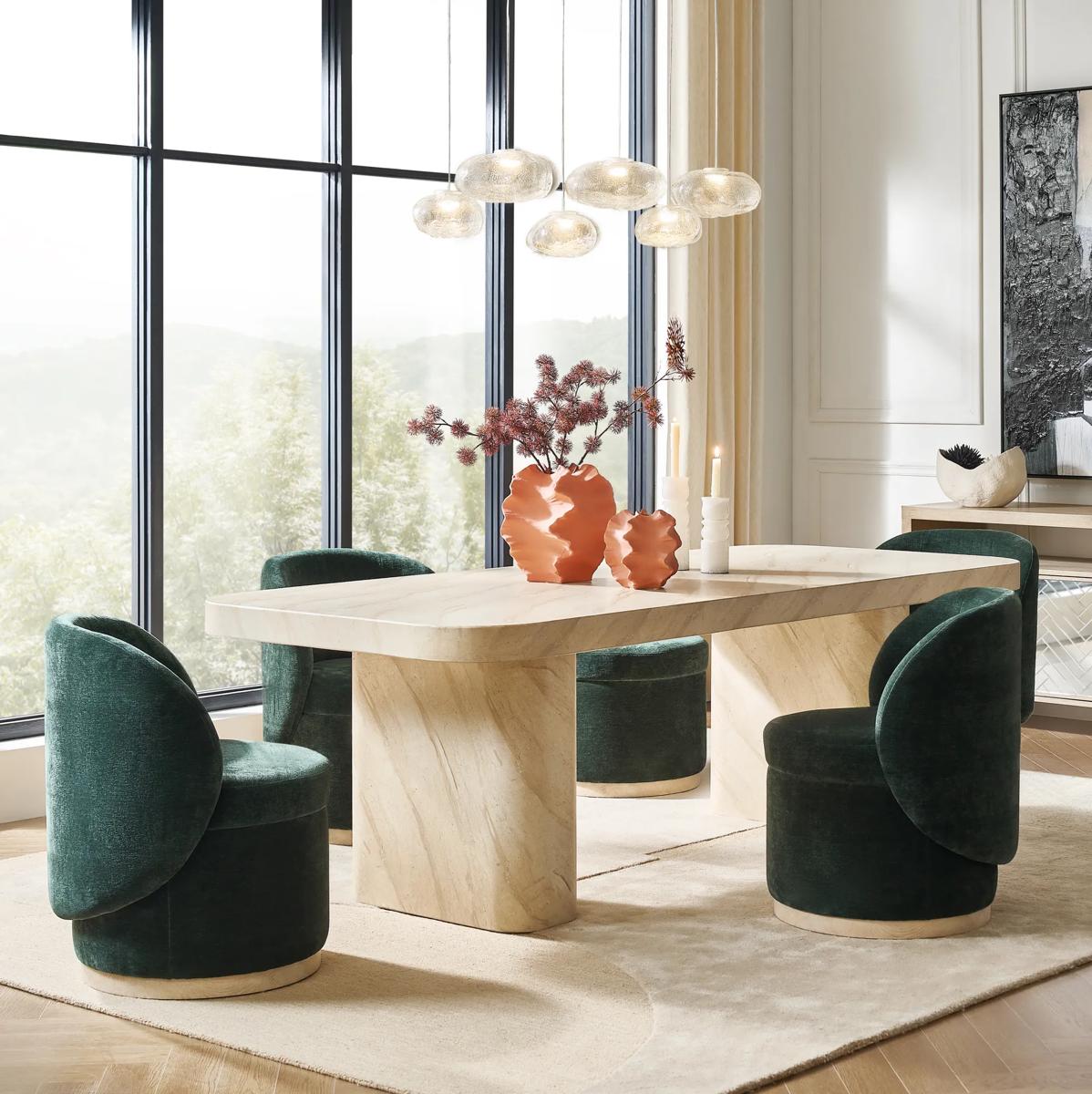 Faux Rust Brown Fall Thistle Stem 27" Set of 3$49
A set of three faux thistle stems in warm rust-brown tones adds sculptural autumnal texture to arrangements.
Add To Cart -
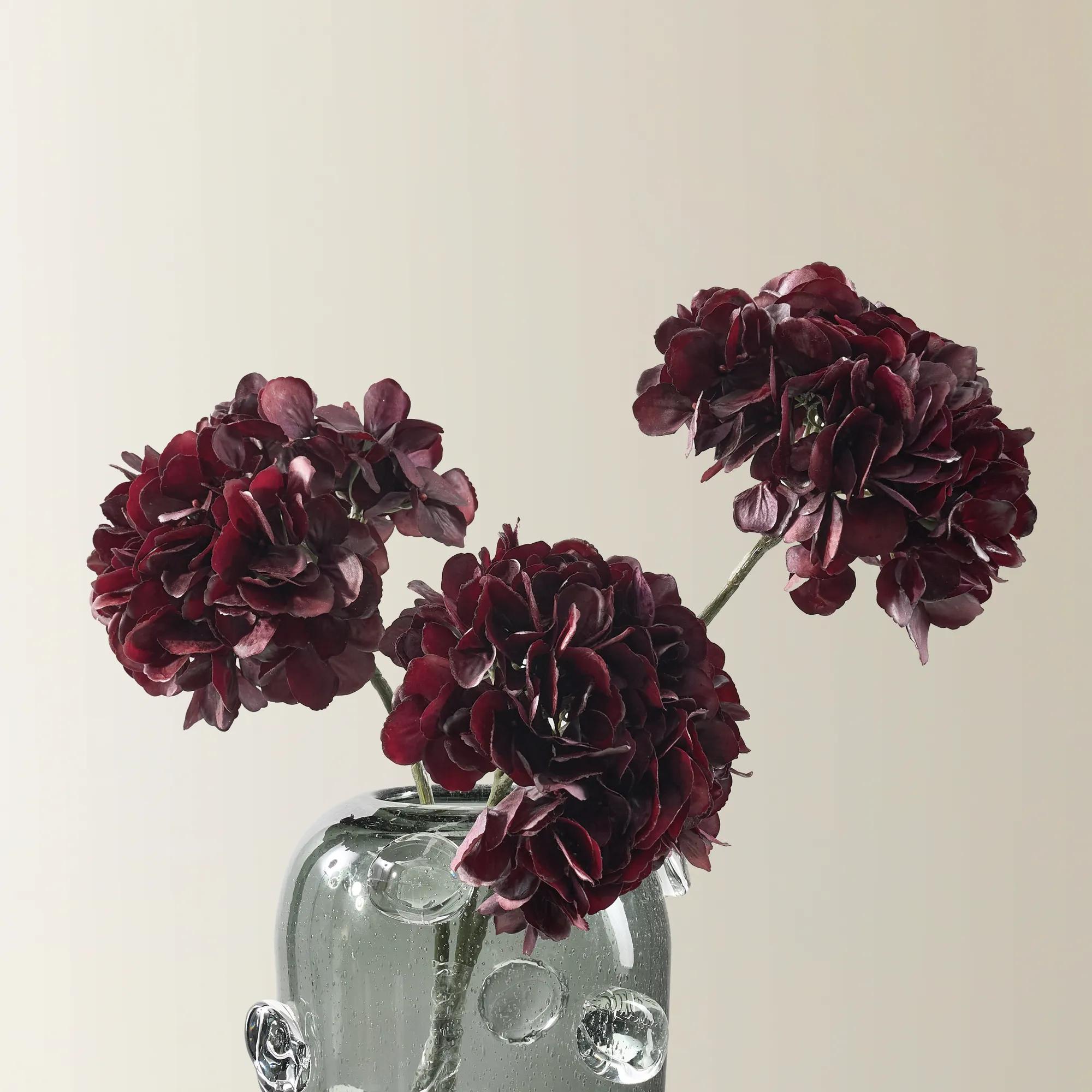 Faux Fig Hydrangea Real Touch Stem 18.5" Set of 3$79
A set of three faux fig-colored hydrangea stems crafted from plastic for lush, seasonal arrangements.
Add To Cart -
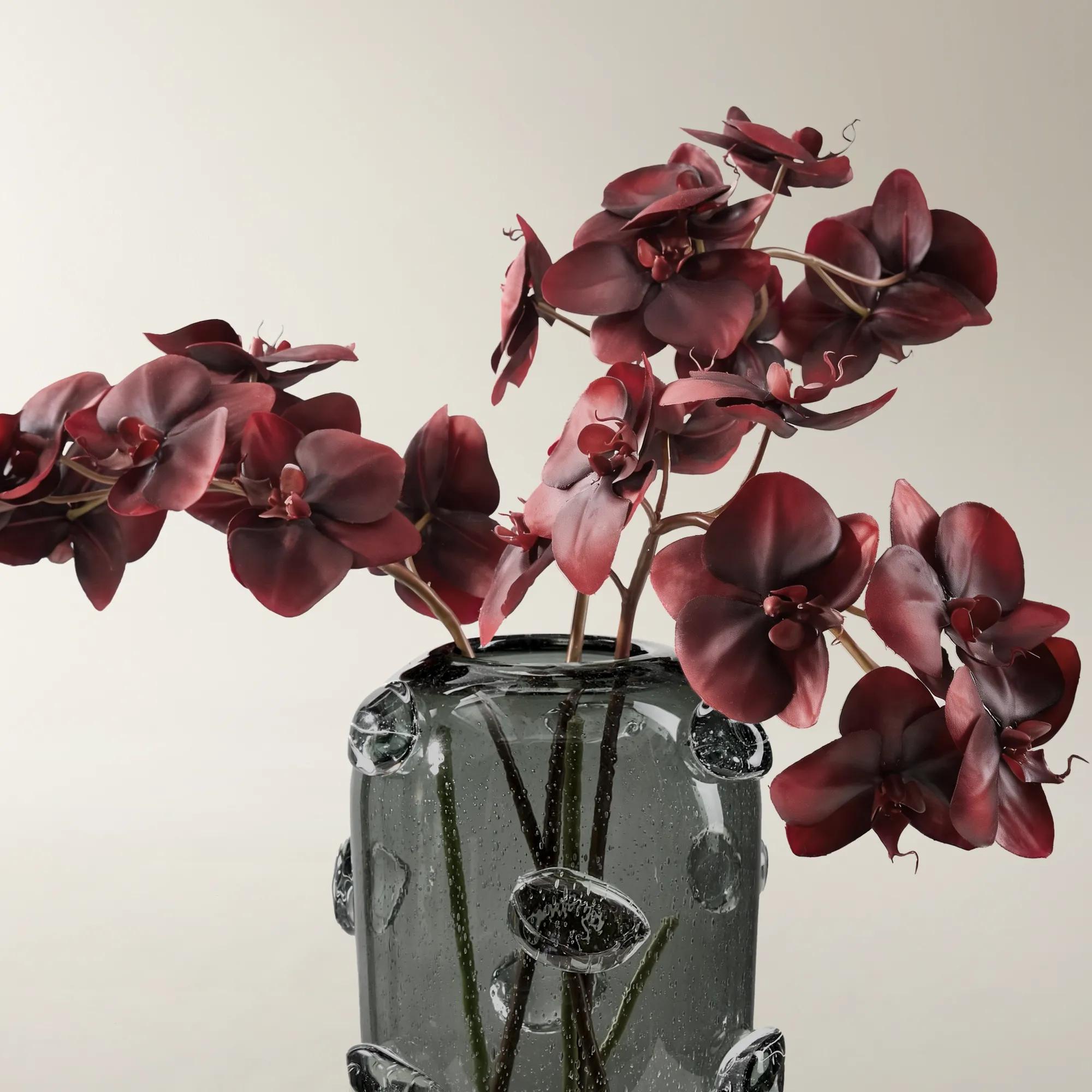
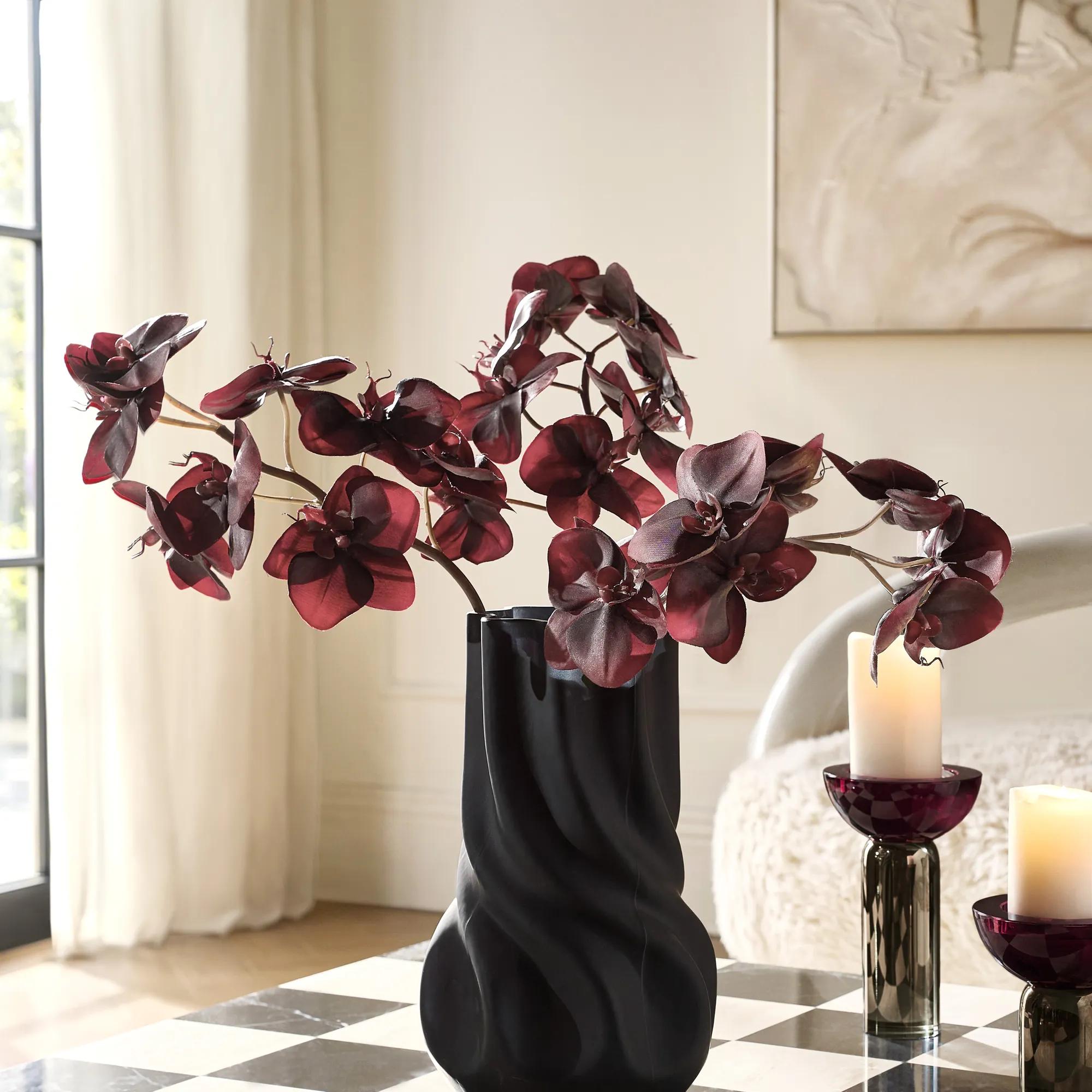 Faux Burgundy Phalaenopsis Real Touch Stem 37" Set of 3$79
A set of three faux burgundy phalaenopsis stems crafted from plastic for dramatic, elegant floral displays.
Add To Cart -

 Faux Amethyst Allium Bulb Stem 40" Set of 3$69
A trio of faux amethyst allium stems adding sculptural botanical elegance to modern arrangements.
Add To Cart -
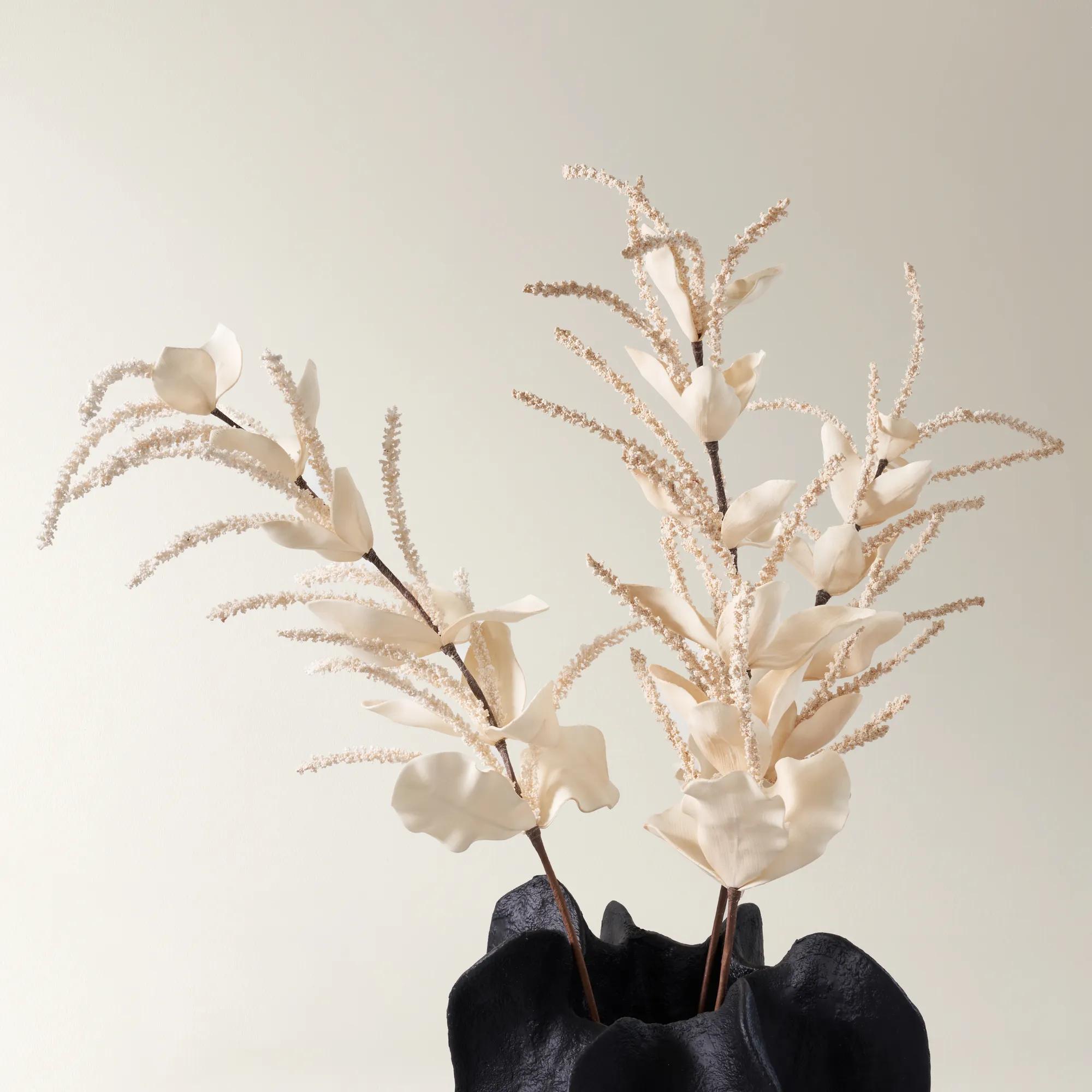 Faux Cream Weeping Spray 50" Set of 3$59
A set of three lifelike sprays in earthy beige and brown tones for a natural, elegant accent.
Add To Cart -
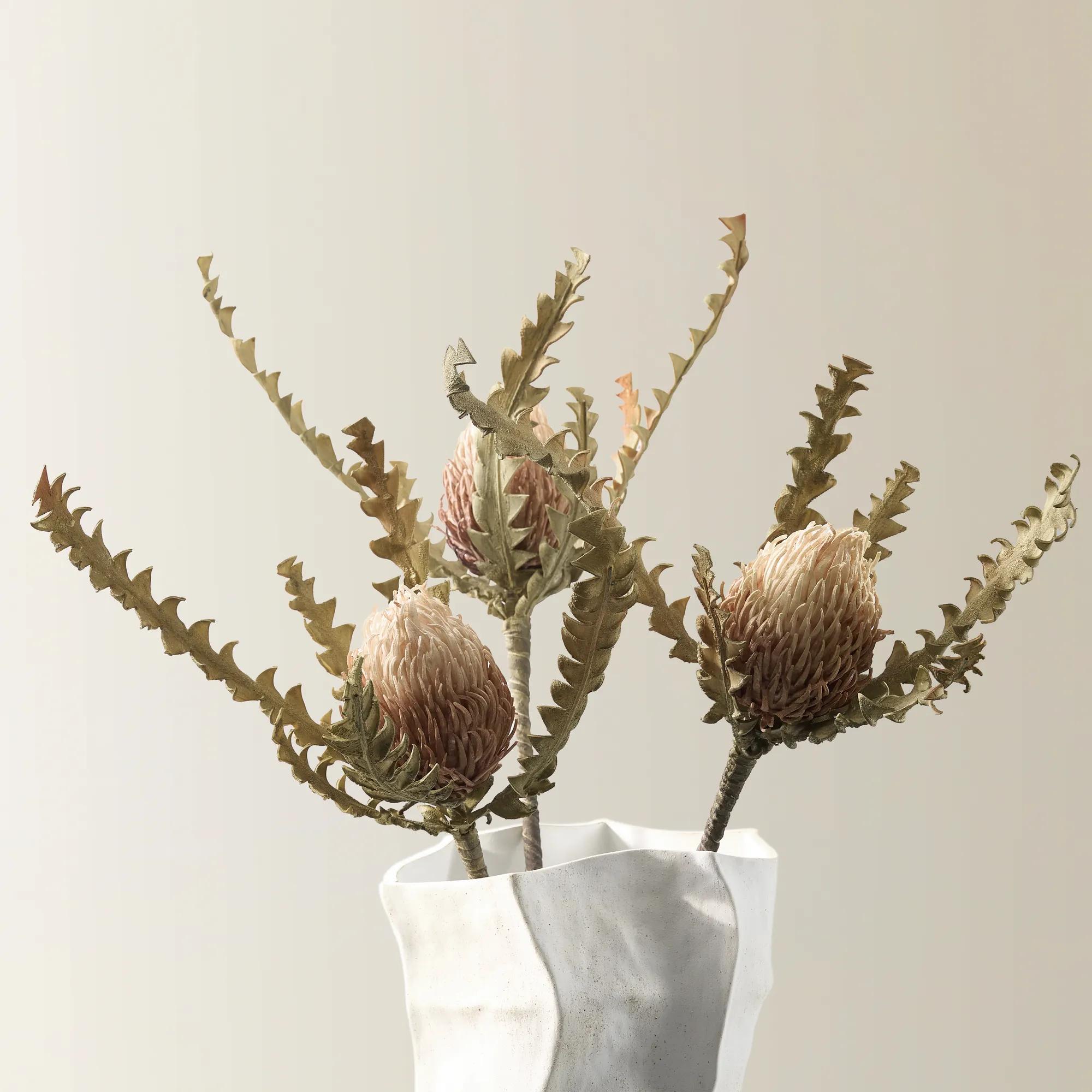 Faux Yellow Banksia Stem 32.75" Set of 3$49
A set of three sculptural faux banksia stems in yellow and green plastic for bold, artful arrangements.
Add To Cart -
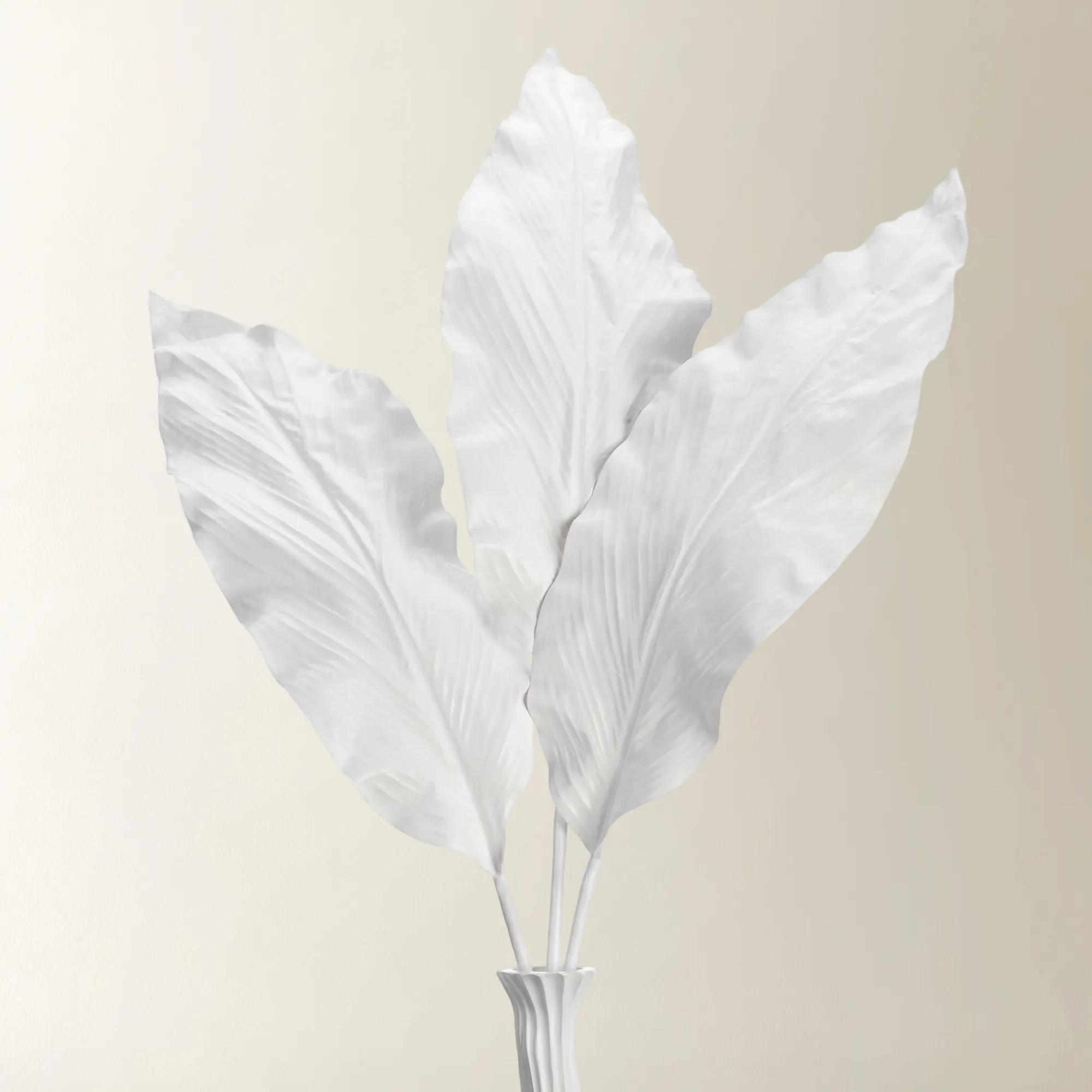
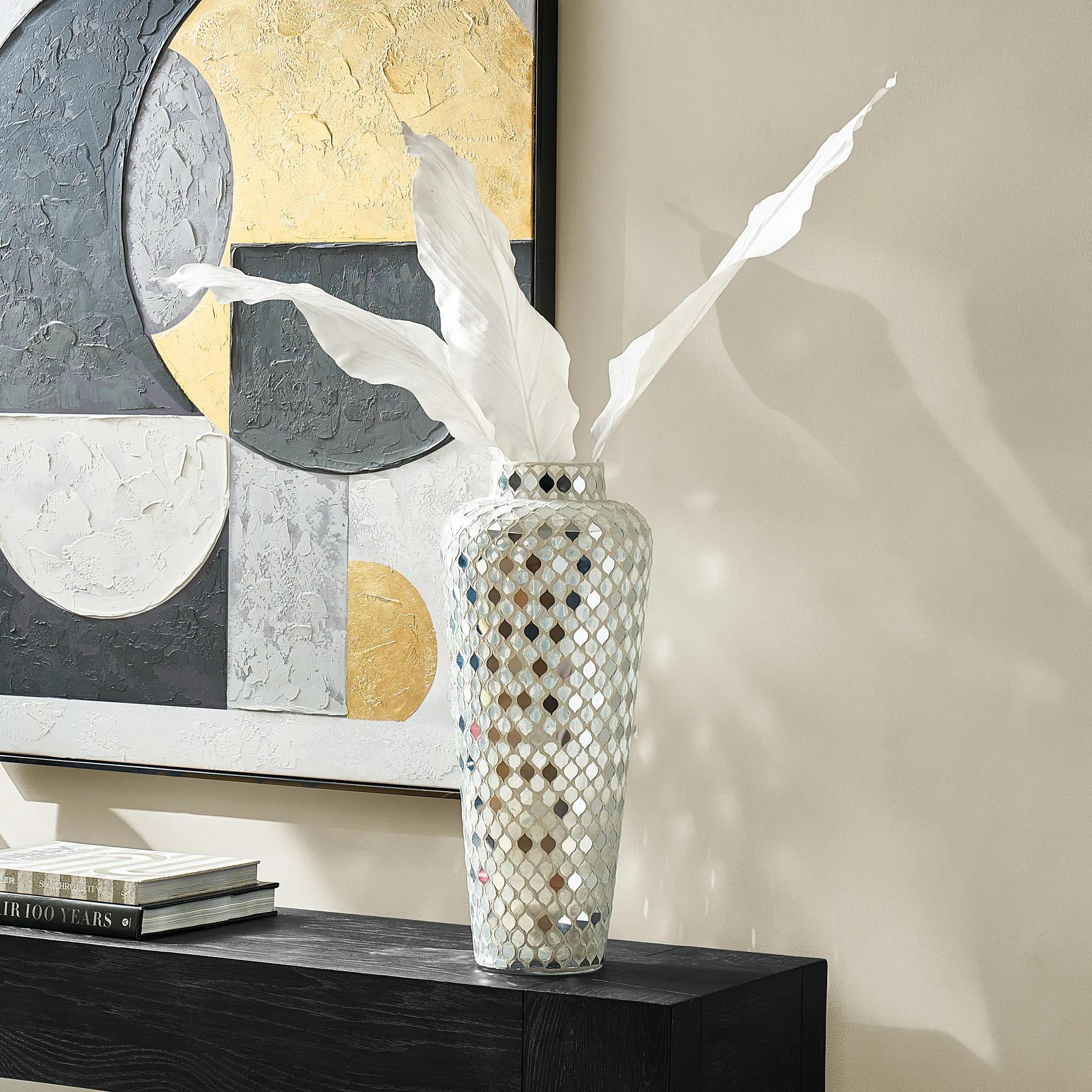 Faux White Canna Leaf Branch 38" Set of 3$49
A set of three white decorative branches inspired by the elegant foliage of the Canna plant.
Add To Cart -
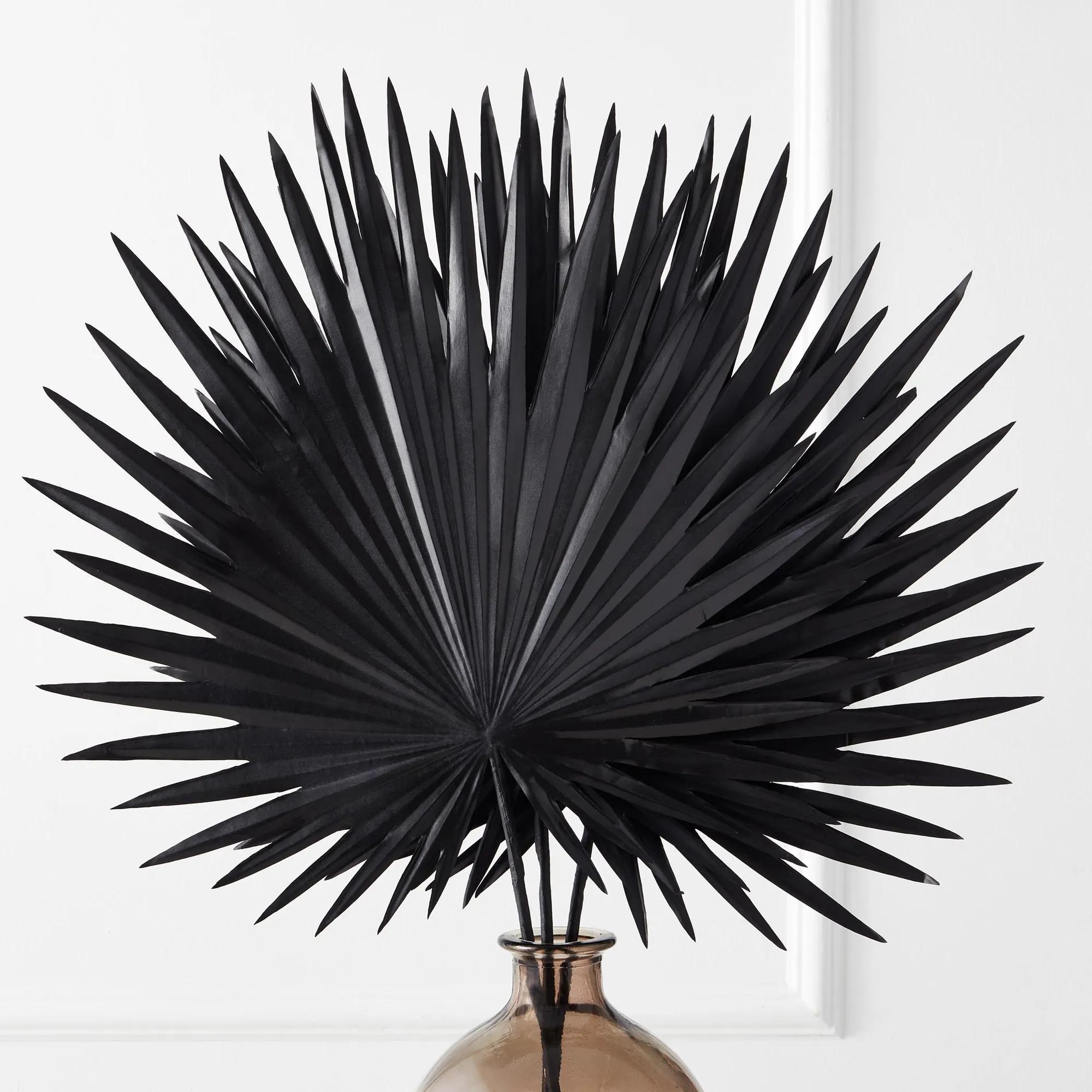
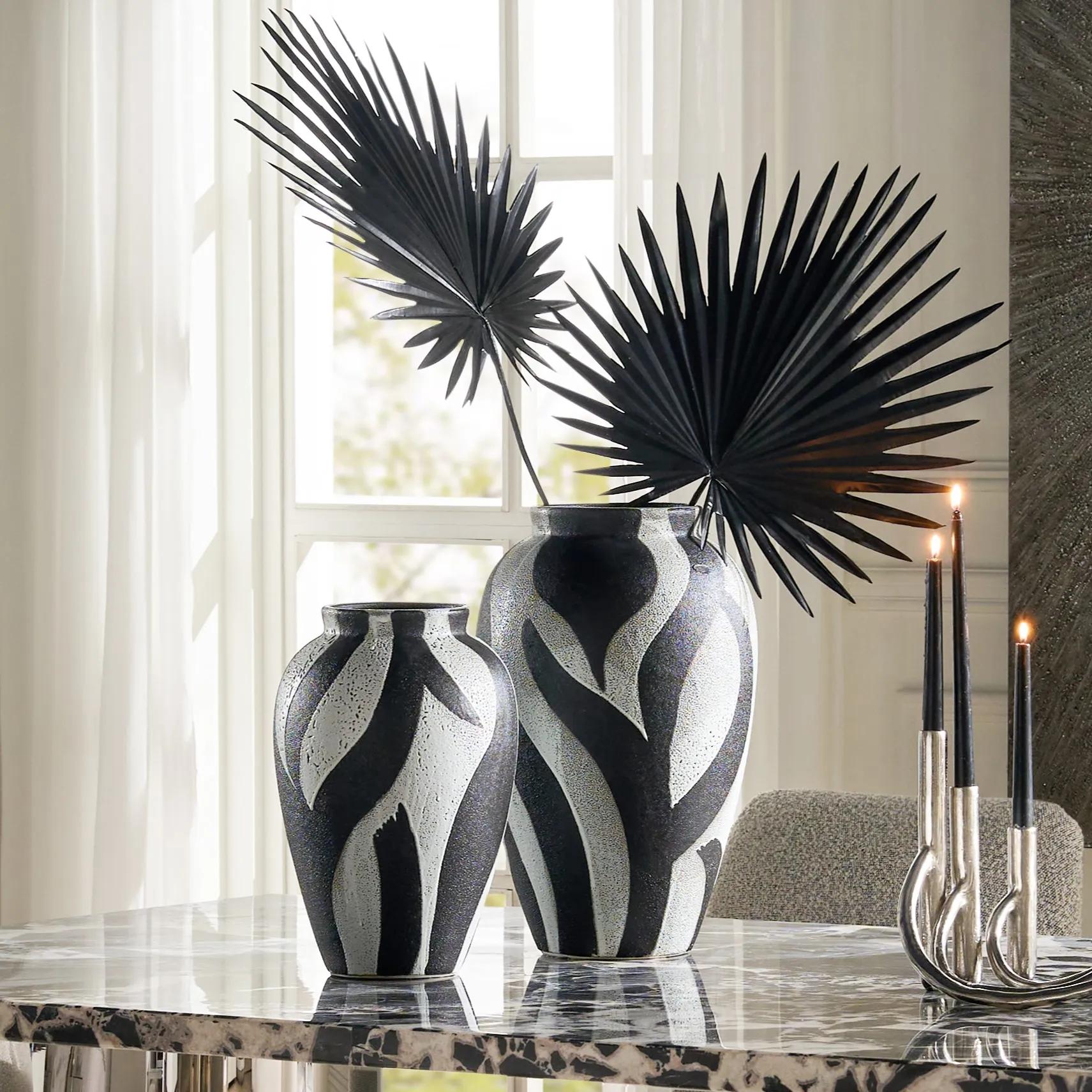 Faux Black Palm Stem 40" Set of 3$69
A set of three black faux palm stems with flexible wire for easy, artistic arranging.
Add To Cart

Faux Plants For Living Rooms
Faux plants for living rooms are the ultimate secret to cultivating lush, artful ambiance—no green thumb required. Imagine sculptural greenery that captivates the eye and infuses your space with vibrancy and drama, all while maintaining its flawless allure season after season. Whether nestled in a sun-drenched corner or commanding attention atop a mirrored console, these botanical masterpieces offer a touch of nature’s grandeur, reimagined through the lens of modern luxury. Elevate your living room into a sanctuary of style, where every leaf and frond is an invitation to linger, admire, and indulge in the beauty of effortless sophistication.
Faux plants for living rooms are decorative artificial plants that bring the color, shape, and texture of greenery indoors without watering, pruning, or a need for natural light. With occasional cleaning, they offer a lasting botanical presence in spaces where living plants can be difficult to maintain, from a shadowed corner beside a sectional to a bookcase set far from a window. Their appeal goes beyond convenience: a sweeping canopy can give a seating area architectural presence, while a compact arrangement introduces an organic silhouette among books, ceramics, and framed photographs. In a room filled with tailored upholstery and polished surfaces, foliage creates a graceful contrast, softening straight lines without diminishing the drama. The most convincing effect comes from thoughtful proportions, nuanced color, and placement that feels connected to the surrounding furniture. A tall faux plant can balance the height of a substantial cabinet or draw the eye toward an otherwise overlooked corner; a lower, fuller shape can enrich the space beside an accent chair without interrupting conversation across the room. Consider the entire silhouette rather than height alone. Broad leaves need room to extend, while slender branches offer an airy profile where floor space is limited. Leave comfortable clearance beside walkways, doors, and seating so the greenery feels generous rather than crowded. On a console or side table, a smaller plant can sit slightly off-center, creating an appealing relationship with a sculptural vessel or a stack of art books. Shelves benefit from foliage that breaks up rigid rows, provided the container sits securely and leaves do not obscure objects meant to be seen. For apartment dwellers, frequent travelers, busy households, and anyone who enjoys botanical styling without a plant-care routine, artificial greenery makes an expressive living room feel beautifully composed with little ongoing attention.
Materials and construction shape both the appearance and durability of faux indoor plants. Depending on the design, leaves may be made from molded plastic, fabric, or combinations of synthetic materials, with flexible stems that allow gentle adjustments. A fabric leaf can lend softness to a full arrangement, while molded foliage can capture thickness, contours, and pronounced veining. The material alone does not determine realism; variations in leaf size, subtle shifts in green, and an irregular branching pattern often matter just as much. A uniformly glossy finish may look less convincing under a nearby lamp, whereas restrained sheen and dimensional texture can create a more natural impression. Wired branches, when included, help open the silhouette after unpacking, but adjustments should follow the care instructions and avoid forcing rigid joints. The container deserves equal attention because it establishes the visual weight of the entire arrangement. A ceramic planter can introduce a glazed accent, a textured vessel can add depth, and a metallic finish can echo the gleam of a mirror or occasional table. When placing a plant’s existing pot inside a decorative container, check the interior dimensions, base width, and overall balance rather than relying on the opening measurement alone. A concealed support may help achieve the desired height, but it must provide a firm, level foundation. Tall foliage should feel anchored, especially near active seating areas or in homes with children and pets. Loose decorative moss, stones, and accessible stems also warrant thoughtful placement; artificial greenery is decorative, not intended for chewing or play. For indoor use, prioritize a stable arrangement and materials suited to the setting. A faux plant does not wilt from missed watering, but its finish can still fade or deteriorate with unsuitable exposure or handling. Indoor designs should not be assumed suitable for patios, damp locations, or prolonged direct sunlight unless their product information specifically supports those conditions.
Styling faux greenery is an opportunity to give a living room a distinctive mood. An open, branching form against a richly colored wall reads like a botanical drawing brought into three dimensions, while a dense cluster of leaves brings visual softness beside a streamlined sofa. Green foliage is particularly expressive against ivory upholstery, dark wood, glass, and reflective metal, giving each surface a different kind of contrast. Repeating one foliage character in a few considered places can make an open living area feel connected; mixing too many unrelated shapes in close quarters can compete with artwork and other focal points. For a restrained arrangement with presence, let one substantial plant establish the room’s botanical statement, then use a smaller accent where the eye needs a gentler pause. In a more layered interior, vary heights and leaf sizes while allowing the planters to share a color or finish. The result feels collected rather than repetitive. That same approach can extend beyond the main seating area, with Faux Potted Plants For Bedrooms offering a related way to carry greenery into a more private retreat. Artificial plants also make thoughtful housewarming gifts for someone furnishing a first apartment, settling into a new home, or refining a favorite reading corner. A versatile size and a container that complements the recipient’s interiors make the gesture feel personal without assigning a watering schedule. Everyday care remains simple but worthwhile: remove dust gently with a soft cloth or brush, and use a lightly dampened cloth only when the material’s care directions permit. Avoid soaking foliage, saturating the base, or applying household cleaners that could alter the finish. Keeping leaves clean preserves their depth of color and prevents dust from flattening delicate details. With considered scale, a distinctive planter, and space for the silhouette to unfold, faux plants bring lasting texture and artistic presence to the living room—greenery chosen for the room’s character, not its growing conditions.
FAQs
Faux plants are remarkably adaptable and can be styled to suit a wide array of living room themes. For a modern, minimalist space, opt for a single, sculptural plant in a sleek vessel to create a striking focal point. In more eclectic or maximalist rooms, group various faux botanicals of different heights and textures to build lush, layered vignettes. Pairing greenery with metallic accents, mirrors, or bold art pieces can amplify drama and tie your décor together seamlessly.
Absolutely. One of the greatest advantages of faux plants is their ability to flourish in any lighting environment. Whether your living room is awash in sunlight or nestled in cozy shadows, faux botanicals will maintain their vibrancy and form, bringing a sense of vitality and freshness to spaces where real plants might struggle.
Unleash your creativity by incorporating faux plants into unexpected places. Drape trailing vines along a bookshelf, place a dramatic statement plant beside a fireplace, or cluster small arrangements on a mirrored tray for a touch of glamour. Mixing faux greenery with decorative objects, books, or candles can create captivating, personalized displays that reflect your unique style.
Faux plants make exceptional gifts for a variety of occasions, from housewarmings to birthdays and beyond. They offer lasting beauty and require no maintenance, making them perfect for friends and loved ones who appreciate stylish décor but may not have the time or inclination to care for live plants. Their enduring charm ensures your thoughtful gesture will be enjoyed season after season.
Consider the existing tones and mood of your living room when selecting a color palette for your faux plants. Lush greens bring a sense of calm and freshness, while arrangements with pops of color—such as blush, burgundy, or gold—can add vibrancy and accentuate your room’s personality. For a truly unique statement, explore options like <a href="https://zgallerie.com/o/pink-faux-flowers-for-living-rooms">Pink Faux Flowers For Living Rooms</a> to introduce a playful yet sophisticated touch.