
Faux Plants For Dining Rooms
Faux Plants For Dining Rooms
-
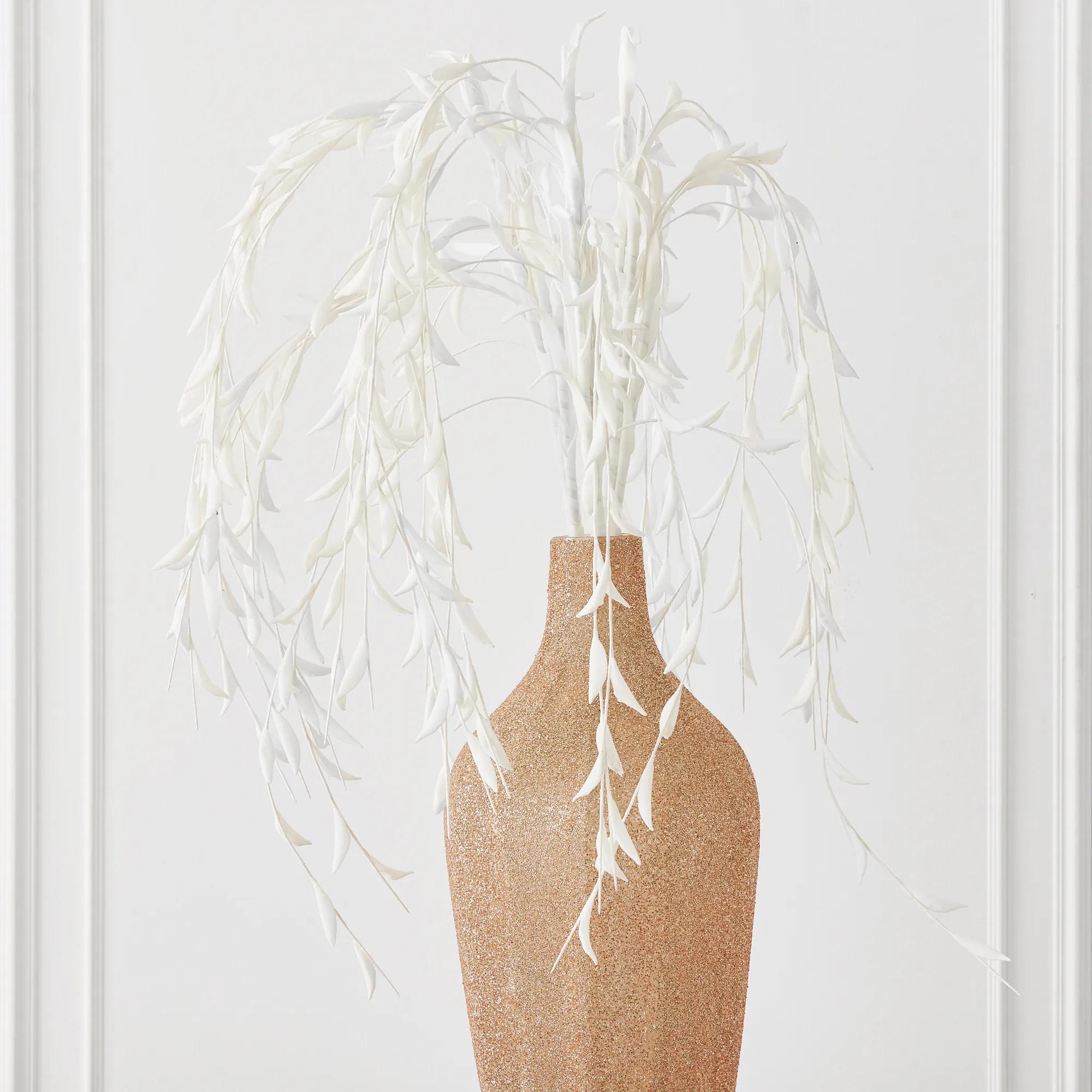 Faux Weeping Willow Spray Set of 3$59
A set of three faux weeping willows with delicate white foam branches for enchanting decor.
Add To Cart -
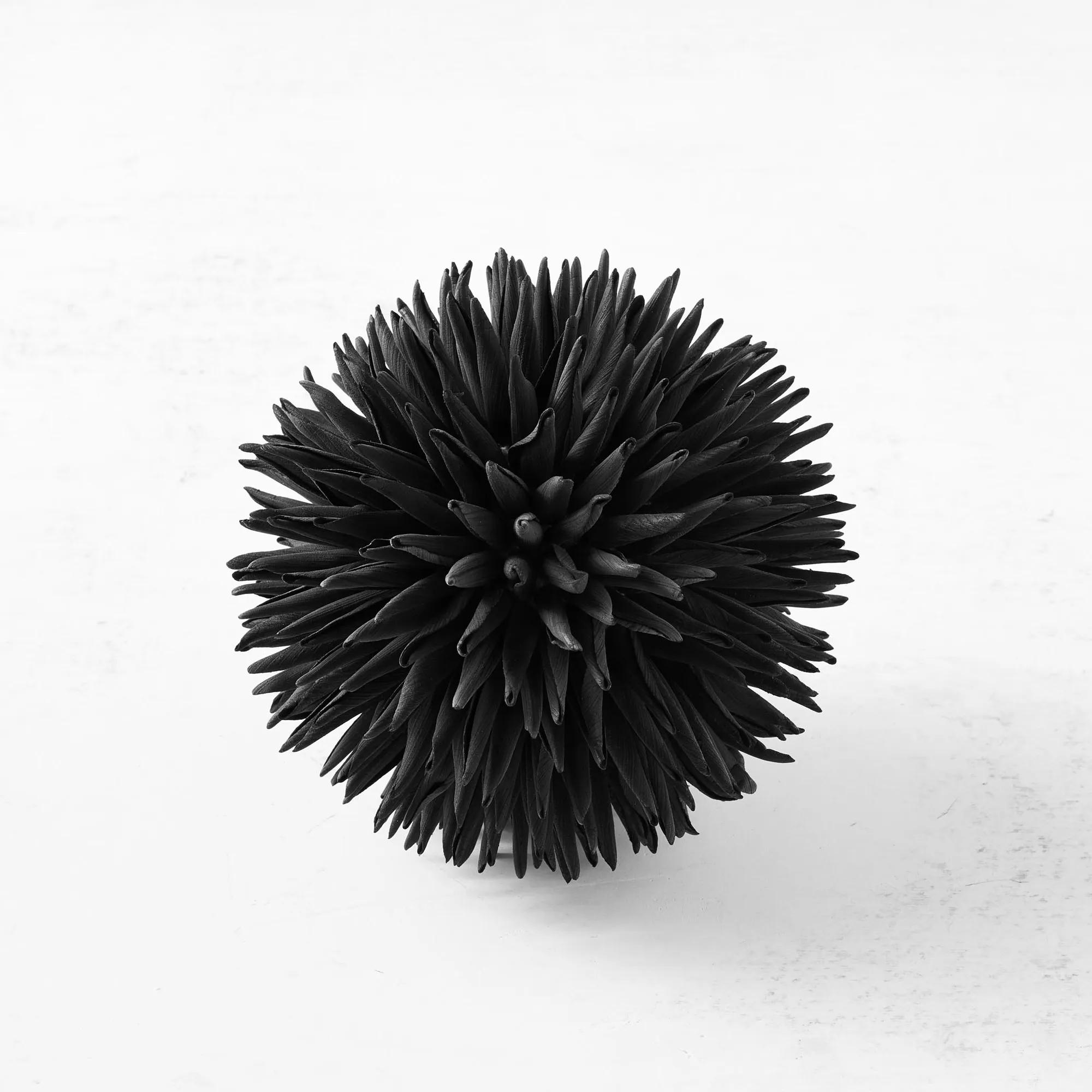 Faux Black Allium Sphere 7" Set of 3$59
A set of three lifelike black faux allium spheres crafted from foam for effortless, year-round decor.
Add To Cart -
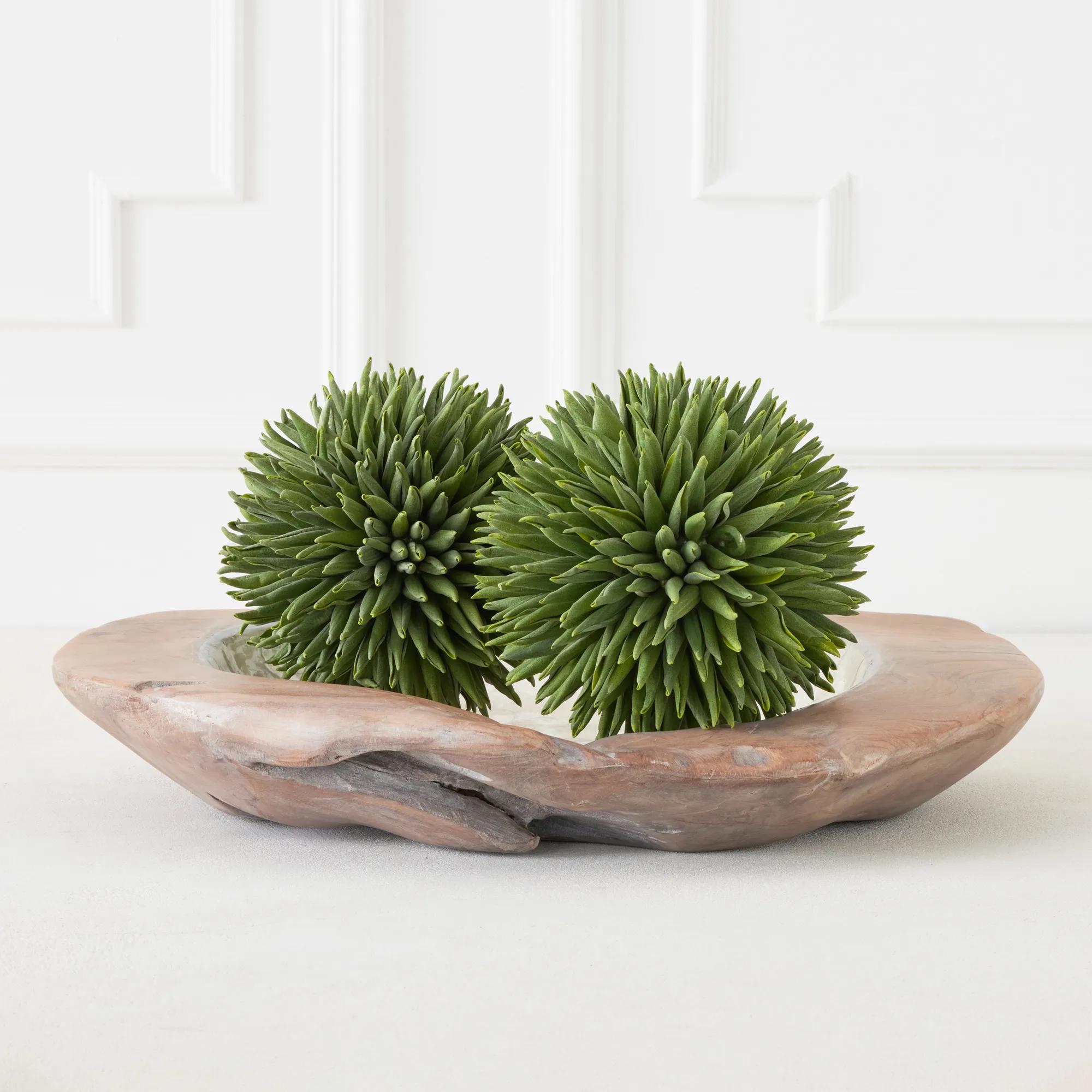 Faux Green Allium Sphere 7" Set of 3$59
A set of three lifelike foam green faux floral spheres that stay vibrant without water or sunlight.
Add To Cart -
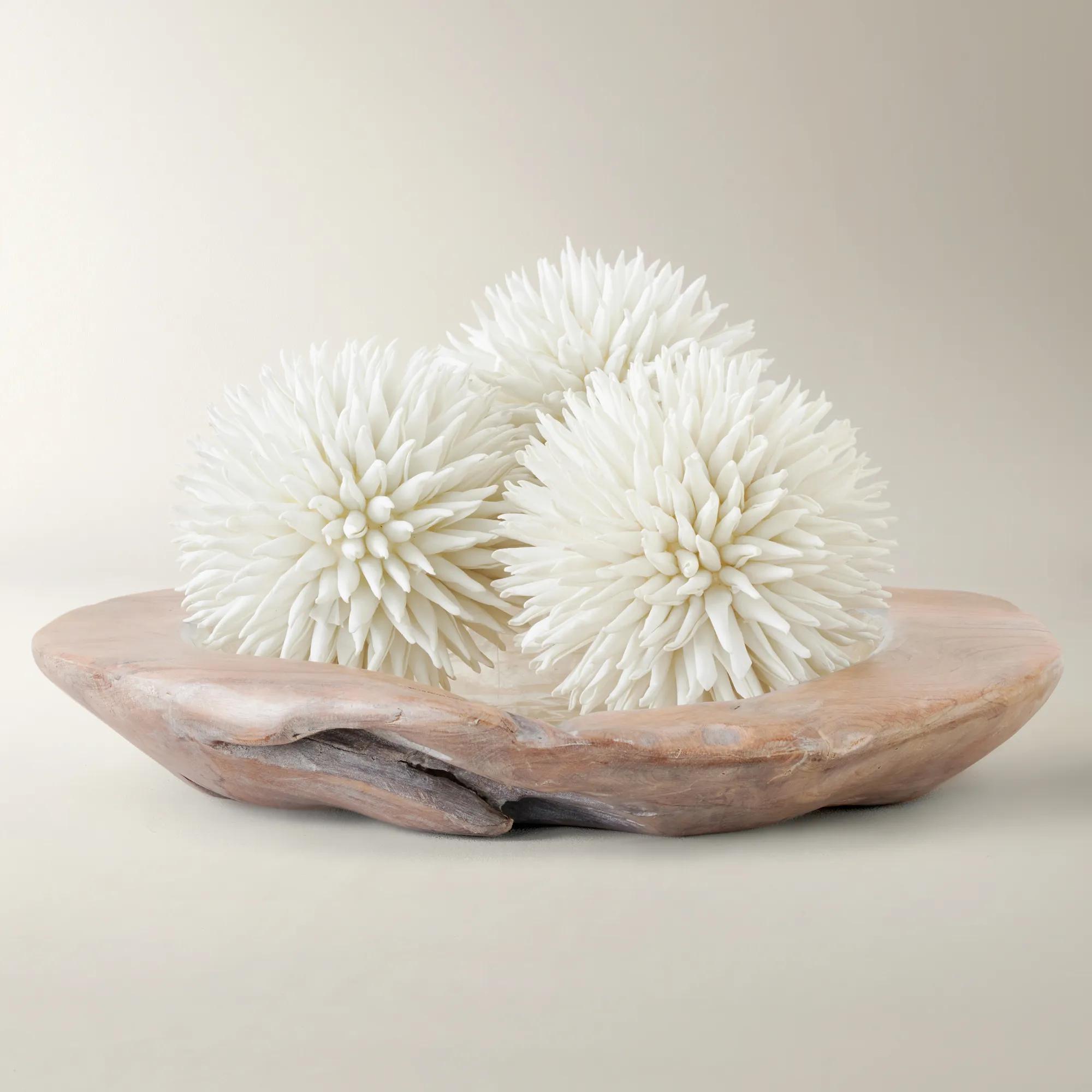
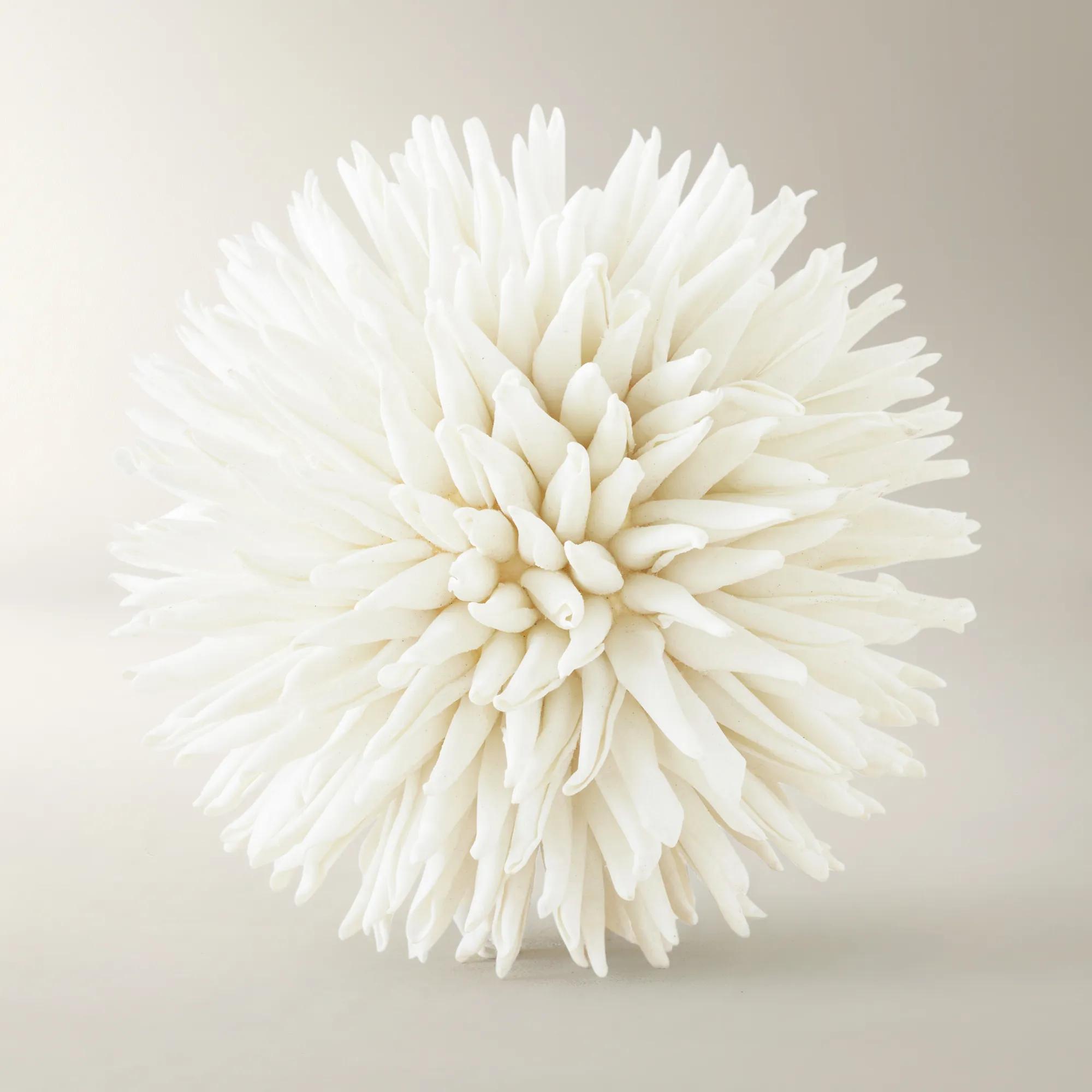 Faux White Allium Sphere 7" Set of 3$59
A set of three foam white faux floral spheres that stay vibrant year-round without water or sunlight.
Add To Cart -
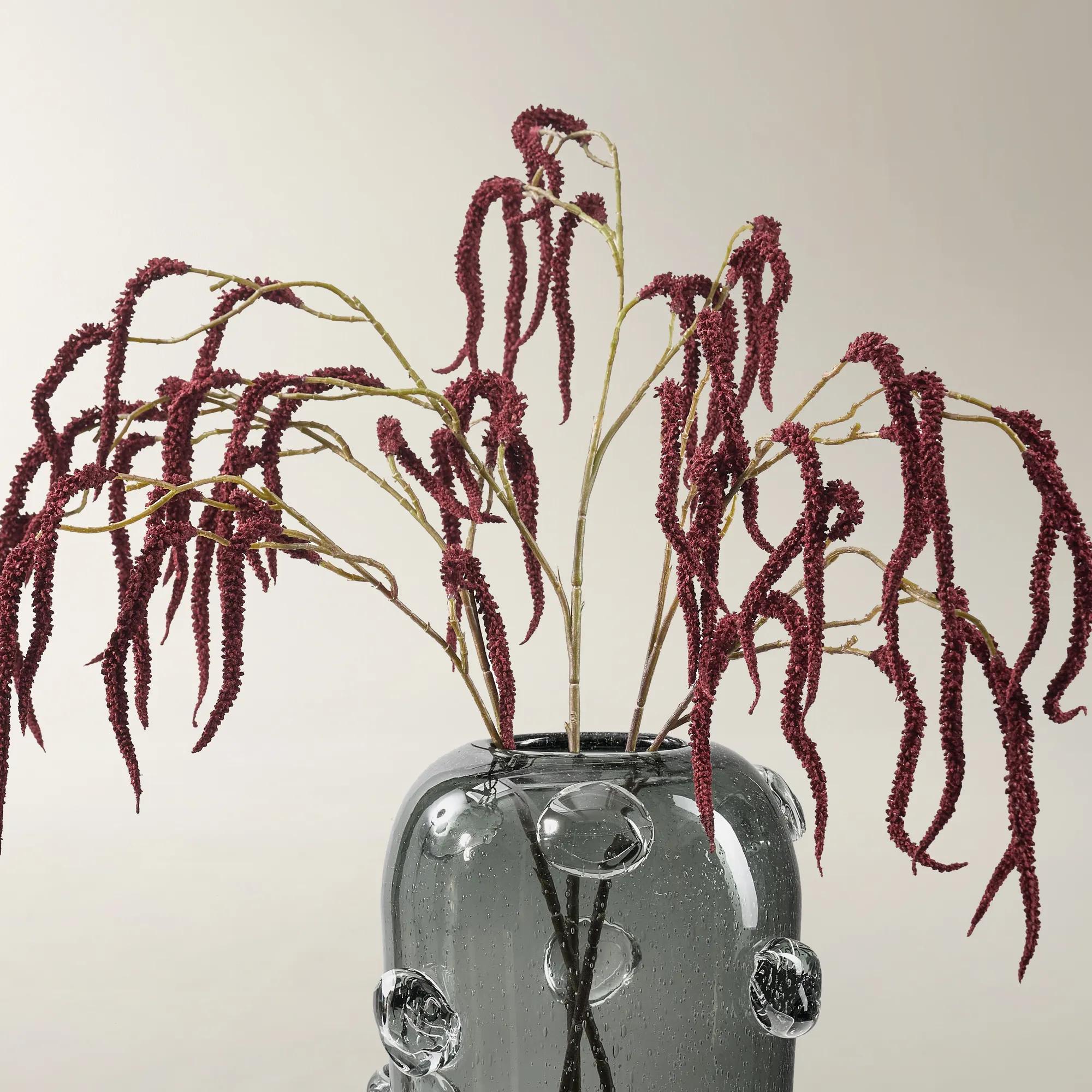
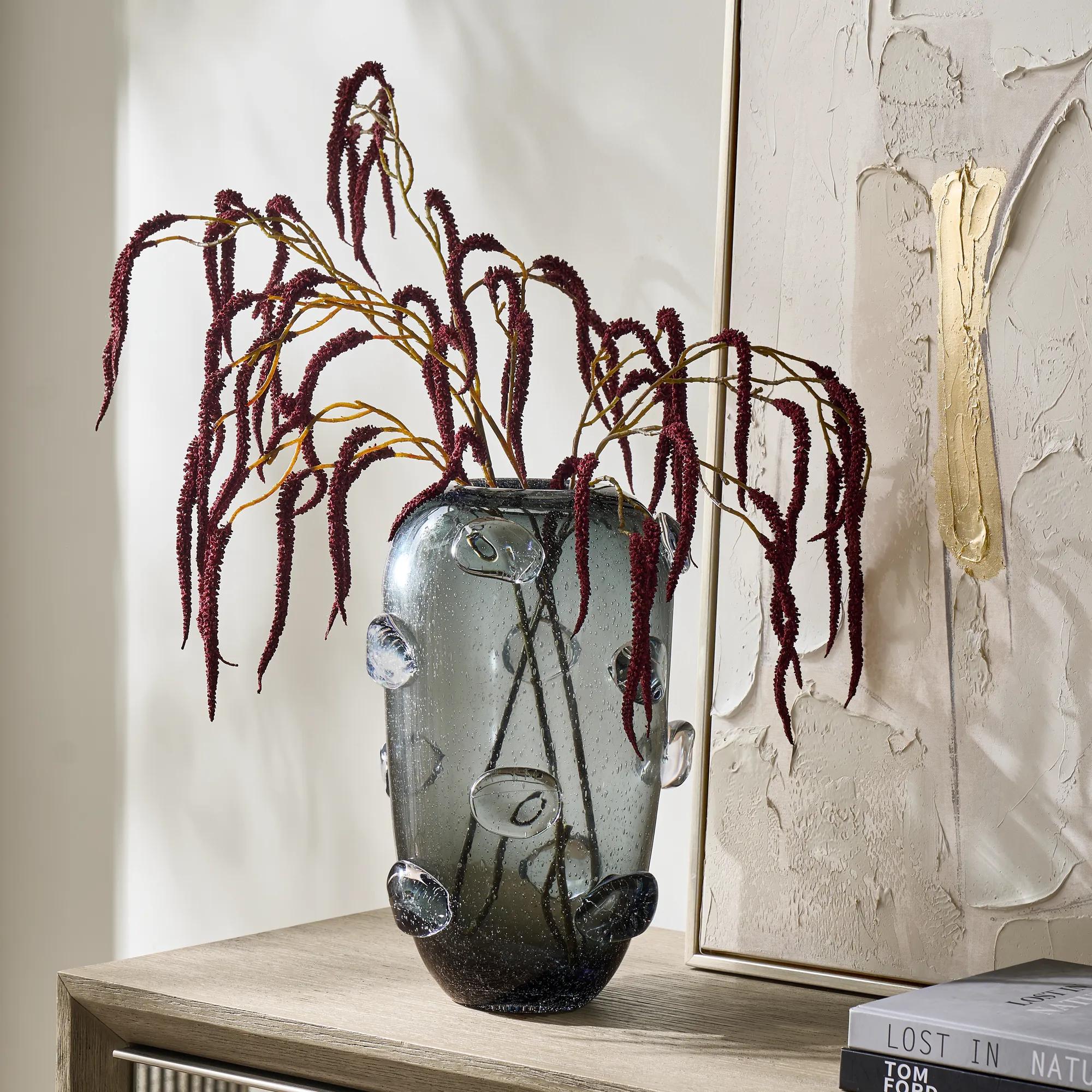 Faux Burgundy Amaranthus Stem 30" Set of 3$39
A set of three cascading faux stems in rich burgundy plastic adds dramatic texture to arrangements.
Add To Cart -
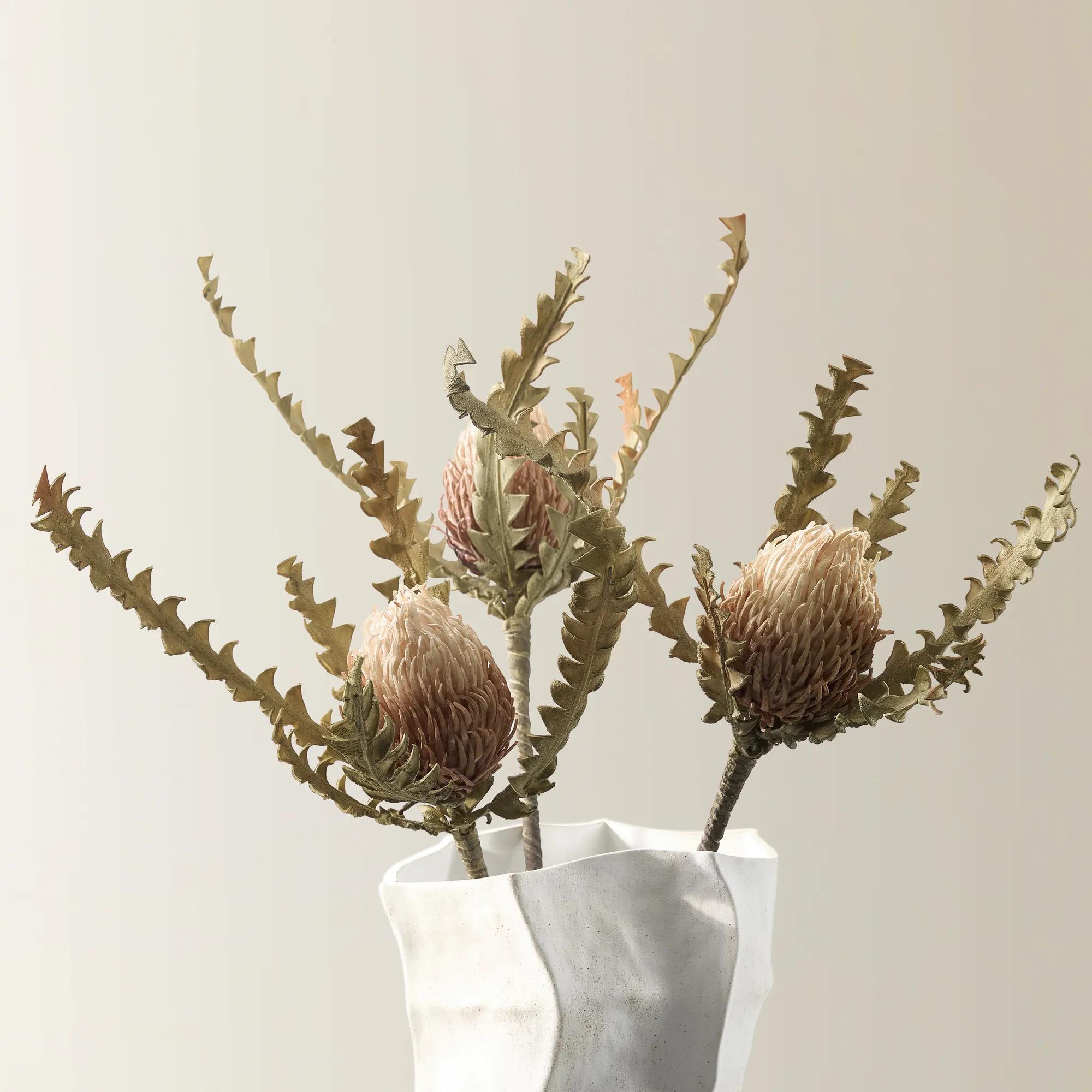 Faux Yellow Banksia Stem 32.75" Set of 3$49
A set of three sculptural faux banksia stems in yellow and green plastic for bold, artful arrangements.
Add To Cart -
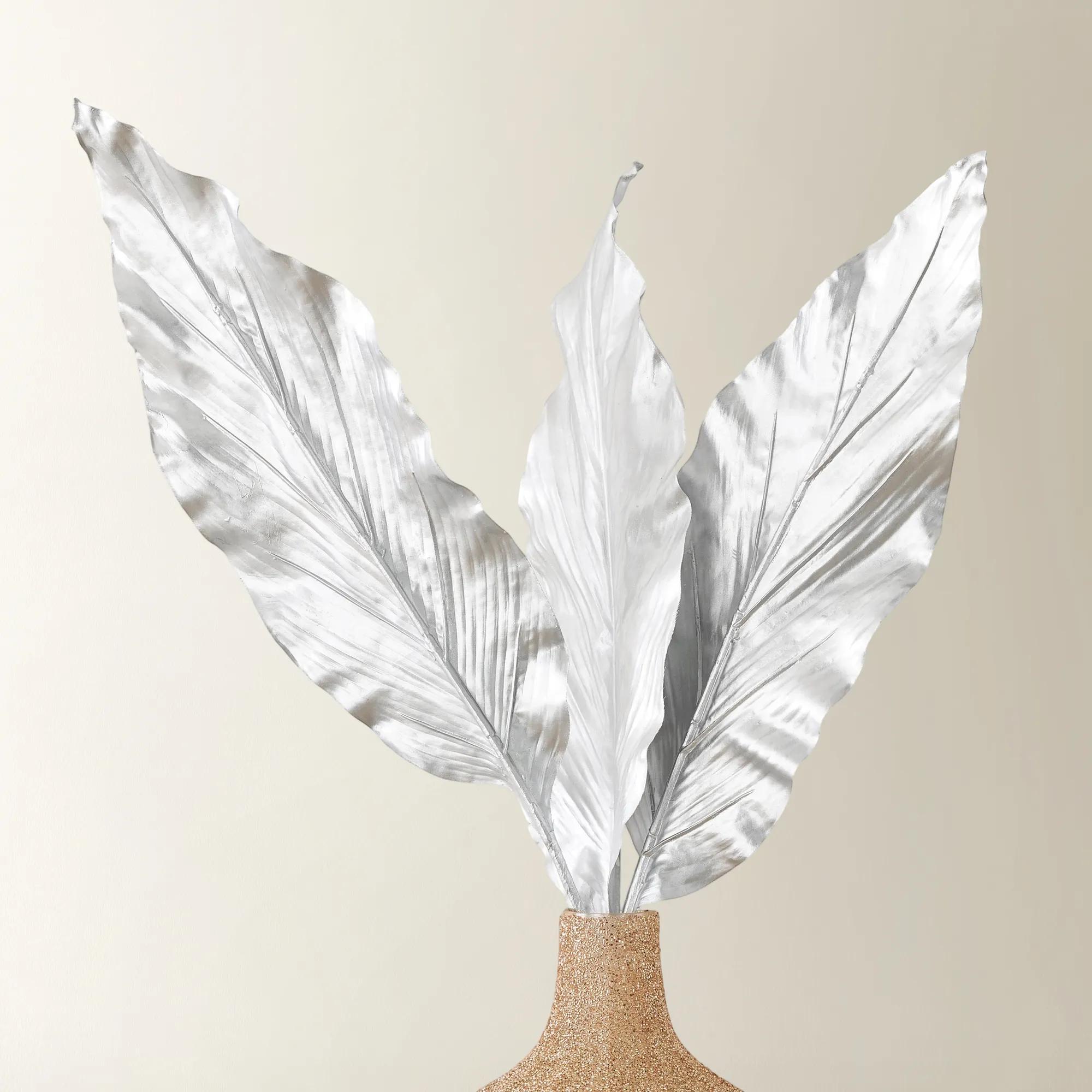
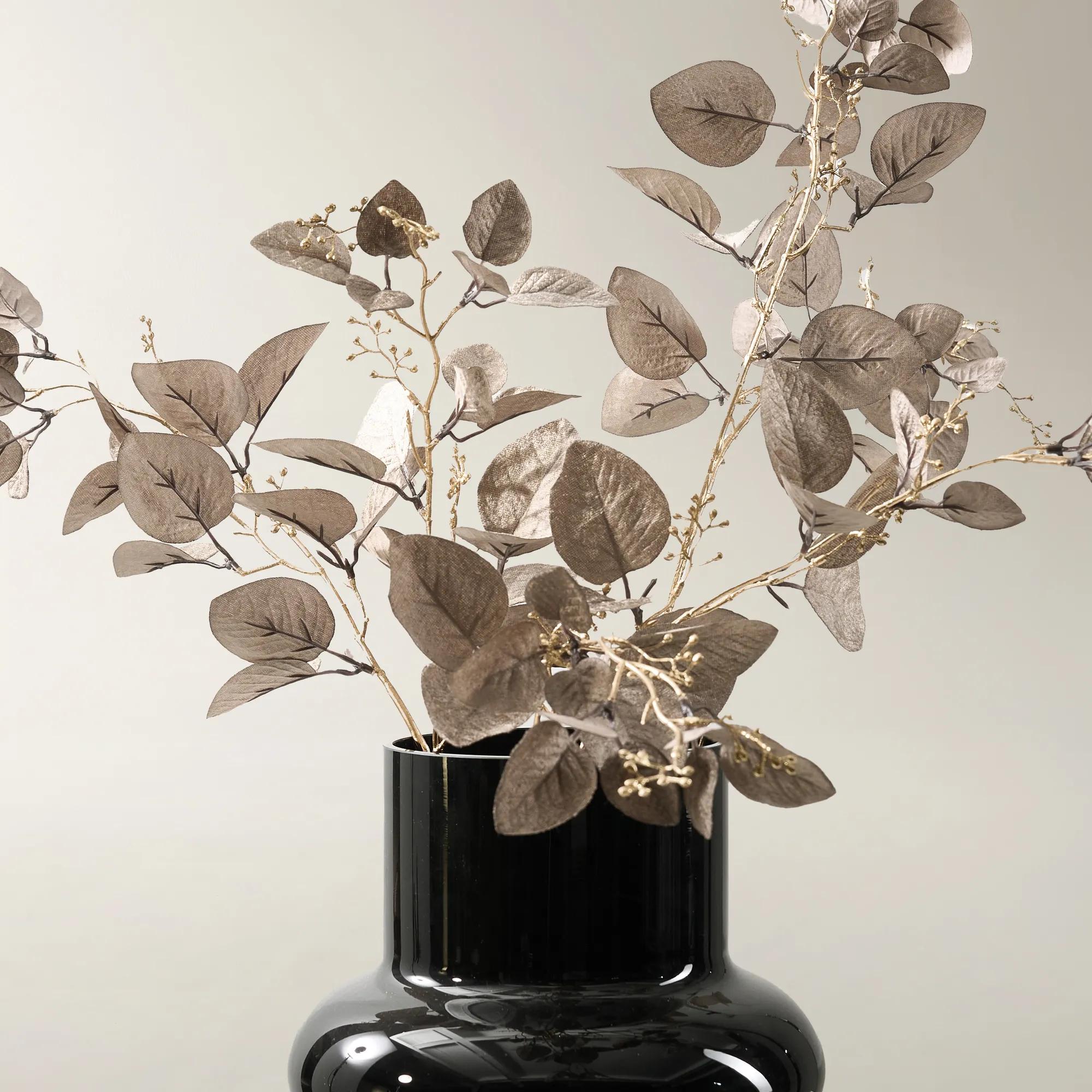 Faux Champagne Shimmer Eucalyptus Spray 32" Set of 3$49
A set of three antique champagne faux eucalyptus sprays adds metallic warmth and airy texture to arrangements.
Add To Cart -
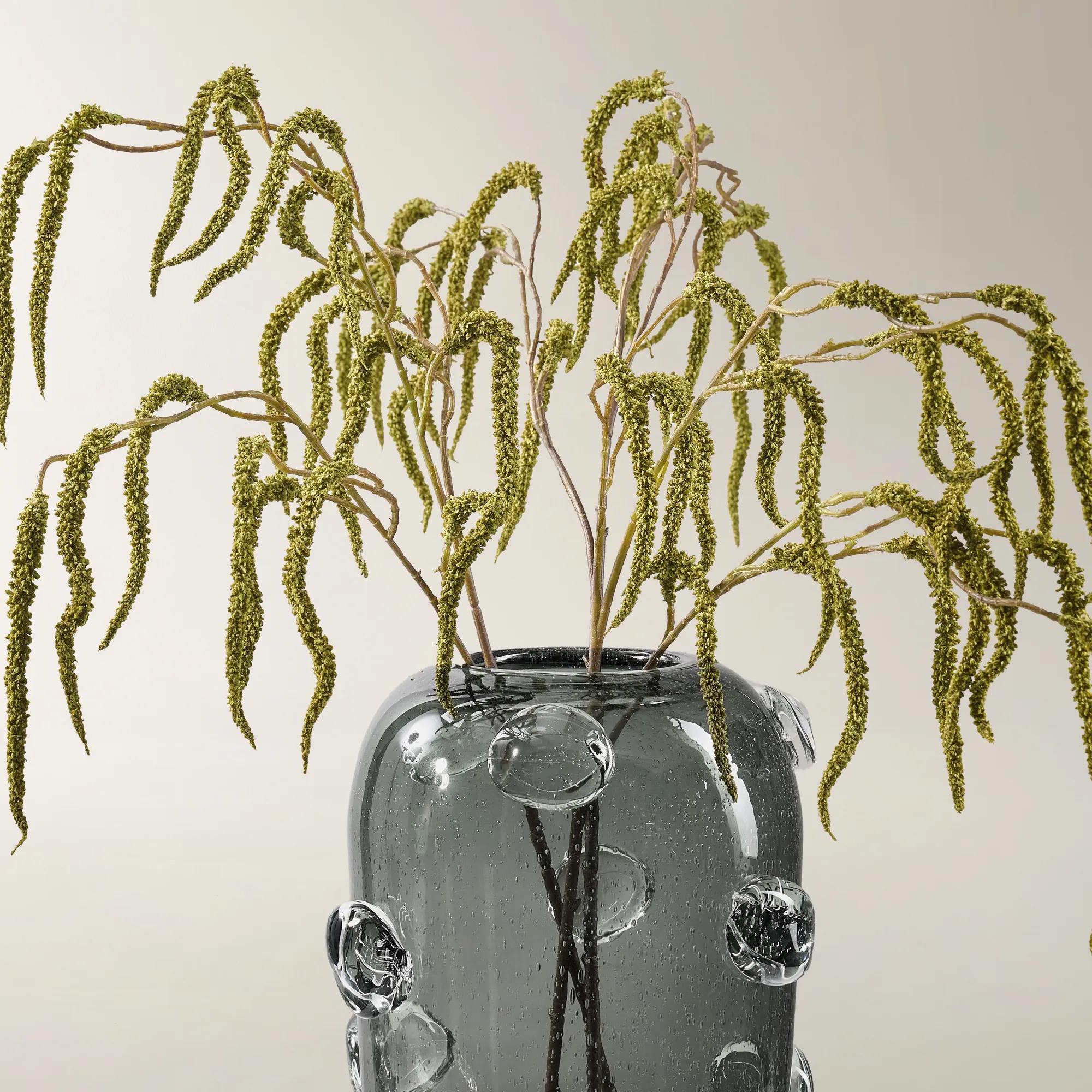 Faux Citron Green Amaranthus Stem 30" Set of 3$39
A set of three cascading faux amaranthus stems in vibrant citron green plastic for lush arrangements.
Add To Cart -
.jpg?w=1200&h=1200) Faux Protea Cream Stem 33" Set of 3$49
Faux Protea Cream Stem 33" Set of 3$49A set of three lifelike cream faux protea stems crafted from foam, plastic, and iron wire.
Add To Cart -
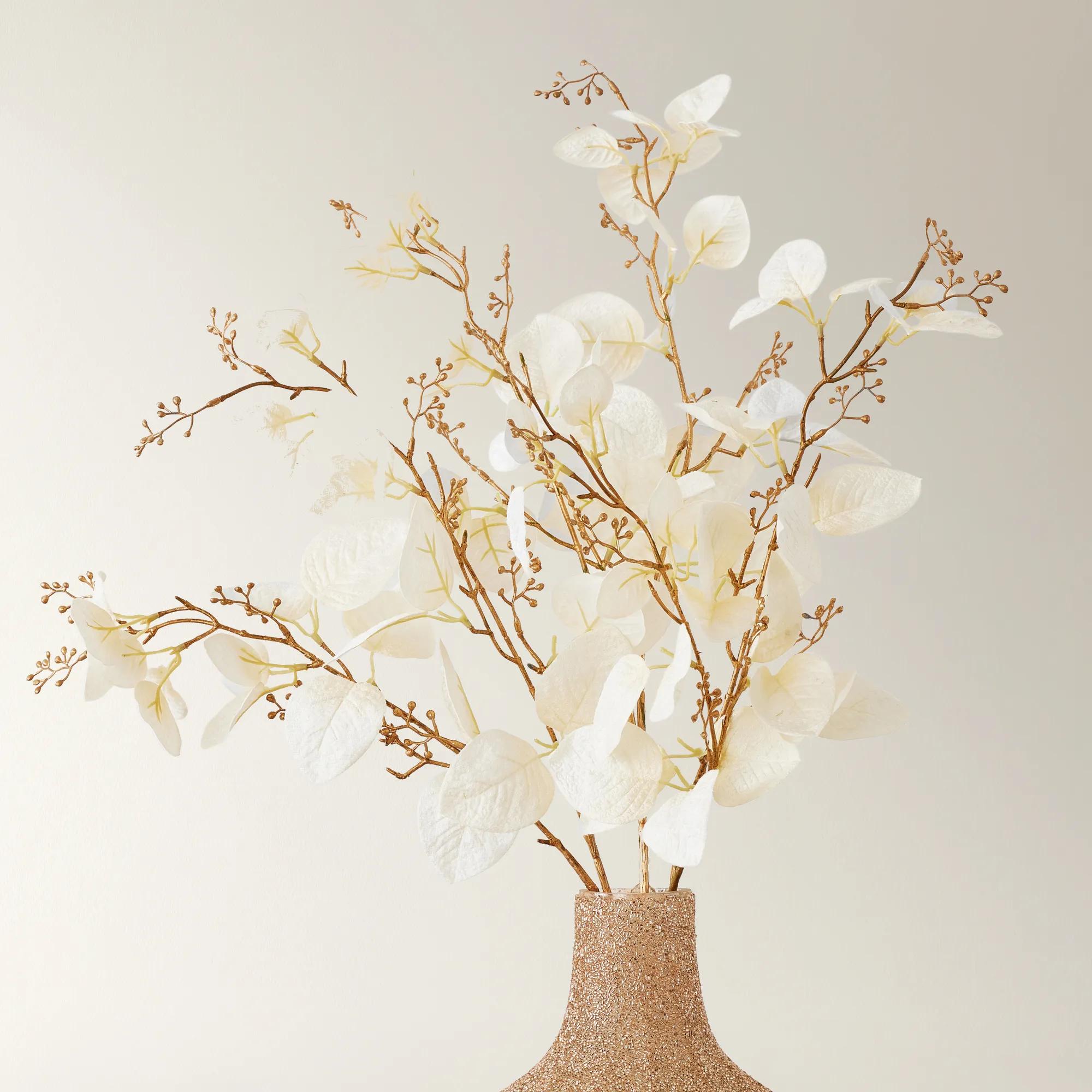 Faux Ivory/Gold Eucalyptus Spray 32" Set of 3$49
A trio of ivory-and-gold polyester eucalyptus sprays adds luminous, dimensional texture to botanical arrangements.
Add To Cart -
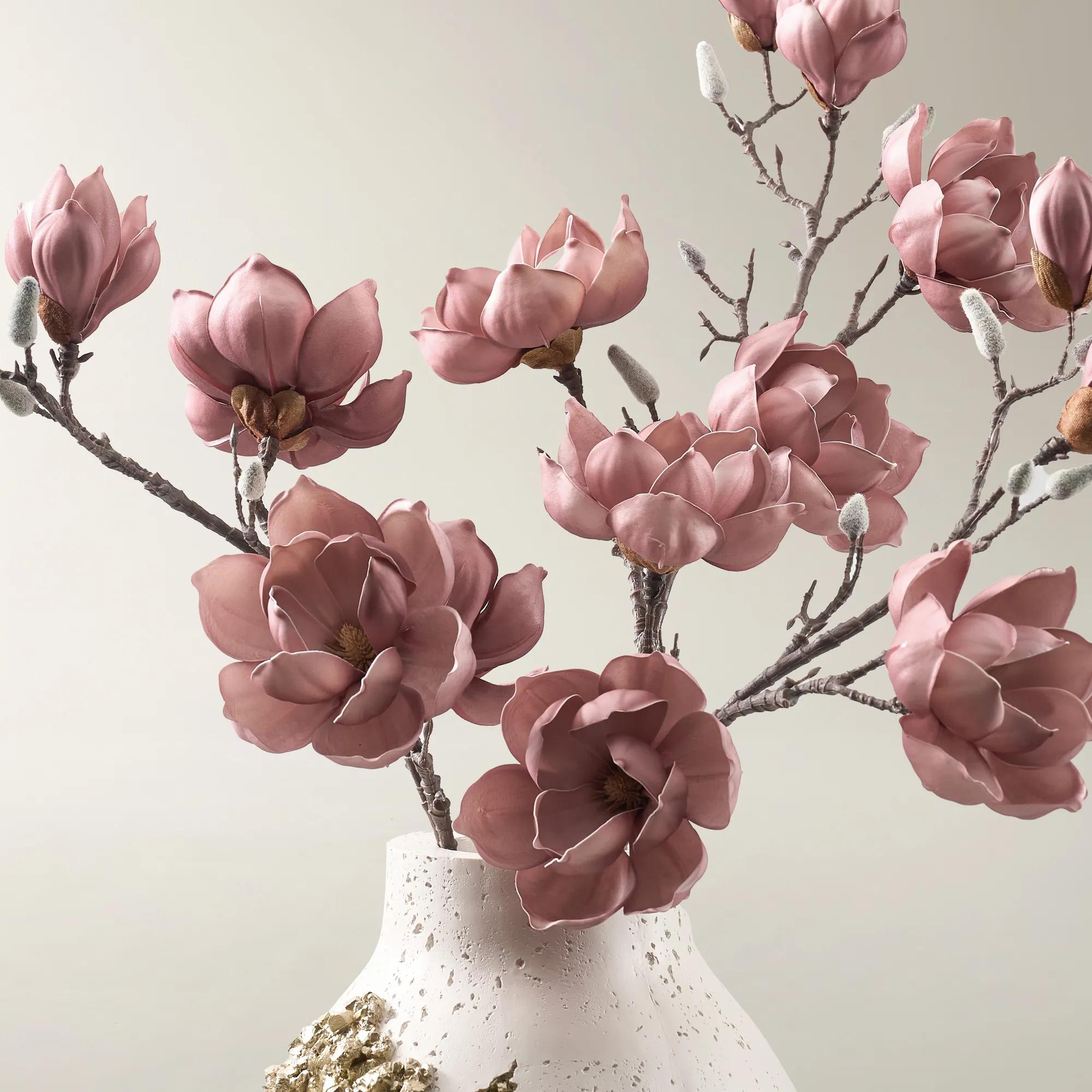 Faux Pearlized Antique Mauve Magnolia Stem 40" Set of 3$79
A set of three pearlized antique mauve magnolia stems crafted from polyester for elegant seasonal arrangements.
Add To Cart -
-compressed.jpg?w=1200&h=1200) Faux Berry Anemone Stem 21" Set of 3$29
Faux Berry Anemone Stem 21" Set of 3$29A set of three berry red faux anemone stems crafted from polyester for a romantic accent.
Add To Cart -
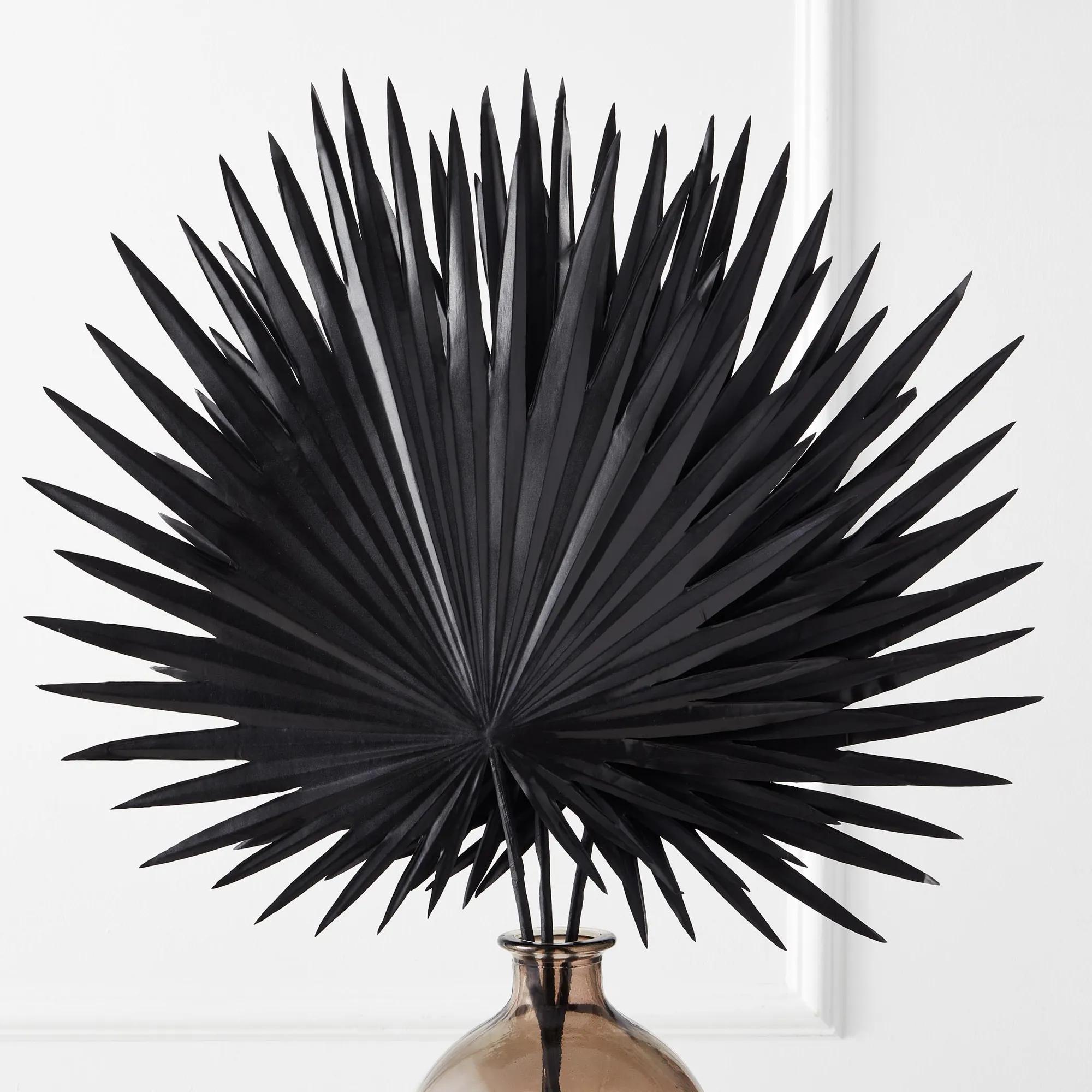
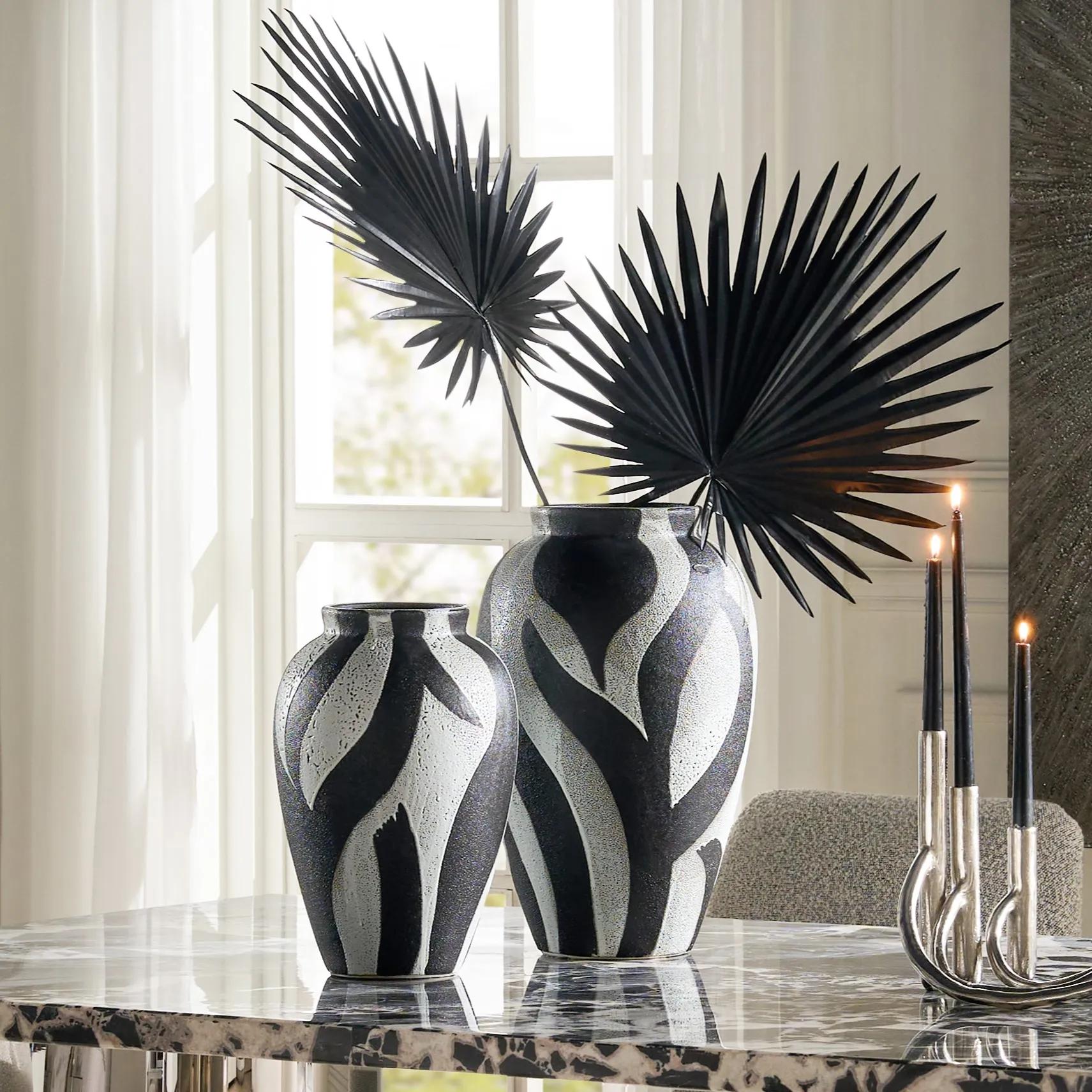 Faux Black Palm Stem 40" Set of 3$69
A set of three black faux palm stems with flexible wire for easy, artistic arranging.
Add To Cart -
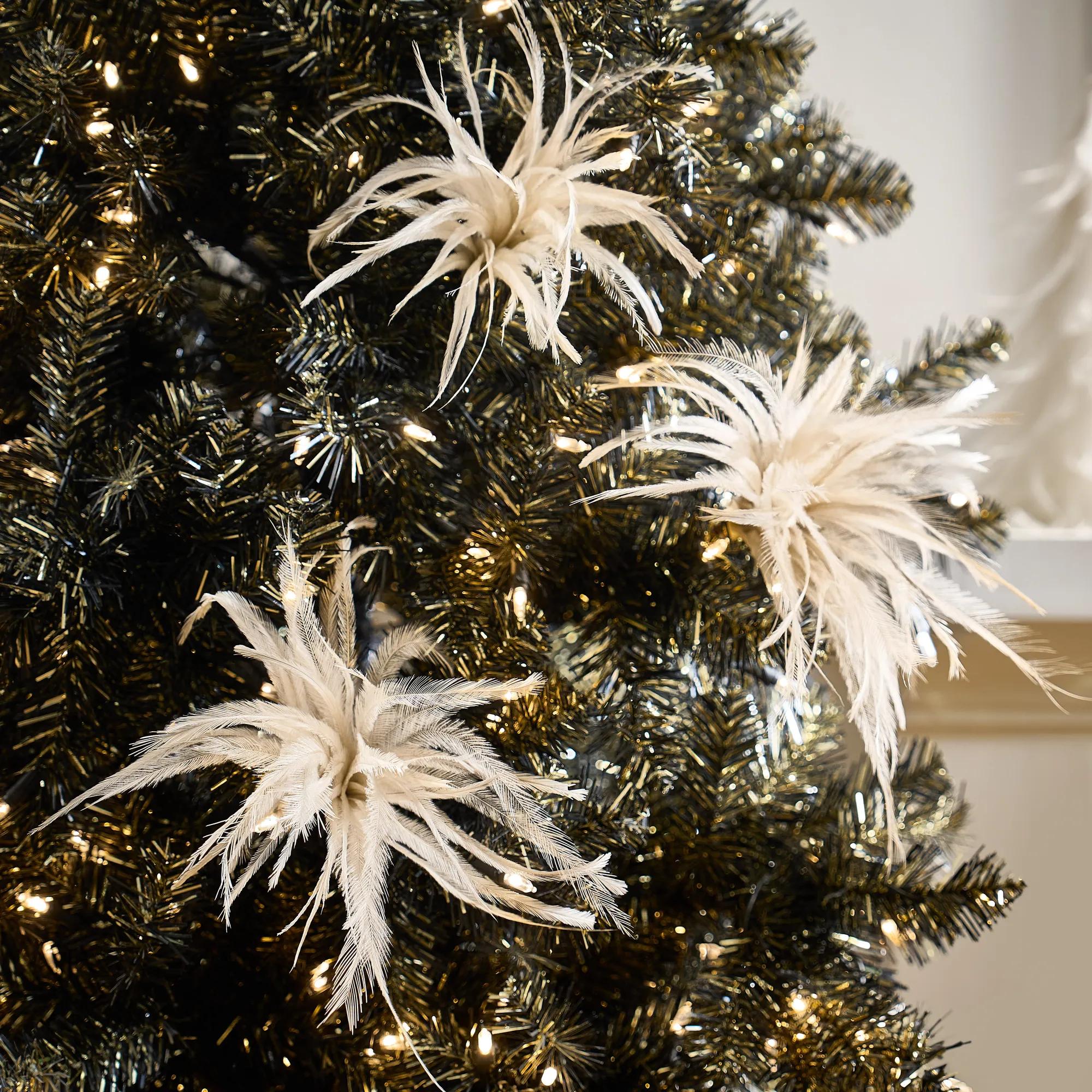
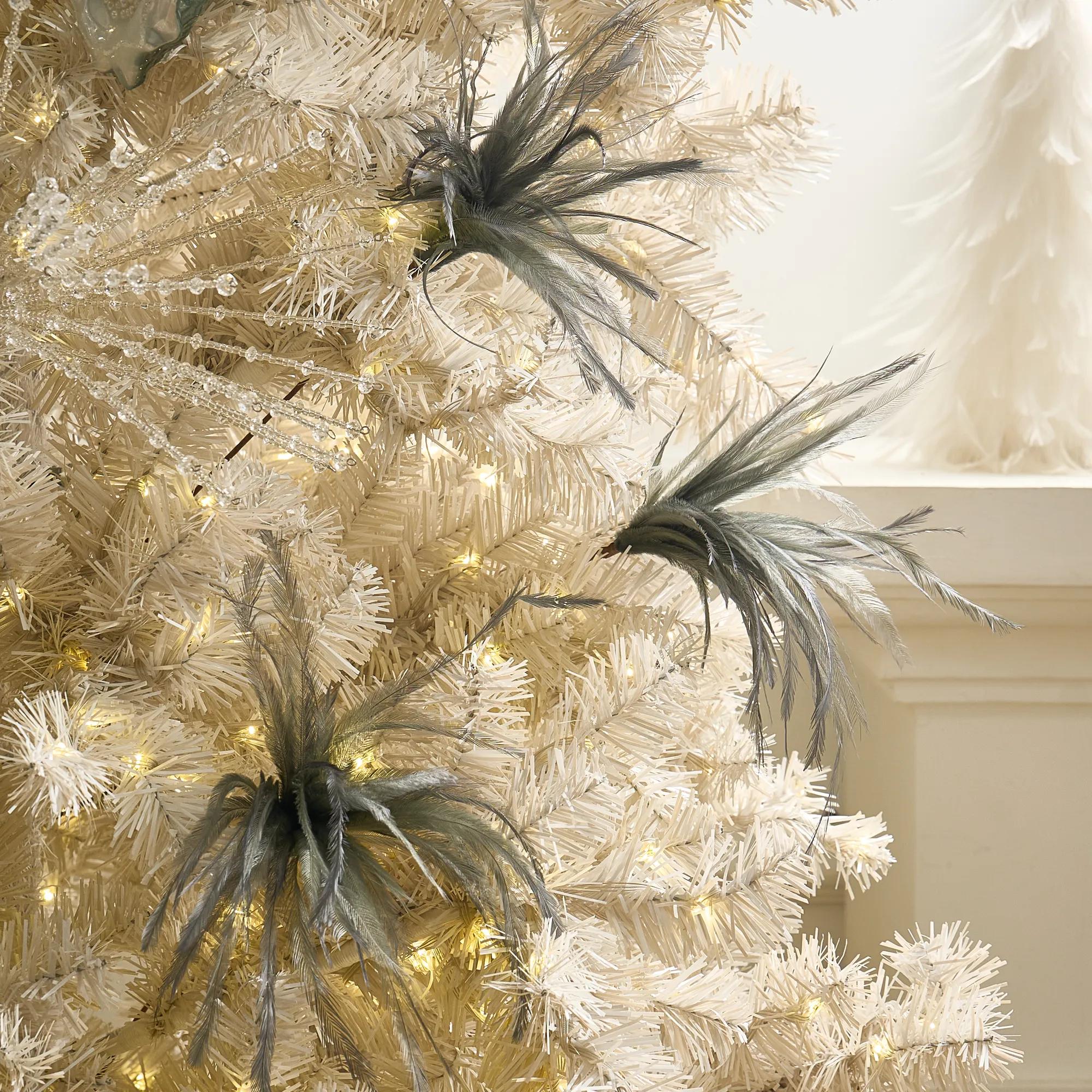
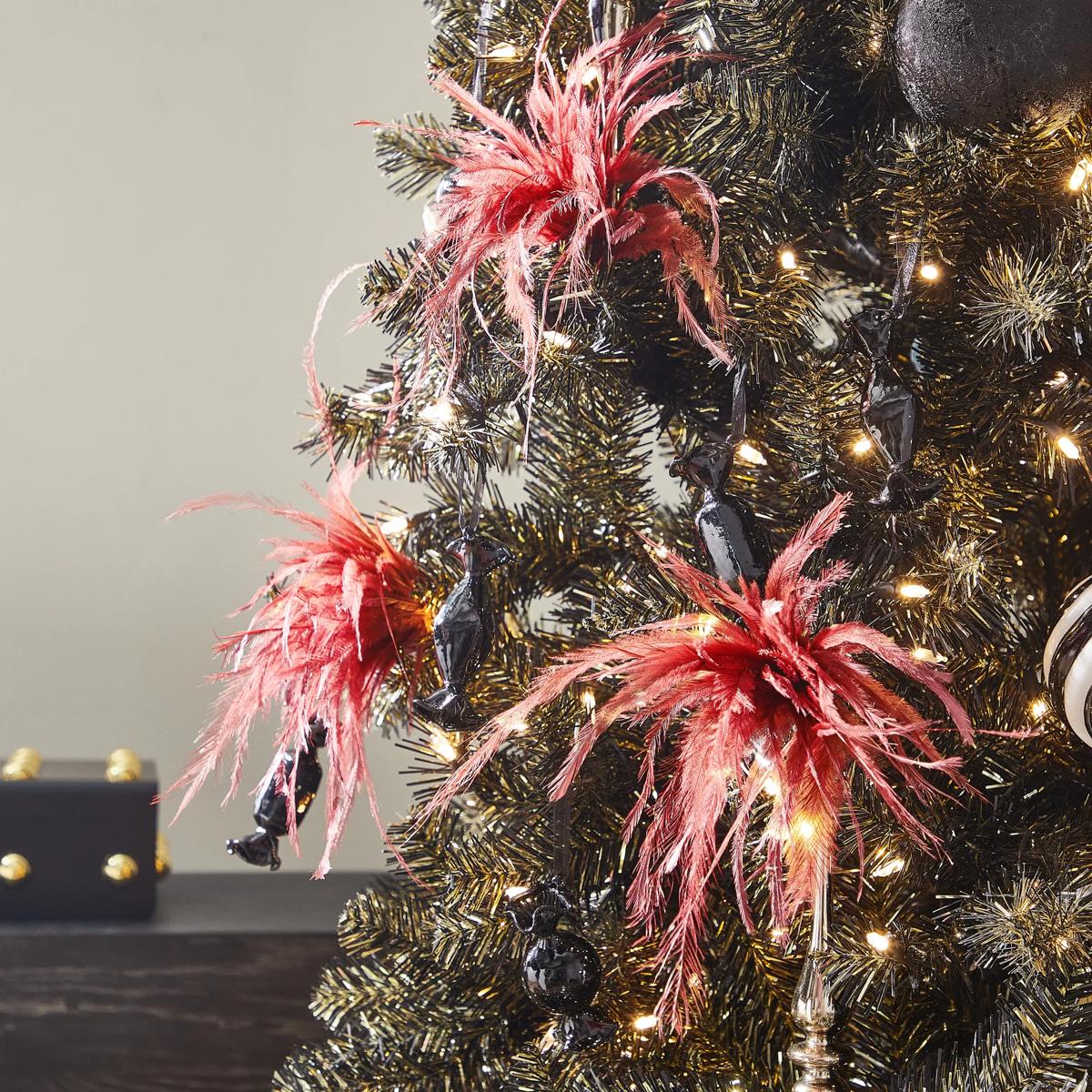
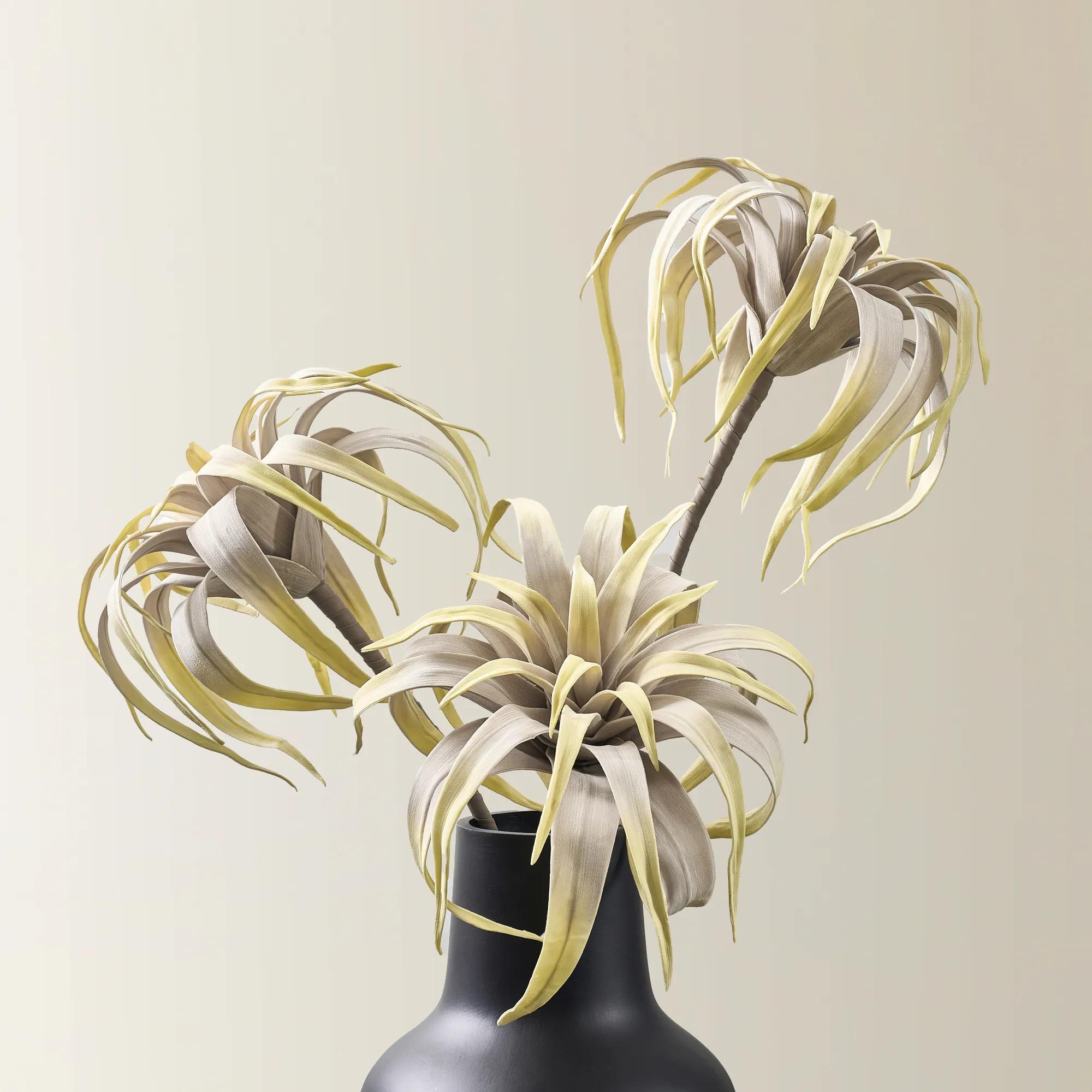 Faux Dusty Blush Large Airplant Stem 35.5" Set of 3$49
A set of three sculptural faux airplant stems in soft dusty blush foam for modern decorative arrangements.
Add To Cart -
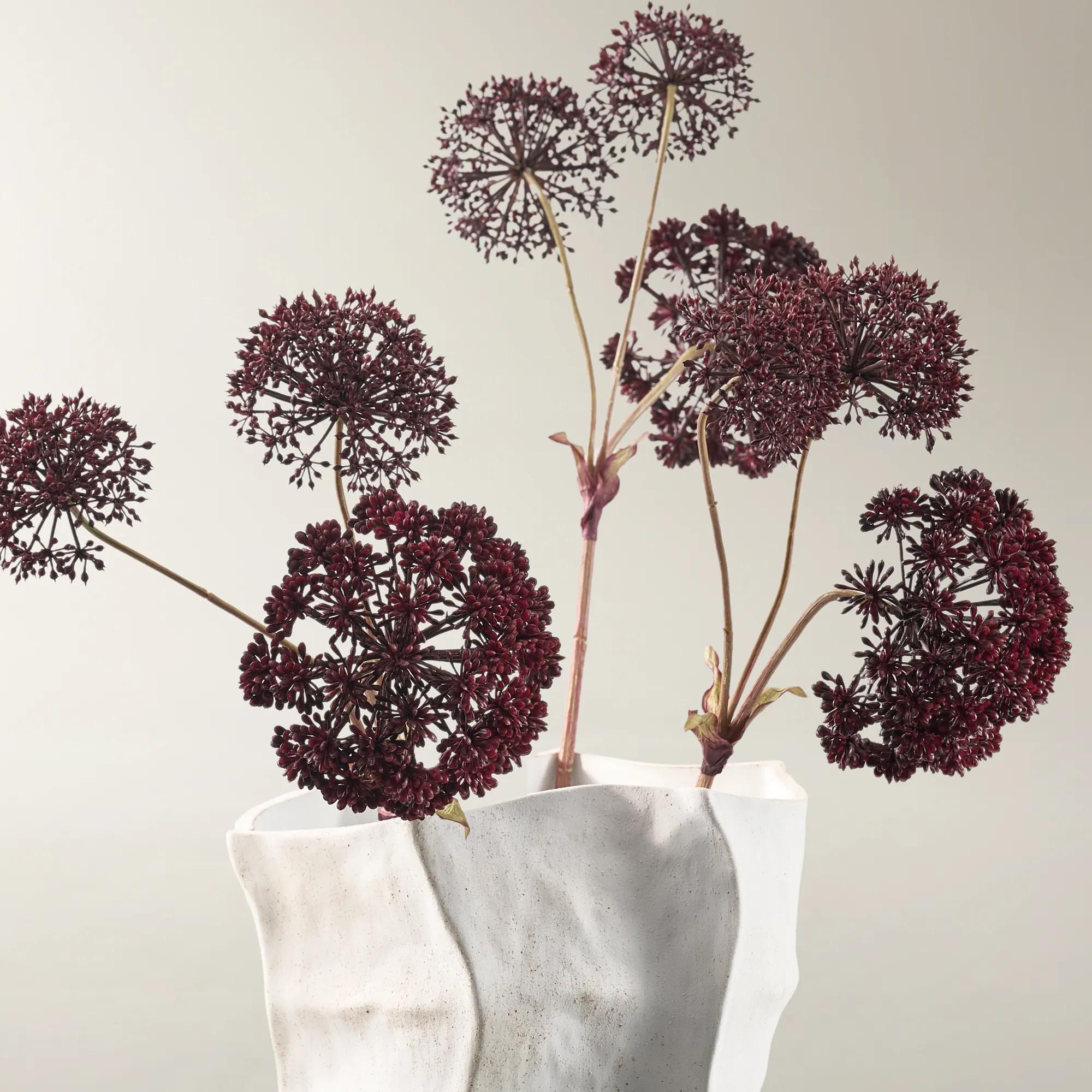 Faux Fig Angelica Stem 28" Set of 3$89
A set of three faux fig angelica stems in rich fig color adds sculptural depth to seasonal arrangements.
Add To Cart -
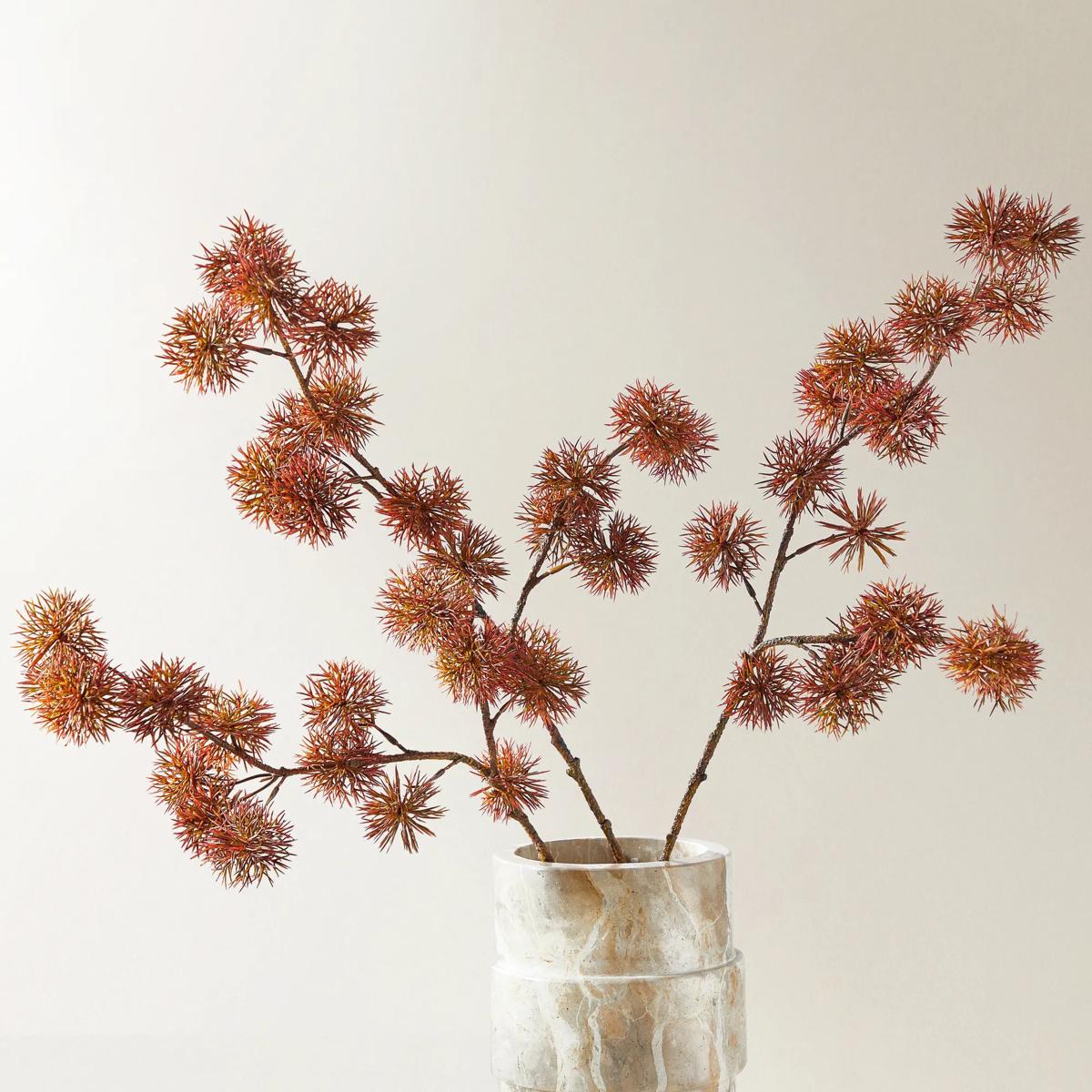
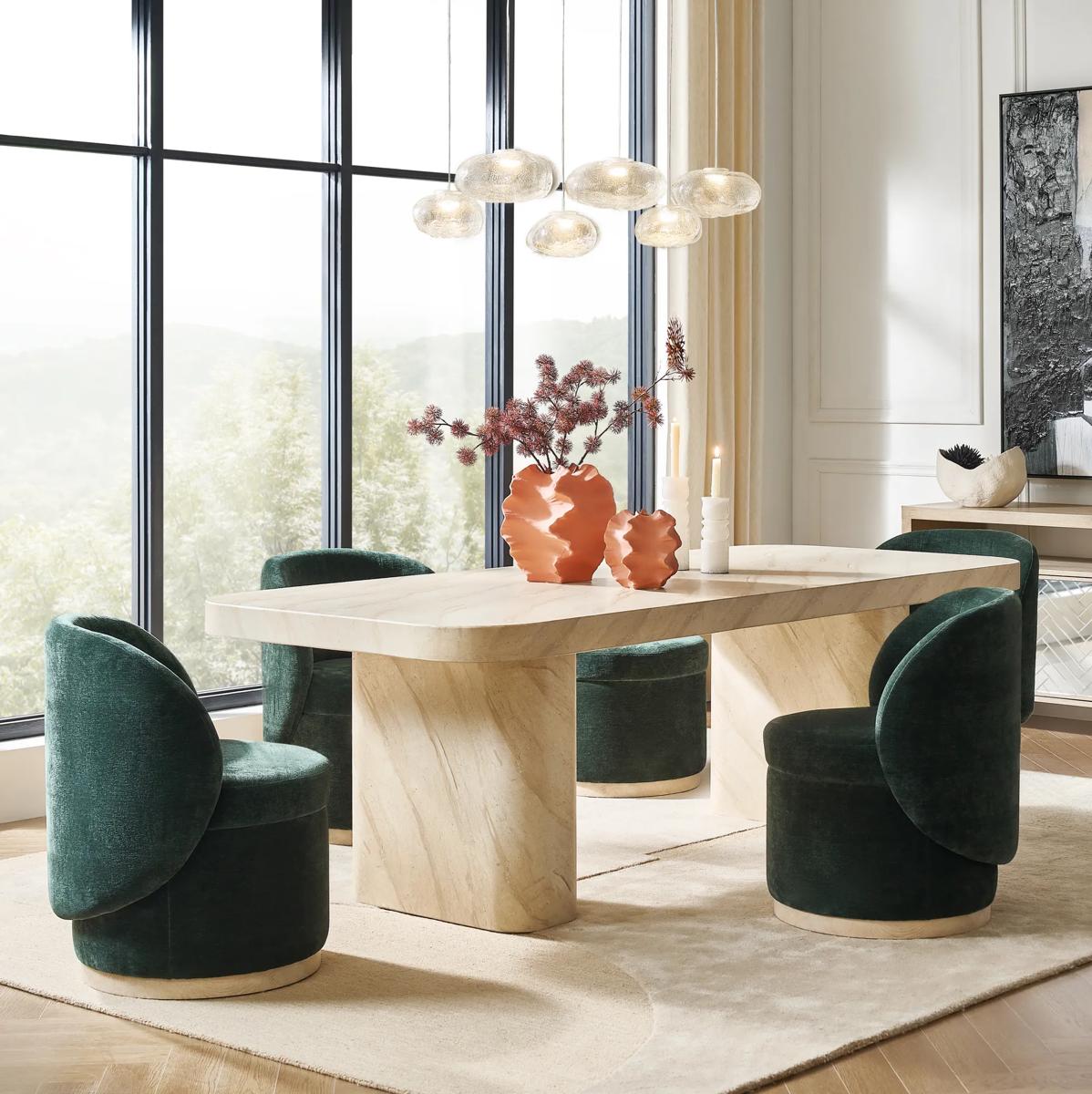 Faux Rust Brown Fall Thistle Stem 27" Set of 3$49
A set of three faux thistle stems in warm rust-brown tones adds sculptural autumnal texture to arrangements.
Add To Cart -
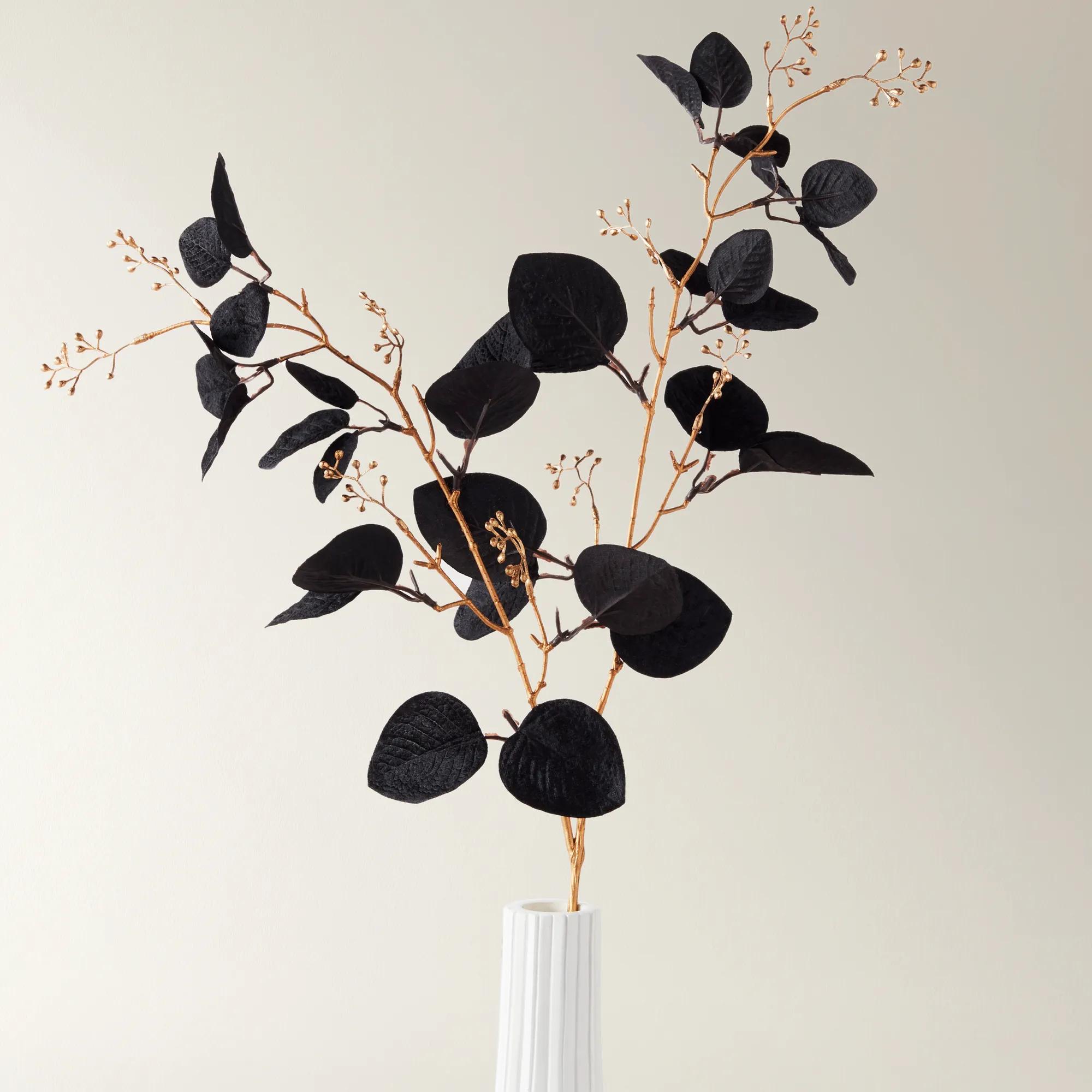
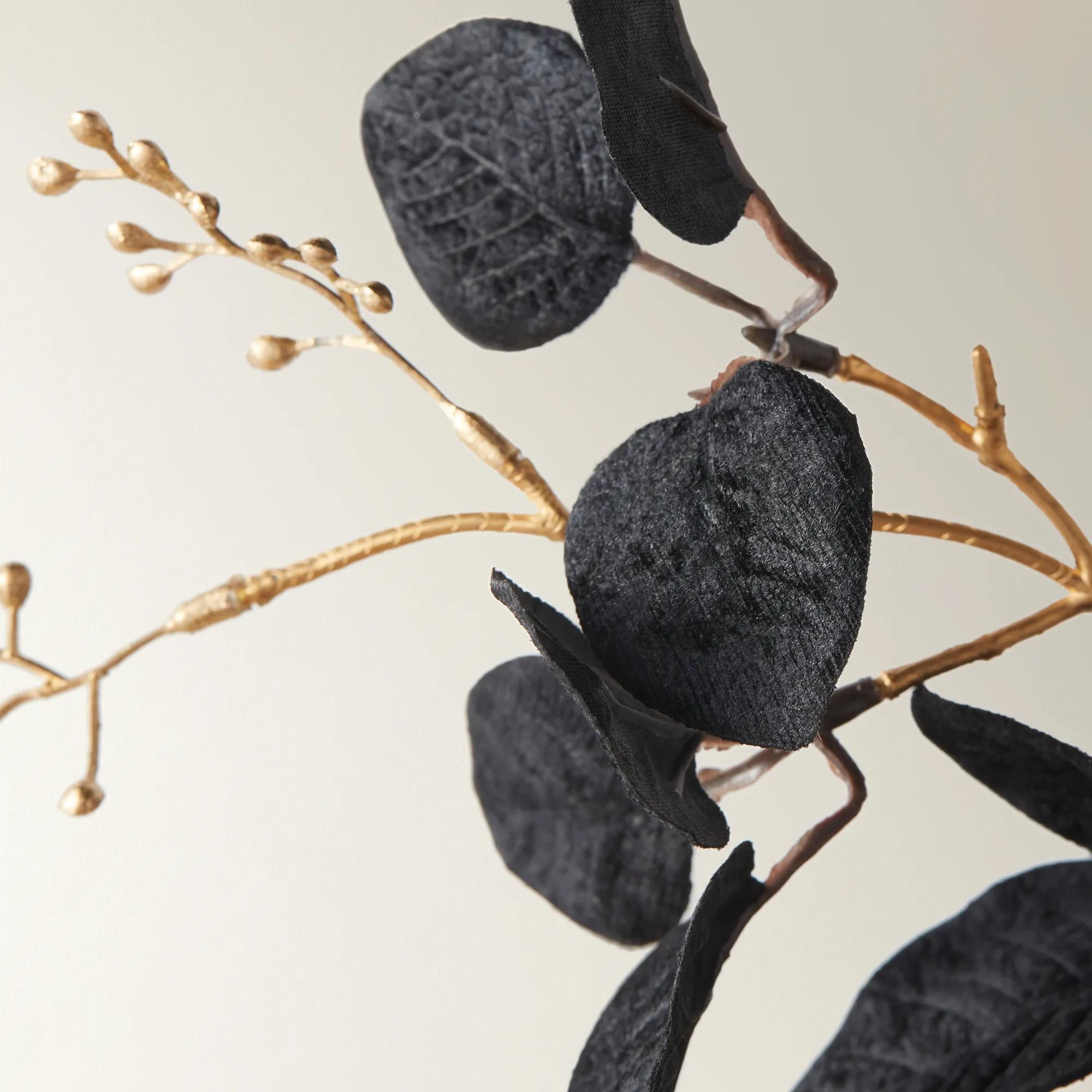 Faux Black/Gold Eucalyptus Spray 32" Set of 3$49
A set of three black-and-gold faux eucalyptus sprays crafted from durable plastic for sculptural seasonal arrangements.
Add To Cart -
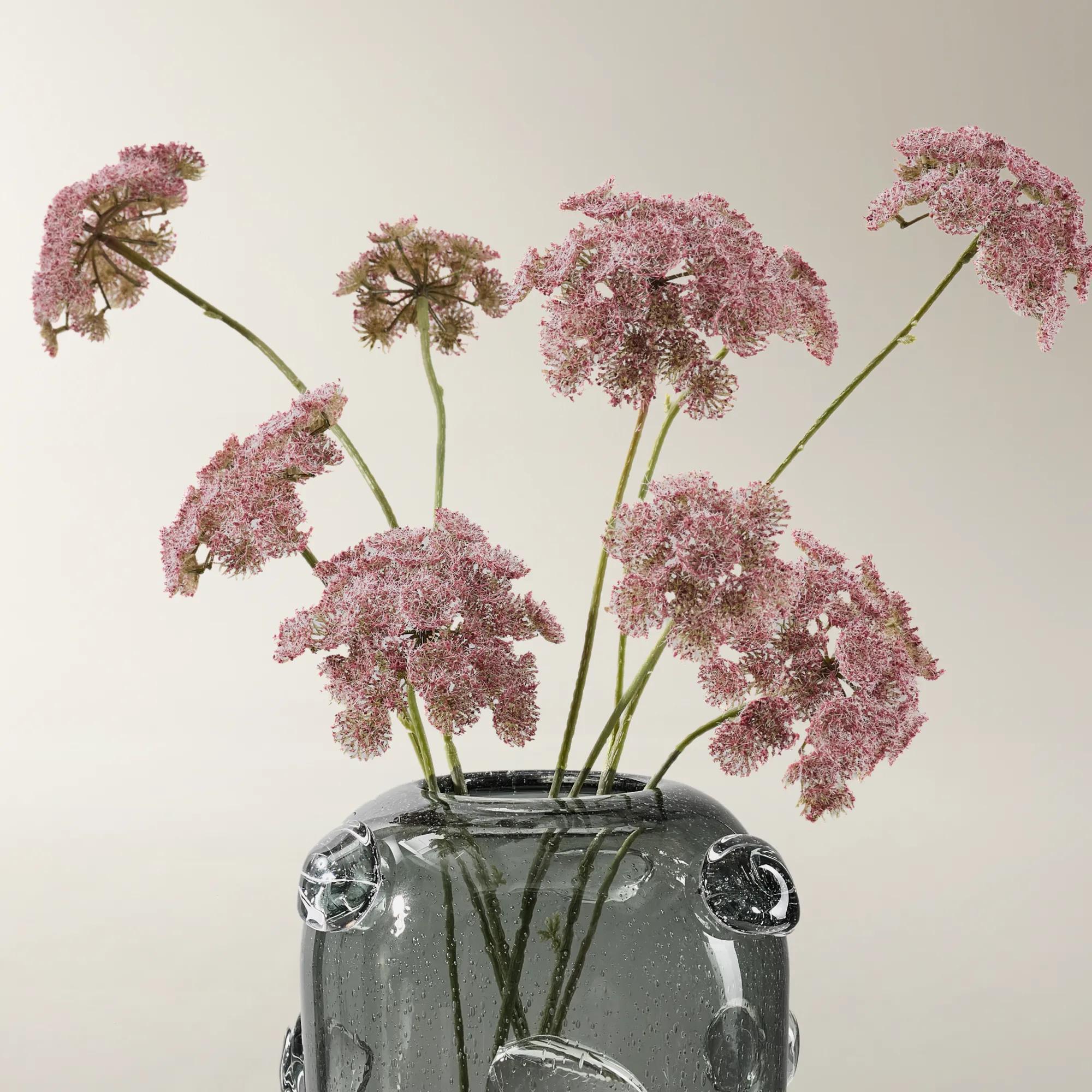 Faux Mauve Queens Lace Stem 30.5" Set of 3$49
A set of three mauve faux Queen’s Lace stems adds romantic color and airy texture to arrangements.
Add To Cart -
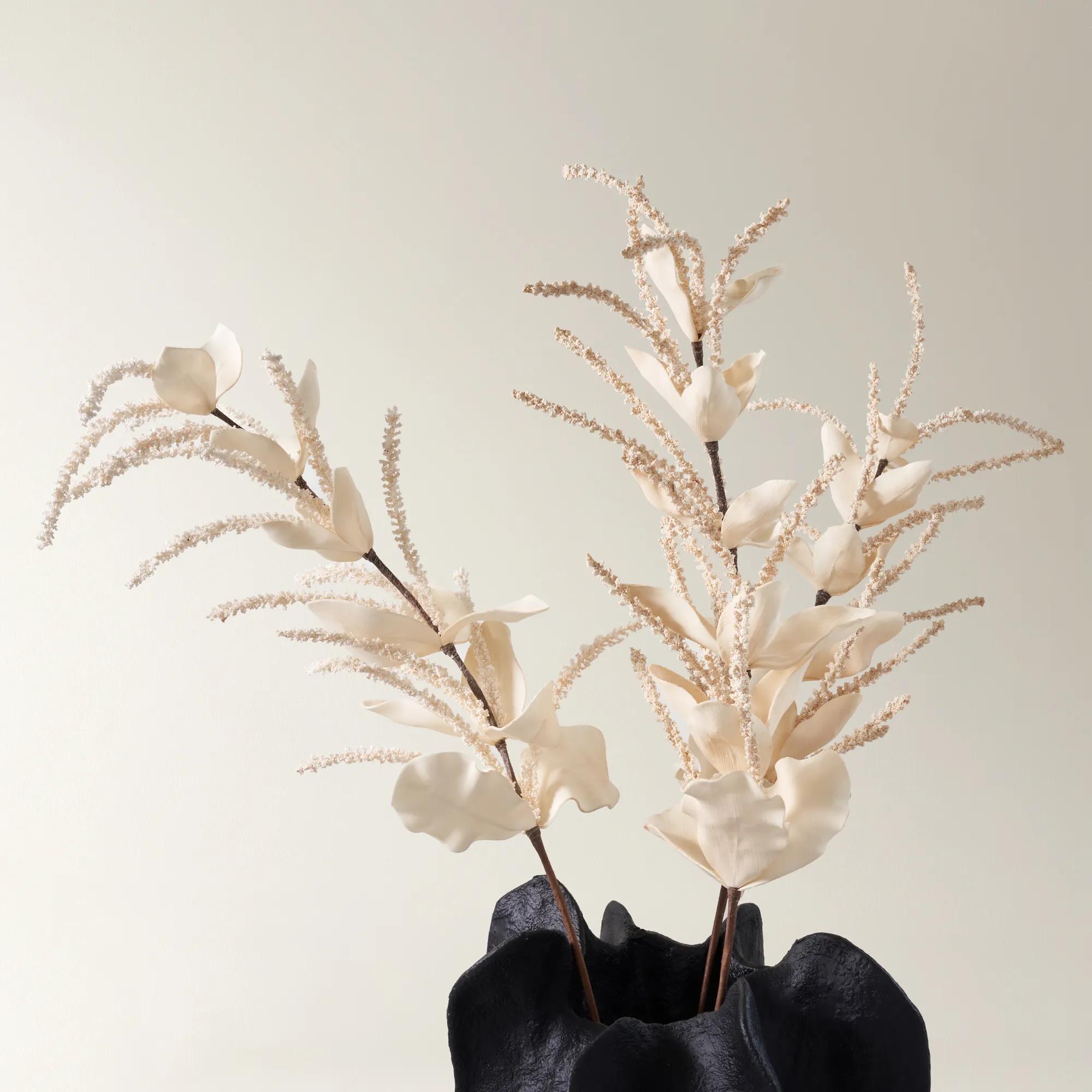
-compressed.jpg?w=1200&h=1200) Faux White Magnolia Stem 40" Set of 3$79
Faux White Magnolia Stem 40" Set of 3$79A set of three lifelike faux magnolia stems in creamy white polyester for timeless floral elegance.
Add To Cart -
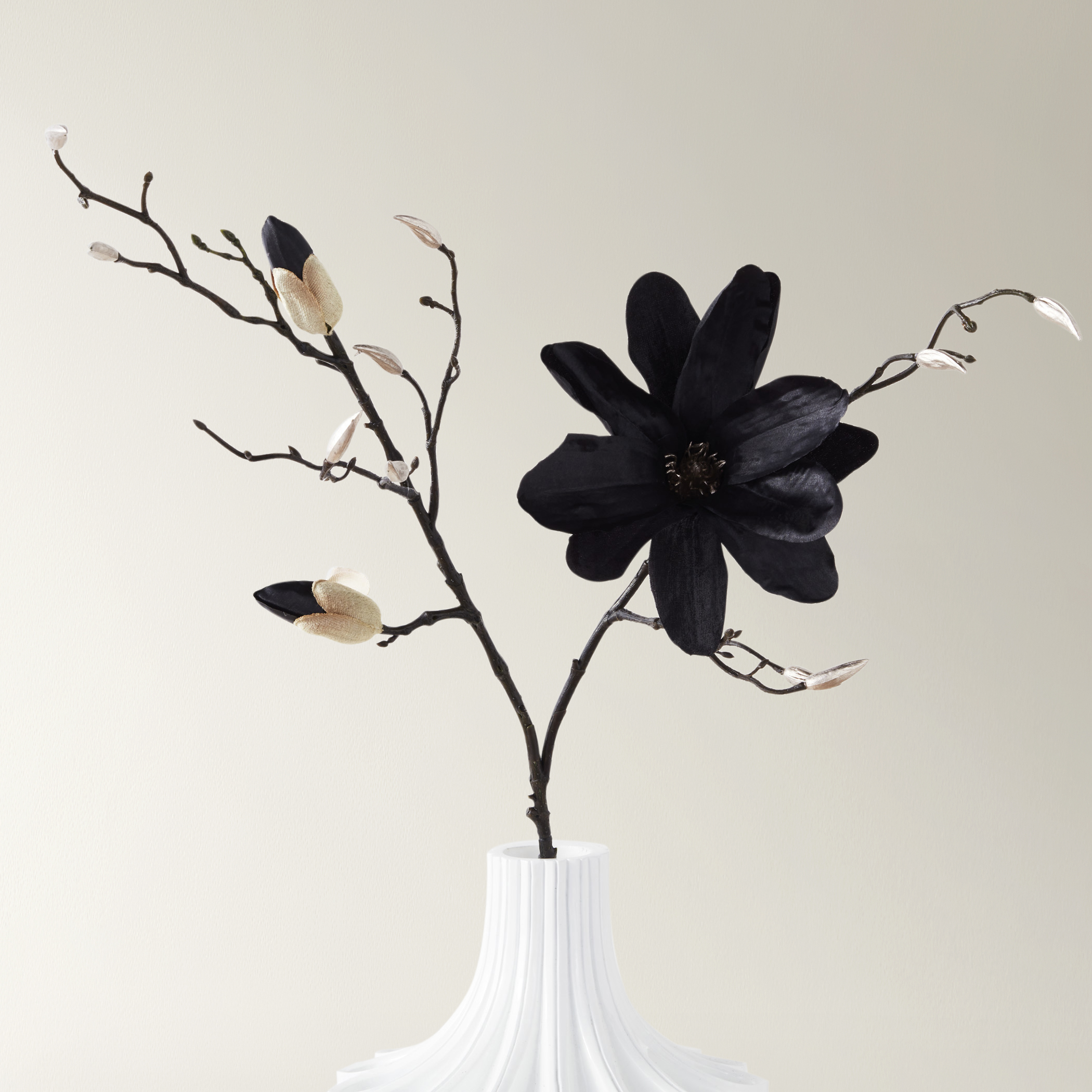 Faux Black & Gold Magnolia Stem 33" Set of 3$59
A set of three lifelike black polyester magnolia sprays that add dramatic height to any decor.
Add To Cart -
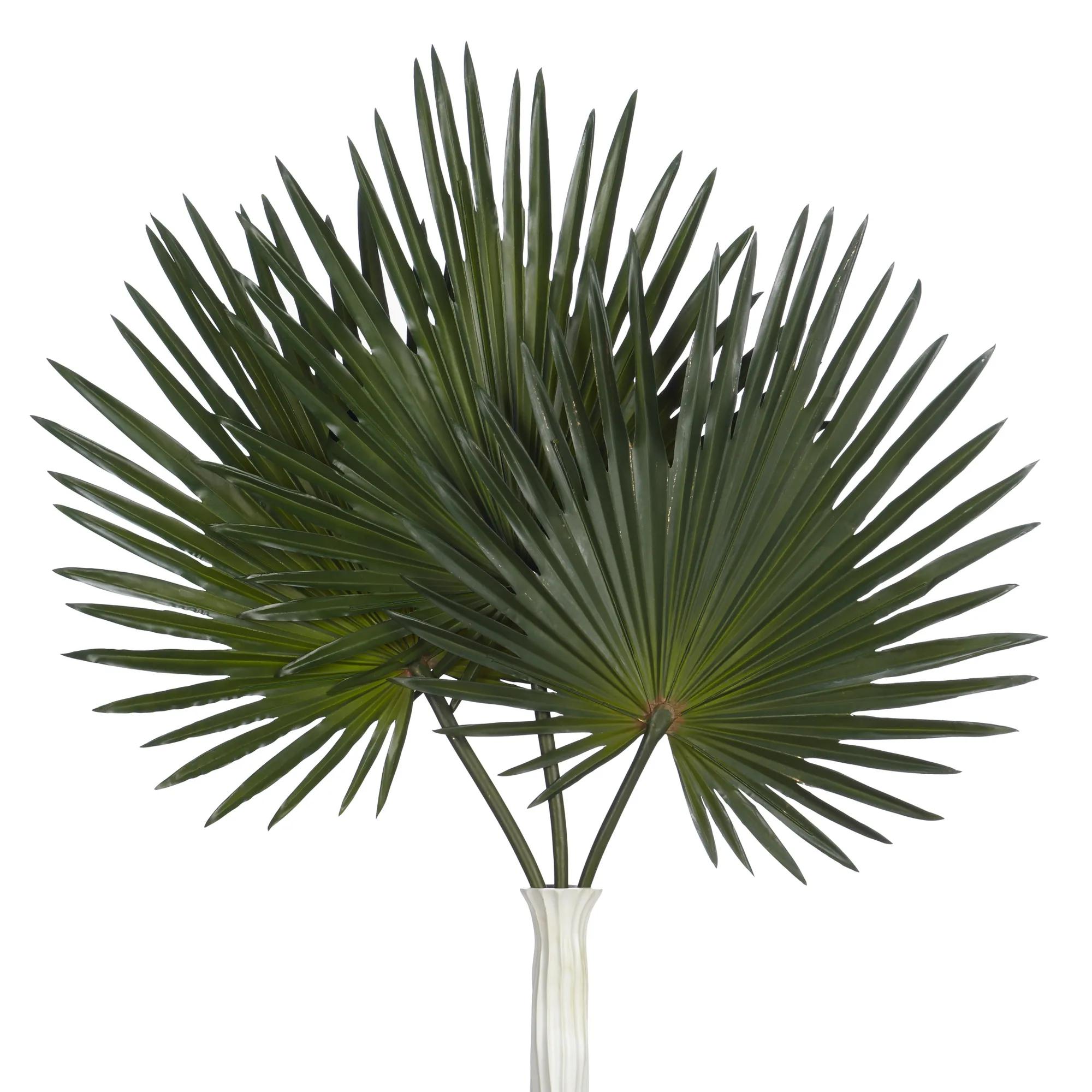
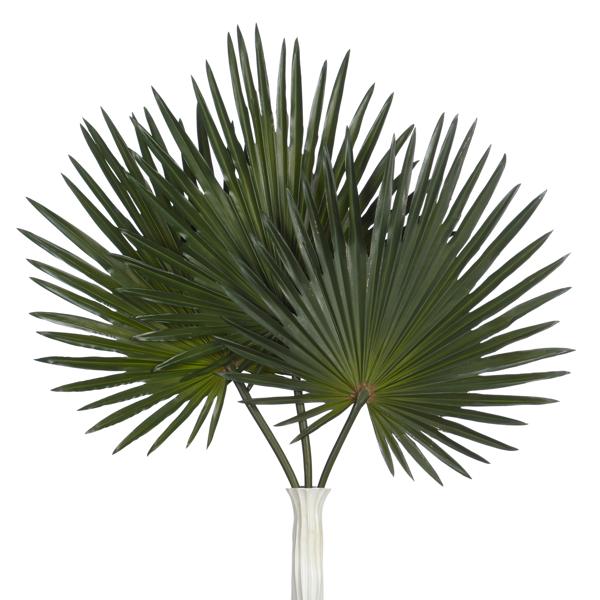 Faux Green Palm Stem 40" Set of 3$69
A set of three green polymer palm stems with flexible wire for easy, artistic arranging.
Add To Cart -
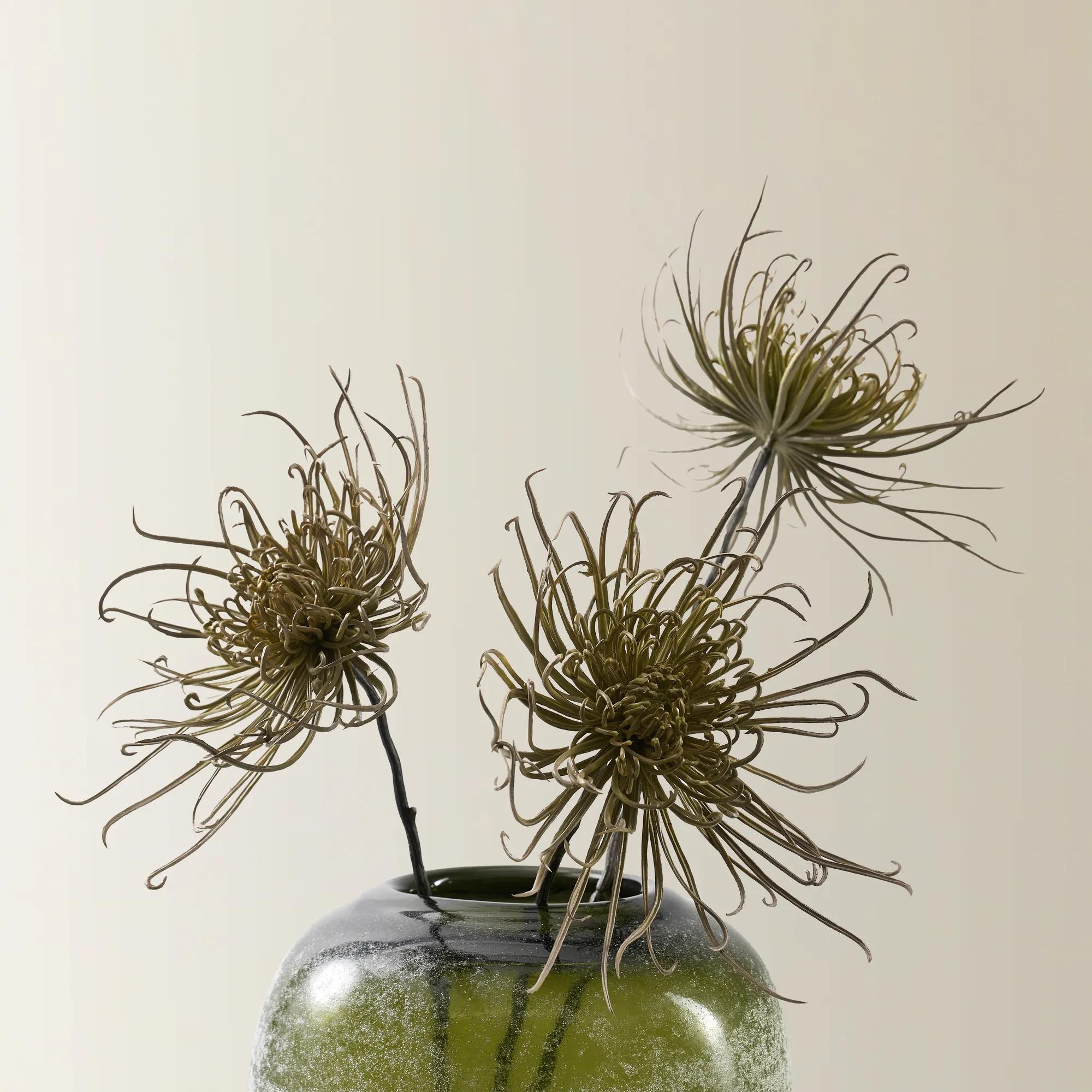 Faux Green Mum Stem 28" Set of 3$59
A set of three faux green mum stems with yellow accents adds lively, natural texture to arrangements.
Add To Cart -
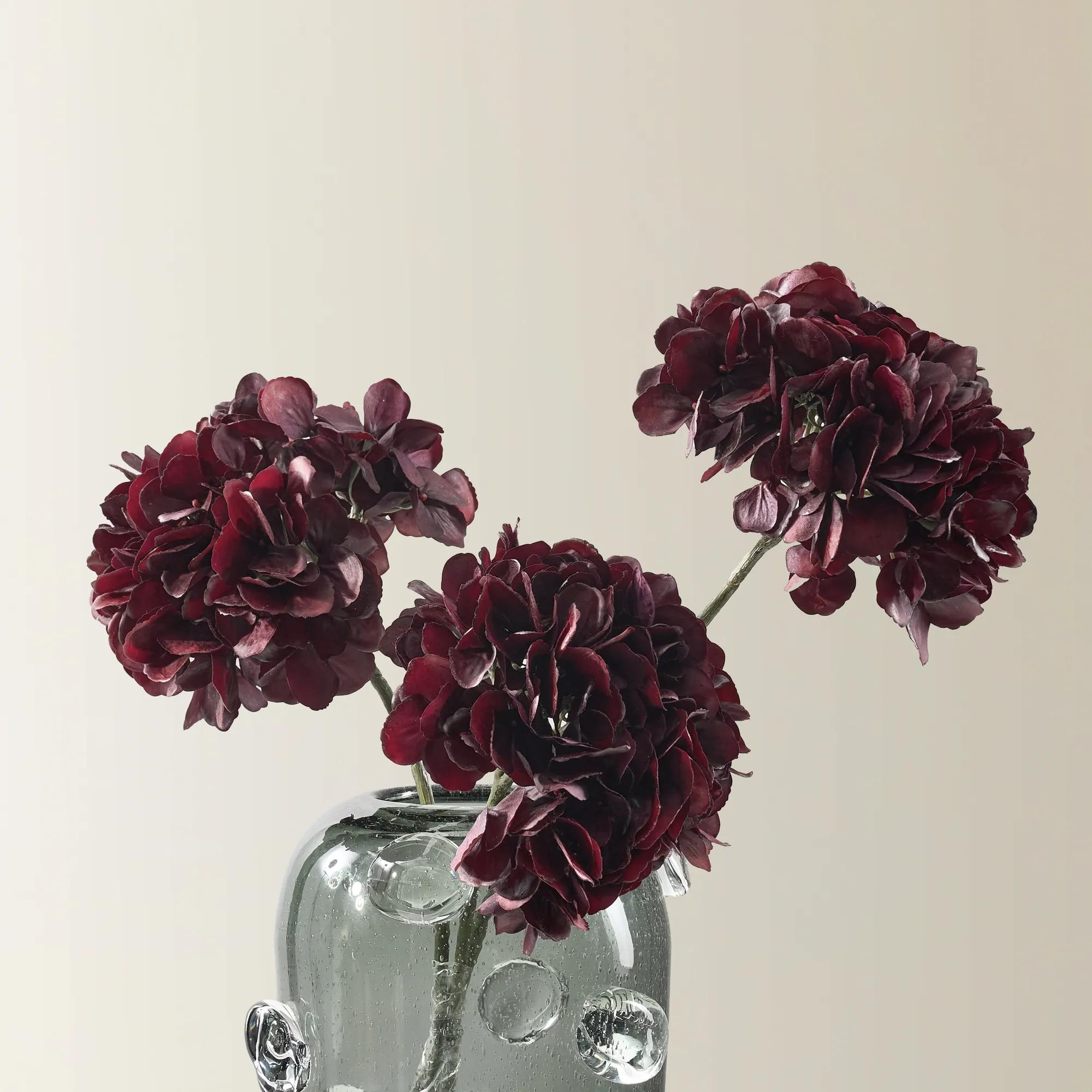 Faux Fig Hydrangea Real Touch Stem 18.5" Set of 3$79
A set of three faux fig-colored hydrangea stems crafted from plastic for lush, seasonal arrangements.
Add To Cart -

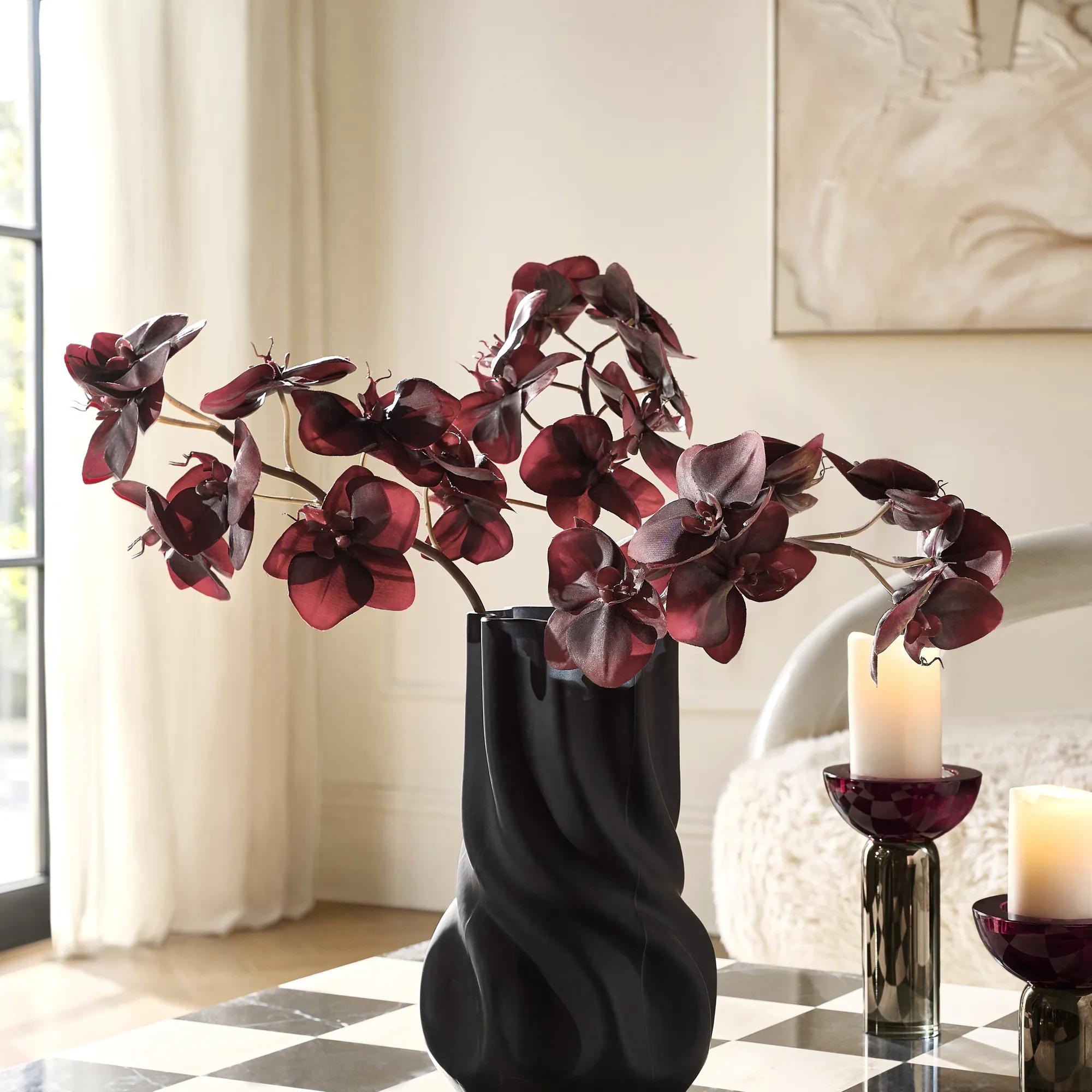 Faux Burgundy Phalaenopsis Real Touch Stem 37" Set of 3$79
A set of three faux burgundy phalaenopsis stems crafted from plastic for dramatic, elegant floral displays.
Add To Cart

Faux Plants For Dining Rooms
Faux plants for dining rooms are the secret to cultivating a sense of lush sophistication—no green thumb required. Imagine your dining space transformed into a verdant retreat, where every meal is framed by artful greenery that never wilts or fades. These lifelike botanicals infuse your gatherings with vibrant energy and sculptural beauty, elevating the everyday into something extraordinary. Whether you’re curating an intimate dinner party or making a grand statement for guests, faux plants for dining rooms offer an effortless way to layer texture, color, and drama—turning your table into a living masterpiece.
Faux plants for dining rooms bring sculptural greenery, layered texture, and a sense of abundance to the space where everyday meals become occasions. Their appeal is both visual and practical: artificial foliage needs neither watering nor sunlight, making it well suited to interior dining areas, shaded corners, and rooms used primarily for evening entertaining. A graceful canopy can soften the geometry of a rectangular table, while a compact arrangement introduces rich green tones among porcelain, polished flatware, and luminous glass. The most convincing effect comes from foliage with subtle color variation, irregular branching, and leaves that resemble the shape and movement of their living counterparts. Olive-style silhouettes lend an airy, finely drawn quality; broad tropical leaves create a more dramatic composition; petite succulents offer concentrated texture without overwhelming a place setting. Each has a different relationship to the room. A tall artificial tree gives an otherwise empty corner presence, a low potted plant anchors the dining table, and trailing greenery adds movement to a sideboard. Dining table centerpieces work best when their foliage stays below seated eye level, allowing conversation to travel comfortably across the table. Height alone does not determine the fit: a low but sprawling arrangement can crowd water glasses, serving bowls, and the generous sweep of a linen napkin. On a round table, a compact central silhouette preserves space around the perimeter; on a long rectangular table, a narrow arrangement can complement the table’s proportions without interrupting its rhythm. For a table that hosts shared platters, a single contained planter is easier to move than a collection of loose stems and small vessels. Faux greenery is especially appealing for frequent hosts, busy households, and anyone who loves the look of plants but prefers not to plan a room around their growing requirements. It delivers a composed botanical presence without soil care, pruning, or a watering schedule, leaving the dining room ready for an intimate supper or a fully dressed gathering.
Scale gives artificial plants their architectural influence, and the right proportions make greenery feel integral to the dining room rather than added as an afterthought. A floor-standing faux tree should have enough clearance for its canopy to open without brushing a chandelier, crowding artwork, or catching the backs of dining chairs. Consider the plant’s full arranged width as well as its listed height, particularly beside a buffet or along a route to the kitchen. Chairs need room to pull out, and guests should be able to pass without brushing against branches. In a smaller dining area, an upright silhouette can draw the eye upward while using relatively little floor space. A room with generous proportions can support a fuller canopy, especially when balanced by a substantial table or an expressive light fixture. Sideboards offer another setting for botanical drama: a potted arrangement placed to one side can counterbalance a lamp or a grouping of decorative objects while preserving a clear surface for serving. Trailing foliage belongs where it can fall freely without tangling with drawer pulls or extending into food preparation and serving areas. The planter carries equal visual weight. Glazed ceramic introduces depth and reflection, matte stone-look finishes create a grounded contrast, and metallic finishes echo the gleam of lighting and table accessories. A simple inner pot can sit inside a decorative cachepot, provided the dimensions accommodate it securely and the outer vessel rests evenly. Heavier planters may improve stability, but weight should remain appropriate for the furniture beneath them. Protective pads help prevent rough bases from scratching wood, glass, or stone surfaces. Repeating a planter finish or a particular leaf shape elsewhere in the home creates continuity without requiring identical arrangements. For a quieter expression of the same botanical character beyond the dining space, Faux Potted Plants For Bedrooms offers a related direction. The connection can be as subtle as an olive-green palette carried from a polished dining vignette into a more intimate setting.
Materials and construction determine how faux dining room plants look at close range and how gracefully they withstand routine handling. Artificial foliage may use molded plastics such as polyethylene, polyester fabric, coated textiles, or combinations of materials, with wired stems that allow some designs to be shaped. The term “silk” is sometimes used broadly for artificial botanicals and does not necessarily indicate natural silk, so material descriptions deserve attention. Fabric leaves can create delicate edges and soft movement, while molded foliage can capture thicker surfaces, veining, and dimensional contours. Neither material alone guarantees realism. More persuasive details include restrained sheen, varied leaf sizes, thoughtfully colored stems, and visible depth throughout the arrangement rather than a dense outer layer hiding a sparse center. Dining rooms invite close observation, especially beneath a pendant light, where overly glossy surfaces or exposed joins can become more noticeable. Adjustable branches, when included, allow an arrangement to develop a less rigid outline; shaping should follow the care instructions, with gentle bends rather than repeated twisting. Faux plants require little routine attention, but they are not maintenance-free. Dust leaves and stems regularly with a soft, dry cloth or gentle duster, supporting delicate sections as needed. Use a damp cloth only when the material and manufacturer’s directions permit it, and avoid soaking fabric foliage, glued components, or decorative pot fillers. Keeping greenery away from open flames, heat sources, and splashes helps preserve its appearance and makes particular sense around candles and serving dishes. Unless labeled for outdoor use, artificial plants are best treated as indoor accents; prolonged direct sunlight may also fade some materials. Secure placement matters in homes with children or pets, especially when arrangements include small removable pieces or loose decorative stones. For gifting, a contained potted arrangement can be a thoughtful housewarming or host gift when its scale and finish reflect the recipient’s space. Chosen with that same attention to proportion, texture, and daily use, faux greenery brings lasting visual richness to the dining room: a flourish of leaves beside a gleaming buffet, a sculptural accent against tailored upholstery, or a restrained centerpiece that lets the entire table shine.
FAQs
Faux plants infuse dining rooms with a sense of lush vitality and sophistication, creating an inviting ambiance that feels both curated and alive. Their sculptural forms and rich textures provide a dramatic focal point, whether displayed as a centerpiece or nestled in a corner, transforming every meal into a memorable occasion.
To create a striking tablescape, layer faux botanicals of varying heights and textures—pair a bold potted arrangement with trailing greenery or accent with petite succulents. Mix metallic vessels with organic shapes for an eclectic, high-impact look, or use a single dramatic faux plant as a modern statement piece.
Faux dining plants make an inspired gift for design enthusiasts, frequent entertainers, or anyone who appreciates the beauty of greenery without the need for upkeep. They’re perfect for new homeowners, newlyweds, or hosts who love to set a lavish table year-round.
Faux plants are remarkably versatile, seamlessly enhancing a range of dining room styles. In glamorous settings, opt for glossy leaves and dramatic vessels; for modern or minimalist spaces, choose sculptural shapes and monochrome palettes. Their adaptability allows them to anchor bold, expressive interiors or add a touch of organic softness to sleek, contemporary rooms.
Absolutely—fake plants for restaurants are ideal for creating a consistent, welcoming atmosphere that endures through every service. They add texture and vibrancy to dining areas, require no maintenance, and maintain their impeccable appearance, making them a favorite choice for hospitality environments seeking lasting elegance.
-compressed.jpg?w=3741&h=3741)


