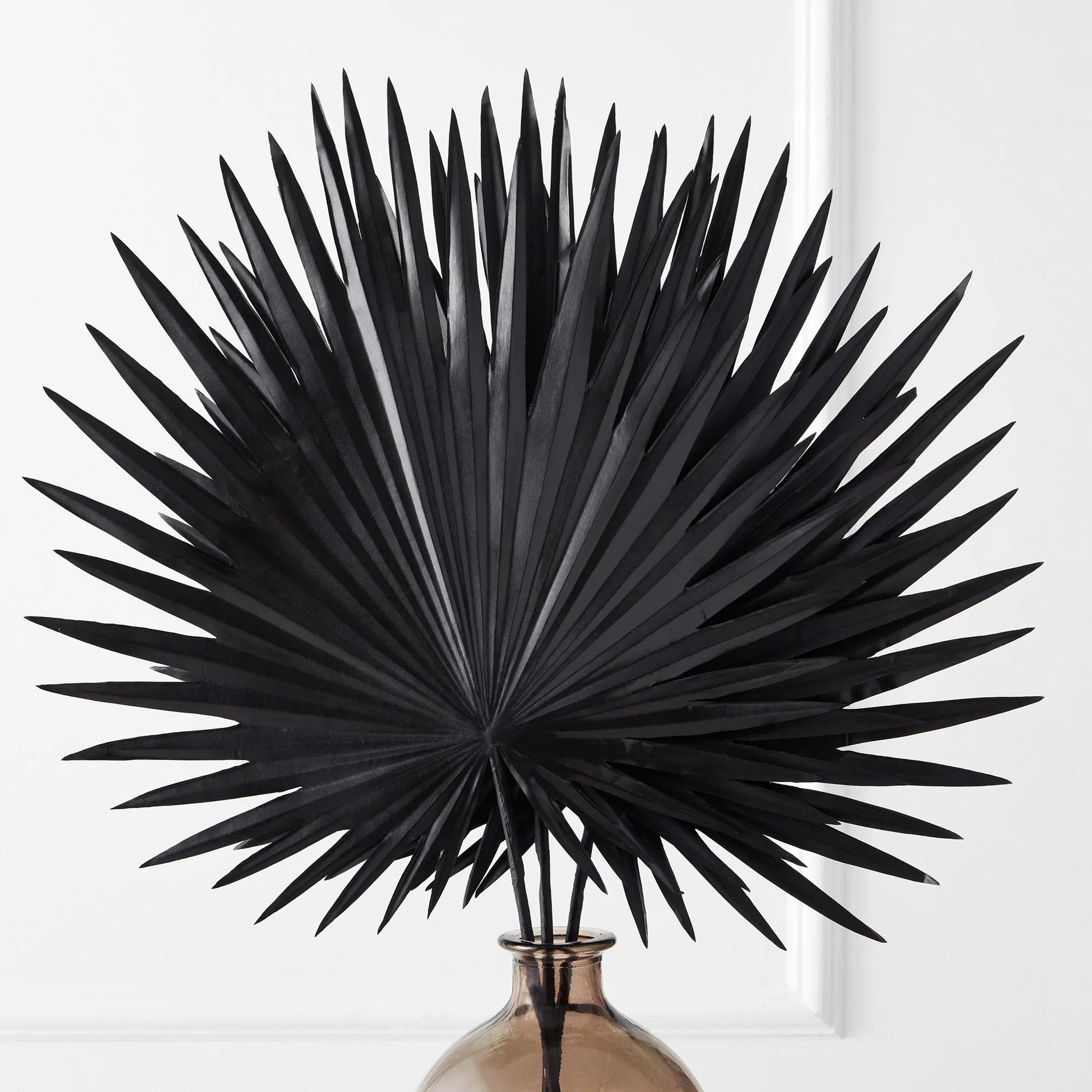
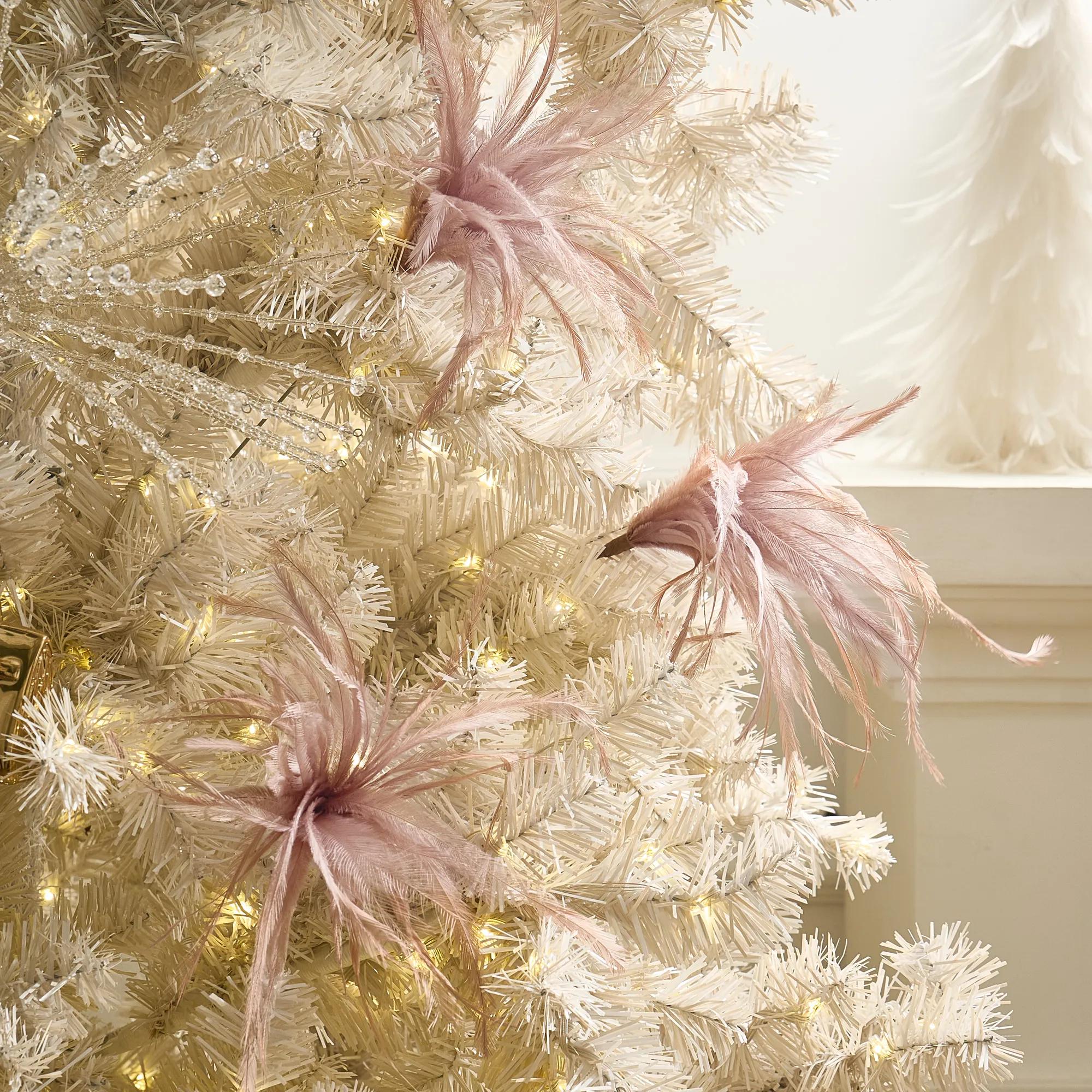
Artificial Plants For Entryways
Artificial Plants For Entryways
-
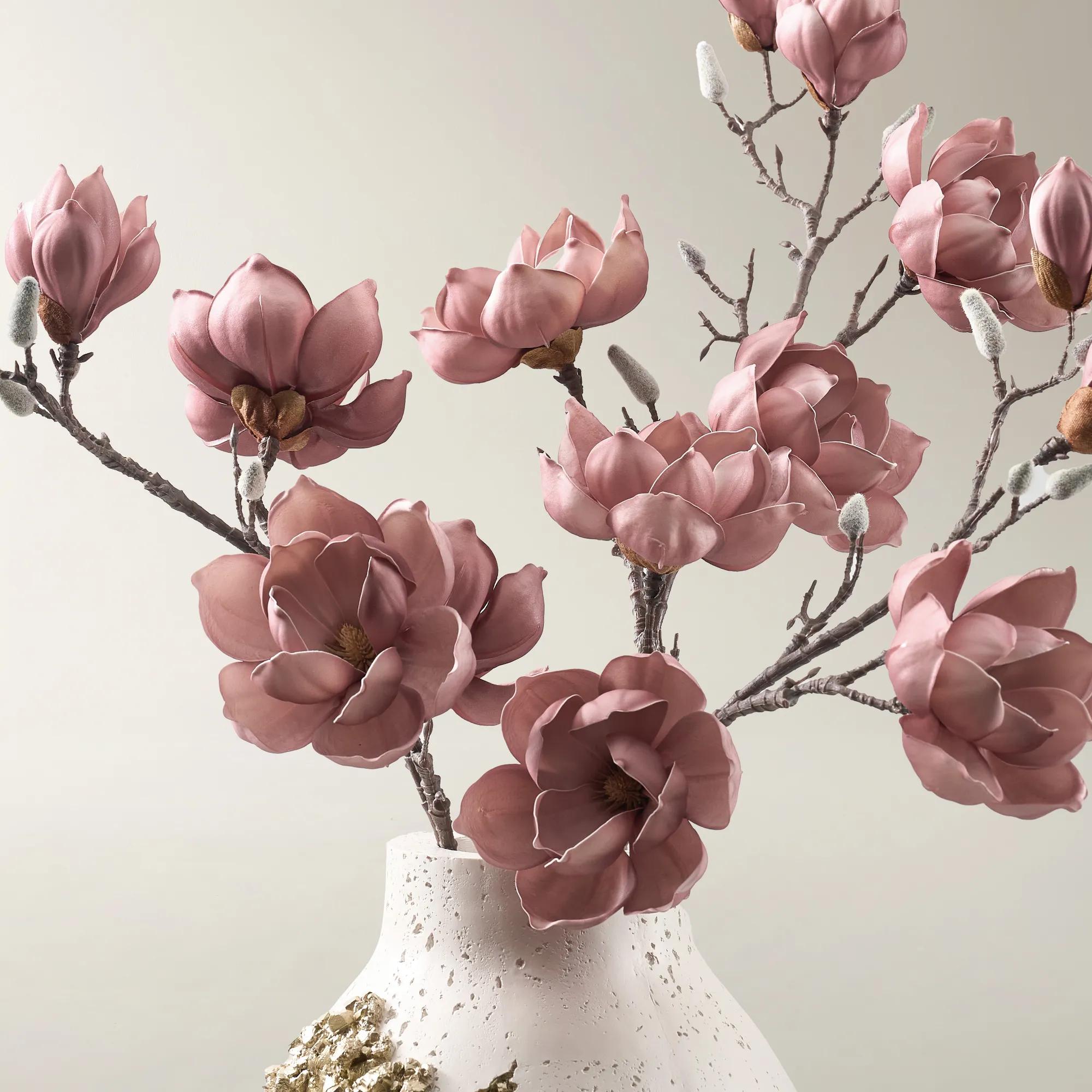 Faux Pearlized Antique Mauve Magnolia Stem 40" Set of 3$79
A set of three pearlized antique mauve magnolia stems crafted from polyester for elegant seasonal arrangements.
Add To Cart -

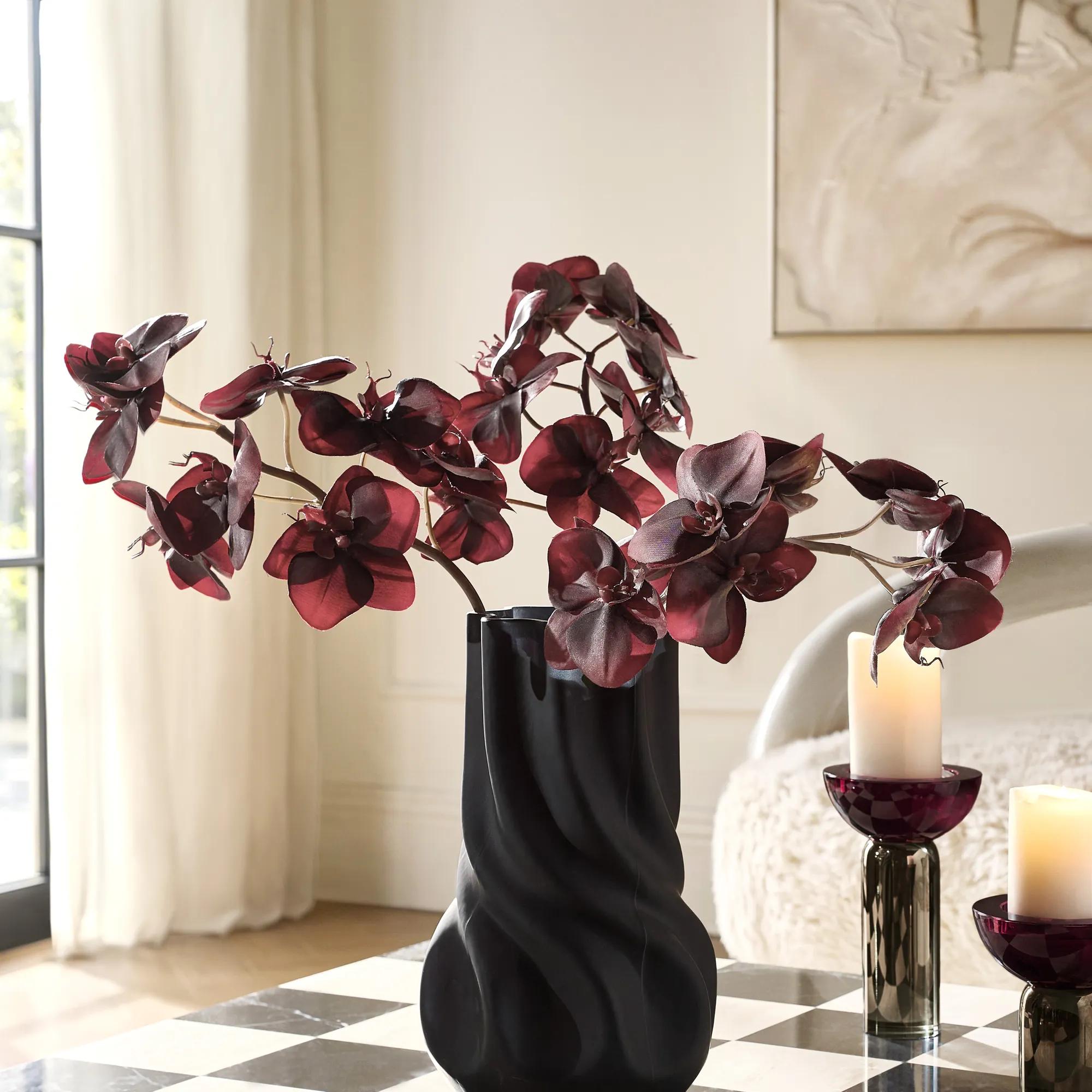 Faux Burgundy Phalaenopsis Real Touch Stem 37" Set of 3$79
A set of three faux burgundy phalaenopsis stems crafted from plastic for dramatic, elegant floral displays.
Add To Cart -
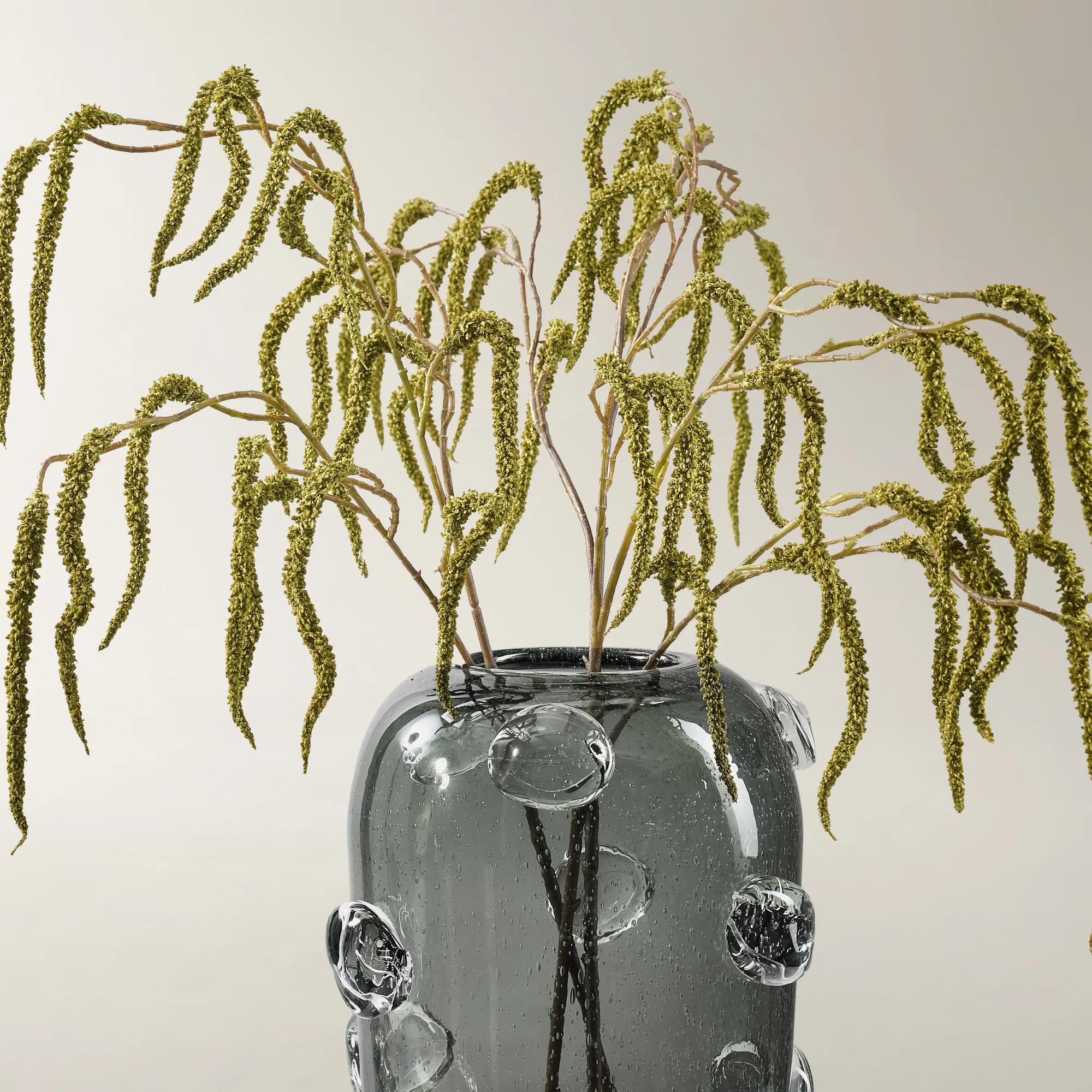 Faux Citron Green Amaranthus Stem 30" Set of 3$39
A set of three cascading faux amaranthus stems in vibrant citron green plastic for lush arrangements.
Add To Cart -
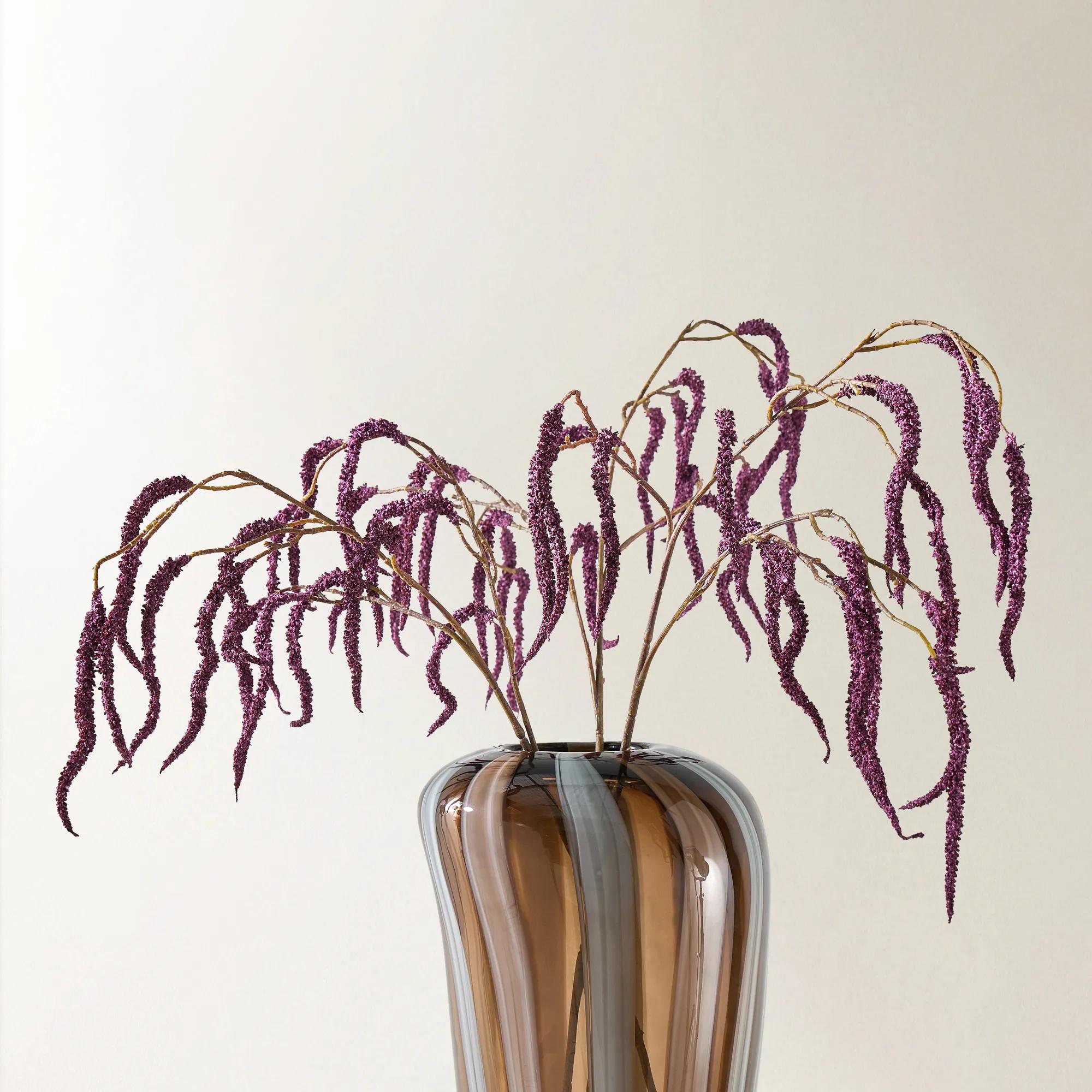
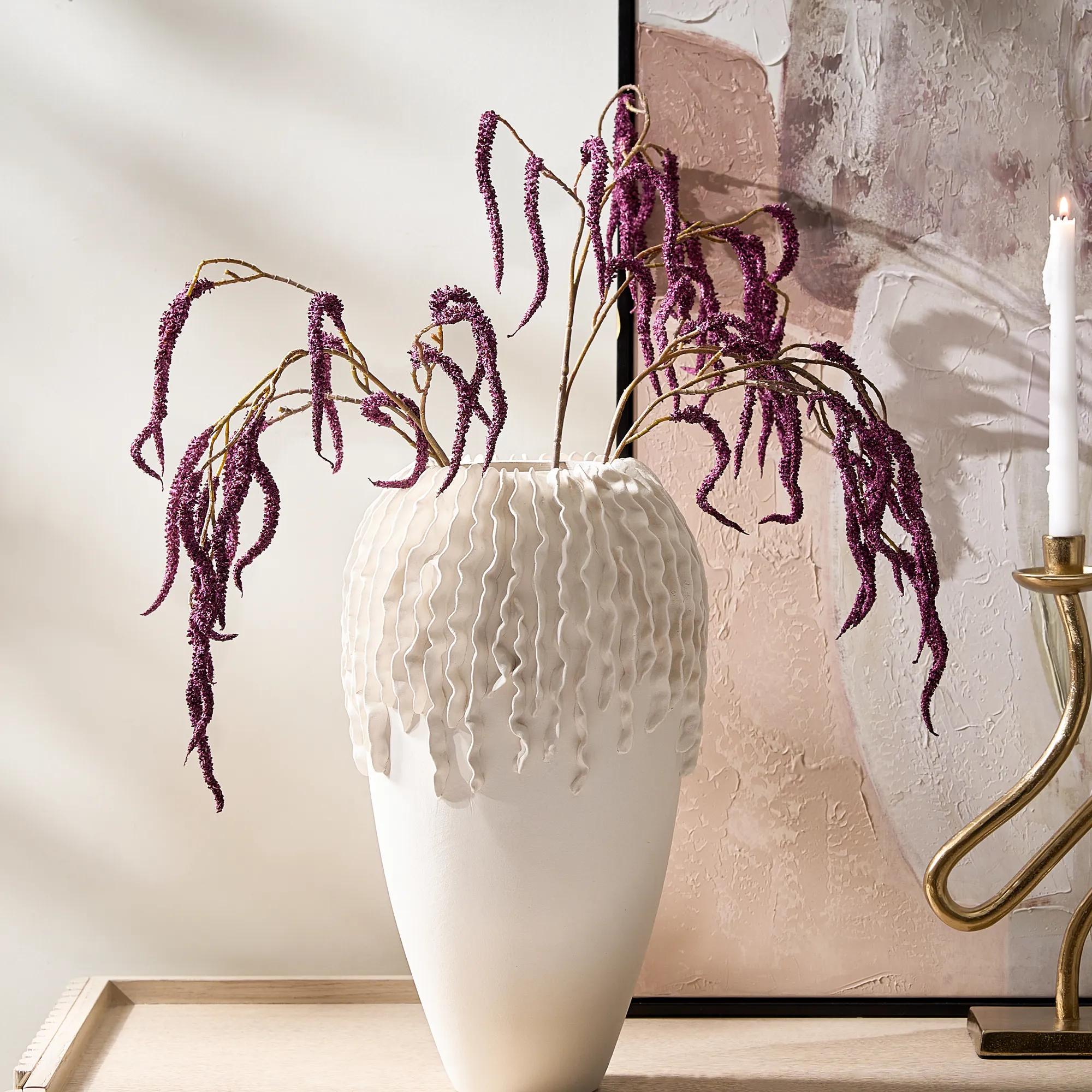 Faux Dark Amethyst Amaranthus Stem 30" Set of 3$39
A set of three faux amaranthus stems in dark amethyst plastic, featuring cascading botanical texture.
Add To Cart -
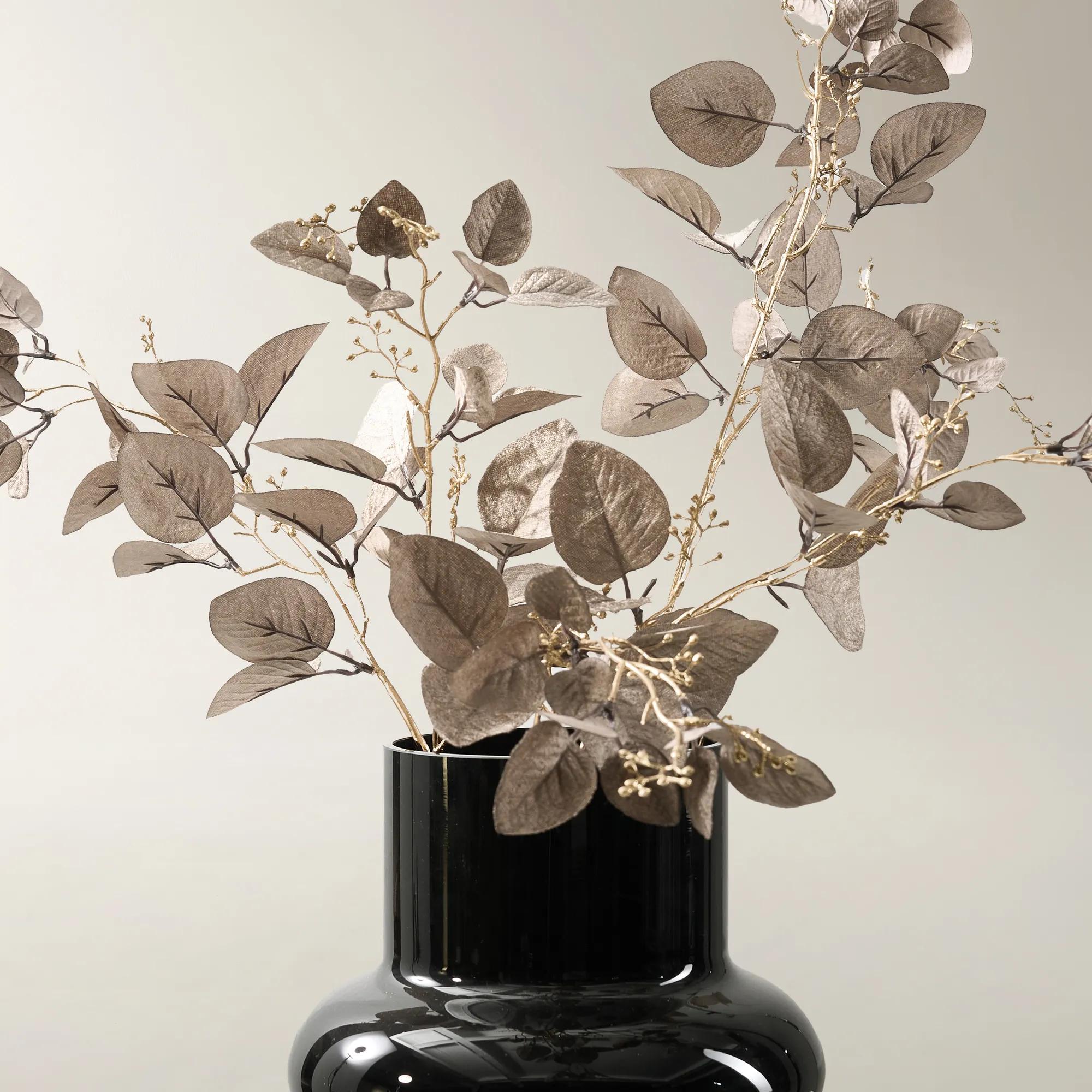 Faux Champagne Shimmer Eucalyptus Spray 32" Set of 3$49
A set of three antique champagne faux eucalyptus sprays adds metallic warmth and airy texture to arrangements.
Add To Cart -
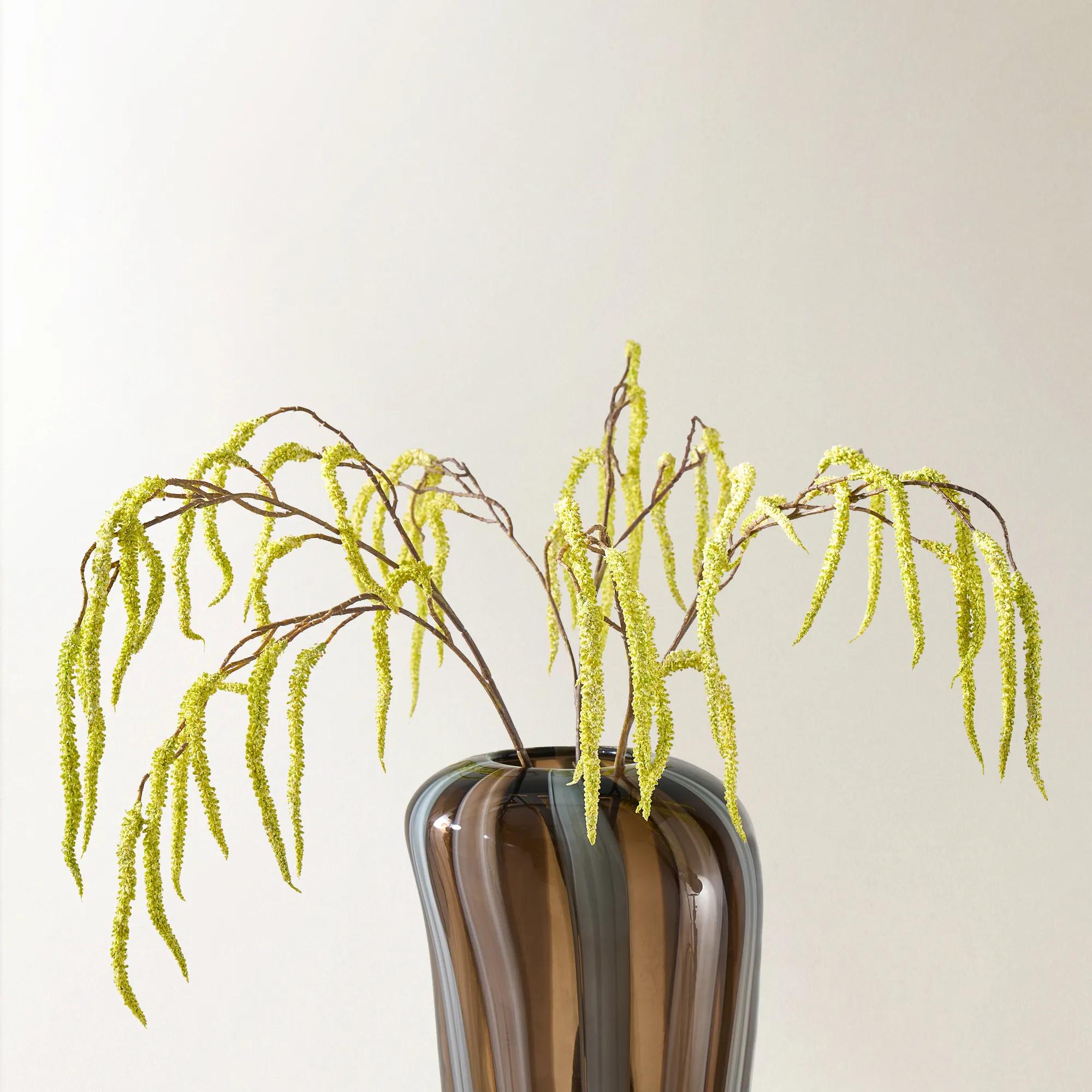
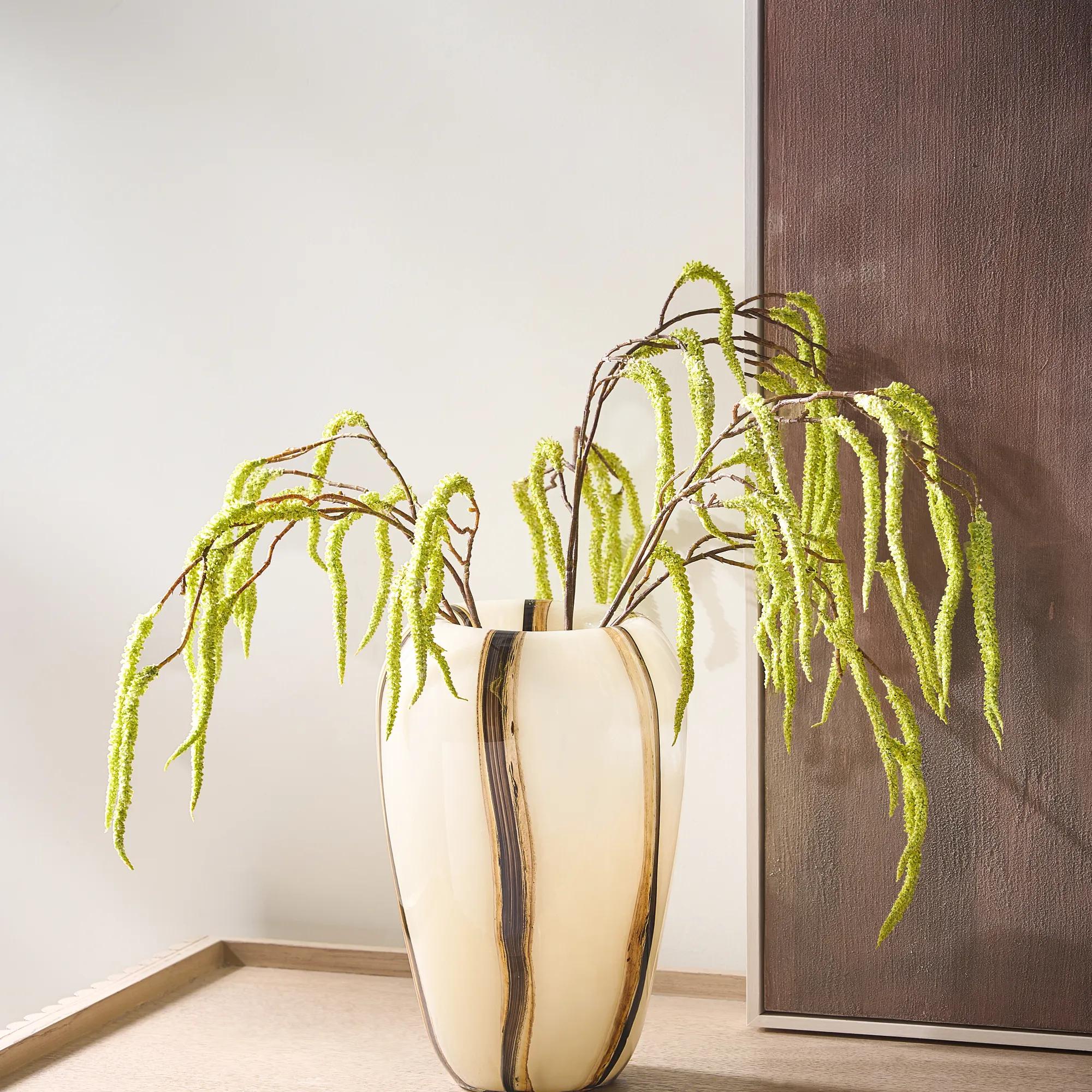 Faux Citron Yellow Amaranthus Stem 30" Set of 3$39
A faux floral stem set in citron yellow plastic with cascading form for layered arrangements.
Add To Cart -
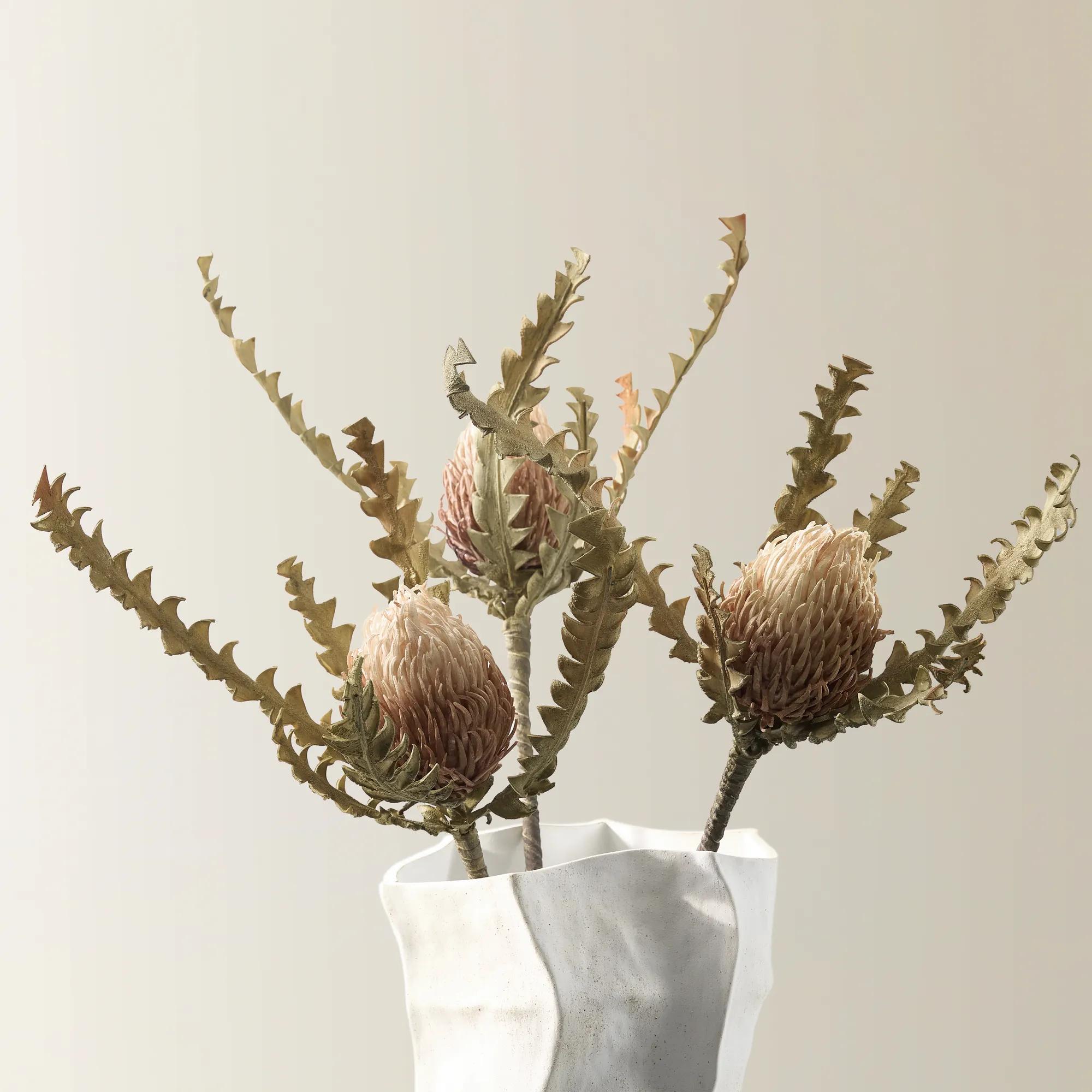 Faux Yellow Banksia Stem 32.75" Set of 3$49
A set of three sculptural faux banksia stems in yellow and green plastic for bold, artful arrangements.
Add To Cart -
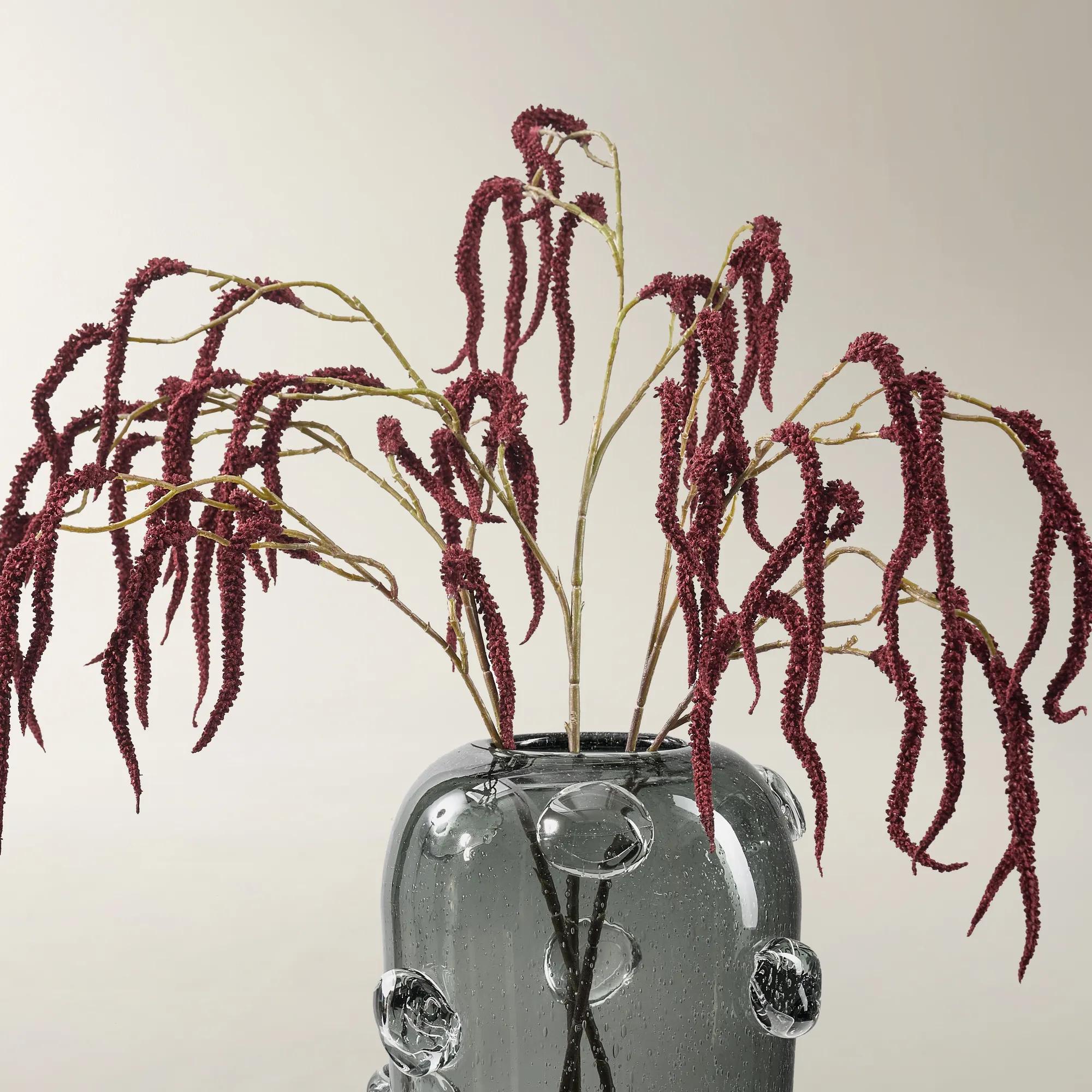
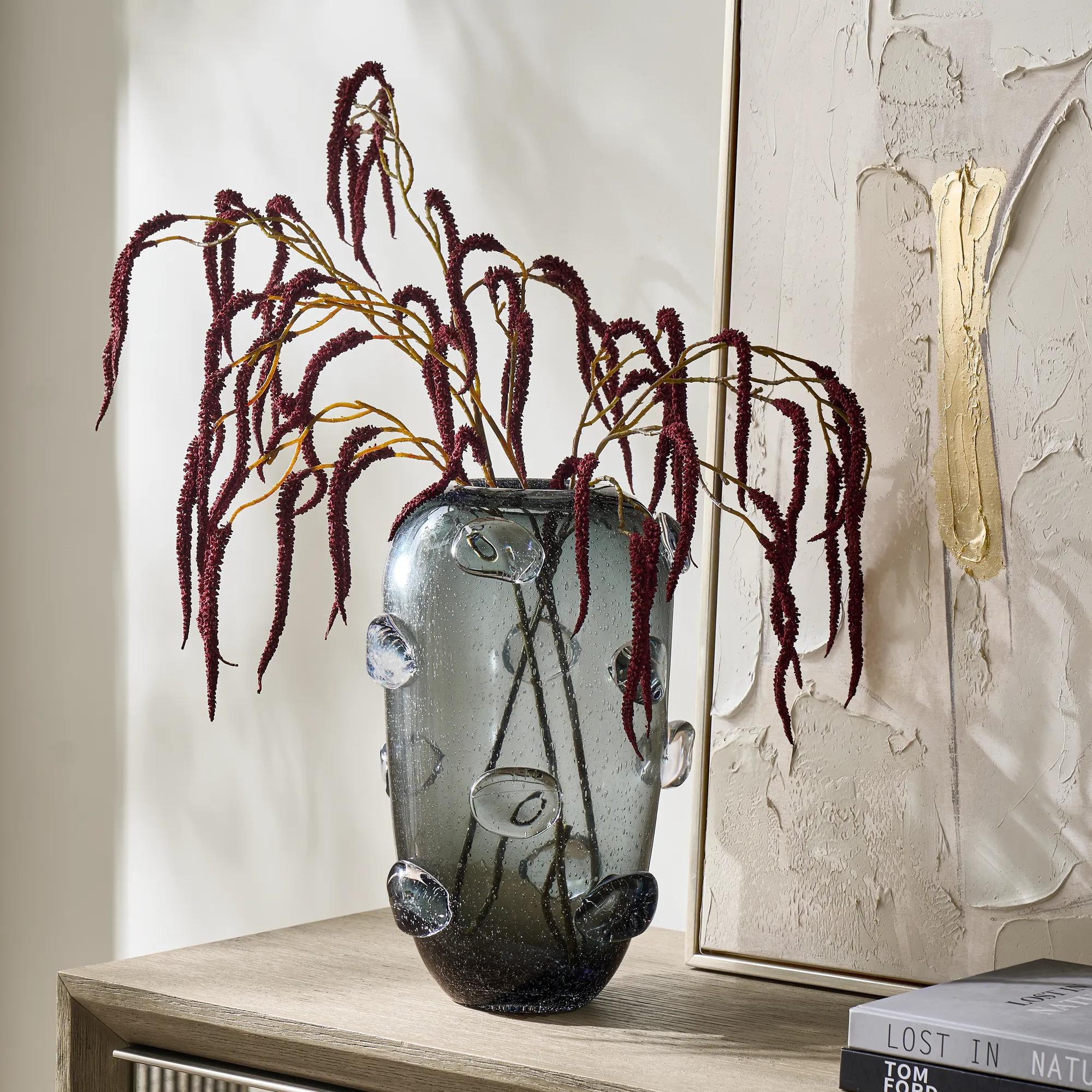 Faux Burgundy Amaranthus Stem 30" Set of 3$39
A set of three cascading faux stems in rich burgundy plastic adds dramatic texture to arrangements.
Add To Cart -
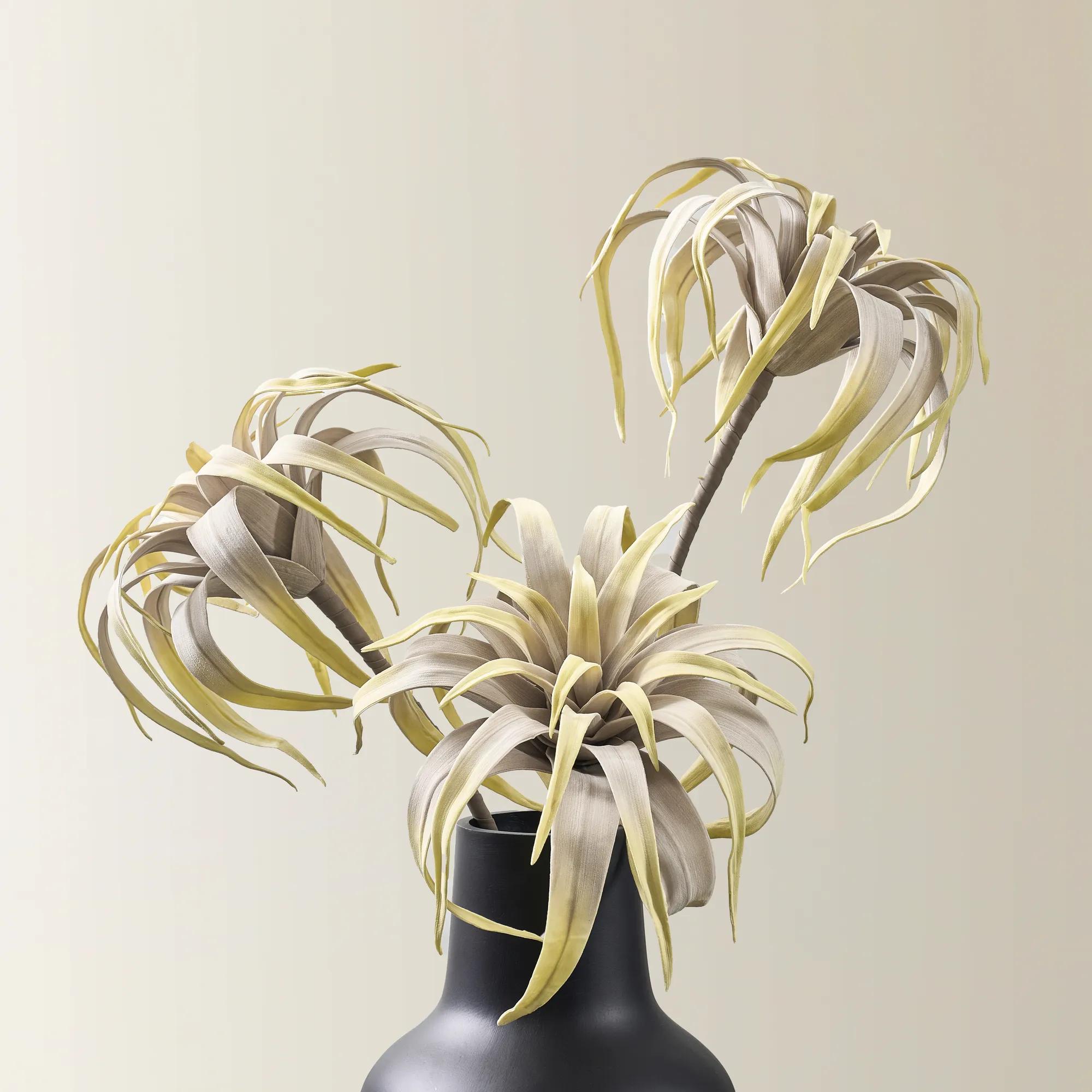 Faux Dusty Blush Large Airplant Stem 35.5" Set of 3$49
A set of three sculptural faux airplant stems in soft dusty blush foam for modern decorative arrangements.
Add To Cart -

 Icicle Sequin Willow Stem 70" Set of 3$79
A set of three clear and white willow stems with sequins for shimmering, dramatic holiday arrangements.
Add To Cart -
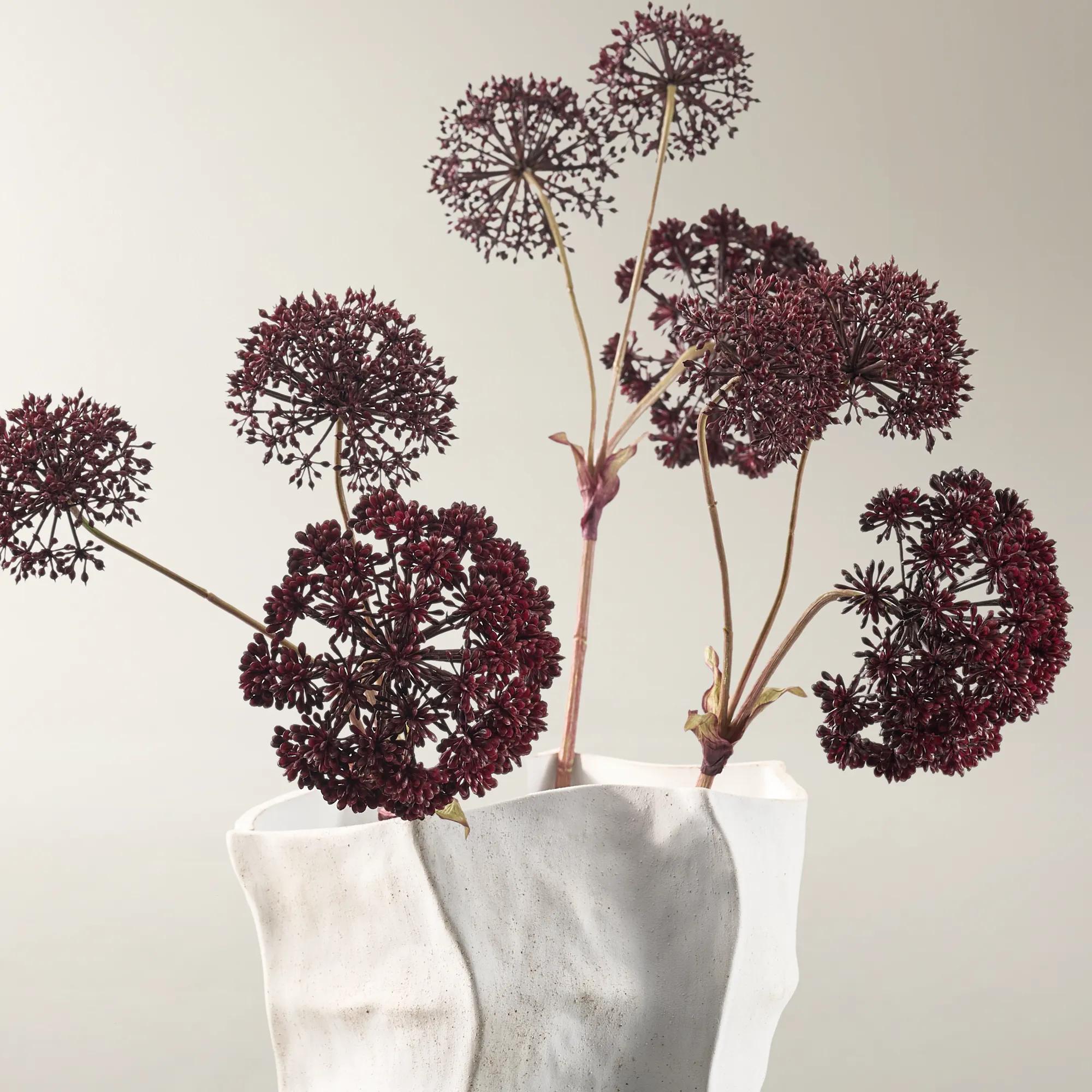 Faux Fig Angelica Stem 28" Set of 3$89
A set of three faux fig angelica stems in rich fig color adds sculptural depth to seasonal arrangements.
Add To Cart -
 Faux Mauve Queens Lace Stem 30.5" Set of 3$49
A set of three mauve faux Queen’s Lace stems adds romantic color and airy texture to arrangements.
Add To Cart -
 Faux White Magnolia Stem 40" Set of 3$79
A set of three lifelike faux magnolia stems in creamy white polyester for timeless floral elegance.
Add To Cart -
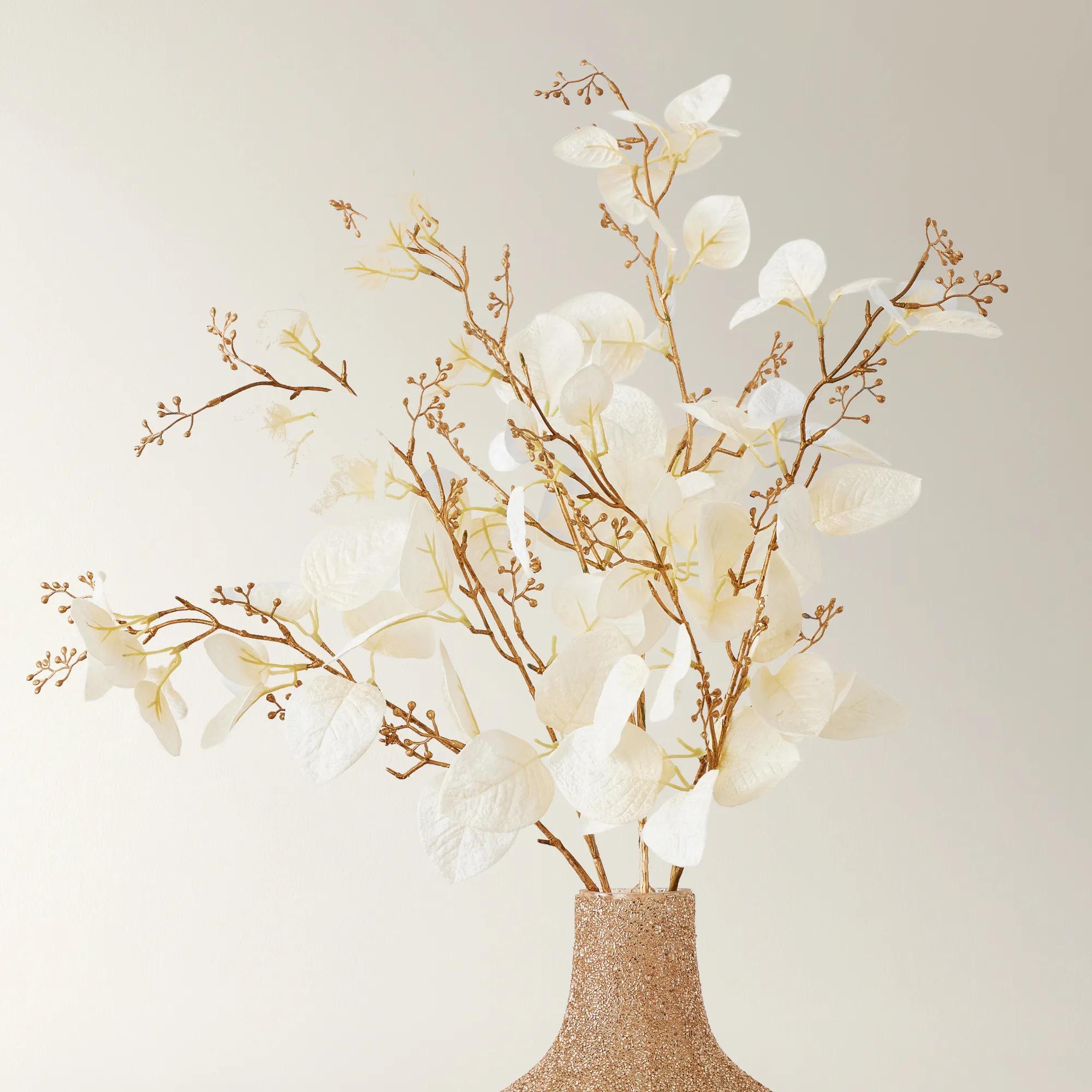 Faux Ivory/Gold Eucalyptus Spray 32" Set of 3$49
A trio of ivory-and-gold polyester eucalyptus sprays adds luminous, dimensional texture to botanical arrangements.
Add To Cart -

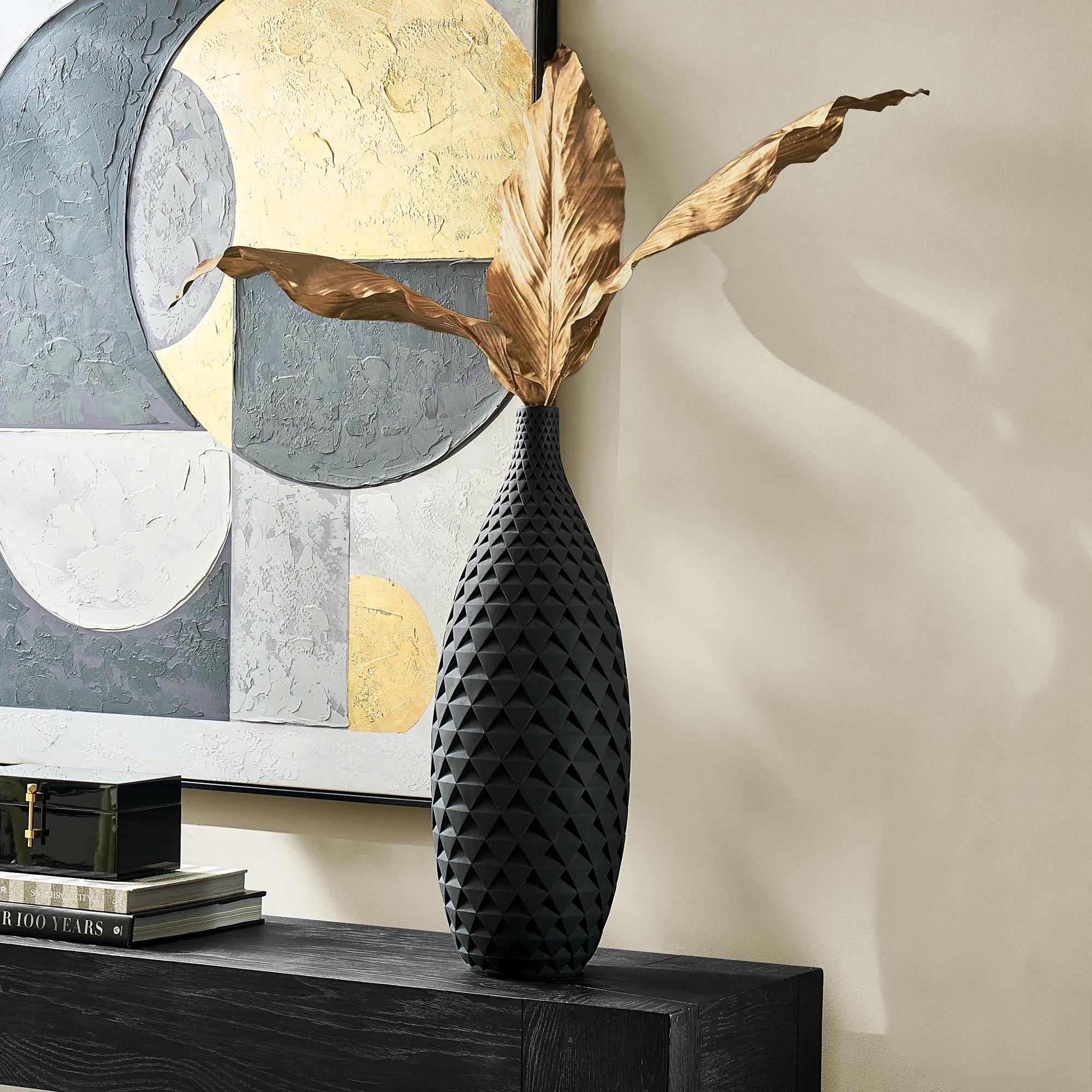 Faux Gold Canna Leaf Branch 38" Set of 3$49
A set of three golden metallic branches inspired by Canna leaves for a modern, autumnal accent.
Add To Cart -
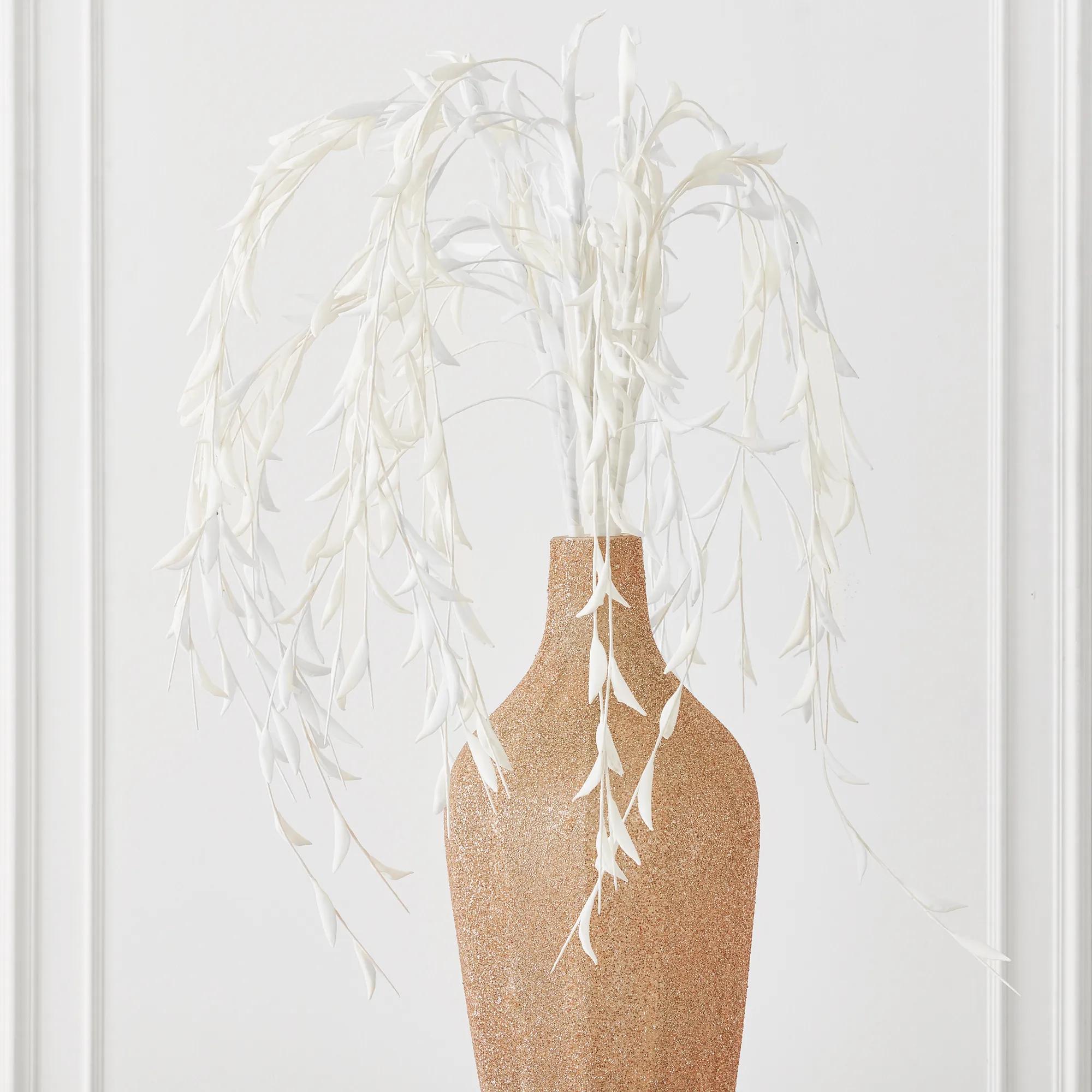 Faux Weeping Willow Spray Set of 3$59
A set of three faux weeping willows with delicate white foam branches for enchanting decor.
Add To Cart -
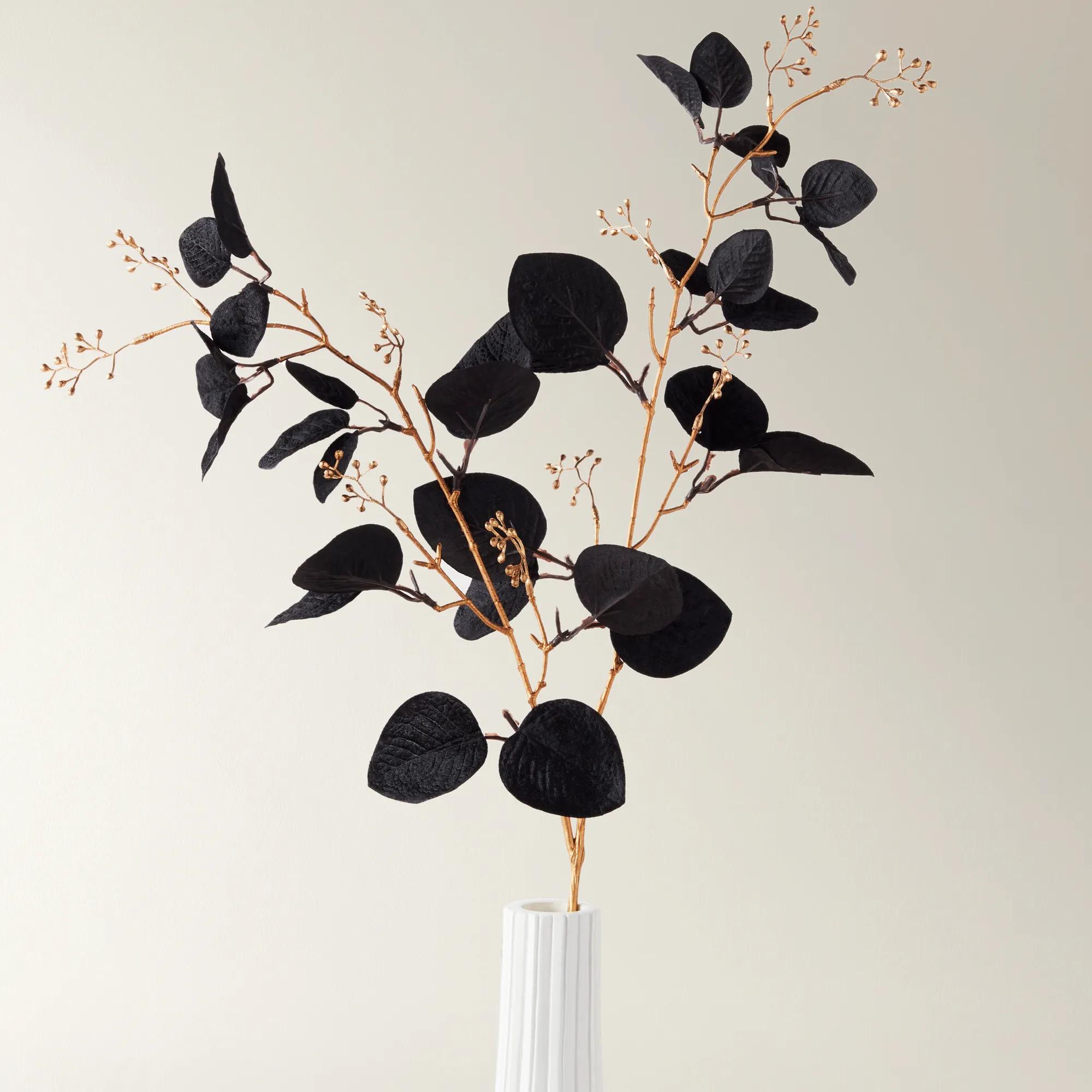
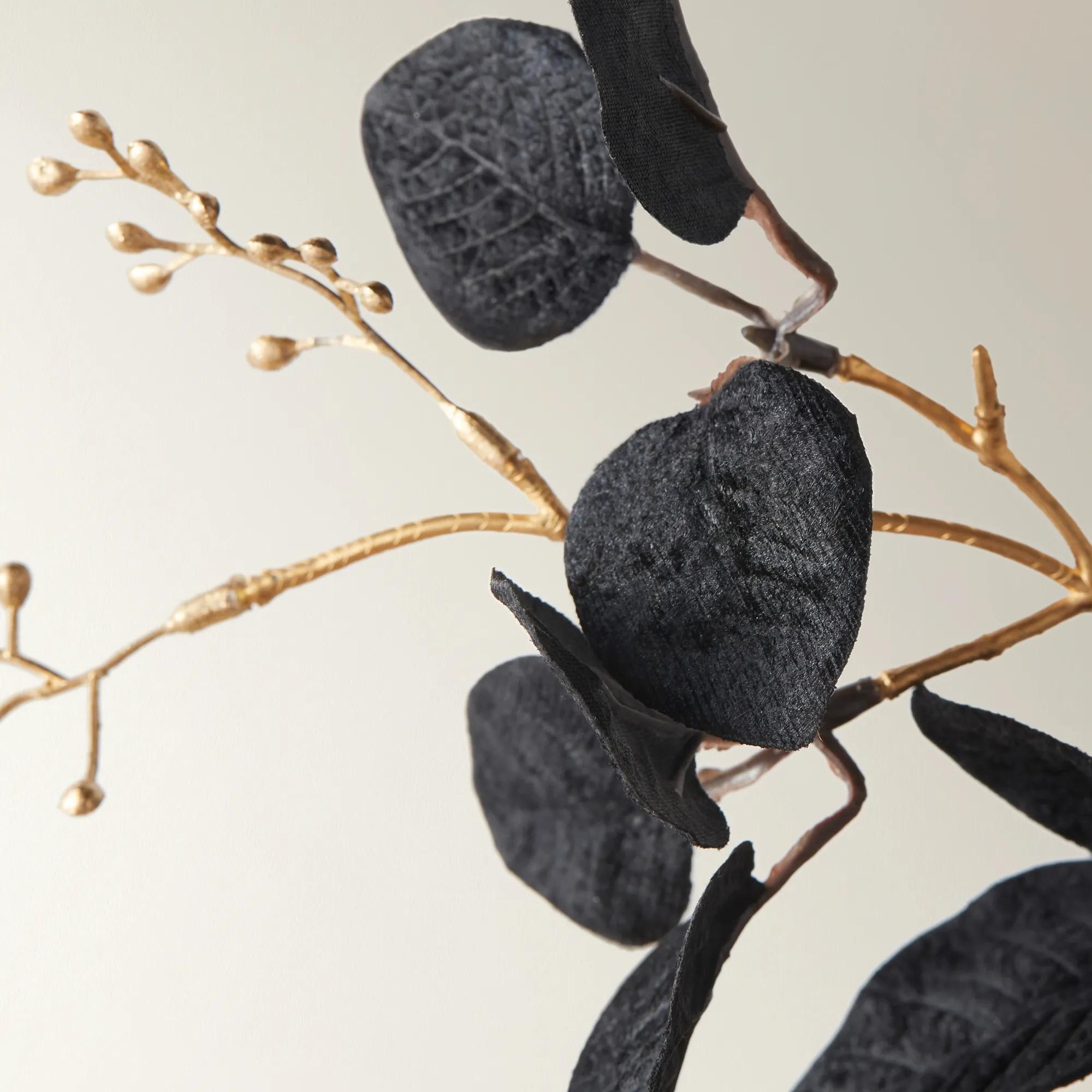 Faux Black/Gold Eucalyptus Spray 32" Set of 3$49
A set of three black-and-gold faux eucalyptus sprays crafted from durable plastic for sculptural seasonal arrangements.
Add To Cart -
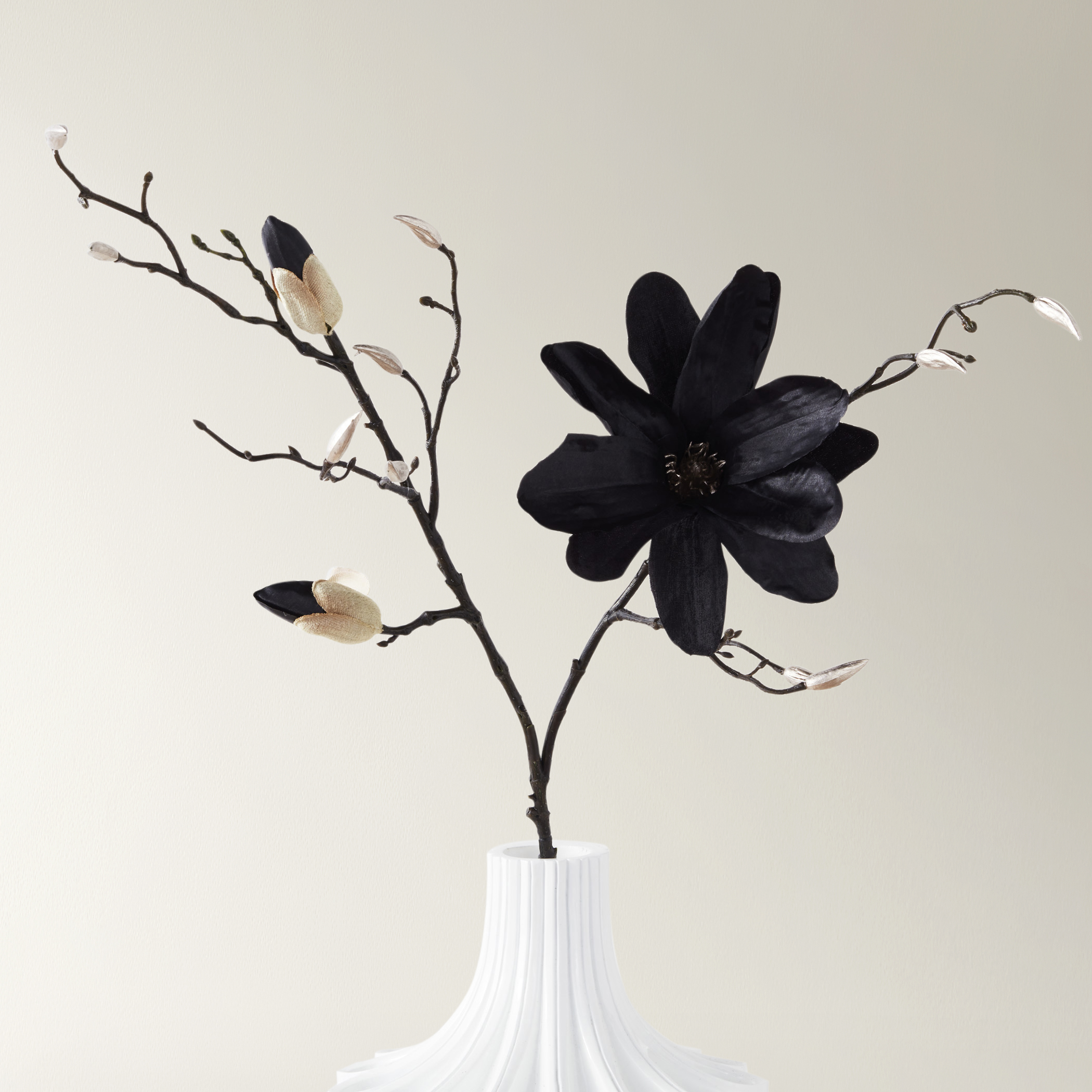 Faux Black & Gold Magnolia Stem 33" Set of 3$59
A set of three lifelike black polyester magnolia sprays that add dramatic height to any decor.
Add To Cart -
 Faux Protea Cream Stem 33" Set of 3$49
A set of three lifelike cream faux protea stems crafted from foam, plastic, and iron wire.
Add To Cart -
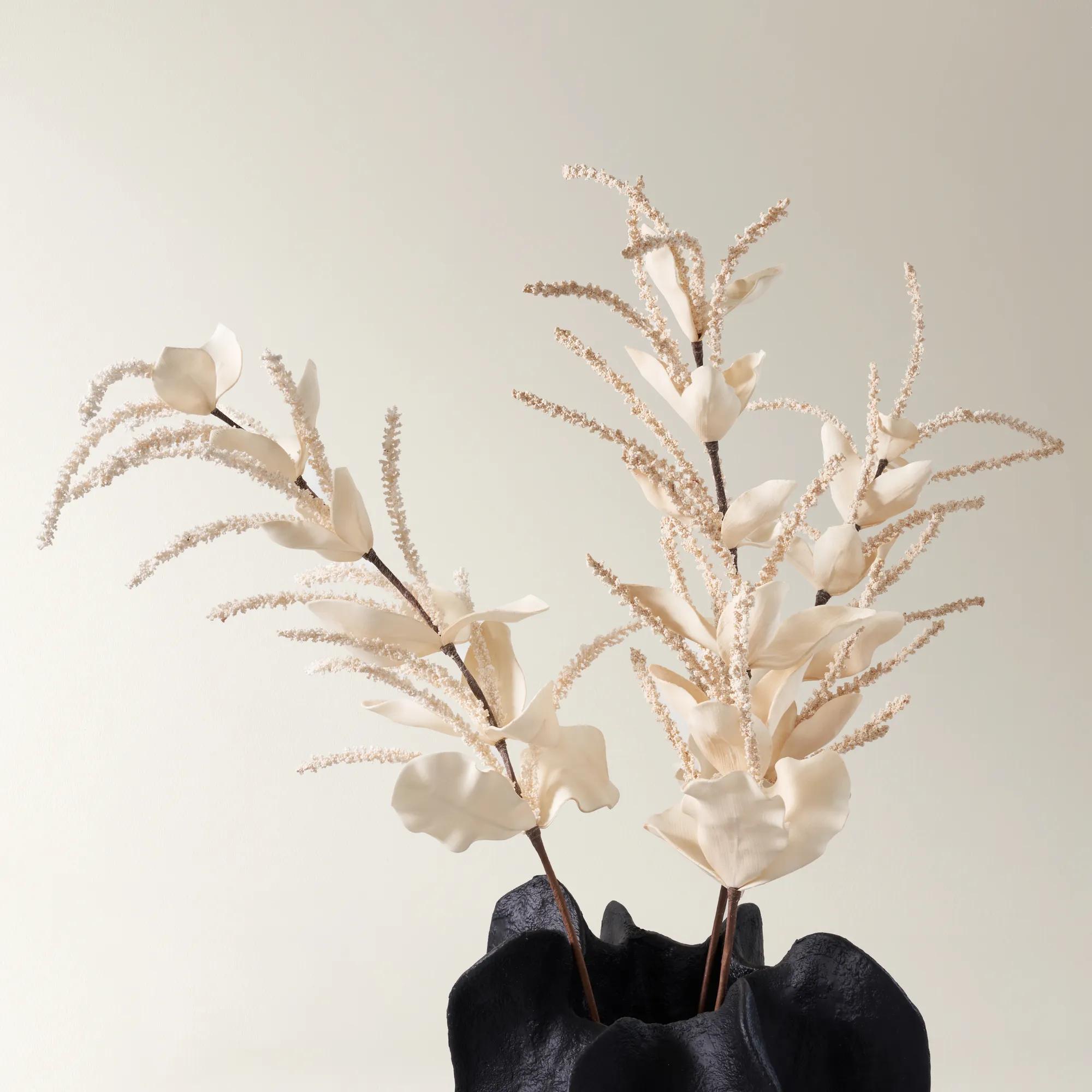 Faux Cream Weeping Spray 50" Set of 3$59
A set of three lifelike sprays in earthy beige and brown tones for a natural, elegant accent.
Add To Cart -
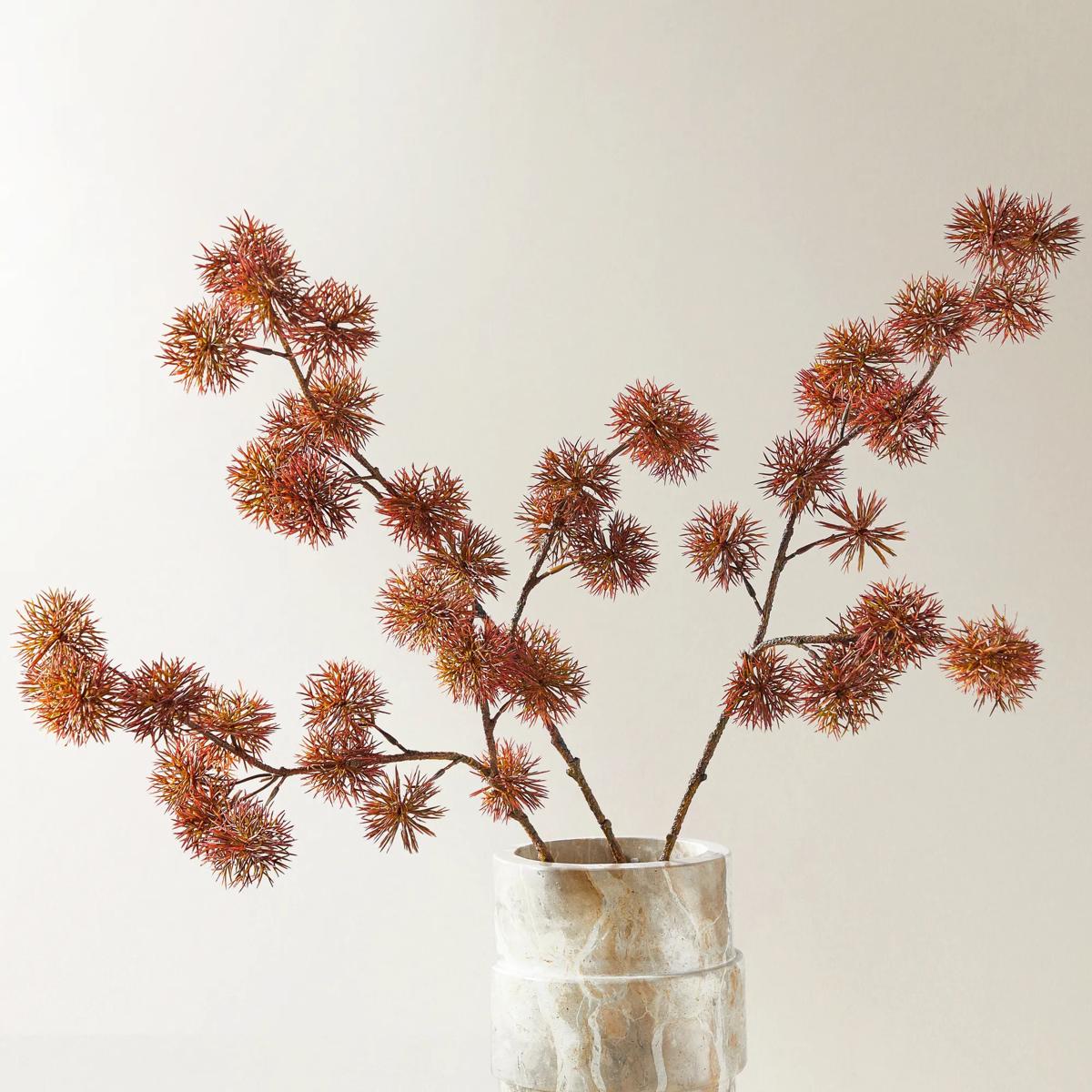
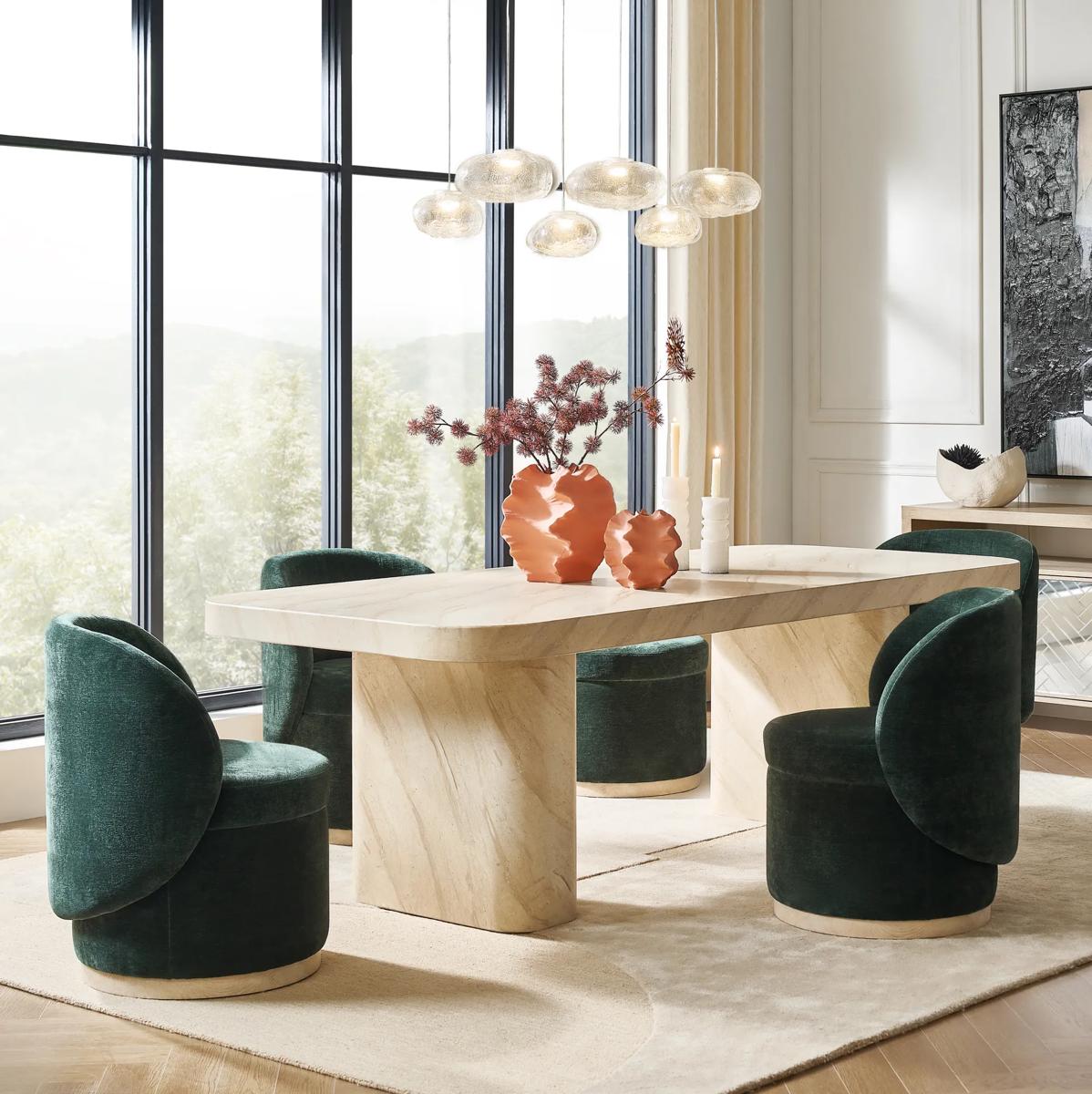 Faux Rust Brown Fall Thistle Stem 27" Set of 3$49
A set of three faux thistle stems in warm rust-brown tones adds sculptural autumnal texture to arrangements.
Add To Cart -

 Faux Amethyst Allium Bulb Stem 40" Set of 3$69
A trio of faux amethyst allium stems adding sculptural botanical elegance to modern arrangements.
Add To Cart -
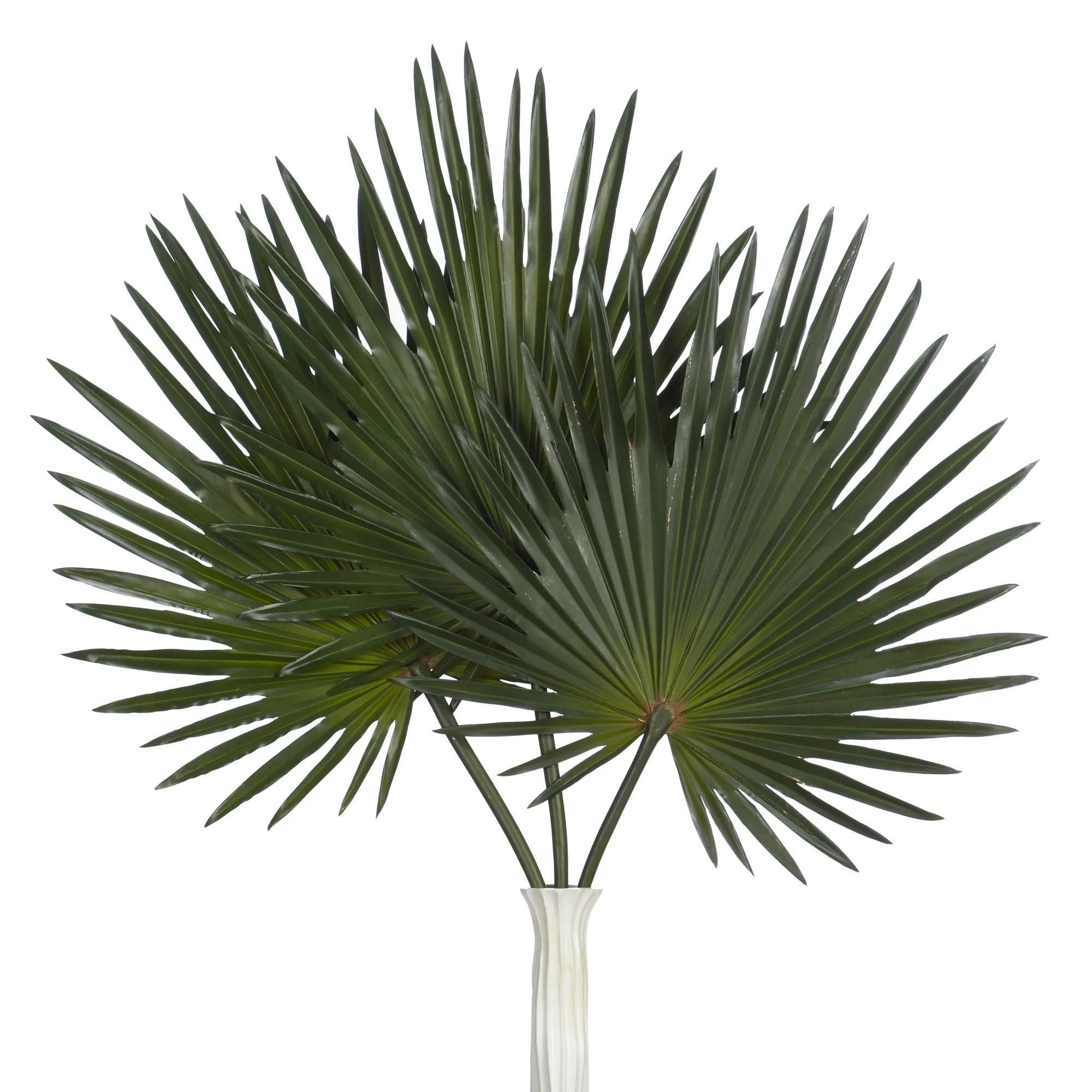
 Faux Green Palm Stem 40" Set of 3$69
A set of three green polymer palm stems with flexible wire for easy, artistic arranging.
Add To Cart -
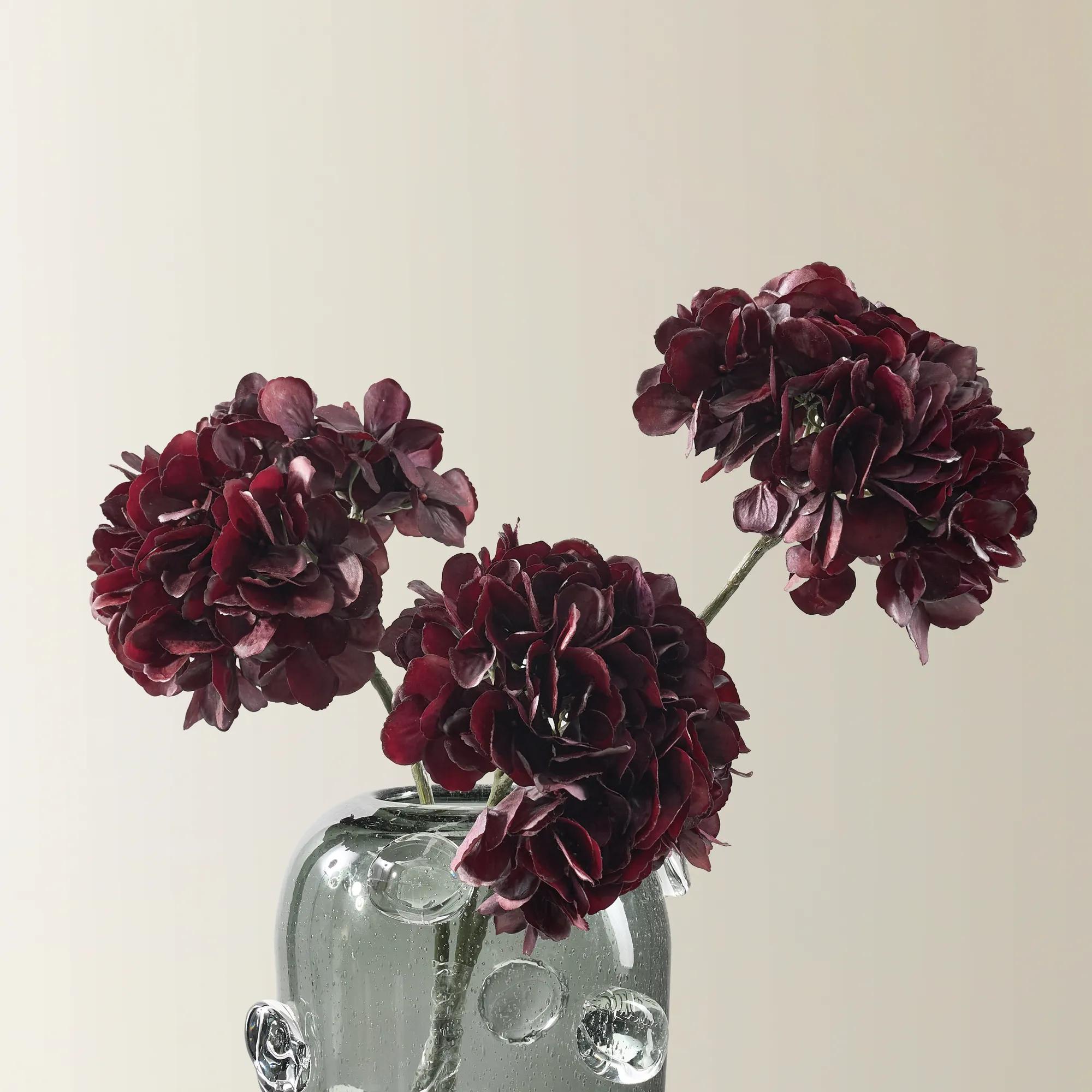 Faux Fig Hydrangea Real Touch Stem 18.5" Set of 3$79
A set of three faux fig-colored hydrangea stems crafted from plastic for lush, seasonal arrangements.
Add To Cart

Artificial Plants For Entryways
Step into a world where first impressions flourish—artificial plants for entryways transform the threshold of your home into a lush, curated vignette. With their sculptural silhouettes and rich, lifelike textures, these botanical accents invite guests into an atmosphere of effortless sophistication. Whether flanking a grand foyer or enlivening a chic corridor, artificial plants for entryways infuse every arrival with a sense of drama and artistry. Evoke the serenity of nature and the allure of high design, all while creating an unforgettable entrance that sets the tone for the beauty beyond.
Artificial plants for entryways bring sculptural greenery to the first space guests see, without watering, pruning, or the need for natural light. Their appeal goes beyond convenience: a graceful sweep of leaves can soften a sharply tailored console, draw attention to an architectural niche, or give an otherwise quiet corner a striking sense of presence. In an entrance with little daylight, faux foliage makes a lush botanical statement possible where living plants may struggle. The most compelling arrangements feel connected to the room rather than simply placed beside the door. Broad leaves introduce bold shapes against pale walls, fine branching adds delicacy beside substantial furniture, and upright greenery gives a narrow entrance height without overwhelming its footprint. A single generous silhouette can look especially polished beside a console with a mirrored or stone surface, allowing the contrast between organic form and refined finish to carry the composition. Smaller arrangements bring similar richness to an entry table, particularly when their leaves sit below a mirror’s central viewing area and leave space for a tray or decorative bowl. Scale deserves as much attention as style. The overall height should complement nearby furniture and artwork, while the full leaf spread—not just the planter’s diameter—needs to fit comfortably within the entrance. A door should open freely, drawers should remain accessible, and foliage should stay clear of the natural route into the home. In a compact apartment, a slim profile tucked beside a cabinet can create a composed arrival without crowding the threshold. In a generous foyer, a fuller arrangement can balance a sweeping staircase or an expansive wall. For entrances with substantial vertical space, artificial trees for foyer decoration offer another way to establish height and botanical drama. Whether the setting is intimate or grand, greenery feels most intentional when its proportions leave the architecture room to breathe.
The character of artificial greenery comes from the relationship between its materials, construction, and finishing details. Depending on the design, faux plants may feature molded plastic foliage, textile leaves, coated stems, or internal wire that allows branches to be positioned. Each construction creates a different effect: molded leaves can emphasize substantial shapes and defined edges, while textile foliage can lend a softer, more delicate profile. Realism often rests in subtler details, including varied leaf sizes, restrained color variation, visible veining, and branches that do not repeat at perfectly even intervals. Slight asymmetry gives an arrangement the relaxed complexity of a living specimen. Matte or gently lustrous surfaces can also appear more convincing than a uniform high gloss, although the best finish depends on the plant being represented. The vessel adds another layer of expression. A textured ceramic planter can bring depth to a sleek entrance, while a gleaming metal finish adds a luminous accent against dark cabinetry or richly colored walls. A sculptural neutral vessel lets expressive foliage command attention; a bolder planter becomes part of the statement itself. When placing a smaller nursery-style pot inside a decorative container, check both the interior dimensions and the stability of the finished arrangement. Any concealed support should hold the inner pot securely rather than leave it perched loosely above the base. Decorative surface coverings can create a more finished appearance, provided they are suitable for the household and kept away from young children or pets that might disturb them. Placement also affects the impression of quality. Greenery viewed closely on a console benefits from carefully finished leaves and stems, while a floor-standing arrangement needs a convincing silhouette from across the room. Against patterned wallpaper, a clean outline can provide welcome definition. Beside an understated wall, more intricate branching can cast layered shadows and introduce movement. Repeating one finish from a nearby mirror, lamp, or cabinet handle helps connect the planter to the entrance without making every detail match.
Artificial plants suit households that want a consistently styled entrance with a lighter care routine, including frequent travelers, apartment dwellers, and anyone furnishing an interior foyer without dependable daylight. They also make a thoughtful housewarming gift when the recipient’s space and decorating preferences are familiar; a restrained tabletop arrangement is often easier to place than a dramatic floor-standing form. Unlike living greenery, artificial foliage does not require soil care or a watering schedule, but it still benefits from occasional attention. Dust can settle along leaf edges and dull the very details that make an arrangement look convincing. A soft, dry microfiber cloth or gentle duster is usually a sensible starting point, with cleaning always guided by the manufacturer’s instructions. Some materials tolerate a lightly damp cloth, while others may stain, lose their finish, or react poorly to moisture. Avoid assuming that every faux plant can be rinsed or treated with the same cleaning solution. Flexible stems may allow careful shaping after unpacking, but branches should be adjusted gradually and only where the construction permits. Spreading foliage into an open, slightly irregular outline often creates a more natural effect than leaving every stem pressed tightly together. For lasting presentation, consider the demands of the location: a busy threshold calls for stable placement, sturdy construction, and leaves that will not brush against coats or bags each time someone passes. Tall arrangements need an appropriately balanced base, and any stabilizing measures should follow the maker’s recommendations. Artificial greenery is not automatically pet-safe or child-safe simply because it is not alive; detachable components and unsecured vessels still warrant thoughtful positioning. Indoor designs should remain indoors unless specifically designated for exterior use, and prolonged direct sunlight may affect some finishes. With suitable materials, considered placement, and gentle care, faux plants can retain their decorative character over time. The result is an entrance with enduring visual richness: expressive foliage, an artful vessel, and a beautifully composed first impression.
FAQs
For entryways and foyers, consider artificial plants that evoke a sense of welcome and sophistication. Topiaries, boxwoods, ferns, and sculptural palms are perennial favorites for their timeless appeal and architectural presence. For a softer touch, cascading ivy or mixed grasses in elegant planters can add movement and lushness to the space.
To create a convincing display, choose artificial plants with natural-looking textures and matte finishes. Pair them with high-quality, weighted containers in ceramic, stone, or metallic finishes. Layering your arrangement with decorative stones or moss at the base and positioning the plant in natural light can further enhance the lifelike effect.
Yes, many artificial plants are designed to transition seamlessly between indoor foyers and covered outdoor entryways. When placing them outdoors, select UV-resistant and weatherproof varieties to maintain their color and integrity over time, especially if exposed to sunlight or changing weather conditions.
Artificial plants for vases and planters offer versatility for seasonal updates. In winter, opt for evergreens or faux branches; as spring arrives, introduce bright florals or fresh greenery. This flexibility allows you to refresh your entryway’s look throughout the year without the need for new arrangements each season.
Artificial flower plants make thoughtful gifts for new homeowners, busy professionals, or anyone who values stylish, maintenance-free decor. They’re especially appreciated by those who love to entertain or want to create a welcoming atmosphere at their front door without the upkeep of live plants.