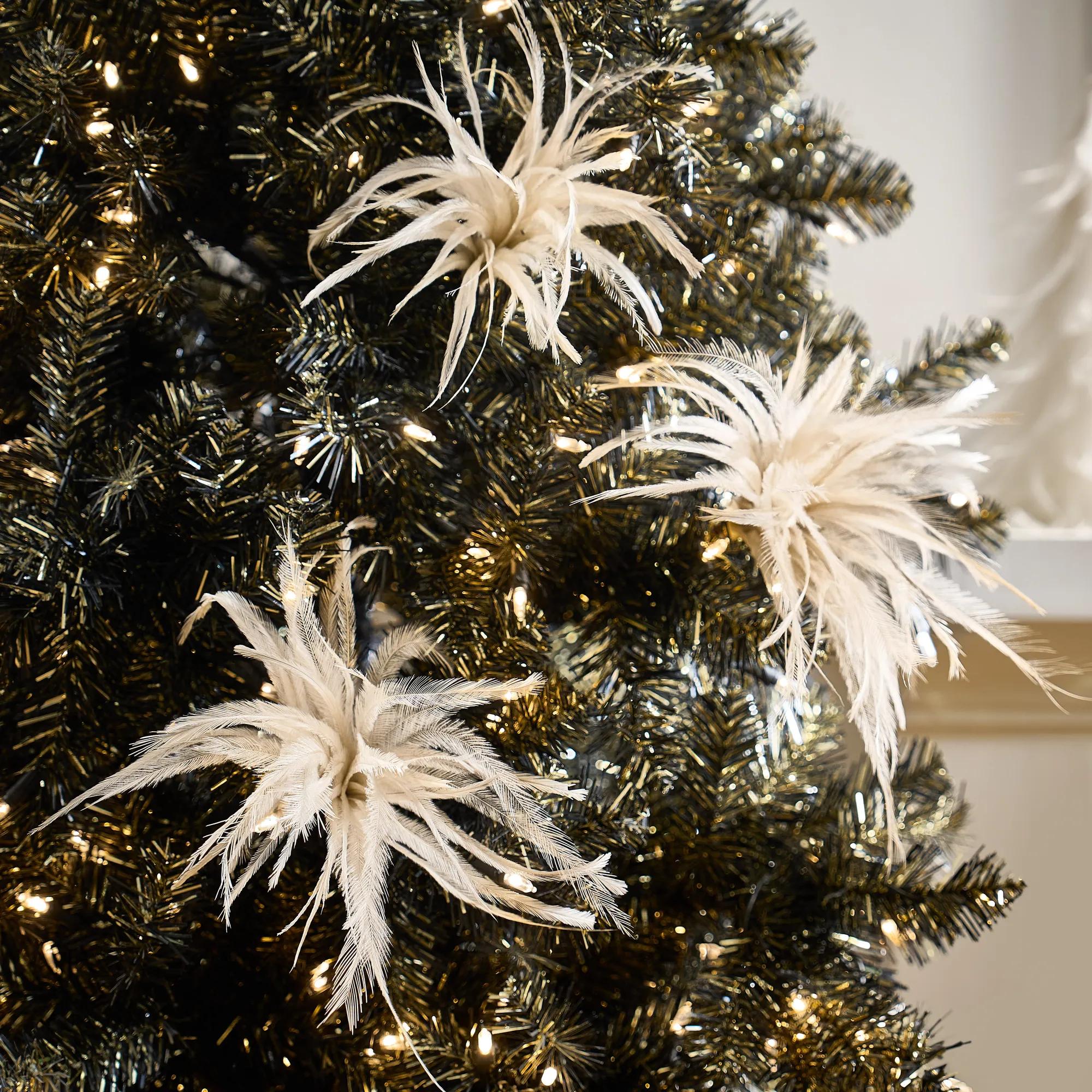
Large Artificial Plants For Open Spaces
Large Artificial Plants For Open Spaces
-
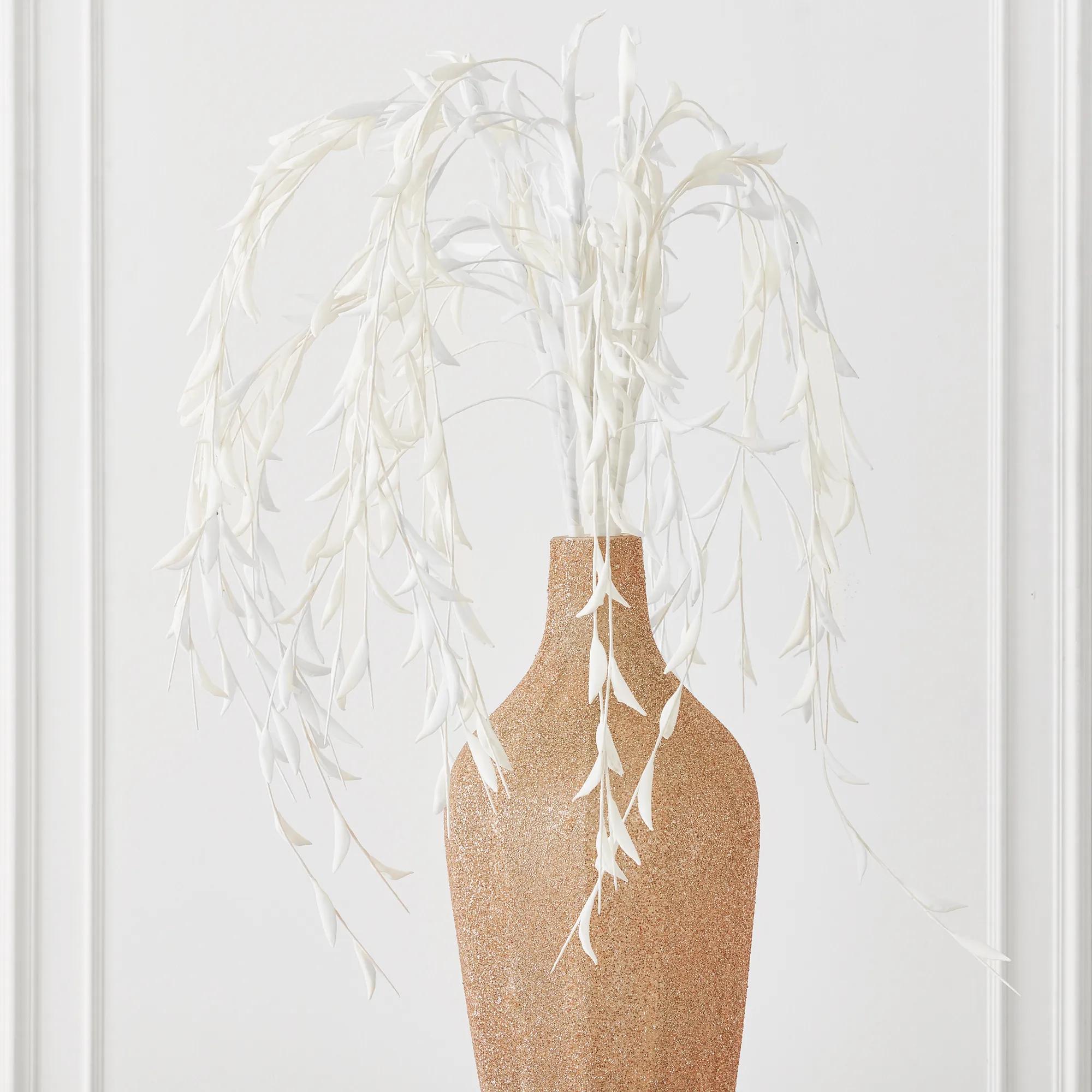 Faux Weeping Willow Spray Set of 3$59
A set of three faux weeping willows with delicate white foam branches for enchanting decor.
Add To Cart -
 Faux White Magnolia Stem 40" Set of 3$79
A set of three lifelike faux magnolia stems in creamy white polyester for timeless floral elegance.
Add To Cart -
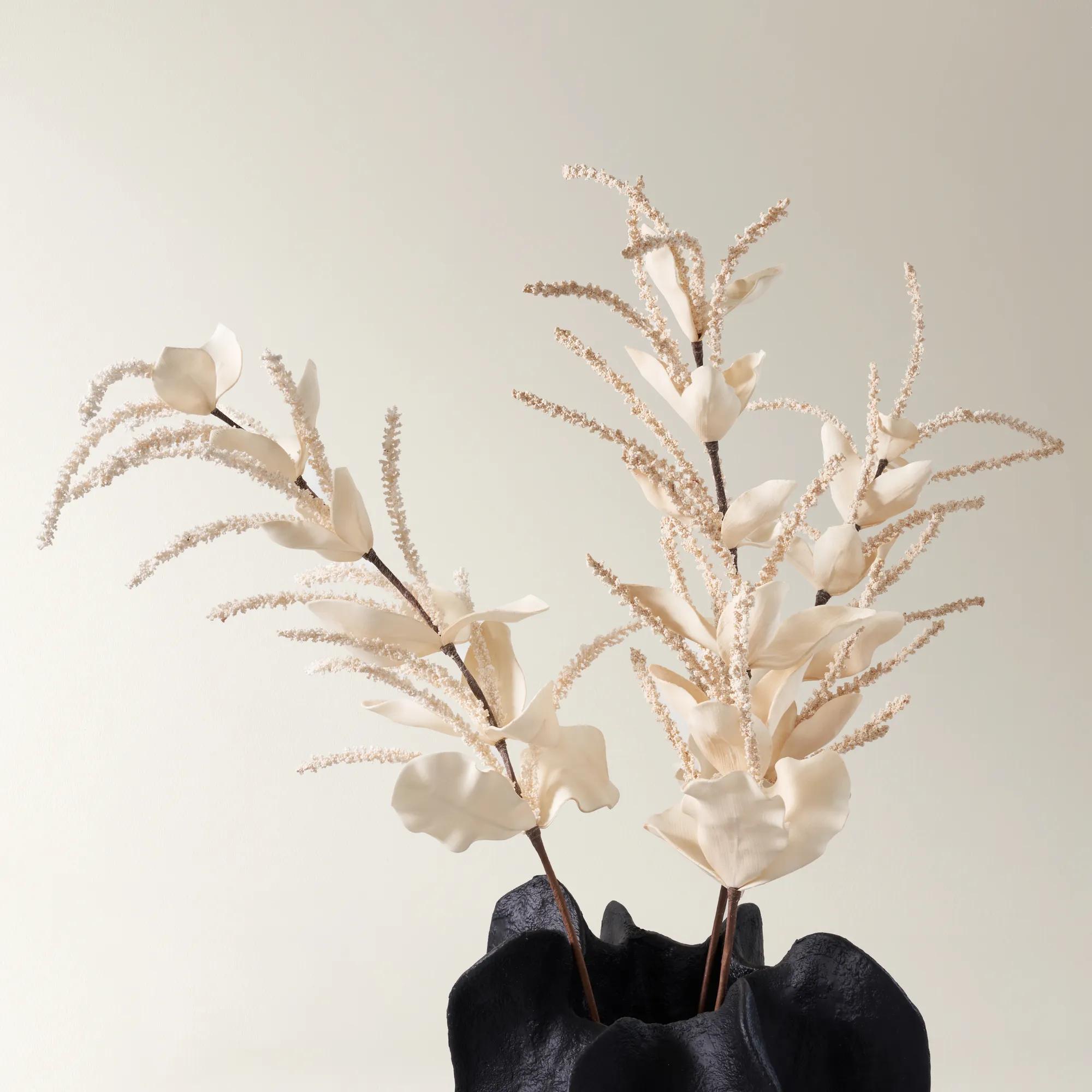 Faux Cream Weeping Spray 50" Set of 3$59
A set of three lifelike sprays in earthy beige and brown tones for a natural, elegant accent.
Add To Cart -
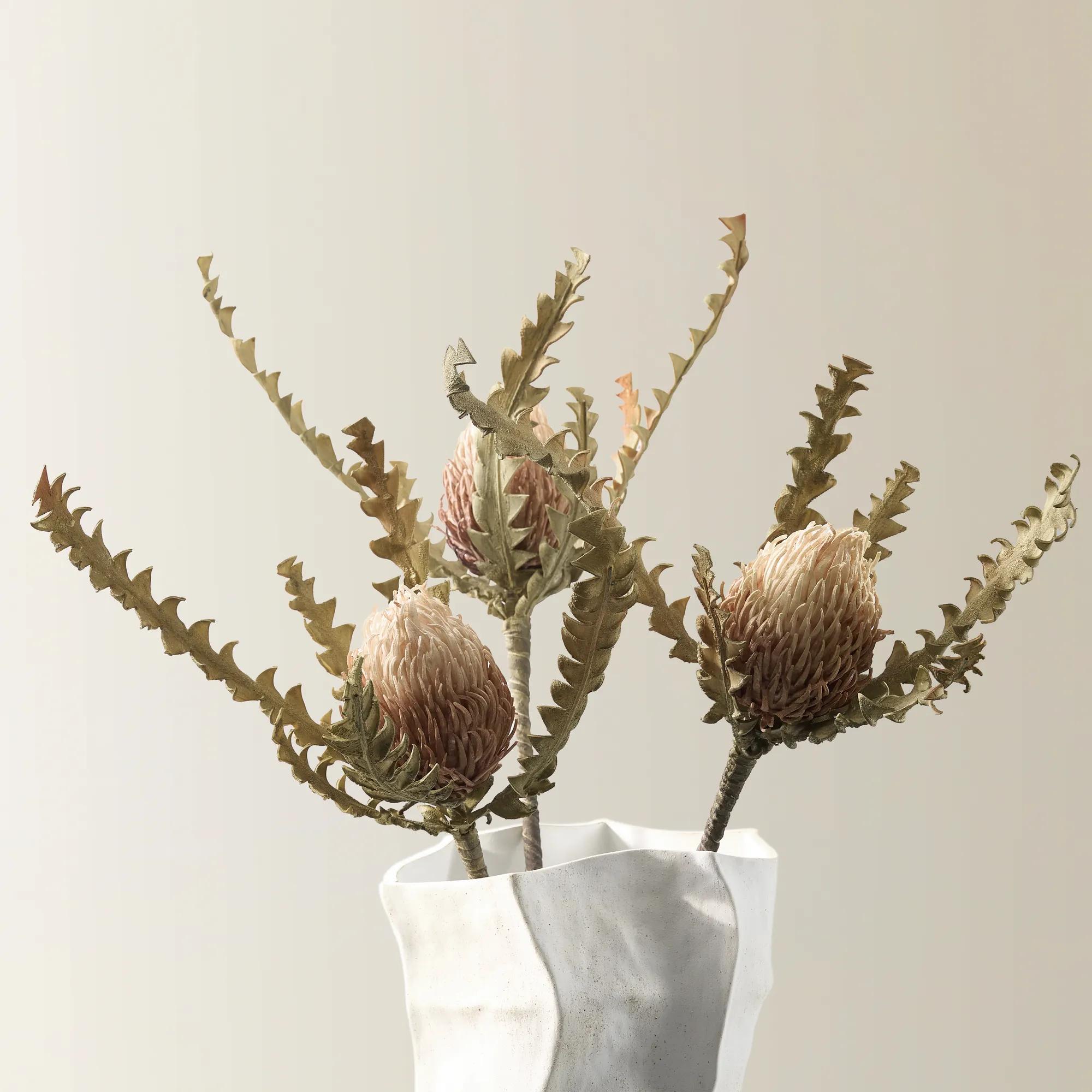 Faux Yellow Banksia Stem 32.75" Set of 3$49
A set of three sculptural faux banksia stems in yellow and green plastic for bold, artful arrangements.
Add To Cart -
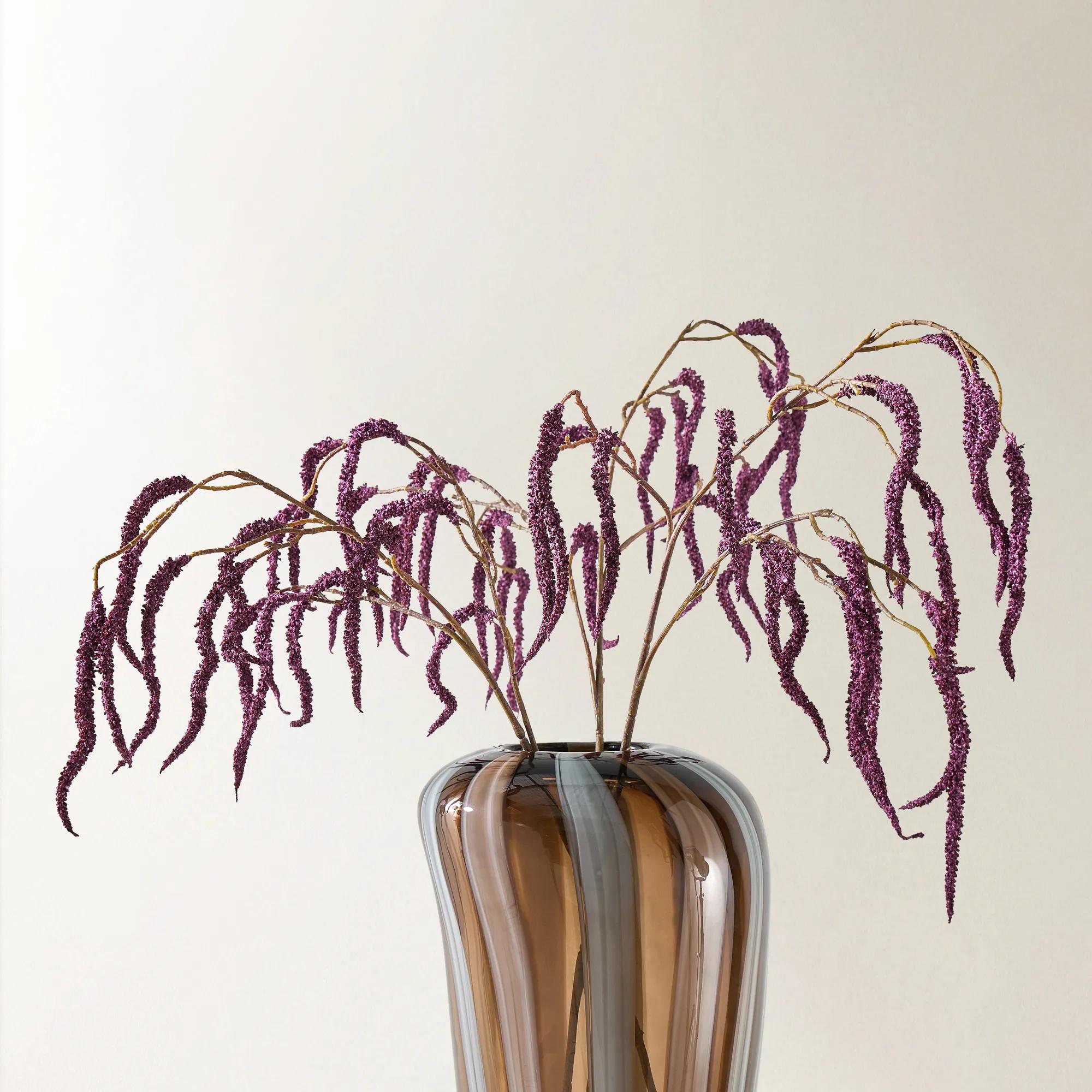
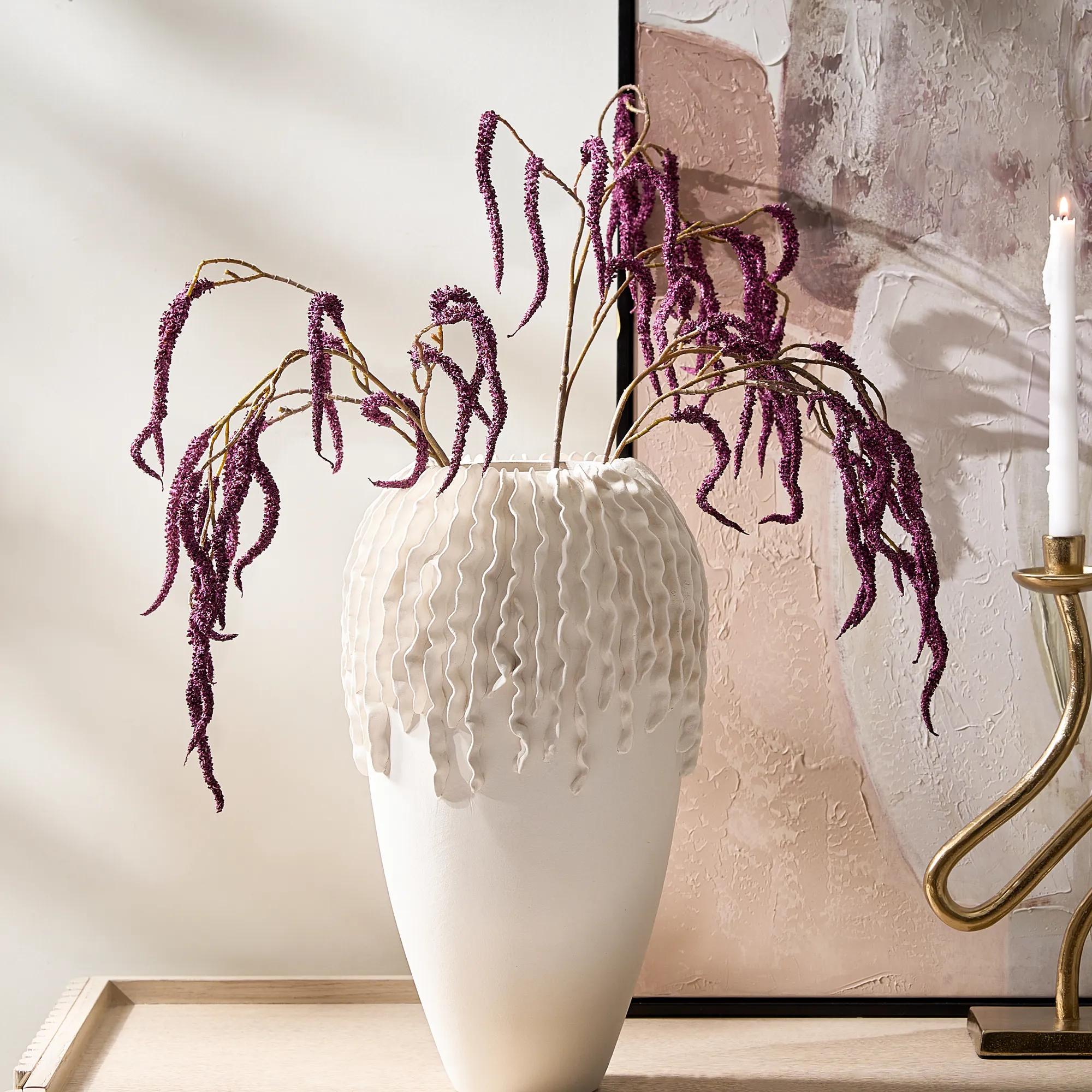 Faux Dark Amethyst Amaranthus Stem 30" Set of 3$39
A set of three faux amaranthus stems in dark amethyst plastic, featuring cascading botanical texture.
Add To Cart -
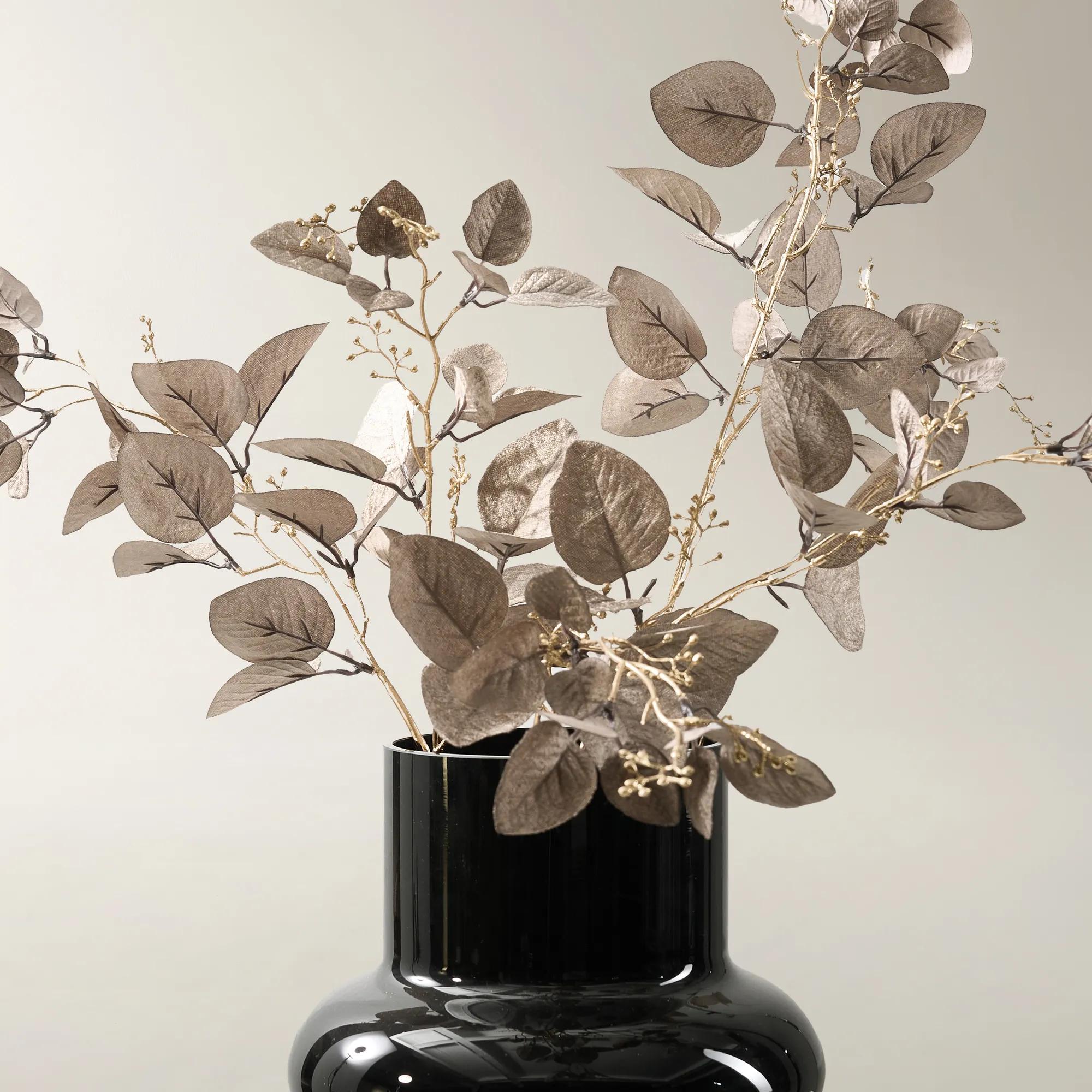 Faux Champagne Shimmer Eucalyptus Spray 32" Set of 3$49
A set of three antique champagne faux eucalyptus sprays adds metallic warmth and airy texture to arrangements.
Add To Cart -
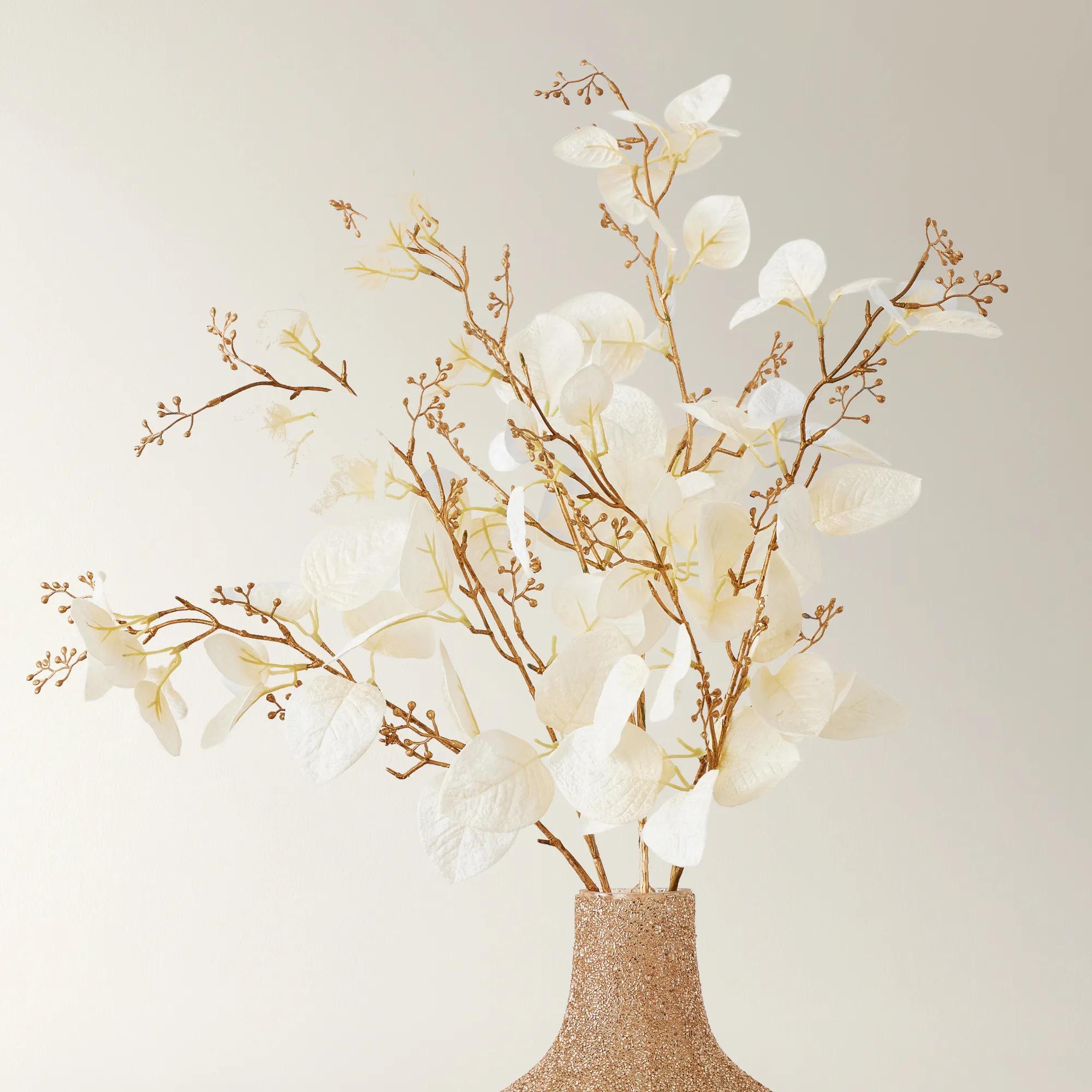 Faux Ivory/Gold Eucalyptus Spray 32" Set of 3$49
A trio of ivory-and-gold polyester eucalyptus sprays adds luminous, dimensional texture to botanical arrangements.
Add To Cart -
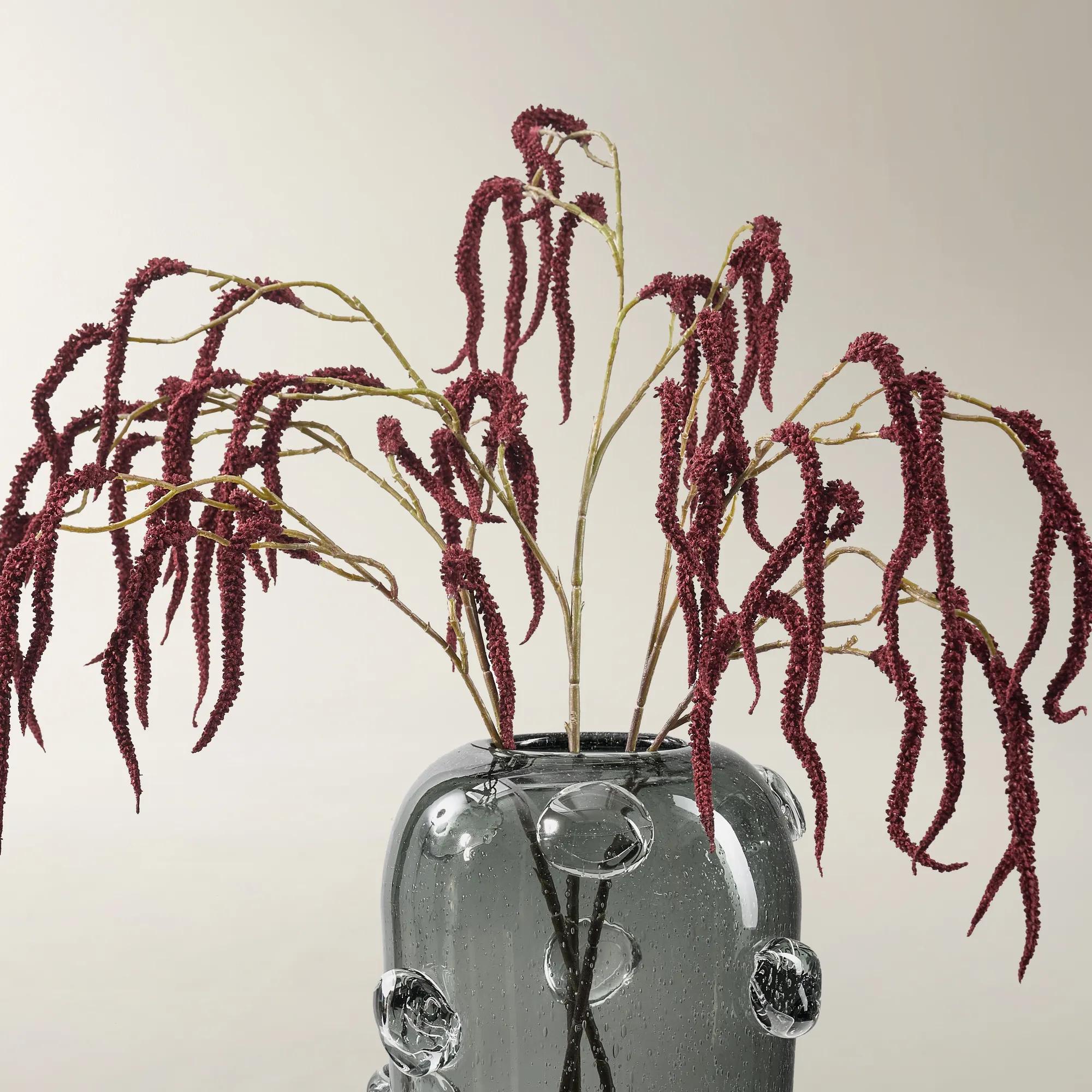
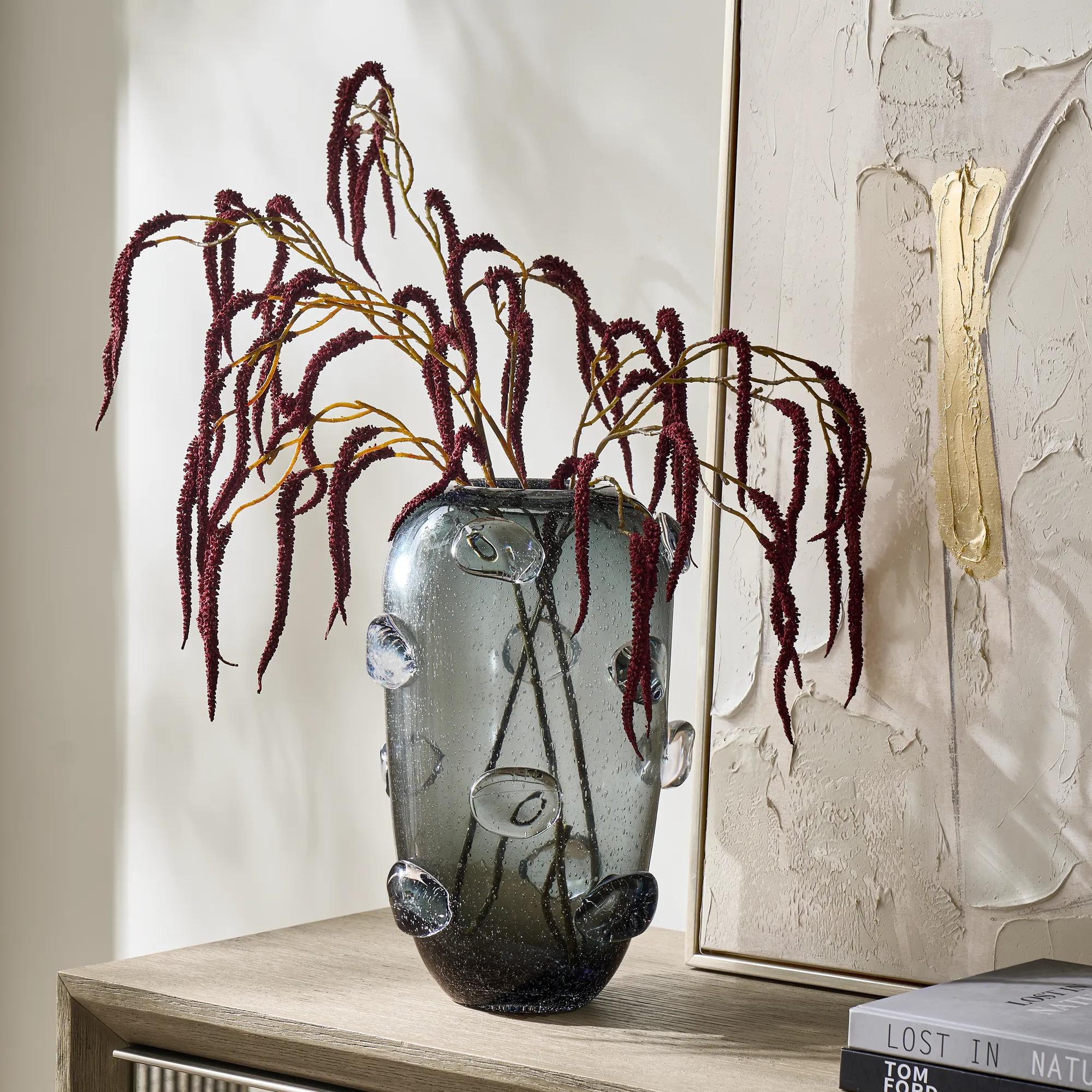 Faux Burgundy Amaranthus Stem 30" Set of 3$39
A set of three cascading faux stems in rich burgundy plastic adds dramatic texture to arrangements.
Add To Cart -
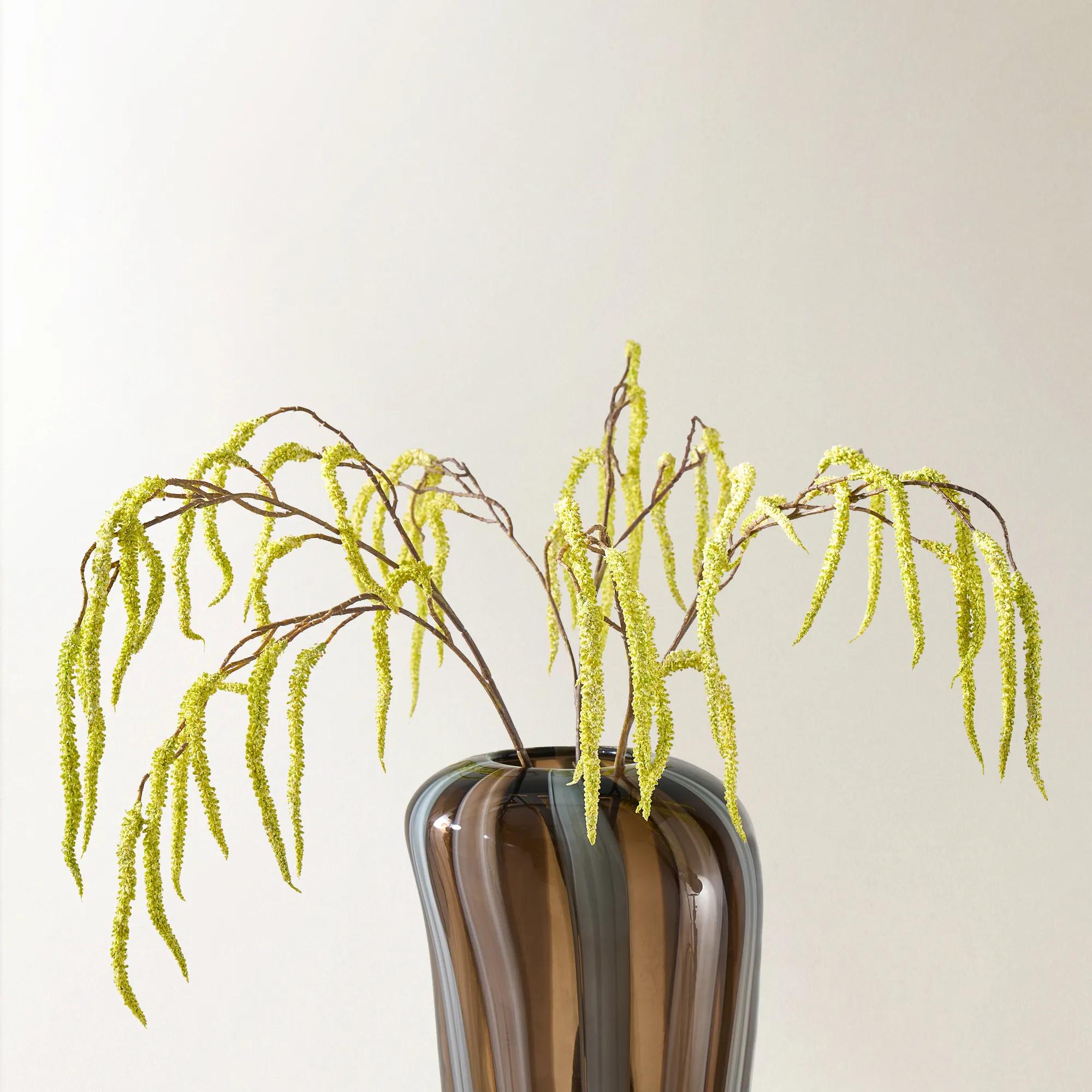
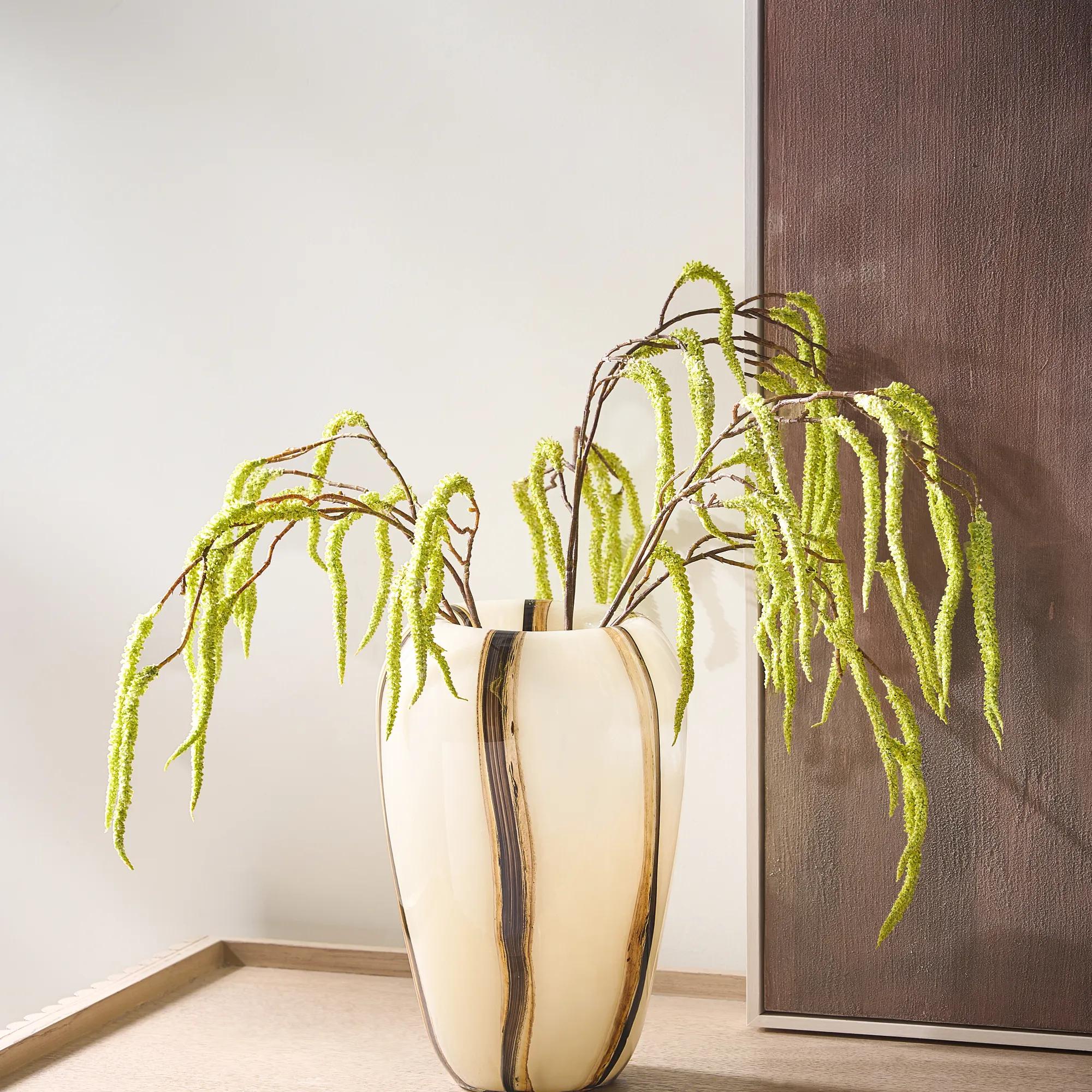 Faux Citron Yellow Amaranthus Stem 30" Set of 3$39
A faux floral stem set in citron yellow plastic with cascading form for layered arrangements.
Add To Cart -
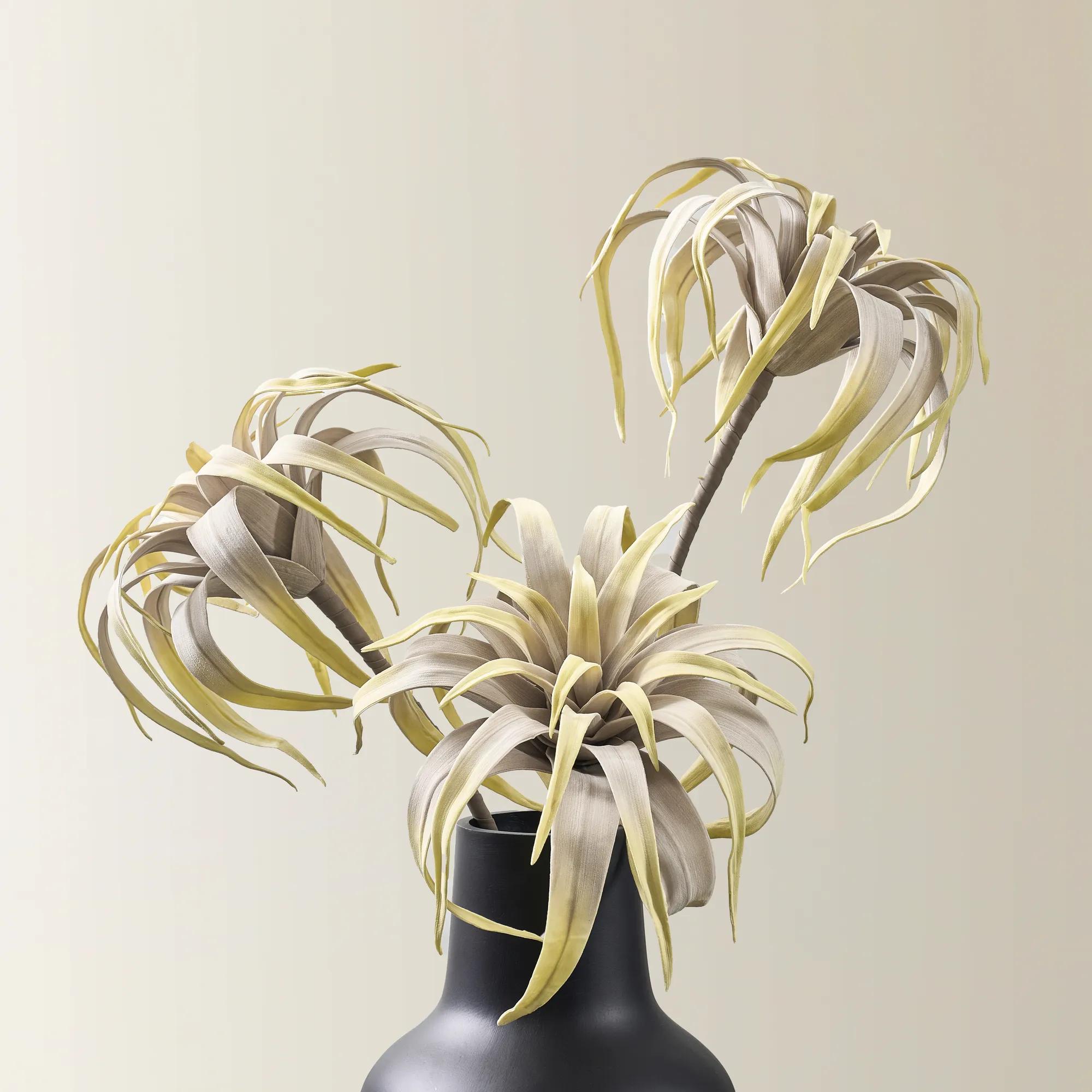 Faux Dusty Blush Large Airplant Stem 35.5" Set of 3$49
A set of three sculptural faux airplant stems in soft dusty blush foam for modern decorative arrangements.
Add To Cart -
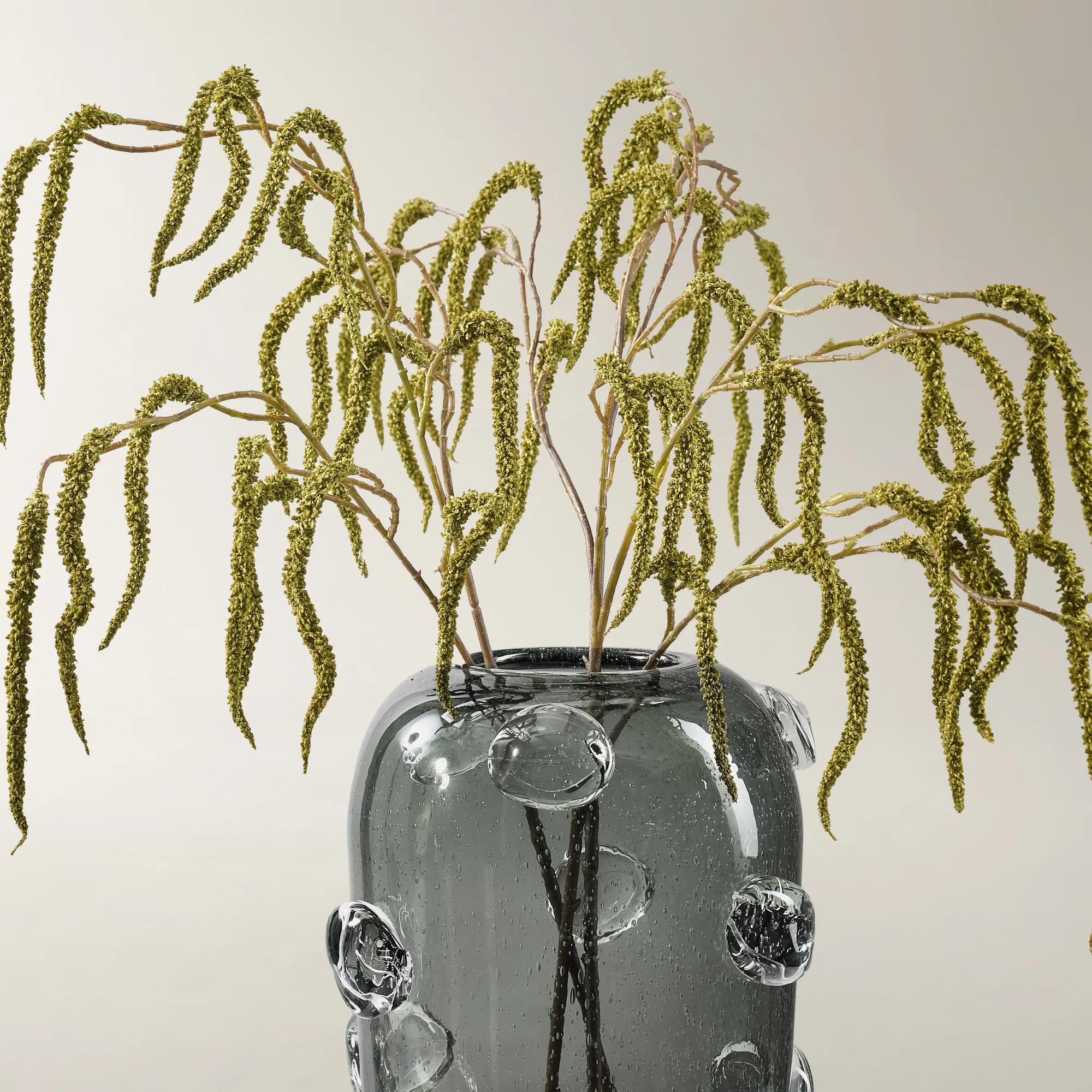 Faux Citron Green Amaranthus Stem 30" Set of 3$39
A set of three cascading faux amaranthus stems in vibrant citron green plastic for lush arrangements.
Add To Cart -
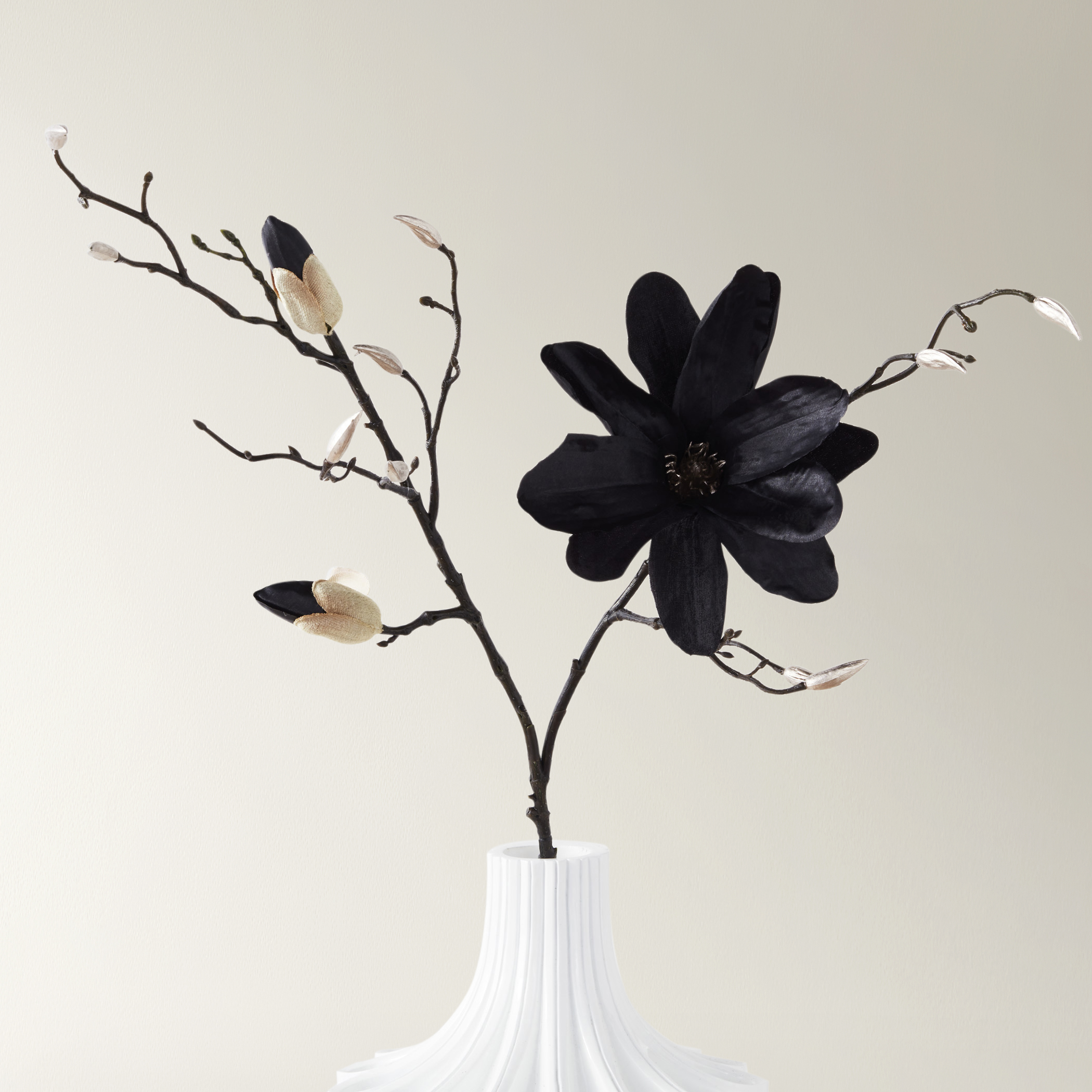 Faux Black & Gold Magnolia Stem 33" Set of 3$59
A set of three lifelike black polyester magnolia sprays that add dramatic height to any decor.
Add To Cart -

 Icicle Sequin Willow Stem 70" Set of 3$79
A set of three clear and white willow stems with sequins for shimmering, dramatic holiday arrangements.
Add To Cart -
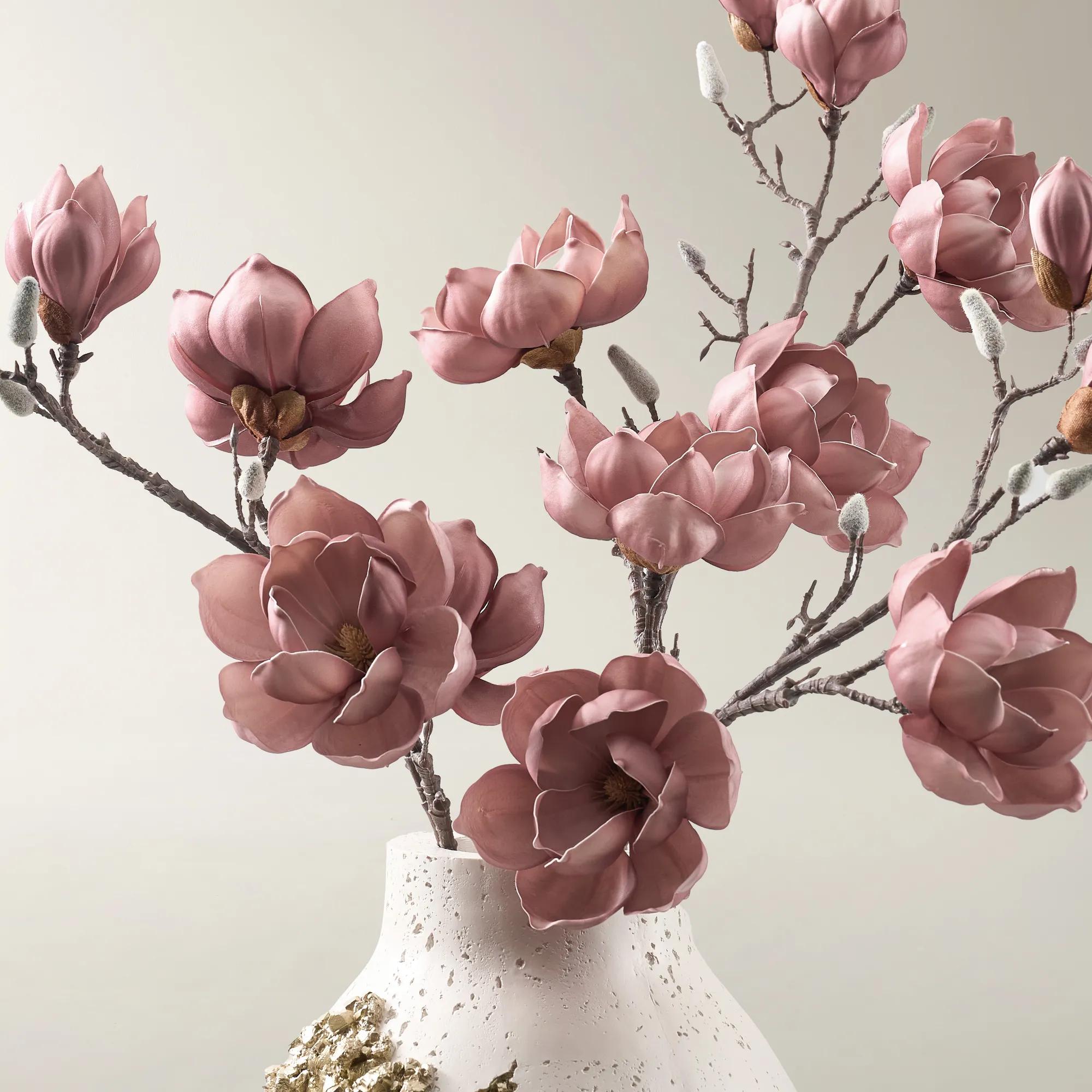 Faux Pearlized Antique Mauve Magnolia Stem 40" Set of 3$79
A set of three pearlized antique mauve magnolia stems crafted from polyester for elegant seasonal arrangements.
Add To Cart -

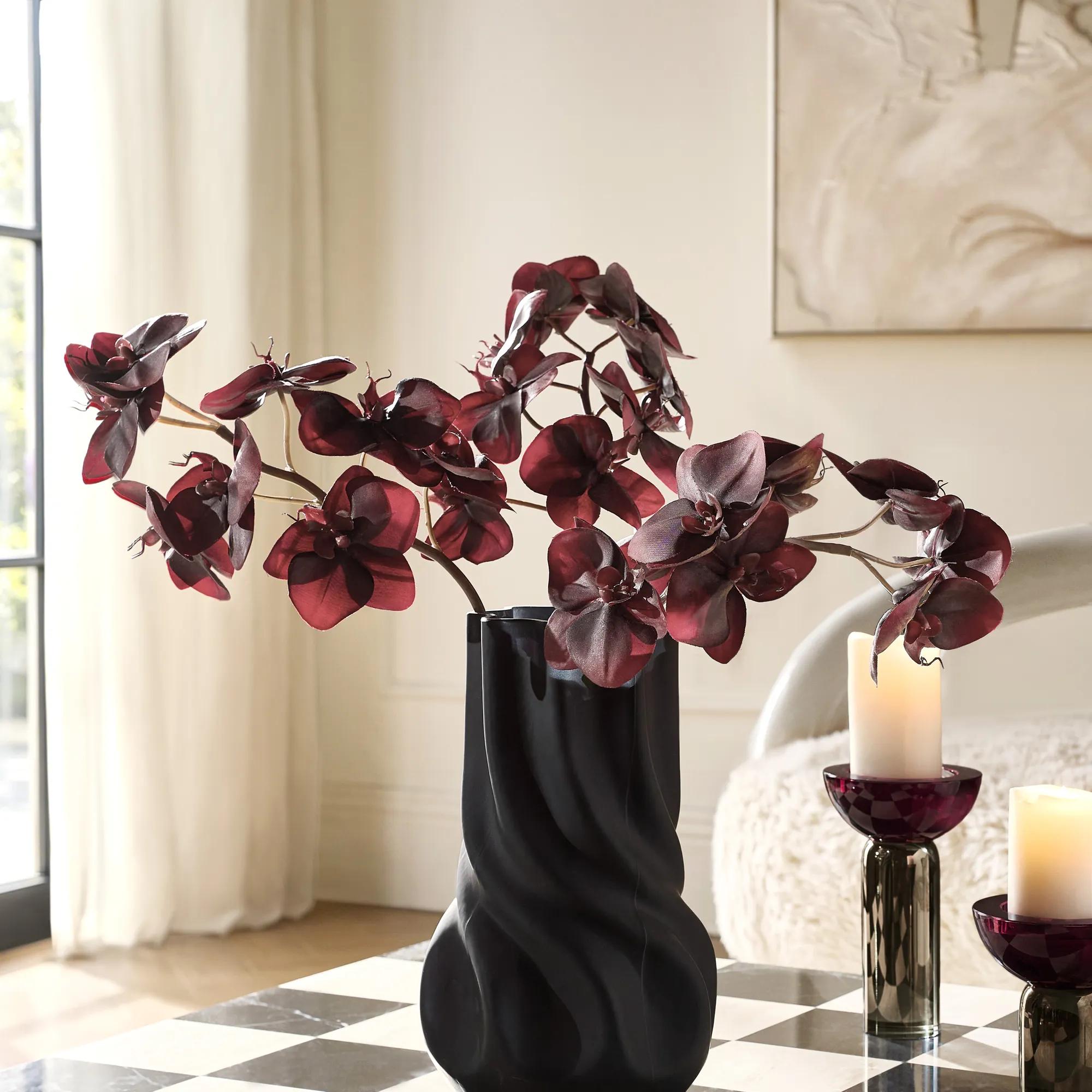 Faux Burgundy Phalaenopsis Real Touch Stem 37" Set of 3$79
A set of three faux burgundy phalaenopsis stems crafted from plastic for dramatic, elegant floral displays.
Add To Cart -
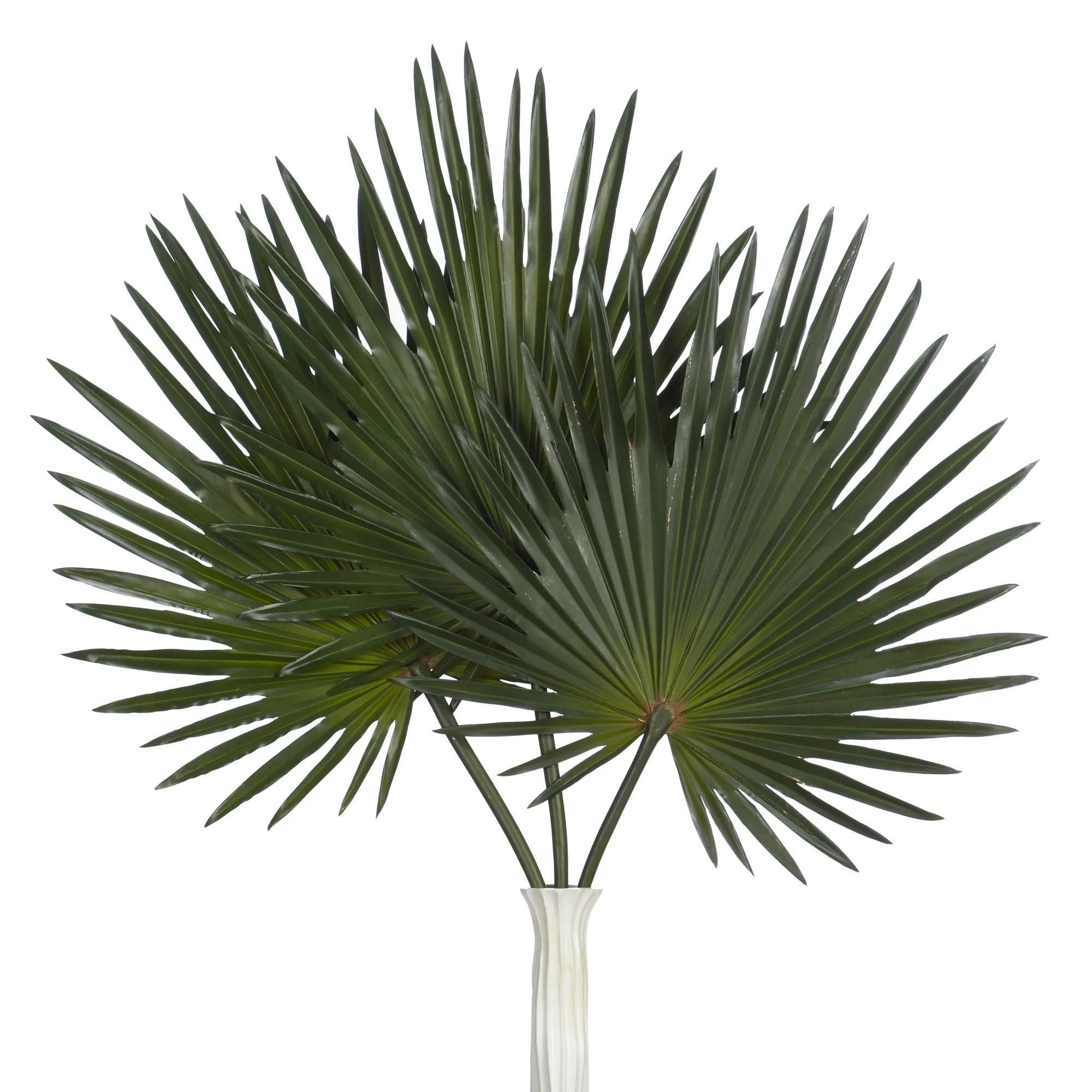
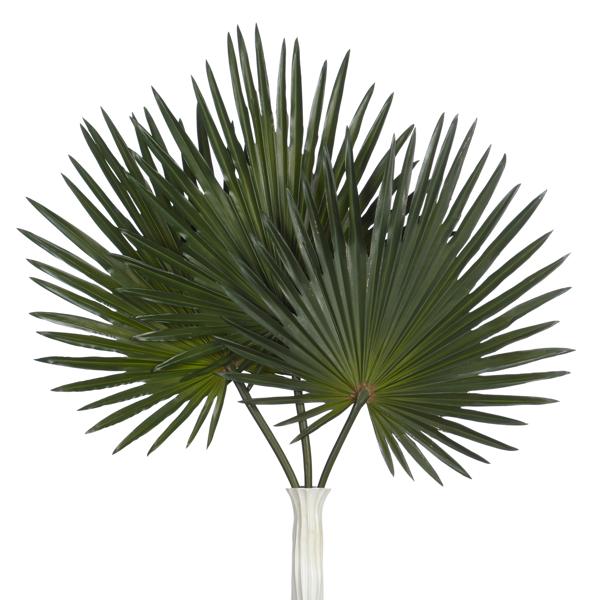 Faux Green Palm Stem 40" Set of 3$69
A set of three green polymer palm stems with flexible wire for easy, artistic arranging.
Add To Cart -
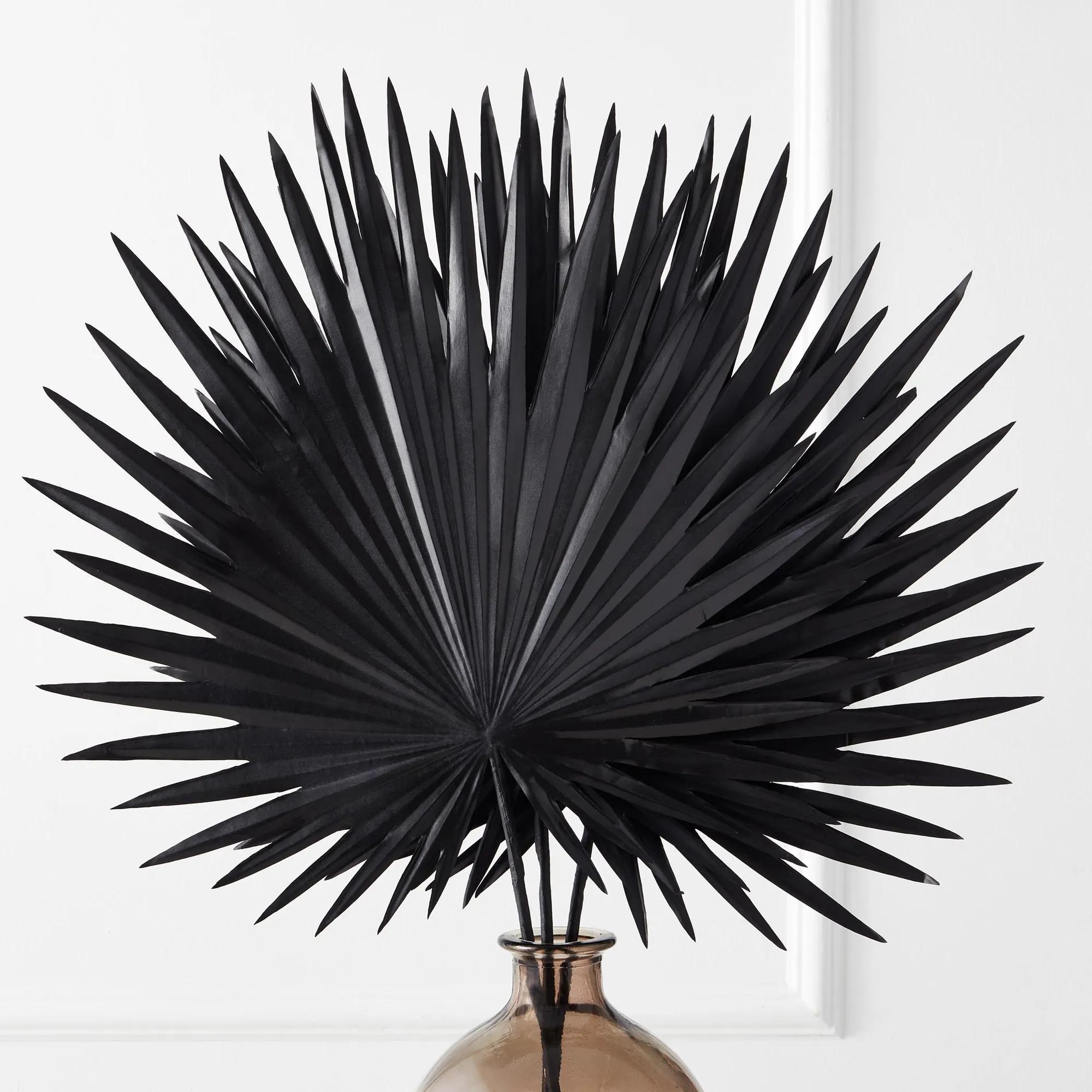
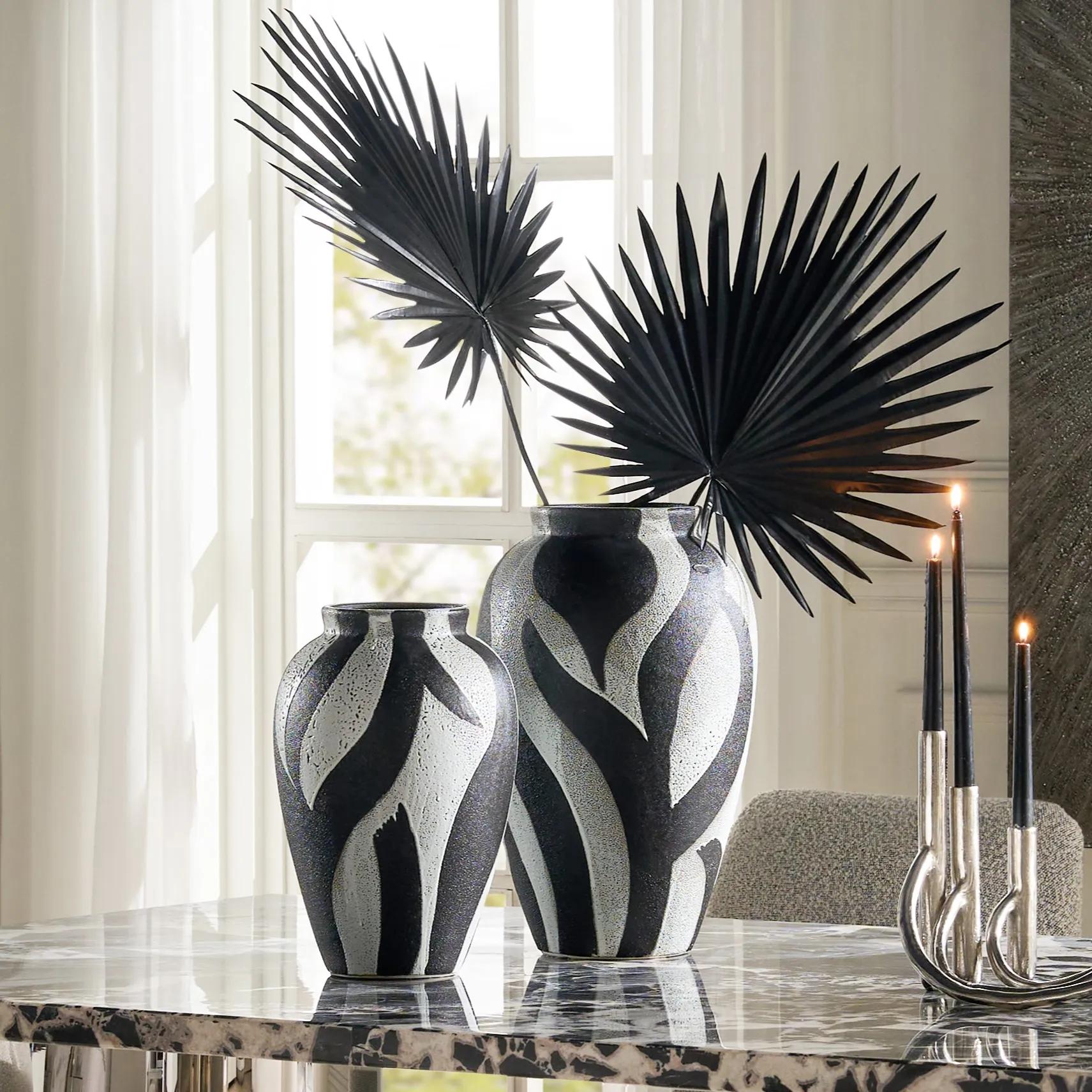 Faux Black Palm Stem 40" Set of 3$69
A set of three black faux palm stems with flexible wire for easy, artistic arranging.
Add To Cart -
 Faux Protea Cream Stem 33" Set of 3$49
A set of three lifelike cream faux protea stems crafted from foam, plastic, and iron wire.
Add To Cart -
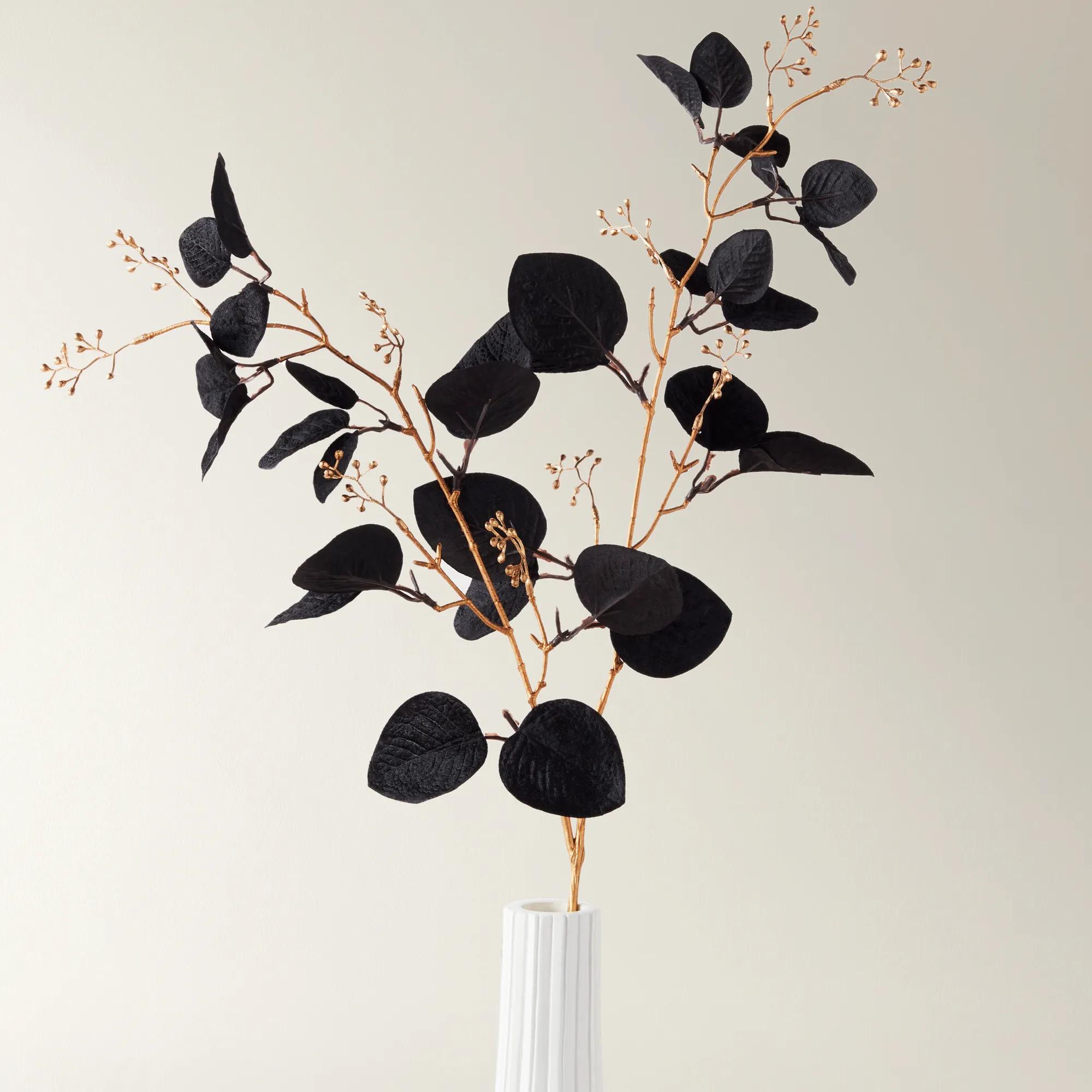
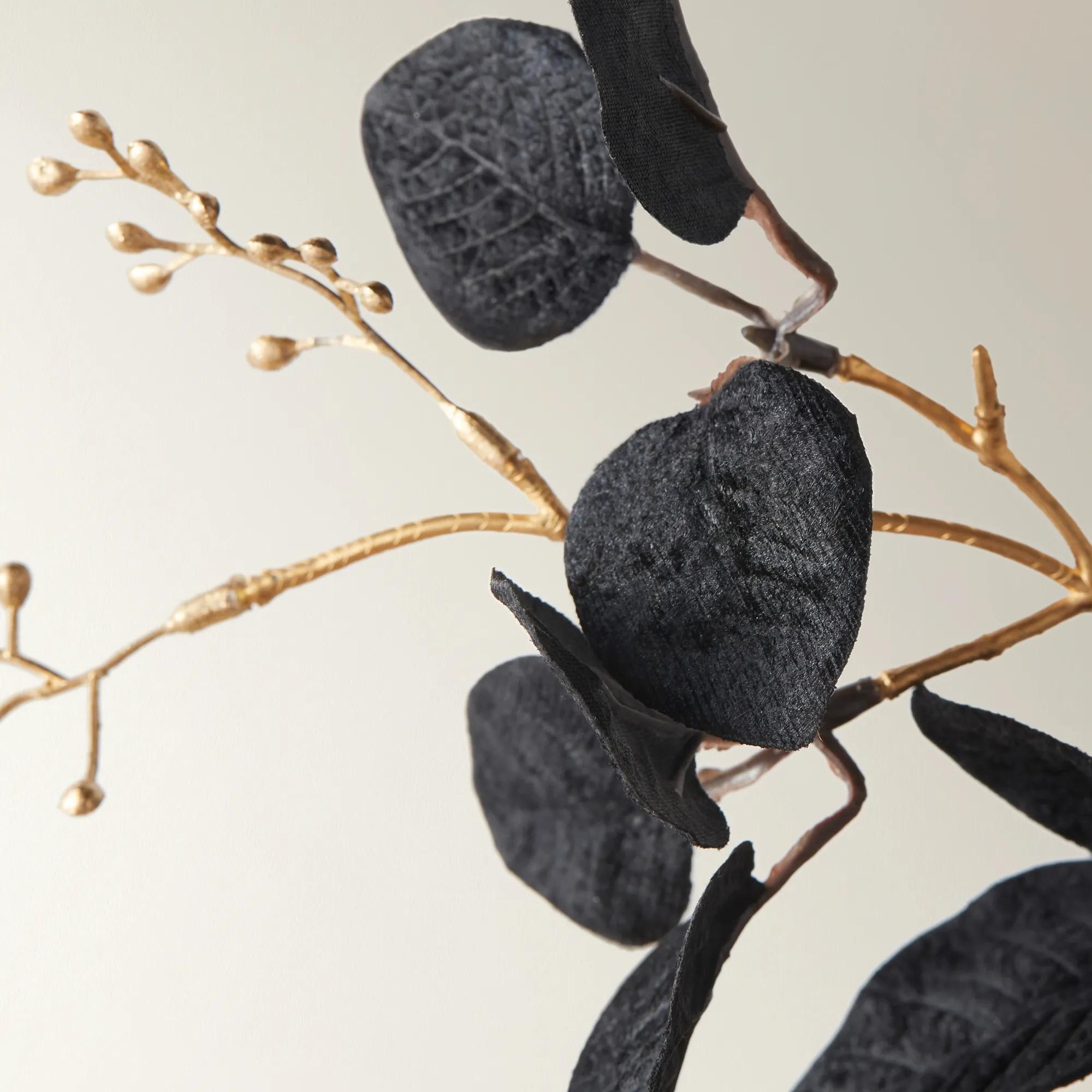 Faux Black/Gold Eucalyptus Spray 32" Set of 3$49
A set of three black-and-gold faux eucalyptus sprays crafted from durable plastic for sculptural seasonal arrangements.
Add To Cart -
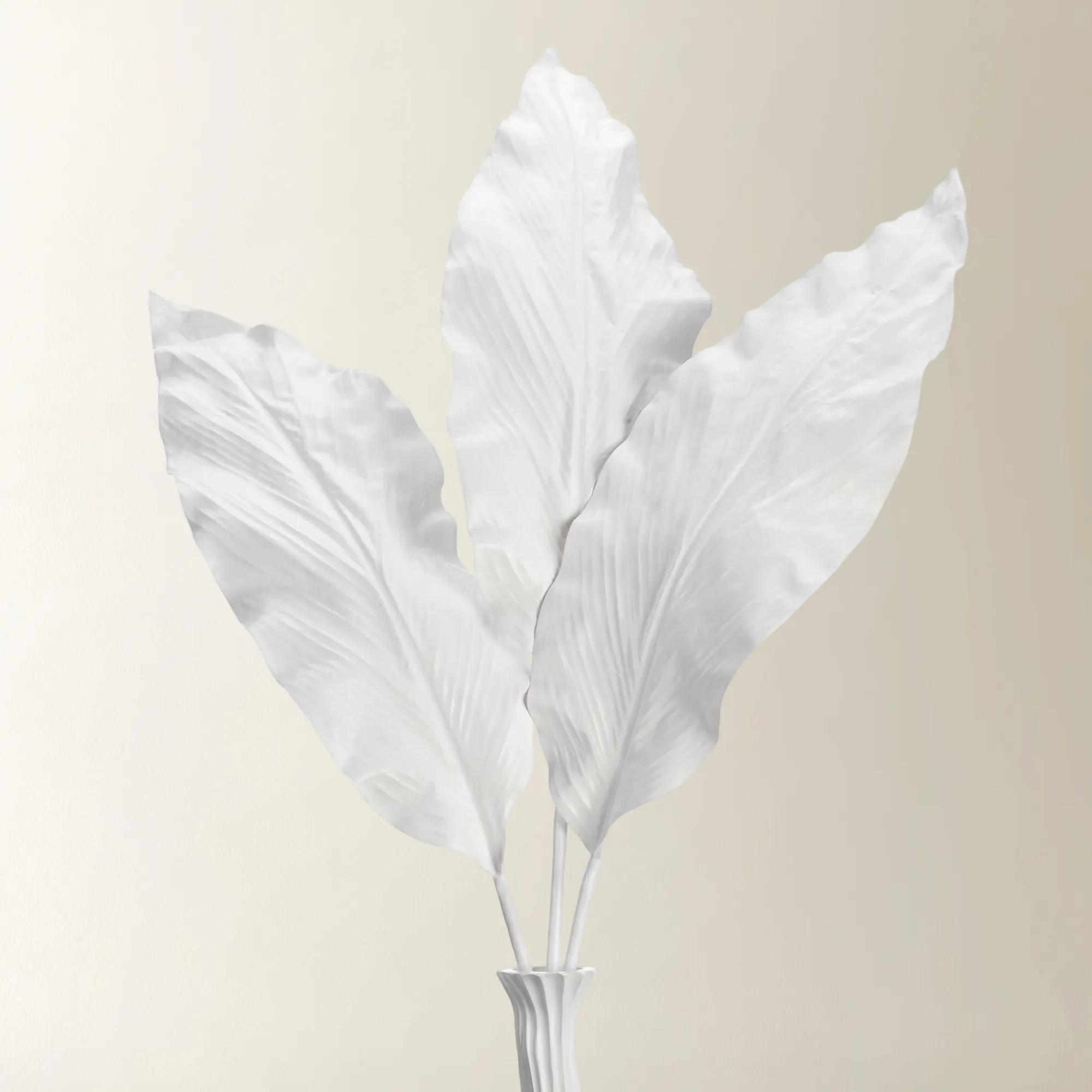
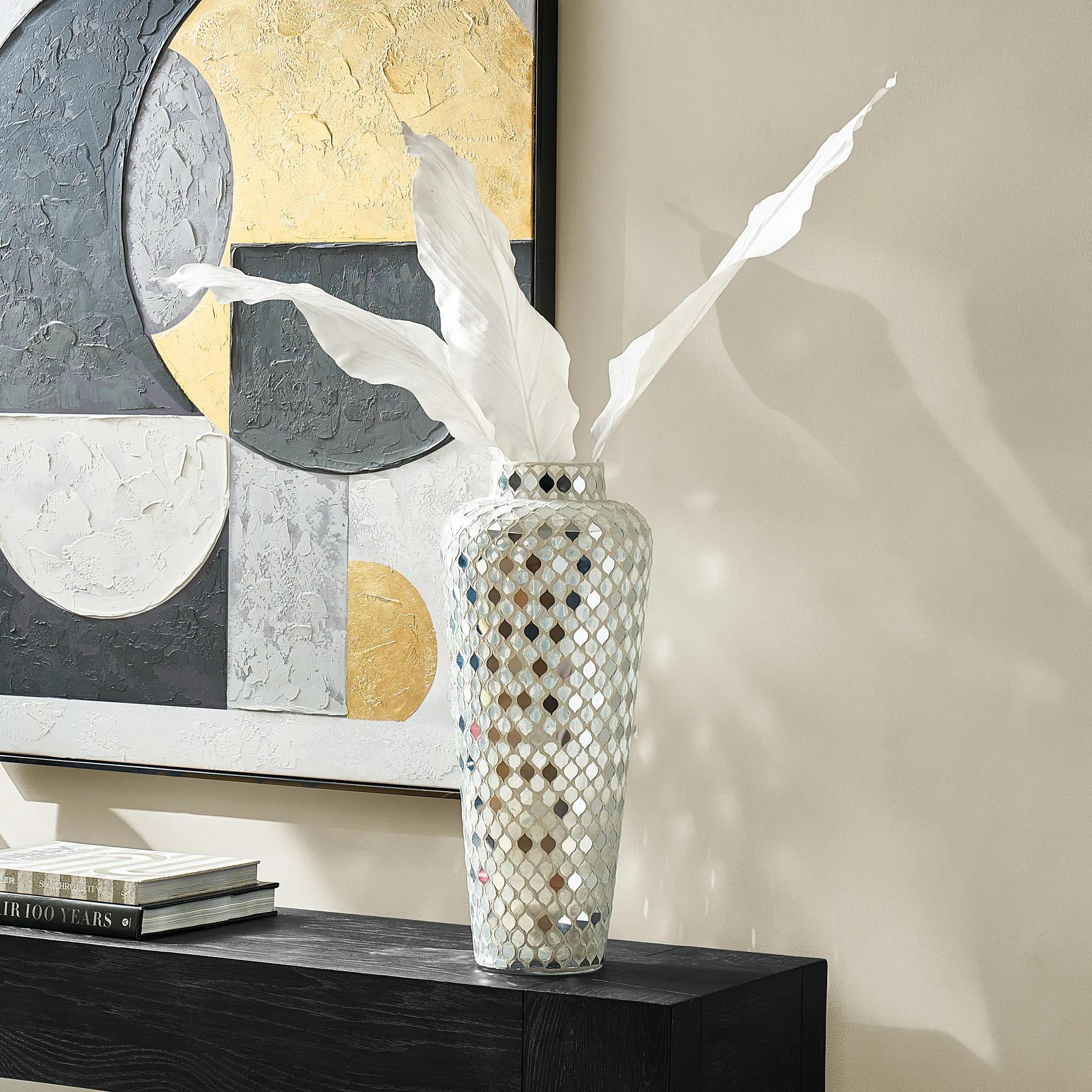 Faux White Canna Leaf Branch 38" Set of 3$49
A set of three white decorative branches inspired by the elegant foliage of the Canna plant.
Add To Cart -

 Faux Amethyst Allium Bulb Stem 40" Set of 3$69
A trio of faux amethyst allium stems adding sculptural botanical elegance to modern arrangements.
Add To Cart -
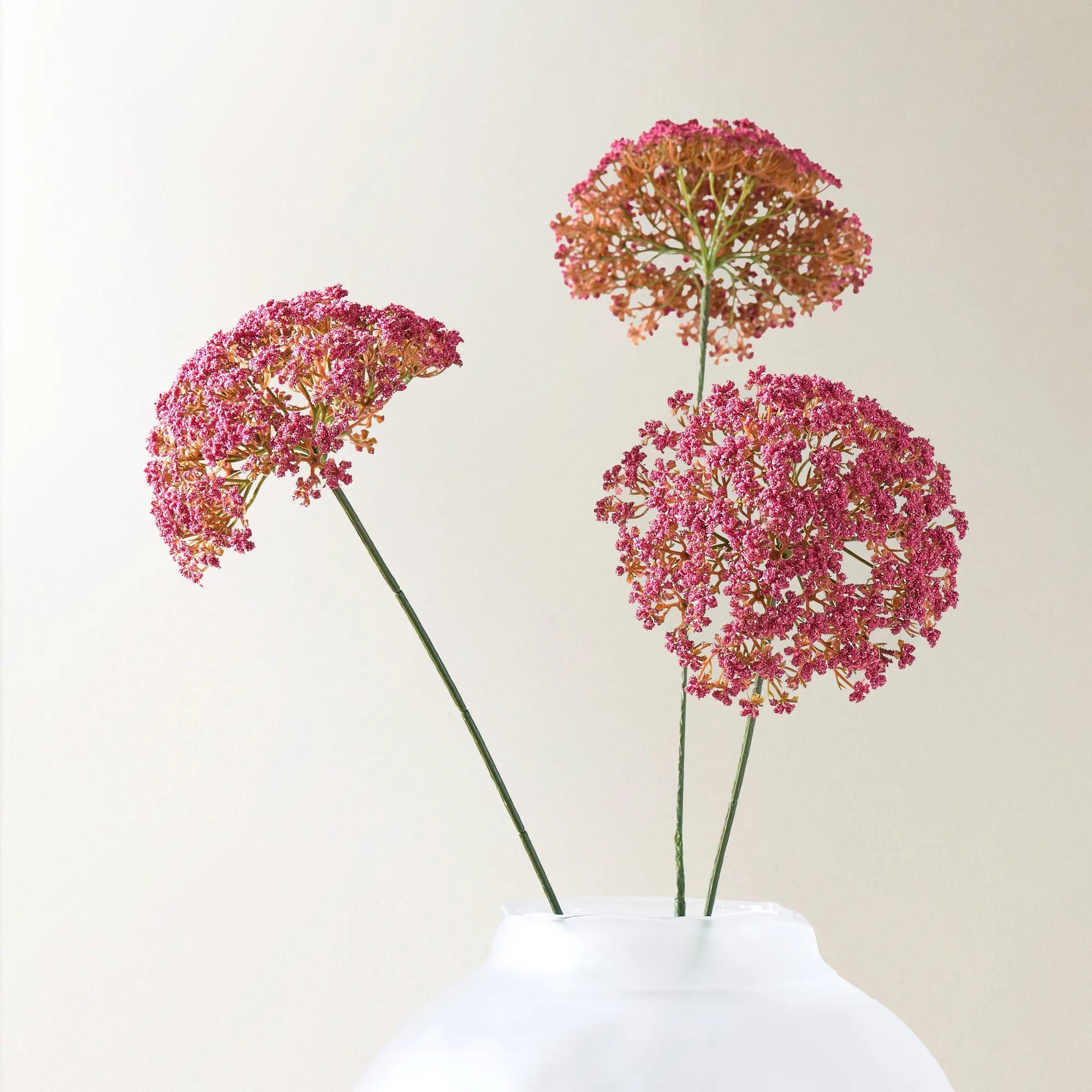
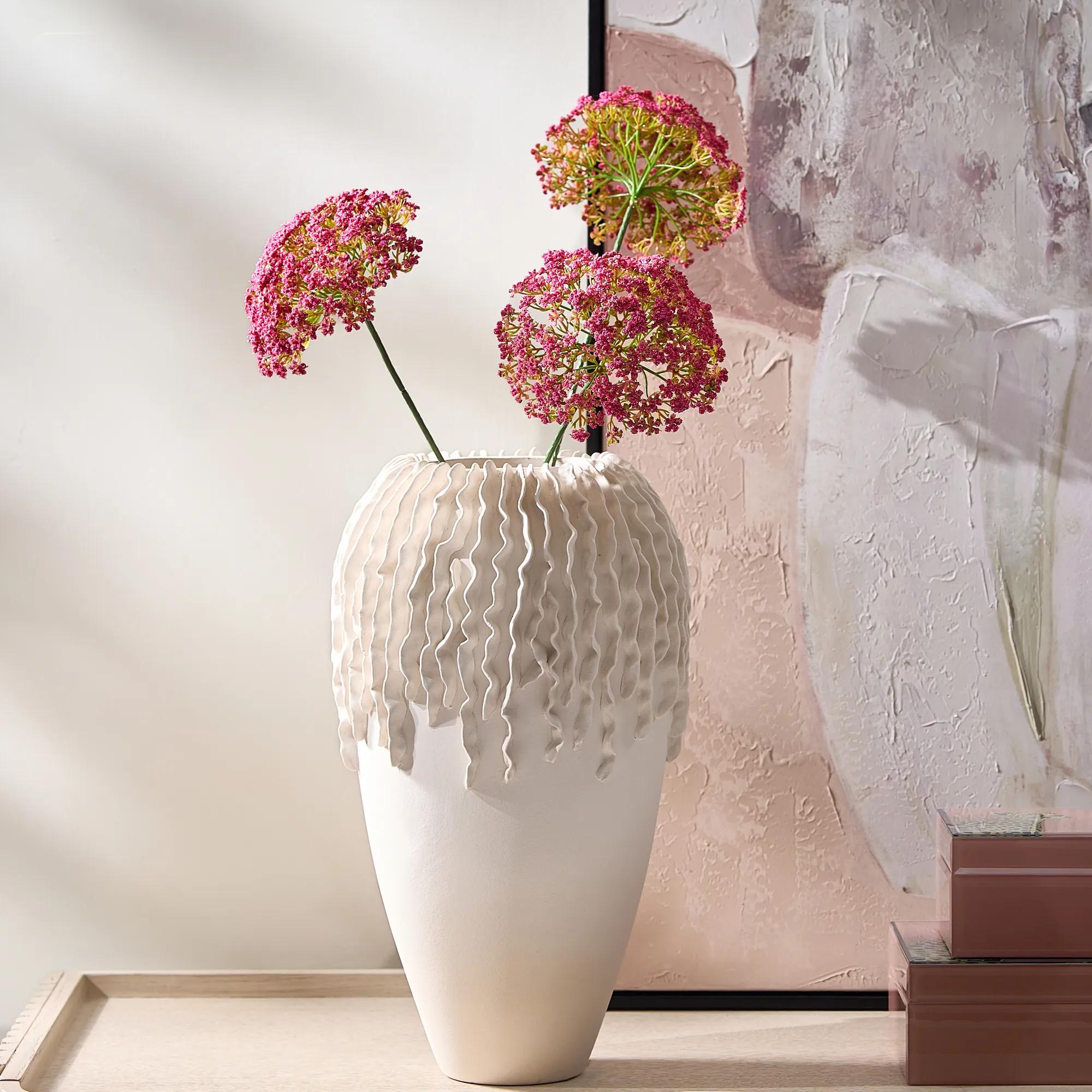 Faux Berry Pink Heracleum Stem 29" Set of 3$49
A trio of pink faux Heracleum stems adds sculptural texture and lasting botanical style to interiors.
Add To Cart -
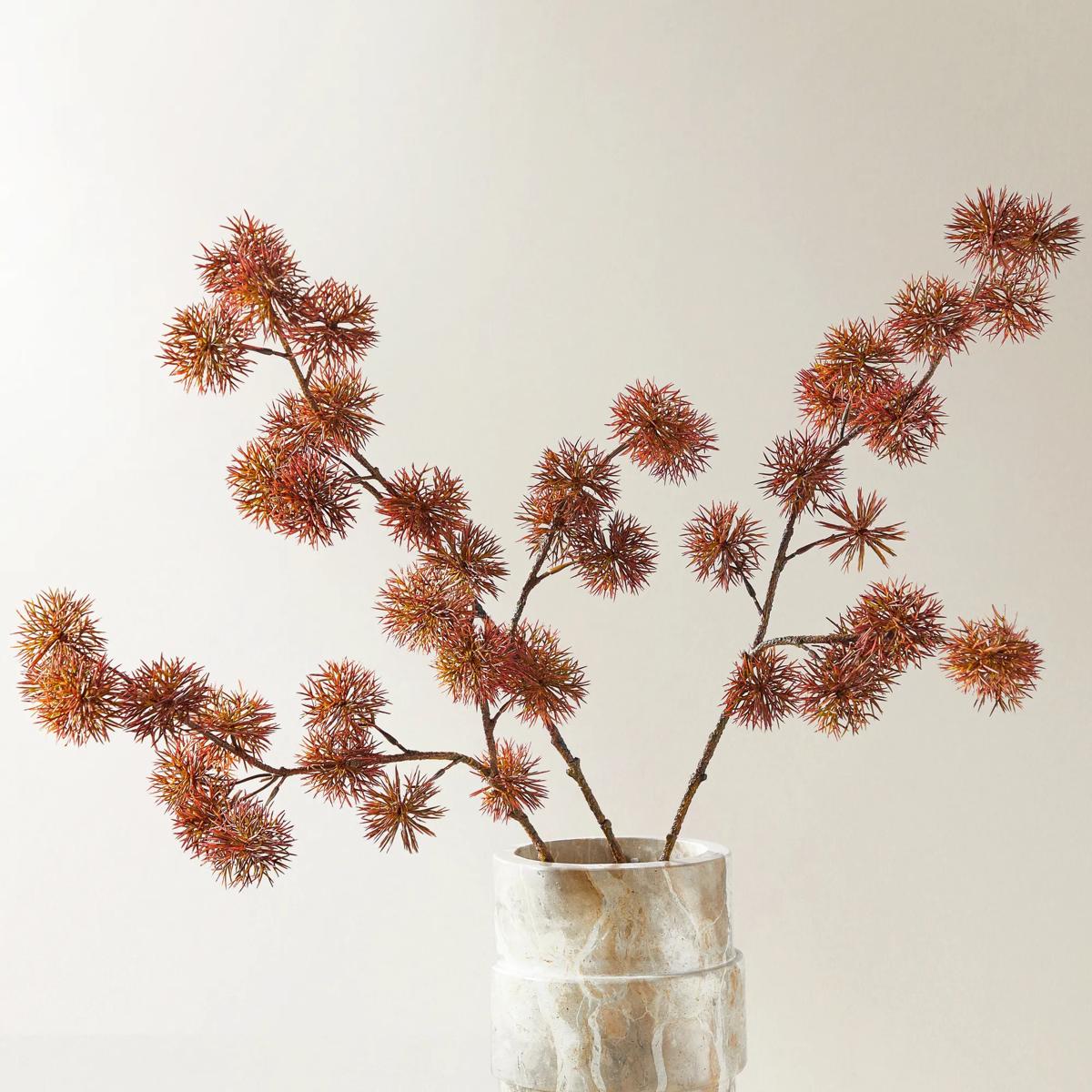
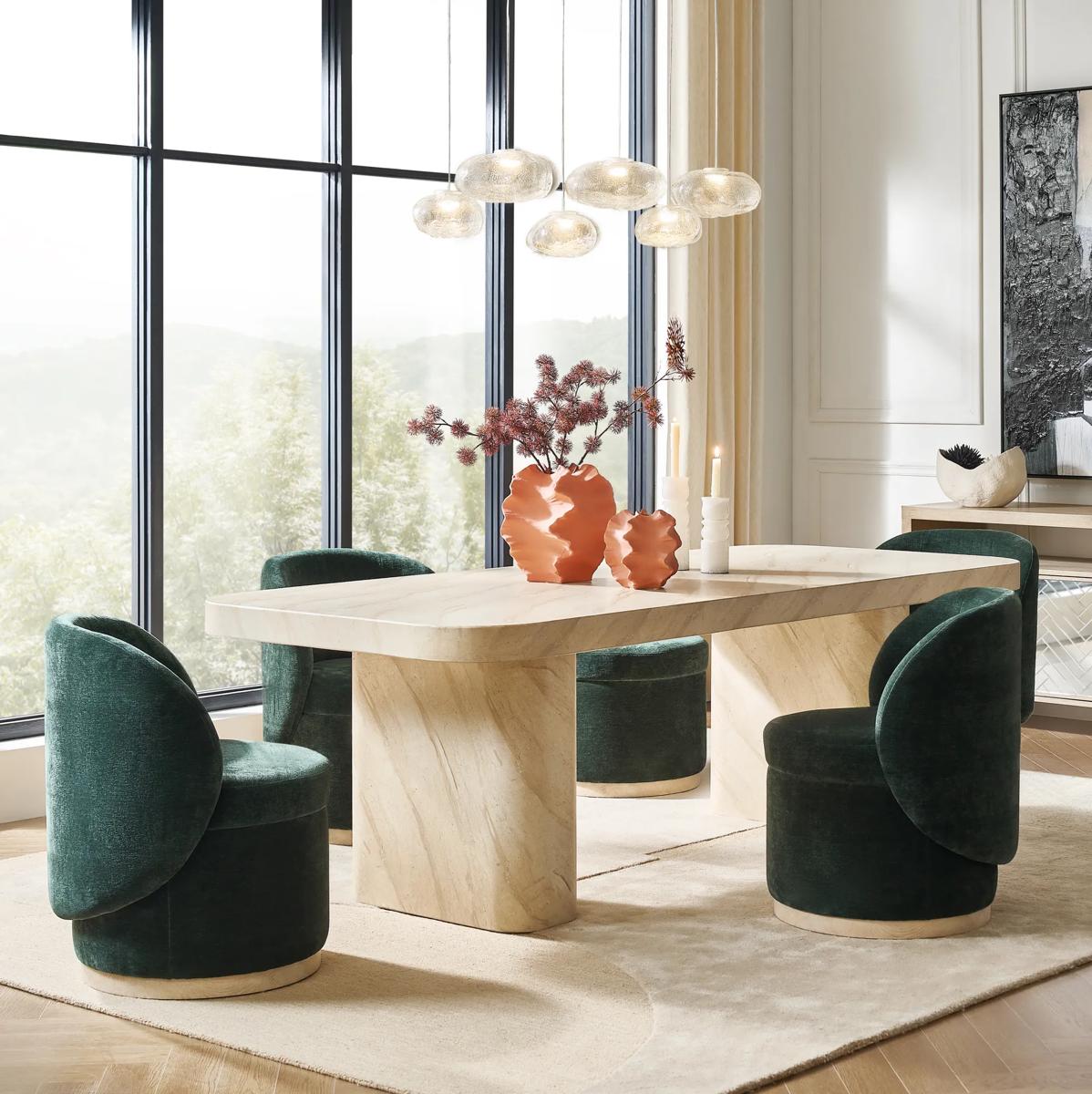 Faux Rust Brown Fall Thistle Stem 27" Set of 3$49
A set of three faux thistle stems in warm rust-brown tones adds sculptural autumnal texture to arrangements.
Add To Cart -
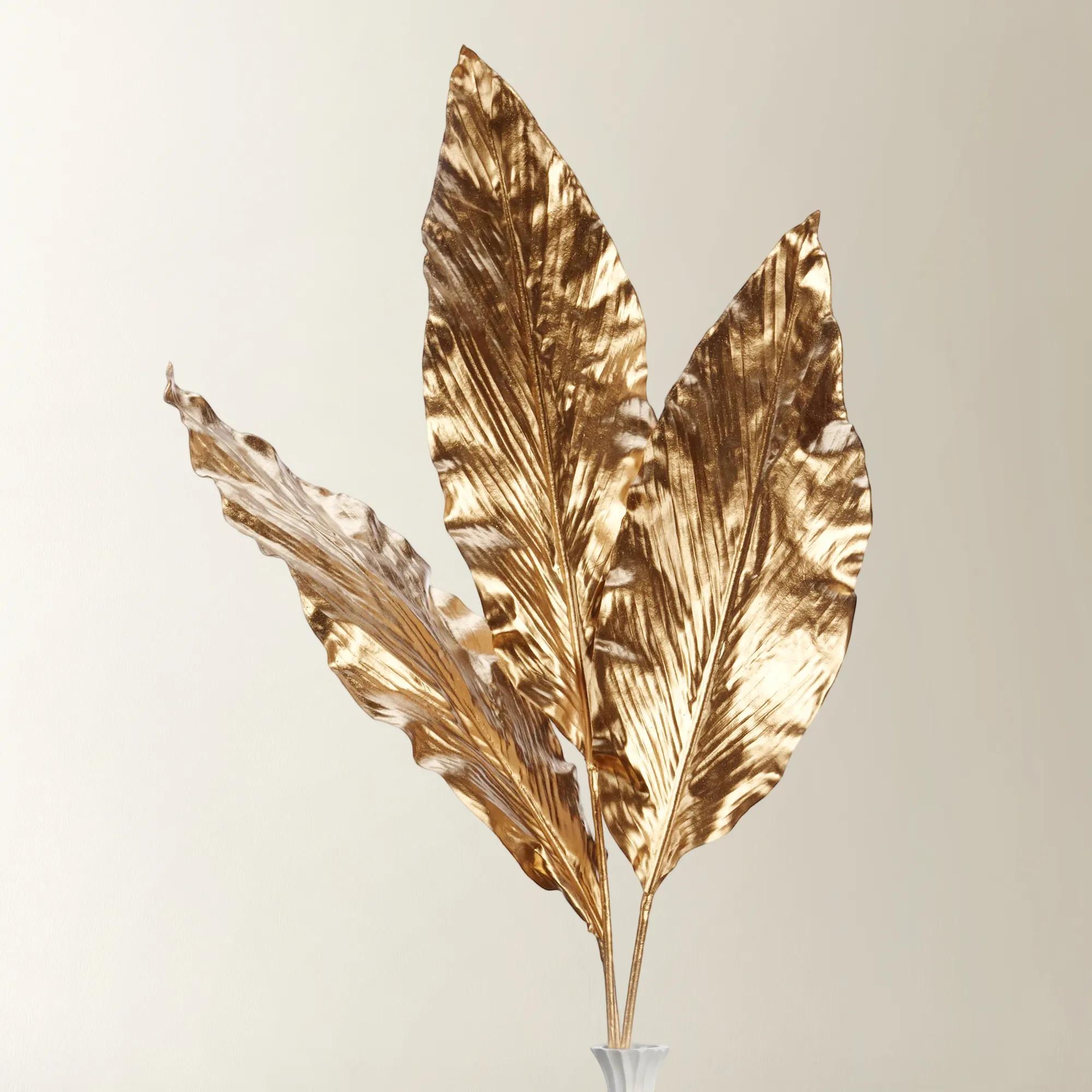
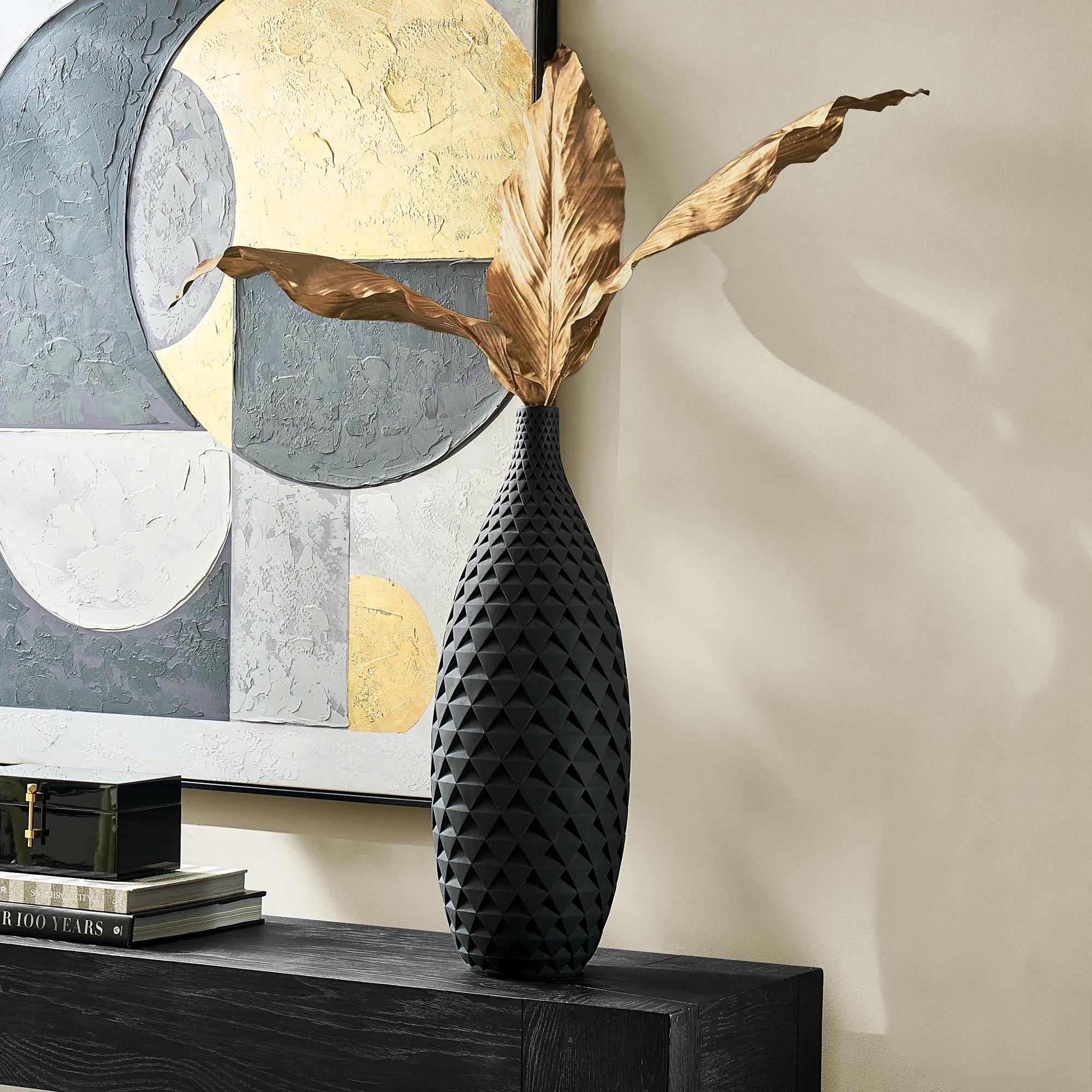 Faux Gold Canna Leaf Branch 38" Set of 3$49
A set of three golden metallic branches inspired by Canna leaves for a modern, autumnal accent.
Add To Cart

Large Artificial Plants For Open Spaces
Large artificial plants for open spaces transform ordinary rooms into lush, gallery-worthy sanctuaries—no sunlight required. These striking botanical sculptures bring a sense of grandeur and vitality, effortlessly filling expansive interiors with a touch of the unexpected. Perfect for those who crave drama and year-round greenery, large artificial plants become living art installations that anchor your décor with scale, texture, and undeniable allure. Let your open spaces flourish with bold foliage that whispers of curated luxury and expressive design.
Large artificial plants for open spaces bring sculptural height, generous texture, and a sense of intention to rooms where smaller accents can disappear. In an expansive living room, a sweeping canopy can soften the meeting point of two walls; beside a floating sofa, an upright silhouette can give the seating area a distinct boundary without closing off the view. These substantial accents are especially expressive in open-concept homes, airy lofts, broad entryways, and reception areas, where greenery introduces an organic counterpoint to long architectural lines. Unlike living plants, artificial greenery requires no watering or growing light, allowing a dramatic botanical presence in interior corners and other locations that would not support a live tree. The effect depends as much on shape as on height. Broad, glossy-looking leaves create a bold tropical mood, fine fronds bring movement and delicacy, and branching forms with smaller leaves offer a more open, layered profile. A full canopy can balance a substantial sectional, while an airy tree allows artwork, windows, and decorative lighting to remain visible through its branches. In a room with marble surfaces, polished metal, or glass, foliage adds visual softness without diminishing the glamour of the surrounding finishes. Against textured upholstery or richly grained wood, it adds another dimension to an already tactile composition. The most convincing arrangements capture the irregularity of natural growth: leaves that face slightly different directions, branches with varied spacing, and subtle shifts in green rather than a single uniform tone. For homeowners, apartment dwellers, and designers shaping a generous floor plan, large faux plants offer more than a way to occupy an empty corner. They establish a focal point, balance the weight of substantial furniture, and make an open room feel composed rather than sparsely furnished. A single well-proportioned tree can have enough presence to complete a seating vignette without a cluster of smaller accessories, leaving surrounding surfaces free for a striking vessel or a carefully chosen piece of art.
Scale is what makes large artificial greenery feel integrated with the architecture. Overall height matters, but so do the spread of the branches, the density of the foliage, and the footprint of the planter. In a room with an eight-foot ceiling, a tree around six feet tall can provide a substantial vertical accent while preserving visible space above the canopy; taller rooms may welcome a more commanding silhouette. These are starting proportions rather than fixed rules, since a broad canopy can appear more substantial than a taller, narrower form. The slender profiles of tall artificial indoor plants are particularly suited to placements where vertical drama is welcome but circulation space is limited. Beside a console, behind an occasional chair, or along the edge of a dining area, an upright form can frame the furniture without extending into a walkway. Wider foliage belongs where it has room to unfold, with clearance from door swings, cabinet fronts, and frequently used paths. In an open living and dining room, repeating a related leaf shape at different heights can create continuity without making the two areas feel identical. The planter contributes equally to the finished composition. A substantial ceramic vessel introduces a polished architectural note, a metallic finish echoes gleaming decorative accents, and a textured basket softens a more tailored setting. When a faux plant includes a smaller nursery-style base, a decorative outer container can conceal it, provided the fit leaves enough room for secure, stable support. The container opening should accommodate the base without forcing the trunk off-center, and the assembled piece should remain steady on the intended surface. A restrained layer of decorative moss can disguise the inner pot and create a finished appearance. Protective pads beneath a suitable planter help safeguard flooring, while placement away from climbing children, curious pets, and busy passageways keeps the arrangement both elegant and practical.
Materials and construction determine how gracefully a large artificial plant holds its shape and how convincing it appears at everyday viewing distance. Faux foliage may use polyester fabric, molded plastics such as polyethylene, or a combination of materials, with internal wire supports that allow some stems and branches to be positioned. Trunks may incorporate molded surfaces or natural wood components, depending on the design. Fine veining, dimensional leaf edges, believable branching, and a restrained surface sheen can all contribute to realism; heavy shine or identical leaf placement may feel less natural in a prominently lit room. Where stems are designed to be adjustable, gentle shaping helps establish the intended spread after unpacking, creating space between leaves rather than leaving the canopy compressed. Materials vary, so care instructions should guide both shaping and cleaning. Regular light dusting with a soft, dry cloth or gentle duster helps preserve definition, especially on broad leaves that make dust more noticeable. Delicate fabric foliage and decorative finishes may not tolerate soaking, sprays, or abrasive cleaners, and supporting each leaf while wiping reduces strain on its attachment. Artificial plants need no pruning, repotting for growth, or routine watering, but they still benefit from thoughtful placement. Prolonged direct sunlight can fade materials unless the design is specifically rated for UV exposure, and UV resistance alone does not establish suitability for outdoor use. A covered patio still calls for an outdoor-rated plant and a compatible container; indoor designs belong in the environments specified for them. Indoors, keeping foliage clear of fireplaces, heating vents, and other concentrated heat sources helps protect its appearance. This balance of expressive scale and manageable upkeep appeals to frequent travelers, busy households, and anyone drawn to botanical interiors without the demands of live plant care. A substantial faux plant can also make a considered housewarming gift when the recipient’s space and decorating preferences are known. Whether framing an entry or giving an expansive lounge a lush finishing note, the strongest choice feels connected to the room’s proportions, materials, and personality.
FAQs
Extra large artificial plants make a dramatic statement when paired with luxe planters, such as polished ceramics or woven baskets, and placed in corners, beside sofas, or flanking entryways. Layering them with metallic accents, mirror-finish tables, or plush textiles enhances their sculptural beauty and seamlessly integrates them into a modern, glamorous living room.
In open floor plans, use artificial plant decor to define zones—such as creating a visual boundary between a lounge area and dining space. Positioning an extra large faux plant near a window or in a transitional hallway adds height and texture, while grouping several varieties together can form a lush, curated vignette that draws the eye.
Yes, many extra large faux plants are designed with UV-resistant materials, making them ideal for patios, balconies, or rooftop lounges. They bring enduring greenery and a sense of resort-inspired luxury to outdoor gatherings, all while requiring minimal maintenance regardless of the season.
Large artificial plants make memorable gifts for new homeowners, design enthusiasts, or anyone who appreciates bold, expressive interiors. They’re especially thoughtful for those who love the look of greenery but have busy lifestyles or travel frequently, as they provide lasting beauty with little upkeep.
These grand botanicals introduce scale, texture, and a sense of vitality to open spaces, transforming them into curated environments that feel both inviting and sophisticated. Their lifelike foliage and sculptural forms add depth and drama, turning every room into a showcase of personal style.