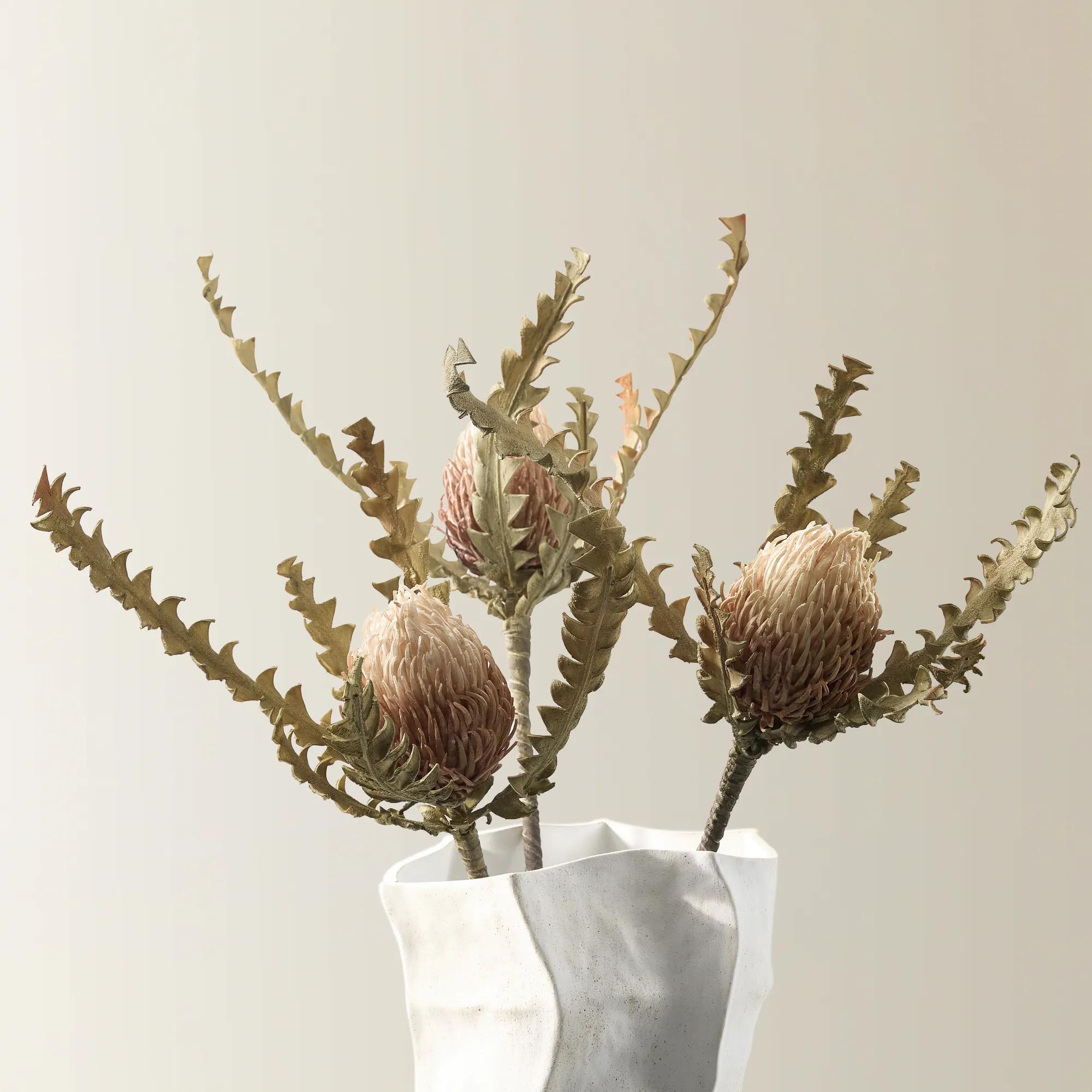
Faux Greenery For Home Staging
Faux Greenery For Home Staging
-
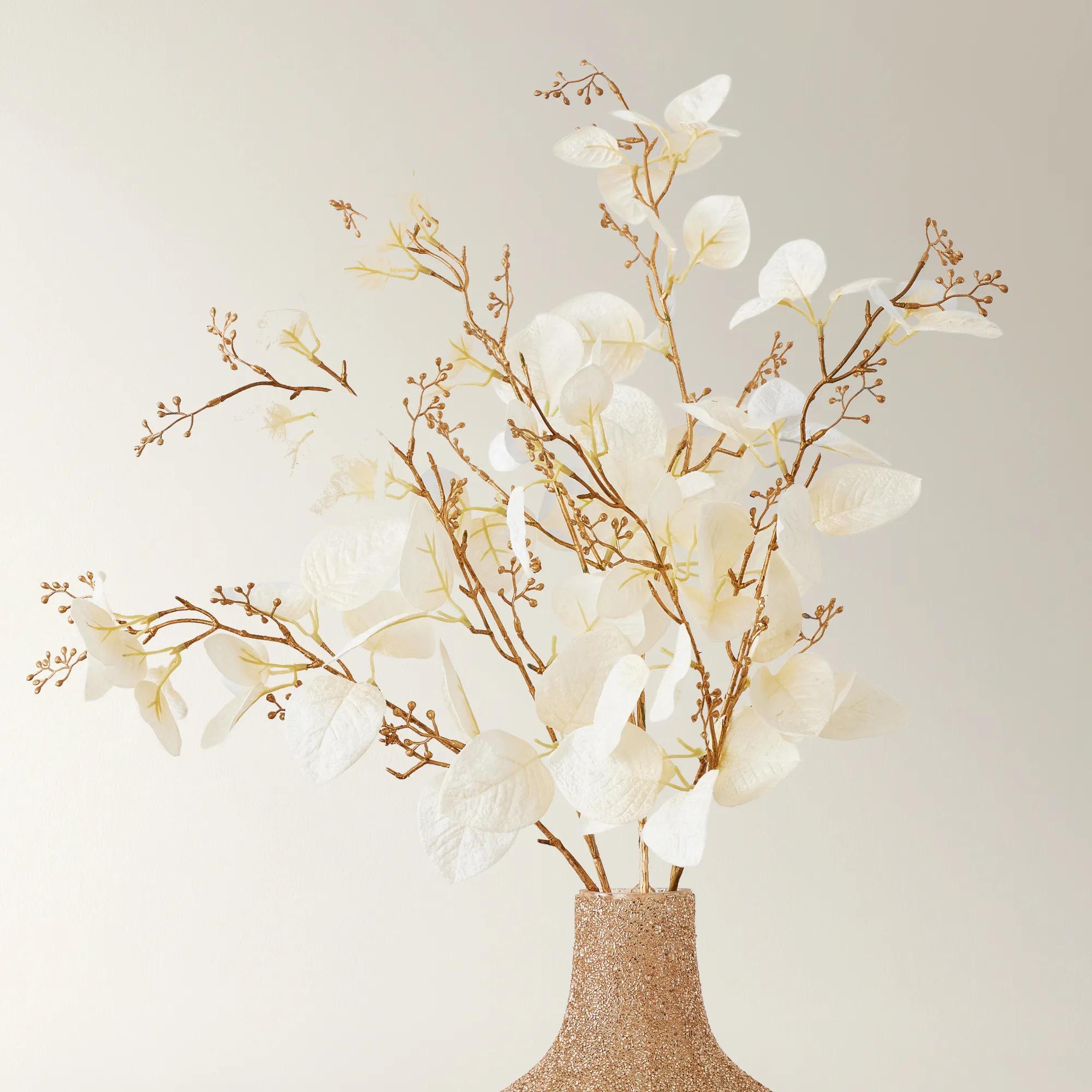 Faux Ivory/Gold Eucalyptus Spray 32" Set of 3$49
A trio of ivory-and-gold polyester eucalyptus sprays adds luminous, dimensional texture to botanical arrangements.
Add To Cart -
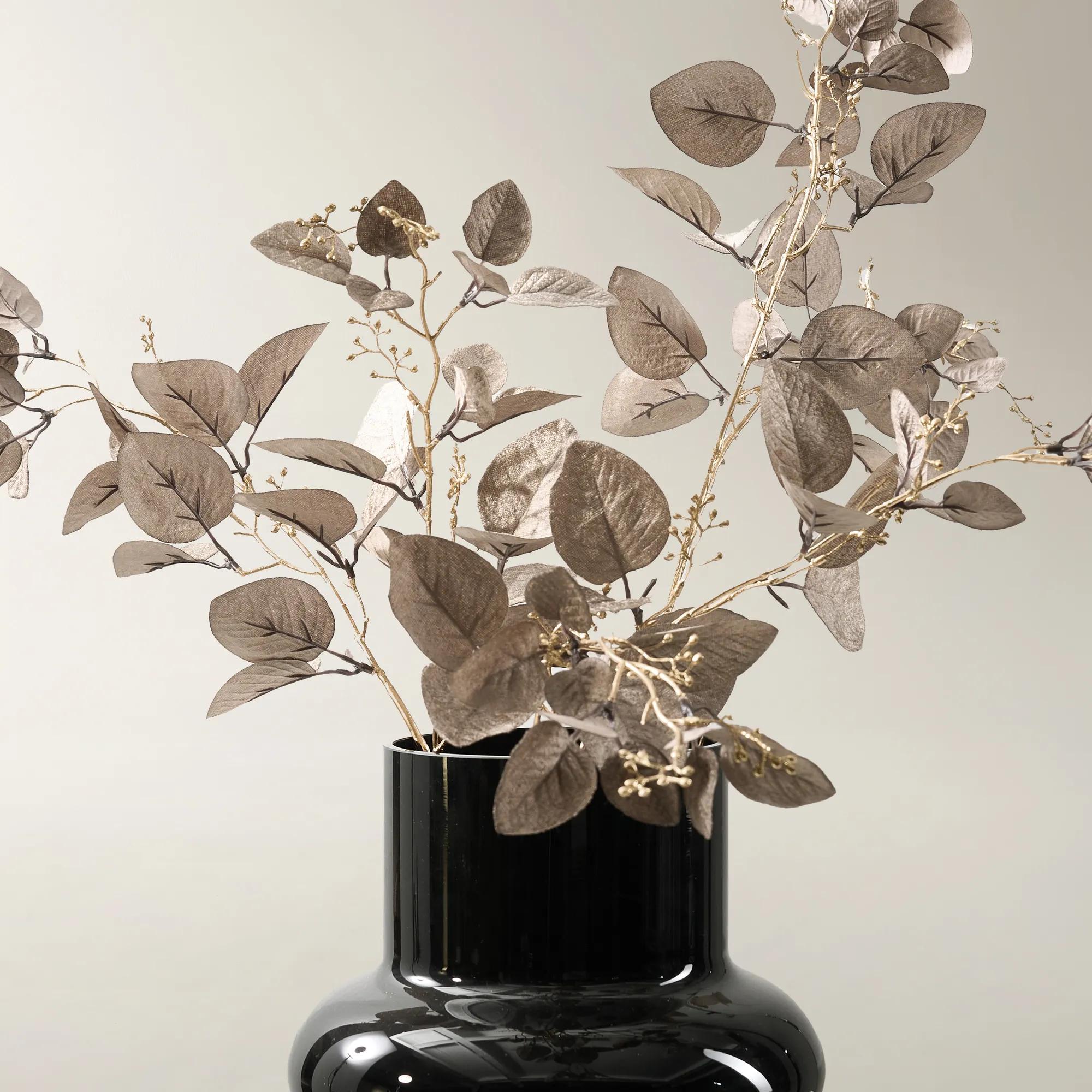 Faux Champagne Shimmer Eucalyptus Spray 32" Set of 3$49
A set of three antique champagne faux eucalyptus sprays adds metallic warmth and airy texture to arrangements.
Add To Cart -
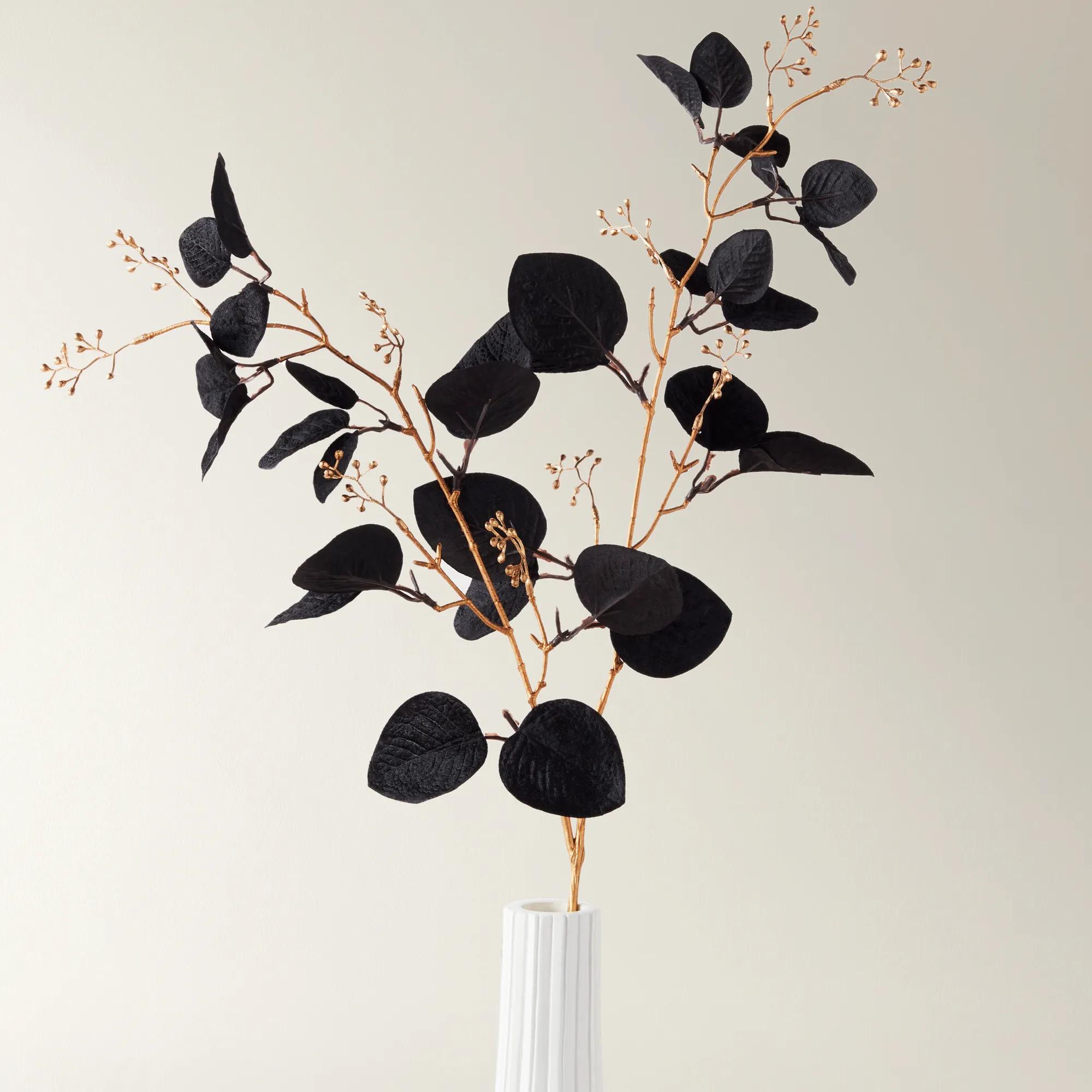
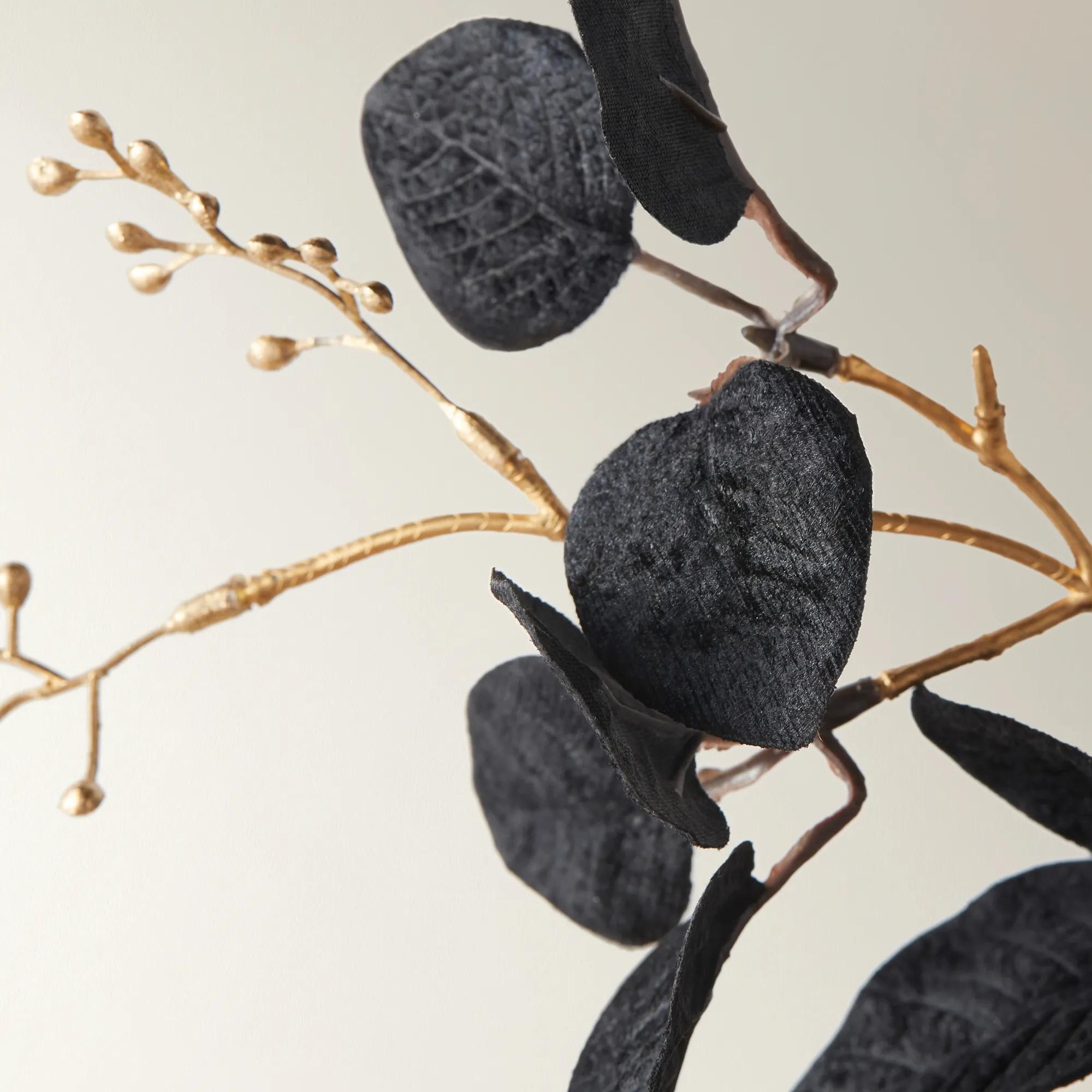 Faux Black/Gold Eucalyptus Spray 32" Set of 3$49
A set of three black-and-gold faux eucalyptus sprays crafted from durable plastic for sculptural seasonal arrangements.
Add To Cart -

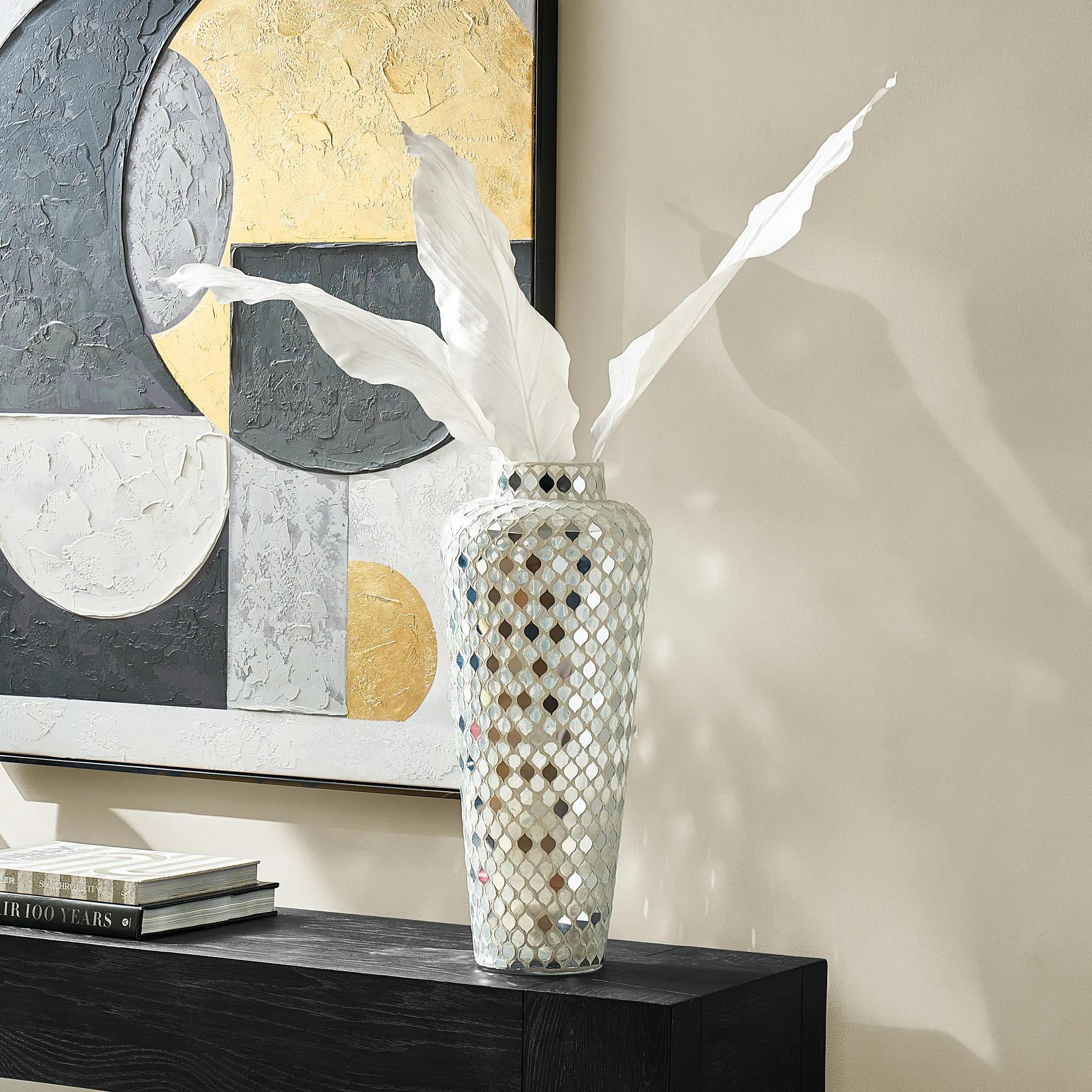 Faux White Canna Leaf Branch 38" Set of 3$49
A set of three white decorative branches inspired by the elegant foliage of the Canna plant.
Add To Cart -
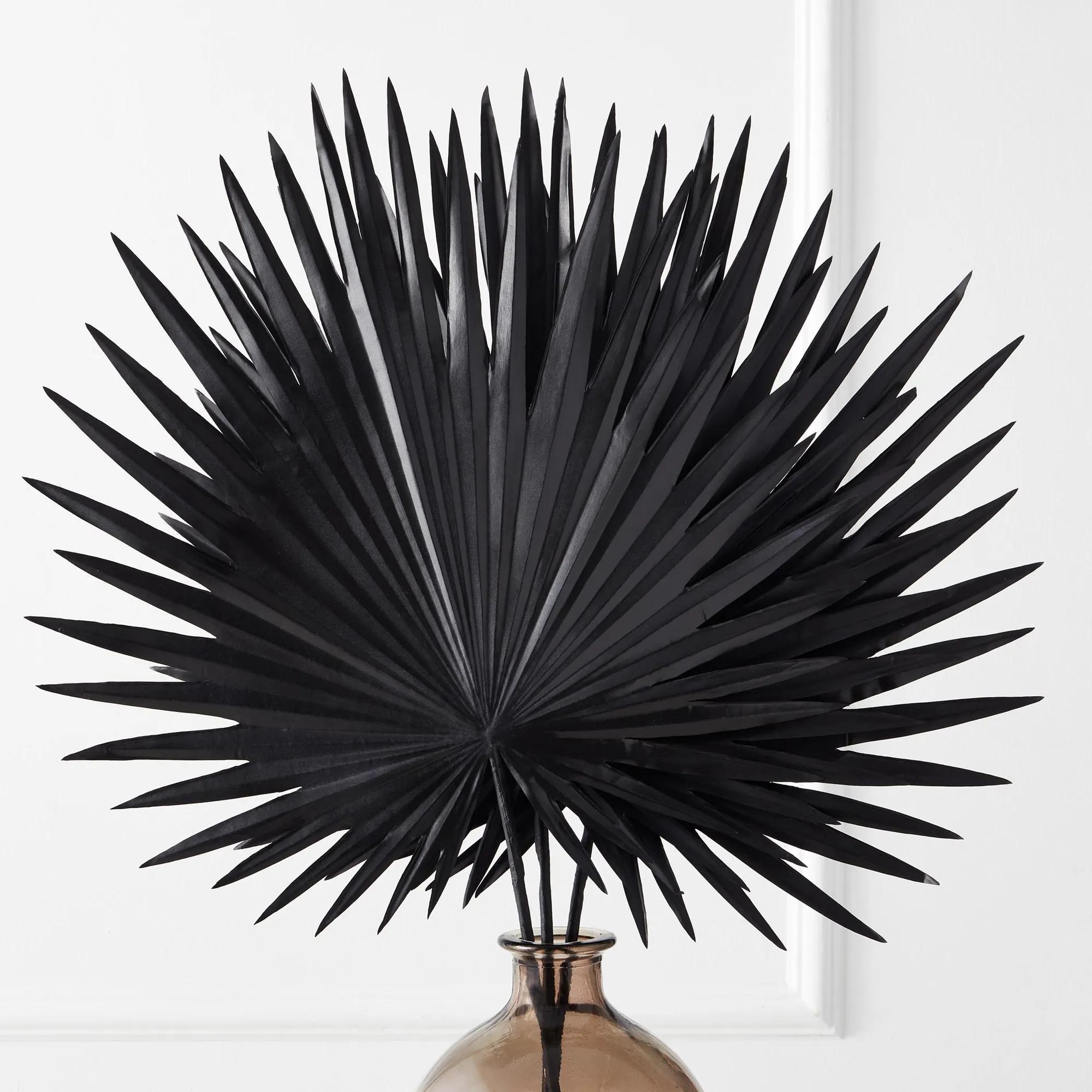
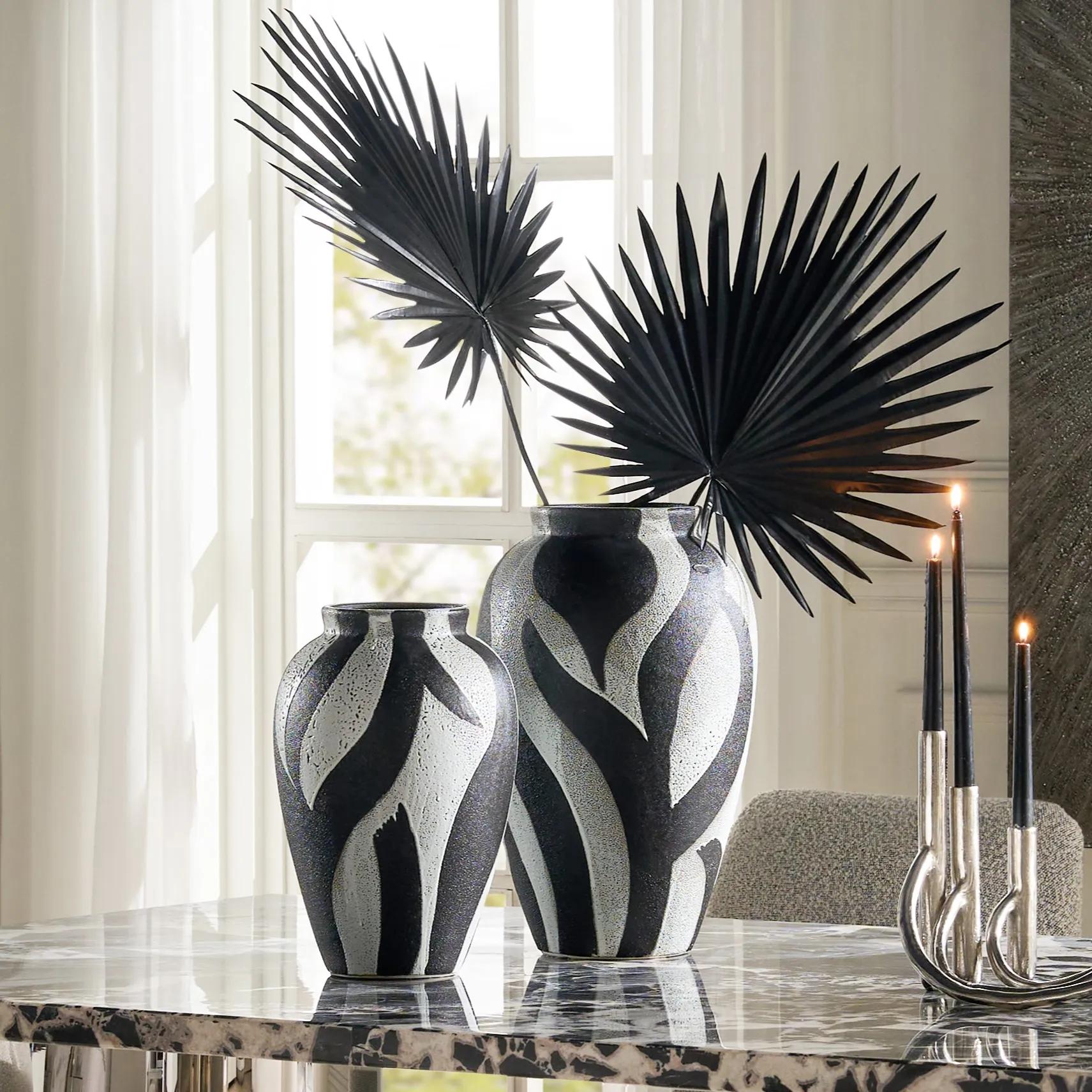 Faux Black Palm Stem 40" Set of 3$69
A set of three black faux palm stems with flexible wire for easy, artistic arranging.
Add To Cart -
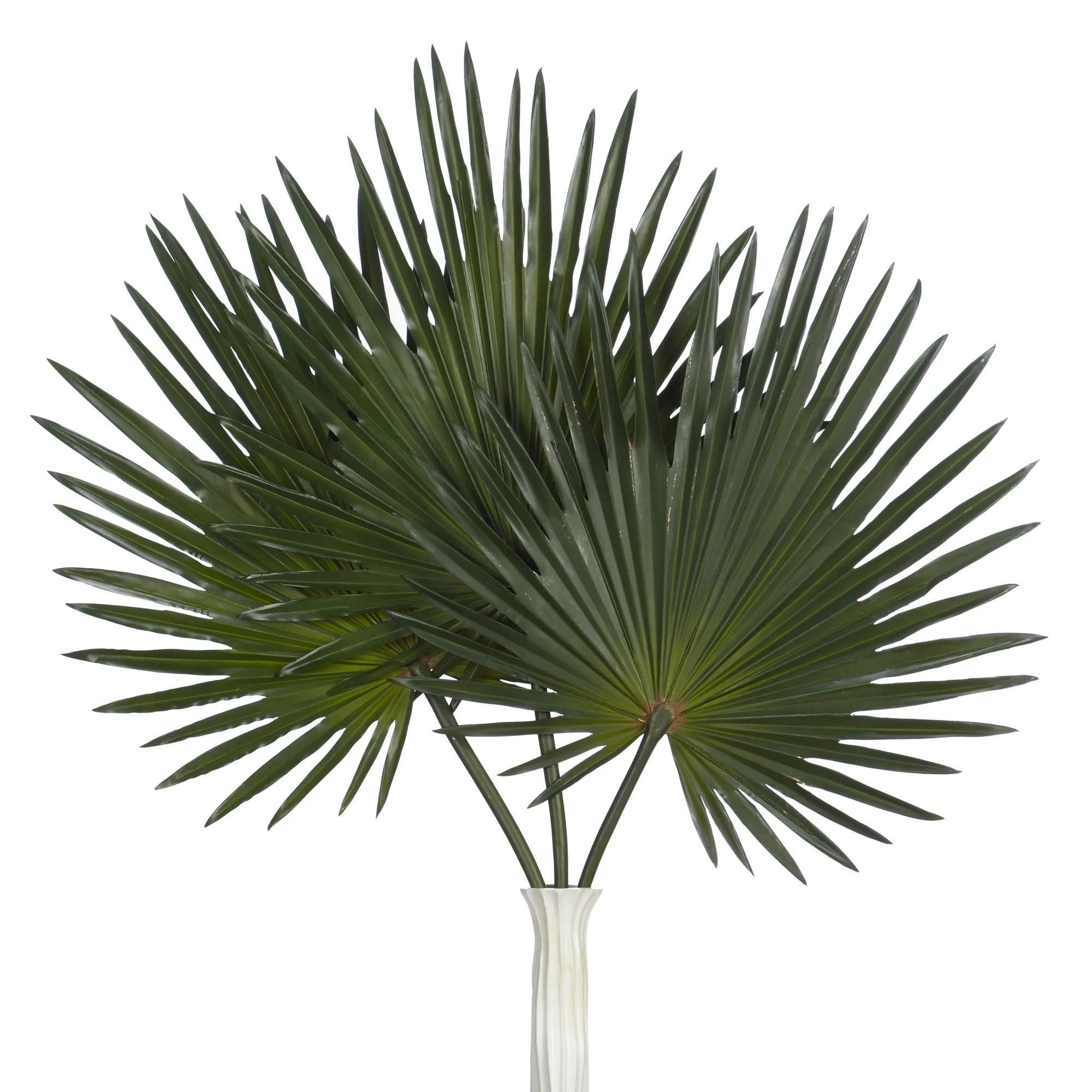
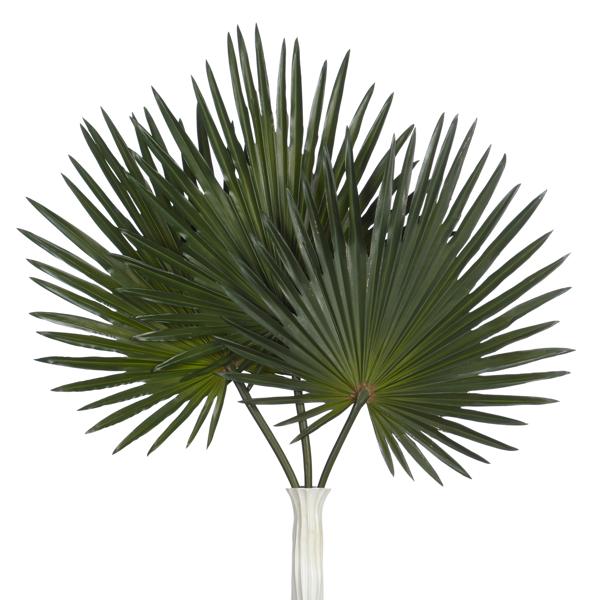 Faux Green Palm Stem 40" Set of 3$69
A set of three green polymer palm stems with flexible wire for easy, artistic arranging.
Add To Cart -
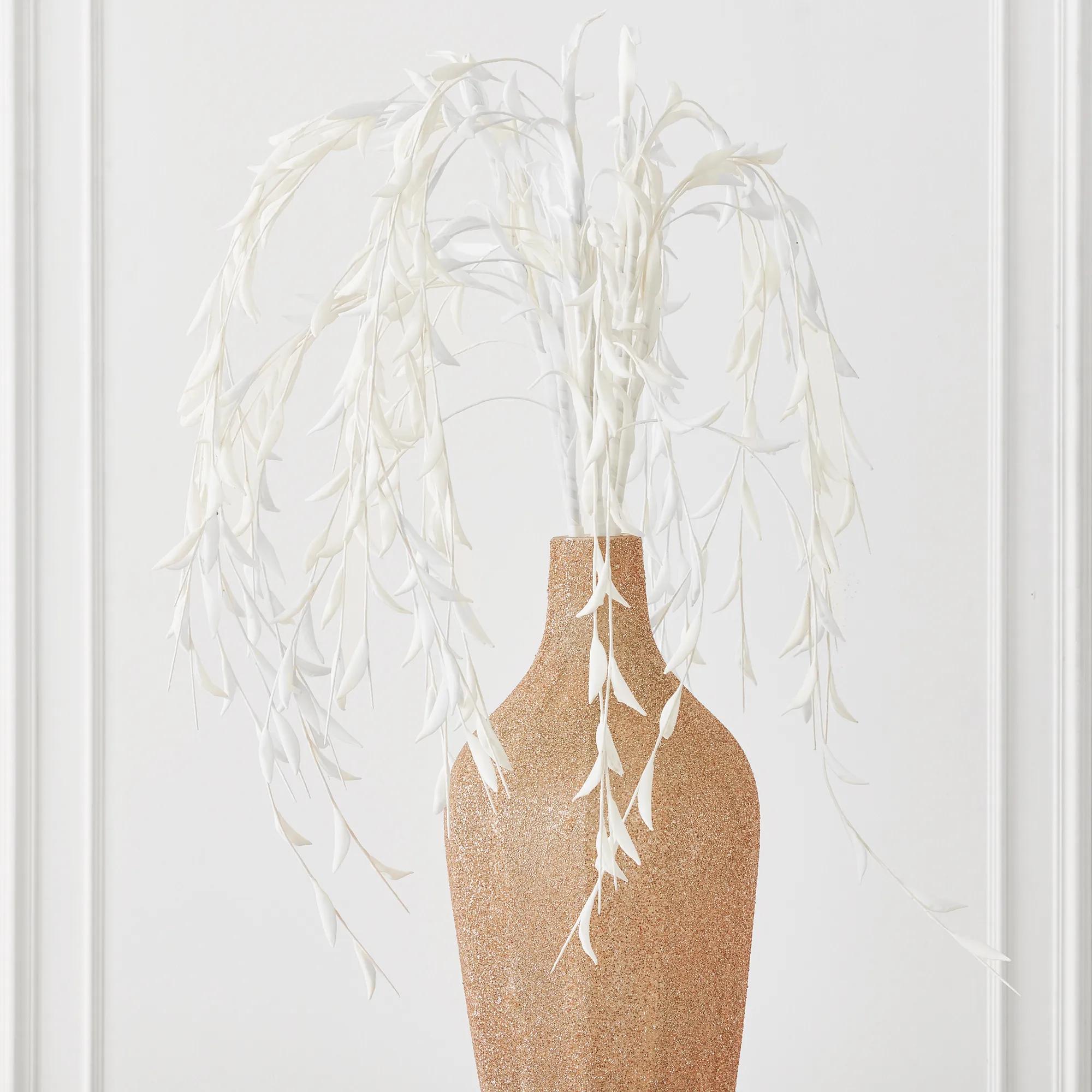 Faux Weeping Willow Spray Set of 3$59
A set of three faux weeping willows with delicate white foam branches for enchanting decor.
Add To Cart -
 Faux White Magnolia Stem 40" Set of 3$79
A set of three lifelike faux magnolia stems in creamy white polyester for timeless floral elegance.
Add To Cart -
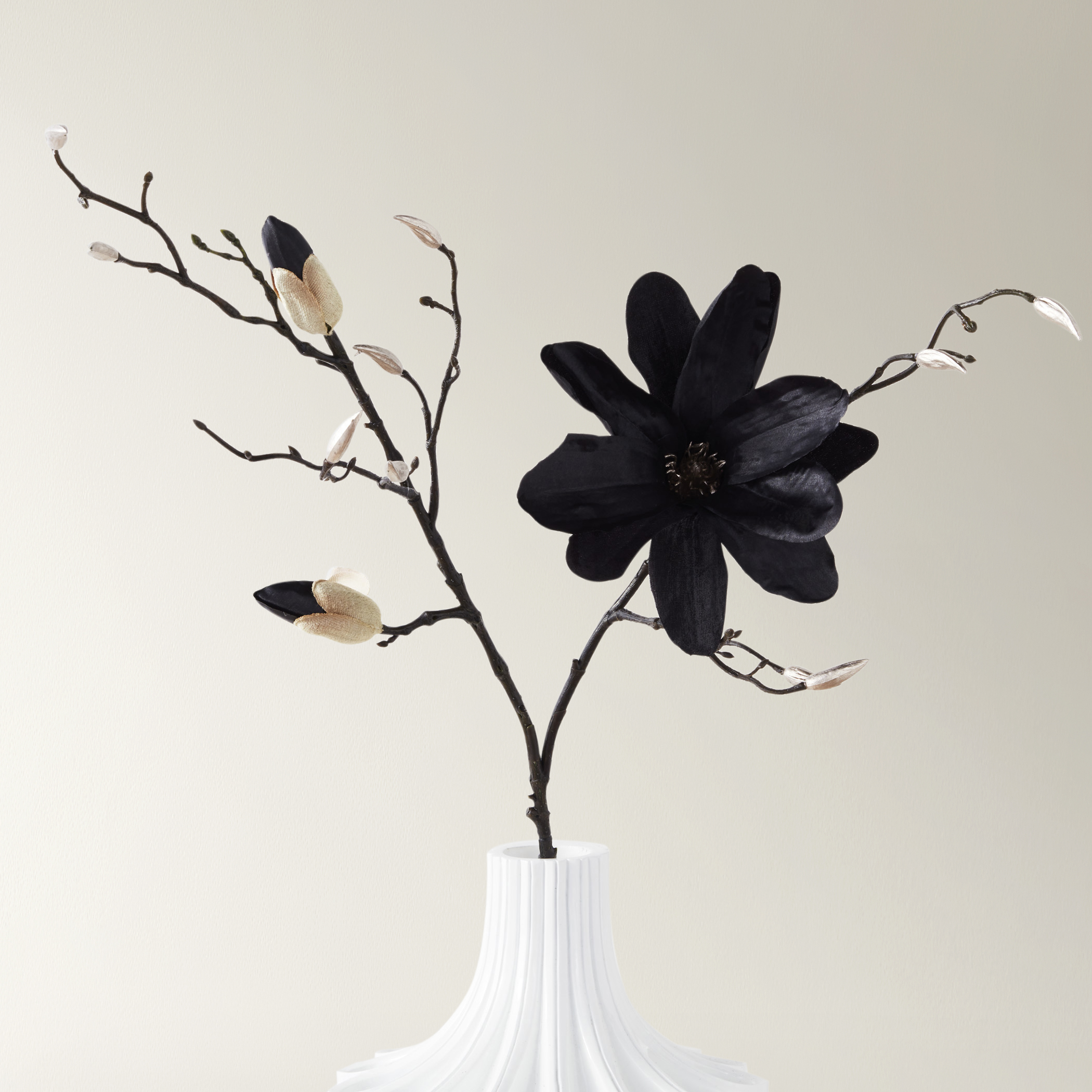 Faux Black & Gold Magnolia Stem 33" Set of 3$59
A set of three lifelike black polyester magnolia sprays that add dramatic height to any decor.
Add To Cart -
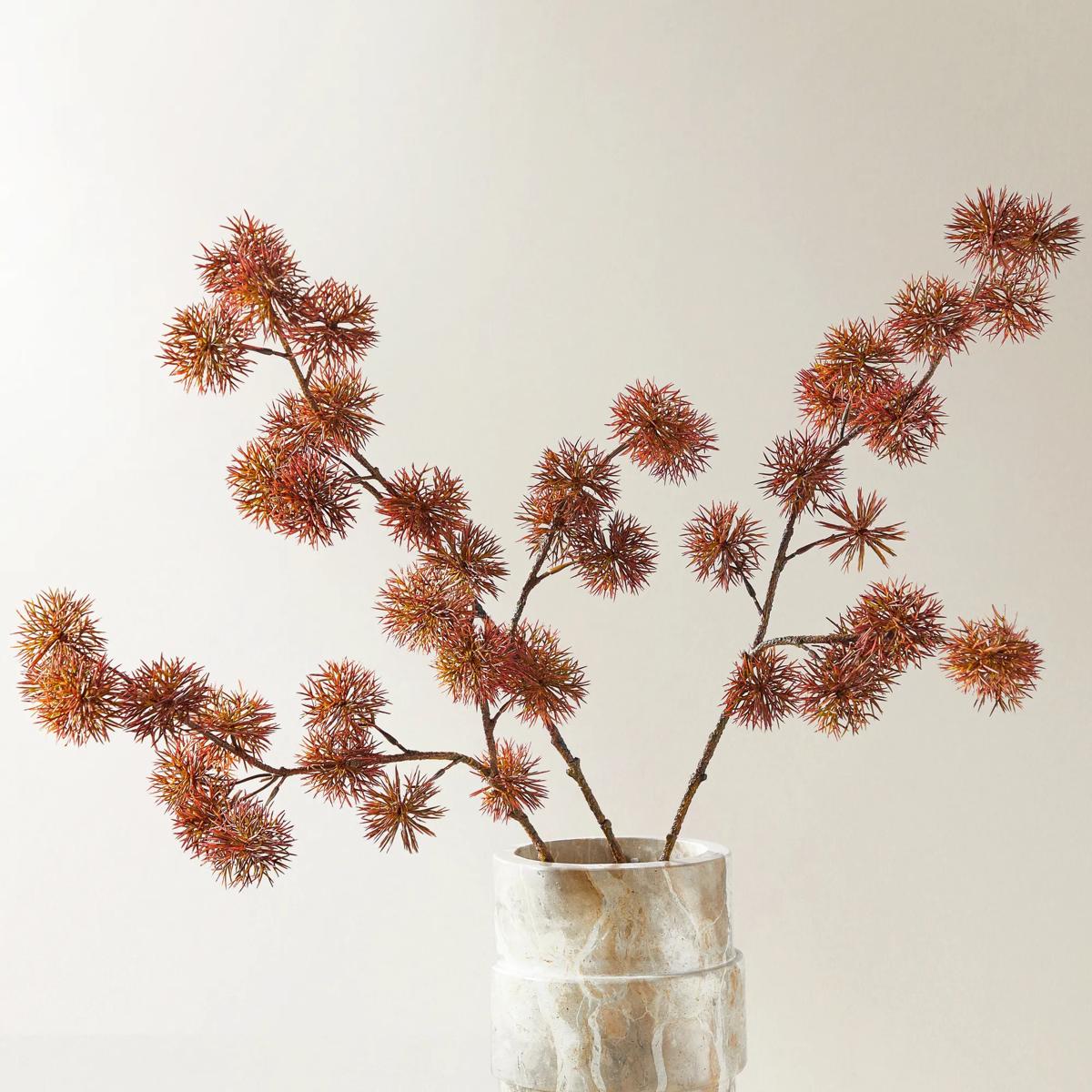
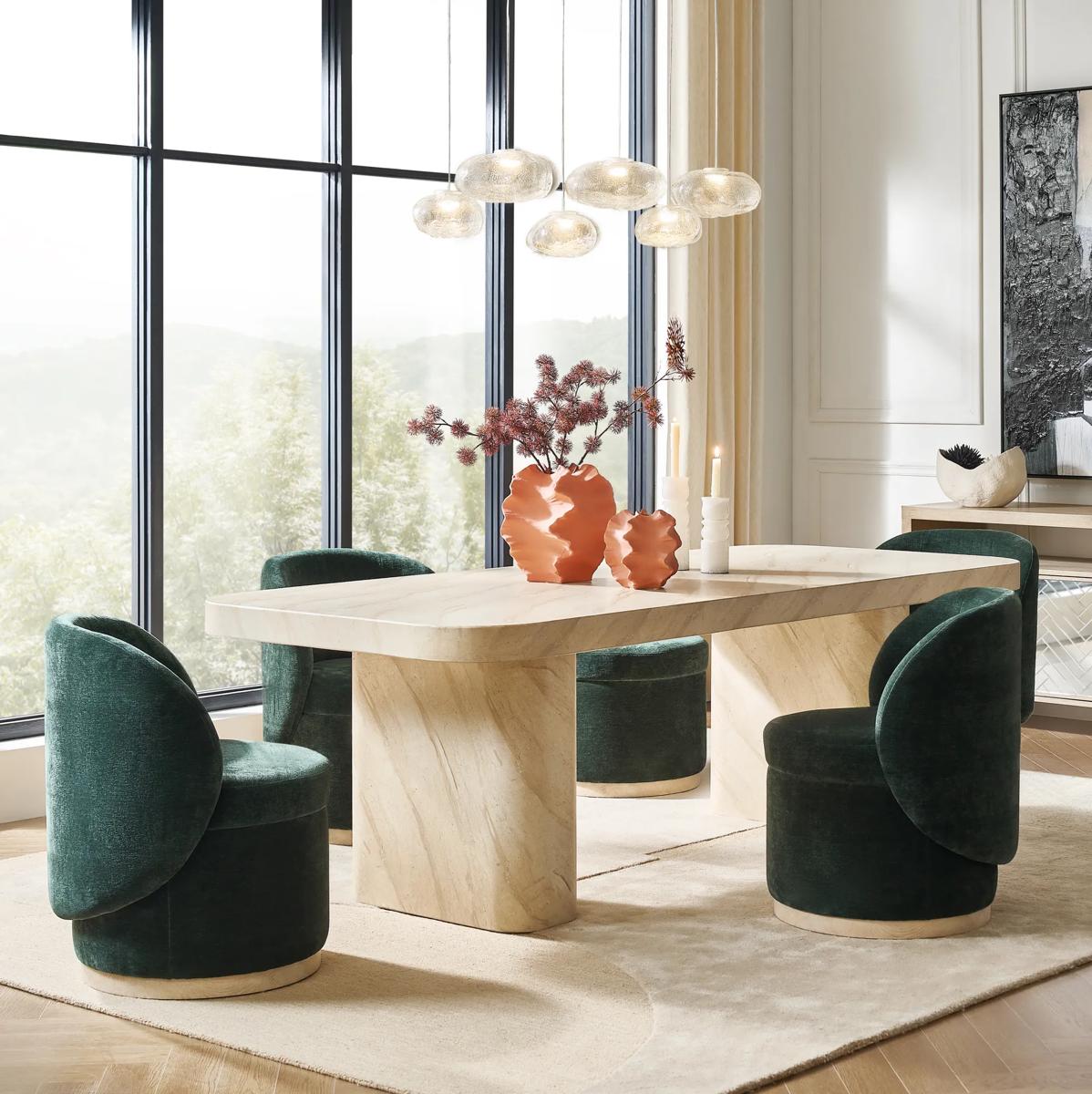 Faux Rust Brown Fall Thistle Stem 27" Set of 3$49
A set of three faux thistle stems in warm rust-brown tones adds sculptural autumnal texture to arrangements.
Add To Cart -
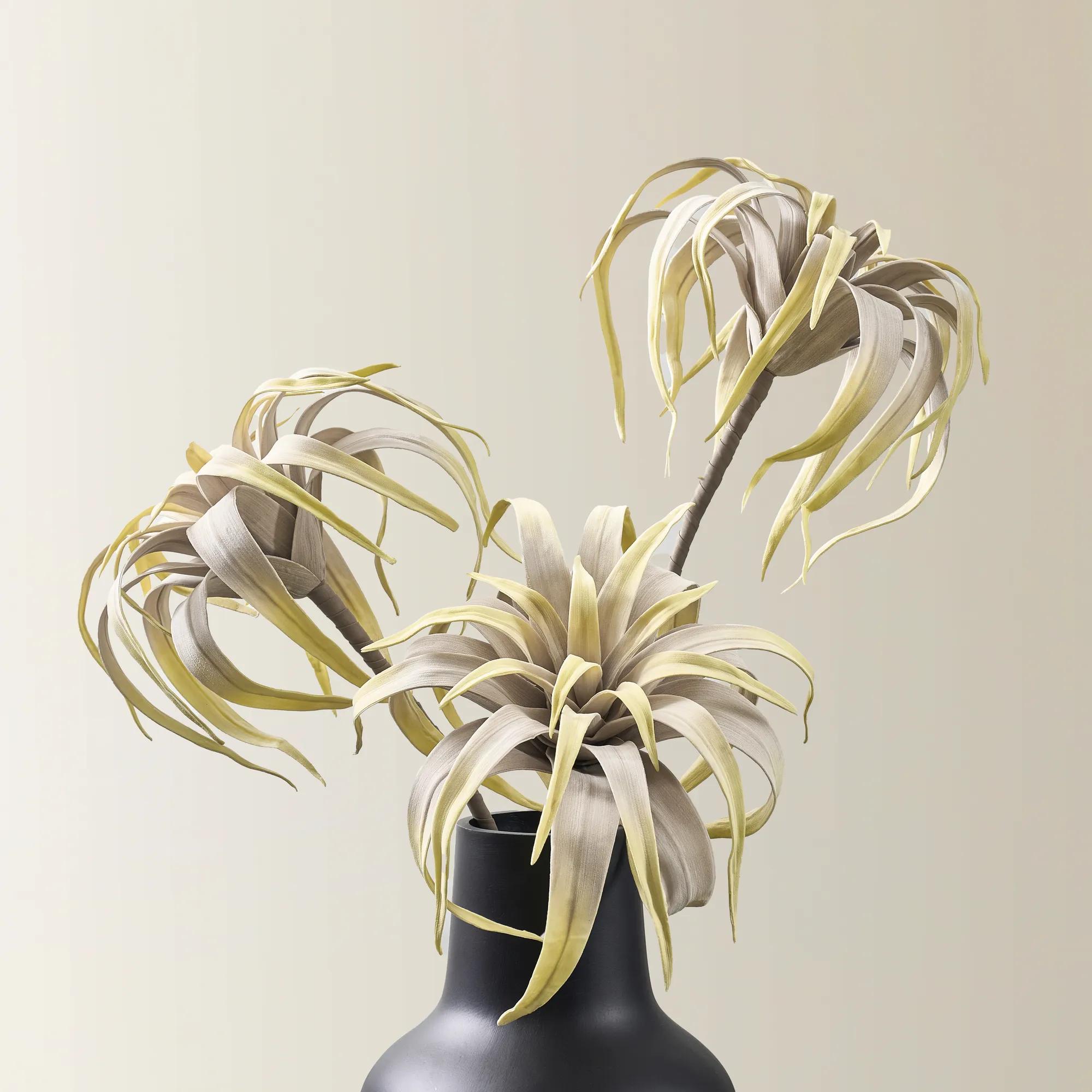 Faux Dusty Blush Large Airplant Stem 35.5" Set of 3$49
A set of three sculptural faux airplant stems in soft dusty blush foam for modern decorative arrangements.
Add To Cart -

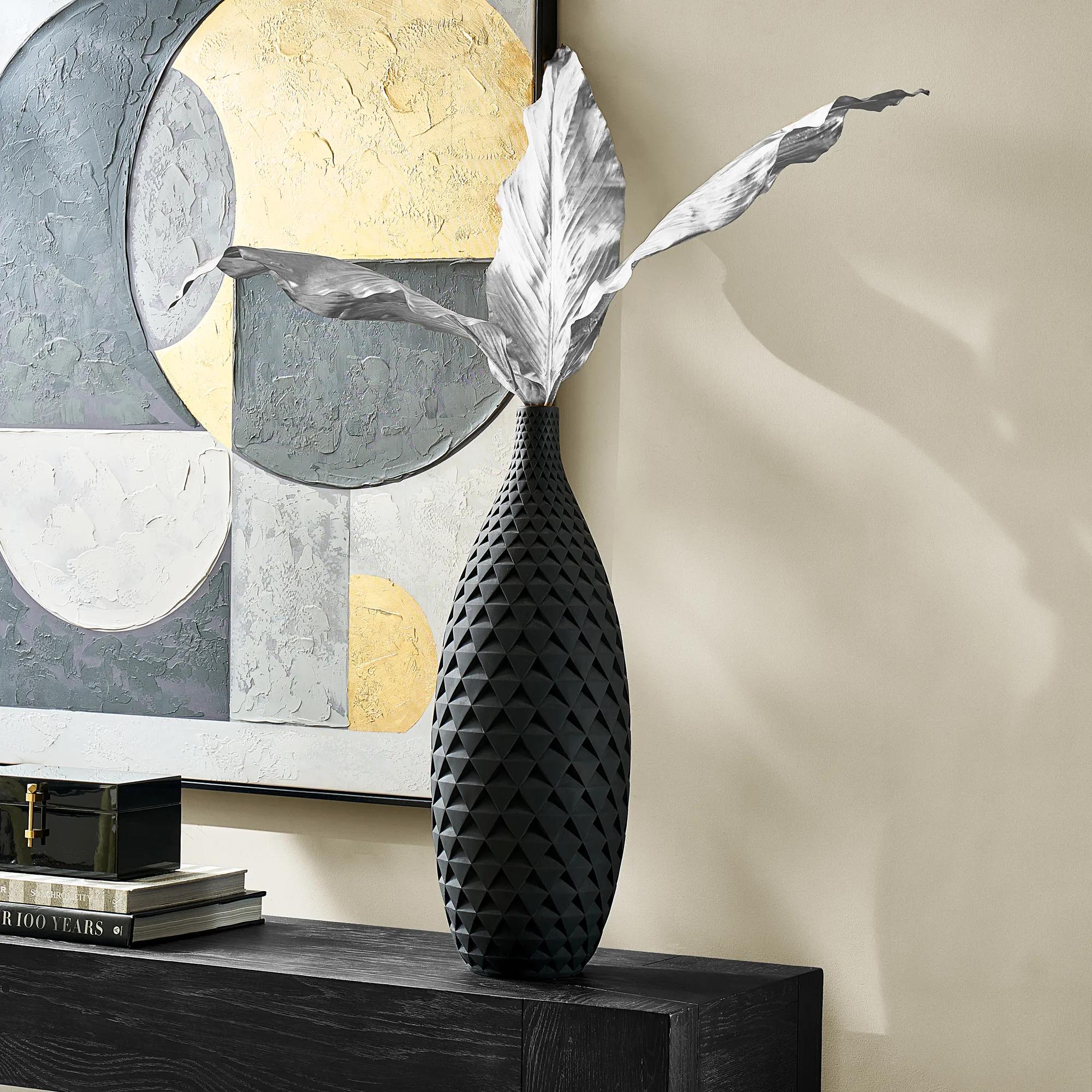 Faux Silver Canna Leaf Branch 38" Set of 3$49
A set of three silver metallic leaves inspired by the Canna plant for modern seasonal décor.
Add To Cart -
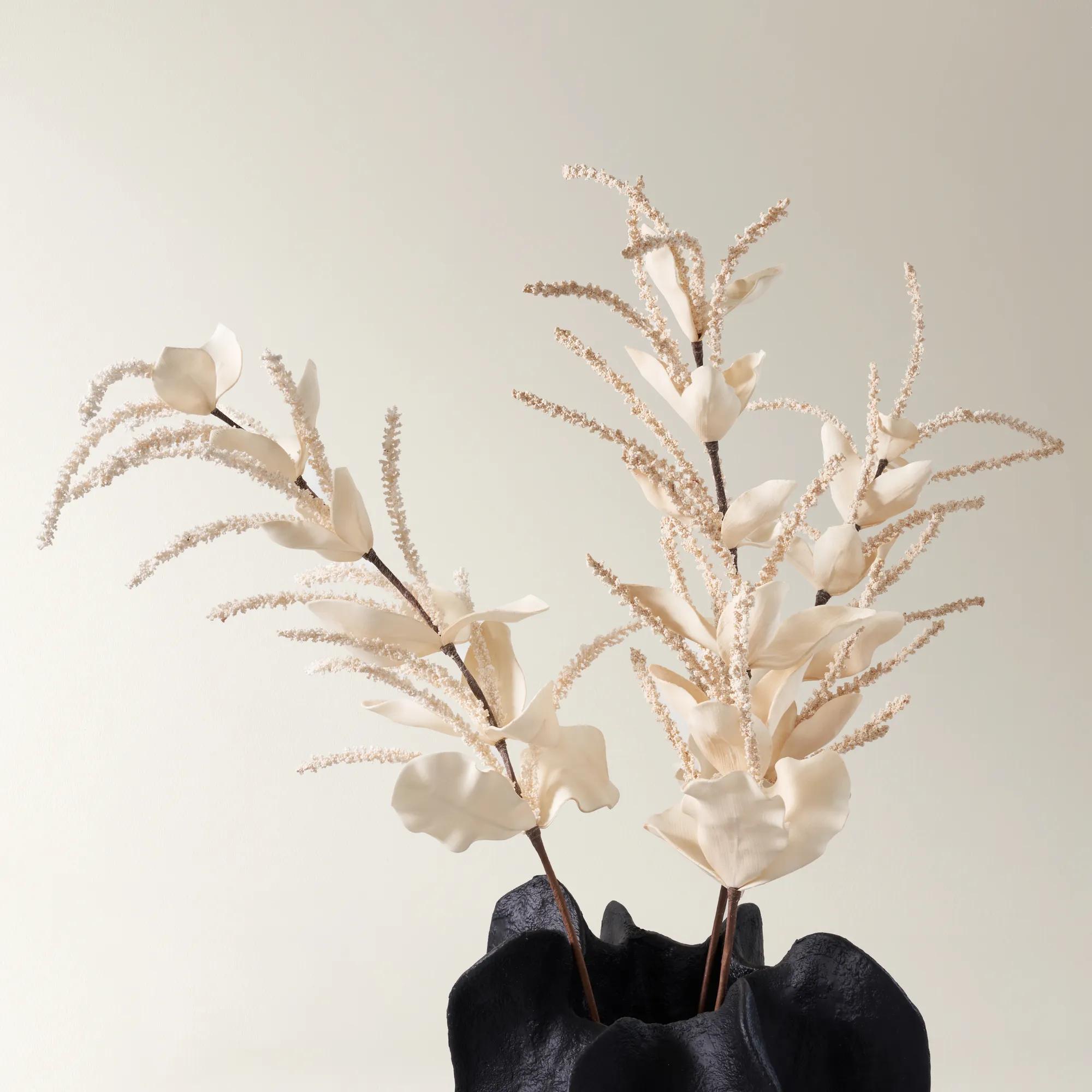 Faux Cream Weeping Spray 50" Set of 3$59
A set of three lifelike sprays in earthy beige and brown tones for a natural, elegant accent.
Add To Cart -

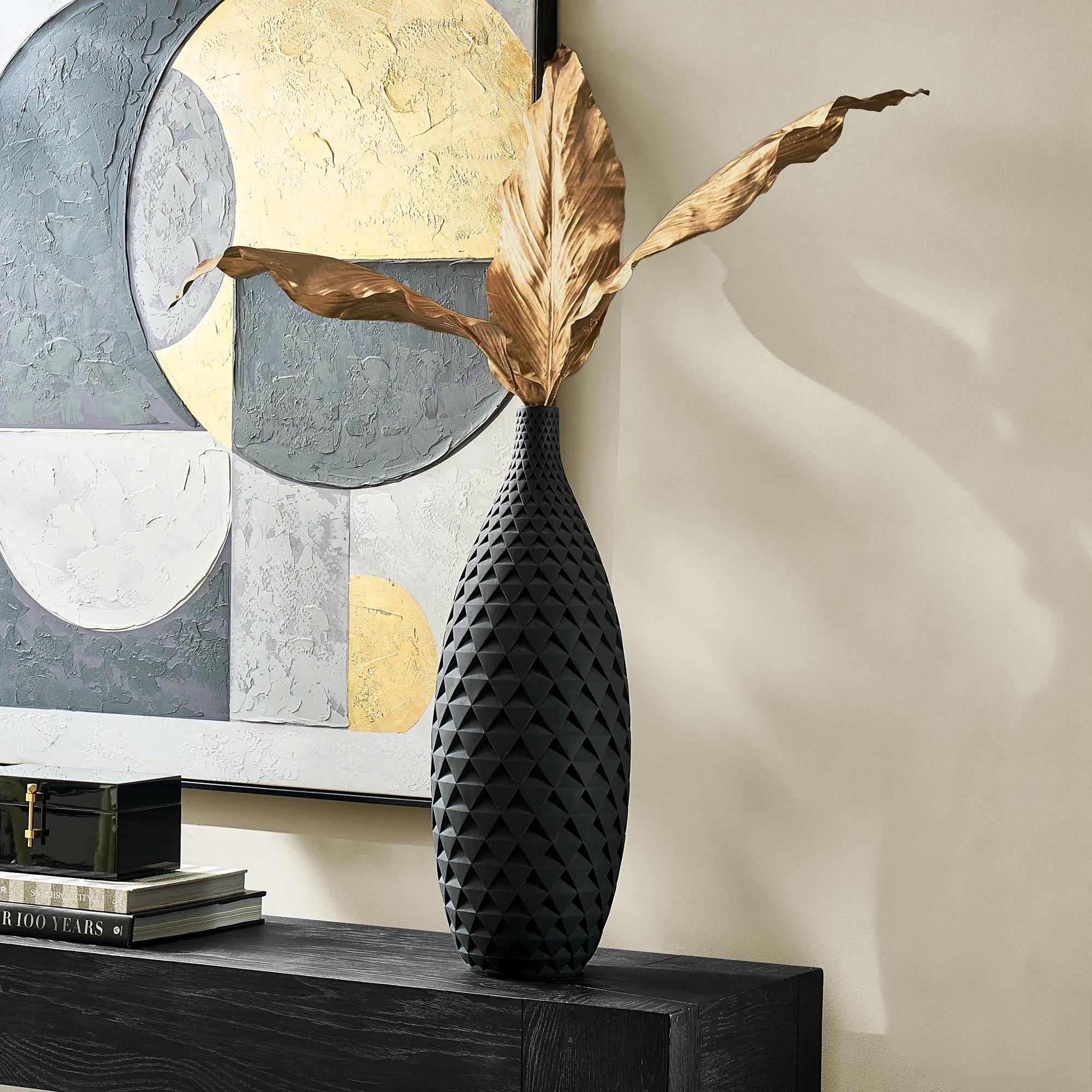 Faux Gold Canna Leaf Branch 38" Set of 3$49
A set of three golden metallic branches inspired by Canna leaves for a modern, autumnal accent.
Add To Cart -
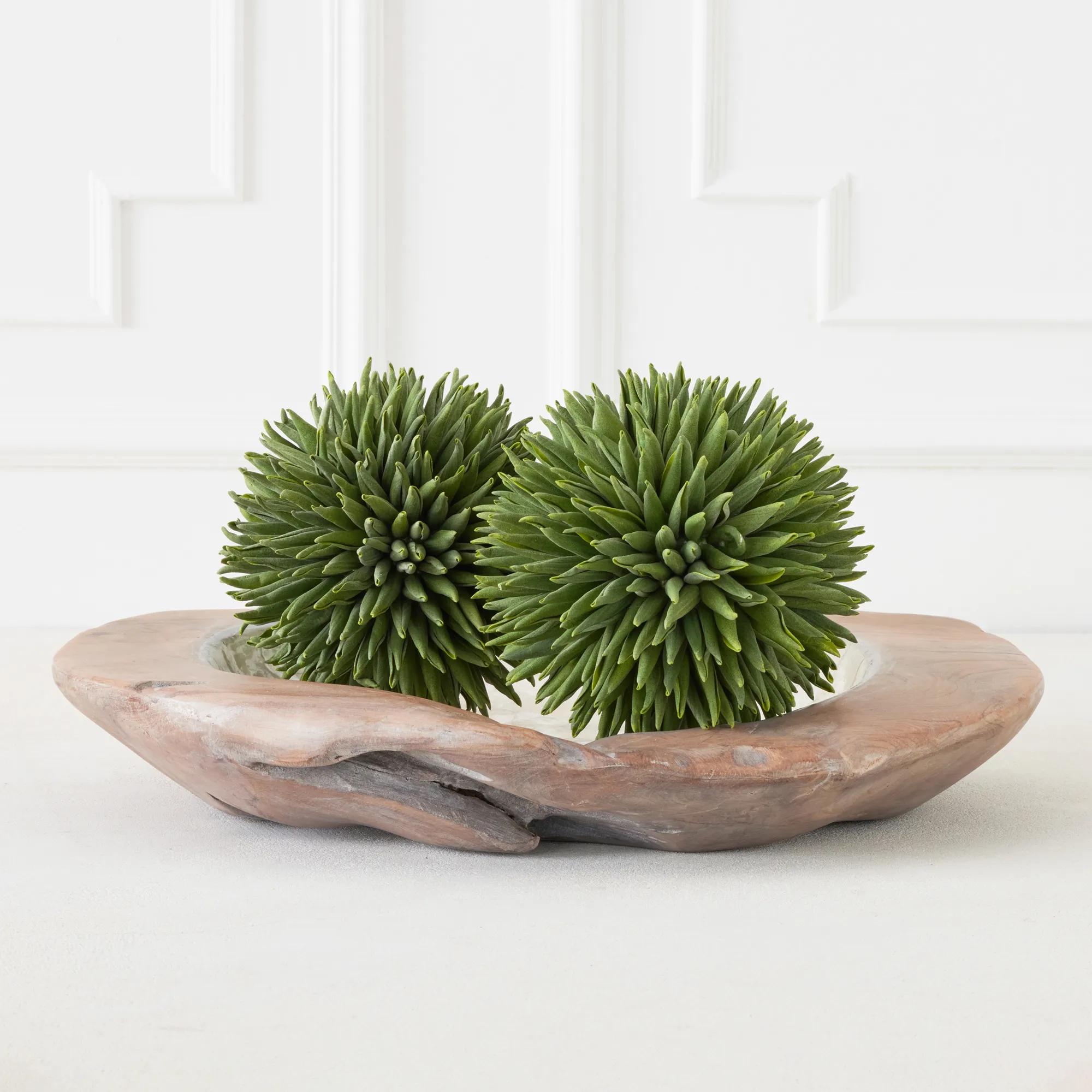 Faux Green Allium Sphere 7" Set of 3$59
A set of three lifelike foam green faux floral spheres that stay vibrant without water or sunlight.
Add To Cart -
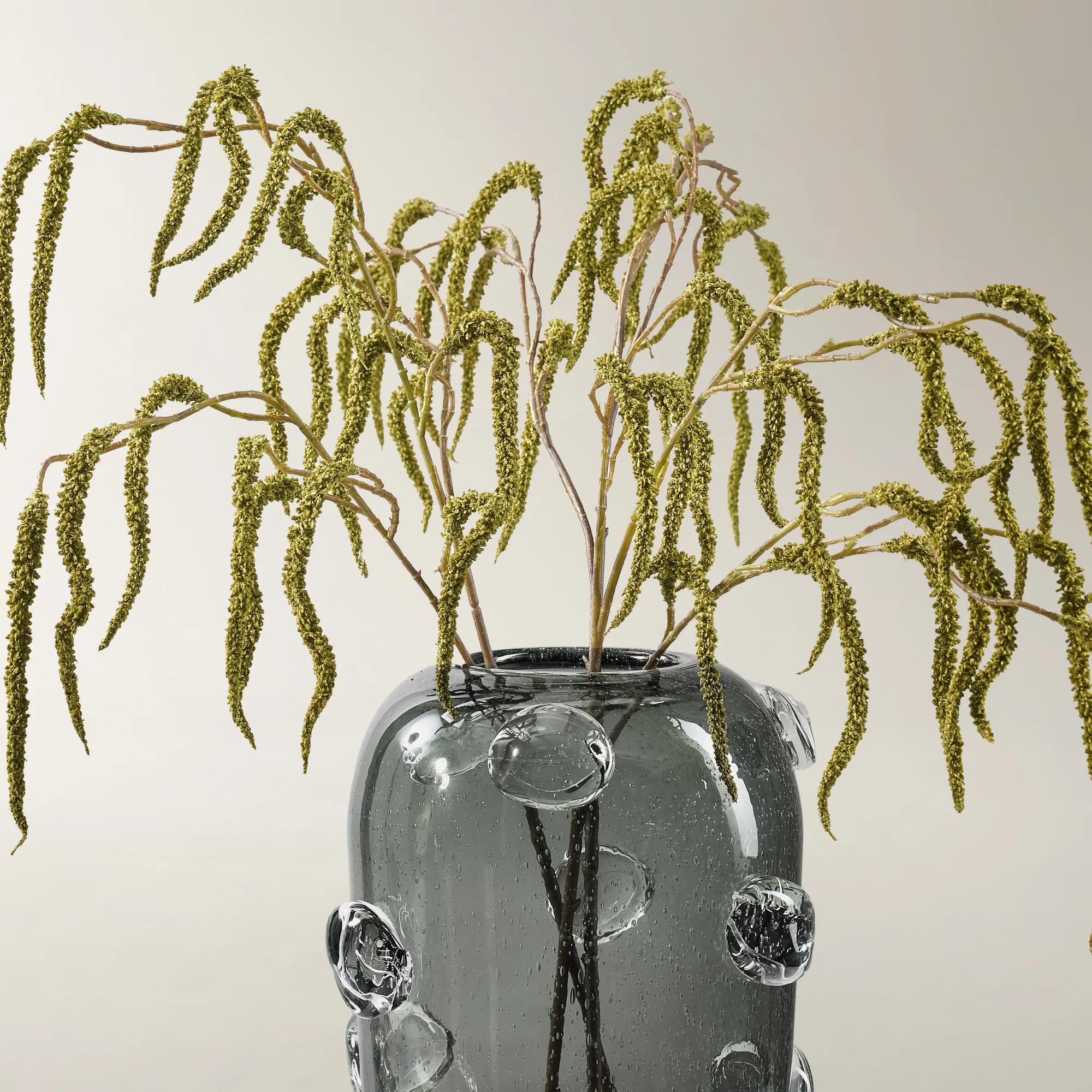 Faux Citron Green Amaranthus Stem 30" Set of 3$39
A set of three cascading faux amaranthus stems in vibrant citron green plastic for lush arrangements.
Add To Cart -

 Icicle Sequin Willow Stem 70" Set of 3$79
A set of three clear and white willow stems with sequins for shimmering, dramatic holiday arrangements.
Add To Cart -
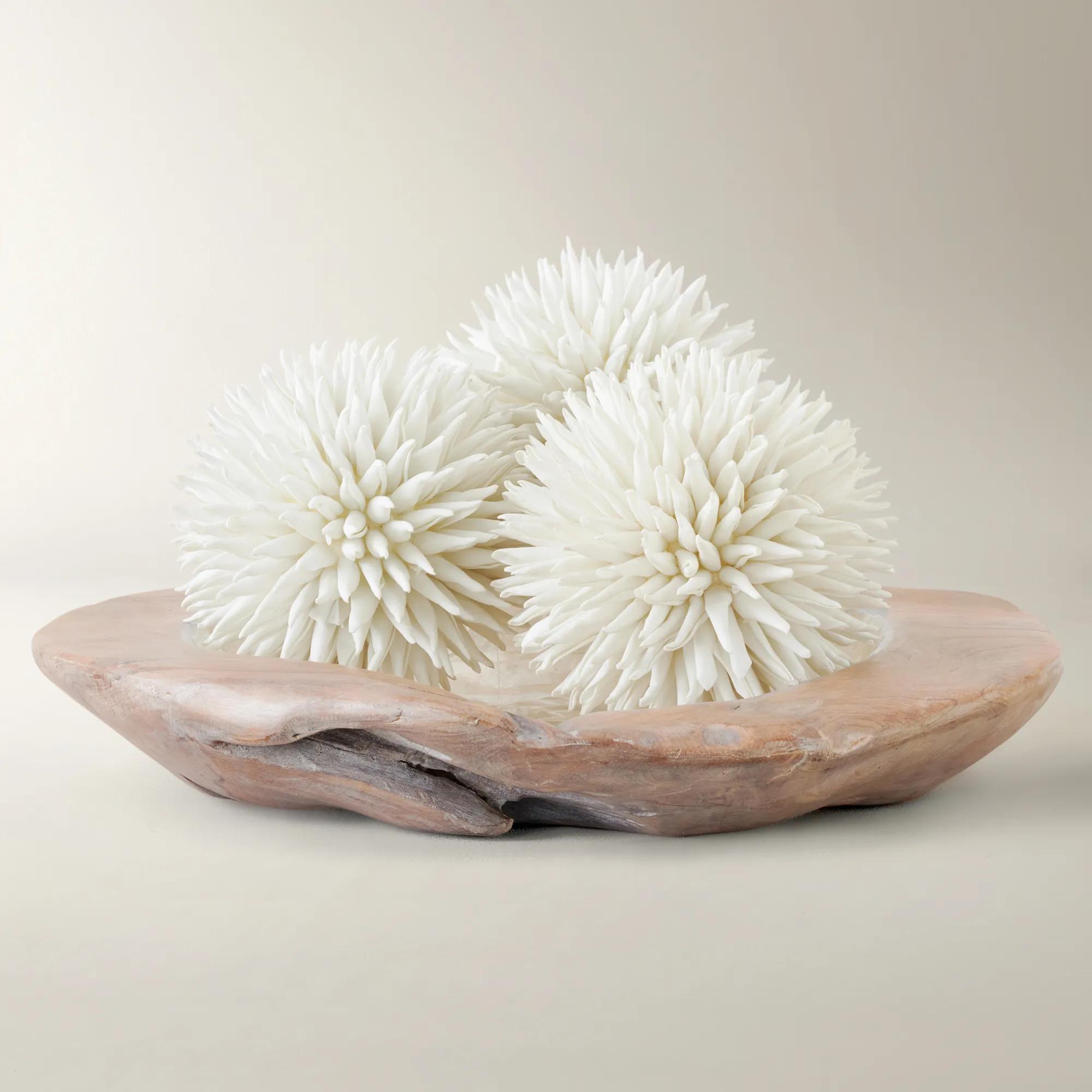
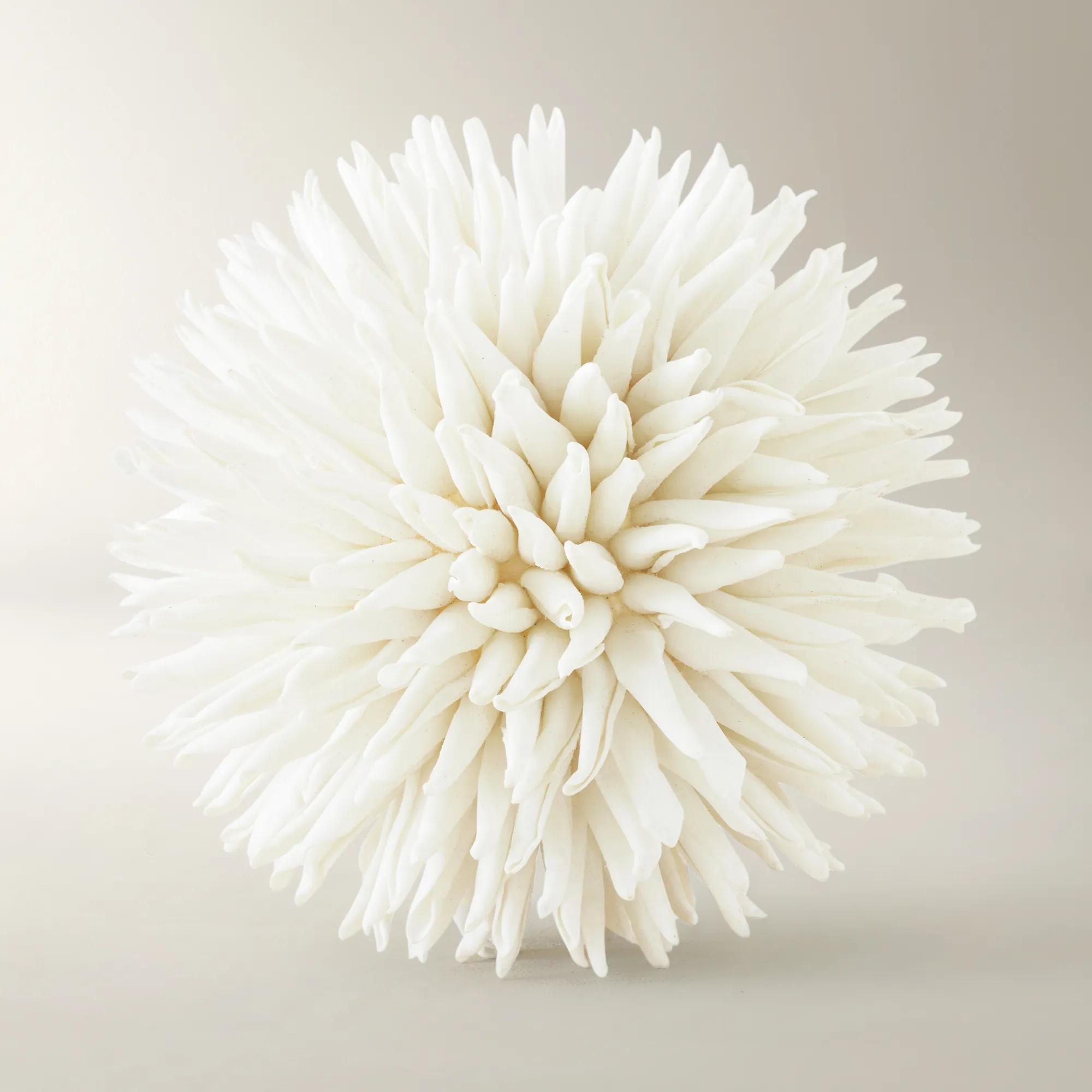 Faux White Allium Sphere 7" Set of 3$59
A set of three foam white faux floral spheres that stay vibrant year-round without water or sunlight.
Add To Cart -
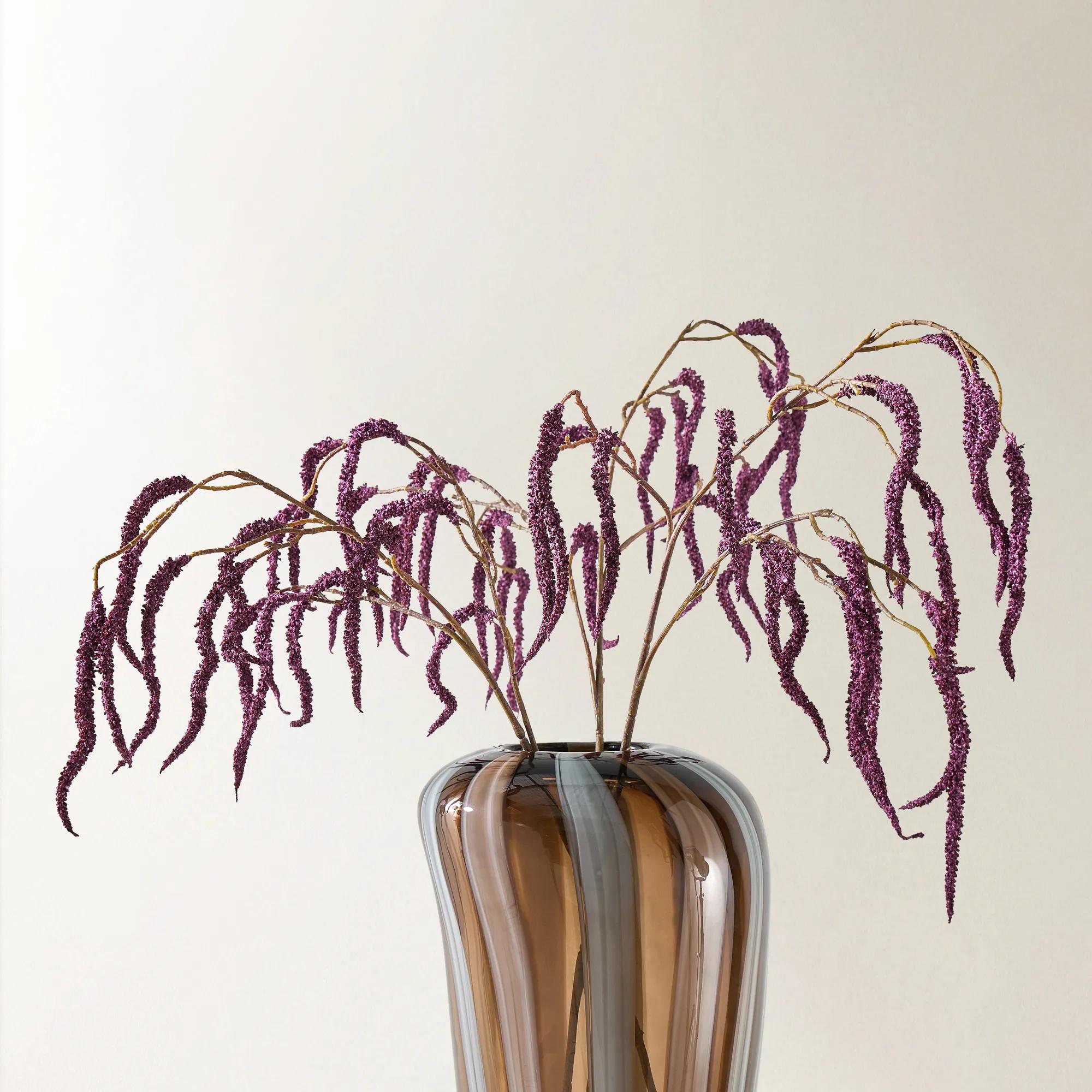
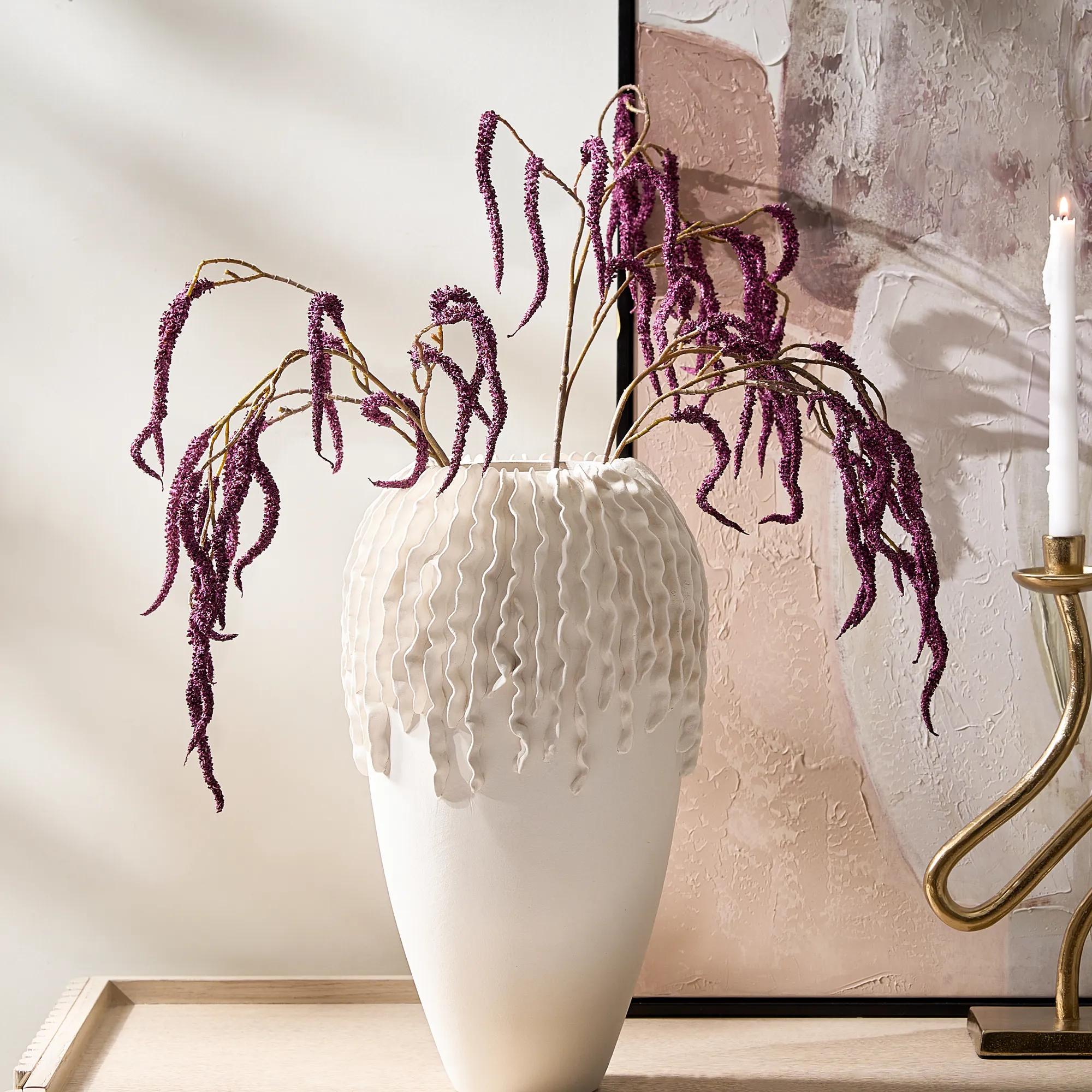 Faux Dark Amethyst Amaranthus Stem 30" Set of 3$39
A set of three faux amaranthus stems in dark amethyst plastic, featuring cascading botanical texture.
Add To Cart -
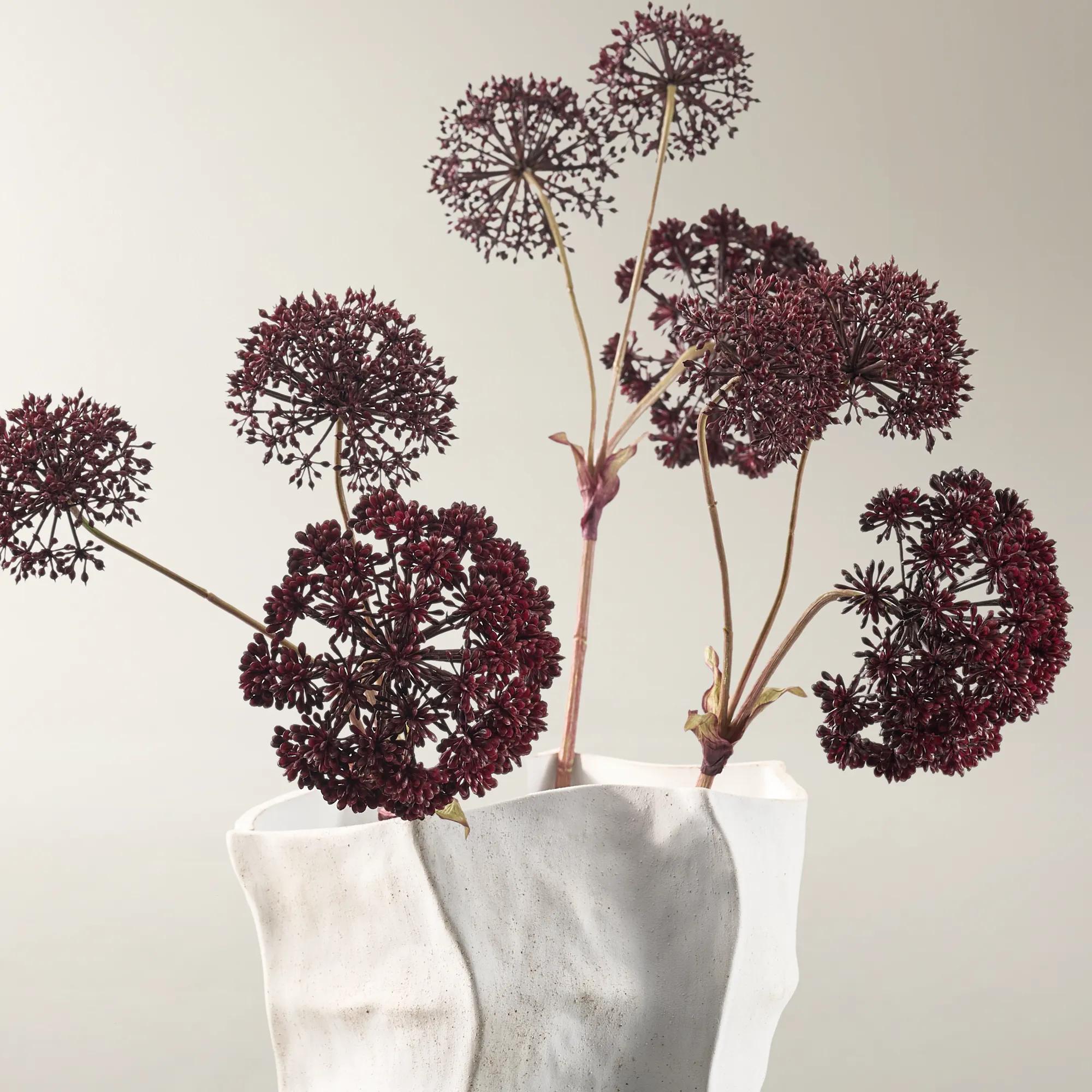 Faux Fig Angelica Stem 28" Set of 3$89
A set of three faux fig angelica stems in rich fig color adds sculptural depth to seasonal arrangements.
Add To Cart -
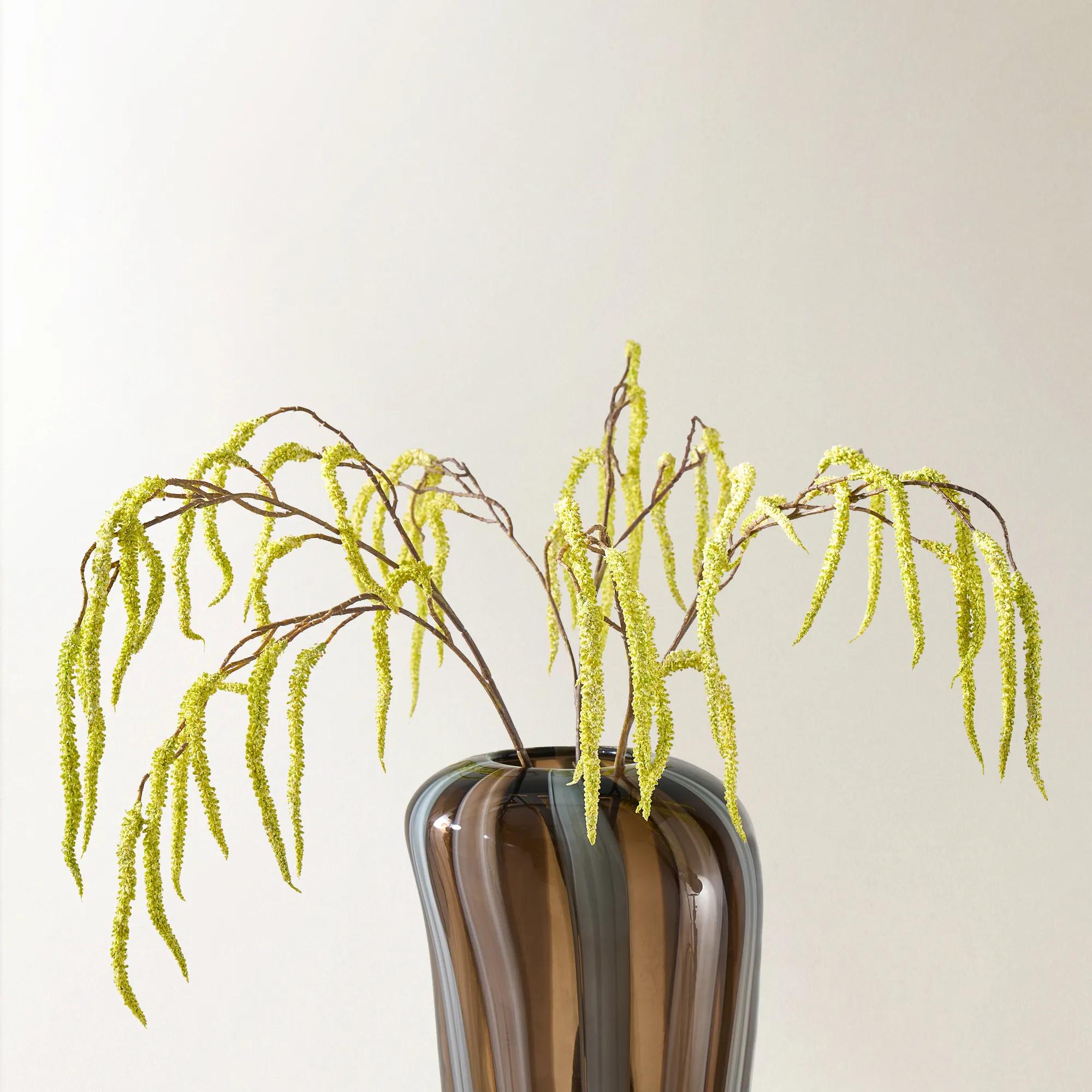
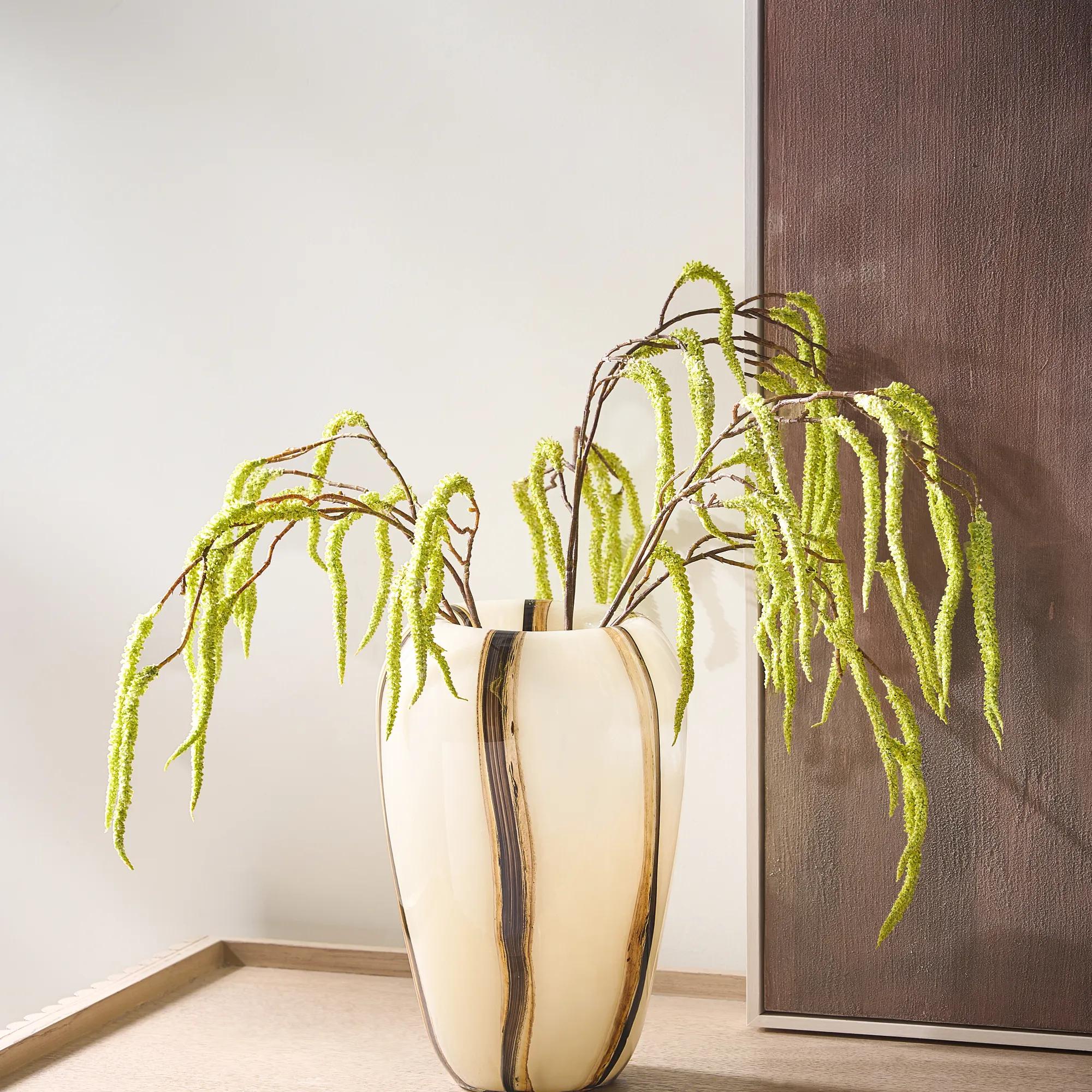 Faux Citron Yellow Amaranthus Stem 30" Set of 3$39
A faux floral stem set in citron yellow plastic with cascading form for layered arrangements.
Add To Cart -
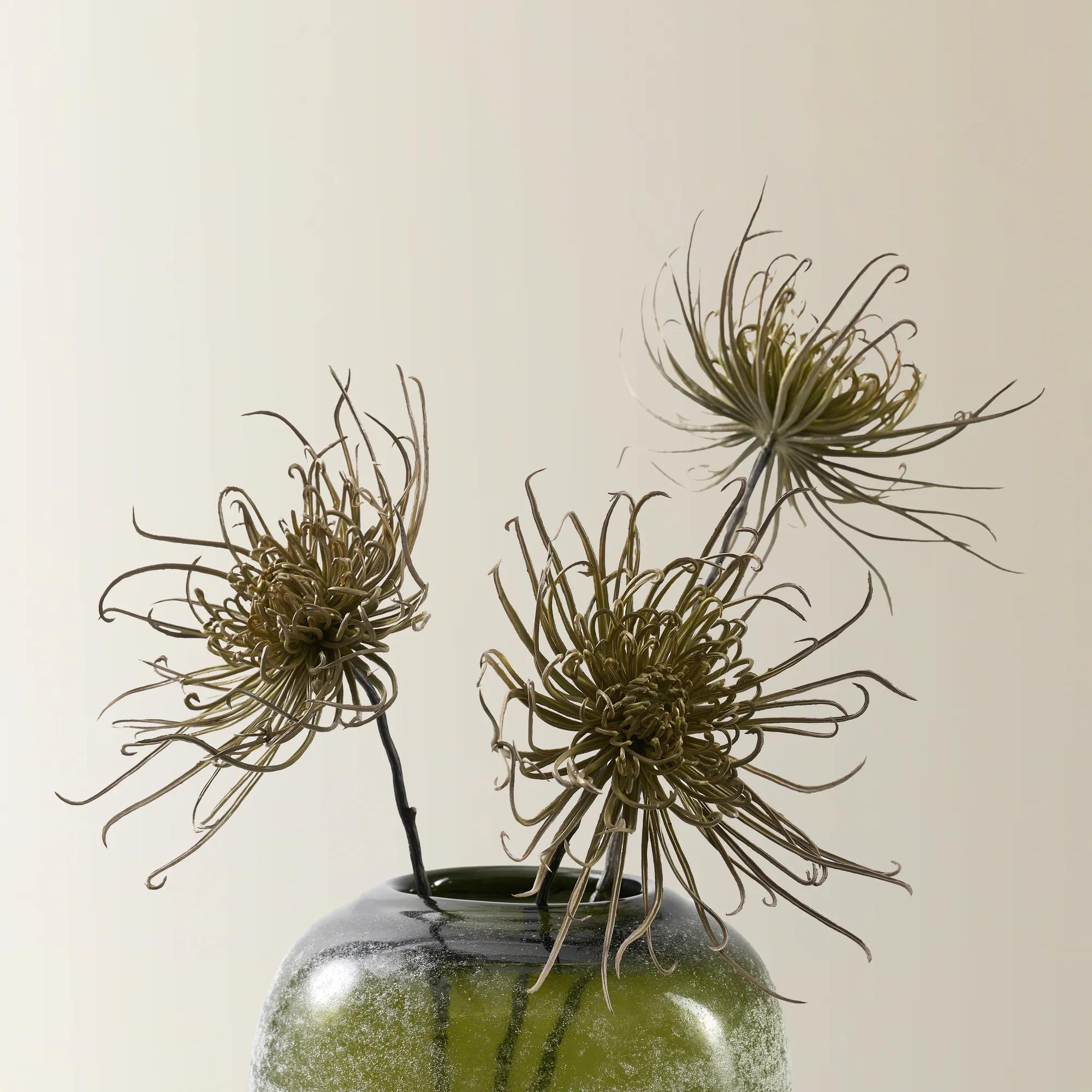 Faux Green Mum Stem 28" Set of 3$59
A set of three faux green mum stems with yellow accents adds lively, natural texture to arrangements.
Add To Cart -
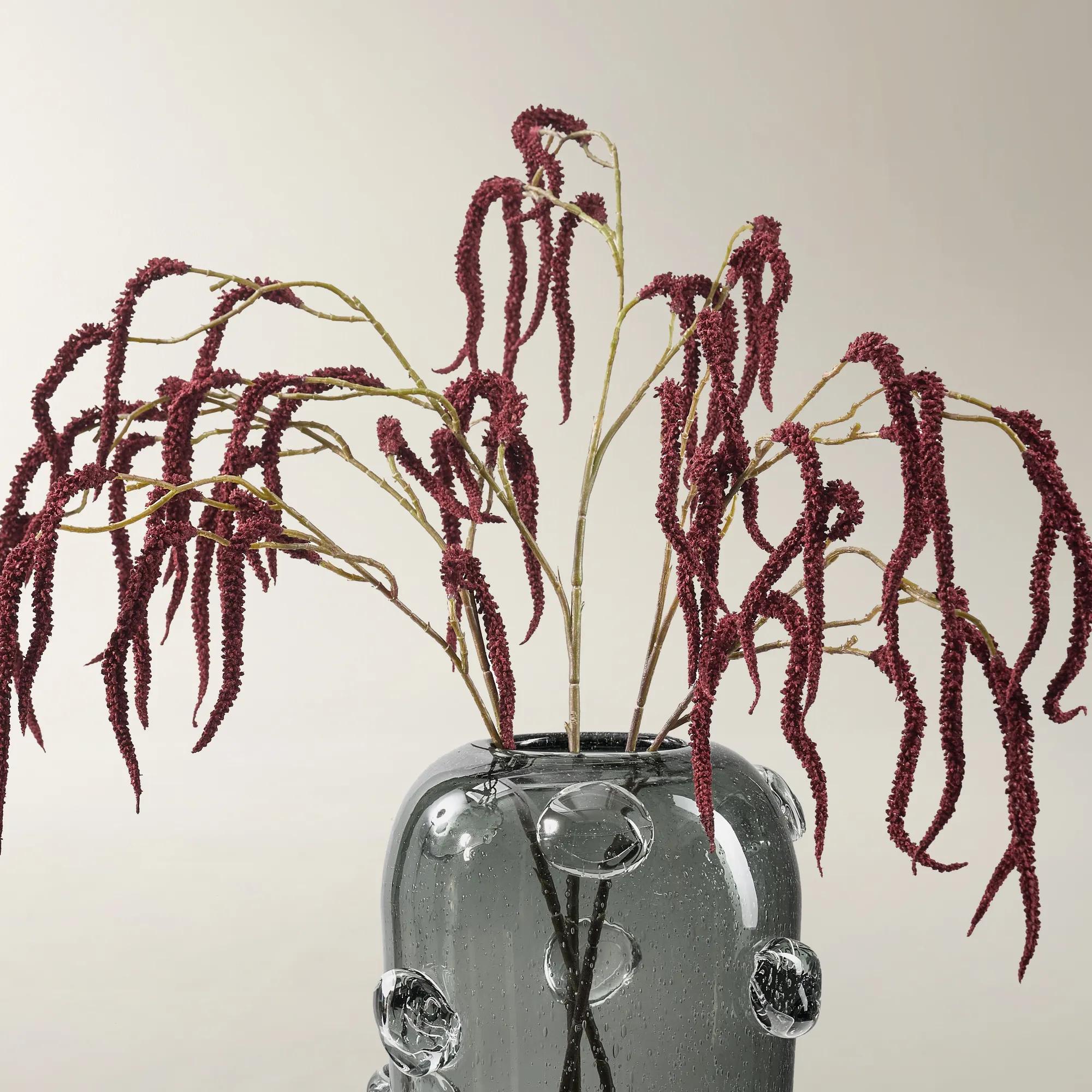
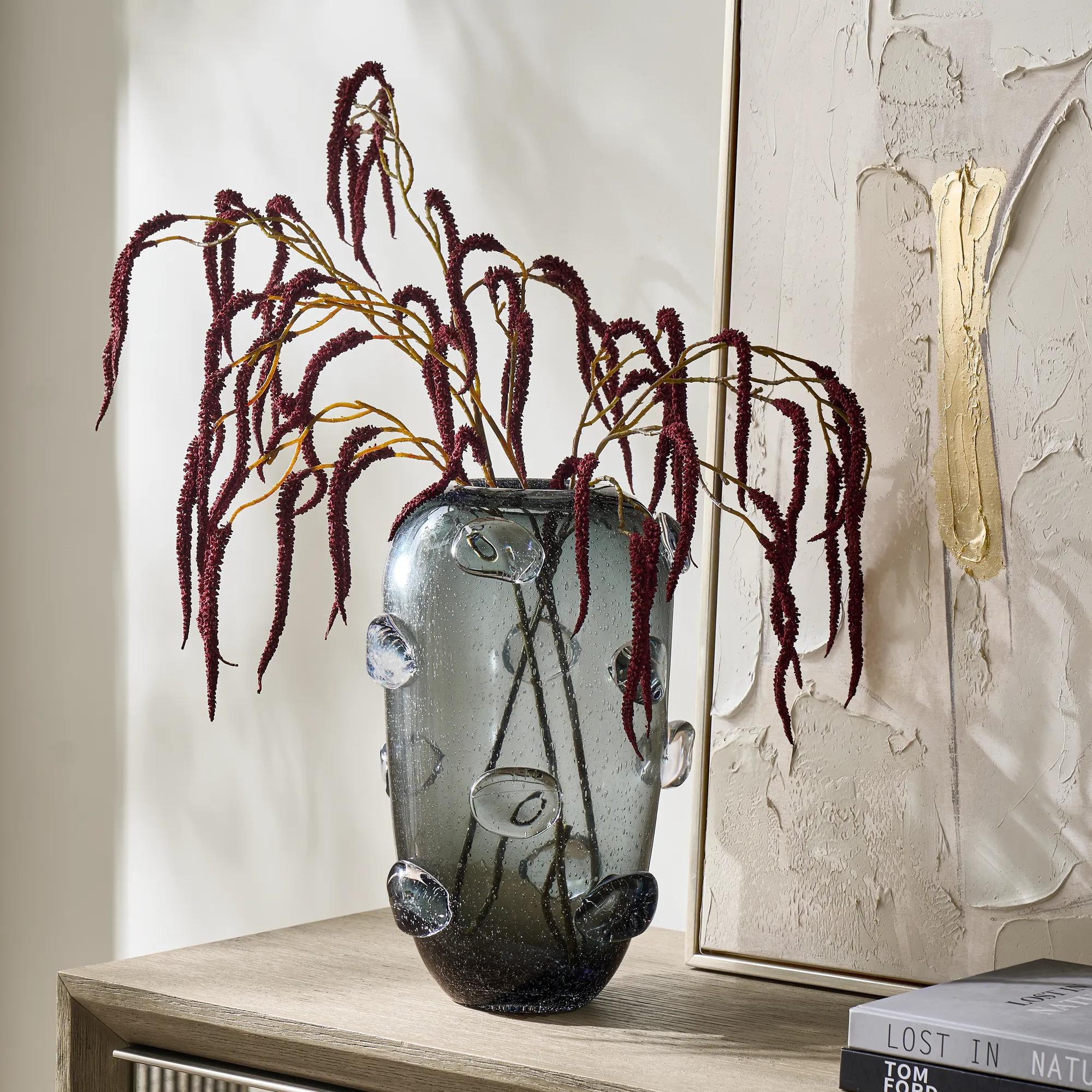 Faux Burgundy Amaranthus Stem 30" Set of 3$39
A set of three cascading faux stems in rich burgundy plastic adds dramatic texture to arrangements.
Add To Cart -
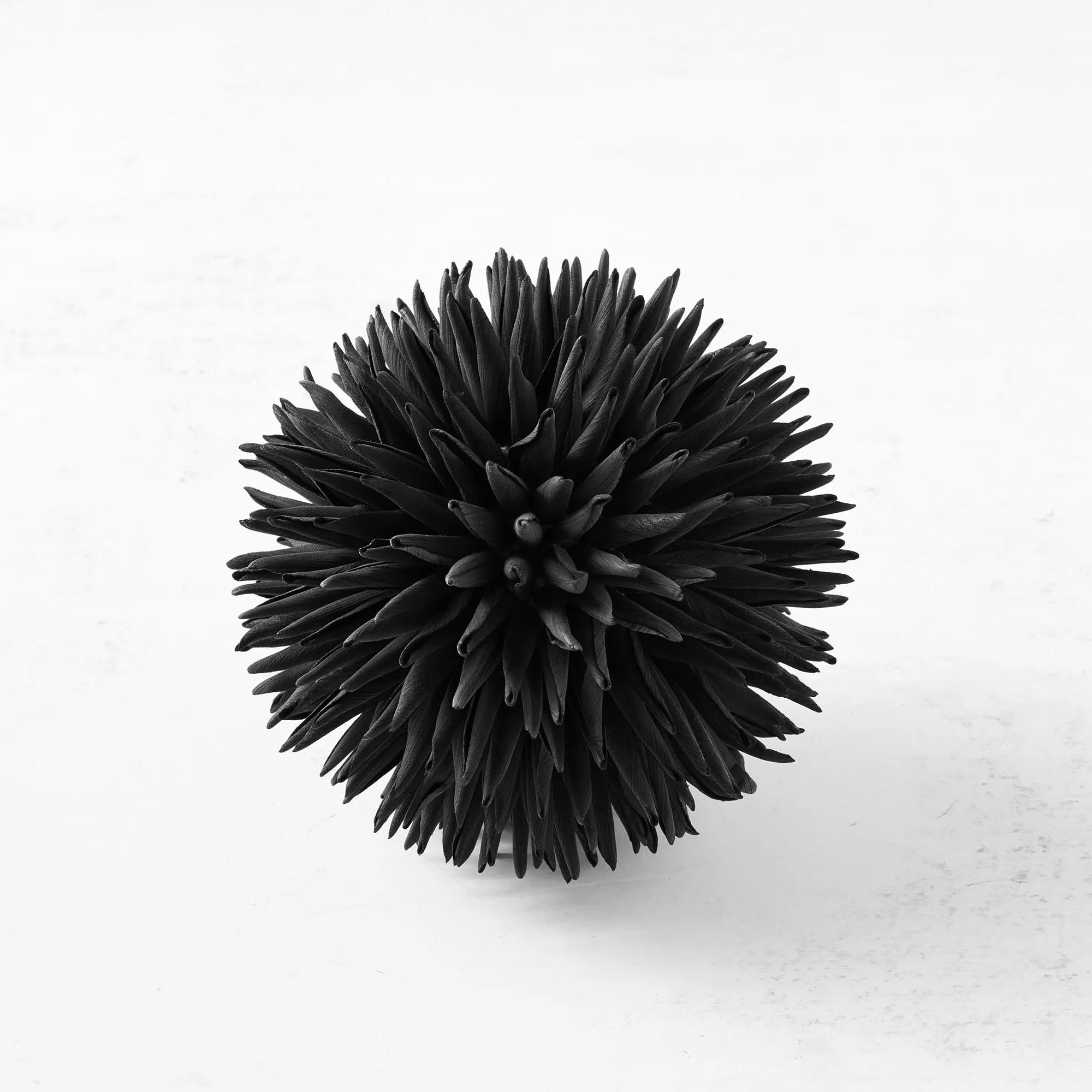 Faux Black Allium Sphere 7" Set of 3$59
A set of three lifelike black faux allium spheres crafted from foam for effortless, year-round decor.
Add To Cart

Faux Greenery For Home Staging
Faux greenery for home staging transforms ordinary spaces into captivating showcases, infusing each room with a breath of curated vitality. Artfully arranged leaves and sculptural stems evoke the serenity of nature while maintaining an air of polished sophistication—no watering required. Whether nestled on a console or cascading from a statement planter, these botanical accents invite light, texture, and effortless elegance into every corner. With faux greenery for home staging, your interiors become a canvas where lush beauty meets lasting allure, ensuring every detail whispers luxury and every glance feels intentional.
Faux greenery for home staging includes artificial trees, potted plants, leafy stems, and trailing vines that bring botanical texture to a property without watering, pruning, or dependence on natural light. Its appeal is both practical and expressive: sculptural foliage softens architectural lines, deep green leaves give pale upholstery greater definition, and an artful arrangement makes a room feel considered rather than simply furnished. For professional stagers, real estate agents, and homeowners preparing a property for photography or showings, these accents help suggest a beautifully lived-in space while leaving room for prospective buyers to imagine their own belongings. Different silhouettes create distinct effects. Airy eucalyptus-style stems introduce muted green tones without overwhelming a console, while broad-leaf forms lend presence to an otherwise empty living room corner. Upright, narrow foliage suits tighter footprints beside a cabinet or reading chair, and trailing greenery brings movement to an open shelf. Scale matters more than quantity. A floor-standing plant should complement the height of nearby furnishings without crowding a doorway, covering architectural details, or interrupting the view across a room. On dining tables and kitchen islands, lower arrangements preserve conversation lines and keep generous surfaces visible. A restrained grouping on a bathroom vanity can suggest a polished retreat, provided there is still clear space around the sink. In listing photographs, greenery is most useful when it supports the room’s proportions rather than becoming the entire subject. A leafy silhouette beside a window can frame an inviting seating area; a compact arrangement near a mirror can add depth through its reflection. The goal is not to fill every vacant surface. It is to give the eye a few deliberate places to land, balancing the gleam of glass, the richness of upholstery, and the clean edges of case goods with something organic in form. That balance allows a staged interior to feel expressive and welcoming while keeping the property itself at the center of attention. Even an unfurnished alcove can gain purpose from a carefully scaled botanical accent, suggesting a finished room without requiring another substantial piece of furniture.
The most convincing artificial greenery depends on material, finish, and construction working together. Faux foliage may combine woven polyester leaves, molded plastic components, coated surfaces, and internally wired stems, with each material contributing a different degree of softness, structure, or flexibility. Fabric leaves can offer delicate movement, while molded foliage can give thicker botanical forms their characteristic dimension. Descriptions such as “silk” or “real-touch” do not, by themselves, establish fiber content or construction, so material details remain important when comparing options. For home staging, nuanced color and believable leaf placement often matter more than an abundance of foliage. Subtle shifts from olive to deep green, gently irregular edges, and visible veining can create depth at both close range and across a room. An excessively glossy finish may catch distracting reflections, although a measured sheen can be appropriate for foliage modeled on naturally waxy leaves. Visible stem connections, exposed support foam, and rigidly repeated leaf angles can interrupt the illusion, especially near windows or under strong overhead lighting. Where construction permits shaping, flexible branches allow a looser, more natural outline; fixed stems should not be forced. The container contributes just as much to the finished composition. A substantial ceramic vessel lends quiet weight to airy branches, a stone-look planter emphasizes sculptural form, and a metallic finish introduces a controlled note of glamour. The vessel’s opening, height, and visual weight should suit the foliage rather than compete with it. An inner pot needs a secure fit inside a decorative planter, with a stable base that does not wobble when people pass nearby. Decorative moss or stones can conceal support materials when appropriate to the arrangement, but loose fillers deserve care in spaces used by children or pets. On a polished console, a suitable protective layer beneath the container helps guard the finish. These details distinguish greenery that merely occupies a corner from an arrangement that feels integrated into the room’s design. The result can be richly layered without looking crowded, with botanical texture providing a graceful counterpoint to tailored furnishings and luminous decorative surfaces.
Durability and care are particularly relevant when faux plants move between properties or remain in place through repeated showings. Sturdy branch connections, securely attached leaves, and a balanced container are useful qualities for arrangements that will be handled frequently, although artificial foliage still benefits from gentle treatment. Tall forms need sufficient clearance from doors, curtains, and busy walkways, while trailing stems should remain clear of drawers, cabinet hinges, and pathways. Greenery placed near a window does not need sunlight to thrive, but its materials may still fade with prolonged exposure; suitability for direct sun, damp environments, or outdoor placement depends on the stated care and use instructions. Indoor decorative foliage should not be assumed to tolerate a covered porch simply because it resembles a living plant. Routine upkeep generally centers on removing dust with a soft, dry cloth or another method approved for the material. Water, cleaning sprays, vigorous brushing, or soaking can damage certain finishes, adhesives, and fabric components, making product-specific care directions important. Clean leaves and an unmarked vessel help maintain the crisp presentation that staging requires, particularly against reflective furniture or pale walls where dust is more noticeable. For spaces that need a consistently composed finish, Low Maintenance Faux Greenery offers botanical character without adding a living plant’s care schedule. Between staging projects, supported stems and protective packing help preserve shape and keep delicate leaf edges from being crushed. Practicality, however, is only part of the attraction. In a primary bedroom, a softly branching arrangement can temper the formality of an upholstered headboard; in an entry, an upright plant can establish a welcoming focal point without taking over the floor. Repeating a related green tone in a few connected rooms creates visual continuity without making every arrangement identical. With thoughtful proportions, convincing materials, and a distinctive container, faux greenery gives staged interiors an enduring sense of vitality: polished enough for presentation, expressive enough to feel like a home.
FAQs
Faux greenery brings a sense of vitality and warmth to any space, instantly making rooms feel more inviting and thoughtfully curated. Its lush textures and rich tones add visual interest, soften hard architectural lines, and create a harmonious flow throughout the home—perfect for leaving a lasting impression on potential buyers or guests.
In living rooms, place tall faux trees in corners to anchor the space, while smaller potted plants can accent coffee tables or bookshelves. Kitchens come alive with trailing vines or eucalyptus stems atop cabinets, and bathrooms benefit from petite ferns or succulents on vanities. Entryways and dining tables shine with dramatic arrangements that set the tone for the rest of the home.
Faux greenery offers the beauty and freshness of real plants without the need for watering, sunlight, or ongoing care. This makes it ideal for home staging, rentals, or events where lasting impact and effortless upkeep are priorities. It allows for flexible styling and can be easily moved or updated as needed to suit any décor vision.
Seek out pieces with realistic textures, natural color gradients, and subtle details such as nuanced veining or organically shaped leaves. Avoid overly glossy finishes and uniform shapes, as these can appear artificial. High-quality faux greenery often features hand-finished touches and varied silhouettes that closely mimic the beauty of living plants.
Opt for statement pieces like sculptural fiddle leaf figs or sleek snake plants in contemporary planters. Pair different textures—such as mixing glossy leaves with matte stems—and use elegant vessels in metallic, ceramic, or glass finishes. Groupings of varied heights and shapes add depth and drama, creating a curated, gallery-worthy effect that enhances the overall sophistication of your space.