Faux Greenery For August Decorating
Faux Greenery For August Decorating
-
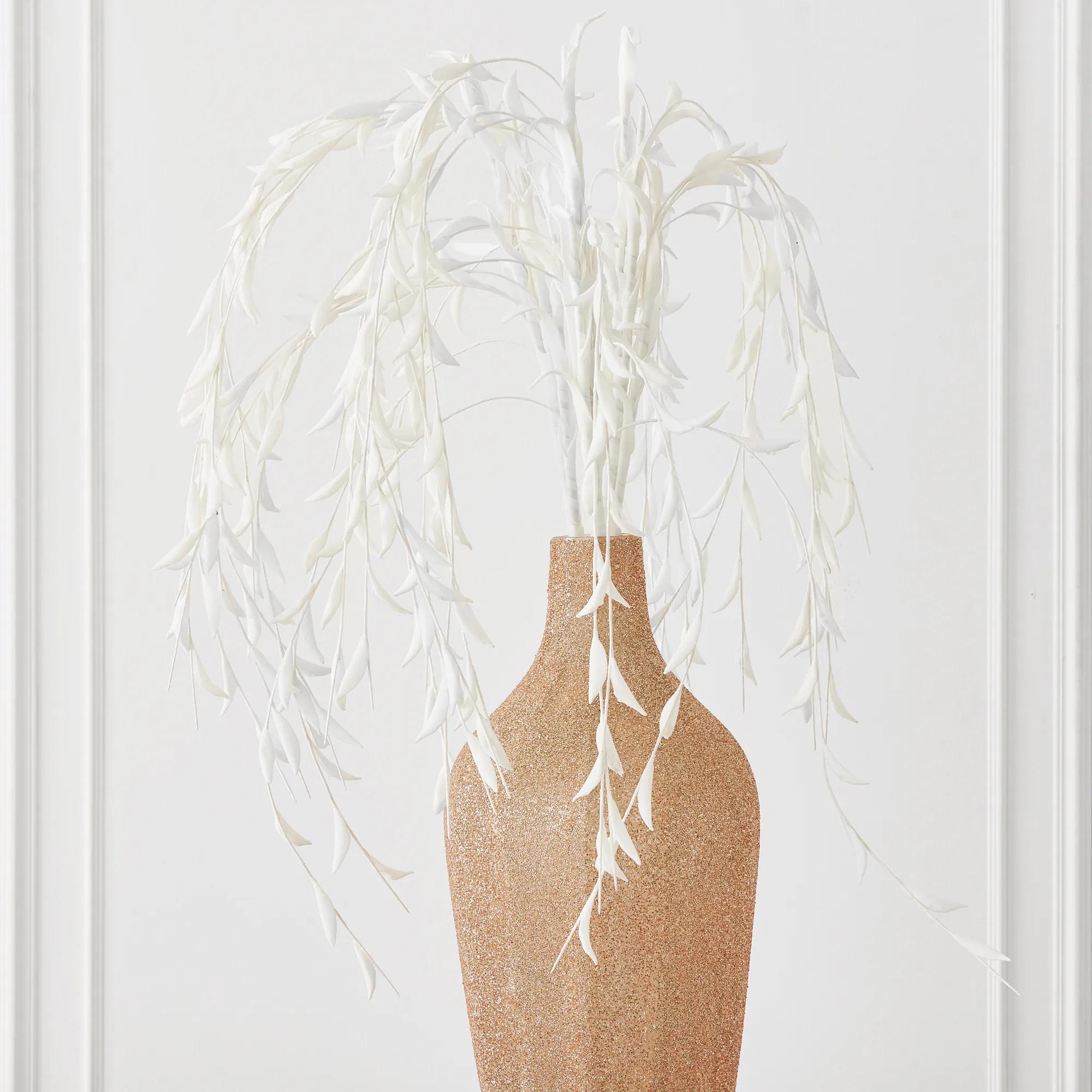 Faux Weeping Willow Spray Set of 3$59
A set of three faux weeping willows with delicate white foam branches for enchanting decor.
Add To Cart -
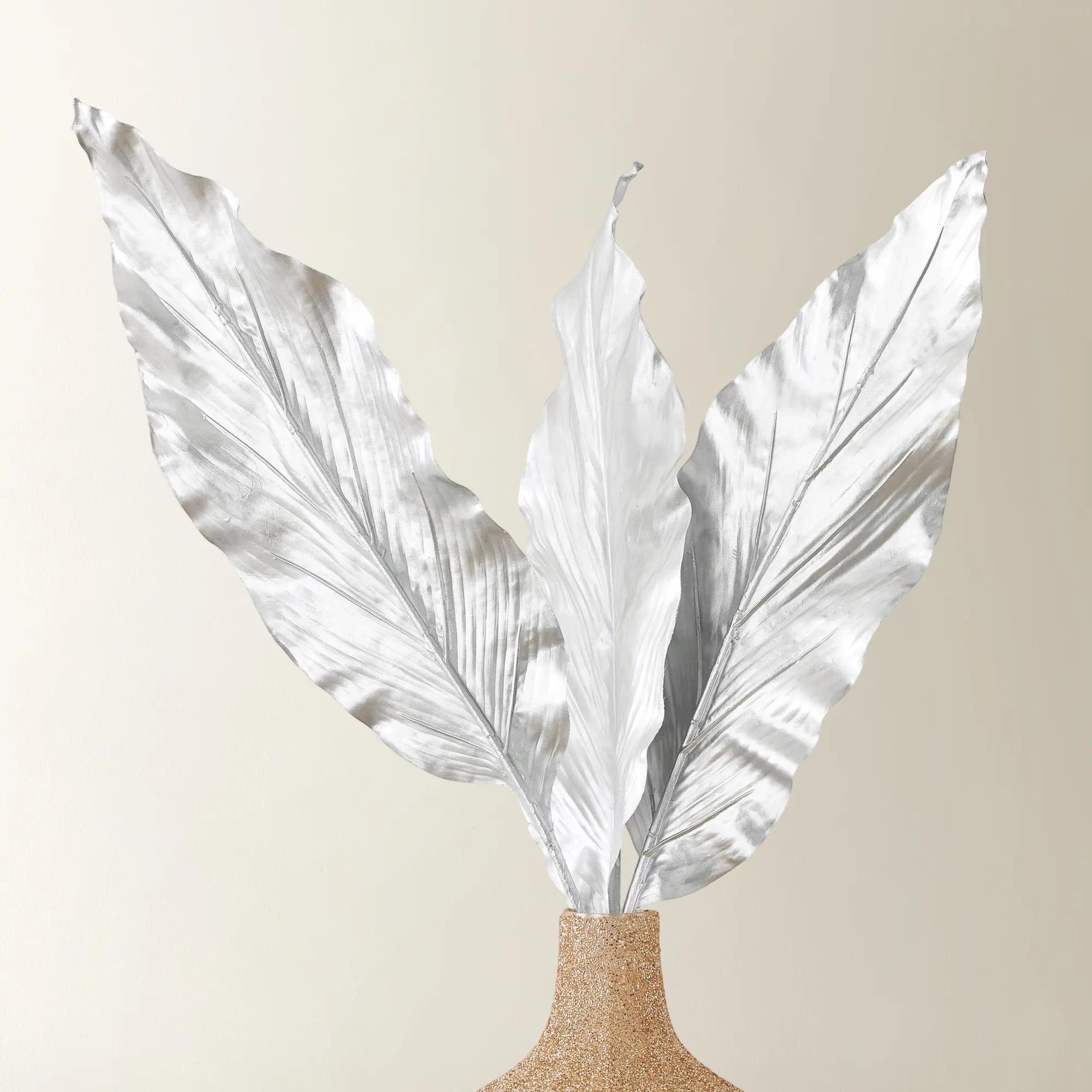
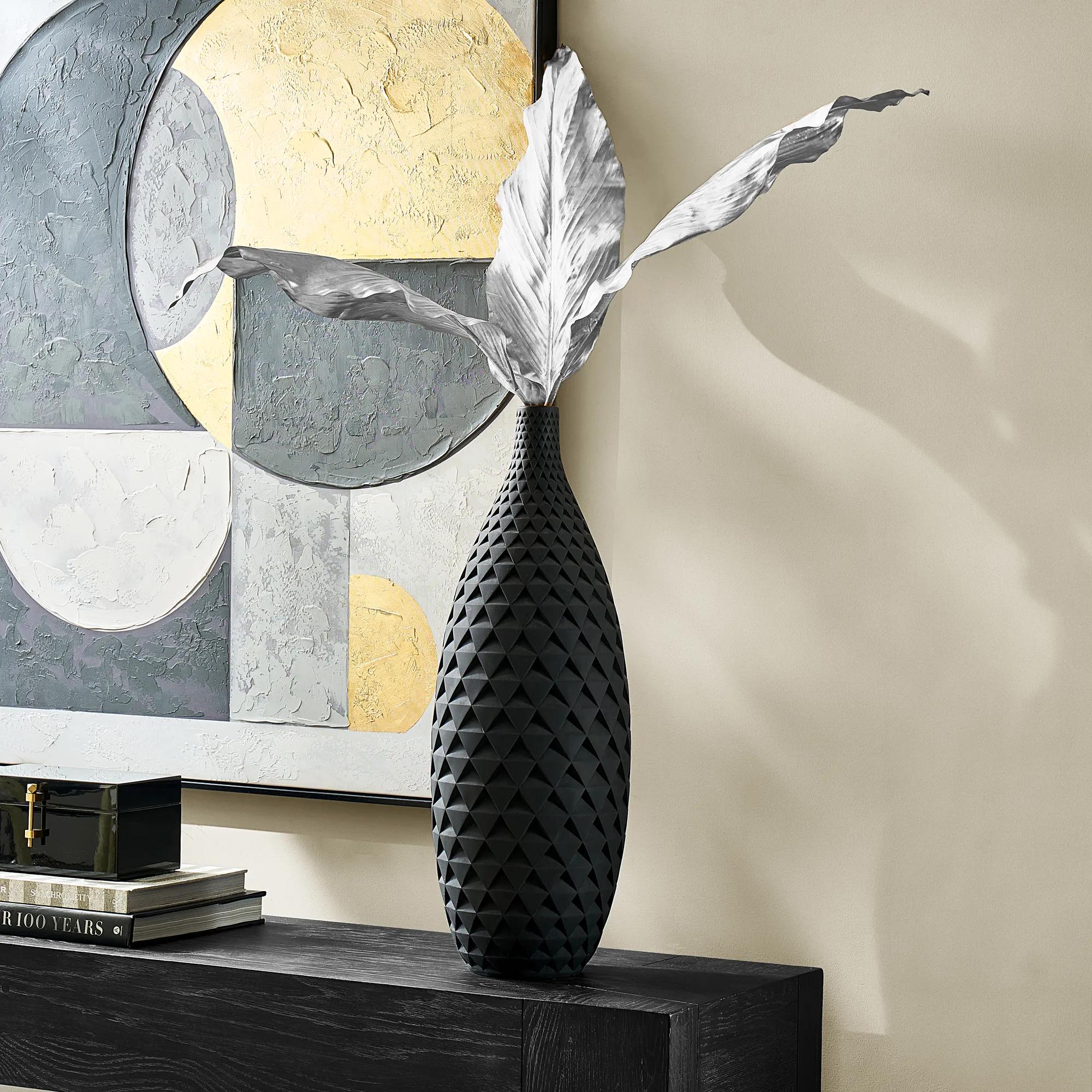 Faux Silver Canna Leaf Branch 38" Set of 3$49
A set of three silver metallic leaves inspired by the Canna plant for modern seasonal décor.
Add To Cart -
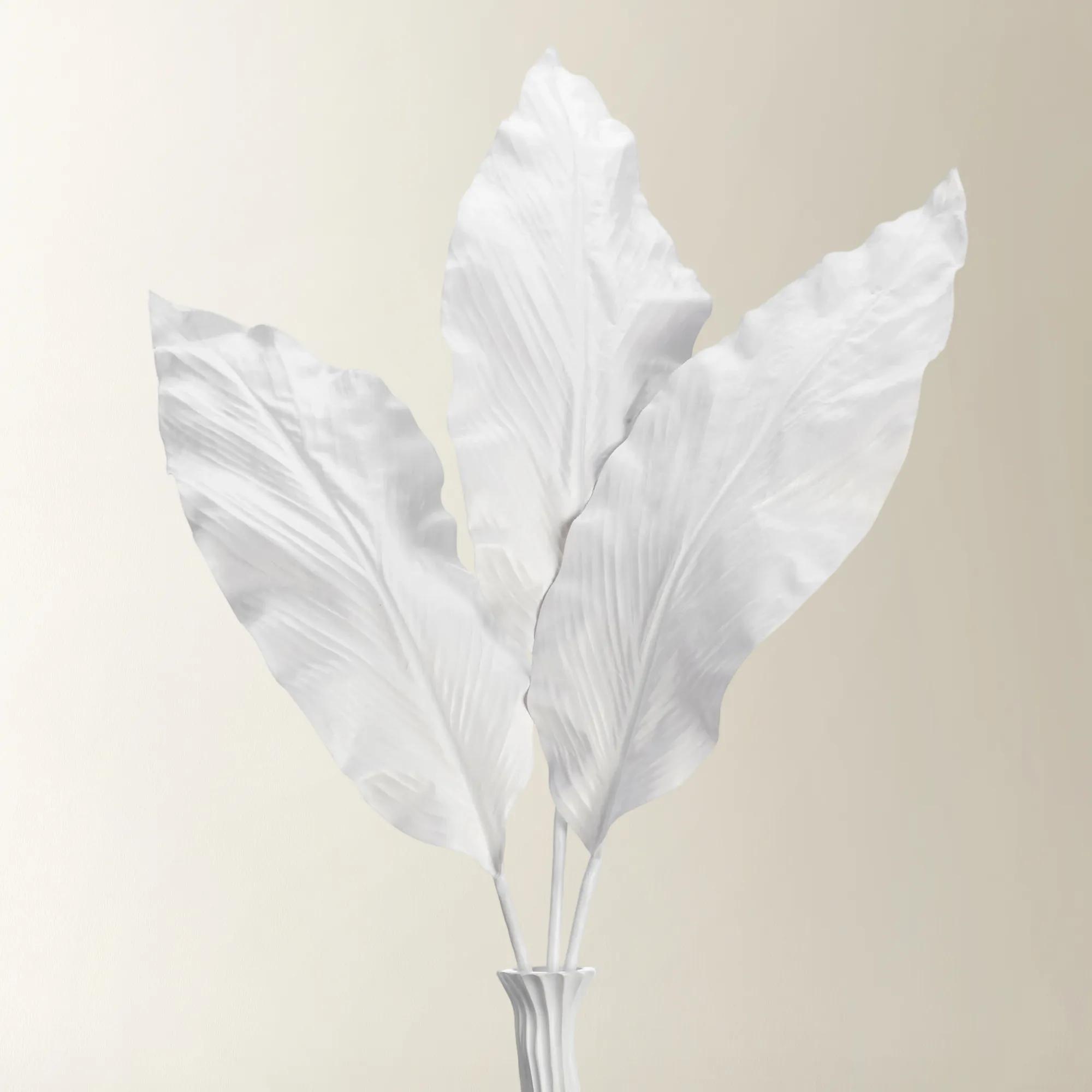
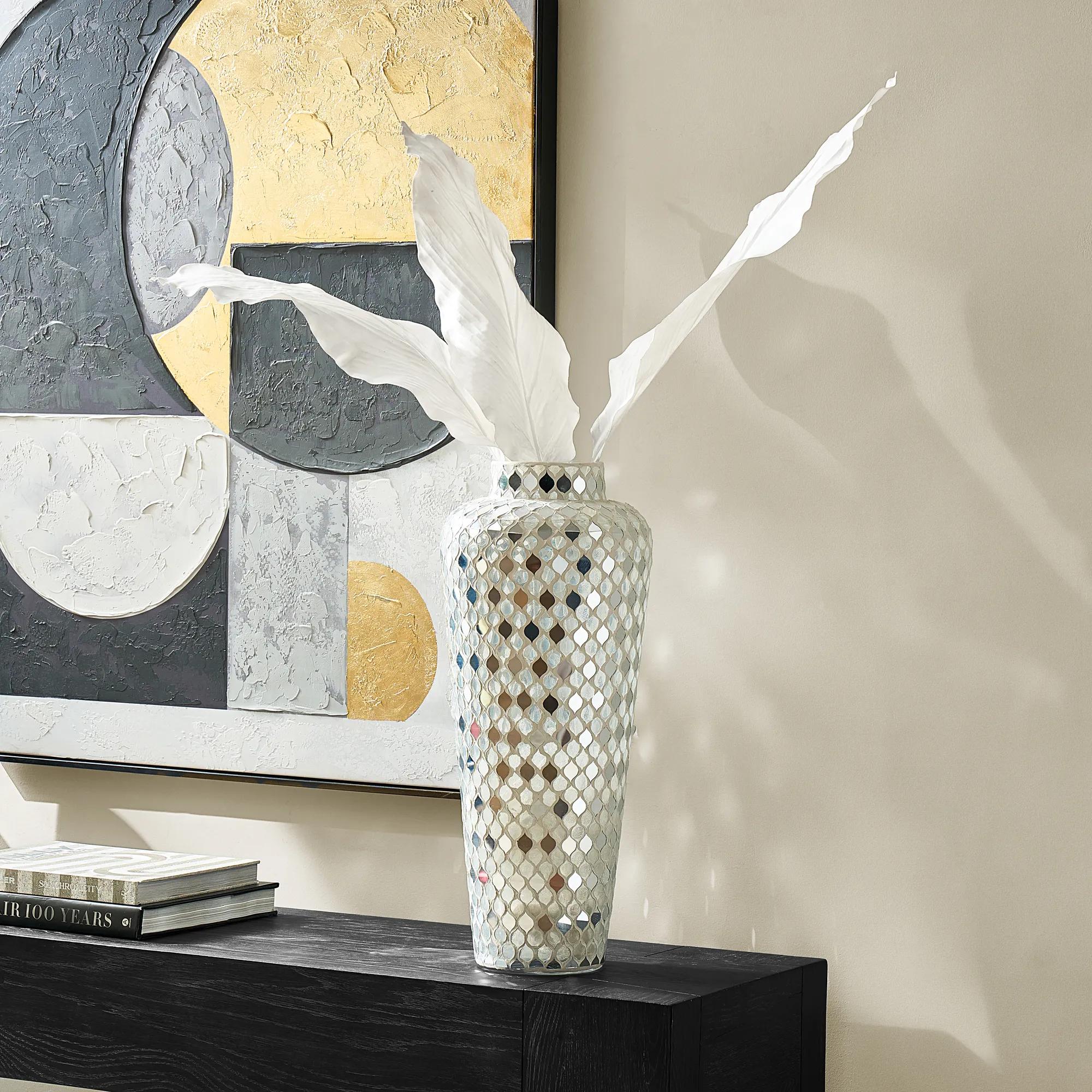 Faux White Canna Leaf Branch 38" Set of 3$49
A set of three white decorative branches inspired by the elegant foliage of the Canna plant.
Add To Cart -
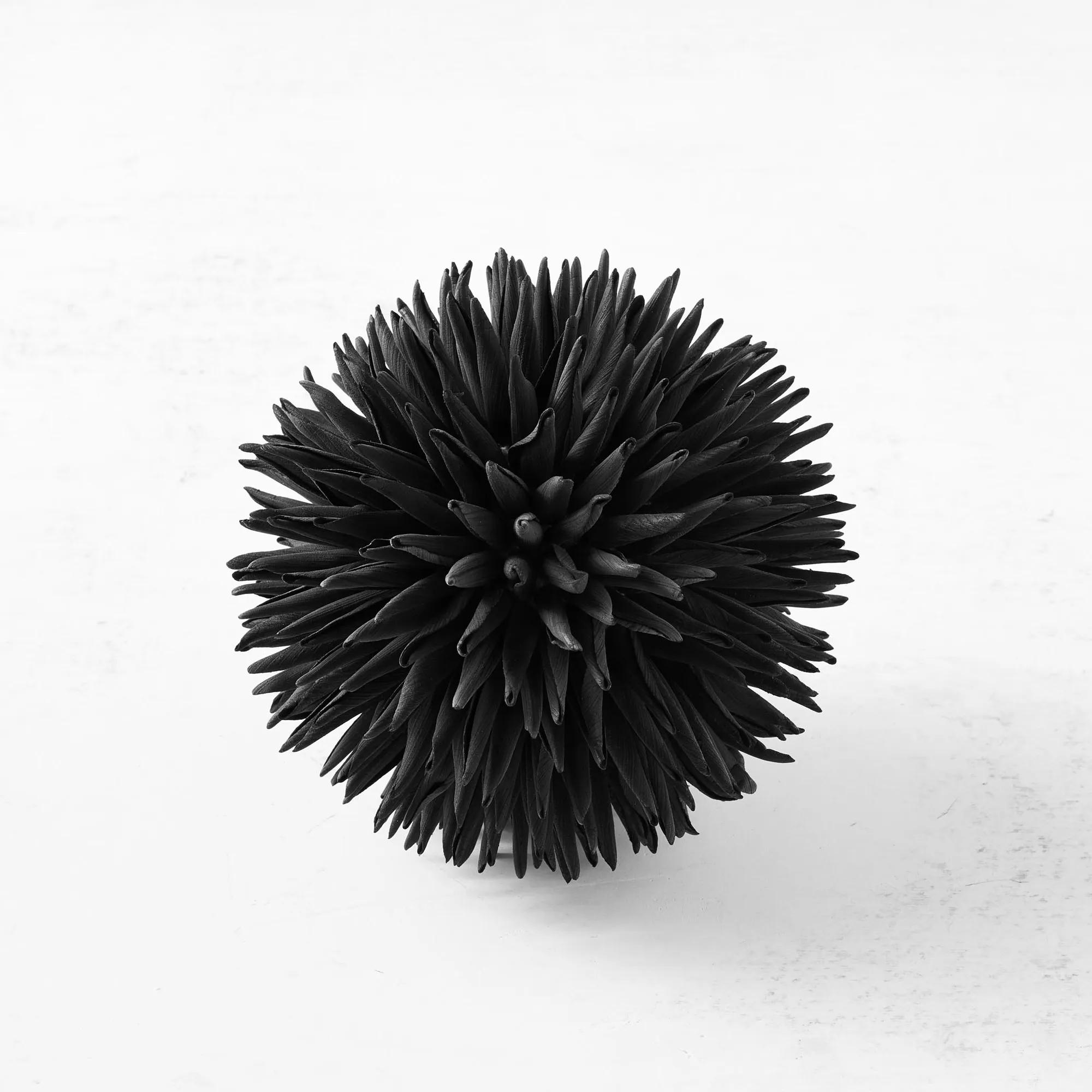 Faux Black Allium Sphere 7" Set of 3$59
A set of three lifelike black faux allium spheres crafted from foam for effortless, year-round decor.
Add To Cart -
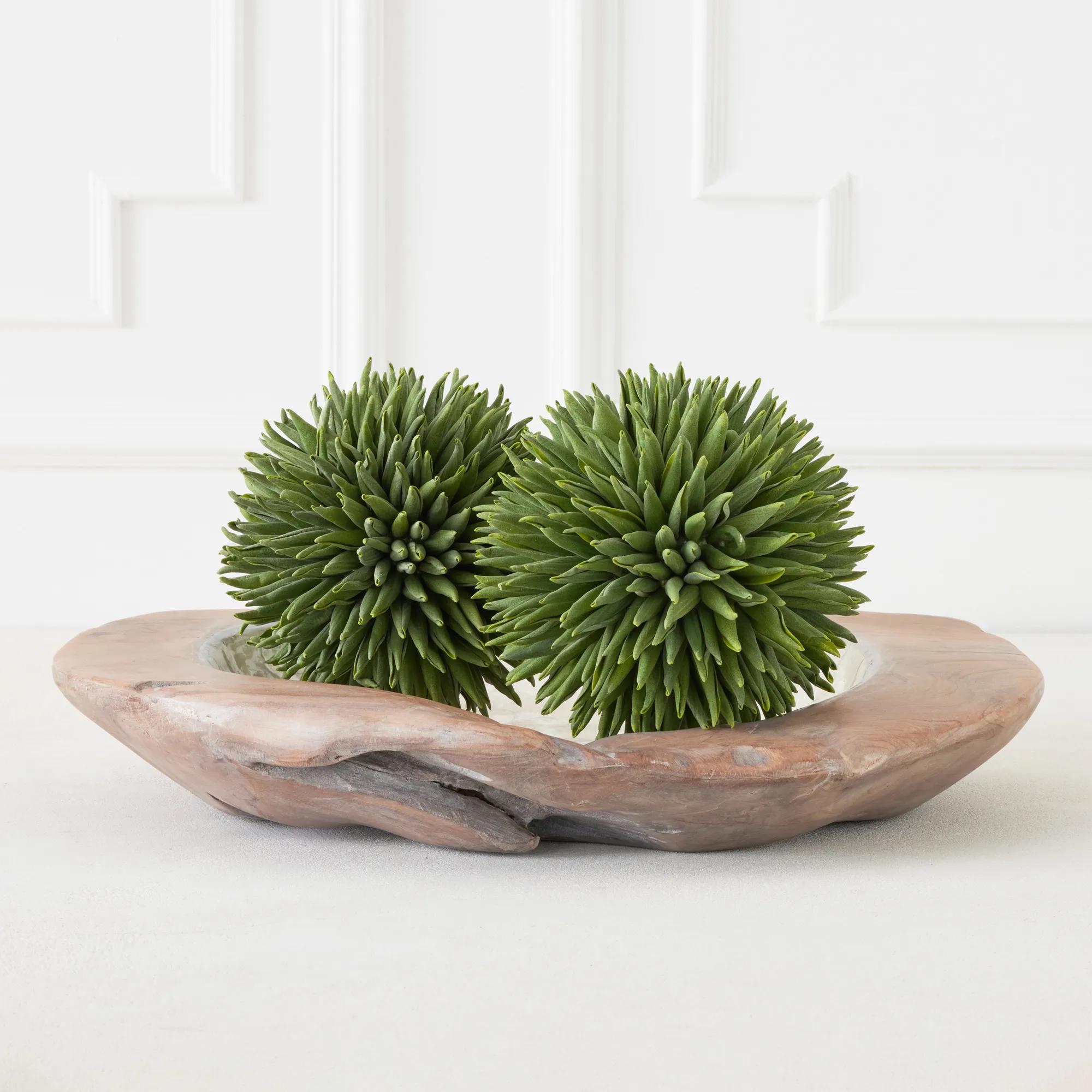 Faux Green Allium Sphere 7" Set of 3$59
A set of three lifelike foam green faux floral spheres that stay vibrant without water or sunlight.
Add To Cart -
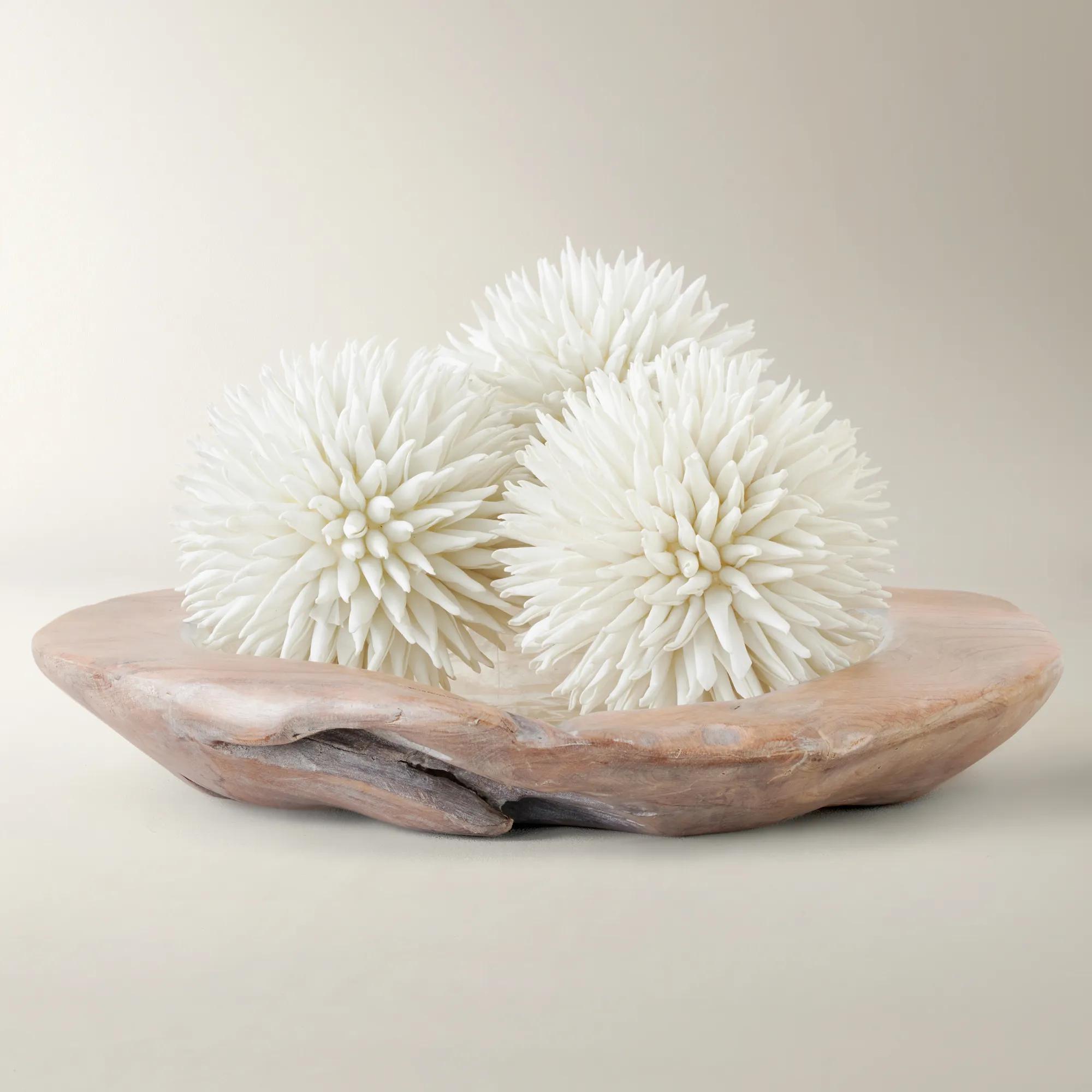
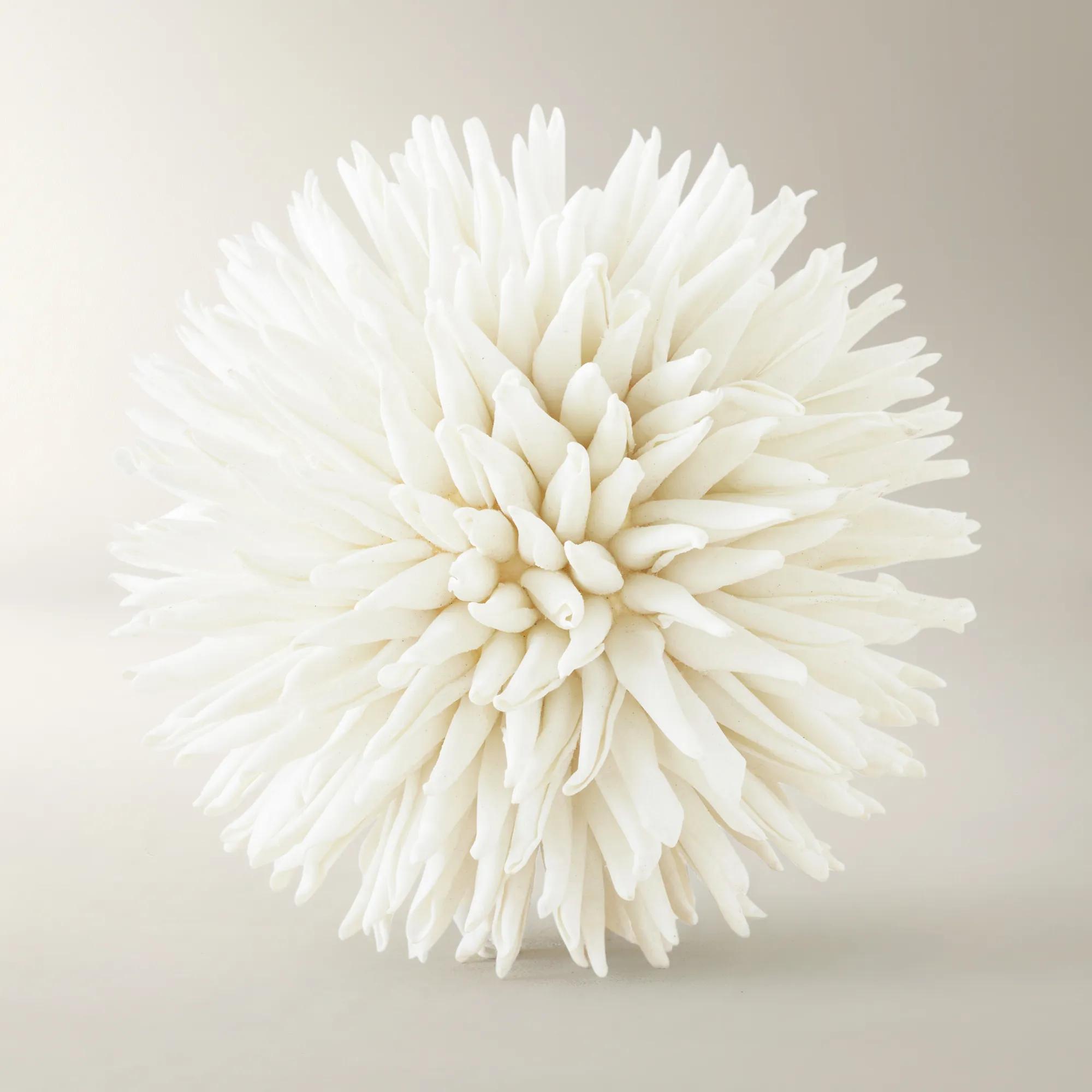 Faux White Allium Sphere 7" Set of 3$59
A set of three foam white faux floral spheres that stay vibrant year-round without water or sunlight.
Add To Cart -
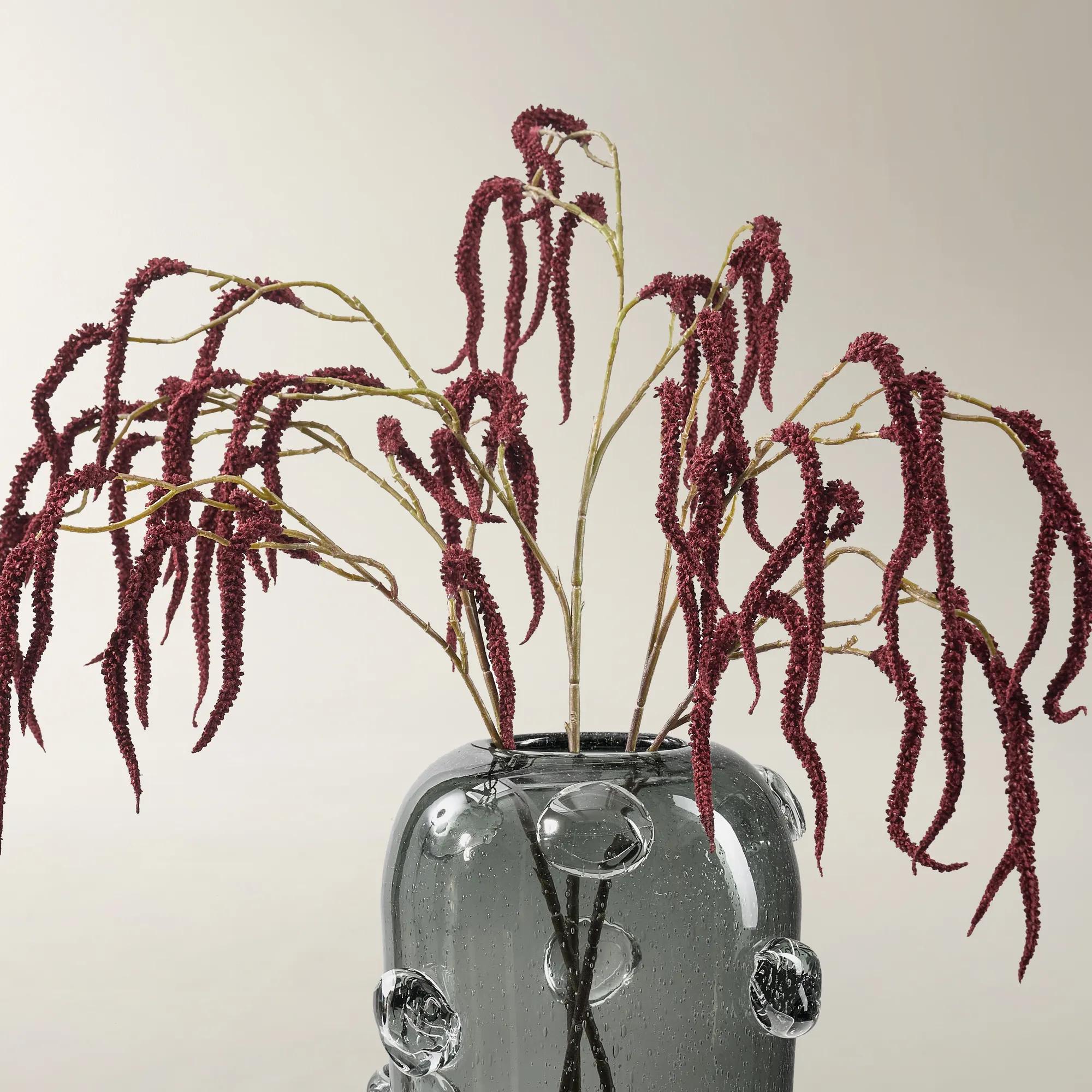
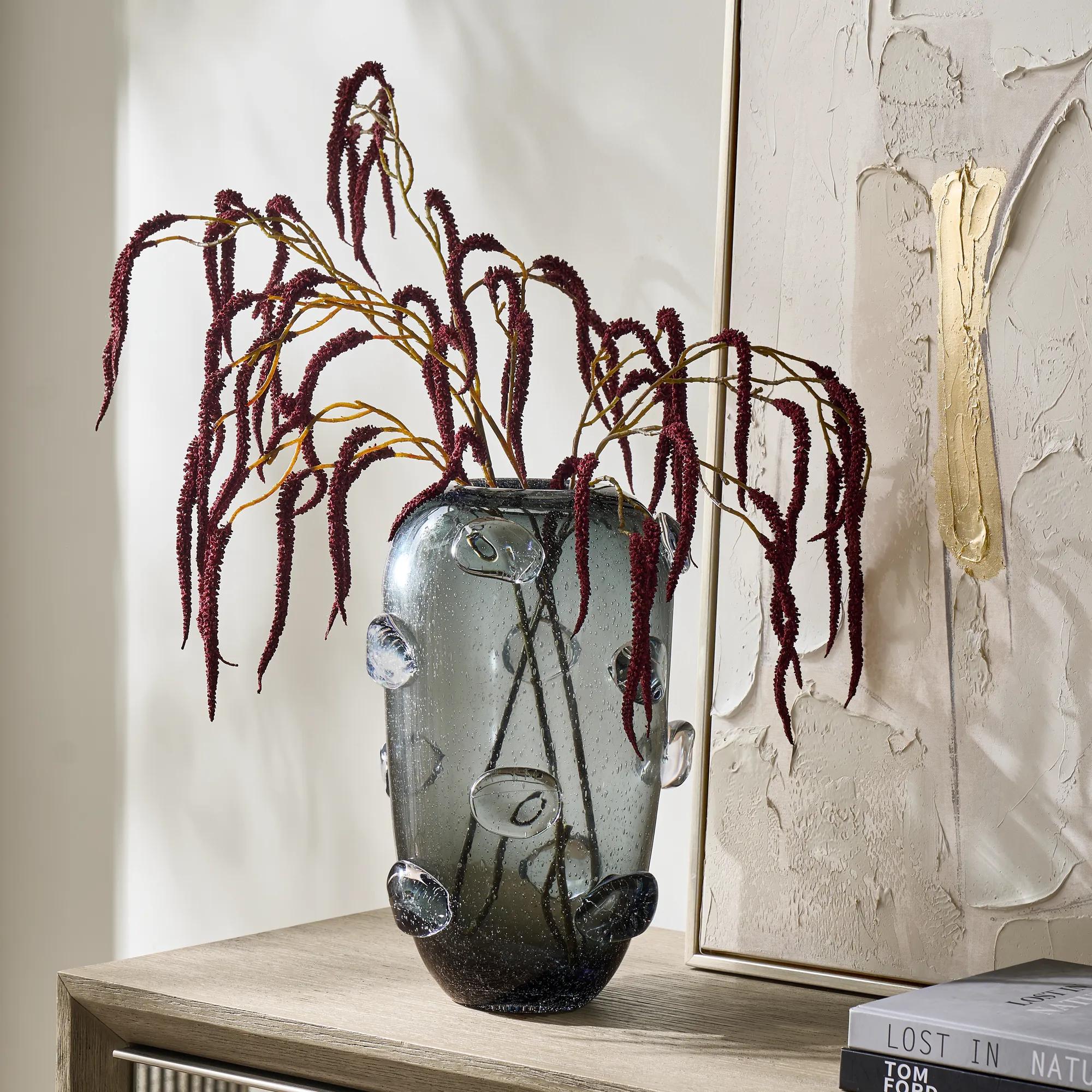 Faux Burgundy Amaranthus Stem 30" Set of 3$39
A set of three cascading faux stems in rich burgundy plastic adds dramatic texture to arrangements.
Add To Cart -
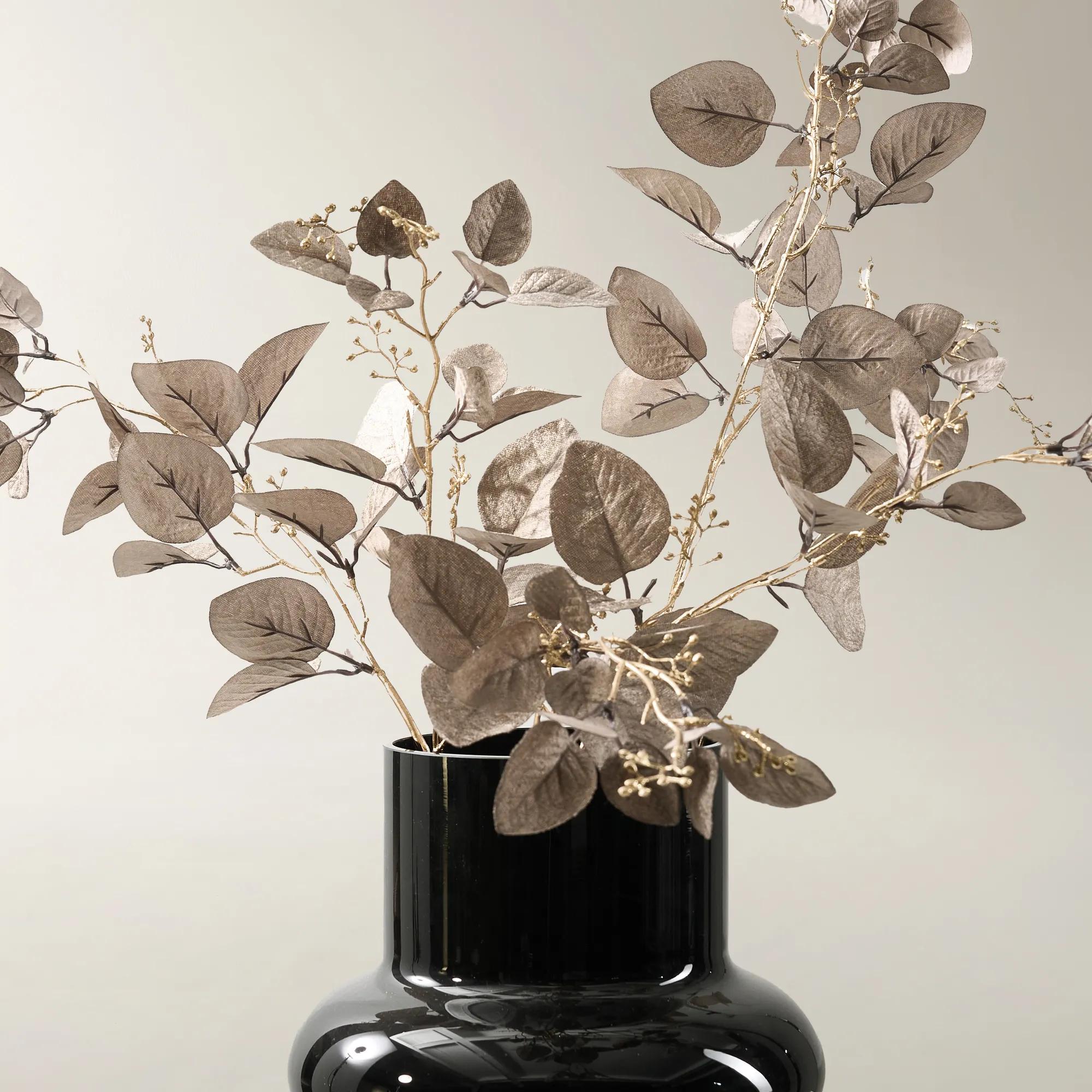 Faux Champagne Shimmer Eucalyptus Spray 32" Set of 3$49
A set of three antique champagne faux eucalyptus sprays adds metallic warmth and airy texture to arrangements.
Add To Cart -
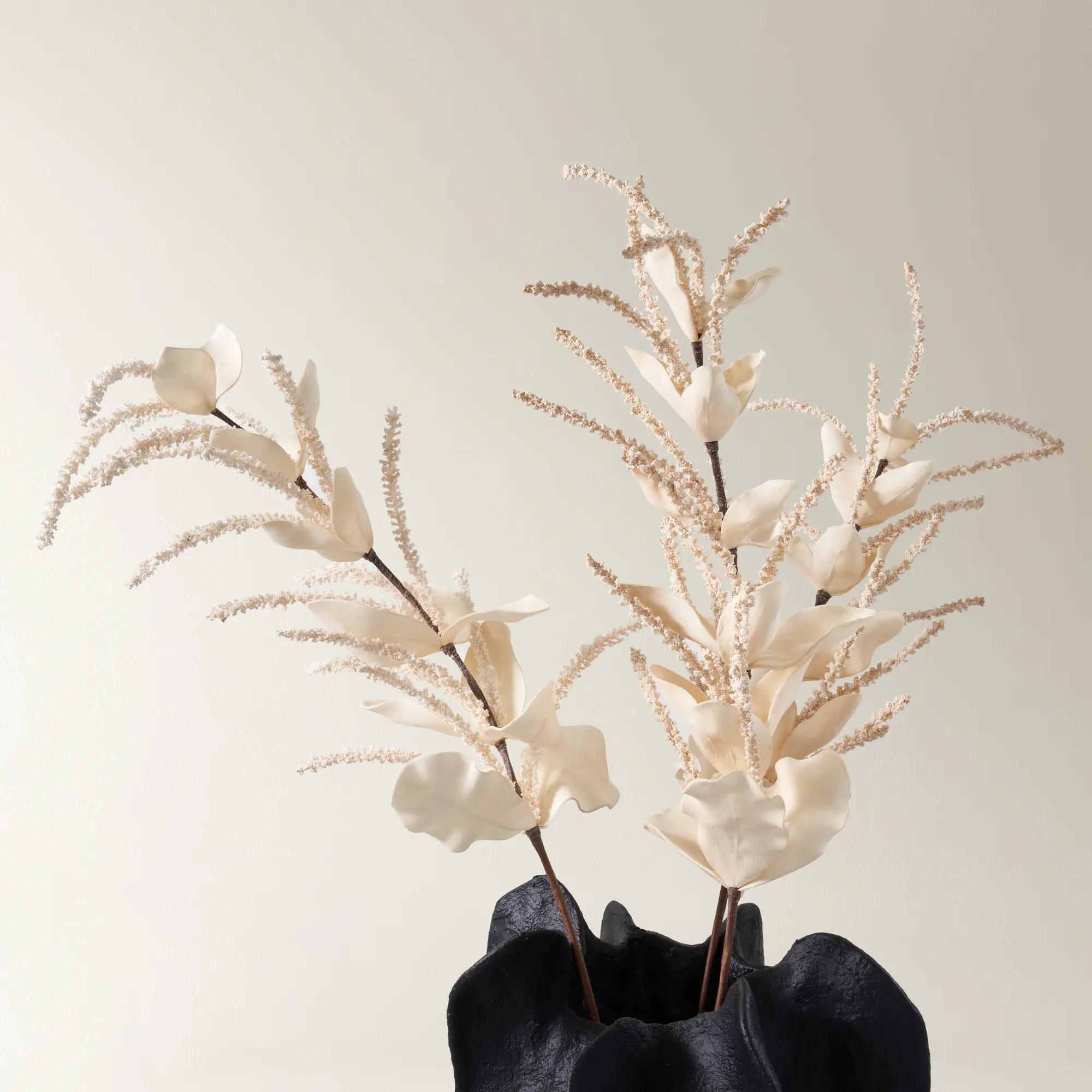 Faux Cream Weeping Spray 50" Set of 3$59
A set of three lifelike sprays in earthy beige and brown tones for a natural, elegant accent.
Add To Cart -
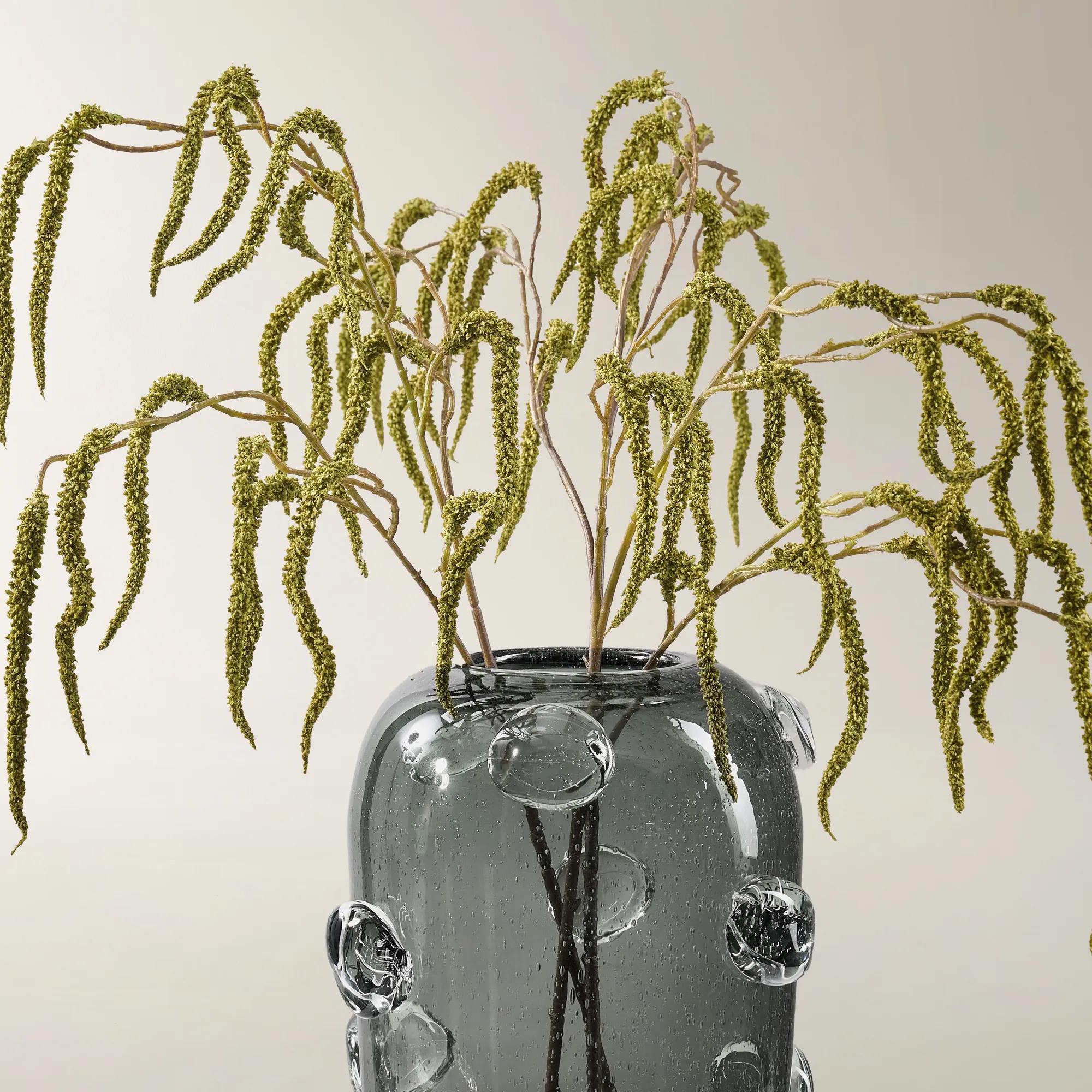 Faux Citron Green Amaranthus Stem 30" Set of 3$39
A set of three cascading faux amaranthus stems in vibrant citron green plastic for lush arrangements.
Add To Cart -
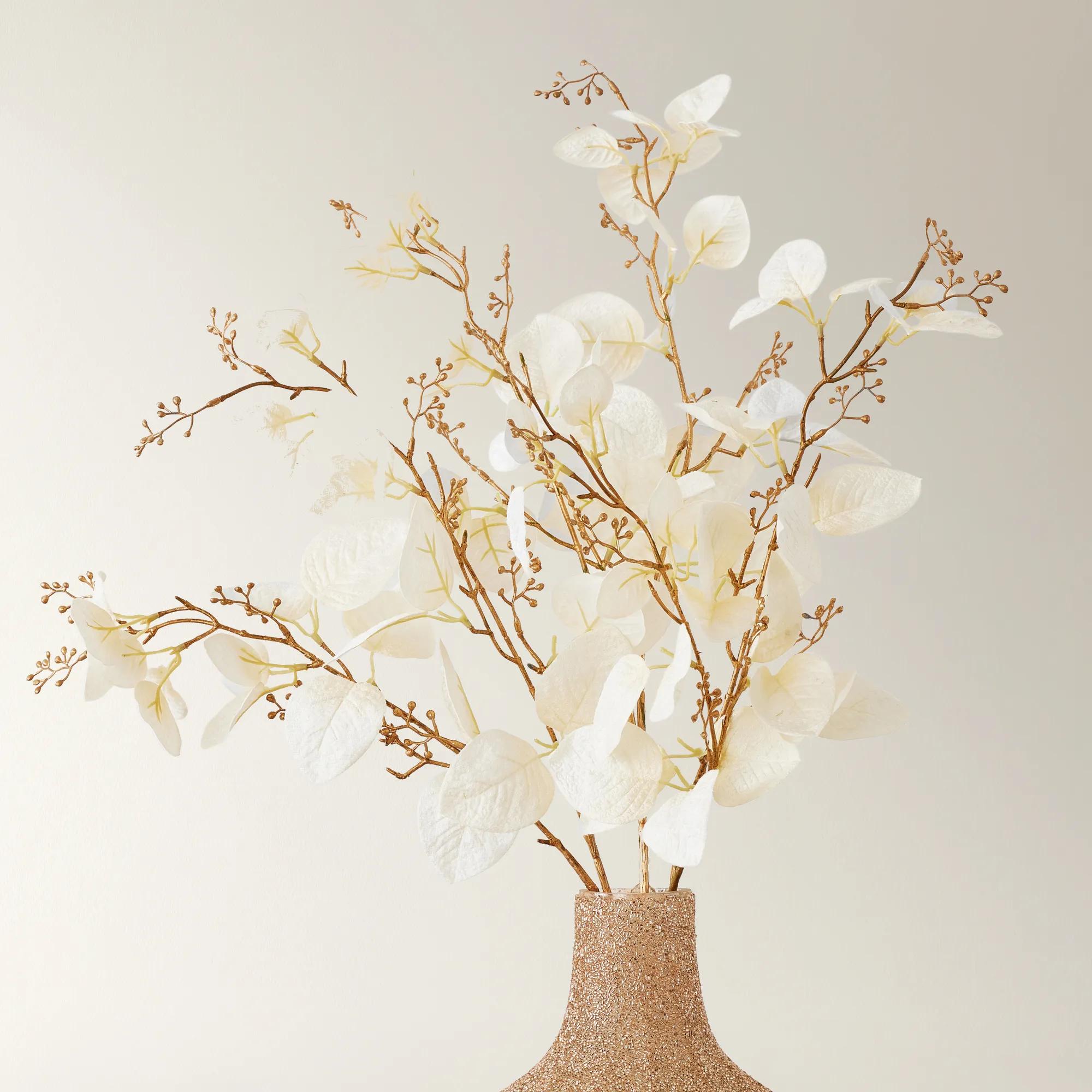 Faux Ivory/Gold Eucalyptus Spray 32" Set of 3$49
A trio of ivory-and-gold polyester eucalyptus sprays adds luminous, dimensional texture to botanical arrangements.
Add To Cart -
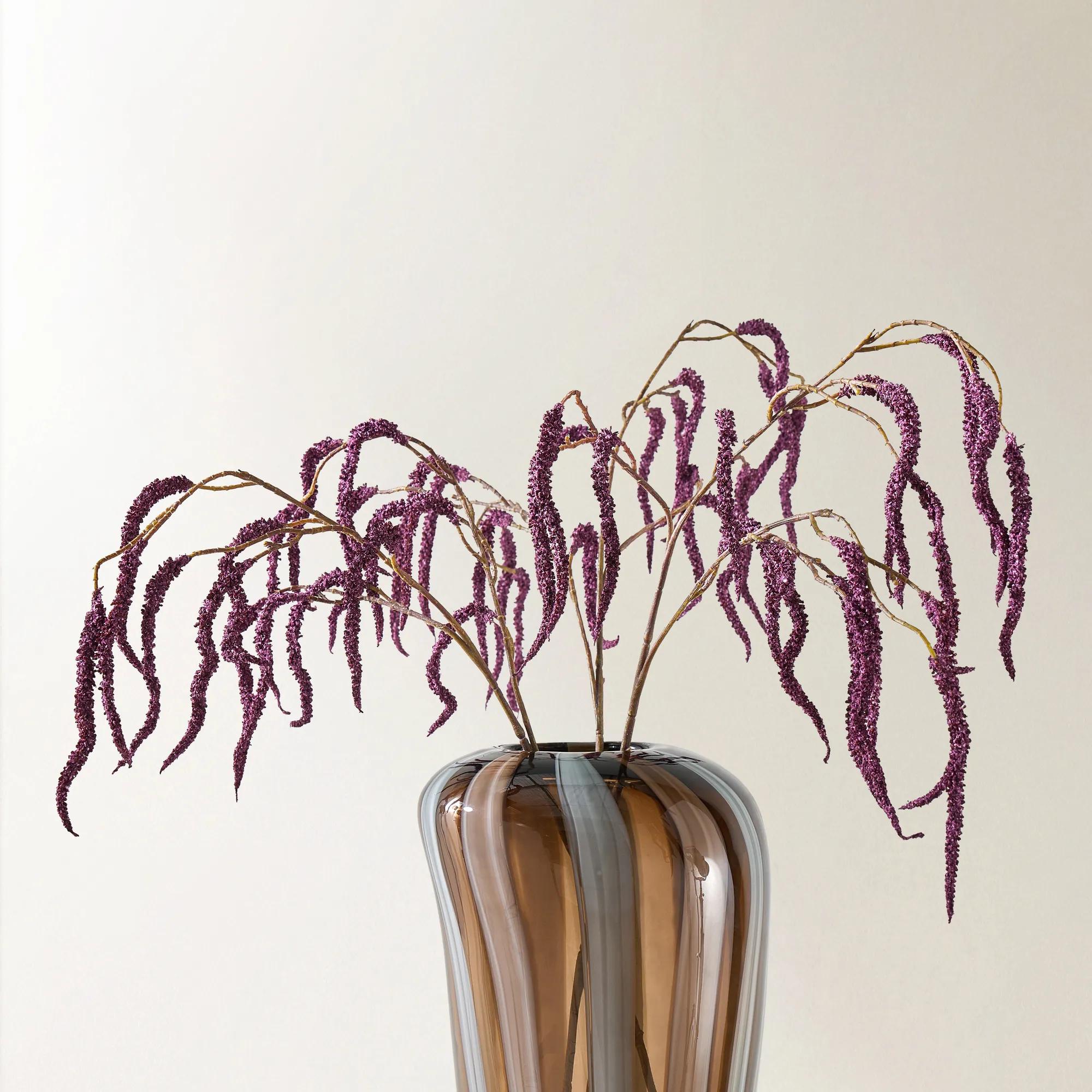
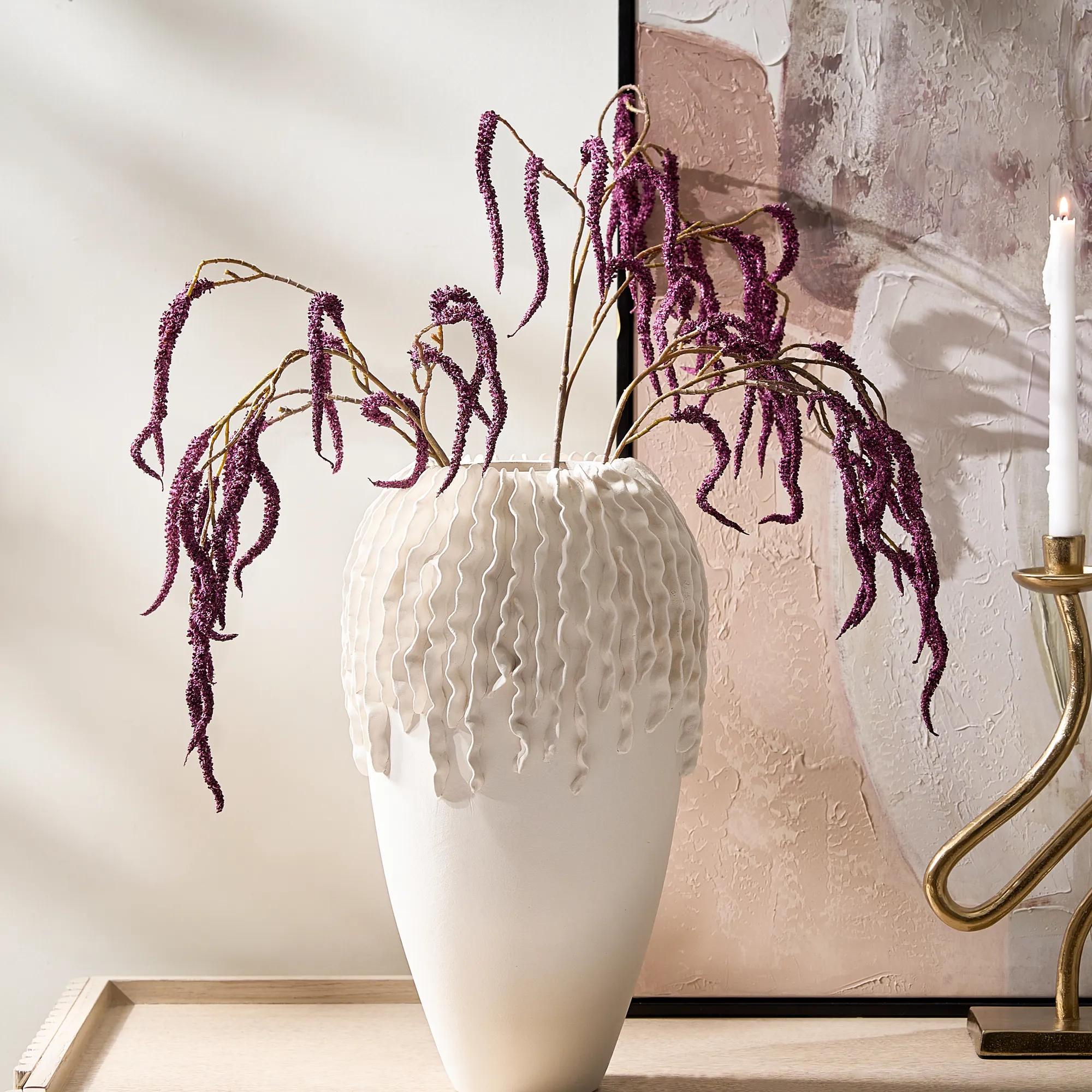 Faux Dark Amethyst Amaranthus Stem 30" Set of 3$39
A set of three faux dark amethyst plastic stems adds rich color and cascading texture to arrangements.
Add To Cart -
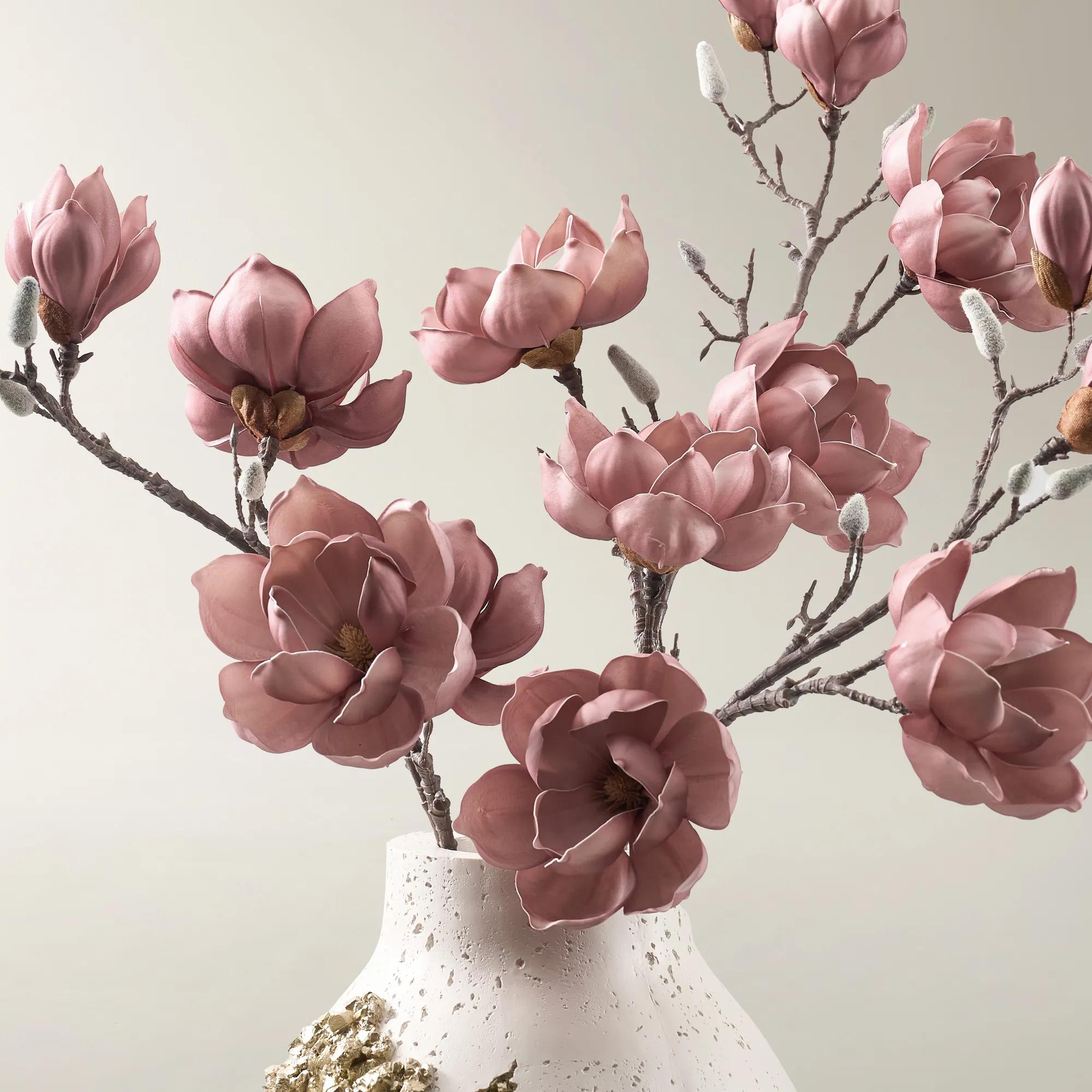 Faux Pearlized Antique Mauve Magnolia Stem 40" Set of 3$79
A set of three pearlized antique mauve magnolia stems crafted from polyester for elegant seasonal arrangements.
Add To Cart -
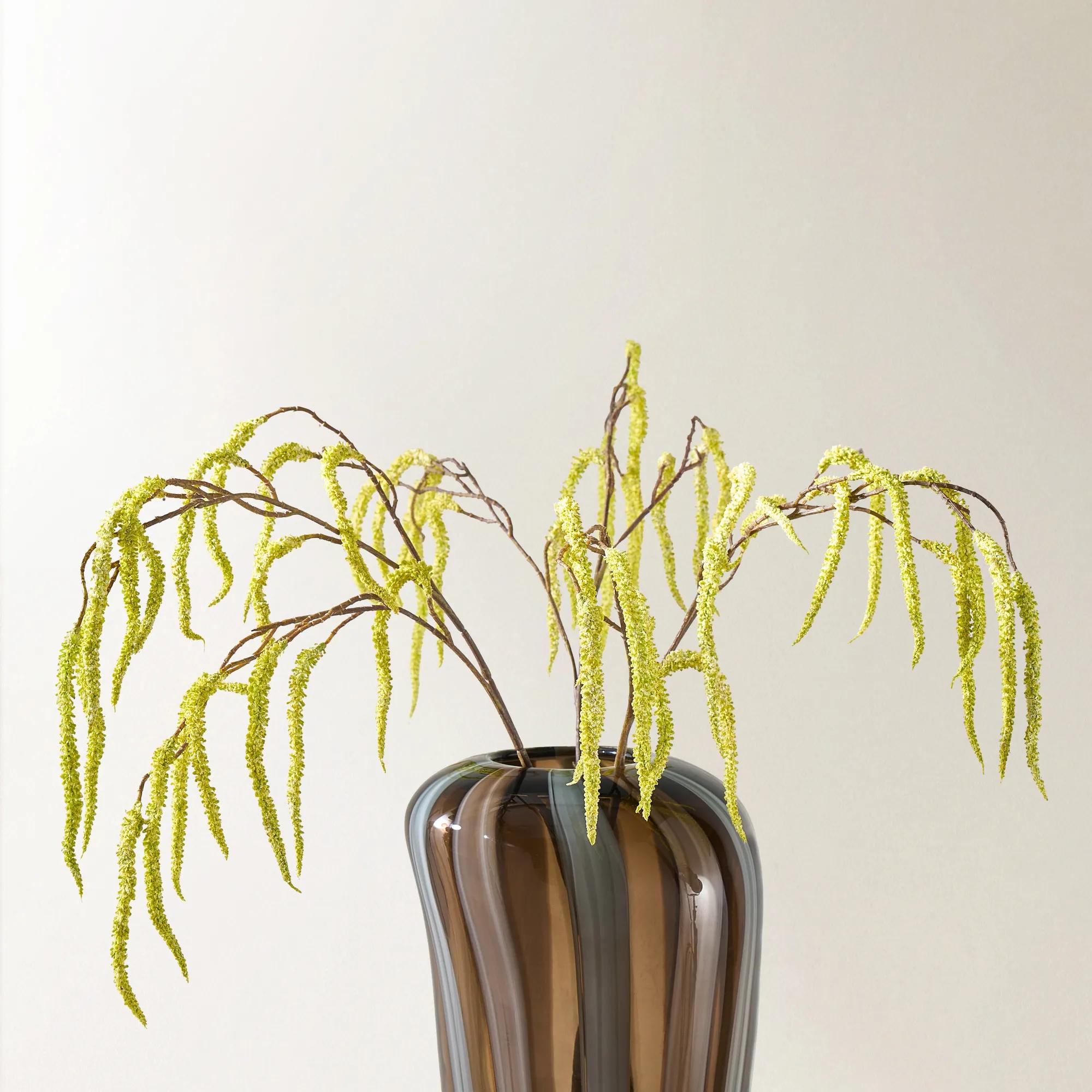
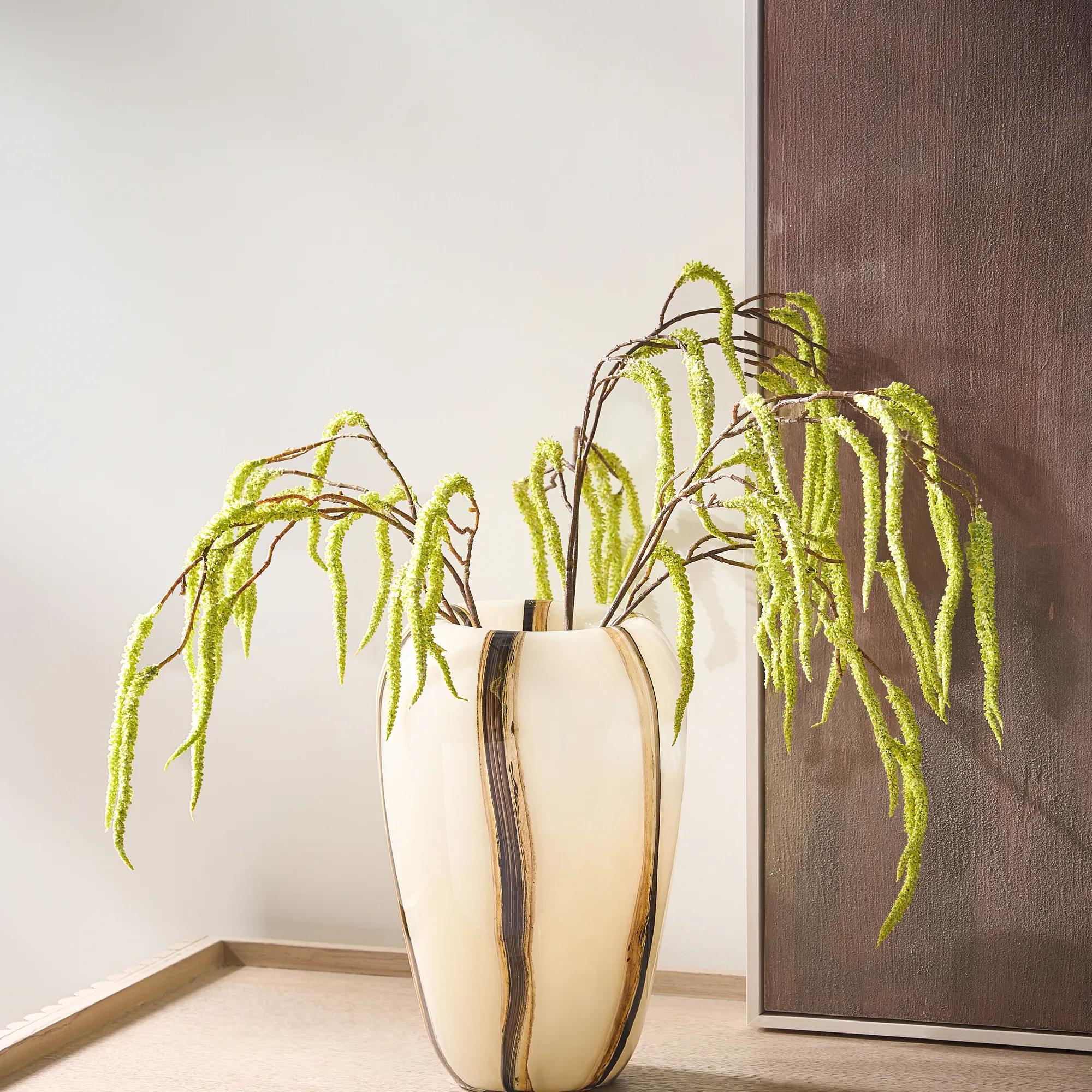 Faux Citron Yellow Amaranthus Stem 30" Set of 3$39
A set of three cascading faux stems in vibrant citron yellow plastic adds lush texture to arrangements.
Add To Cart -
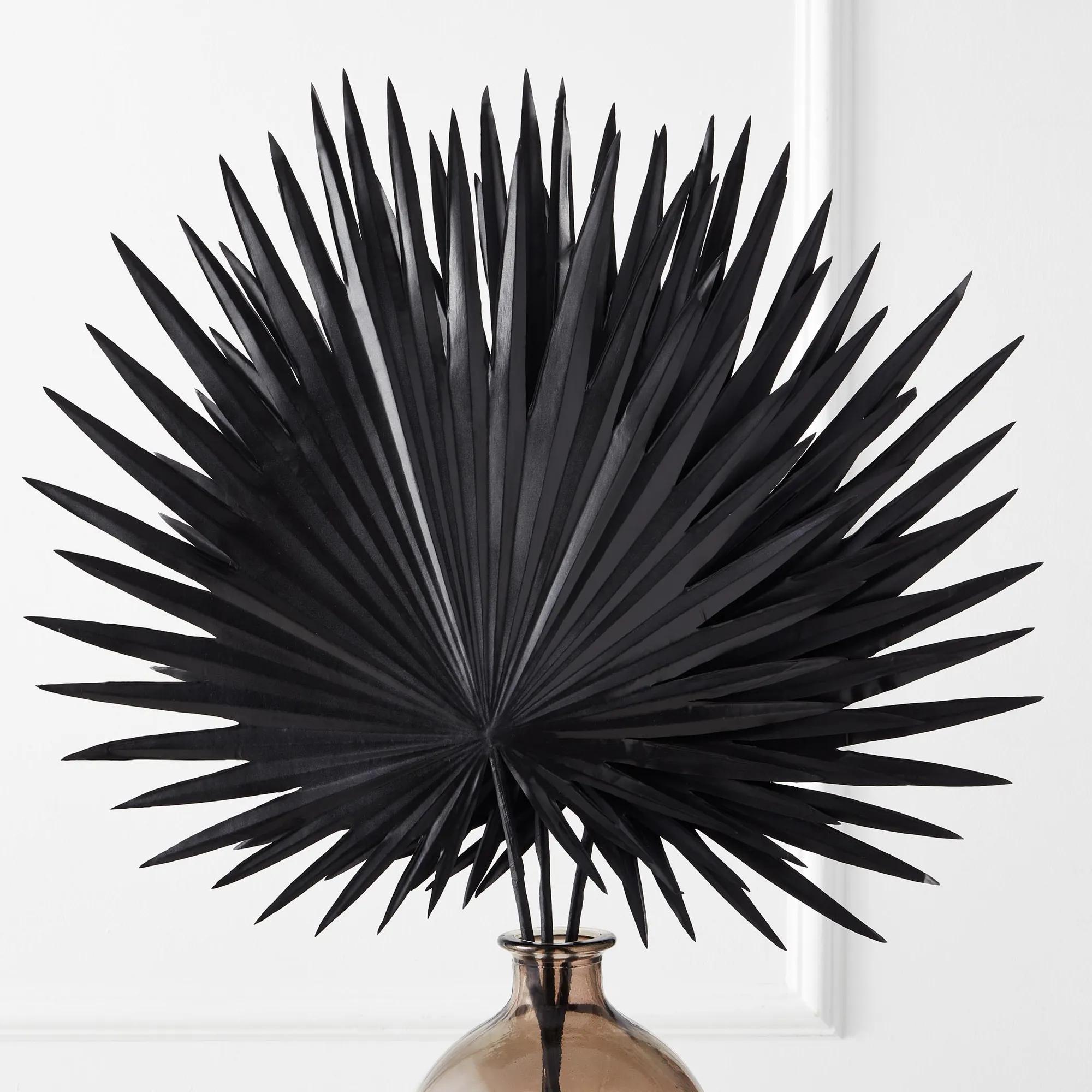
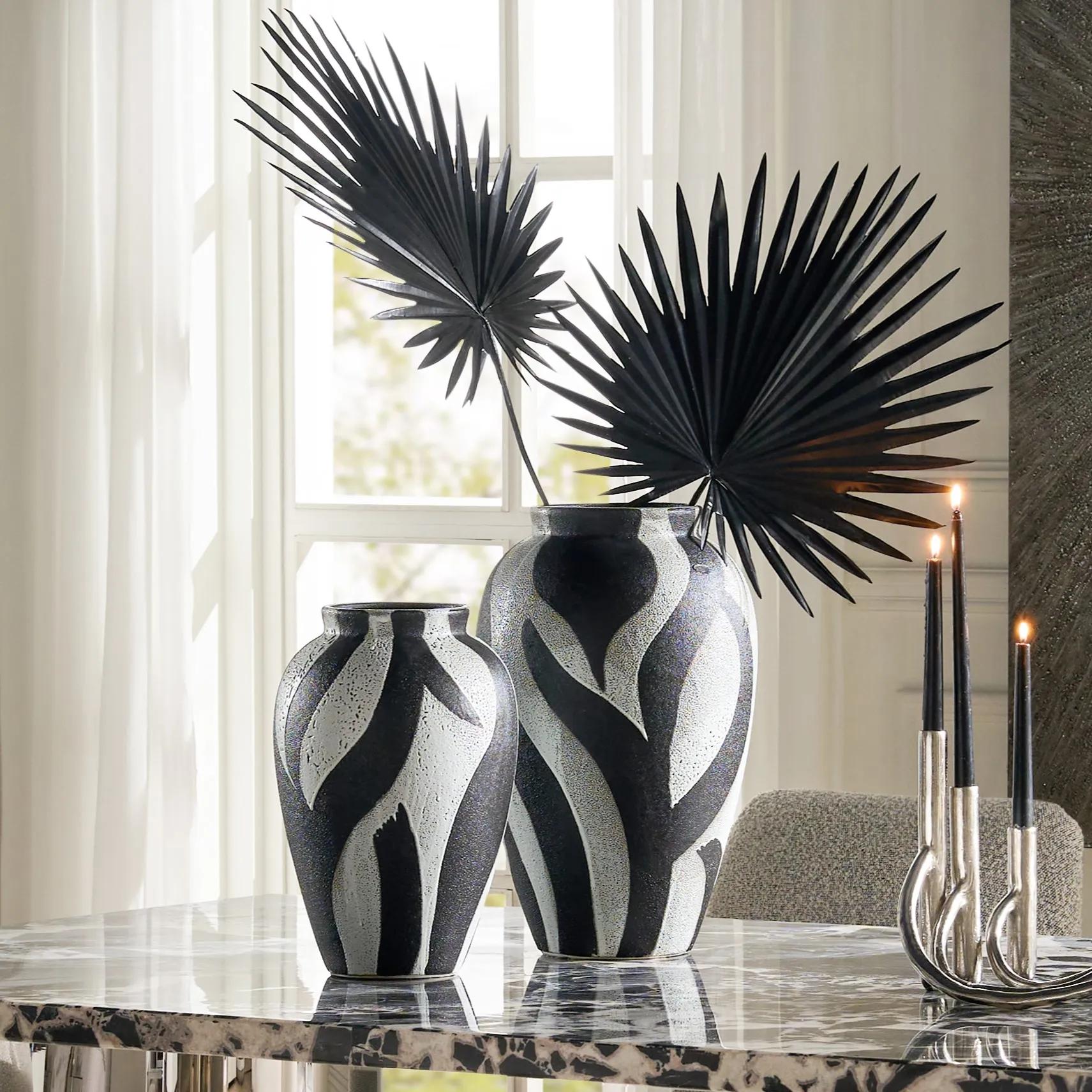 Faux Black Palm Stem 40" Set of 3$69
A set of three black faux palm stems with flexible wire for easy, artistic arranging.
Add To Cart -
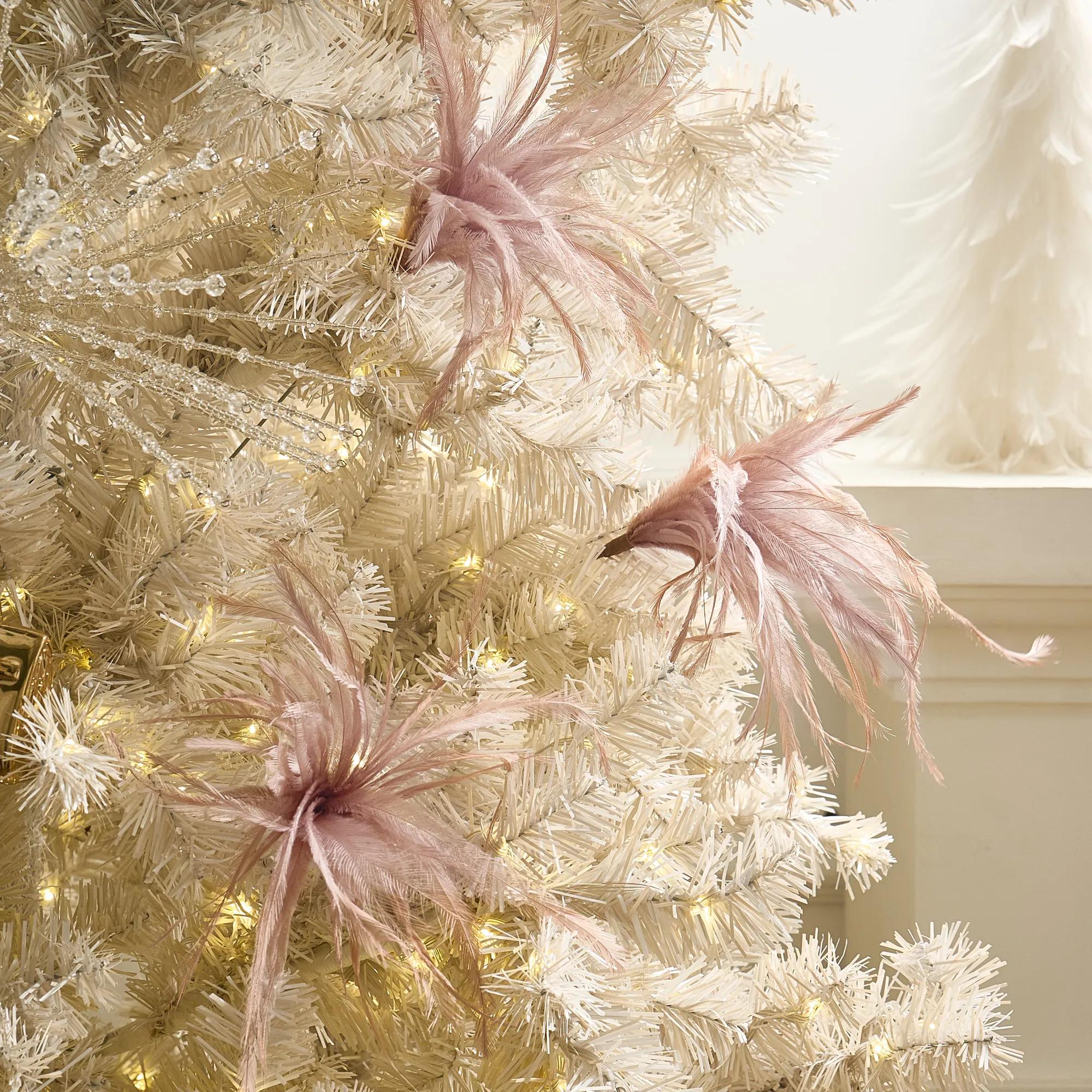
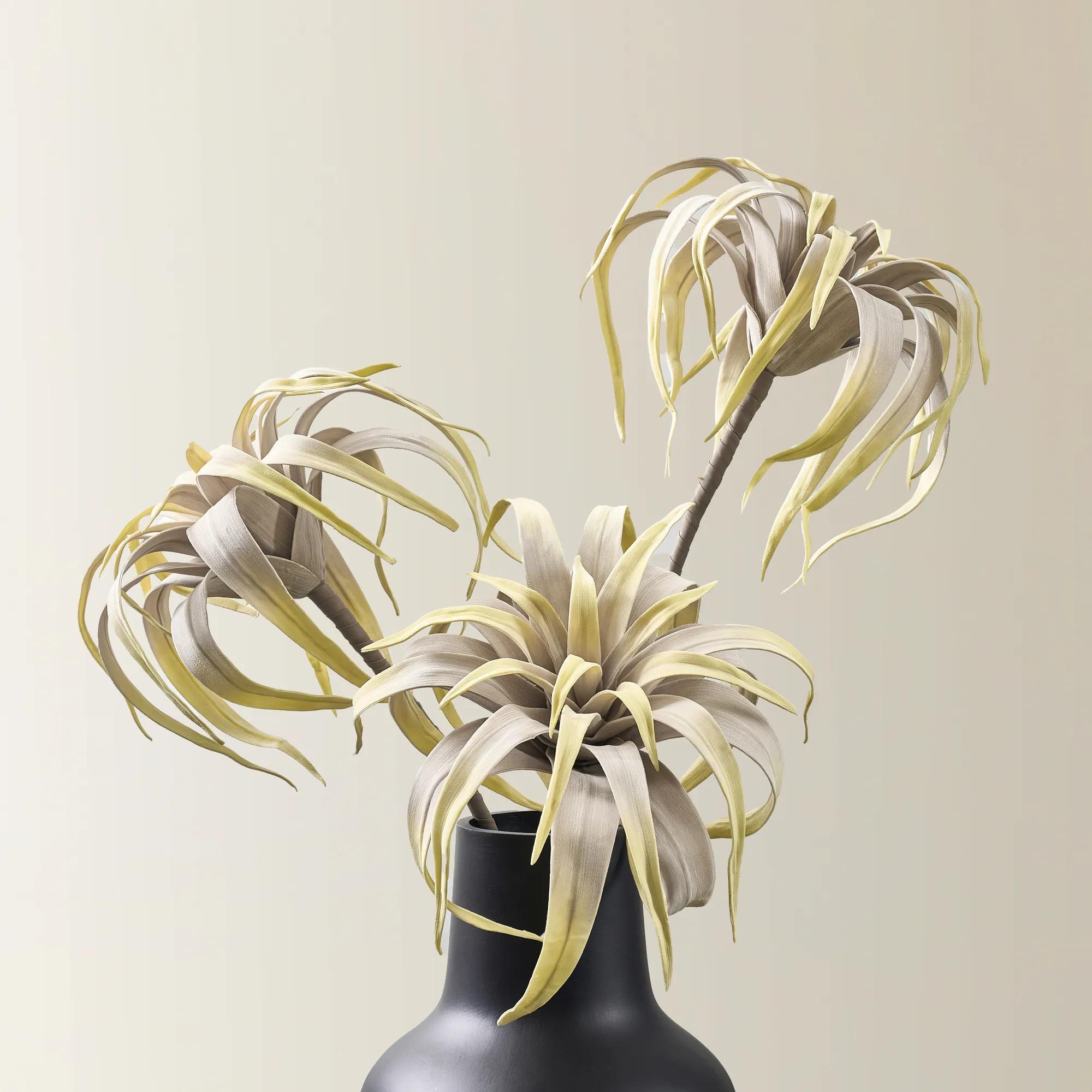 Faux Dusty Blush Large Airplant Stem 35.5" Set of 3$49
A set of three sculptural faux airplant stems in soft dusty blush foam for modern decorative arrangements.
Add To Cart -
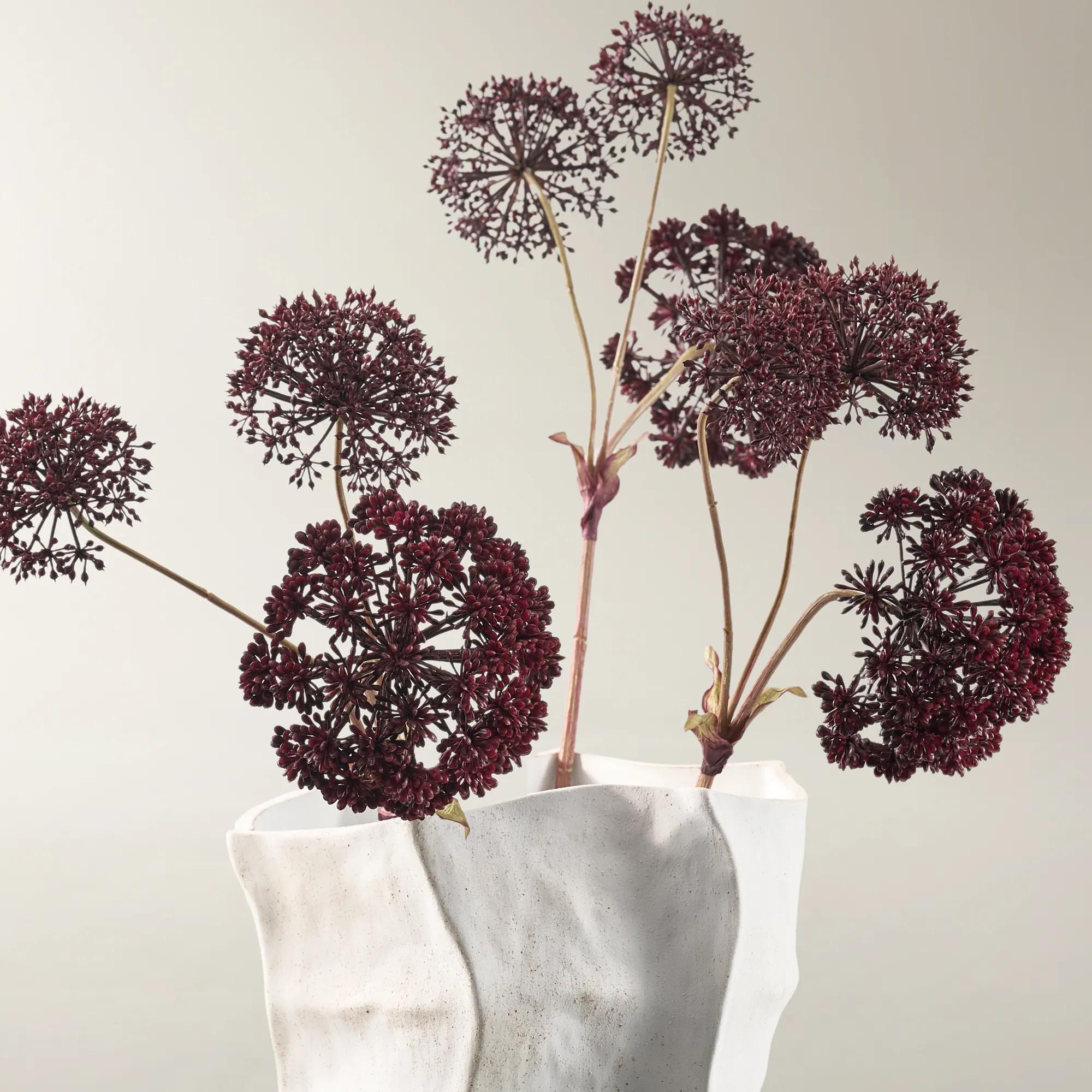 Faux Fig Angelica Stem 28" Set of 3$89
A set of three faux fig angelica stems in rich fig color adds sculptural depth to seasonal arrangements.
Add To Cart -
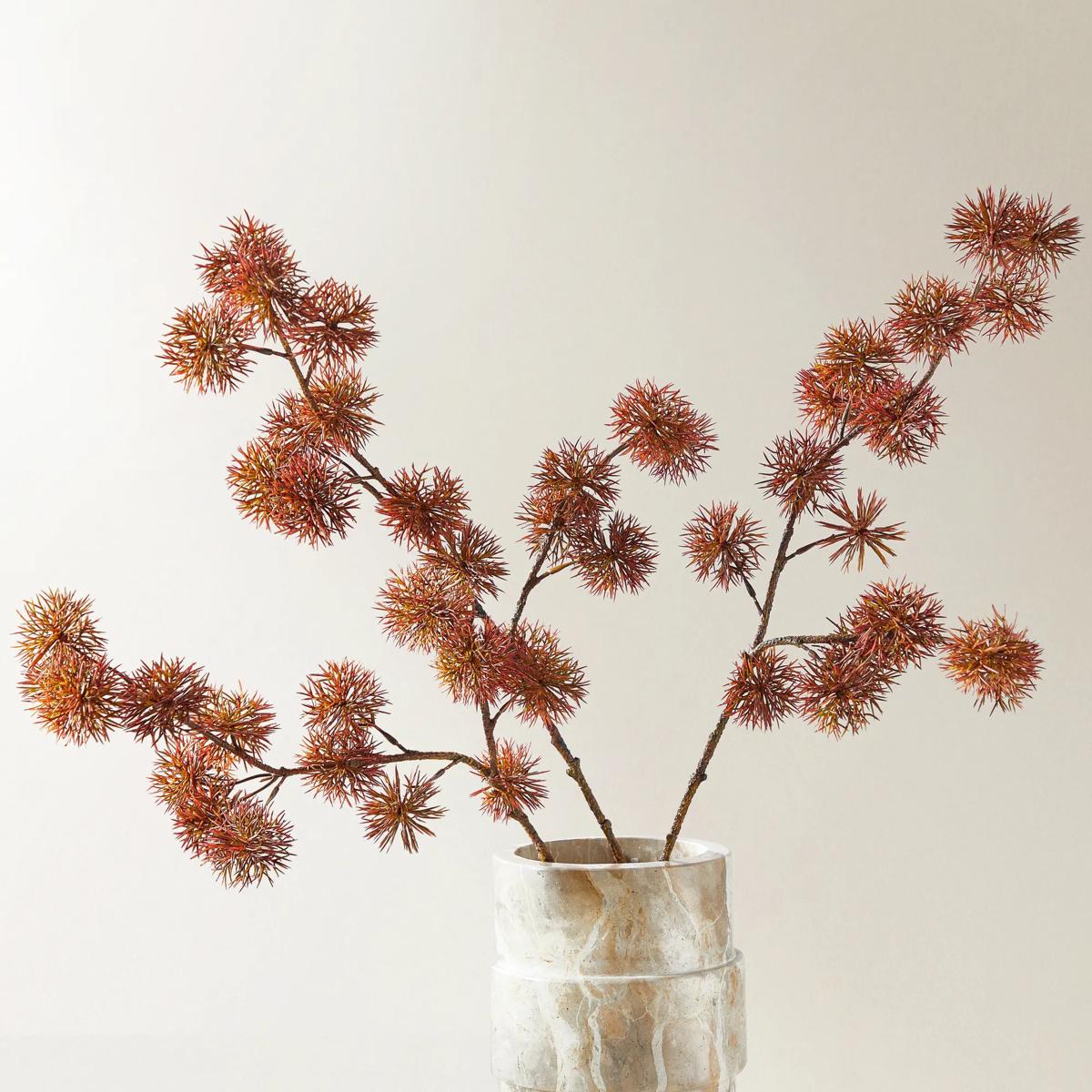
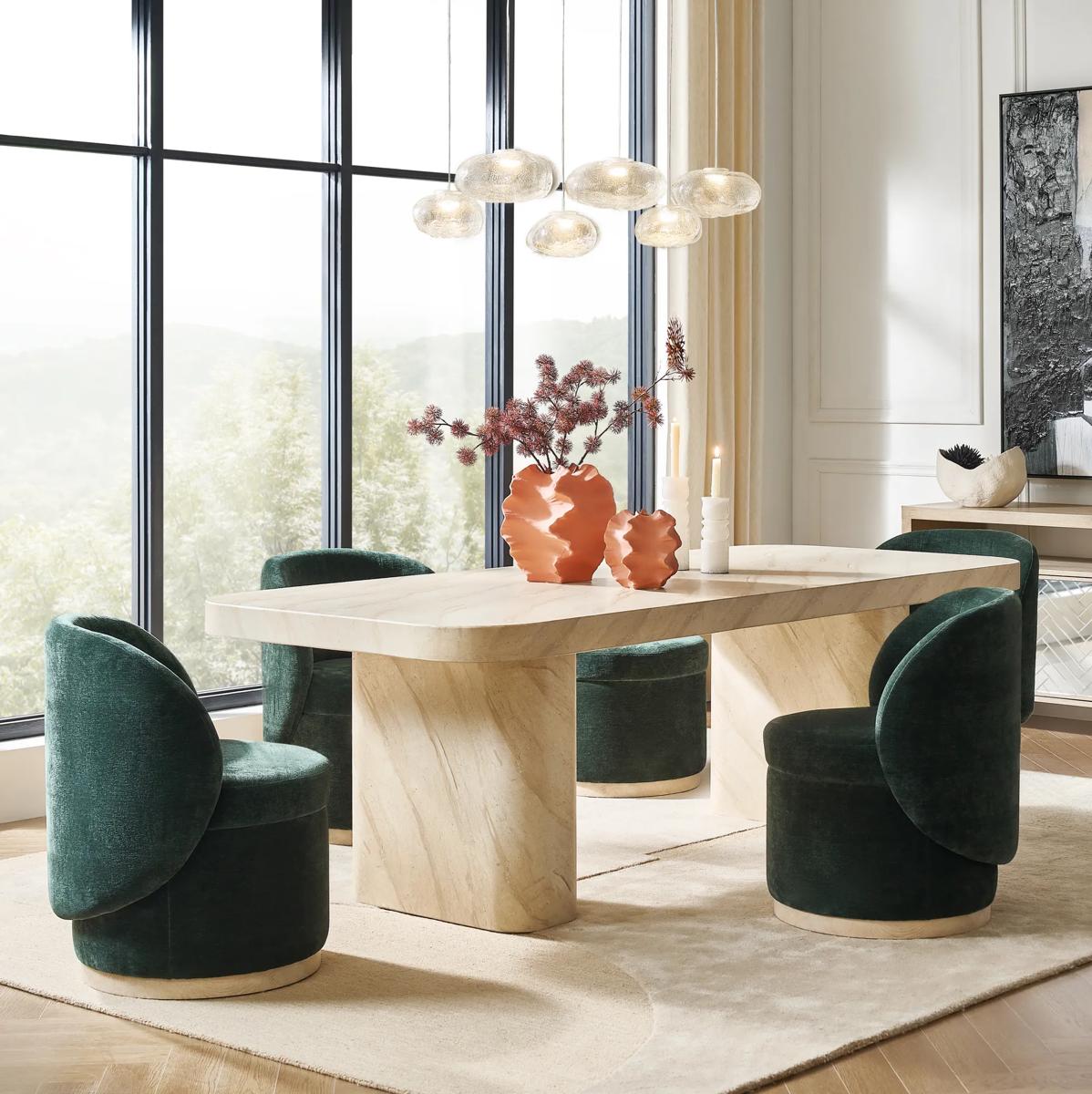 Faux Rust Brown Fall Thistle Stem 27" Set of 3$49
A set of three faux thistle stems in warm rust-brown tones adds sculptural autumnal texture to arrangements.
Add To Cart -
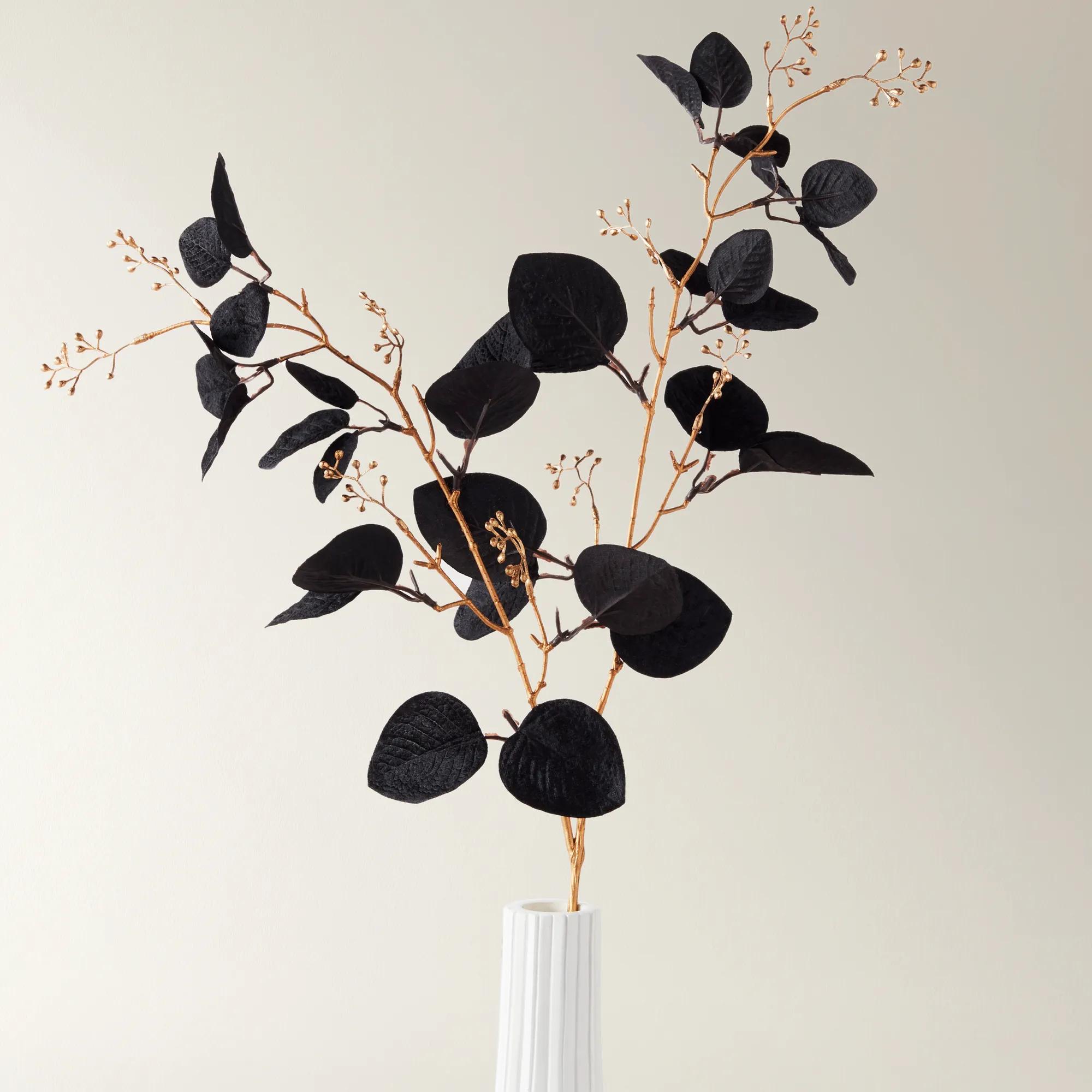
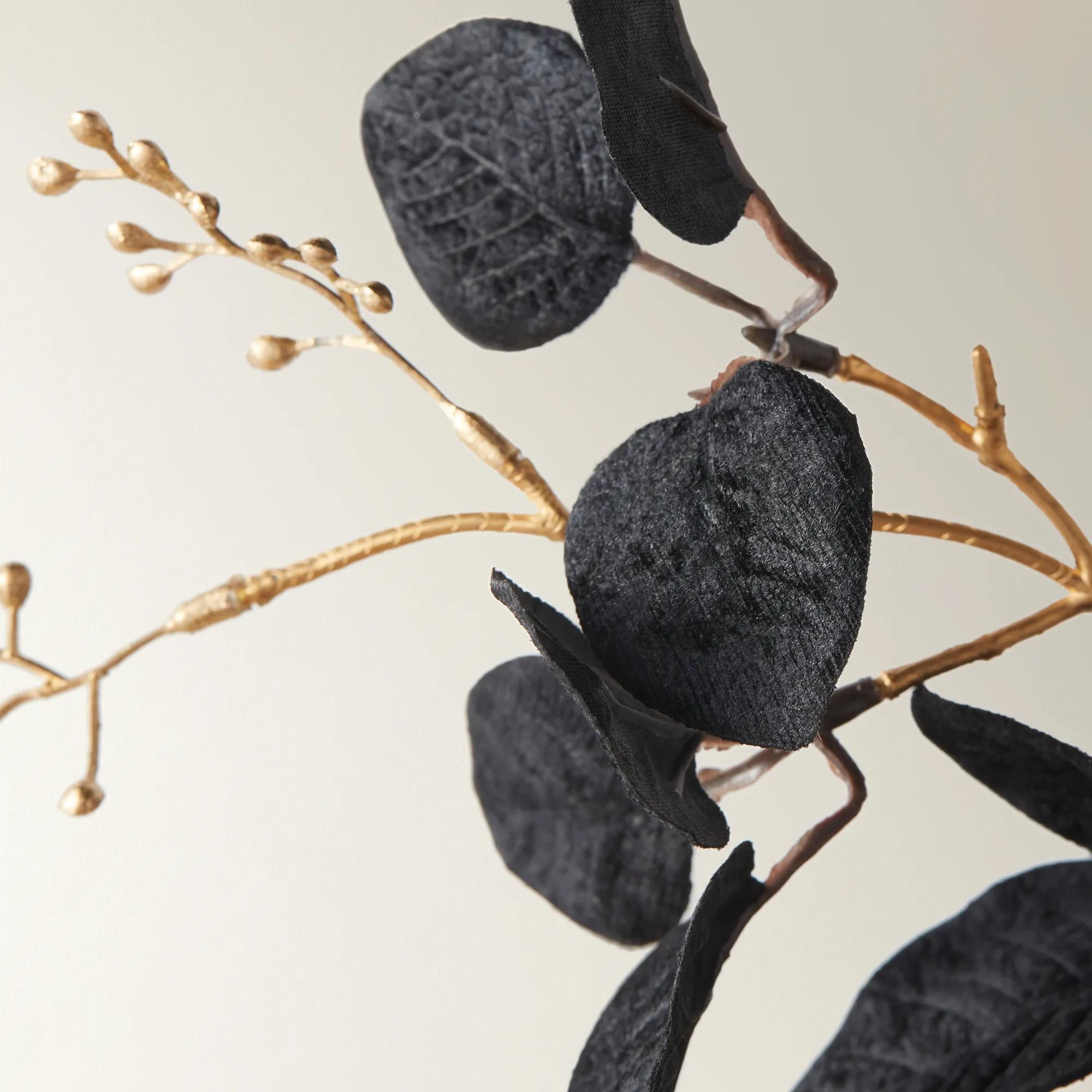 Faux Black/Gold Eucalyptus Spray 32" Set of 3$49
A set of three black-and-gold faux eucalyptus sprays crafted from durable plastic for sculptural seasonal arrangements.
Add To Cart -
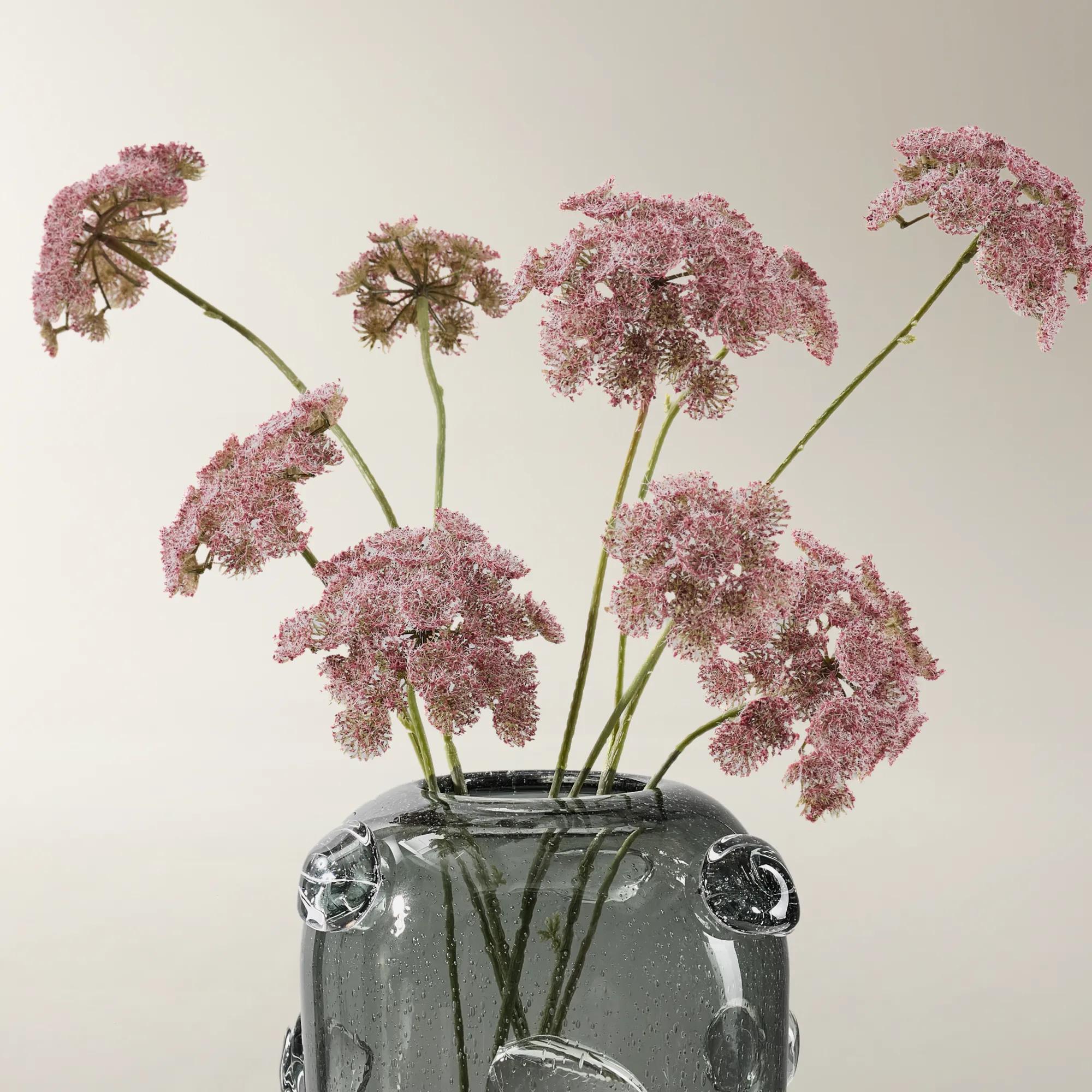 Faux Mauve Queens Lace Stem 30.5" Set of 3$49
A set of three mauve faux Queen’s Lace stems adds romantic color and airy texture to arrangements.
Add To Cart -
-compressed.jpg?w=1200&h=1200) Faux White Magnolia Stem 40" Set of 3$79
Faux White Magnolia Stem 40" Set of 3$79A set of three lifelike faux magnolia stems in creamy white polyester for timeless floral elegance.
Add To Cart -
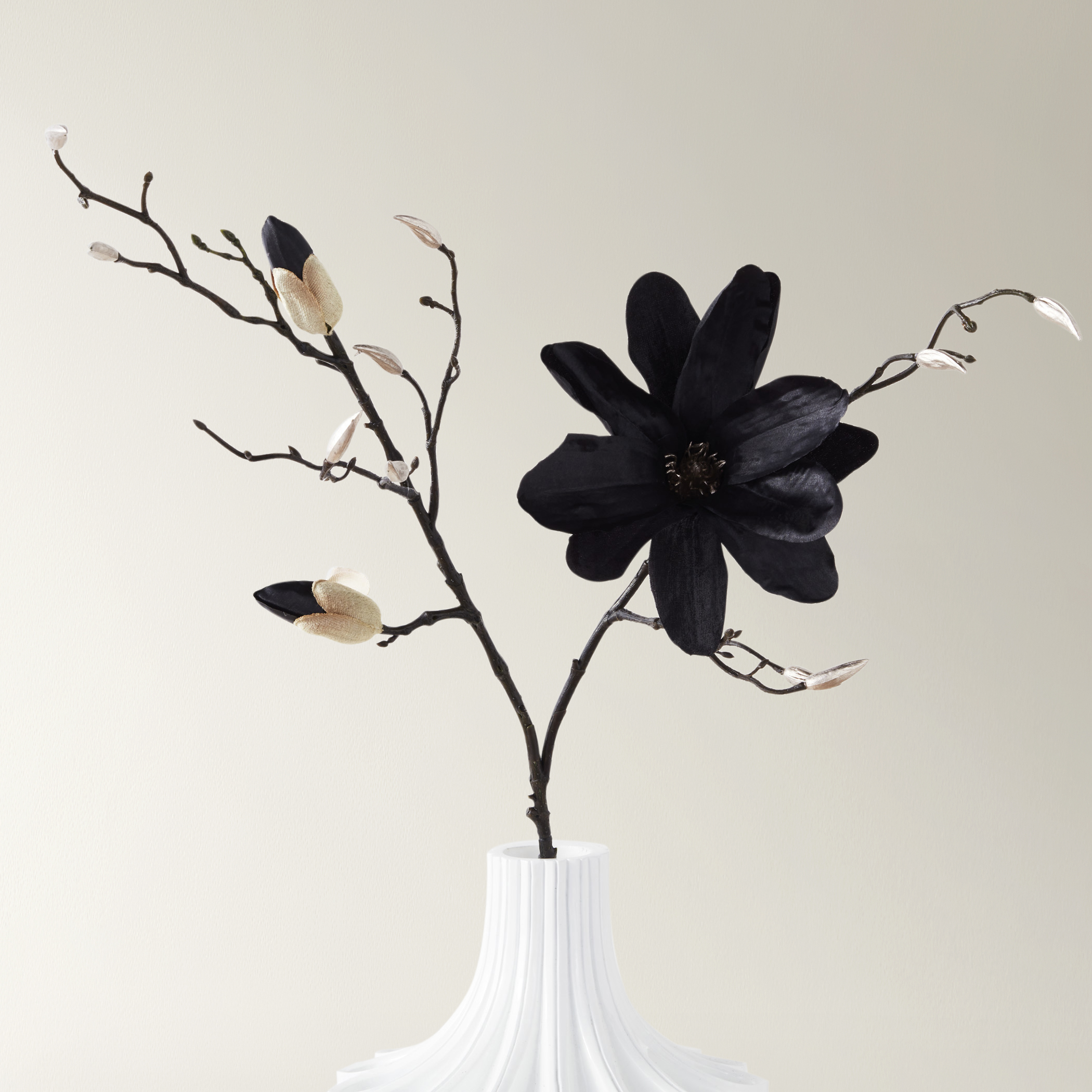 Faux Black & Gold Magnolia Stem 33" Set of 3$59
A set of three lifelike black polyester magnolia sprays that add dramatic height to any decor.
Add To Cart -
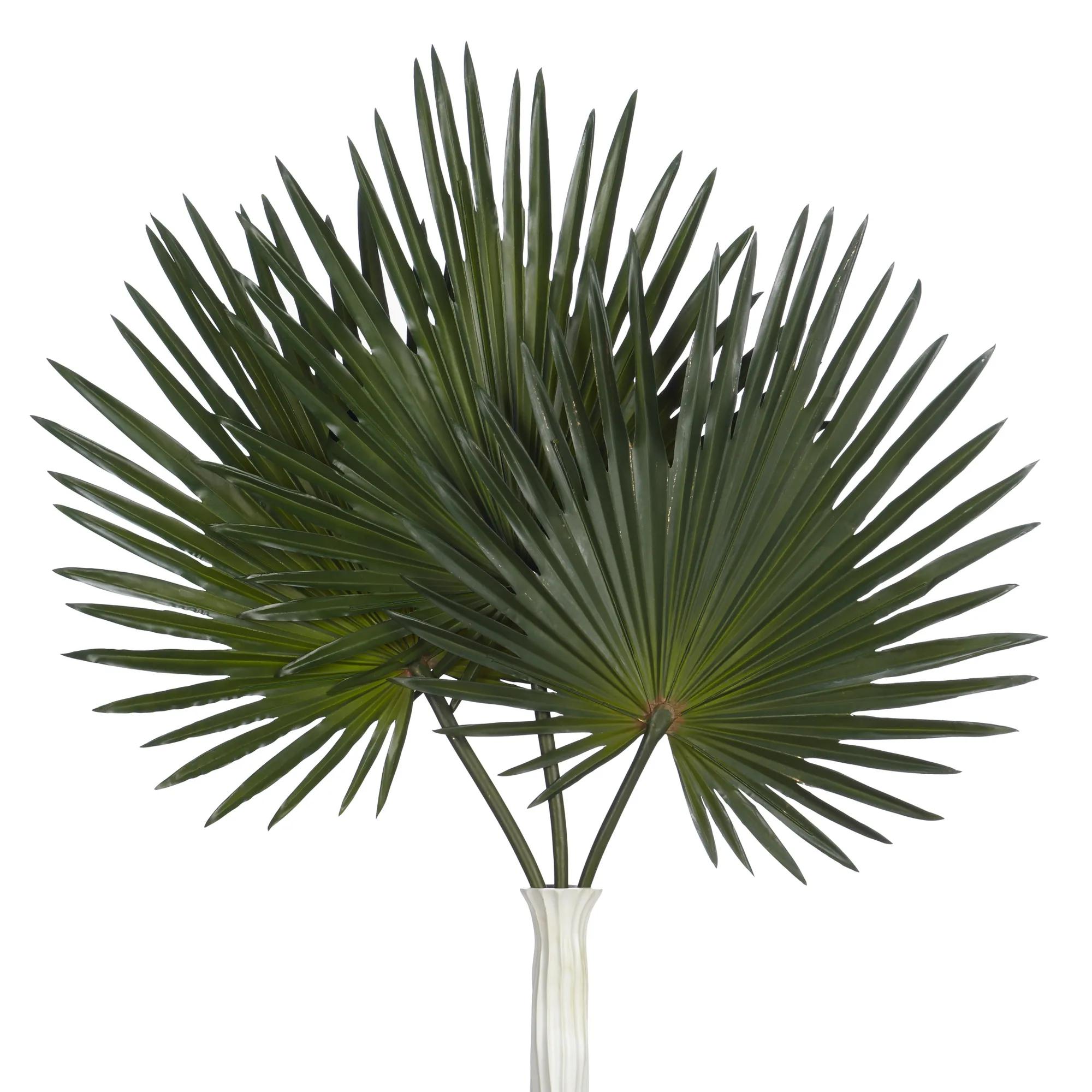
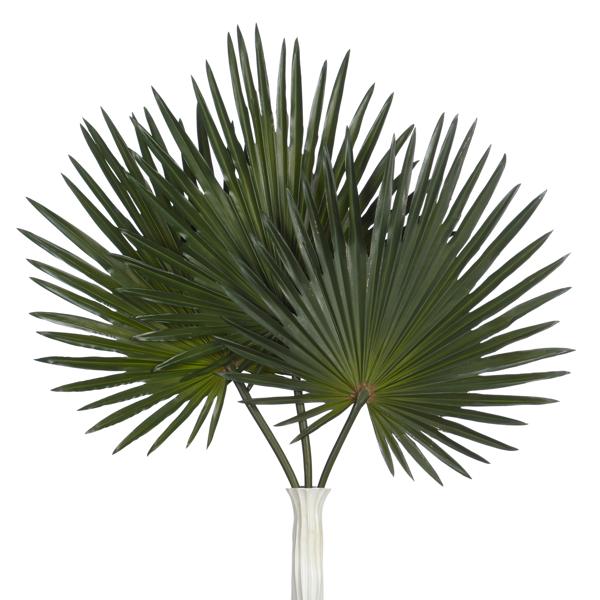 Faux Green Palm Stem 40" Set of 3$69
A set of three green polymer palm stems with flexible wire for easy, artistic arranging.
Add To Cart -
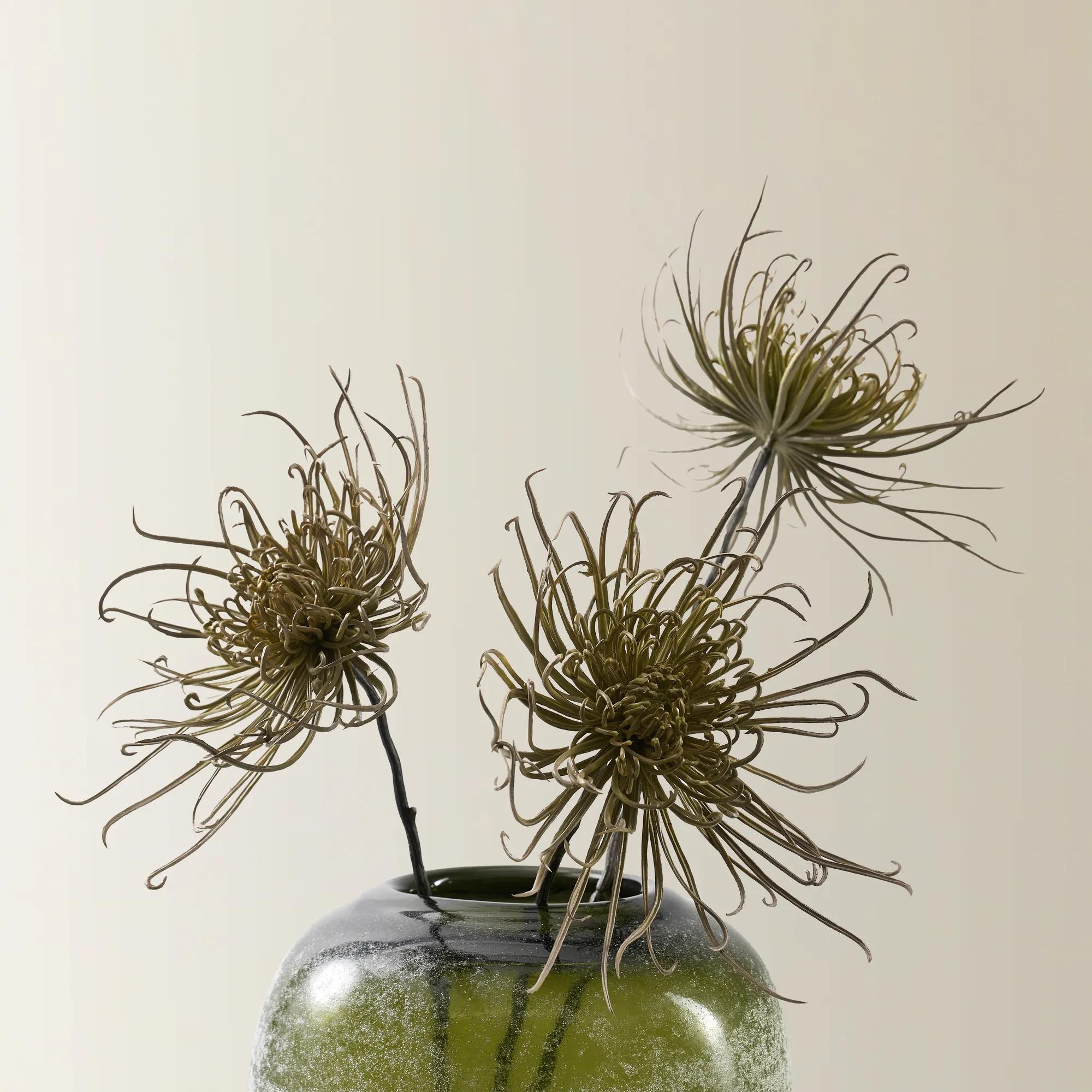 Faux Green Mum Stem 28" Set of 3$59
A set of three faux green mum stems with yellow accents adds lively, natural texture to arrangements.
Add To Cart

Faux Greenery For August Decorating
Explore faux greenery for August decorating to bring lush texture and sculptural shape to your late-summer interiors—without watering or upkeep. Discover artificial greenery to refresh a console, add depth to a shelf arrangement, or create a leafy focal point. Pair it with warm neutrals for a composed seasonal look, or gleaming accents for a more dramatic finish.
Faux greenery gives late-summer decorating a lush, composed presence: generous leaves beside a sunlit window, trailing foliage softening a polished console, or a sculptural arrangement bringing movement to an otherwise formal room. Its appeal lies in that balance of abundance and control. Greenery introduces an organic silhouette without asking a space to surrender its tailored character, making it a natural companion to reflective finishes, sumptuous upholstery, and expressive artwork. Deep green tones can lend depth to pale interiors, while lighter foliage creates a softer contrast against dark wood or richly colored walls. For rooms styled around summer entertaining, artificial greenery provides a lasting decorative layer that stays composed between gatherings, without watering or the need to position every arrangement around a plant’s growing requirements. Convincing faux foliage depends on more than color alone. Varied leaf sizes, subtle veining, irregular edges, and branches that extend at different angles contribute to a more natural appearance. Depending on the construction, leaves may be made from molded plastic, polyester fabric, or a combination of materials, with wire inside stems allowing gentle adjustments. Molded surfaces can give thicker leaves dimension, while fabric foliage may offer a softer profile; the best choice depends on the look and placement of the arrangement rather than a single material preference. A piece viewed across a room can make its impression through shape and scale, while greenery placed near a dining seat benefits from thoughtful detail at closer range. The container is equally important to the composition. A glossy vessel creates a crisp, glamorous contrast with leafy textures, while a matte or stone-look finish gives the same greenery a quieter, grounded presence. Loose stems allow a more individual arrangement, while preassembled greenery offers an established shape that can often be gently refined. In either form, the result is a decorative accent with enough visual life to soften strong architectural lines and enough structure to belong in a carefully considered interior.
Scale determines whether faux greenery reads as a delicate finishing touch or a confident focal point. Tall, upright foliage can bring balance to a room with high ceilings, frame an expansive window, or lend presence to an empty corner beside a sofa. Fuller silhouettes need space around their leaves so their shape remains visible rather than compressed against furniture. A smaller arrangement suits a bedside table, an entry console, or a shelf where books and decorative objects already establish the rhythm. The most useful measurement is not simply the height of the greenery, but its overall spread, including the container and any branches extending beyond it. On a dining table, a lower profile keeps conversation open and allows glassware, serving pieces, and the foliage to share the scene gracefully. On a mantel, asymmetrical branches can add movement without obscuring the artwork above. Trailing forms have a different effect, drawing the eye down from a cabinet or shelving unit and interrupting a rigid horizontal line. These distinctions make artificial greenery particularly adaptable for apartments, spacious living rooms, home offices, and guest rooms, including areas where maintaining a live plant would be difficult. A shaded interior corner can still carry the visual richness of foliage, although decorative materials need protection from damaging exposure even when they require no growing light. For late-summer gatherings, greenery can connect an entryway, living area, and dining space through repeated color rather than identical arrangements. One room might carry a broad leafy silhouette, another a restrained cluster of stems, creating continuity without making the home feel staged. Faux foliage also makes a thoughtful housewarming or host gift when its proportions and container suit the recipient’s space. Someone who travels often, prefers a composed home office, or enjoys decorating without a plant-care routine may appreciate its lasting decorative role. Neutral vessels and manageable dimensions offer flexibility, while a more dramatic arrangement suits a recipient whose rooms already embrace bold scale and distinctive finishes.
The appeal of Low Maintenance Faux Greenery is the freedom to enjoy a richly layered room without building its upkeep around watering schedules, pruning, or soil care. That simplicity still benefits from occasional attention. Dust can mute leaf color and collect where stems meet, particularly on dense arrangements or greenery positioned near an air vent. A soft, dry cloth or gentle brush is often suitable for routine dusting, but the manufacturer’s care instructions should determine whether moisture can be used. Fabric leaves, painted finishes, adhesives, and decorative moss may respond differently to cleaning, so soaking or spraying an entire arrangement is not a universal solution. Gentle handling also helps preserve the silhouette. Where stems are designed to bend, gradual adjustments create a more relaxed outline without putting unnecessary strain on the construction; rigid branches should not be forced. Placement plays an important part in durability, too. Artificial greenery intended for indoor use should not be assumed suitable for a porch, patio, or other exposed setting. Outdoor placement calls for materials specifically rated for that purpose, and prolonged direct sunlight may affect color even when foliage looks substantial. Indoors, a stable container and a position away from heavy traffic help protect both the arrangement and nearby furnishings. Larger pieces need a base appropriate to their height and spread, while loose stems benefit from a vessel that supports their weight without tipping. If an arrangement is packed away between decorating occasions, generous storage space helps prevent flattened leaves and sharply bent branches. Those practical considerations preserve what makes faux greenery so compelling: its ability to introduce softness, depth, and an artful sense of abundance with relatively little ongoing care. Against a mirror, a leafy outline becomes part of a larger visual composition; beside textured upholstery, it offers a fresh contrast; on a restrained console, it gives a few carefully chosen objects greater presence. For late-summer decorating, that enduring green layer captures the generosity of the season without depending on a fleeting bloom.
FAQs
Capture August’s sun-drenched mood with faux greenery that feels lush and artfully composed. Arrange leafy stems in a sculptural ceramic vase, or pair a faux palm with gleaming metallic accents. Linen, pale wood, and luminous glass create a summer backdrop that lets rich green foliage command attention.
Faux olive branches, eucalyptus, palms, and monstera leaves each bring a distinct character to late-summer interiors. Olive branches evoke Mediterranean elegance, while eucalyptus introduces a silvery softness. For a more dramatic expression, tropical foliage lends bold silhouettes and saturated green tones to August decorating.
Keep faux greenery as your foundation and shift the accents around it. As August unfolds, trade coastal blues and crisp whites for amber glass, burnished brass, and terracotta ceramics. A few golden botanical stems woven among green branches create a graceful transition without rushing into a full autumn palette.
Create an expressive tablescape with faux greenery arranged in an artful vase or loosely layered along a table runner. Olive or eucalyptus branches offer a refined botanical counterpoint to textured linens, sculptural dinnerware, and gold-toned flatware. Add fresh citrus in a decorative bowl for a vivid late-summer accent.
For a luminous August palette, pair faux greenery with ivory, champagne, and sandy neutrals. Cobalt or turquoise introduces a vivid summer note, while ochre, clay, and warm caramel hint at the season ahead. Echo those hues in pillows, decorative objects, and artwork to make the greenery part of a richly layered room.
.jpg?w=2751&h=2751)