Artificial Trees For Home Staging
Artificial Trees For Home Staging
-

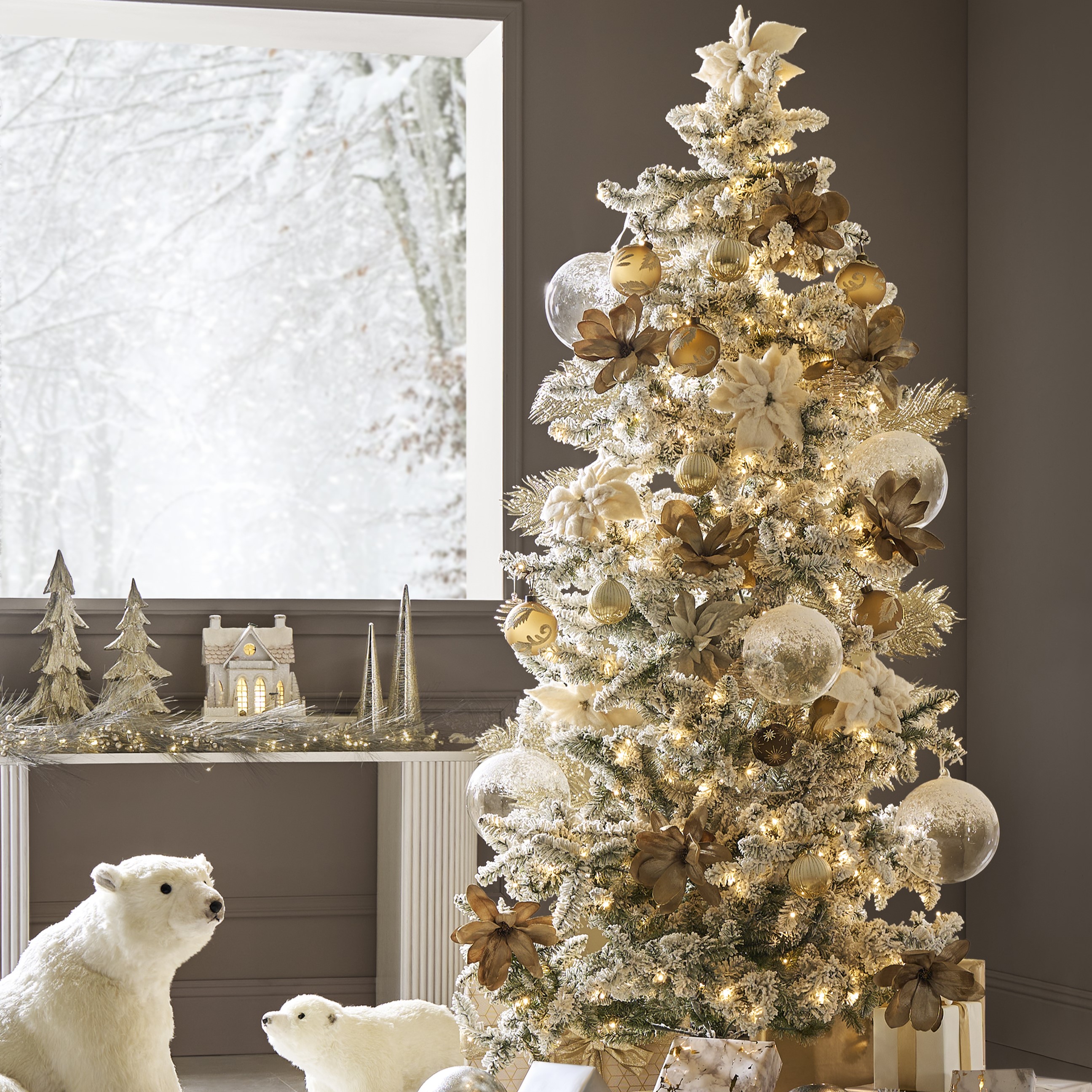 Pre-Lit LED Green Flocked Spruce Tree 7.5'$759
A snow-dusted faux spruce tree pre-lit with warm white LED bulbs for festive holiday ambiance.
Add To Cart -
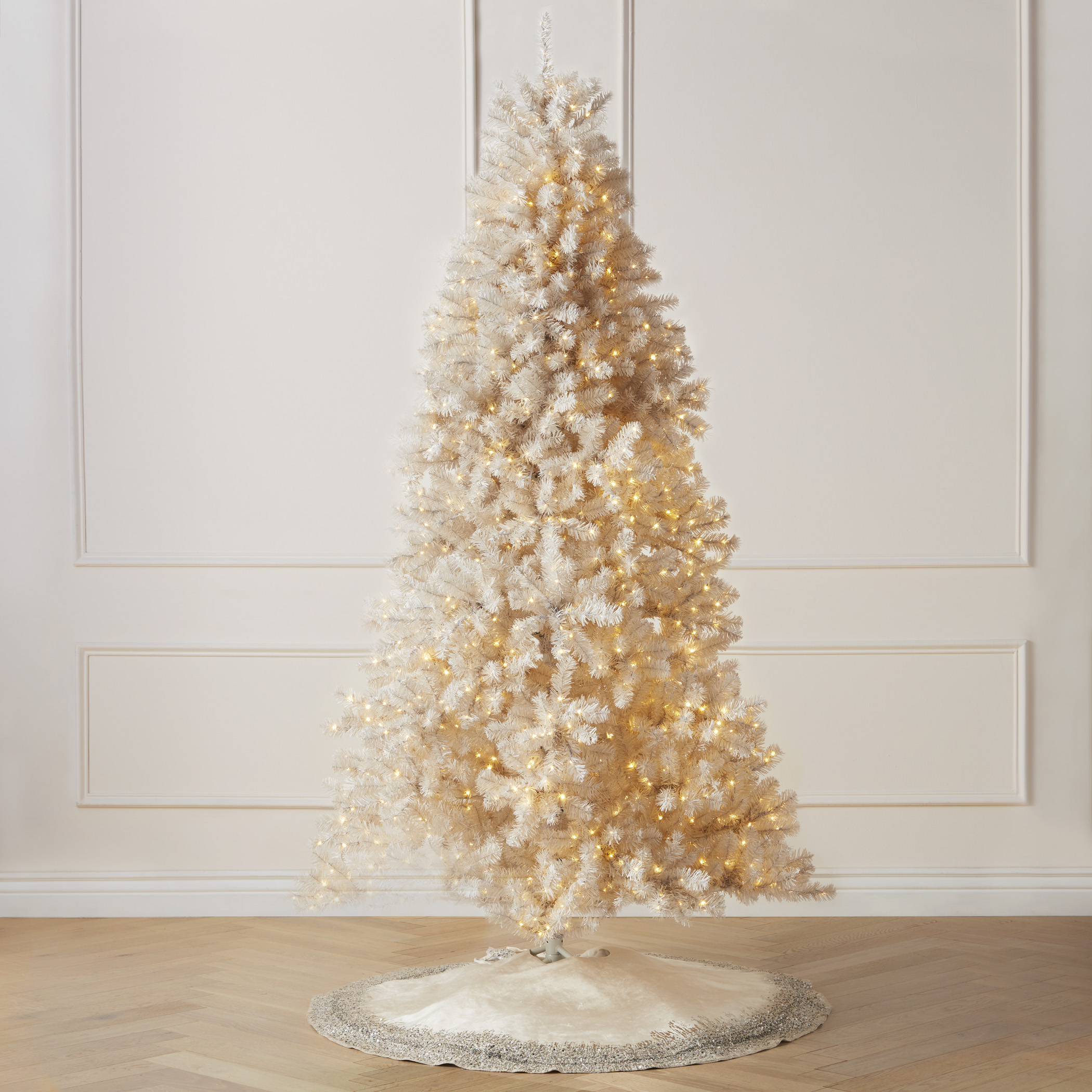 Pre-Lit Spruce Tree 7'5"$699
A bright white faux spruce tree pre-lit with warm white LED bulbs for festive holiday ambiance.
Add To Cart -
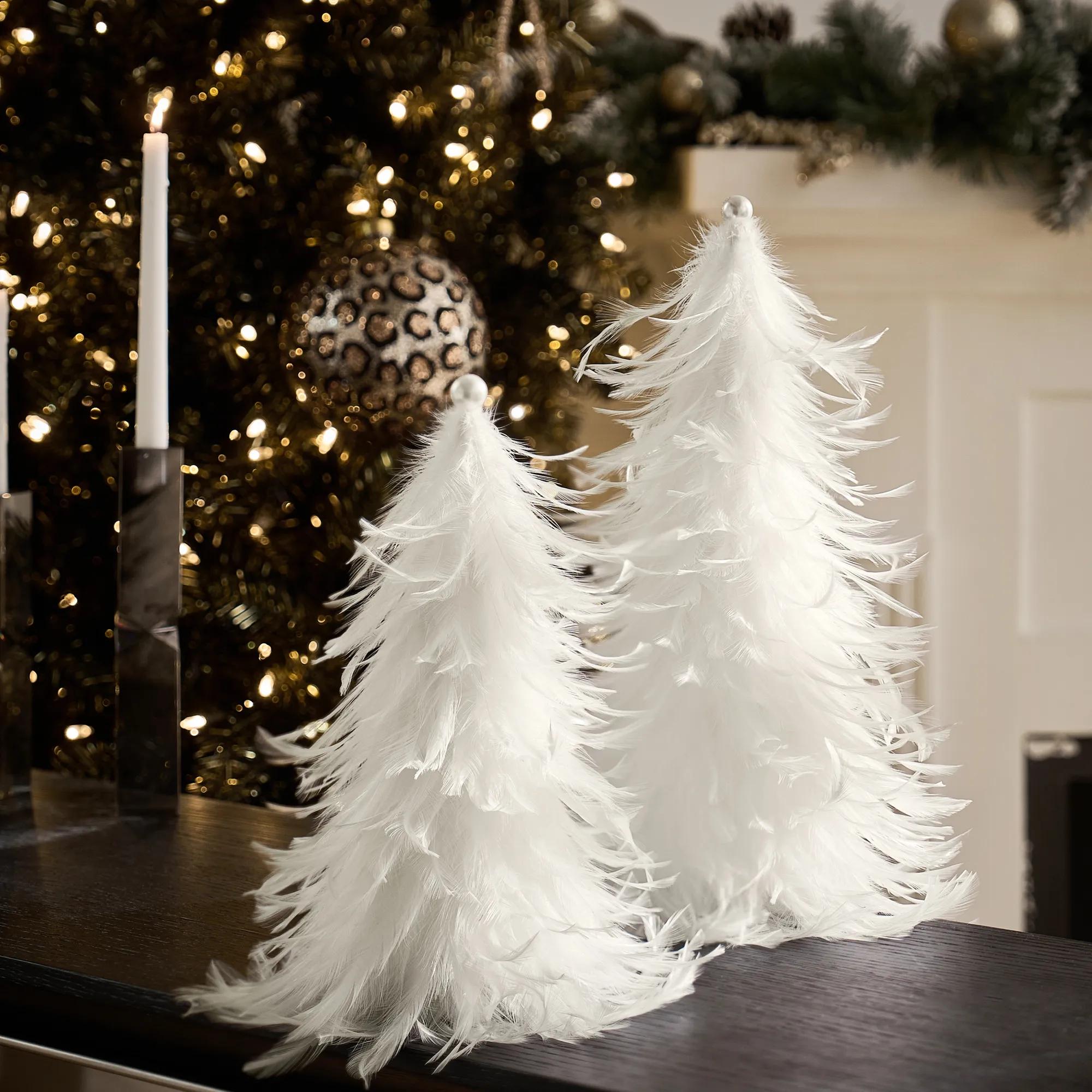
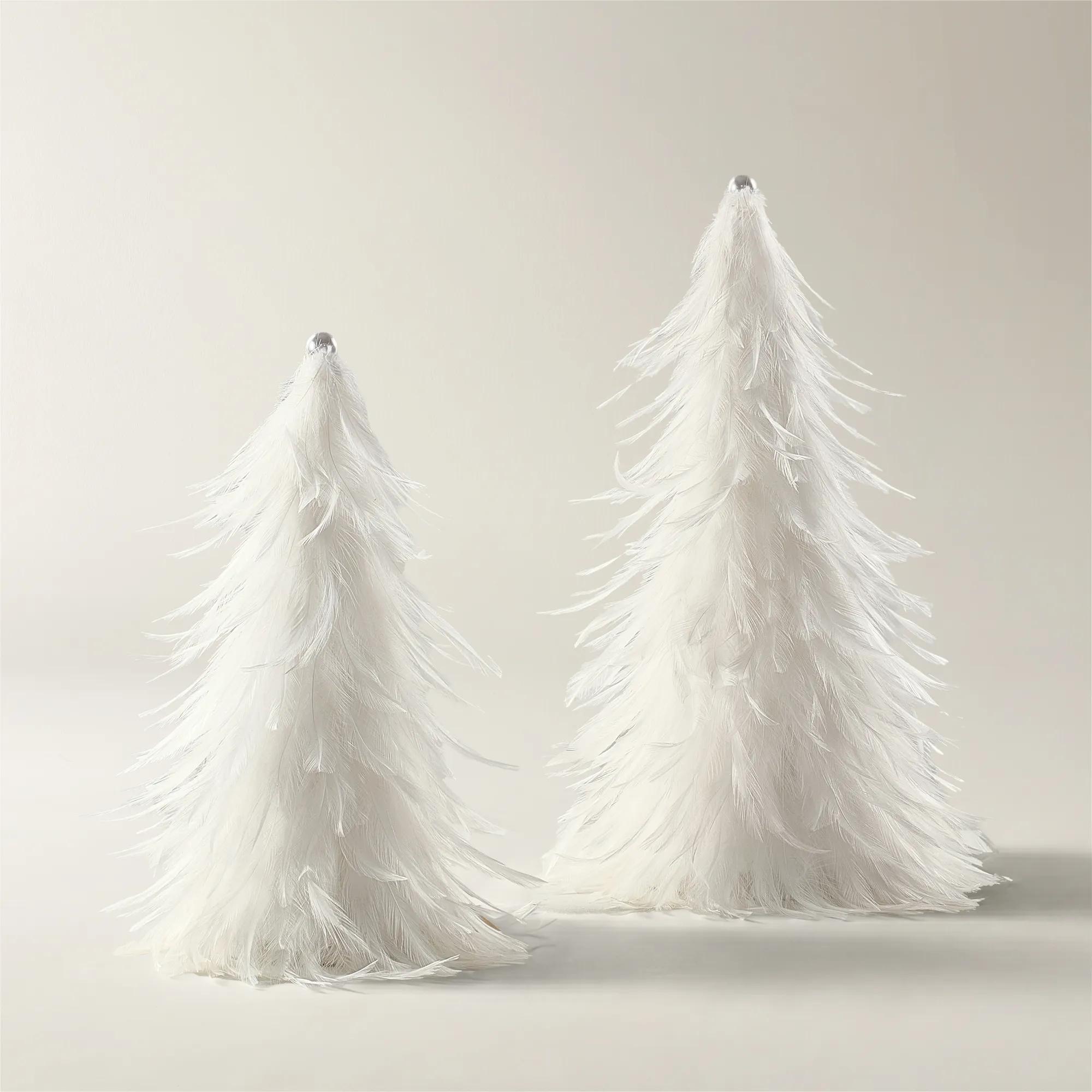 White Feather & Pearl Decorative Tree Set 11.75" & 12.75"$89
A set of two white feather trees adorned with faux pearls for an elegant, glamorous holiday display.
Add To Cart -
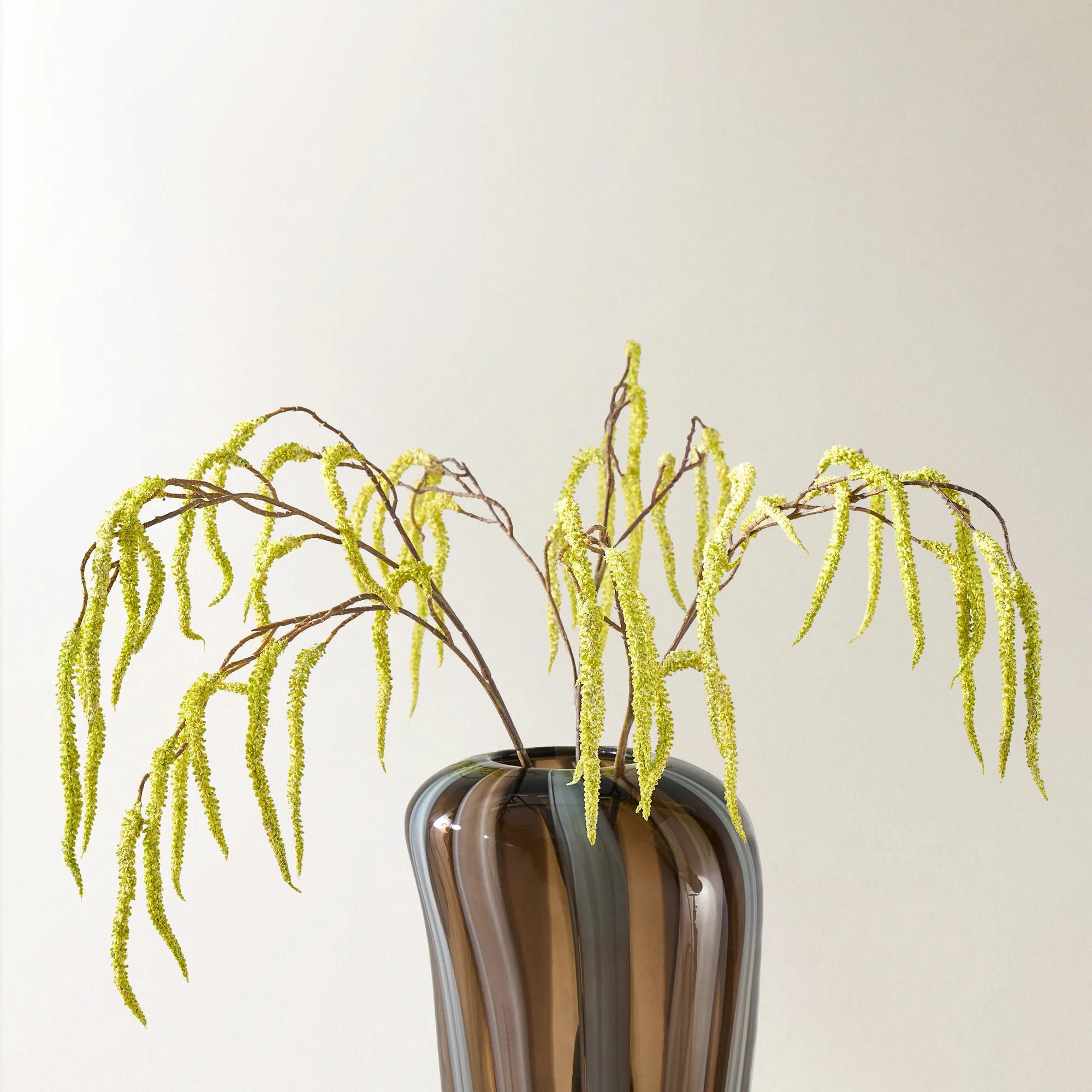
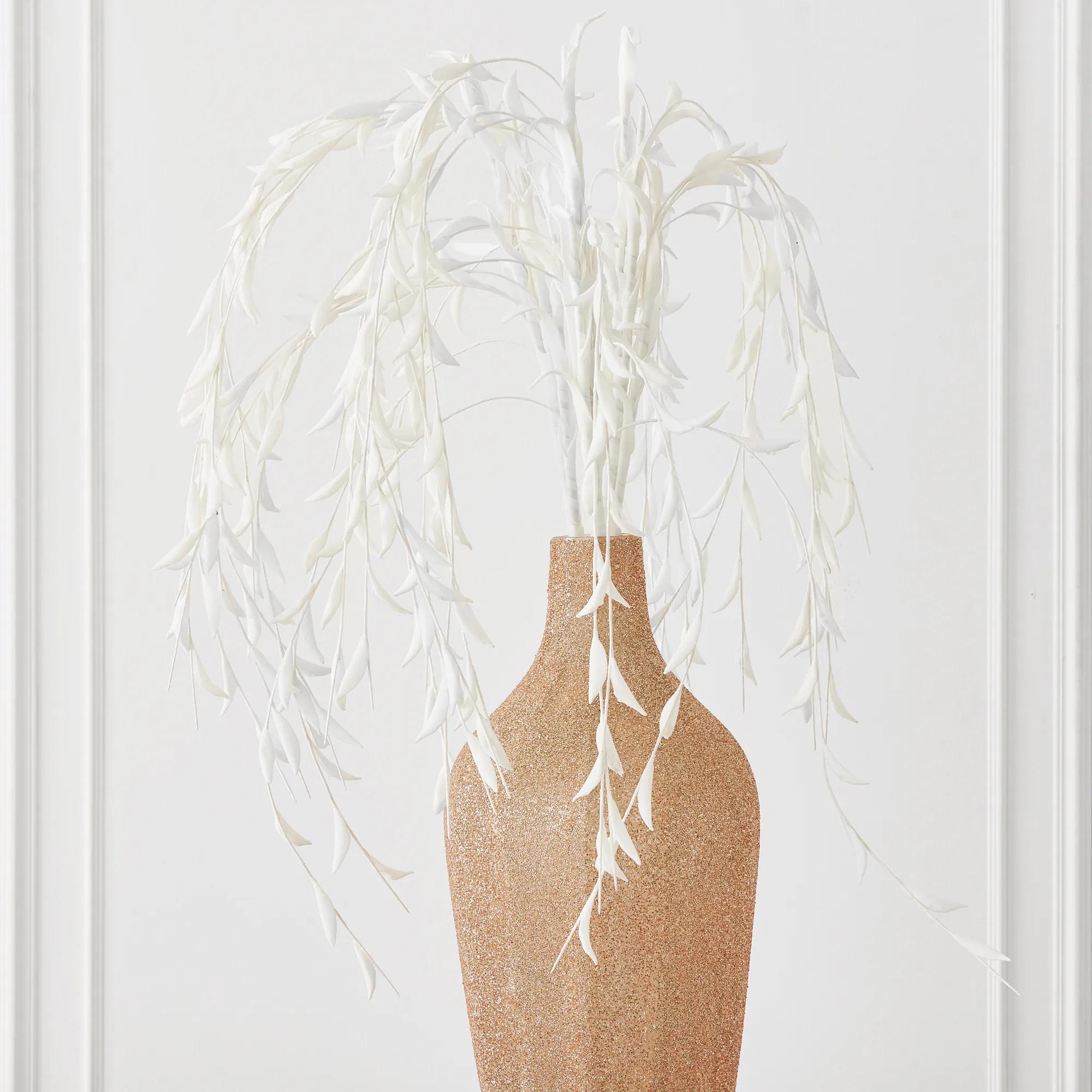 Faux Weeping Willow Spray Set of 3$59
A set of three faux weeping willows with delicate white foam branches for enchanting decor.
Add To Cart -
-compressed.jpg?w=1200&h=1200) Faux White Magnolia Stem 40" Set of 3$79
Faux White Magnolia Stem 40" Set of 3$79A set of three lifelike faux magnolia stems in creamy white polyester for timeless floral elegance.
Add To Cart -
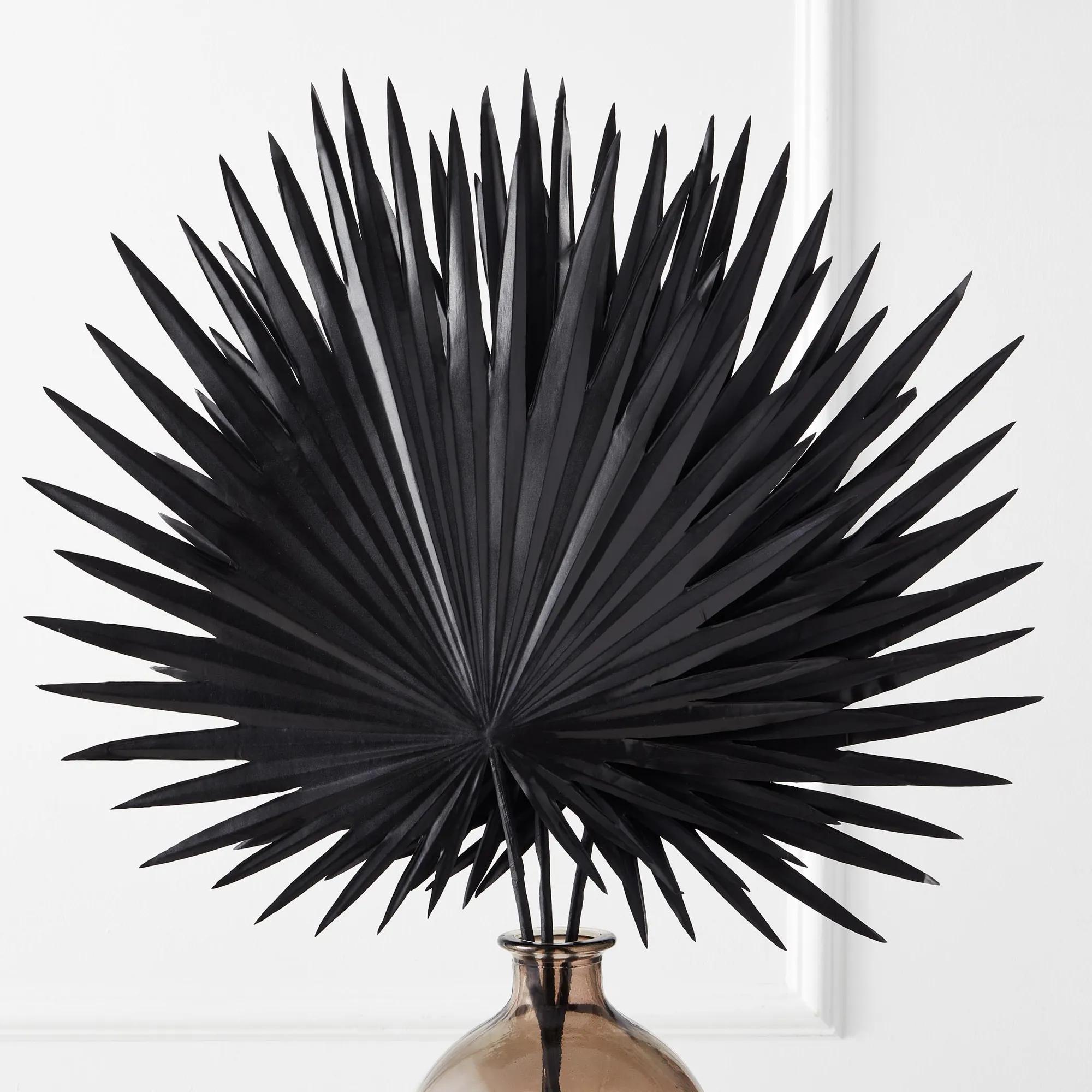
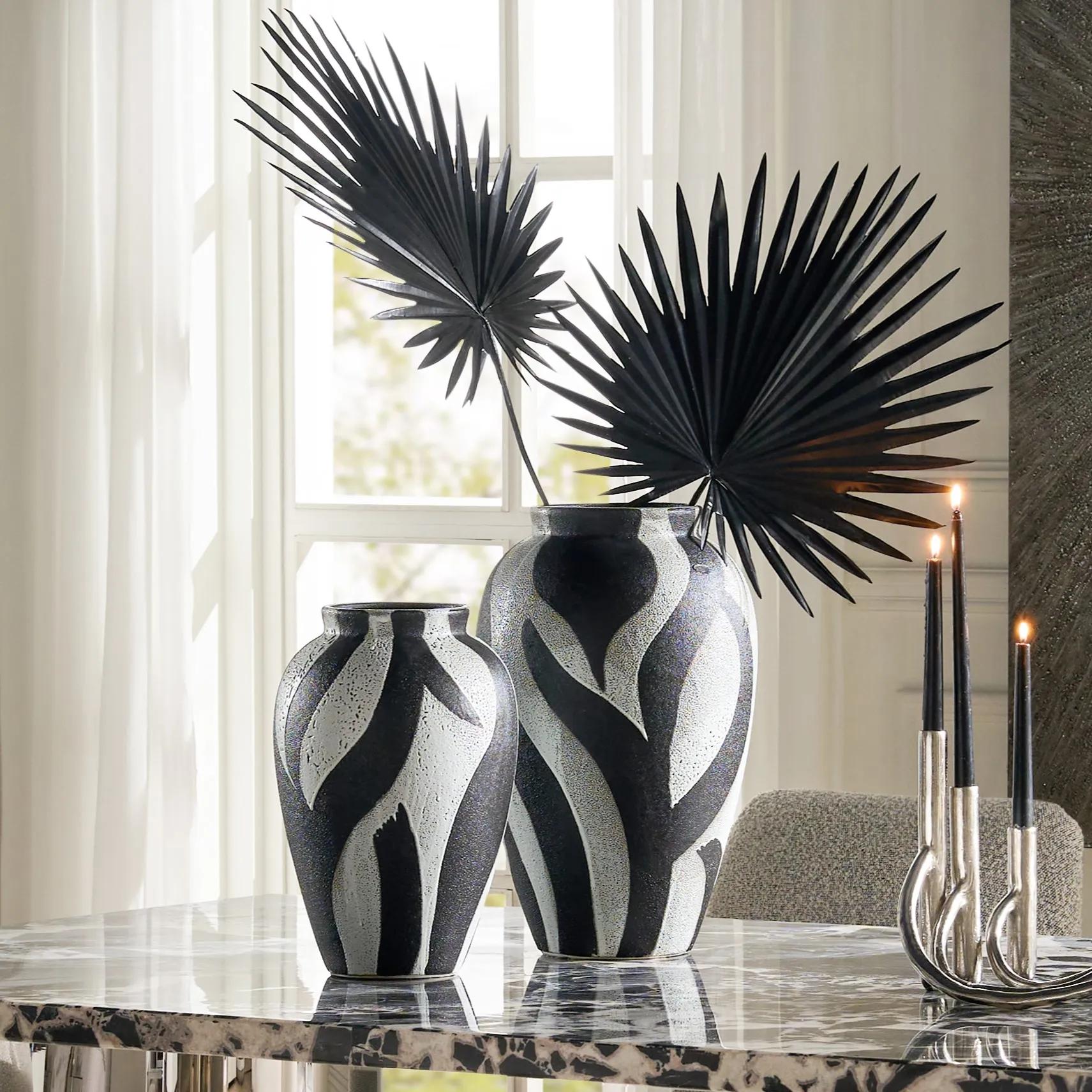 Faux Black Palm Stem 40" Set of 3$69
A set of three black faux palm stems with flexible wire for easy, artistic arranging.
Add To Cart -
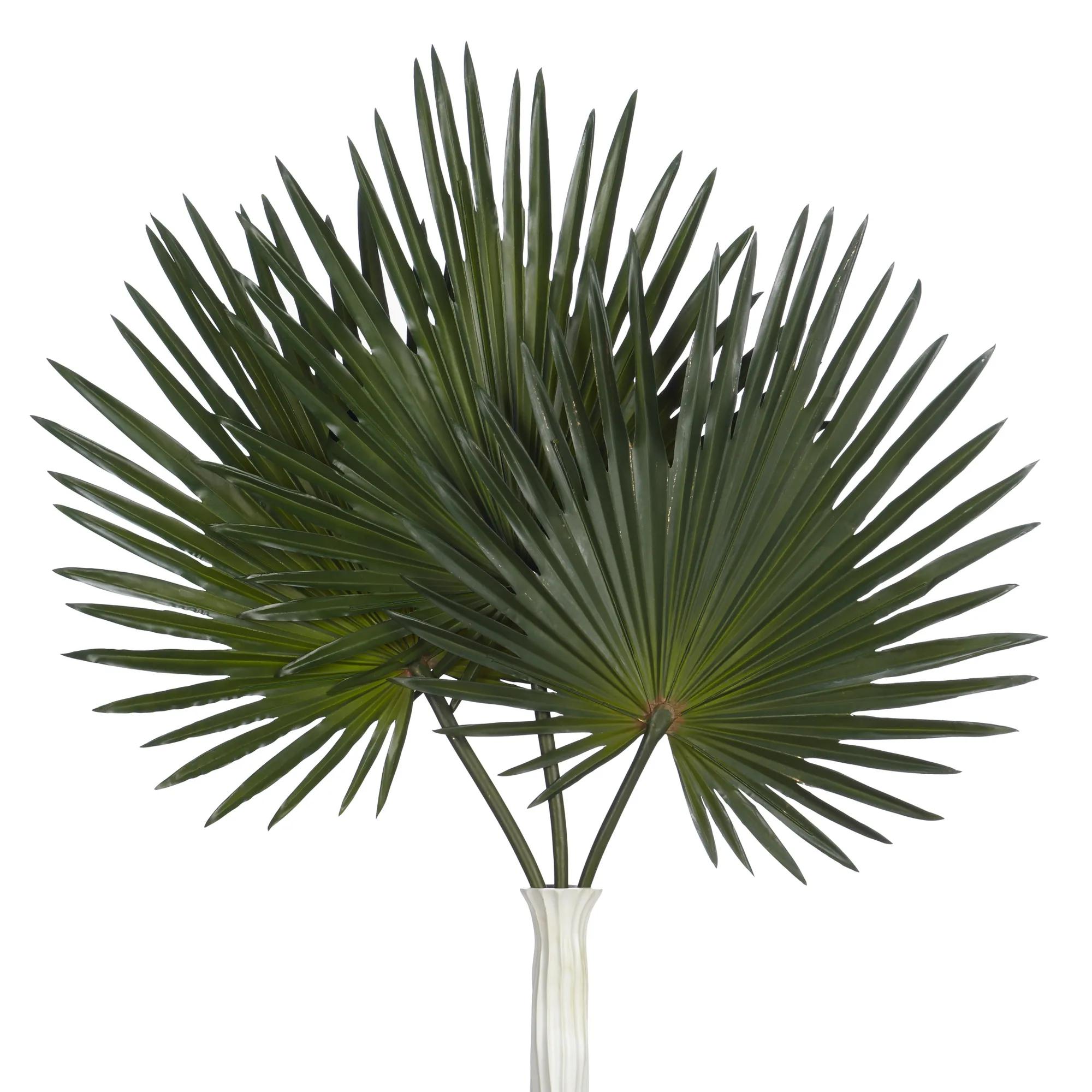
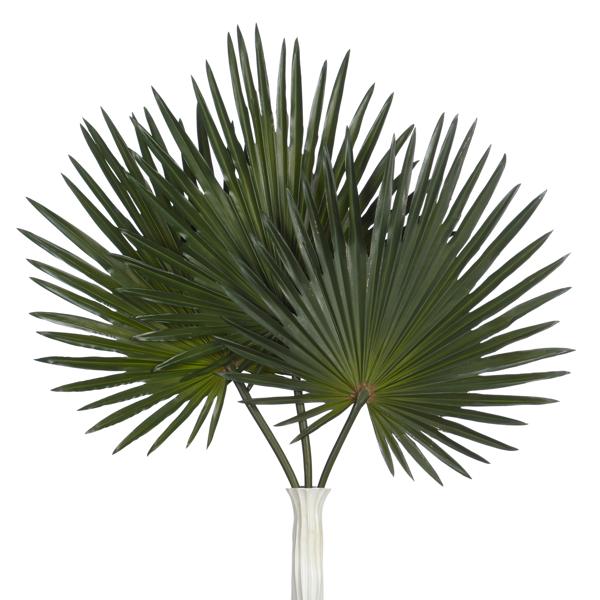 Faux Green Palm Stem 40" Set of 3$69
A set of three green polymer palm stems with flexible wire for easy, artistic arranging.
Add To Cart -
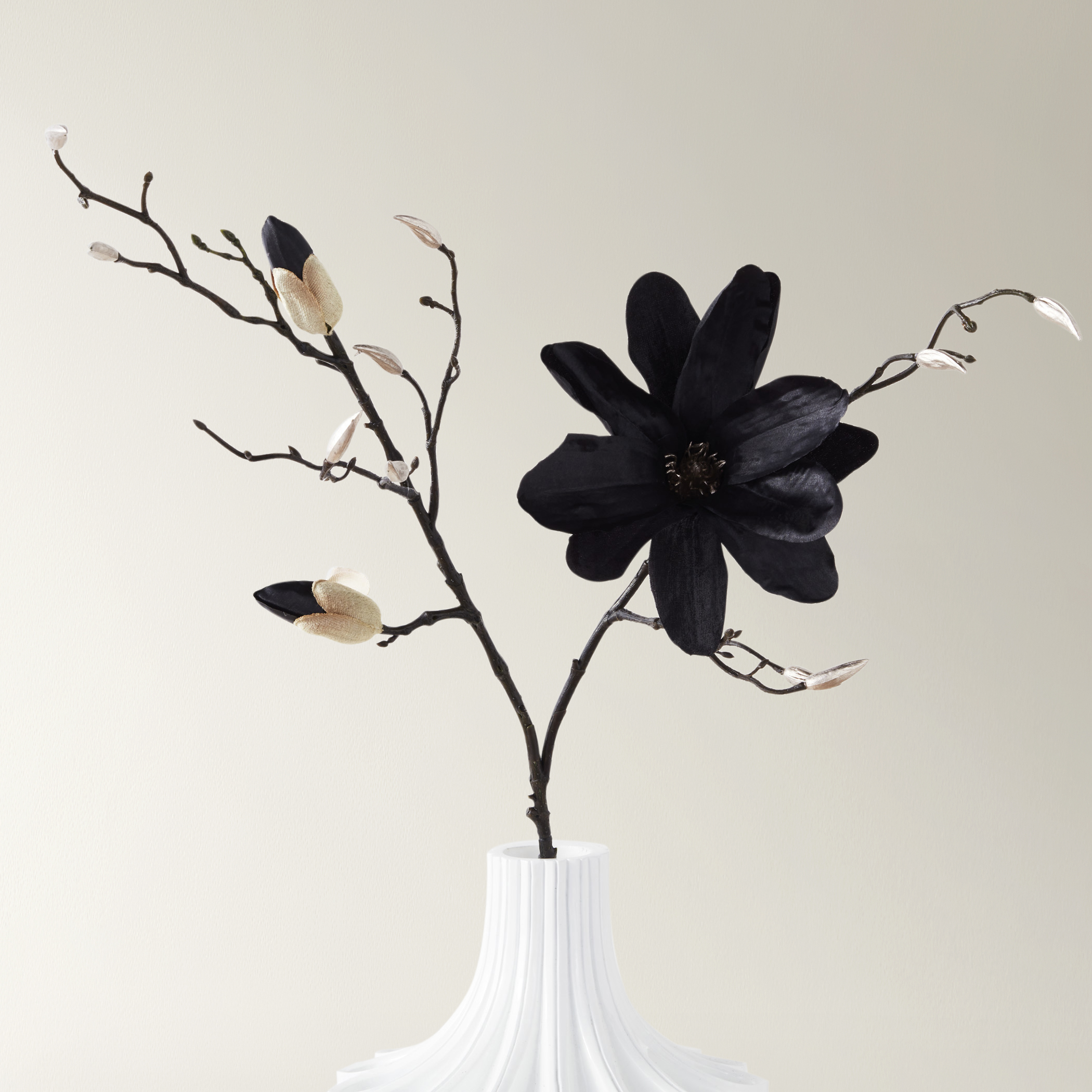 Faux Black & Gold Magnolia Stem 33" Set of 3$59
A set of three lifelike black polyester magnolia sprays that add dramatic height to any decor.
Add To Cart -
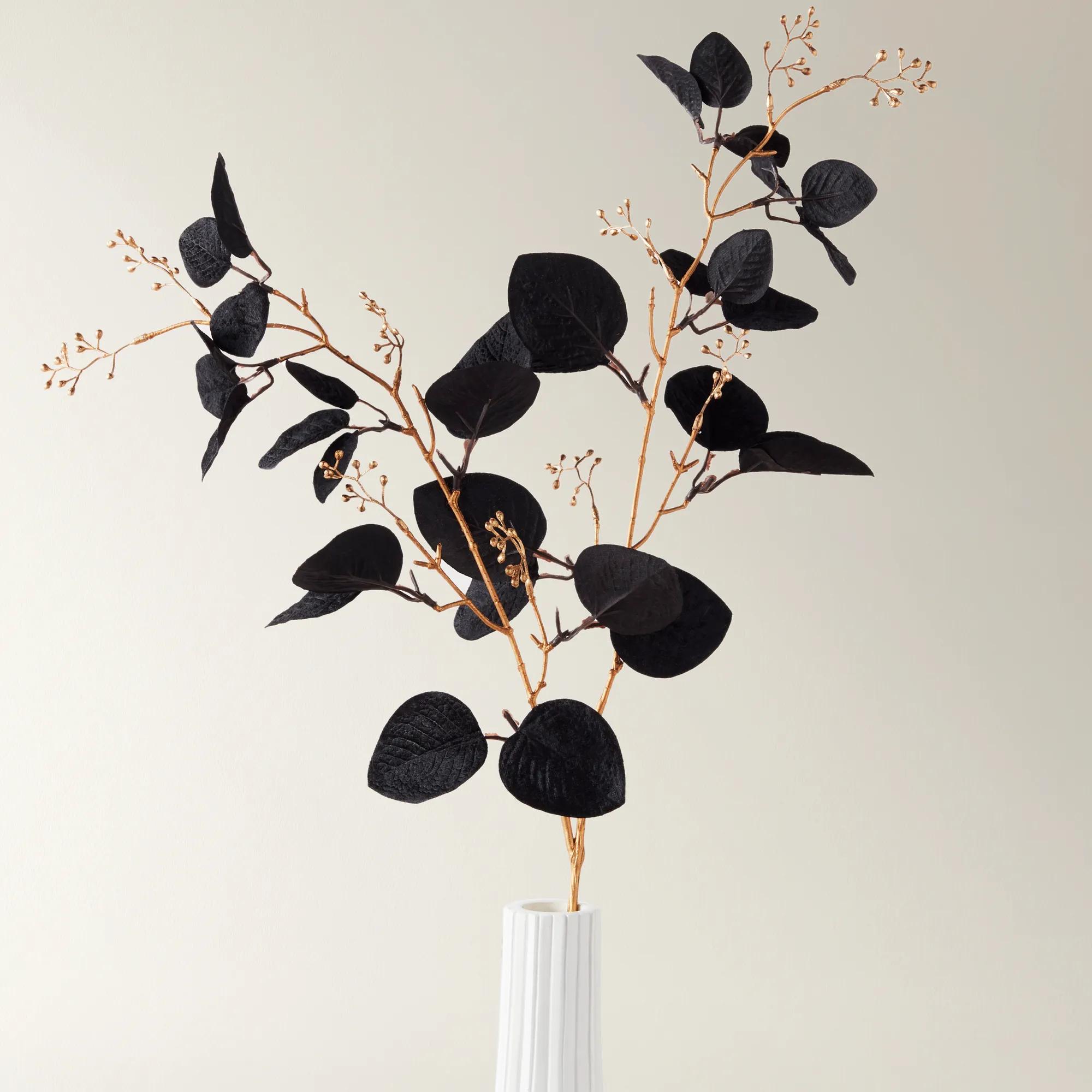
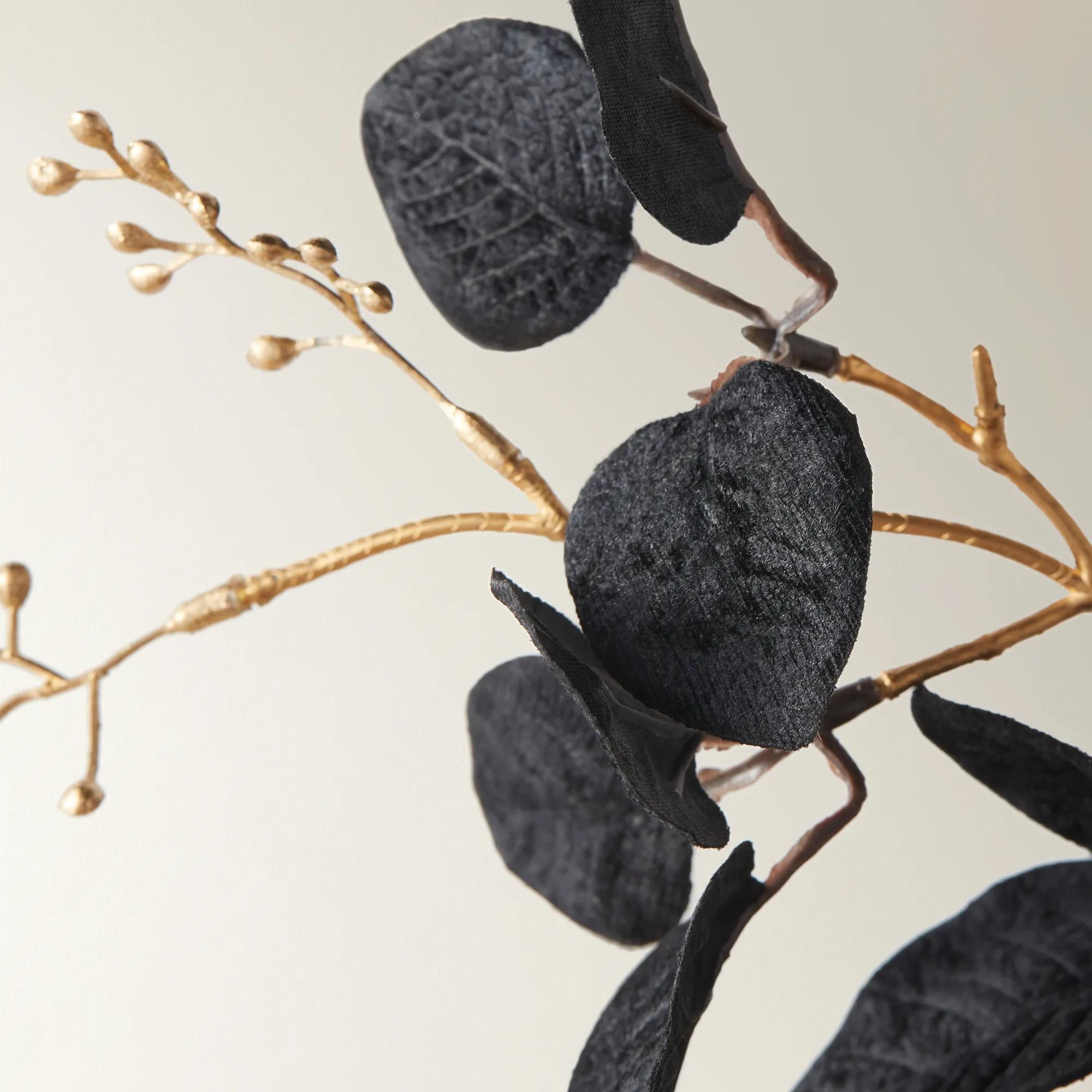 Faux Black/Gold Eucalyptus Spray 32" Set of 3$49
A set of three black-and-gold faux eucalyptus sprays crafted from durable plastic for sculptural seasonal arrangements.
Add To Cart -
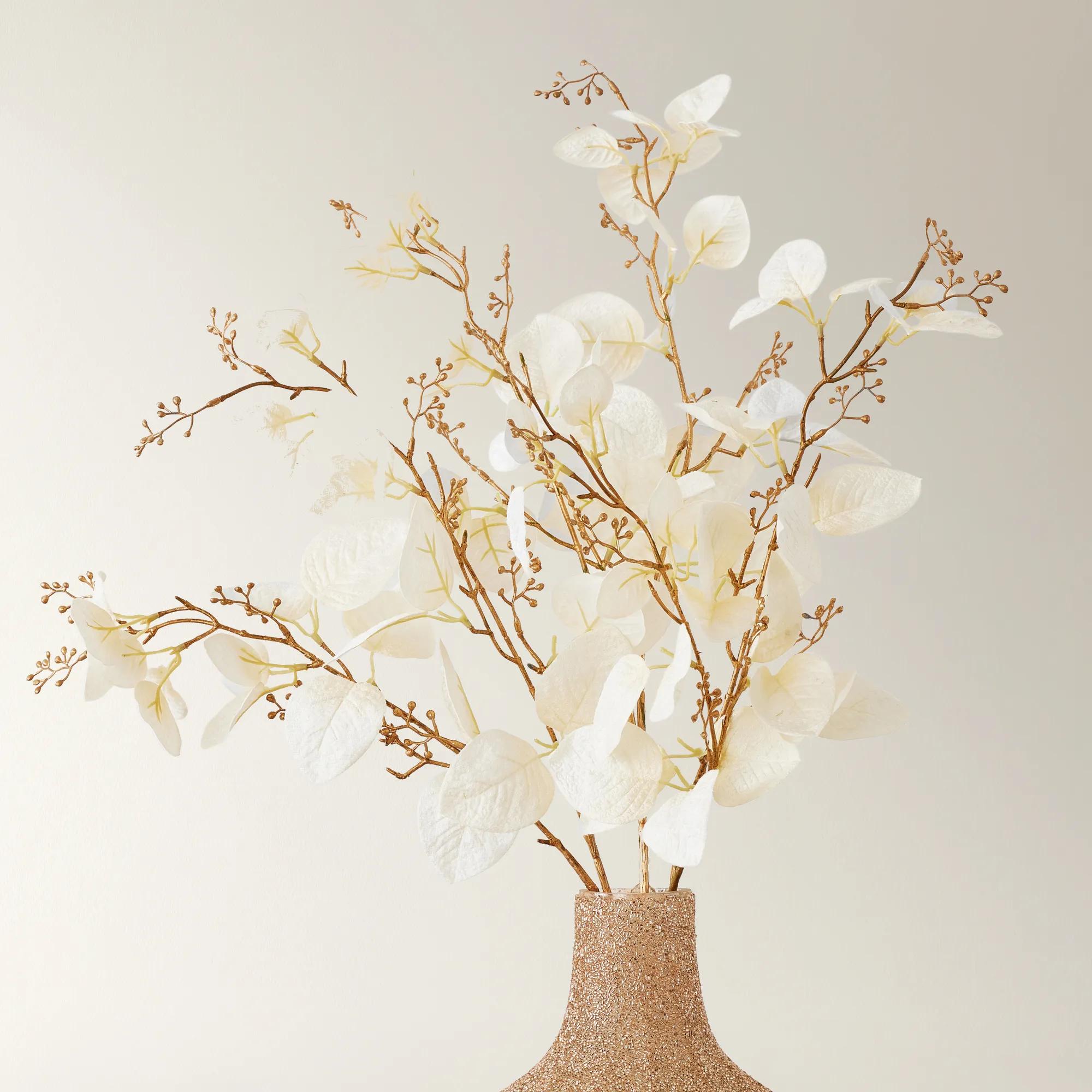 Faux Ivory/Gold Eucalyptus Spray 32" Set of 3$49
A trio of ivory-and-gold polyester eucalyptus sprays adds luminous, dimensional texture to botanical arrangements.
Add To Cart -
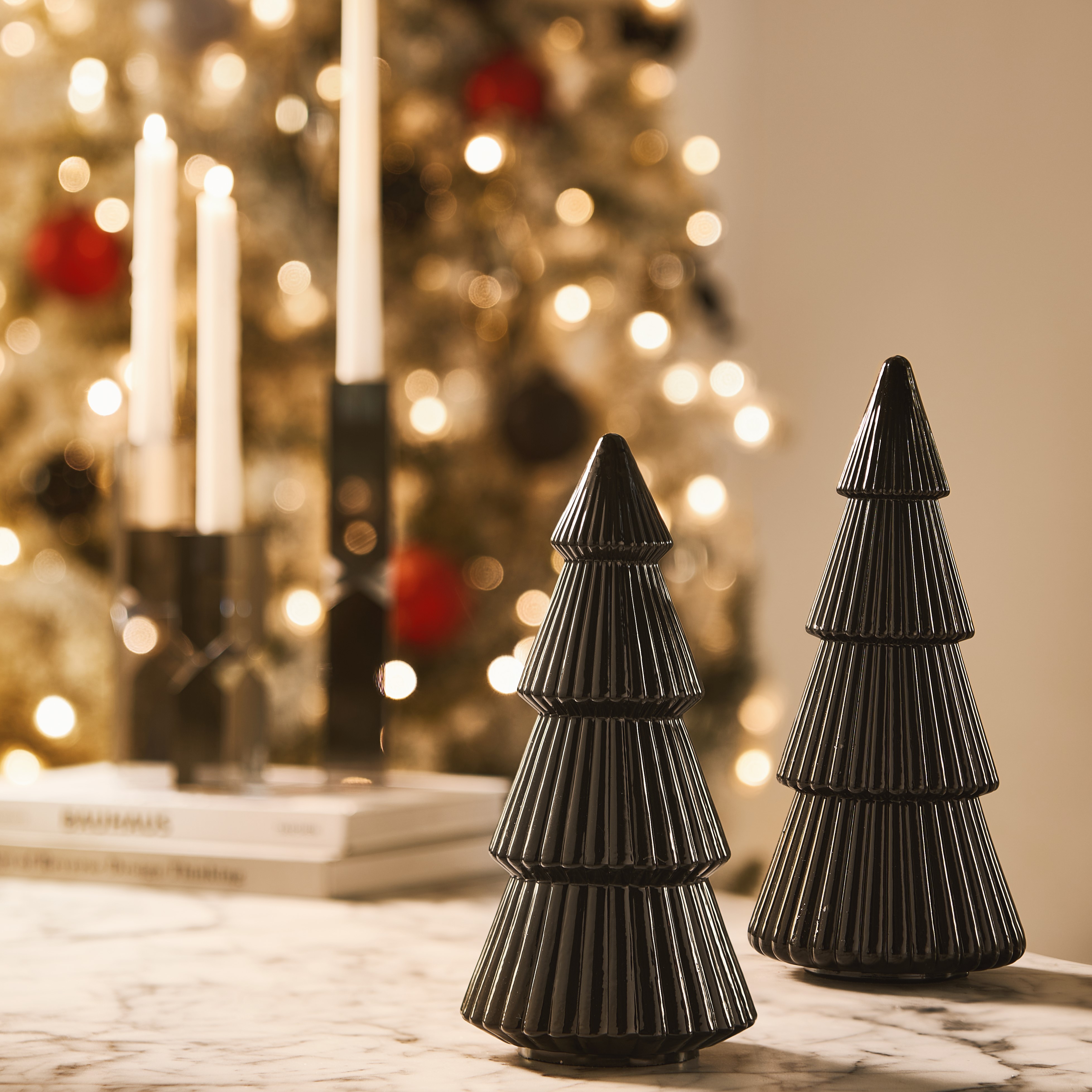 Black Glass Tree Set of 2 - 10" & 11"$79
A sculptural set of two fluted glass trees in a high-gloss black finish for modern holiday décor.
Add To Cart -
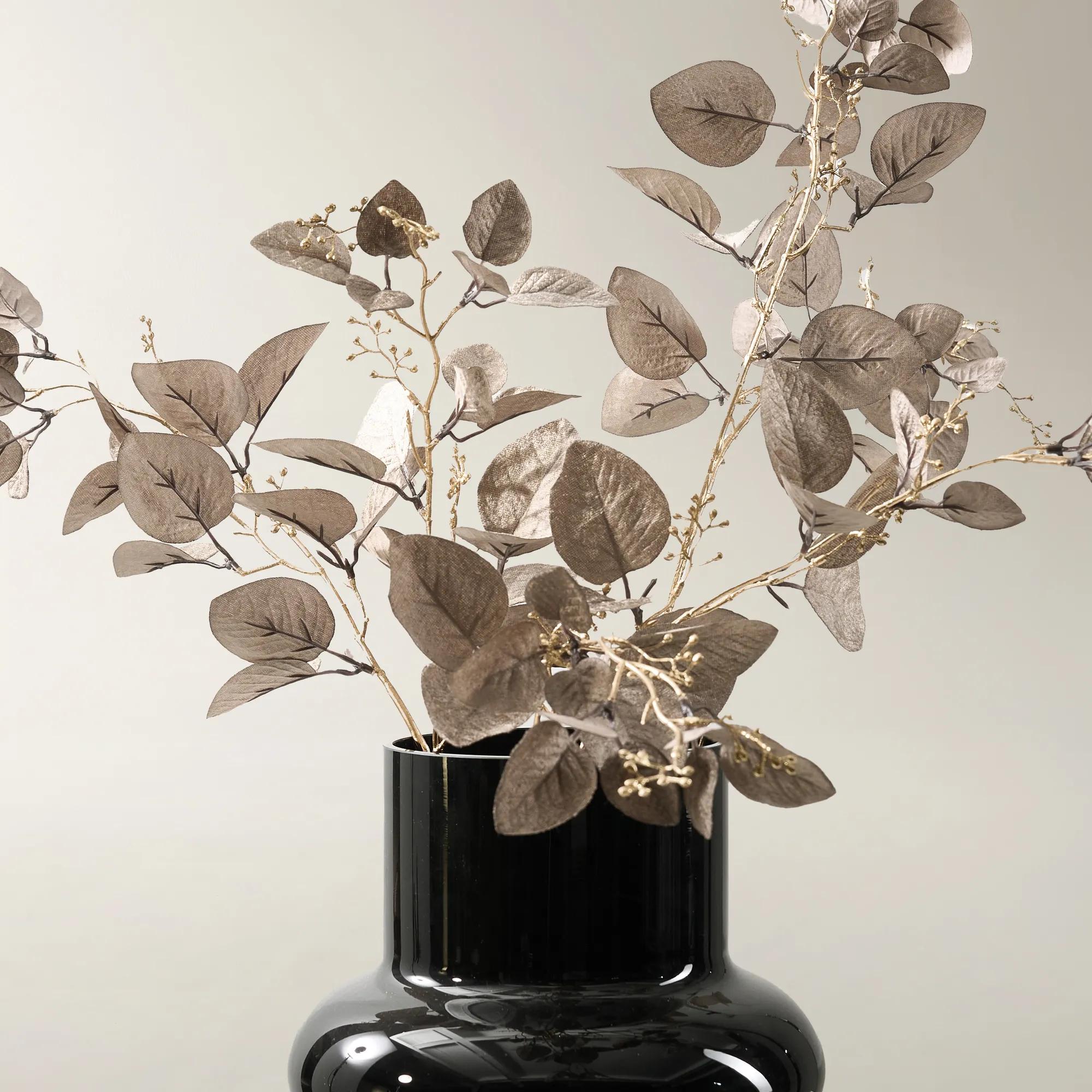 Faux Champagne Shimmer Eucalyptus Spray 32" Set of 3$49
A set of three antique champagne faux eucalyptus sprays adds metallic warmth and airy texture to arrangements.
Add To Cart -
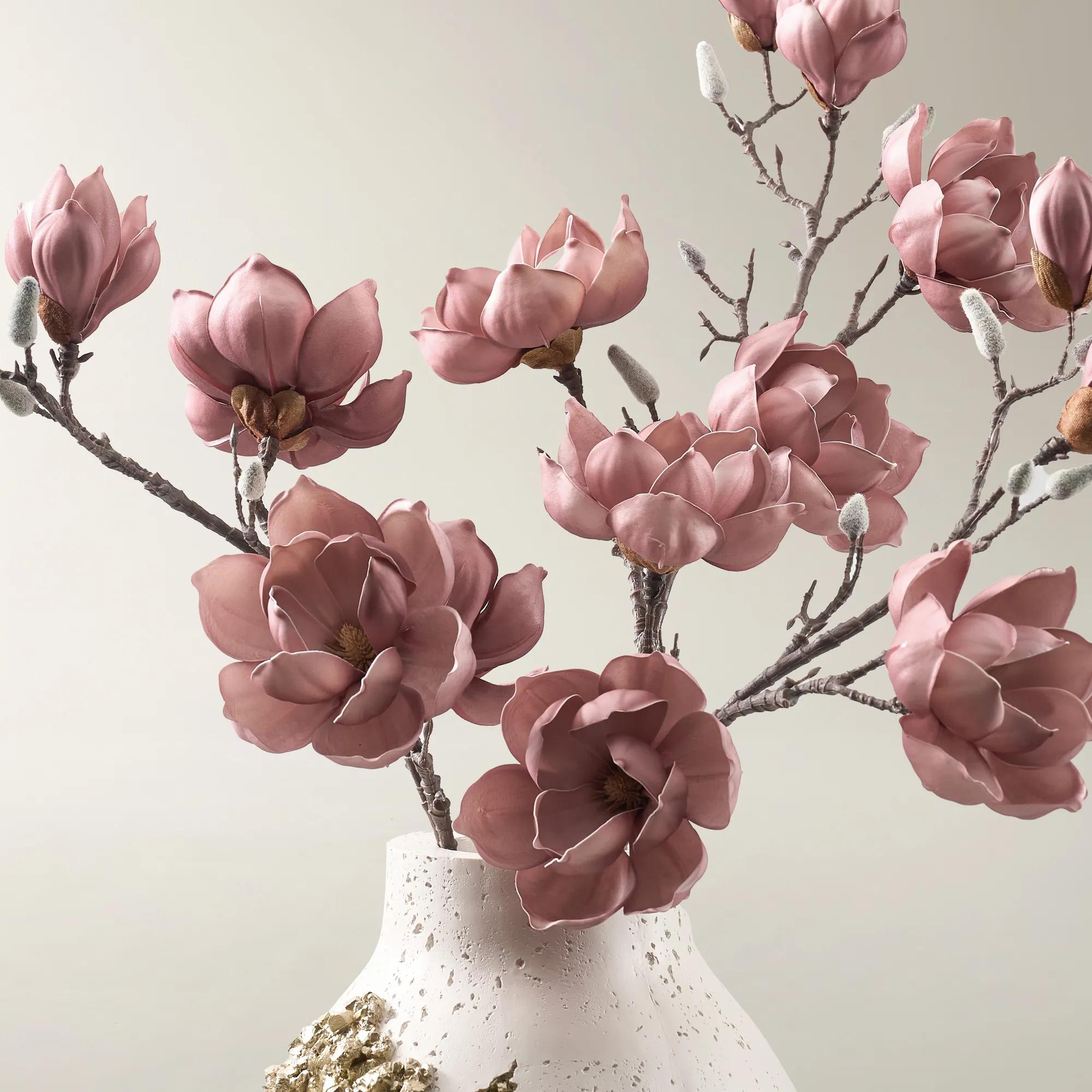 Faux Pearlized Antique Mauve Magnolia Stem 40" Set of 3$79
A set of three pearlized antique mauve magnolia stems crafted from polyester for elegant seasonal arrangements.
Add To Cart -
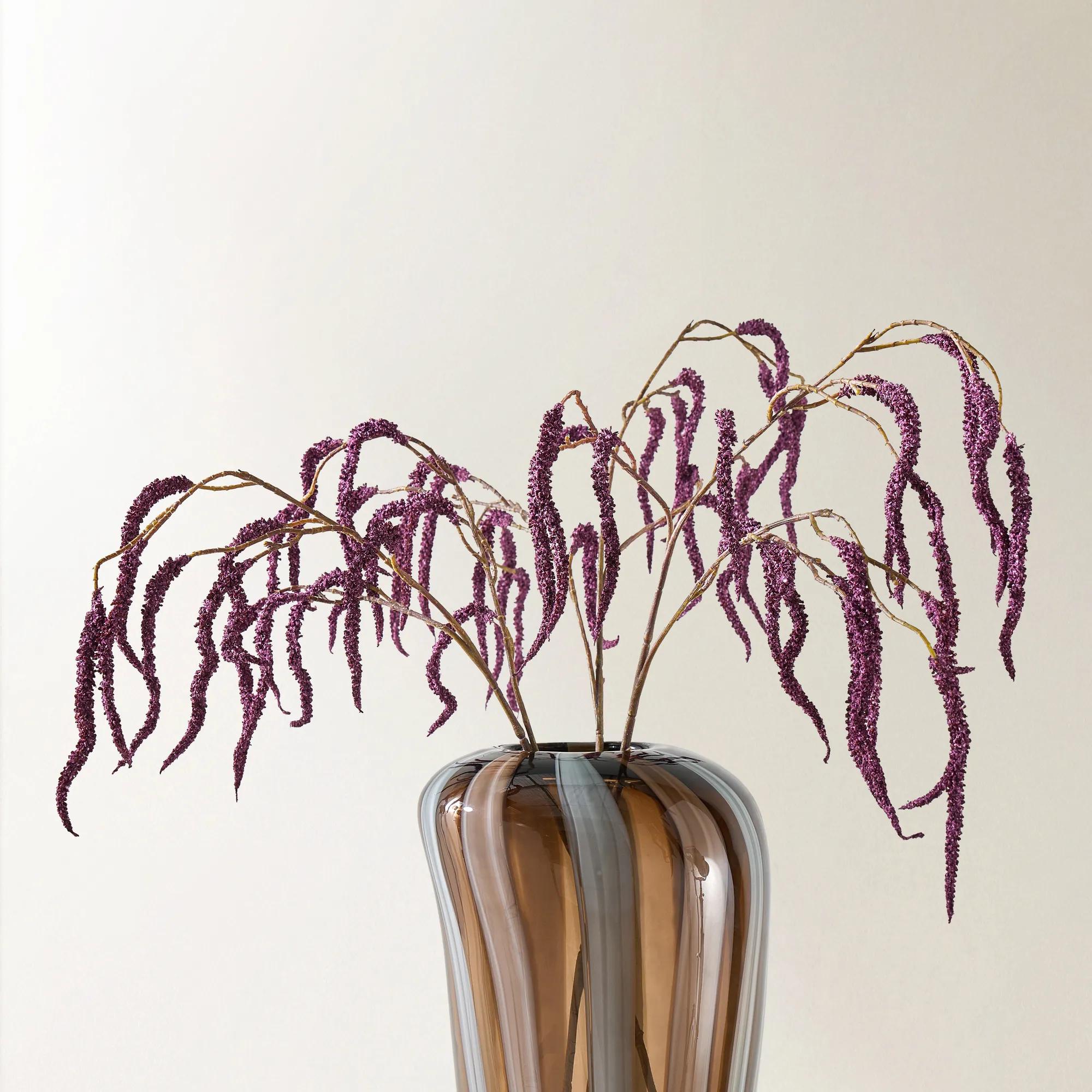
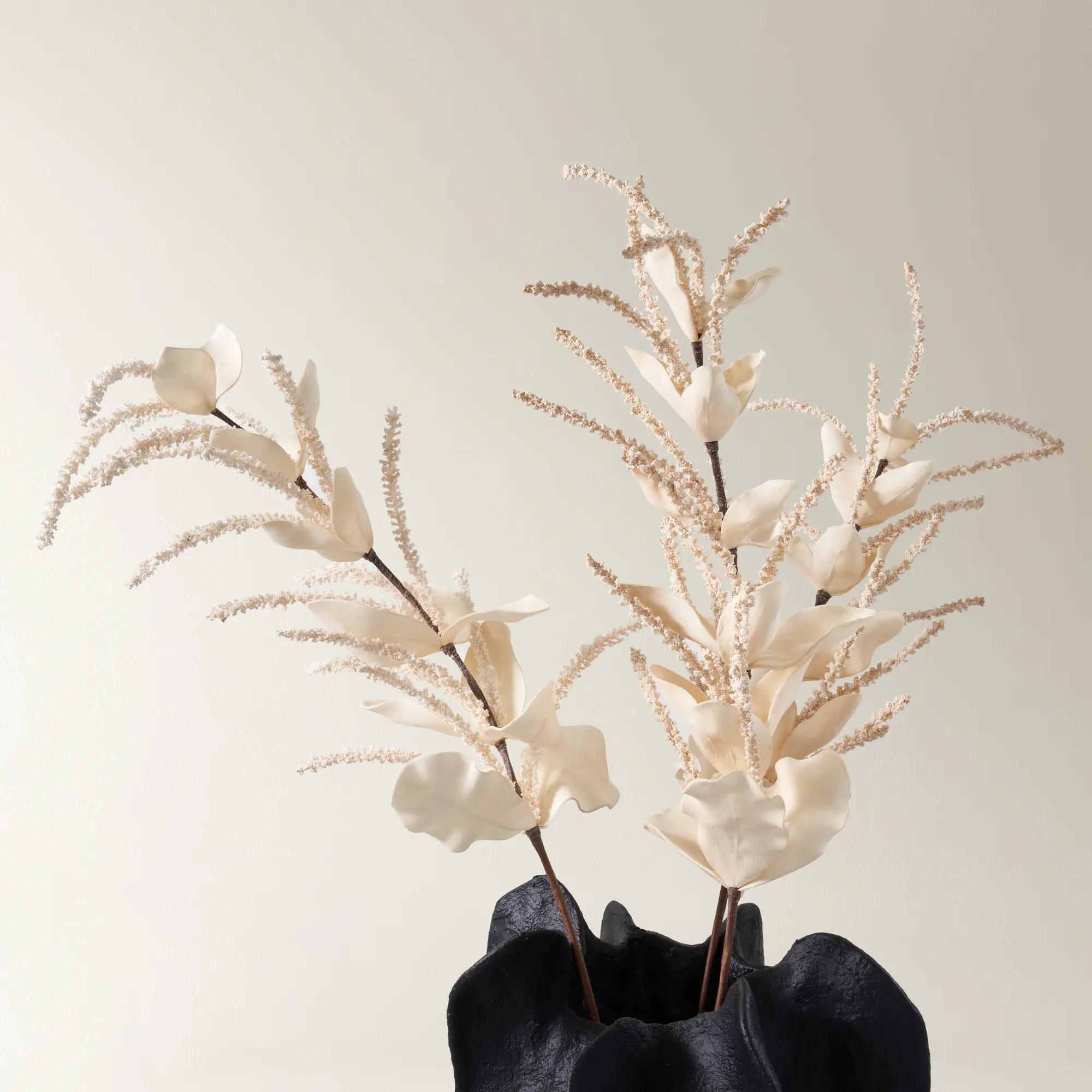 Faux Cream Weeping Spray 50" Set of 3$59
A set of three lifelike sprays in earthy beige and brown tones for a natural, elegant accent.
Add To Cart -
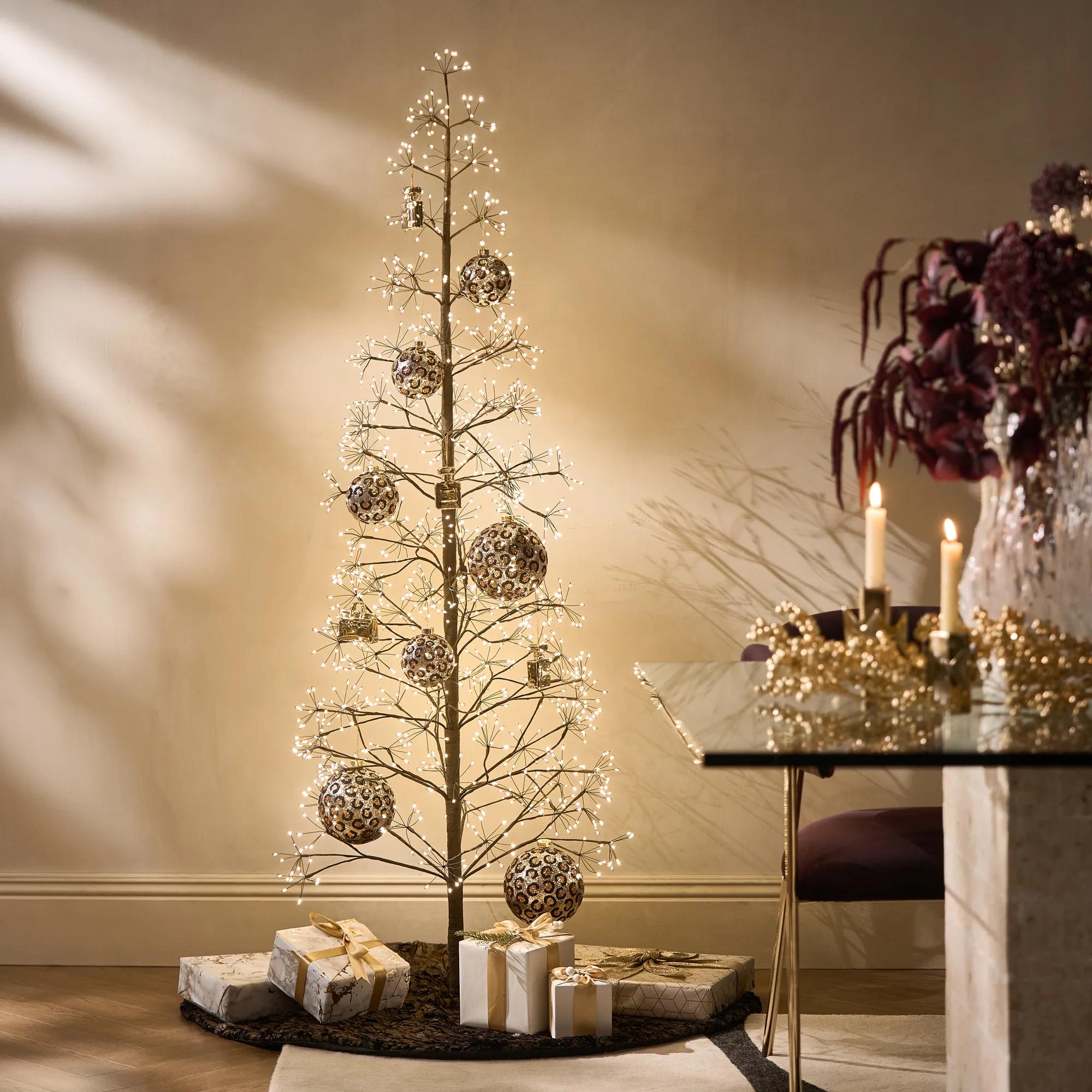
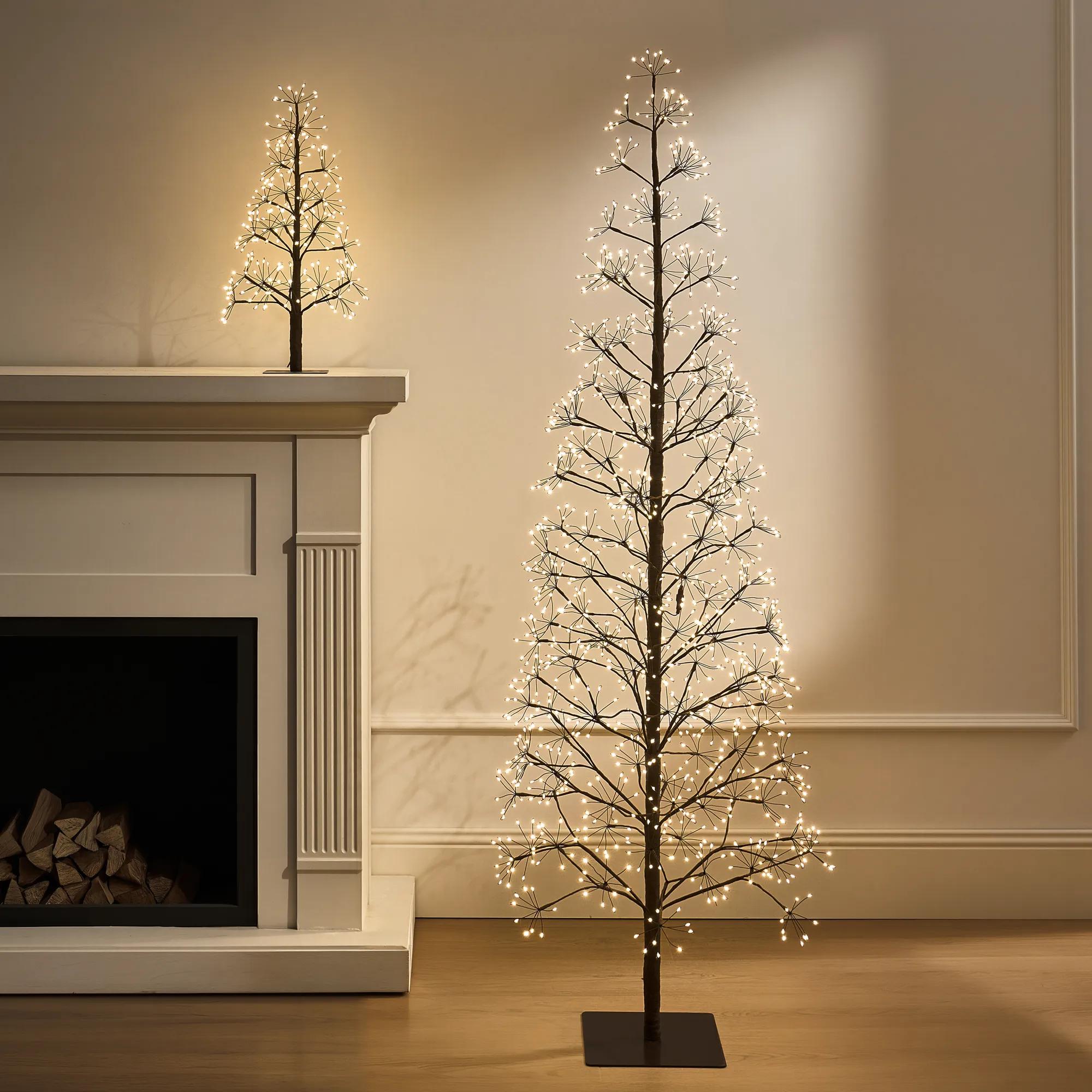 LED Twinkle Light Christmas Trees$89
A sculptural dark brown iron tree illuminated by warm white LED twinkle lights for festive ambiance.
Add To Cart -
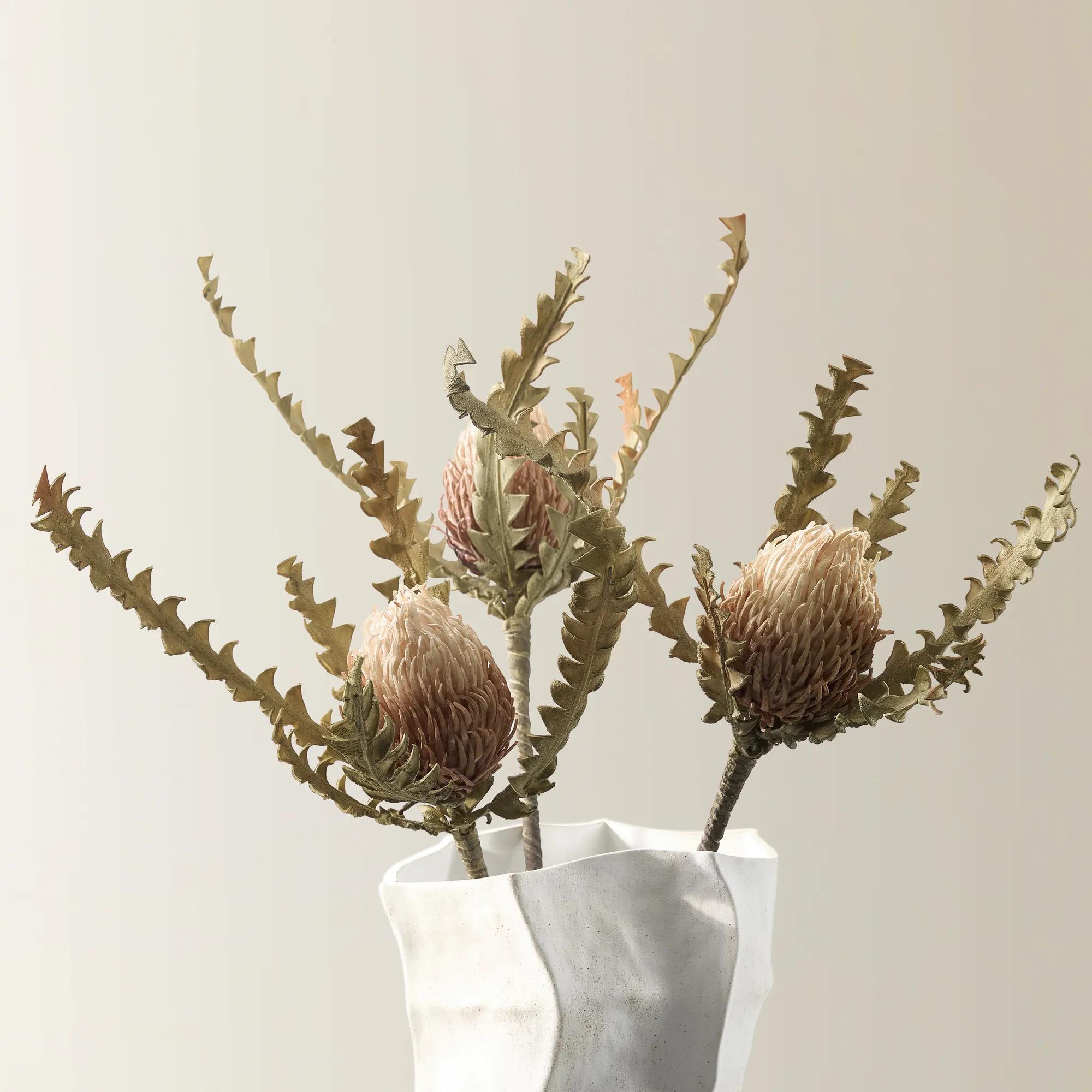 Faux Yellow Banksia Stem 32.75" Set of 3$49
A set of three sculptural faux banksia stems in yellow and green plastic for bold, artful arrangements.
Add To Cart -

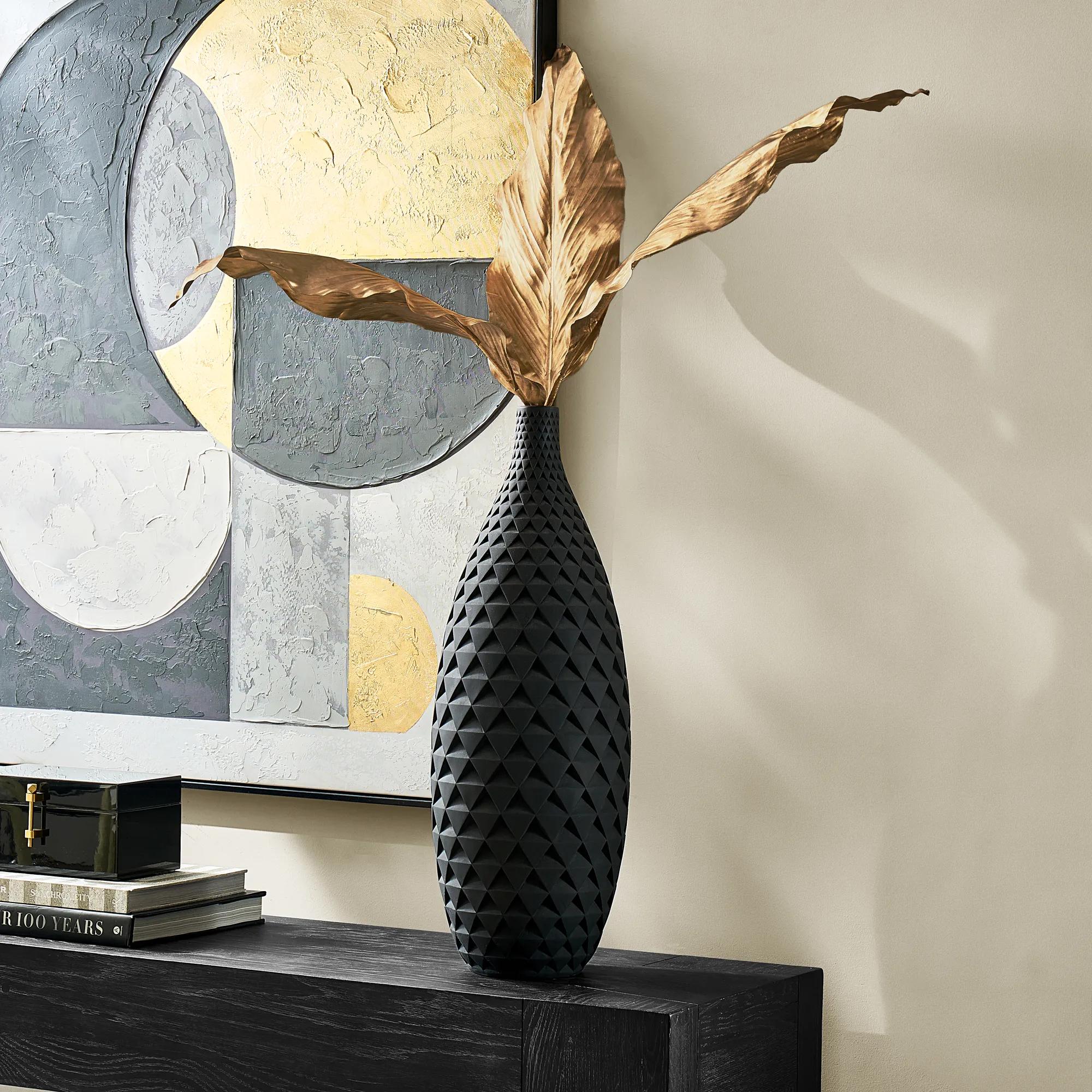 Faux Gold Canna Leaf Branch 38" Set of 3$49
A set of three golden metallic branches inspired by Canna leaves for a modern, autumnal accent.
Add To Cart -
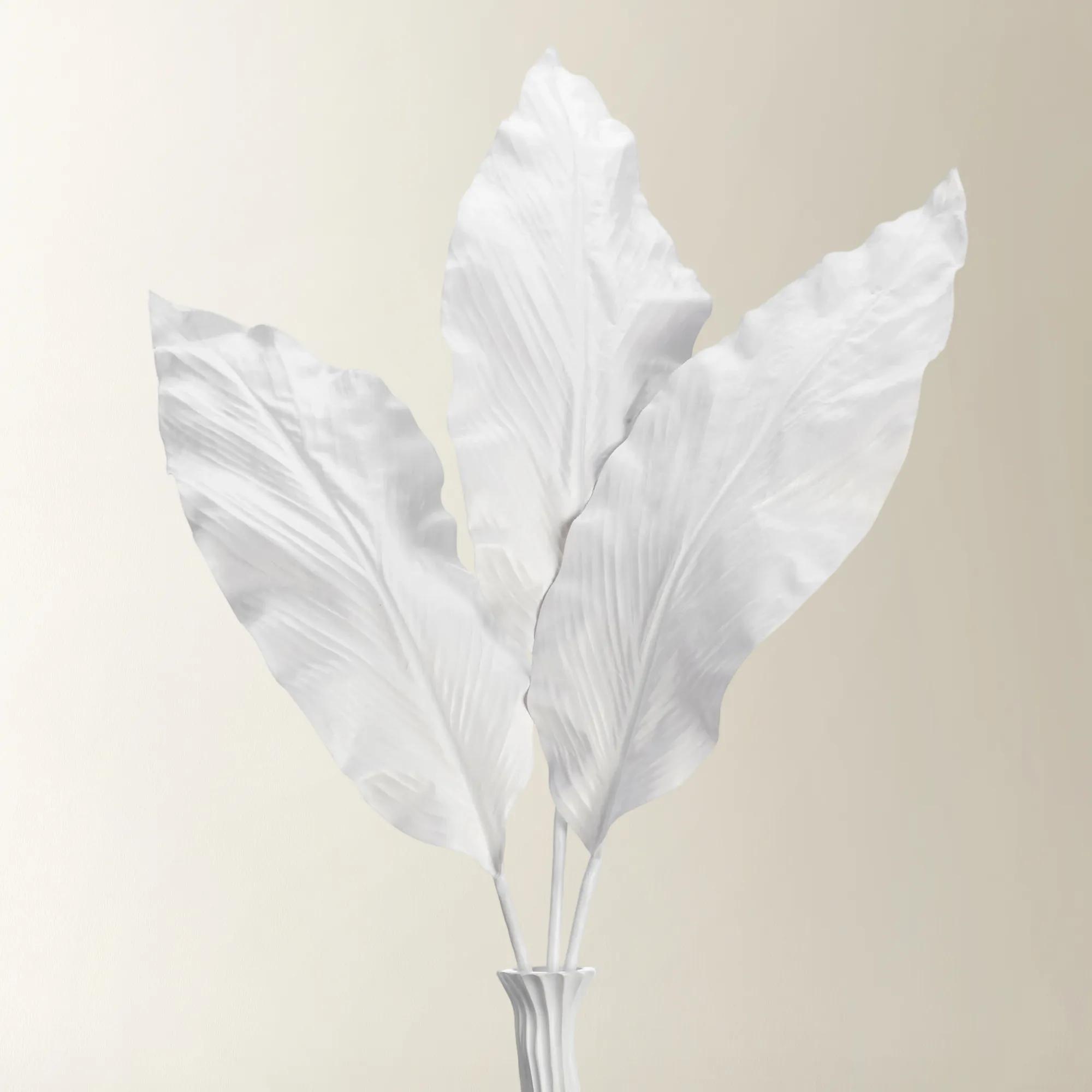
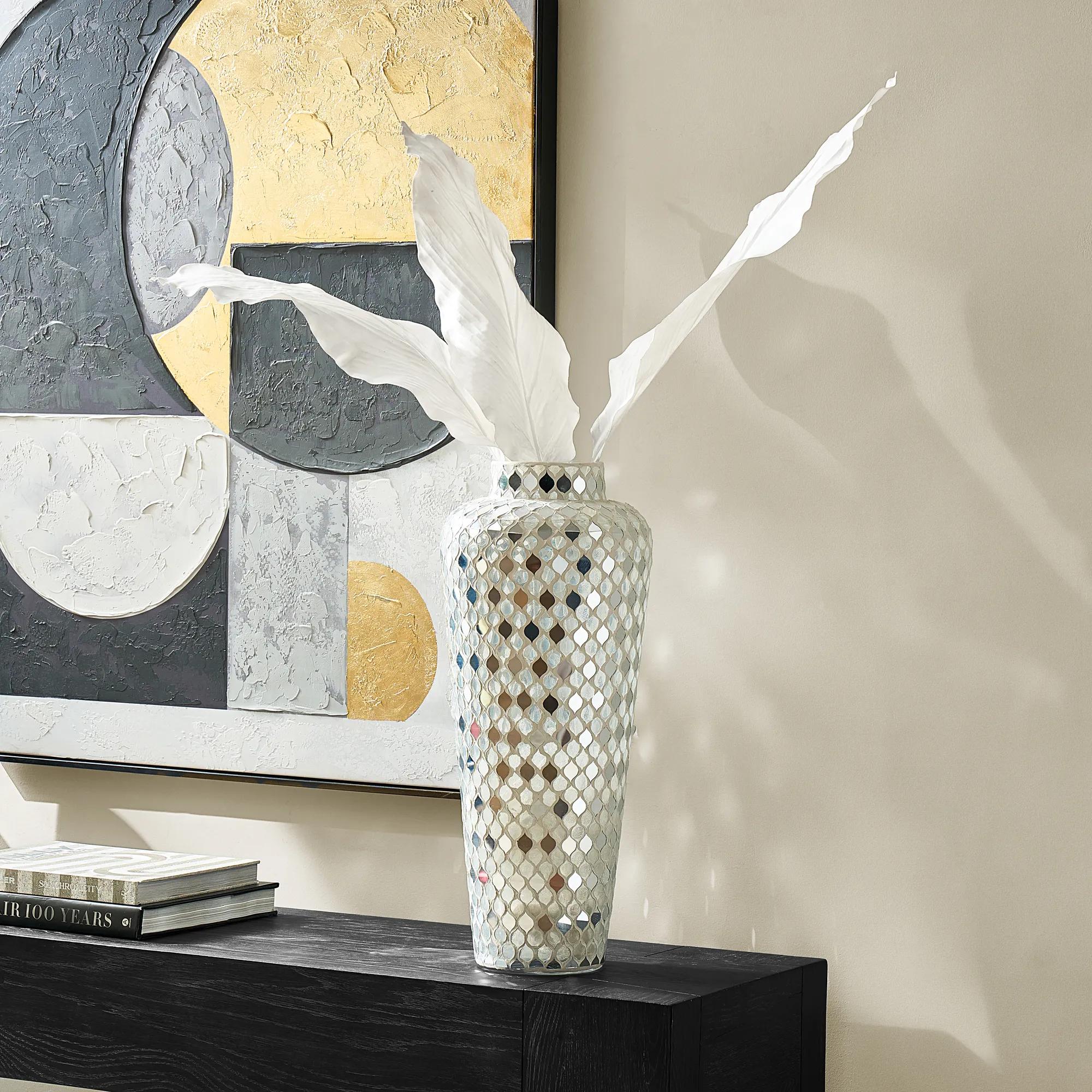 Faux White Canna Leaf Branch 38" Set of 3$49
A set of three white decorative branches inspired by the elegant foliage of the Canna plant.
Add To Cart -
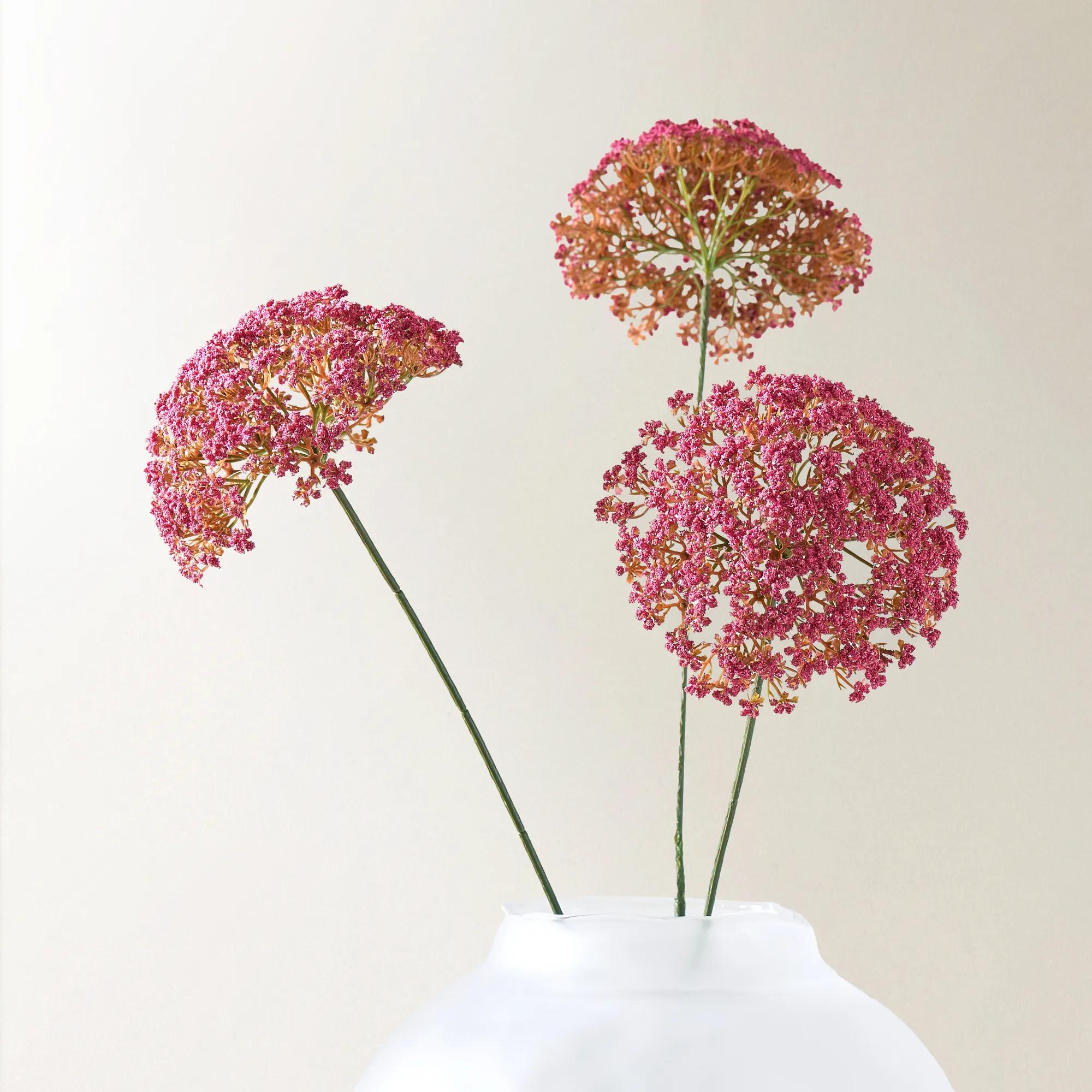
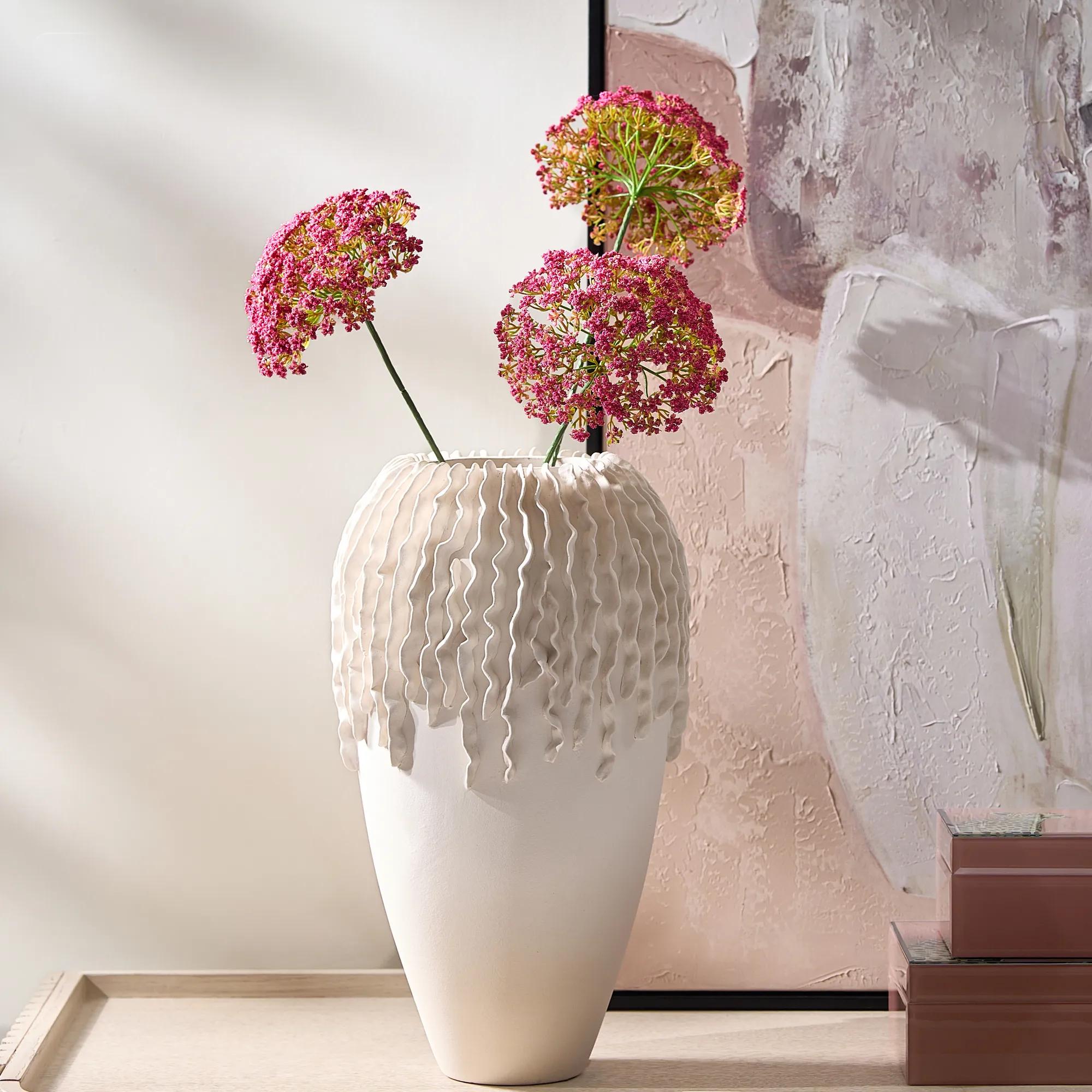 Faux Berry Pink Heracleum Stem 29" Set of 3$49
A trio of pink faux Heracleum stems adds sculptural texture and lasting botanical style to interiors.
Add To Cart

Artificial Trees For Home Staging
Elevate your interiors with a curated collection of artificial trees for home staging—each piece a striking fusion of natural beauty and artistic intent. These sculptural accents infuse every room with lush vitality, transforming empty corners into captivating focal points and breathing life into even the most minimalist spaces. Whether you’re crafting an atmosphere of serene sophistication or bold drama, artificial trees for home staging offer an effortless way to create dimension, texture, and a sense of organic grandeur. Let each leaf and silhouette tell a story of cultivated elegance, turning any property into a gallery-worthy masterpiece.
Artificial trees for home staging bring the polish of a thoughtfully furnished interior without the demands of a living plant. In listing photographs, where every corner contributes to a buyer’s first impression, a well-scaled tree can soften architectural lines, introduce height, and make an empty room feel composed rather than unfinished. Its foliage adds color and organic movement to spaces filled with wood, glass, metal, and upholstery, creating the visual balance that helps a home feel welcoming. A tall, broad-leaf silhouette can anchor an unoccupied living room corner, while a slender, airy form may lend quiet structure to a hallway, bedroom, or home office. For open-concept interiors, placing a tree near the edge of a seating arrangement or dining area can define the zones without interrupting sightlines or diminishing the sense of light. These arrangements are especially effective in homes with neutral walls and streamlined furnishings, where a touch of greenery becomes an expressive finishing note. As the weather warms and daylight stretches across the rooms, foliage can echo the freshness outside; during the cooler months, it continues to provide warmth and visual life when outdoor gardens have grown quiet. Artificial trees are also practical for staging properties that may be vacant between showings. They remain fresh-looking without watering, pruning, sunlight, or temperature control, allowing agents, sellers, and design professionals to create a consistent impression from one appointment to the next. When selecting an artificial tree for home staging, consider the room’s architecture first, then choose a silhouette that complements rather than overwhelms it. A narrow entryway calls for an elegant profile, while a generous corner can accommodate a more dramatic canopy. The goal is not to fill every available space, but to give the eye a graceful place to land.
Scale is among the most important considerations when choosing artificial trees for a staged home. A compact tree can disappear beside substantial furniture, while an oversized arrangement may crowd a walkway or make a room appear smaller in photographs. Measure the intended area from floor to ceiling and account for the height of the planter, leaving enough breathing room above the foliage to preserve a refined, gallery-like presentation. In a room with high ceilings, a taller tree can draw the gaze upward and make the architecture feel more expansive. For lower ceilings or tighter floor plans, a medium-height form with a lighter canopy often creates the same sense of dimension without visual weight. Consider the character of the foliage as well. Rounded, generous leaves introduce a bold sculptural presence; delicate, narrow leaves feel more relaxed and Mediterranean; feathery fronds lend an airy, sunlit mood; and carefully clipped topiary shapes bring tailored formality to an entry or formal sitting room. Greenery should also relate to the home’s existing palette. Deep, saturated greens pair beautifully with jewel-toned upholstery and gleaming metal accents, while softer foliage complements pale woods, limestone tones, and tonal textiles. Placement matters just as much as appearance. Keep trees near—but not directly in front of—windows so they can benefit from natural light in photographs without blocking the brightest architectural feature. Avoid placing them where branches interfere with doors, stair rails, artwork, or circulation paths. In a foyer, a poised tree can establish an immediate sense of arrival; explore Artificial Trees For Foyer Decoration for arrangements that make the entrance feel intentional from the first step inside. In a vacant corner, a tree can disguise an awkward angle and give surrounding furnishings a more finished relationship. Near a console or accent chair, it can complete a layered vignette with the ease of a final brushstroke.
Presentation transforms an artificial tree from a practical staging tool into a convincing design statement. After unpacking, gently separate and shape the branches, turning individual stems in different directions so the canopy feels dimensional rather than compressed. Take time to view the tree from the doorway, from the primary seating position, and through the lens of a phone camera; a silhouette that appears full in person may need additional shaping to read clearly in photographs. The planter deserves equal attention. A simple nursery container can be placed inside a substantial ceramic vessel, a sculptural planter, or a woven basket selected to complement the room’s textures. Conceal the base with dried moss, natural-looking Spanish moss, smooth river rocks, or another decorative topper, keeping the finish neat and secure. A heavier planter can also provide valuable stability in high-traffic areas, especially when the tree is placed near an entry or in a home with pets and children. Dust the leaves periodically with a soft cloth or feather duster so their color remains crisp under natural and artificial light. Artificial trees are useful beyond professional staging, too. They make thoughtful gifts for new homeowners, real estate professionals, hosts preparing a guest suite, or anyone refreshing a room without committing to regular plant care. They are particularly fitting for people who travel often, work long hours, or live in spaces with limited natural light. Whether used to frame a polished foyer, bring softness to a modern living room, or lend atmosphere to a quiet office, the right tree helps a home tell a more complete story. It suggests care, balance, and effortless abundance—an impression that lingers in person and shines through every listing image.
FAQs
Artificial trees introduce a sense of lush vitality and refined elegance to any space, instantly elevating the atmosphere with their striking silhouettes and lifelike textures. They soften architectural lines, anchor furniture groupings, and create a seamless flow from room to room, making every area feel thoughtfully curated and welcoming.
Artificial trees can be styled as dramatic focal points in grand living rooms, paired with mirrored consoles in entryways, or used to add a touch of greenery to serene bedrooms. For a layered look, position a tree beside an abstract birch tree painting or use them to frame statement furniture pieces, enhancing both scale and visual interest.
Home stagers, real estate professionals, interior designers, and homeowners preparing to sell or refresh their spaces all benefit from the versatility of artificial trees. These pieces are ideal for anyone seeking to create a polished, inviting environment that appeals to a broad range of tastes without the upkeep of live plants.
Absolutely—artificial trees are a perfect solution for spaces where natural light is limited. They maintain their lush, vibrant appearance regardless of lighting conditions, making them ideal for windowless hallways, shaded corners, or any area in need of a touch of organic beauty.
Artificial trees provide a timeless foundation that adapts beautifully to seasonal changes. In August, pair them with metallic accents like aluminum staging for a sunlit, modern look, or add textured throws and rich-hued accessories as autumn approaches. Their enduring style ensures your décor always feels fresh and inspired.