Artificial Trees For Event Decorations
Artificial Trees For Event Decorations
-

 Pre-Lit LED Green Flocked Spruce Tree 7.5'$759
A snow-dusted faux spruce tree pre-lit with warm white LED bulbs for festive holiday ambiance.
Add To Cart -
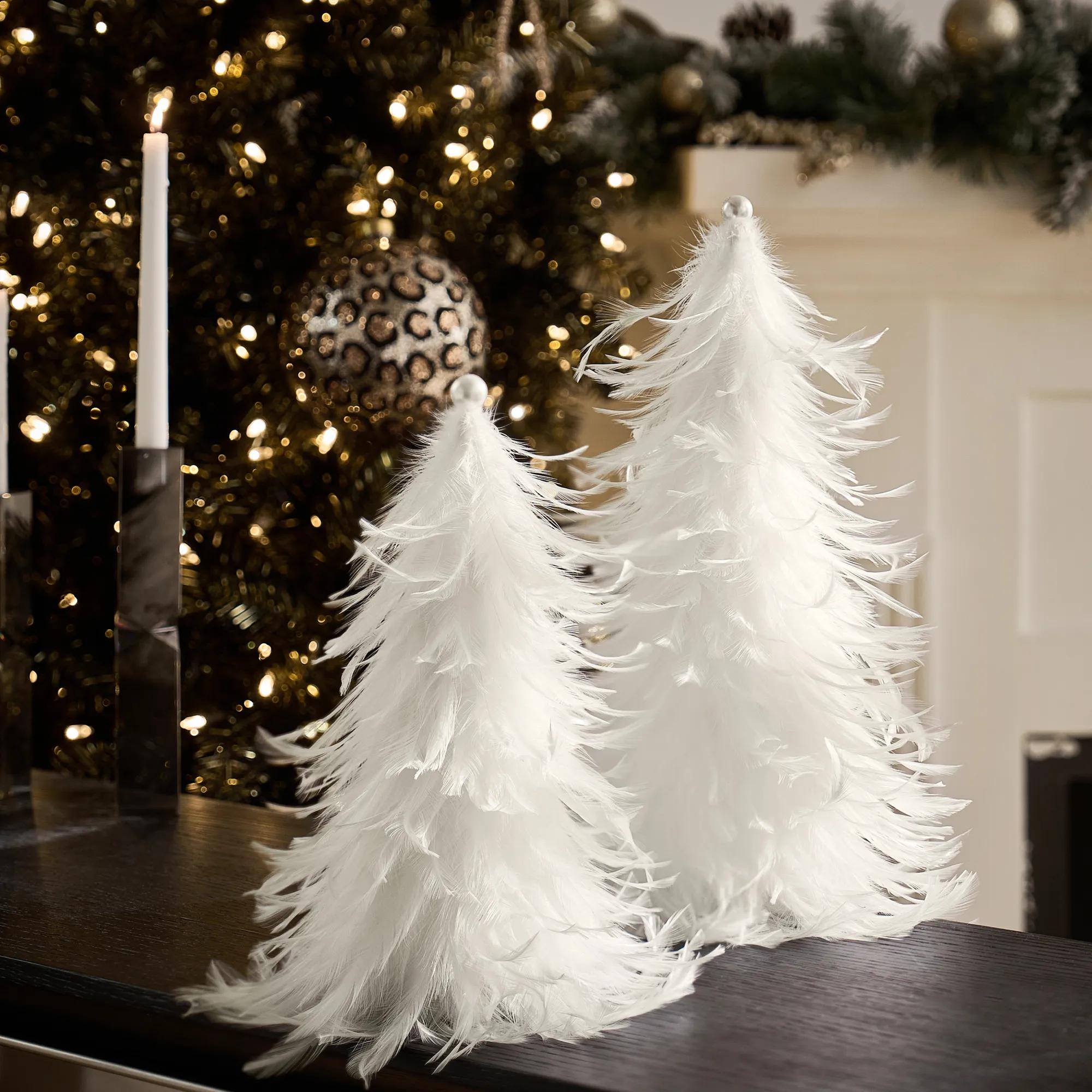
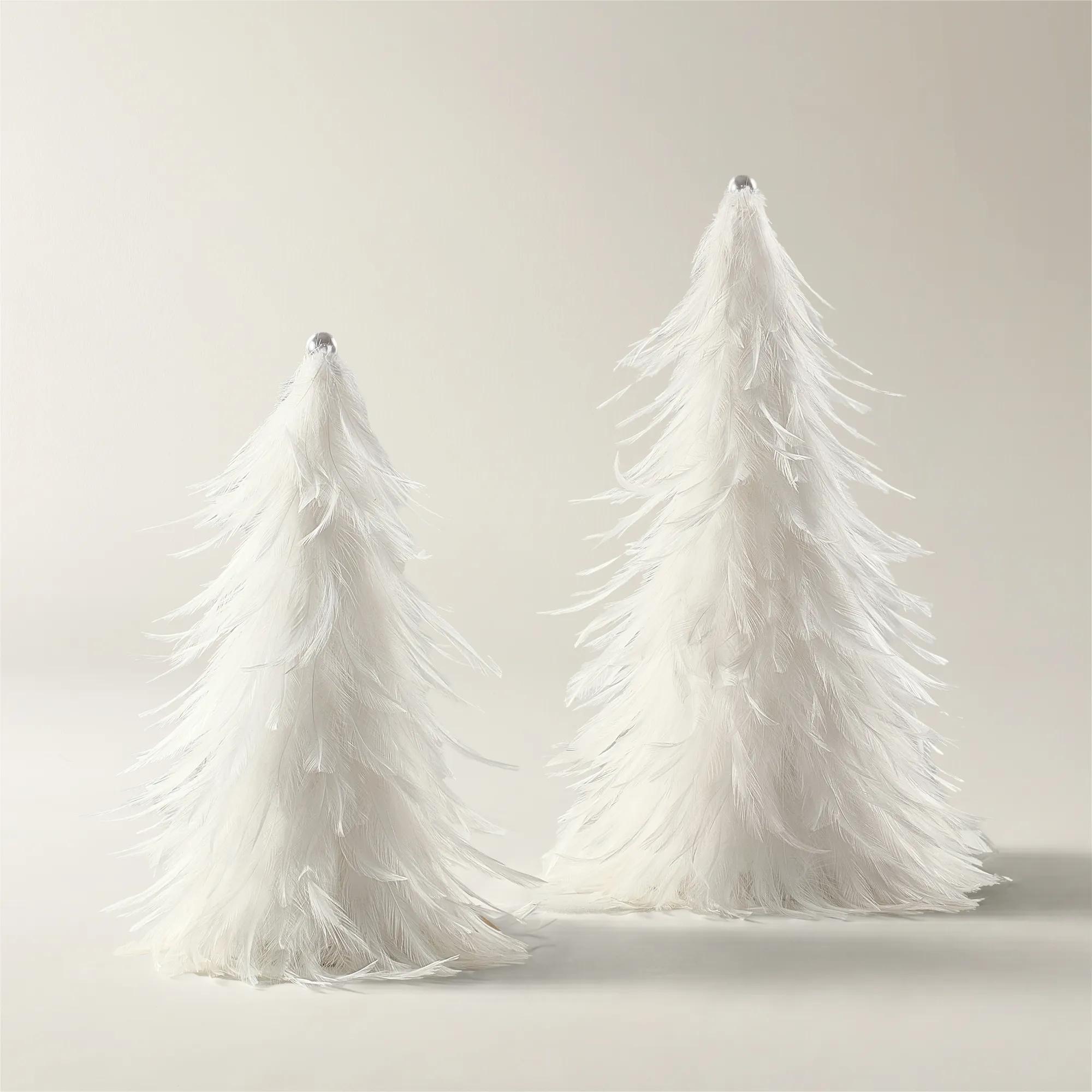 White Feather & Pearl Decorative Tree Set 11.75" & 12.75"$89
A set of two white feather trees adorned with faux pearls for an elegant, glamorous holiday display.
Add To Cart -
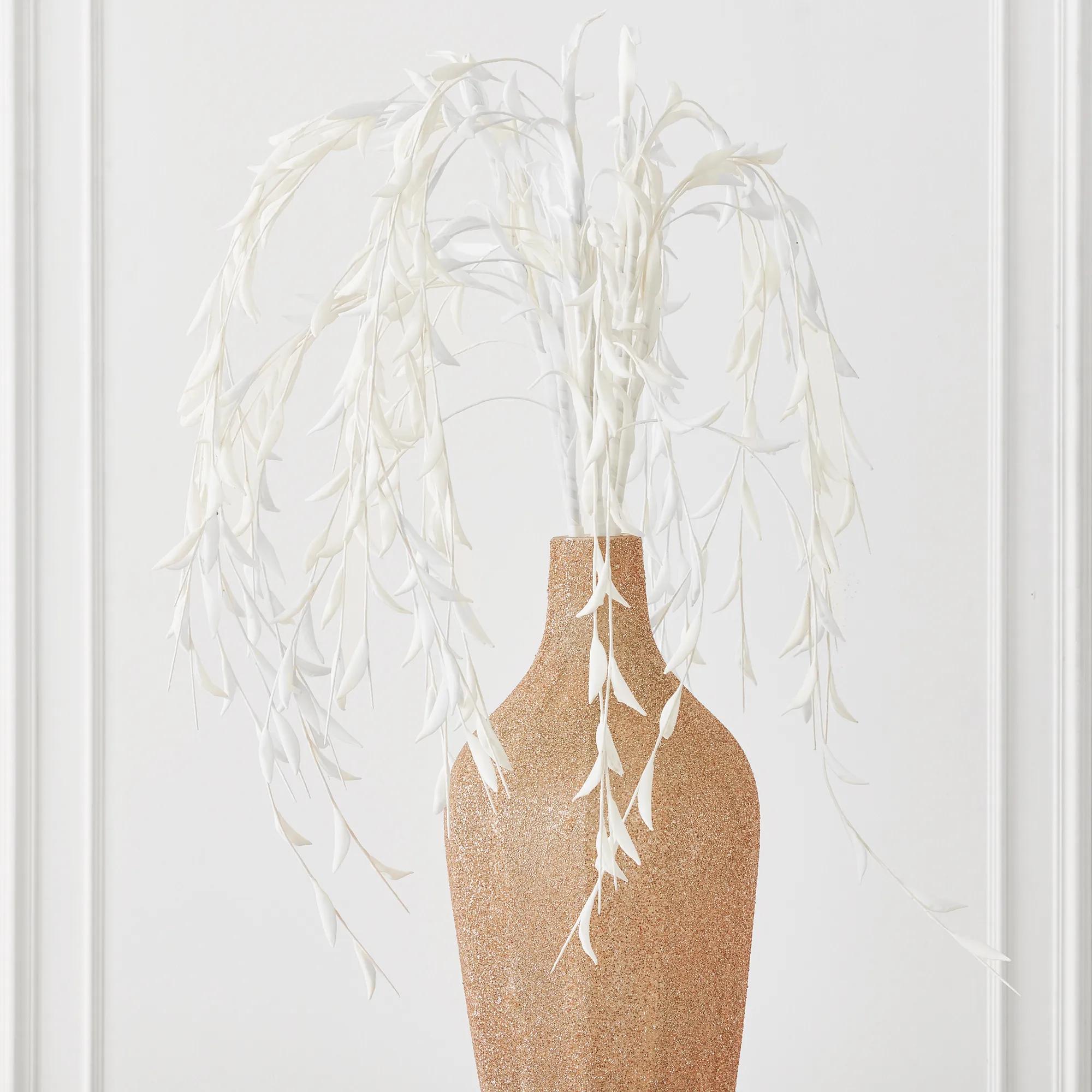 Faux Weeping Willow Spray Set of 3$59
A set of three faux weeping willows with delicate white foam branches for enchanting decor.
Add To Cart -
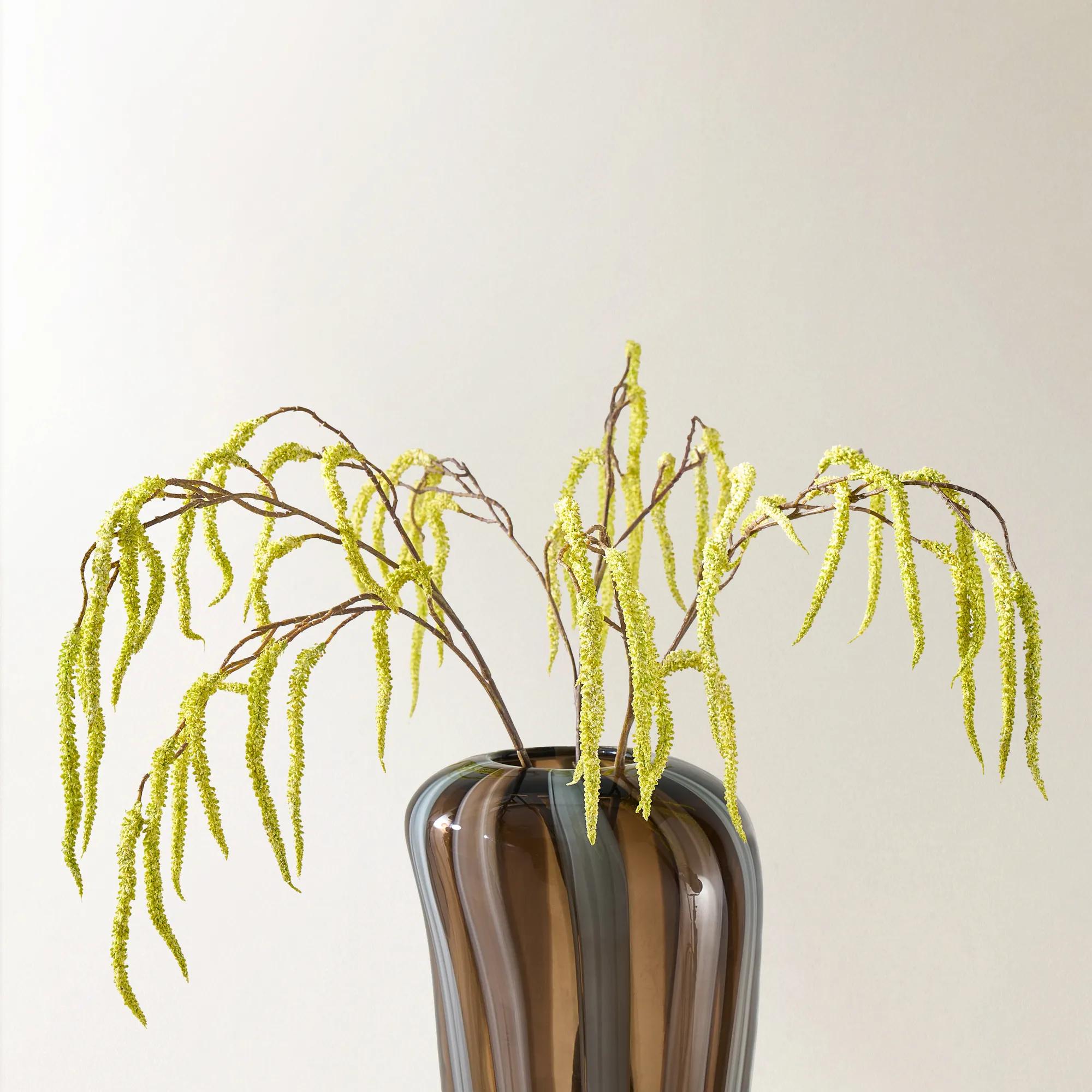
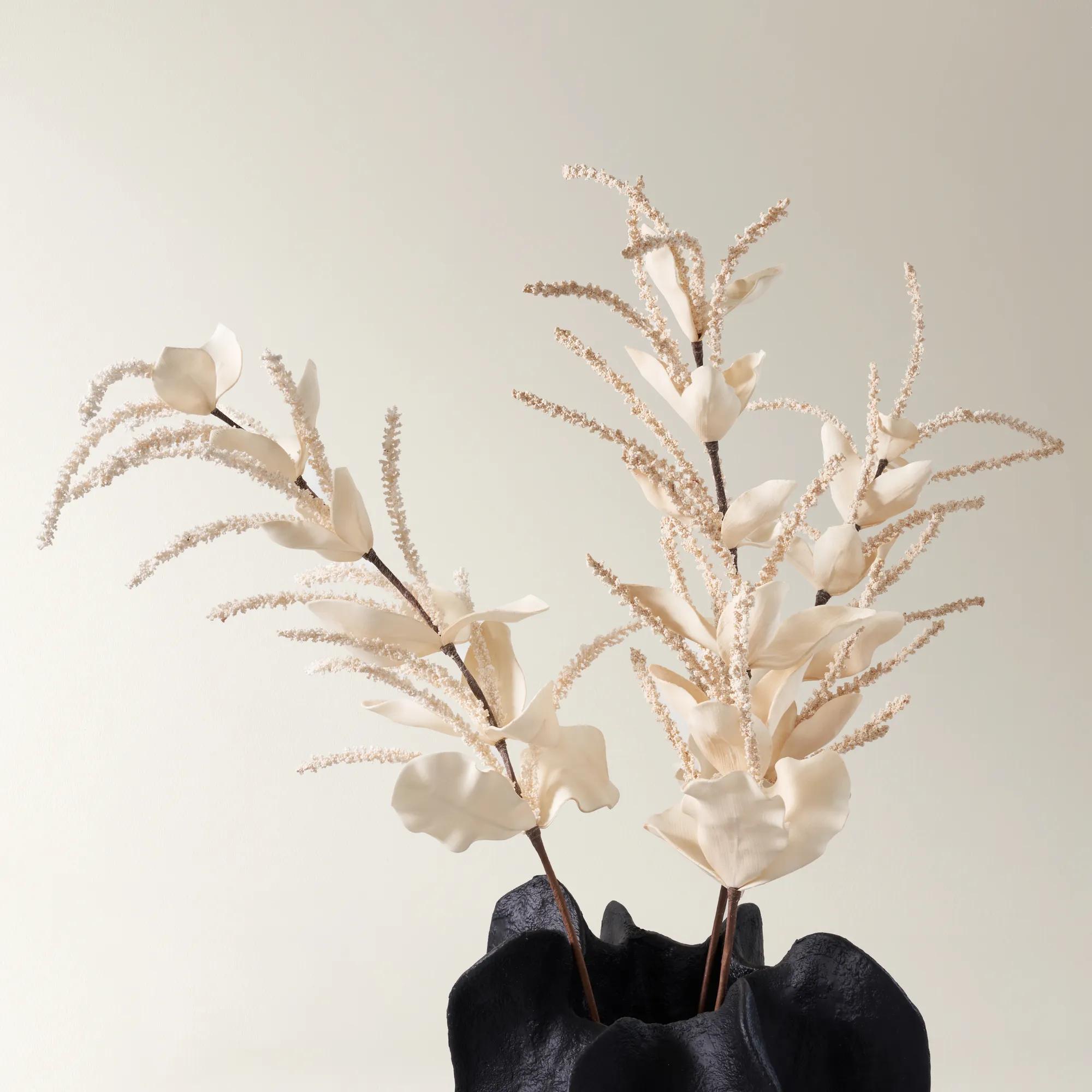 Faux Cream Weeping Spray 50" Set of 3$59
A set of three lifelike sprays in earthy beige and brown tones for a natural, elegant accent.
Add To Cart -
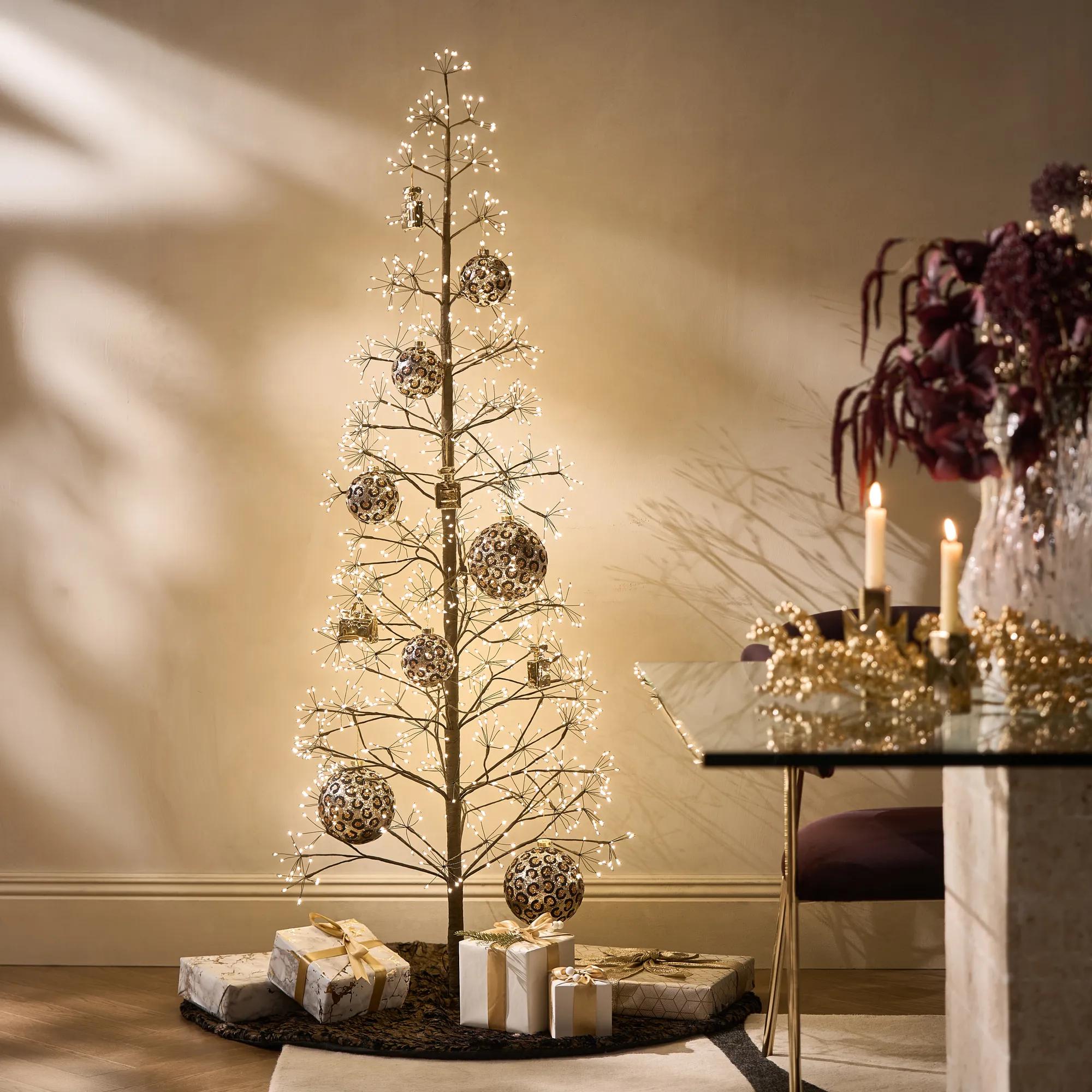
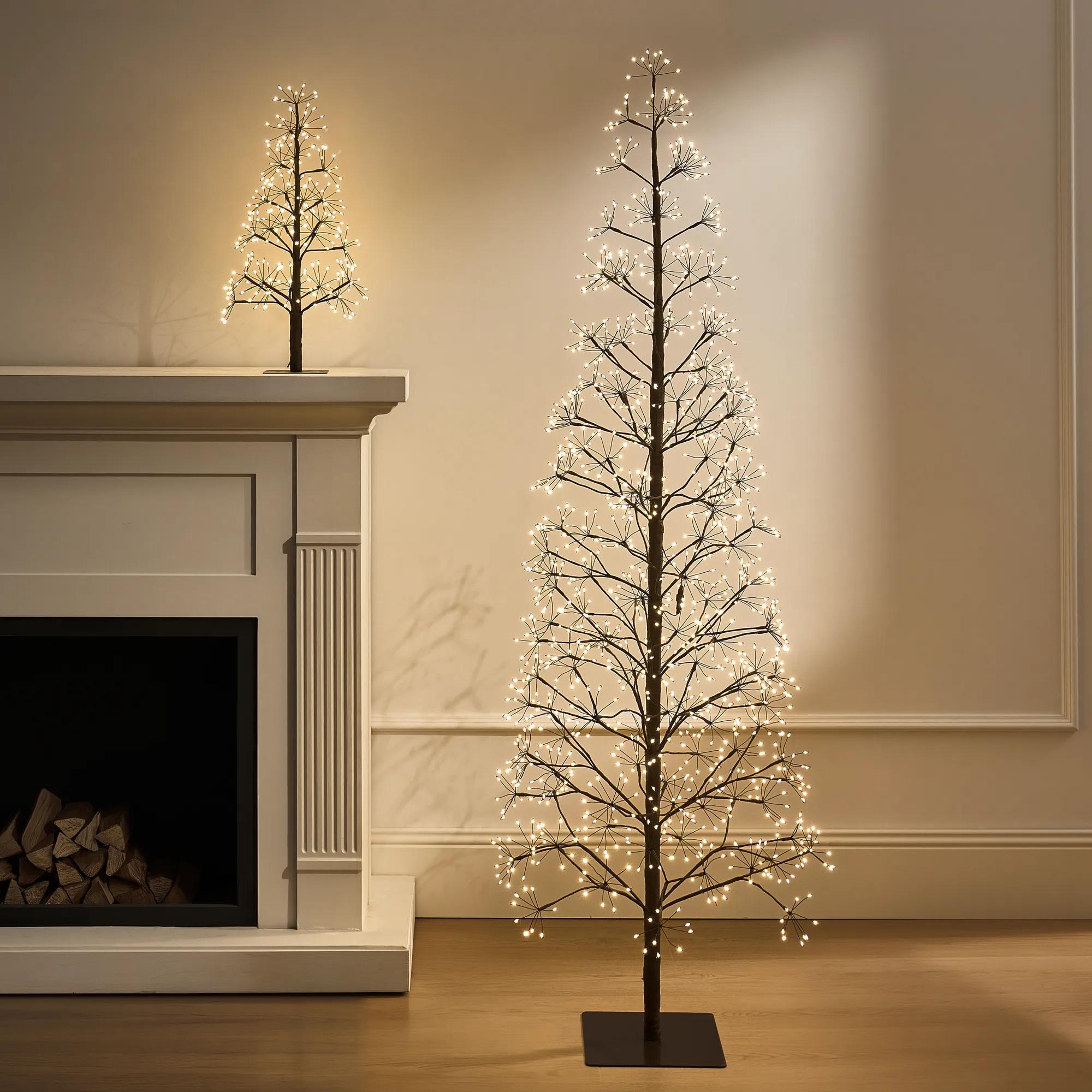 LED Twinkle Light Christmas Trees 23.5" & 70.5"$89
A dark-brown iron wire Christmas tree with warm white twinkle LEDs and plug-in illumination.
Add To Cart -
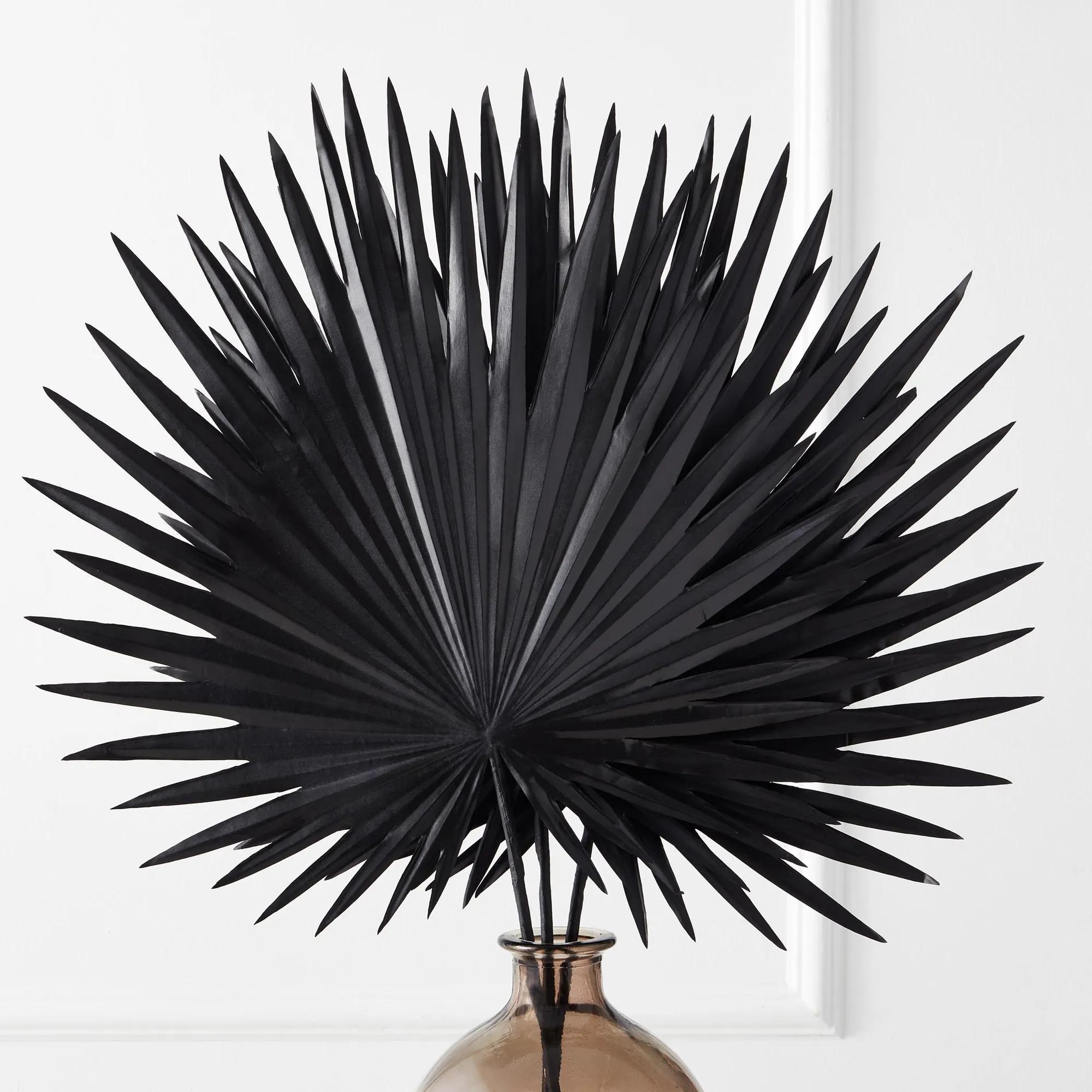
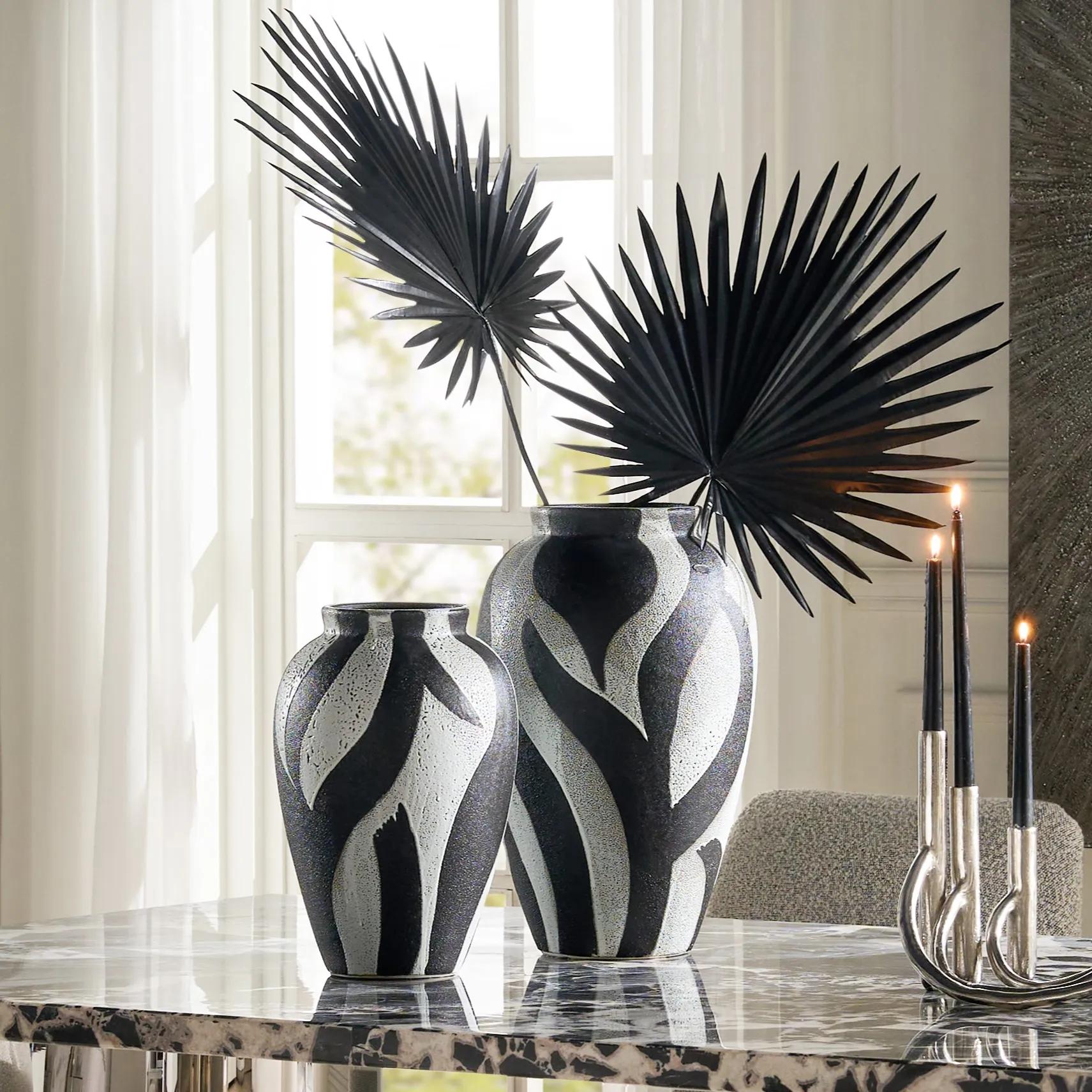 Faux Black Palm Stem 40" Set of 3$69
A set of three black faux palm stems with flexible wire for easy, artistic arranging.
Add To Cart -
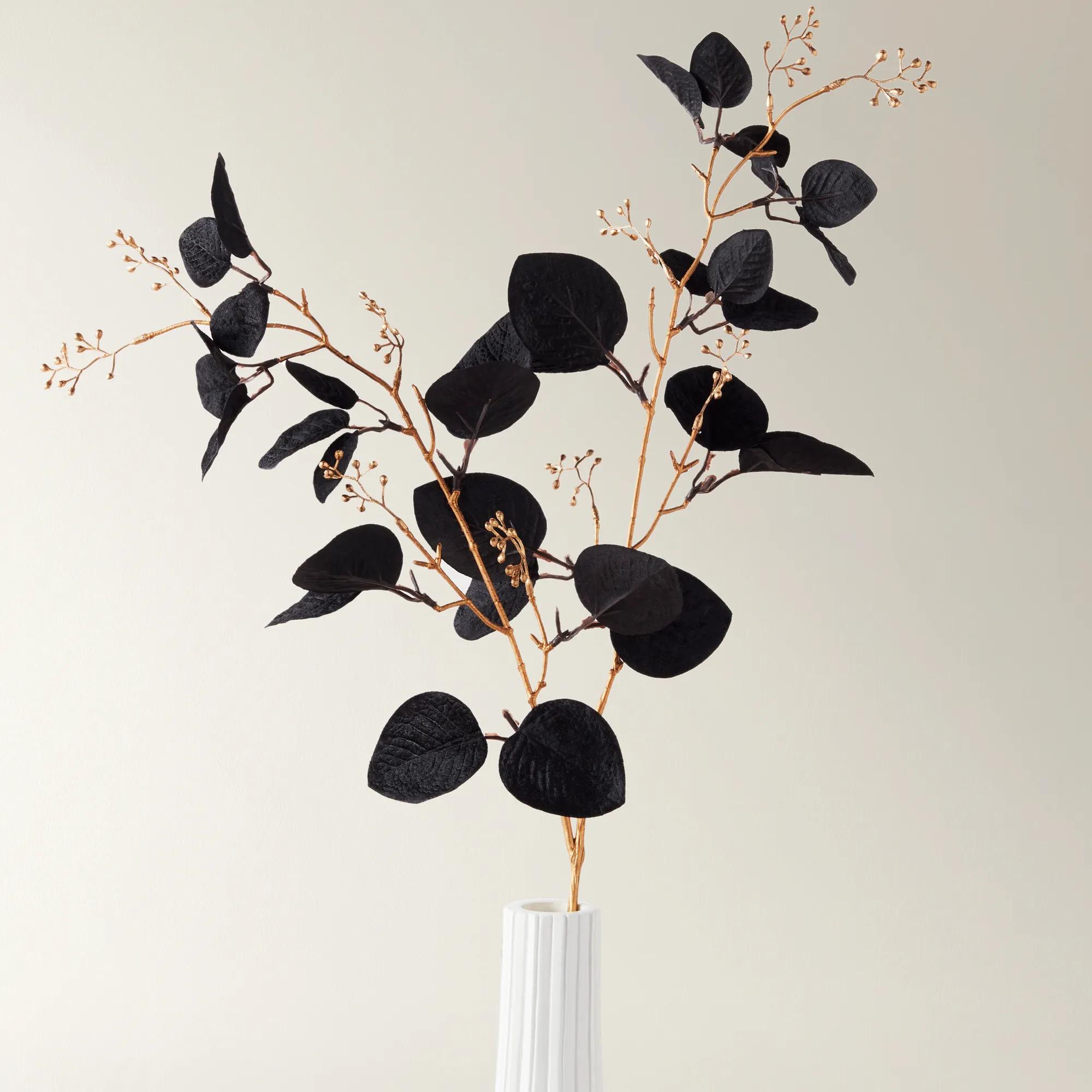
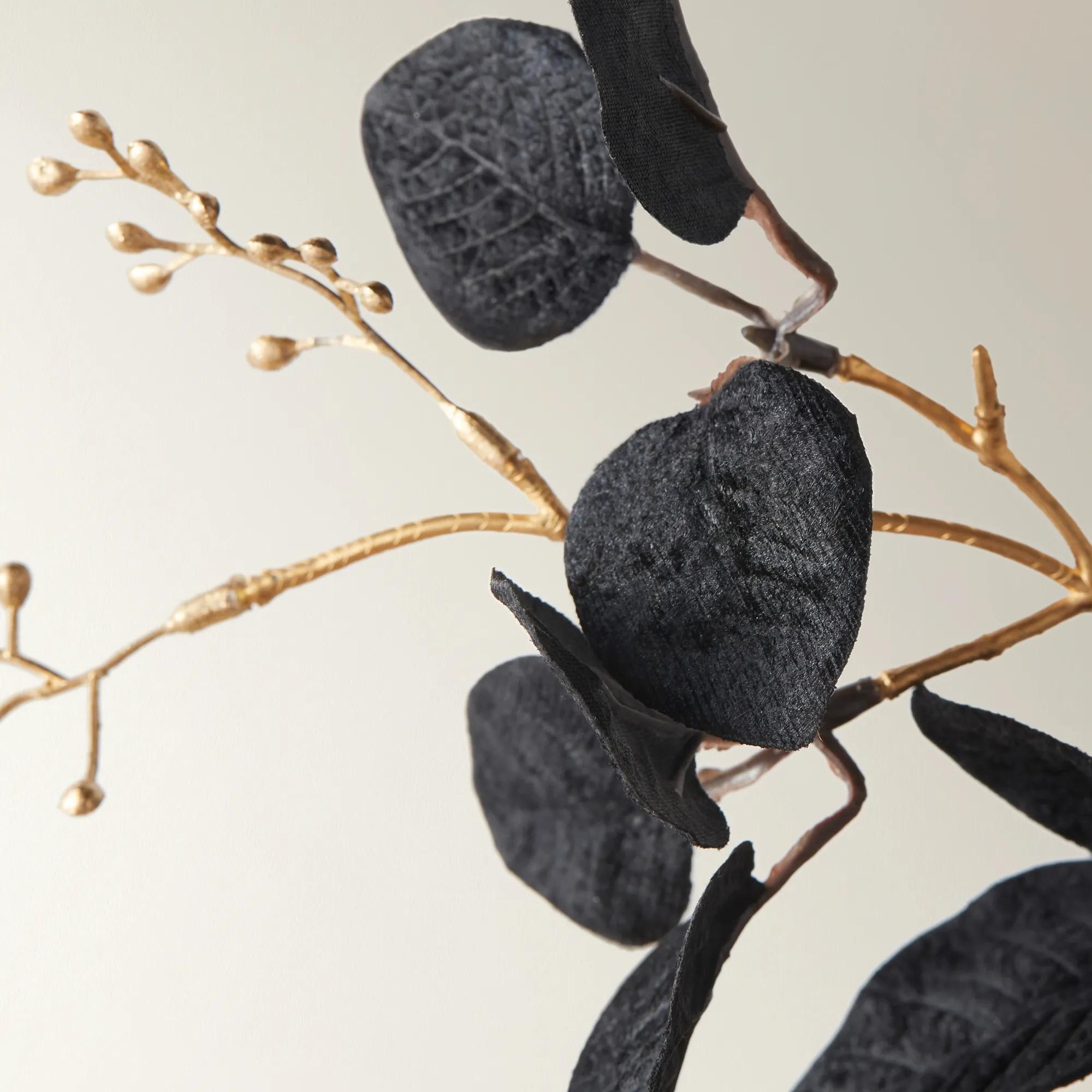 Faux Black/Gold Eucalyptus Spray 32" Set of 3$49
A set of three black-and-gold faux eucalyptus sprays crafted from durable plastic for sculptural seasonal arrangements.
Add To Cart -
 Faux White Magnolia Stem 40" Set of 3$79
A set of three lifelike faux magnolia stems in creamy white polyester for timeless floral elegance.
Add To Cart -
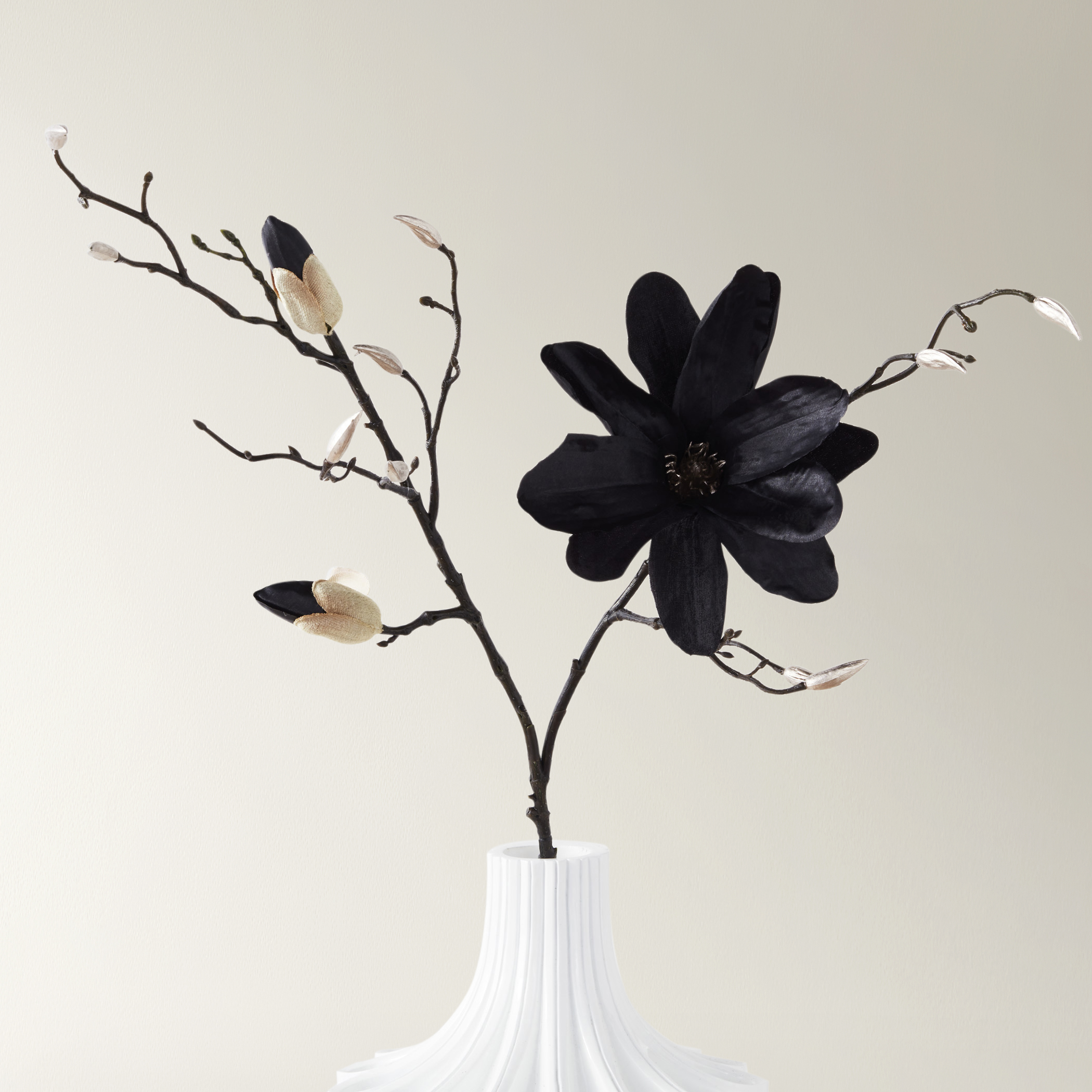 Faux Black & Gold Magnolia Stem 33" Set of 3$59
A set of three lifelike black polyester magnolia sprays that add dramatic height to any decor.
Add To Cart -
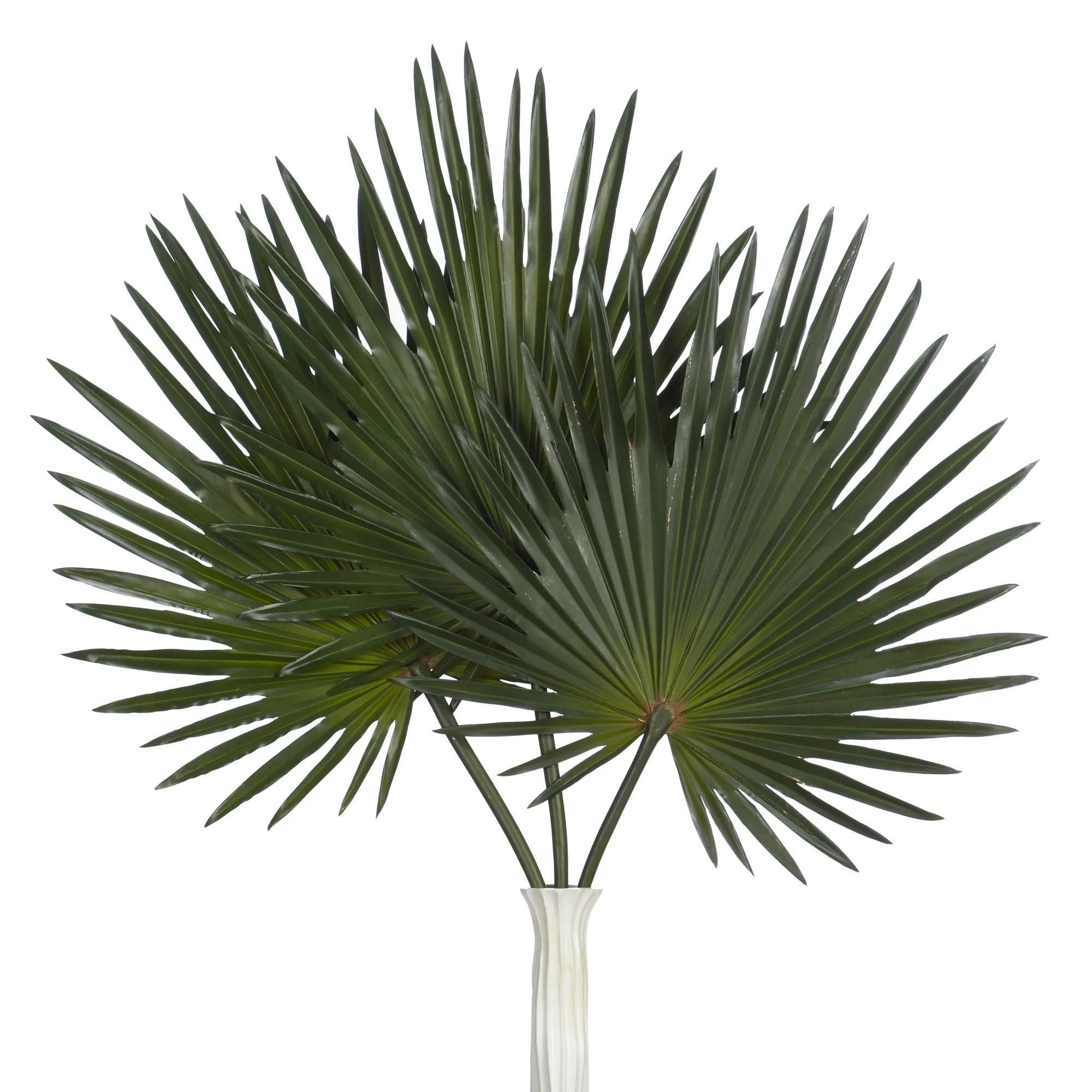
 Faux Green Palm Stem 40" Set of 3$69
A set of three green polymer palm stems with flexible wire for easy, artistic arranging.
Add To Cart -
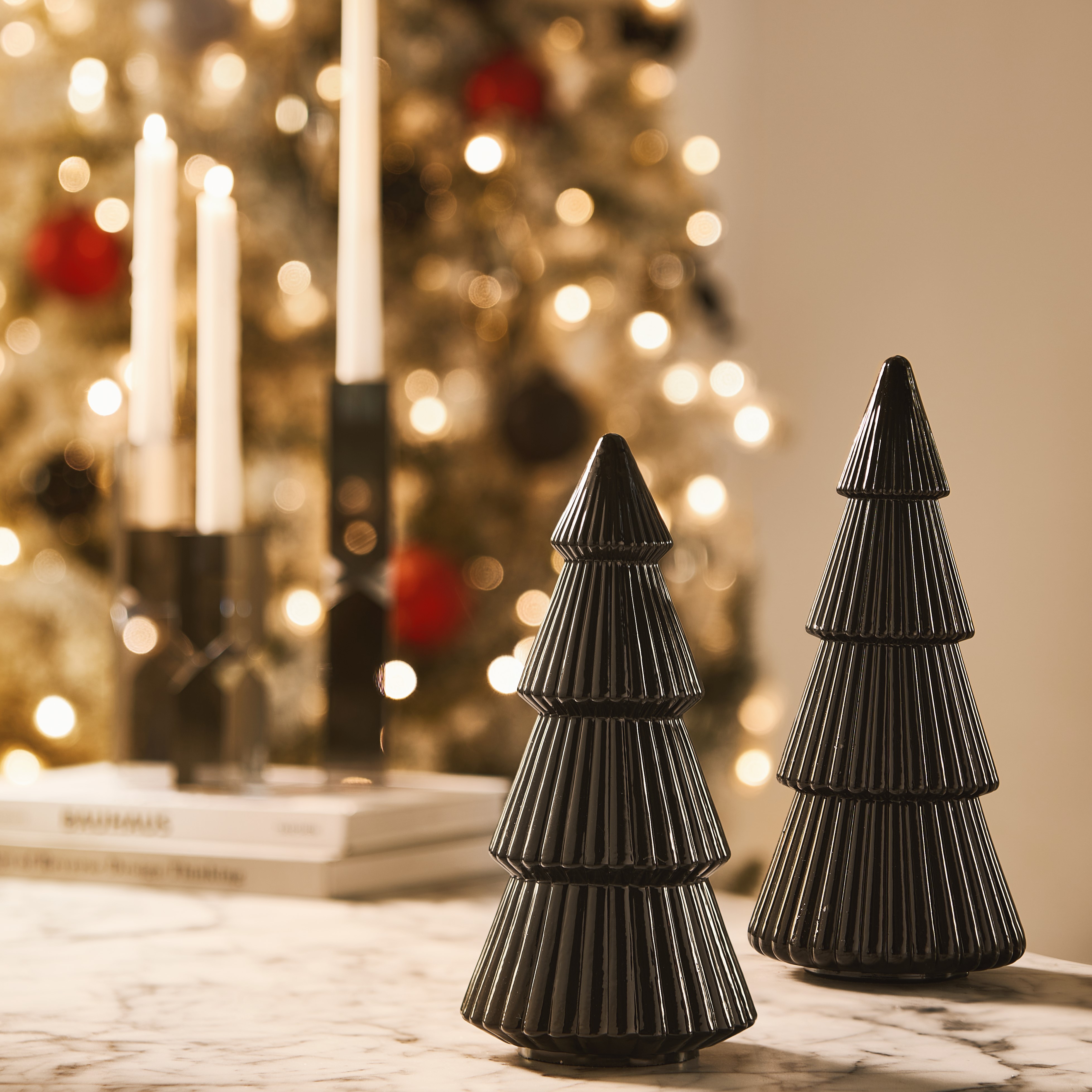 Black Glass Tree Set of 2 - 10" & 11"$79
A sculptural set of two fluted glass trees in a high-gloss black finish for modern holiday décor.
Add To Cart -

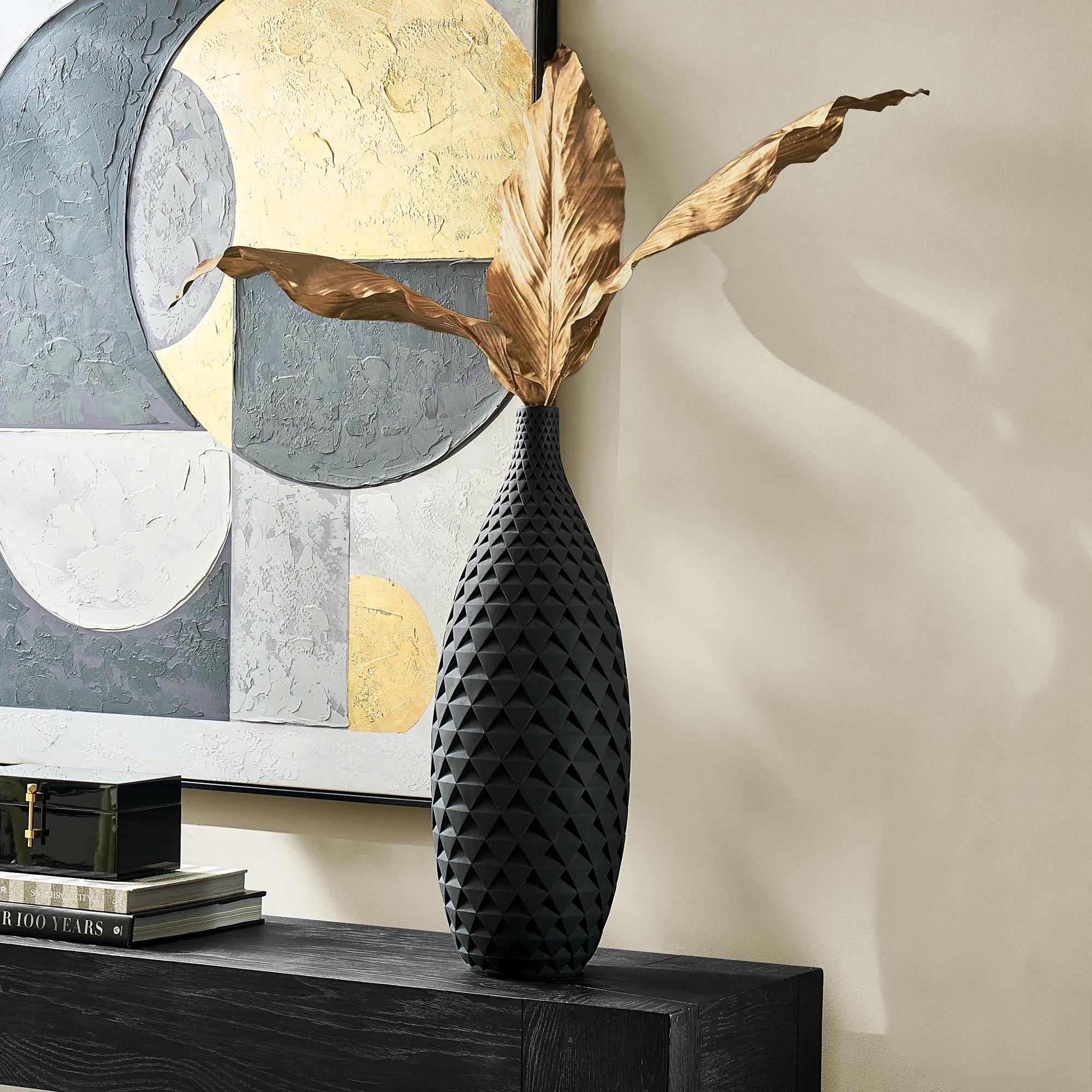 Faux Gold Canna Leaf Branch 38" Set of 3$49
A set of three golden metallic branches inspired by Canna leaves for a modern, autumnal accent.
Add To Cart

Artificial Trees For Event Decorations
Explore artificial trees for event decorations that bring height, greenery, and sculptural presence to your setting. Create a dramatic entrance, frame a ceremony backdrop, or define gathering spaces with faux trees chosen to complement your venue’s scale and palette. Consider each tree’s proportions and silhouette to balance a lush atmosphere with room for guests to mingle.
Artificial trees for event decorations give a celebration its own architectural presence: a leafy frame around a ceremony, a sculptural silhouette beside a lounge, or a dramatic entrance that establishes the mood before guests reach the room. Their appeal extends beyond greenery. A well-proportioned tree introduces height, texture, and a sense of intimacy to spaces that might otherwise feel expansive or unfinished, from a ballroom with soaring ceilings to a gallery arranged for an evening reception. At weddings and anniversary celebrations, softly layered foliage can temper the formality of polished stone, mirrored surfaces, and gleaming table settings. For corporate receptions, benefit galas, and product launches, a more defined canopy can create a confident backdrop without competing with signage or the central display. The visual character matters: broad leaves suggest lush abundance, fine foliage lends an airy quality, and branching silhouettes bring a more sculptural rhythm to the setting. Artificial trees also offer consistency throughout an event, retaining their intended shape without watering or the light requirements of living plants. That makes them especially useful in interior venues, temporary installations, and spaces where the decorative arrangement needs to remain composed from the first arrival through the final photograph. Event planners, venue stylists, and hosts can use them to create distinct moments within a single room, giving a cocktail area a softer boundary or making a seating vignette feel deliberately framed. A pair of trees can lend ceremony to an entrance, while an asymmetrical grouping feels more expressive beside a curved sofa or an artful floral installation. The same attention to arrival carries into artificial trees for foyer decoration, where greenery helps establish a memorable first impression. In an event setting, that impression should feel connected to everything beyond it: the palette, the furnishings, the scale of the room, and the atmosphere guests experience as they move through the celebration. Trees placed at key sightlines can repeat a color or texture across the venue, creating continuity without making every corner look identical.
The most convincing artificial trees balance expressive shape with thoughtful material details. Depending on their construction, foliage may be made from molded plastics, fabric, or a combination of synthetic materials, with leaf veining, graduated color, and varied positioning contributing to a more natural appearance. Trunks may incorporate wood, molded components, or textured finishes that suggest bark, while internal supports give branches their structure. These details become especially noticeable at intimate gatherings, where guests sit close to the decorations and photographs capture individual leaves rather than a distant sweep of green. A nuanced finish tends to read more convincingly than a uniformly glossy surface, particularly beneath directional lighting. For larger venues, the overall silhouette carries more weight: a substantial canopy can hold its own against tall drapery, expansive walls, and oversized furnishings. Both height and spread deserve attention, since a tree that fits beneath the ceiling may still extend too far into a passage or across a neighboring table. In a dining space, foliage positioned behind seating can add richness without interrupting conversation across the table; near a ceremony area, an open branching pattern can frame the focal point without obscuring it. The base is equally important to the finished composition. A decorative planter can introduce a metallic accent, a refined neutral, or a contrasting texture, but it also needs to accommodate the tree securely and suit the demands of the venue. A lightweight nursery-style container may require a properly fitted, stable outer planter rather than a purely decorative covering. Firm, level placement is essential anywhere guests gather, and trees belong clear of exits, accessible routes, service paths, and busy seating transitions. Lighting can reveal the depth of foliage and emphasize the trunk’s texture, provided fixtures and cords are positioned safely and any nearby greenery remains clear of heat sources. These practical considerations protect the visual effect: the room feels more luxurious when its decorative elements are generous, composed, and effortless to move around.
For celebrations that involve repeated setup, transport, and storage, durability is as important as the initial impression. Artificial trees can become enduring elements in a venue’s decorating repertoire or a host’s entertaining space when their construction and care suit the intended use. Secure connections, well-supported branches, and a dependable base are particularly valuable for pieces that move between rooms or appear at multiple events. Some designs allow limited branch shaping, which can help restore the canopy after transport, but adjustment should stay within the manufacturer’s recommendations; forcing a branch or repeatedly bending the same point can compromise its structure. Routine care is generally straightforward, with gentle dusting using a soft cloth or brush helping preserve the definition of individual leaves. Cleaning methods should match the materials, since fabric foliage, applied finishes, and composite trunks may not tolerate the same treatment. Immersing a tree, using harsh cleaners, or assuming every surface can be wiped with a wet cloth can damage details that give it its realism. Protected storage helps prevent crushed foliage, bent supports, and scuffed containers, while careful handling at the base avoids placing unnecessary stress on the canopy. Intended placement also matters. An artificial tree designed for indoor decoration should not be assumed suitable for an exposed terrace or outdoor ceremony; moisture resistance and resistance to fading need to be confirmed for that use. For private hosts, the lasting appeal often lies in versatility: greenery that frames a milestone celebration may later bring height and texture to a living room or an entryway. For event professionals, a reusable tree can support very different visual stories through changes in placement, planter finish, and surrounding furnishings. A restrained arrangement beside ivory upholstery feels poised and luminous; the same leafy form against jewel-toned velvet and reflective accents becomes richly theatrical. Across those settings, artificial trees offer a distinctive balance of natural inspiration and decorative control, giving the room a sculptural layer that feels generous without overwhelming the occasion.
FAQs
Artificial trees bring sculptural greenery and a sense of theater to weddings, galas, and milestone celebrations. Frame an entrance with lush foliage, define a lounge with expressive branches, or create a botanical backdrop for portraits. Echo their leaf shapes and tones in tabletop arrangements for a cohesive, artfully layered setting.
Faux palms lend a glamorous resort mood, while artificial olive trees evoke the relaxed elegance of a Mediterranean courtyard. Ficus trees offer rich greenery for garden-inspired celebrations, and flowering trees introduce a romantic flourish. Choose foliage that reflects the event’s visual story, from polished tropical drama to an ethereal botanical escape.
Use artificial trees to create distinct moments throughout the wedding: a foliage-framed ceremony, a romantic reception entrance, or an intimate lounge layered with greenery. Coordinate planters with the wedding palette, then carry complementary botanical details into floral arrangements and place settings. Ivory blossoms, champagne accents, and lustrous finishes create a particularly elegant composition.
The planter sets the tone as decisively as the foliage. Mirror-finish vessels bring high-glamour polish, matte ceramic planters introduce sculptural contrast, and stone-look finishes lend an architectural presence. Repeat a finish throughout the venue for a composed aesthetic, or mix complementary textures for a more expressive, collected look.
Treat artificial trees as part of a layered design rather than standalone accents. Pair glossy foliage with sumptuous textiles, carry botanical tones into linens, and use metallic details to add luminous contrast. A restrained palette with richly varied textures lets greenery feel intentional while giving the event its own distinctive atmosphere.