Decorative Trees For Seasonal Decor
Decorative Trees For Seasonal Decor
-
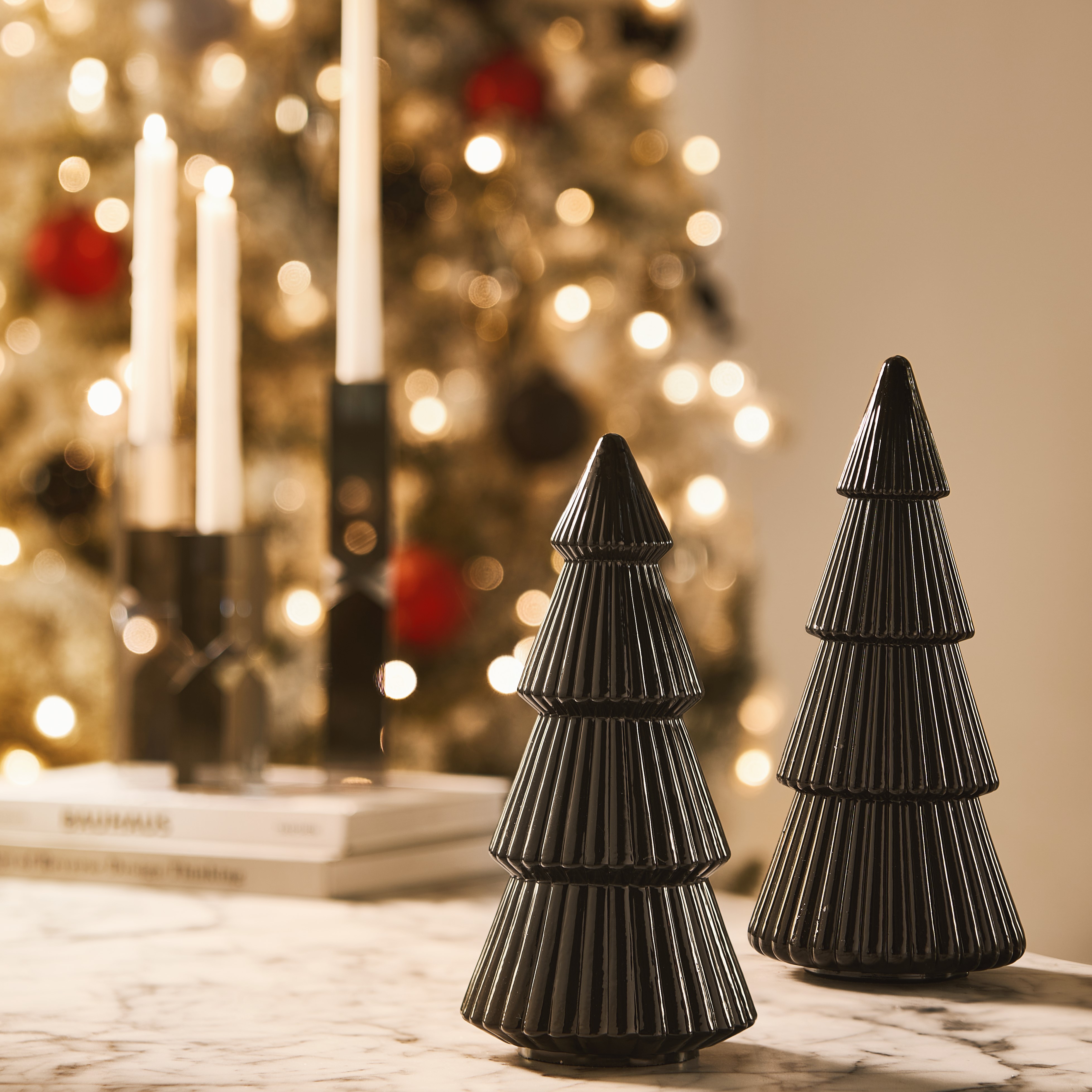 Black Glass Tree Set of 2 - 10" & 11"$79
A sculptural set of two fluted glass trees in a high-gloss black finish for modern holiday décor.
Add To Cart -
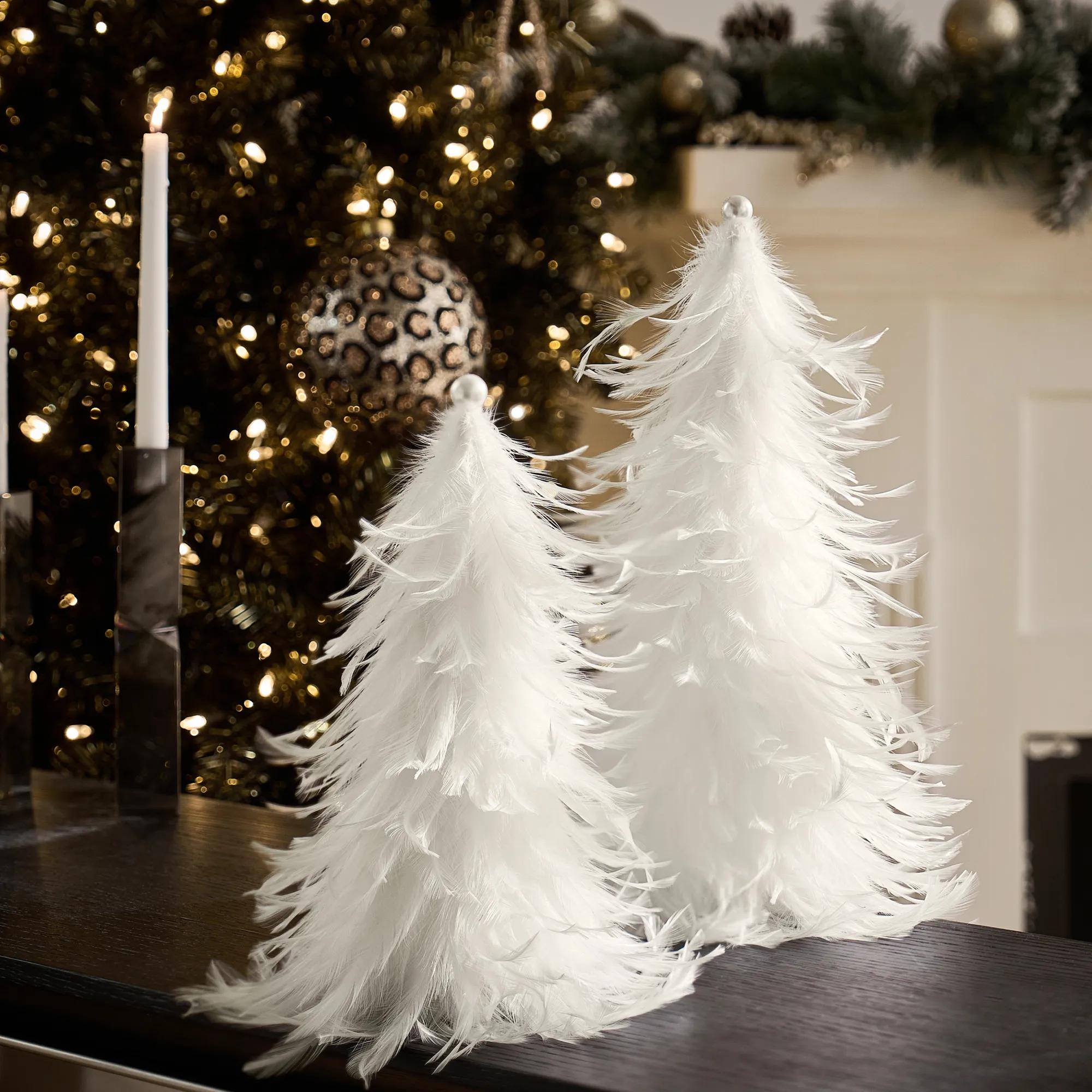
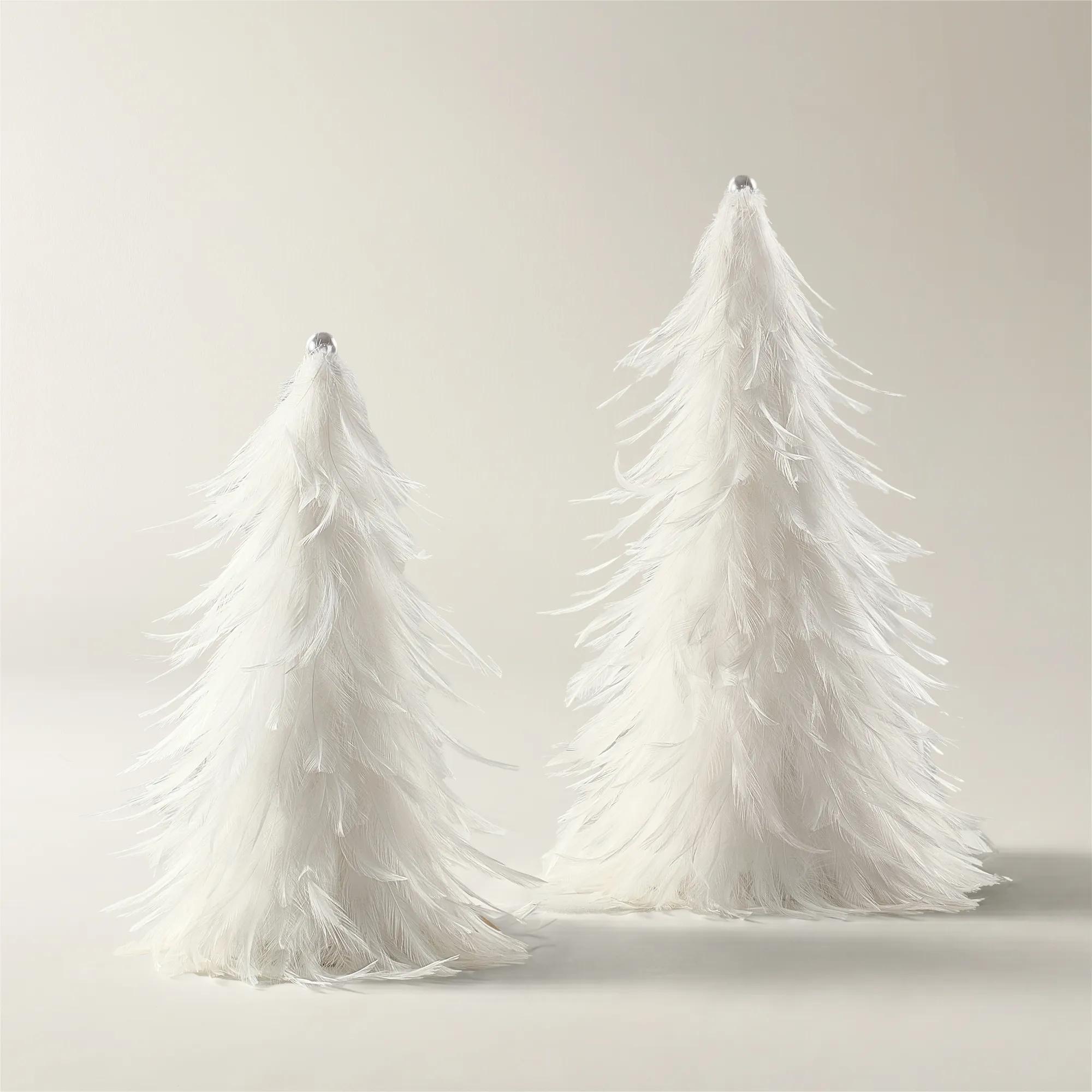 White Feather & Pearl Decorative Tree Set 11.75" & 12.75"$89
A set of two white feather trees adorned with faux pearls for an elegant, glamorous holiday display.
Add To Cart -
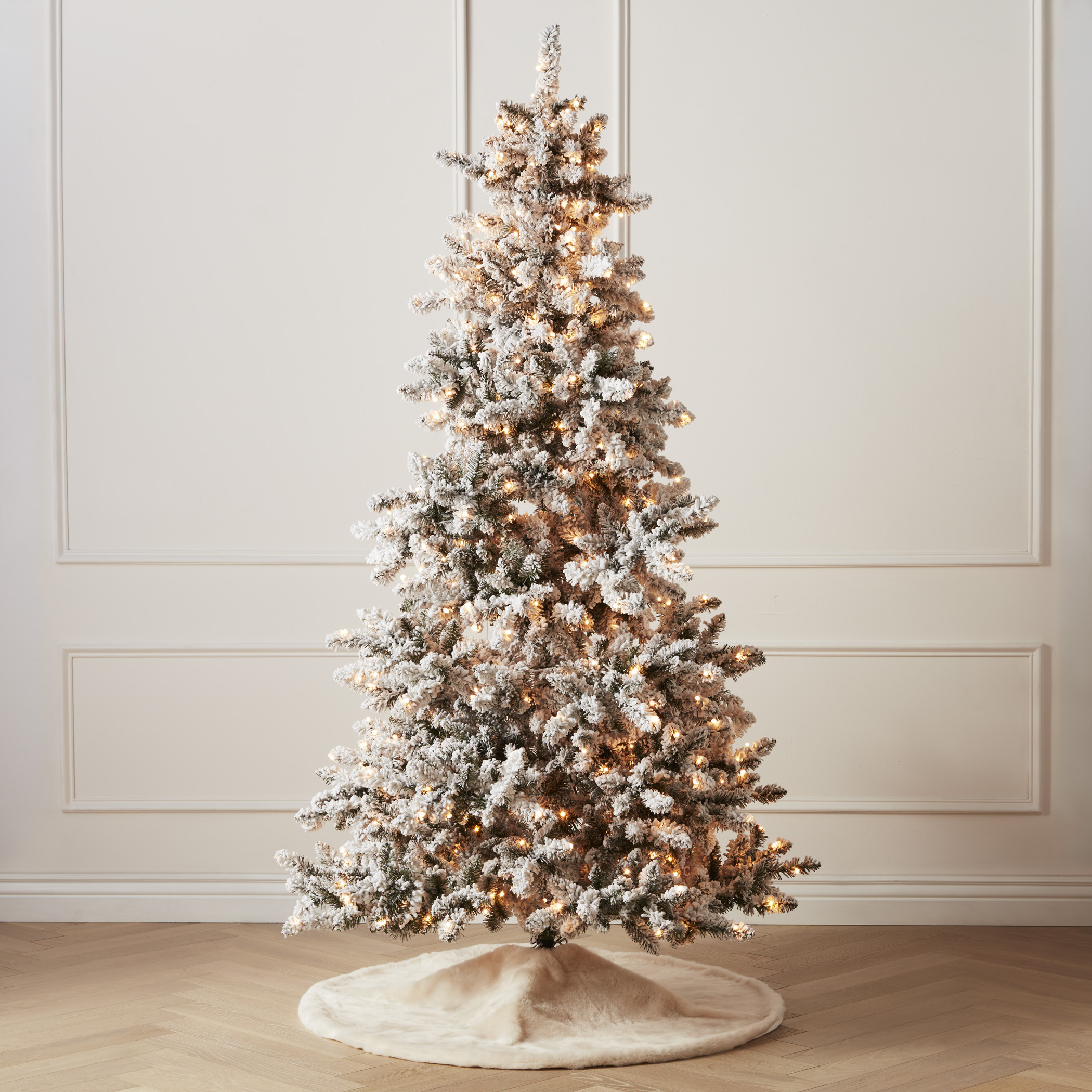
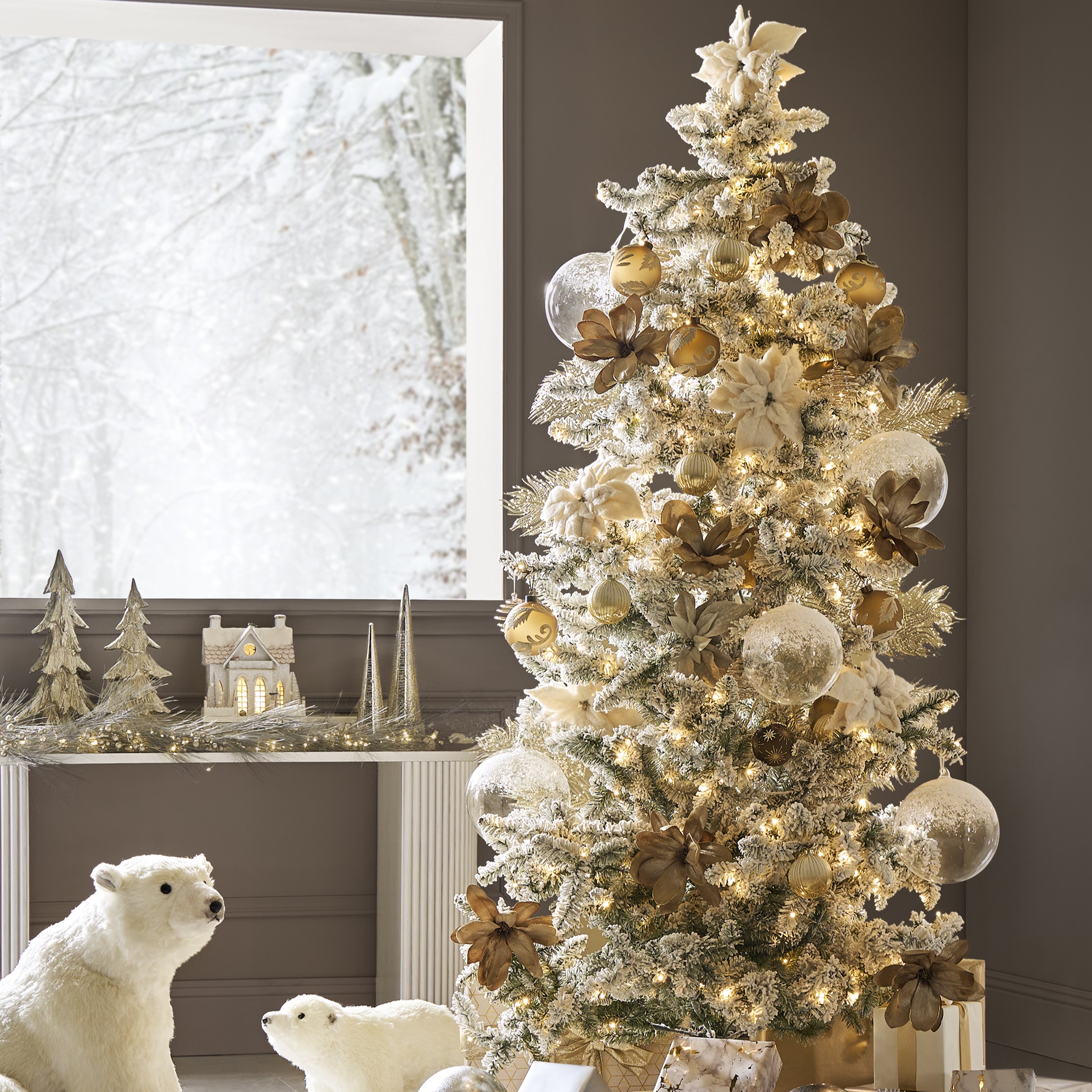 Pre-Lit LED Green Flocked Spruce Tree 7.5'$759
A snow-dusted faux spruce tree pre-lit with warm white LED bulbs for festive holiday ambiance.
Add To Cart -
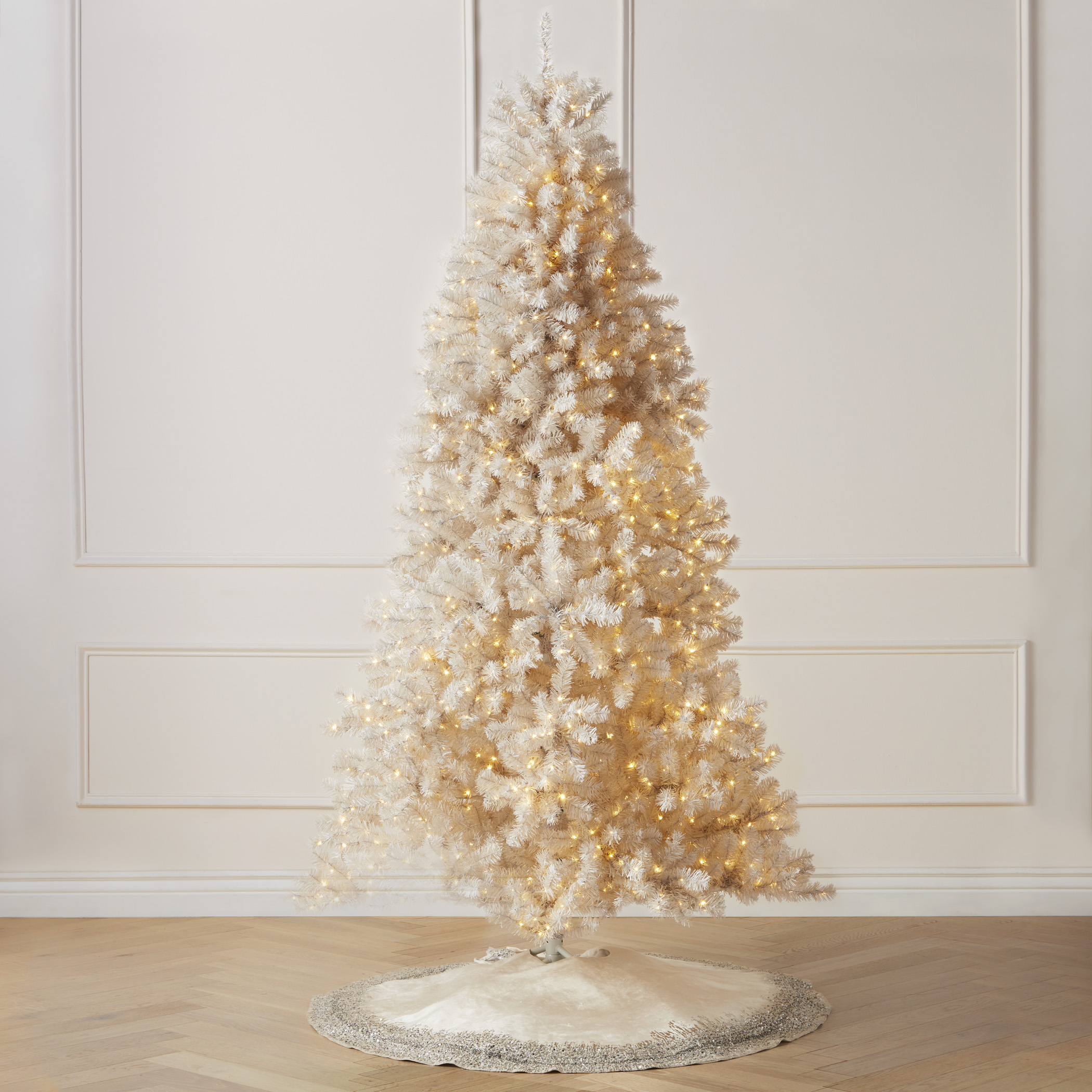 Pre-Lit Spruce Tree 7'5"$699
A bright white faux spruce tree pre-lit with warm white LED bulbs for festive holiday ambiance.
Add To Cart -
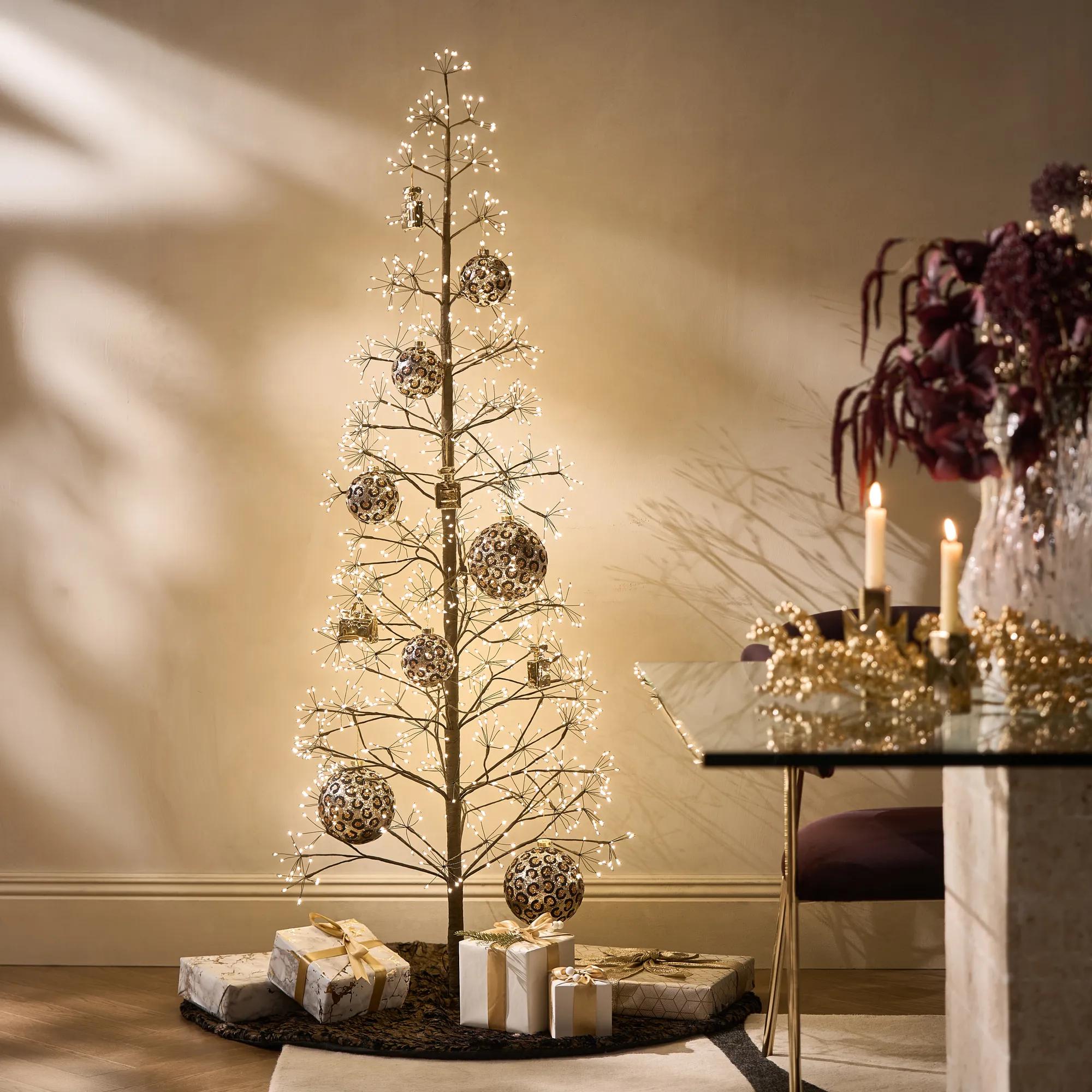
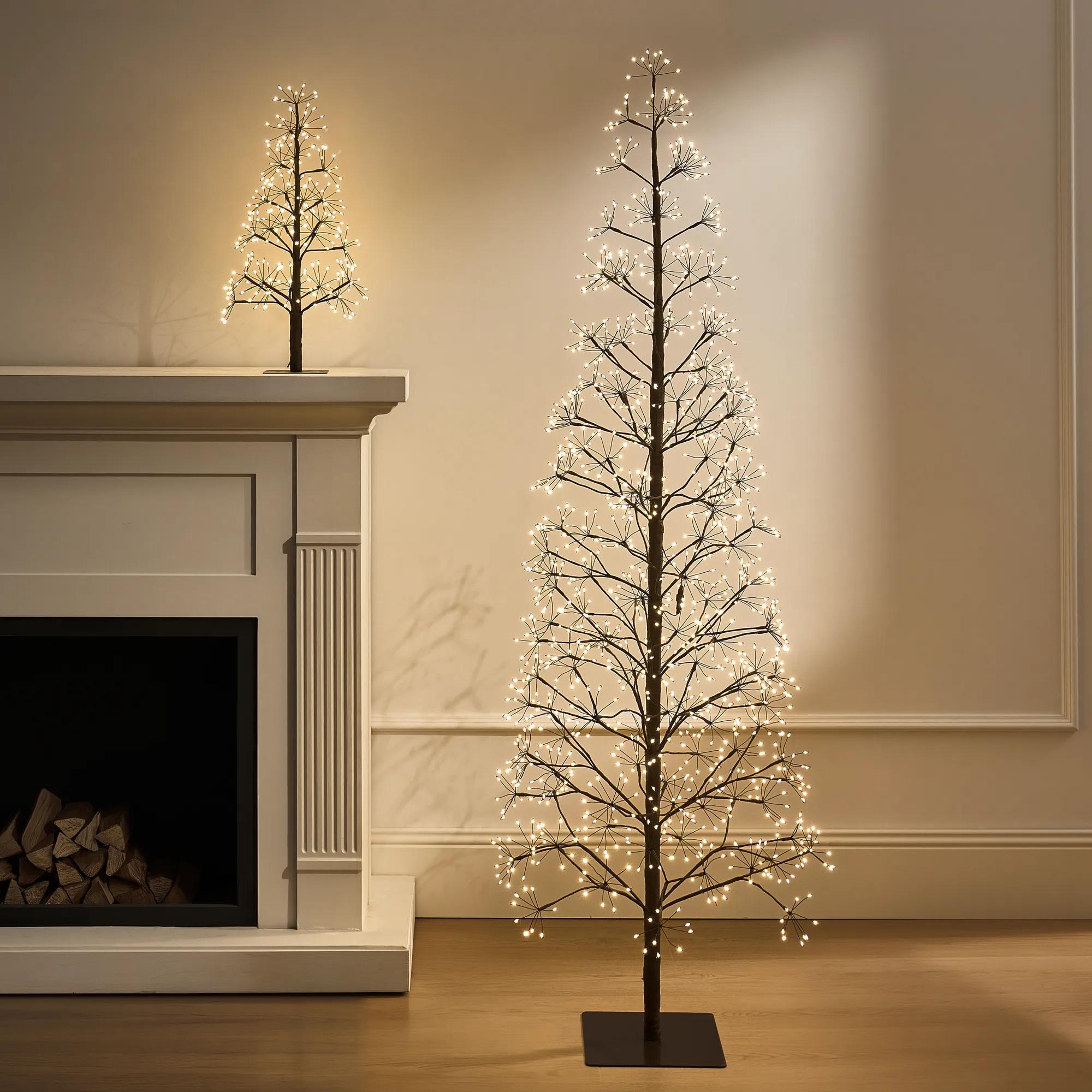 LED Twinkle Light Christmas Trees$89
A sculptural dark brown iron tree illuminated by warm white LED twinkle lights for festive ambiance.
Add To Cart -
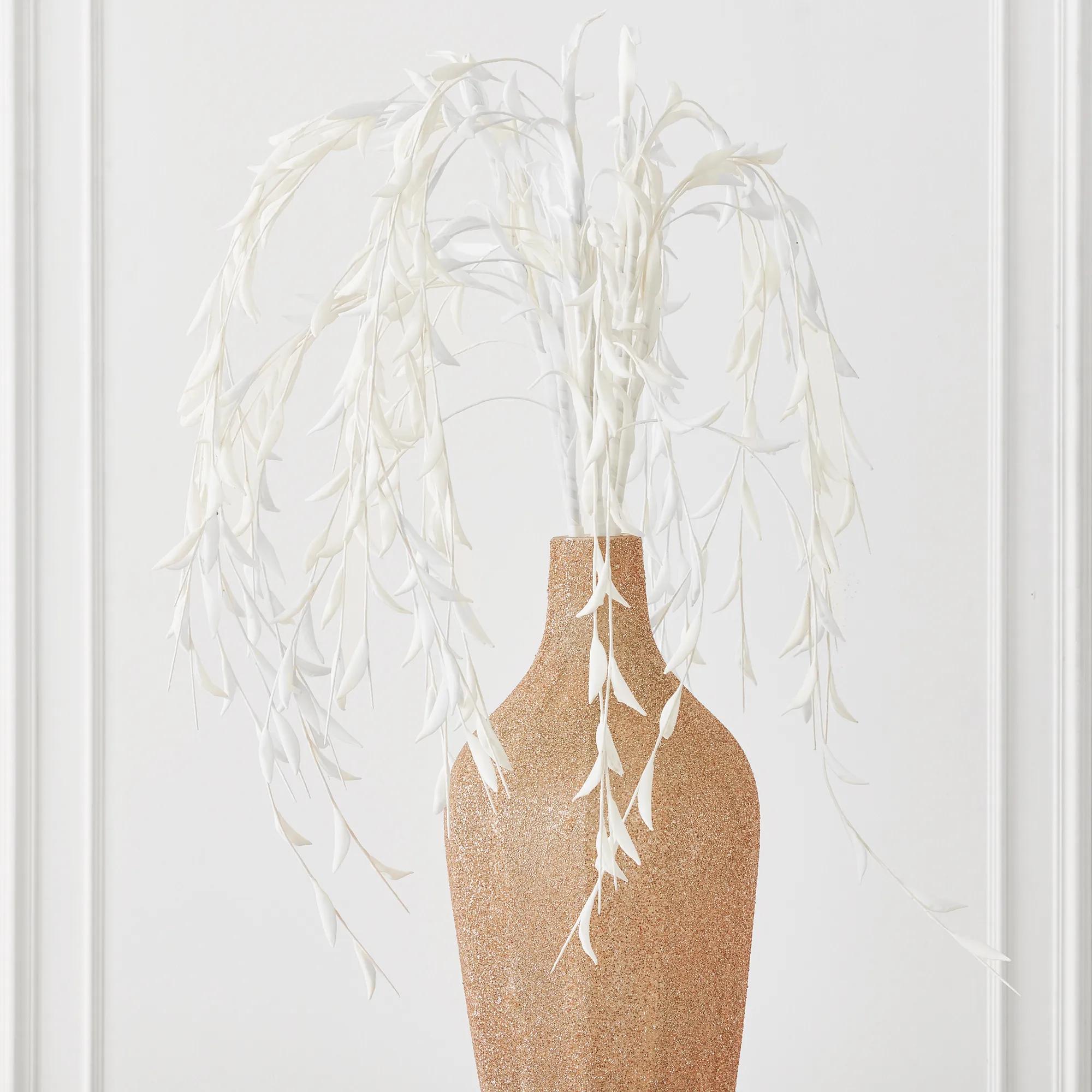 Faux Weeping Willow Spray Set of 3$59
A set of three faux weeping willows with delicate white foam branches for enchanting decor.
Add To Cart

Decorative Trees For Seasonal Decor
Transform your home into a living work of art with Decorative Trees for Seasonal Decor—where every branch becomes an invitation to celebrate the extraordinary. Whether casting a spell of winter wonder or ushering in the golden glow of autumn, these sculptural accents lend an air of enchantment to any space. Elevate your interiors with pieces that capture the essence of each season, infusing your rooms with texture, artistry, and a touch of drama. With Decorative Trees for Seasonal Decor, every corner becomes a stage for self-expression and delight.
Decorative trees for seasonal decor are ornamental accents that bring height, texture, and a festive focal point to a room, from compact tabletop silhouettes to floor-standing designs that frame an entryway. Their appeal lies in the range of moods they can create: a gilded tree lends a dining room a luminous, celebratory note, while frosted branches suggest the quiet beauty of a winter landscape. Unlike a full-size Christmas tree, a smaller decorative tree can make its statement on a console, mantel, or sideboard, leaving room for conversation, serving pieces, and the details of everyday living. Styles range from lifelike faux evergreens and slender twig trees to sculptural cones in glass, metal, ceramic, or wood. Each interprets the familiar tree shape differently, whether through layered foliage, a reflective surface, or an expressive outline. For fall and harvest decorating, trees accented with artificial leaves, berries, or pinecones complement amber glass, burnished metallics, and richly textured linens. At Thanksgiving, these earthy details can anchor a buffet without making the setting feel overly themed. Christmas and winter arrangements often favor evergreen branches, snowy finishes, silver, champagne, and clear glass, with pre-lit designs adding another dimension after dusk. A bare-branched silhouette offers a more open composition, allowing the wall color, artwork, or mirror behind it to remain visible. That visual lightness can be especially effective in an apartment entry or on a narrow mantel where dense greenery would overwhelm the space. For those who prefer a dramatic display, trees in staggered heights create a sense of depth, particularly when paired with a restrained palette of two or three finishes. The result can feel lavish without becoming visually crowded. These accents suit hosts creating a memorable gathering space, decorators refreshing a favorite vignette, and anyone who wants seasonal expression beyond a single focal point. A thoughtfully placed tree can carry the festive mood into a guest room, home office, or hallway with just as much intention as a larger living room arrangement.
Material and construction shape both the appearance and the practical demands of decorative trees. Glass catches ambient light beautifully, bringing shimmer to a shelf or formal dining table, but calls for a secure surface away from busy edges. Ceramic can offer a smooth glaze or richly textured finish, while metal lends itself to crisp outlines, pierced patterns, and sculptural branches. Wood introduces grain and warmth, creating an appealing contrast with mirrored trays or polished accessories. Resin can capture intricate bark, needles, or carved-looking detail; its weight and resilience depend on the individual construction, so it should not automatically be treated as unbreakable. Faux evergreen trees commonly use molded or cut synthetic foliage, sometimes supported by adjustable wire branches that allow gentle shaping. Flocked, glittered, and embellished surfaces add dimension, though they may shed or require more delicate handling than an undecorated finish. Scale deserves equal attention. Overall height includes the base and any topper, while the widest branch spread determines whether a tree fits comfortably beneath a mirror, beside a lamp, or between place settings. On a dining table, a lower silhouette preserves sightlines; taller branches are better suited to a sideboard where guests do not need to look through them. A console arrangement benefits from breathing room around the base, especially where keys, handbags, or serving trays also need to land. Pre-lit decorative trees can cast a soft glow across nearby surfaces, but the power source matters as much as the effect. Battery-operated designs avoid a visible cord, while plug-in versions need an accessible outlet and a route that does not cross a walkway. Check lighting specifications, battery access, and any timer function before deciding on placement. Intended use also matters: indoor decorative trees should not be assumed suitable for a porch or patio. Outdoor displays require a tree and, when included, lighting components specifically rated for that setting, along with a stable base appropriate to the exposure. Even a covered entry can admit moisture and wind.
The most compelling seasonal arrangements give decorative trees a clear relationship to their surroundings. On a dark wood sideboard, champagne and ivory finishes create contrast without competing with the furniture; against a pale wall, deep green foliage or bronze branches bring definition. A trio of tabletop trees can establish rhythm across a long surface, with the tallest placed slightly off-center and smaller silhouettes carrying the eye outward. Repeating one material elsewhere, such as a metallic finish in candlesticks or a glass texture in a nearby vase, makes the display feel considered rather than assembled at random. For a dining room composition, Decor for Seasonal Centerpieces offers a complementary direction for bringing tree silhouettes into a broader tablescape. Keep space for platters and glasses, and separate decorative branches from food, open flames, and heat sources. In a household with curious children or pets, placement on a stable, less accessible surface is more important than achieving a perfectly symmetrical arrangement. Careful handling also helps preserve the finish for future celebrations. Follow the maker’s care instructions, using a soft, dry cloth or gentle dusting brush where appropriate rather than assuming that water or household cleaners are safe for painted, flocked, or metallic surfaces. Disconnect powered lighting before cleaning, and avoid pulling on wires when reshaping branches or moving a display. Before storage, remove batteries when recommended, allow any cleaned surfaces to dry fully, and cushion fragile points separately. A rigid container with enough room for the tree’s outline protects delicate tips and applied details better than a crowded bin. Decorative trees can also make expressive gifts for a host, a new homeowner, or someone who treasures seasonal decorating. A compact design in a finish that echoes the recipient’s interiors feels personal without demanding extensive display space. Whether presented as a gift or chosen for a favorite room, the strongest decorative tree is one whose proportion, texture, and character feel at home in the setting—bringing a distinct seasonal flourish without obscuring the beauty already there.
FAQs
To evoke a sense of glamour and drama, opt for decorative trees with metallic finishes, mirrored surfaces, or those adorned with shimmering lights. Flocked or frosted artificial trees bring a wintry elegance, while glass or crystal trees add a touch of sophisticated sparkle. Pairing these with luxe ornaments, velvet ribbons, and bold accents will transform your space into a captivating seasonal showcase.
Decorative trees are versatile accents that can be styled year-round. In spring, embellish them with pastel florals or delicate garlands; for summer, introduce bright hues or whimsical ornaments. Autumn calls for rich, earthy tones and textured accents, while winter invites frosted finishes and sparkling lights. Rotating your decorative elements allows these trees to remain a vibrant focal point in your home throughout every season.
Decorative trees make inspired gifts for housewarmings, weddings, or as a thoughtful gesture for hosts and hostesses. Their timeless appeal and adaptability to different seasons make them a cherished addition to any home, especially for recipients who appreciate unique, expressive décor. Choose a style that reflects the recipient’s personality or complements their living space for a truly memorable present.
For special occasions, consider tailoring your decorative tree to the event’s theme—adorn with elegant baubles and crystal accents for a formal dinner, or playful ornaments and fairy lights for a festive gathering. Layering textures, such as velvet bows or metallic garlands, adds visual interest, while clustering trees of varying heights can create a striking, multidimensional display.
To create a cohesive look, select complementary décor that echoes the tree’s materials, colors, or finishes. For example, pair a frosted tree with silver candleholders or mirrored trays, or accent a birch-inspired design with natural wood elements and soft textiles. For additional inspiration, explore curated collections like <a href="https://zgallerie.com/o/decor-for-seasonal-centerpieces">Decor for Seasonal Centerpieces</a> to discover pieces that enhance your tree’s artistry and complete your seasonal vignette.