Decor For Meditation Spaces
Decor For Meditation Spaces
-
 Morning Mist Paper Art$329
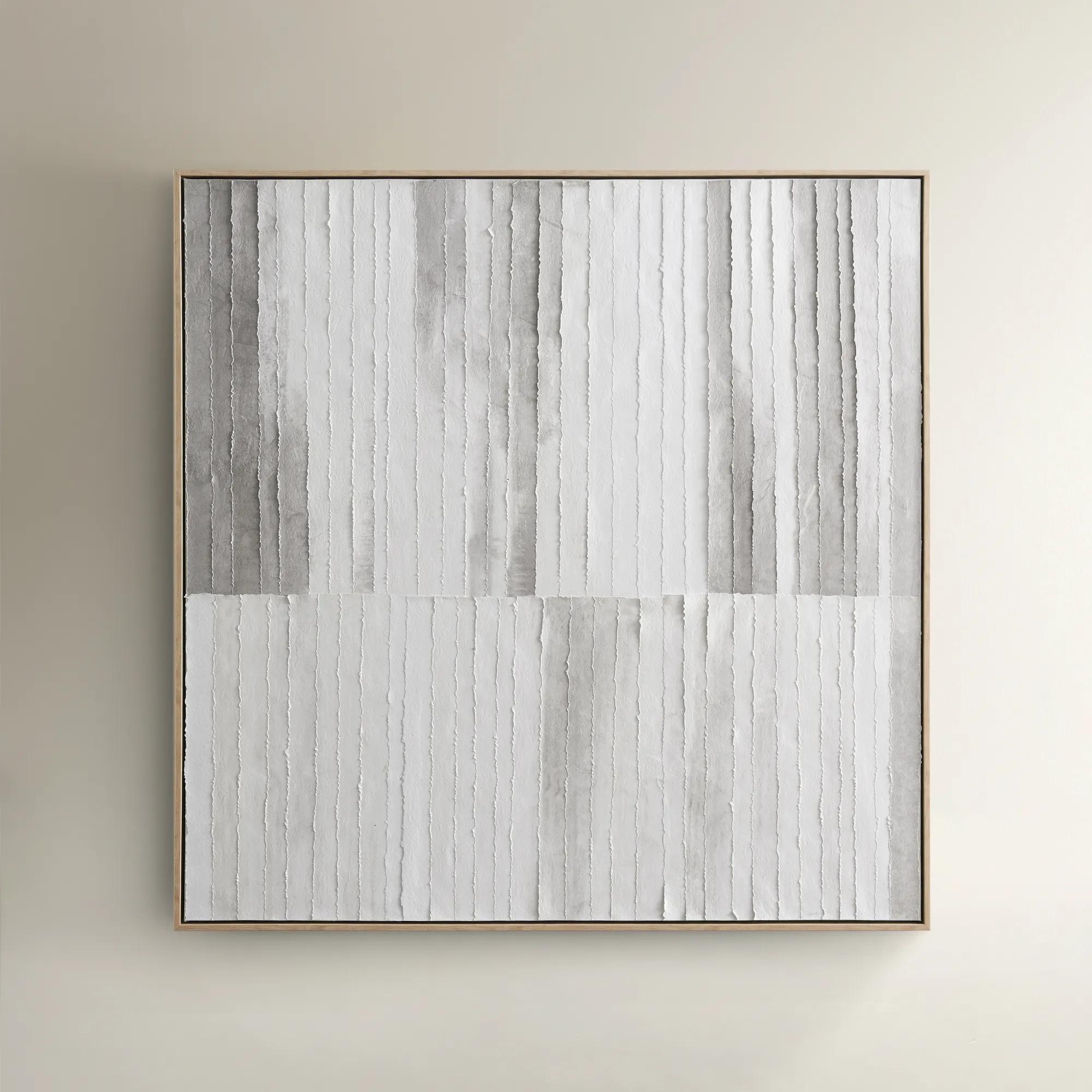
A hand-painted canvas featuring rhythmic grey lines in a textured, whitewashed floater frame for serene style.
Add To Cart -
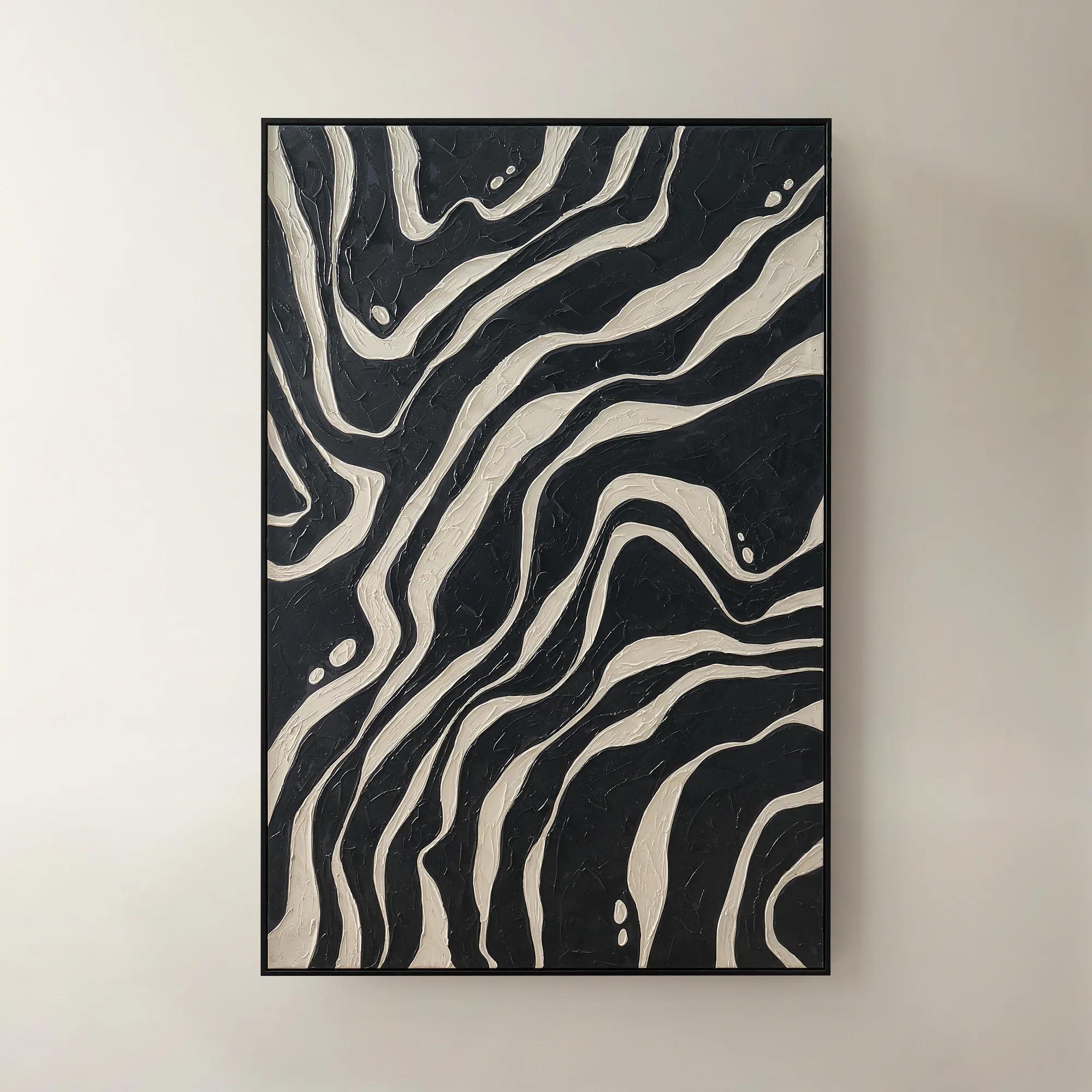
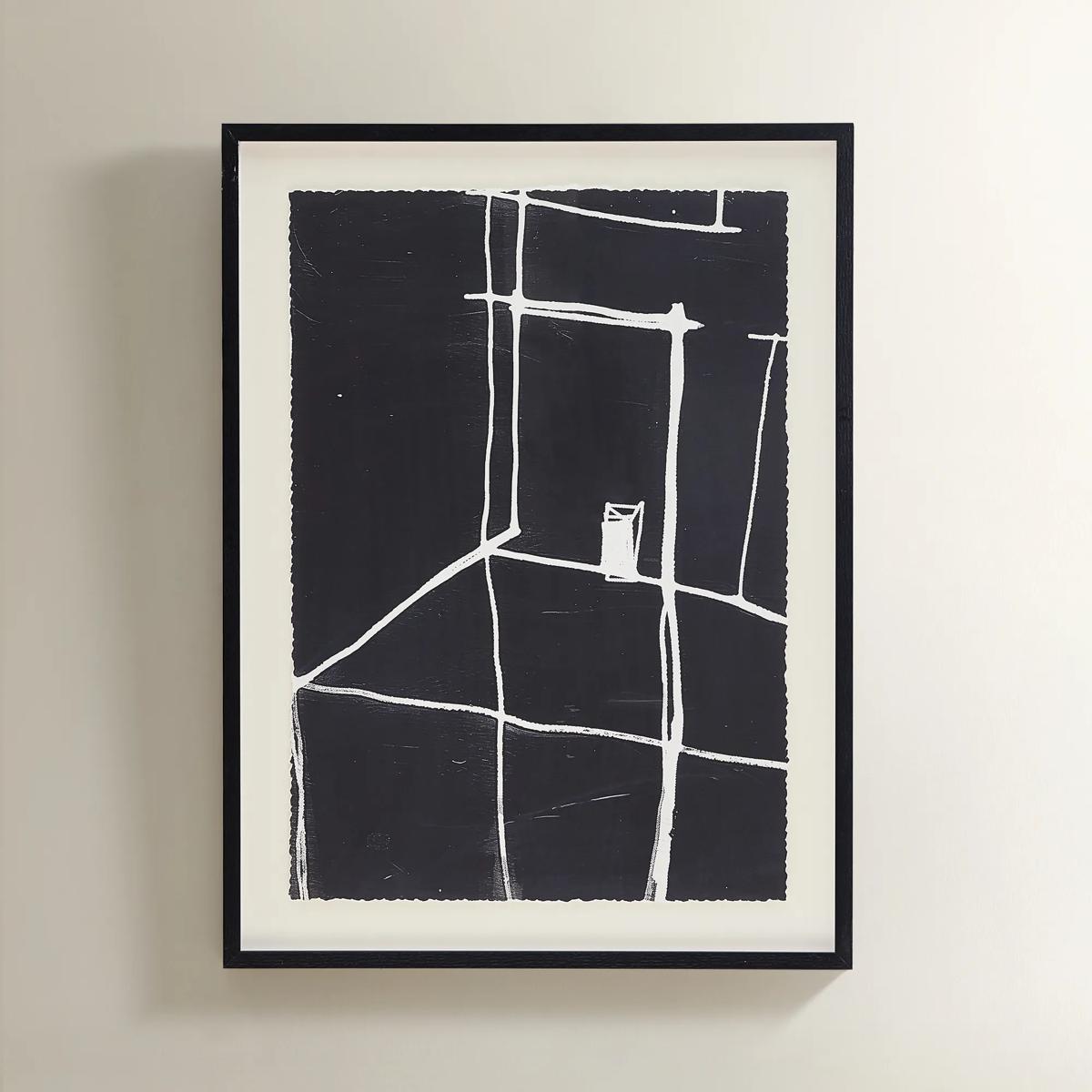 Solitude Art$269
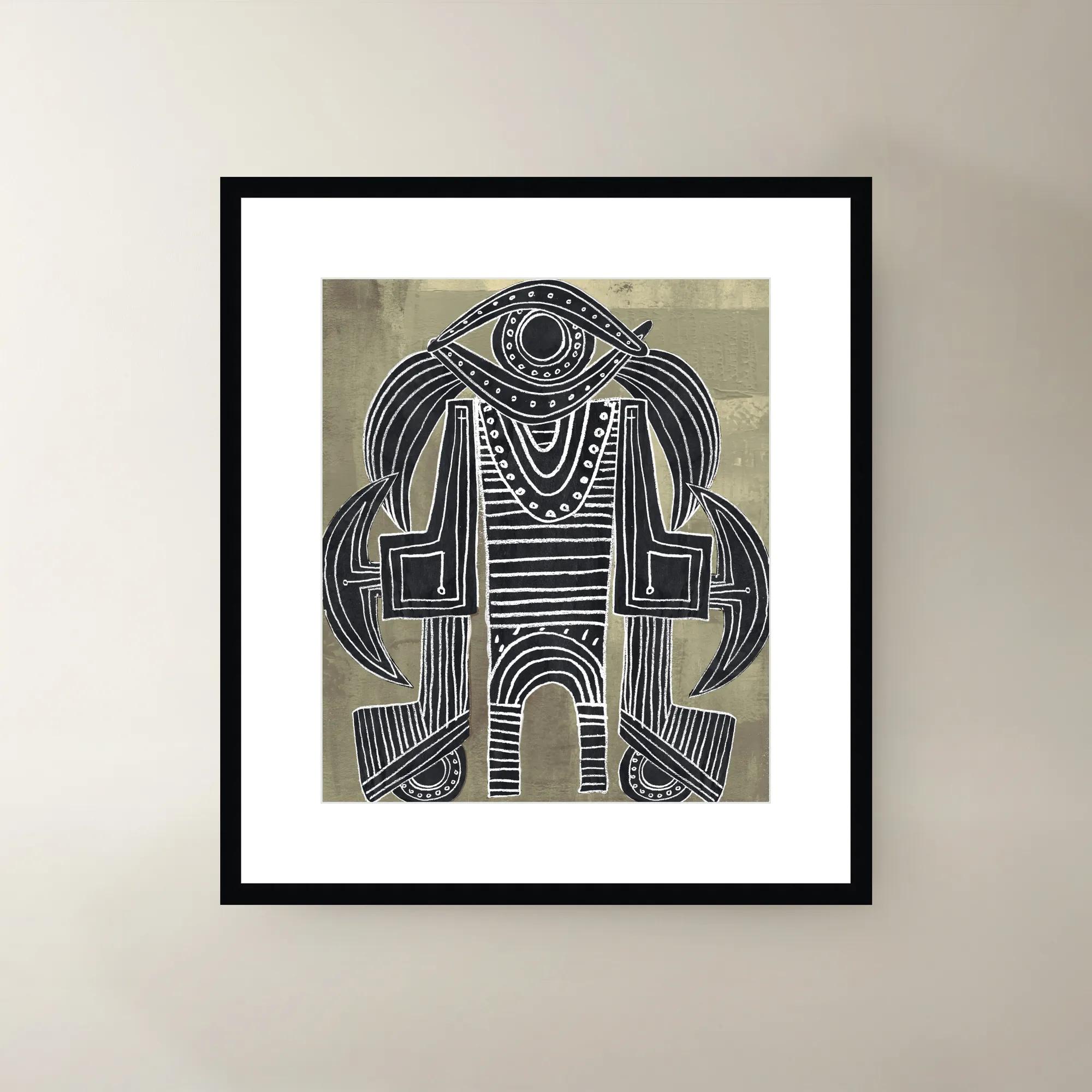
A minimalist black-and-white abstract print featuring bold white lines in a sleek black polyresin frame.
Add To Cart -
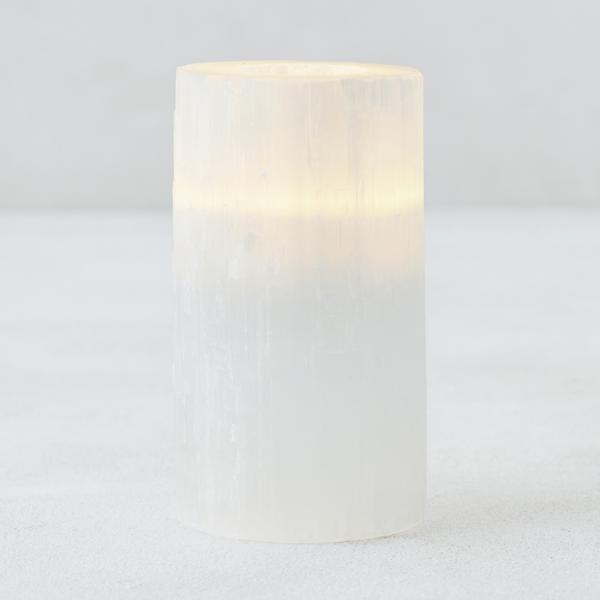
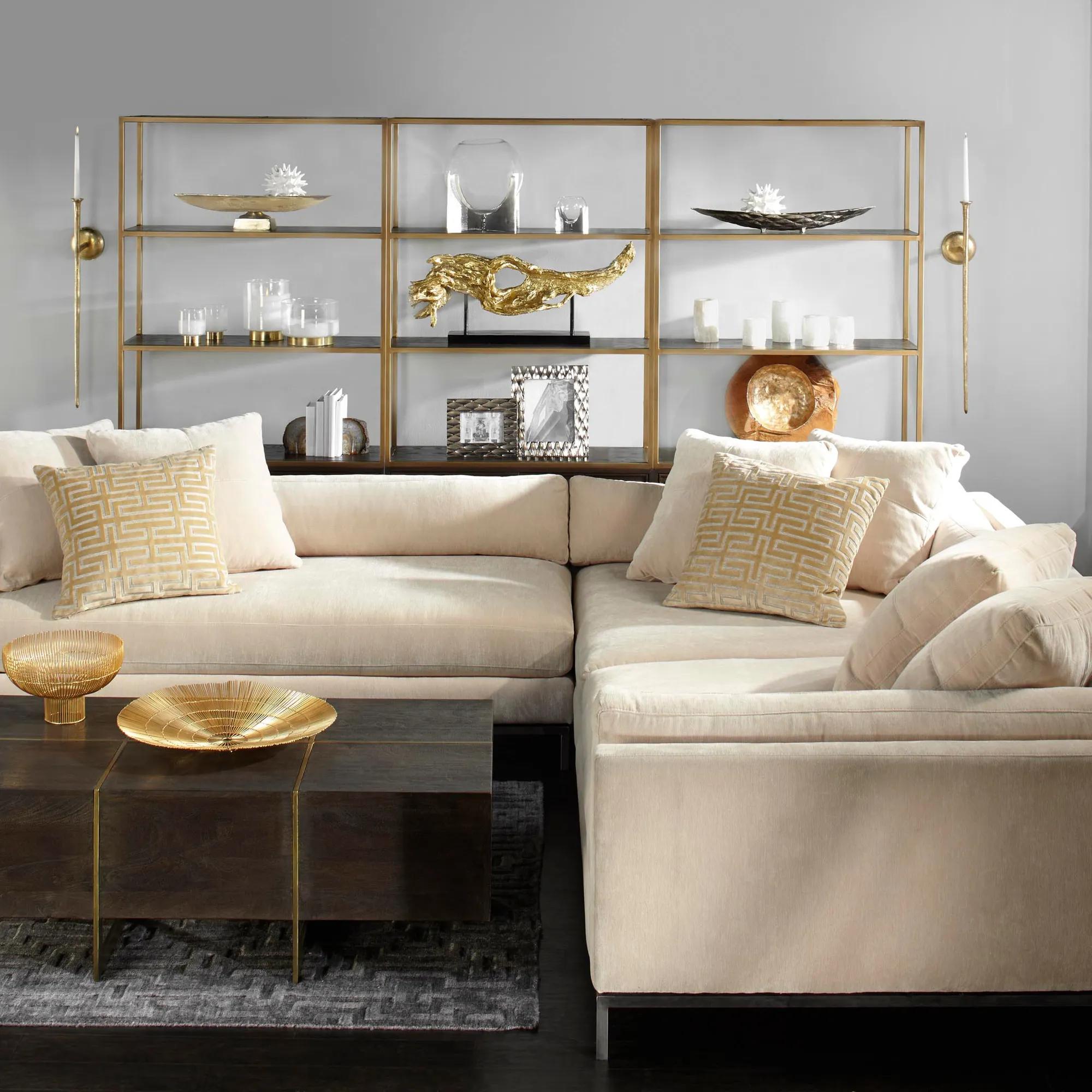 Selenite Votive$49.95
A cylindrical holder crafted from natural selenite, casting a radiant glow when illuminated by candlelight.
Add To Cart -
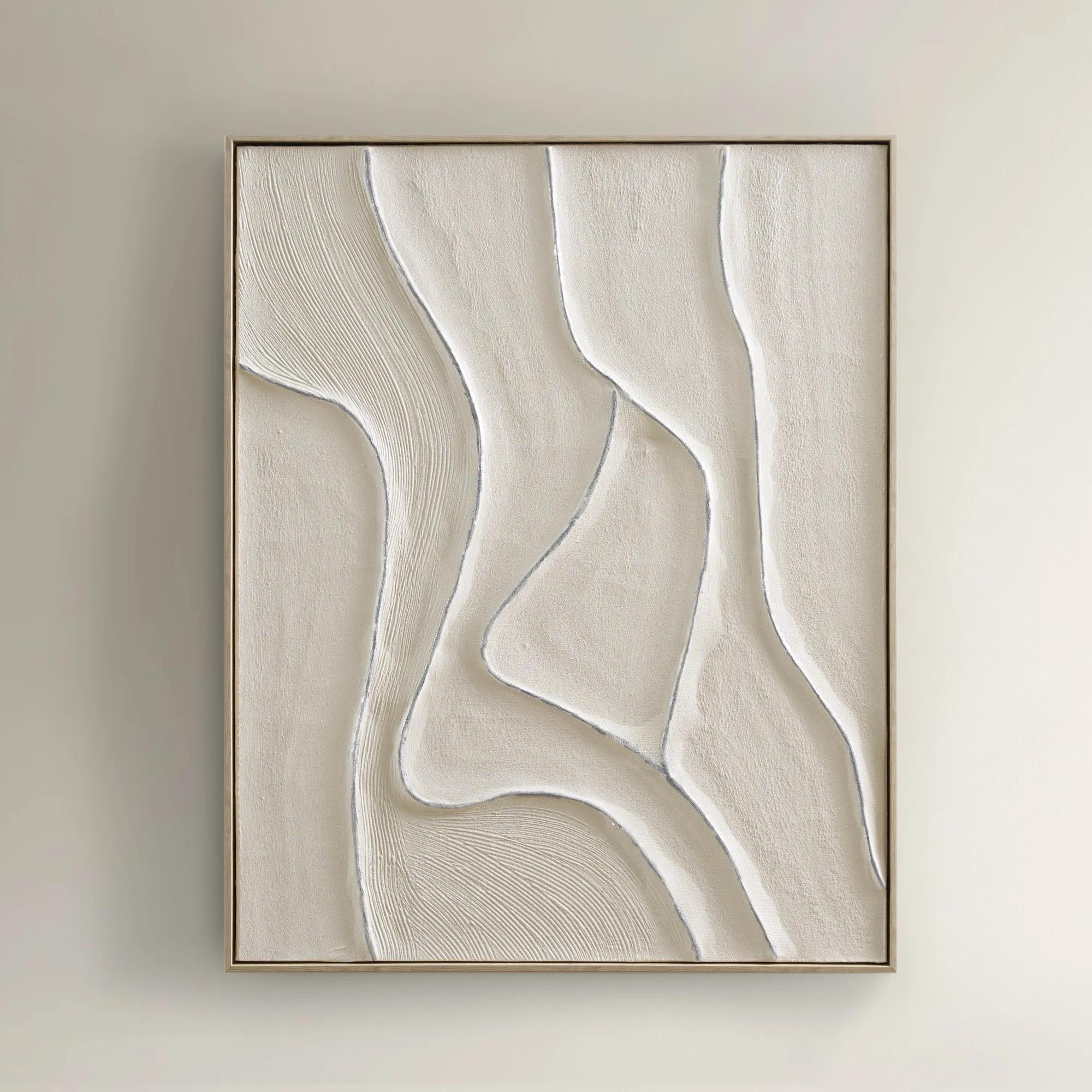
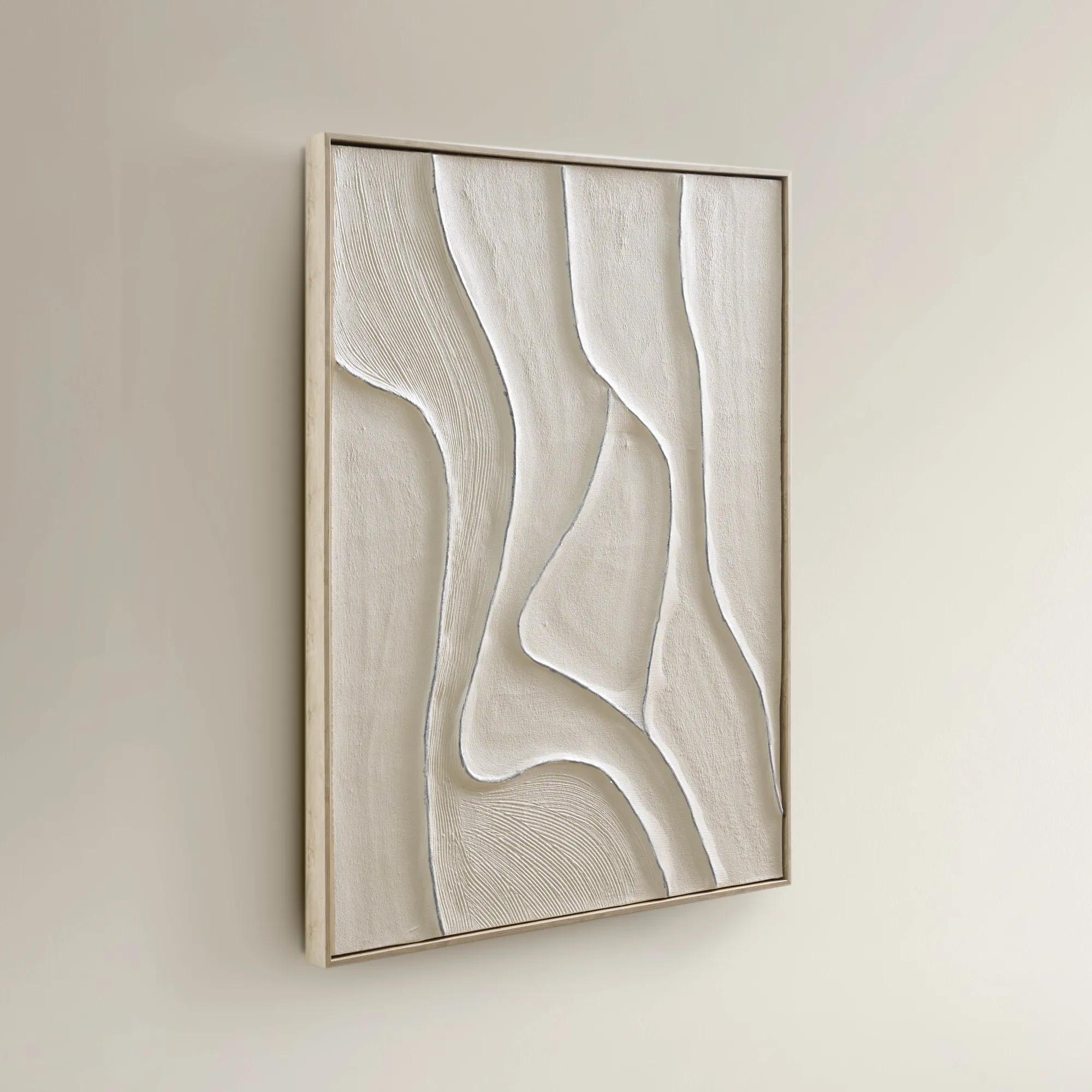 Vivre Framed Painted Wall Art 39.25" x 31.5"$199
A hand-painted canvas featuring tranquil beige hues and flowing lines in a warm whitewash floater frame.
Add To Cart -

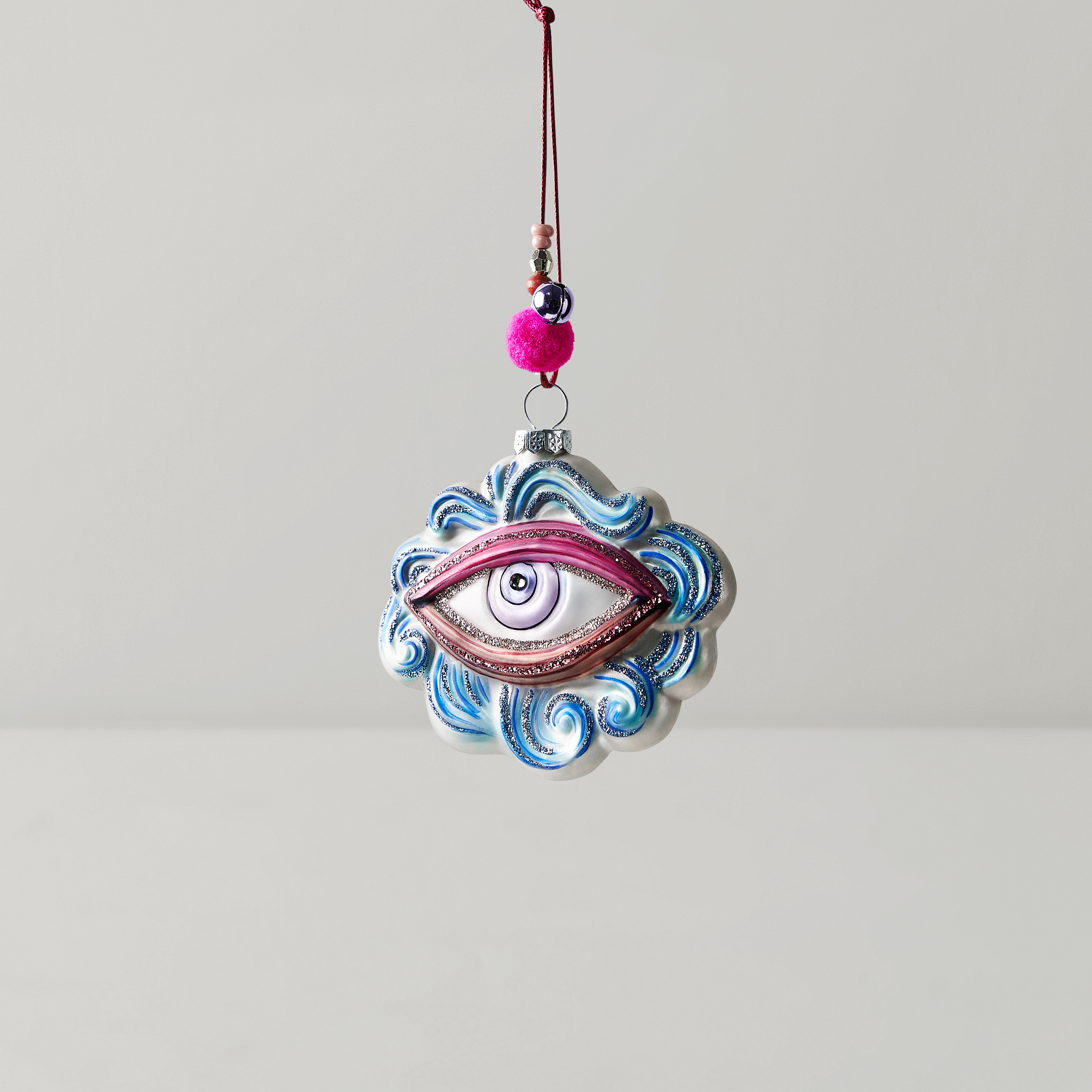 Ethereal Eye Ornament$36
An enchanting glass ornament featuring a mystical eye design for a unique holiday tree accent.
Add To Cart -
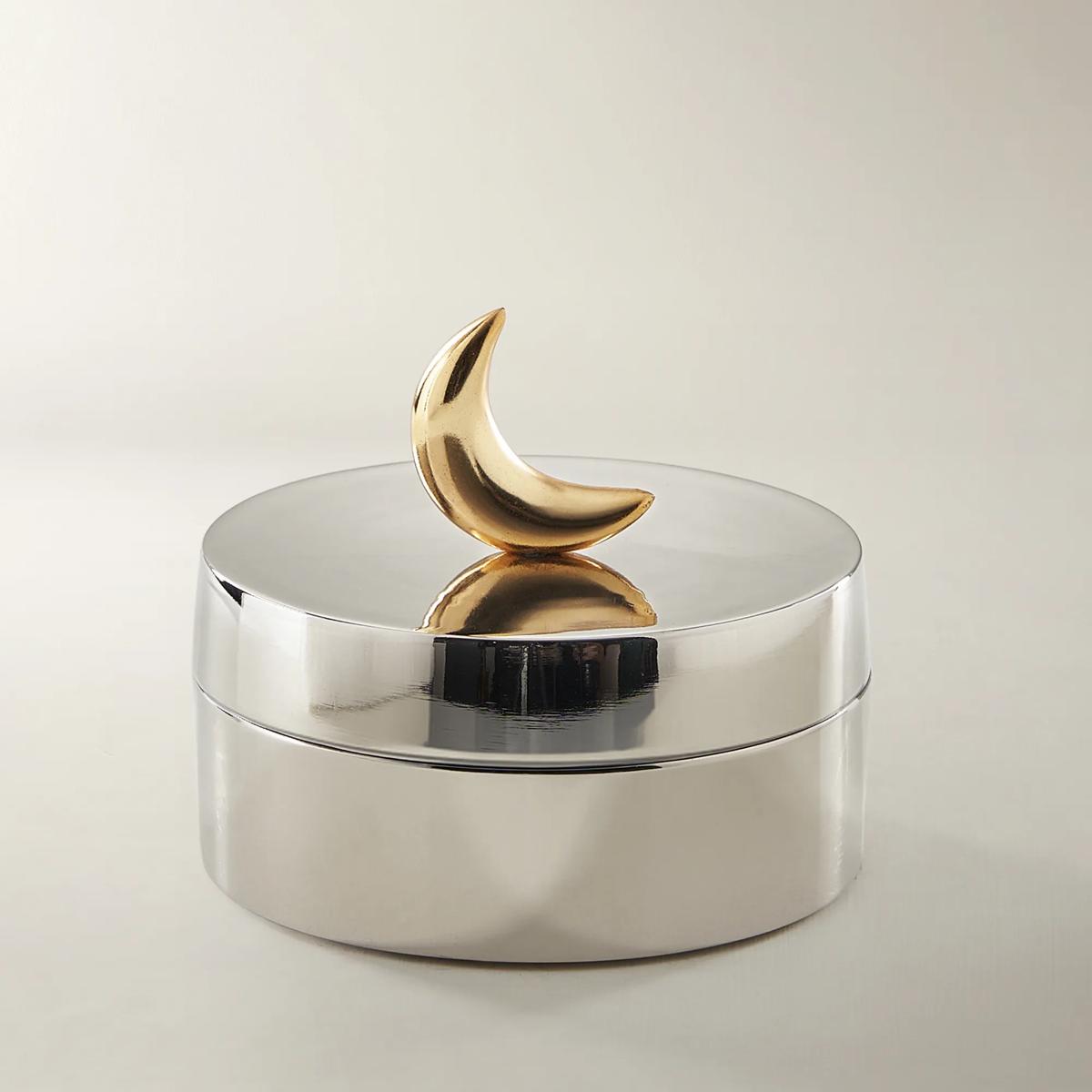
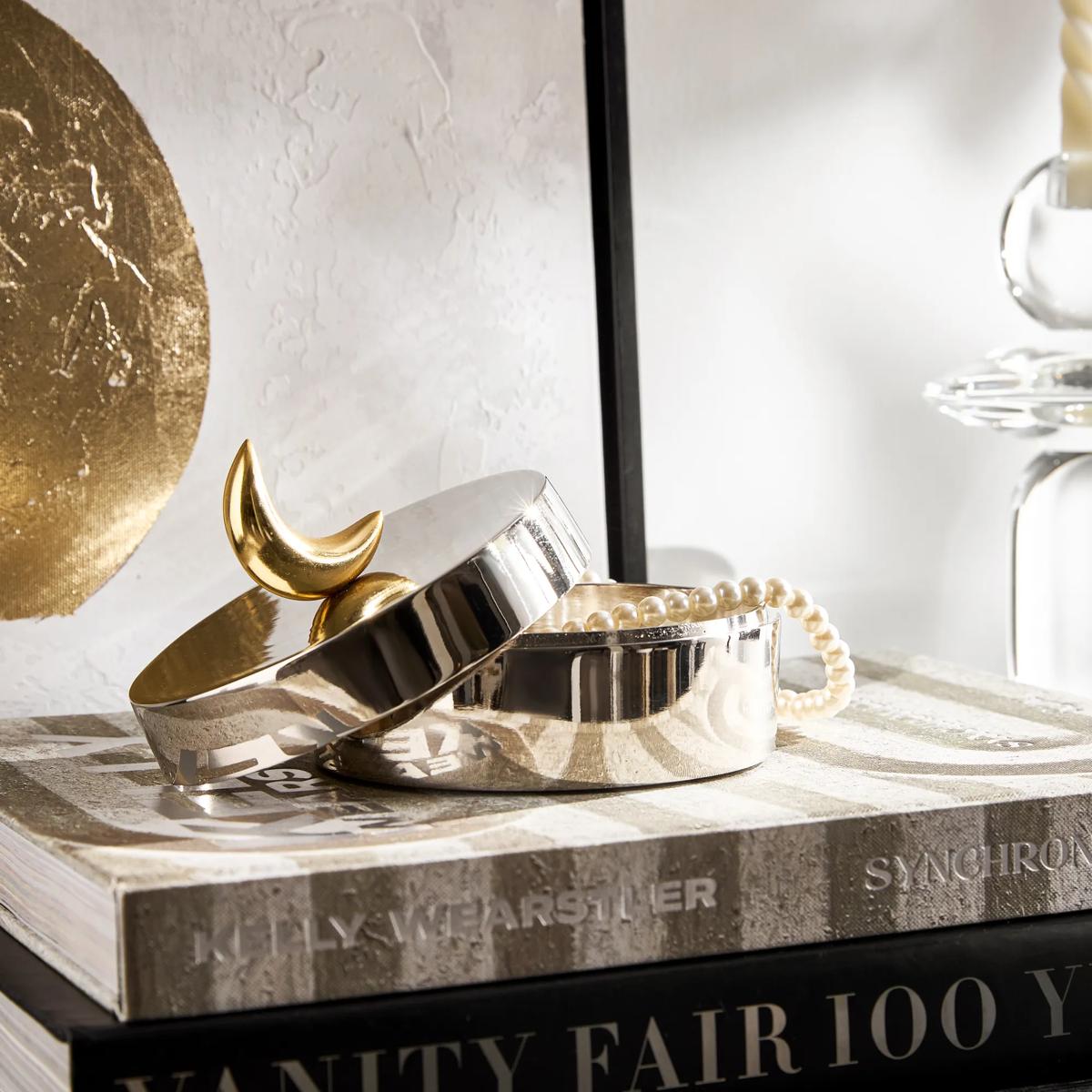 Crescent Moon Chrome Gold Aluminum Box$39
A polished silver aluminum box featuring a sculptural gold crescent for celestial-inspired jewelry storage.
Add To Cart -
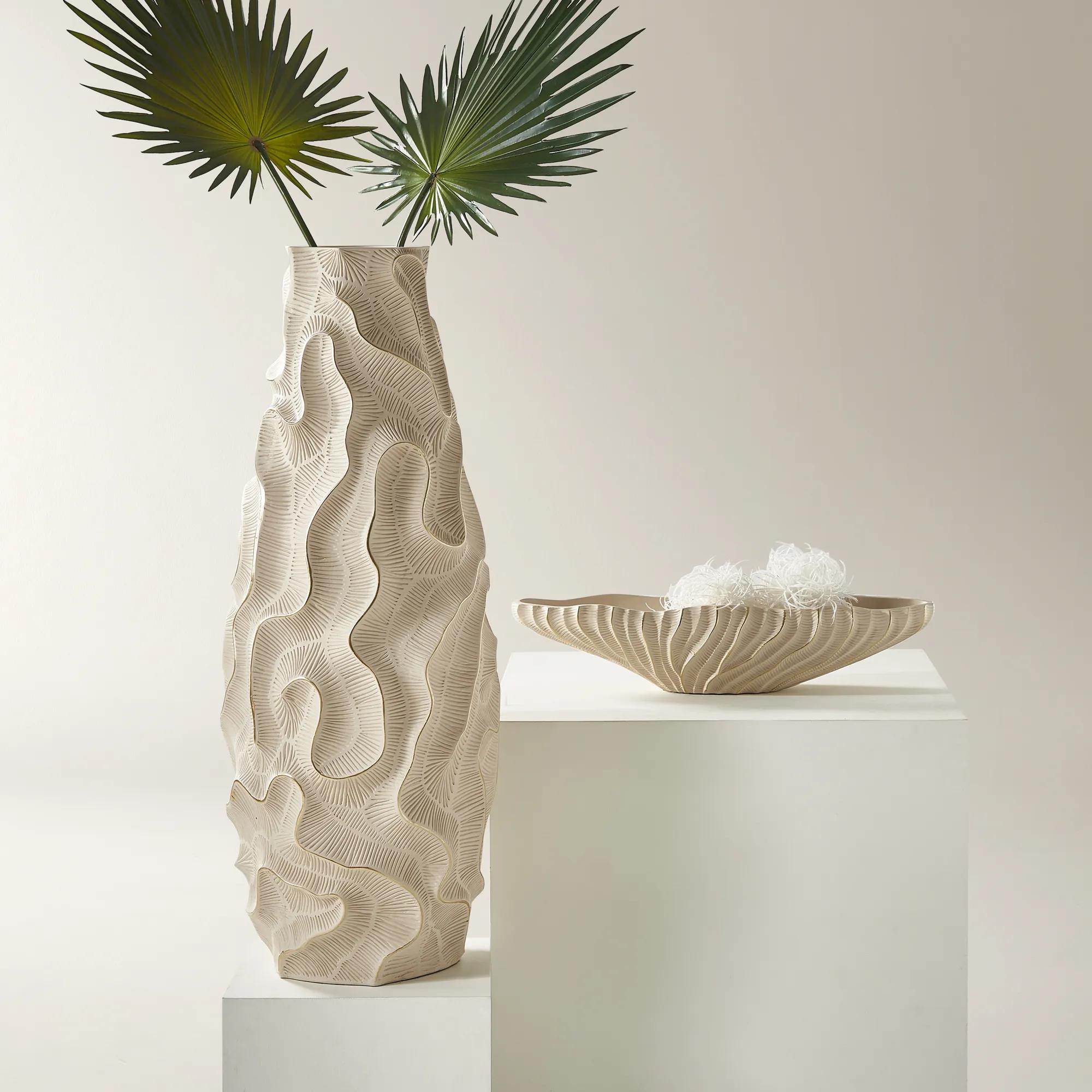
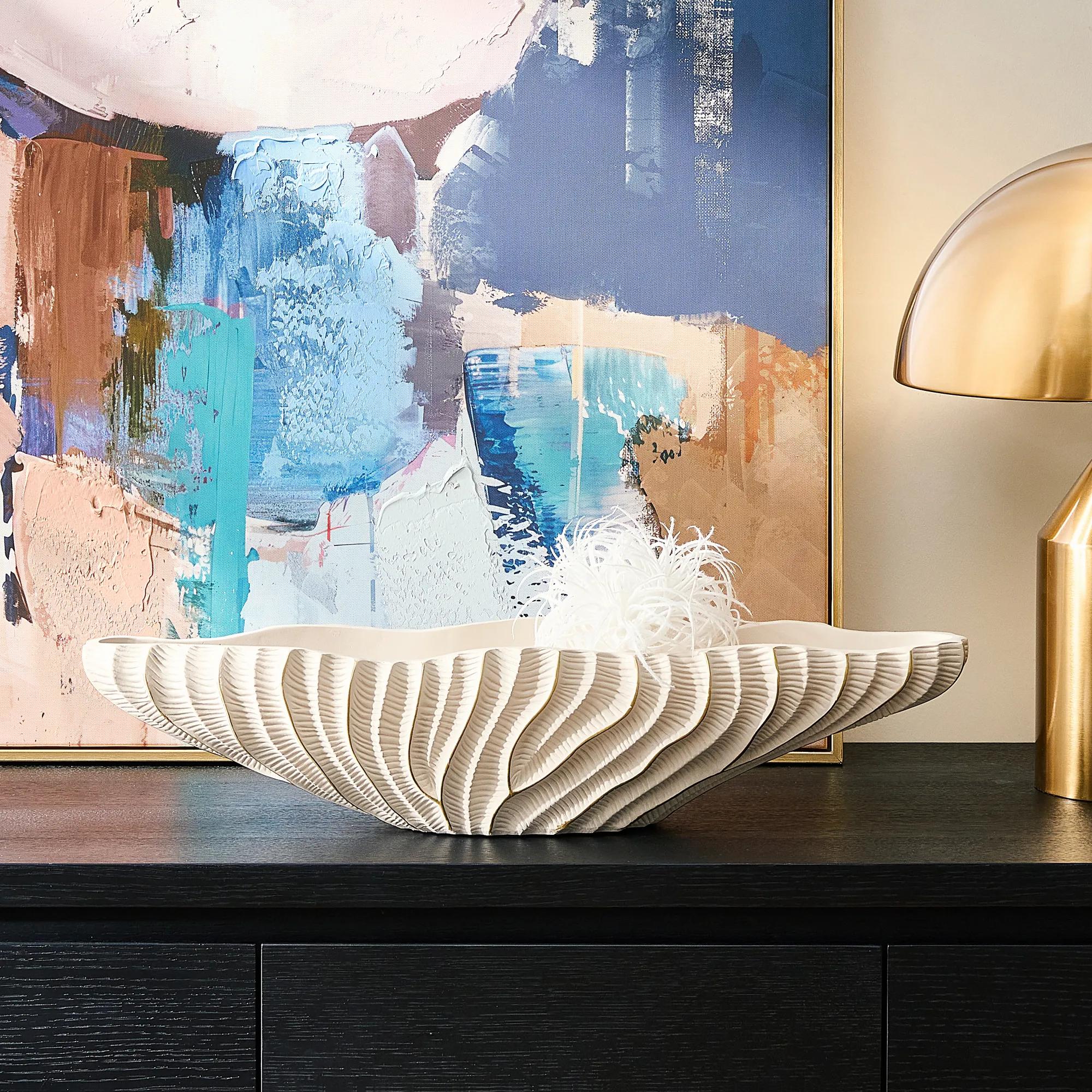 Rouche Ivory And Gold Etched Resin Floor Vase & Bowl$79
An ivory resin collection featuring sculptural, hand-etched textures and undulating organic contours.
Add To Cart -
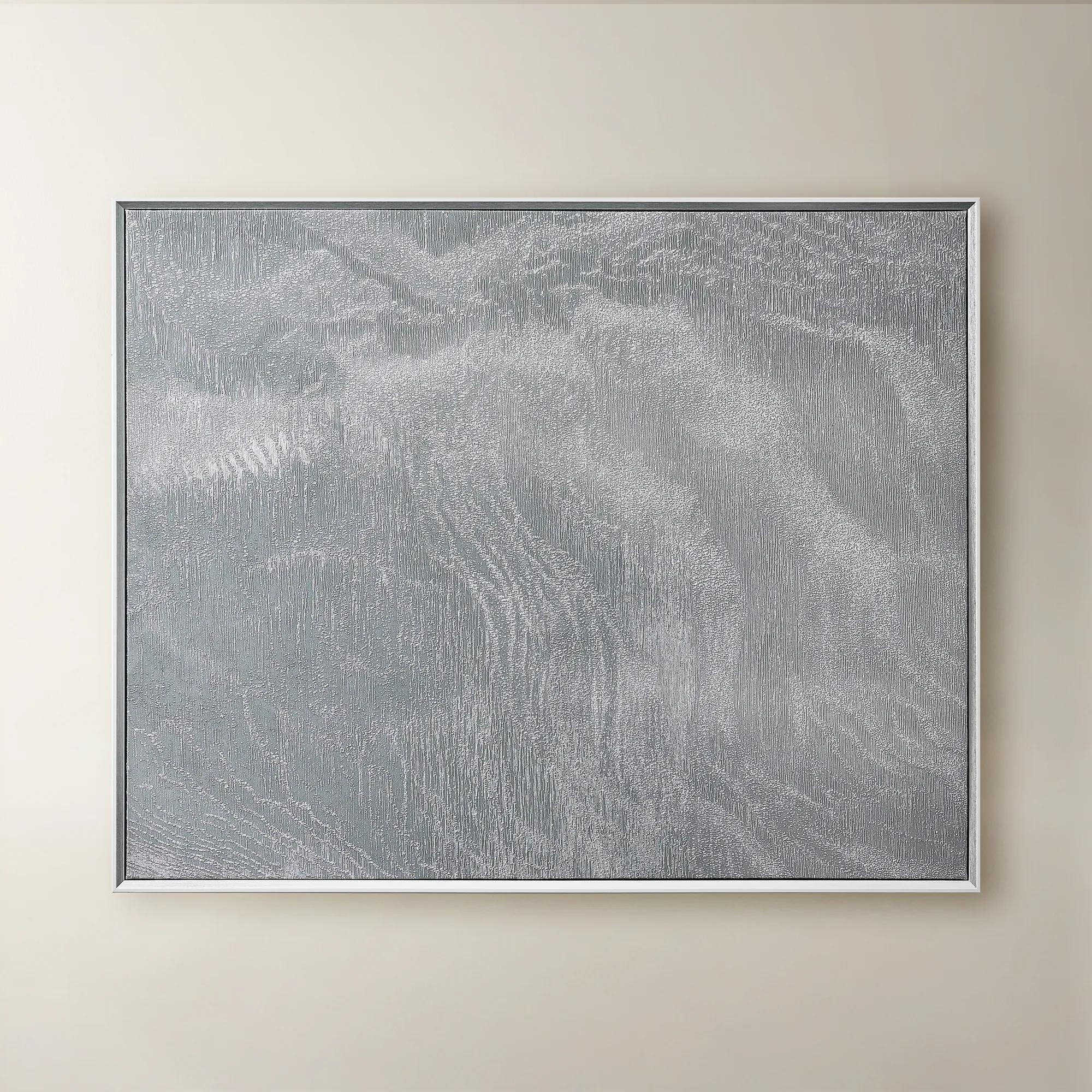 Slow Blue Morning Framed Silver Foil Wall Art 48" x 60"$599
A serene powder blue abstract canvas with silver foil accents, framed in silver and white for modern elegance.
Add To Cart -
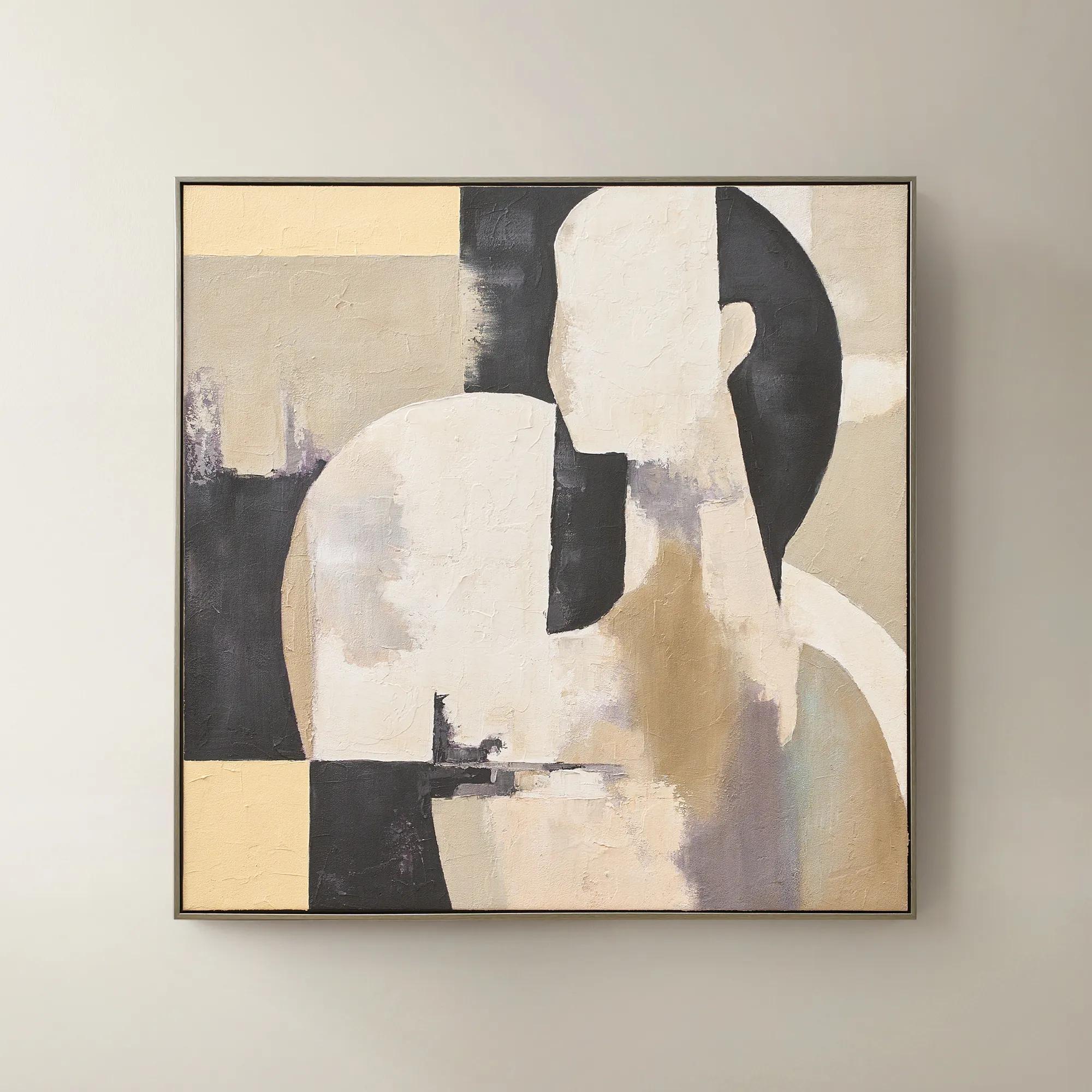 Afternoon Rest Framed Painted Wall Art 40" x 40"$399
A hand-painted abstract figure in buttercream, turtledove, and black hues framed in dark grey.
Add To Cart -
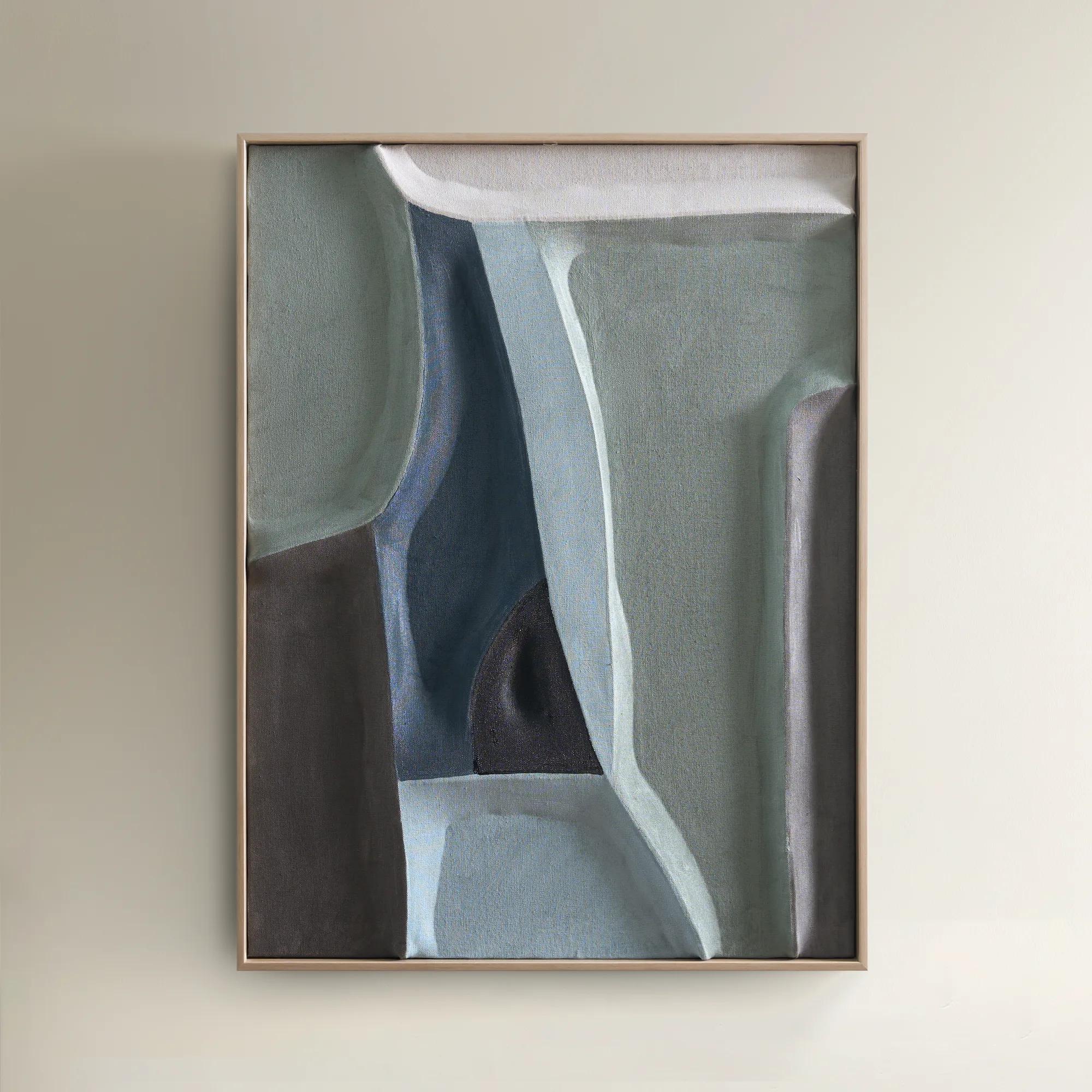
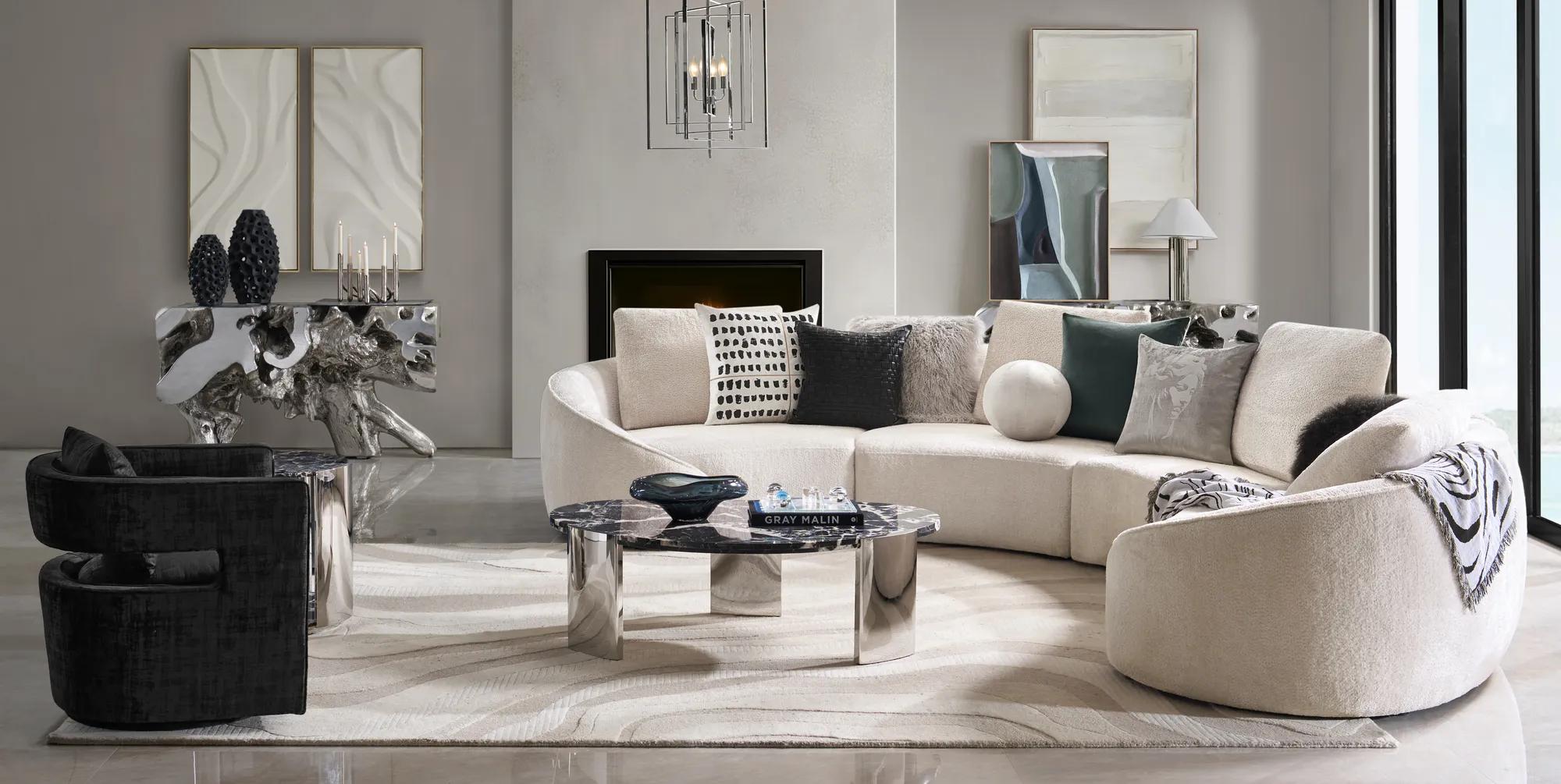 Patina Painting$119
An abstract hand-painted canvas in rich greens and blues, framed in a warm white oak floater.
Add To Cart -
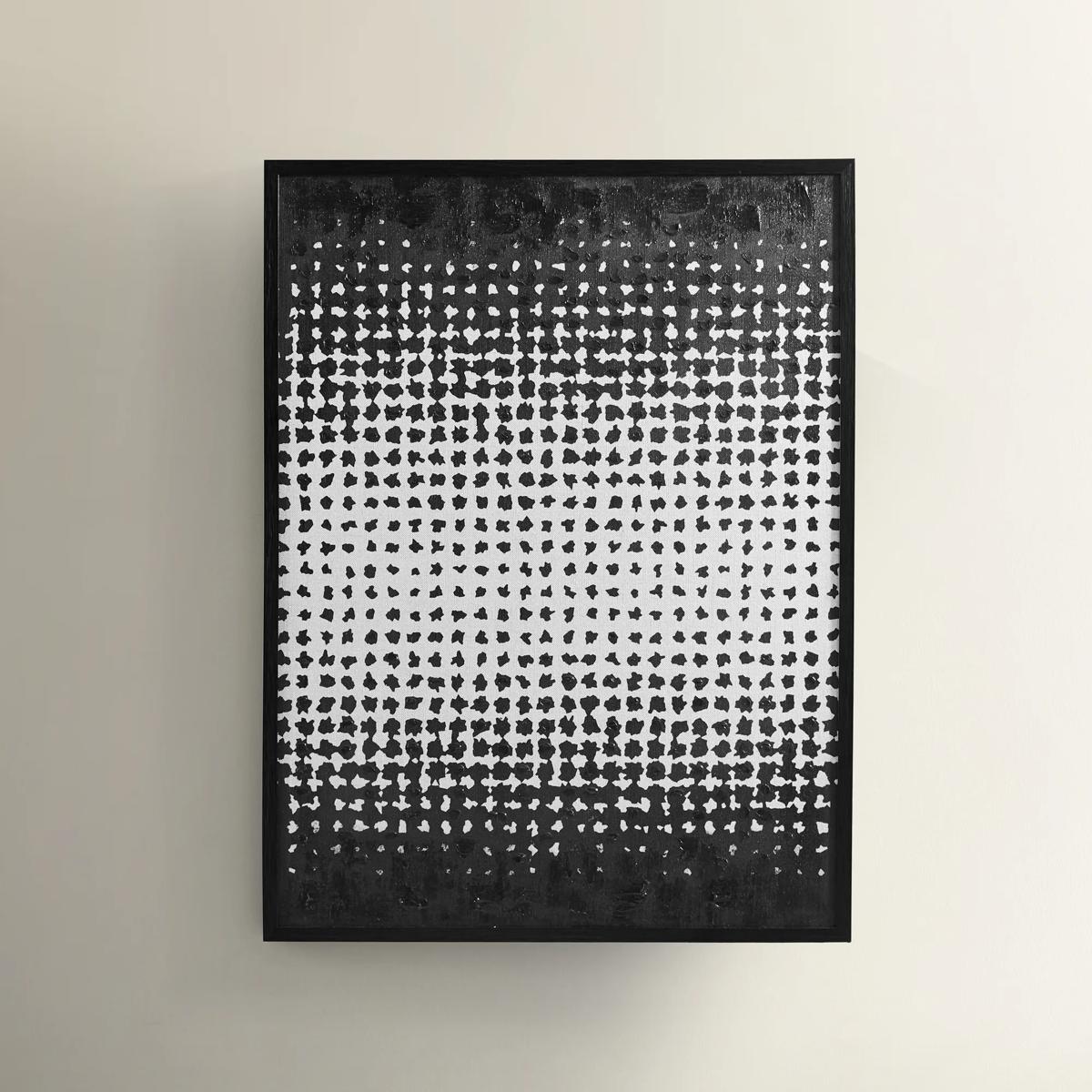
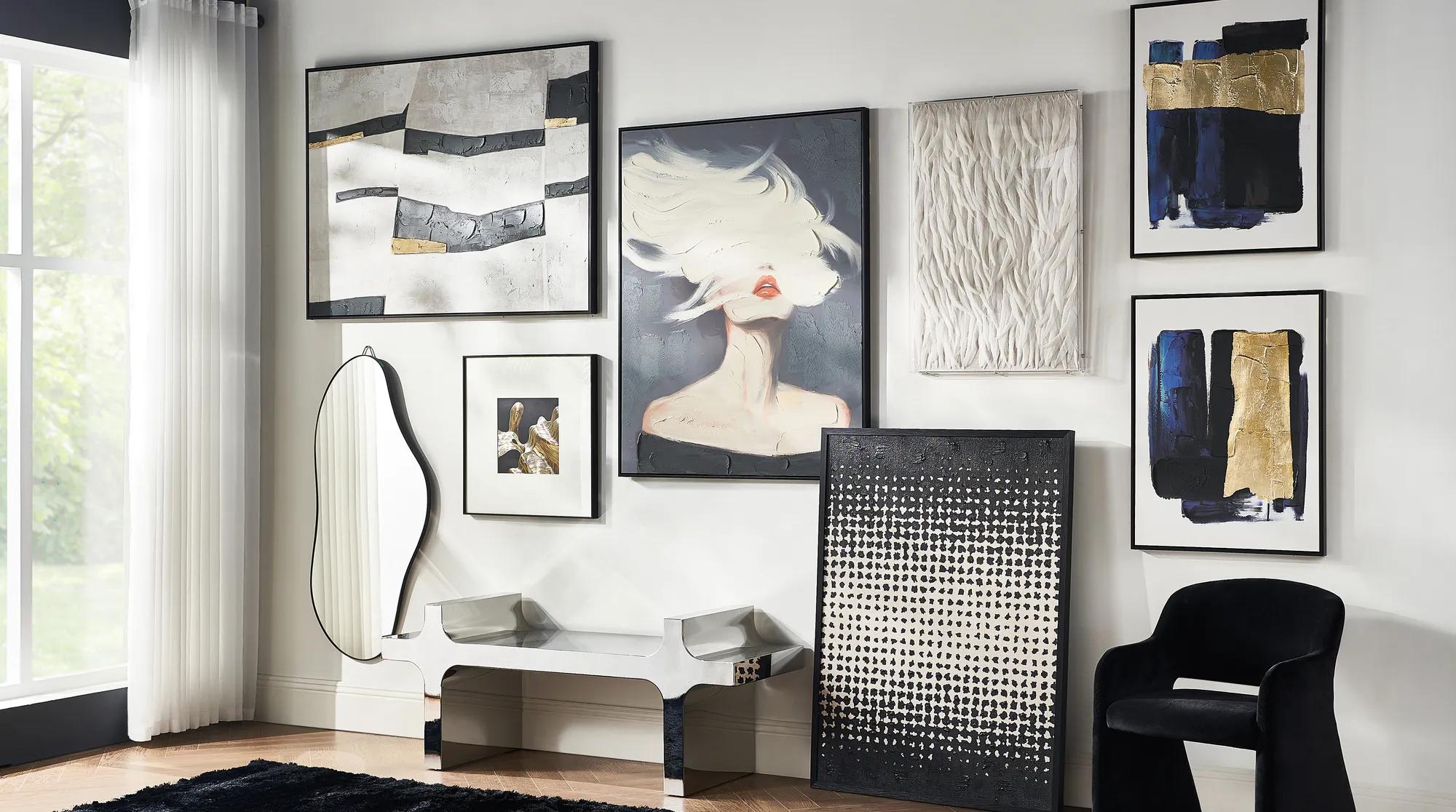 In Time Painting$399
A hand-painted linen canvas featuring cream and black dots in a modern, minimalist geometric pattern.
Add To Cart -
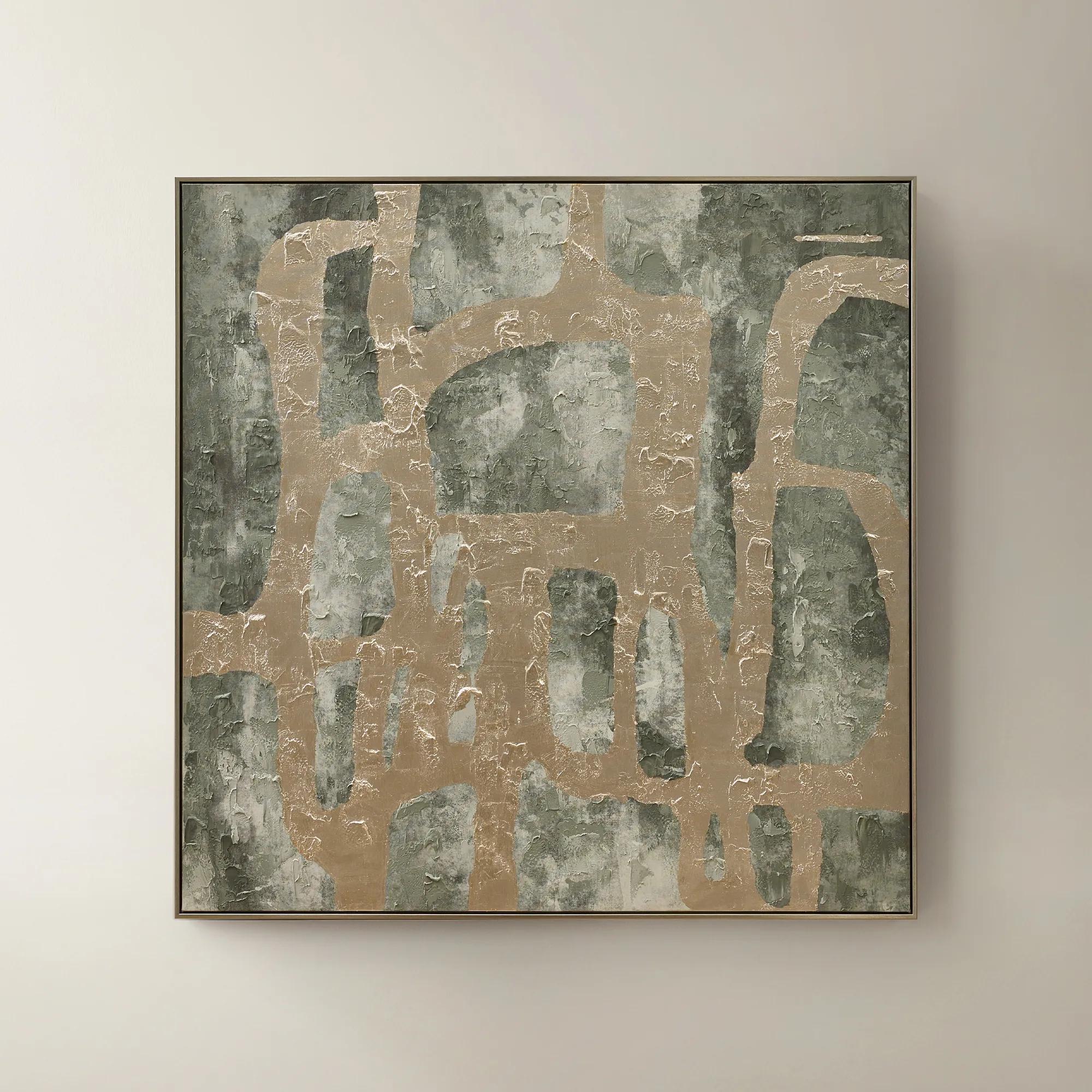 Illusions Framed Painted Wall Art 50" x 50"$599
A hand-painted canvas in sage and champagne tones with textural embellishments for modern, artful depth.
Add To Cart -
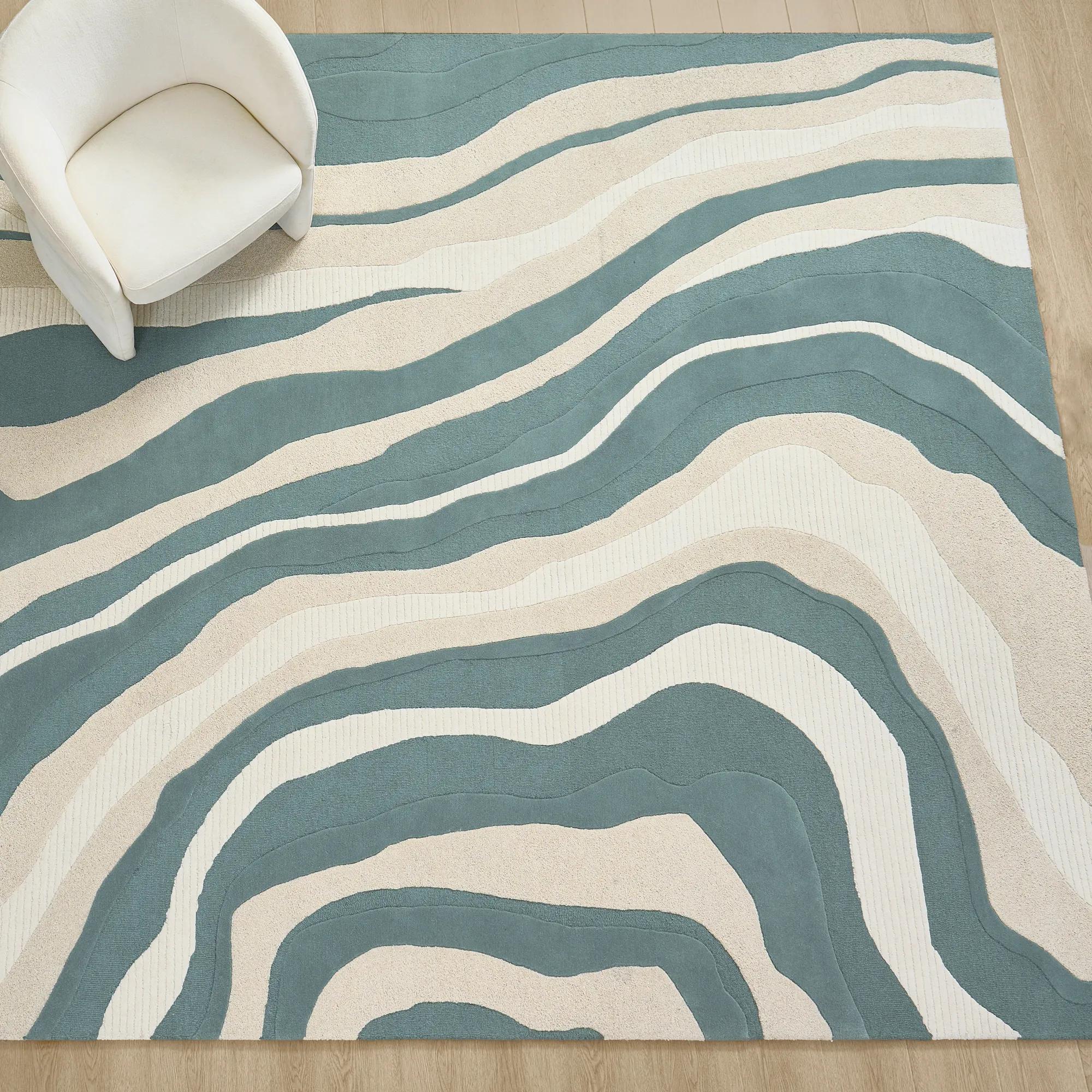 Kadence Hand-Tufted Sage Green/Ivory Wool Rugs$999
A hand-tufted wool rug in deep sage green and ivory with a sculptural high-low abstract wave pattern.
Add To Cart -
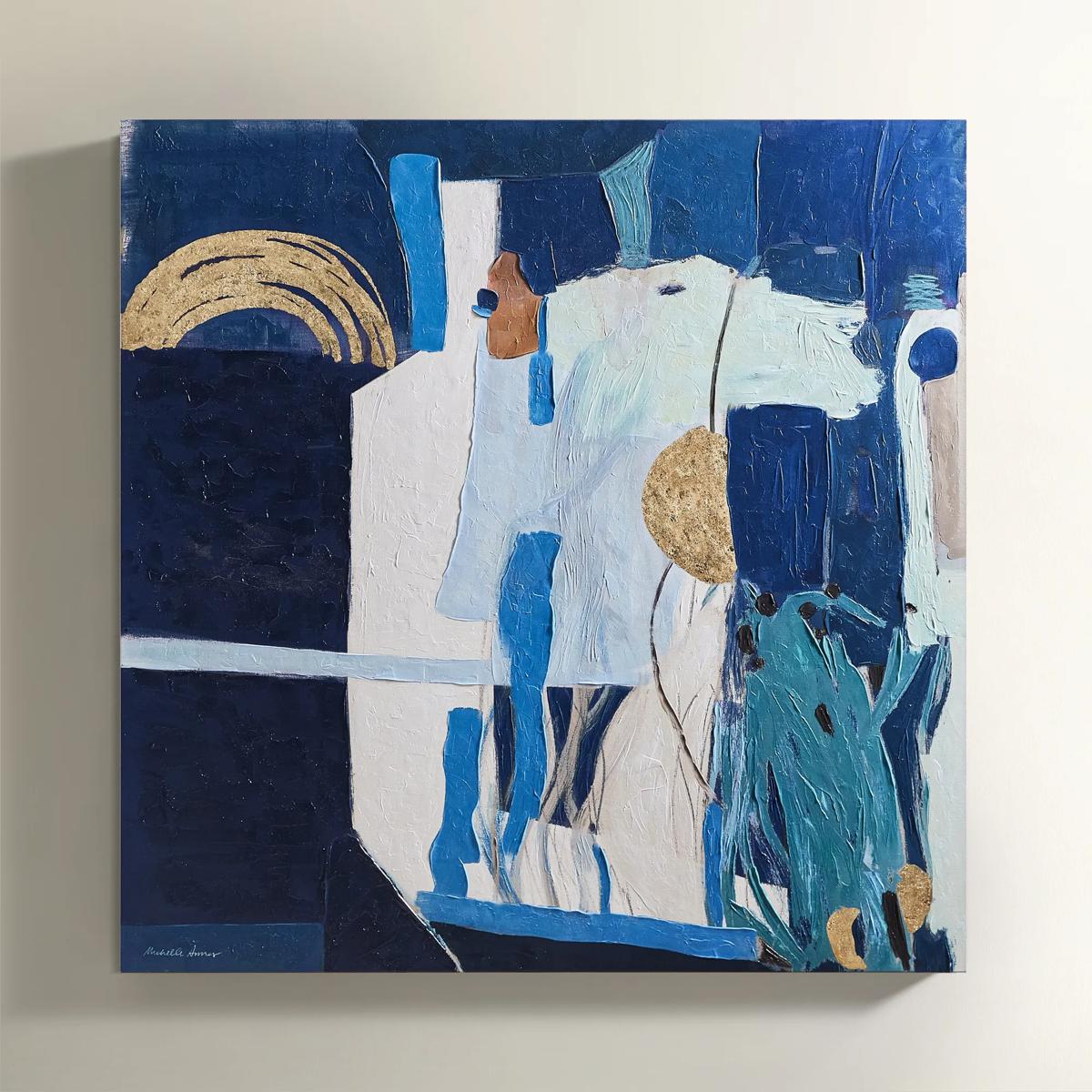
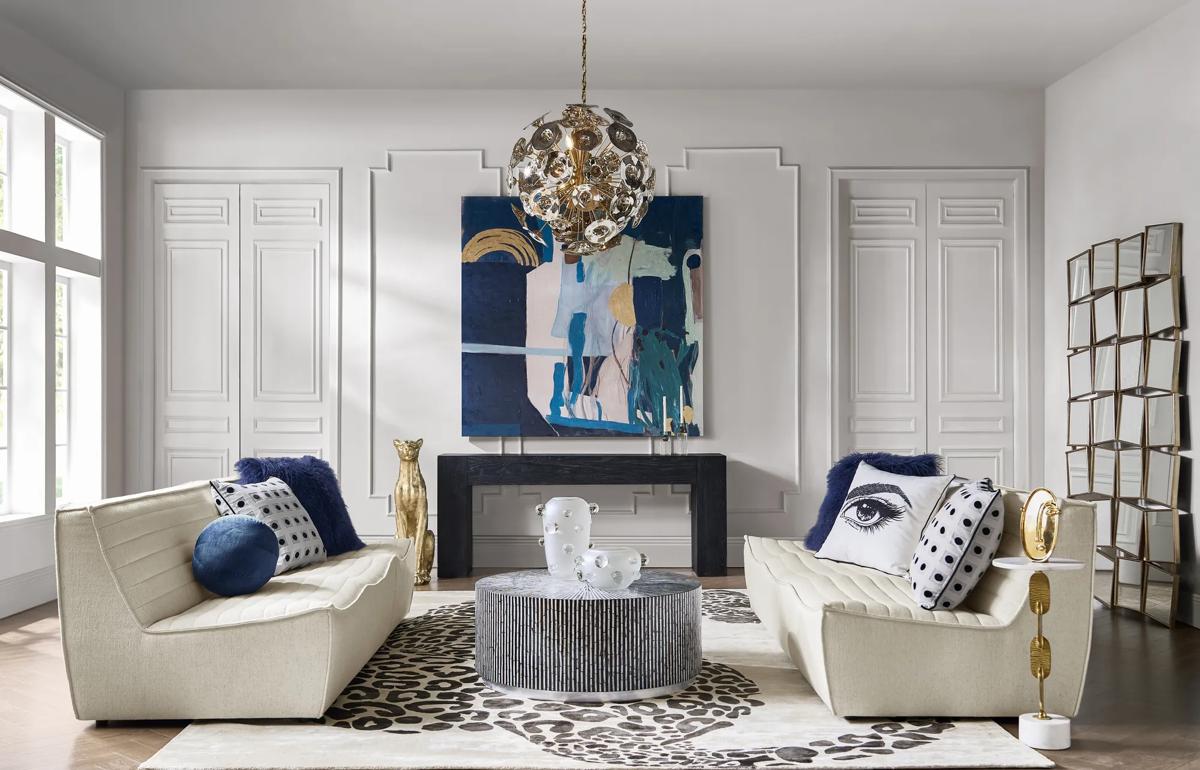 In Flux Painting$699
A hand-embellished canvas artwork featuring deep teal, green, ivory, and gold in a black Art Deco frame.
Add To Cart -
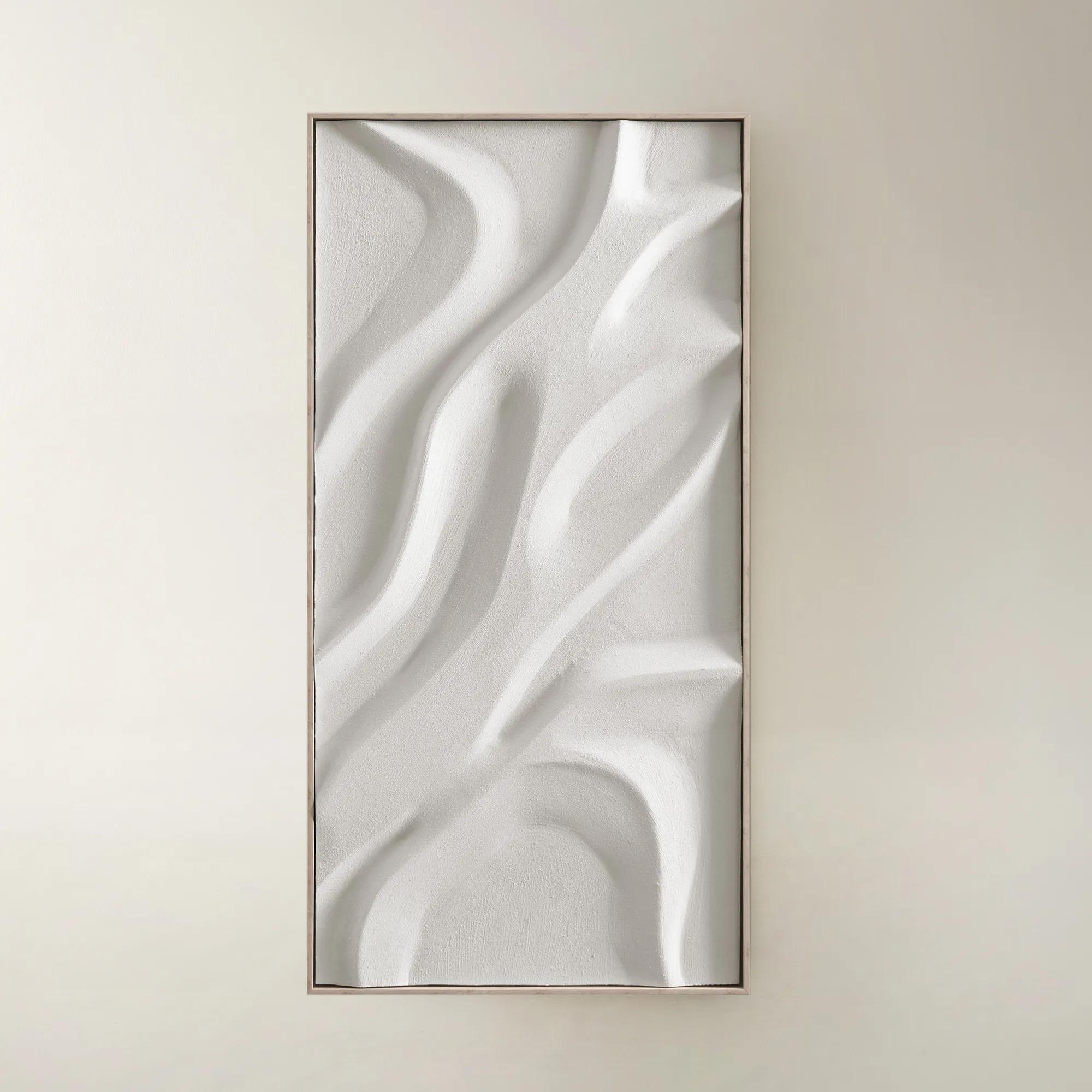
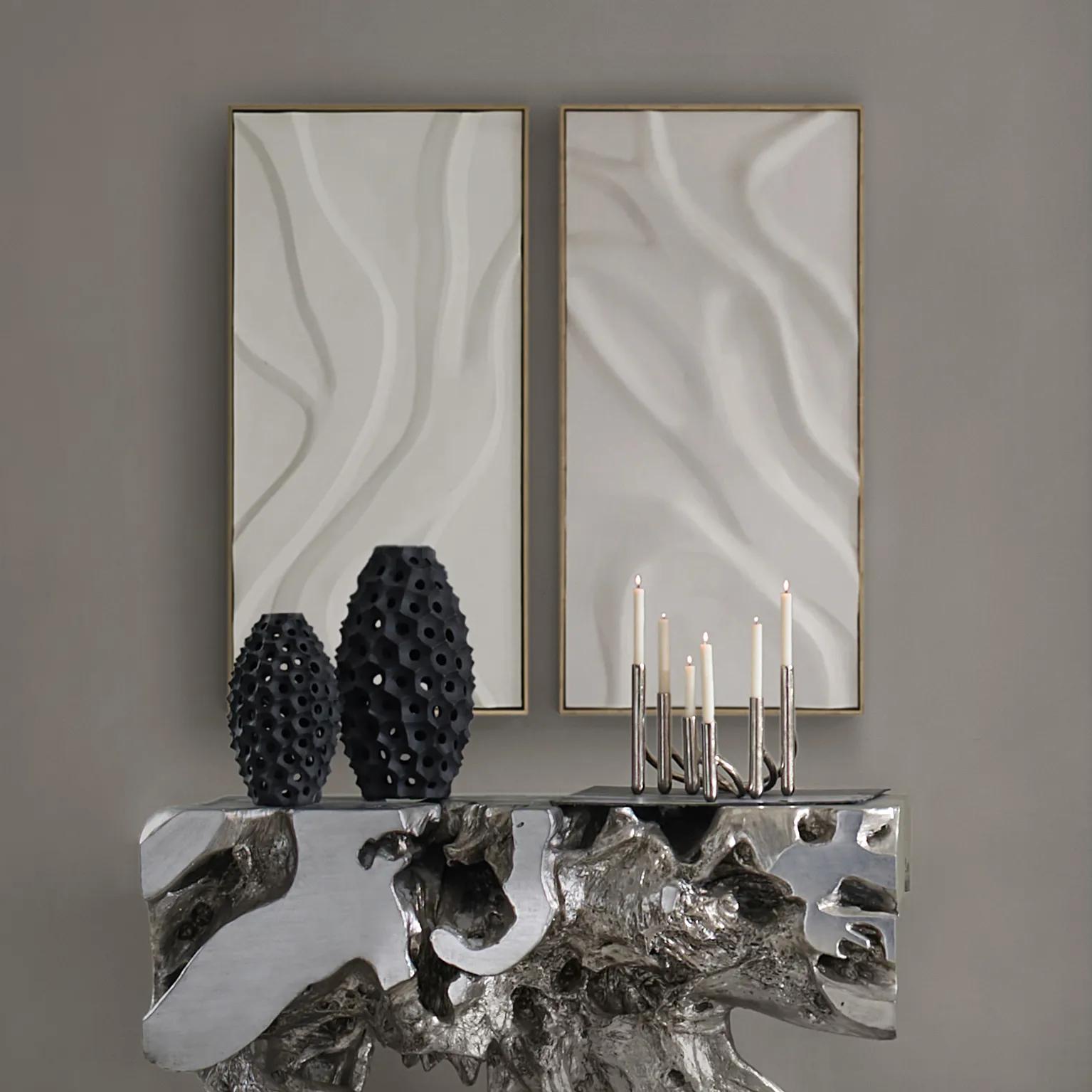 Au Lait Framed Painted Wall Art II 47.2" x 23.6"$199
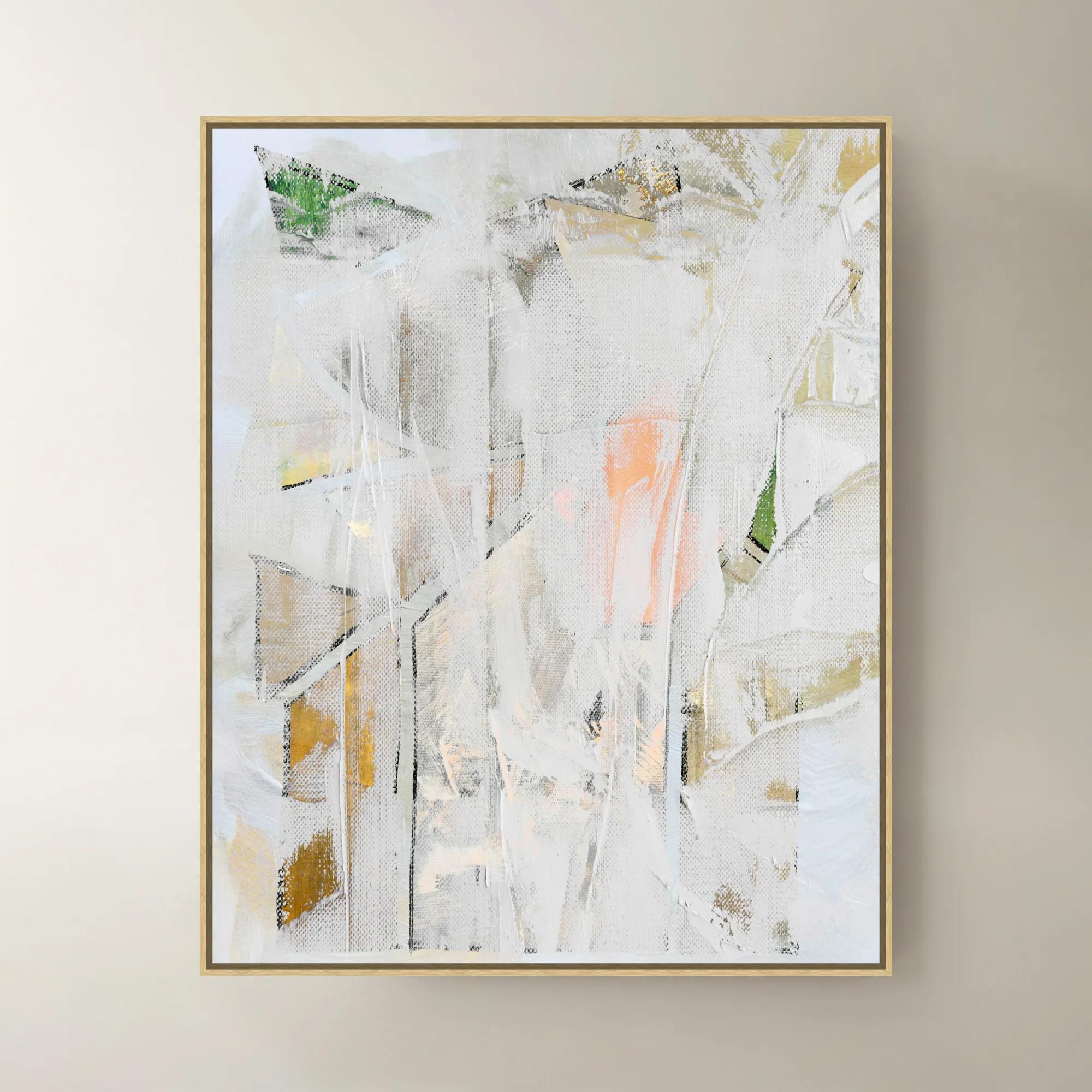
A serene hand-painted canvas in beige, set in a warm whitewash floater frame for modern interiors.
Add To Cart -
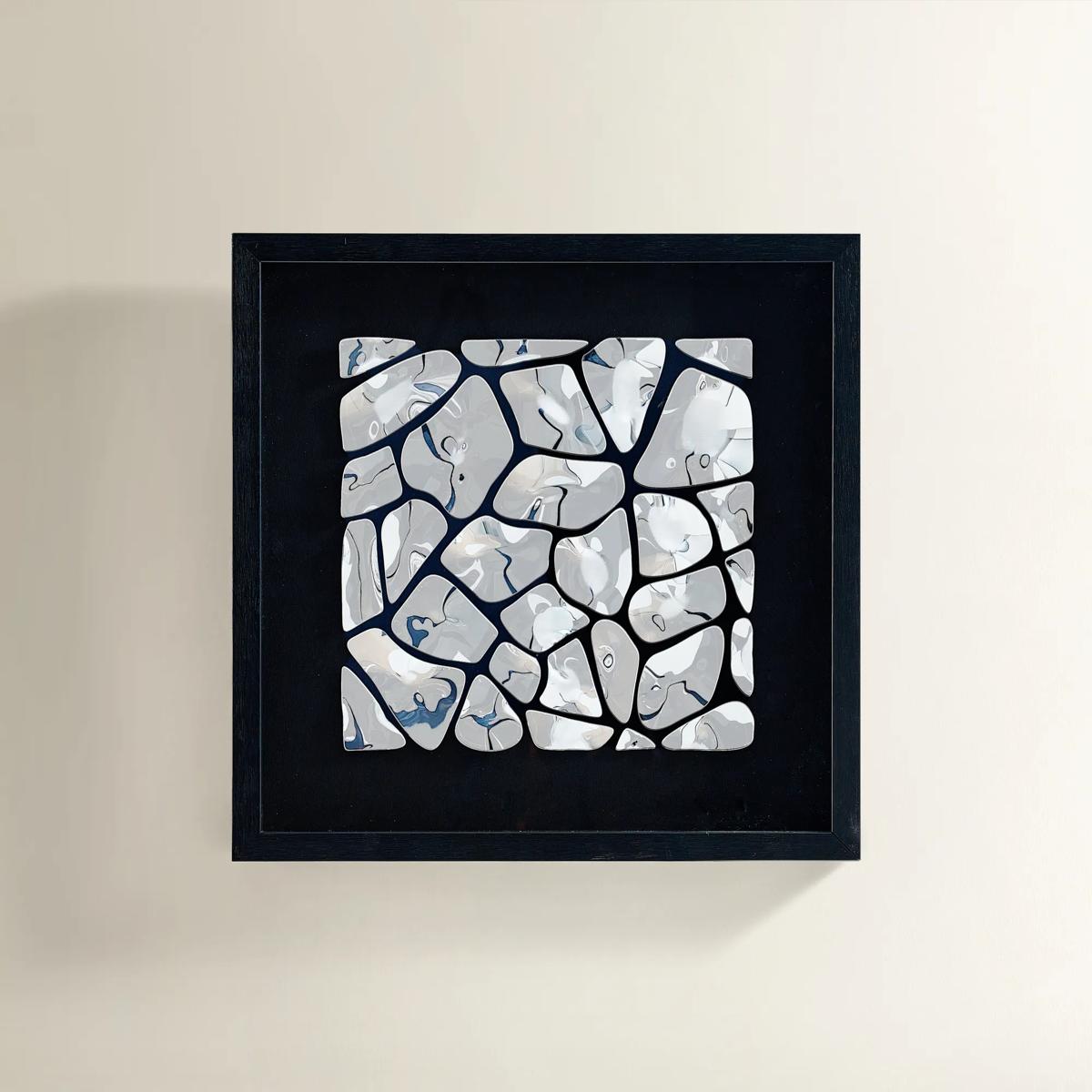 Reflect Silver And Black Shadowbox Art I$189
A dimensional metal wall art piece featuring polished silver and black forms in a sleek black frame.
Add To Cart -
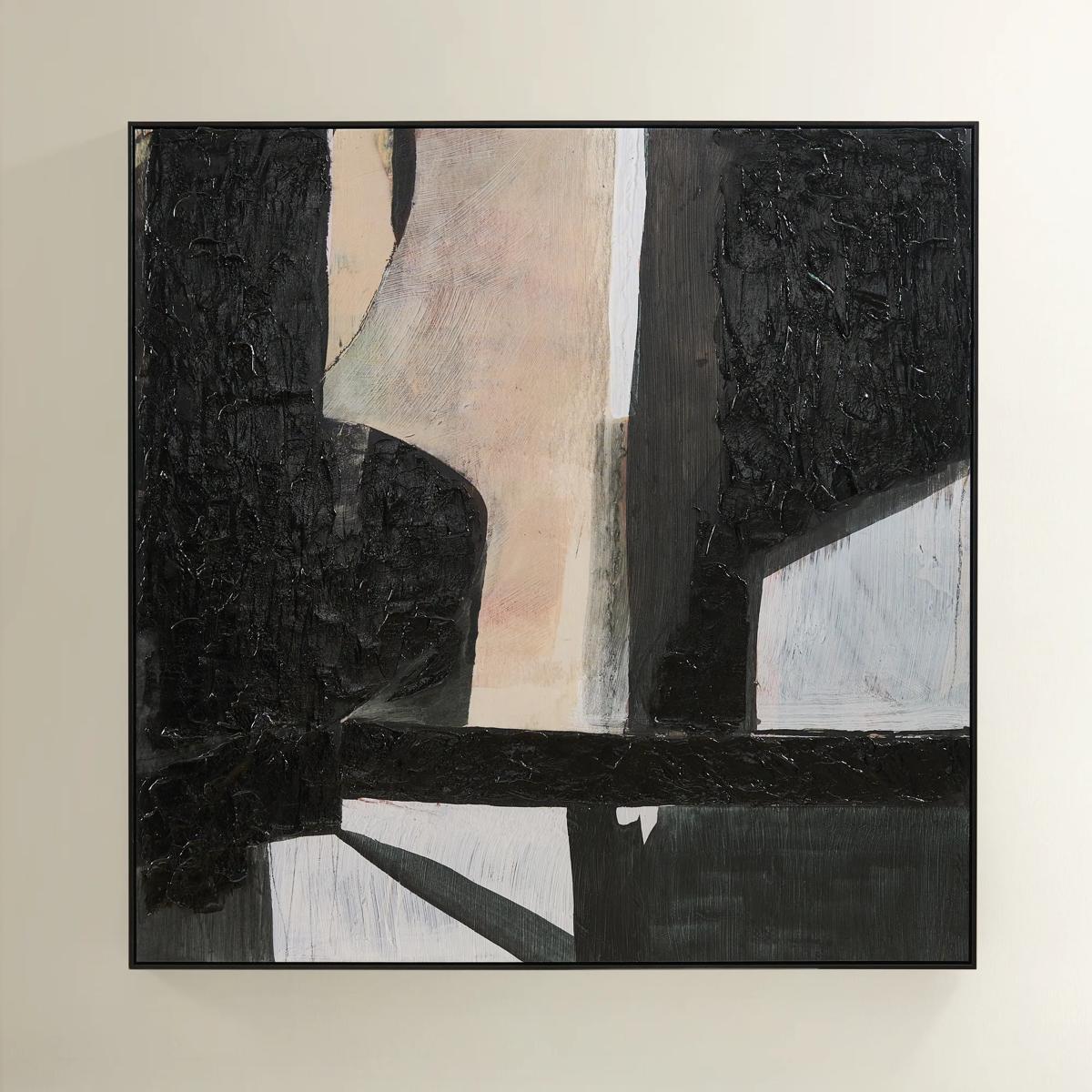 Grounded Painting$699
A hand-painted abstract canvas featuring black, cream, and earth tones in a sleek black floater frame.
Add To Cart -
-0.jpeg?w=1200&h=1200)
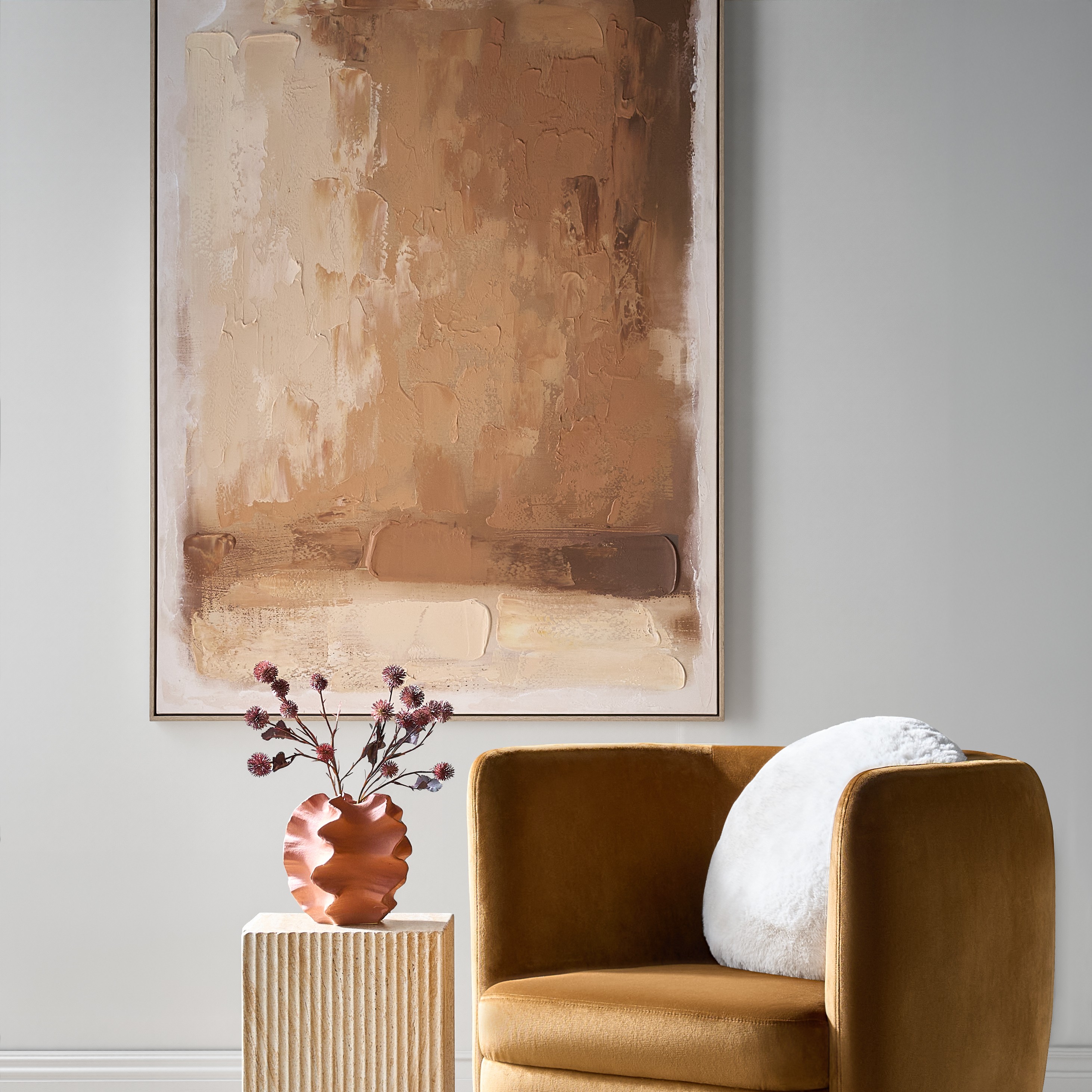 Ember Glow Framed Painted Wall Art 39.25" x 55"$499
A hand-painted abstract canvas blending ochre, terracotta, and golden clay hues in a light natural frame.
Add To Cart -
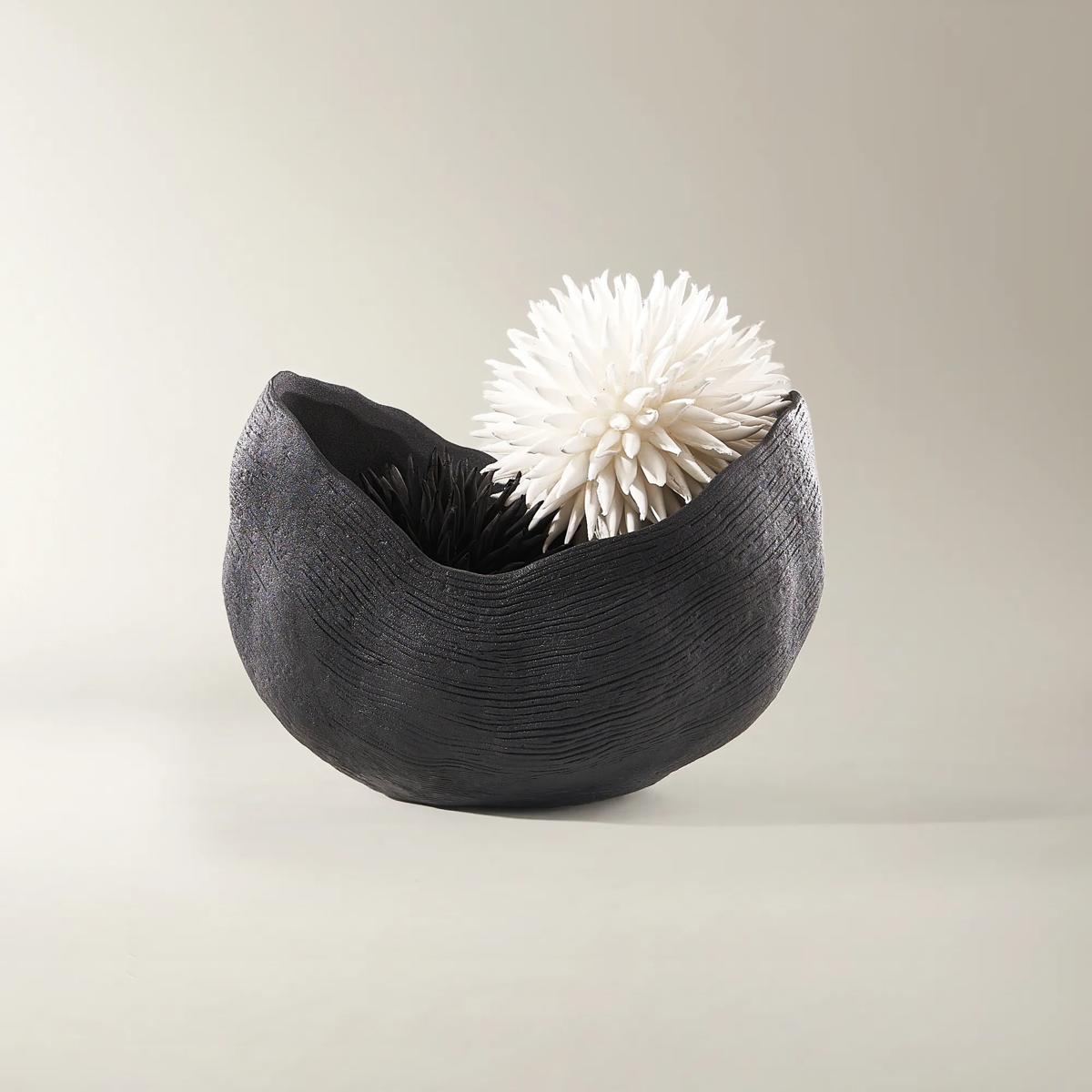 Baz Bowl - Black$119
A sculptural black porcelain bowl with a matte, ridged texture for bold, modern decor accents.
Add To Cart -
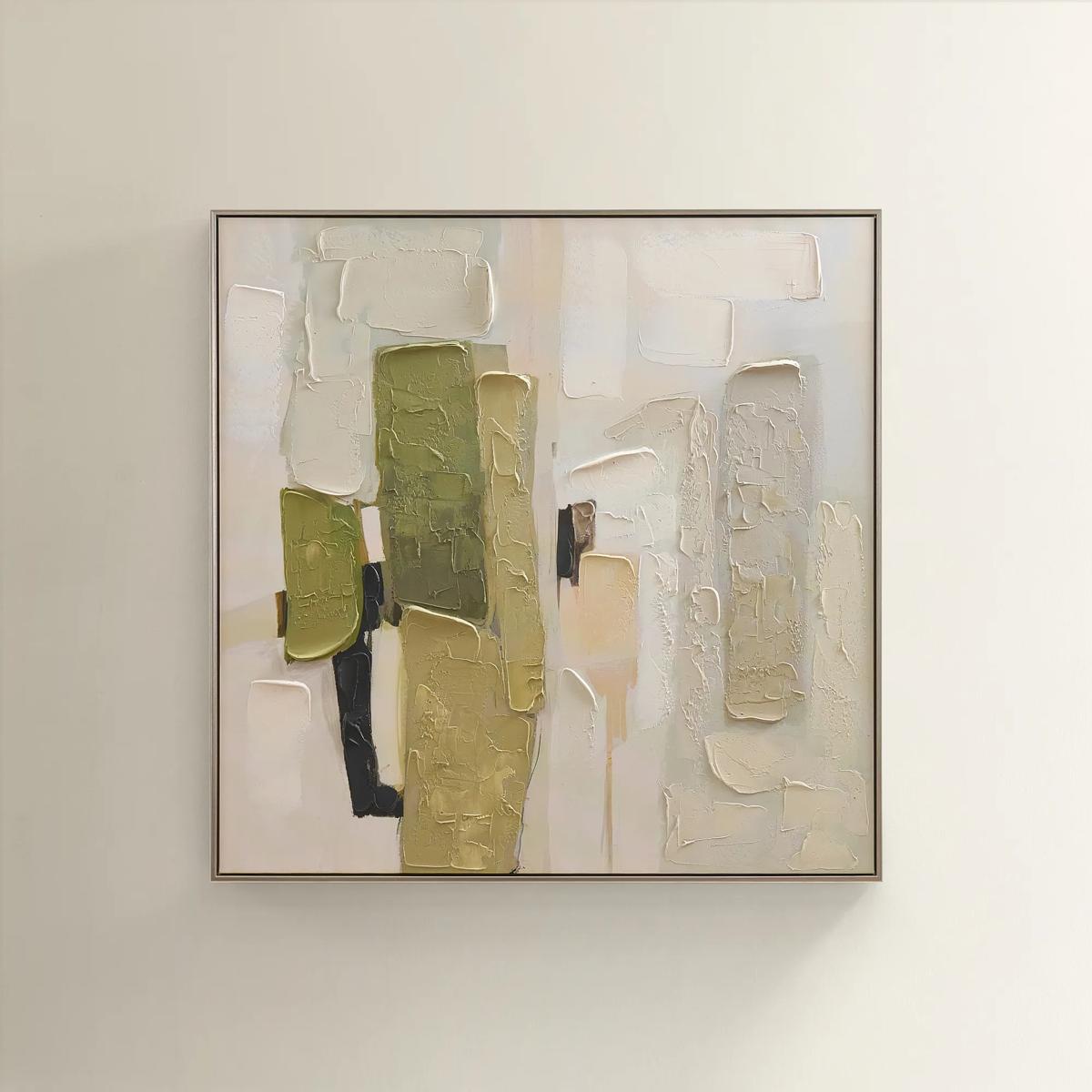 Verde Crush Framed Painted Wall Art 39.25" x 39.25"$349
A hand-painted abstract canvas featuring rich green tones, layered neutrals, and a champagne floater frame.
Add To Cart -
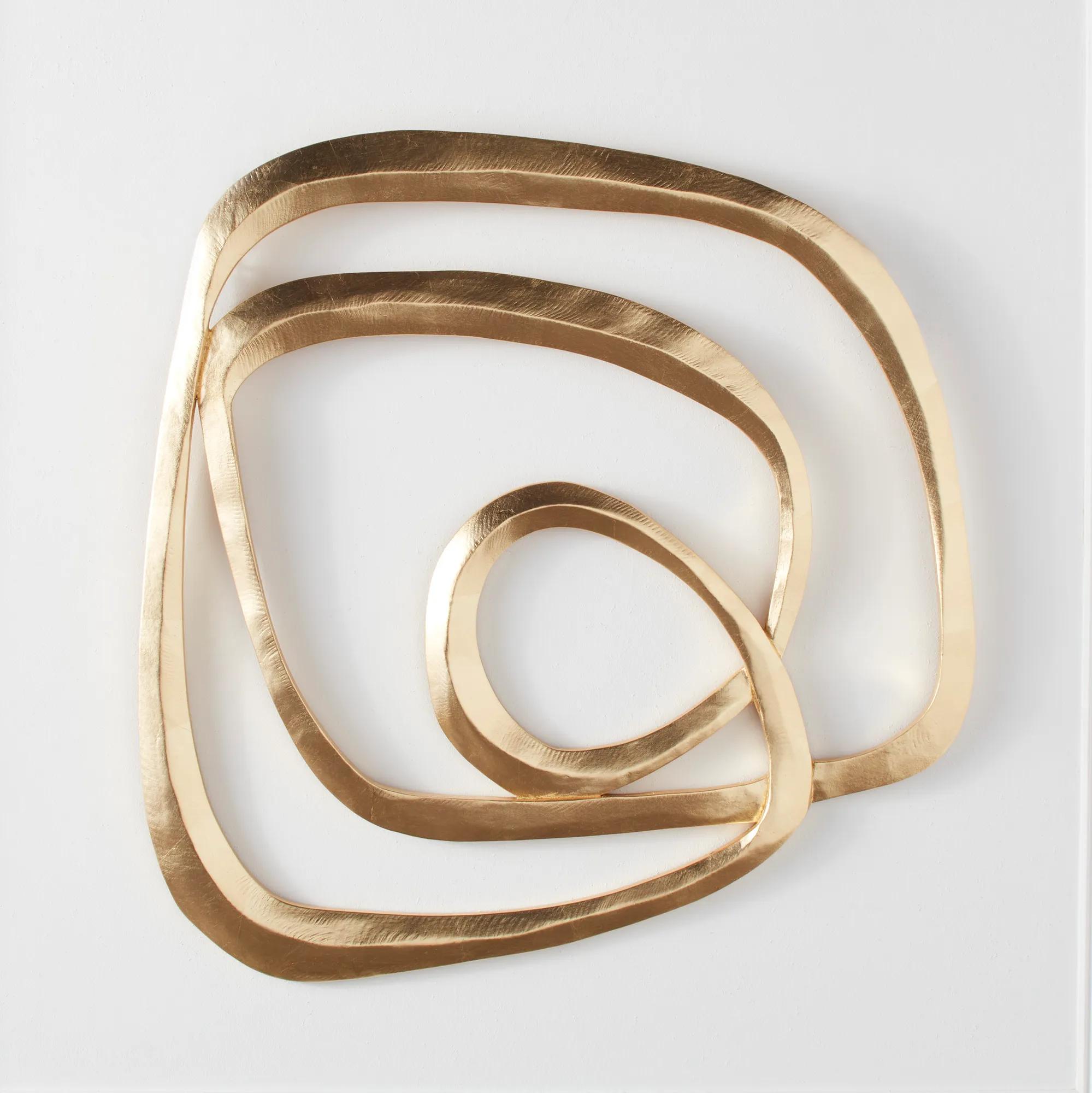 Infinity Gold Leaf Wood Wall Decor I 31.5" x 31.5"$299
A swirling wooden wall sculpture featuring a striking metallic gold finish for a bold decorative statement.
Add To Cart -
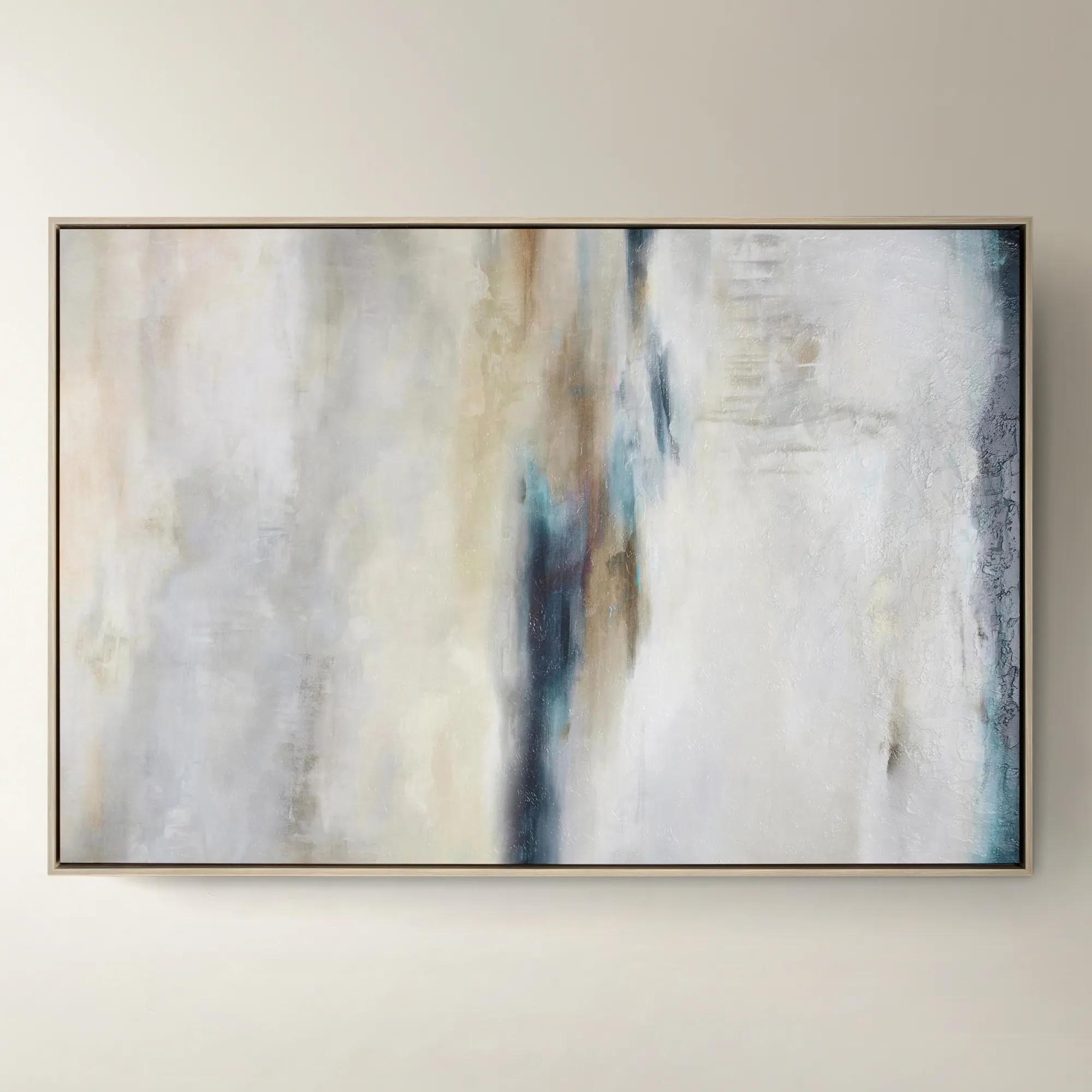
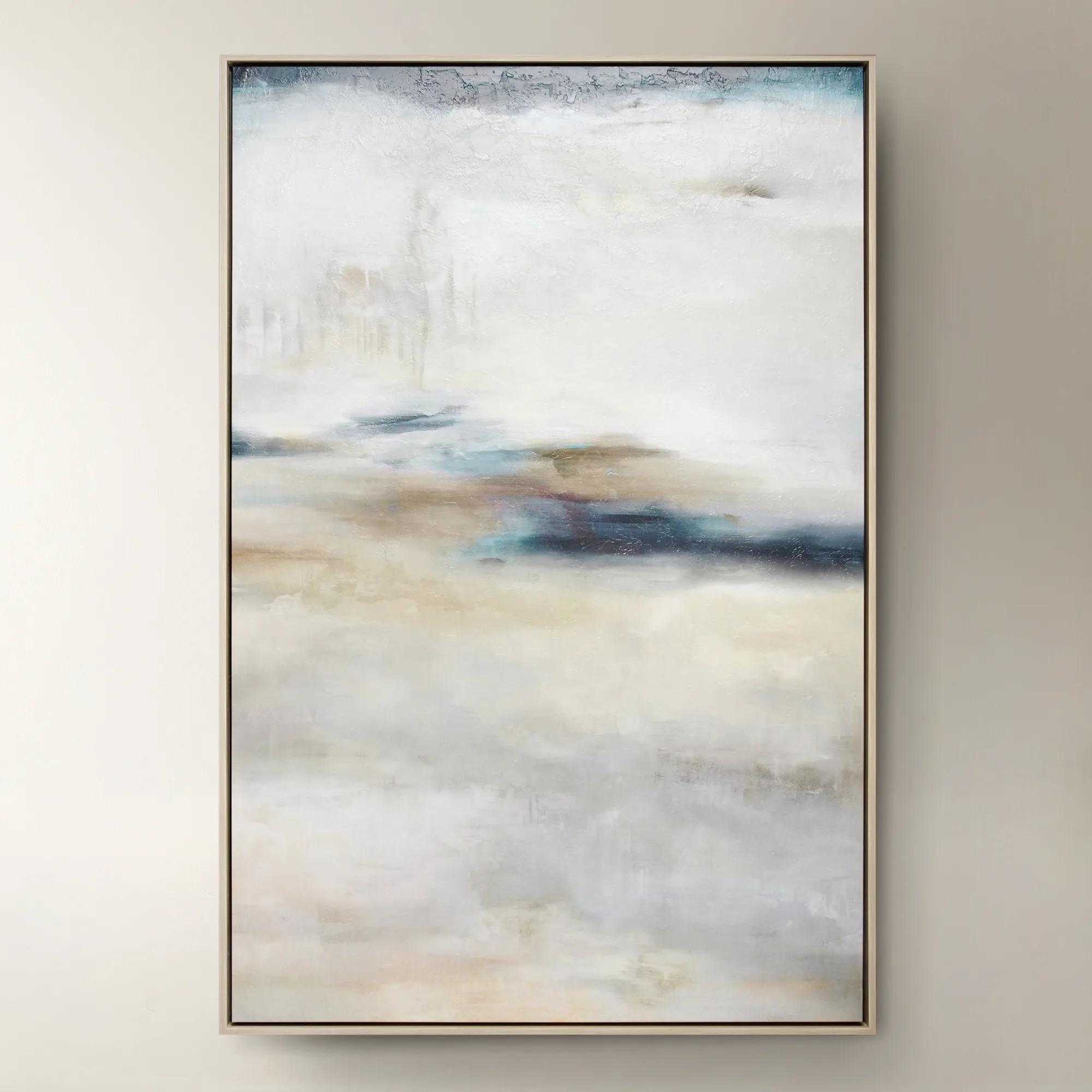 Forward Looking$1299
A softly layered abstract canvas print with a gel finish, set in a natural-hued floater frame.
Add To Cart -
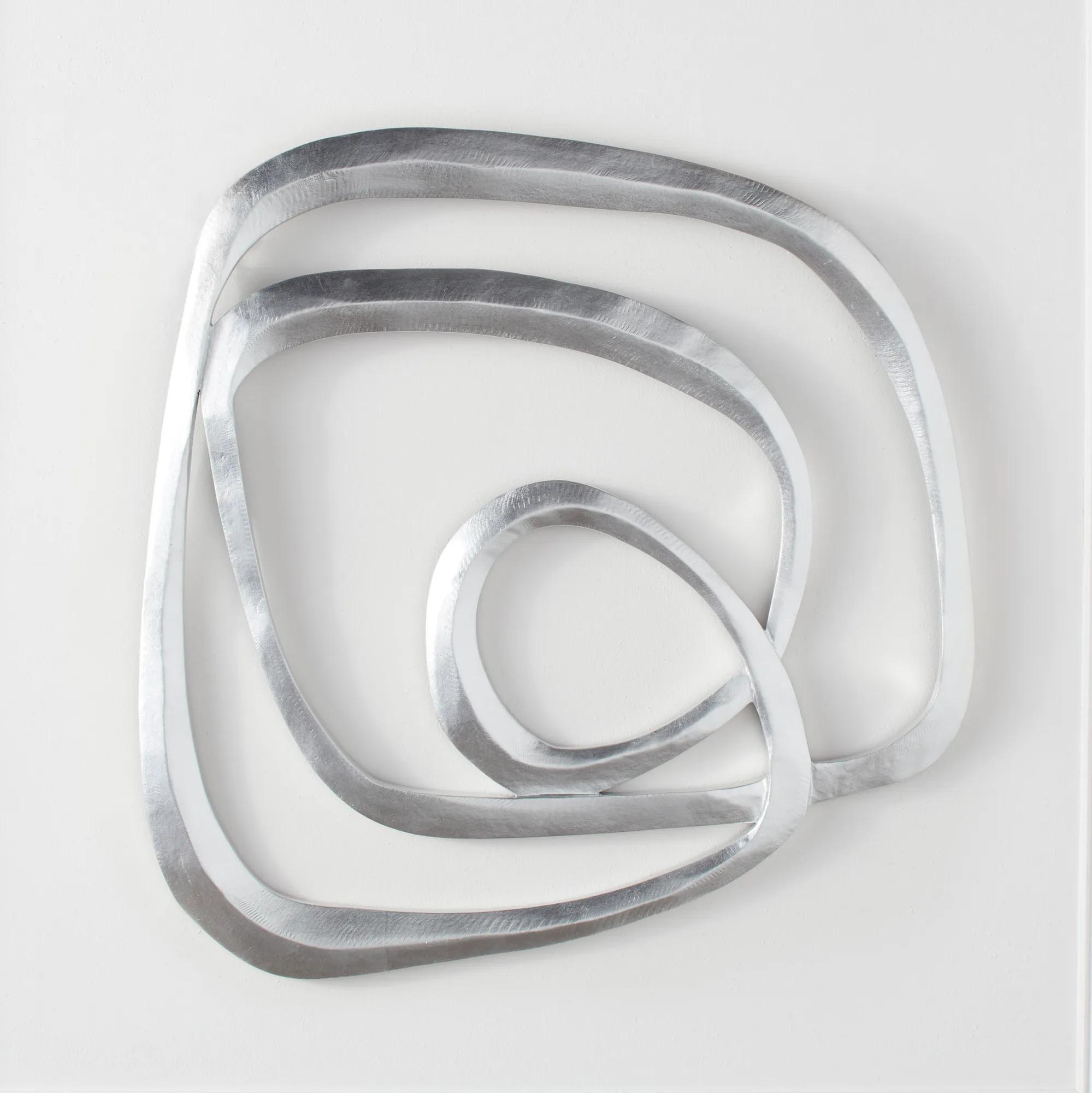 Infinity Silver Leaf Wood Wall Decor I 31.5" x 31.5"$299
A swirling wooden wall sculpture featuring a striking metallic silver finish for modern visual impact.
Add To Cart -
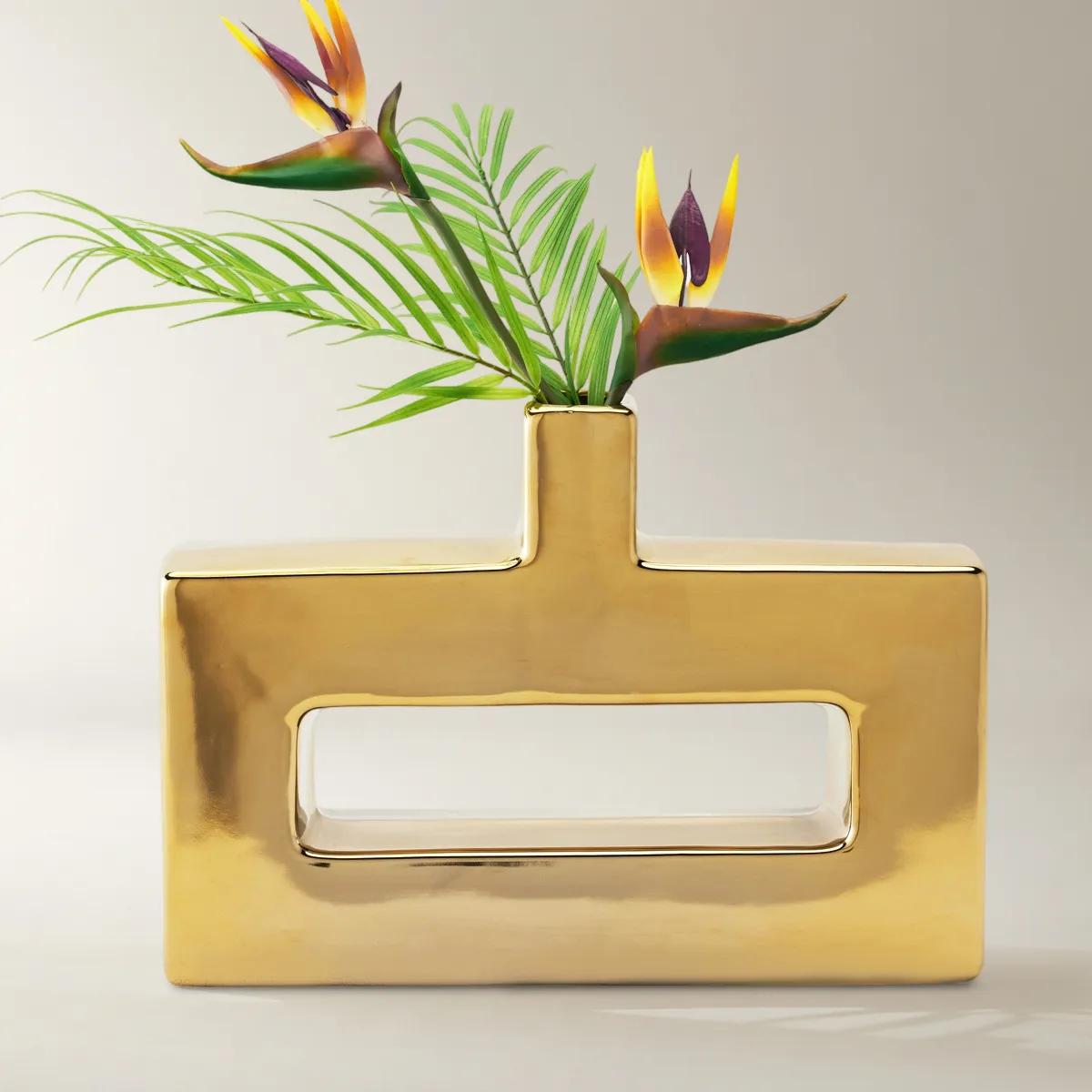 Miami Gold Ceramic High Gloss Vase 11.75"$69
A contemporary gold ceramic vase designed for decorative use as a sculptural accent or with foliage.
Add To Cart

Decor For Meditation Spaces
Elevate your sanctuary with Decor for Meditation Spaces that transforms tranquility into art. Every detail becomes a deliberate gesture—soft textures, luminous surfaces, and sculptural forms coalesce to create an atmosphere where serenity reigns and intention flourishes. Here, stillness is not emptiness but a canvas awaiting your unique expression. Curate a haven where every accent whispers calm, inviting you to linger, reflect, and bask in the quiet luxury of mindful design.
A meditation space does not need an entire room or an elaborate renovation to feel meaningful. A quiet corner beside a window, an alcove at the end of a hallway, or a small stretch of floor near the bedroom can become a personal retreat when each element is chosen with intention. Begin with comfort and scale: a supportive floor cushion can encourage an upright posture while softening the transition from everyday activity to stillness, while a kneeling bench may suit anyone who prefers a lifted seat and gentle support beneath the hips. For longer sessions, layer a cushioned mat beneath the seat to create warmth, define the area, and add a subtle sense of ceremony. A rug with a low, inviting texture can ground the arrangement while helping absorb the small sounds that make a room feel busy. Consider the dimensions of the space before purchasing, allowing enough room to sit comfortably without crowding nearby furniture or blocking a doorway. Neutral shades, mineral-inspired tones, muted greens, soft blue, and warm sand can create a composed backdrop, while richer accents may bring a more expressive sense of calm. The goal is not to eliminate personality; it is to shape an environment where personality feels beautifully at ease. Someone who begins the morning with breathwork may prefer a spare arrangement near natural light, while a person winding down after work may enjoy a more cocooning setting with layered textiles, a softly lit side table, and a place to keep a journal. For a thoughtful housewarming, birthday, or wellness-minded gift, meditation accessories can offer a gracious invitation to slow down without prescribing a particular ritual or practice.
Light has a remarkable influence on the atmosphere of a meditation space. If possible, position the arrangement near a window where daylight can move gently across the room, then soften the view with sheer panels or another translucent treatment that diffuses glare. During the cooler months, when mornings and evenings may arrive under a deeper sky, warm ambient lighting helps preserve that sense of welcome. Choose dimmable illumination or bulbs in a warm range around 2,700 to 3,000 Kelvin, and place the source at a low or indirect level so the room glows rather than shines. A sculptural lamp, a softly gleaming lantern, or a small light on a nearby table can bathe the space in golden warmth without becoming the focal point. Sound and scent deserve equal consideration. A tabletop fountain can introduce a gentle, continuous murmur, while a diffuser or carefully selected incense can add notes of lavender, sandalwood, cedar, or other soothing botanicals; always use flame and fragrance products according to their safety instructions and provide ventilation. Natural materials bring another layer of sensory quiet. Wood, stone, woven fibers, ceramic, and glass can make a small setting feel grounded and tactile, especially when paired with a low-maintenance plant or a few freshly cut branches. Keep greenery appropriate to the available light and remember that a meditation area should be easy to maintain. A crowded shelf can turn intention into another task, so reserve display space for a few objects that genuinely support reflection, such as a journal, meaningful keepsake, or vessel for small personal treasures. For an especially polished focal point, explore Calming Wall Art For Meditation Rooms, choosing imagery and scale that settle naturally into the room rather than competing with the quiet you are creating.
The most successful meditation spaces feel personal, not staged. Before arranging the area, notice how the room is actually used: where footsteps gather, when the light is most flattering, which surfaces invite clutter, and whether the surrounding colors feel restorative or distracting. Leave a clear path to the seat and keep frequently used items within easy reach, but resist filling every surface. A compact table or slender shelf can hold a journal, a glass of water, or a small object connected to a daily intention, transforming practical storage into part of the ritual. If the space must serve more than one purpose, use a rug, screen, console, or carefully placed accent furniture to establish a visual boundary that can disappear into the larger room when needed. Comfort matters beyond the first few minutes, so look for durable textiles, stable construction, and materials that feel pleasant against the skin. A cushion should retain its shape, a mat should rest securely on the floor, and lighting should be adjustable for both daytime reflection and evening unwinding. Those creating a meditation nook for the first time may find that a restrained palette and one or two expressive details are enough to make the area distinct. Experienced practitioners may prefer a dedicated setting with layers of texture, natural elements, and a consistent arrangement that signals the beginning of practice. These pieces can also make considerate gifts for a friend beginning a mindfulness routine, a loved one recovering from a demanding season, or anyone who treasures quiet moments at home. As the weather shifts and indoor spaces become more inviting, thoughtful decor can turn an overlooked corner into a destination for stillness—an intimate composition of comfort, light, texture, and intention that supports whatever calm means to you.
FAQs
Decor transforms a meditation space by setting the tone and amplifying a sense of tranquility. Thoughtfully chosen pieces—such as gentle lighting, plush textiles, and meditation wall art—invite calm, encourage focus, and create a sanctuary that nurtures both body and mind.
Natural materials like wood, stone, cotton, and linen help ground the space and evoke a sense of serenity. Incorporating elements such as marble sculptures, woven rugs, or velvet cushions adds layers of texture and luxury, enhancing the overall ambiance.
Meditation-inspired decor makes a thoughtful gift for anyone seeking balance, whether they are seasoned practitioners, those new to mindfulness, or individuals who simply cherish a peaceful home environment. It is a meaningful gesture for birthdays, housewarmings, or moments of personal transition.
Art can serve as a visual anchor for your meditation practice. Choose pieces with calming colors, abstract forms, or serene landscapes to create a focal point. Explore collections like Calming Wall Art For Meditation Rooms to find inspiration that resonates with your personal sense of peace.
Engage all the senses to deepen your meditation experience. Soft lighting, aromatic botanicals, tactile textiles, and soothing sounds—like gentle chimes or water features—work together to create a harmonious, immersive environment that supports relaxation and mindfulness.