Nature Art For Meditation Rooms
Nature Art For Meditation Rooms
-
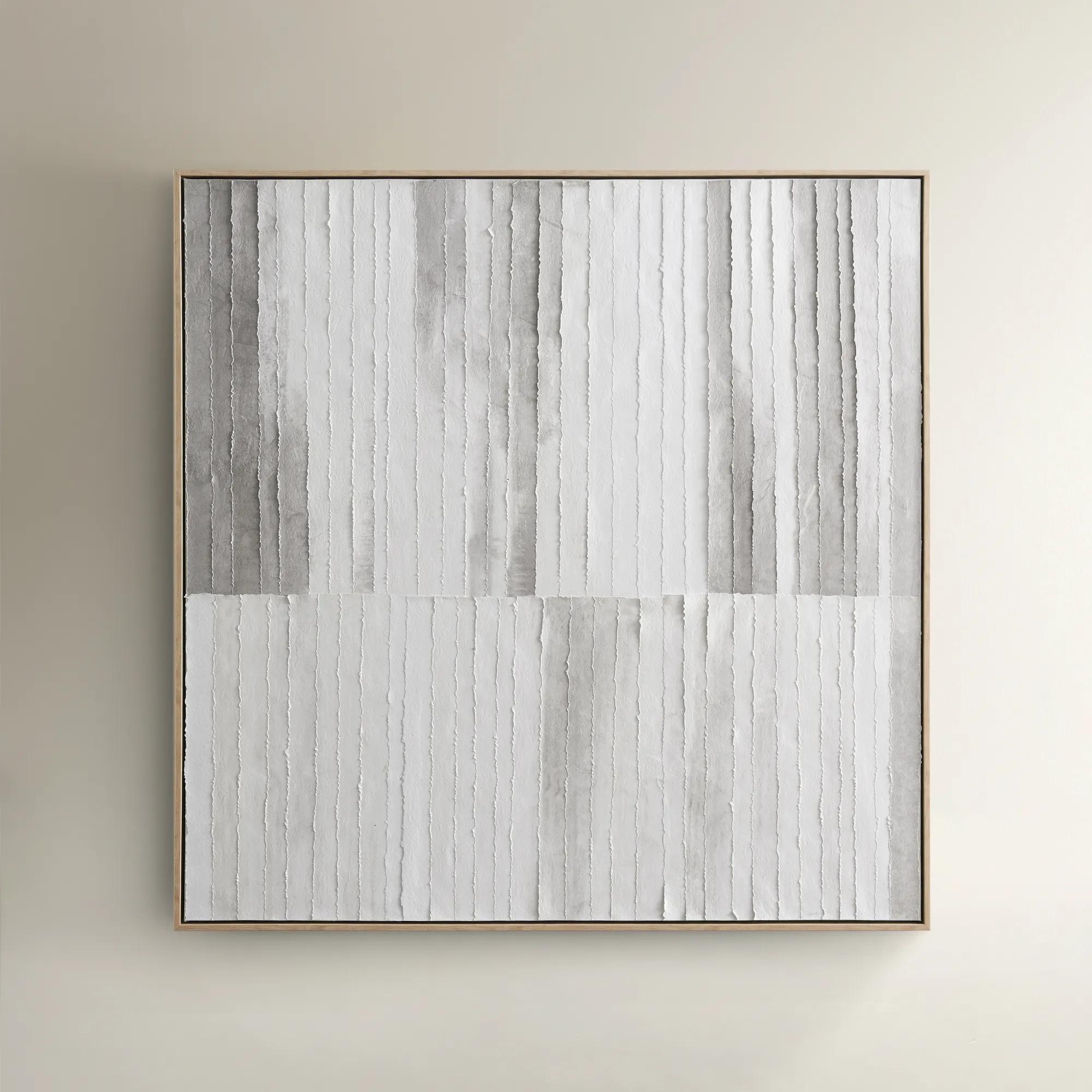
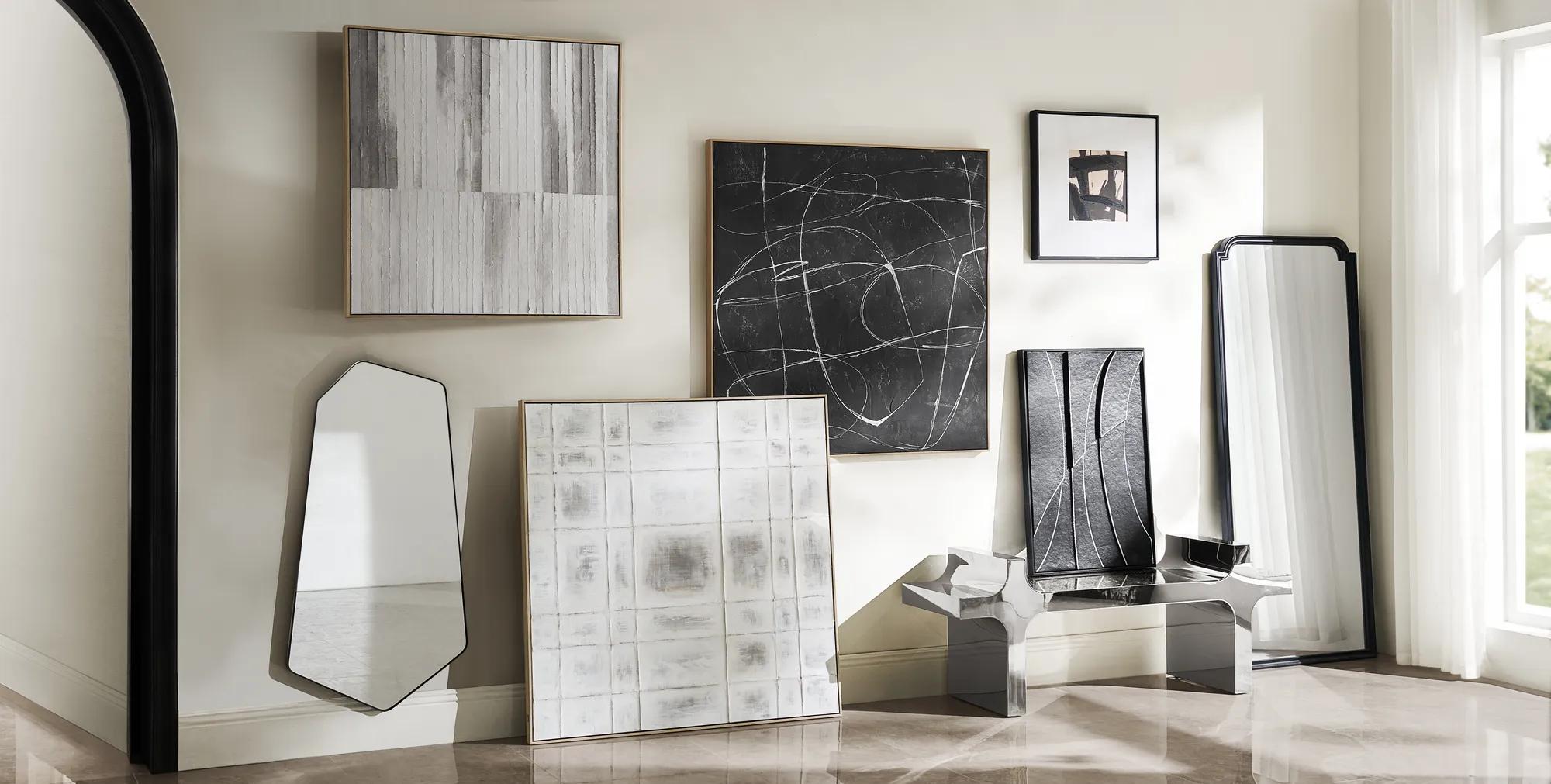 Morning Mist Paper Art$329
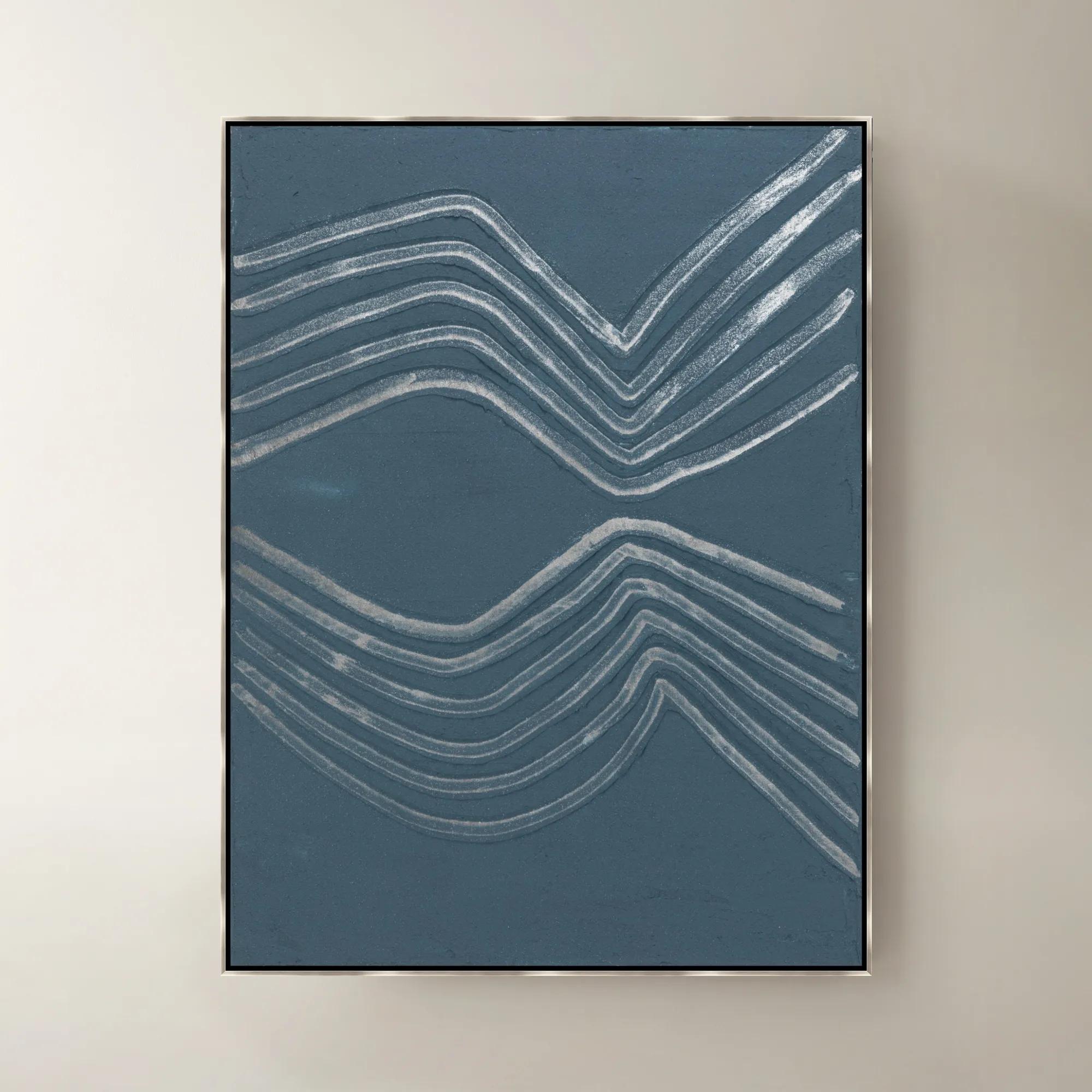
A hand-painted canvas featuring rhythmic grey lines in a textured, whitewashed floater frame for serene style.
Add To Cart -
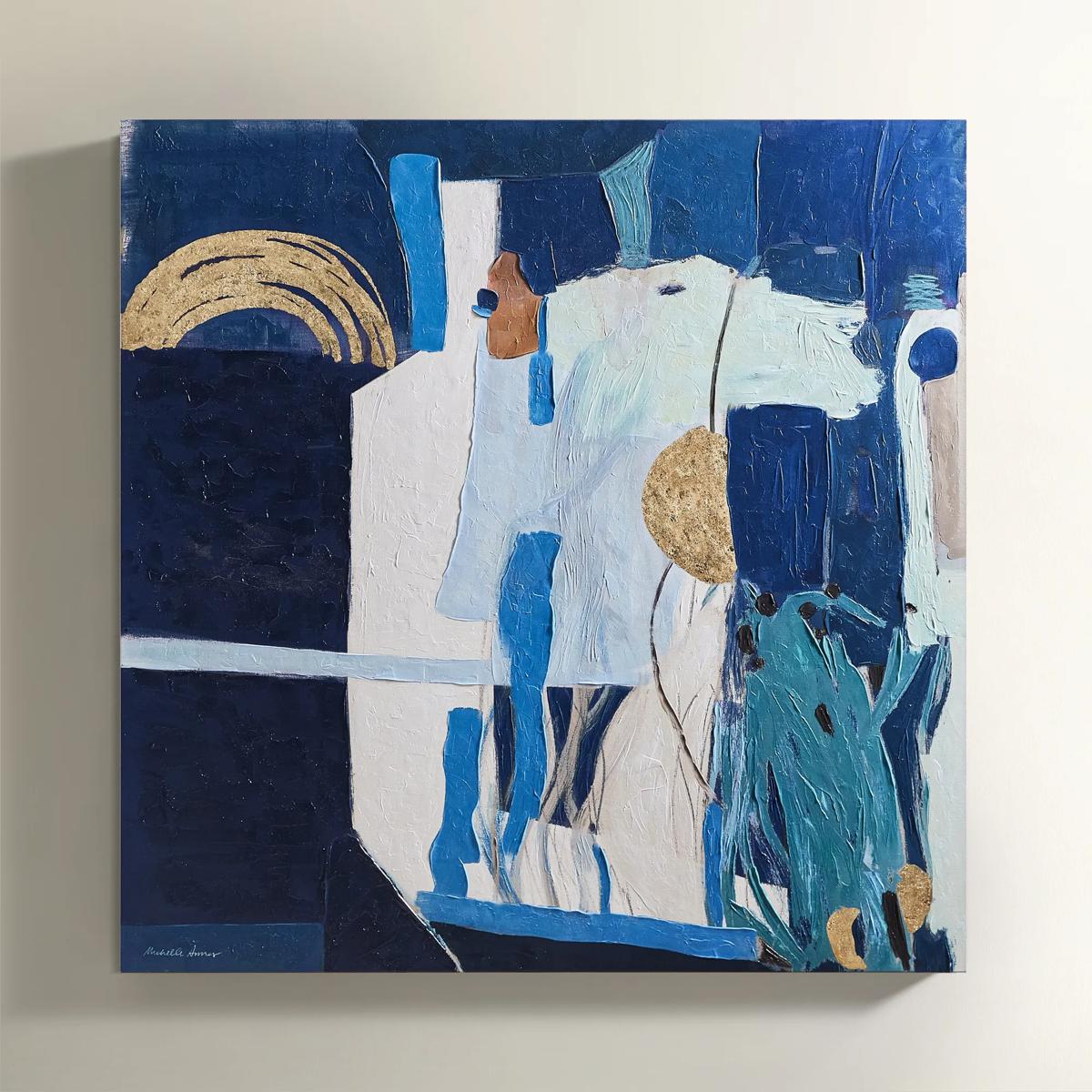
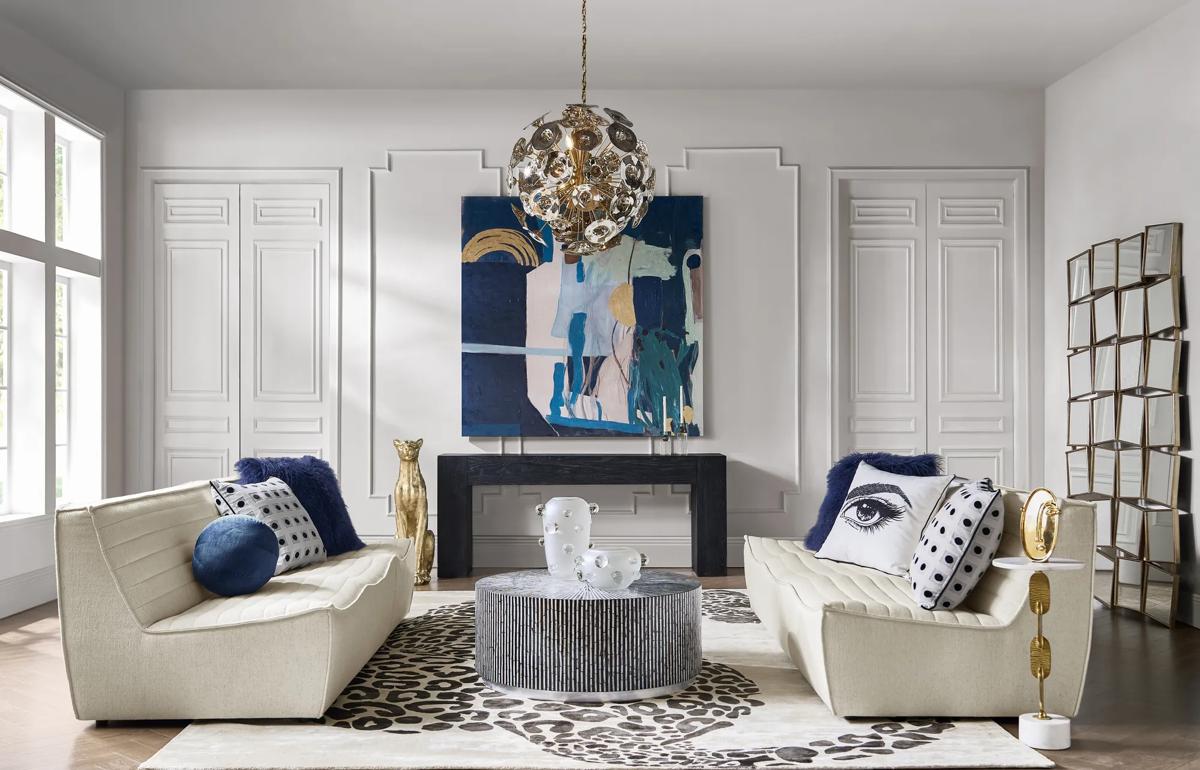 In Flux Painting$699
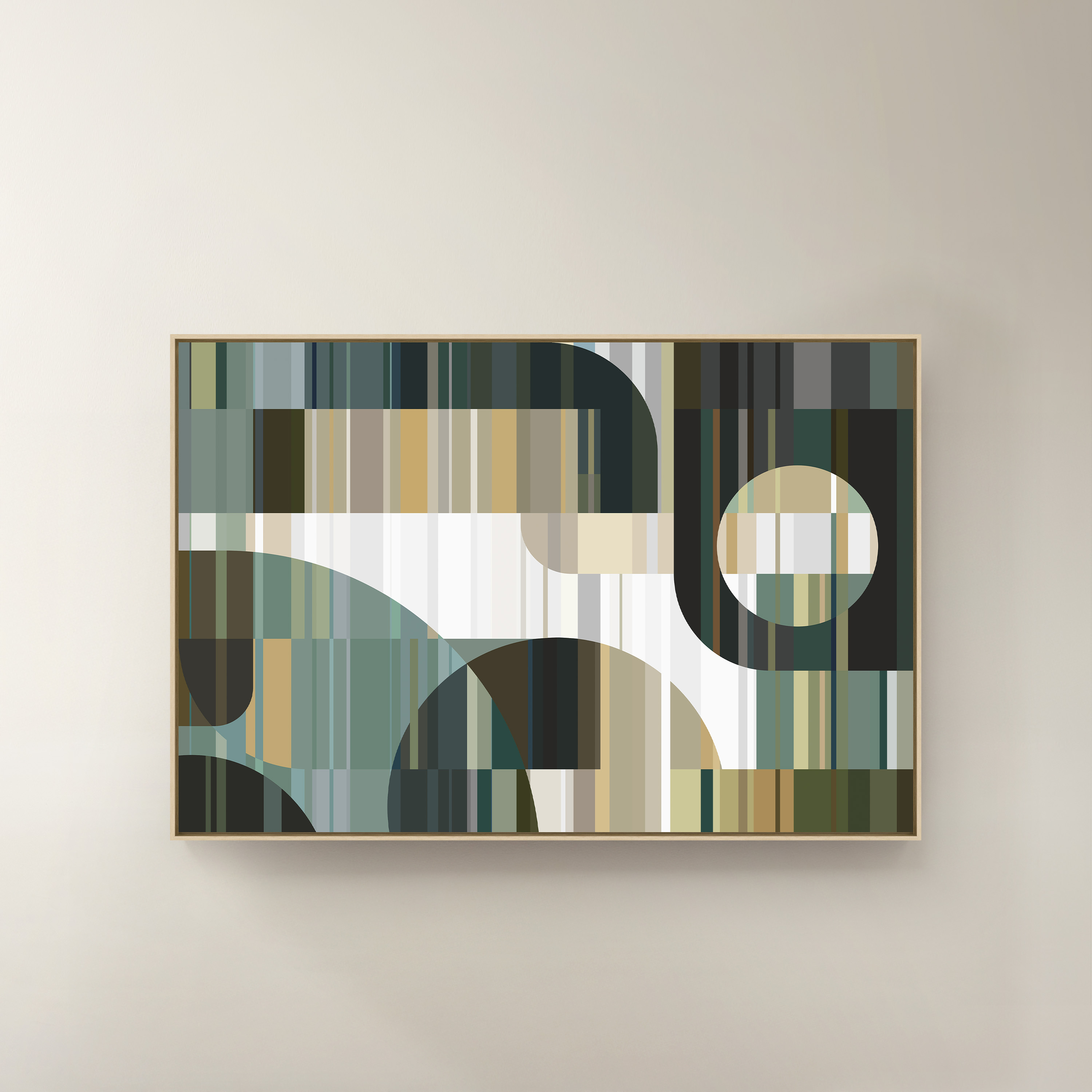
A hand-embellished canvas artwork featuring deep teal, green, ivory, and gold in a black Art Deco frame.
Add To Cart -
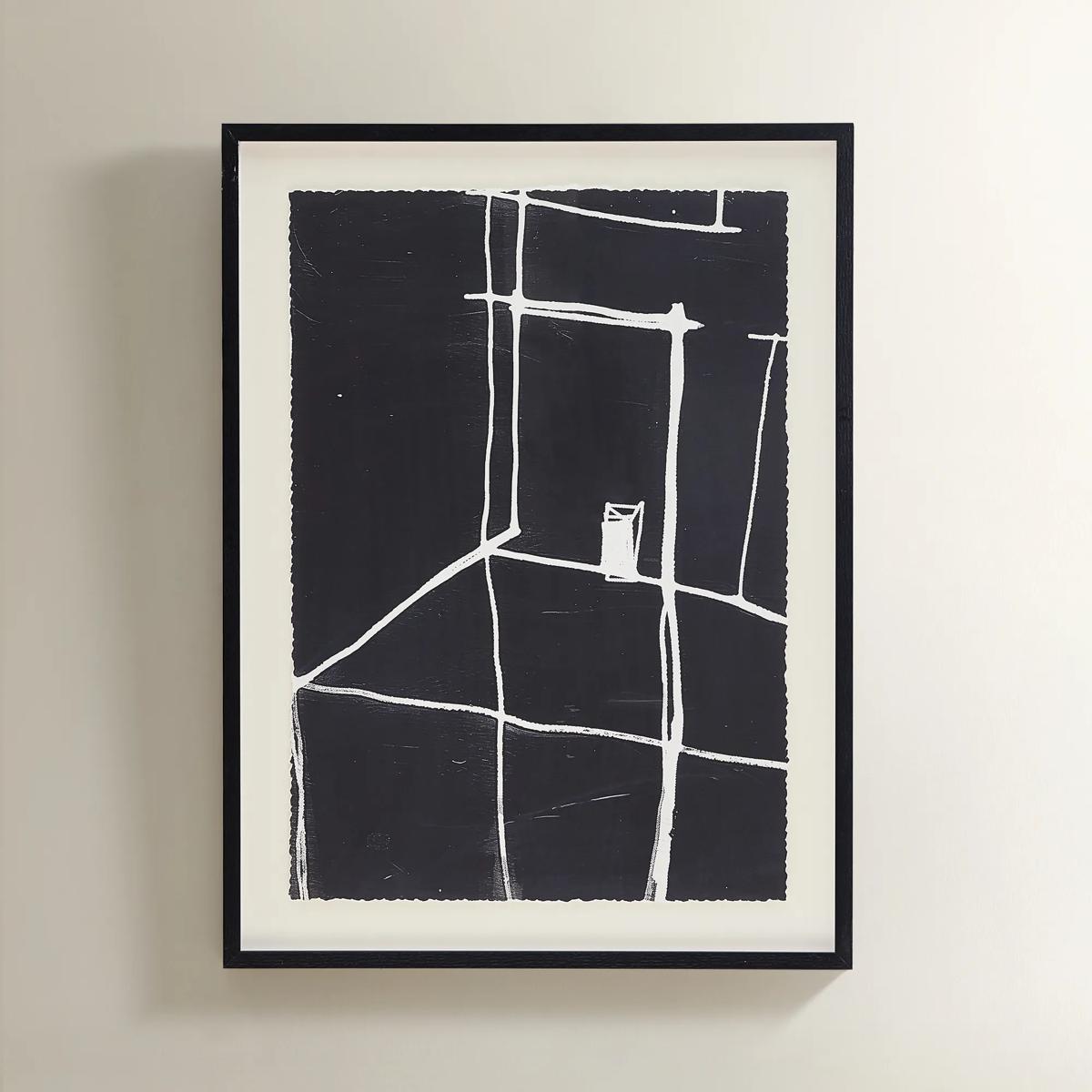 Solitude Art$269
A minimalist black-and-white abstract print featuring bold white lines in a sleek black polyresin frame.
Add To Cart -
-0.jpeg?w=1200&h=1200)
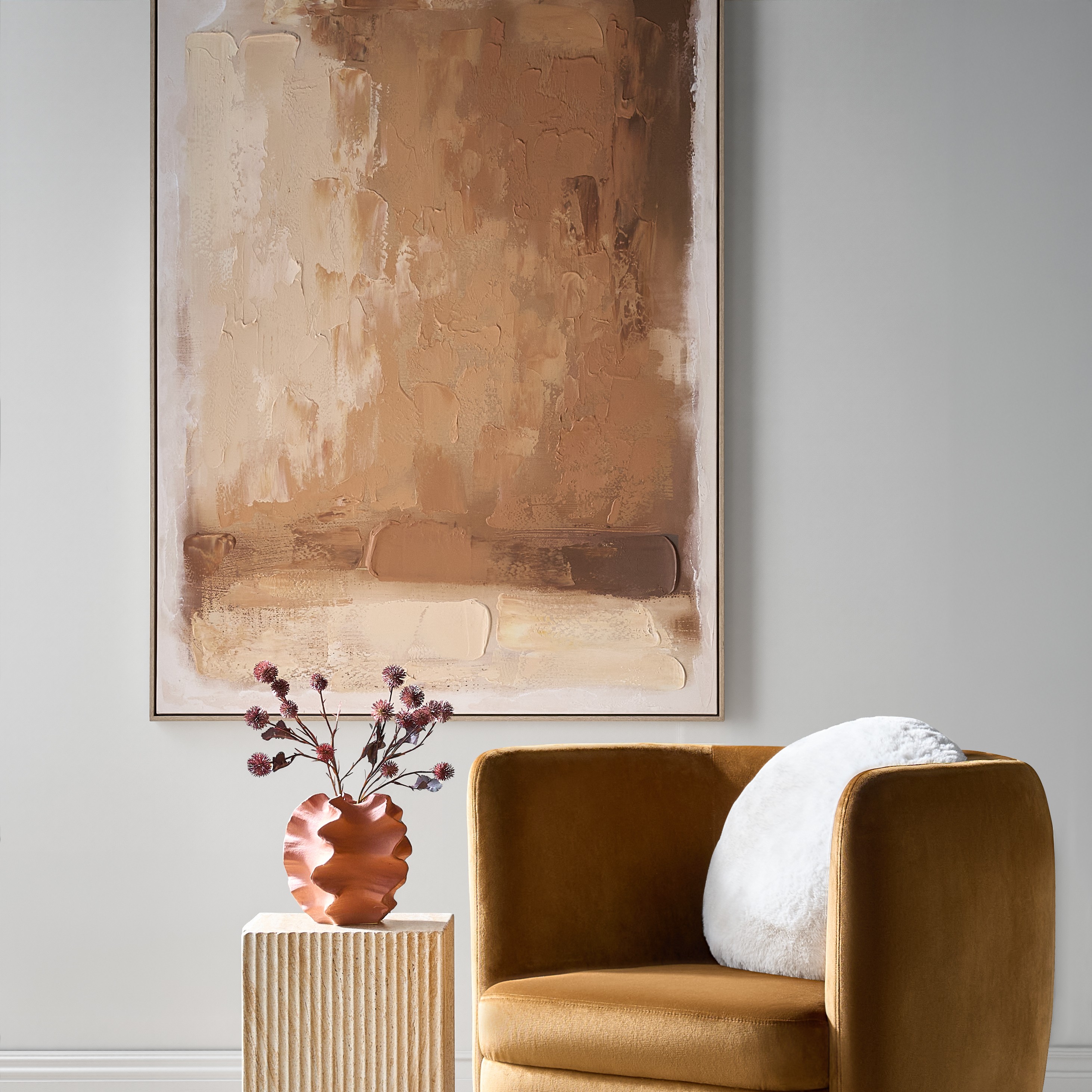 Ember Glow Framed Painted Wall Art 39.25" x 55"$499
A hand-painted abstract canvas blending ochre, terracotta, and golden clay hues in a light natural frame.
Add To Cart -
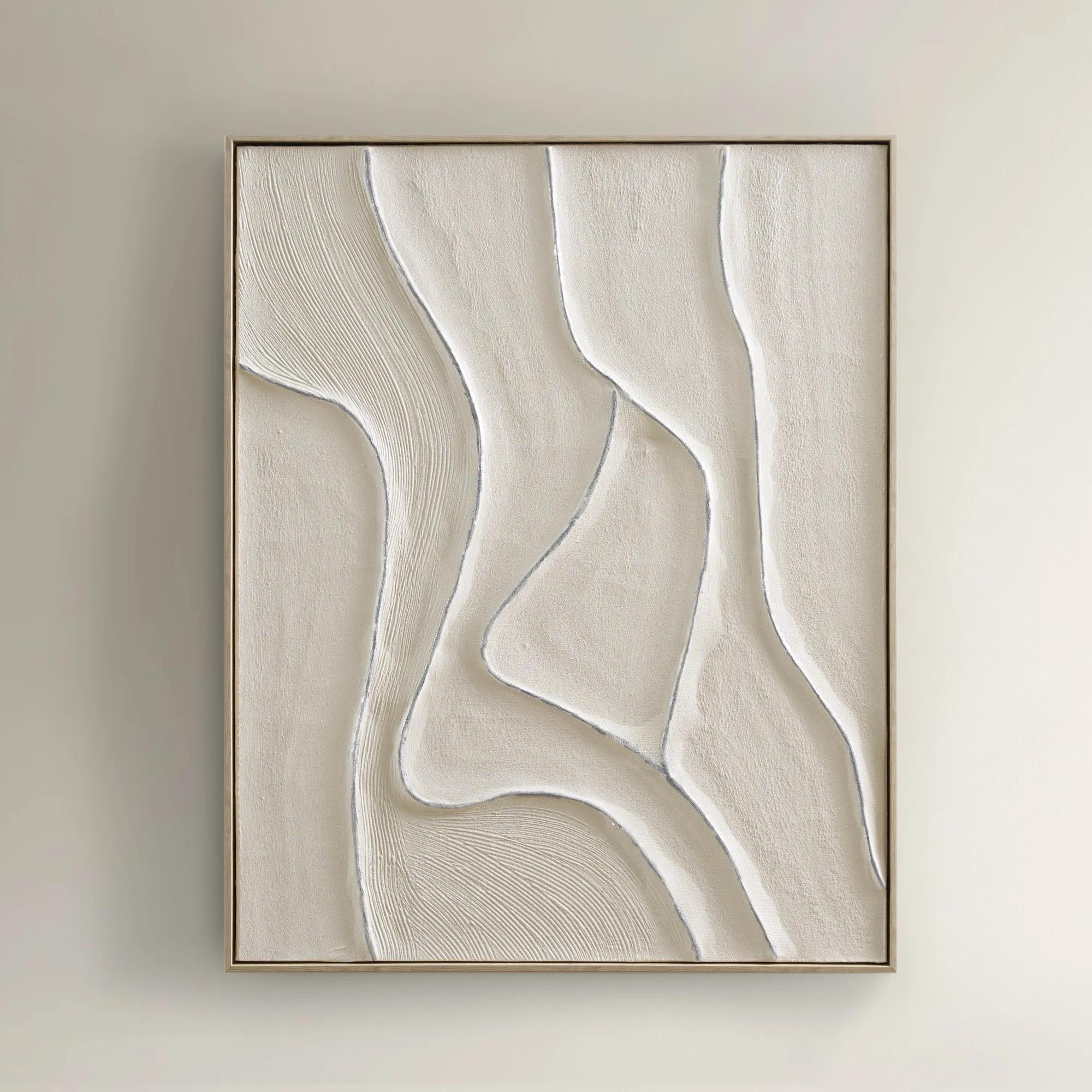
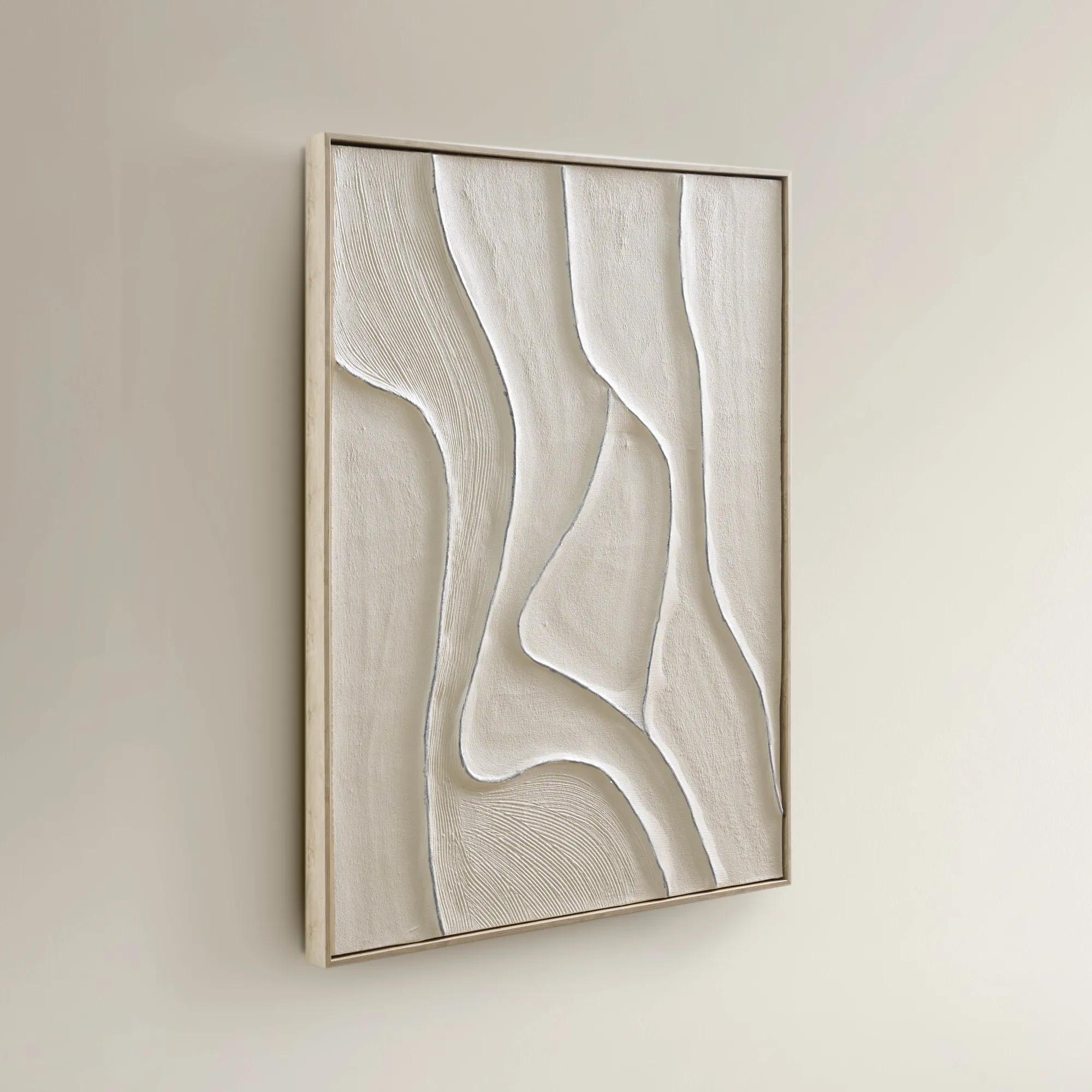 Vivre Framed Painted Wall Art 39.25" x 31.5"$199
A hand-painted canvas featuring tranquil beige hues and flowing lines in a warm whitewash floater frame.
Add To Cart -
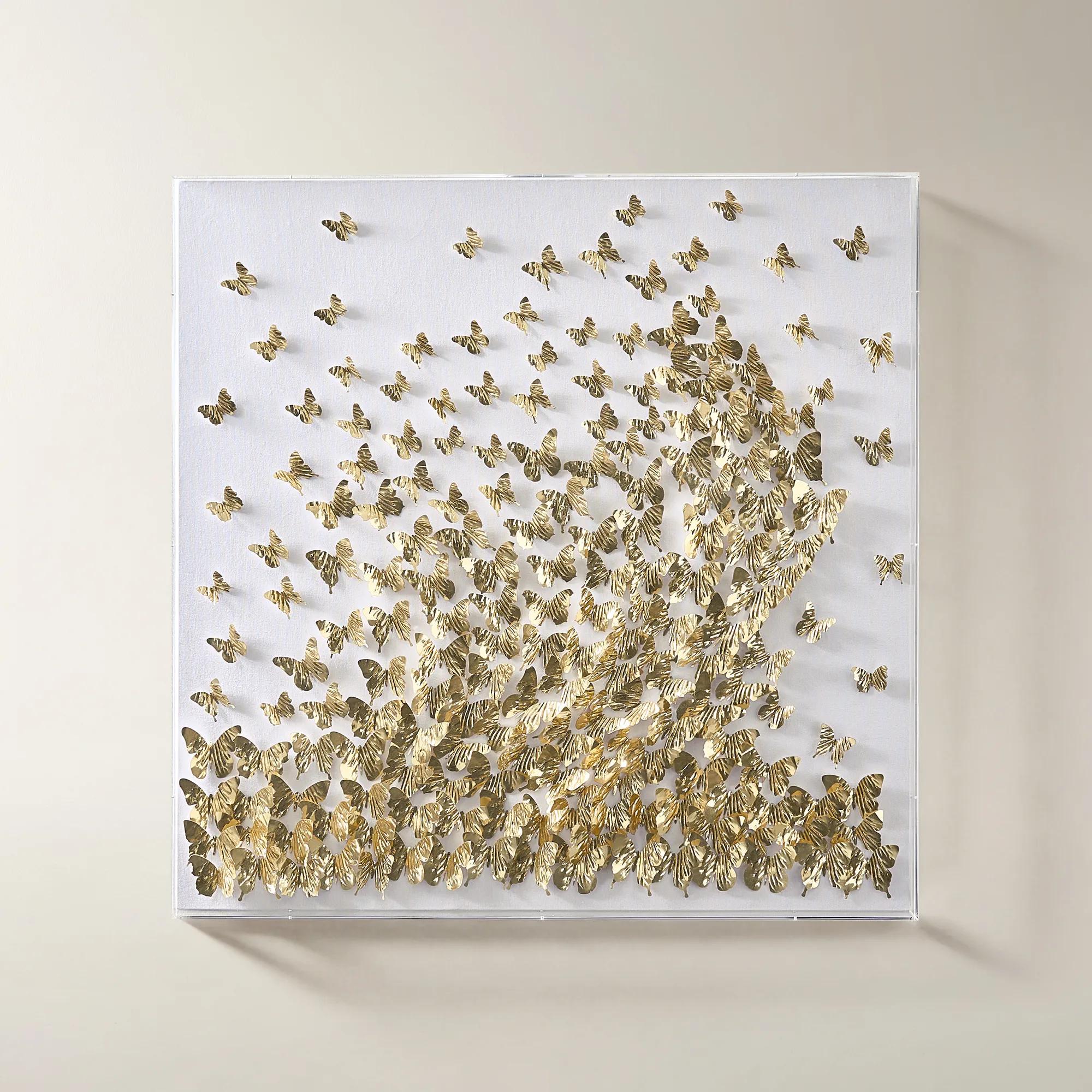
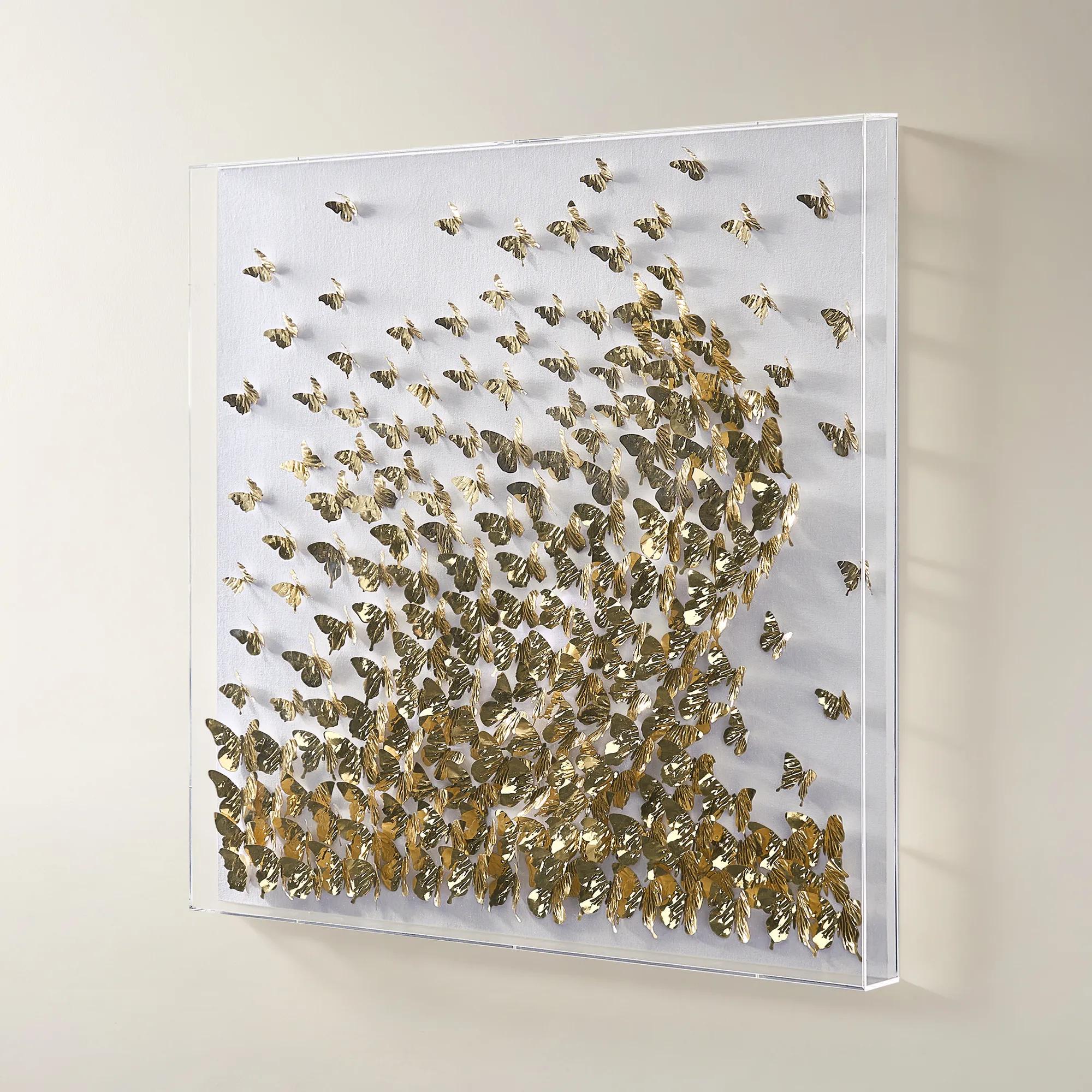 Butterfly Mist Handmade Gold Foil Wall Decor in Acrylic 39.25" x 39.25"$799
A sculptural wall art piece featuring handmade gold foil paper butterflies on linen, encased in a clear acrylic box.
Add To Cart -
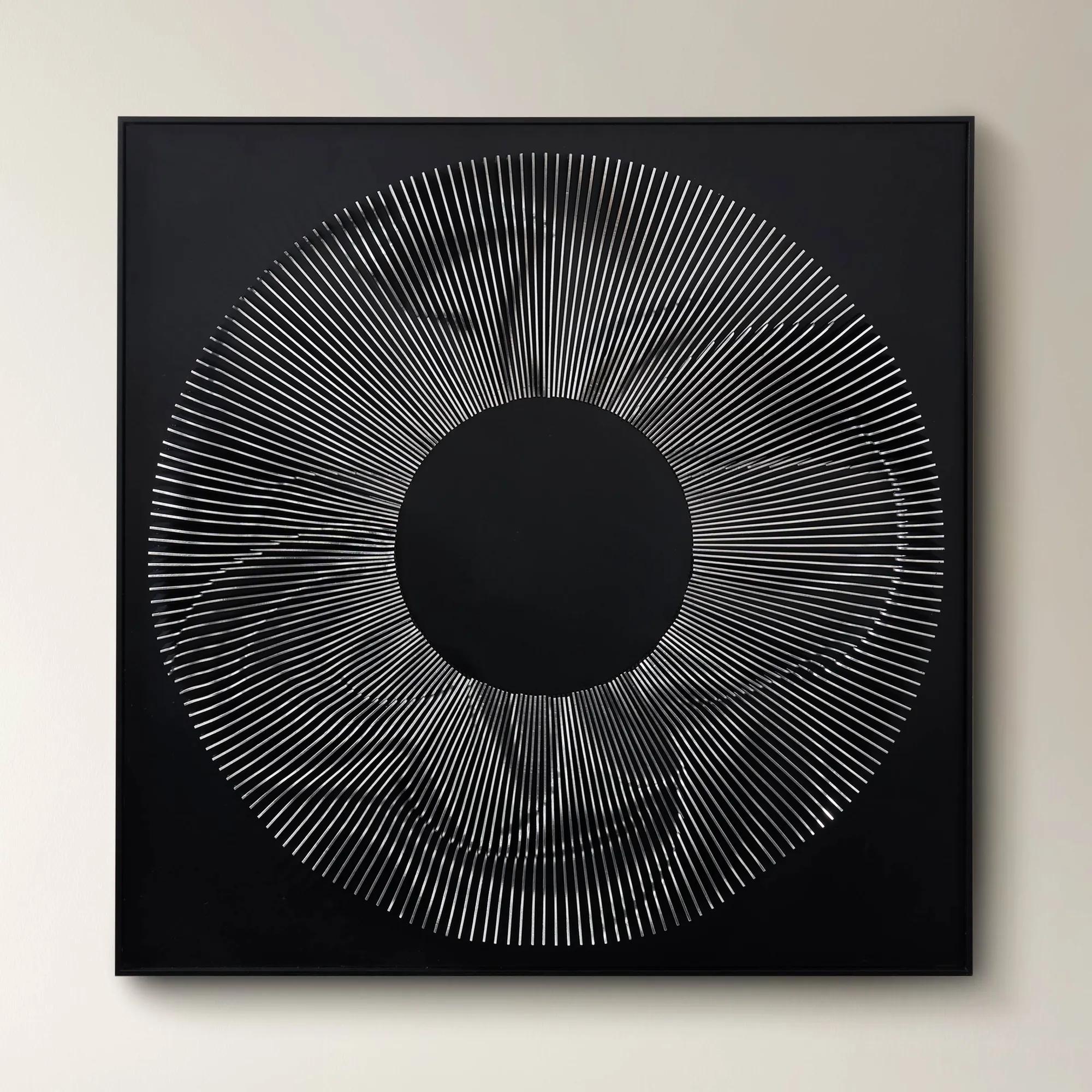 Efflorescence Wood Carving$799
A three-dimensional pine wood panel features a flowing carved motif in a striking silver finish.
Add To Cart -
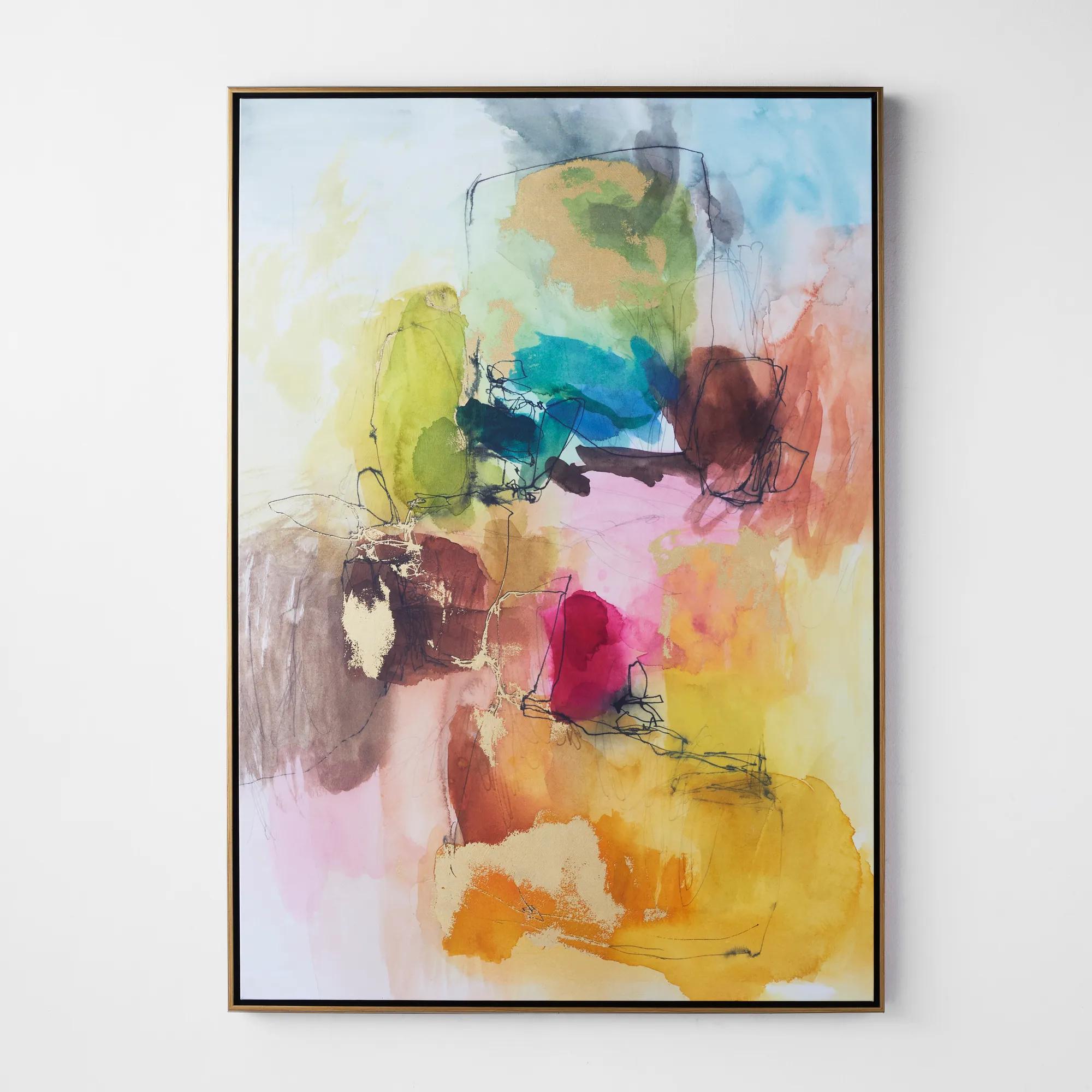 Apricity 3 Framed Wall Art 41" x 58"$899
A vibrant giclee on canvas featuring hand-applied gold gilding and a gold floater frame.
Add To Cart -
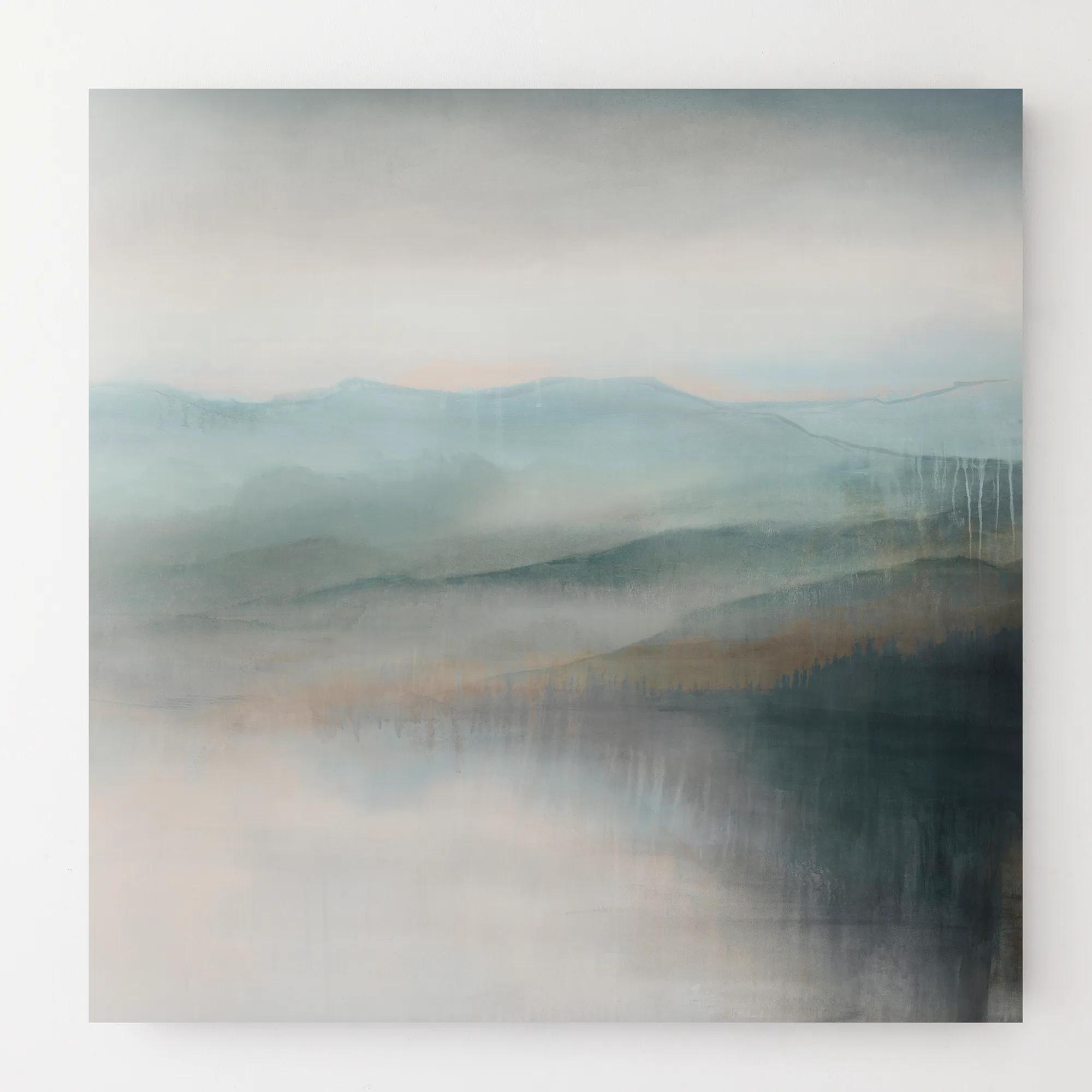
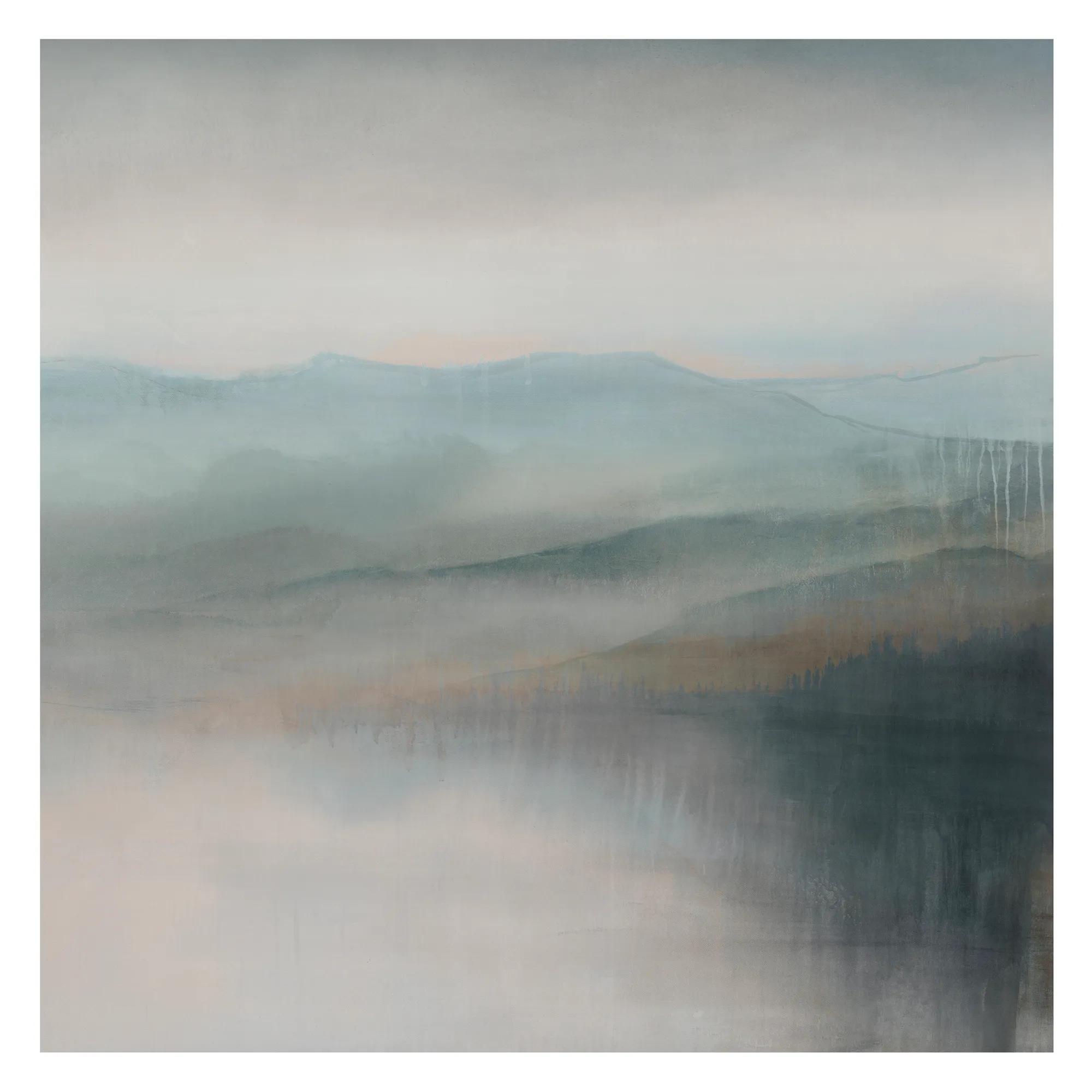 Morning Lift Wall Art 30" x 30"$399
A gallery-wrapped canvas artwork featuring a hand-applied image brush gel finish for added texture and depth.
Add To Cart -
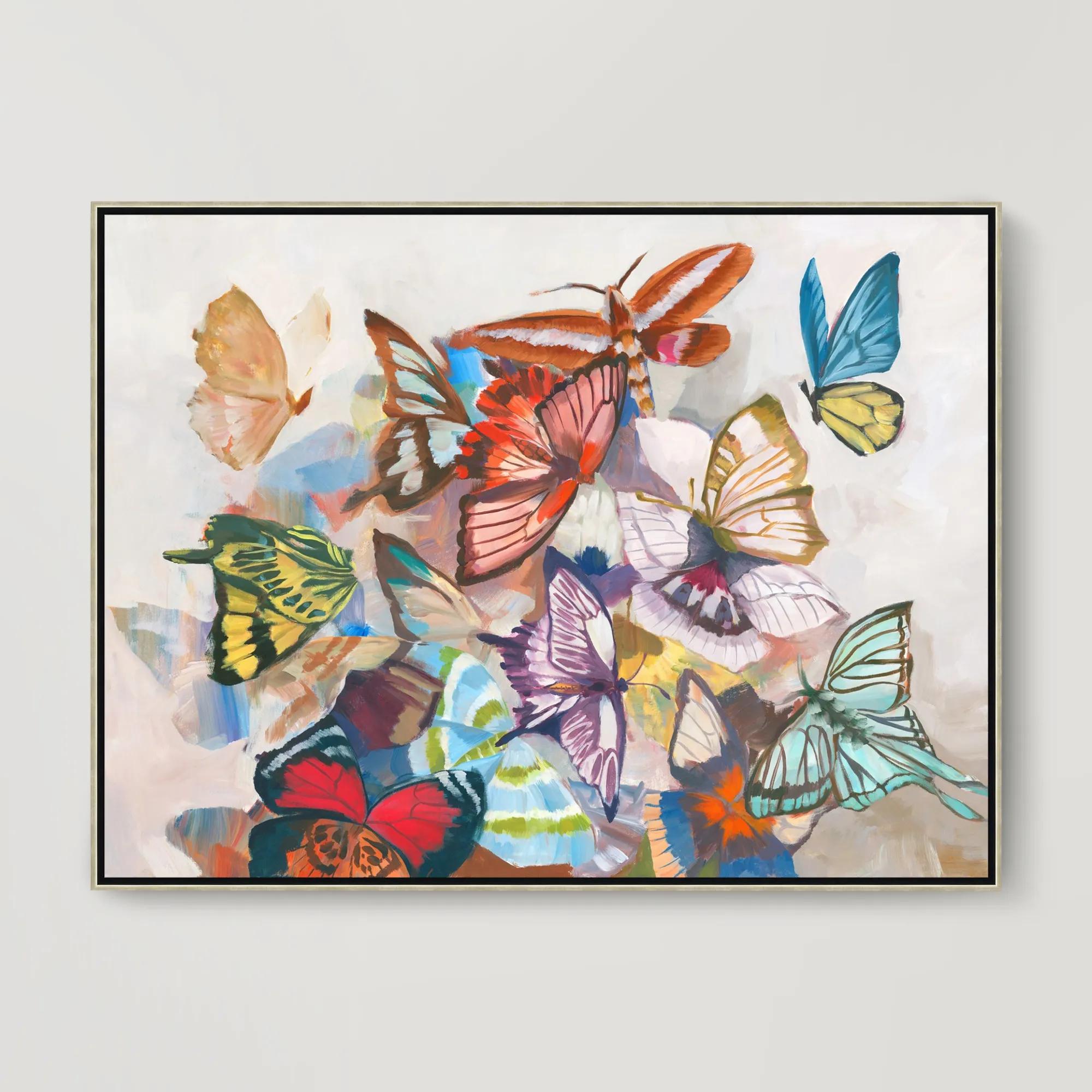 Sugar Wings Framed Wall Art 49.5" x 37.5"$799
A vibrant gallery-wrapped canvas artwork with hand-applied brush gel finish in a sleek silver floater frame.
Add To Cart -
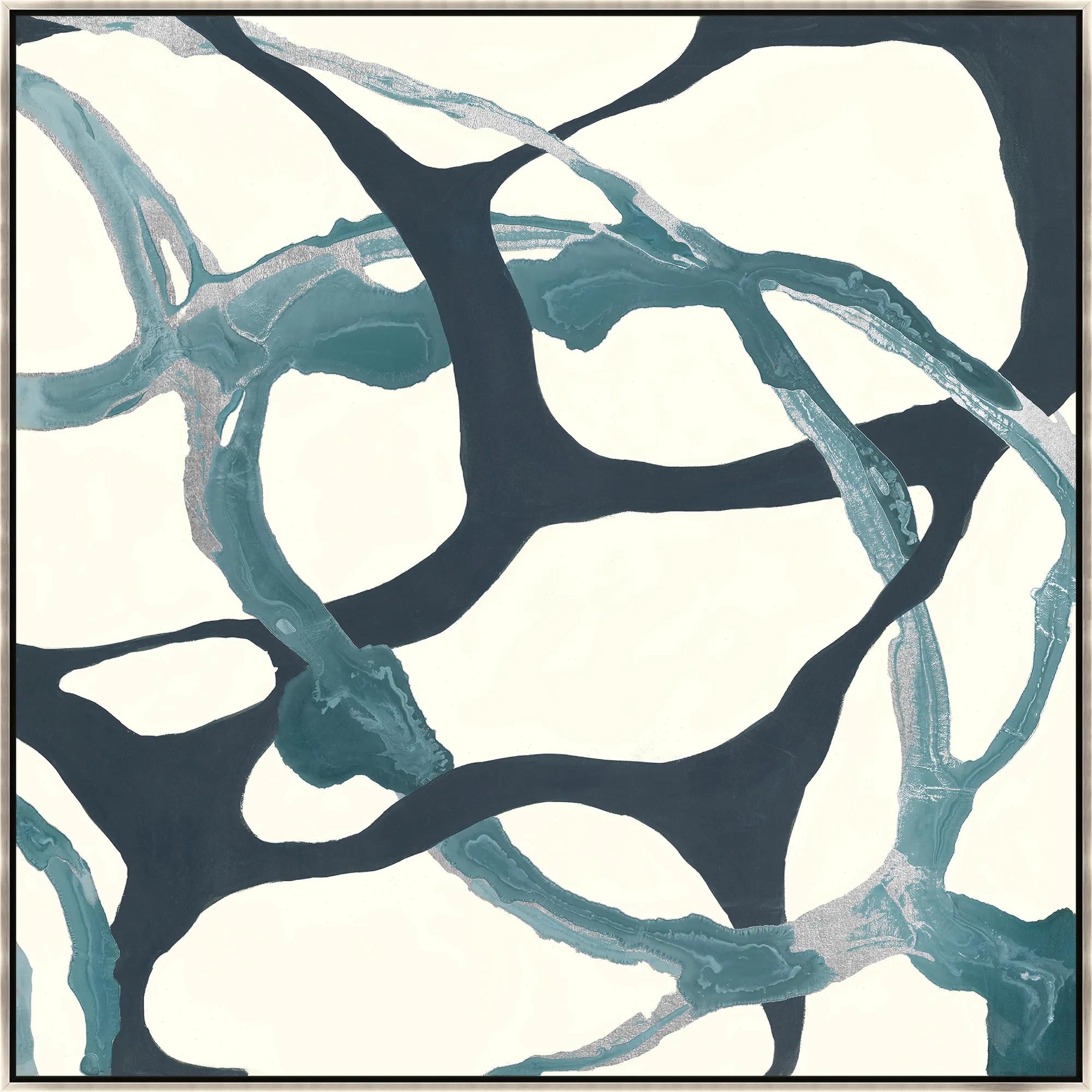
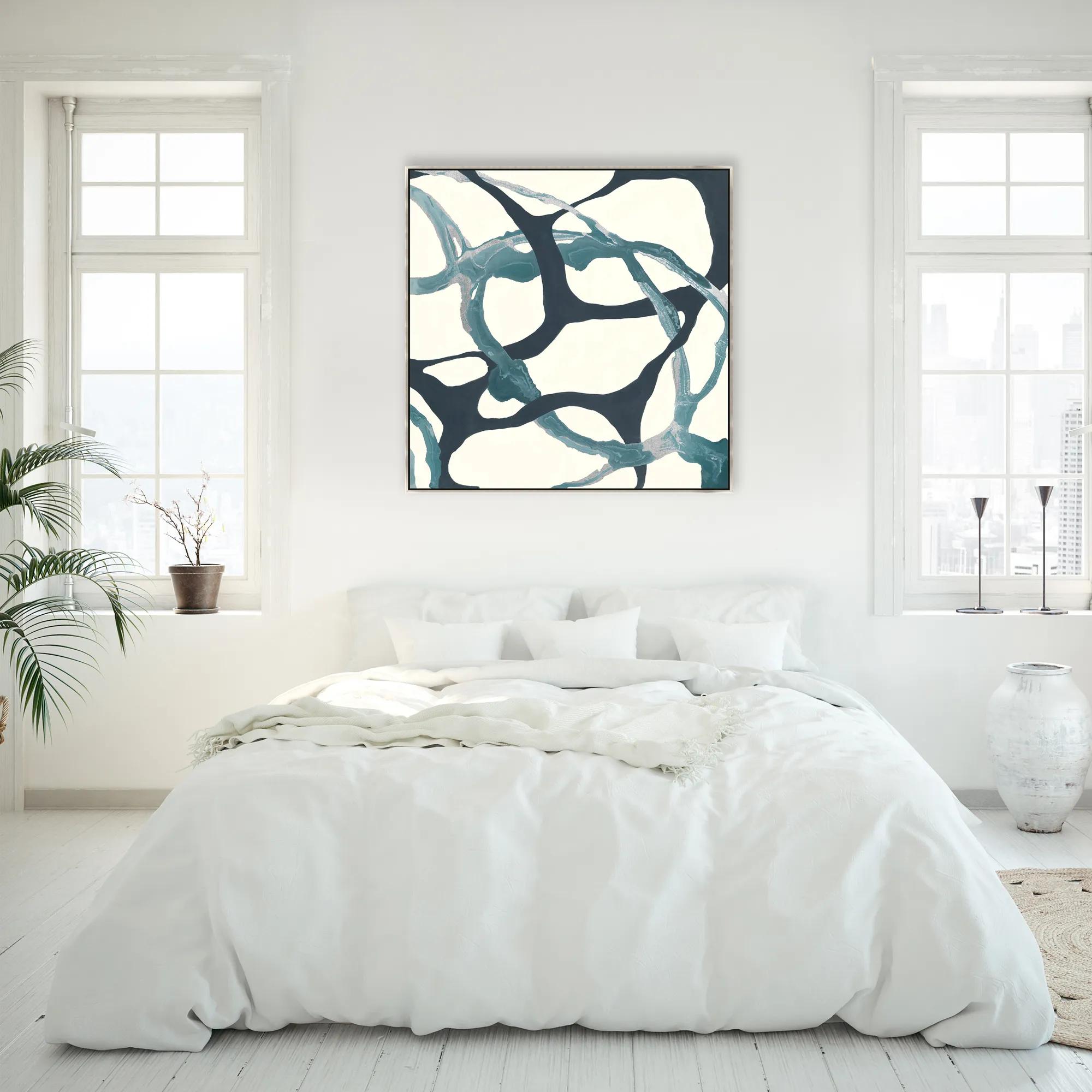 Alignments II Framed Wall Art 40" x 40"$899
A gallery-wrapped canvas featuring gilded silver accents and hand-applied brush gel in a silver floater frame.
Add To Cart -
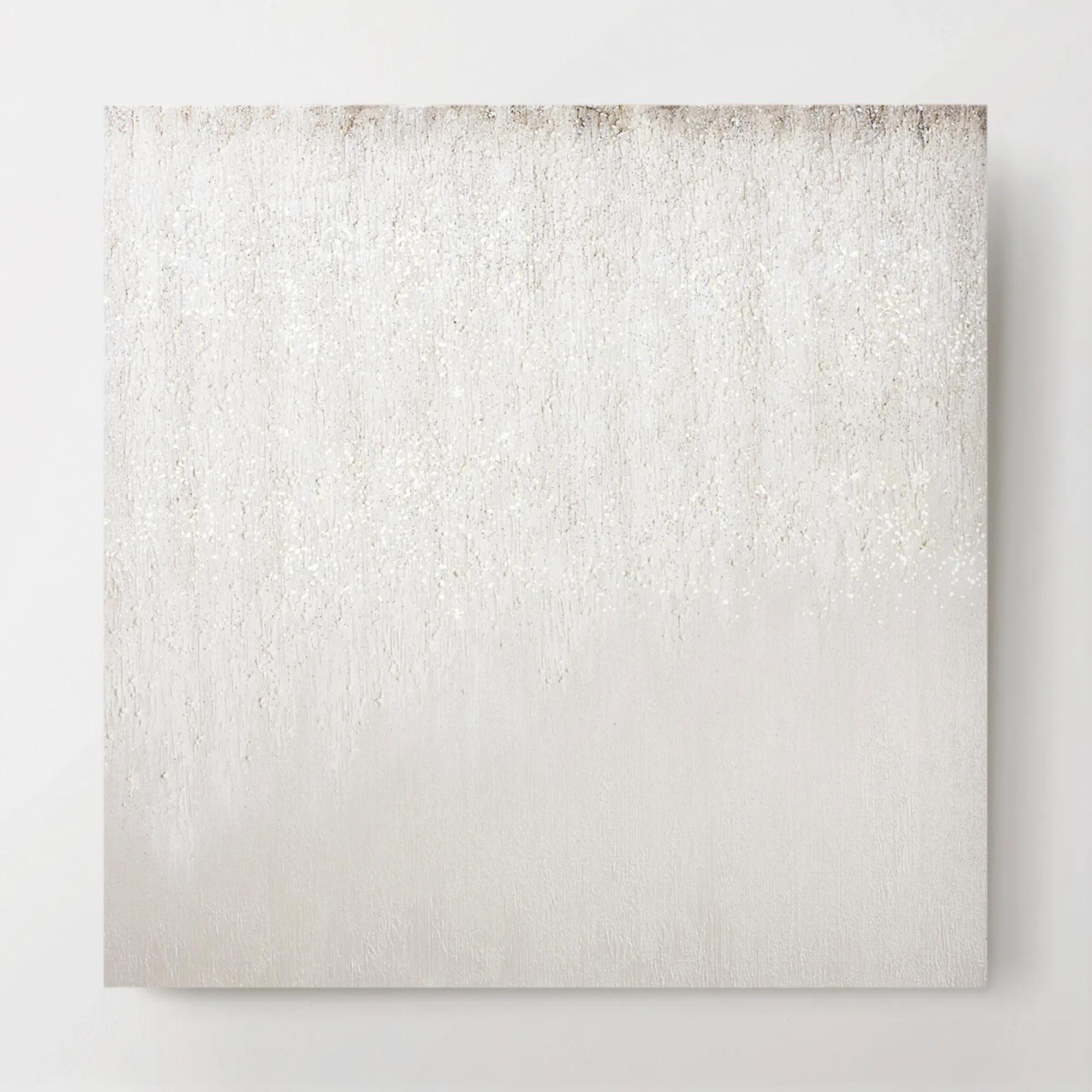 Je T'aime Glitter Painted Wall Art 30" x 30"$499
A hand-painted canvas artwork featuring ethereal hazy brushstrokes and subtle glitter embellishments.
Add To Cart -
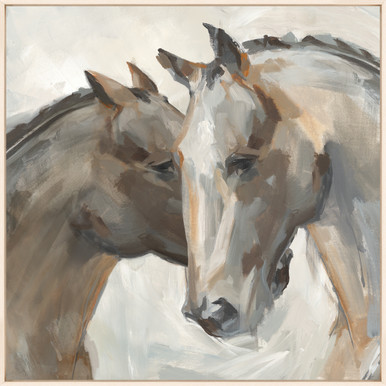
 Equine Duo Framed Wall Art 40" x 40"$699
A gallery-wrapped canvas featuring hand-applied brush gel and set in a natural floater frame.
Add To Cart -
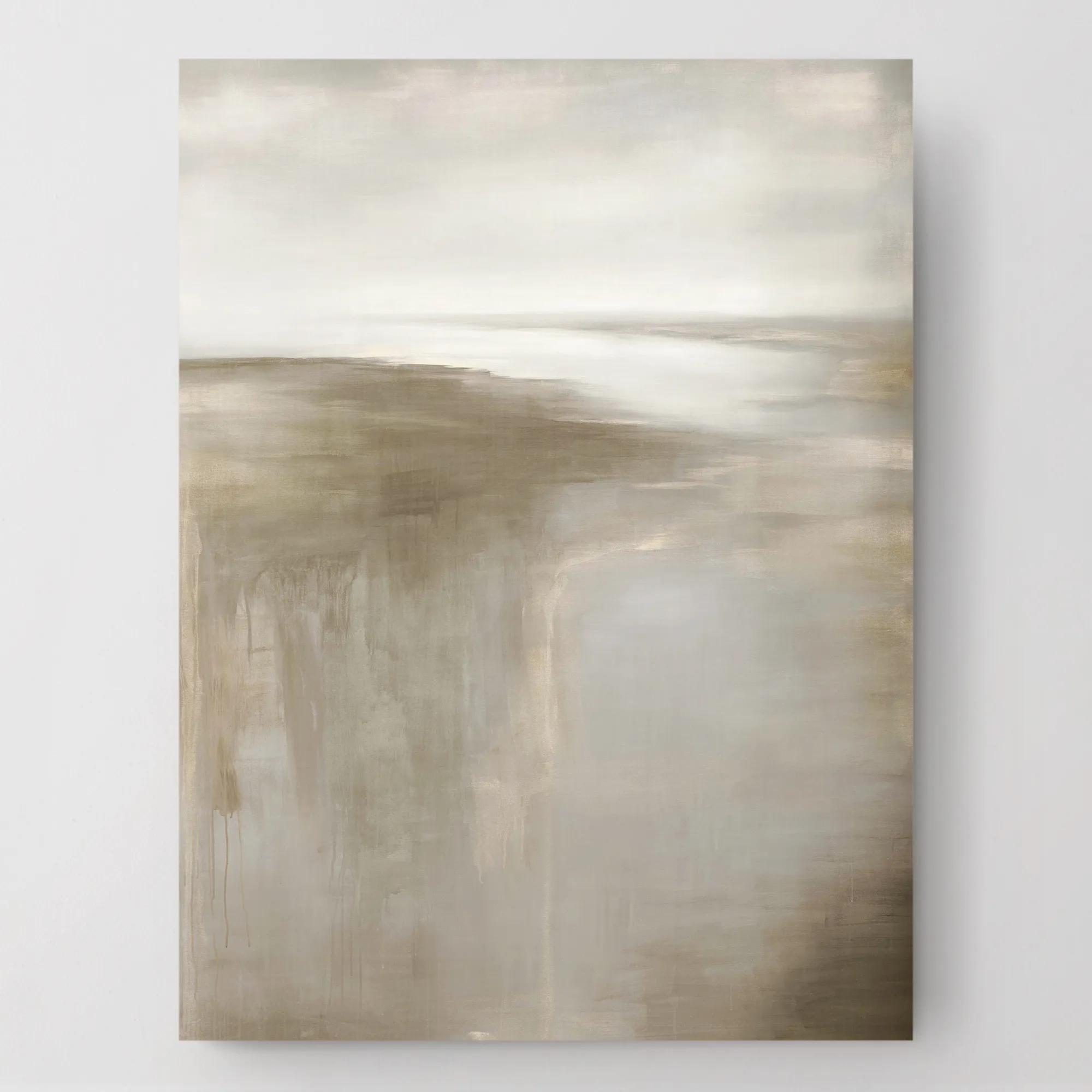
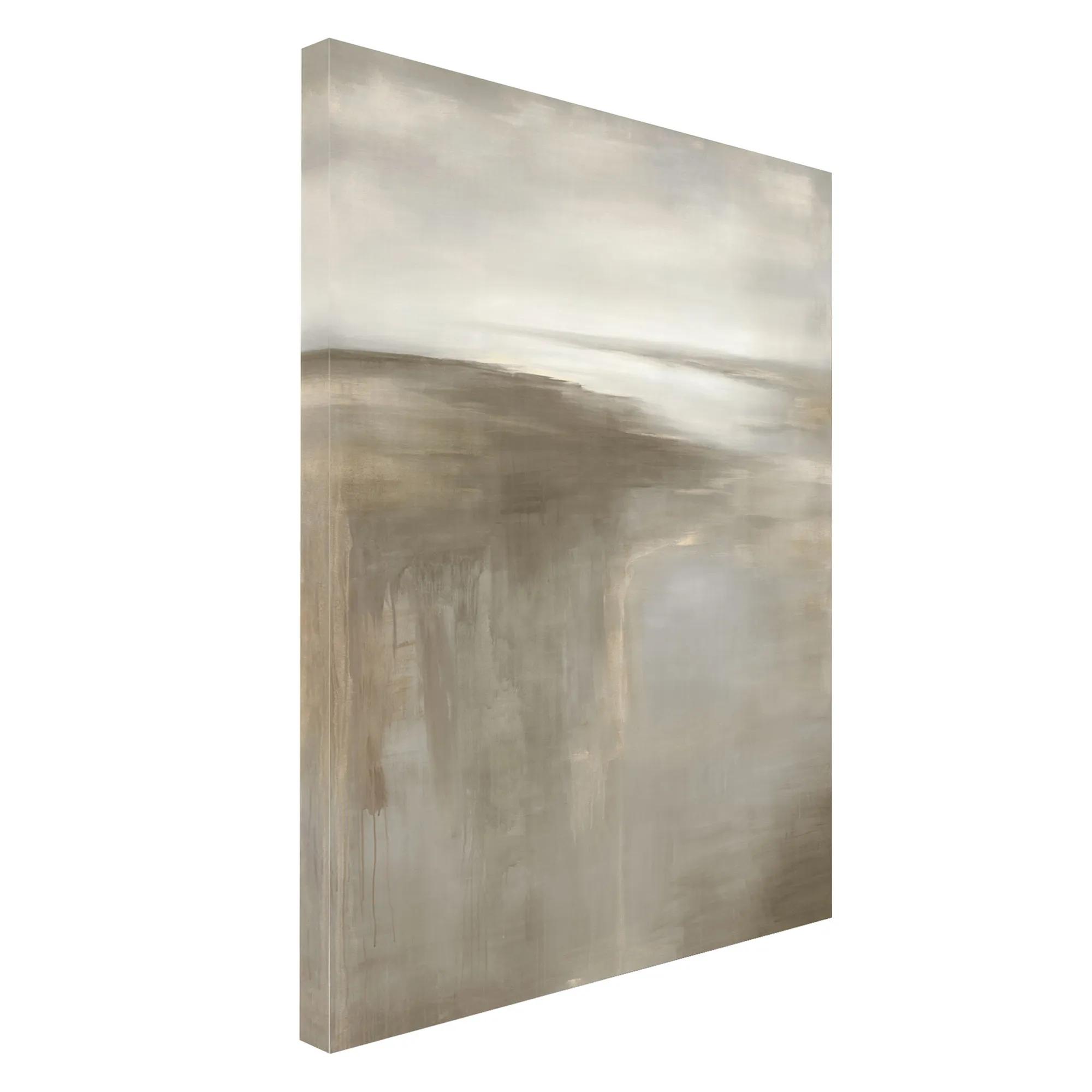 Silver Morning Wall Art 30" x 40"$449
A gallery-wrapped silver canvas artwork featuring a hand-applied image brush gel finish.
Add To Cart -
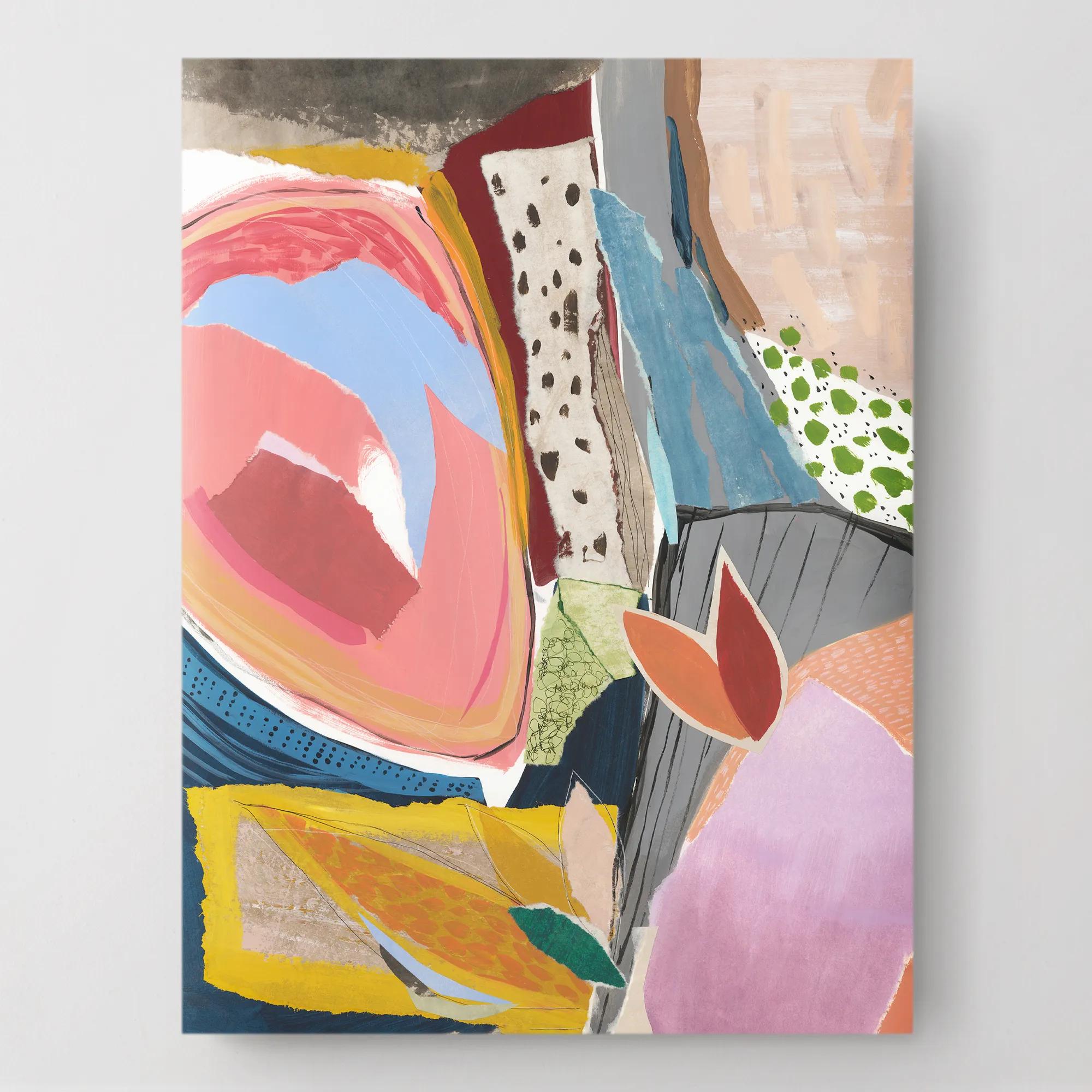
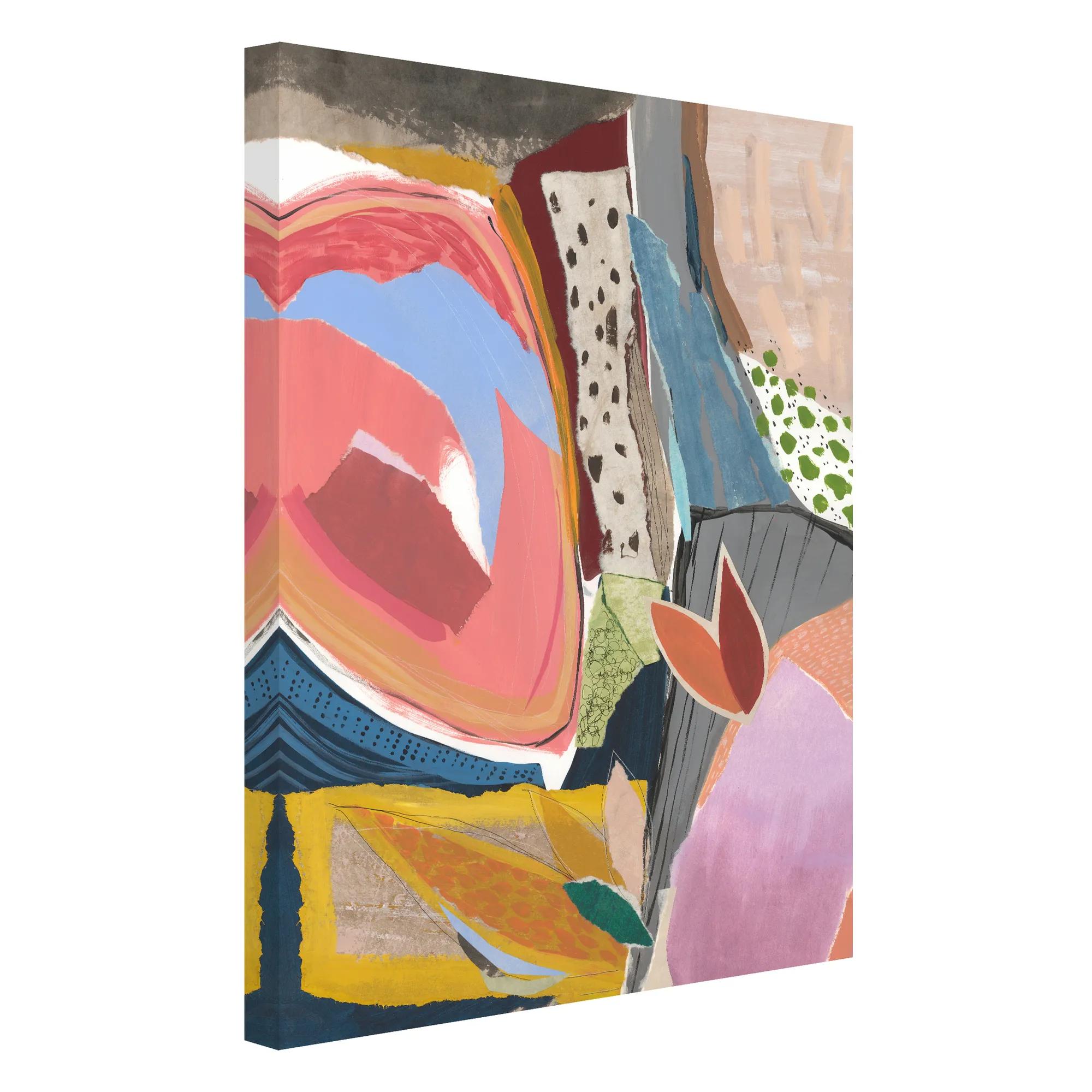 Sunday Vibes 1 Wall Art 30" x 40"$449
A gallery-wrapped canvas artwork featuring a hand-applied image brush gel finish for a textured look.
Add To Cart -
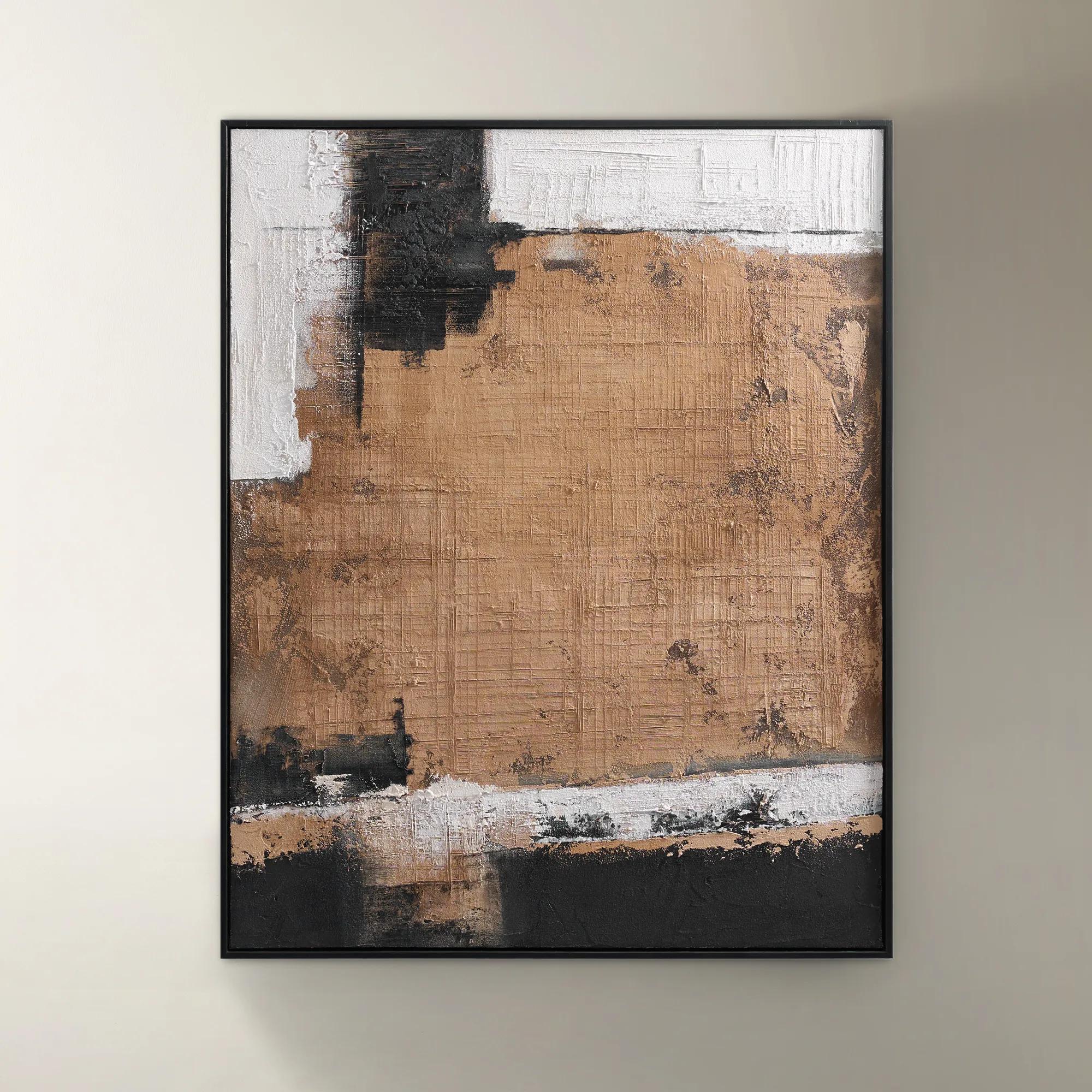
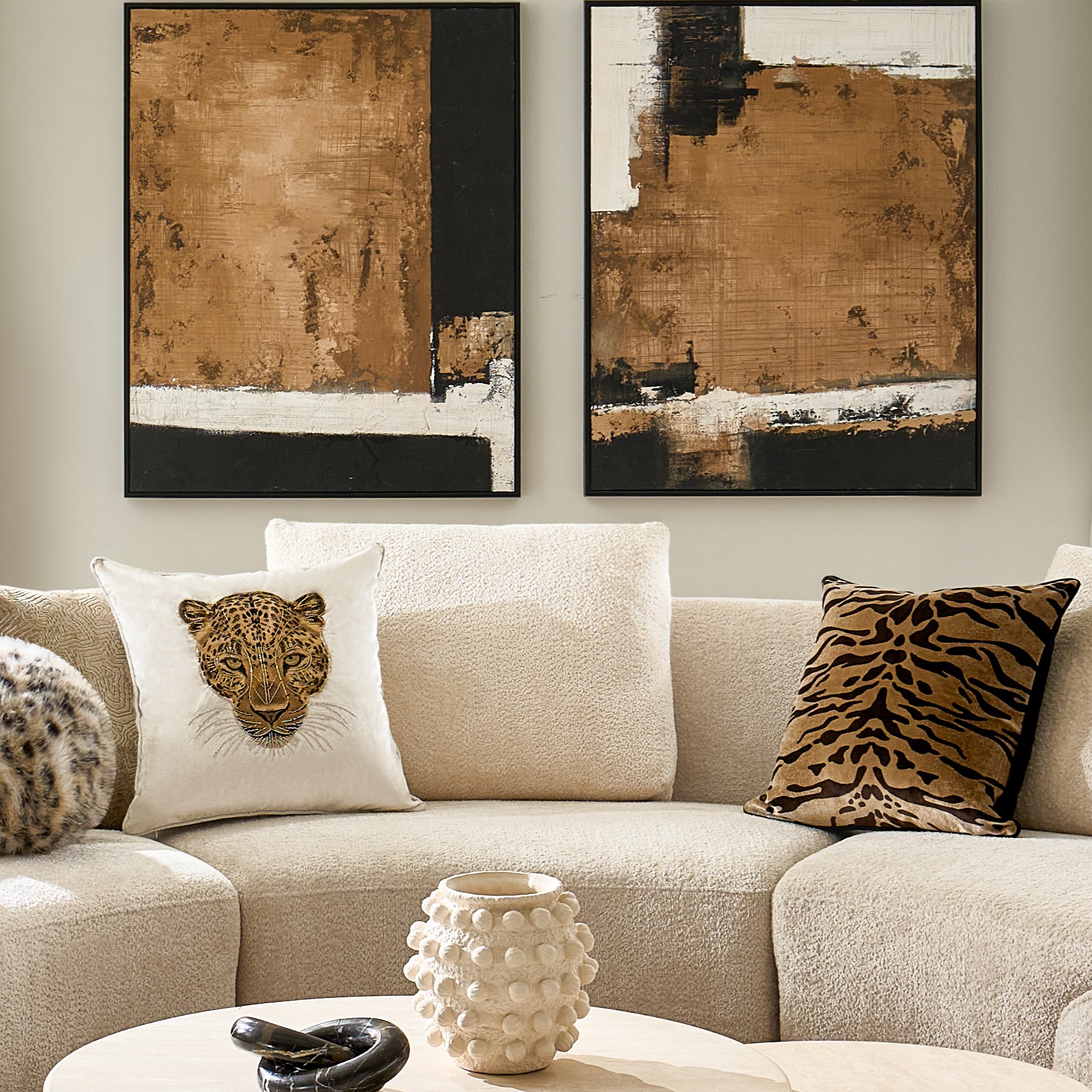 Drift Framed Painted Wall Art II 39.4" x 31.5"$299
A hand-painted canvas in brown, featuring bold texture and color interplay within a sleek black floater frame.
Add To Cart -
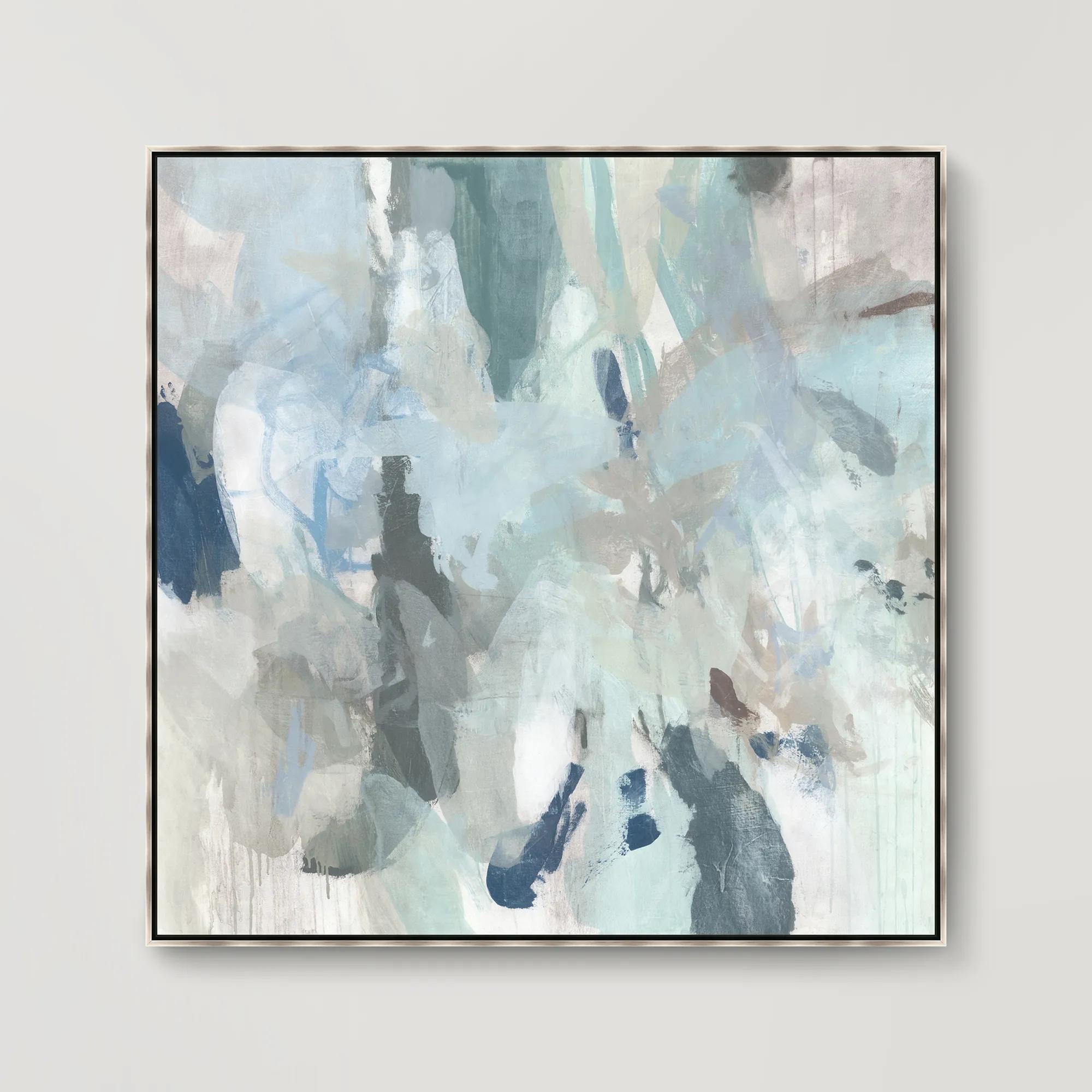
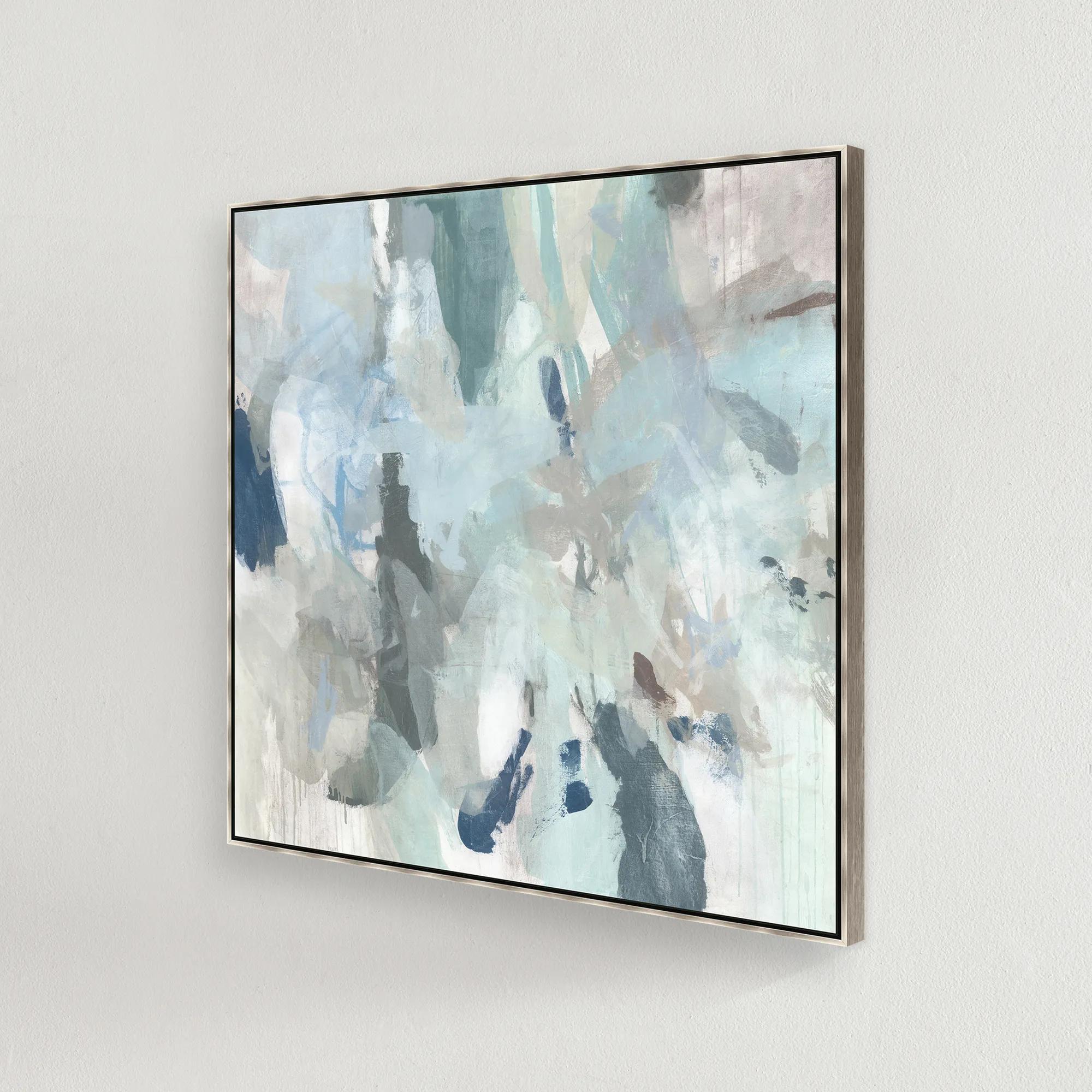 Sage Honey Dew I Framed Wall Art 41.5" x 41.5"$749
A gallery-wrapped abstract canvas featuring hand-applied gel finish in a silver floater frame.
Add To Cart -
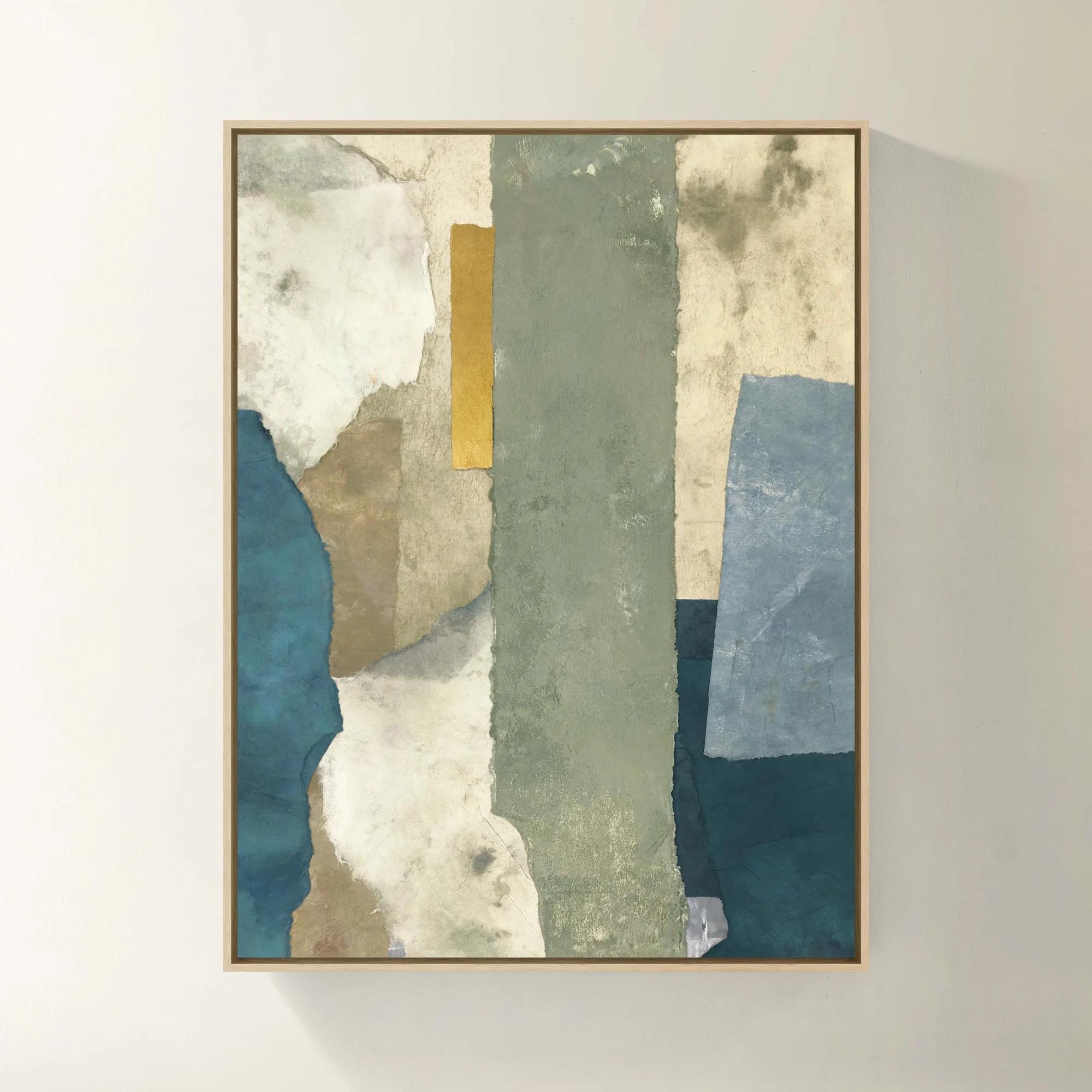 Earth Fragments II Framed Wall Art 30" x 40"$799
A gallery-wrapped canvas featuring gild accents and hand-applied gel, set in a natural floater frame.
Add To Cart -
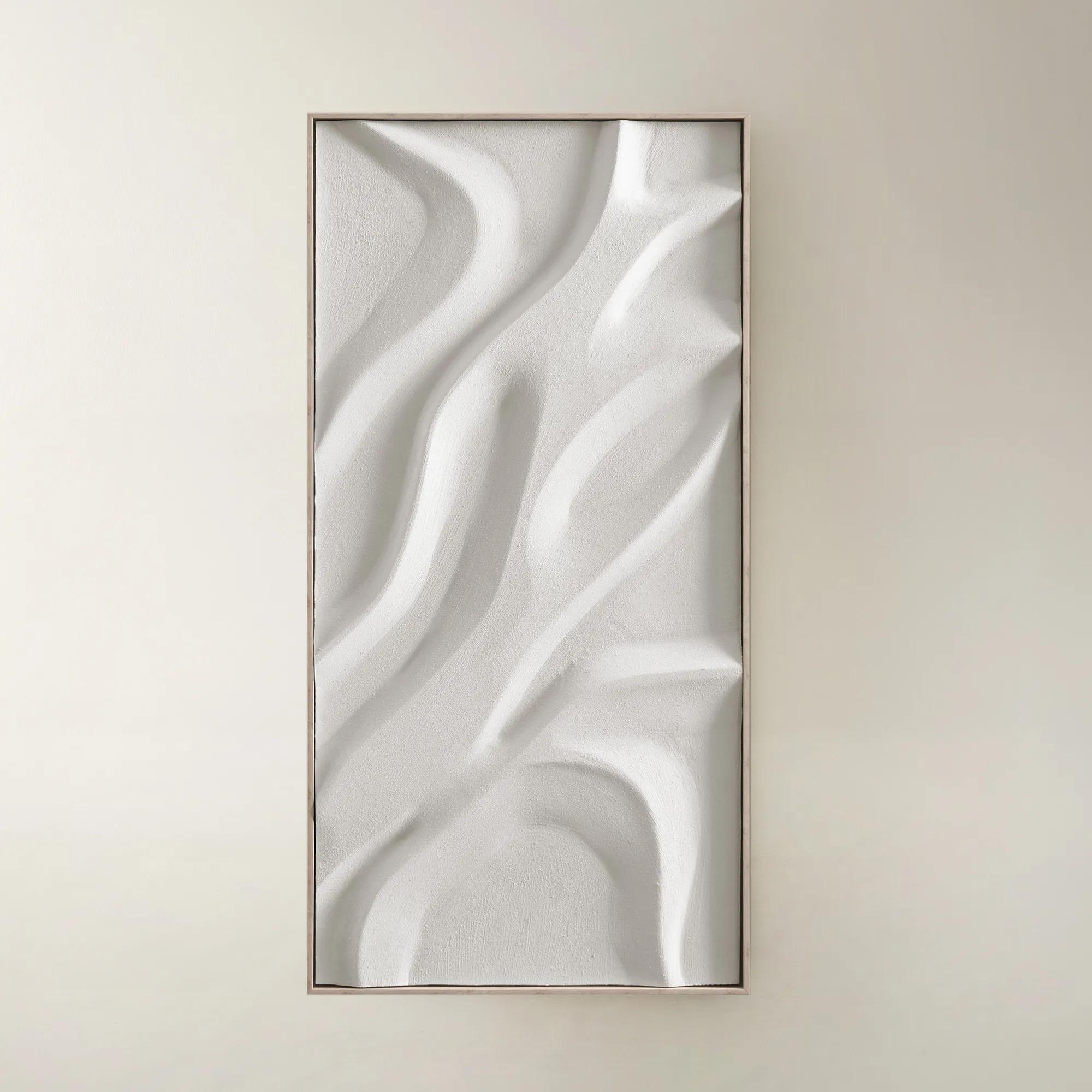
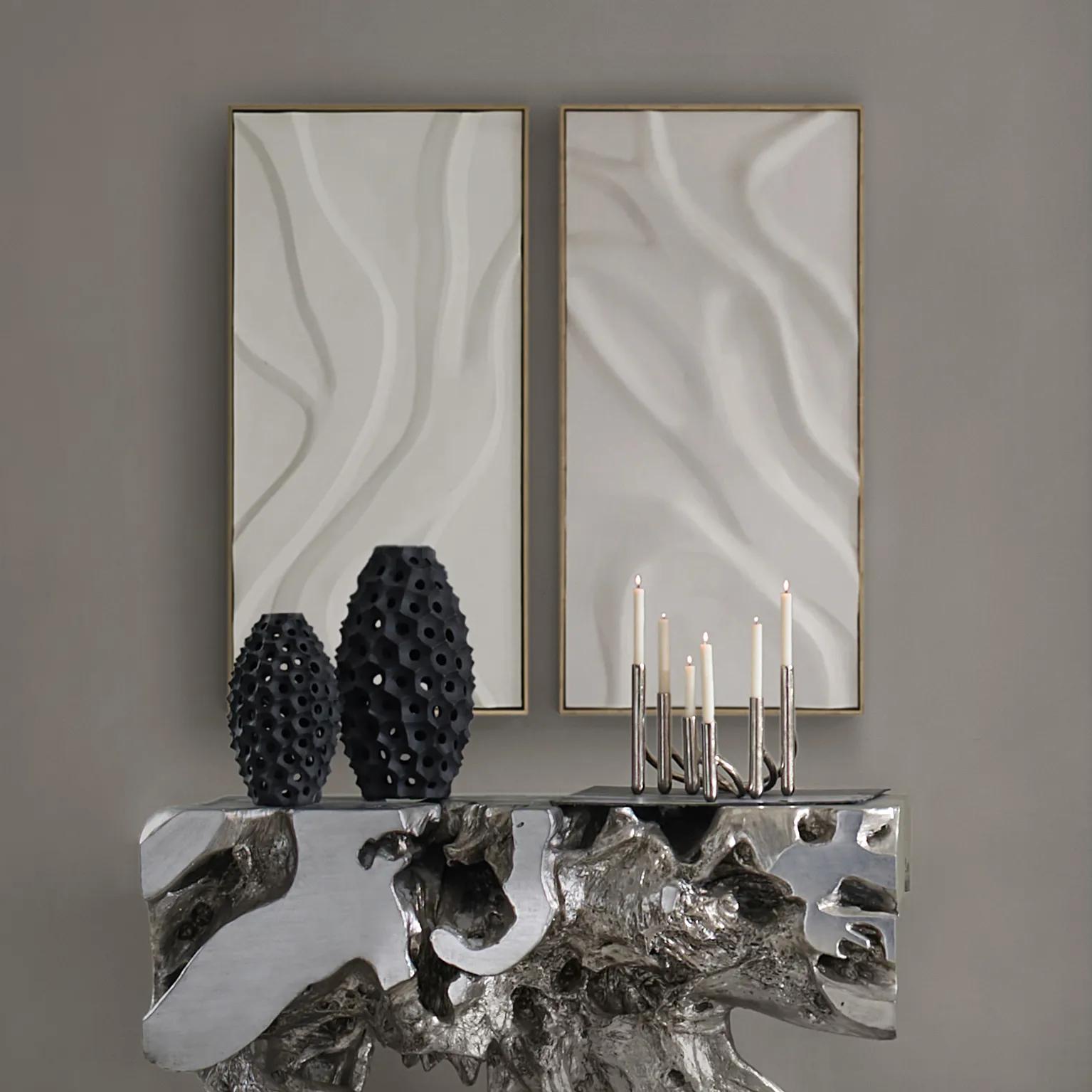 Au Lait Framed Painted Wall Art II 47.2" x 23.6"$199
A serene hand-painted canvas in beige, set in a warm whitewash floater frame for modern interiors.
Add To Cart -
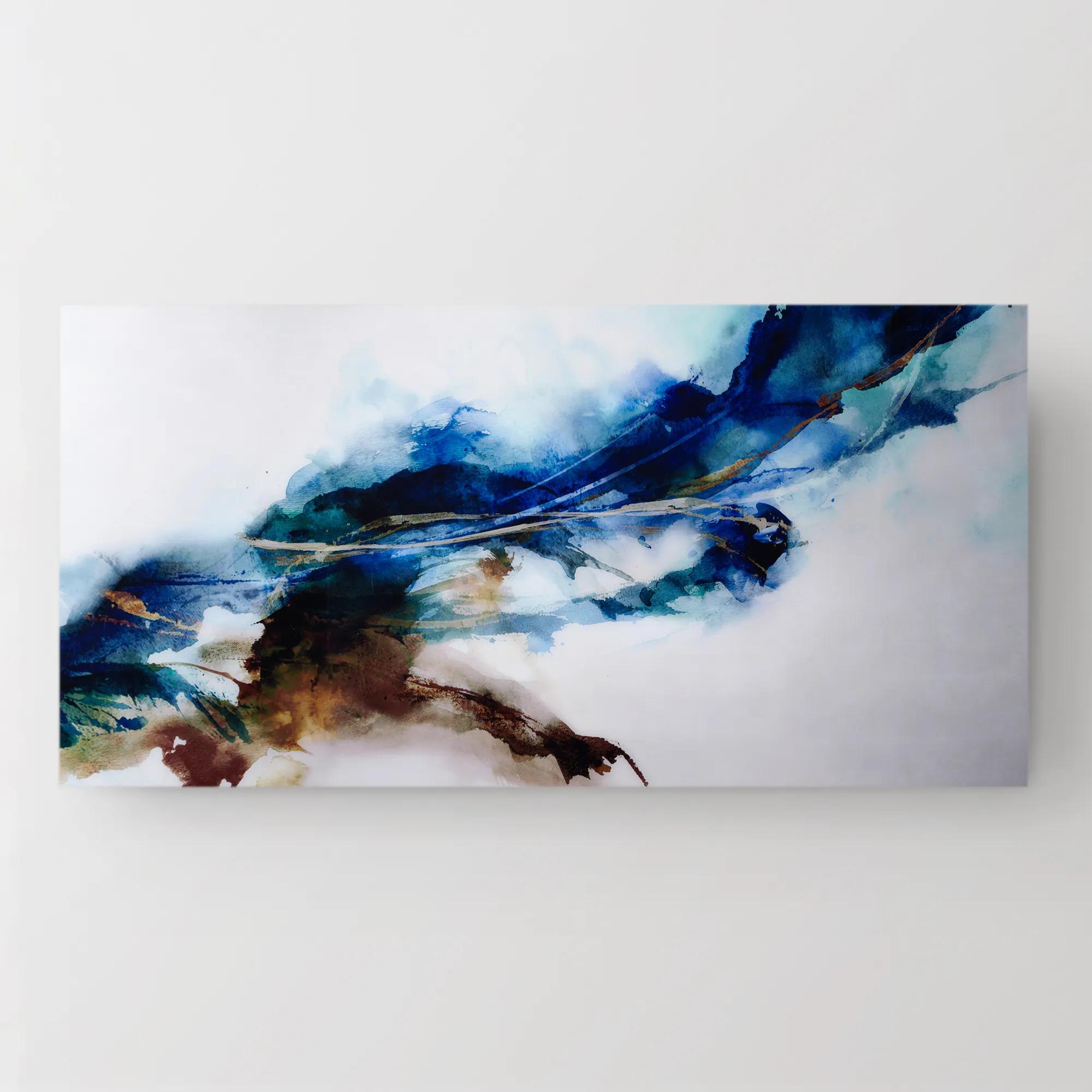 Cerulean Movement Acrylic Art 72" x 36"$1299
A vibrant abstract artwork printed on high-gloss acrylic, infusing your space with dynamic energy and movement.
Add To Cart -
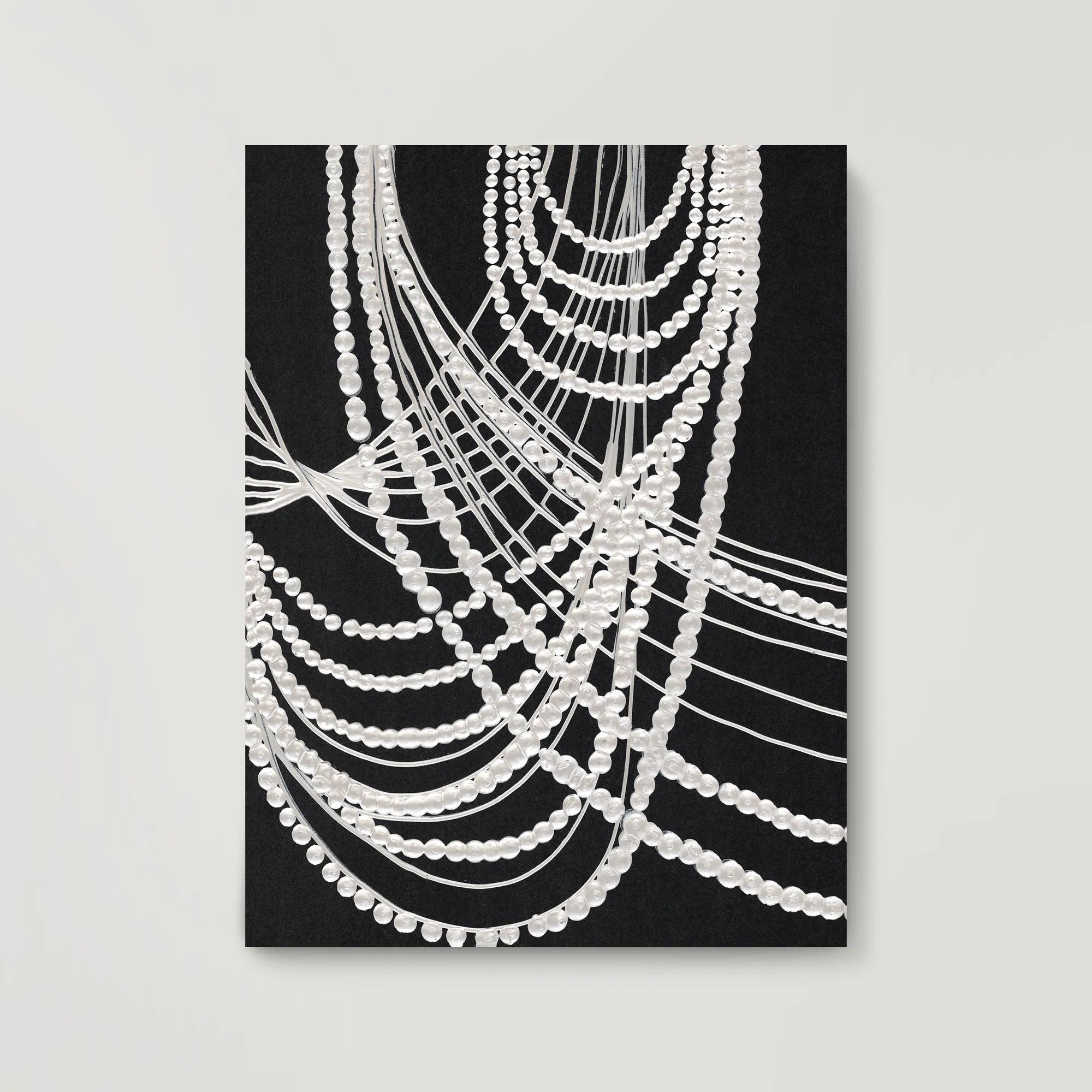 Dripping Pearls Painted Wall Art 36" x 48"$949
A striking hand-painted abstract artwork featuring layered acrylic and watercolor textures in a modern design.
Add To Cart -
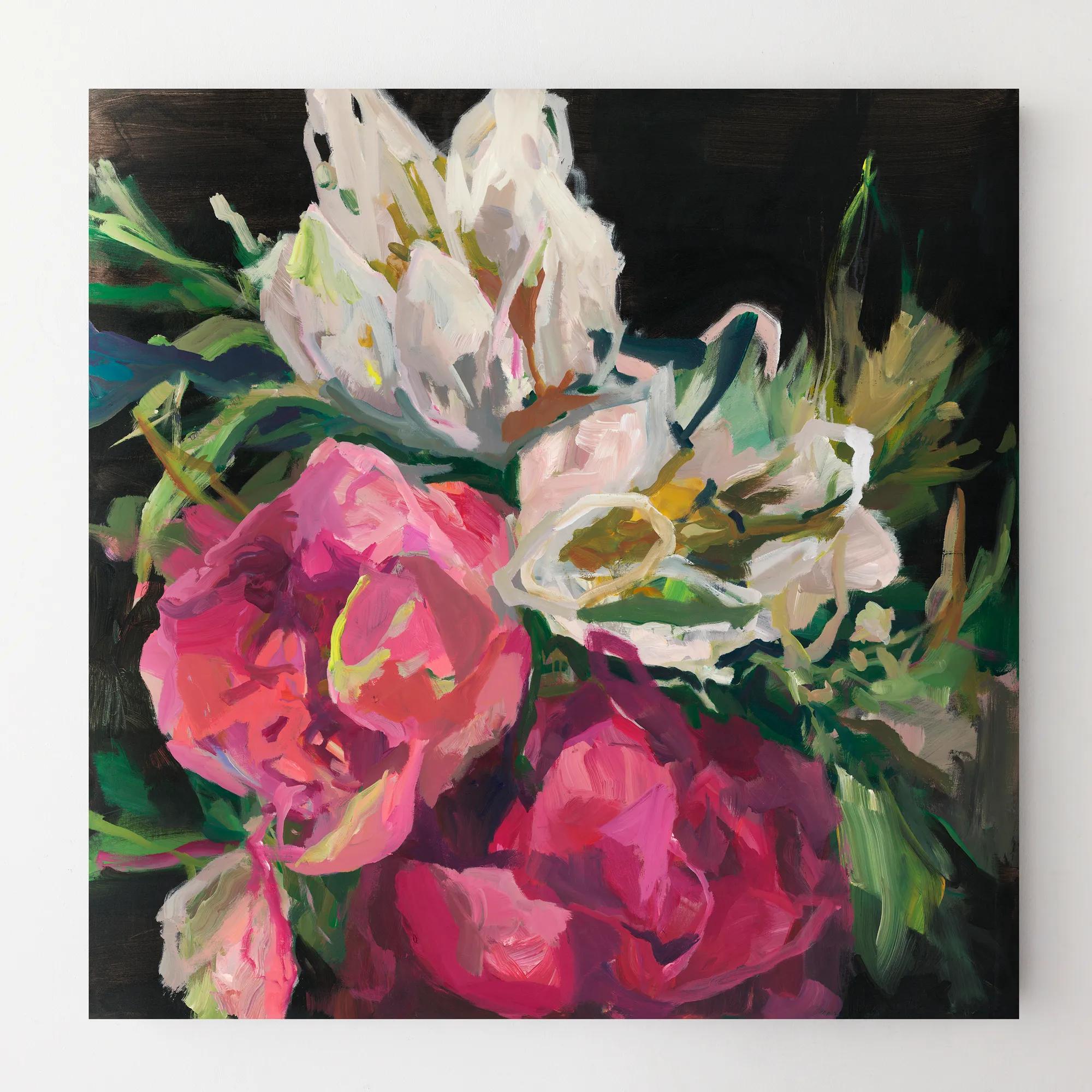
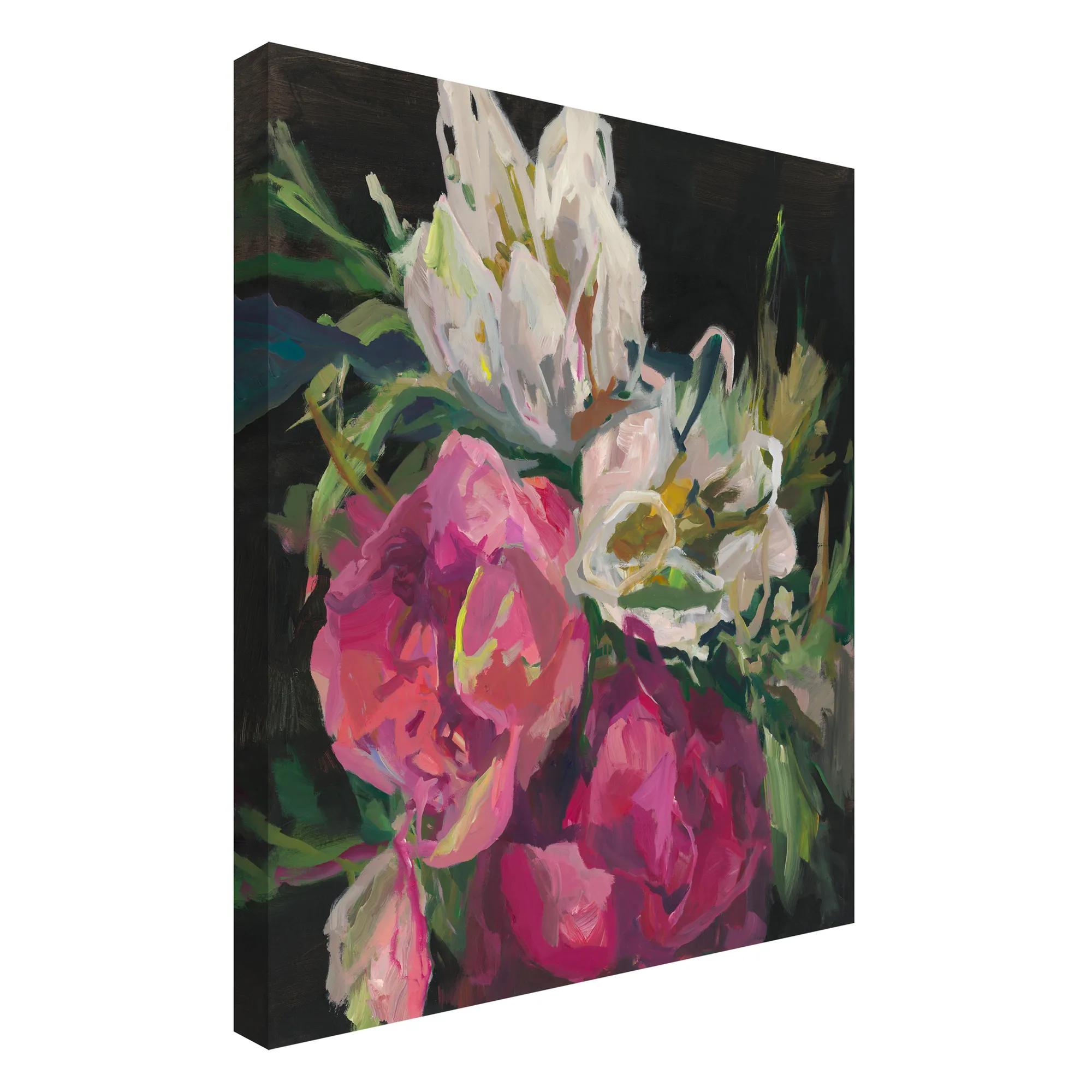 Wild At Heart Wall Art 30" x 30"$399
A gallery-wrapped canvas artwork featuring a hand-applied image brush gel finish for striking visual texture.
Add To Cart -
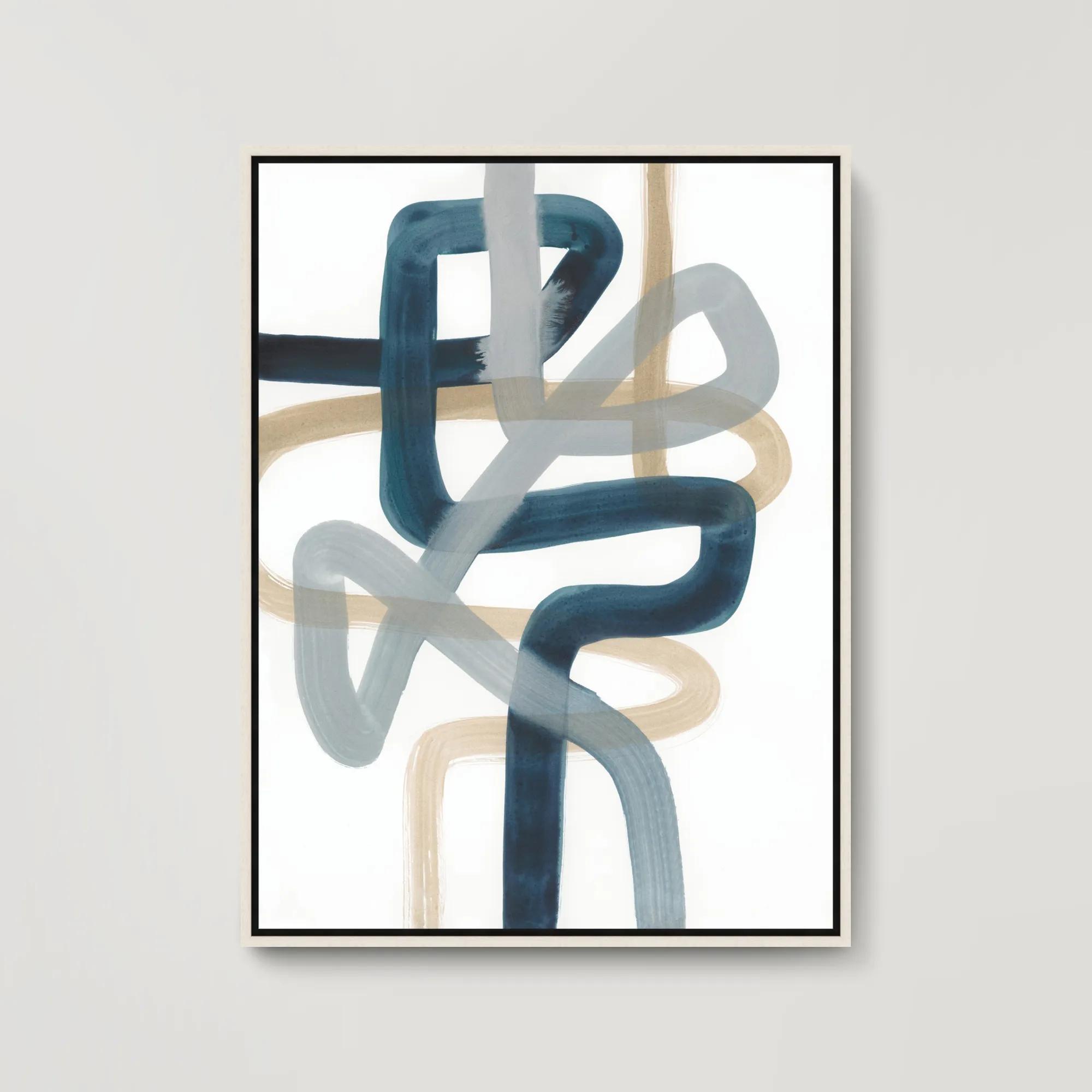
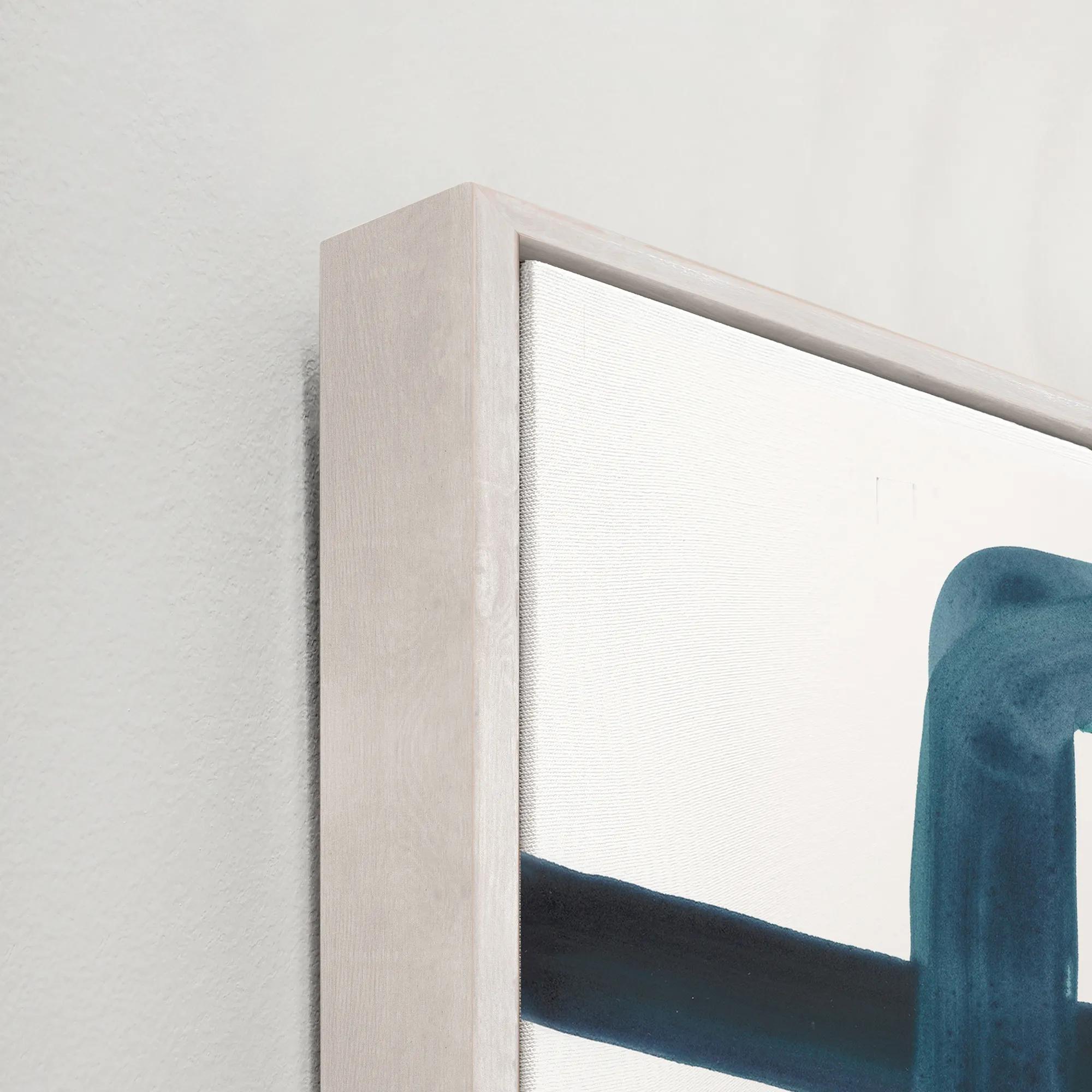 Looped In I Framed Wall Art 31.5" x 41.5"$699
A gallery-wrapped abstract canvas featuring hand-applied brush gel and a sleek white floater frame.
Add To Cart -
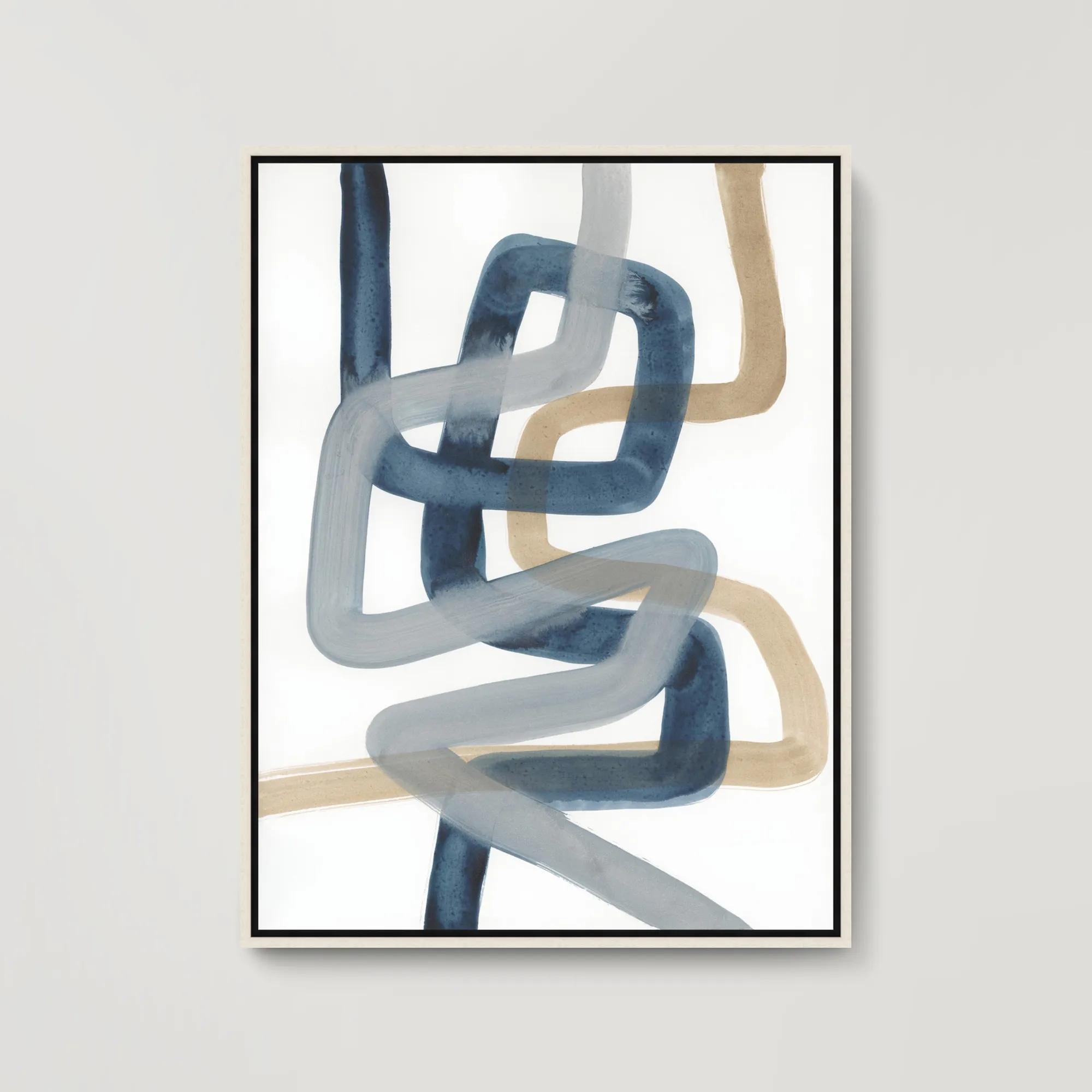 Looped In II Framed Wall Art 31.5" x 41.5"$699
A gallery-wrapped abstract canvas with hand-applied brush gel finish, set in a sleek white floater frame.
Add To Cart

Nature Art For Meditation Rooms
Immerse your sanctuary in serenity with nature art for meditation rooms—an invitation to tranquility, curated for those who find beauty in stillness and inspiration in organic forms. Each piece whispers of windswept forests, tranquil waters, and sun-dappled landscapes, transforming your space into a gallery of calm. Let lush botanicals and ethereal vistas become the backdrop for mindful moments, where every brushstroke and hue is designed to soothe the senses and elevate your daily rituals. With nature art for meditation rooms, every wall becomes a window to wonder—where inner peace finds its perfect canvas.
Nature art for meditation rooms brings the expressive beauty of the outdoors into spaces devoted to stillness, reflection, and personal ritual. Landscapes, botanical studies, forest photography, and abstract interpretations of water or stone give the eye a deliberate place to rest, creating an atmosphere that feels composed rather than empty. The most compelling choice is not necessarily the quietest image; it is the one whose colors, proportions, and subject feel harmonious with the way the room is used. Tall trees and layered mountain silhouettes introduce a grounded, architectural presence, especially alongside pale wood, ivory upholstery, and sculptural ceramics. Coastal views and expansive horizons suggest openness, with horizontal lines that lend themselves to walls above a low bench or meditation cushion arrangement. Ferns, leaves, and close-up botanical imagery offer a more intimate perspective, drawing attention to intricate shapes and organic repetition. Muted sage, slate blue, warm taupe, and stone gray can establish a restrained palette without sacrificing richness. For a more dramatic interpretation, deep green foliage against a charcoal background or a luminous monochrome landscape gives a contemplative room depth and distinction. Color alone does not determine the mood: contrast, detail, and composition matter just as much. An image with generous open space may feel more restful than a densely patterned scene, even when both share the same hues. In a dedicated meditation room, a single expansive landscape can establish the visual center of the space. In a bedroom corner or shared living area, a smaller botanical composition can distinguish a personal retreat without competing with the surrounding furnishings. These pieces suit people who practice seated meditation, gentle movement, journaling, or simply enjoy a few uninterrupted moments away from screens. Their role is atmospheric and personal, not clinical: nature-inspired wall art offers a visual connection to places and forms that the viewer finds meaningful, whether that means the sweep of a distant ridge or the precise curve of a single leaf.
Materials and presentation shape that connection as powerfully as the subject itself. Canvas lends an image a tactile surface, softening the polished precision of photography or adding dimension to painterly landscapes. An unglazed canvas also avoids the reflections associated with glass, although its finish and placement still influence how it responds to light. Paper prints can reveal delicate tonal transitions and fine botanical detail, while a mat creates a generous border that gives the composition visual breathing room. When comparing framed nature art, consider the relationship between the frame, the artwork, and nearby finishes. A slender black frame sharpens a monochrome mountain scene; a wood frame echoes the organic character of foliage; a restrained metallic finish adds a gleaming edge to an otherwise hushed arrangement. Glass or acrylic glazing provides a barrier against dust and incidental contact, but reflections can interrupt the image when it faces a bright window or exposed light source. Acrylic is generally lighter than glass, though it can scratch more easily and requires an appropriate cleaning method. Where longevity is a priority, look for clearly stated information about the paper, inks, glazing, and mounting materials rather than assuming that every print has the same protective qualities. Acid-free matting and backing, when specified, help support preservation, and UV-filtering glazing can reduce light exposure without making an artwork immune to fading. Placement remains important: avoid direct sunlight, persistent humidity, and locations where a diffuser can deposit mist or oils on the surface. Routine care should follow the artwork’s instructions. Frames often need only gentle dusting with a soft, dry cloth; unprotected paper and canvas should never be treated like washable surfaces. For glazed pieces, use a cleaner suited to the glazing and apply it to the cloth rather than spraying the artwork. Keeping candles, incense, and other sources of heat or residue away from the piece helps preserve both its finish and its clarity. These practical details protect the visual qualities that make nature wall art so evocative: nuanced color, crisp silhouettes, and beautifully rendered texture.
Scale and sightline determine how comfortably nature artwork belongs in a meditation space. Before choosing a format, measure the usable wall area and consider the furniture, cushions, doors, and architectural details around it. A panoramic composition can echo the proportions of a long, low console, while a vertical forest scene draws attention upward in a narrow alcove. Oversized art creates a singular, enveloping gesture, but it still needs enough open wall around it to feel intentional. Smaller framed works invite closer viewing and can be especially effective beside a reading chair or above a compact shelf. In rooms used primarily for seated practice, assess the image from the cushion or chair rather than judging its position only while standing. The subject should feel comfortably within view, without requiring a lifted chin or an awkward turn. A paper template taped to the wall can clarify both scale and placement before installation; mounting hardware should match the artwork’s weight and the wall construction. For an arrangement of several pieces, a shared palette, consistent frame treatment, or related natural subject creates continuity without requiring identical images. Two botanical studies with generous spacing may provide all the detail a small retreat needs, while a larger wall can support a measured sequence of landscapes. Pairing nature art with Decor for Meditation Spaces allows texture and form to carry the composition beyond the wall: a sumptuous cushion, a sculptural vessel, or a woven surface can echo the artwork without reproducing every color. Leave functional space for stretching, sitting, and moving freely, especially when the room serves more than one purpose. Nature-inspired art also makes a thoughtful housewarming or milestone gift for someone creating a personal sanctuary, provided the subject reflects the recipient’s taste and the dimensions suit their home. A familiar coastline or a beloved botanical form can feel more personal than a generic symbol of serenity. With considered proportions, enduring materials, and a subject that resonates, the finished space can be richly expressive while leaving room for quiet.
FAQs
Nature-inspired art fosters a calming atmosphere, drawing on organic textures, soothing color palettes, and tranquil imagery. These elements help create a serene environment that encourages mindfulness and relaxation, making them an excellent choice for meditation rooms.
Consider art that evokes peace and introspection, such as abstract landscapes, botanical prints, or minimalist watercolors. Look for pieces that complement your room’s color scheme and enhance the overall sense of harmony and balance within the space.
Nature-inspired art makes a thoughtful gift for anyone dedicated to mindfulness, yoga, or creating a peaceful home sanctuary. It’s especially meaningful for those who value self-care, wellness, or the transformative power of art in their daily rituals.
Position art at eye level for a seated viewer, ensuring it becomes a focal point without overwhelming the space. Consider grouping smaller pieces for visual rhythm or selecting a single statement piece to anchor the room’s energy and inspire tranquility.
Absolutely. Combining canvas paintings, framed prints, and sculptural wall pieces adds depth and texture to your meditation room. Mixing mediums allows you to personalize the space and create a layered, immersive environment that supports relaxation and creativity.