Art For Tranquil Home Vibes
Art For Tranquil Home Vibes
-
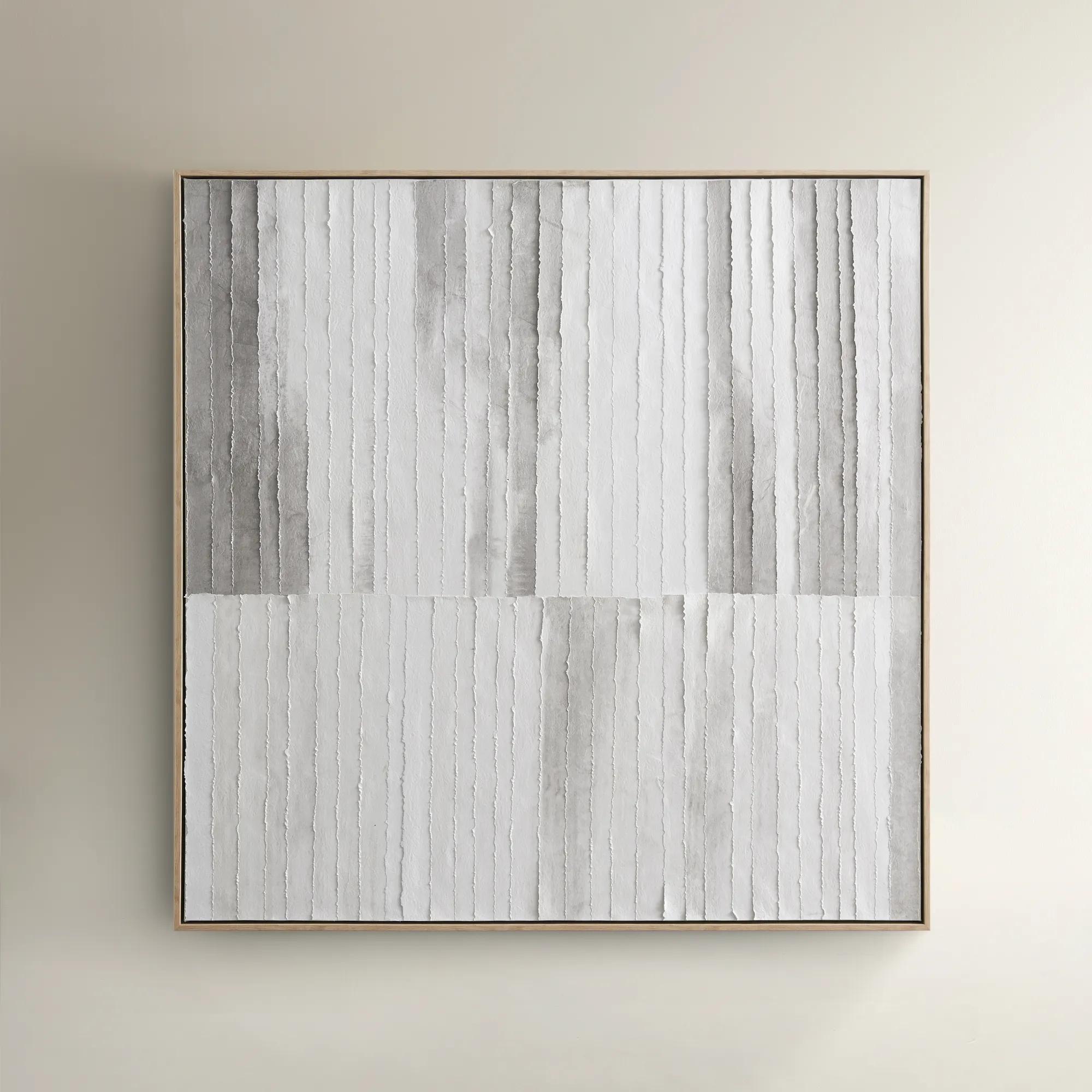
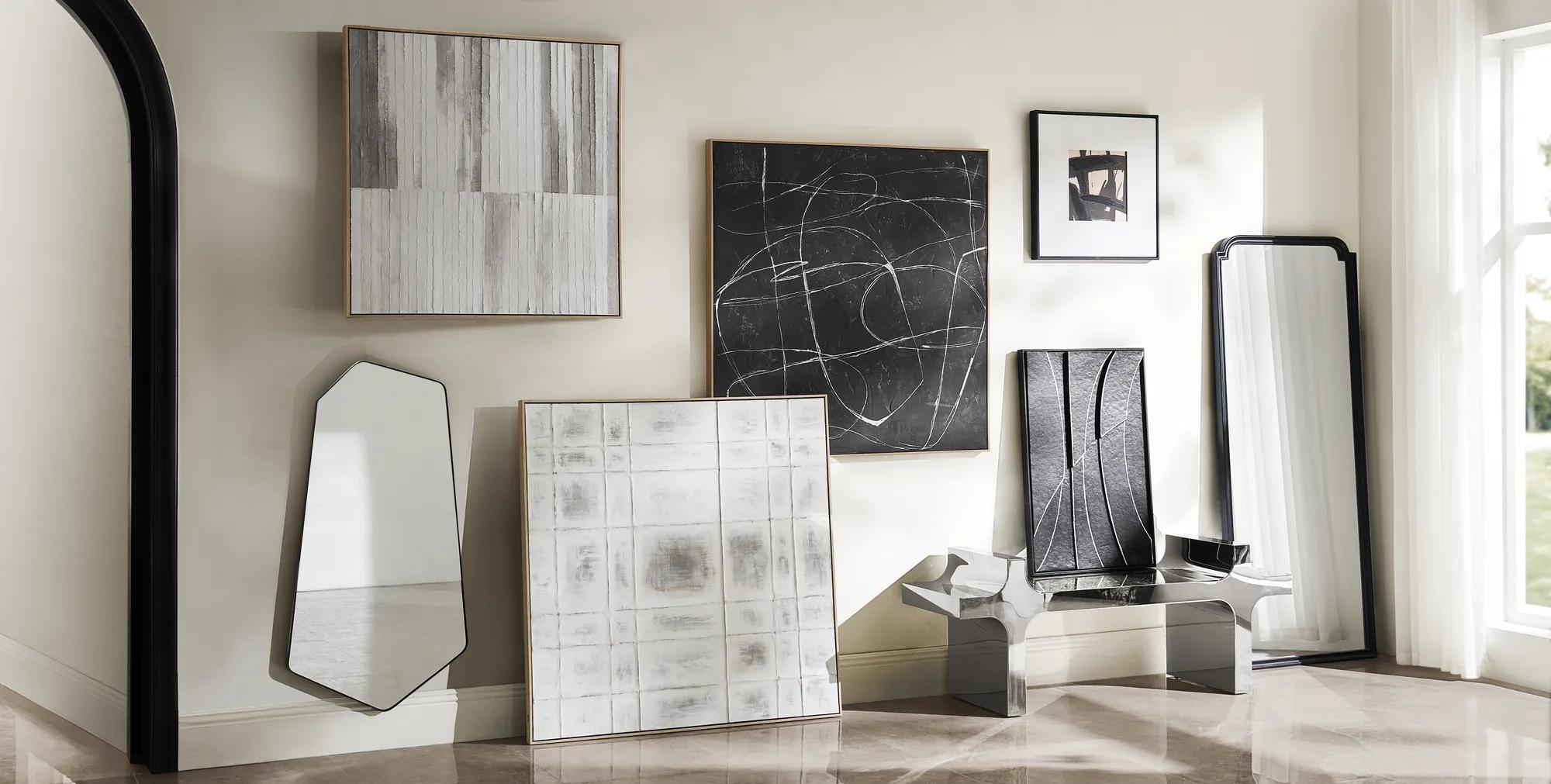 Morning Mist Paper Art$329
A hand-painted canvas featuring rhythmic grey lines in a textured, whitewashed floater frame for serene style.
Add To Cart -
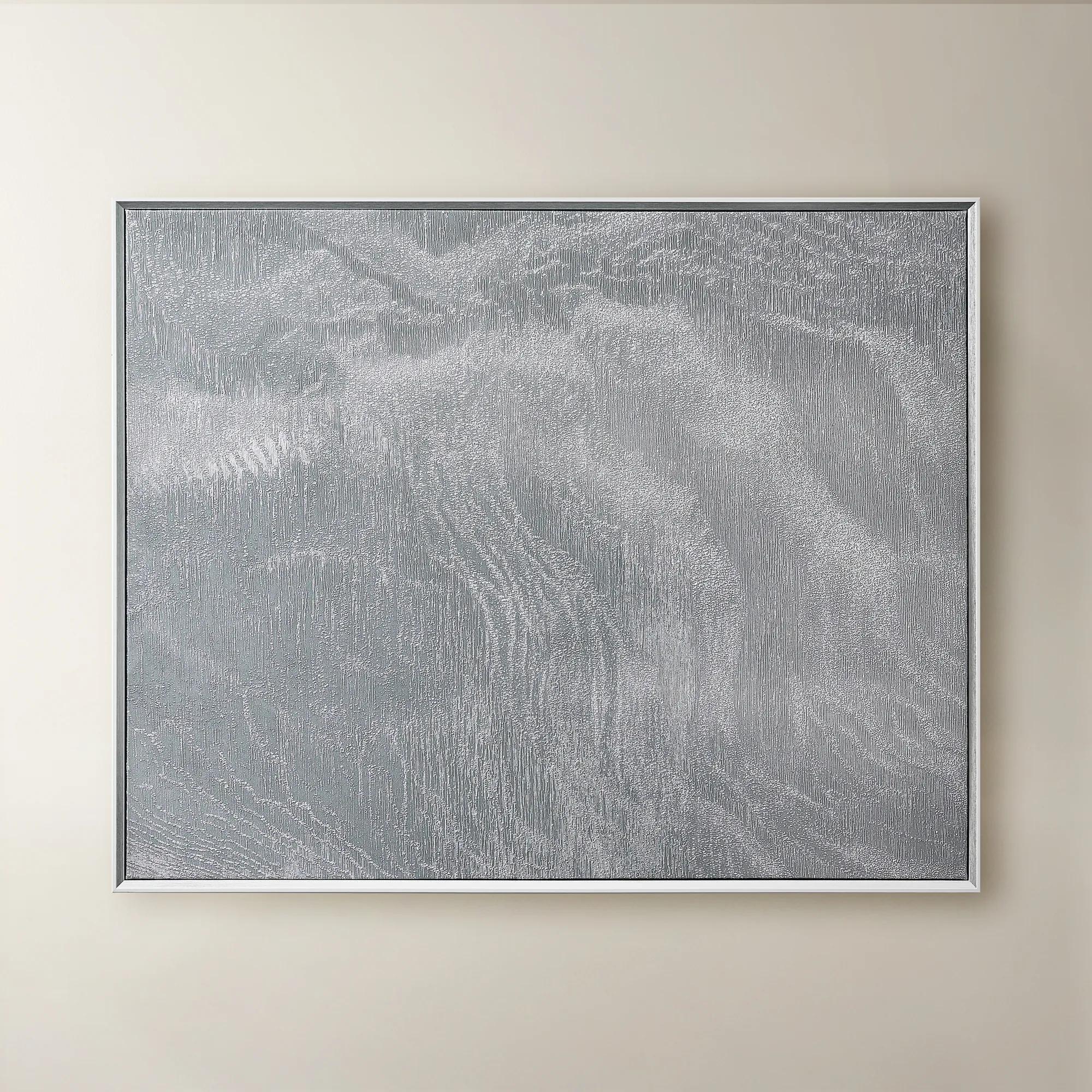 Slow Blue Morning Framed Silver Foil Wall Art 48" x 60"$599
A serene powder blue abstract canvas with silver foil accents, framed in silver and white for modern elegance.
Add To Cart -
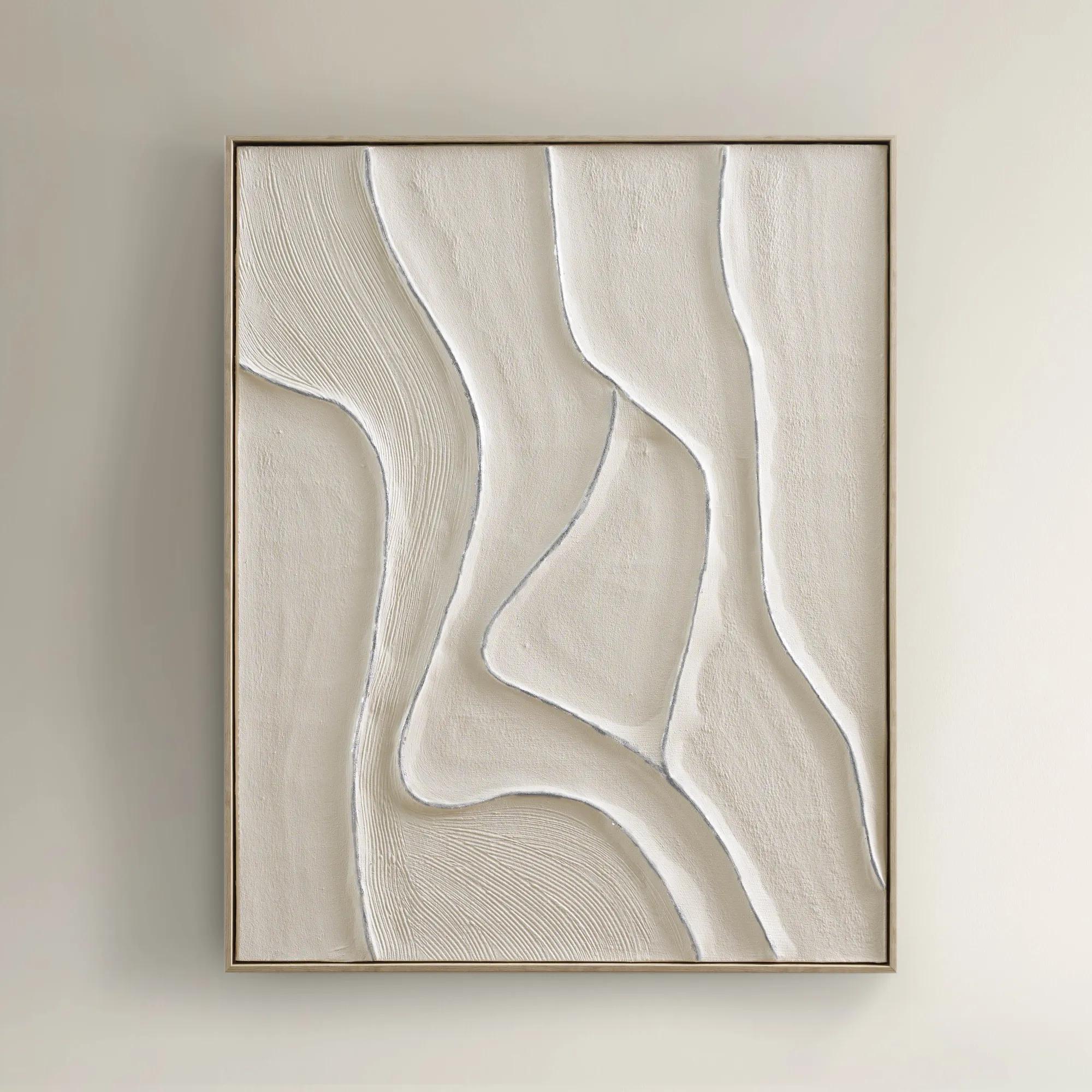
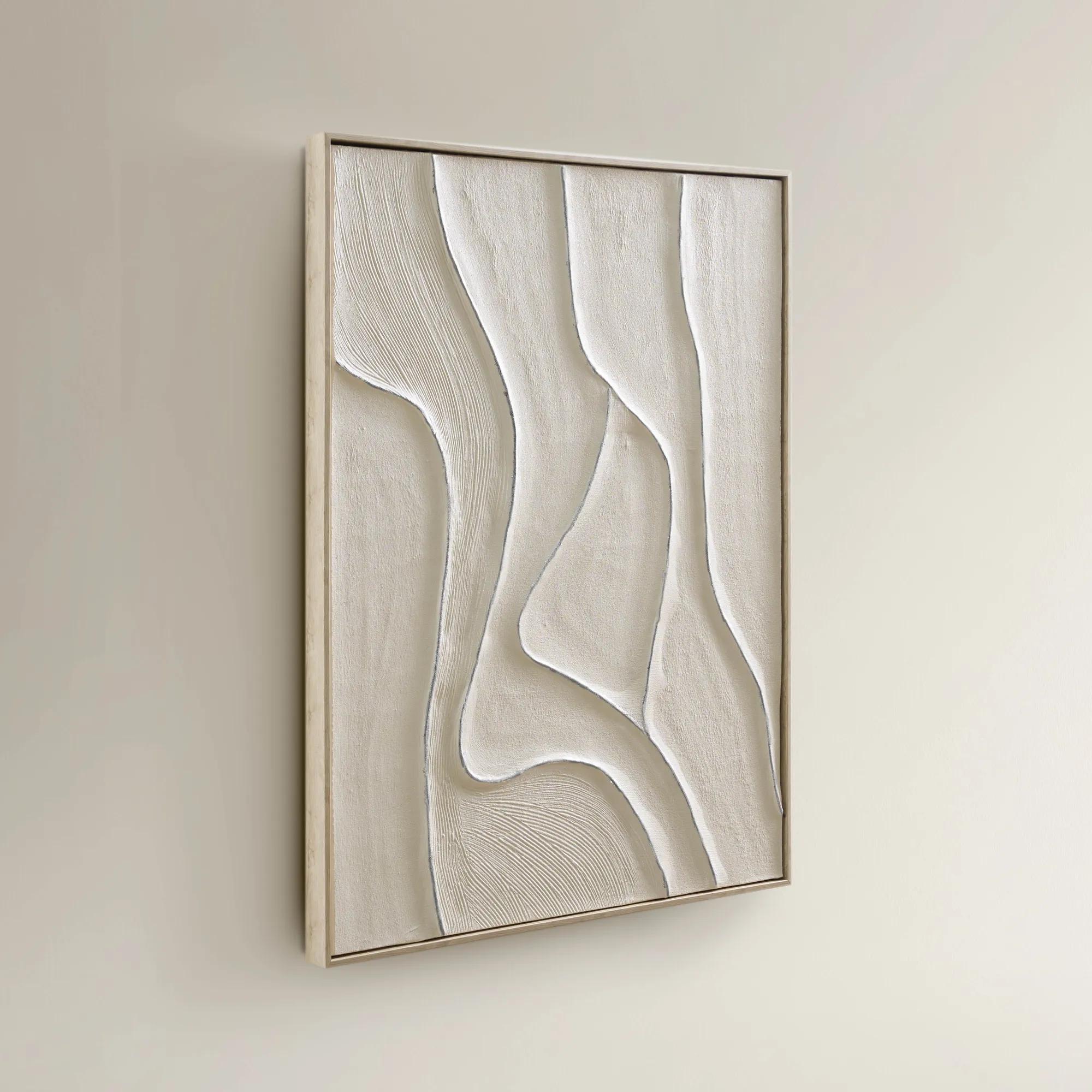 Vivre Framed Silver Leaf Painted Wall Art 39.25" x 31.5"$199
A hand-painted canvas wall art featuring flowing linework, beige tones, and a whitewash floater frame.
Add To Cart -
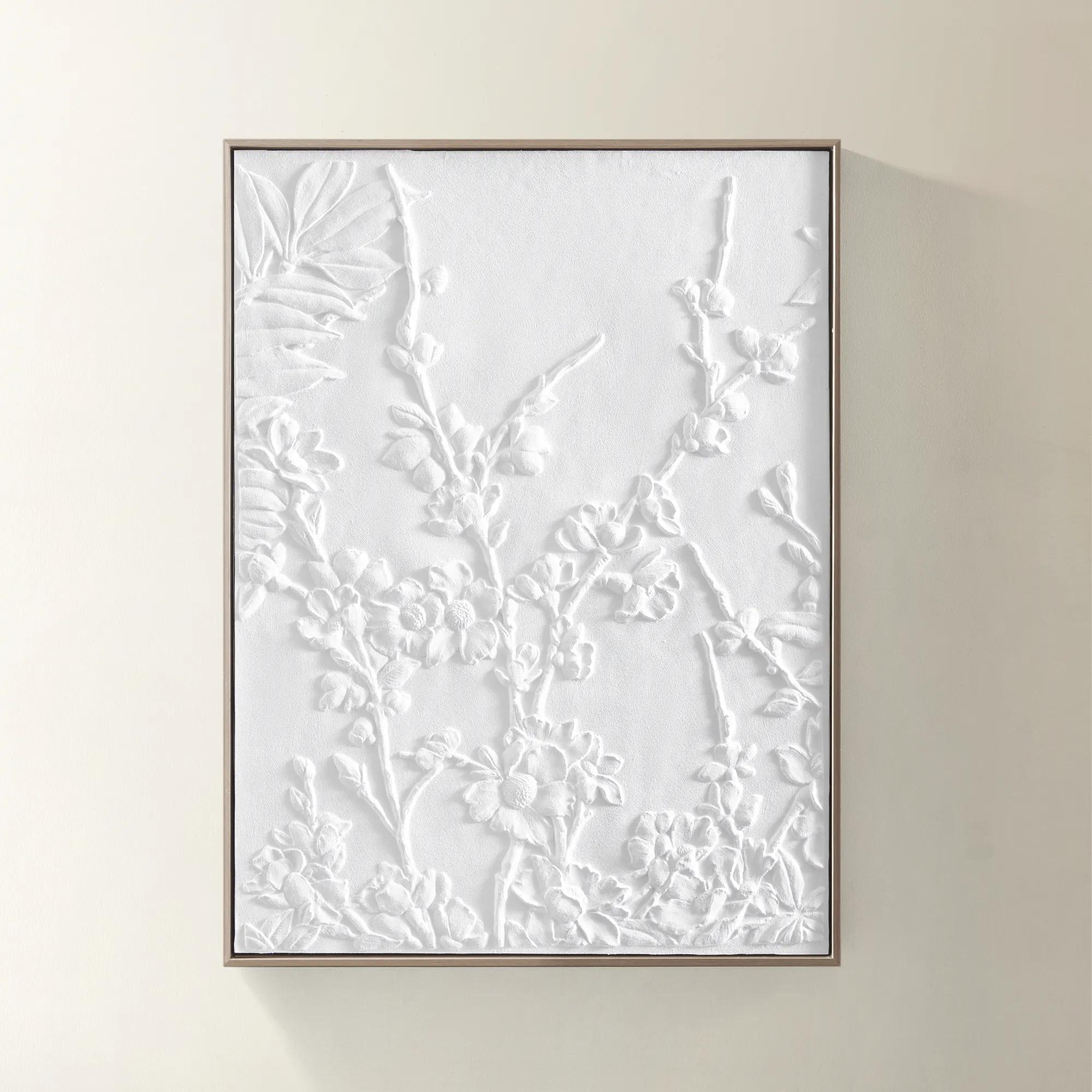
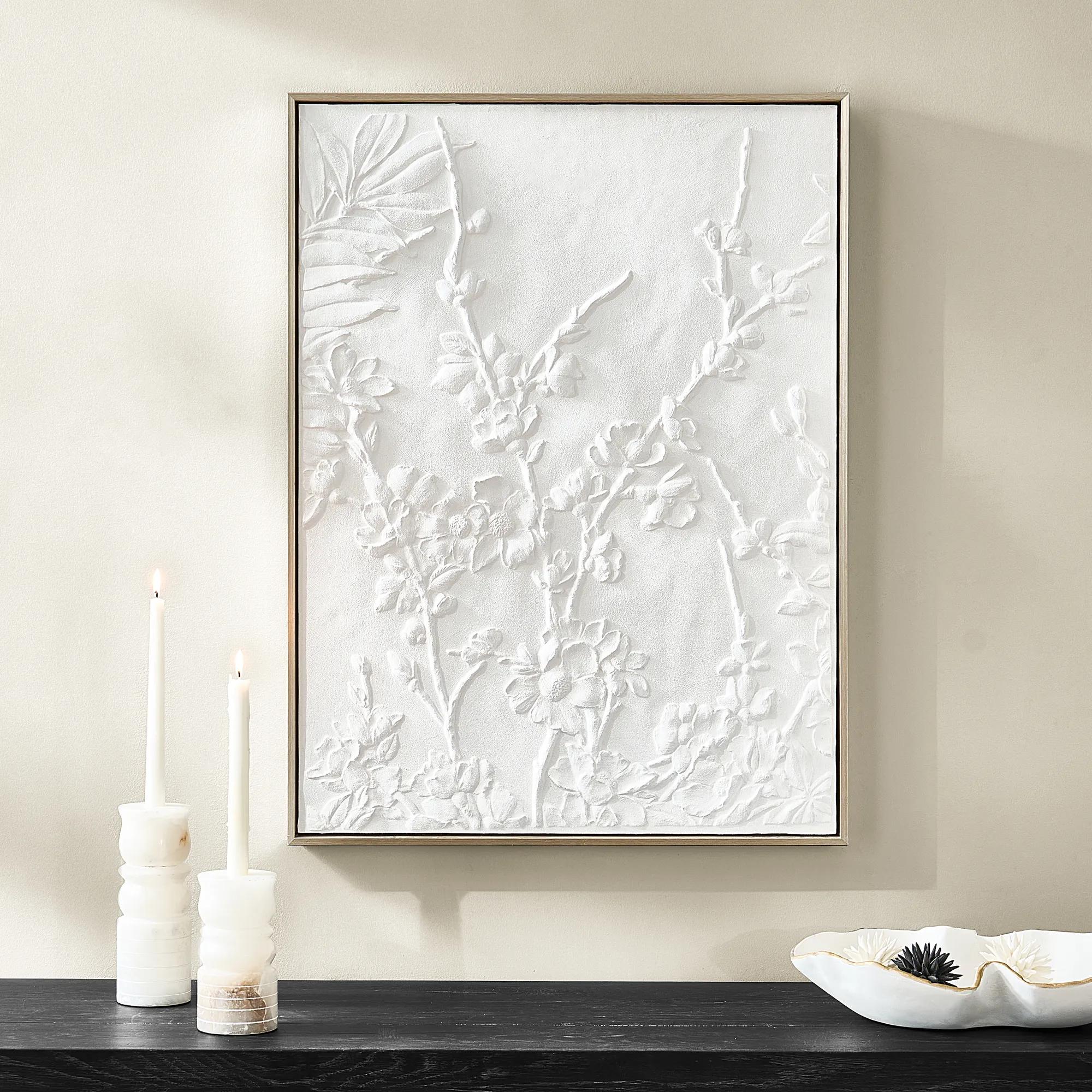 Allegro Framed Painted Wall Art 31.5" x 23.6"$109
A hand-painted canvas featuring textured floral motifs, framed in a warm champagne finish for subtle sophistication.
Add To Cart -
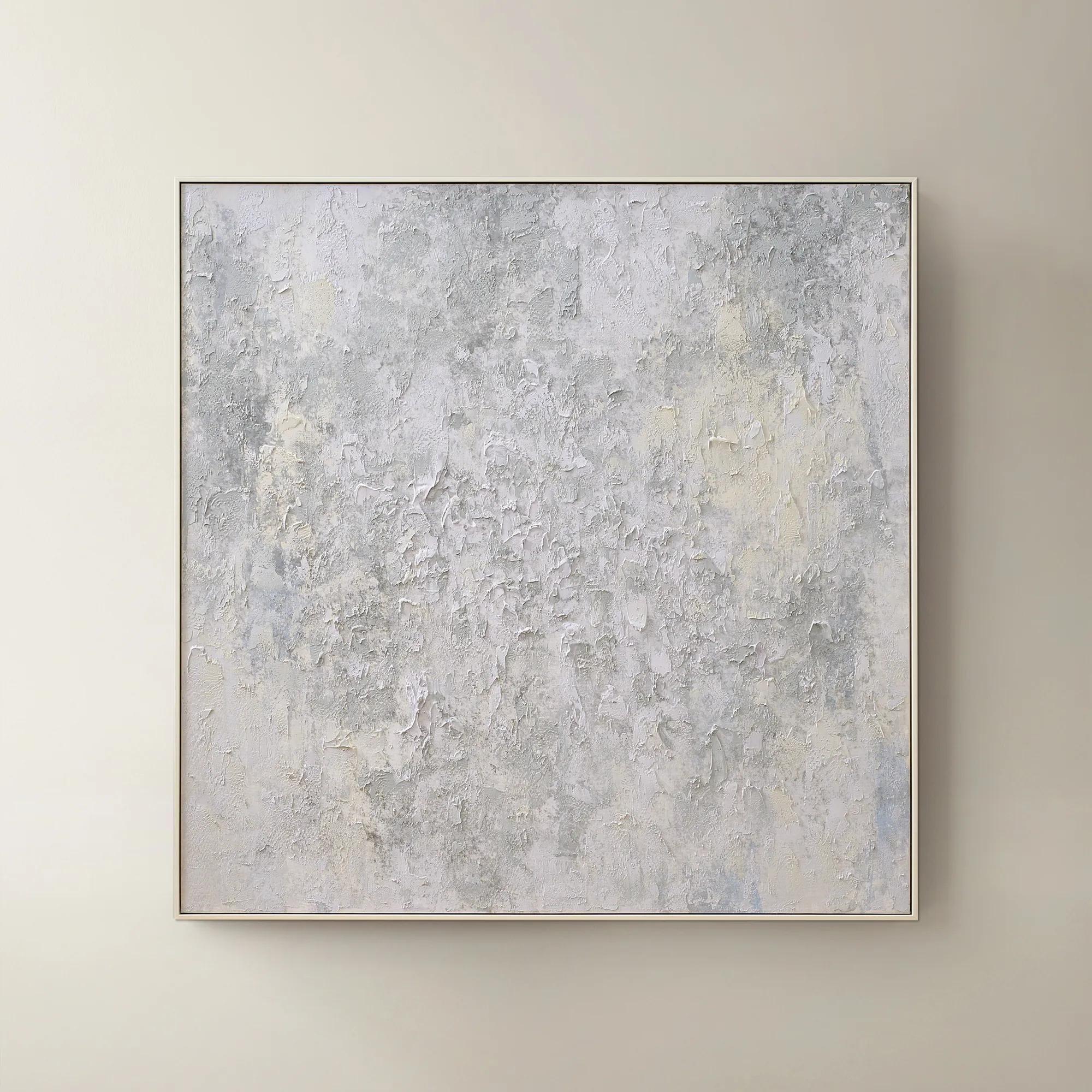 Breathe of Fresh Air Framed Painted Wall Art 50" x 50"$499
A hand-painted abstract canvas in dusty blue hues, elegantly framed in white for a serene, modern accent.
Add To Cart -
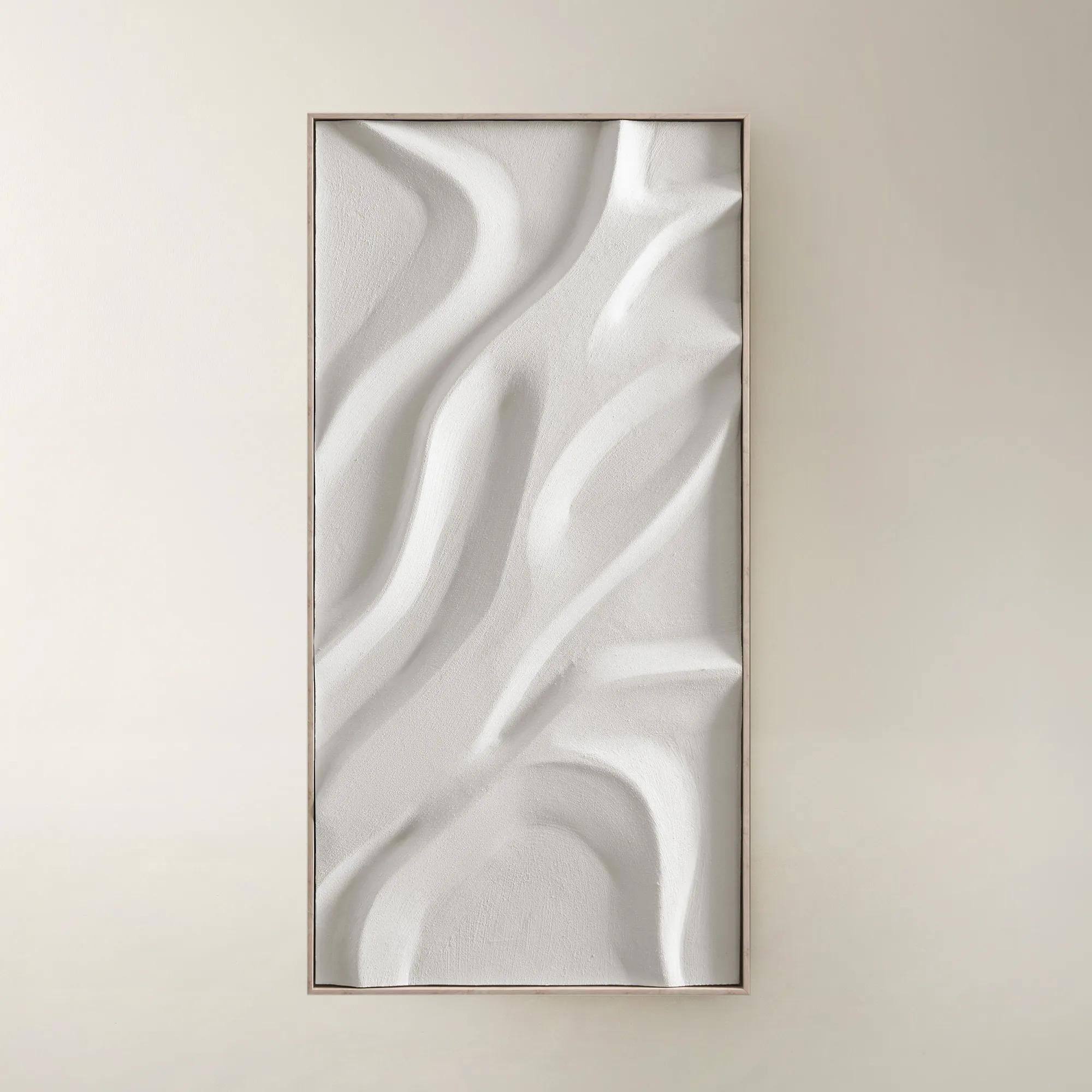
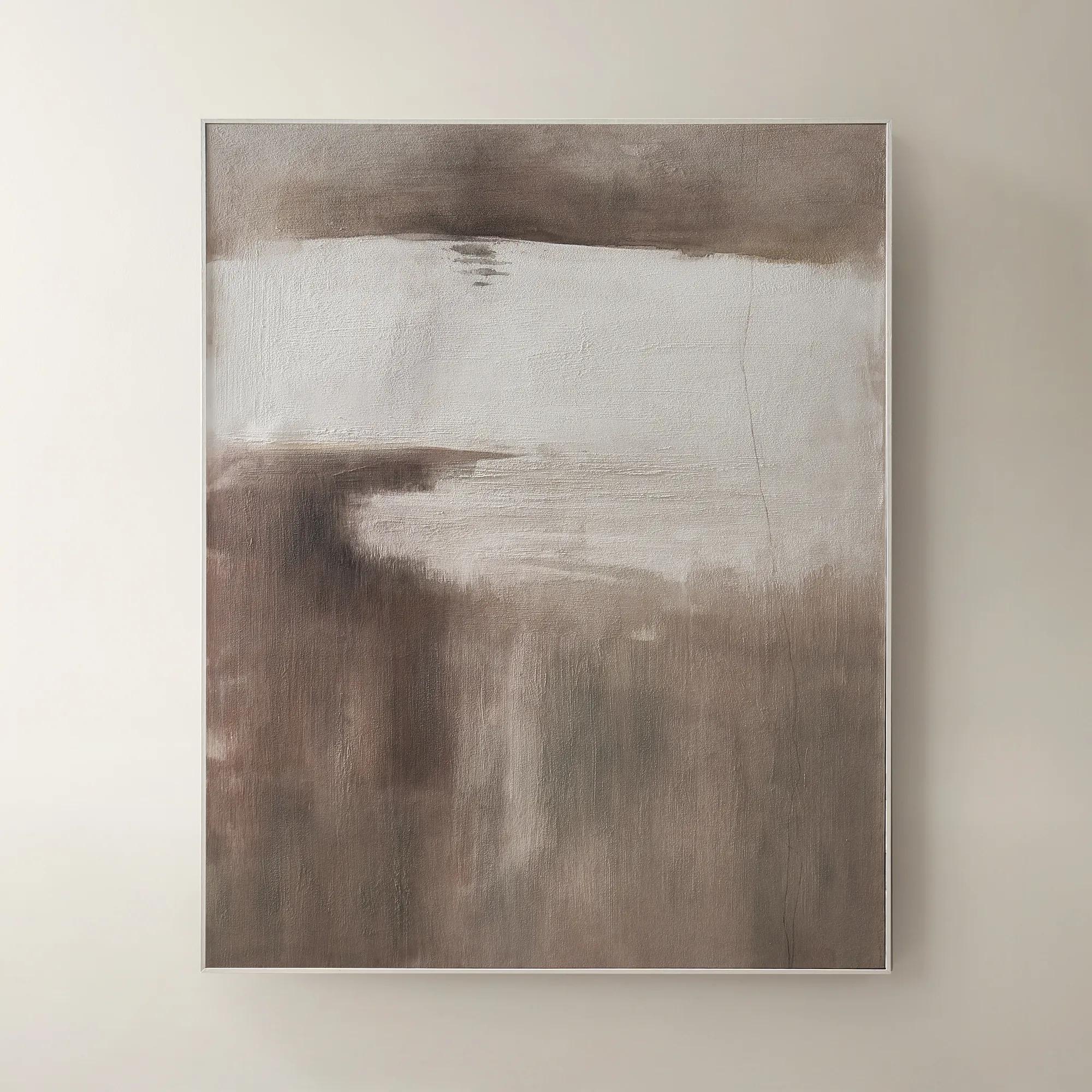
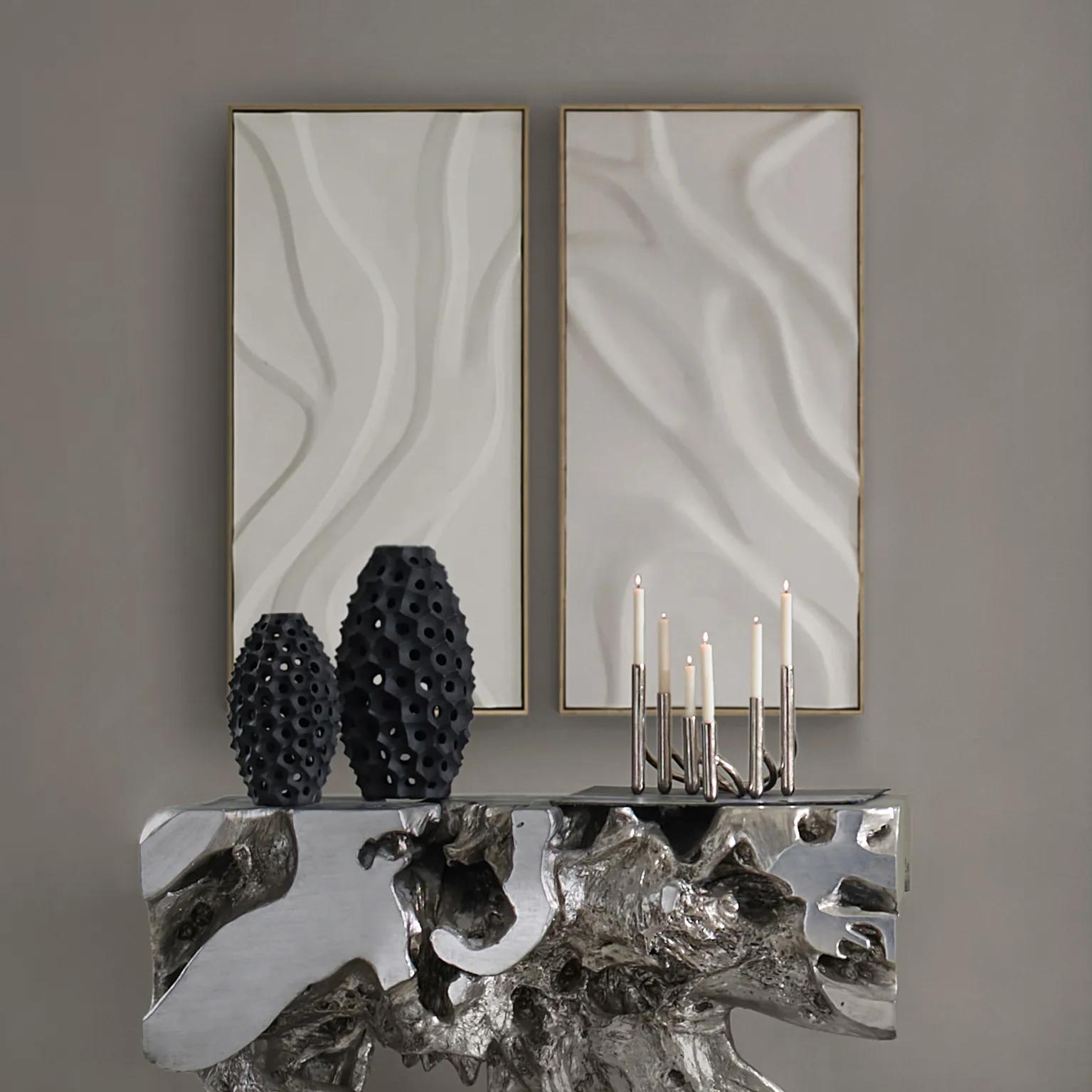 Au Lait Framed Painted Wall Art II 47.2" x 23.6"$199
A serene hand-painted canvas in beige, set in a warm whitewash floater frame for modern interiors.
Add To Cart -
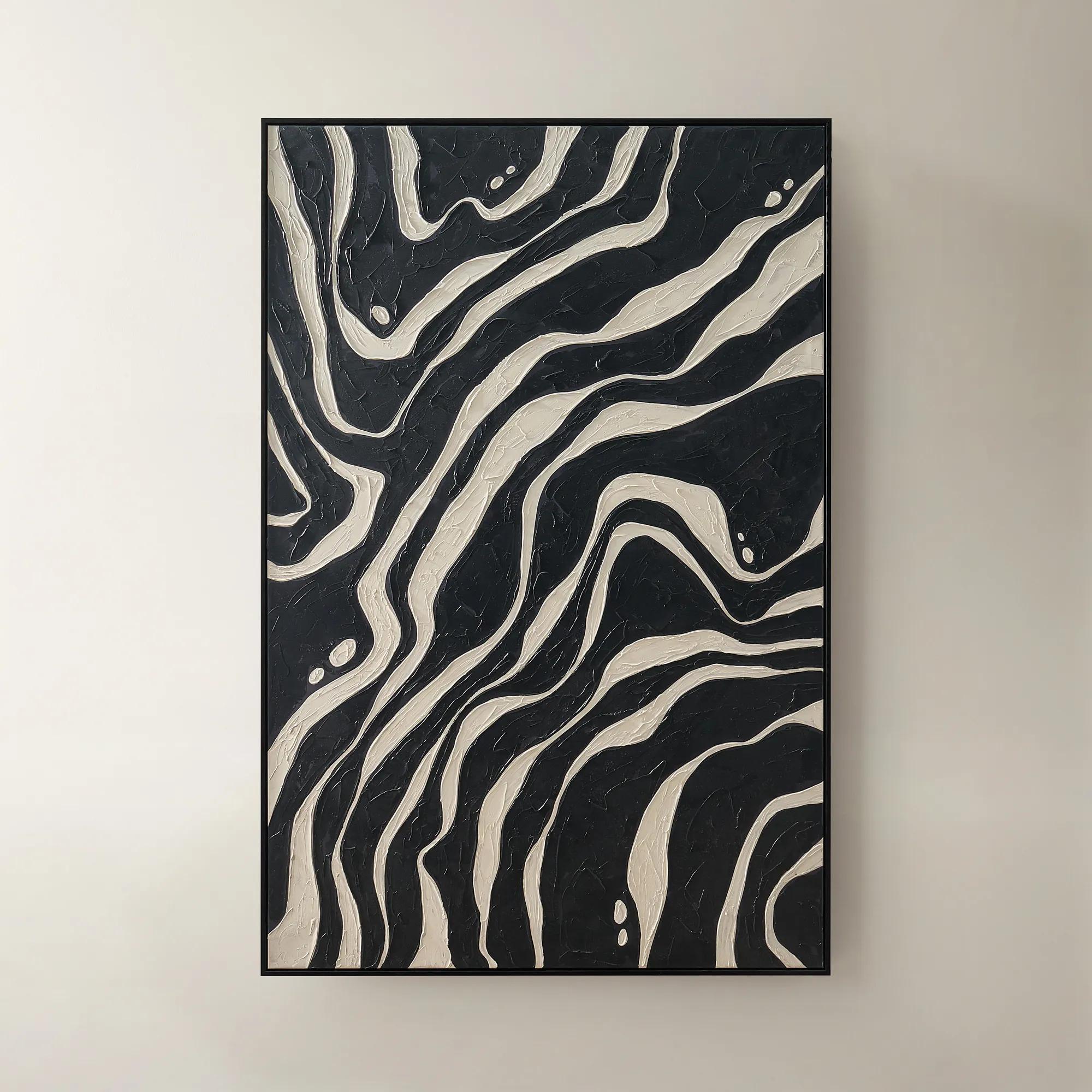
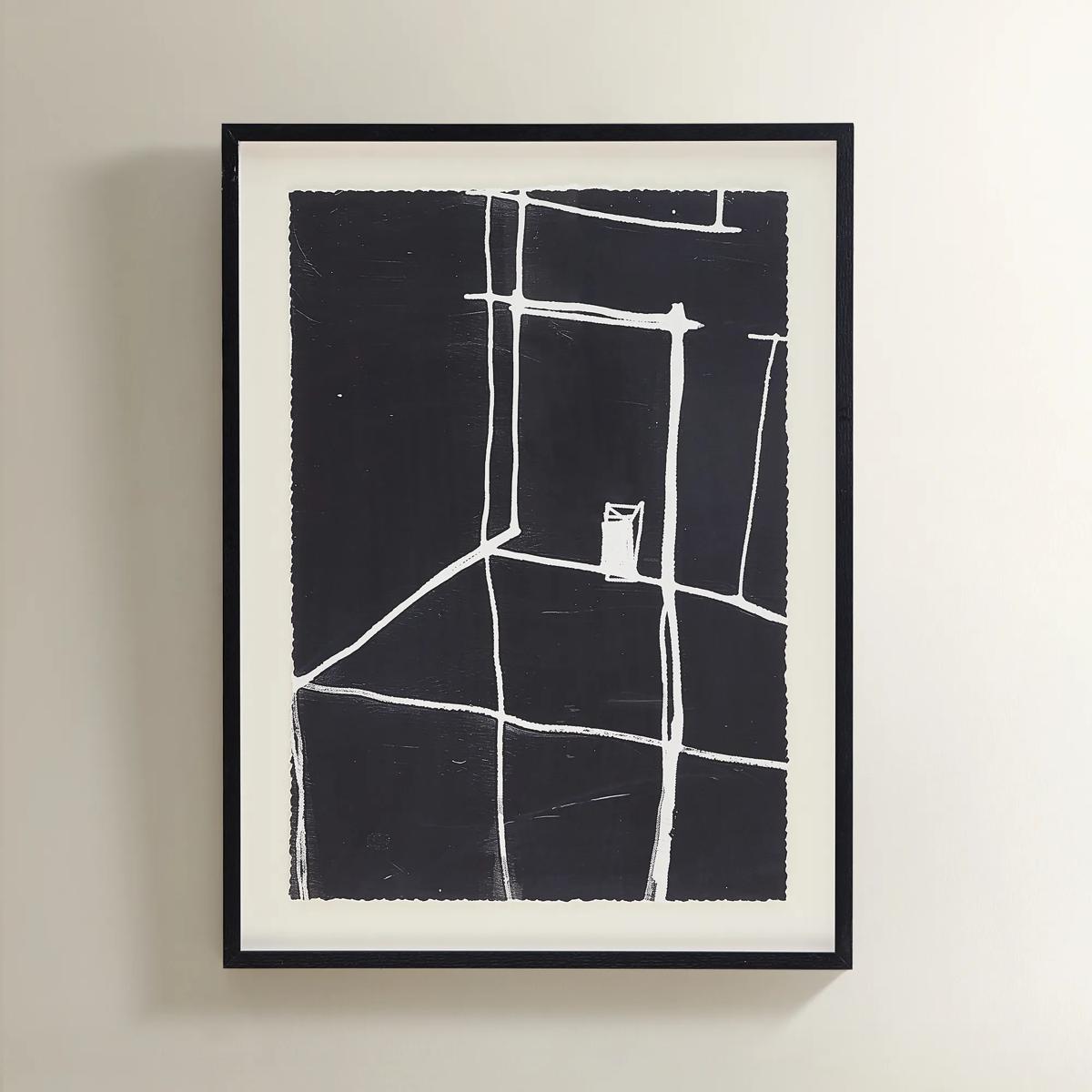 Solitude Art$269
A minimalist black-and-white abstract print featuring bold white lines in a sleek black polyresin frame.
Add To Cart -
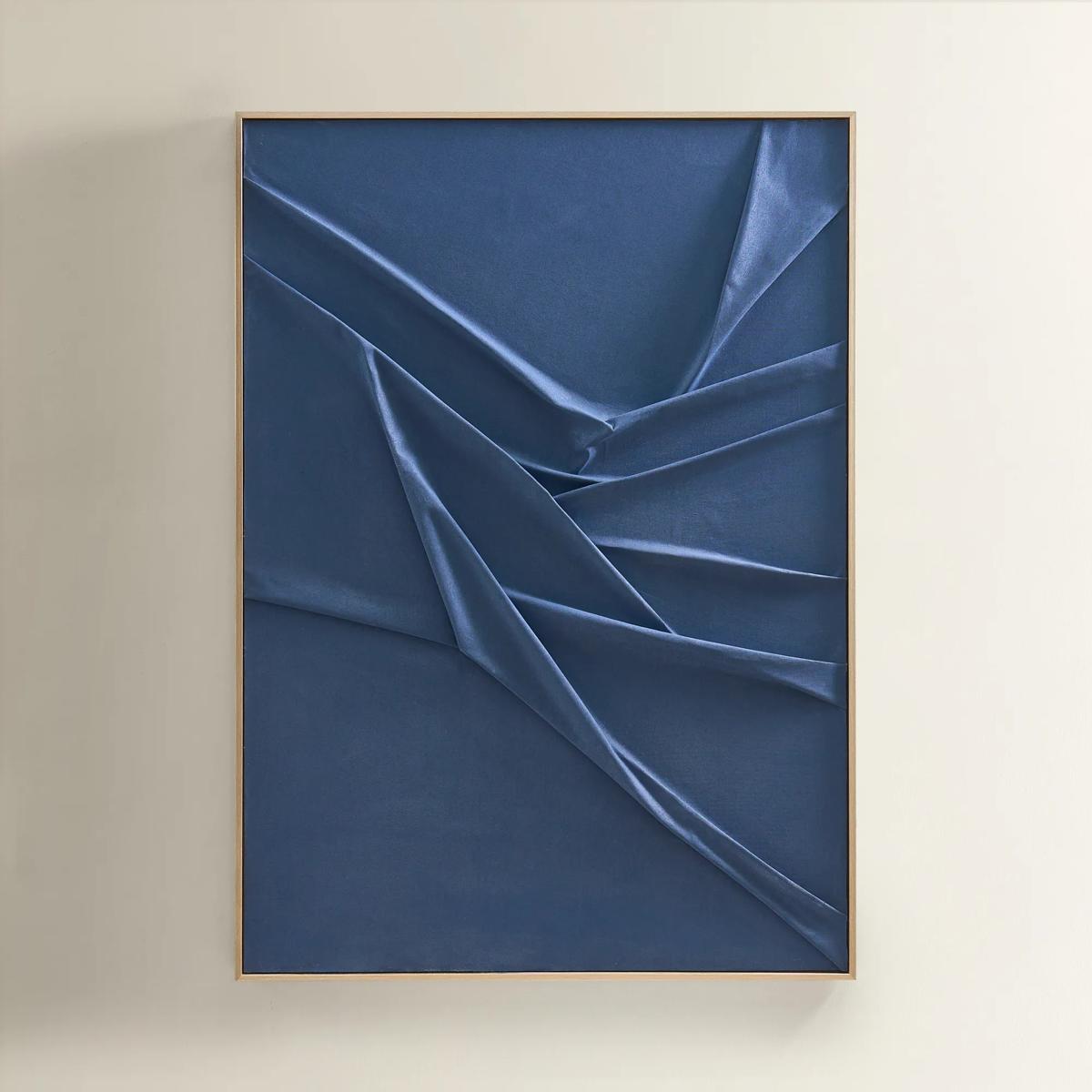 Deep Sea Painting$599
A hand-sculpted navy canvas with dimensional folds, framed in soft champagne for modern, serene elegance.
Add To Cart -
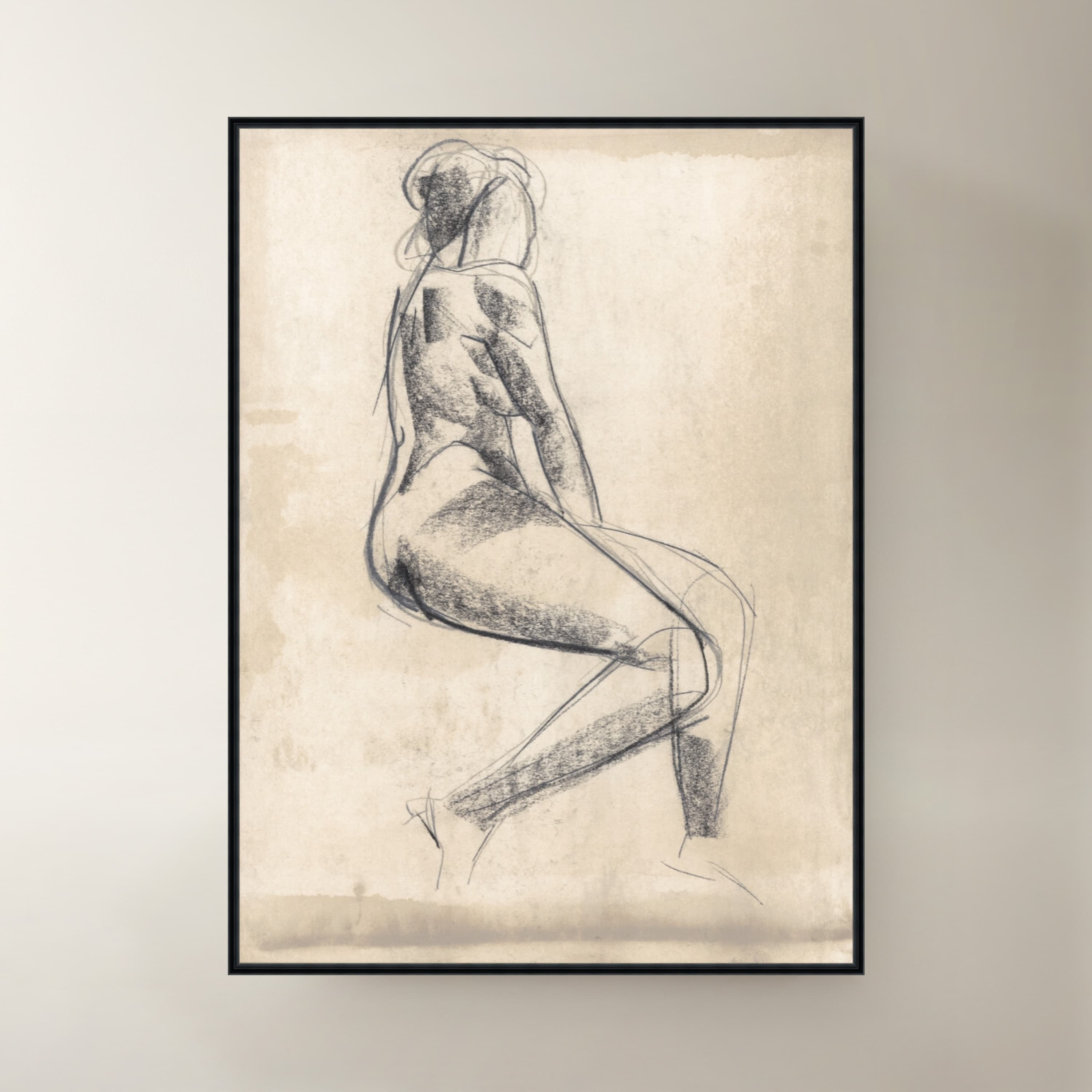
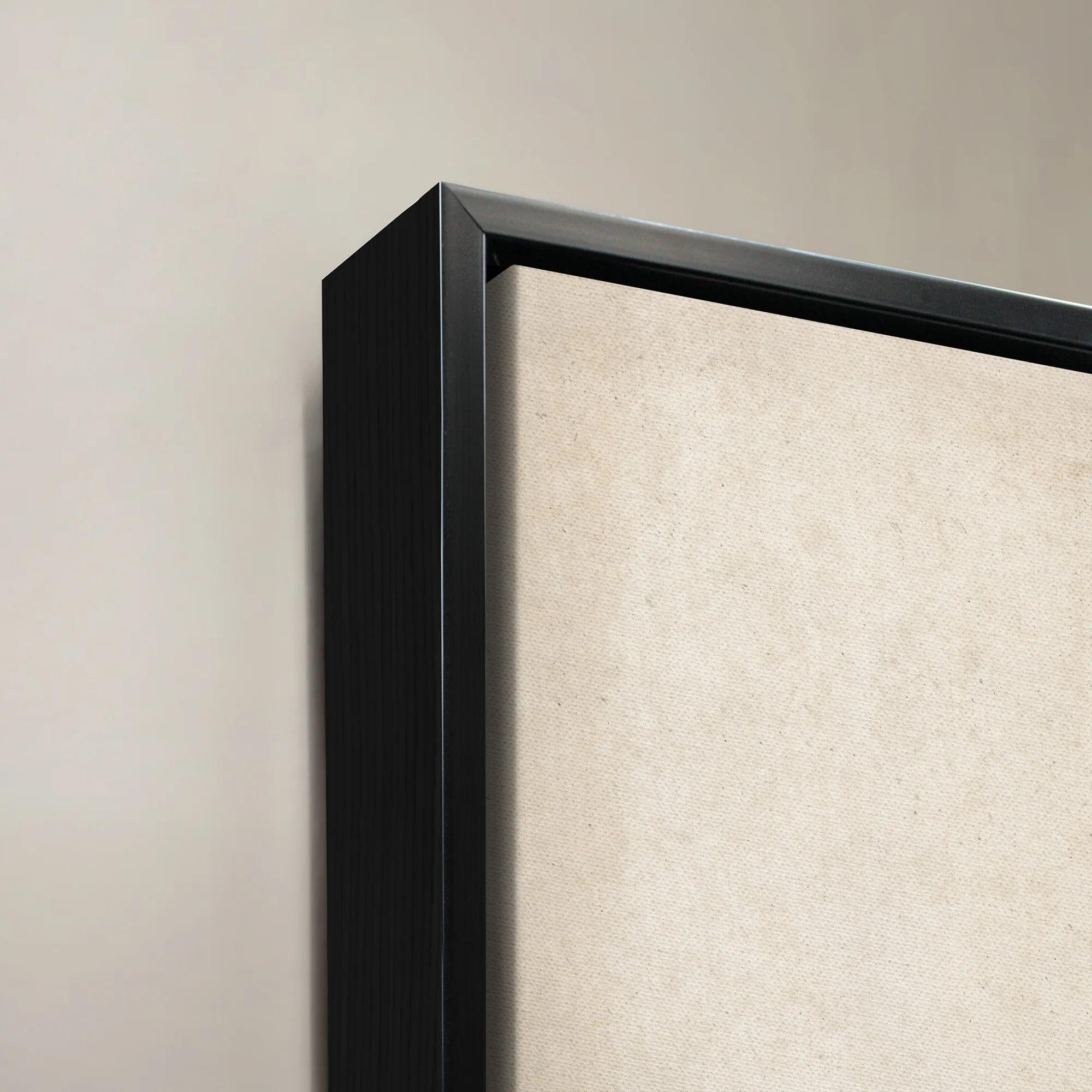 Restful Figure I Framed Wall Art 20" x 27"$449
A serene figurative canvas artwork in warm brown tones, elegantly framed for sophisticated wall display.
Add To Cart -
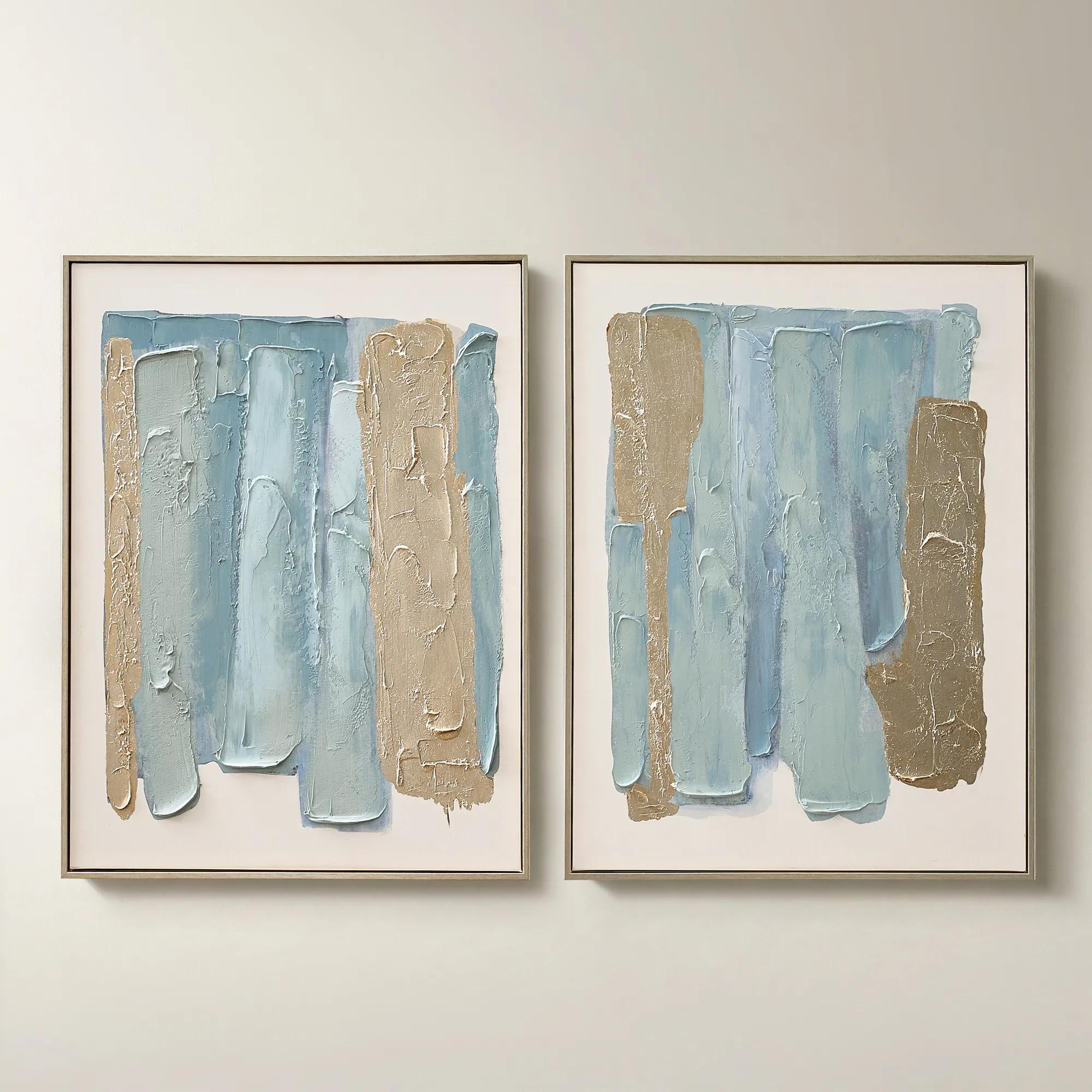
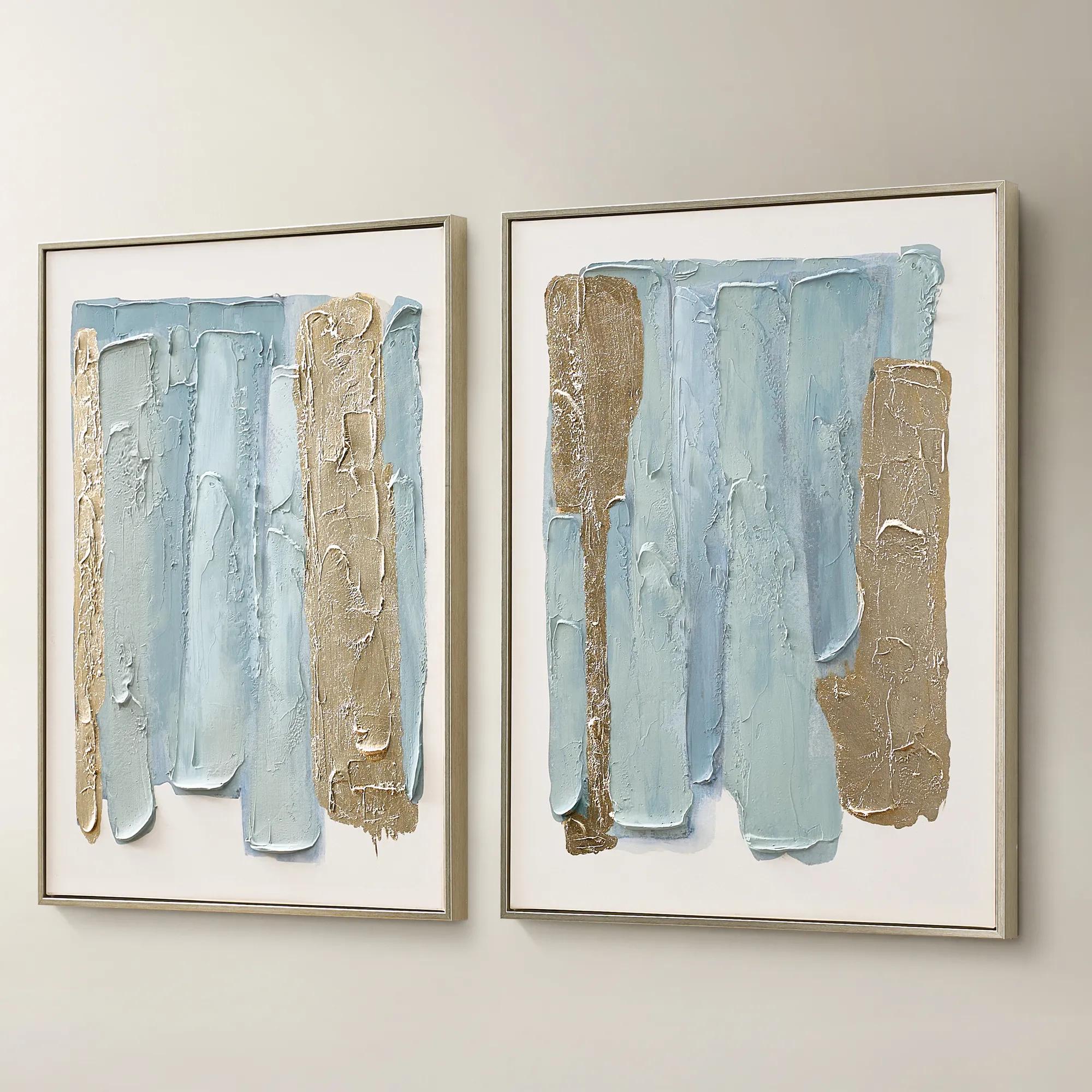 Blue Drift Framed Champagne Painted Wall Art 24" x 32" Set of 2$199
A set of two hand-painted canvases in dusty blue with champagne leafing and modern abstract movement.
Add To Cart -
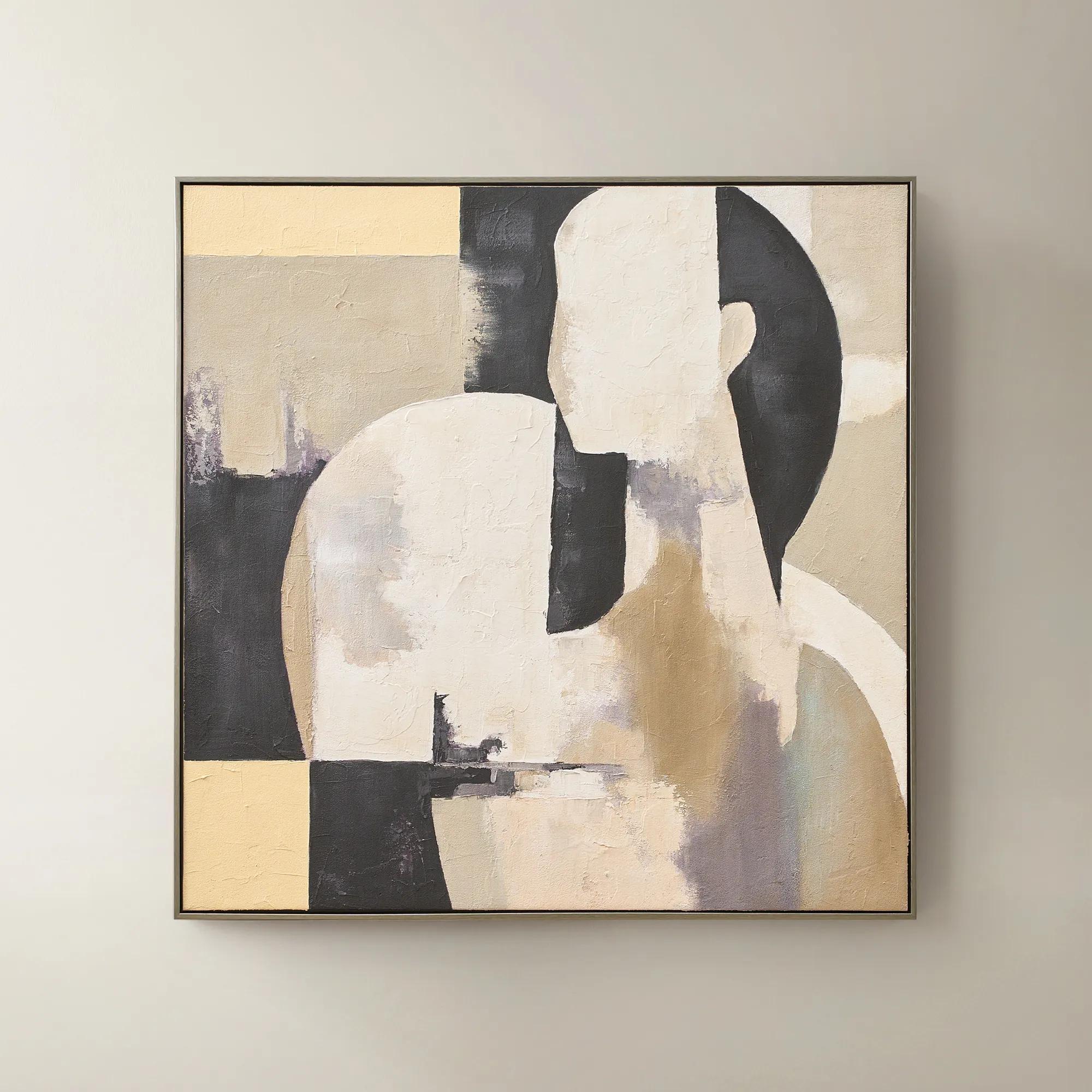 Afternoon Rest Framed Painted Wall Art 40" x 40"$399
A hand-painted abstract figure in buttercream, turtledove, and black hues framed in dark grey.
Add To Cart -
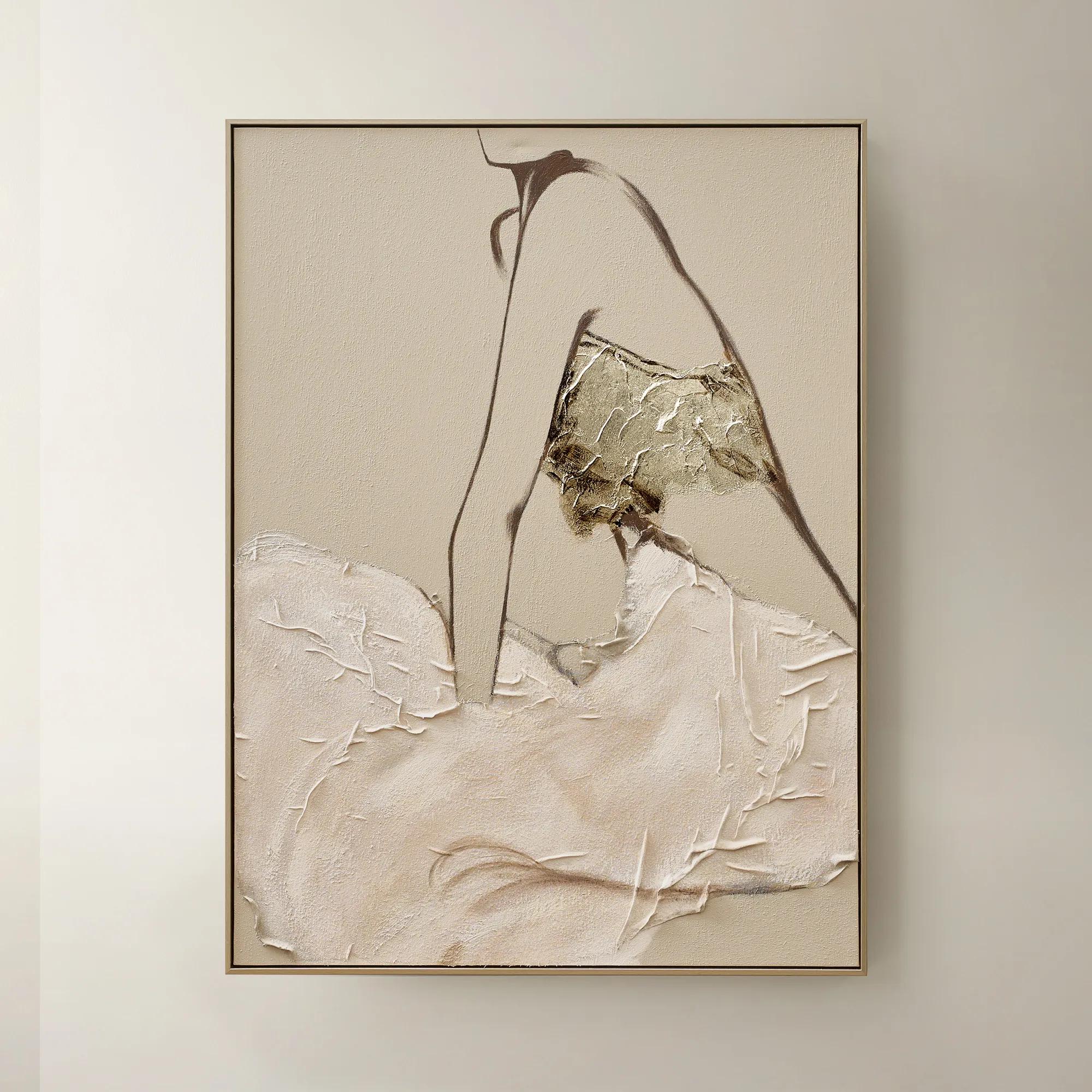 Quiet Pose Framed Painted Wall Art 36" x 48"$499
A hand-painted canvas in taupe and champagne tones features textural details and shimmering champagne leafing.
Add To Cart -
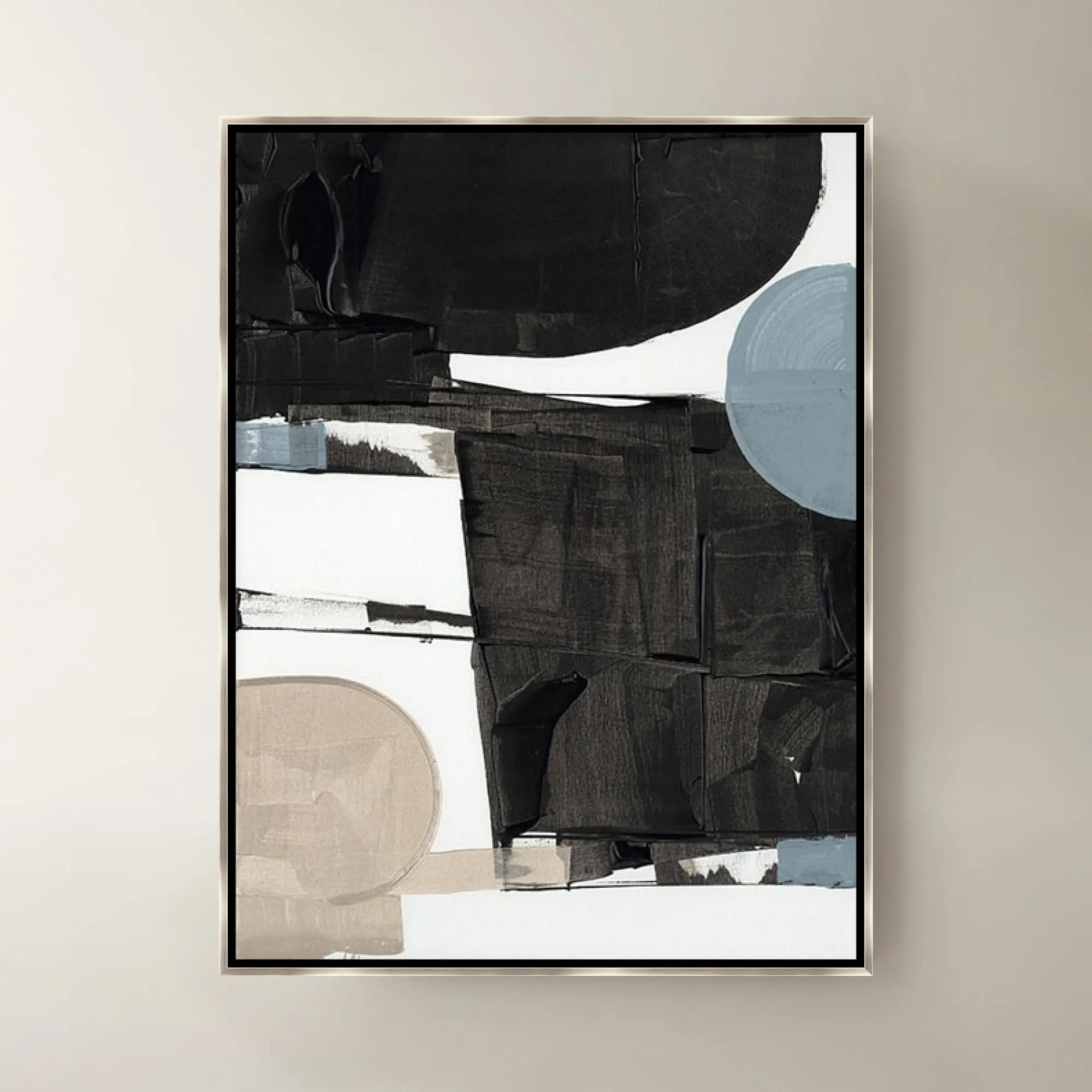
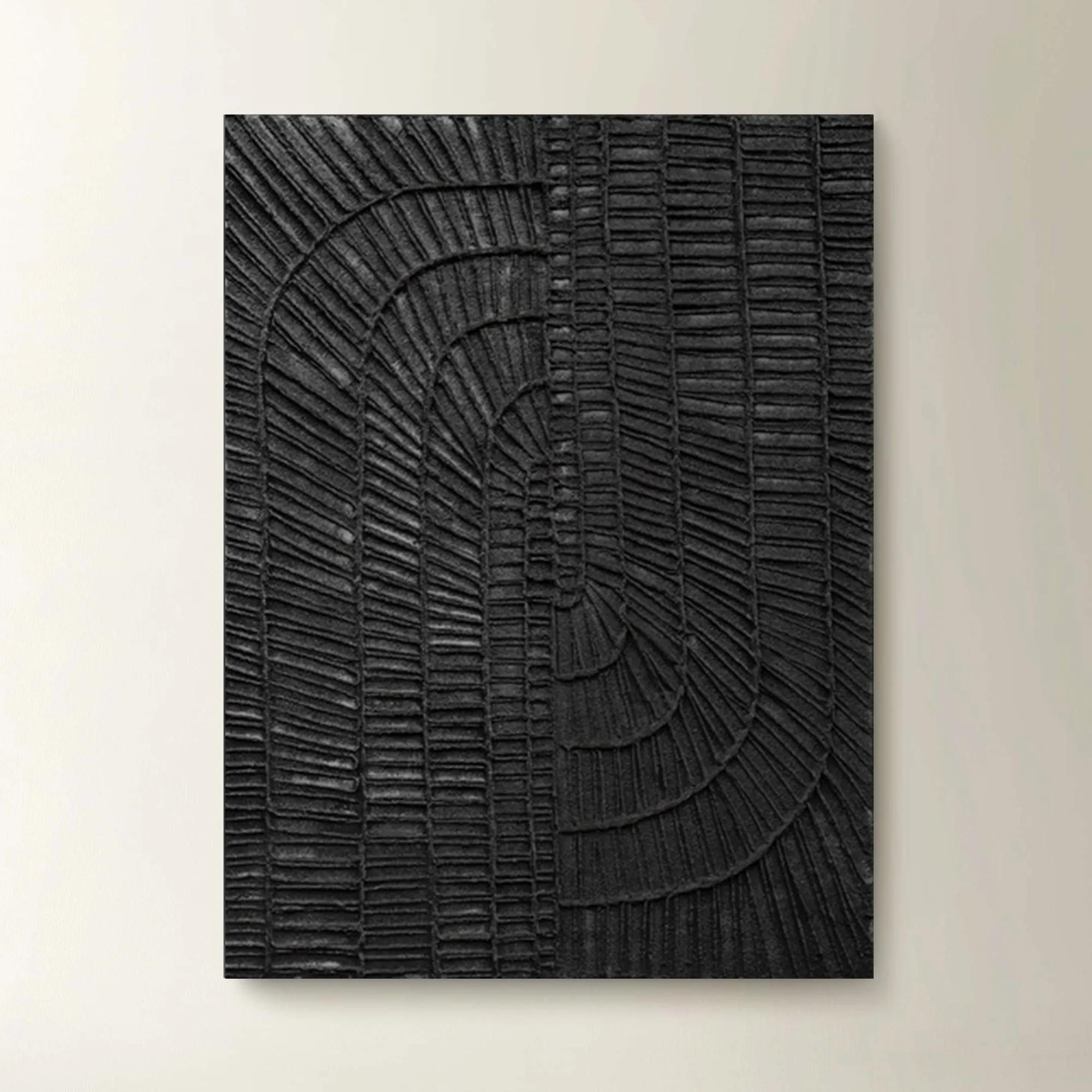
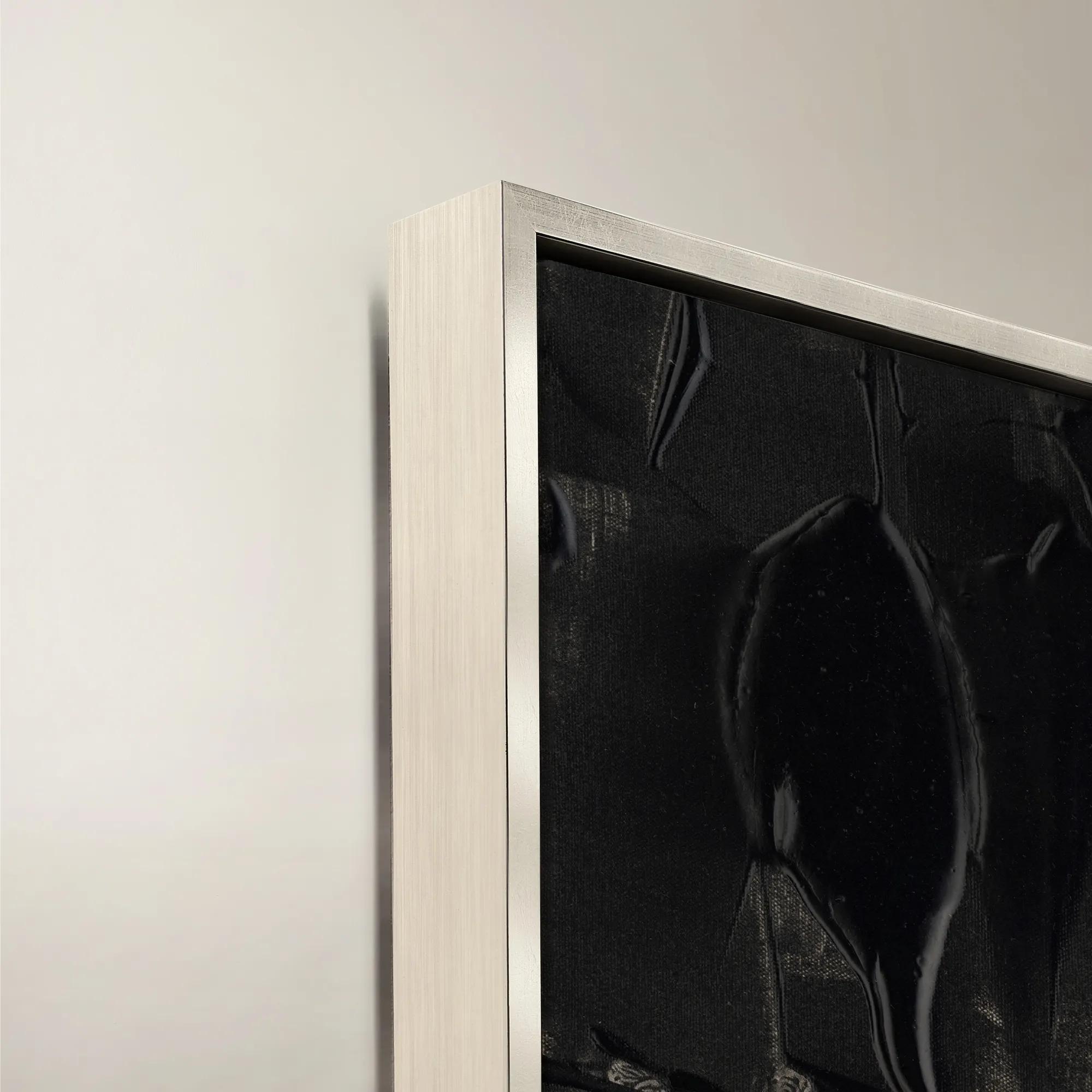 Blanc de Blancs II Framed Wall Art 24" x 30"$519
A sophisticated black canvas artwork presented in a refined frame, bringing modern elegance to your walls.
Add To Cart -
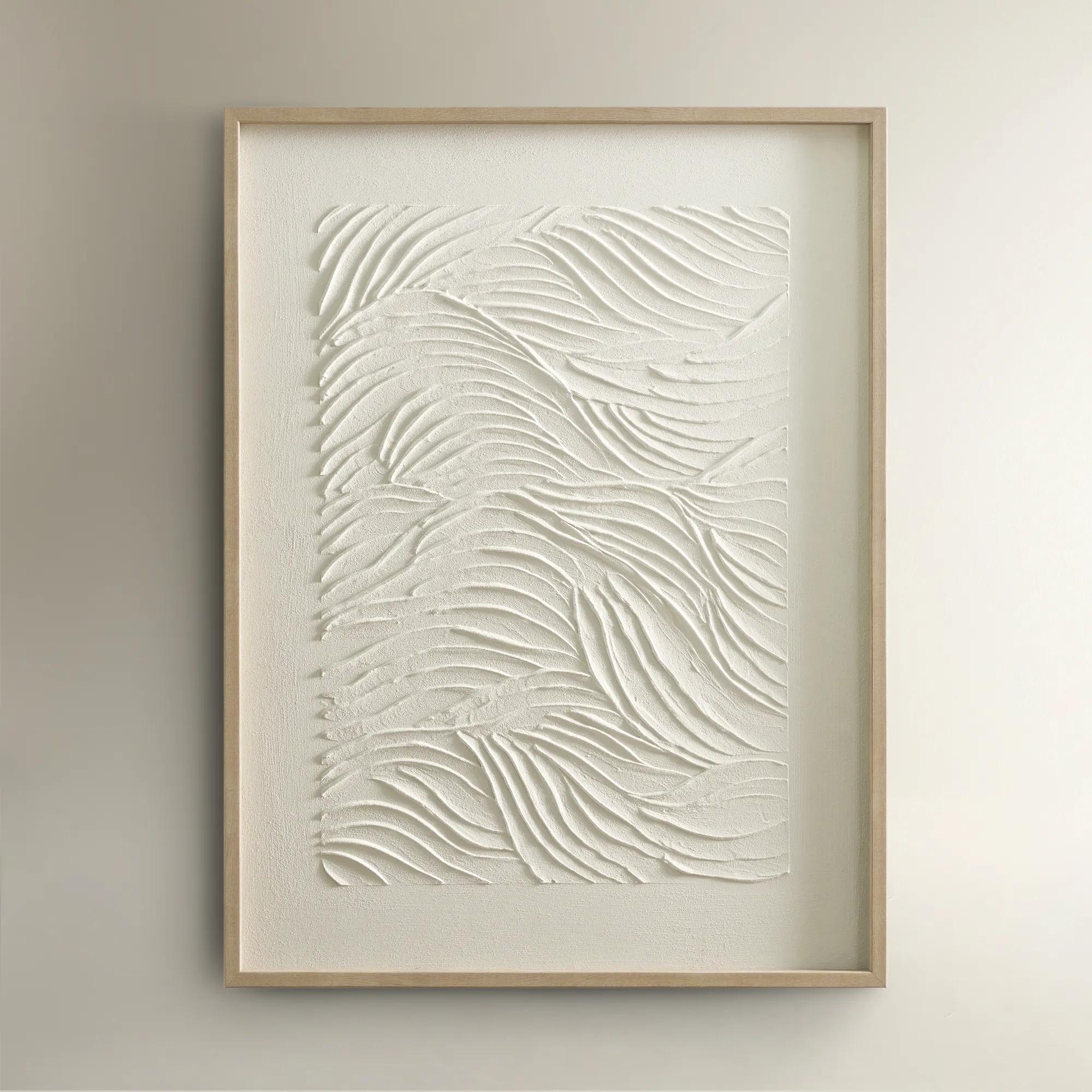
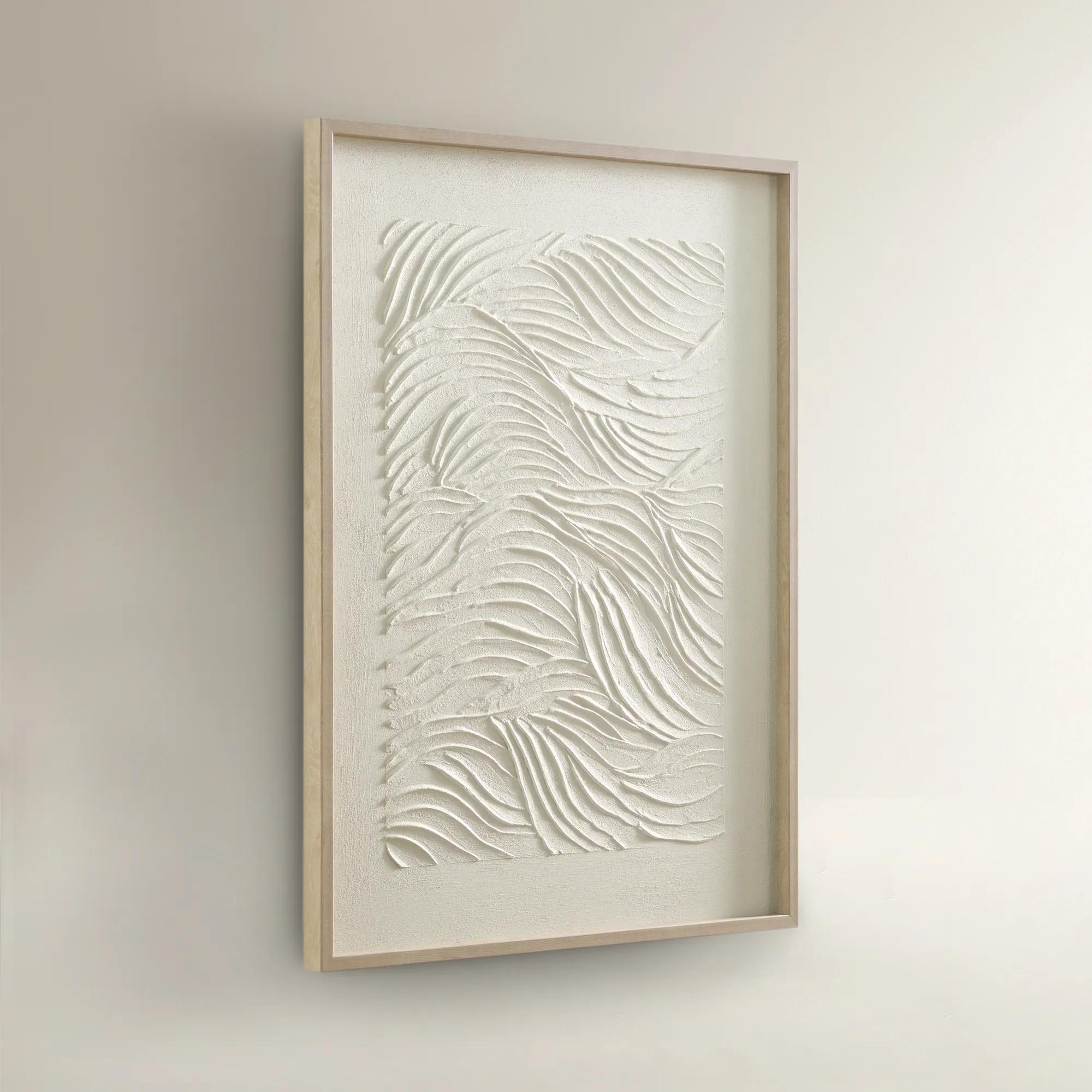 Sonnet Framed Painted Wall Art 23.5" x 31.5"$99
A hand-painted canvas featuring textured white shades and a warm blonde wood frame for elegant depth.
Add To Cart -
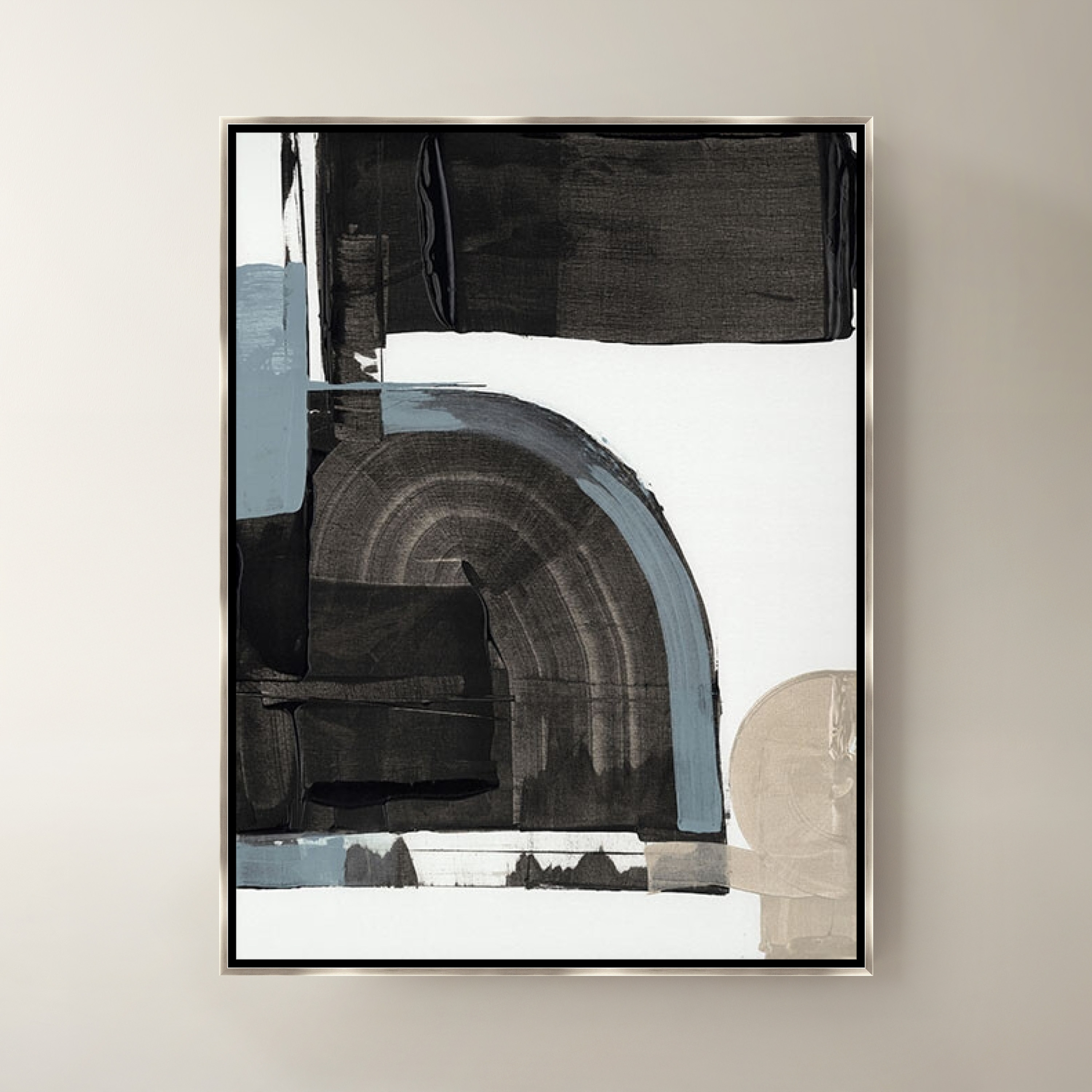
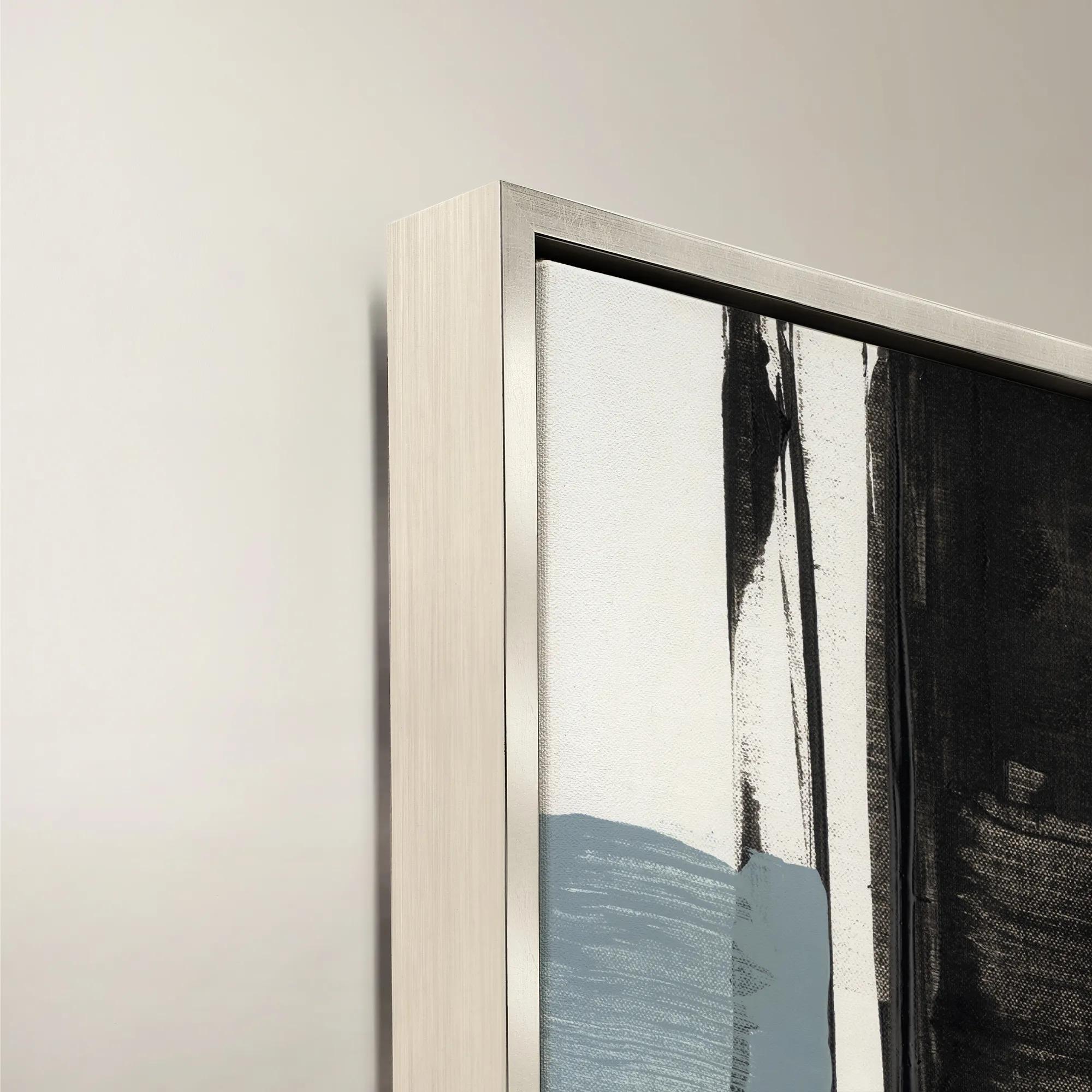 Blanc de Blancs III Framed Wall Art 24" x 30"$519
A sophisticated black canvas artwork presented in a refined frame for modern wall styling.
Add To Cart -

 Transformation Framed Wall Art 47" x 47"$1099
A sophisticated brown canvas wall artwork in a striking framed design for modern interiors.
Add To Cart -
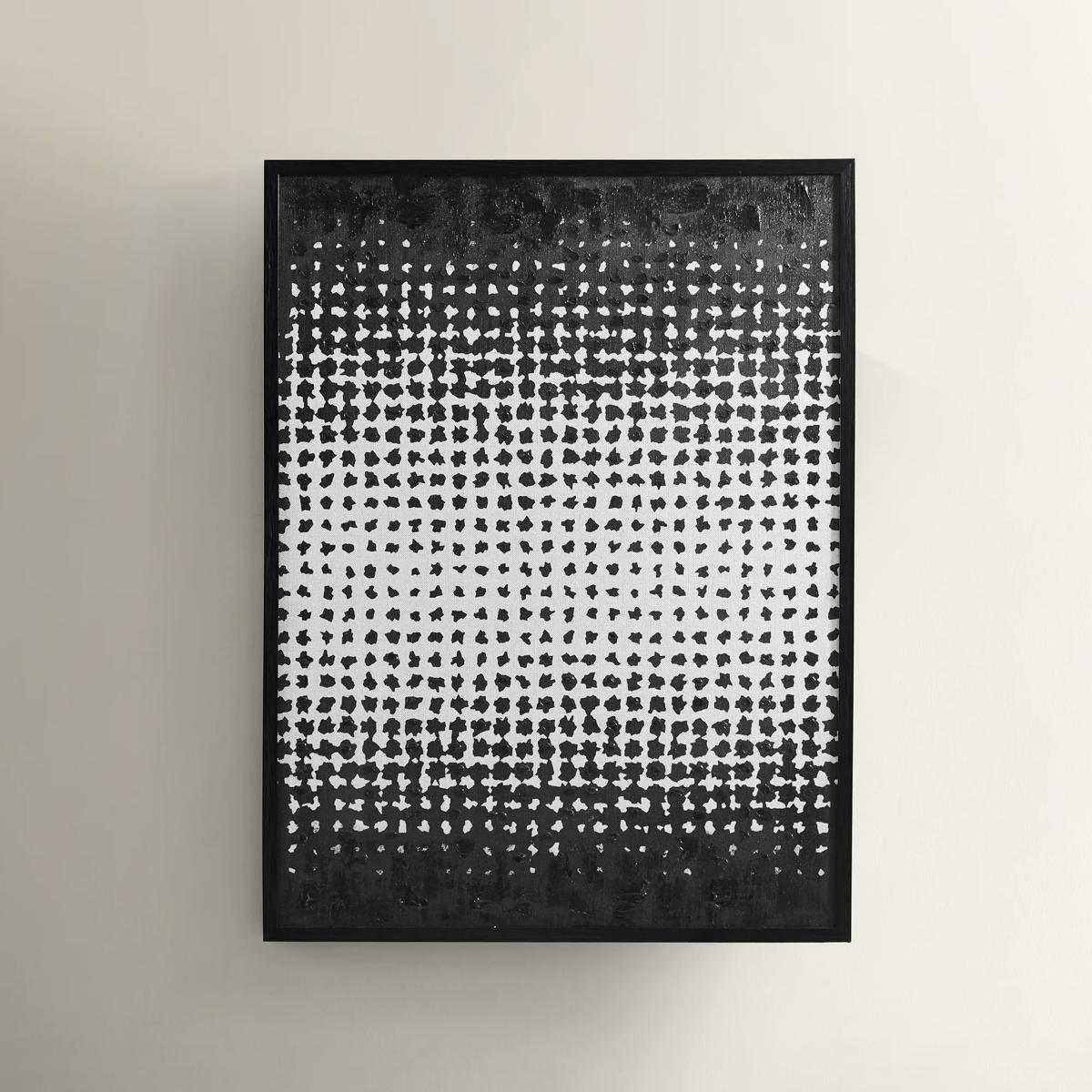
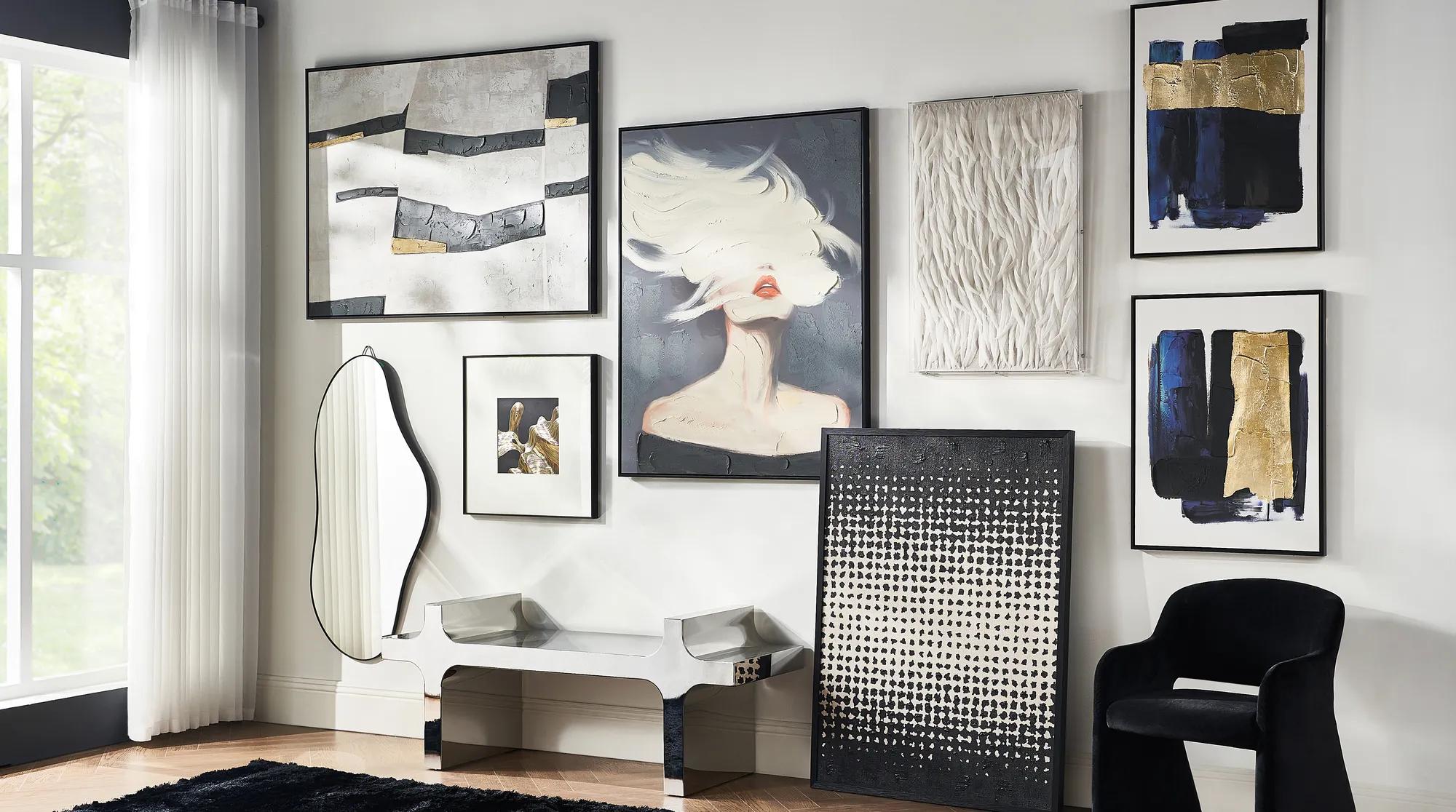 In Time Painting$399
A hand-painted linen canvas featuring cream and black dots in a modern, minimalist geometric pattern.
Add To Cart -
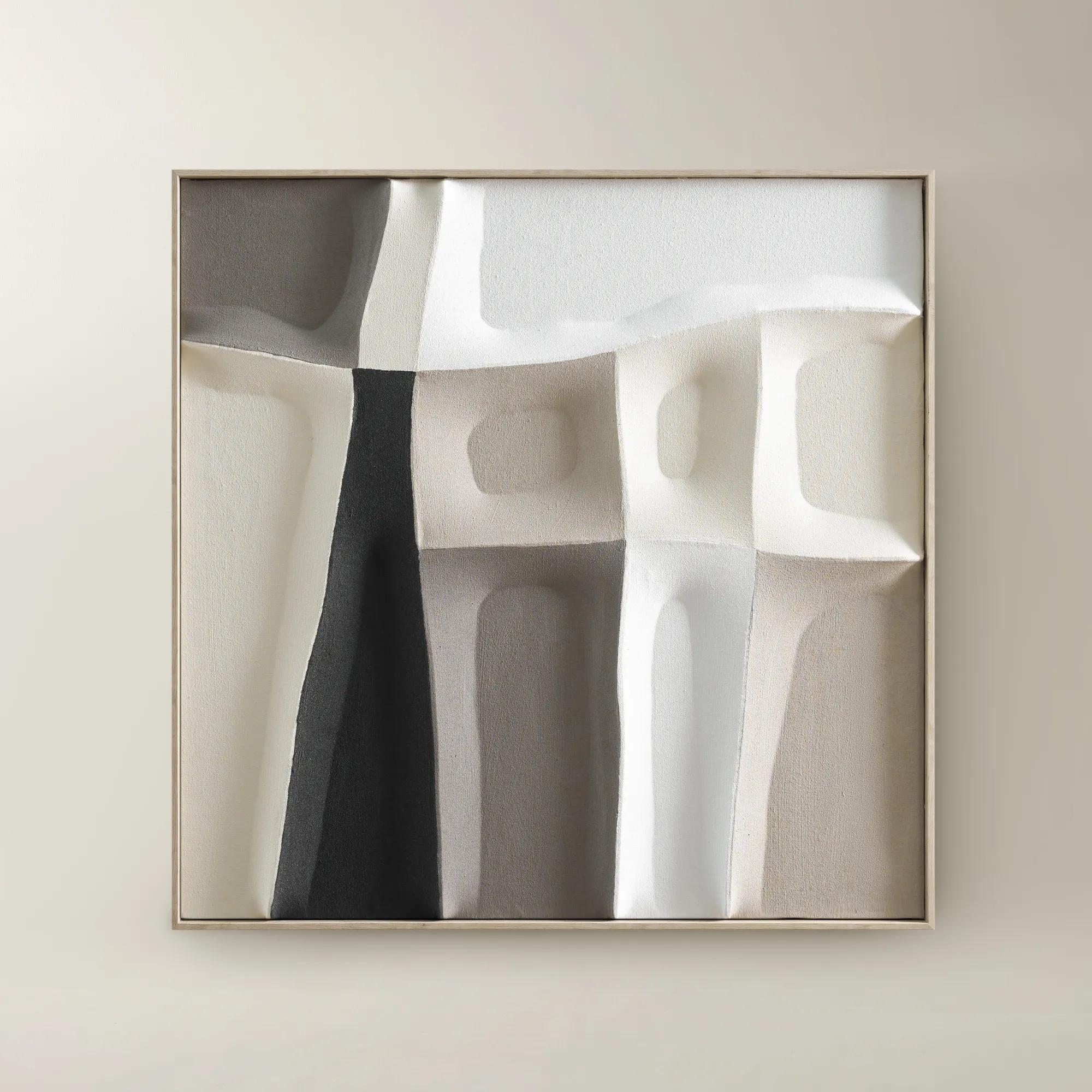
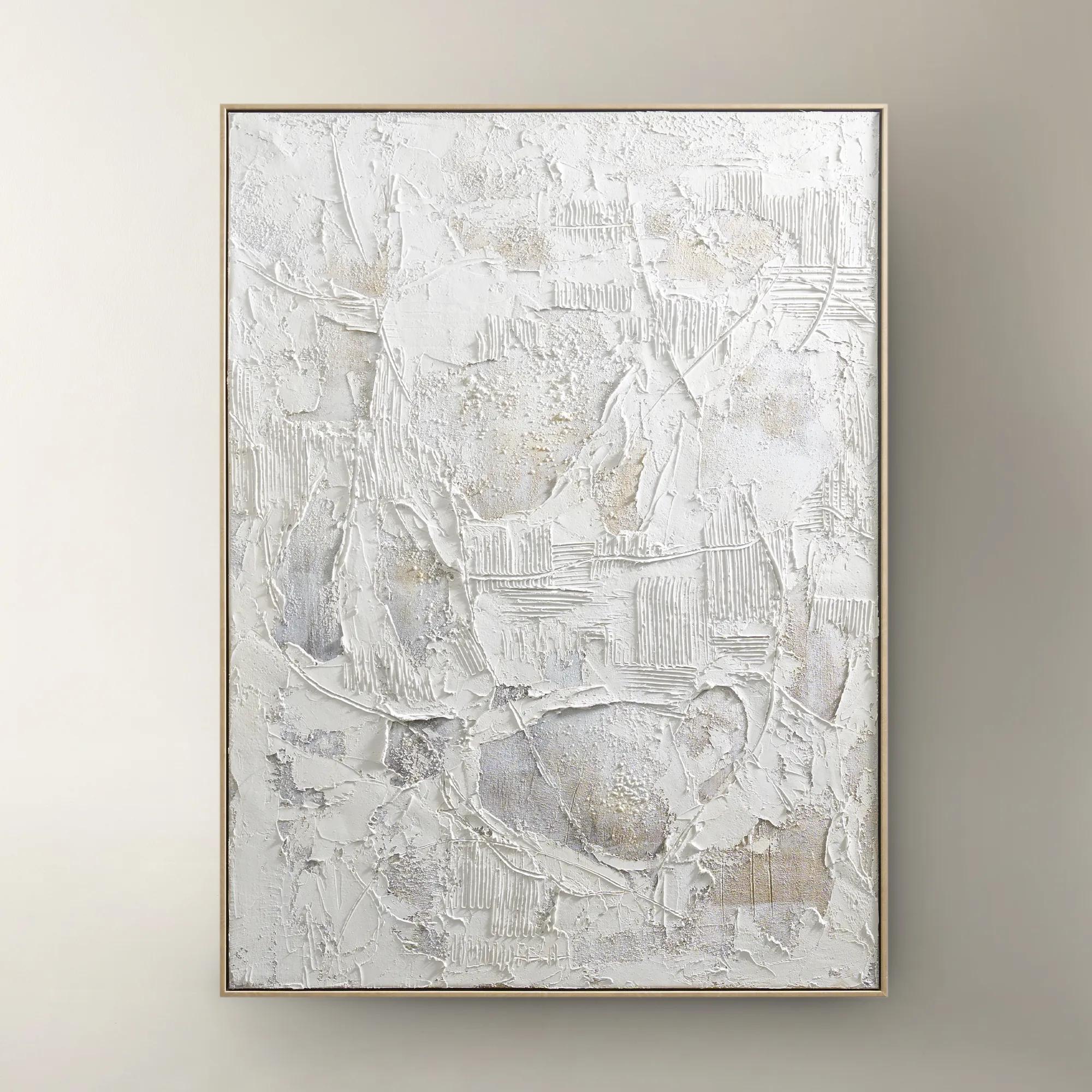 Stone Heritage Painting$399
A hand-painted canvas featuring textured white tones, elegantly framed in warm beech wood for refined appeal.
Add To Cart -
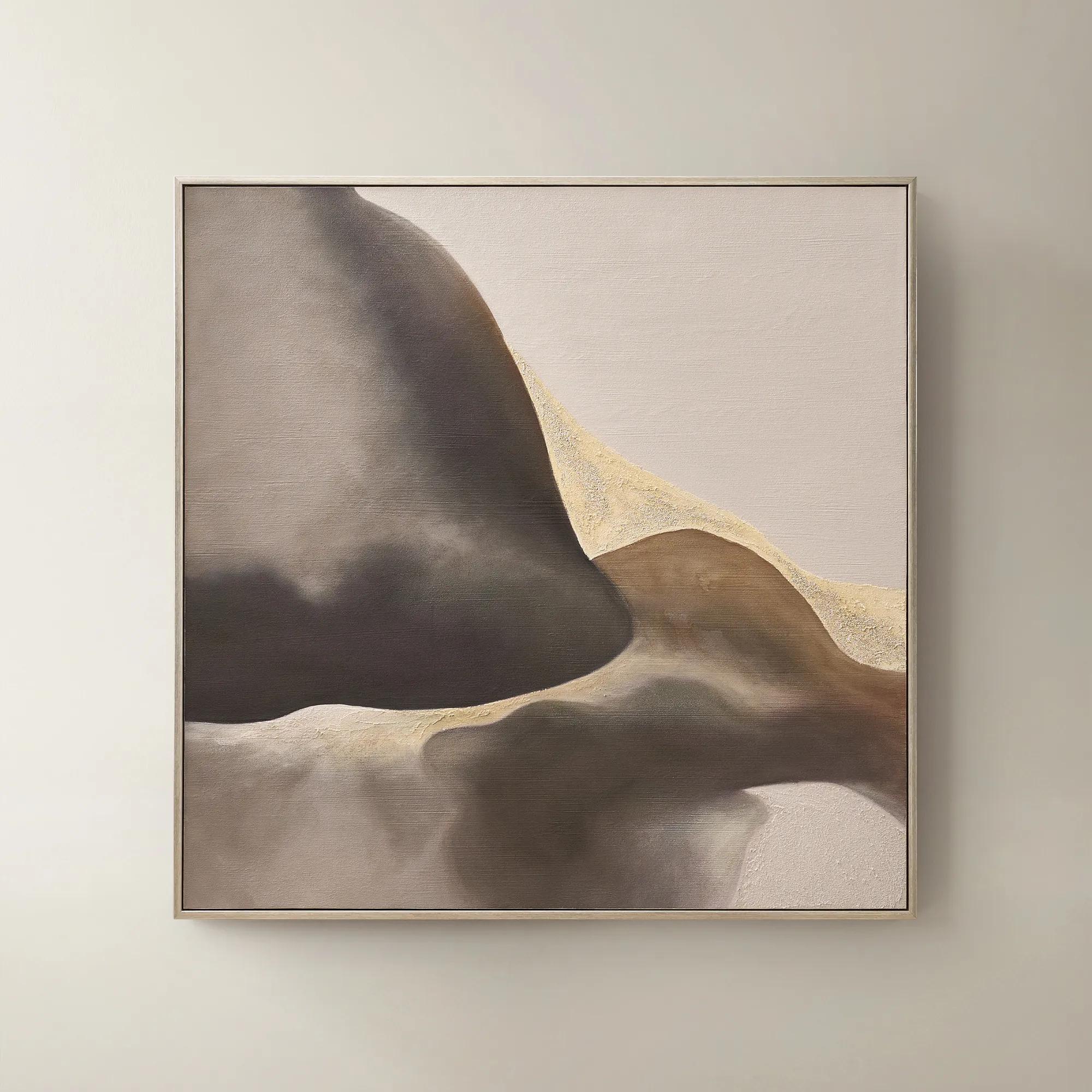 Windswept Framed Gold Leaf Painted Wall Art 50" x 50"$549
A hand-painted abstract canvas in plum truffle with gold leaf accents and a brushed champagne frame.
Add To Cart -
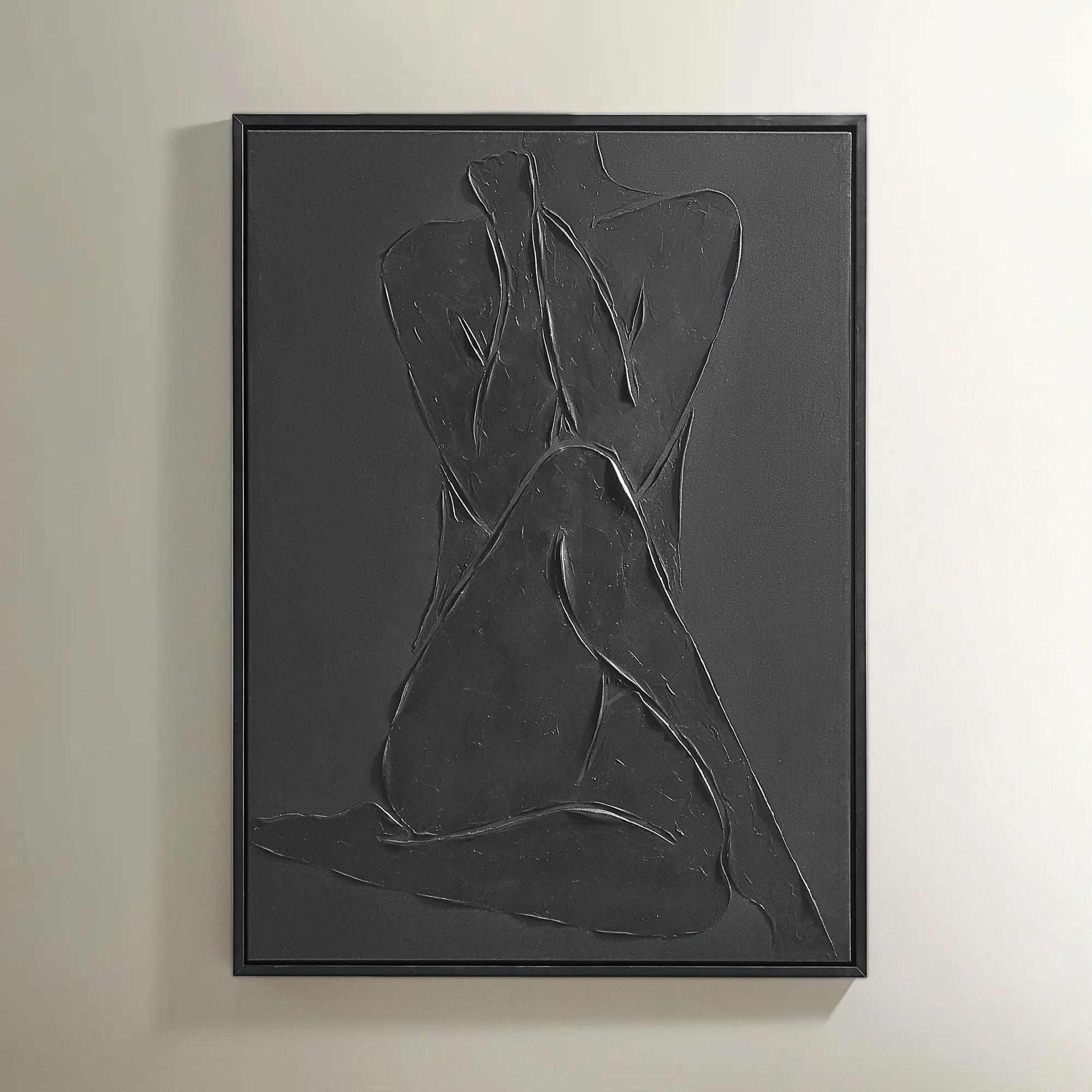 Modern Elegance Nude Black Framed Painted Wall Art 35.5" x 47.25"$599
A hand-embellished canvas artwork featuring textured strokes and vibrant hues in a black and gold Art Deco frame.
Add To Cart -
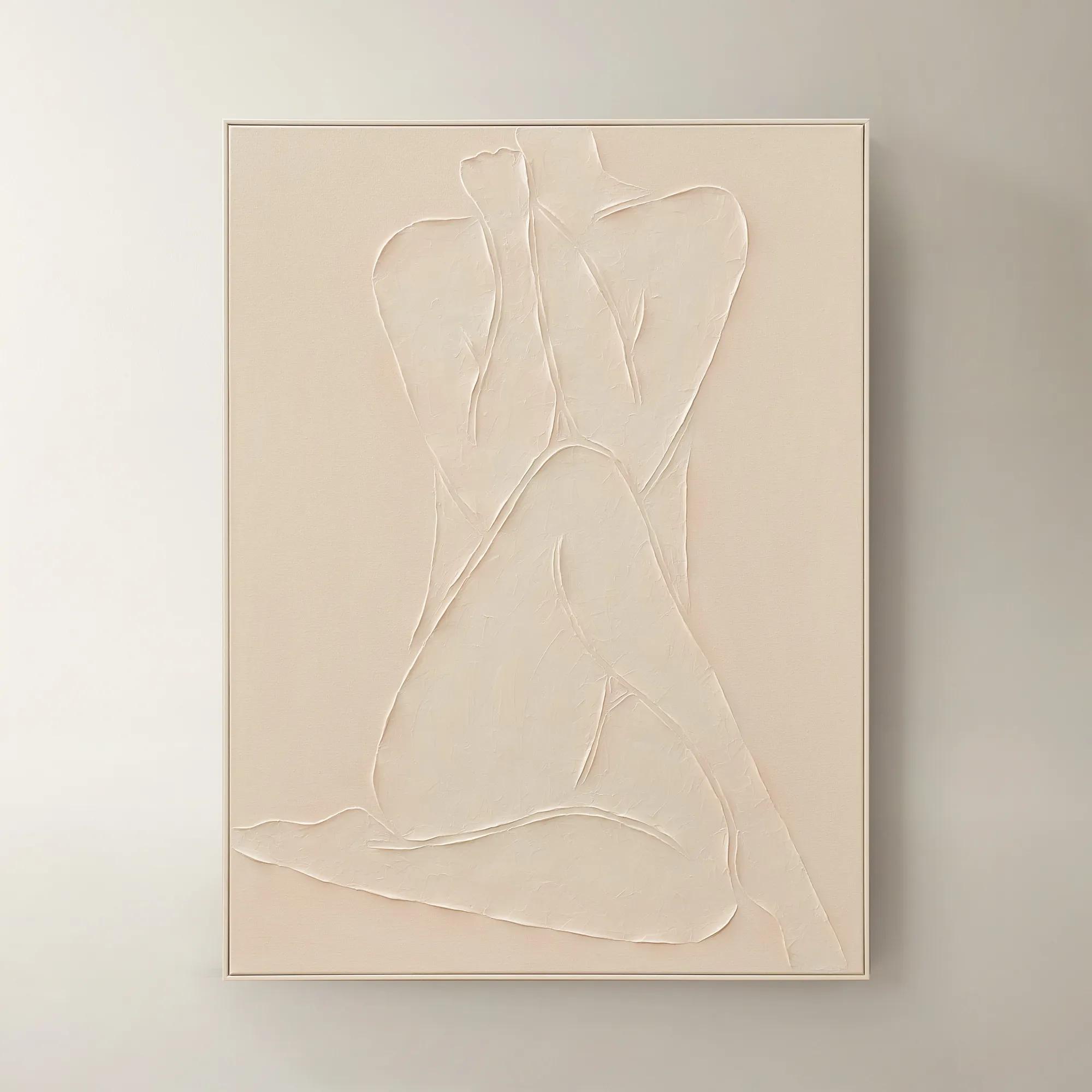
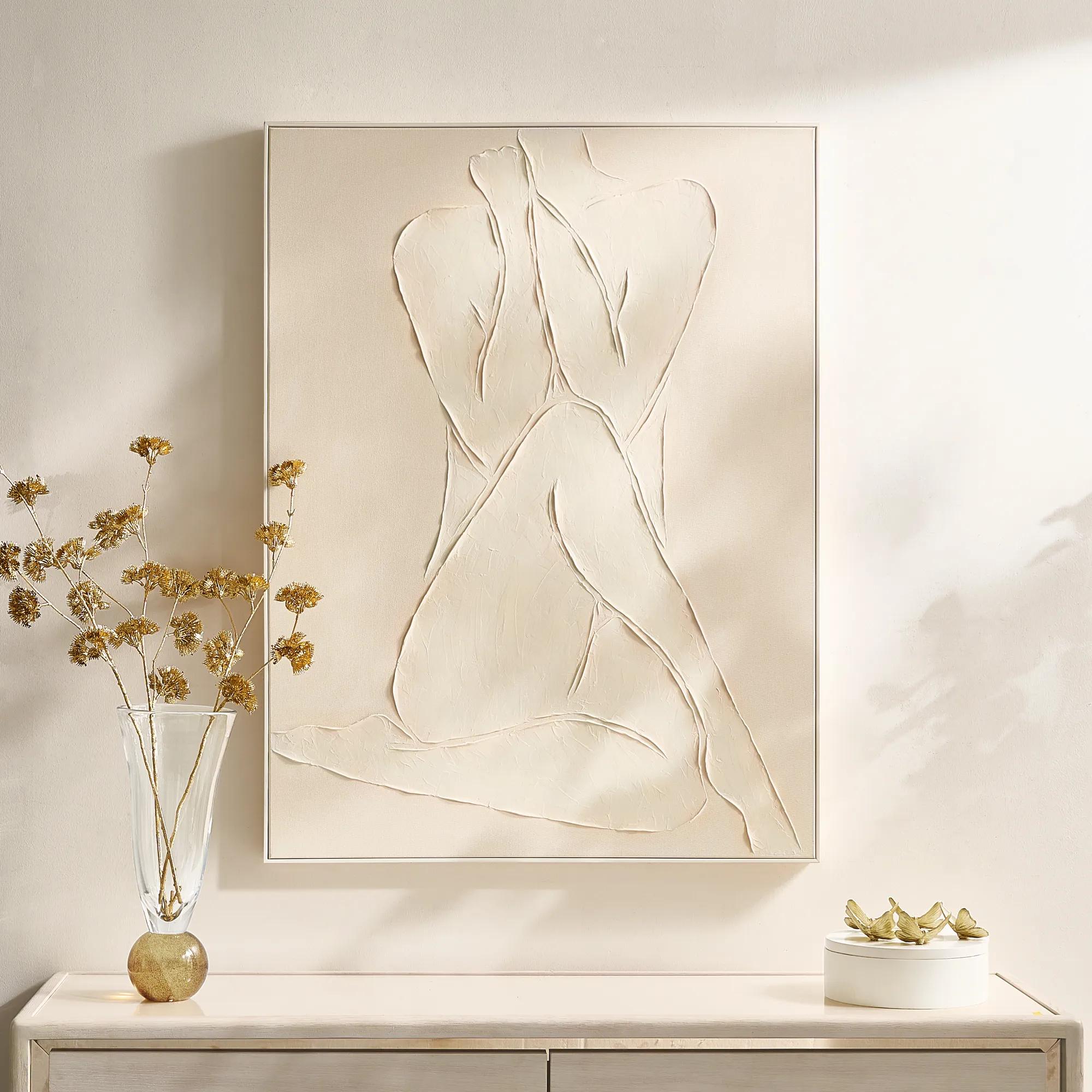 Modern Elegance Nude Ivory Framed Painted Wall Art 35.5" x 47.25"$599
A hand-painted ivory canvas in a white frame brings serene, modern artistry to any space.
Add To Cart -
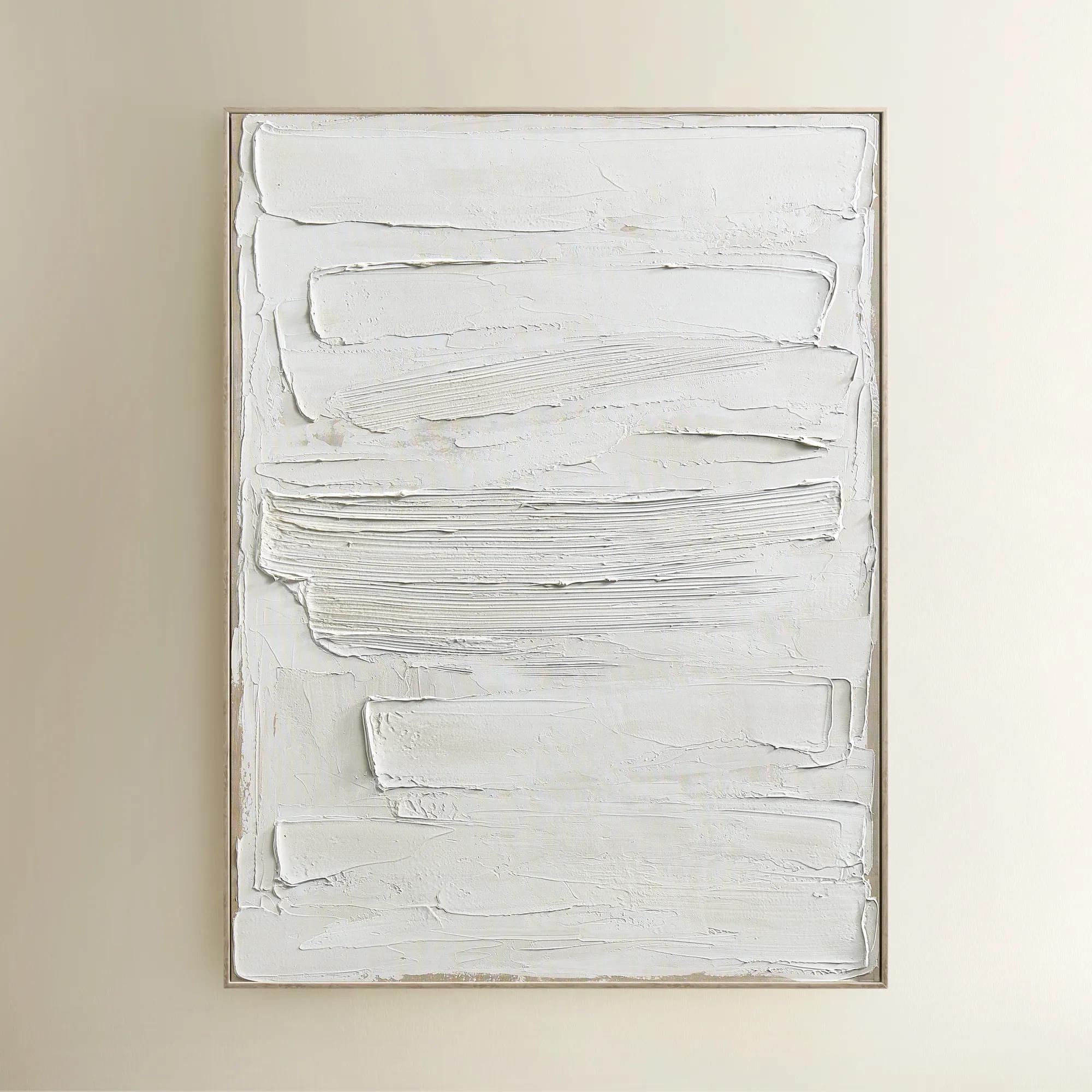
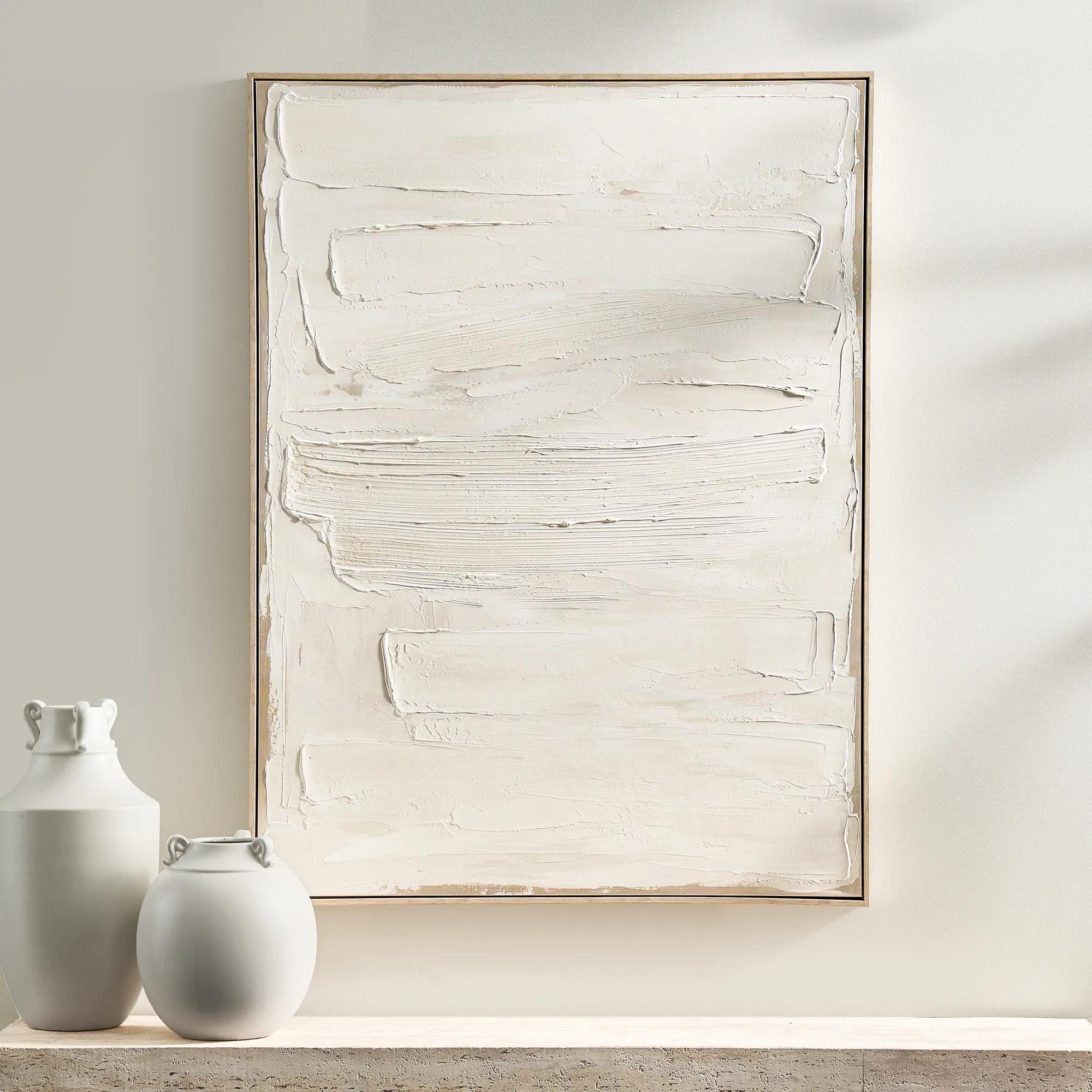 Monotype Canvas 1$399
A hand-painted abstract canvas featuring layered white tones and textured paint in a whitewashed wood frame.
Add To Cart -
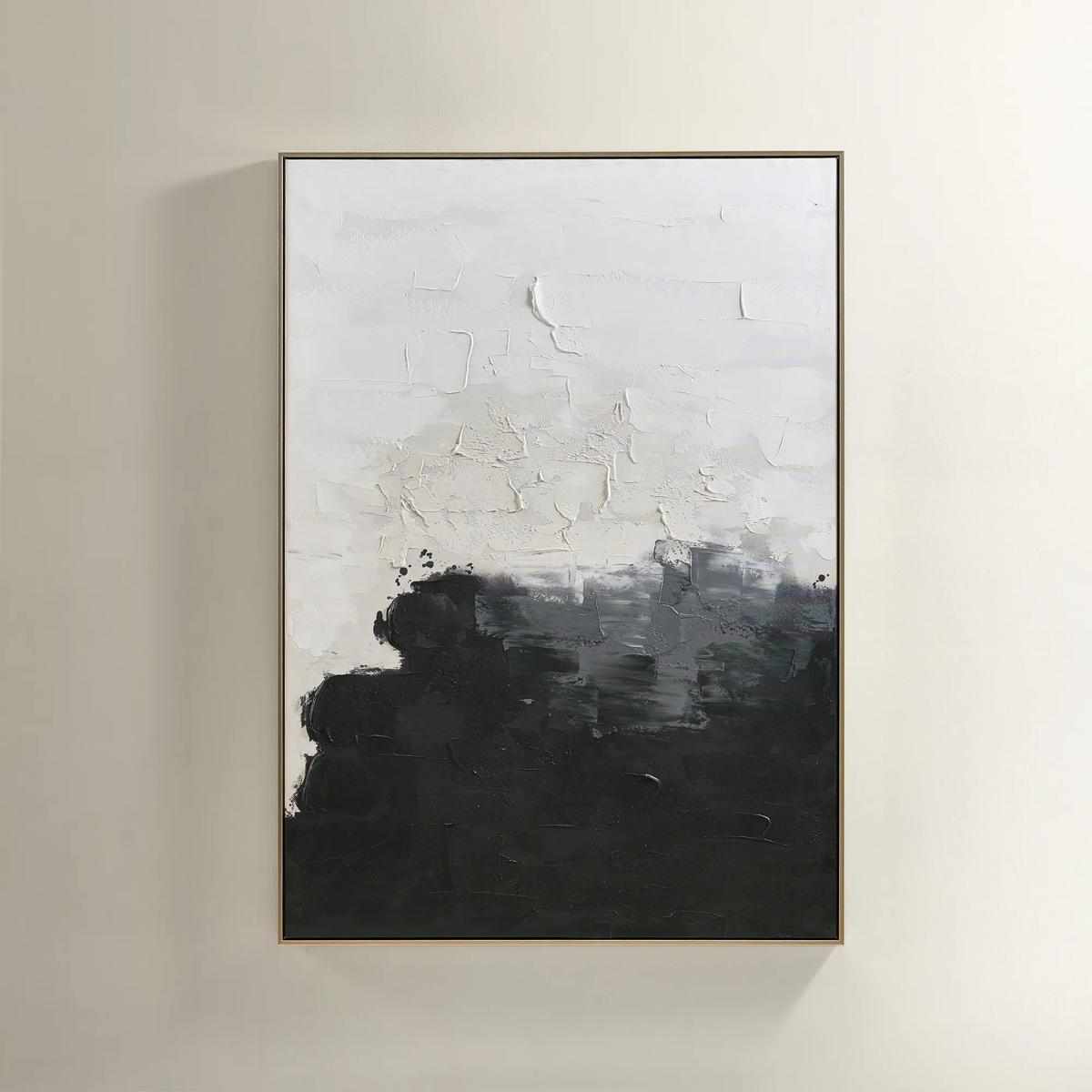
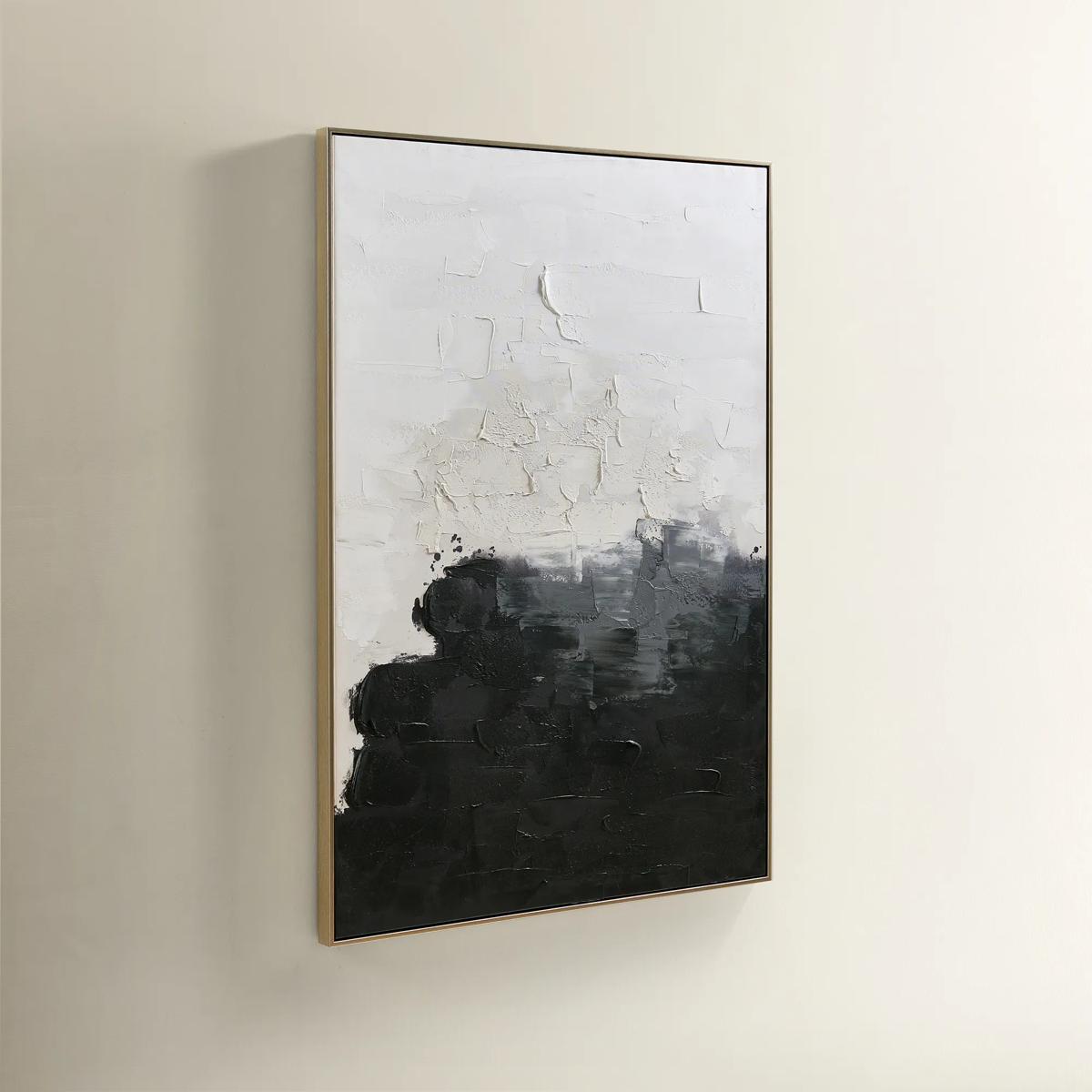 No Rush Painted Wall Art 39.25" x 55"$499
A hand-painted canvas featuring textured strokes of white, ivory, and charcoal in a natural wood frame.
Add To Cart -
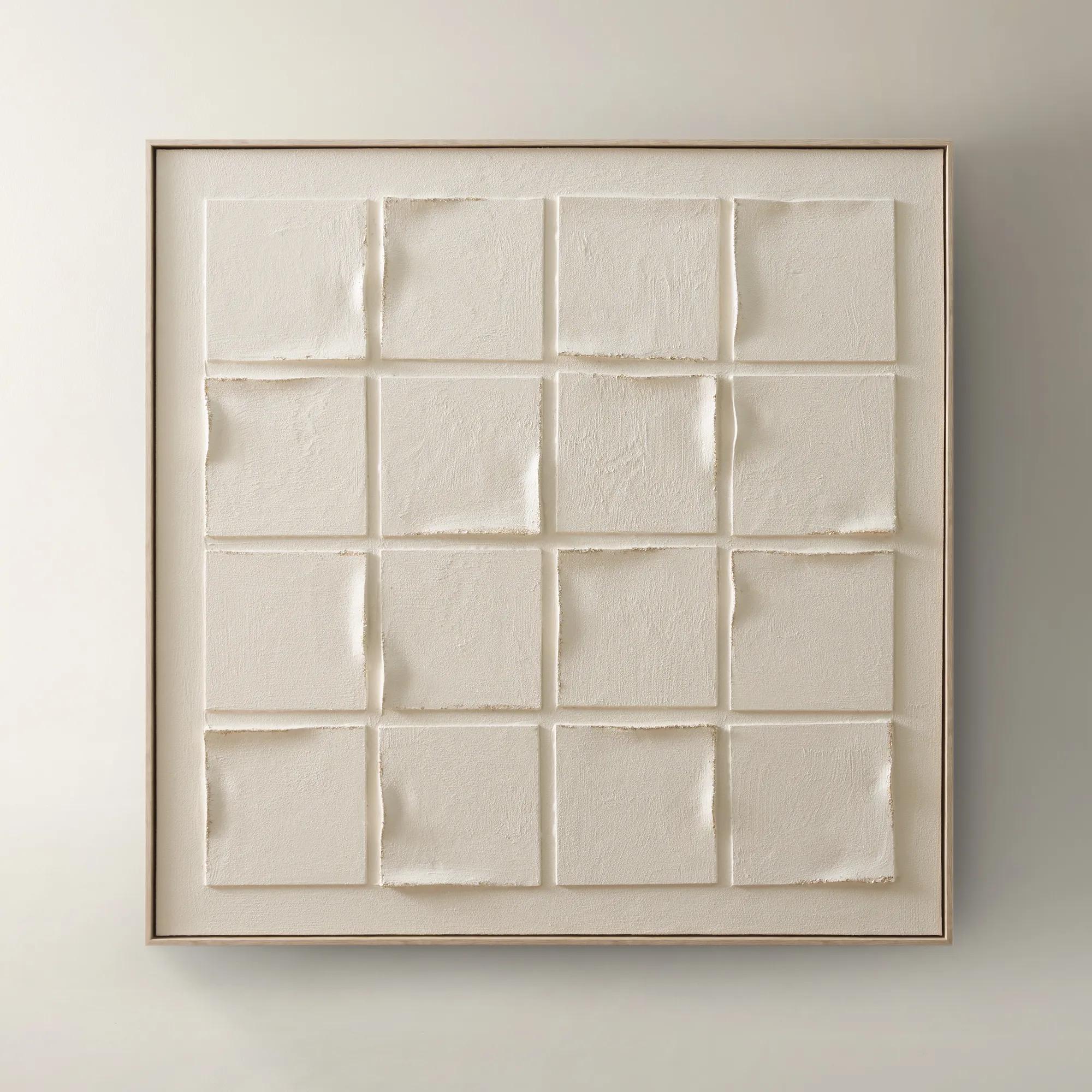 Gaze Framed Painted Wall Art 39.4" x 40"$329
A hand-painted canvas featuring subtle beige tones and textured depth in a warm whitewash floater frame.
Add To Cart

Art For Tranquil Home Vibes
Art for tranquil home vibes is more than mere decoration—it’s an invitation to serenity, a visual exhale that transforms your sanctuary into a haven of calm. Imagine gentle brushstrokes and soothing palettes casting a spell of quiet elegance across your walls, each piece curated to hush the noise of the everyday. Here, artistry becomes atmosphere: soft abstracts, serene landscapes, and harmonious compositions coalesce to create spaces where peace reigns and inspiration lingers. Let art for tranquil home vibes be the signature flourish that brings balance and beauty to every corner of your home.
Art for a tranquil home often combines muted colors, nature-inspired subjects, and uncluttered compositions to create a restful atmosphere without sacrificing visual depth. Soft landscapes, fluid abstracts, and delicate botanical imagery give the eye somewhere to linger, bringing an expressive yet composed presence to living rooms, bedrooms, and personal retreats. The effect comes from more than a pale palette: generous open space, gently layered tones, and a sense of balance allow artwork to feel expansive rather than insistent. Misty blue, warm ivory, muted sage, and mineral gray introduce subtle color, while touches of champagne or brushed gold lend a luminous finish. For a home with sculptural furniture and sumptuous textiles, quieter artwork provides a graceful counterpoint, allowing distinctive silhouettes and rich surfaces to share the spotlight. A softly rendered horizon above a tailored sofa can draw together the colors of upholstery, pillows, and a rug without repeating them exactly. In a bedroom, an abstract composition with translucent washes can complement a plush headboard while preserving the room’s sense of ease. Tranquil does not have to mean spare or colorless. Charcoal gestures, earthy pigments, and softly textured surfaces can all belong in a serene interior when their contrast is considered and their arrangement feels deliberate. The appeal lies in restraint with character: a painterly edge, an unexpected undertone, or a glimmer of metallic detail that reveals itself as light moves across the room. This approach suits anyone who wants a home that feels visually rich but not crowded, whether the setting is an intimate apartment or an open living space. Rather than filling every available wall, art with a calm visual rhythm gives furnishings room to breathe and creates a focal point that feels inviting from the moment a room comes into view. It can also soften the impression of strong architectural lines, adding an expressive layer without competing with the structure of the space.
Materials and presentation give tranquil wall art much of its character. Canvas offers a woven surface that can lend dimension to printed or painted imagery, particularly when subtle tonal variation is part of the composition. Artwork on paper can emphasize fine lines, delicate washes, and crisp detail; a mat adds a border of visual breathing room while helping separate the paper from its protective glazing. Wood frames introduce warmth, while slender metal frames can create a refined outline with less visual weight. Frame finish matters as much as frame color: a softly brushed surface reads differently from a polished one, especially near windows or decorative lighting. Glass and acrylic glazing can help protect paper artwork from dust and handling, although glare, weight, and scratch resistance vary by material and finish. Where reflections would interrupt a subtle image, the room’s light sources and the angle of the wall deserve consideration. Scale is equally important to the finished impression. A generously proportioned piece can establish one composed focal point above a sofa or bed, while a coordinated pair can echo the symmetry of matching nightstands or an entry console. In tighter spaces, a vertical composition can complement a narrow wall without crowding nearby furniture. Measuring the available wall area, accounting for the frame’s outer dimensions, and leaving comfortable clearance around furnishings help artwork feel integrated rather than squeezed into place. Lasting beauty also depends on placement and care. Direct sunlight may fade pigments and paper over time, and even UV-filtering glazing does not eliminate that risk. Excess humidity, heat sources, and frequent splashes can affect artwork, frames, or backing materials, making a dry interior wall a more suitable setting for many decorative pieces. Gentle dusting with a clean, soft cloth is often appropriate for frames, but cleaning methods should follow the artwork’s specific care instructions. Liquids should never be sprayed directly onto the artwork or its frame, and hanging hardware should suit both the piece’s weight and the wall construction.
The most personal expression of calming wall art begins with the atmosphere a room is meant to hold. In a living room used for conversation and unhurried evenings, broad shapes and softened color transitions can support a welcoming setting without dominating it. A dining space may benefit from a restrained abstract with a trace of metallic sheen, offering enough presence to complement sculptural seating and reflective accents. For a bedroom, gently articulated landscapes or tonal compositions can establish a quieter visual register than tightly packed detail or sharp, high-contrast pattern. Workspaces have their own balance: a measured composition placed within view of a desk can add character while keeping the surrounding wall visually composed. Dedicated spaces for stretching, reflection, or a seated practice invite an even more intentional approach, and Calming Wall Art For Meditation Rooms offers a related direction for interiors centered on stillness. Across these settings, cohesion does not require every artwork to match. A shared undertone, recurring organic shape, or consistent frame finish can connect different compositions while leaving room for individual expression. Someone drawn to coastal imagery might prefer an atmospheric horizon without literal beach motifs; someone who favors botanical subjects might respond to softly silhouetted leaves rather than intricate floral detail. These distinctions make art feel chosen rather than merely coordinated. They also matter when artwork is given as a housewarming or wedding gift. Familiarity with the recipient’s preferred palette, wall space, and taste in framing helps make the gesture thoughtful, especially for someone establishing a new home or completing a cherished room. A tranquil interior remains deeply individual: it can be luminous and glamorous, grounded and textural, or airy with a few dramatic accents. Art brings those preferences into focus, giving a wall emotional resonance and allowing the room’s quieter details to become part of its lasting impression.
FAQs
Art that evokes tranquility often features soft, neutral color palettes, gentle curves, and serene subject matter such as nature landscapes, abstract watercolors, or botanical prints. Pieces inspired by calming elements—like misty forests, flowing water, or minimalist coastal scenes—help foster a peaceful, restorative vibe in any room.
Tranquil art is especially well-suited for spaces where you unwind or seek respite, such as bedrooms, reading nooks, meditation corners, or spa-inspired bathrooms. Placing calming artwork in entryways or living rooms can also set a serene tone for the entire home, welcoming both you and your guests with a sense of ease.
To harmonize tranquil art with your decor, echo the artwork’s color palette in your textiles, accessories, or wall paint. Choose frames that complement your furniture finishes or opt for simple, gallery-style mounting to keep the look cohesive and uncluttered. Layering textures—like soft throws or natural fiber rugs—can further enhance the calming effect.
Tranquil art makes a thoughtful gift for anyone who appreciates a peaceful home environment—new homeowners, newlyweds, or friends embarking on a fresh start. It’s also a meaningful gesture for those who value self-care or enjoy creating a soothing sanctuary in their living space.
Styles such as abstract minimalism, soft-focus photography, and watercolor painting are particularly effective for promoting calm. Look for art with gentle transitions, subtle gradients, and organic shapes, as these elements naturally encourage relaxation and a serene state of mind.