Calming Wall Art For Meditation Rooms
Calming Wall Art For Meditation Rooms
-
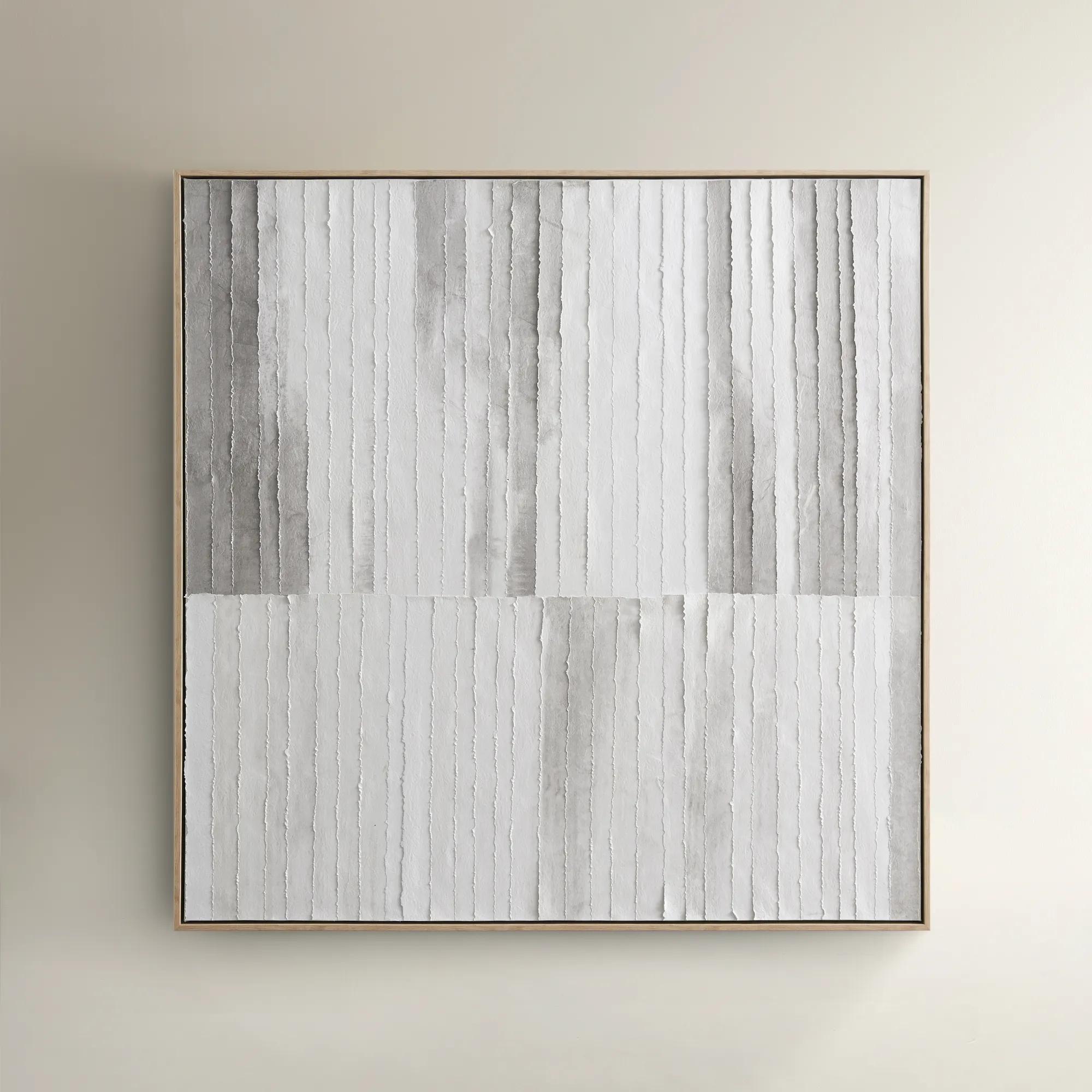
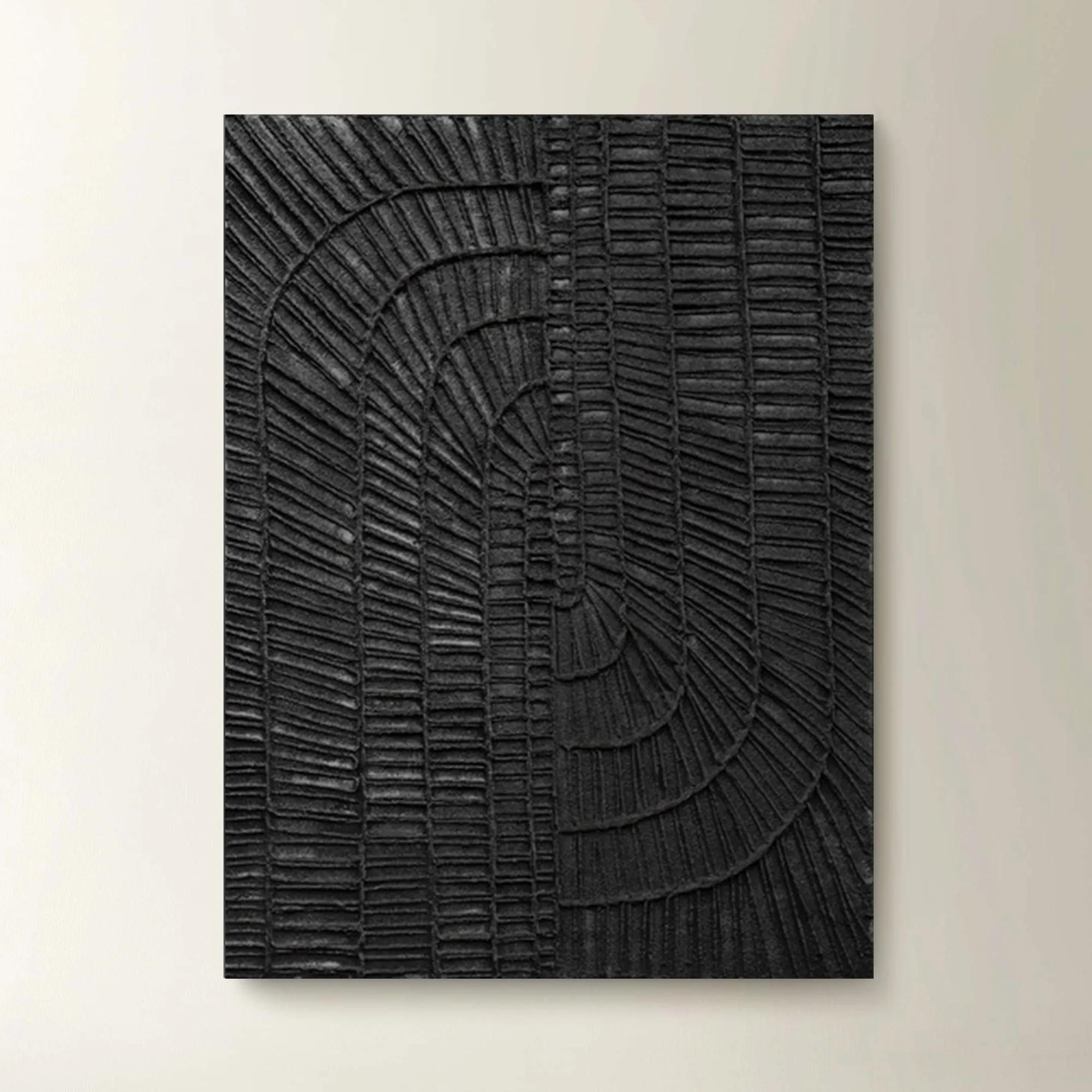
 Morning Mist Paper Art$329
A hand-painted canvas featuring rhythmic grey lines in a textured, whitewashed floater frame for serene style.
Add To Cart -
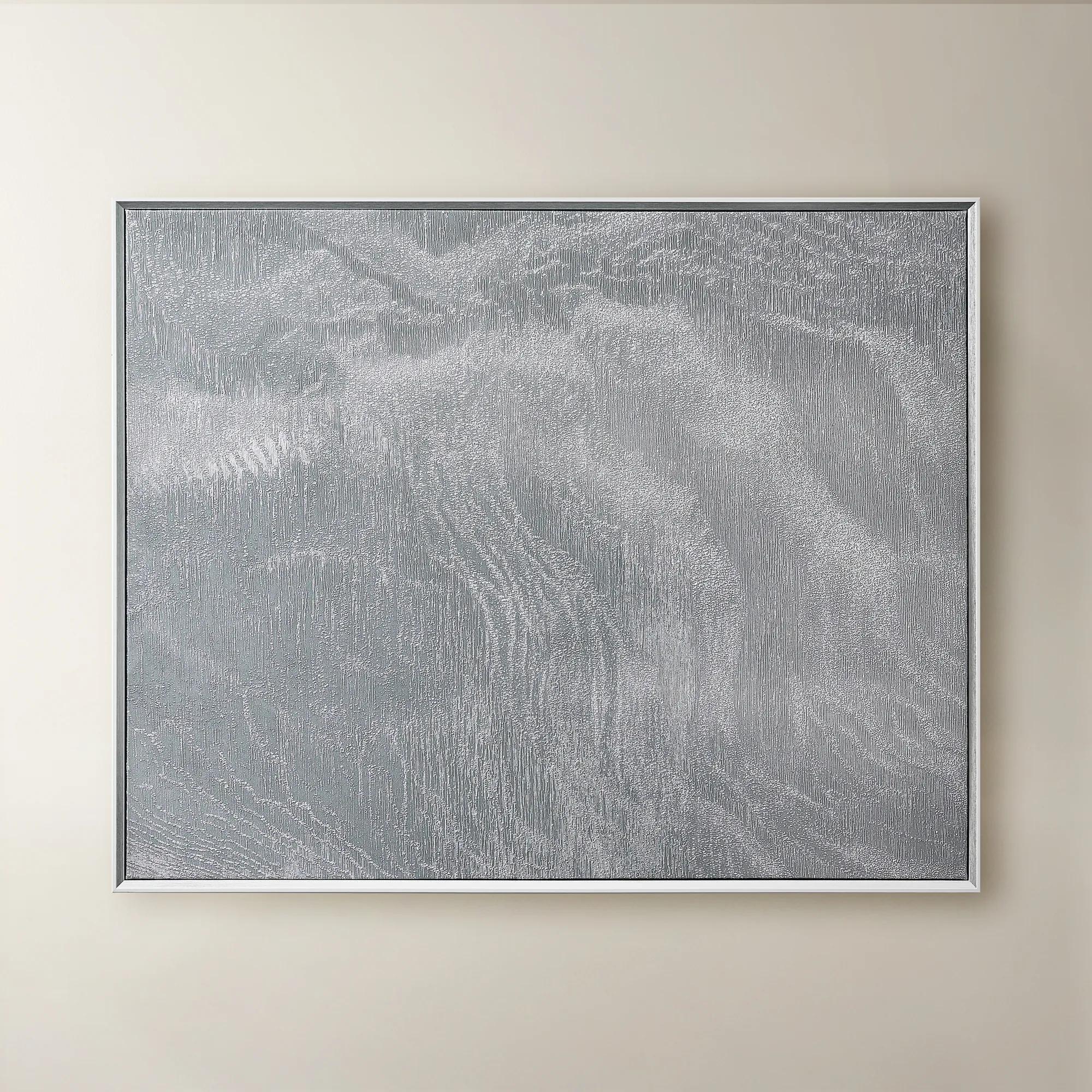 Slow Blue Morning Framed Silver Foil Wall Art 48" x 60"$599
A serene powder blue abstract canvas with silver foil accents, framed in silver and white for modern elegance.
Add To Cart -
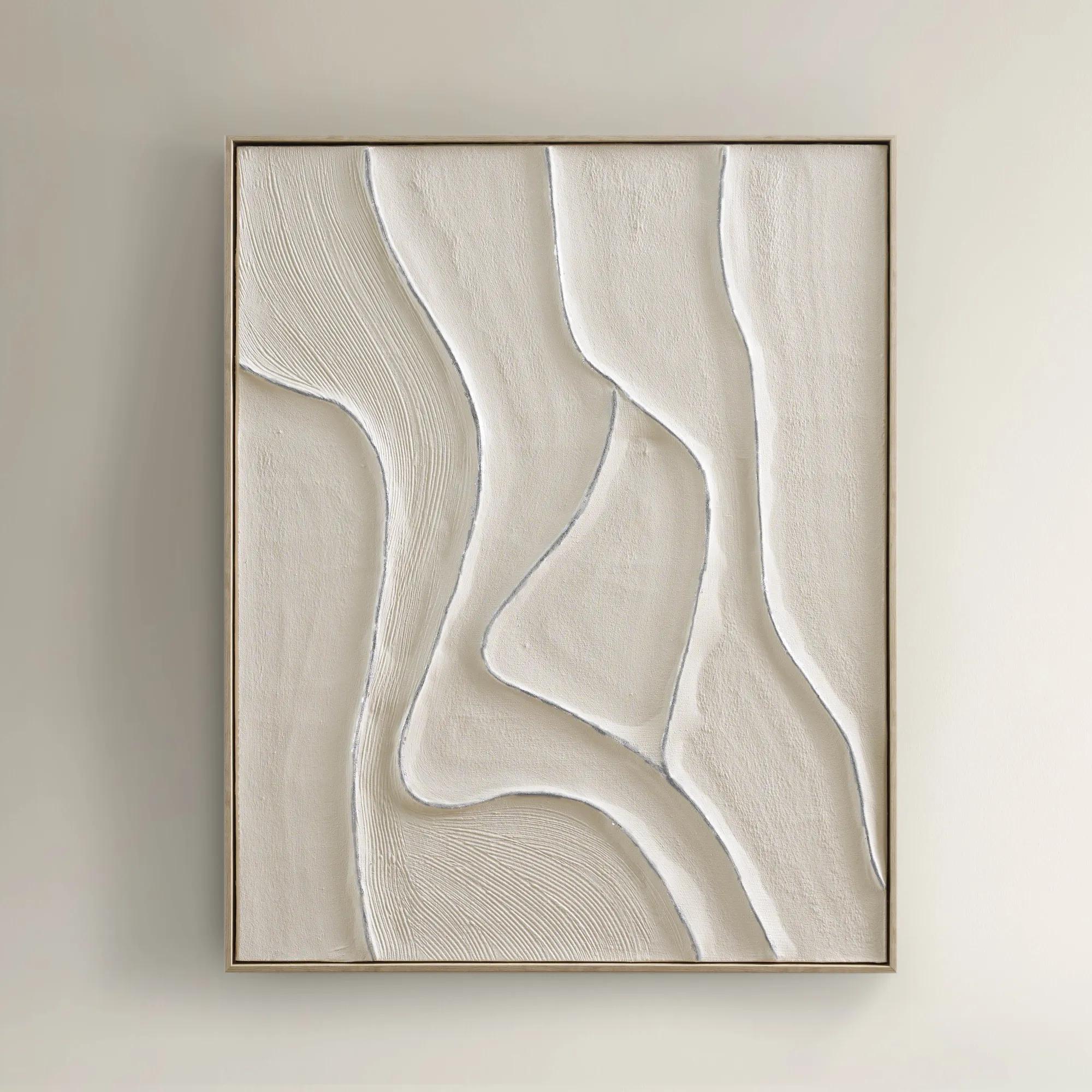
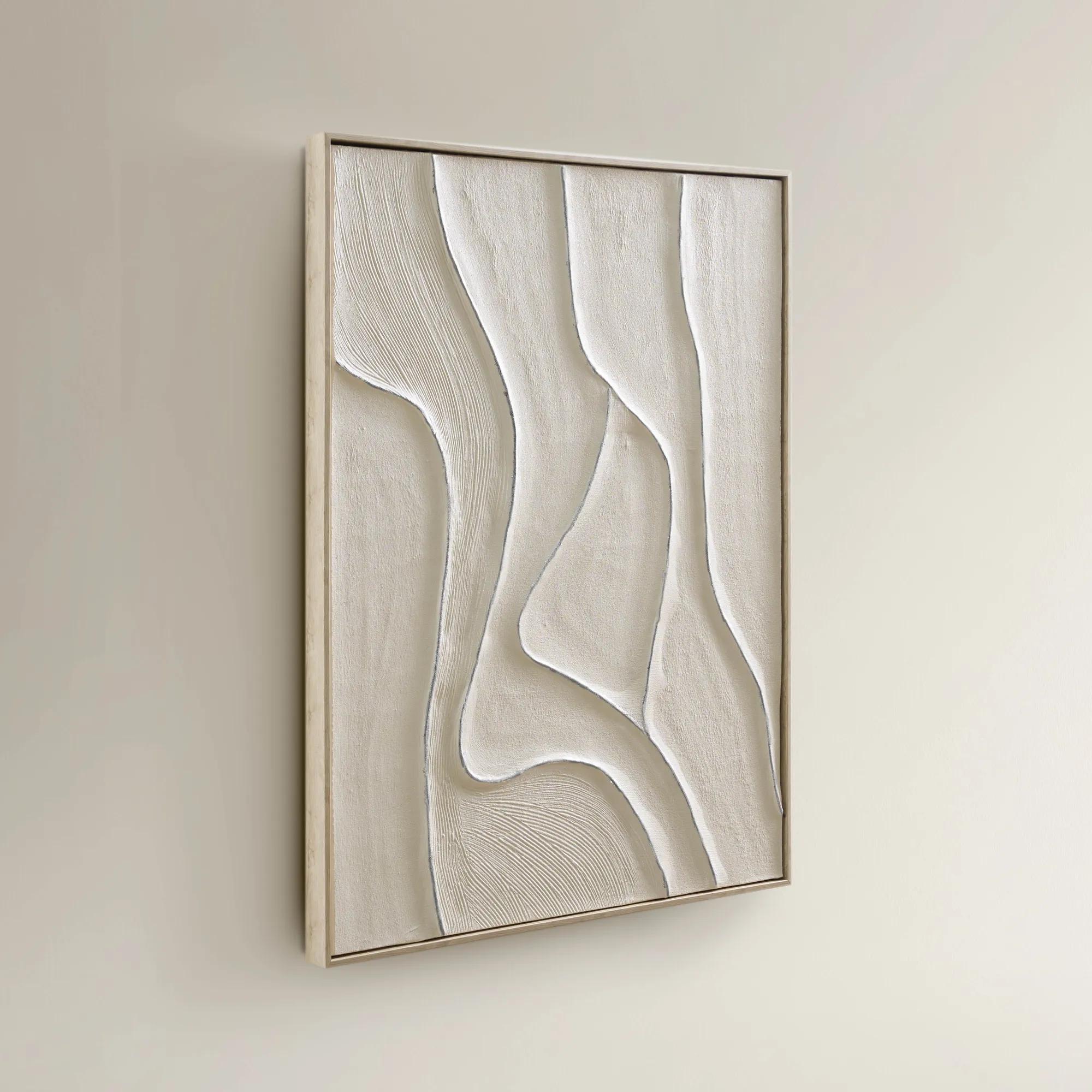 Vivre Framed Painted Wall Art 39.25" x 31.5"$199
A hand-painted canvas featuring tranquil beige hues and flowing lines in a warm whitewash floater frame.
Add To Cart -
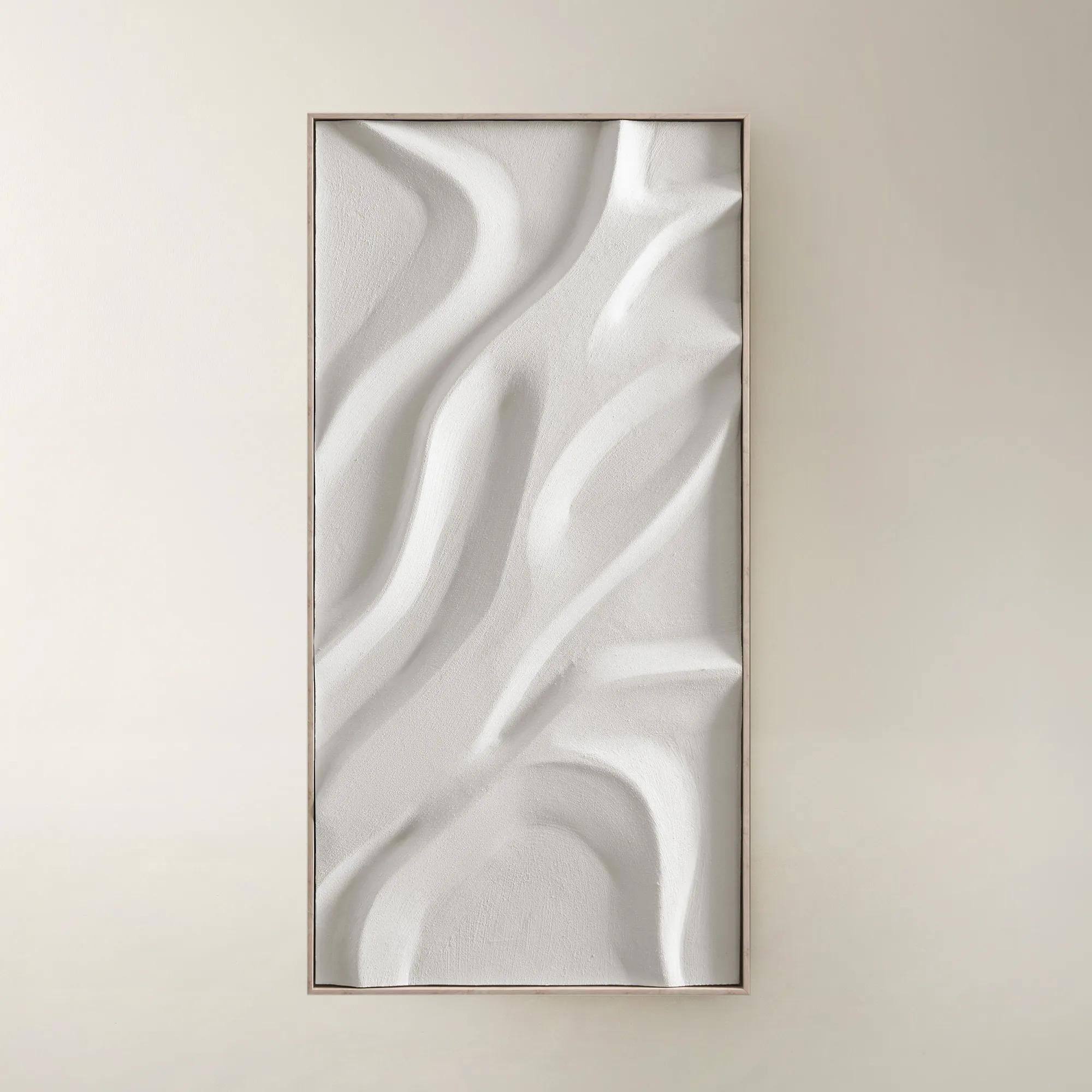
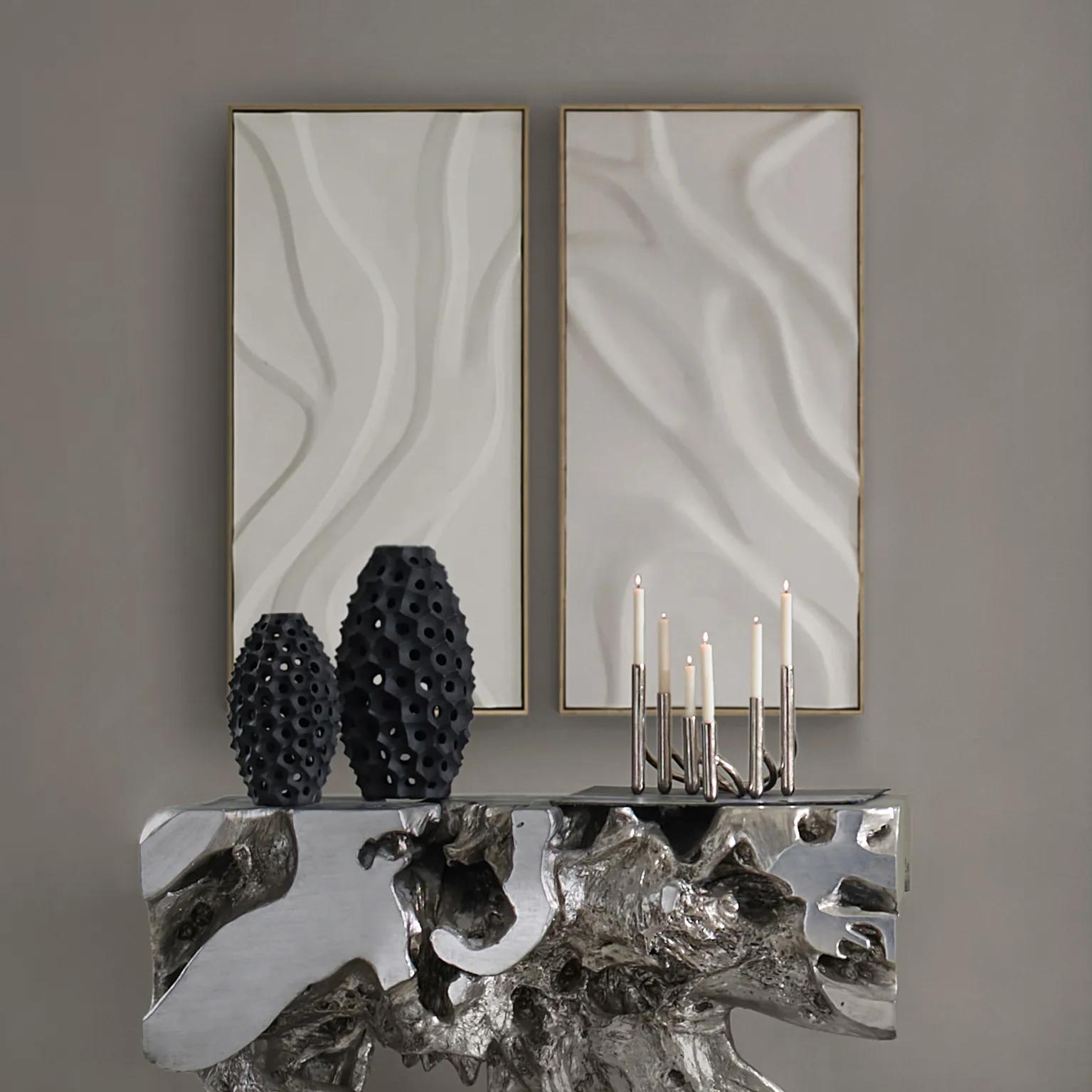 Au Lait Framed Painted Wall Art II 47.2" x 23.6"$199
A serene hand-painted canvas in beige, set in a warm whitewash floater frame for modern interiors.
Add To Cart -
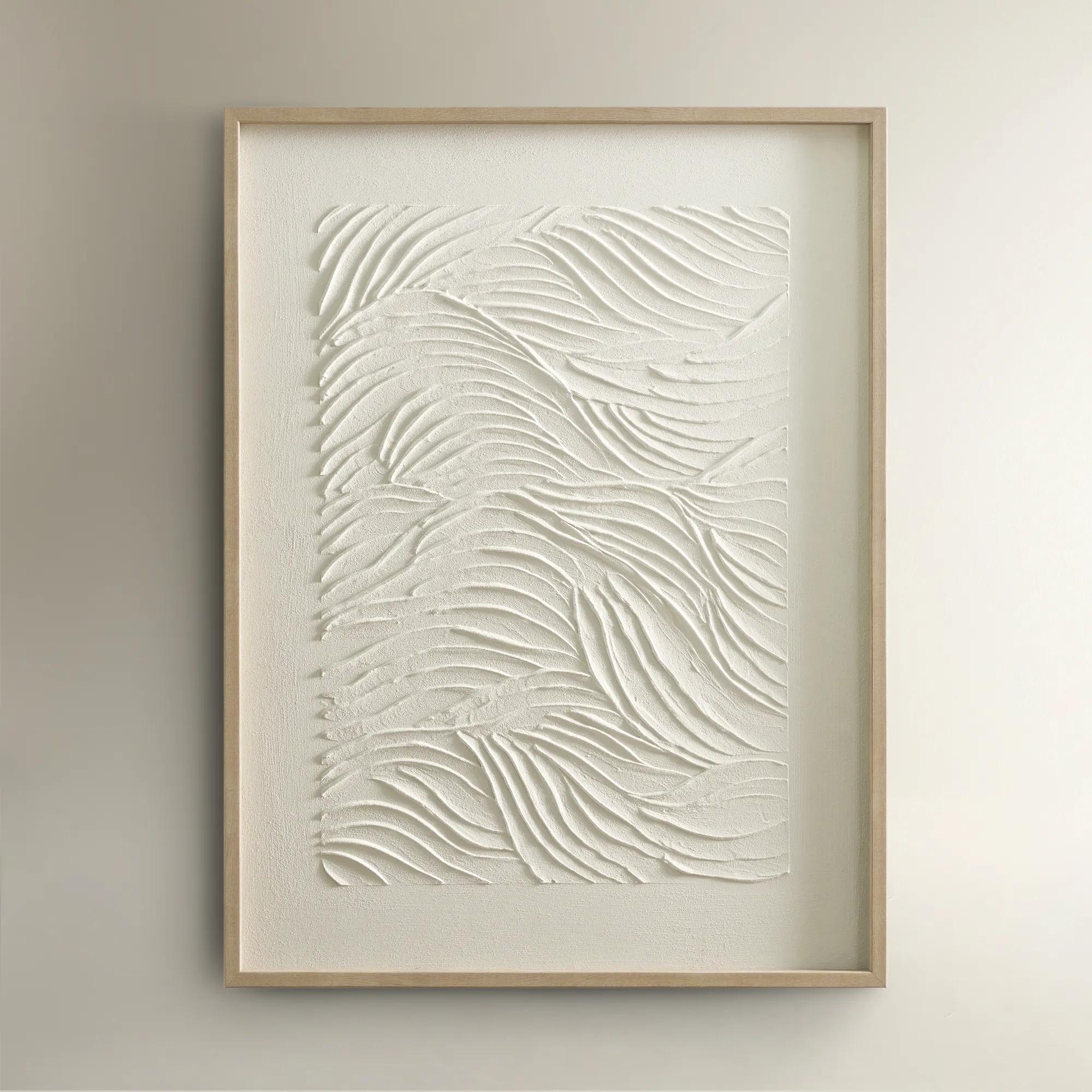
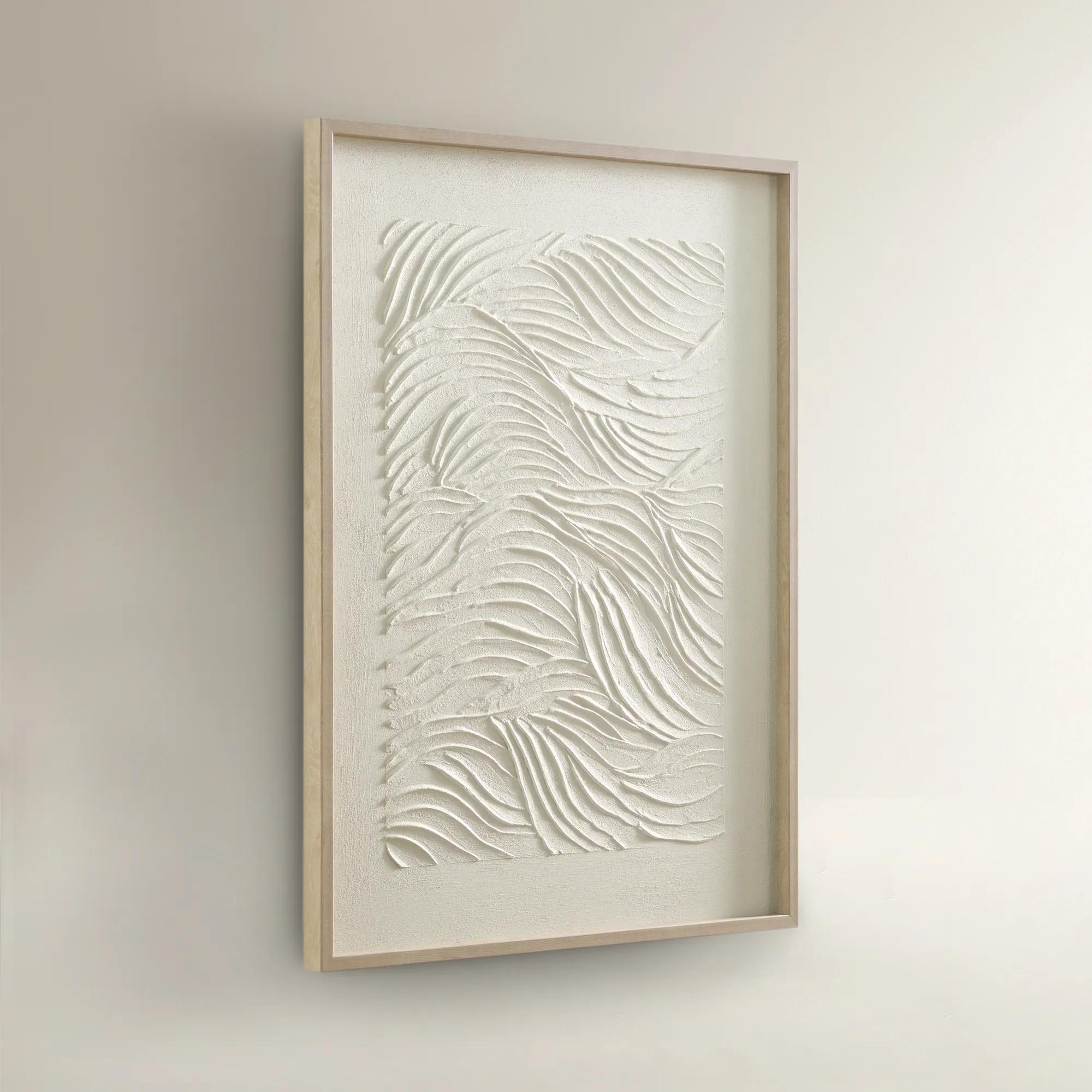 Sonnet Framed Painted Wall Art 23.5" x 31.5"$99
A hand-painted canvas featuring textured white shades and a warm blonde wood frame for elegant depth.
Add To Cart -
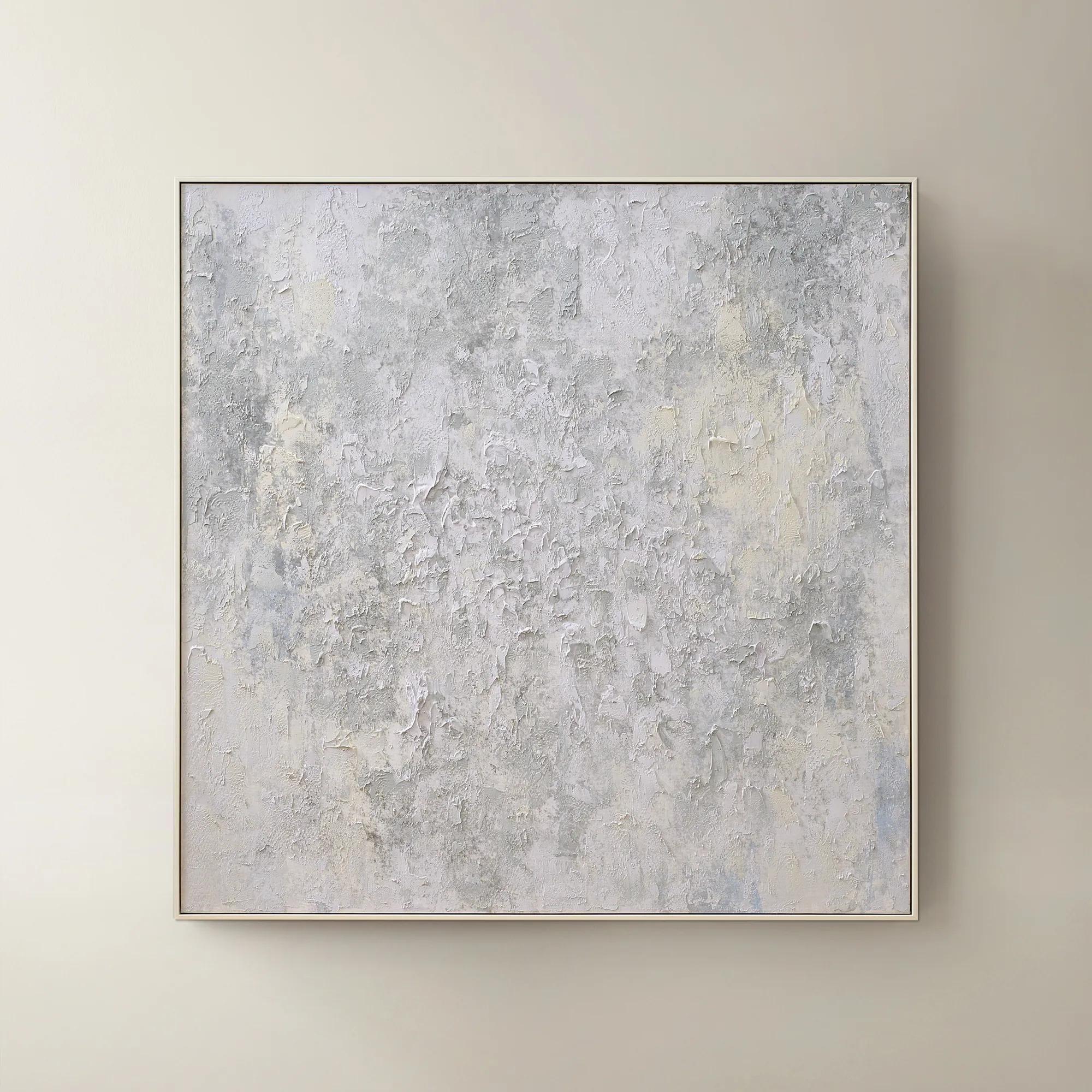 Breathe of Fresh Air Framed Painted Wall Art 50" x 50"$499
A hand-painted abstract canvas in dusty blue hues, elegantly framed in white for a serene, modern accent.
Add To Cart -
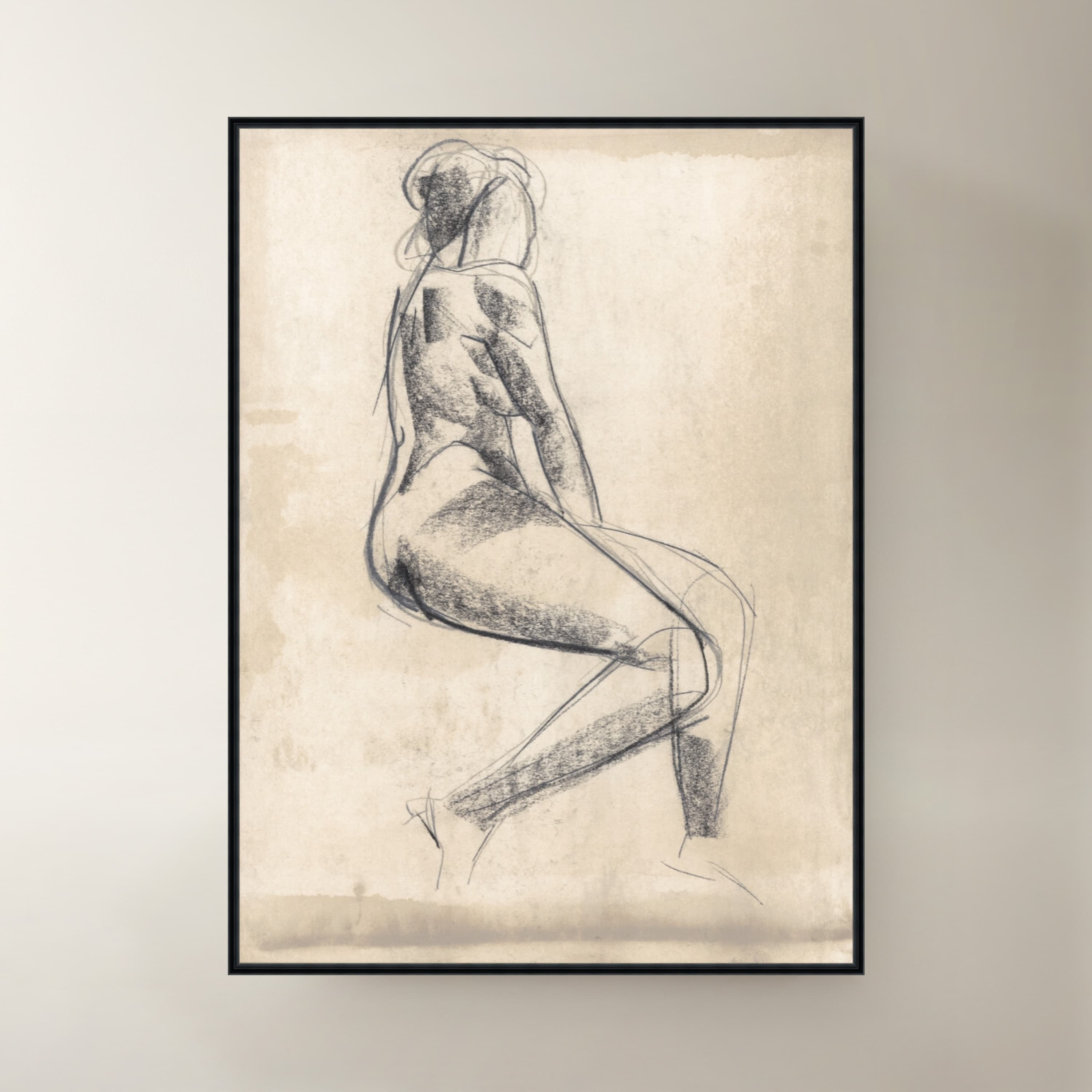
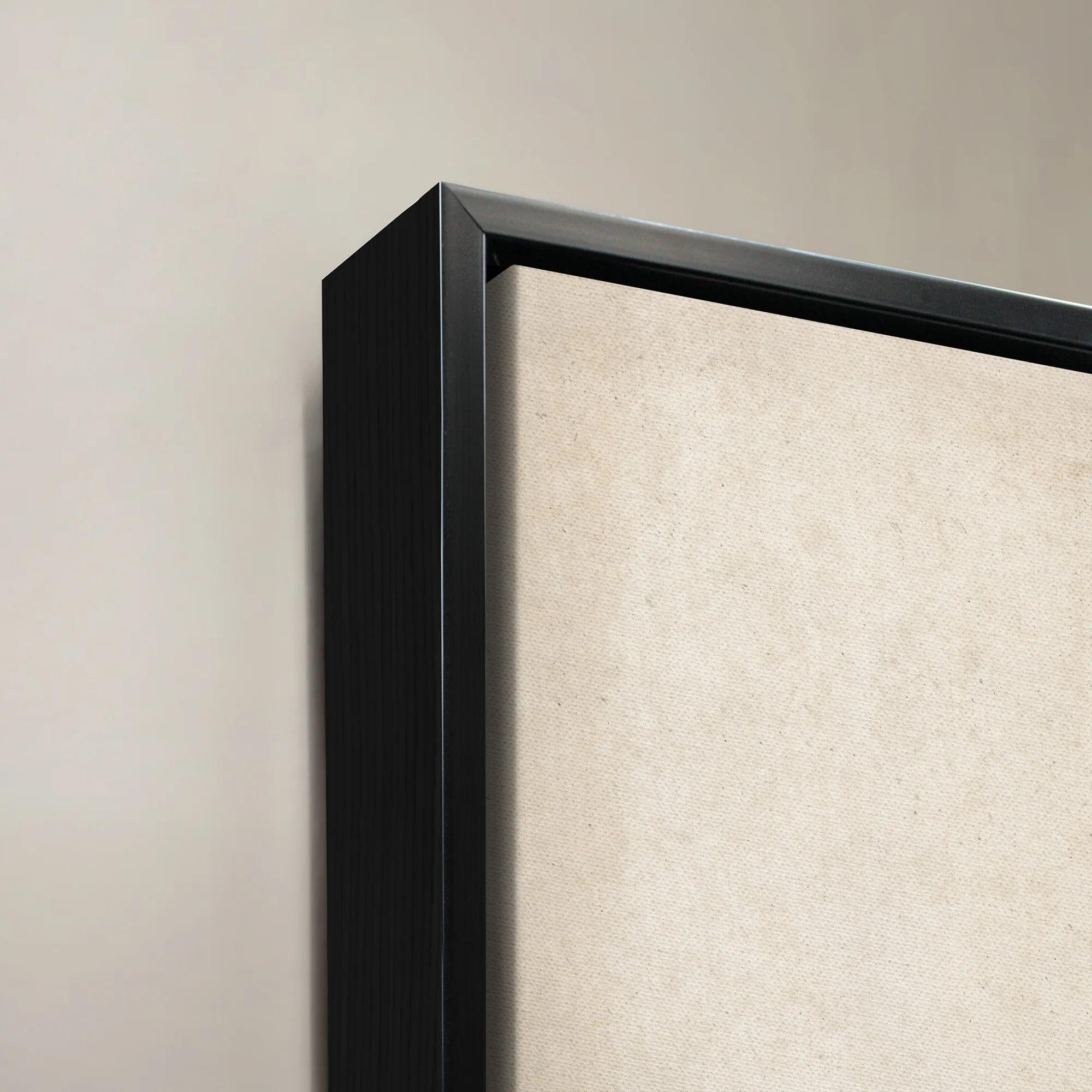 Restful Figure I Framed Wall Art 20" x 27"$449
A serene figurative canvas artwork in warm brown tones, elegantly framed for sophisticated wall display.
Add To Cart -

 Transformation Framed Wall Art 47" x 47"$1099
A sophisticated brown canvas wall artwork in a striking framed design for modern interiors.
Add To Cart -
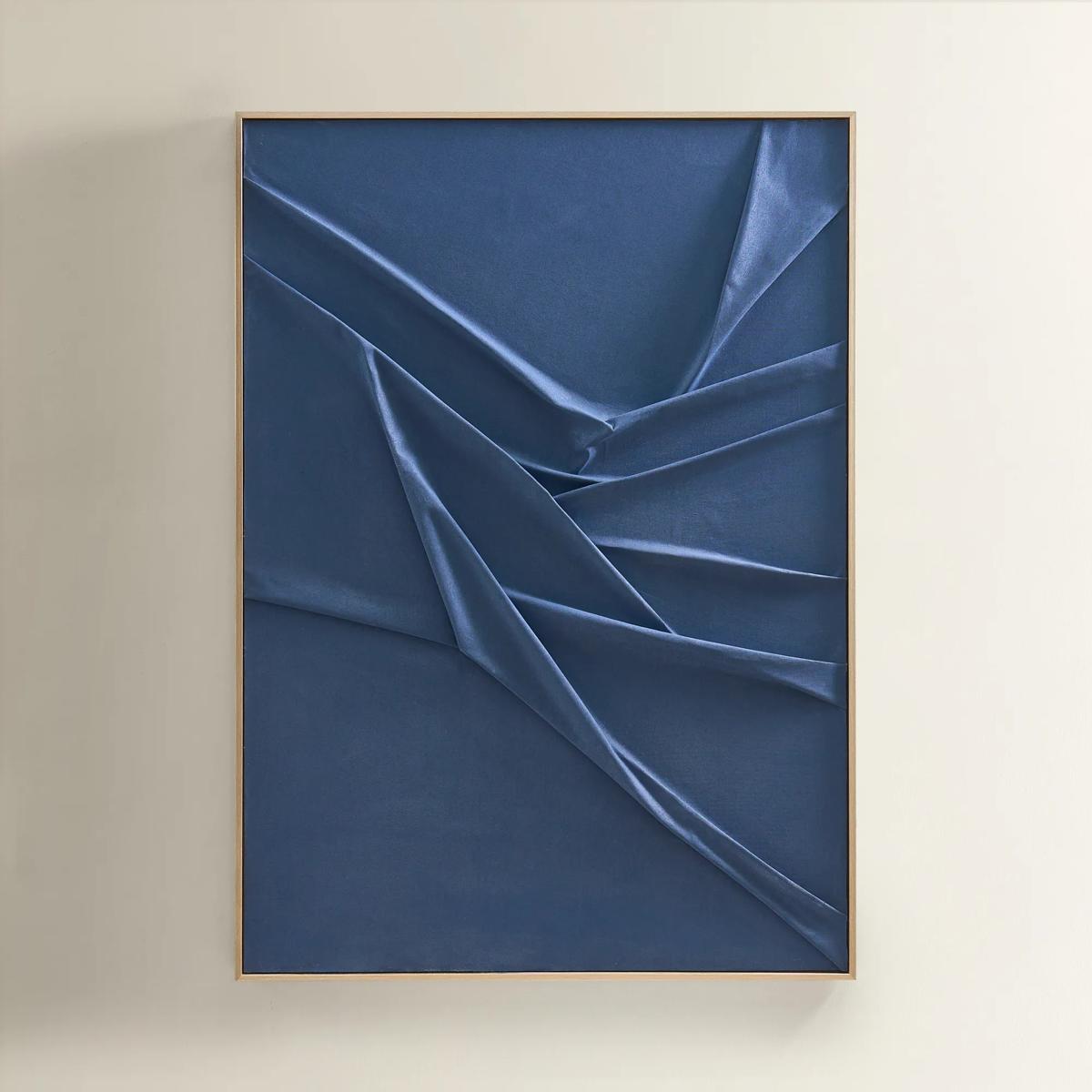 Deep Sea Painting$599
A hand-sculpted navy canvas with dimensional folds, framed in soft champagne for modern, serene elegance.
Add To Cart -
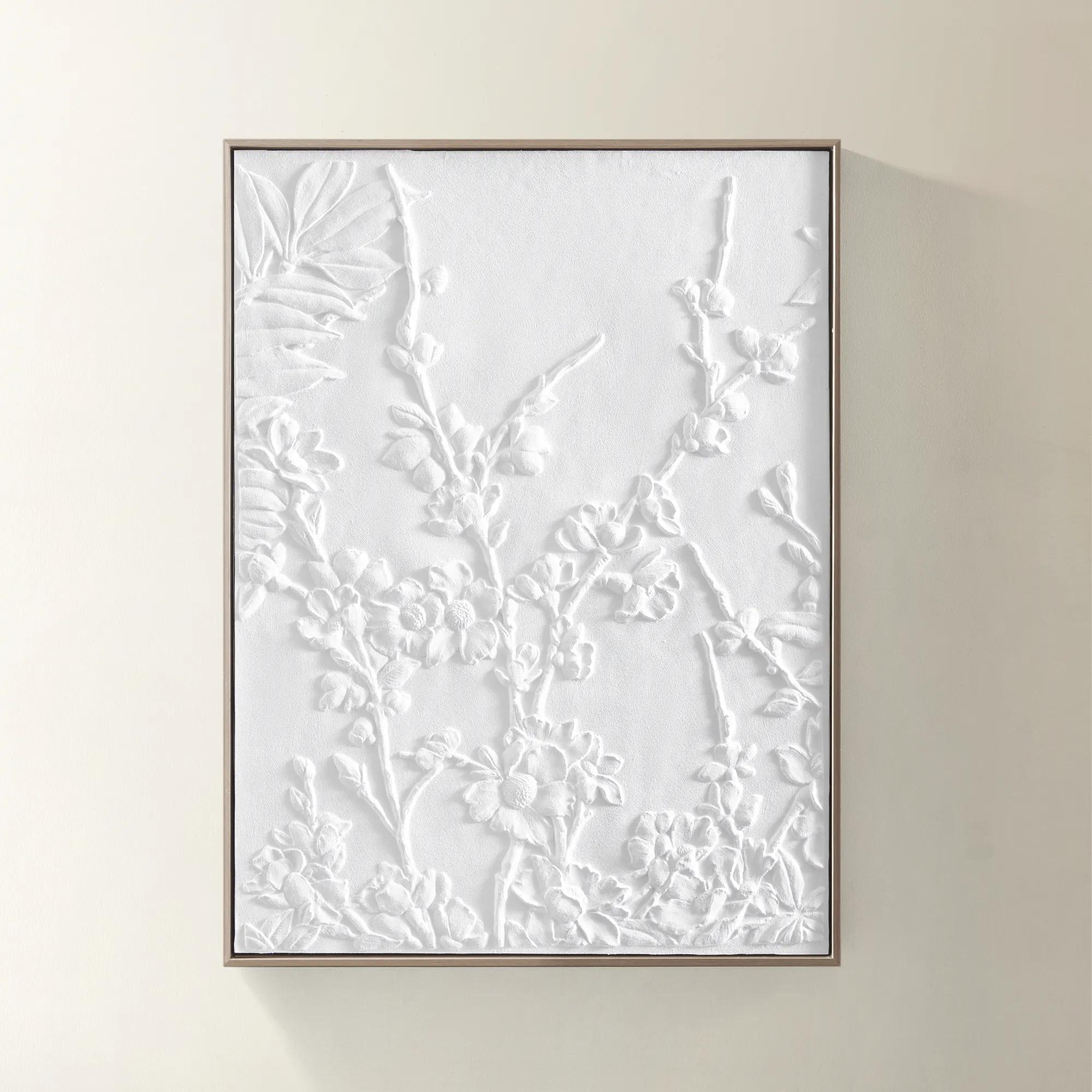
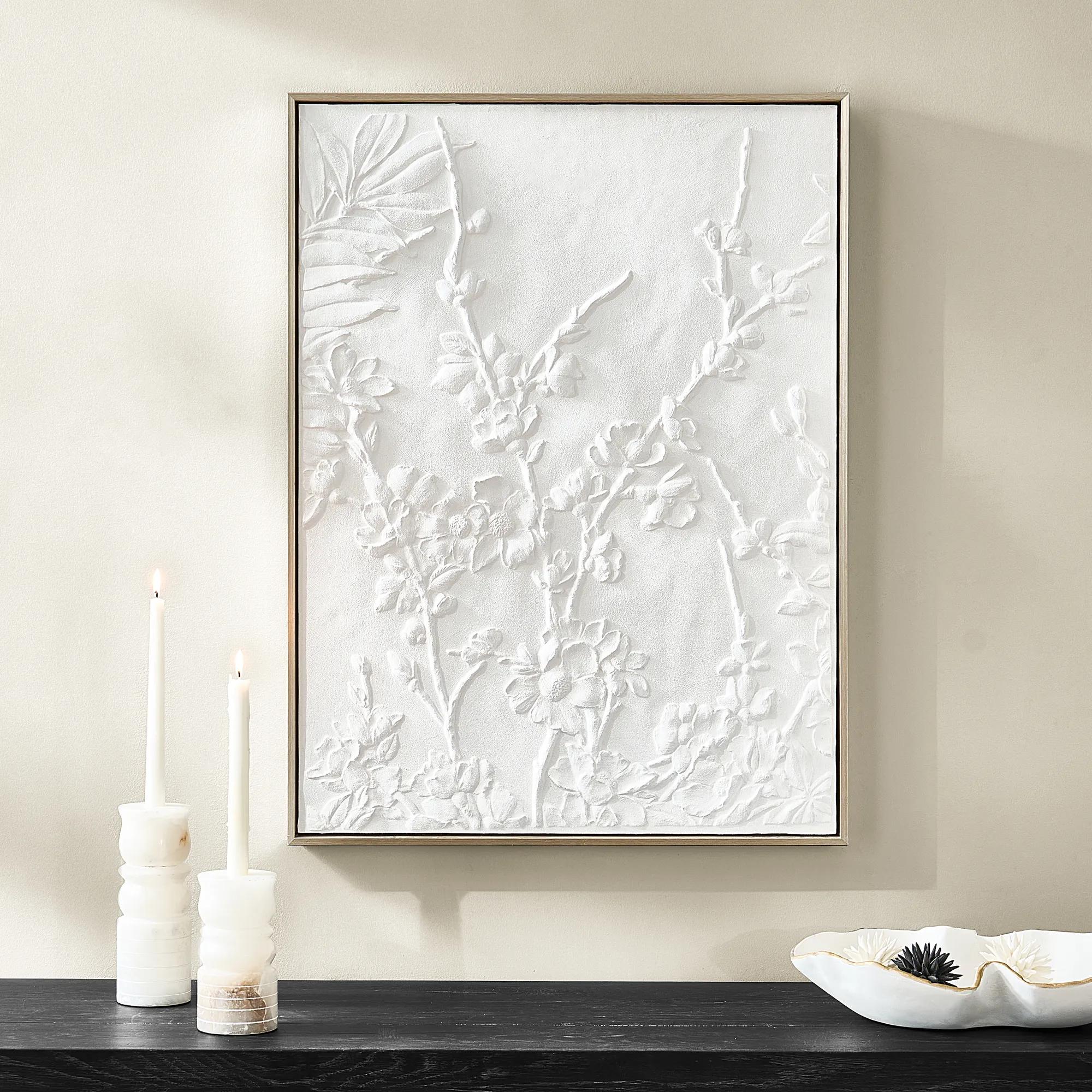 Allegro Framed Painted Wall Art 31.5" x 23.6"$109
A hand-painted canvas featuring textured floral motifs, framed in a warm champagne finish for subtle sophistication.
Add To Cart -
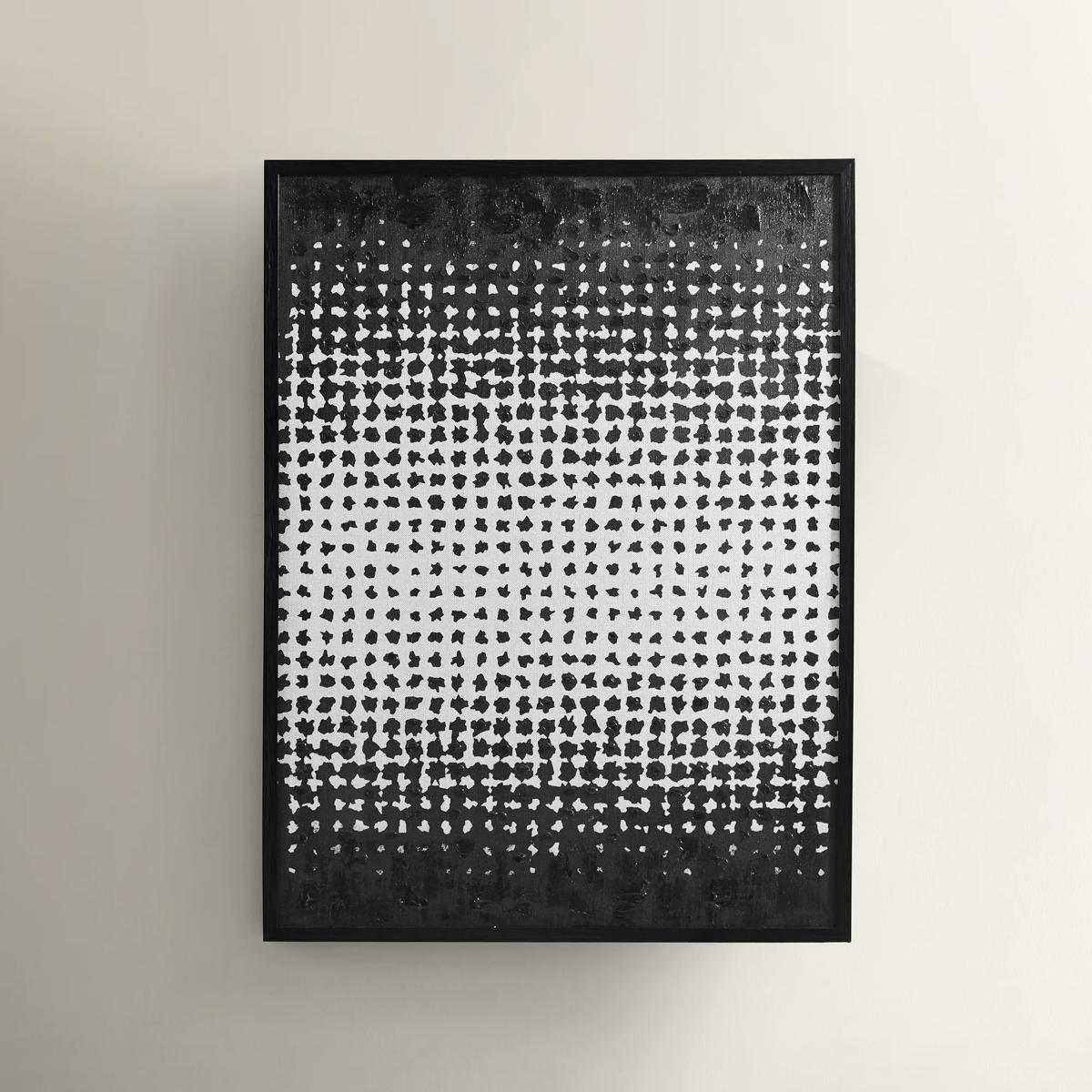
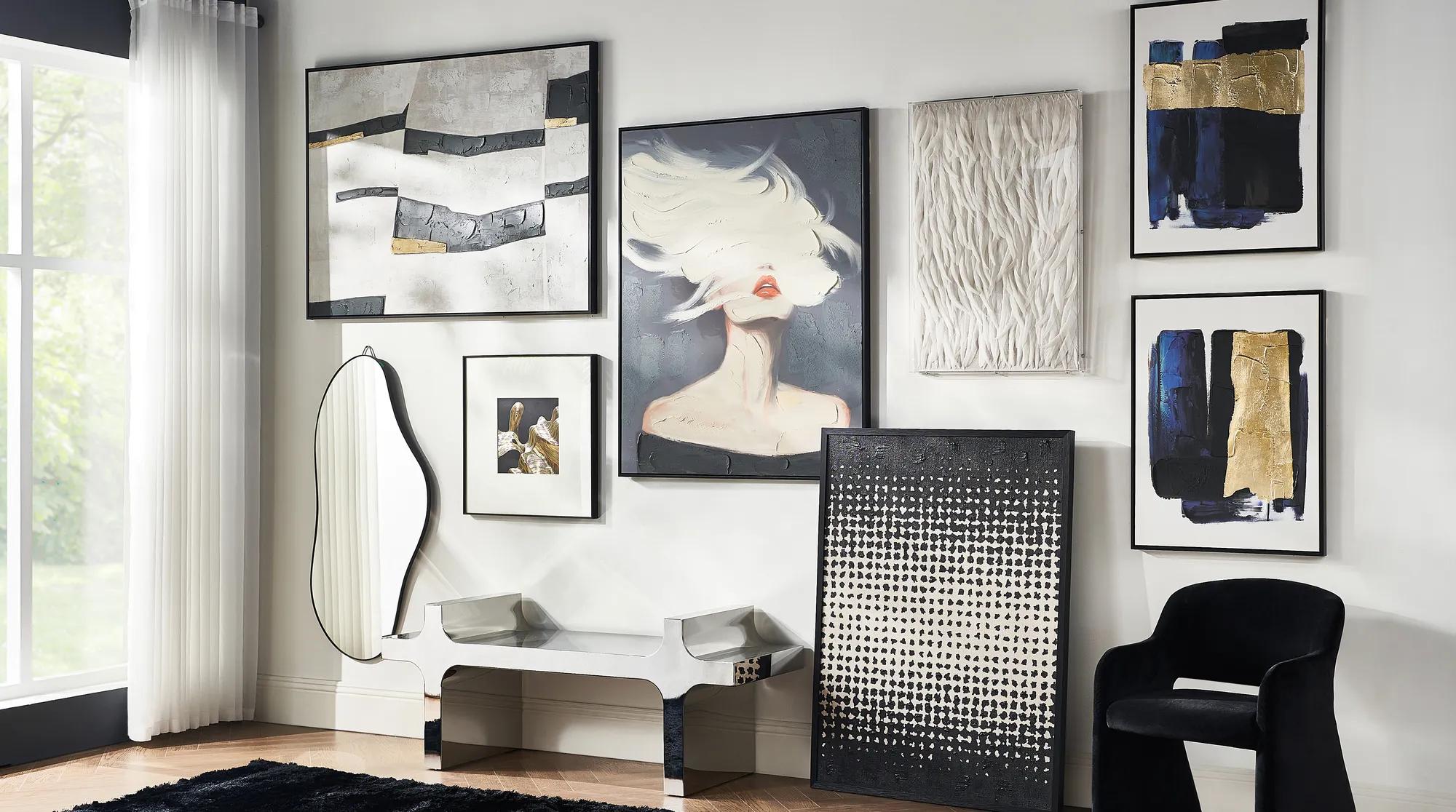 In Time Painting$399
A hand-painted linen canvas featuring cream and black dots in a modern, minimalist geometric pattern.
Add To Cart -
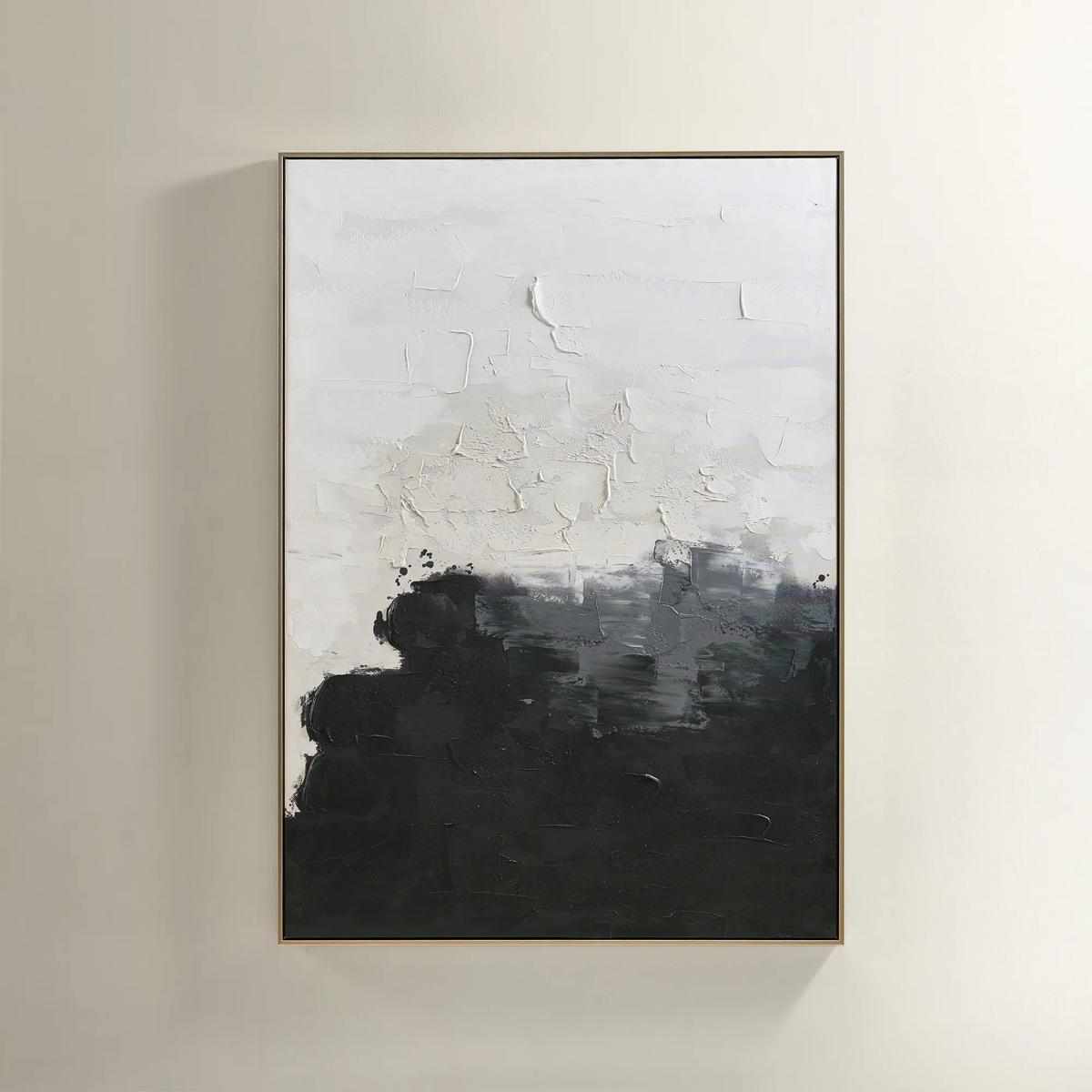
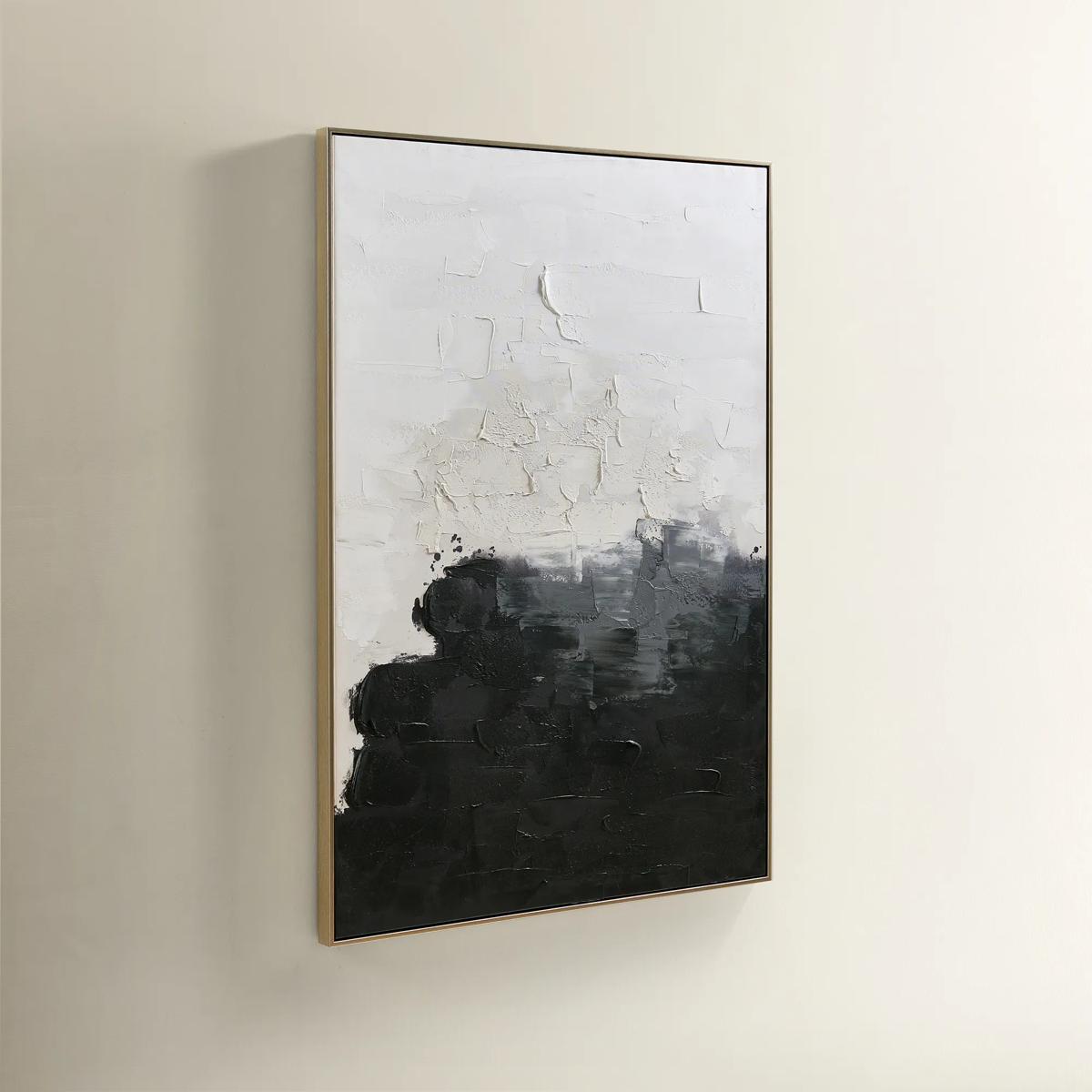 No Rush Painted Wall Art 39.25" x 55"$499
A hand-painted canvas featuring textured strokes of white, ivory, and charcoal in a natural wood frame.
Add To Cart -
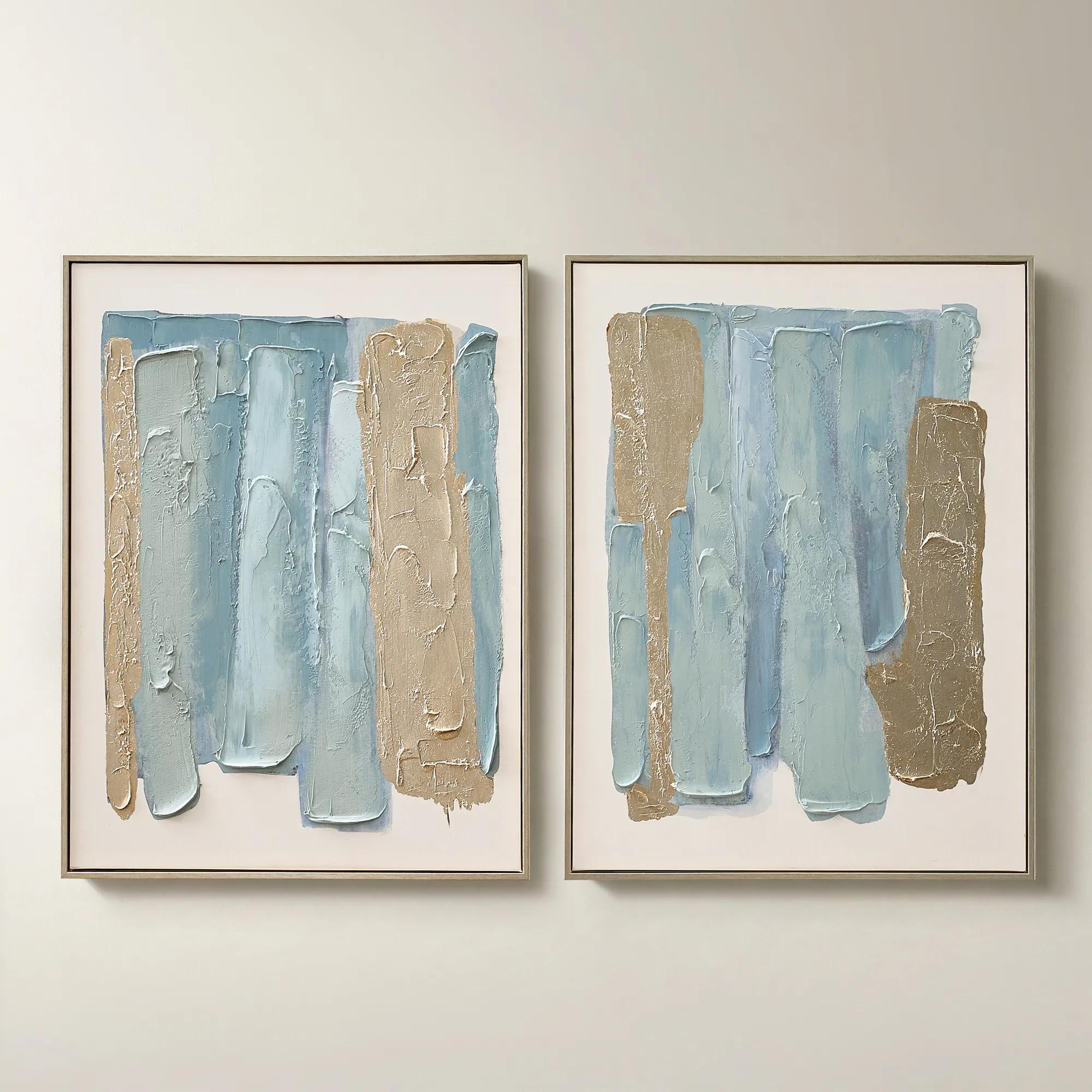
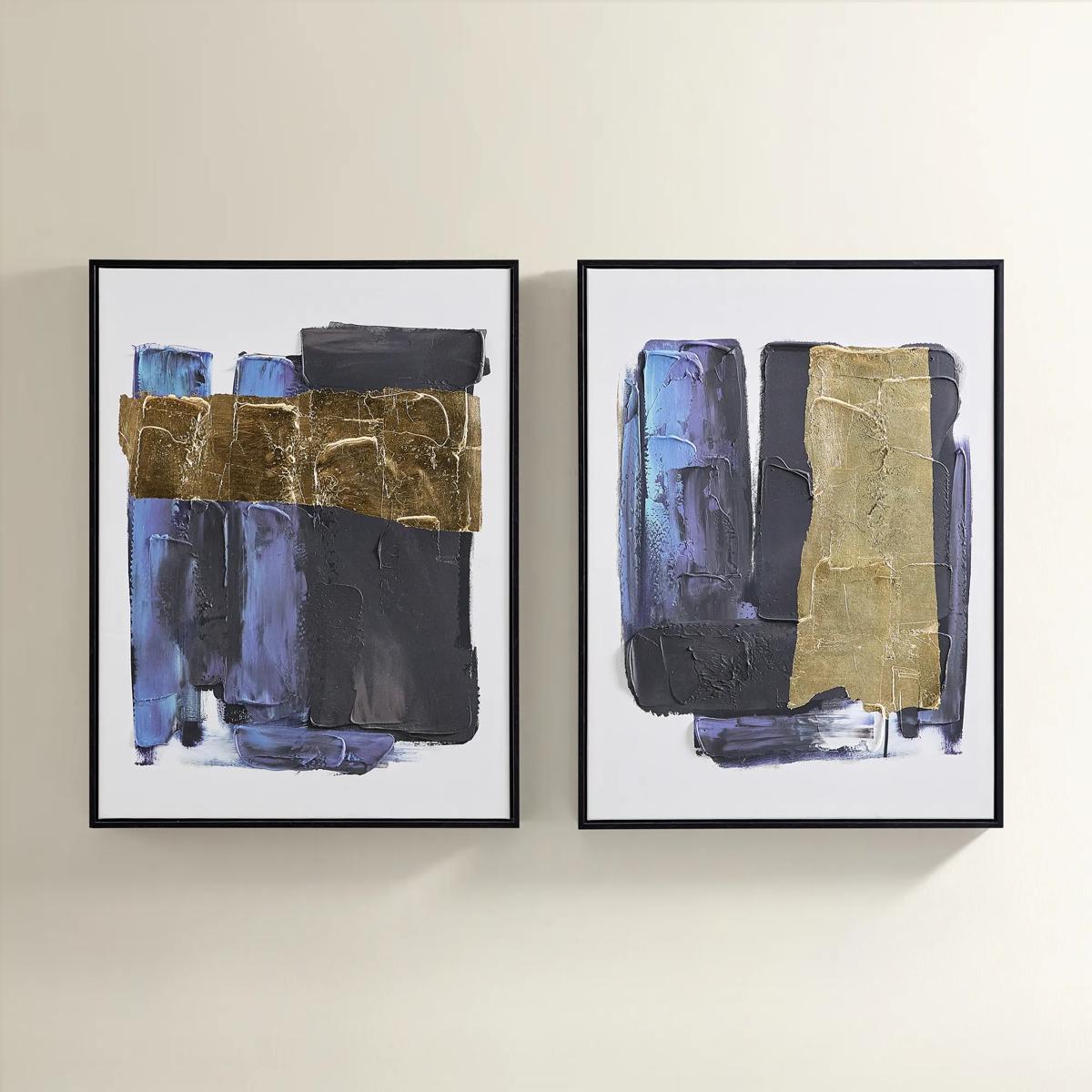
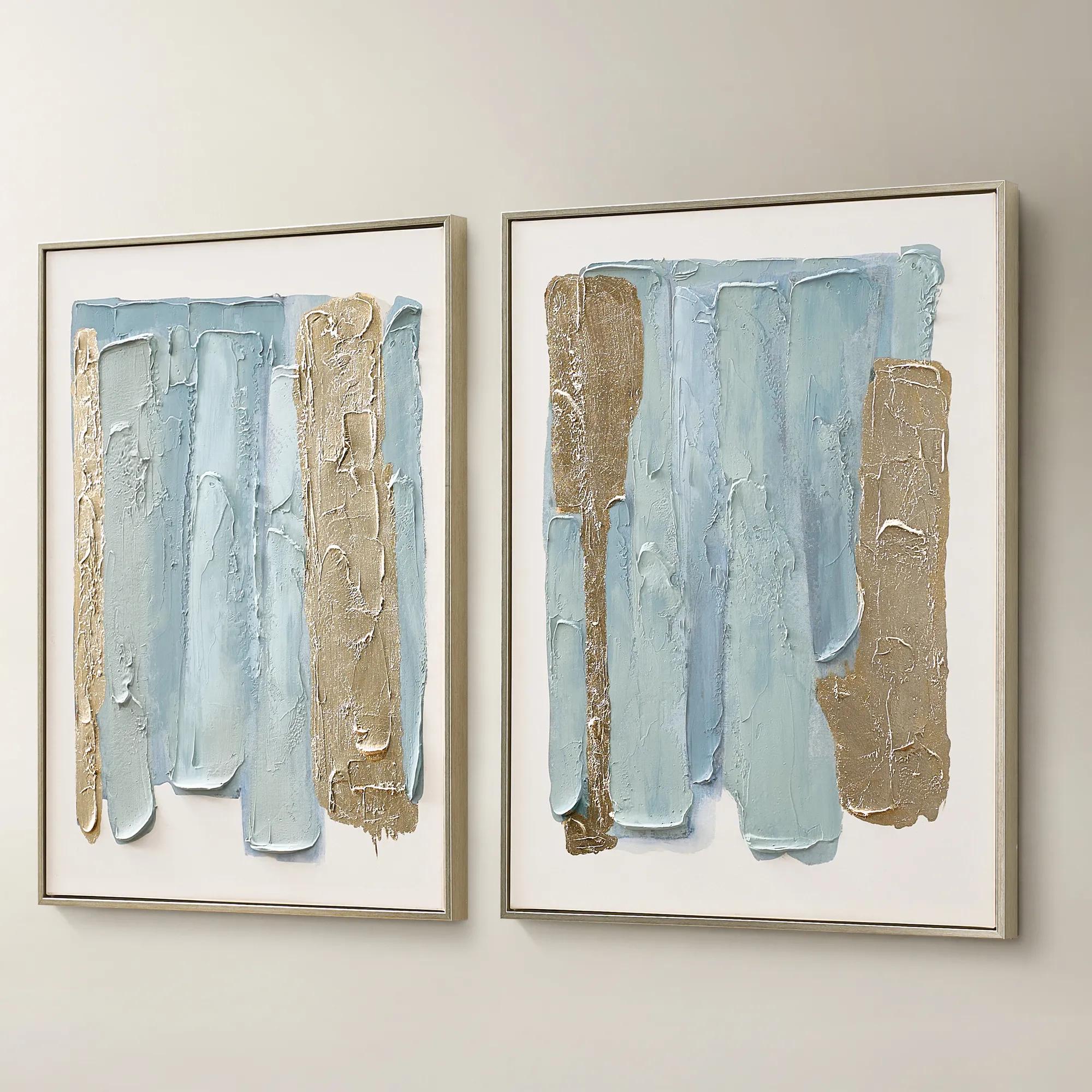 Blue Drift Framed Champagne Painted Wall Art 24" x 32" Set of 2$199
A set of two hand-painted canvases in dusty blue with champagne leafing and modern abstract movement.
Add To Cart -
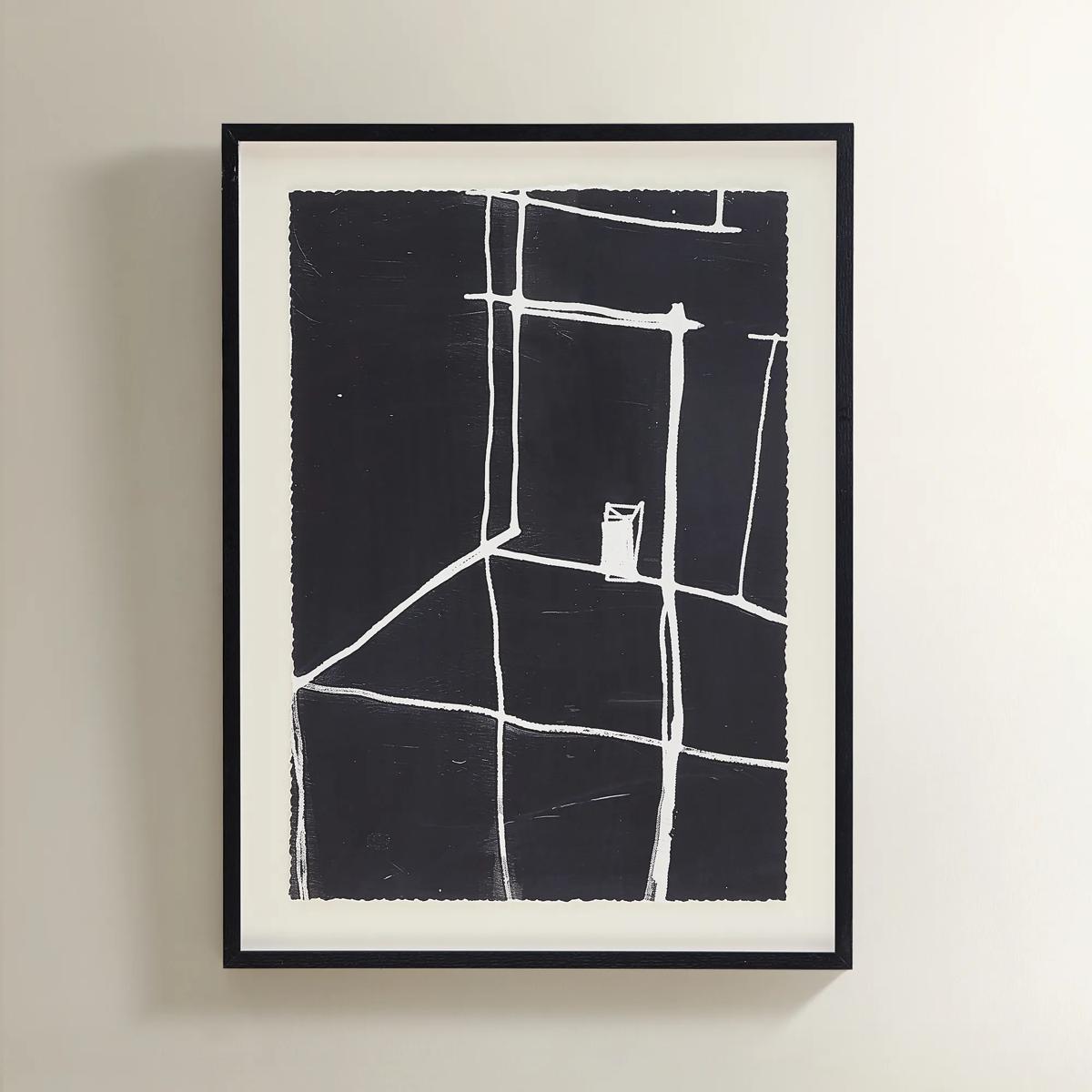 Solitude Art$269
A minimalist black-and-white abstract print featuring bold white lines in a sleek black polyresin frame.
Add To Cart -
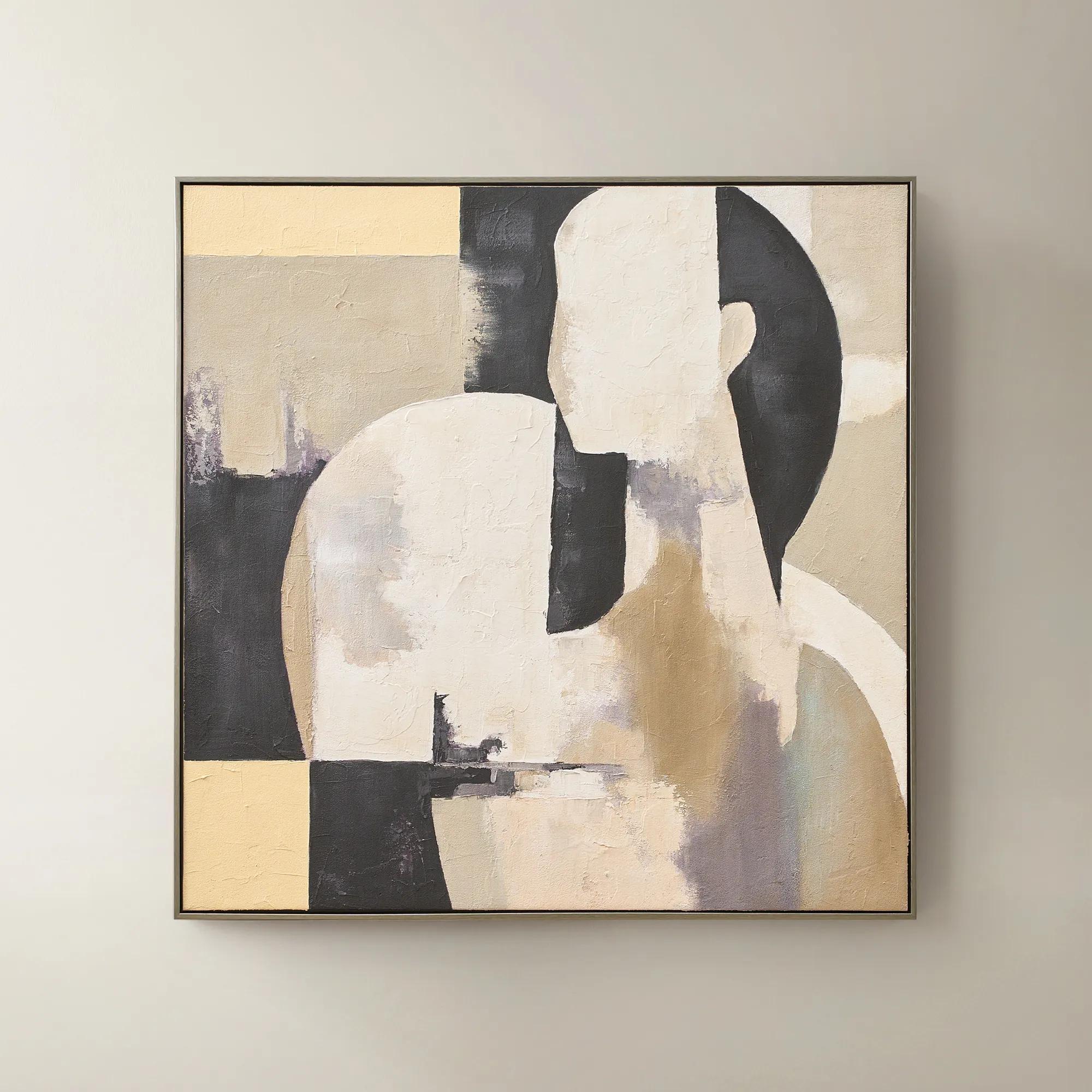 Afternoon Rest Framed Painted Wall Art 40" x 40"$399
A hand-painted abstract figure in buttercream, turtledove, and black hues framed in dark grey.
Add To Cart -
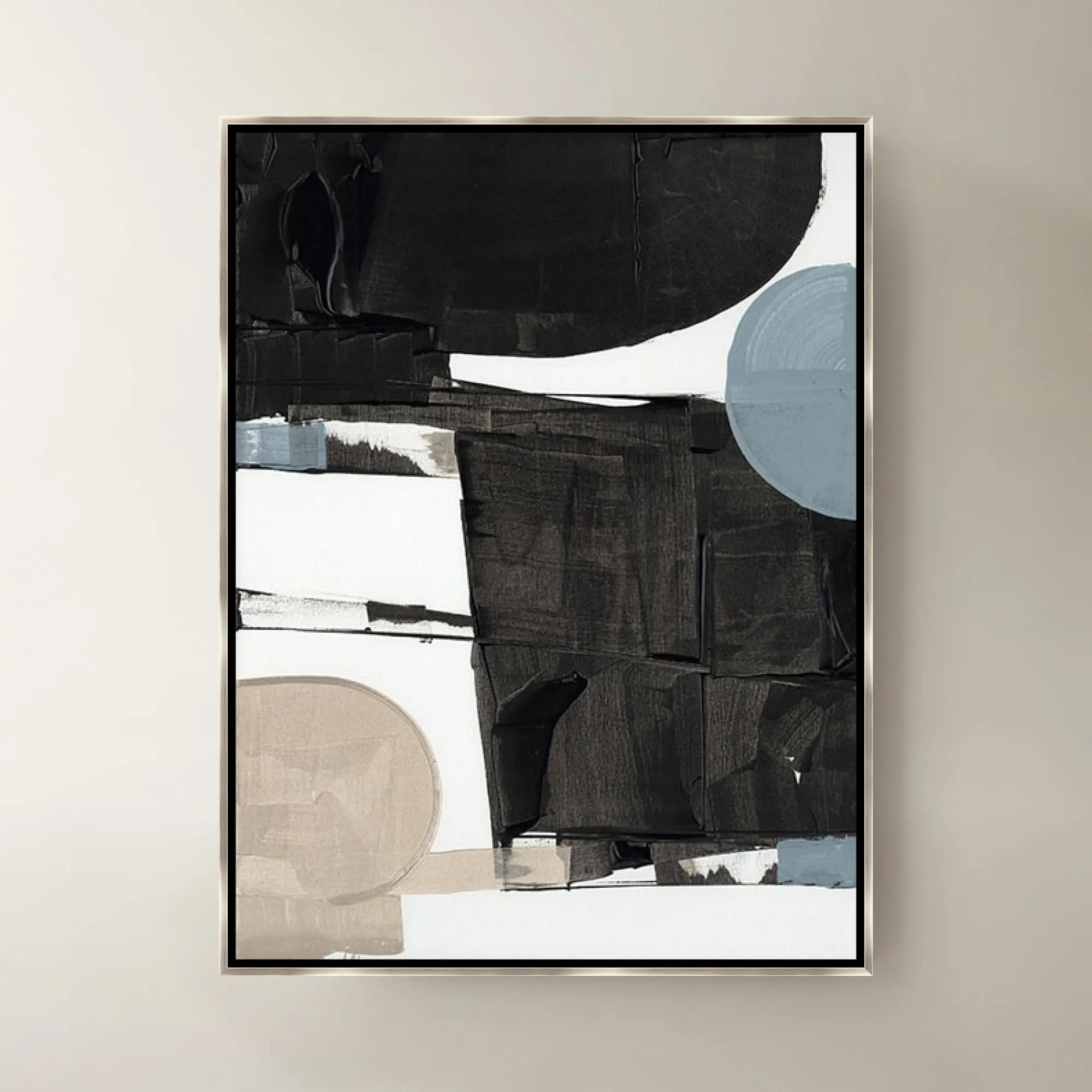
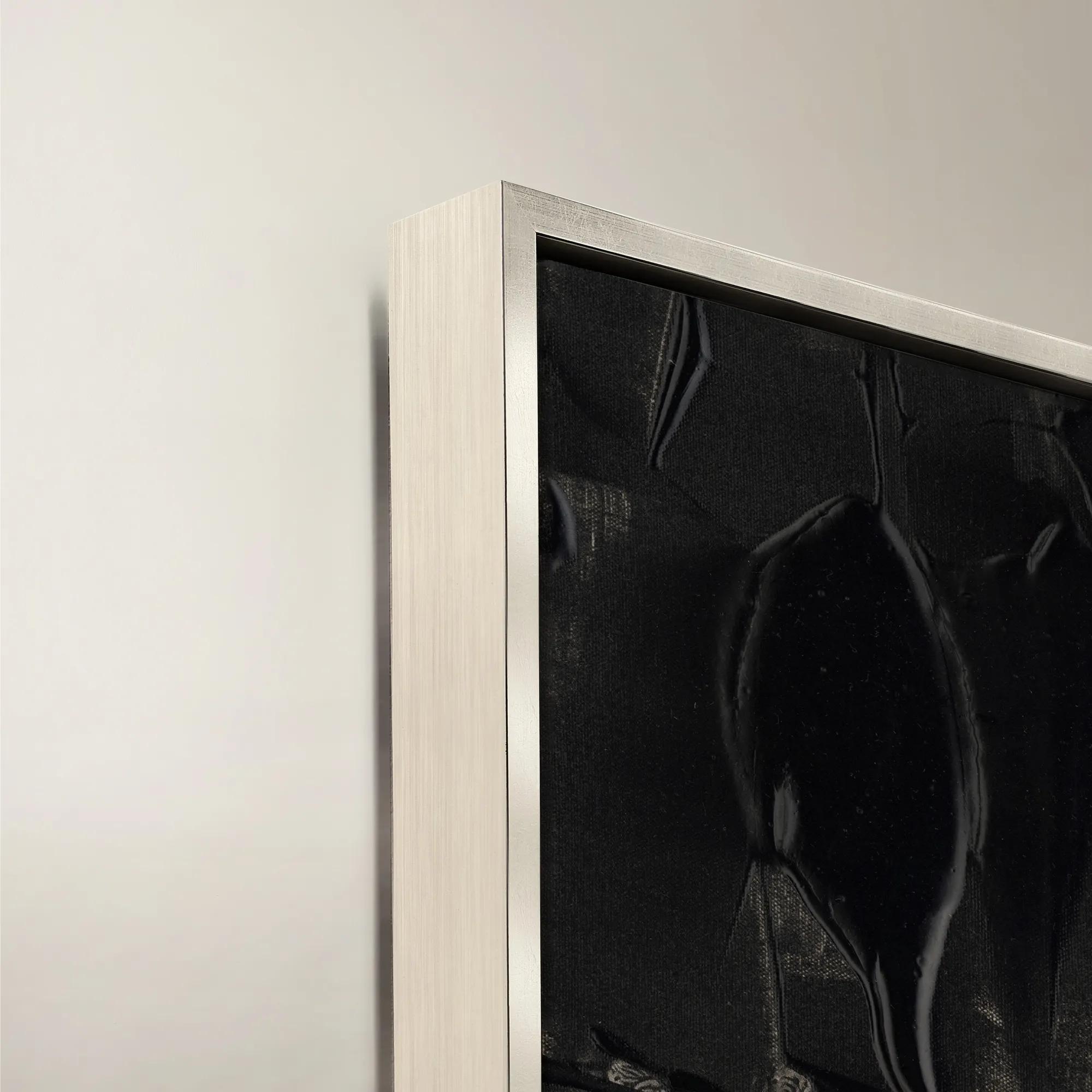 Blanc de Blancs II Framed Wall Art 24" x 30"$519
A sophisticated black canvas artwork presented in a refined frame, bringing modern elegance to your walls.
Add To Cart -
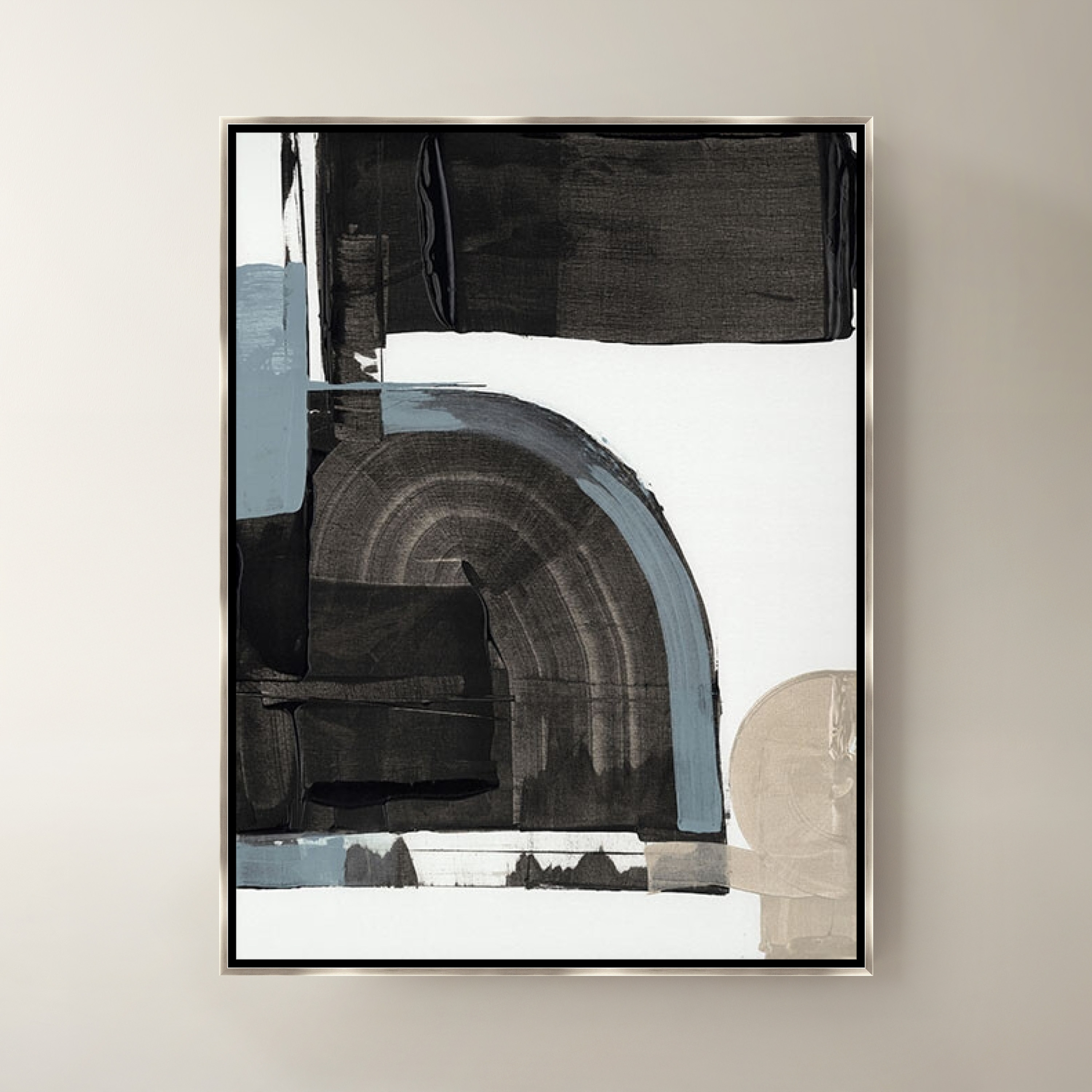
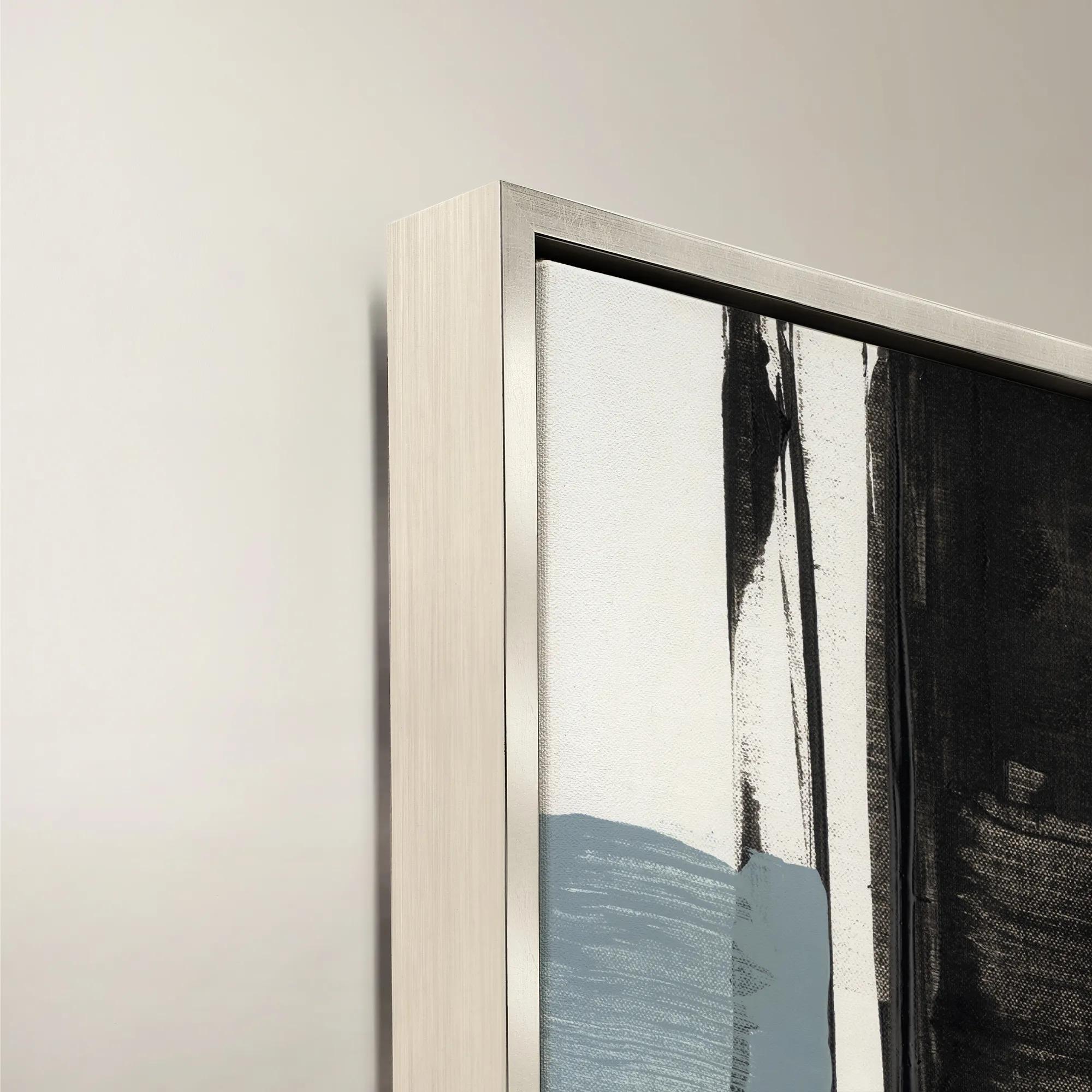 Blanc de Blancs III Framed Wall Art 24" x 30"$519
A sophisticated black canvas artwork presented in a refined frame for modern wall styling.
Add To Cart -
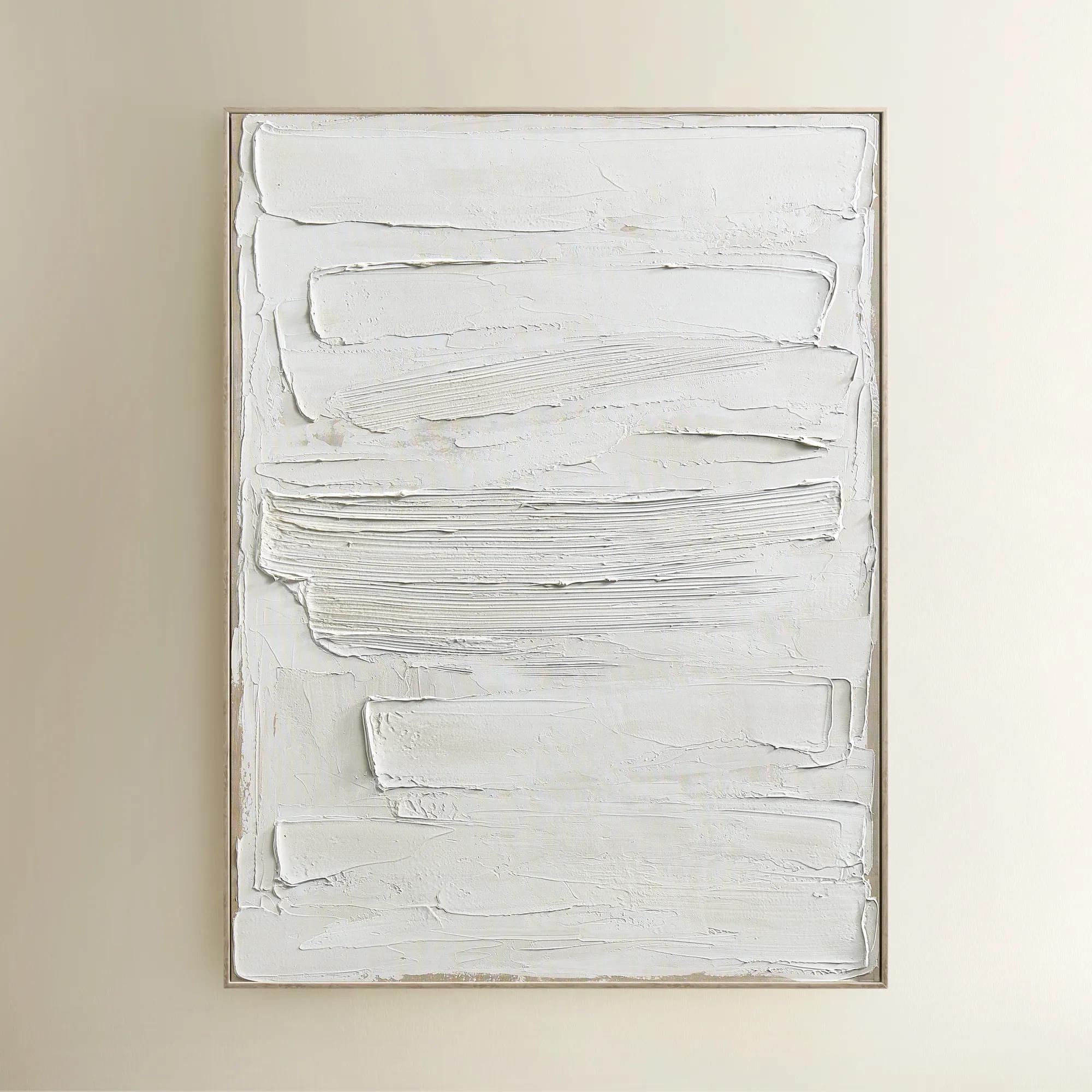
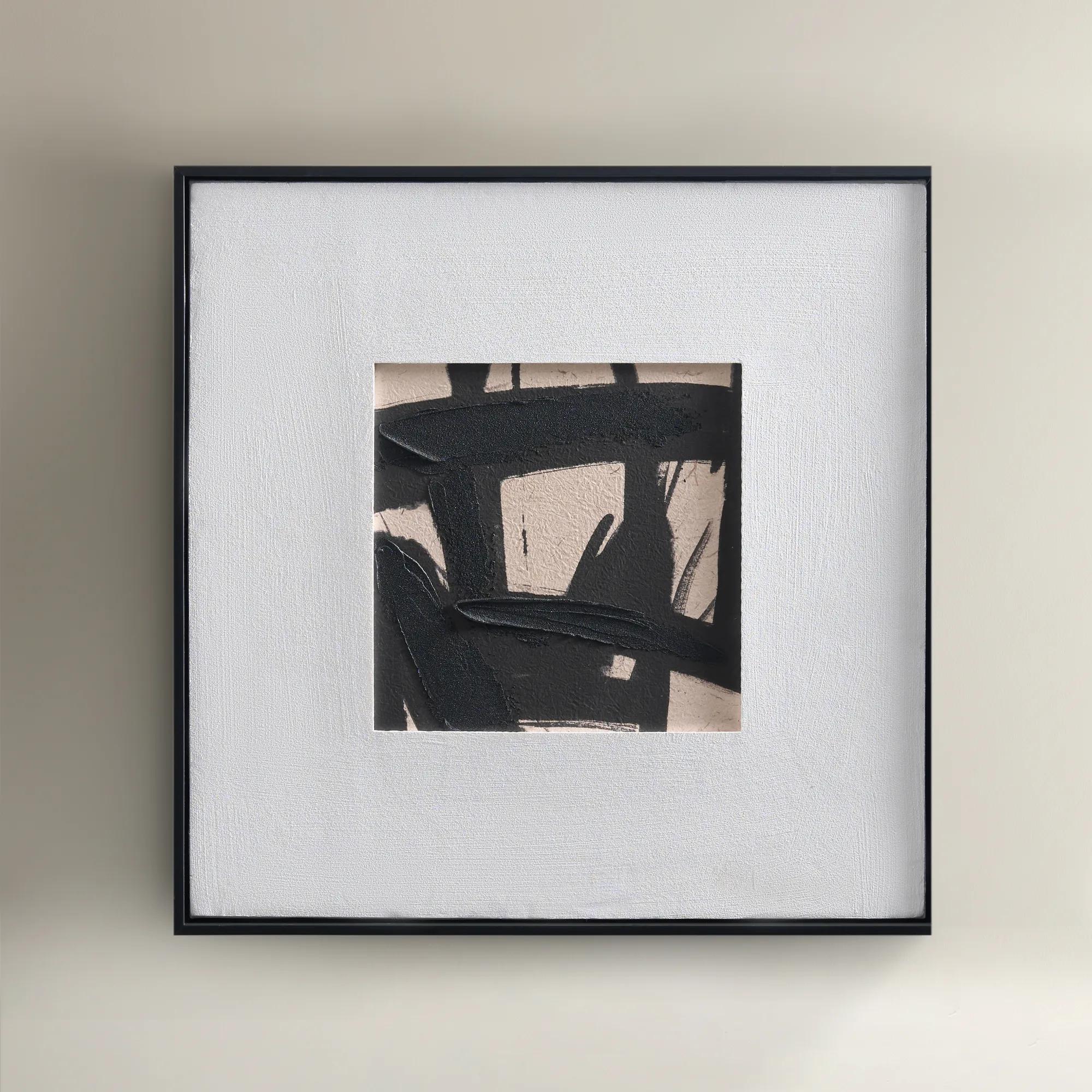
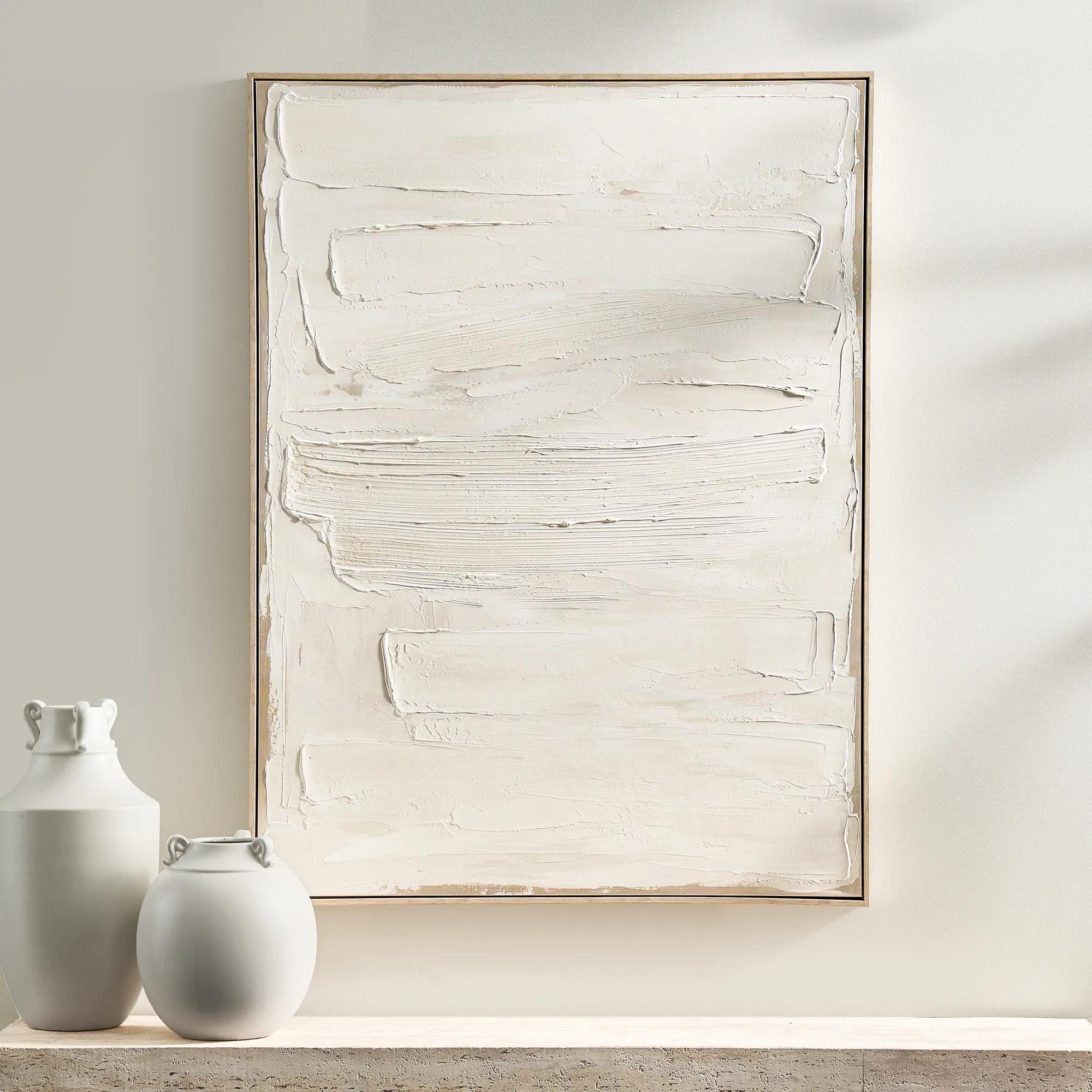 Monotype Canvas 1$399
A hand-painted abstract canvas featuring layered white tones and textured paint in a whitewashed wood frame.
Add To Cart -
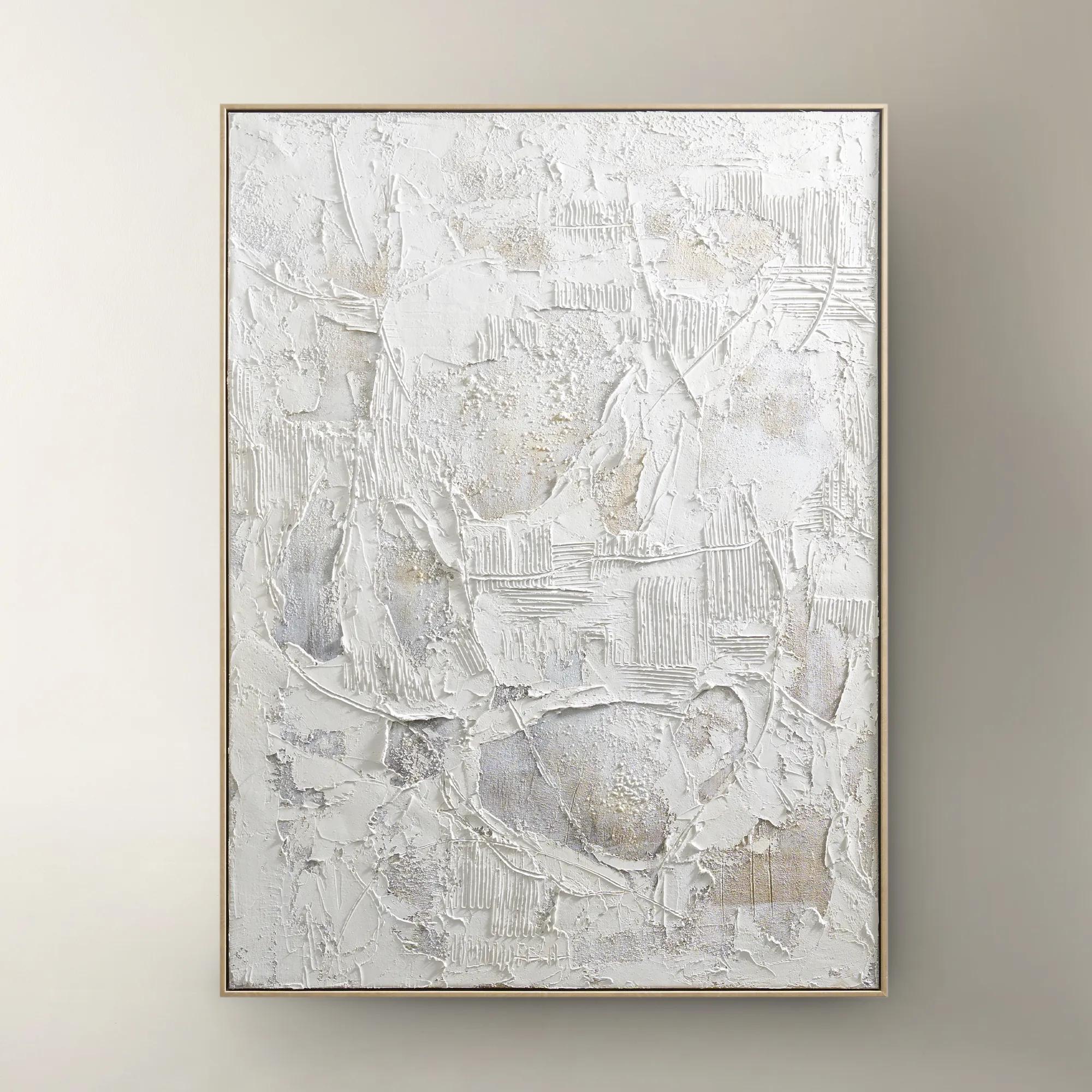 Stone Heritage Painting$399
A hand-painted canvas featuring textured white tones, elegantly framed in warm beech wood for refined appeal.
Add To Cart -
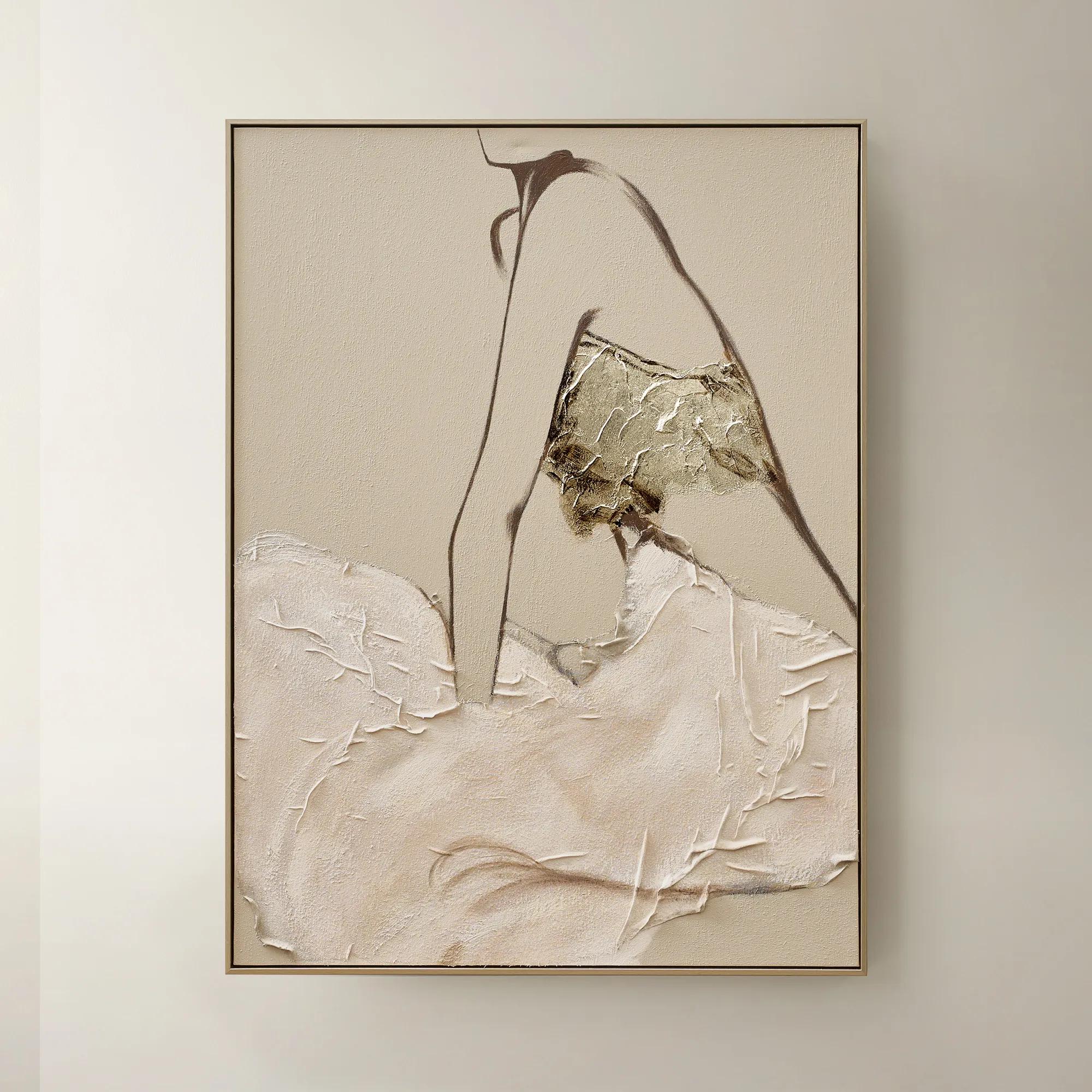 Quiet Pose Framed Painted Wall Art 36" x 48"$499
A hand-painted canvas in taupe and champagne tones features textural details and shimmering champagne leafing.
Add To Cart -
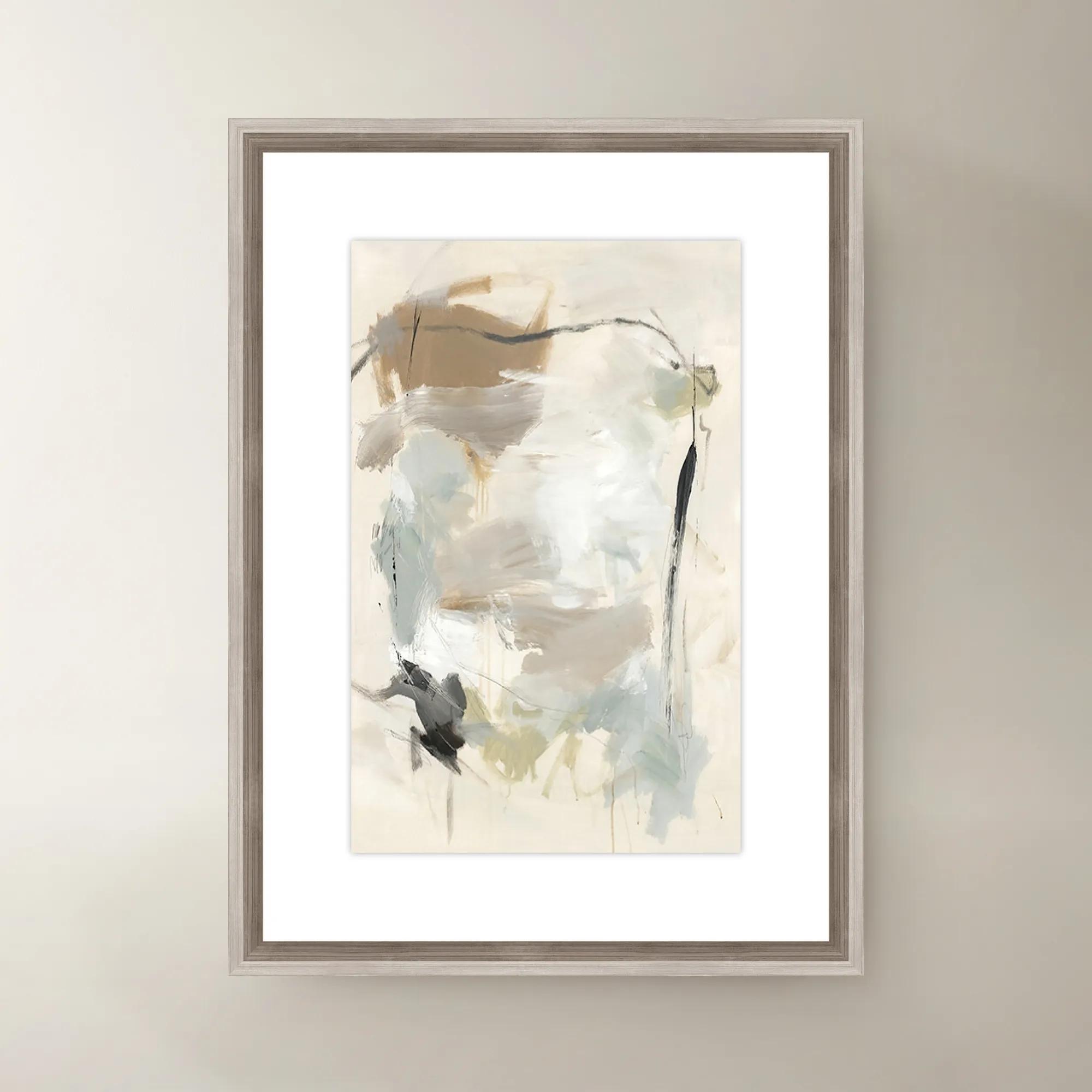
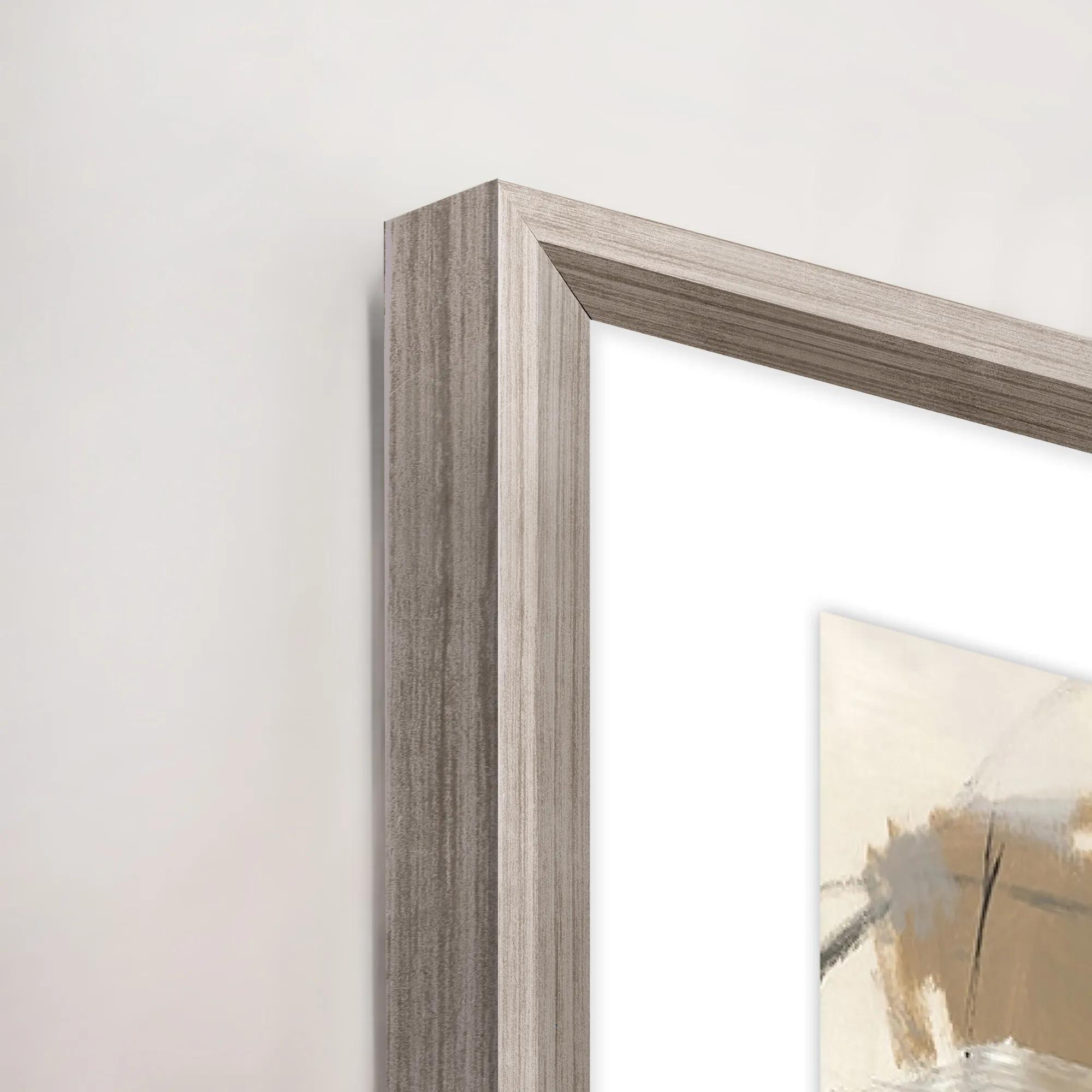 French Bakery I Framed Wall Art 20" x 30"$419
A multi-colored canvas wall artwork in a framed presentation, inspired by a charming French bakery.
Add To Cart -

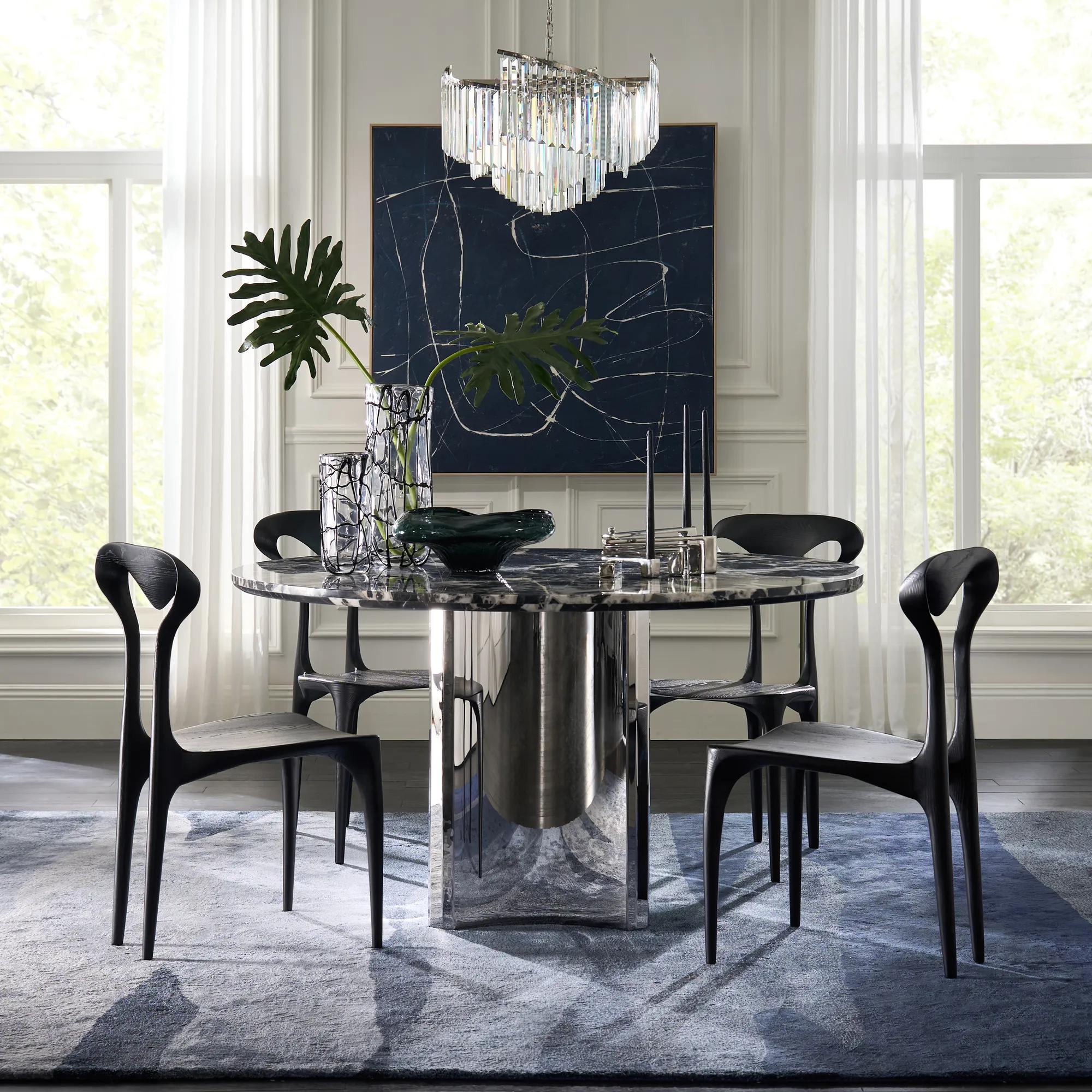 Almost Midnight Painting - Blue$439
A hand-painted canvas featuring bold blue and black tones with delicate white lines in a light wood frame.
Add To Cart -
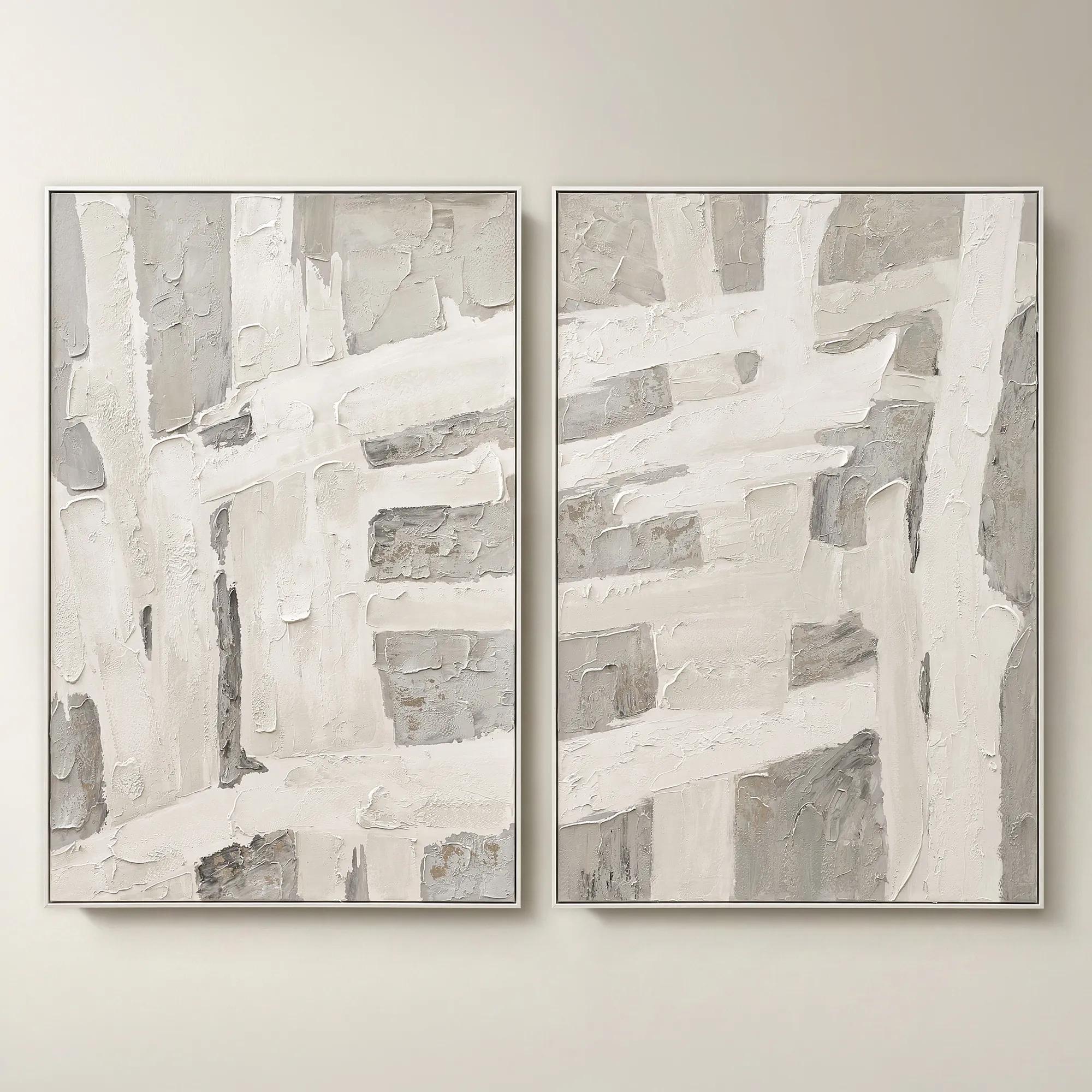 Traverse Framed Painted Wall Art 40" x 60" Set of 2$799
A hand-painted abstract diptych features champagne accents and soft grey, pearl, and alabaster tones in white frames.
Add To Cart -
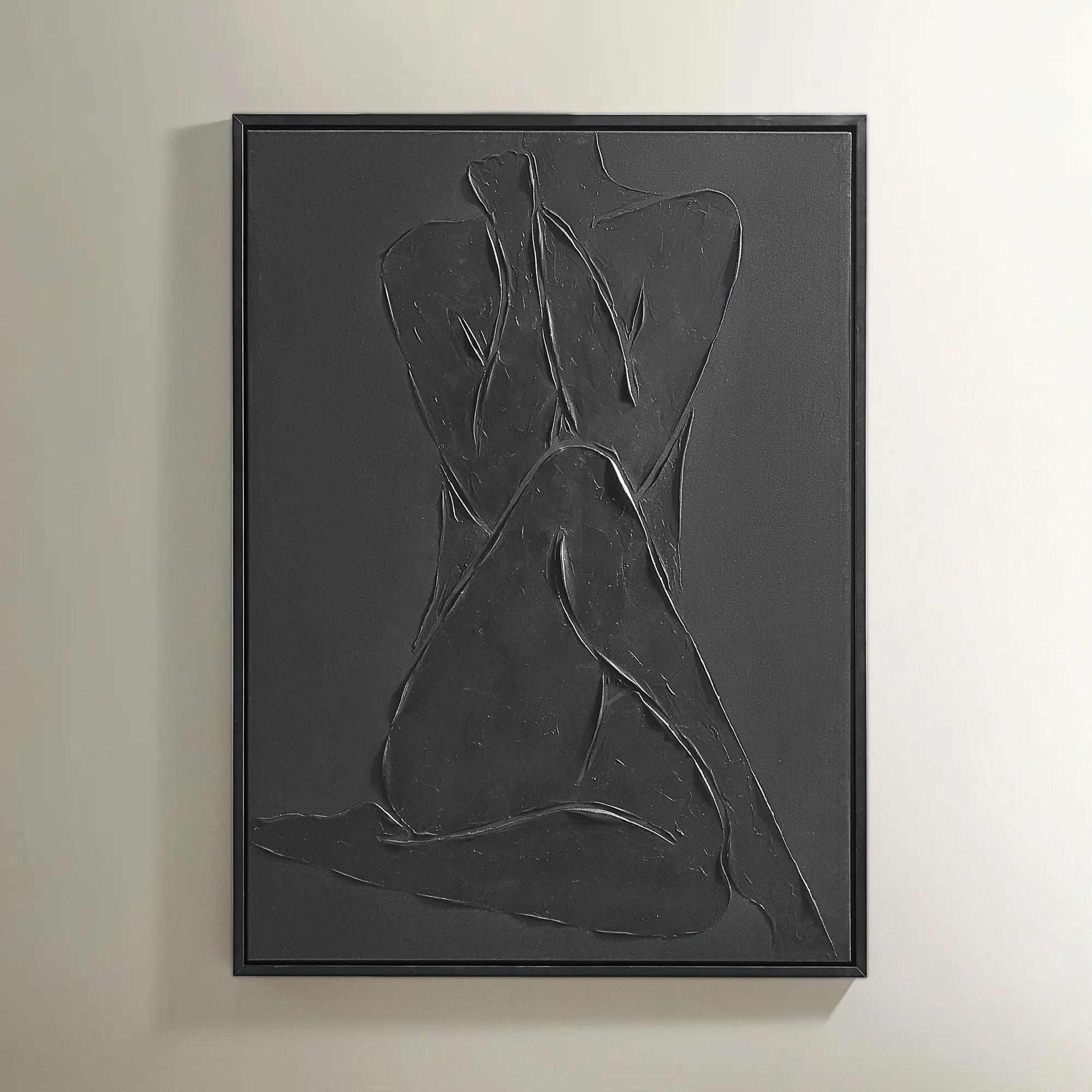 Modern Elegance Nude Black Framed Painted Wall Art 35.5" x 47.25"$599
A hand-embellished canvas artwork featuring textured strokes and vibrant hues in a black and gold Art Deco frame.
Add To Cart

Calming Wall Art For Meditation Rooms
Serenity begins with your surroundings, and nowhere is that more essential than in a sanctuary devoted to mindfulness. Calming wall art for meditation rooms transforms blank walls into tranquil escapes, enveloping you in soothing hues, gentle forms, and ethereal compositions that quiet the mind and elevate the spirit. Each piece is a visual whisper—inviting stillness, fostering reflection, and setting the tone for deep, restorative peace. Curate your own oasis where every glance inspires calm and every moment feels artfully aligned with your inner harmony.
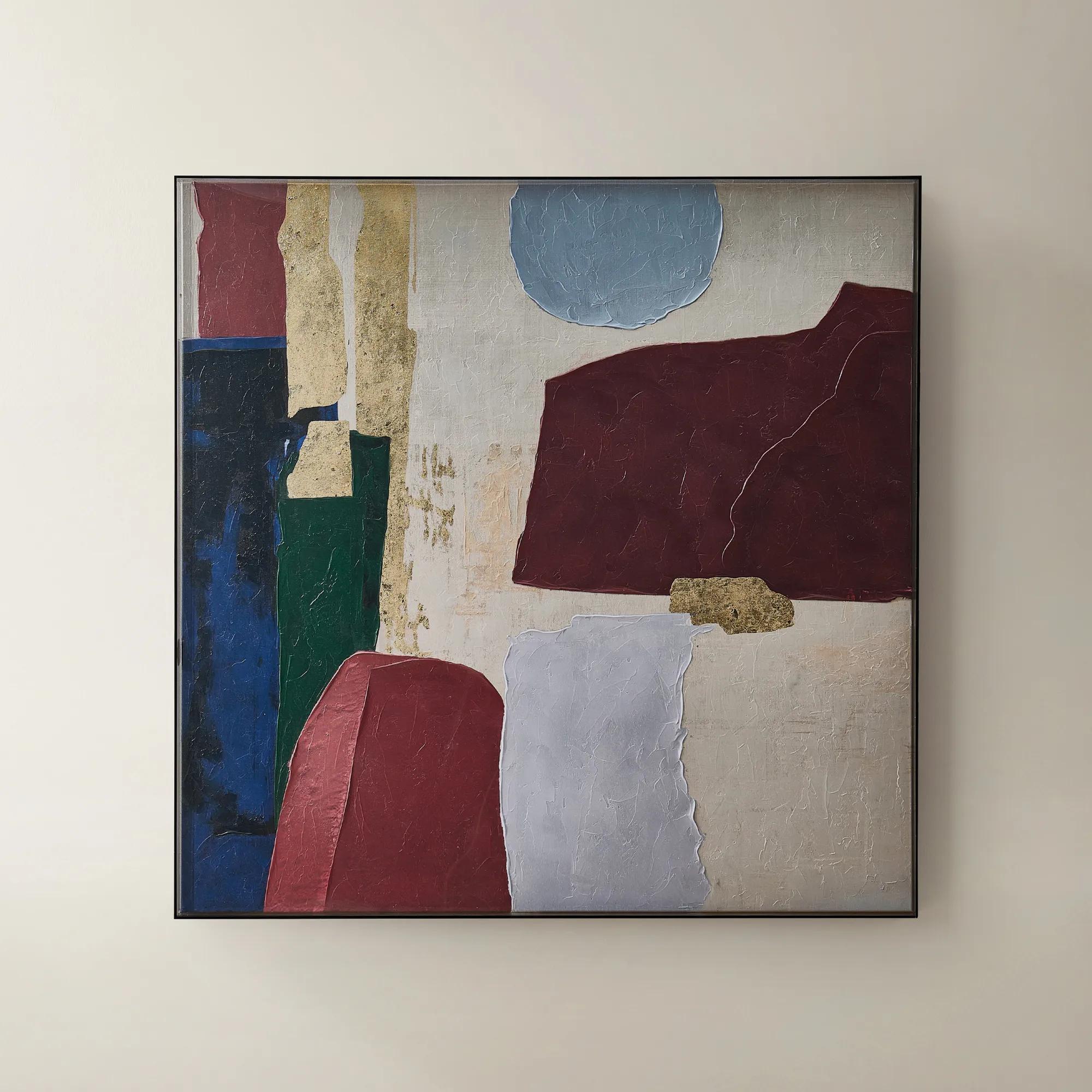
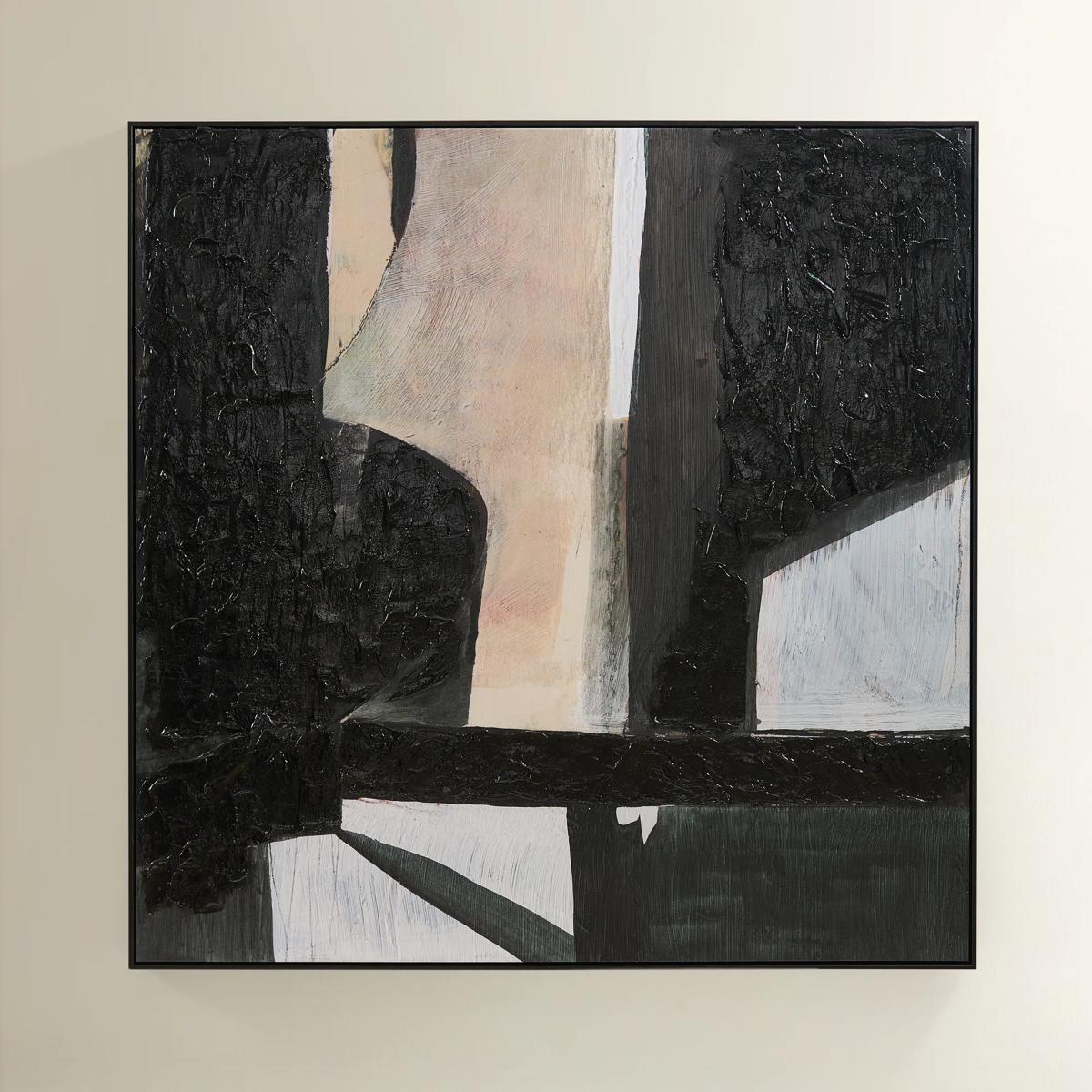
Calming wall art for meditation rooms creates a restful focal point through gentle color, balanced composition, and imagery that leaves space for reflection. Soft neutrals, pale blues, muted greens, and warm grays bring depth to a room without demanding attention, while flowing abstract forms and tranquil landscapes offer an alternative to visually busy arrangements. The effect can be quietly luxurious: an expansive ivory canvas with delicate tonal movement, a horizon rendered in layers of blue, or botanical silhouettes that lend a graceful rhythm to an otherwise unadorned wall. These subjects suit meditation spaces because their compositions invite the eye to linger rather than move rapidly between competing details. Nature-inspired wall art often draws on water, leaves, stone, and distant landforms, translating familiar organic shapes into an atmosphere of repose. Abstract artwork offers a different kind of freedom, allowing color and gesture to set the mood without prescribing a story. For those who prefer a meaningful visual reference, mandalas, symmetrical geometric designs, and spiritual imagery can provide a contemplative focal point when their symbolism feels personally appropriate. Such imagery is most resonant when selected with an understanding of its cultural or spiritual significance, rather than treated as interchangeable decoration. Typography can also belong in a meditation room, especially when a brief breathing cue or thoughtful phrase has generous spacing and a restrained presentation. Longer passages and intricate lettering tend to ask more of the viewer, making them less suitable for a wall intended to remain visually quiet. Across these styles, calm does not require an entirely colorless interior. A deep blue passage, a softly gilded detail, or an earthy green accent can introduce richness while preserving a composed atmosphere. What matters is the relationship between the artwork and its surroundings: a measured palette, an uncluttered composition, and enough open wall space for the piece to feel intentional. A meditation room can express a distinctive personality without surrendering its sense of ease.
Materials and finishes give calming artwork much of its character, particularly in a room where subtle details have room to register. Canvas brings a woven texture that can soften the appearance of printed imagery or painted forms, while paper lends itself to delicate linework, nuanced color transitions, and the generous borders of a mat. Dimensional surfaces and textured compositions introduce another layer of interest, creating gentle variations in shadow rather than relying on vivid contrast. Their appeal is especially noticeable beside smooth walls, tailored upholstery, or a simple meditation cushion, where tactile differences add richness without filling the space with accessories. A matte or low-sheen surface is often well suited to a meditation room because it limits distracting reflections from windows and lamps. Framed works behind glass or acrylic can be equally compelling, though their placement deserves consideration when a bright reflection would fall directly within the seated line of sight. Glazing can help shield paper artwork from dust and incidental contact; protection against fading depends on the glazing’s specifications and the work’s exposure to light. Frame finishes contribute to the atmosphere, too. Pale wood introduces an organic note, a slender dark frame gives a pale composition definition, and a restrained metallic edge adds a trace of glamour without overwhelming the image. Long-term appearance depends on both construction and setting. Secure frame joints, appropriate hanging hardware, and protection from direct sunlight, dampness, and heat sources all support lasting enjoyment. Artwork near candles, incense, or essential-oil diffusers may collect residue, so distance from these elements is worth preserving. Routine care is generally gentle: a soft, dry cloth for suitable frame surfaces, careful dusting where permitted, and cleaning methods matched to the material. Spraying cleaner directly onto artwork or glazing risks moisture reaching vulnerable edges. Textured, embellished, or unsealed surfaces may require different treatment, making the individual care instructions more useful than a single cleaning method applied to every piece. These practical details help preserve the quiet beauty that made the artwork appealing in the first place.
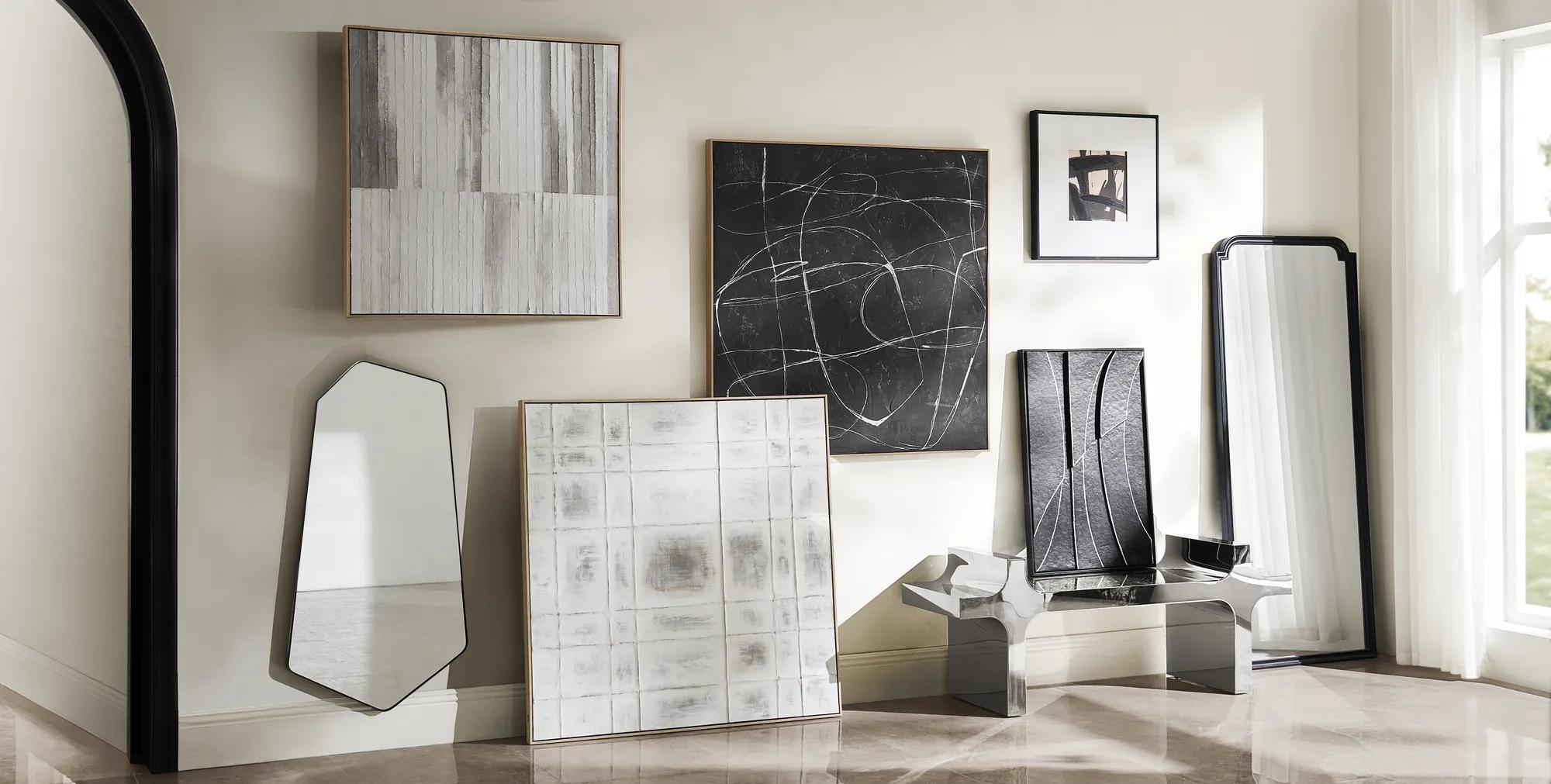
Scale and placement determine how wall art feels within a meditation space as much as subject matter does. A generous horizontal composition can establish a settled visual anchor above a low bench, while a vertical work can bring proportion to a narrow wall beside a reading chair or floor cushion. In a compact meditation corner, one well-scaled piece often feels more composed than a cluster of small images, particularly when books, plants, or personal objects already occupy nearby surfaces. A pair of related works can create a measured rhythm, provided the spacing and surrounding furnishings leave each composition room to breathe. Artwork intended as a point of focus is best considered from the position in which meditation actually happens. A piece that feels comfortably placed when standing may sit too high for someone resting on a cushion; the seated view offers a more relevant perspective than a conventional gallery arrangement alone. Secure mounting and adequate clearance are especially important above seating or a floor practice area. These considerations suit dedicated meditation rooms, but the same artwork can define a contemplative zone within a bedroom, home office, or shared living area. A soft abstract composition near a chair can distinguish a quiet pause from the activity elsewhere in the room without requiring a separate space. For interiors where that atmosphere extends beyond a meditation corner, Calming Living Room Wall Decors offers a related decorating direction. Coordinating undertones across adjoining rooms can create continuity without repeating the same image: warm ivory beside natural wood, blue-gray with silver accents, or muted green against cream upholstery. Calming artwork can also make a thoughtful housewarming gift or a personal gesture for someone creating a dedicated space for reflection. The most considerate choice reflects the recipient’s taste, available wall space, and relationship to any spiritual symbolism. With those details in balance, the artwork becomes more than a finishing touch. It gives a daily ritual a distinctive setting—expressive, considered, and quietly enveloping.
FAQs
The most evocative calming wall art for meditation rooms often features serene landscapes, abstract forms, or gentle nature-inspired motifs. Artworks with soft blues, greens, and earth tones, as well as minimalist designs with flowing lines, help cultivate a tranquil atmosphere that encourages mindfulness and relaxation.
Calming murals act as immersive backdrops, enveloping the room in soothing imagery that quiets the mind. Choose murals with tranquil scenes or gentle color gradients to visually expand the space and reinforce a sense of serenity, making your meditation room feel like a true sanctuary.
Absolutely. Gifting calming art pieces is a meaningful way to support someone’s mindfulness journey. These artworks offer a daily reminder of tranquility and self-care, making them ideal for anyone who values intentional living or is seeking to create a restorative space at home.
Color is essential in setting the mood. Soft blues and greens evoke peace and balance, while earth tones ground the space and promote stability. Incorporating gentle lavenders or muted neutrals can add a subtle sense of luxury and calm, creating an environment that invites relaxation and introspection.
Complement your calming wall art with soft, ambient lighting to highlight its beauty and foster a soothing glow. Integrate natural elements like plants, woven textures, or stones to add depth and harmony. Together, these details create a cohesive environment that nurtures mindfulness and artistic expression.