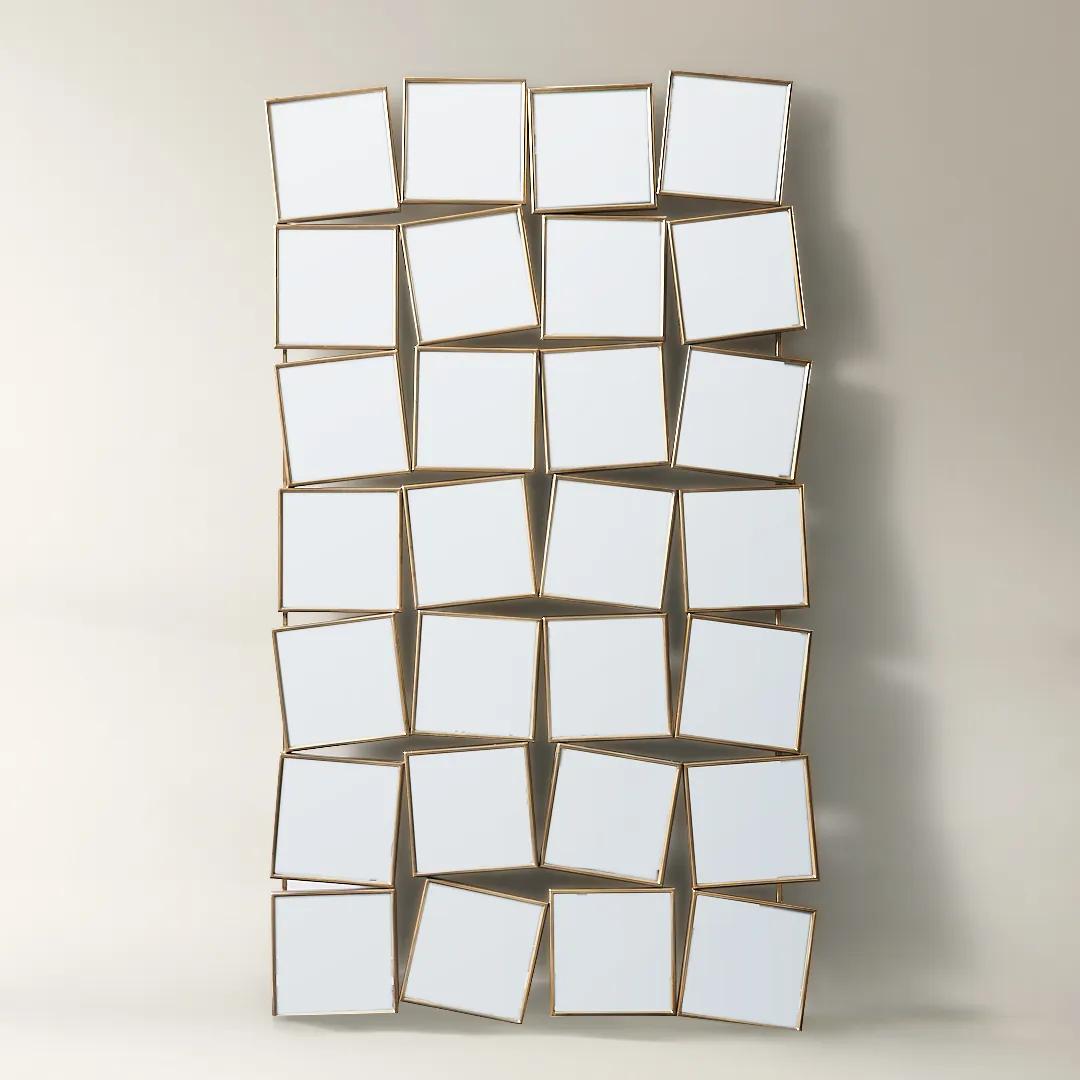
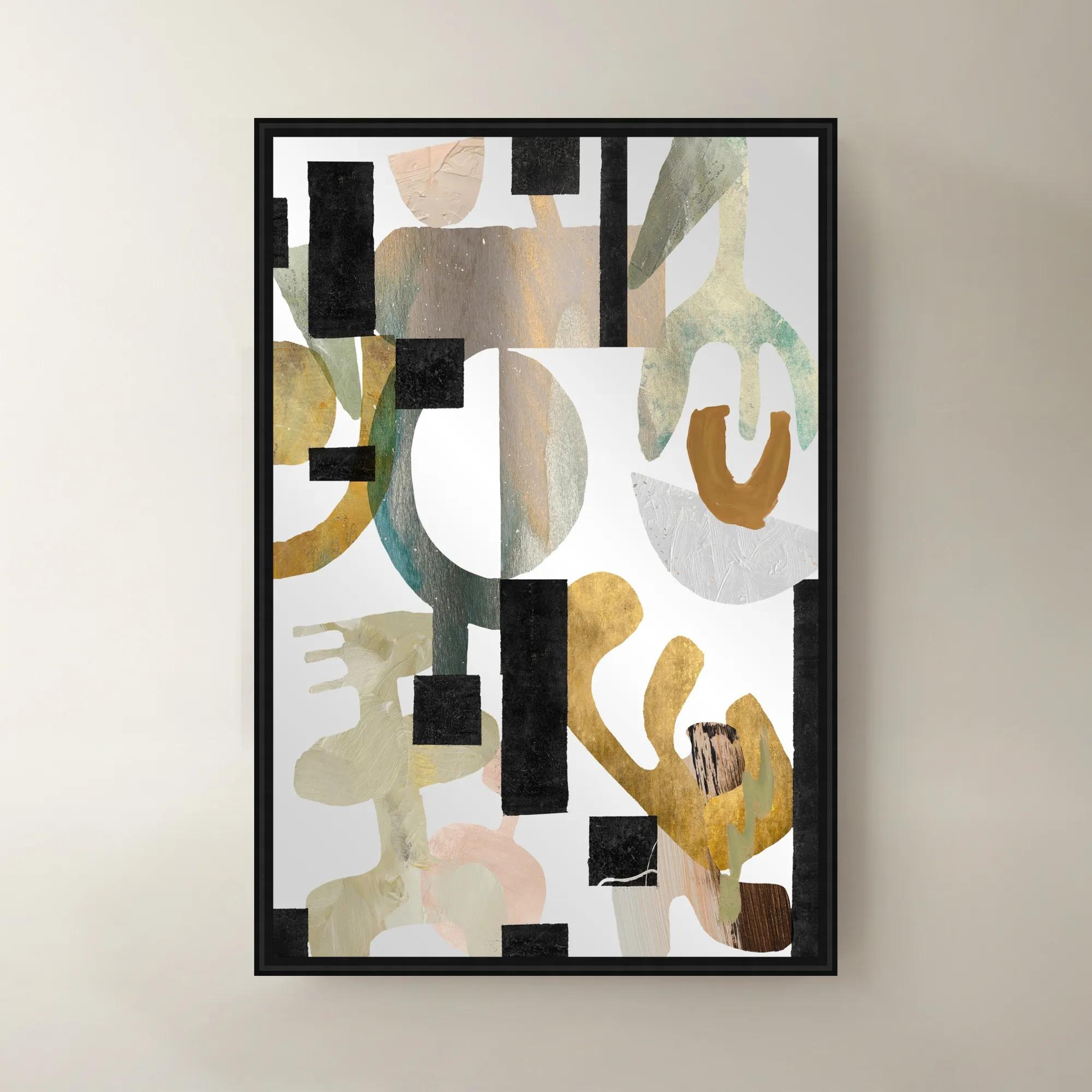
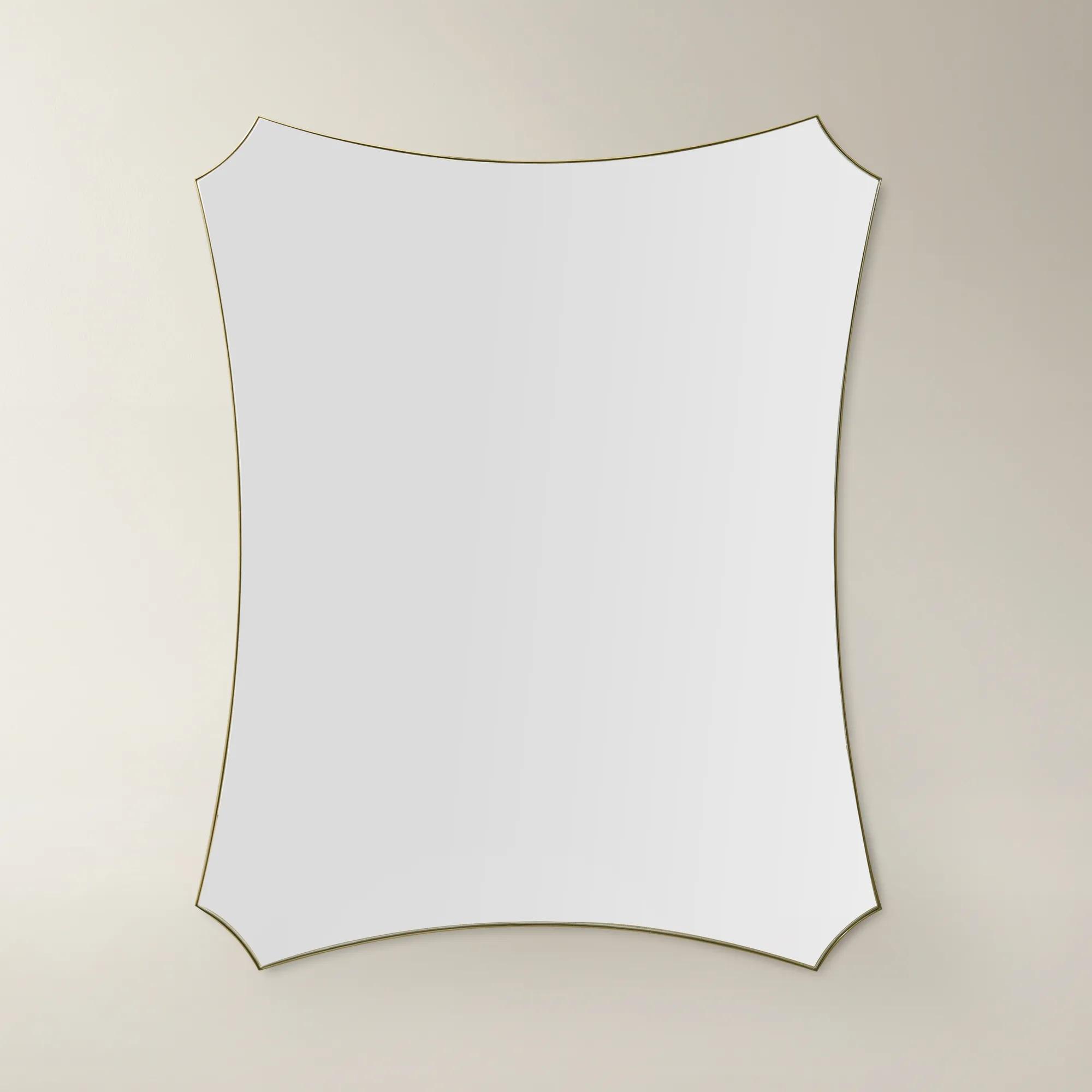
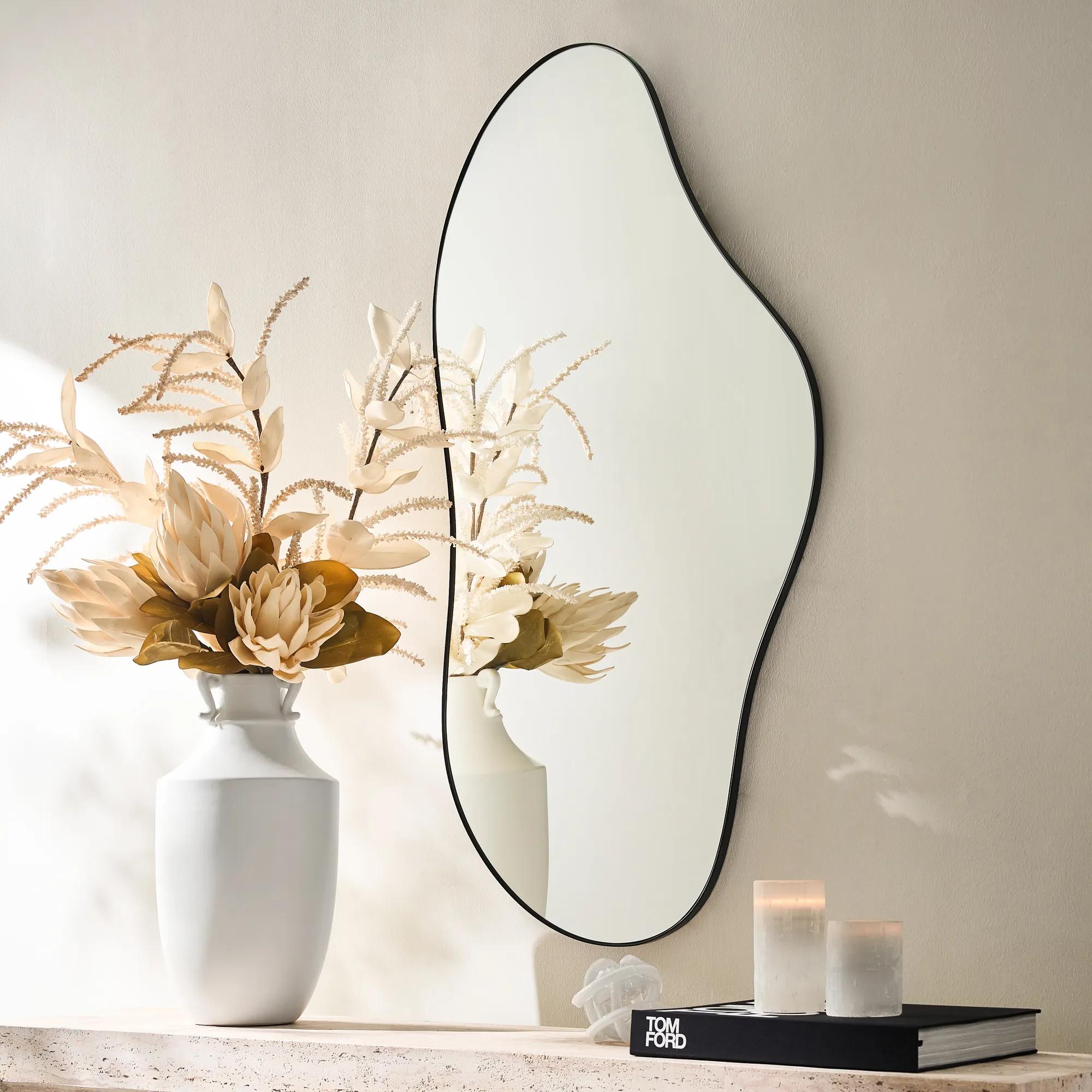
Reflective Wall Art For Light Filled Rooms
Reflective Wall Art For Light Filled Rooms
-
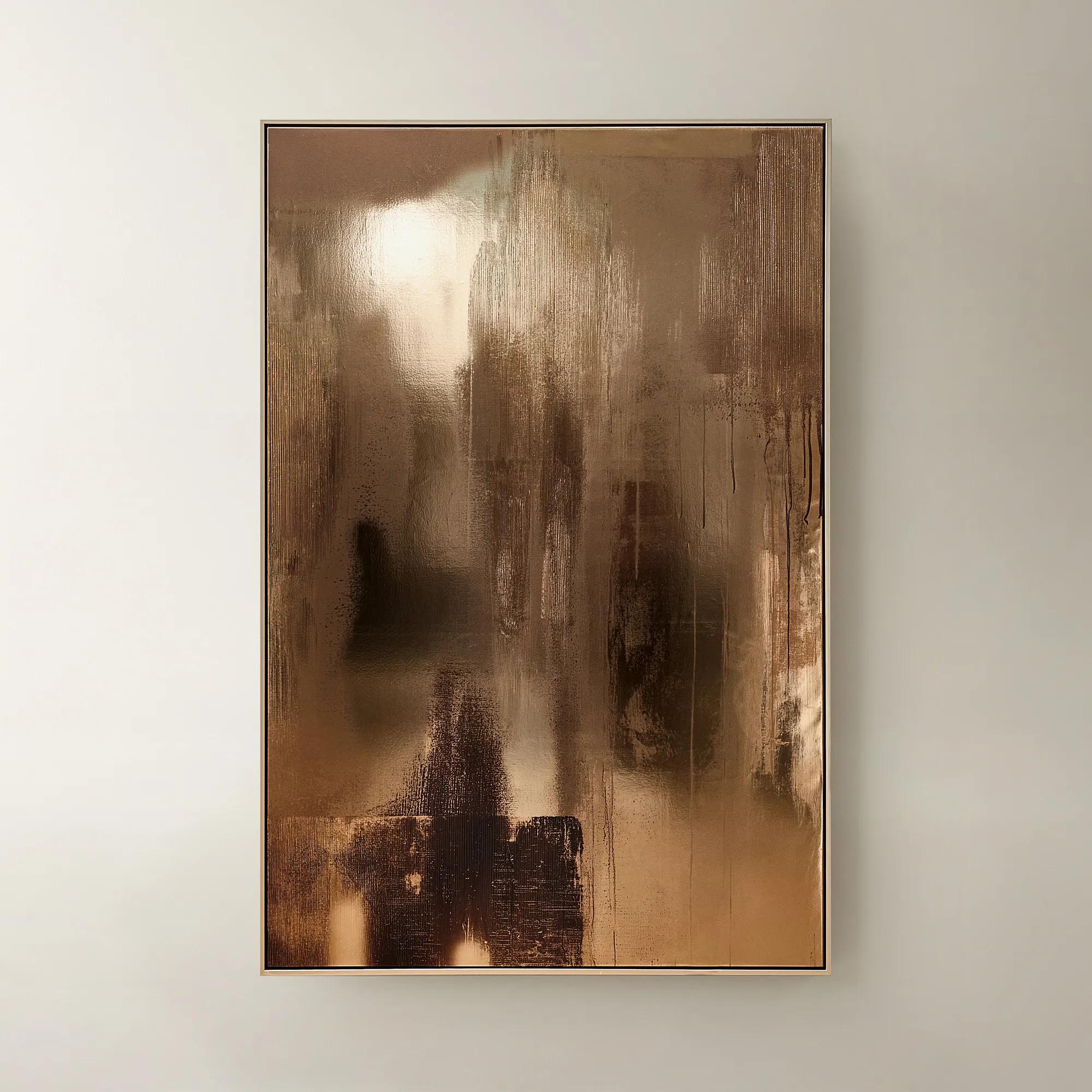
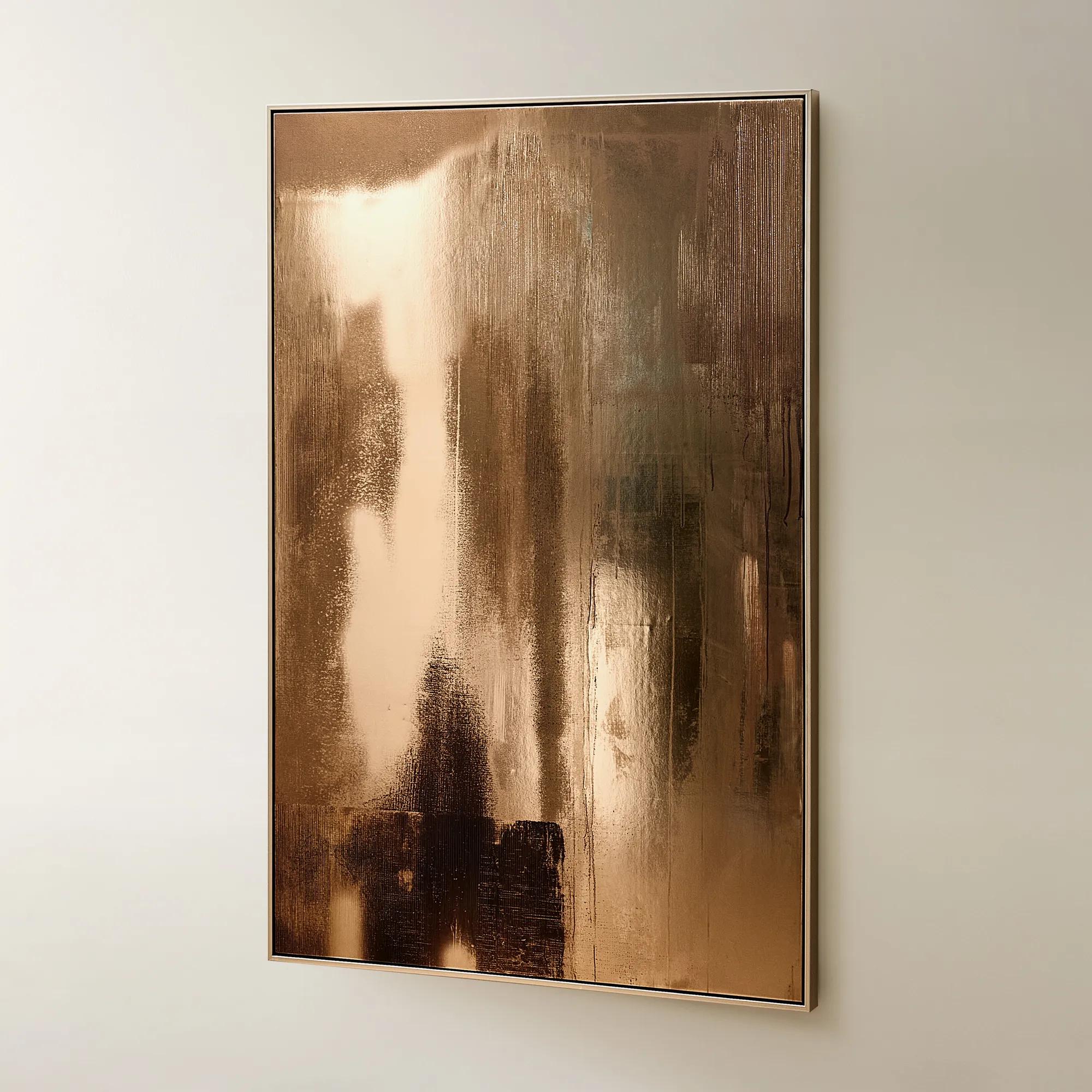 Bronze Reflective Framed Leather Painted Wall Art 40" x 60"$799
A hand-painted abstract wall art featuring reflective bronze faux leather and a warm champagne metallic frame.
Add To Cart -
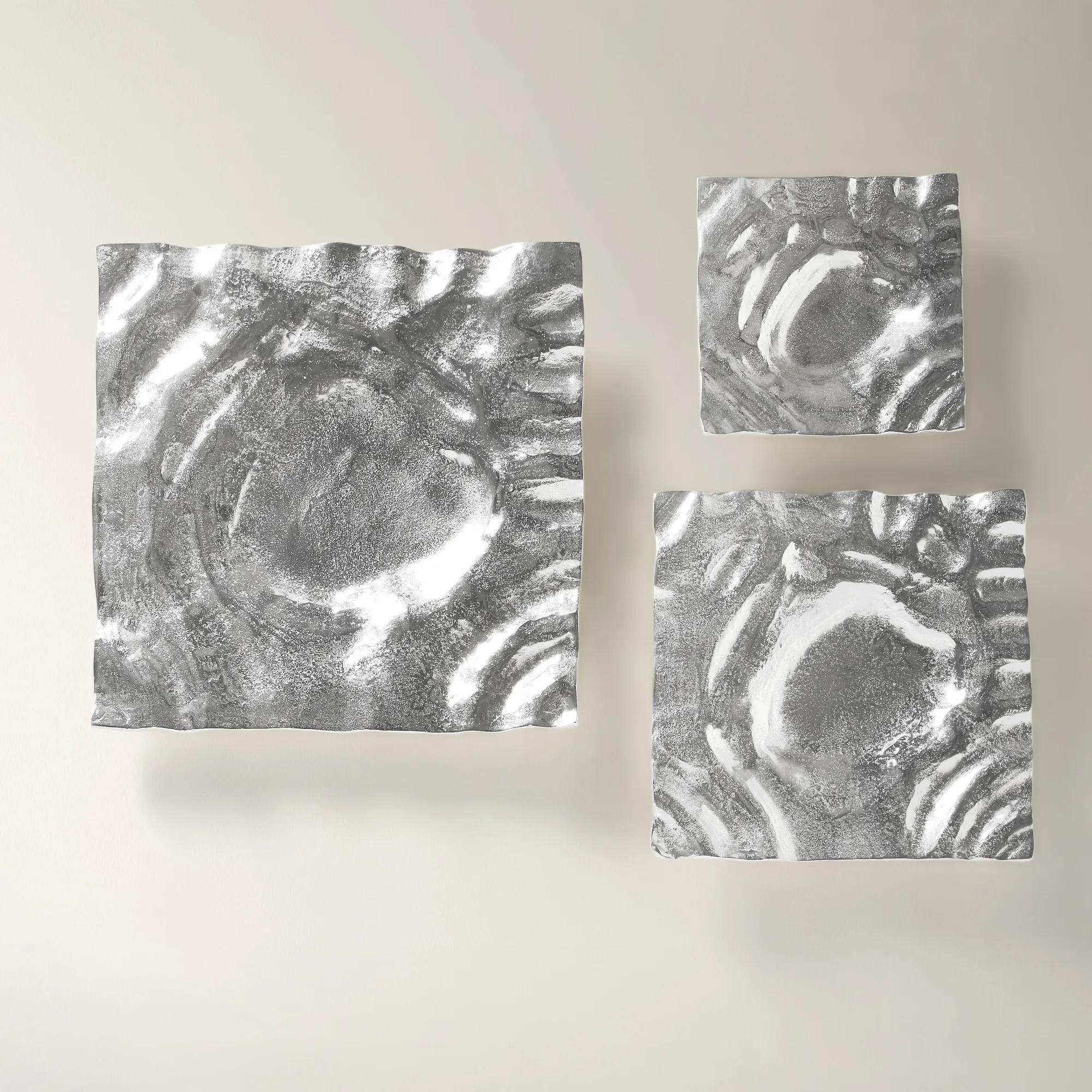
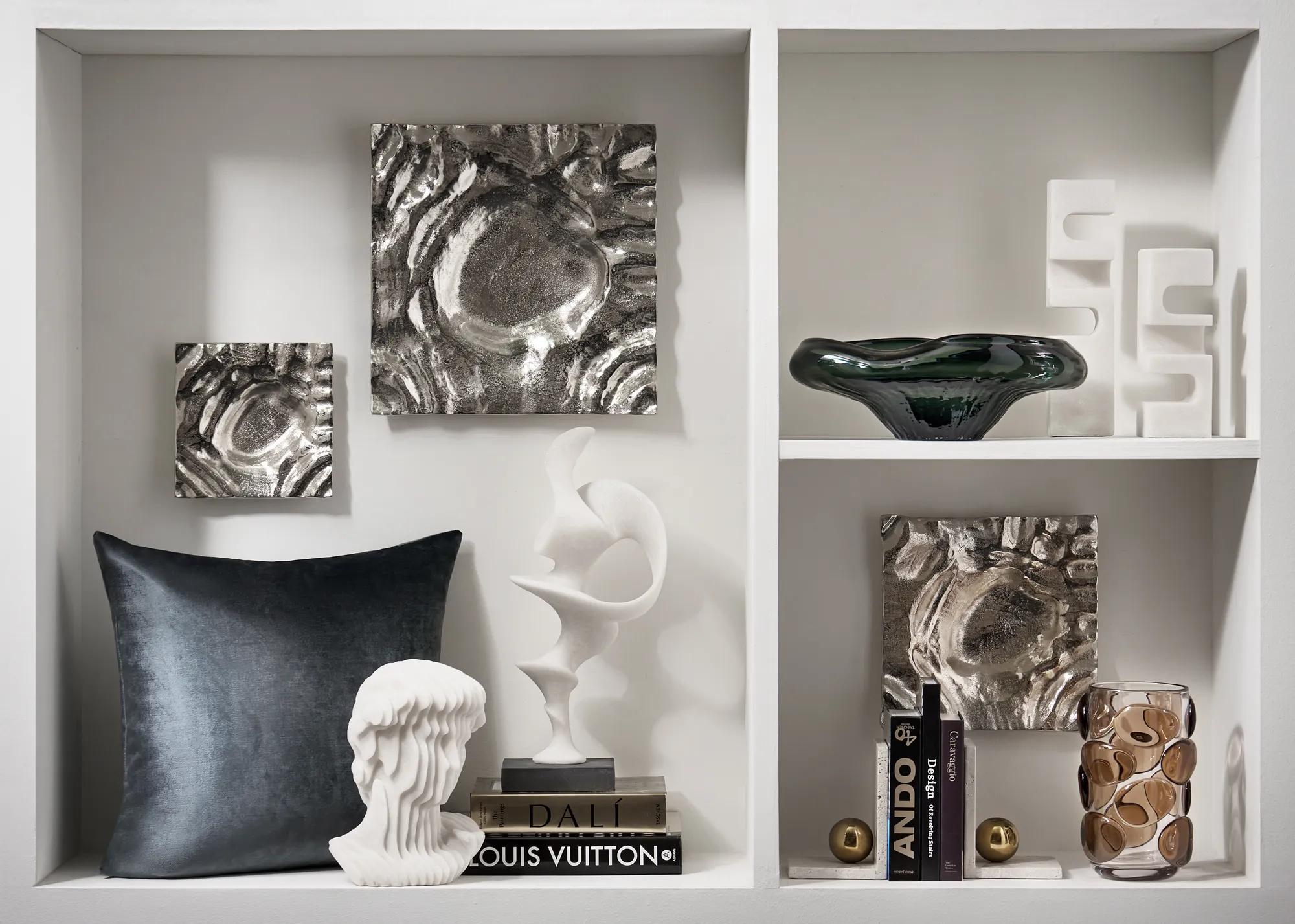 Cascade Wall Art - Set of 3$119
A set of three silver aluminum wall art pieces featuring textured surfaces that reflect and play with light.
Add To Cart -
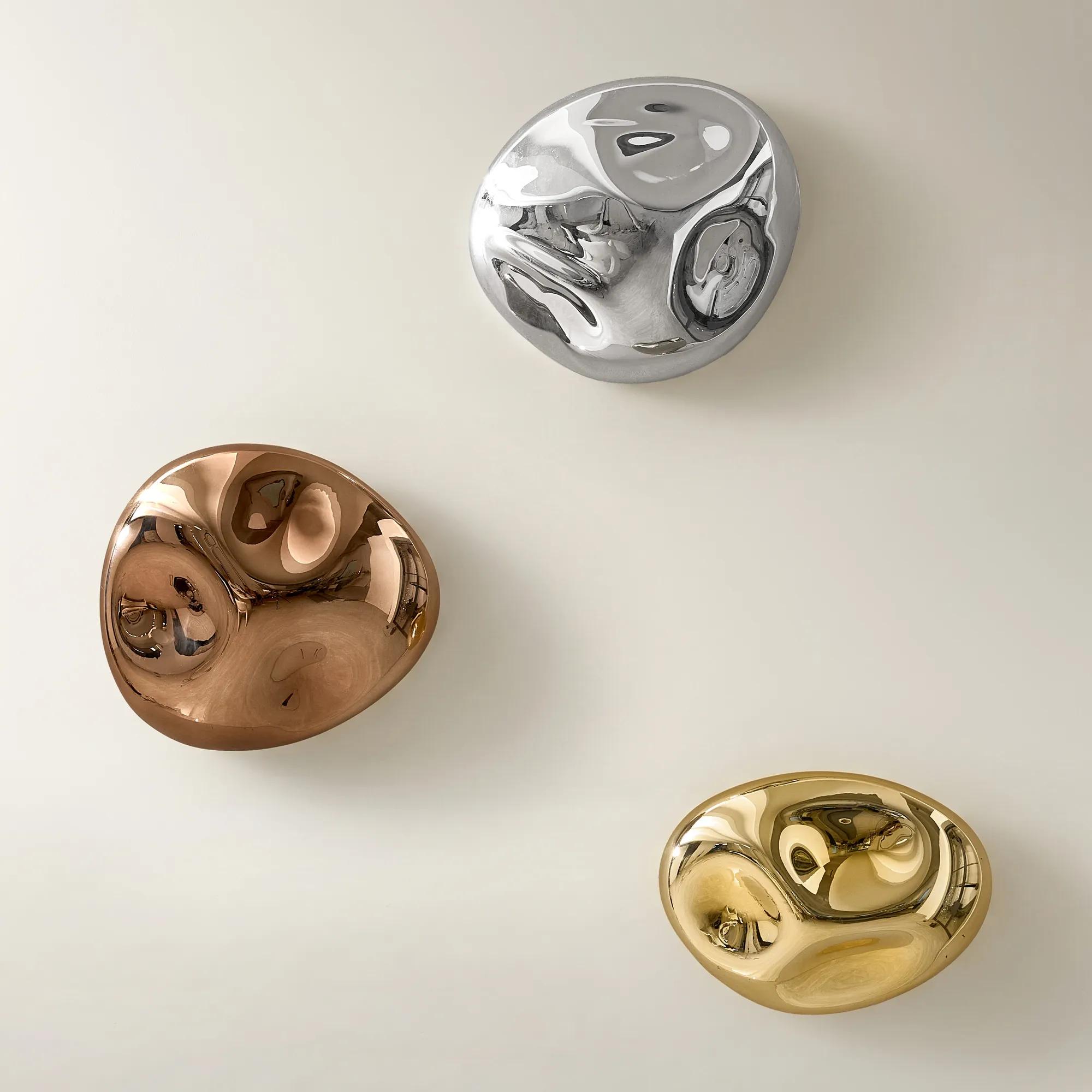
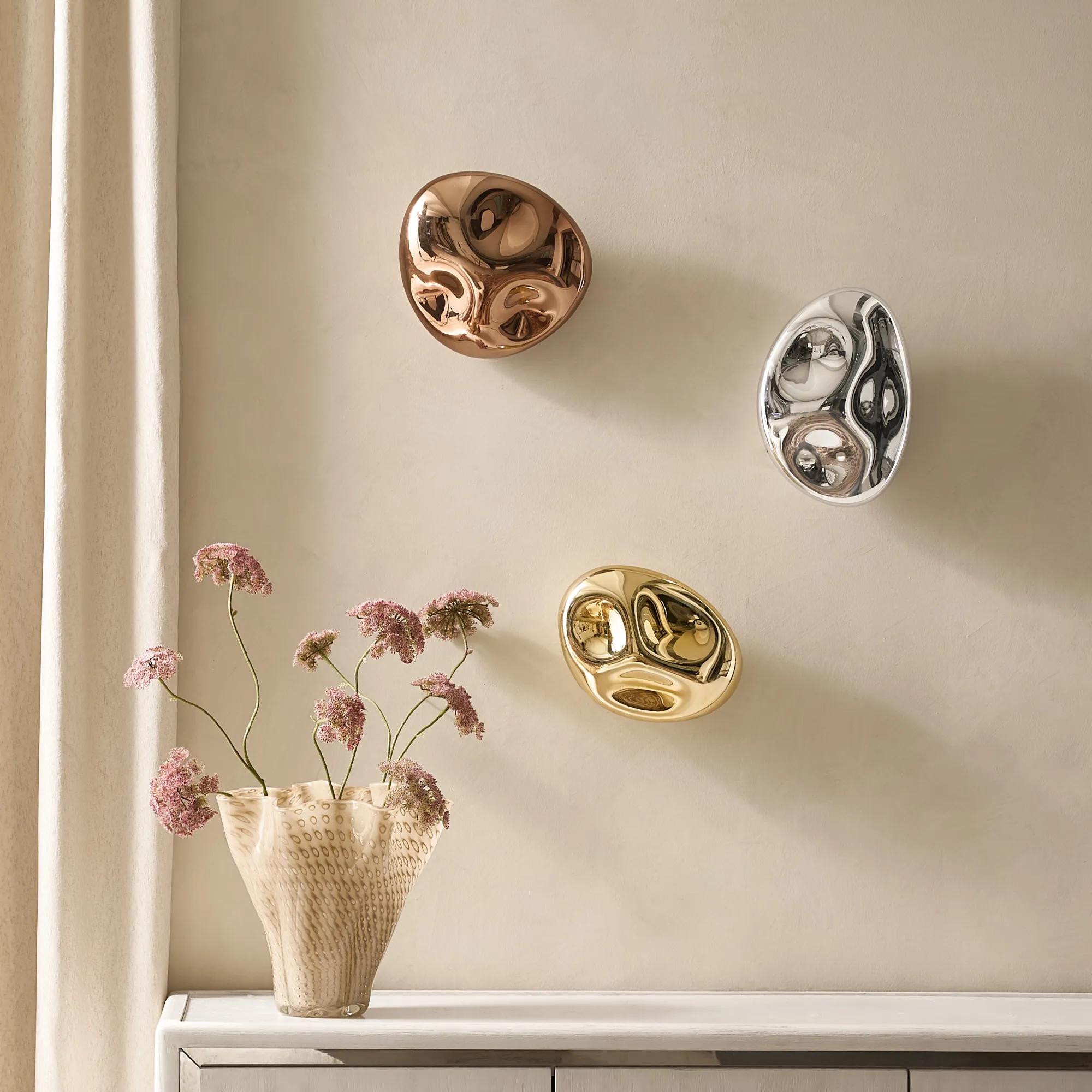 Nebula Electroplated Metallic Glass Wall Decor Set of 3$279
A set of three electroplated glass wall sculptures in polished silver, soft gold, and bronze tones.
Add To Cart -
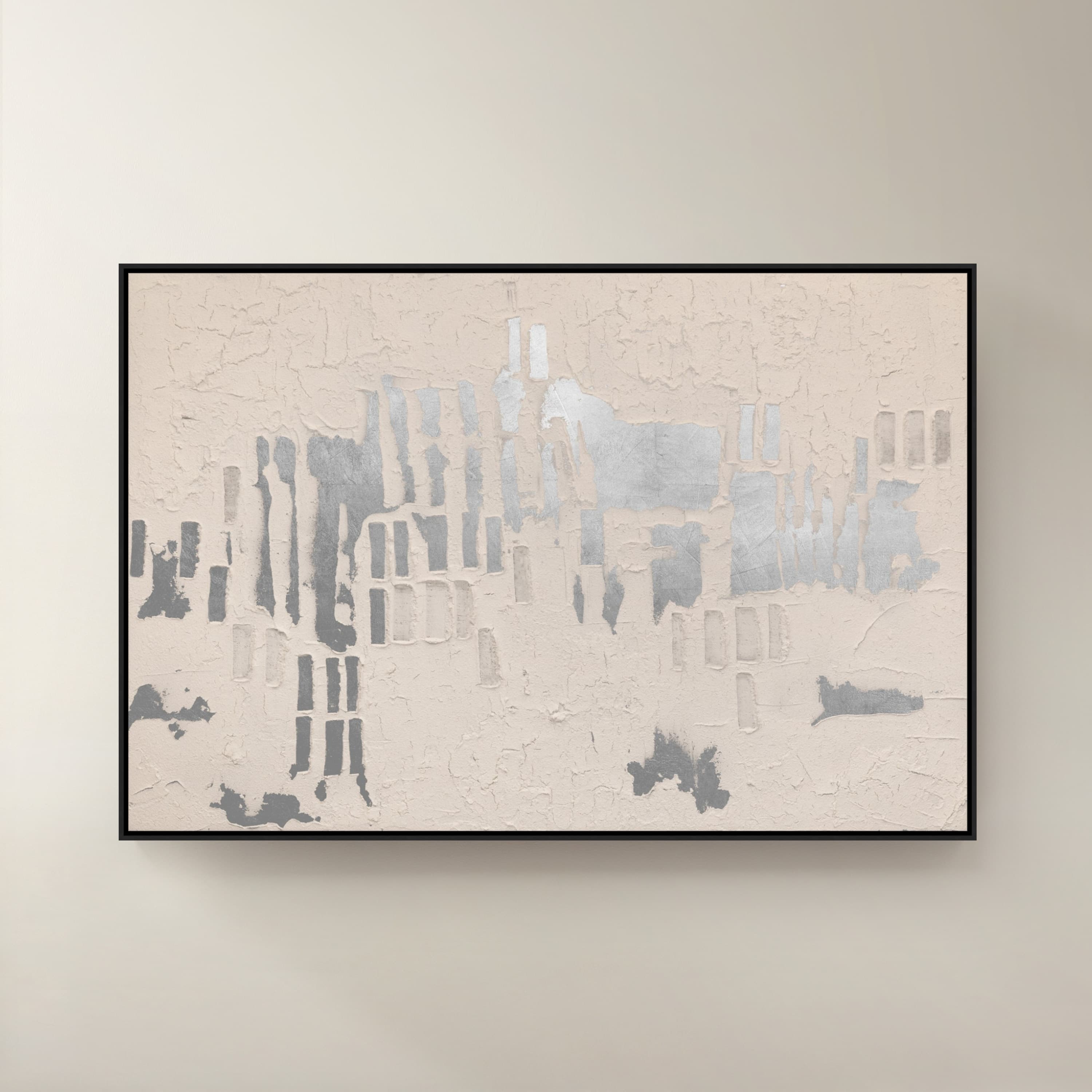
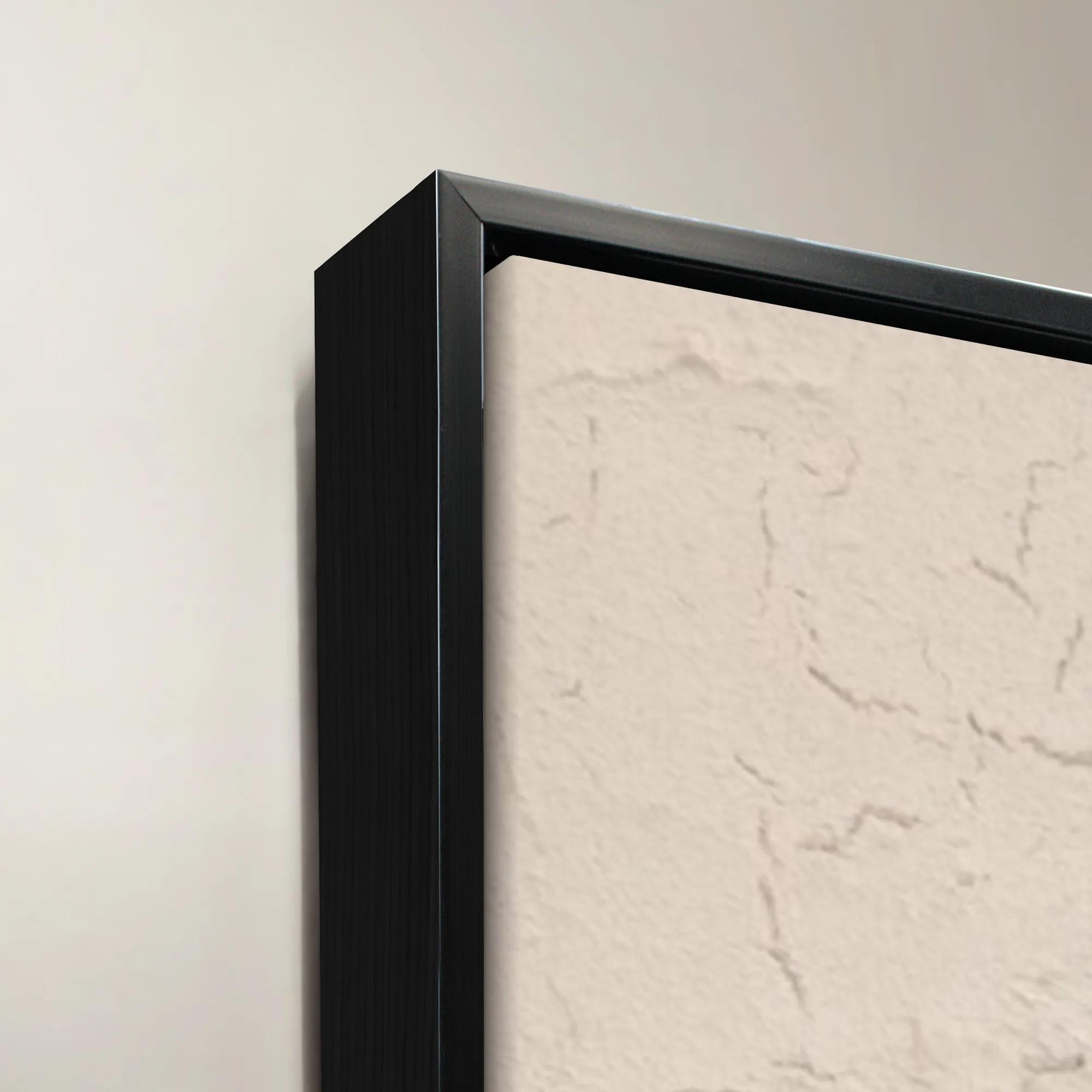 Silver Reverie Framed Painted Wall Art 60" x 40"$1699
A silver-toned painted canvas artwork framed for a sophisticated, contemporary wall display.
Add To Cart -
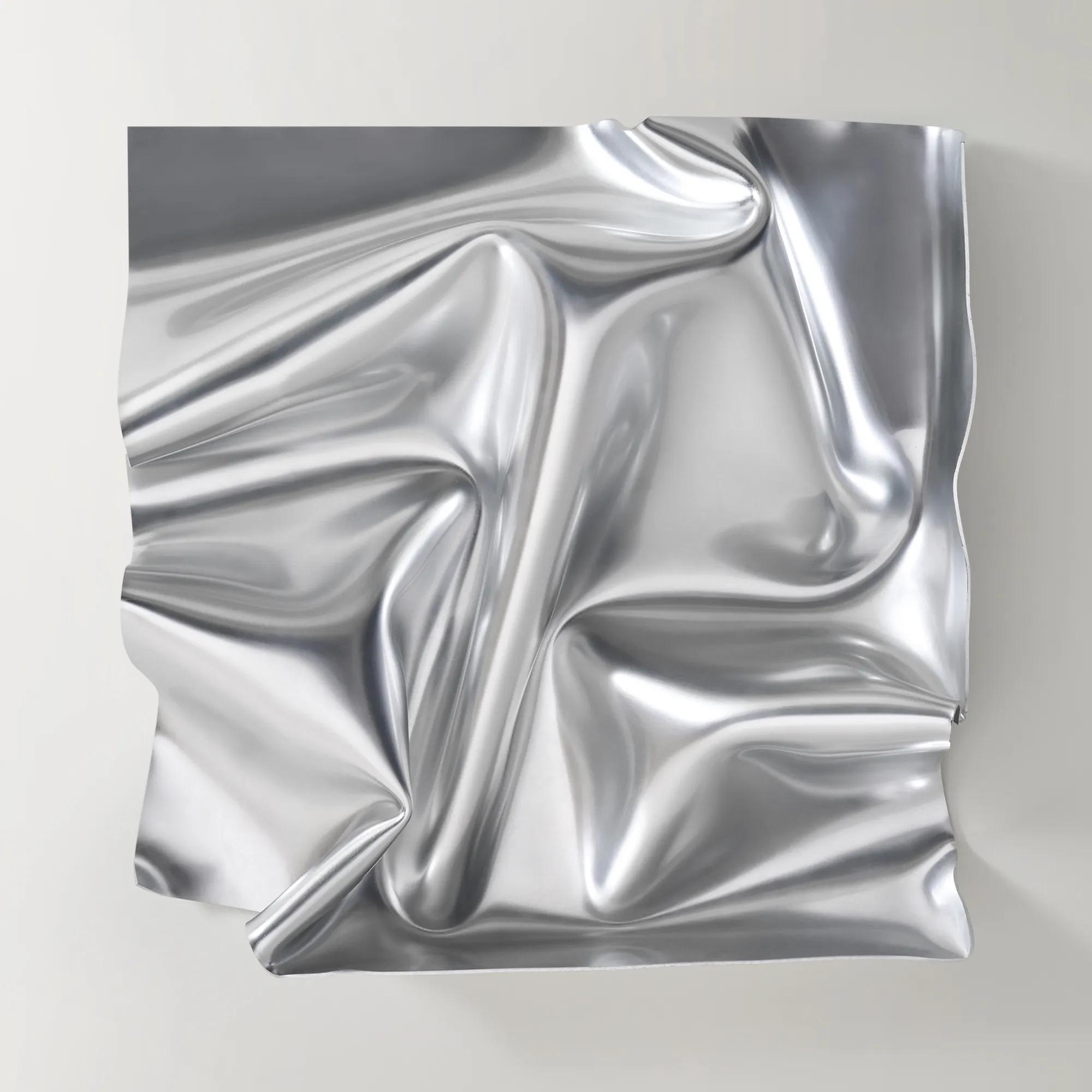
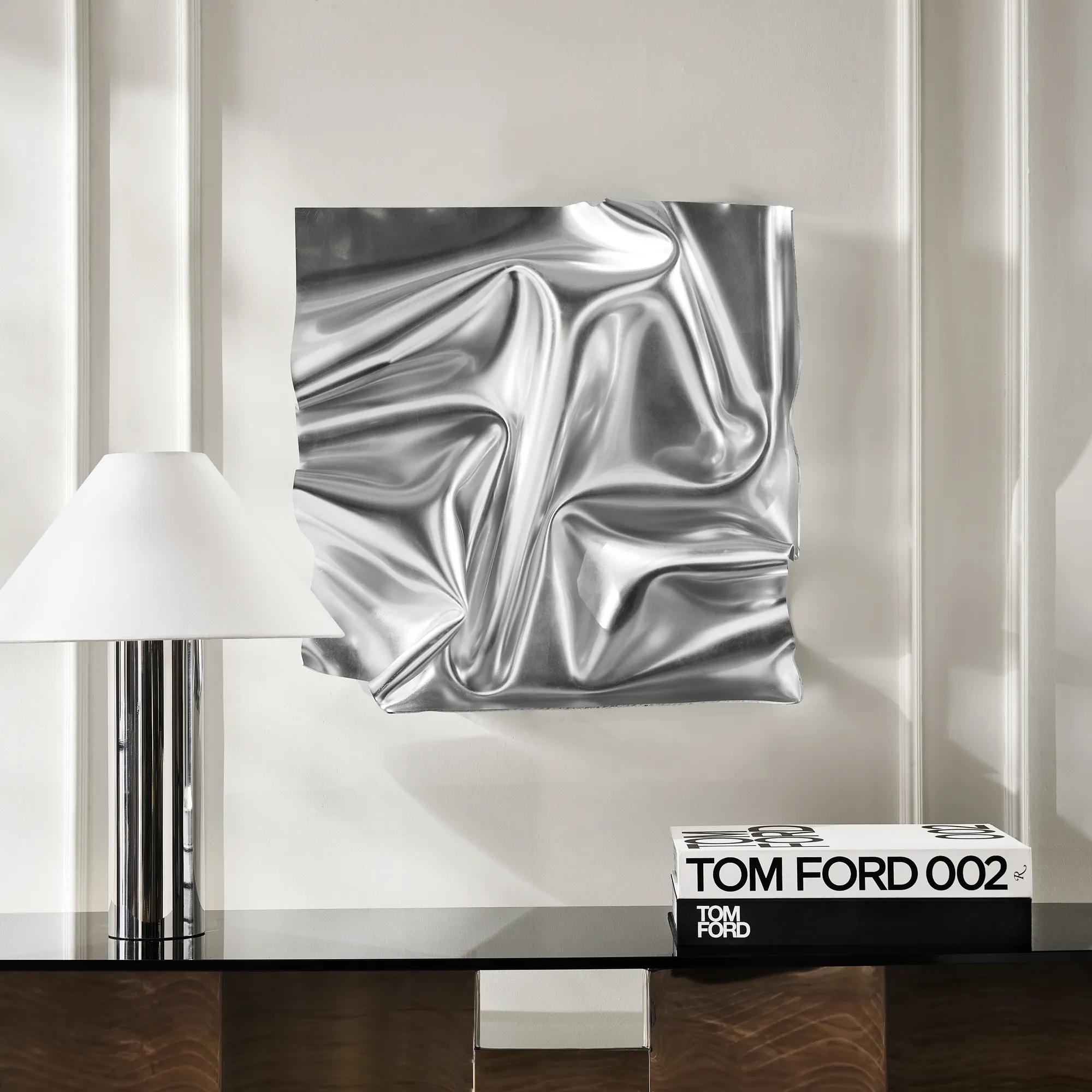 Surface Sculpted Silver Leaf Acrylic Wall Decor 23.6" x 23.6"$189
A striking acrylic wall piece featuring fluid, reflective silver shapes for dramatic, modern visual impact.
Add To Cart -
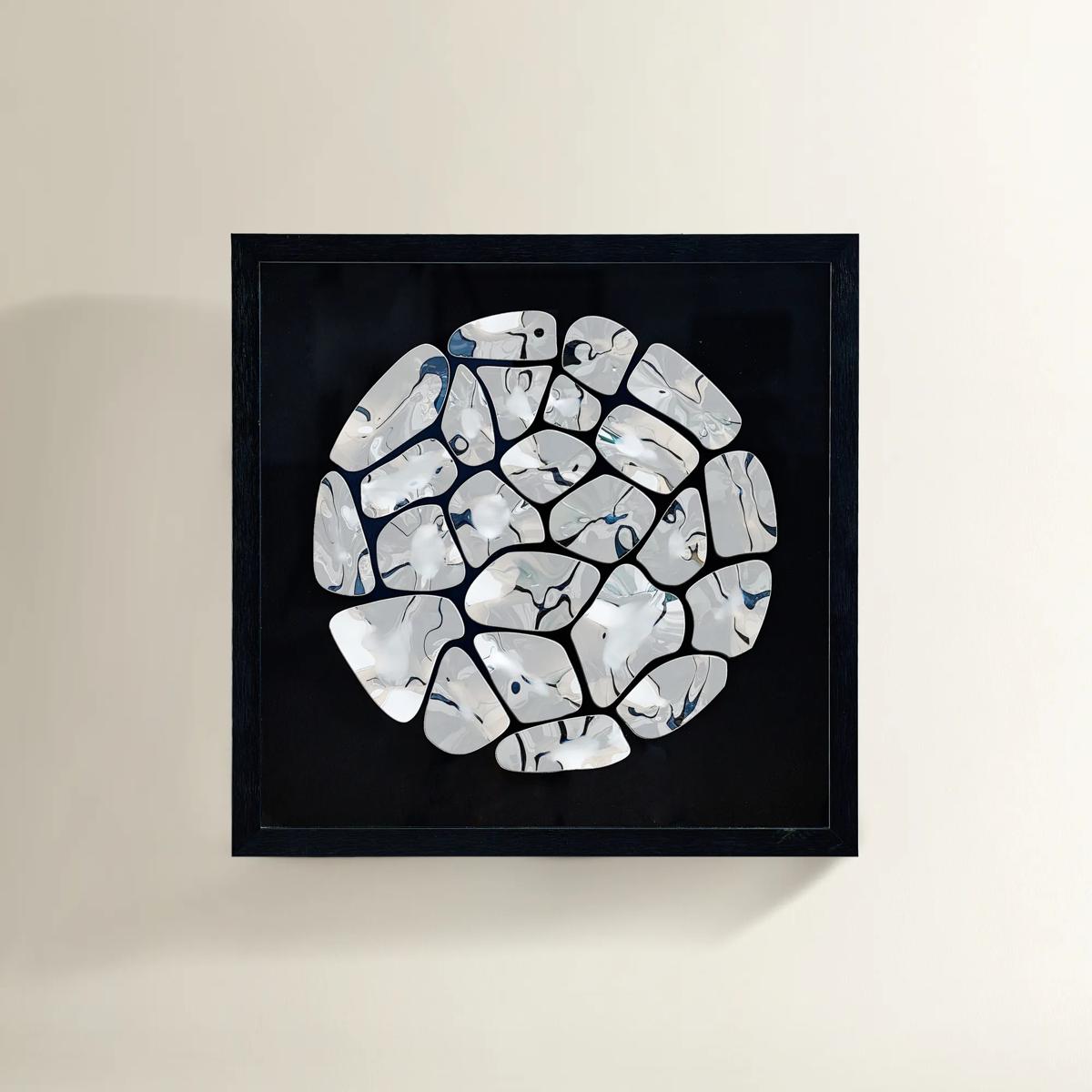
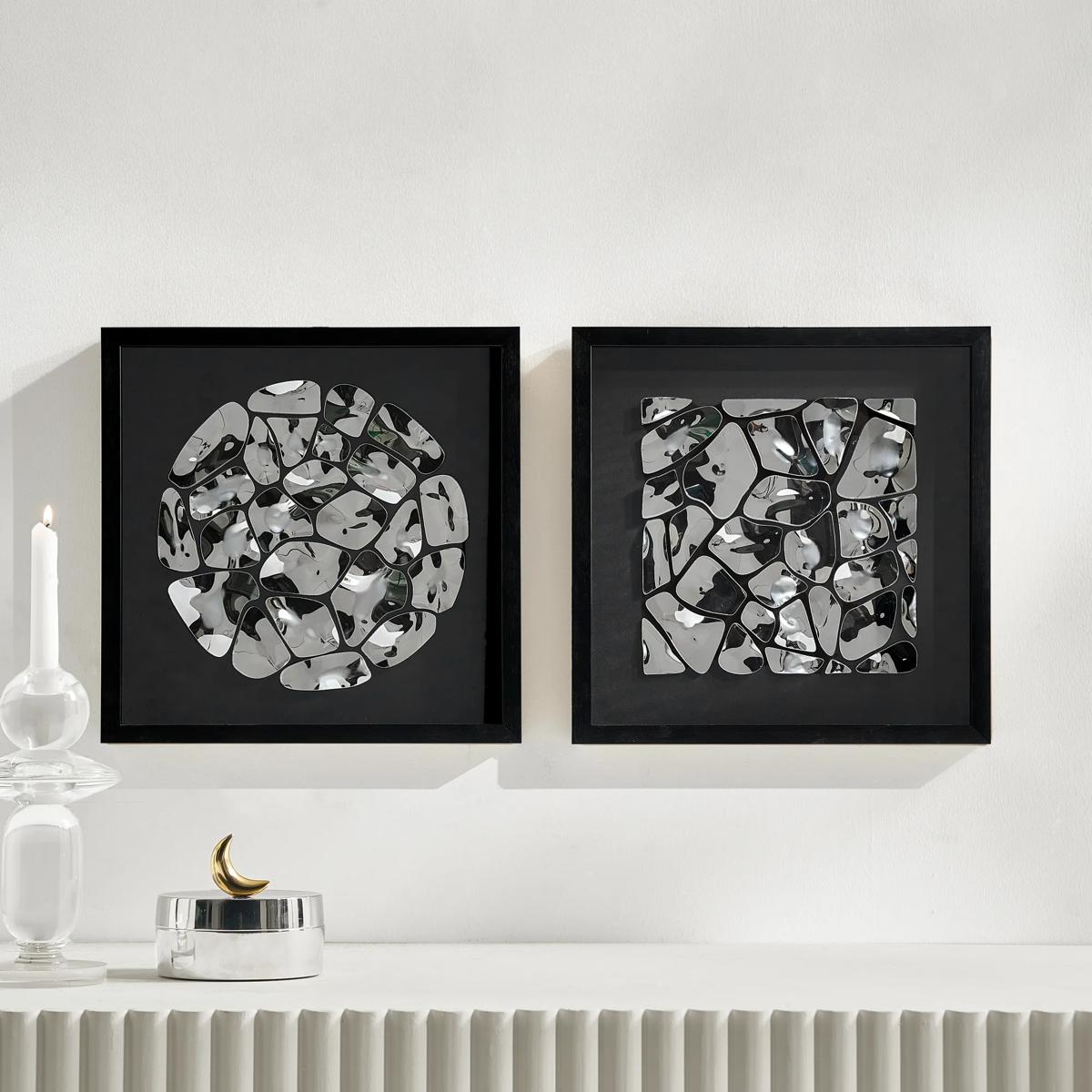 Reflect Silver And Black Shadowbox Art II$189
A dimensional metal wall art piece featuring polished silver and black forms in a sleek black frame.
Add To Cart -

 In a New Light II Framed Printed Wall Mirror 60" x 40"$1499
A contemporary framed printed wall mirror adding artistic dimension and reflective style to modern interiors.
Add To Cart -
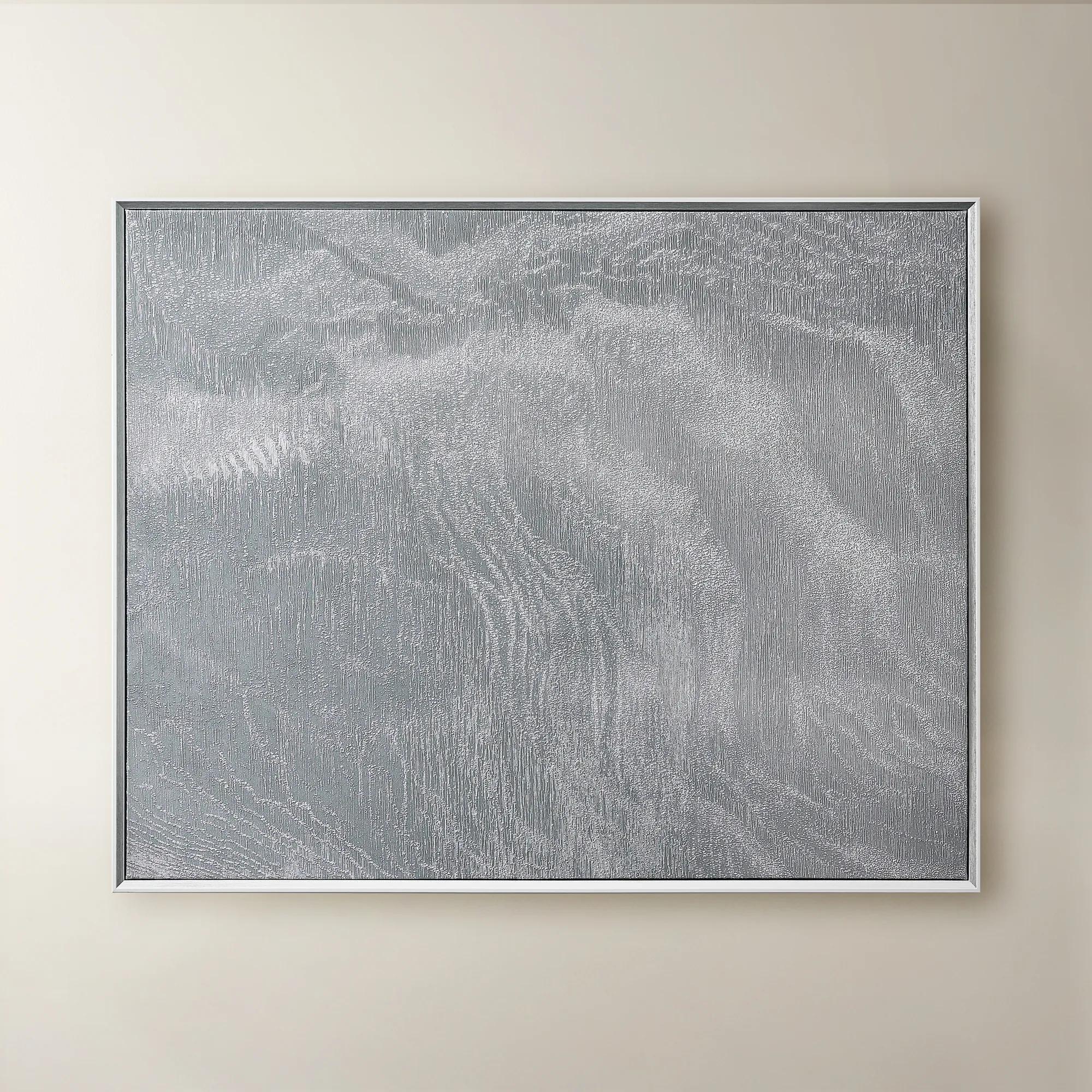 Slow Blue Morning Framed Silver Foil Wall Art 48" x 60"$599
A serene powder blue abstract canvas with silver foil accents, framed in silver and white for modern elegance.
Add To Cart -
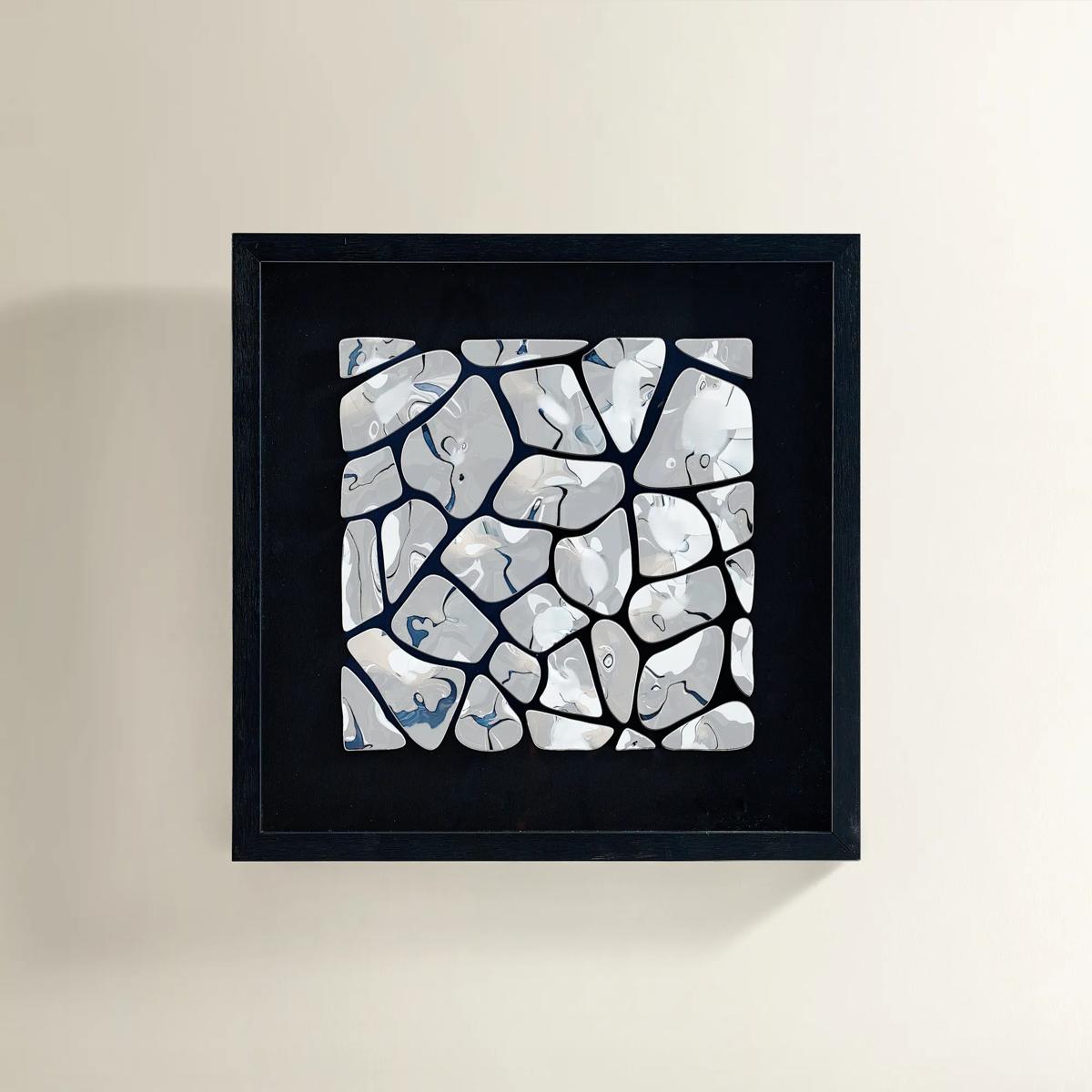 Reflect Silver And Black Shadowbox Art I$189
A dimensional metal wall art piece featuring polished silver and black forms in a sleek black frame.
Add To Cart -
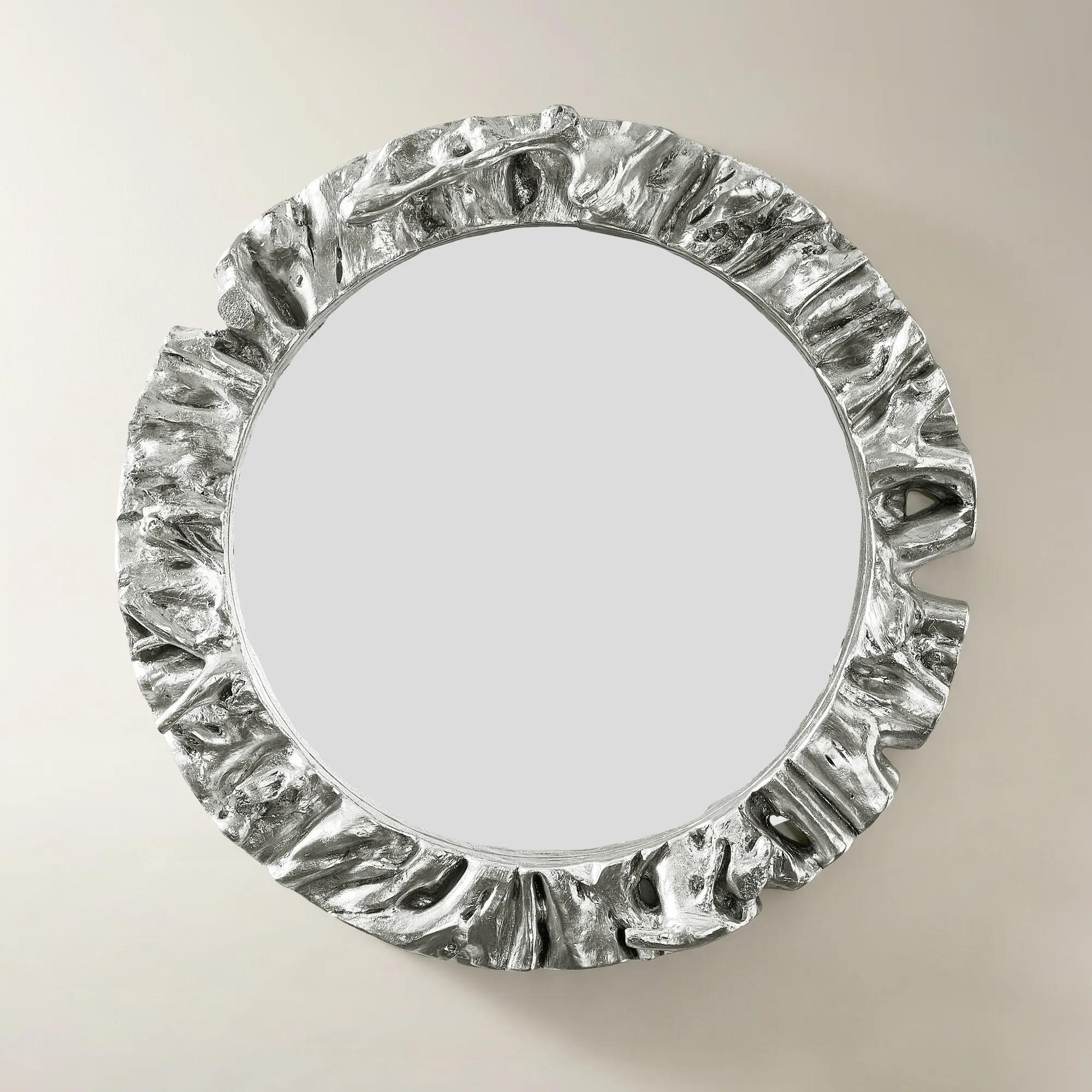
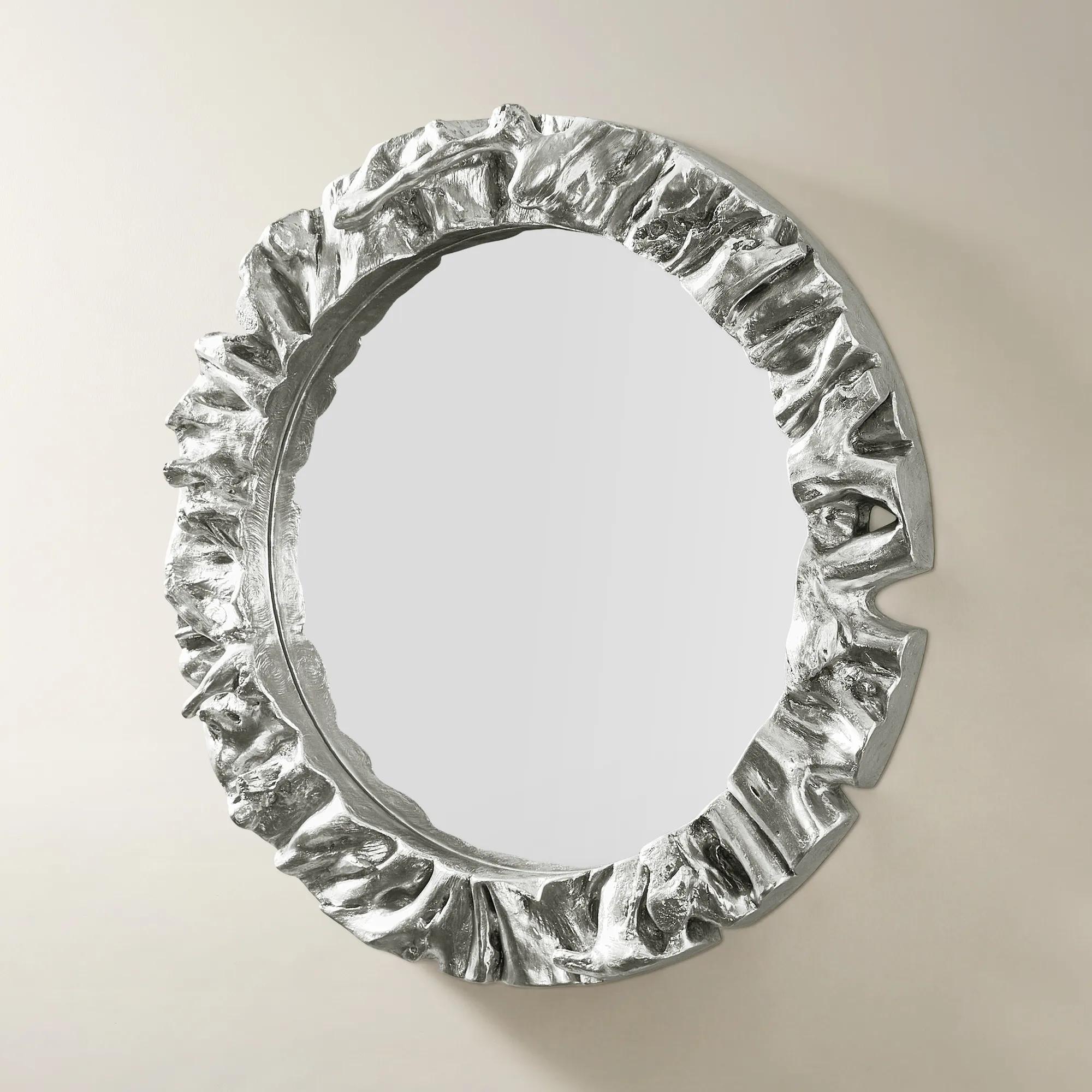 Sequoia Silver Resin Round Wall Mirror 48.25"$1199
A sculptural silver fiberglass resin frame mirror that adds modern polish and reflective brightness to any room.
Add To Cart -

 Titan II Framed Printed Wall Mirror 40" x 60"$1529
A striking modern mirror designed to elevate contemporary spaces with artistic flair.
Add To Cart -
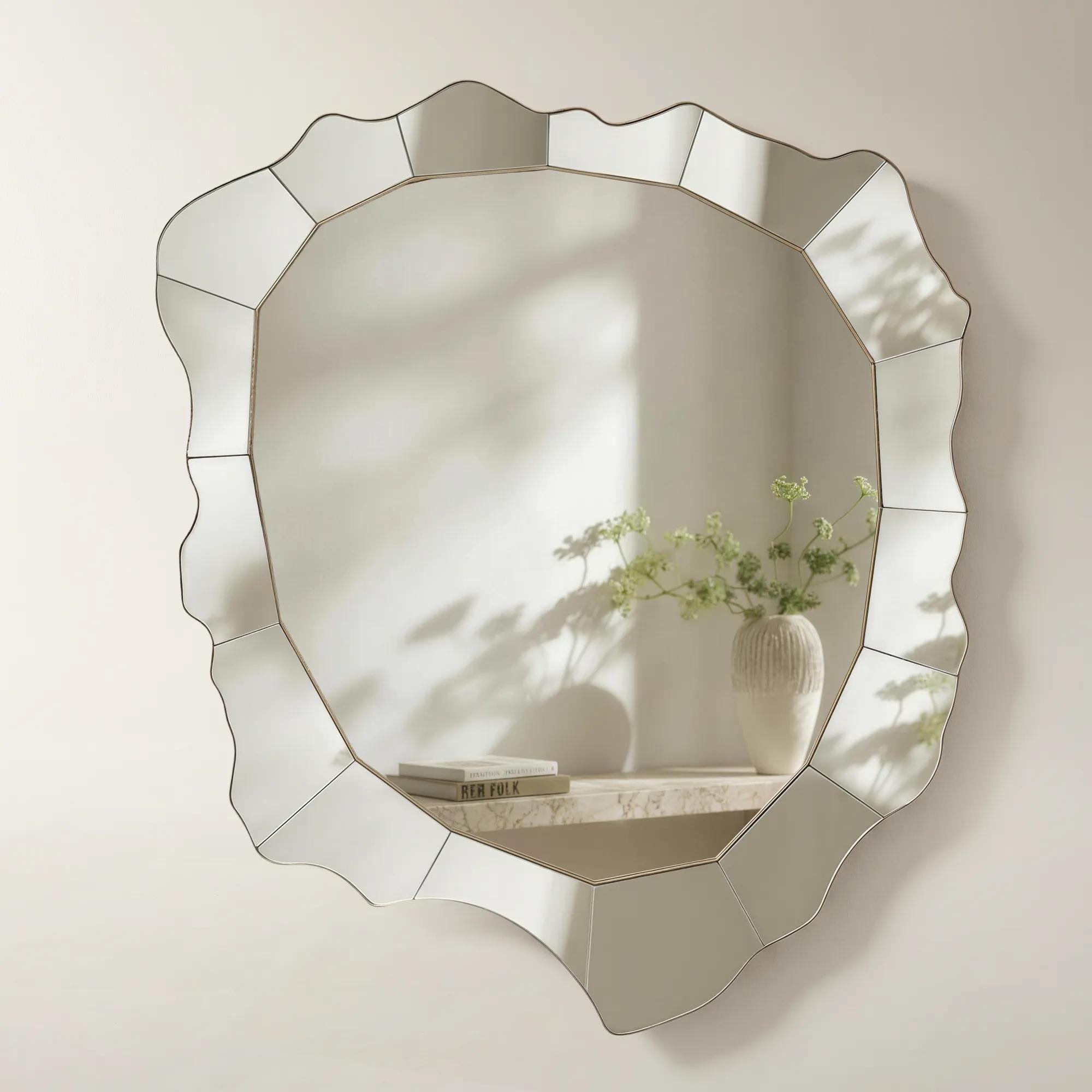 Gala Gold Trim Organic Shaped Wall Mirror 45" x 54"$999
An organic faceted mirror with soft gold iron trim adds sculptural movement and refined glamour to any room.
Add To Cart -
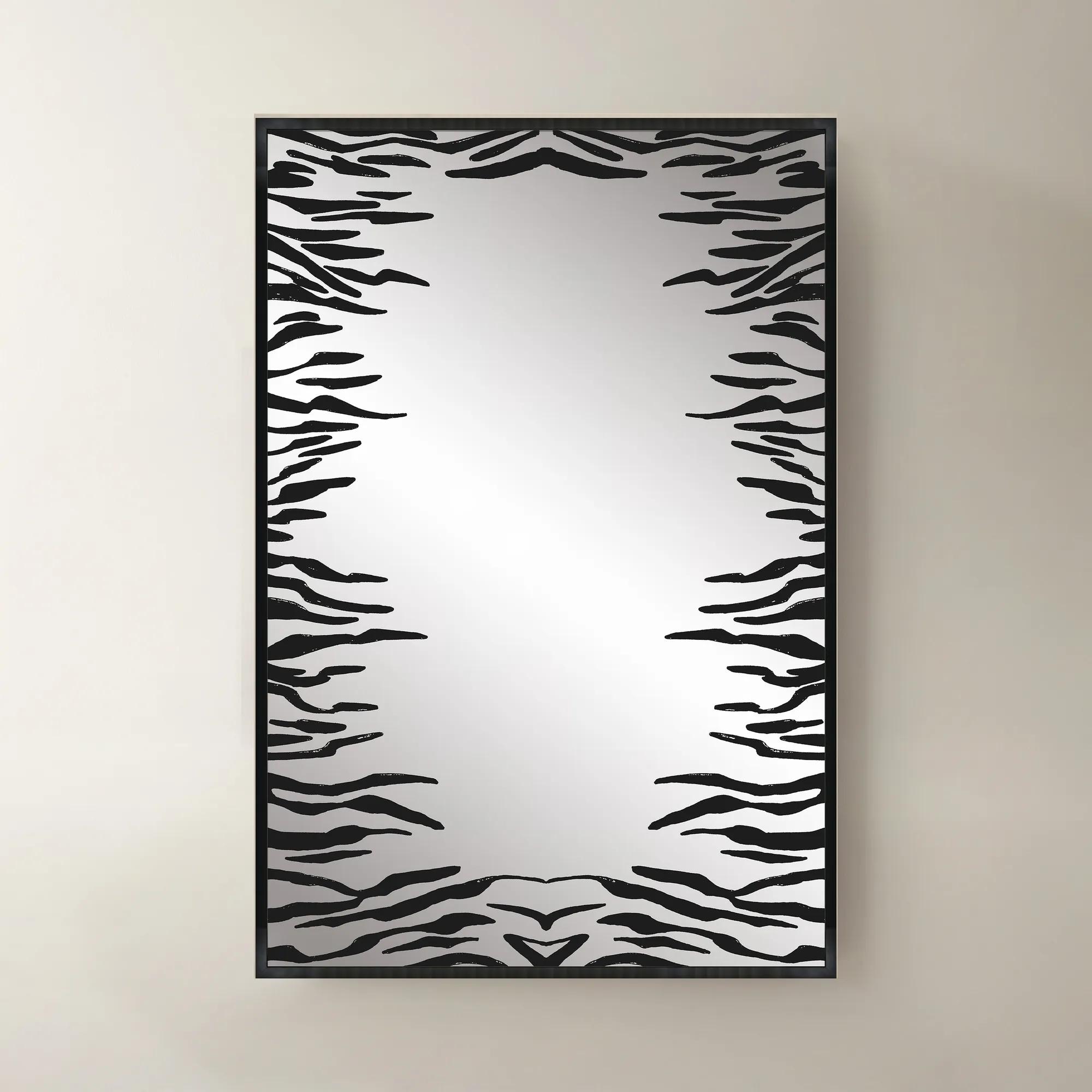
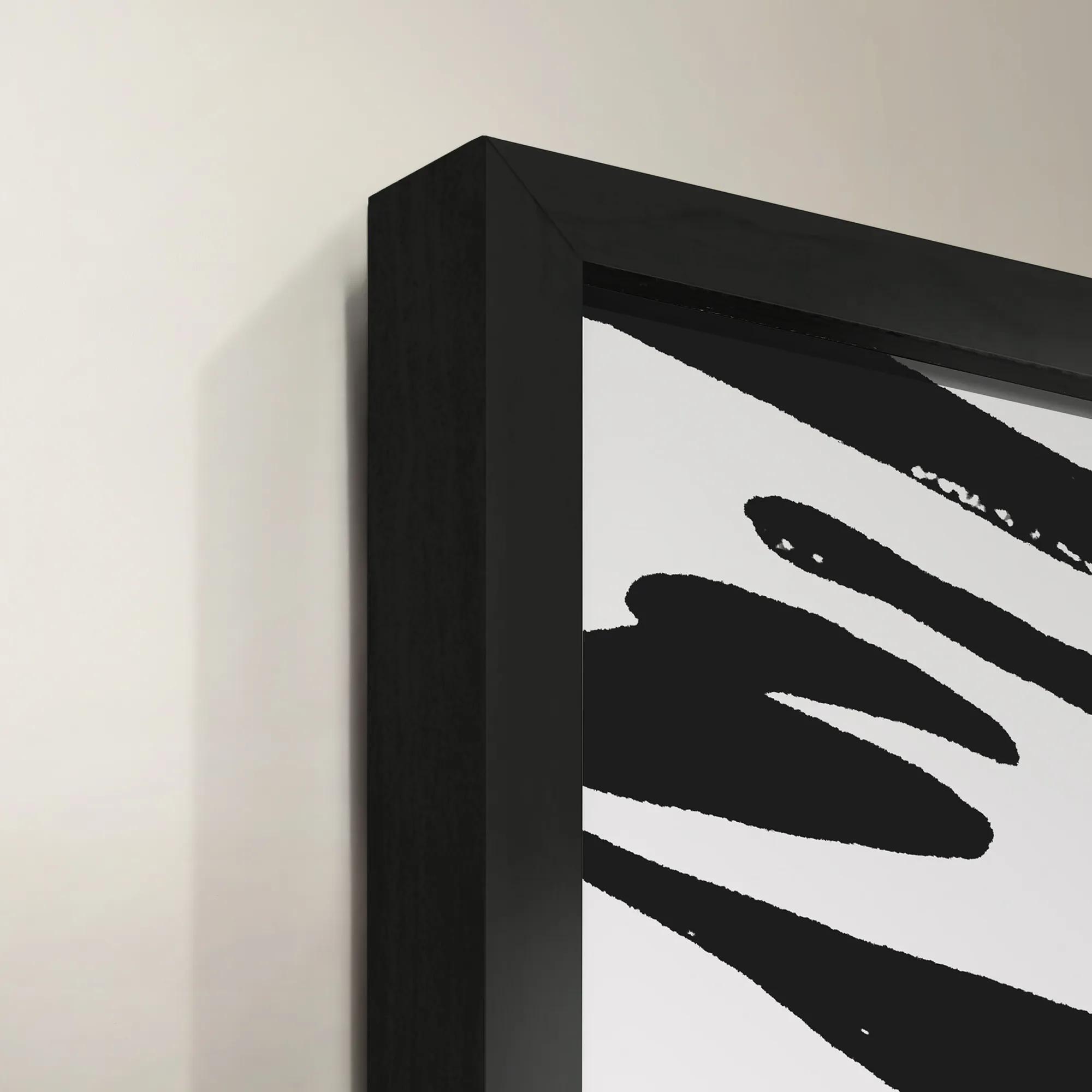 Savanna Veil Framed Printed Wall Mirror 40" x 60"$1499
A black framed printed wall mirror offering artistic dimension and modern sophistication.
Add To Cart -
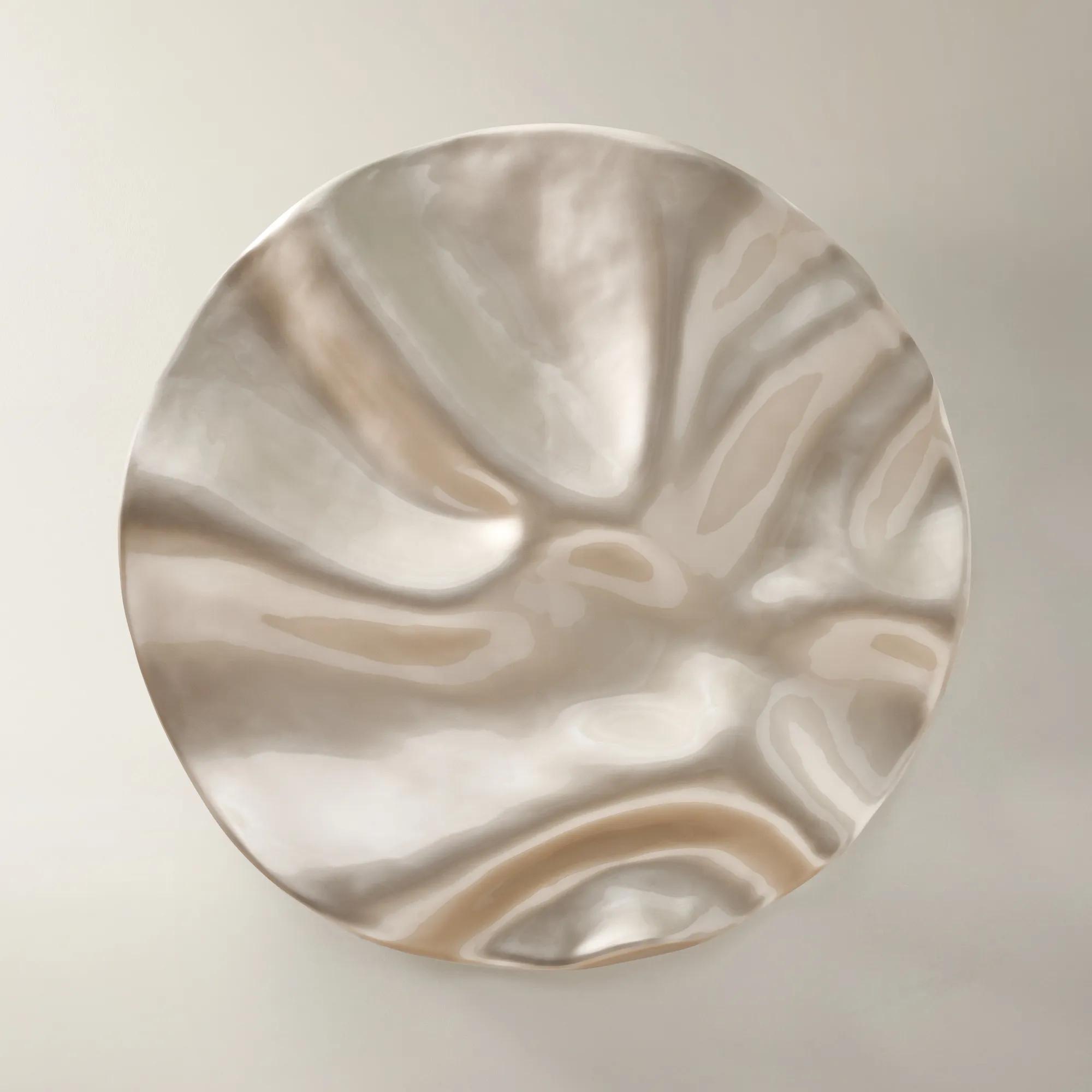
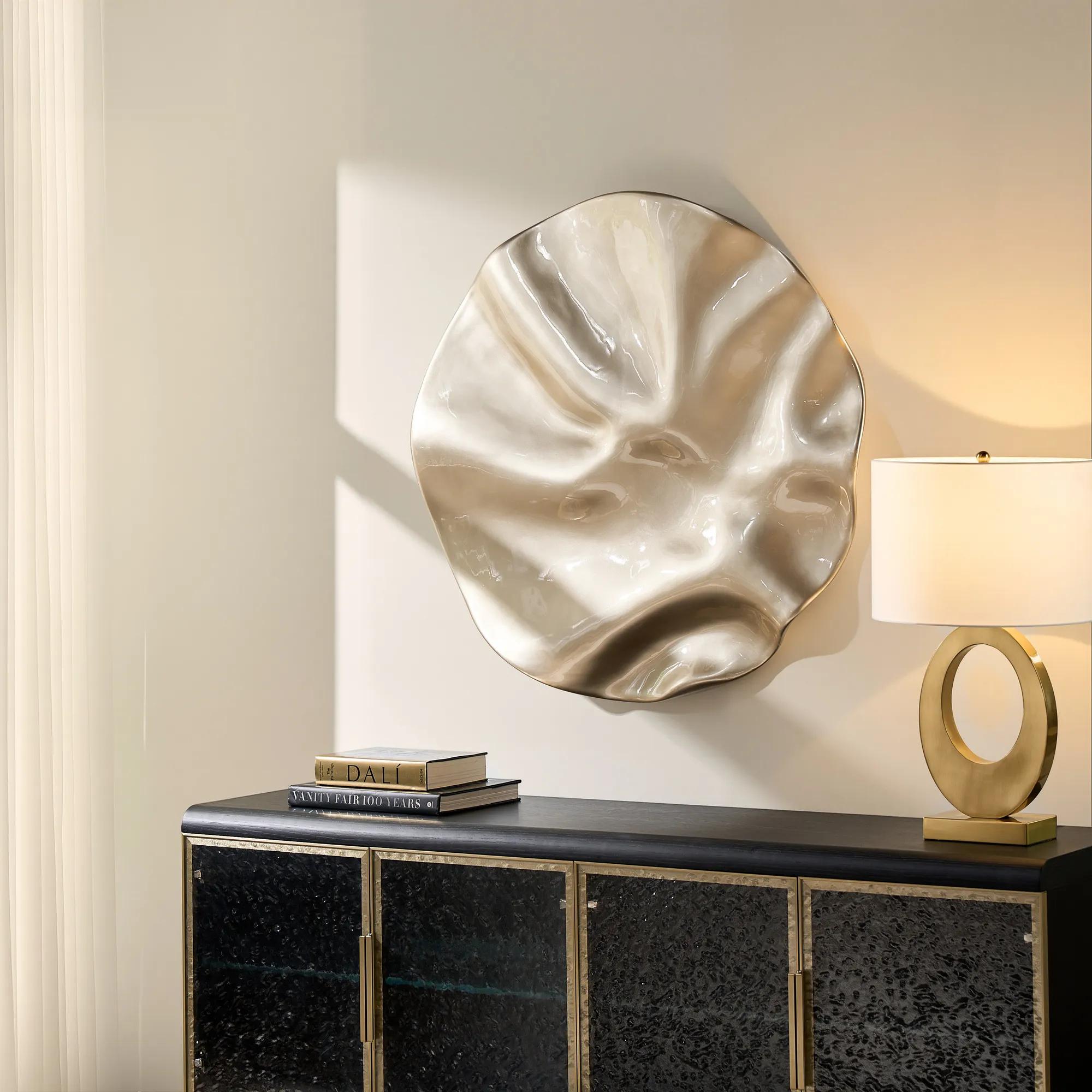 Moonlight Champagne Resin Round Wall Panel 39.75"$499
A luminous champagne-toned resin wall panel with a round silhouette and sculptural modern appeal.
Add To Cart -
 Ever Translucent Amber Resin Round Wall Mirror 40"$699
A sculptural amber resin mirror with gold accents and playful bauble-inspired forms for modern glamour.
Add To Cart -
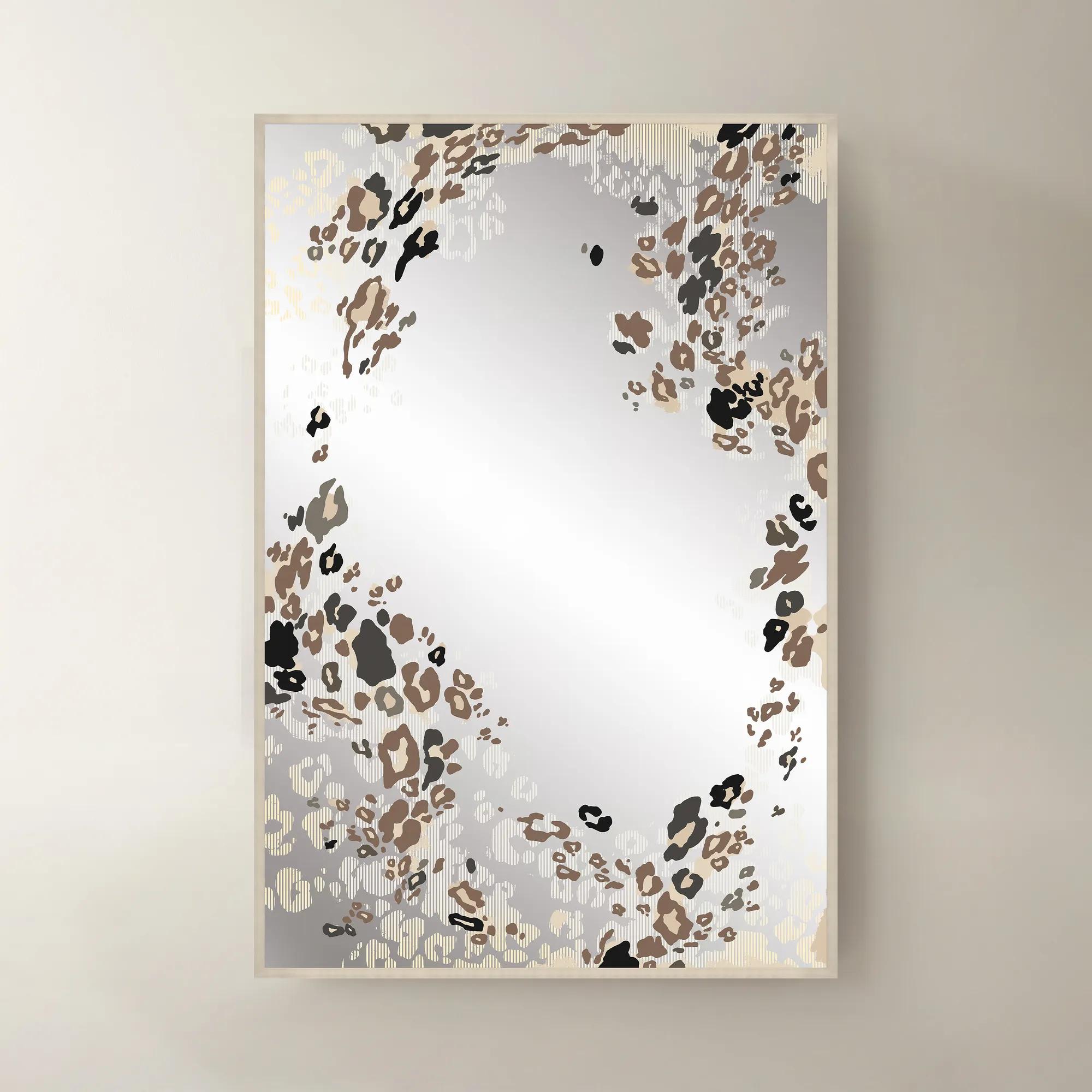
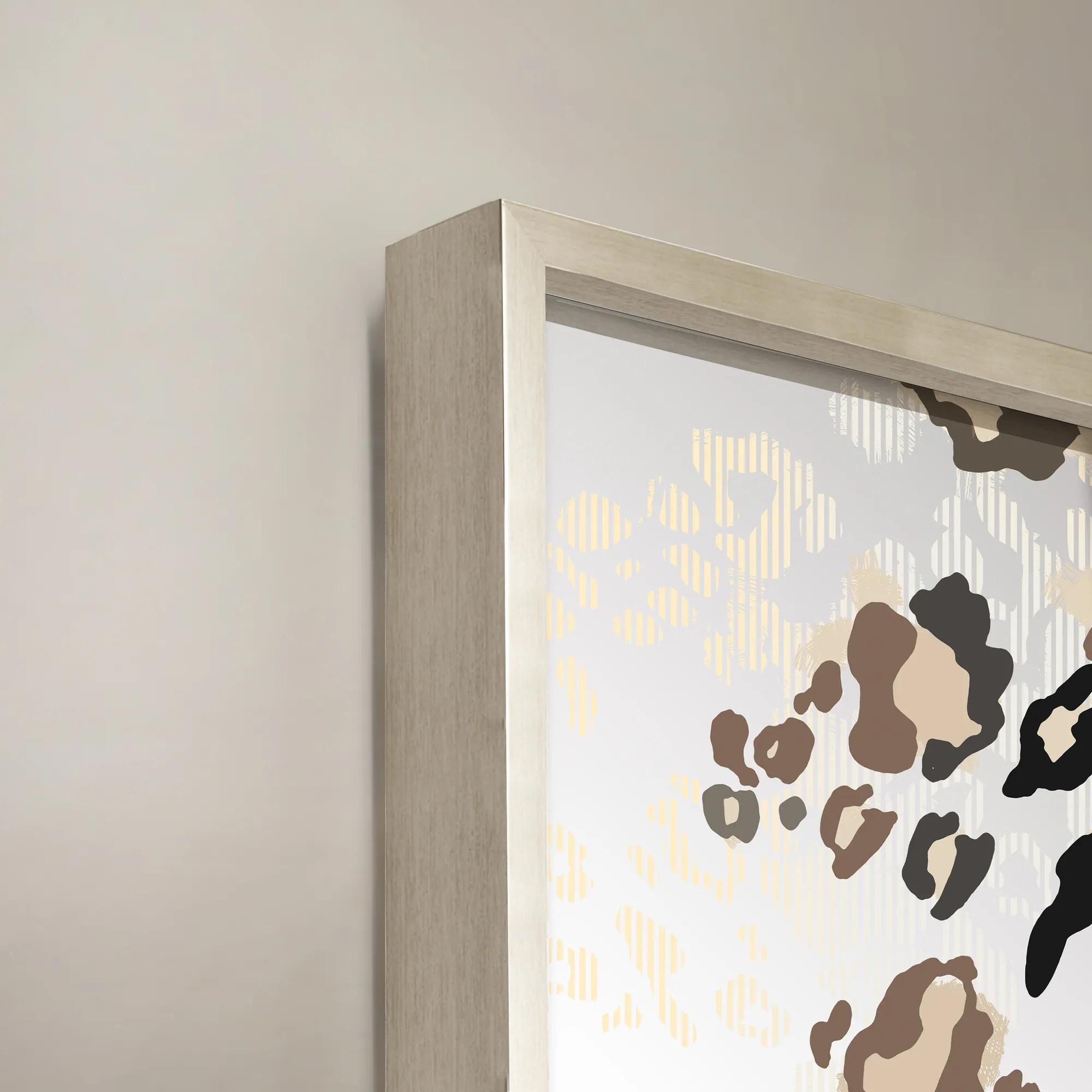 Leopard Luxe Framed Printed Wall Mirror 40" x 60"$1499
A printed mirror featuring Art Deco-inspired leopard artwork, set in a wood silver frame with brown and black tones.
Add To Cart -

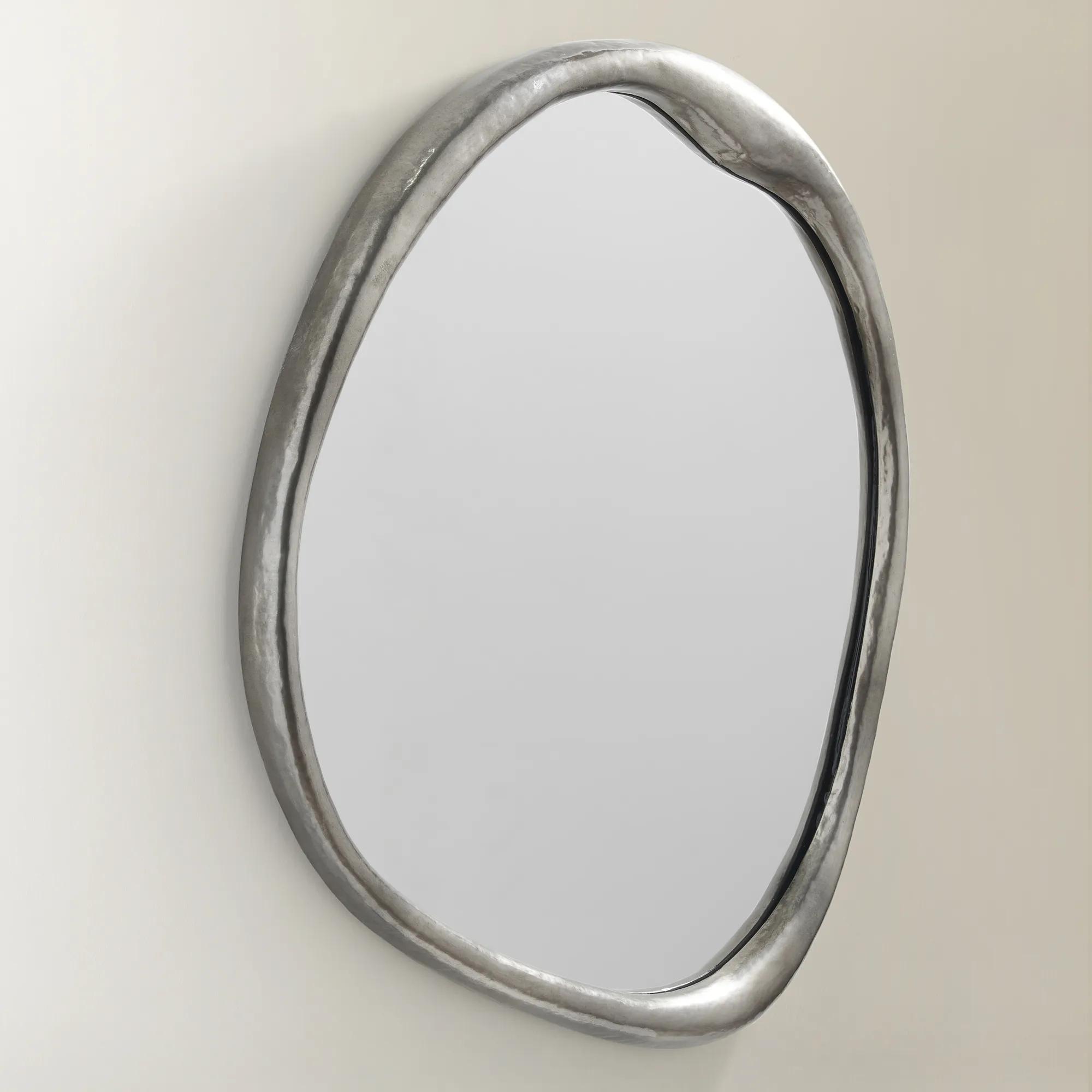 Organa Wall Mirror$599
An irregular silver iron-framed mirror that brings modern organic style and reflective depth to any room.
Add To Cart -
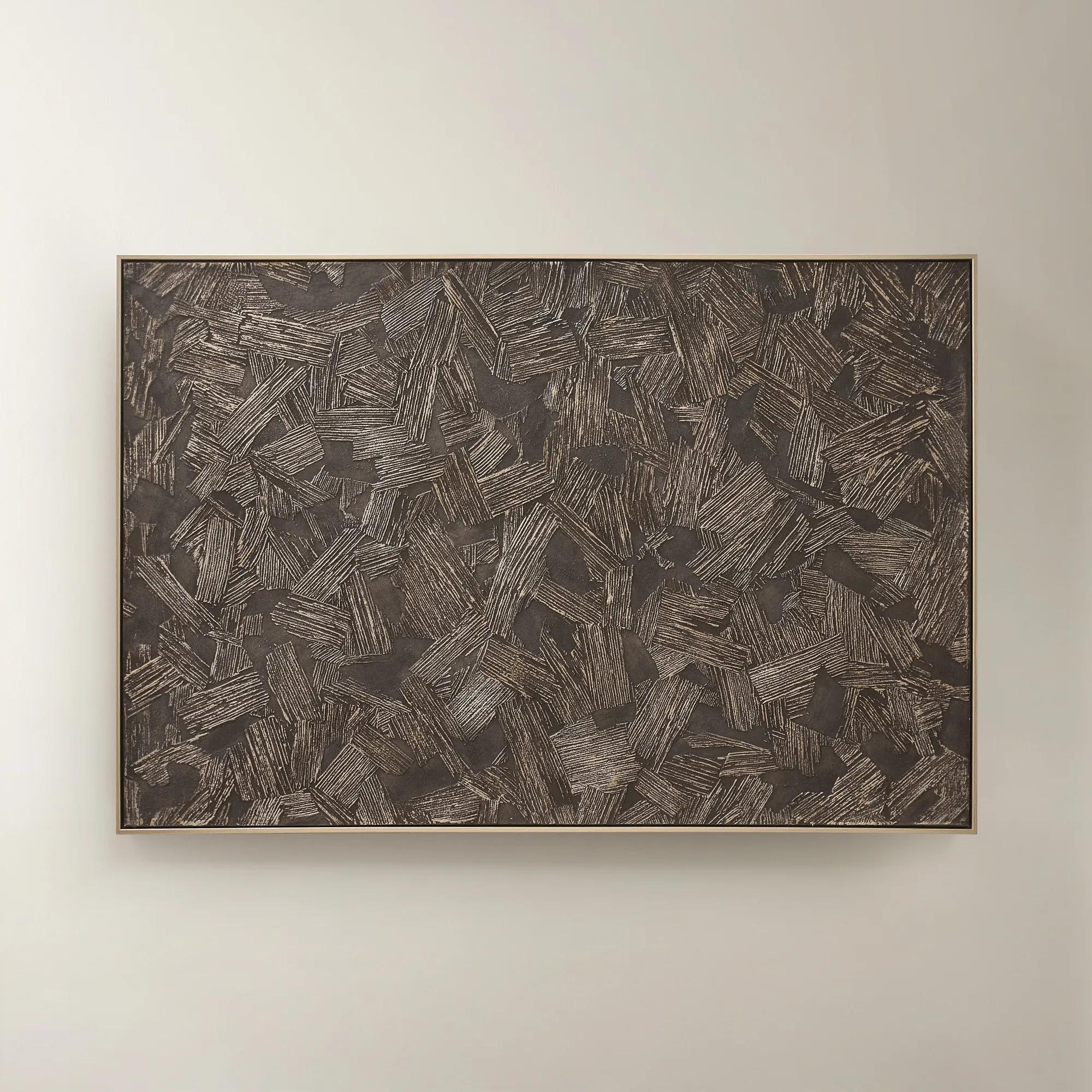
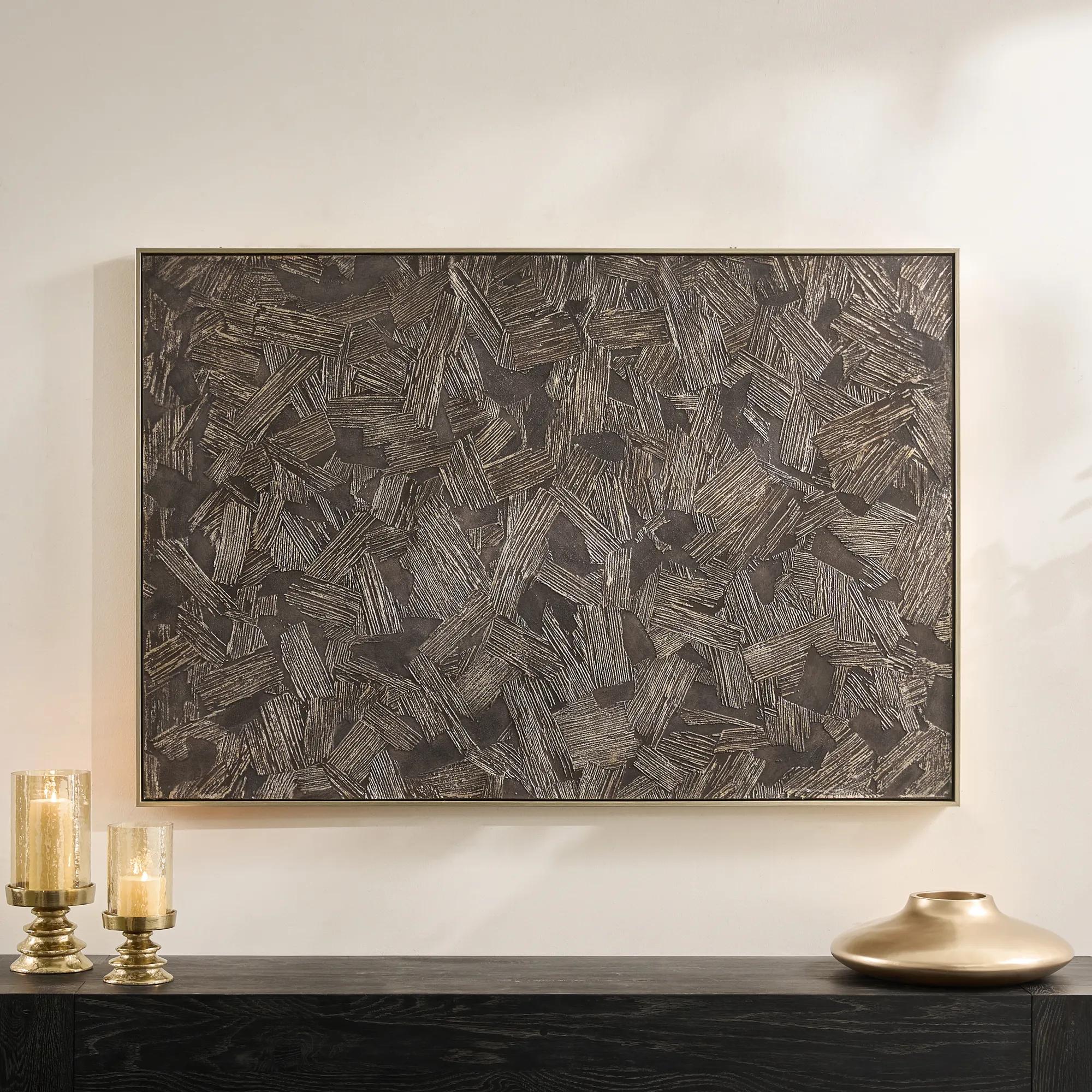 Etched in Darkness Dark Chocolate Wall Panel 53.5" x 36"$329
A hand-painted wrapped canvas features moody dark chocolate hues with champagne accents and a layered, textural finish.
Add To Cart -
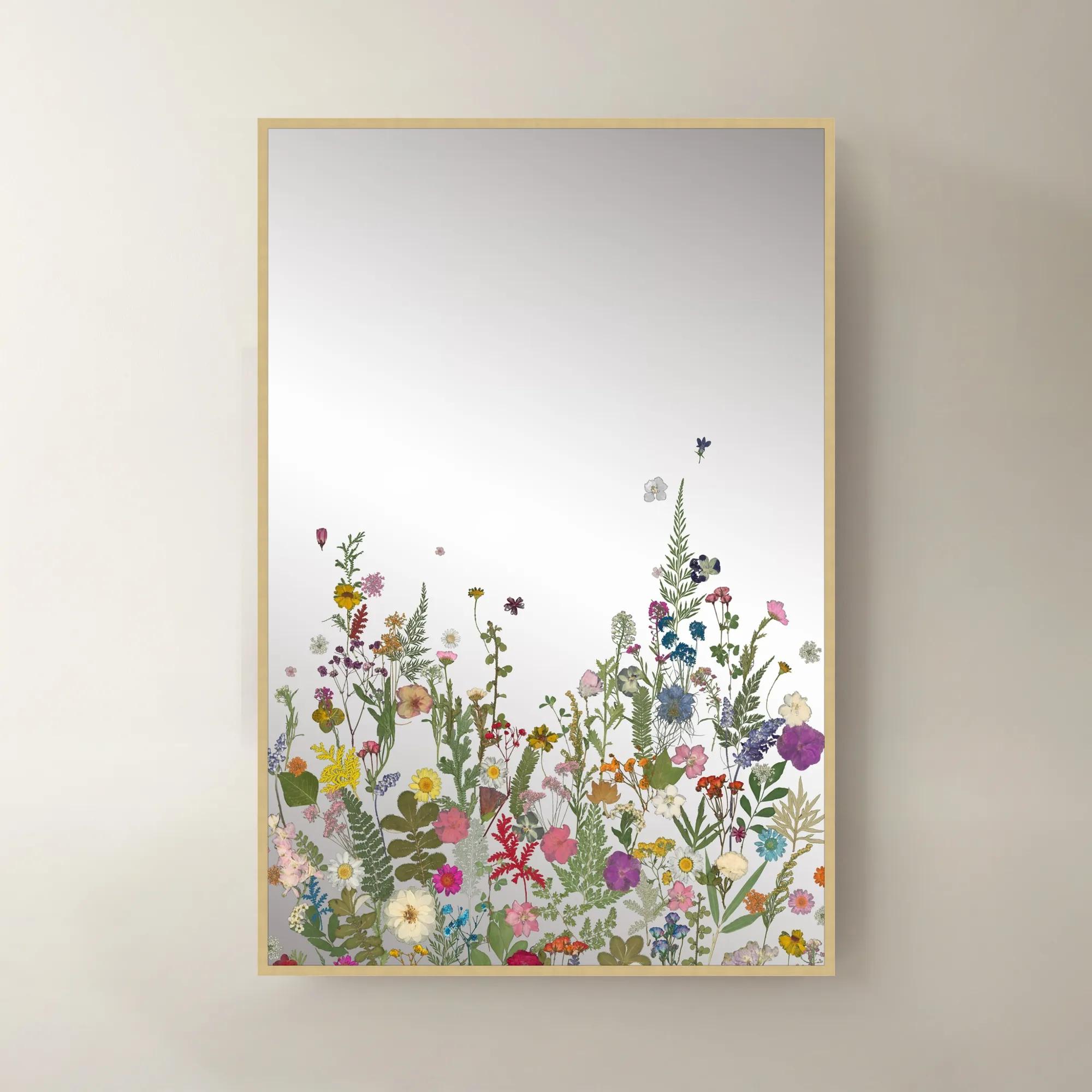
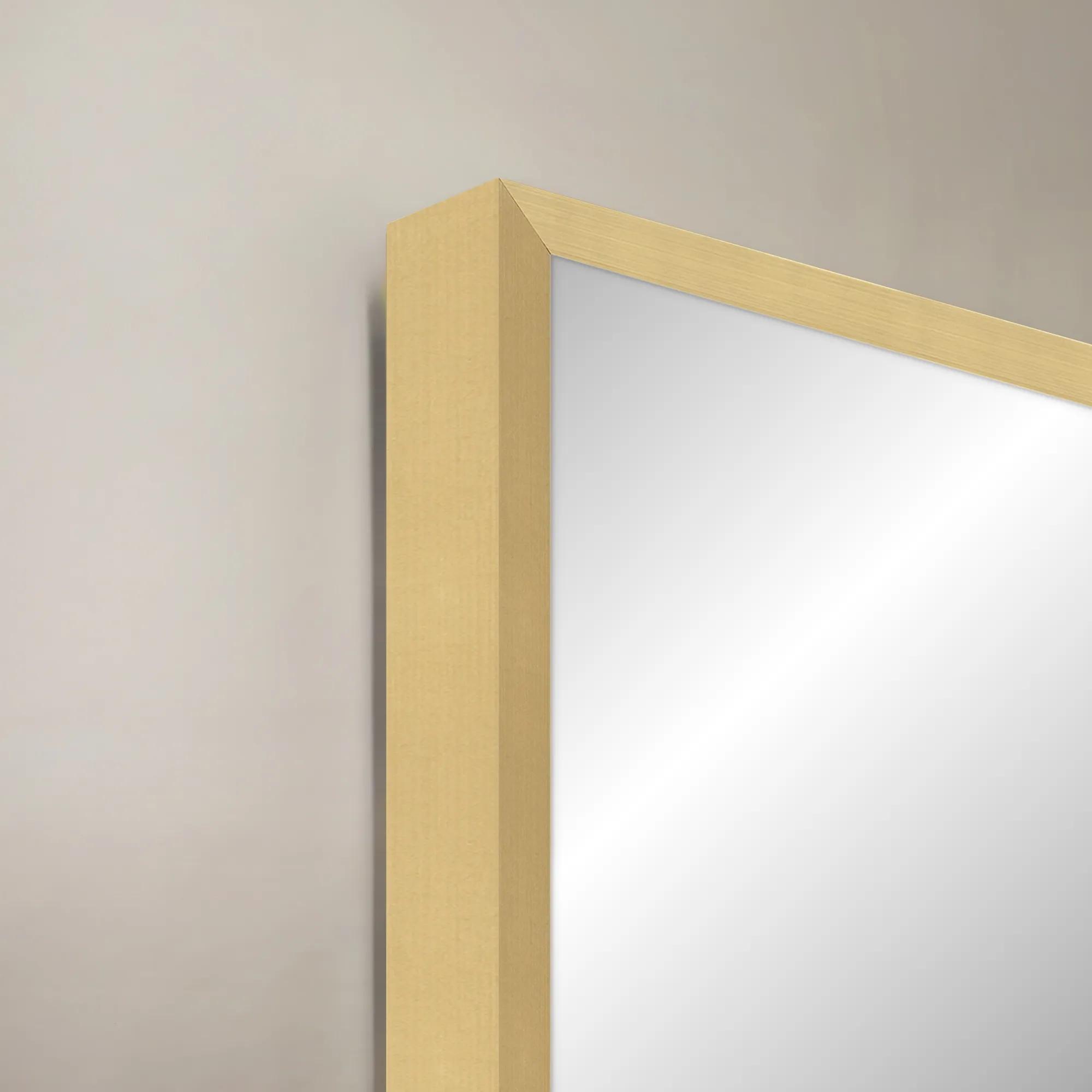 Night Scent III Framed Printed Wall Mirror 40" x 60"$1499
A framed printed wall mirror offering artistic dimension and contemporary style.
Add To Cart -
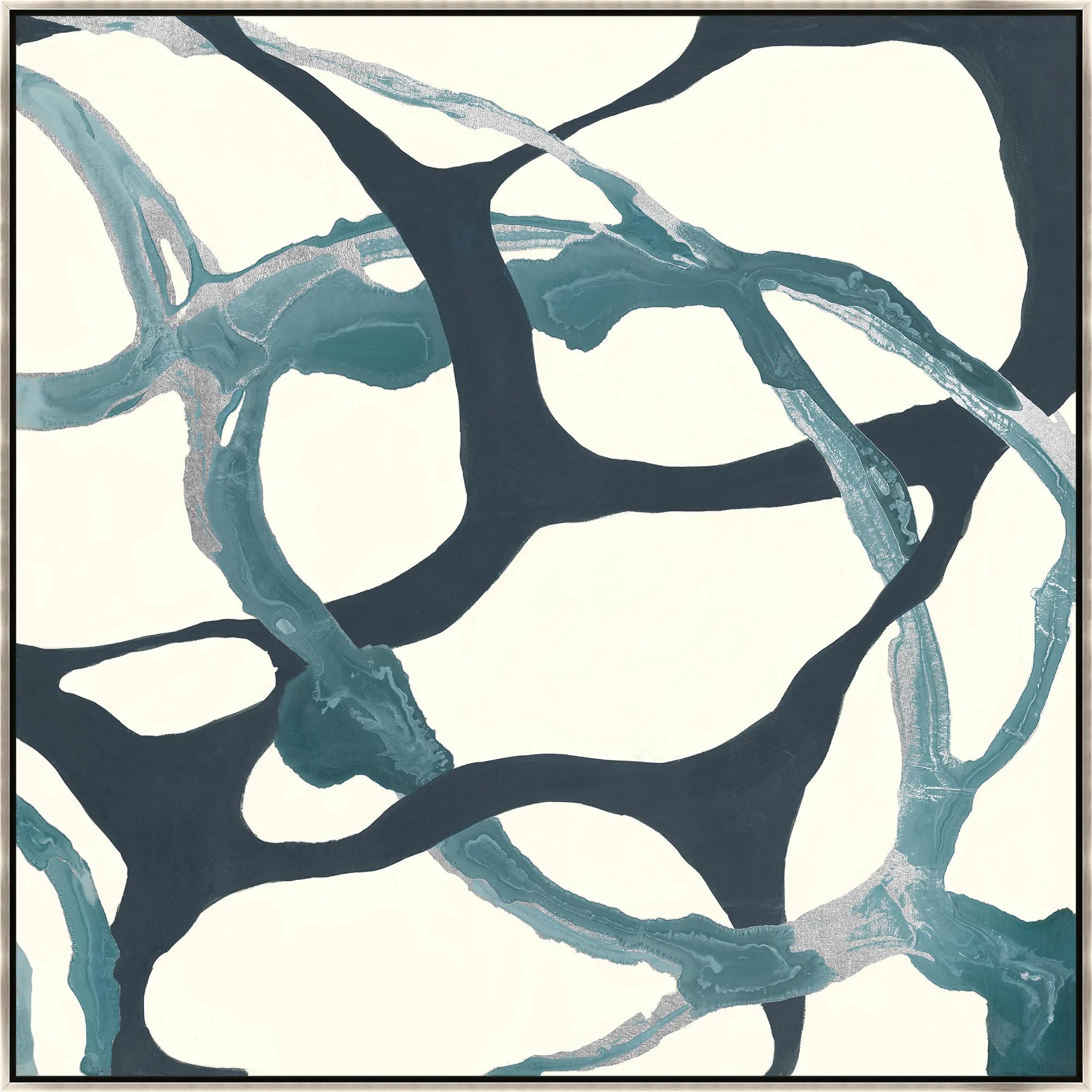
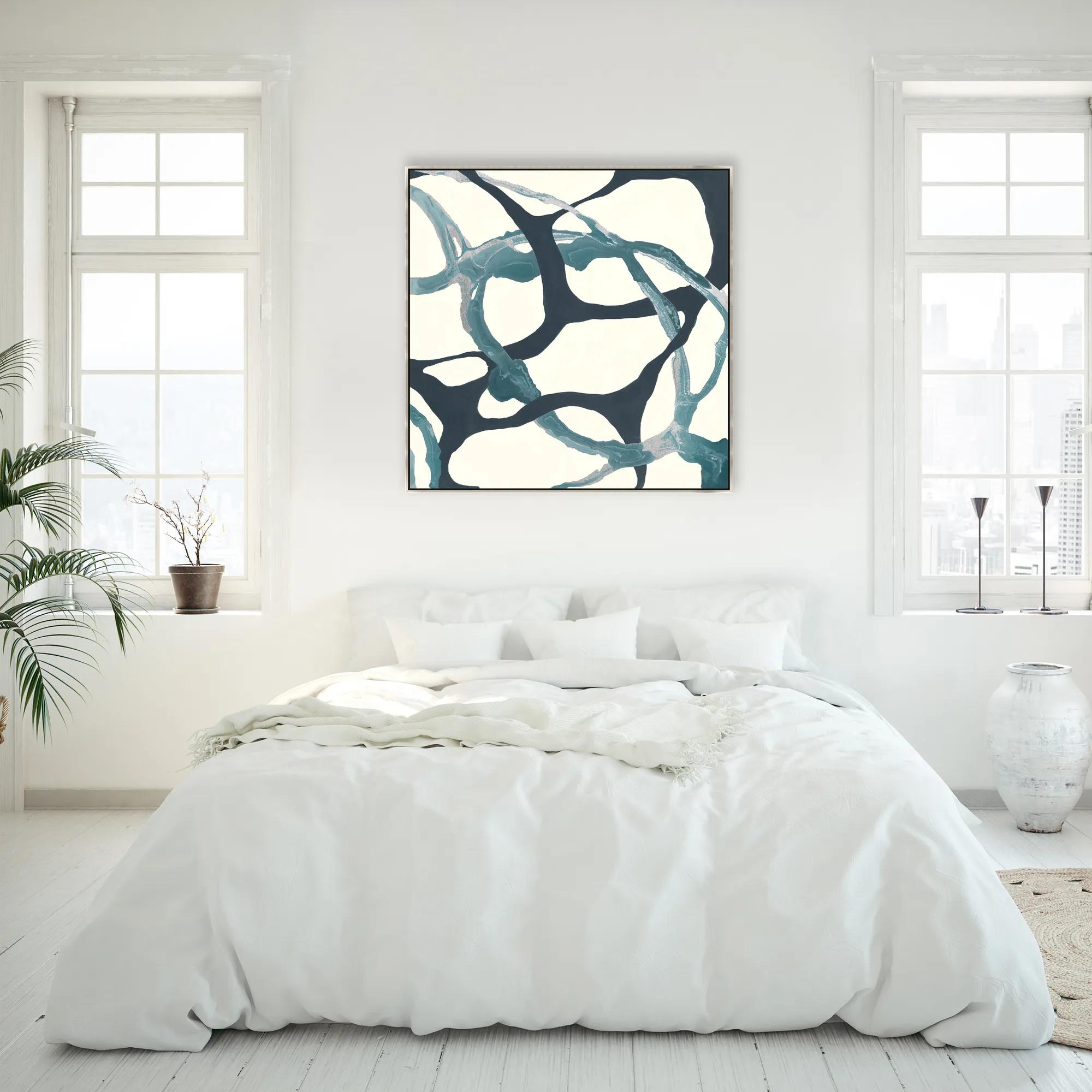 Alignments II Framed Wall Art 40" x 40"$899
A gallery-wrapped canvas featuring gilded silver accents and hand-applied brush gel in a silver floater frame.
Add To Cart -

 Broadway Mirrored Frame$49
A sleek mirrored photo frame that brightens and enhances your cherished memories with reflective elegance.
Add To Cart -
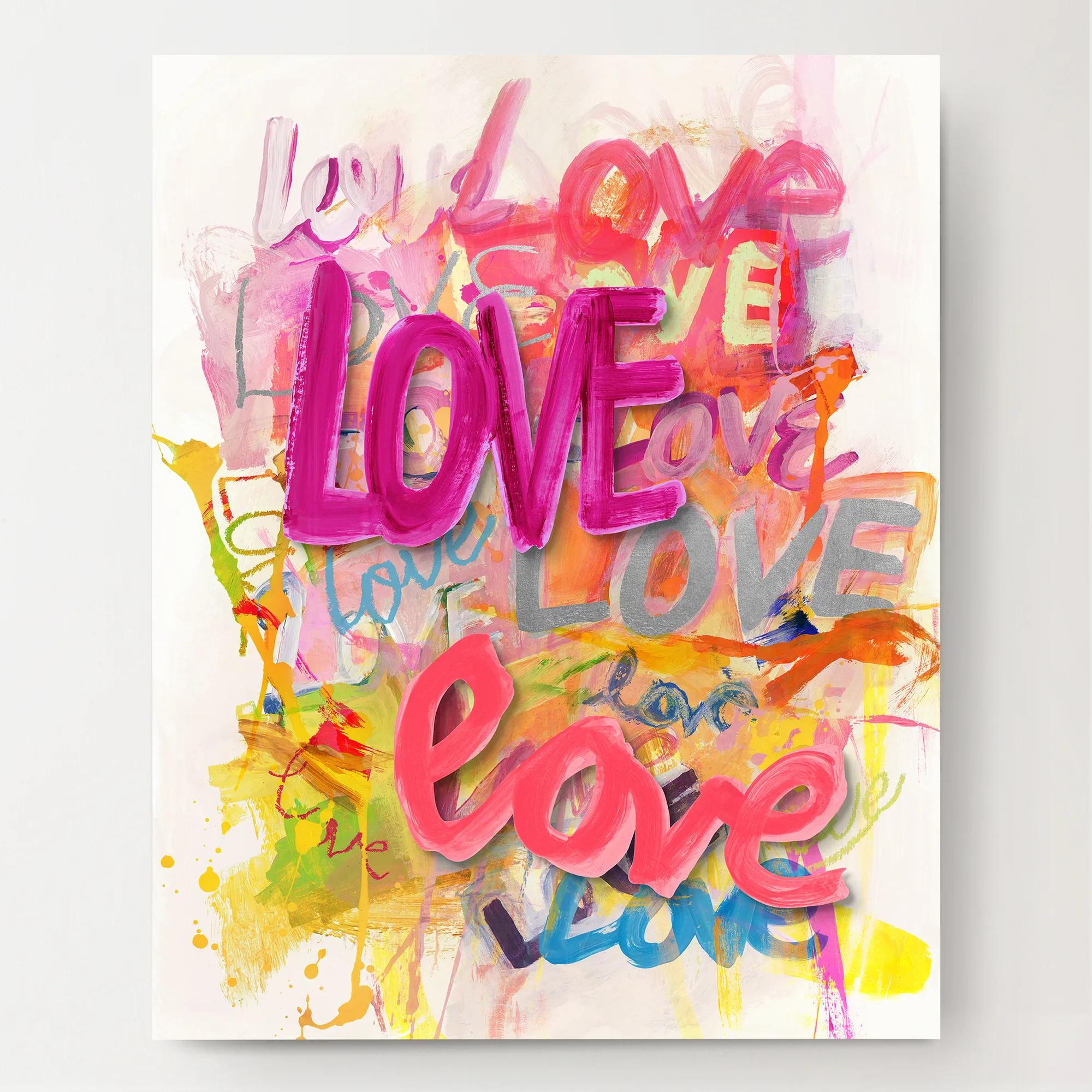
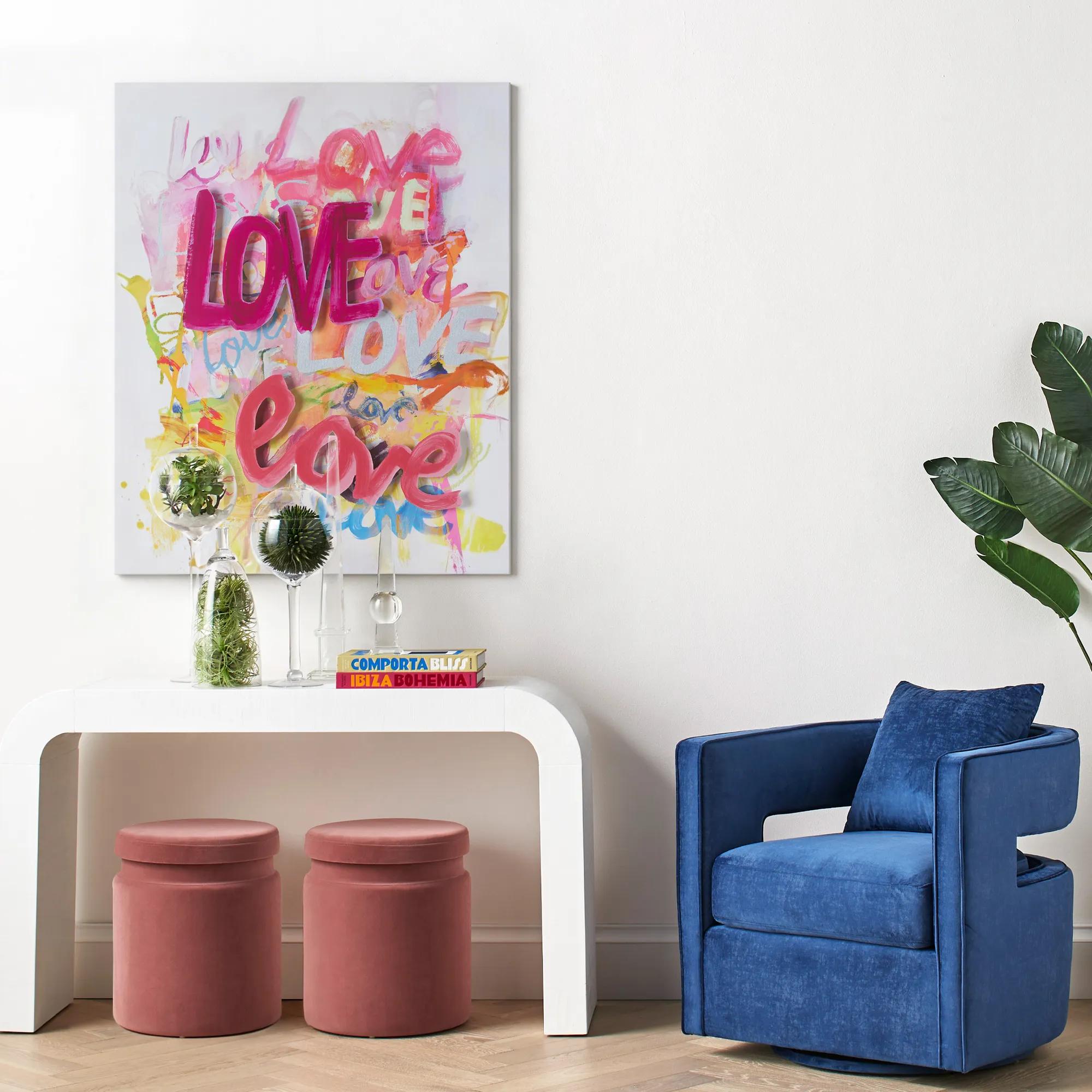 Love Is In The Air Wall Art 40" x 50"$1399
A vibrant giclee canvas print featuring hand-applied silver gilding and dimensional acrylic "Love" lettering.
Add To Cart -

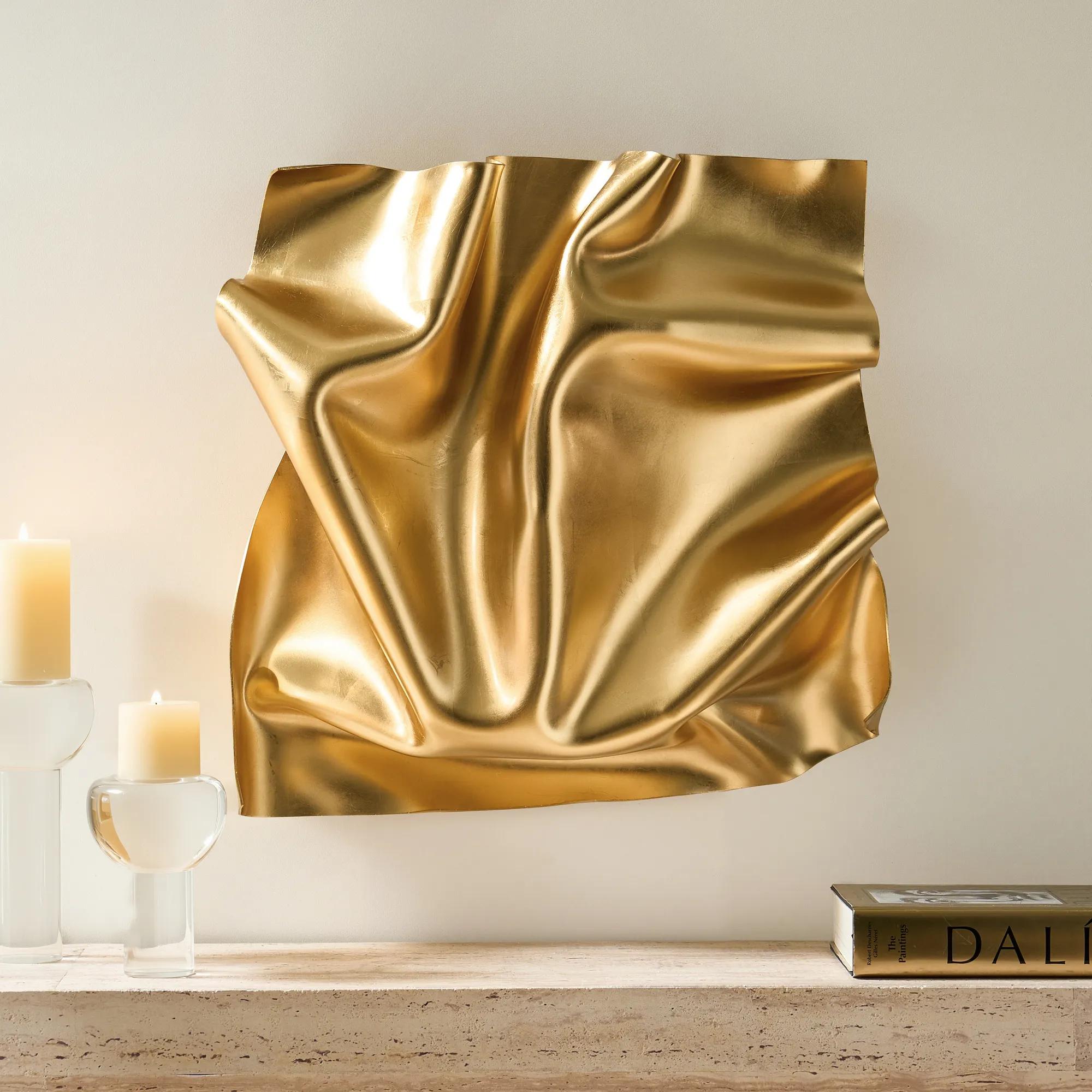 Surface Sculpted Gold Leaf Acrylic Wall Decor 23.6" x 23.6"$199
A dimensional acrylic wall panel features hand-applied gold leafing for a luminous, sculptural gallery effect.
Add To Cart -
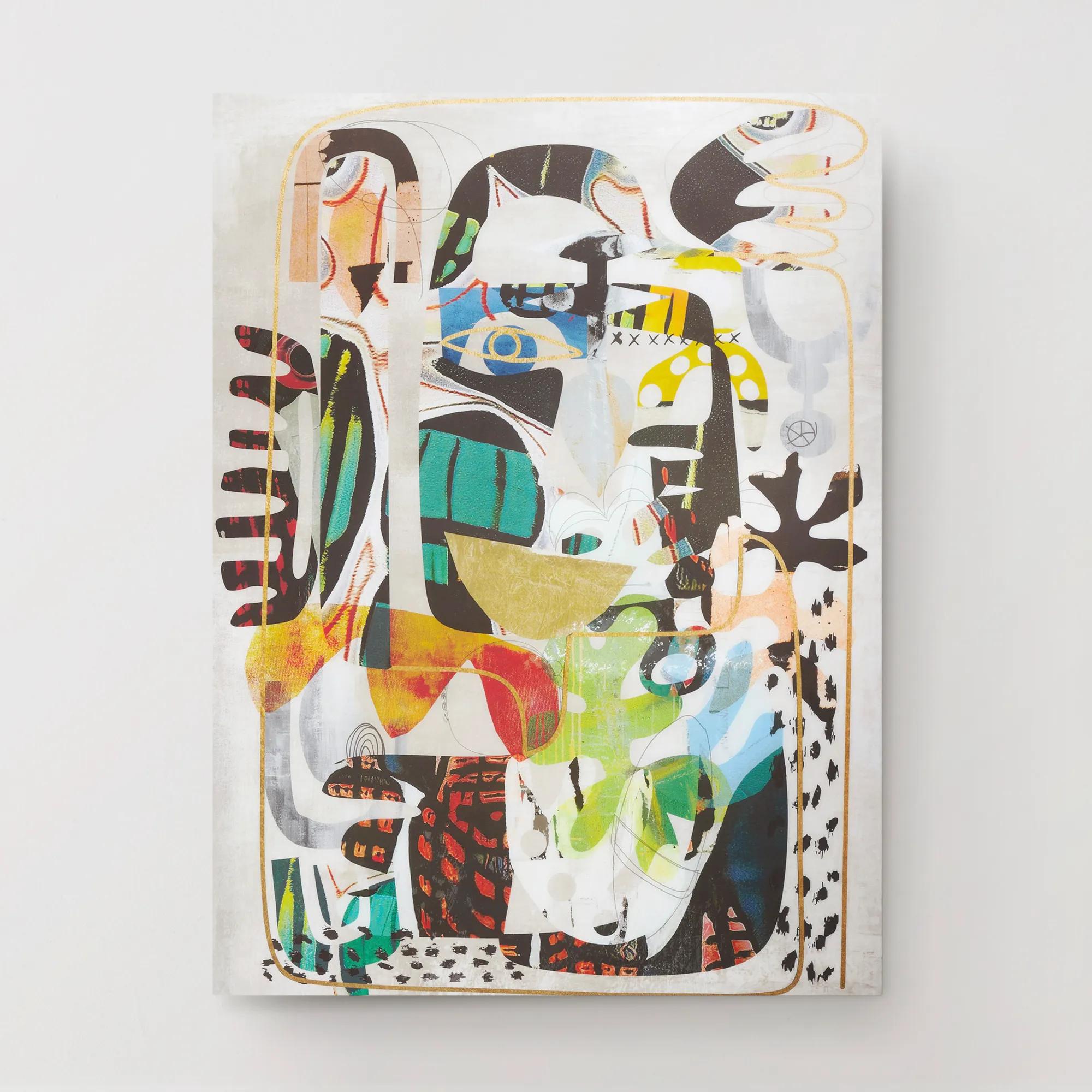
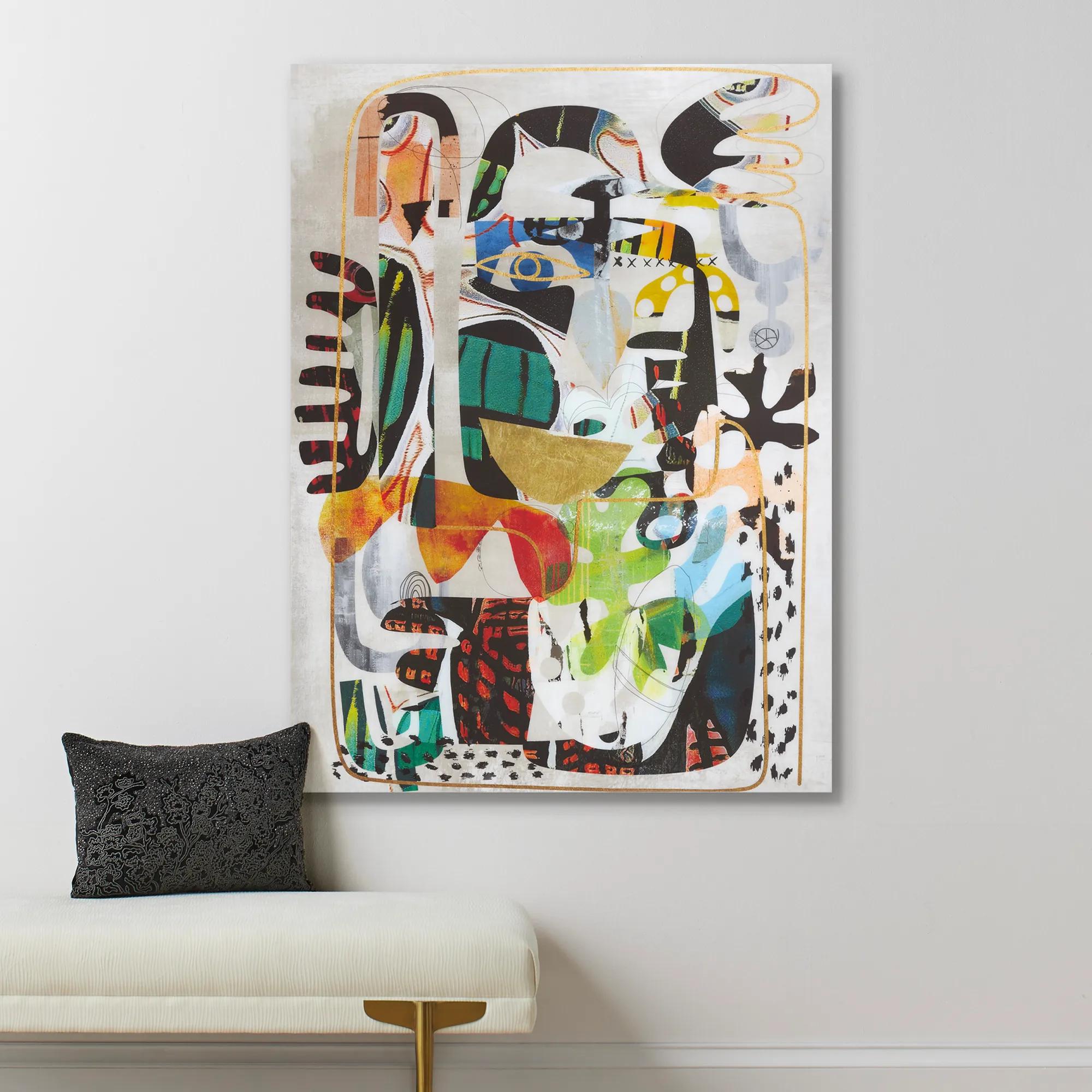 Nikki Chu Masked Wall Art 40" x 54"$899
A vibrant giclee print on canvas featuring a hand-applied glossy finish for a modern statement.
Add To Cart

Reflective Wall Art For Light Filled Rooms
Reflective Wall Art for Light Filled Rooms transforms your space into a gallery of luminous elegance, where every ray of sunlight becomes part of the masterpiece. Mirror-finish surfaces and gleaming metallics capture the dance of daylight, amplifying both drama and dimension. Perfect for those who crave interiors that shimmer with energy and sophistication, these radiant pieces invite you to curate a home that glows with artistry—where every wall tells a story in light and reflection.
Reflective wall art enhances light-filled rooms by catching natural light and redirecting it across mirrored, metallic, or glossy surfaces, creating luminous focal points with a sense of depth. Unlike a conventional mirror, which typically presents a recognizable reflection, reflective artwork can break light into fragments, trace it along sculptural contours, or soften it into a pearlescent shimmer. The effect depends on the material and finish: mirrored glass produces crisp reflections, polished metal delivers bright highlights, and brushed or textured metallic surfaces scatter light more subtly. Metallic leaf and foil accents bring another expression, allowing glimmers of silver, gold, or champagne to emerge through an abstract composition rather than dominate it. Not every reflective finish brightens a room to the same degree, but each can introduce contrast and visual movement as the viewing angle changes. In an airy living room, a luminous composition above a velvet sofa adds a compelling counterpoint to the fabric’s deep, light-absorbing pile. In a dining room, dimensional metal artwork can echo the gleam of glassware without repeating the shape of a mirror. An entryway gains a memorable arrival moment when an expressive reflective surface catches light from an adjoining room. These pieces suit interiors that embrace artistry, whether the surrounding palette is restrained and tonal or saturated with jewel colors. Silver finishes often lend a cool, graphic clarity, while warmer metallic tones can enrich cream upholstery, dark wood, and richly colored walls. Clear mirrored sections tend to reflect surrounding colors more directly, making the room itself part of the composition. That relationship is especially striking in spaces with architectural details, layered textiles, or a carefully arranged seating area. The most compelling reflective wall decor does more than add shine; it gives daylight an additional surface to animate, bringing dimension to a wall that might otherwise feel visually quiet. For an atmosphere of sculptural glamour rather than uninterrupted reflection, textured surfaces and irregular forms offer a particularly expressive balance.
Scale and placement determine whether reflective wall art feels integrated into a room or visually competes with it. Above a sofa, console, or sideboard, a composition approximately two-thirds the width of the furniture can provide a useful starting point, with adjustments for ceiling height, surrounding architecture, and the artwork’s visual weight. A delicate openwork design may need more generous dimensions to hold its own, while a dense mirrored composition can feel substantial at a smaller size. Before hanging, mark the intended outline with removable painter’s tape that is suitable for the wall finish, then view it from the doorway and the room’s main seating position. Leave enough breathing room around the edges for light and shadow to define the silhouette. Placement near a window can reveal reflective details beautifully, but the best location is not always directly opposite the glass. Strong sunlight may create distracting glare or cast a bright reflection toward a television, dining chair, or favorite reading spot. An adjacent wall often provides a more comfortable effect, catching daylight at an angle while preserving the artwork’s character. Check the position at different times of day, since a surface that appears softly luminous in the morning may become sharply reflective later. In open-plan interiors, consider what appears in the reflection from several directions; an elegant vignette can become part of the artwork, while visible cords or a crowded countertop may interrupt the composition. For a cool, cohesive palette, reflective silver wall art decorations pair naturally with charcoal, ivory, clear glass, and deep blue, bringing brightness without requiring a room full of metallic accents. A single generous piece can establish a focal point, while a measured grouping can carry the eye along a broad wall. Balance is essential: matte paint, woven upholstery, natural stone, or softly grained wood gives reflective finishes the contrast they need to feel intentional. Repeating a metal tone in one or two nearby details can connect the composition to the room without turning every surface into a competing highlight.
Material construction deserves as much attention as the finish, particularly when choosing reflective art for everyday living spaces. Glass and mirrored components can offer clarity and depth, but they may also add considerable weight and require careful handling. Metal designs vary widely in weight, rigidity, and surface treatment; slender projecting elements need a location where passing shoulders, opening doors, or moving furniture will not catch them. Acrylic reflective surfaces may be lighter than comparable glass, though they can scratch more readily and may require different cleaning methods. Framed artwork, layered assemblies, and mixed-media compositions can also include backing materials, adhesives, or delicate applied finishes, so care should follow the manufacturer’s directions for the entire piece rather than assumptions about its most visible surface. For routine dusting, a clean, soft microfiber cloth is often appropriate when permitted by those directions. Avoid abrasive pads, vigorous polishing, and spraying cleaner directly onto artwork, since liquid can reach edges, seams, or backing. Metallic leaf, painted accents, and textured finishes may need especially gentle treatment to preserve their character. Intended use matters, too: artwork designed for dry indoor rooms should not be assumed suitable for a humid bathroom, covered patio, or other moisture-prone setting. Prolonged direct sunlight can also affect some pigments, coatings, and backing materials even when the face appears durable. Secure installation is essential, with hanging hardware and wall anchors chosen for the artwork’s weight and the wall construction; large, heavy, or complex pieces may warrant professional installation. For gifting, reflective wall art can make a distinctive housewarming or wedding gesture when the recipient’s taste, wall space, and comfort with installation are well understood. A smaller composition may suit an established collection, while a larger statement is best chosen with the room in mind. Thoughtfully selected and properly cared for, reflective artwork becomes an enduring part of an interior’s expression: a polished gesture that gathers light, rewards a second glance, and gives an everyday room a more artful presence.
FAQs
Reflective wall art featuring metallic finishes, mirrored surfaces, or high-gloss materials is especially effective at amplifying natural light. Pieces with silver, gold, or chrome accents can scatter sunlight beautifully, while mirrored artworks create the illusion of expanded space and luminosity. Sculptural designs and textured surfaces also add dimension, catching and refracting light for a dynamic effect.
To achieve a cohesive, luxurious look, consider pairing reflective wall art with complementary décor such as velvet upholstery, glass accessories, or sculptural lighting. Position the art where it will catch the most light—opposite windows or near light sources. Layering reflective pieces with matte textures, like plush rugs or painted walls, creates a sophisticated interplay of sheen and softness that elevates the entire space.
Reflective wall art makes a thoughtful and memorable gift for anyone who values expressive design—especially new homeowners, newlyweds, or those celebrating milestones. It’s perfect for individuals with an eye for drama, glamour, or contemporary style, and for anyone who loves to create a welcoming, radiant atmosphere in their living space.
Reflective wall art evolves with the changing light, casting different moods from sunrise to sunset. In the morning, it can infuse a room with gentle, luminous energy, while in the evening, it enhances ambient lighting and creates dramatic shadow play. This dynamic quality means your space always feels fresh, alive, and visually engaging.
Absolutely—reflective wall art is remarkably versatile. In modern and contemporary settings, it adds sleek sophistication and a sense of spaciousness. In traditional or eclectic interiors, it introduces an unexpected, glamorous twist. Whether your décor is bold and maximalist or elegantly understated, reflective pieces bring a touch of artistry and light to any aesthetic.