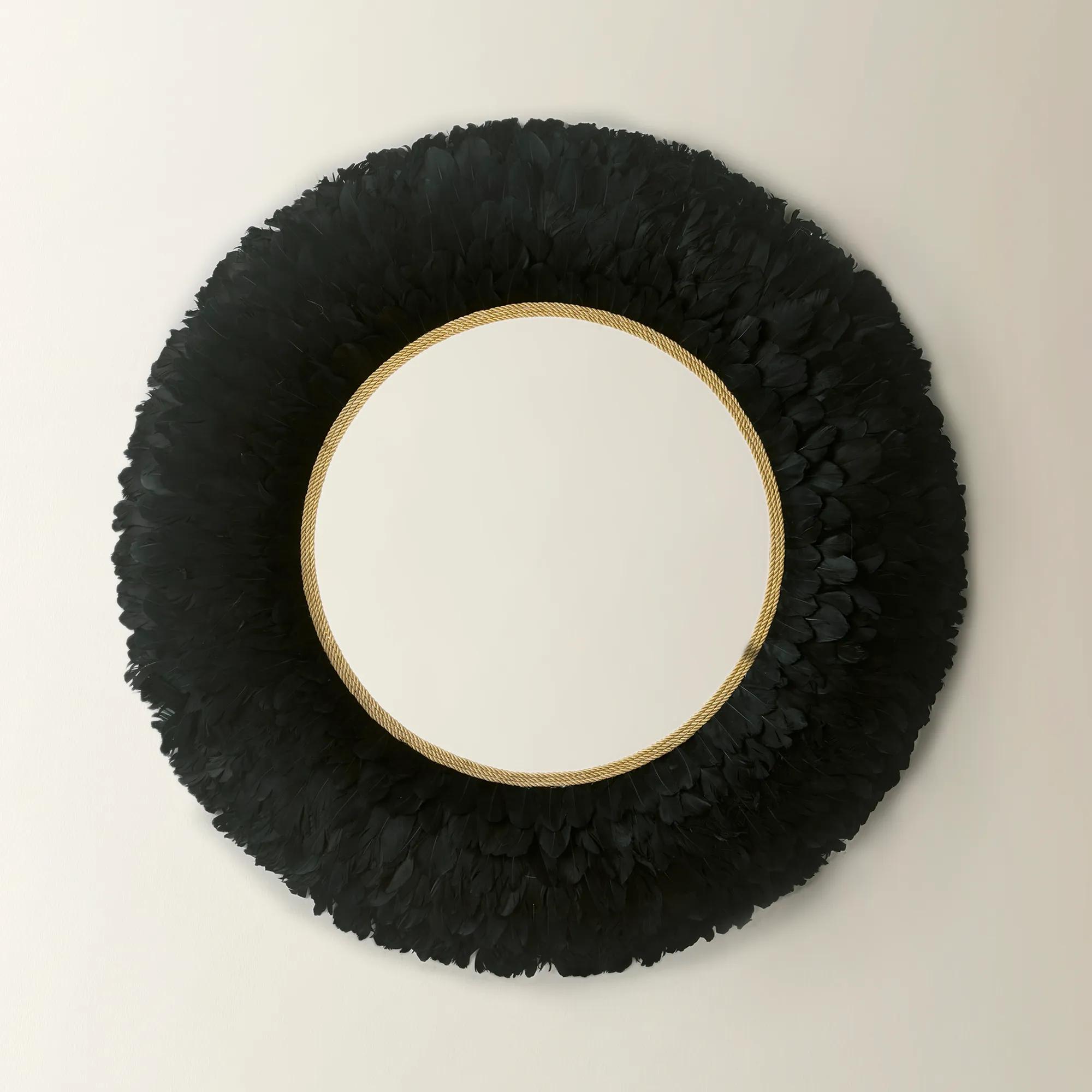
Mirrors For Reflecting Light
Mirrors For Reflecting Light
-
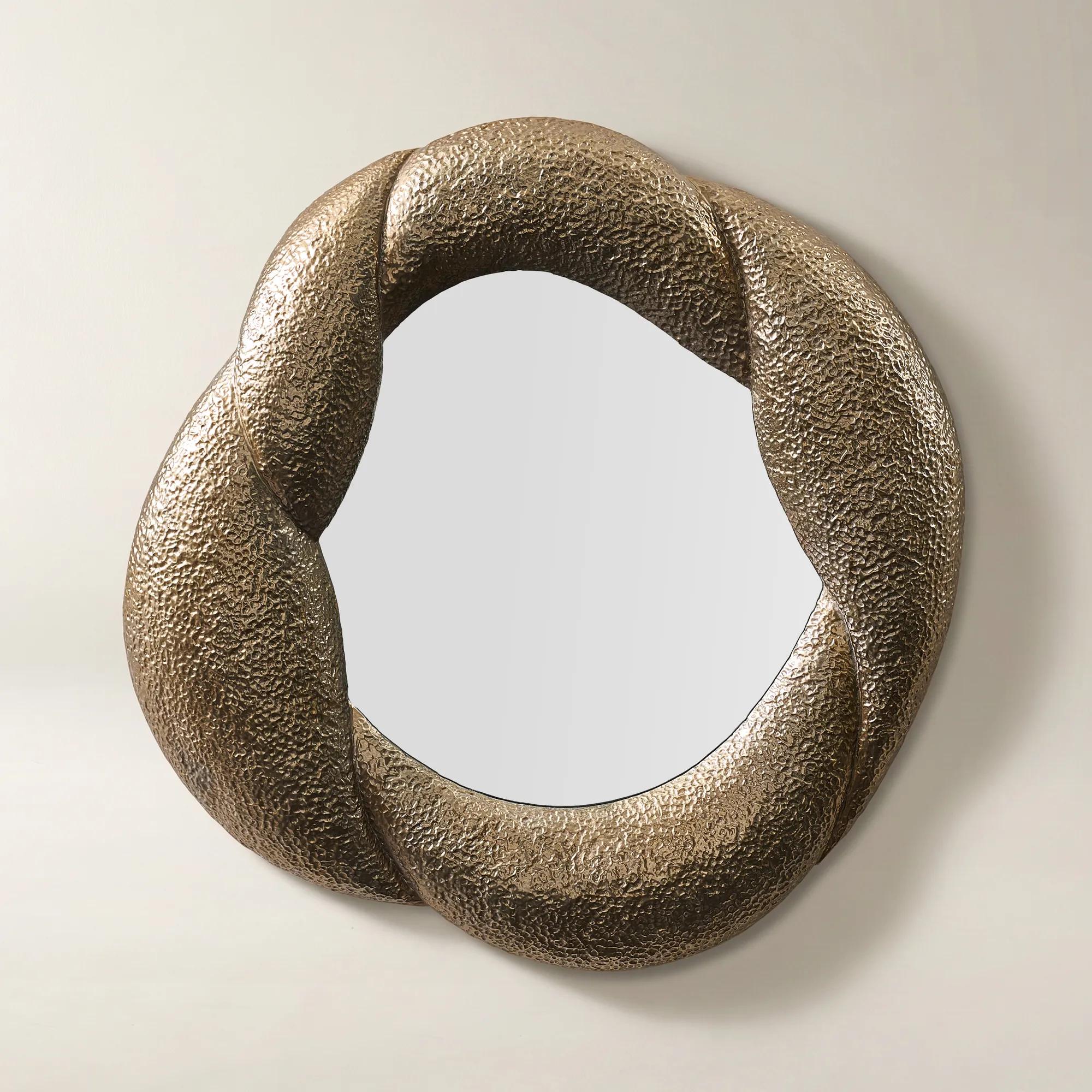 Bronze Age Hammered Texture Resin Organic Round Wall Mirror 34"$599
A round wall mirror featuring a chunky resin frame with hammered bronze texture for sculptural, modern appeal.
Add To Cart -
 Ever Translucent Amber Resin Round Wall Mirror 40"$699
A sculptural amber resin mirror with gold accents and playful bauble-inspired forms for modern glamour.
Add To Cart -
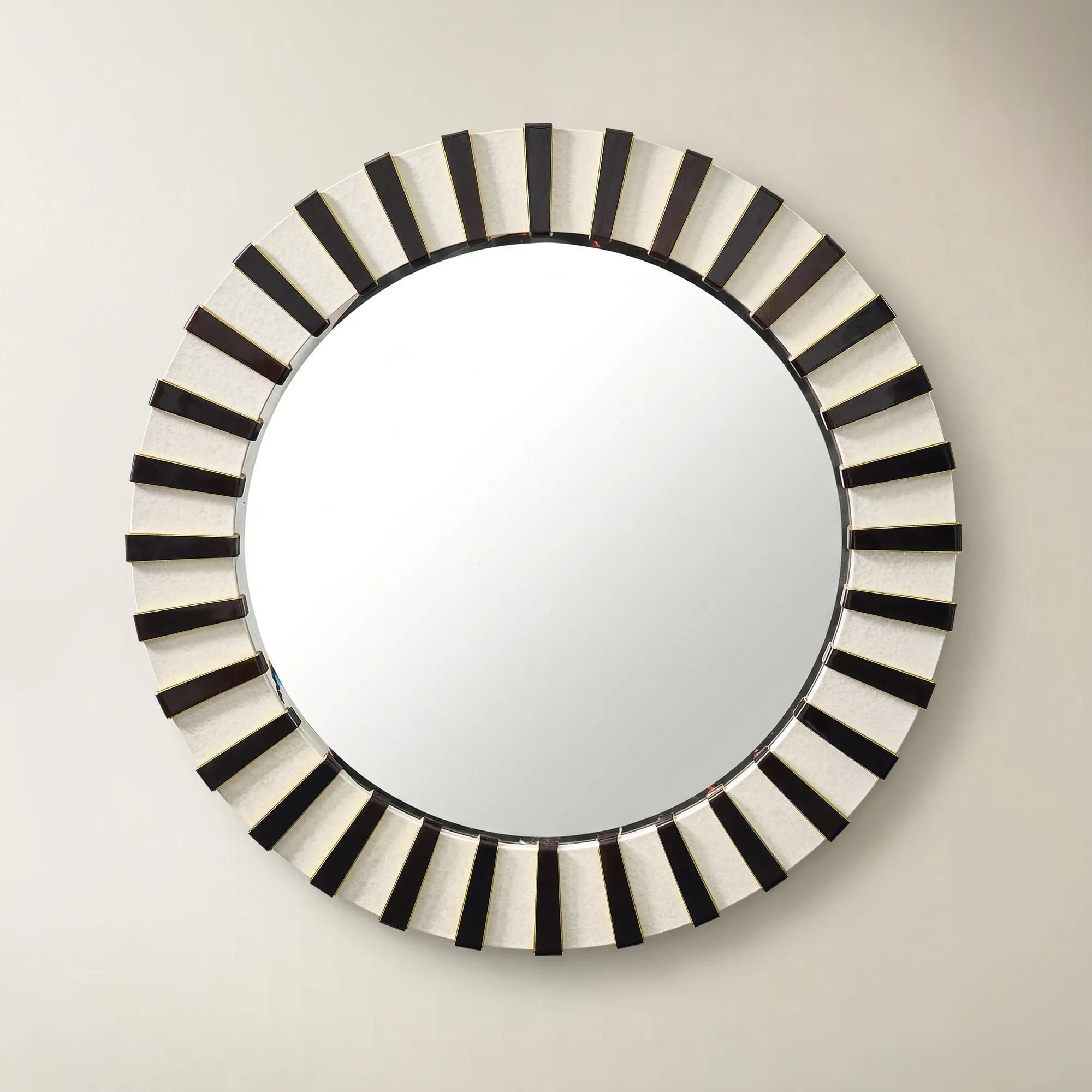 Regatta Opaline Pearl Black Gold Dimensional Round Wall Mirror 45"$849
A luminous wall mirror featuring an opaline pearl lacquered wood frame with black, gold, and raised resin accents.
Add To Cart -
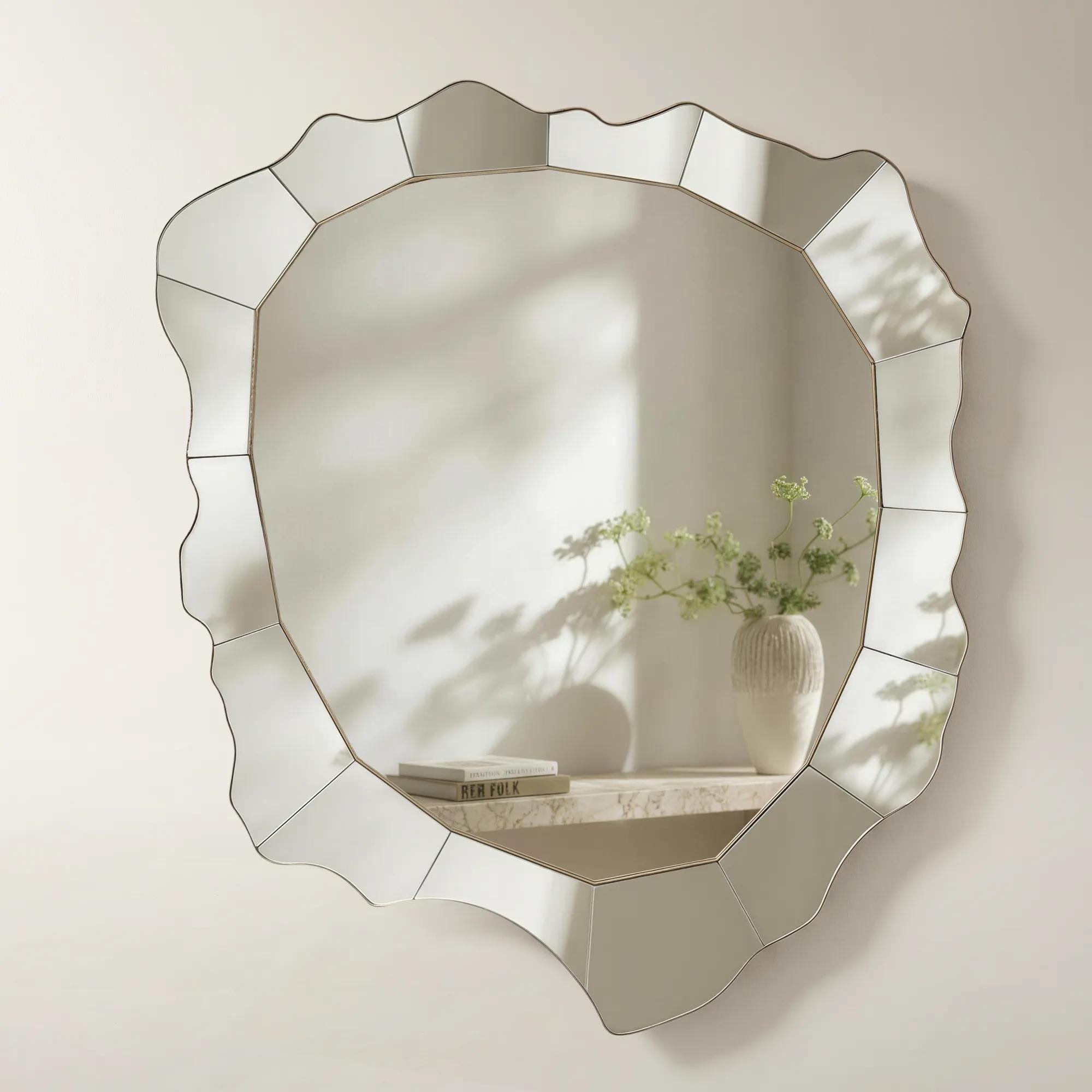 Gala Gold Trim Organic Shaped Wall Mirror 45" x 54"$999
An organic faceted mirror with soft gold iron trim adds sculptural movement and refined glamour to any room.
Add To Cart -
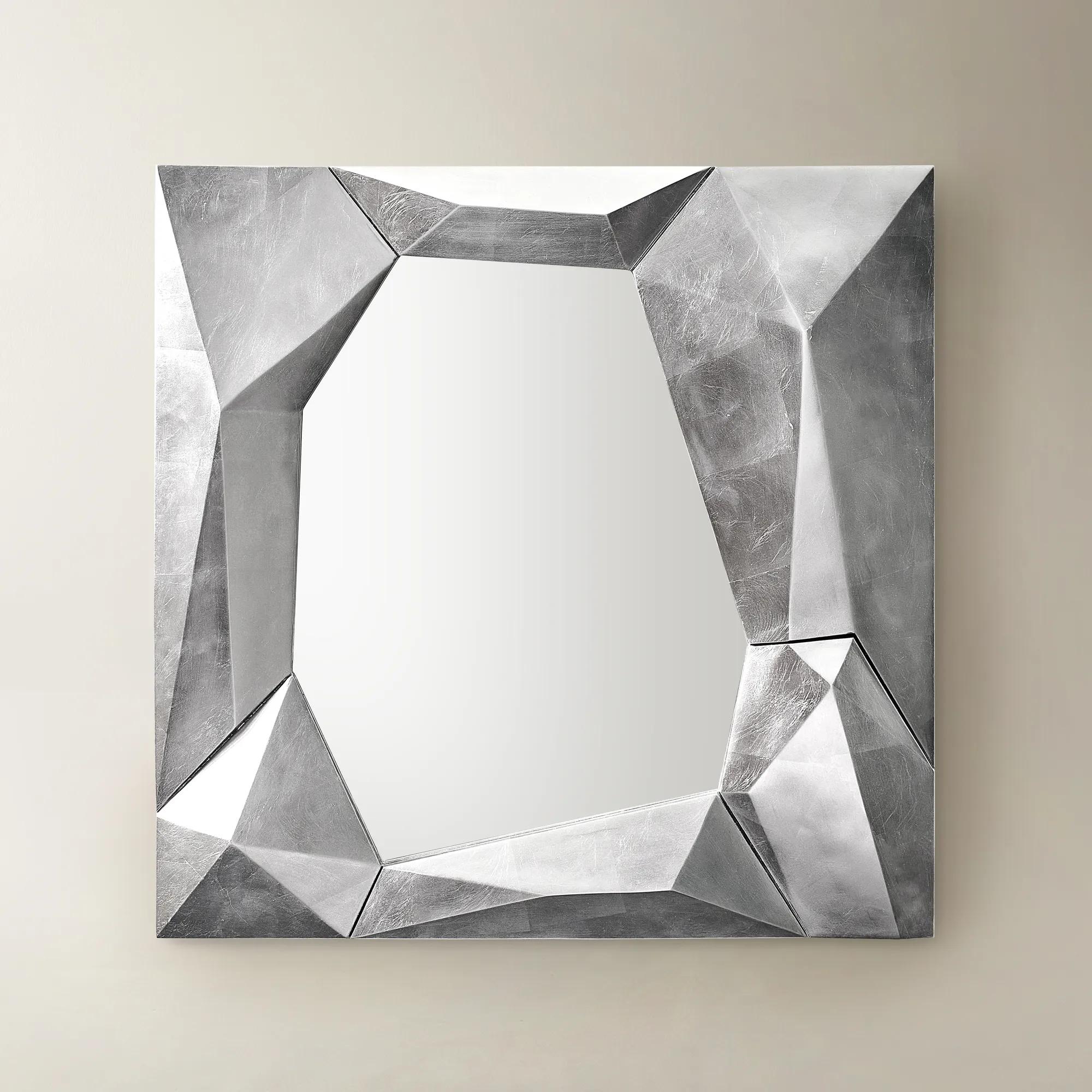 Aeris Satin Silver Faceted Resin Square Wall Mirror 35" x 35"$499
A satin silver fiberglass resin frame and faceted silhouette create a modern, sculptural wall mirror.
Add To Cart -
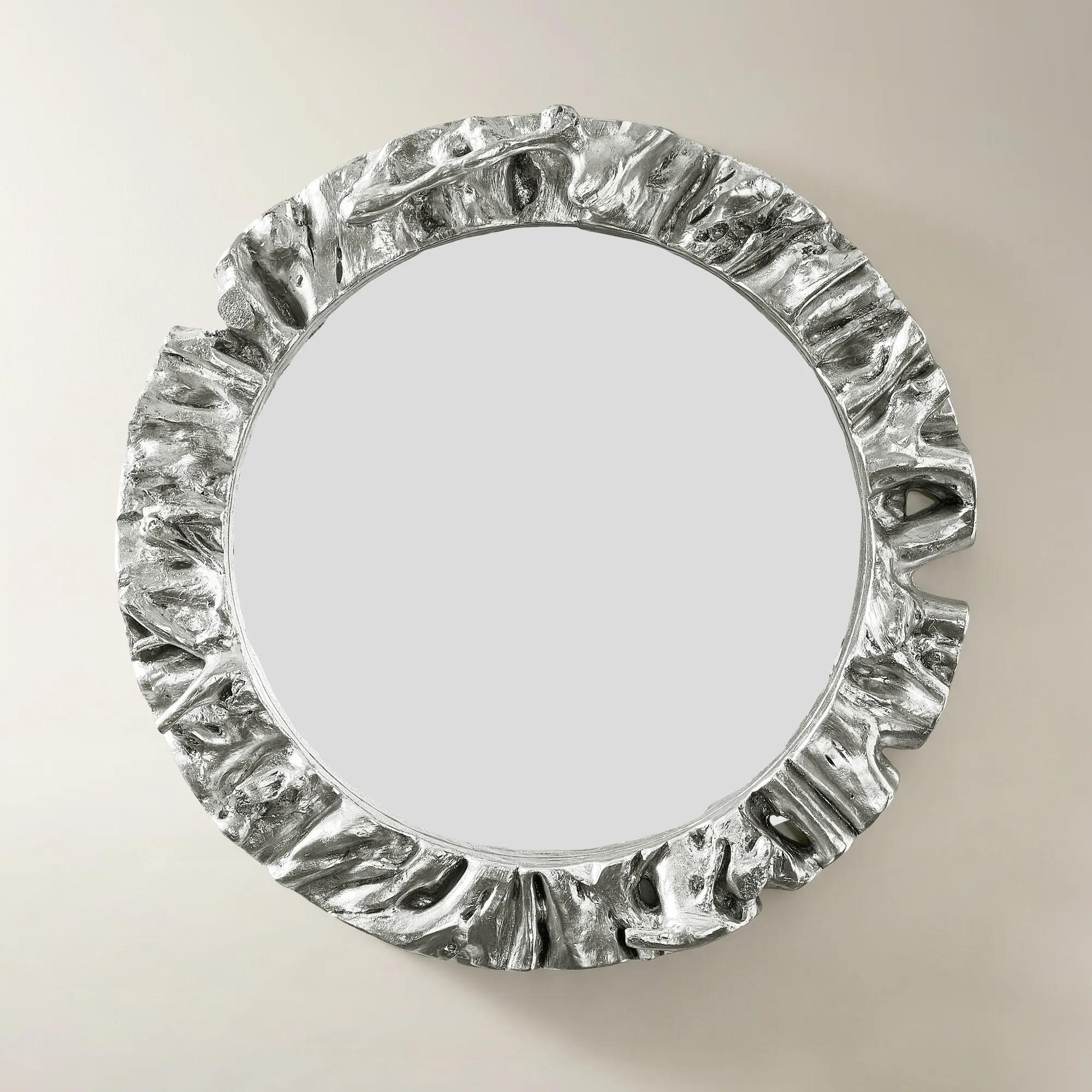
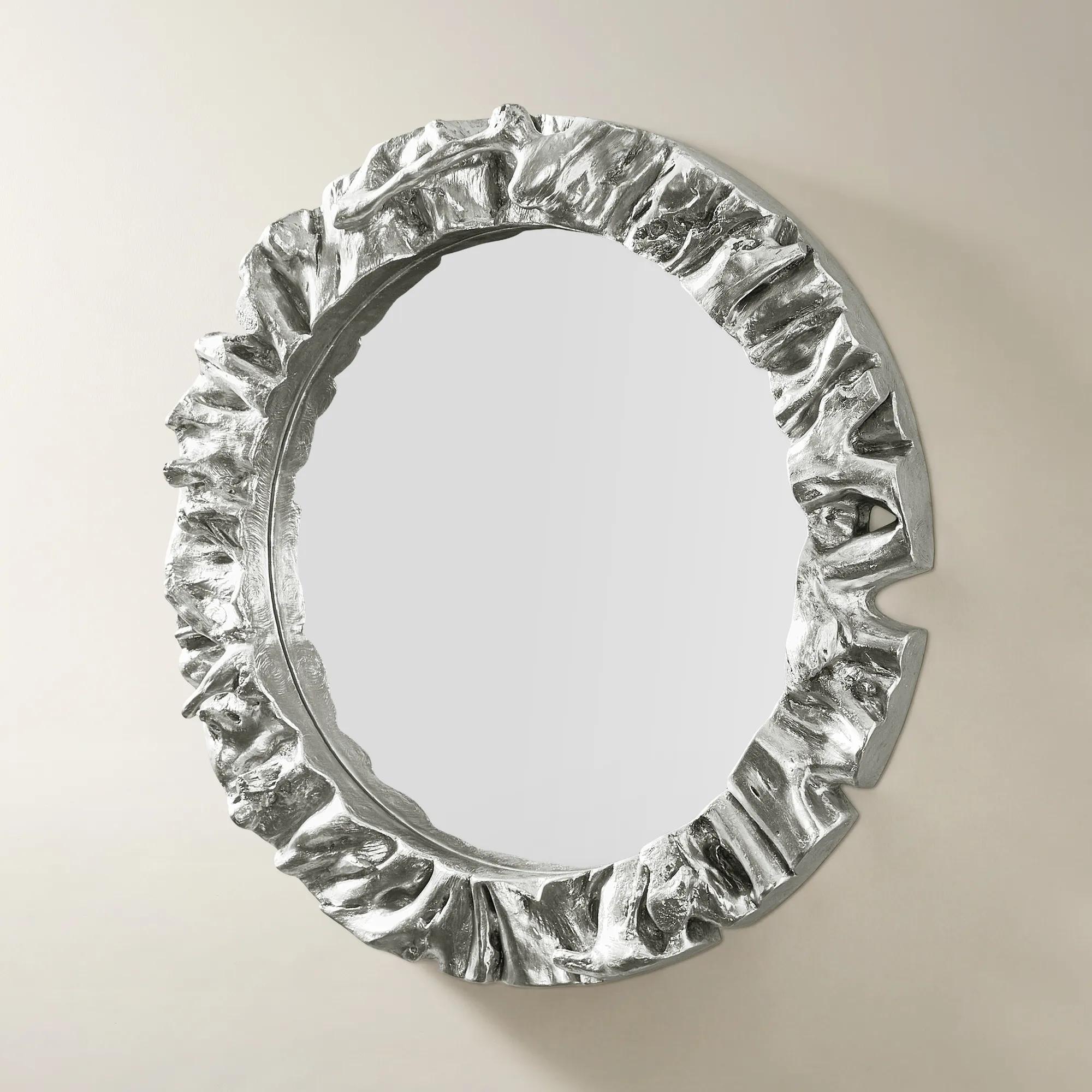 Sequoia Silver Resin Round Wall Mirror 48.25"$1199
A sculptural silver fiberglass resin frame mirror that adds modern polish and reflective brightness to any room.
Add To Cart -
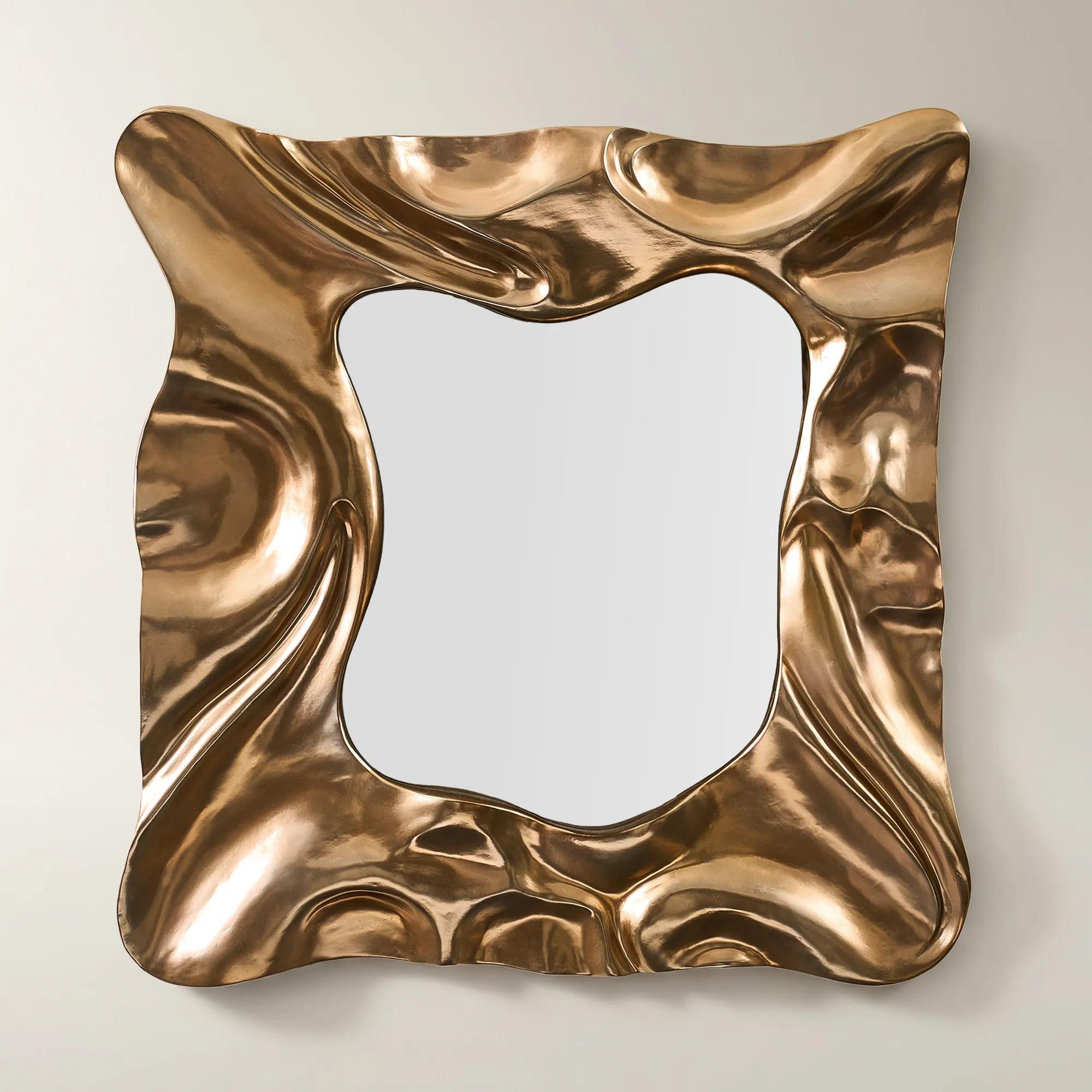 Surface Bronze Resin Organic Shaped Wall Mirror 40" x 40"$699
A sculptural bronze resin frame and organic silhouette create a striking, artful focal point for any room.
Add To Cart -
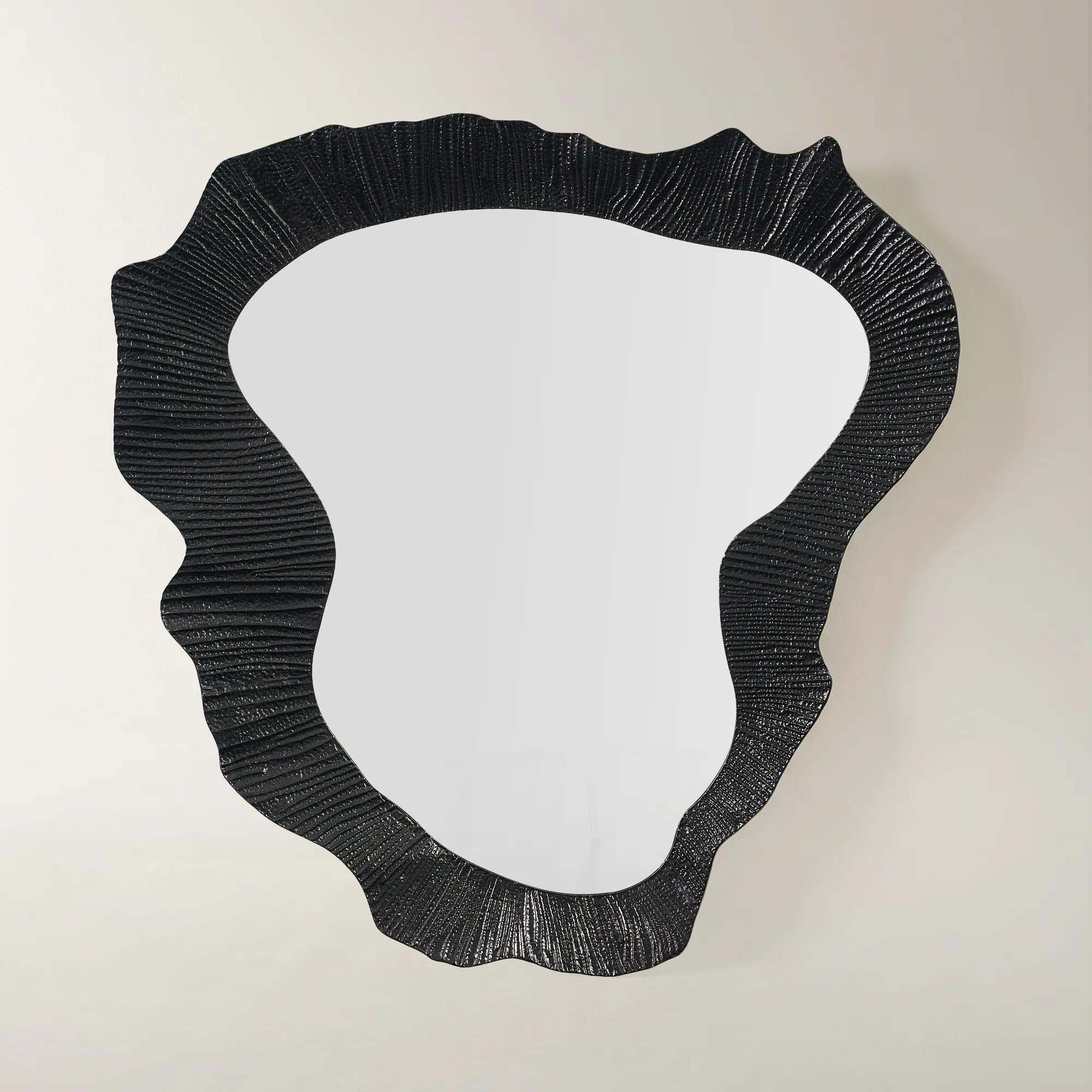 Cara Black Hand-Forged Iron Organic Shaped Wall Mirror 52.5" x 53"$1199
A hand-forged black iron frame and organic silhouette create a bold, sculptural statement for any room.
Add To Cart -
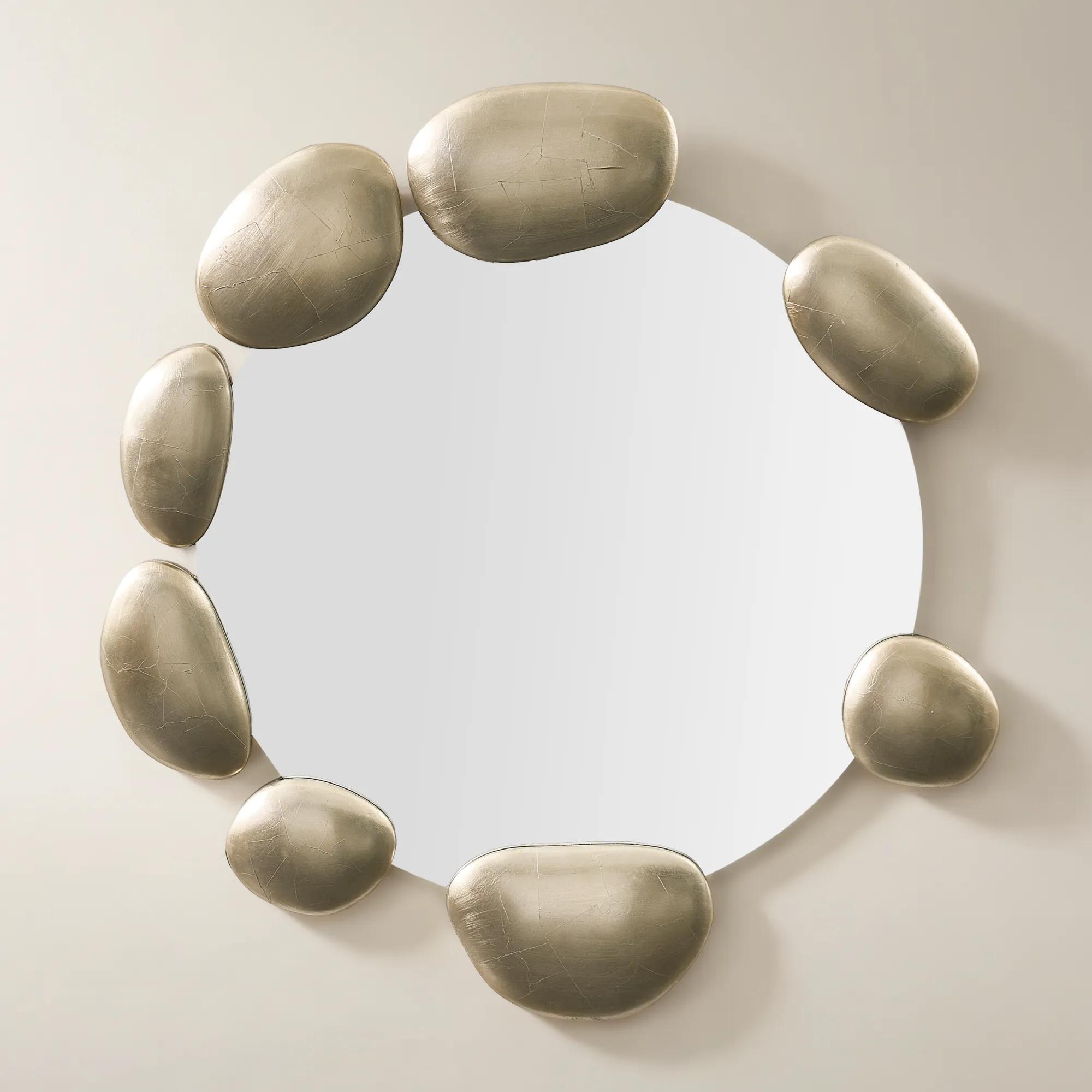 Pebbled Champagne Leaf Resin Round Wall Mirror 40"$599
A round wall mirror featuring a sculptural resin frame with champagne leafing and playful pebbled accents.
Add To Cart -
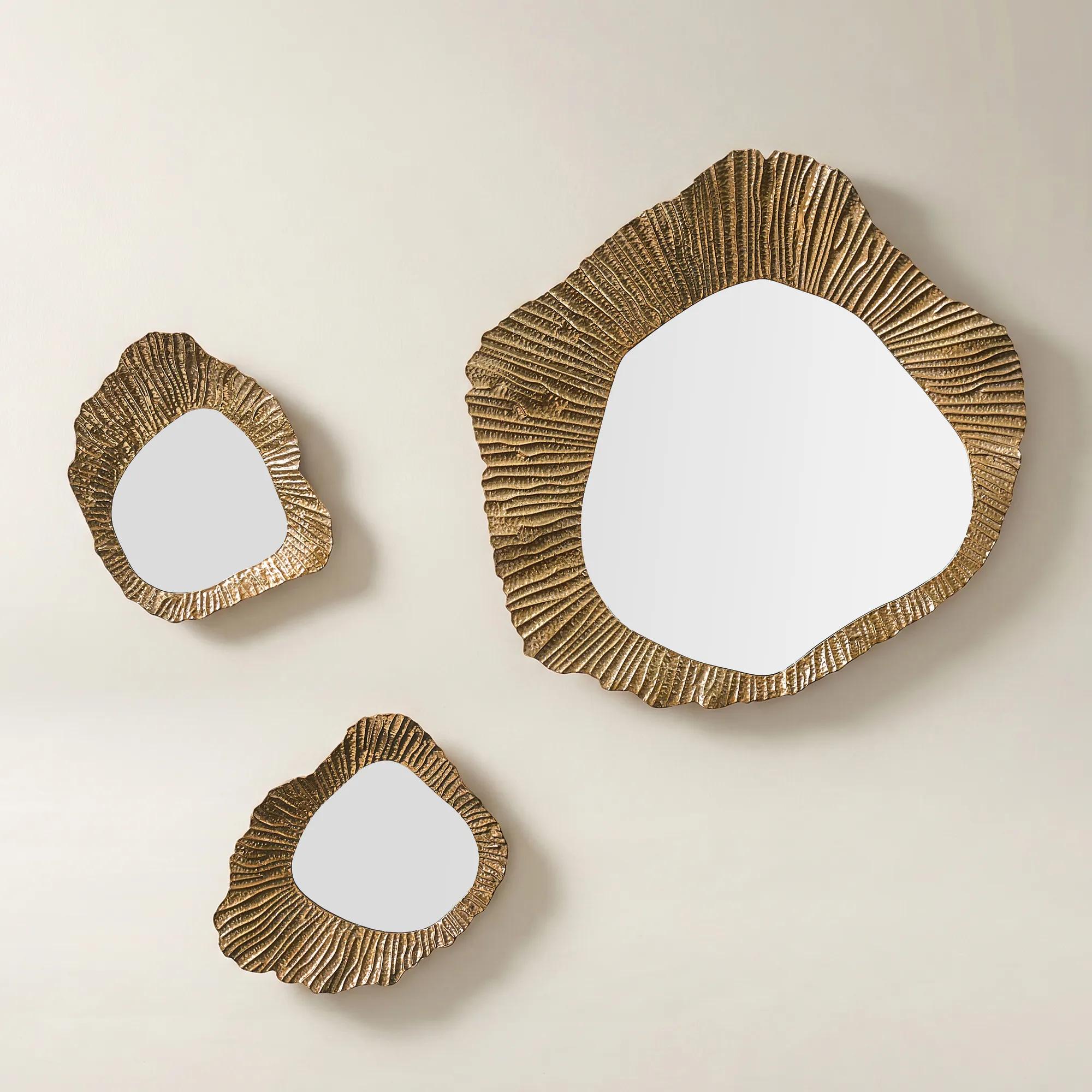 Cara Antique Gold Hand-Forged Iron Organic Shaped Wall Mirror Cluster Trio$1099
A set of three hand-forged iron mirrors in antiqued gold, featuring an organic, sculptural cluster design.
Add To Cart -
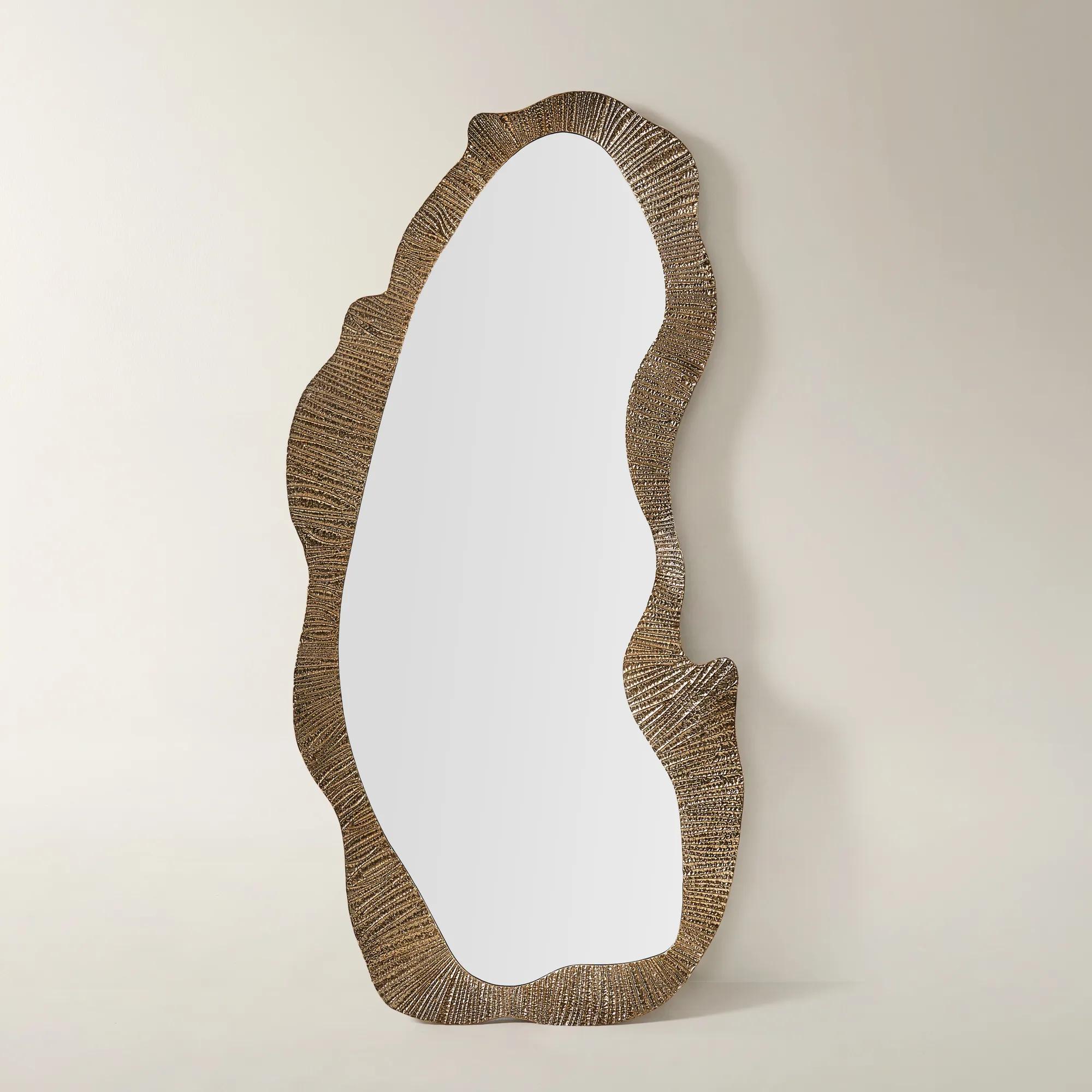 Cara Antique Gold Hand-Forged Iron Organic Shaped Floor Mirror 40.25" x 80.75"$1499
An antiqued gold hand-forged iron frame gives this sculptural floor mirror a refined, artful presence.
Add To Cart -
 Cara Antique Gold Hand-Forged Iron Organic Shaped Wall Mirror 52.5" x 53"$1199
A sculptural wall mirror featuring a hand-hammered iron frame with radiant gold and organic edges.
Add To Cart -
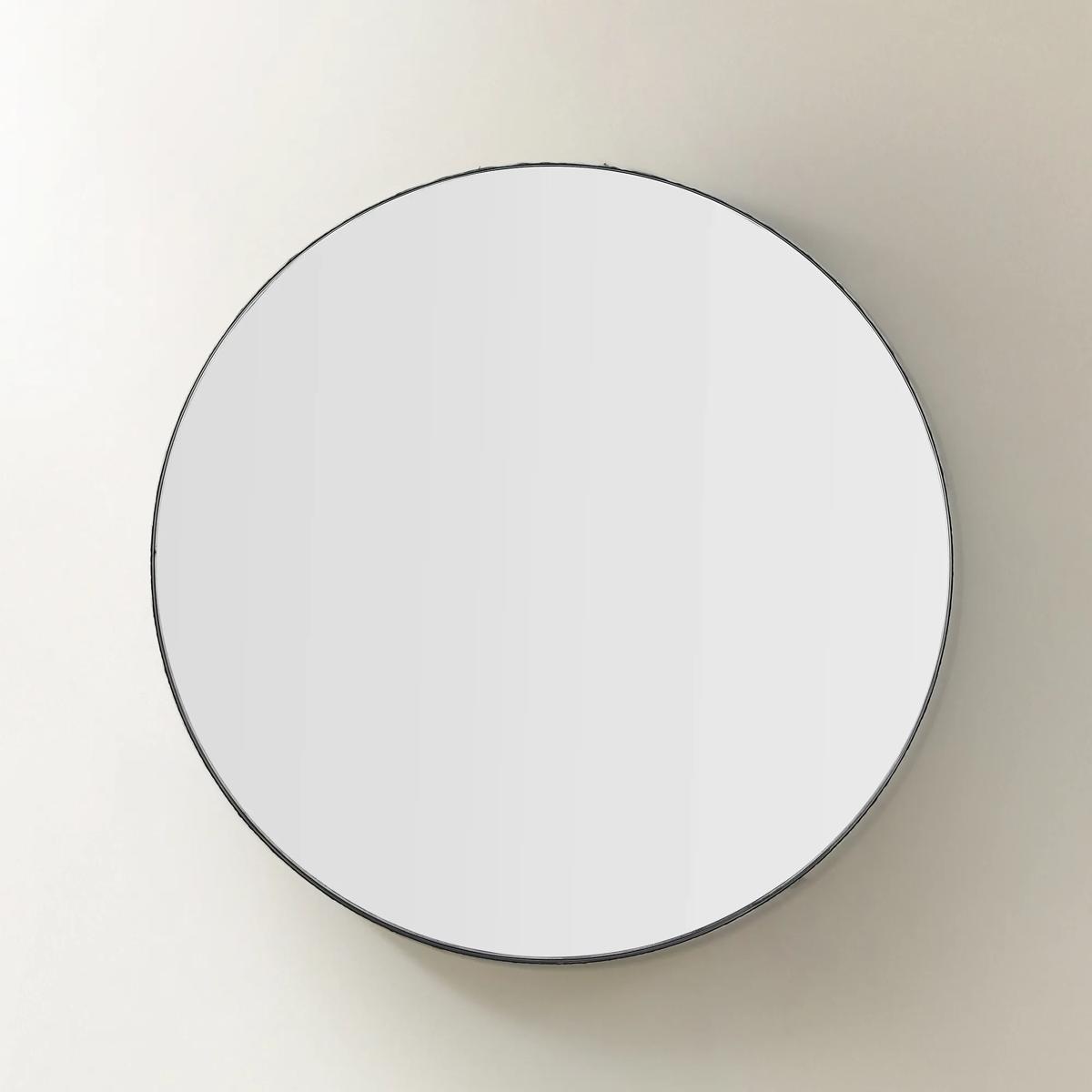
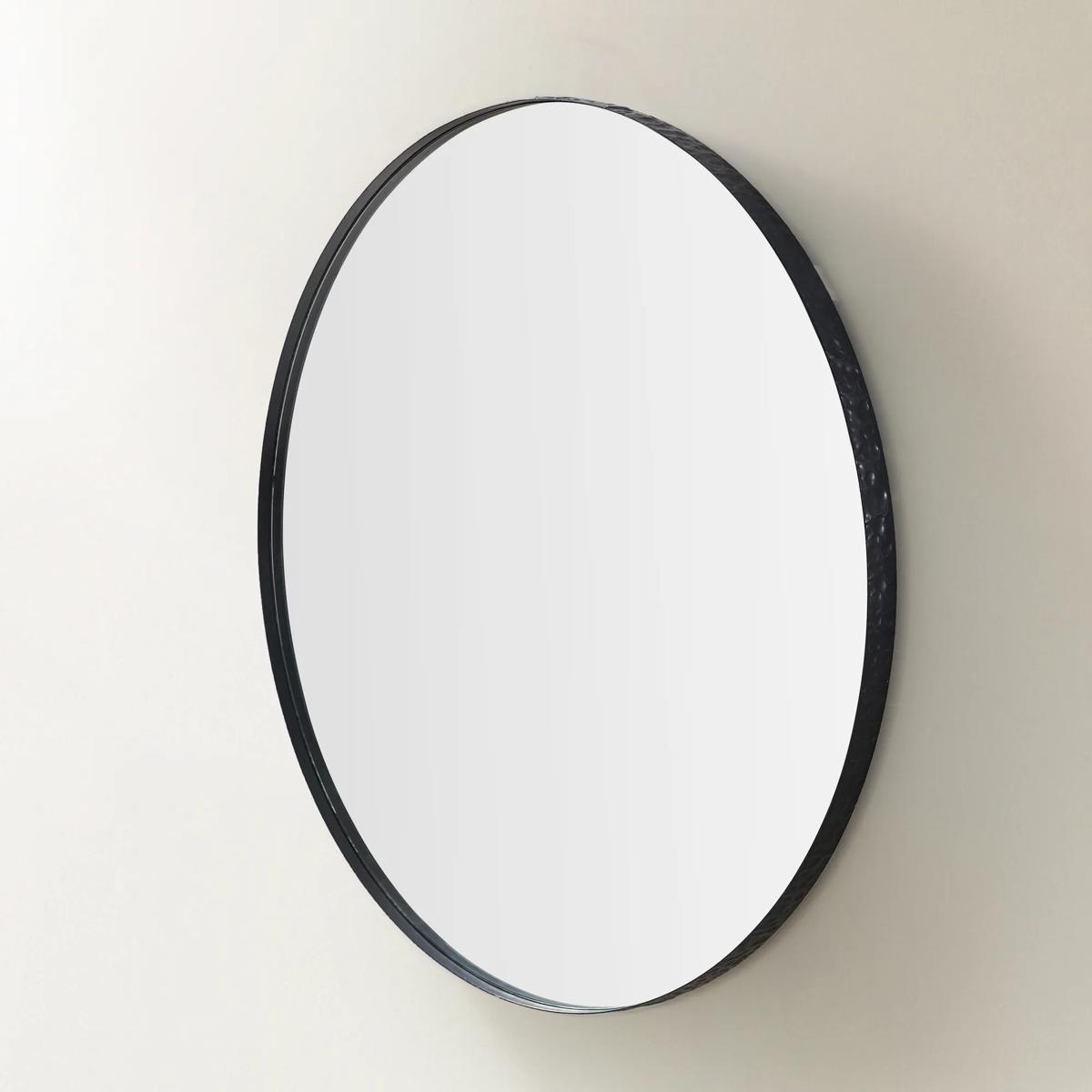 Cade Wall Mirror - Black$699
A round wall mirror featuring a hand-hammered black iron frame for a sleek, modern accent.
Add To Cart -

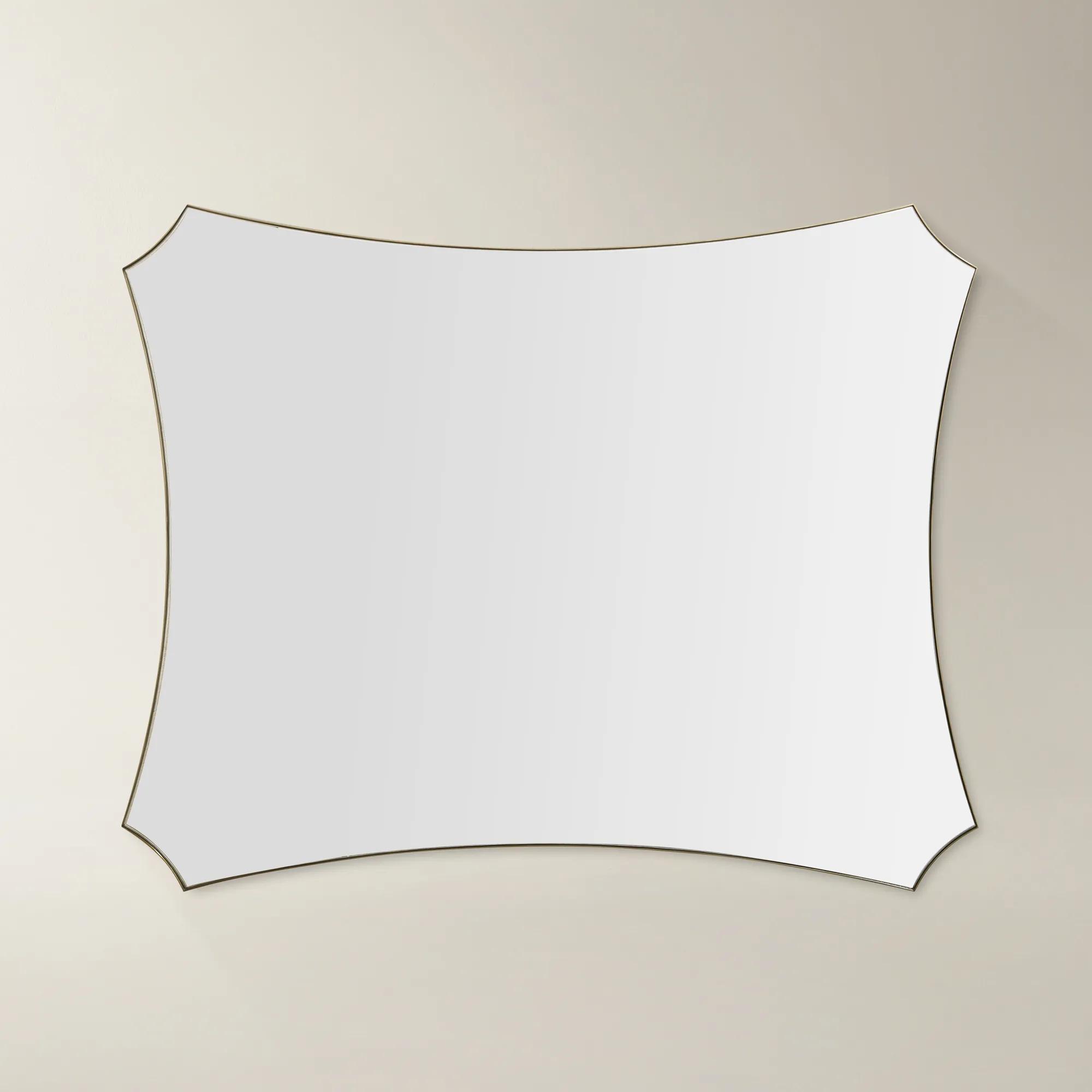 Ava Gold Stainless Steel Wall Mirror 40" x 50"$499
A contemporary wall mirror adding reflective style and sophistication to modern interiors.
Add To Cart -

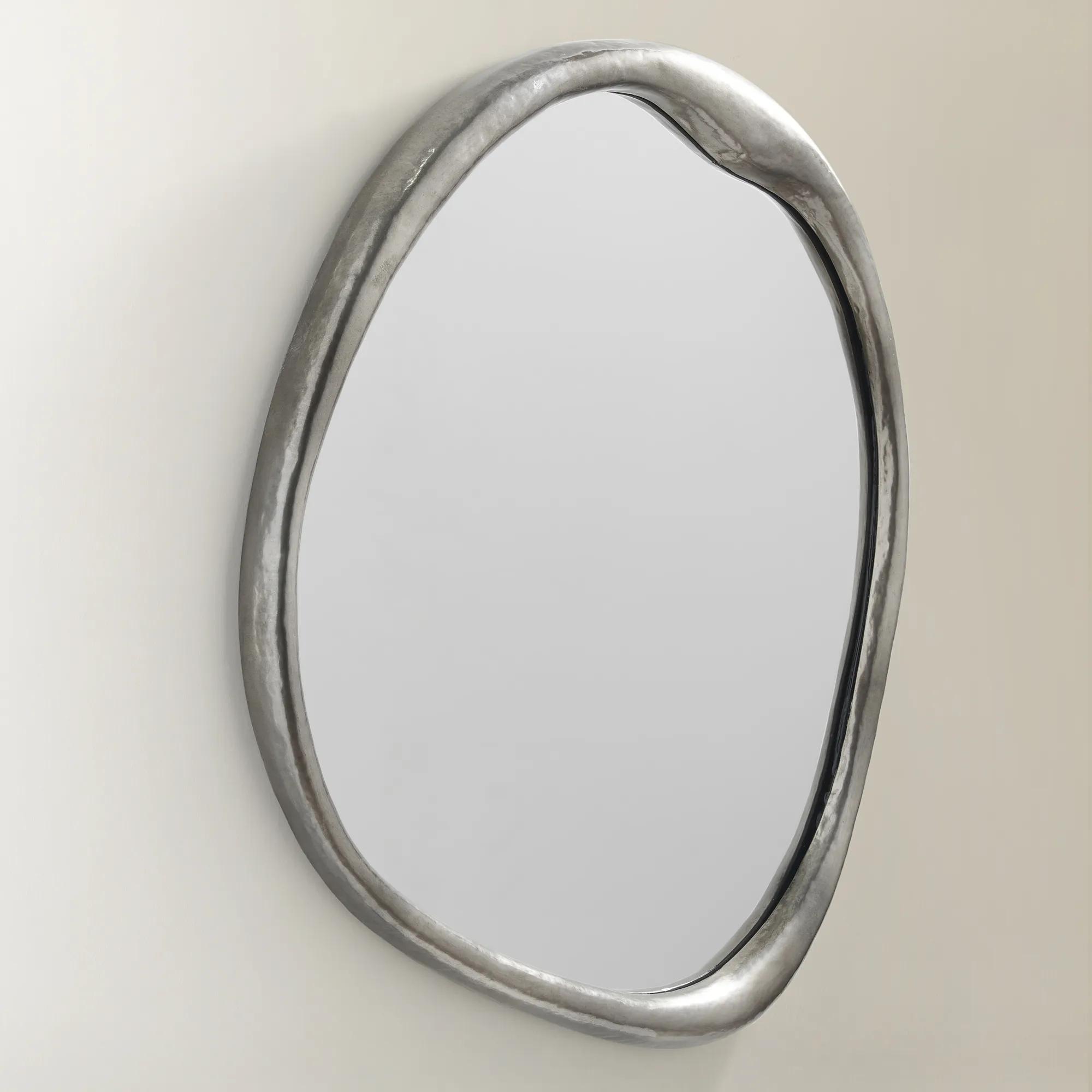 Organa Wall Mirror$599
An irregular silver iron-framed mirror that brings modern organic style and reflective depth to any room.
Add To Cart -
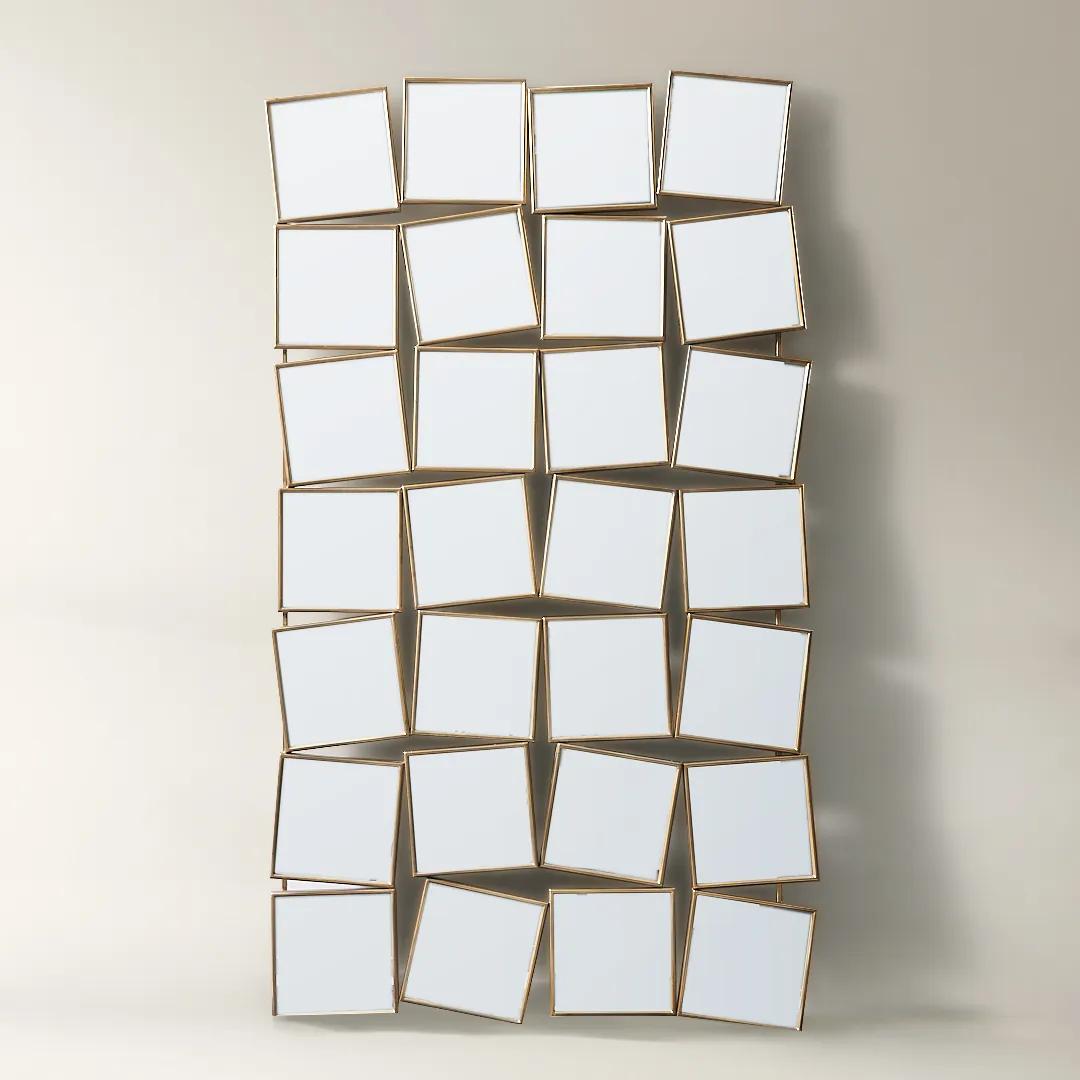 Newberry Gold Hand-Crafted Iron Floor Mirror 44.5" x 77"$1599
A sculptural mirror featuring hand-crafted gold iron panels for a multidimensional, luminous statement in any room.
Add To Cart -
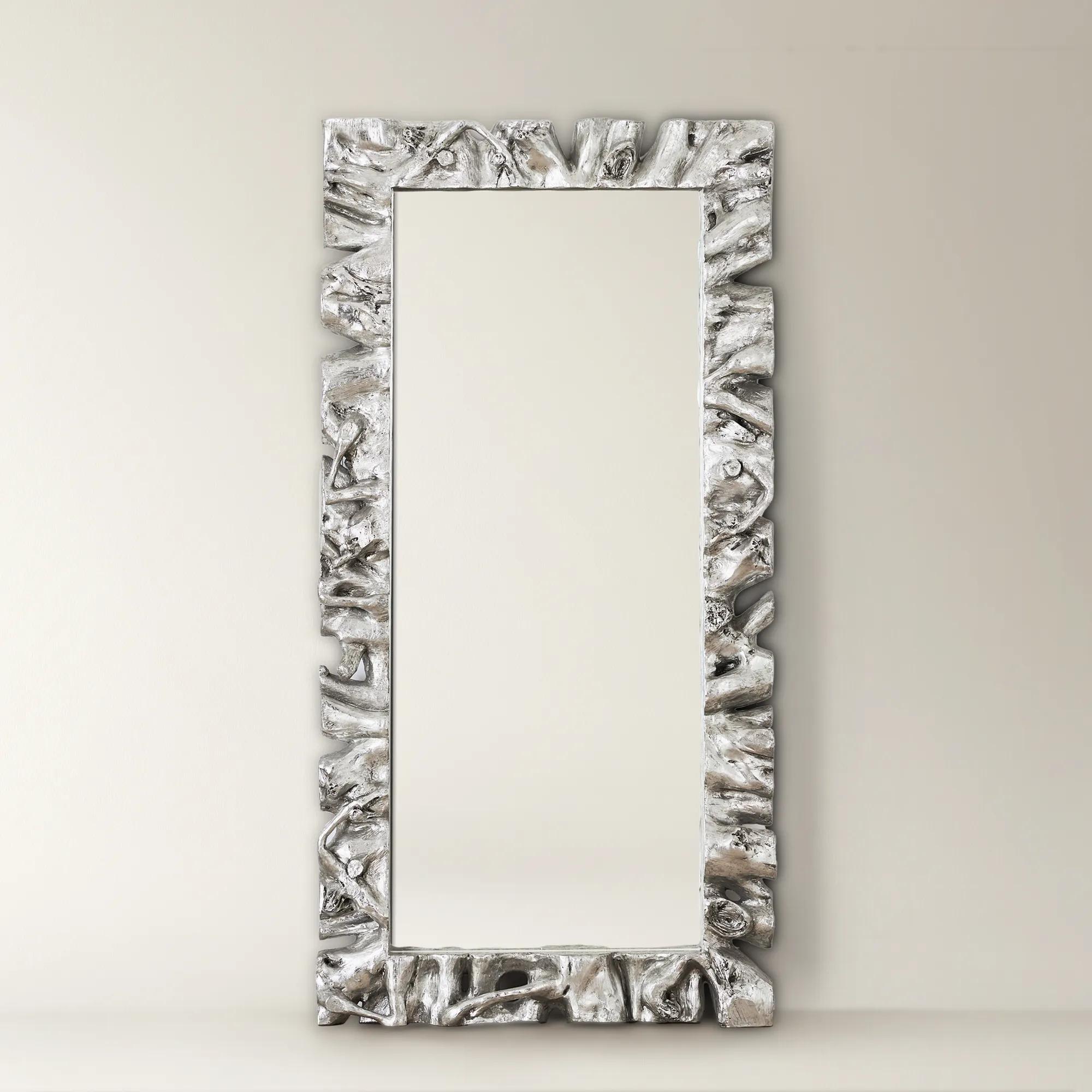 Sequoia Silver Resin Rectangular Floor Mirror 39'' x 78''$1399
A sculptural leaner mirror featuring acacia root-inspired fiber resin and a shimmering metallic leaf finish.
Add To Cart -
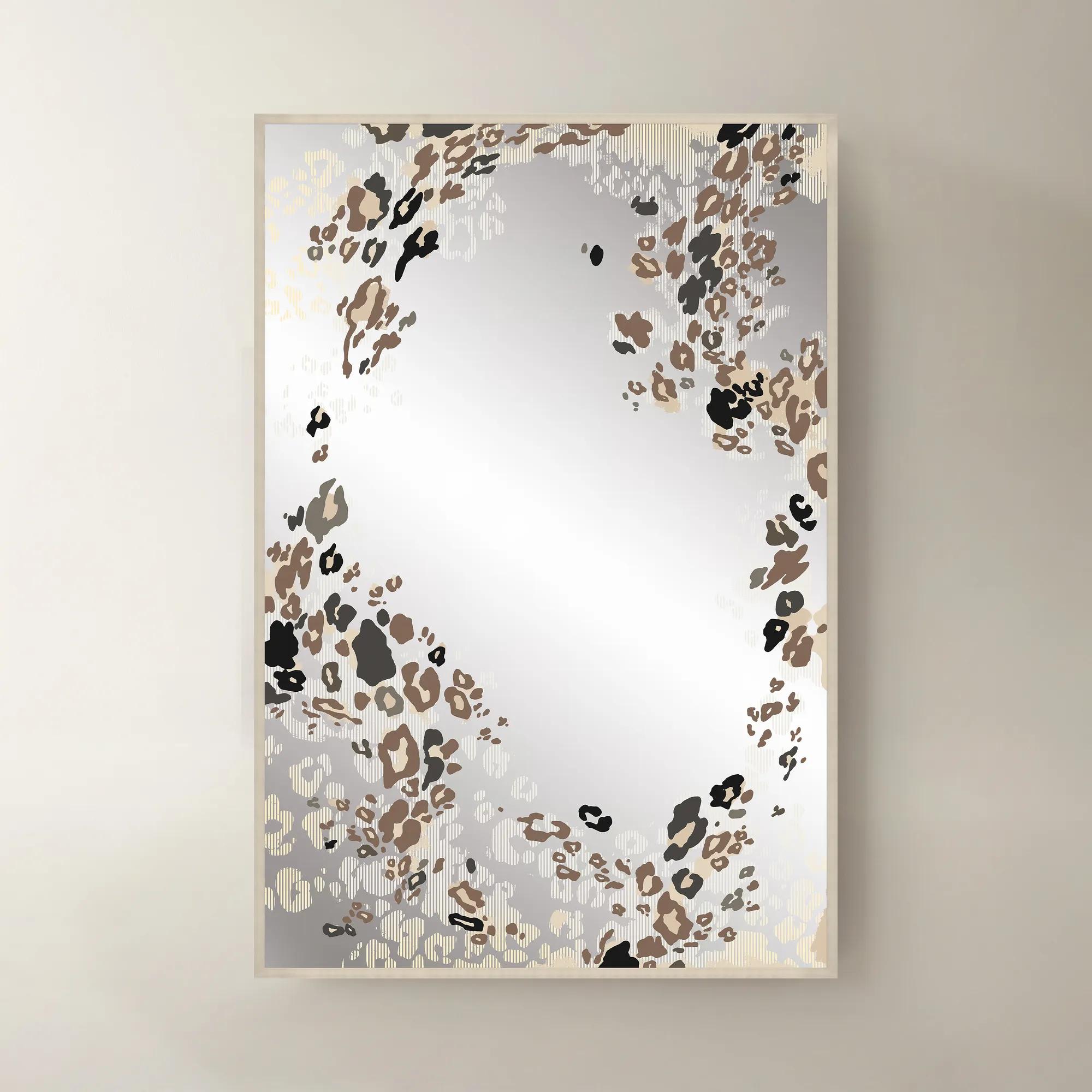
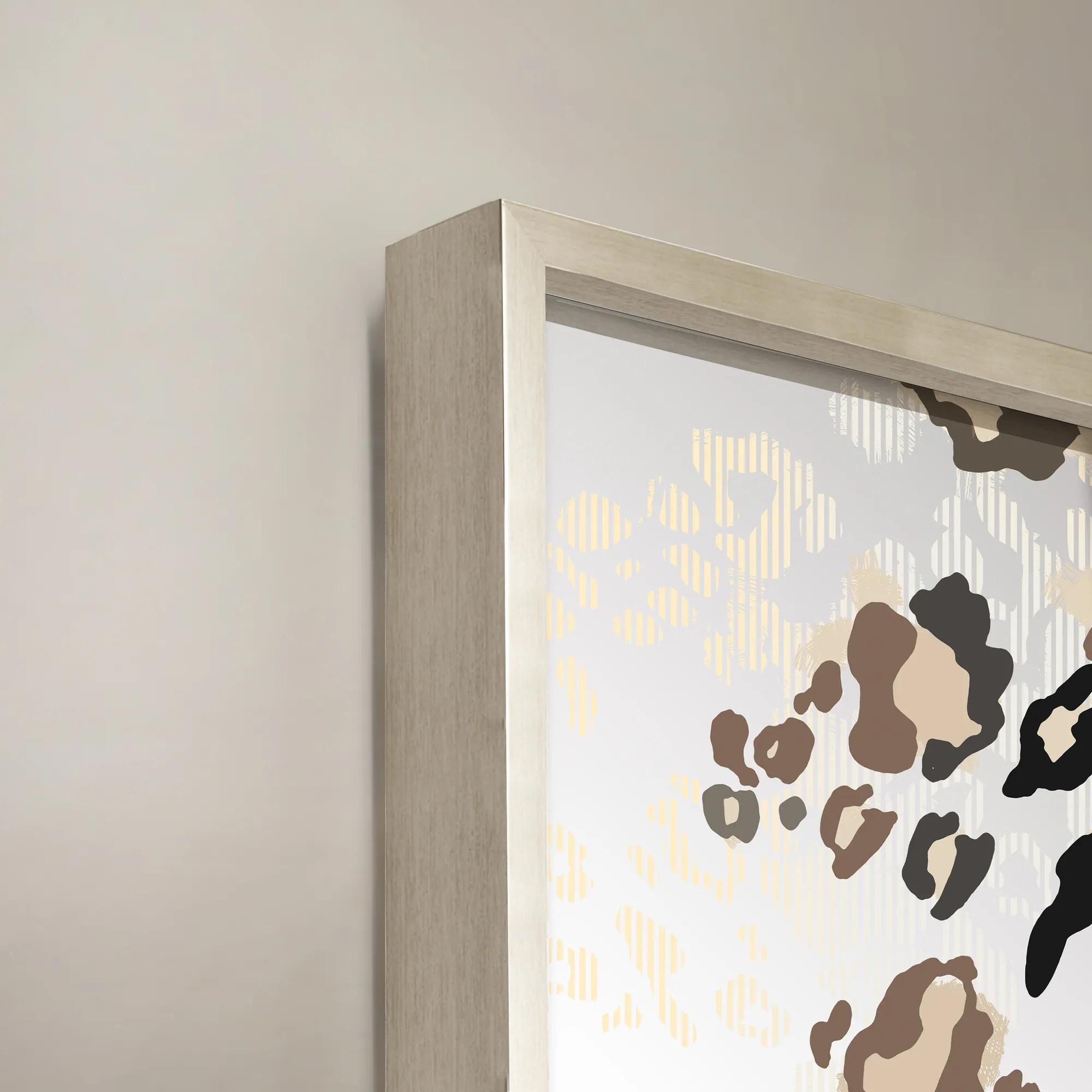 Leopard Luxe Framed Printed Wall Mirror 40" x 60"$1499
A printed mirror featuring Art Deco-inspired leopard artwork, set in a wood silver frame with brown and black tones.
Add To Cart -

 In a New Light II Framed Printed Wall Mirror 60" x 40"$1499
A contemporary framed printed wall mirror adding artistic dimension and reflective style to modern interiors.
Add To Cart -
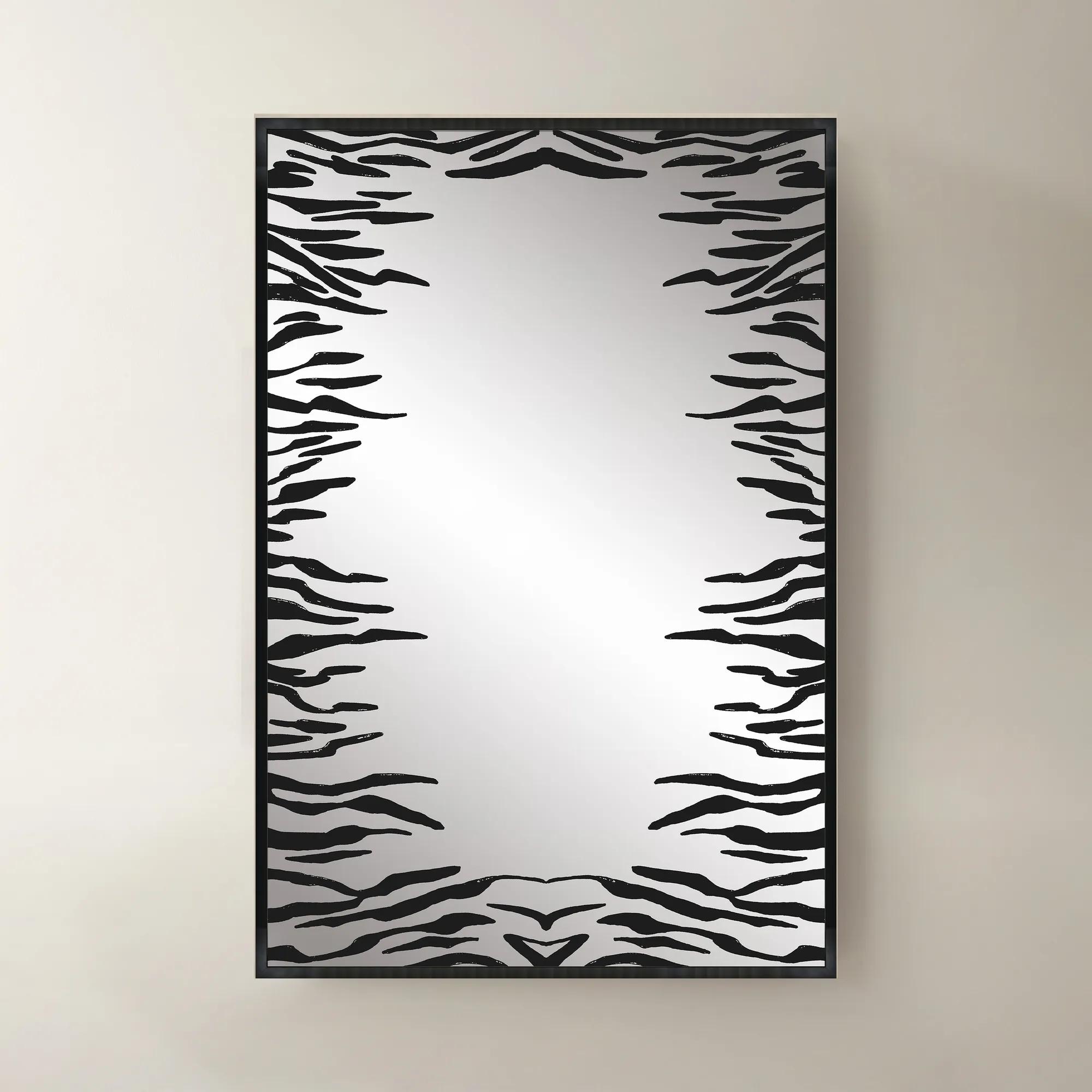
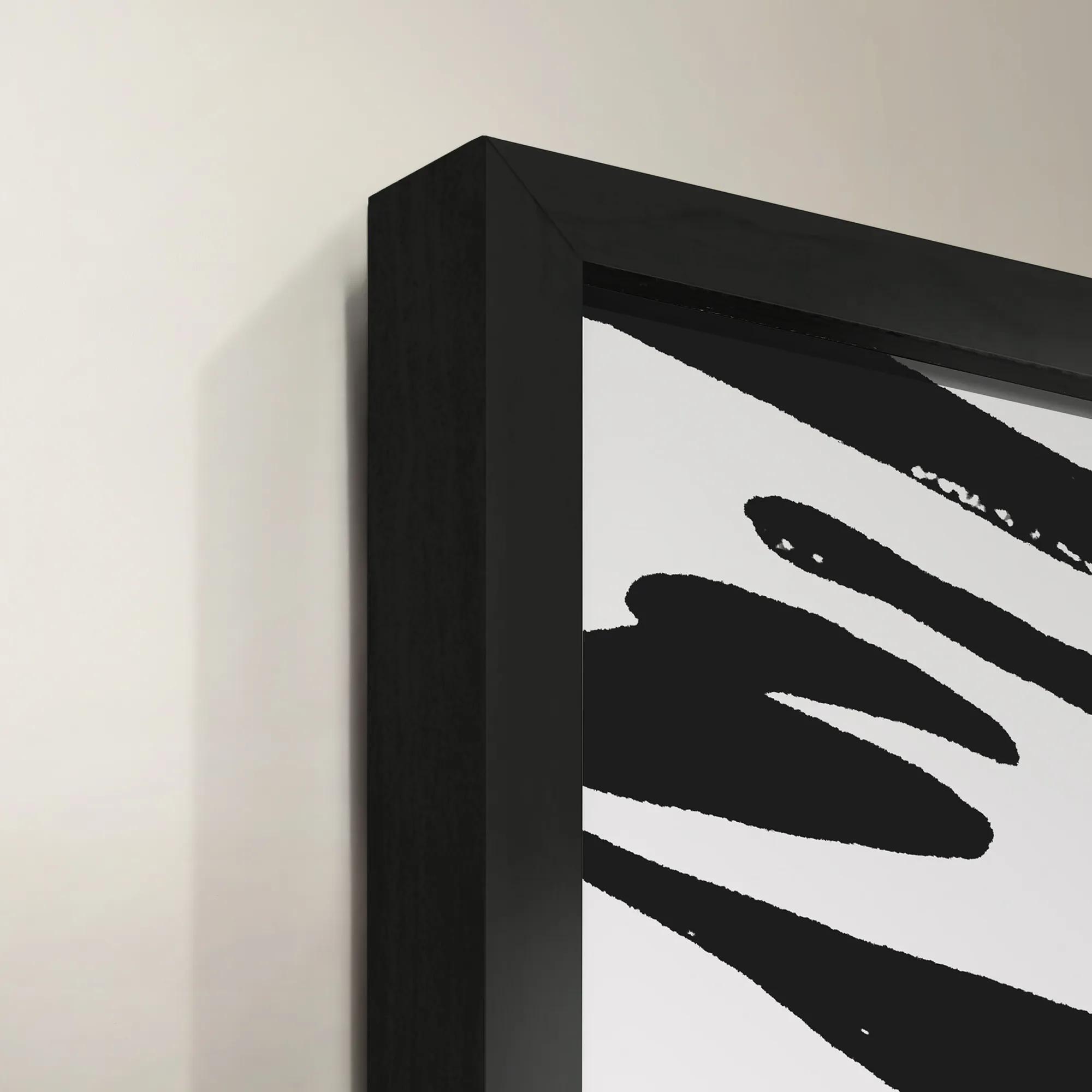 Savanna Veil Framed Printed Wall Mirror 40" x 60"$1499
A black framed printed wall mirror offering artistic dimension and modern sophistication.
Add To Cart -
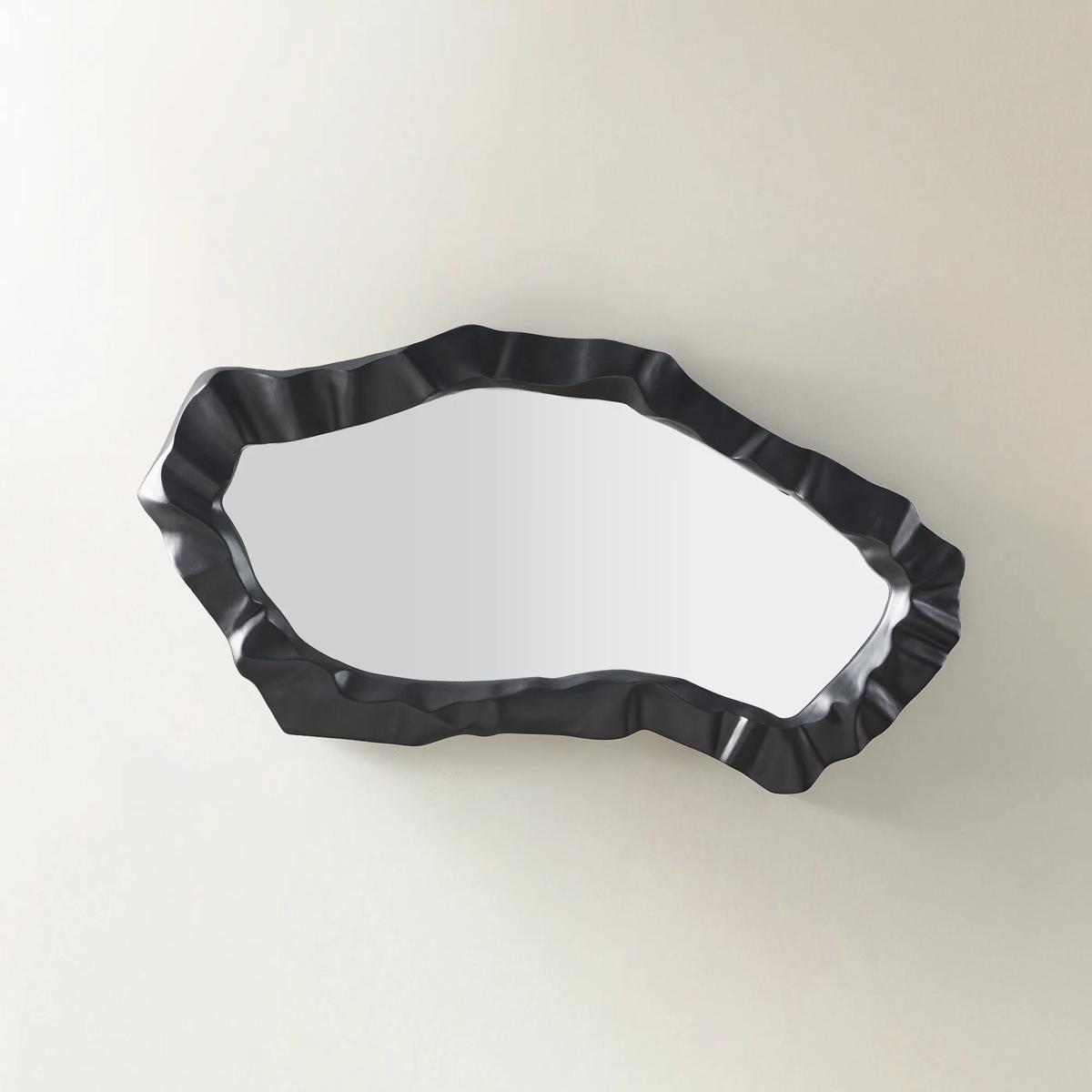
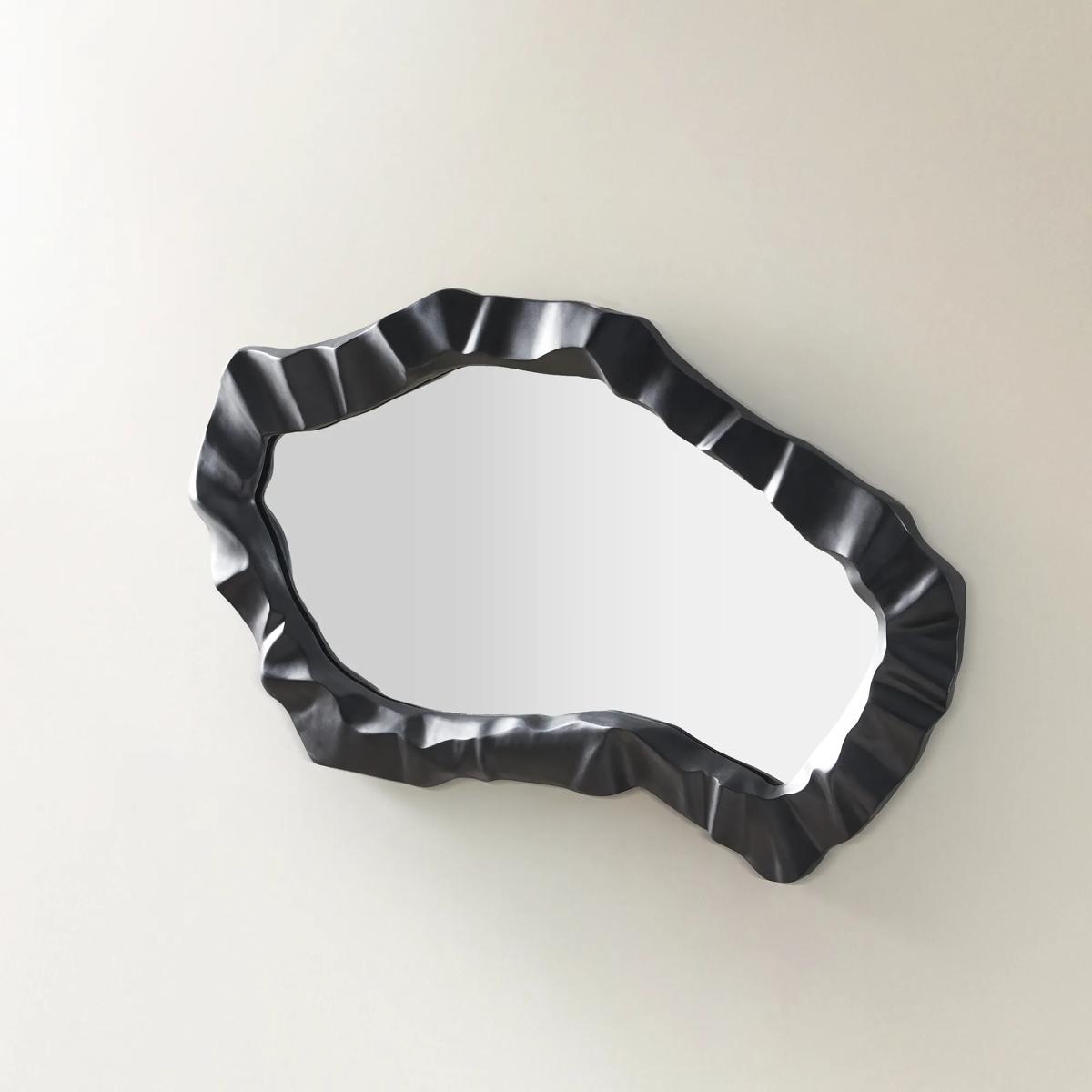 Islay Black Resin Organic Shaped Wall Mirror 44.75" x 23.75"$599
A sculptural black resin mirror featuring bold, asymmetrical curves and versatile vertical or horizontal hanging.
Add To Cart -
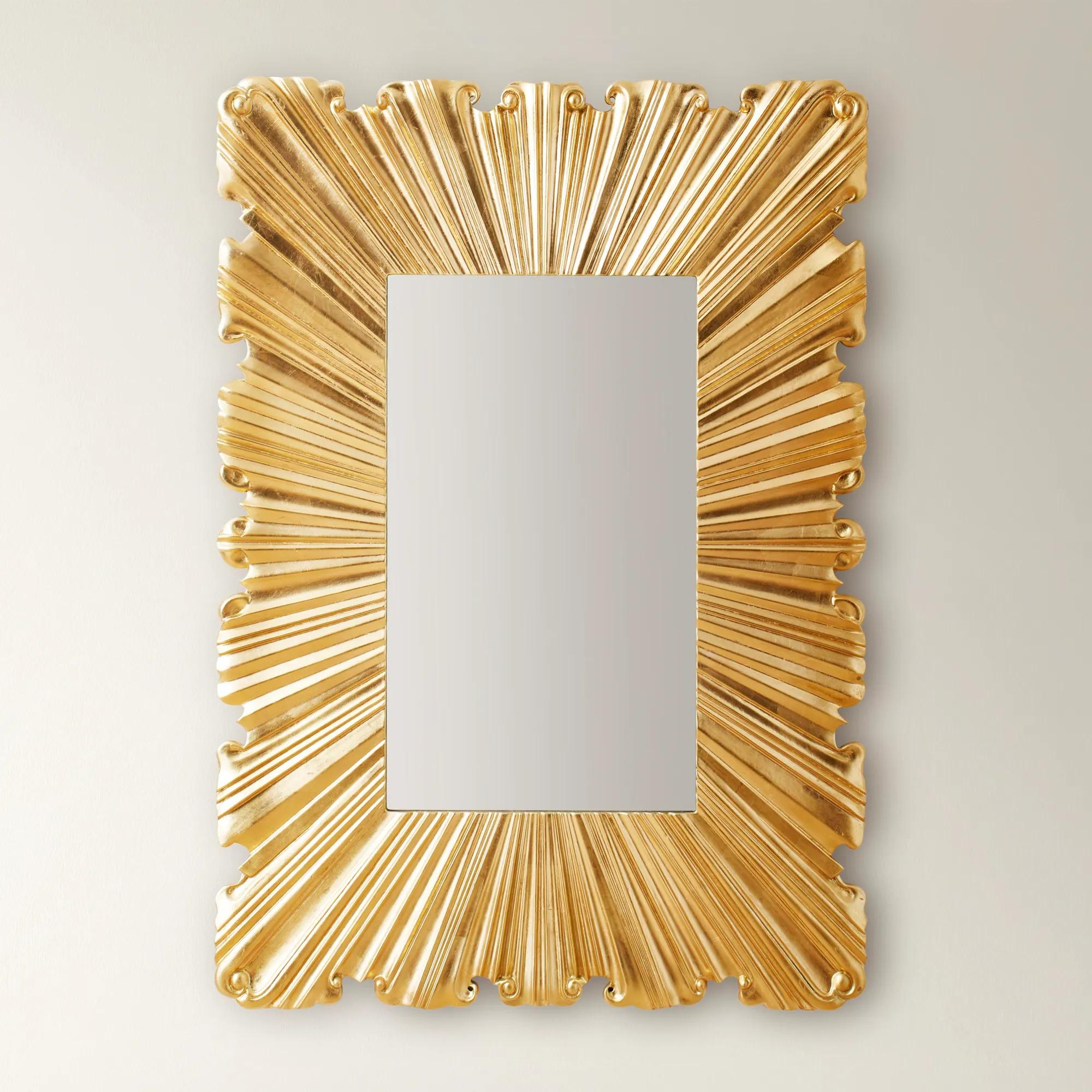 Metropolitan Gold Leaf Resin Rectangular Wall Mirror 27.5" x 39.5"$459
A sculptural wall mirror featuring a gold-finished polyurethane frame for a modern, elegant accent.
Add To Cart -

 Broadway Mirrored Frame$59
A sleek mirrored frame that beautifully reflects light to highlight your favorite photographs or artwork.
Add To Cart -

 Titan II Framed Printed Wall Mirror 40" x 60"$1529
A striking modern mirror designed to elevate contemporary spaces with artistic flair.
Add To Cart

Mirrors For Reflecting Light
Mirrors For Reflecting Light transform ordinary rooms into luminous works of art, capturing every glimmer and amplifying it with radiant allure. Each mirror becomes more than a mere accessory—it’s a masterstroke that magnifies space, infuses energy, and bathes interiors in an irresistible glow. Whether you crave the drama of sweeping reflections or the subtle elegance of soft illumination, these mirrors invite you to orchestrate light with intention and artistry. Elevate your surroundings, create depth, and let every surface shimmer with possibility—because in a world designed by you, brilliance should never be hidden.
Mirrors for reflecting light bring more than a gleaming surface to a room: they draw daylight into the composition, extend the glow of nearby lighting, and give beautiful details a second perspective. A decorative mirror typically consists of smooth glass backed by a thin reflective metal coating, often silver or aluminum. That coating redirects incoming light, while the smooth surface preserves a clear reflection rather than scattering it in many directions. Light leaves the mirror at the same angle at which it arrives, a principle that explains why placement matters as much as size. A mirror does not create light; it redistributes light already present, so its brightening effect depends on the windows, lamps, and architectural openings around it. Across from a window, a generously scaled wall mirror can reflect daylight and an outdoor view, adding visual depth to an interior. Beside a window, it may catch light from a different angle while preserving wall space for furniture or artwork. The best position is not automatically the center of an empty wall, but the spot where the reflection contributes something worth seeing: a luminous window, a sculptural pendant, or the sweeping lines of a thoughtfully furnished room. In a dining area, a mirror can repeat the shimmer of a chandelier and the movement of conversation around the table. Above an entryway console, it offers a final glance before leaving while reflecting light from an adjacent living space. Even a hallway can feel less enclosed when its mirror captures a brighter adjoining room instead of another blank wall. These effects are visual as well as practical. A substantial reflective surface suggests space beyond the wall, lending depth without changing the room’s actual dimensions. Clear, unobstructed glass generally offers the strongest reflection, while antiqued or tinted finishes create a softer, moodier impression. Each has its place: crisp reflection for an airy, luminous setting, or a more atmospheric finish where patina and drama carry the design.
The silhouette and frame determine how that reflected light belongs in the room. A broad rectangular mirror creates an architectural presence above a console or sideboard, while a round mirror introduces a fluid counterpoint to angular furniture. Arched forms draw the eye upward, and full-length mirrors combine an expansive reflective surface with the everyday pleasure of seeing an entire outfit. For a compact entry, a taller, narrower shape can preserve space around doorways while adding a graceful vertical line. Above a sofa or substantial cabinet, a larger mirror usually has more visual authority than a small piece floating in an oversized stretch of wall. Fit includes the outer frame dimensions, not just the glass: a deeply carved surround or projecting geometric border needs room to express its shape without crowding sconces, shelves, or nearby artwork. Frame materials also influence the mood. Wood brings grain, warmth, and sculptural depth; metal can introduce a slender polished edge or a more commanding architectural outline; molded resin allows intricate decorative forms whose weight and finish vary by construction. For an especially radiant composition, mirrors with metallic accents pair reflective glass with gleaming details that echo the finish of lighting, hardware, or decorative objects. A restrained metallic border can sharpen the silhouette, while a richly textured frame makes the mirror itself a focal point. Beveled edges add another dimension, catching highlights around the perimeter without requiring a heavily ornamented surround. When selecting the scale, the glass area matters too: a wide frame may create considerable drama while offering less reflective surface than a similarly sized mirror with a narrow border. Placement should account for what appears in the glass from both seated and standing positions. A mirror that beautifully frames a pendant from the doorway may reflect an exposed bulb from the dining chair. Strong direct sunlight can also produce uncomfortable glare, so the intended location deserves attention at different times of day. The most compelling arrangement balances brilliance with comfort, letting light animate the space without overwhelming it.
Construction, installation, and care help preserve that luminous effect. Glass mirrors need secure support, and overall weight can differ substantially according to size, glass thickness, backing, and frame material. A large wall mirror requires mounting hardware appropriate to its weight and the wall’s construction; the supplied hanging system and manufacturer’s directions should determine whether it belongs on studs, suitable anchors, or another recommended support. Leaning floor mirrors also need the specified restraints rather than relying on their weight alone, particularly in homes with children or pets. Where a mirror sits above furniture, leave enough clearance for lamps, decorative arrangements, and daily use so that the setting feels composed rather than crowded. Intended use matters just as much as appearance. A decorative living room mirror is not necessarily designed for a humid bathroom, and indoor finishes should not be assumed suitable for outdoor exposure. For a vanity or dressing area, clear reflection and a useful viewing height support grooming and getting dressed; nearby lighting should illuminate the person as well as create atmosphere. For living rooms, bedrooms, and dining spaces, the mirror can take a more expressive role, repeating a favorite piece of art or lending depth to a richly layered vignette. Durability depends on protecting both the glass and its reflective backing from impact, scratches, and persistent moisture. A soft, lint-free cloth and a cleaner approved for the surface help maintain clarity without abrasion. Applying cleaner to the cloth rather than spraying the mirror directly reduces the chance of liquid collecting along the edges, where moisture can compromise the backing or frame. Wood, metallic, painted, and antiqued finishes may require different care, so frame-specific instructions remain important. Mirrors can also make thoughtful housewarming or wedding gifts when the recipient’s style, wall space, and installation needs are known. A manageable decorative size offers flexibility, while a dramatic full-length mirror is a more personal choice that benefits from careful planning. Whether chosen for a first apartment, an established home, or a room receiving a bold new point of view, a well-proportioned mirror makes light part of the decor—reflecting not only what surrounds it, but the personality of the space.
FAQs
To illuminate darker rooms, opt for large flat mirrors positioned to capture and reflect natural light from windows or doorways. Convex mirrors are also a sophisticated choice, as their curved surfaces disperse light more widely, ensuring even the most shadowed corners are touched by a gentle glow.
Mirrors are transformative tools for visually expanding compact spaces. Placing a mirror opposite a window not only amplifies natural light but also creates the illusion of depth. Layering mirrors with decorative frames or arranging them in a gallery-style display adds drama while making the room feel larger and more open.
Mirrors crafted with low-iron glass offer clearer, brighter reflections by minimizing the greenish tint found in standard glass. Silver backing provides exceptional reflectivity, while polished, smooth surfaces ensure maximum brilliance. For a touch of glamour, consider mirrors with metallic or beveled edges, which further refract and scatter light.
Absolutely—mirrors make exquisite gifts for housewarmings, weddings, anniversaries, or milestone birthdays. Their blend of artistry and utility makes them both thoughtful and enduring, offering recipients a daily reminder of beauty, light, and new beginnings.
Mirrors are remarkably versatile and can be curated to complement any design aesthetic. For modern spaces, choose sleek, frameless designs or geometric shapes. For a more opulent look, select pieces with ornate frames or metallic finishes. Layering mirrors or pairing them with artwork allows you to create a personalized, gallery-inspired statement wall.