Calming Bedroom Decor Ideas
Calming Bedroom Decor Ideas
-
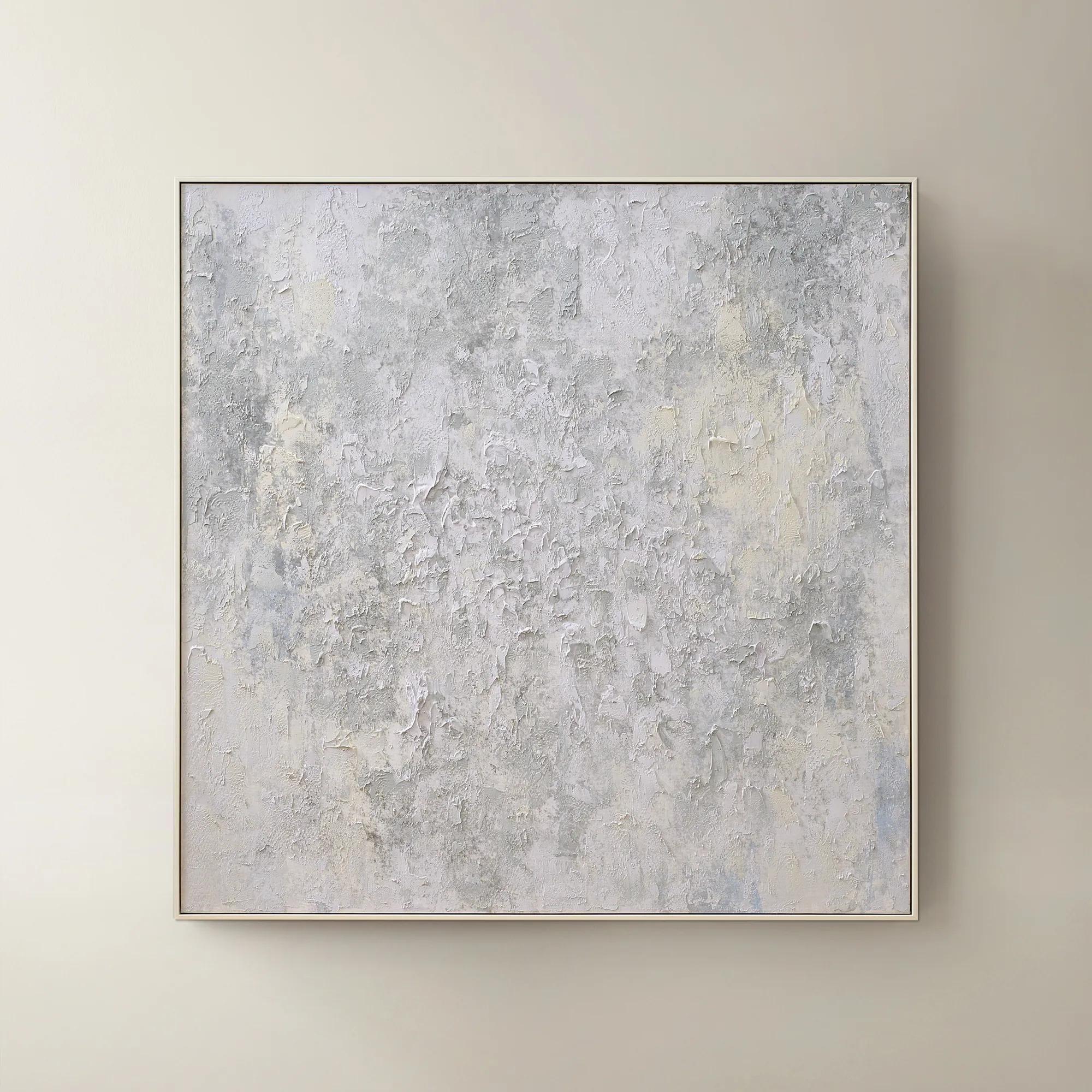 Breathe of Fresh Air Framed Painted Wall Art 50" x 50"$499
A hand-painted abstract canvas in dusty blue hues, elegantly framed in white for a serene, modern accent.
Add To Cart -
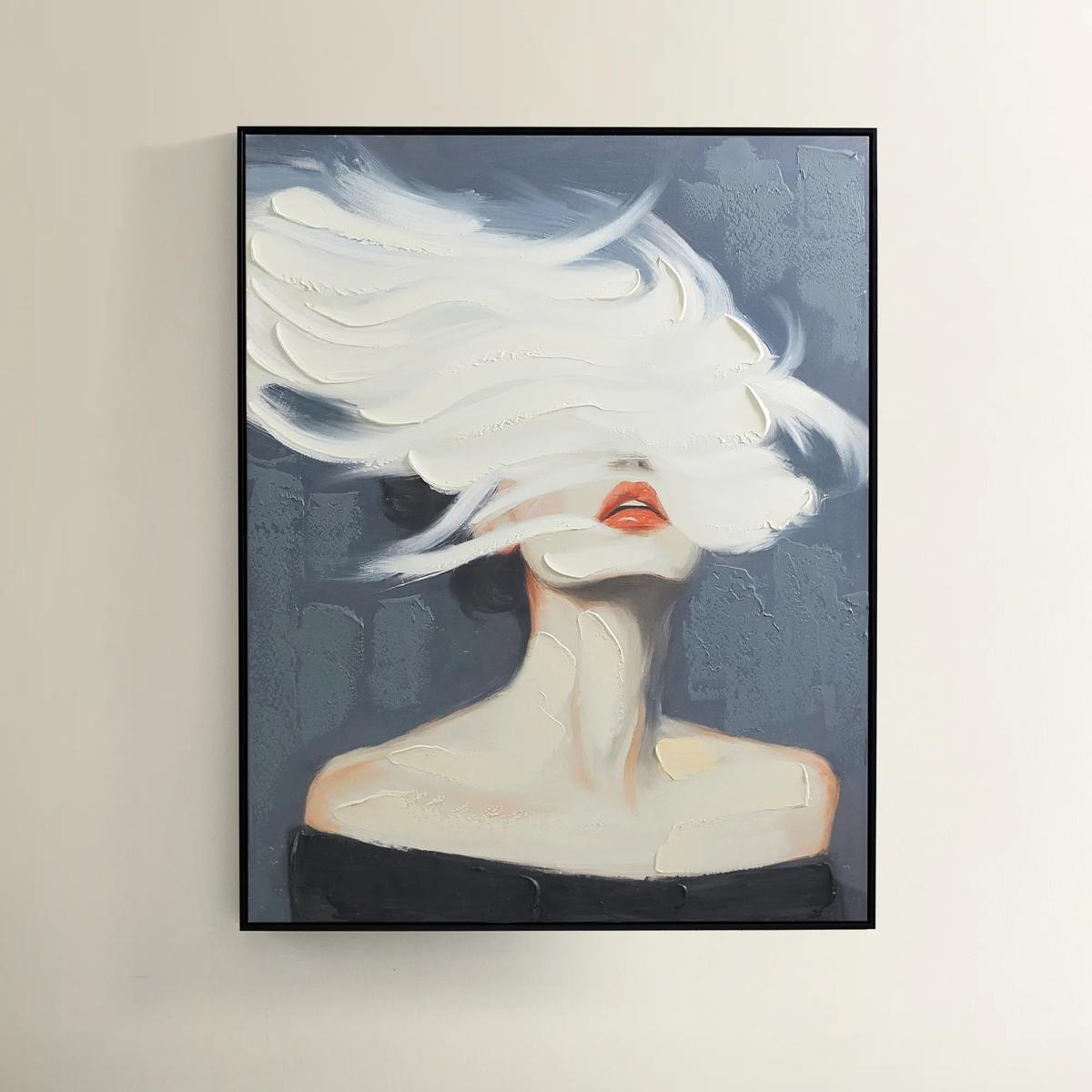
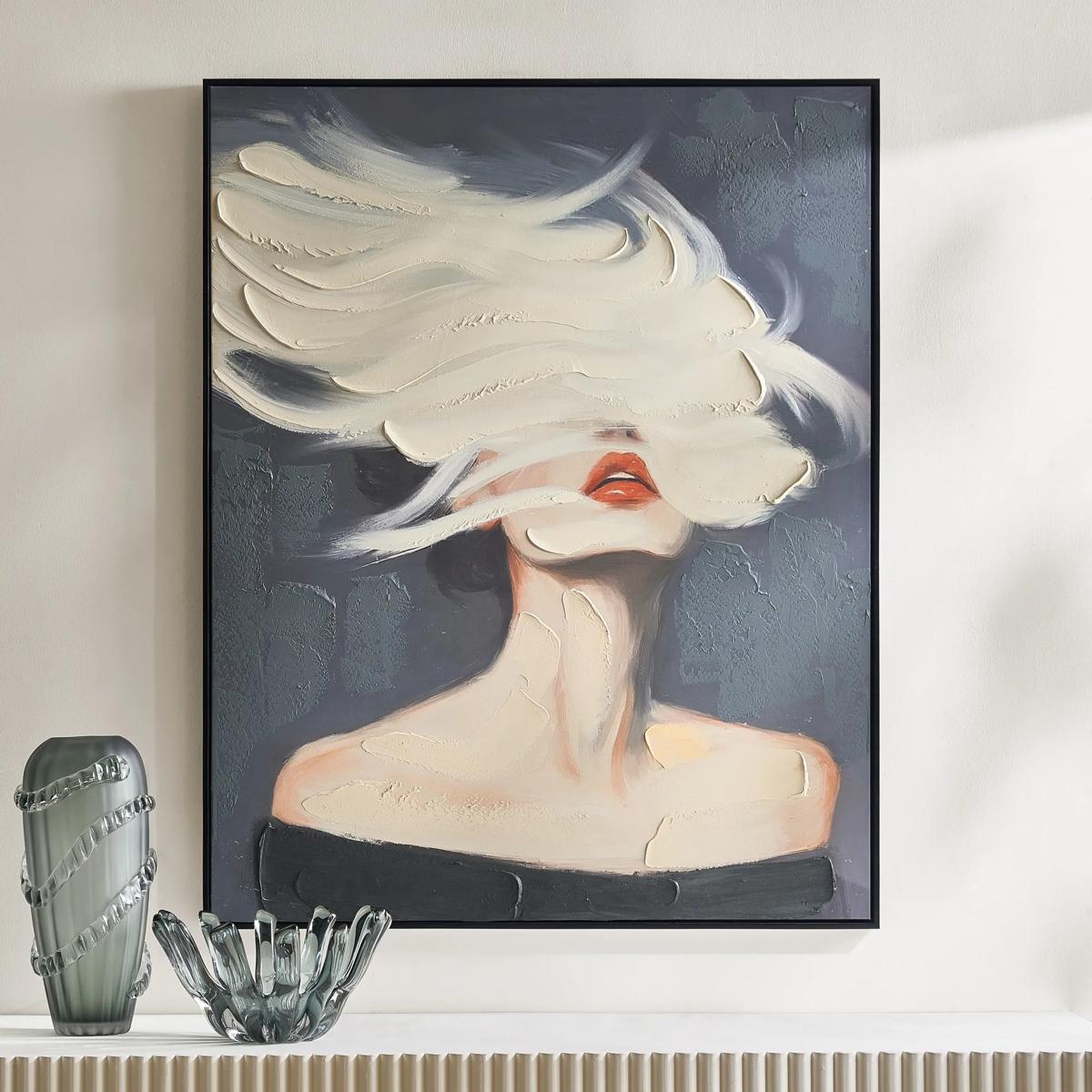 Daydreamer Painting$599
A hand-painted canvas portrait with sculptural white brushstrokes, bold red lips, and a sleek black frame.
Add To Cart -
 Grounded Painting$699
A hand-painted abstract canvas featuring black, cream, and earth tones in a sleek black floater frame.
Add To Cart -
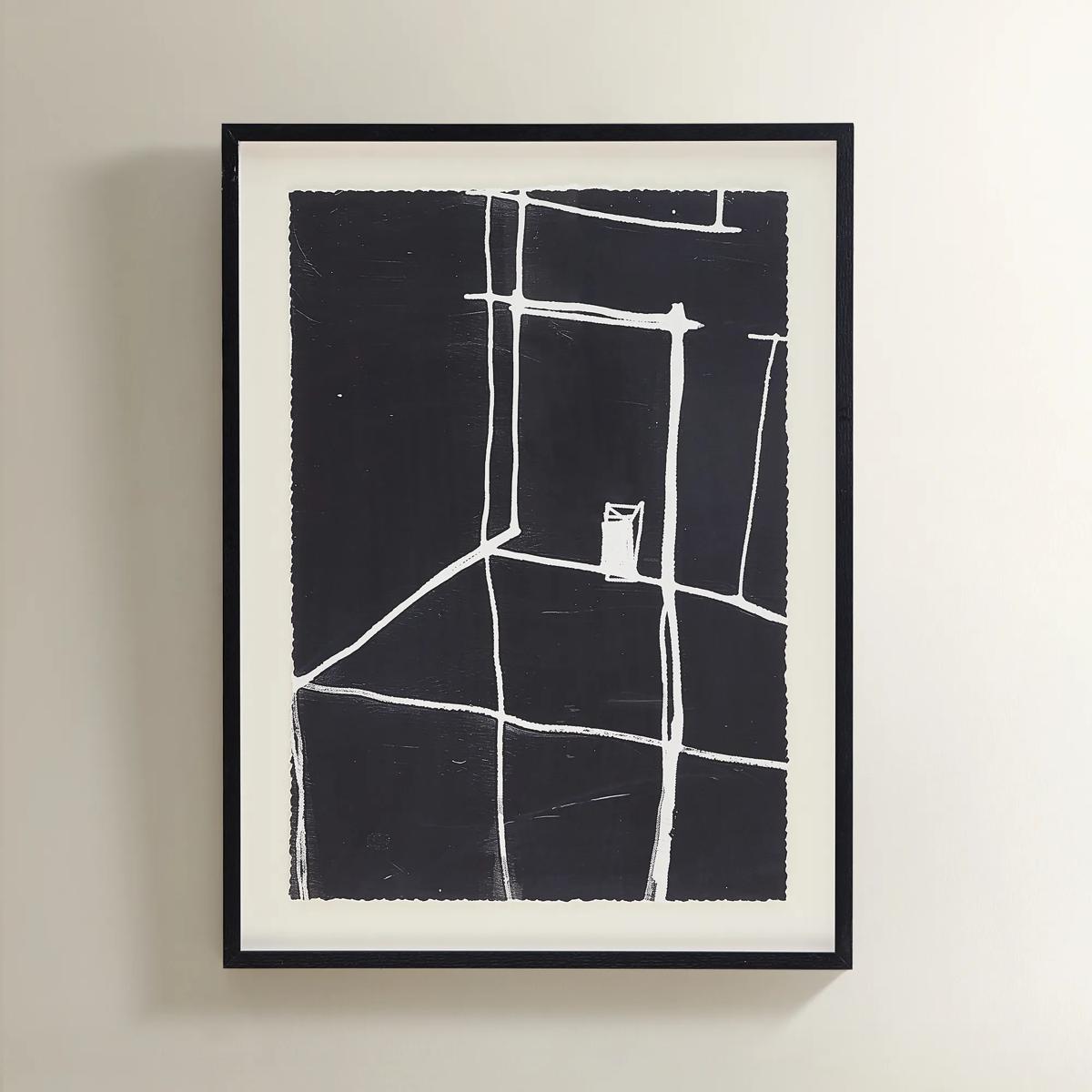 Solitude Art$269
A minimalist black-and-white abstract print featuring bold white lines in a sleek black polyresin frame.
Add To Cart -
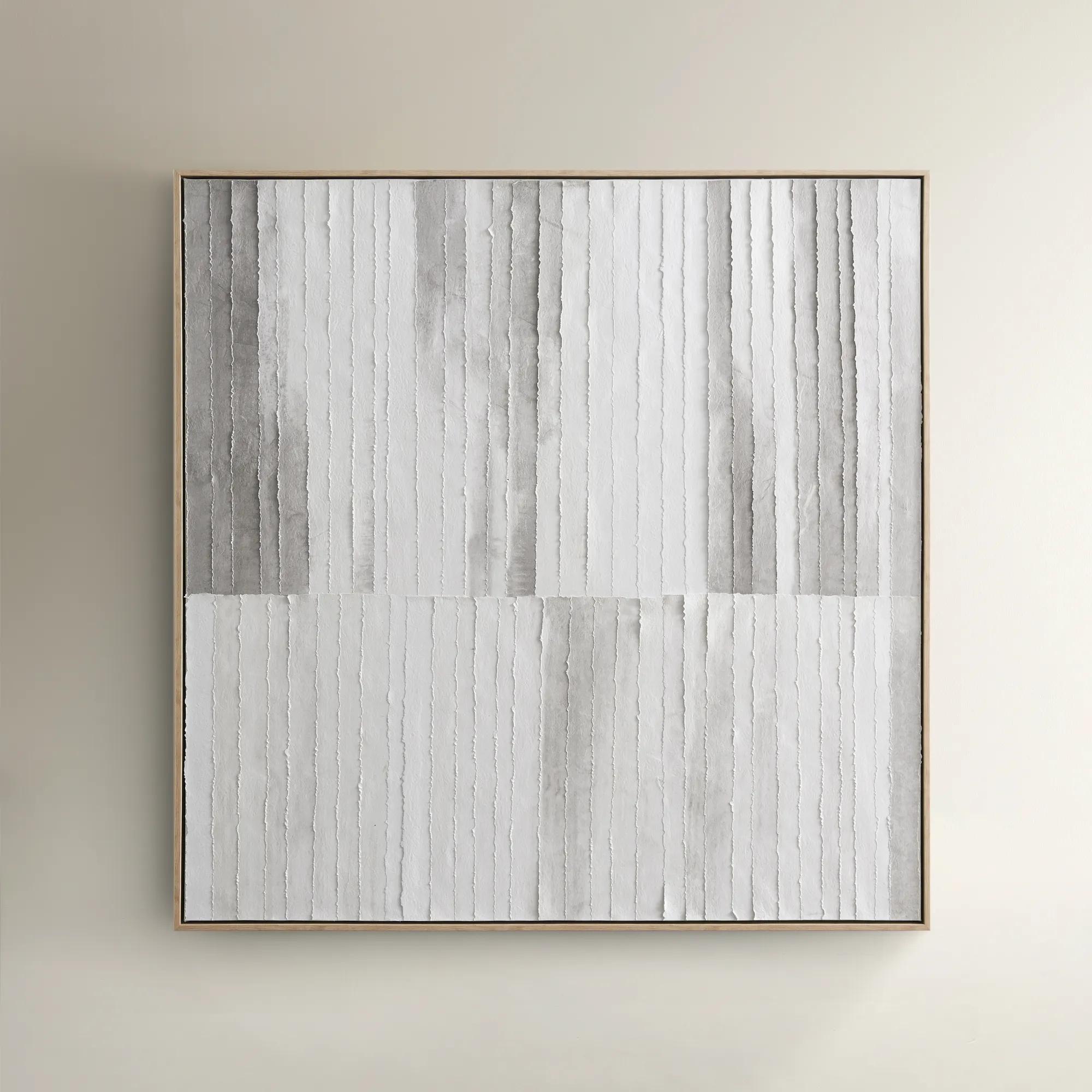
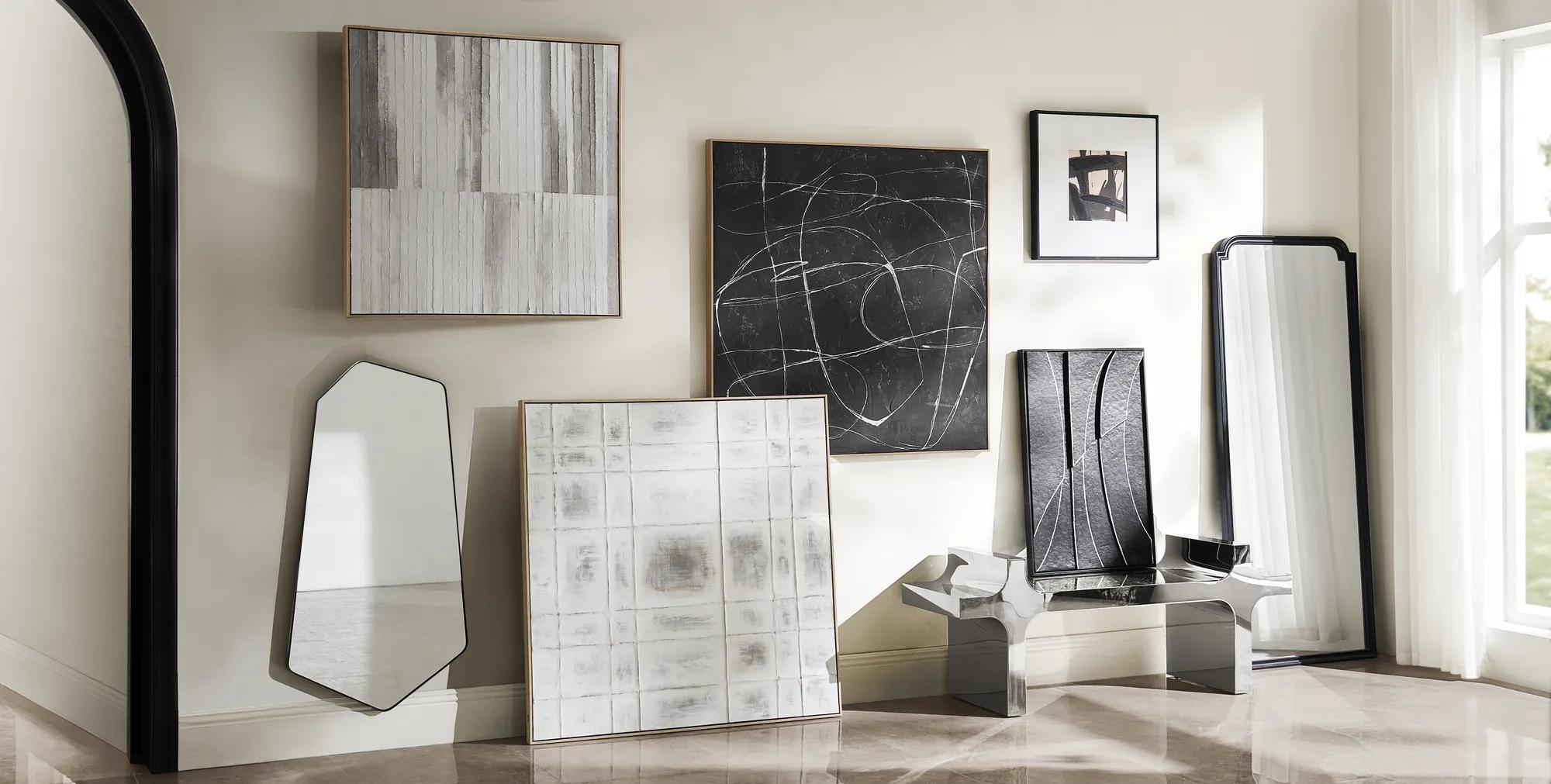 Morning Mist Paper Art$329
A hand-painted canvas featuring rhythmic grey lines in a textured, whitewashed floater frame for serene style.
Add To Cart -
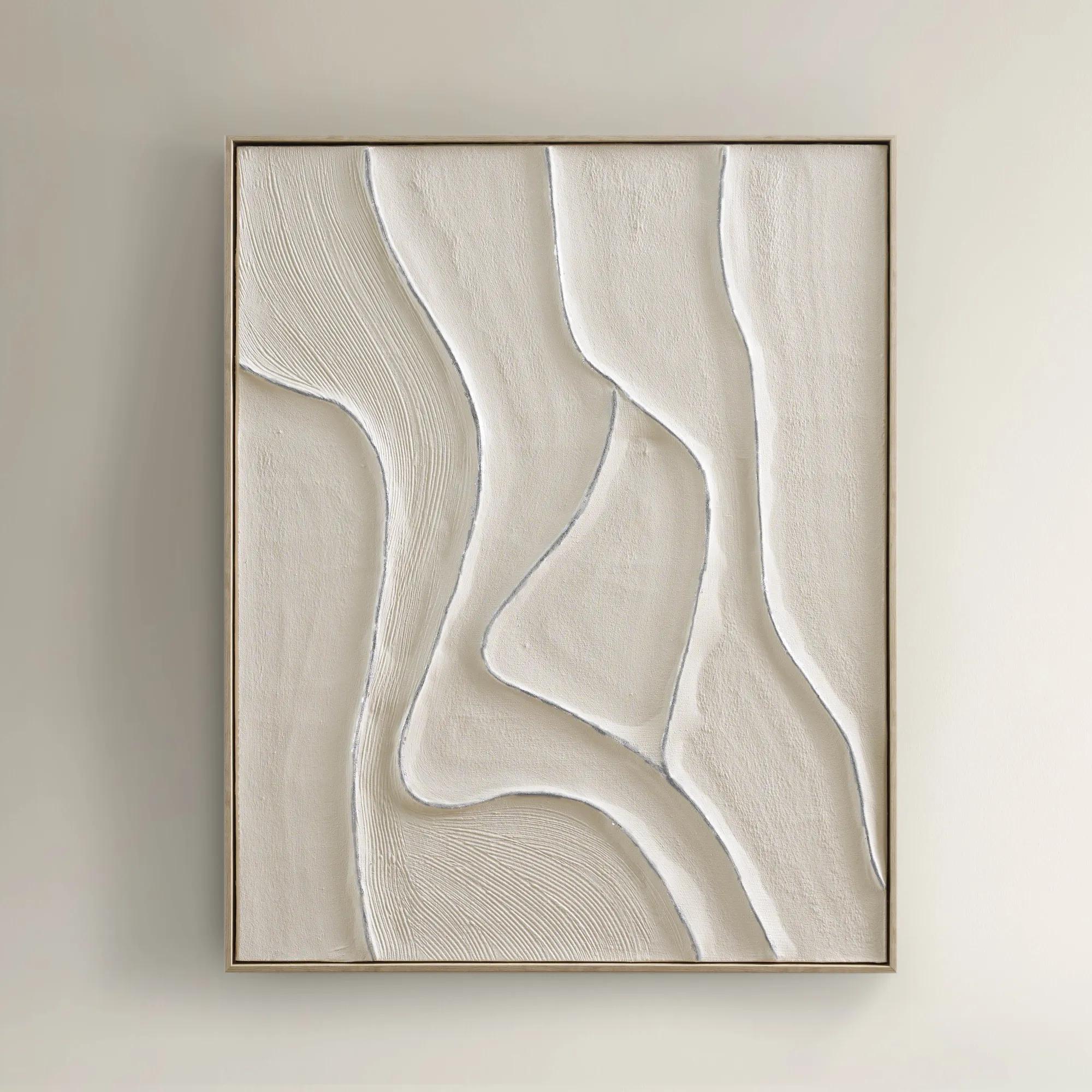
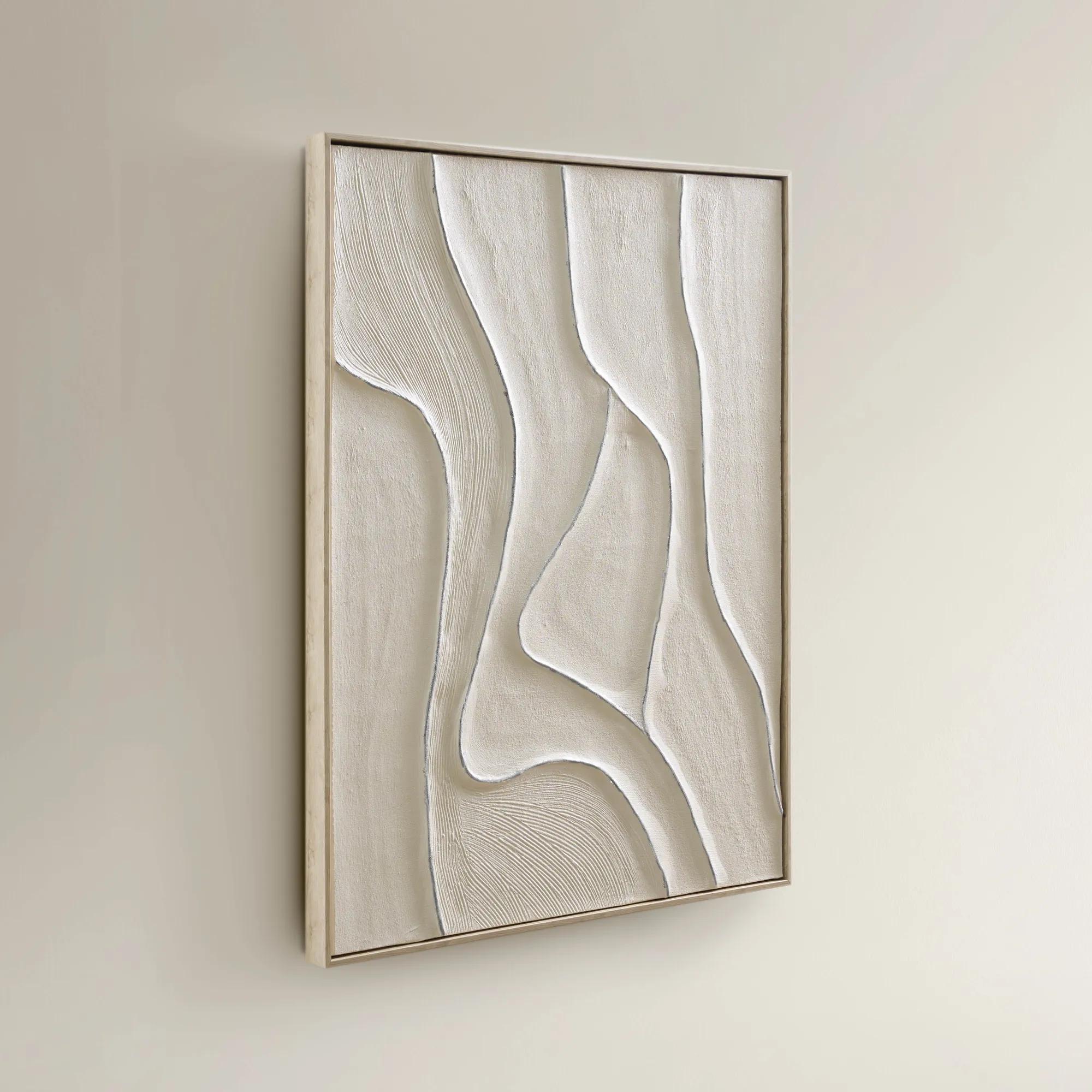 Vivre Framed Silver Leaf Painted Wall Art 39.25" x 31.5"$199
A hand-painted canvas wall art featuring flowing linework, beige tones, and a whitewash floater frame.
Add To Cart -

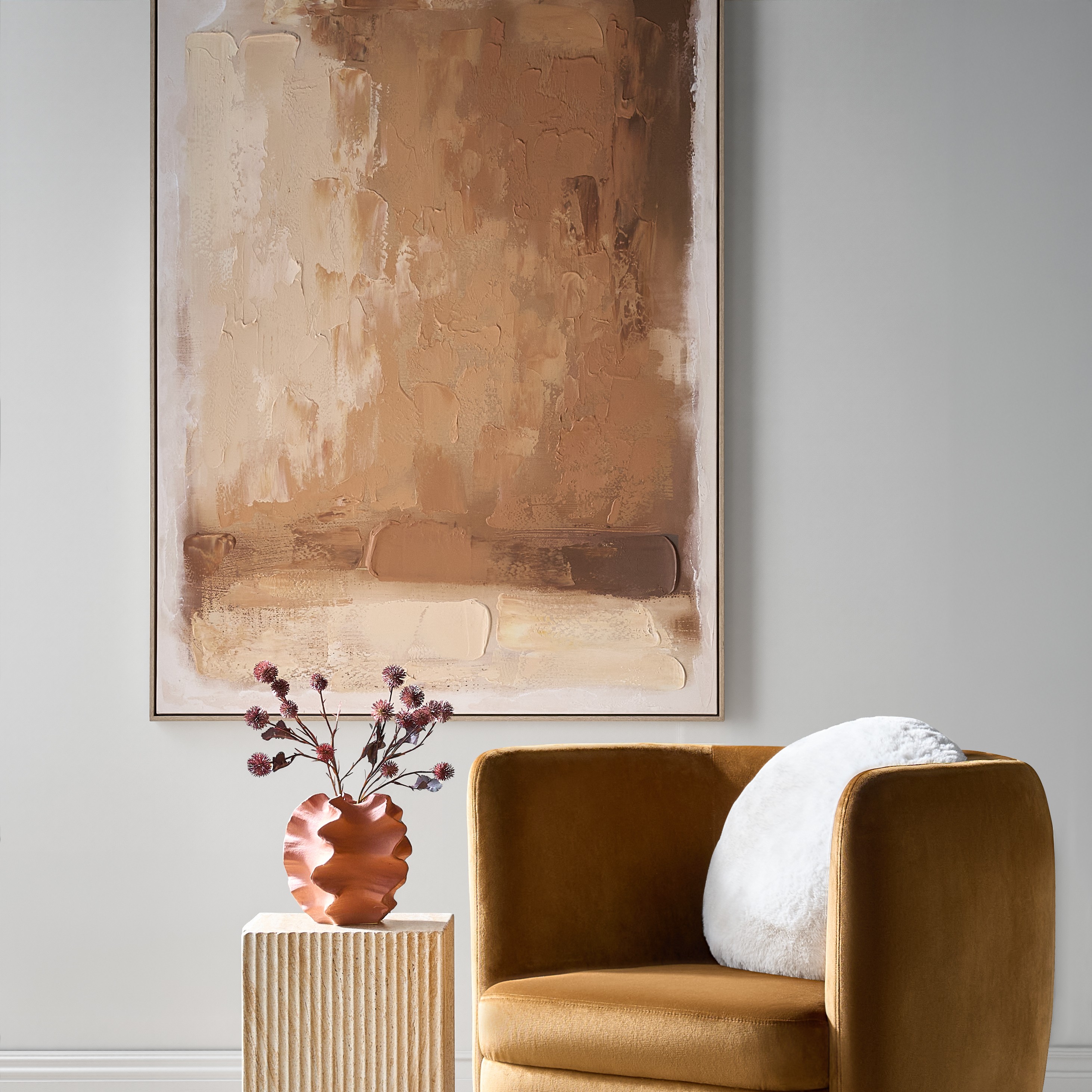 Ember Glow Framed Painted Wall Art 39.25" x 55"$499
A hand-painted abstract canvas blending ochre, terracotta, and golden clay hues in a light natural frame.
Add To Cart -
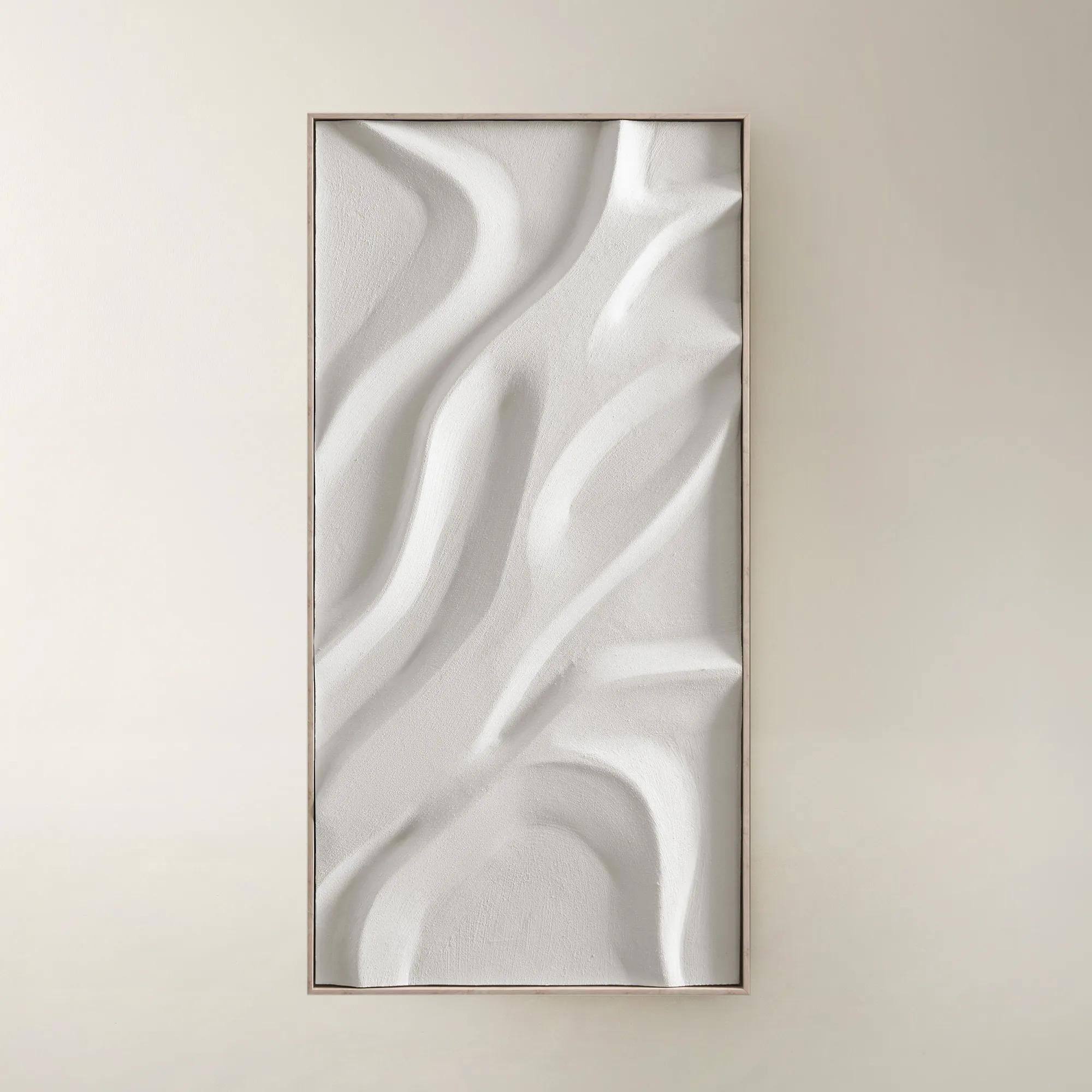
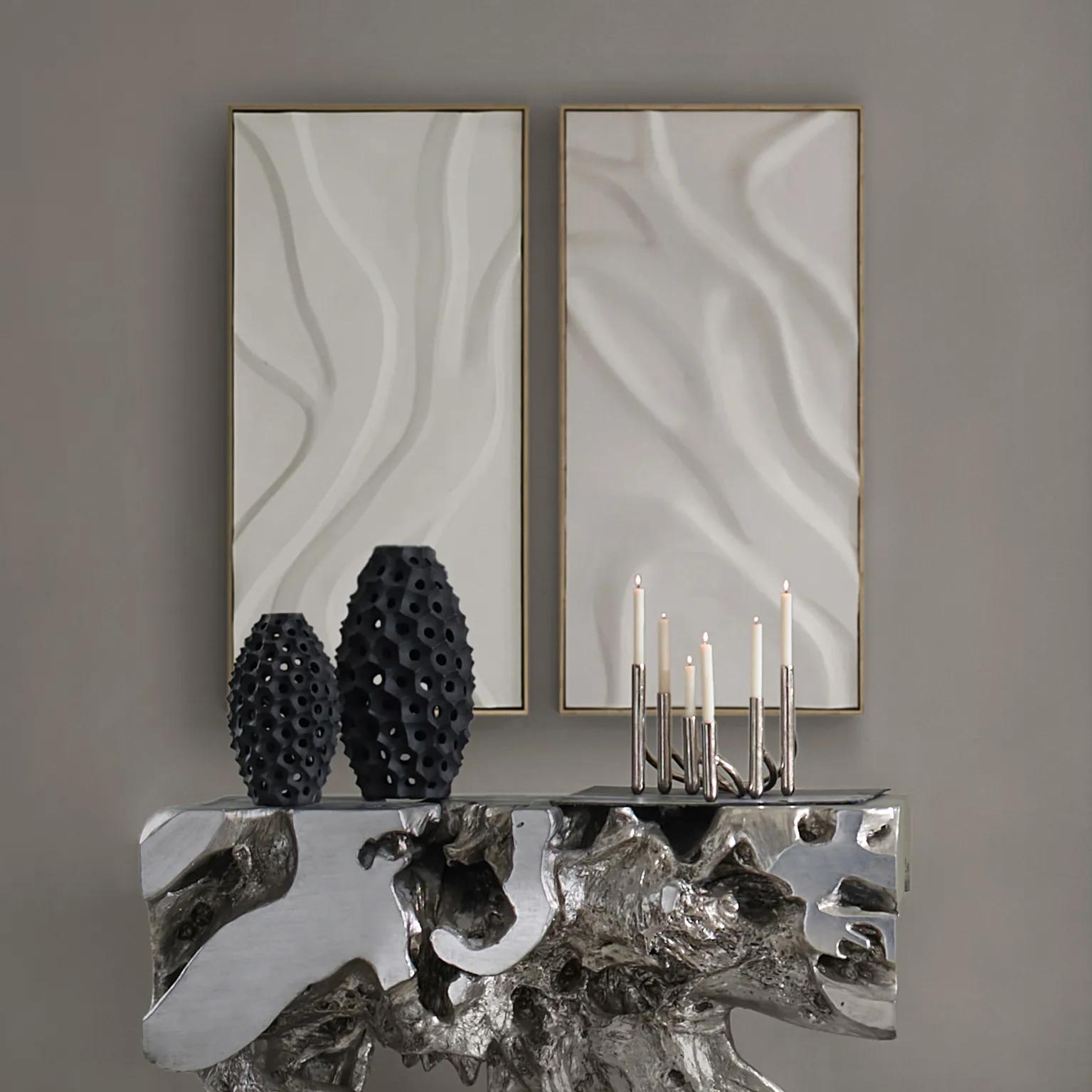 Au Lait Framed Painted Wall Art II 47.2" x 23.6"$199
A serene hand-painted canvas in beige, set in a warm whitewash floater frame for modern interiors.
Add To Cart -
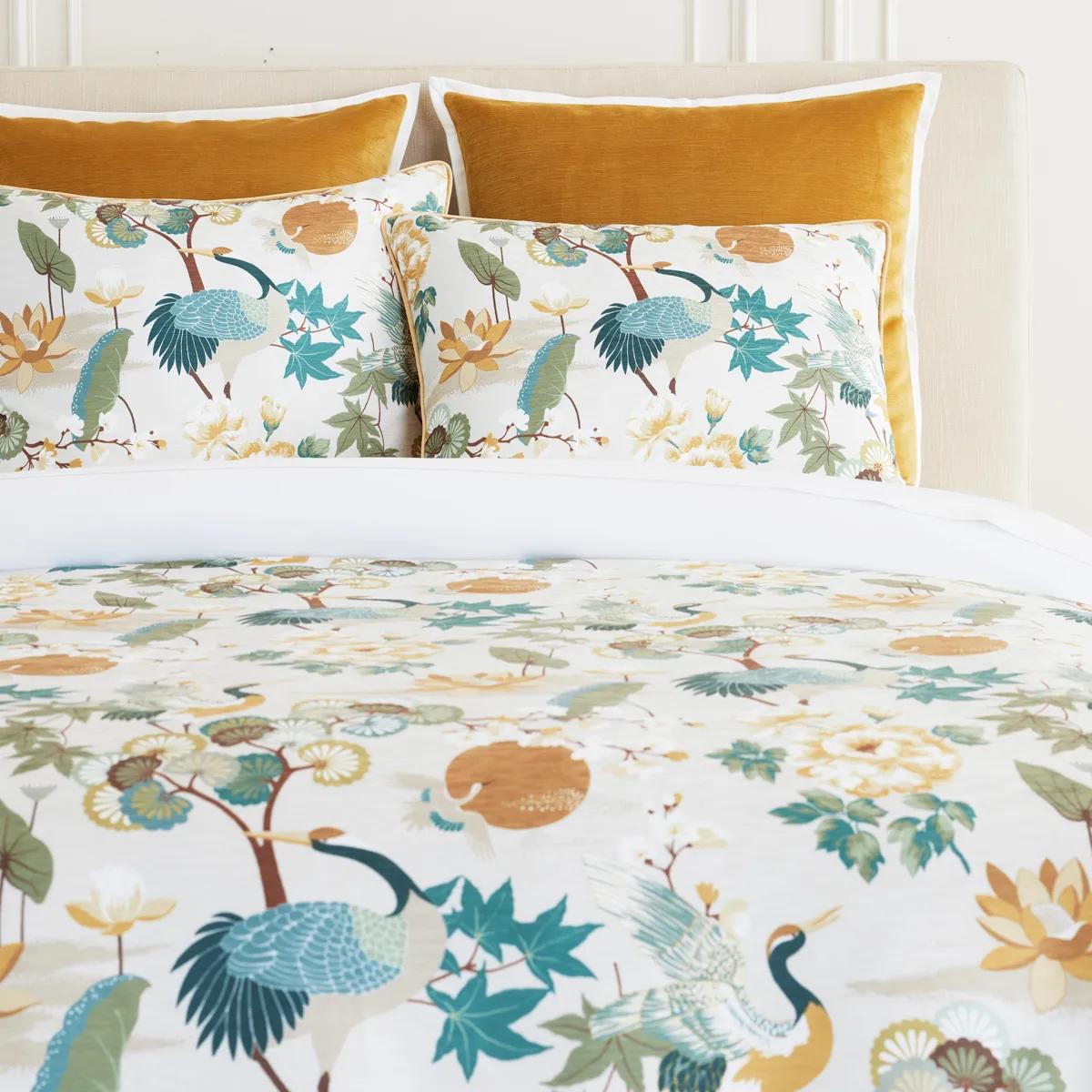
 Sandhill Ivory/Multi Color Printed Bedding Set$589
An ivory bedding collection featuring earthy tones, nature-inspired design, and luxurious velvet accents.
Add To Cart -
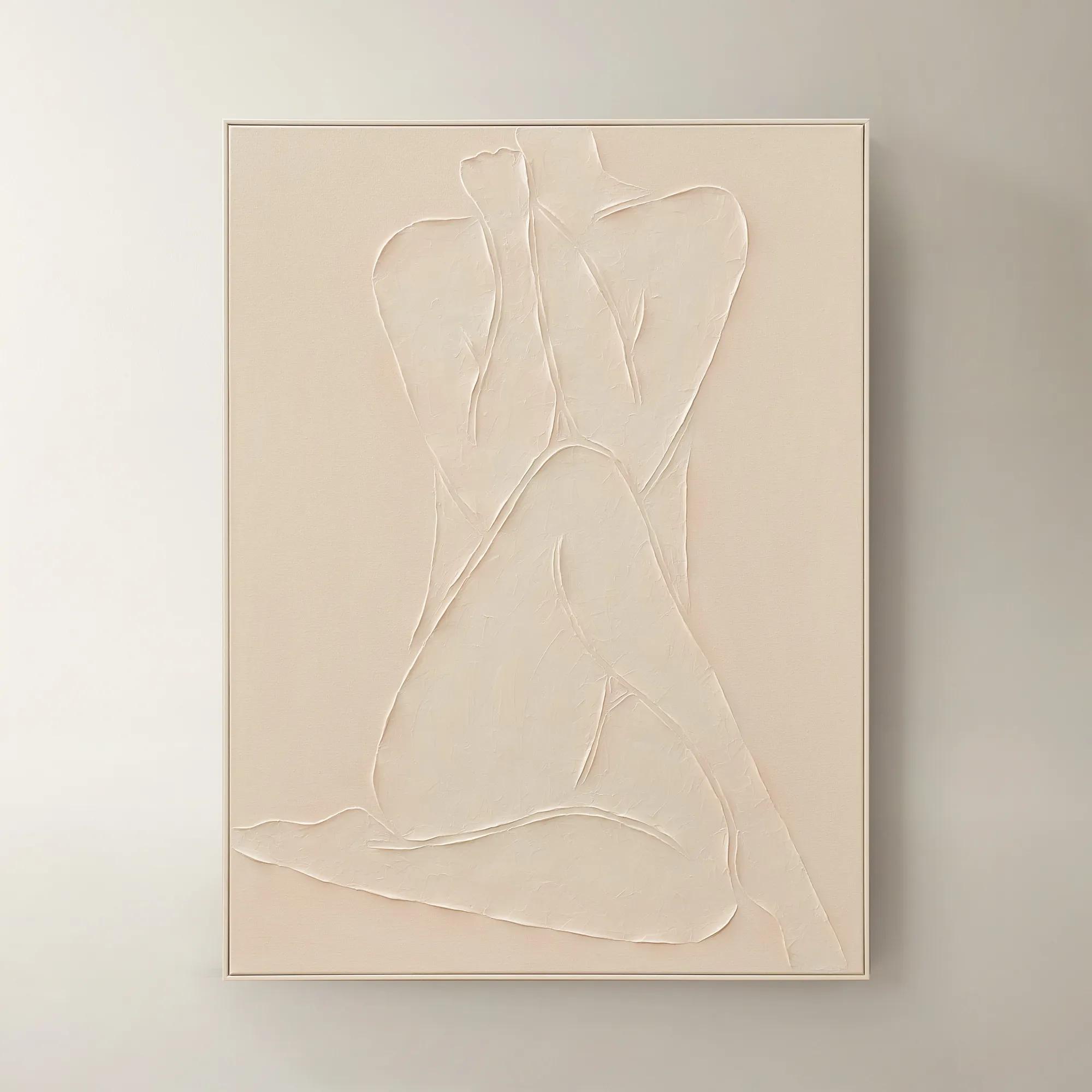
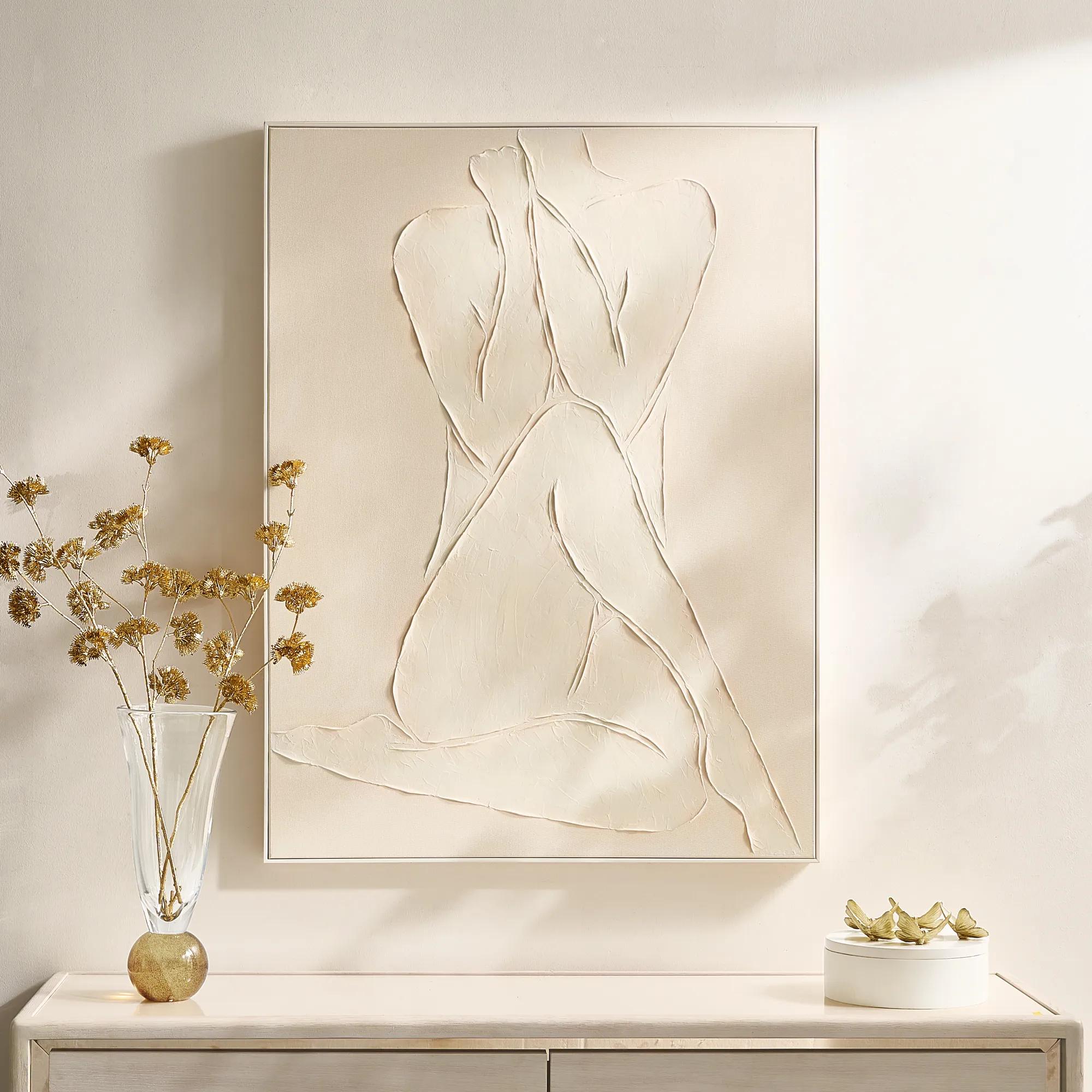 Modern Elegance Nude Ivory Framed Painted Wall Art 35.5" x 47.25"$599
A hand-painted ivory canvas in a white frame brings serene, modern artistry to any space.
Add To Cart -
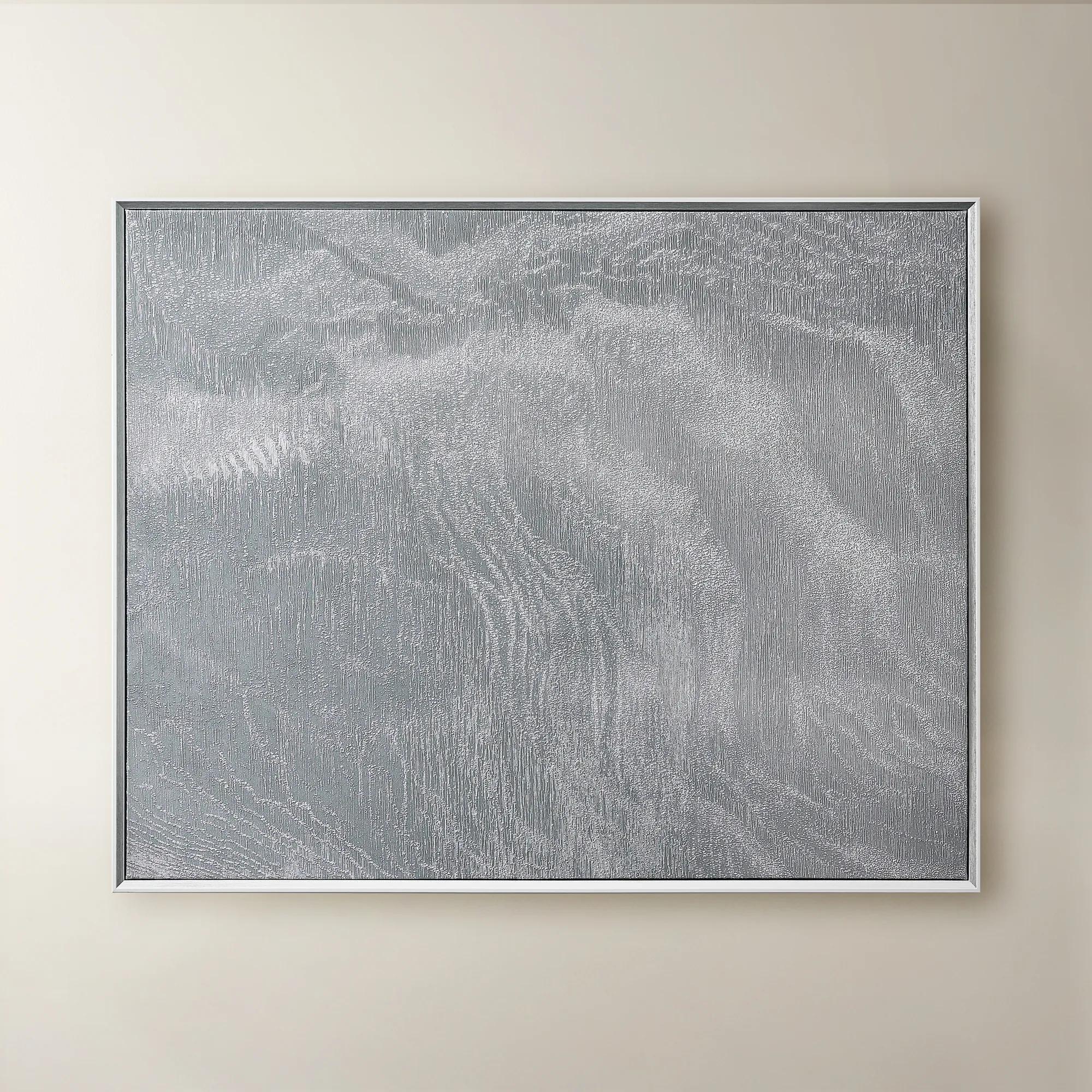 Slow Blue Morning Framed Silver Foil Wall Art 48" x 60"$599
A serene powder blue abstract canvas with silver foil accents, framed in silver and white for modern elegance.
Add To Cart -

 Restful Figure I Framed Wall Art 20" x 27"$449
A serene figurative canvas artwork in warm brown tones, elegantly framed for sophisticated wall display.
Add To Cart -
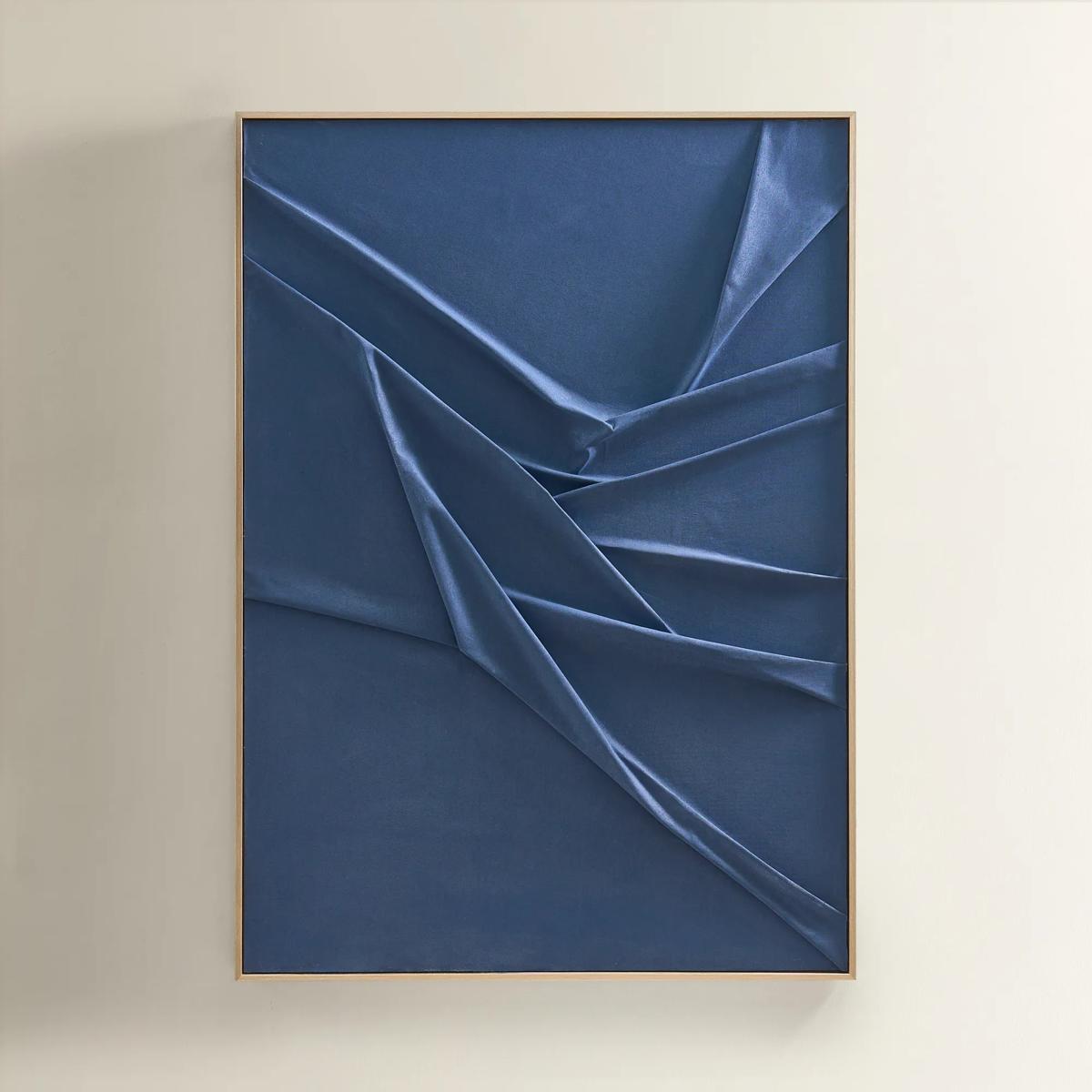 Deep Sea Painting$599
A hand-sculpted navy canvas with dimensional folds, framed in soft champagne for modern, serene elegance.
Add To Cart -
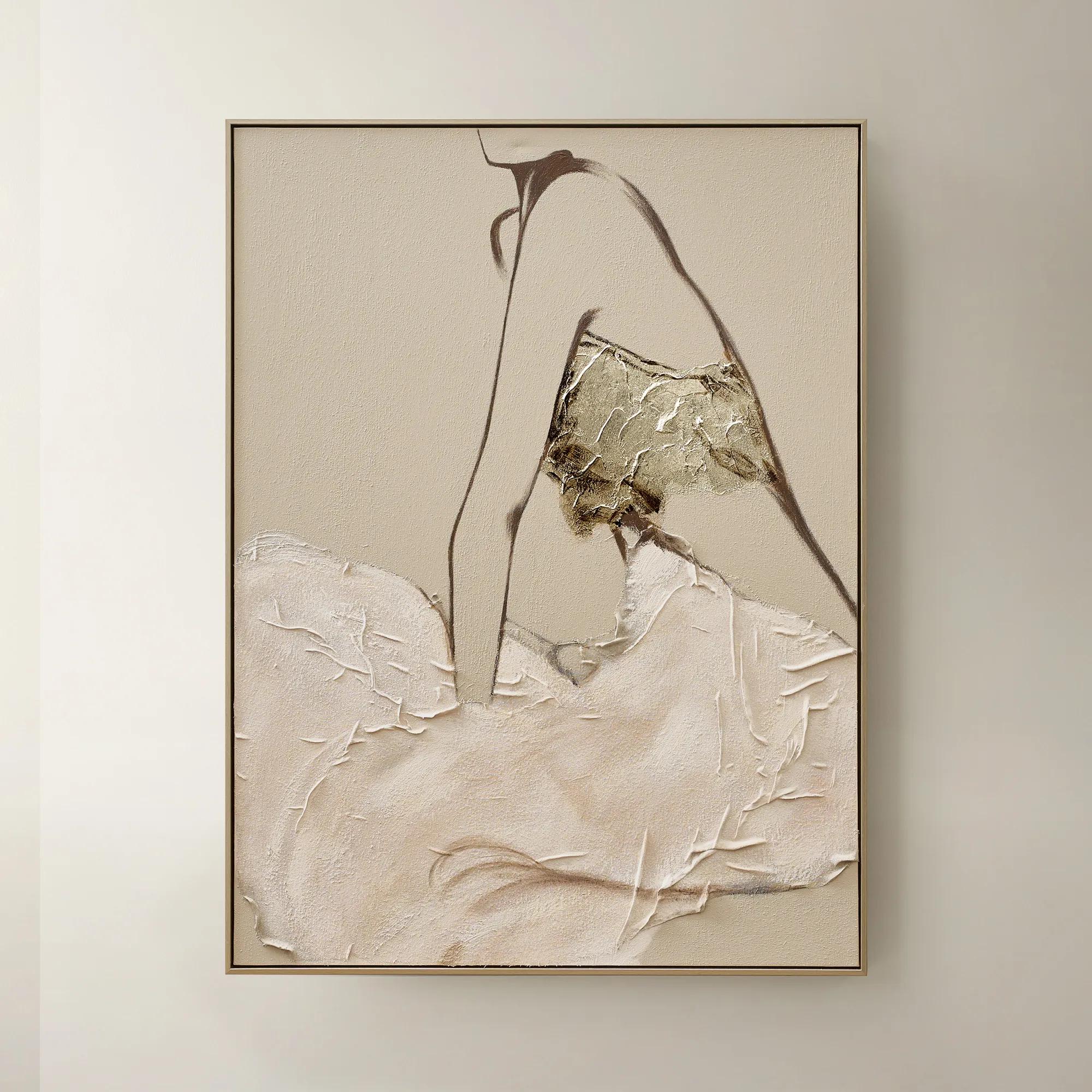 Quiet Pose Framed Painted Wall Art 36" x 48"$499
A hand-painted canvas in taupe and champagne tones features textural details and shimmering champagne leafing.
Add To Cart -
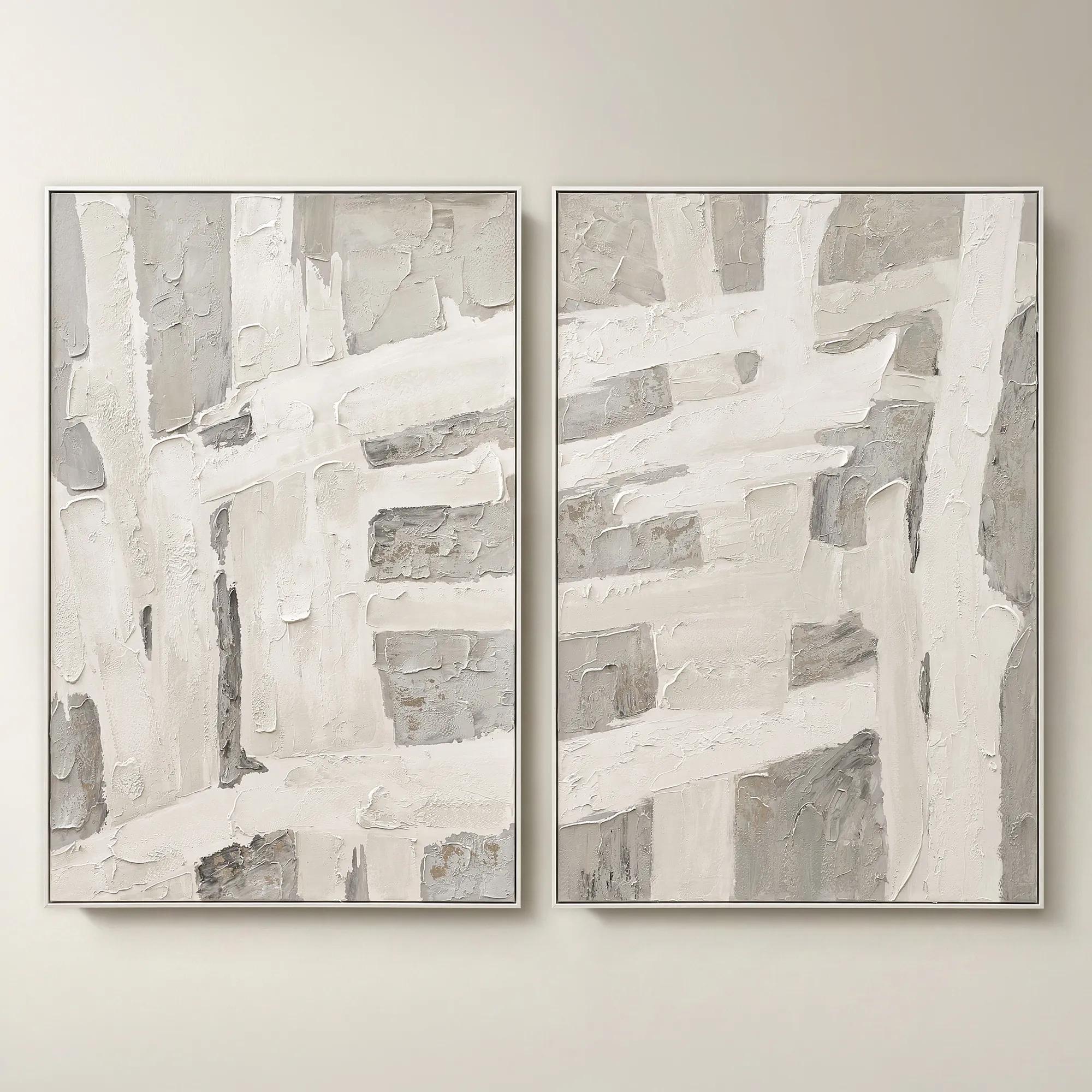 Traverse Framed Painted Wall Art 40" x 60" Set of 2$799
A hand-painted abstract diptych features champagne accents and soft grey, pearl, and alabaster tones in white frames.
Add To Cart -
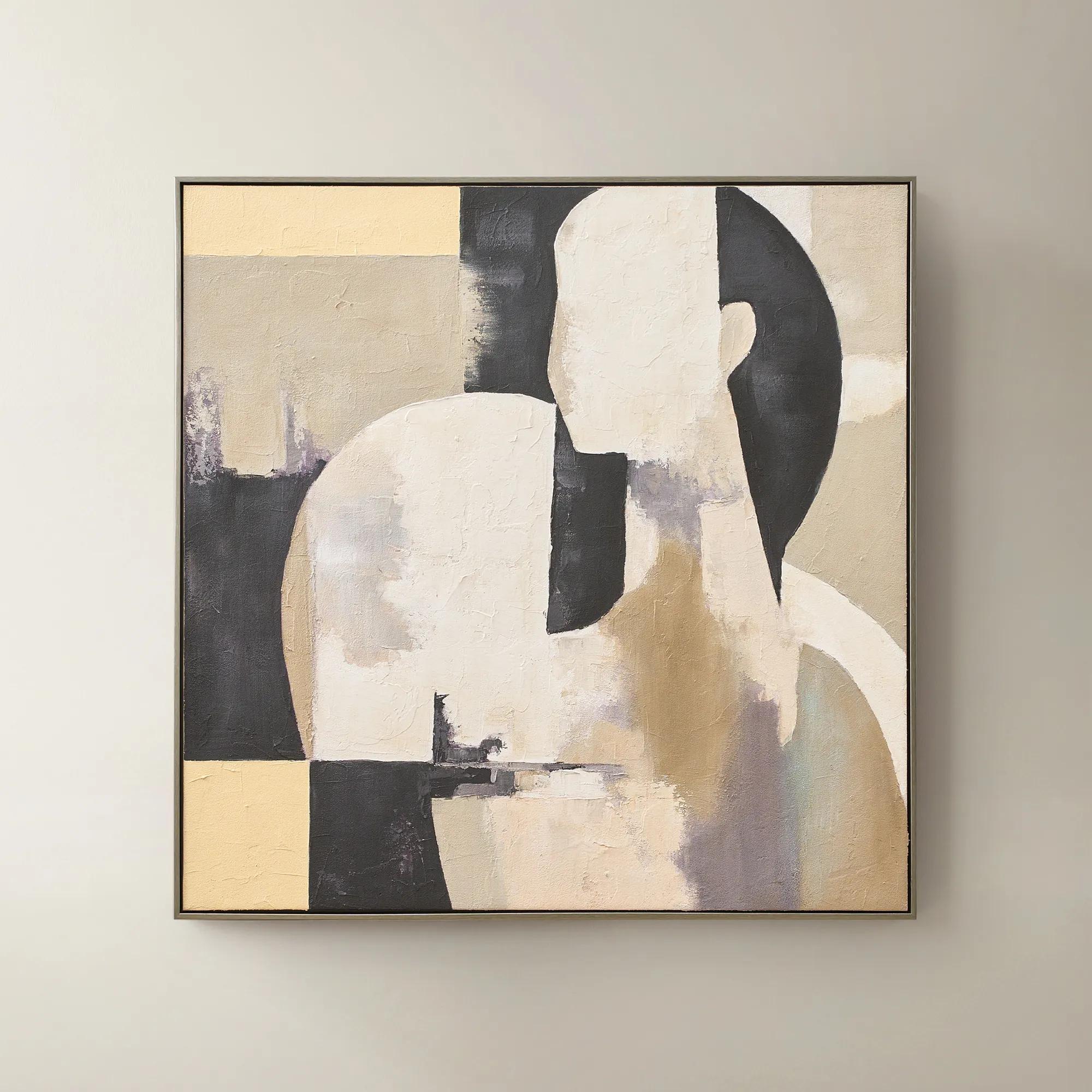 Afternoon Rest Framed Painted Wall Art 40" x 40"$399
A hand-painted abstract figure in buttercream, turtledove, and black hues framed in dark grey.
Add To Cart -
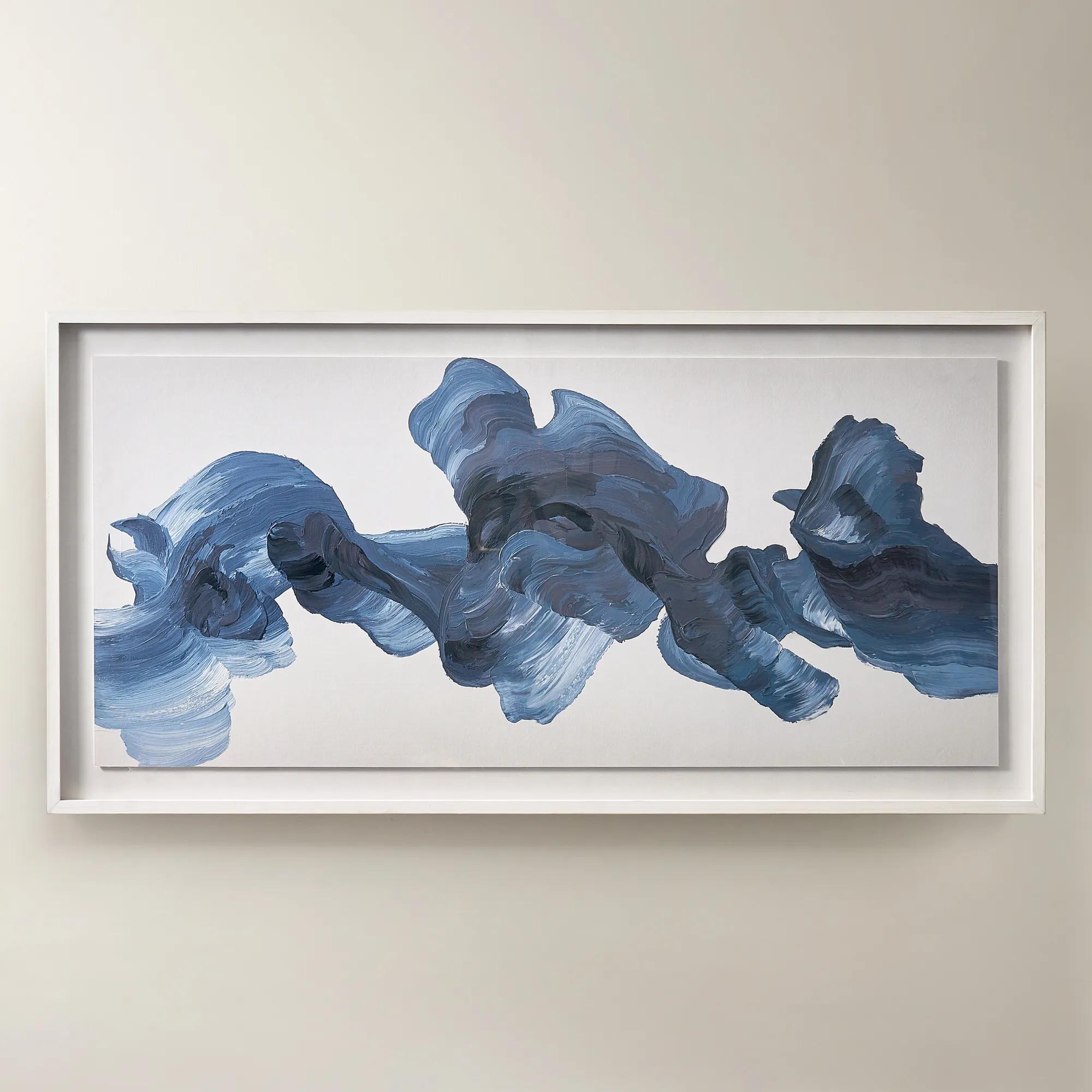
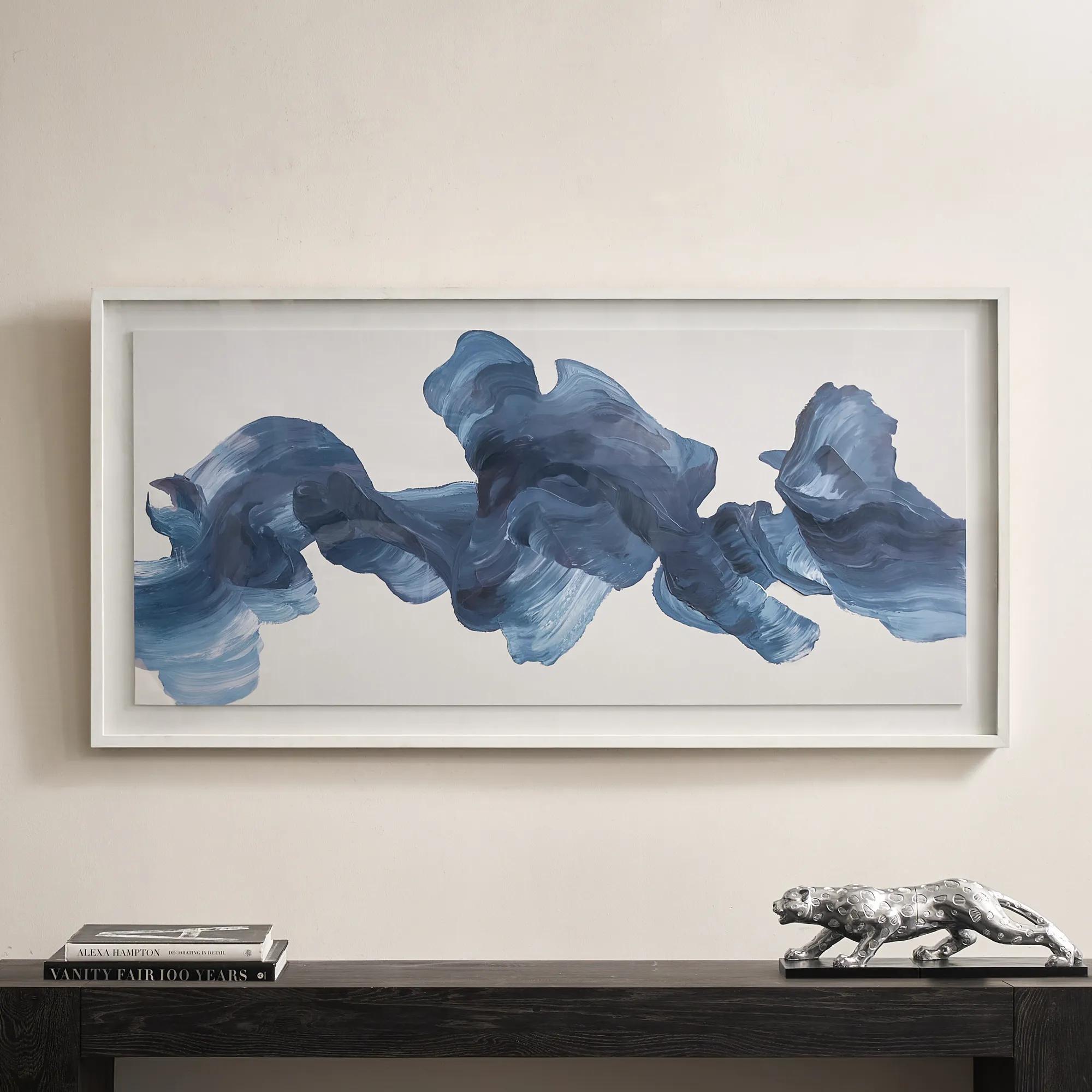 Blue Theory Framed Painted Wall Art in Acrylic 60" x 30"$499
A hand-painted canvas in deep ink blue, framed under acrylic with a whitewashed wood frame.
Add To Cart -

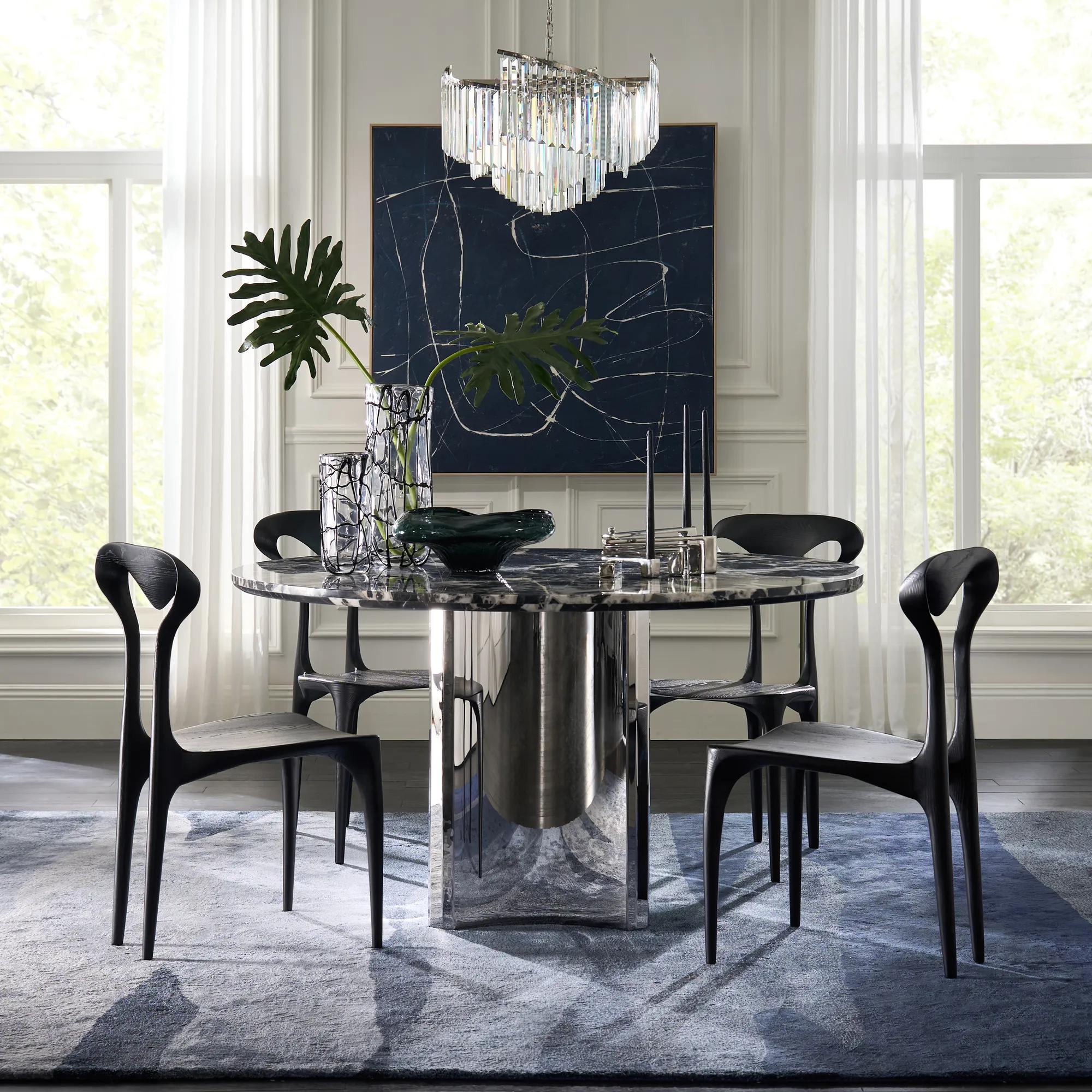 Almost Midnight Painting - Blue$439
A hand-painted canvas featuring bold blue and black tones with delicate white lines in a light wood frame.
Add To Cart -
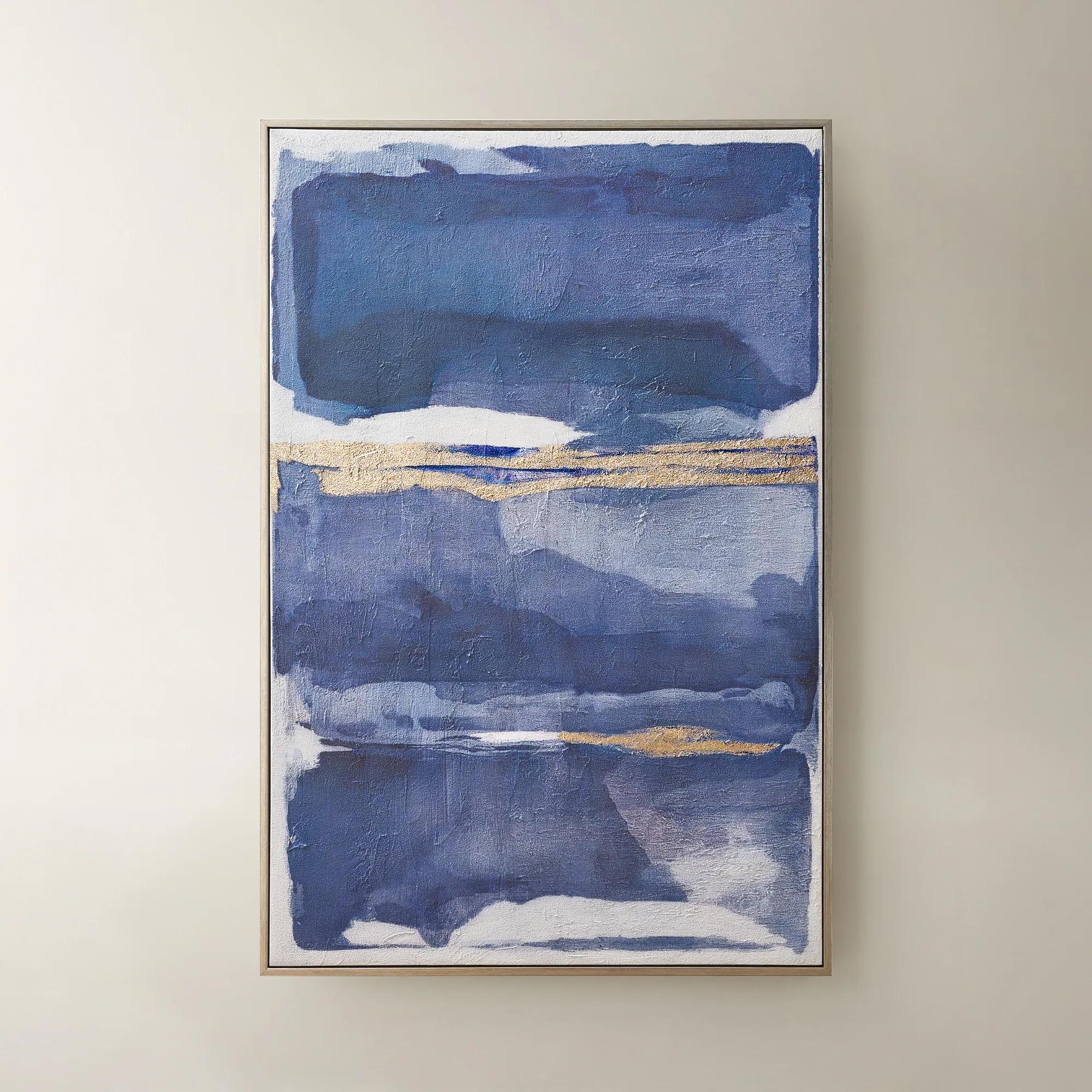
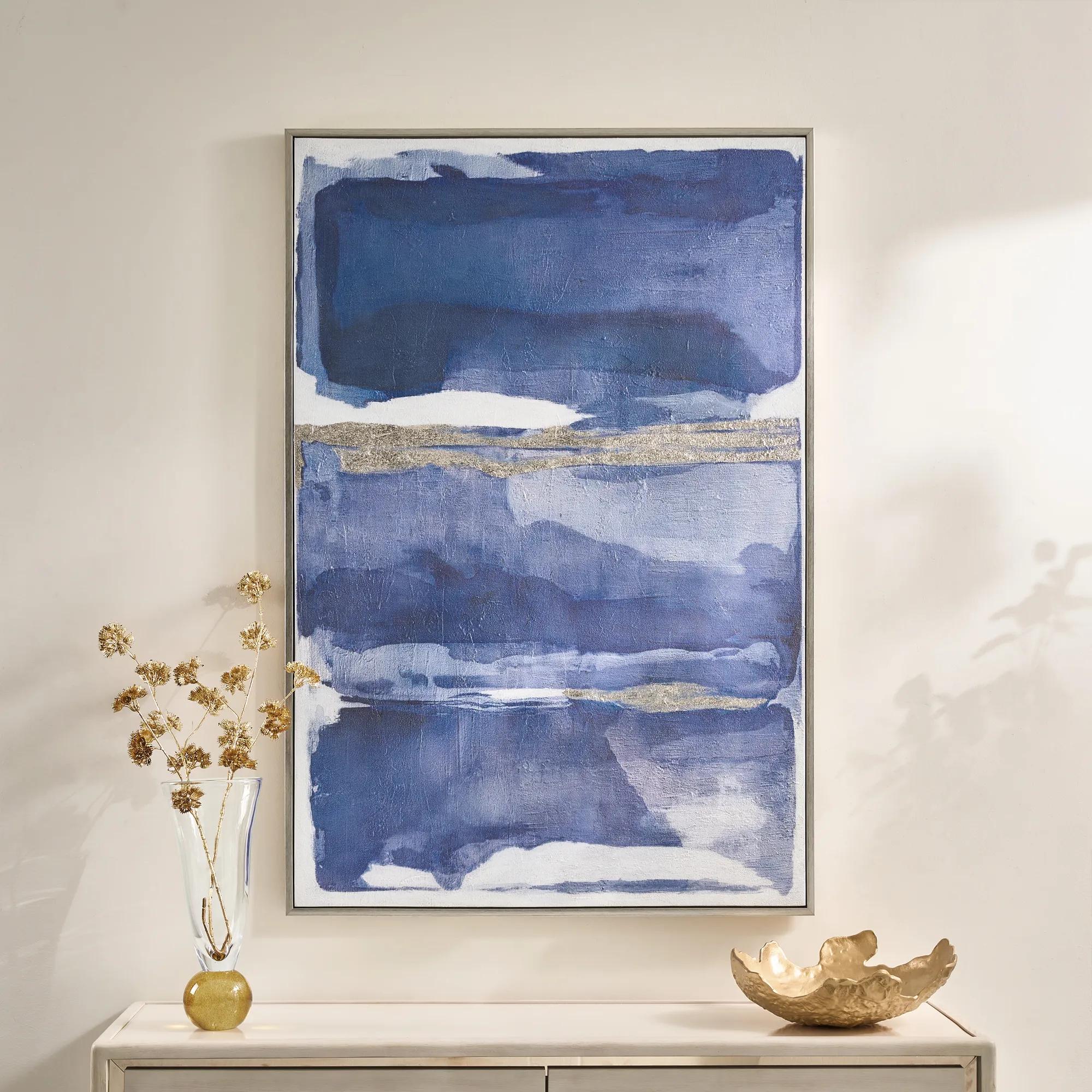 Memories in Blue Framed Painted Wall Art 40" x 60"$499
A hand-painted canvas in deep ink blue with champagne leafing for a sophisticated, gallery-inspired look.
Add To Cart -
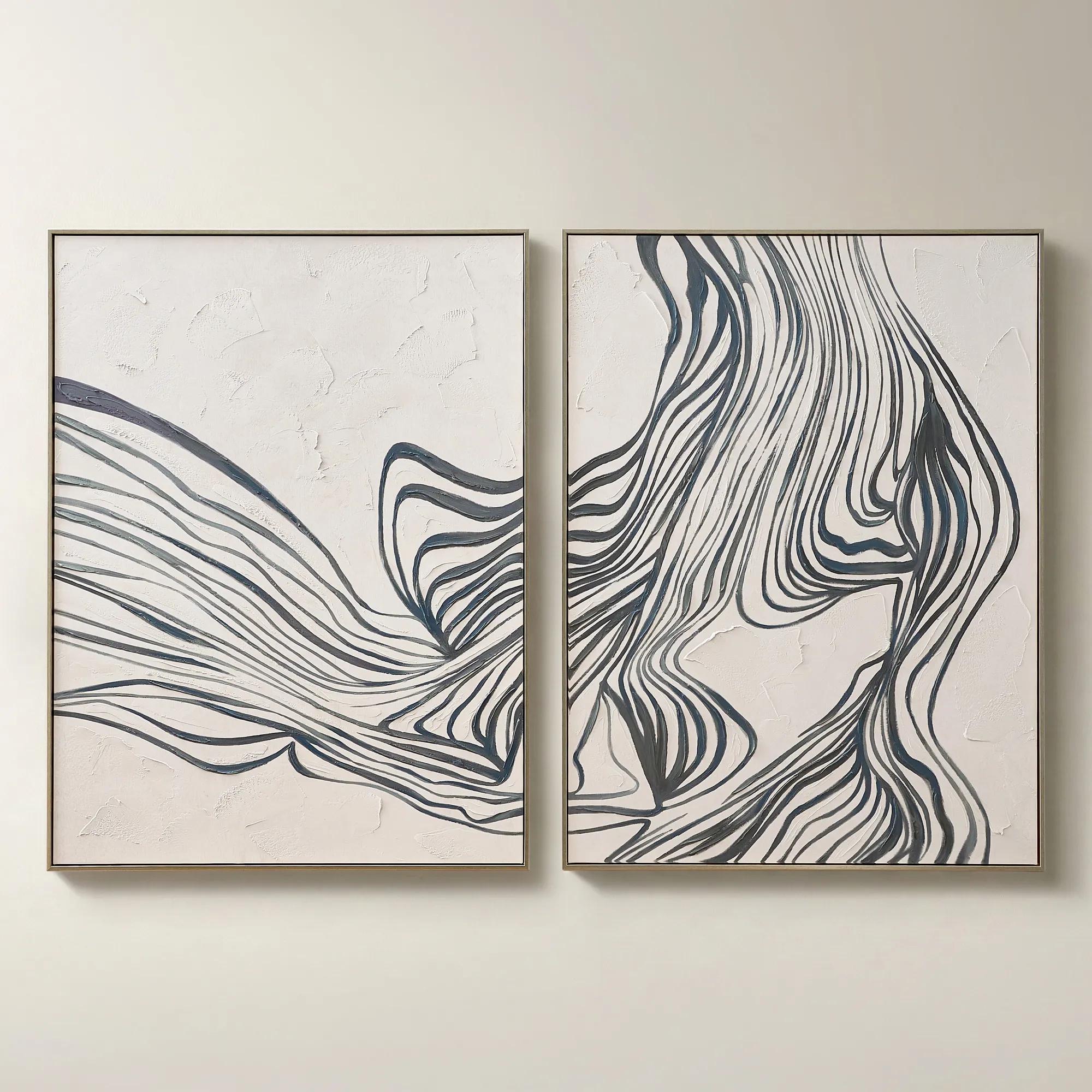
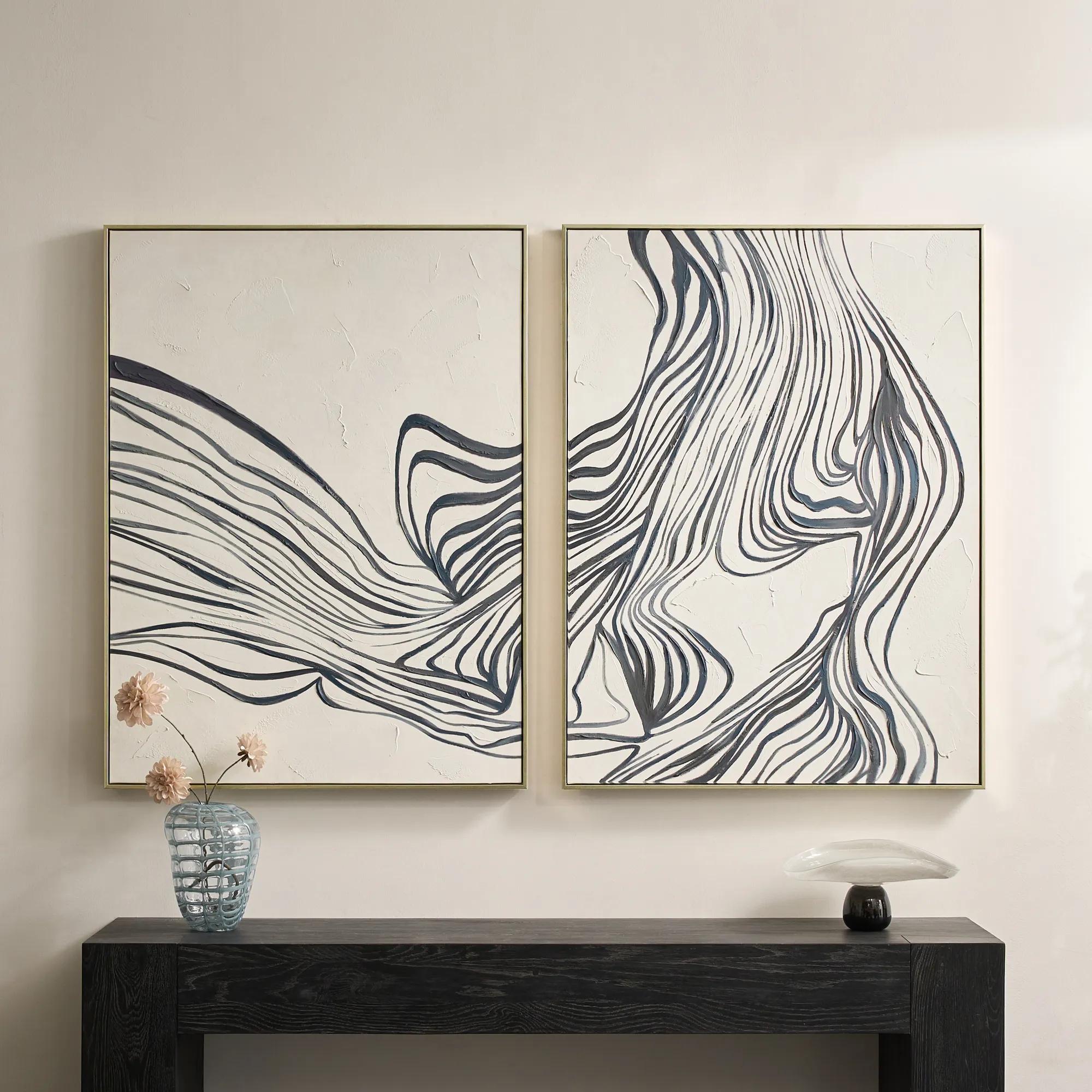 Rhythmic Framed Painted Wall Art 36" x 48" Set of 2$599
A hand-painted diptych featuring bold abstract stripes in dark slate and dusty blue with champagne frames.
Add To Cart -
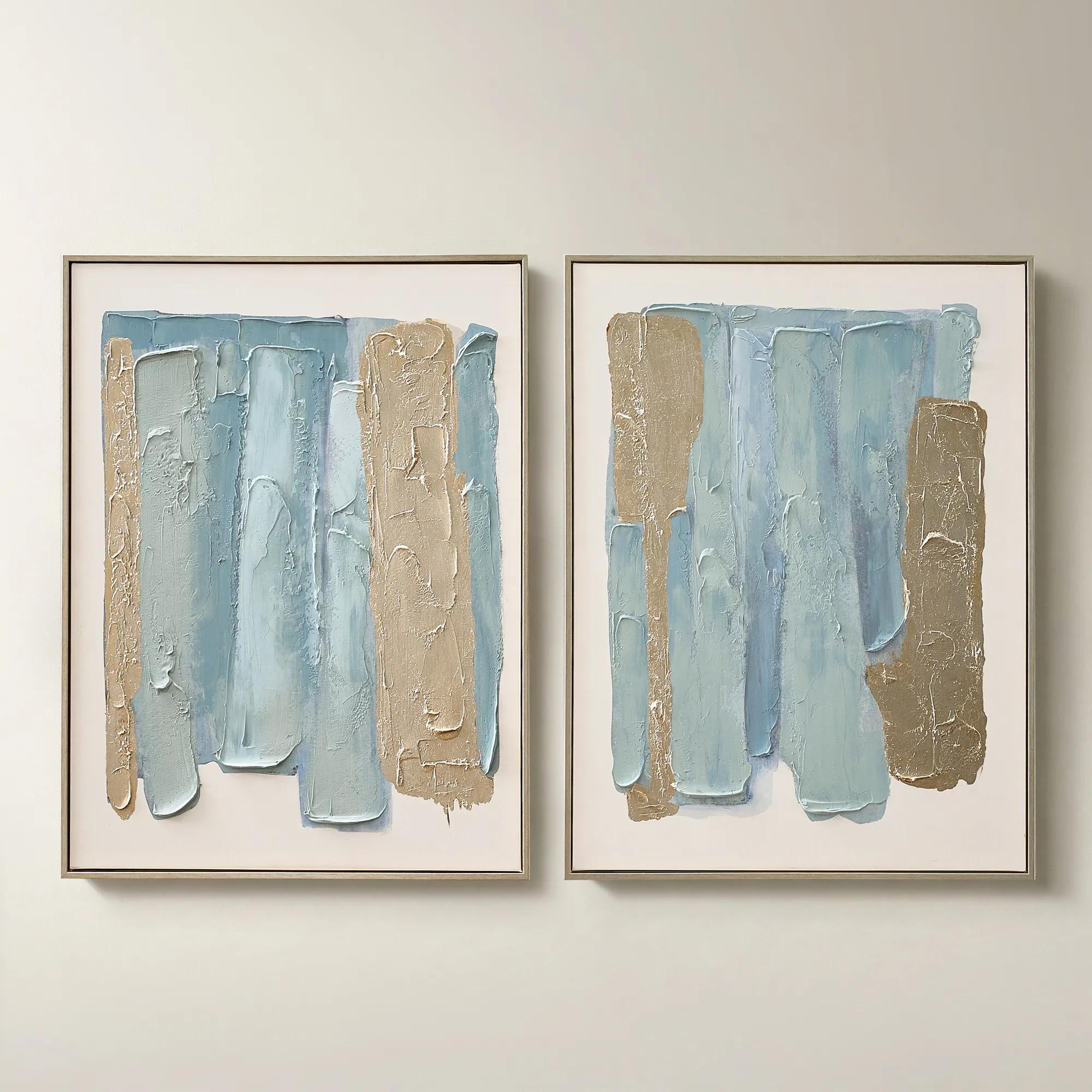
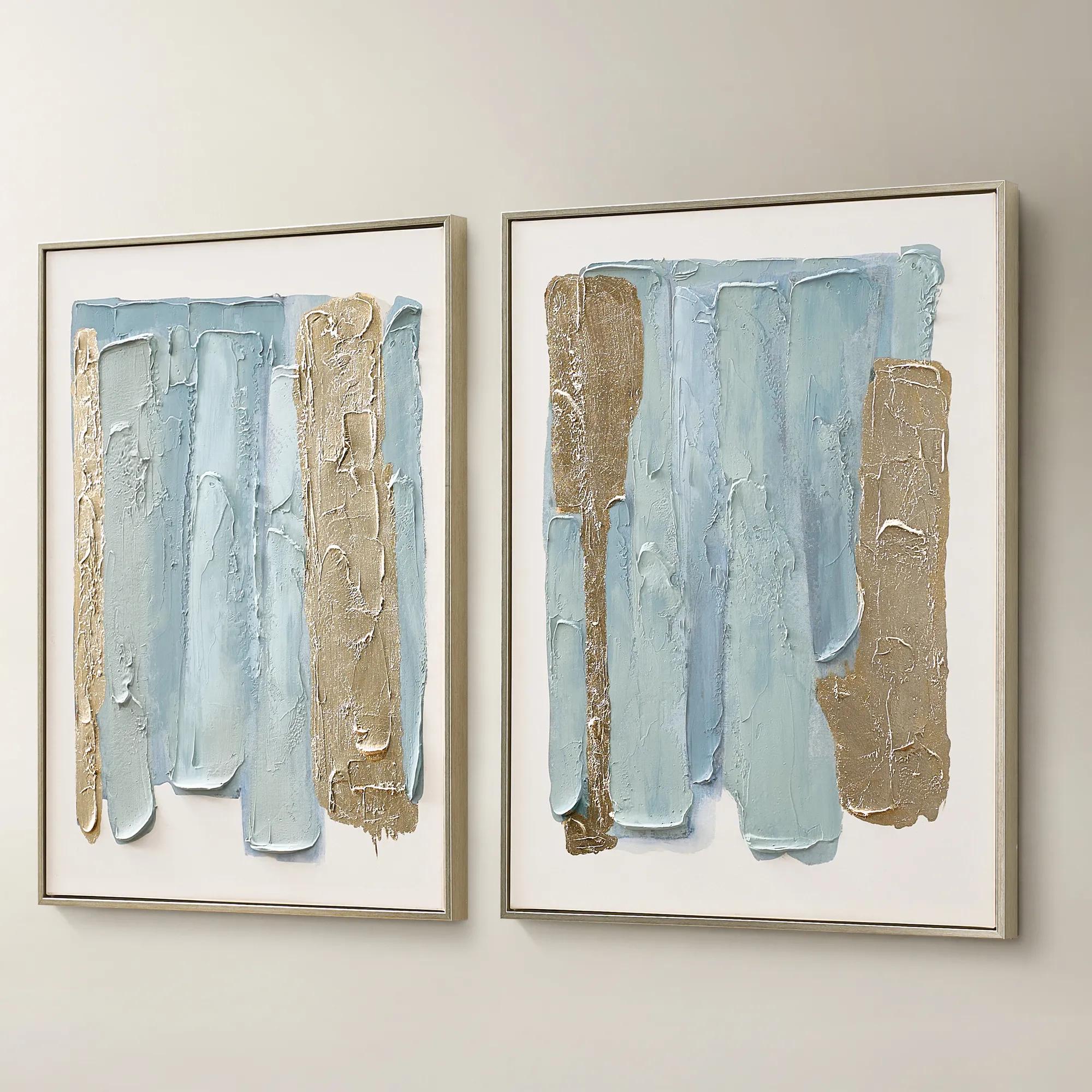 Blue Drift Framed Champagne Painted Wall Art 24" x 32" Set of 2$199
A set of two hand-painted canvases in dusty blue with champagne leafing and modern abstract movement.
Add To Cart -
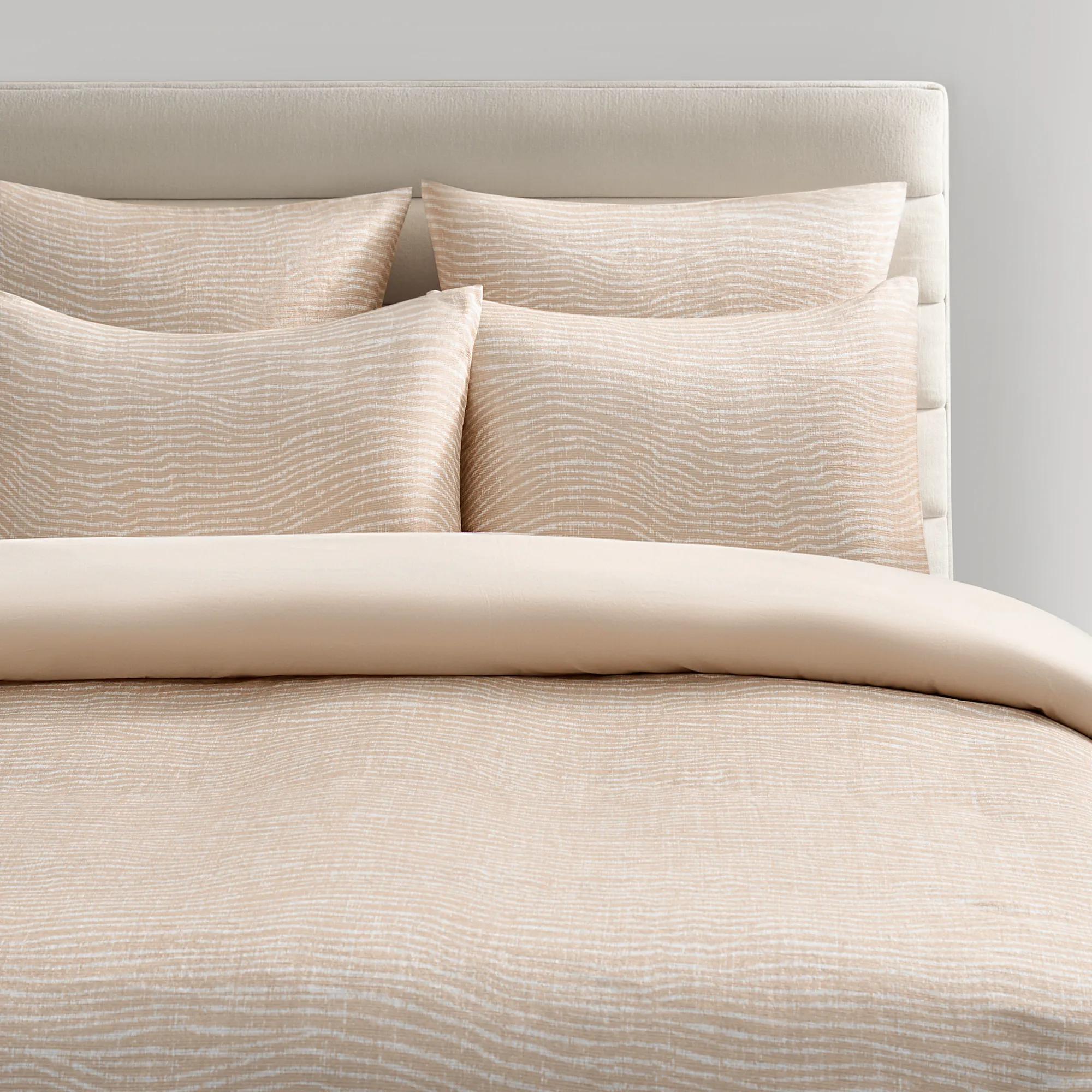 Sahara Bedding Set - Tan/Cream$199
A soft jacquard bedding set in tan and cream with a subtle wave-inspired zebra print and button closure.
Add To Cart -
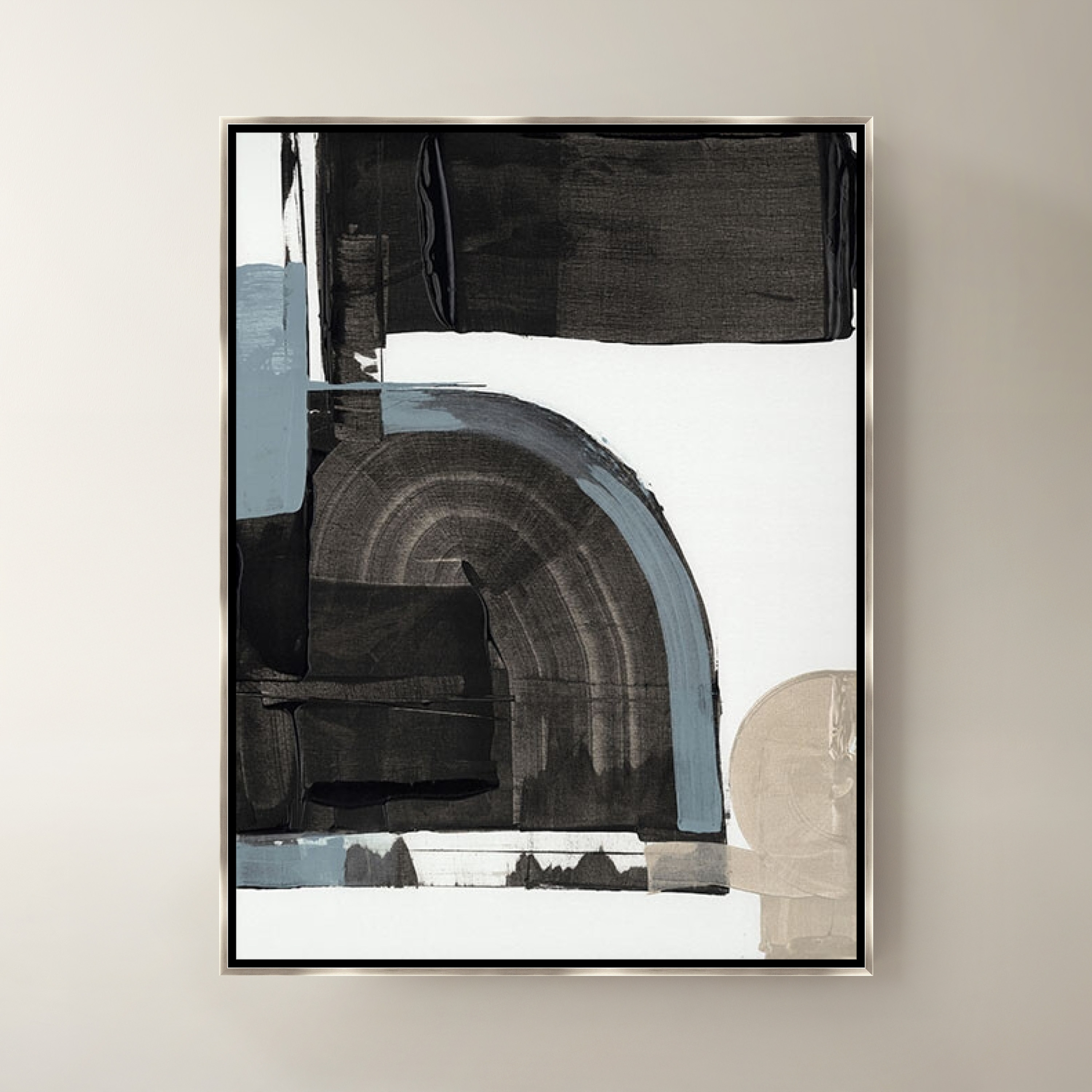
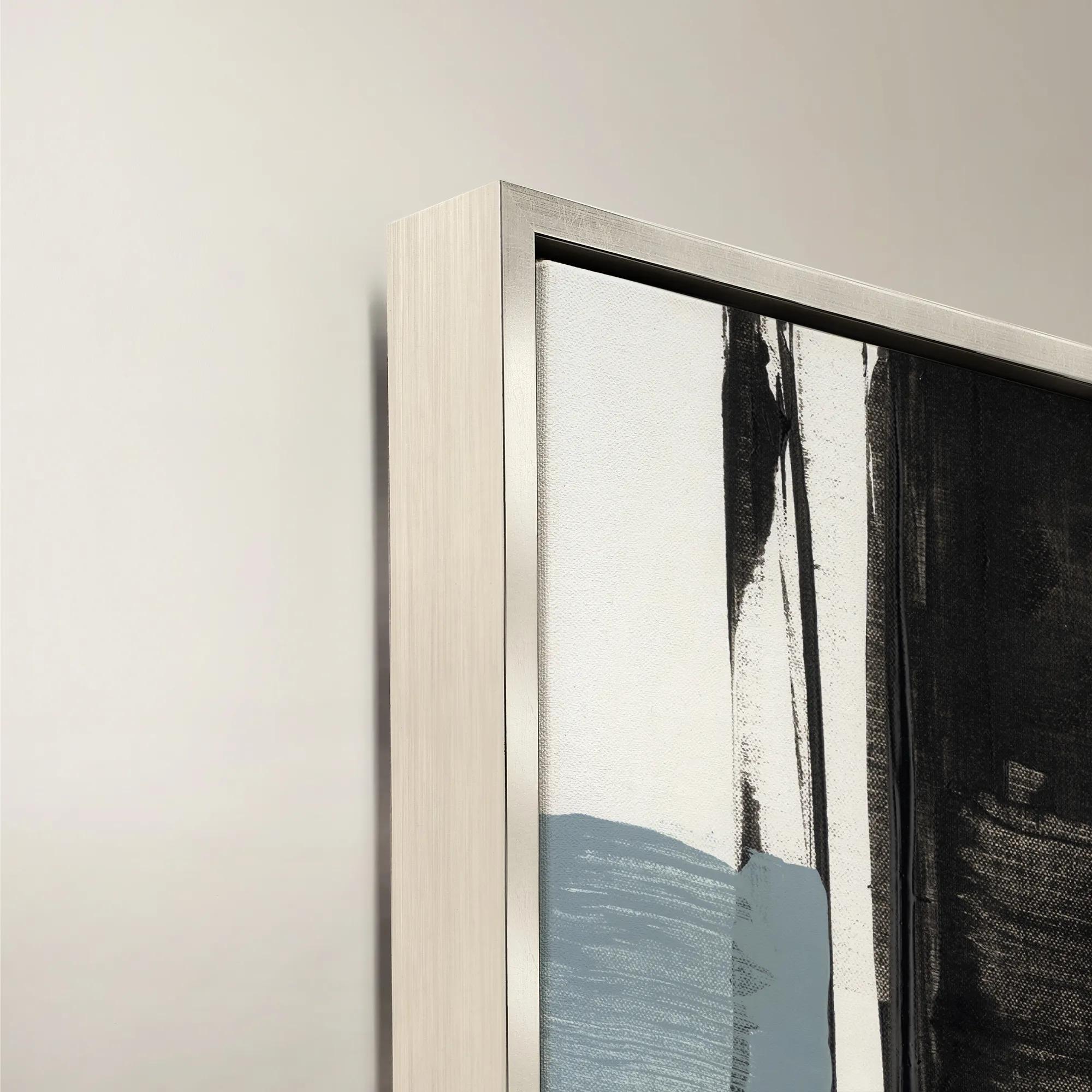 Blanc de Blancs III Framed Wall Art 24" x 30"$519
A sophisticated black canvas artwork presented in a refined frame for modern wall styling.
Add To Cart -
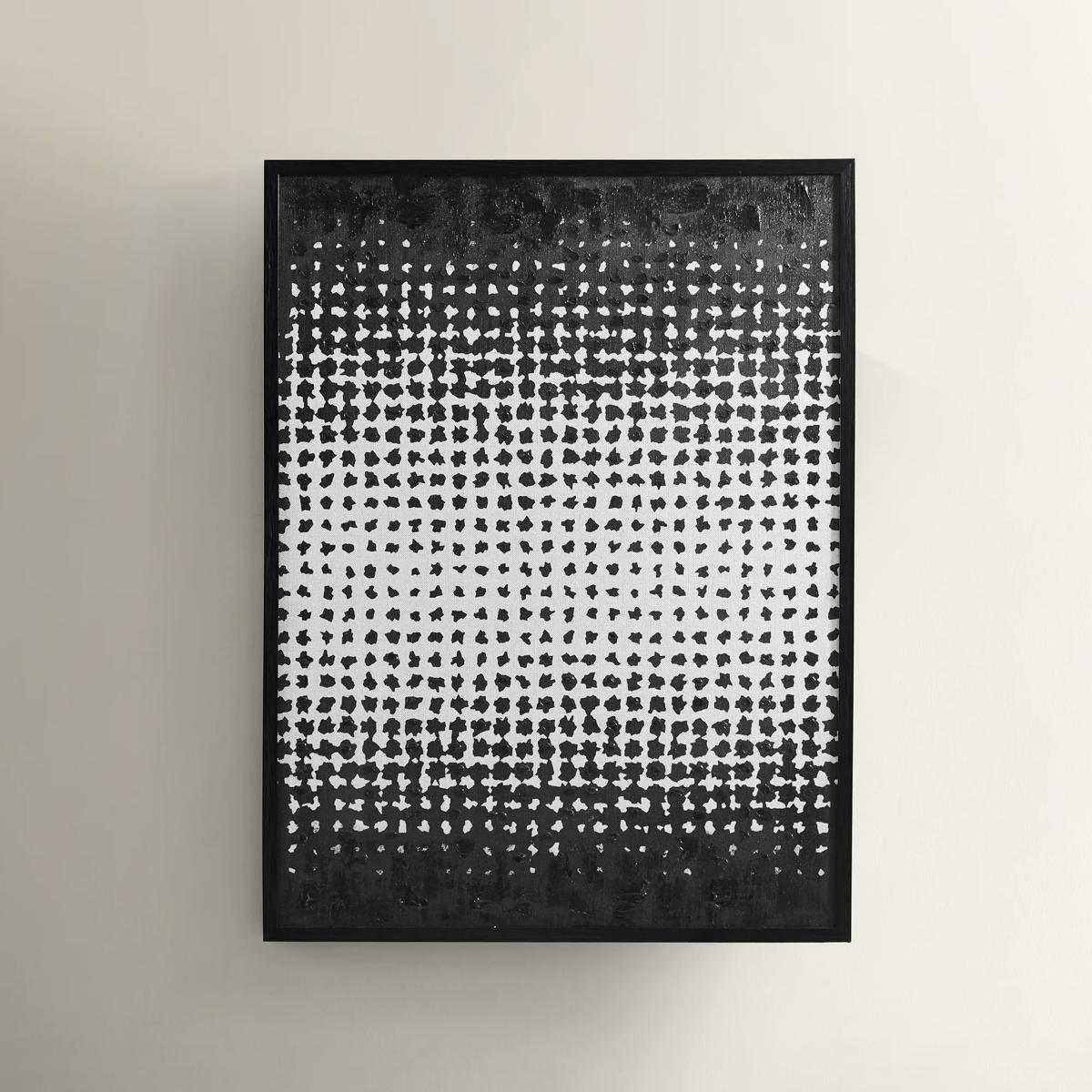
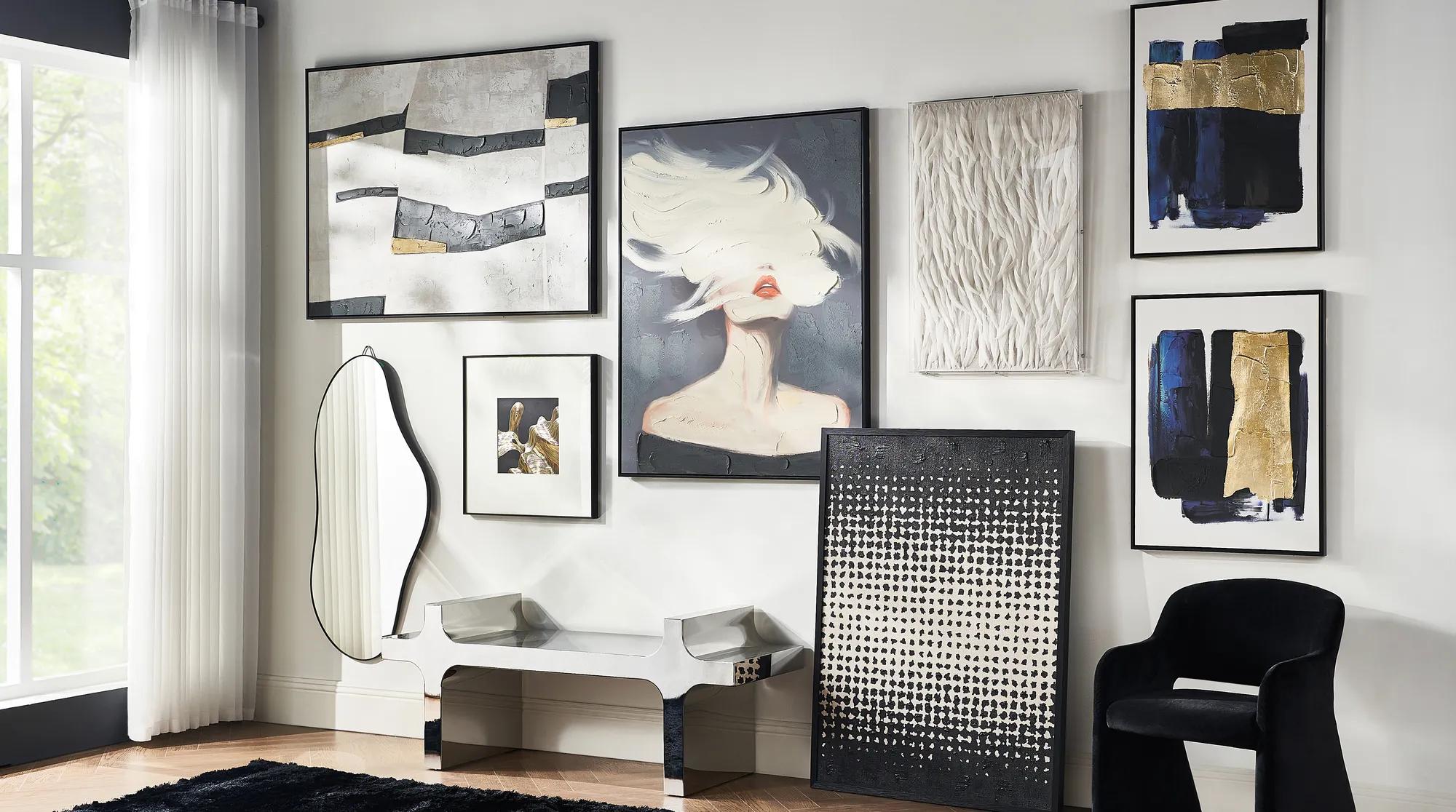 In Time Painting$399
A hand-painted linen canvas featuring cream and black dots in a modern, minimalist geometric pattern.
Add To Cart

Calming Bedroom Decor Ideas
Explore calming bedroom decor ideas for a restful space with a refined point of view. Browse decorative accents to complement your existing furniture, keeping color, scale, and visual balance in mind. A cohesive palette and a few artful focal points can lend your bedroom quiet drama without overwhelming the room.
Calming bedroom decor brings together soothing colors, tactile materials, softly diffused lighting, and uncluttered surfaces to create a space that feels restful without losing its sense of expression. The effect comes from balance: an upholstered silhouette against a smooth wall, a luminous accent beside matte ceramic, or a generous expanse of fabric that gives the eye somewhere to settle. Ivory, oatmeal, warm gray, muted blue, and softened sage offer a foundation for this mood, while touches of champagne, brushed silver, or warm wood introduce dimension without overwhelming the room. A tonal palette need not feel flat. Subtle differences in weave, sheen, and shape can make a bed feel richly composed, even when every layer belongs to the same color family. Linen brings relaxed texture, cotton offers softness with a crisp appearance, and velvet adds depth that changes beautifully with the light. Material names alone do not determine comfort; weave, construction, fiber blend, and care requirements all influence how a fabric feels and performs in everyday use. Decorative pillows and throws can supply the most expressive textures, leaving bedding that touches the skin chosen primarily for personal comfort. For a primary bedroom, that might mean a tailored foundation with a few sumptuous accents rather than an elaborate arrangement that must be dismantled every evening. In a guest room, an inviting bed, accessible lighting, and a clear place for personal belongings often feel more welcoming than abundant decoration. These calming bedroom decor ideas suit anyone drawn to an interior that feels composed rather than empty, including apartment dwellers working with a compact footprint and households seeking a gentler visual rhythm. A single larger artwork with flowing forms can establish that rhythm more effectively than many unrelated accents. The result is a bedroom with presence: softly layered, distinctly personal, and free from competing focal points.
Scale gives calming bedroom accessories their sense of purpose. A substantial bedside lamp can feel beautifully proportioned beside a tall upholstered headboard, while a more slender base may preserve useful surface space on a narrow nightstand. The shade matters as much as the base: an opaque or translucent material changes how light spreads, and a covered bulb generally creates less direct glare than an exposed one. Warm-toned, dimmable lighting allows the atmosphere to shift between reading, dressing, and winding down, provided the fixture, bulb, and dimmer are compatible. Layered lighting also reduces reliance on a single bright overhead source. Furniture and accents feel calmer when their dimensions support the way the bedroom is actually used. Nightstands near mattress height keep essentials within comfortable reach; drawers or enclosed storage give charging cables, reading glasses, and small necessities a place out of view. Before choosing bedside furniture, the full width of the bed frame and the clearance needed for doors and drawers deserve attention. A bench at the foot of the bed can create a graceful landing place for a folded throw, but only when there is enough room to walk past it easily. Rugs contribute another layer of softness and visual continuity. A rug that extends beyond the sides of the bed creates a more generous composition than one that disappears almost entirely beneath it, while pile height affects door clearance, furniture stability, and ease of cleaning. An appropriately sized rug pad helps limit movement and should be compatible with the flooring beneath it. Wall decor works best when it relates to the furniture below: a broad composition can echo the width of a headboard, while a pair of coordinated pieces can bring measured symmetry to an otherwise asymmetrical room. Artwork above a sleeping area requires secure mounting with hardware suited to its weight and the wall construction. Mirrors can lend depth and reflect a pleasing view, but their placement should avoid directing harsh light toward the bed.
The most enduring calming bedroom decor combines visual beauty with materials and finishes suited to daily life. Wood introduces grain and warmth, though solid wood and wood veneers can require different care depending on their finish; coasters and prompt attention to spills help protect bedside surfaces. Marble and other natural stone offer distinctive veining, but some varieties are porous or sensitive to acidic products, making the manufacturer’s care instructions especially important. Glass and mirror finishes bring a gleaming counterpoint to soft textiles, although fingerprints and reflected clutter can become more noticeable on these surfaces. Brushed or textured finishes often create a gentler visual effect than highly polished ones. Upholstered accents deserve equal consideration: fabric durability, seam construction, and recommended cleaning methods matter wherever a piece receives frequent contact. Removable covers may make upkeep easier when they are designed to be washed, while decorative fabrics labeled for spot cleaning need a different routine. Regular, gentle dusting and appropriate vacuuming help preserve the appearance of textured accessories; direct sunlight can fade some fabrics and artwork over time. For bedrooms shared with pets or children, washable layers, securely positioned decor, and fewer delicate objects near the bed can make an elegant arrangement easier to maintain. A decorative tray can gather the small necessities of an evening routine without allowing them to spread across an entire surface. Thoughtfully chosen accents can also make meaningful housewarming or wedding gifts, particularly when their dimensions, materials, and palette suit the recipient’s home. Neutral does not have to mean anonymous: sculptural contours, dimensional weaving, and nuanced color give quiet pieces character. For a connected visual story beyond the bedroom, Calming Living Room Wall Decors offers a related direction for carrying softly expressive artwork into shared spaces. Across these settings, calm comes from allowing beautiful details enough room to be appreciated, with every texture, reflection, and silhouette contributing to a room that feels considered and deeply inviting.
FAQs
Build a serene palette around ivory, warm taupe, soft gray, or muted blue, then introduce tonal variations for depth. A restrained touch of champagne or silver adds luminous contrast. Let closely related hues flow across bedding, wall art, and decorative accents for a composed, expressive bedroom.
Pair smooth bedding with a textured throw and decorative pillows in complementary tones. Contrast softly gathered surfaces with a sleek bedside accent to give the room dimension. Keep patterns selective so texture becomes the quiet drama that makes the space feel richly considered.
Layer bedside lamps with ambient lighting to create pools of warm illumination rather than relying on a single overhead fixture. Sculptural lamp silhouettes bring artistry to the room even when unlit. Choose shades that diffuse light for a soft glow across your bedroom vignette.
Look for abstract compositions, atmospheric landscapes, or tonal artwork with gentle movement and an edited color palette. Echo a hue from your bedding to connect the composition to the room. A deliberate focal point gives the walls presence without competing with every decorative detail.
Give meaningful accents room to shine: a sculptural vase, a cherished photograph, or a decorative tray can anchor a thoughtfully edited bedside arrangement. Repeat a finish or color elsewhere in the room for cohesion, then add one unexpected artistic detail that makes the space distinctly yours.