Vertical Abstract Wall Arts
Vertical Abstract Wall Arts
-
 Espresso Framed Painted Wall Art 31.5" x 31.5"$149
A bold abstract artwork featuring rich brown hues on hand-painted canvas in a light wood floater frame.
Add To Cart -
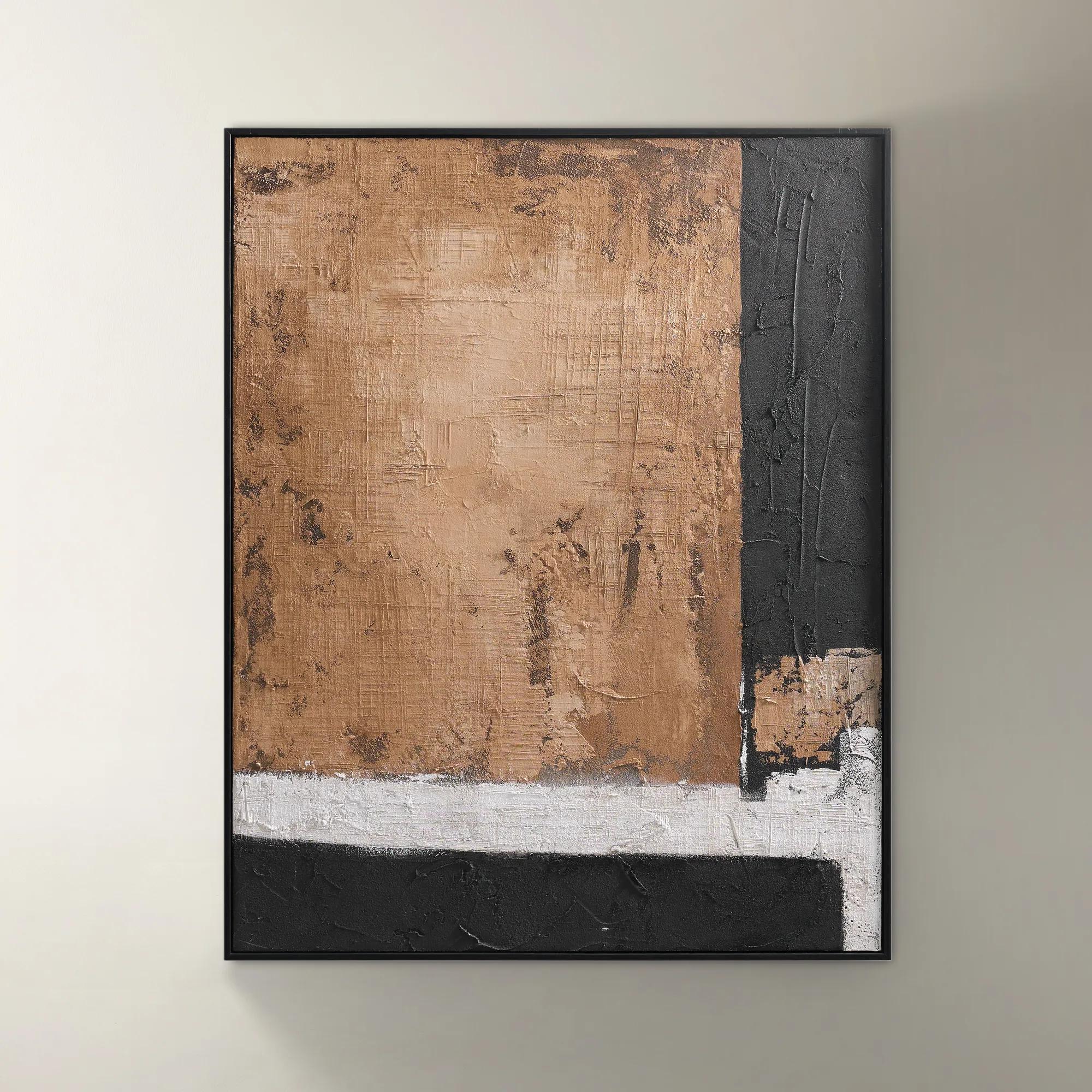 Drift Framed Painted Wall Art I 39.4" x 31.5"$299
A bold hand-painted abstract artwork featuring layered brown tones in a sleek black floater frame.
Add To Cart -
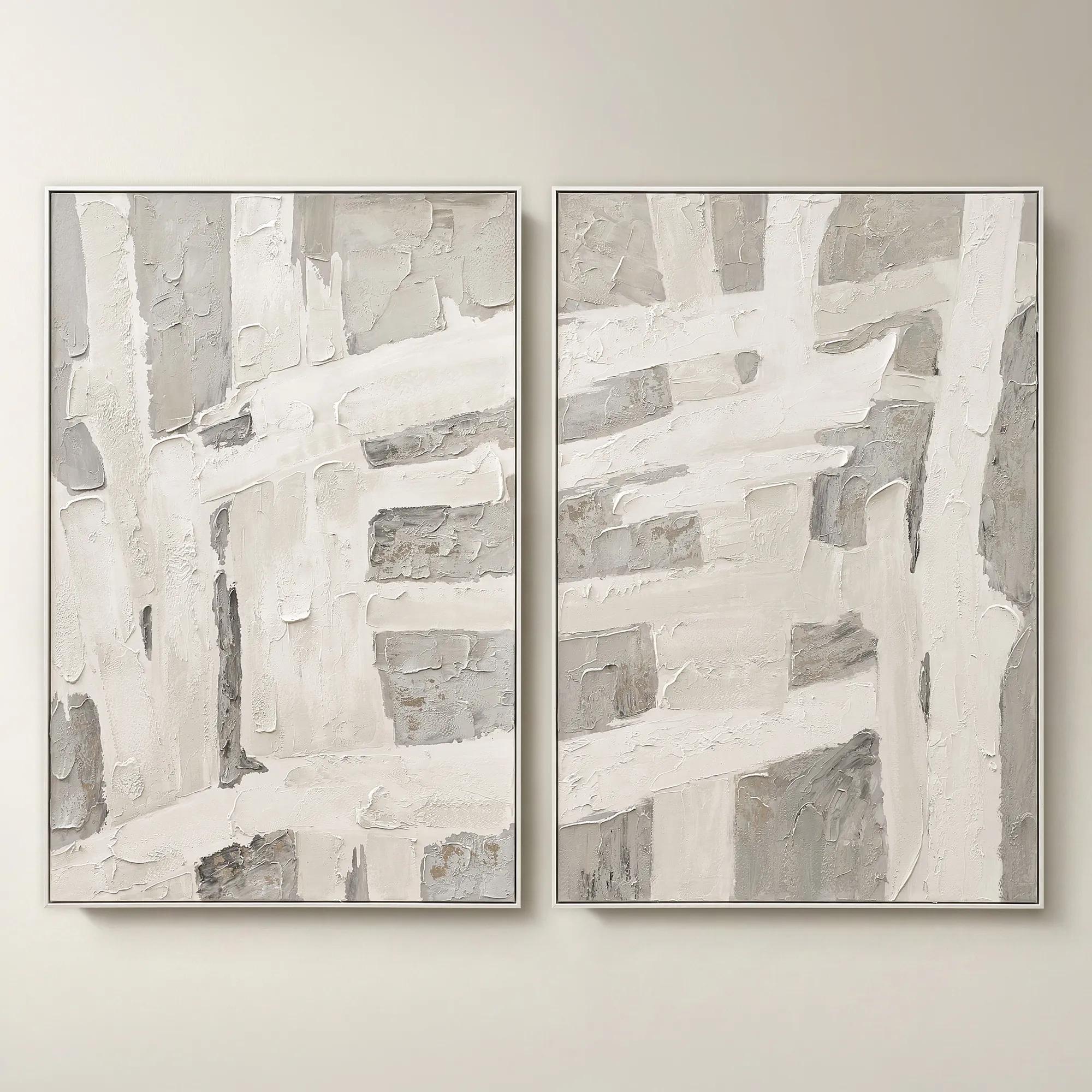 Traverse Framed Painted Wall Art 40" x 60" Set of 2$799
A hand-painted abstract diptych features champagne accents and soft grey, pearl, and alabaster tones in white frames.
Add To Cart -
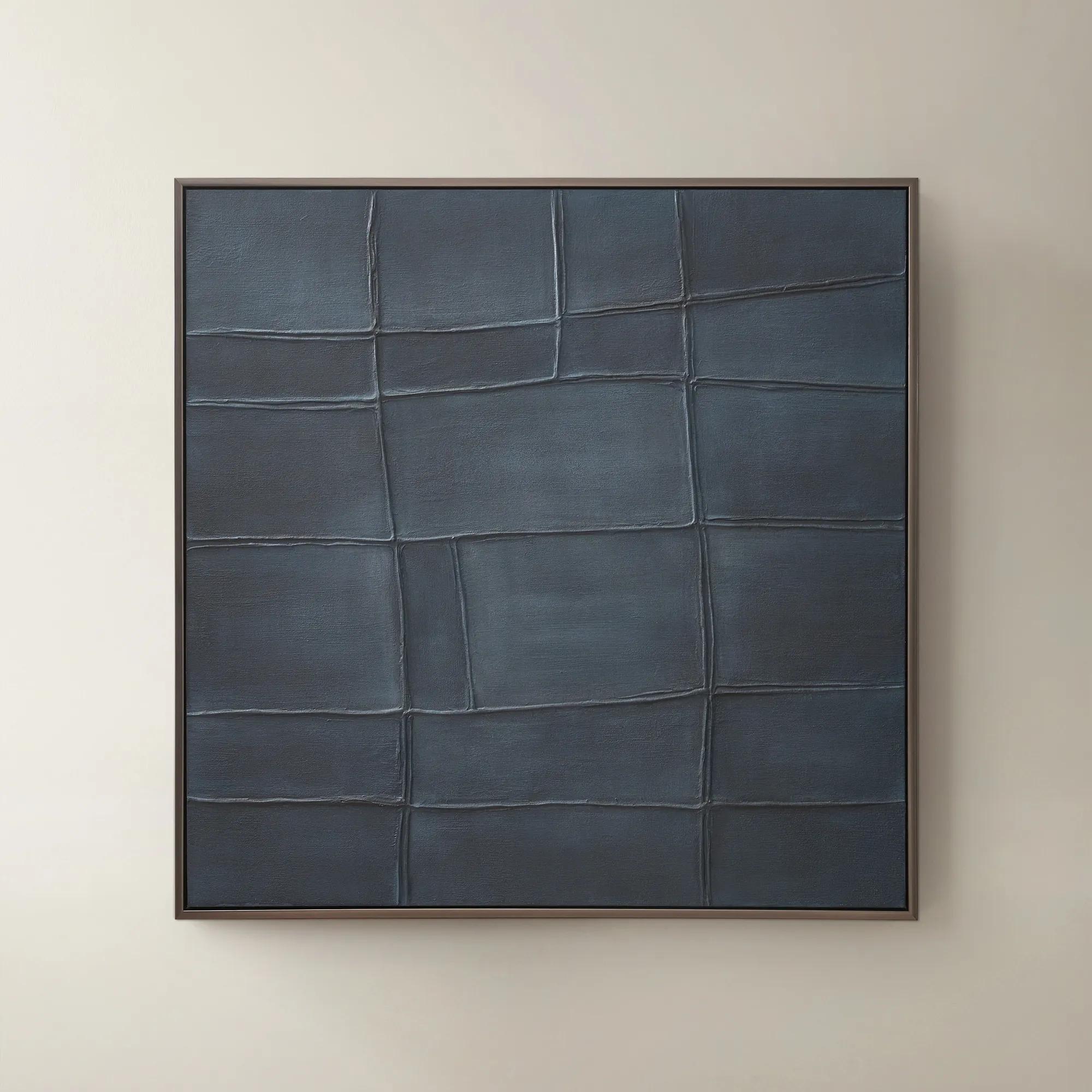
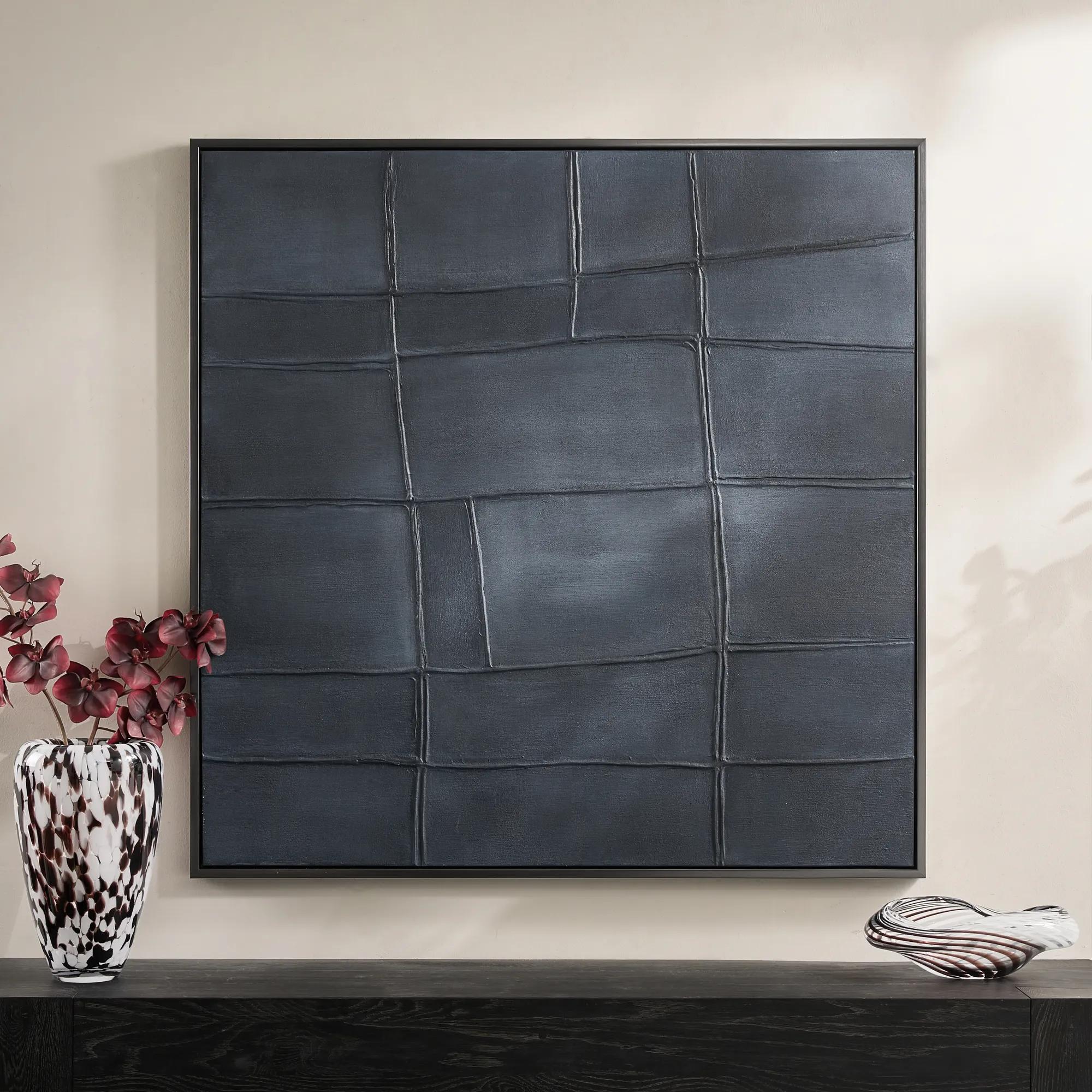 Ink Blue Interval Framed Painted Wall Art 48" x 48"$599
A hand-painted abstract canvas in deep ink blue, finished with a sleek gunmetal frame for modern appeal.
Add To Cart -
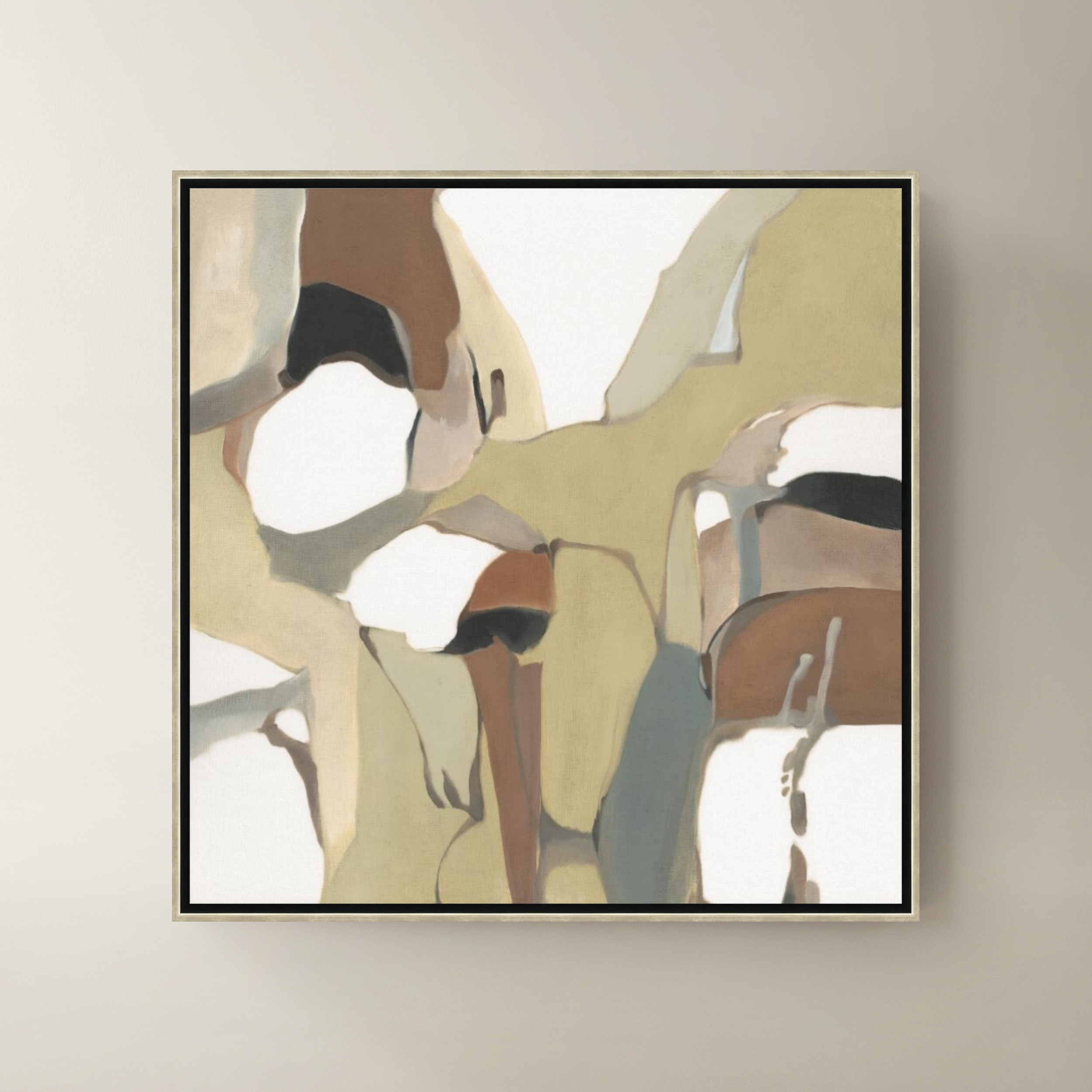
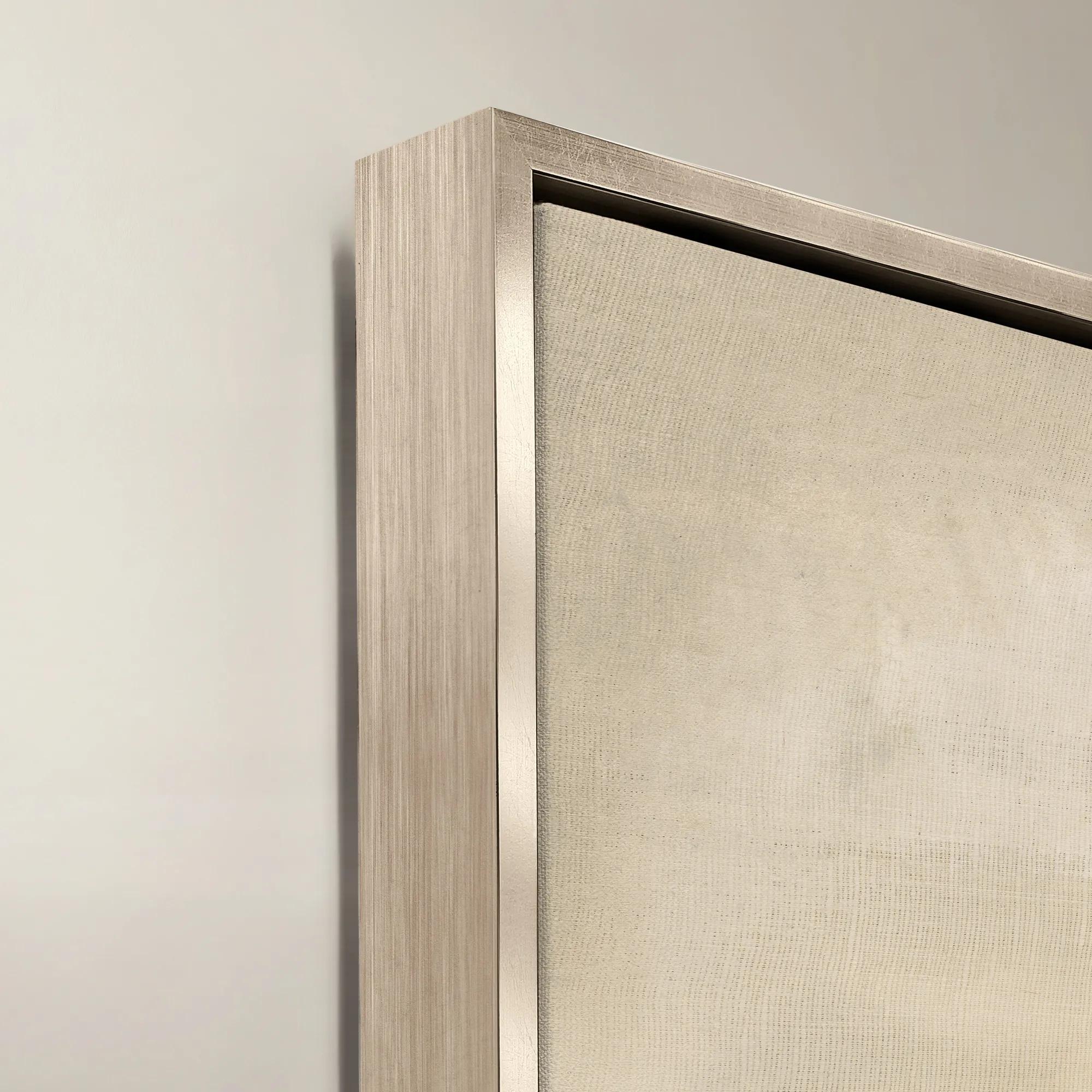 Organic Shape Framed Wall Art 47" x 47"$1099
A framed canvas artwork featuring an organic shape in rich brown tones.
Add To Cart -
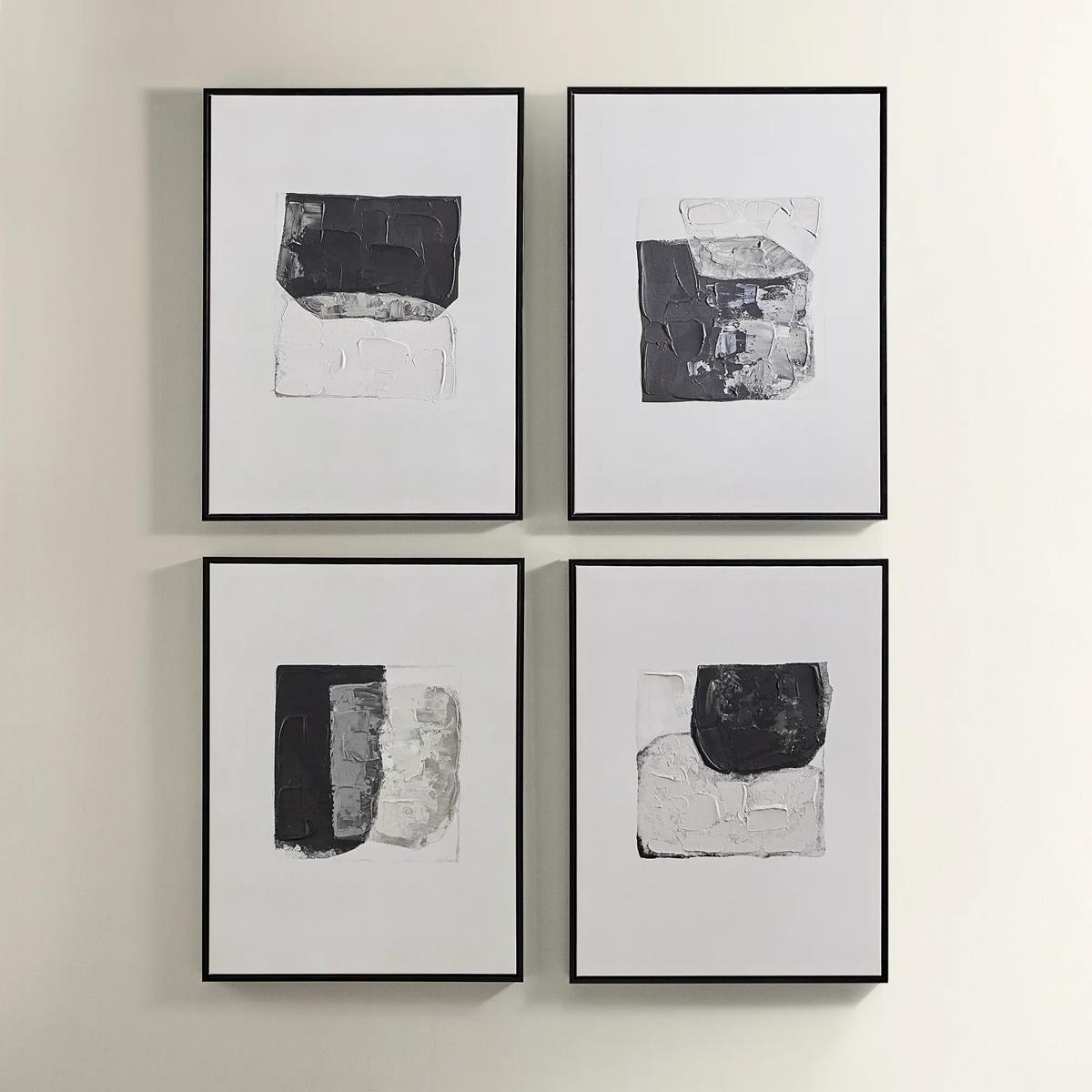
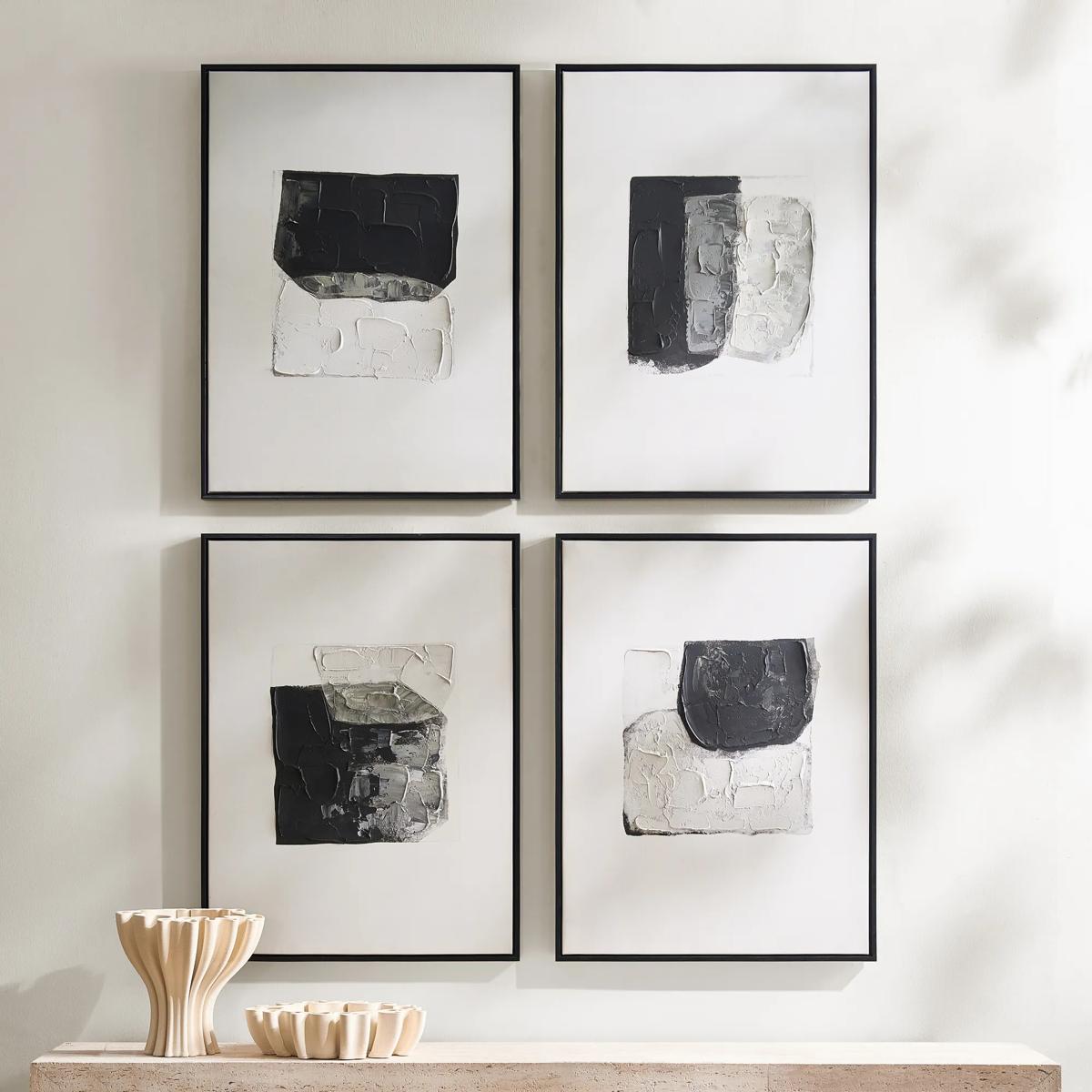 Shadows Framed Painted Wall Art Set of 4$299
A set of four hand-painted abstract canvases featuring black, white, and gold accents in black frames.
Add To Cart -

 Twin Abstract 1 Framed Wall Art 30" x 45"$699
A captivating abstract canvas artwork featuring layered blue and purple tones in a sophisticated framed presentation.
Add To Cart -
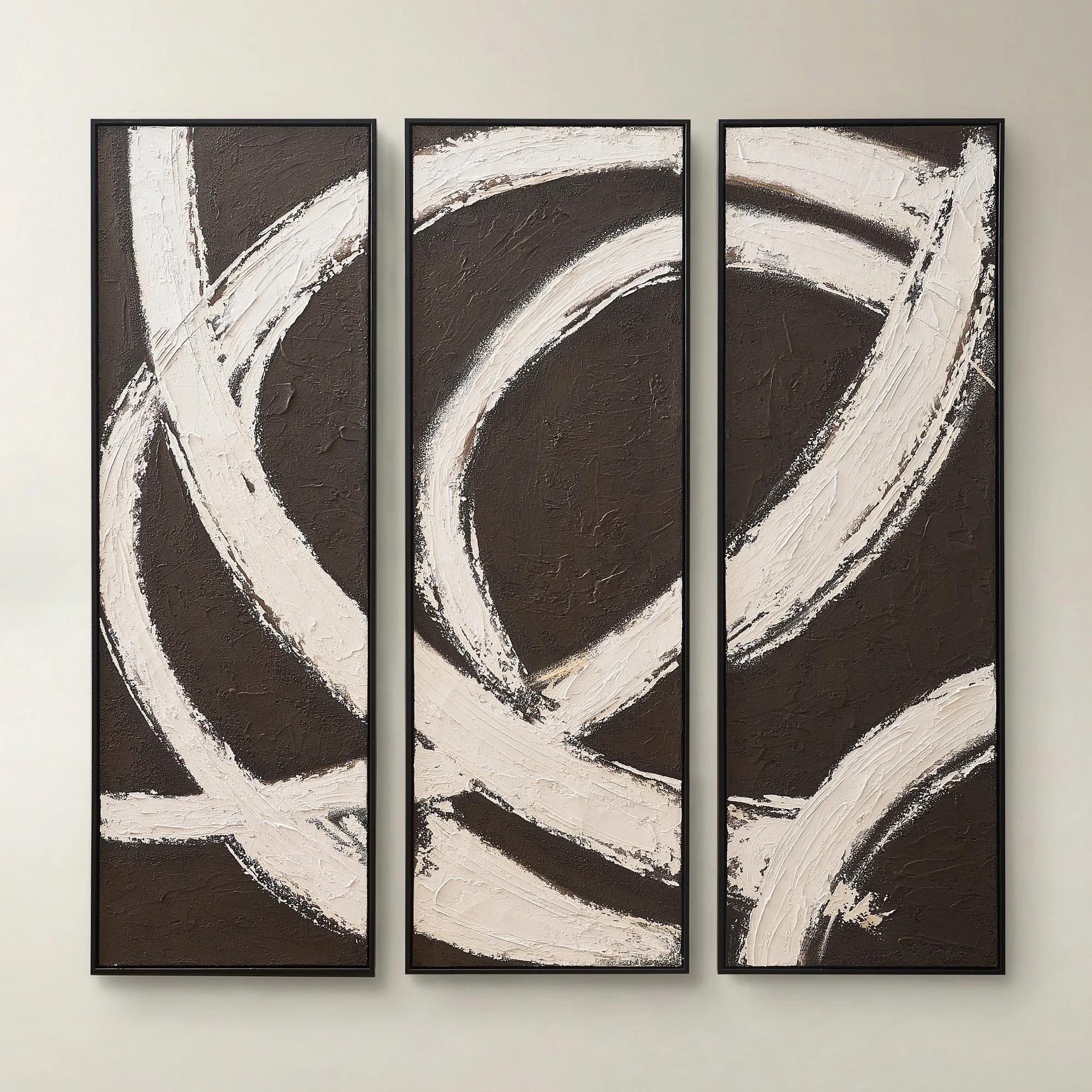
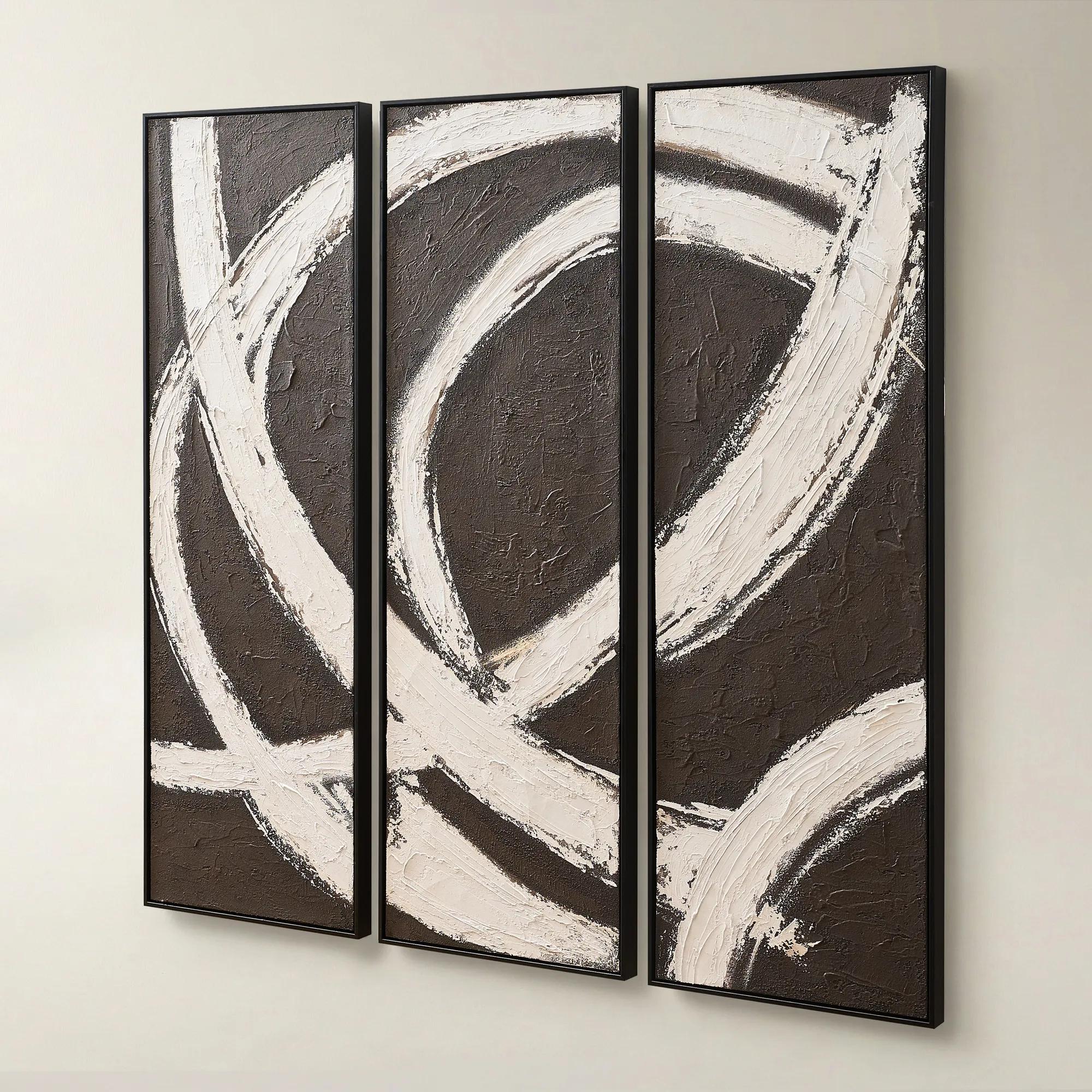 Spun in Coco Framed Painted Wall Art 20" x 60" Set of 3$499
A hand-painted triptych featuring dark chocolate and alabaster tones with rich texture and modern contrast.
Add To Cart -
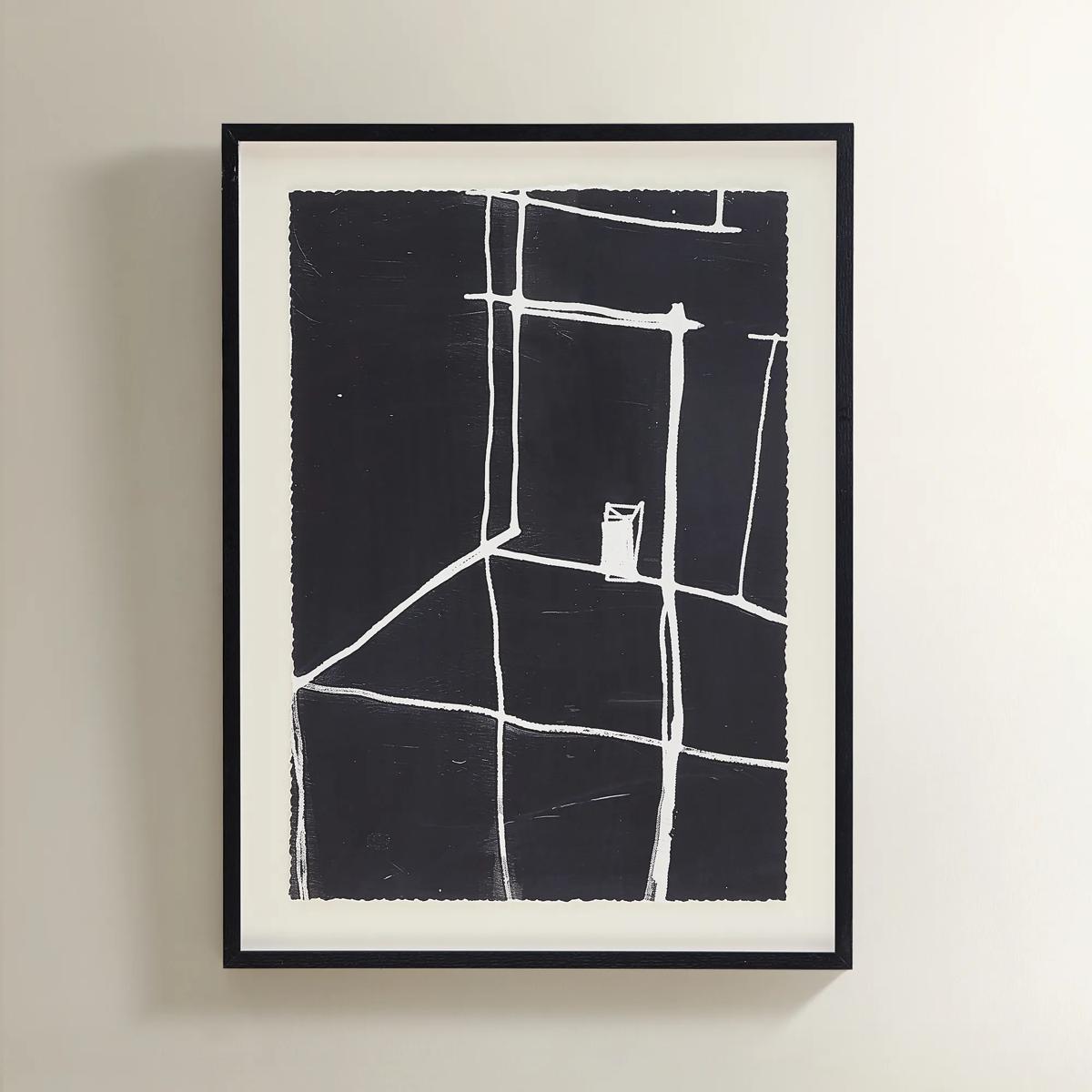 Solitude Art$269
A minimalist black-and-white abstract print featuring bold white lines in a sleek black polyresin frame.
Add To Cart -
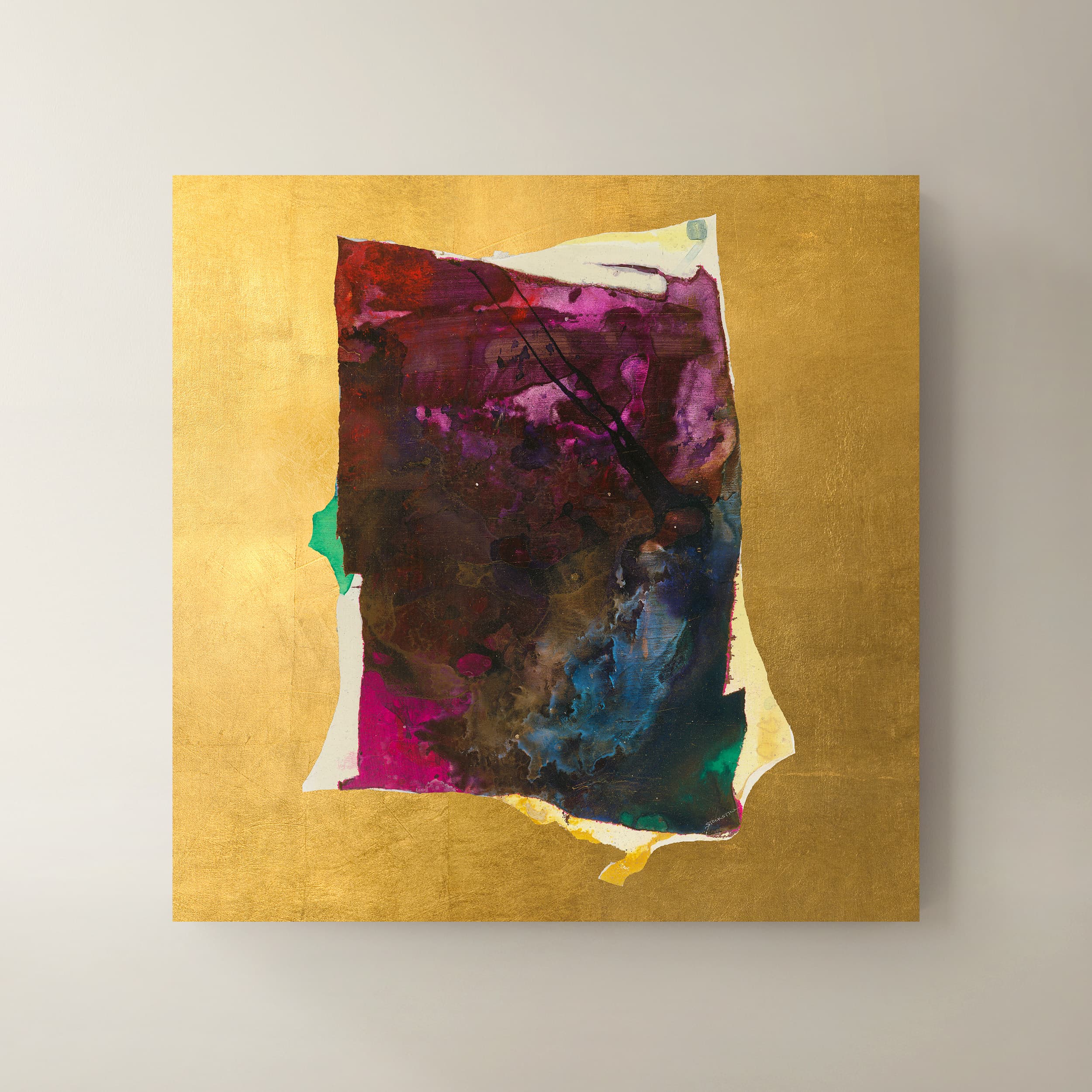 Supremo I Wall Art 40" x 40"$999
A multicolored canvas wall art piece adding contemporary visual interest to your interior.
Add To Cart -
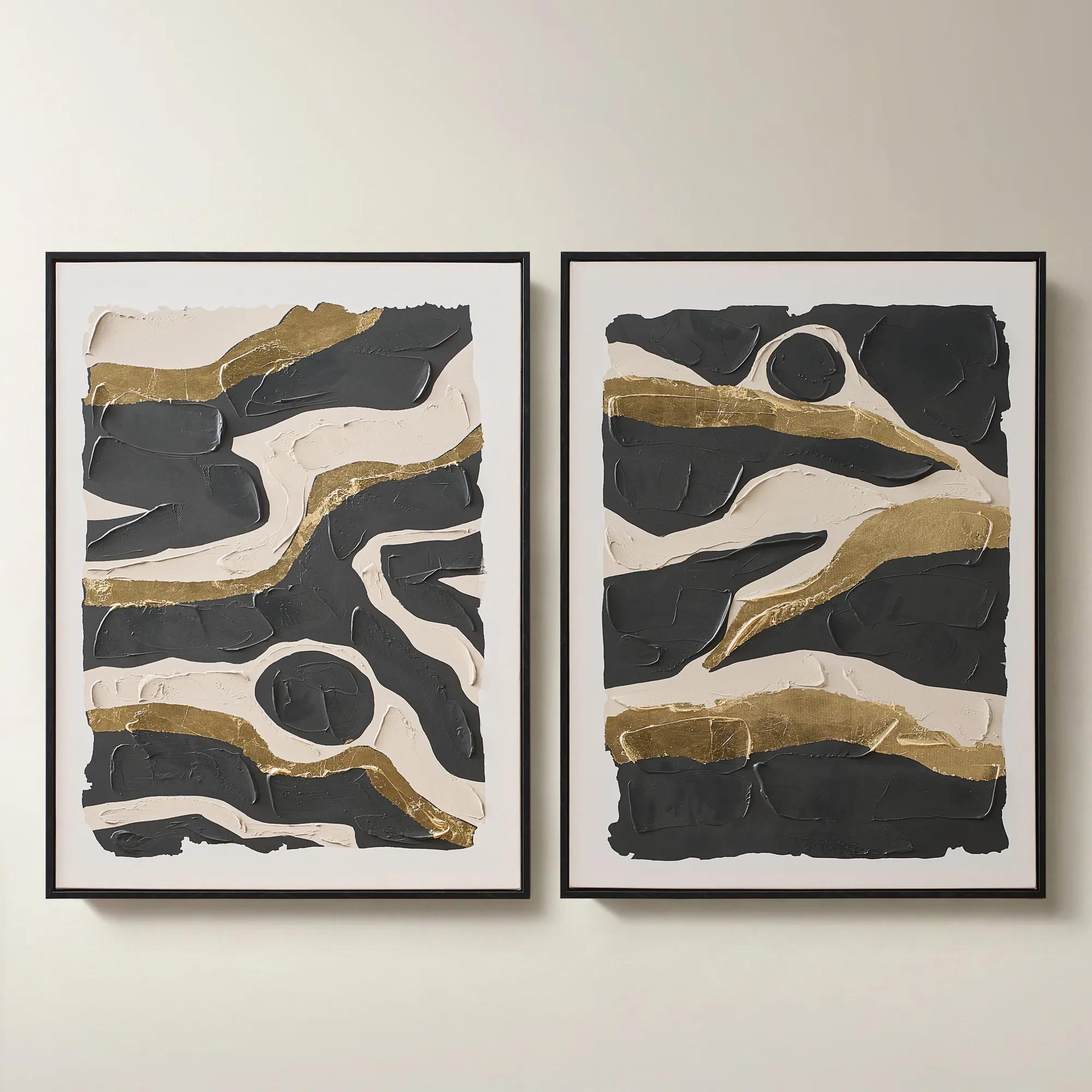
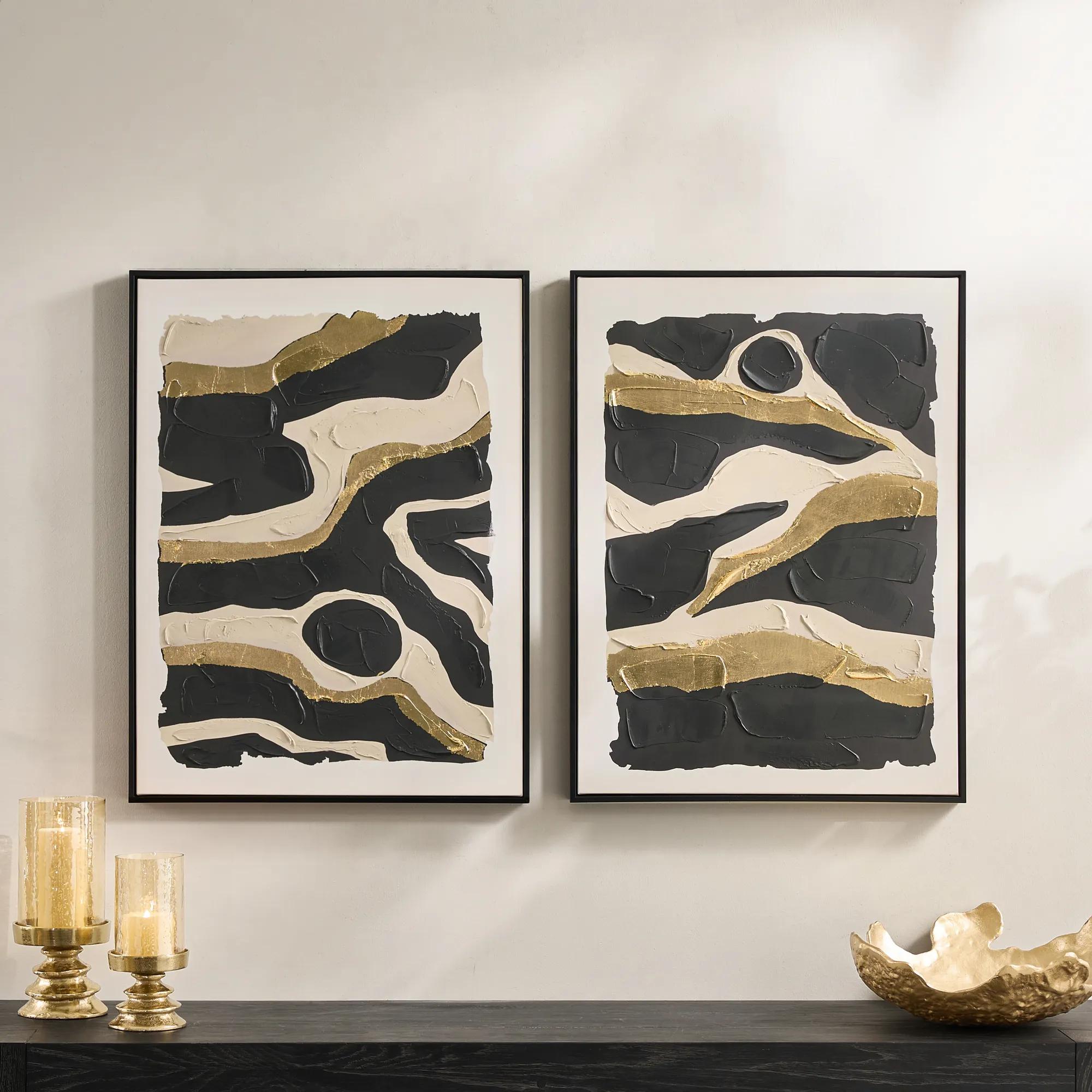 Untamed Framed Gold Leaf Painted Wall Art 24" x 32" Set of 2$199
A hand-painted diptych featuring abstract black and gold canvas art with expressive, gallery-inspired energy.
Add To Cart -
 Relic Framed Painted Triptych Wall Art Set of 3$399
A hand-painted abstract triptych in deep navy and neutral tones, set in sleek black floater frames.
Add To Cart -
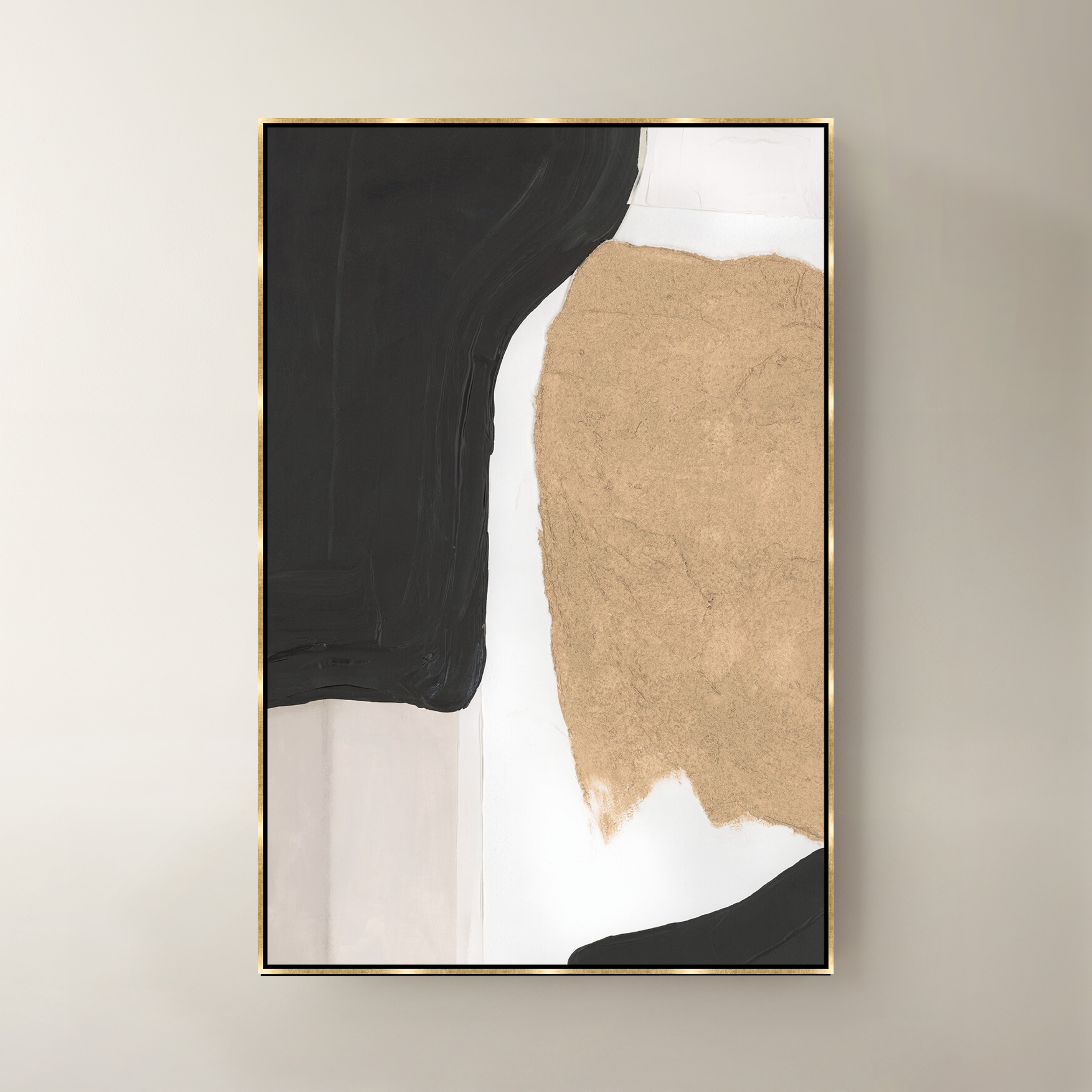
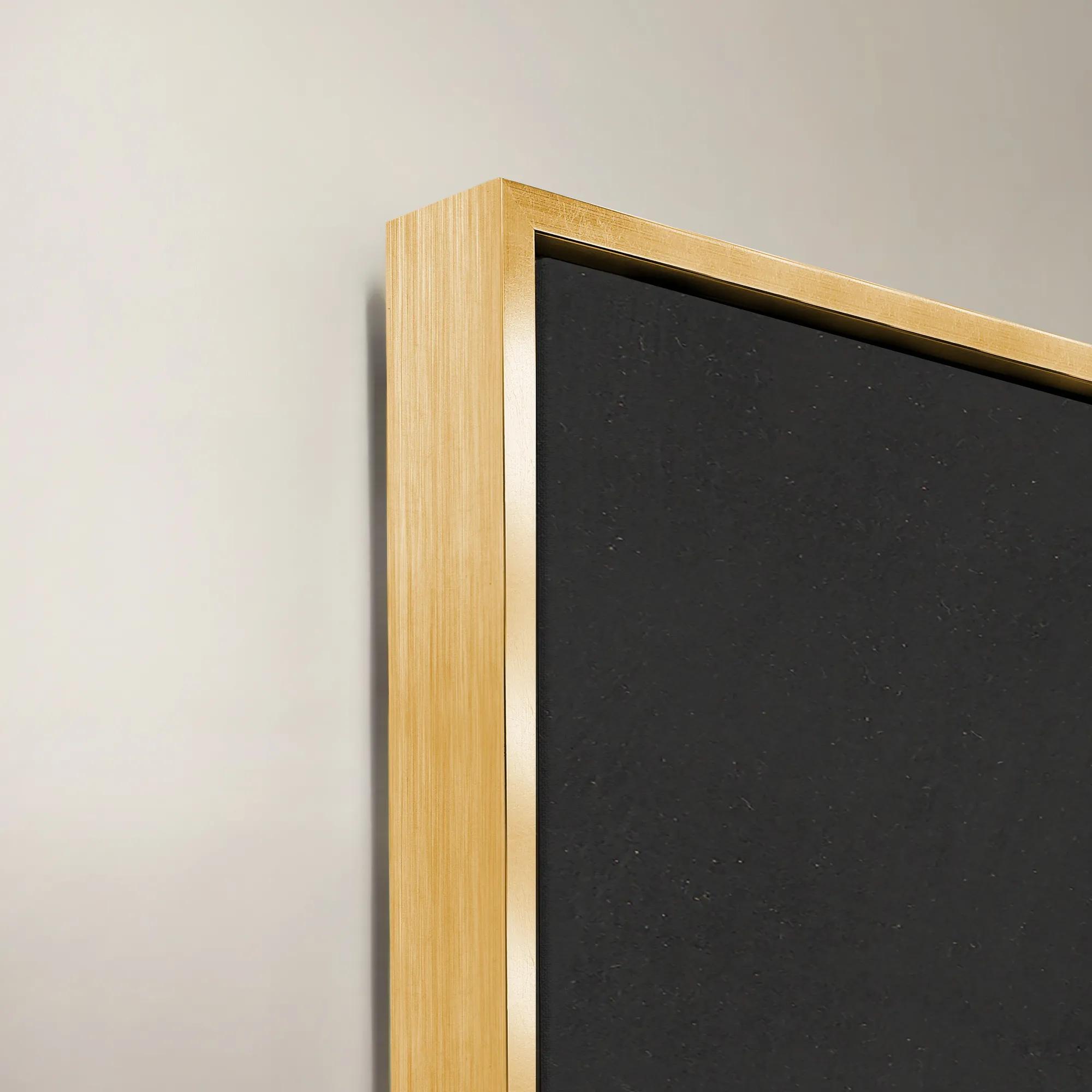 Noir I Framed Wall Art 40" x 60"$1299
A multicolored canvas wall artwork presented in a striking frame for modern interior styling.
Add To Cart -
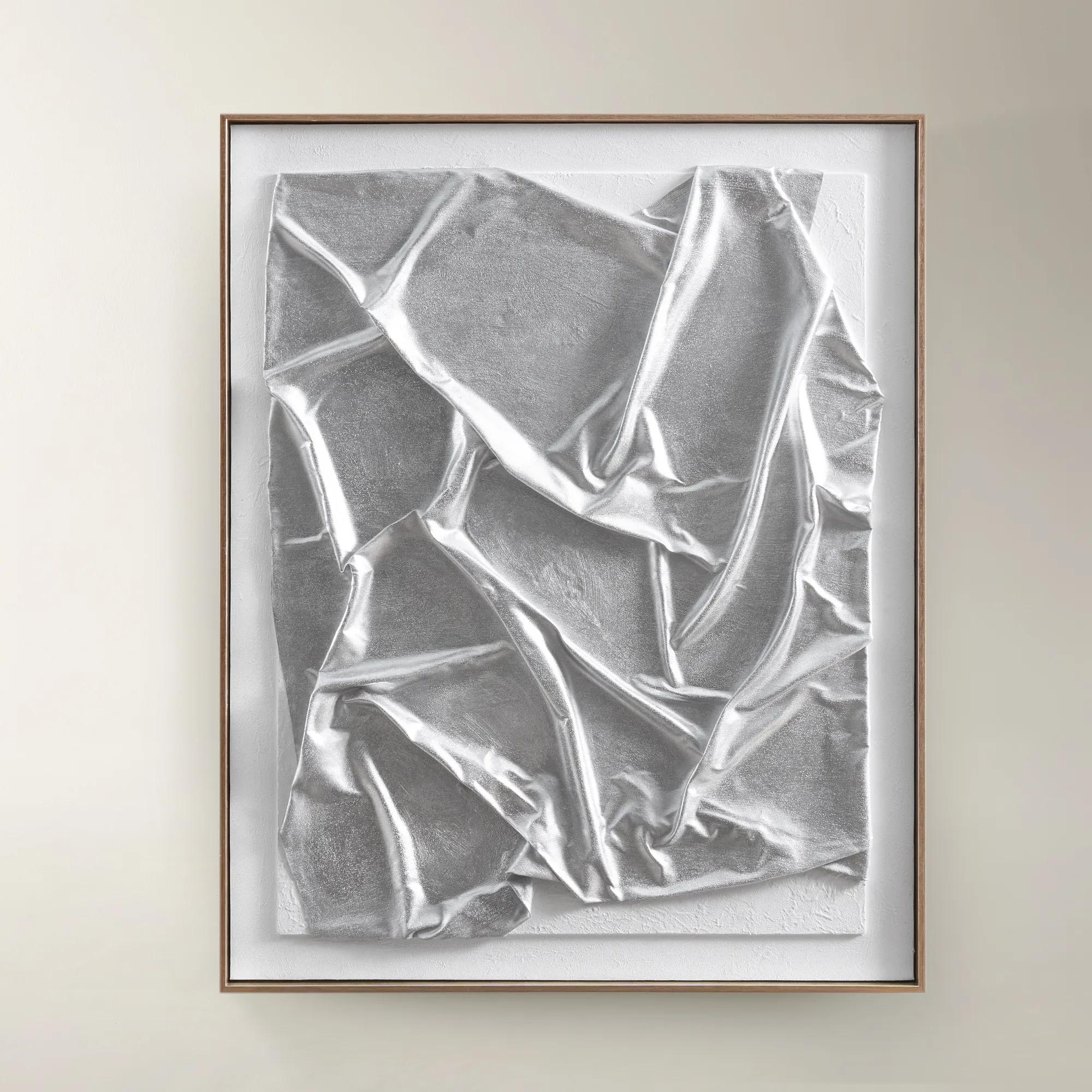
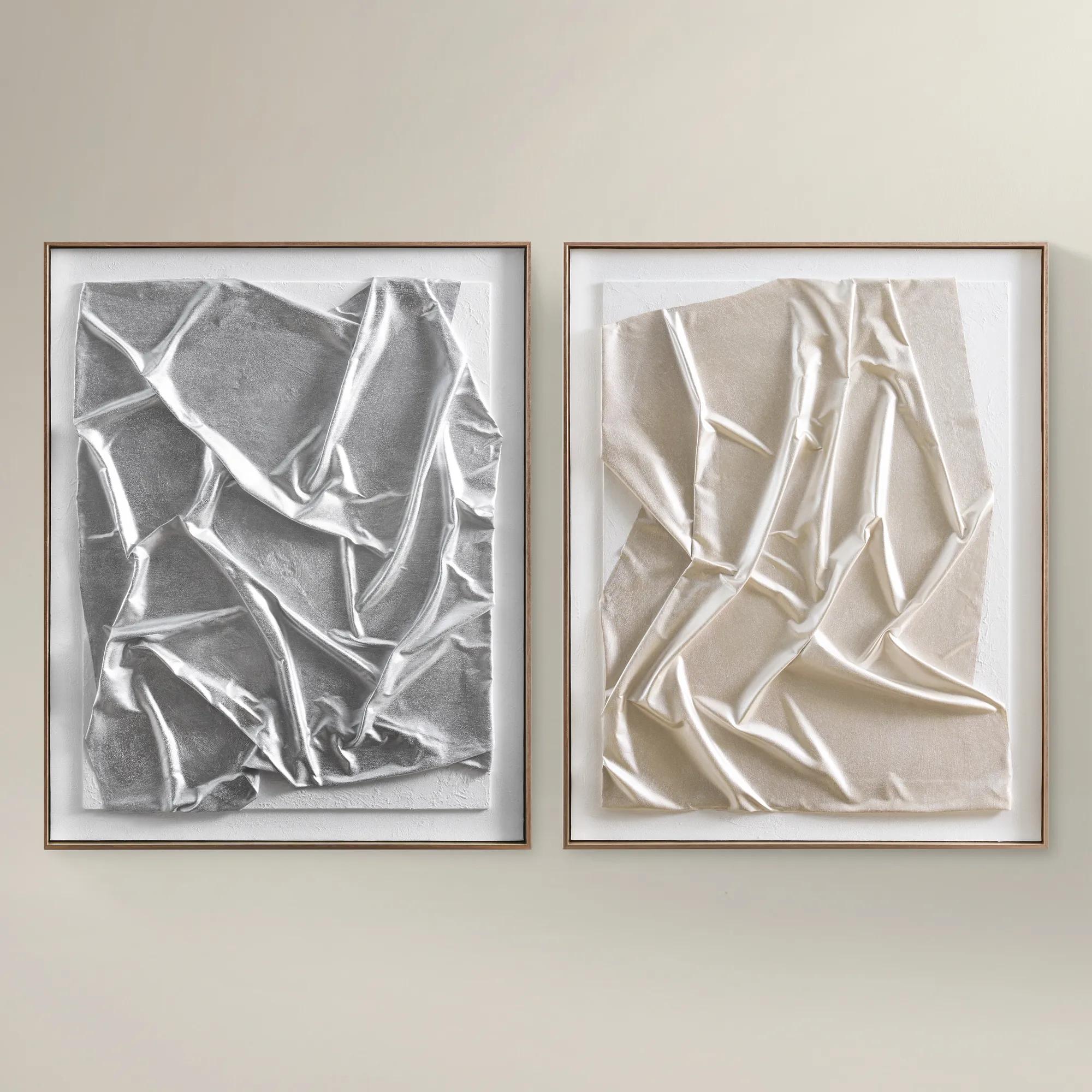 In the Mood Framed Painted Wall Art 31.5" x 39.5"$199
A hand-painted abstract canvas in shimmering silver tones, set in a warm champagne floater frame.
Add To Cart -
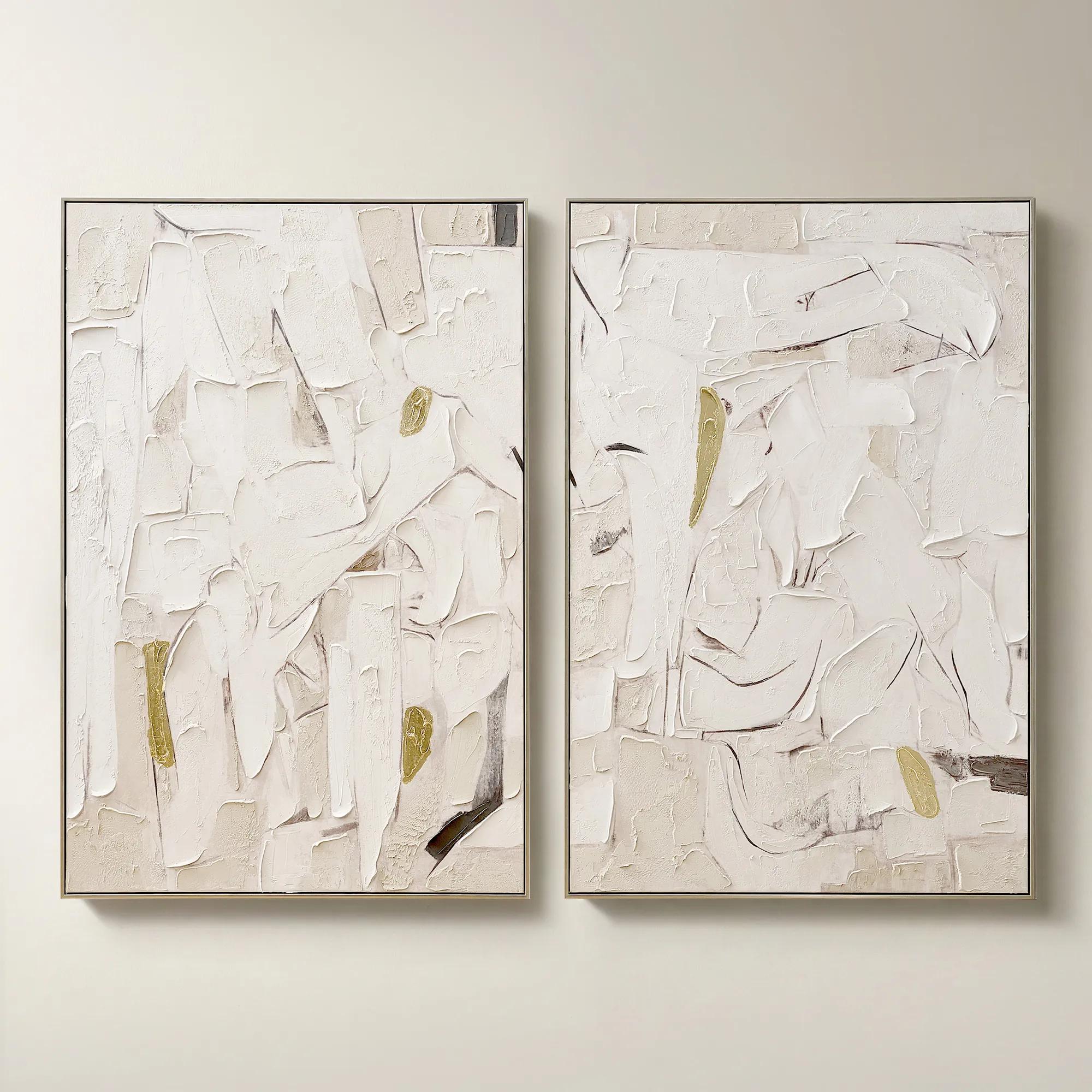 Beneath the Surface Framed Gold Leaf Painted Wall Art 40" x 60" Set of 2$799
A hand-painted abstract diptych featuring gold detailing and layered texture in alabaster and tawny hues.
Add To Cart -
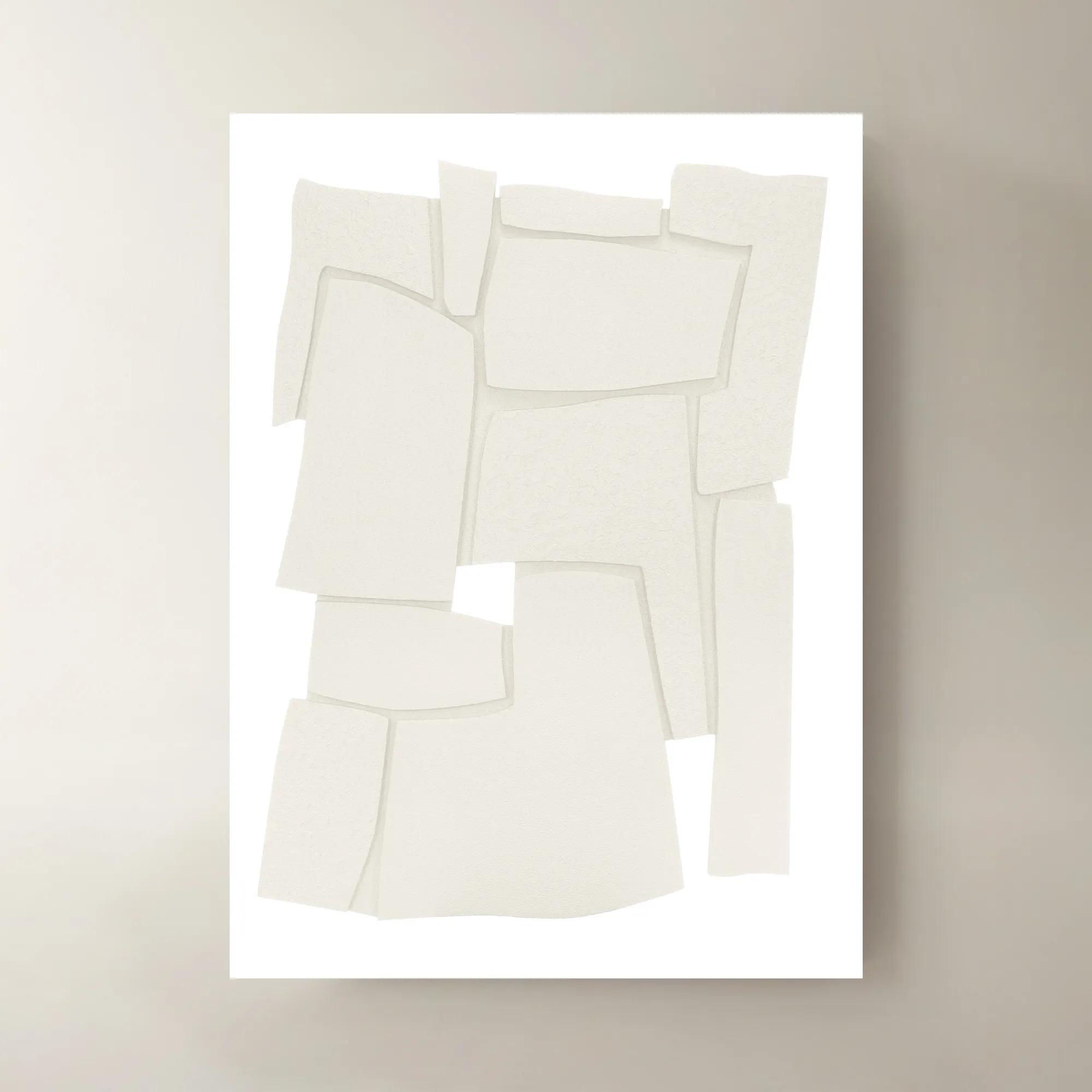
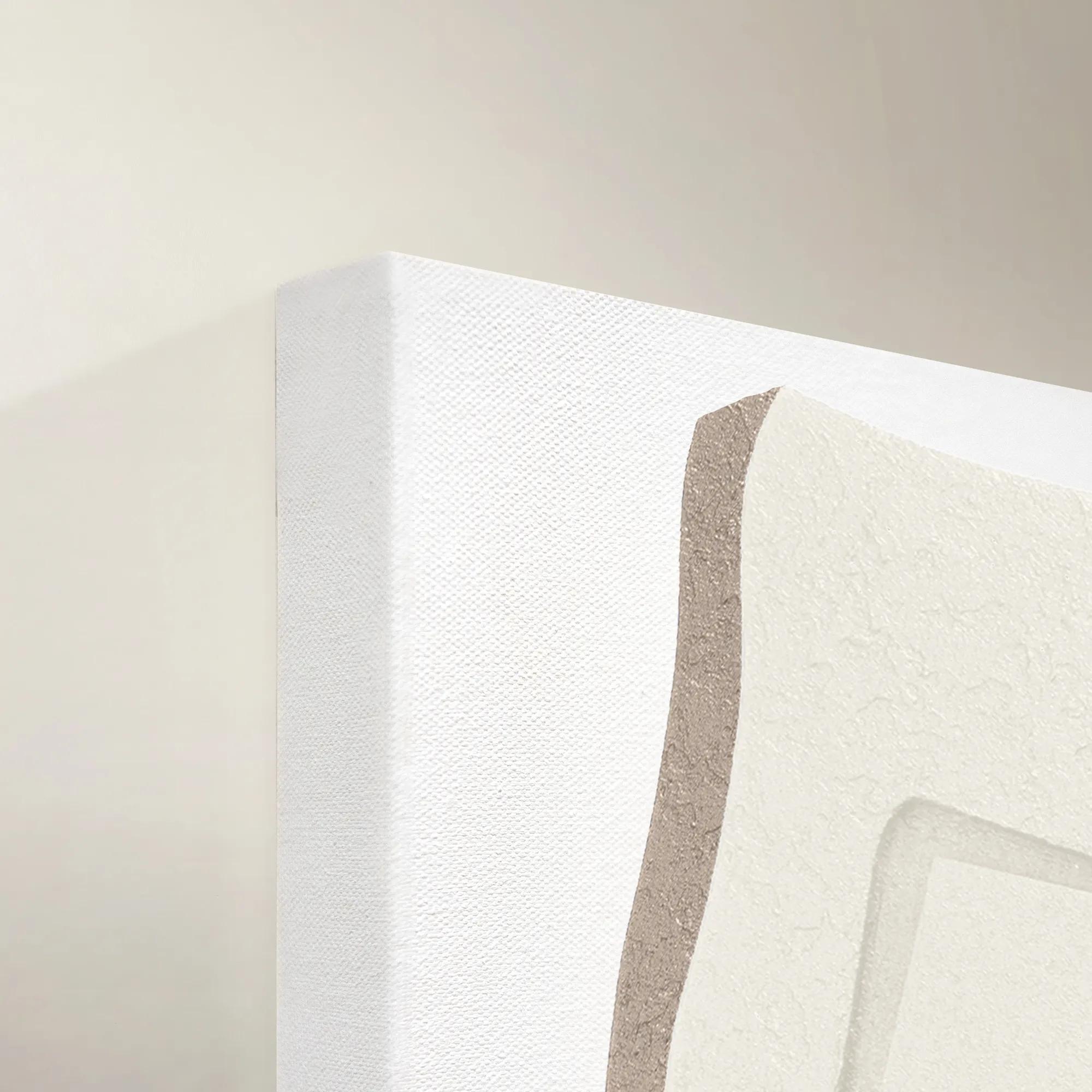 Wonder Maze III Wall Art 40" x 55"$1699
A contemporary canvas wall art piece featuring an intriguing abstract maze-inspired design.
Add To Cart -
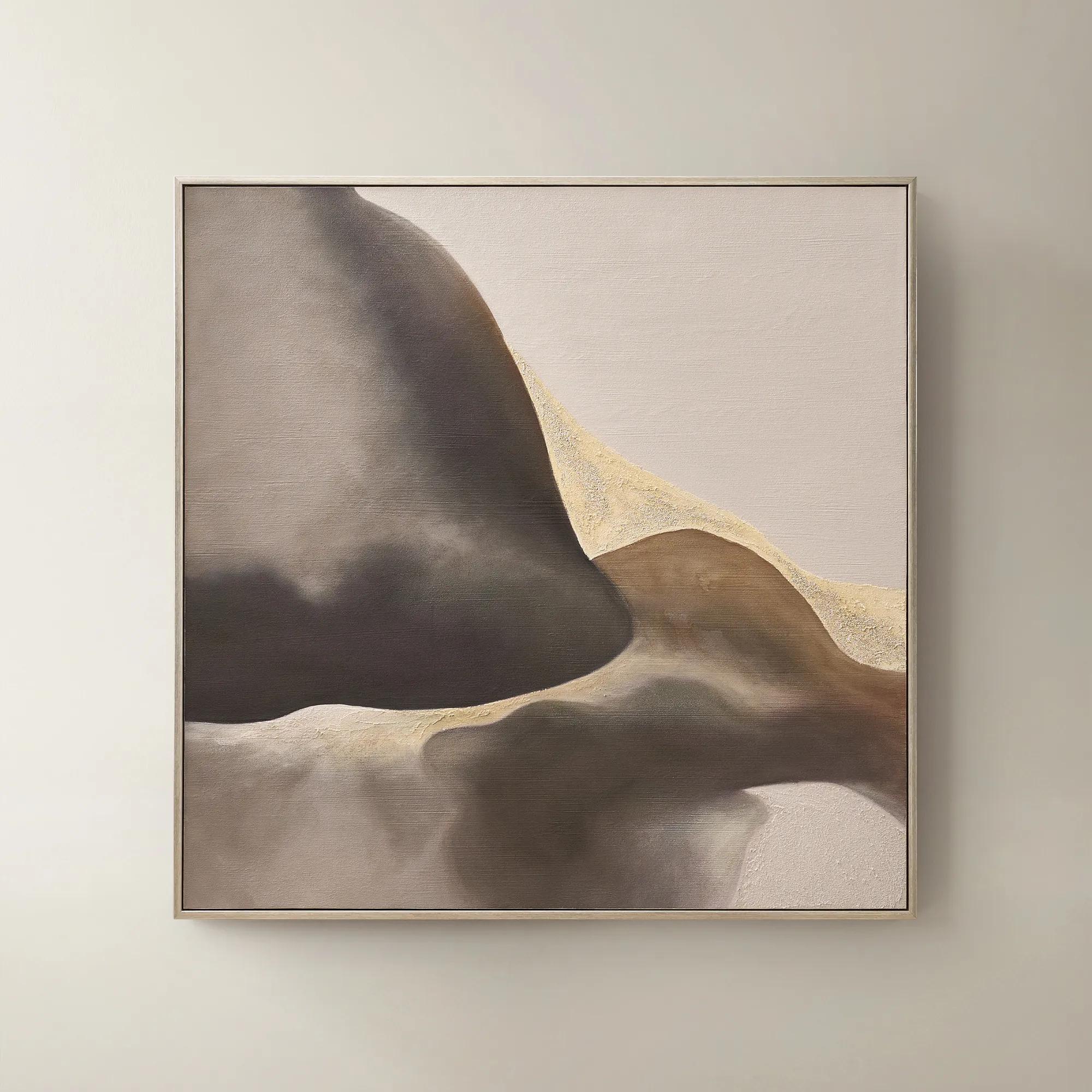 Windswept Framed Gold Leaf Painted Wall Art 50" x 50"$549
A hand-painted abstract canvas in plum truffle with gold leaf accents and a brushed champagne frame.
Add To Cart -
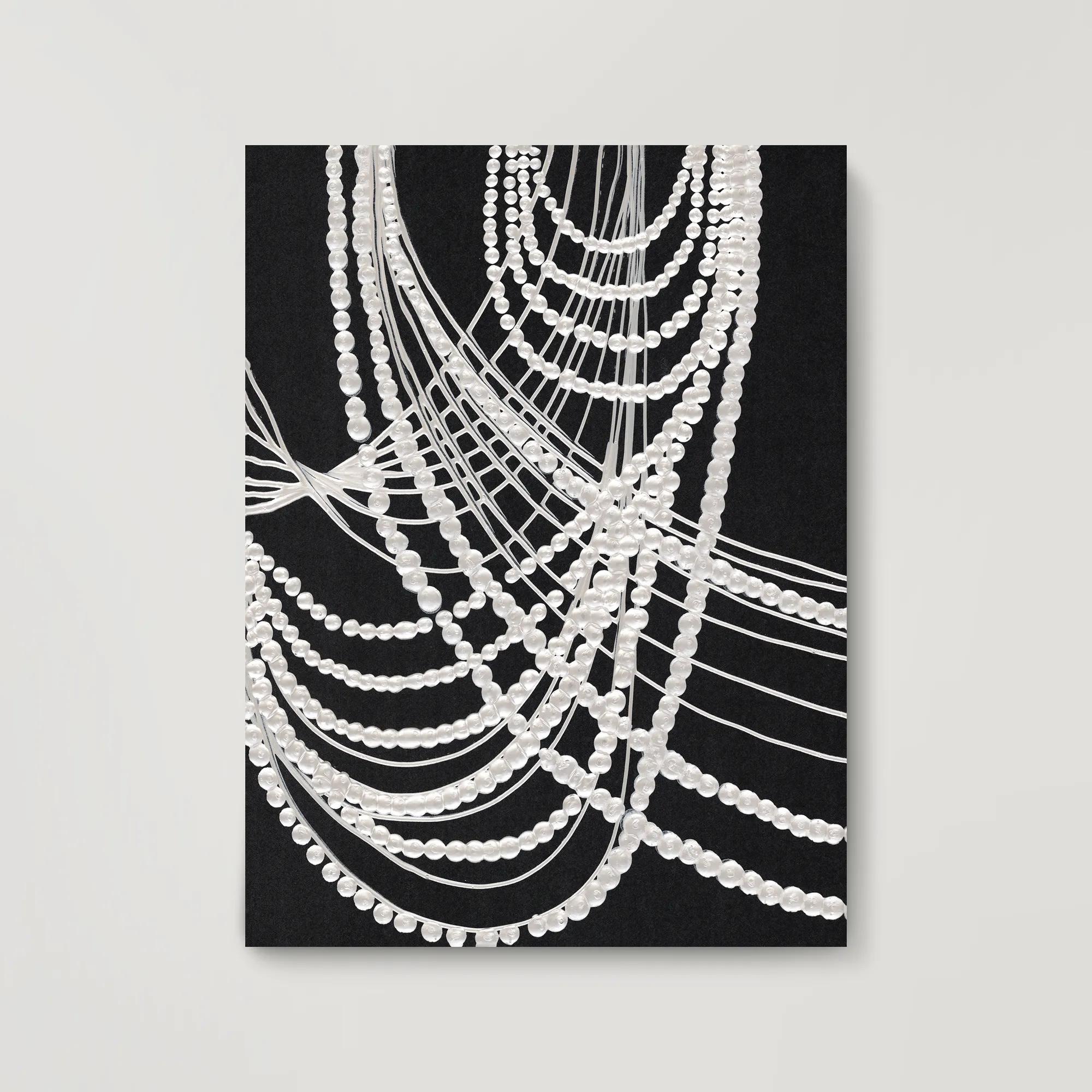 Dripping Pearls Painted Wall Art 36" x 48"$949
A striking hand-painted abstract artwork featuring layered acrylic and watercolor textures in a modern design.
Add To Cart -
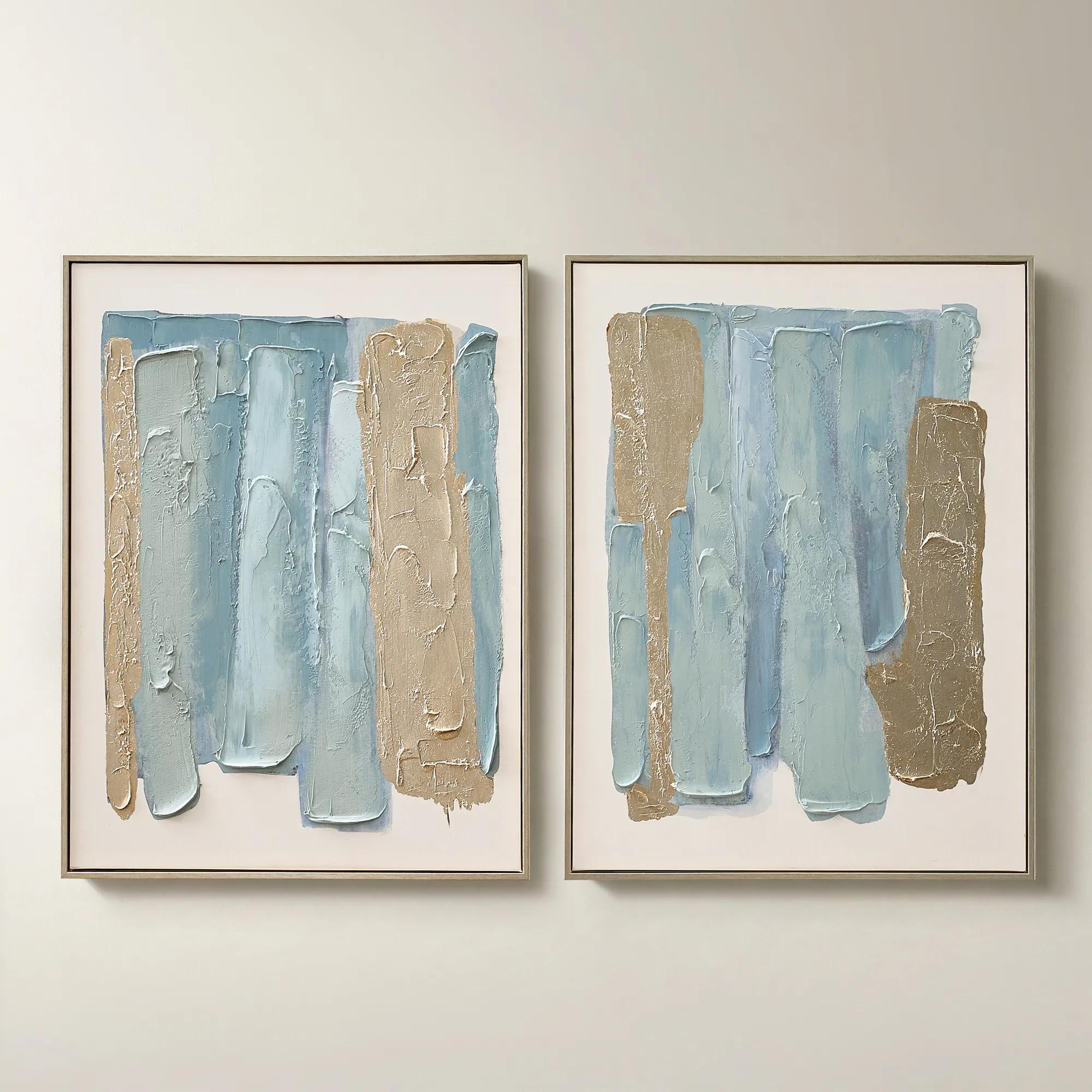
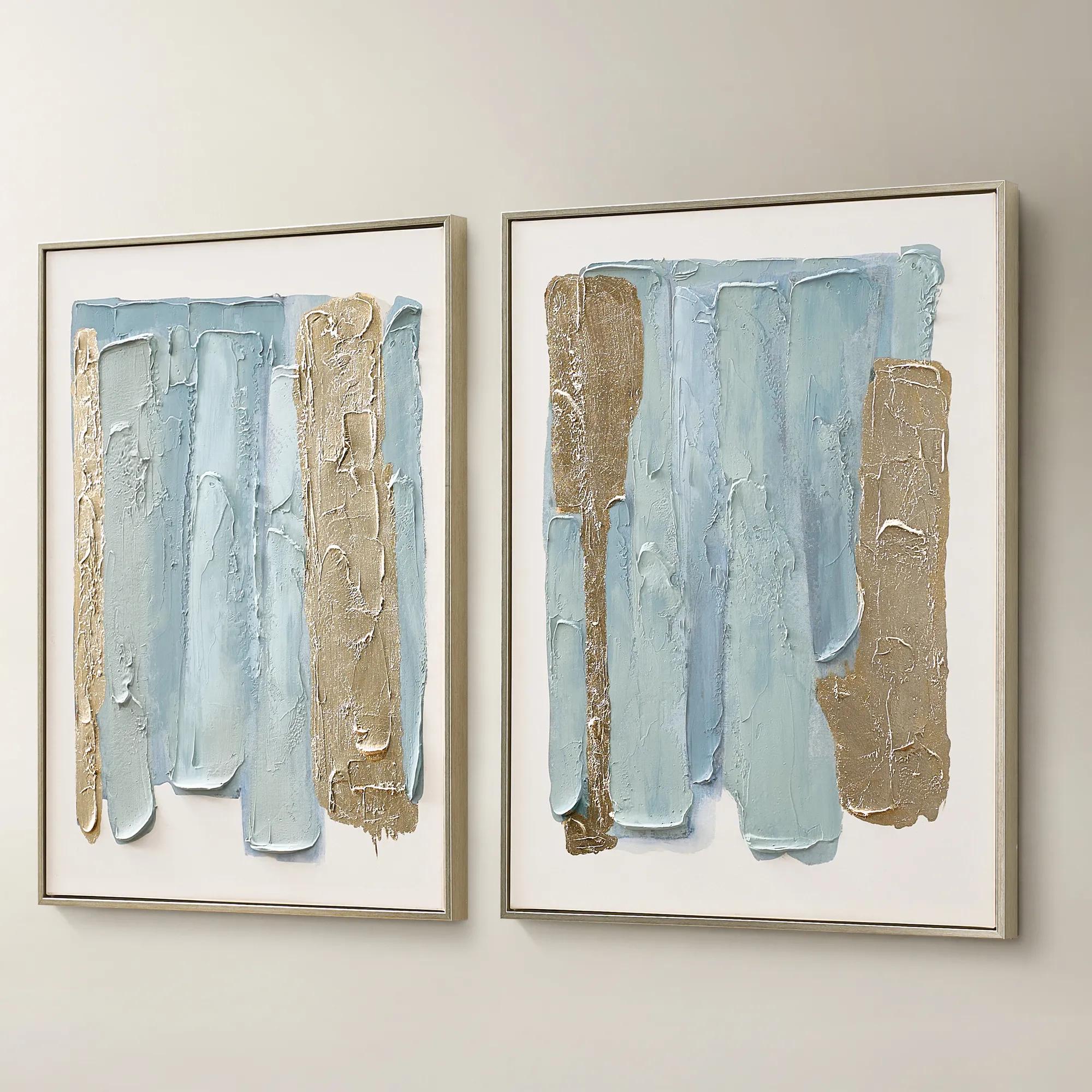 Blue Drift Framed Champagne Painted Wall Art 24" x 32" Set of 2$199
A set of two hand-painted canvases in dusty blue with champagne leafing and modern abstract movement.
Add To Cart -
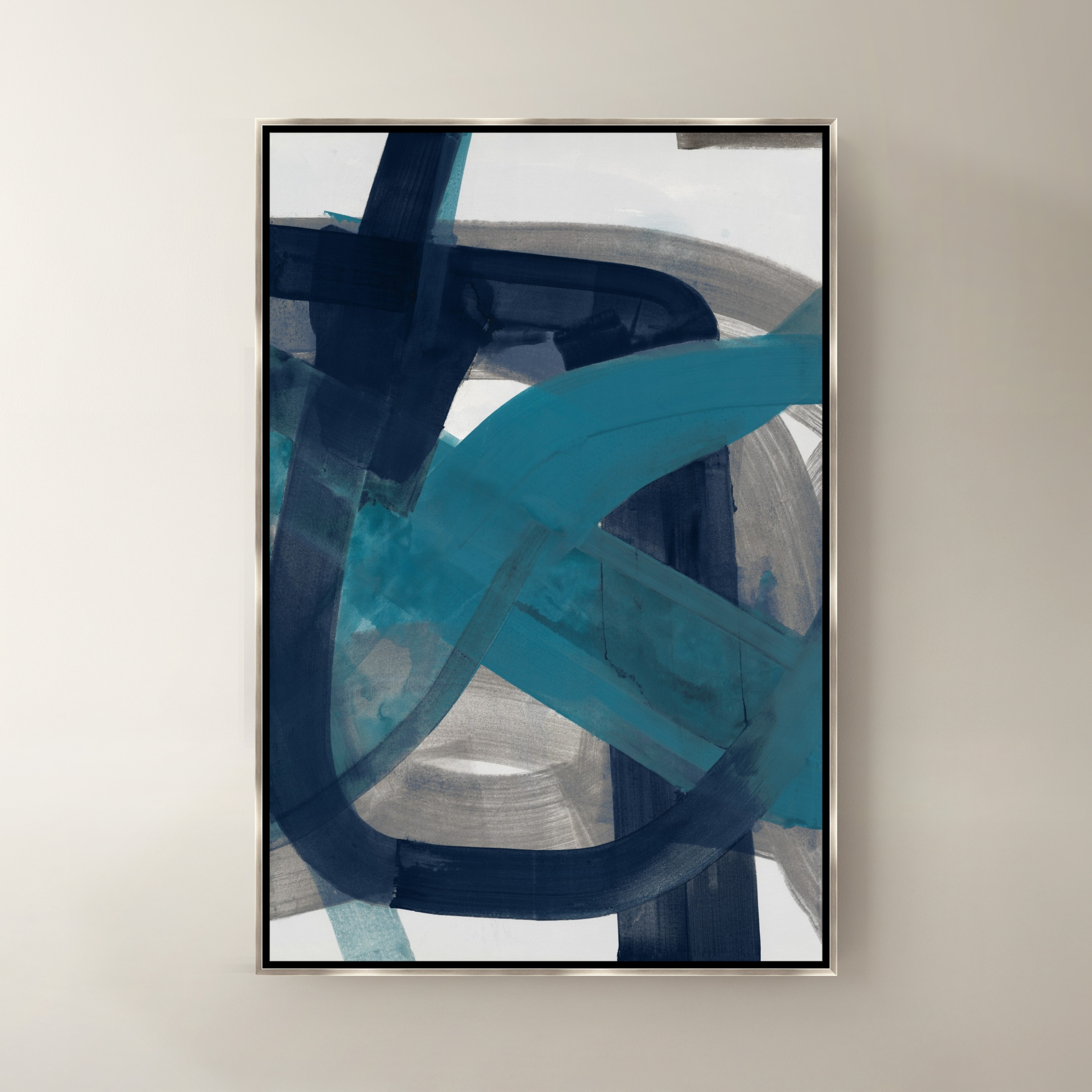
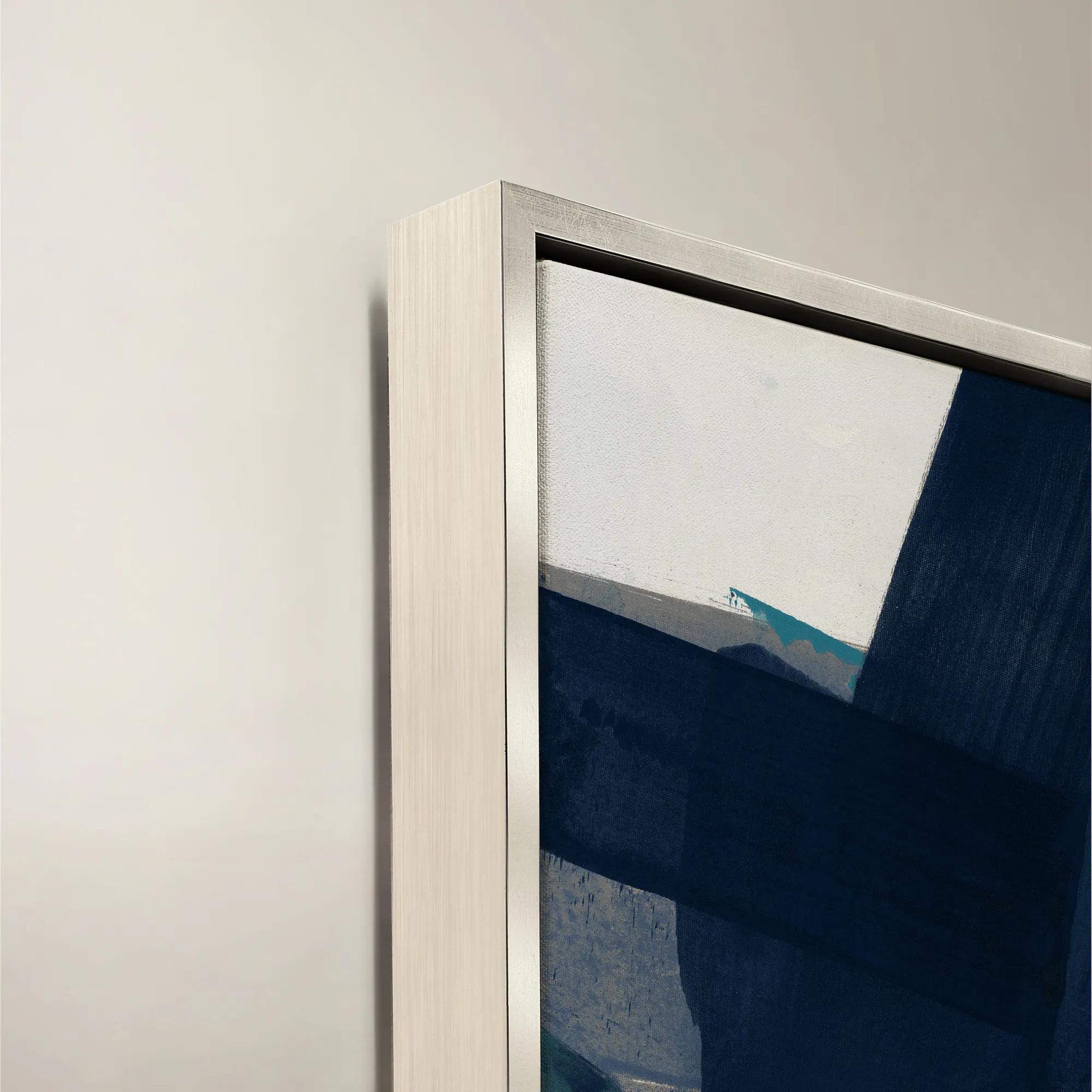 Fractured Currents II Framed Wall Art 24" x 36"$499
A framed canvas wall artwork featuring dynamic blue and purple tones for a modern, expressive accent.
Add To Cart -
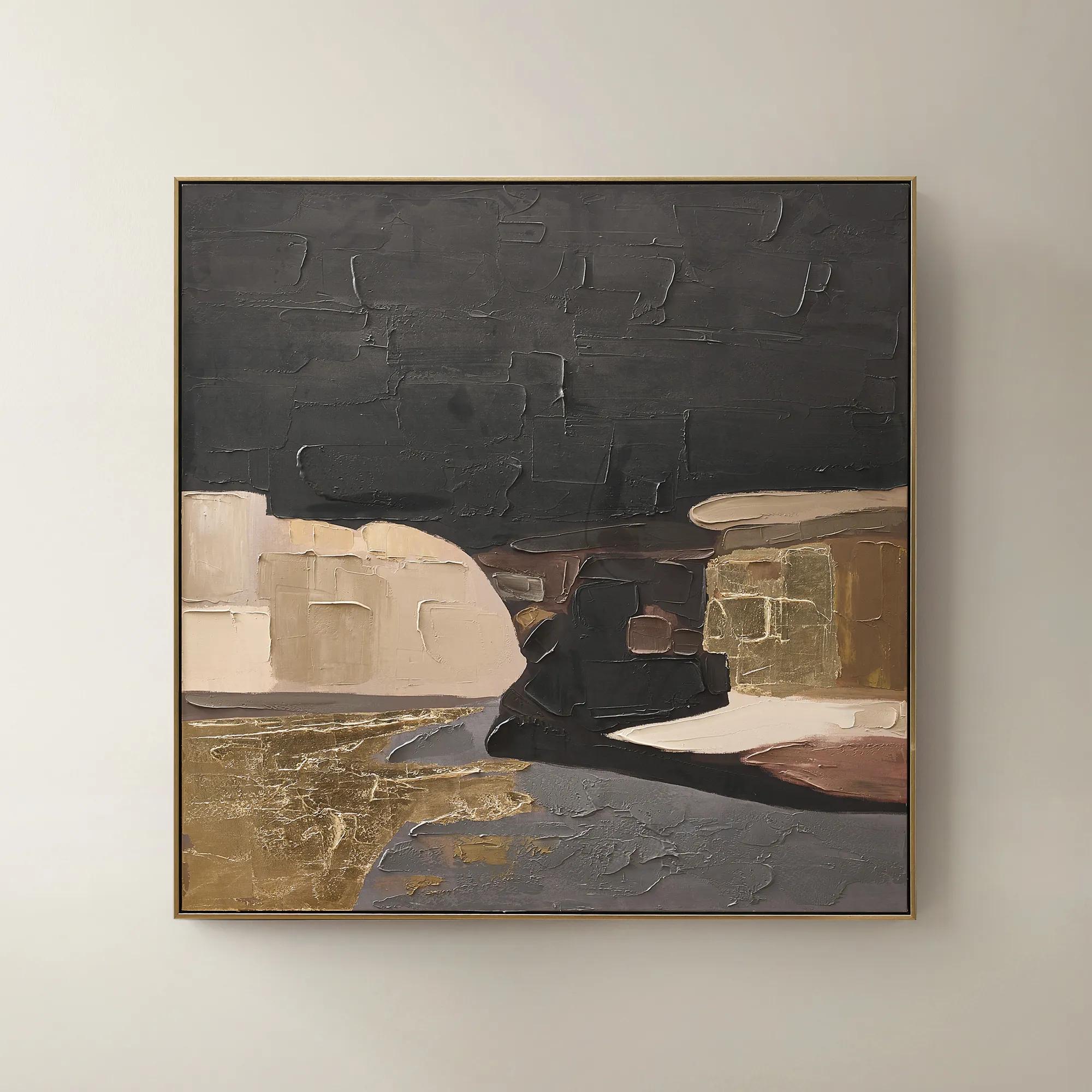 Obscured Light Framed Gold Leaf Painted Wall Art 48" x 48"$499
A hand-painted canvas with gold leaf accents and a black-gold frame in dramatic neutral tones.
Add To Cart -
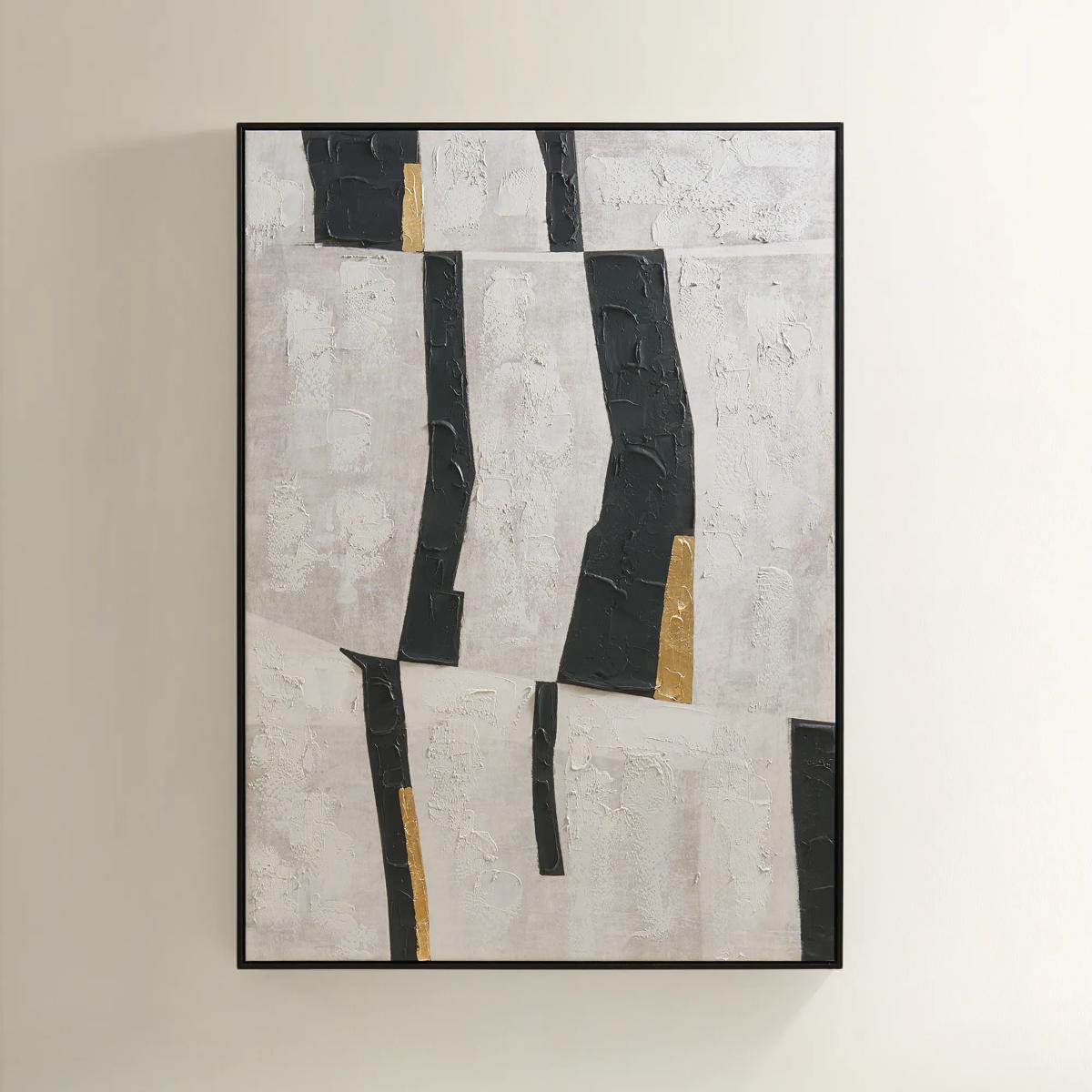
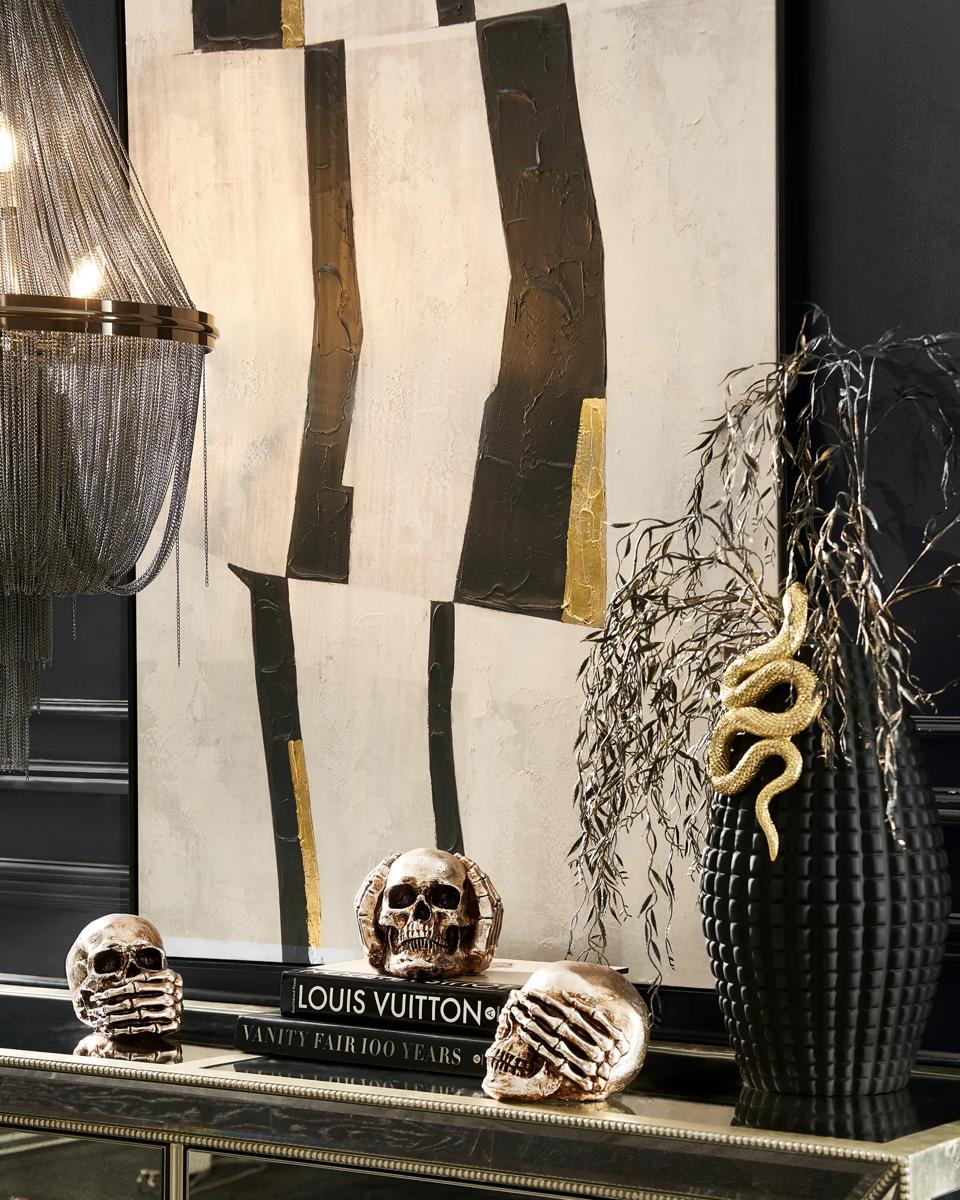 Into the Groove Painting$449
A modern abstract canvas featuring black, gray, and gold leaf accents in a sleek black floater frame.
Add To Cart -
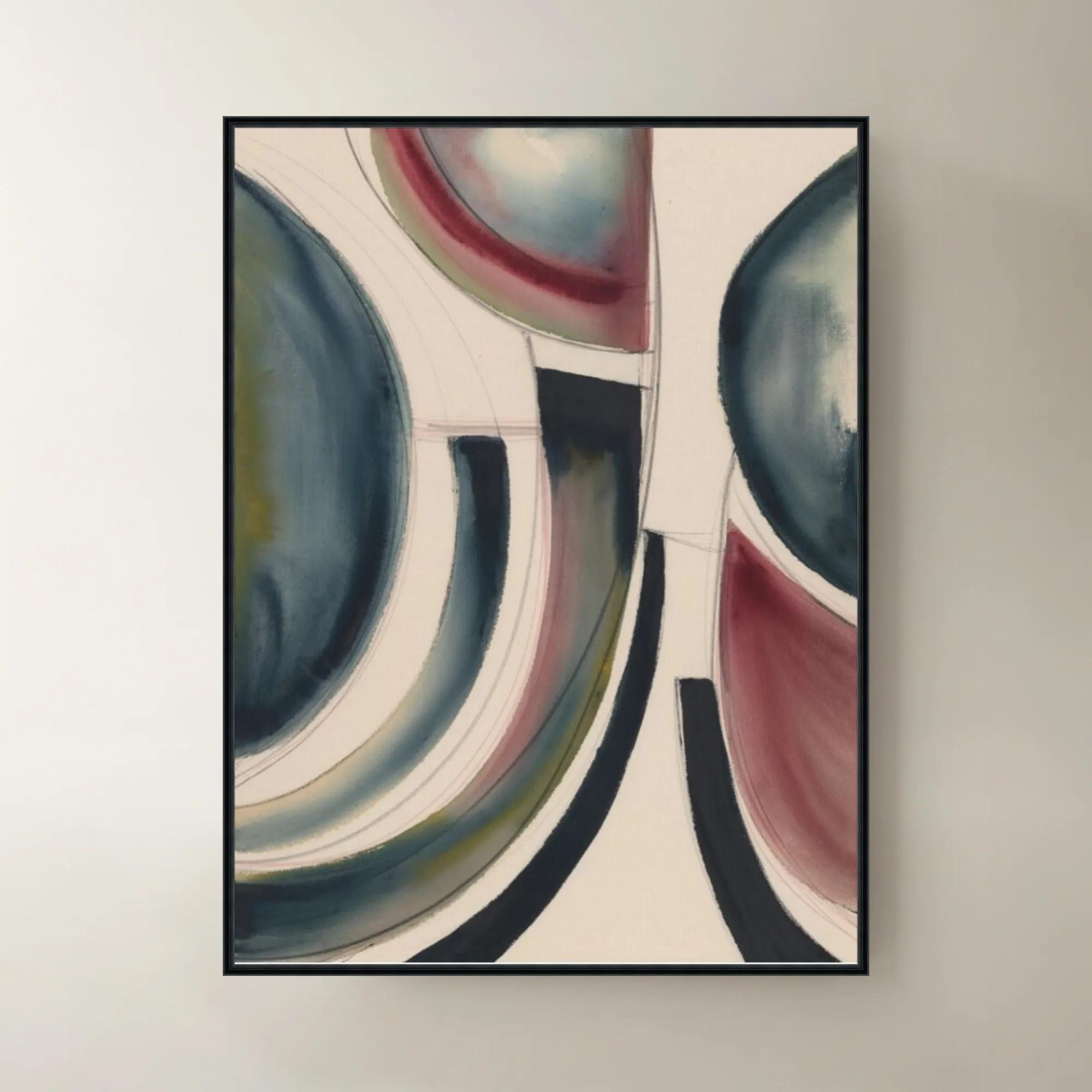
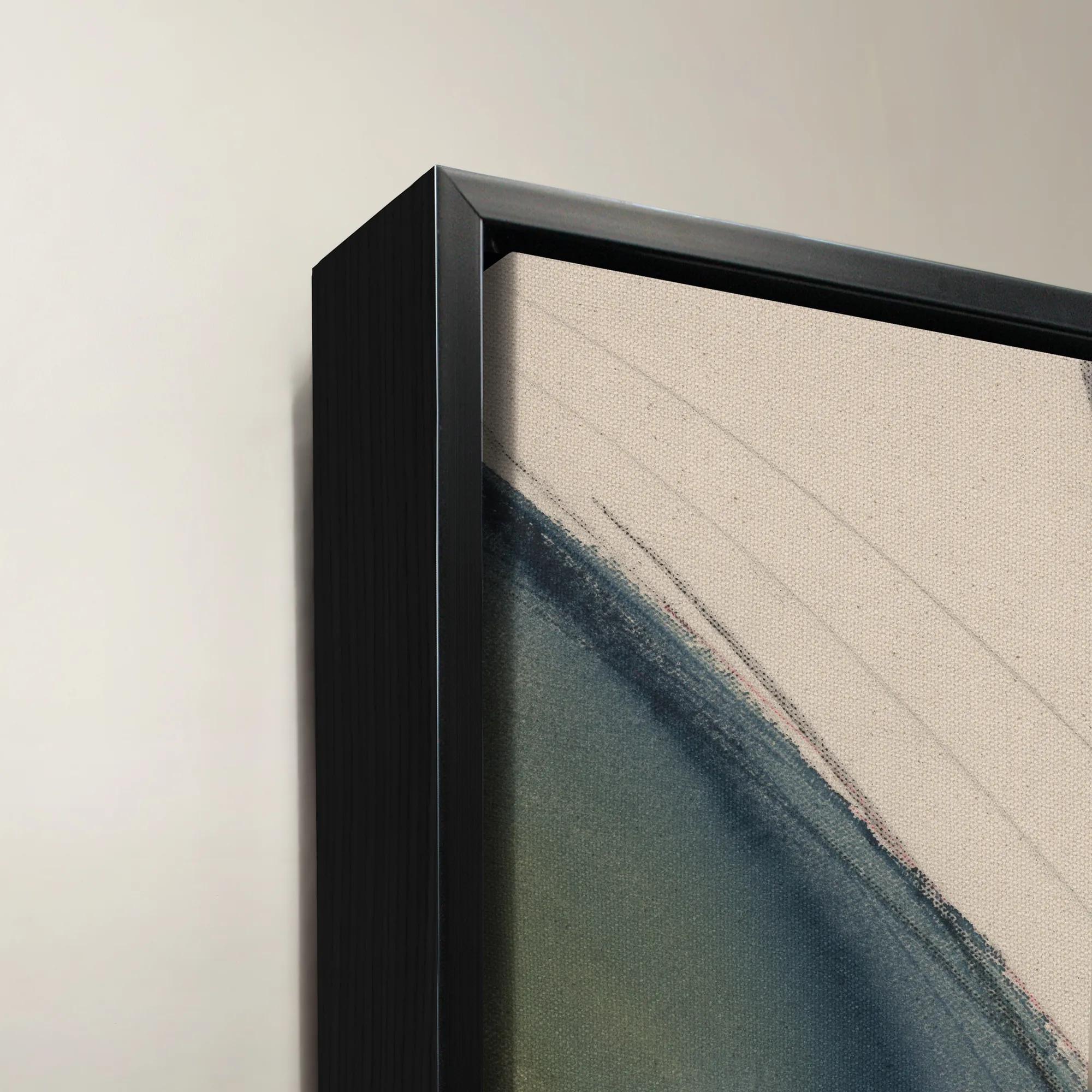 Dreamsicle Framed Wall Art 40" x 54"$1199
A vibrant multicolored canvas wall artwork presented in an elegant frame for contemporary interiors.
Add To Cart -
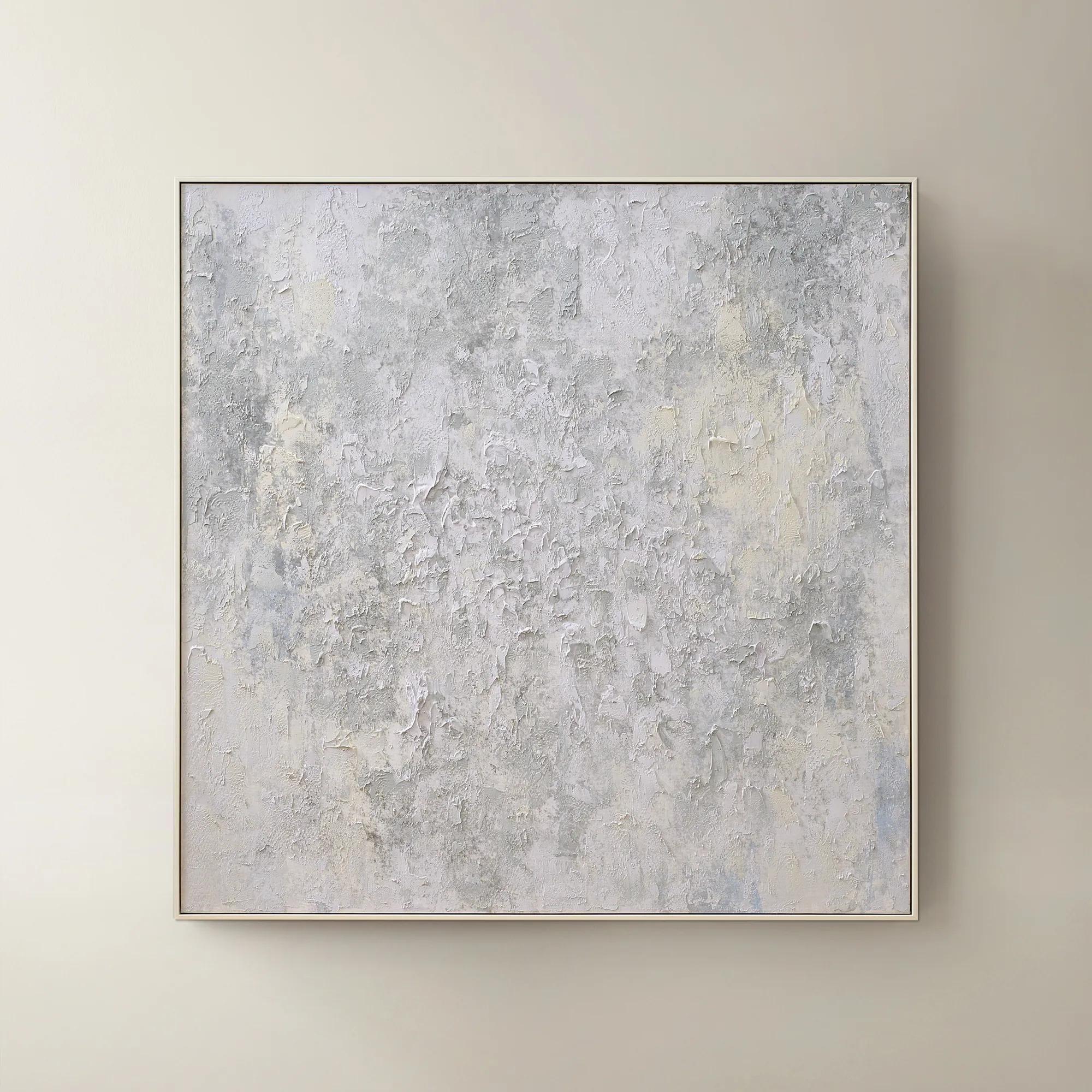 Breathe of Fresh Air Framed Painted Wall Art 50" x 50"$499
A hand-painted abstract canvas in dusty blue hues, elegantly framed in white for a serene, modern accent.
Add To Cart

Vertical Abstract Wall Arts
Vertical Abstract Wall Arts ascend beyond mere decoration, transforming blank walls into striking showcases of imagination and intrigue. Each piece commands attention with its towering elegance, drawing the eye upward and infusing your space with a sense of movement and modern artistry. Designed for those who revel in the unexpected, Vertical Abstract Wall Arts invite you to curate a gallery that is as daring as it is sophisticated—where every brushstroke, hue, and shape becomes part of your home's dramatic narrative. Elevate your interiors with art that celebrates bold expression and architectural allure, turning every wall into a canvas of possibility.
Vertical abstract wall art brings expressive color, sculptural line, and a sense of height to narrow walls, entryways, staircases, and rooms with tall ceilings. Its portrait orientation draws the eye upward, giving slender architectural spaces a deliberate focal point without requiring a broad expanse of wall. Unlike representational artwork, an abstract composition builds its presence through gesture, shape, texture, and the relationships between colors. A sweep of charcoal across an ivory ground can lend a quiet room graphic confidence; overlapping jewel tones can introduce richness beside a velvet chair or a gleaming console. The vertical format gives those elements room to unfold, whether the effect is airy and restrained or dense with movement. In an entryway, a tall composition can establish the character of the home before the adjoining rooms come into view. Between windows, it can transform an overlooked stretch of wall into an intentional part of the architecture. Beside a fireplace or above a narrow chest, it offers an alternative to artwork that extends beyond the furniture beneath it. Scale matters as much as subject: a substantial vertical piece can hold its own against high ceilings, while a smaller framed work creates a more intimate moment in a reading corner or dressing area. The most compelling fit considers both the artwork’s outer dimensions and the open space surrounding it, including trim, sconces, switches, and nearby furniture. A slim wall does not necessarily call for the smallest possible artwork; a more generous composition with comfortable breathing room can feel far more assured than a diminutive piece floating in an otherwise empty space. For a broad wall, a pair or grouping of vertical abstracts can establish rhythm while preserving the upward movement of the individual compositions. Consistent spacing and a shared color, frame finish, or visual weight help the arrangement feel connected, even when each work has a distinct personality.
Materials shape the character of vertical abstract artwork as decisively as color and proportion. Canvas introduces a woven surface that can soften hard-edged geometry or give fluid brushwork a tactile foundation. A stretched canvas presentation emphasizes the composition itself, while a surrounding frame adds definition and a more architectural outline. Works on paper can reveal delicate washes, fine marks, and subtle tonal shifts; matting provides visual space around the image and separates the paper from protective glazing. Glass or acrylic glazing changes how artwork interacts with light, making its placement especially important opposite windows or bright fixtures. Reflective surfaces can amplify the atmosphere of a room, but glare should not obscure the composition from the places where it will be enjoyed. Mixed-media treatments and dimensional textures create another kind of presence, with raised details casting small shadows that shift as the viewing angle changes. These surface differences are particularly noticeable in a hallway, where artwork is experienced both at a distance and close enough to appreciate its detail. Color choices can connect the art to the furnishings without repeating every shade in the room. An abstract with warm neutrals and black accents might echo a stone tabletop and dark metal legs, while a saturated blue passage can enliven an otherwise tonal bedroom. Metallic accents, when present, are most effective when they converse with nearby finishes rather than compete with every decorative object. The frame deserves the same attention: a slender dark border sharpens contrast, a pale finish keeps the perimeter understated, and a metallic frame introduces a more luminous edge. For a contrasting orientation, the wider formats in Horizontal Abstract Canvas Wall Arts carry the visual emphasis across a room rather than upward. Both orientations can share a space beautifully when their palettes or gestures relate, allowing a tall entryway composition and a broad living room arrangement to feel like parts of the same visual story.
Vertical abstract wall decor works best when its presentation supports both everyday living and long-term care. In a living room or bedroom, the center of the composition generally feels most comfortable near a natural viewing height, although furniture, ceiling height, and the artwork’s dimensions may call for adjustment. Over a console, enough clearance preserves a clear relationship between the furniture and the frame without allowing lamps or decorative objects to conceal the image. Along a staircase, the arrangement should acknowledge the rising sightline while keeping artwork clear of passing shoulders and handrails. Secure installation is essential, particularly for large or heavily framed works: hardware must suit the artwork’s weight and the wall material, and substantial pieces may warrant professional installation. Durability depends on the construction, surface treatment, framing, and environment rather than the artwork’s appearance alone. Direct sunlight can contribute to fading, while excess humidity and abrupt environmental changes may affect paper, canvas, and frames. A dry, stable interior location is generally more suitable than a splash-prone wall near a sink or an area exposed to cooking residue. Routine care should follow the individual care instructions, with gentle dusting where appropriate and no cleaning sprays applied directly to artwork or frames. Textured surfaces require particular restraint, since rubbing can disturb raised details, and glazed artwork should be cleaned without allowing moisture to seep beneath the frame. These practical considerations leave the visual experience uninterrupted: a confident wash of color beside a desk, an elegant vertical gesture greeting guests, or a richly layered composition completing a private retreat. For design enthusiasts, new homeowners, or someone celebrating a move into a more personal space, abstract art can also make a meaningful gift when the recipient’s palette, available wall dimensions, and taste are known. The strongest choice feels considered rather than prescribed, offering enough visual distinction to make a statement and enough connection to its surroundings to belong.
FAQs
Vertical abstract wall art is especially impactful in spaces where you want to create a sense of height, drama, or flow. Tall entryways, stairwells, and rooms with high ceilings are natural canvases for these pieces, but even cozy nooks or narrow walls can be transformed with the right artwork. Their elongated form draws the eye upward, making any space feel more expansive and thoughtfully designed.
Consider the mood you wish to set and the existing tones in your room. For a serene, calming effect, opt for cool hues and soft gradients. If you want to energize a space, bold colors and dynamic contrasts will make a statement. Metallic accents or layered textures can add a touch of luxury and catch the light beautifully, enhancing the atmosphere throughout the day.
Vertical abstract wall art makes an inspired and memorable gift, perfect for celebrating housewarmings, anniversaries, or milestones. Its expressive nature allows you to choose a piece that reflects the recipient's personality or the mood of their home, offering a unique gesture that stands out from traditional presents.
Vertical abstract paintings can serve as the focal point of a gallery wall, anchoring the arrangement and providing visual rhythm. Pair them with smaller works—such as horizontal abstract pieces, photographs, or sculptural accents—to create a curated, layered look. Mixing orientations and mediums adds depth and intrigue, allowing your personality to shine through.
Vertical canvas art adapts beautifully to seasonal changes. In winter, pair your artwork with plush throws and metallic accents for a cozy, glamorous vibe. In spring and summer, let it stand out against fresh florals or crisp linens. Swapping surrounding accessories or adjusting lighting can refresh the mood, ensuring your art remains a dynamic centerpiece all year long.