Long Horizontal Canvas Wall Art
Long Horizontal Canvas Wall Art
-

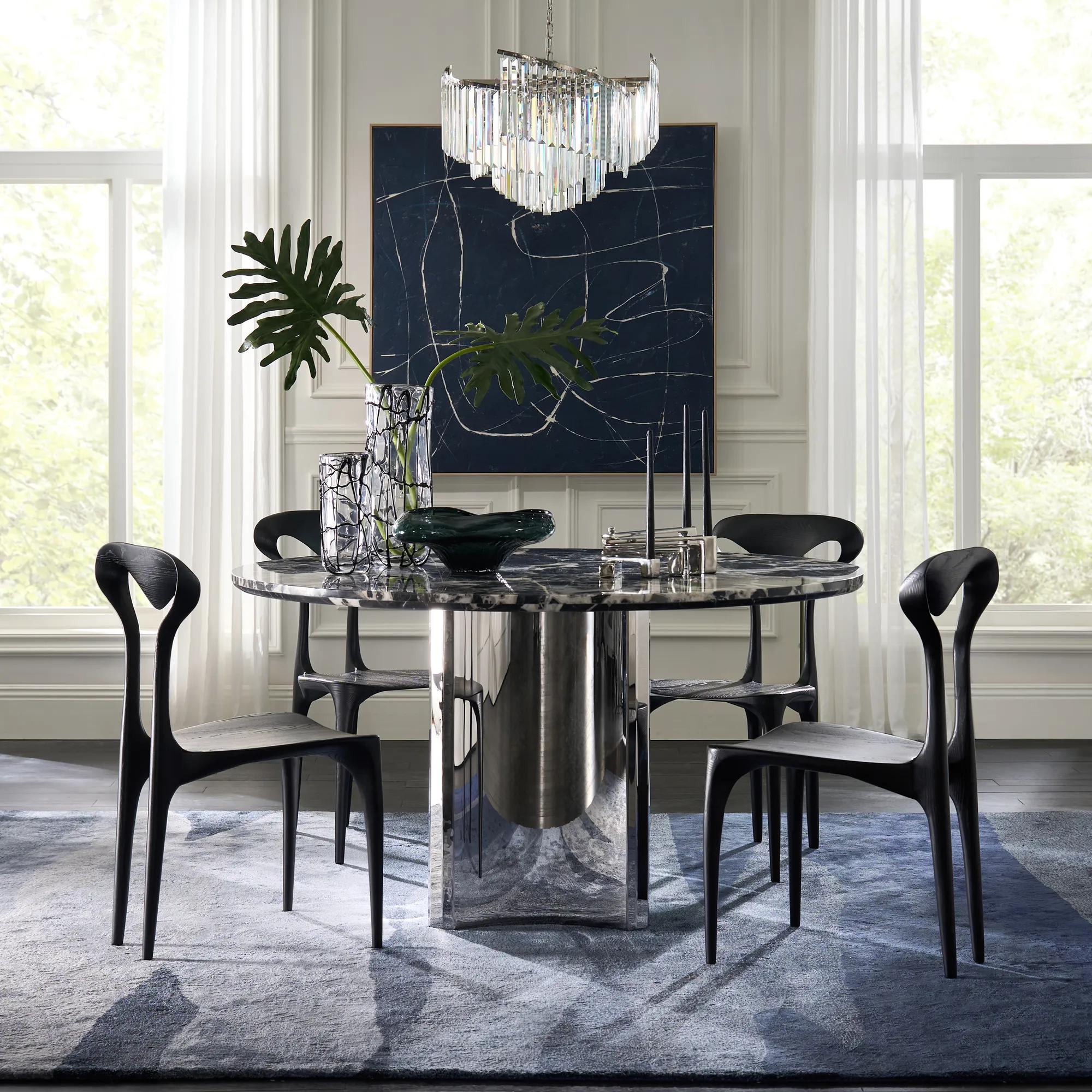 Almost Midnight Painting - Blue$439
A hand-painted canvas featuring bold blue and black tones with delicate white lines in a light wood frame.
Add To Cart -
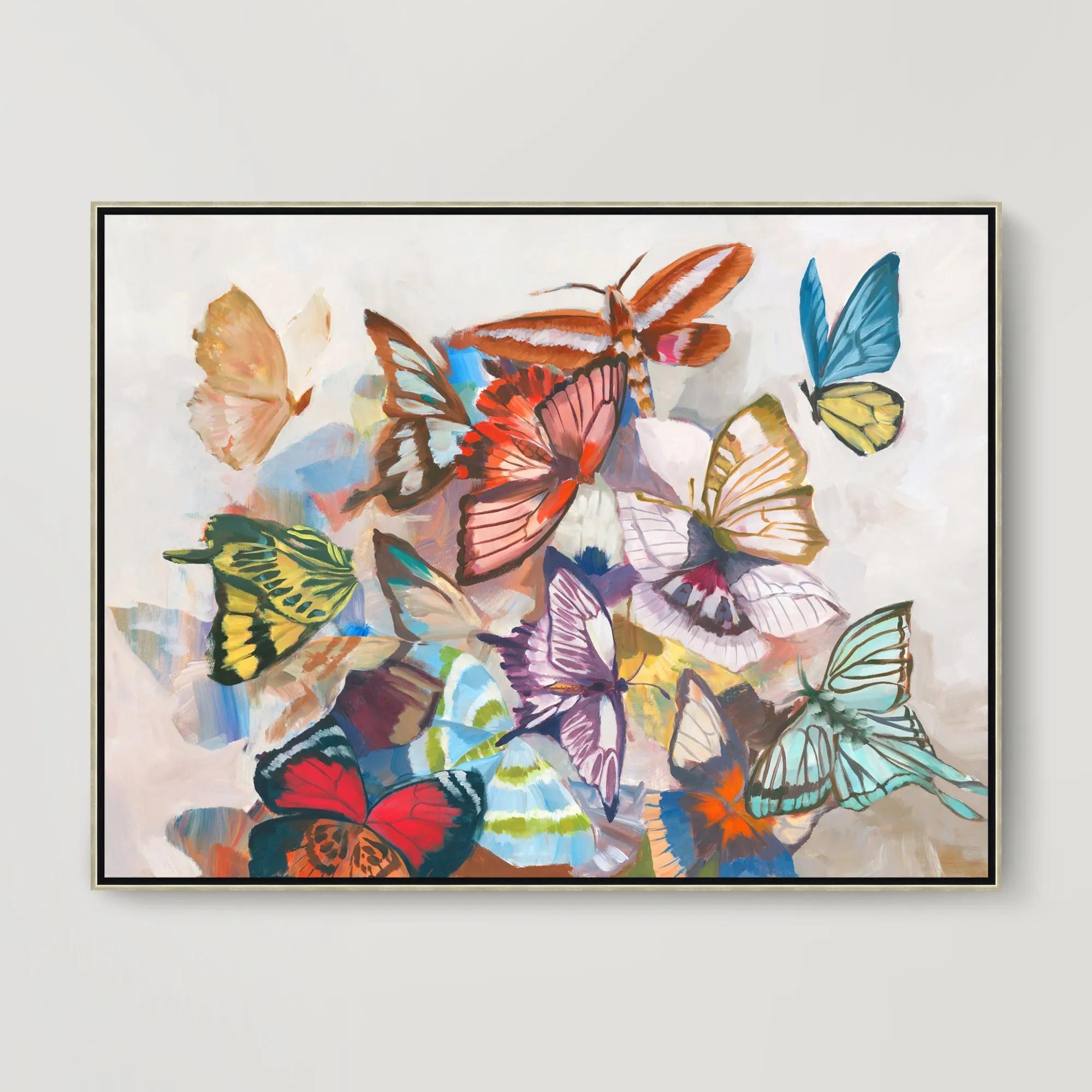 Sugar Wings Framed Wall Art 49.5" x 37.5"$799
A vibrant gallery-wrapped canvas artwork with hand-applied brush gel finish in a sleek silver floater frame.
Add To Cart -
 World At Night Framed Wall Art 40" x 50"$899
A gallery-wrapped canvas artwork featuring a hand-applied gel finish and set in a sleek black frame.
Add To Cart -
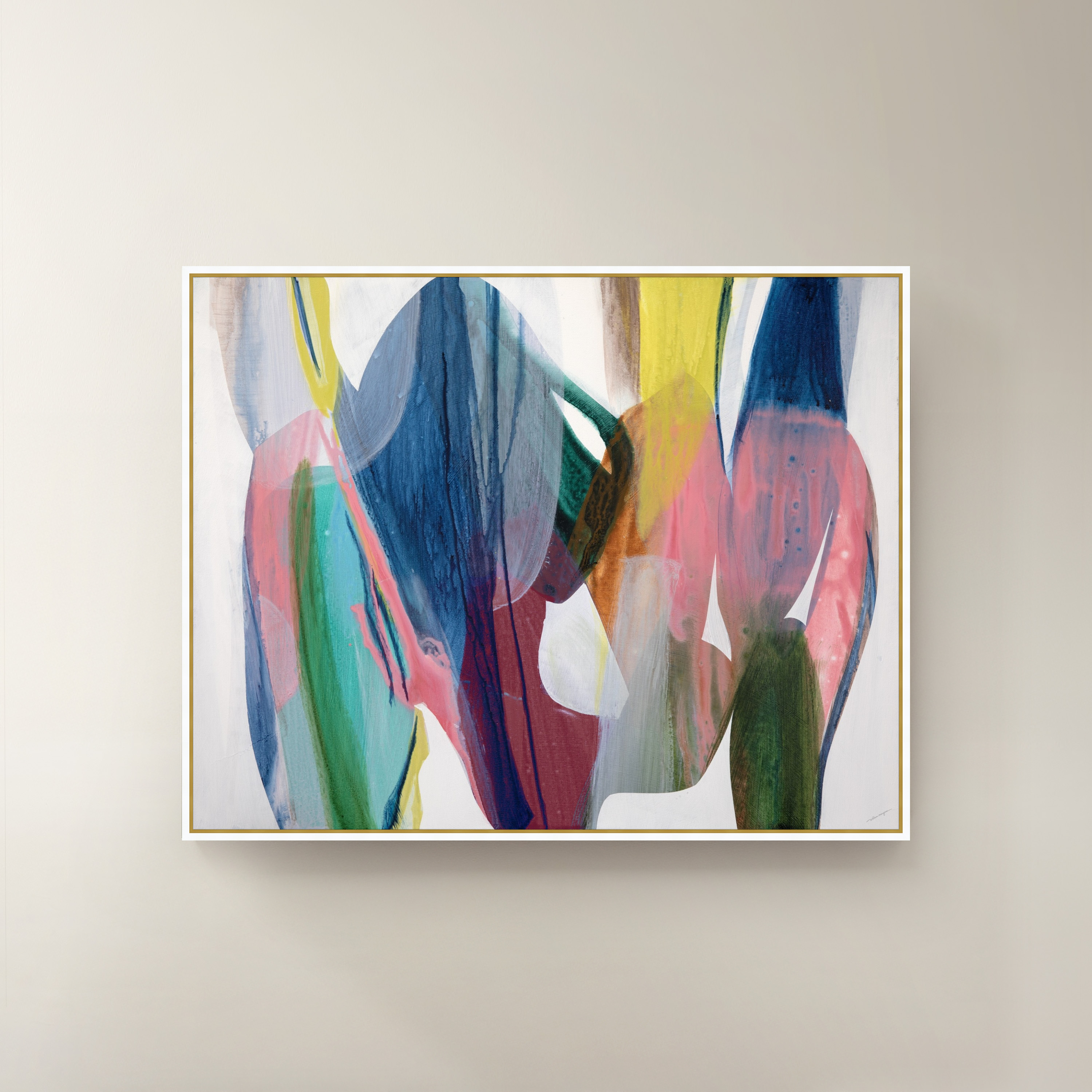
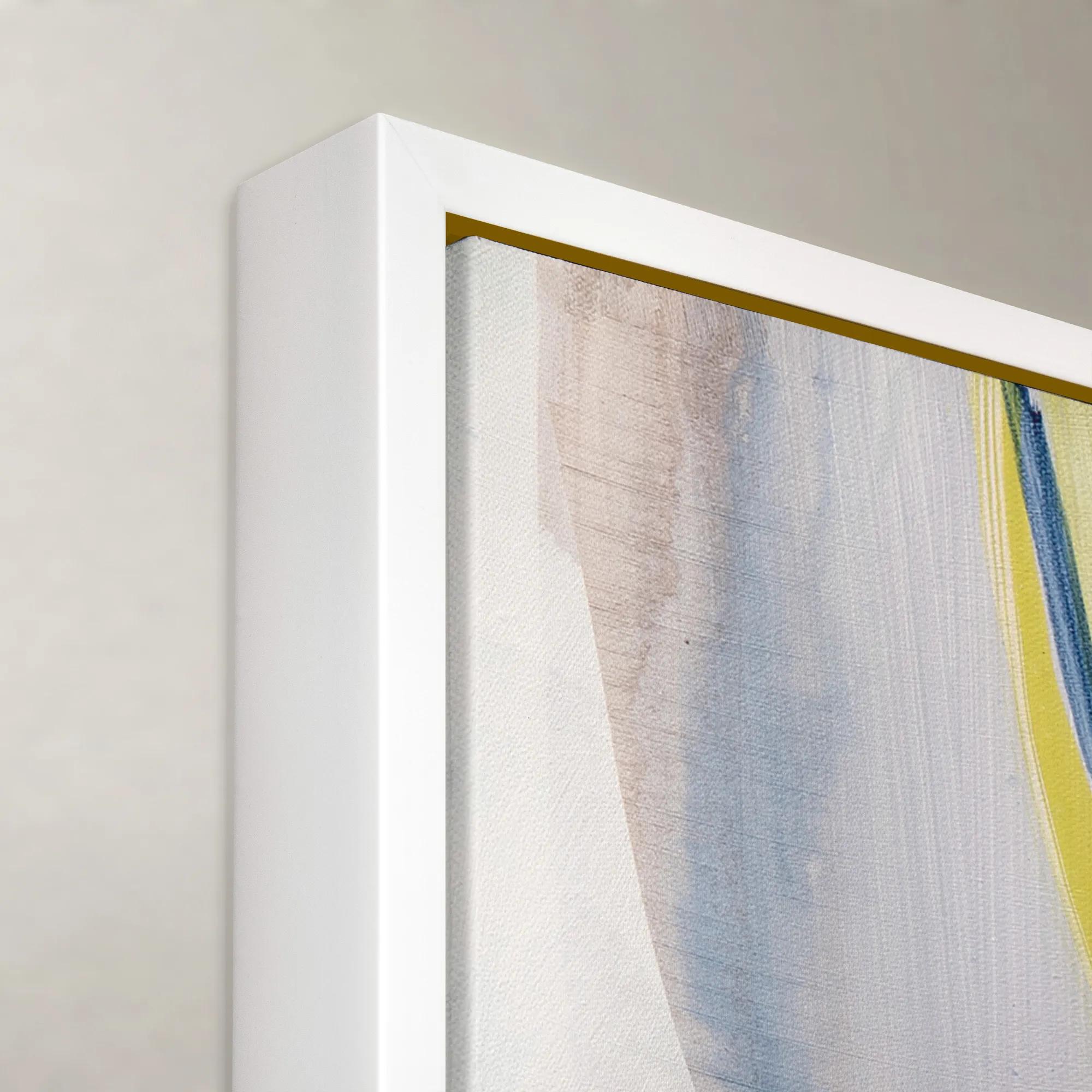 Dreams Take Flight Framed Wall Art 60" x 47"$1299
A vibrant multicolored framed canvas artwork adding expressive, contemporary style to any wall.
Add To Cart -
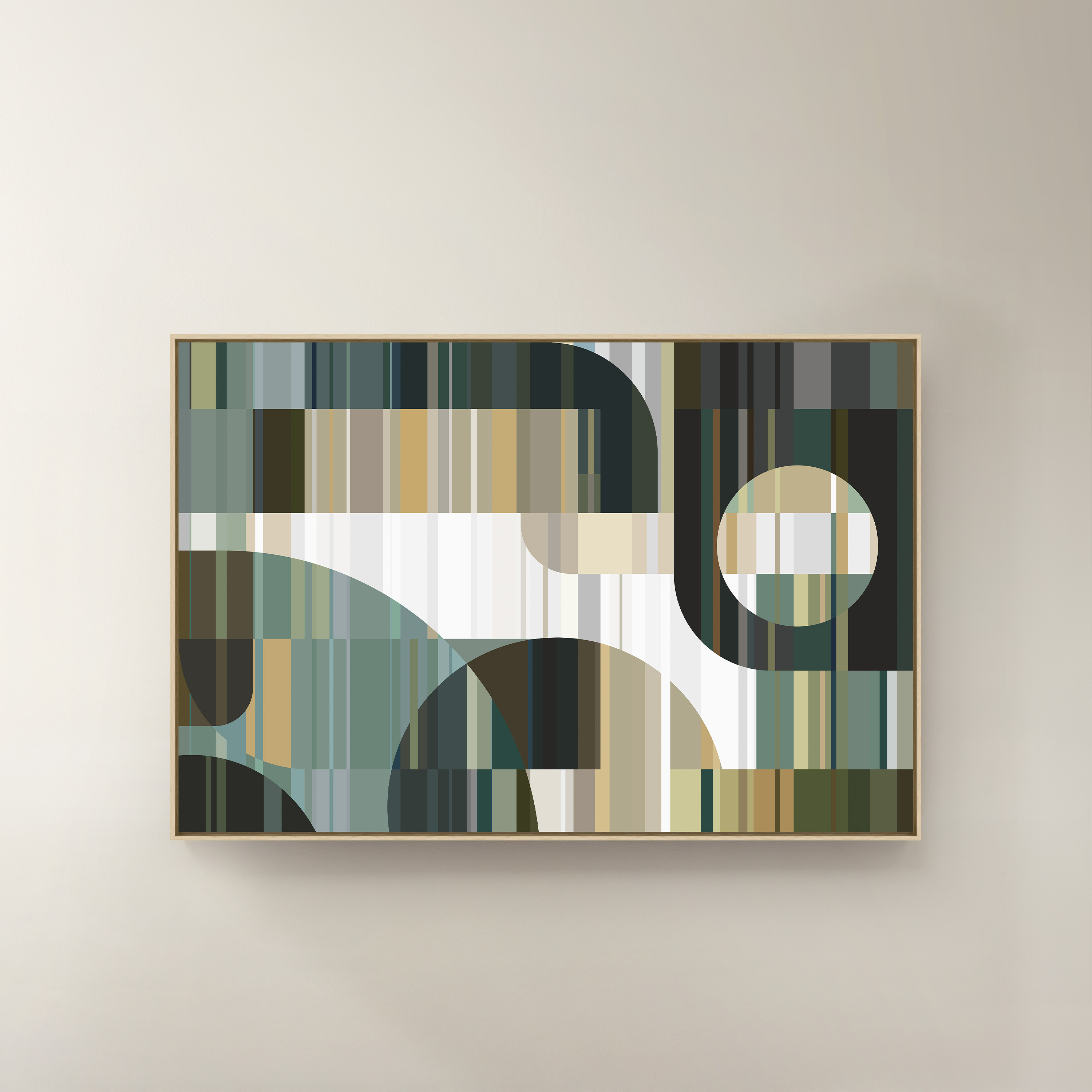
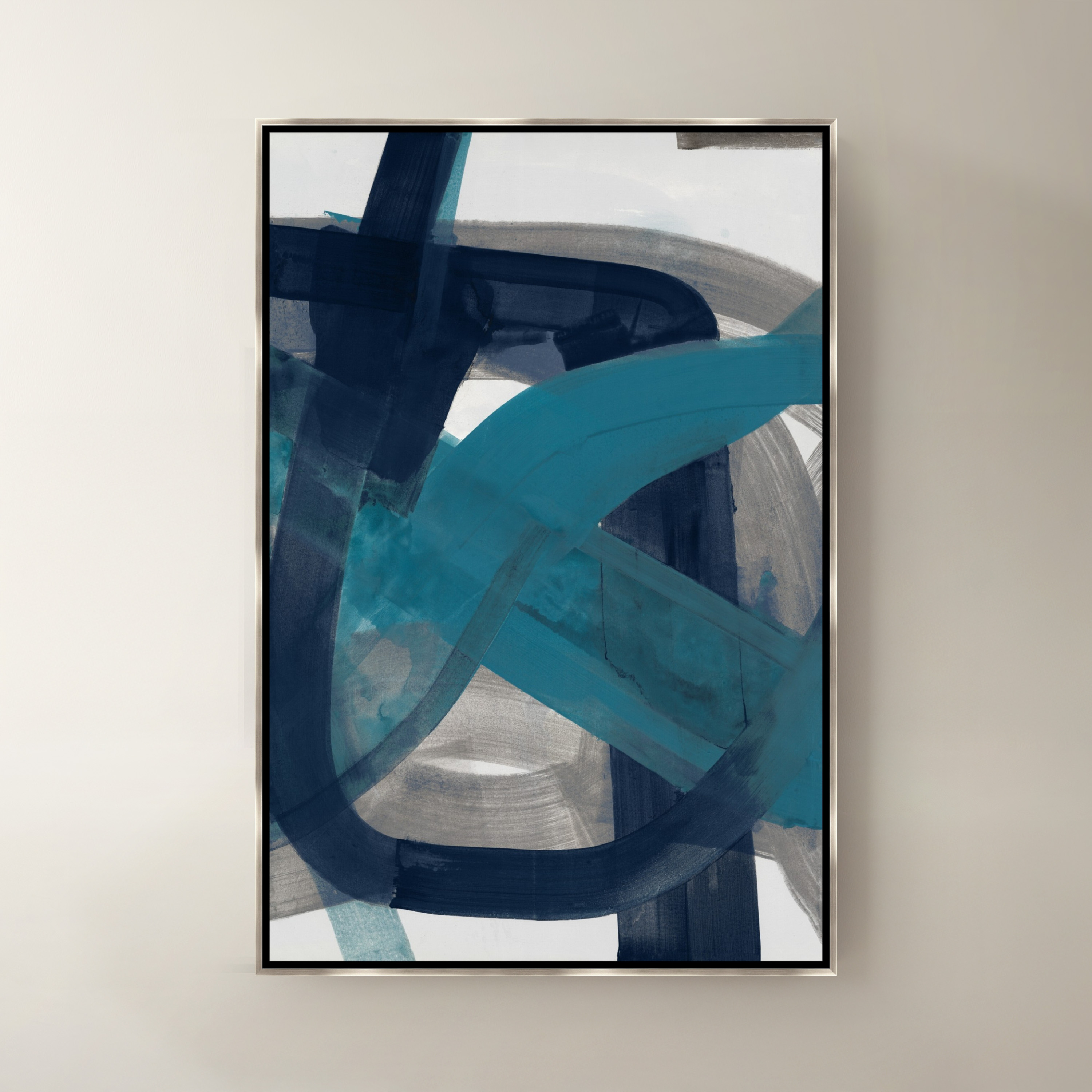
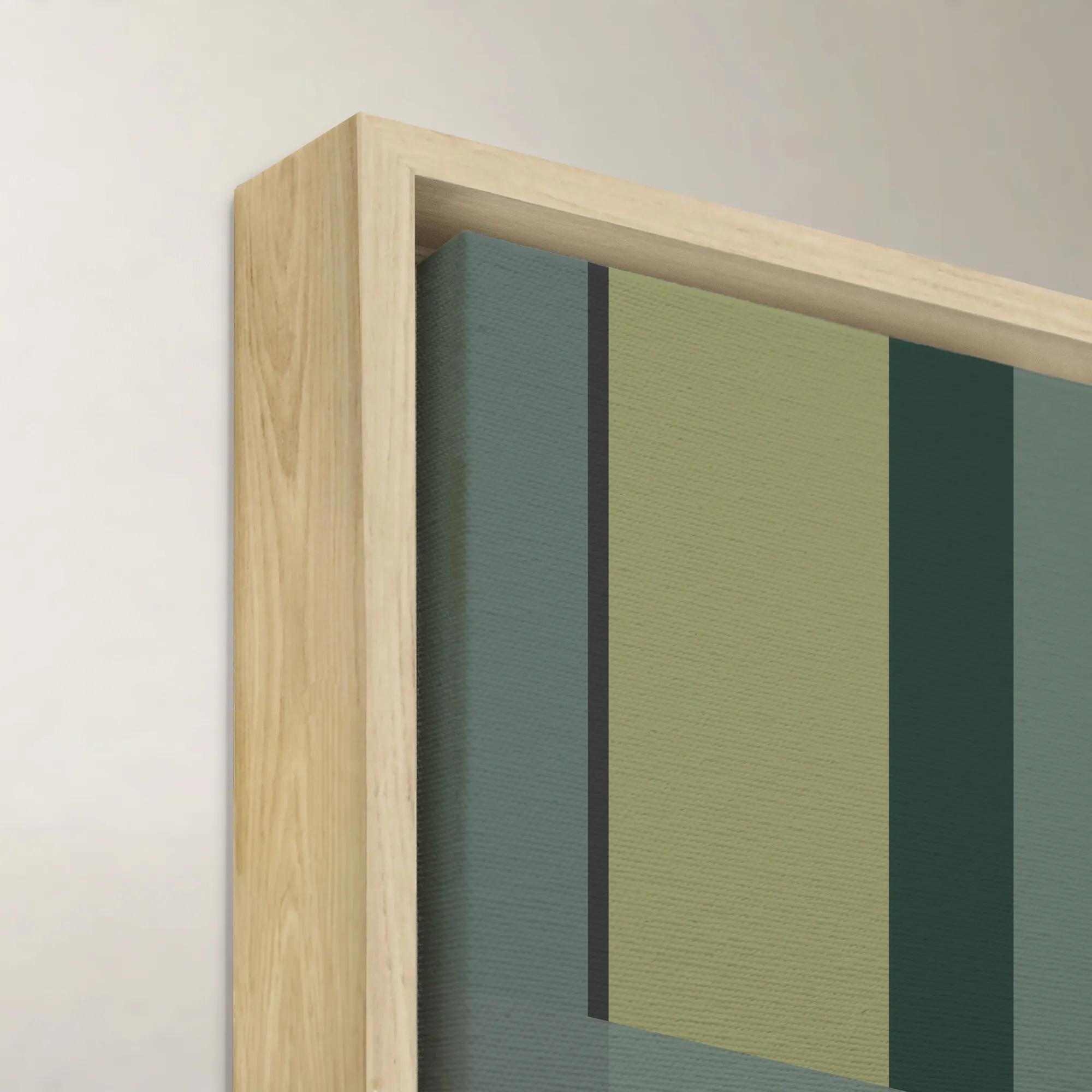 Cool Intersecting Forms II Framed Wall Art 60" x 40"$1099
A framed canvas wall artwork featuring cool-toned intersecting forms in a multicolored abstract composition.
Add To Cart -
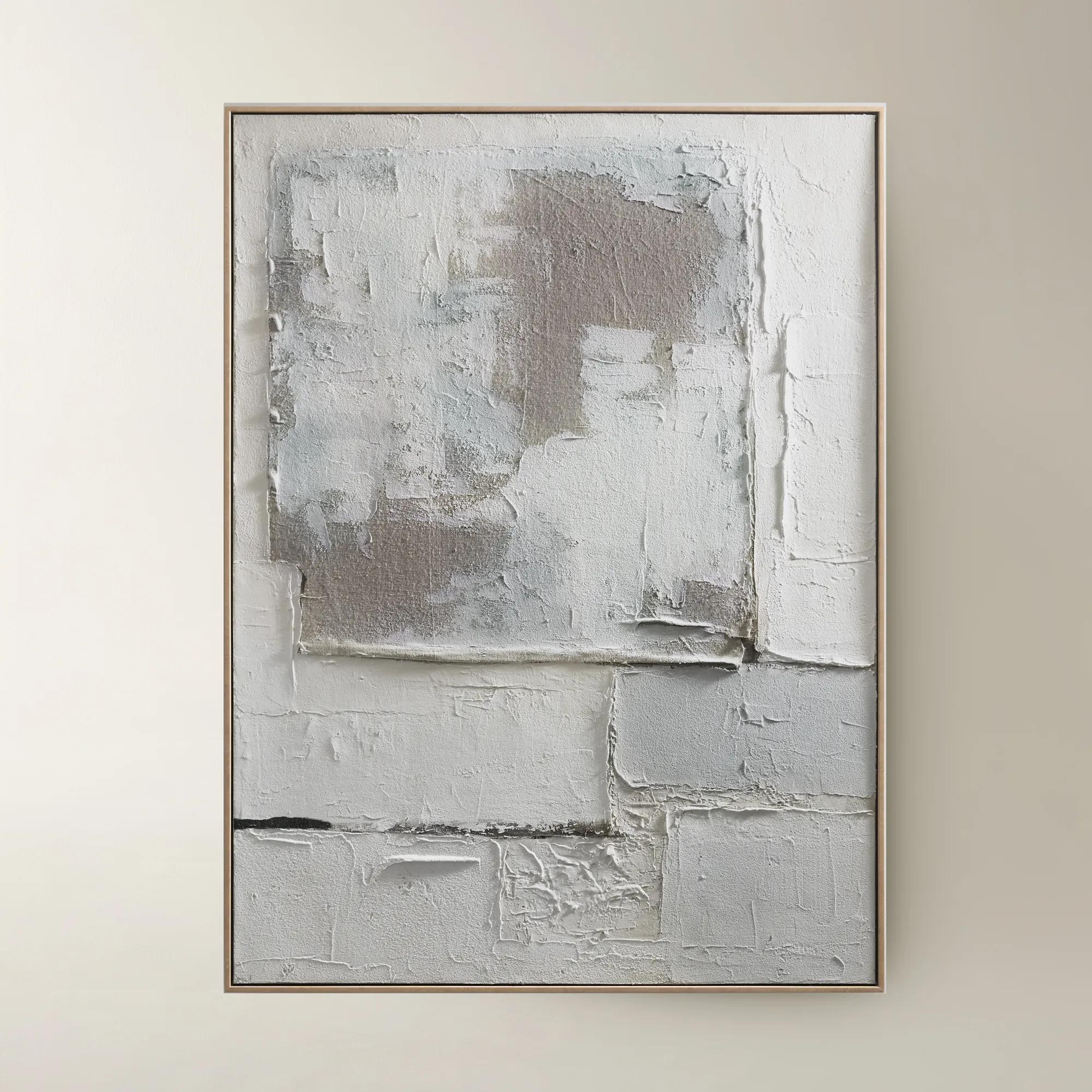
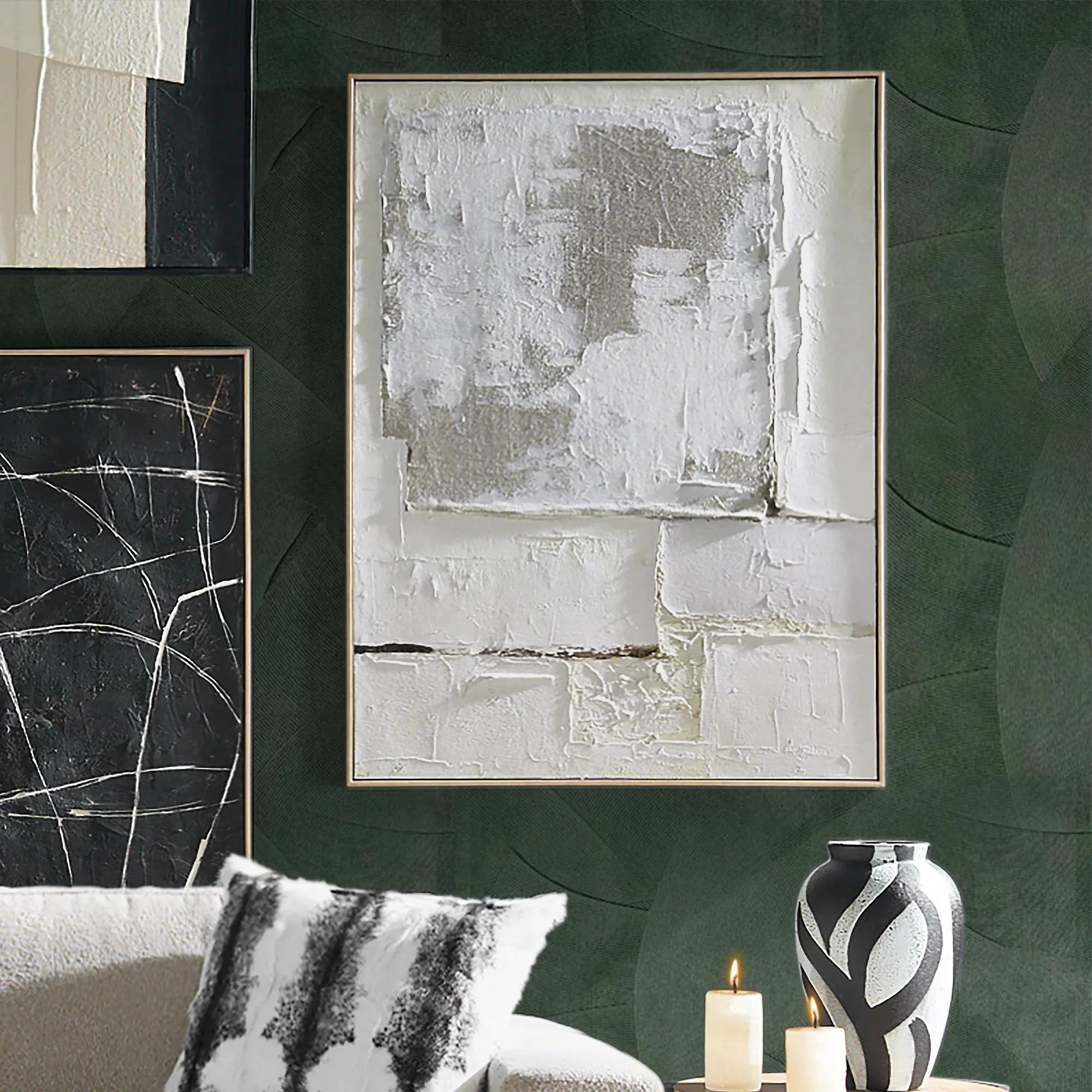 Marrow Painting$399
A hand-painted abstract canvas in subtle beige hues, elegantly framed in a warm beech wood floater.
Add To Cart -
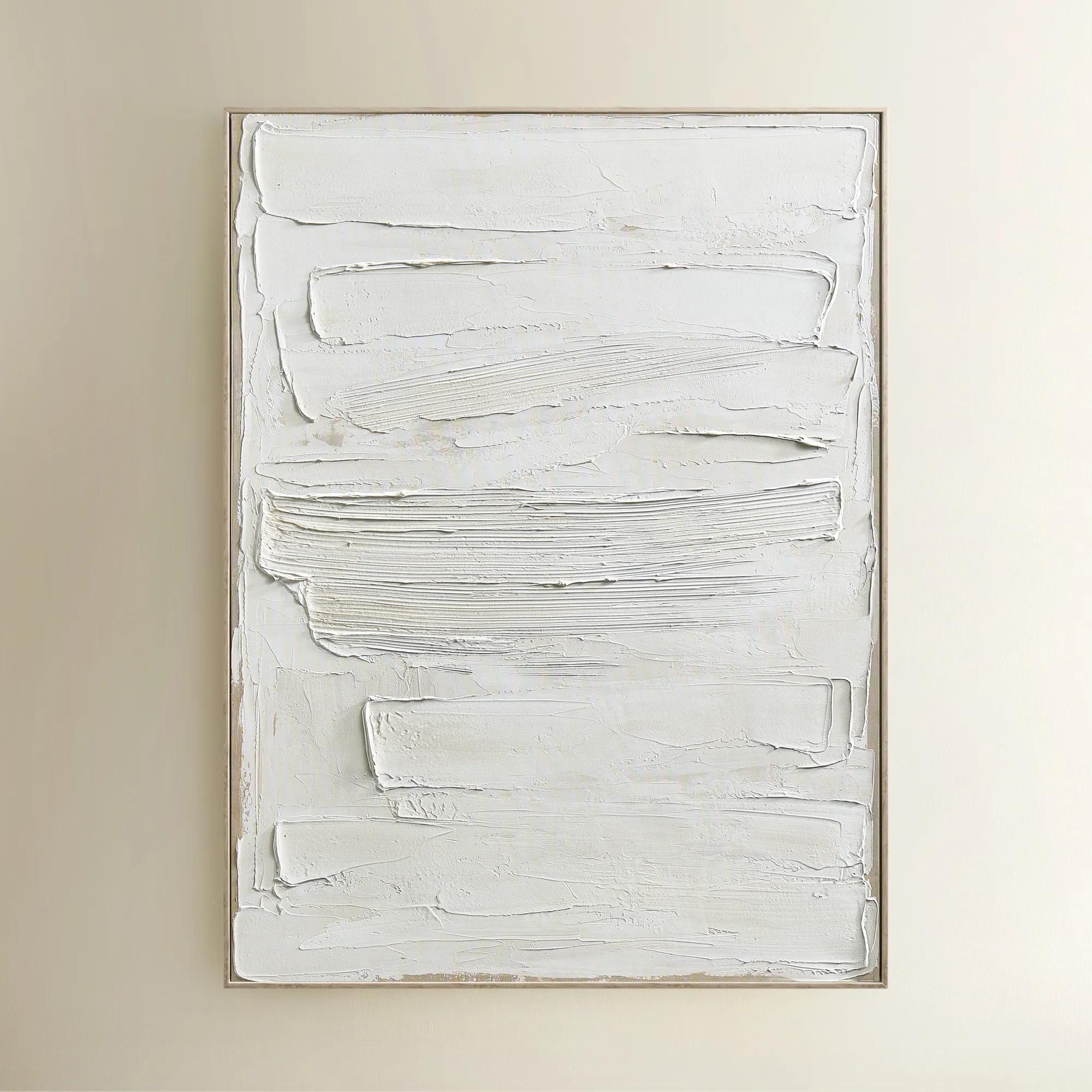
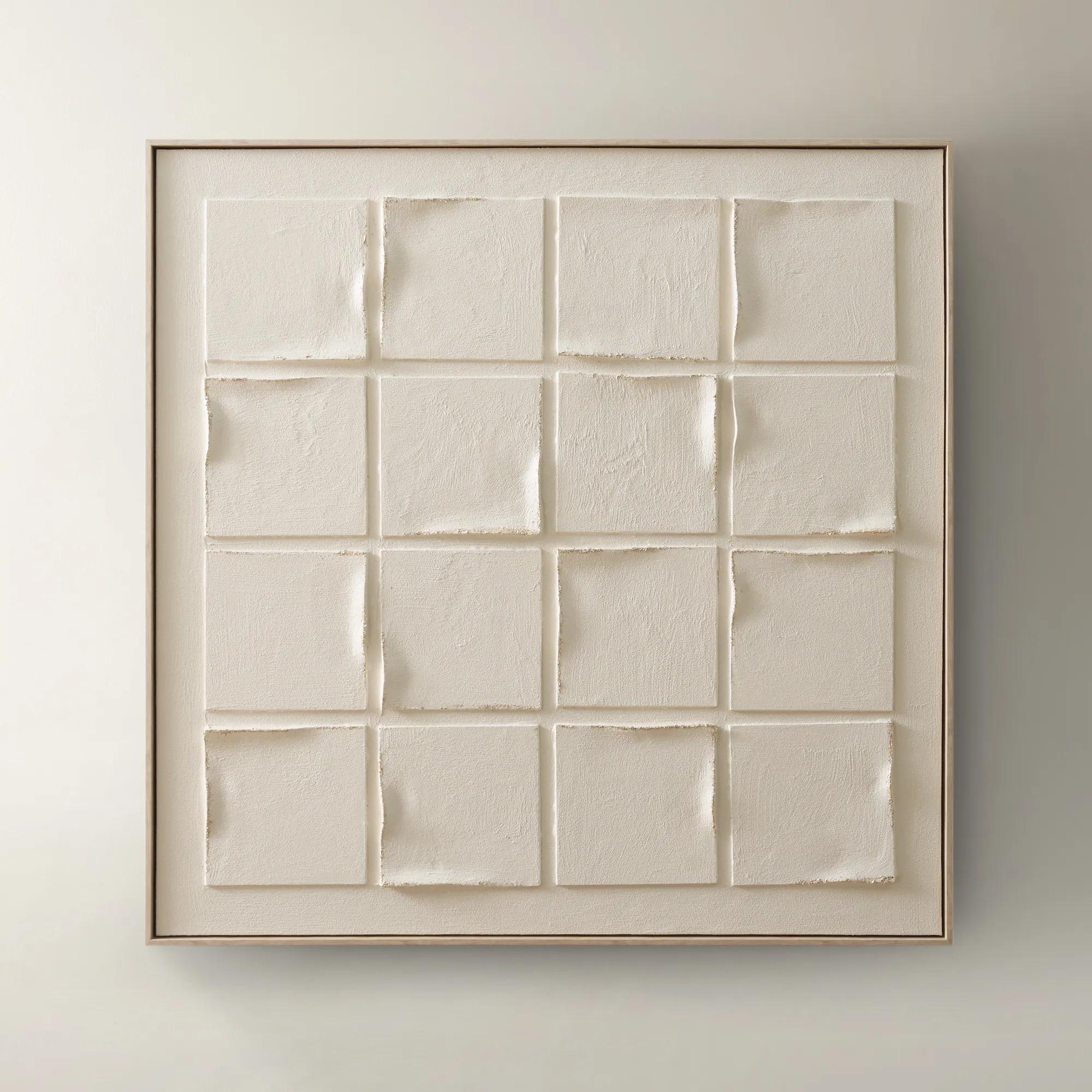
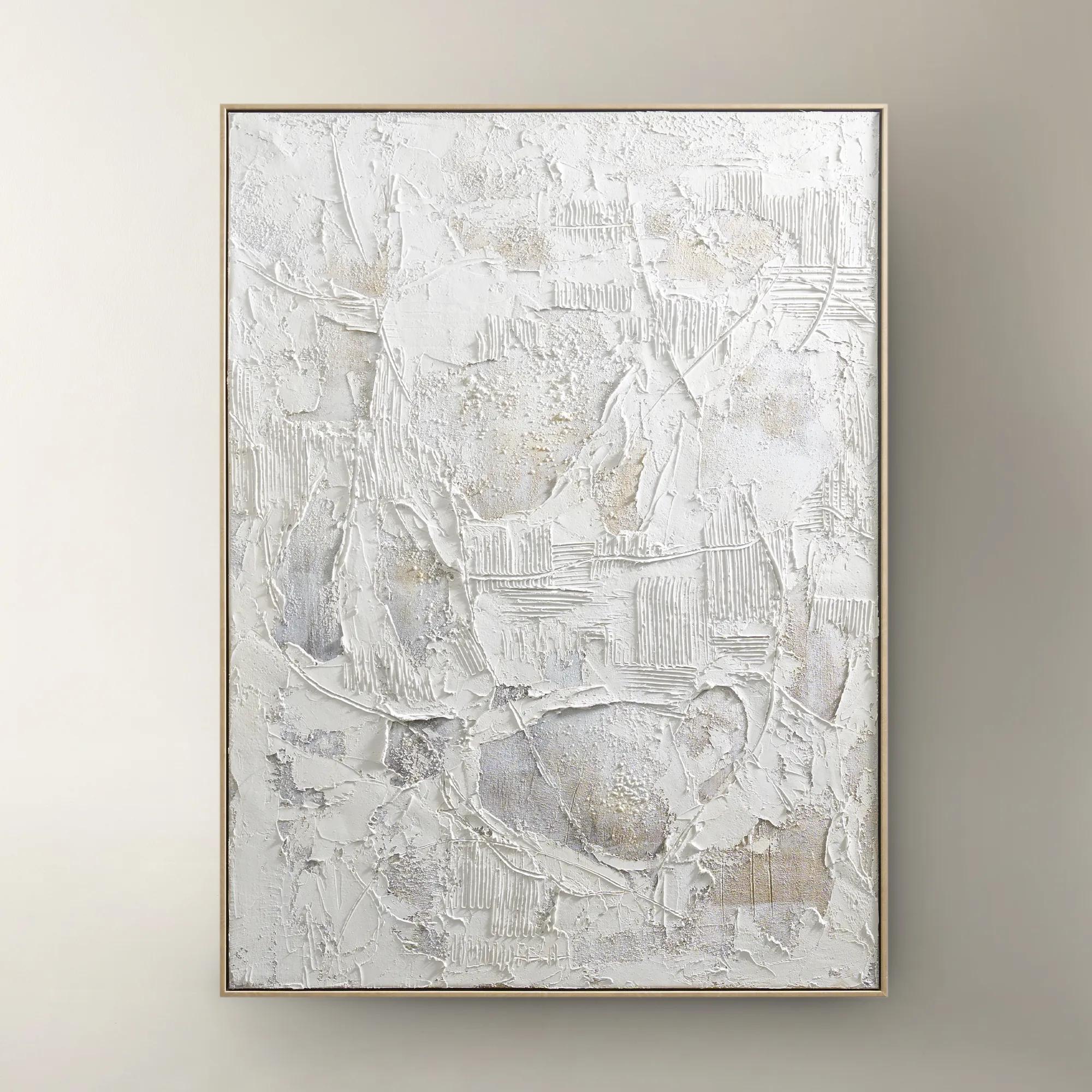 Stone Heritage Painting$399
A hand-painted canvas featuring textured white tones, elegantly framed in warm beech wood for refined appeal.
Add To Cart -
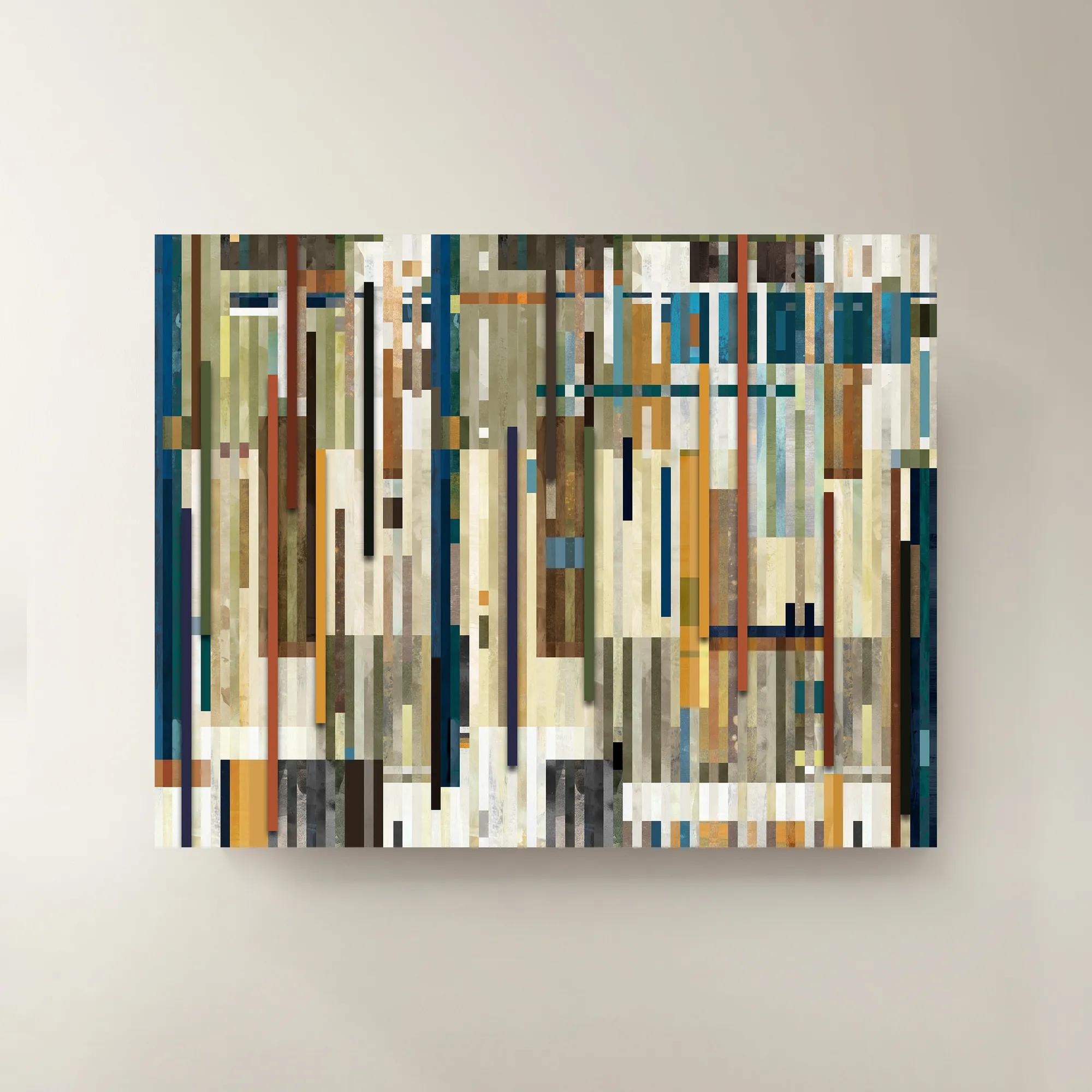
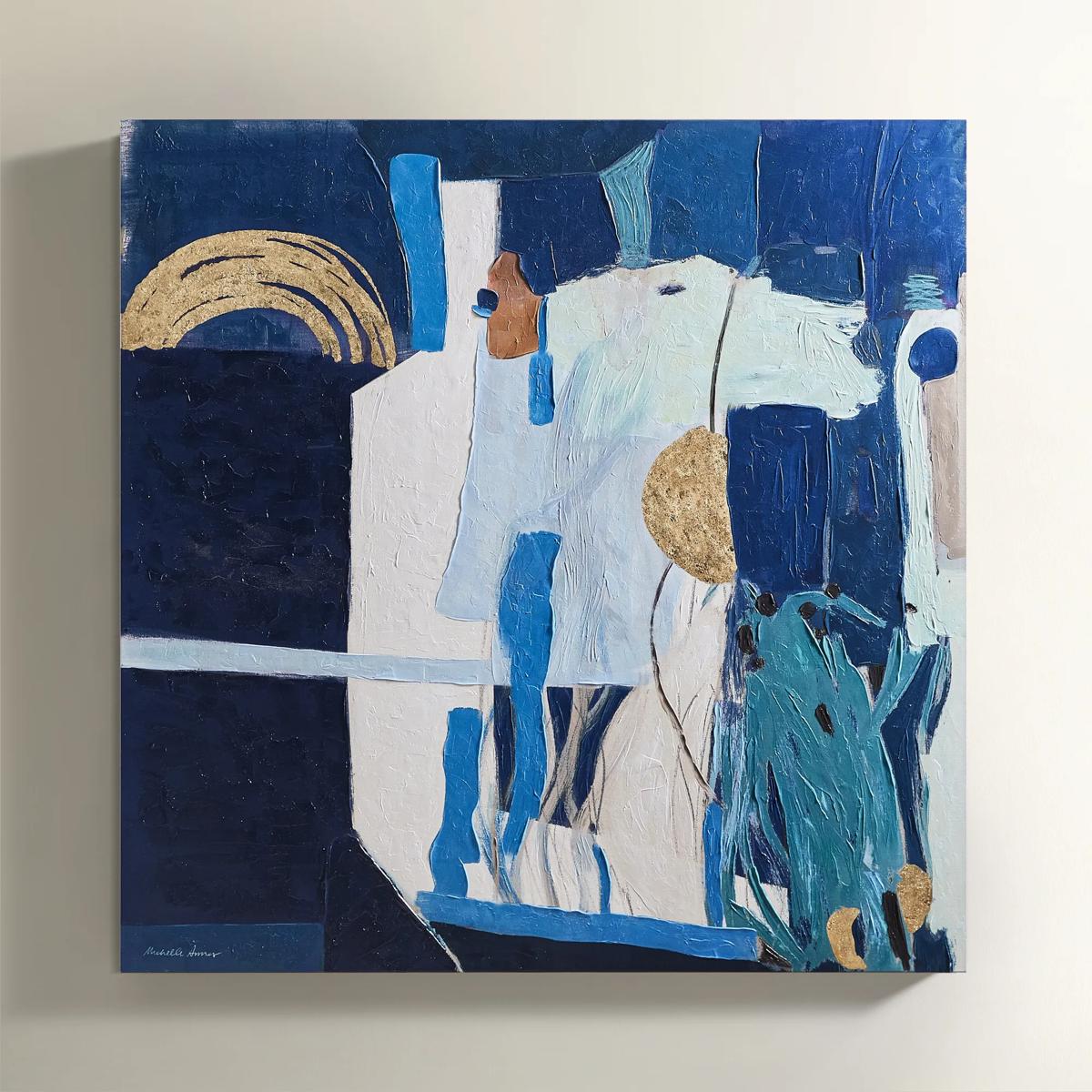
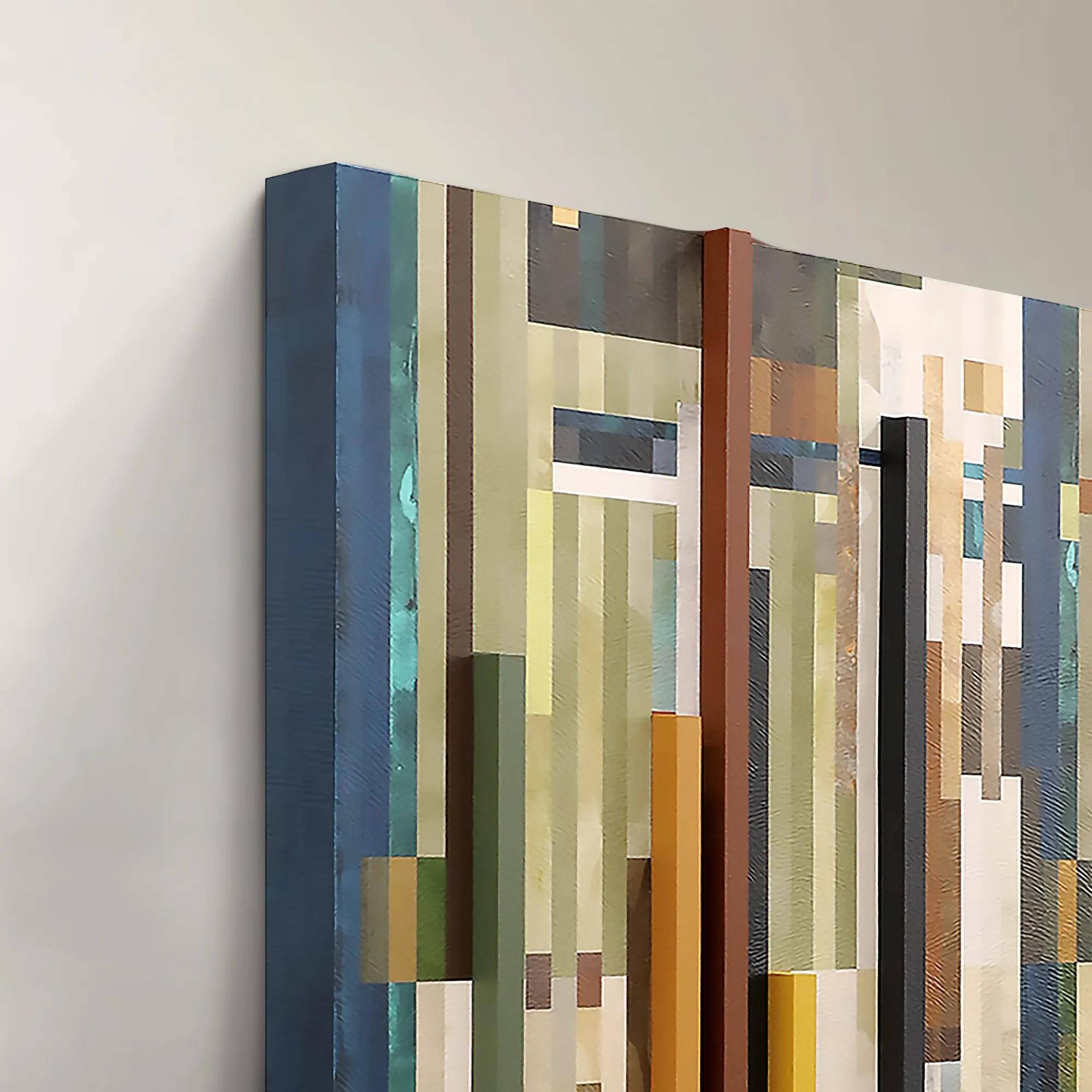 Chromatic Rhythms II Wall Art 60" x 47"$1899
A dynamic blue abstract canvas artwork featuring rhythmic geometric composition.
Add To Cart -
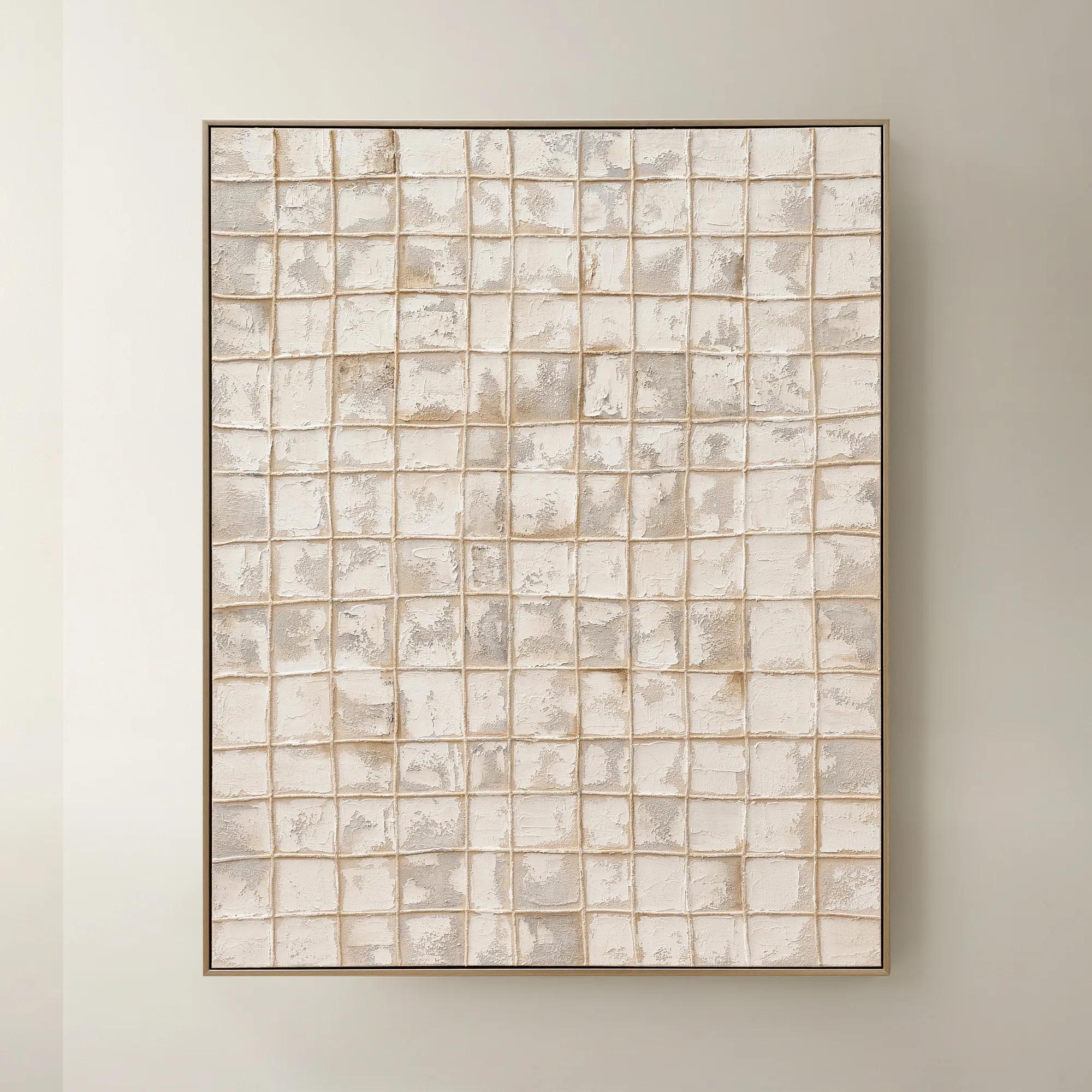
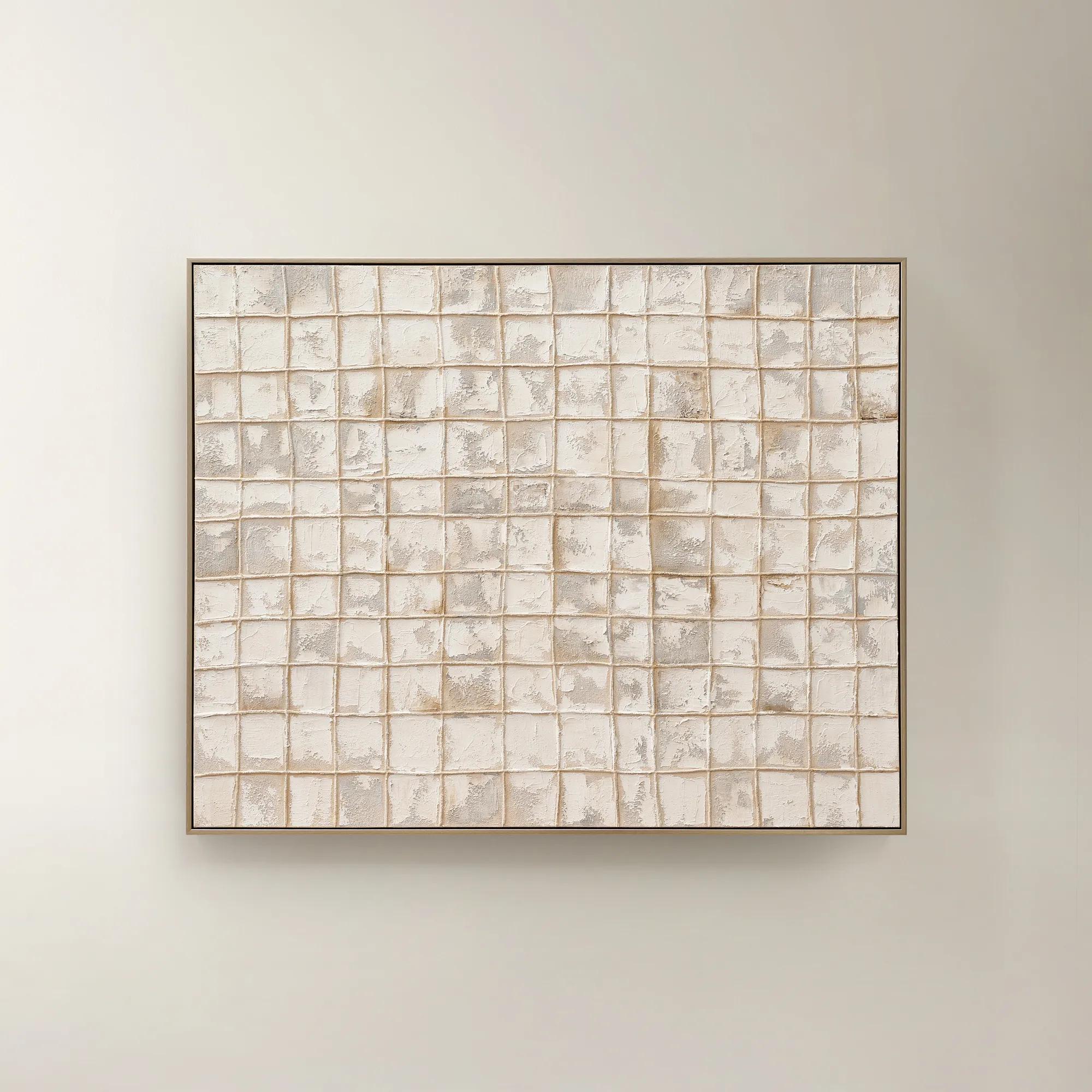 Painted Echos Framed Gold Leaf Wall Art 60" x 48"$699
A hand-painted abstract canvas with gold leaf accents and a champagne frame for modern, versatile display.
Add To Cart -
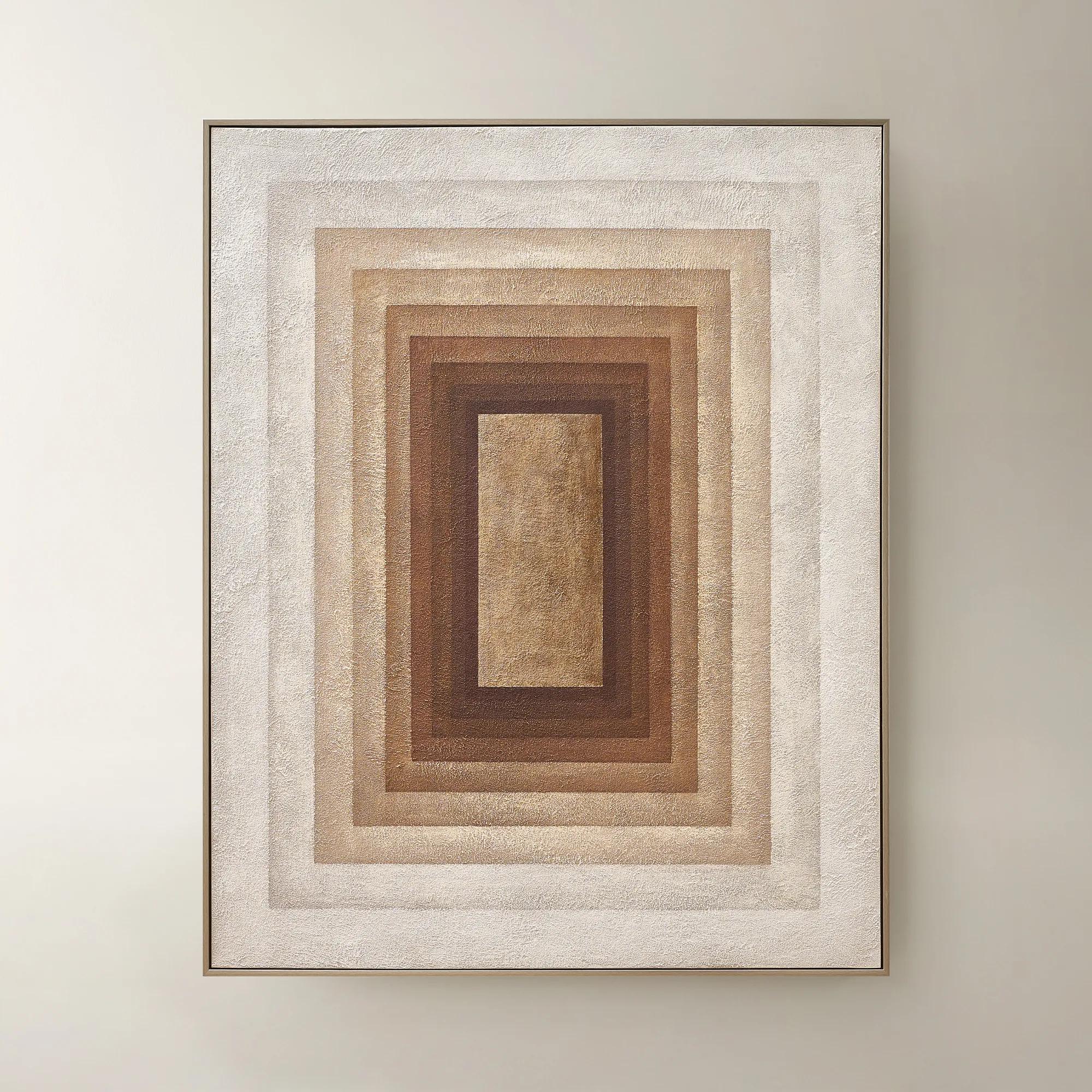 Monochrome Drift Framed Painted Wall Art 60" x 48"$699
A hand-painted abstract canvas with champagne leafing, featuring cocoa and gold tones in modern geometric design.
Add To Cart -
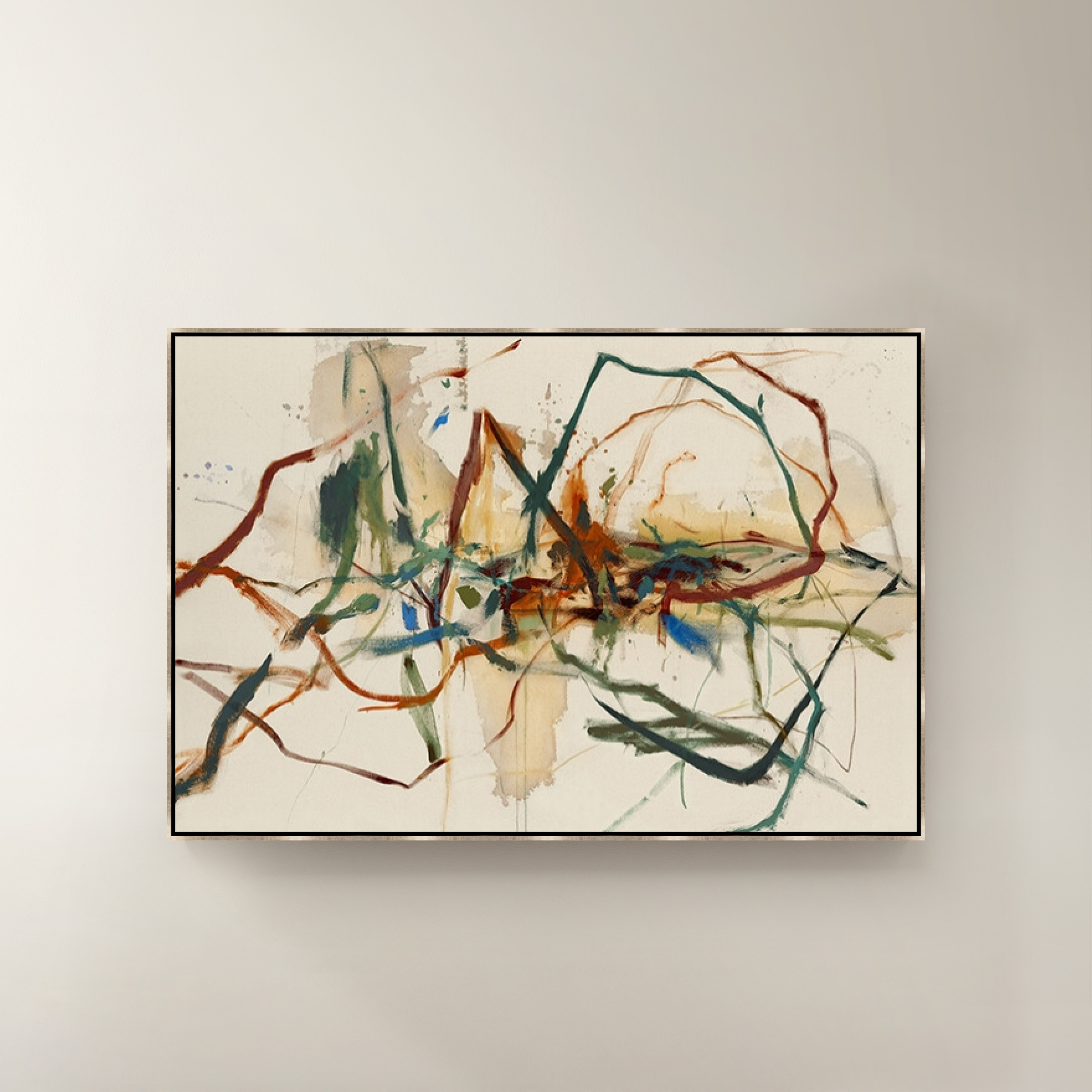
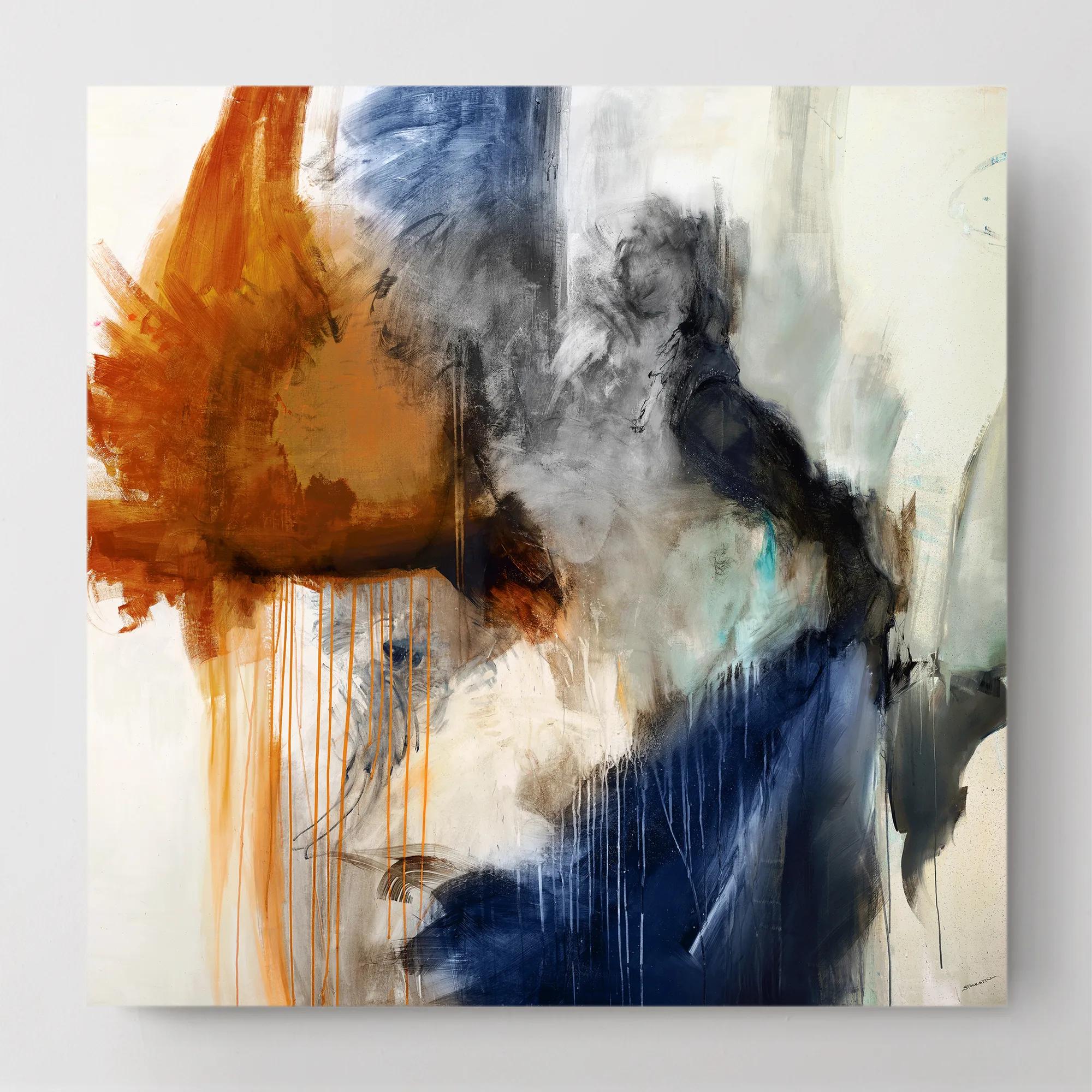
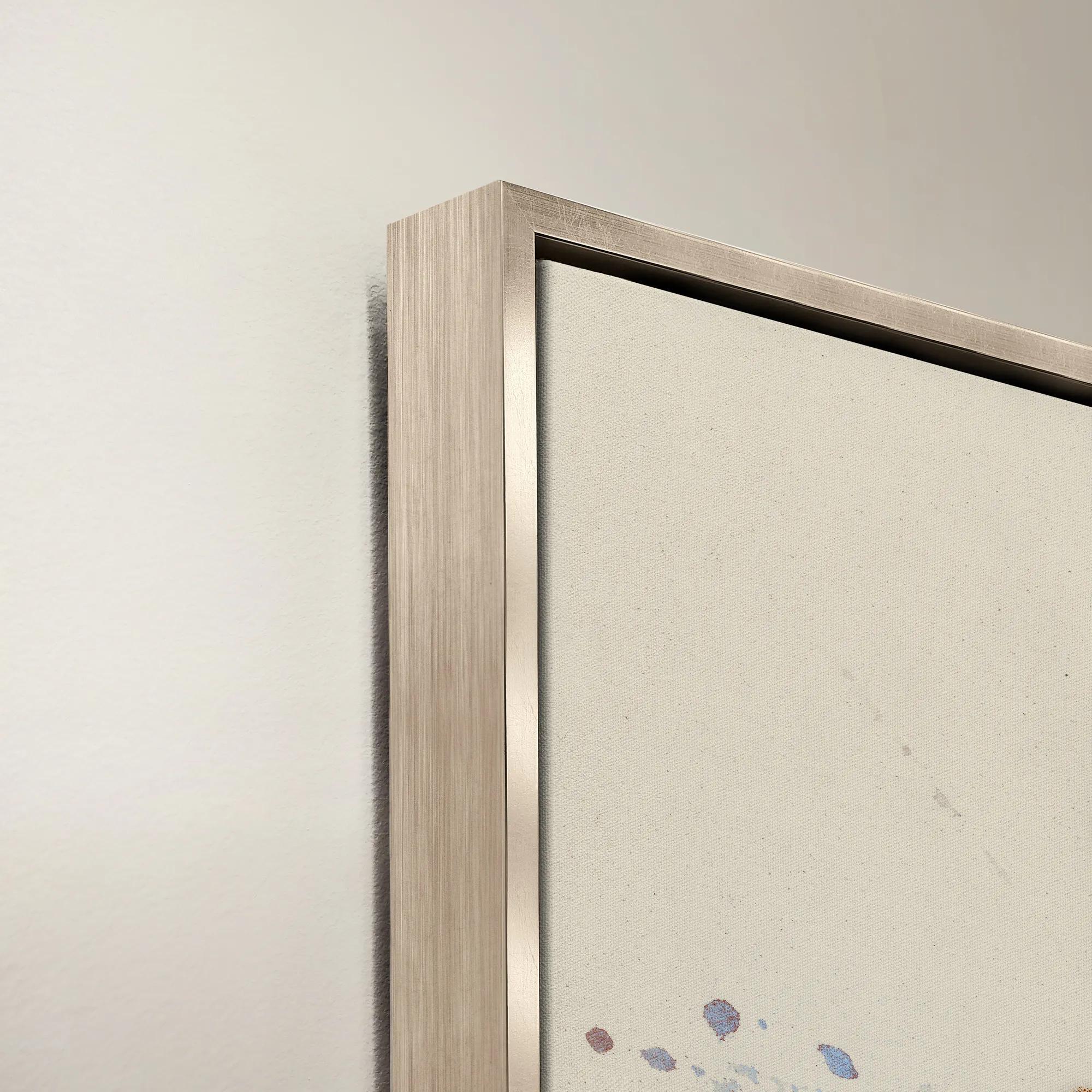 Chrono Crisis Framed Wall Art 60" x 40"$1099
A vibrant multicolored canvas wall artwork presented in a striking frame for contemporary interiors.
Add To Cart -
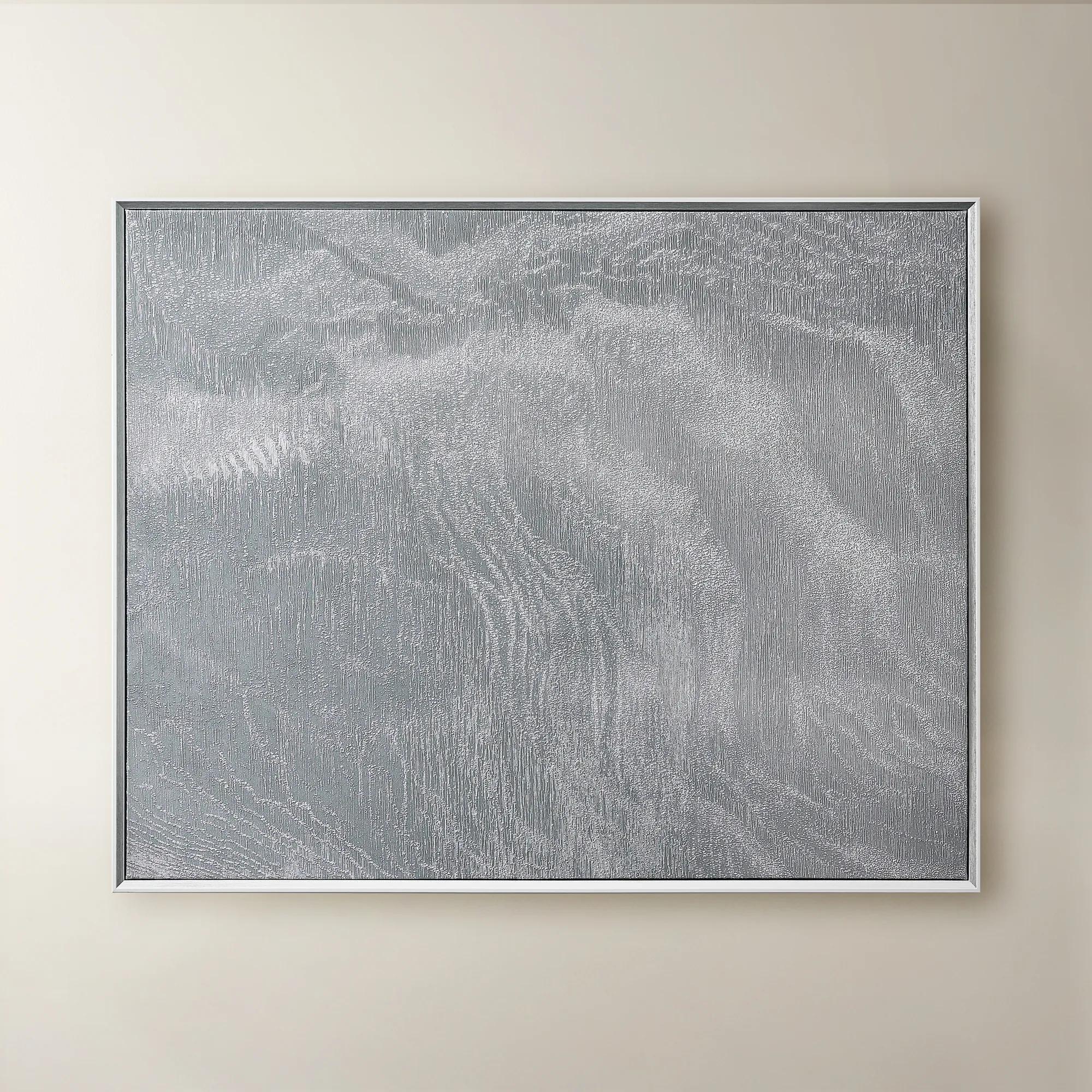 Slow Blue Morning Framed Silver Foil Wall Art 48" x 60"$599
A serene powder blue abstract canvas with silver foil accents, framed in silver and white for modern elegance.
Add To Cart -
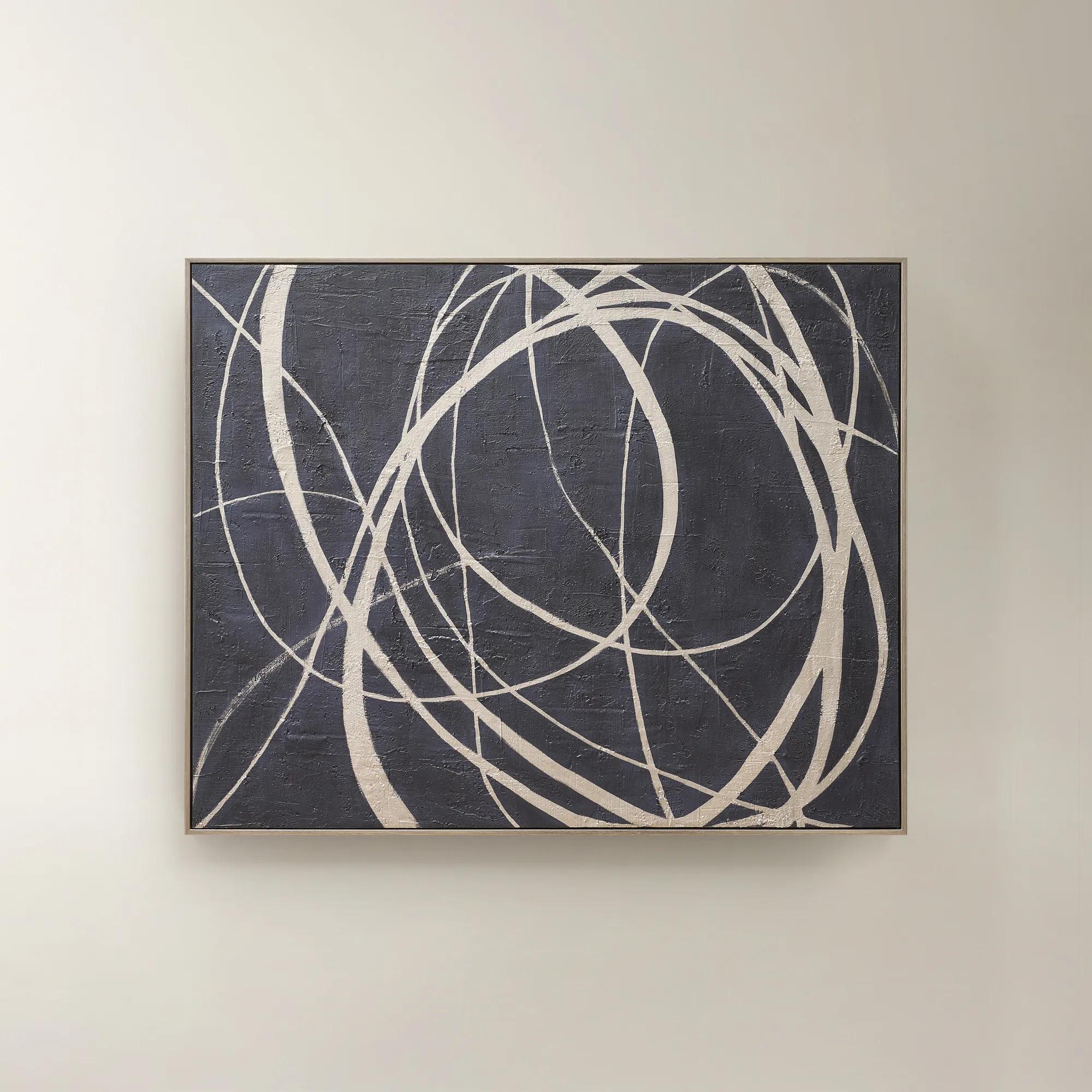 Wandering Framed Painted Wall Art 48" x 60"$699
An expressive hand-painted canvas in deep ink blue with champagne accents for a bold, sophisticated statement.
Add To Cart -

 Hint of Spring Framed Painted Wall Art 48" x 48"$599
A framed, multicolored painted canvas artwork that brings a vibrant, artistic touch to contemporary interiors.
Add To Cart -
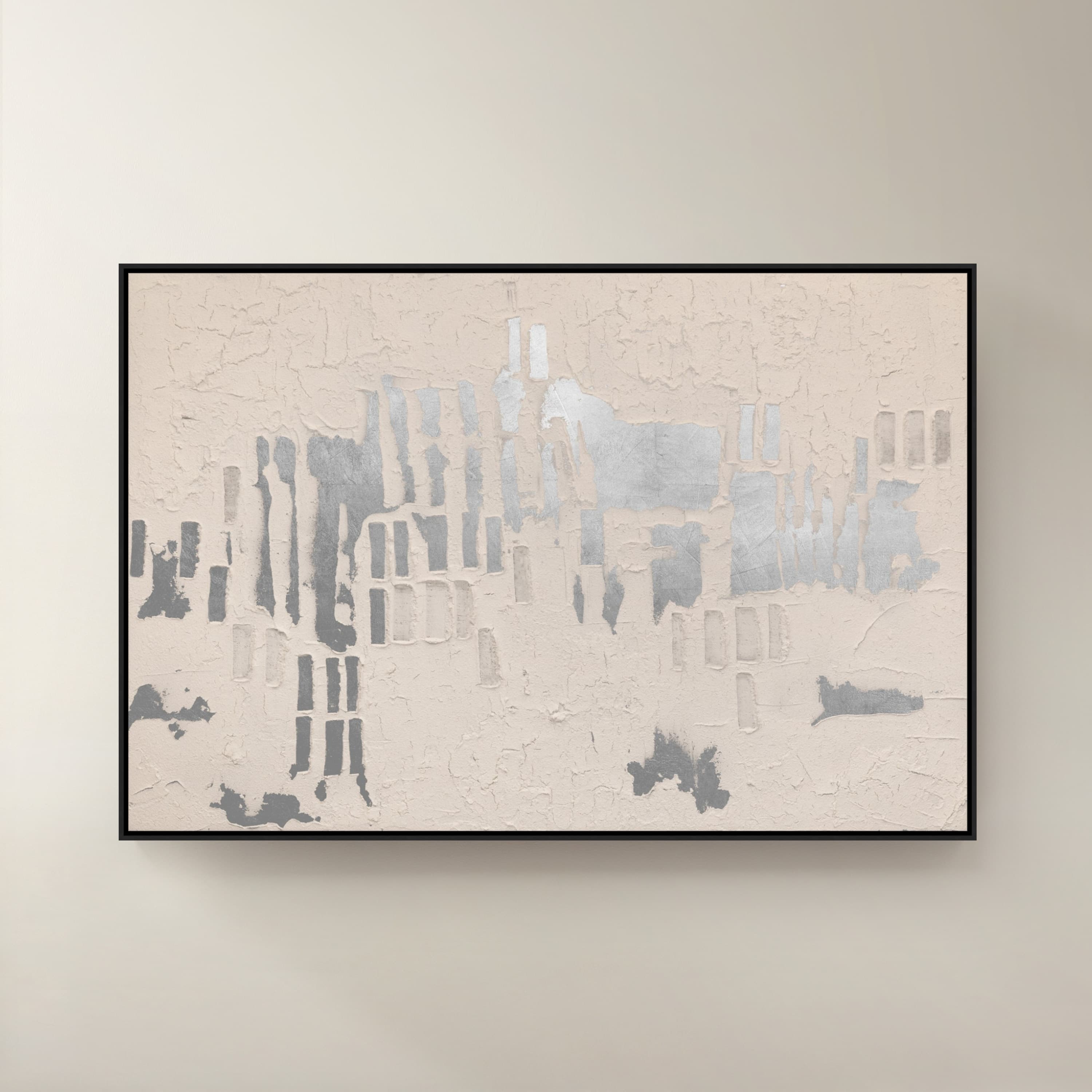
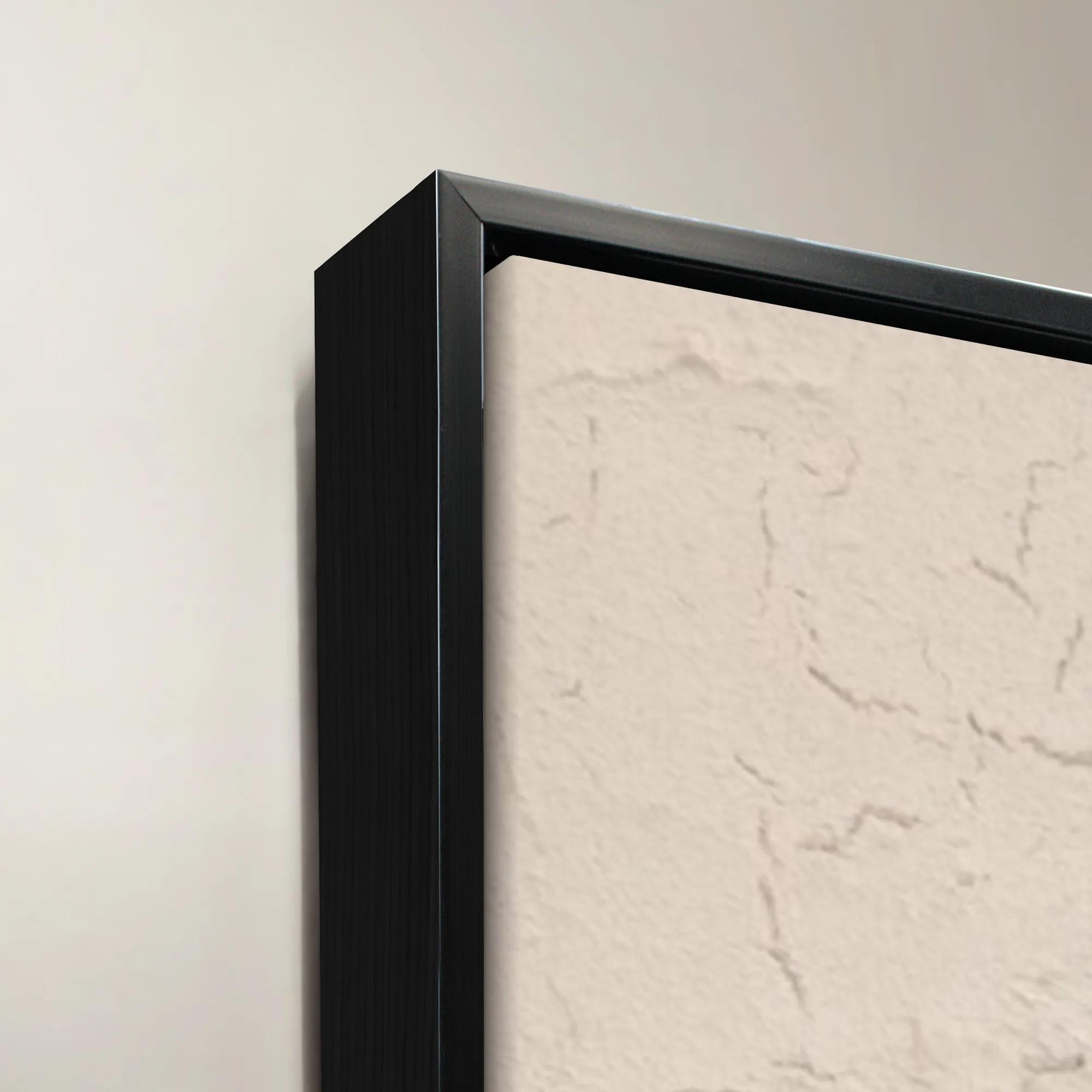 Silver Reverie Framed Painted Wall Art 60" x 40"$1699
A silver-toned painted canvas artwork framed for a sophisticated, contemporary wall display.
Add To Cart -
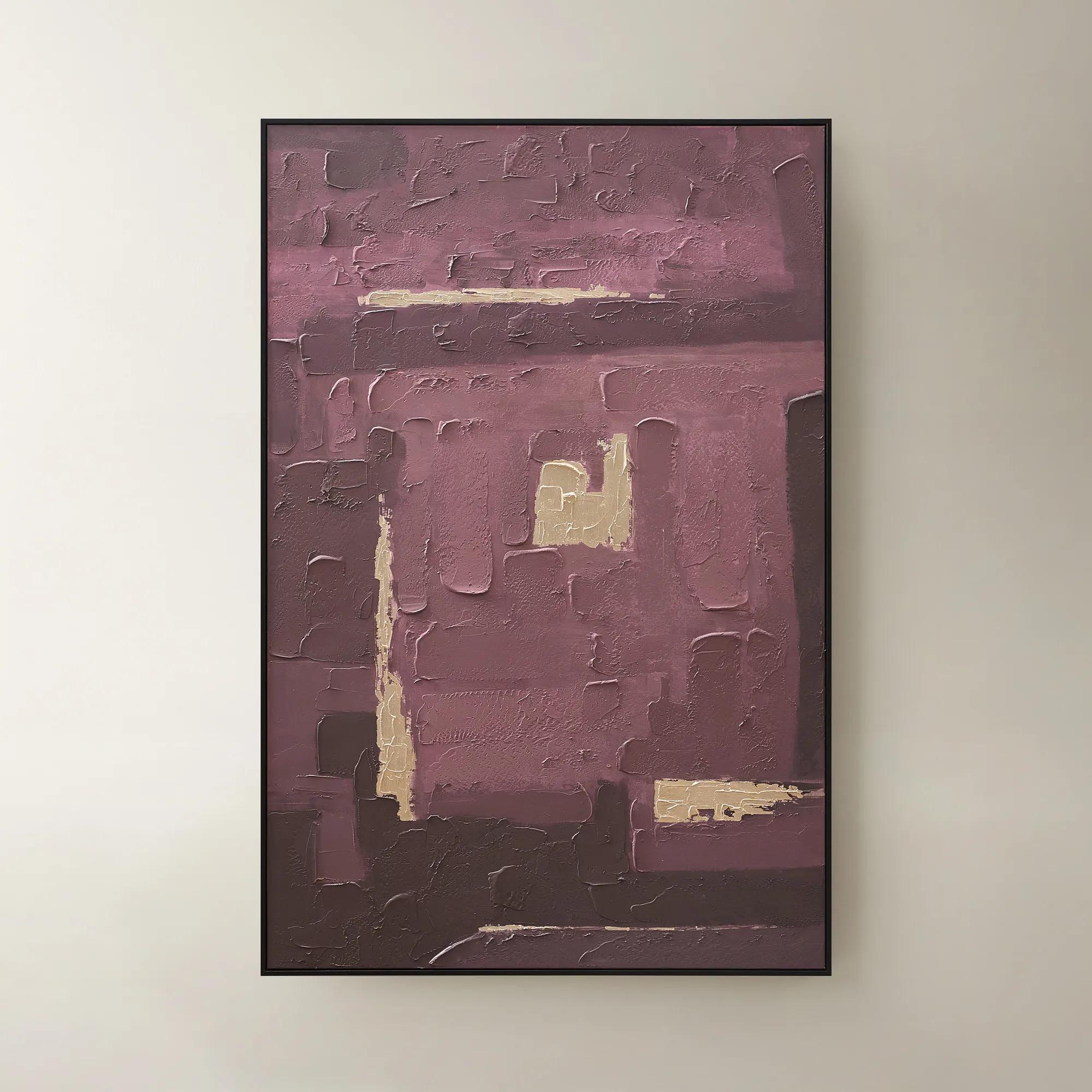
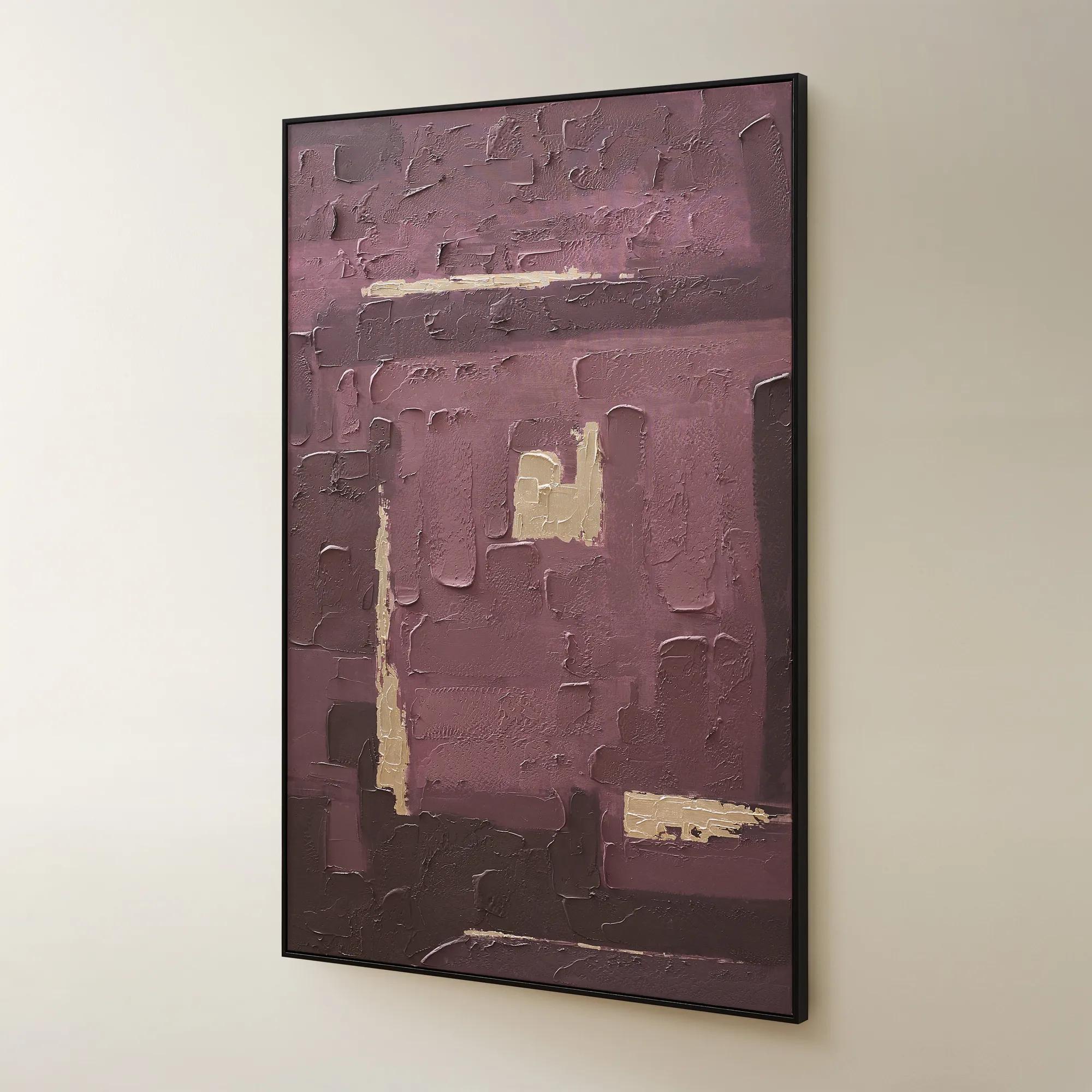 Fallback Framed Painted Wall Art 60" x 40"$499
A hand-painted abstract canvas in rich fig hues with champagne accents, set in a sleek black frame.
Add To Cart -
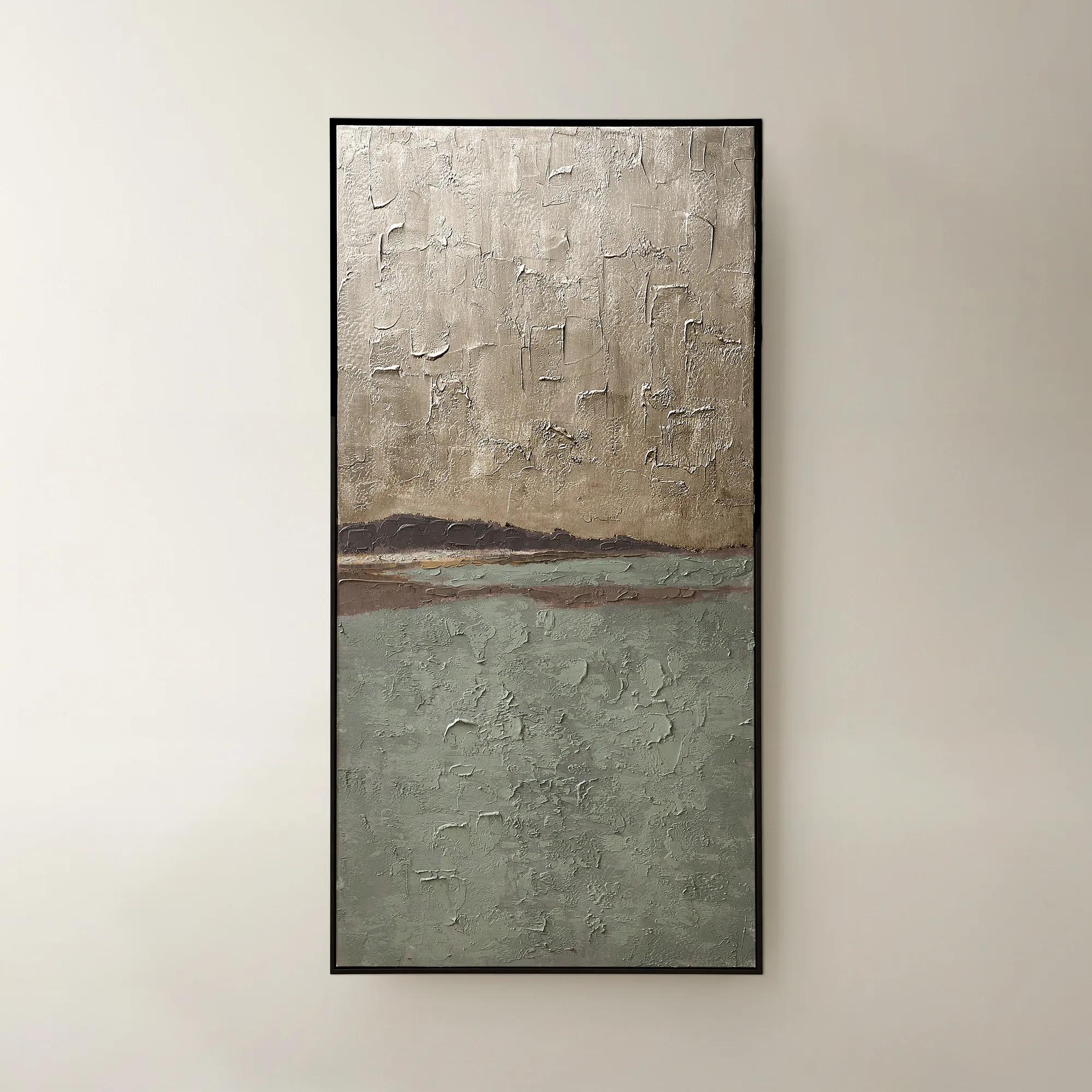
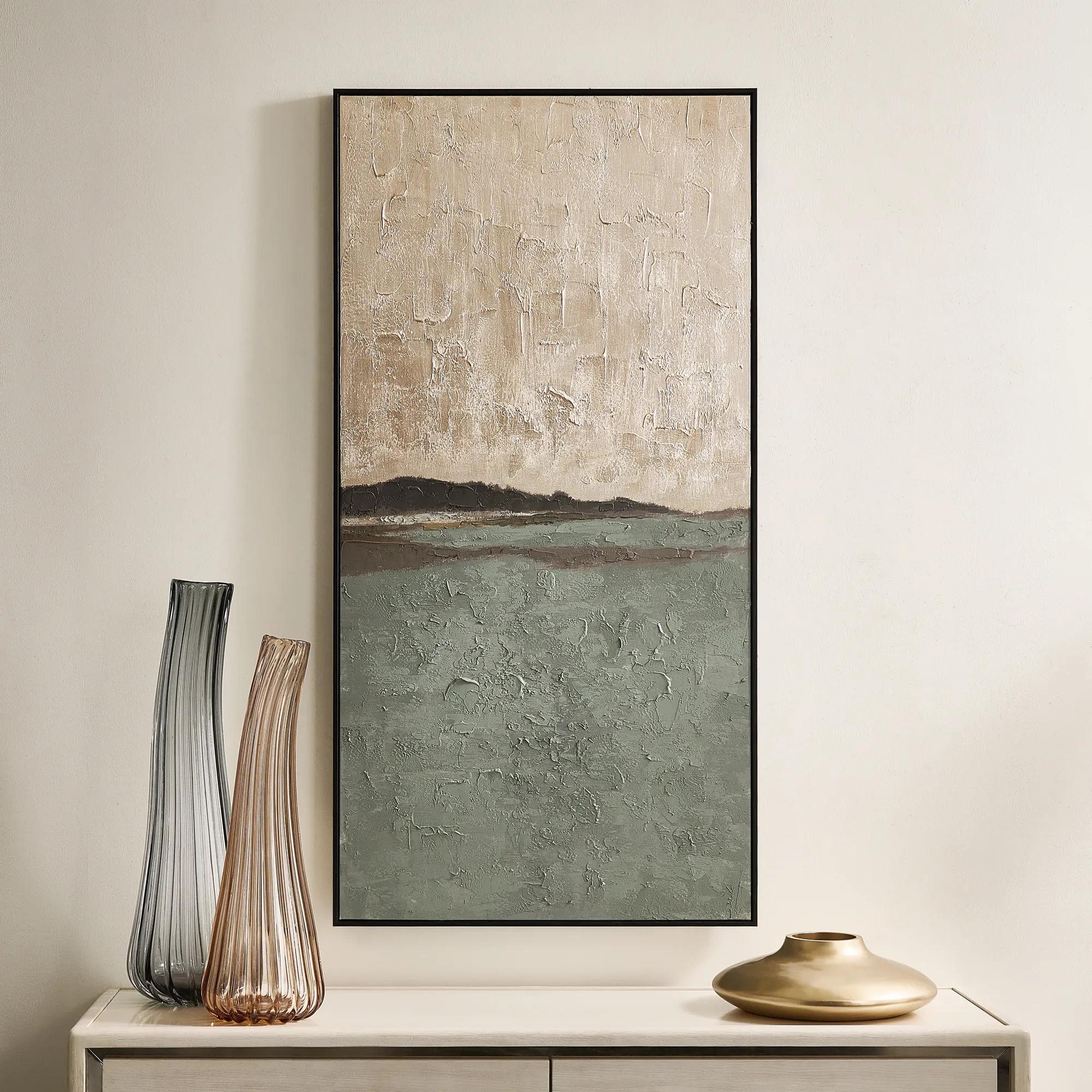 Fields of Gold Framed Painted Wall Art 60" x 30"$399
A hand-painted sage and champagne abstract canvas with a black frame, offering versatile vertical or horizontal display.
Add To Cart -
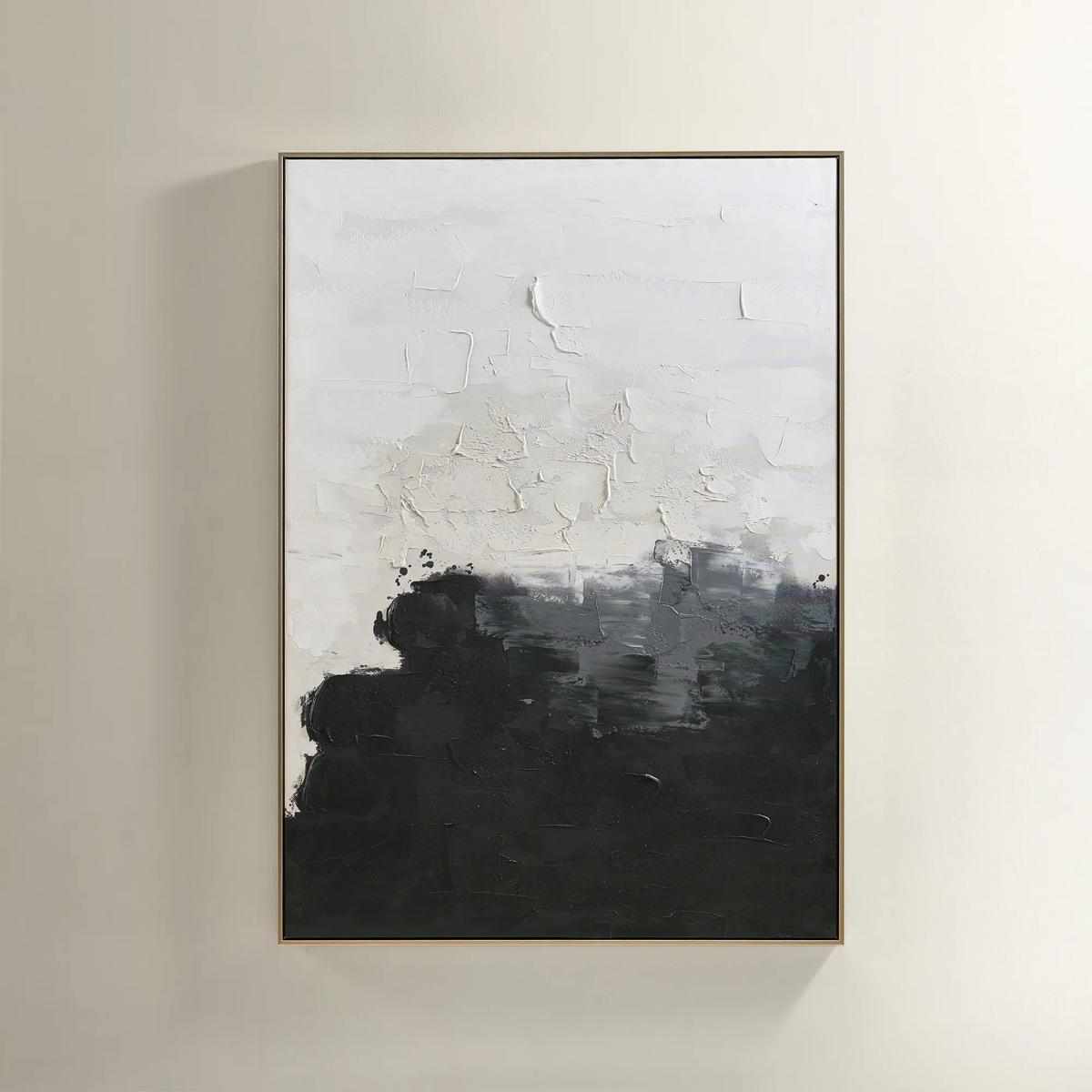
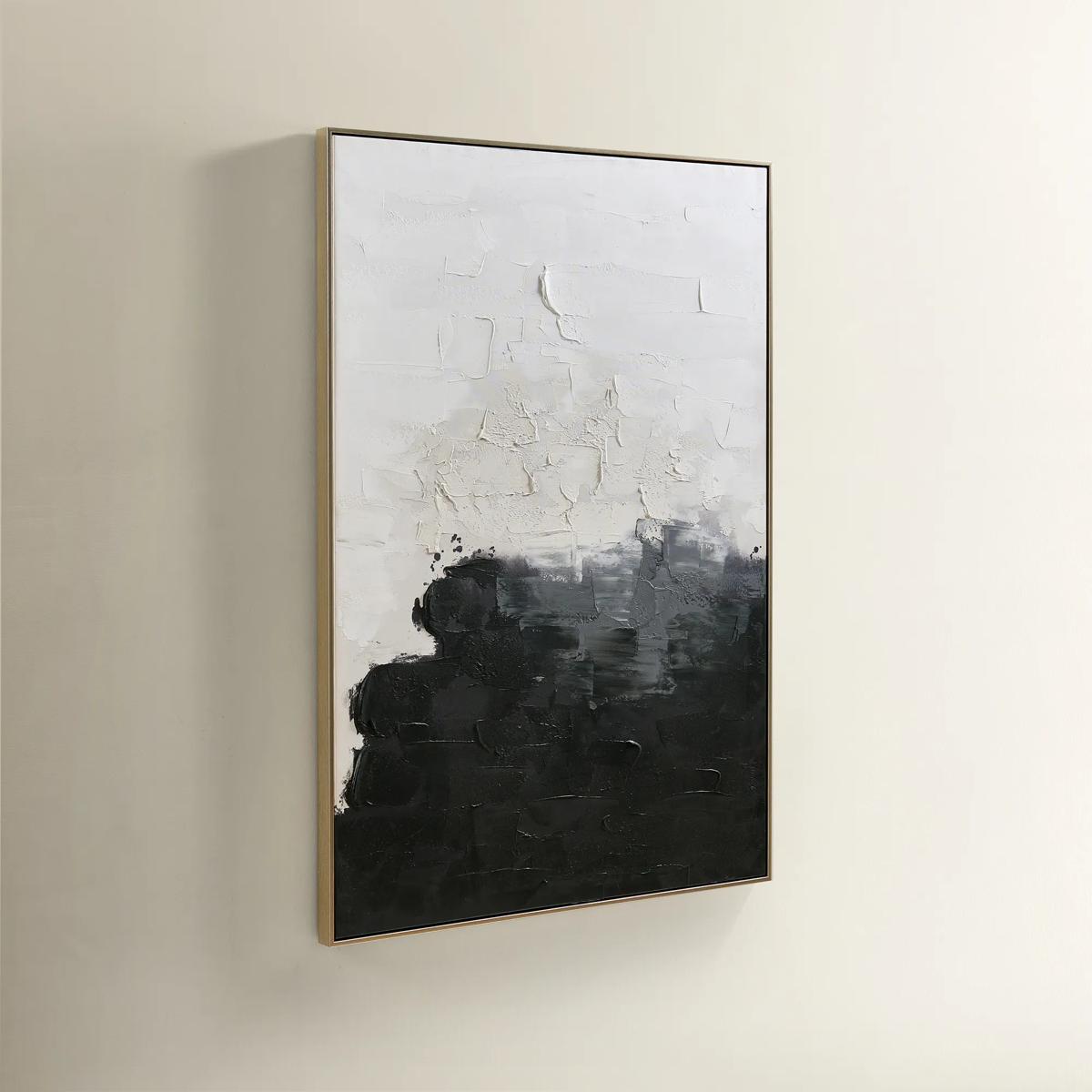 No Rush Painted Wall Art 39.25" x 55"$499
A hand-painted canvas featuring textured strokes of white, ivory, and charcoal in a natural wood frame.
Add To Cart -

 Heart Dancing Framed Wall Art 51.5" x 37.5"$799
A gallery-wrapped canvas artwork with a hand-applied brush gel finish in a sleek gunmetal floater frame.
Add To Cart -
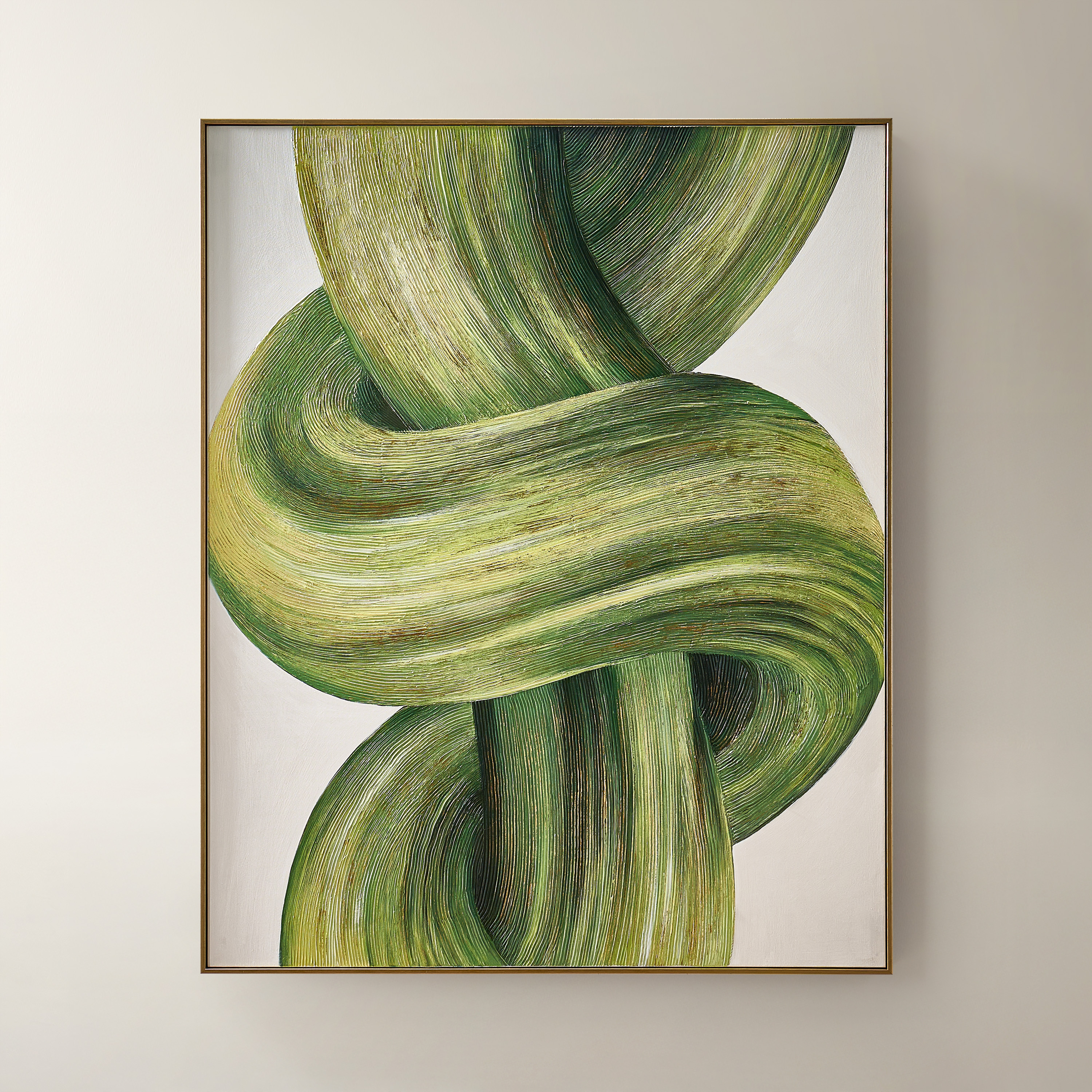
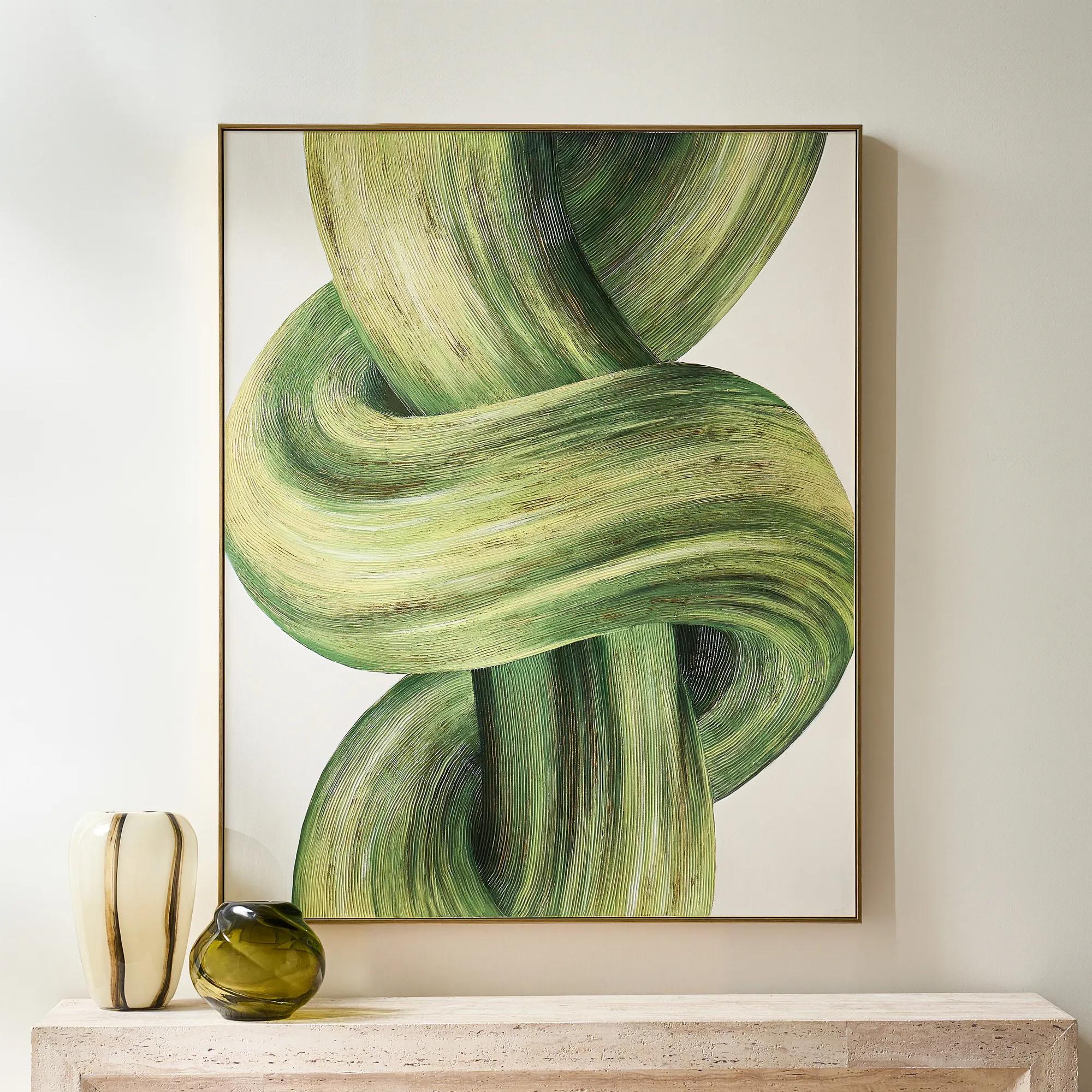 Knotted Framed Gold Leaf Painted Wall Art 40" x 50"$599
A hand-painted green and citron canvas with gold leafing, finished in a sleek PS floater frame.
Add To Cart -
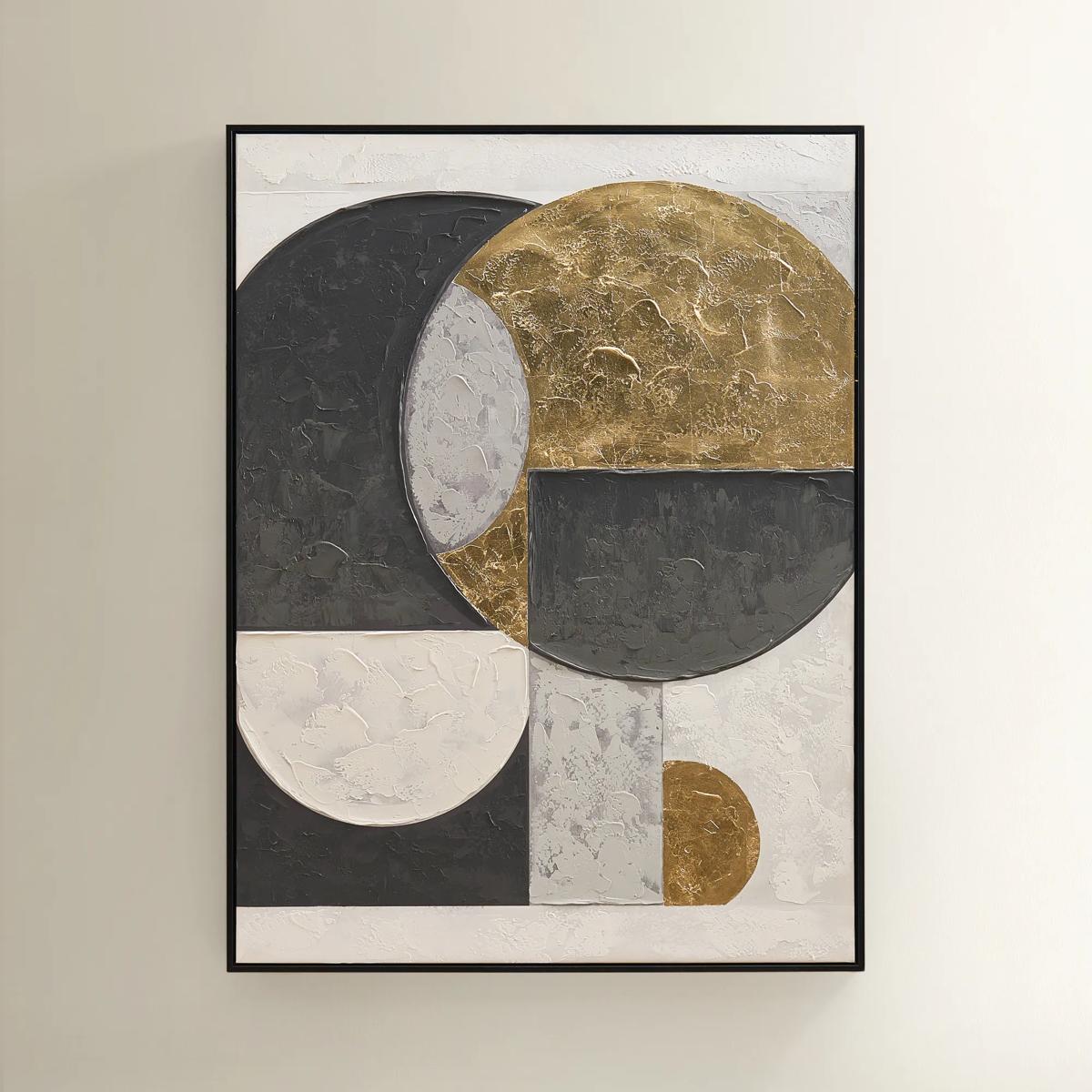
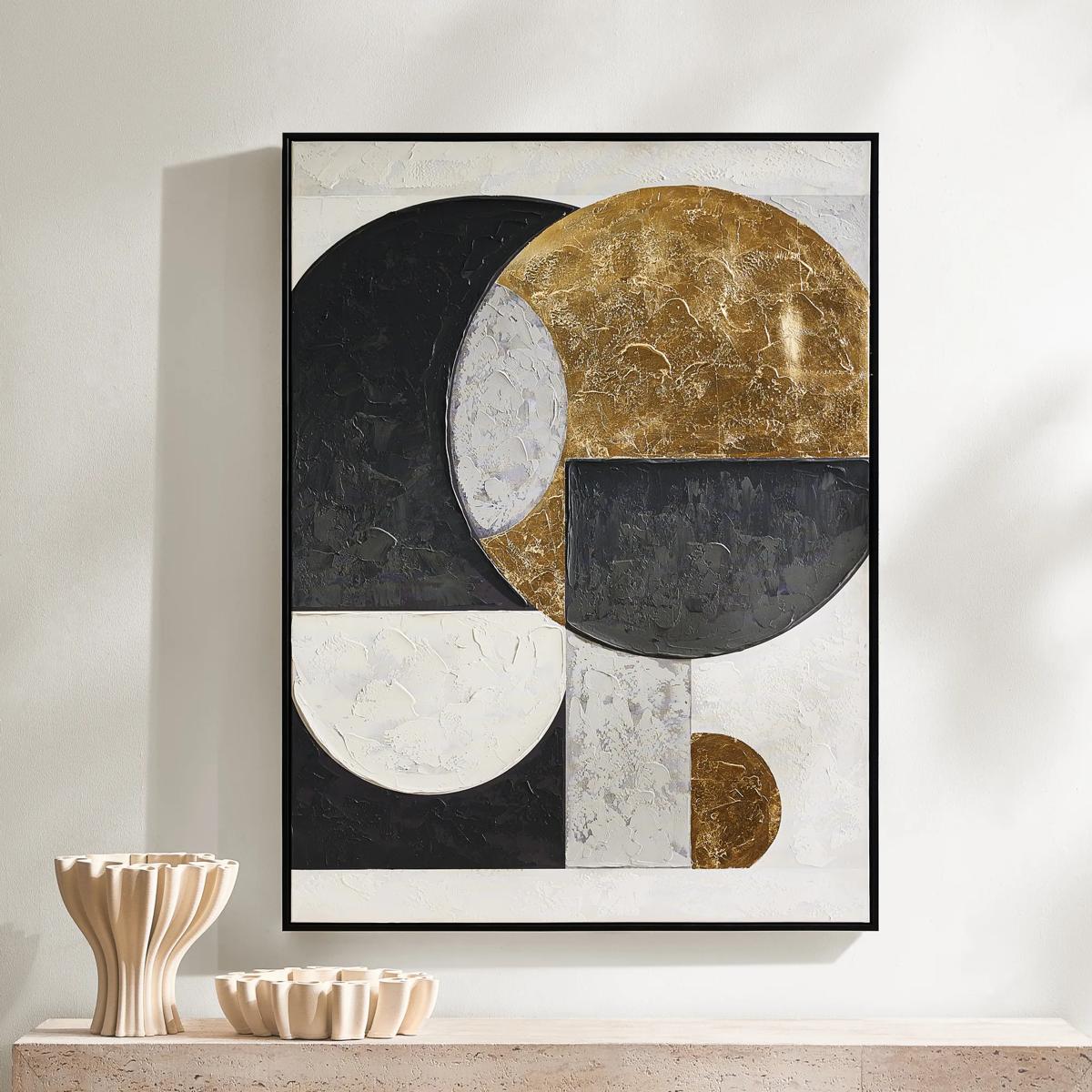 Eclipse Framed Gold Leaf Painted Wall Art 35.25" x 47.25"$449
A hand-painted canvas featuring bold black, grey, and gold geometric shapes with shimmering gold leaf accents.
Add To Cart -

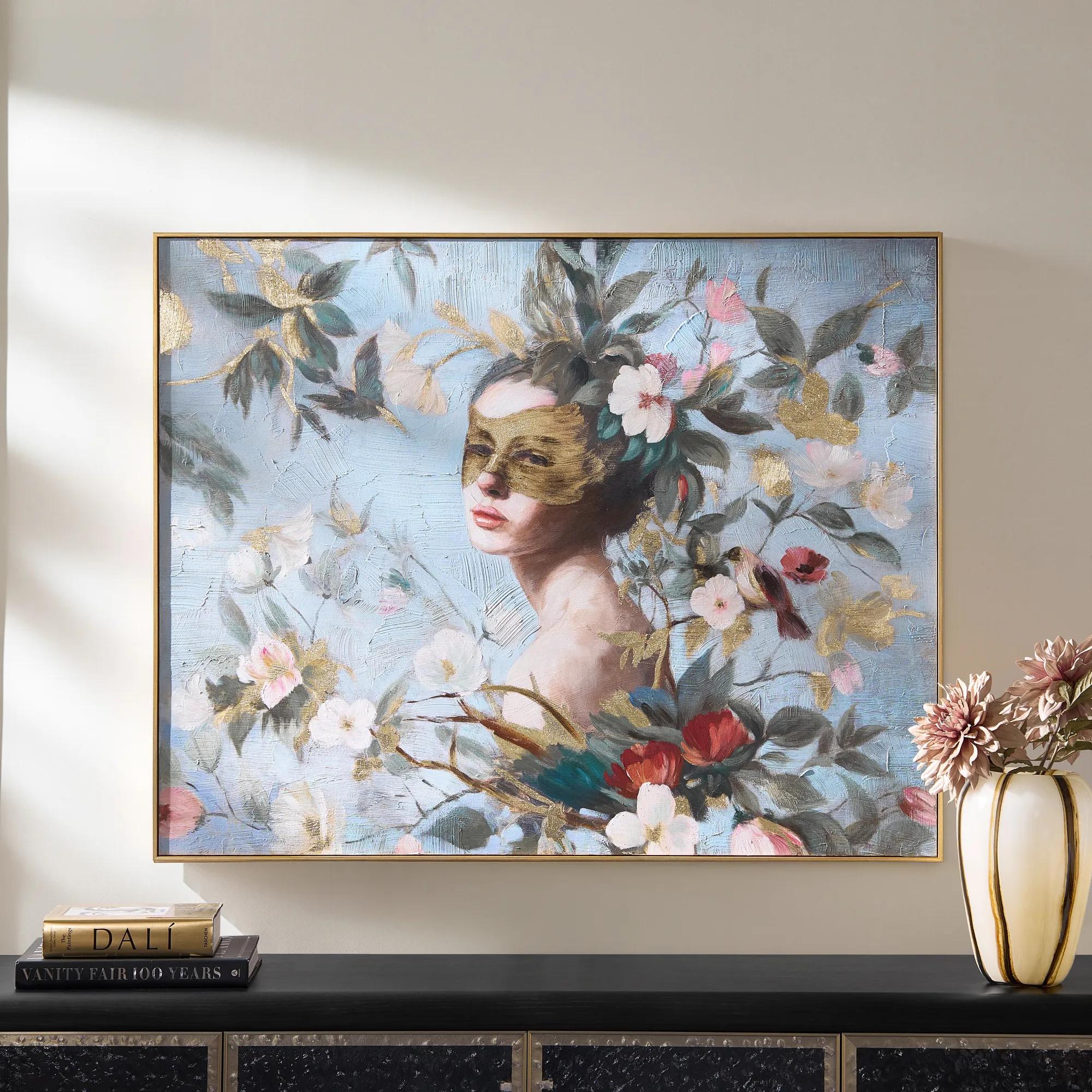 Garden Party Framed Gold Leaf Painted Wall Art 50" x 40"$399
A gold leaf painted canvas artwork in a framed presentation, bringing artistic sophistication to modern interiors.
Add To Cart -
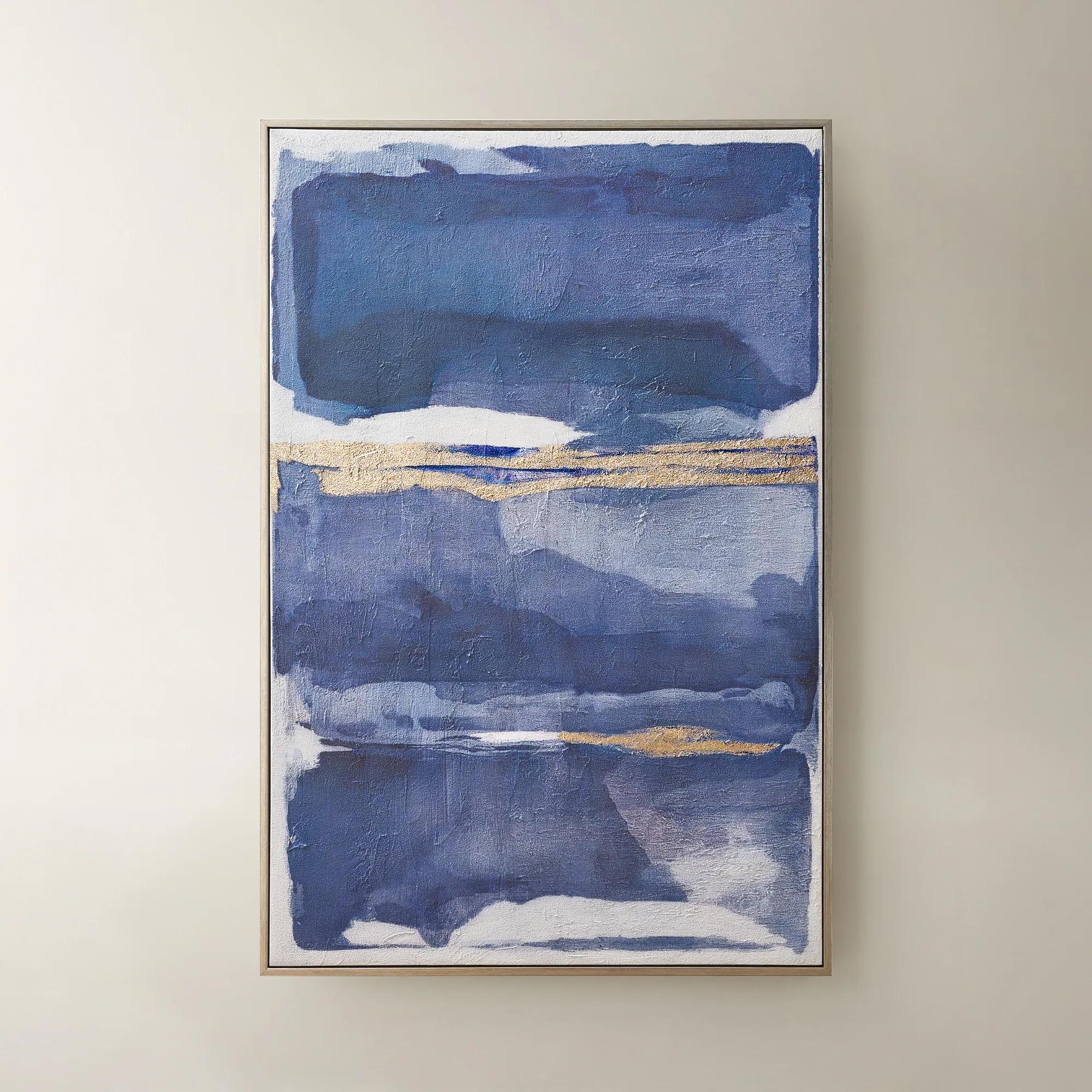
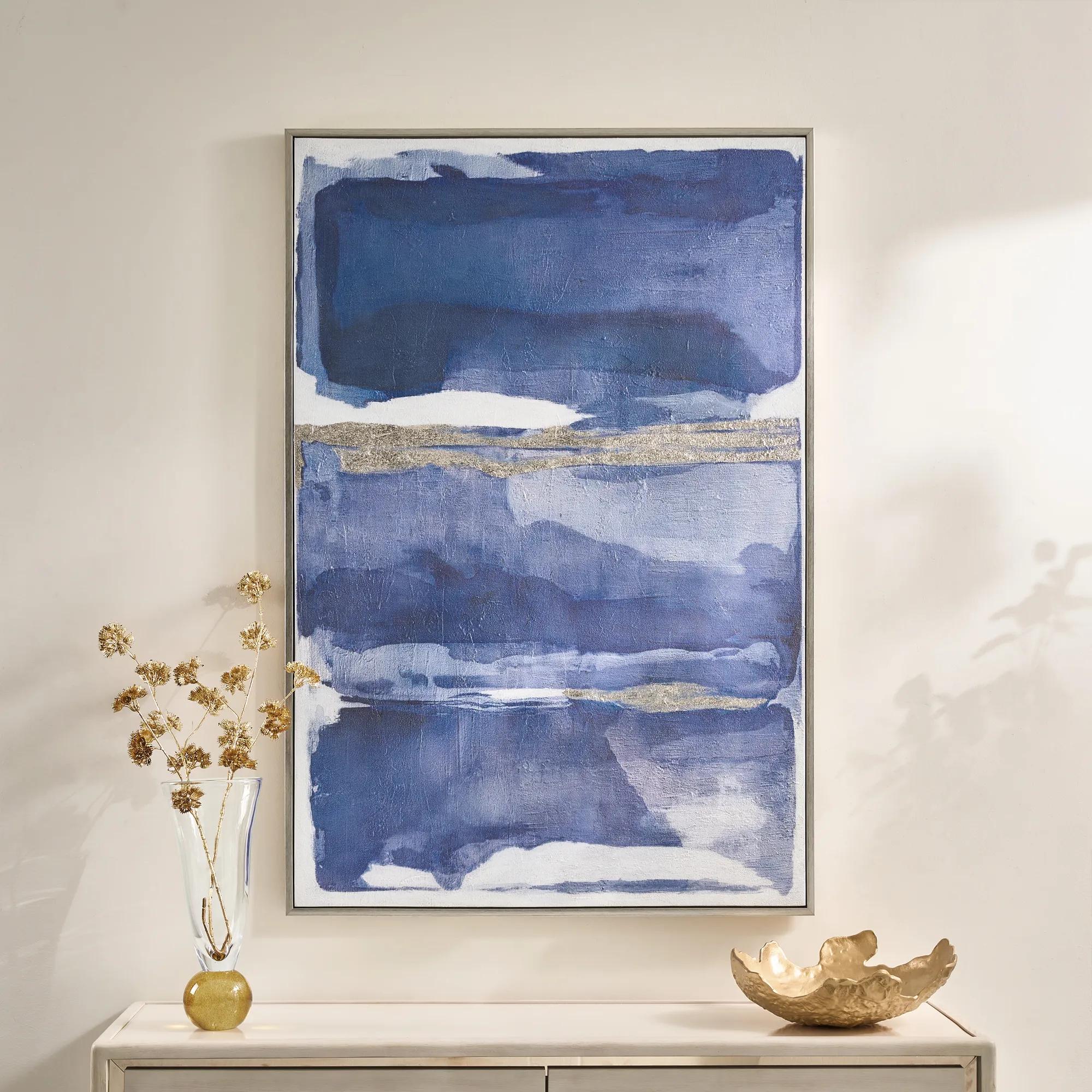 Memories in Blue Framed Painted Wall Art 40" x 60"$499
A hand-painted canvas in deep ink blue with champagne leafing for a sophisticated, gallery-inspired look.
Add To Cart -
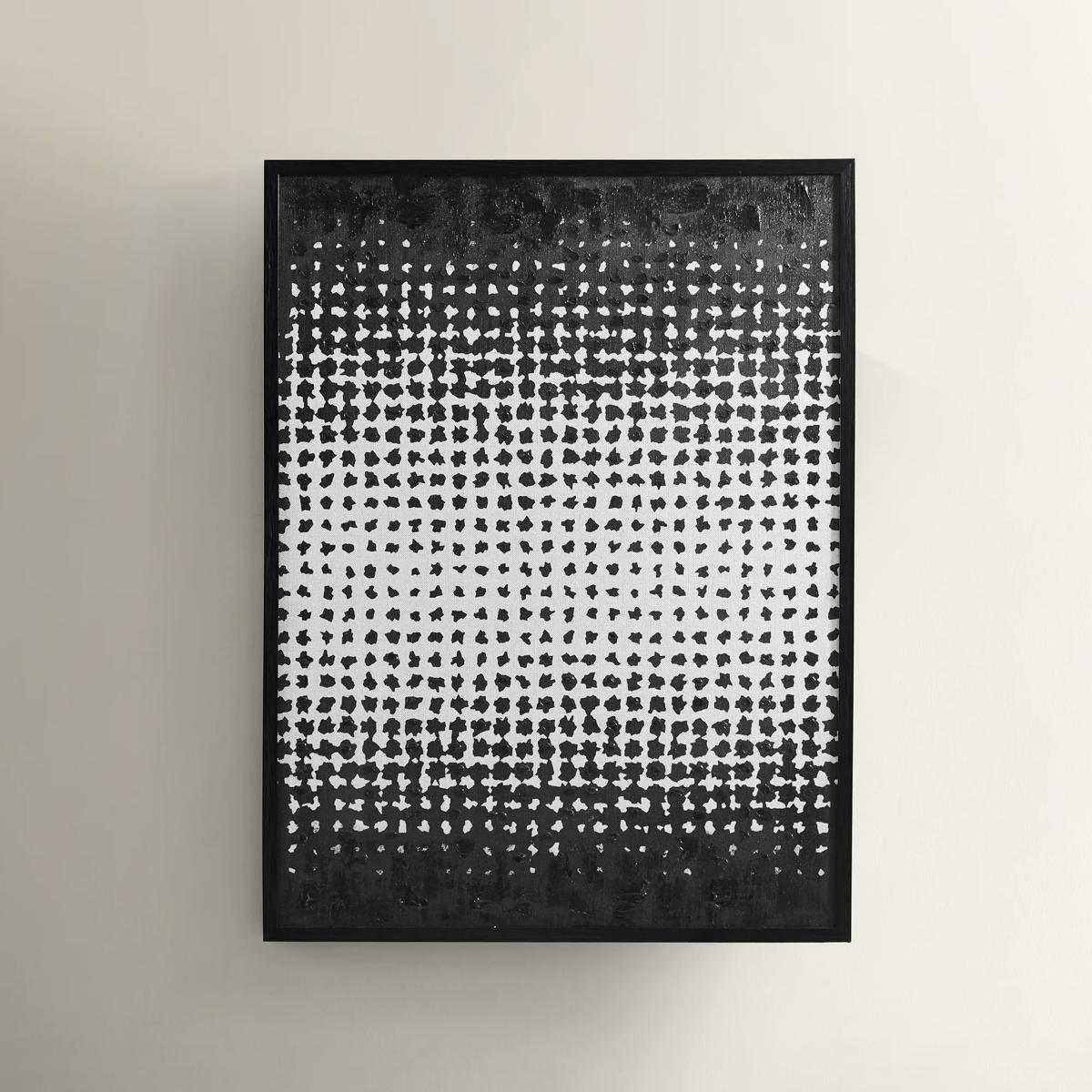
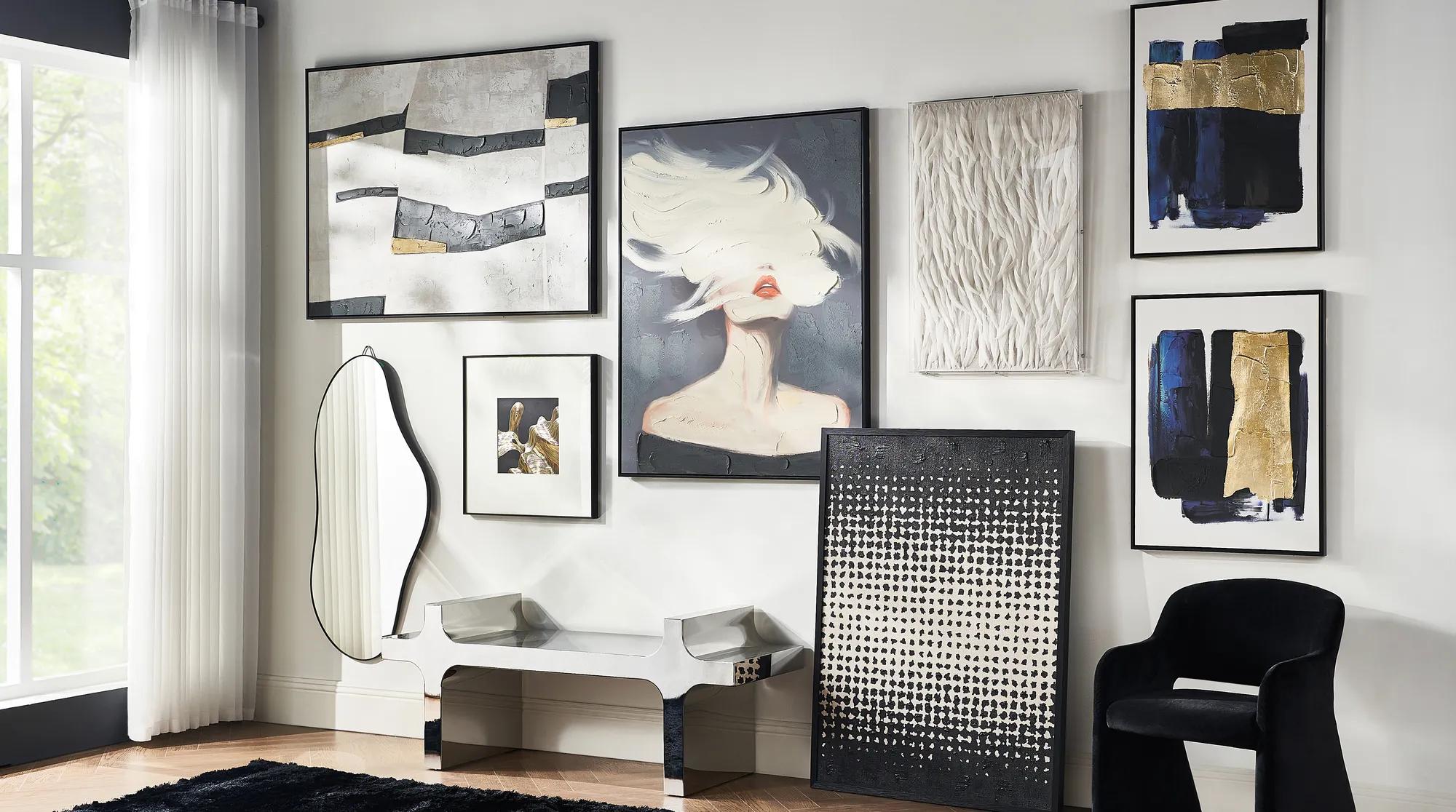 In Time Painting$399
A hand-painted linen canvas featuring cream and black dots in a modern, minimalist geometric pattern.
Add To Cart

Long Horizontal Canvas Wall Art
Long Horizontal Canvas Wall Art transforms every wall into a sweeping statement of artistry and allure. With their elongated proportions, these captivating canvases stretch the imagination and invite the eye to wander, creating a sense of movement and spaciousness that is both dramatic and refined. Whether anchoring a grand living room or bringing balance to a modern dining space, each piece becomes an invitation to express your boldest aesthetic ambitions. Let your home tell a story of scale, sophistication, and unapologetic style with Long Horizontal Canvas Wall Art as the centerpiece.
Long horizontal canvas wall art brings a generous sweep of color, texture, and movement to interiors, turning an expansive wall into a deliberate design statement. Its elongated silhouette feels especially compelling above a sofa, across a dining room wall, or behind a bed, where the artwork can echo the proportions of the furniture beneath it. Rather than scattering attention among smaller accents, a wide canvas gives the room a clear visual center: a wash of pearl and charcoal, an expressive ribbon of color, or a panoramic composition that draws the eye from one edge to the other. Abstract imagery can introduce energy through layered marks and unexpected contrasts, while landscapes and other representational subjects lend a sense of depth and place. The mood depends as much on composition as on palette. Broad, softly blended passages create a measured atmosphere; sharp gestures and saturated tones bring theatrical presence. For a room dressed in velvet, polished metal, and sculptural furnishings, horizontal canvas art can offer either a richly textured counterpart or a quieter interval that lets those finishes shine. Scale deserves equal attention. A canvas that is too narrow may appear disconnected from a substantial sofa, while an oversized composition can overwhelm a modest wall or crowd nearby sconces. As a starting point, artwork spanning roughly two-thirds to three-quarters of the furniture’s width often creates a balanced relationship, with enough surrounding space for the composition to breathe. Centering the piece over the furniture, rather than automatically centering it on the entire wall, helps establish a cohesive vignette. In an open living area, its long format can also visually anchor a seating arrangement without introducing another physical boundary. Color offers another connection: a small note of bronze, indigo, or ivory in the artwork can resonate with a lamp, upholstery, or decorative object without requiring an exact match. The most expressive rooms leave room for contrast, allowing the canvas to contribute its own character instead of simply repeating the decor.
The appeal of canvas lies partly in its tactile surface, which gives imagery a different presence than a glossy photograph or a print displayed behind glass. Common canvas substrates include cotton, linen, and synthetic blends, each with a weave that can influence how texture appears across the finished surface. Depending on the medium, a work may feature printed imagery, painted marks, or applied embellishment; those distinctions affect both its visual depth and its care needs. A smooth printed composition can emphasize fine detail and subtle tonal transitions, while visible brushwork or dimensional accents introduce shadows that change with the room’s lighting. Looking closely at the stated materials and finish helps clarify whether the drama comes from the image itself, the physical surface, or both. Construction matters especially in a long horizontal format, where the generous span benefits from a well-supported structure. Canvas stretched taut over a sturdy frame offers a tailored profile, and appropriate internal support helps the piece maintain its shape. Gallery-wrapped edges allow the image or a coordinating finish to extend around the sides, creating a clean presentation without an outer frame. A floating frame adds definition and a narrow shadow line, making the canvas feel more architectural; a metallic finish can echo gleaming room accents, while a dark frame gives pale or atmospheric imagery a crisp boundary. Depth is worth considering alongside width and height, particularly above furniture or near a circulation path. A substantial profile has sculptural presence, but it should still feel comfortable within the room. Installation should reflect the artwork’s weight, hardware, and wall construction, using suitable anchors or wall studs as needed. Over a sofa or headboard, enough clearance keeps the piece visually connected without feeling crowded. In dining rooms and conversation areas, the composition should also feel engaging from a seated viewpoint. Nearby lighting can reveal the canvas’s texture beautifully, especially when directed thoughtfully to avoid distracting hot spots or harsh shadows across raised details.
Long horizontal canvas wall art is intended to make a lasting contribution to an interior, and thoughtful placement helps preserve its finish. Indoor spaces with stable conditions are generally better suited to canvas than damp rooms or areas subject to frequent splashes, cooking residue, or strong direct sunlight. Keeping artwork away from direct heat sources and excessive moisture helps protect both the surface and its supporting structure. Dust can usually be addressed gently with a clean, soft, dry cloth or brush, but the appropriate method depends on the medium and any dimensional embellishments. Water, household cleaners, and vigorous rubbing may damage inks, pigments, coatings, or delicate texture, so the stated care instructions should take precedence. When moving a wide canvas, supporting the frame rather than pressing against the fabric helps avoid dents or stretching; larger pieces may require two people to handle comfortably. These practical details protect the very qualities that make the format appealing: its uninterrupted expanse, rich surface, and confident proportions. The effect can be equally striking in a first apartment with one generous wall, a collected home filled with treasured objects, or a polished office that needs a more personal point of view. For gifting, a horizontal canvas is a thoughtful choice when the recipient’s taste, wall dimensions, and preferred palette are well understood. A housewarming gift might draw on a favorite landscape or a familiar color story, while an anniversary gift could reflect a shared place or aesthetic. The strongest choice feels personal without forcing the recipient to rearrange an entire room. Where a home calls for variation in scale and orientation, Large Vertical Wall Canvases can complement elongated compositions in adjoining spaces, bringing height to narrower walls while maintaining a considered visual rhythm. Across either format, subject, texture, and framing can create continuity without making every room look identical. A long canvas gives that broader story a sweeping gesture—expressive enough to command attention, yet connected to the furnishings, finishes, and everyday moments that make the space distinctly personal.
FAQs
Long horizontal canvas wall art is remarkably versatile, complementing a range of interior styles from modern glam and contemporary minimalism to transitional and eclectic spaces. Its sweeping format enhances open-plan living areas, adds sophistication to formal dining rooms, and brings a curated edge to entryways or bedrooms. The key is to select artwork that echoes your room’s color palette and mood, allowing the piece to harmonize or boldly contrast with your existing decor.
Horizontal canvas wall art naturally draws the eye along its length, making it perfect for creating a striking focal point above a sofa, bed, or console. To maximize its impact, position the artwork at eye level and let it shine as the centerpiece of your arrangement. Complement it with accent lighting, such as picture lights or sconces, and surround it with understated decor to let the art command the spotlight.
Absolutely. Canvas horizontal wall art makes a thoughtful and memorable gift for housewarmings, weddings, anniversaries, or milestone celebrations. Its panoramic format suits a variety of spaces, and the right piece can reflect the recipient’s personality or commemorate a shared memory, making it a cherished addition to their home.
Mixing horizontal long art with other artwork styles—such as vertical canvases, framed prints, or sculptural pieces—can create a dynamic, gallery-inspired look. Play with scale, orientation, and spacing to design a visually engaging wall that tells a layered story. For a balanced effect, consider pairing your horizontal piece with a statement from our Large Vertical Wall Canvases collection.
Small horizontal wall art can be styled in a myriad of ways: line several pieces in a row for a cohesive gallery effect, layer them above shelving for added visual interest, or use them to accent narrow spaces such as hallways or above doorways. Their compact size offers flexibility, allowing you to experiment with arrangements and refresh your space with ease.