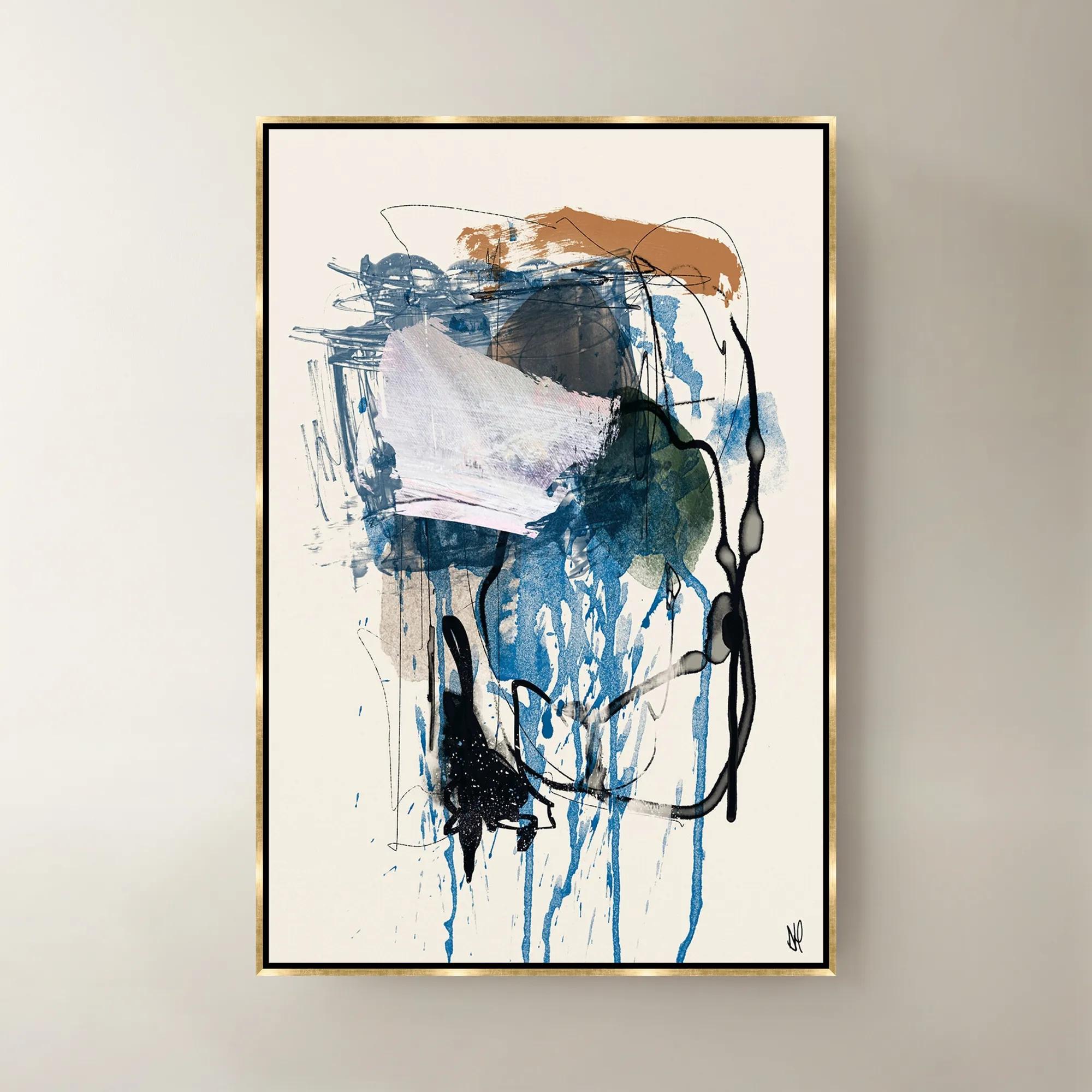
Vertical Or Horizontal Canvas Arts
Vertical Or Horizontal Canvas Arts
-
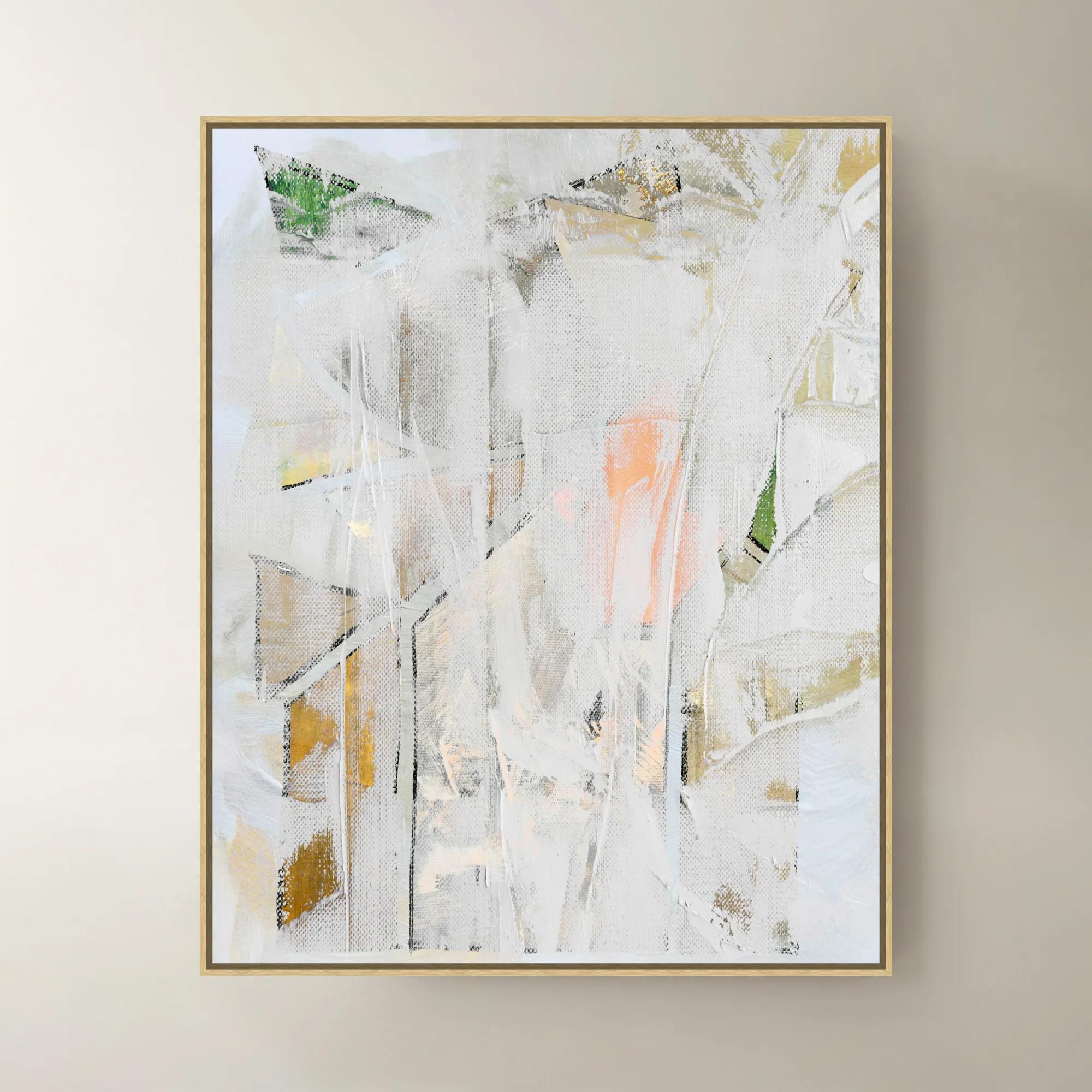
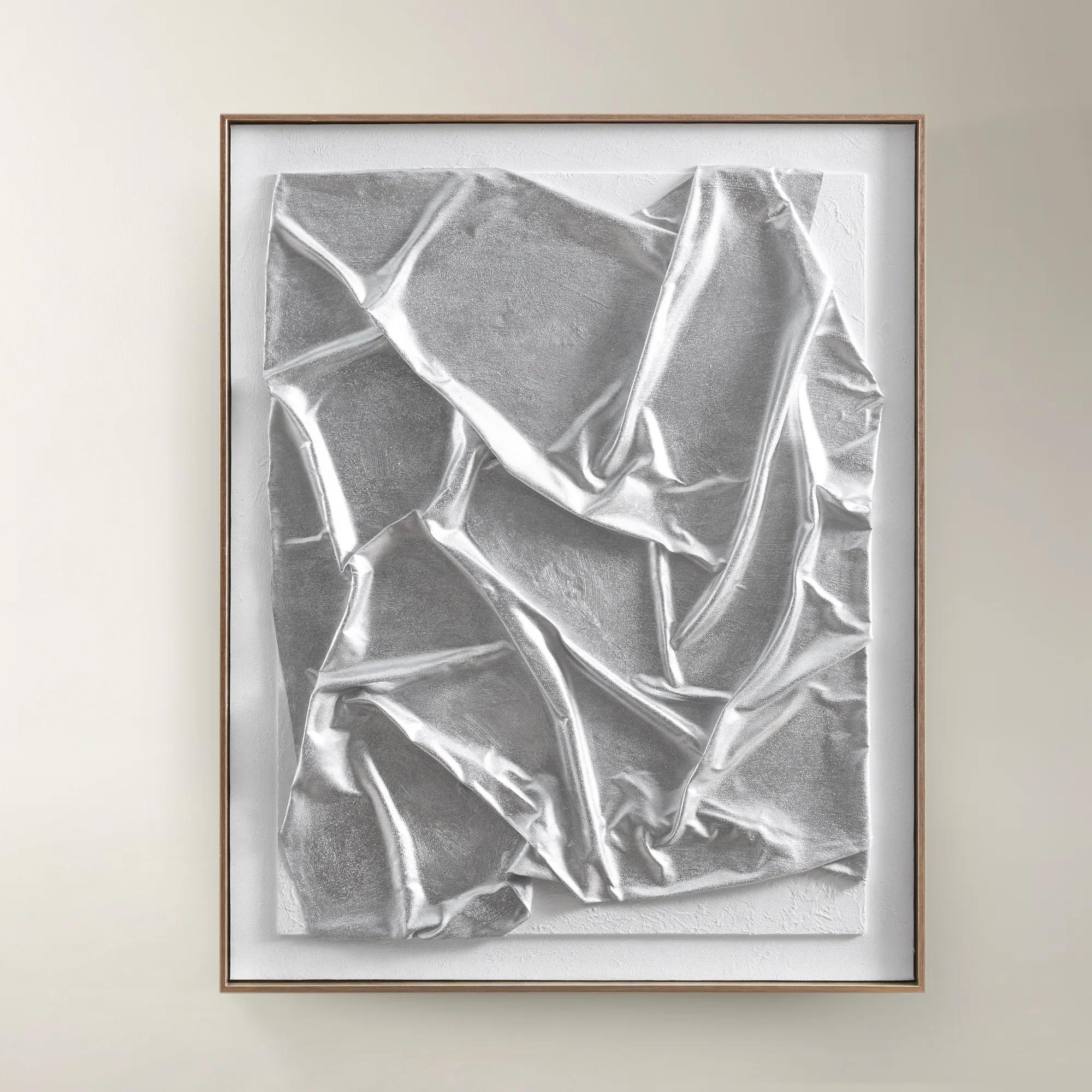 In the Mood Framed Painted Wall Art 31.5" x 39.5"$199
A hand-painted abstract canvas in shimmering silver tones, set in a warm champagne floater frame.
Add To Cart -
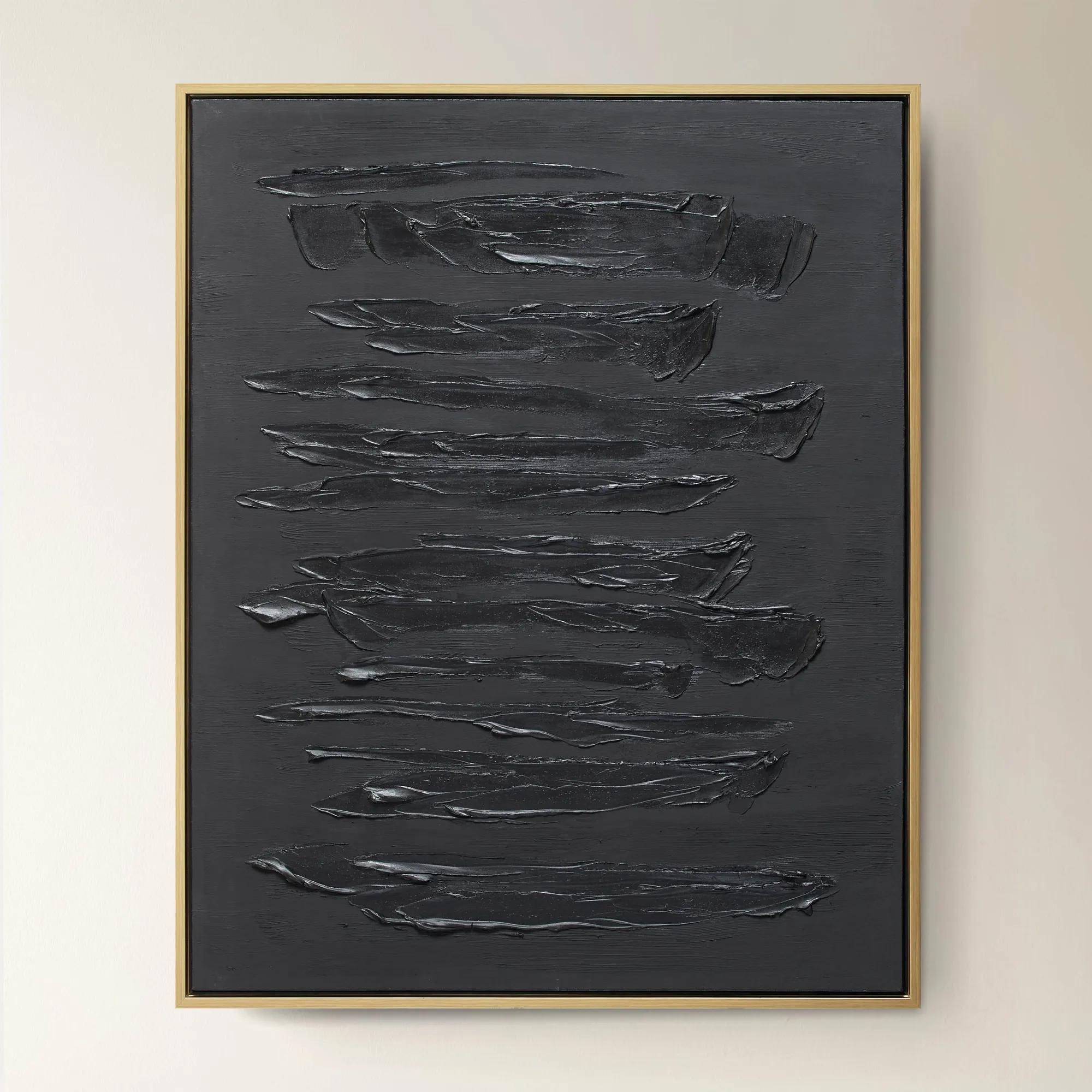
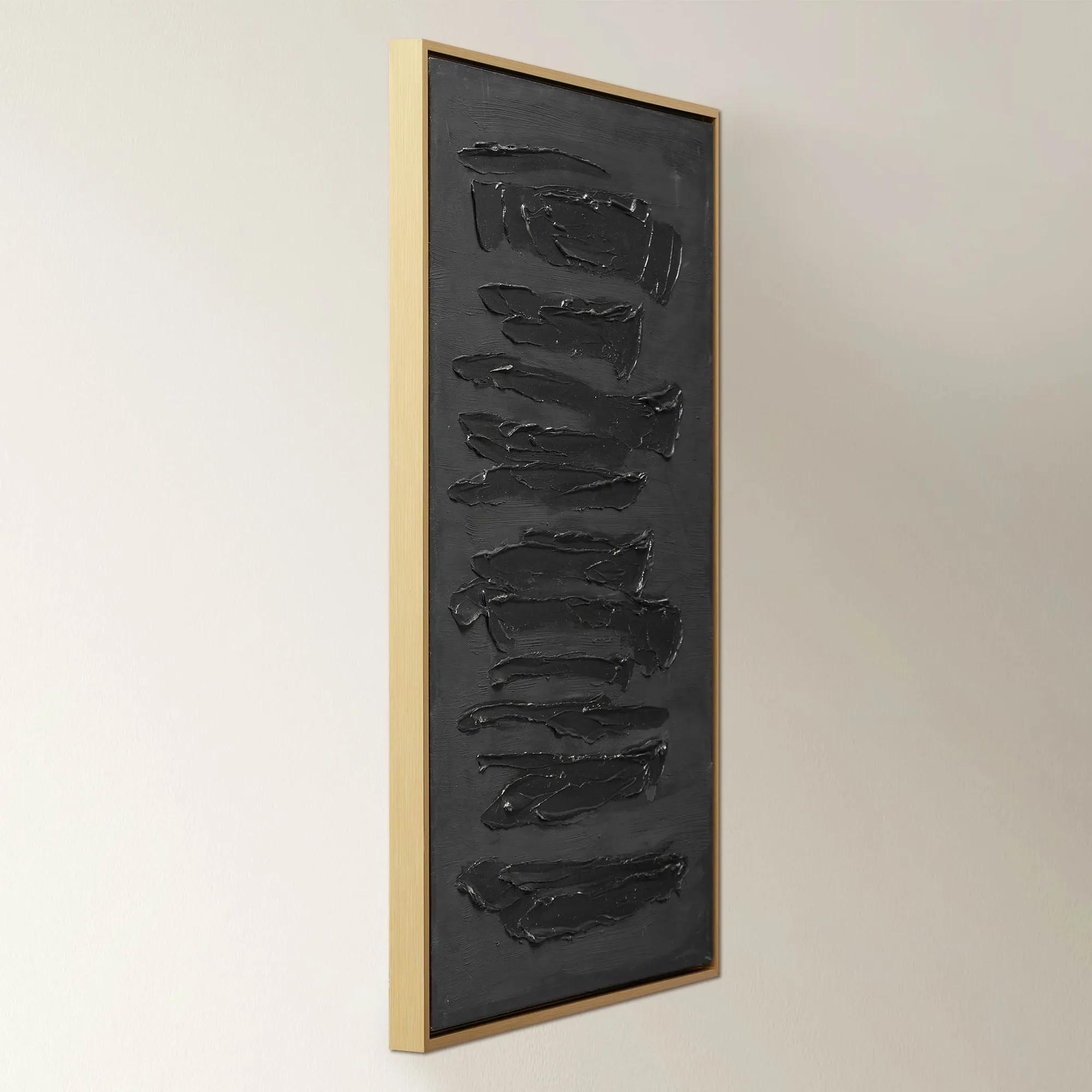 Nocturne$599.95
A dramatic abstract artwork featuring bold, dark brushstrokes on hand-painted canvas in a gold floater frame.
Add To Cart -
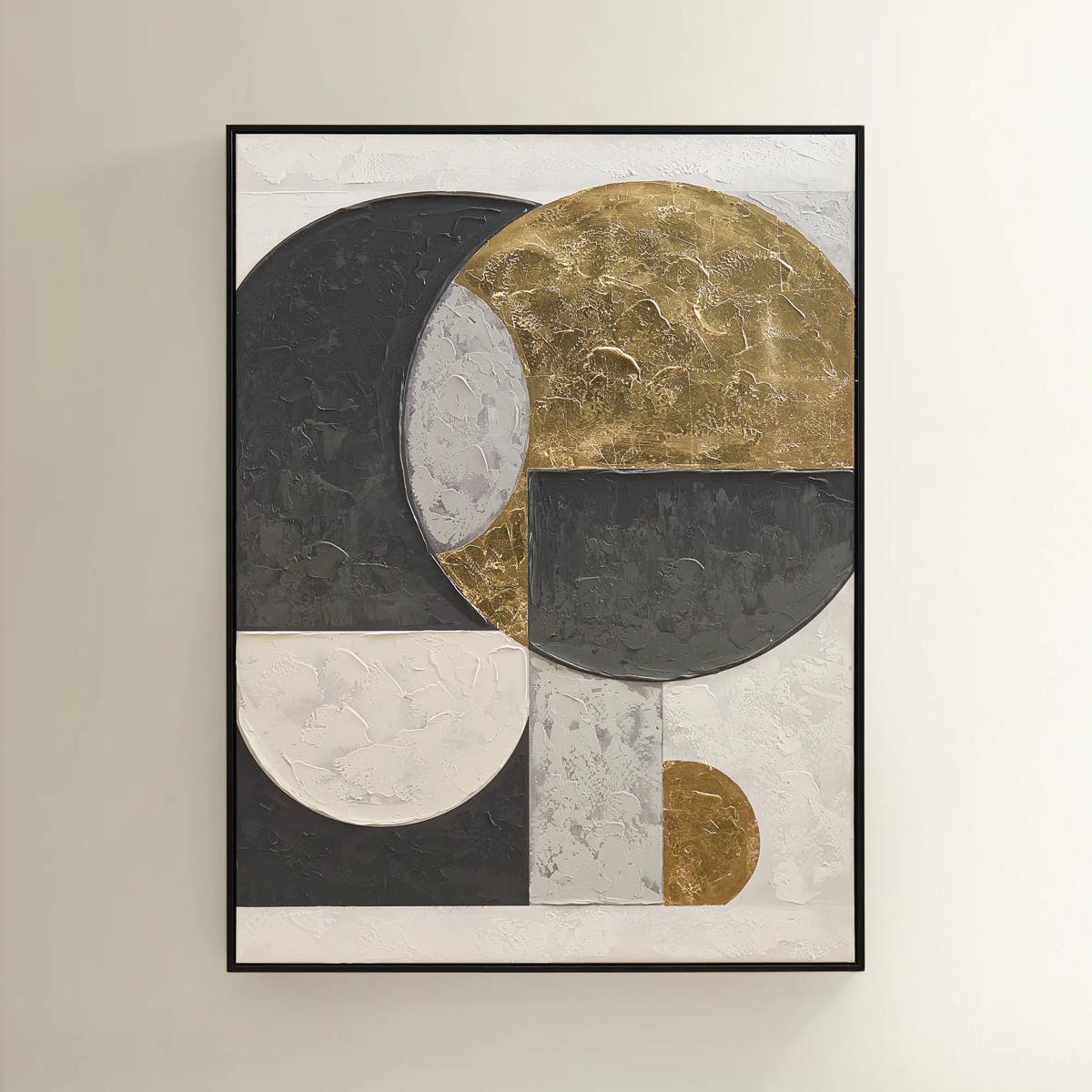
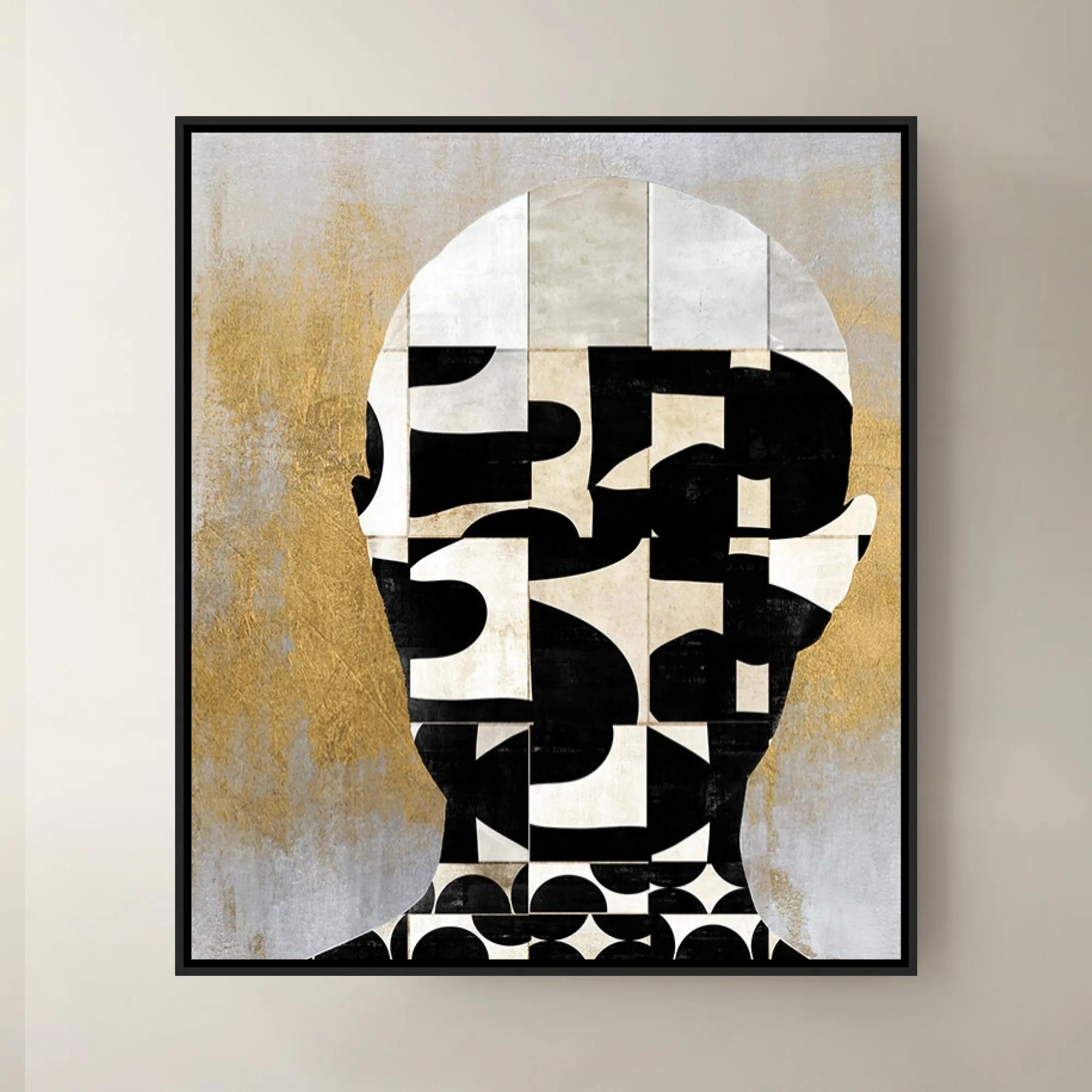
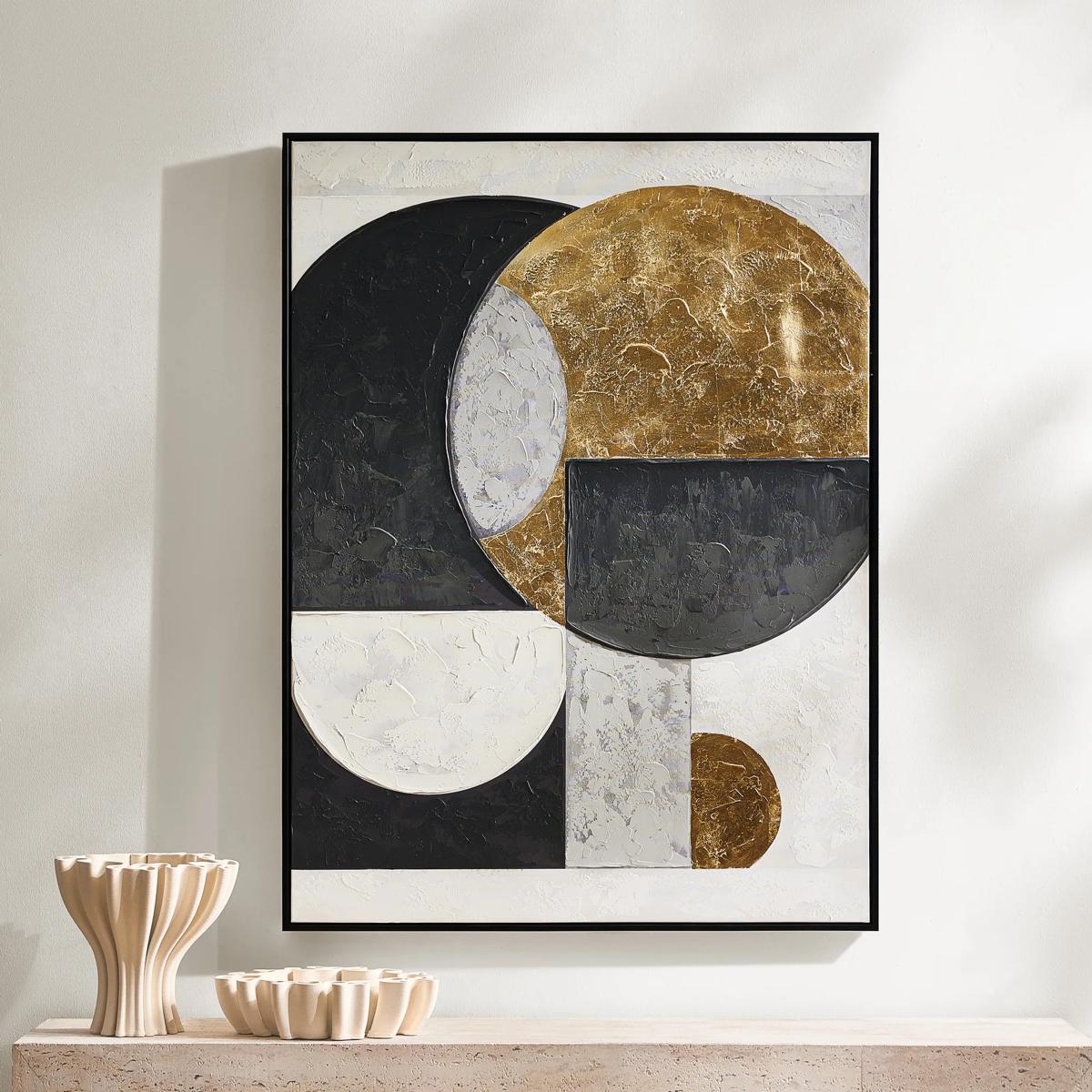 Eclipse Framed Gold Leaf Painted Wall Art 35.25" x 47.25"$449
A hand-painted canvas featuring bold black, grey, and gold geometric shapes with shimmering gold leaf accents.
Add To Cart -
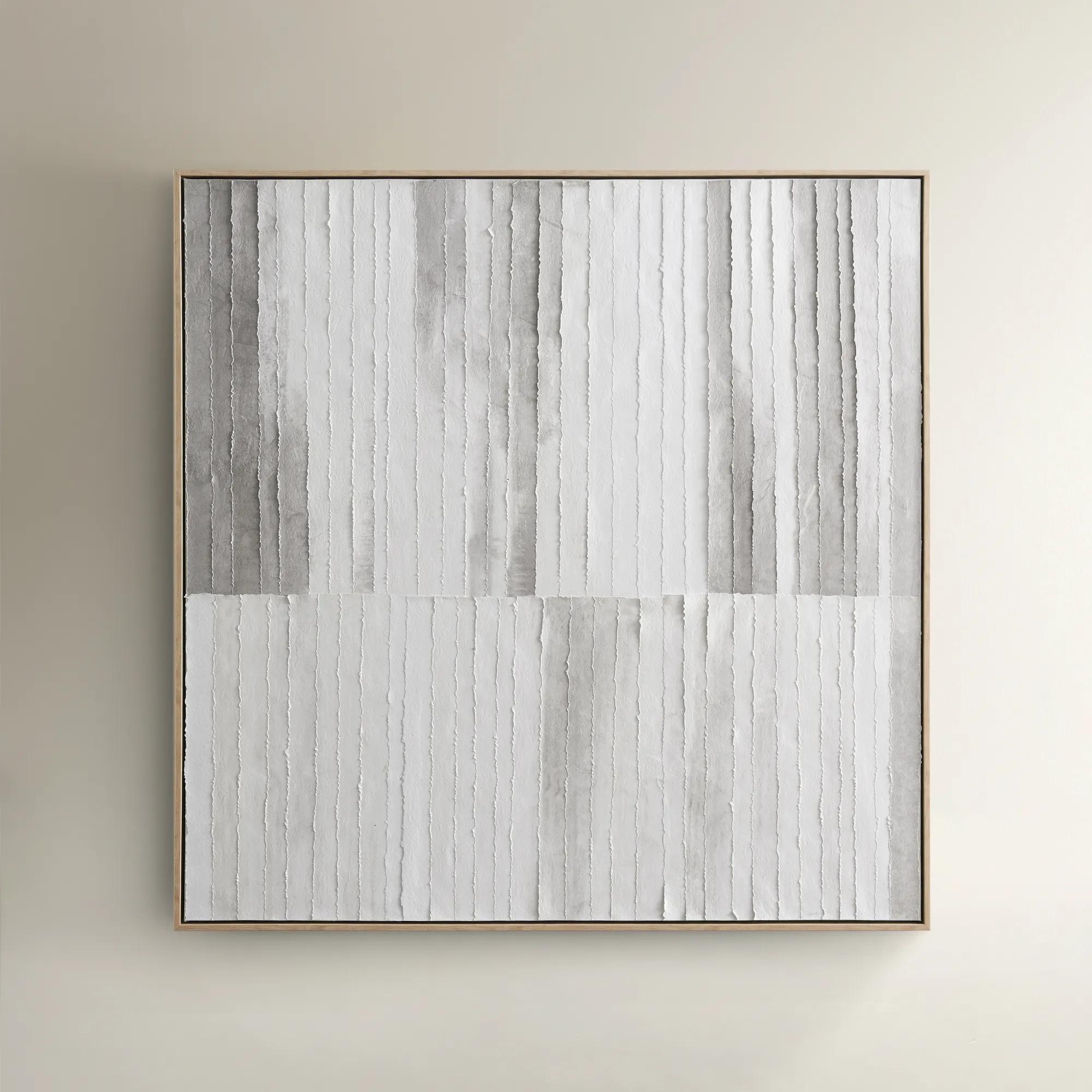
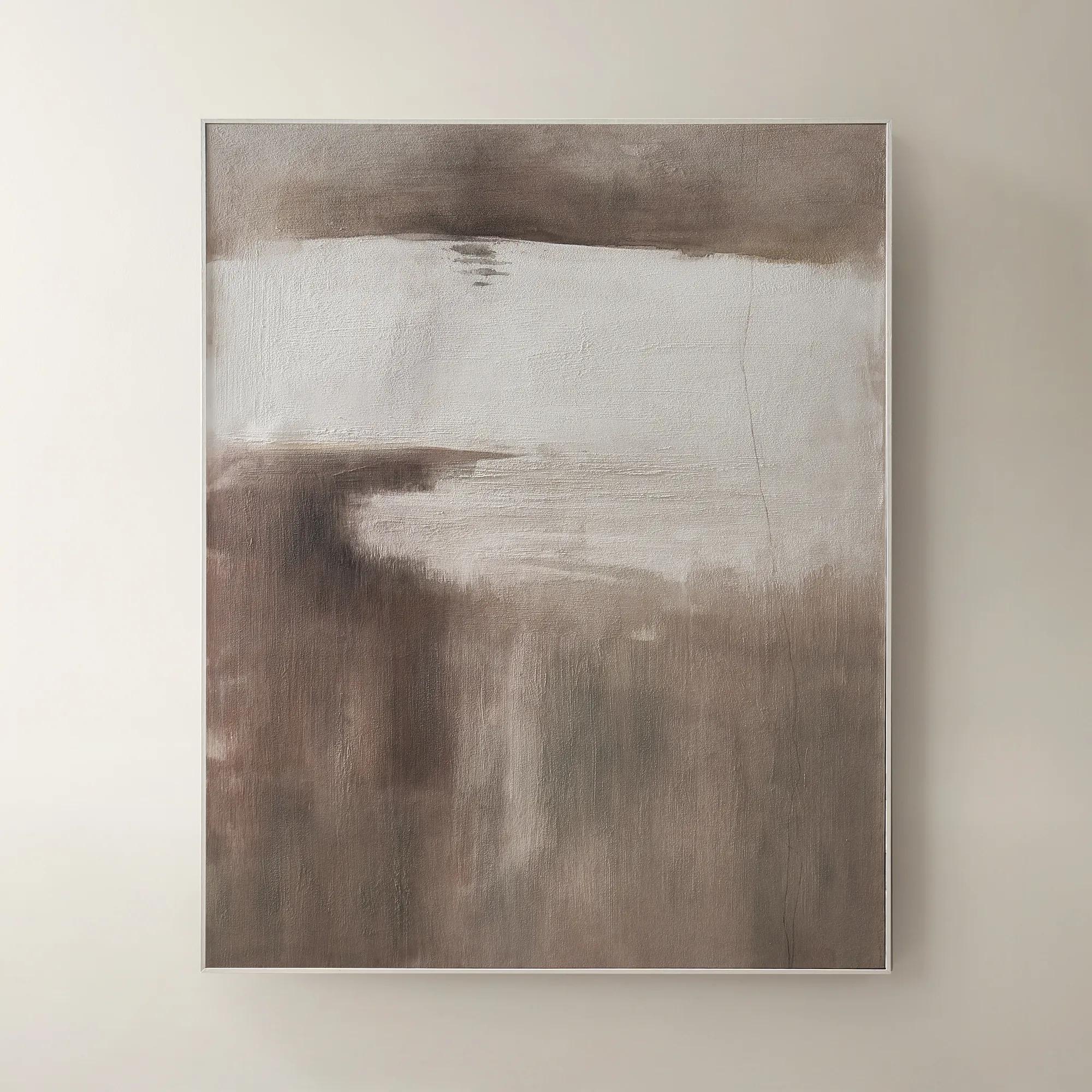
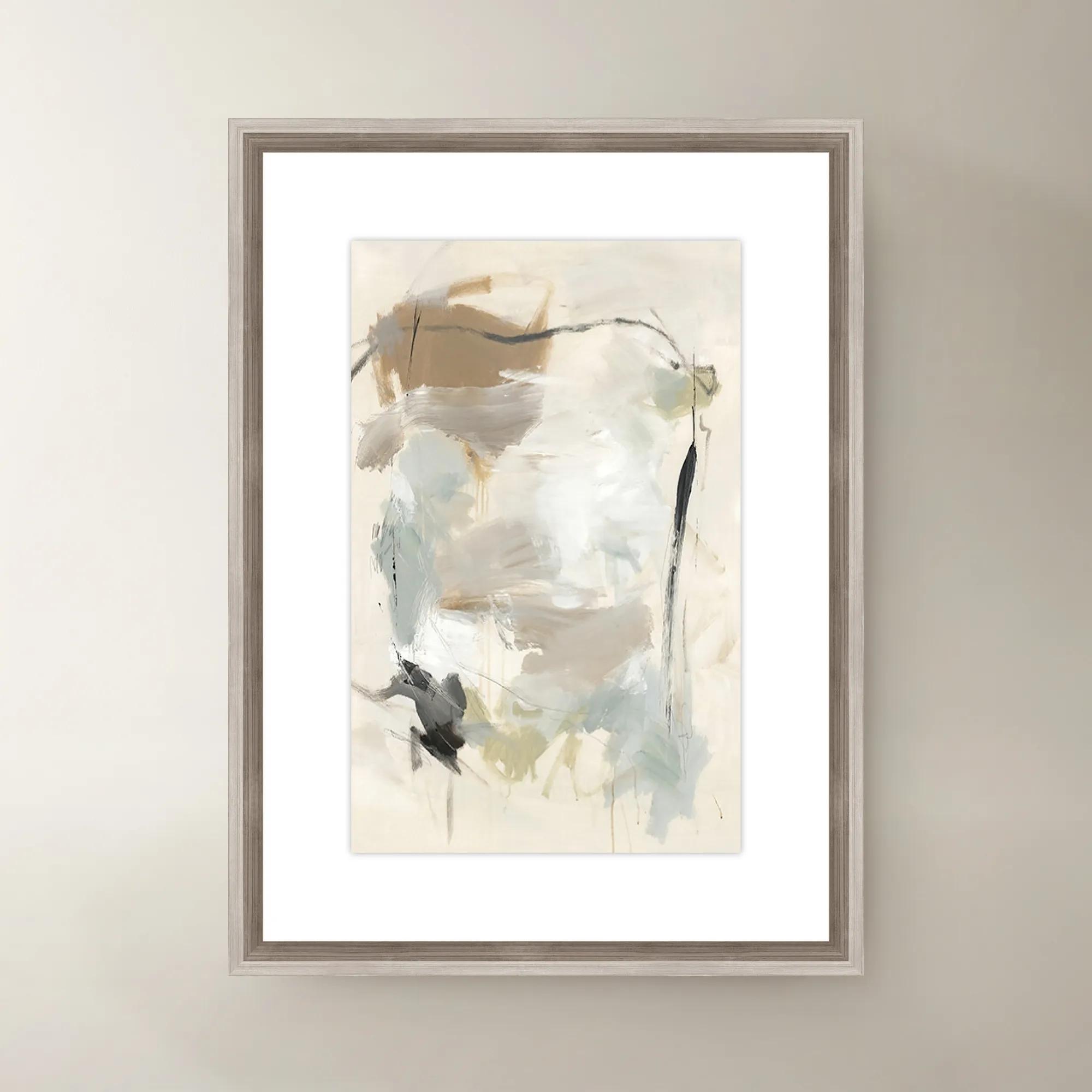
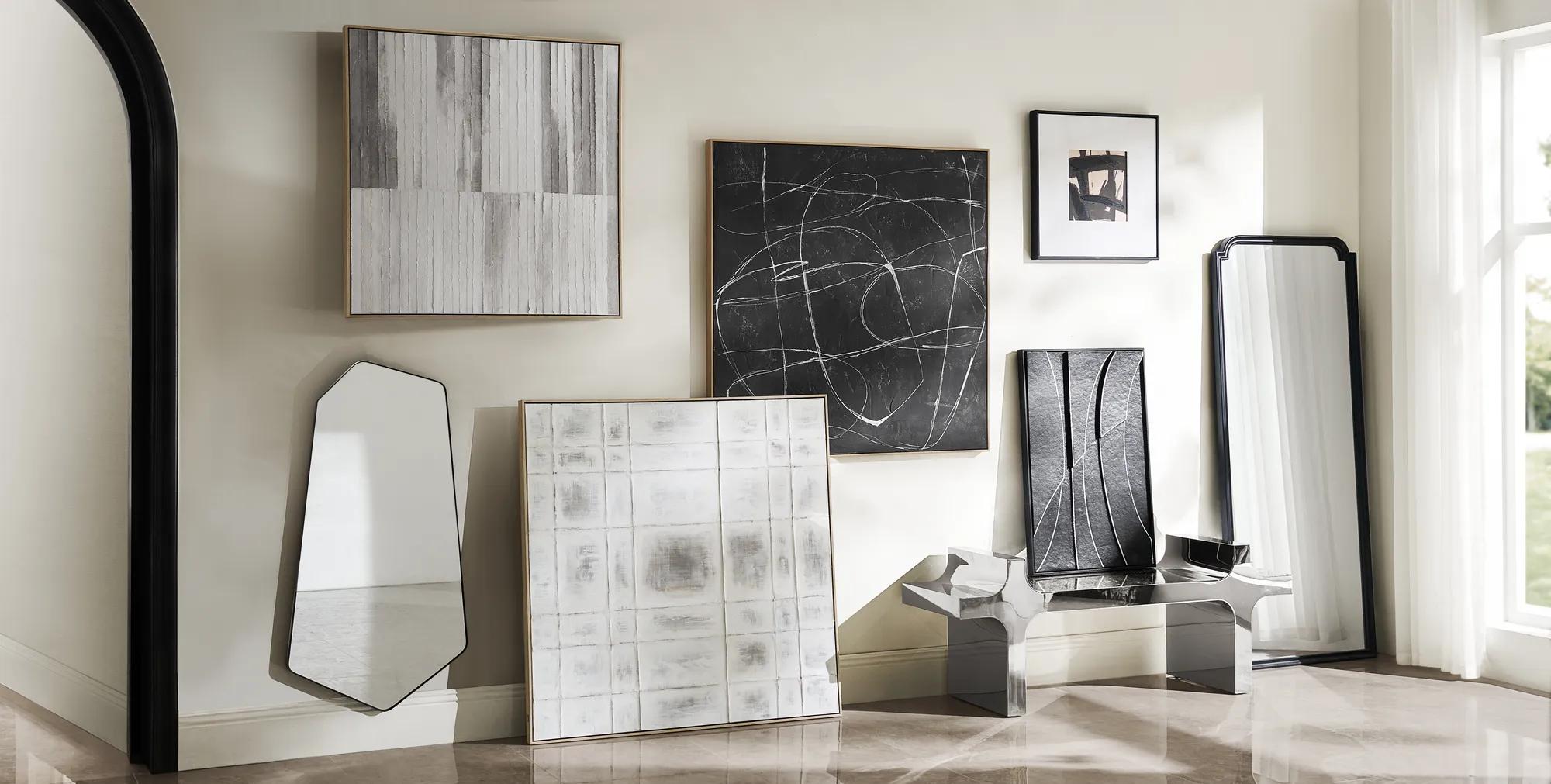 Morning Mist Paper Art$329
A hand-painted canvas featuring rhythmic grey lines in a textured, whitewashed floater frame for serene style.
Add To Cart -
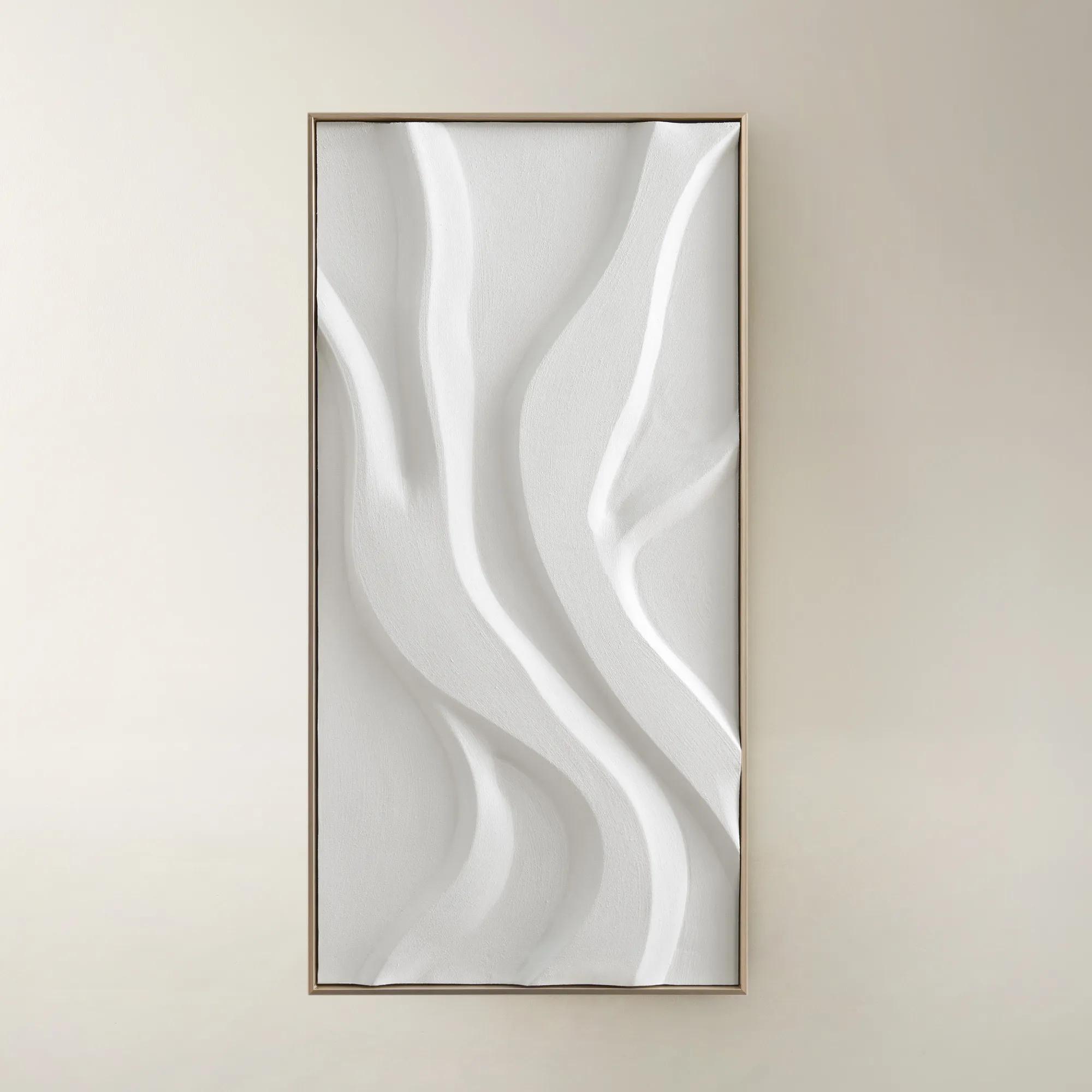
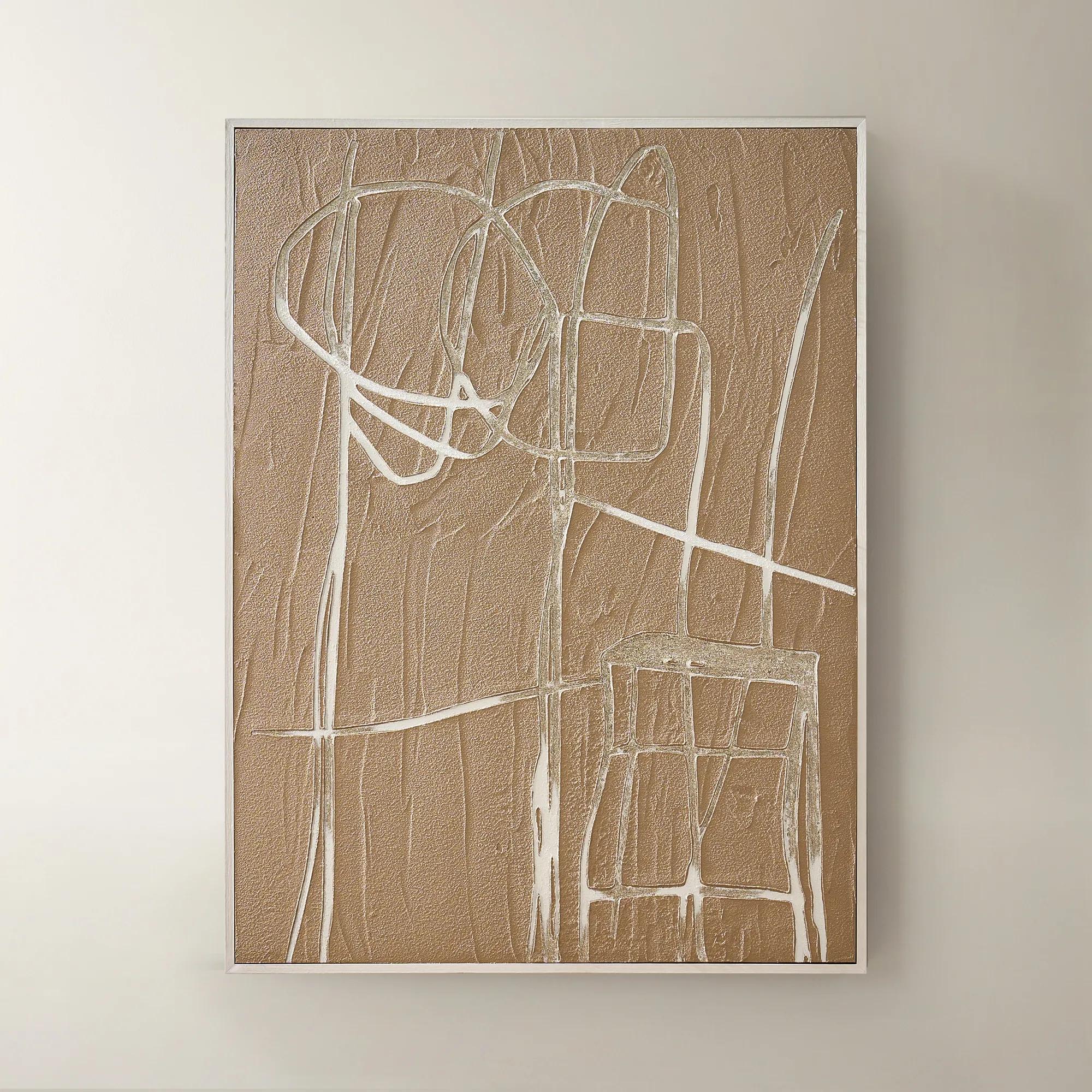
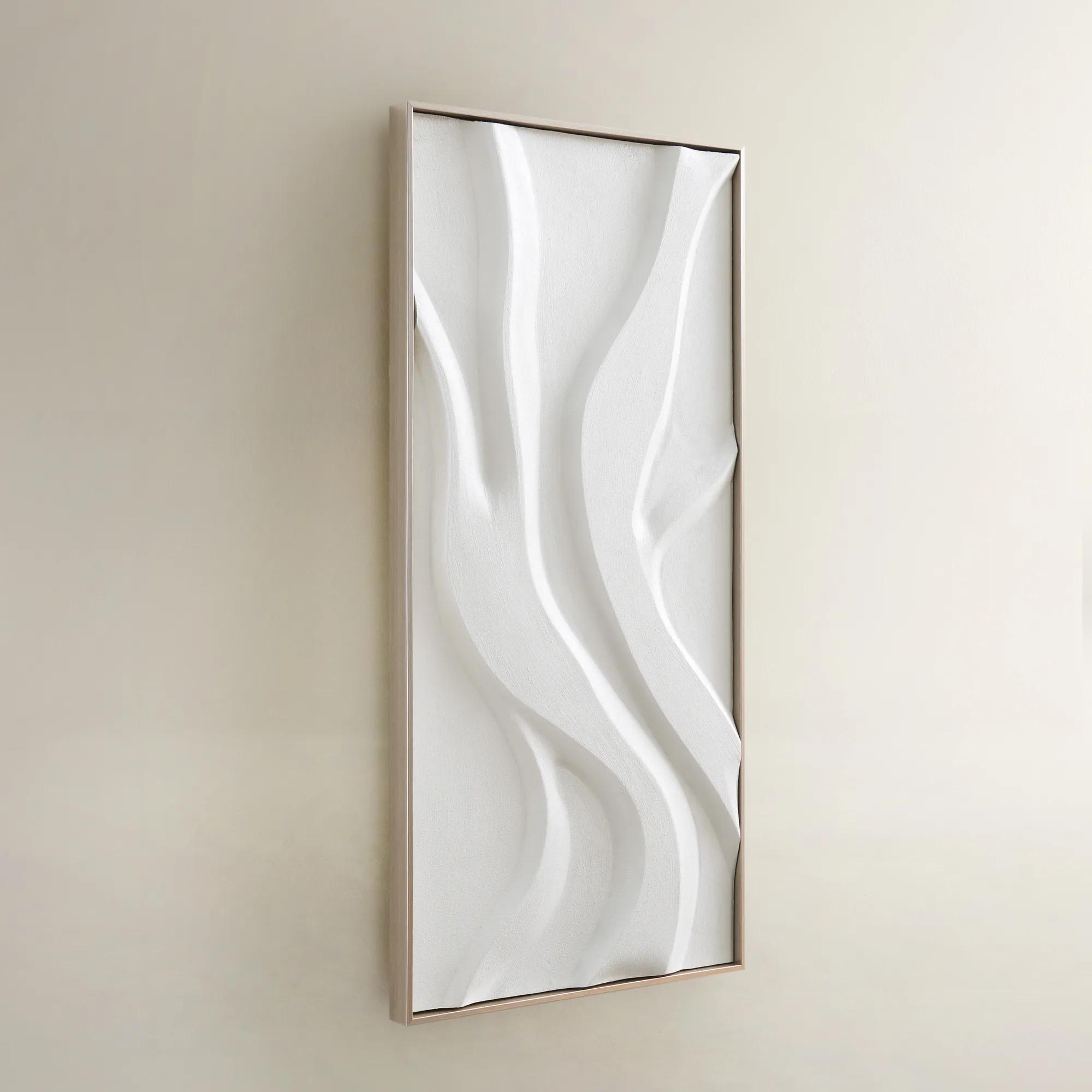 Au Lait Framed Painted Wall Art I 47.2" x 23.6"$199
An organic hand-painted canvas featuring flowing white forms in a warm champagne finish floater frame.
Add To Cart -
-0.jpeg?w=1200&h=1200)
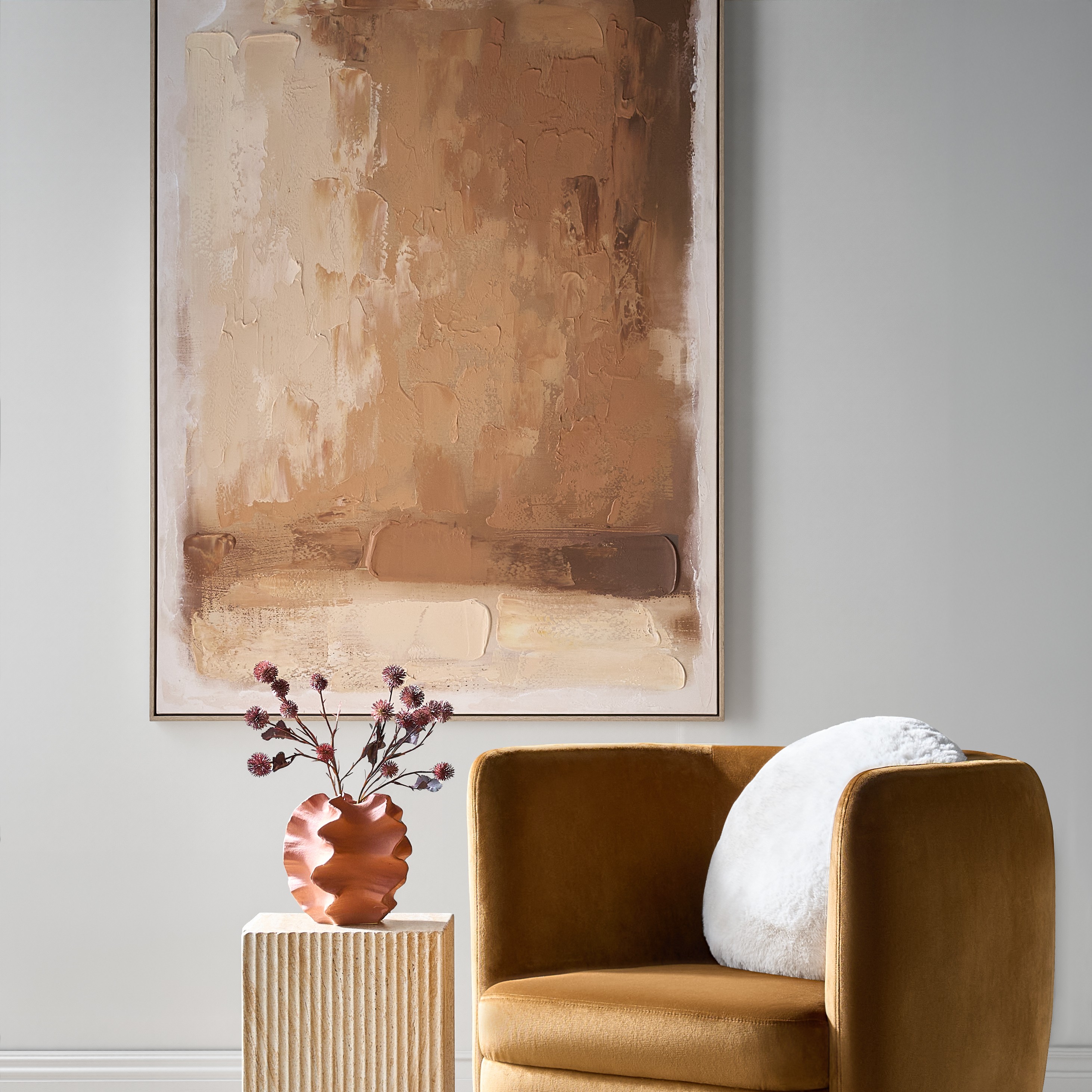 Ember Glow Framed Painted Wall Art 39.25" x 55"$499
A hand-painted abstract canvas blending ochre, terracotta, and golden clay hues in a light natural frame.
Add To Cart -
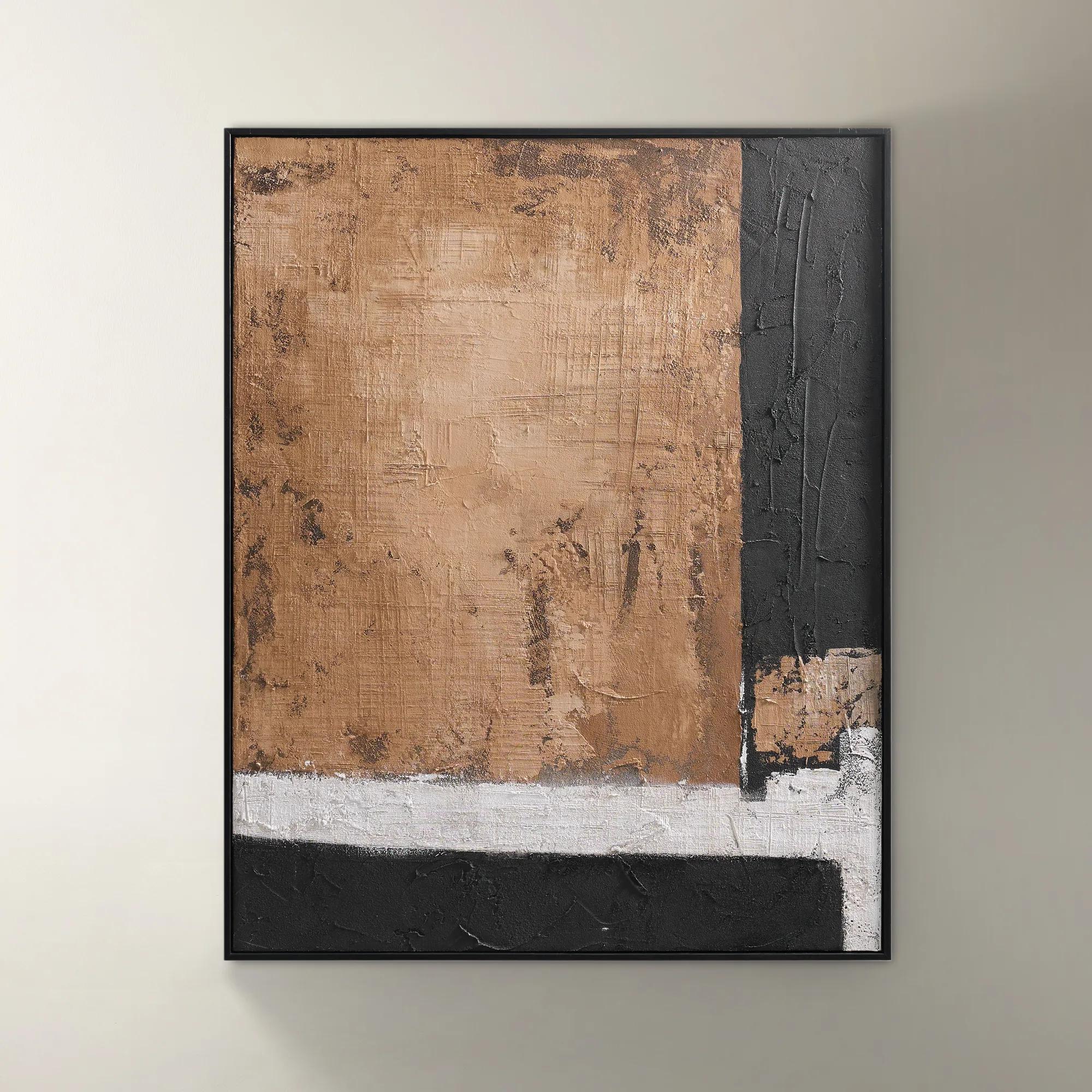 Drift Framed Painted Wall Art I 39.4" x 31.5"$299
A bold hand-painted abstract artwork featuring layered brown tones in a sleek black floater frame.
Add To Cart -
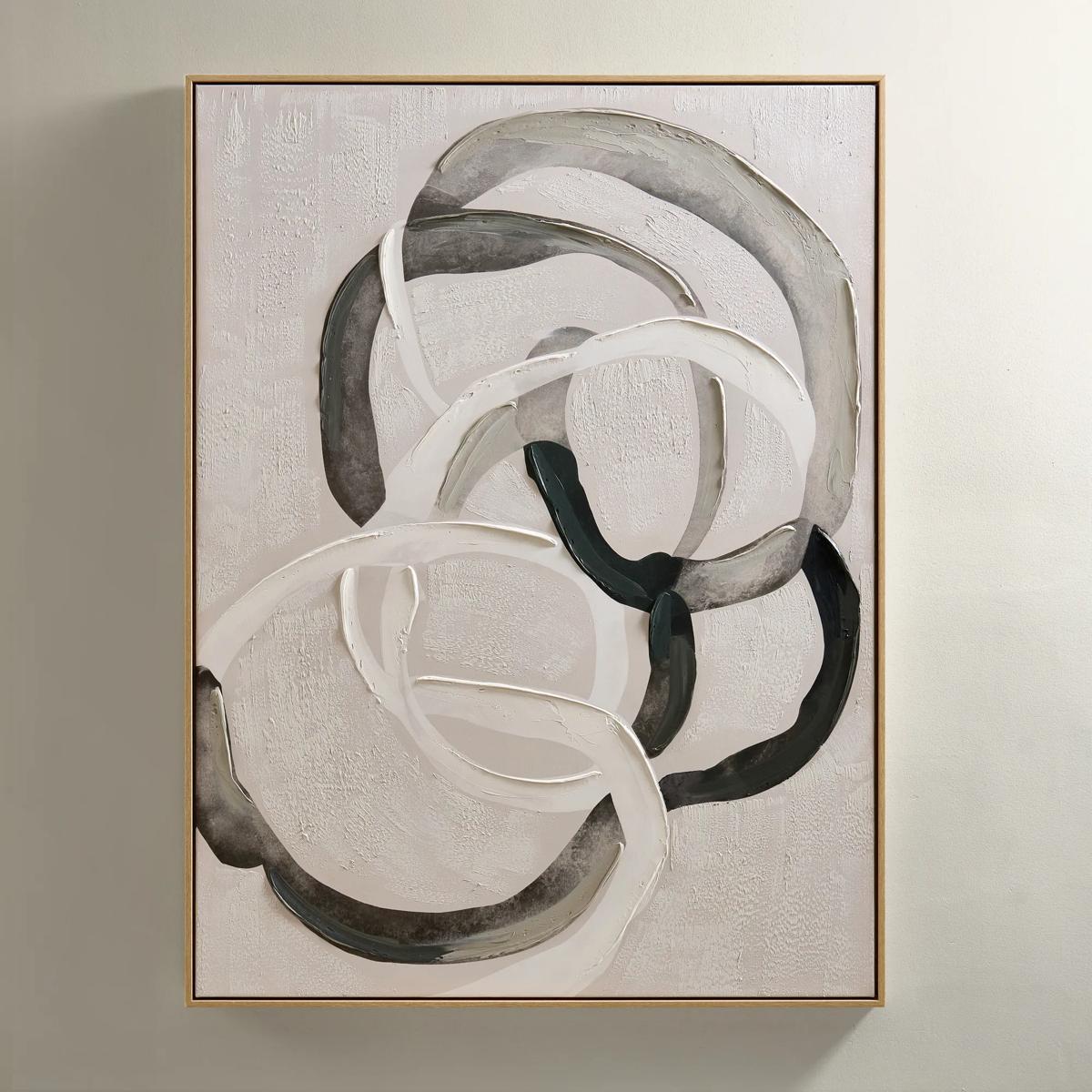
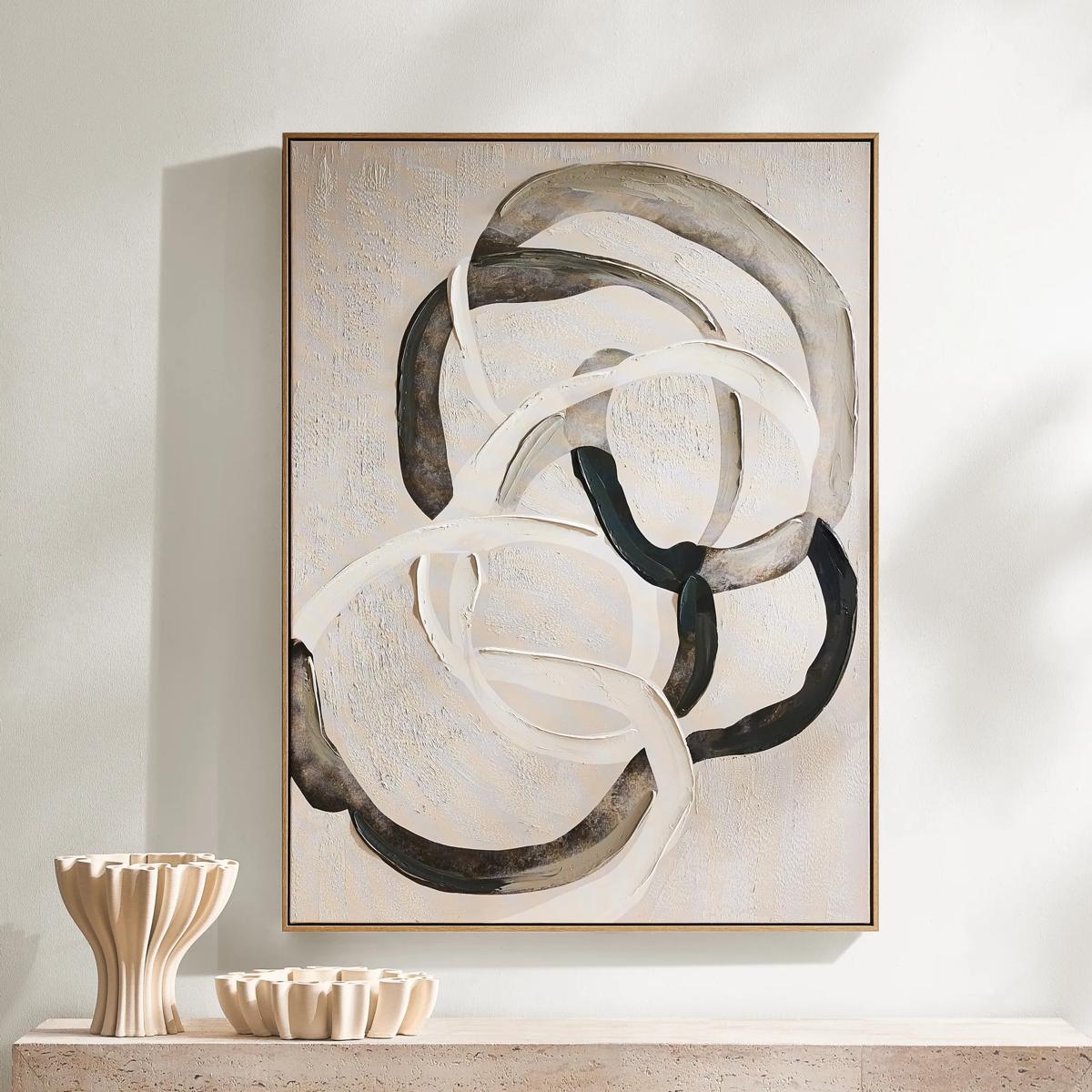 Round About Framed Painted Wall Art 35.25" x 47.25"$349
An abstract hand-painted canvas with tonal whites, charcoals, and taupes in a light wood floater frame.
Add To Cart -
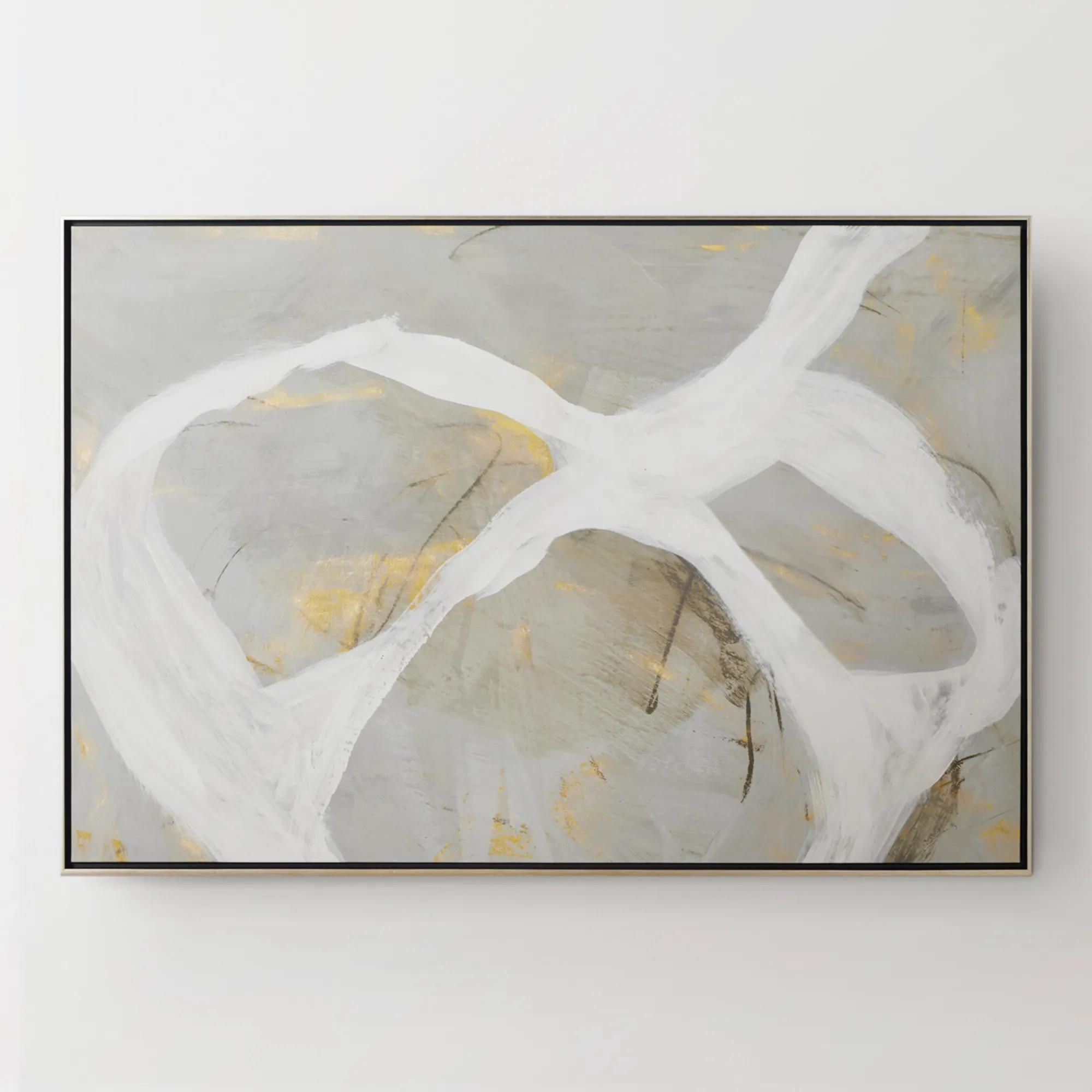
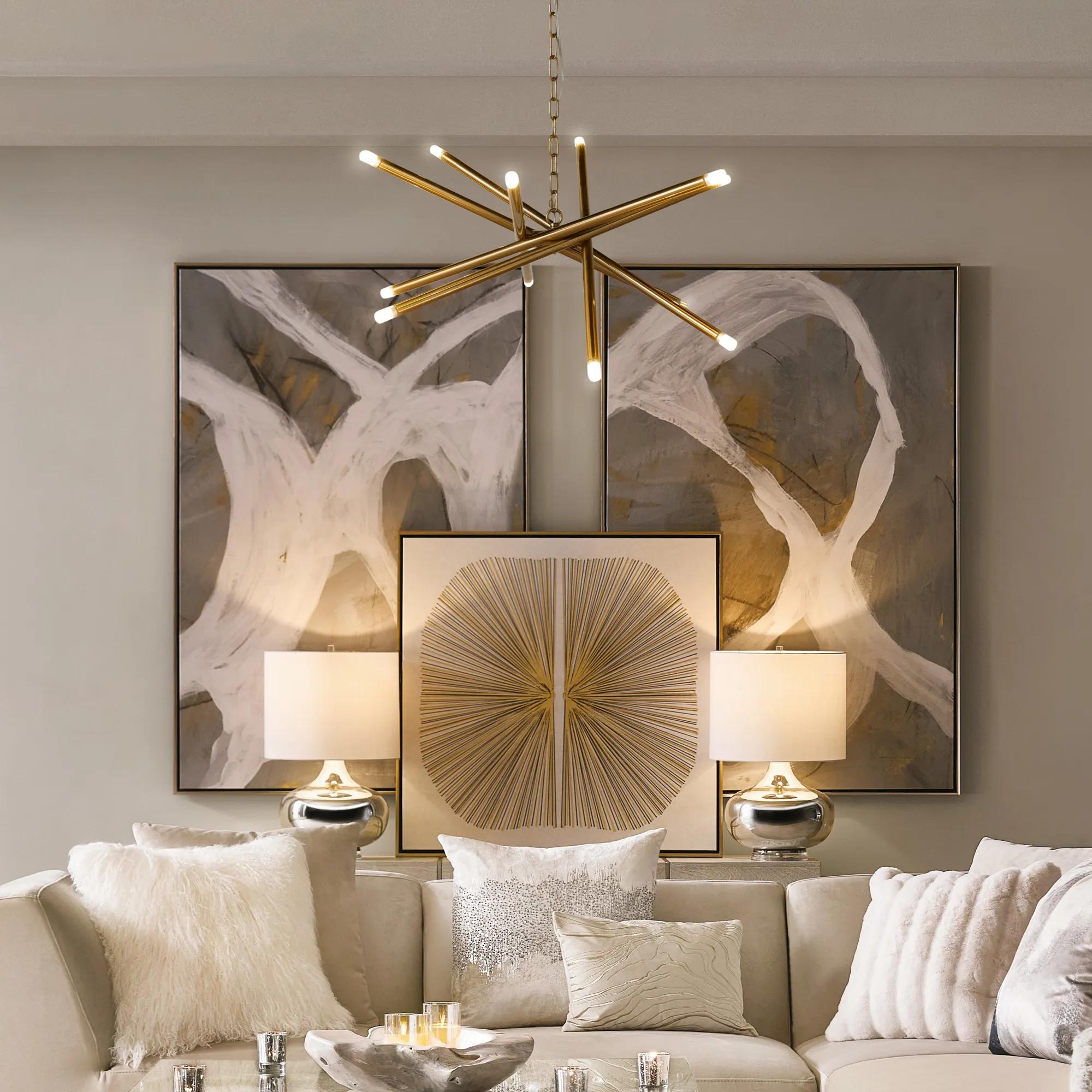 Les Series Framed Painted Wall Art I 61" x 41"$1099
An abstract canvas artwork featuring bold brushstrokes, hand-applied gold accents, and a silver floater frame.
Add To Cart -
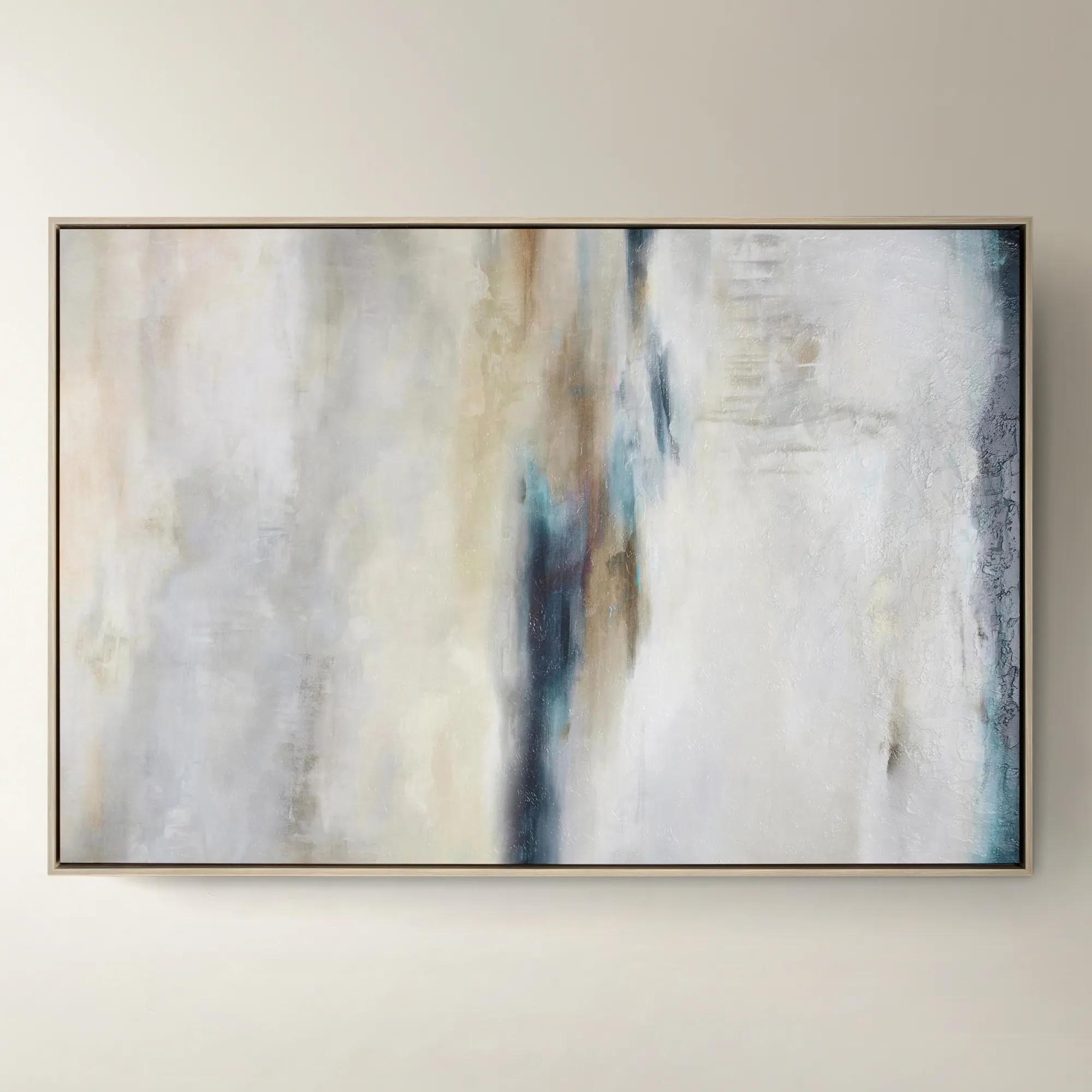
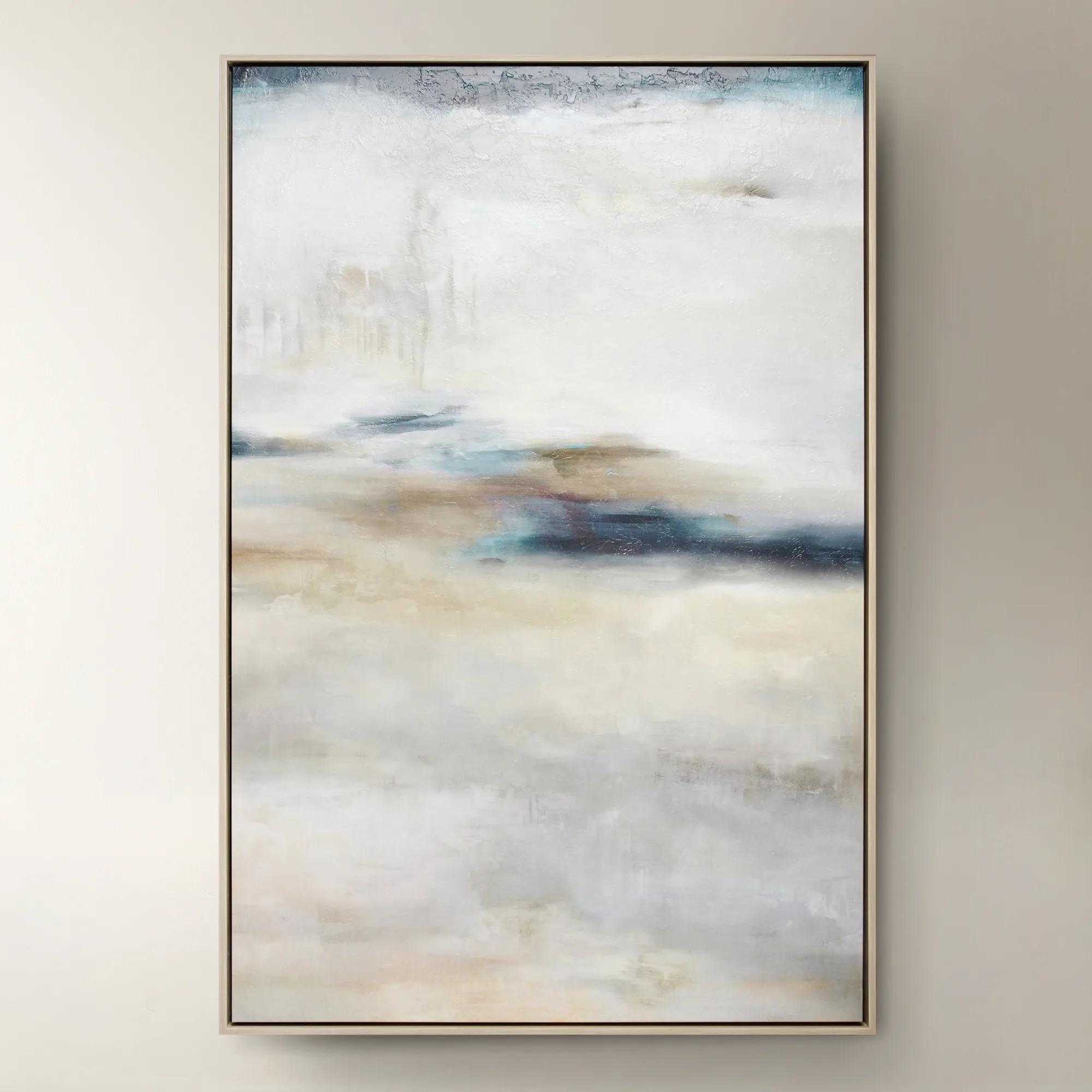 Forward Looking$1299
A softly layered abstract canvas print with a gel finish, set in a natural-hued floater frame.
Add To Cart -
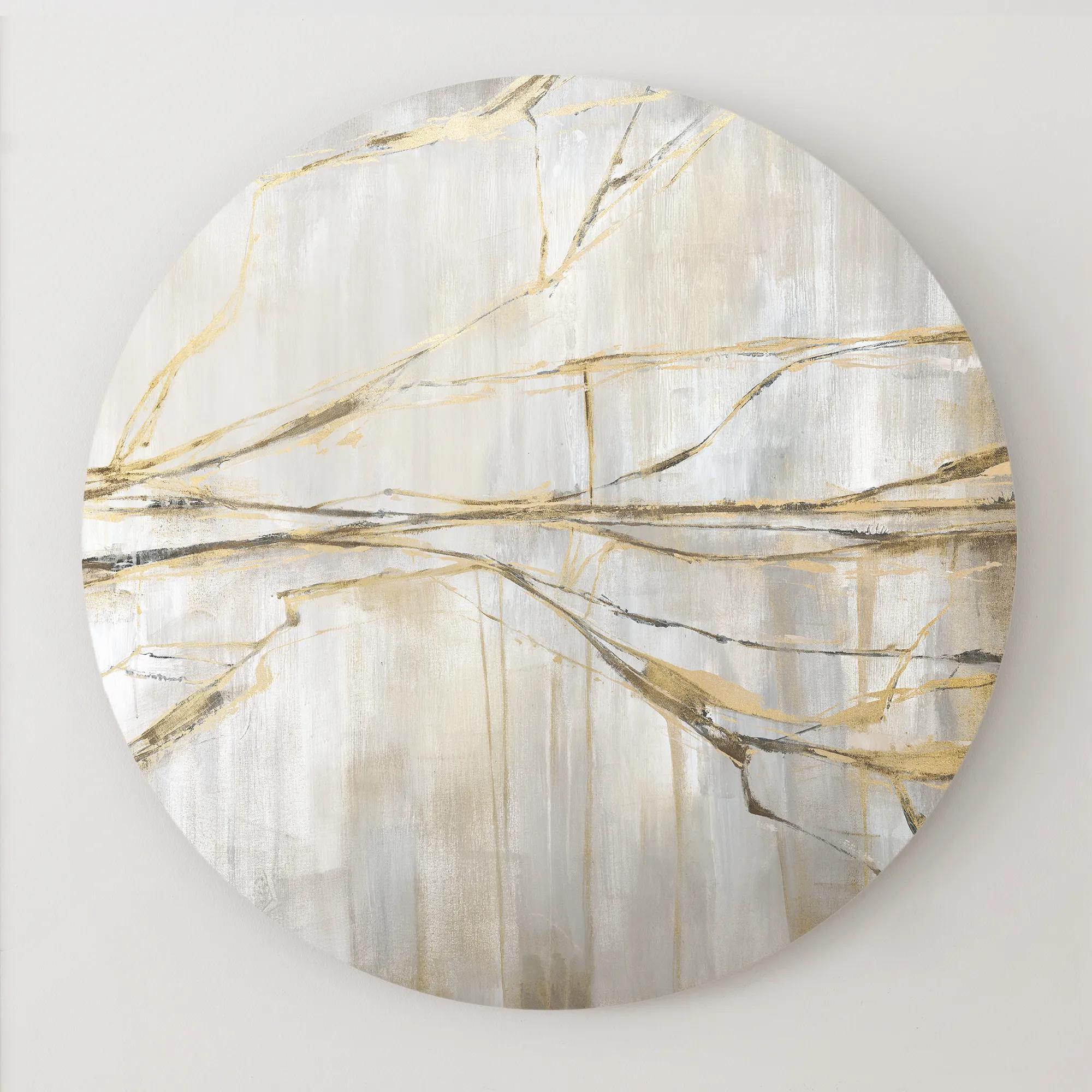
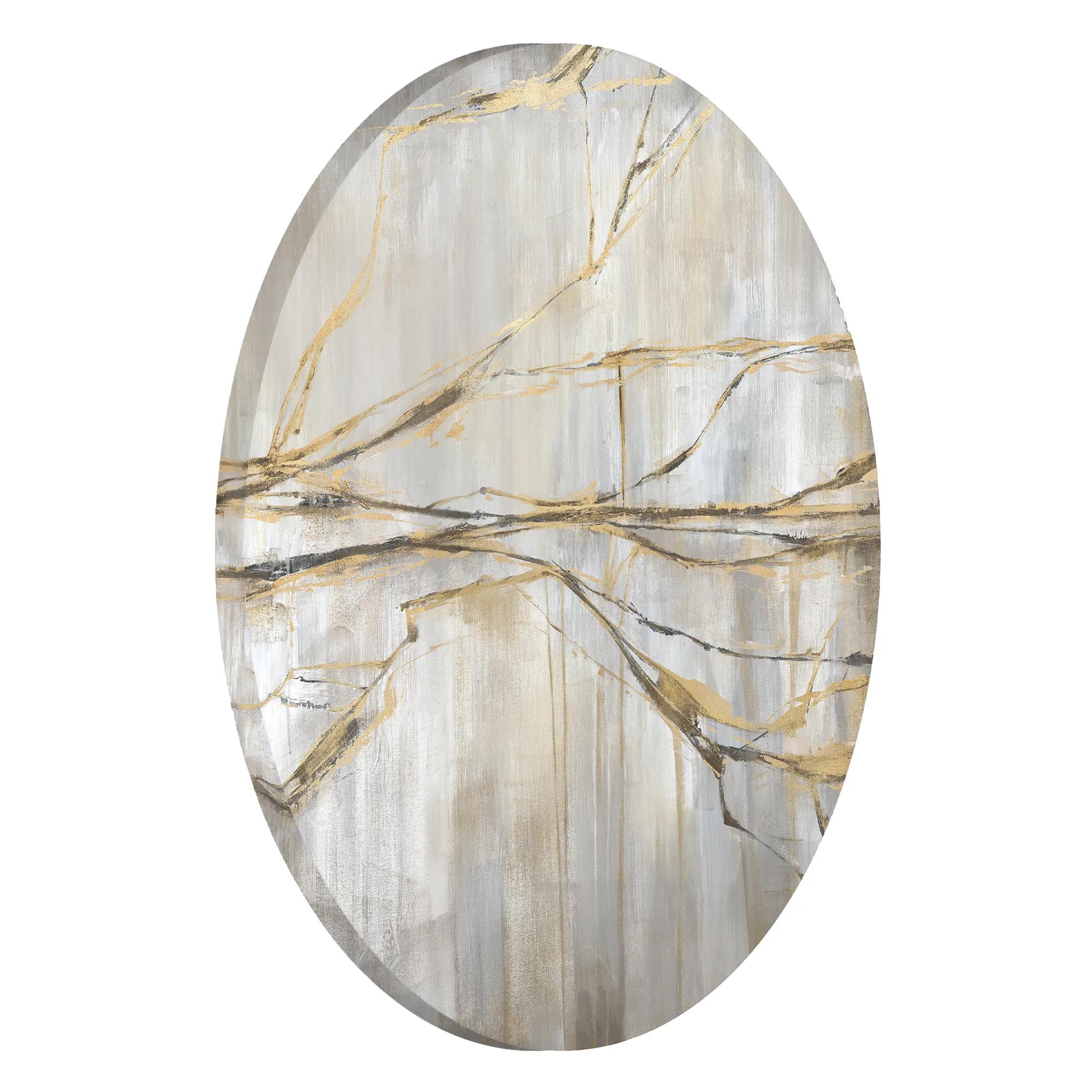 Lightening Crashes Round Wall Art 30"$899
A hand-textured circular linen canvas featuring a gallery-wrapped design for versatile wall display.
Add To Cart -
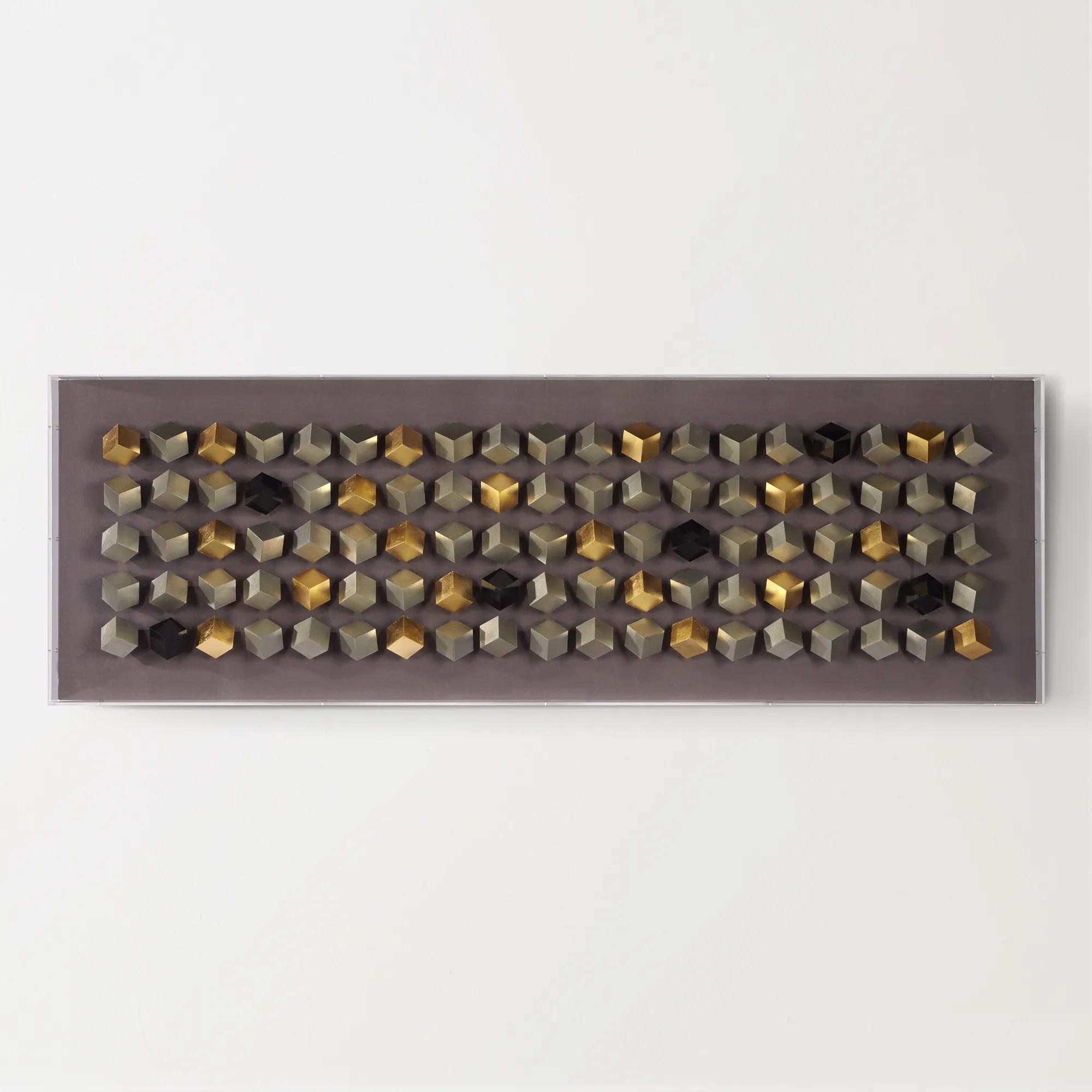
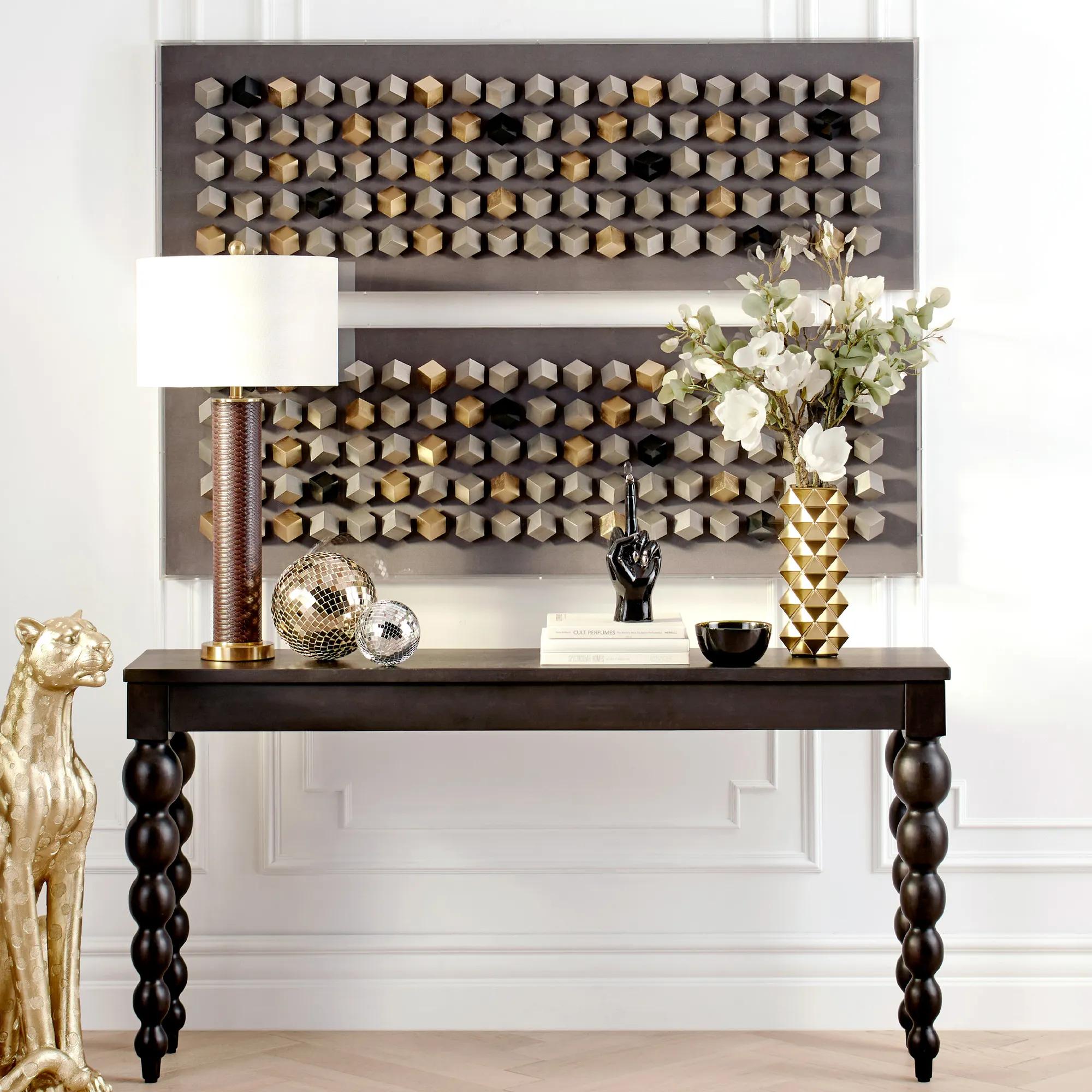 Cubic Array Dimensional Wall Decor in Acrylic 59" x 19.75"$599
A striking shadowbox wall art featuring a cubic, dimensional design with a tri-tone metallic finish.
Add To Cart -
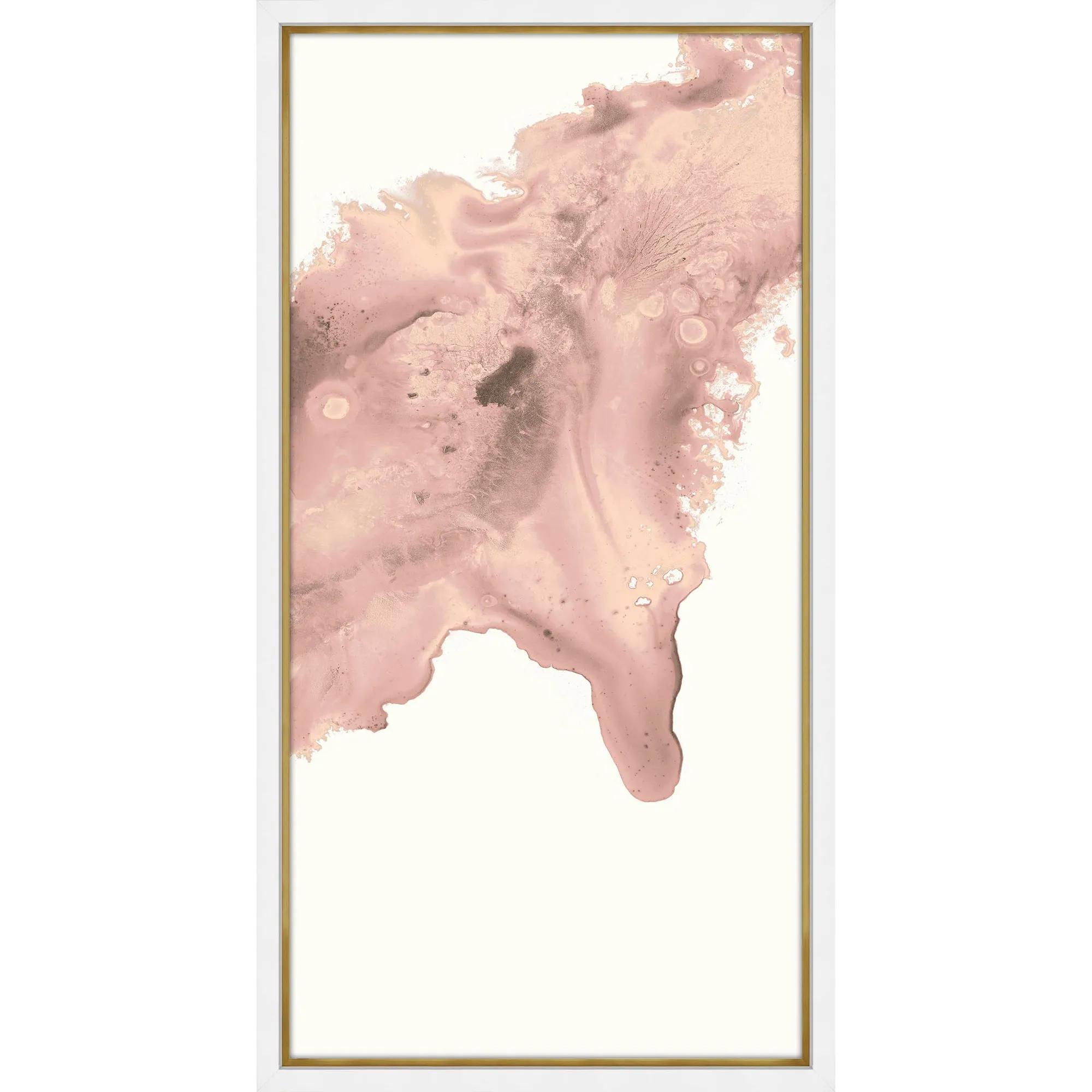
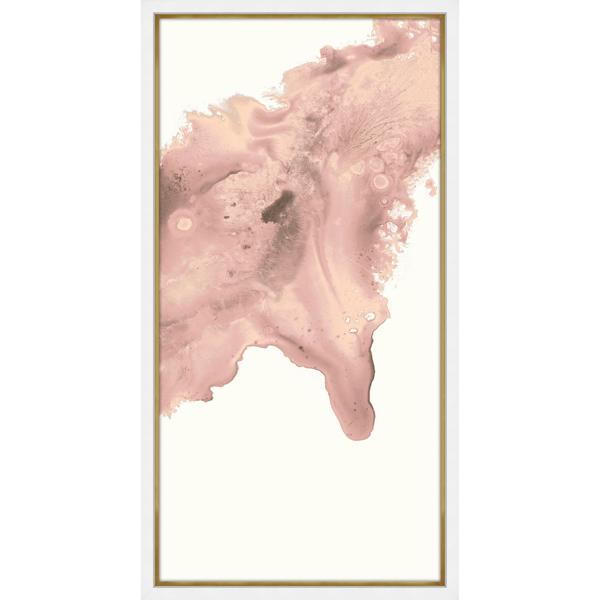 Blush Conduit 2 Framed Wall Art 24" x 48"$849
A striking abstract print on pearl paper, elegantly framed in gold and matte white for modern appeal.
Add To Cart -
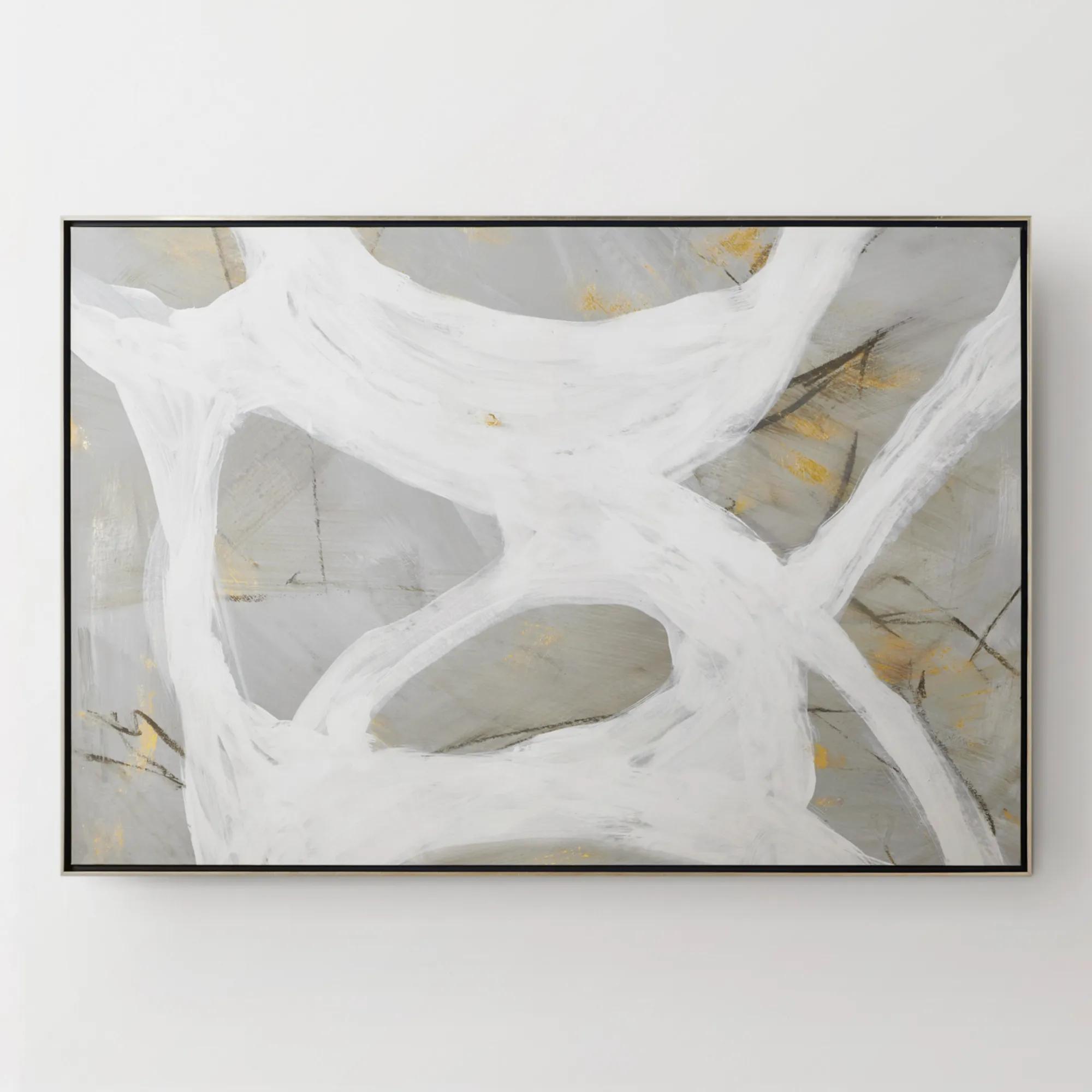
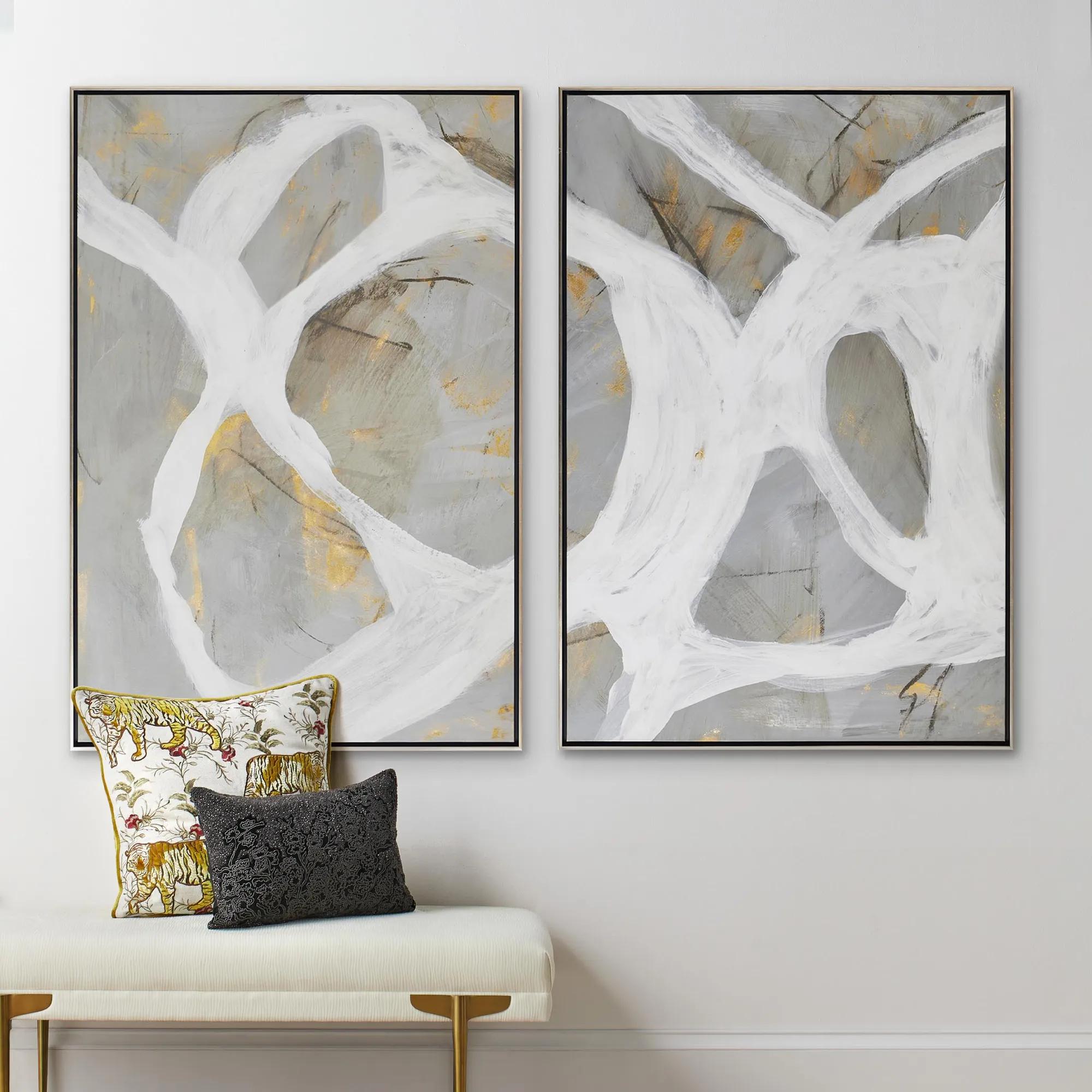 Les Series Framed Painted Wall Art II 61" x 41"$1099
An abstract canvas artwork featuring bold brushstrokes, hand-applied gold accents, and a silver floater frame.
Add To Cart -
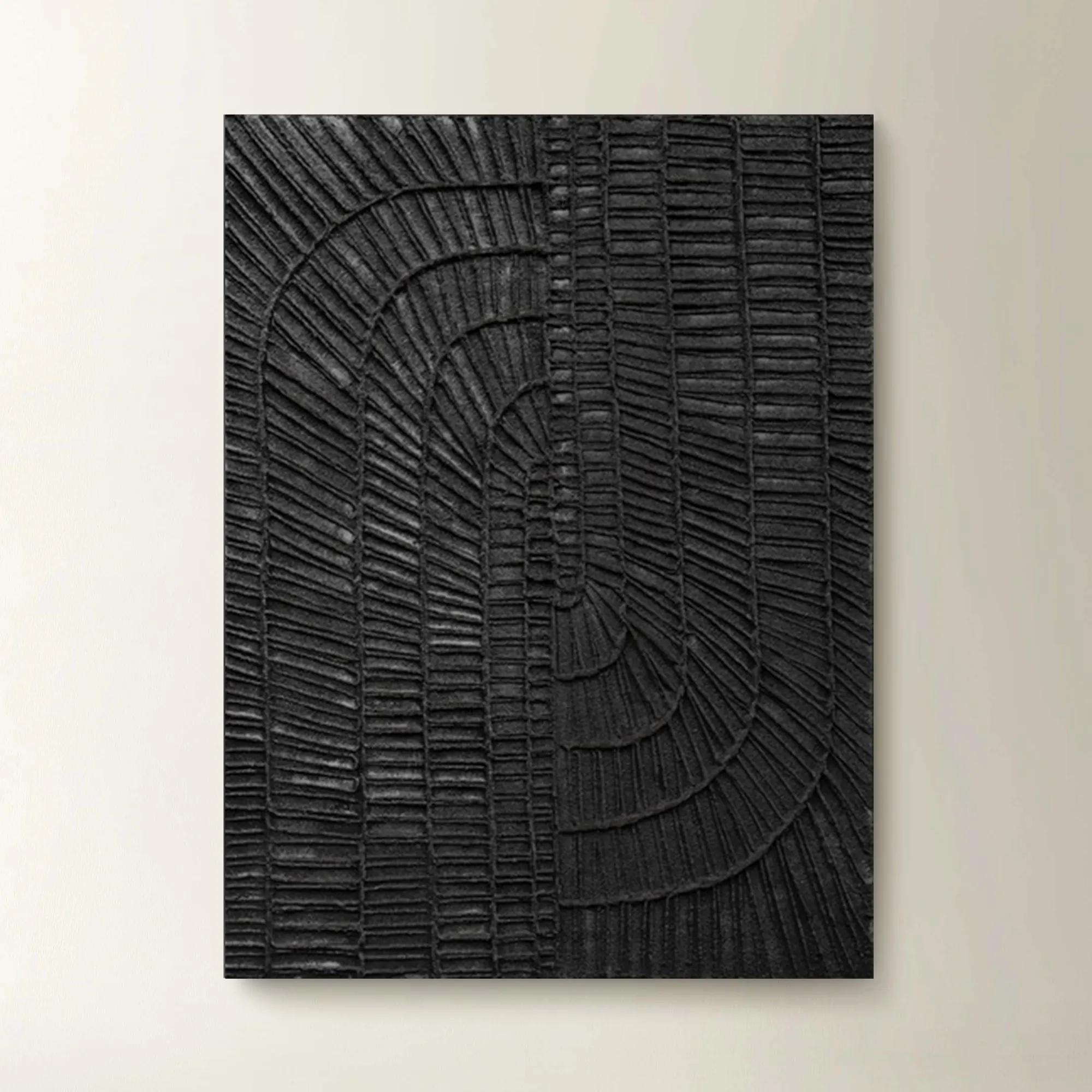 Textured Haze Black II Painted Wall Art 26" x 35"$499
A striking hand-painted black artwork featuring textured details for versatile vertical or horizontal display.
Add To Cart -
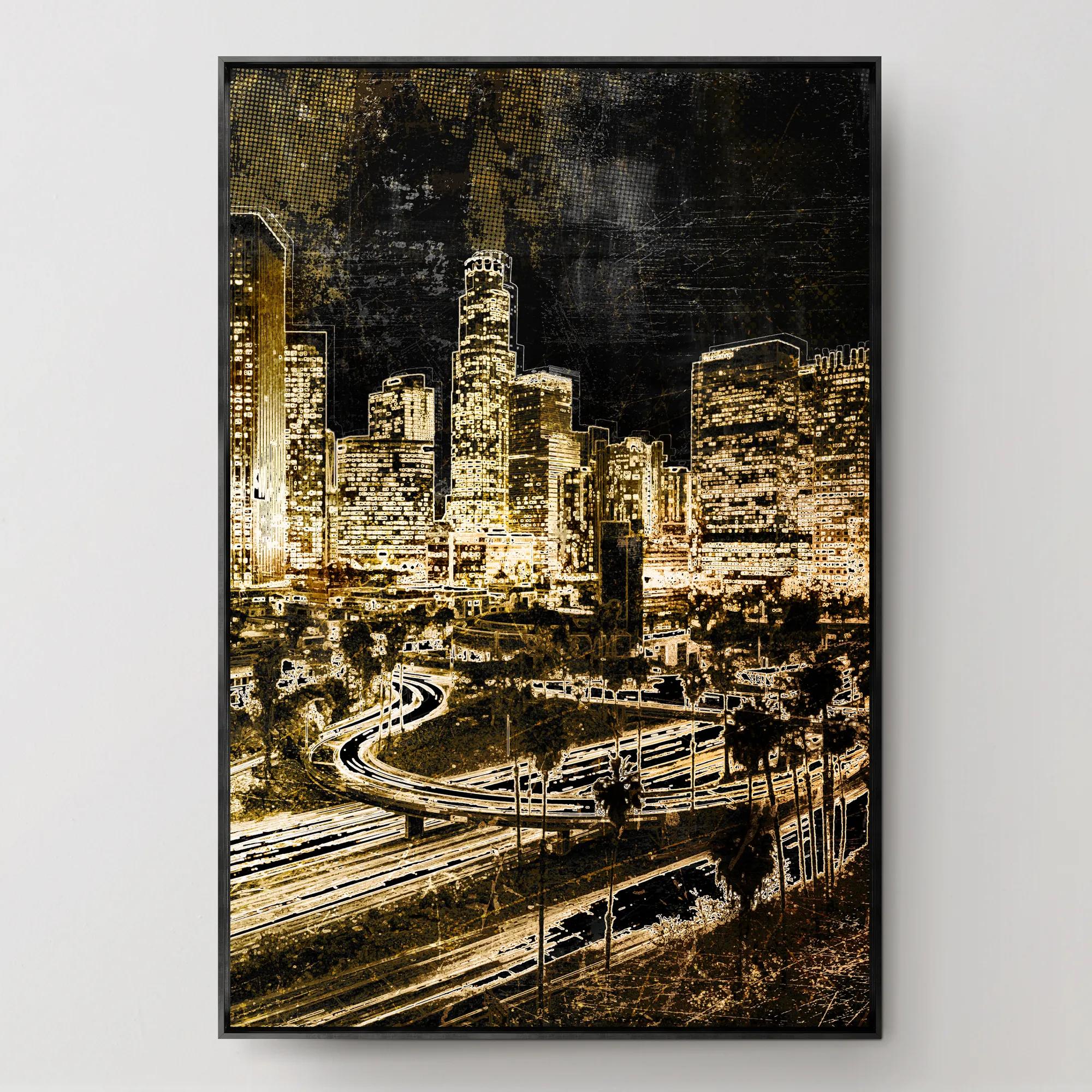 LA Lights Framed Wall Art 30" x 45"$649
A gallery-wrapped canvas artwork featuring a hand-applied brush gel finish in a sleek black floater frame.
Add To Cart -
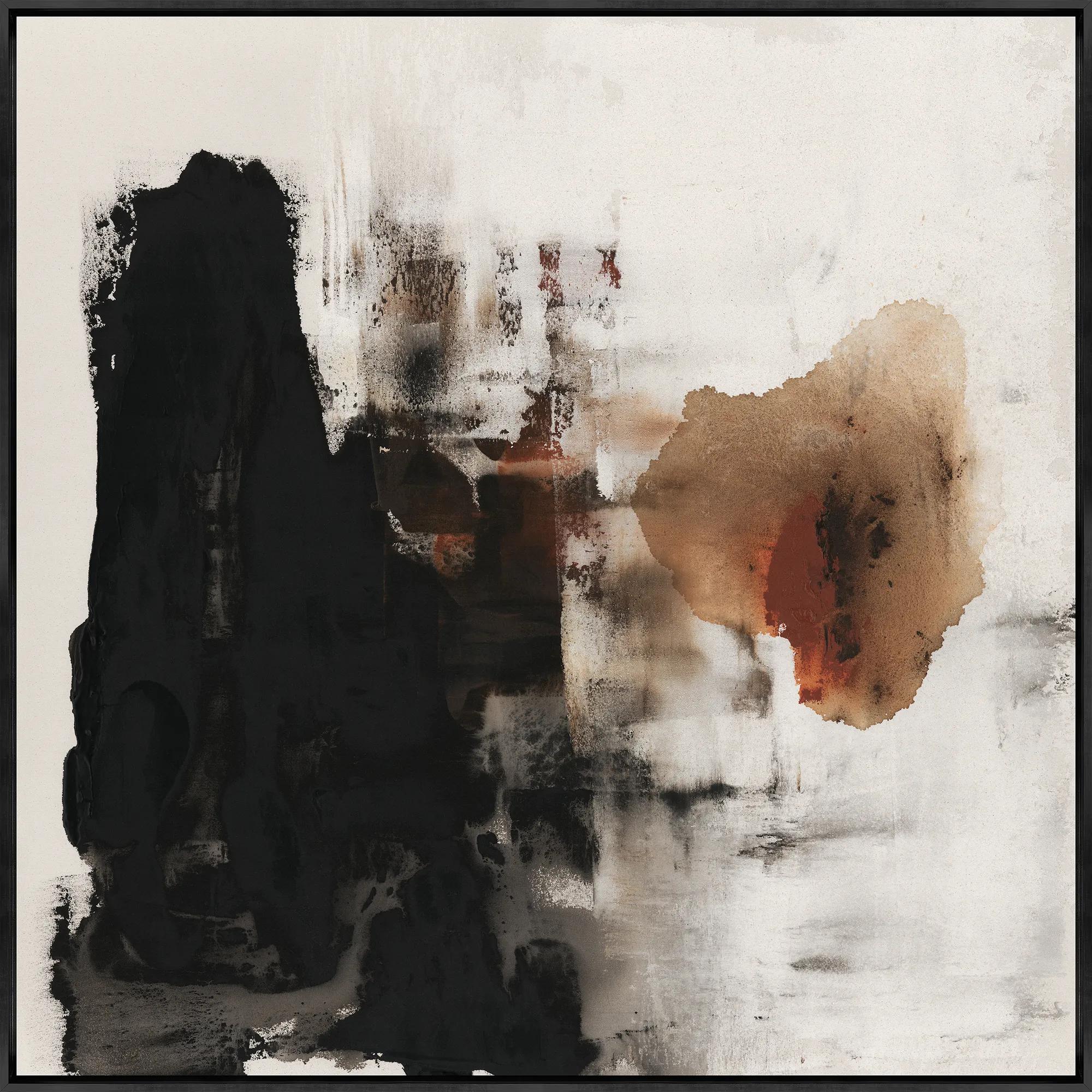 Burning for You I Framed Wall Art 40" x 40"$799
A gallery-wrapped canvas artwork with hand-applied brush gel, set in a sleek black floater frame.
Add To Cart -
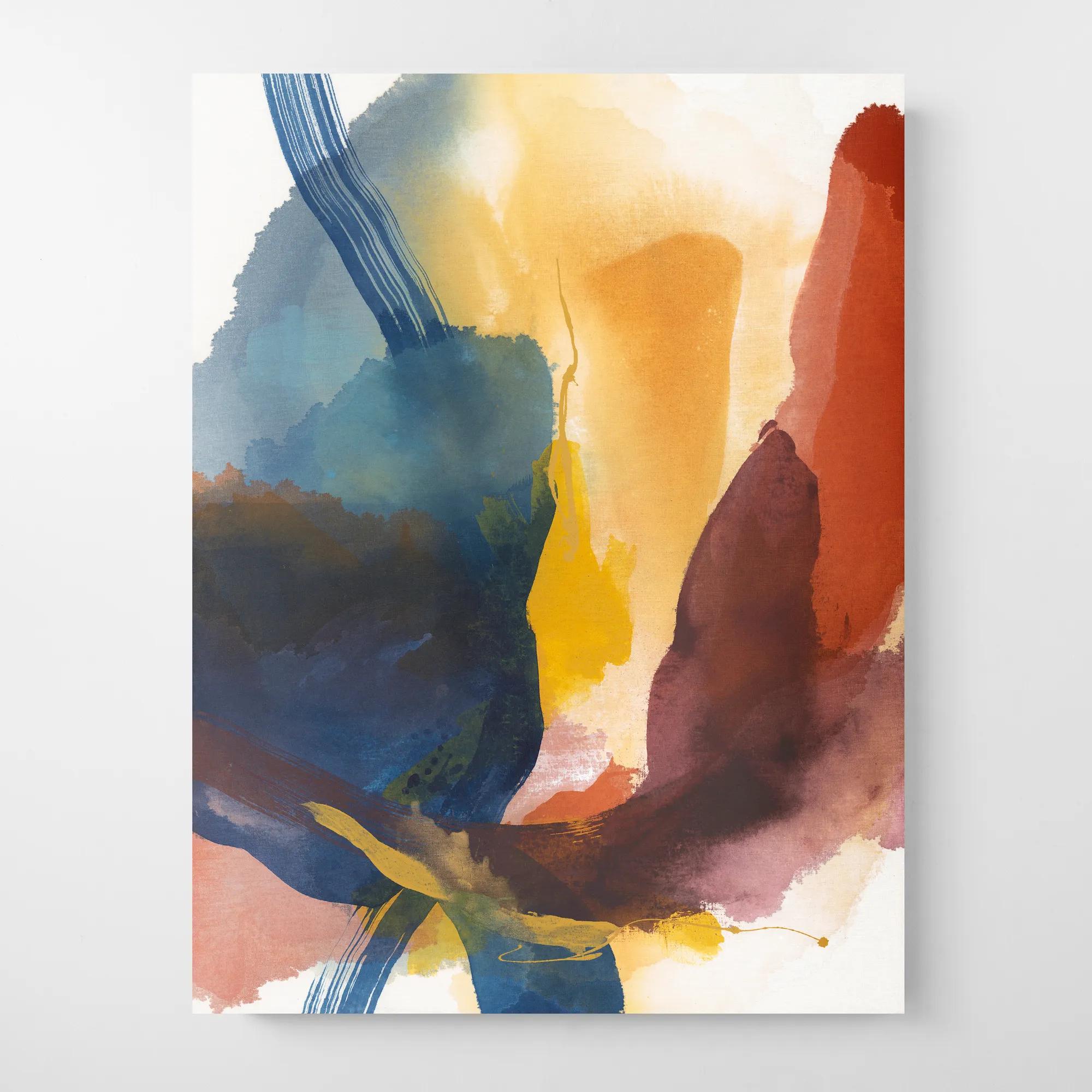
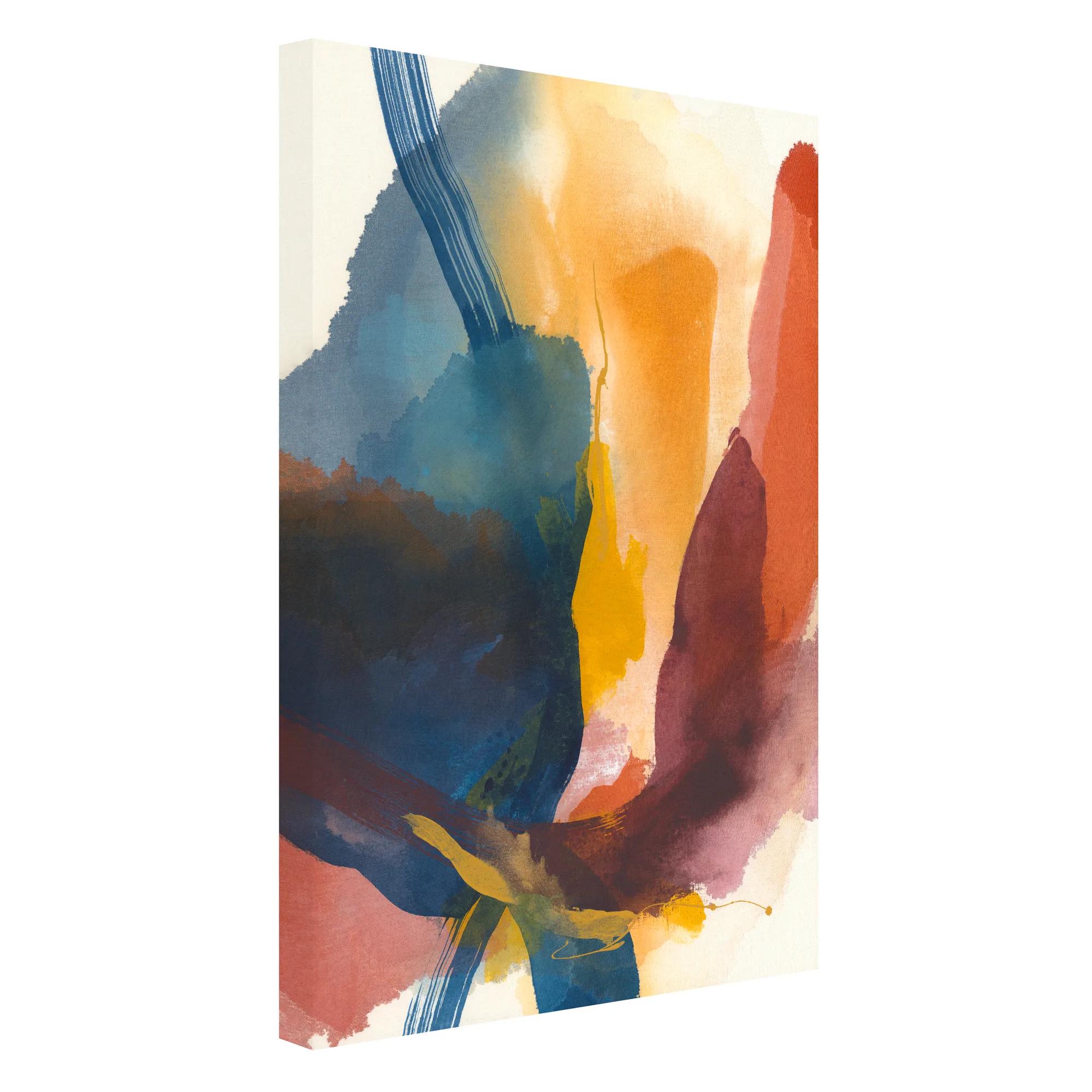 Moon Shower 1 Wall Art 30" x 40"$449
A gallery-wrapped canvas artwork featuring a hand-applied image brush gel finish for versatile display.
Add To Cart -
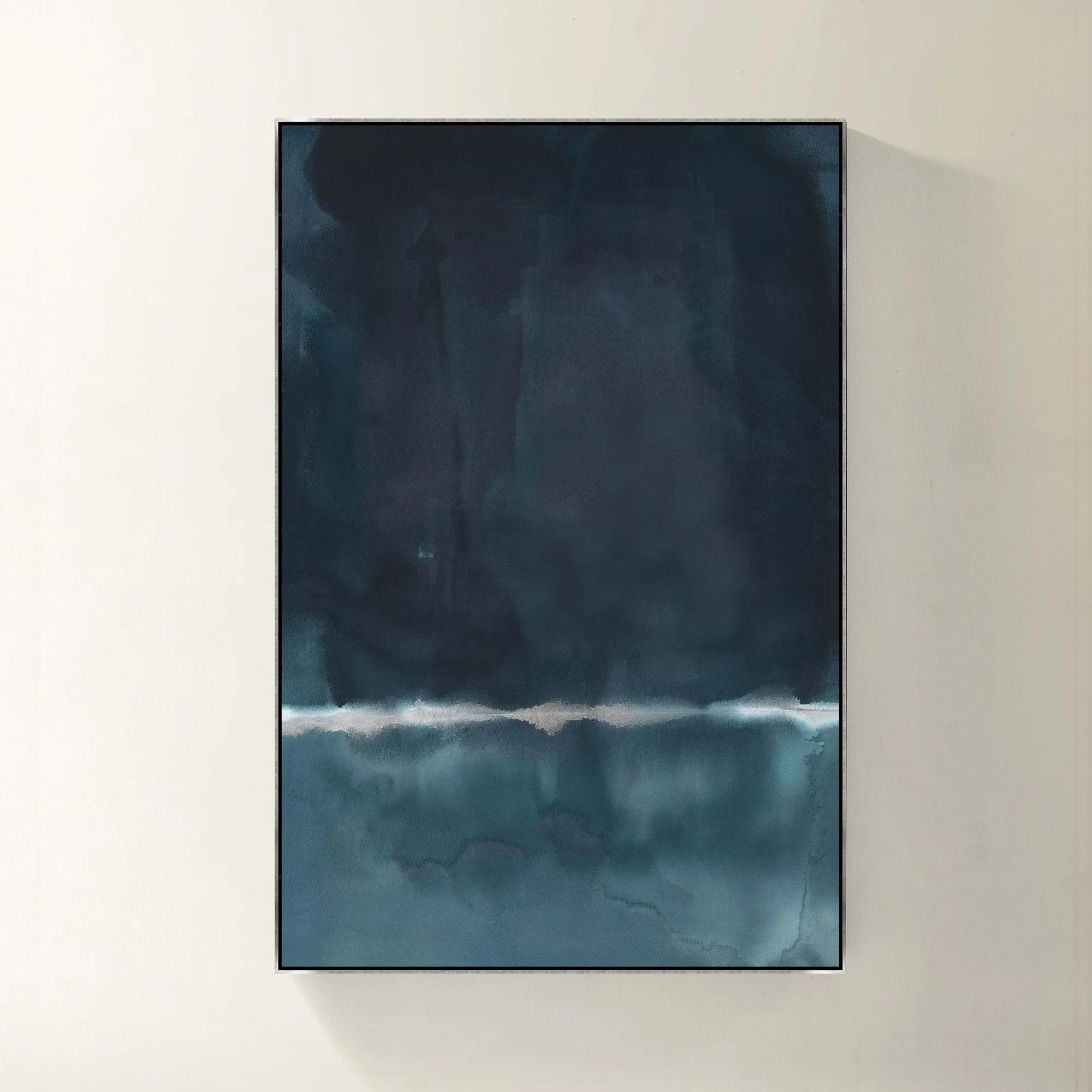 Blue Monday Framed Wall Art 40" x 60"$1119
A gallery-wrapped blue canvas with hand-embellished silver accents in a sleek silver floater frame.
Add To Cart -
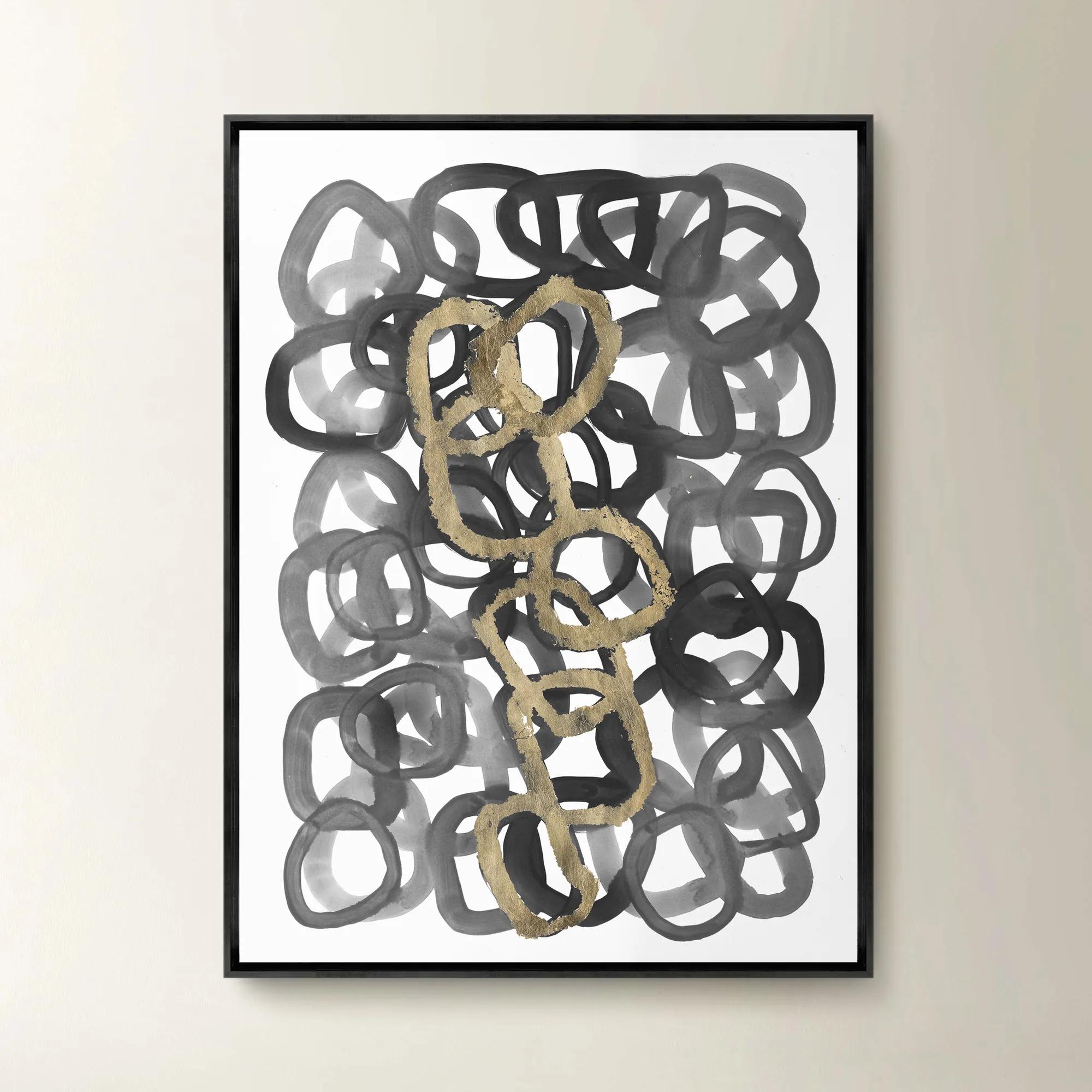
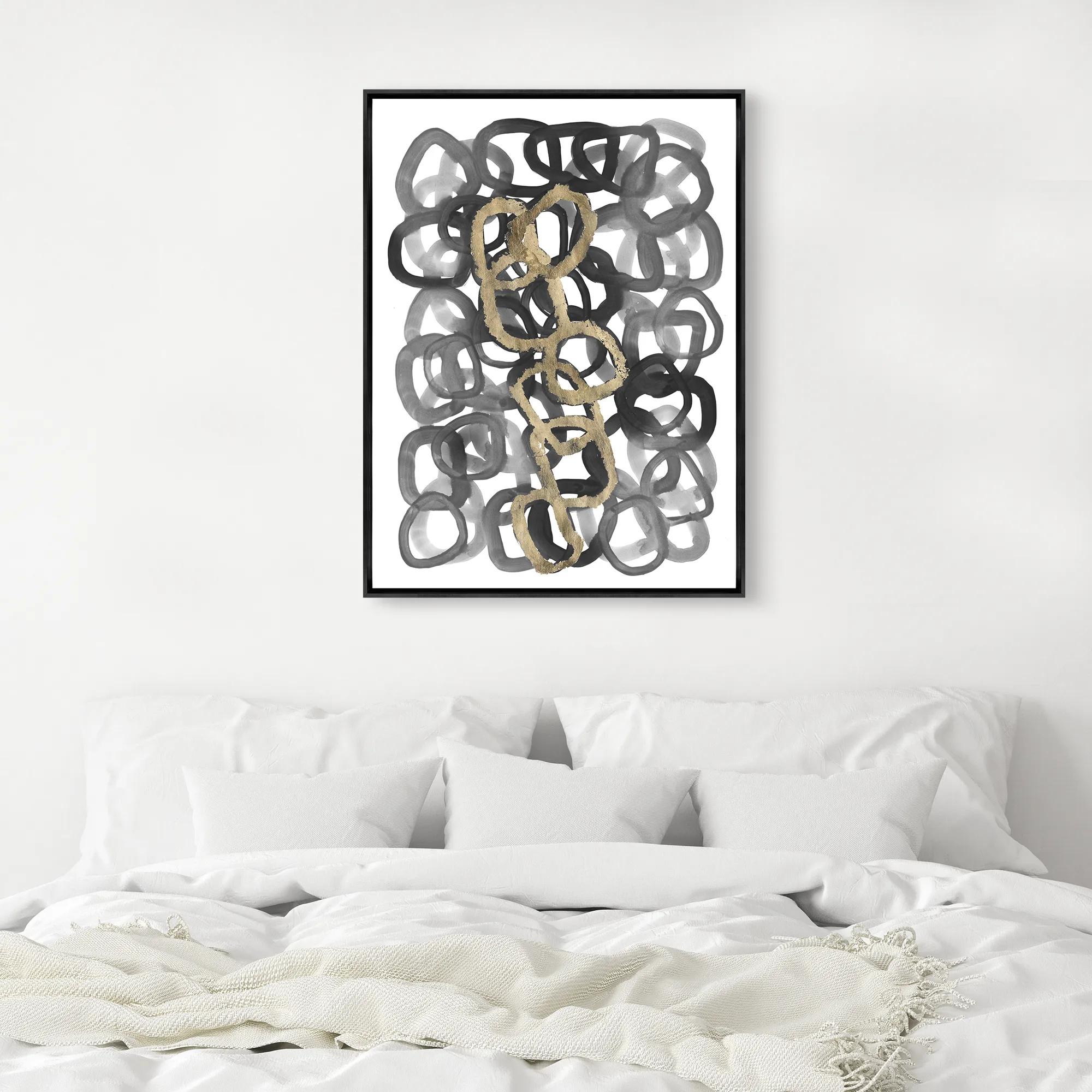 Unbroken Framed Wall Art 26" x 35"$499
A gallery-wrapped canvas artwork with a hand-applied gel finish, set in a sleek black floater frame.
Add To Cart -
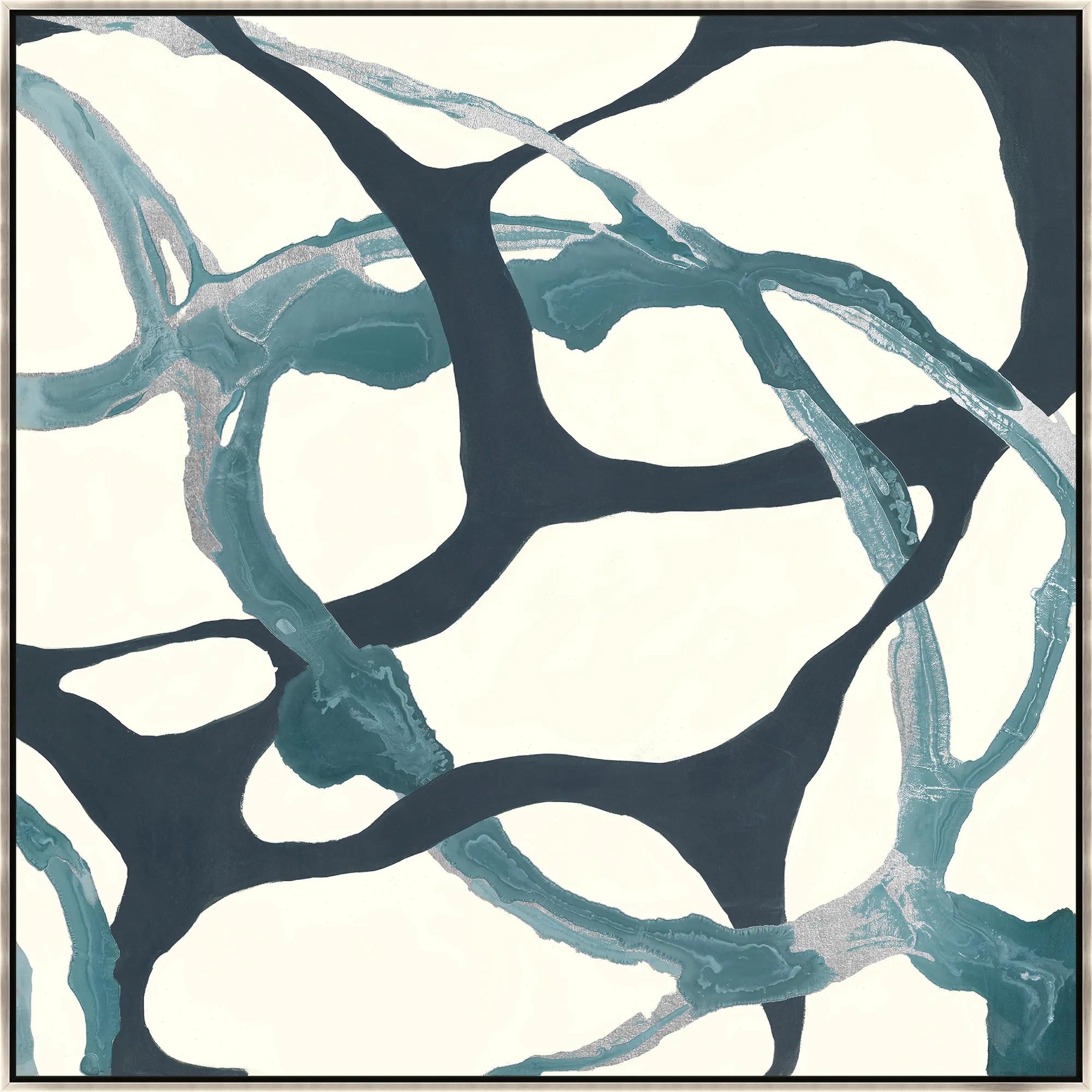
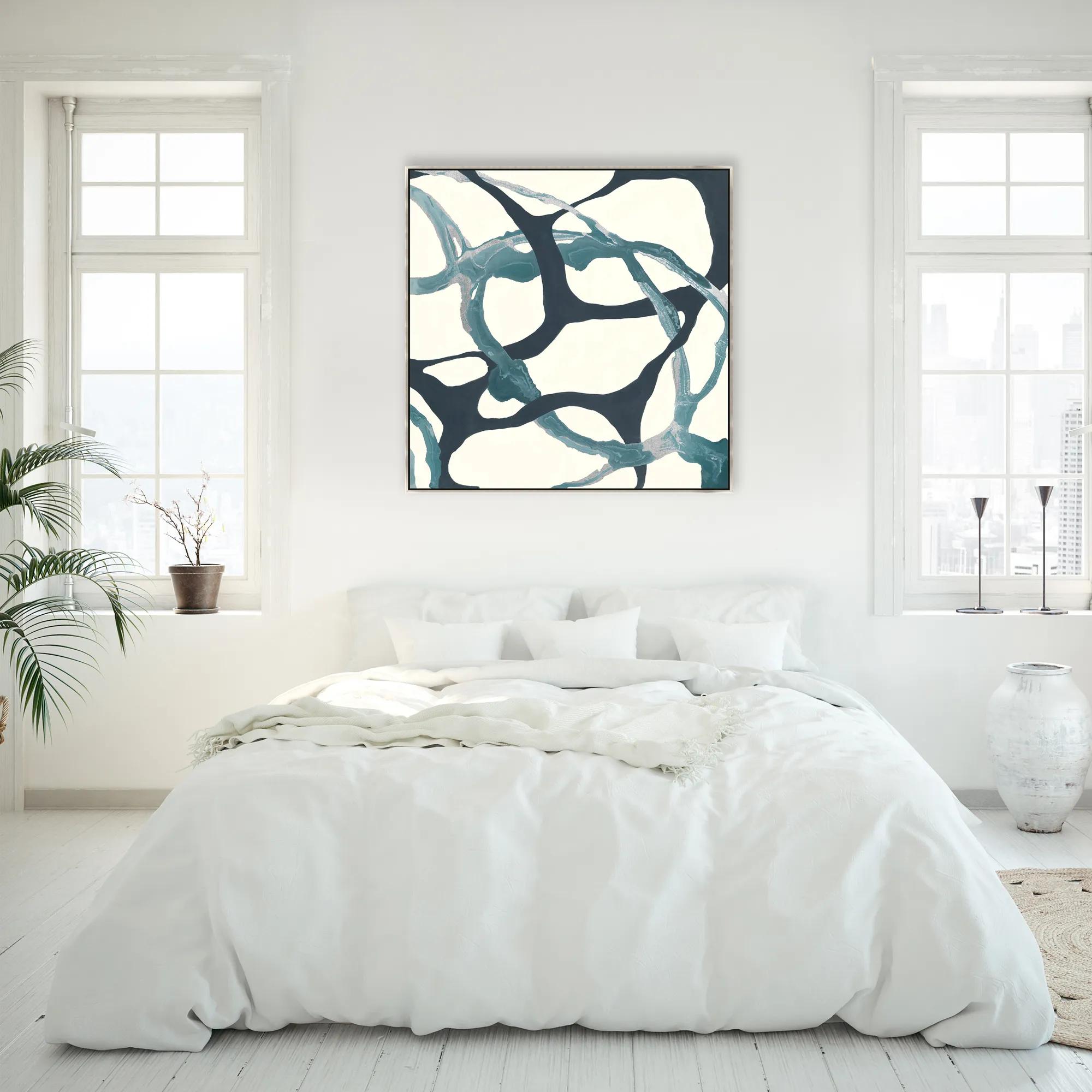 Alignments II Framed Wall Art 40" x 40"$899
A gallery-wrapped canvas featuring gilded silver accents and hand-applied brush gel in a silver floater frame.
Add To Cart -
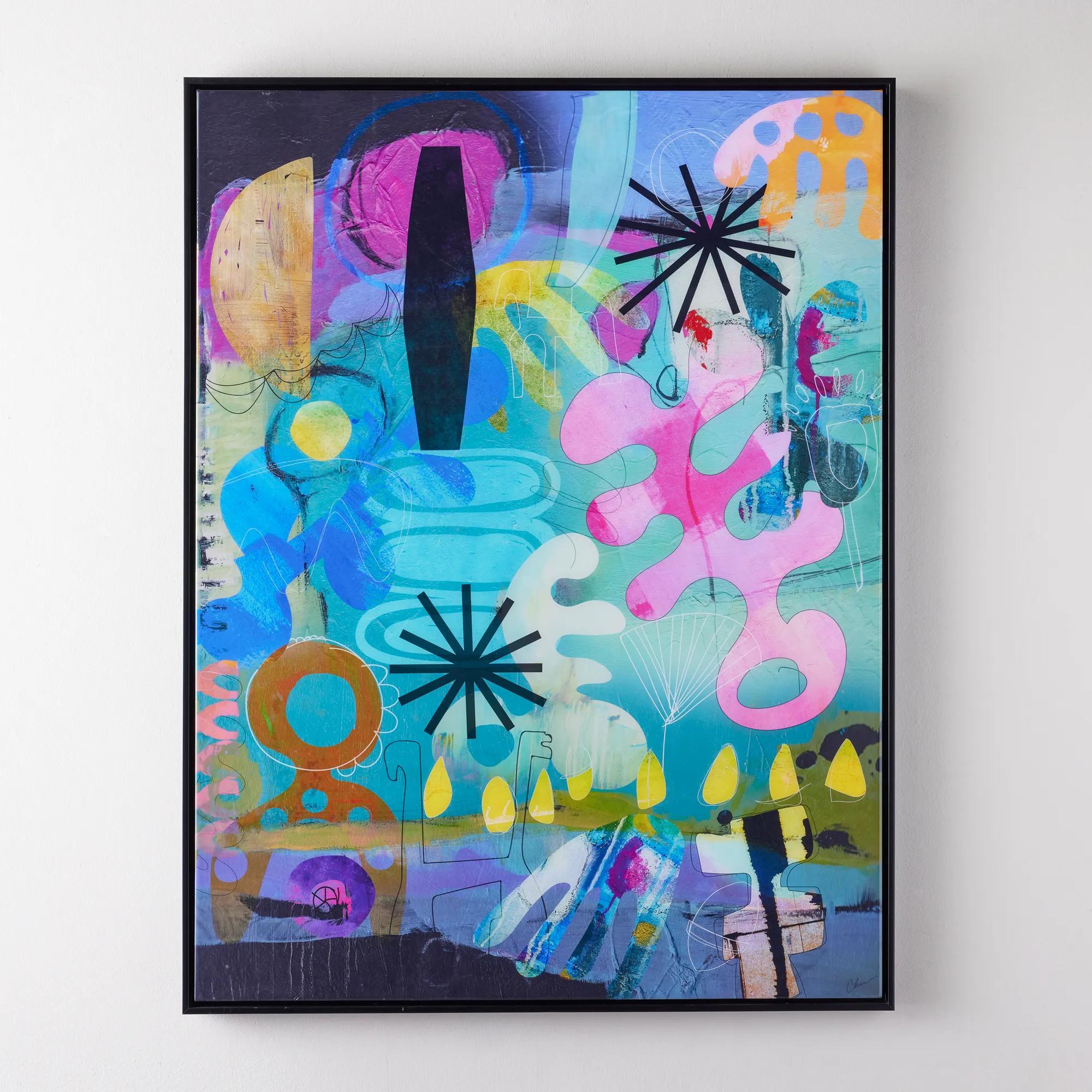
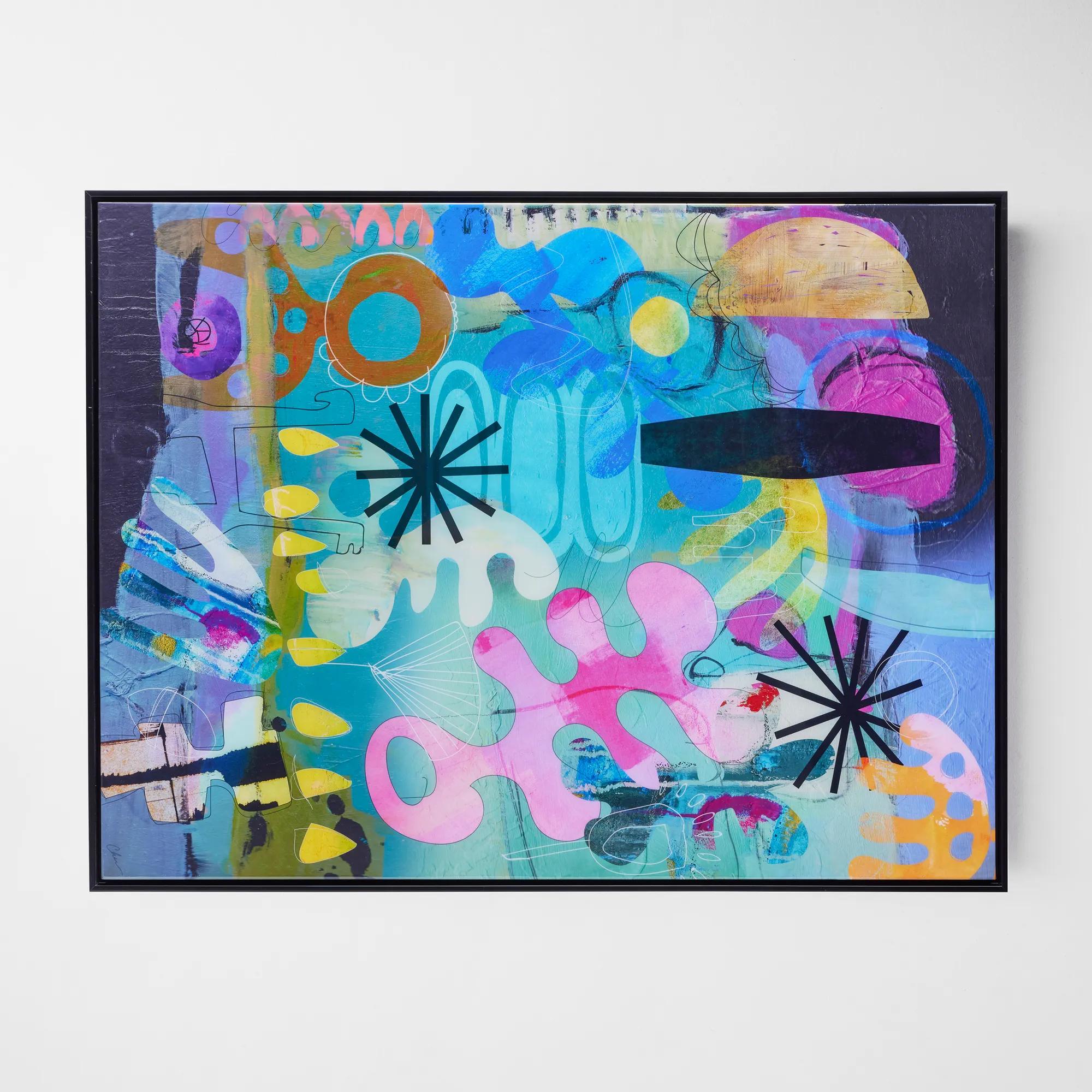 Nikki Chu Detailed Vision Framed Wall Art 54" x 41"$1099
A vibrant, high-gloss artwork with a black frame, designed to hang vertically or horizontally.
Add To Cart -
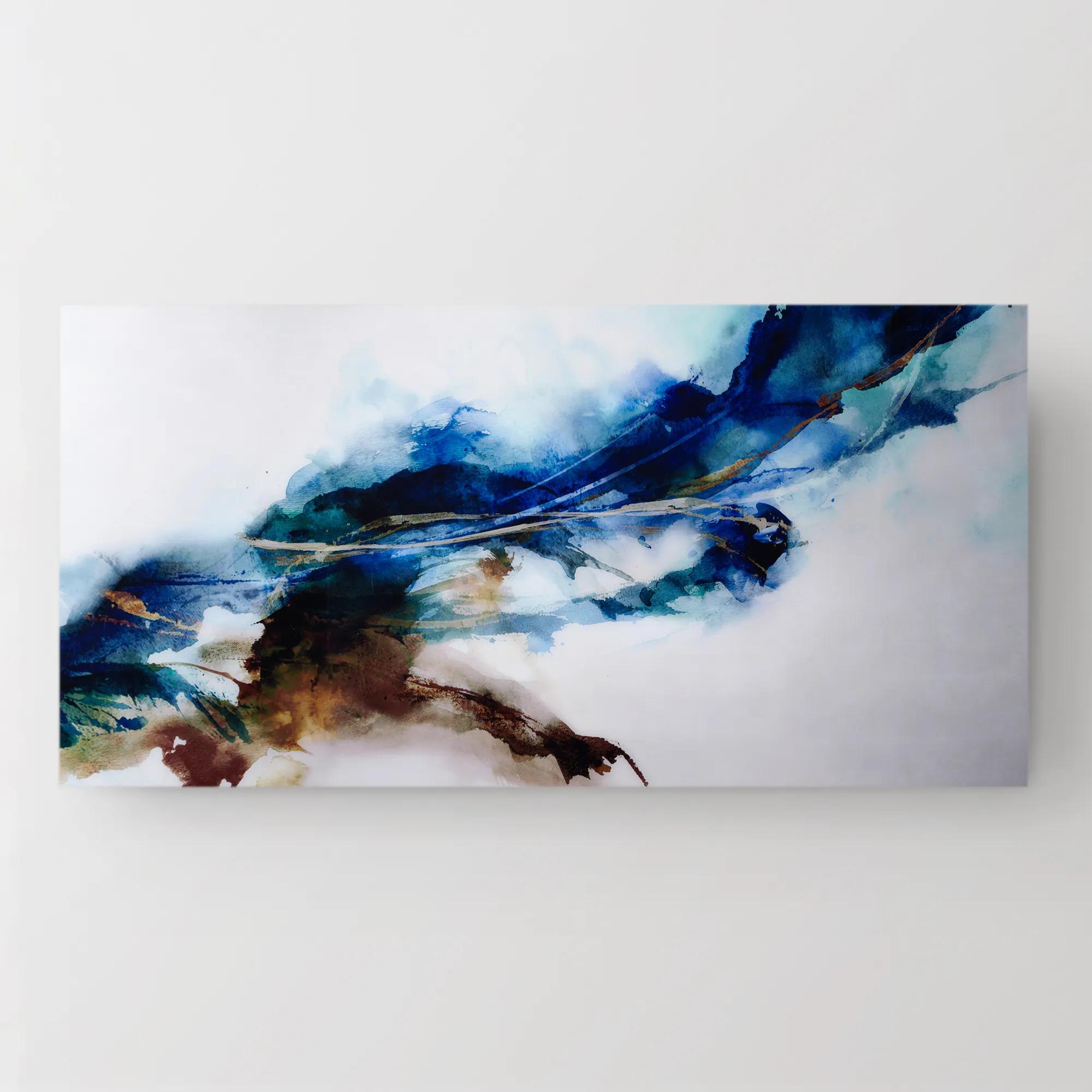 Cerulean Movement Acrylic Art 72" x 36"$1299
A vibrant abstract artwork printed on high-gloss acrylic, infusing your space with dynamic energy and movement.
Add To Cart -
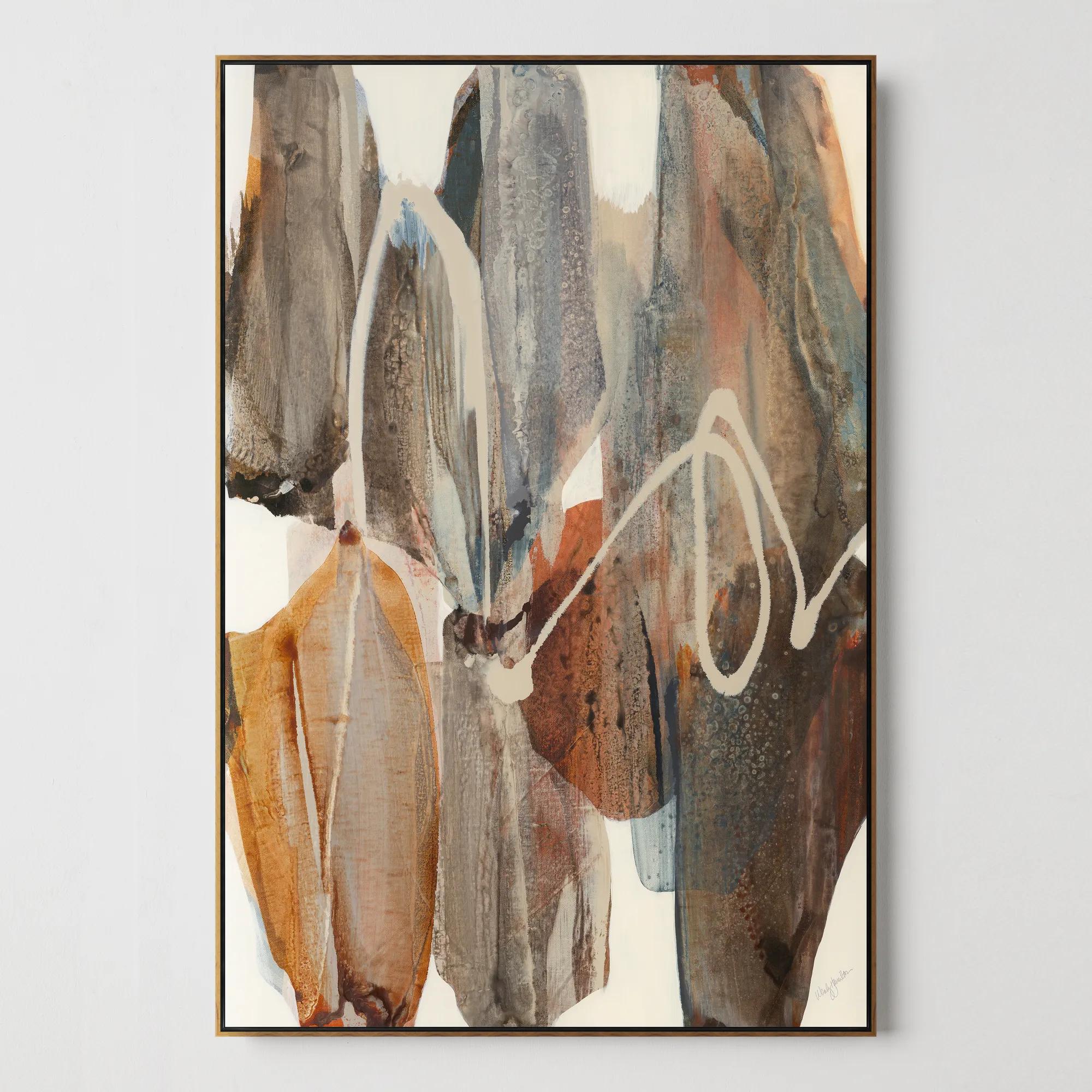
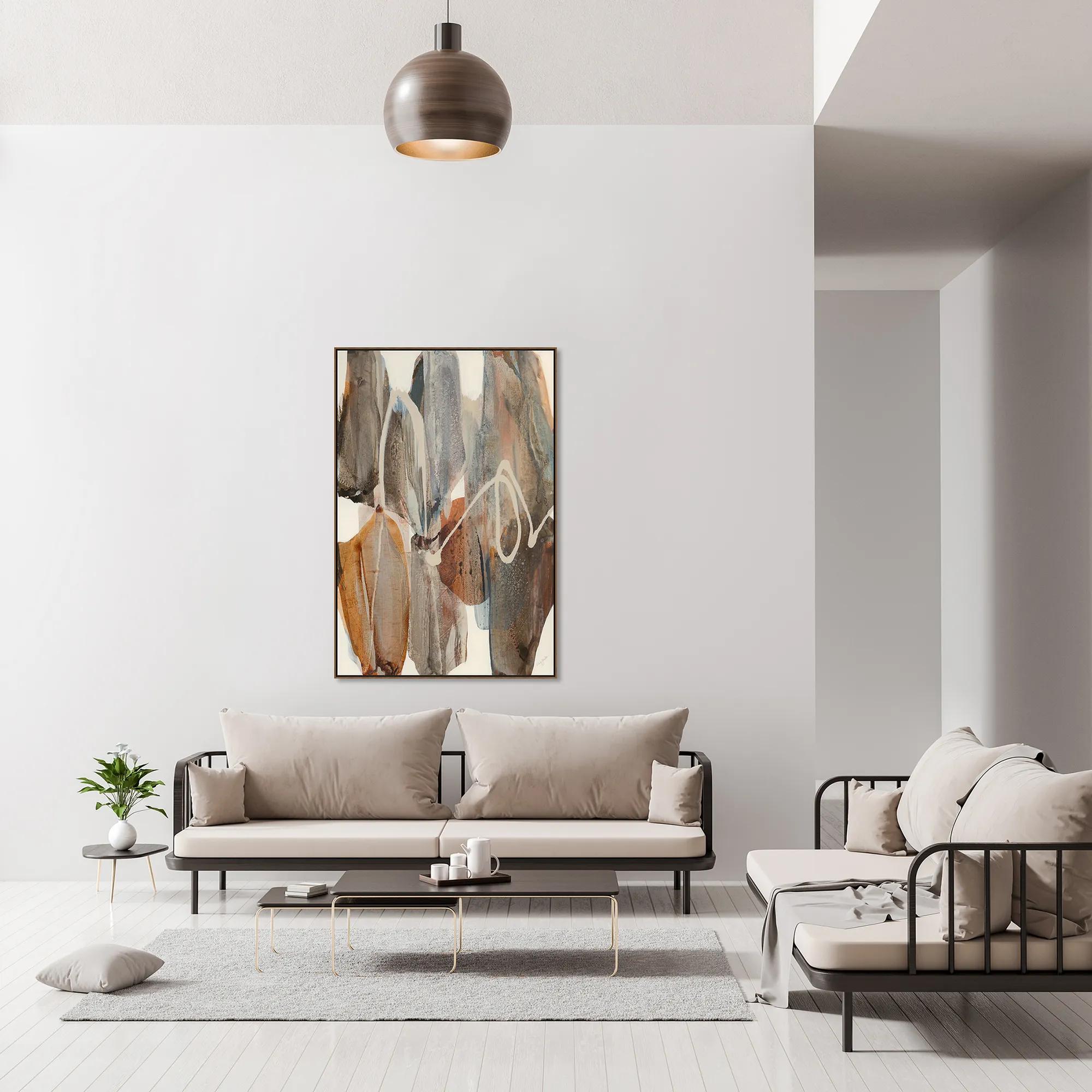 Boundless Framed Wall Art 40" x 60"$999
A gallery-wrapped canvas artwork with hand-applied brush gel finish in an oak floater frame.
Add To Cart

Vertical Or Horizontal Canvas Arts
Vertical Or Horizontal Canvas Arts command attention, transforming blank walls into striking showcases of personal style. Whether you crave the soaring drama of a vertical masterpiece or the sweeping presence of a horizontal statement, these canvases invite you to curate your space with intention and artistry. Each piece becomes more than décor—it’s an invitation to express your vision, create movement, and orchestrate atmosphere. Elevate every room with Vertical Or Horizontal Canvas Arts that turn ordinary moments into extraordinary displays of self-expression.
Vertical and horizontal canvas art bring different kinds of presence to a room: vertical compositions emphasize height and suit narrow walls, while horizontal compositions emphasize width and often complement sofas, beds, and long consoles. The most harmonious orientation depends on the proportions of the open wall, the furniture beneath it, and the mood the artwork creates. A tall canvas can give a slender entryway wall the poise of a gallery alcove, drawing attention upward through sweeping brushwork or elongated forms. A wide canvas can gather a seating arrangement into one cohesive scene, carrying color and movement across the wall without competing with the furnishings below. Neither orientation is inherently more dramatic; scale, contrast, and composition determine whether the effect feels quietly enveloping or gloriously expressive. An expansive abstract with deep charcoal passages may command a living room, while a narrow composition with luminous ivory tones can lend a dressing area an intimate, polished character. Canvas adds its own dimension to that impression. Its woven surface gives printed or painted imagery a tactile foundation, softening the distance between the art and the surrounding textiles, wood, glass, and metal. Abstract gestures, architectural studies, botanical imagery, and sweeping landscapes each establish a distinct visual rhythm, even when they share a palette. Vertical canvas wall art feels particularly compelling where the eye has room to travel upward, such as beside a bookcase or between windows. Horizontal canvas wall art lends itself to uninterrupted stretches of wall, where a broad composition can unfold without feeling compressed. In an open living space, the same orientation can echo the length of a dining table or anchor the view from an adjoining room. For a home with several connected spaces, a shared accent color can unite vertical and horizontal artwork without making every wall feel identical. The result is a collected interior with variation, intention, and room for individual expression.
Proportion gives that expression its confidence. Above a sofa, bed, or console, artwork measuring roughly two-thirds to three-quarters of the furniture’s width often creates a balanced relationship, although generous margins and the surrounding architecture matter more than a rigid formula. That measurement refers to the entire arrangement when multiple canvases appear together. A horizontal canvas above a low-profile sofa can echo its generous silhouette, while two vertical canvases displayed side by side offer a more architectural cadence. On a freestanding wall, a tall composition may provide all the emphasis needed; beside substantial furniture, an undersized canvas can lose its presence unless it belongs to a deliberate grouping. Hanging height also shapes the experience. Artwork generally feels connected to furniture when its lower edge sits approximately six to eight inches above it, with adjustments for headboards, lamps, and the way the room is used. Where no furniture sits below, a center near eye level is a useful starting point rather than an absolute rule. These relationships allow the imagery to hold attention comfortably, whether viewed from a dining chair or across an entry hall. Color and movement then establish the atmosphere. Broad fields of cream, sand, and smoke can soften a room rich in sculptural furniture, while saturated blue, black, or jewel-toned accents introduce depth against pale upholstery. For compositions that emphasize expansive movement rather than a literal subject, horizontal abstract canvas wall art offers a distinctive visual language of layered color, sweeping lines, and open space. A horizontal format can feel serene when its marks drift gently across the surface, or energetic when sharp diagonals interrupt that flow. Vertical abstracts can suggest ascent through stacked forms, cascading strokes, or a single concentrated gesture. Orientation should complement the artwork’s intended composition, not simply the dimensions of an empty wall; rotating a canvas is appropriate only when the design and hanging system allow it. Even a richly layered image benefits from surrounding space, allowing its edges, texture, and color to remain legible rather than disappearing into a crowded arrangement.
Materials and finishing details influence how canvas artwork looks up close and how gracefully it lives in a home. Canvas may be made from cotton, linen, or synthetic blends, with the weave affecting the character of the surface. Printed imagery can convey fine detail and nuanced color, while painted or embellished surfaces may introduce raised marks that catch light differently throughout the room. Not every dimensional effect indicates hand-applied paint, so product descriptions are important when a particular texture or technique matters. Stretched canvas is typically supported by an internal frame; its depth affects how far the artwork projects from the wall and how strongly its silhouette reads from the side. Gallery-wrapped edges carry the image or a finished color around the sides for an uninterrupted appearance, while a surrounding frame adds definition. A floating frame leaves a narrow visual gap around the canvas, creating a shadow line that can make the composition feel especially sculptural. The finished dimensions, including any frame, determine the actual fit, and the artwork’s weight and mounting requirements should suit the wall and appropriate hanging hardware. Lasting beauty also depends on placement and care. Canvas artwork generally belongs in dry indoor spaces away from direct sunlight, persistent humidity, splashes, and concentrated heat, all of which can affect the image, fabric, or supporting structure over time. Gentle dusting with a clean, soft, dry cloth is often suitable, but textured or delicate surfaces may require different handling; the stated care instructions should take precedence. Sprays, household cleaners, and abrasive rubbing can damage a finish. With thoughtful placement, vertical or horizontal canvas art can become an enduring focal point in a living room, bedroom, dining area, or home office. It also makes a personal housewarming or wedding gift when the recipient’s taste and wall dimensions are known. Whether chosen for a first home or a deeply individual collection, the strongest composition brings more than color to a wall: it gives the room a point of view.
FAQs
Selecting between vertical and horizontal canvas art depends on the architecture and mood of your room. Vertical pieces are ideal for accentuating height, adding drama to entryways, or filling narrow spaces between windows. Horizontal canvases, on the other hand, create a sense of calm and expansiveness, perfect for anchoring wide walls above sofas, beds, or dining tables. Consider the flow you wish to create—vertical for elegance and upward movement, horizontal for tranquility and balance.
Vertical canvas art shines in areas that benefit from a sense of height or require a bold, elegant statement. Entryways, hallways, and spaces between tall windows or doors are transformed by the upward energy of a vertical piece. These artworks also pair beautifully with tall furniture, such as cabinets or bookshelves, and can turn overlooked corners into dramatic focal points.
Horizontal canvas art provides a visual anchor, bringing cohesion and harmony to wide, open spaces. In living rooms, a horizontal piece above a sofa or fireplace creates a serene focal point, while in dining areas, it can unify the space and set a sophisticated tone. The expansive orientation is especially effective for panoramic scenes or abstract compositions, making the room feel more open and inviting.
Both vertical and horizontal canvas arts make exceptional gifts, offering a thoughtful and lasting way to celebrate milestones, housewarmings, or festive occasions. Choosing a piece that reflects the recipient’s style or complements their space demonstrates a personal touch, turning art into a cherished part of their home and daily life.
Absolutely. Mixing vertical and horizontal canvas art adds depth and visual interest to your space, allowing you to play with scale, movement, and balance. Pairing different orientations can highlight architectural features, create dynamic gallery walls, and tell a more layered story, all while showcasing your unique sense of style.